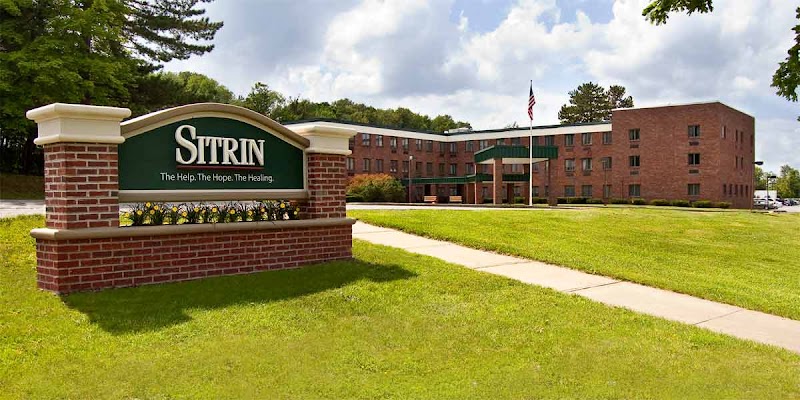
CHARLES T SITRIN HEALTH CARE CENTER INC

2050 TILDEN AVE, NEW HARTFORD, NY 13413 (315) 797-3114
Non profit - Corporation 188 Beds Independent Data: November 2025 1 Immediate Jeopardy citation
Trust Grade
13/100
#492 of 594 in NY
Last Inspection: November 2024

Within standard 12-15 month inspection cycle. Federal law requires annual inspections.

Overview

Charles T Sitrin Health Care Center Inc has a Trust Grade of F, indicating significant concerns and a very poor rating overall. With a state ranking of #492 out of 594 facilities in New York, they are in the bottom half, and #9 out of 17 in Oneida County, meaning there are only a few local options that are better. The facility is improving, with issues dropping from 14 in 2024 to just 2 in 2025, which is a positive trend. Staffing ratings are average at 3 out of 5 stars, with a turnover rate of 47%, which is close to the state average. However, the facility has concerning fines of $194,994, which is higher than 96% of facilities in New York, and they have less RN coverage than 97% of state facilities, raising flags about the quality of care. Specific incidents include a critical finding where a cognitively impaired resident was able to leave the facility undetected, highlighting a failure in supervision and safety measures. Additionally, there were concerns about food service, as meals were not served at safe or appetizing temperatures, and multiple kitchens had issues with cleanliness and food safety standards. While there are some improvements in the facility's operations, these significant weaknesses must be considered carefully by families researching care options.

Trust Score
F
13/100
In New York
#492/594
Bottom 18%
Safety Record
High Risk
Review needed
Inspections
Getting Better
14 → 2 violations
Staff Stability
⚠ Watch
47% turnover. Above average. Higher turnover means staff may not know residents' routines.
Penalties
✓ Good
$194,994 in fines. Lower than most New York facilities. Relatively clean record.
Skilled Nurses
⚠ Watch
Each resident gets only 22 minutes of Registered Nurse (RN) attention daily — below average for New York. Fewer RN minutes means fewer trained eyes watching for problems.
Violations
⚠ Watch
26 deficiencies on record. Higher than average. Multiple issues found across inspections.
★☆☆☆☆
1.0
Overall Rating
★★★☆☆
3.0
Staff Levels
★★★★☆
4.0
Care Quality
★☆☆☆☆
1.0
Inspection Score
Stable
2024: 14 issues
2025: 2 issues

The Good

  • 4-Star Quality Measures · Strong clinical quality outcomes
  • Full Sprinkler Coverage · Fire safety systems throughout facility
  • No fines on record

Facility shows strength in quality measures, fire safety.

The Bad

1-Star Overall Rating

Below New York average (3.0)

Significant quality concerns identified by CMS

Staff Turnover: 47%

Near New York avg (46%)

Higher turnover may affect care consistency

Federal Fines: $194,994

Well above median ($33,413)

Significant penalties indicating serious issues

The Ugly 26 deficiencies on record

1 life-threatening
May 2025 2 deficiencies
CONCERN (D) 📢 Someone Reported This

A family member, employee, or ombudsman was alarmed enough to file a formal complaint

Potential for Harm - no one hurt, but risky conditions existed

Quality of Care (Tag F0684)

Could have caused harm · This affected 1 resident

Based on record review and interviews during the abbreviated survey (NY00341115), the facility did not ensure residents received treatment and care in accordance with professional standards of practic...

Read full inspector narrative →
Based on record review and interviews during the abbreviated survey (NY00341115), the facility did not ensure residents received treatment and care in accordance with professional standards of practice, the comprehensive care person-centered care plan, and the resident's choices for one (1) of three (3) residents reviewed (Resident #1). Specifically, Resident #1 was reported by family to be choking on liquids and there was no documented evidence the resident was assessed by a qualified professional to determine if a modification to their diet was required. Findings include: The facility policy Acute Change of Condition, revised 2/2023, documented all staff were responsible for identifying and reporting a change in a resident's condition. The licensed practical nurse initiated the Acute Change in Condition Communication Form and reported clinical findings to the registered nurse. The registered nurse was to do the following: review the form; assess the resident's symptoms, mental status and physical function; email the Acute Change in Condition Form to the group; contact the physician; communicate with the resident's family to discuss the change in condition; document their assessment in a progress note, any other observations, nursing interventions, notification of the physician and any new orders; continue to monitor following initiation of treatment; and update the provider if there was no improvement or further decline. The provider would review the findings and possible cause of the change in condition with the nurse and develop a plan for initial workup and treatment. The provider would document in the electronic record. Resident #1 had diagnoses including dementia. The 2/22/2024 Minimum Data Set Assessment documented the resident had severely impaired cognition, required set-up or clean-up assistance with eating, and was not on a mechanically altered diet. The 1/20/2024 Refusal of Treatment Resident Release Form, signed by the resident's family member documented the family member refused the resident's recommendations for a modified soft diet. The family was aware the resident was at risk of aspiration, illness, and death according to the signed release. The 1/23/2024 physician order documented regular diet, regular texture, thin consistency. The 1/26/2024 Comprehensive Care Plan documented the resident had a nutritional problem. Interventions included to monitor tolerance of diet consistency, consult speech therapy as needed, and staff were to notify the provider of change in condition requiring interventions/plan of care changes. The 5/2/2024 hospital report documented the resident had an unwitnessed fall and was found in a large pool of blood from a lacerated forehead. The resident's eyelids were edematous (swollen) and bruised and a computed tomography scan (specialized x-ray) showed multiple nasal fractures and possible nasal septal (center of nose) fracture. The 5/2/2024 at 2:36 PM Registered Nurse #10 progress note documented the resident returned from the hospital and was taking in minimal oral liquids and nothing nutritionally due to injury to their nose that did not allow the resident to breath effectively. The 5/2/2024 Physician #9 progress note documented the resident returned from the hospital in some pain, intakes were low, and they hoped pain control would help. New orders included to start 2 liters of normal saline (mixture of water and salt) via intravenous route and a fentanyl patch (narcotic medication delivered through the skin) would be added for pain. The 5/3/2024 at 2:24 PM Registered Nurse #10 progress note documented the resident still had decreased oral intake, complained of a sore throat, and was able to clear oral secretions on their own. The 5/3/2024 at 9:58 PM Licensed Practical Nurse #3 progress note documented the resident's family reported the resident was choking on liquids. Licensed Practical Nurse #3 checked the resident's mouth, and the resident had no liquids in their mouth. There was no documented evidence a qualified professional was notified to assess the resident after they were reported choking. The 5/3/2024 to 5/7/2024 Interdisciplinary Team progress notes and physician progress notes did not address concerns related to the resident's alleged choking on liquids. There were no physician orders related to diet modification and no therapy screenings completed during this time. The Comprehensive Care Plan was not updated to address swallowing concerns. The 5/8/2024 at 2:30 PM Registered Nurse #10 progress note documented the resident complained of shortness of breath and wheezing in their lungs. A chest x-ray obtained showed pneumonia. New orders were implemented for Invanz (antibiotic) intramuscularly (administered into a muscle), oral steroids (medication to decrease inflammation), and breathing treatments (inhaled medications). The 5/10/2024 at 2:22 PM Registered Nurse #10 progress note documented staff reported the resident had increased lethargy, had a fever, and was not rousable. Respirations were increased and the resident had increased oral secretions. The provider was notified and ordered morphine and Ativan (narcotic medications). The 5/11/24 at 12:42 PM Registered Nurse #20 progress note documented the resident was found expired. The 5/15/202024 Autopsy Report documented the resident's cause of death was aspiration pneumonia complicating facial trauma. During a telephone interview on 5/23/2025 at 8:31 AM, Licensed Practical Nurse #3 stated when a resident had a change in condition, they took vital signs, documented in a progress note, and called the supervisor to assess. When Resident #1 fell, they had a gash on their forehead and a bloody nose. There was no bruising. When the resident returned from the hospital, their whole face was bruised. On 5/3/2024, they could not recall if they notified a supervisor about the alleged choking. They stated it was their normal routine to notify a supervisor when a resident had a change in condition because they did not want to take any chances. During a telephone interview on 5/27/2025 at 11:24 AM, Registered Nurse #10 stated they were the current Assistant Director of Nursing and was Resident #1's Unit Manager when they were at the facility in 2024. They expected a registered nurse to be notified of a resident's change in condition so the registered nurse could assess the resident. The physician and family should be notified, and a progress note documented. If a family reported a resident was choking on liquids, they expected a registered nurse be notified for an assessment because the resident would be at risk of aspiration. They were not aware there was no registered nurse assessment completed on 5/3/2024 and there should have been an assessment. During a telephone interview on 5/28/2025 at 10:33 AM, Speech Therapist #19 stated they expected a supervisor assessment if a family reported a resident was choking on liquids. Any nurse could generate a referral to speech therapy so therapy could assess, and they expected a therapy referral for a resident choking on liquids. When Resident #1 was documented as choking on liquids, this was a change in condition for the resident, especially with the recent nasal fracture, and they expected the resident to be assessed by a supervisor and referred for speech therapy. Even with the signed consent form documenting the family refusing the modified solid foods, the resident should have had a medical follow up for the change in condition with liquids. 10NYCRR 415.12
CONCERN (D) 📢 Someone Reported This

A family member, employee, or ombudsman was alarmed enough to file a formal complaint

Potential for Harm - no one hurt, but risky conditions existed

Accident Prevention (Tag F0689)

Could have caused harm · This affected 1 resident

Based on record review and interviews during the abbreviated survey (NY00323986), the facility did not ensure residents received adequate supervision and assistance devices to prevent accidents for on...

Read full inspector narrative →
Based on record review and interviews during the abbreviated survey (NY00323986), the facility did not ensure residents received adequate supervision and assistance devices to prevent accidents for one (1) of three (3) Residents (Resident #2) reviewed. Specifically, Resident #2 sustained a fracture of unknown origin to their left arm. The facility investigation identified family members were known to have transferred the resident and there was no evidence the family was educated on safe transfer techniques prior to the identification of the fracture. Findings include: The facility policy Transferring/Ambulation of Residents, revised 7/2002, documented residents were transferred or ambulated as indicated by the physical therapist's recommendations and/or the physician's/physician assistant's order. The transfer and/or ambulation procedure must be adhered to at all times and recorded in the resident care plan. The policy did not include parameters for non-staff transfers. Resident #2 had diagnoses including cerebral vascular accident (stroke), left-sided hemiplegia (paralysis), osteoporosis (weak and brittle bones), and dementia. The 7/14/2023 Minimum Data Set assessment documented the resident had severely impaired cognition, had a stroke and left sided paralysis, and required extensive assistance of one for stand/pivot transfers. The 2/21/2022 Physical Therapist #15 Physical Therapy Discharge Summary documented the resident was able to perform bed to chair transfers with maximum assistance of 1 staff, but remained inconsistent, often due to being resistive and refusing care. Recommendation to nursing included maximum assistance of 2 staff for transfers. The Comprehensive Care Plan revised 4/2023, documented the resident had impaired mobility, range of motion, balance and endurance related to cerebral vascular accident/hemiparesis/hemiplegia. Interventions included durable medical equipment; left sided quarter bed rail; and for bathing, dressing, and toileting, refer to the resident care instructions. The care plan did not address the family assisting the resident in transfers or ambulation. The 9/14/2023 (prior to arm injury) resident care instructions documented Resident #2 required extensive assistance of one for a stand/pivot transfer, was independent and self-propelled backwards in their wheelchair, required extensive assistance for dressing upper/lower body, and was non-ambulatory. The 9/12/2023 at 11:56 AM Licensed Practical Nurse #12 progress note documented the resident complained of left arm/shoulder pain. Their left arm was paralyzed from a stroke and was more flaccid (limp) than usual. There was no bruising or redness observed. The physician and supervisor were made aware. There was no documented evidence Resident #2 was assessed by a qualified professional on 9/12/2023 after complaining of left arm/shoulder pain. Nursing progress notes completed by Licensed Practical Nurse #12 documented: - on 9/13/2023 at 8:41 AM, the resident refused care and yelled at the certified nurse aide. The resident could be heard hollering down the hall. At 8:50 AM, they were moved to the dining room for breakfast and they refused to eat. - on 9/13/2023 at 1:36 PM, the resident had continued complaints of left arm/shoulder pain, and their left arm continued to be more flaccid than normal. Nurse Practitioner #18 went in to see the resident and the family representative was present. An x-ray of the left arm and shoulder and routine Tylenol (pain reliever) were ordered. The 9/13/2023 at 1:59 PM nursing progress note by Registered Nurse #10 documented the resident had a new order for an x-ray and family was present and aware. The 9/13/2023 (untimed) physician order documented x-ray to left shoulder and humerus (arm bone) one time for one day. The 9/13/2023 at 1:45 PM x-ray report documented two views of the left shoulder were completed. Impression was an acute fracture of the proximal (near) humerus (arm bone). The 9/13/2023 (untimed) physician telephone order documented apply immobilizer sling to affected extremity. Licensed practical nurse to confirm placement and fit every day on every shift for left humerus fracture. The 9/13/2023 at 9:56 PM Accident/Incident report completed by Registered Nurse #10 documented they were notified Resident #2 had bruising to their left arm on their biceps (muscles on the front side of the upper arm) and triceps (muscles on the back of the upper arm). The bruise was greenish purple in color and measured 1.5 centimeters by 0.5 centimeters. There were no injuries noted prior to or after the incident. Contributing factors were gait imbalance (the way a person walks), weakness and incontinence. The resident had an immobilizer in place to their left arm, was resting in bed, and denied any pain or discomfort. The medical provider and the family representative were notified. The 9/14/2023 Registered Nurse #10 written statement documented upon investigation, family and staff often transferred the resident and had not received proper training from facility staff to do this. Family was told they needed to receive training from the therapy department for any further transfers. The 9/14/2023 (untimed) Investigative Summary report completed by the Assistant Director of Nursing documented the resident had an injury of unknown origin. Witness statements were obtained, and abuse was ruled out based on staff, resident, and family representative interviews. Based on witness statements and staff interviews, it was discovered prior to the incident (injury) family transferred the resident to and from the bathroom, recliner, and bed without staff in the room. An injury from the resident's diagnoses, lack of assistance with transfers, or low energy with those transfers could not be ruled out. The resident's care plan was updated, and a physical therapy referral was placed for transfer training for the family. The 9/14/2023 at 2:11 PM Physical Therapy referral by Licensed Practical Nurse #12 documented family transferred the resident at times and a referral was needed for transfer training. There was no documented evidence Resident #2's family received transfer training prior to the injury identified on 9/14/2023. The 9/18/2023 at 2:47 PM physician progress note documented the resident was seen for a sick visit and had sustained a left humeral fracture. No rough or mishandling of the resident occurred per resident and family interviews and no recent falls were documented. The resident had a history of stroke with left-sided paralysis and osteoporosis and the loss of movement could have contributed to worsening osteoporosis. The physician documented they understood staff as well as family transferred the resident and even if best outcomes were intended, those fractures could have occurred. There was no evidence the fracture was related to a fall or mishandling of the resident. During an interview on 5/19/2025 at 11:47 AM, Certified Nurse Aide #11 stated Resident #2 required assistance of 1 staff with the use of a gait belt (belt used to assist with transfers), could bear weight on one leg and pivot. The resident's family often transferred the resident to the bathroom and then rang the bathroom call light for assistance. The family would also transfer the resident to the recliner or into bed after lunch. Certified Nurse Aide #11 told the nurse the family transferred the resident but could not recall the date. On 9/13/2023, the aide reported the resident's left arm appeared more flaccid than normal and their left arm had bruising. They had not noticed any bruising prior to that day. Certified Nurse Aide #11 stated the family was trained on transfers after the resident was discovered to have a fractured arm. During an interview on 5/20/2025 at 9:55 AM with Licensed Practical Nurse #12, they stated Resident #2 required extensive assistance from staff for all their activities of daily living except eating. They transferred to the bathroom with assistance of one and would grab the bars. They would also grab the rail on the bed with transfers. Licensed Practical Nurse #12 was aware the family transferred the resident long before the injury to their left arm. The nurse thought Physical Therapy provided education on transfers to the family. If they witnessed family assisting with a transfer, they would have notified their supervisor and documented it. They did not see any notifications or training documented. During an interview on 5/20/2025 at 2:10 PM, the Director of Therapy Services stated Resident #2 was discharged from physical therapy on 2/21/2022. At the time of discharge, the resident required extensive assistance of 2 for transfers and could stand and pivot. The Director of Therapy stated they were not aware family transferred the resident and there was no documentation of family education for transfers. If family was transferring the resident, they would want to be notified and would have a discussion. They relied on nursing to put a referral into therapy for notification if family education was needed. If nursing had knowledge of family transferring the resident, they should have submitted a referral. It was important to educate family for resident safety. During an interview on 5/21/2025 at 10:33 AM, Physical Therapist #14 stated Resident #2 was low functioning, could not ambulate and sat in a reclining chair. The resident transferred with a stand/pivot method for toilet transfers with extensive assistance of one staff. They did not recall doing any recent evaluations. They were not aware family transferred the resident prior to their injury. If they had been notified the family was transferring the resident, they would have educated them for safety. They did not recall giving the family any transfer education and would have recommended family not transfer Resident #2 due to their diagnosis of stroke as it was not safe. They stated nursing should have placed a referral for physical therapy if they knew the family had transferred the resident. During an interview on 5/22/2025 at 2:50 PM, the Director of Nursing stated Resident #2 sustained a fracture to their left arm and they completed an investigation. They were alerted by Certified Nurse Aide #11 during their investigation family transferred the resident prior to the injury. They had no prior knowledge of family transferring the resident. They stated they did not witness any family transfers and if they had witnessed it, they would not necessarily have put a physical therapy referral in if they thought the family transferred the resident safely. There was no policy addressing family transferring a resident or training for transfers. They expected to be notified if other nursing staff witnessed family transferring the resident if they thought it was unsafe, then they would put a referral into therapy for transfer training. They stated they knew the resident's family had transfer training after the injury due to a referral being placed. 10NYCRR 415.12 (h)(1)
Nov 2024 12 deficiencies
CONCERN (D) 📢 Someone Reported This

A family member, employee, or ombudsman was alarmed enough to file a formal complaint

Potential for Harm - no one hurt, but risky conditions existed

Grievances (Tag F0585)

Could have caused harm · This affected 1 resident

Based on observations, record review, and interviews during the recertification and abbreviated (NY00353770 and NY00356334) surveys conducted 11/12/2024-11/19/2024, the facility did not make prompt ef...

Read full inspector narrative →
Based on observations, record review, and interviews during the recertification and abbreviated (NY00353770 and NY00356334) surveys conducted 11/12/2024-11/19/2024, the facility did not make prompt efforts to resolve grievances for 1 of 1 resident (Resident #126) reviewed. Specifically, Resident #126 was missing their right hearing aid, and it was not recovered or replaced. Additionally, placement of both hearing aids was documented in the medical record after the right hearing aid was reported missing. The facility policy, Resident and Family Grievance Policy and Procedure, revised 7/2023, documented all residents/patients and their families would be informed of the steps necessary to communicate a formal grievance without fear of retaliation or barriers to service. Grievances could be through written or verbal communication. Such grievances would be brought immediately to the attention of the Director of Nursing and Corporate Compliance Officer for review and evaluation and they would work with staff to resolve the issue. If the resident/family member was dissatisfied with the resolution of the issue, they could contact the Administrator through written or oral communication and if still unsatisfactory, they could contact the Department of Health's centralized intake unit. The facility policy, Misappropriation (Missing or Damaged) Resident Property, revised 9/2023, documented upon receipt of an allegation of misappropriation of resident's property, a missing resident property form would be initiated by the staff member who was informed of the missing/damaged property. All information from the investigation would be documented on the missing property form under the applicable section. If it was determined the facility was liable, reimbursement would be based on either a receipt or the normal life expectancy of an item. Resident #126 had diagnoses of Parkinson's Disease (a progressive neurological disorder), neurocognitive disorder with Lewy bodies (degeneration of areas of the brain and brainstem), and dementia. The 12/20/2023 Minimum Data Set assessment documented the resident had hearing aids, had severely impaired cognition, required substantial/maximum assistance with bathing, personal hygiene, upper body dressing, and the resident considered it very important to take care of their personal belongings. The 12/19/2022 Registered Nurse #13 admission assessment documented the resident had hearing aids for both ears. The Comprehensive Care Plan initiated on 12/19/2022 documented the resident had an activity of daily living deficit related to dementia. Interventions included durable medical equipment and to see certified nurse aide care instructions. The 12/29/2022 Physician #22 order documented bilateral hearing aids every shift. The order was discontinued on 10/19/2023. The 9/2024 Medication Administration Records documented bilateral hearing aids; verify in bilateral ears every shift or in medication cart overnight with a start date of 10/19/2023 and an end date of 11/13/2024. The 9/2024 certified nurse aide task form documented: - on 9/5/2024 at 10:46 AM Certified Nurse Aide #30 documented the resident had both hearing aids present - on 9/5/2024 at 11:16 PM, Certified Nurse Aide #25 documented N/A. The 9/5/2024 at 10:24 PM Licensed Practical Nurse #16 progress note documented the resident's right hearing aid was reported missing on the 3:00 PM-11:00 PM shift by Certified Nurse Aide #25 during PM care. Certified nurse aide #25 removed the left hearing aid and placed it in a box on the resident's dresser. Licensed Practical Nurse #16 placed the box in the medication cart. A missing property form was initiated. The Resident Property- Missing or Damaged Property form initiated on 9/5/2024 and reviewed on 9/6/2024 by Registered Nurse #17 documented the resident's right hearing aid was reported missing during the 3:00 PM-11:00 PM shift on 9/5/2024 during PM care by Certified Nurse Aide #25. On 9/9/2024, Social Worker #27 documented they spoke with the family representative and the expectation was reimbursement for the right hearing aid. A receipt would be provided by the family representative and the approximate value was two-thousand five hundred dollars ($2,500.00). On 9/26/2024, the [NAME] President of Clinical Operations documented Administration stated the facility was not responsible for the resident's missing hearing aid if staff documented it was present during the day shift prior to it missing. The undated and untimed summary investigation report by the Administrator documented the resident had a brief interview for mental status score of 99 (severely impaired cognition), Parkinson's Disease and Lewy body dementia. The resident's right hearing aid was documented by staff as present prior to it missing. The resident may have removed it themself or it could have fallen out due to the resident leaning in their chair. The Administrator documented the admission Agreement stated the facility was not responsible for the missing hearing aid unless it was due to negligence. The 9/2024 Medication Administration Record documented there were 23 days the resident's bilateral hearing aids were verified in both ears or in the medication cart after 9/5/2024 when the right hearing aid was reported missing. The 10/19/2023 Physician #22 order documented bilateral hearing aids every shift. The order was discontinued on 11/13/2024. The 10/2024 medication administration record documented there were 31 days the resident's bilateral hearing aids were verified in both ears or in the medication cart. The 11/13/2024 at 7:00 AM, Physician #22 order documented left hearing aid, verify in left ear every shift or in medication cart overnight. The November 2024 resident care instructions documented left hearing aid, verify in left ear every shift or in the medication cart. During an observation on 11/13/2024 at 11:43 AM, Resident #126 was sitting in their room. There were no hearing aids in the resident's room or in their ears. During an observation on 11/14/2024 at 10:26 AM, the resident was sitting in the dining room and was not wearing hearing aids in either ear. During an observation on 11/15/2024 at 10:41 AM, the resident was sitting in the with a hearing aid in their left ear only. The November 2024 medication administration record documented 12 days the resident's bilateral hearing aids were verified in both ears or in the medication cart including 11/13/2024, 11/14/2024, and 11/15/2024. During an interview on 11/13/2024 at 9:00 AM, the family representative stated the Resident's right hearing aid was missing, the resident could not manage their own hearing aids (taking them in or out), they complained to the facility and the facility refused to reimburse or replace the hearing aid. They had received several electronic mail communications from the [NAME] President of Operations stating the facility would not be responsible for the lost hearing aid. During an interview on 11/15/2024 at 10:11 AM, Certified Nurse Aide #3 stated Resident #126 was missing their right hearing aid. The resident had a green container their hearing aids were kept in. The nurses would place the hearing aids in the resident's ears in the morning and the certified nurse aids would remove them at bedtime. Certified Nurse Aide #3 stated the resident required total care and staff would have to put the hearing aids in for them. They stated the hearing aids were not working the evening the right hearing aid went missing. During an interview on 11/15/2024 at 10:19 AM, Certified Nurse Aide #26 stated the resident required total care and had hearing aids. Staff had to put the hearing aids into the resident's ears. Certified nurse aide #26 did not recall working the evening the right hearing aid went missing. The certified nurse aides would have to sign that they looked for hearing aids or other personal items before they did the laundry. During an interview on 11/15/2024 at 11:36 AM, Licensed Practical Nurse #4 stated they recalled hearing on the morning of 9/6/2024 that Resident #126's right hearing aid was missing. They searched the house, looked in the washers and dryers and in the Resident's room and hallway and could not find the hearing aid. Licensed Practical Nurse #4 stated they put the resident's hearing aids in their ears in the morning and the evening certified nurse aides took them out and gave them to the evening nurse. The resident could not put their hearing aids in or take them out independently. A missing property form was filled out by the Supervisor and turned into Administration. They stated the family wanted reimbursement for the hearing aid, but they did not know the outcome of the investigation. During an interview on 11/18/2024 at 12:20 PM, Social Worker #27 stated they were aware of Resident #126's missing right hearing aid. They stated the resident had a cognitive decline, sat in a recliner chair, and could not put their hearing aids in or take them out. If a resident's personal property was missing, a missing items form was completed by the staff who first noticed it missing, they in turn filled out their section and obtained the item's value and the form was sent to Administration. Social Worker #27 stated they told the family representative to seek out their insurance for coverage. During a telephone interview on 11/18/2024 at 1:29 PM, the [NAME] President of Clinical Operations stated they were aware of Resident #126's missing right hearing aid, the resident was cognitively impaired and could not put their own hearing aids in or take them out. Their duties had been to assist with missing property investigations, and they filled out their section of the missing items form. When they finished their portion of the report they handed it to Administration. They stated Resident #126 was care planned for staff to put the hearing aids in and take them out every shift, but they were unsure if the facility was responsible for the lost hearing aid. They stated they had concluded that the facility was not liable for the missing hearing aid because nursing staff had documented the day before on 9/5/2024 that their hearing aid was present. During an interview on 11/18/2024 at 3:04 PM, Certified Nurse Aide #25 stated they were familiar with Resident #126, they had glasses and hearing aids. Nursing staff was responsible to put the hearing aids in and take them out during PM care or during naps. Certified Nurse Aide #25 stated they worked on the 3:00-11:00 PM shift on 9/5/2024 and the Resident's right hearing aid was already missing when they came on shift. During an interview on 11/19/2024 at 9:55 AM, the Administrator stated Resident #126 was missing a right hearing aid. They were familiar with the resident, and the resident could not manage their own hearing aids. The Administrator stated the resident's hearing aids were on their treatment plan and staff were responsible for putting them in their ears and taking them out in the evening. The Administrator stated the facility concluded they were not responsible for the lost right hearing aid because staff had documented every day, they were putting them in or taking them out. 10NYCRR 415.13(c)(I)(ii)
CONCERN (D)

Potential for Harm - no one hurt, but risky conditions existed

Deficiency F0645 (Tag F0645)

Could have caused harm · This affected 1 resident

Based on record review and interviews during the recertification survey conducted 11/12/2024-11/19/2024, the facility did not ensure residents were screened for serious mental disorders, intellectual ...

Read full inspector narrative →
Based on record review and interviews during the recertification survey conducted 11/12/2024-11/19/2024, the facility did not ensure residents were screened for serious mental disorders, intellectual disabilities, and related conditions prior to admission to the facility for 1 of 35 residents (Resident #104) reviewed. Specifically, there was no documented evidence Resident #104 had a Preadmission Screening and Resident Review Level I completed by a qualified screener prior to admission to the facility to determine if the resident had a mental disorder, intellectual disability, or a related condition. Findings include: The facility policy, New York State Department of Health Screen Form, revised 1/2017, documented a screening form would be completed preadmission and when a resident's condition or circumstances change such that the outcome indicated a change in placement or as a psychiatric condition developed or when a nursing home admission that was originally determined to be less than 30 days exceeded beyond that time. The medical records department would be notified if a level II review was required. The facility policy, admission of Individuals with Mental Illness/Developmental Disability, dated 11/2023, documented the [New York State Screen] form (DOH-695) would be reviewed by the Director of Admissions or designee as part of the decision making process. If item #23 (mental illness diagnosis) or items #24, #25, #26 are checked 'yes' then a level II Preadmission Screen for Resident Review must be completed as follows: -for individuals who trigger for a mental illness, the level II Preadmission Screen for Resident Review must be completed. Results of the level II Preadmission Screen for Resident Review must be received by the facility and must indicate that skilled nursing facility placement is appropriate prior to offering a bed/admitting the individual. Should the assessments indicate that skilled nursing facility placement was not appropriate, the facility would not admit the individual. Resident #104 had diagnoses including dementia with other behavioral disturbances. The 6/10/2021 Minimum Data Set admission assessment documented the resident was admitted from an acute hospital, they did not require a level II Preadmission Screen Resident Review, they had severely impaired cognition, and required extensive assistance with most activities of daily living. There was no documented evidence Resident #104 had a Level I Preadmission Screen Resident Review completed prior to admission to the facility as required. During an interview on 11/19/2024 at 1:30 PM, the Administrator stated they were unaware every resident needed a Preadmission Screen Resident Review completed and they would defer all questions to social services. During an interview on 11/19/2024 at 1:36 PM, Director of Social Services #39 stated before a resident was admitted to the facility, hospitals would complete a Patient Review Instrument and Preadmission Screen for Resident Review (New York State Department of Health form 695) and send it to them. It was a source of referral, and they would always get the Patient Review Instrument and screen from either the hospital or transferring nursing home. All Residents from New York State were required to have a screen completed. Resident #104 came from another state, so they did not have one completed. A Level I screen determined the level of care required and if a resident was appropriate for a nursing home/skilled care. If they were able to receive a lower level of care, the screening would be a formality for their facility. If the Level II screen was triggered by the Level I screen for developmental disability or serious mental illness, it would list what special services were needed for the resident. If a resident came from another state, services would be determined based on the records from the transferring facility. Director of Social Services #39 stated they did not think other states completed a Preadmission Screen for Resident Review. Resident #104 did not have either a mental illness or disability or they would not have admitted them. If they felt the resident required more care, they would have completed a screening, but it would have been completed after they were admitted and would not be accurate. 10NYCRR 415.11(3)
CONCERN (D)

Potential for Harm - no one hurt, but risky conditions existed

Comprehensive Care Plan (Tag F0656)

Could have caused harm · This affected 1 resident

Based on record review and interviews during the recertification survey conducted 11/12/2024- 11/19/2024, the facility did not ensure the development and implementation of a comprehensive person-cente...

Read full inspector narrative →
Based on record review and interviews during the recertification survey conducted 11/12/2024- 11/19/2024, the facility did not ensure the development and implementation of a comprehensive person-centered care plan for each resident to meet the medical and nursing needs identified in the comprehensive assessment for 1 of 5 residents (Resident #2) reviewed. Specifically, Resident #2 received an anticoagulant (blood thinner) medication and did not have an individualized care plan for this medication. Findings include: The facility policy, Anticoagulation Therapy, revised 9/2024, documented all residents receiving anticoagulant therapy would have the reason for the therapy included on their care plans. If the resident had an order for anticoagulant therapy on admission, the admitting registered nurse would include the reason for it in the care plan. If the resident was started on anticoagulant therapy after admission, the nurse receiving the order for anticoagulant therapy would ensure that the care plan would be updated with this information. The care plan would be updated concerning anticoagulant therapy by the admission nurse or the nurse receiving the new order whenever anticoagulant therapy was started, and each 30/60-day order reviewed. Resident #2 had diagnoses including dementia and atrial fibrillation (irregular heartbeat). The 10/18/2024 Minimum Data Set assessment documented the resident had intact cognition and was taking high risk medications during the last seven days including an anticoagulant. The 1/18/2024 physician order documented Eliquis (apixaban, an anticoagulant) oral tablet 5 milligrams give one tablet by mouth every 12 hours for blood thinner. There was no documented evidence the use of an anticoagulant was included in the resident's Comprehensive Care Plan initiated 1/18/2024. The November 2024 Medication Administration Record documented the resident received Eliquis 5 milligrams twice a day as ordered from 11/2/2024 through 11/15/2024. During an interview on 11/13/2024 at 8:59 AM, Resident #2 was not sure what medications they took during the day. During an interview on 11/19/2024 at 12:23 PM, Registered Nurse Unit Manager #9 stated the resident did not have a care plan for their anticoagulant and there should have been one in place. The Registered Nurse Manager stated they were responsible for updating residents' care plans with medications and any changes to their care. They did not know why the resident's Eliquis was not included in the care plan. Anticoagulants put the resident at risk for bleeding and staff would need interventions in place to keep the resident safe. They stated they should have updated the care plan when the resident arrived to long term care and with the recent completion of the Minimum Data Set update. 10 NYCRR415.12 (e)(2)
CONCERN (D) 📢 Someone Reported This

A family member, employee, or ombudsman was alarmed enough to file a formal complaint

Potential for Harm - no one hurt, but risky conditions existed

Deficiency F0692 (Tag F0692)

Could have caused harm · This affected 1 resident

**NOTE- TERMS IN BRACKETS HAVE BEEN EDITED TO PROTECT CONFIDENTIALITY** Based on observations, record review, and interviews during the recertification and abbreviated (NY00356334) surveys conducted 1...

Read full inspector narrative →
**NOTE- TERMS IN BRACKETS HAVE BEEN EDITED TO PROTECT CONFIDENTIALITY** Based on observations, record review, and interviews during the recertification and abbreviated (NY00356334) surveys conducted 11/12/2024-11/19/2024, the facility did not ensure residents maintained acceptable parameters of nutritional status for 1 of 5 residents (Resident #73) reviewed. Specifically, clinical nutrition staff did not assess Resident #73 following a significant weight loss. Findings include: The facility policy, Nutrition Assessments, dated 3/2022, documented the nutrition documentation was timed with [Minimum Data Set] schedules and care plan reviews or based on the resident's risk level and changes in nutritional status. Documentation should capture comprehensive and relevant findings and need for care plan revisions. The quarterly assessment was used to track resident status in-between comprehensive assessments to ensure risk indicators were monitored and interventions were implemented timely to minimize significant changes in resident status. The frequency of assessments was at least every 90 days but was also determined by the condition or nutritional risk level of the resident. Resident #73 had diagnoses including Alzheimer's disease, heart failure, and diabetes. The 9/27/2024 Minimum Data Set assessment documented the resident had severely impaired cognitive skills, it was important for the resident to receive snacks between meals, required set-up assistance for eating, received a mechanically altered diet, weighed 156 pounds, did not have an unplanned weight loss, nutritional status was triggered and was addressed in the care plan. The 2/27/2023 physician order documented the resident's weight was to be obtained on the first Wednesday of the month, every month during the day shift. The Comprehensive Care Plan revised 9/24/2024 documented the resident had a nutritional problem or potential nutritional problem related to severe cognitive deficit, advanced age, dysphagia (difficulty swallowing) diet restrictions related to altered consistency, moderate malnutrition, history of significant weight gain, and the potential for weight fluctuations due to daily diuretic use. The goal was for the resident to tolerate their pureed diet and to maintain adequate nutritional status by consuming greater than or equal to 75% of their meals. Interventions included the resident was to be fed by staff with drinks in mugs with lids and straws, honor food and fluid preferences, monitor the resident's intakes, monitor weights as ordered, monitor consistency tolerance, and provide and serve fortified food to compensate for periods of poor intake. The resident received Super Cereal (fortified cereal) at breakfast and fortified pudding at lunch three times a week. The resident's [NAME] (care instructions) documented the resident required a deep divided dish, drinks in mugs with lids and straws, was to be fed by staff, was a hydration risk, and was on a regular diet with pureed texture. The 10/1/2024 Dietetic Technician #21's Nutrition Comprehensive Assessment documented the resident's most recent weight was taken on 9/10/2024 and was 156.4 pounds and they did not have a weight change. Their desired body weight range was 154-164 pounds. The resident's weight declined 3% since their June 2024 weight of 162 pounds. The resident's dietary preferences included fortified pudding at lunch three times a week and Super Cereal at breakfast. The resident's intakes were 25-75% for breakfast, lunch, and supper. The resident had fat wasting at their orbital and muscle wasting at their clavicles. The goals were adequate fluid intake, maintenance of nutrition parameters, acceptance of fortified foods/supplements, and to maintain their weight plus or minus 5 pounds. The 11/4/2024 sixty-day progress note by Physician #23 documented the resident continued a gradual and expected clinical decline and the resident's oral intake was diminished. The resident's creatinine had crept up. The provider discontinued the resident's diuretic. They documented the increase in creatine was likely a result of the resident's overall clinical and age-related decline with concurrent decreased oral intake. The certified nurse aide Point of Care response for What percentage of the meal was eaten? from 11/1/2024 to 11/18/2024 documented 9 out of 72 responses the resident consumed 75-100% of their meal. The resident refused their meal 17 of 72 responses. Resident #73's weight record documented the resident weighed 153.8 pounds on 10/4/2024 and 144.6 pounds on 11/6/2024 (a significant 6% weight loss in 1 month). There was no documented evidence Resident #73 was assessed by clinical nutrition staff after a 6% significant weight loss. Resident #73 was observed: - on 11/14/2024 at 8:35 AM in the dining room being assisted with breakfast by Certified Nurse Aide #18 who stated the resident did not want to eat their mashed potatoes and was spitting them out, but they liked the pureed fruit. - on 11/15/2024 at 12:14 PM, in the dining room being assisted with lunch by Certified Nurse Aide #19. The resident was declining to eat lunch but drank some orange juice. Licensed Practical Nurse #20 stated the resident usually liked sweets. Certified Nurse Aide #19 attempted to give the resident their fortified pudding and the resident accepted a couple of bites of the pudding. During an interview on 11/19/2024 at 11:05 AM, Dietetic Technician #21 stated residents were assessed quarterly unless there was a significant change. They were responsible for all the assessments, plans of care, and interventions for the residents in long-term care. The nurses and Nurse Managers did not notify them of resident weight loss, it was their responsibility to look at the weekly or monthly weights. They stated they had not assessed Resident #73 since their last assessment on 10/1/2024. They stated they had written down the resident had a weight loss from 153 pounds to 144 pounds but had not looked at the resident. They stated a resident with significant weight loss should be assessed immediately with the onset of weight loss. They stated the goal for residents, unless they were on comfort care, was to maintain their weight as able and optimize their intakes. They were aware Resident #73's intake fluctuated but their goal would be for the resident's weight to trend back toward where it was. They stated they reviewed provider progress notes when they updated the care plans. Unless the weight order was discontinued their goal for a resident would always be to maximize their intake and maintain their weight. They stated it was important to assess a resident's weight loss when it happened as the resident's calorie needs may need to be calculated at a different rate and higher calorie interventions may need to be implemented. During an interview on 11/19/2024 at 10:49 AM, Physician #22 stated they expected Resident #73 to continue to decline. They stated they were unaware if the registered dietitian or dietetic technician were aware of the resident's decline. They stated they expected the resident to continue to decline and ideally, they would like the resident to continue to consume a normal intake, but it was unlikely due to their advanced dementia with diminished hunger and thirst. 10NYCRR415.12(i)(1)
CONCERN (D)

Potential for Harm - no one hurt, but risky conditions existed

Deficiency F0744 (Tag F0744)

Could have caused harm · This affected 1 resident

**NOTE- TERMS IN BRACKETS HAVE BEEN EDITED TO PROTECT CONFIDENTIALITY** Based on observations, record review, and interviews during the recertification survey conducted 11/12/24-11/19/24 the facility ...

Read full inspector narrative →
**NOTE- TERMS IN BRACKETS HAVE BEEN EDITED TO PROTECT CONFIDENTIALITY** Based on observations, record review, and interviews during the recertification survey conducted 11/12/24-11/19/24 the facility did not ensure a resident who displayed or was diagnosed with dementia, received the appropriate treatment and services to maintain their highest practicable physical, mental, and psychosocial well-being for 1 of 6 residents (Resident #40) reviewed. Specifically, the facility did not follow Resident #40's individualized care plan interventions that included the resident's customary routines, interests, preferences, and choices to enhance their well-being and to guide staff in managing the resident's care. Findings include: The facility policy, Caring for Residents with Dementia, revised 1/2024, documented residents would have regular cognitive evaluations and care plans would be changed accordingly. The resident would have an individualized care plan to have their specific needs addressed which included behavior management and daily living activities. The care plan would be adapted to the resident's current stage of dementia and updated as needed. An individualized behavior care plan would be implemented that listed to prevent or manage behaviors. The facility policy, Behavioral Management Plans, dated 10/2015, documented behavior management plans would be developed and regularly reviewed for residents who had maladaptive behaviors that were disruptive or dangerous to other residents and staff. Behavior plans would be utilized by staff to promote positive, appropriate behaviors and interactions. Behavior plans included identification of behavior problems, triggers for behaviors, signs of escalation, and interventions. Behavior management plans would be placed in the [certified nurse aide] task book on each unit and staff was responsible for reviewing the plan prior to each shift. Behavioral plans would be reviewed monthly, and any changes are approved by the behavioral committee. Resident #40 had diagnoses including Alzheimer's disease, dementia with other behavioral disturbances, and major depressive disorder. The 8/28/2024 Minimum Data Set assessment, documented the resident had severely impaired daily decision making skills, fluctuating inattention, continuous disorganized thinking, physical behavior symptoms that did not affect their participation in activities 1-3 of 7 days, it was important to the resident to have family involved in care discussions, and liked to read books, magazines, and newspapers, listen to music, participate in their favorite activities, and do things with groups of people. The 3/3/2023 Comprehensive Care Plan documented the resident had the potential to be physically aggressive by kicking, slapping, and biting related to their dementia. Interventions included to follow the resident's behavior plan prior to administration of as needed medication. The resident's person-centered care plan of care documented the resident preferred to sleep in and not be disturbed for breakfast and medication administration. Their adult children were agreeable that the resident be allowed to sleep in. Interventions included to feed the resident and give medications when the resident awoke. The revised 5/29/2024 Comprehensive Care Plan documented the resident was dependent on staff for meeting their emotional, intellectual, physical, and emotional needs due to the advanced dementia and cognitive deficits. Interventions included the resident preferred television shows including Law and Order, NCIS, Wheel of Fortune, Jeopardy, and baseball. Engage the resident in simple tasks such as looking at magazines, manicures, holding a doll, going for walks, and talking/reminiscing. The undated [NAME] (care instructions) documented to read the resident's behavior plan when the resident was restless or agitated. The resident's behavior plan in the certified nurse aide task book documented the resident was to go to the dining room table for meals and staff was to give the resident objects to fidget with such as stuffed animals, puzzle pieces, magazines, and pop-up toys. Staff was also to provide activities of interest to the resident to do while seated in their recliner chair. The resident enjoyed busy work such as organizing papers or looking at magazines. The 11-7 Get Up List documented the resident was to be dressed and out of bed on the 11:00 PM to 7:00 AM shift. Resident #40 was observed: - on 11/12/2024 at 11:28 AM, sitting in their wheelchair in front of the television in the common area. They were alternating between having their eyes open and closed while they leaned forward and back with their legs crossed. The resident was reaching forward out in front of themself toward the air or touching their face and hair. They were moving their upper body and appeared restless with slow movements. At 11:36 AM, the resident leaned forward to the right, bent at the waist in their wheelchair, as if they were reaching for something and then sat back. - on 11/13/2024 at 8:22 AM, sitting in the dining room, pushed up to the table in their wheelchair, with nothing in front of them except a placemat. At 8:48 AM, the resident was assisted with breakfast by staff. - on 11/14/2024 at 8:33 AM, in the dining room pushed up to the table in their wheelchair and had completed breakfast. The news with the weather was on the common area TV and the resident had their eyes closed as they slightly rocked back and forth. At 11:55 AM, the resident was sitting at the table in the dining room with nothing in front of them. They had their eyes closed and was periodically rocking back and forth with their left hand intermittently touching their face and picking at their shirt. At 12:23 PM, a plate was placed in front of the resident by a certified nurse aide who sat to assist the resident with their meal. - on 11/15/2024 at 9:29 AM, in their room in their wheelchair, parallel with the end of the bed. The television was playing a Christmas movie with the sound on. The resident leaned slightly forward in their chair with their eyes open and legs crossed. The resident's fingers moved continuously. At 11:21 AM, the resident was sitting at a table in the dining room with their hands in their lap. The resident had their head tilted back with their mouth open. There was nothing in front of the resident except their place mat and silverware. At 11:23 AM, the resident's eyes were still closed, and they began to pinch at their sweatshirt. At 11:35 AM, the resident leaned forward and backward in their wheelchair at the dining room table while they moved and crossed their legs. The resident was intermittently moving their hands back and forth under the table and flexing their fingers. At 11:43 AM, the resident had their arms crossed in front them while they rocked back and forth. They lifted their left arm then flexed their left hand against their right arm and grabbed their sweatshirt sleeve. They walked their fingers on their arm and the wheelchair arm. They leaned forward in their seat and then backward. At 12:00 PM, they were pulling at the blanket in their lap. At 12:13 PM, Licensed Practical Nurse #20 sat next to the resident and greeted them while the resident moved their hand back and forth on the empty placemat. - on 11/18/2024 at 11:04 AM, in their wheelchair in their room with the Hallmark Channel on their television while they moved their hand in a fidgeting manner with their eyes closed. At 11:12 AM, the resident sat forward in their wheelchair with their eyes open and awake while they grabbed at their pant leg and their shirt sleeve and then crossed their left leg over their right. The resident was angled slightly, toward the corner and window in the room, away from the television, so it was not in direct line of sight. The Hallmark Channel was on the television and the resident had nothing else in front of them. At 11:28 AM, the resident was brought into the dining in their wheelchair and pushed up to table. The resident was staring ahead with their eyes open and their hands in their lap. The resident had only the placemat and silverware in front of them. There were no distractions or fidget items provided. The resident's leg and hands were moving under the table. They rocked themselves forward and back while readjusting their position in the chair. At 11:30 AM, the resident was fidgeting in their chair, moving their hands, and readjusting their body position frequently. During an interview on 11/18/2024 at 11:47 AM, Social Worker #27 stated the social work department was responsible for cognitive loss and behavior care plans. The nursing department also assisted with a resident's behavior care plan. Social Worker #27 stated they created the behavior plans that were kept in the certified nurse aide task books. The behavior plans were updated as needed and they were reviewed at least yearly to ensure they were up to date. They created the behavior plans by consulting with the staff in the house the resident resided. They also spoke with the resident if the resident could make their needs known and with a resident's family to incorporate likes and dislikes. The staff were aware of the interventions on the behavior plan and the plans were reviewed by the interdisciplinary team prior to being placed in the task book. They stated Resident #40 had their restlessness included on their behavior plan. They stated the staff should be giving the resident items to occupy them in the dining room, particularly a baby doll as that was a calming technique for the resident. During an interview on 11/18/2024 at 1:37 PM, Certified Nurse Aide #19 stated staff was supposed to review the task book every day because it could change. They reviewed the resident behavior plans as needed and received report from the nurse if anything had changed. They stated as part of Resident #40's behavior plan they were supposed to have two certified nurse aides assist the resident because the resident would grab and fight during care. They stated the resident was an early get up from night shift and was always up prior to the start of their shift on the day shift. They stated sometimes they give the resident teddy bears in the dining room, and the resident grabbed onto them as well as an activity blanket. They stated the items were usually given after breakfast when the resident was up in their chair. They stated the resident was sometimes given items to assist with their fidgeting before meals but not always. During an interview on 11/18/2024 at 1:49 PM, Licensed Practical Nurse #34 stated certified nurse aides were supposed to review the task binder every shift which included the behavior plans for the residents. The certified nurse aides should follow what was on the behavior plan. They stated if a resident's care plan included to allow the resident to sleep in, they should not be on the early get up list. If a behavior plan recommended to give the resident something to occupy them in the dining room while awaiting a meal, they should be given what was recommended. They stated they did review the behavior plans in the task book but were unaware Resident #40 was to have items to fidget with when brought to the dining room early. During an interview on 11/18/2024 at 1:59 PM, the Assistant Director of Nursing stated the certified nurse aides, and the licensed practical nurses should look at the task binder on the unit prior to each shift. They stated if a behavior plan was in place, staff were supposed to follow it. If a resident had a care plan indicating they preferred to sleep in and their family was aware the resident may miss a meal or medications, they should not be on the early get up list. During an interview on 11/19/2024 at 11:50 AM Registered Nurse Unit Manager #9 stated they left it up to the charge nurses to determine who was on the early get up list. They stated Resident #40 was on the early get up list when their care plan stated they preferred to sleep in as they had overlooked the fact that the resident liked to sleep in. They stated the resident had advanced dementia and had been taken off most of their medications and was on comfort care per the family wishes. The resident used to fall quite a bit and it was safest to get the resident up. They stated they removed the preference to sleep in from the resident's care plan. They stated they had discussed potentially removing the behavior plan from the resident completely, but it had not been done yet. They stated if the resident's behavior plan documented to give the resident objects to fidget with when in the dining, they staff should have them. 10NYCRR 415.12
CONCERN (D)

Potential for Harm - no one hurt, but risky conditions existed

Medication Errors (Tag F0758)

Could have caused harm · This affected 1 resident

Based on record review and interviews during the recertification survey conducted 11/12/2024-11/19/2024, the facility did not ensure residents received psychotropic drugs necessary to treat a specific...

Read full inspector narrative →
Based on record review and interviews during the recertification survey conducted 11/12/2024-11/19/2024, the facility did not ensure residents received psychotropic drugs necessary to treat a specific condition and had behavioral interventions in place, and did not ensure residents as needed (prn) psychotropic drugs were limited to 14 days or had documented physician rationale and indications for extending the drug past 14 days for 2 of 7 residents (Residents #17 and #62) reviewed. Specifically Resident #17 received an antipsychotic medication and did not have an appropriate indication for use and did not have a person centered care plan with non-pharmacological interventions for behaviors; and Resident #62 had an as needed order for Haldol (antipsychotic) that was not limited to 14 days and there was no rationale and indication for the continued use of the medication documented by the physician. Findings include: The facility policy, Ordering and Administration of Psychotropic Medications, revised 12/2018, documented the use of psychotropic medication was based on the medical doctor or nurse practitioner's order to treat a specific condition after a full review of the resident's medication regiment and medical history. The medication selected would be chosen with consideration as to the most effective medication with the fewest possible side effects and used in the lowest possible dose. The interdisciplinary team would also review the resident's behavior and recommend alternative means of treating in addition to medication which would be included on the resident's plan of care. Psychotropic medications should not be used solely for poor self-care, restlessness, occasional crying/yelling, impaired memory, or being uncooperative with care. Routine psychotropic medication was reviewed by the medical doctor or nurse practitioner at scheduled 30- and 60-day visits. As needed psychotropic medication orders were limited to 14 days. Antipsychotic as needed medications could not be extended beyond 14 days and to be renewed, the medical doctor or nurse practitioner made a face-to-face evaluation for the appropriateness of the medication every 14 days. Specific resident behaviors were documented in the electronic medical record. The behavior documentation was utilized for tracking of the number and type of ongoing behaviors to determine effectiveness of medication and the potential for gradual dose reduction. 1) Resident #17 had diagnoses including dementia with other behaviors, delusional disorders, and psychotic disorders with delusions with known physiological condition. The 9/6/2024 Minimum Data Set assessment documented the resident was cognitively intact, was feeling down, depressed, or hopeless for several days, had no delusions, hallucinations, or behaviors, received antipsychotic medication, and did not receive antidepressant medications. The Comprehensive Care Plan documented: - initiated on 9/21/2023 the resident had a psychosocial well-being problem related to dementia, and their mood was stable. Interventions included encourage participation from the resident who depended on others to make decisions; provide opportunities for the resident and family to participate in care. - initiated on 12/18/2023 the resident used psychotropic medications related to depression and history of delusions related to dementia. Risperidone (antipsychotic) was discontinued on 12/22/2023 and Rexulti (antipsychotic) was started on 12/23/2023; Lexapro (antidepressant) was discontinued on 1/25/2024; and Seroquel was started on 10/15/2024. Interventions included to monitor for any adverse reactions to psychotropic medications and monitor and record occurrence as needed for any behavior symptoms and document per policy. There was no documented evidence of a person centered care plan to address the resident's potential for behavioral symptoms related to their diagnosis of delusions and psychosis. The June 2024 Behavior Monitor documented the resident had two episodes of yelling and screaming on 6/1/2024. The 6/18/2024 Assistant Director of Nursing progress note documented the resident was discussed on medical rounds due to increased fatigue on Seroquel 25 milligrams twice a day. A new order was given for Seroquel 25 milligrams once a day. There was no documentation why the resident was receiving an antipsychotic. The 6/2024 Medication Administration record documented 25 milligrams of Seroquel in the morning and at bedtime for anxiety with a start date of 6/13/2024. The order was discontinued on 6/18/2024 and the resident was started on 25 milligrams at bedtime for anxiety on 6/18/2024. The 6/24/2024 social services note by Licensed Master Social Worker Consultant #40 documented they met with the resident for a supportive visit to address their increased anxiety. They attempted to obtain reason as to why the resident became more anxious. They discussed relaxation and breathing techniques during the visit. There was no documented evidence relaxation and breathing were included in the resident's care plan. The 8/21/2024 pharmacy review documented the resident was receiving the antipsychotic agent Seroquel but lacked an allowable diagnosis to support its use. The pharmacy review listed appropriate diagnoses and conditions to which the provider had circled Mania, bipolar disorder, depression with psychotic features, treatment and signed 8/30/2024. The 9/20/2024 pharmacy review documented the resident's diagnoses needed to be updated to reflect the diagnosis on the pharmacy recommendation from 8/2024. A physician order dated 10/15/2024 documented Seroquel (an antipsychotic) 25 milligrams at bedtime for mania, bipolar depression with psychotic features. There were no physician progress notes from 6/2024-11/15/2024 addressing the resident's need for an antipsychotic medication. During an interview on 11/18/2024 at 11:47 AM, Social Worker #27 stated they were unsure why Resident #17 was on Seroquel. They stated the diagnosis listed in the computer was for mania related to bipolar depression with psychotic features. They stated it may have been prescribed when the resident was in the community, but they had never seen the resident behave in an erratic way. The resident denied a history of depression and anxiety when they had asked the resident but when the resident gets upset about her physical condition, staff intervention helped. There were no major concerns with anxiety or behaviors that would need a care plan. During an interview on 11/18/2024 at 1:59 PM, the Assistant Director of Nursing stated Resident #17 had episodes of anxiety. The resident did not have a lot of episodes, most of their anxiety was pain medication related. The resident had a history of depression and occasional delusions related to misidentification syndrome. They stated the resident did not recognize people by their face sometimes and only recognized names. They stated the resident changed from Risperdal to Rexulti in December 2023 due to being excessively sleepy and they were taken off the Rexulti in January 2024 due to falls. They stated they did not know why the provider chose Seroquel for the resident's anxiety. They stated the resident was started back on the antipsychotic for anxiety. They received phone calls from the resident two to three times a day, even at night, related to the resident wanting pain pills or a pill for oxygen. During a telephone interview on 11/19/2024 at 10:49 AM, Physician #22 stated the pharmacy reviewed psychotropic medications quarterly and they reviewed the medications with nursing if there were changes in the resident's condition such as increased behaviors. They stated they renewed medications every 60 days. They stated Resident #17 had underlying dementia and had episodes of delusional thinking and fixed false beliefs. The resident had Capgras syndrome, where they believed someone was not who they said they were and had some psychotic features. The resident was on Seroquel for their fixed false beliefs and delusions related to their dementia. They were unaware of any diagnosis of bipolar disorder in the resident's medical history and did not recall why that was the diagnosis assigned to the Seroquel. They stated when the resident was off all psychotropic medication from January 2024 to June 2024, the resident had waxing and waning moments of delusions. They stated the resident had anxiety but was also a mixed clinical presentation of issues as the resident's fixed false beliefs drove their anxiety and that was part of their progressive dementia. They stated the resident should have had a behavioral modification care plan as that should be a part of everyone's plan of care. 2) Resident #62 had diagnoses including Huntington's disease (a genetic brain disorder causing nerve cells to break down and die), anxiety disorder, homicidal ideations, and violent behavior. The 8/12/2024 Minimum Data Set assessment documented the resident had severely impaired cognition, had fluctuating inattention and disorganized thinking, had no behaviors, required maximum assistance to dependence for most activities of daily living, received antipsychotic medication on a routine and as needed basis, a gradual dose reduction had not been attempted, and a gradual dose reduction was not documented by a physician as clinically contraindicated. The undated Comprehensive Care Plan documented the resident had a behavior problem of agitation related to their diagnosis of Huntington's disease. The resident was accusatory toward staff related to sexually inappropriate comments regarding their spouse and false accusations of abuse. Interventions included administer medication as ordered, anticipate and meet the resident's needs, provide opportunity for positive interactions, discuss the resident's behavior with them if reasonable, explain all procedures for resident care prior to start, monitor behavior episodes and report any changes, praise improvement in behavior, report refusals of meals or fluids to charge nurse, serve the resident meals in hallway to prevent overstimulation and distress, and if the resident referenced self-harm and/or suicidal thoughts staff were to immediately notify social work, nursing, and the provider and implement suicide protocol safety precautions for a minimum of 30 days, until the resident's mood state was adequately re-assessed to ensure resident's safety. The resident utilized psychotropic medications related to behavior management due to the Huntington's Disease which included 2 milligrams of Haldol (an antipsychotic medication) either by mouth or by injection every 6 hours as needed. Interventions included to administer medications as ordered and to monitor for side effects and effectiveness. The 8/8/2024 Physician #22 order documented the resident was to receive 2 milligrams of Haldol by mouth every 6 hours as needed for agitation. There was no end date on the medication. Medication Administration Records documented Haldol oral tablet 2 milligrams by mouth every 6 hours as needed for agitation with a start date of 8/8/2024. There was no end date documented on the Medication Administration Records. The resident received 2 milligrams of Haldol as needed: - nine times in August 2024 on 8/9/2024 at 8:57 PM, 8/12/2024 at 12:35 AM, 8/14/2024 at 7:36 PM, 8/15/2024 at 7:47 PM, 8/16/2024 at 8:03 PM, 8/22/2024 at 3:03 PM, 8/22/2024 at 3:04 PM, 8/26/2024 at 3:29 PM, and 8/30/2024 at 4:15 PM. - five times in September 2024 on 9/4/2024 at 4:29 PM, 9/13/2024 at 7:52 PM, 9/14/2024 at 8:26 PM, 9/15/2024 at 9:48 AM, and 9/28/2024 at 12:29 PM - three times in October 2024 on 10/5/2024 at 4:44 PM, 10/20/2024 at 12:05 PM, and 10/23/2024 at 3:50 PM. - once in November 2024 from 11/1/2024-11/19/2024 on 11/14/2024 at 4:11 PM. Nursing progress notes corresponding to Medication Administration for as needed Haldol documented: - on 8/9/2024 at 8:57 PM by Licensed Practical Nurse #43the resident was yelling/screaming at their roommate and rolling themself onto the floor mat. - on 8/12/2024 at 12:35 AM by Licensed Practical Nurse #44 the resident was agitating and screaming. - on 8/14/2024 at 7:36 PM by Licensed Practical Nurse #43 the resident was anxious, agitated and yelling out. - on 8/15/2024 at 7:47 PM by Licensed Practical Nurse #43 the resident was agitated/yelling at roommate, climbing onto mats at bedside. - on 8/16/2024 at 8:03 PM by Licensed Practical Nurse #45 for agitation. - on 8/22/2024 at 3:03 PM and 3:04 PM by Licensed Practical Nurse #43 for increased anxiety/agitation. - on 8/26/2024 at 3:29 PM by Licensed Practical Nurse #43 for increased anxiety/agitation, yelling out for an alcoholic drink. - on 8/30/2024 at 4:15 PM by Licensed Practical Nurse #43 for increased agitation/anxiety/yelling out. - on 9/4/2024 at 4:29 PM by Licensed Practical Nurse #43 for increased anxiety/agitation/yelling/cursing loudly and rolling self off the bed onto mats. - on 9/13/2024 at 7:52 PM by Licensed Practical Nurse #43 for agitation, screaming at staff, refusing shower and resistive/combative with care. - on 9/14/2024 at 8:26 PM by Licensed Practical Nurse #46 for increased anxiety, heard calling staff inappropriate names and making accusations. The resident was unable to be redirected and continued to yell louder and more frequently. - on 9/15/2024 at 9:48 AM by Licensed Practical Nurse #46 for continuously yelling out about lying, cheating spouse. Attempts to redirect and changing topic ineffective. - on 9/28/2024 at 12:29 PM by Licensed Practical Nurse #46 no reason documented. - on 10/5/2024 at 4:44 PM by Licensed Practical Nurse #46 crying out and yelling about their spouse. Asking where they went, attempted redirection and playing music with no success. - on 10/20/2024 at 12:05 PM by Licensed Practical Nurse #47 verbal agitation toward staff, unable to redirect. - on 10/23/2024 at 3:50 PM by Licensed Practical Nurse #43 for increased anxiety/agitation/cursing at staff. - on 11/14/2024 at 4:11 PM no nursing note. There was no documented evidence the use of the as needed Haldol was re-assessed every 14 days. During an interview on 11/18/2024 at 1:22 PM, Licensed Practical Nurse #41 stated the providers did not enter medication orders into the system. They stated as needed psychotropics were entered in for a duration of 14 days then they were reviewed by the medical provider. After they were initially reviewed, they were unsure if a review had to be done every 14 days after that. They stated on 10/13/2024 Resident #62's as needed antipsychotic order was reviewed by Physician #23. When the order was entered after review, it should have had an end date of 14 days. They stated they had forgotten to make the end date 14 days. They stated the providers were in every week and as needed. The resident had delusions and yelled out but was easily redirected. During an interview on 11/18/2024 at 1:40 PM, Registered Nurse Unit Manager #17 stated non-pharmacological interventions were to be utilized prior to as needed psychotropic medications. They were unsure how often as needed psychotropic medications had to be reviewed. The as needed psychotropic medications were reviewed by Licensed Practical Nurse #41 when the providers rounded on the unit. Resident #62 had delusions, suicidal ideations, verbal abuse towards staff, and yelled but they were not a danger to themself or others. The as needed antipsychotic for Resident #62 should not have an indefinite end date. The order was non-compliant with the policy with having no end date. During a telephone interview on 11/19/2024 at 10:50 AM, Physician #22 stated psychotropics were reviewed by pharmacy at least quarterly, with changes in condition, and when nursing requested due to increased behaviors. The Huntington's unit usually had a younger population that came in on psychotropic medication so there was no concrete answer. They stated as needed psychotropic medication was reviewed every 14 days, and the order should only be for 14 days. They were unaware of why Resident #62's as needed antipsychotic had an indefinite end date, and they also did not know why it was not caught previously. They stated the nursing staff put the orders into the electronic medical record after it was verbally given to them by the provider. The neurological unit was a specialized unit, and most residents needed an as needed psychotropic medication as they could be dangerous to themselves or others due to their diagnoses. The electronic medical record usually notified the nurses when a medication was due for a renewal, and they notified the provider. When prescribing or renewing a psychotropic as needed medication, they reviewed the symptoms and the frequency of the symptoms. Resident #62 showed behaviors in which an as needed Haldol order was necessary. The order, however, should have been put in per regulations to only be for 14 days and then reviewed every 14 days after that. During a telephone interview on 11/19/2024 at 11:26 AM, Pharmacy Consultant #42 stated medication reviews were done monthly, which included as needed psychotropic medications. The as needed psychotropic medications must be renewed every 14 days. They stated they wrote a template for the provider and the provider signed it for a specific reason if the order was going to be renewed for another 14 days. On admission, the provider had not wanted to take any psychotropic medications away from the resident. During the resident's stay there were multiple notes about the resident's behaviors. The resident had Huntington's Disease and the Haldol was appropriate for their behaviors. 10 NYCRR 415.12(1)(2)(i)
CONCERN (D)

Potential for Harm - no one hurt, but risky conditions existed

Deficiency F0761 (Tag F0761)

Could have caused harm · This affected 1 resident

Based on observations, record review, and interviews during the recertification survey conducted 11/12/2024-11/19/2024, the facility did not ensure that medications were secure and inaccessible to una...

Read full inspector narrative →
Based on observations, record review, and interviews during the recertification survey conducted 11/12/2024-11/19/2024, the facility did not ensure that medications were secure and inaccessible to unauthorized staff and residents, for 1 of 1 resident (Resident #2) reviewed. Specifically, there was a medicine cup full of pills on Resident #2's tray table during breakfast. Findings include: The facility policy, Storage and Administration of Medications, revised 9/2024, documented medications were administered with a physician/nurse practitioner/physician assistant order and should be given by a licensed nurse. All medications should be maintained in a medication cart that can be locked. When administering oral medications to residents, the nurse should stay with the resident until they are sure the medication has been swallowed. Do not leave medication on a meal tray or bedside table to be taken at the resident's discretion. Resident #2 had diagnoses including dementia, chronic kidney disease, and anxiety disorder. The 10/18/2024 Minimum Data Set assessment documented the resident had intact cognition, was independent with eating, and took high-risk medications including antipsychotics, antidepressants, anticoagulants (blood thinners), diuretics (water pills), and opioids. During an observation and interview on 11/13/2024 at 8:59 AM, Resident #2 was sitting up in bed eating breakfast. There was a plastic medicine cup containing multiple pills on the resident's tray table. The resident stated they were not sure what the pills were, they cannot take all the pills at once and the nurse leaves the pills on the table to take when they are done eating. During an observation and interview on 11/13/2024 at 9:02 AM, Licensed Practical Nurse #10 stated they left the pills at Resident #2's bedside because there were so many, and the resident had taken several big potassium pills first. They left the cup of pills with the resident because the resident would take them after they ate their breakfast. They would keep checking on the resident to see how many were left until all the pills were taken. They stated they were unsure what all the pills were off the top of their head. The medication cup of pills was taken to the medication room and the nurse was able to verify and identify with the electronic record and blister packs all 21 pills which included: - Namenda 10 milligrams, white pill with 172 imprinted and was for dementia. - isosorbide 20 milligrams, 2 white round tablets used for their congestive heart failure. - diltiazem HCL 180 milligrams, one big blue capsule used for hypertension. - Cymbalta 20 milligrams, 1 brown capsule- used for depression - allopurinol 100 milligrams, 1 white circle pill with score, used to treat gout. - metolazone 2.5 milligrams, 1 pink circle pill use to treat fluid overload with congestive heart failure. - Multaq 400 milligrams, a white oblong pill inscribed with the number 4142 used to treat fluid overload. - metoprolol 100 milligrams, 1 pink round pill used to treat hypertension. - torsemide 20 milligrams, 4 white pills inscribed with PA 917, used to treat fluid overload. - Eliquis 5 milligrams, one pink oblong pill used as a blood thinner, to prevent clotting. - Protonix 40 milligrams, 1 oval shaped pill used to treat acid reflux. - sertraline 50 milligrams, 1 and a half blue tablets used to treat depression. - Tylenol 500 milligrams, 2 white tablets, to equal 1000 milligrams, used to treat pain. - lactase oral tablet 9000 units, 1 oblong pill used for lactose intolerance. - multivitamin, one red circle pill, for a nutritional supplement. During an additional interview on 11/13/2024 at 9:51 AM, Licensed Practical Nurse #10 stated they updated the electronic record to reflect the time the medications were taken, had worked at the facility for a long time, received a medication competency, and knew they should not have left the medications at the resident's beside. It was unsafe as another resident could take them, or the resident's health could be affected in a negative way if not taking their medications on time. The resident received several medications for their heart and for hypertension. During an interview on 11/15/2024 at 10:48 AM, Resident #2 stated they did not care when they took their medication but was unable to take all the medications at one time. During an interview on 11/19/2024 at 11:58 AM, Registered Nurse Unit Manager #9 stated the medication nurse should never leave medication at a resident's beside or on the tray table unless there was an order for the resident to self-administer their medications. Resident #2 did not have an order to self-administer medications. They were not aware that the resident could not take all their medications at once. It was unsafe to leave medications with a resident that did not have an order to self-administer medications. The safety risk increased in the house where Resident #2 resided because they had the highest number of dementia residents there. There were a lot of residents that walked around, they could take the medications not prescribed for them and could get sick from taking them. It was a dangerous situation and was basic nursing practice to not leave medication at the bedside for the resident to take later. 10NYCRR 483.45 (g)(h)
CONCERN (D)

Potential for Harm - no one hurt, but risky conditions existed

Infection Control (Tag F0880)

Could have caused harm · This affected 1 resident

Based on observations, record review, and interviews during the recertification survey conducted 11/12/2024-11/19/2024, the facility did not establish and maintain an infection prevention and control ...

Read full inspector narrative →
Based on observations, record review, and interviews during the recertification survey conducted 11/12/2024-11/19/2024, the facility did not establish and maintain an infection prevention and control program designed to provide a safe, sanitary, and comfortable environment and to help prevent the development and transmission of communicable diseases and infections for 2 of 4 residents (Resident #17 and #475) reviewed. Specifically, Certified Nurse Aide #31 did not use appropriate personal protective equipment when providing care to Resident #475 who was on transmission based precautions (enhanced barrier precautions); and Resident #17 had an order for transmission based precautions (contact precautions) and did not have those precautions in place. Findings include: The facility policy, Contact Precautions, revised 3/2022, documented contact precautions were used in addition to standard precautions in instances when disease was spread by direct or indirect contact. A physician's order would be placed in the electronic record for contact precautions, an isolation sign would be posted outside the resident's room, and gloves and a gown would be worn when anticipating direct contact with the resident. The facility policy, Enhanced Barrier Precautions, revised 9/2024 documented the utilization of enhanced barrier precautions was an infection control intervention designed to reduce transmission of multidrug resistant organisms (bacteria resistant to antibiotics). Enhanced barrier precautions were used in conjunction with standard precautions and expanded the use of personal protective equipment by using a gown and gloves during high contact resident care activities. 1) Resident #475 had diagnoses including surgical aftercare following surgery on the circulatory system and benign prostatic hyperplasia with lower urinary tract symptoms (enlarged gland that can cause urinary difficulty). The 11/11/2024 Minimum Data Set assessment documented the resident was cognitively intact, occasionally incontinent of urine, had a surgical wound, did not have an indwelling urinary catheter (a tube that drains urine from the bladder), and did not have multidrug-resistant organisms. The Comprehensive Care Plan initiated 11/5/2024, documented the resident had impairment to skin integrity of the neck related to a surgical wound. Interventions included enhanced barrier precautions. The revised 11/11/2024 care plan documented the resident had an indwelling catheter related to urinary retention. Interventions included enhanced barrier precautions. The 11/11/2024 physician order documented the resident was on enhanced barrier precautions every shift. The 11/11/2024 Physician #22 progress note documented the resident was seen for urinary retention and a urinary catheter was in place draining yellow urine. During an observation on 11/14/2024 at 9:28 AM, Resident #475 activated their call light. Certified Nurse Aide #31 walked to the resident's doorway. There was an enhanced barrier precautions sign outside the room and a 3-drawer plastic bin full of personal protective equipment. The resident stated they needed assistance to use the bathroom. Certified Nurse Aide #31 put on gloves and entered the room without putting on a gown. At 9:35 AM, Certified Nurse Aide #31 exited the room without a gown or gloves and walked down the hall to the sink to wash their hands. They stated they were not available for an interview at that time and had to finish helping other residents. During an interview on 11/14/2024 at 11:50 AM, Certified Nurse Aide #31 stated when a resident was placed on precautions a sign was hung outside their room to alert staff, and personal protective equipment was placed outside their room. Resident #475 was on enhanced barrier precautions, and they thought the resident had something like an infection that could have been spread to others. They were supposed to wear a gown and gloves when they provided direct care, but they did not wear a gown when they assisted the resident to the toilet because they got busy and forgot to put one on. They stated they had received education on transmission based precautions and knew it was important to wear a gown when providing care to prevent the spread of infection to themself and other residents. During an interview on 11/18/2024 at 12:30 PM, Licensed Practical Nurse #35 stated residents that had open wounds, catheters, or central lines were put on enhanced barrier precautions. Once they were placed on precautions a sign was hung on their doorframe and personal protective equipment was placed outside their room. All staff received infection control training and learned about the different precautions and what personal protective equipment was needed when providing care. Resident #475 was on enhanced barrier precautions and staff had to wear gloves and a gown when preforming hands on care. They stated it was important to wear the appropriate personal protective equipment to prevent the spread of infection to residents or staff. During an interview on 11/18/2024 at 12:40 PM, Registered Nurse Unit Manager #13 stated enhanced barrier precautions was required for any resident who had an open wound, central line, or catheter. Staff were required to wear a gown and gloves when performing resident care. They stated all nursing staff received training on all transmission based precautions annually and it was important for them to wear the appropriate personal protective equipment to protect the residents and staff from spreading or getting an infection. During an interview on 11/19/2024 at 11:45 AM, Assistant Director of Nursing/Infection Preventionist #36 stated residents with wounds, central lines, catheters, and pressure ulcers were put on enhanced barrier precautions. All nursing staff received education on precautions. They stated they completed random audits on personal protective equipment usage. If Resident #475 was on enhanced barrier precautions, it was important for staff to wear a gown during care to prevent the spread of infection and cross contamination. 2) Resident #17 had diagnoses which included methicillin-resistant staphylococcus aureus infection (a bacterium with antibiotic resistance) in an unspecified site, dementia with other behavioral disturbance, and chronic congestive heart failure. The 9/6/2024 Minimum Data Set assessment documented the resident was cognitively intact, utilized a walker and a wheelchair, was dependent with putting on and taking off footwear, required maximum assistance for lower body dressing, required supervision for transfers, did not have multidrug-resistant organisms, had an active diagnosis of methicillin-resistant staphylococcus aureus infection, and was not on an antibiotic. The Comprehensive Care Plan revised 9/4/2024 documented the resident had Methicillin-resistant Staphylococcus aureus in their right great toe. Interventions included the resident was on contact isolation, the staff were to wear gowns and masks when changing contaminated linens, place soiled linens in bags marked biohazard, bag linens and close bag tightly before taking to laundry, the resident's family and caregivers were to be educated regarding the importance of hand washing, using antibacterial soap, disposable towels, and to wash their hands immediately after activities of daily living, care tasks, and activities, and for the resident to be given antibiotic therapy as ordered. The 7/7/2024 physician order documented the resident was on contact precautions due to Methicillin-resistant Staphylococcus aureus in their right great toe. A 7/9/2024 at 12:41 PM Physician #22 progress note documented the resident was being treated for an infected paronychia (nail infection) which was growing Methicillin-resistant Staphylococcus aureus and was on doxycycline (antibiotic). The November 2024 Treatment Administration Record documented the resident was on contact precautions for Methicillin-resistant Staphylococcus aureus of the right great toe with a start date of 7/7/2024. The Treatment Administration Record was signed as acknowledged 11/1/2024-11/15/2024 (missing 11/15/2024 day signature). The following observations of Resident #17 were made: - on 11/12/2024 at 10:35 AM, their room had no signs indicating they were on contact precautions and there was no personal protective equipment available outside the resident's room. - on 11/13/2024 at 8:54 AM, there were no contact precaution signs on the resident's room door and no personal protective equipment cart or table outside the resident's door. - on 11/14/2024 at 8:26 AM, there were no contact precaution signs outside the resident's room door or a personal protective equipment table or cart. Licensed Practical Nurse #37 left resident's room and an unidentified dietary aide walked into the resident's room without wearing any personal protective equipment. At 11:17 AM and 2:26 PM, there were no contact precaution signs outside the resident's door and there was no personal protective equipment readily available outside the resident's room. - on 11/15/2024 at 9:24 AM, 11:25 AM, and 1:14 PM, there were no precaution signs outside the resident's room door and no personal protective equipment table or cart immediately available outside the resident's room. A 11/15/2024 at 2:08 PM Physician #22 progress note documented the resident had right toe paronychia with Methicillin-resistant Staphylococcus aureus and was being treated with doxycycline. During an interview on 11/15/2024 at 1:17 PM, Certified Nurse Aide #38 stated they knew a resident was on transmission-based precautions and which kind of precautions based on the sign posted outside their room and through verbal report given to them. They knew what personal protective equipment to wear into a transmission-based precaution room by the items set up on the table or in the cart next to the entrance to the resident's room. They stated they currently had no residents in the house on contact precautions. They stated Resident #17 was not on contact precautions as far as they knew. They stated the resident had been on precautions a while back but was not anymore. They stated unless there was a sign posted outside of the resident's room, they only utilized standard precautions. During an interview on 11/15/2024 at 1:23 PM, Licensed Practical Nurse #37 stated they knew a resident was on precautions as there was an order in the computer and there were transmission-based precautions signs outside the resident's room. They stated they knew which transmission-based precaution a resident was on by the infection control book that was at the nurses' station, and it was also listed on the resident's task sheets in the task binder. They stated there were also signs outside the resident's room to identify the type of precautions as well. They knew what personal protective equipment to wear into the resident's room as it was displayed outside the resident's room. They stated unless there was a sign outside a resident's room, they only used standard precautions for a resident. They stated this floor did not have any residents on contact precautions. Resident #17 had a swab for their toe recently as the resident previously had Methicillin-resistant Staphylococcus Aureus, but they did not have the results back. They stated Resident #17 did have a current order for contact precautions related to the previous Methicillin-resistant Staphylococcus aureus infection in their toe. Since it was an active order, the resident should be on contact precautions but when they inquired with their supervisor, they were told not to put the resident on precautions just in case their newest swab came back negative. Since the resident was not on precautions, they should not have been signing for the contact precautions in the record. During an interview on 11/15/2024 1:32 PM, the Assistant Director of Nursing stated transmission-based precautions were determined by a lab test or an exposure to something infectious. There was also enhanced barrier precautions which a resident went on if they any access points where they could get an infection from staff, like a catheter or pressure injuries. They stated Resident #17's test results came back, and the resident had tested positive for Methicillin-resistant Staphylococcus Aureus so they should be placed on precautions. They were unaware the resident had an active order for precautions since 7/7/2024. They stated if a resident had an active order, the resident should have been on contact precautions. The order must not have been discontinued when they were previously able to come off precautions. They stated the nurses should not have been signing off the resident was on contact precautions if they were not. 10NYCRR 415.19(a)(b)
CONCERN (D)

Potential for Harm - no one hurt, but risky conditions existed

Deficiency F0925 (Tag F0925)

Could have caused harm · This affected 1 resident

**NOTE- TERMS IN BRACKETS HAVE BEEN EDITED TO PROTECT CONFIDENTIALITY** Based on observations, record review, and interviews during the recertification survey conducted 11/12/2024-11/19/2024, the faci...

Read full inspector narrative →
**NOTE- TERMS IN BRACKETS HAVE BEEN EDITED TO PROTECT CONFIDENTIALITY** Based on observations, record review, and interviews during the recertification survey conducted 11/12/2024-11/19/2024, the facility did not ensure there was an effective pest control program for the main kitchen, the neurology unit, Corridors 1 and 2, [NAME] house, and Sequoia house. Specifically, fruit flies, drain flies and an unknown insect were observed in the main kitchen, the neurology unit, Corridors 1 and 2, and [NAME] house. Additionally, resident family members complained of seeing mice in the Sequoia house. Findings include: The facility policy, Pest Control, last revised 7/2024, documented there was a system in place for staff to report any findings of a rodent or infestation of insects within or near the buildings as well as to ensure that preventative routine pest maintenance was in existence with an outside contractor. The pest control vendor was contracted with the facility to provide monthly service for pest control. The Director of Facilities or Housekeeping Manager were responsible to accompany the vendor on their rounds throughout the buildings and campus to review and sightings/findings that have been submitted in the work order system since previous date of service. The 2024 pest control vendor treatments documented dates of service as 1/25/2024, 2/7/2024, 3/28/2024, 4/25/2024, 5/31/2024, 6/10/2024, 6/26/2024, 7//29/2024, 8/30/2024, and 10/7/2024. The vendor addressed mice, ants, bees including yellow jackets nests, and small drain flies. The vendor made recommendations including installing proper fitting door sweeps, adjusting doors to be rodent proof by properly sealing, sealing gaps in the walls in the kitchen pantries, fixing water leaks in various kitchens, and cleaning kitchen grease traps with proper biodegrade. The following observations were made: - on 11/12/22024 at 11:00 AM, there were 8 drain flies in the corridor 1 and corridor 2 shower room; at 11:22 AM, there was 1 fruit fly in the neurology unit kitchenette; at 11:24 AM there were 5 fruit flies in the neurology unit dining room near the kitchenette; at 11:45 AM there were 3 fruit flies in the neurology unit shower room [ROOM NUMBER]; and at 12:05 PM there was 1 fruit fly in the neurology unit shower room [ROOM NUMBER]. - on 11/14/2024 at 11:45 AM, there was 1 fruit fly in the main kitchen - on 11/15/2024 at 11:54 AM, there were several fruit flies around the dish machine area in the main kitchen; at 2:20 PM, there was 1 unidentified insect crawling inside the kitchen cabinet near the [NAME] unit stove. During an interview on 11/12/2024 at 3:00 PM, Resident #78's family member stated there were mice in the Sequoia house. The facility used mouse traps and the white sticky strips, but they were useless. They had seen baby mice and an adult mouse. They kept Resident #78's personal belongings in plastic containers so the mice could not get to them. During an interview on 11/19/2024 at 10:34 AM, the Director of Facilities stated they oversaw maintenance and housekeeping, and this included pest control. They stated they did not typically review the monthly logs unless staff brought up an issue. It was the Housekeeping Manager's responsibility, but they were no longer employed at the facility. They had just brought the logs to their office to review them. They had issues with mice, and they had pest control come in and address the issue. The staff had smart phones; this is how the work order system worked. The work orders stayed open until the pest control vendor came and addressed them. The mouse traps were checked monthly by the vendor. The drains were checked as needed, they did not have a schedule, and they were checked only when they were alerted to an issue. Pest control was important for sanitary reasons. 10 NYCRR: 415.29(j)(5)
CONCERN (E)

Potential for Harm - no one hurt, but risky conditions existed

Deficiency F0804 (Tag F0804)

Could have caused harm · This affected multiple residents

**NOTE- TERMS IN BRACKETS HAVE BEEN EDITED TO PROTECT CONFIDENTIALITY** Based on observations and interviews during the recertification survey conducted 11/12/2024-11/19/2024, the facility did not ens...

Read full inspector narrative →
**NOTE- TERMS IN BRACKETS HAVE BEEN EDITED TO PROTECT CONFIDENTIALITY** Based on observations and interviews during the recertification survey conducted 11/12/2024-11/19/2024, the facility did not ensure each resident received food and drink that was palatable, attractive, and at a safe and appetizing temperature for 1 of 2 meal trays tested (Rehabilitation Unit lunch) and beverages for the [NAME] house breakfast. Specifically, scrambled eggs, home-fried potatoes, toast, applesauce, mixed fruit, corn, milk, orange juice and cranberry juice were not served at palatable temperatures. Findings include: The facility policy, Meal Service, revised 1/2022, documented food was served in a manner to encourage consumption. Food was seasoned and not overcooked to conserve nutrients and flavor. Food was served at acceptable temperatures to prevent the potential of food-borne illness. The facility policy, Temperature Control and Food Holding, revised 1/2023, documented food was maintained at proper temperatures during service to meet resident's expectations for palatability. Cold foods were refrigerated or held in ice and must be held at 40 degrees Fahrenheit or below. Hot foods must be cooked to reach internal temperatures based on food safety guidelines and temperatures must be taken just prior to service to ensure that holding temperatures of 135 degrees Fahrenheit were maintained. Food should be plated right before service to maintain proper temperature and palatability. The 9/18/2024 Resident Council meeting minutes documented: - two residents stated the food was cold and the vegetables were mushy. - one resident stated the vegetables were undercooked. Resident interviews included: - on 11/12/2024 at 10:47 AM, Resident #140 stated the food temperatures were not good and the food did not taste good. Their family would often bring them in meals. - on 11/12/2024 at 10:51 AM, Resident #63 stated the food was mushy, did not taste good, and was served cold. - on 11/12/2024 at 11:04 AM, Resident #139 stated the food was often served late, did not taste good, and they were still hungry after meals. - on 11/12/2024 at 1:58 PM, Resident #475 stated the food was always served cold. - on 11/12/2024 at 2:15 PM, Resident #18 stated the food was served cold when it arrived to their room and it was bland tasting. During an observation of the [NAME] House breakfast on 11/14/2024 at 8:14 AM there were three glasses of orange juice and four glasses of milk on the dining room table with no residents seated at the table. A glass of orange juice and one glass of milk were sampled for temperatures. The 4 ounce glass of orange juice was measured at 58 degrees Fahrenheit, and the 8 ounce glass of milk was measured at 58 degrees Fahrenheit. During an interview on 11/14/2024 at 8:45 AM, Dietary Supervisor #33 stated breakfast service started at 7:30 AM. Drinks should be served when the residents arrived in the dining room and not placed on the table prior to their arrival. They were unsure why drinks were placed and left on the table early. The drinks should be below 40 degrees Fahrenheit. It was not acceptable for milk and orange juice to be 58 degrees Fahrenheit, and they should have been discarded. Dietary Supervisor #33 stated hot foods, such as the scrambled eggs and home-fried potatoes should be 165 degrees Fahrenheit. The measured temperatures of 98 degrees for eggs and 88 degrees Fahrenheit for home-fried potatoes were not acceptable and the residents could be at risk for food-borne illnesses. There was a log to record food temperatures prior to serving and they had not checked any food temperatures prior to serving that morning. During an observation of the Rehabilitation Unit lunch on 11/14/2024 at 1:15 PM, Resident #18's lunch tray was served, and a replacement was requested. Temperatures were measured on the original lunch tray as follows: the applesauce was 65 degrees Fahrenheit; the corn was 130 degrees Fahrenheit; and the cranberry juice was 62 degrees Fahrenheit. During an interview on 11/19/2024 at 11:17 AM, Operations Manager #15 stated cold food items should be served less than 40 degrees Fahrenheit, hot food items should be served above 145 degrees Fahrenheit, and holding temperatures should be 165 degrees Fahrenheit. During an interview on 11/19/2024 at 11:28 AM, Food Service Director #14 stated cold food items should be served at 40 degrees Fahrenheit or less and hot food items should be served at 140 degrees Fahrenheit or more. The orange juice, milk, cranberry juice, and applesauce were not at acceptable temperatures. They stated it was important for hot foods to be served hot and cold food to be served cold to all residents. 10NYCRR 415.14(d)(1)(2)
CONCERN (E)

Potential for Harm - no one hurt, but risky conditions existed

Food Safety (Tag F0812)

Could have caused harm · This affected multiple residents

**NOTE- TERMS IN BRACKETS HAVE BEEN EDITED TO PROTECT CONFIDENTIALITY** Based on observations, record review, and interviews during the recertification survey conducted 11/12/2024 - 11/19/2024, the fa...

Read full inspector narrative →
**NOTE- TERMS IN BRACKETS HAVE BEEN EDITED TO PROTECT CONFIDENTIALITY** Based on observations, record review, and interviews during the recertification survey conducted 11/12/2024 - 11/19/2024, the facility did not ensure food was stored, prepared, distributed, and served in accordance with professional standards for food service safety in the facility's main kitchen and in 4 of 9 house kitchenettes (Magnolia, Cypress, [NAME], and Sycamore) reviewed. Specifically, the main kitchen had multiple unclean surfaces and undated food; and the Cypress, [NAME], Sycamore and Magnolia house kitchenettes had opened and undated food items. Findings include: The facility policy, Cleanliness and Sanitation, revised 3/2017, documented the following guidelines would be followed regarding cleanliness and sanitation of the kitchen equipment, food preparation, storage, dining, and wash areas: - Pots and pans would be free of grease, smooth to touch, and clean with no buildup of debris. - Walls, ceilings, doors, and floors would be free of dust, dirt, stains, spots, and debris. - Refrigerator/Freezer walls, ceilings, and floors would be free of ice, drippings, debris, and the compressor units free of dust/dirt buildup. - The underneath and exterior of the fryer would be free of oil, grease buildup, and dirt. The following observations were made in the main kitchen: - on 11/12/2024 at 10:18 AM, the dairy cooler floor was unclean with food debris. - on 11/14/2024 at 11:37 AM, the walls behind and surrounding the dish machine were unclean with dark stains. - on 11/15/2024 at 11:40 AM, the meat freezer had ice buildup on the floor and icicles on the ceiling. At 11:41 AM, the dairy freezer had a large block of ice on the lower right side of the compressor; at 11:47 AM, there was a metal scoop inside the dry flour container; and at 11:48 AM, the fryer had grease buildup on the left side, underneath, and inside the door and there was food debris on the floor underneath the fryer; and at 11:54 AM, a frying pan on the clean rack had dried thick, black debris on the base of the handle, inside, and underneath the pan. During an observation on 11/15/2024 at 10:43 AM, the Magnolia house kitchenette freezer had opened and undated plastic bags of frozen chicken breasts, hamburgers, hot dogs, and English muffins. There was ice buildup on the frozen meat inside the bags. During an observation on 11/15/2024 at 1:45 PM, the Cypress house kitchenette refrigerator had an undated plastic container of green beans. During an observation on 11/15/2024 at 2:10 PM, the [NAME] house kitchenette freezer had undated frozen hamburgers. During an observation on 11/15/2024 at 2:35 PM, the Sycamore house kitchenette cabinets had two opened and undated 5-pound containers of peanut butter. During an interview on 11/15/2024 at 10:45 AM, Food Service Worker #28 stated they worked in the Magnolia house for 7 years. The frozen food was used for resident's who wanted an alternative meal. The food would come frozen in a large box to the Aspen house, and they would take some of the frozen food to their house and put it in the freezer. They stated there were dates on the large boxes of frozen food and they did not put dates on the food they put in their freezer because they would know when the food went bad and had to be thrown out. During an interview on 11/19/2024 at 11:07 AM, Operations Manager #15 stated they had food labels, and all food items should be dated. After 3 days food was to be discarded and if food was not dated it should be discarded immediately. Frozen food items had to be dated and as long as they stayed frozen, they did not have to be discarded unless there was an expiration date on the box. All items in the freezer should be kept in a sealed bag or container, and if it was not appropriately sealed or dated it should not be given to any resident. They stated the kitchen was cleaned daily. Staff was supposed to clean their work area as they went, and the entire kitchen was cleaned at night before staff left. The fryer was supposed to be wiped down and cleaned every time it was used and if kitchen staff noticed it was dirty they were expected to clean it even if it was not being used. The walk-in coolers and freezers were cleaned weekly and included sweeping, mopping, wiping down shelves, walls, and ceilings. There should never be ice buildup inside the freezers or on the compressor because people could slip, or the compressor could stop working properly and contaminate the food or make it go bad. They stated the scoopers should never be left inside the dry food bins because bacteria could grow. The frying pans were used daily so they were checked frequently, and they should not have any black buildup or dried debris on them because it could cause an infection control issue or get into the resident's food. During an interview on 11/19/2024 at 11:23 AM, Food Service Director #14 stated all food items in the refrigerator or freezer must be dated. Cold food items should be discarded after 3 days and if there was no date it should be discarded immediately. All opened frozen food items should be kept in an airtight container, be dated, and if not used in 2 weeks should be discarded. The main kitchen was cleaned twice a day and staff were expected to keep their work area clean during their shift. At night, all kitchen staff were responsible for cleaning which included mopping and sweeping. There should not be any grease buildup or splatter on or around the fryer and it was supposed to be wiped down after each use. Coolers and freezers were cleaned daily which included sweeping, wiping down the walls and shelves, and checking food dates. The freezers were defrosted once a month by maintenance and should not have any ice buildup inside or on the compressor. The ice could be a safety issue causing people to slip or the compressor might not function properly. Scoopers should not be left in the dried food bins because it could cause cross contamination. Pans should not be used if there was any buildup or dried debris on them because it could get into the resident's food. 10NYCRR 415.14(h)
MINOR (B) 📢 Someone Reported This

A family member, employee, or ombudsman was alarmed enough to file a formal complaint

Minor Issue - procedural, no safety impact

Resident Rights (Tag F0550)

Minor procedural issue · This affected multiple residents

Based on interviews during the recertification survey conducted 11/12/2024-11/19/2024, the facility did not protect and promote the rights of the residents were maintained for 182 of 182 residents res...

Read full inspector narrative →
Based on interviews during the recertification survey conducted 11/12/2024-11/19/2024, the facility did not protect and promote the rights of the residents were maintained for 182 of 182 residents residing in the facility. Specifically, mail was not delivered to residents on Saturdays, thereby denying all residents the same rights provided to other citizens and residents of the United States. Findings include: The facility policy, Resident's [NAME] of Rights, revised 9/2024, documented each resident was encouraged and assisted throughout their period of stay, to exercise their rights as a resident, and as a citizen, or resident of the United States and of the State of New York. The undated facility policy, Resident Mail, documented all mail would be delivered by the post office mail carrier to the front desk receptionist in the main building who would then sort resident personal mail including cards and letters. Mail would then be placed into the house/unit mailboxes for pick up. A staff representative from the long-term houses will come daily to the main building to pick up the resident personal mail and distribute it to the appropriate resident location. During a resident group interview on 11/13/2024 at 11:38 AM, 7 of 7 anonymous residents stated they did not get mail delivered on Saturdays. The mail room was only open Monday through Friday, and they were unsure who delivered the mail. During an interview on 11/14/2024 at 12:02 PM, Front Desk Receptionist #2 stated mail was delivered to the front desk from the post office. The accounting office sorted through it and removed the bills. When the mail sorting was finished, the mail was placed in the mailroom and the long-term care housing unit secretaries picked it up Monday through Friday. Mail was not delivered to residents on Saturdays because it no one was available to pick it up on the weekends. During an interview on 11/15/2024 at 11:29 AM Unit Secretary #5 stated they delivered resident mail for the long-term care houses during the week. There was no mail delivery to residents on Saturdays. They assumed the post office delivered the mail to the facility but was unsure if anyone brought it to the residents. During an interview on 11/18/2024 at 11:12 AM Recreation Leader #6 stated they helped Unit Secretary #5 deliver mail on Wednesdays and there was no one there to deliver mail on Saturdays. If mail was delivered to the facility on Saturdays, residents would have to wait until Monday to receive it. During an interview on 11/18/2024 at 1:39 PM, Bus Driver # 8 stated they drove the transportation bus for the facility's adult day care home. They stated they go to the post office and pick up mail during the week for the facility and drop it off at accounting. They did not pick up mail on the weekends. During an interview on 11/19/2024 at 12:12 PM, the Administrator stated the mail was delivered during the week from the post office and the mail was then sorted and placed into the mail room. Staff would come pick up the mail and distribute it to the residents. Mail was not delivered from the post office on the weekends and the residents received no mail. 10NYCRR 415.3(d)(2)(i)
Jun 2024 1 deficiency
CONCERN (E) 📢 Someone Reported This

A family member, employee, or ombudsman was alarmed enough to file a formal complaint

Potential for Harm - no one hurt, but risky conditions existed

Deficiency F0925 (Tag F0925)

Could have caused harm · This affected multiple residents

**NOTE- TERMS IN BRACKETS HAVE BEEN EDITED TO PROTECT CONFIDENTIALITY** Based on observation, record review, and interview during the abbreviated survey (NY00339657), the facility did not maintain an ...

Read full inspector narrative →
**NOTE- TERMS IN BRACKETS HAVE BEEN EDITED TO PROTECT CONFIDENTIALITY** Based on observation, record review, and interview during the abbreviated survey (NY00339657), the facility did not maintain an effective pest control program so that the facility was free of pests for 4 of 10 nursing units (Sequoia, Sycamore, Chestnut, and Aspen) reviewed. Specifically, evidence of mouse droppings and mouse infestation was observed on the Sequoia, Sycamore, Chestnut, and Aspen units. Findings include: The undated facility policy Pest Control documented a system was in place for staff to report any findings of a rodent or infestation of insects within or near the buildings as well as to ensure that preventative routine pest maintenance was in existence with an outside contractor. Pest Control Treatment records documented the following: - on 5/20/2024, under the technician comments section, skilled nursing buildings inspected for reports of mice. Placed rodent glue boards. - on 5/31/2024, under the technician comments section, regular service of all scheduled areas and equipment. Addressed mouse issues throughout inpatient rehab services and skilled nursing buildings. Traps were placed.The same record documented under open conditions Sycamore unit door sweep repaired on 4/25/24, Hickory unit dining room door sweep repaired 3/28/24, Cypress unit dining room door sweep repaired, Sequoia unit door sweep added, Aspen unit door sweep repaired, Chestnut unit entrance door adjusted to fully close gap, Aspen unit gaps in ceiling around plumbing to be sealed, Cypress unit door to employee fridge needed to have hole sealed. A facility work order spread sheet for pest control sightings for the past six months from 6/3/2024 to 1/1/2024, documented the following: - On 1/2/2024 there was a dead mouse found in the cabinet next to the sink with the community center kitchen. - On 1/3/2024 a mouse was reported in resident room [ROOM NUMBER] in the Sequoia unit. - On 1/4/2024 several staff and residents were noticing mice in their rooms on the Sycamore unit. - On 2/8/2024 mouse traps were needed in resident room [ROOM NUMBER] within the Sequoia unit. - On 2/8/2024 a mouse trap was requested by housekeeping for resident room [ROOM NUMBER] within the Sycamore unit. - On 2/8/2024 a mouse trap was requested by housekeeping for resident room [ROOM NUMBER] within Sycamore unit. - On 2/8/2024 a mouse trap was requested by housekeeping for resident room [ROOM NUMBER] within Sycamore unit. - On 2/21/2024 a mouse was seen by the closet in resident room [ROOM NUMBER] within the Sycamore unit. - On 3/25/2024 mouse traps needed for resident room [ROOM NUMBER]. - On 4/5/2024 there were mouse droppings found in resident room [ROOM NUMBER] within the Chestnut unit and the family requested traps. - On 4/15/2024 there were mouse droppings in resident room [ROOM NUMBER] under the refrigerator. - On 4/23/2024 a resident's family requested cleaning of resident room [ROOM NUMBER] as there were mouse droppings under the refrigerator. - On 4/25/2024 mouse droppings were in resident room [ROOM NUMBER] on the Sequoia unit. - On 4/30/2024 mouse droppings were under the refrigerator in resident room [ROOM NUMBER] on the Sequoia unit. - On 5/3/2024 a mouse running around the dirty utility room in the Sequoia unit. - On 5/8/2024 a mouse in a trap at the door to resident room [ROOM NUMBER] in the Chestnut unit. - On 5/10/2024 a housekeeper saw a mouse in resident room [ROOM NUMBER] in the Sequoia unit. - On 5/28/2024 a mouse at front of the Chestnut unit. - On 6/1/2024 a mouse was in resident 812 and had chewed through a bag of popcorn. - On 6/1/2024 a mouse was stuck in a trap and still alive within resident room [ROOM NUMBER]. - On 6/2/2024 another mouse was stuck in resident room [ROOM NUMBER]. - On 6/3/2024, two mice were seen running on the countertop and floor to the stove within the Aspen unit kitchen. During observations the following areas had evidence of mouse infestation: - On 6/5/2024 at 10:57 AM, there were signs of rodent infestation with mouse droppings under the resident's refrigerator and in the bottom of the clothes closet within resident room [ROOM NUMBER] on the Sequoia unit. - On 6/5/2024 at 11:18 AM, there were 2 mouse droppings in the bottom of the resident's clothes closet in room [ROOM NUMBER] on the Sycamore unit. - On 6/5/2024 at 11:28 AM, there were 4 mouse droppings in the rear storage room under the baker's rack within the Sycamore unit. - On 6/5/2024 at 11:57 AM, there were 3 mouse traps under an ottoman at the entrance to resident room [ROOM NUMBER] on the Chestnut unit. - On 6/5/2024 at 12:17 PM, there was evidence of mouse infestation in the pantry of the Aspen unit. Under the food storage racks there was a trail of mouse droppings along the left side of the room that was approximately 12 feet long. There were 3 individual creamers on the floor in the path that were damaged and had leaked under the racks. During an interview on 6/5/2024 at 10:00 AM, the Director of Facilities stated they had a pest control vendor in regularly. Dealing with mice had been an ongoing issue. They treated the areas of identified concerns. All staff and resident sightings were put into the work order system that all staff had access to. There were no bait stations installed outside the skilled nursing units. This past Friday (5/31/2024) the pest control vendor recommended bait stations be set up outside and the facility asked for a quote. Maintenance staff tried to take care of any identified areas of breach around the buildings. The issue with mice was challenging and on going with the open fields around the skilled nursing units. Bait stations should help to keep the mice outside. During an interview on 6/5/2024 at 10:30 AM, the Housekeeping Supervisor stated mice had been an on and off issue for some time now. Work orders for pest control sightings were saved and reviewed with the pest control vendor when they were onsite. If the units had an immediate pest concern the vendor should be called for treatment. They normally came once a month. During the pandemic the mouse issue was really bad with everyone eating in their rooms. They tired to keep all areas as clean as possible. Some areas such as closets and dressers were difficult to gain access to if residents would not allow it. Nursing staff could help gain access to some areas in resident rooms. The mice were better than they had been but treatment with vendors continued. During an interview on 6/5/2024 at 10:57 AM, Resident #1's spouse stated that mice in the resident's room had been a problem for a long time (almost 2 years). Mice had been in the hallways and there were mouse droppings under the refrigerator in their spouses' room as well as in their dresser drawers. During an interview on 6/5/2024 at 11:05AM, the Director of Facility's stated the Sequoia and Sycamore units were both on the end opposite the fields. They seem to be the units that had more occurrences of mice. During an interview on 6/5/2024 at 11:49am, Licensed Practical Nurse #4 stated mice had been seen and if they were seen they needed to be reported in the work order system on the computer. Mice had been an ongoing issue and staff reported when mice were seen. The pest control vendor came in regularly to treat the mice. During an interview on 6/5/2024 at 11:57am, Resident #2's spouse stated they brought mouse traps in to help with the mice. They did not mind helping catch mice and understood how challenging it could be in the area. They put the mouse traps under the ottoman and had not seen any since last week. It had gotten much better over the past few months. They had killed a few mice in the early parts of the year. During an interview on 6/5/2024 at 12:17 PM, Certified Nurse Aide #6 stated they had not been in the pantry and was unaware of the mouse droppings. They had seen mice in other units but not so much on the Aspen unit. 10NYCRR 415.29(j)(5)
Feb 2024 1 deficiency
CONCERN (D) 📢 Someone Reported This

A family member, employee, or ombudsman was alarmed enough to file a formal complaint

Potential for Harm - no one hurt, but risky conditions existed

Pressure Ulcer Prevention (Tag F0686)

Could have caused harm · This affected 1 resident

Based on record review and interview during the Abbreviated survey (NY00331215) the facility did not ensure a resident with pressure ulcers received necessary treatment and services, consistent with p...

Read full inspector narrative →
Based on record review and interview during the Abbreviated survey (NY00331215) the facility did not ensure a resident with pressure ulcers received necessary treatment and services, consistent with professional standards of practice, to promote healing, prevent infection and prevent new ulcers from developing for 1 of 5 residents reviewed (Resident #5). Specifically, Resident #5 was found with a skin impairment and was not assessed timely by a qualified professional and the medical provider was not notified timely of the areas for consideration of a treatment order. Additionally, the licensed practical nurse applied ointment and a dressing without an assessment or order provided by a qualified professional. Findings include: The Skin and Wound Treatment Protocol revised 12/2018 documented: - for a Stage 2 (partial thickness loss of skin layers, presenting with shallow open ulcer with red or pink wound bed) treatment was cleanse the wound and surrounding tissue with normal saline, apply Solosite (wound gel) with a padded dressing, every shift and as needed, until assessed by the wound team. - for skin tears, the treatment was to cleanse with normal saline, apply bacitracin (antibiotic ointment), and cover with non-adherent dressing. The Skin Care Protocol policy revised 1/2024 documented: - when an area was identified during routine care, licensed nursing staff will complete the Interdisciplinary Notification Form and send to appropriate staff (the interdisciplinary team). - Licensed staff will immediately notify the registered nurse Supervisor/Manager. - The registered nurse Supervisor/Manager will assess the wound/skin issue and document in the appropriate section of the electronic medical record. - Determination of the treatment will be made the by registered nurse Supervisor/Manager and written in the physician's order book and signed per skin care protocol if the nurse had not spoken to the physician or nurse practitioner. - The skin care team will further evaluate said patient/resident during the next scheduled rounds or sooner if necessary. Resident #5 had diagnoses including peripheral vascular disease (impaired blood flow from build up in the arteries), diabetes, and dementia. The 11/29/2023 Minimum Data Set assessment documented the resident had severe cognitive impairment, was dependent on staff for dressing, and required partial assistance for bed mobility. The resident was at risk for developing pressure ulcers and had no unhealed pressure ulcers. The comprehensive care plan, revised 9/1/2023, documented the resident had a pressure ulcer to to the bottom of the left heel and a Stage 1 pressure area (area not open but reddened) to the left achilles. Interventions included: administer medications as ordered; heel floats (to elevate the heels) in bed; and treatments per physician orders. The 12/23/2023 at 7:38 PM, licensed practical nurse #13's progress note documented upon doing the skin prep (to toughen the skin) treatment to the resident's heels, they noticed a small open area, (smaller than a dime) to back of the left ankle above the heel. Licensed practical nurse #13 cleansed the area with normal saline and applied bacitracin (topical antibiotic ointment) and a non-stick dressing, and wrapped with gauze. The resident expressed some discomfort, and the Supervisor was made aware. There was no documentation of an assessment by a qualified professional, no documented evidence an appropriate treatment was initiated, and no documentation the medical provider was notified to determine if a treatment order was needed. The 12/27/2023 at 11:31 AM, registered nurse Manager #4's progress note documented the resident was seen on wound rounds for a surgical site on their arm. There was no documentation related to the resident's left ankle wound. The 12/28/2023 at 8:06 PM, skin/wound progress note entered by registered nurse #14 documented the left posterior (back) ankle was noted with an open area/pressure ulcer. The area was cleansed with normal saline, wound gel was applied and a padded dressing. The skin and wound team were to evaluate for appropriate treatment. The 1/3/2024 Skin/Wound Assessment documented the resident had a new Stage 2 pressure ulcer on the left heel, measuring 0.9 centimeters in length by 0.8 centimeters in width. The onset was noted as 1 week prior, with a scab to the wound bed, light serous exudate (light to clear wound drainage), and no odor. The wound note included: a left posterior ankle pressure ulcer, cleanse with normal saline, apply Xeroform (antimicrobial wound dressing), cut to size, and cover with Allevyn (bordered padded dressing). There were recommendations for one size larger shoes or slippers and the resident wished to continue using their current sneakers which may be the reason for the pressure ulcer. The 1/3/2024 physician's order documented to the left posterior ankle pressure ulcer: cleanse with normal saline, apply Xeroform cut to size, cover with Allevyn, every 48 hours and as needed. During a wound treatment and dressing change observation on 1/25/2024 at 10:30 AM with registered nurse Manager #4, the resident stated the area to the back of their heel was sore and the area was open and red. Registered nurse Manager #4 completed the treatment as ordered. During an interview with registered nurse Manager #4 on 1/25/2024 at 10:45 AM, they stated when a new skin impairment was identified, the licensed practical nurse was to notify the registered nurse Supervisor immediately. The registered nurse Supervisor would send an email to the interdisciplinary team, which included unit mangers and the nurse practitioner. The registered nurse Supervisor was to assess the area upon notification and initiate a treatment. The facility had a standard initial treatment of Solosite (wound gel) that the registered nurse could initiate and enter the order until the next time the wound team completed rounds, which was every Wednesday. The treatment should occur immediately until the wound team could see the resident, unless the area was severe, then the medical provider should be notified. It should not have been five days from the initial identification of the wound until the wound was assessed and treatment initiated. During an interview with the Director of Nursing on 1/25/2024 at 12:00 PM and 3:30 PM, they stated upon surveyor inquiry, they spoke to registered nurse Supervisor #10, who was working on 12/23/2023. The registered nurse Supervisor stated they were not notified of the new skin impairment. The Director of Nursing reviewed the Supervisor's phone for messages and did not find any related to Resident #5 and their heel wound. Although licensed practical nurse #13 documented they notified the Supervisor, there was no apparent notification. The protocol for new skin impairments included registered nurse Supervisor notification, the Supervisor would assess the area immediately (or as soon as possible) and send an email to the interdisciplinary team. They had a standard initial treatment of Solosite wound gel and dressing, which would remain in place until the wound team assessed the wound. The Director of Nursing was uncertain of the reason licensed practical nurse #13 applied bacitracin to the area, as that was a standard first aid treatment for skin tears. The bacitracin was not part of the protocol for pressure ulcers. The Director of Nursing was unable to locate any treatment orders or assessments prior to 12/28/2023 and stated the area should have been assessed and treated on 12/23/2023. During an interview with registered nurse Supervisor #10 on 1/26/2024 at 1:50 PM, they stated they worked as Supervisor on 12/23/2023 and did not receive any calls or messages from licensed practical nurse #13 related to Resident #5's skin impairment. The Supervisor did not observe Resident #5's ankle wound and did not direct licensed practical nurse #13 to apply bacitracin to the area. The protocol for identification of new skin impairments was to notify the Supervisor, the supervisor would assess the area immediately or as soon as able that shift, initiate the skin protocol and treatment, and email the interdisciplinary team for inclusion on next the wound rounds. During an interview with licensed practical nurse #13 on 1/29/2024 at 12:00 PM, they stated on 12/23/2023, they notified the Supervisor on duty about Resident #5's heel. They could not recall who they spoke to and stated they also told the Supervisor they were going to use the bacitracin as a treatment and the supervisor stated approval. The licensed practical nurse stated there were standard treatments to initiate for new skin areas such as skin tears and they thought that treatment was appropriate, per their recent training. 10 NYCRR 415.12(c)(2)
Jan 2023 5 deficiencies 1 IJ
CRITICAL (J) 📢 Someone Reported This

A family member, employee, or ombudsman was alarmed enough to file a formal complaint

Immediate Jeopardy (IJ) - the most serious Medicare violation

Accident Prevention (Tag F0689)

Someone could have died · This affected 1 resident

**NOTE- TERMS IN BRACKETS HAVE BEEN EDITED TO PROTECT CONFIDENTIALITY** Based on observation, interview, and record review during the recertification and abbreviated surveys (NY00289926) the facility ...

Read full inspector narrative →
**NOTE- TERMS IN BRACKETS HAVE BEEN EDITED TO PROTECT CONFIDENTIALITY** Based on observation, interview, and record review during the recertification and abbreviated surveys (NY00289926) the facility failed to ensure the resident environment remained as free of accident hazards as possible and each resident received adequate supervision and assistance devices to prevent accidents for 1 of 8 residents reviewed (Resident #103). Specifically, on/around July 2, 2022, a cognitively impaired resident (Resident #103) with exit-seeking behaviors was able to leave their facility house undetected. Staff were not immediately aware the resident was missing. The resident was located by resident service aide (RSA) #3 who was entering an adjacent house and they notified staff in the Aspen house a resident was found outside. Licensed practical nurse (LPN) #1 indicated the resident likely eloped through a window because a screen was observed on the ground near a window outside of the Aspen house where the resident resided. The facility did not notify the New York State Department of Health (NYSDOH) of the incident until January 26, 2023, after the Department questioned the facility about a report of a possible elopement. The facility did not educate staff or provide additional supervision to the resident once they were returned to their house. The facility investigation was not completed timely and did not identify how and when the resident exited the facility. Windows accessible to residents in the common areas of Aspen house were observed to open 26-30 inches and resident room windows were able to open 8 inches. Resident #103 continued to exhibit wandering and exit seeking behaviors. This resulted in Immediate Jeopardy and Substandard Quality of Care to Resident #103's health and safety. The facility's failure to provide adequate supervision placed 16 residents with elopement detection devices at immediate risk to their health and safety. Findings included: The facility policy Elopement Risk Assessment revised 11/2022 documented upon admission a resident's potential to wander/ elope would be assessed by the registered nurse (RN) utilizing the Elopement Risk Assessment in the electronic medical record and would be completed within 14 days of admission, quarterly, and with any significant changes thereafter. The RN should complete an elopement risk assessment when a resident's change in condition indicated a change in wandering/ elopement risk. The facility policy Placement of Wanderguard [wander alert device] Bracelet revised 11/2022 documented when a resident was identified by staff to be at risk for wandering and potential elopement from the facility, the resident would have a wander alert device placed by a nurse or designee. The wander alert device would be added to the task list and the comprehensive care plan (CCP) would be updated. The wander alert device information would be entered into the wander alert device system monitor. The wander alert device would be checked each shift by the charge nurse and documented in the electronic medical record. The wander alert device would be tested weekly and documented in the electronic medical record. Resident #103 had diagnoses including Alzheimer's disease, dementia with behavioral disturbances, and difficulty walking. The 5/5/22 Minimum Data Set (MDS) assessment documented the resident had severely impaired cognition, wandered 1-3 of 7 days, required supervision and assistance of 1 when walking in their room, required supervision when walking in the corridor, supervision, and assistance of 1 for locomotion on the unit, was not steady during walking but was able to stabilize with staff assistance, did not use a mobility device, and used a wander elopement alarm daily. The resident's comprehensive care plan (CCP) initiated on 8/26/20 documented the resident was an elopement risk and wandered related to a history of attempts to leave facility unattended, impaired safety awareness, and wandering aimlessly. Interventions included a wander alert device, offer a snack, take the resident for a walk, intervene as necessary to protect the rights and safety of others, approach and speak in a calm manner, divert attention, remove from situations, and take to an alternate location as needed. Staff were to read the resident's behavior care plan, revised on 1/10/23 (this was a paper document located at the nursing station separate from the electronic medical record). The 1/10/23 behavior care plan documented the resident was known to wander the halls and go into other resident's room and to try to exit the house. The resident was at risk for elopement. Wandering occasions were more frequent and were leading to other related behaviors. Behaviors tended to happen on the 3:00 PM-11:00 PM shift when the resident sun downed (increased confusion occurring in the late afternoon and lasting into the night). Interventions included to redirect the resident to a safe location, provide a snack, toilet the resident, ambulate, assist with calling family, engage in activity that would be intriguing to them such as folding towels, and make sure that the wander alert alarm and alarm on their door was working properly. The undated care instructions for Aspen house staff members documented the resident was issued a sensory alarm for a bedroom threshold to alert staff when they were exiting their room. The resident was an elopement risk and had a wander alert device. They were able to ambulate with a device and was independent walking in the corridor and their room. Staff were to follow the resident's behavior care plan. The Elopement risk assessment dated [DATE] completed by social worker (SW) #11 documented Resident #103 was ambulatory, had a history of wandering, had a diagnosis of dementia, and wandered in the past month. Progress notes documented: - on 5/16/22 licensed practical nurse (LPN) #2 documented the resident was wandering the unit this shift and was not easily directed. - on 5/17/22 SW #11 documented they were aware the resident continued to wander around. - on 5/23/22 LPN #2 documented the resident wandered all over the house especially in the AM. - on 5/24/22 LPN #2 documented the resident followed a (unidentified) resident service aide (RSA) out of the door while the food cart was being brought outside. Per the RSA the resident was across the room but moved quickly. Their wander alert device was intact, and the system was working properly, but the door opened before the resident was close enough for the doors to lock. The resident was easily redirected inside, and the family was made aware during the care plan meeting that day. The CCP for elopement documented it was revised on 5/25/22. No additional interventions or goals were documented. Progress notes documented: - on 6/29/22 SW #11 documented they were aware the resident continued to wander around the hallways. - on 7/2/22 LPN #1 documented the resident went out the dining room door and was sitting in a chair outside. The door alarm did not go off, they were not aware the resident was outside until RSA #3 alerted them upon entering the house. The door was locked at that time. Certified nursing assistants (CNAs) #6 and #7 found a hall window screen pushed out and laying on the ground. There was no documented evidence the resident was assessed by a nurse, or if the Administrator, medical provider, or resident representative were notified of the event. There was no documented evidence the facility investigated how the resident was able to exit the cottage, how long the resident was outside, or if the incident was reported to the NYSDOH as required. The July-November 2022 progress notes documented the resident was frequently restless, wandered the hallways and into other resident rooms, tried to unlock the kitchen doors, and attempted to open the outside doors of the cottage. The 11/5/22 quarterly elopement risk assessment documented the resident was ambulatory, cognitively impaired, had a history of wandering in the past month, and had a wander alert device for trying to exit the cottage. The December 2022 progress notes documented: -on 12/2/22 by LPN #2 the resident was trying to get out the front door this AM and would not move away from the door. - on 12/9/22 by LPN #2 the resident was wandering and exiting seeking. - on 12/19/22 by LPN #2 the resident was trying to elope from the front doors and was difficult to redirect. The January 2023 progress notes documented: - on 1/3/23 by LPN #2 the resident was wandering all over the unit trying to get out of the front door and had flipped the tables over in the dining room. - on 1/24/23 by LPN #2 the resident was restless, walking around the dining room, and going towards the doors. They were not able to be redirected. The following observations of Resident #103 were made: - on 1/23/23 at 11:19 AM, the resident was seated in a chair in the hallway wearing a wander alert device on their right ankle. - on 1/24/23 at 11:53 AM, the resident was brought into the dining room for their lunch meal. At 12:08 PM, the resident was attempting to go into the kitchen area. The half door was locked, and they tried to open the door. LPN #2 redirected the resident back to their table. During a telephone interview with the complainant on 1/24/23 at 3:27 PM, they stated they were informed the resident was found outside unattended on 7/2/22. During a telephone interview with LPN #1 on 1/26/23 at 9:26 AM, they stated they usually worked in Resident #3's house (Aspen) on the 3:00 PM-11:00 PM shift and Resident #103 often wandered the unit. They stated sometime during the summer they were working on evenings and the resident was found outside unattended. RSA #3 found the resident seated in a chair outside of the house and alerted the LPN that Resident #103 was outside unattended. LPN #1 stated they were unsure how long the resident was outside and or how the resident got outside without setting off the alarms. They thought the resident got out by pushing out a window screen in the hallway. The resident's wander alert device was on and functioning when they were brought inside. Once the resident was brought inside, they let registered nurse Supervisor (RNS) #4 know about the incident. They stated once they informed RNS #4 it was the RNS's responsibility to start an incident report. LPN #1 stated after this incident the resident was trying to open the hallways windows and push on the screens. They stated that was why a dresser was placed in front of the hallway windows. The following observations were made: - on 1/26/23 at 9:50 AM, 6 windows at the end of the hallway in the Aspen house were open fully and did not have window restrictors (to avoid opening the windows too widely). There was an unsecured dresser in front of 4 of the 6 windows. - on 1/26/23 at 9:58 AM, the opened Cypress House multipurpose room had a window that was able to be opened fully and did not have a window restrictor device. - on 1/26/23 at 10:05 AM, all 6 Aspen Unit hallway windows opened more than 9 inches and had no restrictors. During an observation on 1/26/23 at 10:30 AM, in the presence of Maintenance Director #21, all three of the Aspen house exit doors locked immediately when the wander alert device was approximately 8 to 10 feet from the doors (the 8 foot distance was near the 6 windows in the hallway). It would be possible for a person with a wander alert device to open a window without setting off the device alarm. During an interview with LPN #2 on 1/26/23 at 11:04 AM, they stated Resident #103 wandered the unit and wore a wander alert device. The resident did try to get out the door and had been found outside of the front door in the summer. They were unsure who found the resident outside, and they did not know how the resident was able to get outside. They stated the resident did go to the hallway windows to look outside, touched the windows, ran their hands along the windows, and touched the holiday decorations that were on the windows. Resident #103 had tried to open the windows in the past. If the resident was close to the exit door near the windows the alarm would go off, but they were unsure if the alarm went off when the resident was near the windows across the hallway from the exit door. They thought the windows at the end of hallway opened all the way and they usually tried to make sure they were locked. The hallway windows opened wider than the resident's bedroom windows. The bedroom windows had window restrictors on them to stop them from opening all the way. The following observations were made: - on 1/26/23 at 11:10 AM, The Cypress house multipurpose room had two windows that opened fully and lacked restrictors. - on 1/26/23 at 11:16 AM, The Hickory house multipurpose room had two windows that opened fully and lacked restrictors. During a telephone interview with RNS #4 on 1/26/23 at 1:15 PM, they stated they were the RN Supervisor for the houses on the weekends. They were aware that Resident #103 wandered and there was an incident in the summer when the resident was found unattended outside the Aspen house seated on a bench. They were alerted to the incident by LPN #1, and they reported it to the former Director of Nursing (DON) #22 via telephone. RNS #4 stated the DON seemed nonchalant about the incident. RNS #4 stated they assessed the resident but did not document their assessment. Staff could not come up with a conclusion as to how Resident #103 got outside. RNS #4 stated they had staff keep a close eye on the resident but did not document any interventions they put into place following the incident. They did not start an investigation because they were waiting to hear what needed to be done from former DON #22 as they did not have any experience with elopements. They felt once they reported the incident to former DON #22 it was the DON's responsibility to report the incident to the NYSDOH. They could not recall who the oncoming nursing supervisor was who worked the shift after them and was unsure if they told them about the incident. During a telephone interview with certified nursing assistant (CNA) #6 on 1/26/23 at 2:03 PM, they stated Resident #103 was pleasantly confused and wandered the house. The resident frequently wandered towards the doors and windows at the end of the hallway. They were working the day the resident was found outside. They were assisting another resident when they were alerted Resident #103 was found outside unattended. They were unsure how the resident was able to get outside because they did not hear any alarms go off and the resident had their wander alert device on. They were unsure how long the resident was outside. Once the resident was brought inside the house, they observed the hallway window opened all the way and a screen was found pushed out on the ground. During a telephone interview with CNA #7 on 1/26/23 at 1:51 PM, they stated Resident #103 was found outside one evening in the summer by RSA #3. LPN #1 and CNA #7 assisted the resident inside the house. They did not hear any of the alarms go off and were unsure how the resident was able to leave the house. They had heard the day shift had caught the resident trying to open the windows. They thought the resident was able to get outside through the windows at the end of the hallway. CNA #7 stated they had found a screen pushed out on the ground and alerted LPN #1. After this staff placed a dresser by the window. During a telephone interview with RSA #3 on 1/26/23 at 3:26 PM, they stated Resident #103 was known to wander. They had found the resident outside sitting in a chair by the side entrance alone before dinner during the summer. They let LPN #1 know the resident was outside alone and the resident was brought inside. They stated someone asked them what time they found the resident outside but did not recall if anyone asked them additional information about the incident. During an interview with the Administrator on 1/26/23 at 5:27 PM, they stated an elopement was when a resident was able to leave the premises unknown. If there was an elopement at the facility an investigation would be started and would be reported to the NYSDOH. They expected staff to report any possible elopements to the RNS who should then report it to the Assistant Director of Nursing (ADON) or DON and then to them. They expected staff to document the incident in the medical chart and start an investigation immediately. They were unaware of Resident #103 being found outside, unattended on 7/2/22 until the NYSDOH started asking. The current DON found a nursing progress note by LPN #1 documenting the resident was found outside. The Administrator stated if former DON #22 was aware of the incident they should have started an investigation and reported it to them. They stated there was no investigation completed because they were unaware of the incident. If they had been made aware of the incident, they would have reported it to the NYSDOH. During an interview with physician #10 on 1/30/23 at 11:26 AM, they stated they were aware of Resident #103's wandering behaviors. They stated they were not aware the resident was found outside alone and would expect staff to notify them. If they were made aware they would have seen the resident and documented their encounter. They were not notified of the incident until last Friday (1/27/23). During an interview on 1/30/23 at 3:15 PM, Maintenance Director #21 stated that they were not aware the windows in the Aspen house common area opened fully and lacked window stops. They thought they would have an 8 inch stop on them. They stated they had not heard of any residents getting out through the windows or maintenance staff replacing window screens found on the ground. They were not aware of multi-room windows able to fully open and did not know why they were installed without stops. The building was set up to have windows closed, especially in common areas to ensure that the HVAC (heating, ventilation, air conditioning) worked adequately. During an interview with SW #11 on 1/31/23 at 8:48 AM, they stated they were aware that Resident #103 had wandering behaviors, pulled on doors, and wore a wander alert device. They completed the resident's May 2022 Wandering Risk Assessment, and the resident was considered at high risk for wandering. They were aware of an incident when the resident was trying to sit on a bench outside of the house and was brought back inside. They stated the incident was discussed in AM report and staff could not figure out how the resident was able to get outside. They did not recall the screen found on the ground being discussed during the meeting. They stated Resident #103 should not be outside unattended as they were busy, and their wandering behavior put them at risk, and they could have wandered into the woods or the roadway. -------------------------------------------------------------------------------------------------------------------- Immediate Jeopardy was identified, and the facility Administrator was notified on 1/26/23 at 9:18 PM. Immediate Jeopardy was removed on 1/28/23 at 6:38 PM, prior to survey exit based on the following actions taken: - 321 on-duty staff (approximately 86% of staff) were educated regarding elopement definition, identification of elopement and reporting. The facility had approximately 35 agency/per diem staff who would complete training prior to the start of next scheduled shifts. -Completion of elopement and wandering assessments, and revision of the comprehensive care plan for Resident #103. Revisions included 1:1 interventions when the resident was exhibiting exit seeking behaviors, notification of the nursing supervisor of any behaviors that may precipitate elopement, a threshold alarm in the dining room, and a sensory alarm was placed in the resident's recliner. -Restrictors were placed on all common area windows in the long term care houses, allowing no more than an 8 inch opening. -A complete audit of all windows was done to ensure window restrictors were in place. -A companion care aide would be placed with Resident #103 when staffing allows. -An RN Supervisor would be alerted by staff whenever a resident at risk for elopement was attempting to exit the facility. The RN Supervisor would then contact the administrative nurse (DON or ADON) on call to make an immediate plan to ensure resident safety. -Wandering information would be documented on the 24-hour shift to shift report, to ensure the interdisciplinary team was aware. 10 NYCRR 415.12(h)(1)
CONCERN (D)

Potential for Harm - no one hurt, but risky conditions existed

Quality of Care (Tag F0684)

Could have caused harm · This affected 1 resident

**NOTE- TERMS IN BRACKETS HAVE BEEN EDITED TO PROTECT CONFIDENTIALITY** Based on interview and record review during the recertification survey conducted 1/23/23-1/31/23, the facility failed to ensure ...

Read full inspector narrative →
**NOTE- TERMS IN BRACKETS HAVE BEEN EDITED TO PROTECT CONFIDENTIALITY** Based on interview and record review during the recertification survey conducted 1/23/23-1/31/23, the facility failed to ensure residents received treatment and care in accordance with professional standards of practice, the comprehensive person-centered care plan, and the residents' choices for 1 of 1 resident (Residents #26) reviewed. Specifically, Resident #26 was not assessed timely when they had decreased food and fluid intakes, had increased lethargy, and a change in mentation. The resident required hospitalization for sepsis (an extreme reaction to an infection) secondary to a urinary tract infection (UTI). Findings included: The facility policy Acute Changes of Condition revised 1/2020 documented clinical staff were to identify, monitor, evaluate, and treat residents experiencing an acute change of condition. Certified nursing assistants (CNA) or ancillary staff would recognize and report the resident's condition. The registered nurse (RN) would assess the resident's symptoms, mental status, and physical function. The RN would report to the physician/nurse practitioner (NP) the resident's current symptoms, history of present illness, vital signs, previous/recent diagnostic tests and lab work, medication reconciliation findings, and advance directives. The RN would document descriptions of observations and symptoms, nursing interventions and resident response to care, and would document on the 24-hour report. Nursing staff were to inform the charge nurse or nursing supervisor if the resident did not improve within 24 hours or deteriorated anytime following initiation of treatment. Resident #26 had diagnosis including dementia and type 2 diabetes. The 8/13/22 Minimum Data Set (MDS) assessment documented the resident had severely impaired cognition, had verbal behavioral symptoms directed towards others 1- 3 days, rejected care 1 -3 days, required supervision at meals, and was frequently incontinent of bladder. The comprehensive care plan (CCP) initiated 9/30/20 documented the resident was at risk for suboptimal fluid intakes due to reliance on others and suboptimal intake. The goal was adequate hydration 1000-2040 milliliters (mls) per day. Interventions included the resident needed encouragement with fluid intake to meet daily requirements. The undated care instructions documented the resident received a no concentrated sweets, puree texture, thin liquid diet and was fed by staff as needed. Nursing progress notes documented: - on 11/2/22 by licensed practical nurse (LPN) #16 the resident was very weak, was found to be sweaty, and seemed lethargic to the certified nursing assistant (CNA). The CNA stated the resident had not voided that shift. - on 11/3/22 by LPN #15 the resident refused meals, fluids were given at 2:45 PM, and the resident's lips were very dry. - on 11/4/22 by LPN #12 the resident refused to get out of bed, their meal was provided in their room, and the resident ate 50% of all food and fluids. - on 11/5/22 by LPN #15 the resident refused dinner, refused to get out of bed, and was noted to be almost lethargic, and very lifeless. - on 11/6/22 by LPN #13 the resident's lips looked very dry. They were notified by the CNA that the resident refused breakfast and lunch the previous day and today. The CNA ADL (activities of daily living) report for nutrition- amount eaten documented: - on 11/2/22 the resident consumed 0-25% of meals or refused. - on 11/3/22 the resident refused meals - on 11/4/22 breakfast was refused and the resident's documented intake for lunch and dinner was 75-100% - on 11/5/22 the resident's documented intake was 26-50% for breakfast, and 51-75% for lunch and dinner. - on 11/6/22 no meal intakes were documented. There was no documented evidence the resident was assessed when they had a change in condition and decreased nutritional intakes from 11/2/22-11/6/22. On 11/7/22 nurse practitioner (NP) #14 documented they were informed by LPN #12 and the nursing supervisor the resident had been refusing meals and fluids all weekend. The resident was very lethargic on exam, had no strength to suck on a straw, their mouth was very dry, and their skin turgor was very slow. The resident was not incontinent/wet when the CNA had changed their brief that morning. The family was called and requested the resident be evaluated at the hospital. The 11/7/22 facility hospital transfer form documented the resident had an unplanned discharge to the hospital related to decreased food and fluid intakes. Their blood pressure was 116/84 (normal), pulse was 120 (normal 69-78), respirations were 16 (normal), temperature was 99.3 (high normal) degrees Fahrenheit (F), and blood glucose was 226 (high). There was no documentation that the resident had been assessed or the medical provider had been notified prior to 11/7/22. The hospital discharge summary documented the resident was hospitalized [DATE]-[DATE]. The resident was sent from the facility due to poor oral intake for the past few days and was found to be lethargic with a low-grade fever. Discharge diagnoses included sepsis secondary to UTI and metabolic encephalopathy (a chemical imbalance affecting the brain). The resident was treated with IV (intravenous) antibiotics and received intravenous fluids (IVFs) for fluid resuscitation. During a telephone interview with LPN #13 on 1/26/23 at 10:22 AM, they stated at times it was difficult to encourage the resident to take food and fluids due to their behaviors. The resident was not eating or drinking much in November. The LPN stated they documented the resident's lips were dry and they let the nursing supervisor know. They expected the nursing supervisor to assess the resident if they told them the resident's lips were dry. They were unsure if the nursing supervisor assessed the resident, and they were unaware the resident had gone to the hospital. During an interview with LPN #12 on 1/27/23 at 10:30 AM they stated they were the charge nurse that oversaw the resident. If a resident had a change of condition, which could include changes in mental status and eating and drinking, the nurse should let the nursing supervisor know so the resident could be assessed and if indicated they would contact the medical provider. They expected the LPNs to document that a nursing supervisor was notified. They notified NP #14 about the resident's change on 11/7/22 after reviewing the nursing notes over the previous weekend on 11/6/22 and 11/7/22. It was important for staff to notify the nursing supervisor when there was a change of condition in a resident to ensure timely treatment. During an interview with NP #14 on 1/27/23 at 10:55 AM they stated they expected LPN #15, who documented the resident was lethargic and lifeless, to notify the nursing supervisor, as they considered this a change of condition. During a telephone interview with LPN #15 on 1/27/23 at 11:11 AM, they stated Resident #26 had verbal behaviors at baseline. They stated the resident had been different from their normal behaviors, but they did not consider that a change in condition. If they thought the resident had a change in condition, they would have alerted the nursing supervisor. They could not recall if they had notified the supervisor and they would document in nursing progress notes if they did tell the nursing supervisor. During a telephone interview with LPN #16 on 1/27/23 at 11:22 AM, they stated if they noticed a change of condition, they would tell the nursing supervisor. They stated if a resident had dry lips or change in their assistance with eating, the nurse should let the nursing supervisor know. If they notified the nursing supervisor, they usually documented that in their nursing notes. They could not recall if they notified the nursing supervisor. During a telephone interview with RN Supervisor (RNS) #4 on 1/27/23 at 11:35 AM, they stated they expected the LPNs to notify them if a resident had a change of condition. The change in condition would include dry lips, poor intakes, lethargy, and lifelessness. If they were made aware a resident had a change in condition they would assess the resident, document their findings, and alert medical if needed. They did not recall being notified that Resident #26 had a change of condition and when they heard the resident was sent to the hospital, they thought it was weird because it was not brought to their attention. During an interview with RN House Manager #9 on 1/27/23 at 12:36 PM they stated they expected the LPNs to notify the nursing supervisor if a resident had a change in condition so the resident could be assessed. They reviewed the resident's record and did not find documentation the resident had been assessed prior to 11/7/22. 10NYCRR 415.12
CONCERN (D) 📢 Someone Reported This

A family member, employee, or ombudsman was alarmed enough to file a formal complaint

Potential for Harm - no one hurt, but risky conditions existed

Deficiency F0804 (Tag F0804)

Could have caused harm · This affected 1 resident

**NOTE- TERMS IN BRACKETS HAVE BEEN EDITED TO PROTECT CONFIDENTIALITY** Based on observation, record review and interview during the recertification and abbreviated (NY00299315) surveys conducted 1/23...

Read full inspector narrative →
**NOTE- TERMS IN BRACKETS HAVE BEEN EDITED TO PROTECT CONFIDENTIALITY** Based on observation, record review and interview during the recertification and abbreviated (NY00299315) surveys conducted 1/23/23-1/31/23, the facility failed to ensure each resident receives and the facility provides food and drink that is palatable, attractive, and at a safe and appetizing temperature for 2 of 2 meals reviewed. Specifically, food was not served at palatable and appetizing temperatures. Findings include: The facility policy Food and Temperature Control revised 3/2017 documented there was to be an evaluation of taste and temperature of food prior to the start of each meal period and all equipment used to maintain food temperatures was to be checked for proper operation. Cold foods were to be refrigerated or properly iced during service. The facility policy Meal Service revised 3/2017 documented food was to be served in a manner to encourage consumption. Food was to be served at an acceptable temperature as to prevent potential of food-borne illness. Dietary and long term care kitchen staff were trained and oriented as to accepted safety and sanitary regulations. The undated facility policy Food Handling Guides and Regulations documented mechanical soft or pureed foods should be portioned on each plate and heated in a microwave as needed. All reheated foods must have a temperature at 165 degrees Fahrenheit (F). During an interview on 1/23/23 at 11:48 AM, Resident #13 stated the food at the facility was not good. The food was cold when served to the residents. During an interview on 1/23/23 at 11:06 AM, Resident #262 stated the food was not good and did not taste homelike. The food was sometimes cold, and staff had to heat it up before serving. On 1/24/23 at 12:42 PM, a meal tray was tested on the Sycamore Unit. Food temperatures were measured and included; roast beef was 131 degrees F, mashed potatoes were 125 degrees F, and the broccoli was 119 degrees F. The food was not served at palatable temperatures and the broccoli was too soft. At 1:02 PM, the food in the steam tables was tested for temperature. The roast beef was 137 degrees F, and the broccoli was 152 degrees F. On 1/25/23 at 12:07 PM, a meal tray was tested on the Chestnut Unit. The food in the steam table was being tested for temperature by food service worker #17. The plastic seals on the food trays in the steam table had been removed or opened. Food service worker #17 stated the food had arrived at the unit at 11:50 AM. The last tray had been plated at 12:50 PM and sat on the countertop until the grilled cheese sandwich was made at 1:05 PM. The tray was then delivered to the resident in room [ROOM NUMBER]. A replacement tray was requested for the resident and at 1:06 PM, the temperatures were taken on the original tray. The grilled cheese was 145 degrees F, the mashed potatoes were 124 degrees F, the green beans were 93 degrees F, extra gravy in a bowl was 91 degrees F, milk was 51 degrees F, fortified pudding was 52 degrees F, and coffee was 134 degrees F. The mashed potatoes, green beans, and extra gravy did not taste hot; and the milk and fortified pudding did not taste cold. The foods were not palatable. When interviewed on 1/25/23 at 1:15 PM, food service worker #17 did not know the temperatures that hot food items and cold food items should be served at. When interviewed on 1/27/23 at 12:47 PM, Aspen Unit Dietary Coordinator #18 stated the serving temperature of hot food items should be 145 F and cold food items should be served at approximately 40 to 45 F. It was not acceptable for milk and fortified pudding to be served above 45 degrees F. The mashed potatoes, greens beans, and extra gravy were served at temperatures that were not acceptable. When interviewed on 1/27/23 at 3:50 PM, the Food Service Director stated hot food items should be served at over 145 F and cold items should be served at 40 F or below. All food items on the test tray, except the grilled cheese and the roast beef, were not at acceptable temperatures. Test trays should be done daily by the Food Service Manager. Kitchen staff were educated by the Dietary Coordinator and Food Service Manager on serving food and appropriate serving temperatures. When interviewed on 1/30/23 at 11:10 AM, Food Service Manager #20 stated the last test tray done by the facility was in July 2022. Hot food items should be served at 140 degrees F or higher, and cold food items should be served at 40 degrees F or below. The Food Service Manager stated they would prefer that the food servers test the temperature of the food prior to serving the residents, rather than when the food was brought to each individual cottage. All food items on the test tray, except the grilled cheese and the roast beef, were not at acceptable temperatures. They stated all kitchen staff were educated on food service including food temperatures. On 1/31/23 at 10:27 AM in the main kitchen, the surveyor's thermometer was checked for accuracy with the facility's thermometer using an ice bath. The surveyor's thermometer read 35 degrees F and facility's thermometer read 35 degrees F. 10NYCRR 415.14(d)(2)
CONCERN (E)

Potential for Harm - no one hurt, but risky conditions existed

Safe Environment (Tag F0584)

Could have caused harm · This affected multiple residents

**NOTE- TERMS IN BRACKETS HAVE BEEN EDITED TO PROTECT CONFIDENTIALITY** Based on observation, record review, and interview during the recertification survey conducted 1/23/23-1/31/23, the facility fai...

Read full inspector narrative →
**NOTE- TERMS IN BRACKETS HAVE BEEN EDITED TO PROTECT CONFIDENTIALITY** Based on observation, record review, and interview during the recertification survey conducted 1/23/23-1/31/23, the facility failed to ensure residents had the right to a safe, clean, comfortable, and homelike environment for 8 of 9 resident houses (Aspen, Chestnut, [NAME], Hickory, Magnolia, [NAME], Sequoia, and Sycamore) and 1 additional building (Community Center). Specifically, - the Aspen house resident room [ROOM NUMBER] had an unclean carpet and smelled of urine. The Aspen house dining room carpeted walls were unclean and peeling. - the Chestnut house dining room had unclean and peeling carpeted walls. - the [NAME] house resident room [ROOM NUMBER]'s bathroom shower area had a floor rubber water stop strip that was partially peeling/not attached to the floor. - the Hickory house had a section of carpeted wall that was unclean and peeling near resident room [ROOM NUMBER]. A Hickory house dining room wall was damaged and unclean. - the Magnolia house had a section of unclean carpeted wall near the nursing office and the dining room had a lower section of wooden windowsill casing that was scraped and damaged. - the [NAME] house had a section of carpeted wall that was peeling near resident room [ROOM NUMBER] and the common area bathroom had a cracked/damaged wall. - the Sequoia house resident room [ROOM NUMBER]'s bathroom shower area had a floor rubber water stop strip that was partially peeling/not attached to the floor and a chipped/damaged wall. One dining room wall was stained/unclean, and one wall had a hole. - the Sycamore house tub/shower room had a broken toilet lid. - the Community Center mechanical room ceiling was damaged and was leaking water. Findings include: The facility policy Treating Stains of Furniture and Carpeting revised 6/2019 documented when soiling occurs on carpeting or upholstered furniture, the substance of the soil should be cleaned by the staff member attending the accident and appropriate disinfecting agent shall be applied if necessary. A carpet or upholstery extractor and cleaner solution should then be used to clean the area that was soiled. Housekeeping staff would notify the Director of Housekeeping about any stubborn stains on furniture or carpeting to avoid any damage to carpet or furniture so that alternate methods could be researched. Aspen House: During an observation on 1/25/23 at 11:40 AM, resident room [ROOM NUMBER] had a urine odor, and the carpet was unclean. During an interview on 1/25/23 at 11:46 AM, licensed practical nurse (LPN) Charge Nurse #2 stated the same resident had been living in resident room [ROOM NUMBER] for the last three years. The floor carpet had been shampooed every other month as needed and had been shampooed last weekend. Housekeeping and maintenance staff were aware of the stains on the carpet. LPN Charge Nurse #2 stated the resident in room [ROOM NUMBER] had urinated on the floor carpet causing a strong urine odor. They stated that the maintenance department was replacing the floor carpets in resident rooms when they were vacant. LPN Charge Nurse #2 stated the odor in resident room [ROOM NUMBER] was not dignified or homelike. During an observation with the Maintenance Director on 1/26/23 at 10:00 AM resident room [ROOM NUMBER] had a urine odor and the carpet was unclean. The Maintenance Director stated that there were eleven resident rooms, including room [ROOM NUMBER], that still had carpeting. The capital project for the removal of carpet and installation of new flooring had already been completed for all but the eleven resident rooms. The Maintenance Director stated that carpet was not an ideal flooring material for a resident that had a history of incontinence, and this resident should have been in one the rooms with the solid floor so it would be easier to maintain. During an observation on 1/26/23 at 10:03 AM, the four carpeted walls in the Aspen house dining room were unclean and peeling. Chestnut House: During an observation on 1/25/23 at 12:17 PM, one of the carpeted walls in the Chestnut house dining room was unclean and peeling. [NAME] House: During observations on 1/23/23 at 10:54 AM and 1/26/23 at 10:50 AM, a rubber water stop strip in resident room [ROOM NUMBER]'s bathroom shower area was partially peeling/not attached to the floor. Hickory House: During an observation on 1/24/23 at 3:05 PM, the Hickory house had a section of carpeted wall that was unclean and peeling near resident room [ROOM NUMBER]. During an observation on 1/24/23 at 3:25 PM, the Hickory house dining room wall near the fire alarm pull box had deep gouges in it, and the wall was unclean with unidentified debris. Magnolia House: During an observation on 1/24/23 at 3:37 PM, the Magnolia house had a 3 foot x 3 foot section of unclean carpeted wall near the nursing office. During an observation on 1/24/23 at 3:40 PM, the Magnolia house dining room had a lower section of wooden windowsill casing that was scrapped and damaged. [NAME] House: During an observation on 1/24/23 at 3:57 PM, the [NAME] house had a section of carpeted wall that was peeling near resident room [ROOM NUMBER]. During an observation on 1/24/23 at 4:05 PM, the [NAME] house common area bathroom had a cracked/damaged section that ran from the top of wall to halfway down the wall. Sequoia House: During an observation on 1/24/23 at 4:24 PM, a rubber water stop strip in resident room [ROOM NUMBER]'s bathroom shower area was partially peeling/not attached to the floor. The wall by the toilet was chipped in multiple spots. During an observation on 1/24/23 at 4:34 PM, a Sequoia house dining room wall was stained/unclean. During an observation on 1/24/23 at 4:36 PM, the Sequoia house dining room wall under one of the windows had a 1 inch x 3 inch hole in it. Sycamore House: During an observation on 1/27/23 at 10:25 AM, the Sycamore house tub room had the lid of the toilet located on floor next to the toilet. The lid had broken off and had sharp edges. Community Center: During an observation on 1/27/23 at 11:11 AM, the Community Center mechanical room ceiling was leaking water in multiple locations. There were small puddles of water on the floor, and multiple sections of stained/damaged solid ceiling. During interview on 1/27/23 at 12:11 PM and 2:58 PM, the Maintenance Director stated they were not aware of many of the observed issues. They stated the hole in the Sequoia house dining room wall under one of the windows appeared to be caused by a part of a wheelchair. The damaged ceiling with water leaking in the Community Center mechanical room was accessed by activity department staff and maintenance department staff and the leak within this room did not look new and was active. The Maintenance Director stated that it was not acceptable for various carpeted walls throughout the houses to be stained/unclean or peeling. The vendor had been onsite in the houses prior to survey as part of the grant project to restore the flooring in the houses. This involved removing the wall base, and after removing the wall base some of the wall carpet had started to loosen up and peel. When a work order was submitted for a stained wall carpet, the housekeeping department would then shampoo/clean that specific location. There was no set frequency for the widespread cleaning of wall carpet. The Maintenance Director stated work orders should have been created for all issues identified. All staff had been trained on work orders and was discussed during orientation for all new staff. 10 NYCRR 415.29(j)(1)
CONCERN (E)

Potential for Harm - no one hurt, but risky conditions existed

Food Safety (Tag F0812)

Could have caused harm · This affected multiple residents

**NOTE- TERMS IN BRACKETS HAVE BEEN EDITED TO PROTECT CONFIDENTIALITY** Based on observation, interview and record review during the recertification survey conducted 1/23/23-1/31/23, the facility fail...

Read full inspector narrative →
**NOTE- TERMS IN BRACKETS HAVE BEEN EDITED TO PROTECT CONFIDENTIALITY** Based on observation, interview and record review during the recertification survey conducted 1/23/23-1/31/23, the facility failed to ensure food was stored and prepared in accordance with professional standards for food service safety for the main kitchen, the neurology unit kitchenette, and 8 of 9 house kitchenettes (Chestnut, Aspen, Cypress, [NAME], Hickory, Magnolia, [NAME], and Sycamore). Specifically, the main kitchen had dented cans of food, an unclean frying pan, a missing ceiling tile, and an unclean wall by the dish machine; the neurology unit kitchenette had an unclean wall and stove; the Chestnut and Cypress house kitchenettes had unclean shelves; the Aspen house, [NAME] house, and Hickory house kitchenettes had expired loaves of bread; the Hickory house, the [NAME] house, and the Sycamore house kitchenettes had damaged countertops; and the Cypress house and Magnolia house kitchenettes had scraped and chipped walls. Findings include: The undated Daily Cleaning List for Dishwashers checklist documented to make sure walls were clean around dish area (wiped down). The undated LTC (long term care) Houses Special Cleaning Checklist for the 7 - 3 AM shift documented: - Every Thursday cupboards by stove area (upper & lower) cleaning inside & out. - Every Thursday cupboards by sink area (upper & lower) cleaning inside & out. - Every Friday cupboards by window area (upper & lower) cleaning inside & out. - Every Saturday all kitchen walls cleaned. Main Kitchen observations: - on 1/23/23 at 10:15 AM the dry storage room had a dented 6 pound (lb) 8 ounce can of sliced apples and a 6.63 lb can of corn; the clean pan storage area had a large frying pan that had caked on debris; the dish machine room had a missing ceiling tile over the dish machine and the wall behind the dish machine was unclean. - on 1/25/23 at 9:00 AM the dish machine room had a missing ceiling tile over the dish machine and the wall behind the dish machine was unclean. Neurodegenerative Unit Kitchenette observations: - on 1/23/23 at 11:50 AM, the wall behind the kitchenette and the side of the stove was unclean. Chestnut House Kitchenette observations: - on 1/24/23 at 8:52 AM, the shelf under the sink was unclean with miscellaneous debris including mouse droppings and a cleaning pad box that had a chewed hole. There were visible mouse droppings and miscellaneous debris on the floor behind the sink. Aspen House Kitchenette observations: - on 1/24/23 at 10:35 AM, the bread storage cabinet contained 2 loaves of cinnamon raisin bread with expiration dates of 11/7/22; 1 loaf of cinnamon [NAME] bread with an expiration date of 12/31/22; 1 loaf of wheat bread with an expiration date of 12/29/22; 3 loaves of wheat bread with expiration dates of 1/17/23; and 1 loaf of soft rye bread with an expiration date of 1/3/23. During an interview on 1/24/23 at 10:35 AM, Dietary Coordinator #18 stated the bread was stocked weekly and they had not used any of the bread that was expired. Cypress House Kitchenette observations: - on 1/24/23 at 11:05 AM, a storage cabinet had an empty box with loose oats and loose oats on the shelf. There were multiple unclean shelves, drawers, and other surfaces within the kitchenette. The walls were chipped and scraped in multiple locations. [NAME] House Kitchenette observations: - on 1/24/23 at 12:11 PM, the bread storage cabinet contained 1 package of hamburger buns with an expiration date of 1/3/23; 1package of hamburger buns with an expiration date of 1/12/23; 1 package of hamburger buns with an expiration date of 1/19/23; and 1 package of hotdog rolls with an expiration date of 1/17/23. Hickory House Kitchenette observations: - on 1/24/23 at 3:18 PM, the countertops around the sink and over the dish machine were damaged/broken. The bread storage cabinet contained a loaf of wheat bread with an expiration date of 1/17/23. Magnolia House Kitchenette observations: - on 1/24/23 at 3:40 PM, a 10-foot section of the wall from the microwave to the oven was scraped and damaged. [NAME] House Kitchenette observations: - on 1/24/23 at 4:05 PM, the countertop under the coffee machine had delaminated edges. Sycamore House Kitchenette observations: - on 1/27/23 at 10:40 AM, the countertops around the sink and over the dish machine were damaged/broken and were not secured to the lower shelving. During an interview on 1/27/23 at 4:14 PM, the Food Service Director stated that food service staff would notify the charge nurse, the Food Service Manager, or the Food Service Director if a maintenance-related issue (walls, floor, countertop, etc.) was identified and a work order would be submitted. Work orders had been submitted for some of the observed issues. The Food Service Director stated it was the responsibility of all kitchen staff to check expiration dates of bread. The kitchenette walls and stoves should be cleaned daily after each meal. The ceiling tile had been missing in the main kitchen dish machine room for a few weeks. They were not aware the main kitchen dish machine room wall was unclean. All walls in the main kitchen should be cleaned weekly on the weekends, and it was up to the supervisors or closing leads to ensure that all kitchen closing tasks had been completed. The dry storage room food cans were checked daily by all kitchen staff, and there was a box for dented cans in the hallway near the outside door. During an interview on 1/30/23 at 11:10 AM, Food Service Manager #20 stated kitchen staff should follow the weekly cleaning checklist for all kitchenettes. Bread should be checked and rotated every time it was delivered to the kitchenettes. Staff should check the expiration dates of the bread at least weekly. Kitchen staff were trained to use up old stock first. 10NYCRR 415.14(h)
Jan 2020 5 deficiencies
CONCERN (D)

Potential for Harm - no one hurt, but risky conditions existed

Safe Environment (Tag F0584)

Could have caused harm · This affected 1 resident

Based on record review, observation and interview during the recertification survey, the facility did not ensure the resident had the right to a safe, clean, comfortable homelike environment for 1 of ...

Read full inspector narrative →
Based on record review, observation and interview during the recertification survey, the facility did not ensure the resident had the right to a safe, clean, comfortable homelike environment for 1 of 5 residents (Resident #88) reviewed for environment. Specifically, Resident #88 was unable to enjoy a calm, quiet homelike environment because the unit door alarm system was on the wall outside of the resident's door causing uncomfortable sound levels. Findings include: Resident #88 was admitted with diagnoses including congestive heart failure and depression. The 12/10/19 Minimum Data Set (MDS) assessment documented the resident's cognition was moderately impaired and the resident was dependent on staff for mobility and transfers. The comprehensive care plan (CCP) dated 6/27/19 documented the resident should have person centered care and exercise freedom choice/preference regarding care. The CCP did not address the resident preference for a quiet room. The resident was observed in her room with the door open: - On 1/23/20 at 11:31 AM, the unit door alarm system on the wall directly outside of the resident's door was sounding repeatedly. During that time the resident was sitting in a wheelchair and became startled causing the resident to drop a piece of the puzzle they were working on. - On 1/27/20 from 11:49 AM to 11:51 AM, the resident was in their room sleeping in a recliner, and the unit door alarm system began sounding repeatedly. During that time the resident woke from sleep. The resident stated I am not asleep now. Isn't that noise awful? During an interview on 1/27/20 at 12:27 PM, the resident stated the door alarm outside of the room was very loud and the alarm startled the resident each time it would sound. The resident said the sound was disturbing. During an interview with Registered Nurse (RN) Unit Manager #2 on 1/27/20 at 4:16 PM, she stated the back-door alarm was attached on the outside of the wall and this was why it sounded so loud. She was not sure why the alarm was set up that way. She managed multiple houses and the other alarms were not quite as loud. During an interview with the resident's family member on 1/28/20 at 9:36 AM, she stated the alarm was disruptive, even if the door was closed, the alarm was still too loud. During an interview with certified nurse aide (CNA) #5 on 1/28/20 at 10:00 AM, he stated the alarm was very loud, and had never thought how loud it must be to the residents at the end of the hall where the alarm was located. During an interview with the Director of Facilities on 1/28/20 at 10:01 AM, he stated he was not aware the noise of the alarm was an issue for anyone. He recalled a few years prior the alarm needed to be placed on the outside of the wall because staff were having trouble hearing it in the front of the house. During an interview with social worker #3 on 1/29/20 at 8:56 AM, she stated the alarm sound was piercing and very loud. This was the only house with an alarm that loud. She stated the resident was a little bit hard of hearing and was not aware the resident had an issue with the noise level. 10NYCRR 415.5 (h)(5)
CONCERN (D)

Potential for Harm - no one hurt, but risky conditions existed

Deficiency F0679 (Tag F0679)

Could have caused harm · This affected 1 resident

**NOTE- TERMS IN BRACKETS HAVE BEEN EDITED TO PROTECT CONFIDENTIALITY** Based on observation, record review and interview during the recertification survey the facility did not ensure all residents we...

Read full inspector narrative →
**NOTE- TERMS IN BRACKETS HAVE BEEN EDITED TO PROTECT CONFIDENTIALITY** Based on observation, record review and interview during the recertification survey the facility did not ensure all residents were provided an ongoing program to support residents in their choice of activities designed to meet their interests for 1 of 3 residents (Resident #145) reviewed for activities. Specifically, Resident #145 was not provided meaningful activities as care planned. Findings include: The facility policy Programming - Expectations dated 10/2019, documents: - To provide meaningful recreation therapy programs appropriate to the residents'/patients' cognitive, physical and social abilities on a regular basis, to enhance their quality of life, rehabilitation progress and overall well-being. Resident #145 had diagnoses including weakness and unsteadiness on feet and was admitted for short-term rehabilitation. The 1/5/20 Minimum Data Set (MDS) assessment documented the resident had intact cognition, did not ambulate and required extensive assistance for transfers and locomotion on and off the unit. The resident considered choice of animals, news, outdoors, religious services, music, books, magazines, groups and favorite activities important. The Activities Initial Review assessment dated [DATE] documented the resident was open to participating in group activities, enjoyed 1:1 visits with staff, and required transportation to and from activities. The comprehensive care plan (CCP) revised 1/6/20 documented the resident may be interested in group activities working around their therapy schedule and the resident enjoyed 1:1 visits. The goal was to maintain the resident's involvement in cognitive stimulation and 1:1 social activity as desired. When interviewed 1/23/20 at 4:40 PM the resident stated no activities staff had approached the resident since admission (in early 1/2020) regarding activities. The resident stated there was no activities calendar in the resident's room. Upon observation there was no activities calendar on the corkboard in the resident's room. The resident opened the nightstand drawer to reveal no activities calendar in there. The Activities Daily Program Attendance Sheet dated 12/31/19 - 1/27/20 revealed Resident #145 was not in attendance for any of the daily activities or 1:1 visits. On 1/27/20 the activities calendar documented: - At 10:30 AM there was to be decorating for Valentine's day. - At 1:00 PM 1:1 visits were scheduled. During an interview on 1/27/20 at 10:54 AM, registered nurse (RN) unit manager #20 stated an activity like Valentine's decorating would usually take place in the solarium on the unit. There was no activity taking place in the solarium at that time. During this interview, recreation therapy leader #21 was observed walking up the unit hall. During an interview on 1/27/20 at 10:57 AM with recreation therapy leader #21 she stated she had already decorated the main dining room and usually did that by herself, without residents. She sometimes used the solarium for gathering/making decorations. She stated she usually knew which residents would participate in an activity and did not ask all the residents. It was only a handful of residents that would normally participate in an activity. One to one visits with residents would entail asking a resident how their day was going. On 1/27/20 at 11:08 AM, recreation therapy leader #21 was observed in the unit main dining room hanging Valentine's decorations without any residents. She stated all of the long-term care (LTC) residents received activities calendars in their rooms. Her supervisor told her not to provide activities calendars to short term rehab (STR) residents' rooms since they were not here as long. If the STR residents wanted an activities calendar, the unit secretary or aides could give them one. When it was mentioned Resident #145 had stated they wanted to attend some group activities but had not been approached since admission, she stated the resident's rehab schedule interfered with activities. There were activities held in Adult Day Care on the first floor and if the resident wanted to attend, an aide could take the resident. On 1/27/20 at 11:13 AM, activities calendars, which were 8 x 11 in size, were observed taped to the solarium doors (2) and were at eye-level, if standing. Two other 8 x 11 activities calendars were taped to the sides of the entrance into the nursing station, not within easy viewing. On 1/27/20 at 1:27 PM recreation therapy leader #21 was observed in the unit main dining room, without residents, securing Valentine's decorations that had been hung earlier. The activities calendar documented 1:1 visits at 1:00 PM. The Activities Daily Program Attendance Sheet for the day documented two LTC residents and three STR residents on the unit participated in Valentine's decorating at 10:30 AM and 1:1 visits at 1:00 PM. Resident #145 was not one of them. During an interview on 1/28/20 at 9:54 AM the resident stated they had looked by the nursing station 1/27/20 for the activities calendar and it was not easy to see. When the resident saw there was a Valentine's decorating activity, they thought that was an activity they would like to do. When the resident came back from the gym later on 1/27/20, the resident noticed the Valentine's decorations on the walls in the main dining room and realized the activity had already taken place. The resident stated they really would have liked to help. During an interview 1/28/20 at 1:30 PM with certified nurse aide (CNA) #22 she stated mostly LTC residents were asked by activities staff if they wanted to participate in an activity. STR residents were not asked because they were there for rehab and would be going home in a short amount of time. She did not recall seeing any activities calendars in resident rooms. During an interview 1/28/20 at 4:24 PM with the Activities Director, she stated activities calendars were placed in all the resident rooms on the unit by recreation therapy leader #21. She handed them out within 6 days of a resident's admission. She was not sure what the residents did with the calendars once they were handed one. She had therapy rearrange residents' schedules so they could participate in activities. Resident #145 had been interviewed by recreation therapy leader #21 and the resident should have been asked and given the opportunity to attend an activity of interest. All the residents, not just LTC residents and the residents who regularly participate, should be given the opportunity to attend an activity. For 1:1 visits, it was expected recreation therapy leader #21 would take residents to the gift shop, for a walk, read the paper and provide sensory stimulation for the lower functioning residents. The activities calendars on the solarium doors and on the nursing station were mostly for the residents' families. She acknowledged it would be difficult for an elderly resident to read the calendars in their current size. She stated she would have hoped recreation therapy leader #21 would have had residents assisting her with the Valentine's decorating in the dining room since it was a group activity. 10NYCRR 415.5(f)(1)
CONCERN (D)

Potential for Harm - no one hurt, but risky conditions existed

Quality of Care (Tag F0684)

Could have caused harm · This affected 1 resident

Based on interview, observation and record review during the recertification survey, the facility did not ensure that residents receive treatment and care in accordance with professional standards of ...

Read full inspector narrative →
Based on interview, observation and record review during the recertification survey, the facility did not ensure that residents receive treatment and care in accordance with professional standards of practice 1 of 1 resident (Resident #77) reviewed for constipation. Specifically, Resident #77 was not provided medications as ordered to relieve constipation. Findings include: The facility's 7/2019 Bowel Regimen Protocol policy includes; - The evening shift (3:00 PM- 11:00 PM) nurse administered milk of magnesia (MOM, laxative) when the resident had no bowel movement (BM) for 2 days; - For no results, early the next morning, a Dulcolax suppository (laxative) was to be administered; - For no results from the Dulcolax suppository, a tap water enema (TWE) was to be given on the day shift (7:00 AM-3:00 PM shift); - If the resident refused or there were no results, a supervisor and doctor were to be notified and the information was to be documented in the patients record; and - Each charge nurse was responsible for monitoring BM alerts and ensuring protocol was being followed. Resident #77 was admitted to the facility with a diagnosis of Huntington's disease (progressive neurological disease). The 12/4/19 Minimum Data Set (MDS) assessment documented the resident had severe cognitive impairment, was totally dependent on one or two staff for activities of daily living (ADL) including toilet use, personal hygiene and locomotion on the unit, was always incontinent of bowel and had frequent behavioral symptoms directed toward others and daily rejection of care. The physician orders dated 9/5/2019 included: - MOM 30 milliliters (ml) by mouth as needed on the evening of the second day with no BM. - Dulcolax suppository, insert 1 as needed for constipation, give in the morning if MOM was not effective. - Tap water enema as needed for constipation on the day shift if MOM/Suppository was not effective. If resident refuses or if there were no results notify the supervisor and medical. The 12/11/2019 updated comprehensive care plan (CCP) included the resident had Huntington's disease with impaired cognition and bowel incontinence. Interventions included to give bowel protocol per physician's order. Resident #77 bowel elimination record documented dates with no BM including; - 12/18/19 at 12:38 PM through 12/21/19 at 10:24 PM (3 days); - 12/31/19 at 12:48 PM through 1/3/20 at 6:47 AM (3 days); and - 1/16/20 at 10:17 PM through 1/20/20 at 2:49 PM (4 days). The December 2019 Medication Administration Record (MAR) contained no documentation MOM, Dulcolax suppository, or tap water enema were administered or offered and refused. A nursing progress note written 12/19/2019 at 10:20 PM by licensed practical nurse (LPN) #12 documented the bowel protocol was refused. There was no documentation that the supervisor or physician were notified. The January 2020 MAR documented one dose of MOM given on 1/1/2020 at 3:23 PM, by LPN #12 and was ineffective. The nursing progress note dated 1/2/20 documented the MOM was ineffective. There was no documented evidence the Dulcolax suppository or TWE were administered. There was no other documentation bowel medications were offered or refused when the resident had no BM 1/16-1/20/20. There was no documented evidence the supervisor or physician were contacted when the resident did not have BMs from 1/16-1/20/20. When interviewed on 1/28/20 at 9:42 AM, LPN #13 stated everyone comes in with a bowel protocol. She stated she would have done things like given prune juice if a resident refused the bowel protocol. After 3 or 4 days with no BM, she would have notified the physician as constipation could lead to serious complications. When interviewed 1/29/20 at 9:30 AM LPN #14 stated if MOM was given on the evening shift the evening before, Dulcolax would have been given on the night shift usually between 5:00 AM and 6:00 AM. If there was no result, the day nurse was to offer prune juice and contact the physician. A progress note should be written, and the resident would have been checked for pain or other problems. During an interview on 1/28/20 at 2:00 PM with Physician #9, he stated the expectation was that medical be notified if the resident was symptomatic meaning, having distress related to constipation. During an interview on 1/29/20 at 9:45 AM with registered nurse (RN) #15 she stated the electronic health record (EHR) flagged or notified the nurses when a resident did not have a BM on the second day. The LPN would give MOM and if no results, a Dulcolax suppository was given on the night shift (11:00 PM - 7:00 AM) in the early morning. If no results, a tap water enema would be given on the day shift. If no result, or the resident refused, the physician should be notified. The RN stated she would expect the MAR to have been signed if these items were given or documented if refused. She would have expected to see a progress note if the resident continued to refuse bowel medications and the physician and supervisor were notified. The RN stated she would expect documentation if any of the bowel medications were effective. She stated she was concerned that the EHR only flagged if there were no BM after 2 days and not again if no results were documented. 10 NYCRR 415.12
CONCERN (D)

Potential for Harm - no one hurt, but risky conditions existed

Accident Prevention (Tag F0689)

Could have caused harm · This affected 1 resident

Based on observation, interview, and record review during the recertification survey, the facility did not ensure the resident environment remained as free of accident hazards as possible for 1 of 11 ...

Read full inspector narrative →
Based on observation, interview, and record review during the recertification survey, the facility did not ensure the resident environment remained as free of accident hazards as possible for 1 of 11 residents (Resident #18) reviewed for accidents. Specifically, Resident #18 had a bottle of alcohol on their dresser which was visible from the hallway and accessible to other residents. Findings include: The facility did not have a written policy regarding alcohol consumption and/or storage of personal alcohol. Resident #18 had diagnoses including alcohol dependence in remission, other psychoactive substance abuse, and history of falling. The 11/11/19 Minimum Data Set (MDS) assessment documented the resident's cognition was severely impaired, had an acute change in mental status from baseline, had trouble concentrating on things half or more days, was short- tempered, easily annoyed half or more days, had other behavioral symptoms not directed towards others 1 to 3 days and current behaviors were worse than the prior MDS assessment. The 9/13/19 medical progress note documented Resident #18 continued to drink too much alcohol, was in no apparent distress, was alert and oriented, and his/her anxiety/depression was controlled with Cymbalta. The 10/28/19 medical progress note documented there was a recent pronounced clinical decline, Resident #18 continued to binge on alcohol, and had been increasingly confused related to his/her progressive dementia. The comprehensive care plan (CCP) documented on 11/8/19 the resident had impaired cognitive function and appeared to become more and more confused. Interventions included ask yes or no questions, provide consistent, simple, directive sentences, provide cues, reorient, and supervise as needed. He/she was a high risk for falls related to confusion, gait/ balance problems and unaware of safety needs. Interventions included staff to anticipate and meet the resident's needs. The CCP did not address the resident's alcohol usage. The January 2020 physician orders documented: - May have two 6-ounce (oz) glasses of wine with Happy Hour cart every 24 hours; - Cymbalta (an antidepressant) 30 milligram (mg) capsule once daily; - Lasix (a diuretic) 40 mg tablet once daily; and - Oxycodone (an opioid) 5 mg every four hours as needed. The January 2020 medication administration record (MAR) documented Resident #18 received 17 doses of Oxycodone 5 mg, as needed (PRN) from 1/4/20 to 1/26/20. A nursing progress noted dated 1/12/20, entered by licensed practical nurse (LPN) #6 documented Resident #18 refused morning medications, she noticed a big bottle of alcohol on the resident's dresser with the cap off, the resident's liquor cabinet was unlocked and open, and the supervisor was made aware. A 1-liter (L) bottle of alcohol was observed on Resident #18's dresser visible from the hallway and accessible to other residents: - On 1/23/20 at 11:57 AM, at 12:33 PM, 2:23 PM, and 4:45 PM; and - On 1/24/20 at 8:23 AM and 12:05 PM. During an interview with the Director of Nursing (DON) and the facility Administrator on 1/24/20 at 4:59 PM, they stated the facility did not have a policy on alcohol, the medical provider specified how much alcohol a resident could have and how often it could be consumed. Residents were able to keep alcohol in their room depending on their cognitive status. They stated the facility was aware Resident #18 had alcohol in their room that their family provided, and the medical provider had discussed concerns with the resident's family. During an interview with CNA #7 on 1/27/20 at 1:11 PM, he stated there were residents in the house that occasionally wandered into other resident rooms. Resident #18 could keep alcohol in their room in a locked liquor cabinet, the family provided alcohol, and occasionally alcohol would be left out in the open. He stated recently Resident #18 was very confused and had witnessed the resident pour themself an alcoholic drink in the past. If staff saw alcohol out in the open, they were supposed to put it away, but this was not on Resident #18's care plan and there was no protocol against Resident #18 having alcohol in his/her room. He was unaware Resident #18 had a bottle of alcohol out in the open in their room on 1/23 and 1/24/20. During an interview with LPN #8 on 1/27/20 at 1:21 PM she stated residents needed a medical order to consume alcohol. She stated Resident #18 was able to keep alcohol in his/her room, locked in a cabinet until recently when he/she lost the key. It was now locked in the medication room, and alcohol should not have been visible from the doorway. She stated there were residents who wandered in the house. She stated Resident #18 previously had made their own alcoholic drinks, but now staff would make them for the resident according to the medical order. She was unaware of the bottle of alcohol out in the open on 1/23 and 1/24/20. During an interview with registered nurse (RN) unit manager #2 on 1/27/20 at 1:30 PM, she stated the medical provider determined if residents could have alcohol and how much alcohol they could consume. The facility and the medical provider were aware Resident #18's family brought in alcohol and due to his/her behaviors certain medications had been discontinued related to alcohol usage. She expected the alcohol to be locked in a cabinet, not visible from the hallway, and staff should lock it up if it was left out. She stated staff monitored how much Resident #18 drank by knowing how much was in the bottle. She was unsure if staff were documenting how much Resident #18 drank and thought it was important for staff to document alcohol consumption. She was unaware Resident #18 had alcohol out in the open until she was informed by administration on 1/24/20. During an interview with Resident #18's physician on 1/28/20 at 10:15 AM, he stated he had concerns with Resident #18's alcohol usage. He discussed his concerns with the family, the family continued to bring alcohol to the facility, and he had discontinued certain medications due to concerns with Resident #18's alcohol usage. During an interview with LPN #6 on 1/29/20 at 10:27 AM, she stated Resident #18 tended to drink a little too much and made their own alcoholic drinks. She saw a bottle of alcohol out in the open with the cap off and informed the supervisor. She stated it was a safety risk to have alcohol out in the open accessible to other residents. She thought the alcohol was supposed to be locked up and was unsure if it was in the care plan. 10NYCRR 415.12(h)(1)
CONCERN (D)

Potential for Harm - no one hurt, but risky conditions existed

Deficiency F0761 (Tag F0761)

Could have caused harm · This affected 1 resident

**NOTE- TERMS IN BRACKETS HAVE BEEN EDITED TO PROTECT CONFIDENTIALITY** Based on observation, interview, and record review during the recertification survey the facility did not maintain drugs and bio...

Read full inspector narrative →
**NOTE- TERMS IN BRACKETS HAVE BEEN EDITED TO PROTECT CONFIDENTIALITY** Based on observation, interview, and record review during the recertification survey the facility did not maintain drugs and biologicals stored and labeled in accordance with currently accepted professional standards for 1 of 6 medication storage rooms ([NAME]) reviewed for medication labeling and storage. Specifically, the medication room and cupboards containing multiple medications were not kept locked or under direct supervision of staff in an area where residents had access. Additionally, an opened undated bottle of lidocaine (used for numbing) was on the shelf. Findings include: The 12/2018 revised Storage and Administration of Medications Policy documented all insulin, eye drops, inhalers, and liquids would be labeled with the date, time, and initials of the nurse upon opening. Medications labeled for individual residents are stored separately from floor stock medications. On 1/27/20 from 5:45 PM-6:15 PM, the [NAME] medication room was observed unlocked with the door ajar. The cupboards in the room contained floor stock medications, multiple resident-specific blister medication packs, and an opened vial of lidocaine. The vial of lidocaine did not have the date, time, or nurse's initials of when it was opened. The medication room was in the nursing office with a separate door. Registered Nurse Supervisor (RNS) #17 was in the nursing office at the time the door was found ajar, working on a computer with her back to the entrance of the medication room. Licensed practical nurse (LPN) #18 was not in the nurse's office or the immediate area. Several residents were observed in the community room to the left of the medication room and one resident was self propelling in a wheelchair. One CNA was on the unit redirecting a resident back to their room. During an interview on 1/27/20 at 6:00 PM, RNS #17 stated she had not noticed the unlocked medication room door, it should have been closed and locked. She stated it was not acceptable the medication room was unlocked with medications available. She stated the cupboard doors should be locked and the cupboard should only contain stock meds. She stated she was unsure if the lidocaine vial was for a particular resident or when it had been opened. She stated some of the residents in the building had dementia and wandered, and they potentially could get into the cupboards and ingest medications from the unlocked door. RNS #17 then left the unit with the door ajar and cupboards unlocked. LPN#18 was not present in the office when RNS #17 left the unit. On 1/27/20 at 6:15 PM, LPN# 18 stated a fall had occurred on the unit and she left the medication room door and cupboard open for RNS #17 so she could obtain supplies if needed. She stated the fall had occurred at approximately 5:30 PM and she had not returned to the medication room because she was completing a medication pass. She stated the medication room door and cupboards with stock medications should always be locked because there were residents with dementia that could have entered the medication room and taken medications that were not theirs. She had not noticed the multiple resident blister packs and was not aware of the open bottle of lidocaine. During an interview on 1/28/20 at 12:17 PM, RN Unit Manager #19 stated the medication room door and the cupboards in the room should have been locked. The RN entered the locked medication room and accessed the locked cupboard. There were multiple resident blister packs, floor stock meds, and an opened vial of lidocaine in the cupboard. She stated a resident received an injection of an antibiotic that was mixed with the lidocaine, the bottle should have been dated and initialed. Multidose vials should have been dated and initialed because the medication should be discarded 28 days after the vial was opened. The doors should have been locked to prevent residents from taking anything that could be dangerous. 10NYCRR 415.18(d)(e)(1-4)
Understanding Severity Codes (click to expand)
Life-Threatening (Immediate Jeopardy)
J - Isolated K - Pattern L - Widespread
Actual Harm
G - Isolated H - Pattern I - Widespread
Potential for Harm
D - Isolated E - Pattern F - Widespread
No Harm (Minor)
A - Isolated B - Pattern C - Widespread

Questions to Ask on Your Visit

  • "What changes have you made since the serious inspection findings?"
  • "Can I speak with families of current residents?"
  • "What's your RN coverage like on weekends and overnight?"

Our Honest Assessment

Strengths
  • • Licensed and certified facility. Meets minimum state requirements.
Concerns
  • • Multiple safety concerns identified: 1 life-threatening violation(s), $194,994 in fines. Review inspection reports carefully.
  • • 26 deficiencies on record, including 1 critical (life-threatening) violation. These warrant careful review before choosing this facility.
  • • $194,994 in fines. Extremely high, among the most fined facilities in New York. Major compliance failures.
  • • Grade F (13/100). Below average facility with significant concerns.
Bottom line: Trust Score of 13/100 indicates significant concerns. Thoroughly evaluate alternatives.

About This Facility

What is Charles T Sitrin Health Inc's CMS Rating?

CMS assigns CHARLES T SITRIN HEALTH CARE CENTER INC an overall rating of 1 out of 5 stars, which is considered much below average nationally. Within New York, this rating places the facility higher than 0% of the state's 100 nursing homes. A rating at this level reflects concerns identified through health inspections, staffing assessments, or quality measures that families should carefully consider.

How is Charles T Sitrin Health Inc Staffed?

CMS rates CHARLES T SITRIN HEALTH CARE CENTER INC's staffing level at 3 out of 5 stars, which is average compared to other nursing homes. Staff turnover is 47%, compared to the New York average of 46%.

What Have Inspectors Found at Charles T Sitrin Health Inc?

State health inspectors documented 26 deficiencies at CHARLES T SITRIN HEALTH CARE CENTER INC during 2020 to 2025. These included: 1 Immediate Jeopardy (the most serious level, indicating potential for serious harm or death), 24 with potential for harm, and 1 minor or isolated issues. Immediate Jeopardy findings are rare and represent the most serious regulatory concerns. They require immediate corrective action.

Who Owns and Operates Charles T Sitrin Health Inc?

CHARLES T SITRIN HEALTH CARE CENTER INC is owned by a non-profit organization. Non-profit facilities reinvest revenue into operations rather than distributing to shareholders. The facility operates independently rather than as part of a larger chain. With 188 certified beds and approximately 169 residents (about 90% occupancy), it is a mid-sized facility located in NEW HARTFORD, New York.

How Does Charles T Sitrin Health Inc Compare to Other New York Nursing Homes?

Compared to the 100 nursing homes in New York, CHARLES T SITRIN HEALTH CARE CENTER INC's overall rating (1 stars) is below the state average of 3.0, staff turnover (47%) is near the state average of 46%, and health inspection rating (1 stars) is much below the national benchmark.

What Should Families Ask When Visiting Charles T Sitrin Health Inc?

Based on this facility's data, families visiting should ask: "What changes have been made since the serious inspection findings, and how are you preventing similar issues?" "Can I visit during a mealtime to observe dining assistance and food quality?" "How do you handle medical emergencies, and what is your hospital transfer rate?" "Can I speak with family members of current residents about their experience?" These questions are particularly relevant given the facility's Immediate Jeopardy citations.

Is Charles T Sitrin Health Inc Safe?

Based on CMS inspection data, CHARLES T SITRIN HEALTH CARE CENTER INC has documented safety concerns. Inspectors have issued 1 Immediate Jeopardy citation (the most serious violation level indicating risk of serious injury or death). The facility has a 1-star overall rating and ranks #100 of 100 nursing homes in New York. Families considering this facility should ask detailed questions about what corrective actions have been taken since these incidents.

Do Nurses at Charles T Sitrin Health Inc Stick Around?

CHARLES T SITRIN HEALTH CARE CENTER INC has a staff turnover rate of 47%, which is about average for New York nursing homes (state average: 46%). Moderate turnover is common in nursing homes, but families should still ask about staff tenure and how the facility maintains care continuity when employees leave.

Was Charles T Sitrin Health Inc Ever Fined?

CHARLES T SITRIN HEALTH CARE CENTER INC has been fined $194,994 across 2 penalty actions. This is 5.6x the New York average of $35,029. Fines at this level are uncommon and typically indicate a pattern of serious deficiencies, repeated violations, or failure to correct problems promptly. CMS reserves penalties of this magnitude for facilities that pose significant, documented risk to resident health or safety. Families should request specific documentation of what issues led to these fines and what systemic changes have been implemented.

Is Charles T Sitrin Health Inc on Any Federal Watch List?

CHARLES T SITRIN HEALTH CARE CENTER INC is not on any federal watch list. The most significant is the Special Focus Facility (SFF) program, which identifies the bottom 1% of nursing homes nationally based on persistent, serious quality problems. Not being on this list means the facility has avoided the pattern of deficiencies that triggers enhanced federal oversight. This is a positive indicator, though families should still review the facility's inspection history directly.