PRESBYTERIAN HOME FOR CENTRAL NEW YORK INC

4290 MIDDLE SETTLEMENT ROAD, NEW HARTFORD, NY 13413 (315) 797-7500
Non profit - Church related 242 Beds Independent Data: November 2025
Trust Grade
30/100
#548 of 594 in NY
Last Inspection: April 2024

Within standard 12-15 month inspection cycle. Federal law requires annual inspections.

Overview

Presbyterian Home for Central New York Inc has received a Trust Grade of F, indicating significant concerns about the quality of care provided at this facility. Ranked #548 out of 594 in New York, it falls in the bottom half of nursing homes in the state, and is #13 out of 17 in Oneida County, meaning there are only a few local options that are better. While the facility is showing some improvement, decreasing from 11 issues in 2024 to 1 in 2025, it still has a concerning staffing turnover rate of 99%, which is much higher than the New York average of 40%. Although the home has not incurred any fines, it has faced serious issues such as failing to properly manage food safety for residents and not maintaining adequate infection control protocols, which could lead to health risks. On a positive note, they have average RN coverage, which is important for catching potential issues that other staff may miss.

Trust Score
F
30/100
In New York
#548/594
Bottom 8%
Safety Record
Low Risk
No red flags
Inspections
Getting Better
11 → 1 violations
Staff Stability
⚠ Watch
99% turnover. Very high, 51 points above average. Constant new faces learning your loved one's needs.
Penalties
✓ Good
No fines on record. Clean compliance history, better than most New York facilities.
Skilled Nurses
⚠ Watch
Each resident gets only 28 minutes of Registered Nurse (RN) attention daily — below average for New York. Fewer RN minutes means fewer trained eyes watching for problems.
Violations
⚠ Watch
24 deficiencies on record. Higher than average. Multiple issues found across inspections.
★☆☆☆☆
1.0
Overall Rating
★☆☆☆☆
1.0
Staff Levels
★★★☆☆
3.0
Care Quality
★★☆☆☆
2.0
Inspection Score
Stable
2024: 11 issues
2025: 1 issues

The Good

  • Full Sprinkler Coverage · Fire safety systems throughout facility
  • No fines on record

Facility shows strength in fire safety.

The Bad

1-Star Overall Rating

Below New York average (3.0)

Significant quality concerns identified by CMS

Staff Turnover: 99%

53pts above New York avg (47%)

Frequent staff changes - ask about care continuity

Staff turnover is very high (99%)

51 points above New York average of 48%

The Ugly 24 deficiencies on record

Mar 2025 1 deficiency
CONCERN (D) 📢 Someone Reported This

A family member, employee, or ombudsman was alarmed enough to file a formal complaint

Potential for Harm - no one hurt, but risky conditions existed

Report Alleged Abuse (Tag F0609)

Could have caused harm · This affected 1 resident

Based on record review and interview during the abbreviated (NY00348553) survey conducted 3/21/2025, the facility did not ensure an elopement incident was reported to the State Agency as required for ...

Read full inspector narrative →
Based on record review and interview during the abbreviated (NY00348553) survey conducted 3/21/2025, the facility did not ensure an elopement incident was reported to the State Agency as required for 1 of 3 residents reviewed (Resident #1). Specifically, Resident #1 eloped 6/29/2024 when they removed a window panel from an unoccupied room on their unit, climbed out the window and were discovered standing in the fenced-in courtyard with their walker. The facility did not report the elopement incident to the New York State Department of Health as required. Findings include: The August 2016 New York State Department of Health Incident Reporting Manual documented at least one of the following elements must be present for an incident to be reportable to the New York State Department of Health: - Resident with cognitive impairment or elopement risk left the facility undetected, or eloped from physician, other outside appointment, or facility outing. - Resident, despite cognition, was at risk for elopement and remained missing after a search of the building was conducted. - Resident with a pass failed to return from an outing. The facility policy Wandering Management and Elopement Prevention, effective 2/8/2023, documented all residents would be assessed for risk of elopement upon admission, quarterly, with significant change in condition and when behaviors indicated utiliizing the specified assessments in the electronic medical record. Residents who were determined to be at risk for elopement would have a wander alert bracelet applied. The facility policy Accident and Incident Reporting and Investigation, effective 5/15/2024, documented that an accident/incident report would be completed to accurately describe an accident or incident, and to address any corrective action related to the safety of the resident and prevent such occurrences in the future. The Administrator/Director of Nursing would determine if the accident/incident rose to the level of abuse/neglect, mistreatment, or misappropriation of property. If it did, a report would be submitted within 24 hours to the designated reporting agency. Resident #1 had diagnoses including unspecified dementia, impulse disorder and displaced supracondylar fracture of the distal femur (a break with misalignment in the lower part of the thigh bone just above the knee joint). The 6/25/2024 Minimum Data Set assessment documented the resident had moderate cognitive impairment, had hallucinations and delusions, wandered 1 - 3 times in 7 days, had no upper and lower extremity impairments, used a walker for ambulation, required supervision or touching assist for ambulation, received antipsychotic and antianxiety medications routinely and used a wander/elopement alarm daily. The Comprehensive Care Plan initiated on 5/8/2023 documented the resident was an elopement risk/wanderer related to dementia and adjustment disorder. Interventions included distract resident from unsafe wandering by offering pleasant diversions, structured activities, food, conversation, television, books, toileting, walking inside and outside, and wander alert bracelet to left wrist. The facility window security check audit documented the last time windows were checked prior to the 6/29/2024 incident was 6/12/2024, and there were no concerns. The 6/20/2024 Wandering Risk assessment documented the resident was at high risk to wander. That assessment was done on the day it was decided the resident would be transferred to the secure care unit at the facility. The 6/24/2024 Wandering Risk assessment documented the resident was at high risk to wander. The resident's wander alert bracelet was last signed for as being on the resident in the Medication Administration Record on 6/29/2024 at 12:03 AM. The facility Accident and Incident Report documented the incident occurred 6/29/2024 (the facility had the date on the report documented as 6/30/2024, which was incorrect) at 1:15 AM and included: - Resident #1 was last observed by Certified Nurse Aide #24 walking down the hall at 1:00 AM. Certified Nurse Aide #24 then went into another resident's room to provide care. - Certified Nurse Aide #24 exited the other resident's room at 1:10 AM and noticed Resident #1 was not in the hallway. They immediately began looking for the resident. They called Registered Nurse Supervisor #15 at 1:10 AM. - At 1:15 AM Certified Nurse Aide #24 noticed the window in an unoccupied room was pushed out of the windowsill while they were looking for the resident. They then observed Resident #1 ambulating in the secured resident courtyard with their walker. Certified Nurse Aide #24 exited the building through the window to assist the resident. - Former Administrator #32 was notified at 1:20 AM. - The Director of Nursing was notified at 1:25 AM. - At 2:00 AM Maintenance Mechanic #25 was called in to the facility by the Director of Operations regarding the window in the unoccupied room from which the resident exited. - At 2:05 AM the resident's family representative was notified of the incident. - At 2:10 AM the on-call provider, Nurse Practitioner #27, was notified with no new orders. - At 2:50 AM Maintenance Mechanic #25 replaced and secured the window in the unoccupied room. Maintenance Mechanic #25 stated the window glass was not broken and the entire panel had been pushed out of the frame and was leaning against the building. The L bracket window stops were still attached to the window. They slid the interior window back into the opening and replaced the two L bracket stops so the window could not be opened. They called Registered Nurse Supervisor #15 to inspect the replaced window and they were confident the window was secure. They then checked all of the other windows on the unit to make sure they were secure. A 6/29/2024 at 10:18 AM nursing progress note by the Director of Nursing documented they had received a call at home from Registered Nurse Supervisor #15 on 6/29/2024 at 1:25 AM regarding Resident #1 who had allegedly pushed out a windowpane in an unoccupied room on the secure care unit. The resident was observed outside the window standing in the fenced-in courtyard with their walker. The resident stated they were going on a nighttime walk. The resident was easily reidirected back into the building onto the secure care unit by Registered Nurse Supervisor #15 and Certified Nurse Aide #24. Maintenance Mechanic #25 was notified and serviced the window in the unoccupied room. The resident's family member was made aware of the incident and the on-call medical provider was notified. The resident was placed on 1:1 supervision per nursing judgment until further notice. The facility Accident and Incident Report and Summary of Investigation Outcome by the Director of Nursing, documented as completed 6/30/2024 and coordinated and signed off 7/1/2024, documented the resident was returned to the secure care unit with assistance of staff and immediately placed on 1:1 supervision. The window was replaced by Maintenance Mechanic #25, and all other windows on the unit were checked by Maintenance Mechanic #25 immediately. Nurse Practitioner #13 was notified of Resident #1 having increased pain in their right knee, an x-ray was ordered, and the resident was noted to have an obique fracture of the distal femur (a diagonal break in the lower part of the thigh bone just above the knee joint). Nurse Practitioner #13 was updated, the family representative was notified, and the resident was transferred to the hospital for further evaluation. The resident underwent surgical intervention and had an open reduction internal fixation of the right supracondylar femur periosthetic fracture. The resident returned to the nursing home on 7/2/2024 to their former unit (unsecured unit) to reside in the same room with their spouse. The report documented New York State Department of Health was not notified because abuse was ruled out and there were no care plan violations. During an interview on 3/7/2025 at 11:00 AM the Director of Operations stated Resident #1 pushed the window in the unoccupied room on the secure care unit off its tracks on 6/29/2024 around 1:00 AM. Maintenance Mechanic #25 was called in to the facility and they arrived around 2:00 AM to fix the window and check the rest of the windows on the secure care unit. During an interview on 3/7/2025 at 2:35 PM the Director of Nursing stated when Resident #1 went out the window of the unoccupied room on the secure care unit on 6/29/2024, Certified Nurse Aide #24 had last seen the resident watching television and walking the hall. They had gone into a room to help a co-worker with another resident and when they came out of the room they did not see Resident #1. While looking for the resident they saw the window was out in the unoccupied room. The resident was standing in the courtyard with their walker. Registered Nurse Supervisor #15 and Certified Nurse Aide #24 brought the resident back inside and an assessment was done. The resident had no apparent injury at the time. Maintenance Mechanic #25 was called to come into the facility and they replaced the window in the unoccupied room. They also checked the rest of the windows on the unit to make sure they were secure. They did not report the incident to New York State Department of Health because they thought since the elopement was on facility property in a fenced-in courtyard they did not need to report it. They had access to a New York State Department of Health Incident Reporting Manual. Former Administrator #32 was aware of the incident and the incident was discussed in morning report. Later, the resident was complaining of right knee pain so they got an x-ray which showed a distal femur fracture (a break at the end of the thigh bone) They did not know when the resident would have gotten the distal femur fracture because the resident was standing with their walker when they were found. The resident had a history of a previous fracture in the same leg. The resident was sent to the hospital for further evaluation and they had the right distal femur surgically repaired. The resident returned to the facility on 7/2/2024 and was placed back in their original room on the unsecured unit with their spouse. During a phone interview on 3/12/2025 at 8:18 AM Registered Nurse Supervisor #15 stated Certified Nurse Aide #24 called them right away on 6/29/2024 when they discovered Resident #1 was not where they had last left them on the unit. When they arrived on the unit, the window in the unoccupied room was pushed out of the tracks and they observed Resident #1 with their walker about 200 feet away to the right of the building near the fence. They and Certified Nurse Aide #24 brought the resident back into the building in a wheelchair. They called the medical provider, family representative and Director of Nursing to update. They did an assessment on the resident and at first they were fine, with range of motion and no swelling in their right leg. Later in the shift the resident was complaining of pain, so they called the medical provider and an order was obtained for an x-ray of their right leg. Based on the x-ray results the resident was sent to the hospital for further evaluation. Staff routinely checked the resident on the shift as they did with all the residents on the secure care unit. Moving Resident #1 to the secure care unit was one of the safety interventions enacted due to their exit-seeking behavior on their previous unit. During a phone interview on 3/12/2025 at 2:35 PM Maintenance Mechanic #25 stated they were called into the facility on night shift 6/29/2024 after Resident #1 had pushed the window out in the unoccupied room on the secure care unit. They arrived to the facility at 2:00 AM. The window had been pushed out of the tracks and the glass was not broken. They put the window back in place and checked the rest of the windows on the unit and everything was okay. They continued to check the window in the unoccupied room every day for about a week and there were no further issues. During a phone interview on 3/12/2025 at 6:06 PM Certified Nurse Aide #24 stated Resident #1 periodically walked the halls on the unit.They had never seen Resident #1 in the unoccupied room on the unit. During the evening of 6/28/2024, the resident started walking the halls around 9:30 PM and then was observed sitting at a table watching television. They had to help a co-worker in another resident room at 1:00 AM (6/29/2024). When they came out of the room at 1:10 AM they did not see Resident #1 anywhere, so they called Registered Nurse Supervisor #15 and continued to search on the unit. When they got to the unoccupied room at 1:15 AM they saw the window panel out. They looked out the window and Resident #1 was standing in the courtyard with their walker. There were no pieces of furniture near the window that the resident could have used to go out the window. They did not see any objects on the resident that could have been used to remove the window panel. The only items in the resident's walker basket were pens and a hand-held game system. After the incident 6/29/2024 a staff person sat 1:1 with the resident for the rest of the shift. During a follow-up phone interview on 3/13/2025 at 1:55 PM with the Director of Nursing they stated facility incident reports were typically done for resident-to-resident altercations, accusations made by residents, injuries or injuries of unknown origin. They did a facility accident/incident report for the 6/29/2024 incident involving Resident #1. There was no denying the resident was exit-seeking. They reiterated they did not report the 6/29/2024 elopement out the window in the unoccupied room to the New York State Department of Health because with the resident being on facility grounds in a fenced-in courtyard they did not consider it a reportable incident, and they believed former Administrator #32 thought the same. 10 NYCRR 415.4
Apr 2024 11 deficiencies
CONCERN (D) 📢 Someone Reported This

A family member, employee, or ombudsman was alarmed enough to file a formal complaint

Potential for Harm - no one hurt, but risky conditions existed

Resident Rights (Tag F0550)

Could have caused harm · This affected 1 resident

**NOTE- TERMS IN BRACKETS HAVE BEEN EDITED TO PROTECT CONFIDENTIALITY** Based on observation, interview, and record review during the recertification and abbreviated (NY00338896 and NY00310300) survey...

Read full inspector narrative →
**NOTE- TERMS IN BRACKETS HAVE BEEN EDITED TO PROTECT CONFIDENTIALITY** Based on observation, interview, and record review during the recertification and abbreviated (NY00338896 and NY00310300) surveys conducted 4/22/2024-4/26/2024, the facility did not treat each resident with respect and dignity and did not provide care for each resident in a manner that promoted enhancement of quality of life for 1 of 2 residents (Resident #3) reviewed. Specifically, Resident #3 was asked to use a bed pan rather than being taken to the toilet as requested. Findings include: The facility policy Resident Rights last reviewed 4/8/2024, documented the facility would assure that all Federal and State laws which guaranteed rights of our residents were followed. These rights included a dignified existence, and to be treated with respect, kindness, and dignity. The facility policy Activity of Daily Living- Supporting last reviewed 10/2023, documented appropriate care and services would be provided for residents who were unable to carry out activities of daily living independently, with the consent of the resident and in accordance with the plan of care, including appropriate support and assistance with: mobility (transfer and ambulation, including walking); and elimination (toileting). Resident #3 had diagnoses of intervertebral disc degeneration (breakdown of the spine), morbid obesity, and polyneuropathy (weakness, numbness, and burning pain in the limbs). The 3/15/2024 Minimum Data Set assessment documented the resident had intact cognition, had no behavioral symptoms, did not reject care, required staff assistance for transfer sit to stand and on/off the toilet, was continent of bowel, and occasionally incontinent of bladder. The comprehensive care plan revised on 3/11/2024, documented an activity of daily living self-care performance deficit related to general deconditioning and diagnosis of spinal stenosis. Interventions included using a stand lift for transfers and substantial assistance with toileting. The resident was continent of bowel and bladder. Interventions included offer toileting with morning and bedtime medications, before and after meals, and as needed. The care plan did not include the use of a bedpan for toileting needs. The resident care card (care instructions) documented to offer toileting with morning and bedtime medications, before and after meals, and as needed. The resident required substantial assist for toileting and hygiene. During an interview on 4/24/2024 at 9:09 AM, Resident #3 stated they had been at the facility since March of 2024. They had spinal stenosis and pinched nerve pain in their back. They were very happy with the care they received but had one bad experience about two weeks ago. The resident stated they rang their call bell during the night to use the bathroom. Certified nurse aide #21 responded and was abrupt but got the stand lift and assisted them to the toilet. A couple of hours later the resident needed to go to the bathroom again. They reluctantly rang their call bell and certified nurse aide #21 responded. Certified nurse aide #21 immediately told the resident that they wanted them to use the bed pan and transferring the resident hurt their back. The resident told the certified nurse aide the bed pan caused them spine and low back pain. The resident suggested the certified nurse aide ask the nurse for help, and certified nurse aide #21 responded the nurse was too old to help. The resident gave in and agreed to use the bed pan with the caveat that it was not easy to make sure they hit the bed pan. The resident stated their urine missed the bedpan and their bed got wet. Certified nurse aide #21 huffed and puffed while changing the bed linens and did not provide them with a dry night gown. The resident felt it was the job of the certified nurse aide to provide them the care they requested, and that it was not very dignified to be asked to use the bed pan when they could use the toilet. The resident reported the actions of the certified nurse aide as they did not want to have it happen again. Certified nurse aide #21 was no longer employed at the facility, and the resident felt the facility responded quickly and appropriately to their concerns. A facility investigation completed by Director of Nursing #6 dated 4/11/2024 documented Resident #3 reported that certified nurse aide #21 had cared for the resident the previous night and assisted them with toileting. The certified nurse aide brought the bedpan to the resident after telling the resident the mechanical lift hurt their back. The resident did not like the way they were treated. The facility investigated Resident #3's allegations. An interview with certified nurse aide #21 documented they went into toilet resident #3 the second time on 4/11/2024 and they informed the resident they were the only staff member on the unit, and the resident would have to use the bed pan. They indicated the registered nurse on the unit was too old to assist with a transfer, therefor they could not use the machine to transfer them. Certified nurse aide #21 stated they assisted the resident onto the bed pan and denied any urine leakage. Certified nurse aide #21 stated they had taken the resident on and off the bed pan several times before without incident. Certified nurse aide #21 was no longer employed at the facility and was not able to be reached for interview during survey. During an interview on 4/26/24 at 9:36 AM, certified nurse aide #22 stated how a resident was spoken to was important to their dignity as it was their home, and staff should make sure they provided respect and dignity. Resident care information was in the computer on the [NAME] (care card) and included how a resident transferred, continence, all assistance needed. If a resident was able to use the bathroom, staff should honor their request. If it was suggested to use a bed pan, it may make the resident feel unimportant and uncomfortable. Two staff were required for use of mechanical lifts. If the care plan documented transfer out of bed and use the toilet the resident should use the toilet. During an interview on 4/26/24 at 9:52 AM, registered nurse night Supervisor #23 stated the Director of Nursing had asked them about the incident on 4/11/2024. They were not aware of any resident care issues that night, and not been asked to assist with transfers or care for Resident #3. During an interview on 4/26/24 at 11:18 AM, registered nurse Unit Manager #4 stated on 4/11/2024 Resident #3 reported feeling intimidated and reluctant to ring their call bell again after certified nurse aide #21 was obviously unhappy with having to take them to the bathroom earlier in the shift. Two staff were to always be used with mechanical lifts. If a continent resident asked to use the toilet, they should be assisted to the toilet. The bladder would empty better on the toilet. Resident #3 had pain when using the bed pan due to their diagnosis. It was more dignified to use a toilet if they were able to do so. During an interview on 4/26/24 at 11:58 AM, the Director of Nursing stated Resident #3 reported feeling intimidated by certified nurse aide #21, and therefore agreed to use the bed pan on 4/11/2024 even though it caused them pain. If a resident was able to use the toilet, asked to use the toilet, and was continent that was what should be done. The Director of Nursing stated they had interviewed the registered nurse assigned to the resident's unit the night of 4/11/2024. They stated certified nurse aide had not requested any assistance from the registered nurse with transfers or toileting Resident #3. 10 NYCRR 415.5(b)(1,3)
CONCERN (D)

Potential for Harm - no one hurt, but risky conditions existed

Deficiency F0554 (Tag F0554)

Could have caused harm · This affected 1 resident

Based on observation, record review, and interview during the recertification survey conducted 4/22/2024-4/26/2024, the facility did not ensure a resident's ability to safely self-administer medicatio...

Read full inspector narrative →
Based on observation, record review, and interview during the recertification survey conducted 4/22/2024-4/26/2024, the facility did not ensure a resident's ability to safely self-administer medications was clinically appropriate for 1 of 1 resident (Resident #19) reviewed. Specifically, Resident #19 was observed with glucose tablets (medication to increase low blood sugar) at their bedside and there was no documented evidence the interdisciplinary team had assessed the resident's ability to safely self-administer the medication. Findings include: The facility policy Self-Administration of Medication/Treatment reviewed 7/12/2022 documented as part of the resident's overall evaluation, the nursing home staff and practitioner would assess each resident's mental and physical abilities to determine whether self-administering medications was clinically appropriate for the resident. If the team determined that a resident could not safely administer medications, the nursing staff would administer the medications. Staff would identify and give the charge nurse any medications found at the bedside that were not authorized for self-administration, for return to the family or responsible party. Resident #19 had diagnoses including diabetes. The 1/28/2024 Minimum Data Set assessment documented the resident had moderately impaired cognition, required partial/moderate assistance with most activities of daily living, and received insulin injections daily. The comprehensive care plan initiated 9/1/2019 documented the resident was unable to self-administer their own medications related to physical impairment. Interventions included nursing would administer all medications as ordered by the provider. The April 2024 physician order summary report, for the date range of 4/1/2024-4/25/2024 did not include an order for glucose tablets or instructions for self-administration of any prescribed medications. During an observation and interview on 4/22/2024 at 1:01 PM, Resident #19 was sitting in their room on the edge of their bed. A clear plastic medication bottle labeled glucose tablet was on their nightstand. The resident stated they found the medication in their purse and took them out and placed them on their nightstand in case their blood sugar was low. They would feel dizzy when their blood sugar was low, and the nurses checked their blood sugar before meals and before bed. They stated they were unsure if they could keep the medication in their room, no staff had said anything about them keeping the bottle next to their bed. The clear plastic medication bottle labeled glucose tablets was observed on the nightstand in the resident's room on 4/23/2024 at 2:48 PM, on 4/24/2024 at 9:16 AM, and on 4/25/2024 at 10:09 AM. There was no documented evidence that a medication self-administration assessment was completed for the resident. During an interview on 4/25/2024 at 12:11 AM, certified nurse aide #12 stated they were responsible for keeping resident rooms clean and tidy. Medications were not allowed to be kept in resident rooms unless they had permission to self-administer and there were no residents on the unit who were allowed to self-administer medications. If they had found medication in a resident's room, they would notify the medication nurse to remove them. They did not notice any medication bottles in Resident #19's room, or they would have notified the nurse. They stated it was dangerous for Resident #19 to have them on their nightstand because any staff member or resident could see them and take them. During an interview on 4/25/2024 at 12:22 PM, licensed practical nurse #13 stated residents could only have medications in their room if they had an order for self-administration. Resident #19 did not have a self-administration order and they did not notice any medications in their room during their medication passes. It was a risk for Resident #19 to have glucose tablets in their room because it could cause their blood sugar to get very high, or another resident could wander in the room and take them. During an interview on 4/25/2026 at 2:30 PM, registered nurse Unit Manager #4 stated residents could have medications in their room if they had a physician order and their care plan said they were safe to self-administer. If staff saw medication in Resident #19's room, they expected them to remove it and notify a nurse or supervisor immediately. Resident #19 did not have an order for glucose tablets. If Resident #19 self-administered the glucose tablets their blood sugar could get very high. They needed to know if the resident was hypoglycemic (low blood sugar) so they could monitor them and adjust their insulin as needed. During an interview on 4/26/2024 at 9:42 AM, the Director of Nursing stated a resident would need an order to self-administer and keep medications in their room. Only a provider could determine if they were safe for self-administration. The provider would write an order and it would also be put in the care plan. Resident #19 was not able to self-administer medications so they should not have glucose tablets at their bedside. Staff should have removed them immediately. It put Resident #19 at risk to have the glucose tablets because they were a brittle diabetic. It was important for the nurses to know Resident #19's actual blood sugars and if they were hypoglycemic or hyperglycemic (high blood sugar) so they could adjust their medications accordingly. 10NYCRR 415.3(e)(1)(vi)
CONCERN (D)

Potential for Harm - no one hurt, but risky conditions existed

Comprehensive Care Plan (Tag F0656)

Could have caused harm · This affected 1 resident

**NOTE- TERMS IN BRACKETS HAVE BEEN EDITED TO PROTECT CONFIDENTIALITY** Based on observation, record review, and interview during the recertification survey conducted 4/22/2024-4/26/2024, the facility...

Read full inspector narrative →
**NOTE- TERMS IN BRACKETS HAVE BEEN EDITED TO PROTECT CONFIDENTIALITY** Based on observation, record review, and interview during the recertification survey conducted 4/22/2024-4/26/2024, the facility did not develop and implement a comprehensive person-centered care plan to meet the resident's medical and nursing needs for 2 of 2 residents (Resident #4 and #32) reviewed. Specifically, Resident #4 did not have a comprehensive care plan developed with interventions for reoccurring urinary tract infections; and Resident #34 did not have a comprehensive care plan developed for wandering risk. Findings include: The facility policy Interdisciplinary Care Plans, dated 4/12/2022 documented the facility must develop and implement a comprehensive care plan to meet the needs of each resident. The plan of care should include individual preferences, desires, and goals of care to meet the resident's medical, psychosocial, and nutritional needs. The interdisciplinary team must maintain the person-centered plan of care and update as indicated with new or changing interventions to achieve the desired outcome. 1) Resident #4 had diagnoses including urinary tract infections and chronic kidney disease. The 1/31/2024 Minimum Data Set assessment documented the resident had moderately impaired cognition, required substantial/maximal assistance with toileting, and had a urinary tract infection in the last 7 days. The comprehensive care plan last revised 4/21/2023 documented the resident had bladder incontinence related to impaired mobility. Interventions included the resident wore briefs in and out of bed, clean peri-area with each incontinence episode, encourage fluids during the day to promote prompted voiding responses, and incontinence care in morning and evening, before and after meals, and as needed. The 4/7/2024 licensed practical nurse #13 progress note documented the nurse practitioner gave a new order for a urinalysis (physical and chemical examination of urine), and culture and sensitivity (culture checks for bacteria in the urine and sensitivity determines what antibiotics the bacteria are susceptible or resistant to). The 4/15/2024 nurse practitioner #1 progress note documented the resident was seen for a positive urinary tract infection and complaining of burning with urination, suprapubic (lower abdominal) pain, and staff would notify the urology office due to the resident's history of frequent urinary tract infections. They would be starting an antibiotic called Keflex for 7 days. During an observation and interview on 4/22/2024 at 1:52 PM, Resident #4 was seated in their wheelchair in their room. They stated they were taking antibiotics for a urinary tract infection, and they were still having urinary urgency. During an observation and interview on 4/23/2024 at 9:05 AM, Resident #4 was seated in their wheelchair self-propelling around their room. They stated they had burning when they urinated that morning and they had notified licensed practical nurse #14. The 4/25/2024 physician #20 progress note documented they had extended the Keflex (antibiotic) through 5/2/2024 for a urinary tract infection. There was no documented evidence Resident #4's care plan was updated to include a history of frequent urinary tract infections with goals and interventions, including preventative measures and treatment regimens. During an interview on 4/25/2024 at 12:31 PM, licensed practical nurse #13 stated they thought the licensed practical nurse Unit Managers could update a resident's care plan, but a registered nurse had to initiate them. The registered nurse Unit Manager reviewed and updated resident care plans quarterly and they were also updated as needed or when a resident had a significant change. Resident #4 had frequent urinary tract infections, they were on an antibiotic, and they had to monitor the resident closely for reoccurring urinary infections. They stated it was very important to have Resident #4's history of urinary tract infections and active urinary tract infections in their care plan because they happened so frequently and so staff would know to monitor the resident for signs and symptoms of a worsening or active infection. They stated all staff looked at resident's care plans to learn about the resident. If Resident #4's care plan was not updated with accurate information staff would not know how to properly care for them. During an interview on 4/25/2024 at 2:34 PM, registered nurse Unit Manager #4 stated licensed practical nurses could update resident care plans, but a registered nurse had to initiate them. Care plans were reviewed and updated quarterly, annually, and as needed. All staff had access to care plans, and they looked at them to know how to properly care for a resident. Resident #4 had frequent urinary tract infections and was followed by a urologist (a physician that specializes in the diagnosis and treatment of diseases and conditions of the urinary tract and the reproductive system). Resident #4's care plan should have been updated to include their history of frequent infections and how they were started on an antibiotic for an active urinary tract infection. If staff was not familiar with the resident, they would not know about their history or to monitor for signs and symptoms of a urinary tract infection. They stated it was important to update Resident #4's care plan so the resident would receive the best and most accurate care. During an interview on 4/25/2024 at 9:42 AM, the Director of Nursing stated licensed practical nurses could update care plans, but registered nurses were responsible for initiating, reviewing, and updating care plans. Care plans were reviewed quarterly and as needed when changes occurred. If Resident #4 had a urinary tract infection, was on an antibiotic, or had a history of frequent urinary tract infections they expected the care plan to reflect that. It was important to keep Resident #4's care plan updated to tell a story of what was happening with the resident so staff could properly care for them. 2) Resident #32 was admitted to the facility with diagnoses including dementia. The 3/18/2024 Minimum Data Set admission assessment documented the resident had moderate cognitive impairment, did not wander, required supervision/touching assistance to walk 50 feet with two turns, and used a wheelchair and walker in the 7 days prior to the assessment. The undated care instructions documented Resident #32 ambulated with a 2-wheeled walker and minimal assistance of 1. The instructions did include the use of a wheelchair. The comprehensive care plan initiated 3/13/2024 documented Resident #32 was alert with confusion, able to make needs known, able to ambulate with a 2-wheeled walker and minimal assistance, distance as tolerated, and able to stand pivot transfer with contact guard assistance. Wheelchair use was not documented. The Wandering Risk Scale dated 3/11/2024 documented Resident #32 was comatose or dependent with mobility resulting in a score of 0/low risk. The physical therapy Discharge summary dated [DATE], documented the resident received therapy from 3/12/2024-4/8/2024. The resident used a manual wheelchair, required supervision or touching assistance to wheel 50 feet with two turns, and supervision/touching assistance to wheel 150 feet. The summary documented treatment results were communicated to the interdisciplinary team. During an interview on 4/22/2024 at 3:47 PM Resident #32 stated they moved themselves around the building in their wheelchair. The resident stated sometimes they got turned around but staff kept an eye on them. The following observations were made of Resident #32 in their wheelchair: - on 4/22/2024 at 2:00 PM being brought back to the unit by an environmental services staff member who stated the resident was going in the wrong direction. The resident was previously in the dining room having their nails done. - on 4/24/2024 at 9:20 AM entering another resident's room and insisting the other resident was their grandfather. The resident remained in the room for approximately 13 minutes before they self-initiated their exit back into the hall. - on 4/25/2024 at 8:43 AM self-propelling down the main corridor and off their unit. They were brought back to their unit at 8:46 AM by Operations Manager #19 who stated the resident had entered their office and asked for a restroom. There was no documented evidence the resident's care plan reflected the resident's ability to independently propel their wheelchair throughout the facility. During an interview on 4/25/2024 at 11:17 AM, certified nurse aide #10 stated they believed Resident #32 was an elopement risk as they had wandered and gone to the front lobby to sit on the couch. To their knowledge this happened twice, and front lobby staff called the unit to inform them the resident was in the lobby. They stated they were unaware of specific measures in place regarding the resident's wandering. If the resident getting off the unit was not reported, the resident could get hurt or end up outside. During an interview on 4/25/2024 at 12:05 PM licensed practical nurse #9 stated a high-risk elopement resident typically talked about going home, tried to catch a bus, wandered around, and had diminished mental capacity. They observed Resident #32 wander down the wrong end of the hall looking for their room, but they were not aware of the resident getting off the unit without assistance. They stated the resident was not at high risk for elopement. During an interview on 4/25/2024 at 12:25 PM, licensed practical nurse Assistant Nurse Manager #7 stated Resident #32 was a wanderer but did not exit seek. They found resident in the lobby, back hallway, and by the Ocean unit. They would consider making the resident a high elopement risk if they verbalized a desire to go home or attempted to leave the building. Therapy or nursing updated mobility status changes on the care plan and on the care instructions. They were not aware of any specific measures in place regarding Resident #32's wandering. During an interview on 4/26/2024 at 10:39 AM, registered nurse Manager #4 stated there were no high-risk elopement residents on the [NAME] unit (the resident's unit). They stated wandering risk assessments were done on admission and quarterly. The therapy department was responsible for updating the care plans for ADLs and mobility. Behavioral care plans were updated by nursing and/or social work. Registered nurse Manager #4 stated Resident #32 had a diagnosis of dementia and had left the unit previously and went as far as the lobby. They stated staff kept an eye on the resident, but no specific interventions were in place. If the resident left the unit without staff awareness staff might panic, and resident could miss a meal or other treatment. 10NYCRR 415.11(c)(1)
CONCERN (D)

Potential for Harm - no one hurt, but risky conditions existed

Deficiency F0657 (Tag F0657)

Could have caused harm · This affected 1 resident

Based on observation, record review, and interview during the recertification survey conducted 4/22/2024-4/26/2024, the facility did not review and revise the comprehensive care plan based on changing...

Read full inspector narrative →
Based on observation, record review, and interview during the recertification survey conducted 4/22/2024-4/26/2024, the facility did not review and revise the comprehensive care plan based on changing goals and needs for 1 of 1 resident (Resident #79) reviewed. Specifically, Resident #79's meal tickets and comprehensive care plan included a fluid restriction of 2,000 milliliters daily which was previously discontinued by the medical provider. Findings include: The 4/12/2022 facility policy Interdisciplinary Care Plans documented the interdisciplinary team would maintain a person centered plan of care at all times and update as indicated with new or changing interventions developed to achieve the desired outcome. Resident #79 had diagnoses including chronic kidney disease, peripheral vascular disease (poor circulation), and congestive heart failure (the heart does not pump efficiently). The 4/3/2024 Minimum Data Set assessment documented the resident had intact cognition, required assistance with activities of daily living, and received a therapeutic diet. The comprehensive care plan initiated 12/27/2023 and revised on 1/9/2024 documented the resident had potential compromised nutrition status related to recent hospitalization. Interventions included a regular diet, regular consistency, thin liquids, and a 2,000 milliliter fluid restriction. A 4/18/2024 progress note by nurse practitioner #1 documented the resident stated they no longer wanted their fluid restriction. The resident had full capacity to make the decision and was aware of the risks of nonadherence to a restriction. The 2,000 milliliter fluid restriction was to be discontinued. Staff was to contact medical for more than a 3 pound weight gain. Physician orders documented a 2,000 milliliter fluid restriction was discontinued on 4/18/2024. The resident's 4/26/2024 care instructions documented a regular diet, regular consistency, thin liquids with a 2,000 milliliter fluid restriction. The following observations were made: - on 4/23/2024 at 12:39 PM, the resident's lunch meal ticket documented a fluid restriction of 2,000 milliliters. The resident stated the fluid restriction was removed and they liked ice with their soda. - on 4/24/2024 at 12:24 PM, the resident's lunch meal ticket documented 2,000 milliliter fluid restriction. Certified nurse aide #2 provided the resident a full glass of ice that was not listed on the ticket. - on 4/25/2024 at12:33 PM, the resident's lunch meal ticket documented 2,000 milliliter fluid restriction and did not include ice. The resident requested ice for their soda which was provided by licensed practical nurse #3. During an interview on 4/25/2024 at 1:10 PM, licensed practical nurse #3 stated fluid restrictions were medically ordered. Fluid restrictions were listed on the resident's medication administration record for special instructions, on the meal ticket, and in the care plan. Resident #79 was not on a fluid restriction. The nurse practitioner discontinued it last week, and it was taken out of the computer. When they brought the resident ice at lunch, they noted that it was still on the ticket, but they had not notified any of anyone of the discrepancy. During an interview on 4/25/2024 at 1:13 PM, certified nurse aide #2 stated they found resident care information on the care card in the computer which included fluid restrictions. The fluid restriction for resident #79 had been discontinued. They were notified by nursing, and it was no longer on the care card. When delivering trays, they were supposed to compare the meals ticket to the tray prior to serving to make sure residents received the correct diet. They had noticed the fluid restriction was still on Resident #79's meal ticket, but they had not notified anyone of the discrepancy. During an interview on 4/25/2024 at 2:13 PM, registered nurse Unit Manager #4 stated if a diet order was discontinued the registered dietitian should be notified by nursing or the speech pathologist. If the meal ticket and diet orders did not match it could pose a risk to the resident. A resident could get too many fluids, which could lead to fluid overload or risk for congestive heart failure. During an interview on 4/25/2024 at 2:45 PM, nurse practitioner #1 stated when they discontinued an order it went in the order book, or they gave a telephone order. Nursing changed the order in the electronic health record and communicated to the rest of the team. If a fluid restriction was discontinued, it should not be listed on the meal ticket. Diet orders needed to be accurately communicated to keep residents healthy. Fluid restrictions were important for some residents to prevent fluid overload or exacerbation of congestive heart failure. During an interview on 4/26/2024 at 10:43 AM registered dietitian #5 stated they should have been notified by nursing or the nurse practitioner if there was a dietary change ordered. They should be notified of any change in diet consistency, weight gain or loss, and fluid restrictions. They would then make changes to meal tickets. Staff should make sure meal tickets and trays matched. If there was a discrepancy, they should let the kitchen know. If a resident was on a fluid restriction staff should not provide extra ice if it was not on the meal ticket. The fluid restriction for Resident #79 was discontinued on 4/18/2024 and they were not notified, therefore the meal ticket was not changed. If a fluid restriction was supposed to be in place and was not followed it could lead to hyponatremia (low blood sodium) or increased edema (fluid retention). 10 NYCCR 415.11(c)(2)(iii)
CONCERN (D) 📢 Someone Reported This

A family member, employee, or ombudsman was alarmed enough to file a formal complaint

Potential for Harm - no one hurt, but risky conditions existed

ADL Care (Tag F0677)

Could have caused harm · This affected 1 resident

**NOTE- TERMS IN BRACKETS HAVE BEEN EDITED TO PROTECT CONFIDENTIALITY** Based on observation, record review, and interviews during the recertification and abbreviated (NY00310300, NY00321040) surveys ...

Read full inspector narrative →
**NOTE- TERMS IN BRACKETS HAVE BEEN EDITED TO PROTECT CONFIDENTIALITY** Based on observation, record review, and interviews during the recertification and abbreviated (NY00310300, NY00321040) surveys conducted 4/22/2024-4/26/2024, the facility did not ensure residents who were unable to carry out activities of daily living received the necessary services to maintain good nutrition, grooming, and personal and oral hygiene for 3 of 5 residents (Residents #2, #12 and #35) reviewed. Specifically, Resident #2 was not assisted with removal of unwanted facial hair; Resident #12 had unclean and untrimmed fingernails; and Resident #35 had unclean fingernails. Findings include: The facility policy Activities of Daily Living (ADL) reviewed 10/1/2023 documented appropriate care, treatment, and services were provided for residents who were unable to carry out activities of daily living independently in accordance with the plan of care, including support and assistance with hygiene, mobility, elimination, dining, and communication. 1) Resident #2 had diagnoses including fracture of the right femur (thigh bone) and need for assistance with personal care. The 4/2/2024 Minimum Data Set assessment documented the resident was cognitively intact, required partial/moderate assistance with showering/bathing, substantial/maximal assistance with personal hygiene, and did not refuse care. The comprehensive care plan revised 3/23/2022 documented the resident had activities of daily living self-care deficits related to activity intolerance. Interventions included sensitive skin pat dry and avoid scrubbing, a sponge bath was provided when a full bath/shower was not tolerated, shower day was on Wednesday during the day shift, and the resident required extensive assistance for bed mobility and bathing/showering. The resident was cognitively intact and able to make all their needs known. The 4/2024 resident care instructions ([NAME]) documented the resident required extensive assistance for bathing/showering, complete bath was in the morning and a partial bath in evening, and certified nurse aides should observe skin during routine skin care and report any abnormalities to a licensed practical nurse or registered nurse. Resident #2 was observed: - on 4/22/2024 at 1:13 PM, lying in bed with a significant amount of 1/4 inch long, gray/white hair covering their upper lip and chin. The resident stated they received showers/baths, they did not want facial hair, and the staff did not shave them or offer to shave them. - on 4/23/2024 at 10:08 AM, in their room, seated in their wheelchair with a significant amount of 1/4 inch long gray/white hair covering their upper lip and chin. - on 4/24/2024 at 9:51 AM, lying in bed with a significant amount of 1/4 inch long gray/white hair that covered their upper lip and chin. The resident stated they were not going to get out of bed to take a shower due to leg pain and they were still waiting to get cleaned up for the day. At 11:15 AM, certified nurse aide #12 and an unidentified staff member exited the resident's room carrying a plastic bag of dirty linens. The resident was lying in bed wearing a clean gown, with a significant amount of 1/4 inch long gray/white hair that covered their upper lip and chin. The certified nurse aide task report (activities of daily living documentation) documented Resident #2 was dependent for personal hygiene on 4/22/2024 during the day shift and required substantial/maximal assistance with personal hygiene during the day shift on 4/23/2024 and 4/24/2024. During an interview on 4/25/2024 at 12:02 PM, certified nurse aide #12 stated if a resident did not take a shower, they still received a bed bath and personal hygiene. Personal hygiene consisted of haircare, face washing, oral care, and shaving. They provided care to Resident #2 on 4/23/2024, 4/24/2024, 4/25/2024, and they thought they notified licensed practical nurse #13 on 4/24/2024 that the resident refused to be shaved. They stated long facial hair on a female was not dignified. During an interview on 4/25/2024 at 12:14 PM, licensed practical nurse #13 stated personal hygiene consisted of grooming, shaving, oral care, and complete head to toe care. If a resident refused care the certified nurse aide notified them, and they documented the refusal. They stated Resident #2 could have refused their shower due to discomfort, but they were not notified on 4/24/2024 or at all that week that the resident refused care. They stated they did not notice Resident #2's facial hair, it was not okay that it had grown so long, and it was not dignified. During an interview on 4/25/2024 at 2:24 PM, registered nurse Unit Manager #4 stated personal hygiene consisted of grooming including hair care, oral care, and shaving. When a certified nurse aide documented they completed personal hygiene it meant they offered and completed those tasks. If a resident refused care the certified nurse aide documented the refusal in the tasks and notified the medication nurse so they could reapproach the resident. They stated it was not dignified for Resident #2 to have facial hair. During an interview on 4/25/2024 at 9:42 AM, the Director of Nursing stated certified nurse aides were responsible for providing bathing, shaving, grooming, and oral care. If a resident refused care, they expected the certified nurse aide to document the refusal. They stated female residents should not have facial hair for dignity reasons and Resident #2 should have been shaved before their facial hair got so long. 2) Resident #12 had diagnoses including dementia, rheumatoid arthritis (an autoimmune inflammatory disease), and contracture (tightening of tissues causing a deformity) of the right hand. The 3/14/2024 Minimum Data Set assessment documented the resident had moderately impaired cognition and was dependent for personal hygiene and bathing. The comprehensive care plan initiated 6/22/2018 and revised 4/25/2024, documented the resident had a self-performance deficit in activities of daily living. Interventions included nurses clipped nails as part of the bathing/showering task and the resident required total assistance for bathing and personal hygiene tasks. The undated care instructions documented the resident preferred weekly tub baths on Tuesdays during the 6:00 AM-2:00 PM shift and required total assistance with personal hygiene. The certified nurse aide documentation history detail from 4/1/2024 to 4/24/2024 was incomplete with many missing certified nurse aide initials on the evening shift (2:00 PM-10:00 PM) and the night shift (10:00 PM-6:00 AM) indicating personal hygiene was not provided. The shower task was signed as completed every Tuesday on the 6:00 AM-2:00 PM shift except for 4/9/2024 when the code 97/not applicable was used. There were no refusals documented for showers or personal hygiene. Resident #12 was observed: - on 4/23/2024 at 12:37 PM, their right thumb nail was long with brown debris underneath. - on 4/24/2024 at 10:46 AM their fingernails were very long with brown debris under most of the fingernails. The resident's fingernails were observed with licensed practical nurse Assistant Nurse Manager #7. - on 4/25/2024 at 9:29 AM, their fingernails were long and unkept with brown debris underneath. The resident's fingernails were observed with licensed practical nurse #9. - on 4/25/2024 at 10:59 AM, the resident looked at their fingernails and stated their preference was to have their nails shorter. During an interview on 4/25/2024 at 1:50 PM certified nurse aide #10, stated fingernail care was part of the shower task. They stated certified nurse aides could cut both fingernails and toenails if the resident was not diabetic. They stated Resident #12's nails needed to be cut soon as they were long and could dig into skin. During an interview on 4/25/2024 at 2:17 PM licensed practical nurse #9, stated nail care should be done on shower day if the resident allowed. They expected certified nurse aides to trim nails on shower days or report if they did not. If nails were not cared for, they could cause hygiene issues, could contaminate food, cause skin breakdown, and cause the resident to scratch themselves or others and cause an infection. During an interview on 4/25/2024 at 2:28 PM licensed practical nurse Assistant Nurse Manager #7, stated nails should be checked on shower day for grooming and cleanliness. They expected certified nurse aides to trim nails on shower days or report if they did not. Resident #12's nails were unkept on 4/24/2024. They stated good nail care was important for hygiene, infection prevention, and skin integrity. 3) Resident #35 had diagnoses including dementia, need for assistance with personal care, and age-related macular degeneration (disease affecting vision). The 4/11/2024 Minimum Data Set assessment documented the resident had severely impaired cognition, required substantial/ maximum assistance with personal hygiene and bathing, and did not reject care. The comprehensive care plan initiated 9/10/2022 documented the resident had an activity of daily living deficit related to fatigue. Interventions included shower days on Thursday day shift and as needed with extensive assist of 1 and extensive assistance of 1 for personal hygiene/grooming. The resident had a self-feeding difficulty related to being legally blind. Interventions included finger foods. Resident #35 was observed: at the following times in the dining room: - on 4/22/2024 at 10:39 AM seated in their wheelchair at the touch screen sensory table with a dark substance under their fingernails; and at 12:03 PM seated in their wheelchair during the lunch meal picking up their sandwich with a dark substance under their fingernails. - on 4/23/2024 at 8:55 AM and 2:41 PM seated in their wheelchair with a dark substance under their fingernails. - on 4/24/2024 at 11:22 AM, 11:55 AM, and 12:24 PM seated in their wheelchair during the lunch meal picking up their sandwich with a dark substance under their fingernails. - on 4/25/2024 at 8:26 AM seated in their wheelchair during the breakfast meal with a dark substance under their fingernails; and at 1:52 PM seated in their wheelchair with a dark substance under their fingernails. The certified nurse aide documentation history detail for Resident #35 documented: - a shower/ bath and personal hygiene was completed on 4/22/2024 at 1:59 PM by certified nurse aide #15. - personal hygiene was completed on 4/22/2024 at 9:59 PM and 11:44 PM by certified nurse aide #16. - personal hygiene was completed on 4/23/2024 at 10:37 AM by certified nurse aide #15 and at 9:59 PM and 11:32 PM by certified nurse aide #16. - a shower was completed on 4/23/2024 at 9:59 PM by certified nurse aide #16. - personal hygiene was completed on 4/24/2024 at 10:29 AM by certified nurse aide #15. - personal hygiene was completed on 4/25/2024 at 10:30 AM by certified nurse aide #15. A voicemail message was left for certified nurse aide #16 on 4/25/2024 at 12:58 PM. There was no return telephone call. During an interview on 4/25/2024 at 1:56 PM certified nurse aide #18 stated residents' hands were washed on shower days and included nail care. The dark substance under Resident #35's nails was likely fecal matter as the resident had a history of digging into their soiled incontinence brief. They should not be eating finger foods with dirty hands. The resident's hands currently had a dark substance under their fingernails, and they should be cleaned. They did not usually wash the resident's hands before meals, but they should so fecal matter was not being ingested. During an interview on 4/25/2024 at 2:06 PM licensed practical nurse #14 stated showers/bathing included cleaning, washing, grooming, oral hygiene, and fingernails were cut and cleaned. Resident #35 was known to dig in their incontinence brief and the dark substance under their fingernails was likely fecal matter. Hands should be wiped with towelettes before meals, but it was rarely done. Documentation on the certified nurse aide activities of daily living indicated the task was completed and they expected if the shower was documented as completed, the resident's fingernails were cleaned and trimmed. During an interview on 4/26/2024 at 10:22 AM registered nurse Unit Manager #4 stated bathing a resident included washing their hands and fingernails. Hands were also washed with morning and bedtime care. Hands should be washed before meals for cleanliness and hygiene. They expected the certified nurse aides to clean fingernails. Resident #35 put their hands in their fecal matter, and they could get sick if they ate a sandwich with contaminated hands. It was especially important to check Resident #35's fingernails before meals because they touched their stool and ate finger foods. Ingesting fecal matter could make them sick. During an interview on 4/26/2024 at 12:08 PM the Director of Nursing stated residents' hands should be cleaned after toileting, before meals, and when soiled. Fingernails were cleaned and clipped with shower days. The activities department also did manicures and asked staff to clip fingernails if they were long. Hand hygiene should be performed on all residents before meals. Eating with dirty hands could make the resident sick. Resident #35 was known to touch their own fecal matter and therefore staff should ensure their hands/ nails were checked and washed before all meals. 10NYCRR 415.12(a)(3)
CONCERN (D)

Potential for Harm - no one hurt, but risky conditions existed

Deficiency F0688 (Tag F0688)

Could have caused harm · This affected 1 resident

Based on observation, interview, and record review during the recertification survey conducted 4/22/2024-4/26/2024, the facility did not ensure a resident with limited range of motion received appropr...

Read full inspector narrative →
Based on observation, interview, and record review during the recertification survey conducted 4/22/2024-4/26/2024, the facility did not ensure a resident with limited range of motion received appropriate treatment and services to prevent further decrease in range of motion for 1 of 2 residents (Resident #12) reviewed. Specifically, Resident #12 did not have their resting palm (hand) guards applied appropriately as recommended by occupational therapy for hand and finger contractures. Findings include: The facility policy Orthotic Devices reviewed 8/1/2023, documented the facility assured residents received appropriate services and interventions in response to physical and functional needs with the purpose that joint range of motion and elasticity were maintained and provided proper body alignment. Resident #12 had diagnoses including dementia, rheumatoid arthritis (an autoimmune inflammatory disease), and contracture (tightening of tissue) of the right hand. The 3/14/2024 Minimum Data Set assessment documented the resident had moderately impaired cognition and was dependent for personal hygiene and dressing. The comprehensive care plan initiated 6/22/2018 and revised 11/02/2018 documented Resident #12 had an activities of daily living self-care performance deficit related to impaired balance. Interventions for contractures included bilateral palm protectors worn on hands, per resident tolerance, and promoted skin integrity. The 12/21/2024 occupational therapist #24 evaluation and plan of treatment documented Resident #12 was referred to occupational therapy for hand contracture management. The resident's bilateral hand contractures limited functional participation in activities of daily living and the resident would benefit from occupational therapy to reduce bilateral contractures. Bilateral (both sides) palm guards were already in use, range of motion was impaired to all 10 digits (fingers), and the resident was dependent with application and removal of palm guards. The 1/3/2024 occupational therapist #24 discharge summary documented the resident was on therapy services from 12/21/2023-1/3/2024 and discharge recommendations were continued use of bilateral palm guards for decreased risk of skin breakdown and promotion of skin integrity. The undated care card (care instructions) documented bilateral palm guards always on except during care delivery. Resident #12 was observed: - on 4/22/2024 at 3:30 PM in bed without bilateral palm guards on. - on 4/23/2024 at 12:37 PM seated in the dining room at a table without bilateral palm guards on. - on 4/24/2024 at 9:06 AM seated in the dining room in their chair without bilateral palm guards on. The activities of daily living documentation report for 4/2024 did not include application/removal of bilateral palm guards. During an interview on 4/25/2024 at 1:50PM, certified nurse aide #10 stated if a resident needed splints it was listed on their care card, but it was not usually listed as a task. Resident #12 had the things on their hands and there was a task to be signed off indicating the things were always on except at night when they were removed. On 4/22/2024 they were assigned to the resident and their palm guards were not applied but they may have signed that they were applied. Sometimes the certified nurse aides placed the splints on and other times it was the nurse. The resident's nails were long and could start to dig into their skin and they could get sores, get an infection, and have pain if they did not wear the palm guards. During an interview on 04/25/2024 2:17 PM licensed practical nurse #9 stated certified nurse aides could put splints on, but the nurses ensured it was done. They expected if the certified nurse aides did not apply the palm guard, it was reported to them. Occupational therapy made the recommendations for splints and updated the care plan and care card and then verbally communicated this to the nursing staff. They noticed Resident #12's nails were quite long this morning and when their hands were clenched it could cause a fungal rash. During an interview on 4/25/2024 at 2:28 PM licensed practical nurse Assistant Nurse Manager #7 stated any application of splints showed on the care card and therapy did this. Certified nurse aides applied the splints, and they believed it showed up as a task for the certified nurse aides to sign off. Nurses did not sign for them, but they ensured it was done. They expected if a certified nurse aide did not apply the palm guards it was reported to them. On 4/24/2024 they noticed that Resident #12's palm guards were not in place, and they believed they were to be applied when resident was up and removed when resident was in bed. During an interview on 4/26/2024 at 10:29 AM registered nurse Unit Manager #4 stated physician orders were not needed for palm guards, but it was in the care plan and flowed to the care card. They did not believe Resident #12's palm guards were being signed for as recommendations were only as the resident tolerated. They expected if the resident did not tolerate the palm guards, the certified nurse aides would report it. Any declinations or refusals were probably not documented, but they should be. Application of splints should have been on the treatment administration record and would be going forward. Splints and guards were important as contractures could worsen, and skin could break down. During an interview on 4/26/2024 at 11:15 AM occupational therapist #11 stated when evaluation orders came through, they talked to the nurse and screened the resident based on the area of concern. If a resident was picked up for treatment, they put in an order. They updated care plans with any changes and always linked it to the care card for the certified nurse aides to see. They also verbally communicated any changes directly to the aides and the Nurse Manager. They expected their recommendations for splints/guards to be implemented and carried out. If they were not, the contractures could worsen. 10NYCRR 415.12(e)(2)
CONCERN (D)

Potential for Harm - no one hurt, but risky conditions existed

Deficiency F0692 (Tag F0692)

Could have caused harm · This affected 1 resident

Based on observation, interview, and record review during the recertification survey conducted 4/22/2024-4/26/2024, the facility did not ensure residents maintained acceptable parameters of nutritiona...

Read full inspector narrative →
Based on observation, interview, and record review during the recertification survey conducted 4/22/2024-4/26/2024, the facility did not ensure residents maintained acceptable parameters of nutritional status for 1 of 4 residents (Resident #276) reviewed. Specifically, Resident #276 had a significant weight loss, nutritional status and interventions were not reassessed, and there was no documented evidence the medical provider was made aware of the significant weight loss. Findings included: The facility policy Residents Weights /Height and Significant Weight Loss last reviewed 10/25/2022, documented regular monitoring of weights was necessary to screen residents for significant weight changes, which may indicate a resident was at nutritional risk. Each resident weight and height were measured upon admission (within 48 hours). The height and weight were recorded into the electronic medical record. New admissions were weighed weekly for 4 weeks. The Unit Manager/Charge Nurse would review the weight and determine if a reweight was indicated. Nursing would indicate verified weight decreases or increases on the 24-hour report. Weights would be entered into the electronic medical record each week by designated staff. The nutritional needs and intake of the residents with a significant weight loss would be assessed by the dietitian. Appropriate interventions and recommendations would be documented in the electronic medical record (in a progress note or assessment) as well as on the resident's care plan. Resident # 276 had diagnoses including dysphagia (difficulty swallowing), dementia, and moderate protein-calorie malnutrition. The admission Minimum Data Set assessment was in progress and not completed. A 4/17/2024 physician order documented the resident's diet order was a regular pureed texture solid diet with pudding thick liquids. The 4/17/2024 admission assessment/base line care plan completed by registered nurse #4 documented both the resident's admission height and weight were to be obtained in house within 24 hours of their admission, the resident was confused with both short and long term memory problems, had a special diet, wore dentures, no edema was present, required some assistance by staff for activities of daily living including eating, and planned to discharge back to assisted living. The comprehensive care plan initiated 4/18/2024 documented an activity of daily living self-care performance deficit related to generalized deconditioning. Interventions included setup for eating. On 4/18/2024 at 2:59 PM, registered dietitian #5 documented the resident was admitted status post hospitalization, was able to answer very basic yes or no questions and had no known food allergies. They were able to feed themself after set-up. Food and fluid preferences were reviewed, and they did not drink milk. Due to their diet consistency milk was replaced at meals with a 4-ounce Magic Cup (nutritional supplement) three times daily. The speech language pathologist evaluated the resident on 4/18/2024 and recommended continuation of pureed solids and pudding thick liquids. The resident met the criteria for moderate protein-calorie malnutrition as evidenced by loss of muscle mass and loss of fat stores. admission height and weight were pending. The resident was placed on weekly weights to determine a baseline weight. The 4/18/2024 occupational therapist #24 evaluation and plan for treatment documented clinical impressions/reason for skilled services were the resident presented with impairments in balance, dexterity, fine motor coordination, gross motor coordination, strength and mobility resulting in limitations and/or participation restrictions in the areas of mobility and self-care. The resident required setup or clean up assistance for eating. The 4/18/2024 speech language pathologist #27 evaluation and treatment documented during the evaluation, the resident was seen consuming a meal of pureed solids and pudding thick liquids. Minimal assistance was needed with loading utensils, although the resident was able to load utensil throughout meal. The recommendation was to continue the current diet of pureed solids with pudding thick liquids, implementation of skilled speech therapy to address dysphagia, assess least restrictive diet, and assess ability for further diet upgrades. Recommendations included the resident should be out of bed and upright at all meals; and required full supervision and assistance at mealtime. The unit weekly weight sheet, located in a binder in the nursing office on the unit, documented the resident weighed 105.5 pounds on 4/18/2024 and 90 pounds on 4/22/2024, a loss of 15.5 pounds/ 14.69% in 4 days. The method of weight measurement was listed as chair, with the chair weight documented at 36.7 pounds with no pedals. There was no documented evidence registered dietitian #5 assessed the resident's nutritional needs or reviewed the nutritional plan of care when the resident had a significant weight loss of 14.69%from 4/18/2024 to 4/22/2024. There were no documented nursing notes from 4/18/2024-4/21/2024 and no documented evidence the medical provider was notified of the resident's significant weight loss. The resident's electronic medical record documented a weight of 90 pounds on 4/22/2024. There were no other weights documented in the electronic medical record. Resident #276 was observed: - on 4/22/2024 at 12:10 PM, seated at a table in the dining room with a puree solids and pudding thick liquid meal in front of them, no staff assistance was provided. - on 4/23/2024 at 12:26 PM, seated in the dining room, not eating their meal, and staff did not offer encouragement or assistance. - on 4/24/2024 at 9:37 AM, being assisted with breakfast by speech language pathologist #27. The meal intake was less than 25%. - on 4/24/2024 at 12:59 PM, eating independently without staff assistance or encouragement. They consumed 50% of rice pudding, 50% of their Magic Cup (nutritional supplement), and drank 50% of their apple juice. A 4/24/2024 physician order documented the resident's diet order was changed to regular pureed texture solids with nectar thick liquids. The comprehensive care plan initiated 4/18/2024 and revised 4/24/2024 documented the resident had chewing/swallowing difficulty related to dysphagia, inadequate oral intakes related to confusion, and met the criteria for moderate protein-calorie malnutrition. Interventions included regular pureed consistency solids and nectar thick liquids, monitor weights, and intakes. The resident's intake and output and percent consumption report documented fluid intake from 4/18/2024-4/25/2024 was 20-600 milliliters daily, and solid food intake was 25% or less for all meals. A 4/24/2024 registered dietitian #5 progress note documented due to change in consistency the Magic Cup at meals would be changed to an 8 ounce milkshake. Follow up as needed. There was no documented evidence the resident's nutritional needs were assessed or the nutritional plan of care was updated when the resident had a significant weight loss of 14.69% from 4/18/2024 to 4/22/2024 with poor intake. During an interview on 4/25/2024 at 1:30 PM, speech language pathologist # 27 stated the resident was screened on admission and picked up for therapy. They worked with the resident to advance their diet to nectar thick liquids. The goal was for the least restrictive diet, and they were now trying to advance solids. The resident had been reluctant to self-load spoons and feed themself, they were doing better with nectar thick fluids, and drinking independently. Staff encouragement could benefit resident intakes. They were not sure if the resident had a weight loss. The resident did receive nutritional supplements. At the lunch meal today, the resident had 2 bites of pasta and a yogurt. They did not inform anyone of the resident's intakes. During an interview on 4/25/24 at 1:58 PM, registered nurse Unit Manager# 4 stated they were not aware of the resident's 15-pound weight loss since admission. There were no reweights or weight notifications found in the electronic health record. There was no documentation in the acute book (communication book) notifying the nurse practitioner of the resident's weight loss. Certified nurse aides documented intakes and should notify the nurse if they noted poor intakes. The electronic health record documented intakes for Resident # 276 no greater than 25% since admission. If they were aware they would have notified the registered dietitian and nurse practitioner about the resident's weight loss and intakes at meals. During an interview on 4/25/2024 at 2:20 PM, ward clerk #29 stated certified nurse aides obtained weights and entered them in the weight book. A nurse or the ward clerk would then enter the weights in the electronic health record. If there was a 3-pound difference from the previous weight, a reweight was needed. An admission weight was supposed to be obtained to establish a baseline weight. They would notify nursing if there was a weight loss or gain greater than 3 pounds. Resident #276 had a weight loss of 15 pounds in 4 days documented on the unit weight sheet. They were not sure if a reweight was done. A reweight should have been obtained and the registered dietitian and nurse practitioner should have been notified. During an interview on 4/25/2024 at 2:33 PM, occupational therapist # 24 stated they screened the resident on admission. The resident was observed during lunch and was able to self-feed without assist or cueing. They did eat slow, and they did not stay for whole meal. If staff on the unit noted repeated poor intakes, they should notify occupational therapy for a reassessment. The resident could need initiation cues or encouragement. During an interview on 4/25/2024 at 2:50 PM, nurse practitioner #1 stated weights were documented in a weight book. There was an acute book for issues that staff could write in if it needed their attention. If there was a weight gain or loss of 3 pounds or greater, they should be notified either in the book, by email, or phone. A weight loss of 15 pounds should have been documented in the book for their attention. They were unaware the resident had a 15-pound weight loss since admission. If they were made aware they would have assessed the resident, ordered labs, additional fluids if needed, or started the resident on an appetite stimulant. During an interview on 4/26/2024 at 10:11 AM, registered dietitian #5 stated on admission they reviewed the hospital paperwork, interviewed the resident, and asked about appetite, and chewing or swallowing problems. They also asked the resident if they were able to feed themselves, if they had any food preferences or allergies, their weight history, and usual body weight. Weights were obtained on admission within 48 hours by nursing and documented in the weight book and then put in the electronic health record by the ward clerk. admission weights were important to determine a baseline weight, it helped to determine the resident's nutritional needs. Nursing staff was supposed to notify them of any weight change of greater than 3 pounds in a week and they would then double check if a reweight was obtained and reassess the resident's needs if needed. Timely notification of weight changes was important to put interventions into place. They would want to be made aware if the resident was not eating. The nurse practitioner should also be notified of weight changes and residents who were not eating well at meals so they could be assessed and reviewed for possible medication changes or the need for additional fluids. They were not aware an admission weight of 105 pounds was documented for the resident and not entered into the electronic medical record. The initial admission note was written on 4/18/2024 and there was no admission weight documented at that time in the electronic medical record. The 4/22/2024 weight of 90 pounds was the only weight in the electronic health record, so they were unaware of the 15-pound weight loss. Nursing did not communicate the 15-pound weight loss to them. On 4/25/2024 a weight of 95.6 pounds was recorded and this indicated a significant weight loss of 10-pounds in 6 days. They had not reviewed the resident's meal and fluid intakes prior to learning about the weight loss. They stated occupational therapy should have been notified to determine the need for reassessment of feeding assistance. 10NYCRR 415.12(i)(1)
CONCERN (D)

Potential for Harm - no one hurt, but risky conditions existed

Tube Feeding (Tag F0693)

Could have caused harm · This affected 1 resident

Based on observation, record review, and interview during the recertification survey conducted 4/22/2024-4/26/2024, the facility did not ensure that a resident being fed by enteral means (tube placed ...

Read full inspector narrative →
Based on observation, record review, and interview during the recertification survey conducted 4/22/2024-4/26/2024, the facility did not ensure that a resident being fed by enteral means (tube placed in the stomach for feeding) received the appropriate treatment and services to prevent complications of enteral feed including but not limited to aspiration (inhalation of food/fluid into the lungs) for 1 of 1 resident (Resident #82) reviewed. Specifically, Resident #82's head of the bed was not elevated during and after receiving enteral feedings as ordered. Findings include: The facility policy Enteral Tube Feeding via Continuous Pump revised 6/6/2022 documented the facility remained current in and followed accepted best practices in enteral nutrition. The head of the bed was positioned at 30 degrees-45 degrees (semi-Fowler's position) for feeding, unless medically contraindicated. Resident #82 had diagnoses including adult failure to thrive, gastrostomy (tube inserted in the stomach for feeding) status, and moderate protein-calorie malnutrition. The 2/8/2024 Minimum Data Set assessment documented the resident was cognitively intact, did not have a swallowing disorder, had significant weight loss, was on a prescribed weight gain regimen, and had a feeding tube. The comprehensive care plan initiated 8/31/2023 and revised on 11/6/2023 documented the resident required tube feeding related to an inability to meet their needs orally. The goal was to be free of aspiration. Interventions included monitor, document, and report signs/symptoms of aspiration. The 8/31/2023 physician orders documented: - Tube feeding care: head of bed to be elevated 45 degrees during feeding and for 30 minutes after feeding. Head of bed to be elevated 30 degrees at all other times when feeding not running. - Tube feeding order: full strength Vital AF 1.2 (tube feeding formula), Rate: bolus, Duration: 237 milliliters four times daily, total product volume: 948 milliliters total in 24 hours. - Tube feeding flushes: 60 milliliters of water with each feeding: 30 milliliters before and 30 milliliters after feedings. The 4/2024 Medication Administration Record documented Resident #82 received daily tube feedings at 6:00 AM, 10:00 AM, 5:00 PM and 9:00 PM. The 4/2024 Treatment Administration Record documented from 4/22/2024-4/26/2024 on the day, evening, and night shifts the head of the bed was elevated 45 degrees during feeding and 30 minutes after feeding and the head of bed was elevated 30 degrees at all other times when the feeding was not running. During an observation and interview on 4/23/2024 at 12:28 PM and at 3:13 PM Resident #82 was lying supine (flat on their back) in bed and the head of the bed was not elevated. They stated they received bolus tube feedings four times a day. During an observation on 4/25/2024 at 9:47 AM licensed practical nurse #8 had just completed administering the resident's tube feeding. Licensed practical nurse #8 provided the resident with their bed controls and positioned the head of the bed flat. The nurse asked them if they needed anything else, shut the door, and exited the room. During an interview on 4/25/2024 at 9:47 AM licensed practical nurse #8 stated the head of the bed should not have been flat but instead elevated following the tube feeding. They stated if the head of the bed was flat it increased the chances the resident could get aspiration pneumonia (pneumonia caused by food/fluid in the lungs) and end up hospitalized . This was part of the tube feeding orders and was signed off on the treatment administration record. They stated they should have reminded the resident to keep the head of the bed elevated. During an interview on 4/25/2024 at 10:01 AM licensed practical nurse Assistant Nurse Manager #7 stated after tube feeding the head of the bed should be elevated so the resident did not get back flow of the feeding that could cause pneumonia and possibly hospitalization. They expected nurses to know this and follow the tube feeding orders. If there was regurgitation (back flow) of the tube feeding the resident could become distressed. The resident could develop shortness of breath or abdominal pain. During an interview on 4/26/2024 at 10:17 AM registered nurse Unit Manager #4 stated aspiration precautions meant the head of the bed was elevated 45 degrees. The head of the bed should be elevated during feeding and up to an hour after the feeding depending on the medical orders. This prevented the tube feeding from going into the resident's lungs and developing aspiration pneumonia. Resident #82 was compliant with this but had pain the past couple of days and decreased compliance with the positioning. They expected if the nurse saw the resident lying flat in bed, they would provide education to the resident on the importance of the head of the bed being elevated and encourage compliance. During an interview on 4/26/2024 at 12:08 PM the Director of Nursing stated residents on tube feedings should always have the head of the bed elevated as it prevented aspiration. They stated if the head of the bed was not elevated, the resident could get pneumonia. They expected the nurses to know this as they were educated upon hire and annually thereafter. They stated if licensed practical nurse #8 saw the head of the bed flat, they expected them to elevate the head and encourage the resident to keep the head of the bed elevated. 10NYCRR 415.12(g)(2)
CONCERN (D)

Potential for Harm - no one hurt, but risky conditions existed

Deficiency F0761 (Tag F0761)

Could have caused harm · This affected 1 resident

Based on observation, record review, and interview during the recertification survey conducted 4/22/2024-4/26/2024, the facility did not ensure drugs and biologicals were labeled and stored in accorda...

Read full inspector narrative →
Based on observation, record review, and interview during the recertification survey conducted 4/22/2024-4/26/2024, the facility did not ensure drugs and biologicals were labeled and stored in accordance with currently accepted professional principles and included the expiration date when applicable for 2 of 3 medication carts (Rodeo Drive and Wall Street Unit medication carts) reviewed; and for 2 of 3 medication refrigerators (Rodeo Drive and Wall Street Units) reviewed. Specifically, the Wall Street medication cart had an insulin pen for Resident #3 that was not labeled with an opened or expiration date; and the Rodeo Drive medication cart had an inhaler for Resident #29 that was not labeled with an opened or expiration date, and the medication cart was left unattended and unlocked at the nursing station. Additionally, the Rodeo Drive and Wall Street medication refrigerators did not have consistent documentation that temperatures were monitored or maintained; and the Wall Street medication refrigerator temperature was not maintained within acceptable storage parameters. Findings include: The facility policy Medication Preparation, Administration, Documentation and Storage- General Guidelines dated 5/15/2023 documented multi-dose medications were initialed and dated when opened per pharmacy recommendation. The facility policy Insulin Administration dated 5/4/2023 documented after insulin was removed from the storage point, the expiration date was checked. If a new vial was opened, the expiration date and time were recorded on the vial per manufacturer's recommendations for expiration after opened. Insulin pens must be labeled with the resident's name, the expiration date; and the date it was first opened. The facility policy Medication Room Refrigerator dated 5/20/2022 documented the refrigerator temperature was taken and recorded daily and building services was notified if the temperature reading fell outside of 36-46 degrees Fahrenheit. Each morning the medication nurse checked the temperature of the medication room refrigerator using the thermometer located in each refrigerator. The date was recorded on the medication refrigerator worksheet form. If the temperature fell below 36 degrees Fahrenheit, a work request was completed. Building services recorded on the refrigerator worksheet that the refrigerator was checked if they were notified a problem existed. The medication refrigerator temperature was always kept between 36-46 degrees Fahrenheit. During an observation and interview on 4/23/2024 at 1:04 PM with licensed practical nurse #3, the Wall Street medication cart had an open Lantus (long-acting) insulin pen for Resident #3 that was not dated with an open or discard date. The nurse stated the open date was important because insulin expired 28 days after it was opened. Expired insulin may not work as well and may not control the resident's blood sugars as intended. The nurse that opened the insulin should have dated it and the expiration date should always be checked prior to any medication being administered. Following the medication cart observation, the Wall Street medication room was observed. The medication refrigerator temperature log had dates without a reading and readings that were not in the appropriate temperature range (36 degrees to 46 degrees Fahrenheit). The April 2024 log documented temperatures below the appropriate range from 4/1/2024-4/5/2024, no documentation from 4/6/2024-4/7/2024, below the appropriate range from 4/8/2024-4/11/2024, no documentation from 4/12/2024-4/13/2024, below the appropriate range from 4/14/2024-4/15/2024, no documentation on 4/16/2024, below the appropriate range from 4/17/2024-4/19/2024, no documentation from 4/20/2024-4/21/2024, and below the appropriate range from 4/22/2024-4/25/2024. Licensed practical nurse #3 stated the night shift nurse checked the medication refrigerator temperatures and they were not sure what the appropriate temperature range was. During an observation and interview on 4/23/2024 at 1:18 PM the Rodeo Drive medication cart was against the wall of the nursing station and unlocked. Licensed practical nurse Assistant Nurse Manager #7 stated medication carts were supposed to be locked when not in use and should be locked anytime the nurse walked away. If it was not locked, residents could take medications out and ingest them and they could get sick. Residents could also get injured by something sharp in the cart such as a needle. The medication cart contained an opened budesonide- formoterol inhaler (prevents and treats difficulty breathing) for Resident #29 that did not have an open or discard date. The nurse stated they administered the inhaler to Resident #29 that morning without knowing if it was expired. Without an open date, there would be no way of knowing if the inhaler was expired. If the inhaler was expired, it could be less effective. They were not sure how long the inhaler was good for after opened. The resident should not have received that medication because the expiration date was unknown and therefore the medication may not be as effective. The pharmacy delivered medications twice a day so there was no reason a resident should receive an expired medication. The faxed pharmacy recommendation received on 4/26/2024 documented budesonide formoterol inhalers should be discarded 3 months after they were removed from their foil pouch. During an interview on 4/23/2024 at 1:27 PM registered nurse Unit Manager #4 stated insulin pens needed a date when opened because insulin expired 30 days after opened. The nurse that opened the insulin was responsible for dating it when opened. Any nurse that administered insulin should check the date on the pen and ensure the medication was not expired. Expired medications may not be as effective and therefore may not have the desired effect on blood sugars. During an observation and interview on 4/23/2024 at 1:43 PM with licensed practical nurse Assistant Nurse Manager #7, the Rodeo Drive medication room the April 2024 medication refrigerator temperature log had dates without a temperature reading. The contents of the refrigerator included two glargine (long-acting) insulin pens for Resident #21, two lispro (short acting) insulin pens for Resident #106, two Arexvy (respiratory virus vaccine) vials for Resident #82, two Retacrit (treats anemia from kidney disease) vials for Resident #29, six Trulicity (treats diabetes) pens for Resident #57, two Trulicity pens for Resident #43, three Trulicity pens for Resident #30, one stock box of acetaminophen (Tylenol) suppositories, and two boxes of stock bisacodyl (laxative) suppositories. The nurse stated the night shift nurses were responsible for checking the refrigerator temperatures. They stated the log did not have temperatures documented for 4/4/2024, 4/8/2024, 4/12/2024, 4/16/2024, 4/17/2024, 4/21/2024, and 4/22/2024. If the appropriate temperature was not maintained, it could affect the integrity and effectiveness of the medications stored inside. Medications should not be given if appropriate temperatures were not maintained. This could harm the resident. There was no double check that medication refrigerator temperatures were maintained but they thought registered nurse Unit Manager #4 checked them monthly. Without a daily check there was no way of knowing if medications were stored appropriately and were safe to use. During an interview on 4/23/2024 at 1:48 PM registered nurse Unit Manager #4 stated they were not sure what the appropriate medication refrigerator temperature was. The night nurse was responsible for checking and documenting the temperatures on the log sheet. Medications needed to be stored in a specific temperature range to maintain efficacy. If a refrigerator temperature was out of range, maintenance was notified, and a work order was placed. The days the temperature was not logged, there was no way of knowing if the medications were stored properly. There was no documented maintenance notification of medication refrigerator issues for April 2024. During a follow up interview on 4/25/2024 at 12:34 PM registered nurse Unit Manager #4 stated the medication carts should be locked when not in use so that others including residents did not have access to the carts. Only the nurse on duty should have access to the medication cart. If someone ingested the medications, they could become ill. When a new inhaler was opened the date opened should be documented. They stated an inhaler was only good for 30 days after it was opened. The nurse should check the dates on the medications prior to administering. If the inhaler was not dated, it should not have been used and disposed of. The medication would not be as effective if it was expired. 10NYCRR 415.18(d)
CONCERN (E)

Potential for Harm - no one hurt, but risky conditions existed

Deficiency F0813 (Tag F0813)

Could have caused harm · This affected multiple residents

Based on observation, interview, and record review during the recertification survey conducted 4/22/2024-4/26/2024, the facility did not ensure a policy and procedure regarding the use and storage of ...

Read full inspector narrative →
Based on observation, interview, and record review during the recertification survey conducted 4/22/2024-4/26/2024, the facility did not ensure a policy and procedure regarding the use and storage of food brought to residents from outside the facility to ensure safe and sanitary storage, handling, and consumption for 2 of 6 resident units (Broadway and Rodeo units) reviewed. Specifically, staff did not know the policy and procedure to properly reheat, and measure temperatures of food brought to residents from outside the facility. Additionally, there was undated resident food in the Broadway and Rodeo Unit kitchenette refrigerators. Findings include: The facility policy Food from Outside Sources revised 4/10/2024, documented: - Safe food handling practices were to be followed by visitors and staff regarding handling, storage, and reheating of food brought in from the outside. - It was the responsibility of the person bringing food in for the resident to assure that items were handled properly. - Any staff or visitor may heat food items in a closed, microwave safe container. A microwave was available in each unit pantry. - All containers must be labeled and dated. It was the responsibility of the person placing food in the refrigerator to ensure proper labeling/dating. Food would be discarded if it was not appropriately labeled and dated with resident's name and date of placement in the refrigerator. - The Food from Outside Temperature Log should be completed when reheating food for residents. This form was located near the microwave in each pantry. - Food thermometers were available on the nursing units. Once used, the thermometer would be washed and placed back in the sanitizing solution. - Unconsumed food would be disposed of consistent with manufacturer guidelines, food labels, or upon evidence of spoilage. Disposal of food items would occur after 3 days. The policy did not include recommended temperatures the food should be reheated to. During an observation on 4/22/2024 at 11:12 AM, the Broadway kitchenette refrigerator had an undated take-out container with a resident's name on it. During an interview on 4/22/2024 at 1:54 PM licensed practical nurse #3 stated nursing staff should label any food items that were brought in from the outside and placed in the refrigerator or freezer. The certified nurse aides typically reheated any food items for the residents. There was a thermometer on the unit used to check the food temperatures, but they were unsure what the proper reheating temperature was. Staff should check the food to make sure it felt hot enough. They did not recall if they had received any training on reheating food. They stated any food brought in from the outside could only be kept in the refrigerator for 3 days. During an observation on 4/23/2024 at 9:20 AM the Rodeo kitchenette refrigerator had an undated plastic container of chicken and an undated container of sliced mixed fruit. During an interview on 4/23/2024 at 9:20 AM licensed practical nurse Assistant Manager #7 stated the food in the refrigerator was for the residents on both the Rodeo and Broadway units. They contained food items brought in from the outside. All items should be labeled with the resident's name and the date when it was brought in. A thermometer was kept at the nursing station, but they were unsure what temperature food needed to be reheated to. They were also unaware if staff had been trained on how to reheat food items. During an observation on 4/23/2024 at 3:35 PM, the kitchenette refrigerator on the Broadway unit contained 1 undated submarine sandwich. During an interview on 4/24/2024 at 12:59 PM the Food Service Director stated nursing staff was responsible for ensuring resident food brought to the facility from the outside was labeled and dated. Nursing staff should have been trained during orientation on how to reheat the food and what temperature it needed to be reheated to. All the nursing units had a thermometer at the nursing station to check the temperature of the food. Food items, except those with expiration dates, should be discarded within 3 days or 72 hours of being brought into the facility. During an interview on 4/24/2024 at 1:26 PM, certified nurse aide #26 stated they had not received any training on reheating resident's food items and was unsure what temperature food needed to be reheated to. During an interview on 4/24/2024 at 1:30 PM registered nurse Unit Manager #4 stated staff received education on reheating food during their orientation. Each unit had a thermometer at the nursing station. Staff should check the internal temperature of food items that were reheated to ensure they reached 165 degrees Fahrenheit. Food should only be kept in the refrigerators for 3 days unless it had an expiration date on the container. During an interview on 4/24/2024 at 1:44 PM registered dietitian #5 stated any food items brought in from the outside should be labeled with the resident's name and the date it was brought in. Food should be discarded after 3 days or 72 hours unless it had an expiration date. They thought nursing staff received training during orientation on the procedure for reheating food items. Each nursing unit had a reheating food policy. 10NYCRR 415.14(h)
CONCERN (E)

Potential for Harm - no one hurt, but risky conditions existed

Infection Control (Tag F0880)

Could have caused harm · This affected multiple residents

Based on observation, record review, and interview during the recertification survey conducted 4/22/2024-4/26/2024, the facility did not establish and maintain an infection prevention and control prog...

Read full inspector narrative →
Based on observation, record review, and interview during the recertification survey conducted 4/22/2024-4/26/2024, the facility did not establish and maintain an infection prevention and control program designed to provide a safe, sanitary, and comfortable environment and to help prevent the development and transmission of communicable diseases and infections for 7 of 8 residents (Residents #17, #22, #33, #82, #89, #267, and #278) reviewed. Specifically, -Resident #17 had clostridioides difficile (a contagious germ that causes diarrhea and inflammation of the colon) and transmission-based precautions were not implemented timely. - Resident #22 had extended-spectrum beta-lactamase (enzyme resistant to most antibiotics) in the urine and transmission-based precautions were not properly maintained. - Resident #33 had colonized extended-spectrum beta-lactamase in the sputum and enhanced barrier precautions were not properly maintained. - Residents #82 and #278 had indwelling medical devices and were not placed on enhanced barrier precautions as required. - Residents #89 and #267 had wounds and were not placed on enhanced barrier precautions as required. Additionally, licensed practical nurse Assistant Nurse Manager #7, licensed practical nurse #8, and certified nurse aide #28 did not perform appropriate hand hygiene. Findings include: The facility policy Enhanced Barrier Precautions reviewed 1/17/2023 documented enhanced barrier precautions required staff to wear a gown and gloves while high-contact care activities were performed. This included residents who were known to be infected or colonized with a multi-drug resistant organism, and residents with indwelling medical devices including but not limited to, urinary catheters, feeding tubes, and wounds. High-contact resident activities included bathing/showering, transfers, hygiene, changing bed linens, changing briefs, assisting with toileting, care of an indwelling medical device, and wound care. The gown and gloves used during high-contact activities were removed and discarded after each resident care encounter. Hand hygiene was performed, and a new gown and gloves were placed before caring for a different resident. An enhanced barrier precautions sign was placed outside the resident's room and gown and gloves were available outside the resident room and alcohol-based hand rub was available both inside and outside the room. The facility policy Contact/ Droplet Precautions (Transmission-Based Precautions) dated 8/15/2023 documented personal protective equipment was recommended for healthcare workers before entering the room of suspected or confirmed infection. Direct contact transmission involved skin to skin contact between residents and staff or between resident to resident. Indirect contact transmission involved contact of employees or residents with contaminated objects in the resident's environment. A sign was placed outside the resident's room and indicated what type of personal protective equipment needed to be worn before the room was entered. An isolation caddy that contained the appropriate personal protective equipment was placed outside the resident's room. Hands were washed immediately after personal protective equipment was removed. Contact precautions applied to important organisms that included (but not limited to) clostridioides difficile. The facility ensured the residents care plan indicated the type of precautions implemented for the resident. 1) Resident # 17 had diagnoses of enterocolitis (inflammation of the intestines) due to clostridioides difficile. The 11/14/2023 Minimum Data Set assessment dated documented the resident was cognitively intact, was dependent for toileting hygiene, and was always incontinent of bowel. The comprehensive care plan initiated 10/10/2023 and revised on 11/16/2023 documented the resident had an activity of daily living self-care performance deficit related to left femur (leg) fracture, right femur infection after surgical repair. Interventions included toileting with extensive assist of one. Physician orders documented: - On 4/22/2024- stool specimen for clostridioides difficile - On 4/23/2024- contact precautions for clostridioides difficile. The comprehensive care plan did not include transmission based precautions. During an observation on 4/24/2024 at 11:42, a contact precaution sign was posted at the entrance of Resident #17's room. Certified nurse aide #28 placed a gown and gloves on prior to entering Resident #17's room with a lunch tray. The certified nurse aide removed the gown and gloves and left the room, did not perform hand hygiene, and entered another resident room to answer a call light. At 12:42 AM certified nurse aide #28 entered Resident #17's room without applying personal protective equipment, picked up the lunch tray, and handed it to licensed practical nurse Assistant Nurse Manager #7 who was not wearing gloves. Licensed practical nurse Assistant Nurse Manager #7 took the lunch tray, placed it in the storage cart, and went to the medication cart and did not perform hand hygiene. Certified nurse aide #28 exited the resident's room and did not perform hand hygiene. An interview was attempted on 4/26/2024 at 9:50 AM with certified nurse aide #28. They were unavailable for an interview. During an interview on 4/26/2024 at 10:12 AM licensed practical nurse #9 stated there was a binder that contained precaution signs and the sign was posted outside the resident room and listed the type of personal protective equipment needed to enter the room. Clostridioides difficile precautions were contact precautions and required the use of gloves and gown. Hands needed to be washed with soap and water. Precautions were important to prevent the spread of infection and should be initiated once infection was suspected. It was not appropriate to wait for the results of a stool specimen before someone was placed on transmission-based precautions. During an interview on 4/26/2024 registered nurse Unit Manager #4 stated if someone was on transmission-based precautions there was a sign and a caddy that contained personal protective equipment outside the resident's room. Clostridioides difficile required the use of gown and gloves, and hands should be washed with soap and water before entering the resident's room and upon exiting the room. Contact precautions should have been initiated for Resident #17 when the stool specimen was ordered. Resident #17 had an order for a stool specimen on 4/22/2024 and the specimen was sent the same day. It was not acceptable that transmission-based precautions were not implemented until 4/23/2024. The resident had a history of recurrent clostridioides difficile. During an interview on 4/26/2024 at 12:11 PM Infection Preventionist #30 stated transmission-based precautions were implemented as soon as a communicable disease was suspected, even if test results were pending. The nurse was responsible to make sure that precautions were implemented and the signage for the precautions was put up outside the resident's room. The care plan should have been updated. Resident #17 should have had precautions implemented immediately upon the order for a stool culture. 2) Resident #89 had diagnoses including a pressure ulcer of the left buttock. 4/9/2024 Minimum Data Set assessment documented the resident had severely impaired cognition, was dependent for all activities of daily living, and had one Stage 2 (partial thickness skin loss) pressure ulcer. The comprehensive care plan initiated 4/3/2023 and revised 4/25/2024 documented the resident had potential for compromised skin integrity related to incontinence and currently had a Stage 2 pressure ulcer. Interventions included treatments as ordered and policies/ protocols for skin breakdown prevention/treatment were followed. The care plan did not document enhanced barrier precautions. The 4/9/2024 physician order documented left inner buttocks, cleanse with wound cleanser, apply hydrogel (treatment that absorbs water), cover with a dry protective dressing daily and as needed. The physician orders did not document enhanced barrier precautions. During a dressing change observation on 4/25/2024 at 8:13 AM, licensed practical nurse Assistant Nurse Manager #7, licensed practical nurse #14, and certified nurse aide #18 assisted with Resident #89's pressure ulcer dressing change and all wore gloves. Assistant Nurse Manager #7, licensed practical nurse #14, and certified nurse aide #18 did not wear gowns. 3) Resident # 82 had diagnoses including an open wound, gastrostomy (feeding tube), and pseudomonas (a germ that can cause infections). The 2/8/2024 Minimum Data Set assessment documented the resident was cognitively intact, had an indwelling urinary catheter, received tube feedings via percutaneous endoscopic gastrostomy (tube in the stomach for feedings), and had a wound infection. The comprehensive care plan initiated on 8/31/2023 documented the resident required tube feeding related to an inability to meet their needs orally. Interventions included dependance on tube feeding and water flushes. Resident had an indwelling catheter related to neurogenic bladder (lack of bladder control related to a brain, nerve, or spinal cord problem). Interventions included signs and symptoms of urinary tract infection were monitored, recorded, and reported to the physician. A revision on 4/25/2024 documented the resident had a Stage 2 pressure ulcer (partial thickness skin loss) to their sacrum (tailbone) and was to be seen by the wound nurse. The care plan did not document enhanced barrier precautions. Physician orders documented: - on 9/15/2023 cleanse around percutaneous endoscopic gastrostomy site and place split gauze twice daily and as needed. - on 1/16/2024 Foley catheter for neurogenic bladder, Size 18 French/10 cubic centimeter balloon, change every 6 weeks as needed for neurogenic bladder. - on 4/23/2024 apply skin prep (skin protectant) and Optifoam (wound dressing) to sacrum every day and as needed until healed every day shift for pressure ulcer- wound healing. The physician orders did not document enhanced barrier precautions. The following observations were made: - on 4/24/2024 at 8:58 AM, the resident was in bed, licensed practical nurse #8 was in their room standing next to their bed and stated they had just finished washing the resident's hair. The nurse was not wearing any personal protective equipment and proceeded to exit the resident's room and did perform hand hygiene. - on 4/25/2024 at 9:15 AM during a wound dressing observation, licensed practical nurse #8 entered the resident's room and did not perform hand hygiene. At 9:16 AM the nurse left the room, gathered additional supplies, and reentered the room, without performing hand hygiene. At 9:17 AM, the nurse left the room, gathered additional supplies, and reentered the room, and did not perform hand hygiene. - on 4/25/2024 at 9:32 AM during a tube feeding administration observation, licensed practical nurse #8 entered the resident's room and did not perform hand hygiene. At 9:35 AM, the nurse put their hair up in a ponytail. At 9:36 AM the nurse left the room, gathered additional supplies, reentered the room, and did not perform hand hygiene. The nurse put on gloves, did not put on a gown, administered the tube feeding, and did perform hand hygiene when exiting the room. During an interview on 4/25/2024 at 9:50 AM licensed practical nurse #8 stated they did not know what the stop sign on Resident #82's electronic medication administration record and the electronic treatment administration record with the letters IPC was for. They guessed it stood for infection prevention and control but did not know why it was there. The resident was at increased risk for infection because they had an indwelling urinary catheter and a feeding tube. They were unsure what enhanced barrier precautions were but thought it was related to the skin being monitored and moisturized. Hand hygiene was supposed to be performed upon every entrance and exit of every resident room to prevent the spread of infection. Personal protective equipment was only worn if a resident had an active infection. During an interview on 4/25/2025 at 10:01 AM licensed practical nurse Assistant Nurse Manager #7 stated Resident #82 was at increased risk for infection due to the feeding tube, the urinary catheter, and now the new open wound and they thought that increased hand hygiene was appropriate. They were unsure what enhanced barrier precautions were but thought maybe it was for infection in the urine. Hand hygiene should be performed in and out of every resident room, every time and this was important for decreasing the transmission of infection. During an interview on 4/26/2024 at 10:17 AM registered nurse Unit Manager #4 stated hand hygiene prevented the spread of infection and should be performed every time they entered and exited a resident room. This was for resident and staff safety. Enhanced barrier precautions were for residents with feeding tubes, catheters, ostomies, or non-healing ulcers. This was new and a policy was currently being developed. During an interview on 4/26/2024 at 12:08 PM the Director of Nursing stated hand hygiene prevented the spread of infection and should be performed every time staff entered and exited a resident room. High risk infection activities included dressing changes, tube feedings, and catheter care. Hand hygiene was performed whether gloves were worn or not. Enhanced barrier precautions were new, and a policy was being developed. During an interview on 4/26/2024 at 12:11 PM Infection Preventionist #30 stated enhanced barrier precautions protected at risk residents from possible cross contamination from staff's clothing and hands. Any resident with chronic wounds or indwelling medical devices should be on enhanced barrier precautions. The open areas could become infected more easily. They were currently working on the policy for enhanced barrier precautions, and they did not realize it was supposed to be implemented as of April 1, 2024. The nurse that implemented the precautions was responsible to put up signage for the precautions and make sure that the care plan was updated. 10NYCRR 415.19(a)(2)
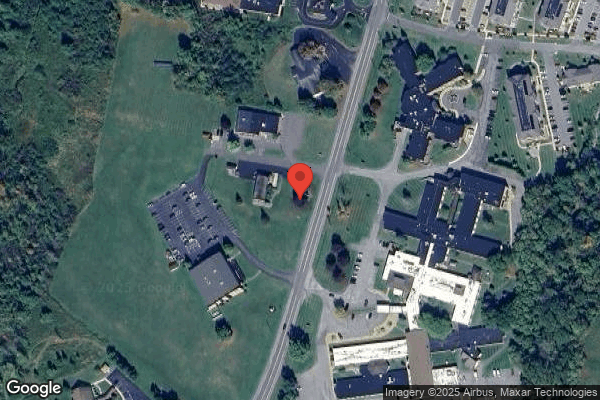
Jan 2022 8 deficiencies
CONCERN (D)

Potential for Harm - no one hurt, but risky conditions existed

Resident Rights (Tag F0550)

Could have caused harm · This affected 1 resident

Based on observation, record review and interview during the recertification and abbreviated (NY00285403) surveys conducted 1/10/22-1/14/22, the facility failed to ensure residents had a right to a di...

Read full inspector narrative →
Based on observation, record review and interview during the recertification and abbreviated (NY00285403) surveys conducted 1/10/22-1/14/22, the facility failed to ensure residents had a right to a dignified existence for 1 of 1 resident (Resident #81) reviewed. Specifically, Resident #81 was observed without pillowcases, with a torn pillow, holes in their socks and a room that lacked personalization. Findings include: The facility policy Resident Rights dated 2/17/19 documents the residents shall be treated with respect and dignity and have a dignified existence. Resident #81 had diagnoses including dementia, bipolar disorder, and major depressive disorder. The 11/16/21 Minimum Data Set (MDS) assessment documented the resident was cognitively intact, felt down, depressed, or hopeless, required supervision with most activities of daily living (ADLS), and felt choosing what clothes to wear and taking care of personal belongings was very important. The comprehensive care plan (CCP), initiated 1/21/19, documented the resident had an ADL self-care deficit and required extensive assistance with dressing, and set up and supervision with personal hygiene. The 1/2022 care instructions documented the resident required extensive assistance of 1 for dressing. If the resident resisted ADLs, staff were to reassure and re-approach. The resident was observed on 1/10/22 at 11:13 AM; on 1/11/22 at 3:23 PM, 4:04 PM, and 4:12 PM; on 1/12/22 at 9:40 AM and 10:22 AM lying in bed with 2 pillows that did not have pillowcases. One of the pillows was ripped/torn. The resident was wearing beige non-skid socks with holes in both toe areas. There were limited personal decorations in the room. During an interview with the resident on 1/11/22 at 3:32 PM, the resident stated they had not had their socks replaced in about a month, they did not know if they had another pair, and staff had to help them get dressed. The resident stated they would like pillowcases on their pillows. During an observation on 1/13/22 at 12:12 PM, the resident had a pillowcase on 1 of the 2 pillows. The resident stated a nurse brought them a pillowcase that day. The resident was wearing beige non-skid socks with holes in the big toes. During an interview with licensed practical nurse (LPN) #18 on 1/14/22 at 11:37 AM, they stated the resident did not have a resident representative. The LPN stated the resident should have pillowcases on their pillows all the time and they should not be ripped. The LPN stated the resident should not wear socks with holes in them. The LPN checked the resident's drawers and there were other socks available. During an interview with certified nurse aide (CNA) #19 on 1/14/22 at 11:42 AM, they stated they did not notice the resident's socks or pillows when they worked with the resident on 1/13/22. The resident should have been provided pillowcases if they did not have any. The CNA stated the resident's clothing, including socks, should have been changed every day. During an interview with the Director of Activities on 1/14/22 at 12:12 PM, they stated there had been room changes during the pandemic and it was possible the resident's personal belongings were not moved with the resident. During an interview on 1/14/22 at 1:22 PM, with the Assistant Director of Nursing, who was also the covering Unit Manager, they stated if a pillow had rips it should have been replaced, and pillowcases should have been applied. If socks had holes in them, they should have been changed. During an interview with temporary nurse aide (TNA) #22 on 1/14/22 at 2:05 PM, they stated they were assigned to the resident at the beginning of the week. They stated they had not noticed the resident's socks were torn. They stated residents should have pillowcases on their pillows. The TNA stated they did not notice the resident did not have pillowcases. They stated they did not know who was responsible for decorating rooms and ensuring personalization. 10NYCRR 415.5(a)
CONCERN (D)

Potential for Harm - no one hurt, but risky conditions existed

Grievances (Tag F0585)

Could have caused harm · This affected 1 resident

Based on observation, interview, and record review during the recertification survey conducted 1/10/22-1/14/22, the facility failed to make prompt efforts to resolve grievances the resident may have f...

Read full inspector narrative →
Based on observation, interview, and record review during the recertification survey conducted 1/10/22-1/14/22, the facility failed to make prompt efforts to resolve grievances the resident may have for 1 of 1 resident (Resident #9) reviewed. Specifically, a grievance by Resident #9 for a missing hearing aid was not addressed timely. Findings include: The facility policy Misappropriation of Resident Property dated 9/2021, documented an investigation shall be conducted within 48 hours. A log containing information regarding the receipt, review, investigation, and disposition of every allegation will be maintained in social services. The resident and/or complainant will be notified in writing as to the findings of the allegation. Resident #9 had diagnoses including dementia, adjustment disorder, and anxiety. The 9/17/21 Minimum Data Set (MDS) documented the resident was cognitively intact, had minimal difficulty hearing, did not have a hearing aid, usually made self understood, usually understood others, and required extensive assistance with most activities of daily living (ADL). The 8/2/17 hospital discharge summary documented the resident was very hard of hearing. The 7/15/21 Missing Item report, completed by the Director of Social Services, documented the resident stated their right hearing aid was missing. The resident was unsure if the hearing aid was missing that day or the night prior. The resident's room and dining room were searched with no results. Unit staff were unable to provide information. The Unit Manager and laundry were notified. The hearing aid was not found. There was no final determination on the missing item report. The 8/2/21 Hearing and Audiology Patient Agreement form documented a hearing aid replacement cost of $1,495.00. The form documented in handwriting that the original hearing aid was purchased on 8/12/13. In an email to social worker #49 dated 10/27/21 at 12:18 PM registered nurse (RN) Unit Manager #24 documented staff were interviewed, and medication carts were searched and the resident's hearing aid was not found. The 10/28/21 Missing Item report, completed by social worker #49, documented the right hearing aid had been missing since 7/2021, was purchased 8/2013, and the original purchase price was $1495.00 for both right and left hearing aids. Environmental services and the Unit Manager were informed, and the family was expecting full reimbursement. The 8/2/21 re-submitted Hearing and Audiology patient agreement included with the 10/28/21 Missing Item Report documented the replacement cost for the one hearing aid was $1,495.00. Added in handwriting to the agreement was given to [the facility] on August 5th. The 10/28/21 at 8:58 AM social worker #49 progress note documented an incident report was generated for a missing hearing aid and the interdisciplinary team was made aware. The comprehensive care plan (CCP), updated 11/16/21, documented the resident had a need for socialization, had ADL self-care deficits, was legally blind, and had cognitive impairment. Interventions included music, trivia, religious service, watching TV; and had difficulty understanding others. Staff were to update family as needed, and repeat communication as necessary. There was no documentation regarding the use of a hearing aid or that the resident was hard of hearing. During an interview on 1/10/22 at 12:10 PM, a family member stated it was noticed the resident had a lost hearing aid when on a different unit at the facility in 8/2021. The family member stated they submitted the hearing aid bill to the social worker who stated the facility was working on replacing it. The family member stated the resident was able to hear but had difficulty understanding words. During observations on 1/11/22 at 9:33 AM, 1/12/22 at 8:17 AM, and 1/13/22 at 9:05 AM, the resident was sitting in a recliner wheelchair in their room and there was no right hearing aid in the resident's ear or in their room. The resident required to be spoken to facing the left ear to understand. When interviewed on 1/11/22 at 4:18 PM, licensed practical nurse (LPN) #25 stated the resident was hard of hearing and it should be in the CCP if the resident had a hearing aid. The LPN stated they thought admissions had a personal inventory form for each resident. The LPN did not remember the resident having a hearing aid when on the unit. There was no documented evidence a resident personal inventory log was completed for Resident #9. When interviewed on 1/12/22 at 3:36 PM, the Director of Social Services was not aware a resident personal inventories form was being done on admission. The Director stated nursing would document if a resident had a hearing aid. A misappropriation form was completed, and an investigation would be done for any missing item. The documents were then given to Administration for possible reimbursement. The Director stated the process generally took about a week, unless it was thought the item went to laundry. The Director expected the investigation process to be completed within 24 hours of notification an item was missing. The Director stated they were made aware on 10/28/21 that the resident stated a hearing aid was missing. They were unaware if the resident was admitted with it or if family brought it in after admission. The Director stated that no staff had remembered seeing a hearing aid in the resident's ear. The Director stated family submitted a receipt for the right hearing aid. The investigation was concluded within a week to determine if the hearing aid went to the laundry accidentally. The facility was unable to find the right hearing aid. The previous Administrator was given the investigation and report and the report had been in the hands of the Interim Administrator since 11/22/21. Family had been frequently updated. The Director stated the process generally did not take this long. When interviewed on 1/12/22 at 4:00 PM, the Interim Administrator stated the missing items reporting process was that the family reported the missing item, the social work department was made aware, an investigation and missing items report was done, the report went to the Administrator, a determination was made to reimburse if the facility was at fault, and the item would be replaced if the facility was at fault. The Interim Administrator stated that in some instances, such as hearing aids, it was hard to determine who was at fault and the facility offered to split the cost with the family to replace the hearing aid. The Interim Administrator stated the resident's case was still open. The previous Administrator had begun the case, was no longer employed by the facility, and they took over the case when assuming the Administrator position in 11/2021. The Interim Administrator stated the position did not allow the Interim Administrator to make any financial decision greater than $3,000 regarding reimbursement. That decision was up to the Chief Executive Officer (CEO). The Interim Administrator stated the situation was delayed due to recent administrative turn over. The family should have been updated every couple of weeks, and a determination should have been made. When interviewed on 1/14/22 at 10:44 AM, CEO #28 stated they were made aware of the missing items report during the current week and a reimbursement decision of over $1500 was to be made by the CEO. The resident should have been compensated by now if the loss was determined to be facility fault. The CEO felt the investigation was not complete. It had not yet been determined if the resident had a hearing aid while in the facility and hospital documentation did not document if the resident had one there before being admitted . The CEO was unaware if a resident personal items inventory was done on admission. The investigation should have been completed within 30 days of the report. The CEO stated this was an incomplete investigation. 10NYCRR 415.3(c)(1)(i)
CONCERN (D)

Potential for Harm - no one hurt, but risky conditions existed

Deficiency F0604 (Tag F0604)

Could have caused harm · This affected 1 resident

**NOTE- TERMS IN BRACKETS HAVE BEEN EDITED TO PROTECT CONFIDENTIALITY** Based on observation, record review, and interview during the recertification survey conducted 1/10/22-1/14/22, the facility fai...

Read full inspector narrative →
**NOTE- TERMS IN BRACKETS HAVE BEEN EDITED TO PROTECT CONFIDENTIALITY** Based on observation, record review, and interview during the recertification survey conducted 1/10/22-1/14/22, the facility failed to ensure that that when a restraint was indicated for a resident, the least restrictive alternative for the least amount of time was used and included documented ongoing re-evaluation of the need for a restraint for 1 of 1 resident (Resident #58) reviewed. Specifically, Resident # 58 had a perimeter mattress (a mattress with defined edges to aid in fall prevention) which was not assessed to determine if it was the least restrictive device and there was no ongoing re-evaluation of the need for the use of the mattress. Findings include: The facility policy Physical Measures and Safety Devices (RESTRAINTS) revised 3/2019 documented a Restrictive Device Assessment will be completed in resident's electronic medical record. Nursing will complete all sections of the restrictive device assessment. The Restrictive Device Assessment will be completed and reviewed at resident's initial and quarterly care conference, upon significant change in condition, and more often as deemed necessary by the Interdisciplinary Team. All orders are written and reviewed by the physician/NP (nurse practitioner) according to each resident's physician schedule of visits, or at more frequent intervals as indicated by resident's condition. Resident # 58 had diagnoses including dementia with behavioral disturbance, impulse disorder, and history of falls. The Minimum Data Set (MDS) assessment dated [DATE] documented the resident had severe cognitive impairment, was totally dependent for bed mobility, required extensive assistance of 2 with transfers, had 1 fall with injury and 1 fall with no injury since the prior assessment, and did not use physical restraints. The comprehensive care plan (CCP) initiated 8/11/20 documented the resident had an activity of daily living (ADL) self-care deficit related to deconditioning. Interventions included a Hoyer (mechanical) lift for transfers. The resident was at moderate risk for falls related to deconditioning. Interventions included call light in place, bed alarm in place, chair alarm in place, educate resident about safety, appropriate footwear, and floor mat at bedside. The revised fall risk CCP documented on 10/11/21 and 10/21/21 the resident had unwitnessed falls from bed. On 11/11/21 the CCP was revised, and a perimeter overlay to the bed was added. On 11/16/21 and 12/17/21, the resident rolled out of bed, with no injury. The 11/16/21, 11/26/21, and 12/17/21 fall risk assessments documented the resident was a high risk for falls. On 11/17/21 an occupational therapy (OT) Evaluation & Plan of Treatment documented the resident was referred for skilled OT after sustaining a fall out of bed on 11/16/2021. The resident was recently discharged from therapy services with environmental modifications put in place including perimeter overlay on mattress, floor matt, bed alarm, and lowered bed to reduce risk for falls. Per nursing, the resident was attempting to get out of bed during vomiting episode. Upon evaluation the resident appears to be declining and demonstrated impaired posture and positioning in high back wheelchair A 12/17/21 nursing progress note documented the resident was observed lying on the floor mat beside their bed in lowest position and the perimeter mattress was in place. The 12/20/21 occupational therapy (OT) evaluation and treatment plan was initiated due to a fall out of bed on 12/17/21. Modifications in place included perimeter mattress overlay, bed alarm, floor mat, and lowered bed. Resident was noted with reddened areas on bony prominences medial knees. Skilled OT services recommended to assess need for positioning devices in bed and wheelchair to improve skin integrity and prevent further breakdown. There was no documented evidence the perimeter mattress was assessed to determine if it was a restraint for the resident, if it was the least restrictive device, or that potential risks were reviewed with the resident and/or resident representative. The 1/2022 physician orders did not include perimeter mattress overlay. On 1/10/22 at 11:10 AM, a perimeter mattress was observed on the unmade bed in the resident's room. On 1/14/22 at 12:39 PM during an interview with certified nurse aide (CNA) #3 they stated the resident got out of bed via a Hoyer lift. The resident mostly stayed in a fetal position and they could not stand up on their own but did fall out of bed to the floor. They were unsure how the resident fell out of the bed. The resident had a mattress with 4 wedges, also known as a perimeter mattress, so they could not roll off the mattress. The resident sunk into the mattress, so they were unable get over it. When the resident was in bed, they laid below the perimeter mattress sides and were unable to maneuver over the sides of the mattress. The CNA stated the mattress did not prevent the resident from trying to get out of bed, it prevented them from sliding over the side of the bed. On 1/14/22 at 12:58 PM during an interview with licensed practical nurse (LPN) #2 they stated the resident was unable to stand or get out of bed on their own. Therapy did work with the resident, but they were unsure why. The resident was able to roll out of bed and had a perimeter mattress, and floor mats. The mattress made it harder for them to roll out of bed. The mattress did not prevent them from getting up on their own because the resident did not get up on their own. On 1/14/22 at 1:23 PM during an interview with the Director of Rehabilitation #30, they stated if a resident had a fall nursing staff would send a referral to the therapy department and therapy would see the resident. If an intervention was considered a restraint the interdisciplinary team (IDT) would review it and decide what was best. They thought a maintenance request was needed for a perimeter mattress. If a perimeter mattress was trialed, they needed a referral to check functionality of the resident. They would complete an assessment to see if it was a restraint. Currently there was only 1 perimeter mattress in use in the facility and the therapy department did not fill out a restraint assessment for the mattress. OT normally completed an assessment, but they were not sure if it was a written one. If OT #30 did not complete an assessment, nursing would determine if the perimeter mattress was a restraint. The perimeter mattress should be care planned for. As far as they knew, therapy only documented the functional levels of the resident. The Director was not aware of any ongoing audits regarding restraint usage. The goal was to keep everyone at their highest level of function by using the least restrictive interventions. If the resident can still get up, they did not consider the perimeter mattress a restraint. Therapy would let nursing know if they thought the mattress was a restraint. They stated restraint assessments should be quarterly, annually, and if there were any significant changes. On 1/14/22 at 2:22 PM during an interview with Assistant Director of Nursing (ADON)/covering RN #7 they stated if someone needs a perimeter mattress, they would typically talk about it and get an order for it, they would also talk to the family, do a restraint evaluation, and reassess it. We have some that are not a restraint and some mattresses that may be a restraint. The IDT team would discuss interventions and if they were considered a restraint. If a resident used a perimeter mattress it should be documented on the care plan and an assessment should be completed to determine if it is an actual restraint. When the care plan was updated on 11/11/21 to add the perimeter mattress a restraint assessment should have been completed and a medical order should have been obtained for parameters of usage. They stated if the nurse had a conversation on the unit and determined it was if it was not a restraint it should have been documented. LPNs can add to the care plan, but they do not initiate. There should be a medical for the perimeter overlay and family should have been notified. They stated they do not oversee the care plans on the unit unless they were notified. They also stated they were not made aware of the perimeter mattress usage or they would have acted on it. It was important to have a medical order and restraint assessment completed to avoid any residents getting hurt. 10NYCRR 415.4(a)(2-7)
CONCERN (D)

Potential for Harm - no one hurt, but risky conditions existed

Comprehensive Care Plan (Tag F0656)

Could have caused harm · This affected 1 resident

**NOTE- TERMS IN BRACKETS HAVE BEEN EDITED TO PROTECT CONFIDENTIALITY** Based on observation, record review and interview during the recertification survey conducted from 1/10/22-1/14/22, the facility...

Read full inspector narrative →
**NOTE- TERMS IN BRACKETS HAVE BEEN EDITED TO PROTECT CONFIDENTIALITY** Based on observation, record review and interview during the recertification survey conducted from 1/10/22-1/14/22, the facility failed to develop and implement a comprehensive person-centered care plan for each resident that includes measurable objectives and timeframes to meet a resident's medical, nursing, and mental and psychosocial needs for 3 of 21 residents (Residents #23, 69, and 93) reviewed. Specifically, Resident #28's comprehensive care plan (CCP) did not address the use of an anticoagulant (blood thinner); Resident #69's CCP did not include oxygen and insulin use; and Resident #93's CCP did not reflect their morning wake up time preference. Findings include: The facility policy Comprehensive Care Plan revised 6/10/19 documented each resident shall have a comprehensive person-centered care plan which identifies a resident's medical, nursing, nutritional, psychosocial, spiritual, rehabilitative, and activity needs, as well as functional ability, assistive devices implemented to maintain functional ability, safety, and nutritional needs. The Unit Manager/Assistant Unit Manager/Supervisor will be responsible for initiating the resident's care plan. The Interdisciplinary Team will review and update the care plan prior to a quarterly, annual, and significant change conference and on an as needed basis. 1) Resident #69 had diagnoses including diabetes with long term insulin use, and chronic obstructive pulmonary disease (COPD, blocks air flow causing difficulty breathing). The 11/10/21 Minimum Data Set (MDS) assessment documented the resident was cognitively intact, required extensive assistance with most activities of daily living (ADLs), received oxygen therapy and insulin injections 7 of 7 days. The 8/19/21 physician order documented Levemir (long-acting insulin) Flex touch pen 10 units subcutaneously twice a day for diabetes. The 8/23/21 physician order documented oxygen at 4 liters per minute (LPM) continuously via nasal cannula; change oxygen humidification bottle and tubing every 72 hours; and check oxygen saturation every shift. The comprehensive care plan (CCP) initiated 2/5/21 documented the resident had ADL deficits and was alert and cognitively intact and able to make self understood and understood others. Interventions included administer medications as ordered. The CCP did not include use of insulin or oxygen. The 1/2022 medication administration record (MAR) documented the resident received Levemir twice a day from 1/1/-1/13/22. The 1/2022 treatment administration record (TAR) documented the resident received oxygen at 4 LPM continuously had oxygen saturation checks every day and had oxygen tubing and humidification bottle changed every 72 hours from 1/1-1/13/22. On 1/10/22 at 10:38 AM, the resident was observed sitting in a wheelchair in their room. A portable oxygen tank was on the back of the resident's wheelchair with nasal cannula tubing running from the top of the tank to the resident's nose and the tank was infusing at 4 LPM. The resident stated they received injectable insulin every day. On 1/12/22 at 8:17 AM, the resident was observed seated in a wheelchair. The resident was receiving 4 LPM of oxygen via nasal cannula from the oxygen concentrator. When interviewed on 1/13/22 at 11:52 AM, certified nurse aide (CNA) #29 stated resident specific care was documented on the care plan and care instructions. When interviewed on 1/13/22 at 1:12 PM, registered nurse (RN) Unit Manager #13 stated the respiratory department usually added oxygen therapy to the care plans. The RN Unit Manager stated oxygen therapy was not on a list of essential categories given to managers to add to a resident's care plan, but it could be added. The RN Unit Manager stated there was an area in the electronic record able to be accessed that included endocrine based care plans if the resident was diabetic. The care instructions for CNAs documented resident specific care and was generated from the care plans. The RN Unit Manager was responsible for adding nursing aspect areas to the care plan and each individual department was responsible for their own disciplinary items. Oxygen and insulin were nursing's responsibility. The RN Unit Manager stated the resident had oxygen and insulin orders and these were not included on the CCP. When interviewed on 1/14/22 at 12:46 PM, the Director of Nursing (DON) stated it was the responsibility of each Nurse Manager to update each resident on their unit's care plans. The licensed practical nurses (LPNs) were able to update but not add new categories, only a RN could do so. The DON stated oxygen and insulin should be on the care plan if the resident received either or both. The DON stated the resident should have had oxygen and insulin therapy on their care plan. 2) Resident #28 was admitted with diagnoses including atrial fibrillation (irregular heartbeat) and heart failure. The 10/12/21 Minimum Data Set (MDS) assessment documented the resident had severe cognitive impairment and received an anticoagulant 7 of 7 days. The 3/4/21 physician order included apixaban (anticoagulant, generic for Eliquis) 2.5 milligrams (mg), administer 1 tablet by mouth twice a day for paroxysmal (occurring occasionally and stopping spontaneously) atrial fibrillation. The 12/2021 and 1/2022 electronic medication administration record (eMAR) documented the apixaban 2.5 mg 1 tablet was given twice a day at 8:00 AM and 5:00 PM as ordered. The comprehensive care plan (CCP) did not include documentation the resident was on anticoagulant therapy. During an interview on 1/4/22 at 10:59 AM, with the Assistant Director of Nursing (ADON) who was covering as a Unit Manager, they stated any registered nurse (RN) could initiate a CCP and a licensed practical nurse (LPN) could update the CCP. Anticoagulant (AC) medication should be on the CCP, so staff would know to monitor for adverse symptoms. 3) Resident #93 had diagnoses including major depression and dementia with behavioral disturbance. The 12/16/21 Minimum Data Set (MDS) assessment documented the resident was cognitively intact and required extensive assistance of 2 for transfers. The comprehensive care plan (CCP) last revised on 7/29/21 did not include the residents preferred time to wake up and get out of bed. During an interview with the resident on 1/12/22 at 9:03 AM, they stated they were tired, staff got them up at 6:00 AM, and they would prefer to get up at 7:00 AM. They said 6:00 AM was too early and 7:00 AM would be perfect. The 1/13/22 care instructions did not include the resident's preferred time to wake up and get out of bed for breakfast. During interview with certified nurse aide (CNA) #15 on 1/13/22 at 11:18 AM, they stated the resident would be up and out of bed before they started their shift at 6:00 AM and sometimes the day shift staff would get the resident up. They were not sure if the resident had a preferred time to get up, but the nurse manager had said all residents need to be up and out of bed for breakfast. During an interview with registered nurse (RN) Unit Manager #13 on 1/13/22 at 12:55 PM, they stated they were not aware the resident did not want to wake up early. They stated they would update the care plan, they had not gotten through all the resident care plans for updates since starting in 7/2021. They stated they were able to update care plans as needs change. During an interview on 1/14/22 at 11:52 AM, Assistant Director of Nursing (ADON) stated the care plans should be updated because without an updated care plan the [NAME] (care instructions) was not updated, and the CNAs would not know the care to provide a resident. 10NYCRR 415.11(c)(1)
CONCERN (D)

Potential for Harm - no one hurt, but risky conditions existed

ADL Care (Tag F0677)

Could have caused harm · This affected 1 resident

Based on observation, record review and interview during the recertification and abbreviated (NY00285403, NY00278786, and NY00274049) surveys conducted 1/10-1/14/22, the facility failed to ensure resi...

Read full inspector narrative →
Based on observation, record review and interview during the recertification and abbreviated (NY00285403, NY00278786, and NY00274049) surveys conducted 1/10-1/14/22, the facility failed to ensure residents who are unable to carry out activities of daily living (ADLs) receive the necessary services to maintain good nutrition, grooming, and personal and oral hygiene for 4 of 8 residents (Residents #5, 44, 81 and 93) reviewed. Specifically, Resident #5 was not assisted with nail care, Resident #44 was not dressed and assisted out of bed timely, Resident #81 was not provided nail care or facial grooming, and Resident #93 was not provided oral hygiene. Findings include: The facility policy Supporting Activities of Daily Living (ADL) effective 8/27/19 documents residents who are unable to carry out activities of daily living independently will receive the services necessary to maintain good grooming, and personal and oral hygiene. Appropriate care and services will be provided for residents who are unable to carry out ADLs independently, with the consent of the resident and in accordance with the plan of care, including appropriate support and assistance with hygiene including bathing, dressing, grooming and oral care. 1) Resident #93 had a diagnosis of dementia. The 12/16/21 Minimum Data Set (MDS) assessment documented the resident was cognitively intact and was totally dependent on staff for personal hygiene. The 7/29/21 comprehensive care plan (CCP) documented the resident had a need for good oral hygiene and was to be free of infection, pain, or bleeding in the oral cavity. Staff were to coordinate arrangements for dental care. The 1/13/22 care instructions documented the resident required maximum assistance from staff with oral care. The activities of daily living (ADL) record had no documentation personal hygiene was provided to the resident from 1/10-1/14/22. The resident was observed: - On 1/11/22 at 9:31 AM, with white food debris on their teeth. - On 1/12/22 at 9:03 AM, with food debris on their teeth, and their gums were pink and irritated. The resident stated they did not have their teeth brushed that morning. The staff had provided care but did not assist with oral hygiene. They stated they would like their teeth brushed before breakfast. - On 1/12/22 at 10:59 AM, the resident's electric toothbrush was sitting above the sink on a shelf with toothpaste on it. - On 1/13/22 at 1:15 PM, the resident's electric toothbrush remained in the same position as 1/12/22 and had toothpaste on it. During an interview with certified nurse aide (CNA) #15 on 1/13/22 at 11:18 AM, they stated they did not brush the resident's teeth. They had been very busy and had not thought to do it. They did not know who put toothpaste on the resident's toothbrush and left it on the sink. During an interview with registered nurse (RN) Unit Manager #13 on 1/13/22 at 12:58 PM, they stated the resident's teeth should be brushed twice a day, in the AM and at bedtime (HS). They stated if they were notified, they could have assisted staff with brushing teeth. The RN stated they were not aware the resident did not have their teeth brushed. 2) Resident #44 had diagnoses including dementia. The 11/2/21 Minimum Data Set (MDS) assessment documented the resident was cognitively intact and required extensive assistance with dressing, bed mobility and transferring. The comprehensive care plan (CCP) initiated 11/22/19 documented the resident had an activity of daily living (ADL) self-care performance deficit related to a transient ischemic attack (TIA, a mini-stroke). Interventions included providing total assistance of 1 staff with bathing. The undated care instructions documented the resident required total assistance of 1 for bathing, assistance of 2 for dressing and extensive assistance of 1 for grooming and personal hygiene. The resident was observed: - On 1/10/22 at 12:22 PM, wearing pajamas, in their bed eating their lunch meal. - On 1/10/22 at 1:04 PM, in a hospital gown and they had completed their lunch meal. - On 1/11/22 at 11:13 AM, lying in bed in a hospital gown. - On 1/12/22 at 10:58 AM, in their bed wearing a hospital gown and watching TV. During an interview with the resident on 1/10/22 at 10:52 AM, they stated the residents did not get the care they needed. They reported there was 1 licensed practical nurse (LPN) and 1 certified nurse aide (CNA). They felt rushed when staff got them up for the day, when they washed them, and when extra things like applying lotion were not done. The resident stated they liked to be up and dressed in clothing of their choice, not a gown, and in the chair for lunch. During an interview with CNA #15 on 1/13/22 at 11:11 AM, they stated the resident stayed in bed until 10:00 AM or 11:00 AM, typically got up before lunch, and wanted to go right back to bed after lunch. The resident could make their needs know, preferred to stay in bed until 12:00 PM, but on 1/10/22 they did not have enough staff so that was why the resident was in bed at 1:00 PM. They stated they could only do so much and there was another CNA who floated between the 500 and 600 units, but the float CNA never came back. During an interview with registered nurse (RN) Unit Manager #13 on 1/13/22 at 12:52 PM, they stated the resident did not always want to get up until after lunch and the resident was not up before lunch on 1/10/22. They stated staff should be getting the resident up and dressed before lunch and if they need help, they should communicate that help was needed. 3) Resident #5 had diagnoses of dementia with behavioral disturbance, right side hemiplegia and hemiparesis (paralysis of one side of body) following cerebral infarction (stroke). The 12/3/21 Minimum Data Set (MDS) assessment documented the resident had severe cognitive impairment and required limited assistance for personal hygiene. The comprehensive care plan (CCP) initiated 6/26/17 documented the resident had an activities of daily living (ADL) self-care deficit related to deconditioned physical status. Interventions included to provide weekly showers and provide extensive assistance with personal hygiene. The CCP initiated 3/11/20 documented the resident was resistive to care related to anxiety and dementia. Interventions included if the resident resists with ADLs, reassure the resident, leave, and return 5-10 minutes later and try again. The care instructions, active in 1/2022 documented the resident required extensive assistance with personal hygiene. Staff were to return to the resident 5-10 minutes later if care was refused. The resident was observed with unclean fingernails with brown residue on 1/10/22 at 11:48 AM. The ADL record had no documentation personal hygiene care had been provided to the resident on the day or evening shifts on 1/10/22. During an interview with CNA #15 on 11/13/22 at 11:14 AM, they stated the resident was frequently incontinent of stool and placed their fingers in the stool. The CNA stated they had trouble keeping the resident's fingernails clean. During an interview with temporary nurse aide (TNA) #22 on 1/14/22 at 2:05 PM, they stated there were usually 2 staff working on the unit and they would work together, room to room, to provide care to residents. They stated they did not have time to be able to address all personal hygiene needs. During an interview with registered nurse (RN) Unit Manager #13 on 1/13/22 at 1:02 PM, they stated the resident would frequently touch their own feces when incontinent. They said staff were aware these behaviors and would take the resident to the bathroom to be cleaned when this occurred. 10NYCRR 415.12(a)(3)
CONCERN (D)

Potential for Harm - no one hurt, but risky conditions existed

Pressure Ulcer Prevention (Tag F0686)

Could have caused harm · This affected 1 resident

**NOTE- TERMS IN BRACKETS HAVE BEEN EDITED TO PROTECT CONFIDENTIALITY** Based on observation, record review, and interview during the recertification survey conducted 1/10/22-1/14/22, the facility fai...

Read full inspector narrative →
**NOTE- TERMS IN BRACKETS HAVE BEEN EDITED TO PROTECT CONFIDENTIALITY** Based on observation, record review, and interview during the recertification survey conducted 1/10/22-1/14/22, the facility failed to ensure a resident with pressure ulcers received necessary treatment and services, consistent with professional standards of practice, to promote healing, prevent infection, and prevent new ulcers from developing for 1 of 1 resident (Resident # 96) reviewed. Specifically, Resident #96's pressure ulcer treatments were not completed twice daily as ordered. Findings include: The facility policy Wound and Skin Protocols dated 8/29/17 documented the RN/LPN (registered nurse/licensed practical nurse) will document daily on resident treatment sheet, treatment administered, equipment in use, and observation dressing is intact as appropriate. Resident #96 had diagnoses including dementia, Stage III (full thickness skin loss) pressure area to sacrum, and diabetes. The Minimum Data Set (MDS) assessment dated [DATE] documented the resident had moderately impaired cognition, required extensive assistance for most ADLs (activities of daily living), was always incontinent of bowel and bladder, had a Stage III pressure ulcer, received pressure relieving devices in bed and chair, nutrition or hydration interventions, application of nonsurgical dressings and was on a turning and positioning program. The comprehensive care plan (CCP) initiated 8/26/21documented the resident had a Stage III pressure ulcer on the coccyx (tailbone) related to immobility. Interventions included administer treatments as ordered and monitor for effectiveness. Physician orders documented on 11/25/21 silver sulfadiazine 1% (Silvadene topical antibiotic) apply topically every day and evening shift to Stage III pressure ulcer of sacral region. Irrigate with 50 cubic centimeters (cc) of normal saline (NS), apply Silvadene and cover with Optifoam (wound dressing). A 1/12/22 wound care progress note by nurse practitioner (NP) #6 documented the resident had an unstageable (wound bed cannot be visualized) pressure ulcer to the coccyx and was unable to visualize the wound bed. The pressure ulcer measured 0.5 centimeters (cm) x 0.4 cm x 0.5 cm. Treatment recommendation included to irrigate with 50 cc of normal saline, apply Silvadene to wound and cover with Optifoam. The treatment was to be done twice daily and as needed. The 1/2022 treatment administration record (TAR) documented silver sulfadiazine cream 1%, apply topically every day and evening shift to pressure ulcer of sacral region. Irrigate with 50 cc of NS, apply Silvadene and cover with Optifoam. The treatment for the sacral pressure area was not completed on 1/1/22 days or evenings, 1/3/22 on evenings, 1/5/22 on evenings, 1/6/22 on days, and from 1/7-1/13/22 on evenings. There was no documentation on the TAR why the treatments had not been completed. \ During an observation on 1/11/22 at 10:02 AM of the treatment to Resident #96's sacral pressure ulcer by registered nurse (RN) #4, there was no dressing present on the sacral pressure ulcer when the resident's incontinence brief was removed. The treatment nurse was not sure how long the pressure ulcer had been without a dressing. The wound was open and moist in appearance, with some periwound redness. On 1/13/22 at 1:59 PM during an interview with licensed practical nurse (LPN) #5, who worked the evenings of 1/7, 1/8, 1/9, 1/11, 1/12, and 1/13/22, they stated treatments were the responsibility of the nurse. Most major treatments were scheduled on the day shift when more help was available. The LPN stated the resident's pressure area treatment was to be done daily unless it was really soiled it should be done more often. If the treatment was not done, then it would not be signed for on the TAR. The LPN stated they had not done the resident's treatment from 1/7/22 to 1/13/22 as they were unable to get to it. They stated the risk of a treatment not getting done was the wound could worsen. The LPN stated they should let a supervisor know when the treatment was not completed, and they did not. On 1/13/22 at 2:13 PM during an interview with RN #7/Assistant Director of Nursing (ADON), they stated they covered evening supervision until 9:00 PM as needed. Treatments were the responsibility of the LPN on the unit. If the treatment was not signed off on the MAR, it was probably not done. A wound could get worse if the treatment was not completed as ordered. Treatments should be completed as ordered and if they were not, the supervisor should be made aware. On 1/14/22 at 8:56 AM during an interview with wound care NP #6 they stated they came to the facility weekly to perform wound assessment and to recommend treatments. The NP stated they recommended Silvadene and a dressing after irrigation for the resident's pressure area. Silvadene was recommended for use twice daily and was effective against Escherichia coli (a bacteria often found in feces). Due to the location of the wound and the resident's incontinence, Silvadene would help protect against infection. If the treatment was not done as ordered there was an increased risk of infection or wound deterioration. The NP stated they had last seen the wound on 1/12/22, and it was stable at that time. 10NYCRR 415.12(c)(1)
CONCERN (E)

Potential for Harm - no one hurt, but risky conditions existed

Accident Prevention (Tag F0689)

Could have caused harm · This affected multiple residents

Based on observation, record review, and interview during the recertification and abbreviated surveys (NY00280158 and NY00283260) conducted 1/10/22-1/14/22, the facility failed to provide adequate sup...

Read full inspector narrative →
Based on observation, record review, and interview during the recertification and abbreviated surveys (NY00280158 and NY00283260) conducted 1/10/22-1/14/22, the facility failed to provide adequate supervision to prevent accidents for 3 of 3 residents (Residents #14, 37, and 90) reviewed. Specifically, - Resident #37 eloped when a door on the unit was left ajar and there was no documented follow-up or staff education to ensure doors were secured. Residents #14 and #90 subsequently eloped through a door left ajar on the unit. - A headcount was not completed after Resident #14 eloped, and staff did not identify that Resident #90 had also eloped and was outside unsupervised. - Residents #14's, 37's, and 90's comprehensive care plans (CCP) were not reviewed when elopement risk changed to ensure interventions for elopement prevention were implemented and appropriate. Findings include: The facility policy Assessment of the Wandering Resident revised 7/2012, documented all new admissions would be assessed by a registered nurse (RN) to determine their risk for wandering. Reassessments would be completed on a quarterly basis, when there was a significant change in the resident's clinical status, when the resident was making statements about leaving the facility, and exhibiting exit seeking behaviors. The facility Elopement Policy revised 6/2020, documented an elopement was when a resident left the facility undetected, unsupervised, and enters into harm's way. When it is determined a resident is unaccounted for, a thorough search of the building and grounds shall be initiated. The Director of Nursing (DON) or designee will keep a log of the search. The Director of Operations or designee will assign a staff member to conduct a thorough search around the grounds of the facility. The facility's undated Wanderguards (electronic monitor that alerts staff to unsafe wandering)/Elopement training documented all staff must be mindful when entering/exiting units, resident common areas, and facility exits, that doors are closed behind them. A resident head count will be conducted when an outside door has been breached and cause is undetermined, when any door alarm is sounding and no cause can be found, and when a call is received from outside the facility that a possible resident sighting has been made. The DON, Assistant Director of Nursing (ADON), Nurse Manager, or Nursing Supervisor will contact each unit and initiate a resident head count. 1) Resident #37 had diagnoses including dementia. The 5/4/21 Minimum Data Set (MDS) assessment documented the resident had severe cognitive impairment, rejected care, had trouble concentrating, and did not wander. The resident required supervision while walking in their room and on the unit, was unsteady and was only able to stabilize with staff assistance, did not use any mobility devices, and did not use a wander/elopement alarm. The 5/22/19 Nursing admission Assessment completed by registered nurse (RN) #51 documented the resident was independent with transfers and ambulation. The resident was an elopement or wandering risk, had a behavior concern due to wandering, and the resident's goal for safety was to be safe. The 5/22/19 admission Wander Risk Assessment (no name included of person completing) documented the resident was a high risk for wandering and had wandered aimlessly within the home or off the grounds. The 5/27/19 comprehensive care plan (CCP) documented the resident was at risk for falls due to poor safety awareness and increased confusion. Interventions included encourage high visibility areas and anticipate and meet needs. The CCP did not document the resident was at risk for wandering or elopement or a plan for elopement prevention. The CCP was revised on 6/4/19 to include the resident had a cognitive impairment related to a diagnosis of dementia. Interventions included to cue, reorient, and supervise as needed. The 9/19/19, 6/10/20 and 11/24/20 Quarterly Wander Risk Assessments documented the resident was a high risk for wandering. There was no documented evidence the CCP was revised or updated to reflect the 9/19/19, 6/10/20, and 11/24/20 Wander Risk Assessments or to include a plan for elopement prevention. On 7/16/21, nurse practitioner (NP) #17's progress note documented the resident was seen for a routine visit. The resident appeared to have been medically stable since the last federally regulated appointment. Staff reported the resident had no dramatic progressive behavioral changes or serious cognitive decline. On 7/20/21 at 4:05 AM, licensed practical nurse (LPN) #31's progress note documented the resident was wandering the unit most of the night. The resident was alert with confusion and was redirected as needed. On 7/23/21 at 2:02 PM, registered nurse (RN) #33's progress note documented while NP #17 was attempting to assess the resident, the resident refused and became upset. NP #17 was unable to approach the resident without the resident showing signs of aggression (pushing items with anger and yelling). On 7/25/21, NP #17's progress note documented they completed a chart review and assessment for the resident's diagnosis of dementia with behavioral disturbance. The NP did not document the resident had wandering behaviors. The 7/26/21 Investigative packet documented: - at 5:00 PM, Resident #37 eloped from the secured unit. - Certified nurse aide (CNA) #34 observed the resident through a window. The resident was outside in a secured courtyard. - The resident was last seen 3-5 minutes prior, walking in the hallway. - Staff went outside and brought the resident back into the facility. The resident was assessed by a RN, no injuries were noted, the resident was not affected by the incident, and returned safely to the unit. - A door on the secure unit to the courtyard was left ajar and this was the door the resident breached. - The resident was noted to be a wander risk with a history of walking the loop on the unit and had no behaviors on this date to indicate an increased risk of exiting seeking behavior. - Staff had been bringing supplies for an upcoming outdoor event through the unit to the secure courtyard and the door may not have fully closed, allowing the resident to exit to the secure courtyard. - Maintenance staff were to perform daily door checks to ensure proper functioning of the door. Statements included with the investigation documented: - CNA #36 noted they were taking care of another resident at the time of the elopement. The resident was last seen at 4:55 PM and they were walking the unit per usual. - CNA #34 noted they were not involved with the resident's care, but they found the resident outside walking the sidewalk. - Assistant Director of Nursing (ADON) #7 documented they completed the investigative packet. The investigation did not include documentation related to who may have left the door ajar or staff re-education completed to prevent reoccurrence. Resident #37 was observed wandering the unit: - on 1/10/22 at 4:13 PM and 4:15 PM, pushing on the handle of the door going to an adjacent unit and pushing on the door leading into the main hallway. - On 1/11/22 at 11:01 AM, 2:34 PM, 3:28 PM, and 3:54 PM, walking the unit and pushing on the door to the main hallway. - On 1/12/22 at 11:48 AM, walking the unit hallway. - On 1/13/22 at 11:21 AM and 12:03 PM, walking the unit hallway and pushing on the door leading into the main hallway. - On 1/14/22 at 2:03 PM, pushing on the door leading into the main hallway. During an interview on 1/14/22 at 10:44 AM, ADON #7 stated on 7/26/21 at the time of the resident's elopement, the back door was ajar. ADON #7 stated they did not identify a staff member who left the door open, and no staff were re-educated about ensuring the door was fully closed. ADON #7 stated if re-education was done, it would be noted in the investigation. 2) Resident #14 had diagnoses including dementia with behaviors. The 6/22/21 Minimum Data Set (MDS) assessment documented the resident had severe cognitive impairment, wandered 1-3 of 7 days, required supervision while walking in their room and corridor, and did not use a wander/elopement alarm. Resident #90 had diagnoses including dementia with behaviors and difficulty walking. The 9/2/21 MDS assessment documented the resident had severe cognitive impairment, rejected care 1-3 of 7 days and did not wander. The resident required extensive assistance of 1 for transfers, limited assistance of 1 while walking in their room and in the corridor, was not steady but was able to stabilize without staff assistance and used a wander/elopement alarm daily. Resident #14's medical record documented the following: - The 10/8/19 Wander Risk Assessment documented Resident #14 was a high risk for wandering. No interventions for elopement prevention were documented. - The comprehensive care plan (CCP), initiated 12/29/2018, documented the resident had an activity of daily living (ADL) deficit. They were able to ambulate with limited contact guard assistance of 1 person and a gait belt (a device used to assist with ambulating). The CCP did not document the resident was at risk to wander or a plan to prevent elopement. - The 1/24/20 Wander Risk Assessment was initiated, and documented Resident #14's wander guard was removed. The assessment documented in progress and was not completed. - There was no documented evidence the CCP was updated to reflect the removal of the resident's wanderguard or a plan to address elopement risk. - The 9/22/20 Quarterly Wander Risk Assessment documented Resident #14 was a high risk for wandering. The was no documentation of interventions to prevent elopement. No further wander risk assessments for Resident #14 were documented in their medical record. Resident #90's medical record documented the following: - The 9/3/19 and 9/15/19 Wander Risk Assessments documented the resident was at high risk for wandering. - The CCP, revised 7/31/20, documented the resident was at risk for wandering and exit seeking behavior. They exited the unit into the courtyard on 7/31/20 with no injuries. Interventions included ensure all doors close and the lock engaged behind staff as they entered and exited the facility. Staff were to maintain close supervision of Resident #90 when exhibiting exit seeking behaviors, wander guard bracelet for safety, re-assesses wandering risk at least quarterly, and use diversional activities when exit seeking. - The 7/31/20 Wander Risk Assessment documented the resident was a high risk to wander, the resident had an elopement, and had a history of wandering. - The 11/22/20 Quarterly Wander Risk Assessment documented the resident was a high risk to wander. No further wander risk assessments for Resident #90 were documented. The 9/14/21 investigation documented at 5:20 PM, Resident #14 was found outside in the secure courtyard: - Assistant Director of Nursing (ADON) #7 noted LPN #42 was the charge nurse, temporary nurse aide (TNA) #22 was assigned to the resident, and certified nurse aide (CNA) #42 found Resident #14. - CNA #42's statement, included with the investigation, documented at 5:10 PM, another resident alerted them that Resident #14 was outside and knocking on the door. - TNA #22's statement, included with the investigation, documented at 5:20 PM, they were providing ADL care to another resident when their supervisor told them Resident #14 got outside. TNA #22 noted the resident had agitation, had increased confusion, and was wandering. There was no documentation the facility conducted a resident head count to determine if additional residents were missing after Resident #14 was found outside. Resident #14's CCP was not updated to reflect they were an elopement or wander risk until 1/7/22. The 9/14/21 investigation documented at 5:40 PM, Resident #90 was found outside in the secure courtyard: - ADON #7 noted LPN #42 was the charge nurse, temporary TNA #22 was assigned to the resident, and CNA #44 found Resident #90. - TNA #22's statement, included with the investigation, documented they were passing meal trays at the time of the incident. TNA #22 noted Resident #90 had agitation and was anxious. - CNA #45's statement, included with the incident report, documented they last saw Resident #90 between 5:10-5:20 PM, when CNA #45 came to the unit to help pass meal trays and assist residents with their meal. - CNA #44's statement, included with the investigation, documented a resident informed them that Resident #90 walked by their window. CNA #44 looked out the window and observed Resident #90 on the ground on their hands and knees. - The ADON's summary documented a hallway exit door was ajar about 12 inches and it was assumed both Residents #14 and 90 exited through that door. There had been a fire alarm earlier in the day, it was possible the alarm released the magnetic lock, and the door moved from the latched position, which enabled the door to be pushed opened. There was no alarm to signal the door was ajar. Resident #14 was observed wandering the unit on: - on 1/11/22 at 2:44 PM, 3:46 PM, and 3:55 PM, walking up and down the hallway. - On 1/12/22 at 8:20 AM, walking the up and down the hallway. - On 1/12/22 at 10:24 AM and 11:25 AM, walking the hallway of the unit. Resident #90 was observed wandering the unit on: - on 1/10/22 at 4:14 PM, 4:24 PM, and 4:44 PM, walking the hallway. - On 1/11/22 at 8:55 AM, 9:37 AM, and 10:57 AM, walking the hallway. - On 01/11/22 at 4:11 PM, walking the hallway. - On 1/13/22 at 11:38 AM, pushing on the handle of the door leading to the courtyard. - On 1/13/22 at 1:09 PM, walking the hallway. During an interview with LPN #42 on 1/14/22 at 9:21 AM, they stated if a resident was thought to have eloped, they would contact their supervisor, speak with staff working on the unit, and start a head count. LPN #42 stated at the start of their shift, all residents were accounted for. They could not remember details about Resident #14's elopement and remembered Resident #90 was found outside. They stated they were asked to move the medication cart near the door that was found ajar until maintenance secured the door. During an interview with ADON #7 on 1/14/22 at 10:20 AM, they stated CNA #44 called them to report Resident #14 was outside in the courtyard. They assessed Resident #14 and no issues were observed. A resident head count was completed. A few minutes later, Resident #90 was found outside in the courtyard. ADON #7 assessed Resident #90 as well. ADON #7 stated it was an expectation that once a resident was determined to have eloped, a resident head count should be completed. During a follow-up interview on 1/14/22 at 10:59 AM, ADON #7 stated they were unaware Resident #14's 1/24/20 Wander Risk Assessment documented the wanderguard was removed and the assessment was in progress and not fully complete. ADON #7 stated there was currently no Unit Manager overseeing the unit. The ADON stated they and the DON provided RN coverage for the unit as needed and they did not update the CCPs. The ADON stated the facility did not have an auditing tool to review the CCPs accuracy. 10NYCRR 415.12 (h)(2)
MINOR (C)

Minor Issue - procedural, no safety impact

Staffing Information (Tag F0732)

Minor procedural issue · This affected most or all residents

Based on observation and interview during the recertification survey conducted 1/10/22-1/14/22, the facility failed to post on a daily basis at the beginning of each shift, the current resident census...

Read full inspector narrative →
Based on observation and interview during the recertification survey conducted 1/10/22-1/14/22, the facility failed to post on a daily basis at the beginning of each shift, the current resident census and the total number and the actual hours worked by licensed and unlicensed nursing staff directly responsible for resident care per shift, in a prominent place readily accessible to residents and visitors for 5 of 5 days reviewed. Specifically, the facility did not post the most current, daily resident census and nurse staffing information as required. Findings include: The facility's revised 5/2017 Nursing service staffing levels policy documented the facility would provide sufficient nursing staff levels to meet the needs of the residents. The Director of Nursing (DON), Assistant Director of Nursing (ADON) or Nursing Supervisor would complete each unit staff schedules every other week. The specific nursing staff numbers and census for each unit will be posted daily in the designated area located in the administrative corridor of facility. Posting information included current date, total number of licensed and unlicensed nursing staff responsible for direct care, and resident census. The daily resident census and nurse staffing information was not observed posted for 5 days of survey, 1/10/22-1/14/22. During an interview with the ADON #7 on 1/14/22 at 11:52 AM, they stated the nursing staff information was placed in the nursing conference room and it was an oversight. They had been handling the nurse staffing since 4/2021. They were responsible for posting the nurse staffing information at the receptionist's desk in the main entrance area and had not. 10NYCRR 415.13
Jun 2019 4 deficiencies
CONCERN (D)

Potential for Harm - no one hurt, but risky conditions existed

Resident Rights (Tag F0550)

Could have caused harm · This affected 1 resident

**NOTE- TERMS IN BRACKETS HAVE BEEN EDITED TO PROTECT CONFIDENTIALITY** Based on observation, record review, and interview during the recertification survey the facility did not ensure all residents h...

Read full inspector narrative →
**NOTE- TERMS IN BRACKETS HAVE BEEN EDITED TO PROTECT CONFIDENTIALITY** Based on observation, record review, and interview during the recertification survey the facility did not ensure all residents had the right to a dignified existence and self-determination that promotes maintenance or enhancement of quality of life for 1 of 1 residents (Resident #511) reviewed for dignity. Specifically, Resident #511 was moved from a table in the dining room, where she had been having coffee and conversing with 3 other residents, to a different table by herself. Finding include: Resident #511 was admitted on [DATE] with diagnoses including dementia without behavioral disturbance. The 6/5/19 Minimum Data Set (MDS) assessment documented the resident had intact cognition, did not display behavioral symptoms, and thought it very important to do things with groups of people. The 6/4/19 Comprehensive Care Plan (CCP) documented the resident had a need for socialization and was to be encouraged to socialize with staff and peers. Resident #511 was observed in the dining room on 6/17/19: - At 12:18 PM seated at Table 11 talking with the 3 other residents, drinking coffee and conversing. - At 12:30 PM, occupational therapist (OT) #3 told Resident #511 that she had to move to her assigned table (Table 2) so Resident #513 could sit in her assigned seat. When she voiced she did not want to move, OT #3 stated the dietary department made the seating chart, and they had to follow it. - At 12:32 PM Resident #511 was re-seated at her assigned table (Table 2); no other residents were seated there. - At 12:48 PM Resident #511 had a visitor at her table. - At 12:51 PM as the visitor was saying goodbye, Resident #511 stated, Please stay, as you can see I have no one else to talk to. - At 12:52 PM a resident at Table 1 invited Resident #511 to sit at their table. Resident #511 stated, I was told I had to sit here. During an interview on 6/17/19 at 1:00 PM, Resident #511 stated she did not like being told she had to leave the table where she had been talking with her friends. She stated it made her feel like a child. During an interview on 6/19/19 at 10:09 AM OT #3, stated the dietary staff were sticklers with the seating charts. She stated maybe it made it easier for the servers to make sure everyone got the correct meal. During an interview on 6/20/19 at 11:55 AM registered nurse (RN) Unit Manager #4 stated she would have asked Resident #513 if she minded moving to a different table for that meal so as not to disrupt the conversation of Resident #511 and her peers. During an interview on 6/20/19 at 12:05 PM registered dietitian (RD) #5 stated residents should be at their assigned seats to ensure they receive the correct consistency and diet. The seating chart was reviewed daily and they tried to be flexible to accommodate the needs and special requests of the residents. During an interview on 6/20/19 at 12:14 PM Resident #513 stated she would not have minded if staff had asked her to move to a different table for that meal. 10NYCRR #415.5 (b)(3)
CONCERN (D)

Potential for Harm - no one hurt, but risky conditions existed

Accident Prevention (Tag F0689)

Could have caused harm · This affected 1 resident

**NOTE- TERMS IN BRACKETS HAVE BEEN EDITED TO PROTECT CONFIDENTIALITY** Based on observation, interview, and record review during the recertification survey, the facility did not ensure each resident...

Read full inspector narrative →
**NOTE- TERMS IN BRACKETS HAVE BEEN EDITED TO PROTECT CONFIDENTIALITY** Based on observation, interview, and record review during the recertification survey, the facility did not ensure each resident received adequate supervision to prevent accidents for 1 of 7 residents (Resident #64) reviewed for accidents. Specifically, Resident #64 was planned for a chair alarm and was observed on multiple occasions without the alarm in place; and was transferred in an unsafe manner. Findings include: The facility's Bed and Wheelchair Alarm Check Policy revised 10/2008 documents bed and chair alarms will be checked for proper positioning and functioning every shift. 1) Resident #64 was admitted to the facility on [DATE] and had diagnoses including dementia, abnormality of gait and mobility, and muscle weakness. The 6/4/19 Minimum Data Set (MDS) assessment documented the resident's BIMS (Brief Interview for Mental Status) was 11/15, indicating moderate cognitive impairment and he required extensive assistance of two individuals for transfers and locomotion on and off the unit. The resident was not steady for surface to surface transfers or moving from a seated to standing position and was only able to steady himself with staff assistance. The resident had 2 or more falls since the last assessment and used bed and chair alarms daily. The comprehensive care plan (CCP) initiated 12/4/18 documented the resident was at risk for falls related to confusion and poor safety awareness and had deficits in Activities of Daily Living (ADL) self-care performance related to dementia. Interventions included a chair alarm for safety (initiated 1/20/19) and transfer with a rolling walker and extensive assistance of two with a stand lift at times (revised 4/30/19). Incident report investigation forms documented: - On 1/20/19 at 9:30 AM, the resident was found on the floor in front of the nurses' station after an unwitnessed fall. He attempted to ambulate without assistance. A chair alarm was added as a new intervention. - On 2/8/19 at 10:50 AM, the resident was found on the floor in the sun room after an unwitnessed fall. The resident attempted to transfer himself from the wheelchair to a recliner. - On 6/14/19 at 8:20 AM, the resident slid from his wheelchair while in the dining room. The report documented the resident was in another resident's wheelchair and there was no alarm. The undated [NAME] (resident care instructions) documented the resident was non-ambulatory, had a a chair alarm for safety, and transferred with extensive assistance of two with a rolling walker or a stand lift at times. The physical therapy Discharge summary dated [DATE] documented he resident was non-ambulatory, could stand for a maximum of 30 seconds with bilateral upper extremity support and encouragement. Recommendations included a stand lift to moderate/maximum assistance of 2 with a rolling walker for transfers The 6/14/19 fall assessment documented the resident had 1 to 2 falls in the past 30 days, was chair-bound, had balance problems, decreased muscular coordination, and required the use of an assistive device. The resident's risk score was 19, showing a high risk for falls. On 6/17/19 at 10:12 AM the resident was observed as he was brought into the unit sun room in his wheelchair by two unidentified certified nurse aides (CNAs). The two CNAs did not provide instruction to the resident and quickly lifted him by hooking an arm under each of his arms then swinging him around to a recliner chair. The resident's legs were bent, and he did not support himself in any way. The staff did not utilize a gait belt or walker. There was no chair alarm in the wheelchair and one was not placed in the recliner. The resident was observed in his wheelchair with no chair alarm: - On 6/18/19 from 9:48 AM to 11:24 AM in the unit dining room (no staff were present from 11:04 AM - 11:2 AM); and from 12:08 PM to 12:47 PM in the main dining room (off the unit). - On 6/19/19 from 8:23 AM to 8:53 AM in the unit dining room; at 9:32 AM in the unit dining room; at 10:39 AM in the lobby with a visitor. - On 6/20/19 at 9:00 AM in the unit dining room; at 12:20 PM in the hall and at 12:30 PM in the unit dining room. The CNA documentation summary from 6/17/19-6/20/19 included CNA initials for placement of the chair alarm each shift. There was no documentation regarding reasons the chair alarm was not in use from 6/17/19-6/20/19. On 6/20/19, at 12:39 PM, during an interview with CNA #11, he stated he was assigned to the resident, he was a fall risk, and he was unaware if the resident was to have a chair alarm. He confirmed the device was visible by the box which was hung from the back of chair, and the resident did not have a device on his chair. During an interview with the Director of Rehabilitation Therapy on 6/21/19 at 12:02 PM, she stated the proper procedure to transfer the resident was to apply the gait belt to his waist, place the walker in front of him, lock the wheelchair, and provide instructions to the resident to stand while two staff supported him on each side with the gait belt. Once standing, the staff would safely guide him to turn and then guide him down to the chair. If the resident was unable to stand, staff could use the stand lift. The resident should never be transferred by lifting him from under his arms as this could cause injury. When interviewed on 6/21/19 at 12:18 PM, licensed practical nurse (LPN) Assistant Unit Manager #10 stated the resident was at risk for falls and was to have a chair alarm at all times. He did not have an alarm on his chair on 6/21/19 until the afternoon when it was brought to her attention. She was unaware the resident did not have a chair alarm on his wheelchair any other days from 6/17/19-6/20/19. She stated the resident was to be transferred by two staff, a rolling walker, gait belt, and with instructions for him to stand and turn. If he was unable to support himself, staff should use the stand lift. The LPN Assistant Unit Manager stated it was never acceptable to lift the resident under his arms to put him into another chair as he could be injured. She expected all staff to utilize gait belts during transfers to avoid pulling on residents' extremities, as this was a standard of care and did not have to be on the care plan in order for CNAs to do so. On 6/21/19 at 12:28 PM, CNA #12 stated during an interview she routinely cared for the resident. He was always to have a chair and bed alarm, and this was on his care instructions. She was unaware of any days he did not have the chair alarm. When he sat in a different chair, the alarm was to be placed before he was transferred. She stated she always utilized the stand lift to transfer him, as he was unpredictable with his ability to stand. She stated if he were to be transferred with the walker, two staff were needed with a gait belt, and he needed instructions and support to stand and turn. The CNA stated it was never allowed to lift under any residents under the arms to transfer as this could cause injury. 10 NYCRR 415.12(h)(2)
CONCERN (D)

Potential for Harm - no one hurt, but risky conditions existed

Medication Errors (Tag F0758)

Could have caused harm · This affected 1 resident

**NOTE- TERMS IN BRACKETS HAVE BEEN EDITED TO PROTECT CONFIDENTIALITY** Based on record review and interview during the recertification survey, the facility did not ensure each resident's drug regimen...

Read full inspector narrative →
**NOTE- TERMS IN BRACKETS HAVE BEEN EDITED TO PROTECT CONFIDENTIALITY** Based on record review and interview during the recertification survey, the facility did not ensure each resident's drug regimen must be free from unnecessary drugs for 2 of 5 residents (Residents #13 and 185) reviewed for unnecessary medications. Specifically, Residents #13 and 185 were prescribed as needed antipsychotic medications and the medications were not re-evaluated for continued use after 14 days. Findings include: The May 2018 Medication Monitoring and Management Policy documented the interdisciplinary team reviews the resident's medication regimen for efficacy and actual or potential medication-related problems (on an ongoing basis/quarterly). As needed (PRN) orders include an indication for use. If the PRN medication is used to modify behavior, the indications(s) for use is clearly defined in objective terms, e.g., what specific symptom(s) is being addressed. The resident is monitored for the effectiveness of the medication or possible adverse consequence. Results are documented in the resident's active record. The policy did not address the need to re-evaluate PRN antipsychotic use after 14 days. 1) Resident #185 was admitted to the facility 12/9/16 and had diagnoses including unspecified dementia with behavioral disturbance and anxiety disorder. The 1/25/19 Minimum Data Set (MDS) assessment documented the resident's cognition was severely impaired, and she had physical behavioral symptoms directed towards others (hitting, kicking, pushing) and other behavioral symptoms not directed towards others (hitting or scratching self, verbal symptoms). During the last 7 days of the assessment period, the resident received antianxiety medication. The 2/15/19 nurse practitioner (NP) #6's progress note documented the resident had been yelling out and threatening, and recently saw the psychiatric nurse practitioner who recommended Seroquel (antipsychotic) and Haldol (antipsychotic) PRN if she was out of control and unable to be redirected. The 2/15/19 NP #6's order documented Haldol solution, inject 2.5 mg (milligrams) intramuscularly (IM) every 4 hours PRN and Seroquel 25 mg daily. The March 2019 Medication Administration Record (MAR) documented the resident received Haldol IM on 3/9/19, 22 days after it was ordered and on 3/24/19, 37 days after it was ordered. The 3/29/19 Pharmacy Review documented PRN orders for antipsychotic drugs were limited to 14 days and could not be renewed unless the attending or prescribing practitioner evaluated the resident for the appropriateness of that medication. If the order was to be continued, documentation was to be supplied in the clinical record. On 4/15/19, the physician checked the agree box and wrote medication was discontinued. The 4/2/19 physician order documented to discontinue Haldol IM. There was no documentation in the resident's record that Haldol IM was re-evaluated from 2/15 through 4/2/19, 46 days. On 6/21/19 at 12:34 PM, NP #6 stated in an interview when she ordered a PRN antipsychotic she usually discontinued the medication after 7 days if there was no further behavioral issues. She stated she was aware of the 14-day requirement and did not recall re-evaluating the resident's Haldol within 14 days. On 6/21/19 at 12:55 PM, registered nurse (RN) Manager #1 stated in an interview she was not aware PRN antipsychotic medications needed to be re-evaluated every 14 days. She stated there was a gradual dose reduction (GDR) process in place but was not sure if the process included PRN medications. 2) Resident #13 was admitted to the facility on [DATE] and had diagnoses including unspecified dementia with behavioral disturbance and delusional disorder. The 9/11/18 Minimum Data Set (MDS) assessment documented the resident had a BIMS (Brief Interview for Mental Status) score of 7/15, indicating severe cognitive impairment, exhibited verbal behaviors (threatening, screaming, cursing) and rejected care 1-3 days of the assessment period. During the last 7 days of the assessment period, the resident received antidepressant medication. The physician's order dated 10/9/19 documented inject 1 mg Haldol solution IM every 6 hours as PRN for severe agitation. The physician's progress note dated 10/10/19 documented the resident was seen for increased agitation and paranoia and had IM Haldol PRN and would continue the Haldol as the resident did well with it the prior night. The October 2018 Medication Administration Record (MAR) documented the resident received 1 mg of Haldol IM on 10/10 and 10/18/19. The November 2018 MAR documented the order for Haldol IM 1 mg every 6 hours for agitation was active until it was discontinued on 11/30/18. The 10/30/18 Pharmacy Review documented PRN orders for antipsychotic drugs were limited to 14 days and could not be renewed unless the attending or prescribing practitioner evaluated the resident for the appropriateness of that medication. If the order was to be continued, documentation was to be supplied in the clinical record. On 11/7/18, NP #6 checked the disagree box and wrote ongoing treatment, will consider discontinue at next visit. A nursing progress note dated 11/7/18 at 12:39 PM documented pharmacy recommendations were received regarding the PRN Haldol. The NP was contacted and stated no changes were to be made at this time and she would consider discontinuing it at the next visit. There was no documentation in the resident's record the resident was re-evaluated for continued PRN Haldol IM from 10/10/19 to 11/30/18; 51 days after the resident was prescribed PRN Haldol. On 6/21/19 at 1:11 PM, the resident's attending physician stated during a telephone interview he was aware of the requirement for the 14-day review of PRN antipsychotic medications and he could not recall the resident. He stated the NP who was employed at the time (10-11/2018) had the ability to make decisions about the medication review and pharmacy recommendations and there should have been some documentation in order for other providers to understand the NP's rationale for the decision. 10NYCRR 415.12(l)(2)
CONCERN (D)

Potential for Harm - no one hurt, but risky conditions existed

Infection Control (Tag F0880)

Could have caused harm · This affected 1 resident

Based on observation, record review, and interview during the recertification survey, the facility did not ensure it established and maintained an infection prevention and control program designed to ...

Read full inspector narrative →
Based on observation, record review, and interview during the recertification survey, the facility did not ensure it established and maintained an infection prevention and control program designed to provide a safe, sanitary and comfortable environment to help prevent the development and transmission of communicable diseases and infections for 4 of 7 residents (Residents #16, 25, 28 and 69) reviewed during medication administration observations. Specifically, during a medication administration observation, hand hygiene was not performed between multiple residents. Additionally, the glucometer was not sanitized between resident use. Findings include: The 1/2019 facility policy Hand Hygiene, documents handwashing should take place before and after resident care, after gloves are removed, and between resident contacts. The 7/2013 facility policy Glucometer Cleaning Guidelines documents glucose monitoring devices must be disinfected between each resident use. On 6/19/19 licensed practical nurse (LPN) #7 was observed during medication administration on Birch Unit: - At 7:34 AM she medicated and completed bed-side blood glucose testing for Resident #16, and she did not complete hand hygiene before or after, and did not clean the glucometer; - At 7:39 AM Resident #25's blood glucose was checked. On return to the medication cart she did not clean the glucometer or complete hand hygiene. She proceeded to prepare the resident's insulin, applied gloves, entered the resident's room and administered the insulin. She did not clean the glucometer or complete hand hygiene; - At 7:44 AM Resident #69's blood glucose was checked, and on return to the medication cart she did not clean the glucometer or complete hand hygiene; and - At 7:46 AM Resident #28's blood glucose was checked, and on return to the medication she cart did not clean the glucometer. During an interview on 6/19/19 at 7:51 AM LPN #7 denied needing to clean the glucometer between residents. During an interview on 6/19/19 at 8:11 AM registered nurse (RN) Unit Manager #9 stated the glucometers should be cleaned with Clorox bleach wipes after each resident and allowed to dry. During an interview on 06/21/19 11:05 AM the Infection Control Nurse (ICN) stated all staff received education about hand hygiene during orientation. Her expectations for hand hygiene during medication administration would be to use alcohol-based hand rub (ABHR) after each resident, and wash with soap and water after 5 times using the ABHR. Glucometers should be wiped with a bleach-based cleaning wipe and allowed to air-dry after each use. She stated that after she was made aware of the problems observed during medication administration on 6/19/19 she had re-educated and completed competencies with all nurses on all units regarding cleaning the glucometers. 10 NYCRR 415.19 (b)(4)
Understanding Severity Codes (click to expand)
Life-Threatening (Immediate Jeopardy)
J - Isolated K - Pattern L - Widespread
Actual Harm
G - Isolated H - Pattern I - Widespread
Potential for Harm
D - Isolated E - Pattern F - Widespread
No Harm (Minor)
A - Isolated B - Pattern C - Widespread

Questions to Ask on Your Visit

  • "Why is there high staff turnover? How do you retain staff?"
  • "Can I speak with families of current residents?"
  • "What's your RN coverage like on weekends and overnight?"

Our Honest Assessment

Strengths
  • • No major safety red flags. No abuse findings, life-threatening violations, or SFF status.
  • • No fines on record. Clean compliance history, better than most New York facilities.
Concerns
  • • 24 deficiencies on record. Higher than average. Multiple issues found across inspections.
  • • Grade F (30/100). Below average facility with significant concerns.
  • • 99% turnover. Very high, 51 points above average. Constant new faces learning your loved one's needs.
Bottom line: Trust Score of 30/100 indicates significant concerns. Thoroughly evaluate alternatives.

About This Facility

What is Presbyterian Home For Central New York Inc's CMS Rating?

CMS assigns PRESBYTERIAN HOME FOR CENTRAL NEW YORK INC an overall rating of 1 out of 5 stars, which is considered much below average nationally. Within New York, this rating places the facility higher than 0% of the state's 100 nursing homes. A rating at this level reflects concerns identified through health inspections, staffing assessments, or quality measures that families should carefully consider.

How is Presbyterian Home For Central New York Inc Staffed?

CMS rates PRESBYTERIAN HOME FOR CENTRAL NEW YORK INC's staffing level at 1 out of 5 stars, which is much below average compared to other nursing homes. Staff turnover is 99%, which is 53 percentage points above the New York average of 47%. High turnover can affect care consistency as new staff learn residents' individual needs. RN turnover specifically is 90%, which is notably high. RNs provide skilled clinical oversight, so turnover in this role can affect medical care quality.

What Have Inspectors Found at Presbyterian Home For Central New York Inc?

State health inspectors documented 24 deficiencies at PRESBYTERIAN HOME FOR CENTRAL NEW YORK INC during 2019 to 2025. These included: 23 with potential for harm and 1 minor or isolated issues.

Who Owns and Operates Presbyterian Home For Central New York Inc?

PRESBYTERIAN HOME FOR CENTRAL NEW YORK INC is owned by a non-profit organization. Non-profit facilities reinvest revenue into operations rather than distributing to shareholders. The facility operates independently rather than as part of a larger chain. With 242 certified beds and approximately 110 residents (about 45% occupancy), it is a large facility located in NEW HARTFORD, New York.

How Does Presbyterian Home For Central New York Inc Compare to Other New York Nursing Homes?

Compared to the 100 nursing homes in New York, PRESBYTERIAN HOME FOR CENTRAL NEW YORK INC's overall rating (1 stars) is below the state average of 3.0, staff turnover (99%) is significantly higher than the state average of 47%, and health inspection rating (2 stars) is below the national benchmark.

What Should Families Ask When Visiting Presbyterian Home For Central New York Inc?

Based on this facility's data, families visiting should ask: "How do you ensure continuity of care given staff turnover, and what is your staff retention strategy?" "Can you walk me through typical staffing levels on day, evening, and night shifts?" "Can I visit during a mealtime to observe dining assistance and food quality?" "How do you handle medical emergencies, and what is your hospital transfer rate?" These questions are particularly relevant given the facility's high staff turnover rate and the below-average staffing rating.

Is Presbyterian Home For Central New York Inc Safe?

Based on CMS inspection data, PRESBYTERIAN HOME FOR CENTRAL NEW YORK INC has a clean safety record: no substantiated abuse findings (meaning no confirmed cases of resident harm), no Immediate Jeopardy citations (the most serious violation level indicating risk of serious injury or death), and is not on the Special Focus Facility watch list (a federal program monitoring the lowest-performing 1% of nursing homes). The facility has a 1-star overall rating and ranks #100 of 100 nursing homes in New York. While no facility is perfect, families should still ask about staff-to-resident ratios and recent inspection results during their visit.

Do Nurses at Presbyterian Home For Central New York Inc Stick Around?

Staff turnover at PRESBYTERIAN HOME FOR CENTRAL NEW YORK INC is high. At 99%, the facility is 53 percentage points above the New York average of 47%. Registered Nurse turnover is particularly concerning at 90%. RNs handle complex medical decisions and coordinate care — frequent RN changes can directly impact care quality. High turnover means new staff may not know residents' individual needs, medications, or preferences. It can also be disorienting for residents, especially those with dementia who rely on familiar faces. Families should ask: What is causing the turnover? What retention programs are in place? How do you ensure care continuity during staff transitions?

Was Presbyterian Home For Central New York Inc Ever Fined?

PRESBYTERIAN HOME FOR CENTRAL NEW YORK INC has no federal fines on record. CMS issues fines when nursing homes fail to meet care standards or don't correct problems found during inspections. The absence of fines suggests the facility has either maintained compliance or corrected any issues before penalties were assessed. This is a positive indicator, though families should still review recent inspection reports for the full picture.

Is Presbyterian Home For Central New York Inc on Any Federal Watch List?

PRESBYTERIAN HOME FOR CENTRAL NEW YORK INC is not on any federal watch list. The most significant is the Special Focus Facility (SFF) program, which identifies the bottom 1% of nursing homes nationally based on persistent, serious quality problems. Not being on this list means the facility has avoided the pattern of deficiencies that triggers enhanced federal oversight. This is a positive indicator, though families should still review the facility's inspection history directly.