DUMONT CENTER FOR REHABILITATION AND NURSING CARE

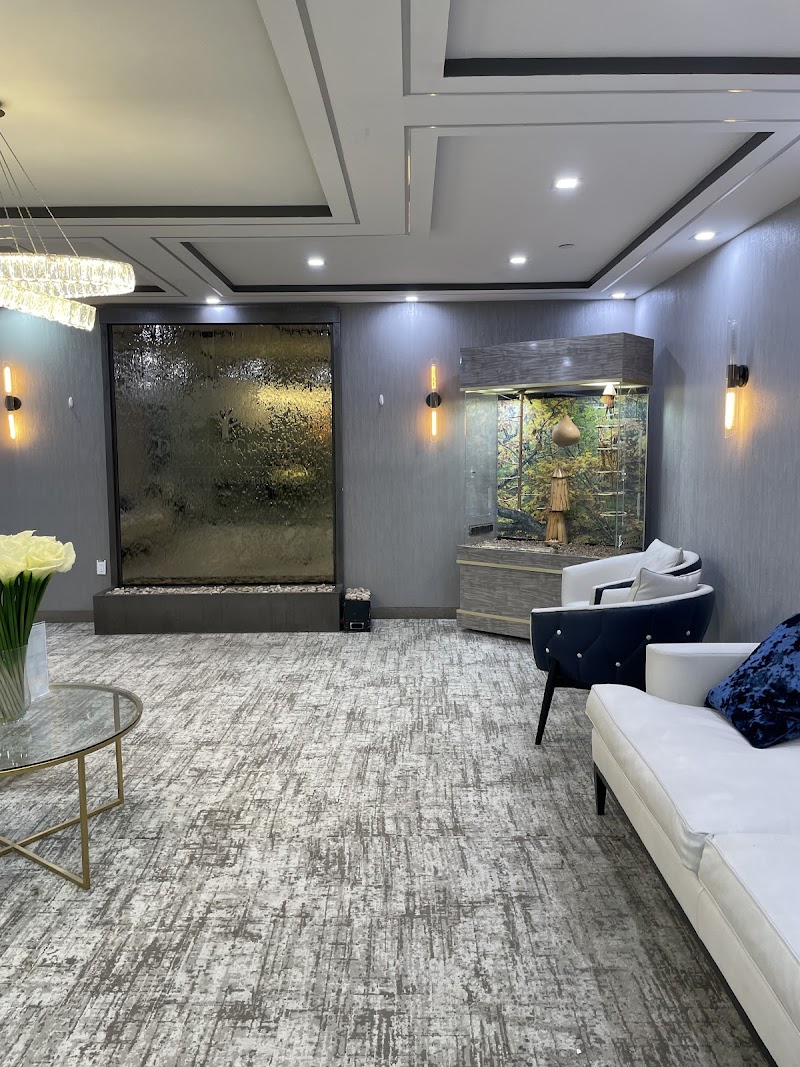
676 PELHAM ROAD, NEW ROCHELLE, NY 10805 (914) 632-9600
For profit - Individual 196 Beds CENTER MANAGEMENT GROUP Data: November 2025
Trust Grade
93/100
#27 of 594 in NY
Last Inspection: May 2024

Within standard 12-15 month inspection cycle. Federal law requires annual inspections.

Overview

Dumont Center for Rehabilitation and Nursing Care has received a Trust Grade of A, which indicates it is an excellent facility and highly recommended. It ranks #27 out of 594 nursing homes in New York, placing it in the top half, and #3 out of 42 in Westchester County, meaning only two local options are better. However, the facility is experiencing a worsening trend, with the number of issues increasing from 3 in 2021 to 6 in 2024. Staffing is generally a strength, with a 3 out of 5 rating and a turnover rate of 28%, which is lower than the state average of 40%. Notably, there have been no fines, but some concerns have been identified: a resident was exposed to strong glue odors while maintenance was performed in their room, and there were delays in reporting an allegation of abuse to state authorities. Overall, while the facility has strong ratings and good staffing levels, the recent increase in issues and specific incidents of concern should be carefully considered by families.

Trust Score
A
93/100
In New York
#27/594
Top 4%
Safety Record
Low Risk
No red flags
Inspections
Getting Worse
3 → 6 violations
Staff Stability
✓ Good
28% annual turnover. Excellent stability, 20 points below New York's 48% average. Staff who stay learn residents' needs.
Penalties
✓ Good
No fines on record. Clean compliance history, better than most New York facilities.
Skilled Nurses
✓ Good
Each resident gets 68 minutes of Registered Nurse (RN) attention daily — more than 97% of New York nursing homes. RNs are the most trained staff who catch health problems before they become serious.
Violations
○ Average
9 deficiencies on record. Average for a facility this size. Mostly minor or procedural issues.
★★★★★
5.0
Overall Rating
★★★☆☆
3.0
Staff Levels
★★★★★
5.0
Care Quality
★★★★☆
4.0
Inspection Score
Stable
2021: 3 issues
2024: 6 issues

The Good

  • 5-Star Quality Measures · Strong clinical quality outcomes
  • Low Staff Turnover (28%) · Staff stability means consistent care
  • Full Sprinkler Coverage · Fire safety systems throughout facility
  • No fines on record
  • Staff turnover is low (28%)

    20 points below New York average of 48%

Facility shows strength in quality measures, staff retention, fire safety.

The Bad

Chain: CENTER MANAGEMENT GROUP

Part of a multi-facility chain

Ask about local staffing decisions and management

The Ugly 9 deficiencies on record

May 2024 6 deficiencies
CONCERN (D)

Potential for Harm - no one hurt, but risky conditions existed

Safe Environment (Tag F0584)

Could have caused harm · This affected 1 resident

**NOTE- TERMS IN BRACKETS HAVE BEEN EDITED TO PROTECT CONFIDENTIALITY** Based on observation and interviews conducted during the recertification survey from 4/24/24 to 5/1/24, the facility did not mai...

Read full inspector narrative →
**NOTE- TERMS IN BRACKETS HAVE BEEN EDITED TO PROTECT CONFIDENTIALITY** Based on observation and interviews conducted during the recertification survey from 4/24/24 to 5/1/24, the facility did not maintain a safe, clean, comfortable and home-like environment for 1 of 1 resident's rooms (Resident #44/Unit 3North room [ROOM NUMBER]) reviewed for environment. Specifically, Resident #44 was in their room and a maintenance staff was repairing the flooring in their room with glue and there was an odor observed. On 4/24/24 at 2:08 PM Resident # 44 was observed lying in bed in their room while maintenance staff was repairing the flooring in their room. The bed was pushed diagonal to access the flooring that the maintenance staff was attempted to reglue, and the glue had an odor. On 4/25/24 at 2:10 PM Licensed Practical Nurse, Staff # 7, was asked if the resident should be in the room while repairs are being done in the room and Staff #7 stated the resident should not be in the room, but resident had an episode of emesis, so they did not want to remove them from room. 04/25/24 02:11 PM, Maintenance Worker, Staff #6, was asked if a resident should be in the room while doing repairs the worker stated the glue is non odorous. When asked if they informed the nursing staff, they would be repairing floor in Resident #44 room, they stated no. On 4/25/24 at 2:13 PM, Registered Nurse Unit Manager, Staff #5 stated if maintenance is doing repairs in the resident's room, the resident should not be in the room. Registered Nurse Unit Manager stated the resident should have been removed but resident was not feeling well today. Registered Nurse Unit Manager stated they were not informed maintenance was going to repair the floor. On 4/25/24 at 2:20 PM, Maintenance Director was asked if residents should be in the room during repairs and they stated no unless there was a special circumstance. This writer asked specifically about repairing the flooring, and they stated, absolutely not. On 4/26/24 at 8:55 AM, Administrator stated that they were made aware this writer observed maintenance staff repairing flooring while resident was in the room. Administrator stated this was not the policy and that they absolutely do not do repairs while a resident is in the room. Administrator stated the maintenance staff was written up as a result. 10 NYCRR 415.29(j)(1)
CONCERN (D) 📢 Someone Reported This

A family member, employee, or ombudsman was alarmed enough to file a formal complaint

Potential for Harm - no one hurt, but risky conditions existed

Report Alleged Abuse (Tag F0609)

Could have caused harm · This affected 1 resident

Based on observations, record review and interview during the recertification and abbreviated surveys (NY00333316), the facility did not ensure that all alleged violations involving abuse and neglect ...

Read full inspector narrative →
Based on observations, record review and interview during the recertification and abbreviated surveys (NY00333316), the facility did not ensure that all alleged violations involving abuse and neglect were reported within 2 hours to New York State Department of Health (NYSDOH) for 1 of 2 residents reviewed for abuse. Specifically, Resident #94's family informed the facility of an allegation of sexual abuse on 2/10/24 and facility reported to New York State Department of Health (NYSDOH) on 2/11/24. Findings include: Resident #94 was admitted to facility with diagnoses including diabetes, muscle weakness, difficulty walking, and a displaced comminuted fracture of shaft of right femur. The admission Minimum Data Set (MDS, an assessment tool) dated 1/31/24 documented Resident #94 had moderately impaired cognition and no behavioral symptoms. Facility Accident/Incident investigation dated 2/10/24 documented that a family member of Resident #94 called the Nursing Supervisor on 2/10/24 around 4 PM, and reported that Resident #94 told them they were molested. Resident #94 stated a man entered their room and and sexually assaulted them at midnight. Resident #94 was unable to describe what staff looked like or what they were wearing. The family and police were notified, the police came and the family member declined sending Resident #94 to the hospital. Review of the incident submission report revealed the incident was reported to the New York Department of Health on 2/11/24 at 11:21 AM. When interviewed on 4/30/24 at 12:04 PM, the Director of Nursing stated they called Administrator specifically to review incident and whether it needed to be reported right away as they were not working that day. The Director of Nursing stated the Administrator informed them they looked at the guidelines and because there was no injury or harm, they could report it within 24 hours. When interviewed on 5/01/24 at 1:43 PM, the Administrator stated they reviewed the incident, and did not feel it was harm and did not need to report with 2 hours and could be done in 24 hours. They stated it only needed to be reported in 2 hours if there was harm. 10NYCRR 415.4 (b)(2)(3)
CONCERN (D)

Potential for Harm - no one hurt, but risky conditions existed

MDS Data Transmission (Tag F0640)

Could have caused harm · This affected 1 resident

**NOTE- TERMS IN BRACKETS HAVE BEEN EDITED TO PROTECT CONFIDENTIALITY** Based on record review and interviews conducted during the recertification survey from 4/24/24 through 5/1/24, the facility did ...

Read full inspector narrative →
**NOTE- TERMS IN BRACKETS HAVE BEEN EDITED TO PROTECT CONFIDENTIALITY** Based on record review and interviews conducted during the recertification survey from 4/24/24 through 5/1/24, the facility did not ensure a Minimum Data Set Discharge Assessment was completed and transmitted for 1 of 2 residents (Resident #150) reviewed for discharge. Specifically, Resident #150 was discharged from the facility on 2/16/24 and the Minimum Data Set Discharge Assessment had not been done at time of survey. The findings include: The facility policy and procedure titled Resident Assessment Instrument issued 10/1/2023, documented the Resident Assessment Instrument (RAI) is used, in accordance with specified format and timeframe's, in conducting comprehensive assessments. In addition, the assessment coordinator is responsible for ensuring the Interdisciplinary Team complete timely residents' assessments and reviews in accordance with CMS RAI Version 3.0 Manual, Chapter 2 assessment schedules: 1. admission within 14 days of residents' admission to the facility. 2. Quarterly review at least 92 days. 3. Residents' discharge within 14 days after discharge date . The Minimum Data Set (MDS) records of the following resident were reviewed and revealed that a Quarterly assessment were not completed within the Assessment Reference Date (ARD) plus 14 days or 92 days from the last Quarterly Assessment. Resident #150 was admitted to the facility on [DATE] with diagnoses including asthma, glaucoma, and hyperlipidemia. Review of the Minimum Data Set (MDS) dated [DATE] revealed the resident was cognitively intact and received physical and occupational therapy. A nursing progress note dated 2/16/24 at 10:52 AM documented the resident was discharged to home and left the facility with their spouse. Further review of Resident #150's electronic medical record revealed the Minimum Data Set Discharge Assessment was incomplete and was not submitted. On 4/30/24 at 2:39 PM, during an interview Staff #14 ( Minimum Data Set coordinator) stated Resident #150's Comprehensive Minimum Data Set 5 day assessment was completed on 12/1/23 that was the last assessment done. They reviewed the record and stated they missed completing the Minimum Data Set Discharge Assessment. On 5/1/24 at 10:59 AM, an interview the Director of Nursing stated they were unaware Resident #150 Minimum Data Set Discharge Assessment was not completed and the Minimum Data Set (MDS) department was a separate department from nursing. 10 NYCRR 415.11(a)
CONCERN (D)

Potential for Harm - no one hurt, but risky conditions existed

Pressure Ulcer Prevention (Tag F0686)

Could have caused harm · This affected 1 resident

**NOTE- TERMS IN BRACKETS HAVE BEEN EDITED TO PROTECT CONFIDENTIALITY** Based on observation, record review, and interviews during a recertification survey (4/24/2024-5/1/2024), the facility did not e...

Read full inspector narrative →
**NOTE- TERMS IN BRACKETS HAVE BEEN EDITED TO PROTECT CONFIDENTIALITY** Based on observation, record review, and interviews during a recertification survey (4/24/2024-5/1/2024), the facility did not ensure each resident received care, consistent with professional standards of practice, to prevent pressure ulcers for 1 of 13 (Resident #8) residents reviewed for pressure ulcers. Specifically, Resident #8 had care plan interventions and physicians order recommendations to offload heels with heel booties while in bed; however, the resident was observed in bed with their heels resting directly on the mattress and there was no pillow on the mattress for the resident's feet. Findings include: Resident #8 was admitted to the facility on [DATE] with diagnoses including Non-Alzheimer's Dementia, muscle weakness, and schizophrenia. The 3/20/24 Quarterly Minimum Data Set (MDS) assessment documented a Brief Interview for Mental Status (BIMS) of 3, indicating the resident had severe cognitive deficit. The MDS documented the resident was at risk for pressure ulcers. A Pressure Ulcer Care Plan created on 10/23/16 documented a goal that the resident will not develop ulcers for 3 months. Interventions updated 1/18/23 documented bilateral heel booties in bed. There was no documentation in the care plan that the resident refused to have their heels offloaded. There was no documented evidence of refusal to wear heel booties. The April 2024 Certified Nursing Assistant Instructions documented to offload the resident's bilateral heels with booties while they are in bed. The resident was observed in bed on 4/24/24 at 10:28 AM, 4/25/24 at 11:10 AM, 4/26/24 at 9:06 AM and 4/30/24 at 10:08 AM. The resident's feet were not being supported by any pillows and their heels were not offloaded from bed with bilateral heel booties. During an interview on 4/30/24 at 10:44 AM, Certified Nurse Assistant (Staff #8) stated to their knowledge the resident was not using heel booties. Stated they were not aware resident was to wear heel booties. Stated they have not seen the heel booties on resident while in bed and have not had to remove them when doing care. During an interview on 4/30/24 at 10:49 AM, Licensed Practical Nurse (Staff #7) was asked if the resident was supposed to wear heel booties. Staff #7 stated, the resident did not have an order for heel booties. Staff #7 was asked how they are informed when a new order is added, they stated it is added to the 24-hour report and then nursing will carry out the order. Staff #7 stated they were not sure not sure if they were off and missed the report that day. 10 NYCRR 415.12(c)(2)
CONCERN (D)

Potential for Harm - no one hurt, but risky conditions existed

Food Safety (Tag F0812)

Could have caused harm · This affected 1 resident

Based on observations, record review and interviews during the recertification survey conducted from 4/24/2023 to 5/1/2024 the facility did not ensure that they store, prepare, distribute, and serve f...

Read full inspector narrative →
Based on observations, record review and interviews during the recertification survey conducted from 4/24/2023 to 5/1/2024 the facility did not ensure that they store, prepare, distribute, and serve food in accordance with professional standards for food service. Specifically, sanitary conditions were not maintained in the main kitchen area. In the dishwasher area, the blue cup racks, which the kitchen staff claimed as clean racks were stored on the floor then later were picked up and combined with other clean racks for further use. The findings are: The facility policy and procedures titled Storage of Utensils, Trays, Racks to prevent contamination documented that clean equipment, racks and utensils will be stored in a clean, dry location in a way that protects them from contamination by splashes and dust. During the initial tour of the kitchen observation on 4/24/24 at 10:02 AM the Dietary Aide was loading blue cup racks on the cart next to dry and clean area of the dishwasher and moved them away. Next, the Dietary Aide picked up two blue cup racks from the floor, which were stored under the dishwasher transporter and combined them with other racks that were taken from the top of transporter and moved them away. During an interview on 4/24/24 at 10:02 AM the Director of Dietary Service stated that the Dietary Aide was loading clean blue cup racks from the top of dishwasher on the cart for further use. The surveyor asked the Director of Dietary Service if it was correct to combine the clean racks and the one that were picked up from the floor for further use. The Director of Dietary Service stated that it was not the correct action. The clean racks were contaminated and cannot be used. 10 NYCRR 415.14(h)
CONCERN (D)

Potential for Harm - no one hurt, but risky conditions existed

Infection Control (Tag F0880)

Could have caused harm · This affected 1 resident

**NOTE- TERMS IN BRACKETS HAVE BEEN EDITED TO PROTECT CONFIDENTIALITY** REVISED 6/26/24 IDR Based on observations, record review and interviews during a recertification survey from 4/24/24-5/1/24, the...

Read full inspector narrative →
**NOTE- TERMS IN BRACKETS HAVE BEEN EDITED TO PROTECT CONFIDENTIALITY** REVISED 6/26/24 IDR Based on observations, record review and interviews during a recertification survey from 4/24/24-5/1/24, the facility did not ensure that an infection prevention plan was implemented for identifying, tracking, and monitoring infections, communicable diseases, and outbreaks. Specifically, 1) Clostridium Difficile infections were not documented on the infection line list at readmission from the hospital for 1 of 3 Residents (Resident #101) until 5 days later, 2) measures to prevent the spread of Clostridium Difficile were not implemented to include a private room, and 3) Resident #113's ventilator tubing was not changed within parameters and was 5 days past due. The findings are: The facility undated policy for Infection Control, documented personnel must be aware of and alert to problems and potential infection control problems throughout the facility and protect residents from infection with constant surveillance of the environment and all who enter it. The Centers for Disease and Prevention guidance titled, 'How Can CDI (Clostridium Difficile) be prevented in hospitals and other Healthcare Settings?' Documented: use Contact Precautions with known or suspected Clostridium Difficile and place these residents in private rooms. If private rooms are not available, they can be placed in rooms (cohorted) with other CDI patients. The facility policy Clostridium Difficile, dated 5/2009, documented a private room is indicated. Residents with C. difficile may be cohorted. 1. Resident #101 had diagnoses of sepsis, major depressive disorder, and atrial fibrillation. The Minimum Data Set, (an assessment tool) dated 4/3/24 documented the resident did not have cognitive impairment, was hearing impaired and needed assistance from staff for activities of daily living. Resident #101 was ventilator dependent and was readmitted from the hospital on 4/21/24 after treatment for sepsis secondary to Clostridium Difficile. Resident #101's physician orders dated 4/21/24 document contact precautions for Clostridium Difficile for 10 days and Vancomycin (antibiotic) oral suspension via gastrostomy tube every 6 hours for 40 doses. An observation was made on 4/25/24 at 02:02 PM on the 4th floor unit. Resident #101 was in their room with Resident #27 (roommate) who was also ventilator dependent, and all curtains were pushed back. A review of Resident #27's medical record revealed a diagnoses of respiratory failure and ventilator dependence. Resident #27's Minimum Data Set, dated [DATE] documented the resident was dependent on staff for all care and was incontinent of bowel and bladder. There was no documented evidence of active Clostridium Difficile infection. During an interview on 4/25/24 at 02:00 PM, Staff #17 (Registered Nurse) stated Resident #101 returned from the hospital with Clostridium Difficile infection and was placed back in the same room they were in before going to the hospital. Staff #17 stated they did not know how the decision was made to keep Resident #101 in the same room with Resident #27 who did not have Clostridium Difficile. During an interview on 4/26/24 at 1:15 PM, the Infection Preventionist was asked for their line list for all residents with Clostridium Difficile. They stated there were no active cases in the building. The Infection Preventionist looked in the computer and named three residents who had been the last cases and Resident #101 was not one of them. They stated in morning report they usually found out about infections and residents that have been started on antibiotics and that was how they started tracking infections. The Infection Preventionist stated when Resident #101 was readmitted , they were not aware the resident had Clostridium Difficile and the resident received antibiotics for 5 days before they had knowledge about it. They stated they were not aware that a private room was indicated to prevent the spread of infection. During an interview on 4/26/24 at 2:35 PM, Physician #2 stated they performed the readmission assessment from the hospital for Resident #101 and were aware of the resident's Clostridium Difficile infection at morning report the day after readmission. They stated they were aware of the indication for a private room and did not think about it at the time and should have put Resident #101 in a private room. During a second interview with the Infection Preventionist on 5/1/24 at 12:00 PM, they stated they were informed by the unit managers about Resident #101 having Clostridium Difficile infection at morning report but forgot about it and that was why the infection tracking had not been started. 2. The facility policy and procedures titled Infection Prevention and Control program documented the following policies and procedures are designed to control and reduce the risk of nosocomial infections due to respiratory care equipment and procedures. Disposable ventilator circuits will be changed and dated every 2 weeks and when visibly soiled or mechanically malfunctioning. Resident #113 was admitted to the facility with diagnoses including persistent vegetative state, and acute and chronic respiratory failure. The Quarterly Minimum Data Set, dated [DATE] documented the resident had severely impaired cognition and was dependent with functional abilities. The physician order dated 4/3/24 documented ventilator settings as AC Mode: VT 450, respiratory rate 16 FIO2 40%, PEEP +5 and to monitor log vent parameters every 6 hours. During observations on 4/24/24 at 12:51 PM and 4/25/24 at 9:46 AM the ventilator circuit was observed dated 4/5/24. During an interview on 4/25/24 at 9:46 AM Director of Respiratory stated per policy they changed ventilator tubing every two weeks. The Director of Respiratory observed the tubing and stated it was dated 4/5/24 and should have been changed on 4/19/24. 10 NYCRR 415.19(b)(1)
Sept 2021 3 deficiencies
CONCERN (D)

Potential for Harm - no one hurt, but risky conditions existed

ADL Care (Tag F0677)

Could have caused harm · This affected 1 resident

**NOTE- TERMS IN BRACKETS HAVE BEEN EDITED TO PROTECT CONFIDENTIALITY** F677 Based on observations, record review and interviews conducted during a recertification survey, the facility did not ensure ...

Read full inspector narrative →
**NOTE- TERMS IN BRACKETS HAVE BEEN EDITED TO PROTECT CONFIDENTIALITY** F677 Based on observations, record review and interviews conducted during a recertification survey, the facility did not ensure that the necessary assistance and care were provided to carry out activities of daily living (ADLs) for 2 out of 5 residents (Residents #6 and #331) reviewed for ADLs. Specifically, Residents #6 and #331 were observed on multiple occasions with long, dirty nails, and a dark brown substance under and around the nails. The findings are: Review of the facility's policy titled: Nail Care, reviewed on 1/5/21 documents: It is the policy of [NAME] Center to provide nail care to the residents in a manner that promotes and enhances quality of life and dignity. Resident fingernails and toenails are to be kept clean and trimmed. Nail care shall be incorporated into daily care for all residents. Fingernails are to be cut as needed. Resident #6 was admitted to the facility on [DATE] with diagnoses of Persistent Vegetative State, Chronic Kidney Disease and Acute and Chronic Respiratory Failure with Hypoxia. The Quarterly Minimum Data Set (MDS) dated [DATE] documented the resident is comatose. Review of the Physician orders dated 8/02/21 documented: weekly skin check by nurse and Certified Nursing Assistant (CNA) on Sundays during 7:30am-3:30pm shift. Review of the Care Plan titled: Activities of Daily Living (ADL) Total Assistance, initiated on12/21/20 documentd the goal of: maintain a sense of dignity by being clean, dry, odor free, safe and dressed appropriately on ongoing basis x3 mo. Intervention included: give tub bath twice a week and bed bath daily as needed. CNA Assignments for August and September 2021 were reviewed and documention indicated a bathing activity was performed every day on every shift (6:30 am, 2:30 pm, 10:30 pm) Observations conducted on 09/21/21 at 10:17 AM revealed resident #6 nails on the left hand were long, curving, thick, and yellow brown in color, Observations conducted on 09/22/21 at 10:11 AM revealed resident #6 nails on the left hand were long, curving, and thick yellow brown in color. Only the right thumb was visible, the nail was long, and curving. On 09/27/21 at 01:20 PM, Certified Nursing Assistant (CNA)#1 stated: I am this resident's regular CNA. The resident requires total care. I give the resident a bed bath every day when I have him/her. I am responsible for trimming his/her nails, but his/her fingernails are very thick and regular clippers do not do it, so I haven't trimmed his/her nails since his/her admission. I have not informed the nurse specifically, but everyone knows about the resident's fungal nails just from working with him/her. On 09/27/21 at 01:25 PM Registered Nurse (RN)#1 stated she/he is aware the resident's nails are too thick to be cut with trimmers. RN#1 stated the fingernails were the same (long, thick) when the resident transferred from the South to the North side of the unit on 7/8/21. The nail care has not been addressed since then. On 09/27/21 at 01:47 PM Registered Nurse Unit Manager (RNUM)#1, stated the resident came with the nails extremely fungal, the doctor did not want any treatment for fear that it may negatively impact the resident's liver function. RNUM stated: the CNAs are afraid to cut the nails, so I've cut them. The last time about a month and a half ago. Resident #331 was admitted to the facility on [DATE] with diagnoses of Diabetes Type 2, Hemiplegia and Hemiparesis Following Cerebral Infarction Affecting Left Non Dominant Side and Unspecified Dementia Without Behavioral Disturbance. The Minimum Data Set (MDS, an assessment tool), dated 9/13/21, documents that the resident had a Brief Interview for Mental Status (BIMS, used to determine attention, orientation and ability to recall information) score of 5/15, associated with severe cognitive impairment. MDS Section G functional status was not documented, however the Nursing Data and Assessment Sheet dated 9/13/21 documents the resident requires extensive one person assistance with bed mobility, transfer, personal hygiene and bathing. Review of the admission nursing assessment dated [DATE], indicated the residnet had long fingernails, and mycotic toenails. Review of the Electronic Medical Record (EMR) data behavioral assessment from 9/13/21 to 9/27/21 documented resistance to care was assessed daily from 9/13 to 9/27. Resistance to care is documented once, on 9/23 at 6:30 am. Review of the interdisciplinary progress notes from 9/13/21 to 9/27/21 documented no resistance to care. Review of the Care Plan titled Deficit Activities of Daily Living (ADL), initiated on 9/14/21 documented the goal of: resident will have no further decline in ADL x3 mo. Interventions include: provide assistance as needed. Care plan statement documents: self-care deficit needs assistance. Observations on 09/21/21 at 09:32 AM , and 9/22/21 at 10:01AM revealed Resident #331 nails on both hands were long and dirty, with a dark brown substance under the nails. Observation on 09/27/21 at 02:04 PM revealed Resident #331 right sided nails were long and dirty, with a dark brown substance under the nails. ON 09/27/21 at 02:08 PM, CNA#2 stated , she/he was assigned to the resident this week Resident needs extensive one person assistance with Activities of Daily Living (ADLs). CNA#2 stated she/he gave the resident a bed bath today, on 9/26 and on 9/25. CNA#2 stated the resident does not resist cares. CNA#2 stated: nail care is done as needed, as we go along with cares and or bathing, I forgot to check this resident's nails. After looking at the resident's nails, CNA#2 stated: they are in need of a trim. On 09/27/21 at 02:16 PM, Licensed Practical Nurse (LPN), stated: CNAs are responsible for nail care which is done during morning cares typically, when the resident is being washed. Nail care is not documented separately, it's done as part of the general care. Nurses supervise CNAs in nail care. LPN#1 could not say why the resident's nail care has not been done yet. LPN#1 stated the resident does not have any behaviors; he takes his medications; he allows CNAs to provide cares. 415.12(a)(3)
CONCERN (D)

Potential for Harm - no one hurt, but risky conditions existed

Drug Regimen Review (Tag F0756)

Could have caused harm · This affected 1 resident

**NOTE- TERMS IN BRACKETS HAVE BEEN EDITED TO PROTECT CONFIDENTIALITY** Based on observations, interviews and record review conducted on a recent Recertification Survey it was determined that for one ...

Read full inspector narrative →
**NOTE- TERMS IN BRACKETS HAVE BEEN EDITED TO PROTECT CONFIDENTIALITY** Based on observations, interviews and record review conducted on a recent Recertification Survey it was determined that for one (Resident #110) of five residents screened for unnecessary medications, the pharmacy consultant did not accurately review Resident #110 MAR (Medication Administration Record). Specifically, as a result of failure to identify medications that should be administered on an empty stomach, a resident received Levothyroxine, a medication for a thyroid condition, simultaneously with other medications and a tube feeding. The findings are The facility policy for Medication Regimen Review dated 11/1/2016 documented the consultant pharmacist performs a medication regimen review (MRR) monthly. The MRR includes evaluating the resident's response to medication therapy. The consultant pharmacist evaluation includes but is not limited to ensuring the administration schedule is appropriate for the resident, compatible with other medications and diet, and according to manufacturer recommendations. Resident #110 was admitted with diagnoses of sepsis, COPD (chronic obstructive pulmonary disease), and hypothyroidism. The quarterly Minimum data Set (MDS) dated [DATE] indicated the resident has severe cognitive impairment with a BIMS (brief interview for mental status) score of 3/15. The resident has a gastrostomy feeding tube and requires mechanical ventilation via tracheostomy. The Physician Orders reviewed from 7/17/21- 9/20/21 documented 7/17/21 Levothyroxine (a medication used for underactive thyroid gland prescribed at 25mcg 1 tablet via gastrostomy tube daily and 7/29/21 Vital AF 1.2 via gastrostomy tube at 80cc/hr to be started at 6 pm and stopped the following day 12:00pm. The MAR (Medication Administration Record) was reviewed for July, August and September. Nurses documented that the Levothyroxine was administered at 10:00AM each day from 7/17/21-9/20/21. The tube feed of the Vital 1.2 was documented each day with a check indicating the resident received the feed from 6pm-12 noon. The Medication Regimen Review (MRR) performed by the consultant pharmacist revealed no irregularities cited except for a recommendation for Zofran on 9/15/21. An interview was conducted 9/24/21 at 3:42PM with the Pharmacy Consultant who stated his team does monthly audits to pick up on any drug irregularities with a close watch on psychotropics and narcotic medications. The facility is notified of any irregularity found by the pharmacist. The pharmacy team reviews each residents physician orders and a review of the MAR. The pharmacist was asked why it was permitted from 7/29/21-9/20/21 for the resident to receive Levothyroxine at 10:00am while the resident was receiving a continuous tube feeding. The pharmacist stated that was overlooked and it was a mistake. One of the pharmacist should have picked up on that and recommended the time be changed to the late afternoon before the tube feed started to ensure the medication was administered on an empty stomach. 483.45(c)(4
CONCERN (D)

Potential for Harm - no one hurt, but risky conditions existed

Deficiency F0761 (Tag F0761)

Could have caused harm · This affected 1 resident

Based on observations, interviews, and record reviews conducted during the Recertification Survey, it was determined that for two of two residents (#56 and #22) reviewed for medication storage, the fa...

Read full inspector narrative →
Based on observations, interviews, and record reviews conducted during the Recertification Survey, it was determined that for two of two residents (#56 and #22) reviewed for medication storage, the facility did not provide the safe and secure storage of medications. Specificallly, 1) a cup of medications was left unattended on a residents bed side table and 2) a filled syringe was left unattended on the top of a medication cart. The findings are: Review of the Medication Storage Policy effective 4/30/2011 with reviews 10/2/2012; 9/10/2013; 5/22/2014; 11/17/2014; 5/10/2016; 6/20/2016; and 6/21/2017 approved by the Director of Nursing indicated medications administered to residents shall be stored under proper sanitation, temperature, light, humidity and security. The Procedure indicated all medications, prescription and over-the-counter (OTC) shall be stored in a safe place and medications will be stored in a locked area. 1) On 09/22/21 at 09:03 AM Licensed Practical Nurse ( LPN #4) prepared medications for Resident #56 outside the resident's room. The mediations included Iron liquid supplement 220 mg/5 ml ; Vitamin B12 500 mcg ; Thiamin B 100 mg and Vitamin C 500mg . The nurse crushed each medication, and put 15 ml of water in each medication cup mixed in15 ml of water, closed the computer screen knocked and entered the resident room with the medications on a small tray. The nurse then disconnected the tube feeding, applied a syringe withdrew and got a small amount of fluid return. The nurse then attempted to administer 10 ml water and encountered resistance. At 9:15 am the nurse capped the g tube and left the room to look for the unit manager leaving the medications on the resident's bedside table. At 9:17 am the nurse came back into the room and removed the medication tray. At 9:20 am interview conducted with LPN # 4 revealed that he/she was aware he/she had left the medications unattended in the room. He/She stated he was nervous with the surveyor observing him. On 9/23/21 at 2:18 pm an interview was conducted with LPN # 5 who was asked how she/he would handle a similar scenario. She/he stated if she/he had an issue and needed to get help she/he would have disposed of the medications, 2)An observation on 9/20/21 at 9:37AM on the fourth floor revealed an unattended medication cart with a filled syringe on top of the cart. On closer inspection the medication was identified as Fondaparinux, an anticoagulant prescribed to Resident #22. Registered Nurse (RN #1) came out of a resident room a few minutes later. An interview was conducted with RN#1 9/20/21 at 9:45am who stated she/he put the syringe on top of the cart then was called away and in to a resident room by a staff member. RN #1 indicated she/he did not return the medication to the drawer but knows that should have been done. 483.45(g)(h)(1)(2)
Understanding Severity Codes (click to expand)
Life-Threatening (Immediate Jeopardy)
J - Isolated K - Pattern L - Widespread
Actual Harm
G - Isolated H - Pattern I - Widespread
Potential for Harm
D - Isolated E - Pattern F - Widespread
No Harm (Minor)
A - Isolated B - Pattern C - Widespread

Questions to Ask on Your Visit

  • "Can I speak with families of current residents?"
  • "What's your RN coverage like on weekends and overnight?"

Our Honest Assessment

Strengths
  • • Grade A (93/100). Above average facility, better than most options in New York.
  • • No major safety red flags. No abuse findings, life-threatening violations, or SFF status.
  • • No fines on record. Clean compliance history, better than most New York facilities.
  • • 28% annual turnover. Excellent stability, 20 points below New York's 48% average. Staff who stay learn residents' needs.
Concerns
  • • No significant concerns identified. This facility shows no red flags across CMS ratings, staff turnover, or federal penalties.
Bottom line: Generally positive indicators. Standard due diligence and a personal visit recommended.

About This Facility

What is Dumont Center For Rehabilitation And Nursing Care's CMS Rating?

CMS assigns DUMONT CENTER FOR REHABILITATION AND NURSING CARE an overall rating of 5 out of 5 stars, which is considered much above average nationally. Within New York, this rating places the facility higher than 99% of the state's 100 nursing homes. This rating reflects solid performance across the metrics CMS uses to evaluate nursing home quality.
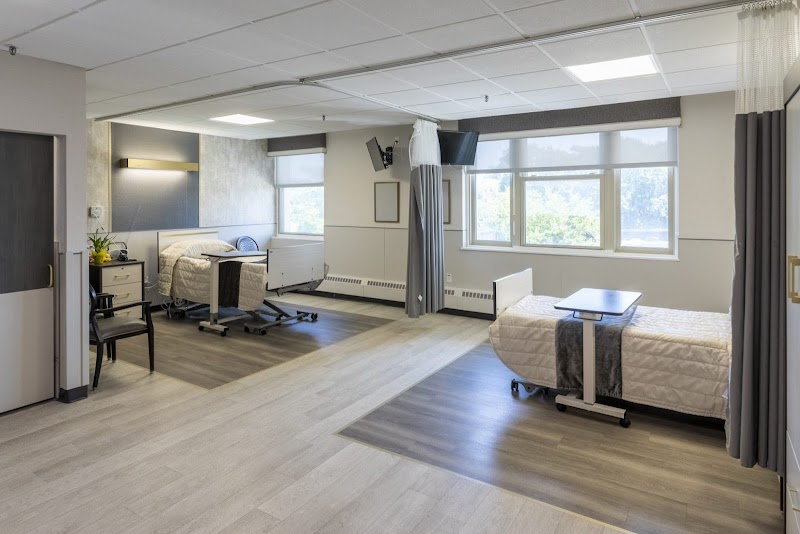
How is Dumont Center For Rehabilitation And Nursing Care Staffed?

CMS rates DUMONT CENTER FOR REHABILITATION AND NURSING CARE's staffing level at 3 out of 5 stars, which is average compared to other nursing homes. Staff turnover is 28%, compared to the New York average of 46%. This relatively stable workforce can support continuity of care.

What Have Inspectors Found at Dumont Center For Rehabilitation And Nursing Care?

State health inspectors documented 9 deficiencies at DUMONT CENTER FOR REHABILITATION AND NURSING CARE during 2021 to 2024. These included: 9 with potential for harm.

Who Owns and Operates Dumont Center For Rehabilitation And Nursing Care?

DUMONT CENTER FOR REHABILITATION AND NURSING CARE is owned by a for-profit company. For-profit facilities operate as businesses with obligations to shareholders or private owners. The facility is operated by CENTER MANAGEMENT GROUP, a chain that manages multiple nursing homes. With 196 certified beds and approximately 187 residents (about 95% occupancy), it is a mid-sized facility located in NEW ROCHELLE, New York.
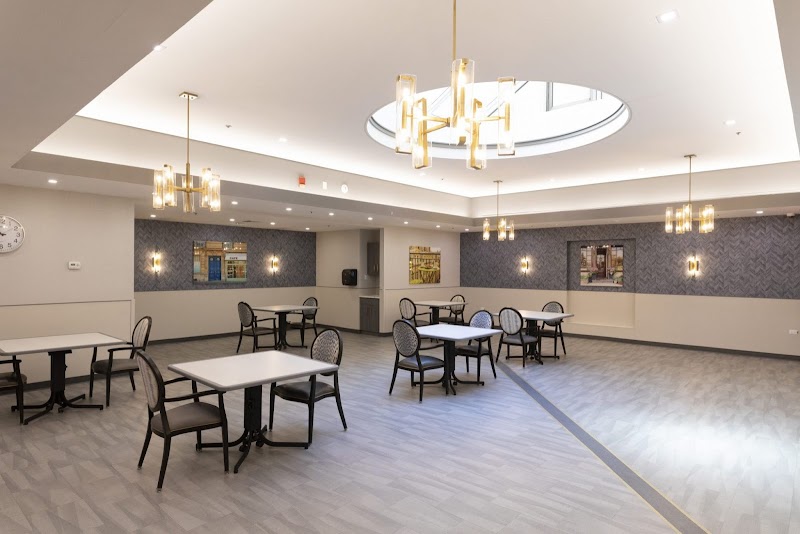
How Does Dumont Center For Rehabilitation And Nursing Care Compare to Other New York Nursing Homes?

Compared to the 100 nursing homes in New York, DUMONT CENTER FOR REHABILITATION AND NURSING CARE's overall rating (5 stars) is above the state average of 3.1, staff turnover (28%) is significantly lower than the state average of 46%, and health inspection rating (4 stars) is above the national benchmark.

What Should Families Ask When Visiting Dumont Center For Rehabilitation And Nursing Care?

Based on this facility's data, families visiting should ask: "Can I visit during a mealtime to observe dining assistance and food quality?" "How do you handle medical emergencies, and what is your hospital transfer rate?" "Can I speak with family members of current residents about their experience?"

Is Dumont Center For Rehabilitation And Nursing Care Safe?

Based on CMS inspection data, DUMONT CENTER FOR REHABILITATION AND NURSING CARE has a clean safety record: no substantiated abuse findings (meaning no confirmed cases of resident harm), no Immediate Jeopardy citations (the most serious violation level indicating risk of serious injury or death), and is not on the Special Focus Facility watch list (a federal program monitoring the lowest-performing 1% of nursing homes). The facility has a 5-star overall rating and ranks #1 of 100 nursing homes in New York. While no facility is perfect, families should still ask about staff-to-resident ratios and recent inspection results during their visit.

Do Nurses at Dumont Center For Rehabilitation And Nursing Care Stick Around?

Staff at DUMONT CENTER FOR REHABILITATION AND NURSING CARE tend to stick around. With a turnover rate of 28%, the facility is 18 percentage points below the New York average of 46%. Low turnover is a positive sign. It means caregivers have time to learn each resident's needs, medications, and personal preferences. Consistent staff also notice subtle changes in a resident's condition more quickly. Registered Nurse turnover is also low at 24%, meaning experienced RNs are available to handle complex medical needs.

Was Dumont Center For Rehabilitation And Nursing Care Ever Fined?

DUMONT CENTER FOR REHABILITATION AND NURSING CARE has no federal fines on record. CMS issues fines when nursing homes fail to meet care standards or don't correct problems found during inspections. The absence of fines suggests the facility has either maintained compliance or corrected any issues before penalties were assessed. This is a positive indicator, though families should still review recent inspection reports for the full picture.

Is Dumont Center For Rehabilitation And Nursing Care on Any Federal Watch List?

DUMONT CENTER FOR REHABILITATION AND NURSING CARE is not on any federal watch list. The most significant is the Special Focus Facility (SFF) program, which identifies the bottom 1% of nursing homes nationally based on persistent, serious quality problems. Not being on this list means the facility has avoided the pattern of deficiencies that triggers enhanced federal oversight. This is a positive indicator, though families should still review the facility's inspection history directly.