GLEN ISLAND CENTER FOR NURSING AND REHABILITATION


490 PELHAM ROAD, NEW ROCHELLE, NY 10805 (914) 636-2800
For profit - Corporation 183 Beds Independent Data: November 2025
Trust Grade
30/100
#510 of 594 in NY
Last Inspection: June 2024

Within standard 12-15 month inspection cycle. Federal law requires annual inspections.

Overview

Glen Island Center for Nursing and Rehabilitation has received a Trust Grade of F, indicating significant concerns and a poor overall quality of care. It ranks #510 out of 594 facilities in New York, placing it in the bottom half statewide, and #37 out of 42 in Westchester County, meaning there are only a few local options that are better. The facility is worsening, with the number of issues increasing from 10 in 2018 to 14 in 2024. While staffing is a relative strength with a turnover rate of 39%, which is below the state average, the facility still has concerning metrics, including $36,299 in fines, which is higher than 84% of New York facilities. Specific incidents include several residents developing serious pressure ulcers due to a lack of proper care and failure to notify family members about significant changes in their loved ones' conditions, demonstrating both care deficiencies and communication issues.

Trust Score
F
30/100
In New York
#510/594
Bottom 15%
Safety Record
Moderate
Needs review
Inspections
Getting Worse
10 → 14 violations
Staff Stability
○ Average
39% turnover. Near New York's 48% average. Typical for the industry.
Penalties
○ Average
$36,299 in fines. Higher than 66% of New York facilities. Some compliance issues.
Skilled Nurses
✓ Good
Each resident gets 48 minutes of Registered Nurse (RN) attention daily — more than average for New York. RNs are trained to catch health problems early.
Violations
⚠ Watch
24 deficiencies on record. Higher than average. Multiple issues found across inspections.
★☆☆☆☆
1.0
Overall Rating
★★☆☆☆
2.0
Staff Levels
★★★★☆
4.0
Care Quality
★☆☆☆☆
1.0
Inspection Score
Stable
2018: 10 issues
2024: 14 issues

The Good

  • 4-Star Quality Measures · Strong clinical quality outcomes
  • Full Sprinkler Coverage · Fire safety systems throughout facility
  • No fines on record
  • Staff turnover below average (39%)

    9 points below New York average of 48%

Facility shows strength in quality measures, fire safety.

The Bad

1-Star Overall Rating

Below New York average (3.0)

Significant quality concerns identified by CMS

Staff Turnover: 39%

Near New York avg (46%)

Typical for the industry

Federal Fines: $36,299

Above median ($33,413)

Moderate penalties - review what triggered them

The Ugly 24 deficiencies on record

1 actual harm
Nov 2024 7 deficiencies 1 Harm
SERIOUS (H) 📢 Someone Reported This

A family member, employee, or ombudsman was alarmed enough to file a formal complaint

Actual Harm - a resident was hurt due to facility failures

Pressure Ulcer Prevention (Tag F0686)

A resident was harmed · This affected multiple residents

**NOTE- TERMS IN BRACKETS HAVE BEEN EDITED TO PROTECT CONFIDENTIALITY** Based on record review and interview during an abbreviated survey and partial extended survey (NY00349917), the facility did not...

Read full inspector narrative →
**NOTE- TERMS IN BRACKETS HAVE BEEN EDITED TO PROTECT CONFIDENTIALITY** Based on record review and interview during an abbreviated survey and partial extended survey (NY00349917), the facility did not ensure a resident received care, consistent with professional standards of practice, to prevent new ulcers from developing and promote healing of facility acquired pressure ulcers for 3 out of 5 residents (Resident #1, #7, #8) reviewed. Specifically, (1) Resident #1 was admitted to the facility with intact skin and was identified as a low risk for pressure ulcer development. Interventions/measures ordered by the physician to prevent pressure ulcer development were not consistently provided by direct care staff and Resident #1 developed a facility acquired pressure ulcer to their sacrum and bilateral heels. (2) Resident #7 developed a facility acquired Stage III pressure ulcer (a full thickness tissue loss where subcutaneous fat is visible within the wound, but bone, tendon, or muscle are not exposed) to the right buttocks after not receiving consistent incontinence care. (3) Resident #8 developed a facility acquired Stage III pressure ulcer to their sacrum. Resident #8 had upper/lower extremity impairment was dependent on staff for bed mobility and was not consistently provided skin observations or turning and positioning by direct care staff. Findings include: The facility's Pressure Injury/Pressure Ulcer Assessment, Prevention and Management policy dated 7/2018 documented it is the policy of the facility that residents will not develop pressure injury/ulcers unless clinically unavoidable. The facility shall provide care and service consistent with professional standards of practice to prevent pressure injury development. The purpose of the policy is to provide guidelines for the prevention as well as timely identification and treatment of pressure injury. When a pressure injury is present on an in-house resident, document the assessment of the wound on a weekly basis on the weekly evaluation form, update the pressure injury care plan to reflect the status of the pressure injury and plan of care. 1) Resident #1 was readmitted to the facility on [DATE] with diagnoses including, but not limited to, Chronic Obstructive Pulmonary Disease (lung disease causing restricted airflow and breathing problems), Muscle Wasting and Atrophy (the loss of muscle mass and strength, often occurring due to lack of use, injury, malnutrition, or certain diseases, resulting in a decrease in muscle size and function) and Muscle Weakness (lack of muscle strength). A 5-day Minimum Data Set (an assessment tool) dated 6/11/2024 documented the resident had moderate cognitive impairment. The resident required moderate assistance for eating, maximum assistance for bed mobility/transfers and was dependent for toileting. The resident was at low risk for pressure ulcers. There was no documented staged pressure ulcers or unstageable pressure ulcers. The resident had no dressings applied to their feet but received ointment or medication to areas other than their feet for dryness. Review of the Resident #1's admission/readmission nursing assessment dated [DATE] revealed the resident's skin was intact and they had dryness and skin discoloration to their bilateral heels. The Admission/readmission assessment categorized Resident #1 as a low risk for pressure ulcer. Review of a risk for skin integrity impairment care plan initiated 6/5/2024 identified risks related to decreased mobility and documented Resident #1's skin would be free from pressure related injury through 6/25/2024. Interventions listed included assist with turning and positioning as needed, heel protectors and keep resident clean and dry. Review of an activities of daily living care plan dated 6/6/2024 revealed self-care performance deficit related to activity intolerance. Interventions listed included inspect skin every shift and observe for redness and open areas and report changes to the nurse. Toilet every 2 hours and as needed. The admission Braden Scale (a risk assessment tool that predicts a patient's likelihood of developing pressure ulcers) dated 6/7/2024 documented Resident #1 had a score of 15 and was categorized as low risk for pressure ulcers. Review of an actual skin integrity impairment care plan initiated on 6/21/2024 documented on 6/19/2024 Resident #1 had a skin tear (a wound that occurs when the layers of skin separate due to mechanical forces, such as friction, shear or blunt trauma) to their right buttock measuring 4 cm x 5 cm. Interventions listed included apply treatment to site as ordered and prevent excessive moisture to other body parts. Review of Registered Nurse #2/wound care nurse's progress note dated 6/25/2024 documented Resident #1 was noted to have a skin tear on their right lower buttocks which measured 2 cm x 2 cm x 0.1 cm with scant serosanguinous (contains or relates to both blood and liquid part of blood) drainage. There was no further documented tracking of Resident #1's right buttock skin tear on the care plan after 6/21/2024 and no wound assessment documented in the nursing progress notes after 6/25/2024. Review of a pressure ulcer care plan initiated 6/24/2024 documented on 6/21/2024 Resident #1 had a right heel deep tissue injury (a type of pressure ulcer that occurs when the tissue beneath the skin is damaged by pressure or shearing force) 6.5 cm x 4 cm and redness to the left heel 6 cm x 4 cm. Interventions listed included assess/record/monitor wound healing weekly, turn/reposition at least every 2 hours or more as needed or requested, and wound care consults as ordered. Review of a nurse's progress note dated 6/24/2024 documented discoloration noted to right heel measuring 6 cm x 7 cm x 0 cm. Red and purple discoloration noted on left heel measuring 2 cm x 2 cm x 0 cm. Skin was noted to be intact. There was no documented evidence of a weekly skin assessment of the wound. There was no documented evidence of an updated pressure ulcer care plan related to Resident #1's heels after 6/24/2024. Review of Registered Nurse #2/wound care nurse's progress note dated 6/27/2024 documented they were informed Resident #1 had an opening to their right heel deep tissue injury measuring 6 cm. Treatment will be applied until Resident #1 is seen by wound specialist. Review of Registered Nurse #2/wound care nurse's skin/wound care progress note dated 7/9/2024 documented Resident #1 was noted with redness on their right bunion measuring 2 cm x 2 cm and red to purple discoloration on their right outer ankle measuring 1 cm x 1 cm. There is no documented evidence Resident #1 was evaluated by the wound specialist prior to their transfer to the hospital on 7/12/2024 for evaluation of left facial droop. Resident #1 was discharged to the hospital on 7/12/2024. Hospital records revealed the resident had a stage 3 pressure ulcer to the sacrum and 2 pressure ulcers to the right malleolus (ankle), and the right heel. The right heel pressure ulcer was debrided (a medical procedure that removes dead, damaged, or infected tissue from a wound to promote healing). The infectious diseases evaluation documented proposed diagnosis as sepsis with source being right heel necrosis. Review of Resident #1's certified nurse assistant accountability report for June 2024 revealed the following care was not provided: bilateral heel booties in place when in bed every shift - no documentation on six (6) occasions, skin observation of right buttock and bilateral heels every shift - no documentation on eight (8) occasions and turning and positioning every two (2) to four (4) hours - no documentation on 24 occasions. Review of Resident #1's certified nurse assistant accountability report for July 2024 revealed no documented evidence indicating care, as per the care plan, was implemented: bilateral heel booties in place when in bed on 5 occasions, skin observation of right buttock and bilateral heels on 2 occasions and turning and positioning on 12 occasions. During an interview on 10/17/2024 at 12:04 PM with Registered Nurse #2/wound care nurse, they stated when Resident #1 went to the hospital in July 2024, they had facility acquired wounds on their right buttocks and on bilateral heels. Registered Nurse #2/wound care nurse stated Resident #1 was not able to move around on their own and they were turned and repositioned by the certified nurse assistants. Registered Nurse #2/wound care nurse stated Resident #1 was not turned and positioned frequently enough, and their heel booties were not applied as ordered. Registered Nurse #2/wound care nurse stated interventions such as the turning and positioning and heel booties are entered on the care [NAME] and the certified nurse assistants sign off on them when completed. During a telephone interview on 10/18/2024 at 11:32 AM, Registered Nurse #1 stated when Resident #1 was admitted to the facility, they had redness to their heels, and they developed a deep tissue injury. During an interview on 10/18/2024 at 1:18 PM, Registered Nurse #3 stated they did Resident #1's admission assessment on 6/5/2024 and the resident's skin was intact with some discoloration on their heels. Registered Nurse #3 stated the discolored areas were blanchable (pressing on the area will turn the redness white or pale) and very dry and there were no signs that their heels would turn into pressure ulcers. On admission Resident #1 had no skin breakdown on their sacrum. Registered Nurse #3 stated they were concerned about the dryness to Resident #1's heels, and they activated their admission order set which included: applying antiseptic to the sacrum, using bilateral heel booties, certified nurse assistants were to elevate the resident's bilateral legs with pillows and to report any skin changes or openings to the Registered Nurse or nursing supervisor. During an interview on 10/21/2024 at 2:20 PM, Certified Nurse Assistant #2 stated they remember Resident #1, and they recall repositioning the resident and applying their heel booties. Certified Nurse Assistant #2 stated an empty signature box on the certified nurse assistant accountability report looks like the care was not provided but they do not recall if they signed for Resident #1's care after completion. They usually do their documentation. During an interview on 10/21/2024 at 3:41 PM, Certified Nurse Assistant #3 stated they worked in the facility for about 3 years, and they remember Resident #1. The resident needed assistance with Activities of Daily Living care and turning and positioning in bed. Resident #1 also needed heel booties and pillows for positioning every 2 hours. Certified Nurse Assistant #3 stated if there is no signature in a box on the certified nurse accountability report then the care was not provided. Certified Nurse Assistant #3 stated they provided care to Resident #1 as ordered and cannot recall why they did not sign the accountability record. During an interview on 10/21/2024 at 3:50 PM, the Director of Nursing stated the residents are assessed to identify their risk factors for pressure ulcers and the Braden scale assessment is conducted weekly for 4 weeks for each resident after admission. Pressure relieving devices as well as heel booties and incontinence products are provided for all residents . The Director of Nursing stated all comorbidities are monitored and regulated from admission to lower risks of acquiring pressure ulcers. Upon identification of a pressure ulcer the physician is notified for a treatment order, the resident's plan of care is reviewed, preventative measures are implemented, and the residents are added to the list for wound rounds. 2) Resident #7 admitted on [DATE] with diagnoses including but not limited to Chronic Pulmonary Embolism (a medical condition that occurs when blood clots in the pulmonary arteries do not dissolve or are left untreated), Gastrointestinal Hemorrhage (a medical condition when a bleeding occurs within the gastrointestinal tract) , and Benign Prostatic Hyperplasia (a medical condition that causes the prostate to enlarge) without lower urinary symptoms. A last Quarterly Minimum Data Set (an assessment tool that measures health status) dated 8/2/2024 documented the resident had moderate cognitive impairment. The resident required moderate assistance with eating and bed mobility and was dependent for toileting and transfers. Foley catheter in place and frequently incontinent of bowels and has MASD (moisture associated skin damage). Review of a Registered Nurse #2 wound progress note dated 8/14/2024 documented Resident #7 was seen for a rash to their buttocks and was noted to have moisture associated skin damage measuring at 1.5 cm x 1 cm x 0.1 cm. Review of a wound progress note dated 8/21/2024 documented Resident #7 was seen for a bilateral buttock rash which is now a Stage III pressure ulcer to the right buttocks measuring 1.8 cm x 0.6 cm x 0.1 cm. Review of Resident #7's wound assessment reports revealed the following: - On 8/14/2024 the wound assessment report documented Resident #7 had moisture associated skin damage to their bilateral buttocks measuring 1.5 cm x 1 cm x 0.10 cm. The treatment ordered to cleanse daily with soap and water and apply medical grade honey and cover with a bordered gauze. - On 8/21/2024 the wound assessment report documented a Stage III pressure ulcer to the right buttocks measuring 1.8 cm x 0.6 cm x 0.10 cm. - On 8/28/2024 Stage III pressure ulcer to the right buttocks measuring 1.2 cm x 0.6 cm x 0.10 cm. - On 9/11/2024 Stage III pressure ulcer to the right buttocks measuring 3.0 cm x 4.0 cm x 0.10 cm. - On 9/18/2024 and 9/24/2024 documented a stage III pressure ulcer to the right buttocks measuring 2.2 cm x 2.0 cm x 0.10 cm. Review of Resident #7's treatment administration records for August 2024 and September 2024 revealed the physician ordered treatments were not documented as completed on 8/26/2024, 8/31/2024, 9/1/2024 and 9/3/2024. Review of a potential for pressure ulcer development care plan last updated 10/21/2024 documented Resident #7 would have intact skin by/through 11/21/2024. Interventions listed included to assist with turning and positioning every two (2) hours and as needed. Review of a bladder incontinence care plan initiated on 8/16/2022 documented Resident #7 will remain free of complications related to urinary incontinence such as skin breakdown. Interventions listed included assist with toileting as requested and check the resident every two (2) to four (4) hours and as needed as required for incontinence. There were no documented updates to the interventions on the bladder incontinence care plan. A target date of 11/21/2024 was documented. Review of the foley catheter care plan, last updated 8/19/2024, listed interventions to change catheter every four (4) weeks, monitor intake and output, position catheter bag and tubing below the level of the bladder. Review of Resident #7's certified nurse assistant accountability report for August 2024 revealed the following care was not provided: skin observation of sacrum and bilateral buttocks every shift - not documented on 31 occasions, bladder incontinence care every shift - not documented on 31 occasions. Review of Resident #7's certified nurse assistant accountability report for September 2024 revealed the following care was not provided: skin observation of sacrum and bilateral buttocks every shift - not documented on 36 occasions, bladder incontinence care every shift - not documented on 30 occasions. 3)Resident #8 was admitted with diagnoses including but not limited to Nontraumatic Intracerebral Hemorrhage (a type of stroke that occurs when blood pools in the brain without trauma or surgery), other Encephalopathy (any brain disease that alters brain function or structure) and Muscle Wasting and Atrophy (the loss of muscle mass and strength, often occurring due to lack of use, injury, malnutrition, or certain diseases, resulting in a decrease in muscle size and function). An admission Minimum Data Set (an assessment tool that measures health status) dated 8/7/2024 documented the resident had moderate cognitive impairment. The resident had upper and lower extremities impairment and was dependent for eating, toileting, bed mobility and transfers. The resident was a high risk for pressure ulcers but had no skin conditions noted. Review of Resident #8's Admission/Reassessment nursing assessment dated [DATE] documented the resident's skin was intact and categorized them as a low risk for pressure ulcers. Review of Registered Nurse #1's progress note dated 8/11/2024 documented they were informed by the certified nurse assistant that Resident #8 had a wound to their sacral area. Resident noted to have a superficial skin opening to the sacral area measuring 0.5 cm x 0.5 cm x 0.1 cm. Review of the wound care Nurse Practitioner's progress note dated 8/14/2024 documented Resident #8 had a Stage III pressure ulcer to the sacrum measuring 0.6 cm x 0.2 cm x 0.1 cm. Review of a risk for skin integrity impairment care plan initiated 8/14/2024 documented Resident #8 would be free from pressure related injuries by 12/21/2024. Interventions listed included assist with turning and positioning as needed and turn and position every two (2) hours. Review of Resident #8's certified nurse assistant accountability report for August 2024 revealed the following care was not provided: skin observation every shift - not documented on 41 occasions and turning and positioning every two (2) hours - not documented on 53 occasions. Review of Resident #8's certified nurse assistant accountability report for September 2024 revealed the following care was not provided: skin observation every shift -not documented on 39 occasions and turning and positioning every two (2) hours -not documented on 160 occasions. Review of Treatment Administration Record for August/September 2024 revealed wound treatments for the Stage III pressure ulcer were not documented as completed on the following dates: 8/18/2024, 8/22/2024, 8/31/2024, and 9/1/2024. During an interview on 10/21/2024 at 2:13 PM, Certified Nurse Assistant #1 stated if their signature was not in the box, then it would look as if they did not provide the care, but they make rounds on their residents regularly and sometimes, they forget to sign off on their tasks in the computer, because they get caught up in their work. During an interview on 10/21/2024 at 3:50 PM, the Director of Nursing stated the expectation is the certified nurse assistants complete their documentation for all residents assigned before the end of their shift. It is the responsibility of the unit managers to check the documentation and notify the certified nurse assistants of incomplete documentations. The Director of Nursing stated the certified nurse assistants can go back and document any missed information. The last In-service on documentation was completed 10/20/2024. The Director of Nursing stated they have not received any recent complaints from the residents about not receiving care, and there have been no complaints regarding care from the families in the past. During an interview on 11/25/2024 at 10:13 AM, Registered Nurse #2/wound care nurse stated they were not wound care certified but are in the process of taking online seminars. Registered Nurse #2/wound care nurse stated when they assess a wound and it is superficial, they categorize it as a skin tear, meaning it is affecting only the epidermal layer (the outermost layer) of the skin. These wounds are pressure ulcers, but the Nurse Practitioner must categorize them as such. Registered Nurse #2/wound care nurse stated they are not allowed to stage the wounds if they are not sure of the staging. Registered Nurse #2/wound care nurse stated they initiate the initial treatment plan per the facility protocol until the wound Nurse Practitioner comes in and stages the wound. The wound Nurse Practitioner is the one who does the staging of the wounds. During an interview on 11/25/2024 at 11:21 AM, the Director of Nursing stated Registered Nurse #2/wound care nurse can stage a wound, but they are scared to stage. The Director of Nursing stated they even provided Registered Nurse #2/wound care nurse with different terms to describe the wounds. The nurses are very good at identifying and treating the wounds, but they need to build their confidence to stage the wounds. The Director of Nursing stated Registered Nurse #2/wound care nurse was re-educated to determine the cause of the wound, because that is how they can identify pressure from non-pressure injuries. The Director of Nursing stated Registered Nurse #2/wound care nurse and all staff in the facility were provided education last month by a wound care company. The Director of Nursing also stated Registered Nurse #2/wound care nurse has attended training on wounds for the last 2 consecutive months. During a telephone interview on 11/21/2024 at 11:55 AM, the Medical Director stated they are aware of the facility acquired pressure ulcers in the facility and that there is a wound care specialist team that provides service in the building. The Medical Director stated the wound care specialist team works very closely with nursing and the Director of Nursing. The nurses communicate any concerns and issues about wounds to them. The Medical Director stated they see an incredible service being provided by the wound care specialist team and that there is always room for improvement with the facility acquired pressure ulcers. The Medical Director stated residents need to be checked constantly/around the clock for their incontinence needs, skin condition and wound status. If a resident has fragile skin, the resident needs to be turned and positioned and have their incontinence brief changed frequently to avoid skin breakdown. On admission, residents are assessed by the admitting nurse. If there is the need for wound care, a verbal order is given by them to the nurse. Verbal orders are also given for turning and repositioning. The Director of Nursing is in constant communication with the wound care consultants to follow through with recommendations provided. The Medical Director stated that turning and repositioning is part of their preventative measures/protocol to minimize facility acquired pressure ulcers, which is done with or without orders from them. The Medical Director stated with any wound or skin issue that occurs, the nurses are expected to institute turning and positioning as per protocol. All measures must be written on the physician orders for final signature including orders as per the facility protocol such as turning/repositioning/skin observations/heel booties. 10 NYCRR 415.12
CONCERN (D) 📢 Someone Reported This

A family member, employee, or ombudsman was alarmed enough to file a formal complaint

Potential for Harm - no one hurt, but risky conditions existed

Deficiency F0657 (Tag F0657)

Could have caused harm · This affected 1 resident

**NOTE- TERMS IN BRACKETS HAVE BEEN EDITED TO PROTECT CONFIDENTIALITY** Based on record review and interviews during an abbreviated survey (NY00349917, NY00347905), the facility did not ensure the com...

Read full inspector narrative →
**NOTE- TERMS IN BRACKETS HAVE BEEN EDITED TO PROTECT CONFIDENTIALITY** Based on record review and interviews during an abbreviated survey (NY00349917, NY00347905), the facility did not ensure the comprehensive care plans were reviewed and revised in a timely manner for 2 of 4 residents (Resident #7, Resident #8) reviewed for care planning. Specifically, Resident #7 developed a facility acquired stage II pressure ulcer to their right buttocks on 8/21/2024. There was no documented evidence of the potential for pressure ulcer development care plan being revised to reflect the actual pressure ulcer. (2) Resident #8 developed a facility acquired stage III pressure ulcer to their sacrum on 8/14/2024. There was no documented evidence of the potential for pressure ulcer development care plan being revised to reflect the actual pressure ulcer. Findings include: Review of the facility Care Planning Process dated 1/1/2018 and last revised 1/1/2023 documented the facility shall have a care planning process in place which includes integrating assessment findings in care planning, developing and interdisciplinary care plan, regularly reviewing and revising the care plan, providing the care, and documenting the care. 1) Resident #7 had diagnoses including but not limited to Chronic Pulmonary Embolism, Gastrointestinal Hemorrhage, and other Lack of Coordination. A Quarterly Minimum Data Set, dated [DATE] documented the resident had a Brief Interview for Mental Status score of 10 /15 associated with moderate cognition impairment. The resident required moderate assistance with eating and bed mobility and was dependent for toileting and transfers. Foley catheter in place and frequently incontinent of bowels. The resident has moisture associated skin damage. A Discharge Minimum Data Set, dated [DATE] documented Resident #7 had a Stage III facility acquired pressure ulcer. Review of a potential for pressure ulcer development care plan initiated 8/16/2022 documented Resident #6 would have intact skin by/through the review date. Interventions listed included inform the resident family of any new areas of skin breakdown and interventions initiated 10/21/2024 listed assist with turning and positioning every 2 hours and as needed, administer treatments as ordered. There was no documented evidence of Resident #7's potential for pressure ulcer development care plan being revised to reflect an actual pressure ulcer on 08/21/2024. 2) Resident #8 had diagnoses including but not limited to Nontraumatic Intracerebral Hemorrhage, other Encephalopathy and Muscle Wasting and Atrophy. An admission Minimum Data Set, dated [DATE] documented the resident had a Brief Interview for Mental Status score of 03/15 associated with severe cognition impairment. The resident had impairment of upper and lower extremities on both sides and was dependent for eating, toileting, bed mobility and transfers. The resident was a high risk for pressure ulcers but had no skin conditions noted. Review of a risk for skin integrity impairment care plan initiated 8/14/2024 documented Resident #8 would be free from pressure related injuries by the next review date. Interventions listed included assist with turning and positioning as needed and turn and position every 2 hours. The care plan did not include an actual facility acquired stage III pressure ulcer to their sacrum. During an interview on 10/17/2024 at 12:04, Registered Nurse #2 stated prior to the new wound care company starting, the unit manager would put in a wound care consult order and provide them with the document. The Nurse Practitioner or Physician Assistant would then see the resident on wound rounds. Registered Nurse #2 stated they were responsible for documenting the findings during wound rounds in the resident's charts and updating the care plans. During an interview on 10/17/2024 at 2:10 PM, the Director of Nursing stated there was a transition from June 24th to July 5th with the wound care providers and the wound rounds were done by Registered Nurse #2, and the attending physician was notified of the findings. The Director of Nursing stated Registered Nurse #1's treatments and measurements would be reflected in their nurse's progress notes and on the resident's care plans. During a telephone interview on 10/18/2024 at 11:32 AM, Registered Nurse #1 stated Registered Nurse #2 would be the one to update the residents care plans for the resident's seen on wound rounds. Registered Nurse #1 stated Registered Nurse #2 would document in their progress notes and update the care plans if there was a significant change in the Resident's wounds. 10 NYCRR 415.11 (c)(2)(i-iii)
CONCERN (D) 📢 Someone Reported This

A family member, employee, or ombudsman was alarmed enough to file a formal complaint

Potential for Harm - no one hurt, but risky conditions existed

Deficiency F0730 (Tag F0730)

Could have caused harm · This affected 1 resident

Based on record review and interviews during an abbreviated survey (NY00349917, NY00347905), the facility did not ensure a performance review was completed for every nurse aide at least once every 12 ...

Read full inspector narrative →
Based on record review and interviews during an abbreviated survey (NY00349917, NY00347905), the facility did not ensure a performance review was completed for every nurse aide at least once every 12 months, and that regular in-service education was provided based on the outcome of these reviews for 2 of 7 records reviewed. Specifically, (1) Certified Nurse Assistant #7 with a date of hire of 4/28/2015 had no documented annual performance evaluations prior to 11/22/2023 and none for 11/22/2024. (2) Certified Nurse Assistant #8 with a date of 8/1/2014 did not have any documented annual performance evaluations in their personnel file prior to 11/22/2023 and none foe 11/22/2024. The Findings are: The Facility Performance Review policy last reviewed 9/2/2024 documented all written performance reviews will be performed annually based on the staff member's overall performance in relation to the job responsibilities and will also consider the staff member's conduct, demeanor, and record of attendance and tardiness. The most recent evaluation supersedes prior evaluations. Review of the Facility Performance Evaluation revealed they were not based on the in-service education required per year. The annual in-service education was also not completed for the employees according to their employment date in the facility. Review of Certified Nurse Assistant #7's in-service log attendance sheet revealed their last in-service date was 3/14/2024. Certified Nurse Assistant #7 received 5 hours mandatory training on 3/14/2024. Certified Nurse Assistant #7's last performance review provided by the facility was dated 11/22/2023. Their date of hire was 4/28/2015. There were no other documented performance reviews in the employees file and the facility did not provide additional performance reviews for this employee. Review of Certified Nurse Assistant #8's in-service log attendance sheet revealed their last in-service was on 3/14/2024 and had received 9 hours of training by 8/27/2024. Certified Nurse Assistant #8's last performance review provided by the facility was dated 11/22/2023. Their date of hire was 8/1/2014. There were no other documented performance reviews in the employees file and the facility did not provide additional performance reviews for this employee. During an interview on 11/25/2024 at 2:42 PM, the Human Resources Director stated each employee has one personnel file and that some of the employee documents are not filed due to renovations, but once the renovations are completed the files will be updated. The Human Resources Director stated competencies and performance evaluations are maintained in the employee personnel files and they have a binder with all staff performance evaluations. The Director of Human Resources stated the performance evaluations are completed annually for current employees, and there is also a 90-day evaluation for new employees. The Director of Human Resources stated they manage the general resources portion such as: fire safety, corporate compliance, resident's rights, and abuse prevention. During an interview on 11/25/2024 at 3:57 PM, the Director of Nursing stated they completed an audit in 2022 and found the annual performance evaluations were not being completed timely, so at that point the facility decided to start fresh and reevaluate all staff for their annual performance. The Director of Nursing stated the audit was done in November 2023, and now all staff will have their annual performance evaluations completed timely. The Director of Nursing stated the performance evaluations are currently in progress and will be submitted to them after completion. The Director of Nursing stated there was no established tracking of the staff performance evaluations prior to November 2023 but now they use excel spreadsheet to all staff evaluations that are due and assigns them to the nurses for completion. 10 NYCRR 415.26
CONCERN (D) 📢 Someone Reported This

A family member, employee, or ombudsman was alarmed enough to file a formal complaint

Potential for Harm - no one hurt, but risky conditions existed

QAPI Program (Tag F0867)

Could have caused harm · This affected 1 resident

**NOTE- TERMS IN BRACKETS HAVE BEEN EDITED TO PROTECT CONFIDENTIALITY** Based on record review and interviews during an abbreviated and partial extended survey (NY00349917, NY0034705), the facility di...

Read full inspector narrative →
**NOTE- TERMS IN BRACKETS HAVE BEEN EDITED TO PROTECT CONFIDENTIALITY** Based on record review and interviews during an abbreviated and partial extended survey (NY00349917, NY0034705), the facility did not ensure the Quality Assessment and Performance Improvement committee developed and implemented appropriate plans of action to correct identified quality deficiencies. Specifically, (1) there were no documented evidence of the facilities actionable plans being implemented for their identified facility acquired pressure ulcer issue; (2) there was also no documentation of the continued performance improvement plan for 2 areas discussed in the 2nd quarter meeting. The findings are: The facility Quality Assurance and Performance Improvement Program policy documented the purpose was to ensure the development of a plan that describes the process for conducting QAPI/QAA activities, such as identifying and correcting quality deficiencies as well as opportunities for improvement, which will lead to improvement in the lives of nursing home residents, through continuous attention to quality care, quality of life and resident safety. The facility must document the development, implementation and evaluation of corrective actions or performance improvement activities. Review of the 2nd quarter Quality Assurance and Performance Improvement documentation dated 7/24/2024 listed the following areas of concern: Call light audit and delayed Minimum Data Set assessments. There was no documented evidence of a performance improvement plan being reviewed or included in the 3rd quarter Quality Assurance and Improvement meeting agenda or minutes. Review of the 3rd Quarter Quality Assurance and Improvement meeting documentation dated 10/30/2024 submitted by the facility included the sign-in sheet, a copy of the weekly skin tracker/quality assurance report dated 11/5/2024 and 11/7/2024, and a list of residents identified on admission with pressure ulcers. The departmental reports provided by the facility as part of the Quality Assurance and Improvement Meeting were dated 11/13/2024. The Quality Assurance and Performance Improvement agenda for the 10/30/2024 meeting referenced facility acquired pressure ulcers, the facility did not provide the Quality Assurance and Performance Improvement plan for facility acquired pressure ulcers. There were no documented details or plans and processes on how the facility would prevent facility acquired pressure ulcers. During an interview on 11/25/2024 at 3:18 PM, the Administrator stated that the facility acquired pressure ulcers were discussed in the last Quality and Assurance Performance Improvement meeting on 10/30/2024. When asked when the meeting took place, the Administrator stated the last Quality Assurance and Performance Improvement meeting was set for 10/30/2024, but something happened, and the meeting did not occur. The Administrator stated the sign-in sheet for the meeting was already dated for 10/30/2024 and was not re-done to reflect the actual date of the meeting which was 11/13/2024. All the documentation from the meeting was dated 11/13/2024 because that is the day the meeting actually took place. The Administrator stated the performance improvement plan for facility acquired pressure ulcers would be presented in the next Quality Assurance and Performance Improvement meeting with the internal audit identifying [NAME] and a plan of correction for the issue. The Administrator stated the plan to address the issues was already in process but there is no documented action plan for the identified issues, from the 11/130/2024 meeting. The Action plan from the 11/13/2024 meeting will be discussed at the next Quality Assurance and Performance Improvement meeting. The Administrator stated they would inform the Social Worker to include the performance improvement plans with percentages of compliance until the issues are resolved. 10NYCRR 415.27(a-c)
CONCERN (E) 📢 Someone Reported This

A family member, employee, or ombudsman was alarmed enough to file a formal complaint

Potential for Harm - no one hurt, but risky conditions existed

Notification of Changes (Tag F0580)

Could have caused harm · This affected multiple residents

**NOTE- TERMS IN BRACKETS HAVE BEEN EDITED TO PROTECT CONFIDENTIALITY** Based on record review and interview during an abbreviated survey (NY00349917, NY00347905) and a partial extended survey the fac...

Read full inspector narrative →
**NOTE- TERMS IN BRACKETS HAVE BEEN EDITED TO PROTECT CONFIDENTIALITY** Based on record review and interview during an abbreviated survey (NY00349917, NY00347905) and a partial extended survey the facility did not ensure the residents representative was informed of a significant change in the resident's physical status or a need to alter treatment significantly for 3 out of 4 residents (Resident #1, Resident #6, Resident #7) reviewed for notification of changes. Specifically, (1) Resident #1 developed multiple facility acquired pressure ulcers to their right buttocks on 6/20/2024 and bilateral heels on 6/25/2024. There was no documented evidence that Resident #1's representative was notified of these changes in the resident's condition until they inquired about them on 6/26/2024 and 7/1/2024. (2). Resident #6 developed a facility acquired sacral pressure ulcer on 7/27/2024. There was no documented evidence of Resident #6's representative was notified that the resident developed a sacral pressure ulcer or informed of the ordered treatment. (3) Resident #7 developed a facility acquired pressure ulcer to their sacrum on 8/21/2024. The facility documented a telephone conference with Resident #7's representative on 8/22/2024, but there was no documented evidence that Resident #7's representative was made aware that the resident developed a Stage III right buttock pressure ulcer or informed of ordered treatment. The findings are: The facilities Notification Policy dated 9/2017 and last revised on 6/2019 documented it was to ensure that residents and/or resident's representative receive notification of specific changes during the resident's stay in the facility. The facility must immediately inform the resident, consult with the resident's physician, and notify, consistent with his/her authority, the resident representative when there is: a significant change in the resident's physical status or a need to alter treatment significantly. 1) Resident #1 admitted to the facility initially on 12/7/2018 and last readmitted on [DATE] with diagnoses including but not limited to Chronic Obstructive Pulmonary Disease, Muscle Wasting Atrophy and Muscle Weakness. A 5-day Minimum Data Set (an assessment tool that measures health status) dated 6/11/2024 documented the resident had a Brief Interview for Mental Status (a screening tool that assess a person's cognitive health) score of 12 indicating moderate cognitive impairment. Documented the resident required moderated assistance for eating, dependent for toileting, maximal assistance for bed mobility and transfers. The resident was at risk for pressure ulcers with no documented staged pressure ulcers or unstageable pressure ulcers. Documented the resident did not have any dressings applied to their feet but received ointment or medication to areas other than their feet. Review of a risk for skin integrity impairment care plan initiated 6/5/2024 documented related to decrease in mobility, Resident #1's skin would be free from pressure related injury through the next review date. Interventions listed included assist with turning and positioning as needed, heel protectors and keep resident clean and dry. During a telephone interview on 10/15/2024 at 12:12 PM Resident #1's representative stated, they visited the resident, and they noticed the resident's foot was wrapped in a bandage, no one at the facility mentioned why the foot was wrapped. The representative stated a family member visited the resident in the facility and during the visit the nurse came in the room and applied cream to the resident's buttocks. The representative stated they asked what was going on and Registered Nurse #1 stated Resident #1 had bed sores. Stated the facility had never informed them that Resident #1 had bed sores prior, and they visited the resident daily, except for 2 days during the duration of their stay in the facility. The representative stated Resident #1's roommates family brought their attention to the resident's bandaged foot and asked them what was going on with the resident's foot. The representative stated they went to Registered Nurse #1 and asked what was going on, and the nurse stated Resident #1 had a bedsore. The representative stated they saw that Resident #1 was more and more wrapped up as they visited, and that bandages were getting larger in size. Review of the Resident #1's admission assessment dated [DATE] documented the resident's skin was intact and they had dryness and skin discoloration to bilateral heels. The resident was scored as a low-pressure ulcer risk. Review of a nurse progress note dated 6/20/2024 documented Resident #1 was noted with an open wound to the left upper buttock measuring at 4 cm x 5 cm. Documented a dressing was applied and the nursing supervisor was made aware. Review of a nurse's progress note dated 6/24/2024 documented red and purple discoloration noted on left heel measuring 2 cm x 2 cm x 0 cm. Red to purple discoloration noted to right heel with measurement 6 cm x 7 cm x 0 cm, skin intact. Both heels were cleansed with normal saline, patted dry, then skin prep wipes were applied as skin protectant. Applied bilateral heel booties for offloading and unit Manager made aware. Review of nurse's progress note dated 6/25/2024 documented Resident #1 was noted to have a skin tear on their right lower buttocks which measured 2 cm x 2 cm x 0.1 cm, with scant serosanguinous drainage. The right lower buttocks were cleansed with normal saline, patted dry, and xeroform dressing applied then site covered with a dry protective dressing, unit manager made aware. Review of a nurse's progress note dated 6/26/2024 documented Resident #1's daughter approached them about the residents dressing that is wrapped on their foot, and they informed them that the resident's bilateral heels are being treated with skin prep and wrapped for additional protection. The complainant also asked about the skin openings on Resident #1s buttocks, and they informed them it is being treated by the wound care nurse. Documented the complainant also expressed concern about the time it takes before the resident is attended to by staff when the certified nurse assistant is with another resident. Review of a nurse note dated 6/27/2024 documented they were informed by Registered Nurse #2 wound care nurse that Resident #1 was observed with a skin opening on their right heel, a deep tissue injury measuring 6 cm. The right heel was cleansed with normal saline, patted dry, and xeroform dressing applied, then covered with a dry protective dressing, until seen by wound specialist. Review of Registered Nurse #1's progress note dated 7/1/2024 documented the resident's representative approached them regarding the wound on their buttocks. They asked how frequent Resident #1 was being seen by the wound specialist. The note documented that they informed the representative that the resident was being assessed by Registered Nurse #2 wound care nurse every day and would be evaluated by the wound specialist weekly. There was no documented evidence that the facility notified Resident #1's representative of the changes in their condition, prior to the representative inquiring. During a telephone interview on 10/18/2024 at 11:32 AM Registered Nurse #1, they stated they were the unit manager on 1 West. Registered Nurse #1 stated as the unit manager they are responsible to notify the family if there are any changes in condition or wounds or any changes in the resident health status. Registered Nurse #1 stated, they were not sure if they were working the day Resident #1's wound was discovered. They further stated that, if they were not working then the nursing supervisor on duty would be responsible to notify the family. Registered Nurse #1 stated whomever is the nurse assigned to a resident at the time of discovery would inform them or the nursing supervisor of any changes and they would contact the family on the same day. Registered Nurse #1 stated that Resident #1's family was in the facility daily and was notified about the development of the wounds. Registered Nurse #1 stated when they are at the nurse's station, they provide updates to family representatives when they ask about the residents. Review of the staffing schedule for June 20th and 21st revealed Registered Nurse #1 was on schedule. During an interview on 10/21/2024 at 3:50 PM the Director of Nursing stated the Registered Nurse #1 was very familiar with Resident #1's family who were in the facility daily and they are not sure why Registered Nurse #1 did not notify the family about the resident's pressure ulcers. 2) Resident #6 initially admitted to the facility on [DATE] and last readmitted on [DATE] with diagnoses including but not limited to Muscle Wasting and Atrophy, Type 2 Diabetes Mellitus and Bipolar Disorder. A 5-day Minimum Data Set (an assessment tool that measures health status) dated 8/28/2024 documented the resident had severe cognitive impairment. The resident had a facility acquired Stage III pressure ulcer to their sacrum. Pressure relieving devices in use in bed and wheelchair. Review of a pressure ulcer care plan initiated 7/31/2024 documented Resident # 6 had a sacral pressure ulcer on their sacrum that was a Stage II. The goal was the pressure ulcer would show signs of healing and remain free from infection through the review date. Review of a nurse's progress note dated 7/27/2024 documented made aware by nurse on duty that Resident #6 had a skin tear on their right buttock. Physician made aware and ordered to apply xeroform daily and a wound consult. Review of a wound care note dated 7/31/2024 documented Resident #6 was seen for a new wound development a Stage II pressure ulcer noted to the sacrum measuring at 0.8 cm x 0.5 cm x 0.1 cm. The treatment plan was to cleanse with normal saline, apply collagen to wound and cover with a bordered gauze and change daily. All preventive measures discussed with staff at visit. Review of Resident #6's wound assessment reports documented that on 08/07/2024 Resident #6 had a facility acquired sacrum pressure ulcer Stage II that developed on 7/27/2024. It documented on 08/14/2024 facility acquired ulcer to the sacrum worsened to a Stage III measuring at 1.5 cm x 2.5 cm x 0.10 cm. It further documented worsening on 08/28/2024 where the facility acquired ulcer to the sacrum was now a Stage III measuring at 1.5 cm x 3 cm x 0.20 cm. On 09/11/2024 the report documented the facility acquired ulcer to the sacrum was now a Stage III measuring at 1 cm x 2.5 cm x 0.10 cm. Review of Resident #6's progress notes revealed there was no documented evidence of the representative being made aware of the facility acquired wound developing on 7/27/2024 or the treatment ordered on 7/31/2024. There was also no documented evidence of the representative being made aware of the changes in size to the wound or the stage category. 3) Resident #7 initially admitted to the facility on [DATE] and last readmitted on [DATE] with diagnoses including but not limited to Chronic Pulmonary Embolism, Gastrointestinal Hemorrhage, and other Lack of Coordination. A Quarterly Minimum Data Set (an assessment tool that measures health status) dated 8/2/2024 documented the resident moderate cognitive impairment. The resident required moderate assistance with eating and bed mobility and was dependent for toileting and transfers. Foley catheter in pace and frequently incontinent of bowels. Documented the resident has moisture associated skin damage. A Discharge Minimum Data Set (an assessment tool that measures health status) dated 9/3/2024 documented Resident #7 had a Stage III facility acquired pressure ulcer. Review of a potential for pressure ulcer development care plan initiated 8/16/2022 documented Resident #7 would have intact skin by/through the review date. Interventions listed included inform the resident family of any new areas of skin breakdown and interventions initiated 10/21/2024 listed assist with turning and positioning every 2 hours and as needed, administer treatments as ordered. Review of a wound progress note dated 8/14/2024 Resident #7 was seen for a rash to their buttocks and was noted to have moisture associated skin damage measuring at 1.5 cm x 1 cm x 0.1 cm. The treatment plan was to cleanse with soap and water, apply medical grade honey and cover with a bordered gauze. Review of a wound progress note dated 8/21/2024 documented Resident #7 was seen for a bilateral buttock rash which is now a stage III to the right buttocks. Review of a nurse's progress note dated 8/21/2024 documented Resident #7 was seen by the wound care Nurse Practitioner, moisture associated skin damage was now categorized as a stage iii pressure ulcer to the right buttocks. Unit manager on duty made aware. Review of Resident #7's wound assessment reports documented the following: on 8/14/2024 Resident #7 had moisture associated skin damage to their bilateral buttocks measuring 1.5 cm x 1 cm x 0.10 cm. The treatment ordered to cleanse daily with soap and water and apply medical grade honey and cover with a bordered gauze. The report documented on 8/21/2024 a stage III pressure ulcer to the right buttocks measuring 1.8 cm x 0.6 cm x 0.10 cm. On 8/28/2024 it documented a stage III pressure ulcer to the right buttocks measuring 1.2 cm x 0.6 cm x 0.10 cm. On 9/11/2024 the report documented a stage III pressure ulcer to the right buttocks measuring 3.0 cm x 4.0 cm x 0.10 cm. On 9/18/2024 it documented a stage III pressure ulcer to the right buttocks measuring 2.2 cm x 2.0 cm x 0.10 cm. On 9/24/2024 the report documented a stage III pressure ulcer to the right buttocks measuring 2.2 cm x 2.0 cm x 0.10 cm. Review of a care plan meeting progress note dated 8/22/2024 documented a phone conference was held with Resident #7's representative, and they were made aware of a recent urology consult and foley catheter change. Resident #7's representative was provided with updates from the team regarding diet, weight, and rehabilitation and informed Resident #7 was functioning at baseline, and the resident was on a maintenance program. There was no documented evidence of Resident #7's daughter being made aware of the resident's stage III right buttock pressure ulcer or treatment ordered. During an interview on 10/21/2024 at 3:50 PM the Director of Nursing stated family notification must be done at least within 24 hours of identification of pressure ulcer and this should be documented in the nurse's progress note and discussed during the care plan meeting. During an interview on 10/21/2024 at 4:30 PM the Administrator they stated it is their expectation that resident's families are notified of changes in their condition immediately following any incidents, issues and discoveries. 10 NYCRR 415.3(f)(2)(ii)(c)
CONCERN (E) 📢 Someone Reported This

A family member, employee, or ombudsman was alarmed enough to file a formal complaint

Potential for Harm - no one hurt, but risky conditions existed

Incontinence Care (Tag F0690)

Could have caused harm · This affected multiple residents

**NOTE- TERMS IN BRACKETS HAVE BEEN EDITED TO PROTECT CONFIDENTIALITY** Based on record review and interview during an abbreviated survey (NY00347905) the facility did not ensure that a resident with ...

Read full inspector narrative →
**NOTE- TERMS IN BRACKETS HAVE BEEN EDITED TO PROTECT CONFIDENTIALITY** Based on record review and interview during an abbreviated survey (NY00347905) the facility did not ensure that a resident with urinary incontinence received appropriate treatment and services for 4 out of 4 residents (Resident #6, #9, #3, #4) reviewed for incontinence care. Specifically, (1) Resident #6 was incontinent and was dependent on direct care staff for toileting. Review of Resident #6's certified nurse assistant accountability report for July and August 2024 revealed numerous signature omissions for bladder incontinence care indicating care was not provided by direct care staff. (2) Resident #9 was known to be frequently incontinent of urine and always incontinent of bowel. Review of Resident #9's certified nurse assistant accountability report for June and July 2024 revealed there were numerous signature omissions indicating bladder incontinence care was not provided by direct care staff. (3) Resident #3 was incontinent and dependent on direct care staff for toileting. Review of Resident #3's certified nurse assistant accountability for August and September 2024 revealed numerous signature omissions for bladder incontinence care indicating care was not provided by direct care staff. (4) Resident #4 was frequently incontinent of bladder and required supervision with toileting. Review of Resident #4's certified nurse assistant accountability for August and September 2024 revealed there were numerous signature omissions indicating bladder incontinence care was not provided by direct care staff. The findings are: The facilities Incontinence Care policy last reviewed 5/2024 documented the purpose is to at preserves resident dignity, promote cleanliness, and prevent infection, remove irritating and odorous secretions, and prevent extended skin exposure to incontinence of urine and feces. Incontinence care will be provided after each incontinence episode. Resident's will be checked every 2 hours depending upon each resident's needs/patterns. More frequent checking, example hourly, may be required if the resident is having acute frequent episodes of urine or bowel incontinence related to acute change in condition. 1)Resident #6 initially admitted to the facility on [DATE] and last readmitted on [DATE] with diagnoses including but not limited to Muscle Wasting and Atrophy, Type 2 Diabetes Mellitus and Bipolar Disorder. A 5-day Minimum Data Set (an assessment tool that measures health status) documented the resident had severe cognitive impairment. The resident had impairment to both upper and lower extremities on both sides and was dependent for eating, toileting, bed mobility and transfers. The resident was always incontinent of bladder and bowel and had a facility acquired Stage III pressure ulcer to their sacrum. Review of a bladder incontinence care plan dated 10/11/2018 documented Resident #6 had frequent incontinence related to impaired mobility and medication side effects. The goal was the resident would remain free of complications related to incontinence such as skin breakdown and urinary tract infections through 12/5/2024. Interventions listed included assist resident with toileting as requested and check resident every 2-4 hours, as needed and as required for incontinence. Wash, rinse and dry perineum and change clothing as needed after incontinence episodes. Review of Resident #6's certified nurse assistant accountability report for July 2024 revealed there was no signature indicating the following cares were provided: bladder incontinence-occasional incontinence care on 6 occasions, apply bilateral heel booties and elevate heel when in bed on 11 occasions. Review of Resident #6's certified nurse assistant accountability report for August 2024 revealed there was no signature indicating the following cares were provided: bladder incontinence-occasional incontinence care on 6 occasions, apply bilateral heel booties and elevate heel when in bed on 6 occasions. 2) Resident #9 admitted to the facility on [DATE] with diagnoses including but not limited to Metabolic Encephalopathy, Bipolar Disorder and Type 2 Diabetes. A Modification of admission 5-day Minimum Data Set (an assessment tool that measures health status) dated 7/1/2024 documented the resident was cognitively intact and exhibited rejection of care behavior. The resident had impairment to the upper extremity on one side and used a walker and a wheelchair for locomotion. The resident required supervision for eating, dependent for toileting, maximal assistance for bed mobility and transfers. Resident was frequently incontinent of urine and always incontinent of bowel. Review of Resident #9's certified nurse assistant accountability report for June 2024 revealed there was no signature indicating the following care was provided: bladder incontinence-occasional incontinence care on 5 occasions. Review of Resident #9's certified nurse assistant accountability report for July 2024 revealed there was no signature indicating the following care was provided: bladder incontinence-occasional incontinence care on 16 occasions. 3) Resident #3 admitted to the facility on [DATE] with diagnoses including but not limited to Acquired Absence of Left Great Toe, Chronic Myeloid Leukemia and other Abnormalities of Gait and Mobility. A Quarterly Minimum Data Set (an assessment tool that measures health status) dated 8/8/2024 documented the resident was cognitively intact. The resident had limited range of motion to the lower extremities and required a wheelchair for locomotion. The resident required supervision for eating, was dependent for toileting, moderate assistance for bed mobility and maximal assistance with transfers. The resident was occasionally incontinent of bladder and frequently incontinent of bowel. Review of Resident #3's certified nurse assistant accountability for August 2024 revealed bladder incontinence care was not signed as being provided by direct care staff on 49 occasions. Review of Resident #3's certified nurse assistant accountability for September 2024 revealed bladder incontinence care was not signed as being provided by direct care staff on 31 occasions. During an interview on 10/21/2024 at 9:15 AM Resident #3 stated they are independent mostly but use incontinence briefs at night and when they urinate in their incontinence brief, they will ring their call bell, and the certified nurse assistants may or may not come. Resident #3 stated they go to bed at 9 PM and no one comes and attends to them until 9 AM. Stated this happens often and they have not reported this to the unit manager. Resident #3 stated the incontinence brief they had on currently was soaked with urine, and that they had urinated in it 2 or 3 times overnight, and now after 9 AM they still had the same incontinence brief on. 4)Resident #4 admitted to the facility on [DATE] with diagnoses including but not limited to Unspecified Dementia, Type II Diabetes Mellitus and Acquired of Right Leg Below the Knee. A Quarterly Minimum Data Set (an assessment tool that measures health status) documented the resident was cognitively intact. The resident had limited range of motion in one lower extremity and required a wheelchair for locomotion. The resident required set-up assistance for eating, supervision for toileting and transfers and was independent for bed mobility. The resident was frequently incontinent of bladder and bowel. Review of Resident #4's certified nurse assistant accountability for August 2024 revealed bladder incontinence care was not signed as being provided by direct care staff on 54 occasions. Review of Resident #4's certified nurse assistant accountability for September 2024 revealed bladder incontinence care was not signed as being provided by direct care staff on 39 occasions. During an interview on 10/21/2024 at 9:25 AM Resident #4 stated they are left in their incontinence brief for 9 hours or more at a time. During an interview on 10/21/2024 at 2:06 PM Certified Nurse Assistant #6 they always provide cares to their assigned residents. Stated a blank signature box on the certified nurse assistant accountability signifies the task was not completed and they thought they had signed for all of their assigned resident's tasks. During an interview on 10/21/2024 at 2:13 PM Certified Nurse Assistant #1 stated if their signature is not in the box, then it would look as if they did not provide the care. Certified Nurse Assistant #1 stated they make rounds on their residents regularly, but sometimes they forget to sign off for their tasks in the computer, because they get caught up in their work. During an interview on 10/21/2024 at 3:50 PM the Director of Nursing stated the expectation is that the certified nurse assistants will complete their documentation before the end of their shift and check to ensure they have documented on all the residents they were assigned to. Stated they have not had any complaints recently from the residents about complaints regarding not receiving care from the staff. Stated it was not really an issue in the past and that they had not gotten any complaints from the families. 10 NYCRR 415.12(d)(2)
CONCERN (E) 📢 Someone Reported This

A family member, employee, or ombudsman was alarmed enough to file a formal complaint

Potential for Harm - no one hurt, but risky conditions existed

Deficiency F0725 (Tag F0725)

Could have caused harm · This affected multiple residents

**NOTE- TERMS IN BRACKETS HAVE BEEN EDITED TO PROTECT CONFIDENTIALITY** Based on record review and interview during a partial extended survey (NY00349917, NY00347905), the facility did not provide suf...

Read full inspector narrative →
**NOTE- TERMS IN BRACKETS HAVE BEEN EDITED TO PROTECT CONFIDENTIALITY** Based on record review and interview during a partial extended survey (NY00349917, NY00347905), the facility did not provide sufficient nursing staff to consistently meet the needs of all residents. The Facility Assessment resident to staff ratios (certified nurse assistant) levels were frequently below the levels determined by the facility to be necessary to meet the needs of the residents. Specifically, review of the unit staff assignment sheets for June 2024, July 2024, August 2024 and September 2024 revealed staffing was not adequate across various shifts based on the unit needs and the staffing needed as documented in the facility assessment. The findings are: The facility Staffing Assignments policy dated 7/9/2007 and last reviewed 7/21/2024 documented the policy of the facility to determine the appropriate staffing on a unit based on the census, acuity, shift and needs of the residents. The purpose of the policy is to ensure that each floor is staffed with sufficient competent staff each shift. Review of the Facility assessment dated [DATE] and revised 10/18/2024 and reviewed by the Quality Assurance Performance Committee in the 3rd Quarter revealed the following staffing levels for certified nurse assistants per shift per unit: For the 7 AM to 3 PM shift per each unit in the facility is as follows: 1 West-4 certified nurse assistants, 1 East-5 certified nurse assistants, 2 West-5 certified nurse assistants. The 3 PM to 11 PM certified nurse assistant per shift for unit 1 [NAME] was 3 certified nurse assistants, for 1 East-4 certified nurse assistants for 2 [NAME] was 2 certified nurse assistants. The 11 PM to 7 AM shift certified nurse assistant per unit for 1 West-2 certified nurse assistants, 1 East-3 certified nurse assistants, 2 West-2 certified nurse assistants Review of the Certified Nurse Assistant Assignment staffing assignment sheets for June 2024 revealed the following: On the 1 [NAME] unit-2 certified nurse assistants for the 11 PM to 7 AM shift on the following days: 6/1/2024 to 6/4/2024, 6/6/2024 to 6/24/2024 and 6/26/2024 to 6/30/2024. On the 1 East unit-4 certified nurse assistants for the 7 AM to 3 PM shift on the following days: 6/2/2024, 6/15/2024, 6/17/2024, 6/22/2024 to 6/24/2024, 6/26/2024 and 6/30/2024. On the 1 East unit 3 certified nurse assistants for the 3 PM to 11 PM shift on the following days: 6/3/2024, 6/7/2024, 6/9/2024, 6/10/2024, 6/11/2024, 6/13/2024, 6/14/2024, 6/16/2024 to 6/24/2024, 6/27/2024, 6/29/2024 and 6/30/2024. 1 certified nurse assistant on 6/23/2024. 2 certified nurse assistants on 6/1/2024 to 6/4/2024, 6/6/2024 to 6/11/2024, 6/14/2024 to 6/18/2024, 6/20/2024 to 6/22/2024, 6/24/2024 to 6/27/2024, 6/29/2024 and 6/30/2024. On 2 [NAME] unit 4 certified nurse assistants for the 7 AM to 3 PM shift on the following days: 6/2/2024, 6/3/2024, 6/9/2024, 6/15/2024 to 6/17/2024 and 6/21/2024 to 6/30/2024. 2 certified nurse assistants for the 11 PM to 7 AM on the following days: 6/1/2024 to 6/11/2024, 6/13/2024 to 6/15/2024, 6/17/2024, 6/23/2024 to 6/28/2024 and 6/30/2024. Review of the staffing assignment sheets for July 2024 revealed the following: On 1 [NAME] 3 certified nurse assistants for the 7 AM to 3 PM shift on 7/7/2024, 1 certified nurse assistant on the 11 PM to 7 AM shift on 7/24/2024 On 1 East 4 certified nurse assistants for the 7 AM to 3 PM shift on the following days: 7/5/2024 to 7/9/2024, 7/13/2024, 7/14/2024 and 7/28/2024. 3 certified nurse assistants for the 3 PM to 11 PM shift on the following days:7/4/2024 to 4/8/2024, 7/11/2024, 7/12/2024, 7/14/2024, 7/21/2024, 7/23/2024, 7/24/2024 to 7/28/2024 and 7/31/2024.2 certified nurse assistants for the 11 PM to 7 AM shift on the following days: 7/2/2024 to 7/18/2024, 7/20/2024, 7/22/2024 to 7/24/2024, 7/26/2024 and 7/28/2024 to 7/31/2024. 1 certified nurse assistant for the 11 PM to 7 AM shift on 7/21/2024 and 7/27/2024 On 2 [NAME] 4 certified nurse assistants for the 7 AM to 3 PM shift on the following days: 7/3/2024, 7/5/2024 to 7/11/2024, 7/13/2024, 7/14/2024, 7/20/2024, 7/21/2024, 7/25/2024, 7/27/2024 to 7/29/2024 and 7/31/2024. 1 certified nurse assistant on the 11 PM to 7 AM shift on the following days: 7/4/2024 and 7/10/2024 Review of the staffing assignment sheets for August 2024 revealed the following: On 1 [NAME] 3 certified nurse assistants for the 7 AM to 3 PM shift on 8/21/2024. On 1 East 4 certified nurse assistants for the 7 AM to 3 PM shift on the following days: 8/4/2024, 8/11/2024 and 8/31/2024. 3 certified nurse assistants for the 3 PM to 11 PM shift on the following days: 8/2/2024, 8/4/2024, 8/6/2024, 8/8/2024, 8/12/2024, 8/13/2024, 8/16/2024, 8/17/2024, 8/18/2024, 8/20/2024, 8/22/2024, 8/23/2024, 8/25/2024, 8/26/2024 and 8/29/2024. 2 certified nurse assistants for the 11 PM to 7 AM shift on the following days: 8/2/2024 to 8/16/2024, 8/18/2024, 8/19/2024, 8/21/2024, 8/24/2024, 8/25/2024, 8/27/2024 to 8/31/2024 On 2 [NAME] 4 certified nurse assistants for the 7 AM to 3 PM shift on the following days: 8/4/2024, 8/9/2024, 8/11/2024, 8/12/2024, 8/18/2024, 8/20/2024, 8/23/2024 to 8/25/2024 and 8/30/2024. 1 certified nurse assistant for the 11 PM to 7 AM shift on 8/6/2024. Review of the staffing assignment sheets for September 2024 revealed the following: On 1 [NAME] 2 certified nurse assistants for the 3 PM to 11 PM shift on 9/9/2024 On 1 East 3 certified nurse assistants for the 3 PM to 11 PM shift on the following days: 9/3/2024, 9/8/2024, 9/16/2024, 9/20/2024, 9/22/2024 and 9/29/2024. 2 certified nurse assistants for the 11 PM to 7 AM shift on the following days: 9/1/2024 to 9/4/2024, 9/6/2024 to 9/13/2024, 9/15/2024, 9/16/2024, 9/19/2024 to 9/22/2024 and 9/24/2024 to 9/30/2024 On 2 [NAME] 4 certified nurse assistants for the 7 AM to 3PM shift on the following days: 9/8/2024, 9/16/2024, 9/21/2024, 9/23/2024, 9/28/2024 and 9/29/2024 During an interview on 10/18/2024 at 2:01 PM, the Administrator stated they have been with the company for 6 years. The Administrator stated in the facility assessment they have included that the facility had recently began a certified nursing assistant training program in the facility. The Administrator stated the students receive hands on training in the facility and are trained by the facility, these students are then hired in the facility as support staff. The Administrator stated the support staff assist with the following tasks: bed making, runners for residents and basic nominal things like helping with putting on clothing protectors. The Administrator stated the certified nurse assistant school has helped them with retaining staff in the facility as these students when they finish the program, work in the facility as certified nurse assistants. During an interview on 11/25/2024 at 12:02 PM, the Payroll/Accounts payable staff stated their previous title was Staffing Coordinator for 10 years. The Payroll/Accounts payable staff stated the staffing now is good, the number of staff has increased. The Payroll/Accounts payable staff stated during and after COVID staff did not want to return to work, facility started a certified nurse assistant school, and this helped with increasing the staffing levels. The Payroll/Accounts payable staff stated they will ask the staff in-house if they can stay for the shift or call another staff to come in. The Payroll/Accounts payable staff stated they would call someone first and if they are running out of time then they will go to the units and ask staff if they can stay. Review of the schedule for 11/25/2024 during on site visit revealed the schedule is short a certified nurse assistant on the night shift, stated the staffing coordinator will try to find someone to fill the shift before the shift. 10NYCRR 415.13 (A)(1)(i-iii)
Jun 2024 7 deficiencies
CONCERN (D)

Potential for Harm - no one hurt, but risky conditions existed

Deficiency F0558 (Tag F0558)

Could have caused harm · This affected 1 resident

**NOTE- TERMS IN BRACKETS HAVE BEEN EDITED TO PROTECT CONFIDENTIALITY** Based on observations, record reviews and interviews conducted during the recertification survey from 6/10/24-6/14/24, the facil...

Read full inspector narrative →
**NOTE- TERMS IN BRACKETS HAVE BEEN EDITED TO PROTECT CONFIDENTIALITY** Based on observations, record reviews and interviews conducted during the recertification survey from 6/10/24-6/14/24, the facility did not ensure that for 1(Resident #57) of 5 residents reviewed for environment, they were provided with reasonable accommodations of needs and preferences. Specifically, the call bell system designated for Resident #57 whom has left sided weakness, was observed not within the resident's reach, on multiple occasions. The findings are: The undated facility policy titled Resident Call System documented the purpose was to ensure that residents had a means of direct communication between the resident and his/her caregivers. Resident #57 was admitted to the facility with diagnoses including but not limited to cerebral vascular accident, dementia, difficulty in walking, and hemiplegia and hemiparesis following cerebral infarction affecting left nondominant side. The Quarterly Minimum Data Set, dated [DATE], documented the resident had moderately impaired cognition, was dependent on staff with toileting and transfers, and required moderate assistance with bed mobility. The comprehensive care plan dated 10/9/23, documented the resident was high risk for falls related to gait/balance problems, incontinence, and left sided weakness; and interventions included that Resident #57 would have a working and reachable call light. The comprehensive care plan dated 9/16/22, documented the resident had an Activity of a Daily Living self-care performance deficit related to activity intolerance, dementia, limited mobility, and limited range of motion; interventions included to encourage Resident #57 to use the bell to call for assistance. On 06/10/24 at 08:24 AM, Resident #57 was observed in bed and the call bell was observed on left side of bed hanging from siderail. Resident #57 was unable to reach for the call bell and stated that they could not use their left hand due to a having had a stroke. On 06/11/24 at 12:48 PM, Resident #57 was observed sitting on the right side of their bed in their wheelchair with left arm secured in wheelchair armrest strap. The call bell was observed across the bed, towards the left side, and was not within the resident's reach. Resident #57 was unable to stretch over and reach the call bell. On 06/13/24 at 10:55 AM, Resident #57 was observed in bed. The call bell was observed sitting on the nightstand, and not within of reach of resident. Resident #57 stated that when they needed help, they pushed the button and demonstrated that they were unable to reach for the call bell. Resident #57 stated that staff always put the call bell on the left side of the bed and stated that it was difficult to reach due to left sided weakness and that the call bell would be much better if placed within reach on their stronger side. During an interview on 06/13/24 at 10:56 AM, Registered Nurse #2 observed the call bell on Resident #57's night stand out of the resident's reach and stated that the call bell must be always in reach of resident while in their room. They also stated that the call bell should have been placed on the right side of resident because the resident had left sided weakness. During an interview on 06/13/24 at 11:11 AM, Certified Nurse Aide#13 stated that residents were always to have their call bell within reach and that they did not notice Resident #57's call bell was not in reach. During an interview on 06/13/24 at 05:10 PM, the Director of Nursing stated that Resident #57's call bell should always be in reach of the resident and that the resident did utilize their call bell. The Director of Nursing also stated that the call bell should be placed on the right side of the bed, within reach, due their left sided weakness. 10NYCRR 415.5(e)(1)
CONCERN (D)

Potential for Harm - no one hurt, but risky conditions existed

Comprehensive Care Plan (Tag F0656)

Could have caused harm · This affected 1 resident

**NOTE- TERMS IN BRACKETS HAVE BEEN EDITED TO PROTECT CONFIDENTIALITY** Based on observations, record reviews and interviews conducted during the recertification survey from 6/10/2024 to 6/14/2024, th...

Read full inspector narrative →
**NOTE- TERMS IN BRACKETS HAVE BEEN EDITED TO PROTECT CONFIDENTIALITY** Based on observations, record reviews and interviews conducted during the recertification survey from 6/10/2024 to 6/14/2024, the facility did not ensure the development of comprehensive person-centered care plans that included measurable objectives and time frames to meet the resident's medical, nursing, and mental and psychosocial needs as identified in the comprehensive assessment for 3 (Residents #47, #51, and #66) of 35 residents reviewed for comprehensive care plans. Specifically, (1) for Resident #47, the facility did not ensure a comprehensive care plan was developed to address the use of indwelling urinary catheter; and the use of a left resting hand splint, (2) for Resident #51, the facility did not ensure a comprehensive care plan was developed to address the use of bilateral palm guards and soft hip abductor cushion at all times, and (3) for Resident #66, the facility did not ensure a comprehensive care plan was developed to address the toileting schedule put into place to achieve or maintain as much normal bladder/bowel function as possible. This is evidenced by: An undated Policy and Procedure titled 'Care Planning' documented that a comprehensive care plan shall be developed for each resident that includes measurable, objective and timetables to meet the residents medical, nursing, mental and psych-social needs. 1) Resident #47 had diagnoses which included heart failure, obstructive uropathy, and peripheral vascular disease. An admission Minimum Data Set (an assessment tool) dated 5/4/2024 documented the resident was cognitively intact. The resident required substantial assistance with eating and was dependent on staff for all other areas of activities of daily living. The resident had a urinary catheter. The physician order dated 4/28/2024 documented a Foley (urinary catheter) for urinary retention, 16 French (size) with 10 cubic centimeter (cc) balloon, may use leg bag when out of bed, to change the Foley every 28 days and as needed, and to assess urine in bag. The physician order dated 5/24/2024 documented a left resting hand splint use at all times, remove and release for care and skin checks. During an observation on 06/11/24 at 09:25 AM, the resident was observed without their resting splint on their left hand. The resident's urinary catheter bag was observed hanging from their bed, with a privacy cover in place. During an observation on 06/12/24 at 02:48 PM, the resident was in bed asleep. The resident's hand splint was observed on dresser and not on the resident. During an observation on 06/13/24 at 11:23 AM, the resident was observed in bed not wearing their resting hand splint. A review of the medical record including the current comprehensive care plan and the [NAME] (instructions for direct care staff) revealed no documentation to address the left resting hand splint or the use of a urinary catheter. During an interview on 06/13/24 at 12:11 PM, Certified Nurse Aide #7 stated the resident wore a hand splint but refused to wear it when in bed. Certified Nurse Aide #7 stated they knew the resident had a catheter and they emptied it. During an interview on 06/13/24 12:09 PM, the Director of Nursing stated the care plan for a urinary catheter was not developed and should have been. They stated there should have been a care plan for the left-hand splint, and they were not sure why it was not there. They stated they usually put any splints or positioning devices on the ADL care plan. They stated the Nurse Manager was responsible for developing care plans. 2) Resident #51 had diagnoses which included adult failure to thrive, muscle wasting and atrophy, and cerebral infarction. The 5 day Minimum Data Set (resident assessment tool) dated 5/30/24 documented the resident had severely impaired cognition and was dependent on staff for other activities of daily living. The physician's order dated 6/3/24 documented bilateral palm guard at all times, remove/release for ADL. Soft hip abductor cushion at all times, remove/release for ADL care and skin checks. When observed on 06/11/24 at 07:45 AM, 06/11/24 at 10:46 AM, 06/11/24 at 11:54 AM, and 06/12/24 at 09:49 AM, Resident #51 was in their bed without palm guards and the soft hip abductor. The soft hip abductor was observed laying on the top of the resident's nightstand. A review of the care plan on 6/11/24, revealed the bilateral palm guard and soft hip abductor cushion at all times were not documented. On 06/12/24 at 10:28 AM during an interview and observation, Registered Nurse #15 stated they knew the Resident #51 well and was not aware the resident had orders for the soft hip abductor and palm guards. Registered Nurse #15 pulled the linen that covered the resident to check the palm guards, which the nurse and surveyor did not observe. There was no hip abductor observed in place either. Registered Nurse #15 and the surveyor observed the hip abductor lying on the resident's nightstand. Registered Nurse #15 stated they did not know why the device has not been applied to the resident. They said that they saw the soft hip abductor on the night stand earlier when they started the shift, but they did not question why this hip abductor was not applied for the resident. Registered Nurse #15 searched the nightstand drawers and was unable to find palm guards. Registered Nurse #15 checked the [NAME] (care instructions for direct care staff) and did not find the palm guards and soft hip abductor. On 06/12/24 at 10:33 AM during an interview, Registered Nurse Manager #16 stated once the rehab department created the order, the night Supervisor or a day Nurse Manager documented on the care plan, which would be reflected on the [NAME]. Registered Nurse Manager #16 observed Resident #51's care plan and stated the palm guards and hip abductor were not on the care plan and should have been. 3) Resident #66 was admitted with diagnoses including but not limited to anxiety disorder, history of falling, lack of coordination, and osteoarthritis. The Quarterly Minimum Data Set, dated [DATE], documented that Resident #66 had intact cognition, required supervision with bed mobility, toileting, and transfers, and was frequently incontinent of bowel and bladder. The comprehensive care plan titled Activity of a Daily Living self-care performance deficit related to impaired balance, limited mobility dated 4/20/22, documented interventions including a toileting schedule for every two hours and as needed. The comprehensive care plan titled bladder incontinence related to impaired mobility and medications side effect, dated 4/20/22, documented goals to include that resident would remain free of complications related to urinary incontinence such as skin breakdown and urinary tract infection through the next review date, with interventions including to check the resident every 2 - 4 hours and as needed, and as required for incontinence. Review of the certified nurse aide [NAME] (care instructions) documented Resident #66 was on a toileting schedule and was to be toileted every 2 hours and as needed. Review of the certified nurse aide documentation revealed that there was no evidence that toileting was being done. On 06/11/24 at 12:42 PM, Resident #66 was observed in her room and there were 3 unused green briefs observed in a pink basin on their bed. Resident #66 stated that the briefs were always in their room and the staff left the briefs for the resident to use. On 06/10/24 at 08:28 AM, Resident #66 was observed in her room sitting in her wheelchair. There were unused green briefs observed on her nightstand. Resident #66 stated that the certified nurse aides taught them how to put their brief on by themselves so that they don't have to call for help to be assisted with changing soiled briefs. Resident #66 stated that the that staff has told her that they are independent and that they are unaware that they are on a toileting schedule. Resident #66 stated that they are unsteady on their feet and that they need assistance with incontinence cares. During an interview on 06/14/24 at 11:01 AM, Registered Nurse Unit Manager #18 stated that Resident #66 was on an every 2 hour and as needed toileting schedule. Registered Nurse Unit Manager #18 stated that they were the one that implemented and updated the care plans and that the toileting schedule was not showing up for the certified nurse aides to document because in the edit intervention section in the care plan the box Intervention will appear on the documentation record, was not checked off. During an interview on 06/13/24 at 05:10 PM, the Director of Nursing stated that all care plans must be reviewed and updated quarterly and as needed. The Director of Nursing stated that all if a resident was on a toileting schedule it must be in the care plan and carried over to the certified nurse aide documentation so that they could document. The Director of Nursing stated that if the toileting scheduled was showing in the [NAME], the certified nurse aides should have been able to document and that it was an error on their part. 10 NYCRR 415.11(c)(1)
CONCERN (D)

Potential for Harm - no one hurt, but risky conditions existed

Deficiency F0657 (Tag F0657)

Could have caused harm · This affected 1 resident

**NOTE- TERMS IN BRACKETS HAVE BEEN EDITED TO PROTECT CONFIDENTIALITY** Based on observations, record review and interviews conducted during the recertification survey from 6/10/24 to 6/14/24, the fac...

Read full inspector narrative →
**NOTE- TERMS IN BRACKETS HAVE BEEN EDITED TO PROTECT CONFIDENTIALITY** Based on observations, record review and interviews conducted during the recertification survey from 6/10/24 to 6/14/24, the facility did not ensure that the Comprehensive Care Plans were reviewed and revised in a timely manner for 1(Resident #57) of 5 residents reviewed for Unnecessary Medications. Specifically, Resident #57 was no longer receiving Lorazepam effective 8/4/23 and Apixaban effective 4/8/22 which was replaced with Xarelto on 4/8/22, and the Care Plans were not updated and revised to reflect the discontinuations and the changes with the medications. The findings are: The undated facility policy titled Care Planning Process documented that the facility shall have a care planning process in place which includes: integrating assessment findings in care Planning, developing and interdisciplinary care plan, regularly reviewing and revising the care plan, providing, and documenting the care. When a change in a resident's status is noted during the course of a resident's treatment, the specific focus, goal, and/or interventions related to the change must be updated by the responsible discipline to reflect the change in the resident's status. Resident #57 was admitted to the facility with diagnoses including but not limited to cerebral vascular accident, dementia, and hemiplegia and hemiparesis following cerebral infarction affecting left nondominant side. The Quarterly Minimum Data Set, dated [DATE], documented the resident had moderately impaired cognition. The resident required supervision with eating, was dependent with toileting and transfers, and required moderate assistance with bed mobility and Resident #57 received an anxiety medication. The Care Plan titled The resident is on Anticoagulant therapy (Apixaban) related to diagnoses of bilateral pulmonary emboli, and history of deep vein thrombosis dated 9/9/21, was not reviewed and revised to reflect the discontinuation of Apixaban effective 4/8/22, and the implementation of Xarelto which began on 4/8/22. The Care Plan titled The resident uses anti-anxiety medications (Lorazepam) related to anxiety disorder dated 2/23/23 which documented interventions to give anti-anxiety medications ordered by physician, was not reviewed, and revised to reflect that Resident #57 was no longer receiving anti-anxiety medications specifically Lorazepam, as of 8/4/23. During an interview on 6/12/24 at 12:00 PM, Registered Nurse Unit Manager #18 stated that Resident #57 was no longer receiving anti-anxiety medications and that Lorazepam had been discontinued. Registered Nurse Unit Manager#18 stated that they reviewed and updated the Care Plans every 3 months and as needed, and that the anti-anxiety medication Lorazepam and the anti-coagulant Apixaban should have been removed from the Care Plan. During an Interview on 6/12/24 at 03:00 PM, the Director of Nursing stated that Care Plans must be updated by nurses and that if a resident was no longer receiving a medication, the Care Plan should be revised. The Director of Nursing stated that Care Plans were supposed to be reviewed quarterly and as needed. 10 NYCRR 415.11(c)(1)
CONCERN (D) 📢 Someone Reported This

A family member, employee, or ombudsman was alarmed enough to file a formal complaint

Potential for Harm - no one hurt, but risky conditions existed

Quality of Care (Tag F0684)

Could have caused harm · This affected 1 resident

Based on interview and record review conducted during the recertification and abbreviated surveys (NY00330768) from 6/10/24 to 6/14/24, the facility did not ensure that each resident received treatmen...

Read full inspector narrative →
Based on interview and record review conducted during the recertification and abbreviated surveys (NY00330768) from 6/10/24 to 6/14/24, the facility did not ensure that each resident received treatment and care in accordance with professional standards of practice for 1 of 6 residents (Resident #340) reviewed for skin impairments. Specifically, the Treatment Administration Record for Resident #340 revealed the treatments ordered by the physician were not administered as per order. The findings are: The undated facility policy, 'Skin Integrity' documented that the resident with pressure ulcers/injuries receives necessary treatment and services, consistent with professional standards of practice, to promote healing, prevent infection and prevent new ulcers/injuries from developing. Resident #340 was admitted with diagnoses which included Diabetes Mellitus, COVID-19, and Pneumonia. On 10/20/23, a new diagnosis of orthopedic aftercare following surgical amputation was documented. The admission Minimum Data Set (resident assessment tool) dated 8/29/23 documented intact cognition. Resident required 1-person extensive assistance with bed mobility and toilet use and personal hygiene and bathing, 2-person extensive assist with transfers and dressing, dependent with locomotion, limited assistance with eating. The 5-day Minimum Data Set (resident assessment tool) dated 10/23/23 documented intact cognition. Resident required supervision with eating, partial/moderate assistance with oral hygiene and upper body dressing and bed mobility, substantial/maximal assistance with toileting hygiene and lower body dressing and transfers. Surgical wound present on admission, and surgical wound care was documented. The 'Actual Impairment to Skin Integrity care' care plan dated 9/5/23 documented Diabetic right toes. The interventions included to apply treatments to site as ordered. The physician's orders documented: 10/21/23 'Cleanse right foot Trans Metatarsal Amputation with normal saline solution, pat dry, wrap with Kerlix/gauze, then tape every day shift, for wound care', discontinued 12/7/23. 11/19/23 'Monitor surgical site right foot Trans Metatarsal Amputation for bleeding, drainage, signs and symptoms of infection. Notify RN/MD' discontinued 12/7/23. 12/09/23 'Cleanse with normal saline solution, pat dry then wrap with Kerlix, every day shift, for wound care' start date, discontinued 12/27/23. 12/07/23 'Monitor surgical site right foot Trans Metatarsal Amputation for bleeding, drainage, sign and symptoms of infection. Notify RN/MD' discontinued 2/1/24. 12/28/23 'Cleanse right foot Trans Metatarsal Amputation with normal saline solution, pat dry then wrap with Kerlix, every day shift, for wound care' discontinued 2/1/24. The Nursing Skin/Wound Care Notes dated 10/21/23 documented follow-up from readmission, skin assessment done. Noted surgical site on right foot status post Trans Metatarsal Amputation, measurement 13.5 cm with 15 sutures, clean, dry and intact. Cleanse surgical site with normal saline solution, pat dry, then apply dry protection dressing. The Nursing Skin/Wound Care Notes dated 10/24/23 documented resident was not seen by wound specialist during wound rounds, transfer of care to Vascular as per wound specialist. The November 2023 Treatment Administration Record documented 'Cleanse right foot Trans Metatarsal Amputation with normal saline solution, pat dry, wrap with Kerlix/gauze, then tape, every day shift, for wound care' start date 10/21/23, discontinued 12/7/23. The treatment was not signed as administered on 11/22/23. The December 2023 Treatment Administration Record documented 'Cleanse right foot Trans Metatarsal Amputation with normal saline solution, pat dry then wrap with Kerlix, every day shift, for wound care' start date 10/21/23, discontinued 12/7/23. The treatment was not signed as administered on 12/2, 12/3, 12/4, or 12/6/23. The December 2023 Treatment Administration Record documented 'Cleanse with normal saline solution, pat dry then wrap with Kerlix, every day shift, for wound care' start date 12/09/23, discontinued 12/27/23. The treatment was not signed as administered on 12/14, 12/16, 12/17, or 12/18/23. The December 2023 Treatment Administration Record documented 'Monitor surgical site right foot Trans Metatarsal Amputation for bleeding, drainage, signs and symptoms of infection. Notify RN/MD' start date 11/19/23, discontinued 12/7/23. The treatment was not signed as administered on 12/2, 12/3, or 12/6/23. The January 2024 Treatment Administration Record documented 'Cleanse right foot Trans Metatarsal Amputation with normal saline solution pat dry then wrap with Kerlix, every day shift, for wound care' start date 12/28/23. The treatment was not signed as administered on 1/1/24, 1/3/24, 1/7/24, 1/13/24, 1/14/24, 1/22/24, 1/24/24, 1/25/24, or 1/28/24. The January 2024 Treatment Administration Record documented 'Monitor surgical site right foot Trans Metatarsal Amputation for bleeding, drainage, signs and symptoms of infection. Notify RN/MD' start date 12/07/23. The treatment was not signed as administered on 1/1/24, 1/3/24, 1/7/24, 1/13/24, 1/14/24, 1/22/24, 1/24/24, 1/25/24, or 1/28/24. On 6/11/24 at 1:25 PM during an interview, the Director of Nursing stated the nurse on duty who performed the treatment was responsible for documenting in the Treatment Administration Record, and if the treatment was not administered, the nurse was responsible to document the reason why the treatment was not administered. The Director of Nursing stated the Registered Nurse Unit Manager was responsible to assure that the treatments were administered as ordered for the nurses on their shift. The Director of Nursing stated that during the week, the treatment nurse was responsible for administering the treatments, and in the event that a treatment nurse was not available, it was the responsibility of the Unit Manager during the week and the Supervisor on the weekends to administer the treatments. The Director of Nursing checked the resident's electronic health record and stated there were no documented Nurse's Note dated in November, December, or January documenting the reasons for not administering treatments on the dates not documented as administered in the November, December, and January Treatment Administration Records. On 6/11/24 at 2:26 PM during an interview, Registered Nurse #2 stated they were assigned to administer medications on 12/2 and 12/3/23. They stated Resident #340 was alert and usually asked staff to apply the treatments if the treatments had not been administered yet. Registered Nurse #2 stated they administered the treatments but they forgot to sign the Treatment Administration Record. They stated they knew that treatments should have been documented in the Treatment Administration Record. On 6/11/24 at 2:38 PM during an interview, Registered Nurse #3 stated they were assigned to administer medications on 12/4/23. They stated they were not responsible to administer treatments on 12/4/23 because the Registered Nurse Unit Manager was responsible to administer treatments during the week. Registered Nurse #3 stated Resident #340 was alert and usually asked staff to have their treatment applied if the treatments had not been administered yet. Registered Nurse #3 stated that on 1/13 and 1/14/24 they were assigned to administer medications and there was no treatment nurse that weekend. They stated it was their responsibility to apply the treatments and document in the Treatment Administration Record. They stated they did not remember whether or not they administered Resident #340 treatments on 1/13 and 1/14/24. On 6/11/24 at 2:58 PM during an interview, Registered Nurse Supervisor #4 stated they were the Registered Nurse Supervisor on 1/3 and 1/28/24. They stated they were responsible to administer treatments on those days because the medication nurse asked for their assistance because the medication nurse did not have time to administer treatments. Registered Nurse Supervisor #4 stated Resident #340 was alert and usually asked staff to have their treatment applied if the treatments had not been administered yet. Registered Nurse Supervisor #4 stated that on 1/3 and 1/28/24 they administered the treatments to Resident #340 and they were responsible to document in the Treatment Administration Record but they forgot. On 6/11/24 at 3:06 PM during an interview, Registered Nurse Unit 1 [NAME] Manger #5 stated that on 1/7/24 they were supervising and they were responsible for administering treatments to major wounds if the unit medication nurse asked them for assistance with administering treatments. Registered Nurse Unit 1 [NAME] Manger #5 stated that on 1/24 and 1/25/24 they were performing their routine responsibilities as a unit manager and they had limited time and they were only responsible to administer treatments to major wounds if there was no treatment nurse that day and if the medication nurse asked them for assistance. Registered Nurse Unit 1 [NAME] Manger #5 stated that Resident #340's wound was considered a major wound and they thought they administered the treatments on the days mentioned above, but they could not be sure. They stated that they were responsible to document the treatments in the Treatment Administration Record if they had administered them. On 6/11/24 at 3:24 PM during an interview, Registered Nurse/Treatment Nurse #6 stated that on 12/14/23 they were not working as the treatment nurse because they were assigned to administer medications and they were not responsible to administer treatments on that day because it was a weekday, and the Registered Nurse Unit Manager was responsible for administering the treatments on weekdays. Registered Nurse #6 stated that on 12/16 and 12/17/23 they were not working as the treatment nurse because they were assigned to administer medications, and they were therefore not responsible for administering treatments on that day. Registered Nurse #6 stated that the Registered Nurse Supervisor was responsible for administering the treatments on 12/16/23 and 12/17/23. Registered Nurse #6 stated they notified the Registered Nurse Supervisor that they did not have time to administer Resident #340 treatments. 10NYCRR 415.12
CONCERN (D)

Potential for Harm - no one hurt, but risky conditions existed

Deficiency F0688 (Tag F0688)

Could have caused harm · This affected 1 resident

**NOTE- TERMS IN BRACKETS HAVE BEEN EDITED TO PROTECT CONFIDENTIALITY** Based on observation, record review and staff interviews during the recertification survey from 6/10/24 to 6/14/24, the facility...

Read full inspector narrative →
**NOTE- TERMS IN BRACKETS HAVE BEEN EDITED TO PROTECT CONFIDENTIALITY** Based on observation, record review and staff interviews during the recertification survey from 6/10/24 to 6/14/24, the facility did not ensure that needed services, care and equipment were provided to assure that residents with limited range of motion and mobility maintained or improved function based on the residents' clinical condition for 2 of 4 residents (Resident #51 and Resident #46) reviewed for position and mobility. Specifically, 1. Resident #51 was observed on 3 occasions without bilateral palm guard and soft hip abductor in place, and 2. Resident #46 was observed without bilateral resting hand splints or palm guard in place. Findings include: The undated Policy and Procedure titled, Adaptive Equipment Device, documented splinting and orthopedic management is a therapeutic procedure designed to prevent worsening contractures of a joint, to increase range of motion, and /or to prevent skin breakdown. 1. Resident #51 had diagnoses which included adult failure to thrive, muscle wasting and atrophy, and cerebral infarction. The 5 day Minimum Data Set (resident assessment tool) dated 5/30/24 documented the resident had severely impaired cognition and was dependent on staff for activities of daily living (ADL). The physician's order dated 6/3/24 documented bilateral palm guard at all times, remove/release for activities of daily living, and soft hip abductor cushion at all times, remove/release for ADL care and skin checks. A review of the care plan on 6/11/24, titled ADL Self Care Performance Deficit revealed that the bilateral palm guard and soft hip abductor cushion interventions were missing. On 06/11/24 at 07:45 AM, 06/11/24 at 10:46 AM, 06/11/24 at 11:54 AM, and 06/12/24 at 09:49 AM, Resident #51 was observed in their bed without the palm guards and soft hip abductor in place. The soft hip abductor was observed laying on the top of the resident's nightstand. On 06/12/24 at 10:14 AM during an interview, Certified Nurse Aide #14 stated they were not aware of Resident #51's palm guards and soft hip abductor. On 06/12/24 at 10:28 AM during an interview and observation, Registered Nurse #15 stated that they worked on the floor two- three- days a week and knew the Resident #51 well. The nurse stated that they were not aware the resident had orders for the soft hip abductor and palm guards. They stated that palm guards and other positioning devices would come from rehab department orders. Registered Nurse #15 pulled the linen that covered the resident to check the palm guards, which the nurse and surveyor did not observe. There was no hip abductor observed in place either. Registered Nurse #15 and the surveyor observed the hip abductor lying on the resident's nightstand. Registered Nurse #15 stated they did not know why the device has not been applied to the resident. They said that they saw the soft hip abductor on the night stand earlier when they started the shift, but they did not question why this hip abductor was not applied for the resident. Registered Nurse #15 searched the nightstand drawers and was unable to find palm guards. Registered Nurse #15 checked the [NAME] (care instructions for direct care staff) and did not find the palm guards and soft hip abductor. On 06/12/24 at 10:33 AM during an interview, Registered Nurse Manager #16 stated once the rehab department created the order, the night Supervisor or a day Nurse Manager documented on the care plan, which would be reflected in the [NAME]. Registered Nurse Manager #16 observed Resident #51's care plan and stated the palm guards and hip abductor were not on the care plan and should have been. On 06/12/24 at 01:54 PM during an interview, Assistant Rehab Coordinator #17 stated once the Rehab Department recommended devices or treatment, they endorsed devices for the staff on the floor to use. They stated they provided in-service on how to correctly apply palm guards and had a sign-in sheet. 2. Resident #46 had diagnoses which included Quadriplegia, diabetes insipidus, and traumatic brain injury. The Annual Minimum Data Set (an assessment tool) dated 3/30/2024 documented the resident had severely impaired cognition, received 100% of nutrition via a gastric tube and was dependent on staff with all activities of daily living care. A review of the Care Plan; ADL dated 2/23/23 documented assistive device bilateral palm guards at night. Bilateral resting hand splints during the day, remove / release ADL and skin checks A review of the [NAME] documented bilateral resting hand splints during the day, remove / release for ADL care and skin checks. Bilateral palm guards at night remove release for ADL care and skin checks. A review of the Physician's Orders dated 3/26/24 documented bilateral resting hand splints during the day, bilateral palm guards use during night. During observations on 6/10/2024 at 7:00 AM, 06/12/24 at 2:46 PM, and 6/13/2024 at 12:00 PM, Resident #46 was in bed without hand splints or palm guards in place. During an interview with Certified Nurse Aide # 8 on 06/13/24 at 12:50 PM, they stated the therapy department was responsible for putting on the resident's splints. During an interview with the Director of Nursing on 06/13/24 at 01:00 PM, they stated the therapy staff put on the residents' splints. They stated the nursing staff did not put splints on and they were unaware Resident #46 did not have their splints on. During an interview with Occupational Therapist #9 on 06/13/24 at 04:47 PM, they stated therapy staff was responsible to put on the residents splints. They stated that Resident #46 could be resistant. They stated Resident #46 had them on but they were not able to put them on earlier this week. 10 NYCRR 415.12 (e)(2)
CONCERN (D)

Potential for Harm - no one hurt, but risky conditions existed

Incontinence Care (Tag F0690)

Could have caused harm · This affected 1 resident

**NOTE- TERMS IN BRACKETS HAVE BEEN EDITED TO PROTECT CONFIDENTIALITY** Based on observations, interviews, and record review conducted during the recertification survey from 6/10/24-6/14/24, the facil...

Read full inspector narrative →
**NOTE- TERMS IN BRACKETS HAVE BEEN EDITED TO PROTECT CONFIDENTIALITY** Based on observations, interviews, and record review conducted during the recertification survey from 6/10/24-6/14/24, the facility did not ensure all residents were provided the appropriate treatment and services to achieve or maintain as much normal bladder/bowel function and prevent urinary tract infections to the extent possible for 1(Resident #66) of 1 residents reviewed for bladder/bowel. Specifically, Resident #66 was not toileted every 2 hours and as needed as per their plan of care. The findings are: Resident #66 was admitted with diagnoses including but not limited to anxiety disorder, Charcot's joint/right ankle and foot (limited mobility), and osteoarthritis. The Quarterly Minimum Data Set, dated [DATE], documented Resident #66 had intact cognition; required supervision with bed mobility, toileting, and transfers; and was frequently incontinent of bowel and bladder. Physician orders dated 6/6/24 documented Ciprofloxacin HCL 500 mg-give 1 tablet by mouth two times a day for urinary tract infection for 5 days. Physician orders dated 3/25/24 documented transfer out of bed to wheelchair with supervision. The comprehensive care plan titled Activity of a Daily Living self-care performance deficit related to impaired balance, limited mobility dated 4/20/22 documented interventions including a toileting schedule: every two hours and as needed. The comprehensive care plan titled bladder incontinence related to impaired mobility and medications side effect dated 4/20/22 documented goals to include that resident would remain free of complications related to urinary incontinence such as skin breakdown and urinary tract infection through the next review date, with interventions including to check the resident every 2 to 4 hours and as needed, and as required for incontinence. Review of the certified nurse aide [NAME] (care instructions) documented Resident #66 was on a toileting schedule and was to be toileted every 2 hours and as needed. Review of the certified nurse aide documentation revealed no evidence that scheduled toileting was being done. On 06/10/24 at 08:28 AM, Resident #66 was observed in her room sitting in her wheelchair. There were unused green briefs observed on her nightstand. When interviewed during the observation, Resident #66 stated that the certified nurse aides taught them how to put their brief on by themselves so that they did not have to call for help to be assisted with changing soiled briefs. Resident #66 stated the staff told them that they were independent. Resident #66 was unaware that there was a toileting schedule. Resident #66 stated they were unsteady on their feet and that they needed assistance with incontinence cares. Resident #66 stated that they sometimes put their brief on the wrong way and the urine flowed out into their clothes and on their bed. On 06/11/24 at 12:42 PM, Resident #66 was observed in her room and there were 3 unused green briefs observed in a pink basin on their bed. Resident #66 stated that the staff left the briefs in the room for them to use. During an interview on 06/14/24 at 10:56 AM, Staff #10 (certified nurse aide) stated that sometimes the resident was incontinent of bowel and bladder. Staff #10(certified nurse aide) stated that they never asked the resident if they needed assistant with the bathroom because Resident #66 did not tell staff when soiled. Staff #10 stated they were aware that the resident was to be toileted every 2-3 hours and as needed as per the [NAME] but had not documented the toileting because there was no place to document. Staff #10(certified nurse aide) stated that normally when a resident was on a toileting schedule, they documented in the certified nurse aide care guide. During an interview on 06/14/24 at 11:01 AM, Staff #18(Registered Nurse Unit Manager) stated that Resident #66 was on a every 2 hour and as needed toileting. Staff #18 stated that they were the one that implemented and updated the care plans. They stated the toileting schedule was not showing up for the certified nurse aides to document as it was note entered in the computer correctly. Staff #18 stated that Resident #66 could have possibly gotten a urinary tract infection due to poor incontinence care. 10 NYCRR 415.12(d)(2)
CONCERN (D)

Potential for Harm - no one hurt, but risky conditions existed

Deficiency F0883 (Tag F0883)

Could have caused harm · This affected 1 resident

**NOTE- TERMS IN BRACKETS HAVE BEEN EDITED TO PROTECT CONFIDENTIALITY** Based on interview and record review conducted during a recertification survey from 6/10/24-6/14/24, the facility did not provid...

Read full inspector narrative →
**NOTE- TERMS IN BRACKETS HAVE BEEN EDITED TO PROTECT CONFIDENTIALITY** Based on interview and record review conducted during a recertification survey from 6/10/24-6/14/24, the facility did not provide an influenza vaccination for 1 (Resident #19) of 5 residents reviewed for Influenza vaccination after screening and consent was obtained. Specifically, Resident #19 had consent for Influenza vaccine dated 11/29/23 and did not receive the vaccine for the 2023-2024 flu season. Findings include: The facility policy titled Influenza and Pneumococcal Immunizations for Residents, updated April 2020, documented it was the policy of the facility to ensure that residents receive Influenza and Pneumococcal immunizations in accordance with State and Federal regulations and national guidelines. Resident #19 was admitted [DATE] with diagnoses including Diabetes Mellitus, Chronic Obstructive Pulmonary Disease and Morbid Obesity. The Minimum Data Set (MDS, a resident assessment tool) dated 11/16/23, documented the resident was cognitively intact, required supervision for eating, partial assistance for personal hygiene and substantial assistance for toileting. The resident had a signed consent for the Influenza immunization dated 11/29/23. The consent documented the resident agreed to receive the vaccine. The Physicians orders dated 12/1/23 documented Afluria Quadrivalent Pre-filled syringe .5 cc intramuscularly one time only. The resident's December 2023 Medication Administration Record documented the Influenza vaccine as the physician ordered but there was no documented evidence the vaccine was given. During an interview with the Infection Preventionist on 6/13/24 at 3:59 PM, they stated they were responsible for making sure residents received vaccines that were ordered by the physician. The nurses gave the vaccines as ordered and they follow up to make sure it was given. In this case the resident had been in and out of the hospital and they just lost track of this resident. During an interview with the Director of Nursing on 6/14/24 at 10:33 AM, they stated the process was to get as much information about vaccine history on admission and call the families for consents and declinations. The Director of Nursing stated tracking immunizations was very important and needed priority to ensure the record was accurate. 10NYCRR 415.19
Nov 2018 10 deficiencies
CONCERN (D)

Potential for Harm - no one hurt, but risky conditions existed

Transfer Notice (Tag F0623)

Could have caused harm · This affected 1 resident

**NOTE- TERMS IN BRACKETS HAVE BEEN EDITED TO PROTECT CONFIDENTIALITY** 3. Resident #114 has diagnoses and conditions including Dementia, Psychotic Disorder, and Parkinson's disease. On 8/23/18, the ...

Read full inspector narrative →
**NOTE- TERMS IN BRACKETS HAVE BEEN EDITED TO PROTECT CONFIDENTIALITY** 3. Resident #114 has diagnoses and conditions including Dementia, Psychotic Disorder, and Parkinson's disease. On 8/23/18, the attending physician ordered the resident to be transferred to the emergency room for further treatment and evaluation of bruising noted to the right eye with swelling following an incident of a possible fall that resulted in a fracture of the right femur. The SW was interviewed on 11/13/18 at 2:03 PM and stated the nursing staff updated her when there was a transfer to the hospital and she was responsible for updating the family. She further stated a discharge list for August 2018 did not include Resident #114 and that the finance department notified her of the discharges. During further interview at 2:27 PM, she stated the resident did not have family and a priest who was very involved with the resident's care from the residential facility should be notified of any transfer to the hospital. An admissions staff member was interviewed on 11/13/18 at 3:38 PM and stated that when a resident is sent out on a Friday or Sunday, notifications including bedholds, would not be sent out until the following Monday. She stated she had spoken with nursing staff and was informed that nursing called the representative. She stated she was not aware of any form being sent to the family or representative. 415.3(h)(1)(iii)(a-e) Based on record review and interview, the facility did not ensure for 3 of 3 residents (#35, #136, and #114) reviewed for hospitalization that the residents' representatives were notified in writing of the residents' transfer to the hospital. The findings are: 1. Resident #35 was admitted to the facility with diagnoses and conditions including Schizo-affective Disorder and Diabetes Mellitus. The nursing progress notes of 10/8/18 at 6:48 PM revealed the resident was seen by a Nurse Practitioner and ordered to transfer the resident to the hospital at 5:45 PM via emergency medical services due to altered mental status (AMS). The physician's progress notes of 10/14/18 documented that the resident was sent to the hospital due to change in mental status and physical aggression towards the staff. The resident was also found to have Urinary Tract Infection and progression of DM which were treated accordingly during the hospital stay and the resident was sent back to the facility. An admissions staff member was interviewed on 11/13/18 at 3:30 PM and stated that she sent the resident's family a written notification of the transfer to the hospital for treatment. The admission staff member was not able to produce any documented evidence upon request of any written notification about the transfer. The Social Worker (SW) was interviewed on 11/13/18 at 4:38 PM and she stated that she receives a list of residents who were discharged and transferred. The SW stated that she also sends notifications to the Ombudsman office at the end of each month and this resident's name was not included on the list for October. 2. Resident #136 has diagnoses and conditions including Diabetes Mellitus, Hemiplegia, and Sepsis secondary to Urinary Tract Infection (UTI). The nursing progress notes of 10/2/18 documented that the resident's blood sugar level was elevated and required 12 units of insulin injection and had a temperature of 101 degrees Fahrenheit. The Nurse Practitioner was then notified and ordered to transfer the resident to the hospital on the same date. The resident was readmitted to the facility on [DATE] with diagnosis of Sepsis due to UTI. An admissions staff member was interviewed on 11/13/18 at 3:30 PM and she stated that she sent the family of the resident written notification of the transfer to the hospital for treatment. She stated further that she's not able to show the surveyor any documented proof of the same. The Social Worker (SW) was interviewed on 11/13/18 at 4:38 PM and she stated that she receives a list of residents who were discharged and transferred. The SW stated that she also sends notifications to the Ombudsman office at the end of each month and this resident's name was not included on the list for October.
CONCERN (D)

Potential for Harm - no one hurt, but risky conditions existed

Comprehensive Care Plan (Tag F0656)

Could have caused harm · This affected 1 resident

Based on observations, interviews and record reviews conducted during a recertification survey, the facility did not develop person-centered care plans to address the care of 1 of 6 residents (#522) r...

Read full inspector narrative →
Based on observations, interviews and record reviews conducted during a recertification survey, the facility did not develop person-centered care plans to address the care of 1 of 6 residents (#522) reviewed for accidents and activities for daily living. The findings are: Resident #522 has diagnoses including Non-Alzheimer's Dementia, Hypertension and Peripheral Vascular Disease. The admission Minimum Data Set ( MDS; a comprehensive assessment tool) completed on 11/3/17, with Assessment Reference Date of 10/27/17, indicated the resident had severe cognitive impairment, exhibited no behaviors, required extensive assistance of one person support for toilet use, extensive assistance of 2 persons for bed mobility and transfers, and total assistance of one person for locomotion. This MDS further documented that the resident had functional limitation in range of motion to both upper and lower extremities, was incontinent of bowel and bladder, had no falls, received anticoagulant and antidepressant medications during the last 7 days of the assessment period, and received 5 days of Occupational and 6 days of Physical Therapies. The 10/27/17 Fall Risk Assessment indicated a score of 16 which indicated that the resident was high risk for falls. The risk factors identified included the use of a wheelchair, visual and auditory deficits, bowel and bladder dysfunction, use of 3 or 4 medications that may cause dizziness and low blood pressure, impaired judgement, neuromuscular dysfunction, presence of pre-disposing medical condition, and unsteady gait. The admission Physician Orders of 10/27/17 included the use of bilateral upper half siderails in bed as enablers, out of bed to wheel chair with maximum assistance of 2 persons, Occupational (OT) and Physical Therapies (PT) 5-7 times a week for 12 weeks, and recliner wheelchair with elevating leg rests for mobility on/off the unit. The resident was subsequently assessed on the 12/24/17 Quarterly MDS which indicated no change in care areas except the following: The resident now required extensive assist of 1 person support for locomotion in the wheelchair, had no functional limitation in range of motion of the upper and lower extremities, and received 4 and 6 days OT and PT, respectively. The December 2017 CNA (Certified Nursing Assistant) Documentation Survey Report Forms included the resident required total assistance of 1 person for locomotion on/off the unit with the use of a recliner wheelchair with bilateral elevating leg rests, and toileting, and extensive assistance of 2 persons for transfers, and bed mobility. The 12/27/17 Nursing Progress note documented that the resident had a fall from a wheelchair while being wheeled to her room by a CNA. She sustained a laceration to her forehead. The Nurse Practitioner (NP) was notified and ordered a transfer the resident to the hospital. The resident did not return to the facility until 1/2/18. There was no documented evidence that a person-centered care plan was initiated prior to the fall that included measurable objectives, time frames, and interventions that focused on minimizing or eliminating the risk factors identified during a fall risk assessment conducted on 10/27/17. Review of the resident's CCP revealed that a care plan for ADL Deficit was initiated on 12/26/17. The care plan for Falls was not initiated until 12/ 27/17, on the day of the fall. The Director of Nursing (DON ) was interviewed on 11/9/18 at 2:24 PM. She stated that the care plans were supposed to be initiated by the unit managers. She stated she could not find any CCP to prevent falls prior to the incident of 12/27/17. She further stated she was unable to locate the 48 hour care plan and it appeared that nursing had not completed any care plans. The MDS Coordinator was interviewed on 11/9/18 at 2:30 PM. She stated that she was responsible for CCP meetings. She stated that the admission Care Plan meeting was held on 11/8/17. She stated that they review the resident's care plans during the meetings, and she did not remember what had happened with the care plans for this resident to address falls. 415.11(c)(1)
CONCERN (D)

Potential for Harm - no one hurt, but risky conditions existed

Deficiency F0698 (Tag F0698)

Could have caused harm · This affected 1 resident

**NOTE- TERMS IN BRACKETS HAVE BEEN EDITED TO PROTECT CONFIDENTIALITY** Based on interview and record review conducted during a recertification survey, the facility did not ensure for 1 of 1 resident ...

Read full inspector narrative →
**NOTE- TERMS IN BRACKETS HAVE BEEN EDITED TO PROTECT CONFIDENTIALITY** Based on interview and record review conducted during a recertification survey, the facility did not ensure for 1 of 1 resident (Resident #158) reviewed for dialysis that there was ongoing communication between the dialysis center and the facility regarding the resident's response to dialysis treatment. The finding is: Resident #158 has diagnoses of End Stage Renal disease, Diabetes Mellitus and Hypertension. According to the physician's current orders, the resident is scheduled to be provided dialysis services at a community-based dialysis center three days weekly. The resident's plan of care for dialysis dated 10/10/18 did not reflect how the facility would communicate with the dialysis center. The unit Registered Nurse (RN #3) was interviewed in the morning of 11/9/18 and she provided a communication book that was designed to include ongoing communication and exchange information between the dialysis center and the nursing home. This book showed that since admission to the facility, the nursing staff routinely communicated with the dialysis center regarding the resident's pre- and post-dialysis care performed by the nursing home nursing staff. The frequency of information from the dialysis center since admission on [DATE] was limited to the following dates (starting with the most recent): 10/20/18, 10/13/18, 10/11/18, 9/6/18, 9/4/18, 9/2/18, 7/21/18 and 7/10/18. The information to be provided by the dialysis center did not consistently include pre- and pos- dialysis weights, vital signs, toleration of treatment, and medications given during treatments. On 11/9/18 at 9:45 AM, the lack of ongoing information from the dialysis center was discussed with RN #3. RN #3 stated that she had called the dialysis center once regarding this problem and that the nursing home's Registered Dietitian (RD) was aware that the weights were not being obtained. Immediately following this discussion with RN #3, the RD was interviewed. She stated that she had communicated with the dialysis center regarding the labs but did not recall any communication regarding weights. On 11/9/18 at 10:15 AM the Director of Nursing was interviewed and stated that on 11/8/18 she contacted the manager at the dialysis center to inform her that information on the form in the communication book was not being provided by the center. According to the contract between the nursing home and the dialysis center, the dialysis center shall provide the nursing home with medical information including treatment flow sheets to assist the residents in the care planning needs. This aspect of the contract was not implemented as noted above. 415.12
CONCERN (D)

Potential for Harm - no one hurt, but risky conditions existed

Deficiency F0761 (Tag F0761)

Could have caused harm · This affected 1 resident

**NOTE- TERMS IN BRACKETS HAVE BEEN EDITED TO PROTECT CONFIDENTIALITY** Based on observation and interview conducted during a recertification survey, the facility did not ensure that facility staff fo...

Read full inspector narrative →
**NOTE- TERMS IN BRACKETS HAVE BEEN EDITED TO PROTECT CONFIDENTIALITY** Based on observation and interview conducted during a recertification survey, the facility did not ensure that facility staff followed proper storage of stock medications and supplies. Specifically, cabinets that contained multiple stock medications, syringes, extra pill bags, and other supplies were observed in unlocked cabinets on 2 of 4 facility units (1E and 2E). The findings are: A medication storage observation was conducted on [DATE] at 1:55 PM on the 1 East unit. Multiple stock medications including but are not limited to multivitamins, and Tylenol were observed in an unlocked, top drawer floor cabinet located at the nurses' station. Clean syringes, extra pill bags and other supplies were found in an unlocked second drawer floor cabinet at the nurses' station that were easily accessible to residents. Observation of the medication cart at that time revealed potentially contaminated items including but are not limited to 2 uncovered scissors, one used old pen, a nail clipper, a remote-control device, placed among multiple eye drops that are currently in use. The Licensed Practical Nurse (LPN #1) was interviewed on [DATE] at the time of the observation and stated she removed the stock medications from the cabinet, and left it open by mistake. LPN #1 stated she was unsure why the cabinet with the syringes was left opened. LPN #1 stated both cabinets should have been locked. Following surveyor intervention, LPN # 1 locked the cabinets. She stated the items should not have been in the medication cart. LPN # 1 stated the remote-control device was for an electric fan that belonged to a resident who had expired. A medication storage observation was conducted on [DATE] at 5:29 PM on the 2 East unit. Multivitamin, Tylenol, Vitamin C, Bisacodyl tablets, among other stock medications, were observed in a wall cabinet at the nurses' station. LPN #2 was interviewed on [DATE] at the time of the observation and stated she was unsure why the cabinet was left unlocked. Following surveyor intervention, LPN # 2 locked the cabinet 415.18 (e) (1-4)
CONCERN (D)

Potential for Harm - no one hurt, but risky conditions existed

Infection Control (Tag F0880)

Could have caused harm · This affected 1 resident

Based on observation, interview, and record review conducted during a recertification survey, the facility did not ensure that the facility staff followed proper hand hygiene to prevent the spread of ...

Read full inspector narrative →
Based on observation, interview, and record review conducted during a recertification survey, the facility did not ensure that the facility staff followed proper hand hygiene to prevent the spread of infection and cross contamination. Specifically, proper gloving and handwashing technique were not observed during a wound care treatment for 1 of 4 residents (#108) reviewed for pressure ulcers. Additionally, the medication cart in 1 of 4 units (1E) contained multiple items other the medications that were potentially contaminated. The findings are: 1. Resident #108 has diagnoses including Hypertension, Chronic Kidney Disease, and Pressure Ulcer. The Physician Orders dated 10/11/18 had instructions to cleanse the left heel pressure ulcer with normal saline, pat dry, and apply Silvadene 1% Cream, then cover with dry protective dressing. A wound observation was conducted on 11/8/18 at 9:30 AM and the following were observed: The Registered Nurse Manger (RN #1) washed her hands and prepared her dressing field. Handwashing was observed and was done in a fast manner that was not consistent with the recommended 20 second hand washing technique. RN # 1 donned a pair of gloves, used a pair of scissor to cut the soiled gauze dressing, and discarded it in a plastic bag. RN #1 then removed her soiled gloves, washed her hands, and donned another pair of gloves to cleanse the resident's left heel wound. No protective barrier was placed between the resident's wound and the bed sheet to prevention cross contamination. Prior to and during the procedure, the resident's wound directly touched the bed sheet multiple times. Without changing her soiled gloves, RN # 1 applied the clean dressings to the wound, inscribed the date on the dressing and then placed her pen in her uniform pocket. During the process, with her soiled gloves, RN #1 touched a roll of tape, that was on the dressing table and the plastic bag that contained the tube of Silvadene Cream. Following completion of the above procedure, RN # 1 removed and discarded the soiled gloves, and washed her hand less than 20 seconds. She then used a cleansing agent to cleanse the tip of the potentially contaminated scissor, instead of cleansing the entire scissor. RN #1 returned the scissor, the potentially contaminated tape, and plastic bag with the Silvadene Cream back into the treatment cart which was located outside the resident's room. RN # 1 was interviewed on 11/8/18 immediately following the procedure and she stated that she knew she did things wrong and that she was nervous. 2. A medication storage observation was conducted on 11/9/18 at 1:55 PM on unit 1 East. Observation of the medication cart revealed potentially contaminated items including but are not limited to 2 uncovered scissors, one used old pen, a nail clipper, a remote-control device, placed among multiple eye drops that are currently in use. Licensed Practical Nurse (LPN # 1) was interviewed on 11/9/18 at the time of the observation and stated that ems should not have been in the cart. Following surveyor intervention, LPN # 1 removed the items. 415.19(b)(4)
CONCERN (E)

Potential for Harm - no one hurt, but risky conditions existed

Deficiency F0578 (Tag F0578)

Could have caused harm · This affected multiple residents

**NOTE- TERMS IN BRACKETS HAVE BEEN EDITED TO PROTECT CONFIDENTIALITY** 2. Resident #16 has diagnoses including Dementia with behavioral disturbance, Paranoid Schizophrenia, and Major Depressive Disor...

Read full inspector narrative →
**NOTE- TERMS IN BRACKETS HAVE BEEN EDITED TO PROTECT CONFIDENTIALITY** 2. Resident #16 has diagnoses including Dementia with behavioral disturbance, Paranoid Schizophrenia, and Major Depressive Disorder. The residents' Comprehensive Care Plan (CCP) documented that the resident has the following Advance Directives (AD): DNR (Do not resuscitate), HCP (Health Care Proxy) and Burial. Resident wishes will be respected. Interventions included informing the interdisciplinary team of any changes to the AD; placing the AD in the appropriate section in the medical chart; and placing a yellow dot on chart/arm band when applicable to indicate the resident has a DNR. A CCP note dated [DATE] documented that care planning was ongoing and to continue to monitor the resident for change in function. The Physician's Orders initiated on [DATE] included and order Do Not Resuscitate. The Social Worker assessment notes dated [DATE] documented Advanced Directives including HCP, DNR, and Burial. The assessment also noted that current AD was reviewed. Observations on [DATE] at 9:38 AM and on [DATE] at 10:42 AM revealed there was no yellow dot applied on the resident's ID band. During lunchtime on [DATE], along with the SW responsible for the resident, the resident's ID band was checked and found it did not have the yellow dot which would indicate DNR. At that time the SW stated that she was not aware that the yellow dot was not on resident' ID band. 3. Resident #106 has diagnoses and conditions including Deep Vein Thrombosis, Atrial Fibrillation, and Traumatic Subdural Hemorrhage, muscle weakness, abnormalities of gait and mobility, lack of coordination, and feeding difficulties. The Significant Change in status MDS dated [DATE] documented a BIMS (Brief interview for Mental Status) score of 5 out of 15 indicating the resident has severely impaired cognition for daily decision making. The care plan note dated [DATE] documented Advance Directives remain in place and will be honored (HCP and DNR). Interventions included resident's wishes will be respected, inform interdisciplinary team of any changes to advance directives - place advance directives in appropriate section in medical chart, and place yellow dot on chart/arm band when applicable to indicate the resident is a DNR The Physician's Orders form dated [DATE] documented Do not Resuscitate (DNR), Do Not Intubate (DNI), No Feeding Tube. The resident was observed on [DATE] at 9:33 AM and no yellow dot was found on the residents' wristband. The resident's clinical record was reviewed on [DATE] at 2:21 PM and revealed that the paper chart Advance Directives section contained an undated Advance Directives form indicating HCP and DNR which was signed by the resident's granddaughter, a MOLST (Medical Orders for Life-Sustaining Treatments) form dated [DATE] which indicated DNR, DNI, No Tube Feeding, which was signed by the resident granddaughter and witnessed by a physician and a Registered Nurse. Further observation on [DATE] at 10:44 AM revealed no yellow dot was applied on the resident's ID band. The Assistant Director of Nursing was interviewed on [DATE] at 10:49 AM and stated that the unit manager (UM) or the RN would be responsible for resident admissions. The UM or the RN then calls the family and verifies the advanced directives from the hospital and if there are changes, the UM informs the physician. The admissions office then prepares the yellow name band. At lunchtime on [DATE], along with the SW responsible for resident, it was noted that the resident's ID band did not have the yellow dot to identify the resident's DNR status. The SW was interviewed on [DATE] at 10:55 AM and stated that for new admissions and for care plan reviews, advanced directives are discussed with the resident/representative. If DNR is chosen, the SW reviews and completes a MOLST form with the resident/representative, then flags the MOLST in the chart for the physician to sign. The CCP is then updated, a progress note is written, and a yellow dot is placed on the residents' arm band, on the chart and by the resident 's room door and the DNR list is updated. When asked how she monitors if the yellow dots remain in place, she stated that staff in general will let her know if the dot was missing, then she will replace them. The Director of Admissions (DA) was interviewed on [DATE] at 12:00 PM and stated that she is responsible to obtain information regarding Advance Directives for admissions and re-admissions, passes this information to the facility, and makes the residents' ID bands. The DA further stated that the staff let her know if the ID band falls off or is missing and she replaces it. When asked about the facility's procedure to ensure that ID bands reflect current status, the DA reported that the SW will inform her and she will make a new ID band. 415.3(e)(1)(ii) Based on observations, interviews and record review conducted during a recertification survey, the facility did not ensure that the advance directives formulated for 10 of 47 residents (#16, #24, #36, #39, #50, #66, #80, #105, #106, and #144) regarding Cardiopulmonary Resuscitation (CPR) would be honored. Specifically, the facility did not effectively implement a system to identify these residents at all times who have written consents for DNR (Do Not Resuscitate) that they would not be resuscitated when indicated. The facility's undated policy and procedure regarding CPR stated that a yellow dot will be placed on the outside of the clinical record cover, and a yellow dot will be placed on the ID (identification) band to indicate that the resident has a DNR order. All others will be considered full code and will be resuscitated. This policy and procedure further indicated, regarding advanced directives, that every resident with a DNR consent and physician order's will be given a yellow dot on the name band, resident's door, and resident's chart. These policies and procedures were not implemented as follows: The findings include, but were not limited, to the following: 1. Observation on [DATE] at 2:25 PM revealed Resident #39 had no ID band applied. This was immediately brought to the attention of a Certified Nurse Aide (CNA #2) caring for the resident. A few minutes later, CNA #2 showed the surveyor that the resident was wearing an ID band with a white strip. Resident #39 has had a written consent to have a DNR order since [DATE]. Observation of the resident in the morning of [DATE] revealed that there was a yellow dot on the spine of the resident's medical record and a yellow dot on the outside of his room. A list of resident with DNR orders was reviewed and revealed that there were six additional residents (#24, #36, #66, #80, #105 and #144) who had no ID band present to readily identify their status regarding DNR and CPR. A review of these residents' medical records revealed that they had physician's DNR orders in place. The unit Registered Nurse (RN #3) manager was interviewed on [DATE] at 10:20 AM and she stated that if a resident is found not breathing and not wearing an ID bracelet, CPR would be initiated until the resident's status can be determined. This interview further revealed that there were other ways of identifying a resident's DNR status to include a yellow dot on the chart and one placed outside the resident's room.
CONCERN (E)

Potential for Harm - no one hurt, but risky conditions existed

Unnecessary Medications (Tag F0759)

Could have caused harm · This affected multiple residents

Based on observations, record reviews and interviews conducted during a recertification survey, the facility did not ensure that its medication error rate exceeded 5% or greater. This was evident for ...

Read full inspector narrative →
Based on observations, record reviews and interviews conducted during a recertification survey, the facility did not ensure that its medication error rate exceeded 5% or greater. This was evident for 2 out of 5 residents (#523 and #103) observed during medication pass resulting in 7 out of 29 medication errors or 24% medication error rate. Specifically, (1.) the medication nurse did not check the systolic blood pressure (SBP) for Resident #523 prior to administration of an antihypertensive medication in accordance with the parameters set by the physician, and (2.) six medications that were crushed in individual packets were not emptied completely to ensure that the full dosage of the medications as ordered by the physician was given to Resident #103. The findings are: 1. Resident #523 has diagnoses including Hypertension (HTN), Hyperlipidemia, and Dementia. The Physician Orders dated 10/17/18 and the November 2018 Medication Administration Record (MAR) included orders for Amlodipine (Norvasc) tablet, give 2.5 mg one tablet by mouth once a day for HTN and hold if the SBP is less than 100. Prior to the medication observation, the Licensed Practical Nurse (LPN #3) was interviewed at 8:45 AM and was asked if there were any vital signs that need to be taken prior to the medication pass. LPN #3 responded none. During a medication administration observation on 11/08/18 at 8:52 AM, LPN #3 poured the resident's medications which included Amlodipine tablet 2.5mg. one tablet into a medication cup and stated to the surveyor that she was ready to administer the medications. She then entered the resident's room and informed him that she was ready to give his medications. LPN #3 was then observed handing the medication cup to the resident, and at that point was stopped by the surveyor. The surveyor and LPN #3 exited the resident's room momentarily and was asked if there were any parameters to observe about the physician's order regarding Amlodipine. LPN #3 stated none. The surveyor then pointed out to LPN #3 that the parameter included to take the SBP and hold the medication if the SBP was less than 100. Following surveyor intervention, LPN #3 proceeded to check the BP at that time. The BP obtained on the right arm was 109/57 and on the left arm was 100/61. There was no documented evidence that this resident's vital signs, including the BP, were obtained and documented prior to the medication pass. LPN #3 was interviewed on 11/08/18 at 9:15 AM and she stated the physician's order on the MAR did not have a heart-shaped indicator to alert the medication nurse to check the parameters. She stated she did not know the resident had an order to check the SBP. 2. Resident #103 has diagnoses which included Coronary Artery Disease (CAD), Hypertension, and Dementia. During a medication administration observation on 11/08/18 at 10:00 AM the Registered Nurse (RN #2) poured the following medications into individual plastic packets - Amlodipine 10mg 1 tablet, Chewable Aspirin 81 mg 1 tablet, Celexa 10mg 1 tablet, Clopidegrel 75 mg 1 tablet, and magnesium 400 mg 1 tablet. RN #2 then crushed each medication, poured each of them into individual medication cups, and discarded the medication bags without ensuring that the crushed medications were emptied completely from the medication packets prior to administration via a feeding tube. It was observed further that the medication cup containing the crushed magnesium tablet was not completely emptied. The medications were reconciled and were reviewed against the active physician orders dated 6/26/18. The medications included Amlodipine 10 mg 1 tablet daily, Aspirin 81 mg 1 tablet once daily, Clopidogrel 75 mg 1 tablet daily, Magnesium 200 mg 2 tablets twice daily, and Celexa 10mg 1 tablet once daily (ordered on 9/11/18). RN #2 was interviewed on 11/9/18 at 1:15 PM and she stated she was not aware that she did not empty all contents from inside the plastic bags before she discarded them. She stated that the medication which had been left in the medication cup was magnesium, and that she usually used a spoon to ensure the removal of all the medication. She stated that at the time of observation, she was very nervous. 415.12(m)(1)
CONCERN (E)

Potential for Harm - no one hurt, but risky conditions existed

Food Safety (Tag F0812)

Could have caused harm · This affected multiple residents

Based on observations and interviews conducted during a recertification survey, the facility did not ensure proper storage, preparation, distribution and service of food in accordance with professiona...

Read full inspector narrative →
Based on observations and interviews conducted during a recertification survey, the facility did not ensure proper storage, preparation, distribution and service of food in accordance with professional standards for food service safety. Specifically, a refrigeration unit designated for holding foods during meal service/tray line was found to have a) a thermometer reading greater than 41 degrees Fahrenheit and b) contained time and temperature controlled for safety (TCS) foods which were not maintained at 41 degrees Fahrenheit (F) or less. Additionally, multiple employees were not using beard guards to minimize hair contact with hands, food and food contact services. The findings included: Observations and interviews were conducted during the initial tour of the kitchen on 11/05/18 between 9:30 AM and 10:30 AM and revealed the following: 1. At 9:38 AM, the meal service/tray line refrigerator was noted to have an internal thermometer reading of 52 degrees F and TCS foods were stored in the unit. At that time, the temperatures of multiple TCS foods were checked with the dietary aide and recorded as follows: - a container of thickened milk: 65.8 degrees F; - a turkey sandwich: 60.6 degrees F; - an egg salad sandwich: 57.2 degrees F; - a tuna salad sandwich: 56.5 degrees F. The Food Service Director (FSD) was interviewed at that time and stated that food temperatures increased due to opening the unit during tray line, and further stated that she will move the milk to the cook's refrigerator. The Dietary Aide (DA #1) responsible for sandwich preparation and tray line on the morning of 11/5/18 was interviewed at 9:55 AM and stated that she made the sandwiches that morning and put them in the cooks' refrigerator. When asked about the tuna, egg salad and turkey sandwiches found in the tray line refrigerator at 9:38 AM, the DA stated that she had put those sandwiches in the tray line refrigerator at 7:50 AM because it was the easiest to access for the lunch tray line which starts at 11:50 AM. When asked about the procedure for storing the sandwiches, the dietary aide stated that the sandwiches were supposed to be held in the cooks' refrigerator until the tray line at 11:30 AM, but she was in a rush, so she did not put the sandwiches in the cooks' refrigerator. In a follow up interview conducted at 10:12 AM, the FSD stated that the staff did not follow procedure today, and further stated that the sandwiches and milk are to be held in the freezer for 1/2 hour before meals, then are to be held in the tray line refrigerator, and after the tray line, they are to be returned to the cook's refrigerator. The FSD further stated that the sandwiches and milk would be discarded. 2. The dietary staff were observed: - A bearded DA (Dietary Aide) #2 was observed at 9:51 am preparing chicken and was not wearing a beard guard; - A bearded DA #3 was observed at 10:10 am emptying soiled trays and was not wearing a beard guard; - A bearded DA #4 was observed at 10:25 AM removing clean dishes from the dishwasher and was not wearing a beard guard. Observations and interviews were conducted during a subsequent kitchen observation on 11/13/18 and revealed the following: - 9:05 AM, DA #2 was observed preparing food and was not wearing a beard guard. DA #2 was interviewed at that time and stated that he is normally clean shaven, and he forgot to use a beard guard. When asked, DA #2 stated that the facility has beard guard but if they don't, they use face masks. - 9:10 AM, the FSD was interviewed about the use of beard restraints and responded that DA #2 is usually clean shaven. - 9:14 AM DA #4 was observed working at the pot station and was not wearing a beard guard. DA #4 was interviewed at that time and reported they do not have beard guard, they have face masks. He further stated that he did not put one on because he forgot. 415.14(h)
CONCERN (E)

Potential for Harm - no one hurt, but risky conditions existed

Deficiency F0838 (Tag F0838)

Could have caused harm · This affected multiple residents

Based on record review and interviews conducted during a recertification survey, the facility did not ensure that its facility assessment included staffing levels necessary to competently provide and ...

Read full inspector narrative →
Based on record review and interviews conducted during a recertification survey, the facility did not ensure that its facility assessment included staffing levels necessary to competently provide and meet the needs of the residents based on census, conditions and levels of care. The findings are: During confidential interviews with five residents and one family member they stated that the facility did not have sufficient nursing staff to meet the needs of the residents relating to responding to call bells and activities of daily living. Observations during survey revealed no negative findings related to lack of sufficient staffing. The Facility Assessment was reviewed resulting from the above complaints to determine if the facility had determined adequate staffing levels according to levels established by the assessment. This review revealed that no staffing levels were established for any discipline. The Administrator was interviewed on 11/13/18 at 4:45 PM and he stated that the reason why there were no staffing levels was due to the fact that there were no Federal or State requirements for such levels. 415.26
CONCERN (E)

Potential for Harm - no one hurt, but risky conditions existed

Medical Records (Tag F0842)

Could have caused harm · This affected multiple residents

2. Resident # 423 has diagnoses including Alzheimer's Disease, Parkinson Disease, and Schizophrenia. Review of the October and the November 2018 MARs revealed multiple omitted signatures to indicate ...

Read full inspector narrative →
2. Resident # 423 has diagnoses including Alzheimer's Disease, Parkinson Disease, and Schizophrenia. Review of the October and the November 2018 MARs revealed multiple omitted signatures to indicate that medications and non-medication items in effect at the time of the review were not given: - 10/24/2018, multiple omitted signatures of medications including, but are not limited to: Colace 100mg capsule, 3 capsules oral daily for constipation at hours of sleep; Donepezil HCL 5mg tablet oral daily for Dementia at hours of sleep; Perphenazine 8mg tablet oral daily at hours of sleep for Schizophrenia; Benztropine Mesylate 1mg tablet oral 2 times a day at 1730 hours (5:30pm); Heparin Sodium (Porcine) 5,000 units SC every 12 hours for Deep Vein Thrombosis for prophylaxis at 1800 hours (6pm); Amantadine HCL 100mg tablet oral 3 x day for Parkinson's Disease 1730 hours (5:30pm); and DuoNeb solution 0.5-2.5mg/3ml (Ipratropium-Albuterol) 1 unit via mask every six hours for shortness of breath at 1800 hours(6PM). - Non-medication items included, but not limited to: monitor oxygen saturation every shift, and notify the physician if the level falls below 90% ( evening shift); Administer oxygen at 2 liters per minute, via nasal cannula every shift for Shortness of Breath (evening shift); Pain assessment every shift (evening shift); monitor vital signs every shift (AM/PM shift); and Pro-Stat supplement 30ml oral daily at 1730 (5:30pm) Vital q shift for 7 days ( AM/ PM). - 11/7/18, omissions of signatures on medications included but are not limited to Benztropine Mesylate 1mg tablet oral 2 x day for Extra Pyramidal Side Effects( EPS) at 1730 hours (5:30pm); Heparin Sodium (Porcine ) solution 5, 000 units SC every 12 hours at 1800 hours (6PM); Amantadine HCL 100mg tab 3 x days at 1330 hours ( 1:30PM) ( on 11/1/18 and 11/7/18 ), and DuoNeb solution 0.5-2.5mg/3ml (Ipratropium-Albuterol) 1 unit via mask every six hours for shortness of breath at 1800 hours(6PM). - Non-medications included, but not limited to: Mighty shake supplement 1800 hours (6PM); Prostat supplement 30ml oral daily 1730 hours (5:30PM); monitor oxygen saturation every shift and notify the physician if the level falls below 90% (evening shift); Pain assessment every shift (evening shift). The Registered Nurse Manager (RN #1) was interviewed on 11/13/18 at 10:15 AM and stated the nurse responsible for the omitted signatures was new to the facility. RN #1 stated she did not know why the medications were not signed. RN # 4 who was responsible for the medication omissions was interviewed on 11/13/18 at 10:53 AM and stated she was new to the facility. She stated she had received orientation on medication administration for one week upon hire. RN # 4 stated there were times she gave the medication but forgets to sign the MAR. 415.22(a)(1-4) Based on record review and interview conducted during a recertification survey, the facility did not ensure that medical records of 4 residents whose Medication Administration Records (MARs) were reviewed for missing documentation (#119, #55, #77 and #423) were complete and accurately documented. Specifically, medications were not consistently signed for as evidenced by missing initials on the MARs for October and November 2018. The findings are: 1. Resident #119 was admitted to the facility 9/25/18 with diagnoses including Cerebral Infarction due to Thrombosis, Hemiplegia, Dysphagia and status post gastrostomy tube insertion (requiring tube feeding). The admission Minimum Data Set (MDS; a resident assessment tool) dated 10/8/18 indicated the resident was receiving antidepressant and anticoagulant medications on the last 7 days of the assessment period. The MARs for October and November 2018 were reviewed and indicated the following medications and treatments had missing initials indicating they had not been administered on the evening shift on 10/18, 10/24, 10/30, 11/2 and 11/7. - The Lidoderm patch order to remove the patch at 9:30PM was not signed that it was done; - Atorvastatin, Melatonin, Mylanta and Meclizine (antinausea) was not signed that they were administered; - The order to check residuals prior to giving the tube feeding was not signed that it was done; - Gastrostomy tube flushes were not signed that they were done; - Two Cal (a nutritional supplement) was not signed that it was given; and - The order to assess pain was not signed that it was done. Two more MARs were reviewed on the same unit. The evening medications and treatments were not initialed for both those residents (#77 and #55): - Medications and treatments for Resident #55 included Atorvastatin, Baclofen, finger stick, Metformin, Senna, Tramadol, Gabapentin, Heparin and pain assessment. The dates of the missing initials were 10/30 and 11/7. - Resident #77's medications included Atorvastatin, Benzotropine Mesylate, Quetiapine, Mometasone Furoate (for COPD), Risperdal and Wanderguard check. The dates of the missing initials were 10/24, 10/25, 10/30 and 11/7. The unit manager (RN #1) was interview at that time and could not explain the missing signatures. She stated that the nurse who was working on those aforementioned dates was a new hire. The Director of Nursing (DON) was interviewed on 11/09/18 at 12:52 PM and she stated she spoke to the nurse who was working on the dates in question and she stated the nurse told her she gives the medication but doesn't have time to sign for them. Review of the consultant pharmacist monthly drug regimen review for October did not address the missing initials. He told her he had recommended a lipid panel. The missing initials had not been addressed in November as well.
Understanding Severity Codes (click to expand)
Life-Threatening (Immediate Jeopardy)
J - Isolated K - Pattern L - Widespread
Actual Harm
G - Isolated H - Pattern I - Widespread
Potential for Harm
D - Isolated E - Pattern F - Widespread
No Harm (Minor)
A - Isolated B - Pattern C - Widespread

Questions to Ask on Your Visit

  • "Can I speak with families of current residents?"
  • "What's your RN coverage like on weekends and overnight?"

Our Honest Assessment

Strengths
  • • 39% turnover. Below New York's 48% average. Good staff retention means consistent care.
Concerns
  • • 24 deficiencies on record, including 1 serious (caused harm) violation. Ask about corrective actions taken.
  • • $36,299 in fines. Higher than 94% of New York facilities, suggesting repeated compliance issues.
  • • Grade F (30/100). Below average facility with significant concerns.
Bottom line: Trust Score of 30/100 indicates significant concerns. Thoroughly evaluate alternatives.

About This Facility

What is Glen Island Center For Nursing And Rehabilitation's CMS Rating?

CMS assigns GLEN ISLAND CENTER FOR NURSING AND REHABILITATION an overall rating of 1 out of 5 stars, which is considered much below average nationally. Within New York, this rating places the facility higher than 0% of the state's 100 nursing homes. A rating at this level reflects concerns identified through health inspections, staffing assessments, or quality measures that families should carefully consider.

How is Glen Island Center For Nursing And Rehabilitation Staffed?

CMS rates GLEN ISLAND CENTER FOR NURSING AND REHABILITATION's staffing level at 2 out of 5 stars, which is below average compared to other nursing homes. Staff turnover is 39%, compared to the New York average of 46%. This relatively stable workforce can support continuity of care. RN turnover specifically is 62%, which is notably high. RNs provide skilled clinical oversight, so turnover in this role can affect medical care quality.

What Have Inspectors Found at Glen Island Center For Nursing And Rehabilitation?

State health inspectors documented 24 deficiencies at GLEN ISLAND CENTER FOR NURSING AND REHABILITATION during 2018 to 2024. These included: 1 that caused actual resident harm and 23 with potential for harm. Deficiencies causing actual harm indicate documented cases where residents experienced negative health consequences.

Who Owns and Operates Glen Island Center For Nursing And Rehabilitation?

GLEN ISLAND CENTER FOR NURSING AND REHABILITATION is owned by a for-profit company. For-profit facilities operate as businesses with obligations to shareholders or private owners. The facility operates independently rather than as part of a larger chain. With 183 certified beds and approximately 178 residents (about 97% occupancy), it is a mid-sized facility located in NEW ROCHELLE, New York.
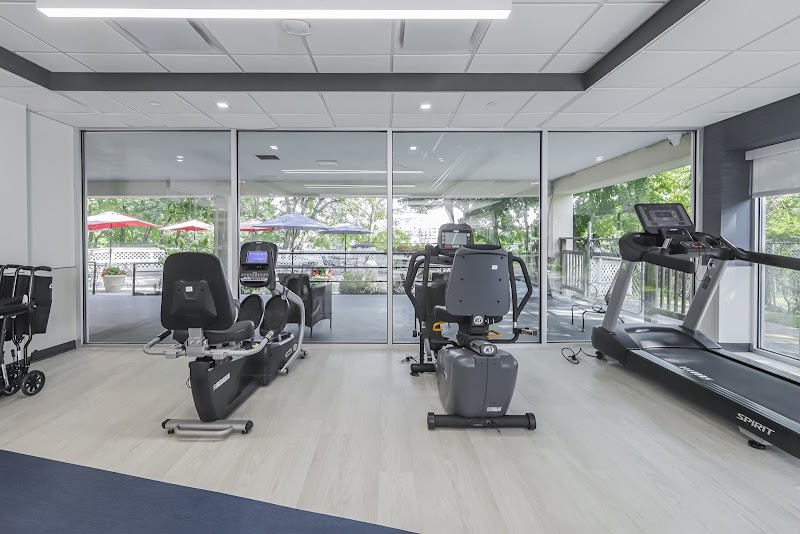
How Does Glen Island Center For Nursing And Rehabilitation Compare to Other New York Nursing Homes?

Compared to the 100 nursing homes in New York, GLEN ISLAND CENTER FOR NURSING AND REHABILITATION's overall rating (1 stars) is below the state average of 3.0, staff turnover (39%) is near the state average of 46%, and health inspection rating (1 stars) is much below the national benchmark.

What Should Families Ask When Visiting Glen Island Center For Nursing And Rehabilitation?

Based on this facility's data, families visiting should ask: "Can you walk me through typical staffing levels on day, evening, and night shifts?" "Can I visit during a mealtime to observe dining assistance and food quality?" "How do you handle medical emergencies, and what is your hospital transfer rate?" "Can I speak with family members of current residents about their experience?" These questions are particularly relevant given the below-average staffing rating.

Is Glen Island Center For Nursing And Rehabilitation Safe?

Based on CMS inspection data, GLEN ISLAND CENTER FOR NURSING AND REHABILITATION has a clean safety record: no substantiated abuse findings (meaning no confirmed cases of resident harm), no Immediate Jeopardy citations (the most serious violation level indicating risk of serious injury or death), and is not on the Special Focus Facility watch list (a federal program monitoring the lowest-performing 1% of nursing homes). The facility has a 1-star overall rating and ranks #100 of 100 nursing homes in New York. While no facility is perfect, families should still ask about staff-to-resident ratios and recent inspection results during their visit.

Do Nurses at Glen Island Center For Nursing And Rehabilitation Stick Around?

GLEN ISLAND CENTER FOR NURSING AND REHABILITATION has a staff turnover rate of 39%, which is about average for New York nursing homes (state average: 46%). Moderate turnover is common in nursing homes, but families should still ask about staff tenure and how the facility maintains care continuity when employees leave.

Was Glen Island Center For Nursing And Rehabilitation Ever Fined?

GLEN ISLAND CENTER FOR NURSING AND REHABILITATION has been fined $36,299 across 1 penalty action. The New York average is $33,442. While any fine indicates a compliance issue, fines under $50,000 are relatively common and typically reflect isolated problems that were subsequently corrected. Families should ask what specific issues led to these fines and confirm they've been resolved.

Is Glen Island Center For Nursing And Rehabilitation on Any Federal Watch List?

GLEN ISLAND CENTER FOR NURSING AND REHABILITATION is not on any federal watch list. The most significant is the Special Focus Facility (SFF) program, which identifies the bottom 1% of nursing homes nationally based on persistent, serious quality problems. Not being on this list means the facility has avoided the pattern of deficiencies that triggers enhanced federal oversight. This is a positive indicator, though families should still review the facility's inspection history directly.