SUTTON PARK CENTER FOR NURSING AND REHABILITATION
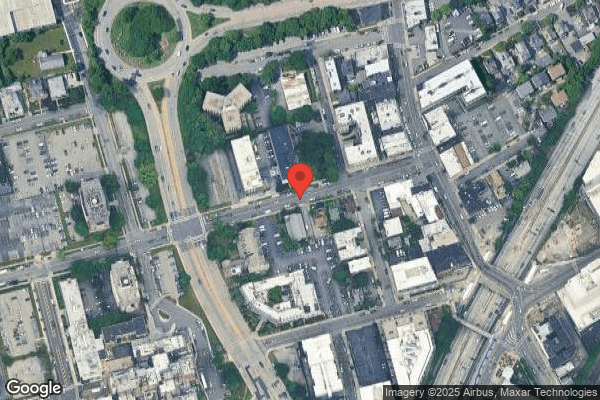

31 LOCKWOOD AVENUE, NEW ROCHELLE, NY 10801 (914) 576-0600
For profit - Partnership 160 Beds PARAGON HEALTHNET Data: November 2025
Trust Grade
55/100
#455 of 594 in NY
Last Inspection: November 2023

Within standard 12-15 month inspection cycle. Federal law requires annual inspections.

Overview

Sutton Park Center for Nursing and Rehabilitation has received a Trust Grade of C, which means it is average and falls in the middle of the pack among nursing homes. It ranks #455 out of 594 facilities in New York, placing it in the bottom half, and #32 out of 42 in Westchester County, indicating there are only a few better options nearby. The facility is worsening, with issues increasing from 3 in 2019 to 14 in 2023. Staffing is somewhat of a strength, rated 2 out of 5 stars, with a turnover rate of 38%, which is below the state average. However, there have been concerning incidents, such as staff not ensuring residents are treated with dignity during meals and failing to notify doctors about residents refusing medications. While there are no fines on record, which is good, the overall quality measures are low, suggesting that families should carefully consider this facility.

Trust Score
C
55/100
In New York
#455/594
Bottom 24%
Safety Record
Low Risk
No red flags
Inspections
Getting Worse
3 → 14 violations
Staff Stability
○ Average
38% turnover. Near New York's 48% average. Typical for the industry.
Penalties
✓ Good
No fines on record. Clean compliance history, better than most New York facilities.
Skilled Nurses
✓ Good
Each resident gets 42 minutes of Registered Nurse (RN) attention daily — more than average for New York. RNs are trained to catch health problems early.
Violations
⚠ Watch
19 deficiencies on record. Higher than average. Multiple issues found across inspections.
★★☆☆☆
2.0
Overall Rating
★★☆☆☆
2.0
Staff Levels
★☆☆☆☆
1.0
Care Quality
★★★☆☆
3.0
Inspection Score
Stable
2019: 3 issues
2023: 14 issues

The Good

  • Full Sprinkler Coverage · Fire safety systems throughout facility
  • No fines on record
  • Staff turnover below average (38%)

    10 points below New York average of 48%

Facility shows strength in fire safety.

The Bad

2-Star Overall Rating

Below New York average (3.1)

Below average - review inspection findings carefully

Staff Turnover: 38%

Near New York avg (46%)

Typical for the industry

Chain: PARAGON HEALTHNET

Part of a multi-facility chain

Ask about local staffing decisions and management

The Ugly 19 deficiencies on record

Nov 2023 8 deficiencies
CONCERN (D)

Potential for Harm - no one hurt, but risky conditions existed

Resident Rights (Tag F0550)

Could have caused harm · This affected 1 resident

**NOTE- TERMS IN BRACKETS HAVE BEEN EDITED TO PROTECT CONFIDENTIALITY** Based on observations, interviews, and record review during the Recertification Survey from 11/7/23-11/14/23, the facility did n...

Read full inspector narrative →
**NOTE- TERMS IN BRACKETS HAVE BEEN EDITED TO PROTECT CONFIDENTIALITY** Based on observations, interviews, and record review during the Recertification Survey from 11/7/23-11/14/23, the facility did not ensure residents were treated with dignity for 2 of 4 residents (#71 and #119 ) reviewed for dignity. Specifically, 1) staff were not seated when feeding Resident #71; and 2) staff were observed entering Resident #119's room without knocking on the door. The findings are: The facility policy for Feeding Assistance Program dated 3/2023 documented, staff will be seated when feeding a resident. 1) Resident# 71 was admitted with diagnoses of metabolic encephalopathy, Alzheimer's disease and abnormal weight loss. The Minimum Data Set (MDS) dated [DATE] documented Resident #71 required assistance with eating. During an observation on 11/08/23 at 12:41 PM, Licensed Practical Nurse (LPN) #5 was observed standing while assisting Resident # 71 with their meal. During an interview with LPN #5 on 11/08/23 at 12:55 PM, they stated they knew they should have been seated while feeding the resident, but they did not sit while assisting Resident #71. 2) Resident #119 was admitted with diagnoses of diabetes mellitus, cerebral vascular accident (CVA, stroke) and peripheral vascular disease. The MDS dated [DATE], documented Resident #119 was cognitively intact. During an interview on 11/8/23 at 10:16 AM, Resident #119 stated some staff knocked and some did not. Resident #119 stated it got uncomfortable at times and privacy was important to them. They worried someone might hear them while they were on the phone. During an observation on 11/8/23 at 11:11 AM, Activity Aide #1 entered Resident #119's room without knocking on the door and/or asking for permission to enter. An interview was conducted on 11/08/23 at 11:11 AM with Activity Aide #1 who stated they forgot to knock because it slipped their mind. 10NYCRR 415.3
CONCERN (D) 📢 Someone Reported This

A family member, employee, or ombudsman was alarmed enough to file a formal complaint

Potential for Harm - no one hurt, but risky conditions existed

Notification of Changes (Tag F0580)

Could have caused harm · This affected 1 resident

**NOTE- TERMS IN BRACKETS HAVE BEEN EDITED TO PROTECT CONFIDENTIALITY** Based on record review and interview during the recertification and abbreviated surveys (#NY 00315269), the facility did not imm...

Read full inspector narrative →
**NOTE- TERMS IN BRACKETS HAVE BEEN EDITED TO PROTECT CONFIDENTIALITY** Based on record review and interview during the recertification and abbreviated surveys (#NY 00315269), the facility did not immediately inform the physician or nurse practitioner of the resident's refusal to take prescribed medications. Specifically, Resident # 67 had multiple consecutive refused dosages of Latanoprost and artificial tear eye drops. Findings include: The 2/2016 facility policy titled Medication Administration stated any medication/treatment that is refused by the patient/resident must be documented in the appropriate section of the electronic medical administration record. The physician must be notified when the patient/resident refuses three consecutive administrations for further evaluation of medication usage. Resident #67 was admitted with diagnoses including [NAME] disease, muscle wasting and atrophy, and motor vehicle accident. The annual Minimum Data Set (MDS) dated [DATE] documented Resident # 67 was cognitively intact and had no issues with mood and behavior. The 2/16/2023 care plan titled noncompliance with care and treatment intervention included notify the physician for refusal of care and treatment. The current physicians' orders included Latanoprost 0.005% eye drop once daily at bedtime and artificial tears instill one drop in each eye 2 times per day The Medication Administration Records (MAR) revealed Resident #67 refused Artificial tears on - 9/11/2023 at 5 PM, 9/12/2023 at 9 AM and 530 PM, 9/22/2023 9 AM and 5 PM, and 9/23/2023 at 9 AM -10/5/2023 at 9 AM and 5 PM,10/6/2023 at 9 AM, 10/8/2023 at 9 AM and 5 PM,10/9/2023 at 9 AM, 10/11/2023 at 5 PM, 10/12/2023 at 9 AM and 5 PM, 10/14/2023 at 9 AM and 5 PM, 10/15/2023 at 9 AM, 10/24/2023 at 9 AM and 5 PM, 10/25/2023 at 9 AM, 10/30/2023 at 5 PM and 10/31/2023 at 9 AM and 5 PM -11/6/2023 at 9 AM and 5 PM, 11/7/2023 at 9 AM, 11/11/2023 at 9 AM and 5 PM, and 11/12 at 9 AM. The MAR revealed Resident #67 refused Latanoprost on: - 11/10/2023 at 9 PM, 11/11/2023 at 9 PM, 11/12/2023 at 9 PM and 11/13/2023 at 9 PM. There was no documented evidence in the progress notes dated 9/2023-11/2023 that the physician or nurse practitioner (NP) were made aware of the resident's refusal of Latanoprost and artificial tears eye drops. During interview on 11/14/23 at 12:10 PM, NP #1 stated if the nursing staff did not tell them the resident is/was refusing medication, they have no way of knowing but, if they were informed, they would talk with the resident and educate them; then discontinue the medication if possible or write an order for referral to the specialty involved. During an interview on 11/14/23 at 3: 50 PM the pharmacist, stated the Medical Administration Records (MARs) are spot-checked, especially with the electronic medical record (EMR). If they noticed any issues with unadministered/refusal of medication, they would contact the nursing supervisor or the Director of Nursing (DON). However, it was the nurse's responsibility to report refusal of medication to the NP or physician. 10NYCRR 415.3(e)(2)(ii)]
CONCERN (D) 📢 Someone Reported This

A family member, employee, or ombudsman was alarmed enough to file a formal complaint

Potential for Harm - no one hurt, but risky conditions existed

Investigate Abuse (Tag F0610)

Could have caused harm · This affected 1 resident

Based on record review and interview conducted during recertification and abbreviated survey (NY00308547), the facility did not ensure a thorough and complete investigation was conducted for 1 of 6 re...

Read full inspector narrative →
Based on record review and interview conducted during recertification and abbreviated survey (NY00308547), the facility did not ensure a thorough and complete investigation was conducted for 1 of 6 residents (Residents #95) reviewed for accidents. Specifically, the facility did not complete a timely and thorough investigation after Resident #95 reported a 5/8/2023 incident in which the shower chair broke while Resident # 95 was being transferred into it. Findings include: Resident #95 was admitted to the facility with diagnoses including chronic respiratory failure and other muscle spasm. The 7/24/2023 annual Minimum Data Set (MDS) an assessment tool documented Resident #95 was cognitively intact and required total dependence with an assist of 2 staff for bed mobility, transfer and toileting. During an interview on 11/10/2023 at 10:07 AM, Resident # 95 stated that on 5/8/2023 the shower chair broke when they were being transferred into it, resulting in them banging their feet against the ground. Resident #95 stated now every time they take a shower, they are afraid of being hurt. Resident #95 stated they told licensed practical nurse (LPN) # 6 (Unit Manager) on 5/8/2023 and they did not do anything about it. Review of the 3rd floor Maintenance Logbook documented a shower chair broke on 5/8/2023. Review of the resident's record and facility incident report revealed no documented evidence of an investigation for the 5/8/2023 incident involving Resident #95 being transferred into a shower chair that broke during the transfer. During an interview on 11/10/23 at 1:17 PM, LPN #6 stated they were working on 5/8/23 and were not told of an incident on 5/8/23 involving Resident #95 being transferred into a shower chair that broke or that the resident's feet were hurt. During an interview on 11/13/2023 at 11:42 AM, certified nurse aide (CNA) #4 stated on 5/8/23 Resident #95 was in the Hoyer lift and when they brought it down the weight of the resident's body snapped the wheel on the shower chair. CNA #4 stated they immediately brought the resident back up and transferred the resident back to bed. CNA #4 stated they told the nurse on duty, and they stated they were going to fix the shower chair. CNA #4 stated they asked if Resident #95 was okay and the resident stated they were fine. CNA #4 stated they were not sure if Resident #95 was assessed by the nursing staff. CNA #4 stated they were not aware of the resident's foot being injured. During an interview on 11/13/2023 at 12:30 PM, the Assistant Director of Nursing (ADON) stated the resident did not report the shower chair breaking when they were being transferred into it or that the incident resulted in them banging their feet. 10NYCRR 415.4(b)
CONCERN (D)

Potential for Harm - no one hurt, but risky conditions existed

Transfer Notice (Tag F0623)

Could have caused harm · This affected 1 resident

**NOTE- TERMS IN BRACKETS HAVE BEEN EDITED TO PROTECT CONFIDENTIALITY** Based on record review and interviews conducted during the Recertification Survey from 11/7/2023 through 11/14/2023 the facility...

Read full inspector narrative →
**NOTE- TERMS IN BRACKETS HAVE BEEN EDITED TO PROTECT CONFIDENTIALITY** Based on record review and interviews conducted during the Recertification Survey from 11/7/2023 through 11/14/2023 the facility did not ensure that resident and/or resident representative were notified in writing of the reason for the transfer/discharge to the hospital in a language that they understood, and the facility did not notify the Ombudsman for 1 of 5 residents (Residents # 109) reviewed for hospitalization. Specifically, the resident was transferred to the hospital and the facility could not provide evidence that a written notice of transfer/discharge was provided to the resident, or the resident representatives and that notification was sent to the State Ombudsman. The findings are: The policy and procedure titled Admission, transfer discharge revised 1/2022 documented the resident or representative will be informed of the resident transfer discharge. The state Ombudsman will be notified of all facilities-initiated discharge. Resident # 109 was admitted to the facility with diagnoses of schizoaffective disorder, major depressive disorder, and hypertensive heart disease. The Minimum Data Set (MDS-a resident assessment tool) annual assessment dated [DATE] documented Resident #109 had moderately impaired cognition. Review of the electronic medical record documented Resident #109 had three hospitalizations, 10/5/2023 through 10/6/2023, 10/7/2023 through 10/7/2023, and 10/26/2023 through 10/28/2023. The facility was unable to provide documented evidence that Resident #109 or their representative had been notified in writing of the resident's transfers/discharges from the facility and the reasons for the transfers/discharges or that notices were sent to the Ombudsman. During an interview on 11/14/2023 at 11:00 AM, Resident #109's representative stated they had not received written notification regarding hospital transfer and/or discharge. During an interview on 11/14/2023 at 11:10 AM, the Director of Nursing stated they did not know if Resident #109 was given transfer and/or discharge notification or if the Ombudsman was notified of the residents hospital transfer and/or discharge. During an interview on 11/14/2023 at 11:15 AM, the Director of Social Work stated they did not give Resident #109 or the family representative the transfer/discharge notices. The Director of Social Work further stated they did not notify the Ombudsman when Resident #109 was transferred and/or discharged to the hospital. 10NYCRR 415.3(I)(3)(i)(a)
CONCERN (D) 📢 Someone Reported This

A family member, employee, or ombudsman was alarmed enough to file a formal complaint

Potential for Harm - no one hurt, but risky conditions existed

Comprehensive Care Plan (Tag F0656)

Could have caused harm · This affected 1 resident

**NOTE- TERMS IN BRACKETS HAVE BEEN EDITED TO PROTECT CONFIDENTIALITY** Based on observation, record review and interview during the recertification and abbreviated surveys (NY00325370) conducted from...

Read full inspector narrative →
**NOTE- TERMS IN BRACKETS HAVE BEEN EDITED TO PROTECT CONFIDENTIALITY** Based on observation, record review and interview during the recertification and abbreviated surveys (NY00325370) conducted from 11/6/2023 to 11/14/2023, the facility did not ensure the development and implementation of comprehensive person-centered care plans to attain or maintain the residents' highest practicable physical, mental, and psychosocial well-being for 1 of 6 residents (Resident #120) reviewed for accidents, 1 of 3 residents (Resident #10) reviewed for hospitalization and 1 of 4 residents (Resident #46) reviewed for dignity. Specifically, 1) the facility did not ensure a person-centered care plan was developed for Resident #120 to be able to self-administer medications. 2) Staff did not implement interventions as per care plan for Resident #10 with a history of falls. 3) Staff did not develop a care plan to address Resident #46's refusal to wear clothes. The findings are: Review of the facility policy and procedure (P&P) titled Medication Administration-General dated 04/2018, documented medications are administered to resident/patients in a timely and accurate manner and to never leave medication at the bedside for a resident to self-administer. 1. Resident #120 was first admitted on [DATE] and last admitted on [DATE] with diagnoses including chronic obstructive pulmonary disease (COPD), anxiety disorder, and agoraphobia with panic disorder. The Quarterly Minimum Data Set (MDS) assessment dated [DATE], documented Resident #120 was cognitively intact. Physician orders dated 10/31/2023 documented to administer albuterol sulfate HFA 90 mcg/actuation aerosol inhaler, one puff by inhalation route every six hours as needed for COPD. On 11/14/2023 at 4:32 PM, Resident #120 was observed with the prescribed albuterol sulfate inhaler in their room located in the nightstand. When interviewed on 11/14/2023 at 4:32 PM, licensed practical nurse (LPN) #1 stated the resident was in possession of the albuterol sulfate inhaler because they self-administered their medication. When interviewed on 11/14/2023 at 4:33 PM, Resident #120 stated they were given the albuterol inhaler by the nurses and kept it in their possession to be able to self-administer. Resident #12 stated when the inhaler runs out, the nurse replaces it. When interviewed on 11/14/2023 at 4:55 PM, the Assistant Director of Nursing (ADON) stated the resident should not be carrying their own medication due to safety concerns and regardless of cognitive status. The ADON stated it was the policy of the facility that nurses administered all medications to residents and not to leave medications at bedside for a resident to self-administer. 2. Resident #10 was admitted to the facility with diagnoses including Alzheimer's disease, bipolar disorder, and a history of falling. The Quarterly Minimum Data Set (MDS) assessment dated [DATE], documented the resident had severely impaired cognition and required extensive assist of one for bed mobility, eating, toileting, and transfers. The falls care plan dated 6/1/2023 and updated on 6/2/2023, documented the resident was at risk for falls with potential for injury related to the Morse scale assessment with diagnoses of gait disturbance and abnormality. Interventions included keeping the call bell within reach, providing a clutter free environment, and providing adequate lighting while avoiding glare. On 11/09/2023 at 12:04 PM, Resident #10 was observed in their room sitting in wheelchair unsupervised with their door closed. The call bell was observed on the floor on the opposite side of the bed and the lights in the room were off. On 11/09/2023 at 12:07 PM, Resident #10 was observed sitting in their room, with the door closed and was heard from the hallway banging on the door. Certified Nurse Aide (CNA) #6 was observed walking past the room while the door was closed and did not open the door to check on the resident. On 11/09/2023 at 12:12 PM, Resident #10 was observed in their room with the door closed. Upon opening the door, the resident was observed sitting in their wheelchair. The call bell was not in reach, and lights were off in the room. When interviewed on 11/09/2023 at 12:21 PM, CNA #6 stated that Resident #10 was placed in their room because they were in the hallway running their wheelchair into other residents' wheelchairs and the other residents were complaining. CNA #6 stated that Resident #10 was at risk for falls and should not have been in the room alone with the door closed due to safety concerns. CNA #6 stated the call bell should always be within the residents reach. When interviewed on 11/14/2023 at 10:58 AM, Licensed Practical Nurse (LPN) #1 stated that Resident #10 should not be in the room with the door closed, and if the door was closed, staff should open door to check on the resident. 3. Resident #46 was admitted to facility on 10/10/2022 with diagnoses including fibroid neurofibromatosis, malnutrition, and low back pain. The annual Minimum Data Set (MDS, an assessment tool) dated 8/28/2023 documented Resident #46 was cognitively intact, there were no behaviors and Resident #46 required extensive assist of one person for bed mobility, transfer, eating and toileting. The behavior care plan initiated 10/13/2022 documented Resident #46 had alteration in mood and behavior pattern due to diagnosis of depressive disorder and history of insomnia. The interventions documented to use the resident's name and explain purpose upon approach during care, psychiatric or psychological consult and follow up as ordered, provide routine daily caregivers as much as possible, maintain safety measures during periods of behavior disruptions. The behavior care plan had no documented evidence of resident having behaviors regarding not wearing clothing and/or not wanting the curtain closed. There was no documented evidence in the electronic medical record (EMR) of any behaviors regarding not wanting to wear clothing. During observation on 11/07/2023 at 12:13 PM, 11/10/2023 at 1:16 PM and 11/14/2023 at 1:47 PM, Resident #46 was in their bed laying down, wearing an adult brief with no clothes on and visible from hallway During an interview with certified nurse aide (CNA) #14 on 11/14/2023 at 1:30 PM, CNA #14 stated the resident was supposed to be wearing clothes but was informed the resident always took their clothes off. During an interview on 11/14/2023 at 1:33 PM, CNA #4 stated Resident #46 did not like to wear clothes. CNA #4 stated they offered Resident #46 a gown, but they refused to wear the gown and refused to put a blanket on. CNA #4 stated they did not know if this behavior was discussed with the family or social worker. During an interview with licensed practical nurse (LPN) #6 on 11/14/2023 at 1:36 PM, LPN #6 stated Resident #46 refused to wear clothes and believed the resident had the right to refuse clothing. LPN #6 stated the resident did not want to have their bed side curtain drawn. LPN #6 stated they never thought to change the resident's bed position in the room as to make the resident not visible from the hallway. LPN #6 stated there were no care plan meetings held about Resident #46 not wearing clothes. 10NYCRR 415.11(c)(1)
CONCERN (D)

Potential for Harm - no one hurt, but risky conditions existed

Quality of Care (Tag F0684)

Could have caused harm · This affected 1 resident

**NOTE- TERMS IN BRACKETS HAVE BEEN EDITED TO PROTECT CONFIDENTIALITY** Based on observation, record review, and interviews during the Recertification Survey 11/7/2023-11/14/2023 the facility did not ...

Read full inspector narrative →
**NOTE- TERMS IN BRACKETS HAVE BEEN EDITED TO PROTECT CONFIDENTIALITY** Based on observation, record review, and interviews during the Recertification Survey 11/7/2023-11/14/2023 the facility did not ensure medications were provided to meet the needs of each resident for 2 of 2 residents (#119 and #116) reviewed for insulin. Specifically, long-acting insulin was not administered consistently as per physician order for Residents #119 and #116. The findings are: The facility policy for Administration of Medication dated 1/2023, documented before starting medication pass, check the physician order book for changes in medication orders against the Medication Administration Record (MAR). 1. Resident #119 was admitted with diagnoses including diabetes mellitus type II, cerebral vascular accident (CVA, stroke) and peripheral vascular disease. The 9/15/2022 nursing care plan for diabetes documented to provide medications as ordered. The 10/12/2022 physician order documented insulin glargine (U-100) 100u/ml (3 cc), inject 12 units by subcutaneous route once daily at bedtime. The Minimum Data Set Assessment (MDS) dated [DATE] documented Resident #119 was cognitively intact. The September 2023 medication administration record (MAR) documented insulin glargine (U-100) 100u/ml (3 cc), inject 12 units by subcutaneous route once daily at bedtime, hold if blood sugar equals 126, if greater than 400 or below 60, call physician. The MAR documented: - on 09/16/2023 at 9:00 PM glargine insulin was not administered. The reason documented, blood sugar (143) was below normal parameters. - on 09/24/2023 at 9:00 PM glargine insulin was not administered. The reason documented, blood sugar (240) was below normal parameters. The October 2023 MAR documented: - on 10/21/2023 at 9:00 PM glargine insulin not administered. The reason documented the resident was sleeping. - on 10/30/2023 at 9:00 PM glargine insulin not administered. The reason documented the blood sugar was (144). Upon further review of physician orders and the MAR, there were no clear documented parameters as when to hold the insulin. During an interview with Resident #119 on 11/08/2023 at 10:05 AM, they stated they were not sure if they were getting their insulin on time. Resident #119 stated sometimes they get only pills and no insulin. 2. Resident #116 was admitted with diagnoses including of diabetes type II, hypertension and major depressive disorder. The 6/24/2022 nursing care plan for Diabetes documented to administer medications as ordered. The 9/12/2023 MDS documented Resident #116 was cognitively intact. The current physician order documented Levemir flex pen 100/ml (3 ml), inject 20 units daily in the morning and Levemir flex pen 100/ml (3 ml), inject 30 units daily at bedtime. The September 2023 MAR documented: - on 9/4/2023 at 9:00 PM Levimir 30 units not administered. The reason documented within normal range. The October 2023 MAR documented to administer Levemir flex pen 100/ml (3 ml), inject 20 units daily in the morning with protocol for blood sugar monitoring. The MAR documented: - on 10/10/2023 at 8:00 AM Levimir 20 units was not administered. The reason documented the blood sugar (118) was below normal parameters. - on 10/15/2023 at 8:00 AM Levimir 20 units was not administered. The reason documented the blood sugar (131) was below normal parameters. - on 10/19/2023 at 8:00 AM Levimir 20 units was not administered. The reason documented the blood sugar (96) was within normal parameters. - on 10/27/2023 at 8:00 AM Levimir 20 units was not administered. The reason documented the blood sugar (119) was within normal parameters. - on 10/31/2023 at 8:00 AM Levimir 20 units was not administered. The reason documented the blood sugar (99) was within normal parameters. Upon further review of physician orders and the MAR, there were no documented parameters as when to hold the insulin. During an interview on 11/10/2023 at 12:56 PM Charge Nurse #1 stated it did not make sense to not give the insulin because the sugars were within range or below normal parameters as documented on the MAR. Charge Nurse #1 further stated they did not do audits or even check MARS for completion. Charge Nurse #1 stated they follow up behind the physician to make sure medications were picked up correctly, but they were not sure what happened with the two residents (#119 and #116) not receiving their insulin. During an interview on 11/10/2023 at 1:12 PM the Pharmacy consultant stated their role was to review new admissions and existing residents' medications, review orders, review labs, and review notes. The Pharmacy consultant stated nursing should be involved to find out why the insulin was not being given because of a parameter. The Pharmacy consultant stated as far as parameters, there were no parameters for Levemir insulin because it was long acting and it was a standing order. The Pharmacy consultant stated the MD needed to be involved/called if medications were not being given. During an interview on 11/10/2023 the Director of Nursing (DON) stated if insulin was ordered as a standing order as in this case, it should have been given that way. The DON stated there were no parameters for long-acting insulins. The DON stated they did not know why blood sugar testing was performed. The DON stated the pharmacy consultant reviewed medications and would notify them if there was a concern. The DON stated medication errors were part of quality assurance, but it had not been addressed because the facility did not have medication errors. 10NYCRR 415.12
CONCERN (D)

Potential for Harm - no one hurt, but risky conditions existed

Deficiency F0730 (Tag F0730)

Could have caused harm · This affected 1 resident

Based on record review and interview during the recertification survey from 11/6/2023 to 11/14/2023, the facility did not ensure certified nurse aide (CNA) performance reviews were completed at least ...

Read full inspector narrative →
Based on record review and interview during the recertification survey from 11/6/2023 to 11/14/2023, the facility did not ensure certified nurse aide (CNA) performance reviews were completed at least once every 12 months or that they provided regular in-service based on outcomes of such reviews for 5 of 5 reviewed for staffing (CNA #8, 9, 10, 11,and 12). Specifically, there were no performance evaluations provided when requested. Findings include: There was no documented evidence that CNA #8, 9, 10, 11, and 12 had performance reviews completed at least once every 12 months. During an interview on 11/09/2023 at 2:03 PM, the Assistant Director of Nursing (ADON) stated that staff performance reviews had not been done and that the facility did not have a policy in place. During an interview on 11/09/2023 at 2:45 PM, CNA # 8 stated that had been employed at the facility for many years and had not had a performance review. During an interview on 11/13/23 at 9:58 AM, the Administrator stated the facility did not provide staff performance evaluations. 10NYCRR 415.26
CONCERN (D)

Potential for Harm - no one hurt, but risky conditions existed

Food Safety (Tag F0812)

Could have caused harm · This affected 1 resident

Based on observation and interview conducted during the recertification survey from 11/8/23 to 11/16/23, the facility did not ensure that food was stored in accordance with acceptable standards for fo...

Read full inspector narrative →
Based on observation and interview conducted during the recertification survey from 11/8/23 to 11/16/23, the facility did not ensure that food was stored in accordance with acceptable standards for food safety practice. Specifically, perishable foods in kitchen freezer #1 and freezer #2 were not labeled and/or dated properly. The findings are: The 10/2023 facility food service policy titled Food Receiving/storage, procurement/Labeling documented foods will be labeled with a best-by date and use by that date or discarded; foods that do not have either a best-buy date or expiration date will be labeled with the date received and discarded within 6 months. 1. Observations during the initial tour of the kitchen on 11/7/2023 at 10:48 AM revealed the following unlabeled and/or undated foods were stored in walk-in freezers # 1 and freezer #2: -Freezer #1, had one (1) box of frozen manicotti, which was opened and unsealed without a use by date. -Freezer # 2, had one (1) box of frozen chicken wings, which was open and unsealed with a handwritten illegible use by date of either 10/18/2023 or 10/18/2025. During an interview on 11/7/2023 at 10:48 AM the Dietary Supervisor stated that the box of manicotti should have had a use by date. The Dietary Supervisor stated the use by date on the box of chicken wings was 10/18/2025. They added that the manufacturers were supposed to put a use by date and a received/prepared date on their products, and if there was no use by date, the director was supposed to call the manufacturer to obtain a use by date for the items. During the same initial tour on 11/7/2023 the Dietary Director was interviewed and stated if there was no manufacturer use by date, they would use the food within 3 months. The Dietary Director further stated that they should have called the manufacturer and also stated Dietary Aide #1, who received the food items from the delivery truck, was responsible for labeling the food items. During an 11/13/2023 at 10:30 AM follow up interview Dietary Aide # 1 (receiver) stated the frozen items should have a received/prepared date on the box and a use by date. If there was no use-by date on the box, they tell the supervisor or the director, and they should contact the manufacturer to obtain a use-by date to label the items. They added that all new frozen foods were supposed to be dated and rotated. 10NYCRR 415.14
May 2023 6 deficiencies
CONCERN (D) 📢 Someone Reported This

A family member, employee, or ombudsman was alarmed enough to file a formal complaint

Potential for Harm - no one hurt, but risky conditions existed

Assessment Accuracy (Tag F0641)

Could have caused harm · This affected 1 resident

**NOTE- TERMS IN BRACKETS HAVE BEEN EDITED TO PROTECT CONFIDENTIALITY** Based on record review, and interview conducted during an abbreviated survey (NY00315794), the facility did not ensure that a re...

Read full inspector narrative →
**NOTE- TERMS IN BRACKETS HAVE BEEN EDITED TO PROTECT CONFIDENTIALITY** Based on record review, and interview conducted during an abbreviated survey (NY00315794), the facility did not ensure that a resident assessment accurately reflected the resident's transfer and toileting status. The assessment in the medical record did not represent an accurate picture/assessment of the resident's status during the observational period. This was evident for 1 of 8 residents (Resident #1) reviewed. Specifically, the admission Minimum Data Set (MDS, a resident assessment tool) dated 12/09/2022 section G documented resident required extensive 2-person physical assistance for transfer and toileting. The Quarterly MDS dated [DATE] documented resident was totally dependent 2-person physical assistance for transfer and toileting. A Physician order dated 04/21/2023 documented resident required extensive 1-person physical assistance for transfer out of bed (OOB) to wheelchair (W/C)/toileting. The Discharge MDS dated [DATE] documented resident required total dependence for transfer and toileting. The residents' Activities of Daily Living (ADL) Care Plan, the Resident's Care Profile (Certified Nursing Assistant - CNA Instructions), and the ADL Flow Sheet was not updated to reflect the Physician's order on 04/21/2023. The findings are: The Facility Comprehensive Care Plan (CCP) Policy dated 11/2016 documented that the facility utilizes the requirements within the body of this policy / procedure to meet the care plan needs of each resident. The purpose of the assessment is to accurately communicate the resident's capability to perform daily life functions and to identify significant impairment(s) in functional capacity and the plan suggested by the CCP team for improvement / maintenance for each of the resident's primary care issues. Information obtained from the comprehensive assessment and staff interviews enables the facility staff to plan care that focuses on the residents' ability to achieve their highest practicable mode of functioning that includes physical function status such as (ability to perform ADL's, determining the resident's need/possible need). Resident #1 was admitted from the hospital to the facility on [DATE] with diagnoses that included Unspecified Convulsions, Epilepsy, Alcohol Abuse with Intoxication, and Gastroesophageal Reflux Disease with Esophagitis. The admission Minimum Data Set (MDS, an assessment tool) dated 12/09/2022 documented Resident #1 required extensive 2-person physical assistance for transfer and toileting. The ADL Care Plan initiated on 02/21/2023 documented that Resident #1 had self-care deficit due to right sided weakness. It also indicated that Resident #1 required extensive one-person physical assistance for transfer and toileting. The Resident Care Profile dated 03/02/2023 documented that Resident #1 required total dependence with 2-person physical assistance for transfers and toilet use. Resident #1's ADL status was changed on 03/07/2023 to total dependence 2-person physical assistance. The Quarterly MDS dated [DATE] documented that Resident #1 had a Brief Interview for Mental Status (BIMS, used to determine attention, orientation, and ability to recall information) score of 15/15, associated with intact cognition (00-7 severe impairment, 08-12 moderate impairment and 13-15 cognitively intact). It also documented Resident #1 was totally dependent 2-person physical assistance for transfer and toileting. The Resident Care Profile dated 04/14/2023 documented that Resident #1 required extensive 1-person physical assistance for transfers, and total dependence 2-person physical assistance for toilet use. The Physician Order dated 04/21/2023 documented that Resident #1 was OOB to W/C with extensive assist x 1. There was no documented evidence that the ADL Care Plan was updated to reflect the new order for transfer by the Physician on 04/21/2023. There was no documented evidence that the Resident Care Profile was updated with the new transfer order by the physician on 04/21/2023. There was no documented evidence that the ADL Flow Sheet was updated to reflect the new transfer status on 04/21/2023. The Discharge MDS dated [DATE] documented Resident #1 required total dependence for transfer and toileting. During an interview conducted with the MDS Coordinator (MDSC) on 05/05/2023 at 11:15 AM, the MDSC stated that their MDS assessments are derived from resident assessments/evaluations, residents care plans, the physician orders, Resident Care Profile, and the ADL Flow Sheet. The MDSC stated that when Resident #1's change in transfer status was ordered on 04/21/2023, the nurse on the unit should have updated the ADL care plan, the Resident Care Profile, and the ADL Flow Sheet to reflect the change. 415.11
CONCERN (D) 📢 Someone Reported This

A family member, employee, or ombudsman was alarmed enough to file a formal complaint

Potential for Harm - no one hurt, but risky conditions existed

Deficiency F0657 (Tag F0657)

Could have caused harm · This affected 1 resident

**NOTE- TERMS IN BRACKETS HAVE BEEN EDITED TO PROTECT CONFIDENTIALITY** Based on record review and interview conducted during an abbreviated survey (NY00315794), the facility did not ensure that the C...

Read full inspector narrative →
**NOTE- TERMS IN BRACKETS HAVE BEEN EDITED TO PROTECT CONFIDENTIALITY** Based on record review and interview conducted during an abbreviated survey (NY00315794), the facility did not ensure that the Comprehensive Care Plan (CCP) were reviewed and revised in a timely manner. This was evident for 1 of 8 residents (Resident #1) reviewed for care plans. Specifically, (1) Resident #1's Activities of Daily Living (ADL) Care Plan was not updated to include the new transfer and toileting order status from total dependence 2-person physical assistance to extensive 1-person physical assistance on 04/21/2023; (2) Resident #1's Fall Care Plan was not updated to include new goals and interventions post fall on 04/26/2023. The findings are: The Facility CCP Policy dated 11/2016 documented that the facility utilizes the requirements to meet the care plan needs of each resident. The purpose of the assessment is to accurately communicate the resident's capability to perform daily life functions and to identify significant impairment(s) in functional capacity. The plan suggested by the CCP team for improvement / maintenance for each of the resident's primary care issues. Information obtained from the comprehensive assessment and staff interviews enables the facility staff to plan care that focuses on the residents' ability to achieve his/her highest practicable mode of functioning that includes physical function status (ability to perform ADL's, determining the resident's need/possible need for staff assistance. The Facility policy did not include guidance specific to timeliness of reviewing and updating care plans. Resident #1 was admitted from hospital to the facility on [DATE] with diagnoses that included Unspecified Convulsions, Epilepsy, Right Sided Weakness, and Right Ankle Tendinitis (h/o inversion of right ankle joint). The Quarterly Minimum Data Set (MDS, an assessment tool) dated 03/11/2023 documented that Resident #1 had a Brief Interview for Mental Status (BIMS, used to determine attention, orientation, and ability to recall information) score of 15/15, associated with intact cognition (00-7 severe impairment, 08-12 moderate impairment and 13-15 cognitively intact). Resident #1 was totally dependent requiring 2-person assistance with transfer, and toilet use. Resident #1's ADL Care Plan initiated on 02/21/2023 documented that Resident #1 had self-care deficit due to weakness (right sided weakness), and that Resident #1 required extensive one-person physical assistance for transfer and toileting. On 03/07/2023, Residents #1's ADL status was documented as total dependence 2-person physical assistance for transfer and toileting. The Physician Order dated 04/21/2023 documented that Resident #1 was out of bed (OOB) to wheelchair (W/C) with extensive assist x 1 that included for transfer and toileting. There was no documented evidence that the care plan was updated in 04/21/2023 to reflect the Physician's transfer order for Resident #1. The Resident A/I Report dated 04/26/2023 documented that Resident #1 asked to be transferred to the toilet upon return from a medical appointment on 04/26/2023 at approximately 3:45 PM. Resident #1 fell off the toilet on 04/26/2023 at 4:20 PM. Resident was found on the floor by a certified nurse aide lying in a fetal position sweating and complained of chest pain. Nurse Practitioner was notified. Resident #1's Fall Risk Care Plan initiated on 02/21/2023 indicated high risk related to poor body function, antidepressant medication, needs wheelchair for locomotion, diagnosis of Seizure Disorder, Right Sided Weakness, Right Ankle Tendinitis (h/o inversion of right ankle joint). Interventions included provide assistance in ADL and care as required, fall risk assessment quarterly and as needed, ensure safe transfer with the assistance required as ordered. There was no documented evidence that the care plan was updated post fall on 04/26/2023 to include new goals and new interventions. During an interview conducted with Licensed Practical Nurse (LPN #1) on 05/03/2023 at 12:07 PM, LPN#1 stated that the LPNs in the facility can update care plans but not initiate a new care plan. LPN #1 also stated that LPNs can carry out physician orders and update the Resident Care Profile and ADL Flow Sheets. During an interview conducted with LPN #3 (who electronically picked up Resident#1's PT recommendation) on 05/05/2023 at 12:30 PM, LPN #3 stated the facility process is that when Physical Therapy (PT) makes a recommendation about resident's functional status, it shows up on the electronic dashboard, where they will sign, and it will populate as a Physician Order which needs to be carried out. The residents' ADL flowsheet and the Activities of Daily Living (ADLs) is updated by the LPN so the CNAs will know what to do. The LPN stated they updated the ADLs but not the care plan. The LPN stated that they do not do the care plan, it is usually done by the LPN Unit Manager who updates the care plan. During an interview conducted with the Assistant Director of Nursing (ADON) on 05/05/2023 at 1:41 PM, the ADON stated that recommendation from the PT and OT can be seen by the nurses on their dashboard. The nurse who clicks on recommendation completes it and it populates in the Physician Order. The nurse will then update the Resident Care Profile, the ADL Flow Sheet, and the Care Plan. The nurse who picked up the recommendation from PT for Resident #1 did not update the care plan. The facility has begun in-servicing the nurses. Only RNs can initiate a care plan. LPNs can update a care plan. When the resident fell on [DATE], the CNA should have been right next to the resident since the resident was one-person extensive assistance. The ADON stated they are now aware of the discrepancies in the ADL forms and that is why they are reeducating the nursing staff and disciplining the CNA involved. During an interview conducted with the DON on 05/05/2023 at 12:25 PM, the DON stated that the facility process was followed. The recommendation by the PT was signed and completed by LPN #3 and it showed up as a Physician Order. LPN #3 should have updated the care plan as well. LPNs cannot initiate care plans, but they can update them. 415.11(c)(2) (i-iii)
CONCERN (D) 📢 Someone Reported This

A family member, employee, or ombudsman was alarmed enough to file a formal complaint

Potential for Harm - no one hurt, but risky conditions existed

Deficiency F0660 (Tag F0660)

Could have caused harm · This affected 1 resident

**NOTE- TERMS IN BRACKETS HAVE BEEN EDITED TO PROTECT CONFIDENTIALITY** Based on interview, and record review conducted during an abbreviated survey (NY00315794), the facility did not develop and impl...

Read full inspector narrative →
**NOTE- TERMS IN BRACKETS HAVE BEEN EDITED TO PROTECT CONFIDENTIALITY** Based on interview, and record review conducted during an abbreviated survey (NY00315794), the facility did not develop and implement an effective discharge planning process that focused on the resident's discharge goals, the preparation of the resident to be an active partner and effectively transition the resident to post-discharge care, and the reduction of factors leading to preventable readmission. Specifically, no discharge planning process was developed and implemented since Resident's admission to the facility. This was evident for 1 (Resident #1) of 8 residents reviewed for discharge. The findings are: The facility Policy and procedure on Discharge Planning dated 11/2017 documented that Throughout the resident's stay, the social worker and/or team will regularly reevaluate resident to identify changes that require modification of the discharge plan. Resident #1 was admitted from hospital to the facility on [DATE] with diagnoses that included Unspecified Convulsions, Epilepsy, Alcohol Abuse with Intoxication, and Gastroesophageal Reflux Disease with Esophagitis. The Minimum Data Set (MDS, an assessment tool) dated 03/11/2023 documented that the resident had a Brief Interview for Mental Status (BIMS, used to determine attention, orientation, and ability to recall information) score of 15/15, associated with intact cognition (00-7 severe impairment, 08-12 moderate impairment and 13-15 cognitively intact). The Facility Discharge Planning Care Plan effective 12/06/2022 documented under focus that Resident #1 was a short term/subacute rehabilitation and would require discharge planning. The Discharge Care Planning did not document Resident #1's discharge goal to return home. The Discharge Care Planning did not document Resident #1 being placed on custodial care. Social Service Progress Note dated 01/04/2023 documented Social Worker (SW) notified today that Resident #1 lost their Health Maintenance Organization (HMO) appeal decision. Resident #1 in agreement of custodial care at the facility, due to not enough support at home. SW will continue to remain as needed. Social Service Progress Note dated 02/08/2023 documented referral sent for home care hours coverage upon Resident #1 returning home. Social Service Progress Note dated 04/11/2023 documented SW met with Resident #1 regarding discharge planning. Resident #1 stated they would like to return home eventually to live with their young children. Resident #1 is on rehab program with no potential discharge date . Resident #1 is in agreement to remain in the facility until able to return home with appropriate home care services. Resident's chart was reviewed from admission date 12/03/2022 to 04/27/2023, there was no documented evidence that discharge planning process has been discussed with the resident or resident's representative to effectively transition the resident to post-discharge care. There was no documented evidence that discharge the care plan was updated and implemented to focus on the resident's discharge goals to effectively transition the resident to post-discharge care. Interview on 05/05/2023 at 10:46 AM with Social Worker (SW) #2, SW #2 stated they were responsible for Resident #1 but ended up being out of work and SW #1 took on Resident #1. SW #2 stated they tried to set up several discharge meetings with Resident #1, but it was unsuccessful. SW #2 stated they did not document their efforts to schedule care plan meetings with Resident #1. SW #2 stated it is the responsibility of the SW to seek outside services to assist residents with discharge. SW #2 stated there was a home health referral sent for Resident #1, but they did not know the outcome of the referral that was sent out by SW #1. SW #2 stated SWs are responsible for updating discharge planning care plan as needed. SW #2 stated the care plan should have been updated to reflect that Resident #1 was switched from short term care to long term care after the resident was approved for custodial care. SW #2 stated that the discharge plan should also have been updated with Resident #1's wishes to return to the community with appropriate services. Interview on 05/05/2023 at 10:46 AM with SW #1, SW #1 stated they were responsible for updating discharge care plan and was working with Resident #1 regarding discharge home in January or February 2023. SW#1 stated they met with Resident #1 in February and Resident #1 stated they want to go home if they could get home care hours approved. SW#1 stated they sent a home care referral out for the resident SW#1 stated after sending the home health referral, Resident #1 stated they would like to stay in the facility until they had ankle surgery because they did not have enough support at home. Custodial care in the facility was approved. SW#1 stated they did not document their follow up with the home health referral or their conversation with Resident #1 regarding agreeing to stay in the facility. SW stated they did not update Resident #1's discharge care plan and that they were the person responsible for doing so. An Interview was conducted with Resident #1's daughter on 05/05/2023 at 2:45 PM, Resident #1's daughter stated they were contacted in December regarding a care plan for Resident #1 but denied being contacted regarding discharge planning. Resident #1's daughter stated Resident #1 told them that someone at the facility informed them they were a long-term resident but never notified them directly. Resident #1's daughter stated Resident #1 actively wanted to go home but was waiting for the facility to assist with initiating home health services. Resident #1's daughter stated every time Resident #1 would ask about going home they were told they would work on it the next month. 415.11(d)(3)
CONCERN (D) 📢 Someone Reported This

A family member, employee, or ombudsman was alarmed enough to file a formal complaint

Potential for Harm - no one hurt, but risky conditions existed

Quality of Care (Tag F0684)

Could have caused harm · This affected 1 resident

**NOTE- TERMS IN BRACKETS HAVE BEEN EDITED TO PROTECT CONFIDENTIALITY** Based on record review and interview conducted during an abbreviated survey (NY00315794), the facility failed to ensure that a r...

Read full inspector narrative →
**NOTE- TERMS IN BRACKETS HAVE BEEN EDITED TO PROTECT CONFIDENTIALITY** Based on record review and interview conducted during an abbreviated survey (NY00315794), the facility failed to ensure that a resident received treatment in accordance with professional standards of practice for 1 of 8 residents (Resident #1) reviewed for quality of care. Specifically, on [DATE], Resident #1 who required extensive 1-person physical assistance for toileting was found on the bathroom floor diaphoretic (sweating) with shortness of breath and complained of chest pain. Resident #1 stated they fainted and fell on the bathroom floor. There was no documented evidence that Resident #1 was placed on neurological checks for 24 hours as per facility policy. There was no documented evidence that a STAT (immediate) order for electrocardiogram (EKG) was carried out. There was no documented evidence of any additional clinical monitoring including bloodwork provided to Resident #1 post fall. There was no documented evidence of a physician order to send Resident #1 to the hospital post fall. There was no medical provider note of an assessment of Resident #1 until [DATE] at 4 PM, which was 8 days after the fall, 7 days after Resident #1 expired, and the same day that surveyors were on site. The findings are: The Facility Policy on Notification of Change in Condition dated [DATE] documented that it will be the policy of the facility to inform the resident; consult the physician; and if known, notify the residents legal representative or an interested family member when there has been a change in the resident's condition as defined in guidelines, which included (a) An accident involving the resident which results in injury and has the potential for requiring physician intervention. The family will be notified about all accidents and incidents. (b) A significant change in the resident's physical, mental, or psychosocial status. (c) A decision to transfer or discharge the resident from the facility. The Facility Policy on Accident/Incident (A/I) Reporting dated [DATE] documented that a resident's environment will remain free from as many hazards as possible. Under the heading Procedure, the policy documented that should an A/I occur, examine the resident, and provide emergency care as needed. Under the heading Documentation, the policy documented that if a resident hits their head, is unable to state whether or not they hit their head, neurological checks will be done for 24 hours, or as ordered by the physician. The Facility Policy on Progress Notes dated [DATE] documented that all entries into the clinical record will occur within the shift of the staff member implementing the documentation, as soon as possible. When needed, as appropriate or necessary, correction notes, or late entry notes may be added to the record only in order to make the record accurate and complete, or if erroneous information is noted and needs to be corrected. Resident #1 was admitted from hospital to the facility on [DATE] with diagnoses that included Unspecified Convulsions, Epilepsy, Right Sided Weakness, and Right Ankle Tendinitis (h/o inversion of right ankle joint). The Minimum Data Set (MDS, an assessment tool) dated [DATE] documented that Resident #1 had a Brief Interview for Mental Status (BIMS, used to determine attention, orientation, and ability to recall information) score of 15/15, associated with intact cognition (00-7 severe impairment, 08-12 moderate impairment and 13-15 cognitively intact). Resident #1 was totally dependent with transfer, and toilet use. The Resident Accident and Incident (A/I) Report dated [DATE] documented that Resident #1 returned to the unit from a medical appointment on [DATE] at approximately 3:45 PM. Resident #1 asked to be transferred to the bathroom and fell off the toilet on [DATE] at 4:20 PM. Resident #1 was able to explain what happened stating they fainted and had chest pain. Resident #1 was found on the bathroom floor diaphoretic with shortness of breath and chest pain. The Nurse Practitioner (NP) was notified at 4:30 PM and a STAT EKG was ordered. One dose of Aspirin 325 mg and oxygen (02) 2 liter via nasal cannula was also ordered and administered to Resident #1. Resident #1's daughter was notified at 4:45 PM. Review of the Resident Clinical Monitoring Record and Progress Notes from [DATE] to [DATE] revealed Resident #1's vital signs (VS) were taken as follows: [DATE] Blood Pressure (BP) was 143/76 - VS taken at 5:38 PM [DATE] Temperature (T) 96.8 F, Pulse (P) 103, Respiration (R) 24, BP 146/90, Oxygen Saturation 97% - VS taken at 7:24 PM [DATE] BP 124/74, resident had no pain - VS taken at 10:32 AM [DATE] No Pain - VS taken at 11:02 AM [DATE] T 97.7, P 96, BP 119/94, Oxygen Saturation 99% - VS taken at 1:57 PM [DATE] BP 108/87, resident had no pain - VS taken 6:57 PM There was no documented evidence that neuro checks were completed There was no documentation on [DATE] of an assessment of Resident #1 post fall by the NP. The assessment post fall on [DATE] by the NP was not documented until [DATE] (a late entry), when surveyors were onsite. During an interview conducted with the NP on [DATE] at 2:02 PM, the NP stated they were notified by the Registered Nurse Supervisor (RNS), and they ordered EKG, O2, and Aspirin. The NP stated Resident #1 was informed more than once that the NP wanted to send them to the hospital, but they refused to go. The NP stated they saw Resident #1 on the morning of [DATE] but did not document due to lack of time. The NP stated they were called on [DATE] by the RNS and notified of Resident #1 being unresponsive and being sent out to the hospital. The NP stated they are the one that is in the facility, so the medical doctors respect their discretion and normally agree with them. During a follow up interview conducted with the NP on [DATE] at 3:00 PM, the NP stated the EKG that they read was abnormal (abnormal sinus rhythm) but there were no blocks or immediate concerns of any cardiac issues. During the the two interview of the NP, the NP did not provide any documentation regarding Resident #1's refusal to go to the hospital. After those interviews, at 4 PM on [DATE], the surveyors noted documentation by the NP in Resident #1's medical record . During a further follow up interview with the NP on [DATE] at 12 PM, the NP stated they saw Resident #1 on [DATE] at around 10 AM and shortly after that they called and spoke with Resident #1's Primary Care Physician (PCP) to inform them that Resident #1 fell on [DATE] and had chest pain but refused to go to the hospital. The NP stated that they also informed the PCP that Resident #1 was feeling better, was stable, and improving. During an interview conducted with Resident #1's PCP on [DATE] at 1:56 PM, the PCP stated that on [DATE] Resident #1 had a dental extraction and a fall. The PCP stated they were notified by the NP on [DATE]. The PCP stated that according to the NP they wanted to send Resident #1 to the hospital, but Resident #1 refused. The PCP stated that the NP added that Resident #1 had improved and was stable at that point. The PCP stated that if they had been called, they would have recommended to monitor with routine neuro checks every 2 hours and if the resident did not improve, they would have sent them to the hospital. The PCP stated it used to be routine for residents to be sent to the hospital for head and chest x-ray because the hospital is across from the facility. However, the facility has contracted with a new vendor who provides bedside radiology images. The PCP added that if Resident #1's blood pressure was within normal limit, they would have ordered nitroglycerine and would have had their legs elevated. The PCP stated they would have ordered oxygen and an EKG as well. During a telephone interview conducted with the Medical Director (MD) on [DATE] at 2:08 PM, the MD stated they were contacted by the Administrator on [DATE] regarding Resident #1 who was admitted in [DATE]. The MD stated they were told that on [DATE] Resident #1 reported they had fallen in the bathroom while on the toilet and had chest pain. The MD stated that the NP was notified by phone and the NP ordered chest x-ray, EKG, and vital sign checks. The MD stated they were informed that the x-ray results were received on [DATE] between 5 PM to 6 PM and that the x-ray was negative. The MD stated that later that evening they were informed that Resident #1 was found unresponsive, CPR was initiated, Resident #1 was transferred to the hospital, and expired at 9 PM. The MD stated he was informed that NP notes were entered late. The MD stated the NP can assess emergency situations. The MD stated they had no reason to believe Resident #1 was not seen by the NP but felt there should have been more documentation regarding Resident #1's refusal to go to the hospital. The MD stated that if they had also been contacted, they would have sent Resident #1 to the ER for further evaluation considering that the hospital is directly across the street, adding that Resident #1 could have always returned to the facility. The MD stated the conclusion that the facility provided was okay and they agreed with it. However, going forward the NP will need to discuss cases with them if a resident is refusing to go to the hospital. The MD stated that if a resident is alert and oriented and refuses care, they cannot make the resident go, but they could involve other departments like social services to try to talk to the resident. The MD stated that the EKG and x-ray being done on the second day was not a concern, particularly since the EKG results presented no immediate concerns. 415.12
CONCERN (D) 📢 Someone Reported This

A family member, employee, or ombudsman was alarmed enough to file a formal complaint

Potential for Harm - no one hurt, but risky conditions existed

Accident Prevention (Tag F0689)

Could have caused harm · This affected 1 resident

**NOTE- TERMS IN BRACKETS HAVE BEEN EDITED TO PROTECT CONFIDENTIALITY** Based on record review and interview conducted during an abbreviated survey (NY00315794), the facility failed to provide adequat...

Read full inspector narrative →
**NOTE- TERMS IN BRACKETS HAVE BEEN EDITED TO PROTECT CONFIDENTIALITY** Based on record review and interview conducted during an abbreviated survey (NY00315794), the facility failed to provide adequate supervision to ensure that the appropriate interventions and means of mitigating the risk of an accident/fall were in place, were understood by and were followed by the facility staff for 1 of 8 residents (Resident # 1) reviewed for quality of care. Specifically, Resident #1 who had diagnoses that included Unspecified Convulsions and Epilepsy and required extensive one-person physical assistance for toileting was left in the bathroom by themselves on [DATE]. Consequently, Resident #1 was observed lying on the bathroom floor on their left side, diaphoretic (sweating), and with shortness of breath. Resident #1 stated that they were having chest pain, fainted and fell. Resident #1 was transferred to the hospital on [DATE] and expired. The findings are: The Facility Policy on Accident/Incident (A/I) Reporting dated [DATE] documented that a resident's environment will remain free from as many hazards as possible. When an accident or incident occurs to a resident, it will be documented in an A/I Report, and an internal investigation is conducted to determine the root cause of the A/I, and in many cases, an intervention may be added to prevent reoccurrence. Resident #1 was admitted from hospital to the facility on [DATE] with diagnoses that included Unspecified Convulsions, Epilepsy, Right Sided Weakness, and Right Ankle Tendinitis (h/o inversion of right ankle joint). The Quarterly Minimum Data Set (MDS, an assessment tool) dated [DATE] documented that Resident #1 had a Brief Interview for Mental Status (BIMS, used to determine attention, orientation, and ability to recall information) score of 15/15, associated with intact cognition (00-7 severe impairment, 08-12 moderate impairment and 13-15 cognitively intact). Resident #1 was totally dependent requiring 2-person assistance with transfer, and toilet use. The Discharge MDS dated [DATE] documented that Resident #1 required total dependence. The Physician Order dated [DATE] documented that Resident #1 was out of bed (OOB) to wheelchair (W/C) with extensive assist x 1. The Certified Nursing Assistant (CNA) Accountability Record for the month of [DATE] documented that Resident #1 required extensive 1-person physical assistance for transfer and toileting. The Resident Care Profile (CNA Instructions) dated [DATE] documented that Resident #1 required extensive 1-person physical assistance for transfers, and total dependence 2-person physical assistance for toilet use. The Activities of Daily Living (ADL) ADL Flow Sheet documented that Resident #1 was totally dependent with 2-person physical assistance for transfers and toileting from [DATE] to [DATE] (Resident #1 expired on [DATE]). Resident #1's ADL Care Plan documented that Resident #1 had self-care deficit due to weakness (right sided weakness) initiated on [DATE], and that Resident #1 required extensive one-person physical assistance for transfer and toileting. On [DATE], Residents #1's ADL status was changed to total dependence 2-person physical assistance for transfer and toileting. There was no documented evidence that the care plan was updated in [DATE] to indicate that Resident #1 was extensive 1-person assistance for transfer and toileting. Resident #1 had a Care Plan on Falls Risk / Precautions related to poor body function, antidepressant medication, needs wheelchair for locomotion, Dx Seizure Disorder, Right Sided Weakness, Right Ankle Tendinitis (h/o inversion of right ankle joint) initiated on [DATE]. Interventions included provide assistance in ADL and care as required, fall risk assessment quarterly and as needed, ensure safe transfer with the assistance required as ordered. There was no documented evidence that the care plan was updated post fall incident on [DATE]. There was no incident camera footage review, the fall occurred inside the shower room bathroom. Observations on the unit revealed that there are cameras installed at the unit hallways. However, review of the Resident Accident and Incident (A/I) Report and Facility Investigative Summary revealed no incident camera footage review on [DATE] and [DATE] that would confirm and/or verify staff statements (thoroughness of investigation). The Resident A/I Report dated [DATE] documented that Resident #1 asked to be transferred to the toilet upon return from a medical appointment on [DATE] at approximately 3:45 PM. Resident #1 fell off the toilet on [DATE] at 4:20 PM. Resident #1 was able to explain what happened stating they fainted and had chest pain. Resident #1 was found diaphoretic with shortness of breath and chest pain. Nurse Practitioner (NP) was notified. STAT (immediately) Electrocardiogram (EKG) was ordered. Resident #1 was ordered and received 1 dose of Aspirin 325 mg and oxygen 2L via nasal cannula. The facility notified Resident #1's physician at 4:30 PM, Resident #1's daughter at 4:45 PM. The facility did not identify that staff did not follow Resident #1's plan of care in their summary of investigation. The facility did not update the ADL Care Plan to reflect that Resident #1 required extensive 1-person physical assistance for transfer and toileting. The facility did not update the care plan post fall incident. During a telephone interview conducted on [DATE] at 1:26 PM with CNA #1, CNA #1 stated they could not recall what happen because they only heard about it. CNA #1 stated they did not remember who told them, but they did not ask any questions about the incident. During a telephone interview conducted on [DATE] at 1:28 PM with CNA #2, CNA #2 stated Resident #1 had just came back from an outside appointment and they rang the bell stating they needed to go to the restroom. CNA #2 stated they assisted Resident #1 to the toilet with CNA #1's assistance (CNA #1 did not corroborate this claim). CNA #2 stated Resident #1 was left with the call bell and instructions to use the call bell when done. CNA #2 stated that while they were walking down the hallway Resident #1 rang their call bell. CNA #2 stated that when they went back into the bathroom Resident #1 was on the floor. CNA #2 stated they notified the supervisor, and the supervisor came to assess Resident #1. During an interview conducted on [DATE] at 1:08 PM with CNA #5, CNA #5 stated that whether a resident is 2-person or 1-person assistance for toileting, they do not leave them unattended in the bathroom, even when the resident requests for privacy they cannot leave the resident alone. During an interview conducted on [DATE] at 1:15 PM with CNA #6, CNA #6 stated that they do not leave the resident in the bathroom when they require assistance, even when they request for privacy, they remain by the door. CNA #6 stated if the resident is in the shower room bathroom, then they do not step out, they remain inside the bathroom. During an interview conducted on [DATE] at 10:13 AM with Occupational Therapy Assistant (OTA), the OTA stated that when Resident #1 was admitted they initially required 2- people total dependence for transfers and toileting. The OTA stated that Resident #1 became able to do a lot more for themselves and so it changed to extensive with 1- person assistance. The OTA stated that Resident #1 still needed somebody with them in the bathroom when being toileted. The OTA stated that Resident #1 cannot be left on their own when they are still requiring assistance even when they ask for privacy. The OTA stated that the CNAs are aware of these resident care measures. During an interview conducted on [DATE] at 1:41 PM with the Assistant Director of Nursing (ADON), the ADON stated that when Resident #1 fell on [DATE], the CNA should have been right next to Resident #1 since they required 1-person extensive assistance. The ADON stated they are now aware of the discrepancies in the ADL forms and that is why they are reeducating the nursing staff and disciplining the CNAs. 415.12 (h) (2)
CONCERN (D) 📢 Someone Reported This

A family member, employee, or ombudsman was alarmed enough to file a formal complaint

Potential for Harm - no one hurt, but risky conditions existed

Food Safety (Tag F0812)

Could have caused harm · This affected 1 resident

Based on observation, record review and interview, during an abbreviated survey (NY00315794), on 05/03/23 to 05/05/23, the facility failed to ensure food was stored, prepared, and distributed in accor...

Read full inspector narrative →
Based on observation, record review and interview, during an abbreviated survey (NY00315794), on 05/03/23 to 05/05/23, the facility failed to ensure food was stored, prepared, and distributed in accordance with professional standards for food service safety. This was evident during the kitchen observation. Specifically, two Dietary Aides DA#1 and DA#2 were observed without a hair restraint or beard restraint, with hair exposed. The findings are: A facility policy titled Health, Hygiene and Safety for Dietary Staff, dated 10/2022, documented personnel shall wear clean, washable garments, hair nets and keep their hand and fingernails clean and clipped at all times. Hair must be contained while in the kitchen area. Dietary Aide (DA) #1 and DA #2 were observed in the kitchen on 05/03/23 at 12:20 PM without beard restraint with full length beards visible. During an innterview on 05/03/2023 at 12:58 PM, the Dietary Director (DD) stated that their staff did not wear beard restraints because they instruct them to keep their beards trimmed down. DD acknowledged that DA #1 and DA #2's beards were not trimmed down, and they should have been wearing beard restraints. DD stated they keep the beard restraints in their office, but staff could always ask for one. DD stated the importance of a beard restraint is to keep the food from being contaminated. During an interview on 05/03/2023 at 3:41 PM, DA #1 stated they were on their way to get a beard net when they were seen by surveyor. DA #1 stated the staff were serving the lunch line at the time of them not wearing a beard net. DA #1 stated the beard nets are kept in the Dietary Managers office and they were trained to wear them at all times in the kitchen. During an interview on 05/04/2023 at 12:54 PM , DA #2 stated they were at the end of their shift, so they did not have on a beard restraint while in the kitchen on 05/03/2023. DA #2 stated they were cleaning and gets hot in the kitchen, and it gets hard for them to breath, so they removed their beard net. DA #2 stated they were trained to always wear beard net to prevent hair from getting in food. 415.14
Sept 2019 3 deficiencies
CONCERN (D)

Potential for Harm - no one hurt, but risky conditions existed

Deficiency F0637 (Tag F0637)

Could have caused harm · This affected 1 resident

**NOTE- TERMS IN BRACKETS HAVE BEEN EDITED TO PROTECT CONFIDENTIALITY** Based on interview and record review conducted during the recertification survey, the facility did not ensure that a Significant...

Read full inspector narrative →
**NOTE- TERMS IN BRACKETS HAVE BEEN EDITED TO PROTECT CONFIDENTIALITY** Based on interview and record review conducted during the recertification survey, the facility did not ensure that a Significant Change Minimum Data Set (MDS; a comprehensive resident assessment and screening tool) was conducted for 1 of 5 residents (#54) reviewed for ADLs. The findings are: Resident #54 was admitted to the facility with diagnoses of major depressive disorder, hypertension and diabetes mellitus. Review of the medical record revealed the resident was transferred to the hospital on 5/10/2019 and readmitted to the facility on [DATE]. The admission MDS completed on 1/23/2019 documented a Brief Interview of Mental Status (BIMS) score of 15/15 indicating the resident was cognitively intact. The MDS further documented that the resident required extensive assistance of one for bed mobility, transfers, walking in the corridor, locomotion on unit, dressing, eating, toilet use, personal hygiene and bathing. The resident was documented as continent of bowel and bladder functions. The re-admission nursing assessment dated [DATE] indicated the resident required extensive assistance of two persons for bed mobility, transfers and toilet use. The resident was listed as incontinent of bladder and bowel functions. The Quarterly MDS assessment dated [DATE] documented the following changes in ADL status; extensive assist of two for bed mobility, dressing, toilet use and personal hygiene, and total assistance of one for locomotion on and off the unit. The resident required total assistance of two persons for transfers and bathing. Review of the medical record revealed no documented evidence that a significant change MDS was performed. On 9/24/2019 at 10:40 AM the MDS coordinator was interviewed regarding a decline in the resident's ADL status. She stated that she did not anticipate that the resident's status would change post hospitalization and therefore did not submit a significant change MDS. 415.11(a)(3)(ii)
CONCERN (D)

Potential for Harm - no one hurt, but risky conditions existed

Deficiency F0679 (Tag F0679)

Could have caused harm · This affected 1 resident

**NOTE- TERMS IN BRACKETS HAVE BEEN EDITED TO PROTECT CONFIDENTIALITY** Based on observation, interview and record review conducted during the most recent re-certification survey, the facility did not...

Read full inspector narrative →
**NOTE- TERMS IN BRACKETS HAVE BEEN EDITED TO PROTECT CONFIDENTIALITY** Based on observation, interview and record review conducted during the most recent re-certification survey, the facility did not ensure that 1 of 2 residents (#18) reviewed for activities was provided an ongoing program of activities designed to meet the interest of and to support the psychosocial well-being of the resident. Specifically, a resident with severe cognitive impairment was kept in bed during the day with no activity program designed to prevent social isolation and address the resident's activity preference and provide sensory stimulation on an ongoing basis. The findings are: Resident #18 is a [AGE] year-old female with diagnoses of Dementia, Depression and chronic pain. The annual Minimum Data set (MDS, an assessment instrument) dated 10/14/18 noted that the resident has severe cognitive impairment and based on staff assessment, likes music, animals, doing things with groups of people and participating in religious activities. The current annual MDS with a completion date of 9/23/19 showed that the resident's assessed preferences were consistent with the MDS of 10/14/18. The activity care plan dated 10/15/18 noted that the resident remained alert/responsive and attended dayroom activities with escort and assistance. It further noted that the resident enjoyed music and religious programs, pet therapy and music weekly. The activity goals for the resident were to be receptive to daily social visits and maintain attendance in day room daily activities and special events. The interventions to achieve these goals were for staff to offer social visits and reminders and escort to/from activities daily. The 10/15/18 care plan was evaluated on 6/19/19 and noted that the resident was alert and responsive to tactile stimulation and sensory activities. The resident was offered invitations daily for on unit and room activities such as music, pets, strolling music, clergy visits and special events off unit. On 9/18/19 the resident was observed in bed all day and on 9/19/19 during the AM. The television in her room was not turned on and there was no device noted for playing music. The resident was in a semi-private room with her bed next to the window. The resident's privacy curtain was drawn preventing her from having any visual contact with anyone or any kind of activities in the hallway. Additional observation revealed that on 9/23/19 the resident was being fed her lunch meal while in bed with the privacy curtain drawn. The nurse aide feeding the resident stated that she was not taken out of bed during the morning hours. On 9/24/19 at 10:38 AM the resident was seen in bed with the privacy curtain drawn and no form of stimulation in her room. She was brought to the day room at 11:45 PM. An activity consisting of music and exercise was already in progress. An updated activity care plan dated 9/18/19 showed that the goal for the resident was to respond via body language during sensory activities daily. The intervention to achieve this goal was for the recreation staff to invite/escort to daily activities on unit for sensory stimulation. No mention was made of any plan to keep the resident in bed at times during the day time and how the leisure activity needs of the resident would be addressed during those times/days. The evaluation section of the psychosocial care plan dated 9/18/19 noted that the resident currently had no changes in activity participation levels. She was invited/escorted to dayroom activities for sensory stimulation. Pet visits and strolling music were offered as scheduled on the calendar and that clergy visits were offered weekly. The Unit Manger/Registered Nurse (RN #1) was interviewed on 9/25/19 at 12:02 PM. She was asked why the resident was being left in bed, especially on 9/18/19 and 9/19/19. RN #1 stated that the resident has pain in her knee due to arthritis and is more comfortable in bed. She was then asked how the resident's needs for activities were being met. She stated with the television and the activity staff visiting the resident. The surveyor then told RN #1 that the resident was observed in her room at the times noted above with the television off. RN #1 did not make any further comment. The activity leader assigned to the unit was interviewed on 9/25/19 at 12:12 PM. She was asked to describe the activity program for the resident. She stated that the resident is provided pet visits which used to take place every Monday and currently two times monthly, and is brought to the day room for sensory stimulation and musical programs. When in bed, religious music was played using a radio. She was asked how long she would play the music. She stated for 15 to 20 minutes then the radio, which belonged to the facility, would be removed. This interview further revealed that the resident likes religious music/activities and did not have a personal device to play music. Also, that sensory stimulation activities provided to the resident when in her room was limited to 10 to 15 minutes. A review of the attendance records for activities revealed the following participation for the period of 9/1/19 to 9/25/19: 1. Record of participation in room visits 9/3 hand massage 9/6- music 9/8 hand massage 9/11- music 9/16- hand massage 9/19- music 9/21- hand massage 2. Group activities 9/1 - Mass 9/2 - Patriotic games, news paper and views 9/4 - Pokeno (a Bingo type game using a deck of card), adult coloring, mail carrier and craft 9/16 - Music, religious 9/19 - Fitness/music The frequency of these planned activities does not demonstrate an ongoing program of activities for a cognitively impaired resident. The current care plan does not include ongoing means of sensory stimulation activities while left in bed during the day time unattended. 415.5(f)(1)
CONCERN (D)

Potential for Harm - no one hurt, but risky conditions existed

Deficiency F0730 (Tag F0730)

Could have caused harm · This affected 1 resident

Based on interview and record review conducted during the recertification survey the facility did not ensure that two of five randomly reviewed certified nursing assistants (CNAs), CNAs #1 and #2, rec...

Read full inspector narrative →
Based on interview and record review conducted during the recertification survey the facility did not ensure that two of five randomly reviewed certified nursing assistants (CNAs), CNAs #1 and #2, received the required 12 hours of annual in-service training. In addition, one of five randomly reviewed CNAs, CNA #1, did not receive annual in-service(s) related to resident abuse prevention. The findings are: The Director of Nursing (DON) was interviewed at 2:00 PM on 09/24/19 and was asked to provide the training records of five certified nurse aides who have worked at the facility for more than two years not to include 2019. The DON stated the facility tracked the 12-hour requirement for CNA training by calendar year, from January to December and not date of hire. The DON also stated that they did not track the number of hours of in-services by individual CNA but had the sign-in sheets of all the in-services conducted, so she could confirm their training by pulling the sign-in sheets for each in-service. Two of five records reviewed lacked evidence that they were provided 12 hours of training annually to include abuse prevention as evidenced by the following: In an undated, typed list provided on 09/25/19 CNA #1 was hired on 02/24/88 and CNA #2 was hired on 01/23/97. Review of in-service sign-in sheets provided by the facility for CNA #1 for 2018 revealed only two in-services totaling three hours of in-services. There was no evidence that CNA #1 attended an in-service on abuse prevention during this year. Review of in-service sign-in sheets provided by the facility for CNA #2 for 2018 revealed only two in-services totaling 3-1/2 hours. In an interview on 9/25/19 at 12:45 PM the DON stated she had found only two in-service sign-in sheets each for CNAs #1 and #2 for calendar year 2018 as described in the above record review. In an interview on 09/25/19 at 4:30 PM the DON stated she was not tracking or monitoring CNA mandatory training hours, but that the Assistant Director of Nursing (ADON) had been doing that. The DON recently learned that some of the records for 2018 had been transferred out of the building to a trailer for which the Maintenance Director had the key. In an interview on 09/25/19 at 4:45 PM the ADON stated she had not been tracking in-service hours for CNAs. They identified a problem with tracking compliance with mandatory CNA in-services hours and topics when the last training coordinator abruptly resigned around July/August 2019. They had a form to track each of the staff member's attendance at CNA in-services, but the training coordinator was not completing the form. The ADON and DON confirmed they were unable to provide documentation that CNAs #1 and #2 had the mandatory in-services before conclusion of the recertification survey on 9/25/19. 415.26(c)(1)(iv)
Dec 2017 2 deficiencies
CONCERN (D)

Potential for Harm - no one hurt, but risky conditions existed

Deficiency F0657 (Tag F0657)

Could have caused harm · This affected 1 resident

**NOTE- TERMS IN BRACKETS HAVE BEEN EDITED TO PROTECT CONFIDENTIALITY** Based on record review and interview conducted during a recertification survey, the facility did not review and revise the compr...

Read full inspector narrative →
**NOTE- TERMS IN BRACKETS HAVE BEEN EDITED TO PROTECT CONFIDENTIALITY** Based on record review and interview conducted during a recertification survey, the facility did not review and revise the comprehensive care plan with measurable objectives, time frames and appropriate interventions for 1 of 2 residents (#52)reviewed for urinary incontinence to address a decline in urinary status and to potentially restore previous urinary continence status to the extent possible. The findings are: Resident #52 was admitted on [DATE] with diagnoses and conditions including Parkinson's disease, Benign Prostatic Hypertrophy (BPH) without lower urinary tract symptoms, and generalized muscle weakness. The annual Minimum Data Set (MDS; a resident assessment tool) dated 3/19/17 documented the resident's cognition was intact; the resident required extensive assist of one person for toilet use, did not receive a urinary toileting program, and was always continent of bowel and bladder. The resident was subsequently assessed on a quarterly MDS dated [DATE] and documented the resident's cognition was intact; the resident required extensive assist of one person for toilet use; he did not receive a urinary toileting program and was always continent of bowel and bladder. A MDS quarterly note dated 10/24/17 and a care plan meeting notes dated 10/31/17 both revealed there was no change in the resident's bladder and bowel continency level and should continue the care plan interventions. Review of the current comprehensive care plan (CCP) dated 10/27/17 revealed the resident has urinary incontinence, requires toileting assist. All needs will be anticipated and met by staff, resident will be clean, dry and odor free. Interventions included: Incontinence care twice per shift and prn; keep call bell within reach and answered; identify underlying or irreversible causes; monitor for signs and symptoms of infection; encourage fluid; utilize protective undergarment, change frequently. No monitoring and evaluation notes were recorded. The resident was interviewed on 12/12/17 at 9:49 AM and stated that he cannot walk to the bathroom and sometimes staff needed to help him. The resident stated that he does not usually call for help and he urinates in his diaper. The MDS Nurse was interviewed on 12/15/17 at 1:39 PM and stated she had completed the MDS dated [DATE] which indicated that the resident was continent of bladder. She stated that she was not aware that the resident's bladder status had declined from continent to incontinent. The above CCP of 10/27/17 was not revised to include measurable objectives, time frame and appropriate interventions to minimize incontinence episodes and to potentially restore the resident's previous level of urinary continence to the extent possible. One of the interventions listed in this CCP was to identify underlying and irreversible causes of incontinence. There was no documented evidence that attempts were made to identify possible contributory factors for the resident's decline in bladder function and to develop appropriate interventions to resolve or minimize the effects of the identified risk factors. The unit Nurse Manager (NM) was interviewed on 12/15/17 1:48 PM and stated that the resident has had episodes of urinary incontinence since late October. The NM stated that an Incontinent Management Assessment Tool (IMT) is to be completed upon admission, on initial/quarterly/annual MDS, and other assessments. The NM reviewed the resident record and was unable to produce an IMT evaluation dated at the time when the quarterly MDS assessment was done. The NM stated that she was not aware that the resident had previously been continent of bladder per the MDS assessment of 10/22/17 and no new interventions were put into place. A follow up interview of the MDS RN was conducted on 12/15/17 at 2:34 PM. When asked who was responsible in communicating changes in bladder function, she stated that the unit nurse is responsible to report changes. She stated that there was a miscommunication regarding the residents' bladder function which would be corrected on the next MDS. She further stated that the urinary incontinence care plan dated 10/27/17 was initiated by an MDS nurse who is no longer employed by the facility. The NM was further interviewed on 12/18/17 at 12:05 PM and stated, following surveyor intervention, that she had began monitoring the resident's ability to verbalize the need for toileting. The NM stated she found out that the resident can verbalize the need to use the toilet, but at those times the resident was also found to be wet already. The NM stated that a three-day continence management diary was initiated on 12/16/17 and as of today, the resident was started on a Toileting Record-Toileting schedule every two hours which will help in planning an individualized toileting schedule for resident. The Certified Nurse Aide (CNA) assigned to care for the resident was interviewed on 12/19/17 at 11:36 AM and stated that the resident is incontinent of bladder and continent of bowel; requires reminders and encouragement for toileting; does not tell her when he is wet; and does not usually ask to be toileted for bladder, but will ask to be toileted for bowel. The Medical Doctor (MD) was interviewed on 12/19/17 at 12:35 PM and stated that resident is new to her care. At that time, the MD reviewed the residents' record and stated that she has not received any report of the resident being incontinent of bladder. The MD stated that the resident's diagnoses, including Parkinson's, may have contributed to his incontinence and may have affected the resident's ability to verbalize toileting needs. The MD further stated that residents' renal status is being monitored and does not appear to be the cause of his urinary incontinence. 415.11(c)(2)(i-iii)
CONCERN (D)

Potential for Harm - no one hurt, but risky conditions existed

Incontinence Care (Tag F0690)

Could have caused harm · This affected 1 resident

**NOTE- TERMS IN BRACKETS HAVE BEEN EDITED TO PROTECT CONFIDENTIALITY** Based on observation, record review and interview conducted during a recertification survey for 2 of 2 residents (#52 and #128) ...

Read full inspector narrative →
**NOTE- TERMS IN BRACKETS HAVE BEEN EDITED TO PROTECT CONFIDENTIALITY** Based on observation, record review and interview conducted during a recertification survey for 2 of 2 residents (#52 and #128) reviewed for urinary incontinence the facility did not ensure that (1.) the resident who is continent of bowel and bladder on admission received services and assistance to maintain continence unless his or her clinical condition is or becomes such that continence is not possible to maintain and, (2.) that the resident who is incontinent of bladder receives appropriate treatment and services to restore continence to the extent possible. The findings are: 1. Resident #52 was admitted on [DATE] with diagnoses and conditions including Parkinson's disease, BPH (Benign Prostatic Hypertrophy) without lower urinary tract symptoms, and generalized muscle weakness. The Annual Minimum Data Set (MDS; a resident assessment tool) dated 3/19/17 documented that the resident cognition was intact; required extensive assist of one person for toilet use; did not receive a urinary toileting program; and was always continent of bowel and bladder. The resident was subsequently assessed on a Quarterly MDS dated [DATE] and documented the resident's cognition was intact; required extensive assist of one person for toilet use; did not receive a urinary toileting program; and was always continent of bowel and bladder. Review of the current comprehensive care pan (CCP) dated 10/27/17 revealed Urinary Incontinence and resident required assistance with toileting; all needs will be anticipated and met by staff; resident will be clean, dry and odor free. Interventions included to provide incontinence care twice per shift and as needed; keep call bell within reach and answered; identify underlying or irreversible causes; monitor for signs and symptoms of infection; encourage fluids; utilize protective undergarment and change frequently. Care plan meeting notes dated 10/31/17 revealed no change in status since last review and to review the care plan and goals for changes. The November-December 2017 Resident Care Profile and Certified Nurse Aide (CNA) Accountability record was reviewed and revealed that the resident receives extensive assist of 1 person on all shifts for toilet use. The resident was interviewed on 12/12/17 at 9:49 AM and stated that he cannot walk to the bathroom and sometimes staff need to help him. The resident stated that he does not usually call for help and he urinates in his diaper. The MDS Nurse was interviewed on 12/15/17 at 1:39 PM and stated that she had completed the MDS dated [DATE] which indicated that the resident was continent of bladder; and further stated that she was not aware that resident bladder status had declined from continent to incontinent. The unit Nurse Manager (NM) was interviewed on 12/15/17 01:48 PM and stated that the resident has had episodes of urinary incontinence since late October. The NM stated that an Incontinent Management Assessment Tool (IMT) is to be completed on admission, on initial MDS, and on quarterly, annual and other assessments. At that time, the NM reviewed the resident record and was unable to produce an IMT evaluation dated at the time of the quarterly MDS assessment. The NM stated that she was not aware that resident had previously been continent of bladder per the MDS assessment of 10/22/17 and no new interventions were put into place. A follow up interview of the MDS RN was conducted on 12/15/17 at 2:34 PM and stated that the unit nurse was responsible to report changes and that there was a miscommunication regarding the residents' bladder function which would be corrected on the next MDS assessment. She further stated that the urinary incontinence care plan dated 10/27/17 was initiated by an MDS nurse who is no longer employed by the facility. The NM was further interviewed on 12/18/17 at 12:05 PM and stated that she had began monitoring the resident's ability to verbalize need for toileting following surveyor inquiry. The NM stated she found out that resident can verbalize need to use the toilet, but at those times he is also found to be wet already. The NM stated that a three-day continence management diary was initiated on 12/16/17 and that today, the resident was started on a Toileting Record-Toileting schedule every two hours which will help in planning an individualized toileting schedule for resident. The CNA assigned to care for the resident was interviewed on 12/19/17 at 11:36 AM and stated that resident is incontinent of bladder and continent of bowel; requires reminders and encouragement for toileting; does not tell her when he is wet; and does not usually ask to be toileted for bladder, but will ask to be toileted for bowel. The Medical Doctor (MD) was interviewed on 12/19/17 at 12:35 PM and stated that resident is new to his care. At that time, the MD reviewed the residents' record and stated that she has not received any report of the resident being incontinent of bladder. The MD stated that the resident's diagnoses, including Parkinson's, may contribute to his incontinence and may affect resident's ability to verbalize toileting needs. MD further stated that residents' renal status is being monitored and does not appear to be the cause of his urinary incontinence. 2. Resident #128 was admitted to the facility on [DATE] and has diagnoses and conditions include a fractured elbow sustained on 9/9/17, Hypertension, and Peripheral Vascular Disease. The admission Minimum Data Set (MDS; a resident assessment tool) of 8/3/17 indicated that the resident scored 15 out of 15 on the BIMS (Brief Interview for Mental Status; used to test for orientation and memory recall) which suggested that the resident has no cognitive impairment. This MDS further documented that the resident was always continent of bladder and bowel functions and required extensive assistance of two persons with bed mobility, transfer, toileting and personal hygiene. The initial care plan dated 7/28/17 showed that the resident was receiving rehabilitation services and was continent of bladder. The goal addressing urinary continence was for the resident to remain continent of bowel and bladder. The resident was hospitalized from [DATE]-[DATE] due to left elbow hardware malfunctioning due to a fracture. The resident subsequently was assessed on the Quarterly MDS of 11/01/17 and 11/26/17 and revealed that the resident became always incontinent of bladder and bowel functions (defined in MDS as having no episodes of continent voiding). The current care plan noted that the goal for the resident was to have no episode of urinary infection. The interventions to achieve this goal were to maintain adequate fluid intake daily, laboratory work as needed, monitor for signs and symptoms of infection, regular check of diaper, incontinence care, and to ensure proper perineal care. There was no documented evidence that any attempts were made to determine why the resident was now incontinent and if she would benefit from a bladder retraining program. The Certified Nurse Aide Accountability Record for December 2017 showed that the resident remained incontinent of bladder. The resident was interviewed on 12/11/17 at 12:25 PM and stated that she was relying on the staff to change her diaper. The assigned day shift CNA (Certified Nurse Aide) was interviewed on 12/13/17 at 2:45 PM about the incontinent status of the resident. This CNA stated that the resident was at times, when assigned to her, was always incontinent. The resident never asked to be toileted or be placed on a bedpan. The CNA further stated that the resident would ask to be changed. The same was revealed during an interview with assigned evening shift CNA on the evening of 12/13/17. The Registered Nurse (RN) who completed the above mentioned MDS assessment was interviewed on 12/13/17 at 3:05 PM and stated that the resident had become incontinent while she was hospitalized . The RN stated the resident has behavioral problems and is now a candidate for retraining. The RN offered no further explanation as to why this was not previously attempted. 415.12(d)(1) 415.12(d)(2)
Understanding Severity Codes (click to expand)
Life-Threatening (Immediate Jeopardy)
J - Isolated K - Pattern L - Widespread
Actual Harm
G - Isolated H - Pattern I - Widespread
Potential for Harm
D - Isolated E - Pattern F - Widespread
No Harm (Minor)
A - Isolated B - Pattern C - Widespread

Questions to Ask on Your Visit

  • "Can I speak with families of current residents?"
  • "What's your RN coverage like on weekends and overnight?"

Our Honest Assessment

Strengths
  • • No major safety red flags. No abuse findings, life-threatening violations, or SFF status.
  • • No fines on record. Clean compliance history, better than most New York facilities.
  • • 38% turnover. Below New York's 48% average. Good staff retention means consistent care.
Concerns
  • • 19 deficiencies on record. Higher than average. Multiple issues found across inspections.
  • • Grade C (55/100). Below average facility with significant concerns.
Bottom line: Mixed indicators with Trust Score of 55/100. Visit in person and ask pointed questions.

About This Facility

What is Sutton Park Center For Nursing And Rehabilitation's CMS Rating?

CMS assigns SUTTON PARK CENTER FOR NURSING AND REHABILITATION an overall rating of 2 out of 5 stars, which is considered below average nationally. Within New York, this rating places the facility higher than 0% of the state's 100 nursing homes. A rating at this level reflects concerns identified through health inspections, staffing assessments, or quality measures that families should carefully consider.
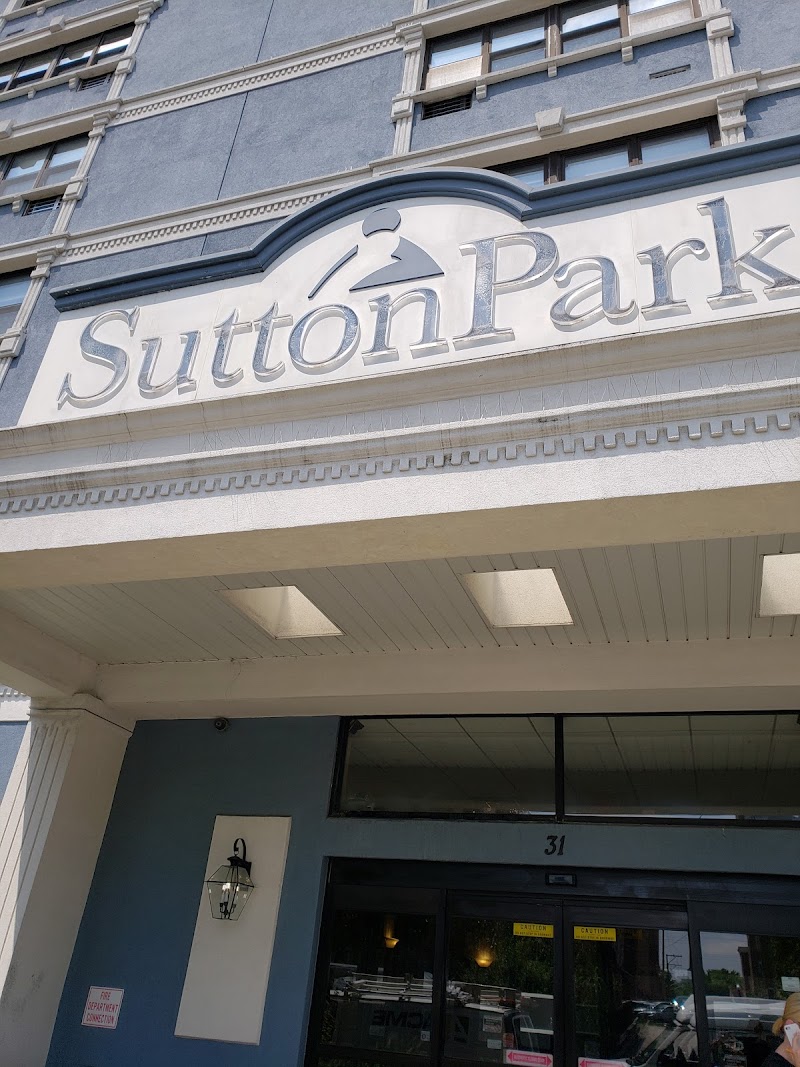
How is Sutton Park Center For Nursing And Rehabilitation Staffed?

CMS rates SUTTON PARK CENTER FOR NURSING AND REHABILITATION's staffing level at 2 out of 5 stars, which is below average compared to other nursing homes. Staff turnover is 38%, compared to the New York average of 46%. This relatively stable workforce can support continuity of care.

What Have Inspectors Found at Sutton Park Center For Nursing And Rehabilitation?

State health inspectors documented 19 deficiencies at SUTTON PARK CENTER FOR NURSING AND REHABILITATION during 2017 to 2023. These included: 19 with potential for harm.
Who Owns and Operates Sutton Park Center For Nursing And Rehabilitation?

SUTTON PARK CENTER FOR NURSING AND REHABILITATION is owned by a for-profit company. For-profit facilities operate as businesses with obligations to shareholders or private owners. The facility is operated by PARAGON HEALTHNET, a chain that manages multiple nursing homes. With 160 certified beds and approximately 149 residents (about 93% occupancy), it is a mid-sized facility located in NEW ROCHELLE, New York.
How Does Sutton Park Center For Nursing And Rehabilitation Compare to Other New York Nursing Homes?

Compared to the 100 nursing homes in New York, SUTTON PARK CENTER FOR NURSING AND REHABILITATION's overall rating (2 stars) is below the state average of 3.1, staff turnover (38%) is near the state average of 46%, and health inspection rating (3 stars) is at the national benchmark.

What Should Families Ask When Visiting Sutton Park Center For Nursing And Rehabilitation?

Based on this facility's data, families visiting should ask: "Can you walk me through typical staffing levels on day, evening, and night shifts?" "Can I visit during a mealtime to observe dining assistance and food quality?" "How do you handle medical emergencies, and what is your hospital transfer rate?" "Can I speak with family members of current residents about their experience?" These questions are particularly relevant given the below-average staffing rating.

Is Sutton Park Center For Nursing And Rehabilitation Safe?

Based on CMS inspection data, SUTTON PARK CENTER FOR NURSING AND REHABILITATION has a clean safety record: no substantiated abuse findings (meaning no confirmed cases of resident harm), no Immediate Jeopardy citations (the most serious violation level indicating risk of serious injury or death), and is not on the Special Focus Facility watch list (a federal program monitoring the lowest-performing 1% of nursing homes). The facility has a 2-star overall rating and ranks #100 of 100 nursing homes in New York. While no facility is perfect, families should still ask about staff-to-resident ratios and recent inspection results during their visit.

Do Nurses at Sutton Park Center For Nursing And Rehabilitation Stick Around?

SUTTON PARK CENTER FOR NURSING AND REHABILITATION has a staff turnover rate of 38%, which is about average for New York nursing homes (state average: 46%). Moderate turnover is common in nursing homes, but families should still ask about staff tenure and how the facility maintains care continuity when employees leave.

Was Sutton Park Center For Nursing And Rehabilitation Ever Fined?

SUTTON PARK CENTER FOR NURSING AND REHABILITATION has no federal fines on record. CMS issues fines when nursing homes fail to meet care standards or don't correct problems found during inspections. The absence of fines suggests the facility has either maintained compliance or corrected any issues before penalties were assessed. This is a positive indicator, though families should still review recent inspection reports for the full picture.

Is Sutton Park Center For Nursing And Rehabilitation on Any Federal Watch List?

SUTTON PARK CENTER FOR NURSING AND REHABILITATION is not on any federal watch list. The most significant is the Special Focus Facility (SFF) program, which identifies the bottom 1% of nursing homes nationally based on persistent, serious quality problems. Not being on this list means the facility has avoided the pattern of deficiencies that triggers enhanced federal oversight. This is a positive indicator, though families should still review the facility's inspection history directly.