UNITED HEBREW GERIATRIC CENTER


391 PELHAM ROAD, NEW ROCHELLE, NY 10805 (914) 632-2804
Non profit - Corporation 294 Beds Independent Data: November 2025
Trust Grade
95/100
#123 of 594 in NY
Last Inspection: October 2023

Over 2 years since last inspection. Current conditions may differ from available data.

Overview

The United Hebrew Geriatric Center has received a Trust Grade of A+, indicating it is an elite facility with high standards of care. Ranked #123 out of 594 facilities in New York, it is in the top half, and #10 out of 42 in Westchester County, meaning only nine local options are better. However, the facility's trend is worsening, with the number of reported issues increasing from 2 in 2019 to 4 in 2023. Staffing is a strong point, rated 4 out of 5 stars, with a low turnover rate of 17%, significantly better than the state average of 40%. The facility has no fines, which is a positive sign, and offers more RN coverage than 84% of state facilities, ensuring high-quality oversight of resident care. While there are notable strengths, there are also some concerns. Recent inspections revealed issues such as a resident's dignity being compromised when their catheter drainage bag was visible, and a lack of adequate activities programming that affected residents' quality of life. Additionally, there were concerns regarding food safety, including improper thawing and handling practices in the kitchen. Families should weigh these strengths and weaknesses when considering this nursing home for their loved ones.

Trust Score
A+
95/100
In New York
#123/594
Top 20%
Safety Record
Low Risk
No red flags
Inspections
Getting Worse
2 → 4 violations
Staff Stability
✓ Good
17% annual turnover. Excellent stability, 31 points below New York's 48% average. Staff who stay learn residents' needs.
Penalties
✓ Good
No fines on record. Clean compliance history, better than most New York facilities.
Skilled Nurses
✓ Good
Each resident gets 61 minutes of Registered Nurse (RN) attention daily — more than 97% of New York nursing homes. RNs are the most trained staff who catch health problems before they become serious.
Violations
○ Average
7 deficiencies on record. Average for a facility this size. Mostly minor or procedural issues.
★★★★★
5.0
Overall Rating
★★★★☆
4.0
Staff Levels
★★★★★
5.0
Care Quality
★★★★☆
4.0
Inspection Score
Stable
2019: 2 issues
2023: 4 issues

The Good

  • 4-Star Staffing Rating · Above-average nurse staffing levels
  • 5-Star Quality Measures · Strong clinical quality outcomes
  • Low Staff Turnover (17%) · Staff stability means consistent care
  • Full Sprinkler Coverage · Fire safety systems throughout facility
  • No fines on record
  • Staff turnover is low (17%)

    31 points below New York average of 48%

Facility shows strength in staffing levels, quality measures, staff retention, fire safety.

The Bad

No Significant Concerns Identified

This facility shows no red flags. Among New York's 100 nursing homes, only 1% achieve this.

The Ugly 7 deficiencies on record

Oct 2023 4 deficiencies
CONCERN (D)

Potential for Harm - no one hurt, but risky conditions existed

Resident Rights (Tag F0550)

Could have caused harm · This affected 1 resident

Based on observation, interview, and record review during the recertification survey from 10/2/23 to 10/6/23, the facility did not ensure that care was provided in a manner that maintained dignity for...

Read full inspector narrative →
Based on observation, interview, and record review during the recertification survey from 10/2/23 to 10/6/23, the facility did not ensure that care was provided in a manner that maintained dignity for 1 of 2 residents (Resident #7) reviewed for catheters. Specifically, Resident #7 urinary catheter drainage bag was not concealed to prevent direct observation of urine by others. The findings are: The facility policy, titled, ' environment that preserves dignity, and contributes to a positive self image' documented it is the policy of the facility to ensure and respect each residence, rights to dignity, and contribute to a positive self image, which included to care for a residence in a manner, and in an environment, that promotes maintenance or enhancement of each residence, quality of life. The facilities policy titled, 'Urine drainage bags' did not include documentation related to privacy covers for the urine drainage bag. Resident #7 had diagnoses included urinary retention, benign prostatic hyperplasia, and obstructive and reflux uropathy. The Minimum Data Set (MDS- a resident assessment tool) dated 8/22/23 documented the resident had severely impaired cognition, the resident required 2-person dependent assistance with toilet use, and had an indwelling urinary catheter. The Activities of Daily Living (ADL) Toileting Care Plan, last updated 9/01/23, documented the resident required total assistance with toilet use and had a suprapubic catheter. Interventions included to provide total assistance of 2 persons for toileting. The Urinary Diversion: Supra Pubic Cather Care Plan last updated 9/01/23, documented the presence of a Foley catheter #24 with 5 cc balloon via supra pubic cystostomy in place due to urinary retention related to enlarged prostate. Interventions included to provide privacy bags-leg bags for the drainage/output and provide catheter care daily. The Certified Nurse Aide (CNA) instructions documentation included Foley catheter care every shift and a privacy bag with date. The physician order dated 8/11/2023 documented a suprapubic catheter French size 24 for a diagnosis of urinary retention related to enlarged prostate, and suprapubic catheter care every shift and as needed. During an observation on 10/03/23 at 11:35 AM, the resident was observed in bed, a urine collection bag was observed hanging from the bed frame with urine observed in the urine collection bag, the bag was uncovered and visible from hallway. During an interview on 10/03/23 at 11: 45 AM, CNA #1 stated they were the primary aide caring for the resident and they washed and dressed the resident earlier in the morning. CNA #1 stated they knew the urine collection bag should have been covered with a dignity bag but they did not see one in the resident's room. CNA #1 stated they should have asked the nurse for a dignity bag. During an interview on 10/03/23 at 11:55 AM, the Licensed Practical Nurse (LPN) #1 stated they never saw dignity bags covering any resident's urine collection bags when residents are in bed. Stated they do not think that urine collection bags need to be covered when residents are in bed. During an interview on 10/03/23 at 12:05 PM, LPN #2 stated that urine collection bags should always be covered even if the resident was in bed, and dignity covers were stored at the nurse's station in the drawer. During an interview on 10/03/23 at 12:20 PM, Registered Nurse Unit Manager (RNUM) # 1 stated: - residents' urine collection bags should always be covered with dignity bags even when residents were in bed. - the aide should have ensured the urine collection bag was covered when they performed care, and they should have asked the nurse if they needed a dignity bag. - the nurse was also responsible for making rounds and checking for placement of dignity bags. During an interview on 10/04/23 at 9:15 AM, the Chief Nursing Officer (CNO) stated it was the policy of the facility to cover urine collection bags when residents were attired and out of bed, but stated that since the resident in question was in a private room, it was unclear whether the urine collection bag should be covered. When asked whether the urine collection bag should be uncovered if it is visible from the unit hallway, the CNO stated that was unclear.
CONCERN (D)

Potential for Harm - no one hurt, but risky conditions existed

Deficiency F0679 (Tag F0679)

Could have caused harm · This affected 1 resident

Based on interview, and record review during the recertification survey from 10/2/23 to 10/6/23, it was determined the facility did not ensure an ongoing program of activities was provided to meet the...

Read full inspector narrative →
Based on interview, and record review during the recertification survey from 10/2/23 to 10/6/23, it was determined the facility did not ensure an ongoing program of activities was provided to meet the needs and interests of, and support the physical, mental, and psychosocial well-being of the residents, based on the comprehensive assessment and care plan for 1 of 2 residents (Resident #18) reviewed for activities. Specifically, Resident #18 voiced concern about the facility's cuts to their activities programming and how it negatively affected their daily quality of life. The findings are: A facility policy titled, 'Therapeutic Recreation Services', last revised 1/2000, documented, It is the policy of this facility to provide activities that are multi-faceted and reflect each individual resident's needs. Resident #18 was admitted to the facility with diagnoses including but not limited to atrial flutter, spinal stenosis, and major depressive disorder. The 7/14/23 Minimum Data Set (MDS- a resident assessment tool), documented Resident #18 had a Brief Interview of Mental Status of 15 (cognitively intact). Resident #18's comprehensive care plan, originally created 7/30/21, documented the resident enjoyed pottery and art classes, attended resident council meetings, and enjoyed outings such as trips to the dollar store or casino. During a resident council meeting on 10/3/23 at 11:08 AM, Resident #18 stated they had lived at the facility for many years and was concerned about the facility's cuts to activities programming since the pandemic. Resident #18 stated the facility used to provide programming that included cooking classes, trips to shopping centers, the casino, and community events. Resident #18 stated those were the activities that made them feel like a human, and how activities programming was, The medicine provided to the resident's hearts and minds. Resident #18 stated the activities team worked hard but there was not enough staff. Resident #18 stated they brought their concerns to management previously without resolution or improvements. During an interview on 10/4/23 at 10:25 AM, RNUM#1 stated activities had not been the same since the COVID pandemic. RNUM #1 stated the facility used to have an activities aide for each unit but as activities staff left their positions, they were not replaced and the staff remaining in the activities department now cover the entire building. RNUM #1 stated activities used to include bus trips to the casino, Memorial Day celebrations, field trips to community events, and cooking in the kitchen however, they probably did not have these activities anymore due to staffing. During an interview on 10/4/23 at 11:21 AM, the facility's Activities Director stated the resident's concerns were valid. The Activities Director stated they used to have 9 activities staff in the department and an activities staff member was assigned to every floor. The Activities Director stated now they have 2 staff, and sometime 3 staff to cover the entire building. During an interview on 10/4/23 at 11:40 AM, the facility's interim Administrator stated outside trips and additional programming had not restarted since COVID, partially because of staffing issues, and stated it was difficult recruit new people after previous activities staff left their positions. The Administrator stated the facility needed to provide more activities and they have requested to hire additional activities staff. §483.24(c)(1)
CONCERN (D)

Potential for Harm - no one hurt, but risky conditions existed

Food Safety (Tag F0812)

Could have caused harm · This affected 1 resident

Based on observations, interviews and record review during a recertification survey from 10/2/23 to 10/6/23, the facility did not ensure food was served under sanitary conditions for 2 of 12 residents...

Read full inspector narrative →
Based on observations, interviews and record review during a recertification survey from 10/2/23 to 10/6/23, the facility did not ensure food was served under sanitary conditions for 2 of 12 residents (Residents #335 and #126) . Specifically, registered nurse (RN) #1 did not perform hand hygiene between serving residents while passing out food during a breakfast meal to prevent cross contamination and infection and was wearing gloves to serve meals. Findings include: The facility Hand Hygiene policy revised 9/28/18 documents hand hygiene is the single most effective action in the prevention of transmission of infection. Careful hand hygiene must be performed before and after any direct resident care. During an observation on 10/02/23 at 8:23 AM, RN#1 passed breakfast meal trays to residents on the 2nd floor dining room while wearing gloves. RN#1 took a tray and with gloves on their hands delivered it to Resident #335. While still wearing the same gloves, RN#1 returned to the food supply room next to the serving station and touched the keypad with the gloved finger to place a code to unlock the door and went in, then RN #1 returned to Resident #335 with cold cereal and placed it on the table. RN#1 went to get another tray, received the plate of food and a gloved thumb was observed on the inside of the plate. They went over to Resident #126, touched the resident on the back, then touched meal tray, put a clothes protector on Resident #126, went back to the supply room touching the keypad, got a tea bag for Resident #335 then touched a tray and a banana. Still wearing the same gloves RN#1 touched a resident wrist to check the name band and returned to the food station. RN#1 then pulled up her pants with the gloves still on. During the entire observation, the gloves were not removed, and hand hygiene was not performed. During an interview on 10/02/23 at 8:33 AM, RN#1 stated they were unaware of the number of surfaces they touched and was unsure why they were wearing gloves. RN #1 stated not wearing gloves and using hand sanitizer would have been a better idea. During an interview on 10/06/23 at 11:45 AM with the Director of Nursing (DON) stated staff were not supposed to be wearing gloves while serving food because it could spread germs. The DON stated the new Infection Preventionist (IP) would be starting soon and provide in-servicing. 10NYCRR 415.14(h)
CONCERN (D)

Potential for Harm - no one hurt, but risky conditions existed

Infection Control (Tag F0880)

Could have caused harm · This affected 1 resident

Based on observation, record review and interview during the recertification survey (10/2/23-10/6/23) the facility did not ensure that staff maintained an infection prevention and control program desi...

Read full inspector narrative →
Based on observation, record review and interview during the recertification survey (10/2/23-10/6/23) the facility did not ensure that staff maintained an infection prevention and control program designed to provide a safe, sanitary, and comfortable environment and to help prevent the development and transmission of communicable diseases and infections. Specifically, two Certified Nurse Aides (CNAs) were observed not using Personal Protective Equipment (PPE) while assisting a resident that was on contact precautions and when CNAs exited the resident room, did not perform proper hand hygiene. The findings are: The Facility policy for Transmission Based Precautions dated 8/30/2022 documents signage outside the resident's room will be posted to communicate precautions to all healthcare personnel. Signage for Contact Isolation and verbal communication between staff can enhance compliance to minimize transmission of infection. Wear a gown and gloves for all interactions that may involve contact with the resident and their environment. The facility policy for Hand Hygiene dated March 2017 documents wash hands with soap and water if there is exposure to clostridium difficile (C.diff, bacteria). 1) Resident #336 had diagnoses including fracture of right femur, enterocolitis due to C. diff and urinary retention. Physician orders dated 9/23/23 documented the resident was on contact precautions for clostridium difficile infection. An observation was made on 10/2/23 at 9:18 AM of CNA #2 who was in Resident #336 room leaning on the foot of the bed with hands on the sheets and came out of the resident's room not wearing gloves or gown and did not wash hands but instead reached for alcohol based hand sanitizer. During an interview with CNA #2 10/02/23 at 09:19 AM they stated they did not realize the resident was on isolation because the resident was not on their usual assignment. CNA #2 stated they was not aware they needed to wash with soap and water but was aware there were instructions on the sign outside the resident's door and should have checked with the nurse. An observation was made 10/02/23 at 09:22AM of CNA#3 in Resident #336 room without gown and gloves and hands were observed touching resident items near the resident's bed. During an interview 10/2/23 at 09:22AM, CNA#3 stated they just came in to say a quick hello and was not aware they needed to wear a gown but did see the sign outside the door. CNA#3 stated she did get report from the nurse but did not know about the gown and gloves, or that they needed to use soap and water to wash hands. During an interview 10/06/23 at 11:53 AM, the Director of Nursing (DON) they stated staff needed to follow the instructions on the sign for residents in contact isolation rooms, and nurses should have been informing staff about these rooms. The DON stated C.diff had spores that were everywhere in the room so staff needed to wear gowns, and they thought all staff knew the precautions. 10NYCRR 415.19(b)(1)(4)
Jun 2019 2 deficiencies
CONCERN (D)

Potential for Harm - no one hurt, but risky conditions existed

Deficiency F0625 (Tag F0625)

Could have caused harm · This affected 1 resident

**NOTE- TERMS IN BRACKETS HAVE BEEN EDITED TO PROTECT CONFIDENTIALITY** Based on record review and interview conducted during a recertification survey, the facility did not ensure that for 1 of 2 resi...

Read full inspector narrative →
**NOTE- TERMS IN BRACKETS HAVE BEEN EDITED TO PROTECT CONFIDENTIALITY** Based on record review and interview conducted during a recertification survey, the facility did not ensure that for 1 of 2 residents (#180) reviewed for hospitalization that the resident or her representative were given timely written notification of the bed hold policy before transfer in a language and manner they could understand. The findings are: Resident #180 was admitted on [DATE]. Her diagnoses include but are not limited to anemia, hypertension, heart failure, macular degeneration and osteoporosis. The Quarterly Minimum Data Set (MDS - a resident assessment and screening tool) dated 12/21/2018 indicated that Resident #180 is cognitively intact. Review of a 3/15/2019 nursing note showed that Resident #180 was transferred to the emergency room and admitted with a diagnosis of multiple fractures resulting from a fall. Resident #180 was subsequently discharged from the hospital and returned to the facility on 3/18/2019. Review of the medical record and interview with the Director of Social Work on 6/13/2019 at 2:15 PM showed no evidence that the resident or her representative had received timely written notification of the facility's bed hold policy prior to her hospital admission. 415.3(h)(4)(i)(a)
CONCERN (D)

Potential for Harm - no one hurt, but risky conditions existed

Deficiency F0685 (Tag F0685)

Could have caused harm · This affected 1 resident

**NOTE- TERMS IN BRACKETS HAVE BEEN EDITED TO PROTECT CONFIDENTIALITY** Based upon interview and record review conducted during the recertification survey, the facility did not ensure that each reside...

Read full inspector narrative →
**NOTE- TERMS IN BRACKETS HAVE BEEN EDITED TO PROTECT CONFIDENTIALITY** Based upon interview and record review conducted during the recertification survey, the facility did not ensure that each resident received proper treatment and assistive devices to maintain hearing ability. This was evident for 1 of 38 residents reviewed. (Residents#109). The findings are: Resident #109 was admitted on [DATE] with diagnoses of Hypertension, Diabetes Mellitus and Chronic Obstructive Pulmonary Disease. The annual MDS (minimum data set-a resident assessment tool) dated 10/23/18 documented the resident was cognitively intact, had minimal difficulty hearing, used a hearing aid or other hearing appliance, made himself understood, and understood others. Subsequent quarterly MDS assessments on 12/22/18, 3/6/19 and 4/14/19 all documented that the resident had minimal difficulty hearing, used a hearing aid or other hearing appliance, made himself understood, and understood others. The comprehensive care plan (CCP) for communication dated 12/10/16 documented the following; resident had adequate hearing with use of left hearing aid; left hearing aid sent out for repair; usually understands others. No date was given for when the hearing aide was sent out. Care Plan progress notes dated 2/25/17 to 3/21/19 did not address the left hearing aid. An Ear, Nose and Throat (ENT) consult dated 1/25/2018 documented poor hearing. An Audiology consult dated 7/19/18 documented the resident's left hearing aid was broken. An ENT consult dated 9/27/18 documented the resident's left hearing aid was broken. During a tour of the unit on 6/06/19 at 12:00 PM the resident declined an interview. The resident's son was present and reported the resident's left hearing aid was taken last June for repair and was not returned. He further stated the resident was deaf in his right ear and had fifty percent hearing in his left ear. In an interview conducted on 6/12/19 at 9:45 am the resident reported that he is deaf in his right ear and his hearing had been worsening in his left ear. He stated someone took his left ear hearing aid for repair over a year ago and he would like his hearing aid back. The interview was conducted in a small, quiet room free from extraneous sounds with only the resident and surveyor present. During the interview the resident requested to be spoken to from his left side and asked that several questions be repeated. 415.12(3)(b)
Oct 2017 1 deficiency
CONCERN (E)

Potential for Harm - no one hurt, but risky conditions existed

Deficiency F0371 (Tag F0371)

Could have caused harm · This affected multiple residents

Based on observation and interview conducted during a recertification survey, the facility did not ensure that foods were stored and served under sanitary conditions. Specifically, (1.) frozen ground ...

Read full inspector narrative →
Based on observation and interview conducted during a recertification survey, the facility did not ensure that foods were stored and served under sanitary conditions. Specifically, (1.) frozen ground meat placed in the refrigerator for thawing was not cooked in a timely manner, (2.) 1 of 7 nourishment unit refrigerators did not contain a thermometer, and (3.) a Certified Nurse Aide (CNA) did not use a barrier to handle sandwiches served to Resident #255 during two lunch meals. The findings are: 1. An initial inspection of the kitchen was conducted in the morning of 10/19/17. A pack of ground beef labeled 10/14/17 was observed in the walk-in refrigerator. The head cook was interviewed at that time and stated that on 10/14/17, the ground beef, weighing 8 pounds, was removed from the freezer and was placed in the walk-in refrigerator to be thawed. The head cook was asked as to what was the facility's policy for how long this item should be left in the refrigerator and stated that it should be used within three days. The US Department of Agriculture (USDA) website on food safety relating to ground beef stated that thawed ground beef should be used within 2 days. The ground beef would have been thawed by 10/16/17 and should have been used by 10/18/17. 2. During an observation in the afternoon of 10/20/17, 1 of 7 nourishment unit refrigerators in use on Unit 4K did not have a thermometer. (Refrigerators in use are to be equipped with working thermometers.) The Unit Manager was not available for interview at that time. The Unit Clerk was interviewed at about 3:15 PM on the same date and stated that she will inform maintenance that there is no thermometer in the refrigerator. 3. During the lunch meal on Unit 2K, a CNA was observed to set up the meal tray for Resident #255. The CNA used her bare hands to pick up half of the sandwich and placed it in one of the resident's hands. Another meal observation was done at lunch time on 10/23/17. The same CNA was observed to unwrap the sandwich for Resident #255. Using her bare hands, the CNA picked up the sandwich and gave it to the resident. The CNA was interviewed at that time and was asked as to the proper way of handling the resident's food. In response, the CNA asked the surveyor in return as to what she should do after she was observed using her bare hands in handling the resident's sandwich. The Unit Registered Nurse Manager was then interviewed following interview with the CNA and stated that the CNA should not have used her bare hands. 415.14(h)
Understanding Severity Codes (click to expand)
Life-Threatening (Immediate Jeopardy)
J - Isolated K - Pattern L - Widespread
Actual Harm
G - Isolated H - Pattern I - Widespread
Potential for Harm
D - Isolated E - Pattern F - Widespread
No Harm (Minor)
A - Isolated B - Pattern C - Widespread

Questions to Ask on Your Visit

  • "Can I speak with families of current residents?"
  • "What's your RN coverage like on weekends and overnight?"

Our Honest Assessment

Strengths
  • • Grade A+ (95/100). Above average facility, better than most options in New York.
  • • No major safety red flags. No abuse findings, life-threatening violations, or SFF status.
  • • No fines on record. Clean compliance history, better than most New York facilities.
  • • 17% annual turnover. Excellent stability, 31 points below New York's 48% average. Staff who stay learn residents' needs.
Concerns
  • • No significant concerns identified. This facility shows no red flags across CMS ratings, staff turnover, or federal penalties.
Bottom line: Generally positive indicators. Standard due diligence and a personal visit recommended.

About This Facility

What is United Hebrew Geriatric Center's CMS Rating?

CMS assigns UNITED HEBREW GERIATRIC CENTER an overall rating of 5 out of 5 stars, which is considered much above average nationally. Within New York, this rating places the facility higher than 99% of the state's 100 nursing homes. This rating reflects solid performance across the metrics CMS uses to evaluate nursing home quality.
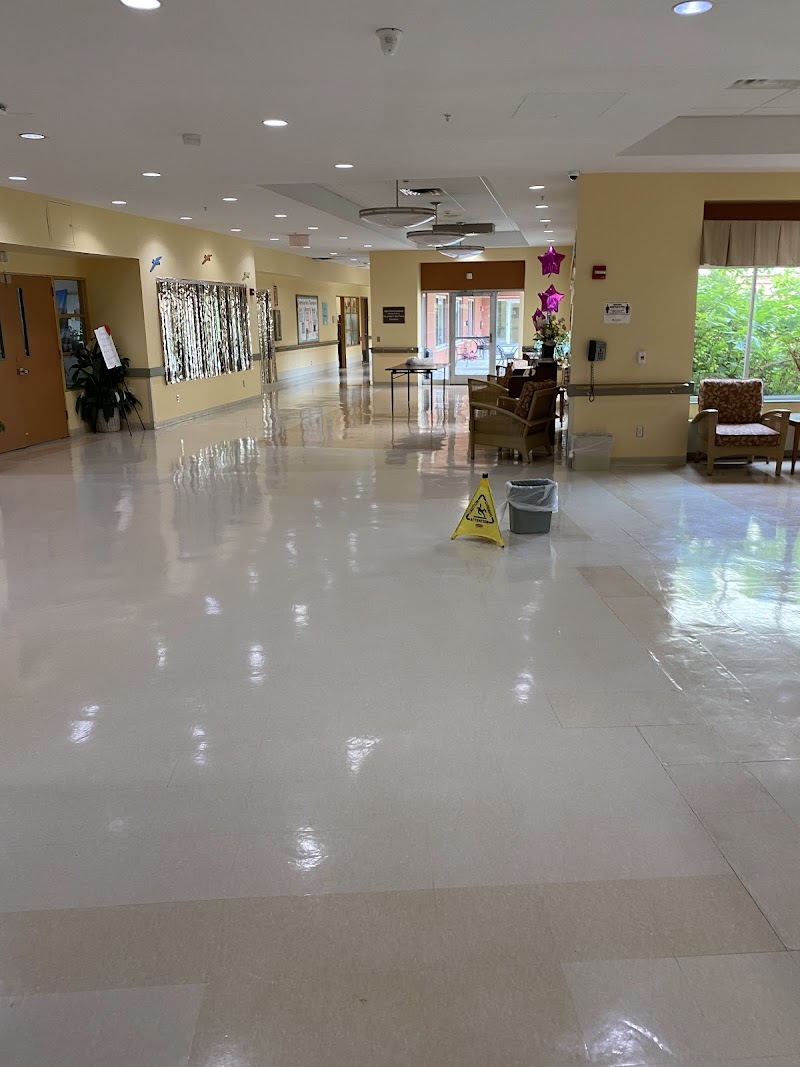
How is United Hebrew Geriatric Center Staffed?

CMS rates UNITED HEBREW GERIATRIC CENTER's staffing level at 4 out of 5 stars, which is above average compared to other nursing homes. Staff turnover is 17%, compared to the New York average of 46%. This relatively stable workforce can support continuity of care.

What Have Inspectors Found at United Hebrew Geriatric Center?

State health inspectors documented 7 deficiencies at UNITED HEBREW GERIATRIC CENTER during 2017 to 2023. These included: 7 with potential for harm.
Who Owns and Operates United Hebrew Geriatric Center?

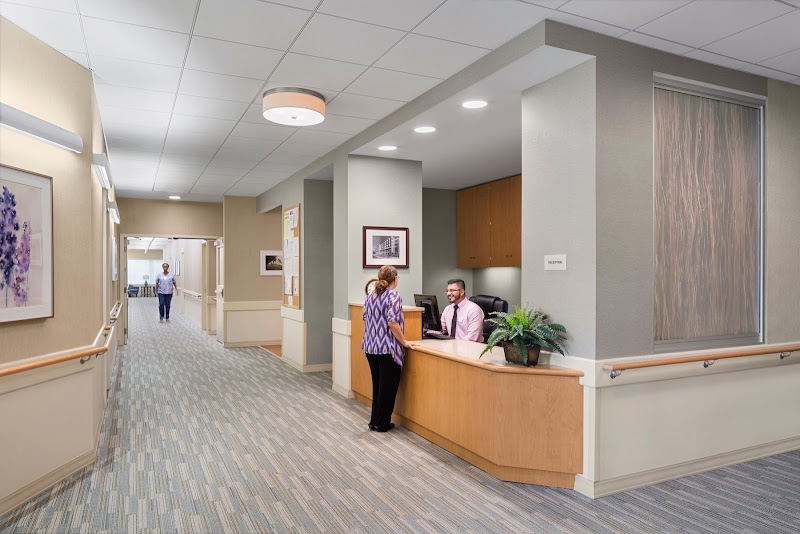
UNITED HEBREW GERIATRIC CENTER is owned by a non-profit organization. Non-profit facilities reinvest revenue into operations rather than distributing to shareholders. The facility operates independently rather than as part of a larger chain. With 294 certified beds and approximately 165 residents (about 56% occupancy), it is a large facility located in NEW ROCHELLE, New York.

How Does United Hebrew Geriatric Center Compare to Other New York Nursing Homes?

Compared to the 100 nursing homes in New York, UNITED HEBREW GERIATRIC CENTER's overall rating (5 stars) is above the state average of 3.1, staff turnover (17%) is significantly lower than the state average of 46%, and health inspection rating (4 stars) is above the national benchmark.

What Should Families Ask When Visiting United Hebrew Geriatric Center?

Based on this facility's data, families visiting should ask: "Can I visit during a mealtime to observe dining assistance and food quality?" "How do you handle medical emergencies, and what is your hospital transfer rate?" "Can I speak with family members of current residents about their experience?"

Is United Hebrew Geriatric Center Safe?

Based on CMS inspection data, UNITED HEBREW GERIATRIC CENTER has a clean safety record: no substantiated abuse findings (meaning no confirmed cases of resident harm), no Immediate Jeopardy citations (the most serious violation level indicating risk of serious injury or death), and is not on the Special Focus Facility watch list (a federal program monitoring the lowest-performing 1% of nursing homes). The facility has a 5-star overall rating and ranks #1 of 100 nursing homes in New York. While no facility is perfect, families should still ask about staff-to-resident ratios and recent inspection results during their visit.

Do Nurses at United Hebrew Geriatric Center Stick Around?

Staff at UNITED HEBREW GERIATRIC CENTER tend to stick around. With a turnover rate of 17%, the facility is 28 percentage points below the New York average of 46%. Low turnover is a positive sign. It means caregivers have time to learn each resident's needs, medications, and personal preferences. Consistent staff also notice subtle changes in a resident's condition more quickly. Registered Nurse turnover is also low at 27%, meaning experienced RNs are available to handle complex medical needs.

Was United Hebrew Geriatric Center Ever Fined?

UNITED HEBREW GERIATRIC CENTER has no federal fines on record. CMS issues fines when nursing homes fail to meet care standards or don't correct problems found during inspections. The absence of fines suggests the facility has either maintained compliance or corrected any issues before penalties were assessed. This is a positive indicator, though families should still review recent inspection reports for the full picture.

Is United Hebrew Geriatric Center on Any Federal Watch List?

UNITED HEBREW GERIATRIC CENTER is not on any federal watch list. The most significant is the Special Focus Facility (SFF) program, which identifies the bottom 1% of nursing homes nationally based on persistent, serious quality problems. Not being on this list means the facility has avoided the pattern of deficiencies that triggers enhanced federal oversight. This is a positive indicator, though families should still review the facility's inspection history directly.