UPPER EAST SIDE REHABILITATION AND NURSING CENTER
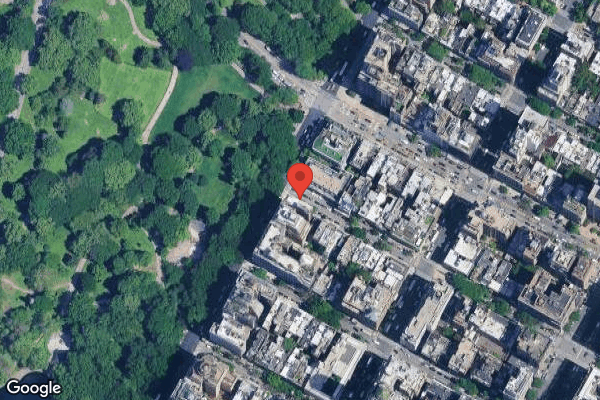
211 EAST 79 ST, NEW YORK CITY, NY 10075 (212) 879-1600
For profit - Limited Liability company 499 Beds CASSENA CARE Data: November 2025
Trust Grade
90/100
#124 of 594 in NY
Last Inspection: January 2024

Within standard 12-15 month inspection cycle. Federal law requires annual inspections.

Overview

Upper East Side Rehabilitation and Nursing Center has received a Trust Grade of A, which indicates it is excellent and highly recommended. It ranks #124 out of 594 nursing homes in New York, placing it in the top half of facilities in the state, and #8 out of 16 in New York County, suggesting it is one of the better local options. The facility is improving, with issues decreasing from 5 in 2021 to 4 in 2024. Staffing is a mixed bag, as it has a 3/5 star rating and a turnover rate of 37%, which is good compared to the state average of 40%. On the positive side, there are no fines on record, and the center boasts more RN coverage than 96% of New York facilities, which is beneficial for resident care. However, there are some concerning incidents noted during inspections. For example, one resident who requested chocolate Ensure was served vanilla instead, and another resident did not receive the correct food items as per their dietary needs. Additionally, there was a food safety issue where a refrigerator was found to be at an unsafe temperature and contained unlabeled food items. These findings highlight the need for improvement in following individual care plans and ensuring food safety standards are met, despite the facility's strengths in staffing and overall care quality.

Trust Score
A
90/100
In New York
#124/594
Top 20%
Safety Record
Low Risk
No red flags
Inspections
Getting Better
5 → 4 violations
Staff Stability
○ Average
37% turnover. Near New York's 48% average. Typical for the industry.
Penalties
✓ Good
No fines on record. Clean compliance history, better than most New York facilities.
Skilled Nurses
✓ Good
Each resident gets 73 minutes of Registered Nurse (RN) attention daily — more than 97% of New York nursing homes. RNs are the most trained staff who catch health problems before they become serious.
Violations
○ Average
10 deficiencies on record. Average for a facility this size. Mostly minor or procedural issues.
★★★★★
5.0
Overall Rating
★★★☆☆
3.0
Staff Levels
★★★★★
5.0
Care Quality
★★★★☆
4.0
Inspection Score
Stable
2021: 5 issues
2024: 4 issues

The Good

  • 5-Star Quality Measures · Strong clinical quality outcomes
  • Full Sprinkler Coverage · Fire safety systems throughout facility
  • No fines on record
  • Staff turnover below average (37%)

    11 points below New York average of 48%

Facility shows strength in quality measures, fire safety.

The Bad

Staff Turnover: 37%

Near New York avg (46%)

Typical for the industry

Chain: CASSENA CARE

Part of a multi-facility chain

Ask about local staffing decisions and management

The Ugly 10 deficiencies on record

Jan 2024 4 deficiencies
CONCERN (D)

Potential for Harm - no one hurt, but risky conditions existed

Deficiency F0553 (Tag F0553)

Could have caused harm · This affected 1 resident

**NOTE- TERMS IN BRACKETS HAVE BEEN EDITED TO PROTECT CONFIDENTIALITY** Based on observation, interviews, and record review conducted during the Recertification survey from 1/16/2024 to 1/23/2024, th...

Read full inspector narrative →
**NOTE- TERMS IN BRACKETS HAVE BEEN EDITED TO PROTECT CONFIDENTIALITY** Based on observation, interviews, and record review conducted during the Recertification survey from 1/16/2024 to 1/23/2024, the facility did not ensure a residen t's preferences were incorporated in developing care plan goals. This was evident for 1 (Resident #38) of 38 total sampled residents. Specifically, Resident #38 requested chocolate Ensure and was served with vanilla Ensure. The findings are: The facility policy titled Food Preferences dated 10/2021 documented the facility will provide individualized and person-centered care to its residents, ensuring dietary preferences of residents are respected, appropriately accommodated, and align with their nutritional needs. Resident #38 had diagnoses of malnutrition and dementia. The Minimum Data Set 3.0 assessment dated [DATE] documented Resident #38 was moderately cognitively impaired. On 1/17/2024 at 1:05PM, Resident #38 was interviewed and stated the facility provided vanilla Ensure supplements even though Resident #38 informed staff they prefer chocolate Ensure. Resident #38 stated they refused to drink the vanilla Ensure because it was too sweet. The facility used to provide them with the chocolate Ensure in November 2023. During the interview, an 8-ounce carton of vanilla Ensure was observed on the Resident #38's lunch meal tray. The vanilla Ensure had a printed label that documented Ensure Plus Chocolate: No Vanilla. On 1/22/2024 at 8:38AM, Resident #38 was observed in their room with their breakfast tray that contained 2 cartons of vanilla Ensure labeled Ensure Plus Chocolate: No Vanilla. The Comprehensive Care Plan related to nutrition deficit initiated 2/9/2016 and last reviewed 12/15/2023 documented Resident #38 was at risk for malnutrition and the resident's food preferences, likes, and dislikes should be offered and encouraged. The Treatment Administration Record for December 2023 and January 2024 documented Resident #38 received 8 ounces of Ensure Plus three times daily due to suboptimal intake. On 1/22/2024 at 12:32PM, Dietician #3 was interviewed and stated they were aware Resident #38 would not drink the vanilla Ensure because it was too sweet. The Ensure supplements were labeled with Resident #38's preference for the chocolate even though the Ensure being served to Resident #38 was vanilla. The Ensure supplement was important for Resident #38 because their weight fluctuated. On 1/22/2024 at 12:44 PM, the Dietary Supervisor was interviewed and stated they were aware Resident #38 was being served vanilla Ensure that was inaccurately labeled Chocolate. The Dietary Supervisor would offer chocolate-flavored alternatives to Resident #38 because the facility was unable to stock chocolate Ensure since November 2023 due to supply issues. On 1/22/2024 at 4:54 PM, the Regional Dietary Director was interviewed and stated there were manufacturer's supply issues with chocolate Ensure and it was unavailable for the last few weeks. 10 NYCRR 415.11(c)(2)(i-iii)
CONCERN (D)

Potential for Harm - no one hurt, but risky conditions existed

Menu Adequacy (Tag F0803)

Could have caused harm · This affected 1 resident

**NOTE- TERMS IN BRACKETS HAVE BEEN EDITED TO PROTECT CONFIDENTIALITY** Based on observation, interviews, and record review conducted during the Recertification Survey from 01/16/2024 to 01/23/2024, t...

Read full inspector narrative →
**NOTE- TERMS IN BRACKETS HAVE BEEN EDITED TO PROTECT CONFIDENTIALITY** Based on observation, interviews, and record review conducted during the Recertification Survey from 01/16/2024 to 01/23/2024, the facility did not ensure resident menus and dietary preferences were followed. This was evident for 1 (Resident #58) of 38 total sampled residents. Specifically, Resident #58 did not receive food items listed on the tray ticket during mealtime. The findings are: The facility policy titled Tray Ticket Identification and Labeling dated 4/2019 documented resident food trays are accurately identified with the meal, diet type, type of fluid, food likes and dislikes to ensure accurate food delivery and diet to residents. Resident #58 had diagnoses of diabetes mellitus and gastric esophageal reflux disease. The Minimum Data Set 3.0 assessment dated [DATE] documented Resident #58 was cognitively intact and required a therapeutic diet. On 1/22/2024 at 7:58 AM, Resident #58 was observed in bed with their breakfast tray in front of them. Resident #58 stated the food items on the tray did not match the tray ticket. The tray ticket on Resident #58 ' s tray documented 1 soft roll, 1 dinner roll, and 1 Danish. The tray was observed and did not contain the soft roll, dinner roll, or Danish listed on the try ticket. The Grievance/Complaint Form dated 10/1/2023 documented Resident #58 reported receiving an incomplete dinner tray on 10/1/2023 and, over the last 6 months, was offered cold food and sandwiches as an alternative to missing tray items. The charge nurse would check the meal tray prior to serving it to Resident #58, ensure the tray ticket matched the food items on the tray, and call the kitchen as soon as possible for missing food. On 1/22/2024 at 4:16 PM, Registered Nurse #5 was interviewed and stated tray tickets were compared to food items on the meal trays to ensure thy matched. Registered Nurse #5 called the kitchen to send missing food items or to request a new tray when the tray ticket did not match the food served. Registered Nurse #5 did not notice Resident #58 ' s meal tray did not contain everything listed on the tray ticket. 01/22/2024 at 8:46 AM, the Regional Director of Social Work was interviewed and stated, in response to Resident #58 ' s grievance, the nurse was supposed to check the resident ' s tray ticket prior to delivering the meal tray. If the tray ticket did not match the food served, staff requested missing food items from the kitchen. 10 NYCRR 415.14(c)(1-3)
CONCERN (D)

Potential for Harm - no one hurt, but risky conditions existed

Food Safety (Tag F0812)

Could have caused harm · This affected 1 resident

Based on observation, interviews, and record review conducted during the Recertification survey 1/16/2024 to 1/23/2024, the facility did not ensure food was stored in accordance with professional stan...

Read full inspector narrative →
Based on observation, interviews, and record review conducted during the Recertification survey 1/16/2024 to 1/23/2024, the facility did not ensure food was stored in accordance with professional standards for food safety. This was evident for 1 (8th Floor) of 13 resident unit pantries. Specifically, the 8th Floor pantry refrigerator temperature was above 41 degrees Fahrenheit and contained undated and unlabeled melted ice cream in the freezer. The findings are: The facility policy titled Food Storage dated 5/2018 documented refrigeration temperatures are to be maintained at 41 degrees Fahrenheit or less. The facility policy titled Pantry Refrigeration Cleaning dated 11/2017 documented the pantry refrigerator will be cleaned, temperatures monitored, and documentation maintained to ensure optimal conditions for refrigerated items. On 1/19/2024 at 4:10 PM, the 8th Floor pantry refrigerator was observed in the presence of Registered Nurse #1. The internal temperature of the refrigerator was 55 degrees Fahrenheit. Undated and unlabeled containers of melted ice cream were in the freezer compartment of the refrigerator. On 1/22/2024 at 8:15 AM, Registered Nurse #1 was interviewed and stated the pantry refrigerator had a timer set to defrost daily. Registered Nurse #1 was unable to explain the reason the Maintenance Department set the defrost timer for the afternoon of 1/19/2024. On 1/22/2024 at 9:40 AM, the Director of Maintenance was interviewed and stated the pantry refrigerator defrost timer was set for 12 AM to 2 AM. The internal temperature of the refrigerator should hold above 41 degrees Fahrenheit during this process. The 8th Floor pantry refrigerator may have been unplugged which caused it to have an internal temperature of 55 degrees Fahrenheit. 10 NYCRR 415.14(h)
CONCERN (D) 📢 Someone Reported This

A family member, employee, or ombudsman was alarmed enough to file a formal complaint

Potential for Harm - no one hurt, but risky conditions existed

Deficiency F0925 (Tag F0925)

Could have caused harm · This affected 1 resident

Based on observation, record review, and interviews, conducted during the recertification and abbreviated (NY00294833) survey from 1/16/2024 to 1/23/2024, the facility did not maintain an effective pe...

Read full inspector narrative →
Based on observation, record review, and interviews, conducted during the recertification and abbreviated (NY00294833) survey from 1/16/2024 to 1/23/2024, the facility did not maintain an effective pest control program to keep the facility free from pests and rodents. This was evident in 1 (8th Floor) of 13 resident units. Specifically, a live roach was sighted in the 8th Floor pantry refrigerator. The findings are: The facility policy titled Pest Control dated 1/2018 documented an integrated pest control program was established and maintained. On 1/19/2024 at 4:10 PM, a roach approximately 1-inch long was observed running crawling out of the 8th Floor pantry refrigerator as the door was opened. The roach ran into a corner of the pantry and hid. The Pest Control Service Inspection Report dated 5/26/2023 documented roach gel was used to treat the kitchen, baseboards and interior. On 8/17/2023, the exterminator documented the 11th Floor had multiple cockroaches in resident rooms that were caught on glue boards. Spot application of roach gel was done and glue boards were replaced on the 11th and 7th Floors. The Pest Control Service Inspection Report dated 10/5/2023 documented the kitchen, 4th Floor, 7th Floor, and 12th Floor had roach activity. Roach gel was applied and glue boards were replaced. The exterminator documented on 1/12/2024 roaches were observed on the 4th, 5th, 6th, 7th, 8th, 10th, and 12th Floor pantries. Roach gel was applied in each of the pantries. There was no evidence an effective pest control program was maintained to prevent the spread of roach infestation in the facility. On 1/22/2024 at 9:40 AM, the Director of Maintenance was interviewed and stated the facility had a contract with a Pest Control Company that comes twice weekly to treat areas of concern for infestation. On 1/23/2024 at 11:03 AM, the Housekeeping Director was interviewed and stated the Pest Control Company treated the 8th Floor for roaches on 1/12/2024. 10 NYCRR 415.29(j)(5)
Aug 2021 5 deficiencies
CONCERN (D)

Potential for Harm - no one hurt, but risky conditions existed

Report Alleged Abuse (Tag F0609)

Could have caused harm · This affected 1 resident

**NOTE- TERMS IN BRACKETS HAVE BEEN EDITED TO PROTECT CONFIDENTIALITY** Based on interview and record review conducted during a recertification (HT7E11) and abbreviated survey (NY00269377) completed o...

Read full inspector narrative →
**NOTE- TERMS IN BRACKETS HAVE BEEN EDITED TO PROTECT CONFIDENTIALITY** Based on interview and record review conducted during a recertification (HT7E11) and abbreviated survey (NY00269377) completed on 8/31/2021, the facility did not ensure all alleged violations involving abuse immediately, but not later than 2 hours after the allegation is made, to the State Survey Agency. Specifically, the facility did not report allegations of resident-to-resident abuse to the New York State Department of Health (NYSDOH) within 2 hours. This was evident for 2 of 3 residents reviewed for Abuse (Resident #26 and Resident #415). The findings are: The policy and procedure titled Accident reporting and investigation-NY effective 11/2016 documented the nurse supervisor will inform the Director of Nursing (DON)/Administrator of any allegation of abuse/neglect or serious incidents. Summarize and document the resident account of the incident in the progress notes, appropriate section of the accident report and investigation form unless the resident objects or is unable to provide such information as a result of cognitive impairment. The policy and procedure titled Reporting and Investigation of Resident Abuse, Neglect, Misappropriation/ Exploitation and Mistreatment effective 11/2017 documented the facility will ensure that all alleged violations involving, abuse, neglect, exploitation or mistreatment including injuries of unknown source are reported immediately but no later than 2 hours after the allegation is made, if involves abuse or result in serious bodily injury or not later than 24 hours if the allegation does not involve abuse and do not result in serious bodily injury. The facility shall ensure that alleged violations involving mistreatment, neglect or abuse including significant injuries of unknown source are reported immediately to the administrator of the facility or their designee and when required by law/regulation ensure timely notification of the Department of Health (DOH). Resident #344, the Aggressor, was admitted with diagnoses which include Alzheimer's Disease, Schizophrenia, and Anxiety Disorder. The Quarterly Minimum Data Set (MDS) assessment dated [DATE] documented Resident #344 had moderately impaired cognition. The Plan of Care note on 12/30/2020 at 6:00 PM documented that the RN Supervisor (RN #3) was notified by RN #5 that Resident #344 had an altercation with 2 residents. The residents were separated, assessed, and unable to state what happened. Resident #344 has baseline behaviors of walking around the unit wandering, and is difficult to redirect. Doctor and emergency contact #1 notified and transferred to [NAME] psych for further eval, psychiatry/psychology eval placed, resident placed on 1:1 monitoring awaiting ambulance and resident #344 left unit at 4:50PM with two escorts. 1) Resident #26, the victim, was admitted with diagnoses which include other recurrent depressive disorders, adjustment disorder with anxiety, and Generalized muscle weakness with difficulty walking. The Quarterly Minimum Data Set 3.9 (MDS) assessment dated [DATE] and 11/25/2020 documented severely impaired cognition. The Plan of Care Note on 12/30/2020 at 5:47 PM documented that the writer was informed by the Registered Nurse Charge Nurse (RN # 5) that Resident #26 had an altercation with another resident approximately at 1:30pm. Resident #26 was assessed and on interview Resident #26 stated, Resident #344 grab their right fourth finger. Noted Resident #26 had swelling, superficial bruising and complained of pain in the right 4th finger. Resident #26 was able to move the right fourth finger, and an ice pack was applied. Interventions documented the two residents were separated immediately, doctor notified and ordered stat x-ray of right fourth finger, ice pack, psychology/psychiatry consult status post altercation with another resident and emergency contact #1 for Resident #26 was informed. Accident and Incident report on 12/30/2020 at 1:30PM documented Resident #344 was involved in an altercation with Resident #26. Resident #26 sustained a wound and swelling on the right 4th finger. The RN statement on 12/30/2020 documented RN #5 was approached by Resident #26 who sated that Resident #344 went into their room and grabbed their right hand and pulled. Review of the NYS DOH Automated Complaint Tracking System (ACTS) Complaint/ Incident Investigation Report for compliant NY00269377 documented the facility reported the altercation between Resident #26 and Resident #344 to NYSDOH on 12/30/2020 at 5:37 PM. The time of the occurrence was 12/30/2020 at 1:30 PM. This allegation of resident-to-resident abuse was reported 4 hours and 07 minutes after incident. 2) Resident #415, the victim, was admitted with diagnoses which include unspecified dementia without behavioral disturbance and muscle weakness generalized. The Annual Minimum Data Set 3.0 (MDS) assessment dated [DATE] documented Resident #415 had severely impaired cognition. The Health Status note on 12/30/2020 at 3:38 PM, documented the social worker informed writer Resident #415 had an altercation with Resident #344 at approximately 2:50 PM, resident separated immediately, no visible injury, no complaint of pain or any form of discomfort. Resident not able to describe what happened during interview due to cognitive impairment dx dementia, unable to reach emergency contact #1 and called emergency contact # 2 no replay message left via voicemail to call back. Doctor notified and ordered psychiatry/psychology. The Accident/Incident Report dated 12/30/2020, documented the Certified Nursing Assistant (CNA #3) reported an incident occurred on 12/30/2020 at 2:15 PM. Resident #344 was last seen at 2:00 PM in the hallway walking around. CNA #3 was in the hallway and heard screaming and entered Resident #415's room. CNA #3 saw Resident #344 standing behind the door and Resident #415 standing by their bed. The Social Worker (SW) completed a statement after interviewing the residents dated 12/30/2020. The SW statement documented Resident #344 came into Resident #415's room, grabbed the TV remote control from the resident's roommate, and threw it Resident #415. Resident #415 expressed I am not physically hurt, just psychologically and did not wish to say or show which part of their body the remote control hit. Resident #415 replied, it hit me on my body. SW documented it was an unwitnessed incident, but CNA # 3 came to assist in the room when they heard Resident #415 shouting. The incident report and investigation summary documented this occurrence will be reported to DOH, as it was an unwitnessed resident-to-resident alteration. Documented that Resident #415 was transferred to another unit and Resident #344 was transferred to hospital for further evaluation. Review of the NYS DOH Automated Complaint Tracking System (ACTS) Complaint/ Incident Investigation Report for compliant NY00269377 documented that the facility submitted an addendum on 12/30/2020 at 6:24 PM to report the incident that occurred between Resident #415 and Resident #344 on 12/30/2020 at 2:50 pm. The incident was submitted 3 hours and 34 minutes after it occurred. During an interview on 08/30/2021 at 10:31 AM, CNA #3 stated any incident should be reported to the charge nurse and the Director of Nursing (DON). During an interview on 08/30/2021 at 10:58 AM, the Registered Nurse Charge Nurse (RN #5) stated they only recalled the incident involving Resident #26 that occurred on 12/30/2020. CNA #3 reported the incident to RN #5 and the Registered Nurse Supervisor (RN #3) was informed. RN #3 responded to the unit and assessed the situation. Resident #344 entered Resident #26's room and grabbed Resident #26's belongings. Resident #26 screamed and attempted to get back their belongings when Resident #344 grabbed Resident #26's finger forcefully. During an interview on 8/26/2021 at 4:30 PM, the Supervisor (RN #3) stated that they could not recall the incidents, but an incident a report is completed by the Charge Nurse as soon as staff report the incident. The incident report is given to the Director of Nursing (DON) with the documentation for review. During an interview on 08/30/2021 at 1:36PM, DON stated that that the staff reported the altercations involving Resident #415 and Resident #26 to the DON. The DON stated they were on the unit when the incident between Resident #26 and Resident #344 occurred. The residents were separated and Resident #26's room was changed. The accident/incident report was initiated, informed family, social worker and medical provider according to policy. The DON reported the incidents to NYSDOH. The DON stated that they are aware that they have to report the incident within 2 hours. The reporting was delayed because they were conducting interviews, obtaining staff statements, and providing for safety of the residents. The second incident with Resident #415 occurred close to the change of shift. During an interview on 08/30/2021 at 03:37 PM, the Administrator stated the incidents were brought to their attention, but they could not recall when they were notified. Incidents should be reported to NYSDOH within 2 hours of the occurrence. The Administrator was not aware that the reporting was submitted outside of the timeframe. The incident submittal is done by the DON for clinical matters. 415.4(b)(1)(i)
CONCERN (D)

Potential for Harm - no one hurt, but risky conditions existed

Quality of Care (Tag F0684)

Could have caused harm · This affected 1 resident

**NOTE- TERMS IN BRACKETS HAVE BEEN EDITED TO PROTECT CONFIDENTIALITY** Based on record review and staff interviews conducted during the Recertification and Abbreviated survey (NY00277772), the facili...

Read full inspector narrative →
**NOTE- TERMS IN BRACKETS HAVE BEEN EDITED TO PROTECT CONFIDENTIALITY** Based on record review and staff interviews conducted during the Recertification and Abbreviated survey (NY00277772), the facility did not ensure that a resident received treatment and care in accordance with professional standards of practice, the comprehensive person-centered care plan, and the resident's choices. Specifically, a resident hospitalized for Psoriasis was not sent to a follow-up Dermatology appointment scheduled by the hospital. This was evident for 1 of 1 residents reviewed for Quality of Care (Resident #341). The finding is: Resident #341 was admitted to the facility with diagnoses which include Psoriasis, Diabetes Mellitus without complications, and Hypertension. The admission Minimum Data Set 3.0 (MDS) assessment dated [DATE] and Quarterly MDS dated [DATE] documented the resident was cognitively intact. No skin issues were documented in the MDS. On 08/23/21 at 03:19 PM, the complainant was interviewed and stated being the POA (Power of Attorney and Health Care Proxy). The complainant stated Resident #341 has eczema and that flared up really bad in February and was hospitalized as a result. The resident was transferred to the nursing home for rehabilitation and would require a specialist visit. The complainant stated the facility was informed by the hospital's physician and the complainant of the scheduled appointment with the specialist. On the day of the appointment the complainant called the facility about the appointment and a charge nurse on the morning shift stated the resident could be seen by the doctor at the facility. On 08/27/21 at 09:12 AM, the complainant stated the facility didn't schedule the appointment or transportation and acted as if they were not aware of appointment. Complainant stated the call was being bounced around to several staff but finally spoke to a charge nurse who stated the facility did this a lot because of the Coronavirus (COVID-19) and would try to get an appointment with facility's physician which occurred two weeks later. On 08/30/21 at 10:22 AM Resident #341 was interviewed but could not recall the appointment or speaking to the physician about the appointment. The Hospital's Patient Review Instrument (PRI) dated 02/12/2021 documented primary diagnosis of Psoriasis. The PRI documented history of present illness: the rash has been present for months and is slowly worsening. It is diffused but worst on her back and legs and associated with itching that keeps her up at night. The patient has not had followup with dermatology. Psoriasis treatment included Triamcinolone 0.1% ointment twice a day (BID) x 14 days and wound care. The Consult orders documented a skin/wound care referral on 02/12/2021 for Psoriasis with skin breakdown on the back and legs. Per note, the instructions/recommendation are: Triamcinolone 0.1% ointment (BID) x 14 days. Consider a nursing home for more monitored care. The Hospital Discharge summary dated [DATE] documented discharge date as 02/23/2021. Psoriasis is documented as the admitting and discharge diagnosis. The resident presented with worsening psoriasis, difficulty with self-care at home and had a good clinical response to initial treatment modalities. The discharge summary documented dermatology had been consulted at the onset, and an outpatient dermatology appointment was scheduled for 03/05/2021 at 1PM. A Comprehensive Care Plan (CCP) initiated 02/24/2021 documented the resident has a rash and the area will show signs of healing. The CCP intervention included to monitor skin rashes for increased spread or signs of infection. For dry and flaky use high quality moisturizers to rehydrate skin and to monitor change in medical/status/condition/risk factors for interference with goal attainment. i.e. change in intake, signs of infection, episodic illness/event. The CCP initiated 02/23/2021 documented potential/actual impairment to skin integrity r/t fragile skin, psoriasis. The CCP goal is to maintain skin integrity and area will show signs of healing. The CCP interventions include avoid scratching and skin hands and body parts from excessive moisture, keep skin dry and clean. Use lotion on dry skin and do not apply on site of injury. Monitor signs and symptoms of infection and wound changes. Notify MD and initiate interventions per MD order. Physician Order documented Triamcinolone Acetonide Cream 0.1 % apply to affected areas topically every shift for Psoriasis from 02/24/2021- 03/03/2021. Nystatin Powder 100,000 UNIT/GM apply topically one time a day to the back began on 04/19/2021. The progress notes from 02/25/2021 to 03/05/2021 make no reference to the scheduled Dermatology follow-up appointment. The MD Progress Notes dated 02/26/2021, 03/03/2021, and 03/24/2021 do not address the resident's skin or the 03/05/2021 pre-scheduled dermatological appointment. The Dermatology Form (referral) signed 03/05/2021 documented reason for consultation as generalized itchiness. The MD Progress Note dated 04/18/2021 documented chief complaint as a followup visit for fungal rash on back and Nystatin powder ordered, but does not provide details related the examination of the resident's skin. There was no documented evidence the facility attempted to ensure Resident #341 attended the Dermatology appointment on 3/5/2021 or rescheduled the appointment. On 08/27/21 at 03:00 PM, and interview was conducted with a Corporate Nurse (CN). The CN stated if there is an appointment scheduled from the hospital, the physician is notified of the appointment by the nurse who inputs the orders. The Appointment Coordinator schedules appointments and transportation and an escort if needed. The CNA stated there is no evidence the Physician was informed about the Dermatology appointment or that Resident #341 received a Dermatology consult. The CN stated the in-house Dermatology referral was generated by mistake because it is only used by in-house doctors. The CN could not state why the consult was not followed through. The CN stated the physician also reviews resident's discharge documents. On 08/30/21 at 01:25 PM, an interview was conducted with the Physician. The Physician stated the resident's psoriasis had no exacerbation during their stay at the facility. The Physician was not aware of the Dermatology appointment scheduled per the Discharge Summary, and it was clearly missed. The Physician stated they can follow-up with the resident about the Dermatology appointment. The Physician stated follow-up appointments are scheduled by nursing and administration. The Physician stated the administration team will inform the resident/family that the appointment is being scheduled. On 08/27/21 at 03:54 PM, an interview was conducted with the Medical Director (MD). The MD stated the hospital generates multiple appointments. If the patient is stable, the MD frequently disagrees with the appointments, feeling it is not good practice. The MD reviewed the resident's chart and stated it does not mention wounds or infection. There was a fungal rash in April, and the treatment was positive. If patients come in with an appointment from the hospital, the need for the appointment is assessed. The MD stated the MD will put the appointment into the system when they feel there is a need. The decision is discussed with the resident. The MD stated every conversation that is had with residents cannot be documented. The Medical Director asked if there was a need for a follow-up appointment two weeks after discharge. 415.5(b)(1-3)
CONCERN (D)

Potential for Harm - no one hurt, but risky conditions existed

Deficiency F0688 (Tag F0688)

Could have caused harm · This affected 1 resident

**NOTE- TERMS IN BRACKETS HAVE BEEN EDITED TO PROTECT CONFIDENTIALITY** Based on observations, interviews, and record review conducted during the Recertification survey, the facility did not ensure th...

Read full inspector narrative →
**NOTE- TERMS IN BRACKETS HAVE BEEN EDITED TO PROTECT CONFIDENTIALITY** Based on observations, interviews, and record review conducted during the Recertification survey, the facility did not ensure that services and treatments were provided to prevent further decrease in ROM or mobility. Specifically, carrot splints and heel boots were not applied as ordered. This was evident for 1 out of 1 residents reviewed for Position and Mobility out of a sample of 38 residents. (Resident #59). The finding is: The policy titled Application and Management of Splint/Brace/Immobilizer dated 11/17 documented to provide the patient/resident with pressure relieving devices on the bed and in the chair. Nursing staff is responsible to follow the scheduled time that devices are to be worn. Resident #59 was admitted to the facility with diagnoses that included Hemiplegia, unspecified affecting Right Dominant side, and Cerebral Infraction, unspecified. The Annual Minimum Data Set (MDS) dated [DATE] and Quarterly MDS dated [DATE] documented the resident had severely impaired cognition. The resident was mostly dependent on staff for Activities of Daily Living (ADL) and had Range of Motion (ROM) impairment of both sides of the upper and lower extremities. On 08/23/21 at 11:21 AM and 01:27 PM, Resident #59 was observed in bed sleeping with hands closed and feet curved. There were no devices in place on the hands or feet. On 08/24/21 at 10:31 AM and 11:39 AM, Resident #59 was observed in bed sleeping with hands closed and feet curved. There were no devices in place. On 08/24/21 08/24/21 01:17 PM, the resident was observed awake in bed with no devices in place on the hands or feet. On 08/24/21 at 04:05 PM, Resident #59 was observed in bed with no devices in place on both hands. On 08/25/21 at 01:17 PM and 08/27/21 01:12 PM, Resident #59 was observed in bed with both hands closed and no hand devices in place. A Comprehensive Care Plan (CCP) for Physical Mobility, initiated 05/28/2017, documented the resident will remain free of complications related to immobility, including contractures, thrombus formation, and skin-breakdown. The CCP interventions included that carrot splint and pressure relieving heel boots to be worn at all times, remove for skin checks, hygiene, and ROM. A CCP initiated 12/08/2020 documented the resident to be free of skin breakdown. The CCP interventions included that the carrot splint and pressure relieving heel boots to be worn at all times, remove for skin checks, hygiene, and ROM. The Annual Therapy Screening Form dated 03/02/2021 documented range of motion (ROM) as impairment of both sides for upper and lower extremities. The form documented that the resident had carrot splints and pressure relieving heel boots. The Active Orders as of 08/30/2021 documented that carrot splint and pressure relieving heel boots are to be worn at all times, remove for skin checks, hygiene, and range of motion (ROM) started on 06/01/2021. The Certified Nursing Assistant Accountability Report (CNAAR) for [DATE] documented instructions for carrot splint to be worn at all times, remove for skin checks, hygiene and ROM. The CNA shifts 7AM-3PM and 3PM-11PM from 8/23/21-8/29/21 and CNA shift 11PM-7AM on 8/23/21-8/25/21, 8/27/21-8/28/21, and 8/30/21 documented that the carrot splint was placed on the resident. The document does not address the heel boots. The CCP, Therapy Screening Form, Active Orders and CNAAR do not specify whether the carrot splint or splints should be applied to Right, left, or bilateral hands. On 08/30/21 at 12:27 PM, an interview was conducted with the CNA #1 who stated Resident #59 requires total care with Activities of Daily Living (ADLs). The resident is repositioned every 2 hours. The resident uses heel boots, carrot splints and elbow splint. CNA #1 stated the devices should be applied every day and released every 15 minutes, especially the elbow splint. CNA #1 stated the heel boots were put on on today. CNA #1 was informed that the carrot and heel boots were not observed in place on several days during the survey. CNA #1 stated maybe the devices were not there and CNA #1 did not remember to ask where the devices were stored. CNA #1 stated the carrots keep falling out of Resident #59's hands. On 08/30/21 at 01:12 PM, during an interview the Registered Nurse (RN #1) stated RN #1 observes Resident #59 at the beginning of the shift and while dispensing medication. RN #1 stated they monitor to ensure the resident is repositioned, dry, and assistive device heel boots is on. RN #1 stated Resident #59 has muscle spasticity of the hands (cannot open or close the hand) and should be provide exercises and devices (could not specify what device) to prevent muscle stiffness. RN stated on Friday, the resident had an assisted device in the hands and observed the feet being elevated due to dressing on the left calves. On 08/30/21 at 11:49 AM, an interview was conducted with the Director for Rehabilitation (DR). The DR stated Resident #59 is totally dependent for all ADLs. The DR stated the left elbow splint, carrot splints and heel boots should be worn all times and removed during skin check and hygiene. The DR stated the last assessment in March 2021 documented Resident #59 continues to require left elbow splint, carrot splint and heel boots, and therapy ensured that these devices were present. 415.12(e)(2)
CONCERN (D)

Potential for Harm - no one hurt, but risky conditions existed

Deficiency F0745 (Tag F0745)

Could have caused harm · This affected 1 resident

**NOTE- TERMS IN BRACKETS HAVE BEEN EDITED TO PROTECT CONFIDENTIALITY** Based on record review and staff interviews conducted during the Recertification and Abbreviated survey (NY00277772), the facili...

Read full inspector narrative →
**NOTE- TERMS IN BRACKETS HAVE BEEN EDITED TO PROTECT CONFIDENTIALITY** Based on record review and staff interviews conducted during the Recertification and Abbreviated survey (NY00277772), the facility did not ensure that a resident received medically-related social services to attain or maintain their highest practicable Psysical, mental and psychosocial well-being. Specifically, a resident hospitalized for Psoriasis and discharged with a pre-scheduled follow-up dermatology appointment was not assisted with transportation to attend the appointment. This was evident for 1 of 1 residents reviewed for Quality of Care (Resident #341). The finding is: Resident #341 was admitted to the facility with diagnoses which include Psoriasis, Diabetes Mellitus without complications, and Hypertension. The admission Minimum Data Set 3.0 (MDS) assessment dated [DATE] and Quarterly MDS dated [DATE] documented the resident was cognitively intact. No skin issues were documented in the MDS. On 08/23/21 at 03:19 PM, the complainant was interviewed and stated being the POA (Power of Attorney and Health Care Proxy). The complainant stated Resident #341 has eczema and that flared up really bad in February and was hospitalized as a result. The resident was transferred to the nursing home for rehabilitation and would require a specialist visit. The complainant stated the facility was informed by the hospital's physician and the complainant of the scheduled appointment with the specialist. On the day of the appointment the complainant called the facility about the appointment and a charge nurse on the morning shift stated the resident could be seen by the doctor at the facility. On 08/27/21 at 09:12 AM, the complainant stated the facility didn't schedule the appointment or transportation and acted as if they were not aware of appointment. Complainant stated the call was being bounced around to several staff but finally spoke to a charge nurse who stated the facility did this a lot because of the Coronavirus (COVID-19) and would try to get an appointment with facility's physician which occurred two weeks later. On 08/30/21 at 10:22 AM Resident #341 was interviewed but could not recall the appointment or speaking to the physician about the appointment. The Hospital's Patient Review Instrument (PRI) dated 02/12/2021 documented primary diagnosis of Psoriasis. The PRI documented history of present illness: the rash has been present for months and is slowly worsening. It is diffused but worst on her back and legs and associated with itching that keeps her up at night. The patient has not had followup with dermatology. Psoriasis treatment included Triamcinolone 0.1% ointment twice a day (BID) x 14 days and wound care. The Consult orders documented a skin/wound care referral on 02/12/2021 for Psoriasis with skin breakdown on the back and legs. Per note, the instructions/recommendation are: Triamcinolone 0.1% ointment (BID) x 14 days. Consider a nursing home for more monitored care. The Hospital Discharge summary dated [DATE] documented discharge date as 02/23/2021. Psoriasis is documented as the admitting and discharge diagnosis. The resident presented with worsening psoriasis, difficulty with self-care at home and had a good clinical response to initial treatment modalities. The discharge summary documented dermatology had been consulted at the onset, and an outpatient dermatology appointment was scheduled for 03/05/2021 at 1PM. A Comprehensive Care Plan (CCP) initiated 02/24/2021 documented the resident has a rash and the area will show signs of healing. The CCP intervention included to monitor skin rashes for increased spread or signs of infection. For dry and flaky use high quality moisturizers to rehydrate skin and to monitor change in medical/status/condition/risk factors for interference with goal attainment. i.e. change in intake, signs of infection, episodic illness/event. The CCP initiated 02/23/2021 documented potential/actual impairment to skin integrity r/t fragile skin, psoriasis. The CCP goal is to maintain skin integrity and area will show signs of healing. The CCP interventions include avoid scratching and skin hands and body parts from excessive moisture, keep skin dry and clean. Use lotion on dry skin and do not apply on site of injury. Monitor signs and symptoms of infection and wound changes. Notify MD and initiate interventions per MD order. Physician Order documented Triamcinolone Acetonide Cream 0.1 % apply to affected areas topically every shift for Psoriasis from 02/24/2021- 03/03/2021. Nystatin Powder 100,000 UNIT/GM apply topically one time a day to the back began on 04/19/2021. The progress notes from 02/25/2021 to 03/05/2021 make no reference to the scheduled Dermatology follow-up appointment. The MD Progress Notes dated 02/26/2021, 03/03/2021, and 03/24/2021 do not address the resident's skin or the 03/05/2021 pre-scheduled dermatological appointment. The Dermatology Form (referral) signed 03/05/2021 documented reason for consultation as generalized itchiness. The MD Progress Note dated 04/18/2021 documented chief complaint as a followup visit for fungal rash on back and Nystatin powder ordered, but does not provide details related the examination of the resident's skin. There was no documented evidence the facility attempted to ensure Resident #341 attended the Dermatology appointment on 3/5/2021 or rescheduled the appointment. There was no evidence that the facility discussed canceling the appointment with the resident or complainant, and transportation to the appointment was never arranged. There was no documented evidence the resident was seen by the dermatologist. On 08/27/21 at 03:00 PM, and interview was conducted with a Corporate Nurse (CN). The CN stated if there is an appointment scheduled from the hospital, the physician is notified of the appointment by the nurse who inputs the orders. The Appointment Coordinator schedules appointments and transportation and an escort if needed. The CNA stated there is no evidence the Physician was informed about the Dermatology appointment or that Resident #341 received a Dermatology consult. The CN stated the in-house Dermatology referral was generated by mistake because it is only used by in-house doctors. The CN could not state why the consult was not followed through. The CN stated the physician also reviews resident's discharge documents. On 08/30/21 at 01:25 PM, an interview was conducted with the Physician. The Physician stated the resident's psoriasis had no exacerbation during their stay at the facility. The Physician was not aware of the Dermatology appointment scheduled per the Discharge Summary, and it was clearly missed. The Physician stated they can follow-up with the resident about the Dermatology appointment. The Physician stated follow-up appointments are scheduled by nursing and administration. The Physician stated the administration team will inform the resident/family that the appointment is being scheduled. On 08/27/21 at 03:54 PM, an interview was conducted with the Medical Director (MD). The MD stated the hospital generates multiple appointments. If the patient is stable, the MD frequently disagrees with the appointments, feeling it is not good practice. The MD reviewed the resident's chart and stated it does not mention wounds or infection. There was a fungal rash in April, and the treatment was positive. If patients come in with an appointment from the hospital, the need for the appointment is assessed. The MD stated the MD will put the appointment into the system when they feel there is a need. The decision is discussed with the resident. The MD stated every conversation that is had with residents cannot be documented. The Medical Director asked if there was a need for a follow-up appointment two weeks after discharge. 415.5(g)(1)(i-xv)
CONCERN (D)

Potential for Harm - no one hurt, but risky conditions existed

Pharmacy Services (Tag F0755)

Could have caused harm · This affected 1 resident

Based on observation, record review, and staff interview conducted during the Recertification survey, the facility did not ensure expired medications were removed from the current medication supply. S...

Read full inspector narrative →
Based on observation, record review, and staff interview conducted during the Recertification survey, the facility did not ensure expired medications were removed from the current medication supply. Specifically, 2 bags of Dextrose solution, a vial of Piperacillin, and a vial of Tazobactam were observed in the medication storage past the expiration date. This was evident on 1 of 7 units reviewed for Medication Storage (Unit 4). The findings are: The form titled Environmental Rounds Audits- Medication Storage/Handling dated 8/30/21 documented no that expired or discontinued medications are present in the Medication Room/Carts section of the form. On 08/30/21 at 11:24 AM, an observation of the medication storage room on the 4th floor was conducted with the Registered Nurse (RN #1). Lactated Ringer's and 5% Dextrose Injection USP 1000 ml (milliliter) bags (2 bags) was observed with the manufacturer's expiration date of 6/21. A vial of Piperacillin and Tazobactam 3.375 gram per vial was observed with the manufacturer's expiration date of 4/2021. On 8/30/21 at 11:58 AM an interview was conducted with RN #1. RN #1 stated the night shift nurse looks at the medication and determines what is expired and needs to be thrown out. On 08/30/21 at 03:21 PM, during a follow-up interview, RN #1 stated the lactated ringer's, Piperacillin, and Tazobactam were not assigned to a specific resident. On 08/30/21 at 01:00 PM, an interview was conducted with RN #2 who worked the 7 PM-7 AM shift on 8/29/21 on the 4th floor. RN #2 stated during the audit of the medication storage room, RN #2 ensures the narcotic box is locked, everything is in order, ensures the emergency box is sealed, and reviews expiration dates on medications to ensure expired medication is removed and given to pharmacy. RN #2 stated RN #2 did not notice the expired medications. On 08/30/21 at 12:18 PM, an interview was conducted with the Assistant Director of Nursing (ADNS). The ADNS stated the pharmacy consultant conducts monthly audits of the medication storage rooms and provides a list deficiency when expired medication, duplicate medication, and discontinued medication is found. The ADNS stated the facility will correct the deficiencies by disposing any discontinued and expired medication. The ADNS also stated that the overnight nurse conducts audits to ensure that medications that are expired or discontinued are removed. 415.18 (b)(1)(2)(3)
Mar 2019 1 deficiency
CONCERN (D)

Potential for Harm - no one hurt, but risky conditions existed

Infection Control (Tag F0880)

Could have caused harm · This affected 1 resident

**NOTE- TERMS IN BRACKETS HAVE BEEN EDITED TO PROTECT CONFIDENTIALITY** Based on observations, record reviews and interviews during the re-certification survey, the facility did not maintain infection...

Read full inspector narrative →
**NOTE- TERMS IN BRACKETS HAVE BEEN EDITED TO PROTECT CONFIDENTIALITY** Based on observations, record reviews and interviews during the re-certification survey, the facility did not maintain infection control practices to help prevent the development and transmission of communicable diseases and infections. Specifically, one resident with a Foley Catheter drainage bag and tubing were observed touching the floor and the floor mat in the resident's room. This was observed on two separate occasions on the same day. (Resident #76) The findings are: The facility policy titled, Urinary Catheter Care dated 3/2016 documents It is the policy of the facility that following the insertion of a urinary catheter, a closed drainage system is maintained. Catheter Care shall be provided daily for residents with Indwelling catheters and documented in the medical record. Purpose, to reduce risk of infection. Procedure- #8- A non-obstructed downhill flow must be maintained at all times. Keep the collection bag below the level of the bladder at all times. Do not rest the bag on the floor. Resident #76 was admitted to the facility on [DATE] with diagnoses including: anemia, hypertension, peripheral vascular disease, gastro esophageal reflux disease, benign prostatic hyperplasia, Non Alzheimer's Dementia, depression, weakness and muscle weakness generalized. The Annual Minimum Data Set (MDS) 3.0 dated 7/18 documents- Hearing- adequate, no hearing aid, Clear speech, understood, understands, Vision- adequate, wears corrective lenses. Cognitive patterns- Brief Interview for Mental Status(BIMS) score = 13. No delirium. Mood - Total Severity Score = 01. Behaviors- none. The resident requires total dependence for bed mobility, transfer, locomotion on and off the unit, dressing, eating, toilet use, and personal hygiene. Activity did not Occur- walk in room, walk in corridor. The resident has Functional Limitation in Range of Motion with impairment on both sides- upper and lower extremity, and uses a wheelchair for mobility. The residents urinary continence is not rated and the bladder appliances are an indwelling catheter. The Resident's Care Plan for Alteration in Urinary Elimination related to infection documented the following interventions to prevent infection including, but not limited to: - assess urinary history, treatable causes and contributing factors (i.e. medication side effects, medical condition, infection, elevated temperature, decrease fluids, pain/discomfort). Assess/monitor for urinary leakage. Observe for wetness, stains, urine odor. Pericare per plan. preventative skin care per plan. Provide hygiene after elimination, daily and prn. Reinforce clean, rinse, dry and barrier procedures. Practice techniques to reduce infection risk. i.e. handwashing, teach peri-hygiene measures to resident/family/staff. Catheter. Check ostomy/suprapubic site for any redness, irritation or skin breakdown during care. Check tubing for kinks, occlusion/obstruction each shift. Cover drainage bag when out of bed, promoting privacy and dignity. Educate staff/resident/family re-catheter maintenance and hygiene and anchoring, bag positioning. Replace drainage/collection bag as per facility protocol and as needed. 8) Secure catheter to leg. 8) Resident has a F16 Foley catheter with 30 ml balloon. Position catheter bag and tubing below the level of the bladder and off the floor. On 2/26/19 at 10:35 AM during the initial pool process the resident was observed lying in bed asleep. Bed mats were observed on the floor on both sides of the resident's bed. The Foley Catheter urinary drainage bag was observed hanging off the side rail of the right side of the bed and resting on the floor and the floor mat. The attached catheter drainage tubing was observed resting on the floor mat on the right side of the bed. On 2/26/19 at 10:45 AM Certified Nurse Assistant (CNA) #1 was interviewed and stated, I started my shift today at 7AM. I came in and made my rounds and he was okay. This resident is a feeder. I came in about 8:35AM to feed him. I fed him his breakfast. He is a good eater and ate all the breakfast. I see that the catheter drainage bag is touching the floor and the bed mat that is on the floor. I see that the catheter drainage tubing is also touching the floor mat. This is not how it is supposed to be. The drainage bag and the tubing should be hooked higher on the bed so it does not touch the floor. On 2/26/19 10:50 AM Registered Nurse (RN) #1 was interviewed and stated, I see the Foley catheter drainage bag is touching the floor mat and the floor. I see the drainage tubing is also touching the floor mat. This is not supposed to be like this. This is a risk for infection. The drainage bag should be hanging off the frame of the bed and not touching the floor or the G mat. The tubing should not be touching the floor mat. The drainage tubing is in a horizontal position and appears to not drain. It is against the gravity and the urine is not draining. On 2/26/19 at 10:55 AM Registered Nurse (RN) #2 was interviewed and stated, I see the Foley catheter drainage bag is touching the floor mat. I see the drainage tubing is touching the floor mat. This is not supposed to be like this. The Foley catheter drainage bag and the tubing should not be touching the ground. The resident is prone to infection. The drainage tubing is kinked and the urine is not going into the drainage bag. The bed should be higher. The drainage bag should be attached higher up on the bed. The tubing should be made straight and not touch the floor mat or floor. On 2/26/19 at 3:52 PM during a return observation to the resident's room it was observed that the resident had a Foley catheter drainage bag inside a blue dignity bag. hanging off the side rail on the right side of the bed. The blue dignity bag was resting on the floor mat on the right side of the residents bed. 02/26/19 at 3:54 PM Certified Nursing Assistant #2 was interviewed and stated, I started my shift at 3PM. I made rounds and stopped by to see this resident at 3:05PM. Everything was okay. This resident has a catheter. I see the blue bag that holds the drainage bag is touching the floor mat. The drainage bag is not supposed to be touching the floor mat. The drainage bag should not be touching the floor mat. It should be hanging from the bed rail and not touching the floor. On 2/26/19 at 4:02 PM Registered Nurse #2 was interviewed and stated, The drainage bag is inside a blue dignity bag which is resting on the floor mat. It is not supposed to be like this touching the floor mat. After you showed me this morning that the drainage bag was touching the floor and the floor mat the orderly put the drainage bag inside a blue dignity bag and attached it to the side of the bed frame. I checked after he put it up and the dignity bag was hanging off the floor. After this I honestly did not go back and check. The problem is that there is a possibility of an infection and the flow of urine wound not flow correctly. I will fix this this. 415.19(b)(1)
Understanding Severity Codes (click to expand)
Life-Threatening (Immediate Jeopardy)
J - Isolated K - Pattern L - Widespread
Actual Harm
G - Isolated H - Pattern I - Widespread
Potential for Harm
D - Isolated E - Pattern F - Widespread
No Harm (Minor)
A - Isolated B - Pattern C - Widespread

Questions to Ask on Your Visit

  • "Can I speak with families of current residents?"
  • "What's your RN coverage like on weekends and overnight?"

Our Honest Assessment

Strengths
  • • Grade A (90/100). Above average facility, better than most options in New York.
  • • No major safety red flags. No abuse findings, life-threatening violations, or SFF status.
  • • No fines on record. Clean compliance history, better than most New York facilities.
  • • 37% turnover. Below New York's 48% average. Good staff retention means consistent care.
Concerns
  • • No significant concerns identified. This facility shows no red flags across CMS ratings, staff turnover, or federal penalties.
Bottom line: Generally positive indicators. Standard due diligence and a personal visit recommended.

About This Facility

What is Upper East Side Rehabilitation And Nursing Center's CMS Rating?

CMS assigns UPPER EAST SIDE REHABILITATION AND NURSING CENTER an overall rating of 5 out of 5 stars, which is considered much above average nationally. Within New York, this rating places the facility higher than 99% of the state's 100 nursing homes. This rating reflects solid performance across the metrics CMS uses to evaluate nursing home quality.

How is Upper East Side Rehabilitation And Nursing Center Staffed?

CMS rates UPPER EAST SIDE REHABILITATION AND NURSING CENTER's staffing level at 3 out of 5 stars, which is average compared to other nursing homes. Staff turnover is 37%, compared to the New York average of 46%. This relatively stable workforce can support continuity of care.

What Have Inspectors Found at Upper East Side Rehabilitation And Nursing Center?

State health inspectors documented 10 deficiencies at UPPER EAST SIDE REHABILITATION AND NURSING CENTER during 2019 to 2024. These included: 10 with potential for harm.

Who Owns and Operates Upper East Side Rehabilitation And Nursing Center?

UPPER EAST SIDE REHABILITATION AND NURSING CENTER is owned by a for-profit company. For-profit facilities operate as businesses with obligations to shareholders or private owners. The facility is operated by CASSENA CARE, a chain that manages multiple nursing homes. With 499 certified beds and approximately 450 residents (about 90% occupancy), it is a large facility located in NEW YORK CITY, New York.

How Does Upper East Side Rehabilitation And Nursing Center Compare to Other New York Nursing Homes?

Compared to the 100 nursing homes in New York, UPPER EAST SIDE REHABILITATION AND NURSING CENTER's overall rating (5 stars) is above the state average of 3.1, staff turnover (37%) is near the state average of 46%, and health inspection rating (4 stars) is above the national benchmark.

What Should Families Ask When Visiting Upper East Side Rehabilitation And Nursing Center?

Based on this facility's data, families visiting should ask: "Can I visit during a mealtime to observe dining assistance and food quality?" "How do you handle medical emergencies, and what is your hospital transfer rate?" "Can I speak with family members of current residents about their experience?"

Is Upper East Side Rehabilitation And Nursing Center Safe?

Based on CMS inspection data, UPPER EAST SIDE REHABILITATION AND NURSING CENTER has a clean safety record: no substantiated abuse findings (meaning no confirmed cases of resident harm), no Immediate Jeopardy citations (the most serious violation level indicating risk of serious injury or death), and is not on the Special Focus Facility watch list (a federal program monitoring the lowest-performing 1% of nursing homes). The facility has a 5-star overall rating and ranks #1 of 100 nursing homes in New York. While no facility is perfect, families should still ask about staff-to-resident ratios and recent inspection results during their visit.

Do Nurses at Upper East Side Rehabilitation And Nursing Center Stick Around?

UPPER EAST SIDE REHABILITATION AND NURSING CENTER has a staff turnover rate of 37%, which is about average for New York nursing homes (state average: 46%). Moderate turnover is common in nursing homes, but families should still ask about staff tenure and how the facility maintains care continuity when employees leave.

Was Upper East Side Rehabilitation And Nursing Center Ever Fined?

UPPER EAST SIDE REHABILITATION AND NURSING CENTER has no federal fines on record. CMS issues fines when nursing homes fail to meet care standards or don't correct problems found during inspections. The absence of fines suggests the facility has either maintained compliance or corrected any issues before penalties were assessed. This is a positive indicator, though families should still review recent inspection reports for the full picture.

Is Upper East Side Rehabilitation And Nursing Center on Any Federal Watch List?

UPPER EAST SIDE REHABILITATION AND NURSING CENTER is not on any federal watch list. The most significant is the Special Focus Facility (SFF) program, which identifies the bottom 1% of nursing homes nationally based on persistent, serious quality problems. Not being on this list means the facility has avoided the pattern of deficiencies that triggers enhanced federal oversight. This is a positive indicator, though families should still review the facility's inspection history directly.