NEWFANE REHAB & HEALTH CARE CENTER

2709 TRANSIT RD, NEWFANE, NY 14108 (716) 778-7111
For profit - Limited Liability company 165 Beds MAXIMUS HEALTHCARE GROUP Data: November 2025
Trust Grade
63/100
#305 of 594 in NY
Last Inspection: June 2025

Inspected within the last 6 months. Data reflects current conditions.

Overview

Newfane Rehab & Health Care Center has a Trust Grade of C+, which indicates that the facility is decent and slightly above average. It ranks #305 out of 594 facilities in New York, placing it in the bottom half, and #7 out of 10 in Niagara County, meaning there are only three local options that are better. The facility's condition is stable, with 9 reported issues in both 2023 and 2025. Staffing is a relative strength, with a turnover rate of 30%, which is lower than the state average, but the staffing rating is only 2 out of 5 stars. While there are no fines, which is a positive aspect, several concerning incidents were reported, including failure to maintain cleanliness in common areas and resident rooms, with issues like strong odors and dirty linens. Additionally, physician orders were not signed and dated as required for multiple residents, indicating potential lapses in care management. Overall, families should weigh the facility's strengths in staffing and lack of fines against the cleanliness issues and medication management concerns.

Trust Score
C+
63/100
In New York
#305/594
Bottom 49%
Safety Record
Low Risk
No red flags
Inspections
Holding Steady
9 → 9 violations
Staff Stability
✓ Good
30% annual turnover. Excellent stability, 18 points below New York's 48% average. Staff who stay learn residents' needs.
Penalties
✓ Good
No fines on record. Clean compliance history, better than most New York facilities.
Skilled Nurses
⚠ Watch
Each resident gets only 21 minutes of Registered Nurse (RN) attention daily — below average for New York. Fewer RN minutes means fewer trained eyes watching for problems.
Violations
⚠ Watch
22 deficiencies on record. Higher than average. Multiple issues found across inspections.
★★★☆☆
3.0
Overall Rating
★★☆☆☆
2.0
Staff Levels
★★★★★
5.0
Care Quality
★★☆☆☆
2.0
Inspection Score
Stable
2023: 9 issues
2025: 9 issues

The Good

  • 5-Star Quality Measures · Strong clinical quality outcomes
  • Low Staff Turnover (30%) · Staff stability means consistent care
  • Full Sprinkler Coverage · Fire safety systems throughout facility
  • No fines on record
  • Staff turnover is low (30%)

    18 points below New York average of 48%

Facility shows strength in quality measures, staff retention, fire safety.

The Bad

3-Star Overall Rating

Near New York average (3.1)

Meets federal standards, typical of most facilities

Chain: MAXIMUS HEALTHCARE GROUP

Part of a multi-facility chain

Ask about local staffing decisions and management

The Ugly 22 deficiencies on record

Jun 2025 9 deficiencies
CONCERN (D)

Potential for Harm - no one hurt, but risky conditions existed

Deficiency F0605 (Tag F0605)

Could have caused harm · This affected 1 resident

**NOTE- TERMS IN BRACKETS HAVE BEEN EDITED TO PROTECT CONFIDENTIALITY** Based on observation, interview, and record review conducted during the Standard survey completed on 6/5/25, the facility did no...

Read full inspector narrative →
**NOTE- TERMS IN BRACKETS HAVE BEEN EDITED TO PROTECT CONFIDENTIALITY** Based on observation, interview, and record review conducted during the Standard survey completed on 6/5/25, the facility did not ensure that residents who use psychotropic drugs received gradual dose reductions, unless clinically contraindicated, in an effort to discontinue these drugs for two (2) residents (Resident #42 and #129) of five (5) residents reviewed for unnecessary medications. Specifically, there were no gradual dose reductions of antipsychotic medications (Residents #42, #129) and antidepressant medication (Resident #129). Additionally, there was lack of medical provider documentation for the reason dose reductions were clinically contraindicated. The findings are: The policy titled Use of Psychoactive Medications revised 9/2022, documented the facility was to provide all residents with considerate and respectful care designed to promote the resident independence and dignity in the least restrictive manner commensurate with the resident preference and physical and mental status. A psychoactive medication is defined as any as any medication whose primary function is to treat disorders of the thought process, mood, behavior, or sleep. Antipsychotics must not be used in a matter of staff convenience and the lowest possible dose which adequately treats the condition must be employed. Efforts to discontinue the medication or reduce the dose to the lowest effective level must be demonstrated, unless such efforts are clinically contraindicated. Antidepressants will be given in the lowest effective dose, with attempt to wean the resident from the medication after a suitable period. The policy titled Chemical Restraints dated 4/2016 documented the facility will protect the individual rights, health and psycho-social needs of the resident from violation by inappropriate use of chemical restraints. The policy titled Behavior Modifying Agent and Review Committee revised 7/2022 documented residents who receive psychoactive medications are to be maintained at the safest lowest dose necessary to manage their condition. Residents will receive gradual dose reductions, unless clinically contraindicated. The committee will recommend to the physician gradual dose reductions of medications unless clinically contraindicated in an effort to discontinue. 1. Resident #42 had diagnoses including anxiety, major depression, and delusional disorder. The Minimum Data Set (a resident assessment tool) dated 3/9/25 documented Resident #42 was cognitively intact, understood and understands. Resident #42 had no indicators of psychosis, received anti-psychotic medications routinely without an attempted gradual dose reduction, and no physician documentation the gradual dose reduction was clinically contraindicated. The comprehensive care plan revised 2/28/25, documented Resident #42 used psychotropic medications and had behaviors which included sexual inappropriateness, and often yelled out come on and knock it off. Interventions included to administer medications as ordered, monitor for any changes in mood state, provide education, and consult with pharmacist and the medical director to consider dosage reduction when clinically appropriate. The Order Summary Report with active orders as of 6/3/25, documented an order for Aripiprazole (antipsychotic medication) 15 milligrams one tablet by mouth in the evening for depression with a start date of 8/30/24. There was no end date. Review of the Medication Administration Records from 8/30/24-6/2/25, revealed Resident #42 received Aripiprazole 15 milligrams one tablet by mouth in the evening for depression. Review of the monthly medication regimen reviews from 8/31/24 through 5/14/25 the Pharmacy Consultant documented no irregularities were noted. Review of the Behavior Modifying Agent and Review Committee forms, identified by the Director of Social Work as the Behavior Modifying Agent and Review Committee meeting progress notes, dated 10/22/24 and 3/10/25 documented Aripiprazole 15 milligram tablet one tablet by mouth in the evening. The boxes that indicated when the last gradual dose reduction occurred, and if a gradual dose reduction was attempted or was clinically contraindicated by the physician were blank. The box was checked yes for behaviors that caused the resident to present danger to themselves or others. Their behavior was that they urinated on the floor. The weekly behavior documentation from 2/6/25 through 5/30/25 documented no behaviors that supported the resident was a danger to themselves or others. Review of the physician progress notes from 8/30/24 through 3/10/25 revealed no documented evidence that there were clinical contraindications for decreasing the dose of the Aripiprazole. During intermittent observations from 5/29/25 thru 5/30/25 and 6/2/25 thru 6/5/25 between the hours of 8:30 AM and 3:00 PM, Resident #42 was observed lying in bed watching television, walking in the hallway with their rolling walker, in their room or in the dining room. Resident #42 was well kempt, pleasant, cooperative with staff and no behaviors were displayed. During an interview on 6/4/25 at 1:18PM, Resident #43 stated they enjoyed the activities offered by the facility and liked socializing. During a telephone interview on 6/3/25 at 12:33PM, the Pharmacy Consultant stated they did not document formal progress notes during in the Behavior Modifying Agent and Review Committee meetings. They stated dose reductions should occur in two separate quarters with at least one month in between the attempts or documentation from the physician must support why the medication was contraindicated clinically. Resident #42 should have had attempted gradual dose reduction of the Aripiprazole no later than February 2025. The social worker was responsible for note taking. The Unit Manager was responsible to take the information and discussed with the providers. During an interview on 6/4/25 at 1:08PM, Certified Nurse Aide #5 stated Resident #42's behavior included they would not pull their brief up and there were no additional behaviors that they recalled. During an interview on 6/4/25 at 1:20PM, Licensed Practical Nurse #4 stated Resident #42 yelled out from time to time to knock it off. Resident #42 did not have additional behaviors. Resident #42 was sociable and enjoyed being with others and was not a risk of harming themselves or others. During an interview on 6/4/25 at 1:22PM, Licensed Practical Nurse #6, Unit Manager stated they attended the last BMARC meeting on 3/10/25. The pharmacy consultant and the provider did not want to make changes to the anti-psychotic medications due to Resident #42's health status at the time. Resident #42 had a toe infection and a urinary tract infection. Resident #42's behaviors were urinating on the floor then they would walk away and laugh and occasionally make repetitive statements. Resident #42's family wanted them on the Aripiprazole. No changes were recommended by the interdisciplinary team. During a telephone interview on 6/4/25 at 1:55PM, Physician #1 stated Resident #42 was not on their radar as one with unusual behaviors. Resident #42 was stable from a medical standpoint. The Aripiprazole was used for depression and should have been reduced no later than February 2025 and was considered a chemical restraint. 2. Resident #129 was admitted to the facility with diagnoses of Alzheimer's and depression. Review of the Minimum Data Set, dated [DATE], documented the resident was severely cognitively impaired, received an antipsychotic and an antidepressant. The Minimum Data Set revealed that there was no documentation of a clinical contraindication for a gradual dose reduction. The asssesment also documented no behaviors. Review of Resident #129's physician orders documented the resident received escitalopram (an antidepressant) 20 milligrams once a day since 1/29/24 and Risperdal (an antipsychotic) 0.5 milligrams once a day since 1/29/24. The dose of Risperdal was then increased to 0.5 milligrams twice a day for anxiety and behaviors. Review of Resident #129's comprehensive care plan dated 1/30/24 documented that the resident was on psychotropic medication and to consult with the physician, pharmacist consultant, or BMARC (Behavior Modifying Agent and Review Committee) to consider dosage reduction when appropriate. Review of physician progress notes dated 3/24/24 - 5/25/25 revealed there was no documented evidence a gradule dose reduction was clinically contraindicated. Review of the Behavior Modifying Agent and Review Committee meeting notes documented the following: -On 3/19/2024, Resident #129 was on an antidepressant and an antipsychotic; there was no gradual dose reduction for either medication; and the physician did not document that there was a contraindication for a gradual dose reduction. -On 4/17/2024, Resident #129 was on an antidepressant and an antipsychotic; there was no gradual dose reduction for either medication; the physician did not document that there was a contraindication for a gradual dose reduction; and that the resident is not seeing a psychiatrist or psychologist. -On 6/11/2024, Resident #129 was on an antidepressant and an antipsychotic; there was no gradual dose reduction for the antidepressant and a gradual dose reduction for the antipsychotic on 3/26/2024. The physician did not document that there was a contraindication for a gradual dose reduction; and the resident was not seeing a psychiatrist or psychologist. -On 9/17/2024, Resident #129 was on an antidepressant and an antipsychotic; there was no gradual dose reduction for the antidepressant and a gradual dose reduction for the antipsychotic on 3/26/2024; and the physician did not document that there was a contraindication for a gradual dose reduction. -On 1/15/2025, Resident #129 was on an antidepressant and an antipsychotic; there was no gradual dose reduction for the antidepressant and a gradual dose reduction for the antipsychotic on 3/26/2024; and the physician did not document that there was a contraindication for a gradual dose reduction. -On 5/22/2025, Resident #129 was on an antidepressant and an antipsychotic; there was no gradual dose reduction for the antidepressant and a gradual dose reduction for the antipsychotic on 3/26/2024; the physician did not document that there was a contraindication for a gradual dose reduction; and the resident had an increase in the dosage of the antipsychotic. Review of the monthly regimen review from the pharmacist consultant from March 2024 to April 2025 revealed no recommendations from the pharmacist consultant for gradual dose reductions for the antidepressant or the antipsychotic. Additionally, there was no documented evidence requestion why a gradule dose was clinically contraindicated. During a telephone interview interview on 6/3/2025 at 12:26 PM, the Pharmacy Consultant stated they do not do a recommendation to the physician for gradual dose reductions due to there being a Behavior Modifying Agent and Review Committee meeting for psychotropic medications. They stated that they tell the facility that residents who received psychotropic medications needed to have a gradual dose reduction three months, six months, and one year after starting the medication. They stated that the Behavior Modifying Agent and Review Committee was supposed to tell the physician about the psychotropic medications and the physician was to make the determination if the psychotropic medications were to be reduced. They stated that they attended the Behavior Modifying Agent and Review Committee meetings. During an interview on 6/3/2025 at 1:00 PM, the Director of Social Work stated there were no attempts for a gradual dose reduction since March 2024 for Resident #129 and there was no attempt of a gradual dose reduction of the Aripiprazole for Resident #42. They stated that the physician decided if there should be a gradual dose reduction. They stated that they were only the note taker for the Behavior Modifying Agent and Review Committee meetings and they do not have anything to do with recommendations for gradual dose reductions. During an interview on 6/4/2025 at 11:16 AM, the Director of Nursing stated that they were aware that a gradual dose reduction must be done at three months, 6 months, and at one year. They stated that Resident #129 had a gradual dose reduction but was not aware when it occurred. Resident #42's dose reduction should have been after three months of residing in the facility unless clinically contraindicated. They stated the physician made the decision for the gradual dose reductions for psychotropic medications. During an interview on 6/5/2025 at 11:11 AM, the Medical Director stated the interdisciplinary team should be monitoring residents for psychotropic medications and gradual dose reductions. They stated they were aware of the time frame for gradual dose reductions. They stated they expected the interdisciplinary team to document that the benefits of the psychotropic medications outweigh the risks in the Behavior Modifying Agent and Review Committee meeting documentation. 10 NYCRR 415.5(a)(1)
CONCERN (D)

Potential for Harm - no one hurt, but risky conditions existed

Accident Prevention (Tag F0689)

Could have caused harm · This affected 1 resident

Based on observation, interview, and record review conducted during a Standard survey completed on 6/5/25, the facility did not ensure that the resident environment remained as free from accident haza...

Read full inspector narrative →
Based on observation, interview, and record review conducted during a Standard survey completed on 6/5/25, the facility did not ensure that the resident environment remained as free from accident hazards as was possible and that each resident received adequate supervision to prevent accidents for one (1) (Resident #409) of one (1) resident reviewed for elopement. Specifically, Resident #409 displayed wandering and exit seeking behaviors that were not identified or evaluated for implementation of interventions for their safety. Additionally, Resident #409 had an unwitnessed fall in the shower room. The finding is: The policy titled Resident Who Wander revised 3/12/2021, documented residents who wander and who may walk unassisted or unsupervised will be care planned to do so by the interdisciplinary team. A wander evaluation will be completed on admission, quarterly, with significant change and as needed or indicated per individual resident needs. Residents who wander will be evaluated for the need of additional interventions to ensure their safety. The policy titled Elopement and Wandering dated 5/25/2019, documented all residents will be assessed for risk of elopement upon admission quarterly, with significant change in condition Minimum Data Set (MDS-resident assessment tool) assessment and when behaviors indicate. Appropriate staff will monitor resident whereabouts and report unusual behaviors to supervisor immediately. Communication such as: resident photograph at reception desk and nursing office, written notification to appropriate departments regarding at risk residents. Support and identify need for wandering, and develop individualized activity plan in response, which is detailed in the resident's care plan. 1. Resident #409 had diagnoses including schizoaffective disorder (mental health condition), dementia and chronic obstructive pulmonary disease (COPD-progressive lung disease that blocks airflow and makes breathing difficult). The Minimum Data Set (a resident assessment tool) dated 5/19/25 documented Resident #409 was severely cognitively impaired, was understood, and understands. They displayed fluctuating behaviors of inattention, disorganized thinking and altered level of consciousness. Wandering behavior was not exhibited. They required supervision or touching assist of one staff member with transfers and ambulation and partial/moderate assistance with bathing. The comprehensive care plan revised 5/13/25 documented Resident #409 had limited physical mobility due to decreased strength and balance related to chronic obstructive pulmonary disease, required touching assist of one with rolling walker for ambulation and transfers. The comprehensive care plan initiated 5/21/25 documented Resident #409 was not a wandering/risk for elopement. Interventions initiated 5/21/25 documented elopement assessments at admission, as needed, per schedule. Review of Wandering Risk Evaluation dated 5/12/25 at 3:50 PM, documented Resident #409 was at moderate risk for wandering. Additionally, the evaluation form was incomplete as 2 of the 7 questions were not answered. Review of the Elopement Risk Evaluation dated 5/12/25 at 3:49 PM, documented resident was not at risk for elopement at that time. Review of Progress Notes dated 5/12/25 through 6/3/25 documented on: -5/16/25 at 4:40 AM that resident was out of bed frequently wanting to go home. Found at 4:15 AM walking in hallway with no clothes on. -5/16/25 at 2:53 PM wanders at times in hallway and in room. -5/16/25 at 10:16 PM ambulates out of room often, difficult to redirect. Traveled to the front desk demanding to leave facility. -5/17/25 at 8:52 PM wandered out into hallway twice. -5/18/25 at 4:54 AM awake at intervals wandering into other rooms difficult to redirect. -5/20/25 at 12:06 AM wanders without oxygen. Redirected to room. -5/22/25 at 2:48 PM resident in and out of room during shift. -5/22/25 at 10:14 PM resident on floor in shower room without assist. A red line was noted on their back, scapula area, that measured 10 centimeters. -5/27/25 at 10:54 PM wandering on unit without oxygen, redirected back to room, swearing at staff. -5/28/25 at 12:04 PM noted with some increased wandering/confusion, coming into hallway without clothing on and hard to redirect. -5/28/25 10:27 PM wandering on unit, difficult to redirect. Review of nursing 24 Hour Report sheet dated 5/16/25 3:00 PM-11:00 PM shift document Resident #409 had increase confusion and aggression in the evening, they attempted to exit at front door. Review of unwitnessed fall report dated 5/22/25 documented resident #409 was on the floor in the shower room doorway, naked (unclothed) and wet. The resident stated they took a shower on their own and slipped on the wet floor. Resident was ambulating without assistance. Wanderer was checked as a predisposing situation factor on the report. During an observation on 5/30/25 at 2:50 PM, Resident #409 was observed ambulating unassisted with rolling walker at rear of C-wing, attempting to open the double doors, and tapping on the double door to be let out. Resident #409 then walked away from the double doors and attempted to open non-resident rooms in the hallway before entering the C-wing dining room. The resident ambulated to the windows in the dining room and stood there looking outside before wandering into the hallway again. During an interview on 5/30/25 at 3:02 PM, Unit Clerk #1 stated Resident #409 had followed them to the end of C-wing and was looking for a way out. During an observation and interview on 6/2/25 at 10:06 AM Resident #409 was in their room, lying in bed. Resident #409 asked surveyor if they would take them upstairs with a flashlight to look for their reading glasses. During an observation on 6/3/25 at 11:00 AM, Resident #409 was ambulating unassisted on C-wing. During observation on 6/4/25 at 11:23 AM, Resident #409 was ambulating in the hallway unassisted outside the C-wing dining room. During an interview on 6/3/25 at 11:28 AM, Registered Nurse #2 stated the facility did not have wander guards, the exit doors required a code to enter and exit. They stated Resident #409 wanders on the unit. They stated it was important to identify what residents were at risk for elopement for their safety. During an interview on 6/3/25 at 11:49 AM, Licensed Practical Nurse #1 Unit Manager, stated wandering and elopement evaluations were completed upon admission, quarterly and as needed if there were changes in the resident's status, if they were observed wandering. The Licensed Practical Nurse #1 stated they would consider a resident expressing wanting to leave, looking out windows, and wandering to leave an elopement risk. They stated residents that were an elopement risk were placed on a list and had their picture placed in the elopement binder. Upon reviewing the elopement binder on C-wing, each resident considered an elopement risk had an individual sheet with their picture and date initiated. They stated they did not think Resident #409 was a wandering/elopement risk and was not included in the binder. Upon observing the elopement evaluation completed on 5/12/25 in the electronic medical record, Licensed Practical Nurse #1 stated Resident #409 was not an elopement risk on their admission evaluation. They stated that when a resident was admitted they did not always have all the information they needed to complete the evaluations and if they did, the outcome of the evaluation could change requiring more monitoring of a resident. The Licensed Practical Nurse #1 stated they were responsible for reviewing resident evaluations, progress notes and 24-hour reports; and were not aware that Resident #409 exhibited any exit seeking behaviors. During a follow up interview on 6/5/25 at 9:34 AM, the Unit Clerk #1 stated Resident #409 wandered on the unit and had told them they wanted to find a way out. They stated they reported what Resident #409 stated to a nurse at the nurse's station but could not recall who. The Unit Clerk #1 stated they reported Resident #409's expression of wanting to get out, for safety reasons, so the resident did not get hurt or lost. They stated, residents go on a mission to get out of the facility, have to be careful with those ones. They stated residents will wander to the front door and try to dart out when visitors are coming and going. They stated they could identify residents at risk for elopement by looking at elopement book. During a telephone interview on 6/5/25 at 11:32 AM, Certified Nurse Aide #4 stated there were residents on C-wing that tended to wander outside the unit, to other wings, and to the reception desk. They stated it was important to report wandering behaviors to the nurse in charge to make sure the residents did not leave the facility. They stated if a resident left the facility, it would be a safety concern. During an interview on 6/5/25 at 10:25 AM, the Director of Nursing stated wandering risk evaluation and elopement risk evaluation should be completed upon admission, quarterly and as needed when a resident change warranted interventions to be implemented for resident safety. They stated the unit managers and supervisors were responsible to complete the evaluations and communicate changes to the interdisciplinary team, nursing staff. They stated a resident making statements of wanting to leave, or going to the front door should prompt an evaluation to be completed. The Director of Nursing stated they were not aware of exit seeking behavior by Resident #409 and an assessment should have been completed to address issues and care plan appropriately. They stated they expected all the questions on the wandering risk evaluation and elopement risk evaluation to be completed as it could make a difference between a resident being triggered as at risk for wandering/elopement and having interventions implemented for safety. 10 NYCRR 415.12 (h)(1-2)
CONCERN (D)

Potential for Harm - no one hurt, but risky conditions existed

Deficiency F0700 (Tag F0700)

Could have caused harm · This affected 1 resident

**NOTE- TERMS IN BRACKETS HAVE BEEN EDITED TO PROTECT CONFIDENTIALITY** Based on observation, interviews, and record reviews conducted during the Standard survey completed on 6/5/25, the facility did ...

Read full inspector narrative →
**NOTE- TERMS IN BRACKETS HAVE BEEN EDITED TO PROTECT CONFIDENTIALITY** Based on observation, interviews, and record reviews conducted during the Standard survey completed on 6/5/25, the facility did not attempt alternatives prior to installing bed rails, did not ensure assessment, informed consent and review of the risk and benefits for use was conducted prior to use, and ensure the correct installation and maintenance of bed rails for four (4) (Resident #9,18,20, 29) of (4) four residents reviewed. Specifically, bedrails were loose and not secure per the manufacturer's recommendations. In addition, there was no evidence of appropriate alternatives used prior to installing the bed rails, no consent or routine preventative inspections of the side rails and incomplete documentation of education (risk/benefits). The findings are: The policy and procedure titled Side Rails & Positioning Bars revised 5/2025 documented it was the policy of the facility to monitor side rail or positioning rail use. The facility will only issue positioning rails to enhance a resident's independence and never as a restraint. The purpose was to allow individual residents that can safely use siderails or positioning rails for bed mobility/positioning to attain or maintain their highest practicable level of well-being. If therapy determines a resident can use the side rails safely with or without assistance, maintenance will install the rails. If a resident requests the use of the rails or positioning rails, therapy will review and document the risk/benefits of any clinical and/or environmental interventions that will be the safest way to meet the resident's needs. Inspection of bed/side rails for gaps and or entrapment risk are done with installation, during therapy assessments, and when reported by staff to maintenance for further inspection. Review of the undated manufacturer's owner's manual documented to make sure that the bed assist rails are secured and properly fitted prior to use of the bed. It documented that the bed assist rails may become deformed or broken if excessive force or pressure is used against them. The Bariatric Bed User Manual and User Instructions for Half-Length, Clamp-on Rails dated 2021 documented the following warnings: Make sure the rails are secured properly before using the bed to avoid possible injury and the side rails do not fall within any weight limitations and may be damaged if excessive pressure is placed on them. There was no routine maintenance recommendations documented in the Bariatric Bed User Manual. 1. Resident #9 was admitted with diagnoses of end stage kidney failure and heart failure. The Minimum Data Set (a resident assessment tool) dated 5/8/25 documented the resident was cognitively intact, understood by others, and understands others. The Minimum Data Set documented the resident was dependent on staff for rolling right or left while in bed. The comprehensive care plan dated 5/2/25, documented Resident #9 required assistance with bed mobility. The comprehensive care plan documented the resident had bilateral bed rails to facilitate repositioning. The Kardex (guide used by staff to provide care) dated 6/4/25 documented that Resident #9 required partial assistance to roll to the right side. It documented the resident had bilateral bed rails to assist with bed mobility. Review of the facility assessment for the use of bed assist rails dated 12/22/2024, the physical therapy recommendation documented that Resident #9 required minimum to moderate assist of one to two staff members due to trunk and left extremity weakness. Review of the assessment revealed Resident #9 was not educated in the use of the bed assist rails and the consent was not signed by Resident #9. Review of the facility assessment for use of bed assist rails dated 3/4/25 revealed Resident #9 did not sign the assessment. Observation on 6/4/25 at 10:00 AM Resident #9's bed assist rails were loose with the right-side bed assist rail moving approximately one to three inches back and forth. During the observation, Resident #9 stated the bed assist rail had been loose since they had the bed and they worry the bed assist rail will give way, and they could fall out of bed. Observation and interview on 6/4/25 at 10:15 AM, the Director of Therapy stated that they were not aware Resident #9's bed assist rails were loose. They observed the rails and stated they were loose. The Director of Therapy stated they completed the assessments for the bed assist rails but they were not responsible for ensuring that the bed rails were maintained and not loose. They stated that maintenance should be responsible for the maintenance of bed assist rails. During an interview on 6/5/25 at 9:15 AM, the Director of Plant Operations stated bed assist rails should be secured for patient safety. 2. Resident #18 had diagnoses that included gastrointestinal bleed, depression and anxiety. The Minimum Data Set, dated [DATE] documented the resident was understood, understands and was cognitively intact. Resident #18 was independent with rolling left and right in bed. No bed rail use was indicated on the assessment. The Kardex dated 6/4/25 documented for bed mobility the resident independent with turning and repositioning in bed with aid of bed assist rail to facilitate repositioning. The comprehensive care plan revised on 2/19/25, documented Resident #18 had limited physical mobility related to muscle weakness and obesity. Approaches initiated on 2/9/25 documented Resident #18 used an assist rail to facilitate repositioning. A revision on 4/30/25 documented the resident was at risk for falls related to weakness. The therapy Assessment for the Use of Bed Assist Rails dated 3/3/25 documented for bed mobility the resident required moderate to maximum assist for rolling to the right side and to the left side with the use of bilateral rails. There was no documented evidence the resident was educated on the risks of bed rail use or resident consent for the use of the bed rails. The education section of the assessment was left blank. Observations on 6/2/25 at 8:45 AM, 6/3/25 at 10:31 AM, 6/4/25 at 8:56 AM Resident #18 had a half upper bed rail secured to the bed frame at the head of the bed near the door and an assist rail to the bed next to the wall. The door side rail wobbled when moved back and forth, side to side and had approximately two-to-three-inch gap between the rail and mattress. During an interview on 6/3/25 at 8:45 AM with Resident #18 stated they requested the bedrails on admission due to using bed rails on their bed at home. The rails help them turn and reposition in bed. Resident #18 stated no staff have checked the bed rails since they were put on the bed and was never inform of the risks regarding the use of the rails. 3. Resident #20 had diagnoses that included dementia Schizophrenia (a chronic brain disorder affecting thinking, feeling and behavior) and developmental disorder. The Minimum Data Set, dated [DATE] documented the resident was understood, understands and was moderately cognitively impaired. Resident #20 required extensive assist with bed mobility. No bed rail use was indicated on the assessment. The Kardex dated 6/4/25, documented for bed mobility Resident #20 required moderate assist with rolling side to side with aide of bilateral assist bars to aid in repositioning with turning and repositioning in bed with aid of bed assist rail to facilitate repositioning. The comprehensive care plan revised on 4/18/24, documented Resident #20 had limited physical mobility related to muscle weakness and morbid obesity. Approaches initiated on 4/18/24 documented Resident #20 was independent with aid of bilateral assist bars to aid in repositioning. A revision on 10/1/24 documented the resident was at risk for falls related to bilateral lower extremity weakness. The therapy Assessment for the Use of Bed Assist Rails dated 3/2/25 documented for bed mobility the resident was independent for rolling to the right side and to the left side with the use of bilateral rails. There was no documented evidence the resident was educated on the risks of bed rail use or resident consent for the use of the bed rails. During observations on 5/30/25 at 8:32 AM, 6/2/25 at 9:06 AM, 6/3/25 at 9:01 AM Resident #20 had bilateral half bed rails secured to the bed frame at the head of the bed. The door side rail was wobbly when moved back and forth and side to side and had approximately two-to-three-inch gap between the rail and mattress. During an interview on 6/3/25 at 9: 03 AM Resident #20 stated they sometimes use the bed rails to turn in bed. The bed rails were on the bed when they came into the facility. Resident #20 could not recall ever being educated on the risk of using bed rails and giving consent. Resident #20 stated they felt the outer bed rail was loose. During an interview on 6/5/25 at 12:16 PM, Licensed Practical Nurse Unit Manager # 7 stated Resident #20 used the bed rails for turning and positioning in bed with staff assistance. They did not feel Resident #20 could turn and position independently. Therapy was responsible to assess and educate the resident on the use of bed rails. Licensed Practical Nurse Unit Manager #7 was unsure if a consent was needed or who was responsible for obtaining a consent. 4. Resident #29 was admitted with diagnoses including anxiety, depression, and obesity. The Minimum Data Set, dated [DATE] documented the resident was understood, understands and was severely cognitively impaired. Resident #29 required substantial/maximal assistance for rolling left and right. Bed rail use was not reflected on the assessment. The comprehensive care plan revised on 10/23/24, documented impaired cognitive function related to dementia and did not have capacity for medical decision making. There were no alternative interventions documented prior to the use of the side rails. The Kardex with an as of date of 6/2/25 documented maximal assistance with one to two people with aid of bilateral bed assist bars with increased time. Review of the therapy Assessment for use of bed assist bars signed by the Director of Therapy and dated 1/8/25 documented most recent Brief Interview for Mental Status (BIMs) score on 11/15/24 was six out of ten. The Director of Therapy recommended the use of bilateral bars to facilitate positioning and maintain side lying position during care. The box for the resident or resident representative education on the use of the side rails was blank and there was no signature. Review of the therapy quarterly Assessment for use of bed assist bars signed by the Director of Therapy and dated 4/15/25 documented Resident #29's most recent Brief Interview for Mental Status (BIMs) score on 2/10/25 was five out of ten. There was no documented evidence of alternative measures in place or consent prior to the use of the side rails. A box was checked Yes indicating that Resident #29 was educated on the risks of bed assist rail use. The signature line for the education and date of the education was blank. During observation and interview on 5/29/25 at 10:11 AM, Resident #29 was lying in a Bari bed (heavy duty/larger capacity bed). The Bari bed had a loose, unsecured right enabler bar. The bar was wobbly and when held with two hands was able to move the bar from side to side two inches from the mattress. The left side of the bed had a half side rail up against the wall. Resident #29 stated they held onto the side rails at times during care. During observation and interview on 6/2/25 at 10:13 AM, Certified Nurse Aide #6 stated Resident #29's siderails were wobbly and an arm can get caught or fall out of the bed onto the floor. During an interview on 6/2/25 at 11:30 AM, the Director of Therapy Services stated they determined Resident #29 could use the siderails for positioning and bed mobility and enhanced independence. There were no other alternatives used. Resident #29 was able to follow commands and understood basic instruction and they could have tried using a trapeze. There was no documented consent for the side rails. They assessed quarterly for siderail use. Maintenance decided the style of rails, installed them and ensured they were in working order but was not sure how often they checked them or what their process was. There should be some system in place to ensure the siderails were safe and secure. Resident #29 could fall out of bed. The Director of Therapy Services stated Resident #29 was not at risk for entrapment because Resident #29 lied in the middle of the bed and did not lean. They did not measure for entrapment. The Director of Therapy Services stated the risks vs benefits of the side rail use was reviewed with Resident #29. There was no documented evidence of the review completed with the resident. During an interview on 6/2/25 at 2:52 PM, the Director of Plant Operations in the presence of the Administrator stated there was no system for routine preventative maintenance for side rails. Certified Nurse Aides would verbally tell Maintenance Assistant #1 or document the issue in the maintenance log. There was no process for routine inspections of the sided rails. The Director of Therapy Services checked for the safety, ensured they were secured, and were still appropriate during their quarterly assessments. During observation and interview on 6/3/25 at 10:08 AM, in the presence of the Director of Plant Operations and the Administrator, the Director of Plant Operations measured the enabler bar and was 12 inches by 12 inches, loose and not secure. The Director of Plant Operations tried tightening the enabler bar with the black eye bolt with their hand on the bottom of the bed frame. The Administrator stated, anyone could tighten the side rails with their hand. The enabler bar was universal and could affix to any style bed and was not the proper fit for the Bari bed and should not be that loose. The left half side rail measured 31 inches by 12 inches and was made specifically for the Bari bed and was loose. The Director of Plant Operations stated after they received a referral from the Directory of Therapy, maintenance visually checked for entrapment once they installed the side rails from what they had available in stock. During an interview on 6/4/25 at 1:44 PM, Licensed Practical Nurse #6 stated loose side rails could be a fall risk. During an interview on 6/4/25 at 2:03 PM, Maintenance Staff #1 stated these beds were old and have different mounts and had to use what would fit. They installed whatever side rails were on hand once side rail use was approved by the Director of Therapy Services. Inspection of the side rails were completed at the time of the install. There was no routine preventative maintenance for side rails to ensure they were secured. Maintenance Assistant #1 stated the loose side rails were not brought to their attention. They would have tightened them by hand. Resident #29 could lean on the side rail, get their arm stuck, and could fall out of the bed. Maintenance Assistant #1 stated there should be a system in place to check for the safety of side rails. During an interview on 6/5/25 at 12:25 PM, the Director of Nursing in the presence of the Administrator stated there should be a documented consent for the use of the side rails. During an interview on 6/5/25 at 12:36 PM, the Administrator stated the facility followed the bed safety guidance from the Food and Drug Administration. 10 NYCRR 415.12(h)(1)
CONCERN (D)

Potential for Harm - no one hurt, but risky conditions existed

Deficiency F0745 (Tag F0745)

Could have caused harm · This affected 1 resident

Based on interview and record review, conducted during the Standard Survey completed on 6/5/25 the facility did not ensure they provided medically related social services to attain or maintain the hig...

Read full inspector narrative →
Based on interview and record review, conducted during the Standard Survey completed on 6/5/25 the facility did not ensure they provided medically related social services to attain or maintain the highest practicable physical, mental and psychosocial well-being of each resident. Specifically, one (1) (Resident #85) of one (1) resident reviewed wanted to return to the community did not have a referral made to an outside agency. The finding is: The policy and procedure titled Transfer and Discharge of Residents dated 2/8/2010 documented that residents are informed by the Registered Nurse Case Manager or the Director of Social Services of available community services as applicable. Residents may also be instructed when and how to obtain further care treatment. The undated document titled Nursing Home Resident's Rights documented that a resident has a right to self-determination. The undated document titled Job Description Social Work documented the Social Worker participates in the discharge planning process by coordinating the interdisciplinary discharge plan and scheduling of necessary meetings with residents and families and interdisciplinary team as needed, to allow for a smooth transition at the time of discharge. Resident #85 was admitted to the facility with diagnoses of stroke and paraplegia (paralysis on the lower half of the body). The Minimum Data Set (a resident assessment tool) dated 5/10/2025 documented the resident was cognitively intact, was understood by others, and understood others. Review of the Minimum Data Sets dated 12/18/24, 2/7/2025 and 5/10/2025 documented in Section Q that Resident #85 wanted to talk to someone about the possibility of leaving the facility, return to the community, and receive services. Further review of the Minimum Data Set Section Q documented that a referral was not made because the referral was not wanted. During an interview on 5/302025 at 9:19 AM, Resident #85 stated they wanted to leave the facility and find a place to live near their family in Florida. During an interview on 6/2/2025 at 9:00 AM, the Director of Social Work stated they were responsible for the completion of section Q in the Minimum Data Set. They stated that the outside agency makes the determination if a resident can be placed in the community. They stated that social work only makes a referral to the outside agency. During a telephone interview on 6/2/2025 at 10:12 AM, the outside agency Transition Coordinator stated that they have not received a notice from social work concerning Resident #85's wish to return to the community. During an interview on 6/2/2025 at 10:38 AM, the Director of Social Work stated that they must have made a mistake. They were under the impression that if a resident wanted to leave out of the area, that they were to put the that the referral was not wanted. They stated that was what they were taught to do that by the former Social Worker. During an interview on 6/2/2025 at 11:22 AM, the Social Worker Consultant stated they have not received any phone calls concerning training and questions on section Q from the Director of Social Work. During an interview on 6/2/2025 at 12:43 PM, the Registered Nurse Minimum Data Set Coordinator, stated that social work was responsible for section Q of the Minimum Data Set and they had not trained social work on how to fill out section Q. They stated they had informed social work that they could reach out to the Corporate Resident Assessment Instrument Coordinator for any questions. During an interview on 6/5/2025 at 1:15 PM, the Administrator stated they would expect social work to contact outside agencies for referrals for resident who wanted to return to the community. They stated that they called different places in Florida for the resident to be moved to and will provide documentation for that. During an interview on 6/5/2025 at 1:45 PM, the Director of Social Work stated that they have not made any phone calls to any outside agencies in Florida for referrals for Resident #85, and if they had they would have documented in the progress notes. The Administrator did not provide any additional evidence of phone calls or referrals made on behalf of Resident #85. 10 NYCRR 415.5 (g) (1) (i-iv)
CONCERN (D)

Potential for Harm - no one hurt, but risky conditions existed

Drug Regimen Review (Tag F0756)

Could have caused harm · This affected 1 resident

**NOTE- TERMS IN BRACKETS HAVE BEEN EDITED TO PROTECT CONFIDENTIALITY** Based on interview and record review conducted during a Standard survey completed on 6/5/25, the facility did not ensure that th...

Read full inspector narrative →
**NOTE- TERMS IN BRACKETS HAVE BEEN EDITED TO PROTECT CONFIDENTIALITY** Based on interview and record review conducted during a Standard survey completed on 6/5/25, the facility did not ensure that the pharmacist reported irregularities to the attending physician and the facility's Medical Director, and the Director of Nursing, and that these reports were acted upon for (2) two (Residents #42 and #129) of (5) five residents reviewed. Specifically, the Pharmacy Consultant did not recommend gradual dose reductions for psychotropic medications in effort to reduce or discontinue these medications. In addition, did not request documentation from the physician to support why a GDR (gradual dose reduction) would be clinically contraindicated. The findings are: The policy and procedure titled, Medication Regimen Review revised 9/21/2022, documented the Consultant Pharmacist will perform a monthly medication review for each nursing home resident. The Consultant Pharmacist recommendations will identify appropriateness of medication regimen and or recommendations for change. The policy and procedure titled, Use of Psychoactive Medications revised 9/21/2022, documented The Responsibility of Pharmacy included to initiate psychotropic drug review, and collaborate with the physician regarding regulatory compliance. 1. Resident #42 had diagnoses including anxiety, major depression, and delusional disorder. The Minimum Data Set (a resident assessment tool) dated 3/9/25 documented Resident #42 was cognitively intact, understood and understands. The assessment tool documented that Resident #42 had no indicators of psychosis, received anti-psychotic medications routinely without an attempted gradual dose reduction, and no physician documenting the gradual dose reduction was clinically contraindicated. The comprehensive care plan revised 2/28/25, documented Resident #42 used psychotropic medications, monitor for adverse effects, and consult with pharmacist and the medical director to consider dosage reduction when clinically appropriate. The Order Summary Report with active orders as of 6/3/25 documented a physician's order for Aripiprazole 15 milligram tablet one tablet by mouth in the evening for depression. The start date was 8/30/24. There was no end date. The Medication Administration Records from 8/30/24-6/2/25, documented Resident #42 received Aripiprazole 15 milligram tablet one tablet by mouth in the evening for depression as ordered. Review of the monthly medication regimen review dated from 8/30/24 to 5/14/25 revealed there were no recommendations from the pharmacist consultant for a gradual dose reduction for Aripiprazole or that a gradual dose reduction would be medically contraindicated. Review of the interdisciplinary progress notes dated 8/30/24 to 3/10/25 revealed there were no progress notes written for a gradual dose reduction attempt of Aripiprazole 15 milligrams or that a gradual dose reduction would be medically contraindicated. During a telephone interview on 6/3/25 at 12:33 PM, the Pharmacy Consultant stated dose reductions should occur in two separate quarters with at least one month in between the attempts or documentation from the physician must support why the medication was contraindicated clinically. Psychotropic medications were discussed through the BMARC (Behavior Modifying Agent and Review Committee) process, not during their monthly reviews. Irregularities would be discussed, and the social worker and unit manager would tell the physician, and they would make the determination for the need for gradual dose reductions. They were not documenting their discussions with the providers, and they should be. During an interview on 6/5/25 at 10:52 AM, the Medical Director stated they expected the Pharmacist Consultant to review psychotropic medications and identify irregularities during BMARC (Behavior Modifying Agent and Review Committee), not monthly. That was the process. The Medical Director stated they had no notification from the Pharmacist Consultant of identified irregularities for Resident #42. During an interview on 6/5/23 at 12:23 PM, the Administrator stated gradual dose reductions were discussed through BMARC (Behavior Modifying Agent and Review Committee) and would expect some type of documentation from the pharmacist consultant and that documentation would be reviewed with the physician. Review of the New York/Interdisciplinary Team Behavior Modifying Agent and Review Committee with effective dates of 10/22/24 and 3/10/25 documented that no gradual dose reductions were completed, and there was no physician documentation completed specifying that a gradual dose reduction was clinically contraindicated. During an interview on 6/4/25 at 9:14 AM, the Director of Social Work stated Resident #42 would yell out knock it out and thought they were getting married. Gradual dose reductions were required every six months which the pharmacy consultant kept track of. The Director of Social Work stated they were just the note taker, the physician was ultimately responsible. They further stated they could not answer why a gradual dose reduction was not attempted. 2. Resident #129 was admitted to the facility with diagnoses of Alzheimer's disease, depression, and anxiety. The Minimum Data Set, dated [DATE] documented that Resident #129 was severely cognitively impaired; no wandering, rejection of care, or other negative behaviors; and received an antipsychotic and an antidepressant. Review of Resident #129's physician orders dated 1/30/2024 documented escitalopram oxalate (antidepressant) 20 milligram once a day by mouth. The physician orders dated 1/30/2024 documented that the resident received 0.5 milligram of Risperdal (an antipsychotic) once a day. The physician orders dated 5/1/2025 documented that Resident #129 antipsychotic medication was increased to 0.5 milligram twice a day. Review of the comprehensive care plan dated 1/30/2024 documented Resident #129 received psychotropic medications and to consult the physician, consultant pharmacist, or the interdisciplinary team (a team made of the Social Worker, Nursing, the Physician, and the Pharmacist Consultant) to consider a dosage reduction when clinically appropriate. Review of the NY/IDT BMARC (Behavior Modifying Agent and Review Committee) documents dated 3/19/2024, 4/17/2024, 6/11/24, 9/17/24, 1/15/25, and 5/22/25 documented that the resident received an antidepressant and an antipsychotic; there was no gradual dose reduction for either medication; or no evidence that the physician documented that a gradual dose reduction is clinically contraindicated. Review of the Pharmacist Consultant monthly medication review dated January 2024 to April 2025 revealed there were no recommendations for a gradual dose reduction for Resident #129's antidepressant or antipsychotic. During an interview on 6/3/2025 at 12:26 PM, the Pharmacist Consultant stated that if the BMARC (Behavior Modifying Agent and Review Committee) committee doesn't document gradual dose reductions then they should be. They stated that they tell the facility that residents who are psychotropic medications, that those type of medications should be considered for gradual dose reductions twice in the first year the resident received it and then every year after that. They stated the facility is responsible for gradual dose reductions. They stated that the facility should be informing the physician and then the physician makes the determination if a gradual dose is needed. During an interview on 6/3/2025 at 1:15 PM, the Director of Social Work, they stated that there was not a gradual dose reduction for Resident #129 since March of 2025. They stated that during their BMARC (Behavior Modifying Agent and Review Committee) meetings, they discuss gradual dose reductions for residents on psychotropic medications. They stated that was up to the physician to determine if there should be a gradual dose reduction. During an interview on 6/4/2025 at 10:39 AM, the Director of Nursing stated that they were aware of a gradual dose reduction done in March 2024. They stated they were not aware of any other gradual dose reductions. They stated there should be documentation that there was a contraindication for a gradual dose reduction of any psychotropic medication. They stated they have attended BMARC (Behavior Modifying Agent and Review Committee) meetings. They stated that they would discuss different residents who were on psychotropic medications and whether or not they should have gradual dose reductions. During an interview on 6/5/2025 at 11:11 AM, the Medical Director stated that they should be monitoring for gradual dose reductions for residents who were on psychotropic medications. They stated there should be more documentation on whether the benefits outweigh the risks. They stated that they were ultimately responsible for gradual dose reductions of psychotropic medications, but they expected the BMARC (Behavior Modifying Agent and Review Committee) meetings to make recommendations. 10NYCRR 415.18(c)(2)
CONCERN (E)

Potential for Harm - no one hurt, but risky conditions existed

Safe Environment (Tag F0584)

Could have caused harm · This affected multiple residents

**NOTE- TERMS IN BRACKETS HAVE BEEN EDITED TO PROTECT CONFIDENTIALITY** Based on observation, interview, and record review conducted during a Standard survey completed on 6/5/25, the facility did not ...

Read full inspector narrative →
**NOTE- TERMS IN BRACKETS HAVE BEEN EDITED TO PROTECT CONFIDENTIALITY** Based on observation, interview, and record review conducted during a Standard survey completed on 6/5/25, the facility did not ensure that there were housekeeping and maintenance services necessary to maintain a sanitary, orderly, and comfortable interior for four (4) (Unit A, B, C, and D) out of four (4) units. Issues included foul odors (Unit A, B, C, and D); shower rooms with black/brown debris with missing tiles or tiles in disrepair and dirty linens ( Unit A, B, C, D); cracked floor tiles with missing pieces (Unit D); baseboards splattered with a white substance (Unit A); walls unfinished with spackle/primer and not painted (Unit A); toothbrushes, hairbrushes, wash basins, toothpaste, and a bed pan not labeled or clean in shared bathrooms (Unit C); and soiled floor mats (Unit D). The finding is: The policy and procedure titled Resident/Patient Room Cleaning dated 2/1/25 documented resident rooms must be cleaned and disinfected; floors dust and damp mopped; and that nursing is to clean bodily fluids or other body waste, and housekeeping is to disinfect that area. The document titled Nursing Home Resident Rights documented that residents have a right to a homelike environment. Observations on 5/29/25 between 9:00 AM and 2:00 PM revealed the following: Unit C: -Resident room [ROOM NUMBER] - strong urine odor; a white plastic bin with a dirty brief. -Resident room [ROOM NUMBER] - unlabeled toothbrushes, hairbrushes, toothpaste; unlabeled tube of denture adhesive; one unlabeled bed pan; four unlabeled wash basins in a shared bathroom. Unit D: -Resident room [ROOM NUMBER]W - fall mat (safety mat) soiled with large amounts of brown substance splattered on the bottom and a large area of dried brown substance on the top. Observation on 6/2/25 at 7:46 AM on the Unit B shower room revealed a hairball in corner of shower stall; 15 approximately four inch by four inch wall tiles were soiled with a black debris/substance, there were three (3) soiled washcloths with a brown substance; five cracked wall tiles with black debris on the grout; 10 spots approximately one inch in diameter of a brown substance on the floor in the toilet area; and splatters of a brown substance on the side of the tub. During observations on 6/2/25 between 8:00 AM and 10:00 AM revealed the following: Unit A: -Multiple areas scraped on front and back hallway walls with no paint and drywall exposed; multiple baseboards not thoroughly painted. -Resident room [ROOM NUMBER] - four foot by five-foot area of wall unfinished spackled and primed but not painted. Resident room [ROOM NUMBER] - the wall behind the door was soiled with a brown substance; and a spray cap laid on the floor behind the door since initial observation on 5/30/25. -Shower room- three 4 inch by 4-inch wall tiles covered in a black substance debris; black, brown and orange substance approximately 2 inches in diameter surrounding the shower handle (on/off) base plate. Unit C: -Resident room [ROOM NUMBER] - the strong urine odor remained. -Resident room [ROOM NUMBER] - unlabeled toothbrushes, hairbrushes, toothpaste; unlabeled tube of denture adhesive; one unlabeled bed pan; four unlabeled wash basins in a shared bathroom. Unit D: -Resident room [ROOM NUMBER]W - the fall mat remained soiled on the top and bottom with large amounts of brown debris. -The Hallway floor tiles between Resident Rooms #131 and 125 were in disrepair - there were 27 cracked tiles with pieces of tile missing. -Shower room- floor in disrepair- four, one inch by one-inch tiles were missing; there was a strong mildew odor; and rust around bottom of door jamb. During an observation on 6/3/25 at 7:30 AM of the Unit B shower room revealed the hairball remained on the floor in corner of shower stall; the tiles remained in disrepair and soiled with the black substance; the floor and tub remained soiled in the toilet area. An interview at the time of the observation, Licensed Practical Nurse Unit Manager #2 stated that the brown debris/substance should be cleaned by nursing and then disinfected by housekeeping. They stated that the black debris should be cleaned by housekeeping. They stated any dirty linen should be picked up by the Certified Nurse Aides and placed in the dirty linen bin. During an interview on 5/29/25 at 10:19 AM, Resident #40's representative they stated that the building has a foul odor. They stated that they have cleaned Resident #40's room and toilet when it was dirty. They stated the building could be cleaner. During an interview on 5/30/2025 at 8:47 AM, Resident #2 stated that the entire building smells bad and the Unit A shower room smells as well. They stated the smell was bothersome. During an interview on 5/30/25 at 9:20 AM, Resident #85 stated that the facility could be cleaner. During an interview on 6/2/25 at 9:00 AM, Licensed Practical Nurse #3 stated the smell in the building was horrible and it was all over the building. They stated that it can't just be pinpointed to one spot in the building and that it was everywhere. During an interview on 6/3/25 at 7:49 AM, Housekeeper #2 they stated the black substance in the shower rooms need to be cleaned. They stated that there was paint and tile missing from the wall near the shower room water handle and needed to be cleaned. They stated they have tried to clean it before, but it wouldn't come clean. During an interview on 6/3/25 at 7:59 AM, Certified Nurse Aide #1 stated the floor mat was very dirty, and it should be replaced. They stated that housekeeping was responsible for cleaning the floor mats. During an interview on 6/3/25 at 8:15 AM, Licensed Practical Nurse Unit Manager #1 stated that all the personal belongings should not be left in a shared bathroom and should be labeled. They stated that wash basins and bedpans should be cleaned, labeled with the resident's name, and stored in the nightstand of the resident. During an interview on 6/3/25 at 8:30 AM, Housekeeper #1 stated that dirty linens were not supposed to be pick up by Housekeeping. They stated the Certified Nurse Aides were supposed to pick up dirty washcloths after a resident's shower. During an interview on 6/3/25 at 11:03 AM, the District Manager of Environmental Services stated that nursing was responsible for cleaning up any bodily fluids and excrement, and housekeeping was to disinfect the area. They stated that the housekeepers need to follow their cleaning assignments. Housekeepers were to dust and damp mop resident floors. They stated that the odors may be from the soiled linen carts lining the halls or from the residents who have behaviors and urinate in their rooms. They stated they tried different products to remove the black substance in the shower rooms but it could not be removed. They stated that the shower room tiles, and grout needed to be replaced. They stated that housekeepers should wipe down floor mats and report floor mats that were in disrepair to themselves or maintenance. During an interview on 6/5/25 at 9:15 AM, the Director of Plant Operations stated that there were plans for the building floors, baseboards, and bathrooms to be remodeled. They stated that there were residents who have behaviors who may urinate on the walls in their rooms or in other places in the building which can account for the foul odors in the building. They stated staff were expected to contact maintenance for any repairs that are need in the building. They stated that the missing tiles could be a safety hazard for residents. They stated the building could be cleaner. During an interview on 6/5/25 at 12:33 PM, the Administrator stated they were ending their contract with the housekeeping services and bringing back their own housekeeping to ensure the building cleanliness. 10 NYCRR 415.5(h)(2)
CONCERN (E)

Potential for Harm - no one hurt, but risky conditions existed

Deficiency F0711 (Tag F0711)

Could have caused harm · This affected multiple residents

**NOTE- TERMS IN BRACKETS HAVE BEEN EDITED TO PROTECT CONFIDENTIALITY** Based on interview and record review conducted during the Standard survey completed on 6/5/25, the facility did not ensure that ...

Read full inspector narrative →
**NOTE- TERMS IN BRACKETS HAVE BEEN EDITED TO PROTECT CONFIDENTIALITY** Based on interview and record review conducted during the Standard survey completed on 6/5/25, the facility did not ensure that the physician signed and dated all orders for 13 (Resident # 1, 5, 9, 15, 20, 28, 20, 42, 48, 84, 92, 124, and 137) of 32 residents reviewed. Specifically, the facility did not ensure that the physician or non-physician provider evaluated the resident's current medication regimen and renewed orders in the electronic medical record (EMR) at least every 60 days. The findings are: 1. Resident #20 had diagnoses that included dementia, schizophrenia (a chronic brain disorder affecting thinking, feeling and behavior) and developmental disorder. The Minimum Data Set (a resident assessment tool) dated 2/23/2025 documented Resident was understood, understands and was moderately cognitively impaired. Review of the Order Review History printed on 6/4/25 for Resident #20 documented orders were last signed on 10/28/24 and previously signed on the following date: 1/20/24. 2. Resident #84 had diagnoses that included dementia, arthritis and anxiety. The Minimum Data Set, dated [DATE] documented Resident #84 was understood, understands and was cognitively intact. Review of the Order Review History printed on 6/4/25 for Resident #84 documented orders were last signed on 10/28/24 and previously signed on the following date: 2/20/24. 3. Resident #92 had diagnoses that included dementia, Parkinson's disease and anxiety. The Minimum Data Set, dated [DATE] documented Resident #92 was usually understood, usually understands and was moderately cognitively impaired. Review of the Order Review History printed on 6/4/25 for Resident #92 documented orders were last signed on 10/28/24 and previously signed on the following date: 1/15/24. 4. Resident #5 had diagnoses including mild intellectual disabilities, violent behaviors, and restlessness with agitation. The Minimum Data Set, dated [DATE] documented Resident #5 was understood and understands and was moderately cognitively impaired. Review of the Order Review History printed on 6/4/25 for Resident #5 documented orders were last signed on 10/28/24 and previously signed on the following date: 1/27/24. 5. Resident #1 had diagnoses including dementia, pneumonia (fluid collection in the lungs), and chronic obstructive pulmonary disease (a group of lung diseases that make it difficult to breath). The Minimum Data Set, dated [DATE], documented Resident #1 was understood and usually understands, and they were severely cognitively impaired Review of the Order Review History printed on 6/4/25 for Resident #1 documented orders were last signed on 10/28/24 and previously signed on the following date: 1/9/24. 6. Resident #48 had diagnoses that included dementia and multiple sclerosis (a chronic and disabling autoimmune disease that effects the brain and spinal cord). The Minimum Data Set, dated [DATE] documented Resident #48 was understood usually understands and was moderately cognitively impaired. Review of the Order Review History printed on 6/4/25 for Resident #48 documented orders were last signed on 10/28/24 and previously signed on the following date: 1/11/24. 7. Resident #124 had diagnoses that included dementia, depression and anxiety. The Minimum Data Set, dated [DATE] documented Resident #124 was usually understood, usually understands and was severely cognitively impaired. Review of the Order Review History printed on 6/4/25 for Resident #124 documented orders were last signed on 10/28/24 and previously signed on the following date: 6/18/24. 8. Resident #75 had diagnoses that included hypertension (high blood pressure), adult failure to thrive and depression The Minimum Data Set, dated [DATE] documented Resident #75 was understood, understands and was cognitively intact. Review of the Order Review History printed on 6/4/25 for Resident #75 documented orders were last signed on 10/28/24 and previously signed on the following date: 2/20/24. 9. Resident #42 had diagnoses that included depression and delusional disorder. The Minimum Data Set, dated [DATE] documented Resident # 42 was understood, understands and was cognitively intact. Review of the Order Review History printed on 6/4/25 for Resident #42 documented orders were last signed on 1/6/24. 10. Resident #137 had diagnoses that included hypertension, heart failure and diabetes mellitus. The Minimum Data Set, dated [DATE] documented Resident #137 was understood, understands and was cognitively intact. Review of the Order Review History printed on 6/4/25 for Resident #137 documented orders were last signed on 10/28/24. 11. Resident #9 had diagnoses that included hypertension, chronic kidney disease (CKD) and diabetes mellitus. The Minimum Data Set, dated [DATE] documented Resident #9 was understood, understands and was cognitively intact. Review of the Order Review History printed on 6/4/25 for Resident #9 documented orders were last signed on 10/28/24 and previously signed on the following date: 2/20/24. 12. Resident #28 had diagnoses that included depression, and diabetes mellitus. The Minimum Data Set, dated [DATE] documented Resident #28 was usually understood, usually understands and was cognitively intact. Review of the Order Review History printed on 6/4/25 for Resident #28 documented orders were last signed on 10/28/24 and previously signed on the following date: 2/20/24. 13. Resident #40 had diagnoses that included schizophrenia (a chronic brain disorder affecting thinking, feeling and behavior) and bipolar (mood disorder characterized by extreme mood swings). The Minimum Data Set, dated [DATE] documented Resident #40 was understood, sometimes understands and was severely cognitively impaired. Review of the Order Review History printed on 6/4/25 for Resident #40 documented orders were last signed on 10/28/24 and previously signed on the following date: 1/6/24. During an interview on 6/4/25 at 1:02 PM, Licensed Practical Nurse Unit Manager #7 stated medical records was responsible to make sure residents were seen by the Nurse Practitioner or Medical Doctor and orders were electronically signed. There were no signed paper orders. Medical Records will print a list and send to Nursing and the Medical Doctor for residents to be seen and orders signed at least every 60 days. During an interview on 6/4/25 at 1:15 PM, the Director of Nursing stated Medical Records was responsible to make sure residents are seen and orders are signed. The Director of Nursing also stated they do not check to see if orders are electronically signed and did not know where to look to see if they were signed. Orders should be reviewed and signed at least every 60 days. During an interview on 6/4/25 at 1:27 PM, the Director of Medical Records #1 stated they send a list to the Medical Doctor for residents to be seen and does not have any responsibility regarding signing of the electronic medical orders. They thought the Unit Managers should be checking for the signed medical orders. During an interview on 6/5/25 at 10:39 AM, the Medical Director #1 stated long term care residents should be seen at least every 60 days, and the provider should be signing their orders when they see them. The providers get notified through an application on their phone when they have orders to be signed, so they usually sign them before they see the resident. They have no idea why the orders were not getting signed. They thought that there must have been an electronic glitch for those orders that were past due. The system should have notified them or another provider long before they were 159 days past due. The providers get a list of what residents were due to be seen and they assumed the orders that needed to be signed should be included in that notification. Medical Director #1 stated they thought the orders were still valid because the pharmacy was still filling medications and nurses were still doing treatments. They thought the pharmacy was their fail safe. It was possibly just a glitch in the electronic medical record. During an interview on 6/5/25 at 10:05 AM, the Administrator stated they only have policies and procedures that were checked off on the list that was provided to them. The Administrator stated the facility did not have a policy on review of medical orders. 10NYCRR 415.15(b)(2)(iii)
MINOR (B)

Minor Issue - procedural, no safety impact

Deficiency F0628 (Tag F0628)

Minor procedural issue · This affected multiple residents

**NOTE- TERMS IN BRACKETS HAVE BEEN EDITED TO PROTECT CONFIDENTIALITY** Based on interviews and record review conducted during the Standard survey completed on 6/5/25, the facility did not ensure that...

Read full inspector narrative →
**NOTE- TERMS IN BRACKETS HAVE BEEN EDITED TO PROTECT CONFIDENTIALITY** Based on interviews and record review conducted during the Standard survey completed on 6/5/25, the facility did not ensure that the resident, resident's representative(s), or ombudsman was notified of the transfer or discharge, and the reasons for the move, in writing and in a language and manner they understand for (2) two of (4) four residents (Resident #88 and #92) reviewed for hospitalization. Specifically, the facility did not complete notices of discharge or transfers when they were hospitalized on [DATE] (Resident #88), and on 5/14/25 (Resident #92). In addition, the ombudsman was not notified of the resident's transfers to the hospital. The findings are: The policy and procedure titled Transfer or Discharge of Residents dated 2/2010 documented the resident and/or responsible party will be notified in writing via the Notice of Discharge or Transfer form of discharge date and location. The policy did not reflect notification of discharge or transfer to the ombudsman. 1. Resident #88 had diagnoses that included hypertension, respiratory failure, and pneumonia. The Minimum Data Set Assessment (a resident assessment tool) dated 3/29/25 documented Resident #88 was cognitively intact, understood, and understands. Resident #88 had been discharged to the hospital on 3/29/25 and was expected to return to the facility. Review of progress notes dated 3/29/25 - 4/2/25 revealed Resident #88 was transferred to the hospital on 3/29/25 and returned from the hospital on 4/2/25. The readmission History and Physical dated 4/3/25 documented Resident #88 was hospitalized [DATE]. Review of the resident's medical record dated 3/29/25 - 4/30/25 revealed there was no evidence that Notice of Transfer or Discharge form was completed and provided to the resident or resident's representative. There was no documented evidence of notifying the ombudsman of Resident #88's 3/29/25 hospitalization. During an interview on 5/29/25 at 1:37 PM, the Ombudsmen stated they received thirty-four notices of discharge or transfers from the facility in 2025, and one was received on time. The Ombudsmen stated they did not receive notice of Resident #88's transfer to the hospital on 3/29/25. During an interview on 5/29/25 at 3:09 PM, Resident #88 stated they never received a notice of transfer when discharged to the hospital on 5/29/25. 2. Resident # 92 had diagnoses that included dementia, Parkinson's disease and anxiety. The Minimum Data Set, dated [DATE] documented the resident was usually understood, usually understands and was moderately cognitively impaired. Review of progress notes dated 5/14/25 - 5/15/25 revealed Resident #92 was transferred to the hospital on 5/14/25 and returned from the hospital on 5/15/25. Review of the resident's medical record dated 5/14/25 - 5/30/25 revealed there was no evidence that Notice of Transfer or Discharge form was completed and provided to the resident or resident's representative. During an interview on 6/5/25 at 12:25 PM, the Director of Social Work stated they did not have a transfer form to the hospital for Resident's #88 and #92. When someone goes to the hospital, they do not give transfer discharge notices but document the transfer on the monthly list and it gets e-mailed to the ombudsmen. The Director of Social Work stated they had no documented evidence the ombudsman was notified in writing of Resident #88 and #92's transfer to the hospital. During an interview on 6/5/23 at 12:45PM, the Administrator stated they anticipated Resident's #88 and #92 to return to the facility and did not provide them a transfer notice. We tell them and the family they are being transported to the hospital and document it in the progress notes. There was not a paper form sent to the resident or ombudsmen based on the regulations. 10NYCRR 415.3(i)(1)(iii)(a-c)
MINOR (B)

Minor Issue - procedural, no safety impact

Comprehensive Assessments (Tag F0636)

Minor procedural issue · This affected multiple residents

Based on interview, and record review conducted during the Standard survey completed on 6/5/25, the facility did not ensure that comprehensive assessments, using the Minimum Data Set-(MDS-a resident a...

Read full inspector narrative →
Based on interview, and record review conducted during the Standard survey completed on 6/5/25, the facility did not ensure that comprehensive assessments, using the Minimum Data Set-(MDS-a resident assessment tool) of residents, were conducted within 14 calendar days after admission and not less than once every 12 months for two (Resident #109 and Resident #409) of two residents reviewed. Specifically Resident #109's Annual Minimum Data Set was not complete within 366 days after the assessment reference date (ARD) of the previous comprehensive assessment, and Resident #409's admission Minimum Data Set Assessment was not completed within 14 days of the assessment reference date. The findings are: Review of Centers for Medicare & Medicaid Services Long-Term Care Facility Resident Assessment Instrument 3.0 User's Manual dated October 2024, documented, the admission assessment is a comprehensive assessment for a new resident and must be completed by the end of day 14, counting the date of admission to the nursing home as day 1 if this is the resident's first time in this facility. The annual assessment is a comprehensive assessment for a resident that must be completed on an annual basis (at least every 366 days) unless an SCSA (Significant Change in Status Assessment) or an SCPA (Significant Correction to Prior Comprehensive Assessment) has been completed since the most recent comprehensive assessment was completed. The Assessment Reference Date (ARD) must be set within 366 days after the ARD of the previous Omnibus Budget Reconciliation Act (OBRA) comprehensive assessment (ARD of previous comprehensive assessment + 366 calendar days) AND within 92 days since the ARD of the previous OBRA Quarterly or SCQA (ARD of previous OBRA Quarterly assessment + 92 calendar days). The State Operations Manual documents that at a minimum, facilities are required to complete a comprehensive assessment of each resident within 14 calendar days after admission to the facility, when there is a significant change in the resident's status and not less than once every 12 months while a resident. For this guidance, not less than once every 12 months means within 366 days. 1. Resident #109's last Annual Minimum Data Set assessment was 4/21/2024. There was no annual assessment completed for April 2025. This was over 120 days beyond the required time frame. During a telephone interview on 6/4/25 at 11:37 AM, Minimum Data Set (MDS) Nurse Coordinator #1 stated they should have populated the annual assessment in the computer system which would have alerted the interdisciplinary team when the assessment was due. After an assessment was populated, it displayed as in progress. The assessment reference date for the comprehensive assessment should have been no later than 5/21/25 and was missed. They did not catch it in the electronic medical record alerts. They stated it is the Centers for Medicare & Medicaid Services (CMS) regulation that they monitored and completed assessments timely for medical reimbursement. 2. Resident #409's admission Minimum Data Set assessment with an Assessment Reference Date of 5/25/2025 was completed on 6/4/2025. This was 10 days beyond the required time frame. During a telephone interview on 6/5/25 at 10:01 AM, Minimum Data Set (MDS) Nurse #2 stated they worked remotely and helped with admission assessments from time to time. They stated they usually only complete the quarterly and annual assessments. They stated they follow the Resident Assessment Instrument (RAI) Manual for completing resident assessments. They stated typically they were up to date with completing and submitting the Minimum Data Set assessments. They stated Resident #409's admission assessment was overdue, it should have been completed by day 14 (5/25/25) and was not completed and submitted until 6/4/25. They stated it was important for assessments to be completed timely to provide adequate representation of the residents and for reimbursement. During an interview on 6/5/25 at 12:23 PM, the Administrator stated there was no facility policy and procedure for completion and timely submissions of Minimum Data Set assessments. The facility followed the Resident Assessment Instrument (RAI) Manual. During an interview on 6/5/25 at 1:42 PM, the Director of Nursing stated they expected resident assessments to be completed per schedule. 10 NYCRR 415.11(a)(3)(i)
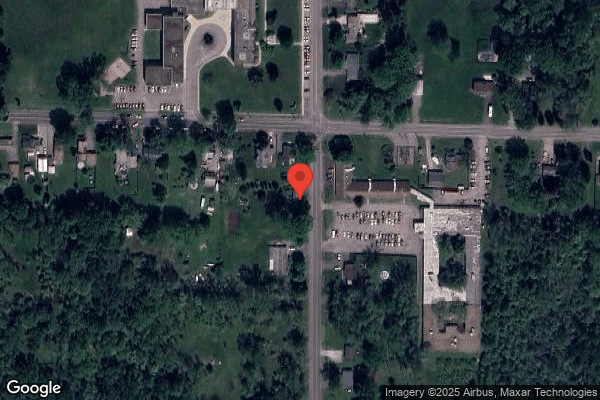
Aug 2023 9 deficiencies
CONCERN (D)

Potential for Harm - no one hurt, but risky conditions existed

Resident Rights (Tag F0550)

Could have caused harm · This affected 1 resident

**NOTE- TERMS IN BRACKETS HAVE BEEN EDITED TO PROTECT CONFIDENTIALITY** Based on observation, interview and record review conducted during a Standard survey completed on 8/11/23, the facility did not ...

Read full inspector narrative →
**NOTE- TERMS IN BRACKETS HAVE BEEN EDITED TO PROTECT CONFIDENTIALITY** Based on observation, interview and record review conducted during a Standard survey completed on 8/11/23, the facility did not ensure they treated each resident with dignity and respect in an environment that promotes maintenance or enhancement of their quality of like, recognizing each resident's individuality. Specifically, one (Resident #15) of two residents reviewed for dignity was not provided with their breakfast meal at the same time when other residents who eat in their rooms received their meal trays. Resident #15 was told by staff they have to wait until the dining room was served. The finding is: The undated policy and procedure (P&P) titled Dignity During Dining documented trays were to be delivered to residents in a timely manner. 1. Resident #15 had diagnoses that included end stage renal disease (ESRD, kidney disease), type 2 diabetes, and chronic pain. The Minimum Data Set (MDS- a resident assessment tool) dated 5/26/23 documented the resident was cognitively intact, understands and was understood. The resident did not reject care that was necessary to achieve the resident's goals for health and well-being. The comprehensive Care Plan (CCP) dated 1/26/23 documented Resident #15 preferred to eat their meals in bed. The Visual/Bedside [NAME] Report (a guide staff use to provide care) dated 8/10/23 documented that Resident #15 preferred to eat their meals in bed. During an observation and interview on 8/8/23 at 8:36 AM, Resident #15 was in their room lying in bed and did not have their breakfast tray. Resident #15 stated they did not get out of bed to go to the dining room for breakfast and they were told their tray would not be ready until the dining room trays were made. Resident #15 stated they always stayed in bed on days they did not have dialysis. Resident #15 pointed out that their roommate had their tray and had already finished eating breakfast. During the observation and interview, a staff member knocked on the door and picked up the roommate's breakfast tray and removed it from the room. Resident #15 received their breakfast tray at 8:45 AM. During an observation and interview on 8/10/23 at 8:04 AM, Resident #15 stated they were still waiting on their breakfast tray. Resident #15's roommate had a breakfast tray in front of them, which was 50% consumed. Resident #15 stated it bothered them that they did not have their tray yet and their roommate was eating next to them. During an interview at 8/10/23 at 8:20 AM, Certified Nurse Aide (CNA) #2 stated the hall trays were already passed to the residents in their rooms. CNA #2 stated Resident #15 did not have a breakfast tray and their tray was never on the hall tray cart because Resident #15 was a dialysis resident. CNA #2 stated Resident #15 knew their tray would be ready with the dining room trays and they just needed to wait. CNA #2 stated Resident #15 had to wait for their breakfast tray every Tuesday, Thursday, Saturday, and Sunday. On Monday, Wednesday, and Friday Resident #15 left for dialysis prior to breakfast. CNA #2 stated it was a dignity issue. During an interview on 8/10/23 at 10:29 AM, Licensed Practical Nurse (LPN) #3 stated, Resident #15's breakfast tray was sent to the dining room every day. LPN #3 stated the breakfast trays arrived on the wing at 8:00 AM and the breakfast trays arrived in the dining room at 8:30 AM. LPN #3 stated Resident #15 should have had their tray around the same time the roommate had their tray. During an interview on 8/11/23 at 9:04 AM, CNA #3 stated Resident #15 did not get out of bed before breakfast. CNA #3 stated they were not sure why Resident #15's tray was delivered to the dining room and not with the hall trays. CNA #3 stated it was wrong to make Resident #15 wait for their tray especially since their roommate was already given a breakfast tray. During an interview on 8/11/23 at 9:10 AM, LPN #2 stated Resident #15 was care planned to have meals in bed. LPN #2 stated if a resident was care planned to have their meals in bed, then their trays would be delivered to the unit. LPN #2 stated Resident #15's tray should have been delivered with the hall trays and not sent to the dining room. During a telephone interview on 8/11/23 at 9:51 AM, the Registered Dietitian (RD) stated the breakfast hall trays were sent to the unit by 8:00 AM. RD stated the dining room trays were started after all the hall trays were sent out. RD stated they could see Resident #15 questioning Where was my breakfast tray? Why was it fair for my roommate to eat their entire breakfast meal before I got my breakfast? During an interview on 8/11/23 at 11:58 AM, the Director of Nursing (DON) stated it was a dignity problem when Resident #15 did not receive their breakfast tray. DON stated Resident #15 was not given their breakfast tray in a timely matter. 10NYCRR 415.5(a)
CONCERN (D) 📢 Someone Reported This

A family member, employee, or ombudsman was alarmed enough to file a formal complaint

Potential for Harm - no one hurt, but risky conditions existed

Transfer Notice (Tag F0623)

Could have caused harm · This affected 1 resident

**NOTE- TERMS IN BRACKETS HAVE BEEN EDITED TO PROTECT CONFIDENTIALITY** Based on interview and record review conducted during a Complaint Investigation (#NY00307977) during a Standard survey completed...

Read full inspector narrative →
**NOTE- TERMS IN BRACKETS HAVE BEEN EDITED TO PROTECT CONFIDENTIALITY** Based on interview and record review conducted during a Complaint Investigation (#NY00307977) during a Standard survey completed on 8/11/23, the facility did not ensure that resident and residents' representative received a written notice of transfer or discharge that contained specific required contents specified in the regulation for one (Resident #417) of one resident reviewed for facility-initiated discharge. Specifically, the notice of transfer/discharge date d 11/23/22 did not included the location to which the resident was being transferred; a statement of the residents appeal rights, including the name, address (mailing and email), a telephone number of the entity which receives such requests, information on how to obtain an appeal form, assistance in completing the form and submitting the appeal hearing request; and the name, address (mailing and email) and telephone number of the Office of the State Long-term Care Ombudsman. The finding is: 1. Resident #417 had diagnoses including dementia with moderate mood disturbance, schizophrenia, and adult failure to thrive. The Minimum Data Set (MDS- a resident assessment tool) dated 1/5/23 documented Resident #417 was cognitively intact and was discharged to the community. The comprehensive care plan (CCP) with an initiation dated of 4/22/22 documented Resident #417 had an impaired cognitive function related to the diagnosis of schizophrenia and dementia. The CCP documented that Resident #417 did not have capacity for decision making. The CCP documented that Resident #417 was independent for all activities of daily living (ADL) care. The New York State Department of Health Adult Care Facility/Assisted Living 30 Day notice of Termination form that was provided to Resident/ Resident Representative (per SW #2 interview) documented that Resident #417 was notified on 11/23/22 that the Administrator had decided to terminate their admission agreement and would be discharge on [DATE]. The form documented a detailed explanation the transfer/discharge notice being issued was because the residents' health had improved sufficiently and no longer needed the services provided at the facility. The form documented that the resident was not appropriate for this level of care. The form documented that the resident and the resident's Emergency Contact (#1) was notified on 11/23/22. The form did not include as required the following information: -The location to which the resident was being transferred -A statement of the resident's appeal rights, including the name, address (mailing and email), a telephone number of the entity which receives such requests, information on how to obtain an appeal form, assistance in completing the form and submitting the appeal hearing request -The name, address (mailing and email) and telephone number of the Office of the State Long-term Care Ombudsman. During a telephone interview on 8/10/23 at 5:47 PM, Resident #417's Emergency Contact (EC) #2 stated the family received a transfer/discharge notice from the Administrator. EC #2 stated that Resident #417 was doing very well in the facility, and they were resentful at the facility for the discharge notice. The family contacted an elder lawyer and the lawyer attempted to appeal the notice. The Emergency Contact #2 stated they were unsuccessful in obtaining the appeal. During an interview on 8/11/23 at 9:54 AM, Social Work (SW) #1 and SW #2 both stated they were unfamiliar with the discharge/transfer regulations. SW #2 stated that Resident #417 and their family were given the New York State Department of Health Adult Care Facility/Assisted Living 30 Day notice of Termination form on 11/23/22. SW #1 stated the facility had interdisciplinary team (IDT) discharge meetings twice a week to discuss the residents along with their discharge plans. SW #1 stated the IDT determined that Resident #417 was no longer appropriate for long term care because Resident #417 was independent with all ADL's. SW #1 stated that a list of assisted living facilities (ALFs) were provided to the family. The family did not want Resident #417 discharged from the facility as the Resident #417 was doing well at the facility. SW #1 stated the Administrator decided that a 30- day discharge/transfer notice was to be given. SW #2 stated they typed out the notice, the Administrator signed the notice and then SW #2 presented the notice to the resident and the family. SW #2 stated the family did want to appeal the discharge and the family was referred to the Office of Aging. SW #2 stated on 11/23/22 the facility gave the wrong form to the resident and their family. SW #2 stated the original discharge/transfer notice did not include the name/address of where Resident #417 was to be discharged and did not include the appeal information or the Ombudsmen's information. During an interview on 8/11/23 at 10:30 AM, the Administrator stated that the IDT had decided that Resident #417 was no longer appropriate for long term care and the family wanted Resident #417 to remain at the facility. The Administrator stated the IDT decided a 30-day notice should be initiated. The Administrator stated social work would write the notice, then they would sign it and then the SW was to present the notice to the family. The Administrator stated that the New York State Department of Health Adult Care Facility/Assisted Living 30 Day notice of Termination was the notice that was given to the resident and the resident's Emergency Contact #1 on 11/23/22. The Administrator stated that the notice did not contain the specific location of discharge, the appeal rights including where and how to make an appeal and the name and contact information for the facility's Ombudsman. The Administrator stated that the incorrect form was given to the resident and family. During an interview on 8/11/23 at 2:45 PM, the Assistant Administrator stated the facility did not have any policies regarding discharge/transfer notices. They stated all they could provide was the undated facility form titled, Transfer/Discharge Notice. During a telephone interview on 8/11/23 at 4:09 PM, Resident# 417's Emergency Contact #1 stated in November 2022 they received a discharge/transfer notice from the facility. At that time it was not a resident/family-initiated discharge as they did not want Resident #417 to leave the facility. The Resident's Emergency Contact #1 stated in November the family had contacted an elder attorney, and the attorney was attempting to dispute the discharge on behalf of the family. 10 NYCRR 415.3(h)(1)(iii)(a-c)
CONCERN (D)

Potential for Harm - no one hurt, but risky conditions existed

ADL Care (Tag F0677)

Could have caused harm · This affected 1 resident

**NOTE- TERMS IN BRACKETS HAVE BEEN EDITED TO PROTECT CONFIDENTIALITY** Based on observation, interview, and record review conducted during a Standard survey completed on 8/11/23, the facility did not...

Read full inspector narrative →
**NOTE- TERMS IN BRACKETS HAVE BEEN EDITED TO PROTECT CONFIDENTIALITY** Based on observation, interview, and record review conducted during a Standard survey completed on 8/11/23, the facility did not ensure that each resident who was unable to carry out Activities of Daily Living (ADL's) received the necessary services to maintain grooming and personal hygiene for one (Residents #144) of five residents reviewed for ADL's. Specifically, Residents #144 had jagged nail edges with dark thick debris under their fingernails. The finding is: The policy and procedure (P&P) titled Bath/Shower Day dated 7/15/2014, documented to clean and cut/trim/file fingernails as needed (Nurse will provide nail care for diabetic residents). 1. Resident #144 had diagnoses that included Alzheimer's disease, type 2 diabetes mellitus, and chronic congestive heart failure (CHF). The Minimum Data Set (MDS - a resident assessment tool) dated 6/30/23 documented Resident #144 usually understood, sometimes understands, and had severe cognitive impairment. Resident #144 required extensive assistance of one person for personal hygiene and did not exhibit rejection of care. Resident #144's comprehensive care plan (CCP) revised 7/26/23 documented an ADL self-care performance deficit related to muscle weakness. Interventions included total assist with personal hygiene. Resident #144's [NAME] (a guide used by staff to provide care) as of 8/10/23, documented total assist of 1 staff bathing upper body, anticipate Resident #144's needs and observe skin daily with care. (Report changes or issues to nurse.) Review of the Order Listing Report orders revealed an active order dated 7/30/23 that documented body assessment with shower/bath every evening shift every Sun (Sunday) for skin check. Review of the Treatment Administration Records (TAR) dated 8/1/23-8/31/23 revealed body assessment with shower/bath every evening shift, every Sunday for skin check was initiated as completed on 8/6/23 by Registered Nurse Supervisor (RNS) #1. Resident #144's interdisciplinary progress notes 7/10/23- 8/9/23 did not document any refusals of nail care. During an observation on 8/7/23 at 11:13 AM, Resident #144's fingernails were jagged and had thick dark debris under all of them on both hands. During an observation on 8/9/23 at 11:40 AM, Resident #144 fingernails remained jagged with dark debris under all nails. At 5:58 PM, Resident #144 had nails of right hand resting on their face with dark debris under all the fingernails. During an observation and interview on 8/10/23 at 12:26 PM, Resident #144's family member stated that it bothered them that Resident #144's nails were so dirty, and that it would bother the resident as well. Resident #144's fingernails on both hands remained jagged and dirty. During an interview on 8/10/23 at 12:11 PM and 1:33 PM, Certified Nursing Assistant (CNA) #4 stated the CNAs were responsible to perform nail care on residents, except for those residents with diabetes, theirs were done by the nurses. CNA #4 stated resident's nails should be cleaned whenever they were dirty, when requested and on shower days. Additionally, CNA #4 stated it was important to complete nail care, so the nails were clean, to prevent injury and infection. During an interview on 8/10/23 at 12:16 PM, Licensed Practical Nurse (LPN) Unit Manager #4 stated the nurses were responsible for nail care of diabetic residents on their shower day, otherwise the CNAs were responsible for nail care. During an interview and observation on 8/10/23 from 1:22 PM to 1:30 PM, Registered Nurse #1 stated they would expect nail care to be done as needed and anybody that was able to provide resident care can complete it, generally speaking done with care by aide. RN #1 observed Resident #144 fingernails on both hands. RN #1 stated, they need to be cared for the fingernails were long and dirty. Additionally, RN #1 stated it was important nail care was completed to prevent infection, prevent injury, for safety, comfort, and dignity. During an interview on 8/11/23 at 11:23 AM, Director of Nursing (DON) stated they expect nurses to look to see if nail care was needed during weekly skin check and as needed. The DON stated nail care should be done for infection control reasons, safety, and dignity. During a telephone interview on 8/11/23 at 12:08 PM, RN Supervisor (RNS) #1 stated when they complete a skin check on a shower/bath shift they were more focused on the resident's skin then nails. RNS #1 stated Honestly, admitted ly I'm poor at looking at nails. 10 NYCRR 415.12 (a)(3)
CONCERN (D)

Potential for Harm - no one hurt, but risky conditions existed

Accident Prevention (Tag F0689)

Could have caused harm · This affected 1 resident

**NOTE- TERMS IN BRACKETS HAVE BEEN EDITED TO PROTECT CONFIDENTIALITY** Based on observation, interview, and record review conducted during the Standard survey completed on 8/11/23, the facility did n...

Read full inspector narrative →
**NOTE- TERMS IN BRACKETS HAVE BEEN EDITED TO PROTECT CONFIDENTIALITY** Based on observation, interview, and record review conducted during the Standard survey completed on 8/11/23, the facility did not ensure that each resident receives adequate supervision to prevent accidents for one (Resident #160) of two residents reviewed for accidents. Specifically, a resident with a diagnosis of dysphagia (difficulty swallowing) and an order for a pureed diet (consistency of smooth, thick paste), received a sandwich and was observed eating it in their room without staff supervision. In addition, there was lack of cueing during meals for the resident to take small sips of liquids. The finding is: The undated policy and procedure (P&P) titled Summary of House Diets provided by the Assistant Administrator documented for a pureed diet, all food was pureed to a mashed potato consistency. The P&P titled Aspiration Precautions dated 2/20 documented to maintain optimal respiratory health for residents by means of monitoring for aspiration. Staff were to supervise residents with foods, fluids and/or medications, ensure the resident received the correct dietary consistencies as ordered and monitor for noncompliance. 1a. Resident #160 had diagnoses including dysphagia, cerebral infarction (stroke), and atrial fibrillation (irregular heart rate). The Minimum Data Set (MDS- a resident assessment tool) dated 5/30/23 documented the resident was cognitively moderately impaired and was on a mechanically altered diet and had complaints of difficulty or pain with swallowing. The hospital Discharge Summary Note dated 5/23/23 at 8:28 AM, documented Resident #160 had severe dysphagia and required a PEG tube (a tube passed into the stomach through the abdominal wall to provide means of feeding). Despite the dysphagia, per the resident and family wishes, they provided a pureed diet with honey thick liquids for pleasure, understanding the risks of aspiration. The Order Summary Report dated 8/11/23, documented Resident #160 had an order for a pureed texture diet with honey thickened liquids on 5/23/23. A verbal order dated 8/8/23 documented a regular texture diet with thin liquids was ordered. The comprehensive care plan dated 5/24/23 documented Resident #160 had a nutritional problem related to dysphagia and history of enteral (by way of the intestine) nutrition. Interventions included to provide a pureed texture diet, honey thick liquids, educate on the importance of maintaining the ordered diet, and speech consult as needed. The [NAME] (a guide used by staff to provide care) for Resident #160 dated 8/11/23 documented during eating/meals the diet was to be provided as prescribed, pureed texture, honey thick liquids; and staff were to ensure the resident took small sips. The Speech Therapy (ST), Treatment Encounter Notes dated 8/3/23 at 5:14 PM, documented a swallow evaluation was completed per nursing referral for possible upgrade, resident takes meals from trays. ST to follow to further assess least restrictive diet, trial diet texture advances with SLP only, and implement safe swallowing strategies. ST recommended continuation of current diet: honey thick liquids/puree solids. The Treatment Encounter Note dated 8/7/23 at 10:21 PM, documented the resident was alert and cooperative, and had been requesting ice cream, which they cannot have due to honey thick liquid diet. Had also been eating bags of chips not on current diet: puree solids. The resident exhibited two coughs with mechanical soft solids (soft sandwiches) and two delayed coughs with nectar thick liquid via cup. Maximum verbal cues needed for small sips and cues for small bites needed for safe swallowing. Continue plan of care recommendations. During an observation on 8/7/23 at 12:50 PM, Resident #160 was standing outside the D Unit clean utility/nourishment room and an unidentified staff member handed the Resident #160 a sandwich. The resident took the sandwich and ambulated to their room independently. During an observation on 8/7/23 at 1:00 PM, Resident #160 was in their room with their lunch tray on the overbed table. The meal texture provided on the tray was pureed and the meal ticket documented the resident was on a pureed diet with honey thickened liquids. The resident was independently eating the egg salad sandwich at this time. The resident coughed twice while eating the sandwich. During an interview on 8/7/23 at 1:17 PM, Licensed Practical Nurse (LPN) Unit Manager (UM) stated Resident #160 was on a pureed diet but wanted food items they were not supposed to have and would take it or go to the vending machine and get it. The LPN UM #6 stated the resident was care planned for these behaviors. The LPN UM #6 stated someone probably did give the resident the sandwich because they got regular food items all the time. b. An observation of the lunch meal in the D Unit dining room on 8/10/23 at 12:22 PM revealed LPN UM #6 served Resident #160 their meal tray and cut up the chicken. The resident had regular a textured diet including chicken breast, vegetable medley and mashed potatoes and gravy. The resident ate the chicken quickly and at times put two pieces into their mouth at once. The resident ate their mashed potatoes, then drank their juice (thin/regular consistency) through a straw in one sip. The resident coughed after drinking their juice. The resident ate their chocolate cake and at 12:27 PM stood up, ambulated out of the dining room, and coughed. The resident coughed one more time on the way to their room. No staff cued Resident #160 to slow down their intake during the meal. During an interview on 8/10/23 at 1:51 PM, the Speech Language Pathologist (SLP) stated Resident #160 was admitted on a pureed diet with honey thick liquids and there were a lot of safety/aspiration concerns. The SLP stated they got a referral from nursing for a possible diet upgrade and worked with the resident most recently on 8/7/23 and 8/8/23 to try soft sandwiches, but during these sessions the resident had two coughs and needed maximum cueing. The SLP stated they were not sure Resident #160 retained the education provided to them. The SLP stated after the coughing they would discontinue trials of nectar thick liquids and mechanical soft solids due to aspiration risk at that point and attempt to trial the next day, maybe at a different time of day to see if they did better. The SLP stated they just found out the MD upgraded the diet and did not agree with regular texture solids and regular consistency liquids for this resident. The SLP stated that five minutes was too fast to have finished their meal, staff should tell them to slow down and that they can list these items on the care plan but didn't know who would make sure the resident was following the strategies. During an interview on 8/10/23 at 4:26 PM, the LPN UM #6 stated the Medical Director (MD) upgraded the resident's diet on 8/8/23 and said the resident could eat what they wanted to eat. LPN UM #6 stated when the diet was upgraded, they were making sure the resident ate in the dining room so staff could watch them. The LPN UM #6 stated the resident did eat pretty fast and probably should have told them to slow down. LPN UM #6 stated they didn't notice the resident drank the juice that fast, but they should tell the resident to slow down so they don't aspirate. During a telephone interview on 8/11/23 at 9:05 AM, the Registered Dietician (RD) stated staff should not have given the resident a sandwich when their ordered diet was for pureed texture as they were at risk for aspiration. During an interview on 8/11/23 at 9:15 AM, the Director of Nursing (DON) stated Resident #160 had been noted to take food items from other residents, but they should've received the diet that was ordered for them. The DON reviewed Resident #160's electronic medical record (EMR) and stated sometimes residents were ordered soft sandwiches when they were on a pureed diet, but the diet order that was in place (on 8/7/23) was honey thick liquids, pureed texture. The DON stated they would have to clarify with the SLP whether staff were supposed to cue the resident to take small sips during meals. During a telephone interview on 8/11/23 at 12:55 PM, the MD stated Resident #160 had a peg tube, which was removed, and was ordered a pureed diet. The resident was not adhering to the diet recommendations, had no choking or coughing based on direct reports from nursing staff and their diet was upgraded to improve their quality of life. The resident was not more at risk for aspiration and their medical history was irrelevant in relation to the diet upgrade. The MD stated recommendations from SLP were just recommendations and based on their clinical judgment the diet was upgraded. 10NYCRR 415. 12(h)(2)
CONCERN (E)

Potential for Harm - no one hurt, but risky conditions existed

Safe Environment (Tag F0584)

Could have caused harm · This affected multiple residents

**NOTE- TERMS IN BRACKETS HAVE BEEN EDITED TO PROTECT CONFIDENTIALITY** Based on observation and interview conducted during the Standard survey completed on 8/11/23, the facility did not ensure housek...

Read full inspector narrative →
**NOTE- TERMS IN BRACKETS HAVE BEEN EDITED TO PROTECT CONFIDENTIALITY** Based on observation and interview conducted during the Standard survey completed on 8/11/23, the facility did not ensure housekeeping and maintenance services necessary to maintain a sanitary, orderly, and comfortable interior were provided for four (Units A, B, C and D) of four resident units. Specifically, there were issues with strong urine odors in resident rooms, bathrooms, hallways, and reception area; crumbling drywall around windows, unpainted, patched drywall, missing and/or in disrepair baseboards; peeling wallpaper, soiled walls, dusty ceiling vents, and a torn/ripped resident mattress. The findings are: During an observation on 8/7/23 at 9:05 AM, in the reception area upon entrance to the facility, there was a very strong urine odor. During an observation on 8/7/23 at 9:20 AM, in the B Unit hallway extending from Resident Rooms #51-55, there was a very strong urine odor. During an observation of Resident room [ROOM NUMBER] on 8/7/23 at 9:40 AM, revealed a large section (about 1.5 feet (ft) by 2 ft) of wallpaper was peeling off the wall in the corner over the bed by the door. During an observation of Resident room [ROOM NUMBER] on 8/7/23 at 9:43 AM, and 8/8/23 at 10:50 AM, there was a brown stained ceiling tile by the bed nearest the window and the stain continued down the wall in a vertical line from the ceiling to just above the resident's bed. During an observation of Resident room [ROOM NUMBER] on 8/7/23 at 10:21 AM, there were dried brown vertical streaks from the ceiling above the window extending approximately 12 inches downward. During an observation of Resident room [ROOM NUMBER] on 8/7/23 at 11:12 AM and 8/8/23 at 10:44 AM, the ceiling tile above the window bed were stained with brown circles. 8/7 -During the 8/7/23 interview at the time of the observation the resident stated, it must have leaked. During an observation of Resident room [ROOM NUMBER] on 8/7/23 at 3:46 PM, there was crumbling drywall in the window surround with dried rust-colored edges. The bathroom had a foul urine odor, a dried brown substance was noted on the floor around the toilet and in front of the bathtub. During an observation of Resident room [ROOM NUMBER] on 8/8/23 at 10:14 AM there was unpainted, patched drywall with brown staining, and missing baseboard in the bathroom. During observations on 8/8/23 at 11:50 AM, with the Director of Plant Operations present, revealed the wall board behind the window-side bed was partially detached from the wall in Resident room [ROOM NUMBER]. There was an area of dried urine on the floor around the window-side nightstand and the base of the toilet. The room and bathroom had a strong urine odor. Additionally, the ceiling vent above the door-side bed had dust hanging from approximately 50 percent of the vent area. The Director of Plant Operations stated the ceiling vent was dirty and needed to be cleaned. During an observation on 8/8/23 at 12:55 PM, with the Director of Plant Operations present, revealed a black substance was streaked vertically down the entire length of the wall in Resident room [ROOM NUMBER]'s bathroom. The Director of Plant Operations stated the substance was dried tar and it needed to be painted over. During an observation on 8/9/23 at 1:38 PM revealed the bathroom shared by Resident Rooms #52 and #54 had a dark brown ring around the base of the toilet. Additionally, the bathroom had a strong urine odor. During intermittent observations of Units, A and D on 8/7/23 through 8/11/23 from 9:30 AM through 2:00 PM the units were observed to have strong, foul urine odors. During observations on 8/8/23 at 8:30 AM, 8/9/23 at 8:15 AM, 8/10/23 at 7:15 AM and 8/11/23 at 8:15 AM there was a pungent odor of urine while entering the facility at the reception area and on Unit C. During observations and interviews of Unit D on 8/10/23 from 4:05 PM to 4:20 PM in the presence of the Director of Plant Operations revealed the following: -Resident room [ROOM NUMBER] there was crumbling dry wall around the window sides and top with some missing pieces on the left side of the window and rust colored areas noted along the edge. The Director of Plant Operations stated there was a roof leak along the edge on this section of the building and this needed to be repaired. -Resident room [ROOM NUMBER] there were dried brown circles on the ceiling tile above the window bed. The Director of Plan Operations stated they had already made a note of it with the Sanitarian and that it was a dry spot on the ceiling tile. -Resident room [ROOM NUMBER] there were dried brown vertical streaks starting at ceiling above the window extending approximately 12 inches. The Director of Plant Operations stated they didn't know about these leak spots on the wall, but it might be from a prior leak. -Resident room [ROOM NUMBER] the wall next to the window bed had a brown ceiling tile and a vertical line of brown stain down the wall that extended from the ceiling to just above the resident's bed. The Director of Plant Operations stated they didn't know about this rooms condition either, the stain looked to be about 5 feet long. They do routine checks but didn't know why someone didn't try to clean this. Housekeeping should have tried to clean it and if it didn't come clean, then they were supposed to let maintenance know. They were in the process of re-doing all the rooms, but the rooms should look respectable now. -Resident room [ROOM NUMBER] bathroom there was unpainted, patched drywall with brown staining and missing baseboard in a resident bathroom. The Director of Plant Operations stated it looked like a repair was done at one point and maybe the resident had urinated on it to make it brown. They were not sure how long ago it was patched and the area with missing baseboard was about 6 feet long. -Resident room [ROOM NUMBER] a large section of wallpaper was peeling in the corner over the door bed. The Director of Plant Operations stated they didn't know about the wallpaper, it looked like someone peeled it off. The Director of Plant Operations stated all these issues did not provide a homelike environment for the residents, and they needed attention. b. During intermittent observations from 8/7/23 through 8/11/23 between 9:00 AM through 12:00 PM, the mattress in Resident room [ROOM NUMBER] Door was peeling and torn and had a strong urine odor. During an interview on 8/11/23 at 11:34 AM, Certified Nurse Aide (CNA) #2 stated the mattress was worn and had an odor. They stated the mattress should not be left that way and that someone should report it to the unit manager. During an interview on 8/11/23 at 11:38 AM, Licensed Practical Nurse (LPN) #2 stated the mattress was worn & smelled strongly of urine. LPN #2 stated that the facility used to have their own housekeepers and now they outsource to an agency. Since then, there were a lot of foul odors, sometimes the smell of urine it so bad it makes your eyes burn. During an interview on 8/11/23 at 1:25 PM, the Director of Nursing (DON) stated they would expect staff to notify them if a mattress needed replacement as they have them in stock readily available. c. During an interview on 8/7/23 at 4:10 PM, Resident #58 stated they noticed the foul urine odor in their bathroom and within the facility. Resident #58 stated when their family visits they had also noticed it too. The resident stated the housekeeping department does a poor job of cleaning; if they clean at all. During an interview on 8/8/23 at 11:53 AM, Resident # 117's visitor stated that at times when they entered the facility and the unit there was an odor of urine. They stated at times the odor was strong enough that it was offensive. During an interview with nine resident council participants on 8/8/23 at 11:07 AM, they stated there was a strong urine odor in the building. During an interview on 8/11/23 at 8:33 AM, Resident #151 stated that the facility smelled like urine and feces. They stated they felt the facility was very dirty and they were worried they were going to get an infection due to the lack of cleanliness. During an interview on 8/10/23 at 11:30 AM, LPN #7 stated they smelled urine odors in the facility and thought it was from the carpeting near the front entrance of the facility. During an observation of Resident room [ROOM NUMBER] on 8/10/23 at 1:43 PM, the Light Housekeeper #1 was present and stated the bathroom was odorous and they hadn't tried anything different to address the urine odor. They had to use whatever supplies were provided to them. During an interview on 8/10/23 at 4:33 PM, LPN UM #6 stated they knew about the condition (stained ceiling tiles/wall) of Resident room [ROOM NUMBER], and it had been that way for a few weeks and maintenance was made aware. During an interview on 8/11/23 at 7:38 AM, the Director of Environmental Services stated they noticed the urine odors and believed it was from the old carpets. Housekeeping used an extractor to clean it daily, but it was hard to keep up with and to remove the odor. Resident room [ROOM NUMBER] had discolored areas on the floor because the residents urinated on the floor, they cleaned the rooms once per day unless there was something staff alerted them to that needed to be addressed. During an interview on 8/11/23 at 9:28 AM, the Administrator stated there were urine odors in the building, they had a lot of incontinent residents, and staff were changing the residents timely but unfortunately, it's a challenge for laundry and housekeeping services. 10NYCRR 415.5(h)(2)
CONCERN (E)

Potential for Harm - no one hurt, but risky conditions existed

Deficiency F0804 (Tag F0804)

Could have caused harm · This affected multiple residents

Based on observation, interview, and record review conducted during a Standard survey completed 8/11/23, the facility did not provide food and drink that were prepared by methods that conserved flavor...

Read full inspector narrative →
Based on observation, interview, and record review conducted during a Standard survey completed 8/11/23, the facility did not provide food and drink that were prepared by methods that conserved flavor, and appearance, were palatable and at a safe and appetizing temperature, for five (Units A, B, C, D, & Kitchen) of five test trays. Specifically, food and beverages during meals were served at suboptimal temperatures, unappetizing in appearance and were not palatable. Residents #33, #37, #58, and #113 were involved. The findings are: The policy & procedure titled Food Temperature on Resident Trays dated 4/1/08 documented that it was the responsibility of the Supervisor, Dietitian, or Diet Technician to ensure that the food for residents was served at a safe and appropriate temperature. The policy did not document optimal food temperatures and how the facility would ensure that the food was served at a safe and appropriate temperature. During an interview on 8/7/23 at 1:27 PM, Resident #33 stated the food there was terrible, always cold. Additionally, Resident #33 stated they do not receive condiments with their meals. During a lunch meal tray line observation in the kitchen on 8/10/23 from 11:36 AM to 12:52 PM the dietary carts were completed and sent to the Dining Room and the Units at the following times: D Unit Dining Room, first cart - 11:47 AM D Unit Dining Room, second cart - 11:58 AM A Unit, first cart - 12:08 PM A Unit, second cart - 12:12 PM B Unit, cart out - 12:21 PM C Unit, first cart - 12:30 PM C Unit, second cart - 12:34 PM Main Dining Room, first cart - 12:44 PM Main Dining Room, second cart - 12:52 PM During a lunch meal observation in the D Unit Dining room on 8/10/23, the first lunch meal cart arrived at 11:49 AM. All the trays were passed. At 12:07 PM the second cart arrived. All meal trays were passed before the test tray tempted and tasted. The following temperatures were obtained on the test tray by the surveyor's digital thermometer at 12:15 PM. The facility did not provide facility representation during the test tray observation. The results were as follows: Chicken - measured 121.5° F (Fahrenheit) - was lukewarm and tasted bland Italian vegetables - measured 110.7° F - was lukewarm and tasted bland Chocolate cake - no temp was taken - tasted dry Coffee- measured 143.5° F- was warm but had little flavor Milk - measured 51.3° F- was warm and tasted unappetizing Apple juice - measured 56.1° F - was warm and tasted unappetizing During an interview on 8/10/23 at 12:25 PM, Resident #58 stated they did not even want to try the lunch because it looked terrible. They asked for a peanut butter and jelly sandwich instead. During a lunch meal observation on B Unit on 8/10/23, the dietary cart arrived at 12:23 PM. All the meal trays were passed to the residents on B Unit by 12:33 PM. The test tray temperatures were taken by the surveyor and in the presents of the Assistant Director of Nursing (ADON), using the surveyor's digital thermometer at 12:33 PM. The results were as follows: Chicken- measured 124.3° F-had an unappetizing yellow coating, tasted dry & chewy, the temperature was suboptimal -lukewarm. Mashed potatoes with gravy - measured 141.2° F- were lukewarm and tasted bland and were sticky Italian vegetables- measured 107.0 ° F - tasted mushy and bland, temperature was lukewarm. Milk - measured 50.4° F- was warm and unappetizing Apple juice - measured 58.1° F - tasted warm During an interview on 8/10/23 at 12:33 PM, the ADON stated the chicken looked dry, was very yellow and did not have any BBQ sauce. The ADON verified the temperatures above. During an interview on 8/10/23 at 12:45 PM, Resident #37 stated the chicken was cold and dry and they did not want to try the vegetables because they looked unappetizing and unseasoned. Resident #37 stated they wanted BBQ sauce on the chicken like the menu said. During a lunch meal observation on C Unit on 8/10/23, the dietary carts arrived at 12:30 PM and 12:35 PM. All the meal trays from the dietary carts were passed to the residents by 12:47 PM. The test tray temperatures were then taken by Surveyor, using the Surveyors digital thermometer at 12:48 PM. The results were as follows: Chicken - measured 129° F - was dry, bland, and lukewarm. Mashed potatoes with gravy - measured 137.5° F - were lukewarm and tasted bland Italian vegetables - measured 125.7° F- were lukewarm, had a mushy texture, and lacked flavor Milk - measured 52.5° F- tasted warm and unappetizing Orange juice - measured 54.8° F - tasted warm and unappetizing Coffee - measured 123° F- was lukewarm and lacked flavor During an observation on 8/10/23 at 1:02 PM, Resident #33 meal (chicken and mixed vegetables) were uneaten. During an interview at this time, Resident #33 stated the chicken was terrible, dry, and they didn't get any BBQ sauce. Resident #33 stated the chicken was always that way and they never have BBQ sauce. Additionally, Resident #33 stated the vegetables had no flavor and were too mushy to eat. During a lunch meal observation in the Main Dining room on 8/10/23 the first dietary cart arrived at 12:47 PM. Staff completed the tray pass at 1:03 PM. The test tray temperatures were obtained at 1:04 PM with the surveyor's thermometer and in the presence of ADON. The ADON verified the temperatures. At this time the ADON stated they did not know the safe temperature ranges that food should be served at. The results were as follows: Chicken - measured 132.4° F- was lukewarm, tasted dry with a filmy coating Italian vegetables - measured 122.2° F- were lukewarm and mushy. Mashed potatoes with gravy - measured 140° F- were lukewarm and gritty Cranberry juice- measured 54.8° F -tasted warm and unappetizing Milk- measured 55.4° F- tasted warm and unappetizing During the observation of the main kitchen tray line on 8/10/23 at 12:52 PM after the last resident meal tray was sent out, the Food Service Director FSD #1 notified the surveyors that the test tray was ready to be tested and proceeded to leave the kitchen. At 12:56 PM the test tray was completed. The temperatures were taken by the surveyor using the surveyor's digital thermometer. The results were as follows: Chicken- measured 145.6° F - was plain boiled with no BBQ sauce. The chicken was lukewarm, flavorless, and dry. Mashed potatoes with gravy - measured 159° F - lukewarm, flavorless, and sticky Italian vegetables - measured 131.5° F - tasted mushy, lacked seasoning and were cool Milk - measured 61° F - was warm and unappetizing During an interview on 8/10/23 at 1:06 PM, [NAME] #1 stated that chicken was on the menu, and they were unaware it was supposed to be barbequed chicken. I didn't put the BBQ sauce on it, I don't even know if we had any BBQ sauce in stock. During an interview on 8/10/23 at 1:14 PM, Resident #113 stated that they did not like the food and the chicken tasted dry. During an interview on 8/10/23 at 1:55 PM, FSD #1 stated that cold foods should be served between 35°- 40° F and hot foods should be served between 165°-185° F. When asked by the surveyor if the chicken should be barbequed, the FSD stated I didn't even look at the menu today. During an interview on 8/11/23 at 2:12 PM, the Registered Dietitian (RD #1) stated that cold foods should be served at 41° F or less and hot foods should be served above 135° F. 10 NYCRR 415.14 (d)(1)(2)
CONCERN (E)

Potential for Harm - no one hurt, but risky conditions existed

Food Safety (Tag F0812)

Could have caused harm · This affected multiple residents

**NOTE- TERMS IN BRACKETS HAVE BEEN EDITED TO PROTECT CONFIDENTIALITY** Based on observation, interview, and record review conducted during a Standard survey completed 8/11/23, the facility did not st...

Read full inspector narrative →
**NOTE- TERMS IN BRACKETS HAVE BEEN EDITED TO PROTECT CONFIDENTIALITY** Based on observation, interview, and record review conducted during a Standard survey completed 8/11/23, the facility did not store, prepare, distribute, and serve food in accordance with professional standards for food service safety. Specifically, one of one Kitchen had issues with outdated undated food items, corner ceiling fans near prep stations observed to be dusty and greasy and were in use while food preparation was going on and Dietary Aide #1 in food preparation area with facial hair, not wearing a beard guard. In addition, three (Unit A, Unit C and Unit D) of four-unit nourishment kitchens had issues with no thermometers in the freezers and Unit A and Unit D undated opened food items and stored staff personal belongings, food, and drink items. The findings are: The policy and procedure (P&P) titled Storage of Supplies dated 4/1/08 documented it is the policy of the dietary department to store our food purchases in proper and safe areas. Storage areas should be clean and dry. All non- food items are stored in a separate area from food supplies. 1. During an observation on 8/7/23 at 9:26 AM of the main kitchen revealed: - A plastic bottle of tomato juice in upright refrigerator in corner of the kitchen was opened with no open date. - The walk-in refrigerator had two gallons of opened expired milk by the manufacture date and no date of when it was opened. -Dietary Aide #1 with no beard net on with approximately ½ inch long facial hair was in the dish room and in and out of kitchen area with food preparation going on. During an observation on 8/9/23 at 10:42 AM in the main kitchen Dietary Aide #1 had no beard net on place with approximately ½ inch long facial hair. During an observation on 8/9/23 at 12:39 PM Dietary Aide #1 was on tray line preparing hot liquid drinks with facial hair approximately ½ inch long covering their cheeks and chin area with no beard net on. During an interview on 8/9/23 at 1:38 PM Dietary Aide #1 stated they wear a hair net and gloves when working in the kitchen. They were never told about having to wear a beard guard. They usually keep their face shaved. Dietary Aide #1 also stated they were unsure if beard nets were available or where to get them. 2. During an observation on 8/7/23 at 1:08 PM in the nourishment room on Unit A next to the nurse's station revealed: -No thermometer in the freezer. -Staff's personal belongings, purses, open store-bought opened drinks, and coats were on the shelves and counters with nursing supplies, resident supplement drinks, and resident prepackaged snacks. During an observation on 8/8/23 at 10:52 AM of the nourishment room on Unit C revealed: -The floor had debris throughout. -Open shelves were dirty and dusty. -Staff's personal belongings consisting of coats, purses, shoes, and open store-bought drinks were on the counter and shelves next to resident nourishment items. During an observation on 8/9/23 at 9:17 AM in the Clean Room on Unit D across from resident room [ROOM NUMBER] revealed: -The room consisted of open shelves and counters of nursing supplies and resident nourishment drinks, the shelves and counters also consisted of staff's personal belongs, purses, keys, and store bought opened drinks. There was a coat rack on the wall with staff coats. -The nourishment freezer had no thermometer and contained popsicles and ice cream cups. -There was an opened clear bag of cereal on top of a two door plastic cabinet with no open date. Review of the Unit Refrigerator Temperature Log dated August provided by the Food Service Director (FSD) documented refrigerator temperatures for Units A, B, C, and D twice daily. There was no documented evidence the temperature for the freezers in the nourishment rooms were obtained. During an interview on 8/11/23 at 11:55 AM Certified Nurse Aide (CNA) #2 stated the facility has a ladies locker room but not a men's locker room, that's why staff keep belongings in the nourishment rooms. During an interview on 8/11/23 at 11:56 AM Licensed Practical Nurse (LPN) #3 Unit Manager (UM) stated staff belongings should not be in the nourishment rooms. Personal items are locked in the office behind the nurse's station. Dietary maintains the refrigerators and resident food and nourishments. During an interview on 8/11/23 at 11:56 AM LPN #2 states staff store there personal belongs in the nourishment room and personal belongings should not be stored in the nourishment rooms. During an interview on 8/11/23 at 1:24 PM the Director of Nursing (DON) stated dietary is responsible for cleaning and monitoring the freezer and refrigerator temperatures in the clean nourishment rooms. Housekeeping cleans the rest of the rooms. Staff should not have their personal belongings in the clean/nourishment rooms. During an interview on 8/11/23 at 1:50 PM the Food Service Director (FSD) stated the dietary staff are responsible only for the maintenance of the refrigerators in the nourishment rooms, nursing does the rest. The refrigerator temperatures are checked twice a day by dietary staff and logged on the unit refrigerator temperature log, but they don't document freezer temperatures. It's never been an issue but maybe we should check the freezer temperatures. During an interview on 8/11/23 at 1:51 PM the Administrator stated personal belongs should be left in their cars. Staff should not be putting their personal belongs in the nourishment rooms. During an interview on 8/11/23 at 2:12 PM the Registered Dietarian (RD) stated they have only been with the facility for a month. [NAME] guards are available in office and staff with facial hair should be wearing them. All food items should be dated if opened. The RD also stated they were unsure who was responsible for the maintenance of the nourishment rooms and did not believe staff personal belongings should be stored in the nourishment rooms. 10 NYCRR 415.14(h) 14-1.43(e), 14-1.72(c), 14-1.85, 14-1.110(d), 14-1.170
CONCERN (E)

Potential for Harm - no one hurt, but risky conditions existed

Deficiency F0925 (Tag F0925)

Could have caused harm · This affected multiple residents

**NOTE- TERMS IN BRACKETS HAVE BEEN EDITED TO PROTECT CONFIDENTIALITY** Based on observation, interview, and record review during the Standard survey completed on 8/11/23, the facility did not maintai...

Read full inspector narrative →
**NOTE- TERMS IN BRACKETS HAVE BEEN EDITED TO PROTECT CONFIDENTIALITY** Based on observation, interview, and record review during the Standard survey completed on 8/11/23, the facility did not maintain an effective pest control program so that the facility was free from insects. Specifically, for three (A Unit, B Unit, D Unit) of four resident units had issues with flies. The findings are: The policy and procedure titled, Pest Control Policy, dated 1/2023 documented exposure to pests, pest residue, and the chemicals used to control them can aggravate or cause health problems for residents and staff. Regular inspections will be performed by a pest management professional, who will note situations that are conducive to pest populations and recommend repairs, sealing of pest entry points, clutter reduction, improved sanitation, and monitoring procedures. The Licensed Exterminator's most recent Summary of Service report dated 7/28/23 documented insect activity was noted at seven of seven Insect Light Traps (ILTs). The report further stated miscellaneous flies were present on the ILT glue boards and the glue boards were replaced where needed. The report documented there were three ILTs in the D Unit and the actual pest count at each was 20, 150, and 150 miscellaneous flies. The report also indicated there was one ILT in the Main Kitchen and the actual pest count was 400 miscellaneous flies. During an interview with nine resident council participants on 8/8/23 at 11:07 AM, they stated that there were a lot of flies in the facility and feel like nothing was being done to fix the fly problem. Observation on A Unit on 8/8/23 at 11:50 AM revealed at least six live small flies around the window side bed in Resident room [ROOM NUMBER]. The observation also revealed Resident room [ROOM NUMBER] had a strong urine odor. Observation on A Unit inside Resident #41's room on 8/8/23 at 12:00 PM revealed a small fly was flying around the room. At that time Resident #41 stated they saw flies in their room about once every other day and the flies were annoying. Observation on A Unit on 8/8/23 at 12:12 PM revealed many small live flies were in Resident room [ROOM NUMBER] and its attached bathroom. Resident room [ROOM NUMBER] and its attached bathroom had a strong urine odor. During an interview on 8/8/23 at 12:25 PM, Resident #9, who resided on the A Unit, stated they saw bugs flying around and it was annoying. Resident #9 further stated they had noticed them in their room for the last few days but had not noticed them in other rooms in the facility. Observation in A Unit across from nurse's station on 8/9/23 at 5:55 PM, revealed three flies hovering around a sleeping resident in a wheelchair with their dinner tray in front of them. The Director of Nursing (DON) attempted to wake the resident up to assist with dinner. There was a strong urine odor in this area at this time. A fly then landed on the surveyor's computer. Observation on D Unit on 8/8/23 at 12:35 PM revealed three small live flies were at the windowsill of Resident room [ROOM NUMBER] and its attached bathroom. The attached bathroom had a strong urine odor. During an observation on 8/9/23 at 9:27 AM, Resident #34 was in bed and Licensed Practical Nurse (LPN) #5 performed a dressing change to the residents wound, a fly landed on the resident's blanket. Resident #34 stated the flies were awful in the facility and LPN #5 agreed with the resident. During an interview on 8/9/23 at 1:15 PM, Resident #112, who resided on the B Unit, stated everyday a few fruit flies come and go, but it was not constant. Observation in D Wing on 8/9/23 at 4:00 PM revealed two flies were in Resident room [ROOM NUMBER]. Observation in A Unit inside Resident #122's room on 8/10/23 at 4:25 PM revealed two flies were flying around the room and bathroom. Resident #122 stated they saw flies in their room, the hallway, and the Dining Room every day and it bothered them. Resident #122 stated they had mentioned it to two Maintenance staff members, and they were not sure what the facility was doing to fix it. Resident #122 also stated the fly issue had stayed the same since the beginning of summer, it had not improved and had gotten worse in the last few months. During an interview on 8/10/23 at 4:30 PM, LPN #1 Stated flies were noticeable inside Resident Rooms #9 and #15, and those residents tended to spill food and staff had to constantly try to keep up with those rooms. LPN #1 further stated, The issue with the flies has to be taken care of. Immediately after the interview with LPN #1, four to five live flies were observed in Resident room [ROOM NUMBER] and three live flies were observed in Resident room [ROOM NUMBER]. During an interview on 8/10/23 at 4:35 PM, Resident #5, who resided on the A Unit, stated they saw flies around the building, mostly in the front near the offices, in their room and the hallway outside of their room. Resident #5 stated, There's too many of them, they are sometimes near my bed and land on my blankets while I'm in bed and that bothers me. I don't want to swallow a fly. They also stated the flies had gotten worse over the last year. At the time of the interview, a live fly was observed on Resident #5's bare leg. During an interview on 8/10/23 at 4:37 PM, LPN Unit Manager (UM) #6 stated the flies were awful in the building, they had regular flies and fruit flies and they thought it was from the building being dirty. During this time a fruit fly was observed in the D Units nurse's office. During an interview on 8/10/23 at 4:50 PM, Resident #17, who resided on the B Unit, stated they saw houseflies in their room and smaller fruit flies in the hallway and all over the facility. Resident #17 stated they saw flies in their room every day during warmer weather and it bothered them while they ate, but it really bothered them during personal care. During a telephone interview on 8/11/23 at 9:25 AM, the Licensed Exterminator who serviced the facility stated they utilized ILTs to control the flying insects in the facility because they had to be careful about the treatments they chose for the safety of the residents. They also stated the lights in the ILTs attracted the flies to the attached glue board and there were currently two ILTs in the D Unit's hallway, but the limitation was that the flies had to get to the lights for it to be effective. The Licensed Exterminator stated issues with flying insects could be caused or worsened by the presence of cracks around doors, holes in screens or missing screens, or buildup in drain lines. During an interview on 8/11/23 at 1:25 PM, the Director of Plant Operations stated they were not aware of the fruit flies on A and D Units, and the Licensed Exterminator, who had an on-going monthly contract, had not brought it to their attention specifically. Additionally, the Director of Plant Operations stated they had received no employee or resident complaints about the presence of flies in the facility. During an interview on 8/11/23 at 9:28 AM, the Administrator stated they were in a rural area and some residents open their windows/screens and this contributes to the flies in the building. Also, for deliveries the doors were kept open. The Administrator stated they have to fight the flies every year during the summertime and thought they were doing everything they could to control the flies. During an interview on 8/11/23 at 2:30 PM, the Director of Environmental Services stated they had seen some flies in the hallways randomly on different units, but they felt it had gotten better recently. They stated they had worked in the facility for about two years and flies had been observed here and there throughout that time. The Director of Environmental Services stated they were not sure how the issue started, but it could be related to food being left on trays in the Soiled Utility Rooms, dirty linens in the Soiled Utility Rooms, an open door, or missing window screens. They also stated housekeeping staff did everything they could to keep the rooms clean and maintenance staff managed regular treatments by a licensed exterminator. 10NYCRR 415.29(j)(5)
MINOR (B)

Minor Issue - procedural, no safety impact

Staffing Information (Tag F0732)

Minor procedural issue · This affected multiple residents

Based on observation, interview, and record review conducted during the Standard survey completed on 8/11/23, the facility did not post on a daily basis the staff total number and the actual hours wor...

Read full inspector narrative →
Based on observation, interview, and record review conducted during the Standard survey completed on 8/11/23, the facility did not post on a daily basis the staff total number and the actual hours worked by the following categories of licensed and unlicensed nursing staff directly responsible for resident care per shift. Specifically, the facility's posted Daily Staffing form did not include the total number of licensed and unlicensed nursing staff directly responsible for resident care for each shift. The finding is: During observations on 8/7/23 at 9:29 AM, 8/8/23 at 8:25 AM, and 8/9/23 at 11:06 AM the Daily Staffing form documented the total hours worked by Certified Nurse Aides (CNA), Licensed Practical Nurses (LPN), and Registered Nurses (RN) for each shift. The total number of staff for each category and shift were not documented on the form and total hours for each category was blank. During an interview on 8/10/23 at 4:20 PM, the Scheduler stated they were responsible for filling out the Daily Staffing form. The Scheduler stated they filled in the Daily Staffing form each morning by counting the number of each staff member working then multiplying it by how long their shift was; they did not include the total number of licensed and unlicensed staff on the form. The Scheduler stated the Daily Staffing form was updated each shift by themselves or the nursing supervisor. The Scheduler stated they were not sure what the purpose was for the form. During an interview on 8/10/23 at 4:36 PM, the DON stated they needed to clarify the purpose of the Daily Staffing form with the Administrator and was not sure if it was a mandatory requirement. The DON stated they did not feel that families would understand what the Daily Staffing form meant because it only listed the hours worked. During an interview on 8/10/23 at 4:53 PM, the Administrator stated the Daily Staffing form was for families to know how much staff was in the building and the form posted was an old version. During an interview on 8/11/23 at 12:04 PM, the Administrator stated they did not have a specific policy and procedure for the posted nurse staffing information. 10NYCRR 415.13
Jun 2021 4 deficiencies
CONCERN (D)

Potential for Harm - no one hurt, but risky conditions existed

Report Alleged Abuse (Tag F0609)

Could have caused harm · This affected 1 resident

**NOTE- TERMS IN BRACKETS HAVE BEEN EDITED TO PROTECT CONFIDENTIALITY** Based on observation, interview and record review conducted during the Standard survey completed on 6/29/21, the facility did no...

Read full inspector narrative →
**NOTE- TERMS IN BRACKETS HAVE BEEN EDITED TO PROTECT CONFIDENTIALITY** Based on observation, interview and record review conducted during the Standard survey completed on 6/29/21, the facility did not ensure that all alleged violations involving abuse are reported immediately, but no later than two hours after the allegation is made, to the to appropriate officials (including the State Survey Agency) for two (Residents #53, 143) of four residents reviewed for alleged abuse. Specifically, an alleged incident of sexual abuse (#143) and a resident to resident altercation (#53, 143) was not reported timely to the New York State Department of Health (NYS DOH) within the two-hour timeframe as required. The findings are: Review of the facility policy and procedure (P&P) titled Abuse Prevention Program revised 9/21/11 documented all alleged violations involving neglect, abuse or mistreatment including inquires of unknown source and misappropriation of resident property must also be reported. Review of facility P&P titled Accidents/Incidents revised 1/19/21 documented outside agencies will be notified per regulations and guidelines governing the facility. 1. Resident #143 was admitted to the facility with diagnoses including dementia, psychotic disorder with delusions (a belief that is firmly maintained despite being contradicted by what is accepted as reality), and depression. Review of the Minimum Data Set (MDS- a resident assessment tool) dated 6/7/21 documented the resident was understood, able to understand and had moderate cognitive impairment. The MDS documented the resident had verbal behavioral symptoms towards others 1-3 days in the seven day look back period. Review of the Comprehensive Care Plan (CCP) revised 6/1/21 documented Resident #143 has potential to demonstrate physical behaviors. Interventions included 1 hour safety checks, monitor/document/report to MD of danger to self and others, psychologist/psychiatric consult as needed, staff to re-direct back to room on unit away from others if feelings appear agitated/irate for safety, as accepted, and stop sign placed across room doorway. During intermittent observations and interviews 6/23/21 at 10:00 AM through 6/28/21 at 1:05 PM Resident #143 was pleasant, independently ambulating, and talking nonsensically. The resident was observed at the nurse's station or in their bedroom. Review of Director of Social Work (SW) Progress Notes dated 4/26/21 at 10:42 AM documented an interdisciplinary team (IDT) telephone meeting with Resident #143's daughter. The staff on call were Social Worker (SW), Director of Nursing (DON), Assistant DON (ADON), Registered Nurse (RN) #5 Unit Manager (UM) and facility Ombudsman. The daughter reported a conversation with resident about an alleged sexual encounter with another resident in the facility. The daughter reported the conversation with resident was about a month ago during a phone call. Staff asked the daughter why she waited a month to report and educated importance to report allegations immediately. The daughter stated she wasn't sure if the resident was just delusional due to dementia and was not sure if allegation was accurate or not. The note documents the daughter sees activity staff weekly in person or via telephone and spoke with SW and nursing the previous week. IDT staff educated daughter on communicating with staff, immediately, in the future. Review of Progress Note completed by the Director of SW, dated 4/26/21 at 3:19 PM documents Director of SW and DON met with resident regarding allegation. Resident #143 experienced dissociative periods and talked about unrelated information into the story they were telling. The resident stated they had not been in another resident room for any sexual relationship. Resident roommate stated no other resident had been in their room. Review of Progress Note completed by the DON, dated 4/26/21 at 3:56 PM documents resident denied sexual encounter or relationship with another resident and denied fear or harm by any staff/residents. Resident #143's roommate was alert and oriented to person, place and time and denies any residents in room with Resident #143. The note documents resident #143 changed topics frequently with loose connection. Review of Summary of Investigation dated 4-28-21 and signed by, at the time, the ADON, who is the now DON, documented resident was interviewed by DON and Director of SW on 4/26/21 and resident was unable to provide any intelligible statement. Staff statements collected with no staff witness to inappropriate activity or allegations to date. Resident on 30-minute checks every night shift since 1/20/21. No evidence of inappropriate interaction has been discovered to date. Resident remains disoriented per baseline with no change in emotional state, activities of daily living (ADL's) or appetite. Resident continues with psych services. Incident reviewed with facility Administrator and Medical Director. Review of Medication Administration Record/Treatment Administration Record (MAR/TAR) dated January 2021 through June 2021 documented safety checks signed off as completed including: -Every 30 minutes at hour of sleep (HS) dated 1/21/21 through 4/24/21. -Every 15 minutes, every shift (QS) 5/2/21 through 6/1/21. -Every 1 hour x 7 days 6/1/21 through open end date. Review of the NYS DOH Complaint/Incident Tracking System Report (software that logs and tracks nursing home complaints) dated 6/28/21 at 9:53 AM revealed there were no incidents reported involving Resident #143. During an interview on 6/28/21 at 3:12 PM, RN #5 UM stated she was at the IDT meeting when Resident #143 reported the allegation. RN #5 UM stated they did an investigation, Director of SW and DON went to the resident's room after the meeting and there was no concern from the resident. The resident reported feeling safe. The DON and/or facility Administrator would be responsible for reporting the incident to the NYS DOH. During an interview on 6/28/21 at 3:26 PM the Director of SW stated Resident #143's daughter reported the incident during an IDT meeting approximately a month or six weeks after the daughter had spoken to the Resident on the phone. When the daughter was asked why she waited so long to report, she stated she wasn't sure if she believed the resident and didn't want to bring it up with the facility. The daughter was provided with health teaching to report any allegations or concerns to facility staff immediately. SW stated psych has been following Resident #143 since admission. The Director of SW stated they were aware that certain things get reported to NYS DOH, but the DON or Administrator was responsible for reporting incidents to NYSDOH. During an interview on 6/28/21 at 3:38 PM the DON stated the allegation was investigated including extensive interviews of staff. The resident is non sensical and the daughter thought the resident was delusional due to the resident's confusion. She waited a month before she reported it to us. There were no findings. We have used the NYS DOH Incident Reporting Manual as our guide. It gives examples of incidents to reference. I follow that as a guideline. It did not meet the reporting requirements and the Administrator was aware as soon as the allegation was reported. The Administrator, or I, would be responsible for reporting an incident to the NYS DOH. I have started to review the updated regulations from 2017 to see if reporting requirements have changed. During an interview on 6/29/21 at 9:06 AM, the Administrator stated they were on the call with Resident #143's daughter and was aware of the allegation immediately. The daughter was evasive and didn't immediately follow up with us when we asked for specifics about when the resident reported it to her. The daughter didn't know if it was true or not. The allegation was investigated, reviewed and it wasn't thought that it met the reporting criteria because we could not find any evidence. We keep the Incident Reporting Manual for reporting criteria, if we can't come to a consensus we report, just to be on the safe side. Having residents with dementia, and if false allegations have to be reported, we could be reporting multiple false allegations per day. 2. Resident #53 was admitted with diagnoses including dementia, anxiety, and adult failure to thrive. Review of the MDS dated [DATE] documented the resident was understood, sometimes understands and severely cognitively impaired. The MDS documented the resident had verbal behavioral symptoms directed towards others 1-3 days in the seven day look back period. Review of the Comprehensive Care Plan (CCP) revised 5/3/21 documented resident has a behavior problem related to altercations with residents and staff. Interventions included anticipate and meet the resident's needs. Provide resident opportunity for positive interaction, attention. Stop and talk with him/her as passing by. Monitor behavior episodes and attempt to determine underlying cause. During intermittent observations and interviews 6/23/21 at 10:00 AM through 6/28/21 at 1:05PM Resident #53 was dressed, well groomed, sitting in a wheelchair near the nurse's station. Resident #53 talked to all staff and resident's in the general vicinity. The resident was provided with diversional activities to keep them occupied. Review of a nursing Progress Note dated 5/2/21 at 6:21 PM documented at 5:30 PM Certified Nurse Aide (CNA) #1 witnessed Resident #143 enter Resident #53 room, extend arm, making contact with Resident #53 back with a closed fist. Contact was not hard enough to cause Resident #53 to fall or lose balance. Residents were immediately separated. RN assessment with no redness, bruising or swelling noted to back. Resident #143 placed on 15 minutes safety checks and a stop sign was placed on Resident #53's door. On call administrator was notified. Nurse Practitioner (NP) was notified. Message left for Resident #53's son to return call. Resident #53 with no weepiness or complaint of pain. Review of Physical incident report for Resident #143 dated 5/2/21 documented CNA witnessed Resident #143 enter Resident #53 room. Resident #143 made contact to Resident #53's back. Resident #143 unable to give description. No injuries observed at time of incident. ADON, Nurse Practitioner (NP), and family notified. Review of Employee Statement dated 5/2/21 and signed by CNA #1 documented CNA #1 witnessed Resident #143 extend right arm, with a closed fist, and came into contact with Resident #53 upper back. Resident #53 did not stumble. Resident #143 did not say anything or make a face. It did not appear to be aggressive. Residents were separated and incident reported to nurse. Review of nursing Progress Note dated 5/2/21 at 5:57 PM documented Licensed Practical Nurse (LPN) #3 was called to room by CNA #1 due to Resident #53 was struck in shoulder/back area by Resident #143. Resident #53 was agitated and anxious at the time, had been trying to call son, and went back to their room. No visible injury, RN for assessment, MD notified, attempted to contact son. Review of the NYS DOH Complaint/Incident Tracking System Report dated 6/28/21 at 9:53 AM revealed there were no incidents reported involving Residents #53 or #143. During a telephone interview on 6/28/21 at 2:36 PM, LPN #3 stated they vaguely remembered the incident and did not really recall the details. I did not witness it but would have reported it to the Nursing Supervisor. During an interview on 6/28/21 at 3:12 PM, RN #5 UM stated they were aware of the incident involving Resident #53 and 143. Resident #143 wandered into Resident #53's room and made contact to Resident #53's back. Neither resident had any marks on them, and they didn't remember what had happened. Resident #53 had a stop sign put on their door. Safety checks were initiated. RN #5 UM stated they were aware certain things have to be reported, but I would contact the DON and take direction from there. The DON and/or facility Administrator would be responsible for reporting an incident to the NYS DOH. During an interview on 6/28/21 at 3:35 PM, the DON stated the ADON did inform them of the incident, but there was no agitation or force sufficient to cause injury. I read the (NYS Incident Reporting) manual, no agitation or harmful intent form the other resident. The manual gives factors and examples of incidents to reference for reporting. It did not meet reporting requirements. During an interview on 6/29/21 at 9:05 AM, the ADON, in the presence of the facility Administrator and DON, stated they were aware that resident to resident altercations with injury had to be reported to the NYS DOH. I would touch base with the Administrator or DON to decide if reportable and they would be responsible for reporting. There was no injury, so I didn't think it met that requirement. The DON stated that the ADON had notified them of the incident. There was no aggression, it was incidental contact. The Administrator stated We keep the Incident Reporting Manual for reporting criteria as to what should be reported. We have started to review the regulations that came out after the Incident Reporting Manual. 415.4 (b)(4)
CONCERN (D)

Potential for Harm - no one hurt, but risky conditions existed

Infection Control (Tag F0880)

Could have caused harm · This affected 1 resident

Based on observation, interview, and record review conducted during the Standard survey completed on 6/29/21, the facility did not ensure provision of a safe, sanitary and comfortable environment to h...

Read full inspector narrative →
Based on observation, interview, and record review conducted during the Standard survey completed on 6/29/21, the facility did not ensure provision of a safe, sanitary and comfortable environment to help prevent the development and transmission of communicable diseases and infections for one (Resident #108) of two residents reviewed for infection control practices during wound care. Specifically, the lack of maintaining proper hand hygiene during wound care (#108). In addition, the nurse did not perform proper hand hygiene in between resident medication administration. This involved (Residents #108, 115, and 134). Review of the facility policy and procedure (P&P) titled Hand Washing dated 9/13/19 revealed hand washing is done to remove dirt, organic material and transient microorganisms from the hands and is the single most important infection control measure to prevent nosocomial infections. Times for hand washing: Before and after patient contact. After contact with a bodily substance. Before and after removing gloves. Before working on different wound sites of the same resident or different tasks on the same resident. Review of the facility P&P titled Medication Administration dated 5/12/15 documented wash hands, stay with resident until all medications have been swallowed. Assure resident's comfort, dispose of soiled supplies, and wash hands. The findings are: 1. Resident #108 was admitted to the facility with diagnoses which included peripheral vascular disease (PVD), poor circulation of the lower extremities, diabetes mellitus (DM), and pressure ulcer of the sacral region (area above the tailbone on right and left buttocks). The Minimum Data Set (MDS, a resident assessment tool) dated 5/25/21 documented the resident had severe cognitive impairment. Review of Resident #108's Medication Administration Record (MAR) for June 2021, revealed the following treatment: - Calcium Alginate (absorbent dressing), apply to sacrum topically every day shift for wound healing. Cleanse with normal saline, apply calcium alginate rope, cover with dry sterile dressing. During an observation of wound care on 6/24/21 at 10:50 AM, Registered Nurse (RN) #1, did not perform hand hygiene and gathered supplies from medication cart. RN #1 donned gloves at the medication cart, picked up the up supplies and entered Resident #108's room. RN #1 then placed the clean supplies onto the resident's visibly soiled (with dried brown debris) over the bed table without sanitizing or providing a protective barrier on the table. With the same gloved hands RN #1 measured the Alginate rope and cut the appropriate length without sanitizing her bandage scissors. RN #1 pulled down Resident #108 brief and removed the old dressing from the sacrum, discarded the dressing without removing her gloves or performing hand hygiene. With the same gloves, RN #1 opened the bottle of normal saline, moistened a clean 4 x 4 gauze, and cleansed the wound bed with the moistened gauze. RN #1 then dried the wound bed with an additional 4 x 4 gauze dressing and placed the calcium alginate rope over the wound bed and covered the wound bed with an Allevyn dressing (foam dressing) wearing the same gloves. RN #1 discarded supplies from the over the bed table, wiped off the table with a dry towel, and removed her gloves. RN #1 exited the resident's room without washing her hands, walked 50 feet down the hall and opened the soiled utility room door, touched the knob, discarded the towel, and then washed her hands. The RN also placed the bandage scissors into her pocket. During an interview on 6/24/21 at 11:02 AM, RN #1 stated she should have washed her hands before the treatment, put gloves on, removed gloves and washed hands after removing the old dressing, and at the end of the treatment. RN #1 stated they probably cross contaminated the wound by not changing their gloves and washing their hands. RN #1 stated she should have cleaned the scissors and the table or provided a barrier but did not. During an interview on 6/28/21 at 12:09 PM, RN Unit Manager (UM) #3 stated the nurse should have washed her hands with soap and water prior to starting the treatment, gathered the supplies and placed them onto a clean surface or onto a protective barrier. RN UM #3 stated RN #1 should have sanitized the scissors prior to cutting the calcium alginate rope to prevent cross contamination. Nurses should be washing hands and donning (putting on) gloves at a minimum of before starting a treatment, when the old dressing was removed and at the end of the treatment. RN RN UM #3 stated they would expect nurses to use alcohol-based hand rub if soap and water was not an option. During an interview on 6/28/21 at 12:30 PM, the Director of Nurses (DON, Infection Control Preventionist) stated RN #1 should have washed her hands with soap and water or at minimum alcohol-based hand rub after removing the soiled dressing and prior to replacing clean gloves. The over the bed table and bandage scissors should have been sanitized before the treatment. Gloves are always changed after removing soiled dressings and prior to applying new dressings to avoid the risk of cross contamination. During an interview on 6/28/21 at 2:20 PM, RN #2 Nurse Educator stated nurses should wash hands prior to starting a treatment, whenever the nurse removes the old dressing and applies the clean dressing, and after the treatment. Supplies are to be kept clean and would expect nurses to sanitize the over the bed table or at a minimum provide a protective barrier to reduce the risk of the spread of infection. 2.) Resident #115 was admitted to the facility with diagnoses which included Parkinson's disease, diabetes mellitus (DM), and depression. The Minimum Data Set (MDS, a resident assessment tool) dated 5/27/21 documented the resident had moderate cognitive impairment. Resident #134 was admitted to the facility with diagnoses which included hypertension (HTN), chronic kidney disease, and bipolar (manic and depressive episodes). The Minimum Data Set (MDS- a resident assessment tool) dated 5/31/21 documented the resident had severe cognitive impairment. Resident #108 was admitted to the facility with diagnoses which included peripheral vascular disease (PVD), poor circulation of the lower extremities, diabetes mellitus (DM), and pressure ulcer of the sacral region (area above the tailbone on right and left buttocks). During a continuous observation on 6/23/21 between 11:53 AM and 12:08 PM the following was observed: - 11:53 AM, RN #1 was observed administering medications to resident #134. She took the keys out from her pocket and unlocked the C Unit medication cart. RN #1 did not perform hand hygiene prior to dispensing Excedrin Migraine 250-65 mg (milligrams) 1 tablet from the blister pack into the medication cup. RN #1 entered the resident's room and administered the medication to Resident #134. RN #1 did not perform hand hygiene upon exiting the room. - 11:58 AM during the continuous observation, RN #1 without completing hand hygiene obtained Oxycodone (narcotic pain medication) HCL tablet 30 mg after unlocking the controlled substance locked box touching her keys located in the second drawer of the medication cart. The RN touched the narcotic book and the pen and signed for the narcotic prior to dispensing Oxycodone into the medication cup. Without performing hand hygiene RN #1 entered Resident #115's room at 12:01 PM and administered the medication. RN #1 did not perform hand hygiene upon exiting the room. - 12:05 PM, RN #1 touched the unopened medication cart drawer and continued to touch 10 different blister packs within the cart searching for Resident #108's medications. At 12:07 PM RN #1 dispensed Gabapentin (nerve pain medication) Capsule 300 mg 1 capsule and Sucralfate (antacid) 1-gram tablet into the medication cup. At 12:08 PM RN #1 administered the medications to Resident #108. RN #1 left the room without performing hand hygiene. RN #1 did not complete hand hygiene between resident contacts involving #134, #115 and #108. During an interview on 6/23/21 at 12:20 PM, RN #1 stated nurses were required at a minimum to use alcohol-based hand rub for no more than in between three residents. Nurses are then expected to use soap and water after utilizing hand sanitizer every third time. RN #1 stated she should have washed her hands with soap or water before and after administering the medications to each resident to prevent contamination and prevent the spread of infection. RN #1 stated she did not think to wash her hands in between residents and should have. During an interview on 6/28/21 at 12:28 PM, RN UM #3 stated RN #1 should have washed her hands prior to passing medications and at least should have hand sanitized with alcohol-based hand rub in between each resident. RN UM #3 stated it was unacceptable to omit hand washing because it prevented contamination from resident to resident. During an interview on 6/28/21 at 12:38 PM, the DON stated RN #1 should have washed her hands with soap and water before and after medication administration between each resident contact. Alcohol based hand rub would be expected if hand washing was not possible to reduce the spread of infection. During an interview on 6/28/21 at 3:22 PM, the Administrator stated he expected hand hygiene to be performed before the start of medication administration and in between each resident to reduce the spread of infection. Soap and water are indicated when hands are visibly soiled and alcohol-based hand rub is acceptable in between residents. Nurses were expected to wash their hands with soap and water after every third cleansing with alcohol-based hand rub. 415.19
CONCERN (E)

Potential for Harm - no one hurt, but risky conditions existed

Abuse Prevention Policies (Tag F0607)

Could have caused harm · This affected multiple residents

Based on interview and record review during the Standard survey completed on 6/29/21, the facility did not implement written policies and procedures for screening employees that would prohibit and pre...

Read full inspector narrative →
Based on interview and record review during the Standard survey completed on 6/29/21, the facility did not implement written policies and procedures for screening employees that would prohibit and prevent abuse, neglect, and exploitation of residents and misappropriation of resident property. Specifically, the facility did not provide documentation that verified 27 (eight Registered Nurses (RNs), sixteen Licensed Practical Nurses (LPNs), two Physical Therapy Aides, and one Licensed Nursing Home Administrator) of 63 licensed employees that worked in the facility and were subject to the New York State Nurse Aide Registry, had been screened through the New York State Nurse Aide Registry prior to their employment. The finding is: Per Part 415 - Nursing Homes - Minimum Standards: Nursing home shall develop and implement written policies and procedures that prohibit mistreatment, neglect or abuse of residents and misappropriation of resident property. The facility shall not employ individuals who have had a finding entered into the New York State Nurse Aide Registry concerning abuse, neglect or mistreatment of residents or misappropriation of their property. 1. According to the facility's policy and procedure called, Nurse Aide Registry (Prometric), approved 9/18/18, Prometric Nurse Aide Registry verification will be performed on all non-licensed positions where the applicant would be providing direct care or contact with residents. During an interview on 6/24/21 at 11:10 AM, the Human Resources Director stated she checks the license of newly hired licensed employees before they start working at the facility, but does not check the New York State Nurse Aide Registry for new hires who are licensed. She further stated in her training, she was taught that if the individual had any allegations or findings on the New York State Nurse Aide Registry, it would show up on their license. During an interview on 6/24/21 at 11:30 AM, the Administrator stated the New York State Nurse Aide Registry is checked for non-licensed staff only, because the licensed staff would have any issues included in their licenses, and the facility checks all licenses. Additionally, the Administrator stated this is in accordance with the facility's written policy and procedure. During an interview on 6/25/21 at 10:00 AM, the Human Resources Director stated it is her responsibility to complete the Nurse Aide Registry checks and she has been working in this position for about one year. She also stated that on 6/24/21, she checked all licensed staff members' personnel files for a Nurse Aide Registry verification sheet. She added that she checked the Nurse Aide Registry and printed a verification sheet on 6/24/21 for all licensed staff members for which she could not locate an existing Nurse Aide Registry verification sheet. At this time, the Human Resources Director added that she did it because she was instructed by the Administrator. On 6/28/21, the Human Resources Director provided a list of all active licensed employees at the facility and a New York State Nurse Aide Registry verification sheet for each. Review of the list revealed it included 63 names. Continued review revealed one of the licensed employees was hired prior to the creation of the New York State Nurse Aide Registry in 1990. Review of the Nurse Aide Registry verification sheets for the 62 remaining licensed employees revealed the date on 27 of them was 6/24/21, which indicated no existing Nurse Aide Registration verification was found. Further review of the 27 licensed employees for which the facility had no Nurse Aide Registry verification sheet prior to 6/24/21 revealed there were eight RNs, sixteen LPNs, two Physical Therapy Aides, and one Licensed Nursing Home Administrator, and their hire dates ranged from 1992 to 2021. During an interview on 6/28/21 at 3:30 PM, the Quality Assurance and Human Resources Registered Nurse stated the 27 licensed employees without a Nurse Aide Registry verification sheet prior to 6/24/21 work on all three shifts and on all four resident units. At this time, she also stated several of those staff members work on a per diem basis, and indicated that they could work varying hours and could be assigned to work any resident unit. 415.4(b)(1)(ii)(a)(b)
MINOR (B)

Minor Issue - procedural, no safety impact

Transfer Notice (Tag F0623)

Minor procedural issue · This affected multiple residents

**NOTE- TERMS IN BRACKETS HAVE BEEN EDITED TO PROTECT CONFIDENTIALITY** Based on interviews and record review conducted during the Standard Survey on 6/29/21, it was determined that the facility faile...

Read full inspector narrative →
**NOTE- TERMS IN BRACKETS HAVE BEEN EDITED TO PROTECT CONFIDENTIALITY** Based on interviews and record review conducted during the Standard Survey on 6/29/21, it was determined that the facility failed to notify the resident, the resident's representative and/or the Office of the State Long-Term Ombudsman of a facility-initiated transfer to the hospital for two (Resident's #66 and #155) of three reviewed for written notices of transfer/discharge after hospitalization. The findings are: Review of the facility policy and procedure (P&P) titled Transfer or Discharge of Residents with approval date 2/8/2010 revealed residents are transferred or discharged only for their welfare, or facility cannot meet the resident's needs. Based on the residents assessed needs, residents and/or responsible party are notified in writing or in a language they understand. The reasons are documented in the resident's medical record. Resident and/or responsible party representative will be notified in writing via the Notice of Discharge or Transfer form of discharge date and location. This form is used as an appeals notice should resident and/or responsible party representative is not in agreement for discharge. 1. Resident #66 was admitted to the facility, with diagnoses which included chronic obstructive pulmonary disease (COPD), acute kidney failure, and major depressive disorder. The Minimum Data Set (MDS- a resident assessment tool) dated 5/4/21 documented the resident was cognitively intact, understands and was understood. Review of Progress Notes entitled Health Status Note revealed the following: - 5/23/21 at 1:25 PM, Resident #66 was transferred to the Emergency Room. - 5/23/21 at 6:06 PM, Resident #66 was admitted into the hospital. - 6/7/21 at 8:37 PM, Resident #66 was readmitted back into the facility. - 6/23/21 at 3:53 PM Resident #66 was transferred to the hospital. Review of Resident #66's medical record revealed there was no documentation regarding ombudsman notification of transfers. Review of the Admission/Discharge To/From Report dated 2/1/21 to 6/28/21 revealed Resident # 66 was transferred to the hospital 5/23/21, readmitted to the facility on [DATE], and was then transferred to the hospital on 6/23/21. Review of Order Summary Report dated 6/28/21 revealed order to transfer to hospital ER for evaluation on 5/23/21 and 6/23/21. 2. Resident #155 was admitted with diagnoses which included dementia, anxiety, and depression. The MDS dated of 5/10/21 documented resident was severely cognitively impaired, sometimes understands and was usually understood. Review of the Progress note entitled Health Status Note dated 5/26/21 at 9:45 AM Resident #155 was transferred to the hospital for lethargy, and altered mental status. Review of the Admission/Discharge To/From Report dated 2/1/21 to 6/28/21 revealed Resident # 155 was transferred to the hospital on 5/26/21 and readmitted to the facility on [DATE]. During interview on 6/28/21 at 10:40 AM, the Director of Social Work stated Nursing was responsible to provide written notices to the resident/resident representatives. There was no notification to the Ombudsman for Resident #66's hospitalization 5/23/21 and 6/23/21 or Resident #155 hospitalization on 5/26/21. Typically, the Ombudsmen is notified by email of a transfer or discharge from the facility. The Director of Social Work stated they had no documented evidence that the Ombudsmen had been notified of the transfer or discharges. During interview on 6/28/21/18 at 3:22 PM, Registered Nurse (RN) #3 Unit Manager (UM) stated the Director of Social Work notifies family including the Ombudsmen in writing at the time of discharge or transfer to the hospital. Nursing verbally communicated with the family and documented notification in the nursing progress notes. RN #3 stated they had no knowledge of the resident or family being given written notice of discharge for Residents #66 and #155. During a telephone interview on 6/28/21 at 10:45 AM, the Ombudsmen stated they contacted the Director of Social Work on 5/4/21 and informed them that they had not received written notification of transfers/discharges at the facility. During a telephone interview on 6/28/21 at 2:05 PM, the Director of the New York State (NYS) Region Long Term Care Ombudsmen Program stated they had no written transfer or discharge notices from the facility and the facility was not meeting the requirements. Written notification of Transfer/discharge should be sent via fax, mail, or preferably email. During an interview on 6/28/21 at 3:22 PM, the Administrator stated when someone is transferred to the hospital typically, the resident is long term and would expect the resident to return to the facility. Written notification was not provided. 415.3(h)(1)(iii)(a-c)
Understanding Severity Codes (click to expand)
Life-Threatening (Immediate Jeopardy)
J - Isolated K - Pattern L - Widespread
Actual Harm
G - Isolated H - Pattern I - Widespread
Potential for Harm
D - Isolated E - Pattern F - Widespread
No Harm (Minor)
A - Isolated B - Pattern C - Widespread

Questions to Ask on Your Visit

  • "Can I speak with families of current residents?"
  • "What's your RN coverage like on weekends and overnight?"

Our Honest Assessment

Strengths
  • • No major safety red flags. No abuse findings, life-threatening violations, or SFF status.
  • • No fines on record. Clean compliance history, better than most New York facilities.
  • • 30% annual turnover. Excellent stability, 18 points below New York's 48% average. Staff who stay learn residents' needs.
Concerns
  • • 22 deficiencies on record. Higher than average. Multiple issues found across inspections.
Bottom line: Mixed indicators with Trust Score of 63/100. Visit in person and ask pointed questions.

About This Facility

What is Newfane Rehab & Health's CMS Rating?

CMS assigns NEWFANE REHAB & HEALTH CARE CENTER an overall rating of 3 out of 5 stars, which is considered average nationally. Within New York, this rating places the facility higher than 0% of the state's 100 nursing homes. This mid-range rating indicates the facility meets federal standards but may have areas for improvement.

How is Newfane Rehab & Health Staffed?

CMS rates NEWFANE REHAB & HEALTH CARE CENTER's staffing level at 2 out of 5 stars, which is below average compared to other nursing homes. Staff turnover is 30%, compared to the New York average of 46%. This relatively stable workforce can support continuity of care.

What Have Inspectors Found at Newfane Rehab & Health?

State health inspectors documented 22 deficiencies at NEWFANE REHAB & HEALTH CARE CENTER during 2021 to 2025. These included: 18 with potential for harm and 4 minor or isolated issues.

Who Owns and Operates Newfane Rehab & Health?

NEWFANE REHAB & HEALTH CARE CENTER is owned by a for-profit company. For-profit facilities operate as businesses with obligations to shareholders or private owners. The facility is operated by MAXIMUS HEALTHCARE GROUP, a chain that manages multiple nursing homes. With 165 certified beds and approximately 165 residents (about 100% occupancy), it is a mid-sized facility located in NEWFANE, New York.

How Does Newfane Rehab & Health Compare to Other New York Nursing Homes?

Compared to the 100 nursing homes in New York, NEWFANE REHAB & HEALTH CARE CENTER's overall rating (3 stars) is below the state average of 3.1, staff turnover (30%) is significantly lower than the state average of 46%, and health inspection rating (2 stars) is below the national benchmark.

What Should Families Ask When Visiting Newfane Rehab & Health?

Based on this facility's data, families visiting should ask: "Can you walk me through typical staffing levels on day, evening, and night shifts?" "Can I visit during a mealtime to observe dining assistance and food quality?" "How do you handle medical emergencies, and what is your hospital transfer rate?" "Can I speak with family members of current residents about their experience?" These questions are particularly relevant given the below-average staffing rating.

Is Newfane Rehab & Health Safe?

Based on CMS inspection data, NEWFANE REHAB & HEALTH CARE CENTER has a clean safety record: no substantiated abuse findings (meaning no confirmed cases of resident harm), no Immediate Jeopardy citations (the most serious violation level indicating risk of serious injury or death), and is not on the Special Focus Facility watch list (a federal program monitoring the lowest-performing 1% of nursing homes). The facility has a 3-star overall rating and ranks #100 of 100 nursing homes in New York. While no facility is perfect, families should still ask about staff-to-resident ratios and recent inspection results during their visit.

Do Nurses at Newfane Rehab & Health Stick Around?

Staff at NEWFANE REHAB & HEALTH CARE CENTER tend to stick around. With a turnover rate of 30%, the facility is 16 percentage points below the New York average of 46%. Low turnover is a positive sign. It means caregivers have time to learn each resident's needs, medications, and personal preferences. Consistent staff also notice subtle changes in a resident's condition more quickly. Registered Nurse turnover is also low at 23%, meaning experienced RNs are available to handle complex medical needs.

Was Newfane Rehab & Health Ever Fined?

NEWFANE REHAB & HEALTH CARE CENTER has no federal fines on record. CMS issues fines when nursing homes fail to meet care standards or don't correct problems found during inspections. The absence of fines suggests the facility has either maintained compliance or corrected any issues before penalties were assessed. This is a positive indicator, though families should still review recent inspection reports for the full picture.

Is Newfane Rehab & Health on Any Federal Watch List?

NEWFANE REHAB & HEALTH CARE CENTER is not on any federal watch list. The most significant is the Special Focus Facility (SFF) program, which identifies the bottom 1% of nursing homes nationally based on persistent, serious quality problems. Not being on this list means the facility has avoided the pattern of deficiencies that triggers enhanced federal oversight. This is a positive indicator, though families should still review the facility's inspection history directly.