NORTH GATE HEALTH CARE FACILITY

7264 NASH ROAD, NORTH TONAWANDA, NY 14120 (716) 694-7700
For profit - Limited Liability company 200 Beds THE MCGUIRE GROUP Data: November 2025
Trust Grade
75/100
#205 of 594 in NY
Last Inspection: March 2024

Within standard 12-15 month inspection cycle. Federal law requires annual inspections.

Overview

North Gate Health Care Facility in North Tonawanda, New York, has a Trust Grade of B, which indicates it is a good choice, though there is room for improvement. It ranks #205 out of 594 facilities in the state, placing it in the top half, and #5 out of 10 in Niagara County, meaning there are only four local options that perform better. The facility has seen an improving trend in its issues, decreasing from six in 2024 to just one in 2025, which is a positive sign. However, staffing is a concern with a rating of 2 out of 5 stars and a high turnover rate of 56%, significantly above the state average of 40%. While there have been no fines recorded, RN coverage is below average, with less coverage than 98% of New York facilities, which may affect the quality of care. Specific incidents noted during inspections included one resident not receiving required wound assessments and treatment for a chronic leg ulcer, and another resident having a catheter without proper documentation of care. Additionally, there was a reported case of verbal abuse by a staff member towards a resident, which raises concerns about the staff's adherence to professional standards. Overall, while the facility shows some strengths in its health inspection scores and has no fines, families should consider the staffing issues and specific incidents when making their decision.

Trust Score
B
75/100
In New York
#205/594
Top 34%
Safety Record
Low Risk
No red flags
Inspections
Getting Better
6 → 1 violations
Staff Stability
⚠ Watch
56% turnover. Above average. Higher turnover means staff may not know residents' routines.
Penalties
✓ Good
No fines on record. Clean compliance history, better than most New York facilities.
Skilled Nurses
⚠ Watch
Each resident gets only 15 minutes of Registered Nurse (RN) attention daily — below average for New York. Fewer RN minutes means fewer trained eyes watching for problems.
Violations
○ Average
10 deficiencies on record. Average for a facility this size. Mostly minor or procedural issues.
★★★★☆
4.0
Overall Rating
★★☆☆☆
2.0
Staff Levels
★★★★☆
4.0
Care Quality
★★★★☆
4.0
Inspection Score
Stable
2024: 6 issues
2025: 1 issues

The Good

  • 4-Star Quality Measures · Strong clinical quality outcomes
  • Full Sprinkler Coverage · Fire safety systems throughout facility
  • No fines on record

Facility shows strength in quality measures, fire safety.

The Bad

Staff Turnover: 56%

Near New York avg (46%)

Frequent staff changes - ask about care continuity

Chain: THE MCGUIRE GROUP

Part of a multi-facility chain

Ask about local staffing decisions and management

Staff turnover is elevated (56%)

8 points above New York average of 48%

The Ugly 10 deficiencies on record

Jan 2025 1 deficiency
CONCERN (D) 📢 Someone Reported This

A family member, employee, or ombudsman was alarmed enough to file a formal complaint

Potential for Harm - no one hurt, but risky conditions existed

Quality of Care (Tag F0684)

Could have caused harm · This affected 1 resident

**NOTE- TERMS IN BRACKETS HAVE BEEN EDITED TO PROTECT CONFIDENTIALITY** Based on observation, interview and record review conducted during a Complaint (#NY00338861) investigation completed on 1/30/25 ...

Read full inspector narrative →
**NOTE- TERMS IN BRACKETS HAVE BEEN EDITED TO PROTECT CONFIDENTIALITY** Based on observation, interview and record review conducted during a Complaint (#NY00338861) investigation completed on 1/30/25 the facility did not ensure that residents receive treatment and care in accordance with professional standards of practice and the comprehensive person-centered care plan for one (Resident #2) of three resident reviewed. Specifically, Resident #2 did not receive weekly and comprehensive wound assessments and received applied dressings without a physician's order for a chronic left lower leg vascular ulcer (a chronic skin wound that develops due to poor blood circulation). In addition, the Minimum Date Set (MDS, resident assessment tool) was inaccurately assessed for the chronic left lower leg vascular ulcer. The finding is: Review of the facility's policy entitled Documentation of Pressure Ulcers and Chronic Wounds revised in June 2023 revealed weekly skin assessments are documented to include type of area (Pressure Ulcer, Stasis Ulcer, venous wound, arterial or diabetic), site, stage for pressure/stasis Ulcer, only, length, with and depth measurements, description/characteristics, treatment, debridement, exudate, pain management, and progress toward healing. Resident # 2 diagnoses included diabetes mellitus (condition where the body's blood glucose (blood sugar) levels are higher than normal), schizophrenia and a past medical history significant for a right above the knee leg amputation (a surgical procedure where a part of the body, usually a limb, is removed). Review of the Minimum Data Set, dated [DATE] revealed the resident is cognitively intact and understands and is understood. Indicates the resident has one unstageable pressure ulcer and no other ulcers, wounds, or skin problems. During an observation on 1/14/25 at 9:45 AM Resident #2 was lying in bed with a white gauze dressing secured with paper tape that encircled the left lower leg in the calf region and was approximately 8 inches in height; the dressing was not dated or signed. During the observation Resident #2 stated they had the left lower leg wound for quite a while, staff performed dressing changes on the wound daily, and said the surveyor could observe the treatment later. An additional observation on 1/14/2025 at 11:55 AM revealed Resident #2 refused the left lower leg dressing change when the nurse approached them for the procedure and the left lower leg dressing remained in place. During an observation on 1/15/25 at 10:00 AM Resident #2 was in lying bed and a left lower leg dressing was visible and in place. The resident stated the surveyor could watch the treatment; however, they later refused the observation of the wound treatment. Review of a hospital Discharge summary dated [DATE] revealed discharge diagnosis of a chronic non-healing wound of the left lower extremity with recommendations for the resident to return to the facility's wound care regimen that was in place prior to the hospital admission. Review of a Nursing admission Assessment, performed by Registered Nurse #1 dated 9/5/24 revealed when the resident re-entered the facility after a hospital stay Resident #2 had a vascular skin abnormality on the left lower leg without any other assessment characteristics noted. Review of the 9/10/24 History and Physical performed by the Medical Doctor revealed Resident #2 was a long-term resident with a previous right above the knee amputation and a full skin examination was not completed and to refer to nursing documentation for the skin assessment. Review of the Comprehensive Care Plan revealed a problem of impaired skin integrity related to venous ulcers of the left lower extremity initiated on 7/31/24 and revised on 1/13/25 with plans to evaluate and measure skin/wound site(s) at least weekly, document outcome and treatment progress/changes, and administer treatment per physician's orders. Review of the Physician Orders dated 1/2/25 revealed check the skin/wound every shift for visible redness, swelling or saturation and follow up and document accordingly. Mupirocin External Ointment 2 % (Mupirocin- topical antibiotic) application to the left lower extremity topically each day shift for a venous ulcer. Review of the Nursing Weekly Skin Status Documentation revealed on 7/30/24 the re-emergence of an old vascular ulcer of the left lower extremity. The assessments documented on 7/30/24 describe the left vascular wound as diffuse open areas with surrounding redness to the anterior of the left lower extremity without providing any measurements or any other characteristics of the wound. In addition, documentation from 7/30/24 to 1/13/25 documented the resident had a left lower front vascular wound with diffuse open areas with surrounding redness to the anterior left lower extremity without providing any measurements and complete characteristics of the wound. Documentation on 8/13/24, 9/30/24, 10/14/24, 11/25/24, 12/9/24 documented improvement of the wound. During a telephone interview on 1/24/25 at 11:45 AM Licensed Practical Nurse #1 stated they have provided many wound treatments for Resident #2's left lower leg vascular ulcer which Resident #2 has had for a long time. During the interview Licensed Practical Nurse #1 while referring to Resident #2's medical record, stated there was no specific order for the daily wound dressings because the nurses know to put it on with the treatment. In addition, Licensed Practical Nurse #1 stated that the vascular wound is open at times, other times it is scabbed with some redness, and sometimes there is drainage on the bandage when it is removed. The wound nurses document the wounds weekly, so the floor nurses typically don't document on the wound other than signing the resident's treatment records. During an interview on 1/16/25 at 8:55 AM Registered Nurse #1, Unit Manager stated they provide the weekly wound assessment for the left lower leg wound and stated sometimes the left lower leg wound is scabbed and other times it's open. Registered Nurse #1, Unit Manager stated Resident #2 has had the wound for quite a while, it's chronic and has been there over two years. During the interview the Registered Nurse #1, Unit Manager referred to their 12/30/24 documentation of the left lower leg and stated the documentation of the wound with a foul odor with purulent (consisting of, containing, or discharging pus) drainage was not correct, it was an error, and no wound culture of the vascular wound was obtained. In addition, the Registered Nurse #1, Unit Manager stated the left lower leg diffuse area was approximately 5-7 centimeters, but it wasn't all open and stated they did not document the size because they were taught not to by wound specialists when the affected area is diffuse. During an additional telephone interview on 1/27/25 at 2:21 PM the Registered Nurse #1, Unit Manager stated they performed the 9/10/24 skin assessment on Resident #2 upon re-entry into the facility post hospitalization. Once a treatment order is placed in the electronic medical record, the computerized system automatically populates an order to check the wound. When asked why the location of the wound was not indicated on the wound check entry in the treatment administration record, the Registered Nurse #1, Unit Manager stated they didn't know. During the interview the Registered Nurse #1, Unit Manger stated there was not a current order for the leg dressings although there is a treatment order and stated the nurses have worked with it so long, they know when to put a dressing on the wound which is usually done when the wound is open. When asked if the wound dressing required a physician's order the Registered Nurse #1, Unit Manager did not answer the question. During the interview the Registered Nurse #1, Unit Manager stated it is the responsibility of the floor nurses and the Unit Manger to check order for accuracy and completeness. During an interview on 1/22/25 at 4:06 PM, the Adult Nurse Practitioner stated they serve as a wound consultant for the facility and evaluates wounds upon request by nursing staff and had not received a request to evaluate the left lower leg vascular wound for Resident #2. The Adult Nurse Practitioner stated since October 2024 they have been evaluating a wound on the buttocks and was not even aware that the resident had a vascular wound on the left lower extremity. The wound consultant stated that vascular wounds, require weekly assessments with the same detail of a pressure ulcer; however, they are not usually stated; this would include length, width, depth, color, odor, and area of the surrounding skin. During a telephone interview on 1/22/25 at 5:45 PM the Medical Doctor stated that the wound team is responsible to assess all wounds weekly and should include the type of wound, size, depth, treatment, and signs of infection. During the interview the physician read Resident #2's documented wound notes and stated staff should never document a wound is improving without providing all the required wound characteristics; the measurements should be documented. The Medical Doctor stated each treatment including dressings require an order from the provider in the medical record. During a telephone interview on 1/29/25 at 4:16 PM the Director of Nursing stated that after they checked with corporate staff, they determined that open vascular wounds require measurements and that dressings require physician's orders. 10 NYCRR 415.12
May 2024 1 deficiency
CONCERN (D) 📢 Someone Reported This

A family member, employee, or ombudsman was alarmed enough to file a formal complaint

Potential for Harm - no one hurt, but risky conditions existed

Incontinence Care (Tag F0690)

Could have caused harm · This affected 1 resident

**NOTE- TERMS IN BRACKETS HAVE BEEN EDITED TO PROTECT CONFIDENTIALITY** Based on interview and record review conducted during an Abbreviated survey (complaint #NY00322899) completed on 5/30/24 the fac...

Read full inspector narrative →
**NOTE- TERMS IN BRACKETS HAVE BEEN EDITED TO PROTECT CONFIDENTIALITY** Based on interview and record review conducted during an Abbreviated survey (complaint #NY00322899) completed on 5/30/24 the facility did not ensure that residents who had an indwelling (foley) catheter (tube inserted into the bladder to drain urine) received the appropriate care and services to manage catheters for one (Resident #1) of three residents reviewed. Specifically, there was lack of a provider order for the indwelling catheter (tube placed in bladder to drain urine), lack of documented urine outputs, and catheter care provided. The finding is: The policy titled Clinical Records revised 4/01 documented the medical record would be complete and accurately documented. The medical record would contain information pertinent to resident care and planning. The policy titled Catheter Drainage Bag Care revised 5/13, documented urinary drainage bag care was performed appropriately to prevent complications caused by the presence of an indwelling urethral catheter. Output was to be recorded every shift. Resident #1 had diagnoses including post laminectomy syndrome (chronic back pain following surgery), depression, and colitis (inflammation of the colon). The Minimum Data Set (a resident assessment tool) dated 8/16/23 documented Resident #1 was cognitively intact, did not have a foley catheter, and was occasionally incontinent of urine. The Nursing admission Evaluation dated 8/9/23, completed by Licensed Practical Nurse Unit Manager #1, documented Resident #1 did not have a foley catheter. Review of the [NAME] (guide used by staff to direct care) dated 8/9/23 and 8/10/23 documented to monitor bowel movements each shift and the resident used a bed pan for toileting with total assistance. There was no documentation the resident had an indwelling catheter or that staff were to provide catheter care. Review of provider orders dated 8/9/23-8/17/23 revealed there were no orders to address use of or discontinuation of the foley catheter. Review of Medical Visit Notes dated 8/10/23 to 8/14/23 revealed no evidence the resident had a foley catheter. Review of the OT (occupational therapy) Evaluation dated 8/10/23, completed by Occupational Therapist #1, documented Resident #1 had a foley catheter. Review of nursing Progress Notes dated 8/9/23 to 8/14/23 revealed the following: -On 8/11/23 at 2:11 AM, the resident's foley was intact -On 8/13/23 at 4:51 AM, the resident's foley was intact There was no documentation of urine outputs, urine characteristics, or any catheter care was provided. Review of the 24-hour Nursing Services Supervisor Report dated 8/9/23 to 8/14/23 revealed the following: -On 8/10/23 11:00 PM-7:00 AM shift documented the resident was confused and had a foley -On 8/13/23 the 7:00 AM-3:00 PM shift, documented the foley output was 850 cc (cubic centimeters-unit of measurement) and the 3:00 PM-11:00 PM shift documented the resident had a foley, no output was documented -On 8/14/23 the 7:00 AM-3:00 PM shift documented the resident's foley was discontinued and a urine sample was obtained and sent Review of the Treatment Administration Record dated 8/1/23-8/31/23 revealed no documentation the resident's urinary output was measured from their admission on [DATE] until the catheter was documented as discontinued on 8/14/23. Review of the Lab Results Report dated 8/16/23 documented a urine culture (urine test done to detect bacteria) was collected on 8/14/23 at 1:30 PM and was positive for Escherichia coli (bacteria commonly found in the lower intestine). The facility was unable to provide certified nurse aide task documentation related to urine output or catheter care. Review of the hospital History and Physical dated 8/17/23 at 3:30 PM, revealed the resident was admitted with sepsis as evidenced by leukocytosis (increased number of white cells in the blood, especially during an infection), tachycardia (rapid heart rate), and hypotension (low blood pressure) secondary to a urinary tract infection. During a telephone interview on 5/28/24 at 12:59 PM, Licensed Practical Nurse #2 stated if they documented a resident had a foley catheter on 24-hour report, it meant the resident had a catheter. Licensed Practical Nurse #2 stated that sometimes they emptied the foley catheter drainage bags and would document the output, but sometimes rehab people emptied them and didn't report the output to them. During an interview on 5/29/24 at 3:19 PM, Licensed Practical Nurse Unit Manager #1 stated they didn't know if the resident had a foley catheter and could only refer to their note. The Licensed Practical Nurse #1 stated they didn't know why other staff members documented the resident had a foley and if a resident did have a foley on admission, they usually automatically wrote orders for it, then a provider would figure out of the resident needed to keep it or discontinue it. During an interview on 5/29/24 at 9:25 AM, the Occupational Therapist #1 stated they didn't remember the resident. They reviewed the Occupation Therapy Evaluation dated 8/10/23 and stated they assume at the time they wrote the note that the resident had a foley catheter because it was documented. During an interview on 5/29/24 at 12:16 PM, the Registered Nurse Unit Manager #1 stated if someone was admitted with a foley, they would do a set of admission orders and would be up to the providers to decide if the foley was discontinued. The Registered Nurse Unit Manager #1 reviewed the record and stated they saw where some staff have documented the resident had a foley and others didn't. The Registered Nurse Unit Manager #1 stated there should be an order for the foley catheter and catheter care every shift should have gone onto the care plan and [NAME]. They stated resident's with foley catheters were at risk for urinary tract infections. During an interview on 5/29/24 at 1:59 PM, the Director of Nursing stated they could not say whether the resident had a foley catheter or not based on the medical record. They also stated they could not determine if catheter care was provided. The Director of Nursing stated they should have been able to determine all of that that from the medical record. The Director of Nursing stated it was possible the foley was missed by nursing upon admission. 10 NYCRR 415.12(d)(1)(2)
Mar 2024 5 deficiencies
CONCERN (D) 📢 Someone Reported This

A family member, employee, or ombudsman was alarmed enough to file a formal complaint

Potential for Harm - no one hurt, but risky conditions existed

Free from Abuse/Neglect (Tag F0600)

Could have caused harm · This affected 1 resident

Based on interview and record review conducted during a Complaint investigation (Complaint #NY00304973) completed during the Standard survey on 3/13/24, the facility did not ensure the resident's righ...

Read full inspector narrative →
Based on interview and record review conducted during a Complaint investigation (Complaint #NY00304973) completed during the Standard survey on 3/13/24, the facility did not ensure the resident's right to be free from verbal abuse for one (Resident #12) of five residents reviewed. Specifically, on 11/3/22 Licensed Practical Nurse #12 was witnessed using vulgar language towards Resident #12. The finding is: The policy and procedure titled Abuse Reporting and facility Incident Reporting revised 10/24/22, defined verbal abuse as any use of oral, written, or gestured language that includes disparaging and derogatory terms to residents, or within their hearing distance, to describe residents, regardless of their age, ability to comprehend, or disability. Resident #12 had diagnoses including vascular dementia, chronic obstructive pulmonary disease, and cerebral atherosclerosis (a disease where the arteries in the brain become hard and narrow). The Minimum Data Set (a resident assessment tool) dated 9/3/22 documented Resident #12 had moderate cognitive impairment, was usually understood, and usually understands. Review of Facility Reported Incidents Initial Report completed by the Administrator, documented alleged verbal abuse occurred on 11/3/22 at 9:30 PM in the hallway by Licensed Practical Nurse #12 towards Resident #12. Witnesses, Registered Nurse #2 Supervisor and Licensed Practical Nurse #11, reported hearing Licensed Practical Nurse #12 state I am not dealing with these mother f .ers, referring to the residents. The Administrator concluded they verified the allegation by evidence collected during the investigation and the evidence was strongly in favor that there was verbal abuse directed at Resident #12. Review of a forwarded email provided by the Director of Nursing dated 11/4/22 at 11:10 AM from Licensed Practical Nurse #12, documented they went to take Resident #12 their medications and Resident #12 started complaining and yelling at them about their meds being late. Licensed Practical Nurse #12 documented they told Resident #12 they were alone and doing the best they could. Licensed Practical Nurse #12 documented they then called Registered Nurse #2 Supervisor and told them to come get the f .ing keys and finish the med pass cause I'm sick of the f .ing residents talking to me and yelling at me any kind of way. During an interview on 3/8/24 at 12:26 PM, Resident #12 stated they recalled the interaction with Licensed Practical Nurse #12 on 11/3/22. Resident #12 stated they had asked Licensed Practical Nurse #12 for something to help them go the bathroom around 4 PM and Licensed Practical Nurse #12 did not come until 9:30 PM with their medication. Resident #12 stated Licensed Practical Nurse #12 called them names and put both their middle fingers in their face. Resident #12 stated they told Licensed Practical Nurse #12 they were going to report them, and the nurse stated, Go ahead, I don't give a damn about you. Resident #12 stated that Licensed Practical Nurse #12 was abusive, and it made them feel disrespected and mad. During a telephone interview on 3/12/24 at 8:49 AM, Licensed Practical Nurse #12 stated they remembered Resident #12 going off swearing and being verbally aggressive towards them about some bowel medication. Licensed Practical Nurse #12 stated they were angry and frustrated being short staffed, the only nurse on the unit for 38-40 residents. Licensed Practical Nurse #12 stated that swearing and giving offensive gestures, middle finger, to a resident would be considered verbal abuse. Licensed Practical Nurse #12 denied using the F word and giving offensive gestures in front of or at Resident #12. Licensed Practical Nurse #12 stated they may have written the email dated 11/4/22. During a telephone interview on 3/12/24 at 9:17 AM, former Registered Nurse #2 Supervisor stated they recalled the incident between Resident #12 and Licensed Practical Nurse #12 on 11/3/22. Registered Nurse #2 Supervisor stated Licensed Practical Nurse #12 was yelling, using the F word, and acting unprofessional, getting into Resident #12's face in front of Resident #12's room. Registered Nurse #2 Supervisor stated that Licensed Practical Nurse #12 was verbally abusive towards Resident #12. Additionally, Registered Nurse #2 Supervisor stated they notified the Director of Nursing over the phone about the verbal abuse within the hour it occurred. During a telephone interview on 3/12/24 at 1:58 PM, Licensed Practical Nurse #11 stated they recalled the incident from 11/3/22. Licensed Practical Nurse #11 stated when they arrived on the unit, Licensed Practical Nurse #12 was yelling profanities, using the F word at Resident #12 and that Resident #12 was upset, yelling at Licensed Practical Nurse #12. Licensed Practical Nurse #11 stated Licensed Practical Nurse #12's language towards Resident #12 was verbal abuse. Licensed Practical Nurse #11 stated that Resident #12 was upset and mad over the way Licensed Practical Nurse #12 spoke to them. During an interview on 3/13/24 at 11:42 AM, the Director of Nursing stated the language that Licensed Practical Nurse #12 used was inappropriate and could potentially cause emotional harm to a resident. Director of Nursing, upon reviewing investigation report, stated the facility concluded the evidence was strongly in favor that there was verbal abuse directed at Resident #12 by Licensed Practical Nurse #12. The Director of Nursing stated verbal abuse should not be occurring, as this is the residents' home and residents need empathy and compassion. During an interview on 3/13/24 at 12:38 PM, Administrator stated Resident #12 ultimately didn't feel it was abuse, they saw it as a spat and Licensed Practical Nurse #12 was terminated for bad customer service. The Administrator stated they did not expect staff to argue back and forth with residents using vulgarities, and/or giving gestures to residents as it was not respectful. 10 NYCRR 415.4 (b)(1)(i)
CONCERN (D)

Potential for Harm - no one hurt, but risky conditions existed

Comprehensive Care Plan (Tag F0656)

Could have caused harm · This affected 1 resident

**NOTE- TERMS IN BRACKETS HAVE BEEN EDITED TO PROTECT CONFIDENTIALITY** Based on observations, interviews, and record review conducted during the Standard survey completed on 3/13/2024 the facility di...

Read full inspector narrative →
**NOTE- TERMS IN BRACKETS HAVE BEEN EDITED TO PROTECT CONFIDENTIALITY** Based on observations, interviews, and record review conducted during the Standard survey completed on 3/13/2024 the facility did not ensure that all residents care plans were implemented as planned, consistent with the resident rights and meet their preferences, goals and medical, physical, and psychosocial needs that are identified in the comprehensive assessment for one (Resident #14) of two reviewed. Specifically, Resident #14 was not care planned for the use of a positioning wedge. The resident was observed on multiple occasion lying in bed with the wedge positioned between the mattress and the bedframe. The finding is: The policy and procedure titled Interdisciplinary Care Planning last revised 1/22/2024 documented the care plan is developed based on information obtained from but not limited to assessments/observations, diagnostics, and interviews with the resident/responsible party. The Comprehensive Care Plan and [NAME] must be current and accurately reflect the resident's status. The Care Plan/[NAME] must always be reviewed by staff prior to initiating care to the resident. Resident #14 had diagnosis including unspecified psychosis, anxiety disorder and frontotemporal neurocognitive disorder (disorder of the brain). The Minimum Data Set (a resident assessment tool) dated 2/3/24 documented Resident #14 had severe cognitive impairment, rarely/never understood, and rarely/never understands. The comprehensive care plan last reviewed 2/6/24 documented Resident #14 was at risk for falls related to cognition, medication, and mobility. Interventions included border definer to left side of bed initiated 6/9/23; low bed initiated 2/23/23; gym mat on floor: left side initiated 6/1/23. The comprehensive care plan did not include the use of a positioning bed wedge between the bed frame and mattress. Review of the closet care plan (guide used by staff to provide care) dated 3/6/2024 documented under Safety: Big Boy bed, border definers to left side of bed, gym mat on floor-left side, low bed; Bed Mobility: Border definer to left side of bed, positioning devices for bed-pool noodle attached to left edge of bed. The closet care plan did not include the use of a positioning wedge between the bed frame and mattress. Review of facility Nursing Falls Risk Data Collection Tool dated 11/10/23 and 2/2/24 completed by Register Nurse #1 Unit Manager, indicated Resident #14 was at risk for falls due to confusion, poor safety awareness, forgets to ask for assistance, incontinent, use of medications, agitation, and behavior issues. Applicable interventions: low bed, gym mat on floor: left side, non-skid shoes/slippers, monitor for medication side effects, and pharmacy medication review. During observations on 3/6/24 at 10:13 AM and 4:28 PM; 3/8/24 at 10:09 AM; and 3/11/24 at 9:55 AM and 10:37 AM, Resident #14 was in a low bed with right side of bed against wall, gym mat on floor- left side, gym mat secured to wall on right side, left side of mattress with border definer (pool noodles) and a thick dark pink foam positioning bed wedge was wedged in the center of the bed under the left side of the mattress and bedframe. During an interview on 3/11/24 at 10:45 AM, Certified Nursing Assistant #7 stated the use of safety, positioning devices for residents is on their closet care plan. Certified Nursing Assistant #7 stated that Resident #14 used a wedge, winged mattress, and mats (one on left side of bed and one on wall). Certified Nursing Assistant stated the positioning wedge was used all the time while Resident #14 was in bed and removed for care and at meals. Certified Nursing Assistant #7 stated aides place the wedge under the mattress (between the bedframe and mattress) to make the mattress higher so Resident #14 can't roll out of bed. Certified Nursing Assistant stated that Resident #14 can move in bed very well and the positioning wedge does not impact their ability to do care on Resident #14. During an interview on 3/11/24 at 11:00 AM, Licensed Practical Nurse #13 stated Resident #14 moves and positions themself in bed and prefers to be in bed. Licensed Practical Nurse #13 stated a positioning bed wedge was used for Resident #14 to keep them in place in bed, so they don't fall out. Licensed Practical Nurse #13 stated usually the aides place the positioning bed wedges and the nurses were responsible to oversee the aides. Licensed Practical Nurse #13 stated the use of pool noodles, and a positioning bed wedge keeps Resident #14 in place, gives us a chance to get down the hall if Resident #14 is yelling or if they are attempting to try to get out of bed. During an interview and observation on 3/11/24 at 11:13 AM to 11:23 AM, Registered Nurse #1 Unit Manager stated Resident #14 has had several falls in the past and pool noodles were used as a border definer on the mattress, so Resident #14 knows where the edge of the bed was. Registered Nurse #1 Unit Manager stated positioning bed wedges were usually used for positioning on top of the mattress, to help keep residents centered in bed, and keep them off the edge of the bed. Registered Nurse #1 Unit Manager stated the use of a positioning bed wedge between the bedframe and mattress wasn't a practice they were familiar with and should not be positioned there. Registered Nurse #1 Unit Manager observed the placement of the bed wedge and then removed the bed wedge from between the bedframe and mattress. Registered Nurse #1 stated staff should not have placed the positioning wedge between the mattress and bed frame. During an interview on 3/12/24 at 10:16 AM, Assistant Director of Rehab Services stated they wouldn't use positioning wedges under a mattress, they would achieve goals better if positioning wedge was next to, under the resident. Assistant Director of Rehab Services stated they wouldn't use a positioning wedge under the mattress as it could be a restrictive device, restricting a resident's movement which was not legal. During an interview on 3/13/24 at 11:58 AM, the Director of Nursing stated the use of a positioning bed wedge between the bed frame and mattress was not permittable or the purpose of their use. 10NYCRR 415.11
CONCERN (D)

Potential for Harm - no one hurt, but risky conditions existed

Deficiency F0658 (Tag F0658)

Could have caused harm · This affected 1 resident

Based on observation, interview, and record review conducted during a Standard survey completed on 3/13/24, the facility did not ensure that services being provided met professional standards of quali...

Read full inspector narrative →
Based on observation, interview, and record review conducted during a Standard survey completed on 3/13/24, the facility did not ensure that services being provided met professional standards of quality for two (Resident #166 and #477) of four reviewed. Specifically, a medication transcription error led to Resident #166 receiving the wrong medications, causing a decrease in the resident's blood pressure which resulted in a transfer to the hospital for evaluation. Additionally, during a medication pass observation Licensed Practical Nurse #7 documented medications administered to Resident #477 using Licensed Practical Nurse #8 Unit Coordinators' employee identifier. The finding is: Review of the policy and procedure titled Medication/Treatment Discrepancy/Error dated 3/2011 documented that to assure proper medication/treatment administration, compliance with the legal requirements of medication administration, and to report all errors in medication administration and documentation. Further review of the policy and procedure documented that the significance of the medication errors is determined by the patient's condition and drug category. Review of the policy and procedure titled Computerized Physician's Orders, Prescriber eSigning, and Medication Administration dated 5/2023 documented that all physicians' orders and nursing interventions are transcribed into the computerized order entry software. Review of the policy and procedure titled Physician Orders dated 10/2022 documented that all medication/treatment orders are written on the physician order form or on the telephone order form and/or entered into the electronic health record. 1. Resident #166 was admitted to the facility with end stage kidney disease and Type 2 diabetes. Review of the Minimum Data Set (a resident assessment tool) dated 2/2/24 documented that the resident was cognitively intact, understands others, and is understood by others. Further review of the Minimum Data Set documented that the resident did not have a diagnosis of hypertension (high blood pressure). Review of the comprehensive care plan dated 1/30/24 documented that Resident #166 was care planned for impaired cardiac functions related to coronary artery disease (a condition where there is plaque build up in a patient's arteries). Further review of the comprehensive care plan documented that the resident was to have their vital signs, including blood pressure and pulse, monitored. Review of the Physician Telephone/Verbal Orders Admission/readmission Orders Form A dated 1/26/24 documented the following medications ordered for the resident: -Humalog insulin, sliding scale for diabetes -Aspirin to prevent blood clots -Atorvastatin for high cholesterol -Cyclosporine for dry eyes -Pioglitazone for diabetes -Vancomycin antibiotic for infections Review of the January 2024 Medication Administration Record documented those vital signs including blood pressure (normal 120/80), heart rate (60 to 100 beats per minute), temperature (98.6 Fahrenheit), respirations (12 to 20 per minute), and oxygen saturation levels (92% or greater on room air) are to be taken once a shift for two weeks. Resident 166's blood pressure measurements were: 1/22/24 11PM to 7AM shift - blood pressure 124/57. 1/23/24 7AM to 3PM shift - blood pressure 126/62. 1/23/24 3PM to 11PM shift - blood pressure 130/80. 1/23/24 11PM to 7AM shift - blood pressure 124/57. 1/24/24 7AM to 3PM shift - blood pressure 123/66. 1/24/24 3PM to 11PM shift - blood pressure 91/54. 1/24/24 11PM to 3PM shift - blood pressure 107/57. 1/25/24 7AM to 3PM shift - blood pressure 106/58. 1/25/24 3PM to 11PM shift - no blood pressure recorded. 1/25/24 11PM to 7AM shift - no blood pressure recorded. 1/26/24 7AM to 3PM shift - no blood pressure recorded. 1/26/24 3PM to 11PM shift - no blood pressure recorded. 1/26/24 11PM to 7AM shift - blood pressure 106/58. 1/27/24 7AM to 3PM shift - blood pressure 111/62. 1/27/24 3PM to 11PM shift - blood pressure 108/61. 1/27/24 11PM to 7AM shift - no blood pressure recorded. 1/28/24 7AM to 3PM shift - blood pressure 106/60. 1/28/24 3PM to 11PM shift - no blood pressure recorded. 1/28/24 11PM to 7AM shift - blood pressure 145/62. 1/29/24 7AM to 3PM shift - blood pressure 90/48. Review of the Dialysis Hand Off Communication Sheet dated 1/29/24 documented that Resident #166 was given the wrong medication during the weekend and their blood pressure was 76/46 at dialysis. The Dialysis Hand Off Communication Sheet also documented the resident was hypotensive (low blood pressure under 90/60), complained of dizziness, and per the nephrologist (a doctor who specializes in kidney diseases) was to be sent to the emergency room for observation. Review of the Clinical Physicians Orders with a print date of 3/12/2024 revealed orders for Metoprolol Succinate ER 100 milligrams with a revision dated of 1/26/2024 and a start date of 1/27/2024 and an end date of 1/28/2024. Additionally, Amlodipine Besylate 10 milligrams with a revision dated of 1/26/2024 and a start date of 1/27/2024 and an end date of 1/28/2024. Further review of the January 2024 Medication Administration Record documented Resident #166 received one dose of Amlodipine Besylate 10 milligrams (a medication that lowers blood pressure) on 1/27/24 and 1/28/24; Resident #166 also received one dose of Metoprolol Succinate extended release 24 hour 100 milligrams (a medication that lowers blood pressure) on 1/28/24. Review of the Medication/Treatment Variance Report dated 1/29/2024 documented that License Practical Nurse Facilitator #5 put incorrect medications into the electronic medical record of Resident #166. The medications belonged to a new admission resident at another facility. Further review of the report documented that Licensed Practical Nurse Facilitator #5 entered into Resident #166's electronic medical record the wrong medication, the wrong dose, the wrong resident and that there were transcription errors. The Medication/Treatment Variance Report documented that the medications involved were Amlodipine and Metoprolol. During an interview on 3/6/24 at 12:39 PM, Resident #166, stated that they had received the wrong medication and went to the hospital with a low blood pressure. During a telephone interview on 3/12/24 at 9:59 AM with Licensed Practical Nurse #4, they stated that blood pressure parameters weren't on the order that they could remember. They stated that if they thought the resident's blood pressure was low, they would hold the medication and call their supervisor. They stated they thought that one of the medications wasn't available or they thought the blood pressure was too low to give it. They stated that they don't remember calling the supervisor about the medication order. During a telephone interview on 3/12/24 at 10:07 AM, Licensed Practical Nurse #5 Facilitator stated that they entered the wrong medications in the wrong resident's chart. Licensed Practical Nurse #5 Facilitator stated that there used to be a policy that if a resident's blood pressure was less than 90 systolic (the first number in blood pressure) or less than 60 diastolic (the second number in blood pressure), they held high blood pressure medications. They stated that they didn't know if that was still in effect. During a telephone interview on 3/12/24 at 10:57 AM, Nurse Practitioner #2, stated Resident #166 became hypotensive at dialysis and could not complete dialysis that day (1/29). Nurse Practitioner #2 stated Resident #166 complained of being dizzy and lightheaded. The nephrologist wanted the resident to be sent to the hospital to be monitored. Nurse Practitioner #2 stated this was a significant medication error because Resident #166 was not supposed to be administered the high blood pressure medications as they were not ordered for them; they became dizzy and hypotensive. Nurse Practitioner #2 stated that Resident #166's did not need high blood pressure medications. During a telephone interview on 3/12/24 at 11:39 AM, Nurse Practitioner #1 stated they put in telephone orders for Resident #166 on 1/26/24 but there were no orders for high blood pressure medications. They stated that a resident with normal or low normal blood pressures could become hypotensive or bradycardic (low heart rate below 60 beats per minute) if they received high blood pressure medications. During an interview on 3/13/24 at 8:43 AM, the Director of Nursing stated they expected nursing staff to check the orders for accuracy. The Director of Nursing stated that Licensed Practical Nurse #6 Facilitator Manager found the error and alerted them. During a telephone interview on 3/13/24 at 9:36 AM, Licensed Practical Nurse #6 Facilitator Manager stated when any order comes in from a provider, they process the order. After an order was processed, the order goes to pharmacy to be filled. Licensed Practical Nurse #6 Facilitator Manager stated that they spoke with the provider who wanted the resident to be monitored for vital signs. They stated that vital signs were to be taken once a shift for two weeks for newly admitted residents. They stated that if the nurse thought a blood pressure seemed low, they should contact the provider about holding the medication. During an interview on 3/13/24 at 9:58 AM, the Administrator stated that they expected their staff to call the providers if there were concerns about a resident's vital signs. They also stated that they expected their staff to enter orders under the correct resident's name with the correct medications into the electronic medical record. During a telephone interview on 3/13/24 at 11:06 AM, the Pharmacist Consultant stated Resident #166 should not have received the high blood pressure medications if they have a normal or low normal blood pressure. They stated the resident could have hypotension or other symptoms of hypotension like dizziness or lightheadedness. 2. Resident #477 had diagnoses of unspecified condyle fracture of lower end of left femur (a break in the ball shaped bone located at the end of the thighbone), transient ischemic attack (a brief blockage of blood flow to the brain) and cerebral infarction (a disrupted blood flow in the blood vessels that supply blood to the brain). The Minimum Data Set (a resident assessment tool) dated 3/8/24 documented Resident #477 was cognitively intact, was understood and understands. The comprehensive care plan revised on 3/1/24 documented, Resident #477's medication should be administered per the physicians' orders. During an observation on 3/11/24 at 9:28 AM, Licensed Practical Nurse #7 administered/applied the following medications to Resident #477: Benazepril (used to treat high blood pressure) 10 milligrams. Cetirizine (used to treat allergies) 10 milligrams. Metformin (used to treat diabetes) 500 milligrams. Metoprolol (used to treat high blood pressure) extended release 50 milligrams. Fluticasone (used to treat nasal congestions) 1 spray in each nostril. Nystatin topical powder (antifungal) applied to folds of the skin. Vitamin C (supplement) 500 milligrams. Vitamin D3 (supplement) 25 micrograms. Review of the medication administration record dated 3/1/2024 - 3/31/2024 revealed that on 3/11/24 the above morning medications were documented as being administered by Licensed Practical Nurse #8 Unit Coordinator. During an interview and record review on 3/11/24 at 3:31 PM, Licensed Practical Nurse #8 Unit Coordinator reviewed Resident #477's medication administration record and stated that they did not administer the morning medications for Resident #477. They stated they must have forgotten to log out of the computer system. Licensed Practical Nurse #8 stated it was important to log out of the computer system, so that no one inadvertently documented patient care under the wrong employee identifier. Licensed Practical Nurse #8 Unit Coordinator stated if the patient care or medication administration was done improperly that they would get blamed for it. During an interview on 3/12/24 at 3:40 PM, Licensed Practical Nurse #7 stated they had administered Resident #477 morning medications on 3/11/24. Licensed Practical Nurse #7 stated it was important to verify that they were logged into the system before documentation because if they were ever to make a medication error the other nurse would be the one the facility would have to investigate. Licensed Practical Nurse #7 stated this was something that happened frequently. During an interview on 3/13/24 at 12:10 PM, the Director of Nursing stated the nurses needed to ensure the previous nurse was completely logged out of the electronic health record prior to documenting their medication entries. The Director of Nursing stated this was important because the wrong person would get blamed if a medication error had occurred, and to prevent falsification of documentation. The Director of Nursing stated that diversion was a possibility if a nurse signed out a narcotic medication under the wrong log in identifier. The Director of Nursing stated they did not have a specific policy and procedure the facility utilized to ensure nurses used the correct log in identifier when administering and documenting medications. During an interview on 3/13/24 at 12:16 PM, the Administrator stated it was important for the medication administration records to be properly documented because if they had to investigate a medication error, they would need to know the actual nurse who administered the medication. 10 NYCRR 415.11(c)(3)(i)
CONCERN (D) 📢 Someone Reported This

A family member, employee, or ombudsman was alarmed enough to file a formal complaint

Potential for Harm - no one hurt, but risky conditions existed

ADL Care (Tag F0677)

Could have caused harm · This affected 1 resident

**NOTE- TERMS IN BRACKETS HAVE BEEN EDITED TO PROTECT CONFIDENTIALITY** Based on observation, interview and record review conducted during a Complaint investigation (Complaint #NY00328436) during a St...

Read full inspector narrative →
**NOTE- TERMS IN BRACKETS HAVE BEEN EDITED TO PROTECT CONFIDENTIALITY** Based on observation, interview and record review conducted during a Complaint investigation (Complaint #NY00328436) during a Standard survey completed on 3/13/24, the facility did not ensure that each resident who was unable to carry out Activities of Daily Living received the necessary assistance to maintain grooming and personal hygiene for one (Resident #120) of six residents reviewed. Specifically, Resident #120 was not offered toileting or provided incontinent care as planned. The finding is: The policy and procedure titled Activities of Daily Living dated 11/16 documented each resident will receive and the facility will provide the necessary care and services to attain or maintain the highest practicable physical, mental, and psychosocial well-being, consistent with the resident's comprehensive assessment and care plan. The policy and procedure titled Toileting-Continence dated 1/1/20 documented toileting needs of each resident were identified and interventions were applied to promote and maintain continence. Residents requiring assistance for toileting were on a scheduled toileting program (every 2,3 or 4 hours during the day). Resident specific needs in relation to toileting/incontinence care were identified on the Comprehensive Care Plan. Resident #120 had diagnoses including chronic kidney disease (kidney damage), depression and hypertension. The Minimum Data Set (a resident assessment tool) dated 1/20/24, documented Resident #120 had severely impaired cognition, was totally dependent on staff for toileting, and was occasionally incontinent of bowel and bladder. Review of Resident #120's undated comprehensive care plan identified as current by the Director of Nursing, documented Resident #120 had alterations in bowel and bladder function and was frequently incontinent of bowel and bladder. Interventions included the use of incontinence products (brief), offer toileting before every 4 hours, and incontinent care every 4 hours and as needed. Toilet transfers required maximal assistance of two staff members with a gait belt (used by staff to help support an unsteady/weak person) using the manual sit to stand lift (assistive device). Review of the Visual/Bedside [NAME] Report (a guide used by staff to provide care) dated 3/12/24 documented staff were to provide incontinent care every 4 hours and as needed and were to offer toileting before every 4 hours and as needed. Review of Resident #120's nursing Progress Notes dated 3/4/24 through 3/12/24 revealed there was no documented evidence the resident refused incontinence care or toileting. During a continuous observation on 3/12/24 from 8:19 AM to 1:39 PM, Resident #120 sat in their wheelchair at a table in the Unit B dining room. The resident was not toileted during this timeframe. During an interview on 3/12/24 at 1:39 PM, Certified Nurse Aide #2 (assigned to care for Resident #120) stated Resident #120 was not toileted or provided with incontinent care since 8:00 AM when they got out of bed because Resident #120 didn't ask to be changed and they didn't have time to change them. Certified Nurse Aide #2 stated the care plan said that Resident #120 was to be toileted before every 4 hours. Certified Nurse Aide #2 stated Resident #120 should have been toileted before 12:00 PM and was not. During an observation on 3/12/24 at 2:07 PM, Licensed Practical Nurse #10 and the Associate Director of Quality and Education transferred Resident #120 from their wheelchair to the toilet using the sit to stand lift. When Resident #120 stood up to a standing position the back of their pants were visibly wet. The Associate Director of Quality and Education removed Resident #120's pants and brief and Resident #120 was lowered onto the toilet. The resident's brief and gel cushion in the wheelchair were saturated and soiled with a foul wet liquid substance. The 12 inch by 12-inch blue dycem (non-slip, self-adhesive mat) on top of the wheelchair cushion contained an 8-inch puddle of yellow odorous liquid substance. The Associate Director of Quality and Education stated the yellow liquid was urine, the puddle of urine was unacceptable, and the wheelchair cushion with dycem needed to be disinfected. During an interview on 3/12/24 at 2:11 PM, Licensed Practical Nurse #10 stated Certified Nurse Aide #2 should have toileted Resident #120 before lunch. There was no way this resident was toileted. Toilet schedules were every 2-4 hours and as needed per the care plan and prevented skin break down. Licensed Practical Nurse #10 stated they were not informed the care was not provided and had not assisted Certified Nurse Aide #2 with Resident #120 for any care needs on 3/12/24. During an interview on 3/13/24 at 9:15 AM, the Associate Director of Quality and Education stated Resident #120 was not cared for more than six and a half hours on 3/12/24 and this was unacceptable. Certified Nurse Aide #2 should have checked on the resident before the resident ate lunch. During an interview on 3/13/24 at 10:30 AM, Certified Nurse Aide #3 stated they did not assist with toileting or incontinent care for Resident #120 on 3/12/24. Resident #120 wouldn't ask to use the toilet, we would just take them. During an interview on 3/13/24 at 10:37 AM, Certified Nurse Aide #4 stated Resident #120's care plan documented to offer toileting before every 4 hours, incontinent care every 4 hours and as needed. Resident #120 should have been changed before lunch. Incontinent care reduced skin breakdown and impacted one's dignity. Certified Nurse Aide #4 did not provide care for resident on 3/12/24. During a telephone interview on 3/13/24 at 11:20 AM, Certified Nurse Aide #5 stated they knew when Resident #120 would say they were cold they knew they had to be changed or toileted. Resident #120 should have been toileted prior to lunch. Certified Nurse Aide #5 did not provide care or assisted with toileting needs for Resident #120 on 3/12/24. During an interview on 3/13/24 at 10:54 AM, Registered Nurse #1, Unit Manager stated Resident #120 was totally dependent on staff for toileting needs and should have been toileted before lunch. Staff nurses were responsible to ensure the certified nurse aides followed the care plan and residents were toileted timely. They were responsible to ensure all staff followed the care plan for all residents. During an interview on 3/13/24 at 12:32 PM, the Director of Nursing stated Certified Nurse Aide #2 should have informed Licensed Practical Nurse #10 that care wasn't provided. If they still can't meet the expectation then Registered Nurse #1, Unit Manager should have been informed and determined why the task couldn't be performed per the plan of care. A resident should never be sitting in a puddle of urine. Resident #120 was not toileted therefore the care plan was not followed. During an interview on 3/14/24 at 1:26PM, the Administrator stated if Resident #120 had incontinent care at 8:00 AM, then they should be toileted no later than 12:00 PM or more frequently based what's stated on the plan of care. Urinary incontinence led to skin breakdown and caused emotional and physical discomfort. 10 NYCRR 415.12 (a)(3)
CONCERN (D)

Potential for Harm - no one hurt, but risky conditions existed

Deficiency F0839 (Tag F0839)

Could have caused harm · This affected 1 resident

Based on interview and record review during a Standard survey completed on 3/13/24, the facility did not ensure professional staff were licensed, certified, or registered in accordance with applicable...

Read full inspector narrative →
Based on interview and record review during a Standard survey completed on 3/13/24, the facility did not ensure professional staff were licensed, certified, or registered in accordance with applicable State laws for one of three employees reviewed for licensure and certification. Specifically, the Associate Director of Quality and Education did not have the required license or certification and was observed providing hands on care for a resident on 3/12/24. Refer to F 677 D The finding is: Review of facility's undated Job Title: Associate Director for Quality and Education, documented they plan, organize, and directs all staff development programs and Continuous Quality Improvement Programs throughout the facility and in accordance with applicable federal, state, local and facility guidelines/regulations to ensure that the highest degree of quality is maintained at all times. Review of facility's Job Title: Licensed Practical Nurse reviewed August 2023 documented, provides nursing care in accordance with resident care policies and procedures and ensures the safety and well-being of the residents is maintained, maintains and updates New York State licensure in compliance with New York State regulations and qualifications include valid New York State Licensed Practical Nursing License. Review of the Associate Director for Quality and Education's personnel file showed that it contained the following: A document titled The University of the State of New York dated January 9, 2024, documented that the determination and recommendation of the Regents Review Committee in this violation of probation proceeding be accepted as follows: That respondent's license to practice as a licensed practical nurse in the State of New York be suspended indefinitely, for no less than sixty (60) days, and until respondent successfully completes coursework in Nursing Ethics and Documentation, along with two (2) years of concurrent probation. In addition, it is documented, that this order shall take effect as of the date of the personal services of this order upon the respondent or five days after mailing by certified mail. A document titled, Associate Director for Quality and Education License Practical Nurse Suspension as of 1/19/24 documented, may continue to work in a capacity as follows: -Non-direct patient care duties, General Orientation, Quality Assurance and Performance Improvement Safety Committee, Workers Compensation Coordinator, Continuous ongoing education with staff, Nurse Orientation, Inservice referral, Staff Mentoring, monitoring of staff education files, clerical keeping of staff health records. During an interview on 3/6/24 at 9:28 AM, the Administrator stated the Associate Director for Quality and Education was the Infection Preventionist for the facility but at this time their Licensed Practical Nurse license was suspended, therefore they were not able to perform any nursing duties. During an interview on 3/13/24 at 9:15 AM, the Associate Director for Quality and Education stated they knew their Licensed Practical Nurse license was suspended in January 2024 and was directed by the Director of Nursing and the Administrator not to provide any hands-on care to the residents until their license was reinstated. The Associate Director for Quality and Education stated they should have directed a Certified Nurse Assistant or another Nurse to assist with providing incontinent care on 3/12/24 at 2:07 PM to Resident #120 and stated they provided care because the resident needed care and it was a reaction to assist. During an interview on 3/13/24 at 12:18 PM, the Director of Nursing stated when the Associate Director for Quality and Education informed them their license was suspended in January 2024 they met with the Administrator, duties were developed to continue their employment and had reviewed what they were allowed and not allowed to do. They were not to provide any hands-on care to any resident because they were not licensed or certified. The Director of Nursing stated when they were informed yesterday that the Associate Director for Quality and Education provided hands on care, they suspended them for the remainder of the day and would have expected them to direct a Certified Nursing Assistant or a Nurse to provide the care. During an interview on 3/13/24 at 1:09 PM, the Administrator stated when they were informed the Associate Director for Quality and Education's license was suspended January 2024 they met with the [NAME] President of the facility's corporation to discuss what duties they were going to allow them to do and met with the Associate Director for Quality and Education with the Director of Nursing, and reviewed all the duties they were allowed to perform and informed them they were not to provide any hands on care to any resident because their license was suspended. The Administrator stated they would have expected the Associate Director for Quality and Education to direct a Certified Nursing Assistant or Nurse to provide care for the resident on 3/12/24. 10NYCRR 415.26(c)
May 2022 1 deficiency
CONCERN (D)

Potential for Harm - no one hurt, but risky conditions existed

Incontinence Care (Tag F0690)

Could have caused harm · This affected 1 resident

**NOTE- TERMS IN BRACKETS HAVE BEEN EDITED TO PROTECT CONFIDENTIALITY** Based on observation, interview, and record review completed during the Standard survey conducted from 5/11/22 through 5/17/22, ...

Read full inspector narrative →
**NOTE- TERMS IN BRACKETS HAVE BEEN EDITED TO PROTECT CONFIDENTIALITY** Based on observation, interview, and record review completed during the Standard survey conducted from 5/11/22 through 5/17/22, the facility did not ensure that a resident with an indwelling catheter (Foley-tube inserted into the bladder to drain urine), received the appropriate care and services to prevent urinary tract infections (UTI) to the extent possible. Specifically, two (Resident's # 25, 157) of three residents reviewed for urinary catheters lacked proper infection control measures for residents with a history of UTI. The finding is: The facility policy and procedure (P&P) titled Catheter Drainage Bag Care revised 5/13 documented all nursing personnel care for urinary drainage bags. The catheter and tubing must remain patent, with the drainage bag kept below the level of the bladder. Care should be taken to make sure the tubing does not touch or drag on the floor. 1. Resident # 25 was admitted to the facility with diagnoses which included chronic kidney disease (CKD), benign prostatic hyperplasia (BPH- overgrowth of prostate tissue pushes against the urethra and bladder blocking the flow of urine), and UTI. The Minimum Data Set (MDS-a resident assessment tool) dated 5/7/22 documented Resident #25 had moderate cognitive impairments and an indwelling catheter. During intermittent observations on 5/12/22 at 10:48AM, the Foley catheter tubing contained yellow urine was lying directly under Resident #25's wheelchair touching the floor. At 11:01 AM, Resident #25 self-propelled their wheelchair 75 feet down the Unit E long hall. Ten inches of the Foley catheter tubing was dragging on the floor. Nursing staff passed Resident #25 and didn't acknowledge the Foley catheter tubing dragging on the floor. During an observation on 5/17/22 at 10:47AM, the Rehab Aide transferred Resident #25 into the wheelchair, secured the Foley drainage appliance into the privacy bag under the wheelchair with the tubing lying directly on the floor. At 10:49AM, Registered Nurse (RN) Unit Coordinator #2 verified that Resident #25 self-propelled 20 feet with ten inches of the Foley tubing dragging across the floor. Review of the undated Comprehensive Care Plan (CCP), identified as current by RN Unit Coordinator #2, documented Resident #25 had a urinary catheter. Interventions included to monitor for signs and symptoms of a urinary tract infection. Review of the undated Visual/Bedside [NAME] Report (a guide used by staff to perform care) documented to provide urinary catheter care every shift. Review of the Order Summary Report dated 4/9/22 documented to obtain a urine sample for urinalysis (U/A) and Culture and Sensitivity C&S. Review of the Lab Results Report documented the urine culture specimen was collected on 4/12/22. On 4/15/22 the urine culture result revealed a urine culture greater than 100,000 cfu (colony forming unit- number of bacteria cells)/ml(milliliters) for Escherichia coli (bacteria). Review of the Order Summary Report dated 4/15/22 revealed an order for cefdinir (antibiotic) 300mg (milligrams) with instructions to give one capsule by mouth every 12 hours for UTI. The order had a start date of 4/15/22 and an end date of 4/22/22. Review of the Medical Visit Note dated 4/18/22 documented Resident #25 had a Foley catheter in place and was at high risk for clinically unavoidable urinary tract infections. Review on the Medication Administration Record (MAR) documented cefdinir was administered from 4/15/22 through 4/22/22 as ordered. During an interview on 5/17/22 at 10:50 AM, RN Unit Coordinator #2 stated the Rehab aide should have secured the drainage bag with the tubing into the privacy bag under the wheelchair, up off the floor to reduce the risk of trauma or infection. During an interview on 5/17/22 at 10:51 AM, the Rehab Aide stated the tubing must have fallen out of the privacy bag and should never touch the ground to prevent contamination and increased the risk for infection. 2. Resident # 157 was admitted to the facility with diagnoses which included bacteremia (the presence of bacteria in the blood), BPH with urinary tract symptoms, and urinary retention (unable to empty the bladder). The MDS dated [DATE] documented Resident #157 was cognitively intact and had an indwelling catheter. During an observation on 5/12/22 at 3:08PM, Licensed Practical Nurse (LPN) # 1 transported Resident #157 from the lobby to their room. The Foley catheter tubing dragged across the floor under the wheelchair for 225 feet. Gross hematuria (bloody urine) was visible in the Foley tubing with approximately 6 inches of the tubing touching the ground. Review of the undated CCP, identified as current by RN Unit Coordinator #1, documented Resident #157 had a urinary catheter. Interventions included to monitor for signs and symptoms of a urinary tract infection; urinary catheter care every shift; and urology consults annually. Review of the undated Visual/Bedside [NAME] Report documented to provide urinary catheter care every shift. Review of the Medical Visit Note dated 4/28/22 documented urinary retention, suspected bladder obstruction, and Foley catheter in place. Bacteremia potentially due to traumatic Foley. Completed 7 days of ceftriaxone (antibiotic) and cefdinir 200mg every 12 hours x 5 days until 5/2/22. During an interview on 5/12/22 at 3:10 PM, LPN #1 stated they transported Resident #157 from the lobby to their room. LPN #1 stated they did not look under the wheelchair upon the residents return to the facility. LPN #1 assumed the Foley catheter tubing was secured and should have been up off the floor to reduce the risk of the spread of bacteria. LPN #1 stated the exposed catheter tubing could be contaminated. During an interview on 5/17/22 at 10:38 AM, RN Unit Coordinator #1 stated Foley catheter tubing and drainage bags were kept below the level of the bladder and secured in a privacy bag while in a wheelchair. To avoid the risk of infection or trauma the tubing should be off the floor and secured in the privacy bag under the wheelchair. During an interview on 5/17/22 at 11:15 AM, LPN #2 Nurse Educator stated Foley catheter care audits were completed monthly. Foley tubing should be contained and fixed to the wheelchair below the bladder, not dragging on the floor to reduce the risk of infection. During an interview on 5/17/22 at 1:14 PM, the Director of Nurses (DON)/Infection Preventionist (IP) stated Foley catheter drainage bags and tubing were expected to be secured in the privacy bag to prevent tugging, infection and not touching the ground. It's obviously an issue that needs correction. 415.12(d)(1)
Jul 2019 2 deficiencies
CONCERN (D)

Potential for Harm - no one hurt, but risky conditions existed

Drug Regimen Review (Tag F0756)

Could have caused harm · This affected 1 resident

**NOTE- TERMS IN BRACKETS HAVE BEEN EDITED TO PROTECT CONFIDENTIALITY** Based on interview and record review conducted during the Standard survey completed on 7/24/19, the facility did not ensure that...

Read full inspector narrative →
**NOTE- TERMS IN BRACKETS HAVE BEEN EDITED TO PROTECT CONFIDENTIALITY** Based on interview and record review conducted during the Standard survey completed on 7/24/19, the facility did not ensure that irregularities reported by the pharmacist were acted upon; that the attending physician documented in the resident's medical record that the identified irregularity was reviewed and what, if any, action was taken to address it. If there was no change in the medication, the attending physician should document his or her rationale in the resident's medical record. Specifically, one (Resident #19) of five residents reviewed for drug regimen reviews had an issue that involved the lack of physician documented rationale for disagreeing with the Consultant Pharmacist's recommendations dated 12/31/18 and 6/25/19. The finding is: The policy and procedure (P&P) titled Unnecessary (sic) Medications Medication Regimen Review dated 10/18 documented the Consultant Pharmacist conducts a medical record review and assesses the drug therapy of each resident monthly. Any irregularities noted by the pharmacist during the review are documented on a separate written report. The pharmacy consultant reports irregularities to the attending physician. The Consultant Pharmacist makes comments and recommendations concerning resident medication therapy, identifies any irregularities or additional identified concerns using the Medication Regimen Review Form. When there are pharmacy recommendations that are routine, the Pharmacist will move the Medication Regimen Review form to the physician section of the chart. On the next scheduled visit, the attending physician reviews and documents the irregularity and what/if any action has been taken to address it. Should there be no change, the physician documents his/her rationale. 1. Resident #19 was admitted to the facility on [DATE] with diagnoses which include diabetes mellitus, chronic kidney disease and dementia. The Minimum Data Set (MDS - a resident assessment tool) dated 4/27/19 documented the resident was moderately cognitively impaired, usually understands and was understood. In addition, the MDS documented that the resident received seven insulin injections in the past seven days. Review of a Medication Regimen Review dated 12/31/18 revealed the following recommendation: - Blood sugars continue to be elevated in 300s-400s with increasing insulin doses being covered with sliding scale. Has provider been notified? May benefit from addition of GLP1 agonist (diabetic medication) such as Trulicity (diabetic medication) 0.75 mg (milligrams) QW (every week). Review of the Physician Response Section for the 12/31/18 Medication Regimen Review, signed and dated 1/29/19 by the Attending Physician, revealed the documentation regarding whether the physician agreed or disagreed with the recommendation was illegible. During an interview on 7/23/19 at 2:00 PM, the Attending Physician stated, I checked 'Disagree' sloppily on the 12/31/18 Medication Regimen Review. Additional review of the 12/31/18 Medication Regimen Review revealed the Physician did not document a rationale for disagreeing with the Consultant Pharmacist's recommendation on the form or in the resident's medical record. Review of a Medication Regimen Review dated 6/25/19 revealed the following recommendation: - Consider increasing Trulicity to 1.5 mg weekly and d/c'ing (discontinuing) HS (hour of sleep) sliding scale coverage to minimize AM hypoglycemia (low blood sugar). Review of the Physician response Section for the 6/25/19 Medication Regimen Review, signed and dated 7/16/19 by the Attending Physician, revealed the Physician agreed with the recommendation. During an interview on 7/23/19 at 2:00 PM, the Attending Physician stated, I agreed to consider the recommendation and he did not act upon the Consultant Pharmacist's recommendation. Further review of the 6/25/19 Medication Regimen Review revealed the Physician did not document a rationale for not acting upon the consultant pharmacist recommendation in the resident's medical record. During an interview on 7/24/19 at 10:04 AM, the Consultant Pharmacist stated, I usually use the word consider in my reviews as they are a recommendation. Agree in the physician response section would mean either the physician will implement the recommendation, or there were no recommendations. I would expect an order to be written by the next day. 415.18(c)(2)
CONCERN (D)

Potential for Harm - no one hurt, but risky conditions existed

Deficiency F0804 (Tag F0804)

Could have caused harm · This affected 1 resident

Based on observation, interview, and record review conducted during the Standard survey completed on 7/24/19, the facility did not provide food and drink for resident consumption that was palatable, a...

Read full inspector narrative →
Based on observation, interview, and record review conducted during the Standard survey completed on 7/24/19, the facility did not provide food and drink for resident consumption that was palatable, attractive, and at a safe and appetizing temperature. Specifically, three (Units A, B, C) of five resident units observed for meal service had issues with hot and cold food items that were not served at appetizing temperatures. Residents #A, B, C, and D were involved. The finding is: A policy and procedure titled Food Preparation, Service and Distribution dated 8/2017 documented the following: - Food Serving and Distribution - Dining locations include any area where one or more residents eat their meals. The facility staff will serve hot foods hot and cold foods cold in accordance with resident preference. Serving temperatures are not to be confused with proper cooking and holding temperatures. 1. Review of a Resident Council Concern Form dated 4/29/19 revealed residents complained of food being cold upon arrival for breakfast and/or supper on Units A, B, and E. The Form documented that the issue continues, meetings continue to solve issue, possible resolutions/ still researching solutions. Resident interviews on 7/19/19 revealed the following: - 8:18 AM - Resident A stated his breakfast has a hint of heat. The tray carts sit on the unit for 20 minutes before he gets his tray. - 9:19 AM - Resident C stated breakfast is always cold, and the trays sit on the units for five or more minutes before they are passed. - 10:07 AM - Resident B stated the food was served cold; microwaves were removed from the units. Staff take cold food to the kitchen to reheat. By the time it comes back to the unit, it's cold again. - 11:30 AM - Resident D stated he eats in his room and the trays sit for half an hour before his tray is brought to the room. His hot food was served cold. a.) Observation of the Unit A dining area on 7/22/19 revealed the lunch meal started to be served at 12:23 PM to residents in the dining area and in their rooms. After all trays were served at 12:46 PM, a test tray was conducted. The Diet Technician, using a facility dial thermometer, obtained temperatures of the food on the plate as follows: - Sliced turkey was measured at 116 degrees and tasted barely warm. - [NAME] Beans were 114 degrees and cool to taste. - Chicken Noodle Soup was 115 degrees and was cool to taste. - Milk was 60 degrees and was warm to taste. b.) Observation of the Unit B dining area on 7/22/19 revealed the food cart arrived and lunch trays started to be served at 12:30 PM to residents in the dining area and in their rooms. After all trays were served at 12:47 PM, a test tray was conducted. The Diet Technician obtained temperatures of the food on the plate using a dial thermometer as follows: - [NAME] beans were 115 degrees and tasted cool and bland. - Chicken Noodle Soup was 130 degrees and tasted lukewarm. - Milk (carton) was measured at 60 degrees and tasted warm. c.) Observation of the Unit C dining area on 7/22/19 revealed the first food cart for lunch was delivered at 12:05 PM. The second food cart was delivered at 12:10 PM. Further observation on 7/22/19 at 12:23 PM revealed a Dietary Aide obtained the food temperatures from a Unit C test tray (last tray to be served) using a facility dial thermometer: - Milk (carton) measured 52 degrees Fahrenheit (F) and tasted warm - [NAME] Beans measured 131 degrees F, tasted slightly warm and were unpalatable During an interview on 7/22/19 at 12:31 PM, the Dietary Aide stated nothing should be under 130 degrees or above 180 degrees. The milk should be 41 degrees or under. During an interview on 7/23/19 at 12:18 PM, the Food Service Director stated the hot food should be served at 141 degrees or greater, and cold beverages should be served at 41 degrees or less. If residents complain of cold food, nursing staff are to either call dietary or take the food item to the kitchen to be reheated. Dietary staff check the food temperature after it is reheated and return the food to the unit. 415.14(d)(2)
Understanding Severity Codes (click to expand)
Life-Threatening (Immediate Jeopardy)
J - Isolated K - Pattern L - Widespread
Actual Harm
G - Isolated H - Pattern I - Widespread
Potential for Harm
D - Isolated E - Pattern F - Widespread
No Harm (Minor)
A - Isolated B - Pattern C - Widespread

Questions to Ask on Your Visit

  • "Why is there high staff turnover? How do you retain staff?"
  • "Can I speak with families of current residents?"
  • "What's your RN coverage like on weekends and overnight?"

Our Honest Assessment

Strengths
  • • No major safety red flags. No abuse findings, life-threatening violations, or SFF status.
  • • No fines on record. Clean compliance history, better than most New York facilities.
Concerns
  • • 56% turnover. Above average. Higher turnover means staff may not know residents' routines.
Bottom line: Generally positive indicators. Standard due diligence and a personal visit recommended.

About This Facility

What is North Gate Health Care Facility's CMS Rating?

CMS assigns NORTH GATE HEALTH CARE FACILITY an overall rating of 4 out of 5 stars, which is considered above average nationally. Within New York, this rating places the facility higher than 99% of the state's 100 nursing homes. This rating reflects solid performance across the metrics CMS uses to evaluate nursing home quality.
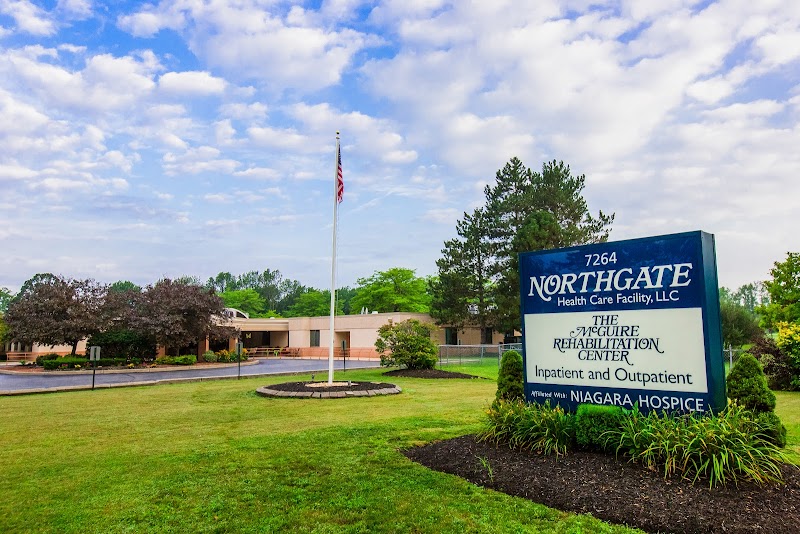
How is North Gate Health Care Facility Staffed?

CMS rates NORTH GATE HEALTH CARE FACILITY's staffing level at 2 out of 5 stars, which is below average compared to other nursing homes. Staff turnover is 56%, which is 10 percentage points above the New York average of 46%. High turnover can affect care consistency as new staff learn residents' individual needs. RN turnover specifically is 59%, which is notably high. RNs provide skilled clinical oversight, so turnover in this role can affect medical care quality.

What Have Inspectors Found at North Gate Health Care Facility?

State health inspectors documented 10 deficiencies at NORTH GATE HEALTH CARE FACILITY during 2019 to 2025. These included: 10 with potential for harm.
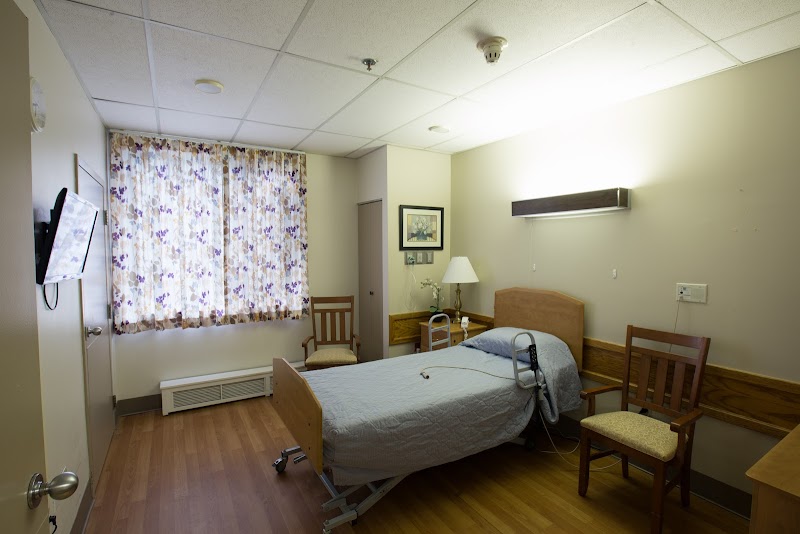
Who Owns and Operates North Gate Health Care Facility?

NORTH GATE HEALTH CARE FACILITY is owned by a for-profit company. For-profit facilities operate as businesses with obligations to shareholders or private owners. The facility is operated by THE MCGUIRE GROUP, a chain that manages multiple nursing homes. With 200 certified beds and approximately 190 residents (about 95% occupancy), it is a large facility located in NORTH TONAWANDA, New York.
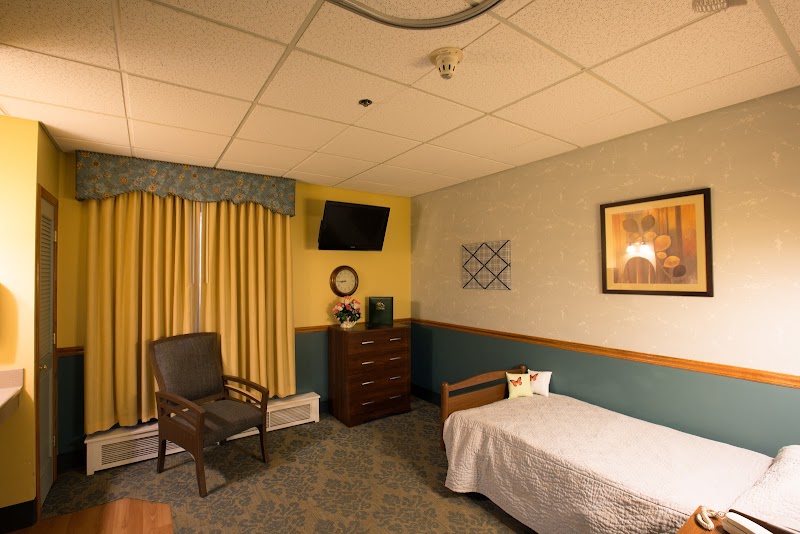
How Does North Gate Health Care Facility Compare to Other New York Nursing Homes?

Compared to the 100 nursing homes in New York, NORTH GATE HEALTH CARE FACILITY's overall rating (4 stars) is above the state average of 3.1, staff turnover (56%) is near the state average of 46%, and health inspection rating (4 stars) is above the national benchmark.

What Should Families Ask When Visiting North Gate Health Care Facility?

Based on this facility's data, families visiting should ask: "How do you ensure continuity of care given staff turnover, and what is your staff retention strategy?" "Can you walk me through typical staffing levels on day, evening, and night shifts?" "Can I visit during a mealtime to observe dining assistance and food quality?" "How do you handle medical emergencies, and what is your hospital transfer rate?" These questions are particularly relevant given the facility's high staff turnover rate and the below-average staffing rating.

Is North Gate Health Care Facility Safe?

Based on CMS inspection data, NORTH GATE HEALTH CARE FACILITY has a clean safety record: no substantiated abuse findings (meaning no confirmed cases of resident harm), no Immediate Jeopardy citations (the most serious violation level indicating risk of serious injury or death), and is not on the Special Focus Facility watch list (a federal program monitoring the lowest-performing 1% of nursing homes). The facility has a 4-star overall rating and ranks #1 of 100 nursing homes in New York. While no facility is perfect, families should still ask about staff-to-resident ratios and recent inspection results during their visit.

Do Nurses at North Gate Health Care Facility Stick Around?

Staff turnover at NORTH GATE HEALTH CARE FACILITY is high. At 56%, the facility is 10 percentage points above the New York average of 46%. Registered Nurse turnover is particularly concerning at 59%. RNs handle complex medical decisions and coordinate care — frequent RN changes can directly impact care quality. High turnover means new staff may not know residents' individual needs, medications, or preferences. It can also be disorienting for residents, especially those with dementia who rely on familiar faces. Families should ask: What is causing the turnover? What retention programs are in place? How do you ensure care continuity during staff transitions?

Was North Gate Health Care Facility Ever Fined?

NORTH GATE HEALTH CARE FACILITY has no federal fines on record. CMS issues fines when nursing homes fail to meet care standards or don't correct problems found during inspections. The absence of fines suggests the facility has either maintained compliance or corrected any issues before penalties were assessed. This is a positive indicator, though families should still review recent inspection reports for the full picture.

Is North Gate Health Care Facility on Any Federal Watch List?

NORTH GATE HEALTH CARE FACILITY is not on any federal watch list. The most significant is the Special Focus Facility (SFF) program, which identifies the bottom 1% of nursing homes nationally based on persistent, serious quality problems. Not being on this list means the facility has avoided the pattern of deficiencies that triggers enhanced federal oversight. This is a positive indicator, though families should still review the facility's inspection history directly.