NORWICH REHABILITATION & NURSING CENTER
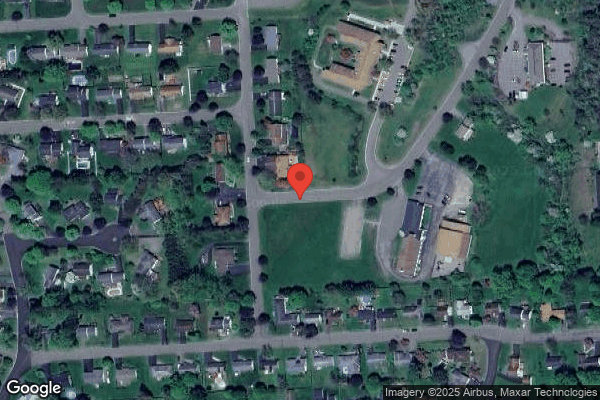
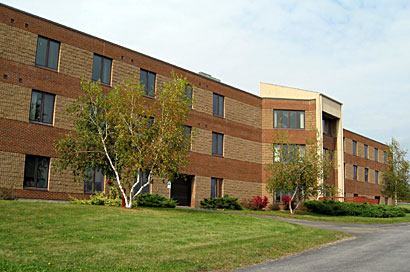
88 CALVARY DRIVE, NORWICH, NY 13815 (607) 336-3915
For profit - Limited Liability company 80 Beds PERSONAL HEALTHCARE, LLC Data: November 2025
Trust Grade
65/100
#207 of 594 in NY
Last Inspection: August 2025

Inspected within the last 6 months. Data reflects current conditions.

Overview

Norwich Rehabilitation & Nursing Center has a Trust Grade of C+, which means it is considered decent and slightly above average compared to other facilities. It ranks #207 out of 594 facilities in New York, placing it in the top half, and #2 out of 4 in Chenango County, indicating only one local option is better. Unfortunately, the facility is worsening, with issues increasing from 4 in 2024 to 6 in 2025. Staffing is concerning, rated at 2/5 stars, with a high turnover of 68%, much above the state average, which can impact care continuity. Additionally, the facility has accumulated $63,215 in fines, higher than 95% of New York facilities, suggesting ongoing compliance problems. Though the facility boasts an excellent quality measures rating of 5/5, there are serious concerns regarding resident care; for instance, two residents were found in unsanitary conditions, with one having a strong urine odor in their room and another missing clothing items. Furthermore, food safety was compromised, with expired supplies and cleanliness issues in the kitchens. While there are strengths in quality measures, the facility faces significant challenges that families should consider seriously.

Trust Score
C+
65/100
In New York
#207/594
Top 34%
Safety Record
Moderate
Needs review
Inspections
Getting Worse
4 → 6 violations
Staff Stability
⚠ Watch
68% turnover. Above average. Higher turnover means staff may not know residents' routines.
Penalties
⚠ Watch
$63,215 in fines. Higher than 84% of New York facilities, suggesting repeated compliance issues.
Skilled Nurses
○ Average
Each resident gets 36 minutes of Registered Nurse (RN) attention daily — about average for New York. RNs are the most trained staff who monitor for health changes.
Violations
⚠ Watch
11 deficiencies on record. Higher than average. Multiple issues found across inspections.
★★★★☆
4.0
Overall Rating
★★☆☆☆
2.0
Staff Levels
★★★★★
5.0
Care Quality
★★★☆☆
3.0
Inspection Score
Stable
2024: 4 issues
2025: 6 issues

The Good

  • 5-Star Quality Measures · Strong clinical quality outcomes
  • Full Sprinkler Coverage · Fire safety systems throughout facility
  • No fines on record

Facility shows strength in quality measures, fire safety.

The Bad

Staff Turnover: 68%

22pts above New York avg (46%)

Frequent staff changes - ask about care continuity

Federal Fines: $63,215

Above median ($33,413)

Moderate penalties - review what triggered them

Chain: PERSONAL HEALTHCARE, LLC

Part of a multi-facility chain

Ask about local staffing decisions and management

Staff turnover is elevated (68%)

20 points above New York average of 48%

The Ugly 11 deficiencies on record

Aug 2025 6 deficiencies
CONCERN (D)

Potential for Harm - no one hurt, but risky conditions existed

Deficiency F0627 (Tag F0627)

Could have caused harm · This affected 1 resident

**NOTE- TERMS IN BRACKETS HAVE BEEN EDITED TO PROTECT CONFIDENTIALITY** Based on interview and record review during the recertification survey conducted 7/29/2025-8/1/2025 the facility did not develop...

Read full inspector narrative →
**NOTE- TERMS IN BRACKETS HAVE BEEN EDITED TO PROTECT CONFIDENTIALITY** Based on interview and record review during the recertification survey conducted 7/29/2025-8/1/2025 the facility did not develop and implement an effective discharge planning process that focused on the resident's discharge goals for two (2) of three (3) residents (Resident #1 and Resident #90). Specifically, there was no documented evidence of an ongoing discharge plan for Resident #1 and Resident #90.Findings include:The facility policy “Discharge Summary and Plan,” initiated 6/28/2025, documented when a resident's discharge is anticipated, a discharge plan will be developed. Every resident was evaluated for their discharge needs and would have an individualized post-discharge plan. The post-discharge plan was developed by the Care Planning/Interdisciplinary Team and included where the resident would reside, arrangements for follow-up care, resident's stated discharge goals, degree of caregiver/support person availability, capacity and capability to perform required care, factors that would make the resident vulnerable to preventable readmission and how those factors were addressed. The discharge plan was re-evaluated based on changed in the resident's condition or needs prior to discharge. The resident would be referred to local agencies and support services to assist in accommodating the resident's post-discharge preferences. 1) Resident #1 had diagnoses including cardiac arrest, coagulation defect, and atrial fibrillation (irregular heartbeat). The 7/1/2025 Minimum Data Set assessment documented the resident had intact cognition, required partial/moderate assistance with hygiene and oral care, and the discharge goal was a discharge back to the community. The 6/27/2025 Social Services Evaluation by Director of Social Services #9, documented Resident #1 was admitted for short term rehabilitation and active discharge planning was occurring for the resident to return to the community. The resident wished to be discharged back to their apartment where they lived alone. The 6/27/2025 physical therapy evaluation completed by Physical Therapy Assistant #20 documented Resident #1 required skilled physical therapy for gait training, facilitate functional mobility, promote safety awareness, improve dynamic balance, increase functional activity tolerance and increase lower extremity range of motion. The Comprehensive Care Plan initiated 7/2/2025, documented the resident wished to be discharged back to their apartment. Interventions included encouraging the resident to discuss feelings and concerns with impending discharge. The 7/27/2025 physical therapy evaluation completed by Physical Therapy Assistant #20 documented Resident #1 was ambulating 100 feet with a rolling walker and maintained standing balance without support against minimal resistance. There was no documented evidence of an ongoing assessment or re-evaluation of Resident #1's discharge goals. During an interview on 7/30/2025 at 10:26 AM, Resident #1 stated they were upset that they were functioning at their baseline and wanted to go back to their apartment. They were told by staff they could not be discharged because they required wound care for a facility acquired heel wound. They should be able to go home with homecare. During an observation and interview on 8/01/2025 at 1:04 PM, Resident #1 was using a rolling walker independently to ambulate. The resident stated they were very upset and felt depressed as physical therapy said they were ready to go home. During an interview on 8/1/2025 at 7:33 AM, Occupational Therapist #14 stated they were working with Resident #1, the resident's therapy had progressed and met all their goals. They were ready for discharge. During an interview on 8/1/2025 at 8:59 AM, Registered Nurse Unit Manager #6 stated Resident #1 had a right heel wound that was improving and required daily dressing changes. The Unit Manager spoke to the Director of Social Services yesterday and when the frequency of the dressing changes goes down to every three days the resident would be able to go home. During an interview on 8/1/2025 at 1:08 PM, Director of Social Services #9 stated they were responsible for coordinating and documenting the discharge progress. They met with the resident approximately 10 days ago and discussed their physical therapy goals. The resident had aide services prior to admission through the county. The interdisciplinary team met about the resident's discharge on [DATE] and it was determined the resident could not be discharged until the dressing changes were every three days as Home Care was not able to accommodate daily dressing changes. They did not document any discharge plan for Resident #1 and should have. 2) Resident #90 had diagnoses including fracture of left femur and orthopedic aftercare. The 7/18/2025 Minimum Data Set documented the resident had moderately impaired cognition, required moderate to substantial assistance for activities of daily living and dependent for transfers and mobility, and no active discharge planning for the resident. The Comprehensive Care Plan, initiated on 7/18/2025, documented the resident wished to be discharged back to their apartment, where they lived alone. The discharge goal stated the resident will communicate an understanding of the discharge plan and describe the desired outcome. Interventions included to encourage the resident to discuss feelings and concerns with impending discharge and to monitor for and address episodes of anxiety, fear, and distress. The 7/18/2025 Social Services Evaluation by Director of Social Services #9, documented Resident #90 had been admitted for short term rehab. They wished to be discharged back to their apartment. The 7/22/2025 admission Provider note documented the resident was admitted for rehabilitation and strengthening. The resident was refusing rehabilitation and they had a lot of challenging issues trying to get them home safely. The 7/22/2025 Social Services note, Director of Social Services #9 documented the resident wanted to be discharged against medical advice. They explained the risks of discharge to the resident and informed them that they were free to make the decision to leave the facility. The resident called their daughter and was told that their daughter would not be picking them up and to stay to receive care and physical therapy. The resident stated they were adamant about leaving and informed staff that they would hurt themselves if they could not leave. Social Work contact the residents Health Care Proxy and informed them of the resident's statement. The Health Care Proxy stated they would not support the resident leaving. The resident independently contacted the authorities reporting chest pain and was transported to the hospital by ambulance. The 7/22/2025 Emergency Department Nurses Note documented nursing called family to pick resident up from the hospital. Resident's daughter refused to pick them up and bring them home stating the resident did not have anyone in the home to care for her. The resident denied and stated their neighbors would help them. The hospital contacted the rehab facility and was told the resident was dependent and unable to walk because of a femur fracture. The hospital made the decision to send the resident back to the rehab facility. There was no documented evidence of an ongoing assessment or re-evaluation of Resident #90's discharge goals. On 7/31/2025 at 9:42 AM, Resident stated they still wanted to leave against medical advice. No one brought discharge paperwork or helped with discharge; they felt like they were being held hostage. They wanted a referral placed for full time skilled nursing to assist at home and to have physical and occupational therapy referral placed to get services at home. They wanted to go home so badly that regardless of needs they would what they had to do to leave. During an interview on 7/31/2025 at 9:21 AM, Social Services Director #9 stated that discharge planning was to begin on admission. They recorded resident's goals and what they thought they needed to achieve that goal to go home; they then discussed this with the interdisciplinary team and physical therapy. They usually met with the care team weekly to discuss residents. Resident #90 was able to make their own decisions, and their goal was to go home and live independently. The resident's family had concerns about their ability to maintain a quality level of living; the resident disagreed. The Resident was unsafe to go home and perform day-to-day tasks and would require full time skilled nursing care in order to be discharged safely. They had not placed any referrals for at home physical or occupational therapy for the resident. They had also not placed any referrals for full time skilled nursing care. They had multiple conversations with the resident regarding safety in the home and what type of care would be required. Social Services Director #9 stated there was no documentation of conversations with the resident regarding discharge planning and safety. They did not have any discharge plan after the discussion of the resident wanting to leave the facility against medical advice. 10NYCRR 415.11(d)(3)
CONCERN (D)

Potential for Harm - no one hurt, but risky conditions existed

Comprehensive Care Plan (Tag F0656)

Could have caused harm · This affected 1 resident

Based on observations, interviews, and record review during the recertification survey conducted 7/29/2025-8/1/2025, the facility did not develop and implement a comprehensive person-centered care pla...

Read full inspector narrative →
Based on observations, interviews, and record review during the recertification survey conducted 7/29/2025-8/1/2025, the facility did not develop and implement a comprehensive person-centered care plan for each resident to include services provided to maintain the resident's highest practicable physical well-being for one (1) of one (1) resident (Resident #1) reviewed. Specifically, Resident #1 did not have a care plan for managing anticoagulant therapy (blood thinner).Findings include:The undated facility policy Care Plan-Timing and Revision, documented a comprehensive care plan was developed for each resident within seven days and included measurable objectives and timeframes to meet the resident's physical, mental, and psychosocial well-being. Assessments of the resident were ongoing, and care plans were revised when information about the resident and their condition changed. The comprehensive care plan was reviewed and updated by the interdisciplinary team when there was a significant change in the resident's condition, at least quarterly, and when the resident had been readmitted to the facility from a hospital stay. Resident #1 had diagnoses including cardiac arrest, coagulation defect, and atrial fibrillation (irregular heartbeat). The 7/1/2025 Minimum Data Set assessment documented the resident had intact cognition and received an anticoagulant. The 6/27/2025 physician order documented Eliquis (blood thinner) 5 milligrams twice a day for atrial fibrillation. The Comprehensive Care Plan initiated 6/27/2025 documented the resident had a pacemaker (electronic device implanted in the chest to regulate heartbeat) related to atrial fibrillation. Interventions included monitoring for malfunction and pulse lower than programmed rate. The Comprehensive Care Plan did not include use of an anticoagulant (blood thinner) or monitoring for bleeding precautions. During an interview on 7/31/2025 at 8:50 AM, Certified Nurse Aide #7 stated they were not sure if anticoagulant therapy should be in the resident's care plan but would like to know to monitor for bleeding when they shaved the resident. During an interview on 8/1/2025 at 8:37 AM, Licensed Practical Nurse #8 stated care plans were completed by the Registered Nurse Unit Managers along with department heads from social work, physical therapy, and activities. Anticoagulant therapy should be documented on the care plan so staff could monitor for bleeding precautions. Resident #1 was on an anticoagulant and should be monitored for bleeding. During an interview on 8/01/2025 at 8:59 AM, Registered Nurse Unit Manager #6 stated Resident #1 was on an anticoagulant administered and monitored by nursing staff. They were unaware it was not in the resident's care plan but thought it should be, so staff knew to monitor for bleeding. Care plans were completed by physical therapy, the infection control nurse, social work, activities, and Registered Nurse Unit Managers. Everything was manually added into the care plan. They referred to the resident's care plan and stated there was no documentation regarding anticoagulant therapy. 10NYCRR 415.11(c)(1)
CONCERN (D)

Potential for Harm - no one hurt, but risky conditions existed

Deficiency F0692 (Tag F0692)

Could have caused harm · This affected 1 resident

Based on observations, record review, and interview during the recertification survey conducted 7/29/20225-8/1/2025, the facility did not ensure residents maintained acceptable parameters of nutrition...

Read full inspector narrative →
Based on observations, record review, and interview during the recertification survey conducted 7/29/20225-8/1/2025, the facility did not ensure residents maintained acceptable parameters of nutritional status for one (1) of four (4) residents (Resident #3) reviewed. Specifically, Resident #3 had a significant weight loss, weekly weights were not completed as ordered, the medical providers were not notified of the weight loss and the resident had a functional decline in their eating ability and a referral for an occupational therapy evaluation was not submitted timely. Findings include:The facility policy, Weights, effective 3/2024, documented monthly weights were completed by the 7th of each month and weekly weights were distributed on Tuesdays and completed by end of day on Wednesday. The dietician was responsible to ensure weights were evaluated and notify the nurse manager to verify any weight variance of 5 pounds or more by immediate reweight. The dietician notified the nurse manager, medical doctor, and care plan team with any significant weight variance. Any variance of 5 percent in 30 days triggered the attending physician and responsible party was informed of the weight variance by the nurse manager or dietician and the same was documented in the resident's medical chart in the appropriate disciplines section. The facility policy, Nutrition (Impaired)/ Unplanned Weight Loss, effective 5/2025 documented nursing staff monitored and documented weight and dietary intake of residents. Five percent weight loss in a month was significant and greater than five percent was severe. The physician with the help of the multidisciplinary team identified conditions that may be causing weight loss such as a functional decline. Resident #3 had diagnoses including dementia, chronic kidney disease and heart failure. The 6/9/2025 Minimum Data Set assessment documented the resident had severe cognitive impairment, required supervision for eating, did not have weight loss and was on a mechanically altered diet.The Comprehensive Care Plan initiated 5/31/2024, and revised 5/22/2025 documented the resident had a nutritional problem and activity of daily living self-care performance deficit. Interventions included set up with meals, intake was monitored and recorded, supplements were provided as ordered, and weights were obtained per policy. The 4/28/2025 physician order documented weekly weights on Mondays. There was no documented evidence the resident's weights were obtained weekly from 4/28/2025-8/1/2025. The resident's documented monthly weights were, 224 pounds on 5/8/2025, 222.4 pounds on 6/3/2025 and 202 pounds (9.2 percent loss) on 7/1/2025. There was no documented evidence the 7/1/2025 weight was verified for Resident #3. The 7/14/2025 Registered Dietician progress note documented a weight decline of 20.4 pounds, a 9.2 percent weight loss in the past month was determined accurate. Meal intake ranged from 25 percent to 100 percent. Recommended changes included increasing the 2 calorie/milliliter supplement to four times a day and continued weekly weights as ordered. There was in no documented evidence the medical providers were notified of the resident's weight loss. On 7/27/2025, the Medical Director documented the resident was seen for a 60-day follow up visit. The Physical Exam noted a weight of 202 pounds and the Assessment and Plan did not include documentation related to Resident #3's weight loss. The July 2025 Activity of Daily Living Certified Nurse Aide Documentation included the resident required limited or extensive (more than set up) assistance with eating for:Breakfast meals on 7/9/2025, 7/12/2025, 7/14/2025, 7/19/2025, 7/25/2025, and 7/31/2025.Lunch meals on 7/4/2025, 7/9/2025, 7/11/2025, and 7/18/2025.Dinner meals on 7/9/2025, 7/10/2025, 7/12/2025, 7/15/2025, 7/18/2025, 7/20/2025-7/24/2025, 7/26/2025, 7/28/2025 (dependent), and 7/30/2025.During an observation on 7/30/2025 at 12:56 PM, Resident #3 was seated in their wheelchair at a table in the dining room. The resident had not eaten anything on their lunch tray but was drinking from their coffee mug. At 1:07 PM, the resident picked up their bread and ate it. At 1:23 PM the resident attempted to get their ziti and their green beans onto their fork but unable to do so. At 1:38 PM, they used their hands to attempt to get the ziti onto their fork. At 1:48 PM, Resident #3 was the only resident remaining in the dining room and observed picking up the ziti pasta with their hands and put it in a bowl. They were eating the ziti out of the bowl with a plastic spoon. Licensed Practical Nurse #23 was still present in the dining room. Staff did not provide any assistance to Resident #3 during the lunch meal. During an observation on 7/31/2025 at 8:45 AM, the resident was seated in their wheelchair at a table in the dining room for the breakfast meal. Occupational Therapist #25 sat with them while they ate. At 9:09 AM, the resident's food was moved to a scoop plate, the resident was given a weighted spoon, and a straw was placed in their prune juice. At 9:20 AM, Occupational Therapist #25 stated that the resident definitely needed more help with feeding and stated the scoop plate and the straws made a big difference in the resident's ability. The weighted spoon did not seem to make any difference. At 12:52 PM, Certified Nurse Aide #17 was sitting with the resident in the dining room for the lunch meal. They asked Licensed Practical Nurse #24 if they could assist a different resident because Resident #3 was eating independently with the scoop plate and a spoon. The 7/31/2025 Occupational Therapy evaluation by Occupational Therapist #25 documented a clinical impression that the resident required assistance with self-feeding at this time. Further skilled services were required to assess adaptations, improve thoroughness and attention, and the goal was increased intake. There was no documented evidence of an evaluation by Occupational Therapy prior to 7/31/2025. During an interview on 7/31/2025 at 1:19 PM, Certified Nurse Aide #17 stated Resident #3 used to eat independently but required cueing. Recently, often the resident's food just fell off the plate. The resident had needed more help over the past couple of months and they had to change their table location so they would be close enough to provide cueing. There was not enough staff to assist the resident's normally, and they often fed three residents at the same time. They reported the resident's increased difficulty in the past couple of months but there was a lot of turn over and they were not sure who they reported it to. The resident had lost weight because their clothes used to fit and now, they were big. They had not reported the noticeable weight loss. Weekly weights were printed and posted on Mondays, they did not know if the resident was a weekly weight. They were happy the resident was finally evaluated by occupational therapy and could eat independently again. During an interview on 8/1/2025 at 9:13 AM, Licensed Practical Nurse Unit Manager #15 stated the certified nurse aides reported weight loss and then a resident was reweighed. It was then reported to the dietician and the doctor. If the dietician put the resident on weekly weights, they were on a list that was emailed every Monday. Resident #3 lost weight because they had a decrease in appetite. There was a noticeable decline in the past couple of weeks and at times the staff had to feed the resident. They referenced the electronic medical record and did not know why the resident's weekly weights were not being completed as ordered. They looked at their emails and confirmed Resident #3 had been listed on the weekly email from the Registered Dietician as a weekly weight. They were also listed as a reweight. They were responsible to ensure weights were completed as ordered. They were also responsible to update medical of the significant weight loss and it was documented in a note. They did not notify medical of the weight loss, but they should have. During a telephone interview on 8/1/2025 at 10:53 AM, the Registered Dietician stated they reviewed weights three times a week. They expected weekly weights were completed as ordered and sent out an email every Monday with the weights that needed to be completed. The weights were part of the equation to determine nutritional needs. They requested a reweight on Resident #3 because of a 20-pound weight loss. They were still waiting on a reweight since 7/1/2025. Reweights were due by the 10th of the month. They did not notice that weekly weights had not been completed as ordered but did have the resident listed as a weekly weight on the weekly emails. They did not have verbal conversations with the unit managers, they just included them in the weekly email communication and expected that was followed. Nursing was responsible to notify them and the medical provider of weight loss per the facility policy. If the resident had a functional decline, nursing was responsible therapy was made aware for a proper assessment. During a telephone interview on 8/1/2025 at 11:57 AM, Licensed Practical Nurse #23 stated they work the evening shift. They came in early on 7/30/2025 at the facility's request. Certified nurse aides were expected to report a resident's functional decline. They were not made aware of any decline in Resident #3 but did put a referral in for therapy on 7/30/2025 because the resident seemed to only be able to feed themselves with the use of a bowl.During a telephone interview on 8/1/2025 at 12:40 PM, the Medical Director stated weights were expected to be obtained correctly and timely. If there was a weight loss, they looked for a dietary note, looked at historical weights, and evaluated if it was an expected loss or not. They had not been notified of Resident #3's 20 pound/ 9 percent weight loss in the past month. If the resident had a decline in the ability to feed themselves, they expected the nursing team put in a therapy evaluation. The weight loss needed an explanation and therefore the medical team needed to be involved.10NYCRR 415.12(i)(1)
CONCERN (D)

Potential for Harm - no one hurt, but risky conditions existed

Respiratory Care (Tag F0695)

Could have caused harm · This affected 1 resident

**NOTE- TERMS IN BRACKETS HAVE BEEN EDITED TO PROTECT CONFIDENTIALITY** Based on observation, record review, and interview during the recertification survey conducted 7/29/2025-8/1/2025, the facility ...

Read full inspector narrative →
**NOTE- TERMS IN BRACKETS HAVE BEEN EDITED TO PROTECT CONFIDENTIALITY** Based on observation, record review, and interview during the recertification survey conducted 7/29/2025-8/1/2025, the facility did not ensure that a resident who needed respiratory care was provided such care, consistent with professional standards of practice, the comprehensive person-centered care plan, and the residents' goals and preferences for one (1) of three (3) residents (Resident #1) reviewed. Specifically, Resident #1 was observed with a continuous positive airway pressure machine, and the medical record did not include a physician order or a care plan related to the use of the continuous positive airway pressure machine. Findings include:The facility policy CPAP/BIPAP (continuous positive airway pressure/bilevel positive airway pressure) effective 5/2022 documented CPAP/BIPAP (continuous positive airway pressure/bilevel positive airway pressure) was used in residents with respiratory insufficiency, obstructive sleep apnea, or restrictive/obstructive lung disease to promote comfort and safety. The machine was cleaned weekly with soap and water and the mask and tubing were cleaned daily with warm, soapy water and documented in the resident's medical record. The facility policy Oxygen Therapy-Medical Gases and their Cylinders, effective 2/2022 documented oxygen therapy was delivered by way of an oxygen mask or nasal canula using a portable oxygen cylinder or oxygen concentrator and must be verified by a physician order. 1)Resident #1 was admitted to the facility with diagnoses including obstructive sleep apnea, acute respiratory failure with hypoxia (low level of oxygen in the blood), and heart failure. The Minimum Data Set (MDS) assessment dated [DATE] documented the resident had intact cognition, required assistance of one for most activities of daily living, had a diagnosis including respiratory failure, and did not use continuous positive airway pressure/bilevel positive airway pressure therapy. The 6/27/2025 hospital transfer note documented Resident #1 used a continuous positive airway pressure machine. Resident #1 did not have a physician order for a continuous positive airway pressure machine and the comprehensive care plan initiated 6/27/25 and revised on 7/15/2025 did not include the use of a continuous positive airway pressure machine. The undated resident care instructions did not include use of a continuous positive airway pressure machine. During an observation and interview on 7/30/2025 at 10:26 AM, Resident #1 was observed to have a continuous positive airway pressure machine at their bedside. The resident stated they used the machine every night prior to admission and continued using it every night at the facility because they stopped breathing at night. Staff had not assisted them with cleaning the machine and they had to ask staff for the distilled water the machine required.During an observation and interview on 7/30/2025 at 10:23 AM, Certified Nurse Aide #12 was observed bringing a graduated cylinder of water to Resident #1. Resident #1 had a continuous positive airway pressure machine that they used every night and the resident asked them for distilled water for the machine. During an interview on 8/1/2025 at 8:37 AM, Licensed Practical Nurse #8 stated the use of a continuous positive airway pressure machine required a physician order and was documented on the care plan and treatment administration record. The treatment administration record would include the day of the week to clean the machine. The Registered Nurse Unit Managers were responsible for documenting the nursing section of the individual care plans and for updating them. During an interview on 8/01/2025 at 8:59 AM, Registered Nurse Unit Manager #6 stated a physician's order was required for a continuous positive airway pressure machine. They stated an order for a continuous positive airway pressure machine created a template that automatically populated on the treatment administration record so the nurse would know when to clean the machine. Registered nurses were responsible for completing the nursing section of the care plan initiating and updating them quarterly, annually, and as needed. Resident #1 was admitted to the facility with a continuous positive airway pressure machine. The admission nurse was responsible for notifying the physician to obtain an order for both treatments. There were a lot of admissions and discharges so it was possible for things to get missed.10 NYCRR 415.12(k)(6)
CONCERN (D)

Potential for Harm - no one hurt, but risky conditions existed

Deficiency F0804 (Tag F0804)

Could have caused harm · This affected 1 resident

Based on observation, record review and interview during the recertification survey, the facility did not ensure the provision of food and drink was palatable, attractive, and at a safe and appetizing...

Read full inspector narrative →
Based on observation, record review and interview during the recertification survey, the facility did not ensure the provision of food and drink was palatable, attractive, and at a safe and appetizing temperature for 1 of 2 meal trays tested. Specifically, food was not served at palatable and safe temperatures.Findings include:The facility policy Food and Nutrition Services, revised 3/2023, documented each resident would be provided with a nourishing, palatable, well-balanced diet and food and nutrition staff would inspect food trays to ensure the food appeared palatable, attractive and served at a safe and appetizing temperature.The 8/12/2020 facility policy Heating Foods and Beverages in the Microwave documented methods would be established for the safe heating of foods and beverages in the microwave to limit the risk of food borne illness and serving foods and beverages safe for residents to handle; foods would be heated to a temperature of at least 165 degrees Fahrenheit and allow to stand covered for 2 minutes after obtaining temperature equilibrium; and food would not be served unless the temperature was less than or equal to the recommended temperature. Resident #78's 7/31/2025 lunch meal ticket documented 8 ounces of water, 8 ounces of coffee, 4 ounces of milk, 3 ounces of baked chicken, oven browned potatoes 1/2 cup, seasoned beets 1/2 cup, canned fruit 1/2 cup, pears with graham cream 4 ounces. During an observation on 7/31/2025 at 12:48 PM with Licensed Practical Nurse #27, Resident #78's lunch meal was tested for temperature, and palatability. The resident was provided with a replacement tray. The chicken lacked flavor, was tough to cut and measured 114 degrees Fahrenheit; potatoes measured 112 degrees Fahrenheit; and the beets tasted cold and measured 106.5 degrees Fahrenheit.During an observation on 7/29/2025 at 12:43 PM Dietary Aide #28 put cream of chicken soup in the microwave for one minute, removed it and obtained a temperature 130 degrees Fahrenheit. They then served the soup. During an interview on 7/29/2025 at 2:10 PM Resident #8 stated the food was tasteless and soup was warm. During a telephone interview on 8/1/2025 at 10:31 AM, Dietary Aide #28 stated they warmed the cream of chicken soup in the microwave but was unsure for how long and could not remember what temperature they obtained. They thought 130 degrees Fahrenheit for the soup was not hot enough. They should have put the soup back in the microwave and then taken another temperature until it was 135 degrees Fahrenheit or higher.During an interview on 8/1/2025 at 1:40 PM, the Food Services Director stated hot food should be served at 165-180 degrees Fahrenheit and cold food under 38 degrees Fahrenheit. The temperatures obtained on the test tray were not hot enough. There was a microwave policy on the units that states to start at a minute, swirl, take a temperature, swirl, put back in the microwave, recheck the temperature until heated to 165 degrees Fahrenheit. If a temperature of 130 degrees Fahrenheit was obtained, it should have been put back in until a temperature of 165 degrees Fahrenheit was achieved. Dietary staff should know the correct temperatures. 10NYCRR 415.14(d)(1)(2)
CONCERN (E) 📢 Someone Reported This

A family member, employee, or ombudsman was alarmed enough to file a formal complaint

Potential for Harm - no one hurt, but risky conditions existed

Safe Environment (Tag F0584)

Could have caused harm · This affected multiple residents

Based on observations, record review, and interviews during the recertification and abbreviated (NY00353879) surveys conducted 7/29/2025-8/1/2025, the facility did not ensure a safe, comfortable, and ...

Read full inspector narrative →
Based on observations, record review, and interviews during the recertification and abbreviated (NY00353879) surveys conducted 7/29/2025-8/1/2025, the facility did not ensure a safe, comfortable, and homelike environment for two (2) of two (2) residents (Residents #39 and #80) reviewed and seven (7) anonymous residents present at the group meeting. Specifically, Resident #39's room and bathroom had a strong odor of urine; Resident #80 had missing clothing items and a wheelchair with a wheel in disrepair; and seven (7) anonymous residents reported they had items missing from laundry.Findings include:The facility policy Assistive Devices and Equipment, dated 2/2022 documented certain devices and equipment that assisted with resident mobility were provided for residents. In the event equipment was not functioning or was in poor repair, it was immediately removed from use and a replacement device implemented in a timely manner. The facility policy Quality of Life-Homelike Environment, dated 3/2022, documented the facility would reflect a personalized, homelike setting to include such characteristics as an orderly environment and pleasant, neutral scents; and management would minimize, to the extent possible, institutional odors.The facility policy Personal Belongings, revised 3/2023, documented a resident's personal belongings and clothing would be inventoried and documented upon admission and when such items were replenished.The facility policy Resident Clothing/Laundry and Labeling Procedure, revised 9/2024, documented resident clothing would be labeled and logged to prevent loss while in the facility and clothing should be labeled and returned to the unit within 72 hours of admission, re-admission, receipt. During an anonymous group meeting on 7/29/2025 at 2:10 PM, seven residents reported they had lost clothing. Clothing and washable items went missing even if labeled, and staff said they would look for it but did not follow through. 1) Resident #39 had diagnoses including diabetes. The 7/11/2025 Minimum Data Set assessment documented cognition was not assessed, the resident was frequently incontinence of urine and required moderate assistance with most activities of daily living. The 8/5/2024 Comprehensive Care Plan, revised 2/4/2025, documented the resident had frequent incontinence related to decreased mobility. Interventions included the resident would request assistance to the bathroom; change brief when incontinent and when needed; and change clothing as needed after incontinence episodes. The July 2025's Daily Housekeeping Completion Checklists documented the following:-Resident #39's bathroom received all disinfecting/cleaning tasks daily.-Resident #39's bedroom received all disinfecting/cleaning tasks daily except 7/14/2025, 7/20/2025 and 7/24/2025. -Resident #39's bathroom received a deep cleaning or multiple cleanings on 7/1/2025, 7/2/2025, 7/3/2025, 7/7/2025, 7/9/2025, 7/10/2025, 7/11/2025, 7/12/2025, 7/15/2025, 7/23/2025, 7/26/2025, 7/27/2025, and 7/30/2025.During an observation on 7/29/2025 at 11:31 AM Resident #39's room had a strong smell of urine and was strongest on Resident #39's side of the room.During an interview and observation on 7/30/2025 at 11:38 AM Resident #39's two family members stated they picked up dirty laundry three times a week. The dirty clothes were kept in a laundry basket located next to the resident's bed. The laundry was not in bags, so they brought their own bags to put the soiled clothing in to take home to wash. They noticed a smell as if the clothing was sitting a while. The resident stated when their dirty clothes were in the laundry basket and were not in a bag, the smell was not contained and was not pleasant. During an observation on 7/31/2025 at 9:41 AM, the resident's hamper was next to the head of the bed. The hamper was more than half-full of clothing and smelled of urine and was not in a plastic bag. During an observation on 8/1/2025 at 9:15 the resident's room smelled of urine and was stronger in the bathroom near the toilet. During an interview on 8/1/2025 at 9:18 AM, Certified Nurse Aide #17 stated if family did the laundry, dirty clothing was placed in a plastic bag in a laundry basket kept in their room. Resident #39's family did their laundry, and the hamper was kept in their room right next to their bed. The resident resisted toileting help, and would only asked for help if their clothing was wet and needed changing. They cleaned the floor as best they could and reported any concerns to housekeeping. During an interview on 8/1/2025 at 9:26 AM Housekeeper #16 stated they cleaned Resident #39's room first each day and often cleaned it multiple times a day due to the odor. Yesterday they used shaving cream on the bathroom floor, which helped. They had talked to their supervisor about it in the past.During an interview on 8/1/2025 at 9:30 AM, the Director of Environmental Services #3 stated they were made aware about 3 months ago that Resident #39's bathroom smelled of urine. They stated all they could do was keep cleaning it. They had not tried any other cleaning products as it would be too risky not knowing how the resident might react. 2) Resident #80 had diagnoses including congestive heart failure. The 7/11/2025 Minimum Data Set assessment documented the resident's cognition was intact, utilized a manual wheelchair, and required substantial assistance with wheelchair mobility. The 7/7/2025 Comprehensive Care Plan documented an activities of daily living self-care performance deficit and physical mobility limitation. Interventions included the resident required limited assistance for locomotion using a bariatric wheelchair.During an observation and interview on 7/29/2025 at 2:48 PM Resident #80 stated they could not steer their wheelchair as it was so stiff. They stated they were missing shorts. The shorts had labels, but they were in the laundry now. They stated their family did their laundry, but some items were sent to facility laundry and did not come back. There was a sign on the closet documenting the family would do laundry.During an observation and interview on 7/30/2025 at 9:59 AM, the resident was sitting in their wheelchair. The left wheel on their wheelchair was frayed and they could not steer. They stated they told several staff for a week or two and was told by two higher ups that it would be fixed, but it was not.During an interview on 7/30/2025 at 2:28 PM Certified Nurse Aide #12 stated if a resident's walker or wheelchair was broken, they told therapy. They had a hard time pushing Resident #80's wheelchair for over a week. They told therapy and nothing was done.During an interview on 7/31/2025 at 8:50 AM Certified Nurse Aide #7 stated Resident #80 was missing laundry. Sometimes evening staff sent their items to facility laundry even though there was a sign on the door stating family did their laundry. During an interview on 7/31/2025 at 1:22 PM Receptionist #10 stated one of their job duties was to label property. When there was a new admission, they documented all items on an inventory list and labeled clothing with a permanent marker on the tag of the clothing. The inventory list went into the medical records mailbox to be scanned into the system. Once inventoried, all items went to the resident's room. If family brought in a bag of items, they asked if they were bringing back laundry or if there were new items to be inventoried. They had been told by residents they were missing clothing and reported that to social worker and the unit manager. They worked until 3:00PM and someone else covered the desk from 3:00 PM - 7:00 PM. The facility did not get admissions after 7:00 PM. During an interview on 7/31/2025 at 4:08 PM Housekeeper Supervisor #11 stated all clothing items were labeled by the receptionist. They were unsure if that was documented anywhere. Items were washed, hung and delivered within 24 hours. They did get clothes without labels and if they did not know whose clothing they were, the clothing was hung on a rack. They had many blankets not labeled. Resident #80's family did their laundry, but they still saw the resident's items in laundry and had just labeled their shorts as they had to return them. During an interview on 7/31/2025 at 12:20 PM Physical Therapist #13 stated if someone had a broken wheelchair or walker one of the therapists should be told. They were not notified Resident #80's wheelchair was broken. During an interview on 8/1/2025 at 7:18 AM the Maintenance/Environmental Service Director #3 stated they had heard about residents and their missing clothing. If they could not find the missing items, they called family members to see if they were taken home and searched every closet until they found it. If they could not find the items, they notified the Administrator. Sometimes things did get put in the wrong closet. They never threw clothing away. If a walker or wheelchair was not working, maintenance or therapy were notified. They looked at Resident #80's wheelchair stated the rubber on the wheel needed to be replaced. During an interview on 8/1/2025 at 7:33 AM Occupational Therapist #14 stated their department made sure wheelchairs were in proper working order. If a wheel was broken, they would fix it. If a wheel was broken it could make it harder to self-propel. They were not aware Resident #80's wheelchair was not working. They looked at the wheelchair and stated the wheel was broken. They could not replace the rim but could replace the wheel if they had the part. During an interview on 8/1/2025 at 8:59 AM Registered Nurse Unit Manager #6 stated if a wheelchair was broken therapy should be notified. They did not know the wheel was broken.During an interview on 8/1/2025 at 12:23 PM the Director of Rehabilitation #4 stated they fixed broken wheelchairs and if they could not be fixed, they threw them away. It was important wheelchairs were functioning properly for safety, comfort, and mobility. If something could not be fixed or had to order parts they would get a temporary replacement. During a follow-up interview on 8/1/2025 at 1:59 PM the Director of Rehabilitation Services stated equipment was checked every 3 months to include brakes and cushions. Equipment should be checked by all staff. If a problem was noticed, they would fix it. No one noticed Resident #80's wheelchair it and it was not brought to their attention. 10 NYCRR 415.29(j)(1)
Jan 2024 4 deficiencies
CONCERN (D) 📢 Someone Reported This

A family member, employee, or ombudsman was alarmed enough to file a formal complaint

Potential for Harm - no one hurt, but risky conditions existed

Investigate Abuse (Tag F0610)

Could have caused harm · This affected 1 resident

Based on observation, record review, and interview during the recertification and abbreviated (NY00325041) surveys conducted 1/3/2024-1/9/2024, the facility did not ensure allegations of abuse, neglec...

Read full inspector narrative →
Based on observation, record review, and interview during the recertification and abbreviated (NY00325041) surveys conducted 1/3/2024-1/9/2024, the facility did not ensure allegations of abuse, neglect, or mistreatment were thoroughly investigated to prevent further potential abuse for 2 of 2 residents (Residents #62 and #235) reviewed. Specifically, Resident #235 reported they were slapped in the face by Resident #62, the incident was not thoroughly investigated and was not reported to the New York State Department of Health as required. Findings include: The facility Abuse Prevention Manual revised 8/2020, documented all reports of resident abuse, neglect, exploitation, mistreatment and/or injuries of unknown source (abuse) shall be promptly reported to local, state, and federal agencies (as defined by current regulations) and thoroughly investigated. Findings of abuse investigations would also be reported. The individual conducting the investigation would, at a minimum: review completed forms; make a list of witnesses, review all pertinent and actual documents that are in the chart, analyze the documents obtained to determine if a root cause is clear, and take immediate corrective action as deemed necessary and in accordance with the issue involving the resident. The investigation was then submitted to the Quality Assurance and Prevention Improvement committee for opportunity for improvement and to prevent future occurrences. Upon conclusion of the investigation, the results of the investigation would be provided to the Administrator. Resident #62 had diagnoses including dementia with behavioral disturbances. The 10/13/2023 Minimum Data Set assessment documented the resident had severely impaired cognition, did not exhibit behavioral symptoms, and required supervision for walking. Resident #235 had diagnoses including peripheral vascular disease (poor circulation) and diabetes. The 9/25/2023 Minimum Data Set assessment documented the resident had intact cognition, required assistance of 1 for walking, used a wheelchair for locomotion on the unit, and exhibited no behavioral symptoms. Resident #62's comprehensive care plan dated 11/2/2023 documented the resident had the potential to be physically aggressive towards staff and residents. Interventions included to leave the resident alone when agitated and reapproach later, administer medications, monitor every shift, document observed behavior and attempted interventions in their chart, and when the resident became agitated, intervene before agitation escalated. The resident was at risk for wandering. Interventions included placement of a wander alert device, check placement and alarm daily, calmly redirect, encourage socialization with others, provide recreational programming, and encourage activities that kept them occupied. An Incident Report completed by Director of Nursing #3 documented: - on 12/8/2023 they received statements that were placed in the Human Resources mailbox by a resident's family member about an incident on 12/2/2023. The statements were dated 12/5/2023. - they began an investigation and documented licensed practical nurse #4 and certified nurse aide #5 observed Resident #62 approach Resident #235 who asked Resident #235 to get out of the wheelchair. Certified nurse aide #5 immediately intervened and both residents were separated. Resident #235 was assisted to the dining room per their request. There were no negative findings and both residents were assessed. - statements were obtained from staff working at the time of the incident. - the summary of the investigation documented Resident #62 was initially talking to Resident #235 and then placed their hands on the left shoulder of Resident #235 in a non-threatening or harmful way. Resident #62 asked Resident #235 to get out of the wheelchair at the same time staff intervened and immediately separated the residents. - Resident #62 had a history of wandering without purpose and at times was difficult to redirect. - there was no prior history of incidents between these residents. - immediate interventions included separation of the residents and Resident #62 was placed on close observation. - Licensed practical nurse #4 was counseled regarding reporting allegations of abuse with good understanding. - care plans were reviewed with no failure to follow care plan noted. Written statements included: - a 12/5/2023 grievance statement by Resident #235 documented Resident #62 entered their room uninvited two different times on 12/3/2023. This was the same resident who hit them in the face in the dining room on 12/2/2023. Resident #62 entered their room again on 12/4/2023. - a 12/2/2023 at 1:00 PM witness statement by licensed practical nurse #4 documented at first Residents #62 and #235 were talking, then Resident #62 pulled on the shirt of Resident #235 and told them Get out of the chair. Resident #62 did not hit Resident #235 in the face. Licensed practical nurse #4 was by the medication cart and the residents were near the clean utility room. Certified nurse aide #6 told licensed practical nurse #4 that Resident #235 had reported being hit in the face by Resident #62. Licensed practical nurse #4 checked on Resident #235 who stated that Resident #62 scared them. - a 12/8/2023 witness statement by registered nurse supervisor #7 documented they were the supervisor on duty the weekend of 12/2/2023 and 12/3/2023 and they were not notified of the incident between Residents #62 and #235. - a 12/8/2023 witness statement by certified nurse aide #6 documented Resident #235 reported to them that on 12/3/2023 Resident #62 came into their room and slapped them in the face. - a 12/8/2023 witness statement by certified nurse aide #5 documented they worked on 12/2/2023 when Resident #62 insisted Resident #235 get out of the wheelchair, grabbed them by the left of their shirt and tried to remove them from the chair. Certified nurse aide #5 separated the residents and asked Resident #235 if they were hurt. Resident #235 stated they were not hurt, just scared. The investigation did not include clarification of the location and date when Resident #235 alleged they were slapped in the face by Resident #62. The 12/5/2023 grievance statement by Resident #235 documented they were hit in the face by Resident #62 in the dining room on 12/2/2023. On 12/8/2023 Resident #235 reported to certified nurse aide #6 they were slapped in the face by Resident #62 on 12/3/2023 in their room. There was no documented evidence the alleged incidents were thoroughly investigated. There was no evidence of the close observation checks for Resident #62 as documented in licensed practical nurse #4's witness statement. Resident #62 was observed on 1/4/2024 at 11:50 AM walking from the dining room down the hall and into another resident's room. Certified nurse aide #5 escorted Resident #62 from the far side of the room to the door. Resident #62 attempted to sit on the bed by the door and the certified nurse aide stated, this isn't your bed, but I can take you to it. During an interview on 1/4/2024 at 4:21 PM, certified nurse aide #13 stated Resident #62 wandered up and down the hall frequently. The resident had gone in residents' rooms and some doors had stop signs to prevent the resident from entering. Resident #62 could get through the stop signs to enter a room. During an interview on 1/5/2024 at 10:01 AM, certified nurse aide #5 stated Resident #62 wandered the unit and hit a resident. They could not remember the name of the resident because that resident was discharged . They stated Resident #62 said to the other resident get out of the wheelchair and grabbed the resident's shoulder and shirt. They stated they and licensed practical nurse #4 separated the residents. During an interview on 1/8/2024 at 10:23 AM certified nurse aide #12 stated Resident #62 often went into other resident's rooms and laid in their beds as they liked to be warm. They did not witness Resident #62 hit anyone but heard they had hit a resident and was not allowed in the lounge unsupervised. During a telephone interview on 1/9/2024 at 9:30 AM licensed practical nurse #4 stated they witnessed an incident on 12/2/2023 when Resident #62 asked Resident #235 to get out of the wheelchair. They did not think it was abuse because they did not see Resident #62 touch Resident #235 because certified nurse aide #5 was blocking the view. They did not ask certified nurse aide #5 if Resident #62 grabbed or touched Resident #235 and should have. They followed up with Resident #235 who stated they were okay but Resident #62 scared them. During an interview on 1/9/2024 at 10:55 AM Director of Nursing #3 stated they initially heard about the incident between Resident #62 and Resident #235 reported on 12/8/2023 from Human Resources. They interviewed staff that witnessed the event, and it was reported that Resident #62 told Resident #235 to get out of the chair and grabbed the shirt and left shoulder. Certified nurse aide #5 and licensed practical nurse #4 both reported seeing Resident #62 grab the shirt of resident #235. This was considered resident to resident abuse and should have been reported to the administrator and the Department of Health. They reported the incident to the Administrator on 12/8/2023. During an interview on 1/09/24 at 11:36 AM the Administrator stated if staff witnessed abuse, they should report it immediately to their supervisor, the Director of Nursing, or the Administrator who would begin an investigation. They did not know about the incident between Resident #62 and Resident #235 because the Director of Nursing #3 completed the investigation. They stated licensed practical nurse #4 did not feel it was aggressive and has been re-trained that when in doubt to fill out an accident and incident report for investigation. Director of Nursing #3 did not feel it was reportable as grabbing a resident's shirt without trying to yank them out of the chair is different than trying to grab someone out of the chair. They stated if a resident said they were scared following an incident that would be abuse and should have been reported to the Department of Health. 10NYCRR 415.4(b)
CONCERN (D) 📢 Someone Reported This

A family member, employee, or ombudsman was alarmed enough to file a formal complaint

Potential for Harm - no one hurt, but risky conditions existed

Accident Prevention (Tag F0689)

Could have caused harm · This affected 1 resident

**NOTE- TERMS IN BRACKETS HAVE BEEN EDITED TO PROTECT CONFIDENTIALITY** Based on observation, interview, and record review during the recertification and abbreviated (NY00327028) surveys conducted 1/3...

Read full inspector narrative →
**NOTE- TERMS IN BRACKETS HAVE BEEN EDITED TO PROTECT CONFIDENTIALITY** Based on observation, interview, and record review during the recertification and abbreviated (NY00327028) surveys conducted 1/3/2024-1/9/2023, the facility did not ensure each resident received adequate supervision and assistive devices for 1 of 4 residents (Resident #232) reviewed. Specifically, Resident #232 was care planned for a wander alert device to be worn at all times, the device was removed when the resident was sent to the hospital, the device was not reapplied when they returned to the facility, and the resident was not supervised until the device was replaced. Subsequently, Resident #232 was observed alone in a non-residential area. Findings include: The facility policy Elopement Prevention and Search for Missing Residents revised 2/28/2022, documented residents would be assessed on admission and readmission, adhering to the Minimum Data Set assessment process. Residents identified as a wanderer or exhibit potential for an elopement, would have a behavioral management plan developed including [wander alert device] bracelets and visual checks. Visual checks were determined by the interdisciplinary team and included 1:1 supervision as needed. If the wander alert device was noticed to be missing, a new one would be placed immediately. Resident #232 had diagnoses including cancer, anxiety, and coronary artery disease. The 10/31/2023 Minimum Data Set assessment documented the resident had moderate cognitive impairment, exhibited wandering behavior, was at risk of getting into potentially dangerous places, ambulated with supervision, and used a wander/elopement alarm daily. The elopement risk evaluation dated 10/26/2023 at 5:01 PM by registered nurse #9 documented that a wander alert device was placed on the resident for statements related to a desire to leave the facility. The resident was fully ambulatory, and they were exit seeking and stating that they were looking for their loved one. They were confused and determined to be unpredictable. The comprehensive care plan initiated 10/26/2023 and revised 10/29/2023, documented the resident had risk for elopement related to voiced intentions to leave. Interventions included placing a wander alert bracelet on resident, checking its placement and function every shift, and identifying patterns that triggered behavioral attempts to leave unsupervised. Nursing progress notes documented: - on 10/26/2023 at 6:22 PM by registered nurse #9 the resident was admitted to the facility, was exit seeking on admission and was a high elopement risk. A wander alert bracelet was applied to the resident's left ankle. - on 10/28/2023 at 12:40 PM by registered nurse #15 the resident was sent to the emergency room for evaluation after a fall. - on 10/28/2023 at 5:34 PM by registered nurse #15 the resident returned from the hospital. - on 10/29/2023 at 8:22 AM by licensed practical nurse #19 the resident had walked out of their room stating they were looking for their mother. - on 10/29/2023 at 2:38 PM by licensed practical nurse #19 the resident was noted to be in the basement and was brought back to the unit by laundry staff. A wander alert device was placed on the resident's left ankle. There was no documented evidence the resident had a wander alert device placed or was supervised upon return from the emergency room on [DATE] at 5:34 PM until they were discovered in the basement on 10/29/2023 at 2:38 PM. The unsigned facility Investigation dated 10/29/2023 documented at approximately 10:25 AM on 10/29/2023 the resident was observed in the south hallway on the first floor standing outside of the medical records storeroom by laundry personnel #23. The resident told laundry personnel #23 they were looking for their mother. Laundry personnel #23 returned the resident to Unit 3 at 10:27 AM and notified registered nurse supervisor #21. The resident was assessed and there were no negative findings. The summary of investigation documented it was determined the resident had a wander alert device placed on 10/26/2023. On 10/29/2023 while performing a daily function test activities aide #17 identified the wander alert device was missing and notified licensed practical nurse #19 who placed the resident in a high visibility area while they located a band for the wander alert. Upon further investigation it was determined when the resident left the facility for the emergency room on [DATE] staff removed the wander alert device and left it at the nursing station to be reapplied upon return from the hospital. The resident returned from the hospital on [DATE] at approximately 9:00 PM. Staff were educated regarding the need to replace the wander alert device immediately or place the resident on 1:1 supervision when the wander alert device was off. Staff statements included with the investigation documented: - on 10/29/2023 activity aide #17 was checking residents for wander alert device placement and working status and discovered that Resident #232 did not have one on. They reported their finding to licensed practical nurse #19 at 9:30 AM. Licensed practical nurse #19 replied that they had it at the nursing station, it was removed when the resident went to the hospital on [DATE]. The statement did not document if the wander alert device was reapplied at that time. - on 10/29/2023 laundry personnel #23 documented they noticed Resident #232 on the first floor of the facility wandering alone at 10:25 AM. - on 10/29/2023 licensed practical nurse #19 documented they were notified by registered nurse supervisor #21 the resident was brought back to the unit from the basement by laundry staff. Activity aide #17 had spoken to them about the wander alert device not in place. They told the activity aide they were aware and needed to locate a new band. At that time the resident was wandering the unit and when not visible was checked on. There was no documented evidence the resident was placed on supervision due to not having a wander alert device upon return from the hospital on [DATE] at 5:34 PM until 10/29/2023 at 10:25 AM when they were found in a non-resident area of the facility without a wander alert device. There was no documentation why the wander alert device was not reapplied upon return form the hospital. During an interview on 1/5/2024 at 10:01 AM, certified nurse aide #5 stated that residents could get on the elevators however if they were wearing a wander alert device, the elevator would not move, and an alarm would sound at the nursing stations. Activities staff kept a list of who wore wander alert bracelets, and they checked them every day to be sure they were on and working correctly. When a resident went to the hospital the wander alert strap was cut to remove it and the nurse would keep it in the medication cart to reapply if needed upon the resident's return. During an interview on 1/8/2024 at 13:00 PM, Activities Director #16 stated wander alert devices were checked daily by activities staff. When a resident went to the hospital, the wander alert bracelet strap was cut, and the device was kept by nursing to reapply when they returned. Activities staff was not available when the resident returned in the evening on 10/28/2023. The next morning when activity aide #17 noticed that the resident did not have their wander alert bracelet on, they notified them and the nurse on duty. The Administrator was notified as well. When activities aide #17 went back to the floor, they learned the resident had been located on the first floor alone by laundry worker #23. During an interview on 1/8/2024 at 1:14 PM, activities aide #17 stated they had checked for the resident's wander alert device during their daily rounds between 9:00 AM and 9:30 AM on 10/29/2023. After their rounds, at approximately 10:00 AM, they asked the nurses if they had put the wander alert device on the resident and they had not. During an interview on 1/8/2024 at 1:27 PM, licensed practical nurse #14 stated the nurse completing an admission or re-admission would determine if a resident needed a wander alert device. If a resident went to the hospital, the band was cut off and the device was kept in the medication cart and reapplied upon their return. Residents that needed a wander alert device and did not have one could elope from the building or wander to an unsafe area. During an interview on 1/8/2024 at 1:51 PM, the Director of Nursing stated wander alert devices were in the medication rooms and the medication carts, on both floors. The wander alert device was with the nurse but the nurse on duty did not have access to the needed strap necessary to apply the device. The device was not applied upon return from the hospital and the resident was able to get to the first floor in a non-resident care area. During an interview on 1/9/2024 at 10:55 AM, Director of Nursing #3 stated the resident was an elopement risk and had their wander alert device cut off prior to being sent to the hospital for evaluation. Upon return from the hospital the wander alert device should have been placed back on the resident. The wander alert device was not put on the resident when they returned from the hospital as the nurse on duty was unable to locate a strap to apply it. The nurse placed the resident on 15 minute checks until the day shift nurse came in to work and relayed the information about needing a wander alert strap. Director of Nursing #3 stated they could not locate documentation of 15-minute checks. They stated the wander alert device was not applied when the resident returned from the hospital and should have been. The resident was able to get off the unit to a non-resident care area which was a safety concern as the resident could have gotten out of the building or to an unsafe area. During an interview on 1/9/2024 at 11:36 AM, the Administrator stated residents were assessed for elopement status on admission by nursing. If they were determined to be at risk for elopement, a wander alert device was applied. The activities department conducted daily wander alert checks and documented them in a logbook. When a wander alert device was missing or not working properly, it should be replaced immediately. When a resident went to the hospital the wander alert device was usually cut off and it should be placed back on when the resident returned. If a wander alert device was not immediately available, the resident should be supervised every 15 minutes. At no time should a resident who was an elopement risk be unsupervised if they did not have a wander alert device available due to safety concerns. 10 NYCRR 415.12(h)(2)
CONCERN (D)

Potential for Harm - no one hurt, but risky conditions existed

Deficiency F0698 (Tag F0698)

Could have caused harm · This affected 1 resident

**NOTE- TERMS IN BRACKETS HAVE BEEN EDITED TO PROTECT CONFIDENTIALITY** Based on observation, record review, and interview during the recertification survey conducted 1/3/2024 -1/9/2024, the facility ...

Read full inspector narrative →
**NOTE- TERMS IN BRACKETS HAVE BEEN EDITED TO PROTECT CONFIDENTIALITY** Based on observation, record review, and interview during the recertification survey conducted 1/3/2024 -1/9/2024, the facility did not ensure that residents who required dialysis services received such services consistent with professional standards of practice for 1 of 1 resident (Resident #335) reviewed. Specifically, Resident #335 received hemodialysis (a process of purifying blood when the kidneys do not work properly) treatments at a community-based dialysis center and did not have on-going assessment and oversight before and after dialysis treatments including assessment of the dialysis access site; did not have a comprehensive care plan that addressed dialysis; and there was not consistent ongoing communication and collaboration between the facility and the dialysis center. Findings include: The facility policy Comprehensive Care Planning, revised 5/2023, documented an individualized or person-centered comprehensive care plan must be initiated by a registered nurse upon admission for all residents including medical issues based upon assessment results. The care plan included instructions to provide effective care that met professional standards of quality care. Hemodialysis was listed as a type of problem that should be included in the care plan. The facility policy Hemodialysis revised 6/2023, documented the facility provided pre- and post- hemodialysis care that was consistent with professional standards of practice. The purpose was to monitor symptoms pre- and post-dialysis to avoid complications during and after dialysis, and to ensure lines of communication between the dialysis center and the facility. Open communication was maintained with the dialysis center by use of a hemodialysis communication book that was provided to the resident on admission to take to and from the dialysis center every time they went. The licensed nurse completed pre- and post-dialysis vital signs and progress notes on dialysis days. Permacaths (central dialysis catheters inserted into a vein) were assessed for bleeding every shift and documented on the medication administration record. The comprehensive care plan related to dialysis was implemented. Resident #335 was admitted to the facility with diagnoses including infrarenal (area of the abdomen below the kidneys) abdominal aortic aneurysm (the main artery becomes weakened and bulges) and hypertension (high blood pressure). The Minimum Data Set assessment dated [DATE] documented the resident was cognitively intact, required substantial/ maximum assistance with bathing, partial/ moderate assistance with dressing, and required hemodialysis treatments. The hospital inpatient Discharge summary dated [DATE] documented the resident had acute renal (kidney) failure and was on hemodialysis. The resident had a permacath placed on that day and would receive dialysis the following day. The 12/21/2023 at 3:34 PM Clinical admission Assessment documented the resident received hemodialysis. The assessment did not include the presence of any intravenous devices (permacath). The comprehensive care plan initiated on 12/21/2023 did not include dialysis and interventions for care. The 12/21/2023 physician order documented the resident was to receive dialysis on Tuesdays, Thursdays and Saturdays, and vital signs pre- and post-dialysis were to be obtained. The order did not include monitoring of the hemodialysis access site (permacath). A physician progress note dated 12/25/2023 did not include the presence of a permacath. The nursing progress notes dated from 12/21/2023 - 1/5/2024 did not document if the resident attended dialysis or that the dialysis access site was monitored. Medication and treatment administration records dated 12/21/2023 - 1/5/2024 documented the resident attended dialysis on 12/23/2023, 12/26/2023, 12/28/2023, 12/30/2023, 1/2/2024 and 1/4/2024. Vital signs were not obtained pre-dialysis on 12/23/2023 and 1/4/2024, or for post-dialysis on 12/26/2023 and 12/30/2023. There was no documentation the dialysis access site was monitored. The resident's dialysis communication book dated 12/21/2023-1/5/2024 did not include communication had occurred between the facility and dialysis center on 12/30/2023. During an observation and interview on 1/3/2024 at 11:23 AM, Resident #335 was in their room sitting on their bed with their spouse visiting. They stated ever since their abdominal surgery they had to go to dialysis on Tuesdays, Thursdays, and Saturdays. They stated the dialysis access site was a catheter on their right chest and facility staff did not look at the catheter and they were not monitored after dialysis. They stated the dialysis center checked the catheter during treatments and changed the dressing. During an interview on 1/8/2024 at 1:19 PM licensed practical nurse #4 stated they knew Resident #335 was a dialysis patient, but they did not know what type of dialysis access site the resident had. They did not check the dialysis access site because the resident was always dressed. It was important to check the site for signs of infection. Vital signs were obtained pre- and post-dialysis and were documented in the electronic record. During an interview on 1/8/2024 at 1:42 PM registered nurse #9 stated the comprehensive care plan should include dialysis. They created Resident #335's comprehensive care plan on admission and were not aware it did not include dialysis. It should have addressed dialysis so that staff knew how to take care of Resident #335 appropriately. Licensed practical nurses were responsible for vital signs being obtained and documented. During an interview on 1/9/2024 at 10:03AM with Director of Nursing #8, they stated it was the facility policy that vital signs were obtained pre- and post-dialysis. The licensed practical nurse or registered nurse was responsible for obtaining pre- and post-dialysis vital signs and they expected them to be documented. The registered nurse created the comprehensive care plan on admission, which included the type of dialysis, scheduled treatment days, pre-and post-dialysis vital signs, and that the dialysis site was monitored. It was important for that information to be in the comprehensive care plan for appropriate care. The licensed practical nurse or the registered nurse was responsible for the dialysis site being monitored every shift and it was to be documented in the medication or treatment administration record. If the site was not monitored, it could become infected. Licensed nursing staff should always know where the hemodialysis access site was located on a dialysis resident. 10NYCRR 415.12(k)
CONCERN (E) 📢 Someone Reported This

A family member, employee, or ombudsman was alarmed enough to file a formal complaint

Potential for Harm - no one hurt, but risky conditions existed

Food Safety (Tag F0812)

Could have caused harm · This affected multiple residents

Based on record review, observation, and interview during the recertification survey conducted 1/3/2024-1/9/2024, the facility did not ensure storage and preparation of food in accordance with profess...

Read full inspector narrative →
Based on record review, observation, and interview during the recertification survey conducted 1/3/2024-1/9/2024, the facility did not ensure storage and preparation of food in accordance with professional standards for food service safety for 3 of 3 kitchens (the main kitchen and Units 2 and 3 kitchenettes) reviewed. Specifically, the main kitchen had expired sanitizer strips for the three-bay sink; fruit flies were observed in the main kitchen and the Unit 2 and Unit 3 kitchenettes; the ice machines in the Unit 2 and 3 kitchenettes were damaged; the Unit 3 kitchenette had an undated open loaf of bread; and the Unit 2 kitchenette walls and ceiling were unclean. Findings include: The facility policy Cleaning of Kitchen and Kitchenettes revised 2/2023 documented the dietary department should clean and sanitize the kitchenettes located in dining rooms and on units two and three after every meal service. The policy did not include any references to cleaning the walls and ceilings within Unit 2 and 3 kitchenettes. The facility policy Cleaning - Housekeeping effective 5/20/2021 did not include instructions for cleaning the walls and ceilings in the Unit 2 and 3 kitchenettes. The facility policy Work Orders, Maintenance effective 1/2022 documented work order requests should be written in the maintenance book at the nursing station. The undated facility policy Food and Supply Storage documented food items would be legibly labeled and dated. During observations in the main kitchen on 1/3/2024 at 10:10 AM the three-bay sink station sanitizer strips had an expiration date of April 2022, and the directions poster on the wall behind the three-bay sink station was for a different type of sanitizer strip. The cart wash dirty room area had 30 fruit flies. During observations in the Unit 3 kitchenette on 1/3/2024 at 10:10 AM the ice machine side cover was damaged with duct tape on it and there was an opened loaf of white bread with no expiration or opened date. During observations in the Unit 2 kitchenette on 1/3/24 at 11:35 AM a section of back wall behind a set of cabinets had a black powdery substance on it, the wooden back wall was bowed out and damaged, and the walls and ceiling were stained with food debris. There was one fruit fly on the wall. During observations in the Unit 3 kitchenette on 1/4/2024 at 12:09 PM there was one fruit fly on the wall and the ice machine front cover was loose and not attached to the bottom of the machine. During observations in the Unit 2 kitchenette on 1/5/2024 at 11:55 AM there was one fruit fly on the wall, the ice machine front cover was loose and not attached at the bottom, and the ceiling was stained with food debris. The pest control service report for 11/2023, 12/2023, and 1/2024 documented service visits from a pest control vendor. The 1/4/2024 service report documented fruit flies were observed in the main kitchen. During an interview on 1/5/2024 at 1:51 PM, the Food Service Director stated they were not aware of expired test strips or that they were the wrong test strips. The three-bay sink was infrequently used as the dish machine had been functioning well. There had been fruit flies in the kitchen within the last month, and they were not aware of any fruit flies on the resident units as no staff had ever mentioned this to them. The Maintenance Director kept track of the pest control records and would call them if they had to come onsite. They stated food was expired three days after the open date and had verified on 1/3/2024 that that there was no date written on the loaf of bread that had been opened on the third floor kitchenette. They were not aware of the unclean walls and ceiling located in the Unit 2 kitchenette or the black substance on the wall behind the cabinet. They stated that was not acceptable. They were not aware of the damaged ice machines in the Unit 2 and 3 kitchenettes. That was not acceptable due to potential infection control and safety issues. During an interview on 1/8/2024 at 1:19 PM, the Housekeeping Supervisor stated when they started in their current position in May 2022, they were told to only clean the dining room walls outside of the kitchenette area. They were not cleaning the walls within the resident unit kitchenettes. The kitchen staff were responsible for cleaning the cabinets, walls, and ceilings within the kitchenette. They stated they were not aware of black powdery substance in the Unit 2 kitchenette. They had not seen any fruit flies within the resident units. They stated it was important to ensure that walls and ceilings were clean so the residents would have a home like and clean environment. During an interview on 1/8/2024 at 1:41 PM, the Maintenance Director stated they were not aware of the damaged ice machine covers in the Unit 2 and 3 kitchenette ice machines as there were no work orders. They were not aware of any black, powdery substance inside the Unit 2 kitchenette cabinet walls or the damaged wood backing of the shelf. They expected a kitchen staff member who had been stocking the cabinet to see this and place a work order. A plant operations work order book was located at each nursing station, and this book was checked three times a day during each shift. They would then contact housekeeping staff or maintenance staff as needed depending on the concern. The housekeeping department was responsible for cleaning floors, walls, and ceilings, but they were not responsible for cleaning the walls and ceilings within the kitchenette area. It was important to ensure that walls and ceilings were clean so the residents would have a home-like and safe environment. During an interview on 1/8/2024 at 4:08 PM the Maintenance Director stated they were told about the fruit flies within the main kitchen last week, and the pest control vendor had come onsite on 1/4/2024 to investigate it. 10NYCRR 415.14(h)
Jul 2021 1 deficiency
CONCERN (D)

Potential for Harm - no one hurt, but risky conditions existed

Infection Control (Tag F0880)

Could have caused harm · This affected 1 resident

Based on observation and interview during the recertification survey conducted 7/6/21-7/9/21, the facility did not ensure it established and maintained an infection prevention and control program desi...

Read full inspector narrative →
Based on observation and interview during the recertification survey conducted 7/6/21-7/9/21, the facility did not ensure it established and maintained an infection prevention and control program designed to provide a safe, sanitary and comfortable environment and to help prevent the development and transmission of communicable diseases and infections for 4 of 6 residents (Residents # 4, 15, 45 and 78) observed during medication administration. Specifically, licensed practical nurse (LPN) #10 was observed not performing hand hygiene between consecutive medication administrations for Residents #4, 15, 78 and 79. Findings Include: The facility policy Administration of Medication updated 3/1/20 documented that medications are administered in a safe and timely manner, and as prescribed. Staff follows established facility infection control procedures such as handwashing, antiseptic technique, gloves, isolation precaution for the administration of medication. During a medication pass with licensed practical nurse (LPN) #10 on 7/8/21, the following was observed: -at 11:29 AM, no hand hygiene was performed prior to or after administration of Resident #78's oral medications. LPN #10 was observed touching the computer equipment, opening, and closing medication cart drawers, touching medication bottles and packages and touching the resident's bedside table. LPN #10 then administered medications to resident #78 without performing hand hygiene and did not perform hand hygiene after administering medications to Resident #78. -at 11:41 AM LPN #10 touched the computer, the medication cart and proceeded to prepare the medication for Resident #15 without performing hand hygiene. -at 11:59 AM, LPN #10 was observed preparing and administering medication to Resident #79 without performing hand hygiene. After administering the medication to Resident #79 LPN #10 exited the room and did not perform hand hygiene. LPN #10 then touched multiple items including computer equipment, the medication cart, medication bottles. LPN #10 did not perform hand hygiene then proceeded to prepare medications for Resident #4. During an interview on 7/8/21 at 12:24 PM, LPN #10 stated that they should have performed hand hygiene between residents during the medication administration. LPN #10 stated that it is important to perform hand hygiene between residents to stop the spread of germs. During an interview with Director of Nursing (DON)/Infection Control Nurse on 7/8/21 at 4:33 PM, they stated that all staff should be following infection control protocols including performing hand hygiene. During a medication pass the nurse should be hand sanitizing between residents. Hand hygiene stops the spread of germs especially since objects such as medication carts, computers, and resident items were frequently touched. 10NYCRR 415.19(a)(1)(b)(2,4)
Understanding Severity Codes (click to expand)
Life-Threatening (Immediate Jeopardy)
J - Isolated K - Pattern L - Widespread
Actual Harm
G - Isolated H - Pattern I - Widespread
Potential for Harm
D - Isolated E - Pattern F - Widespread
No Harm (Minor)
A - Isolated B - Pattern C - Widespread

Questions to Ask on Your Visit

  • "Why is there high staff turnover? How do you retain staff?"
  • "Can I speak with families of current residents?"
  • "What's your RN coverage like on weekends and overnight?"

Our Honest Assessment

Strengths
  • • Licensed and certified facility. Meets minimum state requirements.
Concerns
  • • 11 deficiencies on record. Higher than average. Multiple issues found across inspections.
  • • $63,215 in fines. Extremely high, among the most fined facilities in New York. Major compliance failures.
  • • 68% turnover. Above average. Higher turnover means staff may not know residents' routines.
Bottom line: Mixed indicators with Trust Score of 65/100. Visit in person and ask pointed questions.

About This Facility

What is Norwich Rehabilitation & Nursing Center's CMS Rating?

CMS assigns NORWICH REHABILITATION & NURSING CENTER an overall rating of 4 out of 5 stars, which is considered above average nationally. Within New York, this rating places the facility higher than 99% of the state's 100 nursing homes. This rating reflects solid performance across the metrics CMS uses to evaluate nursing home quality.
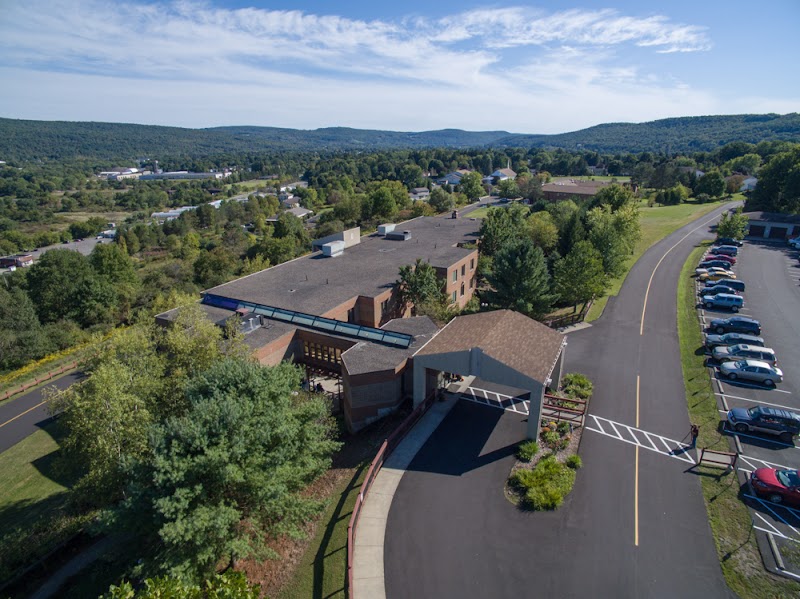
How is Norwich Rehabilitation & Nursing Center Staffed?

CMS rates NORWICH REHABILITATION & NURSING CENTER's staffing level at 2 out of 5 stars, which is below average compared to other nursing homes. Staff turnover is 68%, which is 22 percentage points above the New York average of 46%. High turnover can affect care consistency as new staff learn residents' individual needs. RN turnover specifically is 87%, which is notably high. RNs provide skilled clinical oversight, so turnover in this role can affect medical care quality.

What Have Inspectors Found at Norwich Rehabilitation & Nursing Center?

State health inspectors documented 11 deficiencies at NORWICH REHABILITATION & NURSING CENTER during 2021 to 2025. These included: 11 with potential for harm.
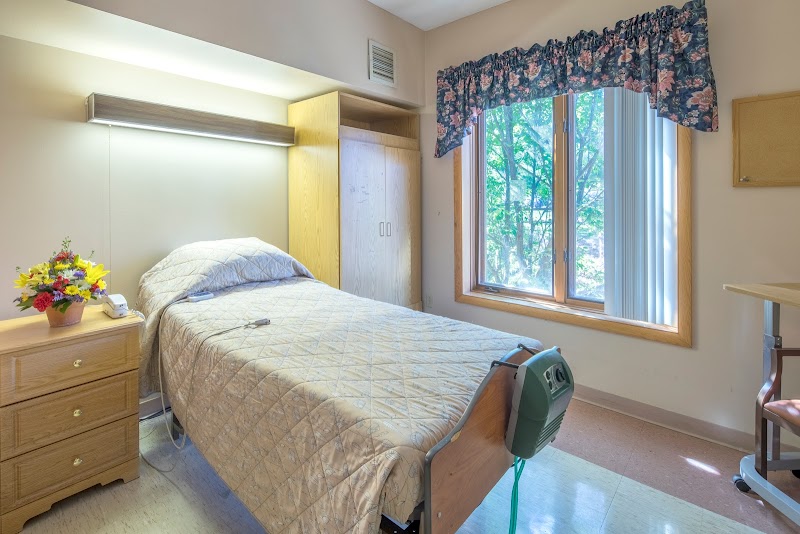
Who Owns and Operates Norwich Rehabilitation & Nursing Center?

NORWICH REHABILITATION & NURSING CENTER is owned by a for-profit company. For-profit facilities operate as businesses with obligations to shareholders or private owners. The facility is operated by PERSONAL HEALTHCARE, LLC, a chain that manages multiple nursing homes. With 80 certified beds and approximately 78 residents (about 98% occupancy), it is a smaller facility located in NORWICH, New York.
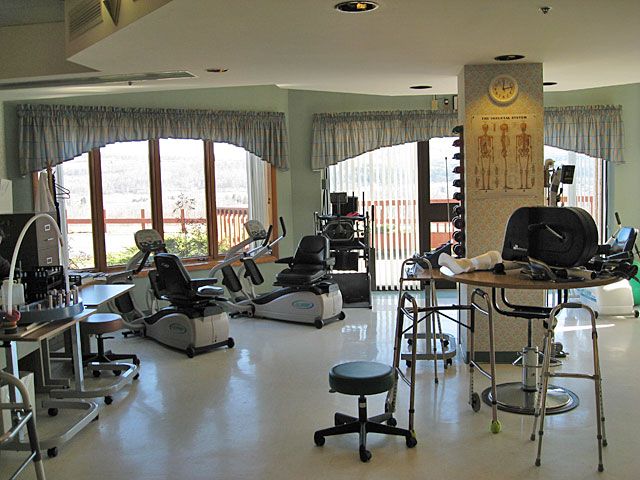
How Does Norwich Rehabilitation & Nursing Center Compare to Other New York Nursing Homes?

Compared to the 100 nursing homes in New York, NORWICH REHABILITATION & NURSING CENTER's overall rating (4 stars) is above the state average of 3.1, staff turnover (68%) is significantly higher than the state average of 46%, and health inspection rating (3 stars) is at the national benchmark.

What Should Families Ask When Visiting Norwich Rehabilitation & Nursing Center?

Based on this facility's data, families visiting should ask: "How do you ensure continuity of care given staff turnover, and what is your staff retention strategy?" "Can you walk me through typical staffing levels on day, evening, and night shifts?" "Can I visit during a mealtime to observe dining assistance and food quality?" "How do you handle medical emergencies, and what is your hospital transfer rate?" These questions are particularly relevant given the facility's high staff turnover rate and the below-average staffing rating.

Is Norwich Rehabilitation & Nursing Center Safe?

Based on CMS inspection data, NORWICH REHABILITATION & NURSING CENTER has a clean safety record: no substantiated abuse findings (meaning no confirmed cases of resident harm), no Immediate Jeopardy citations (the most serious violation level indicating risk of serious injury or death), and is not on the Special Focus Facility watch list (a federal program monitoring the lowest-performing 1% of nursing homes). The facility has a 4-star overall rating and ranks #1 of 100 nursing homes in New York. While no facility is perfect, families should still ask about staff-to-resident ratios and recent inspection results during their visit.

Do Nurses at Norwich Rehabilitation & Nursing Center Stick Around?

Staff turnover at NORWICH REHABILITATION & NURSING CENTER is high. At 68%, the facility is 22 percentage points above the New York average of 46%. Registered Nurse turnover is particularly concerning at 87%. RNs handle complex medical decisions and coordinate care — frequent RN changes can directly impact care quality. High turnover means new staff may not know residents' individual needs, medications, or preferences. It can also be disorienting for residents, especially those with dementia who rely on familiar faces. Families should ask: What is causing the turnover? What retention programs are in place? How do you ensure care continuity during staff transitions?

Was Norwich Rehabilitation & Nursing Center Ever Fined?

NORWICH REHABILITATION & NURSING CENTER has been fined $63,215 across 7 penalty actions. This is above the New York average of $33,711. Fines in this range indicate compliance issues significant enough for CMS to impose meaningful financial consequences. Common causes include delayed correction of deficiencies, repeat violations, or care failures affecting resident safety. Families should ask facility leadership what changes have been made since these penalties.

Is Norwich Rehabilitation & Nursing Center on Any Federal Watch List?

NORWICH REHABILITATION & NURSING CENTER is not on any federal watch list. The most significant is the Special Focus Facility (SFF) program, which identifies the bottom 1% of nursing homes nationally based on persistent, serious quality problems. Not being on this list means the facility has avoided the pattern of deficiencies that triggers enhanced federal oversight. This is a positive indicator, though families should still review the facility's inspection history directly.