AFFINITY SKILLED LIVING AND REHABILITATION CENTER

305 LOCUST AVENUE, OAKDALE, NY 11769 (631) 218-5900
For profit - Corporation 280 Beds THE MAYER FAMILY Data: November 2025
Trust Grade
45/100
#257 of 594 in NY
Last Inspection: September 2024

Within standard 12-15 month inspection cycle. Federal law requires annual inspections.

Overview

Affinity Skilled Living and Rehabilitation Center has received a Trust Grade of D, indicating below-average performance with some concerns about care. Ranking #257 out of 594 facilities in New York places it in the top half, but #23 out of 41 in Suffolk County suggests limited local options with only a few facilities being better. Unfortunately, the facility is worsening, with reported issues increasing from 8 in 2023 to 9 in 2024. Staffing is relatively stable, with a 3-star rating and a turnover of 30%, which is lower than the state average, indicating that staff tend to remain in their positions. However, the facility has accrued $75,349 in fines, which is concerning and indicates compliance issues. While the RN coverage is better than 79% of state facilities, a serious incident occurred where a resident at risk for falls was left unsupervised and subsequently fell, resulting in a hip fracture. Additionally, there were concerns regarding insufficient staffing as reported by multiple residents, which raises questions about the adequacy of care. Overall, families should weigh the strengths of RN coverage and stable staffing against the concerning fines and specific incidents of inadequate supervision.

Trust Score
D
45/100
In New York
#257/594
Top 43%
Safety Record
Moderate
Needs review
Inspections
Getting Worse
8 → 9 violations
Staff Stability
○ Average
30% turnover. Near New York's 48% average. Typical for the industry.
Penalties
⚠ Watch
$75,349 in fines. Higher than 96% of New York facilities. Major compliance failures.
Skilled Nurses
✓ Good
Each resident gets 50 minutes of Registered Nurse (RN) attention daily — more than average for New York. RNs are trained to catch health problems early.
Violations
⚠ Watch
24 deficiencies on record. Higher than average. Multiple issues found across inspections.
★★★☆☆
3.0
Overall Rating
★★★☆☆
3.0
Staff Levels
★★★★☆
4.0
Care Quality
★★★☆☆
3.0
Inspection Score
Stable
2023: 8 issues
2024: 9 issues

The Good

  • 4-Star Quality Measures · Strong clinical quality outcomes
  • Full Sprinkler Coverage · Fire safety systems throughout facility
  • No fines on record
  • Staff turnover below average (30%)

    18 points below New York average of 48%

Facility shows strength in quality measures, fire safety.

The Bad

3-Star Overall Rating

Near New York average (3.1)

Meets federal standards, typical of most facilities

Staff Turnover: 30%

15pts below New York avg (46%)

Typical for the industry

Federal Fines: $75,349

Well above median ($33,413)

Moderate penalties - review what triggered them

Chain: THE MAYER FAMILY

Part of a multi-facility chain

Ask about local staffing decisions and management

The Ugly 24 deficiencies on record

1 actual harm
Sept 2024 9 deficiencies
CONCERN (D) 📢 Someone Reported This

A family member, employee, or ombudsman was alarmed enough to file a formal complaint

Potential for Harm - no one hurt, but risky conditions existed

Quality of Care (Tag F0684)

Could have caused harm · This affected 1 resident

**NOTE- TERMS IN BRACKETS HAVE BEEN EDITED TO PROTECT CONFIDENTIALITY** Based on observations, record review, and interviews during the Recertification Survey and Abbreviated Survey (Complaint #NY 003...

Read full inspector narrative →
**NOTE- TERMS IN BRACKETS HAVE BEEN EDITED TO PROTECT CONFIDENTIALITY** Based on observations, record review, and interviews during the Recertification Survey and Abbreviated Survey (Complaint #NY 00346145) initiated on 9/4/2024 and completed on 9/11/2024 the facility did not ensure that each resident received treatment and care in accordance with professional standards of practice and the comprehensive person-centered care plan. This was identified for one (Resident #544) of two residents reviewed for hospitalizations, one (Resident #10) of four residents reviewed for skin conditions, and one (Resident #193) of five residents reviewed for tube feeding. Specifically, 1) Resident #544 was admitted to the facility with an abdominal surgical incision and treatment recommendations from the hospital and was also seen by the facility's wound care consultant with recommendations to treat the abdominal surgical site. The facility did not follow the hospital or the wound care consultant's recommendation and no physician's orders were obtained to treat the surgical wound. Additionally, there was no documented evidence that treatment of the abdominal surgical site wound was administered. 2) Resident #10, with a history of a Vascular Ulcer to the second left toe, was observed on 9/04/2024 with a gauze dressing in between the left great toe and second toe. There was no physician's order for the treatment of the second left toe. 3) Resident # 193, had a gastronomy (feeding) tube which was no longer being utilized as the resident was eating their meals by mouth. There was no physician's order to monitor or flush the gastronomy tube for patency. The findings are: 1) Resident #544 was admitted with diagnoses including Malignant Neoplasm (a type of abnormal and excessive growth of tissue) of the uterus, Surgical wound, and Moderate Protein-Calorie Malnutrition. The admission Minimum Data Set assessment dated [DATE] documented a Brief Interview for Mental Status score of 11, indicating the resident had moderate cognitive impairment. The Minimum Date Set assessment documented the resident received surgical wound care during the assessment period. A hospital Discharge summary dated [DATE] documented instructions for wound care as follows: dressing change twice daily or as needed. Apply dry gauze to the midline (surgical) incision and secure with tape. A Patient Review Instrument (PRI) completed on 6/13/2024 documented treatment of dressing changes twice daily to the surgical wound. The physician's orders were reviewed from date 6/13/2024 to 6/25/2024. There were no physician's orders indicating treatment administration to the abdominal surgical incision. The comprehensive care plan titled Resident has an Infection Related to Abdominal Surgical Site dated 6/17/2024 and revised on 6/27/2024, documented interventions including but not limited to administer wound care as per physician's order, implement infection control protocol as needed, and medical management of the underlying condition. A wound care consultation progress note, written by Nurse Practitioner #1, dated 6/18/2024 documented Resident #544 had an abdominal surgical incision that measured 15 centimeters in length with 18 staples. There were three areas of dehiscence (separation of a wound's edges) with moderate serous exudate (drainage from a wound). The progress note documented a recommended treatment of Calcium Alginate (a treatment typically used for draining wounds). The medical record lacked documented evidence of a treatment order for Calcium Alginate to the abdominal surgical wound as recommended by the wound care consultant. The nursing progress note dated 6/20/2024 documented Resident #544 was sent to the hospital on 6/20/2024 for evaluation of the open surgical incision site. The nursing progress note dated 6/21/2024 documented Resident #544 returned from the hospital to the facility on 6/21/2024 and was returned back to the hospital again on 6/21/2024. The nursing progress note dated 6/22/2024 documented Resident #544 returned to the facility on 6/22/2024 with instructions for wound care: daily wound care with Bacitracin (an antibiotic ointment), dry gauze, and tape. The Resident may wear an abdominal binder while out of bed. The nursing progress note dated 6/24/2024 written by Licensed Practical Nurse #17 documented that treatment to the abdomen was administered by the floor nurse. A wound care consultation progress note dated 6/25/2024, written by Nurse Practitioner #1, documented the following wound care treatment for Resident #544's abdominal incision site: normal saline cleanse followed by Xeroform (an occlusive dressing used for wound care) to the wound bed then Calcium alginate, and cover with a dry, clean, dressing daily and as needed. The medical record from 6/1/2024 to 6/26/2024 lacked documented evidence of a physician's orders related to the treatment to the surgical incision site. The Treatment Administration Record from 6/1/2024 to 6/26/2024 did not indicate documentation related to the treatment administration to the surgical incision site. Licensed Practical Nurse #17, the nurse manager, was interviewed on 9/11/2024 at 8:03 AM and stated there should be a physician's order for any wound care treatment and that treatment should be documented in the Treatment Administration Record by the administering nurse. Registered Nurse #3, the wound care nurse and nursing supervisor, was interviewed on 9/11/2024 at 8:41 AM and stated any wound care treatment recommended by the hospital or wound care consult should have been reconciled and documented in the Treatment Administration Record. Registered Nurse #3 stated if the wound care treatment was not administered to a resident, the wound could deteriorate or become infected. Registered Nurse #3 was re-interviewed on 9/11/2024 at 10:37 AM and stated when a resident is admitted they review the Patient Review Instrument (PRI) and hospital discharge paperwork. Registered Nurse #3 stated they were responsible for reconciling and transcribing orders when Resident #544 was admitted . Registered Nurse #3 stated the resident should have had an order for wound care treatment as recommended by the hospital upon admission and readmission. Registered Nurse #3 further stated they did not know Resident #544 did not have an active physician's order for wound care treatment in the medical record, this was an oversight. Nurse Practitioner #1 was interviewed on 9/11/2024 at 1:42 PM and stated they provided wound care consultation for Resident #544 on 6/18/2024 and 6/25/2024 and recommended treatment for the abdominal surgical incision site. Nurse Practitioner #1 stated nursing staff is responsible for obtaining the physician's order. Nurse Practitioner #1 stated any open wound, including Resident #544's surgical incision wound, should have an order in place for wound treatment. The Director of Nursing Services was interviewed on 9/11/2024 at 1:42 PM and stated there should have been an order for the wound care treatment for Resident #544's surgical incision site. Nurses are responsible for contacting the Physician for wound care treatment orders. The Director of Nursing Services stated if a wound care treatment is being administered to a resident, it should be based on the physician's orders. Resident #544 did not have a physician's order and the treatment was not administered to their abdominal surgical site and this was an oversight. 2) The facility's Undated policy titled Pressure Ulcer Management and Treatment Program documented the Certified Nursing Assistants are responsible for daily reporting of changes in the resident's skin integrity. The Wound Care Clinician and the interdisciplinary team will meet after the identification of a wound within seventy-two hours to assess the need for additional interventions and treatments. In addition, each wound/ulcer will be evaluated weekly. Resident #10 was admitted with diagnoses including Acute Respiratory Failure, Non-Pressure Chronic Ulcer of part of the left foot, and Depression. The Quarterly Minimum Data Set assessment dated [DATE] documented a Brief Interview for Mental Status score of 15, indicating the resident had intact cognition. The Minimum Data Set assessment documented the resident is at risk of developing pressure ulcers/injuries. A wound care note dated 3/12/2024 documented that the resident had a resolved Vascular Ulcer on the second left toe and was at high risk for recurrence. The Comprehensive Care Plan titled Skin Integrity last revised on 7/31/2024 documented interventions that included applying bilateral heel booties when in bed. A nursing progress note dated 9/1/2024, written by Licensed Practical Nurse #14, documented Resident #10 complained of itching and pain to their left toes. Licensed Practical Nurse #14 cleansed the left foot with soap and water and requested a physician's consult. A review of the physician communication book revealed a note written by Licensed Practical Nurse #14 on 9/01/2024 indicating Resident #10 complained of itching and pain to the left foot and toes. In this communication book, the Physician responded that the resident was seen and no new orders were provided. The Physician did not date their note. The Physician's signature was illegible. There was no corresponding physician's progress note related to an assessment or evaluation of the left foot and toes on 9/1/2024. Resident #10 was observed in bed on 9/4/2024 at 11:55 AM. The resident had a piece of gauze between the resident's left big toe and left second toe. Resident #10 was interviewed on 9/4/2024 at 11:55 AM and stated the nurses do not look at their toes every day. Resident #10 stated they scraped their toe a few weeks ago and it has not healed and the nurse had put the gauze between their toes. Resident#10 was observed in bed watching television on 9/6/2024 at 12:50 PM. The resident had a band-aid on their left second toe. Resident #10 stated their band-aid was changed a few days ago by a nurse. Licensed Practical Nurse #14 was interviewed on 9/9/2024 at 8:41 AM and stated they notified the Physician that the resident complained of discomfort and they observed a scab on the left second toe by documenting in the physician's communication book. Licensed Practical Nurse #14 stated the resident had a previous breakdown on a toe on the left foot but they could not recall which toe. Licensed Practical Nurse #14 stated they did not alert the unit manager, or apply a dressing to the site. Resident #10 was observed sitting in their bed watching television on 9/9/24 at 8:45 AM. The resident had a band-aid on their left second toe. A review of the medical record revealed that there was no physician's order for the gauze dressing or band-aid or any treatment to the resident's left second toe. A review of the Treatment Administration Record indicated no treatment administration to the resident's left second toe. The progress note written by the Wound Care Nurse dated 9/09/2024 documented the resident had a re-opened vascular wound to the left second toe measuring 1 centimeter by 1.2 centimeters. The wound was observed with 100% red tissue, scant drainage, and slight erythema (redness of the surrounding skin). The Comprehensive Care Plan titled Left second toe (VASCULAR ULCER) dated 9/09/2024 documented interventions that included monitoring skin integrity daily and bilateral heel booties when in bed. Licensed Practical Nurse #5, the Unit Manager, was interviewed on 9/9/2024 at 8:50 AM and stated they were not aware of the wound on the resident's left second toe. Licensed Practical Nurse #5 stated the treatments should not be applied without a physician's order. Licensed Practical Nurse #5 stated Licensed Practical Nurse #14 should have notified the wound care nurse or the Unit Manager regarding the scab on the resident's second toe so the resident could be assessed. Physician #1 was interviewed on 9/10/2024 at 8:32 AM and stated they were not made aware of a concern regarding Resident #10's toes. Physician #1 stated medical progress notes should have been written to address the condition of Resident #10's left toes. Physician #1 stated the Nursing staff should have called the wound care nurse to assess and decide if treatment was needed. Physician #1 stated the nurses should not have just put a band-aid on without alerting the wound care nurse or the Physician. Registered Nurse #3, the Wound Care Nurse, was interviewed on 9/10/2024 at 10:31 AM and stated they should have been notified of Resident #10's wounds. The Wound Care Nurse stated if a wound is not treated correctly, it can deteriorate. The Director of Nursing Services was interviewed on 9/10/2024 at 2:29 PM and stated the nursing staff should have called the Physician to obtain a treatment order and should have referred the resident to the wound care nurse for further evaluation. 3) The facility's policy titled Gastronomy Feedings revised 6/2022 documented instill water as ordered and cleanse the skin around the gastronomy tube. Resident #193 was admitted with diagnoses including Acute Respiratory Failure, Type 2 Diabetes Mellitus, and Dementia. The Quarterly Minimum Data Set assessment dated [DATE] documented a Brief Interview for Mental Status score of 99, indicating the resident was unable to complete the interview due to severely impaired cognition. The Minimum Data Set assessment documented the resident had a gastronomy tube. The physician's order dated 7/30/2024 documented to discontinue the tube feeding. A review of the medical record revealed there was no physician's order to flush Resident #193's Gastronomy Tube. A physician's order dated 8/5/2024 documented that Resident #193 received a regular ground meal diet by mouth. Certified Nursing Assistant #3 was interviewed on 9/6/2024 at 2:12 PM and stated Resident #193 still has a gastronomy tube but it is not used. Resident #193 receives a meal tray three times a day and eats their meals by mouth. Licensed Practical Nurse #4, the Unit Nurse Manager, was interviewed on 9/9/2024 at 11:45 AM and stated there should be a Physician's order to flush the gastronomy tube. Licensed Practical Nurse #3 was interviewed on 9/9/2024 at 11:54 AM and stated the resident did not use the gastronomy tube as of 8/05/2024. Licensed Practical Nurse #3 stated they did not flush the resident's gastronomy tube because there was no order and they did not contact the Physician to obtain an order to flush the feeding tube. The Chief Dietician was interviewed on 9/10/2024 at 8:07 AM and stated the gastronomy tube feeding order for Resident #193 was discontinued on 7/30/2024. The Chief Dietician stated the Dieticians were responsible for placing the physician's order to flush the gastronomy tube to keep the tube patent and it was an oversight. Physician #1 was interviewed on 9/10/2024 at 8:36 AM and stated they if the gastrostomy tube is not flushed the tube may become clogged and would have to be removed and replaced. The Director of Nursing Services was interviewed on 9/10/2024 at 2:27 PM and stated there should be an order to flush the gastronomy tube to maintain patency. The nurses need to monitor the gastronomy tube and should have alerted the nurse manager or the Dietician that there was no order in place to flush the resident's gastronomy tube. 10 NYCRR 415.12
CONCERN (D)

Potential for Harm - no one hurt, but risky conditions existed

Pressure Ulcer Prevention (Tag F0686)

Could have caused harm · This affected 1 resident

Based on observations, record review, and interviews during the Recertification Survey initiated on 9/4/2024 and completed on 9/11/2024, the facility did not ensure that each resident with pressure ul...

Read full inspector narrative →
Based on observations, record review, and interviews during the Recertification Survey initiated on 9/4/2024 and completed on 9/11/2024, the facility did not ensure that each resident with pressure ulcers received necessary treatment and services, consistent with professional standards of practice, to promote healing, prevent infection and prevent new ulcers from developing. This was identified for one (Resident #2) of three residents reviewed for Pressure Ulcers. Specifically, Resident #2 had a Stage 4 pressure ulcer and an unstageable pressure ulcer to their back. Resident #2 had a care plan intervention and recommendations for an air mattress. During several observations, the adjustable weight setting for the air mattress was not set accurately. The finding is: The facility's undated policy titled Pressure Ulcer Prevention, Management, and Treatment Program documented to initiate preventive measures and promote wound healing. The nurse assigned to administer the pressure ulcer treatment will administer specific treatment and sign for having administered such treatment on the treatment record. The facility's Low Air Loss Mattress Operator's Manual under Operating Instructions documented: determine the resident's weight and set the control knob to that weight setting on the control unit. Resident #2 was admitted with diagnoses including Traumatic Brain Injury, Respiratory Failure, and Depression. The 6/29/2024 Quarterly Minimum Data Set assessment documented no Brief Interview for Mental Status score as the resident had severely impaired cognition for daily decision-making. The Minimum Data Set assessment documented the resident had two unstageable pressure ulcers. A Comprehensive Care Plan effective 6/19/2024 documented the resident has a right Inferior (lower) Back Unstageable Pressure Injury with an intervention to use an air mattress. A Comprehensive Care Plan effective 6/19/2024 documented the resident has a right Superior (upper) Back Unstageable Pressure Injury with an intervention to use an air mattress. A physician's order dated 8/1/2024 documented for a nurse to check the air mattress for proper placement, setting (based on weight), and functioning every shift twice a day: 7:00 PM-7:00 AM, 7:00 AM-7:00 PM. A wound consultant note dated 9/3/2024 documented an intervention for an air mattress. The wound consult documented that the resident's current weight as of 9/3/2024 was 156.2 pounds. The resident had an unstageable right superior back wound. The wound was debrided (removal of damaged tissues) of a thick cap of necrotic (dead) tissue. The wound measured three centimeters in length and two centimeters in width. The right inferior back Stage 4 pressure measured four centimeters in length, four centimeters in width, and two centimeters in depth. The resident's weight in the electronic medical record as of 9/3/2024 was 156.2 pounds. On 9/9/2024 at 11:50 AM, Resident #2 was observed sitting in the gerichair adjacent to their bed. The air mattress weight setting was set at 265 pounds. On 9/10/2024 at 9:14 AM, Resident #2 was observed lying in bed. The air mattress weight setting was set at 265 pounds. A review of the Treatment Administration Record for September 2024 revealed the resident's air mattress was checked for proper placement, setting (based on weight), and functioning as indicated by the nurses' signatures on 9/9/2024 for the 7:00 AM-7:00 PM shift, and on 9/9/2024-9/10/2024 for the 7:00 PM-7:00 AM shift. Registered Nurse #3, the wound care nurse, was interviewed on 9/10/2024 at 11:40 AM. Registered Nurse #3 observed Resident #2's air mattress and confirmed that the weight setting was set at 265 pounds. Registered Nurse #3 stated the weight setting on the air mattress should be consistent with the resident's weight of 156 pounds. Registered Nurse #3 stated they observed the resident earlier in the morning during wound rounds but did not check the weight setting on the mattress. Registered Nurse #3 stated, I think that if the weight setting on the mattress is set higher than the resident's weight, it could cause discomfort to the resident. Registered Nurse #3 stated they were not sure if an inaccurate weight setting affected wound healing. Nurse Practitioner #1, the wound care consultant, was interviewed on 9/10/2024 at 12:32 PM and stated the weight setting on the air mattress is supposed to be consistent with the resident's weight to properly redistribute the weight to assist with wound healing. The Director of Nursing Services was interviewed on 9/10/2024 at 1:09 PM and stated the weight setting on the air mattress should be consistent with the resident's weight. The Director of Nursing Services stated if the weight setting on the air mattress is not consistent with the resident's weight, this could affect wound healing or prolong the healing process. Registered Nurse #2 was interviewed on 09/11/2024 at 10:34 AM and stated they signed the Treatment Administration Record on 9/9/2024 during the 7:00 AM-7:00 PM shift to indicate that they checked the air mattress for proper placement, setting (based on weight), and functioning. Registered Nurse #2 stated when they checked the mattress weight setting on 9/9/2024, the weight setting was accurate according to the resident's actual weight. 10 NYCRR 415.12(c)(1)
CONCERN (D)

Potential for Harm - no one hurt, but risky conditions existed

Accident Prevention (Tag F0689)

Could have caused harm · This affected 1 resident

Based on observation, record review, and interviews during the Recertification Survey initiated on 9/4/2024 and completed on 9/11/2024, the facility did not ensure the resident environment remained as...

Read full inspector narrative →
Based on observation, record review, and interviews during the Recertification Survey initiated on 9/4/2024 and completed on 9/11/2024, the facility did not ensure the resident environment remained as free of accident hazards as possible. This was identified for one (Resident #208) of four residents reviewed for Accidents. Specifically, on 9/4/2024, Resident #208 had an aerosol container of Lysol spray on their bedside table. Facility staff were aware of the aerosol spray container but did not remove it. The finding is: The facility's policy titled Environmental Hazard, dated 8/2023, documented aerosols (air fresheners, deodorants, hair sprays, disinfectants) are prohibited for use inside of the facility. The Occupational Safety and Health Administration Safety Data Sheet, titled Professional Lysol Disinfectant Spray - All Scents, dated 9/21/2020, documented the Lysol was a flammable aerosol; contains gas under pressure; may explode if heated; and causes eye irritation. In a fire or if heated, a pressure increase will occur and the container may burst, with the risk of a subsequent explosion. Gas may accumulate in low or confined areas or travel a considerable distance to a source of ignition and flash back, causing fire or explosion. Resident #208 was admitted with diagnoses including Chronic Obstructive Pulmonary Disease, Diabetes Mellitus, and Anxiety Disorder. The 7/20/2024 Quarterly Minimum Data Set assessment documented a Brief Interview for Mental Status score of 12, indicating the resident had moderately impaired cognition. A physician's order dated 8/9/2024 documented to administer oxygen therapy at 3 liters per minute via a nasal cannula continuously for Chronic Obstructive Pulmonary Disease. On 9/4/2024 at 11:35 AM, an aerosol spray container of Lysol Disinfectant Spray was observed on Resident #208's bedside table. The resident was lying in bed and was receiving oxygen via a nasal cannula. The resident stated their family brought in the Lysol spray and the aides used it to spray the room. On 9/4/2024 at 11:40 AM, the Lysol spray was brought to the attention of Registered Nurse #1 (charge nurse). Registered Nurse #1 stated they were not aware of the Lysol aerosol spray being present in Resident #208's room. Registered Nurse #1 stated did not know if the Lysol aerosol spray was allowed to be kept in the resident's room. On 9/4/2024 at 11:45 AM, Registered Nurse #1 returned to Resident #208's room, removed the Lysol aerosol spray from the room and told the resident that the aerosol sprays were not permitted. Certified Nursing Assistant #1 was interviewed on 9/4/2024 at 12:22 PM and stated they had seen the aerosol spray in Resident #208's room but did not use it because the staff are not allowed to use aerosol sprays. Certified Nursing Assistant #1 stated they did not tell anyone about the spray because they assumed the resident had approval to have the spray. Resident #208 was interviewed on 9/5/2024 at 8:52 AM and stated their family brought the aerosol spray and the resident has been using it for a couple of months. Resident #208 stated the staff saw the Lysol spray as it was kept on the bedside table in plain view. Licensed Practical Nurse #1, the unit nurse manager, was interviewed on 9/6/2024 at 10:55 AM. Licensed Practical Nurse #1 stated aerosol sprays were not allowed in resident rooms. Social workers need to speak to Resident #208's family about not bringing in the aerosol spray for the resident. The Director of Nursing Services was interviewed on 9/9/2024 at 9:24 AM and stated aerosol sprays were not permitted in the facility because these sprays are flammable. The Director of Nursing Services stated the aerosol spray should have been removed from the resident's room when the staff first noticed it. 10 NYCRR 415.12(h)(1)
CONCERN (D)

Potential for Harm - no one hurt, but risky conditions existed

Deficiency F0694 (Tag F0694)

Could have caused harm · This affected 1 resident

**NOTE- TERMS IN BRACKETS HAVE BEEN EDITED TO PROTECT CONFIDENTIALITY** Based on observations, record review, and interviews during the Recertification Survey initiated on 9/4/2024 and completed on 9/...

Read full inspector narrative →
**NOTE- TERMS IN BRACKETS HAVE BEEN EDITED TO PROTECT CONFIDENTIALITY** Based on observations, record review, and interviews during the Recertification Survey initiated on 9/4/2024 and completed on 9/11/2024, the facility did not ensure intravenous (IV) fluids (fluids that were administered directly into a vein) were administered consistent with professional standards of practice and in accordance with physician orders. This was identified for one (Resident #58) of one resident reviewed for Hydration. Specifically, Resident #58 had a physician's order to receive Dextrose fluids at 70 cubic centimeters (cc)/hour via intravenous route. On two separate occasions on 9/6/2024, the resident was observed receiving the Dextrose fluid at 50 cubic centimeters (cc) /hour intravenously instead of the Physician's ordered 70 cubic centimeters (cc)/hour intravenously. The finding is: The facility's Intravenous Therapy policy last reviewed in August 2023, documented that the physician's order for intravenous therapy shall specify the type, amount, and rate of solution to be administered. Intravenous therapy including the solution type and rate of infusion must be documented by nursing staff at least once per shift. Resident #58 was admitted with diagnoses of Parkinson's Disease, Hypoglycemia, and Pneumonia. The Quarterly Minimum Data Set (MDS) assessment dated [DATE] documented Resident #58 had a Brief Interview for Mental Status (BIMS) score of 12, which indicated the resident had intact cognition. The Minimum Data Set assessment documented Resident #58 had intravenous access and received intravenous medication in the past 14 days of the look-back period. The Comprehensive Care Plan for Dehydration dated 9/18/2022 documented the resident was at risk for dehydration secondary to Edema, Dementia, and altered mental status. Interventions included to monitor laboratory results as ordered by the Physician, and to monitor signs and symptoms of dehydration such as poor skin turgor, dry mouth, thirst, and change in mental status. The Comprehensive Care Plan for Intravenous Therapy dated 9/7/2024 documented the resident was at risk for complications secondary to intravenous therapy. Interventions included to monitor changes in the resident's condition, and to monitor medication per physician order. The Physician Assistant progress note dated 9/5/2024 documented that Resident #58's glucose level was 57 milligrams/Deciliters and the fingerstick was 60 milligrams/Deciliters. The Physician Assistant recommended changing the intravenous fluid to Dextrose 5% at 70 cubic centimeters (cc) per hour. The Physician's order dated 9/5/2024 documented to administer Dextrose 5% in water intravenous (IV) solution at 70 cubic centimeters (cc) per hour every shift for Hypoglycemia (low blood sugar). Resident # 58 was observed sleeping in bed on 9/6/2024 at 10:50 AM. The resident was observed with a 1000 cubic centimeter capacity Dextrose 5% intravenous solution bag at the bedside with 650 cubic centimeters of fluid remaining. The intravenous solution was being infused into the resident's left arm. The flow meter dial on the intravenous tubing was set at 50 cubic centimeters/hour. The resident was again observed on 9/6/2024 at 11:47 AM with Licensed Practical Nurse #10. The resident was receiving Dextrose 5% solution intravenously in their left arm. Licensed Practical Nurse #10 confirmed the infusion flow rate was set at 50 cubic centimeters/hour. Licensed Practical Nurse #10 was immediately interviewed after the observation on 9/6/2024 and stated they checked Resident #58's infusion setup at the start of their shift (7:00 AM-3:00 PM) today (9/6/2024) and noticed the flow rate was at 50 cubic centimeters/hour. Licensed Practical Nurse #10 stated that Resident #58 had received Normal Saline intravenously at 50 cubic centimeters/hour the last few days, and they did not realize the Dextrose 5% solution was ordered at 70 cubic centimeters/hour. Licensed Practical Nurse #10 stated that intravenous fluids should be administered as per the physician's order and they should have checked to ensure that the Dextrose 5% solution infusion rate was set at 70 cubic centimeters/hour. Licensed Practical Nurse #12 was interviewed on 9/6/2024 at 3:22 PM and stated they worked the evening shift (3:00 PM - 11:00 PM) on 9/5/2024 and reviewed Resident #58's order for Dextrose 5% solution. Licensed Practical Nurse #12 stated they started Resident #58's Dextrose 5% intravenous solution at 70 cubic centimeters/hour. Licensed Practical Nurse #12 stated the same bag was still infusing at 70 cubic centimeters/hour at the end of their shift and they did not change the setting. Licensed Practical Nurse #12 stated that the nurse must follow the Physician's order and administer intravenous fluids at the rate ordered. Licensed Practical Nurse #13 was interviewed on 9/10/2024 at 12:47 PM and stated they worked the night shift (11:00 PM - 7:00 AM) on 9/5/2024 and saw that Resident #58 was receiving intravenous fluids; however, did not recall the flow rate. Resident #58's Attending Physician #2 was interviewed on 9/10/2024 at 12:04 PM. Physician #2 stated they expected Resident #58 to receive their Dextrose 5% solution as prescribed. Physician #2 stated that Dextrose 5% solution was ordered to treat Hypoglycemia; therefore, an incorrect infusion rate would potentially reduce the actual amount of sugar delivered to the resident and delay the time to resolve Resident #58's Hypoglycemic episode. The Director of Nursing Service was interviewed on 9/10/2024 at 2:31 PM and stated that nursing staff should check the Physician's order before administrating any medication including intravenous fluids and administer the correct amount of intravenous fluid as per the Physician's orders. 10 NYCRR 415.12(k)(2)
CONCERN (D)

Potential for Harm - no one hurt, but risky conditions existed

Deficiency F0761 (Tag F0761)

Could have caused harm · This affected 1 resident

**NOTE- TERMS IN BRACKETS HAVE BEEN EDITED TO PROTECT CONFIDENTIALITY** Based on observation, record review, and interviews during the Recertification Survey initiated on 9/4/2024 and completed on 9/1...

Read full inspector narrative →
**NOTE- TERMS IN BRACKETS HAVE BEEN EDITED TO PROTECT CONFIDENTIALITY** Based on observation, record review, and interviews during the Recertification Survey initiated on 9/4/2024 and completed on 9/11/2024, the facility did not ensure that drugs and biologicals were labeled in accordance with currently accepted professional principles. This was identified for one (Unit 3 South medication cart) of six medication carts reviewed during the Medication Storage Task. Specifically, the Unit 3 South medication cart was observed with one opened Basaglar 100 units per milliliter insulin pen for Resident #21 and one opened Lantus 100 milliliters per unit insulin pen for Resident #97. Both insulin pens did not have a date indicating when the pens were first opened for use. The finding is: Resident #21 was admitted with a diagnosis of Type 2 Diabetes Mellitus with Unspecified Complications. The Quarterly Minimum Data Set assessment dated [DATE] documented a Brief Interview for Mental Status score of 9, indicating the resident had moderate cognitive impairment. The Minimum Data Set assessment documented the resident received insulin injections during the assessment period. A physician's order dated 12/13/2023 documented to administer Basaglar (a long-lasting insulin) 100 units per milliliter insulin pen, 20 units subcutaneously (an injection in between the skin and muscle tissue) at bedtime for Type 2 Diabetes Mellitus with Unspecified Complications. Resident #97 was admitted with a diagnosis of Type 2 Diabetes Mellitus with Unspecified Complications. The Quarterly Minimum Data Set assessment dated [DATE] documented a Brief Interview for Mental Status score of 14, indicating the resident was cognitively intact. The Minimum Data Set assessment documented the resident received insulin injections during the assessment period. A physician's order dated 6/25/2024 documented to administer Lantus (long-lasting insulin) 100 milliliters per unit insulin pen, 15 units subcutaneously once a day for Diabetes Mellitus. An observation of the Unit 3 South medication cart was conducted with Licensed Practical Nurse #15 on 9/10/2024 at 12:31 PM. One opened Basaglar insulin pen for Resident #21 and one opened Lantus insulin pen for Resident #97 were observed in the medication cart without an open date documented on both insulin pens. Licensed Practical Nurse #15 was interviewed on 9/10/2024 at 12:38 PM and stated the insulin pens did not have a date indicating when the pens were first opened for use. Licensed Practical Nurse #15 stated all nurses are responsible for ensuring that the medications are appropriately labeled. Licensed Practical Nurse #11, the nurse manager, was interviewed on 9/10/2024 at 1:45 PM and stated the staff can not determine when the medication should be discarded if there was no date indicating when the insulin pens were first opened. The insulin pens should be discarded after 28 days after the opening date. Pharmacist #1 was interviewed on 9/10/2024 at 3:16 PM and stated both the Lantus insulin pen and Basaglar insulin pen should be discarded 28 days after opening because the medication (insulin) can lose effectiveness 28 days after opening. The Director of Nursing Services was interviewed on 9/11/2024 at 1:28 PM and stated insulin pens should be discarded 28 days after an insulin pen is opened. An open date should have been documented on the insulin pens for both Resident #21 and Resident #97 so that staff can determine when to discard the pens. 10 NYCRR 415.18 (d)
CONCERN (D)

Potential for Harm - no one hurt, but risky conditions existed

Deficiency F0806 (Tag F0806)

Could have caused harm · This affected 1 resident

**NOTE- TERMS IN BRACKETS HAVE BEEN EDITED TO PROTECT CONFIDENTIALITY** Based on observations, record review, and interviews during the Recertification Survey initiated on 9/4/2024 and completed on 9/...

Read full inspector narrative →
**NOTE- TERMS IN BRACKETS HAVE BEEN EDITED TO PROTECT CONFIDENTIALITY** Based on observations, record review, and interviews during the Recertification Survey initiated on 9/4/2024 and completed on 9/11/2024, the facility did not ensure each resident received food that accommodated the resident's allergies, intolerances, and preferences. This was identified for one (Resident #27) of three residents reviewed for Nutrition. Specifically, Resident #27 had a Physician's Order that documented allergies to artificial sweeteners; however, Resident #27 was served sugar-free snack puddings and reduced-calorie syrup with artificial sweeteners. The finding is: The facility's policy and procedure titled Allergies, last revised on 8/2023 documented that upon admission, the admitting nurse shall review if the resident has any known drug and food allergies/sensitivities to prevent anaphylaxis and allergic reaction. The admitting nurse obtains information on admission if the resident is allergic to drugs or any specific food items and notifies the dietary department if the resident is allergic to certain foods. Resident#27 was admitted with diagnoses that included Acute and Chronic Respiratory Failure, Heart Failure, and Pneumonia. A Quarterly Minimum Data Set (MDS) assessment dated [DATE] documented that Resident #27 had a Brief Interview for Mental Status (BIMS) score of 15, which indicated Resident #27 had intact cognition. A Physician's Order dated 6/24/2024 documented an order for no artificial sweeteners. A Comprehensive Care Plan (CCP) titled Allergies, dated 9/23/2022 and last revised on 7/22/2024 documented interventions that included identifying the resident's allergies and documenting them in the medical record. Communicate resident allergies with dietary services. During an observation on 9/4/2024 at 11:21 AM, four sugar-free puddings and one reduced-calorie syrup were found on Resident #27's overbed table. Resident #27 had their meal tickets dated 8/26/2024 for breakfast, lunch, and dinner. The meal ticket indicated that the resident has allergies to Artificial sweeteners. The Nutrition and Ingredients for the Snack Pack Sugar-Free Pudding Cups included artificial flavors, and sucralose (an artificial sweetener and sugar substitute). The Nutrition and Ingredients for the Reduced Calorie Syrup one-ounce packet included saccharin (non-nutritive artificial sweeteners). Resident #27 was interviewed on 9/6/2024 at 10:22 AM. The Food Service Director was present during the interview. Resident #27 stated the four sugar-free snack puddings and one reduced-calorie syrup came with their meal tray on 8/26/2024. The Food Service Director was interviewed on 9/6/2024 at 10:23 AM and stated the sugar-free snack puddings and reduced-calorie syrup found in Resident #27's room were from the kitchen. The Food Service Director stated that one of the dietary aides must have mistakenly put the snack puddings and syrup on the resident's tray. Dietary Aide #1 was interviewed on 9/9/2024 at 10:45 AM and stated during the tray line, they were responsible for checking the items in the meal tray were accurate. Dietary Aide #1 stated they double-check the meal ticket for any food allergies. Dietary Aide #1 stated they thought that artificial sweeteners were only present in the sugar packets and did not know that artificial sweeteners could also be part of the ingredients in the sugar-free snack pudding and reduced calorie syrup. The Director of Nursing Services was interviewed on 9/9/2024 at 11:21 AM and stated that Resident #27's meal tray should have been thoroughly checked for accuracy by the kitchen staff. The Director of Nursing Service stated the kitchen staff should be knowledgeable about artificial sweeteners including possible food that contained artificial sweeteners. Registered Dietitian #2 was interviewed on 9/10/2024 at 8:32 AM and stated the kitchen was responsible for all the trays that go out to the residents. Registered Dietitian #2 stated the unit staff should have checked the trays for accuracy before giving them to the residents, especially to those who had food allergies. 10 NYCRR 415.14(d)
CONCERN (E)

Potential for Harm - no one hurt, but risky conditions existed

Infection Control (Tag F0880)

Could have caused harm · This affected multiple residents

**NOTE- TERMS IN BRACKETS HAVE BEEN EDITED TO PROTECT CONFIDENTIALITY** 3) Resident #546 was admitted with diagnoses including Encephalopathy, Acute Kidney Failure, and Moderate Protein-Calorie Malnut...

Read full inspector narrative →
**NOTE- TERMS IN BRACKETS HAVE BEEN EDITED TO PROTECT CONFIDENTIALITY** 3) Resident #546 was admitted with diagnoses including Encephalopathy, Acute Kidney Failure, and Moderate Protein-Calorie Malnutrition. There were no Minimum Data Set assessments completed because Resident #546 was recently admitted . A Social Work Progress Note dated 8/29/2024 documented a Brief Interview for a Mental Status score of 6, indicating the resident had severe cognitive impairment. A Comprehensive Care Plan for Right and Left Lateral Heel (Trauma) dated 8/28/2024 and revised on 9/4/2024 documented interventions including but not limited to contact precautions, administering treatment as per physician's order, and following measures to prevent contamination of the wound such as hand hygiene. A nursing progress note dated 8/28/2024 documented Resident #546 was on contact precautions from the hospital due to rare Enterobacter Cloacae complex (a group of infectious bacteria) and moderate Staphylococcus Aureus to the wounds on bilateral heels. A physician's order dated 9/4/2024 documented the implementation of contact precautions. During an observation on 9/4/2024 at 2:13 PM, Resident #546 was observed sitting in their wheelchair in the unit hallway, outside of their room. A sign was observed posted outside of Resident #546's door which documented to perform hand hygiene and apply gloves and gown before entering the room. Licensed Practical Nurse #4 (the nurse manager) pushed the resident's wheelchair to transport the resident into their room. Licensed Practical Nurse #4 did not perform hand hygiene prior to entering or when exiting the resident's room. Additionally, Licensed Practical Nurse #4 did not put on gloves or a gown prior to entering the resident's room. Licensed Practical Nurse #4 was interviewed immediately following the observation and they stated they did not have to wear gloves and gown when entering the resident's room unless there was direct contact with the resident. Licensed Practical Nurse #4 stated the infectious areas of the resident's body were covered. Licensed Practical Nurse #4 was re-interviewed on 9/5/2024 at 10:50 AM and stated they should have put on gloves and a gown and washed their hands prior to entering Resident #546's room. It is expected that they perform hand hygiene prior to entering and upon exiting a resident's room who was on contact precautions. Licensed Practical Nurse #4 further stated the physician's order for contact precautions for Resident #546 should have been in place since admission and it was an oversight. The Infection Preventionist was interviewed on 9/9/2024 at 9:47 AM and stated Licensed Practical Nurse #4 should have put on appropriate Personal Protective Equipment for contact precautions prior to entering Resident #546's room and should have performed hand hygiene prior to entering the room and exiting the room. The Infection Preventionist stated there should have been a physician's order for contact precautions in place from admission. The Director of Nursing Services was interviewed on 9/10/2024 at 2:37 PM and stated Licensed Practical Nurse #4 should have put on appropriate Personal Protective Equipment before entering Resident #546's room and should have performed hand hygiene before entering the room and exiting the room. The Infection Preventionist stated there should have been a physician's order for contact precautions in place from admission. 10 NYCRR 415.19(a)(1-3) 10 NYCRR 415.19(b)(4) Based on observations, record review, and interviews during the Recertification Survey initiated on 9/4/2024 and completed on 9/11/2024, the facility did not establish and maintain an infection prevention and control program designed to prevent the development and transmission of communicable diseases and infections. This was identified for two (Resident #214 and Resident #546) of four residents reviewed for Transmission-Based Precaution (TBP). Specifically, Resident #214 had a physician's order for contact precaution for Methicillin-Resistant Staphylococcus Aureus (MRSA-bacterium that is resistant to some antibiotics) in the sputum (mucus). 1) On 9/4/2024, Physical Therapist #1 was observed entering Resident #214's room without wearing appropriate Personal Protective Equipment and pushed the resident's wheelchair to transport Resident #214 from their room to the Rehabilitation Room. Physical therapist #1 did not perform hand hygiene after transporting Resident #214. 2) On 9/5/2024 during the medication pass observation, Licensed Practical Nurse #7 was observed declogging (removing blockage or obstruction) Resident #214's Gastrostomy Tube (GT-feeding tube). After the procedure, Licensed Practical Nurse #7 did not change their gloves, did not perform hand hygiene, and administered Resident #214's eye drops to both eyes. 3) Resident #546 was admitted to the facility from the hospital with recommendations to be placed on contact precautions due to an infection to both heel wounds. There was no physician's order for contact precautions until 9/4/2024, six days after the resident was admitted . On 9/4/2024, Licensed Practical Nurse #4 was observed entering the resident's room without performing hand hygiene and without wearing proper Personal Protective Equipment. The finding is: The facility's policy and procedure titled Precautions Infection Control, last revised on 8/2023 documented that the facility will use Transmission-Based Isolation Precautions which include Contact Precautions consisting of wearing gloves when entering the room. Gloves are to be removed and discarded before leaving the room. Gowns are indicated if soiling is likely or if contact with the resident or handling of items in the room is expected. Perform hand hygiene. After confirmation of isolation precautions, the Infection Preventionist or designee will post the appropriate isolation precaution sign and provide an isolation station. The resident must remain in their room and all services be brought to the resident (e.g. rehabilitation, activities, dining, etc.). The facility's policy and procedure titled, Medication Administration, last revised on 8/2023 documented before administering eye medication, wash hands and apply clean disposable gloves. Use a separate tissue for each eye and allow 5 to 15 minutes to elapse before administering the second medication. Dispose of gloves and wash hands after administering eye drops or ointment. Resident #214 was admitted with diagnoses including Acute and Chronic Respiratory Failure, Type 2 Diabetes Mellitus, and Non-Traumatic Intracerebral Hemorrhage (brain bleed). An admission Minimum Data Set (MDS) assessment dated [DATE] documented no Brief Interview for Mental Status (BIMS) score as Resident #214 had severely impaired cognitive skills for daily decision making. The Minimum Data Set (MDS) assessment documented the resident was on special treatment for isolation or quarantine for active infectious diseases including Methicillin-Resistant Staphylococcus Aureus and had a feeding tube. A Comprehensive Care Plan (CCP) dated 8/3/2024 titled Contact Precautions, documented interventions that included to place the contact precaution signage on the door indicating to put on Personal Protective Equipments including a Gown and gloves during high contact with the affected source (the resident). A physician's order dated 8/5/2024 and renewed on 8/13/2024 documented Contact Precautions in place related to Methicillin-Resistant Staphylococcus Aureus in the sputum. A physician's order dated 8/5/2024 documented Hydroxypropyl Methycell Ophthalmic solution, one drop to both eyes every 8 hours. 1) During an observation on 9/4/2024 at 10:55 AM, Resident #214 was sitting in their recliner when Physical Therapist #1 entered the room without wearing any Personal Protective Equipment (PPE) and proceeded to wheel Resident #214 to the Rehabilitation Room. The Physical Therapist did not perform any hand hygiene after they wheeled the resident to the Rehabilitation Room. Physical Therapist #1 then started working on their computer. A signage posted outside Resident #214's door read Contact Precautions. The signage included instructions for the Personal Protective Equipment (PPE) gloves and gowns. Hand hygiene. Limit transport of residents to medically necessary purposes. Ensure that infected or colonized areas of the resident's body are contained and covered. Use disposable noncritical patient-care equipment or implement patient-dedicated use of such equipment. Physical Therapist #1 was interviewed on 9/4/2024 at 11:00 AM and stated they did not know the resident was on contact precautions and read the sign outside the resident's door. Physical Therapist #1 stated they thought that Personal Protective Equipment (PPE) was for high-contact care only. Physical Therapist #1 stated they transported Resident #214 for their scheduled Rehabilitation Therapy session, and they did not think to wear a gown, or gloves prior to transporting the resident. Physical Therapist#1 stated that Resident #214 wore a mask during Rehabilitation Therapy sessions and the staff that worked with Resident #214 would always wear a gown and gloves. Physical Therapist #1 stated they should have read and followed the Personal Protective Equipment (PPE) requirements including hand hygiene. The Infection Preventionist was interviewed on 9/4/2024 at 4:38 PM and stated the contact isolation sign was posted outside Resident #214's room for guidance to staff and visitors. The Infection Preventionist stated they expected all staff and visitors to follow the required Personal Protective Equipment indicated on the signage. The Infection Preventionist stated Physical Therapist #1 should have used the required PPE (Personal Protective Equipment) and should have washed their hands after they brought the resident to the Rehabilitation Room. The Director of Nursing Service was interviewed on 9/10/2024 at 12:17 PM and stated Physical Therapist #1 should have followed the correct Personal Protective Equipment (PPE) and performed hand hygiene. 2) During the medication administration observation on 9/5/2024 at 8:28 AM, Licensed Practical Nurse #7 (Medication Nurse) was observed entering Resident #214's room wearing a gown, a mask, and gloves. Licensed Practical Nurse #7 unclogged the Gastrostomy Tube (GT) by squeezing and rolling the tube with their thumb and forefinger numerous times. Licensed Practical Nurse #7 did not change the gloves and did not wash their hands after the procedure and then administered eye drops to the resident's eyes using the same gloves. Licensed Practical Nurse #7 was interviewed on 9/5/2024 at 8:35 AM and stated they should have changed their gloves and performed hand hygiene after they unclogged the Gastrostomy Tube (GT), and before they administered the eye drops. Licensed Practical Nurse #7 stated they were nervous during the medication observation and forgot to change their gloves and wash their hands. The Infection Preventionist was interviewed on 9/9/2024 at 9:39 AM and stated that Licensed Practical Nurse #7 should have changed their gloves and performed hand hygiene before administering the eye drops. The Director of Nursing Service was interviewed on 9/9/2024 at 10:43 AM and stated Licensed Practical Nurse #7 should have changed their gloves and performed hand hygiene before administering the eye drops.
MINOR (B)

Minor Issue - procedural, no safety impact

Comprehensive Assessments (Tag F0636)

Minor procedural issue · This affected multiple residents

**NOTE- TERMS IN BRACKETS HAVE BEEN EDITED TO PROTECT CONFIDENTIALITY** Based on record review and staff interviews during the Recertification Survey initiated on 9/4/2024 and completed on 9/11/2024, ...

Read full inspector narrative →
**NOTE- TERMS IN BRACKETS HAVE BEEN EDITED TO PROTECT CONFIDENTIALITY** Based on record review and staff interviews during the Recertification Survey initiated on 9/4/2024 and completed on 9/11/2024, the facility did not ensure that comprehensive assessments of residents were conducted within 14 calendar days after admission and not less than once every 12 months. This was identified for one (Resident #18) of seven residents reviewed for the Resident Assessment Task. Specifically, Resident #18's Annual Minimum Data Set assessment was not completed until 31 days from the Assessment Reference Date of 8/6/2024. The finding is: The facility's policy and procedure for Minimum Data Set, last revised on 8/2023 documented that a Registered Nurse shall be designated for conducting and coordinating each resident's assessment. The Assessment Coordinator must date and sign each assessment to certify that the assessment has been completed. Each individual who completes a portion of the assessment must certify the accuracy of that portion of the assessment by dating and signing the assessment and identifying that each section was completed. The policy did not include the timeframe for the completion of the assessment. Resident #18 was admitted with diagnoses including Parkinson's Disease, Schizophrenia, and Traumatic Subdural Hemorrhage (brain bleed). The Annual Minimum Data Set assessment dated [DATE] documented that Resident #18 had a Brief Interview for Mental Status (BIMS) score of 12, which indicated Resident #18 had moderately impaired cognition. The Annual Minimum Data Set assessment, dated 8/6/2024, documented a completion date of 9/6/2024. The Minimum Data Set (MDS) Director was interviewed on 9/6/2024 at 10:51 AM and stated they completed the Minimum Data Set (MDS) assessment for Resident #18 today, 9/6/2024. The Minimum Data Set Director stated they were responsible for ensuring that all Minimum Data Set assessments were completed on time. The Minimum Data Set Director stated that Resident #18's Minimum Data Set should have been completed on 8/20/2024, 14 days after the Minimum Data Set reference date. The Administrator was interviewed on 9/9/2024 at 8:14 AM and stated they were unaware of any issues with Minimum Data Set assessment completion. The Administrator stated the facility had hired a consulting firm to assist with completing the Minimum Data Set assessments as per the requirements because the Minimum Data Set Director had resigned and the current Minimum Data Set Director started employment with the facility in late August 2024. The Administrator stated they thought the Minimum Data Set Consulting firm was helping in the timely completion of the assessments. The Director of Nursing Service was interviewed on 9/9/2024 at 9:31 AM and stated they were unaware of any issues with Minimum Data Set assessment completion. The Director of Nursing Service stated the Minimum Data Set Director and the Minimum Data Set Assessors should have notified them about the delay in completion of the assessments. The Director of Nursing Service stated all Minimum Data Set assessments should have been completed within 14 days of the resident assessment reference date. 10 NYCRR 415.11(a)(3)(i)
MINOR (B)

Minor Issue - procedural, no safety impact

MDS Data Transmission (Tag F0640)

Minor procedural issue · This affected multiple residents

Based on record review and interviews during the Recertification survey initiated on 9/4/2024 and completed on 9/11/2024, the facility did not ensure that all completed Minimum Data Set assessments we...

Read full inspector narrative →
Based on record review and interviews during the Recertification survey initiated on 9/4/2024 and completed on 9/11/2024, the facility did not ensure that all completed Minimum Data Set assessments were electronically transmitted to the Center for Medicare and Medicaid Services within 14 days of the resident assessment completion date. This was identified for seven (Residents #99, #18, #95, #31, #211, #130, #105) of seven residents reviewed for the Resident Assessment Facility Task. Specifically, the Minimum Data Set assessments for Resident #99, #18, #95, #31, #211, #130, and #105 were not transmitted within 14 days of the assessment completion date. The finding is: The facility policy for Minimum Data Set, last revised on 8/2023, documented the Registered Nurse shall be responsible for conducting and coordinating the development and completion of the resident's assessment. The policy did not document the timeframe of when the assessments should be transmitted. A review of the Minimum Data Set (MDS) 3.0 Nursing Home Validation Report dated 9/5/2024 documented the following Minimum Data Set assessments were transmitted to Centers for Medicare and Medicaid Services on 9/5/2024: -Resident #99's Comprehensive Minimum Data Set assessment had an assessment reference date of 8/2/2024, a completion date of 8/16/2024, and a transmittal due date of 8/30/2024. Resident #99's Minimum Data Set assessment was transmitted six days late. -Resident #18's Annual Minimum Data Set assessment had an assessment reference date of 8/6/2024, a completion date of 8/20/2024, and a transmittal due date of 9/3/2024. Resident #18's Minimum Data Set assessment was transmitted three days late. -Resident #95's Quarterly Minimum Data Set assessment had an assessment reference date of 8/7/2024, a completion date of 8/21/2024, and a transmittal due date of 9/4/2024. Resident #99's Minimum Data Set assessment was transmitted one day late. -Resident #31's Quarterly Minimum Data Set assessment had an assessment reference date of 8/6/2024, a completion date of 8/20/2024, and a transmittal due date of 9/3/2024. Resident #31's Minimum Data Set assessment was transmitted two days late. -Resident #211's Quarterly Minimum Data Set assessment had an assessment reference date of 8/3/2024, a completion date of 8/17/2024, and a transmittal due date of 8/31/2024. Resident #99's Minimum Data Set assessment was transmitted five days late. -Resident #130's Quarterly Minimum Data Set assessment had an assessment reference date of 8/7/2024, a completion date of 8/21/2024, and a transmittal due date of 9/4/2024. Resident #130's Minimum Data Set assessment was transmitted one day late. -Resident #105's Quarterly Minimum Data Set assessment had an assessment reference date of 8/2/2024, a completion date of 8/16/2024, and a transmittal due date of 8/30/2024. Resident #105's Minimum Data Set assessment was transmitted six days late. The Minimum Data Set Director was interviewed on 9/6/2024 at 10:51 AM and stated they were responsible for ensuring that all Minimum Data Set assessments were transmitted on time. They reviewed the Validation Report today (9/6/2024) and identified seven Minimum Data Set assessments that were transmitted late. The Minimum Data Set Director stated they recently started working at the facility and were having difficulty tracking and transmitting the Minimum Data Set assessments. The Minimum Data Set Assessor was interviewed on 9/6/2024 at 11:16 AM and stated they maintained an Excel spreadsheet and had to manually enter which assessments were due because they could not print a report from the electronic medical record system. The Minimum Data Set Assessor stated they had a Minimum Data Set Consulting firm that would assist with completing and transmitting Minimum Data Set assessments, but they ended their contract in August 2024. Minimum Data Set Consulting firm was hired because the previous Minimum Data Set Director resigned. The Minimum Data Set Assessor stated they had spoken with the current Administrator regarding the lateness of Minimum Data Set assessment transmittals. The Minimum Data Set Assessor stated they could not remember when they spoke to the Administrator and could not remember the Administrator's response. The Administrator was interviewed on 9/9/2024 at 8:14 AM and stated they were unaware of any Minimum Data Set transmittal issues. The Administrator stated they only learned about the late Minimum Data Set assessments on 9/6/2024. The Administrator stated they thought that the Minimum Data Set Consulting firm assisted with the Minimum Data Set transmittals. The Director of Nursing Service was interviewed on 9/9/2024 at 9:31 AM and stated they were unaware of any issues with Minimum Data Set assessment transmittals. The Director of Nursing Service stated the Minimum Data Set Director and Minimum Data Set Assessors should have told them of the issue. The Director of Nursing Service stated all Minimum Data Set assessments should be transmitted to the Center for Medicare and Medicaid Services within 14 days of the resident assessment completion. 10 NYCRR 415.11
Jan 2023 8 deficiencies 1 Harm
SERIOUS (G) 📢 Someone Reported This

A family member, employee, or ombudsman was alarmed enough to file a formal complaint

Actual Harm - a resident was hurt due to facility failures

Accident Prevention (Tag F0689)

A resident was harmed · This affected 1 resident

**NOTE- TERMS IN BRACKETS HAVE BEEN EDITED TO PROTECT CONFIDENTIALITY** Based on observation, record review, and interviews during the Recertification and Abbreviated Survey (Complaint # NY00287059) i...

Read full inspector narrative →
**NOTE- TERMS IN BRACKETS HAVE BEEN EDITED TO PROTECT CONFIDENTIALITY** Based on observation, record review, and interviews during the Recertification and Abbreviated Survey (Complaint # NY00287059) initiated on 1/5/2023 and completed on 1/13/2023 the facility did not ensure that each resident received adequate supervision to prevent accidents. This was identified for one (Resident #310) of three residents reviewed for Accidents. Specifically, Resident #310 had a history of multiple falls and was identified at risk for falls. Resident #310 was to be placed in a high visibility observational area when out of bed as per the resident's plan of care. On 11/24/2021 Resident #310 was left unsupervised when Certified Nursing Assistant (CNA) #5 did not follow their assignment to monitor the Northeast TV lounge that was designated by the facility as a high visibility area. Resident #310 ambulated down the hallway to their room and fell sustaining a fracture to the right hip. This resulted in actual harm for Resident #310 that is not Immediate Jeopardy. The finding is: The facility's policy, titled Safety and Supervision of Residents, effective 4/2020 and last reviewed 12/12/22, documented that monitoring the effectiveness of interventions shall include ensuring that interventions are implemented correctly and consistently. Resident #310 was admitted with diagnoses including Age-related Osteoporosis without current pathological fracture, Osteoarthritis of the knee, and Unspecified Dementia with behavioral disturbance. The 10/1/2021 Significant Change Minimum Data Set (MDS) assessment documented the resident had a Brief Interview for Mental Status (BIMS) score of 7, indicating the resident had severe cognitive impairment. The MDS documented the resident required extensive assistance of two staff members for transfers and did not walk in their room or the corridor. Resident #310 was not stable and was only able to stabilize with staff assistance from a seated to a standing position. The resident had bilateral lower extremity range of motion limitations. The resident had falls within the last month and falls with a fracture within the last 2-6 months. A falls risk assessment dated [DATE] documented a fall risk score of 19 indicating the resident was At Risk for falls. The falls risk assessment documented a score of 10 or higher indicated the resident was At Risk for falls. The Comprehensive Care Plan (CCP) developed for at risk for falls dated 6/7/2021 documented the resident was at risk for falls secondary to Osteoarthritis, Psychotropic Drugs, Dementia, History of Falls, and Impaired Balance. The CCP included interventions effective 6/8/2021 to Encourage the resident to remain in area of high visibility. The resident had 11 unwitnessed falls (6/8/2021, 6/26/2021, 7/12/2021, 8/27/2021, 9/8/2021, 10/5/2021, 10/7/2021, 10/18/2021, 10/20/2021, 10/21/2021 and 11/2/2021) prior to the 11/24/2021 fall. Of the 11 falls two occurred in the resident's bathroom, eight occurred in the resident's room and one occurred in the TV lounge area. An observation was conducted on the third floor, North Unit on 1/13/2023 at 11:00 AM. There were three common television areas observed on the unit. There were two nursing stations on the unit and there was a TV lounge adjacent to each nursing station. A third television area was observed in the unit dining room which was situated across from both nursing stations. The Nursing Progress note, written by Registered Nurse (RN) #1, dated 11/24/2021 documented that they were called to the unit to assess Resident #310 at around 9:15 AM. Upon entering the resident's room, the resident was observed on the floor in a lying position next to the bathroom door with a pillow under their head. The resident's right leg was externally rotated with a bulge (swelling) to the right hip. Staff was present in the room. The resident was transferred to the hospital and admitted with a diagnosis of a right femoral fracture. The Accident/Incident investigation report relating to the fall on 11/24/2021 documented that Resident #310 was last toileted by CNA #6, who worked on the 11:00 PM-7:00 AM shift, at 6:30 AM and then placed in the 3rd floor Northeast television lounge, a high observation area. CNA #6 documented in their statement that there were CNAs present in the high observation area (the Northeast TV lounge) at 7:00 AM when CNA #6 completed their shift at 7 AM. At 9:00 AM, CNA #5, who worked on the 7:00 AM to 3:00 PM shift, was scheduled to monitor the high observation area. CNA #5 documented in a written statement, My charge nurse told me it was my time in the dining room, but no one was in there yet. A written statement provided by the unit Licensed Practical Nurse (LPN) #4 documented that upon passing the TV lounge, LPN #4 noticed Resident #310 was not in the Northeast TV area where Resident #310's wheelchair was found with the wheels in a locked position. LPN #4 immediately went to Resident #310's room and found Resident #310 on the floor. LPN #4 called the unit manager who was LPN #3. LPN #4 documented Resident #310 was able to get up from their wheelchair and make the short walk from the 3 Northeast TV lounge to the resident's room, where the resident fell, unwitnessed. The facility's Accident/Incident investigation conclusion, completed on 11/26/2021, documented that the unit manager (LPN #3) failed to ensure assignments were being carried out. The investigation documented that the unit manager (LPN #3) was unclear when directing the workforce, which left a gap in resident monitoring. The gap left in resident monitoring, allowed Resident #310 to get up, ambulate without assistance, and fall sustaining a fracture. The facility concluded that staff failed to maintain the high observation area. The CNA assignment sheet dated 11/24/2021 documented that CNA #5 was assigned to cover the TV Area from 9:00 AM-9:30 AM. There was no documented evidence the CNA assignment sheet specified which of the three TV areas CNA #5 was assigned to monitor as the high observation area. During an interview with CNA #5 on 1/11/2023 at 1:39 PM, they stated that they were aware they were scheduled to cover the high observation area on the day of Resident #310's fall. CNA #5 stated that they went to the TV area located in the unit dining room at 9:00 AM but nobody was there at that time, so they left the dining room and tended to another resident. During an interview with LPN #3 on 1/11/2023 at 2:36 PM, they stated they expected CNA #5 to cover the high observation area, in the TV lounge rooms, based on the assignment distributed on that day. LPN #3 stated that there are two TV lounge areas and a unit dining room on the unit. LPN#3 stated that the high observation coverage area designation was usually determined by the unit manager based on the availability of staff. Sometimes the high visibility observation area was the TV lounge areas and sometimes the high visibility observation area was the unit dining room. LPN #3 stated that CNA#5 was written up for not being in the high visibility area at their scheduled time. The LPN stated they were also written up because the Director of Nursing Services (DNS) expected them to monitor the residents in the high visibility areas. The LPN stated that it was unreasonable to expect them to be monitoring the high visibility areas and interacting with physicians from their office at the same time. During an interview with LPN #2 on 1/11/2023 at 3:04 PM, they stated they worked on the 3:00 PM-11:00 PM shift. They said that the designation of the high visibility area is based on how many residents need supervision and the unit staffing on that day. The LPN stated that the unit dining room is routinely used as the high observation area; however, the two TV lounge areas are sometimes used as well. During an interview with CNA #1 on 1/11/2023 at 3:06 PM, they stated they worked the 3:00 PM-11:00 PM shift. The CNA stated the unit supervisor alerts the CNAs of the coverage assignments for the high visibility area at the beginning of the shift and the assignments are documented on an assignment sheet. During an interview with the DNS on 1/11/2023 at 3:25 PM, they stated that the facility utilizes one of the two TV lounge rooms on the unit as the designated high observation areas. The DNS said that Resident #310 was left unsupervised and should have been supervised. The resident transferred themselves out of their wheelchair and walked to their room, fell, and fractured their hip because they were not supervised. The DNS stated that the staff members did not ensure the supervision schedule was followed which resulted in the resident's fall and injury. During an interview with the Administrator on 1/13/2023 at 3:21 PM, they stated that the two TV lounge areas were designated as the high observation areas. The Administrator stated that staff should adhere to the schedules for high observation area coverage and should be monitoring the high observation areas as scheduled to promote resident safety. During an interview with the Medical Director on 1/13/23 at 4:45 PM, they stated that the staff should follow schedules for monitoring as written in an effort to prevent accidents. 10NYCRR415.12(h)(1)
CONCERN (D) 📢 Someone Reported This

A family member, employee, or ombudsman was alarmed enough to file a formal complaint

Potential for Harm - no one hurt, but risky conditions existed

Report Alleged Abuse (Tag F0609)

Could have caused harm · This affected 1 resident

**NOTE- TERMS IN BRACKETS HAVE BEEN EDITED TO PROTECT CONFIDENTIALITY** Based on record reviews and interviews conducted during a Recertification Survey and an Abbreviated Survey (NY00303538), initiat...

Read full inspector narrative →
**NOTE- TERMS IN BRACKETS HAVE BEEN EDITED TO PROTECT CONFIDENTIALITY** Based on record reviews and interviews conducted during a Recertification Survey and an Abbreviated Survey (NY00303538), initiated on 1/5/2023 and completed on 1/13/2023 the facility did not report alleged violations involving Narcotic Diversion to the New York State Department of Health (NYSDOH). Specifically, Licensed Practical Nurse (LPN) # 6 was terminated due to Narcotic Diversion and this was not reported to the NYSDOH. The findings are: Resident #95 was admitted with diagnoses that include Stage 4 Pressure ulcer to the sacral region. The Minimum Data Set (MDS) dated [DATE] documented the Brief Interview for Mental Status (BIMS) assessment was not performed due to the resident's severely impaired daily decision-making skills. The MDS documented the resident had occasional moderate pain. A Physician's order dated 9/18/2022 documented to apply Fentanyl 50 micrograms (mcg) patch every 72 hours and remove the Fentanyl patch 50 mcg from midback x 1 and discard in sharps container with a second nurse to verify. The facility's investigation summary dated 9/18/2022 included a Disciplinary Notice dated 9/23/2022 that documented on 9/16/2022 at approximately 7:30 AM, a Fentanyl patch was noted missing on Resident #95, and subsequently replaced. Later that shift, after a second patch had been ordered and both patches were noted missing at approximately 2:00 PM. Licensed Practical Nurse (LPN) # 6 was immediately removed from the schedule pending investigation. The investigation concluded that LPN # 6 statements have been shown to be demonstrably and materially false to this investigation, directly contradicted by the statements of others, including statements that are supported by video evidence. On 9/23/22, LPN # 6 was subsequently terminated for Narcotic diversion. The Director of Nursing Services (DNS) was interviewed on 1/12/2023 at 2:30 PM and stated they were not aware to report the drug diversion incident to the NYSDOH or the Bureau of Narcotic Enforcement. Administrator was interviewed on 1/13/2023 at 3:46 PM and stated LPN # 6 was terminated from employment after the investigation was completed. The Administrator was not aware that incident related to drug diversion had to be reported to NYSDOH or the Bureau of Narcotic Enforcement. 10NYCRR 415.4 (b) (1) (ii)
CONCERN (D)

Potential for Harm - no one hurt, but risky conditions existed

Comprehensive Care Plan (Tag F0656)

Could have caused harm · This affected 1 resident

**NOTE- TERMS IN BRACKETS HAVE BEEN EDITED TO PROTECT CONFIDENTIALITY** Based on observation, record review and interviews during the Recertification Survey initiated on 1/5/2023 and completed on 1/13...

Read full inspector narrative →
**NOTE- TERMS IN BRACKETS HAVE BEEN EDITED TO PROTECT CONFIDENTIALITY** Based on observation, record review and interviews during the Recertification Survey initiated on 1/5/2023 and completed on 1/13/2023, the facility did not ensure that a comprehensive person-centered care plan (CCP) for each resident was implemented. This was identified for one (Resident # 30) of four residents reviewed for Activities of Daily Living (ADL). Specifically, Resident #30 had a Physician's order dated 5/13/2022 for heel booties when out of bed (OOB) due to Lymphedema. On 1/12/2023 Resident #30 was observed sitting in a wheelchair not wearing the heel booties on multiple occasions. The finding is: Resident #30 was admitted with diagnoses that include Lymphedema (swelling due to the build-up of lymph fluid in the body), Morbid Obesity, and Gout. A Quarterly Minimum Data Set (MDS) assessment dated [DATE] documented the resident's Brief Interview for Mental Status (BIMS) score was 12 which indicated the resident had moderately impaired cognition. A Physician's order dated 5/13/2022 documented to apply bilateral heel booties when out of bed (OOB) due to Lymphedema. A CCP for at risk for alteration in skin integrity and circulatory problems secondary to the presence of lower extremity Edema / Lymphedema, dated 12/8/2021 and updated on 1/6/2023, documented interventions including but not limited to elevate lower extremities when in a chair; to monitor for increased puffiness of fingers, feet, and around eyes; and to observe lower extremities for skin impairment daily. The CCP was not updated to include the Physician's order for the heel booties when OOB. The Resident Profile (directions provided to Certified Nursing Assistant for resident care needs) dated 11/24/2021 documented to keep heels floated off the mattress when in bed, place pillows under the resident's calves. The Resident Profile did not include use of bilateral heel booties when out of bed. Resident #30 was observed on 1/12/2023 at 12:45 PM in the unit dining room during the lunch meal. The resident was wearing non-skid socks with their feet resting directly on the wheelchair footrest. The resident was not wearing heel booties. Resident #30 was observed on 1/12/2023 at 4:41 PM sitting in a wheelchair in the unit dining room. The resident was wearing bilateral non-skid socks that were only covering the resident's toes to the middle of the foot and the heels were bare. The resident's left foot was resting directly on the floor and their right foot was resting on the wheelchair footrest. Resident #30 was observed again on 1/12/2023 at 6:00 PM sitting in a wheelchair in their room. The resident's feet were resting directly on the floor. The resident was not wearing heel booties. Certified Nursing Assistant (CNA) #4, who was assigned to the resident on the 7:00 AM - 3:00 PM shift, was interviewed on 1/13/2023 at 2:05 PM. CNA #4 stated on 1/12/2023 they got the resident up just before lunch. CNA #4 stated that the resident usually wears heel booties when out of bed in the wheelchair; however, CNA #4 stated the resident did not want to wear the heel booties on 1/12/2023 and only wanted to wear the non-skid socks. CNA #4 stated that the nurse should be notified when a resident refuses an assistive device. CNA #4 could not recall if they had notified a nurse of Resident #30's refusal to use heel booties on 1/12/2023. The 7:00 AM - 3:00 PM shift Licensed Practical Nurse (LPN) #2, who worked on 1/12/2023, was interviewed on 1/13/2023 at 2:20 PM. LPN #2 stated that they were responsible for updating the resident's care plans and the Resident Profiles when there was a change in the plan of care. LPN #2 stated that the resident should be wearing heel booties as per the physician's orders. The Director of Nursing Services (DNS) was interviewed on 1/13/2023 at 2:51 PM. The DNS stated that the Physician's order should be implemented as ordered. The DNS stated that if the resident refused to wear the heel booties CNA #4 should have notified LPN #2. The DNS stated that LPN #2 should have re-approached the resident and encouraged them to wear heel booties. The DNS further stated if the resident continued to refuse to wear the heel booties the nurse should have documented the refusals in the progress notes. The resident's Physician was interviewed on 1/13/2023 at 5:05 PM and stated that the staff was expected to follow the Physician's orders as written. The Physician stated that Resident #30 had Lymphedema to the lower extremities and that the heel booties were initiated to prevent skin breakdown to the resident's heel area. 10NYCRR 415.11(c)(1)
CONCERN (D)

Potential for Harm - no one hurt, but risky conditions existed

Deficiency F0657 (Tag F0657)

Could have caused harm · This affected 1 resident

**NOTE- TERMS IN BRACKETS HAVE BEEN EDITED TO PROTECT CONFIDENTIALITY** Based on observation, record review, and interviews during the Recertification Survey initiated on 1/5/2023 and completed on 1/1...

Read full inspector narrative →
**NOTE- TERMS IN BRACKETS HAVE BEEN EDITED TO PROTECT CONFIDENTIALITY** Based on observation, record review, and interviews during the Recertification Survey initiated on 1/5/2023 and completed on 1/13/2023, the facility did not ensure that each resident's comprehensive person-centered care plan (CCP) included the resident's current plan of care or was revised when there was a change in the plan of care. This was identified for one (Resident #30) of four residents reviewed for Activities of Daily Living (ADL), and for one (Resident #42) of five residents reviewed for Accidents. Specifically, 1) Resident #30 had a Physician's order to wear heel booties when out of bed due to Lymphedema (swelling due to the build-up of lymph fluid in the body). There was no documented evidence that the resident's care plan and the Resident Profile (directions provided to Certified Nursing Assistant for resident care needs) were updated to include the use of heel booties. 2) Resident #42 had a Physician's order to discontinue the Lymphedema pump due to the pump being ill-fitting. The resident's CCP was not updated to indicate the discontinuation of the Lymphedema pump. The findings are: The Facility Care Plan policy revised 6/22/2022 documented assessments of the residents are ongoing and care plans are revised as information about the residents and the resident's conditions change. 1) Resident #30 was admitted with diagnoses that included Lymphedema (swelling due to the build-up of lymph fluid in the body), Morbid Obesity, and Gout. A Quarterly Minimum Data Set (MDS) assessment dated [DATE] documented the resident's Brief Interview for Mental Status (BIMS) score was 12 which indicated the resident had moderately impaired cognition. A Physician's order dated 5/13/2022 documented to apply bilateral heel booties when out of bed (OOB) due to Lymphedema. A CCP for at risk for alteration in skin integrity and circulatory problems secondary to the presence of lower extremity Edema / Lymphedema, dated 12/8/2021 and updated on 1/6/2023, documented interventions including but not limited to elevate lower extremities when in a chair; to monitor for increased puffiness of fingers, feet, and around eyes; and to observe lower extremities for skin impairment daily. The CCP was not updated to include the Physician's order for the heel booties when OOB. The Resident Profile dated 11/24/2021 documented to keep heels floated off the mattress when in bed, place pillows under the resident's calves. The Resident Profile did not include use of bilateral heel booties when out of bed. CNA #4 was interviewed on 1/13/2023 at 2:05 PM and stated that the resident usually wears heel booties when they are out of bed. CNA #4 stated that the heel booties are documented on the Resident Profile. A review of the Resident Profile was conducted with CNA #4 on 1/12/2023 at 2:15 PM. There was no documented evidence that the Resident Profile was updated to include the Physician's order for heel booties. The 7:00 AM-3:00 PM shift Licensed Practical Nurse (LPN) #2 was interviewed on 1/13/2023 at 2:20 PM. LPN #2 stated that they were responsible for updating the CCP and Resident Profile. LPN #2 stated the resident's CCP and Resident Profile were not updated to include the Physician's order for heel booties. LPN #2 further stated that the Physician's order for heel booties should have been updated on the resident's care plan and Resident Profile. The Director of Nursing Services (DNS) was interviewed on 1/13/2023 at 2:51 PM and stated that if there was a Physician's order for heel booties for the resident, the CCP and the Resident Profile should have been updated. The DNS stated that the Charge Nurse was responsible for updating the CCP and the Resident Profile. The DNS further stated that the Physician's order should have been updated on the resident's CCP and the Resident Profile. 2) Resident #42 was admitted with diagnoses that included Lymphedema, Morbid Obesity, and Hypertension. The Minimum Data Set (MDS) assessment dated [DATE] documented the resident's Brief Interview for Mental Status (BIMS) Score was 15 which indicated the resident was cognitively intact. A Physician's order dated 11/1/2022 documented to discontinue applying the Lymphedema pump machine twice daily (BID) for 1 hour, on at 4:00 AM and remove at 5:00 AM, on at 9:00 PM remove at 10:00 PM for Edema. A Nurses note dated 11/1/2022 documented to discontinue the Lymphedema pump machine BID for one hour and to discontinue the Lymphedema boots secondary to the boots not fitting properly. A CCP for at risk for alteration in skin integrity and circulatory problems secondary to presence of lower extremity Edema and diagnoses of Lymphedema dated 2/23/2022 documented interventions that included to apply Lymphedema pump for one hour twice a day. The CCP was not updated to include the discontinuation of the Lymphedema pump and the Lymphedema boots. LPN #2, the charge nurse, was interviewed on 1/10/2023 at 10:57 AM. LPN #2 stated that the Physician had discontinued the Lymphedema pump as the pump was not fitting the resident's lower extremity properly. LPN #2 stated they were responsible for revising and updating the CCP. The Director of Nursing Services (DNS) was interviewed on 1/10/23 at 4:54 PM. The DNS stated the CCP should have been updated to reflect that the Lymphedema pump and boots were discontinued. The DNS further stated that the charge nurse was responsible for revising the CCP. 10NYCRR 415.11(c)(2)(i-iii)
CONCERN (D)

Potential for Harm - no one hurt, but risky conditions existed

Quality of Care (Tag F0684)

Could have caused harm · This affected 1 resident

**NOTE- TERMS IN BRACKETS HAVE BEEN EDITED TO PROTECT CONFIDENTIALITY** Based on observation, record review and interviews conducted during the Recertification Survey initiated on 1/5/2023 and complet...

Read full inspector narrative →
**NOTE- TERMS IN BRACKETS HAVE BEEN EDITED TO PROTECT CONFIDENTIALITY** Based on observation, record review and interviews conducted during the Recertification Survey initiated on 1/5/2023 and completed on 1/13/2023, the facility did not ensure that each resident receive treatment and care in accordance with professional standards of practice and the comprehensive person-centered care plan. This was identified for one (Resident #65) of two residents reviewed for positioning. Specifically, Resident # 65, who was ventilator dependent, was observed sitting in a Geri recliner improperly positioned with their head resting on a Ventilator. The finding is: Resident#65 was admitted with diagnosis of Epilepsy, Ventilator Dependent, and Anoxic Brain Damage. The Quarterly Minimum Data Set (MDS) assessment dated [DATE] documented the resident has severely impaired daily decision-making skills. The MDS documented the resident required total assistance of two staff members for bed mobility and transfers. The resident was non-ambulatory and required total assistance of one person for locomotion. The MDS documented the resident has limitations in range of motion to both upper and lower extremities. The Resident was observed on 01/11/2023 at 1:36 PM out of bed sitting in a Geri recliner chair next to their (Resident#65)'s bed. Resident#65 was observed leaning to the right with their head resting on the ventilator. There was no head support noted on the Geri recliner chair. The Comprehensive Care Plan dated 8/8/2018 with an evaluation of 1/4/2023 for Activity of Daily Living (ADL) Function/Rehabilitation Potential documented the resident required assistance with ADL. The interventions included to continue out of bed to Geri recliner with bilateral support. The CCP did not include head support usage for Resident #65. Certified Nursing Assistant (CNA) #8 was interviewed on 01/11/2023 at 01:38 PM and stated that Resident #65 utilizes a Geri recliner chair when out of bed and has a trunk support when in the Geri recliner chair; however, the trunk support does not help support the resident's head. CNA #8 stated the resident's family brought a neck support pillow for the resident about 6 months ago. CNA #8 stated they did not know where the neck support pillow was located. The Respiratory Therapist (RT)#1 was interviewed on 01/11/2023 at 01:45 PM and stated that Resident #65 tended to lean their (Resident#65)'s body to the right side. RT #1 stated it was not safe for the resident to be positioned with their head and chin leaning on one side as it may cause resistance in ventilator air flow. RT#1 stated that they (RT#1) did not report the resident's positioning issue to anyone, when the resident is improperly positioned, they (RT#1) reposition the resident for proper alignment. RT #1 further stated Resident #65 would benefit with head support on the Geri recliner chair to enable proper ventilation. Registered Nurse (RN) #3 was interviewed on 01/11/2023 at 01:58 PM and stated that Resident #65 constantly leans their (Resident#65)'s head to the right side. RN #3 stated that the resident would benefit from other recliners or chairs with a head support. RN #3 stated that there was no order for neck support or braces. The Director of Physical Therapy was interviewed on 01/11/2023 at 2:53 PM and stated that Resident #65 receives physical therapy treatment for bed mobility and contracture management. Upon of Resident #65 with the Director of Physical Therapy present, the Director of Physical Therapy stated that it was not safe for Resident #65's head and chin to lean to their (Resident#65) right side. The Director of Physical Therapy stated they did not receive a request to evaluate the resident's positioning while out of bed in the Geri recliner chair. The Director of Physical Therapy further stated that the resident would benefit from interventions such as a cervical pillow. The Director of Occupational Therapy was interviewed on 01/11/2023 at 03:32 PM and stated that they did not receive a request to evaluate Resident#65's positioning. The Director of Physical Therapy was re-interviewed on 01/12/2023 at 4:17 PM and stated that the Occupational Therapist evaluated the resident and made recommendations to support the resident's head when out of bed in the Geri recliner chair. The CCP for ADL Function/Rehabilitation Potential was updated on 1/12/2023 to provide appropriate seating device as needed: Geri recliner, blue bilateral support on Geri recliner (at level of shoulder/neck) cervical pillow behind neck, standard pillow behind cervical pillow, and small gel positioning pillow for left side of head. The Director of Nursing Services (DNS) was interviewed on 01/13/2023 at 04:33 PM and stated that the staff should have notified the Rehabilitation Department to evaluate Resident #65's positioning in the Geri recliner chair for resident #65's safety. The DNS stated they were not made aware of Resident #65's positioning in the Geri recliner chair. 10NYCRR 415.12
CONCERN (D)

Potential for Harm - no one hurt, but risky conditions existed

Respiratory Care (Tag F0695)

Could have caused harm · This affected 1 resident

**NOTE- TERMS IN BRACKETS HAVE BEEN EDITED TO PROTECT CONFIDENTIALITY** Based on observation, record review, and interviews during the Recertification Survey initiated on 1/5/2023 and completed on 1/1...

Read full inspector narrative →
**NOTE- TERMS IN BRACKETS HAVE BEEN EDITED TO PROTECT CONFIDENTIALITY** Based on observation, record review, and interviews during the Recertification Survey initiated on 1/5/2023 and completed on 1/13/2023, the facility did not ensure that each resident who needs respiratory care is provided such care consistent in accordance with professional standards of practice and the comprehensive person-centered care plan. This was identified for one (Resident #42) of six residents reviewed for Respiratory care. Specifically, Resident #42, with a diagnosis of Chronic Obstructive Pulmonary Disease (COPD), had a Physician's Order to administer oxygen at 2 liters per minute via a nasal cannula (tubing used to deliver supplemental oxygen). The resident was observed with an empty oxygen tank and complained of feeling short of breath. The finding is: The Oxygen Administration Policy dated 6/22/2022 documented to check the mask, tank, humidifying jar, etc., to be sure they are in good working order and are securely fastened. The Policy did not include who was responsible to maintain and or monitor the oxygen tanks used by residents. Resident #42 was admitted with diagnoses of Chronic Obstructive Pulmonary Disease, Morbid Obesity and Hypertension. The Minimum Data Set (MDS) assessment dated [DATE] documented a Brief Interview for Mental Status (BIMS) score of 15 which indicated the resident had intact cognition. The MDS documented the resident required extensive assistance of one person with dressing and personal hygiene. The MDS documented the resident utilized oxygen therapy. The current Physician's Order documented to administer oxygen via nasal cannula at 3 liters per minute continuously for COPD. The Comprehensive Care Plan (CCP) for at risk for alteration in pulmonary status secondary to diagnosis of COPD/Asthma, dated 2/23/2022 documented interventions including but not limited to administer oxygen as per the Physician's orders. Resident #42 was observed on 1/9/2023 at 12:17 PM in the dining room sitting at a table. The lunch tray was observed in front of the resident. Resident #42's was wearing a nasal cannula; their eyes were closed and their (Resident #42) chin was touching their chest. The resident was not arousable. Resident #42's oxygen tank was observed attached to the back of the resident's wheelchair. LPN #7 was alerted by the surveyor of the resident's condition. LPN #7 checked the resident's oxygen tank and acknowledged that the oxygen tank was empty. The resident's oxygen saturation level was checked by LPN #7 and was measured at 83 percent (normal rage 92% and above). The resident was provided a new oxygen tank and oxygen was administered at 3 liter per minute. The resident was able to respond to verbal stimuli after the oxygen was administered. The LPN stated that the resident's oxygen tank was checked in the morning by the CNA and the activity person during activity event prior to lunch. The Activity Staff #1 was interviewed on 1/9/2023 at 2:00 PM and stated that the oxygen tank had ½ tank of oxygen at 10:30 AM. The Certified Nursing Assistant (CNA) #7, who was the resident's assigned CNA, was interviewed on 1/9/2023 at 2:10 PM and stated that after the resident was taken out of bed at 10:30 AM, the oxygen tank on the wheelchair and was half full. The CNA put the resident in their wheelchair and turned on the oxygen to 3 liters via nasal cannula. The Licensed Practical Nurse (LPN) #7 was interviewed on 1/9/2023 at 1:45 PM and stated they were the medication and treatment nurse for Resident #42. LPN #7 stated that Resident #42 had a physician's order for continuous oxygen at 2 liters via nasal cannula. LPN #7 stated during the morning medication administration Resident#42 was receiving oxygen at 2 liters per minute via nasal cannula using the oxygen concentrator. LPN #7 stated there are no set timeframe that the oxygen tanks are checked to monitor the amount of oxygen remaining in the tank. LPN #7 stated staff check the oxygen tanks as they remember. The LPN further stated that the CNAs who were assigned to the resident adjust the resident's oxygen level and make sure the oxygen tanks are not empty. LPN #2 was interviewed on 1/13/2023 at 2:48 PM and stated it was all staff members responsibility to make sure the oxygen tanks are not empty. The Director of Nursing Services (DNS) was interviewed on 01/13/2023 at 4:16 PM and stated that Resident #42 could have significant respiratory distress if the oxygen is not administered and the resident needs the oxygen therapy continuously. The DNS stated all staff members were responsible to monitor the oxygen tanks. The DNS further stated the CNAs were not allowed to place the oxygen tanks on the wheelchairs and adjust the oxygen as this is the nurses' responsibility. The Medical Director was interviewed on 1/13/2023 at 5:06 PM and stated that Resident #42 needs continuous oxygen therapy. The Medical Director further stated it was not safe for the resident not to receive oxygen therapy continuously. 10NYCRR 415.12(k)(6)
CONCERN (D)

Potential for Harm - no one hurt, but risky conditions existed

Pharmacy Services (Tag F0755)

Could have caused harm · This affected 1 resident

Based on observation, interview, and record review during the Recertification Survey initiated on 1/5/2023 and completed on 1/13/2023, the facility did not ensure a system of records of receipt and di...

Read full inspector narrative →
Based on observation, interview, and record review during the Recertification Survey initiated on 1/5/2023 and completed on 1/13/2023, the facility did not ensure a system of records of receipt and disposition of all controlled drugs was maintained and periodically reconciled. This was identified for one of six medication storage rooms observed during the medication storage task. Specifically, Resident #41 was prescribed Morphine Sulfate (Roxanol) five milligrams (ml) every four hours for pain by mouth. During the medication storage task, the Narcotic sheet documented there was 13.25 ml of Roxanol; however, the medication bottle contained only 12 ml of the medication. The finding is: The facility's Policy titled, Controlled Substances, last reviewed on 12/2022 documented that control substances must be counted upon delivery. The nurse receiving the medication, along with the person delivering the medication, must count the controlled substance together. Both individuals must sign the designated controlled substance record. Nursing staff must count controlled medications at the end of the shift. The nurse coming on duty and the nurse going off duty must make the count together. They must document and report any discrepancies to the Director of Nursing Services (DNS). Resident #410 was admitted with diagnoses that included Acute Respiratory Failure, Cerebral Infarction, and Type 2 Diabetes Mellitus. Resident # 410 was discharged from the facility on 12/1/ 2022. The physician orders dated 11/19/2022 documented to administer Morphine Sulfate (Roxanol) 5 milligrams (mg)/0.25 ml every 4 hours for pain by mouth. During the medication storage task observation on 1/12/2023 at 12:35 PM, on the I Southeast nursing unit with Licensed Practical Nurse (LPN) #5 present, a discrepancy between the Narcotic sheet and the medication bottle was identified. The Narcotic sheet for Resident #410 documented there was 13.25 ml of Morphine Sulfate (Roxanol) solution available. Resident #410's Morphine Sulfate (Roxanol) medication bottle was observed to contain only 12 ml of the medication solution. The Medication LPN #5 was interviewed on 1/12/2023 at 12:50 PM and stated that the Morphine Sulfate medication was ordered for Resident #410 to be administered every four hours. LPN # 5 stated this medication was last administered to the resident on 12/1/2022 at 12 noon. LPN #5 stated the nurses place all discontinued narcotic medications in a locked cabinet on the unit. LPN #5 was unable to explain why the bottle contained 12 ml, 1.25.ml less than as recorded on the Narcotic sheet. The Registered Nurse (RN) #2 was interviewed on 1/12/2023 at 1:02 PM and stated they could not state exactly why there was a discrepancy with the medication count. The Director of Nursing Services (DNS) was interviewed on 01/12/2023 at 3:08 PM and stated they (DNS) were not aware of the discrepancy in the Narcotic count until 1/12/2023 when identified by the surveyor and LPN #5. The DNS stated if there is a discrepancy, the nurses must report to the supervisor, and this would be brought to my (DNS) attention to start an investigation. The DNS further stated that only 1.25 ml of Morphine Sulfate was missing, this is nothing to worry about. 10NYCRR 415.18(e)(1-4)
CONCERN (D) 📢 Someone Reported This

A family member, employee, or ombudsman was alarmed enough to file a formal complaint

Potential for Harm - no one hurt, but risky conditions existed

Infection Control (Tag F0880)

Could have caused harm · This affected 1 resident

**NOTE- TERMS IN BRACKETS HAVE BEEN EDITED TO PROTECT CONFIDENTIALITY** Based on observation, interviews, and record review during the Recertification Survey and Abbreviated Survey (NY00268500) initia...

Read full inspector narrative →
**NOTE- TERMS IN BRACKETS HAVE BEEN EDITED TO PROTECT CONFIDENTIALITY** Based on observation, interviews, and record review during the Recertification Survey and Abbreviated Survey (NY00268500) initiated on 1/5/2023 and completed on 1/13/2023, the facility failed to maintain an infection prevention and control program to help prevent the transmission of communicable diseases and infections. This was identified for one (Resident #113) of two residents observed for wound care. Specifically, the wound care nurse, Registered Nurse (RN) #3, did not follow proper hand hygiene during the wound care treatment observation to prevent cross-contamination for Resident #113. The finding is: The Facility Wound Care Policy last updated 06/22/2022 documented to use a disposable cloth (paper towel is adequate) to establish a clean field on the resident's overbed table. Place all items to be used during the procedure on the clean field. Arrange the supplies so they can be easily reached. Wash and dry your hands thoroughly. Position resident. Put on gloves. Loosen the tape and remove the dressing. Pull the glove over the dressing and discard it into an appropriate receptacle. Wash and dry your hands thoroughly. Put on gloves. Wear sterile gloves when physically touching the wound or holding a moist surface over the wound. Place one (1) gauze to cover all broken skin. Wash tissue around the wound that is usually covered by the dressing, tape, or gauze with antiseptic or soap and water. Remove dry gauze. Apply treatments as indicated. Resident #113 was admitted with diagnoses of Quadriplegia, Ventilator Dependent, and Diabetes. The Minimum Data Set (MDS) assessment dated [DATE] documented the Resident has a Brief Interview for Mental Status (BIMS) score of 15 which indicated the resident was cognitively intact. The MDS documented the resident was dependent on staff for Activities of Daily Living and had one stage three Pressure Ulcer and five Stage five Pressure Ulcers. The physician order dated 12/20/2022 documented to administer treatment to the Left buttock/ischium Stage IV ulcer: Normal saline cleanse followed by Santyl (enzymatic debriding agent), Calcium Alginate to wound bed, cover with superabsorbent dressing daily and as needed. The Comprehensive Care Plan for Left Buttock Ulcer updated 1/4/2023 documented interventions included but were not limited to following measures to prevent contamination of the wound such as hand hygiene and to administer treatment as per the Physician's order. RN #3 was observed on 1/12/23 at 4:30 PM opening the Resident's curtain using gloves, placing the wound care supplies on the bedside table without cleaning the bedside table, then proceeded to remove the resident's soiled dressing, wearing the same gloves RN #3 cleansed the left buttock Pressure Ulcer site with normal saline and gauze. RN #3 then applied the Calcium Alginate treatment using the same gloves without performing hand hygiene. RN #3 stated that they (RN#3) did not use proper hand hygiene during the treatment and proceeded to remove their gloves and wash their hands and then put on new gloves. RN #3 was interviewed on 01/12/2023 at 5:14 PM and stated they (RN #3) forgot to use a proper procedure to complete the resident's treatment. RN #3 stated they should have disinfected the bedside table and not use the same gloves to complete the wound treatment. The Director of Nursing Services (DNS), who was also the Infection Control Nurse, was interviewed on 01/13/2023 at 4:09 PM and stated that it was not acceptable to not follow the infection control protocol to complete the wound treatments. The DNS stated that RN #3 should have cleansed the overbed table, should have changed their gloves, and performed hand hygiene to complete the wound treatments. 415.19(b)(4)
Feb 2020 7 deficiencies
CONCERN (D)

Potential for Harm - no one hurt, but risky conditions existed

Investigate Abuse (Tag F0610)

Could have caused harm · This affected 1 resident

**NOTE- TERMS IN BRACKETS HAVE BEEN EDITED TO PROTECT CONFIDENTIALITY** Based on record review and staff interviews during the Recertification Survey, the facility did not ensure all alleged violation...

Read full inspector narrative →
**NOTE- TERMS IN BRACKETS HAVE BEEN EDITED TO PROTECT CONFIDENTIALITY** Based on record review and staff interviews during the Recertification Survey, the facility did not ensure all alleged violations of abuse, neglect, and mistreatment including an injury of unknown origin were investigated and completed timely for one (Resident #257) of 3 residents reviewed for accidents. Specifically, Resident # 257 was identified with a bruise to the right inner thigh on 1/27/2020. An investigation was not initiated until after 2 days on 1/29/2020, and completed until 2/3/2020, seven days after the bruise was identified. The finding is: The Facility Policy and Procedure titled Accidents and Incidents effective June 2013, updated in September 2019 documented all Accidents and Incidents will have a thorough investigation completed within 5 business days to identify abuse, neglect, or mistreatment. The Procedure documented that the Registered Nurse (RN) Manager/Supervisor was to complete the Accident/Incident report, assess the resident's need for any additional monitoring, changes in resident's condition and initiate an initial investigation of the occurrence promptly, obtain statements from all staff on the unit; reviews the statements to ensure completion and accuracy and report any suspicion of resident abuse and/or neglect to the Administrator and Director of Nursing Services (DNS) immediately. Resident #257 has diagnoses including Major Depressive Disorder, Anxiety Disorder, and Dementia. A Minimum Data Set (MDS) assessment dated [DATE] documented a Brief Interview for Mental Status (BIMS) score of 3 indicating severely impaired cognition. The MDS also documented that the resident required extensive assistance of two persons for bed mobility and toilet use; and extensive assist of one person for locomotion on the unit, personal hygiene, and dressing; and total dependence of two persons for transfers. A Comprehensive Care Plan (CCP) initiated on 11/27/16 documented the resident had a potential for alteration in skin integrity. The progress notes dated 1/27/2020 at 2:06 AM, written by the Licensed Practical Nurse (LPN), documented an aide providing care for the resident stated the resident had a bruise on the inner thigh. The supervisor was made aware as well as the endorsing to oncoming shift of findings. The Summary of Investigation dated 1/29/2020 completed and signed off by the DNS on 2/3/2020 documented resident was noted with discoloration to the right inner thigh. A Registered Nurse (RN) progress note dated 1/29/20 documented that she was called by the unit nurse at 8:05 AM to assess the resident due to the right inner thigh bruise. The RN note documented the resident was assessed to have a 9.5 centimeters (cm) x 7 cm bruise located in the right inner thigh, bluish-black in color. The RN note documented further that the unit nurse informed the Physician and the responsible party. A review of the medical progress notes including CCPs, Physician's orders, integrated progress notes and Daily-24 hour Reports revealed no documentation to indicate that the resident's right inner thigh bruise which was identified on 1/27/20 on the 11:00 PM- 7:00 AM shift was addressed until 1/29/20 on the 7 AM-3:00 PM shift. The DNS was interviewed on 2/5/20 at 11:27 AM. An A/I dated 1/29/20 for the discoloration to the right inner thigh was reviewed with the DNS. The DNS stated that during investigating this incident it was identified that no note was written by the RN Supervisor who worked on 1/27/20, on the 11:00 PM- 7:00 AM shift. The DNS stated the RN Supervisor should have completed an assessment; called the Physician; informed the family and documented her findings. The DNS stated the RN Supervisor had resigned and last worked on 1/31/20 and was not responding to the DNS. The Daily Reports-24 hour Reports from 1/27/20 to 1/29/20 were reviewed. The right inner thigh bruise was not documented on 1/27/20 and 1/28/20. The bruise was documented as identified on 1/29/20. The LPN who worked on 1/27/20, on the 11:00 PM- 7:00 AM shift was interviewed on 2/05/20 at 12:34 PM. The LPN stated that he had verbally told the RN Supervisor and the oncoming shift about the right thigh bruise and had documented about the bruise on the Daily-24 hour report. 483.12(b)(3)
CONCERN (D)

Potential for Harm - no one hurt, but risky conditions existed

Comprehensive Care Plan (Tag F0656)

Could have caused harm · This affected 1 resident

**NOTE- TERMS IN BRACKETS HAVE BEEN EDITED TO PROTECT CONFIDENTIALITY** 3) Resident #194 has diagnoses including Stage 4 Pressure Ulcer of the Sacral Region, Hemiplegia, and Cerebrovascular Accident. ...

Read full inspector narrative →
**NOTE- TERMS IN BRACKETS HAVE BEEN EDITED TO PROTECT CONFIDENTIALITY** 3) Resident #194 has diagnoses including Stage 4 Pressure Ulcer of the Sacral Region, Hemiplegia, and Cerebrovascular Accident. The 12/7/19 Quarterly Minimum Data Set (MDS) assessment documented the resident had long and short term memory problems and that a Brief Interview for Mental Status (BIMS) assessment was not done because the resident was rarely or never understood. The 6/24/19 nursing admission note documented the resident had a 3 centimeter (cm) x 2 cm Stage 2 pressure ulcer to the sacrum. A Comprehensive Care Plan (CCP) titled Skin Integrity, effective 6/24/19 and last updated 1/29/20, was a general skin care care plan and did not document the presence of an actual pressure ulcer. A wound consult Nurse Practitioner note dated 7/2/19 documented a suspected Deep Tissue Injury (DTI) to the sacrum, the resident was at high risk for wound deterioration, and the resident should be turned side-to-side only. A CCP titled Pressure Ulcer, effective 9/26/19 and last evaluated 1/23/20, documented the resident had a Stage 4 pressure ulcer to the sacrum. The intervention to avoid the resident's back and turn side-to-side was first initiated on this 9/26/19 care plan. Review of Wound Management Detail Reports revealed visit notes by the Registered Nurse (RN) wound care nurse dated 7/2/19, 7/16/19, 7/31/19, 8/6/19, 8/13/19, 8/21/19, 8/27/19, 9/3/19, 9/18/19, and 9/24/19, prior to the development of a Pressure Ulcer CCP created on 9/26/19. Each wound report documented the presence of a pressure ulcer to the sacrum, which was documented as unstageable, 5.5 cm x 5 cm, on 7/2/19, and first documented as a Stage 4 Pressure Ulcer measuring 9 cm x 4.5 cm, on 8/21/19. The Registered Nurse (RN) wound care nurse was interviewed on 2/6/20 at 2:18 PM. He stated he performed wound rounds with the Nurse Practitioner (NP) wound consultant on 7/2/19. He stated the specific recommendation to turn and position the resident from side-to-side only would be accomplished by an update to the pressure ulcer CCP, which would then get transferred to a Certified Nursing Assistant (CNA) task. He stated he would have written a corresponding progress note, but he stated he was unable to find one. He further stated he was unable to find a pressure ulcer CCP that was created prior to 9/26/19. Review of the CNA accountability directions revealed the intervention to avoid the resident's back, and to turn the resident side-to-side was first signed by the CNAs on 9/29/19. The Licensed Practical Nurse (LPN) unit manager was interviewed on 2/7/20 at 9:10 AM. She stated that if a pressure ulcer was present on admission, the admission RN would create the care plan and then the unit LPN could make updates to the care plan as necessary. The RN admission nurse who completed the admission on [DATE] was interviewed on 2/7/20 at 10:47 AM. She stated if a resident was admitted to the facility with a pressure ulcer, she does not create a pressure ulcer care plan. She stated she would leave the care plan for the wound care nurse and that the wound care nurse was better trained to assess the wound. She stated the general policy was for the wound care nurse to see the resident the day following admission and then create a care plan. She stated after she does her admission assessment she lets the unit nurse know if the resident has a pressure ulcer and would fill out a Wound Notification Form to alert the wound care nurse. The wound care nurse will then do a full assessment and initiate the care plan. The wound care RN was re-interviewed on 2/7/20 at 11:21 AM. He stated whoever spots the wound should create the care plan. He provided the Wound Notification Form dated 6/25/19 that identified the sacrum wound. He stated he was the wound care nurse at that time but first saw the wound on 7/2/19. He stated ideally it would have been better to see the wound sooner. He further stated he could not explain why the pressure ulcer care plan and intervention to position the resident side-to-side was not created until 9/26/19. The Director of Nursing Services (DNS) was interviewed on 2/7/20 at 1:21 PM. The DNS stated if a resident comes into the facility with an actual pressure ulcer, a care plan must be created immediately with all the necessary interventions. 415.11(c)(1) Based on record review and interviews during the Recertification Survey, the facility did not ensure that one ( Resident #96) of two residents reviewed for Urinary Tract Infection (UTI) and two (Resident #110 and Resident #194) of three residents reviewed for Pressure Ulcers had a person-centered care plan put in place in a timely manner to include measurable objectives and timeframes to meet each resident's medical and nursing needs including goals, interventions, and desired outcomes. Specifically, 1) Resident #96 had a physician's order for intravenous (IV) antibiotic (ABT) use for the treatment of a UTI; however, the medical record lacked documented evidence of a care plan developed for the use of the antibiotic for the UTI; 2) Resident #110 developed a Stage 2 pressure ulcer to the sacrum on 1/31/20; however, the medical record lacked documented evidence of a care plan developed related to the pressure ulcer; and 3) Resident #194 was admitted to the facility on [DATE] with a Stage 2 pressure ulcer and had continued to receive treatment for the wound; however, a pressure ulcer care plan was not created until 9/26/19. The findings are: The facility policy titled Care Planning dated 10/2019 documented the Interdisciplinary Team will initiate, implement and update the resident's plan of care on admission, quarterly and as needed to meet the individual needs of each resident. The charge nurse initiates episodic changes to the care plan as needed and reviews for outcome resolution. 1) Resident #96 was readmitted to the facility on [DATE] with diagnoses including UTI, Chronic Kidney Disease (CKD) and Sepsis. The admission Minimum Data Set (MDS) assessment dated [DATE] documented a Brief Interview for Mental Status (BIMS) score of 3 indicating the resident had severely impaired cognition. The resident required extensive assistance of one person for transfers and toileting and was always incontinent of bowel and bladder. The Comprehensive Care Plan (CCP) dated 10/5/19 documented the resident had Urinary Incontinence. Interventions included to provide incontinence care every 2-4 hours, and to assess for signs and symptoms of an UTI. The physician's orders dated 1/28/20 documented Cefepime (antibiotic) one gram intravenous route every 12 hours for 7 days. The medical progress note dated 1/28/20 documented the urine culture and sensitivity results were positive for an UTI. The resident was started on antibiotics. The nursing progress note dated 2/4/20 documented the resident was status post (s/p) intravenous antibiotic therapy secondary to an UTI. The resident had no signs and symptoms of adverse effects. The medical record lacked documented evidence of a CCP developed for the UTI and the antibiotic use. The Registered Nurse (RN) Charge Nurse was interviewed on 2/05/20 at 12:00 PM. The RN stated she was responsible for initiating the care plans and that Resident #96 did not have a care plan for the UTI or for the intravenous antibiotic use. The RN stated that she did not initiate the care plans because she was busy as she was covering two units working as a charge nurse. The RN further stated she was also the designated supervisor for the whole second floor and was responding to all emergencies for the whole floor. The Director of Nursing Services (DNS) was interviewed on 2/7/20 at 3:20 PM and stated that the staff should have initiated a care plan for the use of antibiotics and the UTI with interventions specific to Resident #96's needs in order to provide individualized care. 2) The facility's policy titled, Pressure Ulcer Prevention, Management, and Treatment Program dated 1/2020, documented that residents with an actual pressure ulcer will have a care plan implemented that documents an interdisciplinary approach to the healing of the pressure ulcer following facility protocols as well as appropriate preventive measures. Resident #110 was admitted to the facility with diagnoses including Cerebrovascular Accident (CVA) with Quadriplegia, Dysphagia, and Diabetes Mellitus (DM). The Annual Minimum Data Set (MDS) 3.0 assessment dated [DATE] documented a Brief Interview for Mental Status (BIMS) score of 10 indicating the resident had moderately impaired cognition. The resident required total dependence of two persons with bed mobility and transfers; extensive assistance of two persons with toilet use; extensive assistance of one person with dressing and personal hygiene. The resident was at risk for developing pressure ulcers/injuries. The resident did not have a pressure injury and utilized a pressure-reducing device in the chair and in bed. The nursing progress note dated 1/31/20 at 2:44 PM documented the resident was noted with an open area to the Sacrum (Stage 2 pressure ulcer). The Nurse Practitioner (NP) was made aware and the wound care nurse was notified. A new order for Silvadene and a dry clean dressing (DCD) twice daily was obtained. The physician's order dated 1/31/20 documented Silvadene cream 1% to the sacrum/bilateral buttock, cover with DCD twice daily. The resident's medical record was reviewed. The medical record lacked documented evidence of an individualized CCP related to the Stage 2 sacral pressure ulcer and the wound assessment by a qualified person. The Registered Nurse (RN) Charge Nurse was interviewed on 2/4/20 at 12:00 PM and stated that on 1/31/20 the resident was identified with a Stage 2 sacral pressure ulcer by the LPN. The LPN notified the wound care nurse. The wound care nurse follows all pressure ulcers and initiates the care plans. A care plan however, was not developed for Resident #110 for the pressure ulcer. The RN stated a CCP should have been developed as soon as the wound was identified. The Wound Care Nurse was interviewed on 2/4/20 at 12:30 PM. He stated that he has been the wound care nurse for the last 3 weeks. The Wound Care Nurse stated that he was not aware that Resident #110 had a pressure ulcer and was not following the resident for wound care. The Wound Care Nurse stated that he usually initiated and updated the care plans for pressure ulcers. The Wound Care Nurse stated that because he did not follow Resident #110, he did not initiate a care plan for the resident. The Wound Care Nurse further stated that the unit charge nurse should have initiated the care plan. During an observation on 2/5/20 at 2:50 PM with the Wound Care Nurse, the sacral area was observed with an area of impairment to the sacrum extending to the buttocks. The area appeared pink with a small white/yellowish area in the center. The Wound Care Nurse was interviewed on 2/5/20 at 2:55 PM and stated that the observed sacral area was a Stage 2 pressure ulcer and that he would start a care plan with interventions specific to Resident #110, including a wound care consult. Interview with the Director of Nursing (DNS) was conducted on 2/7/20 at 3:20 PM. The DNS stated the staff should have started a care plan for the newly developed pressure ulcers.
CONCERN (D)

Potential for Harm - no one hurt, but risky conditions existed

Deficiency F0660 (Tag F0660)

Could have caused harm · This affected 1 resident

**NOTE- TERMS IN BRACKETS HAVE BEEN EDITED TO PROTECT CONFIDENTIALITY** Based on observation, record review and interviews during the Recertification Survey, the facility did not develop and implement...

Read full inspector narrative →
**NOTE- TERMS IN BRACKETS HAVE BEEN EDITED TO PROTECT CONFIDENTIALITY** Based on observation, record review and interviews during the Recertification Survey, the facility did not develop and implement an effective discharge planning process that focuses on the resident's discharge goals for 1 (Resident #58) of 2 residents reviewed for Discharge. Specifically, Resident #58 identified the desire to be discharged to another facility on 4/24/19 and there was no discharge plan in place to assist Resident #58 with discharge to another Long Term Care facility. The finding is: The facility Discharge Planning policy dated 10/2019 documented the facility will start establishing the discharge plan upon admission for those residents who express a desire to return to the community. The policy further documented that discharge settings include but are not limited to: Long Term Care Facilities. Resident #58 was admitted to the facility with diagnoses of Peripheral Vascular Disease, Depression, and Chronic Obstructive Pulmonary Disease. The Annual Minimum Data Set (MDS) assessment dated [DATE] documented Resident #58 did not have an active discharge plan. The Quarterly MDS dated [DATE] documented Resident #58 had a Brief Interview for Mental Status (BIMS) Score of 10, indicating moderately impaired cognition. The Quarterly MDS further documented that there was no active discharge plan. The social work progress note dated 4/24/19 documented that a Patient Review Instrument (PRI) Screen and other documents were faxed to another Long Term Care Facility as per Resident #58's request. The social work progress note dated 5/7/19 documented that the social worker called the other facility and inquired about the application. The other facility received everything but were requesting the resident's Military Papers. Resident #58 was informed and stated he does not have them. The progress note documented that the Social Worker (SW) will continue supportive services. Resident #58 was observed in the TV Lounge area on 2/3/20 at 2:30 PM. Resident #58 stated that he has been having difficulty with getting assistance to leave the facility. He stated that he wanted to go to a Veteran's Long Term Care Facility and he needed his Military Discharge papers but did not have them. He stated that he does not have any family members left and has no way of obtaining them on his own. He stated that he asked for the SW to help but she told him she cannot help him. He stated that instead of assisting him with obtaining an application for a copy of the Military Discharge papers, he was given a list of local nursing homes and was told choose one. He stated that he would at least like to visit the facilities before making a decision but was told that the SW cannot help him with those arrangements. He stated that he was not satisfied with the quality of care at this facility and preferred to be discharged . The SW was interviewed on 2/6/20 at 2:22 PM. The SW stated Resident #58 expressed in the past that he wants to go to a Veteran's facility. She assisted with the facility application on 4/24/19 but he needed military discharge papers to complete the application. She stated that his family was not available to assist him and they were unable to complete the application. The SW stated she did not assist the resident with applying for a copy of the Military discharge papers. Instead, she gave him a facility list to choose a new facility. She stated that she was not aware that Resident #58 could go out to the community with a responsible party as per physician's orders. She stated that she could reach out to his friends to accompany Resident #58 to tour other facilities. The SW further stated that she did not develop a discharge plan to further assist Resident #58 because she did not know if it was definitive that Resident #58 would be accepted to another facility. The SW Director was interviewed on 2/6/20 at 2:28 PM. The SW Director stated that the SW could approach the resident to ask if he recalls his military ID number and obtain permission for the facility to assist in obtaining the military information from the Veteran's Association. The Director of SW further stated Resident #58 could be transferred to another facility, which is not considered a discharge; however, the resident's return would not be anticipated if transferred to another facility. The Director of Nursing Services (DNS) was interviewed on 2/7/20 at 3:30 PM. The DNS stated discharge planning should start at admission and once the resident expresses interest. The DNS stated the discharge plan should be developed and followed through. The DNS further stated the social workers are expected to advocate for the resident to have a successful discharge plan which includes obtaining documentation needed for the discharge. 415.11(d)(3)
CONCERN (D)

Potential for Harm - no one hurt, but risky conditions existed

Deficiency F0676 (Tag F0676)

Could have caused harm · This affected 1 resident

**NOTE- TERMS IN BRACKETS HAVE BEEN EDITED TO PROTECT CONFIDENTIALITY** Based on observation, record review and interviews during the Recertification Survey, the facility did not ensure that each resi...

Read full inspector narrative →
**NOTE- TERMS IN BRACKETS HAVE BEEN EDITED TO PROTECT CONFIDENTIALITY** Based on observation, record review and interviews during the Recertification Survey, the facility did not ensure that each resident requiring assistance for ambulation received the necessary care and services to maintain ambulatory abilities. The was identified for 1 (Resident #197) of 3 residents reviewed for position and mobility. Specifically, there was no documented evidence that Resident # 197 received a Floor Ambulation Program (FAP) on a daily basis as per the care plan. The finding is: The facility policy dated 10/2019 documented the facility must ensure that residents maintain functional ability and do not deteriorate within the limits of a resident's right to refuse treatment and within the limits of recognized pathology and the normal aging process. The Nursing Floor Ambulation Program (FAP) will assist residents in maintaining ambulatory ability and help prevent medically related conditions associated with immobility. The FAP will be included on the resident's electronic medical record profile and set up as a task in order to be viewed by the nursing staff on the kiosks. The FAP will include the distance (or range), assistance level and assistive devices required. The assigned Certified Nursing Assistant (CNA) or Nurse will perform the ambulating task with the resident as indicated on the resident's profile and in accordance with the frequency set forth by the Physical Therapist. Resident #197 was admitted to the facility with diagnoses of Peripheral Vascular Disease, Anemia, and Hyperlipidemia. The Quarterly Minimum Data Set (MDS) assessment dated [DATE] documented Resident #197 had a Brief Interview for Mental Status (BIMS) Score of 11 indicating moderately impaired cognition. The MDS documented Resident #197 required extensive assistance of 1 person for walking and had Range of Motion impairment of both lower extremities. Resident #197 used a walker and wheelchair for mobility devices. The MDS did not include the FAP. The MDS further documented Resident #197 received physical therapy from 9/24/19 to 12/12/19. The Physical Therapy assessment dated [DATE] documented Resident #197 was discharged from Physical Therapy services and was able to ambulate with a rolling walker and contact guarding assistance of one person for 80-100 feet. The Physical Therapist (PT) recommended to initiate the FAP to maintain the resident's ambulatory ability. The Comprehensive Care Plan (CCP) for Activities of Daily Living (ADL) dated 9/23/19 documented that Resident #197 was placed on an Ambulation Program on 12/12/19, to ambulate a distance of 80-100 feet with contact guarding- limited assistance of one person. There was no refusal of care in any of the care plans in the medical record. The Resident Care Profile, used by the Certified Nursing Assistants (CNAs) and includes direction for ambulation, did not have documentation that the FAP was performed 8 out of 18 days in December 2019, 13 of 31 days in January 2020, and 2 of 5 days in February 2020. Progress notes from 12/13/19 to 2/6/19 did not document any refusal to participate in FAP. Resident #197 was observed sitting on the bed on 2/3/20 at 9:34 AM. Resident #197 stated that only her regular day shift CNA ambulates her. The resident stated Physical Therapy was discontinued some time ago, that she wants to regain her ability to walk, and wanted to be ambulated more regularly. The Rehabilitation/Nursing Communication form dated 2/3/20 documented Resident #197 had a decline in ADLs, poor positioning in the wheelchair, and difficulty with transfers. The Physical Therapy Screen dated 2/4/20 documented Resident #197 required moderate (extensive) assistance of 1 person with a rolling walker and could ambulate 20 feet. Resident #197 was placed on Physical Therapy program 3-6 times a week. CNA #1 was interviewed on 2/6/20 at 11:14 AM. CNA #1 stated that she was a float CNA and does not know the resident well. CNA #1 stated she does not recall if the accountability task instructed her to ambulate Resident #197. CNA #2 was interviewed on 2/6/20 at 11:25 AM. CNA #2 stated that she has covered for the regular day shift CNA on many occasions. She stated that Resident #197 was unsteady and loses their balance. CNA #2 stated she does not remember if the resident was on an ambulation program and she usually refers to the kiosk instructions. CNA #3 was interviewed on 2/6/20 at 11:48 AM. CNA #3 stated that she usually reviews the Resident Care Profile and did not recall Resident #197 or the resident's ambulation program instructions. The Physical Therapist (PT) and the Physical Therapy Supervisor were interviewed concurrently on 2/6/20 at 1:35 PM. The PT stated Resident # 197 was highly motivated and expressed a desire to walk. She stated that motivation was not a problem for Resident #197 and it would be unlikely that Resident #197 had refused participating in the FAP. The PT stated that Resident #197 was referred for re-evaluation due to noted leg weakness and having a hard time getting up and walking from her wheelchair. She stated Resident #197 was observed to have lower extremity weakness on 2/4/20. Resident #197 was previously walking 80-100 feet with limited assistance and was only able to walk 20 feet and required more physical assistance. The PT Supervisor stated that based on the PT's assessment there has been a decline in walking and Resident #197 was placed back on a PT program for improved ambulation. The Director of Nursing Services (DNS) was interviewed on 2/7/20 at 3:28 PM. The DNS stated the CNAs are expected to follow the plan of care instructions and document when they ambulate a resident. 415.12(a)(2)
CONCERN (D)

Potential for Harm - no one hurt, but risky conditions existed

Accident Prevention (Tag F0689)

Could have caused harm · This affected 1 resident

**NOTE- TERMS IN BRACKETS HAVE BEEN EDITED TO PROTECT CONFIDENTIALITY** Based on observations, record review and staff interviews during the Recertification Survey the facility did not ensure that eac...

Read full inspector narrative →
**NOTE- TERMS IN BRACKETS HAVE BEEN EDITED TO PROTECT CONFIDENTIALITY** Based on observations, record review and staff interviews during the Recertification Survey the facility did not ensure that each resident received adequate supervision to prevent accidents. This was identified for one (Resident #110) of 3 residents reviewed for pressure ulcers. Specifically, Resident #110, who had a diagnosis of Dysphagia and had a physician's order for Aspiration Precautions, was observed eating breakfast in bed without supervision. The finding is: The facility policy titled, Aspiration Precautions dated 01/2020 documented the residents on Aspiration Precautions to be monitored by staff during meals. Resident #110 was admitted to the facility with diagnoses including Cerebrovascular Accident (CVA) with Quadriplegia, Dysphagia, and Diabetes Mellitus (DM). The Annual Minimum Data Set (MDS) 3.0 assessment dated [DATE] documented Brief Interview for Mental Status (BIMS) score of 10 indicating the resident had moderately impaired cognition. The resident required supervision with set up help for eating. The resident also received tube feedings and was on a therapeutic diet. The physician's order dated 11/22/19 documented aspiration precaution. The Comprehensive Care Plan (CCP) dated 1/24/19 titled Dysphagia/Aspiration Risk included interventions to provide supervision during meals. The Certified Nursing Assistant (CNA) Care Plan documented eating: extensive assistance of one person. Special instructions: chopped meats and Aspiration Precautions. On 2/4/20 at 9:05 AM the resident was observed alone in the bedroom. The resident was sitting in the bed with a breakfast tray on the over-the-bed table containing a bowl of cereal and a cup of milk that was accessible to the resident. The meal ticket documented Aspiration Precautions. No staff was observed in the vicinity. On 2/5/20 at 8:49 AM the resident was observed alone in the bedroom. The resident was in the bed sitting with a breakfast tray in front of her. The tray consisted of chopped French-toast, hot cereal, milk, and cranberry juice. The meal ticket documented Aspiration Precautions. No staff was observed in the vicinity. The Licensed Practical Nurse (LPN) was interviewed on 2/5/20 at 8:55 AM and stated the resident was on Aspiration Precautions and needed to be supervised by staff during meals. The LPN stated that usually the resident was out of bed for breakfast and was supervised in the day room. The LPN did not know why the resident was in bed on 2/5/20. The LPN further stated that the resident should have been supervised for meals. The 7 AM-3 PM CNA (#1) was interviewed on 2/5/20 at 10:40 AM and stated that she had prepared the breakfast tray for the resident by opening the food items on the tray. After she set up the tray she called CNA #2 to position the resident in bed so the resident could eat her breakfast. After positioning the resident, CNA #1 left the room with CNA #2 still in the room. CNA #1 did not check the resident's meal ticket and did not know if the resident was on Aspiration Precautions or needed supervision with the meals. The 7 AM-3 PM CNA (#2) was interviewed on 2/5/20 at 10: 45 AM. CNA#2 stated that she was in the room with CNA #1 helping her position the resident. The resident already had her breakfast tray served, and as soon as the resident was positioned, CNA #2 left the room. CNA #2 did not serve the resident breakfast. CNA #2 did not know if the resident was on Aspiration Precautions and needed to be supervised during meals. CNA #2 also stated that CNA #1 did not instruct her to stay in the resident's room to supervise the meal. The Director of Nursing Services (DNS) was interviewed on 2/7/19 at 3:20 PM. The DNS stated that the resident was on Aspiration Precautions and should have been monitored by the staff during each meal. The DNS stated that she expected staff to be in the room when residents with Aspiration Precautions are provided meals in their rooms. 415.12(h)(2)
CONCERN (E)

Potential for Harm - no one hurt, but risky conditions existed

Deficiency F0725 (Tag F0725)

Could have caused harm · This affected multiple residents

**NOTE- TERMS IN BRACKETS HAVE BEEN EDITED TO PROTECT CONFIDENTIALITY** Based on observation, record review, and interviews during the Recertification Survey the facility did not ensure that sufficien...

Read full inspector narrative →
**NOTE- TERMS IN BRACKETS HAVE BEEN EDITED TO PROTECT CONFIDENTIALITY** Based on observation, record review, and interviews during the Recertification Survey the facility did not ensure that sufficient staff was available to provide nursing care to all residents in accordance with the resident care plans and to meet each residents needs. This was identified for 10 (#203, 177, 200, 141, 123, 238, 198, 74, 233, and 44) of 10 residents interviewed for Resident Council; 5 of 5 staff members interviewed for Sufficient and Competent Staffing; and 1 (Resident #87) of 5 residents reviewed for Activities of Daily Living. Specifically, 1) Ten of ten residents who attended the resident council meeting held on 2/4/2020 expressed concerns regarding insufficient staffing on various nursing shifts; 2) A representative from the Ombudsman program and facility staff members expressed concerns regarding insufficient staffing; and 3) there was no documented evidence that Resident #87 received a shower for 5 days. The findings are: The Facility assessment dated [DATE] documented the facility has 5 Long Term Care Units with the capacity for 40 residents on each unit. The staffing for each unit should be comprised of 1 Licensed Practical Nurse (LPN) or Registered Nurse (RN) Charge Nurse per unit, 1-2 LPNs during the 7 AM-3 PM (day) shift, 1 LPN during the 3-11 PM (evening) and 11 PM-7 AM (night) shift, 4-5 Certified Nursing Assistants (CNAs) during the day shift, 3-4 CNAs during the evening shift and 2 CNAs for the night shift. The facility also had 1 Sub-Acute Unit comprised of 40 beds. The staffing for the Sub-Acute Unit should be 2 LPN Charge Nurses on all shifts, 2 LPNs during the day Shift, 2 LPNs during the evening shift, 1-2 LPNs during the night shift, 4-5 CNAs during the day shift, 3-4 CNAs on the evening shift and 2 CNAs on the night shift. The facility has 1 Pulmonary Unit which is comprised of 20 Vents and 20 step-down/sub-acute residents. The Pulmonary Unit should be staffed with 1 RN Unit Manager, 1 Respiratory Therapist Supervisor, 1-2 Respiratory Therapists, 1 Respiratory Therapist during the night shift, 2 LPNs during the day shift, 2 LPNs during the evening shift, and 2 LPNs during the night shift. The Vent Subunit required 1 RN 24 hours, 3-4 CNAs on the day shift, 2-3 CNAs on the evening shift, and 2-3 CNAs on the night shift. The step-down/sub-acute subunit required 2-3 CNAs during the day shift, 2 CNAs during the evening shift and 1-2 CNAs during the night shift. 1) The Resident Council Meeting Minutes dated 1/30/19 documented that residents feel staffing was short and requested that the Director of Nursing Services (DNS) attend the next meeting. A resident council member expressed a long wait time for call bell response during the night shift. The Resident Council Meeting Minutes dated 2/27/19 documented the Administrator and the DNS were in attendance. The council members discussed concerns regarding the ratio of aides to residents. The Resident Council Meeting Minutes dated 3/28/19 documented that many residents stated they were concerned with the call bell wait times. 2 South Residents had concerns with staffing on the weekends, especially on 3/24/19. 2 South Residents stated call bells went unanswered due to short staffing during the 11 PM-7 AM shift. The Resident Council Meeting Minutes dated 4/24/19 documented the Administrator and the DNS were in attendance. Residents expressed concerns with aides providing quality of care to all residents during the night shift. The residents expressed concerns of aides not providing care to all residents, not just their assigned residents. Residents expressed concerns with aides not knowing proper behavior management skills for residents with Dementia. The Resident Council Meeting Minutes dated 5/29/19 documented that residents continued to have concerns regarding call bell response and feel that in-service has not corrected problems identified in the previous meeting. The Resident Council Meeting Minutes dated 9/25/19 documented that residents had concerns regarding call bell response times, short staffing on units, inconsistency regarding the time medications are administered by floating staff. Food Committee Minutes dated 9/25/19 documented that residents complained that food trays are not always passed out quickly enough. The food trucks sit for long lengths of time and the Food Service Director shared concerns with the Director of Nursing. The Resident Council Meeting Minutes dated 10/30/19 documented that several residents continue to have concerns with call bell response on weekends. The Resident Council Meeting Minutes dated 11/27/19 documented that residents continue to have concerns regarding call bell response. The Resident Council Meeting Minutes dated 12/26/19 documented that residents continue to have concerns regarding call bell response and staffing. The Resident Council Meeting Minutes dated 1/28/20 documented that the Administrator, Assistant Director of Nursing Services (ADNS) and the DNS were in attendance. The minutes documented that residents continue have concerns with call bell response. The Resident Council meeting was held on 2/4/20 at 10:30 AM. Ten of ten council members stated that they have actively expressed concerns for not enough nursing staff on their respective units. Resident #233 stated that weekends are often short staffed. Specifically, on 9/29/19 on the 2 North Unit, there were only 3 CNAs during the day 7 AM-3 PM shift. On 12/8/19 on the 7 AM-3 PM shift, there were only 3 CNAs. Res #74 stated that on weekends she often has a hard time finding a CNA for help. She stated on 8/31/19 during the 7 AM-3 PM shift no one was around in the morning hours and she had visitors looking around for a CNA. She stated that they were able to locate a young male CNA and he told her he was the only one available and asked to wait until he was free. She stated that she was uncomfortable with using a male aide, but she had no choice because no one else was available. Resident #200 stated that they are not gotten out of bed for breakfast in the dining room because no one responds to the call button. Resident #200 stated that they end up eating in the bedroom rather than in the dining room. Resident #200 stated she required a Hoyer lift with two staff members for transfers and her CNA cannot always locate another aide or nurse to assist with the transfer. She stated that there was often only one Licensed Practical Nurse (LPN) during the 7 AM-3 PM shift on the 2 South [NAME] unit when there should be 2 LPNs and this results in a wait for medications. Resident #200 stated that CNAs are assigned 15-30-minute intervals to monitor common areas which takes them away from providing care to their assigned residents. Resident #200 further stated when she had to use the bathroom during her CNAs monitoring time, other CNAs would tell her to wait for her assigned aide to finish instead of assisting her to the restroom. The resident stated that this resulted in her being soiled and waiting to get cleaned up. Resident #141 stated that he has complained to the social worker on 2/3/20 and requested a room change because he feels concerned for his roommate who does not get enough assistance. Resident #141 stated that his roommate is very confused and that his roommate often gets out of bed and the aides will not always respond to the call bell. Resident #141 stated that the resident council has also discussed delays in the serving of meals due to not enough staff on the unit which result in cold trays. He stated that mealtime on his unit is at 6:05 PM and that he gets served dinner at 7 PM when there is not enough staff. The Daily Assignment sheets were reviewed and revealed the following: - The Daily Assignment sheet dated 8/31/19 documented that during the 7 AM-3 PM shift on 3 South, 1 LPN called out leaving 1 LPN on duty and 2 CNAs called out leaving 3 CNAs, then a 4th CNA was pulled from the 2 South [NAME] Unit. The total census for 3 South was 40. - The Daily Assignment sheet dated 9/29/19 documented 11 CNA call outs during the 7 AM-3 PM shift facility wide. This resulted in 3 CNAs on 2 North, 3 CNAs on South West, 2 CNAs on South East, 3 CNAs on 3 North, and 3 CNAs on 3 South. There were 11 call outs during the 3 PM-11 PM shift which resulted in 3 CNAs on 2 North, 3.5 CNAs on 2 South [NAME] and South East, 3.5 CNAs on 3 North and 3 South. The total census for 2 North was 37, 2 South [NAME] was 39, 2 South East was 38, 3 North was 40, and 3 South was 37. - On 12/8/19 on the 7 AM-3 PM shift, there were 10 CNA call outs throughout the facility resulting in 3 CNAs per unit. The 3 PM-11 PM shift had call outs resulting in 3 CNAs on 2 North, 2 South East, 3 North and 3 South. The total census on 1 North was 34, 1 South was 36, 2 North was 39, 2 South [NAME] was 40, 2 South East was 38, 3 North was 39, and 3 South was 38. 2 ) A representative from the Ombudsman Program was interviewed on 2/5/20 at 9:58 AM and stated that she has attended several Resident Council meetings throughout 2019 and was aware of resident concerns regarding low staffing. Residents have expressed discomfort with not being changed when they are soiled. Several residents have also approached her and provided her with specific information regarding low staffing. On 7/21/19 on the 2 South [NAME] Unit during the 7 AM-3 PM shift, residents did not get out of bed until 2 PM due to low staffing. On 9/13/19, in 2 South [NAME] during 3 PM-11 PM there was low staffing. On 9/15/19, there were many callouts throughout the facility during the 7 AM-3 PM shift. On 10/21/19 on the 2 South [NAME] Unit during the 3 PM-11 PM shift, there was no LPN for a few hours. The RN on 2 North [NAME] was interviewed on 2/5/20 at 1:49 PM. The RN stated she was assigned to charge nurse duty on 2 North [NAME] and was also covering the 2 South [NAME] unit because there is no charge nurse on that unit. She stated that she was also the covering supervisor for the whole second floor. She stated that she was not able to complete her task of initiating and updating the care plans because she was busy covering the other units. LPN #1 and LPN #2 were interviewed concurrently on 2/5/20 at 2:10 PM. LPN #1 stated that the facility was not staffed adequately on a regular basis. LPN #2 stated she agreed with LPN #1. LPN #1 stated that when one of the LPNs are off on the unit, no coverage is provided. At least once a week the LPNs had to work by themselves and cover 40 residents, administering medications,providing treatments, and supervising the CNAs. LPN #1 stated that sometimes he cannot complete all his treatments. LPN #1 stated that even when the facility tries to provide coverage it was only for half the shift and not the full shift. LPN #2 stated that LPN #1's statement was valid. LPN #1 also stated that the unit is supposed to have 4 CNAs for a census of 40 residents. LPN #1 stated that as often as 2-3 times a week the unit works with only 3 CNAs during the 7 AM-3 PM shift when there is supposed to be 4 CNAs. LPN #2 stated that LPN #1's statement was true. An Anonymous CNA was interviewed on 2/6/20 at 4:13 PM. The Anonymous CNA stated that she is a regular 3-11 CNA on the 3rd North floor. She stated that the facility often has only 3 CNAs for the 3 North and 3 South. She stated that the staffing was exhausting for CNAs. The CNA stated that CNAs were not able to keep up with showers and had residents sitting in soiled diapers for prolonged periods. The Anonymous CNA stated residents who were covered in feces had to be prioritized over residents who had to be toileted. The Anonymous CNA stated CNAs just could not get to them in time because of low staffing. The Anonymous CNA further stated the CNAs have no time to get to the kiosk to enter data because of low staffing. A 3 PM-11 PM CNA was interviewed on 2/6/20 at 4:32 PM. The CNA stated that the facility regularly only had 3 CNAs for 2 North for 40 residents. I ff a CNA took a break, there would only be 1 CNA for 20 residents on the East and [NAME] sides of the unit. He stated that there are many residents on the 2 North units that are impulsive and need monitoring for safety. He further stated that the CNAs would have to skip their breaks to make sure that residents were adequately monitored. The Daily Assignment sheets were reviewed and revealed the following: - The Daily Assignment sheet dated 7/21/19 documented that on the 2 South [NAME] Unit during the 7 AM-3 PM shift, the 2 assigned LPNs called out and 1 LPN filled in at 7:40 AM. Additionally, 1 CNA was a no show which resulted in a total of 3 CNAs. The unit had a census of 39 residents. The 3 North and 3 South units, during the 3 PM-11 PM shift, had 3 full time CNAs each and 1 CNA assigned to assist on 3 South from 3 PM-7 PM and on 3 North from 7 PM to 11 PM. - The Daily Assignment sheet dated 9/13/19 documented that 3 South had 2.5 CNAs from 3 PM-7 PM, then 2 CNAs from 7 PM-11 PM. The 3 South Unit had a census of 40 residents. - The Daily Assignment sheet dated 9/15/19 documented 15 facility wide call outs on the 7 AM-3 PM shift resulting in 3 CNAs on 1 North, 2 North, 2 South West, 2 South East, 3 North, and 3 South. The 3 PM-11 PM shift had 3.5 CNAs on 2 South East and 2 South [NAME] and 3 CNAs on 3 North and 3 South. The total census for 1 North was 32, 1 South was 38, 2 North was 40, 2 South [NAME] was 39, 2 South East was 39, 3 North was 40 and 3 South was 39. - The Daily Assignment sheet dated 10/21/19 documented that on 2 South [NAME] during the 3 PM-11 PM shift, the assigned LPN arrived at 8:30 PM and the LPN from 1 South covered the unit. 1 South was left with 1 LPN from 3:00 PM to 8:30 PM. The Staffing Coordinator was interviewed on 2/7/20 at 2:33 PM. The staffing coordinator stated that she has been employed by the facility since the end of September 2019. She stated that she was given staffing ratios by the DNS. The previous DNS (prior to the current DNS who started 3 weeks ago) directed her to staff down to 3 CNAs on all units because more CNAs was too much for the Census. The Staffing Coordinator was instructed by the previous DNS to staff down to 3 CNAs about 2-3 days a week even though there was no variation in census. There were days when there were numerous call outs which brought down the CNA totals. The Staffing Coordinator stated that about 40% of the time, she could not fill in call out LPN assignments. The Staffing Coordinator further stated that the facility has acknowledged short staffing and in the past two weeks, the facility has started using agencies to provide additional staffing. The DNS was interviewed on 2/7/20 at 3:00 PM. She stated that staffing is a problem at the facility and there have been times when the facility has not been able to replace the staff that called out. She stated that many of the staff have multiple jobs and cannot be called in to replace call outs. The DNS stated she has been working with the Administration to increase staffing since her employment on 1/6/20. The DNS stated that the staffing ratios were given by the Administrator and it was based on the acuity of the resident population. She stated that she was not involved in developing the staffing ratios and was not familiar with how the facility formulated the ratios. The DNS stated that staffing is an issue and that staff did complain to her that they were working short. She stated she participated in a Quality Assurance Performance Improvement (QAPI) meeting in January 2020 and had a dialogue with the Administrator to discuss staffing. She stated that an increased trend in falls was noted and there was a need to prevent falls with increased monitoring during the evening and nights. She stated that she was present at the resident council meeting on 1/28/20 and was aware of the resident's concerns for low staffing. The Administrator was interviewed on 2/7/20 at 3:55 PM. The Administrator stated that the DNS is responsible for making the adjustments for staffing based on census and acuity. The Administrator stated that the facility does have a problem with short staffing and that the previous DNS had established the staffing levels to ensure that the residents had the right nurse levels met. The Administrator stated that there was an industry standard to have a day shift CNA ratio of 1 to 5 residents on the Vent unit and 1 to 10 residents on a long-term care unit. She stated that sometimes there have been 3 CNAs on the long-term care units and that ratio did not follow the facility assessment ratios or the industry standard. The Administrator stated staff have met with both she and the DNS to discuss low staffing. The Administrator stated that she attended several Resident Council meetings and was aware of staffing concerns. In acknowledgement of insufficient staffing, the Administrator stated she hired the new DNS to make changes. 3) Resident #87 has diagnoses including Traumatic Brain Injury, Fracture, and Depression. The 11/21/19 admission Minimum Data Set (MDS) assessment documented a Brief Interview for Mental Status (BIMS) score of 14, indicating the resident was cognitively intact. A Comprehensive Care Plan (CCP) titled Activities of Daily Living (ADLs) documented the resident required extensive assist of one staff member for bathing. The resident's schedule for bathing was Wednesday and Saturday during the 7 AM-3 PM shift. Resident #87 was observed in the dining room in a wheelchair on 2/3/20 at 9:51 AM. The resident was observed with unshaven facial hair. The resident's hair appeared uncombed and unclean. Resident # 87 was observed on 2/4/20 at 1:55 PM sitting in a wheelchair near the nursing station. The resident was clean shaven and the resident's hair was clean and neatly combed. Resident # 87 was interviewed on 2/5/20 at 8:32 AM. The resident was out of bed sitting in a wheelchair by the nurse's station. The resident stated he was not showered on a regular basis and that he does not refuse showers. Review of Point of Care History, which provides direction to the Certified Nursing Assistant (CNAs) regarding resident care needs, revealed that the resident received a shower on Wednesday, 1/29/20. However, for 1/30/20, 1/31/20, 2/1/20, 2/2/20, and 2/3/20 bathing activity did not occur. The resident's 3 PM-11 PM CNA was interviewed on 2/5/20 at 3:04 PM. She stated she worked on 2/1/20 when the resident was due to receive a shower. She stated the resident was scheduled for a morning shower and she did not give a shower on the 3 PM-11 PM shift. She stated if the resident received a shower on 2/1/20, the shower would be documented in the computer and there would be a shower skin assessment sheet filled out by the CNA. The LPN charge nurse was interviewed on 2/5/20 at 3:09 PM. She stated she was unable to find a shower skin assessment sheet for 2/1/20. Review of the daily staffing sheet for 2/1/20 for the 3 South unit, 7 AM-3 PM shift, revealed that there were three CNAs for a census of 38 residents. The resident's 7 AM-3 PM CNA who worked on 2/1/20 was interviewed on 2/6/20 at 10:25 AM. She stated she was a part-time CNA and worked on Saturday, 2/1/2020. She stated a CNA called out on another unit, and then a CNA on her unit (3 South) was floated to another unit, so there were only three CNAs on her unit instead of four. She stated the unit was short CNAs. She stated the resident did not get a shower and she did not have a chance to document because she did not have time. 415.13(a)(1)(i-iii)
MINOR (B)

Minor Issue - procedural, no safety impact

MDS Data Transmission (Tag F0640)

Minor procedural issue · This affected multiple residents

Based on record review and staff interviews during the Recertification Survey, the facility did not transmit Minimum Data Set (MDS) assessments within 14 days after their completion dates for 9 (Resid...

Read full inspector narrative →
Based on record review and staff interviews during the Recertification Survey, the facility did not transmit Minimum Data Set (MDS) assessments within 14 days after their completion dates for 9 (Residents #10, #151, #6, #7, #9, #5, #8, #3, #11) of 10 residents reviewed in the Resident Assessment Facility Task. The findings include, but are not limited to: Resident #10 was admitted to the facility with Hypertension, Diabetes Mellitus, and Obstructive Uropathy. Resident #10 had a Quarterly MDS with an Assessment Reference Date (ARD) of 12/31/19. Fourteen days after the ARD was 1/14/2020. The MDS was transmitted on 2/4/2020 for a total of 21 days late. Resident #151 was admitted to the facility with Hypertension, Diabetes Mellitus, and Cerebrovascular Accident. Resident #151 had a Quarterly MDS with an Assessment Reference Date (ARD) of 12/27/19. Fourteen days after the ARD was 1/10/2020. The MDS was transmitted on 1/31/2020 for a total of 21 days late. Resident #6 was admitted to the facility with Hypertension, Pulmonary Vascular Disease, and Cerebrovascular Accident. Resident #6 had an Annual MDS with an Assessment Reference Date (ARD) of 12/28/19. Fourteen days after the ARD was 1/11/2020. The MDS was transmitted on 1/31/2020 for a total of 20 days late. The Registered Nurse (RN) MDS Coordinator was interviewed on 2/5/2020 at 2:40 PM and stated that she was running a little behind and was aware that the MDSs were being submitted late. The RN MDS Coordinator stated the MDS for Resident #7 (completed on 1/10/2020), Resident #9 (completed on 1/13/2020), and Resident #8 (completed on 1/11/2020) were transmitted on 2/3/2020, the MDS for Resident #5 (completed on 1/10/2020) was transmitted on 1/31/2020, the MDS for Resident #3 (completed on 9/18/19) was transmitted on 10/7/19, and the MDS for Resident #11 (completed on 1/15/2020) was transmitted on 2/4/2020. The RN MDS Coordinator also stated that there was no facility policy related to MDSs, she only uses the Resident Assessment Instrument (RAI) manual as her policy. The Administrator was interviewed on 2/7/2020 at 9:20 AM and stated that it was the responsibility of the RN MDS Coordinator to submit all MDSs timely. The Administrator further stated that she was not aware that the RN MDS Coordinator was not able to complete her job. 415.11
Understanding Severity Codes (click to expand)
Life-Threatening (Immediate Jeopardy)
J - Isolated K - Pattern L - Widespread
Actual Harm
G - Isolated H - Pattern I - Widespread
Potential for Harm
D - Isolated E - Pattern F - Widespread
No Harm (Minor)
A - Isolated B - Pattern C - Widespread

Questions to Ask on Your Visit

  • "Can I speak with families of current residents?"
  • "What's your RN coverage like on weekends and overnight?"

Our Honest Assessment

Strengths
  • • 30% turnover. Below New York's 48% average. Good staff retention means consistent care.
Concerns
  • • Multiple safety concerns identified: 1 harm violation(s), $75,349 in fines, Payment denial on record. Review inspection reports carefully.
  • • 24 deficiencies on record, including 1 serious (caused harm) violation. Ask about corrective actions taken.
  • • $75,349 in fines. Extremely high, among the most fined facilities in New York. Major compliance failures.
  • • Grade D (45/100). Below average facility with significant concerns.
Bottom line: Trust Score of 45/100 indicates significant concerns. Thoroughly evaluate alternatives.

About This Facility

What is Affinity Skilled Living And Rehabilitation Center's CMS Rating?

CMS assigns AFFINITY SKILLED LIVING AND REHABILITATION CENTER an overall rating of 3 out of 5 stars, which is considered average nationally. Within New York, this rating places the facility higher than 0% of the state's 100 nursing homes. This mid-range rating indicates the facility meets federal standards but may have areas for improvement.
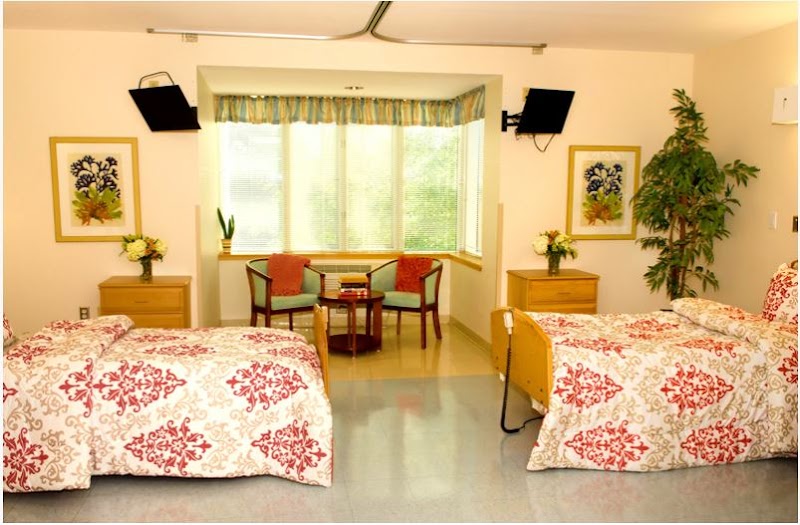
How is Affinity Skilled Living And Rehabilitation Center Staffed?

CMS rates AFFINITY SKILLED LIVING AND REHABILITATION CENTER's staffing level at 3 out of 5 stars, which is average compared to other nursing homes. Staff turnover is 30%, compared to the New York average of 46%. This relatively stable workforce can support continuity of care.

What Have Inspectors Found at Affinity Skilled Living And Rehabilitation Center?

State health inspectors documented 24 deficiencies at AFFINITY SKILLED LIVING AND REHABILITATION CENTER during 2020 to 2024. These included: 1 that caused actual resident harm, 20 with potential for harm, and 3 minor or isolated issues. Deficiencies causing actual harm indicate documented cases where residents experienced negative health consequences.

Who Owns and Operates Affinity Skilled Living And Rehabilitation Center?

AFFINITY SKILLED LIVING AND REHABILITATION CENTER is owned by a for-profit company. For-profit facilities operate as businesses with obligations to shareholders or private owners. The facility is operated by THE MAYER FAMILY, a chain that manages multiple nursing homes. With 280 certified beds and approximately 259 residents (about 92% occupancy), it is a large facility located in OAKDALE, New York.

How Does Affinity Skilled Living And Rehabilitation Center Compare to Other New York Nursing Homes?

Compared to the 100 nursing homes in New York, AFFINITY SKILLED LIVING AND REHABILITATION CENTER's overall rating (3 stars) is below the state average of 3.1, staff turnover (30%) is significantly lower than the state average of 46%, and health inspection rating (3 stars) is at the national benchmark.

What Should Families Ask When Visiting Affinity Skilled Living And Rehabilitation Center?

Based on this facility's data, families visiting should ask: "Can I visit during a mealtime to observe dining assistance and food quality?" "How do you handle medical emergencies, and what is your hospital transfer rate?" "Can I speak with family members of current residents about their experience?"

Is Affinity Skilled Living And Rehabilitation Center Safe?

Based on CMS inspection data, AFFINITY SKILLED LIVING AND REHABILITATION CENTER has a clean safety record: no substantiated abuse findings (meaning no confirmed cases of resident harm), no Immediate Jeopardy citations (the most serious violation level indicating risk of serious injury or death), and is not on the Special Focus Facility watch list (a federal program monitoring the lowest-performing 1% of nursing homes). The facility has a 3-star overall rating and ranks #100 of 100 nursing homes in New York. While no facility is perfect, families should still ask about staff-to-resident ratios and recent inspection results during their visit.

Do Nurses at Affinity Skilled Living And Rehabilitation Center Stick Around?

AFFINITY SKILLED LIVING AND REHABILITATION CENTER has a staff turnover rate of 30%, which is about average for New York nursing homes (state average: 46%). Moderate turnover is common in nursing homes, but families should still ask about staff tenure and how the facility maintains care continuity when employees leave.

Was Affinity Skilled Living And Rehabilitation Center Ever Fined?

AFFINITY SKILLED LIVING AND REHABILITATION CENTER has been fined $75,349 across 1 penalty action. This is above the New York average of $33,832. Fines in this range indicate compliance issues significant enough for CMS to impose meaningful financial consequences. Common causes include delayed correction of deficiencies, repeat violations, or care failures affecting resident safety. Families should ask facility leadership what changes have been made since these penalties.

Is Affinity Skilled Living And Rehabilitation Center on Any Federal Watch List?

AFFINITY SKILLED LIVING AND REHABILITATION CENTER is not on any federal watch list. The most significant is the Special Focus Facility (SFF) program, which identifies the bottom 1% of nursing homes nationally based on persistent, serious quality problems. Not being on this list means the facility has avoided the pattern of deficiencies that triggers enhanced federal oversight. This is a positive indicator, though families should still review the facility's inspection history directly.