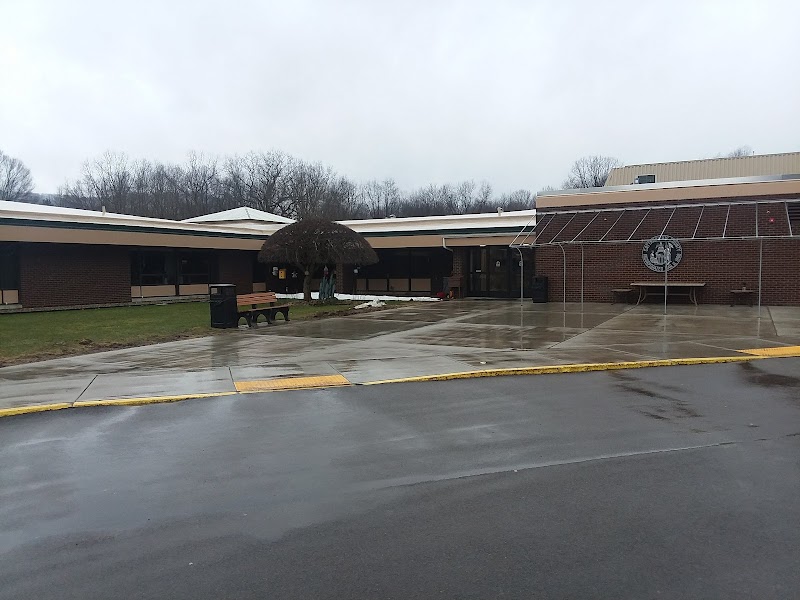
THE PINES HEALTHCARE & REHAB CENTERS OLEAN CAMPUS

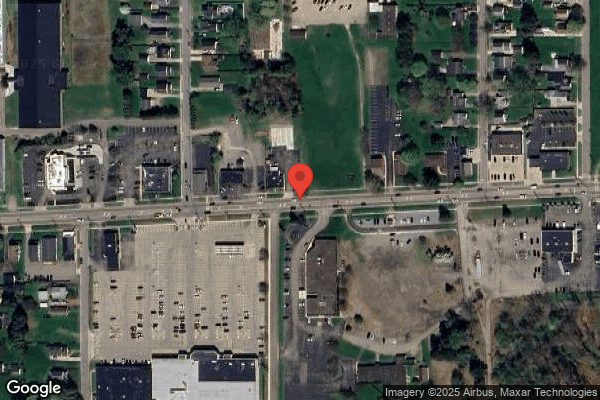
2245 WEST STATE STREET, OLEAN, NY 14760 (716) 373-1910
Government - County 120 Beds Independent Data: November 2025
Trust Grade
80/100
#244 of 594 in NY
Last Inspection: March 2025

Within standard 12-15 month inspection cycle. Federal law requires annual inspections.

Overview

The Pines Healthcare & Rehab Centers Olean Campus has a Trust Grade of B+, meaning it is above average and generally recommended for families considering care options. It ranks #244 out of 594 facilities in New York, placing it in the top half, and #3 out of 5 in Cattaraugus County, indicating only two local facilities are better. The facility's trend is stable, with four identified issues remaining consistent from 2023 to 2025. Staffing received an average rating of 3 out of 5 stars, but the turnover rate of 54% is concerning, higher than the state average of 40%. On a positive note, there have been no fines, but the facility has less RN coverage than 79% of New York facilities, which may affect the quality of care. Specific incidents noted by inspectors include a failure to properly monitor the use of physical restraints for a resident, which lacked necessary physician orders and assessments. Additionally, there was a delay in reporting an allegation of verbal abuse, violating protocols meant to protect residents. Lastly, one resident with pressure ulcers did not receive adequate assessments or treatment, which is critical for healing. Overall, while the facility has strengths like its good health inspection rating and lack of fines, the issues raised in the inspection reports indicate areas that need improvement.

Trust Score
B+
80/100
In New York
#244/594
Top 41%
Safety Record
Low Risk
No red flags
Inspections
Holding Steady
4 → 4 violations
Staff Stability
⚠ Watch
54% turnover. Above average. Higher turnover means staff may not know residents' routines.
Penalties
✓ Good
No fines on record. Clean compliance history, better than most New York facilities.
Skilled Nurses
⚠ Watch
Each resident gets only 28 minutes of Registered Nurse (RN) attention daily — below average for New York. Fewer RN minutes means fewer trained eyes watching for problems.
Violations
○ Average
9 deficiencies on record. Average for a facility this size. Mostly minor or procedural issues.
★★★★☆
4.0
Overall Rating
★★★☆☆
3.0
Staff Levels
★★☆☆☆
2.0
Care Quality
★★★★☆
4.0
Inspection Score
Stable
2023: 4 issues
2025: 4 issues

The Good

  • Full Sprinkler Coverage · Fire safety systems throughout facility
  • No fines on record

Facility shows strength in fire safety.

The Bad

Staff Turnover: 54%

Near New York avg (46%)

Higher turnover may affect care consistency

The Ugly 9 deficiencies on record

Mar 2025 4 deficiencies
CONCERN (D)

Potential for Harm - no one hurt, but risky conditions existed

Deficiency F0604 (Tag F0604)

Could have caused harm · This affected 1 resident

**NOTE- TERMS IN BRACKETS HAVE BEEN EDITED TO PROTECT CONFIDENTIALITY** Based on observation, interview, and record review conducted during the Standard survey completed on 3/7/25, the facility did no...

Read full inspector narrative →
**NOTE- TERMS IN BRACKETS HAVE BEEN EDITED TO PROTECT CONFIDENTIALITY** Based on observation, interview, and record review conducted during the Standard survey completed on 3/7/25, the facility did not ensure residents were free from physical restraints imposed for purposes of discipline or convenience that were not required to treat the resident's medical symptoms, used for the least amount of time and document ongoing re-evaluation of the need for restraints for one (1) (Resident #19) of two (2) residents reviewed for physical restraints. Specifically, Resident #19 did not have a physician's order for the use of a wheelchair trunk restraint and there was no evidence quarterly assessment/evaluation was completed for its use. Additionally, there was no documented evidence the trunk restraint was released every two hours. The finding is: The policy and procedure titled Physical Restraints dated 4/16 documented each physical restraint in use was to be assessed and monitored as a medical necessity using the interdisciplinary approach. Physical restraints are items used to restrict, restrain or prevent movement of a person. Examples may include but not limited to chairs with a latching bar and/or securing strap. The multidisciplinary team will assess the use of the restraints on at least a quarterly basis and to be reviewed at the resident's interdisciplinary quarterly care plan meeting. Options for removal or reduction of restraint were to be considered at that time, documentation of risks, benefits and plan were to be placed in the medical record. A physician order was required for any device considered a restraint and the physician order was to be reviewed and renewed at least every 60 days. Alternatives to restraints must be tried and the effect documented routinely. Nursing staff were to attend to a restrained resident at a minimum of every two hours; restraint was to be released or removed at least every two hours. Resident #19 had diagnoses which included Parkinson's disease, repeated falls, and encephalopathy (disease of both brain and spinal cord). The Minimum Data Set (MDS- a resident assessment tool) dated 1/17/25 documented Resident #19 was understood, understands and had moderate cognitive impairment. Resident #19 required total dependence of staff for dressing and used a trunk restraint daily while in their wheelchair. The comprehensive care plan dated 11/23/23 documented Resident #19 had limited physical mobility related to Parkinson's disease and contractures of bilateral shoulders. Interventions included Certified Nurse Aides were to bring Resident #19 to the Licensed Practical Nurse in the morning to apply the harness (trunk restraint). Licensed Practical Nurses were to release the harness every two hours for ten minutes then reapply; monitor for the ten minutes harness was removed. The [NAME] (a guide used by staff to provide care) dated 3/6/25 documented Certified Nurse Aides were to bring Resident #19 to the Licensed Practical Nurse in the morning to apply the harness. Licensed Practical Nurses were to release the harness every two hours for ten minutes then reapply; monitor for the ten minutes harness was removed. Review of the order summary report dated 8/7/24 through 3/5/25 revealed there was no order for the use of a trunk restraint (harness). On 3/6/25 and order was received that documented, Licensed Practical Nurse in morning to apply harness. Licensed Practical Nurses to release harness every two hours for ten minutes then reapply. Monitor for the ten minutes harness was removed every two hours for release harness when up in wheelchair. Review of the Medication Administration Treatment Administration Records dated 1/1/25 through 3/5/25 lacked documented evidence of release of restraint. Review of the Provider Visits dated 8/7/24 through 2/12/25 lacked documented evidence for use of a restraint. Review of the Restraint - Physical Quarterly/Annual Evaluation dated 5/17/24 documented Resident #19 had frequent falls, was sliding out of their wheelchair, had generalized weakness, poor trunk stability and abnormal posture. Additionally, an alternative chair was previously trialed which improved positioning, however the chair style could not be self-propelled by Resident #19. Resident #19 was care planned for a chest strap in the wheelchair for maintenance of independence with wheelchair mobility. Recommendations included continued use of restraint. There were no additional Restraint - Physical Quarterly/Annual Evaluations between 5/17/24 and 3/6/25. Review of the Restraint - Physical Initial Evaluation dated 8/7/24 with a locked date of 2/10/25 documented Resident #19 presented with generalized weakness, poor positioning, and poor trunk stability/ability reposition self in wheelchair. Resident #19 was found tipped forward in the wheelchair due to leaning and shifting weight forward secondary to poor trunk control abilities. The date of the first application of the chest strap was 1/23/23. Additionally, it was documented that a physician order was required and received. There were no additional Resident - Physical Initial Evaluations completed between 5/17/24 and 2/10/25. Review of the nursing progress notes dated 1/1/25 through 3/5/25 lacked documented evidence that the restraint was released every two hours. Review of the Physical Therapy Evaluations and Progress notes dated 8/8/24 through 3/6/25 lacked documented evidence an assessment for the use of a restraint. Review of the Occupational Therapy Evaluations and Progress notes dated 8/8/24 through 3/6/25 lacked documented evidence an assessment for the use of a restraint. During an observation on 3/3/25 at 11:08 AM, Resident #19 was in their room sitting up in their wheelchair. There was a black strap around Resident #19's chest that wrapped around the back of their wheelchair and was secured in the back. During an interview on 3/6/25 at 11:11 AM, Certified Nurse Aide #6 stated Resident #19 reaches for things a lot and leans to one side, so they wear a strap around their them to help them sit up. They stated they did not think that Resident #19 could release the strap themselves and the nurses release the strap every two hours for about 15-20 minutes. During an interview on 3/6/25 at 11:20 AM, Certified Nurse Aide #7 stated Resident #19 wore a holster to keep them from leaning and falling out of their chair. Prior to using the holster, a different type of wheelchair was tried to help Resident #19 with their positioning, but they did not like that wheelchair because they were unable to self-propel in it. They stated they were not sure if anything other than a wheelchair was tried prior to using the holster. They described the holster as a strap that goes around the front of Resident #19 and hooks around the back of their wheelchair. Certified Nurse Aide #7 stated the Certified Nurse Aides were unable to watch and monitor Resident #19 at all times and that was probably why it was being used. During an interview on 3/6/25 at 11:27 AM, Licensed Practical Nurse #5 stated Resident #19 wore a safety strap for positioning. Prior to using the strap, therapy attempted to work with Resident #19 using a different type of wheelchair, but they were unable to self-propel themselves in that chair. Resident #19 was given a grabber to help reach for things, but they would still fall from their chair without wearing the strap. They stated the strap goes around Resident #19's chest, around the back of their chair, and clips in the back of the wheelchair. They stated if Resident #19 spun the strap around they would probably be able to unclip it, but if they were unable to do that, then it would be considered a restraint. They stated it was unclipped every two hours for about 15 minutes. Licensed Practical Nurse #5 stated there used to be a place in the Treatment Administration Record to document that the strap was released but it was no longer there. They stated it should probably be documented to show that Resident #19 wasn't restrained to their chair all the time. They stated Resident #19 had good days and bad days and there should have been an attempt made at some point to reduce the use of the strap. When Resident #19 was out of their room, it was easier for staff to monitor them, but Resident #19 liked to be in their room and staff would not be able to monitor them at those times. During an interview on 3/6/25 at 11:37 AM, Licensed Practical Nurse #4 Unit Manager stated Resident #19 wore a positioning strap across their chest that wrapped around the back of their wheelchair. Resident #19 was unable to self-remove the strap, so in a way it was considered a restraint. Therapy completes restraint assessments. They stated Resident #19 was unable to hold themselves up well and the strap allows them to be more independent by keeping them from slumping over or leaning too far forward. They stated they believed there was not an order or documentation that the strap was removed every two hours because it was listed in the [NAME], but they had to double check with Registered Nurse Supervisor #1. During an interview on 3/6/25 at 11:56 AM, Registered Nurse Supervisor #1 stated they felt it was a gray area if a physician's order was needed for the strap because it was just a strap. They stated the nurses should document when it has been released. They stated because the strap was used for safety, and they did not believe it was a restraint. During an interview on 3/6/25 at 12:37 PM, the Director of Rehabilitation stated they referred to the strap that went around Resident #19 as a lap band and it was to support their trunk. They stated prior to using it, Resident #19 was always leaning forward and having falls. Resident #19 was unable to undo the lap band. The therapy department was responsible for completing restraint evaluations every quarter. They were informed in February 2025 that there was a restraint initial evaluation that was opened for 8/10/24, and it was blank. The form was completed and locked on 2/10/25 by therapy. They stated there should have been a restraint evaluation completed by therapy in August and November of 2024. The Director of Rehabilitation stated in the restraint evaluation that was completed 2/10/25, it was indicated that a physician order was required, and it was the responsibility of the Nursing Supervisors to communicate the need for an order to the Medical Director. During an interview on 3/6/25 at 4:03 PM, Licensed Practical Nurse #6 stated Resident #19 wore a strap that went around their chest and wheelchair. Resident #19 was unable to reach behind the wheelchair to unhook the strap, which would make it a restraint. They stated they have seen Resident #19 moving their torso back and forth while wearing the strap trying to reach and pick stuff off the floor. Resident #19 had a grabber to help reach for items as well but did not always use it. Licensed Practical Nurse #6 stated the documentation in the Medication Administration Record began on 3/6/25 and before that, they did not document anywhere that the strap was released. It should have been documented when it was released so that anyone who read the chart knew that it was released every two hours when they were in their wheelchair. During an observation and interview on 3/7/25 at 8:50 AM, Resident #19 was in their room sitting upright in their wheelchair. Licensed Practical Nurse #4 Unit Manager requested Resident #19 to remove their chest strap. Resident #19 stated, they were unable to remove it because the clip was behind the wheelchair, and they were unable to reach it. They stated the strap keeps them from plopping out of their wheelchair. Licensed Practical Nurse #4 Unit Manager stated they knew that different type of wheelchairs, the grabber and different types of straps and harnesses were trialed with Resident #19, but they were unsure of any recently attempted interventions trialed to reduce the use of the strap between August 2024 and March 2025. During an interview on 3/7/25 at 11:23 AM, the Director of Nursing stated they expected evaluations to be completed quarterly by therapy and for a physician's order to be in place for any restraint. They stated they believed the breakdown in communication occurred when the facility switched therapy companies, and they were unaware that the evaluations needed to be completed quarterly. They stated they 100% believed Resident #19 required the strap to assist with positioning and so they were able to be as independent as possible; without it, they were unable to hold themselves up to complete hygiene or feeding tasks and participate fully in activities. They stated a few steps were missed and they would expect the nurses to document when the strap was released to show that it was released every two hours. During an interview on 3/7/25 at 12:14 PM, the Administrator stated they expected therapy to complete the evaluations for restraints quarterly and if they had missed an evaluation, it was the Minimum Data Set Coordinator's responsibility to notify them of any missed evaluations. The purpose of the evaluations was to ensure the least restrictive interventions were trialed prior to using a restraint. They stated they were not sure if Resident #19 required a physician's order for their strap because it was a positioning device. But they did expect for nursing to document the strap was released every two hours because that was a requirement. The Unit Manager, Nursing Supervisor and ultimately the Assistant Director of Nursing and Director of Nursing were responsible to make sure the nurses were documenting the strap was released every two hours. During a telephone interview on 3/7/25 at 12:34 PM, the Medical Director stated they were somewhat familiar with Resident #19, but they did not recall any straps going around the chest of the resident and clipping behind the back of the wheelchair. They stated that sounded like a restrictive thing and there was no order for that. They stated they were not aware of this, and they expected someone from the facility to notify them that it was being used and for what purpose. They stated it fell under restriction and whoever decided it was necessary at the facility was responsible to let them know about it. During an interview on 3/7/25 at 12:42 PM, the Minimum Data Set Coordinator stated their most recent Minimum Data Set on 1/17/25 indicated Resident #19 used a trunk restraint because they had a restraint that went across their trunk area. They stated they received that information by looking at the therapy documentation and that was when they realized there was a blank restraint evaluation open from last August. They stated they usually let therapy know when there were missing quarterly assessments, but they were late reporting the missing the restraint evaluation to the therapy department. They stated they did not remember if they let anybody in nursing know that there was an order missing for the restraint. 10 NYCRR 415.4(a)(2)(iii)
CONCERN (D) 📢 Someone Reported This

A family member, employee, or ombudsman was alarmed enough to file a formal complaint

Potential for Harm - no one hurt, but risky conditions existed

Report Alleged Abuse (Tag F0609)

Could have caused harm · This affected 1 resident

Based on interview and record review conducted during a Complaint investigation (#NY00343645) during a Standard survey completed on 3/7/25, the facility did not ensure that all alleged violations invo...

Read full inspector narrative →
Based on interview and record review conducted during a Complaint investigation (#NY00343645) during a Standard survey completed on 3/7/25, the facility did not ensure that all alleged violations involving abuse or mistreatment were reported immediately, but not later than two hours after the allegation is made, if the events that cause the allegation involve abuse, to the administrator of the facility and to other officials (including to the State Survey Agency) for one (Resident #99) of two residents reviewed for abuse. Specifically, facility staff did not immediately, or no later than two hours, report an allegation of verbal abuse to the Administrator. Additionally, once the Administrator was aware of the verbal abuse allegation, it was not reported to the State Survey Agency in the required timeframe. The finding is: The policy titled Abuse Prevention and Reporting last revised 2/25 documented it is the policy to prevent, identify and investigate incidents of resident abuse; treat all residents with kindness, dignity and consideration; ensure all residents are free from verbal abuse; and to comply with all State and Federal Regulations regarding abuse. Verbal abuse was documented to include, but not limited to use of profanity, swearing; sarcasm, threats; teasing or degrading. Employees are required to report any act of resident abuse to their supervisor and/or the facility Director of Nursing and/or Administrator immediately. The New York State Department of Health will be notified by the Nursing Director and/or Administrator/Designee per reporting manual guidelines. Resident #99 had diagnoses that included dementia, stroke affecting right side, and anxiety disorder. The Minimum Data Set (a resident assessment tool) dated 4/20/24 documented Resident #99 had moderate cognitive impairment was understood and understands. The comprehensive care plan initiated on 4/14/22 documented Resident #99 had an activities of daily living self-performance deficit related to confusion, mild right sided weakness and impaired balance. Approaches included one assist with personal hygiene and toileting hygiene. On 1/29/24, Resident #99 had the potential for mood state/behavior status issues related to anxiety. Approaches included caregivers to provide opportunity for positive interaction and attention. Review of the Department of Health Nursing Home Facility Incident Report submitted successfully on 5/29/24 at 2:55 PM, documented an allegation type of mental/verbal abuse to Resident #99 in the resident's bathroom and unit hallway by Certified Nurse Aide #8. The incident date/time was documented as 5/25/24 at 10:00 AM and the date/time the Administrator was first made aware of the incident was on 5/28/24 at 2:20 PM. The facility investigation submitted on 6/4/24 at 4:29 PM, documented there was a verified finding of abuse toward Resident #99. The facility investigation revealed verbal abuse was not reported to the Assistant Director of Nursing by staff members involved until three days after the incident occurred. During an interview on 3/7/25 at 9:23 AM, Certified Nurse Aide #3 stated they recalled Resident #99 asked Certified Nurse Aide #8 for something and Certified Nurse Aide #8 replied rudely. Certified Nurse Aide #3 stated if they heard verbal abuse, they would report it to their charge nurse or supervisor so no harm came to the residents, and so management could take care of the matter as soon as possible to ensure the safety of all the residents. Certified Nurse Aide #3 reviewed their interview/statement given on 5/28/24 and stated Licensed Practical Nurse #1 was already aware as they witnessed Licensed Practical Nurse #1 advising Certified Nurse Aide #8, they could not say things like hold off, let me think before I strangle you to a resident. During an interview and observation on 3/7/24 at 9:54 AM, Licensed Practical Nurse #1 stated if an aide reported abuse to them, they would immediately make sure the resident was safe and notify the supervisor. Licensed Practical Nurse #1 reviewed their interview/statement given on 5/29/24, and stated they remembered telling Certified Nurse Aide #8 to leave Resident #99's room during care because of how they were speaking to Resident #99, it was verbal abuse. Licensed Practical Nurse #1 stated they called Registered Nurse Supervisor #1 to report what was going on with Resident #99 but could not recall if they reported what Certified Nurse Aide #8 said to Resident #99. They stated they usually reported any abuse concerns immediately but felt they handled it at that time and did not think Registered Nurse Supervisor #1 would have addressed the situation. During an interview on 3/7/25 at 10:24 AM, Registered Nurse Supervisor #1 stated any allegation of abuse was reported to the Director of Nursing as soon as it was reported to them. Registered Nurse Supervisor #1 stated everyone was responsible to report abuse for resident safety. They stated any abuse that has caused injury has to be reported within two hours, if no injury then within twenty-four hours. They stated the Director of Nursing was responsible for reporting abuse to the Department of Health. Registered Nurse Supervisor #1 denied that any abuse allegation regarding Resident #99 was brought to their attention. They stated Certified Nurse Aide #8 was known to be verbally loud, animated, eccentric and residents would indicate they did not like Certified Nurse Aide #8's demeanor. During an interview and observation on 3/7/25 at 10:37 AM, Certified Nurse Aide #4 stated an allegation of verbal abuse was brought to their attention by Certified Nurse Aide #3 regarding Certified Nurse Aide #8. Certified Nurse Aide #4 reviewed their interview statement provided on 5/29/24, during the facility investigation, and stated the verbal abuse allegation was reported to them on 5/28/24 and had occurred over the weekend. Certified Nurse Aide #4 stated the staff should not have waited to report the verbal abuse and should have reported it immediately to the nursing supervisor. During an interview on 3/7/25 at 1:25 PM, the Administrator in the presence of the Director of Nursing Home Deputy of County Administrator, stated staff should have reported the verbal abuse made to Resident #99 immediately and they did not. They stated it was important for abuse to be reported immediately because there was a time constraint on reporting abuse to the Department of Health. They stated they have two hours to report abuse with serious bodily injury and any other abuse would be reported within twenty-four hours. 10 NYCRR 415.4(b)(2)
CONCERN (D) 📢 Someone Reported This

A family member, employee, or ombudsman was alarmed enough to file a formal complaint

Potential for Harm - no one hurt, but risky conditions existed

Pressure Ulcer Prevention (Tag F0686)

Could have caused harm · This affected 1 resident

**NOTE- TERMS IN BRACKETS HAVE BEEN EDITED TO PROTECT CONFIDENTIALITY** Based on observation, interview, and record review conducted during a Complaint investigation (#NY00363844) during a Standard su...

Read full inspector narrative →
**NOTE- TERMS IN BRACKETS HAVE BEEN EDITED TO PROTECT CONFIDENTIALITY** Based on observation, interview, and record review conducted during a Complaint investigation (#NY00363844) during a Standard survey completed on 3/7/25, the facility did not ensure residents with pressure ulcers received necessary treatment and services, consistent with professional standards of practice, to promote healing for one (1) (Resident #16) of three (3) residents reviewed. Specifically, Resident #16 lacked pressure ulcer assessments that included accurate pressure ulcer staging, and there was the lack of medical provider documentation to include the resident's pressure ulcer and treatment plan. The finding is: The policy and procedure titled Pressure Ulcer/Wound Management and Treatment revised 3/15/23 documented to ensure a resident with a pressure ulcer receives necessary treatment and services to promote healing a Registered Nurse will accurately assess and reassess all pressure ulcers on a weekly basis, document pressure ulcer assessments in the medical record, abide by the National Pressure Ulcer Advisory Panel (NPUAP) publications, Pressure Ulcer Prevention and Treatment Clinical Practice Guideline on staging pressure ulcers and measurement of pressure ulcers. The Wound Evaluation will be completed and documented in the Wound and Skin Module in the electronic medical record weekly. Licensed Practical Nurses may measure and document on established wounds. Description may include when applicable: exudate (fluid released from wound), necrotic (dead) tissue, drainage, tissue type, and stage (only pressure ulcer) per the National Pressure Ulcer Advisory Panel guidelines. Purpose and Function of Wound/Pressure Ulcer Management Team to provide consultation to unit nurses and physicians in the treatment of pressure ulcers; monitor the healing of existing pressure ulcers through weekly team meeting discussions with rounds on units as determined by team. Review of an undated Wound Assessment and Documentation in-service packet provided by the Director of Nursing documented to assess characteristics, amount (document in percentage) and location of tissue types which included: Necrotic Tissue (dead; non-viable, included slough-yellow, green, grey, nonviable (necrotic) tissue, usually lighter in color, thin, wet stringy; and eschar-black, brown, dry, nonviable (necrotic) tissue, usually darker in color, thicker, hard. Staging system- assessment system that classifies pressure ulcers, documented: Stage 2: partial thickness loss of dermis (skin) presenting as a shallow open ulcer with a red, pink wound bed, without slough; Stage 3: full thickness tissue loss. Slough may be present but does not obscure the depth of the tissue loss; Un-stageable: full thickness tissue loss in which the base of the ulcer is covered by slough and/or eschar in the wound bed. Further description: until enough slough and/or eschar is removed to expose the base of the wound, the true stage, cannot be determined. Resident #16 had diagnoses which included pressure ulcer of sacral (sacrum) region, type 2 diabetes mellitus, and neuromuscular dysfunction of bladder. The Minimum Data Set (a resident assessment tool) dated 2/1/25, documented Resident #16 was understood, understands and was cognitively intact. Resident #16 had an indwelling catheter, was always incontinent of bowel, was at risk for the development of pressure ulcers and had an unhealed stage 2 present on admission. The comprehensive care plan initiated 3/31/2024 documented Resident #16 had the potential for pressure ulcer/impairment of skin integrity related to fragile skin, and immobility. Interventions included to keep skin clean and dry, report abnormalities, failure to heal, maceration to the Medical Doctor/Nurse Practitioner, turn and reposition every 2-3 hours while in bed. The goal was revised 9/5/2024 and documented the resident would remain free from injury/skin impairment with a target date of 5/6/25. Additionally, nutritional care plan revised 1/21/2025 documented risk altered skin integrity-stage 2 coccyx (tailbone). The Order Summary Report, order date range 7/23/24-3/31/25, documented stage 2 to coccyx (tailbone), cleanse with normal saline, pat dry, apply silver alginate (antimicrobial dressing) and cover with foam dressing every shift and as needed, start date 1/17/25. On 2/5/25 treatment order changed frequency to everyday shift and as needed. Review of Provider Visit progress notes dated 1/22/25 and 2/21/25 revealed there was no documented evidence of pressure ulcers evaluation. On 2/21/25 Nurse Practitioner #1 documented the resident's skin had no rashes or lesions. Review of Skin and Wound Evaluation; and Wound Evaluation (picture) revealed the following: -1/17/25, completed by Registered Nurse Supervisor #1, documented Stage 2 pressure ulcer to coccyx present on admission [DATE]). Wound measurements 3.9 centimeters length by 0.5 centimeters width, slough (dead tissue) filled 80 percent of the wound bed. -1/22/25, completed by Licensed Practical Nurse #2, Head Nurse, documented Stage 2 pressure ulcer to coccyx. Wound measurements 1.4 centimeters length by 0.8 centimeters width. -1/29/25, completed by Registered Nurse Supervisor #2, documented Stage 2 pressure ulcer to coccyx. Wound measurements 1.2 centimeters length by 0.6 centimeters width. -2/5/25, completed by Licensed Practical Nurse #2, Head Nurse, documented Stage 2 pressure ulcer to coccyx. Wound measurements 2.0 centimeters length by 0.8 centimeters width. -2/12/25, completed by Licensed Practical Nurse #2, Head Nurse, documented Stage 2 pressure ulcer to coccyx. Wound measurements 1.8 centimeters length by 0.8 centimeters width. -2/19/25, completed by Licensed Practical Nurse #2, Head Nurse, documented Stage 2 pressure ulcer to coccyx. Wound measurements 1.2 centimeters length by 0.5 centimeters width. -2/26/25, completed by Licensed Practical Nurse #2, Head Nurse, documented Stage 2 pressure ulcer to coccyx. Wound measurements 1.6 centimeters length by 0.5 centimeters width. -3/5/25, completed by Licensed Practical Nurse #2 Head Nurse, documented Stage 2 pressure ulcer to coccyx. Wound measurements 1.0 centimeters length by 0.3 centimeters width. Review of the wound pictures as documented above revealed slough was visualized to the pressure ulcer wound bed on the following dates: 1/17/25,1/22/25, 1/29/25, 2/5/25, 2/12/25, 2/26/25 and 3/5/25. During an interview on 3/5/25 at 11:46 AM, Resident #16 stated they have a hole on their buttocks that was acquired while in the hospital. They stated treatment to their buttocks was completed daily. Additionally, they stated the hole on their buttock has not been seen by a specialist, or wound provider to their knowledge. During an observation of wound care on 3/6/25 at 12:37 PM revealed Resident #16 had a pressure ulcer to sacral area with full thickness tissue loss, with the base of the ulcer covered by slough in the wound bed (un-stageable). During an interview at the time of the observation Licensed Practical Nurse #1 stated the pressure ulcer was documented as Stage 2 to the coccyx. At this time, Licensed Practical Nurse #1 described the pressure ulcer wound bed as yellow. During an interview and observation on 3/6/25 at 1:07 PM, Licensed Practical Nurse #2 Head Nurse stated a Registered Nurse must initiate a wound/pressure ulcer assessment. They stated once the initial assessment was completed, they complete the weekly wound/pressure ulcer picture and evaluation in the electronic medical record. Licensed Practical Nurse #2, stated they complete their weekly unit skin rounds usually with a Certified Nurse Aide only. They stated every Wednesday the Wound Team, consisting of Head Nurses/Unit Managers, Dietary Technician, Therapy Director, Social Worker, Minimum Data Set Coordinator, and Inservice Coordinator/Infection Preventionist meet to discuss weekly pictures and evaluations. They stated the Wound Team discusses if the wound/pressure ulcer was deteriorating, improving, interventions and need for treatment change. Review of Wound Evaluation picture dated 3/5/25, Licensed Practical Nurse #2, stated Resident #16's base of pressure ulcer to coccyx could not be seen due to the presence of yellow tissue. Additionally, they stated the Registered Nurse determines the staging of pressure ulcers with the initial assessment. LPN #2 stated the wound team meets every Wednesday and reviewed wound pictures from their wound rounds and they discussed if wound was deteriorating, improving, if there was a need to change treatment, or interventions. They stated there was no new recommendations given. During an interview and observation on 3/6/25 at 2:01 PM, Inservice Coordinator/Infection Preventionist/Wound Care Certified Registered Nurse stated a Registered Nurse determines the stage of pressure ulcers. They stated once a pressure ulcer was established, they expected the weekly evaluating nurse to take pictures and document on the condition of the pressure ulcer, drainage, wound bed appearance with percentages, peri wound, signs/symptoms of infection and treatment. They stated this was part of the regulation and was important to see if the treatment, and modalities being utilized were assisting in wound healing. They stated review of pressure ulcer staging by the Wound Team was based on observing of the pictures in the electronic medical record. They stated they do not lay eyes on every wound/pressure ulcer and could not say if they had ever laid eyes on Resident #16's pressure ulcer. Inservice Coordinator/Infection Preventionist/Wound Care Certified Registered Nurse reviewed Resident #16's Wound Evaluation pictures in the electronic medical record from 1/17/25 - 3/5/25 and stated the pressure ulcer should have been staged as a Stage 3, as the wound bed presented with slough/fibrin: narcotic tissue. They stated they would not have staged Resident #16's pressure ulcer as an unstageable pressure ulcer on 1/17/25 as the pressure ulcer was not covered with eschar. After reviewing the Wound Evaluation pictures, they stated there was no improvement to the wound bed of the pressure ulcer and the current treatment was not effective. Additionally, they stated they had no answer as to why Resident #16's pressure ulcer was incorrectly staged but stated it was not a Stage 2 and it should have been staged as a 3. During an interview on 3/7/25 at 11:12 AM, Registered Nurse Supervisor #1 stated they were aware Resident #16 had a pressure ulcer. They stated they were taught if they are unable to see what the wound bed looked like it was staged as unstageable, and a pressure ulcer with yellow slough would be staged as unstageable. Registered Nurse Supervisor #1 reviewed pictures of Resident #16's pressure ulcer to coccyx and stated they would have staged pressure ulcer as unstageable on 1/22/25, 1/29/25, 2/5/25, 2/12/25, 2/19/25, 2/26/25, 3/5/25 based on slough completely covering the wound bed. Additionally, they stated taking a picture of a pressure ulcer may not be the best way to stage a wound, as it could be improperly staged depending on glare, and angle when picture was taken. During a follow up interview on 3/7/25 at 11:35 AM, Inservice Coordinator/Infection Preventionist/Wound Care Certified Registered Nurse stated they would expect the evaluating nurse completing weekly wound rounds to be documenting on the appearance of the pressure ulcer wound bed. They stated a wound bed with 80 percent slough would not be considered a Stage 2 pressure ulcer. They stated any ulcer with slough/fibrin would be a Stage 3 or Unstageable. Additionally, they stated the medical providers do not attend the weekly Wound Team meeting but can look through a resident's electronic medical record to view the Skin and Wound evaluation and pictures. During an interview on 3/7/25 at 11:54 AM, the Director of Nursing stated it was important for pressure ulcers to be staged and wound bed described correctly to determine proper wound care, treatment plan, and monitoring of pressure ulcers. The Director of Nursing stated that a Registered Nurse can be notified to lay eyes (in person) on a wound and assess it if there were any concerns or questions when needed. During a telephone interview on 3/7/25 at 12:35 PM, Medical Director #1 stated they were made aware of resident pressure ulcers when they make rounds by the nurse, and they can review wounds in the computer. They could not say if they had ever assessed Resident #16's pressure ulcer. They stated if a pressure ulcer was improving, they would not expect any communication and they would not review pressure ulcer pictures. They stated the only time they expected communication regarding a pressure ulcer is if there was a concern, otherwise they expected the nursing staff to follow protocol. Medical Director #1 stated if a concern was brought to their attention, they would make a progress note to that affect. Additionally, they stated if slough was covering a wound base, it would have to be removed to see how far the pressure ulcer goes. During an interview on 3/7/25 at 12:52 PM, Nurse Practitioner #1 stated they were aware Resident #16 had a pressure ulcer but was unable to recall for sure if they have physically seen the pressure ulcer. They stated if they had seen a pressure ulcer it would be documented under skin assessment with stage and progress. Upon review of Wound Evaluation dated 3/5/25, Nurse Practitioner #1 stated the wound base could not be seen be seen and staging wound be undetermined/unstageable until it was clean. 10 NYCRR 415.12 (c)(2)
CONCERN (D)

Potential for Harm - no one hurt, but risky conditions existed

Deficiency F0700 (Tag F0700)

Could have caused harm · This affected 1 resident

**NOTE- TERMS IN BRACKETS HAVE BEEN EDITED TO PROTECT CONFIDENTIALITY** Based on observation, interview, and record review conducted during the Standard survey completed 3/7/25, the facility did not e...

Read full inspector narrative →
**NOTE- TERMS IN BRACKETS HAVE BEEN EDITED TO PROTECT CONFIDENTIALITY** Based on observation, interview, and record review conducted during the Standard survey completed 3/7/25, the facility did not ensure residents were assessed for risk of entrapment from bed rails prior to installation, review the risks and benefits of bed rails with the resident or resident representative, and obtain informed consent prior to the installation of bed rails for one (1) (Resident #18) of one (1) resident reviewed for bed rails. Specifically, Resident #18 was not assessed for risk of entrapment from bed rails, the risks and benefits of bed rails were not reviewed with the resident or their representative, and no consents were obtained prior to bed rail use. The finding is: The policy titled Side Rail Policy dated 4/16, documented side rails will be used if requested by a cognitively intact person or activated health care proxy. Such use is facilitated following education of the requestor and a signed risk benefit analysis. All residents will be evaluated for side rail use at admission/re-admission using the Side Rail and Alternative Equipment Decision Tree. Such use is permitted only after educational material and explanation has been provided to the requestor. The policy titled Safety Devices (Bed) dated 9/23 documented the facility maintains the safety of the resident and prevents injury and harm. The resident beds meet the Food and Drug Administration entrapment guidelines. The facility will provide and utilize devices to assist in bed mobility, and/or prevent injury. Such devices may include bed mobility handles. All residents will be evaluated for safety device use at admission/re-admission, and as needed. The User-Service Manual copyright 2017, for the bed series utilized in the facility, documented when assessing the risk for entrapment you need to consider assist devices and other accessories. It is important to review the resident's physical and mental condition and initiate an appropriate individual care plan to address entrapment risk. The State Operations Manual dated 8/8/24 documented examples of bed rails include but are not limited to grab bars and assist bars. Resident #18 had diagnoses that included Alzheimer's disease, vascular dementia, legal blindness and repeated falls. The Minimum Data Set (a resident assessment tool) dated 2/8/25 documented the resident sometimes understands, sometimes understood, had severely impaired vision and had severe cognitive impairment. Resident #18 was dependent with rolling left and right in bed. No bed rail use was indicated on the assessment. The [NAME] (guide used by staff to provide care) dated 3/3/25, documented for bed mobility the resident required bilateral bed mobility handles to aid in turning and repositioning in bed. The comprehensive care plan revised on 11/12/23, documented Resident #18 had an activities of daily living self-care performance deficit related to confusion and dementia. Approaches initiated on 12/9/22 documented Resident #18 used mobility handles to maximize independence with turning and repositioning in bed. On 6/20/24 the resident required bilateral bed mobility handles to aid in turning and repositioning while in bed. A revision on 5/25/2024 documented the resident was at high risk for falls related to confusion, vision/hearing problems. The Nursing admission Screen and History effective 10/21/22, documented Resident #18 required assistance with bed mobility and could not use a side rail to assist with positioning while care was being provided by staff. The Physical Therapy evaluation dated 8/27/24 documented for bed mobility the resident was dependent, they rarely/never had the ability to understand, and their ability to follow one step directions was inconsistent, even with prompts/cues. There was no documented evidence of an evaluation or use of bed mobility handles. During observations on 3/5/25 at 9:53 AM, 3/6/25 at 9:41 AM, 3/7/25 at 9:05 AM Resident #18's bed had bilateral bed rails secured to the bed frame at the head of the bed. During a continual care observation and interview on 3/6/25 from 9:41 AM to 9:55 AM, Resident #18 was in bed with bilateral bed rails at the head of bed in the up position. During turning and repositioning of Resident #18 in bed, Resident #18 did not utilize the bed rails, their bilateral arms were observed crossed over their chest while being turned during care. Certified Nurse Aides #3 and #5 did not offer instruction or encourage the resident to use the bed rails during care. Certified Nurse Aides #3 and #5 both stated that Resident #18 did not usually use the bed mobility handles (bed rails) at the head of bed to assist with turning and repositioning. During an interview on 3/6/25 at 10:03 AM, Certified Nurse Aide #3 stated they would know if a resident had bed mobility handles if they looked in the resident's room and it would be on the residents' care plan. Certified Nurse Aide #3 stated they did not consider Resident #18's bed mobility handles to be a restraint because it was not a full bed rail. Certified Nurse Aide #3 stated Resident #18 would not be able to follow direction for use of the bed mobility handles to assist with their bed mobility. They stated the therapy department determined if a resident received bed mobility handles. During an interview on 3/6/25 at 10:24 AM, Licensed Practical Nurse #3 stated residents have bed mobility handles for positioning and mobility in bed; some residents preferred them for comfort and safety because they thought they were going to fall out of bed. They stated nursing staff were responsible to make sure that the bed mobility handles were present per the care plan and were still needed. They stated nursing staff could notify therapy to evaluate a resident for the use of bed mobility handles if needed. During an interview on 3/6/25 at 5:24 PM, the Director of Rehab stated that therapy evaluated residents for bed mobility handles upon admission, annually and as needed. They stated the therapy department had maintenance install the bed mobility handles to a bed after they felt a resident could utilize them appropriately and safely. They stated bed mobility handles were given to residents to promote more independence with bed mobility. The Director of Rehab did not know whether the bed mobility handles were considered a restraint, or a risk for entrapment and stated they should know for resident safety. The Director of Rehab stated to their knowledge there was not an assessment form, or consent required for the use of the bed mobility handles. During an interview on 3/6/25 at 5:38 PM, the Director of Nursing stated therapy evaluated each resident to see if the use of bed mobility handles was appropriate and able to be used safely. They stated that bed mobility handles were not considered bed rails; they were too short and were used for rolling and repositioning. The Director of Nursing stated no consent forms or bed rail forms were completed for bed mobility handles. The Director of Nursing stated they did not believe the bed mobility handles were a risk for entrapment. They stated if a resident was unable to follow instructions, they would not be appropriate for the use of the bed mobility handles. During an interview on 3/7/25 at 9:10 AM, Registered Nurse #1, Head Nurse, stated they were unaware of any risk, benefit or consents that were needed prior to the installation of the bed mobility handles. They stated they weren't aware of which residents on their unit had bed mobility handles. Registered Nurse #1 stated Resident #18 was not of sound mind, had severe cognitive impairment and did not know they had bed mobility handles. They stated the bed mobility handles were small and did not think they posed an entrapment risk to the residents. During an observation and an interview on 3/7/25 at 9:38 AM, the Superintendent of Buildings and Grounds measured the bed rails attached to Resident #18's bed. They stated the height of the bed rails was fifteen inches and the width was nine and three quarters inches. The Superintendent of Buildings and Grounds stated all residents had to be care planned before installation of bed rails. They stated a mobility handle was a bar that the residents used to be able to move in bed. They stated they always used the most non-restrictive devices as possible. During an interview on 3/7/25 at 11:50 AM, the Minimum Data Set Coordinator stated the bed rail was only supposed to be used to assist the residents in rolling back and forth, these residents should be able to hold on to the rail to support themselves while care was being provided. They stated it did not mean the resident could turn and rotate independently but they would be able to assist in supporting themselves partially while staff provided care. The Minimum Data Set Coordinator stated if Resident #18 was not able to follow instructions to hold on to the bar during care, it would not be appropriate to leave the bar on the bed. They stated that physical therapy did bed mobility assessments yearly and they were required to do quarterly assessments as well. During a follow up interview on 3/7/25 at 1:25 PM, the Director of Rehab stated therapy was responsible to review bed mobility annually or as needed by referral from nursing. They stated they would have expected a physical therapist to have assessed Resident #18's bed mobility handles, bed rails in August 2024 to see if Resident #18 was still capable of using them safely. The Director of Rehab stated if Resident #18 was incapable of using the bed rails, therapy should have documented that, and they should have been removed from the care plan and bed. They stated if Resident #18 could use the bed rails safely, and there was no risk for injury with use that should have been documented. During an interview on 3/7/25 at 1:25 PM, the Administrator stated they were familiar with bed rails regulations and that the facility did not use bed rails. They stated there was not a risk assessment completed for the use of the bed mobility handles. They stated therapy or the head nurse would address the use of the bed mobility handles with family and would expect it to be documented on the evaluation or in a progress note. 10 NYCRR 415.12 (h)(1)
Mar 2023 4 deficiencies
CONCERN (D)

Potential for Harm - no one hurt, but risky conditions existed

Free from Abuse/Neglect (Tag F0600)

Could have caused harm · This affected 1 resident

**NOTE- TERMS IN BRACKETS HAVE BEEN EDITED TO PROTECT CONFIDENTIALITY** Based on observation, interview and record review conducted during a Complaint Investigation (NY00286248 and NY00283680) complet...

Read full inspector narrative →
**NOTE- TERMS IN BRACKETS HAVE BEEN EDITED TO PROTECT CONFIDENTIALITY** Based on observation, interview and record review conducted during a Complaint Investigation (NY00286248 and NY00283680) completed during the Standard survey completed 3/3/23, the facility did not ensure the resident's right to be free from abuse for three (Resident #30, #34 and #77) of four residents reviewed for abuse. Specifically, Licensed Practical Nurse (LPN) #5 verbally abused Resident #34 in the presence of their roommate (Resident #77). The incident was witnessed by a Certified Nurse Aide (CNA) who did not immediately report the abuse to facility staff; Resident #30 had an allegation of abuse against CNA #3, who had multiple disciplinary notices for neglect and abuse allegations and continued to work with residents. The findings are: The policy and procedure titled Abuse Prevention and Reporting signed and dated 6/28/22 documented it is the policy of the facility to prevent and investigate incidents of resident abuse; treat all residents with kindness, dignity and consideration; ensure all residents are free from physical, verbal, mental, financial and sexual abuse or neglect; comply with all State and Federal Regulations with regard to abuse and neglect. Physical abuse is any act or omission which may cause or causes physical pain, harm or injury to the resident or where it is reasonable to believe that pain, harm or injury would result. Verbal abuse is any act or omission which may cause or causes emotional harm, psychological harm, mental harm, mental distress or humiliation or where it is reasonable to believe that harm would result regardless of the cognitive or sensory level of the resident. If the investigation supports disciplinary action, appropriate disciplinary action will be taken which may include the following: reinstatement without pay; suspension without pay between three and ten days in addition to the lost investigation time; immediate termination. The State Operations Manual Appendix PP dated 10/21/22 documented neglect occurs when the facility is aware of, or should have been aware of, goods or services that a resident(s) requires but the facility fails to provide them to the resident(s), that has resulted in or may result in physical harm, pain, mental anguish, or emotional distress. Neglect may be the result of a pattern of failures or may be the result of one or more failures involving one resident and one staff person. 1a. Resident #34 had diagnoses including major depressive disorder, psychosis, hypertension (HTN-high blood pressure) and type 2 diabetes mellitus (DM). The Minimum Data Set (MDS- a resident assessment tool) dated 10/28/21 and 12/20/22 documented the resident was understood, understands and cognitively intact. Review of the untitled comprehensive care plan (CCP) revision date 1/18/23 revealed Resident #34 has potential for alteration in mood state r/t (related to) dx (diagnoses) of major depressive disorder, anxiety and psychosis, with use of psychotropic medication; history of incident involving staff, support give, resident venting feelings well. During an interview and observation on 2/28/23 at 9:39 AM, Resident #34 stated they vaguely remembered the incident with a staff member, and it happened a while ago and the incident happened on another unit and in a different room. They stated they felt like the facility has taken care of the situation and have not seen or even remember who that LPN was. They stated they did not feel afraid and felt safe here at the facility. The resident appeared calm and comfortable talking about the incident. Review of the progress note titled RN (Registered Nurse) Note dated 11/10/21 at 10:01 AM, revealed Resident #34 requested this writer come to their room after breakfast today, stated they are very upset due to the incident during the night. Resident stated the night shift LPN was mean to them, yelling at them and their roommate during the night. Resident reported they were unable to sleep after the incident. 1b. Resident # 77 had diagnoses including schizophrenia, acute embolism (obstruction of an artery) and thrombosis (clotting within a blood vessel), and nutritional and metabolic disease. The MDS dated [DATE] documented the resident was understood, understands and moderately impaired. The MDS dated [DATE] documented the resident was understood, understands and cognitively intact. Review of the untitled CCP revision date 11/6/20 revealed Resident #77 has diagnosis schizophrenia, potential for alteration in mood and behavior status. During an interview and observation on 2/27/23 at 1:30 PM, Resident #77 stated they did not remember the incident. They stated, It was not me it must have been somebody else. The resident stated they feel safe at the facility and had no issues with any of the staff. Resident was smiling and appeared to be calm and comfortable when discussing the incident. Review of the progress notes titled Psychosocial Note completed by the Social Work on 11/10/21 at 10:53 AM revealed they visited Resident #77 today regarding incident involving roommate and staff. Information given to Administration. Resident stated they feel safe there and said, I just didn't want to get involved. Support given with effect noted. On 11/12/21 at 10:14 AM visited with Resident #77 today. They were calm and pleasant. The resident shook their head yes to question Are you alright after the other day? and Have you been sleeping? The resident shook their head no to the question Is the incident still bothering you? No verbalizations noted. Resident did make eye contact and smiled at this worker. Support given and they were assured of future visits to which they shook their head yes. Review of an unsigned, undated document in the facility's investigation folder revealed: On 11/10/21 Resident #34 reported that the prior night (11/9) they rang their call bell three times. When LPN #5 answered the bell, the resident asked for a fan. It was reported that the LPN #5 responded and said, How the hell do I know, I got that fan for you, and I can take it away. It was also reported that LPN #5 grabbed the neck pillow from the roommate's bed and began to hit the bed with it, loudly saying get up. LPN #5 told the resident See, I can do what I please, you don't tell me what to do. The resident and the roommate indicated to the SW that they were frightened by this interaction. The resident indicated that they were not able to sleep following the interaction. The resident claims that LPN #5 has done things like this before, but not as bad (these were not reported or investigated prior). When conducting the investigation with staff that worked that unit the same night, a statement was received that they overheard the altercation from outside of the room. They did not report the altercation and was disciplined for that. They indicated that LPN #5 has spoken this way to residents before. Both the resident and the roommate are alert and oriented. Once the report was received the facility began an internal investigation. The punishment that was proposed via the NOD (Notice of Discipline) was a 6-month unpaid suspension. This punishment was derived based upon a hearing officer's finding earlier this year in a case of reported abuse. The County's position is that resident abuse was a severe offense, and cannot be tolerated, which is why it was not logical to start this discipline with a warning or a reprimand. The county has a moral and legal obligation to protect residents. Review of an untitled statement dated 11/11/21, written by CNA #10, revealed they witnessed LPN #5 being verbally abusive with Resident #34. Review of the Notice of Discipline dated 12/10/21, revealed LPN #5 was guilty of misconduct and unacceptable professional performance for lack of providing quality care. On the morning of November 10,2021, a resident reported that during the night of November 9, 2021, into November 10, 2021, (overnight shift), LPN #5 was verbally abusive to them. The investigation found these allegations to be substantiated. During an interview on 3/3/23 at 6:37 AM, LPN #5 stated at around 12:30- 12:45 AM they came back from their break and heard Resident #34 yelling, you need to get off your high horse and help me to an agency aide. They went over to Resident #34 and asked what they needed, and the resident stated they needed help fixing a fan. LPN #5 stated they and Resident #34 went to the resident's room and fixed the fan. As they were trying to leave the resident was blocking their way out and there was only a small area to get around and out. They tried to walk around them and tripped on the walker and fell to the bed of the roommate with their right hand on top of the foot board and the other hand landing on the roommate's leg. They stated, I was afraid to go in the resident's room to give them their medications in the morning because of what had happened that evening. LPN #5 stated they received in-servicing on abuse yearly. They stated they were found guilty by the facility and placed on a 6-month suspension with no pay. Since they have been back, they have been in-serviced on abuse and are on a different unit from where the two residents are located and has had no contact with them. During an interview on 3/3/23 at 10:51 AM, the DON stated LPN #5 was placed on a 6-month suspension without pay and then was able to come back. They stated LPN #5 was currently working at the facility on another unit and kept off the units that these two residents are on. They stated LPN #5 was required to do some education when they came back. They stated what LPN #5 did was highly inappropriate and the residents were upset over it and residents should not be treated like that. They stated, I feel it could definitely cross the line of verbal abuse. During an interview on 3/3/23 at 11:45 AM, the Administrator stated they recalled the incident, and that the facility went for termination as they felt at that time there was an issue. They stated LPN #5 was placed on 6-month leave without pay. They stated they did not know who wrote the untitled, unsigned document in the investigation folder and that the Social Worker was on vacation and there was no way to contact them for an interview. The Administrator stated based on the resident statements and the witness there were some verbally abusive things said. 2a. Resident #30 was admitted to the facility with diagnoses of Alzheimer's and anxiety. A review of the MDS dated [DATE] documented the resident is mildly cognitively impaired, understands others, and is understood by others. The resident's CCP dated 3/17/21 documented that the resident has limited physical mobility related to weakness. Further review of the CCP documented that the resident has a potential for alteration in behavior or mood state related to anxiety with interventions that include give time for the resident to understand the situation and be able to express feelings. Additional interventions for the resident on the CCP included to analyze what triggers and what de-escalates the resident's anxiety. A review of a facility investigation dated 9/22/21 at 12:15 PM, documented that LPN Unit Manager (UM) #2 walked by Resident #30's room and saw the resident crying and shaking. The resident stated that CNA #3 was mean and rough during care and threw their belongings on the floor. The resident stated they asked CNA #3 to pick up their belongings and CNA #3 replied, pick them up yourself. Further review of the facility investigation documented that the resident appeared psychologically upset. The investigation also documented that CNA #3 was removed from the building and put on administrative leave pending the outcome of the investigation. A review of a witness statement dated 9/22/21, completed by LPN UM #2 documented that they saw the resident crying and shaking. Further review of the statement documented that the resident's belongings were on the floor and that the resident's bed was not made. LPN UM #2 stated that they picked up the resident's belongings off the floor and made the resident's bed. A review of an undated witness statement from CNA #3, completed by CNA #3, documented that the resident wanted their back scratcher, but the CNA had dirty linens in their hand and would be back to give the resident their back scratcher. The witness statement documented that CNA #3 saw that the breakfast cart had arrived on the unit and decided to pass meal trays. The witness statement documented that by the time CNA #3 returned to the resident's room, the resident's back scratcher was on the over the bed table, so they left the resident's room. Further review of the personnel file revealed that CNA #3 received training in prevention of elder abuse; recognizing, reporting, and preventing resident abuse; spotting the signs of elder abuse; understanding abuse and neglect; abuse prevention policy; and It's all in your approach after the incident with Resident #30. Review of the New York State Department of Health (NYS DOH) Automated Complaint Tracking System (ACTS) Facility Summary dated 9/22/21 at 1:55 PM, the facility documented that there was a reasonable cause to believe that abuse, neglect, or mistreatment occurred. 2b. A review of the personnel record of CNA #3 revealed that the staff member received 52 disciplinary actions from 11/23/14 to 7/12/22 including written warnings, counseling, and notices of discipline (a notice with the alleged charges and details of infractions). Further review of the personnel file documented that those disciplinary actions included but were not limited to: 1. Failed to follow the care plan by not putting floor mats next to the bed and the resident fell out of bed. 2. Failed to place call light button next to resident and left resident in a wet bed for an hour. 3. Ignored a resident's call light to be toileted multiple times. 4. Failed to replace a bed alarm for a resident's and the resident fell out of bed not alerting staff. 5. Did not perform incontinence care as care planned for two residents. 6. Failed to follow care plan and resident slid out of wheelchair. 7. Failed to follow direction of their nurse and delayed toileting a resident. 8. Failed to follow care plan and left resident in an unsafe position and not in a low bed. 9. Failed to follow care plan as they ambulated resident without a wheelchair following behind them. Also, asked a family member to hold a gait belt (an assistive device used to help a resident walk or transfer) while they left to get a wheelchair. 10. Failed to wear the proper personal protective equipment when they provided care to a resident, specifically a gown. 11. Failed to follow care plan and left resident in bed in an unsafe position. 12. Cursed and yelled in front of residents on their unit. 13. Failed to change resident's brief (on 2/6/22). 14. Refused to do walking unit rounds (to observe residents to ensure safety and care measures are implement) for their residents at the beginning of their shift (on 3/10/22). Review of the Other Investigation allegation summary dated 8/29/22 documented that CNA #3 was being rough with a resident causing them pain. This allegation was unsubstantiated by the facility. Review of an Employee Risk assessment dated [DATE] conducted by the County Risk Management Office, documented that the employee has a significant history of unprofessionalism and concerns with the care they provided to residents. The recommendation was that CNA #3 should be supervised to ensure that they are responsible for their residents in their care. A review of a Notice of Discipline dated 2/23/23 documented that CNA #3 received a notice of discipline for failure to sign mandatory supervision sheets for care of their residents. During an interview on 3/3/23 at 8:34 AM, LPN UM #2 stated that they walked by the resident's room and saw the resident upset, crying, and shaking. They stated that the resident told them that CNA #3 opened the curtain quickly and knocked the resident's belongings off the over the bed table and onto the floor. They also stated that CNA #3 would not pick up the items off the floor per the resident's request. They stated that the resident was particularly upset about their phone on the floor and always wants her phone with her. They stated that the resident would not be able to physically pick up anything that fell to the floor. They also stated that CNA #3 can be rough with residents. During an interview on 3/3/23 at 9:13 AM, CNA #3 stated that they couldn't pick up the items on the floor because they had dirty linen in their hands. They stated that they told the resident they would be back after they put away the dirty linen. They stated that the resident swore at them and when CNA #3 came back to the resident's room, LPN UM #2 was already in the room. During an interview on 3/3/23 at 9:47 AM, with the Director of Nursing (DON) present, the Administrator stated that discipline at their facility is done on a progressive level. The Administrator stated that staff members start with counseling memos to written warnings to notice of disciplines. The Administrator stated that the infractions to progress to a level of terminating a staff member's position must be for the same exact infraction thing including care plan violations and abuse. The DON stated that CNA #3 would behave for awhile and then go back to their behavior of unprofessionalism and insubordination. The Administrator stated that this particular incident had gone to a hearing officer, and they wanted to wait to decide after the outcome of the state investigation. During an interview on 3/3/23 at 10:41 AM, the Risk Management Investigator stated that they do an investigation when there is an allegation of abuse. They stated that they interview the resident, the alleged perpetrator, and anyone staff who worked with the resident up to 72 hours prior to the incident. They stated that the county does progressive discipline from counseling to notice of discipline to termination. They stated they were not sure why CNA #3 has so many disciplinary actions but that the policy is that the employee has to commit the exact same offense multiple times in order to be terminated. 10 NYCRR 415.4(b)(1)(i)
CONCERN (D)

Potential for Harm - no one hurt, but risky conditions existed

Accident Prevention (Tag F0689)

Could have caused harm · This affected 1 resident

**NOTE- TERMS IN BRACKETS HAVE BEEN EDITED TO PROTECT CONFIDENTIALITY** Based on observation, interview, and record review conducted during a Standard survey completed on 3/3/23, the facility did not ...

Read full inspector narrative →
**NOTE- TERMS IN BRACKETS HAVE BEEN EDITED TO PROTECT CONFIDENTIALITY** Based on observation, interview, and record review conducted during a Standard survey completed on 3/3/23, the facility did not ensure each resident receives adequate supervision and assistance devices to prevent accidents for two (Resident's #21 and #27) of three residents reviewed for accidents. Specifically, an extensive assist resident was observed to be in a tilted back, lying position while feeding themselves, and coughing (#21). Additionally, a resident on aspiration precautions (measures to prevent food, liquids, and secretions into the lungs) that was care planned for no straws was observed assisted by staff drinking from straws and coughing (#27). The findings are: The undated facility policy and procedure (P&P) titled Feeding Resident documented staff is to ensure residents are in a comfortable position. If a patient needs some help, have them do as much as they can. Do not feed them for expediency and if swallowing is a difficulty, offer small amounts of food to prevent choking. The facility P&P titled Comprehensive Care Plans dated 6/07 documented each comprehensive care plan is composed of a problem the resident has and approaches that are instructions or directions to staff stating what they will do to help the resident. The facility P&P titled Speech/Language/Swallowing Therapy Screening and Evaluation dated 9/21 documented the Speech Language Pathologist ensures that every resident who exhibits swallowing difficulties and is on an altered textured diet will be placed on the highest texture possible to ensure safety and highest quality of life. 1. Resident #21 had diagnoses including dysphagia (difficulty, chronic obstructive pulmonary disease (COPD), and dementia. The Minimum Data Set (MDS- a resident assessment tool) dated 2/15/23 documented the resident was understood, understands and severely cognitively impaired. The resident's functional status with eating was extensive assistance with one-person physical assist. No swallowing disorder was indicated. The untitled comprehensive care plan (CCP) with revision date 5/30/22, documented Resident #21 required extensive to total assistance by one staff to eat. Resident can bring finger foods to their mouth when handed to them/ bring drinks to their mouth when handed to them. Provide total assistance for managing food on utensils. General swallowing precautions as necessary: slow rate, small bites/ sips, alternate solids/ liquids. Resident was to have back of Broda (a positioning chair that reclines) chair in upright position for meals. During a breakfast observation on 2/28/23 at 8:51 AM, Resident #21 was sitting in the dining room in a Broda chair. The back of the chair was at an approximate angle of 45-55° (degrees) and was not in an upright position. The breakfast tray was on a tray table and placed in front of the resident. Resident was given a carton of milk with a straw in it by a staff member, who then walked away to assist other residents. The resident started to drink from the milk carton by themselves and then pulled the straw out of the milk carton. The resident then began trying to drink the milk from the carton directly without the straw and began spilling it all over their shirt. The resident asked for help several times and then a staff member came over and attempted to dry the shirt. The staff member put the straw back in the carton and handed it back to the resident. The staff member then left the resident to go sit with another resident. The resident was left there by themselves for approximately 15 minutes to try to feed themselves appearing to be struggling to reach for the food on their tray. The staff member came back over to assist the resident but was rolling in their chair from one table to another assisting several residents at the same time. During an observation on 3/1/23 at 8:50 AM, Resident #21's breakfast tray was placed on the tray table in front of them and the staff member left to assist other residents. Resident was sitting back at an approximately 50-60 °angle and the back of chair was not in an upright position. Resident at the time was sleeping. At 8:58 AM, a staff member who was feeding two other residents at a table opposite of Resident #21 rolled over in their chair to Resident #21 to try to assist them. A few minutes later the staff member left and went back to the other resident to assist them. At 9:09 AM, Resident #21 was eating by themselves and began coughing on food. Certified Nurse Aide (CNA) #1 came over and gave the Resident #21 a drink. Resident #21 then stopped coughing for a few minutes and CNA #1 left. Resident #21 was sipping milk with a straw, and they began coughing again. During an observation on 3/2/23 at 9:00 AM, Resident #21 was in the dining room for breakfast. The back of the chair was in a tilted position approximately 55-60° angle and not in an upright position. Breakfast food was on the tray in front of them and the resident attempted to feed themselves while struggling to reach the food. No staff member was assisting the resident. During an observation on 3/2/23 at 12:01 PM, Resident #21 was in the dining room lying reclined back in the chair. When their lunch tray was being served, Licensed Practical Nurse (LPN)#2 Unit Manager (UM) told a staff member to make sure they put Resident #21 in an upright position for eating. Observed resident in the upright position eating lunch by themselves with no assistance from staff. Resident was asked if they liked sitting up better when eating and Resident #21 stated it feels good to be sitting up while eating. Review of the document titled Speech Therapy SLP Discharge Summary dated 9/15/21 revealed discharge recommendations that Resident #21 use the following strategies and/ or maneuvers during oral intake: lingual sweep/ re swallow, alteration of liquids/ solids, bolus size modifications, chin tuck, general swallow techniques/ precautions and second dry swallow upright posture during meals, upright posture for >30 minutes after meals and chin tuck. Review of the document titled Interdisciplinary Rehabilitation Screen dated 5/15/22 revealed Resident #21 was an extensive to total assist for feeding. Review of the document titled Therapy Referral dated 12/30/22, revealed Resident #21's seat of Broda chair (bottom lever) in tilt back position AAT's (at all times), back of chair in upright position for meals. During an interview on 3/1/23 at 12:03 PM, CNA #1 stated Resident #21 eats independently when they can, and staff will assist as needed. It depends on how the resident is at the time. CNA #1 stated the resident coughs more days than others but not always during meals. During meals when the resident coughs it is more with the liquids than the solids. CNA #1 stated the resident's care plan states on the back of the chair the bottom lever should be reclined down AATs (at all times) and the top lever which is for the back they are not to move. They stated the resident has contractures of the hips and is stiff and cannot be up in a sitting position as they may slide down. During an interview on 3/2/23 at 10:04 AM, Certified Occupational Therapy Assistant (COTA) stated when Resident #21 is eating, the back of the chair needs be in an upright position and should not be leaning back during meals. When not eating the chair should be reclined in a tilt back position as the resident cannot maintain their balance sitting up all the time and they slide down. We do not want him laying back or down when eating. During a further interview at 2:03 PM, the COTA stated Resident #21 is an extensive to total assist times one when eating. This means one person should be sitting with the resident AATs. The resident has been declining and has been needing more help with eating. The resident has been spilling or dropping their food more. During an interview on 3/2/23 at 12:27 PM, LPN #2 UM stated Resident #21 should be sitting in an upright position during meals and should not be lying back. The position they are in right now is the correct position (observation showed resident to be at a 90-degree angle sitting upright). LPN #2 UM stated the resident is care planned to be in an upright position at meals. When the resident is not at meals, they should have them lay back AAT's as they tend to slide. LPN #2 UM stated the resident does not need assist with eating as they feed themselves. Occasionally they may need to go help the resident. LPN #2 UM stated the recommendations from the Speech Language Pathologist (SLP) on the care plan are recommendations that were taught to the resident themselves to use while eating, like alternating solids/ liquids. They are not recommendations for staff to do with the resident as the resident does not need staff to be with them when eating. During an interview on 3/2/23 at 1:26 PM, the SLP stated they have not personally worked with Resident #21. The last time the resident was seen by a SLP was in 2021. At that time, the discharge recommendations were moist puree consistency and thin liquids. It was recommended to alternate solids and liquids while eating. They stated the resident should be sitting at a 90-degree angle or as close to 90 degrees when eating. If the resident was in a position where they are lying back, they would be at risk for aspiration. They stated staff should be following the recommendations made by the SLP. The SLP stated per the COTA, the resident has been needing more assist with eating. The SLP stated they were unaware that the resident has been coughing as nursing staff has not addressed this with them. During an interview on 3/2/23 at 3:30 PM, the Director of Nursing (DON) stated We like to encourage (Resident #21) to do as much for themselves when eating. If the resident was not doing well, they would expect staff to do it for them. With this resident it depends on the day. Staff should definitely be next to the resident when they are eating and encouraging them. Resident #21 definitely should not be alone when eating. This resident should be sitting upright as much as they are capable of. The DON stated, I would expect the CNAs to keep a closer eye on this resident and follow the SLP recommendations when assisting them. During an interview on 3/3/23 at 8:12 AM, the Physical Therapist (PT) stated that the resident cannot sit at a 90-degree angle due to their contractures but at meals they should put the back of the chair up to the resident's tolerance. The resident should not be in a lying position while eating. 2. Resident #27 had diagnoses including dysphagia, Alzheimer's disease, and history of cerebral infarction (stroke). The MDS dated [DATE] documented Resident #27 had short term and long- term memory impairments and required extensive assist with eating. The CCP revised on 8/17/22, documented Resident #27 was an extensive assist for eating and had interventions of no straws, and aspiration precautions in place. The [NAME] (a guide used by staff to provide care) Report dated 2/1/23, documented no straws, and aspiration precautions. Review of a Speech Therapy Discharge summary dated [DATE] at 7:04 AM, documented to facilitate safety and efficiency, it was recommended the patient use the following strategies and/or maneuvers during oral intake: rate modification, alternation of liquid/solids, bolus size modifications, no straws and general swallow techniques/precautions, upright posture during meals and upright posture for greater than 30 minutes after meals; aspiration precautions. The resident's meal ticket dated 3/2/23 documented an alert which included no straws. During a lunch meal observation on 2/27/23 at 12:10 PM, Resident #27 was sitting in their wheelchair at a dining table. A staff member placed a straw in a carton of boost (a protein supplement drink) and fed the resident, alternating bites of food and drinks from a straw in a carton of boost. At 12:24 PM, the resident began to cough. At 12:27 PM, the staff member added a straw to a coffee cup and placed the straw up to the resident's mouth. The staff member encouraged Resident #27 to drink from the straw. The resident's meal ticket was observed to document an alert for no straws. During an interview on 3/2/23 at 10:29 AM, CNA #2 stated sometimes Resident #27 drinks best using a straw. During an interview on 3/2/23 at 10:51 AM, CNA #3 stated Resident #27 used a straw during meals to drink all their boost. CNA #3 stated other staff members had told them, Resident #27 drinks better from a straw. During an interview on 3/2/23 at 11:03 AM, CNA #5 stated Resident #27 will drink from the boost carton or with a straw; sometimes the resident coughs to clear their throat. During an interview on 3/2/23 at 11:06 AM, LPN #6 stated when giving Resident #27 medications, sometimes a straw is put in a cup of water out of habit. During an interview on 3/2/23 at 11:35 AM, LPN #9 stated who ever gives the meal tray to the resident was responsible to make sure the meal tray matches the meal ticket. LPN #9 stated Resident #27's [NAME] documented no straws. LPN #9 stated speech therapy would recommend no straws; sometimes residents will drink too much with straws causing aspiration. During an interview on 3/2/23 at 1:36 PM, the SLP stated Resident #27 was evaluated in August for difficulty swallowing. The SLP stated Resident #27 was recommended no straws due to potential for aspiration. The SLP stated no straws is documented on the [NAME] and on the meal ticket. The SLP stated staff used straws with Resident #27 in the past; at that time, the staff was counseled about aspiration precautions and reminded Resident #27 should not use straws. The SLP stated they were unaware staff was currently using straws with the resident. During an interview on 3/3/23 at 9:35 AM, the DON stated the SLP determines if a resident should use straws and determines the risk for aspiration. The DON stated it was the responsibility of the CNAs to ensure the tray matches the meal ticket. The DON stated it was expected that the nursing staff follow the recommendations of the SLP. The DON stated the LPNs were ultimately responsible for the CNAs in the dining room. 10 NYCRR 415.12(h)(2)
CONCERN (D)

Potential for Harm - no one hurt, but risky conditions existed

Medication Errors (Tag F0758)

Could have caused harm · This affected 1 resident

**NOTE- TERMS IN BRACKETS HAVE BEEN EDITED TO PROTECT CONFIDENTIALITY** Based on interview, observation, and record review conducted during a Standard survey completed on 3/3/23, the facility did not ...

Read full inspector narrative →
**NOTE- TERMS IN BRACKETS HAVE BEEN EDITED TO PROTECT CONFIDENTIALITY** Based on interview, observation, and record review conducted during a Standard survey completed on 3/3/23, the facility did not ensure that resident who use psychotropic drugs receive gradual dose reductions (GDR) and behavioral interventions, unless clinically contraindicated, in an effort to discontinue these drugs for two (Residents #14 and #56) of five residents reviewed for unnecessary medications. Specifically, Resident #56 received medication including Zyprexa (an antipsychotic), Lexapro (an antidepressant), and Xanax (anti-anxiety medication) and had symptoms of tardive dyskinesia (a movement disorder with uncontrolled movements of the body and face) that were not monitored or reported to the physician; Resident #14 received Lexapro and Buspar (anti-anxiety medication), did not have a GDR as required, and there was a lack of documentation that a GDR was clinically contraindicated. The findings are: The facility Policy and Procedure (P&P) titled, Change in Resident's Condition dated 2/2013 documented that upon full assessment of a resident, the RN is to make a judgement whether a resident has had a change in condition based on current standards of practice. Further review of the P&P documented that the physician was to be notified if there is a change in condition. The facility P&P titled, Nursing Documentation dated 4/2016 documented that nursing documentation is part of the clinical record written by nurses and is the total written information concerning a resident's health status, nursing needs, nursing care and response to care. Further review of the policy documented that a nurse should document resident's behavior, adverse reactions to medications, and a significant change. The facility P&P titled, Medication, Antipsychotic Drugs/Gradual Dose Reduction dated 10/2007 documented that if a medication irregularity was identified by a professional staff member, a nurse will notify the supervisor of the irregularity and the supervisor will then contact the Director of Nurse (DON) and Medical Director for further evaluation. Further review of the P&P documented that the irregularity will be discussed during the Interdisciplinary Team Meeting. The facility P&P titled, Consultant Pharmacist dated 4/2016 documented that the Consultant Pharmacist performs a comprehensive medication regimen review (MRR) at least monthly. Further review of the P&P documented that the MRR included the resident's response to medication therapy to determine that the resident maintains the highest practicable level of functioning and prevents or minimizes adverse consequences related to medication therapy. 1. Resident #56 had diagnoses of Alzheimer's and type 2 diabetes. A review of the Minimum Data Set (MDS - a resident assessment tool) documented that the resident is severely cognitively impaired, usually understood by others and understands others. A review of the physician orders dated from 9/1/22 to 3/31/23 documented that the resident received Zyprexa 2.5 milligrams (mg) once a day for agitation and anxiety initiated on 9/9/22, Lexapro 20 mg once a day for depression initiated on 11/24/22, and Xanax 0.25mg as needed for increased agitation and anxiety initiated on 2/20/23. A review of the resident's comprehensive care plan (CCP) dated 9/14/22 documented that the resident was ordered Zyprexa related to behavior management and that nursing staff were to monitor for side effects as well as adverse reactions of psychotropic medications including tardive dyskinesia. Further review of the CCP documented that nursing staff were to educate the resident, their family, or caregivers about the risk, benefits, and the side effects and/or the toxic symptoms of Zyprexa. A review of the chronological progress notes dated from 9/9/22 to 3/3/23 documented that the resident was initiated on Zyprexa 2.5 mg daily on 9/9/22 and nurse staff had noted no adverse symptoms from 9/9/22 to 9/21/22. Zyprexa was increased on 10/23/22 to 2.5 mg twice a day and nurse staff had noted no adverse symptoms from 10/23/22 to 11/1/22. Zyprexa was decreased to 2.5 mg to be given at night and nurse staff had noted no adverse symptoms from 11/2/22 to 11/15/22. There were no documented adverse symptoms from 11/15/22 to 3/3/23. Intermittent observations between 3/1/23 to 3/2/23 of the resident revealed: On 3/1/23: -9:18AM, the resident was observed with their mouth closed with their jaw moving right to left, the movement then stopped, then the movement started again. The resident was not eating or speaking at that time. -9:48AM, the resident was observed asleep in their wheelchair in the doorway of their room with their mouth closed with their jaw moving right to left. The resident was not eating or speaking at that time. -11:59AM, the resident was observed in the unit dining room with their jaw moving right to left, the movement stopped for one minute, then the movement started again. The resident was not eating or drinking at that time. -1:17PM, the resident was observed in the doorway of their room speaking with a staff member. Observed the resident's jaw moving back and forth along with their tongue thrusting against their teeth while speaking. On 3/2/23: -7:45AM, the resident was observed in unit dining room with their jaw moving right to left. Observed the resident speaking with slight tongue thrusts against their bottom teeth. During this observation, Licensed Practical Nurse (LPN) #3 stated that they noticed the resident's jaw movement for a little less than a year. They stated that they did not report the jaw movement to their manager or the physician. An interview on 3/1/23 at 9:21 AM, LPN #1 stated that they did not know what tardive dyskinesia was or how it was caused. An interview on 3/2/23 at 8:10 AM, LPN Unit Manager (UM) #4 stated that they never saw the resident's jaw movement. They stated that if they knew about the movement, they would have notified the physician. An interview on 3/2/23 at 11:06 AM, the Physician stated that they were not aware that the resident was having issues with facial movements. They stated that they did not know if the nurses knew about tardive dyskinesia symptoms with psychotropic medications. They also stated that they would expect the nurses to report to them or the DON of changes in condition or if something out of the ordinary happened with the resident. An interview on 3/2/23 at 11:20 AM, the DON stated that they expected their staff to report to them or the unit manager of any changes in condition in a resident. They stated that if there was any kind of tardive dyskinesia symptoms, they would expect them to report it to them or the assistant DON. An interview on 3/2/23 at 11:54 AM, the Consultant Pharmacist stated that they were not aware that the resident had possible tardive dyskinesia symptoms. They stated that antipsychotics can cause facial movements and tongue thrusts. They also stated that antidepressants can also cause facial movements but are less likely than antipsychotics. They stated that they did not see anything documented concerning facial movements or tongue thrusting from the resident. They also stated that they have psychotropic medication meetings every three months and that the facial movements were not discussed or reported to them. 2.Resident #14 had diagnosis including Alzheimer's Disease, Major Depressive Disorder (MDD), and chronic kidney disease. The MDS dated [DATE] documented Resident #14 had severe cognitive impairment, was understood, and understands. The MDS documented Resident #14 had no behaviors exhibited and received anti-anxiety and antidepressant medications. Review of the CCP last revised on 1/18/2020, documented Resident #14 used antidepressant medication Lexapro and anti-anxiety medications Buspar related to (r/t) anxiety disorder. Approaches included nursing staff were to administer medications as ordered. Monitor for side effects and effectiveness every shift. Monitor/document/report as needed adverse reactions to therapy. The CCP documented Resident #14 had an alteration in mood state/behavior status at times r/t diagnosis of dementia with anxiety, history of intermittent episodes of agitation/repetitive verbalizations noted, some refusals of care, with the use of psychotropic medication, revised on 9/26/22. Review of facility Order Summary Report printed 3/3/23 documented an active order for Buspar 5mg two times a day (BID) for anxiety with a start date of 3/12/2021 and Lexapro 20mg every day (QD) for depression with a start date of 4/17/2018. Review of the Medication Regimen Reviews (MRR-completed by the Consultant Pharmacist) dated 1/1/22 to 2/28/23 revealed no recommendations for a GDR or for staff to document why a GDR was clinically contraindicated. Review of the facility Progress Notes dated 3/1/2022-3/1/2023 showed no documented evidence that Resident #14 received a GDR of the psychotropic drugs, Buspar and Lexapro. Review of the facility Provider Visit-MD dated 4/5/21 through 1/31/23 documented the resident had a history of anxiety and depression, with all medications reviewed and approved. There was no documented evidence that a GDR was clinically contraindicated. During an intermittent observation on 3/3/23 from 8:00 AM to 9:49 AM, Resident #14 was sitting up in a wheelchair on the unit, noted with pleasant interaction between staff and other residents, smiling, making needs known. Resident #14 offered no complaints, and no signs or symptoms of depression or anxiety were observed. During an interview on 3/3/23 at 9:49 AM, CNA #2 stated Resident #14 liked to pull hair, pinch during care sometimes and made sexual comments to staff that are inappropriate. CNA #2 stated Resident #14 can be redirected easily, involved them in an activity, and talked to them in a calm voice. CNA #2 stated Resident #14 didn't seem depressed or anxious. During an interview on 3/3/23 at 9:55 AM, LPN #7 Supervisor stated there are meetings held with the Pharmacy Consultant and residents receiving psychotropic medications were reviewed quarterly. During the meeting, psychotropic medications were reviewed for effectiveness, a determination was made if medication can be reduced, kept at current dose, or increased. LPN #7 stated psychotropic medications should be reviewed for dose change, side effects, effectiveness. LPN #7 stated any time there was a change in a resident's behavior, nursing staff should be documenting behavior, letting nurse manager know and monitoring for need of further evaluation. During an interview on 3/3/23 at 10:16 AM, LPN #8 stated some days Resident #14 was more anxious than others. Resident #14 hollers out quite a bit, repeats things all the time, pinches, and hits during hands on care at times; makes inappropriate comments. LPN #8 stated that Resident #14 was easily redirected 90 percent of the time. LPN #8 was unaware that resident #14 received psychotropic medications until they viewed their medications in the electronic medical record (EMR). During an interview on 3/3/23 at 10:29 AM, the DON stated they (DON, Assistant Director of Nursing (ADON), Nursing Supervisors, LPN Unit Managers and Social Work (SW)) had quarterly psychotropic medication meetings to review all psychotropic medications in the building with the pharmacy consultant to review for GDR. Recommendations were then presented to the MD. The DON stated that is an area we are lacking notes in when questioned about meeting notes r/t psychotropic medication meetings. The DON stated they were aware that there was a strict protocol but not sure why GDRs haven't been done at least once a year. The DON stated certain diagnoses were exempt from GDRs and felt that the MD didn't like to mess with Resident #14's psychotropic medication because they were stable. The DON stated they knew Resident #14 had been reviewed quarterly but was unable to provide any psychotropic medication meeting notes that documented Resident #14 had been reviewed for GDR of Lexapro or Buspar. During a telephone interview on 3/3/23 at 10:56 AM, the Consultant Pharmacist stated psychotropic medication meeting were completed separately from monthly medication regime reviews (MRR). The committee was responsible to discuss every resident receiving psychotropic medication and determine a GDR or increase. The Consultant Pharmacist stated they didn't have documentation as to why Resident #14 had not had a GDR recommendation for Lexapro and/or Buspar, but that they must have discussed that Resident #14 was stable and didn't need it. The Consultant Pharmacist stated they knew the regulation regarding GDR reviews but was unable to answer why Resident #14 had not received a recommendation for one. During a telephone interview on 3/3/23 at 12:48 PM, the MD stated there were three different ways to complete a GDR of a psychotropic medication: Pharmacist comes in, indicated the resident was a candidate for a reduction; nursing staff evaluation; and their examination. The MD stated Resident #14 should have had a GDR if it wasn't documented that it would be clinically contraindicated. The MD stated if a resident was stable, they continued with what they were doing, don't want to rock the boat. 10 NYCRR 415.12(l)(2)(i)
CONCERN (D)

Potential for Harm - no one hurt, but risky conditions existed

Deficiency F0761 (Tag F0761)

Could have caused harm · This affected 1 resident

Based on interview and observation conducted during a Standard survey completed on 3/3/23, the facility did not ensure that only authorized personnel have access to medication keys. Specifically, one ...

Read full inspector narrative →
Based on interview and observation conducted during a Standard survey completed on 3/3/23, the facility did not ensure that only authorized personnel have access to medication keys. Specifically, one (Unit B) of three units reviewed for medication storage had issues with a nurse giving their medication cart, medication room, and narcotic cabinet keys to another nurse without reconciling the medications. The finding is: The facility Policy and Procedure titled Controlled Substances dated 4/2016 documented that at no time are keys given to another nurse unless there is a count and records completed. 1.During an observation of wound care on 3/2/23 at 9:38 AM, Licensed Practical Nurse (LPN) #1 asked LPN #2 Unit Manager (UM) for supplies for the wound treatment. LPN #2 UM asked LPN #1 if they could have their keys to the treatment cart. LPN #1 stated, they're in my pocket and LPN #2 UM reached into LPN #1's scrub top pocket and retrieved the medication cart keys. LPN #2 UM left the room for approximately five minutes and returned to the room. LPN #2 UM then gave the keys back to LPN #1. An interview on 3/2/23 at 11:45 AM, LPN #1 stated that they should not have given their medication cart keys to another nurse. They stated that the keys that were given to LPN #2 UM were for the medication cart, the treatment cart, the medication room, and the narcotic medication cabinets. They also stated that they should have had LPN #2 UM stay with the resident while they went to the treatment cart for wound treatment supplies. During an interview on 3/2/23 at 12:57 PM, LPN #2 UM stated that they should have not asked for keys from another nurse. They also stated that they should have stayed with the resident while LPN #1 went to go get the wound care supplies. An interview on 3/2/23 at 1:10 PM, the Director of Nursing (DON) stated that under no circumstances a nurse should ask another nurse for their medication keys. They also stated that nurses should not give their keys to another nurse. 10 NYCRR 415.18(e)(1)
Mar 2020 1 deficiency
CONCERN (D)

Potential for Harm - no one hurt, but risky conditions existed

Accident Prevention (Tag F0689)

Could have caused harm · This affected 1 resident

**NOTE- TERMS IN BRACKETS HAVE BEEN EDITED TO PROTECT CONFIDENTIALITY** Based on interview and record review conducted during a Complaint investigation (Complaint #NY00248141) during the Standard surv...

Read full inspector narrative →
**NOTE- TERMS IN BRACKETS HAVE BEEN EDITED TO PROTECT CONFIDENTIALITY** Based on interview and record review conducted during a Complaint investigation (Complaint #NY00248141) during the Standard survey completed on 3/6/20, the facility did not ensure the residents environment remains as free of accident hazards as is possible for one (Resident #35) of five residents reviewed for accidents. Specifically, the facility did not ensure the shower chair preventative maintenance was completed per the manufacturers' safety/ maintenance information. The shower chair collapsed from beneath Resident #35 resulting in Resident #35 falling to the floor. The finding is: Review of the undated policy and procedure entitled Cleaning and Disinfection of Resident Care Equipment included the purpose to maintain a safe and clean resident environment, that housekeeping will clean and disinfect shower chairs on a daily basis, and any noted defects will be reported to maintenance. 1. Resident #35 was admitted to the facility on [DATE] with diagnoses which include dementia, obesity, and chronic pain. The Minimum Data Set (MDS - a resident assessment tool) dated 12/14/19 documented Resident #35 was understood, understands, and was totally dependent on one staff member for bathing. Review of the facility Witnessed Fall dated 11/14/19 documented Resident #35 was being showered in the shower room, the PVC (polyvinyl chloride) shower chair broke and Resident #35 fell to the floor. Review of an email dated 11/15/19 from the Administrator to Maintenance revealed the following: I know that you all have a lot of preventative maintenance (PM) to do throughout the building; however, due to a recent event with a shower chair, we will now have to do a monthly PM log on all shower chairs in the facility. For the PM they will need to be visually inspected for cracks and any other signs of wear and replaced when necessary. According to the supplier, these chairs have a 2-year wheels and back warranty, a 5-year frame warranty, and a life use of 10 years. Each chair has a sticker on them to check these specs (specifications). Review of the manufacturers Operation Instructions included the following under Safety/ Maintenance Information: - Check pipe and fittings for hairline fractures monthly. - Check all junctures to make certain the pipe and fittings do not pull apart. Review of the shower chair manufacturers sticker included a Serial number of 02/10/2010. During an interview on 3/5/20 at 1:13 PM, the Superintendent of Buildings and Grounds stated, part of our plan of correction for this incident was to start a check of the shower chair/ equipment. Prior to this we didn't have anything in place for the checking of the shower chairs. We relied upon staff to report to us if there were any issues. During an interview on 3/6/20 at 9:41 AM, the Administrator stated the facility should always follow the manufacturers' recommendation for preventative maintenance, and prior to the incident with Resident #35 on 11/14/19 there was no evidence of a routine preventative maintenance schedule. 415.12(h)(1)
Understanding Severity Codes (click to expand)
Life-Threatening (Immediate Jeopardy)
J - Isolated K - Pattern L - Widespread
Actual Harm
G - Isolated H - Pattern I - Widespread
Potential for Harm
D - Isolated E - Pattern F - Widespread
No Harm (Minor)
A - Isolated B - Pattern C - Widespread

Questions to Ask on Your Visit

  • "Can I speak with families of current residents?"
  • "What's your RN coverage like on weekends and overnight?"

Our Honest Assessment

Strengths
  • • Grade B+ (80/100). Above average facility, better than most options in New York.
  • • No major safety red flags. No abuse findings, life-threatening violations, or SFF status.
  • • No fines on record. Clean compliance history, better than most New York facilities.
Concerns
  • • No significant concerns identified. This facility shows no red flags across CMS ratings, staff turnover, or federal penalties.
Bottom line: Generally positive indicators. Standard due diligence and a personal visit recommended.

About This Facility

What is The Pines Healthcare & Rehab Centers Olean Campus's CMS Rating?

CMS assigns THE PINES HEALTHCARE & REHAB CENTERS OLEAN CAMPUS an overall rating of 4 out of 5 stars, which is considered above average nationally. Within New York, this rating places the facility higher than 99% of the state's 100 nursing homes. This rating reflects solid performance across the metrics CMS uses to evaluate nursing home quality.

How is The Pines Healthcare & Rehab Centers Olean Campus Staffed?

CMS rates THE PINES HEALTHCARE & REHAB CENTERS OLEAN CAMPUS's staffing level at 3 out of 5 stars, which is average compared to other nursing homes. Staff turnover is 54%, compared to the New York average of 46%.

What Have Inspectors Found at The Pines Healthcare & Rehab Centers Olean Campus?

State health inspectors documented 9 deficiencies at THE PINES HEALTHCARE & REHAB CENTERS OLEAN CAMPUS during 2020 to 2025. These included: 9 with potential for harm.

Who Owns and Operates The Pines Healthcare & Rehab Centers Olean Campus?

THE PINES HEALTHCARE & REHAB CENTERS OLEAN CAMPUS is owned by a government entity. Government-operated facilities are typically run by state, county, or municipal agencies. The facility operates independently rather than as part of a larger chain. With 120 certified beds and approximately 102 residents (about 85% occupancy), it is a mid-sized facility located in OLEAN, New York.

How Does The Pines Healthcare & Rehab Centers Olean Campus Compare to Other New York Nursing Homes?

Compared to the 100 nursing homes in New York, THE PINES HEALTHCARE & REHAB CENTERS OLEAN CAMPUS's overall rating (4 stars) is above the state average of 3.1, staff turnover (54%) is near the state average of 46%, and health inspection rating (4 stars) is above the national benchmark.

What Should Families Ask When Visiting The Pines Healthcare & Rehab Centers Olean Campus?

Based on this facility's data, families visiting should ask: "Can I visit during a mealtime to observe dining assistance and food quality?" "How do you handle medical emergencies, and what is your hospital transfer rate?" "Can I speak with family members of current residents about their experience?"

Is The Pines Healthcare & Rehab Centers Olean Campus Safe?

Based on CMS inspection data, THE PINES HEALTHCARE & REHAB CENTERS OLEAN CAMPUS has a clean safety record: no substantiated abuse findings (meaning no confirmed cases of resident harm), no Immediate Jeopardy citations (the most serious violation level indicating risk of serious injury or death), and is not on the Special Focus Facility watch list (a federal program monitoring the lowest-performing 1% of nursing homes). The facility has a 4-star overall rating and ranks #1 of 100 nursing homes in New York. While no facility is perfect, families should still ask about staff-to-resident ratios and recent inspection results during their visit.

Do Nurses at The Pines Healthcare & Rehab Centers Olean Campus Stick Around?

THE PINES HEALTHCARE & REHAB CENTERS OLEAN CAMPUS has a staff turnover rate of 54%, which is 7 percentage points above the New York average of 46%. Moderate turnover is common in nursing homes, but families should still ask about staff tenure and how the facility maintains care continuity when employees leave.

Was The Pines Healthcare & Rehab Centers Olean Campus Ever Fined?

THE PINES HEALTHCARE & REHAB CENTERS OLEAN CAMPUS has no federal fines on record. CMS issues fines when nursing homes fail to meet care standards or don't correct problems found during inspections. The absence of fines suggests the facility has either maintained compliance or corrected any issues before penalties were assessed. This is a positive indicator, though families should still review recent inspection reports for the full picture.

Is The Pines Healthcare & Rehab Centers Olean Campus on Any Federal Watch List?

THE PINES HEALTHCARE & REHAB CENTERS OLEAN CAMPUS is not on any federal watch list. The most significant is the Special Focus Facility (SFF) program, which identifies the bottom 1% of nursing homes nationally based on persistent, serious quality problems. Not being on this list means the facility has avoided the pattern of deficiencies that triggers enhanced federal oversight. This is a positive indicator, though families should still review the facility's inspection history directly.