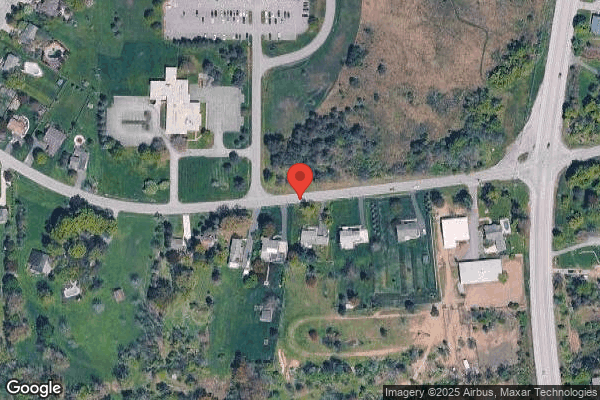
FATHER BAKER MANOR

6400 POWERS ROAD, ORCHARD PARK, NY 14127 (716) 667-0001
Non profit - Corporation 160 Beds Independent Data: November 2025
Trust Grade
90/100
#35 of 594 in NY
Last Inspection: November 2024

Within standard 12-15 month inspection cycle. Federal law requires annual inspections.

Overview

Father Baker Manor in Orchard Park, New York, has earned a Trust Grade of A, indicating it is excellent and highly recommended for families seeking care. It ranks #35 out of 594 nursing homes in New York, placing it in the top half of facilities statewide, and #5 out of 35 in Erie County, meaning only a few local options are better. The facility's trend is improving, with the number of issues decreasing from three in 2022 to two in 2024. Staffing is rated 4 out of 5 stars, but the turnover rate is concerning at 52%, which is above the state average of 40%. Notably, there have been no fines recorded, which is a positive sign, and the nursing coverage is better than 77% of other facilities in the state. However, there are some weaknesses to be aware of. Recent inspections revealed that staff failed to use a gait belt during a resident's transfer, causing skin tears, and a nurse did not wear proper protective equipment while caring for another resident's feeding tube, which could lead to infection risks. Additionally, there was a previous issue where a resident was not properly evaluated for the use of restraints after experiencing falls, indicating areas for improvement in resident safety protocols. Overall, while Father Baker Manor shows many strengths, potential residents should consider these concerns carefully.

Trust Score
A
90/100
In New York
#35/594
Top 5%
Safety Record
Low Risk
No red flags
Inspections
Getting Better
3 → 2 violations
Staff Stability
⚠ Watch
52% turnover. Above average. Higher turnover means staff may not know residents' routines.
Penalties
✓ Good
No fines on record. Clean compliance history, better than most New York facilities.
Skilled Nurses
✓ Good
Each resident gets 51 minutes of Registered Nurse (RN) attention daily — more than average for New York. RNs are trained to catch health problems early.
Violations
○ Average
6 deficiencies on record. Average for a facility this size. Mostly minor or procedural issues.
★★★★★
5.0
Overall Rating
★★★★☆
4.0
Staff Levels
★★★★☆
4.0
Care Quality
★★★★★
5.0
Inspection Score
Stable
2022: 3 issues
2024: 2 issues

The Good

  • 4-Star Staffing Rating · Above-average nurse staffing levels
  • 4-Star Quality Measures · Strong clinical quality outcomes
  • Full Sprinkler Coverage · Fire safety systems throughout facility
  • No fines on record

Facility shows strength in staffing levels, quality measures, fire safety.

The Bad

Staff Turnover: 52%

Near New York avg (46%)

Higher turnover may affect care consistency

The Ugly 6 deficiencies on record

Nov 2024 2 deficiencies
CONCERN (D) 📢 Someone Reported This

A family member, employee, or ombudsman was alarmed enough to file a formal complaint

Potential for Harm - no one hurt, but risky conditions existed

Accident Prevention (Tag F0689)

Could have caused harm · This affected 1 resident

Based on interview and record review conducted during a Complaint investigation (#NY00359145) during a Standard survey completed on 11/6/2024, the facility did not ensure that each resident receives a...

Read full inspector narrative →
Based on interview and record review conducted during a Complaint investigation (#NY00359145) during a Standard survey completed on 11/6/2024, the facility did not ensure that each resident receives adequate supervision and assistive devices to prevent accidents for one (Resident #106) of five residents reviewed for accidents. Specifically, a gait belt (an assistive device used to help someone move) was not utilized by staff during a transfer as care planned and Resident #106 sustained skin tears to their left forearm. The finding is: The policy and procedure titled Gait Belt Use dated 3/28/2024 documented all patients/residents requiring touching, partial/moderate, substantial/maximal, or dependent times two people assistance will have a gait belt provided to them for use during transfers. The policy and procedure titled Modes of Transfer dated 7/27/2023 documented that all residents will have a safe mode of transfer from all surfaces. Resident #106 had diagnoses of Parkinson's disease, muscle weakness, and difficulty in walking. The Minimum Data Set (a resident assessment tool) dated 10/3/2024 documented Resident #106 was cognitively intact and required touching or steadying assistance for transfers to the toilet. The comprehensive care plan dated 4/6/2024 documented Resident #106 had a loss in functional mobility, required a gait belt and a grab bar for transfers to the toilet. A nursing progress note completed by Registered Nurse Unit Nurse Manager #3 dated 10/30/2024 at 4:02 PM documented that Resident #106 sustained a skin tear to their left forearm when Certified Nurse Aide #2 transferred the resident to the toilet. An occurrence report statement form dated 10/31/24 from Certified Nurse Aide #2 documented they had transferred Resident #106 with the grab bar and not a gait belt. Certified Nurse Aide #2 documented they did not read the care plan before they transferred Resident #106. During an interview on 10/31/24 at 9:24 AM, Resident #106 stated they were transferred hurriedly to the toilet by Certified Nurse Aide #2. Resident #106 stated they fell against their wheelchair and received two skin tears on their left arm. They stated that they were not wearing a gait belt when they were transferred to the toilet. During an interview on 11/5/2024 at 8:48 AM, Registered Nurse Unit Nurse Manager #3 stated Resident #106 had reported that Certified Nurse Aide #2 did not use a gait belt when transferring them to the toilet. Registered Nurse Unit Nurse Manager #3 stated Resident #106 was care planned to have a gait belt on during transfers as they could fall. The incident was reported to the Director of Nursing. During an interview on 11/5/2024 at 9:06 AM, the Director of Social Work stated they spoke with Resident #106 who stated Certified Nurse Aide #2 did not use a gait belt when they were transferred. The Director of Social Work stated that the Certified Nurse Aide #2 violated the resident's care plan. During an interview on 11/5/2024 at 9:16 AM, the Director of Nursing stated they expected staff to follow the resident's care plan and use a gait belt for transfer for a resident who required it. During an interview on 11/5/2024 at 12:21 PM, Certified Nurse Aide #2 stated they didn't use a gait belt when they transferred Resident #106 to the toilet and should have for resident safety. NYCRR 10 415.12(h)(2)
CONCERN (D)

Potential for Harm - no one hurt, but risky conditions existed

Infection Control (Tag F0880)

Could have caused harm · This affected 1 resident

Based on observation, interview, and record review conducted during the Standard survey completed on 11/6/24, the facility did not establish and maintain an infection prevention and control program de...

Read full inspector narrative →
Based on observation, interview, and record review conducted during the Standard survey completed on 11/6/24, the facility did not establish and maintain an infection prevention and control program designed to provide a safe, sanitary, and comfortable environment and to help prevent the development and transmission of communicable diseases and infections for one (Resident #138) of three residents reviewed for enhanced barrier precautions (interventions designed to reduce transmission of multi-drug resistant organisms including gown and glove use during high contact resident care activities). Specifically, a nurse did not wear proper personal protective equipment during care of the resident's feeding tube (a tube inserted into the stomach to provide nutrition). The finding is: The Centers for Medicare and Medicaid Services Quality Safety and Oversight memoranda QSO-24-08-NH dated 3/20/24, documented enhanced barrier precautions were indicated for residents with indwelling medical devices even if the resident was not known to be infected or colonized with a multidrug-resistant organism. Examples of indwelling medical devices included feeding tubes. The memo documented enhanced barrier precautions were employed for high contact resident care activities including the care or use of a feeding tube. The policy and procedure titled Transmission Based Precautions with an effective 1/10/24, documented that gowns were to be worn if clothes were likely to be soiled with secretions or excretions. Enhanced barrier precautions and tube feedings were not addressed in this policy and procedure. The policy and procedure titled Community Based Care: Nasogastric Tube insertion and Enteral Feedings Guidelines effective 7/27/18, included procedures for gastrostomy tubes with bolus feeds (a method of tube feeding where a large amount of liquid formula is given over a short period of time) and bolus medication administration. The policy and procedure did not include instructions to wear a gown and did not address enhanced barrier precautions. Resident #138 had diagnoses which included dysphagia, oropharyngeal phase (swallowing problems occurring in the mouth and/or the throat), gastro esophageal reflux disease (a condition in which stomach acid repeatedly flows back up into the tube connecting the mouth and the stomach), and congestive heart failure (a condition in which the heart doesn't pump blood as well as it should). The Minimum Data Set (a resident assessment tool) dated 10/4/24 documented Resident #84 had no cognitive impairment, had a feeding tube and received more than 51% of total calories through tube feeding. The comprehensive care plan initiated on 9/27/24 and revised on 10/2/24 documented that Resident #138 required tube feeding related to their inability to swallow and needed maximum assist with tube feeding and water flushes. Interventions included to monitor, document, report any signs and symptoms of aspiration, infections at the tube site, and tube dysfunction or malfunction. During an observation on 11/5/2024 at 11:52 AM, outside of Resident #138's room was an enhanced barrier precautions set up in plastic, portable storage drawers containing disposable surgical gowns, gloves, and face masks. On the side of the doorway was a sign that Resident #138 was on enhanced barrier precautions and staff were to wear a gown and gloves during hands on care. At 11:55 AM, Licensed Practical Nurse #1 entered the room with a towel and Resident #138's tube feed formula. Licensed Practical Nurse #1 washed their hands and applied gloves. Resident #138 sat in a reclining chair and helped Licensed Practical Nurse #1 place the towel underneath their feeding tube opening. Licensed Practical Nurse #1 opened the feeding tube and approximately 20 milliliters of yellowish colored liquid splashed onto the towel and onto Licensed Practical Nurse #1's glove. Licensed Practical Nurse #1 wiped off their glove onto the towel. Licensed Practical Nurse #1 was not wearing a gown during this procedure. During an interview on 11/5/2024 at 12:25 PM, Licensed Practical Nurse #1 stated that they should have worn a surgical gown during the resident's bolus feed because the resident was on enhanced barrier precautions. They stated that they should have worn a gown for a resident with a gastric tube to prevent cross contamination between residents. During an interview on 11/5/2024 at 12:51 PM with Registered Nurse Unit Nurse Manager #2, they stated they expected their staff to wear gowns, gloves, and a mask for direct care for a resident on enhanced barrier precautions. They stated that if the nurse or the aide thought care might be messy they should wear goggles as well to protect themselves from getting contaminated with germs. They stated that enhanced barrier precautions were to prevent germs from being spread from one resident to another. During an interview on 11/5/2024 at 12:58 PM, the Assistant Director of Nursing Infection Preventionist stated that they expected staff to wear personal protection equipment such as a gown, mask, or goggles with a resident who was on enhanced barrier precautions. During an interview on 11/5/2024 at 1:12 PM, the Director of Nursing stated that they expected staff to wear personal protective equipment when providing care to residents on enhanced barrier precautions to prevent cross contamination with other residents. 10NYCRR 415.19(a)(2)
Nov 2022 3 deficiencies
CONCERN (D)

Potential for Harm - no one hurt, but risky conditions existed

Deficiency F0604 (Tag F0604)

Could have caused harm · This affected 1 resident

**NOTE- TERMS IN BRACKETS HAVE BEEN EDITED TO PROTECT CONFIDENTIALITY** Based on observation, interview, and record review conducted during the Standard survey started on 11/8/22 and completed on 11/1...

Read full inspector narrative →
**NOTE- TERMS IN BRACKETS HAVE BEEN EDITED TO PROTECT CONFIDENTIALITY** Based on observation, interview, and record review conducted during the Standard survey started on 11/8/22 and completed on 11/15/22 the facility did not ensure that the resident is free from physical restraints for purposes of discipline or convenience, and that are not required to treat the resident's medical symptoms When the use of restraints is indicated, the facility must use the least restrictive alternative for the least amount of time and document ongoing re-evaluation of the need for restraints. Specifically, for one (Resident #130) of two residents reviewed there was no documented evidence of a medical diagnose for the use of a restraint and there was no evidence the restraint was re-evaluated for safety after repeated falls on 9/18/22 and 9/19/22 with the seatbelt in place. The finding is: The facility policy and procedure (P&P) titled Community Based Care: Restraints dated 11/18/21 documented the purpose was to provide restraint-free care while protecting patient/resident safety, comfort, and well-being. To define types of restraints, identify indications for the rare utilization of patient/resident restraints, outline requirements of alternatives, orders obtained, and to review monitoring and documentation. To ensure compliance with federal and state requirements for assessment and restraint reduction. Restraints will only be used when all other interventions have been exhausted and the patient/resident posed potential harm to self and /or others. Restraints will not be used for the purpose of discipline or convenience. Preventative and alternative strategies to restraint use are of primary consideration. Physical restraints were defined as: Any manual method or physical or mechanical device, material, or equipment attached or adjacent to the patient's/resident's body that the individual cannot remove easily which restricts freedom of movement or normal access to one's body. If restraints are used, they must be the least restrictive for the least amount of time, and an ongoing evaluation of need for use will occur. Restraints will be used only well-documented exceptional circumstances, after all reasonable alternatives have been tried for an adequate period of time. Patient /resident will be closely monitored to ensure that the least restrictive but effective type of restraint is utilized. The State Operations Manual issued 10/21/22 defined a physical restraint as any manual method, physical or mechanical device, equipment, or material that is attached or adjacent to the resident's body; Cannot be removed easily by the resident and restricts the resident's freedom of movement or normal access to his/her body. Examples of the facility practices that meet the definition of a physical restraint include but not limited to: Using devices in conjunction with a chair, such as belts, that the resident cannot remove and prevents the resident from rising. 1. Resident #130 had diagnoses which included cerebral infarct (parts of the brain become damaged or die), vascular dementia (brain damage caused by multiple strokes), and aphasia (absence or difficulty with speech). The Minimum Data Set (MDS- a resident assessment tool) dated 8/17/22 documented Resident #130 was severely cognitively impaired, was usually understood and sometimes understands. The MDS documented the use of a trunk restraint during the look back period. The Comprehensive Care Plan (CCP) dated 9/18/22 documented ADL (activities of daily living) self-performance deficit related to CVA (cerebral vascular accident). The planned interventions included a Broda chair with gel cushion and seatbelt; Tilt/recline for comfort; and pillow when reclined; Offer urinal every two hours while in Broda; Toilet resident every shift; monitor for pain; Thirty minute checks while in bed; Ensure call light was in reach; Encourage back to bed at hour of sleep (HS) with bed in low position; Ensure appropriate footwear; When patient was restless in the recliner place patient in bed, if attempted 2x's to self-transfer out of bed offer use of recliner; Make sure brakes were locked on all sitting chairs. The CCP did not document an intervention to release the seatbelt every two hours. The Visual/Bedside [NAME] Report (a guide used by staff to provide care) dated 11/15/22 and identified as current by Registered Nurse (RN) #1 Clinical Nurse Manager, documented the use of a Broda chair with gel cushion and seatbelt. The Visual/Bedside [NAME] Report did not reflect releasing the seatbelt every two hours. The Morse Fall Scale Assessments revealed Resident #130 was a high risk for falls on the following dates: 7/30/22, 8/16/22, 9/4/22, 9/18/22, and 9/19/22. During an observation on 11/8/22 at 9:21 AM, Resident #130 was seated in a Broda chair with their legs positioned over the left arm rest of the chair. A black seatbelt with a buckle was secured around Resident #130 waist. Resident #130 was unable to release the seatbelt buckle upon request and attempted to pull at point where the belt was attached to the chair. The Physical Restraint Evaluation dated 8/15/22 documented diagnoses of cerebral vascular accident (CVA), and vascular dementia. Resident #130 had five falls without serious injury. The seatbelt was requested by the spouse. The rational documented was that the seatbelt provided safety when out of bed (OOB) in the chair. The Physical Restraint Evaluation was signed by MD #1 on 8/15/22. During observation and interview on 11/8/22 at 11:22 AM, Resident #130 was in the Broda chair with a seatbelt around their waist. Resident #130's spouse stated the seatbelt was a restraint that it prevented falls. The spouse stated that they had a meeting with the team and agreed on 8/15/22 the seatbelt was the safest means. The Physician's Order Recap Report dated 11/11/2022 documented an active order with a start date of 8/15/22 for the use of a seatbelt in the Broda chair as a restraint. Release Q (every) 2 hours when engaged. There was medical diagnosis documented for the use of the seatbelt and there was not stop date. The Physical Restraint Form signed by Resident 130's spouse on 8/16/22 documented the seatbelt was implemented to maximize safety. The facility Resident/Patient Occurrence Reports revealed the following: -9/18/22 at 9:45 AM Resident #130 was witnessed putting both legs onto left side of Broda chair and flipped the chair. The bottom of the Broda chair fell off and the top of chair came down. Resident #130 was on their back on top of the Broda chair on the floor. -9/19/22 at 2:45 PM Resident #130 was seated on the floor at the nurses' desk with the Broda chair tipped over onto its front wheels and Resident #130 was resting their back against the chair. Resident #130 had a superficial abrasion to the right calf that measured 0.5 cm (centimeters). The incident was unwitnessed -9/19/22 at 4:45 PM Resident #130 was found seated on the floor with the Broda chair tipped onto the front wheels. The fall was unwitnessed. The Resident/Patient Occurrence Reports documented a fall summary which included safety and environmental factors. The summary did not document if the seatbelt was in place as planned or whether the seatbelt posed a hazardous risk and was contributing factors to the falls that lead to tipping the Broda chair. MD #1 documented on 9/20/22 that Resident #130 was agitated and tipped themselves out of the Broda chair. The MD did not document the use of the restraint while in the Broda chair when the falls occurred on 9/18/22, and 9/19/22 and there was no documented medical diagnosis for the continued use of the seatbelt. Physical Therapy Progress Note dated 9/21/22 documented a fall assessment was completed. Resident #130 had tipped the Broda chair backwards. There was no decline in functional mobility, no physical therapy was recommended, and the current plan of care was appropriate. There was no documented evidence the Physical Therapist and team re-evaluated the use of the seatbelt, was a contributing factor to the falls, or that the seatbelt posed a safety risk. Review of the Nursing Progress Notes from 9/19/22 through 11/8/22 revealed there was no documented evidence the use of the seatbelt was re-evaluated for its effectiveness after repeated falls. During an observation on 11/14/22 at 3:25 PM, Resident #130 was seated in the Broda chair with their legs positioned over the left side of the arm rest. The seatbelt in place and engaged around their waist. Resident #130 attempted to rise from the Broda chair, was agitated and yelled, Help me, Help me. During an interview on 11/14/22 at 3:30 PM, Certified Nurse Aide (CNA) #3 stated the seatbelt prevented falls and was an additional reminder when the resident would self-transfer. During an interview on 11/15/22 at 8:31 AM, Registered Nurse (RN #2) Nurse Supervisor stated they assessed Resident #130 after the fall on 9/18/22 and the Broda chair was not on top of the resident when they arrived on the unit. Staff, may have released the seatbelt prior to arriving on the unit. The seatbelt was not on. RN #2 stated they did know if the seatbelt contributed to the tipping of the Broda chair and, Never thought to question the seatbelt. During an interview on 11/15/22 at 9:15 AM, MD #1 stated Resident #130 had dementia and the seatbelt was a restraint. The restraint was implemented due to falls and impulsive behaviors. The MD could not provide a medical diagnosis to justify the implementation of the seatbelt on 8/15/22. During an interview on 11/15/22 at 10:29 AM, CNA # 2 stated the seatbelt was requested by Resident #130's spouse and prevented additional falls. During an interview on 11/15/22 at 10:45 AM the Unit Clerk stated the Broda chair had the potential to tip forward when Resident #130 leaned to pick up something from the floor. The seat belt reminded Resident #130 to stay seated and prevented rising and was beneficial as it allowed staff more time to get to the resident. During an interview on 11/15/22 at 10:55 AM, CNA #1 stated on 9/18/22 they witnessed Resident #130's agitated behavior, thrashing back and forth in the Broda chair. CNA #1 stated the Broda chair tipped backwards, with the seatbelt in place and engaged around Resident #130's waist. During an interview on 11/15/22 at 10:57 AM, the Physical Therapist stated an falls assessment was completed on 9/21/22 for the falls that occurred on 9/18/22 and 9/19/22. The Physical Therapist stated the seatbelt was not re-assessed on 9/21/22. Resident #130 flipped the Broda chair and was unaware if the seatbelt was engaged during the three (9/18 and two on 9/19) falls. My concern was functional mobility, not the potential safety risk or if the seatbelt was a contributing factor that led to the falls. I guess I don't know if the seatbelt was safe. The seat belt should have been re -evaluated for safety. During an interview on 11/15/22 at 11:00 AM, RN #1 Clinical Nurse Manager stated the seatbelt was a restraint used for falls and evaluated quarterly. Potential hazards were discussed with the spouse. A toilet schedule, activities, visiting with the spouse, low bed, thirty-minute visual checks were interventions prior to the seat belt. RN #1 stated the seat belt in the Broda chair was beneficial to Resident #130's safety despite the falls that occurred on 9/18/22 and 9/19/22 and remained appropriate. During an interview on 11/15/22 at 12:52 PM, the Director of Nursing (DON) stated the seatbelt was a restraint and used for falls. Nurses were responsible to release the seat belt every two hours and was documented on the TAR, therefore did not expect it on the care plan. There were no attempts to reduce the seatbelt. The Broda chair with the seatbelt was the least restrictive means which provided resident more benefit, then if the restraint wasn't in place. The DON would have expected ongoing documentation to monitor the use of seatbelt in the Broda chair. The seatbelt was the most appropriate intervention. During an interview on 11/15/22 at 2:22 PM, the Administrator stated the restraint prevented falls and that the seatbelt with the Broda chair were appropriate despite the three falls that occurred on 9/18/22 and 9/19/22. 415.4(a) (2) (iii)
CONCERN (D)

Potential for Harm - no one hurt, but risky conditions existed

Report Alleged Abuse (Tag F0609)

Could have caused harm · This affected 1 resident

Based on interview and record review during a Standard survey started 11/8/22 and completed 11/15/22, the facility did not ensure that all alleged violations including abuse or mistreatment are report...

Read full inspector narrative →
Based on interview and record review during a Standard survey started 11/8/22 and completed 11/15/22, the facility did not ensure that all alleged violations including abuse or mistreatment are reported immediately, but not later than 2-hours after the allegation is made, if the events that caused the allegation involve abuse or not later than 24 hours if the events that caused the allegation do not involve abuse and do not result in serious bodily injury, to the administrator of the facility and to the appropriate officials (including the State Survey Agency). Specifically, one (Resident #3) of two residents reviewed for abuse were involved in allegations of mistreatment on 7/7/22 and 10/27/22 and were not reported to the Administrator and the New York State (NYS) Department of Health (DOH) as required. The findings are: The policy titled Identification, Prevention, Investigation and Reporting of Victims of Potential Abuse, Neglect or Exploitation effective date 6/30/21 documented it is the policy of the facility to prohibit any form of patient/resident abuse, neglect while the patient/resident is under the supervision/care of the facility. To assure that all patients/residents are treated with dignity and respect. Report any suspected or actual victim abuse, neglect when identified. All cases of suspected or actual abuse, neglect will be reported to the immediate supervisor/manager and an investigation will begin immediately. All alleged violations involving abuse, neglect, exploitation, or mistreatment, are reported immediately, but not later than 2 hours after the allegation is made if the events that cause the allegation involve abuse or not later than 24 hours if the events that cause the allegation do not involve abuse, to the administrator of the facility and to other officials including to the NYS DOH through established procedures. 1. Resident #3 had diagnoses including type 2 diabetes mellitus (DM), generalized anxiety and osteoarthritis. The Minimum Data Set (MDS-a resident assessment tool) dated 9/16/22 documented Resident #3 was understood, understands and cognitively intact. Review of Comprehensive Care Plan revised date 7/7/22 revealed Resident #3 will be monitored for mood state related to anxiety disorder and new environment adjustment. Resident #3 has been accusatory toward staff; they have asked for several aides to be removed from their assignment. During an interview on 11/8/22 at 4:26 PM, Resident #3 stated certified nurse aide (CNA) #7 was angry and stated no to everything they needed. Resident #3 stated they asked to wash their hands after using the bathroom, and CNA #7 said no and when they tried to go to sink in their wheelchair, CNA #7 pulled them away from the sink. Additionally, Resident #3 stated a few months ago, CNA #8 came into their room and splashed water in their face and told them to stop using their call device. Resident #3 stated they notified the RN #5 of both allegations. During a further interview on 11/15/22 at 10:10 AM Resident #3 stated CNA #7 and CNA #8 were not nice and made them feel sad. I'm not their adversary, we're supposed to work together. Additionally, Resident #3 stated they feel fearful sometimes because they never know who's going to walk through the door and if they are going to be kind or not. Review of the Nurses Progress Note dated 7/7/22 at 3:19 PM, RN #5 documented Resident #3 reported CNA #8 took their call light from them and splashed water in their face. RN #5 documented there was no water on residents table at that time and was afraid Resident #3 was making false accusations. Additionally, RN #5 documented that this was not the first CNA Resident #3 had requested not to help them because they do not like how they were being cared for. Review of untitled, undated statement signed by RN #5 documented Resident #3 identified CNA #8 was the one who took away the call light and splashed water on their face by pointing to CNA #8 while they were in Resident #3's room. Additionally, RN #5 documented they discussed situation with Resident #3's Health Care Proxy (HCP). Review of the Nurses Progress Note dated 10/27/22 at 10:25 AM, late entry for 10/25/22, RN #5 documented Resident #3 was upset with CNA #7 over a disagreement with care. Resident #3 stated CNA #7 would not let them finish washing their hands and that CNA #7 was mean to them. Resident #3 expressed CNA #7 does not talk to them and they felt CNA #7 did not like them. During an interview on 11/8/22 at 4:46 PM, RN #5 stated they were aware of complaints voiced by Resident #3 and had addressed them by resolving them between both CNA #7 and CNA #8 and the Resident #3. RN #5 stated an investigation was completed by just them and felt Resident #3's complaints were farfetched, and that Resident #3 had made false accusations against CNA #7 and CNA #8. Additionally, RN #5 stated if they felt it was abuse, they would have reported it to the Director of Nursing (DON). During an additional interview on 11/10/22 at 2:07 PM, RN #5 stated they felt it was a conflict of personalities and didn't write anything down, just switched CNA #7 and CNA #8's assignment. During an interview on 11/15/22 at 9:51 AM, CNA #7 stated they used to be Resident #3's CNA and that Resident #3 was argumentative and made accusations about them. CNA #7 recalls 10/25/22 and stated they had assisted Resident #3 off the toilet and while placing foley bag under wheelchair, Resident #3 started scooting and pushing themselves back in wheelchair towards them. CNA #7 stated they held wheelchair in place away from them and Resident #3 started screaming that they were hurting them, calling out help me. CNA #7 stated they told Resident #3 to wait a second but doesn't think Resident #3 heard them. CNA #7 stated they never denied Resident #3 care. Additionally, CNA #7 stated they were never asked to write a statement and unit manager RN #5 removed them from Resident #3's assignment. During an interview on 11/15/22 at 11:47 AM, CNA #8 stated they recalled accusations made by Resident #3 and that it was the first time having had Resident #3 at facility. CNA #8 stated that Resident #3 reported to RN #5 that they had splashed water in their face. CNA #8 stated they absolutely didn't splash water in Resident #3's face and RN #5 removed them from Resident #3's assignment. Additionally, CNA #8 could not recall if they wrote a statement. During an interview on 11/15/22 at 12:26 PM, the DON stated their expectation was that any allegations of abuse would be reported to them immediately and that all staff are responsible to report abuse. The DON stated if there was ever any doubt, an investigation would be opened online within an hour and to their recollection, an investigation was not initiated for allegations made by Resident #3 on 7/7/22 and 10/27/22. In addition, the DON could not recall if they reviewed allegations made by Resident #3 with the Administrator. Additionally, at 2:01 PM, DON stated they are required to report alleged violations of mistreatment and abuse to the state. DON stated if there was an allegation of abuse and thought it was reportable, they would notify the Administrator. During an interview on 11/15/22 at 12:42 PM, the Administrator stated they would expect allegations of abuse to be brought to their attention and would expect it to be reported to the state in 2 hours. They stated the Facility is responsible to initiate an investigation and get statements to keep track of allegations. 415.4 (b)(2)
CONCERN (D)

Potential for Harm - no one hurt, but risky conditions existed

Investigate Abuse (Tag F0610)

Could have caused harm · This affected 1 resident

Based on interview and record review conducted during a Standard survey started 11/8/22 and completed 11/15/22, the facility did not have evidence that all alleged violations of abuse or mistreatment ...

Read full inspector narrative →
Based on interview and record review conducted during a Standard survey started 11/8/22 and completed 11/15/22, the facility did not have evidence that all alleged violations of abuse or mistreatment were thoroughly investigated for one (Resident #3) of two residents reviewed. Specifically, there was a lack of evidence an investigation was completed into allegations of abuse and the lack statements/interviews with staff. The finding is: The policy titled Identification, Prevention, Investigation and Reporting of Victims of Potential Abuse, Neglect or Exploitation effective date 6/30/21 documented all cases of suspected or actual abuse, neglect will be reported to the immediate supervisor/manager and an investigation will begin immediately. An 'Occurrence Report' will be completed. Statements will be obtained from the patient/resident, staff, family member, visitor, and/or anyone involved. The facility Administrator/Designee and the Director of Nursing will be notified of the incident immediately. Providers must be able to provide evidence that once an allegation of abuse was made, that the investigation was commenced immediately. The investigation must be complete and thorough. Documents associated with the facility investigation include but are not limited to complete electronic incident form on the HCS (Health Commerce System) and have available: witness statement(s), resident statement(s), accused statement(s), facility investigation report, employee personnel and training records, plan to prevent reoccurrence. 1. Resident #3 had diagnoses including type 2 diabetes mellitus (DM), generalized anxiety and osteoarthritis. The Minimum Data Set (MDS-a resident assessment tool) dated 9/16/22 documented Resident #3 was cognitively intact and was understood and understands. The Comprehensive Care Plan with a revised date of 7/7/22 documented Resident #3 would be monitored for mood state related to anxiety disorder and new environment adjustment. Resident #3 had been accusatory toward staff; they have asked for several aides to be removed from their assignment. Review of the Nurses Progress Note dated 7/7/22 at 3:19 PM, Registered Nurse (RN) #5 documented Resident #3 reported certified nurse aide (CNA) #8 took their call light from them and splashed water in their face. RN #5 documented that there was no water on residents table at that time and RN #5 was afraid Resident #3 was making false accusations. Review of untitled, undated statement signed by RN #5 documented Resident #3 identified CNA #8 was the one that took call light from them and splashed water on their face. RN #5 did not see any water on tray table and did not observe water on Resident #3's face or hair at that time. RN #5 documented that upon returning to Resident #3's room after looking for CNA #8 that Resident #3 had water in their hair and drops of water surrounding the cup. RN #5 asked Resident #3 where the cup of water came from, and the resident stated a CNA gave it to them. Review of the Nurses Progress Note dated 10/27/22 at 10:25 AM, late entry for 10/25/22, RN #5 documented Resident #3 was upset with CNA #7 over a disagreement with care. Resident #3 stated CNA #7 would not let them finish washing their hands and that CNA #7 was mean to them. Resident #3 expressed CNA #7 does not talk to them and they felt CNA #7 did not like them. During an interview on 11/8/22 at 4:26 PM, Resident #3 stated CNA #7 was angry and stated no to everything they needed. Resident #3 stated they asked to wash their hands after using the bathroom, and CNA #7 said no and when they tried to go to sink in their wheelchair, CNA #7 pulled them away from the sink. Additionally, Resident #3 stated a few months ago, CNA #8 came into their room and splashed water in their face and told them to stop using their call device. Resident #3 stated they notified the RN #5 of both allegations. During an interview on 11/8/22 at 4:46 PM, RN #5 stated they were aware of complaints voiced by Resident #3 and had addressed them by resolving them between both CNA #7 and CNA #8 and Resident #3. RN #5 stated an investigation was completed by just them and felt Resident #3's complaints were farfetched, and that Resident #3 had made false accusations against CNA #7 and CNA #8. Additionally, RN #5 stated if they felt it was abuse, they would have reported it to the Director of Nursing (DON). During an additional interview on 11/10/22 at 2:07 PM, RN #5 stated they felt it was a conflict of personalities, didn't write anything down, and just switched CNA #7 and CNA #8's assignment. RN #5 was unable to provide investigation reports or statements from staff involved in the incidents. During an interview on 11/15/22 at 9:51 AM, CNA #7 stated they used to be Resident #3's CNA and that Resident #3 was argumentative and made accusations about them. CNA #7 recalled the incident on 10/25/22 and stated they had assisted Resident #3 off the toilet and while placing foley bag under their wheelchair. Resident #3 started scooting and pushing themselves back in wheelchair towards them. CNA #7 stated they held wheelchair in place away from them and Resident #3 started screaming that they were hurting them, calling out help me. CNA #7 stated they told Resident #3 to wait a second but doesn't think Resident #3 heard them. Additionally, CNA #7 stated they were never asked to write a statement and RN #5 removed them from Resident #3's assignment. During an interview on 11/15/22 at 11:47 AM, CNA #8 stated they recalled accusations made by Resident #3. CNA #8 stated that Resident #3 reported to RN #5 that they had splashed water in their face. CNA #8 stated they absolutely didn't splash water in Resident #3's face and RN #5 removed them from Resident #3's assignment. CNA #8 could not recall if they wrote a statement. During an interview on 11/15/22 at 12:10 PM, Licensed Practical Nurse (LPN) #7 stated they recall the situation between Resident #3 and CNA #8, where CNA #8 was being rough or something. LPN #7 stated that no allegations of abuse were brought to their attention, and they have never had to write a statement related to mistreatment or abuse. During an interview on 11/15/22 at 12:26 PM, the DON stated to their recollection an investigation was not initiated for allegations made by Resident #3 on 7/7/22 and 10/27/22. The DON stated they felt Resident #3 was making part of the story up, wasn't accurate and feels a thorough investigation was completed. In addition, the DON could not recall if they reviewed allegations made by Resident #3 with the Administrator. During an interview on 11/15/22 at 12:42 PM, the Administrator stated they would expect allegations of abuse to be brought to their attention. 415.4(b)(3)
Feb 2020 1 deficiency
CONCERN (D)

Potential for Harm - no one hurt, but risky conditions existed

ADL Care (Tag F0677)

Could have caused harm · This affected 1 resident

**NOTE- TERMS IN BRACKETS HAVE BEEN EDITED TO PROTECT CONFIDENTIALITY** Based on observation, interview, and record review conducted during a Standard survey completed on 2/4/20, it was determined tha...

Read full inspector narrative →
**NOTE- TERMS IN BRACKETS HAVE BEEN EDITED TO PROTECT CONFIDENTIALITY** Based on observation, interview, and record review conducted during a Standard survey completed on 2/4/20, it was determined that the facility did not ensure that a resident who was unable to carry out activities of daily living receives the necessary services to maintain good grooming, and personal hygiene. Specifically, one (Resident #20) of four residents reviewed for activities of daily living had issues with multiple one- inch long whiskers on her chin, upper lip, and left eye brow. The finding is: The facility policy and procedure titled Activities of Daily Living (ADL) Care dated 7/17/18 documented to ensure a patient/resident who is unable to carry out activities of daily living receives the necessary services to maintain good nutrition, grooming, and personal hygiene. The decision to refuse care and treatment must be documented in the medical record. The undated facility policy and procedure titled Dignity documented to promote care for residents in a manner and in an environment that maintains or enhances each residents sense of self and well-being as well as respect and dignity in full recognition of his or her individuality. Examples of treating residents with dignity and respect include but are not limited to: Grooming residents as they wished to be groomed (hair combed and styled, beards shaved and trimmed. 1. Resident #20 was admitted to the facility with diagnoses of schizoaffective disorder, bipolar disorder and anxiety. The Minimum Data Set (MDS - a resident assessment tool) dated 10/25/19 documented the resident had moderate cognitive impairment. The MDS documented the resident is an extensive assist of two staff members for personal hygiene which includes shaving. Review of the Comprehensive Care Plan (CCP) dated 8/8/19 revealed activity of daily living (ADL) self- care deficit related to history of weakness. The CCP documented the resident was an extensive assist of two staff members for personal hygiene. Further review of the CCP revealed showers were scheduled on Tuesday and Saturday on the day shift. During an observation on 1/29/20 at 10:06 AM, the resident had multiple one- inch long chin hairs including on the top of the upper lip and one- inch long hair on the left eyebrow. The resident stated during this observation that they preferred to have them (hair) removed. Intermittent observations revealed the following: - 1/30/20 at 9:35 AM - resident had whiskers on her chin, upper lip, and left eye brow. Resident #20 stated no one had offered to shave her face. - 1/31/20at 10:23 AM - resident had whiskers on her chin, upper lip, and left eye brow. Resident #20 stated no one had offered to shave her face. - 2/3/20 at 11:38 AM - resident had whiskers on her chin, upper lip, and left eye brow. Resident #20 stated no one had offered to shave her face. An undated Certified Nurse Aide (CNA) Bedside [NAME] Report (guide used by staff to provide care) documented the resident was an extensive assist of two staff members for personal hygiene. A review of a Documentation Survey Report dated 12/1/19 to 2/3/20 revealed that staff documented the resident received personal hygiene care on those dates. Review of the [NAME] Lane Shower Schedule documented Resident #20 received showers on Tuesday and Saturday on the day shift. Review of the Treatment Administration Record (TAR) from 1/1/20 through 2/3/20 documented showers were given on Tuesdays and Saturdays. During an interview on 2/3/20 at 1:04 PM, CNA#1 stated typically CNA's are to shave residents on their scheduled bath day and daily if they request to be shaved. During an interview on 2/3/20 at 1:08 PM, CNA# 2 stated residents are shaved on shower days. During an interview on 2/3/20 at 1:10 PM, CNA #3 stated she did not offer to shave the resident this morning because her husband normally does it. During an interview on 2/3/20 at 1:19 PM, Registered Nurse (RN) Unit Manager #1 stated that she expected her staff to offer daily and shave a resident if they want to be shaved, on shower days, and as needed. If a resident refuses she would expect the CNA's to re-approach the resident and tell the nurse. During an interview on 2/4/20 at 11:21 AM, the Director of Nursing (DON) stated that she expected her staff to shave residents on their scheduled shower days as long as the resident was agreeable to shaving or document it in the nurses' notes. In this case it was not. 415.12 (a)(3)
Understanding Severity Codes (click to expand)
Life-Threatening (Immediate Jeopardy)
J - Isolated K - Pattern L - Widespread
Actual Harm
G - Isolated H - Pattern I - Widespread
Potential for Harm
D - Isolated E - Pattern F - Widespread
No Harm (Minor)
A - Isolated B - Pattern C - Widespread

Questions to Ask on Your Visit

  • "Can I speak with families of current residents?"
  • "What's your RN coverage like on weekends and overnight?"

Our Honest Assessment

Strengths
  • • Grade A (90/100). Above average facility, better than most options in New York.
  • • No major safety red flags. No abuse findings, life-threatening violations, or SFF status.
  • • No fines on record. Clean compliance history, better than most New York facilities.
Concerns
  • • No significant concerns identified. This facility shows no red flags across CMS ratings, staff turnover, or federal penalties.
Bottom line: Generally positive indicators. Standard due diligence and a personal visit recommended.

About This Facility

What is Father Baker Manor's CMS Rating?

CMS assigns FATHER BAKER MANOR an overall rating of 5 out of 5 stars, which is considered much above average nationally. Within New York, this rating places the facility higher than 99% of the state's 100 nursing homes. This rating reflects solid performance across the metrics CMS uses to evaluate nursing home quality.

How is Father Baker Manor Staffed?

CMS rates FATHER BAKER MANOR's staffing level at 4 out of 5 stars, which is above average compared to other nursing homes. Staff turnover is 52%, compared to the New York average of 46%.

What Have Inspectors Found at Father Baker Manor?

State health inspectors documented 6 deficiencies at FATHER BAKER MANOR during 2020 to 2024. These included: 6 with potential for harm.

Who Owns and Operates Father Baker Manor?

FATHER BAKER MANOR is owned by a non-profit organization. Non-profit facilities reinvest revenue into operations rather than distributing to shareholders. The facility operates independently rather than as part of a larger chain. With 160 certified beds and approximately 152 residents (about 95% occupancy), it is a mid-sized facility located in ORCHARD PARK, New York.

How Does Father Baker Manor Compare to Other New York Nursing Homes?

Compared to the 100 nursing homes in New York, FATHER BAKER MANOR's overall rating (5 stars) is above the state average of 3.1, staff turnover (52%) is near the state average of 46%, and health inspection rating (5 stars) is much above the national benchmark.

What Should Families Ask When Visiting Father Baker Manor?

Based on this facility's data, families visiting should ask: "Can I visit during a mealtime to observe dining assistance and food quality?" "How do you handle medical emergencies, and what is your hospital transfer rate?" "Can I speak with family members of current residents about their experience?"

Is Father Baker Manor Safe?

Based on CMS inspection data, FATHER BAKER MANOR has a clean safety record: no substantiated abuse findings (meaning no confirmed cases of resident harm), no Immediate Jeopardy citations (the most serious violation level indicating risk of serious injury or death), and is not on the Special Focus Facility watch list (a federal program monitoring the lowest-performing 1% of nursing homes). The facility has a 5-star overall rating and ranks #1 of 100 nursing homes in New York. While no facility is perfect, families should still ask about staff-to-resident ratios and recent inspection results during their visit.

Do Nurses at Father Baker Manor Stick Around?

FATHER BAKER MANOR has a staff turnover rate of 52%, which is 6 percentage points above the New York average of 46%. Moderate turnover is common in nursing homes, but families should still ask about staff tenure and how the facility maintains care continuity when employees leave.

Was Father Baker Manor Ever Fined?

FATHER BAKER MANOR has no federal fines on record. CMS issues fines when nursing homes fail to meet care standards or don't correct problems found during inspections. The absence of fines suggests the facility has either maintained compliance or corrected any issues before penalties were assessed. This is a positive indicator, though families should still review recent inspection reports for the full picture.

Is Father Baker Manor on Any Federal Watch List?

FATHER BAKER MANOR is not on any federal watch list. The most significant is the Special Focus Facility (SFF) program, which identifies the bottom 1% of nursing homes nationally based on persistent, serious quality problems. Not being on this list means the facility has avoided the pattern of deficiencies that triggers enhanced federal oversight. This is a positive indicator, though families should still review the facility's inspection history directly.