FOX RUN AT ORCHARD PARK


ONE FOX RUN LANE, ORCHARD PARK, NY 14127 (716) 662-5001
For profit - Corporation 60 Beds Independent Data: November 2025
Trust Grade
95/100
#39 of 594 in NY
Last Inspection: March 2025

Within standard 12-15 month inspection cycle. Federal law requires annual inspections.

Overview

Fox Run at Orchard Park has an impressive Trust Grade of A+, indicating it is an elite facility and among the best in the region. Ranking #39 out of 594 nursing homes in New York places it in the top half, while its #7 position out of 35 in Erie County means only six local options are better. The facility's trend is stable, with only two issues reported in recent inspections, both categorized as concerns rather than serious violations. Staffing is a notable strength, with a perfect 5-star rating and an 18% turnover rate, significantly lower than the state average, ensuring continuity of care. However, there were some concerns noted in the inspections, including the inappropriate duration of psychotropic medication for one resident and inadequate personal hygiene care for another, indicating areas that need improvement despite the overall high quality of the facility.

Trust Score
A+
95/100
In New York
#39/594
Top 6%
Safety Record
Low Risk
No red flags
Inspections
Holding Steady
1 → 1 violations
Staff Stability
✓ Good
18% annual turnover. Excellent stability, 30 points below New York's 48% average. Staff who stay learn residents' needs.
Penalties
✓ Good
No fines on record. Clean compliance history, better than most New York facilities.
Skilled Nurses
✓ Good
Each resident gets 61 minutes of Registered Nurse (RN) attention daily — more than 97% of New York nursing homes. RNs are the most trained staff who catch health problems before they become serious.
Violations
✓ Good
Only 2 deficiencies on record. Cleaner than most facilities. Minor issues only.
★★★★★
5.0
Overall Rating
★★★★★
5.0
Staff Levels
★★☆☆☆
2.0
Care Quality
★★★★★
5.0
Inspection Score
Stable
2022: 1 issues
2025: 1 issues

The Good

  • 5-Star Staffing Rating · Excellent nurse staffing levels
  • Low Staff Turnover (18%) · Staff stability means consistent care
  • Full Sprinkler Coverage · Fire safety systems throughout facility
  • No fines on record
  • Staff turnover is low (18%)

    30 points below New York average of 48%

Facility shows strength in staffing levels, staff retention, fire safety.

The Bad

No Significant Concerns Identified

This facility shows no red flags. Among New York's 100 nursing homes, only 1% achieve this.

The Ugly 2 deficiencies on record

Mar 2025 1 deficiency
CONCERN (D)

Potential for Harm - no one hurt, but risky conditions existed

Medication Errors (Tag F0758)

Could have caused harm · This affected 1 resident

Based on observation, interview, and record review conducted during the Standard survey completed on 3/7/25, the facility did not ensure that as needed (PRN) orders for psychotropic drugs are limited ...

Read full inspector narrative →
Based on observation, interview, and record review conducted during the Standard survey completed on 3/7/25, the facility did not ensure that as needed (PRN) orders for psychotropic drugs are limited to 14 days. Except if the attending physician or prescribing practitioner believes that it is appropriate for the order to be extended beyond 14 days; they should document their rationale in the resident's medical record and indicate the duration for the as needed order. Specifically, for one (1) (Resident #24) of five (5) residents reviewed for unnecessary medications an as needed psychotropic antianxiety medication was ordered longer than 14 days. Additionally, there was no documented physician rationale to extend the duration of the order. The finding is: The policy and procedure titled Psychotropic Medication Use dated 11/2021, documented antianxiety medications are considered psychotropic medications and are subject to prescribing, monitoring and review requirements specific to psychotropic medications. Psychotropic medications are not prescribed or given on an as needed basis unless that medication is necessary to treat a diagnosed specific condition that is documented in the clinical record. As needed orders for psychotropic meditations are limited to 14 days. If the prescriber or attending physical believes it was appropriate to extend the as needed order beyond 14 days, they would document the rationale for extending the use and include the duration for the as needed order. A medication may be considered as unnecessary if it meets the following criteria: an extended duration. Resident #24 had diagnoses including traumatic brain injury, anxiety disorder and dementia. The Minimum Data Set (a resident assessment tool) dated 12/26/24 documented Resident #24 was cognitively intact, understood and understands. The assessment tool documented that Resident #24 had no behavioral symptoms and received antianxiety medications in the 7-day look back period. The Comprehensive Care Plan revised 1/8/25, documented Resident #24 had a history of anxiety and depression. Interventions included to monitor for any changes in mood state, provide support and reassurance and 1:1 intervention. The care plan documented that Resident #24 received antianxiety medication due to anxiety and delusional/paranoid ideations. Interventions included to administer medication as ordered and observe for possible side effects. Review of the Physician's Orders dated 3/6/25 documented Resident #24 had the following as needed by Ativan orders: -0.5 milligrams every 6 hours as needed for anxiety from 8/8/23-8/29/23; 10/29/23-11/26/23; 11/26/23-12/26/23; 1/2/24-1/22/24; 1/22/24-2/13/24; 2/13/24-3/14/24; 3/15/24-4/15/24; 4/26/24-5/25/24; 5/25/24-6/24/24; 6/26/24-7/5/24; 7/5/24-8/4/24. -0.5 milligrams every 6 hours as needed for extreme behaviors from 9/2/24-9/23/24. -1 milligrams every 4 hours as needed for anxiety from 9/23/24-10/21/24; 11/17/24-12/16/24; 12/16/24-1/12/25; 1/12/25-1/15/25; 1/15/25-2/9/25 and 2/10/25-3/10/25. Review of the paper Medication Records from 3/1/24-3/31/25, Resident #24 received: -Ativan 0.5 milligrams as needed on 6/9/24, 9/19/24, 9/20/24 and 9/21/24, -Ativan 1 milligram as needed on 9/23/24, 9/24/24, 9/25/24,10/20/24, 11/23/24, 11/28/24 and 2/7/24. Review of the medical providers progress notes from 3/11/24 - 2/25/25 revealed there was no documented evidence that Resident #24's Ativan ordered was reevaluated every 14 days with a rationale to extend the order or documented duration of the order. Review of the mental health providers notes from 3/18/24 - 3/3/25 revealed there was no documented evidence that Resident #24's as needed Ativan order was reevaluated every 14 days with a rationale to extend the order or documented duration of the order. During intermittent observations from 3/3/25 - 3/6/25 between the hours of 9:14 AM and 3:02 PM, Resident #24 was observed self-propelling in their wheelchair, walking in the hallway with therapy, in their room or in the dining. Resident #24 was well kempt, pleasant, cooperative with staff and no behaviors were displayed. During an interview on 3/6/25 at 3:02 PM, Resident #24 stated that their anxiety was stable, and they only have anxiety about going home. During a telephone interview on 3/6/25 at 3:15 PM, Certified Nurse Aide #1 stated that Resident #24 has had no behaviors or increased anxiety in the past month or so. They stated Resident #24 used to refuse assist with care, but that was no longer an issue. During a telephone interview on 3/6/25 at 3:44 PM, Nurse Practitioner #1 stated they were familiar with Resident #24, and they started to provide mental health services for the resident the past couple months. Nurse Practitioner #1 stated their understanding was Resident #24 was ordered as needed Ativan was for seizures. Nurse Practitioner #1 stated they were not the prescribing clinician for the as needed Ativan and did not have remote access to Resident #24's electronic medical record so they could not verify the indication of the Ativan. Nurse Practitioner #1 stated from their understanding, Resident #24 anxiety level had improved significantly, and they were the most cognitively clear they have been. During a telephone interview on 3/6/25 at 4:14 PM, the Consultant Pharmacist stated Resident #24's psychotropic medications have been adjusted and that Resident #24, by choice, wanted a standing order for Ativan along with an as needed dose. The Consultant Pharmacist stated they thought that Resident #24's as needed Ativan was only ordered for 14 days at a time and the pharmacy should have only allowed for a 14-day order. The Consultant Pharmacist stated as needed Ativan should only be ordered for 14 days and then reviewed by a medical provider. The medical provider should document the rational for continuation in their progress notes. During a follow up interview on 3/7/25 at 9:50 AM, the Consultant Pharmacist stated they could not locate any documentation of rationales for the continued use of the as needed Ativan from the providers. During a telephone interview on 3/7/25 at 9:04 AM, the Medical Director stated they were familiar with Resident #24 and their Ativan use. They stated that Resident #24 was previously on multiple seizure medications, different psychotropic medications, had delusional thoughts and anxiety. The Medical Directors stated that within the past six months Resident #24 went on hospice care and hospice care weaned the resident off their antiseizure medications. Resident #24 bounced back after their seizure medications were discontinued with improvement in their behaviors. The Medical Director stated the indication for the as needed Ativan was anxiety and any extreme behaviors. They stated Resident #24 was the best point they have ever seen them and recently been discontinued from hospice care. The Medical Director stated that they were aware that an as needed Ativan should be only order for a 14-day time frame with documented rational for continued use and was unsure how Resident #24's as needed order got overlooked. During an interview on 3/7/25 at 9:23 AM, Register Nurse Supervisor #1 stated Resident #24's behaviors had gotten much better since the seizure medication had been discontinued. They stated Resident #24 had been more cooperative, much more pleasant and their anxiety was much better in the past three months. During an interview on 3/7/25 at 9:36 AM, Registered Nurse Supervisor #2 stated that Resident #24's behavior had been good in the past few months. They stated the resident had been on hospice care did a complete positive change and hospice care had been discontinued. Registered Nurse Supervisor #2 stated any nurse receiving a new order from a medical provider entered the new order into the electronic medical record. The pharmacy was integrated with the electronic medical record and therefore received the new order as well. Registered Nurse Supervisor #2 stated the pharmacy should know an as needed psychotropic medication was only ordered for 14 days and a standing order was for 30 days. Registered Nurse Supervisor #2 stated when a narcotic was coming to the end of the 30 days it could be ordered. The night shift nurse was responsible for reordering the medication and the medical provider would receive an alert that a signed script was needed. During an interview on 3/7/25 at 9:46 AM, the Social Worker stated all residents on psychotropic medications were reviewed in behavioral modification agent reduction committee meetings at least every three months. They stated they were aware Resident #24 had an intramuscular as needed Ativan order every 6 hours for an active seizure and a by mouth as needed Ativan order every 4 hours as needed for anxiety. The Social Worker stated that an as needed antianxiety medication should only be ordered for 14 days. After review of Resident #24's electronic provider orders, the Social Worker stated Resident #24's by mouth as needed Ativan order had a duration of 30 days, they were unsure why, but it should have been only for 14 days. The Social Worker stated Resident #24's anxiety improved when their health status improved. During an interview on 3/7/25 at 10:42 AM, the Director of Nursing stated their expectations for an as needed by mouth Ativan order was that the order be written for only for 14 days, and then it would need to be reviewed by the medical provider. They stated they were unsure how Resident #24 had their as needed by mouth Ativan reordered about every 30 days and they could not speak for the medical provider. The Director of Nursing stated that Resident #24 had a turn around after their seizure medication was discontinued and the resident was positive, and they were participating in life. They stated Resident #24 had no active seizure activity in a long time. 10 NYCRR 415.12(l)(2)
Jul 2022 1 deficiency
CONCERN (D)

Potential for Harm - no one hurt, but risky conditions existed

ADL Care (Tag F0677)

Could have caused harm · This affected 1 resident

Based on observation, interview and record review completed during a Standard survey conducted from 6/27/22 through 7/1/22, the facility did not ensure that each resident who was unable to carry out a...

Read full inspector narrative →
Based on observation, interview and record review completed during a Standard survey conducted from 6/27/22 through 7/1/22, the facility did not ensure that each resident who was unable to carry out activities of daily living (ADL's) receives the necessary services to maintain grooming and personal hygiene for one (Resident #31) of one resident reviewed for ADL's. Specifically, staff provided incomplete incontinence care, including retraction of the foreskin to Resident #31. Additionally, staff did not change their gloves and perform hand hygiene after they provided fecal incontinence care and prior to applying Resident #31's clean brief and clothing. The finding is: The facility policy and procedure (P&P) titled ADL-Incontinent Care revised 12/2019, documented for male urine incontinence, wash, rinse, and dry groin area. Wash penis starting with meatus and work down from head of the penis to scrotum using a clean section of the washcloth for each stroke. Rinse in the same manner and dry. If uncircumcised male, retract foreskin, clean, and return foreskin. The facility P&P titled Handwashing with revision date 5/2020, documented that proper and appropriate handwashing techniques will aid in the prevention of the transmission of infections. The P&P documented that handwashing must be performed under the following conditions: after contact with blood, body fluids, secretions excretions, mucous membranes, or broken skin; after handling items potentially contaminated with a resident's blood, body fluids, excretions, or secretions; and after removing gloves. 1. Resident #31 was admitted to the facility with diagnoses including Alzheimer's Disease (progressive mental deterioration), urinary tract infection (UTI), and chronic diastolic heart failure. The Minimum Data Set (MDS, a resident assessment tool) dated 5/12/22 documented that Resident #31 had moderate cognitive impairment, was understood by others and understands others, was frequently incontinent of bladder and bowel, and required extensive two person assist for toileting and hygiene. Review of the Profile of Care (used by Certified Nurse Aide (CNA) to guide care) dated 5/22/22, documented Resident #31 required total assist of 2 people with toileting hygiene, lower extremity bathing and extensive assist of 2 people for dressing. During an observation of incontinent care on 6/29/22 at 11:48 AM to 12:03 PM, CNA #1, CNA #2, and Licensed Practical Nurse (LPN) #1 were present for care. CNA #1 and #2 performed hand hygiene and donned (put on) gloves. CNA #2 unfastened Resident #31's brief and tucked it down between their thighs. Resident #31 was incontinent of urine and fecal matter. CNA #2 did not retract the foreskin (skin covering the end of the penis) to clean the urinary meatus (opening of the urethra-allows urine to pass out of body) while performing urinary incontinence care. Using 2 assist, the resident was turned onto their right side where CNA #2 provided fecal incontinence care and fecal matter was observed on the washcloth. CNA #2 was observed to flip the washcloth to utilize a clean area which placed the soiled part of the washcloth with fecal matter against both of their gloved hands. CNA #2 did not change their gloves or perform hand hygiene, then used their soiled gloved hands and handled a clean towel, dried the resident's skin, applied a clean brief, sweatpants, and t-shirt with assist from CNA #1. During an interview on 6/29/22 at 12:05 PM, CNA #2 stated they should have retracted Resident #31's foreskin for cleaning as that was part of incontinent care. CNA #2 stated they did not complete this as they forgot and that it was important to do so the resident didn't develop an infection. CNA #2 stated they should have changed their gloves and washed their hands because they were soiled. CNA #2 stated hand hygiene should be completed when incontinent care was over. During an interview on 6/29/22 at 12:53 PM, CNA #1 stated that CNA #2 didn't pull back Resident #31's foreskin during incontinent care and should have in order to prevent an infection, like a UTI. CNA #1 stated that CNA #2 gloves should have been changed after becoming soiled and their hands sanitized prior to continuing care to prevent cross contamination. During an interview on 6/29/22 at 4:45 PM, LPN #1 stated the foreskin should be rolled back and washed during incontinent care because it was a dark, moist environment where bacteria can be harbored. LPN #1 stated that hand hygiene should be done as soon as possible if in contact with stool to prevent cross contamination when handling clean linens and briefs. During an interview on 7/1/22 at 8:57 AM, Resident #31 stated they would like foreskin pulled back to be washed. Resident #31 stated, When I washed myself I did it, don't want any junk down there. During an interview on 7/1/22 at 9:30 AM, the Director of Nursing (DON) stated they expected the CNA to retract the foreskin, clean the penis, and replace the foreskin during incontinent care on an uncircumcised resident. The DON stated that this was important for infection control, hygiene, dignity, and comfort. During a follow up interview at 1:09 PM, the DON stated they expected that staff would wash their hands and change gloves prior to going to a clean area for infection control purposes. 415.12 (d)(1)
Understanding Severity Codes (click to expand)
Life-Threatening (Immediate Jeopardy)
J - Isolated K - Pattern L - Widespread
Actual Harm
G - Isolated H - Pattern I - Widespread
Potential for Harm
D - Isolated E - Pattern F - Widespread
No Harm (Minor)
A - Isolated B - Pattern C - Widespread

Questions to Ask on Your Visit

  • "Can I speak with families of current residents?"
  • "What's your RN coverage like on weekends and overnight?"

Our Honest Assessment

Strengths
  • • Grade A+ (95/100). Above average facility, better than most options in New York.
  • • No major safety red flags. No abuse findings, life-threatening violations, or SFF status.
  • • No fines on record. Clean compliance history, better than most New York facilities.
  • • Only 2 deficiencies on record. Cleaner than most facilities. Minor issues only.
Concerns
  • • No significant concerns identified. This facility shows no red flags across CMS ratings, staff turnover, or federal penalties.
Bottom line: Generally positive indicators. Standard due diligence and a personal visit recommended.

About This Facility

What is Fox Run At Orchard Park's CMS Rating?

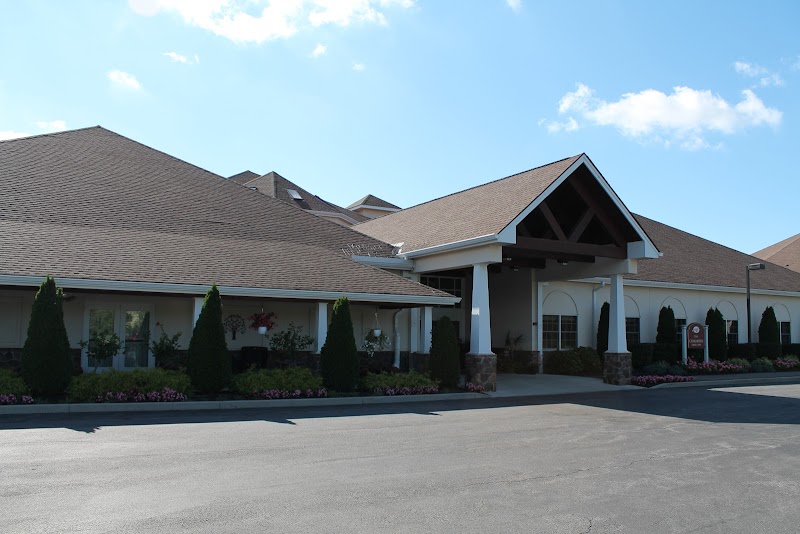
CMS assigns FOX RUN AT ORCHARD PARK an overall rating of 5 out of 5 stars, which is considered much above average nationally. Within New York, this rating places the facility higher than 99% of the state's 100 nursing homes. This rating reflects solid performance across the metrics CMS uses to evaluate nursing home quality.
How is Fox Run At Orchard Park Staffed?

CMS rates FOX RUN AT ORCHARD PARK's staffing level at 5 out of 5 stars, which is much above average compared to other nursing homes. Staff turnover is 18%, compared to the New York average of 46%. This relatively stable workforce can support continuity of care.

What Have Inspectors Found at Fox Run At Orchard Park?

State health inspectors documented 2 deficiencies at FOX RUN AT ORCHARD PARK during 2022 to 2025. These included: 2 with potential for harm.
Who Owns and Operates Fox Run At Orchard Park?

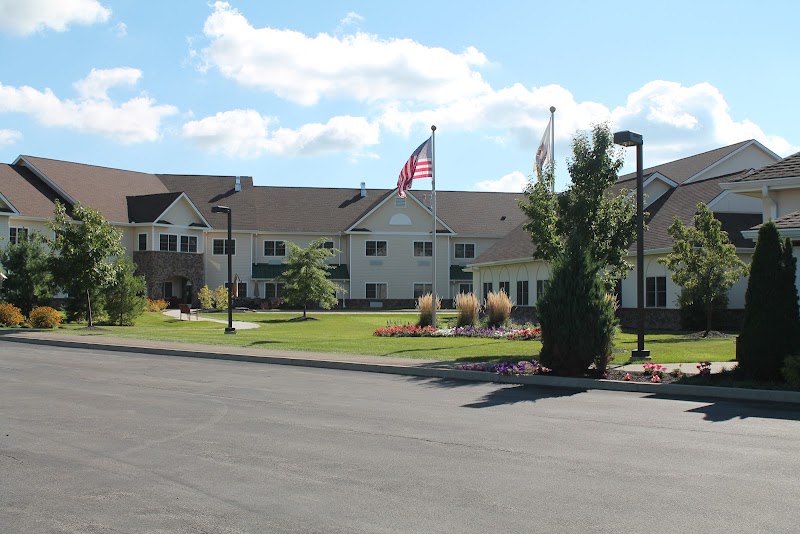
FOX RUN AT ORCHARD PARK is owned by a for-profit company. For-profit facilities operate as businesses with obligations to shareholders or private owners. The facility operates independently rather than as part of a larger chain. With 60 certified beds and approximately 50 residents (about 83% occupancy), it is a smaller facility located in ORCHARD PARK, New York.
How Does Fox Run At Orchard Park Compare to Other New York Nursing Homes?

Compared to the 100 nursing homes in New York, FOX RUN AT ORCHARD PARK's overall rating (5 stars) is above the state average of 3.1, staff turnover (18%) is significantly lower than the state average of 46%, and health inspection rating (5 stars) is much above the national benchmark.

What Should Families Ask When Visiting Fox Run At Orchard Park?

Based on this facility's data, families visiting should ask: "Can I visit during a mealtime to observe dining assistance and food quality?" "How do you handle medical emergencies, and what is your hospital transfer rate?" "Can I speak with family members of current residents about their experience?"

Is Fox Run At Orchard Park Safe?

Based on CMS inspection data, FOX RUN AT ORCHARD PARK has a clean safety record: no substantiated abuse findings (meaning no confirmed cases of resident harm), no Immediate Jeopardy citations (the most serious violation level indicating risk of serious injury or death), and is not on the Special Focus Facility watch list (a federal program monitoring the lowest-performing 1% of nursing homes). The facility has a 5-star overall rating and ranks #1 of 100 nursing homes in New York. While no facility is perfect, families should still ask about staff-to-resident ratios and recent inspection results during their visit.

Do Nurses at Fox Run At Orchard Park Stick Around?

Staff at FOX RUN AT ORCHARD PARK tend to stick around. With a turnover rate of 18%, the facility is 28 percentage points below the New York average of 46%. Low turnover is a positive sign. It means caregivers have time to learn each resident's needs, medications, and personal preferences. Consistent staff also notice subtle changes in a resident's condition more quickly. Registered Nurse turnover is also low at 8%, meaning experienced RNs are available to handle complex medical needs.

Was Fox Run At Orchard Park Ever Fined?

FOX RUN AT ORCHARD PARK has no federal fines on record. CMS issues fines when nursing homes fail to meet care standards or don't correct problems found during inspections. The absence of fines suggests the facility has either maintained compliance or corrected any issues before penalties were assessed. This is a positive indicator, though families should still review recent inspection reports for the full picture.

Is Fox Run At Orchard Park on Any Federal Watch List?

FOX RUN AT ORCHARD PARK is not on any federal watch list. The most significant is the Special Focus Facility (SFF) program, which identifies the bottom 1% of nursing homes nationally based on persistent, serious quality problems. Not being on this list means the facility has avoided the pattern of deficiencies that triggers enhanced federal oversight. This is a positive indicator, though families should still review the facility's inspection history directly.