TRUSTEES OF EASTERN STAR HALL & HOME OF THE N Y S
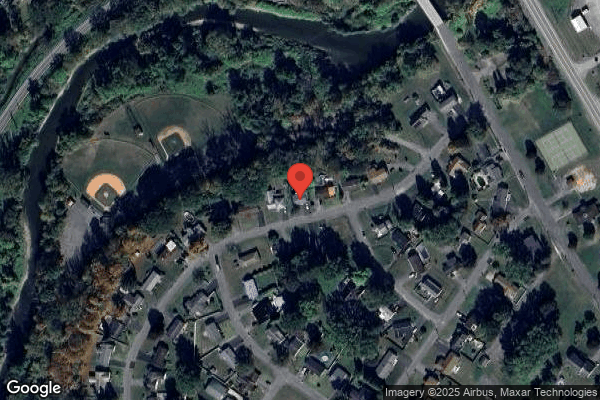
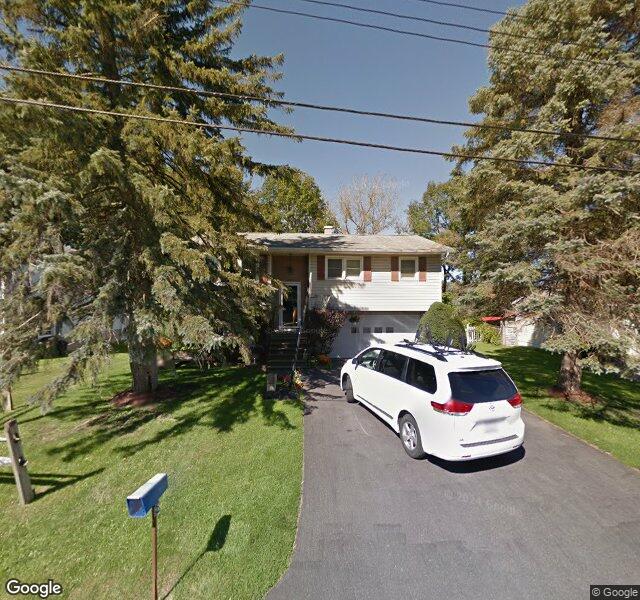
8290 STATE RT 69, ORISKANY, NY 13424 (315) 736-9311
Non profit - Corporation 86 Beds Independent Data: November 2025
Trust Grade
40/100
#582 of 594 in NY
Last Inspection: November 2024

Within standard 12-15 month inspection cycle. Federal law requires annual inspections.

Overview

Trustees of Eastern Star Hall & Home of the N Y S has a Trust Grade of D, indicating below-average performance with some concerns about care quality. Ranking #582 out of 594 in New York places it in the bottom half of facilities in the state, and it is last out of 17 facilities in Oneida County, meaning there are no better local options available. The facility's trend is worsening, with issues increasing from 2 in 2023 to 9 in 2024, suggesting growing problems that families should be aware of. Staffing is rated average with a turnover rate of 58%, which is concerning compared to the state average of 40%, though there are no fines on record, which is a positive sign. However, the facility has had significant issues such as improperly storing medications with expired stock, failing to keep windows secure to avoid accidents, and not following infection control protocols, highlighting serious areas of concern despite some strengths in staffing stability.

Trust Score
D
40/100
In New York
#582/594
Bottom 3%
Safety Record
Low Risk
No red flags
Inspections
Getting Worse
2 → 9 violations
Staff Stability
⚠ Watch
58% turnover. Above average. Higher turnover means staff may not know residents' routines.
Penalties
✓ Good
No fines on record. Clean compliance history, better than most New York facilities.
Skilled Nurses
⚠ Watch
Each resident gets only 28 minutes of Registered Nurse (RN) attention daily — below average for New York. Fewer RN minutes means fewer trained eyes watching for problems.
Violations
⚠ Watch
13 deficiencies on record. Higher than average. Multiple issues found across inspections.
★☆☆☆☆
1.0
Overall Rating
★★★☆☆
3.0
Staff Levels
★☆☆☆☆
1.0
Care Quality
★★☆☆☆
2.0
Inspection Score
Stable
2023: 2 issues
2024: 9 issues

The Good

  • Full Sprinkler Coverage · Fire safety systems throughout facility
  • No fines on record

Facility shows strength in fire safety.

The Bad

1-Star Overall Rating

Below New York average (3.0)

Significant quality concerns identified by CMS

Staff Turnover: 58%

12pts above New York avg (46%)

Frequent staff changes - ask about care continuity

Staff turnover is elevated (58%)

10 points above New York average of 48%

The Ugly 13 deficiencies on record

Nov 2024 9 deficiencies
CONCERN (D)

Potential for Harm - no one hurt, but risky conditions existed

Deficiency F0577 (Tag F0577)

Could have caused harm · This affected 1 resident

Based on observations and interviews during the recertification survey conducted 11/5/2024-11/8/2024, the facility did not ensure the results of the most recent Federal/State survey were posted in a p...

Read full inspector narrative →
Based on observations and interviews during the recertification survey conducted 11/5/2024-11/8/2024, the facility did not ensure the results of the most recent Federal/State survey were posted in a place readily accessible to residents, family members, and legal representatives of residents for 1 of 1 Federal Health Recertification survey. Specifically, the results of the most recent Federal health recertification survey conducted 2/23/20223 were located behind the reception desk on a high shelf and was not accessible to all without having to ask for assistance. Findings include: During a Resident Council meeting on 11/6/2024 at 1:56 PM, eight anonymous residents in attendance stated they did not know they could view the previous survey results and did not know where the results were located. During an observation on 11/7/2024 at 3:45 PM, the State Survey binder was on a shelf on a table behind the reception desk in the main entrance to the building. The area was not accessible to residents or visitors. During an interview on 11/7/2024 at 4:46 PM, Receptionist #4 stated if a resident or family wanted to see the State Survey binder for the previous survey, they would have to ask them for it. They stated residents or visitors did not go behind the reception desk and the survey results were too high for residents to reach especially from a wheelchair. During an interview on 11/8/24 at 8:19 AM, Social Worker #3 stated it was a resident right to view the previous survey results. The results were located at the reception area and in Administration. They were not sure if residents could access them without asking. The results used to be posted in a living room, but they were moved when the living room was no longer being used. During an interview on 11/8/2024 at 9:38 AM, the Administrator stated it was a resident right to have survey results available and accessible without asking for them. They were not aware the results were not accessible without asking staff for assistance as they were new to the role as the facility Administrator. 10NYCRR 415.3(c)(v)
CONCERN (D)

Potential for Harm - no one hurt, but risky conditions existed

Deficiency F0582 (Tag F0582)

Could have caused harm · This affected 1 resident

Based on record review and interviews during the recertification survey conducted 11/5/2024-11/8/2024, the facility did not provide the appropriate liability and appeal notices to Medicare beneficiari...

Read full inspector narrative →
Based on record review and interviews during the recertification survey conducted 11/5/2024-11/8/2024, the facility did not provide the appropriate liability and appeal notices to Medicare beneficiaries for 1 of 3 residents (Resident #276) reviewed. Specifically, Resident #276 remained in the facility after discontinuation of Medicare Part A services and the facility did not provide the resident with timely Notice of Medicare Non-Coverage (Centers for Medicare and Medicaid Services-10123) when Medicare Part A coverage was ending and a Skilled Nursing Facility Advanced Beneficiary Notice of Non-Coverage (Centers for Medicare and Medicaid Services-10055) for Medicare Part A as required. Findings include: The Center for Medicare and Medicaid Services form instructions for the Skilled Nursing Facility Advanced Beneficiary Notice of Non-coverage Center for Medicare and Medicaid Services-10055, expiration date 1/31/26, documented a Skilled Nursing Facility Advanced Beneficiary Notice of Non-coverage (form 10055) must be issued by providers to beneficiaries in situations where Medicare payment was expected to be denied. The Skilled Nursing Facility Advanced Beneficiary Notice of Non-coverage must be delivered far enough in advance that the beneficiary or representative had time to consider the options and make an informed choice prior to services ending. Resident #276 had diagnoses including cerebral vascular accident (stroke), aphasia (difficulty speaking), and anxiety. The 8/5/2024 Minimum Data Set assessment documented it was a Skilled Nursing Facility Part A Prospective Payment System (a method of reimbursement used by Medicare that pays a predetermined amount for a service) discharge assessment and the resident had a Medicare-covered stay with a start date of 5/7/2024 and an end date of 5/23/2024. The resident had moderately impaired cognitive skills for daily decision making. The Notice of Medicare Non-Coverage for Centers for Medicare and Medicaid Services-10123 letter documented Resident #276's effective end date of services was 5/23/2024. The handwritten note on the Skilled Nursing Facility Advanced Beneficiary Notice of Non-Coverage documented the Notice of Non-coverage Center for Medicare and Medicaid Services-10055 was not provided because the resident resumed Medicaid coverage. The facility policy regarding Beneficiary Notification was requested on 11/7/2028 and on 11/8/2024 at 3:16 PM, Administrative Assistant # 7 stated the facility did not have a policy regarding notice of Medicare non-coverage. During an interview on 11/8/2024 at 11:23 AM, Accounts Receivable Coordinator #19 stated they determined who received an Advanced Beneficiary Notification if the resident remained in the facility and had no other payor resource. They did not give the form to residents with Medicaid because Medicaid would pick up coverage for the residents stay. During an interview on 11/8/2024 at 12:59 PM, the Administrator stated they were familiar with the Notice of Medicare Non-coverage and Advanced Beneficiary Notices, however, was not involved in the process. They stated residents who remained in the facility that came off Medicare Part A needed an Advanced Beneficiary Notification. They were not aware accounts receivable was not issuing them to residents who had Medicaid and should have been. 10 NYCRR 483.10 (g) (18)
CONCERN (D)

Potential for Harm - no one hurt, but risky conditions existed

Quality of Care (Tag F0684)

Could have caused harm · This affected 1 resident

**NOTE- TERMS IN BRACKETS HAVE BEEN EDITED TO PROTECT CONFIDENTIALITY** Based on record review, and interviews during the recertification survey conducted 11/5/2024-11/8/2024, the facility did not ens...

Read full inspector narrative →
**NOTE- TERMS IN BRACKETS HAVE BEEN EDITED TO PROTECT CONFIDENTIALITY** Based on record review, and interviews during the recertification survey conducted 11/5/2024-11/8/2024, the facility did not ensure residents received treatment and care in accordance with professional standards of practice, the comprehensive person-centered care plan, and the residents' choice for 1 of 1 resident (Resident #218) reviewed. Specifically, Resident #218 did not have their ordered blood sugars documented in the medical record and were not available for the medical provider's review. Findings include: The undated facility policy, Protocols for Diabetic Residents, documented if a resident on insulin had a blood sugar over 240 (milligrams/deciliter) the provider was notified the following day. If the resident had a blood sugar of 420 and was symptomatic the provider was informed. If the residents blood sugar was 420 and the resident was not symptomatic the provider was informed the following day. Residents with blood sugars less than 60 were given glucagon (a hormone that raises blood sugar levels) 1 milligram injection in the muscle under nursing supervision with a blood sugar repeated every 30 minutes until the blood sugar was over 90. Resident #218 had diagnoses including diabetes. The Minimum Data Set assessment had not been completed as the resident was a new admission. Physician orders documented: - on 11/4/2024 Lantus Solostar (long-acting insulin) U-100 Insulin 100 unit/milliliter (3 milliliter) subcutaneous (under the skin) pen; inject 25 units by subcutaneous route once daily. - on 11/5/2024 morning blood sugar at AM before breakfast and at bedtime at 7:00 AM and 8:00 PM. The 11/5/2024 provider admission progress note documented Resident #218 was admitted with Type 2 Diabetes Mellitus with unspecified complications. They were on a diabetic diet. Medications were ordered for Tradjenta 5 milligrams daily, Jardiance 10 milligrams daily, and [NAME] insulin 25 units twice daily. The resident's blood sugars were to be monitored and medication would be adjusted as needed. The 11/2024 Treatment Administration Record documented monitor blood sugars before breakfast and at bedtime at 7:00 AM and 8:00 PM. - on 11/5/2024 the 7:00 AM blood sugar was marked with a dash and no nurse initials. The 8:00 PM blood sugar was marked as completed by Licensed Practical Nurse #21. Neither time had a documented blood sugar result. - on 11/6/2024 the 7:00 AM blood sugar was marked as completed with no documented blood sugar result. The 8:00 PM blood sugar was documented as completed by Licensed Practical Nurse #21 with no documented blood sugar result. There were no documented blood sugar results in the 11/5/2024 or 11/6/2024 nursing progress notes. During an interview on 11/8/2024 at 10:32 AM, Licensed Practical Nurse #21 stated they cared for Resident #218 the last few nights and the resident had an order for blood sugars to be completed every evening at 8:00 PM. They stated they did not think there was a place in the electronic record to document the blood sugar results. They stated they obtained the resident's blood sugar, thought they had recorded it, but could not remember where. They stated If a blood sugar was not documented in the electronic medical record, it was not completed. On 11/8/2024 at 11:32 AM a telephone interview was attempted with Physician #15. A voicemail message was left with no return call prior to survey exit. During an interview on 11/8/2024 at 11:55 AM, the Director of Nursing stated testing blood sugars required an order from the provider. All blood sugars should be recorded in the electronic chart or on a paper Medication Administration Records. If blood sugars were not documented, it was a medication error and if a blood sugar was too low and the resident received insulin it could cause a diabetic reaction. 10NYCRR 415.12
CONCERN (D)

Potential for Harm - no one hurt, but risky conditions existed

Pressure Ulcer Prevention (Tag F0686)

Could have caused harm · This affected 1 resident

Based on observations, record review, and interviews during the recertification survey conducted 11/5/2024-11/8/2024, the facility did not ensure residents with pressure ulcers received necessary trea...

Read full inspector narrative →
Based on observations, record review, and interviews during the recertification survey conducted 11/5/2024-11/8/2024, the facility did not ensure residents with pressure ulcers received necessary treatment and services, consistent with professional standards of practice, to promote wound healing, prevent infection, and prevent new ulcers from developing for 1 of 1 resident (Resident #37) reviewed. Specifically, Resident #37 did not have their pressure ulcer wound vacuum dressing (a vacuum assisted wound closure device that uses suction to help heal wounds) changed every three days as ordered. Findings include: The undated facility policy, Pressure Ulcer Prevention Treatment Plan, documented a skin care plan would be initiated on admission and carried forth through discharge to assure prevention, early detection, and treatment of any pressure ulcer. Interdisciplinary wound care observations were made on residents with Stage 2 to Stage 4 pressure areas per the treatment plan of care at least weekly by the Nurse Manager and the nutritional services personnel. The facility policy, Care Planning, dated 11/2017, documented an individualized comprehensive care plan that included measurable objectives and timetables to meet the residents medical, nursing, mental and psychological needs was developed for each resident upon admission. Resident #37 had diagnoses including pressure ulcer to the sacral region (low back, buttocks area), sepsis (system wide infection), and Parkinson's Disease (a progressive neurological disorder). The 8/3/2024 Minimum Data Set assessment documented the resident was cognitively intact, required substantial assistance for most activities of daily living, had an unstageable (full thickness tissue loss in which the base of the ulcer cannot be visualized) pressure ulcer that was not present on admission, and received application of nonsurgical dressings. The Comprehensive Care Plan revised 8/16/2024 documented the resident had skin breakdown from pressure to their sacral area. Interventions included turning and positioning every 2 hours, wound care rounds weekly, and pressure relieving devices as appropriate. The care plan did not include the use of a wound vacuum. A 10/10/2024 outside Wound Care Physician progress note documented the resident had a sacral pressure wound which had improved. The wound was debrided (removal of dead tissue) and was a Stage 3 (full thickness tissue loss). The plan was to begin wound vacuum assisted closure at 125 millimeters of mercury (pressure reading) with black foam, 3 times per week. The dressing to be used until the vacuum was started and daily back up dressing if the vacuum needed to be removed for any reason was skin prep to the peri ulcer, collagenase (an enzyme used to remove dead tissue), Mesalt (a dressing used to manage heavily draining wounds), ABD pad (a thick bandage), and secure with tape. Physician #15 medical order renewals documented: - 10/25/2024 if wound vacuum loses suction for more than 2 hours clean wound with normal saline, pat dry, cut Mesalt sodium chloride to size, place on wound bed, and cover with super absorbent foam dressing as needed. - 10/28/2024 skin prep (skin protectant) to peri wound (area surrounding the wound). Wound VAC (vacuum assisted closure, a device that uses suction to help heal wounds). Apply predrape (keeps a seal and eliminates leaks), fill wound with black foam, apply track pad (tubing used for suctioning) to appropriate side. Wound vac set to 125 millimeters of mercury (pressure). Change every three days on the day shift. The 11/2024 Treatment Administration Record documented: - skin prep to peri wound, apply predrape, fill wound with black foam, apply track pad to appropriate side. Wound vacuum set at 125 millimeters of mercury, change dressing 3 times weekly with a start date of 10/29/2024 at 12:30 PM. Administer during 7:00 AM-3:00 PM shift and as needed. The treatment scheduled for 11/4/2024 was not documented as administered and had a - in the corresponding box. Licensed Practical Nurse #16 signed for Resident #37's other treatments administered on 11/4/2024 during the 7:00 AM-3:00 PM shift. There were no documented nursing notes addressing the resident's wound vacuum dressing change for 11/4/2024. During an observation and interview on 11/7/2024 at 9:43 AM, Registered Nurse Supervisor #10 stated the wound vacuum dressing was ordered to be changed every three days. The dressing was observed and dated 11/1/2024. They removed the old dressing dated 11/1/2024 and stated the dressing was ordered to be changed 11/4/2024 and was not changed. They stated because the dressing was not changed as ordered the foam was really stuck to the wound bed. In an effort not to remove new tissue, they had to soak off the old dressing. They used two bottles of normal saline and waited several minutes to remove the old dressing. The wound had a foul odor. They stated when dressings were not changed as ordered the resident's wound could worsen and become infected. During an interview on 11/8/2024 at 10:43 AM, Licensed Practical Nurse #16 stated the wound vacuum dressing for Resident #37 was changed every three days. They stated when the treatment was scheduled on their day, they notified the Nurse Manager as they were not trained on how to care for a wound vacuum and were not going to change the dressing. They stated the Unit Manager was going to educate them on how to care for the wound vacuum dressing but had been too busy and had not completed the education yet. They stated they did not document the dressing was changed on 11/4/2024 because they did not change it and was not trained on it. If the dressing was not changed as ordered the resident can get an infection in the wound. During an interview on 11/8/2024 at 11:55 AM, the Director of Nursing stated 10 nurses, including Unit Managers and licensed practical nurses received training on wound vacuums from the company that manufactured the wound vacuums. They did not believe Licensed Practical Nurse #16 attended the training. If staff was not trained on the wound vac, they should notify the Registered Nurse Supervisor and document in the electronic record who was notified. If the dressing was not done as ordered the resident could get an infection, become septic, and the wound could worsen. If the dressing was dated 11/1/2024 when changed 11/7/2024 the dressing was not done as ordered. 10NYCRR 415.12(c)(1)
CONCERN (D) 📢 Someone Reported This

A family member, employee, or ombudsman was alarmed enough to file a formal complaint

Potential for Harm - no one hurt, but risky conditions existed

Accident Prevention (Tag F0689)

Could have caused harm · This affected 1 resident

Based on observations, record review, and interviews during the recertification and abbreviated (NY00353222) surveys conducted 11/5/2024-11/8/2024 the facility did not ensure the resident environment ...

Read full inspector narrative →
Based on observations, record review, and interviews during the recertification and abbreviated (NY00353222) surveys conducted 11/5/2024-11/8/2024 the facility did not ensure the resident environment remained as free of accident hazards as is possible for 1 of 3 residents (Resident #26) reviewed. Specifically, the facility did not ensure egress doors were secure and Resident #26 was able to exit through the doors and was found in the stairwell, scooting down the steps on their bottom. Findings include: Resident #26 had diagnoses including dementia, difficulty walking, and history of falling. The 6/7/2024 Minimum Data Set assessment documented the resident had severe cognitive impairment, did not exhibit wandering behaviors, did not walk, required substantial/maximal assistance for transfers, used a manual wheelchair, was dependent for wheelchair mobility, and did not use a wander/elopement alarm. The comprehensive care plan initiated 10/24/2022 documented Resident #26 had cognitive impairment. Interventions included increasing cognitive levels for activities of daily living, safety, and quality of life. The resident had an alteration in functional status with interventions including extensive assistance of one for transferring. The resident was at risk to fall, and interventions included appropriate footwear, request assistance with transferring, engage in activities, keep the environment free from clutter, bed in the lowest position, call bell in reach, and respond to the call light promptly. The updated 9/6/2024 care plan documented the resident was at risk for elopement and interventions included redirecting negative behaviors, regularly assessing for elopement risk, social services evaluation, and monitoring ankle alert. The 8/31/2024 Nursing Elopement Risk Assessment documented Resident #26 was not at risk for elopement. The 9/3/2024 at 5:15 AM incident report completed by Licensed Practical Nurse #24 documented Resident #26 was not in their room and they began searching for the resident in the hallway and rooms. The resident was found in the stairwell by a dietary aide. The resident was scooting down the stairwell steps on their buttocks when found. Contributing factors included increased confusion, the resident was awake earlier than usual that morning. The investigation summary documented the resident was able to self-propel in their wheelchair. A reenactment was completed using video footage. The resident was observed pushing open the door and was able to get through the door with a lot of difficulty but was able to do so. A wander alert device was applied. The incident was reviewed by the Director of Nursing on 9/7/2024. There was no documented evidence how the resident was able to exit through a door without being noticed or without the door alarming. The 9/3/0243 at 5:22 PM Social Worker #3 progress note documented Resident #26 was found sitting on the bottom of the stairs in the stairwell. The resident was evaluated by nursing staff with no noted injury. The resident was alert however cognitively impaired related to diagnosis of dementia. As a rule, does not engage in conversations and it takes a lot of encouragement to get them to respond with one or two words. In light of this, a wander guard has been placed on her person as well as her wheelchair. During an observation and interview on 11/8/2024 at 8:49 AM, Licensed Practical Nurse #14 stated the door to the stairwell to the right when looking at the receptionist desk alarmed and was able to be turned off. They stated this was the stairwell Resident #26 was found in on 9/3/2024. When attempting to open the door, the bar moved however did not unlock. Licensed Practical Nurse #14 stated to release the door, you had to hold the bar for 45 seconds. After 45 seconds the door still did not release. Licensed Practical Nurse #14 stated you can put in a code and the door would alarm until the code was entered a second time. During an interview on 11/8/2024 at 9:11 AM, Maintenance Director #7 stated they checked the doors annually and visually on a weekly basis. After putting in a code there was 15 seconds to get through the door before it alarmed. The door would not open without a code. They were aware Resident #26 got into the stairwell on 9/3/2024. They did not believe they were questioned about the doorways during the investigation. After the incident they checked all the doors, and they were functioning. They were not sure how the resident got through the doors if they were locked and functioning. They did not believe the door was ever unlocked as it was an entrance for staff and the door had always alarmed after being opened for more than 15 seconds. During an interview on 11/8/2024 at 1:20 PM, Licensed Practical Nurse #24 stated on 9/3/2024 while a certified nurse aide was changing Resident #26, they went to another unit to administer medications. When they returned Resident #26 was missing so they called a code for a missing resident. They located the resident in the stairwell on the middle of the stairs. The door to the stairwell was not locked and did not alarm after 15 seconds. They were unsure how long the door was unlocked prior to the incident or why it was unlocked. During an interview on 11/8/2024 at 11:55 AM, the Director of Nursing stated they arrived at the facility after getting a call about Resident #26 getting into the stairwell on 9/3/2024. The resident was located at approximately 5:30 AM when dietary staff came through the staff entrance and saw the resident 1-2 steps from the bottom stair scooting down the stairs on their buttocks. After the incident part of the plan of correction was putting a keypad on the door. There was not a keypad on the door at the time and the door was not locked as it was an employee entrance. The door was not a fire door with a delayed egress for as long as they had been employed. During an interview on 11/8/2024 at 12:59 PM, the Administrator stated at the time of the 9/3/2024 incident with Resident #26 the door was an employee entrance and exit. The fire doors in the hallways were usually closed at night to deter wanderers from going across the center. After the incident the door was secured. 10 NYCRR 415.12(h)(1)(2)
CONCERN (D)

Potential for Harm - no one hurt, but risky conditions existed

Food Safety (Tag F0812)

Could have caused harm · This affected 1 resident

Based on observations, record review, and interviews during the recertification survey conducted 11/5/2024-11/8/2024, the facility did not ensure food was stored, prepared, distributed, and served in ...

Read full inspector narrative →
Based on observations, record review, and interviews during the recertification survey conducted 11/5/2024-11/8/2024, the facility did not ensure food was stored, prepared, distributed, and served in accordance with professional standards for food service safety in the main kitchen. Specifically, the main kitchen had unclean, scratched, and dented ceiling tiles, unclean ovens, pans with baked on debris, and expired cannisters of 3 bay sink sanitizer test strips. Findings include: The facility policy, Cleaning Procedure Conventional Ovens, updated 5/1985, documented conventional ovens interiors and exteriors were cleaned daily. The interior was cleaned with detergent solution with special attention to the corners. The exterior was cleaned with stainless steel cleaning solution. The following observations were made in the main kitchen: - on 11/5/2024 at 6:31 PM the dish machine area ceiling tiles were not cleanable, and were scratched, dented, and damaged. - on 11/5/2024 at 6:35 PM two ovens were unclean on the inside and outside. - on 11/6/2024 at 9:00 AM four pans on a clean pot rack had baked on debris and were not clean. - on 11/6/2024 at 9:20 AM two cannisters of sanitizer test strips for the 3 bay sink had an expiration date of June 2024. -on 11/6/2024 between 9:00 AM and 9:20 AM, the ceiling tiles were not cleanable, and were scratched, dented, and damaged. During an interview on 11/8/2024 at 9:17 AM, Interim Food Service Director #5 stated they were aware the ceiling tiles in the kitchen that were unclean, scratched, damaged, and dented and were not cleanable. They stated the outside of the two ovens were unclean and not acceptable. They were not able to locate a specific cleaning schedule for outside of the ovens. They stated the 4 pans on the pot rack were old and should have been taken out of service. They verified the two canisters of sanitizer strips located near the three bay sink were expired June 2024 and they were responsible for checking the sanitizer strip dates. It was important the main kitchen was kept clean manner, so residents and staff did not get sick. During an interview on 11/8/2024 at 10:00 AM, Kitchen Supervisor #6 stated there were damaged, dented, and chipped ceiling tiles, that were not cleanable. Once the tiles were dented or chipped those regular tiles could not be cleaned and needed to be replaced. It was the cook's responsibility to clean inside and outside the two ovens. They stated the ovens were cleaned twice a week by the night cooks. They verified 4 pans had baked on debris and should have been discarded. They were not aware the sanitizer test strips were expired. The Food Service Director was responsible for ensuring strips were not expired. The previous Food Service Director left 2 weeks ago. They stated it was important to keep a clean kitchen to avoid pests and for the safety of residents. 10NYCRR 415.14(h)
CONCERN (D)

Potential for Harm - no one hurt, but risky conditions existed

Deficiency F0925 (Tag F0925)

Could have caused harm · This affected 1 resident

**NOTE- TERMS IN BRACKETS HAVE BEEN EDITED TO PROTECT CONFIDENTIALITY** Based on observations and interviews during the recertification survey conducted 11/5/2024-11/8/2024, the facility did not ensur...

Read full inspector narrative →
**NOTE- TERMS IN BRACKETS HAVE BEEN EDITED TO PROTECT CONFIDENTIALITY** Based on observations and interviews during the recertification survey conducted 11/5/2024-11/8/2024, the facility did not ensure there was an effective pest control program for the main kitchen and the [NAME] Unit. Specifically, fruit flies and drain flies were observed in the main kitchen and on the [NAME] Unit. Findings include: The facility pest control policy was requested on 11/7/2024 and was not received. The following observations were made: - on 11/5/2024 at 6:18 PM approximately 5 drain flies and 5 fruit flies were in the main kitchen dish machine room. - on 11/6/2024, between 9:00 AM and 9:20 AM 2 drain flies and 5 fruit flies were in the main kitchen dish machine room. - on 11/6/2024 at 10:08 AM there were ten fruit flies in the [NAME] Unit Kitchenette. - on 11/6/2024 at 10:10 AM there was one fruit fly on the ceiling near the housekeeping closet on the [NAME] Unit. - on 11/8/2024 at 8:45 AM 2 live drain flies and 10 live fruit flies were in the main kitchen dish machine room. During an interview on 11/8/2024 at 9:17 AM, Interim Food Service Director #5 stated pest control service came every three weeks and was last at the facility two weeks ago. They were not aware of fruit flies or drain flies in the kitchen as staff did not report them. They had only been covering the facility for two weeks and stated it was important to maintain a pest control program for the safety of residents, so they do not get sick. During an interview on 11/8/2024 at 10:00 AM, Kitchen Supervisor #6 stated a pest control service came monthly. They were aware of the fruit flies and drain flies and stated fruit flies could come in by bringing in outside food. They had not seen a lot of fruit flies since being hired and because there was no odor in the dish machine area, they were not sure where the drain flies were coming from. They had not reviewed or maintained the monthly pest control log and was not given any directions to eliminate pests. It was important to review and maintain the pest control logs for food safety and the safety of the residents. They were not aware of fruit flies in the [NAME] unit kitchenette or hallway. During an interview on 11/8/2024 at 11:25 AM, Director of Environmental Services #7 stated they could not find any monthly pest control logs from 3/2023 through 10/2024. On 10/17/2024, immediately after the previous Food Service Director left the facility, they had secured a new vendor agreement to complete pest control. During an interview on 11/8/2024 at 11:15 AM the Administrator stated they expected the facility to be free from pests. The Food Service Director oversaw the kitchen. They stated they had only been the Administrator since August and when they realized there was not a pest control program, they reached out to different vendors and signed with a pest control vendor in October 2024. They stated if there were pests in the facility, it was not homelike for residents. 10 NYCRR: 415.29(j)(5)
CONCERN (E)

Potential for Harm - no one hurt, but risky conditions existed

Deficiency F0761 (Tag F0761)

Could have caused harm · This affected multiple residents

**NOTE- TERMS IN BRACKETS HAVE BEEN EDITED TO PROTECT CONFIDENTIALITY** Based on observations, record review, and interviews during the recertification survey conducted 11/5/2024-11/8/2024, the facili...

Read full inspector narrative →
**NOTE- TERMS IN BRACKETS HAVE BEEN EDITED TO PROTECT CONFIDENTIALITY** Based on observations, record review, and interviews during the recertification survey conducted 11/5/2024-11/8/2024, the facility did not ensure drugs and biologicals were stored in accordance with currently accepted professional standards for 2 of 2 medication carts ([NAME] and [NAME] Unit's medication carts); 1 of 2 medication rooms ([NAME] Unit); and 1 of 2 treatment carts ([NAME] unit). Specifically, the [NAME] and [NAME] Units medication carts had expired stock medications and insulin; the [NAME] medication room had expired stock medications and biologicals; and the [NAME] treatment cart was unlocked and unattended. Findings include: The undated facility policy, Storage and Maintenance of Medication, documented all drugs and biologicals were stored in the locked designated cabinets and stored under proper temperature controls. All medications, except those requiring refrigeration, were kept in locked medication carts and cabinets. Medications must be checked regularly for expiration dates and deterioration. Expired medications were removed from use and returned to the pharmacy. Bottles of eye drops, insulin, inhalers etc., were dated when opened and a sticker placed for 30 days to discard. A list of treatment cart contents received from the facility included: -medicated creams and ointments -urinary catheter bag covers -wound cleanser -adhesive bandages -hearing aids -hearing aid batteries -personal shavers -medicated shampoos -dressing supplies During an observation and interview on 11/6/2024 at 11:53 AM, the treatment cart on [NAME] unit was unlocked. The treatment cart contained individual trays with resident names. The items in the trays included diclofenac sodium cream (nonsteroidal anti-inflammatory) and clotrimazole betamethasone dipropionate (a topical antifungal). Licensed Practical Nurse #13 stated they did not lock the treatment cart after removing hearing aid batteries earlier that day. They stated the cart should be locked because it contained medicated creams. During an interview on 11/6/2024 at 11:58 AM, Registered Nurse Supervisor #10 stated the treatment cart should be locked. On 11/6/2024 at 1:09 PM, the [NAME] Unit medication room was observed with Licensed Practical Nurse #11. A shelf contained an opened bottle of Vitamin B-12 1000 micrograms with a manufacturer's expiration date of 9/2024. The medication refrigerator contained 2 boxes (17 syringes total) of single dose Afluria (influenza vaccine) 0.5 milliliter syringes with manufacturer's expiration date of 5/31/2024. Licensed Practical Nurse #11 stated those medications were expired and should have been disposed of. They stated all nurses were responsible for checking the medication carts and rooms for expired medications prior to giving any medication. They were unsure if someone was assigned to perform medication room and cart checks on a scheduled basis. On 11/6/2024 at 1:15 PM the [NAME] Unit medication cart was observed with Licensed Practical Nurse #12. The middle drawer of the cart contained an opened bottle of antacid tablets with a manufacturer's expiration date of 7/2024. On the side of the bottle was a handwritten opened date of 9/8/2024. Licensed Practical Nurse #12 stated they were unaware of any resident who received the antacid. Any nurse opening a bottle and/or administering a medication should check the expiration date prior to opening the bottle or giving the medication. On 11/6/2024 at 1:25 PM the [NAME] Unit medication cart was observed with Licensed Practical Nurse #13. The top drawer of the cart contained an opened bottle of multivitamins with iron with a manufacturer's expiration date of 4/2024; an opened bottle of aspirin 81 milligrams with no legible manufacturer's expiration or opened date; an opened bottle of aspirin 325 milligrams with a manufacturer's expiration date of 7/2024; and a Glargine (insulin) pen with no opened date on the pen and no plastic bag for the pen. Licensed Practical Nurse #13 stated they gave the resident insulin from the pen that morning and gave another resident an 81 milligram aspirin from that bottle this morning. They expiration dates were checked every night shift. All nurses should check the expiration dates prior to administration of medications. They did not check the expiration dates prior to administration as they trusted the night shift nurse removed all expired medications. During an interview on 11/8/2024 at 9:13 AM, Licensed Practical Nurse Manager #14 stated stock medications were kept in the medication rooms on each unit. All medications should be checked for expiration dates when unit staff were ordering par levels for the unit. All medications should be checked in the medication rooms, the medication carts, and the medication refrigerators when checking monthly stock inventory. Any expired medication was to be disposed of. Each nurse should check the expiration date prior to administering a medication. If an expiration date was not readable, it was deemed expired. Insulin was only good for 30 days past the open date, therefore, if there was no opened date, it was considered expired. It could be harmful for a resident to receive an expired medication depending on the medication's purpose. The treatment cart contained supplies and prescribed treatments like creams which could harm a resident if they were ingested. The treatment cart should have been locked. During an interview on 11/8/2024 at 12:20 PM, the Director of Nursing stated all day shift nurses should check the medication carts and rooms for expired medications. All medications should be labeled with an opened date. No opened date on insulin meant the medication was expired as the insulin was only good for 30 days once opened. Any stock medication without a legible expiration date was considered expired. Any expired medication bottle past the expiration date should not be opened and the medication not given to a resident. All treatment carts should be locked if unattended as they contained medicated creams which could be harmful if a resident got into them. 10NYCRR 415.18(d)
MINOR (B)

Minor Issue - procedural, no safety impact

Deficiency F0638 (Tag F0638)

Minor procedural issue · This affected multiple residents

Based on record review and interviews during the recertification survey conducted 11/5/2024-11/8/2024, the facility did not ensure they assessed residents using the quarterly review instrument specifi...

Read full inspector narrative →
Based on record review and interviews during the recertification survey conducted 11/5/2024-11/8/2024, the facility did not ensure they assessed residents using the quarterly review instrument specified by the State and approved by the Centers for Medicare and Medicaid Services (CMS) not less frequently than once every 3 months for 3 of 70 residents (Residents #14, #16, and #50) reviewed. Specifically, Residents #14's, #16's, and #50's Minimum Data Set assessments were completed later than 14 days after the Assessment Reference Date (the final day of the observation period to gather information about a resident's condition when completing the assessment). Findings include: 1) Resident #14 had diagnoses including lymphedema (disrupted flow of lymph fluid), heart failure, and hypertension. The quarterly Minimum Data Set assessment documented an Assessment Reference Date of 9/18/2024 and was completed on 10/28/2024. 2) Resident #16 had diagnoses including lung cancer, peripheral vascular disease, and arthritis. The quarterly Minimum Data Set assessment documented an Assessment Reference Date of 12/26/2023 and was completed on 2/2/2024. 3) Resident #50 had diagnoses including Alzheimer's disease, renal failure, and depression. The quarterly Minimum Data Set assessment documented an Assessment Reference Date of 9/7/2024 and was completed on 10/24/2024. During an interview on 11/8/2024 at 8:19 AM, Social Worker #3 stated the Minimum Data Set Assessments were done by Minimum Data Set Coordinator #18. They were done upon admission, annually, quarterly, and with any significant change. They were used to get a picture of the residents' needs and to develop the plan of care. They were also required to receive reimbursement from Medicare and Medicaid. They were unaware of resident assessments not being current. During an interview on 11/8/2024 at 3:16 PM Administrative Assistant #17 stated the facility did not have a policy regarding Minimum Data Set Completion. During an interview on 11/8/2024 at 8:26 AM, Minimum Data Set Coordinator #18 stated they were the only person completing Minimum Data Set Assessments on a 92 day rotation which allowed for wiggle room if they needed it. They stated the facility recently had an influx of admissions and they were behind. When they started in this position the process was completed by the interdisciplinary team and when staff from the interdisciplinary team decreased, they were asked to complete more sections until they were completing the entire assessment. Resident #14 should have had their assessment done by 10/14/2024 and submitted by 10/16/2024. It was not completed until 10/28/2024. Resident #16's assessment should have been completed by 1/9/2024 and submitted by 1/23/2024 and was not completed until 2/2/2024. Resident #50's assessment should have been completed 9/21/2024 and submitted by 10/6/2024 and was submitted 10/24/2024. They stated the assessments were late because they were behind. During an interview on 11/8/2024 at 11:15 AM, the Administrator stated Minimum Data Set Assessments were the responsibility of Minimum Data Set Coordinator #18. They were completed upon admission, quarterly, and with any significant change. If they were not done timely the resident could have a decline and the care plan would not be current. 10NYCRR 415.11(a)(4)
Feb 2023 2 deficiencies
CONCERN (D)

Potential for Harm - no one hurt, but risky conditions existed

Deficiency F0692 (Tag F0692)

Could have caused harm · This affected 1 resident

Based on observation, interview and record review during the recertification survey conducted 2/21/23-2/23/23, the facility failed to ensure that residents maintained acceptable parameters of nutritio...

Read full inspector narrative →
Based on observation, interview and record review during the recertification survey conducted 2/21/23-2/23/23, the facility failed to ensure that residents maintained acceptable parameters of nutritional status for 1 of 2 residents (Resident #23) reviewed. Specifically, Resident #23 had a significant weight loss, weights were not obtained as ordered, and the medical provider was not notified of the significant weight loss. Findings include: The undated facility policy, Standards of Nutritional Status and Assessment, documented within 7 -14 days of admission a comprehensive nutritional assessment would be completed to evaluate parameters of nutritional status and included. Height and weight would be evaluated to establish a desirable weight range or recommended weight range for each resident. Therapeutic diets would be provided to manage problematic health conditions. A nutritional plan of care would be developed for each resident and would be documented on the interdisciplinary plan of care. The plan of care would be updated/modified with subsequent nutritional evaluation. It was the responsibility of the dietitian to see that the policy was implemented and maintained. The undated facility Weight Policy, documented each new admission/readmission would be weighed within 24 hours of arrival to the facility. All new admissions/readmissions to the facility would be weighed every 2 weeks by the nursing staff for one month unless otherwise directed by the physician. Residents recording a weight gain/loss of 5 pounds (lbs) or more from the previously recorded weight must be re-weighed the next day (same shift) for verification of gain/loss. Weight/re-weight would be recorded on the 24-hour report for nutritional services notification and to monitor the section of the electronic health record (EHR) for clinical intervention as needed. The facility policy, Medical Nutritional Therapy Intervention Program, revised 2/22/23, documented significant weight loss was defined as a weight loss of 5% in 30 days, 7.5% in 90 days and 10% in 180 days. Dietary staff would maintain an ongoing review to monitor the progress of the resident. Resident #23 had diagnoses including hemiplegia (paralysis on one side of the body) and Alzheimer's disease. The 10/13/22 Minimum Data Set (MDS) assessment documented the resident had moderately impaired cognition, required extensive assistance of 2 for bed mobility and transfers, extensive assistance of one for eating, weighed 183 pounds, and did not have a significant weight change. Physician orders documented: - On 10/7/22 weekly weights Fridays on the 3:00 PM-11:00 PM shift. - On 10/8/22 no concentrated sweets (NCS) diet, chopped (cut-up meat), and thin liquids. - On 11/7/22 180 cubic centimeters (cc) extra fluids three times a day with medication passes. The comprehensive care plan (CCP) for nutrition, initiated 10/10/22, documented the resident required assistance with meals and had a NCS diet with modified consistency (chopped meat). The undated care instructions documented the resident was totally dependent for transfers and used a mechanical lift. The instructions did not include when the resident was scheduled to be weighed or the method used to weigh the resident. Resident #23's record documented weekly weights as follows: - On 10/7/22 183.1 pounds. - On 10/15/22 181.9 pounds. - On 10/21/22 179.6 pounds. - On 10/28/22 177.1 pounds - On 11/4/22 163.5 pounds (10.7% decrease or 19.6 pound loss in 1 month), no reweight recorded. - On 11/11/22 no weekly weight recorded. - On 11/18/22 165.1 pounds Progress notes by registered dietitian (RD) #7 documented: - on 11/9/22 at 11:23 AM the resident had a Stage 2 (partial thickness skin loss) pressure ulcer, and the plan was to continue with current nutritional interventions. The progress note did not include documentation of the resident's weight of 163.5 pounds on 11/4/22 and lack of a reweight. - on 11/16/22 at 12:39 PM the resident weighed 164 pounds on 11/4/22 and a request was made to the Unit Manager for a reweight. The plan was to increase Ensure (nutritional supplement) from 4 ounces to 8 ounces at breakfast and supper. - on 11/18/22 at 2:00 PM continue with current nutritional interventions. There was no documented evidence of a reweigh or a missing weekly weight on 11/11/22. - on 11/19/22 at 3:16 PM the resident weighed 165 pounds on 11/18/22 a 17 pound weight loss and 9.3% significant weight loss in 1 month. The resident had their nutritional supplements increased for improving caloric and protein intake. The plan was to continue to monitor weight trends. Nursing progress notes from 11/4/22-11/18/22 did include documentation of the resident's weights or significant weight loss. There was no documented evidence the medical provider was informed of the resident's significant weight loss. On 11/17/22 the CCP was updated and documented to monitor and record meal consumptions, supplements as ordered, and weigh resident as ordered. On 11/18/22 the CCP was updated and documented a significant weight loss, 9.3% x one month. Interventions included the resident would consume 75% of meals and was to maintain the highest level of consistency as possible for a stable weight. The resident was observed: - on 2/21/23 at 8:44 AM with a breakfast tray which included toast, cold cereal, coffee, orange juice, milk, and sausage. The resident was assisted with breakfast by an unidentified staff and at 9:03 AM the resident had consumed 100% of their fluids, 100% of the cold cereal, and 100% of the sausage. -on 2/21/23 at 12:19 PM seated at a tray table in the TV lounge during the lunch meal. The resident's meal included Oreo pie, a chopped turkey sandwich, water, and milk. At 12:38 PM the resident's family member was seated next to the resident. The resident ate 100% of the pie, all of their drinks, and 25% of the sandwich. During an interview with certified nurse aide (CNA) #8 on 2/22/23 at 2:00 PM they stated the care plan indicated how to weigh a resident using a standing scale or the mechanical lift scale. The licensed practical nurse (LPN) or the Unit Manager would put required weights on the assignment sheets. Once the weights were taken, usually by a CNA, the LPN or Unit Manager would record the weights in the resident's record. If a weight was not done, they would tell the nurse. It was important to obtain weights to monitor the resident's nutritional and fluid status. The CNA stated they were familiar with the resident, but evening staff weighed the resident on Fridays. The CNA stated they could not tell if the resident gained or lost any weight. During an interview on 2/22/23 at 2:46 PM with registered nurse (RN) Unit Manager #9 they stated weights were listed on the treatment administration record (TAR) and the assignment sheet. They stated weights were typically done on shower/bath days and all residents were weighed weekly or monthly per physician orders. The LPN or Unit Manager recorded weights. If a resident refused to be weighed, they expected staff to tell them and educate the resident, or re-approach. The nurse should document the refusal. Resident #23 should be weighed weekly on Fridays during the 3:00 PM-11:00 PM shift. The RN stated they thought the resident received supplements on their meal trays such as Ensure at breakfast and lunch and a milk shake at dinner. They were not aware of any significant weight changes. If a resident had a significant weight loss the Unit Manager would write in the medical book and the diet tech would let them know if a reweight needed to be done. During an interview on 2/22/23 at 4:29 PM with diet technician #10 they stated obtaing weights was based on the physician order. The nursing staff was responsible for obtaining weights and the LPN or Unit Manager would enter weights in the computer. A reweight was needed if there was a 5 pound difference since the last weight. The need for a reweight should be picked up on when the weight was obtained but they would let staff know if it was needed. They stated they usually sigma messaged (electronic message) the Unit Manager. A significant weight change was 5% in 30 days and 10% in 6 months. If a resident refused weights, they should be reapproached, and the refusal should be documented. When a resident had a significant weight change, they discussed it with the RD to review interventions. The RD completed all the nutritional assessments including if a resident had a significant weight loss. They stated it was important to reassess to determine nutritional status. Nutritional services would let the Unit Manager and MDS coordinator know of significant weight changes and nursing should notify medical. Nursing would check to see if the weights were completed as ordered. During an interview on 2/22/23 at 4:34 PM RD #7 stated nursing staff should obtain weights as ordered. The diet technician reviewed weights and would let them know if there was a 5 pound difference. The diet technician would message nursing about reweights. If a resident refused a weight, they should be reapproached, and the refusal should be documented. Resident #23 did have a weight loss and had stabilized. Previously in November 2022 the resident was 177 pounds then 164 pounds, so the RD increased the 4 ounce milk shake to 8 ounces at breakfast and dinner. There was no weekly weight recorded for 11/11/22 and no reweight. If there was a trigger of 5 pounds or more difference, nursing should have reweighed the resident. If there was a significant change of 5 pounds nursing should let the RD and diet technician know. The RD stated they did not recall being told about the resident's weight loss, but they saw the weight loss and added the supplements on 11/8/22. Nursing should notify medical about significant weight changes. During an interview on 2/23/23 at 9:48 AM with physician #11 they stated nursing should inform them of significant weight changes. Residents should be weighed per medical orders. Nursing should document if weights could not be obtained and try to weigh the resident again. They stated they were out in November and was not sure who covered for them. If the covering physician was made aware of the weight loss, they should document and assess the resident. During an interview on 2/23/23 at 2:56 PM with the DON they stated nursing should obtain resident weights as ordered and should document any refusals. They stated nutrition staff should track weights and assess needs, add supplements, and update preferences. Once nutrition identified significant weight changes, they should notify nursing. Nursing would notify medical and medical should document significant weight changes in their progress notes. 10NYCRR415.12(i)(1)
CONCERN (E)

Potential for Harm - no one hurt, but risky conditions existed

Accident Prevention (Tag F0689)

Could have caused harm · This affected multiple residents

**NOTE- TERMS IN BRACKETS HAVE BEEN EDITED TO PROTECT CONFIDENTIALITY** Based on observation, interview, and record review during the recertification survey conducted 2/21/23-2/23/23, the facility fai...

Read full inspector narrative →
**NOTE- TERMS IN BRACKETS HAVE BEEN EDITED TO PROTECT CONFIDENTIALITY** Based on observation, interview, and record review during the recertification survey conducted 2/21/23-2/23/23, the facility failed to ensure the resident environment remained as free of accident hazards as is possible for 14 windows on the [NAME] unit (1 window at the nursing station, 2 windows in the dining room, 1 window in the soiled utility room, 1 window in the kitchenette, 2 windows in resident room [ROOM NUMBER], 2 windows in resident room [ROOM NUMBER], 2 windows in resident room [ROOM NUMBER], 2 windows in resident room [ROOM NUMBER], and 1 window in the shower room). Specifically, windows on the [NAME] unit were able to fully open without restriction. Findings included: There was no documented facility policy addressing window restrictors or routine window inspections. During observations on 2/21/23, the following windows in the [NAME] unit had no restrictors and/or could be fully opened: - At 6:15 AM, the nursing station window could be fully opened; - At 7:55 AM and 3:20 PM, both dining room windows (2) opened to 20 inches. These windows had built-in window restrictors that were not set. - At 8:03 AM and 3:22 PM, the soiled utility room window opened to 27 inches. - At 8:05 AM and 3:35 PM, the kitchenette window opened to 27 inches. There was a sign on the door that documented Keep locked, keep closed, and the door was opened during both observations. - At 8:15 AM, both windows (2) in resident room [ROOM NUMBER] could be fully opened; - At 8:25 AM, both windows (2) in resident room [ROOM NUMBER] could be fully opened; - At 3:30 PM, the shower room window opened to 27 inches. There was a sign on the door that stated, keep closed, and the door was opened. During observations on 2/22/23, the following windows in the [NAME] unit had no restrictors and/or could be fully opened: - At 2:30 PM, both windows (2) in resident room [ROOM NUMBER] opened to 27 inches. - At 2:35 PM, both windows (2) in resident room [ROOM NUMBER] windows opened to 27 inches. During an interview on 2/21/23 at 2:35 PM, certified nurse aide (CNA) #1 stated that they had never noticed any of the residents on the [NAME] unit trying to tamper with or attempting to open the windows. The CNA stated they had never opened windows on the unit more than 5 inches when allowing airflow. There were 3 residents on the unit who could open windows and there were no current residents on the unit that were an elopement risk. They stated that if a window could open over 12 inches, there could be a potential safety risk for residents. During an interview on 2/21/23 at 3:00 PM, licensed practical nurse (LPN) #2 stated they had not noticed any of the residents on the [NAME] unit trying to tamper with or open the windows. No residents had attempted to elope from the unit via the windows. LPN #2 stated they thought the regulation for window openings was 6 inches or less. It was not acceptable for the windows on the [NAME] unit to open to 27 inches, especially in resident rooms where there was less supervision. During an interview on 2/21/23 at 3:57 PM, CNA #3 stated that they had never seen any residents trying to elope through the windows on the [NAME] unit, and they did not believe that any of the current residents on the unit could open the windows. The CNA stated they had never been told of the maximum amount the windows were allowed to be opened to ensure resident' safety. A 27 inch window opening would be large enough for a resident to get through. During an interview on 2/22/23 at 1:55 PM, registered nurse (RN) #4 stated they had never been told about an appropriate window gap for air flow and safety purposes, and they were not aware the windows on the [NAME] unit opened fully. They stated that it could be a potential elopement risk if the windows in resident rooms opened to 27 inches. RN #4 stated there were no residents at risk of elopement on the [NAME] unit. During an interview on 2/22/23 at 4:14 PM, the Director of Nursing (DON) stated that windows on ground level could open fully and the windows not on ground level had limiters (restrictors) on them to only open enough for air flow. The DON stated there were no current residents at risk for elopement. They stated there had been no elopements within the last month since they were hired. During an interview on 2/22/23 at 4:39 PM, the Administrator stated that windows not at ground level had security devices that would allow them to be opened to 6 inches, and those at ground level were allowed to be fully opened. They stated a resident could potentially elope out of the [NAME] unit via the ground floor windows that opened 27 inches. The windows opening to this amount was perceived as acceptable as it had not been an issue in the past. The Administrator stated that there had been no elopements in the last 3 years and since they had been at this facility there had never been a window elopement. During an interview on 2/23/23 at 10:43 AM, the Maintenance Director stated they were not aware that the windows on the [NAME] unit could fully open. At one time the maintenance department had installed window stoppers on all the windows, and over time the stoppers must have been removed by staff. They stated that the window stoppers had been installed three years ago and they had tried to install the stoppers so the windows could open 6 inches to 8 inches. 10 NYCRR 415.12(h)(1)
Feb 2020 2 deficiencies
CONCERN (D)

Potential for Harm - no one hurt, but risky conditions existed

Medication Errors (Tag F0758)

Could have caused harm · This affected 1 resident

Based on observation, interview, and record review during the recertification survey, the facility did not ensure residents who used psychotropic drugs were not given these drugs unless the medication...

Read full inspector narrative →
Based on observation, interview, and record review during the recertification survey, the facility did not ensure residents who used psychotropic drugs were not given these drugs unless the medication is necessary to treat a specific condition as diagnosed and documented in the medical record for 1 of 5 residents (Resident #22) reviewed for unnecessary medications. Specifically, Resident #22 was receiving an antipsychotic and there was no documented evidence of specific clinical indications to support its continued use. Findings include: The facility's Restraint Policy and Procedure, revised 7/2017 documents: - Medication can be considered a chemical restraint. The Medical Director and/or attending physician must have a supportive diagnosis for the administration of a psychotropic drug to be considered therapeutic rather than a restraining mechanism. - The care plan will address the type of restraint being utilized, the specific purpose for resident use and the period of time the restraint will be utilized. - The consultant pharmacist as well as consultant psychiatrist will assist the facility in assuring chemical restrains are imposed only when it is clearly identified they are in the best interest of the resident. - Continuing monitoring of all residents associated with restraint usage will be evaluated quarterly and may include: increased agitation, loss of balance, symptoms of withdrawal or depression, reduced social contact. - Certified nurse aide (CNA) documentation for behaviors will be documented in the electronic CNA module and should be logged for the individual resident. Interventions and the success of the interventions as outlined in the resident care plan will assist in determining the need for psychoactive medication administration. Resident #22 had diagnoses including Alzheimer's disease, dementia with behavioral disturbances and delirium. The 1/3/20 Minimum Data Set (MDS) assessment documented the resident had severe cognitive impairment, no behavioral symptoms, no signs of delirium, and mild symptoms of mood disturbance including difficulty concentrating. The resident received antipsychotic medications 7 of 7 days during the assessment period. The Resident Nursing Instructions initiated 6/5/17 and updated 7/20/19 documented the resident had behaviors of frequent restlessness. There were no other behavioral symptoms or monitoring needs documented. Physician orders documented risperidone (antipsychotic) 0.125 mg daily (started 10/17/19) with a diagnosis of dementia in other diseases classified elsewhere for behavioral disturbances. The pharmacy consultant recommendation dated 7/23/19 documented the resident was on risperidone, it may cause involuntary movement including TD (tardive dyskinesia, involuntary, uncontrollable movements often related to use of antipsychotics and antidepressants) an AIMS (Assessment for Involuntary Movement) was not documented in the previous 6 months and to monitor for involuntary movement now and at least every 6 months. There was no signature or initials on the recommendation, and it was noted at the bottom there was no AIMS and to see the 12/5/19 nursing note. The comprehensive care plan (CCP) effective 7/27/19 and reviewed by the facility on 1/15/20 documented: - The resident had advanced dementia with behavioral disorder. Interventions included total assistance for activities of daily living (ADLs), identify common behavioral expressions and expected responses for person-centered care and document the results; - The resident was at risk for falls related to a diagnosis of movement disorder and history of TD. Interventions included low bed, floor mats, bed alarm, Broda chair when out of bed, and clonazepam (antianxiety) and Cogentin (for involuntary movements) per physician order. - The resident received psychotropic medications for depression and anxiety. Interventions included document psychological and physical changes due to medication, observe for changes in emotional status, perform ongoing monitoring for target behaviors with documentation of possible risks and causes contributing factors to behaviors, desired outcomes, ongoing efficacy of non-pharmacological approaches, physician psychiatric review of medications per policy. - The CCP did not contain any documented needs or interventions for mood or behavioral disturbances. Physician progress notes from 5/16/19- 2/13/20 contained no documented evidence of the rationale for continued use of an antipsychotic medication. There was no documentation regarding specific mood or behavioral symptoms to be treated. The progress notes did not contain any information about the risk versus benefits of continued usage or discussions with the family regarding the rationale for continued usage. Nursing progress notes from 8/1/19-2/13/20 contained no documented evidence of mood or behavioral concerns or of any interventions utilized. The pharmacy consultant recommendation dated 11/22/19 documented the resident received risperidone. Target behaviors were not found, to document in the next quarterly assessment, describe how the behaviors impact the resident and others, perform ongoing monitoring of target behaviors, document risk, desirable outcome, and ongoing efficacy of individualized non-pharmacological interventions and potential adverse consequences. The Director of Nursing (DON) signed the review form 12/6/19 and noted to refer to 12/5/19 progress note regarding no AIMS to be done. The Resident CNA Documentation History Detail from 11/30/19-2/13/20 documented the resident had no behavioral symptoms. There were no psychiatric progress notes in the resident's medical record. Social services progress notes from 1/1/2019-2/13/20 contained no documentation regarding the resident's mood or behaviors or utilization of psychotropic medications. The resident was observed with no apparent signs of distress, agitation, psychosis, or other alteration in mood: - on 2/11/20 at 10:09 AM to 11:18 AM, in the lounge in a chair; and from 12:23 PM-12:48 PM, in the dining room being fed by a family member; - on 12/12/20 from 11:01 AM to 11:43 AM, in the lounge in a chair, - on 2/13/20 at 9:35 AM, 9:46 AM, and 10:50 AM, in a chair; and at 12:44 PM, in the dining room being fed by a family member; and at 2:24 PM and 2:45 PM, while lying in bed. During an interview with the DON on 2/13/20 at 10:55 AM, she stated the facility had no routine meetings where psychotropic medications were reviewed. When a resident was due to have psychotropic medications reviewed, a list was generated and the physician, social worker, charge nurse and possibly the psychiatrist would review the medications. There was no psychiatrist available for the past 6 months and the attending physician reviewed psychotropic medications with staff and documented in the medical record. When interviewed on 2/13/20 at 12:50 PM, physician #2 stated antipsychotic medications were not typically for dementia with behaviors unless the resident had severe agitation, hallucinations, or delirium. Resident #22 had a behavioral disorder and was on psychotropic medications before the resident was admitted , and the resident remained on the medications for dementia with behaviors. She stated the resident had not exhibited any type of behavioral or mood symptoms, had no hallucinations, or delusions, and no agitation or aggression. The physician stated more than 2 years ago, the resident had flailing arms and legs and frequent urinary tract infections (likely causing behavioral symptoms) as the possible indications for usage historically. The resident had involuntary movement disorder and TD, and this was not related to the psychotropic medications, as it had improved. The physician stated she was reducing the medications per federal regulatory guidelines (annually after the first year). She stated there was no team review, rather she discussed the resident's condition with RN Charge Nurse #1. She had not reviewed the resident's medication use with the psychiatrist, social worker, or DON. The rationale for continued usage should be included in the progress notes and it had not been discontinued because the family wanted the resident to remain on the medication. During an interview with RN Charge Nurse #1 on 2/13/20 at 2:31 PM, she stated the process for reviewing psychotropic mediation use included documenting the type, the dosage, and when or if the dosage was changed. She stated the resident's history of behavioral symptoms included restlessness, anxiousness, and body movements resulting in falls. She was unaware of any combativeness, agitation, or psychotic episodes. She created the care plans and stated there was no behavioral or mood care plan because the resident did not exhibit any behavioral or mood issues. There was no team discussion regarding the use of psychotropic medications or related behavioral concerns. The RN spoke to the physician only, the social worker got involved only if a psychiatric referral was needed. During a follow-up interview with the DON on 2/14/20 at 10:44 AM, she stated the resident's medications were reviewed with dose reductions per federal guidelines. The resident entered the facility on the psychotropic medications and the family wanted all the resident's medications to continue initially as the resident was to only be at the facility short term. The DON stated there was no formal monitoring of psychotropic medications in regard to targeted behaviors, mood concerns, and overall rationale for continued usage. She stated Resident #22's medical record lacked documentation for identification of a specific clinical condition and mood/behavioral monitoring for justification for continued use. 10NYCRR 415.12(l)(2)
CONCERN (E)

Potential for Harm - no one hurt, but risky conditions existed

Infection Control (Tag F0880)

Could have caused harm · This affected multiple residents

**NOTE- TERMS IN BRACKETS HAVE BEEN EDITED TO PROTECT CONFIDENTIALITY** Based on observation, record review and interview during the recertification survey, the facility did not maintain an infection ...

Read full inspector narrative →
**NOTE- TERMS IN BRACKETS HAVE BEEN EDITED TO PROTECT CONFIDENTIALITY** Based on observation, record review and interview during the recertification survey, the facility did not maintain an infection prevention and control program designed to provide a safe, sanitary and comfortable environment and to help prevent the development and transmission of communicable diseases and infections for 1 of 1 resident (Resident #35) reviewed for respiratory care. Specifically, a staff member was observed entering Resident #35's room without donning the appropriate personal protective equipment (PPE) when droplet precautions were in place. Additionally, the facility infection prevention control program policies were not reviewed annually as required. Findings include: Contact precautions: The facility's undated Droplet Precautions policy documented the procedure for a resident on droplet precautions would include: -Use the designated green droplet precaution sign on the bathroom door and the magnet with a green dot on the doorframe. -Masks and gloves will be placed outside the resident room. -Staff and/or visitors will wear a mask upon entering the room or when working within 3 feet of the resident. -Masks will be removed when leaving the resident's room and placed in the appropriate waste receptacle. The 2/20 facility policy Prevention and Control of Influenza/Febrile Respiratory Illness documented when a resident was on droplet precautions staff would don a face mask when entering the room of a resident with suspected or confirmed influenza. When leaving the resident's room, the facemask will be removed, disposed of in a waster container, and staff would perform hand hygiene. The undated Droplet Precautions in Addition to Standard Precautions sign documented a mask/face shield was indicated for those who come within 3 feet of patient/resident. Resident #35 had diagnoses including heart failure and hypertension. The Minimum Data Set (MDS) dated [DATE] documented the resident was cognitively intact and had received the influenza vaccine on 10/17/19. A 2/3/20 at 5:23 PM nursing progress note documented the resident was to receive oseltamivir (used to treat and prevent influenza) prophylactically due to presence of influenza in the facility. A 2/8/20 at 1:12 AM nursing progress note documented the resident had cold symptoms, a low-grade temperature and had been expectorating yellow phlegm with cough. The resident continued oseltamivir and would be placed on droplet precautions. A physician order dated 2/8/20 at 1:13 AM documented the resident was to be on droplet precautions every shift. A 2/11/20 at 2:41 AM nursing progress note documented the resident was congested, had an occasional productive cough and was on droplet precautions. On 2/11/20 at 11:35 AM, room [ROOM NUMBER] was observed without a droplet precaution notification sign on the door frame. However, room [ROOM NUMBER] to the right side of room [ROOM NUMBER] had 2 green droplet precaution signs hanging on each side of the door frame. There was no PPE directly outside of either room [ROOM NUMBER] or #5 (the resident and the resident's spouse occupied both rooms #3 and 5 together). During an interview with Resident #35 on 02/11/20 at 11:54 AM, the resident stated they had a cough and was told by the nurses they may have pneumonia. During an interview on 02/11/20 at 12:42 PM, Housekeeper #4 stated Resident #35 and the resident's spouse were placed on droplet precautions over the weekend. She stated to go into the room a mask would be required, and the masks were available in the isolation cart across the hall in front of room [ROOM NUMBER]. Housekeeper #4 added that room [ROOM NUMBER] was used as a living room and room [ROOM NUMBER] was the sleeping room for the couple. During an observation on 02/12/20 at 11:59 AM, diet technician #5 entered room [ROOM NUMBER], she did not don a mask and was observed leaning on the residents personal dining table while asking the resident their request for the next scheduled meal. Diet technician #5 then exited the room to go to the next resident room. When interviewed immediately after the observation, diet technician #5 stated a mask was not donned prior to entering the room because there was not a droplet precaution sign on the door to room [ROOM NUMBER] and she was unaware the resident was on precautions. She stated if there was a droplet sign on the door, she would have donned a mask and gloves. During an interview on 02/13/20 at 12:55 PM the Infection Control Nurse/Director of Staff Development stated the facility had been closed due to a positive influenza case. She confirmed Resident #35 was not positive for influenza but was on droplet precautions because the resident presented with hoarseness, cough, and a stuffy nose. She stated staff must wear a mask within 6 feet of providing direct care. The unit registered nurse (RN) or licensed practical nurse (LPN) should place the green droplet precaution sign on the appropriate room door as soon as there were clinical indications the resident may have respiratory infection or influenza. She was made aware of any new precautions during morning report or staff notification. Infection Prevention Control Program: Review of the facility infection prevention and control program documented the facility had an established Infection Prevention and Control Program, with policies and procedures (P&P). There was no documented evidence the P&Ps were reviewed annually. The following P&P did not include an approval date: -Hand Hygiene; -Resident Immunization policy; -Influenza season: unvaccinated personnel; -Standard Precautions; and -Droplet precautions. During an interview on 2/13/20 at 12:55 PM, the Infection Control RN stated policies were reviewed regularly but there was no formal documented evidence of annual review. She stated when she made changes to a policy, she would review the changes with the Director of Nursing (DON). Policies were usually reviewed and approved at the quarterly Quality Assurance Meetings. 10NYCRR 415.19 (b)(4)
Understanding Severity Codes (click to expand)
Life-Threatening (Immediate Jeopardy)
J - Isolated K - Pattern L - Widespread
Actual Harm
G - Isolated H - Pattern I - Widespread
Potential for Harm
D - Isolated E - Pattern F - Widespread
No Harm (Minor)
A - Isolated B - Pattern C - Widespread

Questions to Ask on Your Visit

  • "Why is there high staff turnover? How do you retain staff?"
  • "Can I speak with families of current residents?"
  • "What's your RN coverage like on weekends and overnight?"

Our Honest Assessment

Strengths
  • • No major safety red flags. No abuse findings, life-threatening violations, or SFF status.
  • • No fines on record. Clean compliance history, better than most New York facilities.
Concerns
  • • 13 deficiencies on record. Higher than average. Multiple issues found across inspections.
  • • Grade D (40/100). Below average facility with significant concerns.
  • • 58% turnover. Above average. Higher turnover means staff may not know residents' routines.
Bottom line: Trust Score of 40/100 indicates significant concerns. Thoroughly evaluate alternatives.

About This Facility

What is Trustees Of Eastern Star Hall & Home Of The N Y S's CMS Rating?

CMS assigns TRUSTEES OF EASTERN STAR HALL & HOME OF THE N Y S an overall rating of 1 out of 5 stars, which is considered much below average nationally. Within New York, this rating places the facility higher than 0% of the state's 100 nursing homes. A rating at this level reflects concerns identified through health inspections, staffing assessments, or quality measures that families should carefully consider.

How is Trustees Of Eastern Star Hall & Home Of The N Y S Staffed?

CMS rates TRUSTEES OF EASTERN STAR HALL & HOME OF THE N Y S's staffing level at 3 out of 5 stars, which is average compared to other nursing homes. Staff turnover is 58%, which is 12 percentage points above the New York average of 46%. High turnover can affect care consistency as new staff learn residents' individual needs. RN turnover specifically is 73%, which is notably high. RNs provide skilled clinical oversight, so turnover in this role can affect medical care quality.

What Have Inspectors Found at Trustees Of Eastern Star Hall & Home Of The N Y S?

State health inspectors documented 13 deficiencies at TRUSTEES OF EASTERN STAR HALL & HOME OF THE N Y S during 2020 to 2024. These included: 12 with potential for harm and 1 minor or isolated issues.

Who Owns and Operates Trustees Of Eastern Star Hall & Home Of The N Y S?

TRUSTEES OF EASTERN STAR HALL & HOME OF THE N Y S is owned by a non-profit organization. Non-profit facilities reinvest revenue into operations rather than distributing to shareholders. The facility operates independently rather than as part of a larger chain. With 86 certified beds and approximately 74 residents (about 86% occupancy), it is a smaller facility located in ORISKANY, New York.

How Does Trustees Of Eastern Star Hall & Home Of The N Y S Compare to Other New York Nursing Homes?

Compared to the 100 nursing homes in New York, TRUSTEES OF EASTERN STAR HALL & HOME OF THE N Y S's overall rating (1 stars) is below the state average of 3.0, staff turnover (58%) is significantly higher than the state average of 46%, and health inspection rating (2 stars) is below the national benchmark.

What Should Families Ask When Visiting Trustees Of Eastern Star Hall & Home Of The N Y S?

Based on this facility's data, families visiting should ask: "How do you ensure continuity of care given staff turnover, and what is your staff retention strategy?" "Can I visit during a mealtime to observe dining assistance and food quality?" "How do you handle medical emergencies, and what is your hospital transfer rate?" "Can I speak with family members of current residents about their experience?" These questions are particularly relevant given the facility's high staff turnover rate.

Is Trustees Of Eastern Star Hall & Home Of The N Y S Safe?

Based on CMS inspection data, TRUSTEES OF EASTERN STAR HALL & HOME OF THE N Y S has a clean safety record: no substantiated abuse findings (meaning no confirmed cases of resident harm), no Immediate Jeopardy citations (the most serious violation level indicating risk of serious injury or death), and is not on the Special Focus Facility watch list (a federal program monitoring the lowest-performing 1% of nursing homes). The facility has a 1-star overall rating and ranks #100 of 100 nursing homes in New York. While no facility is perfect, families should still ask about staff-to-resident ratios and recent inspection results during their visit.

Do Nurses at Trustees Of Eastern Star Hall & Home Of The N Y S Stick Around?

Staff turnover at TRUSTEES OF EASTERN STAR HALL & HOME OF THE N Y S is high. At 58%, the facility is 12 percentage points above the New York average of 46%. Registered Nurse turnover is particularly concerning at 73%. RNs handle complex medical decisions and coordinate care — frequent RN changes can directly impact care quality. High turnover means new staff may not know residents' individual needs, medications, or preferences. It can also be disorienting for residents, especially those with dementia who rely on familiar faces. Families should ask: What is causing the turnover? What retention programs are in place? How do you ensure care continuity during staff transitions?

Was Trustees Of Eastern Star Hall & Home Of The N Y S Ever Fined?

TRUSTEES OF EASTERN STAR HALL & HOME OF THE N Y S has no federal fines on record. CMS issues fines when nursing homes fail to meet care standards or don't correct problems found during inspections. The absence of fines suggests the facility has either maintained compliance or corrected any issues before penalties were assessed. This is a positive indicator, though families should still review recent inspection reports for the full picture.

Is Trustees Of Eastern Star Hall & Home Of The N Y S on Any Federal Watch List?

TRUSTEES OF EASTERN STAR HALL & HOME OF THE N Y S is not on any federal watch list. The most significant is the Special Focus Facility (SFF) program, which identifies the bottom 1% of nursing homes nationally based on persistent, serious quality problems. Not being on this list means the facility has avoided the pattern of deficiencies that triggers enhanced federal oversight. This is a positive indicator, though families should still review the facility's inspection history directly.