BETHEL NURSING HOME COMPANY INC

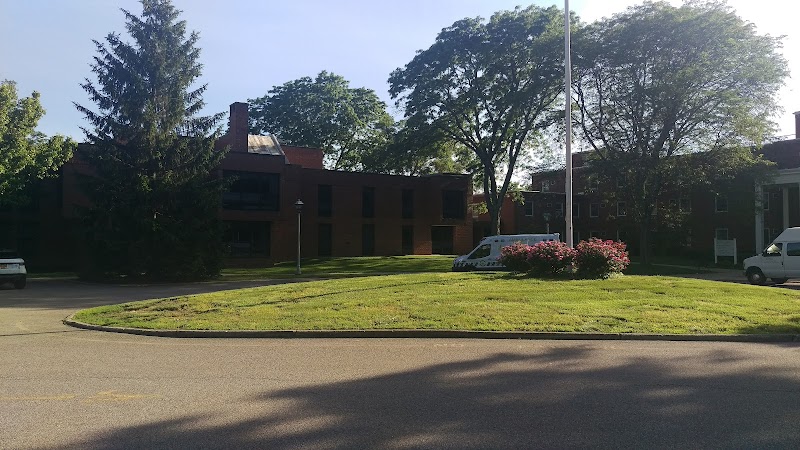
17 NARRAGANSETT AVENUE, OSSINING, NY 10562 (914) 941-7300
Non profit - Corporation 43 Beds Independent Data: November 2025
Trust Grade
50/100
#379 of 594 in NY
Last Inspection: March 2025

Within standard 12-15 month inspection cycle. Federal law requires annual inspections.

Overview

Bethel Nursing Home Company Inc. has a Trust Grade of C, which means it is average and in the middle of the pack among nursing homes. It ranks #379 out of 594 facilities in New York, placing it in the bottom half, and #29 out of 42 in Westchester County, indicating only a few local options are better. The facility's trend is worsening, as the number of issues increased from 9 in 2023 to 11 in 2025. Staffing is a strong point, with a 4 out of 5 star rating and a turnover rate of 41%, which is slightly above the state average, indicating staff generally remain in their positions. However, there have been concerning incidents, such as multiple certified nurse aides not receiving their required training and performance evaluations, and issues with food safety and infection control practices that could risk residents' health. Overall, while the staffing levels are satisfactory, there are significant areas needing improvement to ensure resident safety and care quality.

Trust Score
C
50/100
In New York
#379/594
Bottom 37%
Safety Record
Low Risk
No red flags
Inspections
Getting Worse
9 → 11 violations
Staff Stability
○ Average
41% turnover. Near New York's 48% average. Typical for the industry.
Penalties
✓ Good
No fines on record. Clean compliance history, better than most New York facilities.
Skilled Nurses
✓ Good
Each resident gets 61 minutes of Registered Nurse (RN) attention daily — more than 97% of New York nursing homes. RNs are the most trained staff who catch health problems before they become serious.
Violations
⚠ Watch
22 deficiencies on record. Higher than average. Multiple issues found across inspections.
★★☆☆☆
2.0
Overall Rating
★★★★☆
4.0
Staff Levels
★★★★☆
4.0
Care Quality
★★☆☆☆
2.0
Inspection Score
Stable
2023: 9 issues
2025: 11 issues

The Good

  • 4-Star Staffing Rating · Above-average nurse staffing levels
  • 4-Star Quality Measures · Strong clinical quality outcomes
  • Full Sprinkler Coverage · Fire safety systems throughout facility
  • No fines on record
  • Staff turnover below average (41%)

    7 points below New York average of 48%

Facility shows strength in staffing levels, quality measures, fire safety.

The Bad

2-Star Overall Rating

Below New York average (3.1)

Below average - review inspection findings carefully

Staff Turnover: 41%

Near New York avg (46%)

Typical for the industry

The Ugly 22 deficiencies on record

Mar 2025 11 deficiencies
CONCERN (D)

Potential for Harm - no one hurt, but risky conditions existed

Deficiency F0558 (Tag F0558)

Could have caused harm · This affected 1 resident

**NOTE- TERMS IN BRACKETS HAVE BEEN EDITED TO PROTECT CONFIDENTIALITY** Based on observation, interview, and record review, during the recertification survey from 3/18/25 to 3/21/25 the facility did n...

Read full inspector narrative →
**NOTE- TERMS IN BRACKETS HAVE BEEN EDITED TO PROTECT CONFIDENTIALITY** Based on observation, interview, and record review, during the recertification survey from 3/18/25 to 3/21/25 the facility did not ensured that the call bell system was accessible for 1 (Resident #16) of 35 residents reviewed for Environment. Specifically, the facility did not ensure that Resident's #16 call bell was within reach. Findings include: The Policy and Procedure titled Call Bells dated 6/16/03 documented it is the policy of the facility that each resident has a call bell at bedside within reach. The cord should be clipped to the bed. The Nursing Assistant assigned to the resident must check for malfunction of call bells on each shift and report such to the nurse in charge. Resident #16 had diagnoses including depression, diabetes mellitus, and chronic obstructive pulmonary disease. The Minimum Data Set Quarterly assessment dated [DATE] documented the resident was cognitively intact. The resident required substantial assistance with roll left to right, and lying to sitting on side of bed; and was dependent on staff for toileting hygiene, and chair to bed and toilet transfers. The Comprehensive Care Plan for Fall-resident at risk for fall, last updated on 8/2/24, documented to ensure that call bell is within reach at all times and encourage the resident to call for assistance as needed. During observations on 3/18/25 at 9:54 AM, on 3/19/25 at 9:46 AM and on 3/20/25 at 9:27 AM Resident #16 was lying in bed on their back. The call bell was on the floor next to the wall and out of the resident's reach. The resident stated that they used the call bell to call for assistance but could not find it. The resident stated that they would like to have it next to them. During observation on 3/21/25 at 9:23 AM the Resident #16 was lying in bed on their back. The call bell was on the floor behind the folded floor mattress and out of the resident's reach. The resident stated that they could not find the call bell today again. The resident stated that when they needed assistance and could not find the call bell they screamed to call the staff. During an interview and observation on 3/21/25 at 9:31 AM Certified Nurse Aide #3 stated that when they started their shift, they checked all assigned residents and a call bell for every resident during their shift. Certified Nurse Aide #3 entered Resident #16's room to observe the call bell and stated they could not find it. They asked the resident about their call bell. Resident #16 stated that they could not see it. Certified Nurse Aide #3 reached over the folded floor mattress, which was next to the wall and found the call bell. They stated that the call bell must have been moved by staff when serving the breakfast. They stated they had not checked the resident's call bell since the beginning of the shift. 10 NYCRR 415.5(e)(1)
CONCERN (D)

Potential for Harm - no one hurt, but risky conditions existed

Deficiency F0602 (Tag F0602)

Could have caused harm · This affected 1 resident

Based on record reviews and interviews during a recertification survey from 3/18/25-3/21/25 the facility did not ensure a resident's right to be free from misappropriation of resident property for 1 o...

Read full inspector narrative →
Based on record reviews and interviews during a recertification survey from 3/18/25-3/21/25 the facility did not ensure a resident's right to be free from misappropriation of resident property for 1 out of 1 resident (Resident #12) reviewed for personal property. Specifically, Resident #12 was missing shirts which was reported to facility staff and the facility did not complete a timely and thorough investigation of the missing property. Findings include: The facility policy titled Missing Items, dated March 2012, documented the facility shall respond to all reports of resident missing property. Once a resident or their representative reports an item missing to any facility staff member immediate action will be taken. Procedure: Clinical staff member asks for details regarding the missing item and completes Missing Item Report form. The form is given to the unit Social Worker. The Social Worker reviews missing item report, interviews the resident and family as appropriate, summarizes steps taken to locate item and documents results of the search. Social Worker notifies resident/designated representative if item has been located or not and documents the conversation on the form. Resident #12 had diagnoses including Polyneuropathy, peripheral vascular disease, and anxiety disorder. The annual Minimum Data Set (a Resident assessment tool) dated 1/3/25 documented Resident #12 was cognitively intact. During an interview on 03/19/25 at 9:21 AM, Resident #12 stated that some clothing had not come back from laundry or was missing (golf shirts with short sleeves). Resident #12 stated their spouse reported the missing items to facility staff about two weeks ago. They stated they were not aware of any follow-up regarding missing items. During an interview on 03/20/25 at 1:39 PM, Resident #12's spouse stated that approximately 1.5-2 weeks ago, they noticed that approximately 8 golf style short sleeved shirts were missing from Resident #12's closet. They stated they reported the missing items to the Unit Manager Registered Nurse the same day. They followed up with the Unit Manager Registered Nurse a couple of days later and were told that they reported missing items to Director of Housekeeping who was investigating. Resident #12's spouse stated they had not received any further follow-up on missing items and had not been reimbursed. They stated all the missing items were labeled when bought into facility. During interviews on 03/20/25 at 1:53 PM and on 3/21/25 at 10:32 AM, Unit Manager Registered Nurse #1 stated that Resident #12's spouse reported missing golf shirts to them, and they reported the missing items to the Direct of Housekeeping the same day and Housekeeping was investigating. They could not recall if they spoke directly to Director of Housekeeping or left a message. They stated they did not fill out a Resident Missing Property report for the missing items. They stated they were not aware of a report that needed to be completed. Unit Manager Registered Nurse #1 stated resident missing items were verbally discussed during morning staff meetings and that the facility Social Worker was present at the meetings. They stated they could not recall if they discussed missing shirts during morning meetings after receiving report from the resident's spouse. During an observation of files during interview, the Unit Manager Nurse Manager found blank Missing Items forms. They stated that the form should have been completed and given to Social Worker, the Director of Nursing or the Director of Housekeeping. During an interview on 03/20/25 at 3:23 PM, the Director of Housekeeping stated they did not receive a phone call, email, or Missing Item report from Unit Manager Registered Nurse regarding missing items for Resident #12 and had not investigated. During an interview on 03/20/25 at 3:40 PM, the Director of Social Work stated that a Missing Item Report form was used in the facility to report missing items. They stated any staff member could complete the forms, which were located at nurse station, and that the Unit Manager Registered Nurse usually completed and distributed the form. They stated were unaware Resident #12 had missing items. During an interview on 03/20/25 at 3:57 PM, the Director of Nursing stated residents/ advocates usually reported missing items to the nursing staff on the unit. The Certified Nurse Aide would search the resident's room for missing items. They will also confirm that the items came into facility on the Resident inventory listing. If Nursing was unable to locate missing items, they would contact the Director of Housekeeping to start investigation. If the missing items were not found by the Director of Housekeeping, the entire unit would be searched by nursing staff and the housekeeping department. If items were not found, a grievance form would be initiated by the Unit Manager and provided to the Social Worker. The Social Worker would discuss the missing items with the interdisciplinary team and contact the resident/advocate. The Administrator would make the final decision on reimbursement if necessary. They stated they were not aware Resident #12 was missing items. 10 NYCRR 415.4(b)
CONCERN (D)

Potential for Harm - no one hurt, but risky conditions existed

Quality of Care (Tag F0684)

Could have caused harm · This affected 1 resident

Based on record review and interview during a recertification survey from 3/18/25 to 3/21/25, the facility did not ensure resident received treatment and care consistent with professional standards of...

Read full inspector narrative →
Based on record review and interview during a recertification survey from 3/18/25 to 3/21/25, the facility did not ensure resident received treatment and care consistent with professional standards of practice for 1 of 2 Residents (Resident #13) reviewed for skin conditions. Specifically, Licensed Practical Nurse #1 failed to report a change in Resident #13's skin condition. Findings included: The facility policy titled Body Audits, reviewed 6/2017, documented body audits (skin checks) will be done on admission, re-admission and weekly thereafter per treatment order. The purpose is early identification for all potential and actual skin problems. Residents with additional factors such as bed mobility issues, paraplegia and cerebral vascular accident will be closely monitored. Resident #13 had diagnoses including cerebral infarction, flaccid hemiplegia right dominant side, and vascular dementia. The Quarterly Minimum Data Set (a Resident assessment tool) dated 1/24/25 documented Resident #13 had moderately impaired cognition and was dependent on staff for all activities of daily living, bed mobility and transfers. Physician order dated 5/1/23 documented a body audit every week with nurses notes one time weekly. The Skin Integrity care plan documented the resident was at risk for skin breakdown related to a history of previous skin breakdown. Interventions included monitoring for any skin breakdown and reporting to the physician/nurse practitioner. During an interview and observation on 03/18/25 at 01:21 PM, Resident #13's representative stated they observed an area of reddened skin behind the left ankle of Resident #13 earlier in the day and reported it to the Licensed Practical Nurse who also observed skin change. Resident #13's ankle was observed with the resident's representative and had a reddened area approximately 2-3-centimeter x .5 centimeters behind the left ankle area. During an interview on 03/20/25 at 9:08 AM, Certified Nurse Aide #5 stated Resident #13 was showered twice a week, and the nurse provided a skin check weekly. They stated Resident #13 was last showered Tuesday 3/18/25 and a skin check was completed by a nurse. During an interview and observation on 3/20/25 at 11:21 AM, Licensed Practical Nurse #1 stated a 2-3-centimeter blanchable reddened areas was observed behind Resident #13's left ankle. Licensed Practical Nurse#1 stated that Resident #13's representative did inform and show them the area of concern on the resident's left ankle. Licensed Practical Nurse #1 stated they applied bacitracin to the area and wrote their concern on a sheet of paper and planned to inform Unit Manager Registered Nurse #1 and forgot. They stated they had not applied bacitracin, followed up on skin change status or reported the change in skin condition to the Unit Manager Registered Nurse or physician since observing it on 3/18/25. During an interview and observation on 03/20/25 at 11:26 AM, Unit Manager Registered Nurse #1 stated they were not informed by Licensed Practical Nurse #1 of a skin change for Resident #13. Unit Manager Registered Nurse #1 observed Resident #13's skin and stated there was a blanchable reddened area, approximately 3 centimeter x 0.5-centimeter area behind left ankle area. They stated Licensed Practical Nurse #1 should have reported the skin concern immediately to them. They stated that they would have contacted the physician, informed them of the change in skin status and obtained orders. They stated that Licensed Practical Nurse #1 should not have applied bacitracin without a physician order. During an interview on 03/21/25 at 2:39 PM, the Director of Nursing stated reported or observed changes in a resident's skin status should be escalated to nursing staff/ Unit Manager Registered Nurse immediately and an assessment of concern completed by Registered Nurse. The physician should be notified of the change and orders for care received and implemented. They stated that Bacitracin should not be applied without a physician order. 10 NYCRR 415.12
CONCERN (D)

Potential for Harm - no one hurt, but risky conditions existed

Accident Prevention (Tag F0689)

Could have caused harm · This affected 1 resident

Based on observation, interview, and record review conducted during the recertification survey from 3/18/25 to 3/21/25, the facility did not ensure residents were provided supervision to prevent accid...

Read full inspector narrative →
Based on observation, interview, and record review conducted during the recertification survey from 3/18/25 to 3/21/25, the facility did not ensure residents were provided supervision to prevent accidents for 1 (Resident #33) of 2 residents reviewed for accidents. Specifically, Resident #33 was at risk for aspiration and was not provided supervision or assistance by facility staff during meals. The resident was observed being fed by an unqualified companion aide. The findings are: The facility policy titled Routine Resident Care, dated October 3, 2001, documented residents are given routine daily care by a Certified Nurse Assistant under the supervision of a Licensed Nurse. Routine care by a nursing assistant includes the following: assisting resident in personal care, bathing, dressing, eating and encouraging participation in physical, social, and recreational activities. Observing and recording all aspects of personal care including bathing, food intake, ambulation activities, elimination and vital signs on the Certified Nurse Assistant Accountability Sheet. The facility policy titled, Companion Policy, revised 10/24, documented the facility was to permit the use of Companions hired by a resident's family member or designated representative for specific needs of a resident for companionship or support. Companions are not permitted to give care to any resident within the Home's property. If a Companion does not comply or violates facility policies and procedures, the family or designated representative will be contacted and informed that the companion cannot return. The Companion responsibility included to socialize and converse with the resident, offer reality orientation, offer assurance, assist with hair grooming and applying makeup. Report any changes in resident's condition or any concerns regarding resident's condition to nurse. Push the resident's wheelchair or Geri chair. Resident #33 had diagnoses including metabolic encephalopathy, altered mental status and failure to thrive. The Quarterly Minimum Data Set (a Resident assessment tool) dated 1/17/25 documented Resident #33 was severely cognitively impaired, required partial/moderate assistance with eating and substantial / maximal assistance with bathing and dressing. A Physician's order dated 9/9/24 documented a mechanical soft diet and aspiration precautions as needed. The nutrition care plan, updated 9/30/24, documented the resident had poor intake and spits out food. The goals included the resident would tolerate the diet without signs and/or symptoms of aspiration. Interventions included a mechanical soft diet, to monitor for chewing and swallowing difficulty, and to provide assistance during meals. During an observation and brief interview on 03/18/25 at 12:58 PM, private family hired companion aide was observed feeding Resident #33 lunch. The companion aide stated Resident #33 often refused to eat and shakes their mouth away. The companion aide stated they were not licensed and did not work for the facility. During an observation on 03/20/25 at 12:23 PM, Resident #33 was being fed a peanut butter and jelly sandwich and drinking fluids by the companion aide. During an interview on 03/20/25 at 09:03 AM, Certified Nurse Assistant #3 stated that Resident #33 had a private companion aide who assisted the resident from 11:00 AM until 4:00 PM. They stated that the companion aide did not provide cares to Resident #33, just sits with the resident, feeds the resident lunch and provides encouragement to eat. During an interview on 03/20/25 at 1:24 PM, Unit Manager Registered Nurse #1 stated Resident #33 required full assistance with eating. They stated facility Certified Nurse Aide staff provided feeding assistance for breakfast and dinner, and a private companion aide provided feeding assistance with lunch. They stated they thought the companion aide received training from the present or past Director of Nursing. They stated they did not supervise companion aides. During an interview on 03/21/25 at 8:35 AM, the Director of Nursing stated the facility had one privately hired companion aide in building at the current time. They stated that companion aides did not provide any cares, and only duties such as re-orientation and monitoring for safety. They stated they had not observed and were unaware the companion aide was feeding Resident #33. 10 NYCRR 415.12(h)(2)
CONCERN (D)

Potential for Harm - no one hurt, but risky conditions existed

Deficiency F0692 (Tag F0692)

Could have caused harm · This affected 1 resident

**NOTE- TERMS IN BRACKETS HAVE BEEN EDITED TO PROTECT CONFIDENTIALITY** Based on observation, record review and interviews during a recertification survey conducted from 3/18/25 to 3/21/25, the facili...

Read full inspector narrative →
**NOTE- TERMS IN BRACKETS HAVE BEEN EDITED TO PROTECT CONFIDENTIALITY** Based on observation, record review and interviews during a recertification survey conducted from 3/18/25 to 3/21/25, the facility did not ensure the provision of nutrition and hydration care and services for 1 of 3 residents reviewed for Nutrition (Resident #5). Specifically, Resident #5 had a 6.3% weight loss over 1 month, and meal intake was not consistently monitored, and the resident was not encouraged with meal and fluid intake as planned. Findings include: The policy and procedure titled L.T.C. Evaluation of Changes Intake revised on January 2004 documented all staff members observe resident intake on a regular basis to evaluate change in resident food intake. Meal consumption is recorded by the Certified Nurse Aides daily for all residents in the Certified Nurse Aide Accountability Book. Nursing staff notifies the Food and Nutrition Services Department if a resident has consumed less than 75% of meals over a two-day period. The Resident #5 had diagnoses including diabetes mellitus, depression, and hemiplegia/hemiparesis following a cerebral infarction (stroke). The 2/11/25 Quarterly Nutritional Assessment documented Resident #5's appetite varied and average intake percent of meals was 25-75%. The resident triggered for a unplanned significant weight loss of 6.3% for 1 month. Recommendations included to add Glucerna twice a day for nutrition support, provide necessary assistance at mealtime and between meals, encourage oral meal and fluid intake, monitor oral intake of foods and fluids. The Minimum Data Set Quarterly assessment dated [DATE] documented the resident had severely impaired cognition and needed set-up assistance with eating. The 2/17/25 nutrition alteration care plan documented interventions included to monitor resident's daily intake, provide assistance during meals, encourage good meal and fluid intake, and offer specific food choices. During observation on 03/18/25 at 10:21 AM Resident #5 was in bed and stated that they did not eat breakfast, and they were hungry. During observation on 03/18/25 at 12:21 PM, the staff brought Resident #5 to the dining room for lunch and set up the meal tray in front of them. The resident ate a few bites of the main course and a small piece of desert with a cup of coffee. The staff did not provide assistance with the meal or encouraged the resident to eat. During observation on 03/21/25 at 12:35 PM the staff brought the Resident #5 to the dining room for lunch and set up the meal tray. The resident slowly started to eat, taking long pauses between bites. The resident ate about 50 % of the lunch. The staff did not provide assistance with the meal or encouraged the resident to eat. The review of Activities of Daily Living Verification Worksheet revealed documentation of the resident's food intake: on 3/18/25 the breakfast intake 100% and lunch 100%; on 3/19/25 the breakfast intake 50% and lunch 25%; on 3/20/25 the breakfast intake 50% and lunch 0%; on 3/21/25 the breakfast intake 50% and lunch 50%. During an interview on 03/21/25 at 1:20 PM, Certified Nurse Aide #2 stated that sometimes they assisted the resident with their meal. Certified Nurse Aide #2 stated that they did not know how the resident's appetite was or if the resident had a recent weight loss. They said when a resident did not eat at all, they reported it to the nurse. Certified Nurse Aide #2 stated on 3/18/25 the resident did not eat breakfast, and they told the nurse. They said the resident ate less than 50% during lunch time on the same day, and they were not aware of care plan interventions to encourage the resident with meal and fluid intake. The Certified Nurse Aide #2 could not explain why they documented 100% food intake for breakfast and lunch on 3/18/25. During an interview on 03/21/25 at 01:29 PM, Licensed Practical Nurse #1 stated Resident #5 always ate well, and they were not aware of any recent weight loss. They stated when the resident did not eat well or at all, the Certified Nurse Aide would report it to the nurse and nurse would contact the physician. Licensed Practical Nurse #1 stated that they encouraged the residents to eat during mealtime if they saw a resident not eating well. Licensed Practical Nurse #1 stated that they were not aware the resident ate 50% of breakfast and 25% of lunch meal on 3/19/25. During an interview on 03/21/25 at 1:37 PM, Registered Nurse #1 stated the Certified Nurse Aides document the amount of food residents consumed during a mealtime in Certified Nurse Aide Accountability Record. Certified Nurse Aides did not have specific assignment to assist specific residents during meals. 10NYCRR 415.12(i)(1)
CONCERN (D)

Potential for Harm - no one hurt, but risky conditions existed

Unnecessary Medications (Tag F0759)

Could have caused harm · This affected 1 resident

Based on observations, record review, and interviews during the recertification survey from 03/18/25 to 03/21/25, the facility did not ensure a medication error rate of no more than 5%, during a medic...

Read full inspector narrative →
Based on observations, record review, and interviews during the recertification survey from 03/18/25 to 03/21/25, the facility did not ensure a medication error rate of no more than 5%, during a medication administration observation, when 3 of 35 opportunities (8.57%) resulted in error for 1 of 3 residents (Resident #19). Specifically, Resident #19 1) was administered a crushed form of Carbodopa50mg-Levodopa 200mg-entacapone, a crushed form of Acidophilus Probiotic 35 million cell tablet, and 2) an inaccurate dose of Metamucil powder. The findings are: Resident #19 was admitted to the facility with diagnoses including but not limited to Parkinson's disease, heart failure and hypertension. The Minimum Data Set (an assessment tool) dated 3/1/25 documented the resident had severe cognitive impairment, was dependent on staff for all activities of daily living and was prescribed a mechanical diet. 1)The current physician orders as of 3/18/25 documented Carbodopa50mg-Levodopa-entacapone oral tablet, give one tablet by mouth two times a day for Parkinson's disease and Acidophilus 35million cell tablet 1 tablet by mouth one time daily. There were no orders to crush to crush any medications prior to administering medications. The current physician order as of 3/18/25 documented purée diet with thickened liquids-nectar thick. During a medication administration observation on 03/18/25 at 10:05 AM, Licensed Practical Nurse #1 was observed crushing Resident #19 Carbodopa50mg-Levodopa-entacapone oral tablet, and Acidophilus 35million cell tablet prior to mixing the medication with applesauce and was about to administer to Resident #19. The blister pack for the Carbidopa-Levodopa-entacapone and the Acidophilus contained a yellow, white and orange sticker which documented, swallow tablet whole. Do not chew, break or crush. During an interview on 03/18/25 at 11:59 AM, Licensed Practical Nurse #1 stated the resident always took their medicine crushed because it was the only way they could get the resident to take their medications, as they could not swallow pills. They stated the saw the label noted do not crushed but crushed anyway and did not inquire if another form was available. During an interview on 03/19/25 at 3:56 PM, Registered Nurse Unit Manager #1 stated the resident did not have an order for crushed medications. They stated if a resident had their extended-release medications crushed the resident would get a larger dose of the medication all at once. During an interview on 03/19/25 at 10:41 AM, Physician #1 stated nurses should always follow and give medications according to the manufacturer guidelines. If the direction said do not crush, then a question should have been asked. 2) Resident #19's current physician orders as of 3/18/25 documented Metamucil 3.4gm/5.4gm oral powder, administer 1 tablespoon daily. During the medication administration observation on 3/18/25 at 10:05 AM Licensed Practical Nurse #1 used an eating utensil spoon to remove the Metamucil from the container and put it in a cup. A tool that measured a tablespoon was not used by the nurse to measure before putting it in the cup. During an interview with Licensed Practical Nurse #1 on 3/18/25 at 10:35 AM they were asked how they ensure the resident was getting the correct dose of Metamucil if they were not using a measuring spoon. They stated they looked in the canister, and it appeared there was none, so they used a regular spoon. During an interview with the Registered Nurse Unit Manager #1 on 03/19/25 at 10:52 AM they stated nurses always needed to measure accurately to make sure the resident was getting the right dose. They stated a new canister of Metamucil should have been ordered and measuring with a regular teaspoon was not accurate. 10NYCRR 415.12(m)(1)
CONCERN (D)

Potential for Harm - no one hurt, but risky conditions existed

Deficiency F0761 (Tag F0761)

Could have caused harm · This affected 1 resident

Based on observation, record review, and interview during the recertification survey the facility did not maintain drugs and biologicals, labeled in accordance with currently accepted professional sta...

Read full inspector narrative →
Based on observation, record review, and interview during the recertification survey the facility did not maintain drugs and biologicals, labeled in accordance with currently accepted professional standards, and include the appropriate accessory and cautionary standards, and expiration dates for 1 of 1 medication storage room (located on the second floor) reviewed. Specifically, the medication storage room (located on second floor) had expired drugs and biologicals that were available and ready for use. The findings include: The facility policy on Storage of Medications last revised 12/2023 documented discontinued, contaminated or deteriorated medications are removed from the medication/treatment storage area and disposed of per facility policy. On 03/19/25 at 10:03 AM, the Second-Floor Short term and Long term Medication Storage Room was observed with expired medicine and products including the following: -2 boxes omeprazole, one box had 3 bottles in it with a total 42 pills and the second box had 2 bottles in it with a total of 28 pills and both boxes expired 2/2024. -3 boxes Assure Platinum (50 ct) strips expired 5/4/2024. -2 boxes Assure Prism Control Solution Blood Glucose Monitoring Expired 10/2023. -1 box curos needless connectors (270 caps) expired 8/2024. -1 box bisacodyl (box of 100) suppositories expired 6/2024. -BD Insyte Autoguard needle lot6253728 exp 8/31/2019. -BD Insyte Autoguard winged needle lot1133998 expired 4/30/2024. -BD Insyte Autoguard needle lot 6169783 exp 5/31/2019. -BD Insyte Autoguard needle lot 9305162 exp 10/31/2022. -BD Insyte Autoguard needle lot 1090022 exp 3/31/2024. -Foley 2 way stabilization lot JUCXF054 expired 9/28/2021. -Kangaroo e pump ENplus Spike Set Lot 200480120 expired 1/31/2023. On 3/19/25 at 10:05 AM during an interview, Registered Nurse Unit Manager #1 stated they must have only checked the carts and not the med storage room. On 3/19/25 at 12:34 PM during an interview, Licensed Practical Nurse #1 stated they gave out medication to the residents and also checked the medication storage room for expired medications and other products. Licensed Practical Nurse #1 stated they checked for expired medications on the top shelf and did not check the 2 storage bins with drawers where the expired items were located. On 3/21/25 at 10:00 AM during an interview, Registered Nurse Unit Manager #1 stated the med storage room was audited on Mondays on the night shift. Registered Nurse Unit Manager #1 stated Licensed Practical Nurse #1 may check their cart and the room as a standard, but it was the night shift's role to check the medication room and carts for expired medications and products. 10 NYCRR 415.18(e)(1-4)
CONCERN (E)

Potential for Harm - no one hurt, but risky conditions existed

Deficiency F0730 (Tag F0730)

Could have caused harm · This affected multiple residents

Based on staff interview and review of facility documents, it was determined that, the facility did not ensure each certified nurse aide received twelve hours in-service education per year based on th...

Read full inspector narrative →
Based on staff interview and review of facility documents, it was determined that, the facility did not ensure each certified nurse aide received twelve hours in-service education per year based on their individual performance review. Specifically, (1) 4 out of 5 certified nurse aides did not have their mandatory annual 12 hour in services and (2) 5 out of 5 certified nurse aides (#2,6, 7, 8, 9) did not receive performance evaluations. Finding Include: Review of facility training records revealed: Certified Nurse Aide # 2 was hired on 2/28/2011 and received 10.25 hours of in-services in the last 12 months and had no documented evidence of an annual performance review. Certified Nurse Aide # 6 was hired on 12/17/2007and received 0 hours of in-services in the last 12 months and had no documented evidence of an annual performance review. Certified Nurse Aide # 7 was hired 8/23/1995, received 16 hours of in-services in the last 12 months, and had no documented evidence of an annual performance review. Certified Nurse Aide # 8 was hired 4/22/1998, received 10.5 hours of in-services in the last 12 months, and had no documented evidence of an annual performance review. Certified Nurse Aide # 9 was hired 7/20/2009, received 3 hours of in-services in the last 12 months, and had no documented evidence of an annual performance review. On 3/20/25 at 11:38 AM, the Certified Nurse Aide Mandatory 12 hours In-service and the Certified Nurse Aide performance evaluations were requested from the Director of Nursing. The Director of Nursing stated when they started working, they were just working on hiring Certified Nurse Aides and Licensed Practical Nurses and had not done any performance evaluations. On 3/20/25 at 12:07 PM, during an interview with the Director of Nursing, they stated they did not have any performance evaluations completed for the sampled selection of certified nurse aides. On 3/21/25 at 12:09 PM, during an interview with the Administrator, they stated they were not aware the certified nurse aide performance evaluations were not being done. 03/21/25 at 2:21 PM, during an interview with the Director of Nursing, they stated when they were gathering the in-services and calculating the hours for the 5 certified nurse aides, they realized 4 out of 5 certified nurse aides did not meet the mandatory 12 hours of annual in-servicing. 10NYCRR 415.26 (d) (7) .
CONCERN (E)

Potential for Harm - no one hurt, but risky conditions existed

Food Safety (Tag F0812)

Could have caused harm · This affected multiple residents

Based on observations and interviews conducted during the recertification survey from 3/18/25 to 3/21/25, the facility did not store, distribute and serve food in accordance with professional standard...

Read full inspector narrative →
Based on observations and interviews conducted during the recertification survey from 3/18/25 to 3/21/25, the facility did not store, distribute and serve food in accordance with professional standards for food service safety and did not maintain dishwasher heat for sanitation. Specifically, 1) expired foods were stored in dry pantry, walk in refrigerator and freezer; 2) unsealed, unlabeled and undated food were stored in dry pantry and walk in refrigerator; 3) the dishwasher wash and rinse did not maintain proper temperature standards; and 4) three (3) staff were observed not performing proper hand hygiene while serving the lunch meal. Findings include: The facility policy last revised 5/2018, Labeling and Dating stated any unopened food item will be discarded by the manufacturer labeled expiration date and all prepared menu items will be dated in compliance of a 3 day use by date. The facility policy last reviewed 11/2004, Food Storage stated contents of opened food packages will be stored in tightly sealed containers and all containers will be properly labeled as to contents. The facility policy reviewed 5/1999, Dish Machine Temperature Log included documentation of acceptable wash temperature should not fall below 150 degrees F and rinse temperatures not below 180 degrees F. The facility policy reviewed10/2010, Proper Hand Sanitation stated employees must also thoroughly wash their hands after touching their body and after coming in contact with residents. Employees must always change gloves before beginning a different task and as soon as they become soiled. 1) During the initial tour of the kitchen on 3/18/25 at 9:24 AM with Dietary Staff #1 and Food Service Director it was observed in the pantry five bags of marshmallows with expiration date of 2/27/25, in the refrigerator an opened jar of clam base with expiration of 10/2024, a case of individual frozen chicken pot pies in the freezer with expiration date of 2/2024, and in the basement panty a jar of Maraschino cherries with expiration date of 6/2024. The Food Service Director stated they did not use the maraschino cherries; they had been left by previous Food Service Director. Dietary Staff #1 disposed of all expired items. 2) On the same tour an unlabeled, undated plastic container of chunks of chicken was found inside a box on the top shelf of the pantry. Dietary Staff #1 stated it was chicken from last evenings dinner and a diet aide probably placed it there to eat later and left it by mistake. Opened bags of cornbread stuffing (spilling out of bag and onto crate), biscuit mix, and dried pasta were observed in the pantry not sealed and not labeled. Individual cups of applesauce, pudding and salads were stored in the refrigerator with no date. The Food Service Director stated the items were to be used at lunch or by the end of day and stated they knew they needed to label the items. 3) During an observation on 3/18/25 at 10:18 AM, wash temperature on the dish machine was 148 degrees F and the rinse temperature was 150 degrees F. When interviewed at the time of observation, the Food Service Director stated the dishwasher was working fine earlier. Temperature logs were reviewed with the Food Service Director, and documented temperatures within the normal range. They stated if dish machine continued to not work properly, they would call the service company to repair if needed. During an observation on 3/19/25 at 10:14 AM the dish machine wash temperature was not at temperature (148 degrees) and the rinse temperature was (154 degrees), not at temperature guidelines. When interviewed at the time of observation, the Regional Food Service Director stated they would switch to chemical sanitizer until it could be fixed. During an interview on 3/20/25 at 12:35 PM, the Regional Food Service Manager stated the heat booster in dish machine had been condemned by the service company and dish machine was switched to chemical sanitizer. 4) During a lunch meal observation in the dining room on 3/18/25 at 12:39 PM, the Food Service Director served multiple residents' plates of food while wearing disposable gloves. While wearing the disposable gloves they touched Resident #11 shoulder, scratched their own neck, held food cart handle to move cart, and loaded Resident #9 meal to cart to take to their room. At 12:51 PM Food Service Director removed disposable gloves to make a phone call and continued to serve residents' plates of food and did not use hand sanitizer. During an interview on 3/18/25 at 2:45 PM the Food Service Director stated she thought she was supposed to wear the disposable gloves when passing plates of food at meals. During an observation on 3/21/25 at 12:25 PM, Certified Nurse Aide #1 touched Resident #33's legs multiple times to adjust them in their recliner chair. Certified Nurse Aide #1 then went into kitchenette to pour cups of hot beverages, touched the handles of cups, and loaded a cart with meal trays to take to the residents eating in their rooms. They did not use hand sanitizer between touching Resident #33 legs and completing the other tasks. During an interview on 3/21/25 at 12:27 PM Certified Nurse Aide #1 stated she was in a hurry to assemble the trays and forgot to use hand sanitizer. During an observation on 3/21/25 at 12:28 PM, Certified Nurse Aide #2 used their thumb and fore finger to pull up their face mask to cover their nose and then held Resident #5's hand and placed a fork in the resident's hand. Certified Nurse Aide #2 continued to deliver lunch meals to three other residents and then assist Resident #15 with feeding. Certified Nurse Aide #2 did not use hand sanitizer during these tasks. On 3/21/25 at 1:43 PM the Director of Nursing was interviewed and stated staff was to sanitize their hands whenever they switch tasks. 10 NYCRR 415.14(h)
CONCERN (E) 📢 Someone Reported This

A family member, employee, or ombudsman was alarmed enough to file a formal complaint

Potential for Harm - no one hurt, but risky conditions existed

Infection Control (Tag F0880)

Could have caused harm · This affected multiple residents

Based on observation, record review and interview conducted during a recertification survey from 3/18/25 to 3/21/25, the facility did not ensure infection control prevention practices were maintained ...

Read full inspector narrative →
Based on observation, record review and interview conducted during a recertification survey from 3/18/25 to 3/21/25, the facility did not ensure infection control prevention practices were maintained to prevent the development and transmission of communicable diseases and infection for all residents. Specifically, the facility did not provide documentation of screening, administration, or declination and education provided for 5 of 10 staff (Certified Nurse Aide #1 and #4, Licensed Practical Nurse #1, Registered Nurse Supervisor #1, Dietary Aide #3) reviewed for influenza and 10 of 10 staff (Certified Nurse Aide #1, #2, #4, Licensed Practical Nurse #1, Registered Nurse Supervisor #1, Dietary Aide #3, Director of Environmental Services, Director of Housekeeping, Physical Therapist #1 and Housekeeping Aide #1) reviewed for pneumococcal vaccination. The findings are: The facility policy titled Prevention, Early Detection and Control of Influenza dated 6/2023 documents the purpose is to control the spread of respiratory infections which includes a preventative vaccination program. All staff members will be offered the influenza vaccine on an annual basis. A master line listing of all residents and staff is to be maintained for all influenza vaccinations administered. The facility did not provide a Pneumococcal Vaccination Policy. During the recertification survey the facility was asked to provide documentation that influenza vaccination was offered, education was provided, and staff had the opportunity to consent or decline the vaccine for Certified Nurse Aide #1 and #4, Licensed Practical Nurse #1, Registered Nurse Supervisor #1, Dietary Aide #3 but none was provided. In addition, the facility was asked to provide documentation that pneumococcal vaccination was offered, education was provided, and staff had the opportunity to consent or decline the vaccine for (Certified Nurse Aide #1, #2, #4, Licensed Practical Nurse #1, Registered Nurse Supervisor #1, Dietary Aide #3, Director of Environmental Services, Director of Housekeeping, Physical Therapist #1 and Housekeeping Aide #1 but none was provided. During an interview on 03/20/25 at 01:36 PM with the Infection Preventionist they stated they are the Preventionist for a few facilities and forwards consents and declinations to Human Resources when they obtain them from staff. The Infection Preventionist stated they have not been keeping a list of which staff has consented and received the influenza vaccination and who has declined. In addition, they stated they have not been offering or keeping track of pneumococcal vaccination for staff. If staff had the vaccine, then fine but not offering it or educating staff. During an interview with the Director of Nursing on 03/20/25 at 01:18 PM they stated vaccine information is sent to the Human Resources offsite for the new hires. They do not get pneumococcal status and has not been keeping track of vaccines since they started at the facility two months ago but stated it was important and was aware it should be done. 10NYCRR 415.19 (a)(1-3)
CONCERN (E) 📢 Someone Reported This

A family member, employee, or ombudsman was alarmed enough to file a formal complaint

Potential for Harm - no one hurt, but risky conditions existed

Deficiency F0887 (Tag F0887)

Could have caused harm · This affected multiple residents

Based on observation, record review and interview conducted during a Recertification survey from 3/18/25 to 3/21/25, the facility did not ensure infection control prevention practices were maintained ...

Read full inspector narrative →
Based on observation, record review and interview conducted during a Recertification survey from 3/18/25 to 3/21/25, the facility did not ensure infection control prevention practices were maintained to prevent the development and transmission of communicable diseases and infection for all residents. Specifically, the facility did not provide documentation of screening, administration or declination and education provided for 10 of 10 staff (Certified Nurse Aide #1, #2, #4, Licensed Practical Nurse #1, Registered Nurse Supervisor #1, Dietary Aide #3, Director of Environmental Services, Director of Housekeeping, Physical Therapist #1 and Housekeeping Aide #1), reviewed for COVID vaccination. The findings are: The facility COVID policy dated 12/24/20 documents newly hired staff will be asked to provide COVID vaccination information as part of their Human Resources medical record as they do with other vaccines. If they are unvaccinated, or not up to date, they will be provided education on COVID19 and offered the COVID vaccine. During the recertification survey the facility was asked to provide documentation that COVID vaccination was offered, education was provided, and staff had the opportunity to consent or decline the vaccine for Certified Nurse Aide #1, #2, #4, Licensed Practical Nurse #1, Registered Nurse Supervisor #1, Dietary Aide #3, Director of Environmental Services, Director of Housekeeping, Physical Therapist #1 and Housekeeping Aide #1 but none was provided. During an interview with the Infection Preventionist on 03/20/25 at 01:36 PM they stated the facility had not been offering the COVID vaccination to staff and did not give a reason as to why it had not been done. During an interview with the Director of Nursing on 03/20/25 at 01:53 PM they stated they had been at the facility for a few months and COVID vaccinations had not been offered to staff to her knowledge. The Director of Nursing stated they did not know why it was not being offered to staff but it was important and should have been done. 10NYCRR 415.19 (a)(1-3)
Sept 2023 1 deficiency
CONCERN (D) 📢 Someone Reported This

A family member, employee, or ombudsman was alarmed enough to file a formal complaint

Potential for Harm - no one hurt, but risky conditions existed

Accident Prevention (Tag F0689)

Could have caused harm · This affected 1 resident

**NOTE- TERMS IN BRACKETS HAVE BEEN EDITED TO PROTECT CONFIDENTIALITY** Based on record review and interview conducted during an abbreviated survey (NY00310549, NY00313330) the facility did not ensure...

Read full inspector narrative →
**NOTE- TERMS IN BRACKETS HAVE BEEN EDITED TO PROTECT CONFIDENTIALITY** Based on record review and interview conducted during an abbreviated survey (NY00310549, NY00313330) the facility did not ensure that each resident received adequate supervision and assistive devices to prevent accidents for 2 resident's (Resident #1 and Resident#2) of 3 residents reviewed for accidents. Specifically, (1) Resident #1 was left in the room unsupervised without prothesis (for right leg) and attempted to self-toilet and fell; (2) Resident #2 fell out of the bed and sustained a hematoma on the left side of the head. The facility did not ensure that the mats that were supposed to be on both side of Resident #2's bed was in place in accordance with the care plan. The findings are: The Policy and Procedure titled Fall Risk Assessment and Fall Prevention Revised 8/11/2022 documented that all residents will be free from falls and free of injuries associated with falls; and assess all residents for falls. Resident #1 had diagnoses that included Diabetes Mellitus without complications, Acquired absence of right leg below knee and Cellulitis of the left toe. The admission Minimum Data Set (MDS - a resident assessment tool) dated 2/06/2023 documented resident had severe cognitive impairment. The resident required extensive one-person physical assistance for bed mobility and transfer. The resident was frequently incontinent of bladder and bowel functions. The Fall Comprehensive Care Plan dated 1/13/2023 documented that the resident was at risk for falls related to Weakness with gait instability related to Right Below the Knee Amputation and Left 2nd toe amputation on 2/02/2023 observed sitting on the toilet floor with wheelchair behind no injury. Keep bed in the lowest position, Call bell within reach, mats on the floor. Ensure room is well lit as appropriate. Review of the accident summary dated 2/02/2023 documented that the resident care plan was followed. There were no changes in their medication. A medical device did not contribute to the fall. Recommendations to remind resident to ask for assist with Activity of Daily Living. Review of the fall risk assessment dated [DATE] documented that the resident was at risk for falls. Review of the Certified Nursing Assistant (CNA) Care guides dated 1/13/2023 documented to encourage resident to call for help as needed; to place the resident in visible area when out of bed to wheelchair; for the right below the knee amputation encourage resident to wear the prothesis when out of bed to wheelchair; nonskid socks to left foot when in bed. During an interview conducted with CNA #1 on 7/25/2023 at 11:27AM, the CNA stated, I was next door taking care of another resident heard resident call for help, the therapist was with me we both entered the room found resident on the floor in the bathroom feet (resident not wearing her prothesis) Infront of her and the wheelchair back of her. We called the nurse who assessed her, and we got her up. Resident stated I was trying to go to the bathroom. During an interview conducted with CNA #2 on 7/25/2023 at 2:21PM, the CNA stated, the aide did not put her leg on, and she rolled herself to the bathroom and attempted to toilet herself. You do not leave resident in her room unsupervised she was supposed to be in the dining room having breakfast. During an interview conducted with the Certified Occupational Therapist Assistant (COTA) on 7/25/2023 at 2:00PM, the COTA stated, I was doing my rounds and I heard resident calling for help I got my supervisor, and we went into the room found resident on the floor. Resident was not wearing her prothesis. The nurse came assessed the resident we got her up resident was not hurt. Resident was not on COVID precaution I remember her coming downstairs for therapy. During an interview conducted with the Director of Nursing (DON) on 7/25/2023 at 2:30pm, the DON stated, she came to us when there was an outbreak of COVID I think that why she was in the room. The staff are to follow the resident Care Plan and the Care Cards. I will continue to educate the staff. Resident #2 had diagnoses that included Dementia, Nutritional Deficiency and Major Depressive Disorder. The MDS dated [DATE] documented that the resident had severe cognitive impairment. The resident required total dependence with two people physical assistance for bed mobility and transfer. The resident was frequently incontinent of bladder and bowel functions. The Fall Comprehensive Care Plan Titled Risk for Falls initiated 6/12/2022 and updated 12/10/2022 documented interventions that included Floor bed with Bilateral floor mats, place resident in view of staff when awake, keep areas free of obstruction to reduce the risk of falls or injury. Review of the Accident Incident investigation dated 12/10/2022 at 7pm documented that staff reported resident was on the floor Resident was found lying on their right side on the floor next to their bed, noted with bruise and hematoma to their right temporal area and open skin purpura on their right elbow. Ice Pack applied to right temporal area and bacitracin to right elbow. Review of the CNA Care Card dated 12/12/2022 documented floor mats on both side of the bed turning and positioning every 2 hours. Review of x-ray report dated 12/12/2022 documented facial bones findings with no evidence of fracture no visualized fracture. During an interview conducted with CNA #7 on 7/26/2023 at 12:00pm, CNA stated, I am his regular aide I was not on the night resident fell but he usually has two protective mats on the floor. During a telephone interview conducted with CNA #6 on 7/31/2023 at 9:00pm, the CNA stated the Resident always had a mat on both side and a low bed but when he was found on the floor the mats were not there. It was given to another resident. The following day the mats were in his room. During a telephone interview conducted with RN#3 on 7/27/2023 at 2:00pm, the RN stated resident was found on the floor bleeding from right temporal area physician and family was notified resident also had an x-ray of the face which was negative for facture. There were no mats when they fell, and they were supposed to have mats. During an interview conducted with the DON on 7/27/2023 at 1:30pm, the DON stated CNA #4 was disciplined for removing the mats. During a second interview with the DON on 9/01/2023 at 12:20PM, the DON stated that the resident was care planed for Mats on both side of the bed. During the investigation CNA #4 stated someone removed the mats. CNA #4 was suspended for not following instructions on the Care Card and the Care Plan. To prevent reoccurrence, the DON stated that they educated the staff on the importance of following the Resident Care Card and the Care Plan. 415.12
Aug 2023 8 deficiencies
CONCERN (D)

Potential for Harm - no one hurt, but risky conditions existed

Deficiency F0604 (Tag F0604)

Could have caused harm · This affected 1 resident

Based on observation, record review, and interview conducted during the recertification survey from 7/31/23 to 8/6/23, the facility did not ensure that resident's had the right to be free from physica...

Read full inspector narrative →
Based on observation, record review, and interview conducted during the recertification survey from 7/31/23 to 8/6/23, the facility did not ensure that resident's had the right to be free from physical restraints that are not required to treat the resident's medical symptoms for 1 of 1 resident's reviewed for restraints (Resident #24). Specifically, Resident #24 was physically restrained in bed with pillows tucked under their sheets, and wedge cushions between the mattress and bed frame, with no documentation of medical symptoms warranting the use of restraints. In addition, the restraints were applied without an assessment and without a physician's order. Findings include: Resident #24 was admitted to the facility with diagnoses including but not limited to non-alzheimer's dementia, parkinson's disease, and psychotic disorder. The Quarterly Minimum Data Set (MDS-a resident assessment tool) dated 5/1/23, documented Resident #24 suffered from severe cognitive impairment, required extensive assist of 1 person for bed mobility and eating, and extensive assist of 2 people for transfers between surfaces and toileting. The facility was unable to provide documented evidence of a restraint assessment in the electronic medical record. The facility was unable to provide documented evidence of a physician order for a restraint. The facility was unable to provide documented evidence in Resident #24's comprehensive care plan for the use of restraints. A social service note dated 5/15/23, documented that Resident #24 has been having increased behaviors, stated the facility provided psych monitoring, and made the resident's family aware of behaviors. A nursing note dated 5/17/23 documented, Received resident in chair reported from evening shift resident restless in bed, brought back to bed at 12:30 AM and slept well after. A provider progress note dated 7/18/23 documented Resident #24 had a history of anxiety, depression, and agitation associated with dementia. Observations conducted on 7/31/23 at 10:49 AM and on 8/2/23 at 9:30 AM revealed Resident #24 in their bed with their legs elevated on pillows, additional pillows were observed tucked under the sheets on both sides of the resident, and wedge cushions were placed in-between the mattress and the bed frame on both sides of the bed. Both sides of the mattress were raised providing a barrier to prevent the resident from getting out of bed. During an interview on 8/8/23 at 11:15 AM, Certfied NUrsing Assistant (CNA) #2 stated the night staff put the pillows on Resident #24's bed to keep the resident from flipping out of the bed. CNA #2 additionally stated that Resident #24 often scoots around trying to get out of bed, they have gotten out of bed before and stated it is very difficult to get Resident #24 back to bed. During an interview on 8/8/23 at 10:46 AM Registered Nurse (RN) #1, the facility's nursing supervisor, stated that Resident #24 is often very agitated and staff use the pillows to keep the resident in bed, as the resident has slid out of bed multiple times before and has wound up being found on the mats next to the bed, or dangling off of the bed. During an interview on 8/8/23 at 11:00 AM, The Director of Nursing (DON) stated the facility uses triangle pillows (wedge pillows, shaped like a triangle) for positioning. The DON stated the facility does not allow the use of pillows to restrain residents and staff should not be using pillows to restrain residents. 415.4(b)
CONCERN (D) 📢 Someone Reported This

A family member, employee, or ombudsman was alarmed enough to file a formal complaint

Potential for Harm - no one hurt, but risky conditions existed

Transfer Notice (Tag F0623)

Could have caused harm · This affected 1 resident

Based on interview and record review conducted during the recertification survey from 7/31/23 through 8/8/23 and abbreviated surveys (NY00318447, #NY00314225, and #NY00320324), it was determined that ...

Read full inspector narrative →
Based on interview and record review conducted during the recertification survey from 7/31/23 through 8/8/23 and abbreviated surveys (NY00318447, #NY00314225, and #NY00320324), it was determined that for 3 of 3 residents (#13, #15, and #136) reviewed for hospitalizations, the facility did not ensure that the Office of the Ombudsman was notified when the residents were transferred to the hospital. Specifically, Residents #13, #15, and #136 were transferred to the hospital and the facility could not provide evidence that the Ombudsman was notified of their transfers out of the facility. The findings include: A review of the facility policy created 3/2018 titled 'Bed hold and return to the Facility', documented that the facility's social work director/designee will send a copy of the resident's notice of transfer/discharge to the local Office of the Ombudsman, and that notices will be grouped and forwarded monthly. 1. Resident #13 was admitted to the facility with diagnoses including but not limited to dementia, sjorgen syndrome, and major depressive disorder. The Minimum Data Set (MDS- A resident assessment tool), dated 3/6/23 documented the resident had a Brief Interview of Mental Status (BIMS) score of 9 (moderate cognitive impairment). A review of the electronic medical record documented Resident #13 was transferred to the hospital on 4/5/23 for abnormal labs. The facility was unable to provide documented evidence that the local Office of the Ombudsman was notified of Resident #13's transfer to the hospital. 2. Resident #15 was admitted to the facility with diagnoses including but not limited to malignant neoplasm of the endometrium, diabetes, and hypertension. The Minimum Data Set (MDS- a resident assessment tool), dated 6/26/23 documented the resident had a Brief Interview of Mental Status (BIMS) score of 15 (cognitively intact). A review of the electronic medical record documented Resident #15 was transferred to the hospital on 5/26/23 for hyponatremia and weakness. The facility was unable to provide documented evidence that the local Office of the Ombudsman was notified of Resident #15's transfer to the hospital. 3. Resident #136 was admitted to the facility with diagnoses including but not limited to emphysema, heart failure and cellulitis. The Minimum Data Set (MDS- a resident assessment tool), dated 6/28/23 documented the resident had a Brief Interview of Mental Status (BIMS) score of 15 (cognitively intact). A review of the electronic medical record documented Resident #136 was transferred to the hospital on 7/6/23 for chest pain. The facility was unable to provide documented evidence the that the local Office of the Ombudsman was notified of Resident #13's transfer to the hospital. During an interview on 8/8/23 at 10:03 AM, the facility's social worker stated they were new to the facility and were unable to find proof that the Office of the Ombudsman was notified of resident's #13, #15, and #136's hospitalizations. During an interview on 8/8/23 at 10:23 AM, the facility's administrator stated notification to the Office of the Ombudsman may have been missed for resident's #13, #15, and #136's hospitalizations because the facility has had 3 different people in the position of the facility's social worker recently. §483.15(c)(3)
CONCERN (D) 📢 Someone Reported This

A family member, employee, or ombudsman was alarmed enough to file a formal complaint

Potential for Harm - no one hurt, but risky conditions existed

Deficiency F0625 (Tag F0625)

Could have caused harm · This affected 1 resident

Based on interview and record review conducted during the recertification survey from 7/31/23 through 8/8/23 and an abbreviated survey (#NY00318447, #NY00314225, and #NY00320324), it was determined th...

Read full inspector narrative →
Based on interview and record review conducted during the recertification survey from 7/31/23 through 8/8/23 and an abbreviated survey (#NY00318447, #NY00314225, and #NY00320324), it was determined that for 3 of 3 residents (#13, #15, and #136) reviewed for hospitalizations, the facility did not ensure that the resident or the resident's representative were notified in writing of the facility's Bed Hold Policy. Specifically, Residents #13, #15, and #136 were transferred to the hospital and the facility could not provide evidence that a written notice of the facility's Bed Hold Policy was provided to the residents or the resident's representatives. The findings include: A review of the facility policy created 3/18 titled 'Bed hold and return to the Facility', documented that the facility would provide written information in the form of a STATUS OF BEDHOLD form letter at the time the resident is transferred to the hospital or goes on therapeutic leave. 1. Resident #13 was admitted to the facility with diagnoses including but not limited to dementia, Sjorgen syndrome, and major depressive disorder. The Minimum Data Set (MDS- a resident assessment tool), dated 3/6/23 documented the resident had a Brief Interview of Mental Status (BIMS) score of 9 (moderate cognitive impairment). A review of the electronic medical record documented Resident #13 was transferred to the hospital on 4/5/23 for abnormal labs. The facility was unable to provide documented evidence that Resident #13 or their representative had been provided a written Notice of their Bed Hold Policy at the time of their hospitalization. 2. Resident #15 was admitted to the facility with diagnoses including but not limited to malignant neoplasm of the endometrium, diabetes, and hypertension. The Minimum Data Set (MDS- a resident assessment tool), dated 6/26/23 documented the resident had a Brief Interview of Mental Status (BIMS) score of 15 (cognitively intact). A review of the electronic medical record documented Resident #15 was transferred to the hospital on 5/26/23 for hyponatremia and weakness. The facility was unable to provide documented evidence that Resident #15 or their representative had been provided a written Notice of Bed Hold Policy at the time of their hospitalization. 3. Resident #136 was admitted to the facility with diagnoses including but not limited to emphysema, heart failure and cellulitis. The Minimum Data Set (MDS- a resident assessment tool), dated 6/28/23 documented the resident had a Brief Interview of Mental Status (BIMS) score of 15 (cognitively intact). A review of the electronic medical record documented Resident #136 was transferred to the hospital on 7/6/23 for chest pain. The facility was unable to provide documented evidence that Resident #136 or their representative had been provided a written Notice of Bed Hold Policy at the time of their hospitalization. During an interview on 8/8/23 at 10:03 AM, the facility's social worker stated they were new to the facility and were unable to find proof that resident's #13, #15, and #136 received notice of bed hold at the time of their hospitalizations. During an interview on 8/8/23 at 10:23 AM, the facility's administrator stated the notice of bed holds may have been missed for resident's #13, #15, and #136 because the facility has had 3 different people in the position of the facility's social worker recently. §483.15(d)
CONCERN (D) 📢 Someone Reported This

A family member, employee, or ombudsman was alarmed enough to file a formal complaint

Potential for Harm - no one hurt, but risky conditions existed

Deficiency F0660 (Tag F0660)

Could have caused harm · This affected 1 resident

**NOTE- TERMS IN BRACKETS HAVE BEEN EDITED TO PROTECT CONFIDENTIALITY** Based on record review and interview during the recertification survey from 8/1/23 to 8/8/23 and an abbreviated survey (#NY00320...

Read full inspector narrative →
**NOTE- TERMS IN BRACKETS HAVE BEEN EDITED TO PROTECT CONFIDENTIALITY** Based on record review and interview during the recertification survey from 8/1/23 to 8/8/23 and an abbreviated survey (#NY00320108), it was determined that the facility did not ensure a discharge planning process was in place which addressed each resident's discharge goals and needs, including caregiver support and referrals to local agencies as appropriate, and involved the resident and the interdisciplinary team in developing the discharge plan for 1 of 3 residents (Resident #32) reviewed for discharge planning. Specifically, Resident #32's discharge was appealed with Medicare/Medicaid and the facility discharged the resident during the appeal process. The findings are: Resident #32 was admitted to the facility with diagnoses including but not limited to a cerebral vascular accident, aphasia and arthritis. The 6/12/23 admission Minimum Data Set (MDS- a resident assessment tool) assessment documented Resident #32 suffered from severe cognitive impairment and that the resident was expected to be discharged into the community. Resident #32's 'Discharge Care Plan' dated 6/10/23 documented that social work will discuss the discharge planning process with the resident or resident's representative. A document titled Notice of Medicare Non-Coverage documented Medicare's coverage of Resident #32's skilled nursing services would end 7/15/23. The document further stated You have the right to an immediate, independent medical review (appeal) to end Medicare coverage of these services. Your services will continue during the appeal. A document titled 'Immediate Notification of a Medicate Beneficiary Appeal Request' documented the facility was required to submit additional information regarding an appeal of Resident #32's discharge with an authorized Medicare/Medicaid reviewer agency on 7/14/23 at 5:07 PM, no longer than close of business day. The facility was unable to provide documentation the form was addressed until 7/18/23. A Discharge summary dated [DATE] documented Resident #32 was discharged from the facility on 7/15/23. A document titled 'BFCC-QIO Determination Letter' dated 7/18/23 documented, An independent, certified, licensed, practicing peer reviewer reviewed the provider's decision to end coverage for the medical services from Bethel Nursing Home Co Inc. It was determined that you require the continued skilled nursing facility services being provided by Bethel Nursing Home Co Inc. During an interview on 8/2/23 at 3:25 PM, Resident #32's representative stated Resident #32 won the appeal and was supposed to receive additional days of rehabilitation at the facility, but instead Resident #32 was discharged home before we were made aware of the successful appeal. Resident #32's representative stated the resident never made it home and has been fighting for their life in the hospital since discharge. During an interview on 8/3/23 at 11:48 AM, the facility's director of social work (DSW) stated they informed Resident #32's representative about completion of 100 days of coverage for skilled nursing, and Resident #32's representative stated they were not going to sign the form (the Notice of Medicare Non-Coverage), and stated they were going to appeal the discharge. The DSW stated Resident #32's representative appealed the discharge on [DATE] at 5:07 PM, after they had already left the facility, and since they were out sick until 7/18/22, they were unsure who was supposed to cover the role of the social worker to assist with the facilitation of the appeal/discharge process if they were not there. During an interview on 8/3/23 at as 12:03 PM, the facility's administrator stated it is social work's job to facilitate with a resident's discharge/appeal process, and stated the director of nursing and themselves assist with the discharge process if there is no social worker available. The administrator further stated the facility staff should have checked the fax machine on 7/14/23 and sent Resident #32's records off for review for a determination of their appeal before they were discharged . 415.11(d)(3)
CONCERN (D) 📢 Someone Reported This

A family member, employee, or ombudsman was alarmed enough to file a formal complaint

Potential for Harm - no one hurt, but risky conditions existed

Accident Prevention (Tag F0689)

Could have caused harm · This affected 1 resident

**NOTE- TERMS IN BRACKETS HAVE BEEN EDITED TO PROTECT CONFIDENTIALITY** Based on record review and interview during the recertification survey from [DATE] to [DATE] and an abbreviated survey (#NY00320...

Read full inspector narrative →
**NOTE- TERMS IN BRACKETS HAVE BEEN EDITED TO PROTECT CONFIDENTIALITY** Based on record review and interview during the recertification survey from [DATE] to [DATE] and an abbreviated survey (#NY00320324), the facility did not ensure that the environment was free of accident hazards, and that each resident received adequate supervision and assistance to prevent accidents for 3 (Resident #3, #30, and #136) of 3 residents reviewed for accidents. Specifically, 1. Resident #3, with impaired cognition and at risk for elopement successfully made it off the unit and to the facility lobby unsupervised on two occasions and 2. Resident #136 and Resident #3 were cut out of a Hoyer Lift after the battery had died and the machine stopped working. The findings include: 1. Resident #3 was admitted to facility [DATE] with diagnoses of nontraumatic intracerebral hemorrhage, hemiplegia and hemiparesis following a cerebral infarction affecting left non-dominant side, and peripheral vascular disease. The Quarterly Minimum Data Set (MDS- a resident assessment tool) dated [DATE] documented Resident #3 had moderate impairment in cognition, required extensive assist of one person for bed mobility, transfer, and locomotion on-and-off the unit and had daily use of a wander guard. The at risk for elopement related to noncompliance and confusion care plan created [DATE], documented the following interventions: avoid possible triggering events such as large crowds; decorate room with favorite pictures and furnishings to provide a sense of familiarity/home; encourage visits from family, friends, and clergy; engage in activities that remind resident of past times such as music or stories; wander guard applied to back of wheelchair and to be monitored every shift. The follow up evaluation notes documented [DATE] resident goes outside with family and with activities. Due to poor judgement resident went outside without telling staff of his intentions on [DATE] and was observed coming back into facility, resident stated I wanted some air. Wander guard was applied back of wheelchair to alert staff if resident should leave facility unattended. The Elopement risk assessment dated [DATE] documented resident was at risk for elopement. A nursing note dated [DATE] documented wander guard in place on back of wheelchair. Resident attempted to leave building. Wander guard alarmed. Staff retrieved resident from downstairs. A nursing note dated [DATE] documented at 9:45 PM wander guard alarm activated, and resident noted by the door in the main lobby in their wheelchair stating, they are going outside to check on their [NAME] car. There was no documented evidence in the care plan to address safety interventions after the resident left the unit unsupervised and went to the first floor on [DATE] and [DATE]. During an interview on [DATE] at 12:00 PM, certified nurse assistant (CNA) #4 on [DATE] stated they worked the 3-11 PM shift. CNA #4 stated they were never given instructions on supervising the resident. CNA #4 stated they usually check on the resident 3 times during their shift but there was no set time frame to check on the resident's whereabouts. CNA #4 stated they did not document that they were checking on the resident anywhere in the electronic medical record. CNA #4 stated if the resident is done with dinner early the resident may attempt to go to the elevator to leave but the staff would redirect the resident. CNA #4 stated the wander guard does not prevent the resident from going to the first floor unsupervised since there is an elevator on the second floor that does not require a code to go up and down that elevator. During an interview on [DATE] at 1:10 PM, registered nurse (RN) #1 stated the resident is very confused and will often try to go to their room. RN #1 stated that the wandering incidents occurred on the evening shift, RN #1 stated they keep the resident by the nursing station and the aide will frequently check on the resident, but the aide may have been busy doing cares and did not tell another staff to monitor the resident. RN #1 stated that there is nobody on the first-floor (closed unit) to monitor if residents make it down there. RN #1 stated the supervisor does not go up and down to check the closed unit throughout the evening or night shifts. RN #1 stated the wander guard does not activate the elevator by the lobby only the lobby door is activated. RN #1 stated they identified that the resident used the elevator to go downstairs but, did not feel they had to change the interventions. During an interview on [DATE] at 2:25 PM, the Director of Nursing (DON) stated once a wander guard is placed on a resident, the resident is not supposed to come down on the elevator alone. The DON stated when a resident is in bed, the CNA will do their rounding and do their cares and that is when they are providing supervision. DON stated no further interventions were put in place for the resident following the 2 occurrences when the resident was able to get downstairs. The DON stated the supervisor does not have to go to the first floor throughout the shift to supervise the resident's whereabouts. DON stated there was no supervision on the first floor at the time Resident #3 made it off the unit and to the facility's entrance on the first floor. DON stated the receptionist and administrator are downstairs usually until 5:00 PM or sometime as late as 7:00 PM 2. Resident #136 was admitted to the facility with diagnoses including but not limited to emphysema, heart failure, and cellulitis. The MDS, dated [DATE], documented the resident had a Brief Interview of Mental Status (BIMS) score of 15 (cognitively intact) and required the extensive assistance of 2+ staff members for transfers between surfaces. A facility Accident/Incident (A/I) report, dated [DATE], documented that Resident #136 was being assisted back to bed with a Hoyer Lift (a mechanical lift staff use to move residents with mobility challenges) when the battery of the Hoyer lift died, leaving the resident suspended in the air in the mechanical lift over their bed, until Certified Nursing Assistant (CNA) #5 used scissors to cut the Hoyer pad. Resident #30 was admitted to the facility with diagnoses including but not limited to epilepsy. The MDS, dated [DATE], documented Resident #30 had a BIMS score of 3 (severe cognitive impairment) and required the total assistance of 2+ people for transfers between surfaces. A facility A/I report dated [DATE] documented that Resident #30 was in the Hoyer Lift when the battery died, leaving the resident suspended over their bed in the Hoyer lift. Resident #30 was then cut out of the Hoyer Lift above the bed by CNA #6 and assisted onto the bed. An undated statement written by the facility's DON regarding the incident documented that at approximately 4:00 on [DATE], Resident #136 was in the Hoyer Lift being transferred by staff. Three staff members were present-CNA #5, CNA #6, and CNA# 7. The Hoyer lift battery died while Resident #136 was above the bed. Staff initially attempted to activate the emergency lowering mechanism however, failed to perform the correct actions to do so. While Resident #136 was stuck in the Hoyer lift suspended above the bed, CNA #7 reported they left the room because it was their turn to watch the dining room. CNA #5 then left the room and returned with scissors and proceeded to cut one Hoyer strap at a time to release the resident from the Hoyer lift placing themselves, their coworkers, and the resident at risk for injury. No one had informed the nursing supervisor of the incident. Then at approximately 8pm, CNA #6 and Registered Nurse (RN) #3, the facility's nursing supervisor, were transferring Resident #3 to bed with the same Hoyer lift used for resident #136 when the battery died again. CNA #6 left the room and returned with scissors and cut down the straps one at a time, placing the staff and resident at risk for injury. Upon investigation, staff members RN#3, CNA #5 and CNA #6 were suspended, and CNA #7, an agency CNA, will not be used to staff the facility anymore. During an interview on [DATE] at 2:15 PM CNA #5 stated the Hoyer Lift stopped working as themselves and CNA #6 were transferring Resident #136 to bed. CNA #5 stated Resident #136 was panicked about being stuck and stated they cut the straps to Resident #136's Hoyer lift to get the resident out of the lift. CNA #5 then stated after they were done performing care for Resident #136, CNA #6 returned the Hoyer Lift to charge so they could use it on the next resident. CNA #5 stated the Nursing Supervisor should have been made aware, but they were not. CNA #5 stated they were unaware why the Hoyer Lift was used by CNA #6 on Resident #30 because later in the evening, Resident #30 was stuck in the same Hoyer Lift and had to be cut out of it too. During an interview on [DATE] at 2:34 PM, CNA #6 stated they were assigned to both Resident #136 and Resident #30 on [DATE]. When Resident #136 was stuck in the Hoyer Lift, they did not what to do so CNA #5 went to get scissors and cut the resident out of the Hoyer Lift to save their life. CNA #6 then stated after finishing cares for Resident #136, they returned the Hoyer lift and plugged it in so they could use it on the next resident they had to get to bed. CNA #6 assumed someone told the nursing supervisor about Resident #136 but nobody reported it. CNA #6 then stated that later in the evening when RN#3 was assisting them with getting Resident #30 back to bed with the same Hoyer Lift, Resident #30 got stuck and CNA#6 had no choice but to go get a pair of scissors and cut Resident #30 out of the Hoyer Lift too. CNA #6 stated they do not know why the Hoyer lift was not taken out of service after resident #136 was stuck and stated they should have used another lift if they had a concern that one was broken. During an interview on [DATE] at 1:05 PM, RN #3 stated they were assisting CNA #6 with getting Resident #30 back to bed when the Hoyer Lift's battery died mid transfer. RN #3 then stated CNA #6 then left the room, returned with a pair of scissors, first cut the leg straps of Resident #30's Hoyer Pad, then cut the top, so Resident #30 only had to drop 3-4 inches to their mattress and be released from the Hoyer Lift. RN #3 stated they were unaware that Resident #136 was stuck in the same Hoyer Lift earlier in the day until the following Sunday. RN #3 stated they were not informed any time on [DATE] there was a broken Hoyer Lift or that Resident #136 was stuck in it either. During an interview on [DATE] at 3:55 PM, the facility's DON stated they came in the following Monday and discovered Hoyer Lift pads that were cut around the unit. The DON stated they determined the staff did not properly charge the Hoyer lift prior to using it on residents. The DON stated the staff repeatedly used a Hoyer lift with a low battery when they had 2 other functional Hoyer Lifts on the unit to choose from and the entire situation was very aggravating. DON #1 stated the staff should never have taken it upon themselves to cut the residents out of the Hoyer Lift, and that's where the biggest problem is because they cut one strap at a time, endangering the resident and staff involved. The DON stated staff had their choice of 3 Hoyer lifts to use on the unit, and if they actually suspected a Hoyer Lift to be broken, it should have been removed from service and the supervisor or maintenance should have been made aware; instead the staff used the same Hoyer lift that Resident #136 was stuck in on Resident #30, then cut Resident #30 out of the Hoyer Lift too. During an interview on [DATE] at 1:02 PM, the facility's administrator stated all the staff involved in Resident's #136 and #30 incidents involving them being stuck in a Hoyer lift were all in-serviced on the equipment the month prior to the event and should have never cut Resident #136 or Resident #30 out of the Hoyer lift. The Administrator stated seasoned staff should not be cutting residents out of Hoyer Lifts with scissors and if they were concerned about the functioning of a piece of equipment like the staff stated, they should have made a supervisor or maintenance aware before using the equipment on another resident. The administrator stated the staff should have not used a Hoyer Lift with a low battery. 415.12(h)(1)
CONCERN (D)

Potential for Harm - no one hurt, but risky conditions existed

Deficiency F0692 (Tag F0692)

Could have caused harm · This affected 1 resident

Based on observations, interviews, and record reviews conducted during recertification survey from 7/31/23 to 8/8/23, the facility did not ensure services were provided to maintain acceptable paramete...

Read full inspector narrative →
Based on observations, interviews, and record reviews conducted during recertification survey from 7/31/23 to 8/8/23, the facility did not ensure services were provided to maintain acceptable parameters of nutritional status for 1 of 1 residents reviewed for nutrition (Resident #17). Specifically, the facility did not ensure Resident #17 was consistently offered assistance and supervision during meals, resulting in missed meals on 2 observed occasions. The findings are: Resident #17 was admitted to the facility with diagnoses including but not limited to non-alzheimer's dementia, diabetes, and depression. The Quarterly Minimum Data Set (MDS- a resident assessment tool) dated 6/10/23 documented Resident #17 had a Brief Interview of Mental Status (BIMS- a tool used to assess a resident's cognition) score of 3 (severe cognitive impairment), required set-up assistance and supervision during meals, and was on a prescribed therapeutic diet. The 6/5/23 comprehensive care plan documented Nutrition interventions including but not limited to the resident will consume at least 75% of foods/fluids, offer specific food choices, and provide assistance during meals. A dietary note dated 7/24/23 documented the resident's weight was 156.4lbs, and in June the resident's weight was 164.8 lbs, 5% significant weight loss x 1 month; nursing made aware. Appetite fairly good per documentation, and that some of the weight loss might be related to diuretic use. During an observation on 7/31/23 at 1:02 PM, Resident #17 was observed asking for bathroom assistance before being taken back to their room by staff. Resident #17 was not returned to the dining room and ate 0% of their meal. The August 2023 physician orders documented a diet order placed 4/10/23 for a no concentrated sweets and no added sodium diet, an order placed 7/7/23 for ensure (a nutrition supplement) 2 times daily, and an order placed 7/31/23 for glucerna oral liquid (a nutrition supplement). During an observation on 8/2/23 at 9:40 AM, Resident #17 was observed sleeping in their bed while their tray was observed in the dining room, until their tray was observed to be thrown out at 9:59 AM. During an observation on 8/2/23 at 10:10 AM, after writer inquired about Resident #17's breakfast, Resident #17 was observed being brought into the dining room by certified nursing assistant (CNA) #1. CNA #1 was then observed spreading peanut butter and jelly on a single slice of bread and feeding it to the resident, along with a coffee. During an interview on 8/7/23 at 10:15 AM, CNA #1 stated that during the time of breakfast on 8/2/23, they were so busy getting another resident ready to go to an appointment that they were unable to get Resident #17 up for breakfast, and since Resident #17's tray was thrown out by the time they were able to get Resident #17 to the dining room, the first thing they thought of doing was making a sandwich for the resident. CNA #1 continued to state they should have ordered Resident #17 a breakfast tray instead of making the resident a sandwich. During an interview on 8/7/23 at 2:59 PM, Registered Nurse (RN) #2, the facility's nursing supervisor, stated they were aware Resident #17 was losing weight and it has been addressed by the doctor. RN #2 additionally stated Resident #17 used to eat excessive amounts of food until they were recently diagnosed with pneumonia, which caused their appetite to decrease. RN #2 stated normally if a resident refuses to eat, they are provided with a glucerna shake. RN #2 further stated they often do not review meal documentation and rely more on communication between staff if a resident is not eating. During an interview on 8/7/23 at 12:12 PM, the facility's Registered Dietician (RD) #1 stated that Resident #17 required encouragement and assistance with eating and set up. RD#1 stated CNA's are expected to document how much each resident eats, nursing is supposed to monitor what the CNA's are documenting and if a resident does not eat or has weight loss, CNA's and nurses are to make the registered dietician aware. During an interview on 8/7/23 at 3:23 PM, the Director of Nursing (DON) stated CNA's are responsible for documenting the percentage of meals residents ate and CNA's are to report to the nurse anytime a resident only eats a little of their meal. 415.12(i)(1)
CONCERN (D)

Potential for Harm - no one hurt, but risky conditions existed

Deficiency F0761 (Tag F0761)

Could have caused harm · This affected 1 resident

Based on observation and interview conducted during the recertification survey from 8/1/23 through 8/8/23, the facility did not ensure that medications were discarded to prevent their use beyond the e...

Read full inspector narrative →
Based on observation and interview conducted during the recertification survey from 8/1/23 through 8/8/23, the facility did not ensure that medications were discarded to prevent their use beyond the expiration dates for 1/1 medication rooms inspected (2nd floor medication room). Specifically, multiple medications were discovered in the 2nd floor medication room that were expired. The findings are: During observation of the 2nd floor medication room on 8/3/23 between 10:45 AM and 11:00 AM; the following was observed: 3 Heparin lock flushes (50 units/5 ml) with an expiration date of 8/1/23. 2 Heparin lock flushes (500 units/ml) with an expiration date of 2/28/23. 4 100mg 0.9% Sodium Chloride Injection bags with an expiration date of 5/23. 2 Levofloxacin injection 500 mg in 100mg 5% with an expiration date of 5/23. During an interview on 8/3/23 at 10:55 AM, Licensed Practical Nurse (LPN) #2 stated they are not sure who is responsible for medication storage or ensuring that all medications kept in the room are not expired. LPN #2 stated that it is not acceptable to have expired medications in the unit's medication room. During an interview on 8/3/23 at 11:03 AM Registered Nurse (RN) #2, the unit's nursing supervisor, stated they were unsure who was responsible for stocking the medication room however it is unacceptable to have expired medications in the unit's medication room. During an interview on 8/3/23 at 11:35 AM, the Director of Nursing stated the facility is in the process of switching pharmacy systems and stated the company needed to come pick up the expired medications from the medication room. 415.18(e)(1-4)
CONCERN (D)

Potential for Harm - no one hurt, but risky conditions existed

Infection Control (Tag F0880)

Could have caused harm · This affected 1 resident

Based on observations, record review, and interviews during the recertification survey from 7/31/23 to 8/8/23, the facility did not ensure that infection control practices were maintained. Specificall...

Read full inspector narrative →
Based on observations, record review, and interviews during the recertification survey from 7/31/23 to 8/8/23, the facility did not ensure that infection control practices were maintained. Specifically, A physician (MD) #2 exited the room of a resident on contact precautions (Resident # 679) without performing hand hygiene. The findings are: Resident #679 was admitted to the facility with diagnoses including but not limited to hypertension, hyperlipidemia, and COVID-19. A physician order for Resident #679 dated 8/2/23 at 12:00 AM documented, Contact and droplet precautions for Covid 19, Positive 8/1/23. On 8/2/23 at approximately 9:30 AM, Physician (MD) #2 was observed exiting the room of Resident #679, properly doffing their personal protective equipment, and passing a hand sanitizer station outside the room without performing hand hygiene. MD #2 then proceeded to the 2nd floor nurses station to work on the computer without washing their hands. During an interview on 8/2/23 at approximately 9:35 AM, MD #2 stated all staff should perform hand hygiene when exiting a resident's room. When asked why hand hygiene was not performed when exiting Resident #679's room MD #2 did not provide an answer. During an interview on 08/08/23 at 09:21 AM, the facility's infection preventionist stated that all staff are expected to perform hand hygiene after exiting isolation rooms and additionally, all staff are expected to wear gloves and perform hand hygiene when feeding residents and preparing food for them. 415.19 (a)(1),(b)(4)
Jul 2021 2 deficiencies
CONCERN (D)

Potential for Harm - no one hurt, but risky conditions existed

Comprehensive Care Plan (Tag F0656)

Could have caused harm · This affected 1 resident

**NOTE- TERMS IN BRACKETS HAVE BEEN EDITED TO PROTECT CONFIDENTIALITY** Based on interview and record review conducted during a recertification survey, the facility did not ensure the development and ...

Read full inspector narrative →
**NOTE- TERMS IN BRACKETS HAVE BEEN EDITED TO PROTECT CONFIDENTIALITY** Based on interview and record review conducted during a recertification survey, the facility did not ensure the development and implementation of comprehensive person-centered care plans to attain or maintain the residents' highest practicable physical, mental, and psychosocial well-being. Specifically, the facility did not ensure a person-centered care plan was developed for 2 of 2 residents (#3, #8) reviewed for Dementia Care. The findings are: Review of the Facility Policy and Procedure on Resident Assessment and Comprehensive Care Planning updated on 01/2021 documented that using assessments from the Minimum Data Set (MDS) 3.0 and implementing care planning decisions, the staff develops a comprehensive care plan (CCP) for the resident. All care plans include measurable objectives and timetables to meet each identified problem/need/strength. Care Plans are developed for all residents to ensure that decline is avoided, if possible. Professional staff individualizes each care approach and design actions specific to each resident need that promote the highest level of functioning the resident may be expected to attain. Resident #3 was admitted to the facility on [DATE] with diagnoses that included Non-Alzheimer's Dementia, Post Traumatic Stress Disorder and Depression. The Quarterly MDS (an assessment tool) dated 04/21/2021 documented that the resident had a Brief Interview for Mental Status (BIMS, used to determine attention, orientation, and ability to recall information) score of 01/15, associated with severe impairment (00-7 severe impairment, 08-12 moderate impairment and 13-15 cognitively intact). There was no documented evidence that a Dementia Care Plan was initiated for Resident #3. Resident #8 was admitted to the facility on [DATE] with diagnoses that included Non-Alzheimer's Dementia, Hypertension and Diabetes Mellitus. The Quarterly MDS dated [DATE] documented that the resident had a BIMS score of 9/15 denoting moderate cognition impairment. There was no documented evidence that a Dementia Care Plan was initiated for Resident #8. During an interview conducted with the Licensed Practical Nurse (LPN#1) on 07/26/2021 at 12:18 PM, the LPN stated that resident #8 had no Dementia Care Plan and that she will inform the Registered Nurse about it. During an interview conducted with the Interim Director of Nursing (DON) on 07/27/2021 at 10:02 AM, he/she stated that they have incorporated the residents Dementia diagnosis with other care plans but there was no specific Dementia Care Plan for Residents #3 and #8. 415.11(c)(1)
CONCERN (D)

Potential for Harm - no one hurt, but risky conditions existed

Infection Control (Tag F0880)

Could have caused harm · This affected 1 resident

**NOTE- TERMS IN BRACKETS HAVE BEEN EDITED TO PROTECT CONFIDENTIALITY** Based on observation, interview and record review conducted during a recertification survey, the facility did not ensure that pr...

Read full inspector narrative →
**NOTE- TERMS IN BRACKETS HAVE BEEN EDITED TO PROTECT CONFIDENTIALITY** Based on observation, interview and record review conducted during a recertification survey, the facility did not ensure that proper hand hygiene was performed during wound care treatment for 1 out of 2 residents (#23) reviewed for pressure ulcers. The findings are: Review of the facility policy & procedure on Wound Care: Clean Technique Nonsterile Dressing Change dated 10/19/2020 documented that it is the facility policy to provide treatment of wound per Medical Doctor (MD) orders for protection and to promote healing. Hand hygiene should be performed before and after wound care even if gloves will be worn and after removal of Protective Personal Equipment (PPE) including if gloves are changed during the procedure. Gloves should be worn during wound care procedures. Gloves should be changed, and hand hygiene performed when moving from dirty tasks to clean tasks. Resident #23 was admitted to the facility on [DATE] with diagnoses that included Advance Dementia, Congestive Heart Failure Exacerbation and Unstageable Deep Tissue Injury (DTI). The Quarterly Minimum Data Set (MDS - an assessment tool) dated 06/08/2021 documented that the resident had a Brief Interview for Mental Status (BIMS, used to determine attention, orientation, and ability to recall information) score of 0/15, associated with severe impairment (00-7 severe impairment, 08-12 moderate impairment and 13-15 cognitively intact). The resident required one-person total dependence for bathing, locomotion on and off the unit, dressing, eating, toilet use and personal hygiene. The resident is at risk of developing pressure ulcers with 1 unhealed unstageable DTI. Review of the Impaired Skin Integrity Care Plan dated 03/16/2021 revealed that the resident had an impaired skin integrity related to pressure ulcer as evidenced by an Unstageable DTI on the left heel. The goal documented that the residents pressure ulcer will heal, will decrease in size and that there will be no signs and symptoms of infections. Interventions included to assess residents skin and document with weekly skin rounds; provide treatment per MD orders; monitor effectiveness of treatment and update MD as needed; provide nutritional, vitamin, protein, and medication supplements as per dieticians recommendations and MD order; provide other pressure relieving devices and to prevent skin irritation; turn and reposition every 2-4 hours; refer to wound clinic as needed per MD order. Review of the Physician Orders dated 07/01/2021 documented that the resident had orders for Acetaminophen 325 mg tabled 2 tablets every four hours as needed for pain; weekly skin audit on Friday 3-11; off load heels when in bed; cleanse left heel wound with normal saline, apply betadine, and cover with dry protective dressing until healed twice a day and as needed. During a wound treatment observation conducted on 07/23/2021 at 11:11 AM the Registered Nurse (RN#1) was wearing clean gloves when he/she removed the wound dressing. Without removing the gloves and performing hand hygiene RN #1 then proceeded to apply the clean dressing, and with the same gloves RN#1 repositioned the resident and touched the bed remote control. An interview was conducted with RN#1 on 07/23/2021 at 11:43 AM following above observation and RN#1 stated that she did not wash her hands and change her gloves during the wound treatment. An interview was conducted with the Interim Director of Nursing (DON) on 07/26/2021 at 9:30 AM who stated that he/she re-educated RN#1 last Friday (07/23/2021). The DON stated that RN#1 should have removed the dirty gloves, washed his/her hands and donned new gloves before applying the new dressing. The DON also stated that RN#1 should have washed his/her hands again before repositioning the resident and handling the bed remote. 415.19(b)(4)
Understanding Severity Codes (click to expand)
Life-Threatening (Immediate Jeopardy)
J - Isolated K - Pattern L - Widespread
Actual Harm
G - Isolated H - Pattern I - Widespread
Potential for Harm
D - Isolated E - Pattern F - Widespread
No Harm (Minor)
A - Isolated B - Pattern C - Widespread

Questions to Ask on Your Visit

  • "Can I speak with families of current residents?"
  • "What's your RN coverage like on weekends and overnight?"

Our Honest Assessment

Strengths
  • • No major safety red flags. No abuse findings, life-threatening violations, or SFF status.
  • • No fines on record. Clean compliance history, better than most New York facilities.
  • • 41% turnover. Below New York's 48% average. Good staff retention means consistent care.
Concerns
  • • 22 deficiencies on record. Higher than average. Multiple issues found across inspections.
  • • Grade C (50/100). Below average facility with significant concerns.
Bottom line: Mixed indicators with Trust Score of 50/100. Visit in person and ask pointed questions.

About This Facility

What is Bethel Company Inc's CMS Rating?

CMS assigns BETHEL NURSING HOME COMPANY INC an overall rating of 2 out of 5 stars, which is considered below average nationally. Within New York, this rating places the facility higher than 0% of the state's 100 nursing homes. A rating at this level reflects concerns identified through health inspections, staffing assessments, or quality measures that families should carefully consider.

How is Bethel Company Inc Staffed?

CMS rates BETHEL NURSING HOME COMPANY INC's staffing level at 4 out of 5 stars, which is above average compared to other nursing homes. Staff turnover is 41%, compared to the New York average of 46%. This relatively stable workforce can support continuity of care.

What Have Inspectors Found at Bethel Company Inc?

State health inspectors documented 22 deficiencies at BETHEL NURSING HOME COMPANY INC during 2021 to 2025. These included: 22 with potential for harm.

Who Owns and Operates Bethel Company Inc?

BETHEL NURSING HOME COMPANY INC is owned by a non-profit organization. Non-profit facilities reinvest revenue into operations rather than distributing to shareholders. The facility operates independently rather than as part of a larger chain. With 43 certified beds and approximately 31 residents (about 72% occupancy), it is a smaller facility located in OSSINING, New York.
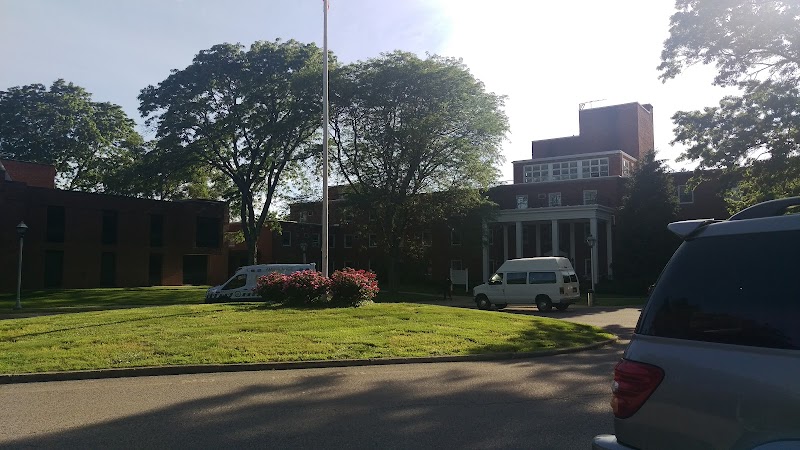
How Does Bethel Company Inc Compare to Other New York Nursing Homes?

Compared to the 100 nursing homes in New York, BETHEL NURSING HOME COMPANY INC's overall rating (2 stars) is below the state average of 3.1, staff turnover (41%) is near the state average of 46%, and health inspection rating (2 stars) is below the national benchmark.

What Should Families Ask When Visiting Bethel Company Inc?

Based on this facility's data, families visiting should ask: "Can I visit during a mealtime to observe dining assistance and food quality?" "How do you handle medical emergencies, and what is your hospital transfer rate?" "Can I speak with family members of current residents about their experience?"

Is Bethel Company Inc Safe?

Based on CMS inspection data, BETHEL NURSING HOME COMPANY INC has a clean safety record: no substantiated abuse findings (meaning no confirmed cases of resident harm), no Immediate Jeopardy citations (the most serious violation level indicating risk of serious injury or death), and is not on the Special Focus Facility watch list (a federal program monitoring the lowest-performing 1% of nursing homes). The facility has a 2-star overall rating and ranks #100 of 100 nursing homes in New York. While no facility is perfect, families should still ask about staff-to-resident ratios and recent inspection results during their visit.

Do Nurses at Bethel Company Inc Stick Around?

BETHEL NURSING HOME COMPANY INC has a staff turnover rate of 41%, which is about average for New York nursing homes (state average: 46%). Moderate turnover is common in nursing homes, but families should still ask about staff tenure and how the facility maintains care continuity when employees leave.

Was Bethel Company Inc Ever Fined?

BETHEL NURSING HOME COMPANY INC has no federal fines on record. CMS issues fines when nursing homes fail to meet care standards or don't correct problems found during inspections. The absence of fines suggests the facility has either maintained compliance or corrected any issues before penalties were assessed. This is a positive indicator, though families should still review recent inspection reports for the full picture.

Is Bethel Company Inc on Any Federal Watch List?

BETHEL NURSING HOME COMPANY INC is not on any federal watch list. The most significant is the Special Focus Facility (SFF) program, which identifies the bottom 1% of nursing homes nationally based on persistent, serious quality problems. Not being on this list means the facility has avoided the pattern of deficiencies that triggers enhanced federal oversight. This is a positive indicator, though families should still review the facility's inspection history directly.