CEDAR MANOR NURSING & REHABILITATION CENTER

32 CEDAR LANE, OSSINING, NY 10562 (914) 762-1600
For profit - Limited Liability company 153 Beds Independent Data: November 2025
Trust Grade
40/100
#489 of 594 in NY
Last Inspection: April 2025

Within standard 12-15 month inspection cycle. Federal law requires annual inspections.

Overview

Cedar Manor Nursing & Rehabilitation Center has a Trust Grade of D, indicating below-average quality and some concerns regarding care. It ranks #489 out of 594 facilities in New York, placing it in the bottom half, and #36 out of 42 in Westchester County, meaning there are only a few better options nearby. The facility's performance is worsening, with the number of issues increasing from 9 in 2024 to 14 in 2025. Although staffing is rated average with a turnover rate of 38%, which is better than the state average, there have been reports of insufficient staff on multiple occasions, leading to unmet resident needs. Specific incidents include a lack of adequate bath linens for residents, residents not receiving necessary personal hygiene care, and staffing levels falling short of the required minimum on several days, raising concerns about the overall quality of care.

Trust Score
D
40/100
In New York
#489/594
Bottom 18%
Safety Record
Low Risk
No red flags
Inspections
Getting Worse
9 → 14 violations
Staff Stability
○ Average
38% turnover. Near New York's 48% average. Typical for the industry.
Penalties
✓ Good
No fines on record. Clean compliance history, better than most New York facilities.
Skilled Nurses
✓ Good
Each resident gets 52 minutes of Registered Nurse (RN) attention daily — more than average for New York. RNs are trained to catch health problems early.
Violations
⚠ Watch
27 deficiencies on record. Higher than average. Multiple issues found across inspections.
★☆☆☆☆
1.0
Overall Rating
★★★☆☆
3.0
Staff Levels
★★★☆☆
3.0
Care Quality
★☆☆☆☆
1.0
Inspection Score
Stable
2024: 9 issues
2025: 14 issues

The Good

  • Full Sprinkler Coverage · Fire safety systems throughout facility
  • No fines on record
  • Staff turnover below average (38%)

    10 points below New York average of 48%

Facility shows strength in fire safety.

The Bad

1-Star Overall Rating

Below New York average (3.0)

Significant quality concerns identified by CMS

Staff Turnover: 38%

Near New York avg (46%)

Typical for the industry

The Ugly 27 deficiencies on record

Apr 2025 14 deficiencies
CONCERN (D)

Potential for Harm - no one hurt, but risky conditions existed

Resident Rights (Tag F0550)

Could have caused harm · This affected 1 resident

**NOTE- TERMS IN BRACKETS HAVE BEEN EDITED TO PROTECT CONFIDENTIALITY** Based on observation and interview during the recertification survey from 4/6/2025 to 4/11/2025, the facility did not ensure eac...

Read full inspector narrative →
**NOTE- TERMS IN BRACKETS HAVE BEEN EDITED TO PROTECT CONFIDENTIALITY** Based on observation and interview during the recertification survey from 4/6/2025 to 4/11/2025, the facility did not ensure each resident was treated with respect and dignity. This was evident for 2 residents (Resident #79 and Resident #18) during dining observations. Specifically, 1) Certified Nurse Aides #13 and #18, Occupational Therapist #15 and Home Health Aide were observed standing over Resident #79 while assisting the resident with meals. 2) Resident #18 was fed by staff standing during the meal. Findings include: The undated facility policy, Promoting/Maintaining Resident Dignity documented it is the policy of Cedar Manor Nursing and Rehabilitation to treat each resident with respect and dignity. 1) Resident #79 had diagnoses of Alzheimer's disease, protein calorie malnutrition, and dysphagia (difficulty swallowing). The Minimum Data Set, dated [DATE] documented the resident had severely impaired cognition and was dependent on staff for feeding. During an observation on 4/6/25 at 5:45 PM, Resident #79 was in bed and Certified Nurse Aide #18 was standing over them feeding them dinner. When interviewed during the observation, Certified Nurse Aide #18 stated they did not sit to assist Resident #79 with meals because it was not comfortable. A chair was observed on the opposite side of the bed. During an observation on 4/7/25 at 12:38 PM, Resident #79 was in bed and Certified Nurse Aide #13 was standing over them feeding them lunch. When interviewed during the observation, Certified Nurse Aide #13 stated they did not sit to assist Resident #79 with meals because they needed a taller chair to feed them. During an observation on 4/9/25 at 12:50 PM, Resident #79 was in bed and Occupational Therapist #15 was standing and feeding Resident #79 lunch. When interviewed during the observation, Occupational Therapist #15 stated they were standing while feeding resident for a referral to assess for self-feeding. During an interview on 4/10/25 at 11:49 AM Unit Manager #2 stated staff should be sitting when assisting residents with meals and therapy was present for a consult for positioning. 2) Resident #18 was admitted to the facility with diagnoses including cerebrovascular accident, functional quadriplegia and contracture of right hand. The 1/7/25 Quarterly Minimum Data Set (a resident assessment tool) documented Resident #18 had severely impaired cognition and was dependent on staff with all activities of daily living. During an observation on 04/06/25 at 5:53 PM Resident #18 was laying down in bed and Certified Nurse Aide #7 was standing over the resident while assisting them with eating their meal. During an interview on 04/26/25 at 5:56 PM Certified Nurse Aide #7 stated that Resident #18 ate 75% of their dinner. Certified Nurse Aide #7 stated they knew they should sit next to residents when assisting them with eating, rather than standing over them. Certified Nurse Aide stated that they chose to stand over the resident because they had a knee pain and if they sat down it would be very painful to stand up. 10 NYCRR 415.3
CONCERN (D)

Potential for Harm - no one hurt, but risky conditions existed

Deficiency F0602 (Tag F0602)

Could have caused harm · This affected 1 resident

**NOTE- TERMS IN BRACKETS HAVE BEEN EDITED TO PROTECT CONFIDENTIALITY** Based on interviews and record reviews conducted during a recertification survey it was determined that for 1 of 14 residents (R...

Read full inspector narrative →
**NOTE- TERMS IN BRACKETS HAVE BEEN EDITED TO PROTECT CONFIDENTIALITY** Based on interviews and record reviews conducted during a recertification survey it was determined that for 1 of 14 residents (Resident #102) during a resident council meeting, the facility did not ensure each resident was free from misappropriation of resident property. Specifically, the facility did not safeguard packages when delivered to the facility for Resident #102 who reported a missing package 11/15/24 and was not reimbursed until 4/8/25. The findings are: The undated policy titled Missing Resident Property documented missing resident property is defined as the loss or unauthorized use or removal of personal property regardless of the monetary value of the item(s). Resident #102 was admitted to the facility with diagnoses including Spinal Stenosis, Pain and Major Depressive Disorder. The Comprehensive Minimum Data Set Assessment, dated 11/26/24, and the Quarterly MDS dated [DATE] documented Resident #102 had intact cognition. On 4/07/25 at 10:33 AM, during a resident council meeting, Resident #102 reported they were missing a package for about 6 months. They stated when they initially inquired about the package, they were told it was signed for. Later, the resident was told the package was never received. The resident stated they were not reimbursed for the missing package. The Missing Property form dated 11/15/24 documented resident reported a missing package and that the Maintenance Director searched the front desk and storage units and did not find the package. It further documented it was signed by the Administrator and was not dated. A sticky note attached to the missing property form documented Resident #102 was reimbursed $40 cash and signed by Resident #102 on 4/8/25. During an interview on 4/08/25 at 12:58 PM, Director of Social Work stated they asked Resident #102 how the Resident Council meeting went and found out then that Resident #102 reported their missing package was never found and it had been about 6 months. The Director of Social Work stated they resolved the issue by reimbursing the resident $40 cash today. Director of Social Work stated they knew it had been a long time since it was reported in November and had no explanation as to why there was a delay in the resolution. 10NYCRR 415.4(b)
CONCERN (D) 📢 Someone Reported This

A family member, employee, or ombudsman was alarmed enough to file a formal complaint

Potential for Harm - no one hurt, but risky conditions existed

Deficiency F0676 (Tag F0676)

Could have caused harm · This affected 1 resident

Based on observation, record review and interview conducted during a recertification 4/6/25-4/11/25, the facility did not ensure that necessary assistance and care were provided to carry out activitie...

Read full inspector narrative →
Based on observation, record review and interview conducted during a recertification 4/6/25-4/11/25, the facility did not ensure that necessary assistance and care were provided to carry out activities of daily living for 1 of 10 Residents (Resident #81) reviewed for activities of daily living. Specifically, Resident #81 was not showered twice a week as per unit showering schedule. Findings include: Resident #81 had diagnoses including peripheral vascular angioplasty status with implants and graphs, chronic obstructive pulmonary disease and schizoaffective disorder, bipolar type. The admission Minimum Data Set (a resident assessment tool) dated 3/10/25 documented Resident #81 was cognitively intact, did not reject cares and required partial/moderate assistance with showering. A Physician order dated 3/12/25 documented Resident #81 ambulated with assist of 1 using a rolling walker. An activities of daily living care plan, revised 3/6/25, documented Resident #81 required assistance with activities of daily living functions due to decreased/impaired mobility and required partial/moderate assistance with showering/bathing. A unit shower schedule documented Resident #81's shower days were Tuesdays and Fridays during the 3 PM -11 PM shift. A review of the certified nurse aide accountability documented shower/bathe self partial/moderate assistance was last completed Wednesday, 3/19/25 at 21:36PM. During interviews and observations on 04/07/25 at 9:34 AM, 4/8/25 at 11:39AM and 4/9/25 at 10:47 AM, Resident #81 stated they were not showered twice a week and they had not received a shower in a week. They stated the facility staff does not ask them to shower. Resident was observed wearing two hospital gowns on all three observations. Resident #81 stated they were not offered a shower on scheduled date, 4/8/25. They also stated that an aide presented to their room on 4/9/25 and informed them that their shower days were Tuesday and Fridays during the evening shift (3pm-11pm). Resident #81 stated they assumed they would have to wait until Friday and did not ask for a shower. During an interview on 4/09/25 at 11:12 AM Certified Nurse Aide #33 stated they offered to assist Resident #81 with dressing and hygiene earlier in shift and resident refused. They stated Resident #81 had not changed hospital gowns or washed up over last three days and refused cares. Certified Nurse Aide #33 stated they do not believe the resident was showered on 4/8/25 during 3pm-11pm shift (scheduled day) because Resident #81 had not changed gowns for three (3) days. They stated they reported to the nurse on the unit today that Resident #81 had been wearing the same gowns for three (3) days and had not washed. During an interview on 4/09/25 at 11:18 AM Licensed Practical Nurse #23 stated they were not aware of the last time Resident #81 received a shower or changed gowns. They stated they were aware Resident #81 refused to dress and bathe at times. They stated they could not recall if they documented refusals of care in the facility electronic medical record or if they reported to Unit Manager Nurse. During an interview on 04/09/25 at 11:22 AM, Unit Manager Registered Nurse #31 stated they have not received report from unit nurse staff that Resident #81 refused cares and/or did not receive showers during scheduled shower times or change gowns. After a review of the certified nurse aide accountability records with Unit Manager Registered Nurse #31, they were not able to determine when the last time Resident #81 received a shower. Nursing progress notes were also reviewed, and they were unable to locate refusal of care documentation or a refusal of cares care plan for Resident #81. They stated that if they were notified Resident #81 was not showering or changing clothes, they would have met with Resident to provide encouragement, reached out to family and made physician aware and entered new orders, if applicable. They also stated they would have met with the unit team and involved social work if necessary. During an interview on 04/10/25 at 11:32 AM Resident #81 stated physical therapy staff presented to their room earlier in day and assisted them in dressing until a certified nurse aide arrived to completed task. Resident #81 stated they independently bathed that morning in bathroom. 10 NYCRR 415.12(a)(3)
CONCERN (D)

Potential for Harm - no one hurt, but risky conditions existed

Deficiency F0688 (Tag F0688)

Could have caused harm · This affected 1 resident

**NOTE- TERMS IN BRACKETS HAVE BEEN EDITED TO PROTECT CONFIDENTIALITY** Based on observation, record review and interview during the recertification survey from 4/6/2025 to 4/11/2025, the facility did...

Read full inspector narrative →
**NOTE- TERMS IN BRACKETS HAVE BEEN EDITED TO PROTECT CONFIDENTIALITY** Based on observation, record review and interview during the recertification survey from 4/6/2025 to 4/11/2025, the facility did not ensure that needed services, care and equipment were provided to assure that residents with limited range of motion and mobility maintained or improved function based on the residents' clinical condition for one (1) of two (2) residents (Resident #18) reviewed for Position and Mobility. Specifically, Resident #18 with contracture of the right hand was observed on 3 occasions without the use of a right hand gauze roll as per physician order. Findings include: The policy and procedure titled Contractures Management with Splints, Braces, Orthotic Devices last reviewed 1/2024, documented every resident to be assessed for the presence of contractures or risk thereof. Therapy will issue an order for the supportive device to the nursing team with an outline of the devices wearing schedule. A plan of care will be implemented by the therapy department to manage a contracture or to support a limb at risk for contracture due to the lack of physical function with the appropriate device. Resident #18 was admitted to the facility with diagnoses including cerebrovascular accident, functional quadriplegia and contracture of right hand. The Minimum Data Set (MDS) dated [DATE] documented Resident #18 had severely impaired cognition, impairment on both sides of upper and lower extremities and was dependent on staff with all activities of daily living. The physician order dated 2/22/25 documented gauze roll to be worn at all times to right hand, to be removed for skin checks, hygiene, and range of motions. Active Status. The comprehensive care plan titled Actual Contracture on Right Upper Extremity last revised 2/22/25, documented gauze roll to be worn at all times to right hand, to be removed for skin checks, hygiene, and range of motions. The [NAME] dated 04/08/25 at 10:31 AM documented gauze roll to be worn at all times to right hand, to be removed for skin checks, hygiene, and range of motions. During observations on 4/6/25 at 6:41 PM, 4/7/25 at 5:13 PM and 4/8/25 at 9:32 AM Resident #18 was laying down in bed with contracture of the right hand. There was no gauze roll in place to the right hand. During interview on 4/8/25 at 10:35 AM Certified Nurse Aide #8 stated Resident #18 was dependent on staff for positioning and assistance with range of motions during cares. Certified Nurse Aide #18 stated they were aware Resident #18 had contracture of the right hand, but they did not know that the resident was supposed to have a gauze roll applied to the right hand. During an interview on 4/8/25 at 11:22 AM Registered Nurse Manager #2 stated at times they observed the gauze roll in Resident #18's right hand They stated they could not explain why Certified Nurse Aide #8 was not aware the resident should use a gauze roll. Registered Nurse Manager #2 stated there was a gauze roll order on the certified nurse aide [NAME], documented physician order in the computer, and the care plan dated 2/22/25 included the use of a gauze roll for the resident's right hand. 10 NYCRR 415.12(e)(1)
CONCERN (D)

Potential for Harm - no one hurt, but risky conditions existed

Respiratory Care (Tag F0695)

Could have caused harm · This affected 1 resident

Based on observation, interview, and record review conducted during the Recertification Survey from 4/6/25-4/11/25, the facility did not ensure residents who needed respiratory care were provided such...

Read full inspector narrative →
Based on observation, interview, and record review conducted during the Recertification Survey from 4/6/25-4/11/25, the facility did not ensure residents who needed respiratory care were provided such care, consistent with professional standards of practice and the comprehensive person-centered care plan for 1 of 1 resident (Resident #92) reviewed for Respiratory Care. Specifically, 1) Resident #92 was observed multiple times receiving oxygen at 5 liters and 3 liters via nasal cannula with a physician order for 2 liters. Resident #92 was also observed with an empty portable oxygen tank while resident sleeping with nasal cannula in place. The findings included: A facility policy (reviewed 1/25) titled, Respiratory Therapy Administration and Equipment, documented: verify that there is a physician's order/review the physician's orders for oxygen administration. Resident #92 diagnoses included chronic obstructive pulmonary disease, asthma and diabetes. A 5-day re-entry Minimum Data Set (assessment tool) dated 3/20/25 documented Resident #92 was cognitively intact, had shortness of breath when lying flat and received oxygen therapy. A Physician order dated 3/27/25 documented to administer oxygen therapy via nasal cannula at 2 liters/ minute continuous every shift for chronic obstructive pulmonary disease. A care plan (updated 3/13/25) documented the resident had asthma, chronic obstructive pulmonary disease, and acute / chronic respiratory failure with hypoxia. Interventions included oxygen via nasal cannula as ordered. During an observation on 04/06/25 at 6:56 PM, Resident #92 was in bed sleeping with nasal cannula in place. The oxygen concentrator was observed running at 5 liters/minutes. During a brief interview on 04/07/25 at 12:47 PM, Resident #92 was sitting at bedside with the nasal cannula in place. The oxygen concentrator was observed running at 5 liters/minute. Resident #92 stated they did not know what the setting for the oxygen administration should be. During an observation and interview on 04/08/25 at 8:53 AM, with Registered Nurse #19, Resident #92 was sleeping in bed with the nasal cannula in place. The nasal cannula was connected to a portable oxygen tank, set at 3 liters/minute and empty. Registered Nurse #19 transferred the cannula tubing to another portable tank and set administration at 3 liters/minute. When asked what the physician order was for the oxygen, Registered Nurse #19 stated they believed it was for 2 liters/minute. Registered Nurse #19 reset the portable oxygen tank to administer oxygen at 2 liters/minute. 10 NYCRR 415.12
CONCERN (D)

Potential for Harm - no one hurt, but risky conditions existed

Deficiency F0698 (Tag F0698)

Could have caused harm · This affected 1 resident

Based on observation, record review, and interview during the recertification survey from 4/6/2025 to 4/11/2025, the facility did not ensure residents who required dialysis (a procedure to remove wast...

Read full inspector narrative →
Based on observation, record review, and interview during the recertification survey from 4/6/2025 to 4/11/2025, the facility did not ensure residents who required dialysis (a procedure to remove waste products and excess fluid from the blood when the kidneys stop working properly) received services consistent with professional standards of practice for 1 of 1 resident (Resident #439) reviewed for Dialysis. Specifically, there was no documented evidence of consistent assessment and oversight before, during and after dialysis treatment for Resident #439 who received hemodialysis treatments at a community-based dialysis center. The findings included: A facility policy titled Dialysis Policy and Procedure Manual (revised 12/1/24) documented: when resident returns from hemodialysis, nurse checks the communication book for any issues needing to be addressed. Documents in progress notes resident's condition upon return from dialysis. Resident #439 diagnoses included end stage renal disease, chronic obstructive pulmonary disease and type 2 diabetes with proliferative diabetic retinopathy. A 5-day re-entry Minimum Data Set (a resident assessment tool) dated 3/4/25 documented Resident #439 was cognitively intact and received hemodialysis. A Physician Order dated 3/4/25 documented dialysis center every Monday, Wednesday and Friday at 11:15 AM. A care plan (revised 2/28/25) titled, Dialysis, documented the resident needed dialysis related to end stage renal disease. Interventions included to encourage the resident to go for the scheduled dialysis appointments; to monitor vital signs as ordered and record; and to notify the physician of significant abnormalities. A review of nurse progress notes from 2/25/25 to 4/10/25 did not have a post-dialysis assessment nurse notes for the following dates: 3/10/25, 3/12/25, 3/14/25, 3/15/25, 3/17/25, 3/21/25, 3/22/25, 3/26/25, 3/31/25, 4/2/25, 4/4/25, 4/7/25 and 4/9/25. A review of the Medication Administration and Treatment Administration records from 2/25-4/25 did not include dialysis schedule/attendance. During a review of Resident #439's Dialysis Communication Book on 04/08/25 at 12:34 PM, with the Unit Manager Registered Nurse #31, the following dates were observed with missing pre and/or post dialysis vital signs documentation: 3/10/25, 3/14/25, 3/15/25, 3/19/25, 3/22/25, 3/26/25, 3/28/25, 3/31/25, 4/2/25, 4/4/25, 4/7/25, and 4/9/25. When interviewed, Unit Manager Registered Nurse #31 stated the Dialysis Communication Book should have been reviewed by nurse on duty when the resident returned from dialysis. They stated nurses should review vital signs and observe for recommendations/communication from dialysis center after each dialysis visit. During an interview of 04/09/25 at 11:06 AM, Registered Nurse #30 stated Resident #439 currently attended dialysis Monday, Wednesday and Fridays. Resident #439 left the facility about 10 AM and returned during the 3-11 PM shift. They stated they administered medications prescribed for dialysis days and took vital signs. They stated they took Resident #439's vital signs pre-dialysis on 4/9/25 and entered results into facility electronic medical record and did not document in Dialysis Communication Book. They stated they provided Resident #439 with the Dialysis Communication Book on 4/9/25 before leaving for appointment. During an observation of Resident #439's Dialysis Communication Book and interview with Assistant Director of Nursing on 04/10/25 at 12:04 PM, they stated there was missing or incomplete documentation in the Dialysis Communication Book for numerous dates in March and April 2025. The Assistant Director of Nursing stated they were not aware there was incomplete or missing documentation of vitals pre and post dialysis appointments. They would need to investigate with staff. During an interview on 04/10/25 at 12:09 PM, Resident #439 stated they were at dialysis on 4/9/25 and were given the black and white book (communication book) by facility staff. The book was on their chair table at dialysis. They were not aware of any documentation that may have or not have been entered into the book. They stated they did not open the book; they just transport it to and from dialysis appointments. 10NYCRR 415.12(k)
CONCERN (D)

Potential for Harm - no one hurt, but risky conditions existed

Deficiency F0757 (Tag F0757)

Could have caused harm · This affected 1 resident

Based on record review and interview during a recertification survey from 4/6/25 to 4/11/25, the facility did not ensure each resident's drug regimen was free from unnecessary medication, use for one ...

Read full inspector narrative →
Based on record review and interview during a recertification survey from 4/6/25 to 4/11/25, the facility did not ensure each resident's drug regimen was free from unnecessary medication, use for one (1) of five (5) residents (Resident #49) reviewed for unnecessary medications. Specifically, for Resident #49 Hydromorphone 2 mg every 4 hours as needed for pain of four - six was administered two times from March 1 2025-April 6 2025 for pain below four and Hydromorphone 4 mg every four hours for pain of seven -ten was administered four times from March 1 2025 - April 6 2025 for pain below seven. On 3/8/25 at 1:25 PM, 4/1/25 at 09:23 PM and 4/6/25 at 5:43 PM Hydromorphone 2 mg and 4 mg were administered together without a physician order. The findings include: Resident # 49 had diagnosis including Lupus, hypertension, morbid obesity. The care plan titled Pain initiated on 7/5/2024 documented administer pain medications as per orders. The quarterly Minimum Data Set (an assessment tool) dated 1/7/2025 documented Resident #49 was cognitively intact and received anti-anxiety medication and opioids. The physician order dated 2/24/2025 documented Hydromorphone 2 mg, give 1 tablet every four hours for pain scale of four-six and Hydromorphone 4 mg, give one tablet by mouth every four hours for pain scale seven-ten. The policy and procedure titled Medication Administration revised 3/3/2025 documented provide accurate administration and documentation of medication by a licensed nurse. The March 2025 Medication Administration Record documented Resident #49 received Hydromorphone 2 mg with a documented pain scale of one on 3/12/2025 at 5:42 and on 3/8/25 at 1:25 PM both Hydromorphone 2 mg and Hydromorphone 4 mg were administered together for a pain scale of ten. The physician note dated 3/11/25 documented Resident #49 had a non-healing surgical wound to the lower back and chronic pain. The April 2025 Medication Administration Record documented Resident #49 received 2 mg Hydromorphone 2 mg on 4/1/2925 at 9:23 PM for pain of zero and Hydromorphone 4 mg on 4/1/2025 at 9:23 PM for pain of zero and on 4/1/2025 at 9:23 PM and 4/6/2025 at 5:43 PM both Hydromorphone 2 mg and Hydromorphone 4 mg were administered together for pain scale of # 5. There was no documented evidence in the medical record of a physician order for the administration of Hydromorphone 2 mg and Hydromorphone 4 mg to be administered at the same time. During an interview on 4/8/2025 at 3:30 PM Licensed Practical Nurse #3 stated the resident was receiving Hydromorphone as a pretreatment medication and that may be why the dose did not match the pain scale. They stated nurses should carefully look at and follow the physician orders. They stated If there was a question about the medication dosage the nurses should call the physician. During an interview on 4/09/2025 at 2:56 PM the Director of Nursing stated the nurses always needed to follow the physician order. They stated staff were not following the protocol of right dose, right reason and were listening/doing what the resident wanted rather than following the physician order. During an interview on 4/10/2025 at 5:35 PM the Medical Director stated nurses did not think about matching the pain scale when there was a dressing change. They stated this has been an issue and they were working on a better system to suit the resident and staff. 10 NYCRR 415.12(l)(1)
CONCERN (D)

Potential for Harm - no one hurt, but risky conditions existed

Deficiency F0761 (Tag F0761)

Could have caused harm · This affected 1 resident

**NOTE- TERMS IN BRACKETS HAVE BEEN EDITED TO PROTECT CONFIDENTIALITY** Based on observation, interview, and record review during the recertification survey conducted 4/6/25 to 4/11/25, the facility d...

Read full inspector narrative →
**NOTE- TERMS IN BRACKETS HAVE BEEN EDITED TO PROTECT CONFIDENTIALITY** Based on observation, interview, and record review during the recertification survey conducted 4/6/25 to 4/11/25, the facility did not ensure drugs and biologicals were stored in accordance with currently accepted professional principles for 2 medication carts (East and South units) and the East unit medication room. Specifically, 1) the East Unit medication cart was left unlocked and unattended in the hallway while the nurse was in the medication room [ROOM NUMBER]) on the South Unit, a blister pack of Metformin 500 mg (13 pills) was left unattended on a medication cart while the nurse went into a resident room to administer medications and 3) the East Unit medication room had an expired medication and biologicals. The findings include: The policy titled, Medication Storage, last reviewed 1/25 documented medications will be stored in a manner that maintains the integrity of the product, ensures the safety of the residents and is in accordance with the Department of Health guidelines. All medications will be stored in a locked cabinet, cart or medication room that is accessible only to authorized personnel as defined by facility policy. During an observation on 4/6/25 at 6:56 PM on the East unit, the medication cart was unlocked and unattended by nursing staff. Visitors were observed in hallways walking by the cart. During an interview on 4/6/25 at 6:59 PM Registered Nurse #35 stated they walked away from the cart to look for medications in the medication room and left the cart unlocked. They stated they were not supposed to and should not have done that. 2) During medication administration observation on 4/9/25 at 10:33 AM, Licensed Practical Nurse #24 was observed at the medication cart with a blister pack containing 13 Metformin tablets on the top of the medication cart. Licensed Practical Nurse #24 left the Metformin unattended on the top of the medication cart and proceeded to enter a resident room to administer medications. During an interview with Licensed Practical Nurse #24 on 4/9/25 at 10:37 AM they stated the blister pack containing Metformin was for a discharged resident and did not belong on top of the medication cart. Licensed Practical Nurse #24 stated if medications were left unattended, anyone could take the medication off the medication cart. They stated they should not have left the medication unattended. During an interview with the Assistant Director of Nursing on 4/9/25 at 12:29 PM they stated they were at the medication cart and saw the Metformin unattended by the nurse and removed it from the cart because it should not have left there. They stated medications are not to be left out on the cart unattended. 3) The policy titled Guidelines for Storage of Medications last revised 1/2025 documented expired, discontinued and/or contaminated medications will be removed from the medication storage area and disposed of in accordance with the facility policy. During observation on 4/8/25 at 11:51 AM of the East Unit Medication Storage room the following expired medication and biologicals were found: -Aspira Drainage Kit expired 11/2024 -Aspira Drainage Kit expired 1/22/2025 -Allergy Relief Tablets expired 2/2025 -Disposable Inner Canula expired 2/2024 During interview on 4/08/25 at 11:58 AM Registered Nurse #31 stated every nurse that used the medication room should check for expired medications or biologicals. Registered Nurse #31 stated they were responsible for monitoring the medication room and had no explanation as to why the expired products were not removed. Registered Nurse #31 further stated the Assistant Director of Nursing was also responsible for monitoring the medication rooms and for checking that the removal of expired products was being done. During interview on 4/08/25 at 12:14 PM the Assistant Director of Nursing stated the night nursing supervisor was responsible for checking medication rooms for expired medications and biologicals and sending discharged resident medications back to the pharmacy. The Assistant Director of Nursing stated they had no audit tools or documentation to ensure medication storage rooms were checked routinely for expired medications and biologicals. The Assistant Director of Nursing stated if kept in the medication room, expired medications and/or biologicals may be used accidentally. 10 NYCRR 415.18 (d)
CONCERN (D)

Potential for Harm - no one hurt, but risky conditions existed

Garbage Disposal (Tag F0814)

Could have caused harm · This affected 1 resident

Based on observation and interview conducted during a recertification survey, the facility did not ensure that waste was disposed in a dumpster that was free of leaks and the dumpster area was maintai...

Read full inspector narrative →
Based on observation and interview conducted during a recertification survey, the facility did not ensure that waste was disposed in a dumpster that was free of leaks and the dumpster area was maintained in a clean condition. Specifically, garbage debris was observed around the bottom perimeter of dumpster. The findings are: The undated policy titled Maintain Dumpster and Loading Dock Areas documented when emptying trash, Environmental and Dietary will pick up any spillage and close lids. It further documented that the Environmental manager will follow up after each trash run to ensure compliance. An observation of the kitchen area was conducted on 04/06/2025 at 4:47 PM. The Food Service Director (FSD) accompanied the surveyor to inspect the dumpster and the surrounding area. Garbage debris on the ground surrounding the dumpster. The Food Service Director stated the dumpster was emptied daily when they came to pick up garbage. Food Service Director stated when garbage company dumped the garbage into the truck, items often fell onto the ground and the garbage company did not pick them up. The Food Service Director stated they usually had staff clean up the debris around the dumpster daily and they had no excuse for debris on the ground. The Food Service Director stated that the dietary and environmental department were responsible for keeping the area clean. On 4/06/2025 at 4:57 PM, during an interview with the Environmental Manager and Administrator they observed the dumpster with debris on the ground. The Environmental Manager stated that happened when the garbage company collected the garbage. When they put the dumpster on the truck some of the garbage would spill onto ground, and they had to clean up the remaining garbage on the ground after the garbage truck left. The Environmental Manager stated they usually had the evening staff handle it since the garbage truck came during the day. The Administrator stated they believed the last time it was cleaned was the day before. 415.14(h)
CONCERN (D)

Potential for Harm - no one hurt, but risky conditions existed

Antibiotic Stewardship (Tag F0881)

Could have caused harm · This affected 1 resident

Based on record review and interview during the recertification survey 4/6/25 to 4/11/25, the facility did not ensure that an ongoing review of antibiotic use protocols and a system to monitor antibio...

Read full inspector narrative →
Based on record review and interview during the recertification survey 4/6/25 to 4/11/25, the facility did not ensure that an ongoing review of antibiotic use protocols and a system to monitor antibiotic use was completed for 2 of 2 residents reviewed for antibiotic stewardship. Specifically, for Residents #78 and #190, the facility was unable to provide an infection/antibiotic tracking report as requested on 4/10/25 that ensured their antibiotic program was implemented to monitor antibiotic use protocols when an antibiotic was prescribed to a resident. The findings are: The facility policy titled Antibiotic Stewardship Program revised 2022 documented it is the policy of Cedar Manor Nursing and Rehabilitation Center to comply with evidenced based guidelines or best practices regarding antibiotic prescribing and to promote rational and appropriate antibiotic therapy while improving clinical outcomes while minimizing unintentional side effects of antibiotic use, including toxicity and emergence of resistant organisms. Resident #78 had diagnoses including Type II Diabetes Mellitus, dysphagia, and gout. The physician's order dated 3/14/24 documented Amoxicillin Potassium Clavulanate 875mg-125mg (antibiotic) tablet by mouth every 12 hours for bacterial infection of scalp for 7 days. The Medication Administration Record documented the medication was administered from 3/14/25 to 3/19/25 for a total of 9 doses. The physician's order dated 3/19/25 documented a second order for Amoxicillin Potassium Clavulanate 875mg-125mg (antibiotic) tablet by mouth every 12 hours for bacterial infection for 7 days and was discontinued on 3/26/25 for a total of 14 doses. The Medication Administration Record documented the resident received 14 doses from 3/19/25 to 3/26/25. There was no documentation in the resident's record why the original Amoxicillin Potassium Clavulanate was discontinued and then resumed for an additional 7 days. Resident #190 had diagnoses including Type II Diabetes Mellitus, hypothyroid, and dysphagia. The physician's order dated 4/2/25 documented Amoxicillin 875mg-125mg (antibiotic) 1 tablet every 12 hours for bacterial infection of both ears for 10 days. The Medication Administration Record documented the resident received all 20 doses and the medication was completed on 4/12/25. The facility's Line List of Antibiotics and Infections for residents who were prescribed antibiotics was reviewed on 4/10/25 at 11:43 AM. There was no documented evidence of Resident #78 or Resident #190's antibiotic use. During an interview on 4/10/25 at 1:10 PM, the Director of Nursing who is the Infection Preventionist, stated the Antibiotic Stewardship review is completed with the Medical Director during which they review the Line List of Antibiotics and Infections, and discuss the duration of antibiotic use, and stated changes may be made. The Director of Nursing did not know why Residents #78 and #190 were not documented on the Line List of Antibiotics and Infections. The Director of Nursing stated Residents #78 and #190 should have been documented on the Line List of Antibiotics and Infections to ensure all antibiotics were reviewed and monitored. During an interview on 4/10/25 at 05:23 PM, the Medical Director stated they review the resident's antibiotic use with the Director of Nursing monthly, they review bacteria and germ lab test results, and review the duration and appropriateness of antibiotic use. They stated that if the residents are not documented on the Line List of Antibiotics and Infections, they would not be reviewed for antibiotic use. 10 NYCRR 415.19
CONCERN (E) 📢 Someone Reported This

A family member, employee, or ombudsman was alarmed enough to file a formal complaint

Potential for Harm - no one hurt, but risky conditions existed

Safe Environment (Tag F0584)

Could have caused harm · This affected multiple residents

**NOTE- TERMS IN BRACKETS HAVE BEEN EDITED TO PROTECT CONFIDENTIALITY** Based on observation, interview, and record review conducted during recertification and abbreviated survey (NY00353725) conducte...

Read full inspector narrative →
**NOTE- TERMS IN BRACKETS HAVE BEEN EDITED TO PROTECT CONFIDENTIALITY** Based on observation, interview, and record review conducted during recertification and abbreviated survey (NY00353725) conducted from 4/6/2025-4/11/2025, the facility did not ensure the residents rights to a safe, clean, comfortable, and homelike environment. Specifically, 1) the facility did not provide adequate amount of bath linens for all the residents; and 2) rooms [ROOM NUMBERS] were observed with displaced base board moldings. The findings include: 1. The policy and procedure titled Linen Policy undated documented Par levels will be maintained according to the facility par-level inventory directory. Par levels will be reviewed and adjusted based on census and resident population. Review of the facility PAR level for linens, undated, documented: - North unit census 52 residents, dayshift 40 towels, evening shift 40 towels. - South unit census of 52 residents dayshift 40 towels, evening shift 40 towels. - East unit census 49 residents dayshift 40 towels, evening shift 40 towels. - Night closet 40 towels for all three units. Review of the invoice dated 2/6/2025 documented an order for 180 bath towels. An observation was made on 4/7/25 at 9:30 AM of the clean linen cart on the South unit. Sheets and gowns were observed but there were no towels for use. During an interview on 4/7/25 at 9:34 AM, Resident #49 stated there were no towels available for use during morning care and had been told to use paper towels or nothing at all. During an interview on 4/7/2025 at 10:00 AM, Resident # 78's family member stated the facility has a limited supply of towels, and sometimes the staff had to use pillowcases and sheets to dry the resident after their shower. During the Resident Council meeting on 4/7/2025 at 10:33 AM, Resident #78 and Resident # 102 stated they had limited towels. They stated staff often used hand towels and sheets to dry residents after showers. During an interview on 4/7/2025 at 3:00 PM, the Administrator stated they ordered more towels. It was an ongoing issue; they had about 12 bundles of towels and would order some more. They stated sometimes the staff hid the supplies or threw them away. During an observation on 4/7/2025 at 3:00 PM in the linen closet in the laundry room, there were eight packs of 12 towels for a total of 96 towels. During an observation and interview on 4/7/2025 at 4:30 PM, the South unit had a census of 52 residents, and five aides were assigned to the unit. Certified Nurse Aide #5 stated each aide was given three towels and they had one resident that needed a shower. The facility did not have enough towels to provide care to all the residents and administration was aware. During an interview on 4/8/2025 at 9:46 AM, Certified Nurse Aide #6 stated they gave two showers and there were no towels left for the rest of the day. The facility did not have enough towels, and the administration was aware of the towel shortage. During an interview on 4/8/2025 at 10:00 AM, the Maintenance Director stated that they did not know the exact number of towels put on the carts and they had enough supplies. They stated the Supervisors had the keys to the laundry if more supplies were needed. They also stated sometimes they did not get back the same number of towels sent to the unit. During an interview on 4/8/2025 at 3:36 PM, Laundry Worker #4 stated they were supposed to send up 40 towels to each unit every shift and 20 towels on nights, but there were not enough. They put 20 towels on the carts for every shift. Sometimes, they only put 5 or 6 towels on the carts because that was what was available. During an observation and interview on 4/8/2025 at 4:00 PM, the South unit had a census of 52 residents, and five aides were assigned to the unit. Certified Nurse Aide #1 stated each aide had five towels for the shift and it was still not enough. During an interview on 4/10/25 at 2:48 PM, Certified Nurse Aide #28 stated when they did not have towels, they used whatever they had left on the cart for residents. This included using sheets and old blankets to dry residents. They stated the facility was aware of the shortage, but nothing was done. 2. During an observation 04/06/25 at 05:20 PM of room [ROOM NUMBER], the base board tiling was observed to be displaced from wall between radiator and wall and resting on the floor between the window and resident bed. During an observation on 04/07/25 at 12:33 PM of room [ROOM NUMBER], the wall in the center of front of room had a repaired hole in the wall, which was not repainted, and the base board tiling was observed lying on the ground, not re-attached to the wall. During an interview and observation on 04/11/25 at 9:35 AM with Director of Maintenance, room [ROOM NUMBER] was observed with baseboard tile displaced off of the wall in between radiator and back wall of room, under the window. The Director of Maintenance stated they were not made aware the baseboard was loose. room [ROOM NUMBER] was observed with baseboard in the front middle of room, between the two resident areas not attached to wall and lying on the floor. They stated they were not aware of the repair needed to room [ROOM NUMBER] and did not receive a request, verbal or work order from unit staff. They stated repairs needed on units were provided to maintenance staff by receiving work orders or verbal reports from staff or residents. During an interview on 04/11/25 at 9:49 AM, the Assistant Director of Nursing stated they were not aware of environmental concerns in rooms [ROOM NUMBERS]. They stated that work repair requests were submitted electronically. If an urgent request was needed, the front desk would be called, and they would relay the request to maintenance. They stated that unit staff should relay environmental concerns to the nurse and/or manager and a work order request submitted. The Assistant Director of Nursing provided a work order request dated 3/28/25 for room [ROOM NUMBER] which documented the resident stated they were still missing TV channels and there was a hole in wall that was being worked on, and no one had come back to fix it/repaint etc. 10 NYCRR 415.5(h-i)(1-3)
CONCERN (E) 📢 Someone Reported This

A family member, employee, or ombudsman was alarmed enough to file a formal complaint

Potential for Harm - no one hurt, but risky conditions existed

ADL Care (Tag F0677)

Could have caused harm · This affected multiple residents

**NOTE- TERMS IN BRACKETS HAVE BEEN EDITED TO PROTECT CONFIDENTIALITY** Based on observation, record review, and interview conducted during the recertification and abbreviated surveys (NY00364873) fro...

Read full inspector narrative →
**NOTE- TERMS IN BRACKETS HAVE BEEN EDITED TO PROTECT CONFIDENTIALITY** Based on observation, record review, and interview conducted during the recertification and abbreviated surveys (NY00364873) from 4/06/2025 to 4/11/2025, the facility did not ensure that each resident who was unable to perform activities of daily living received the necessary care and services to maintain grooming and personal hygiene for three of five dependent residents (Residents #387, # 124, and # 56) reviewed for Activities of Daily Living. Specifically, 1) there was inconsistent documentation that Resident #387 who required assistance with bowel and urinary incontinence had there brief changed every 3 to 4 hours, 2.) Resident #124 was observed with long, dirty fingernails and 3) Resident # 56 stated they had not received a shower or had their hair washed since they were admitted to the facility. The findings include: The undated policy and procedure titled Activities of Daily Living documented all residents are assisted with their activities of daily living. The unit nurses are responsible for creating schedules for showering a minimum of twice per week, allowing for resident preference. In addition, the unit nurses should create shift assignments for each certified nurse aide. 1) Resident # 387 had diagnoses including cerebral infarction, anemia, and hypertension The Quarterly Minimum Data Set (resident assessment tool) dated 11/06/2024 documented Resident #387 was cognitively intact, required minimal to maximum assistance with their activities of daily living and had urinary and bowel incontinence. The comprehensive care plan revised 04/28/2024 titled Bladder Incontinence included brief changes every 3 to 4 hours and as required. Wash, rinse, dry the perineum, and change clothing as needed after incontinence episodes. The certified nurse aide care guide for Resident # 387 revealed documentation that Resident #387 used incontinence briefs and was to be changed every 3 to 4 hours, and as needed. The 11/2024 certified nurse aide record showed no documented evidence that incontinence care was provided during the day shift from 11/2/2024-11/30/2024 and during the night shift from 11/3/2024-11/26/2024. The 12/2024 certified nurse aide record revealed no documented evidence that incontinence care was provided during the day shift from 12/2/2025-12/5/2025 and during the night shift from 12/2/2025-12/5/2025. During a telephone interview on 04/8/2025 at 12:17 PM Resident # 387's family member stated the resident was left in their waste for hours. They stated they requested that the resident be changed but were told by staff that they were short-staffed. During an interview on 04/8/2025 at 1:01 PM, Certified Nurse Aide # 17 stated when cares were provided it should be documented in the Kiosk. They stated when there were new residents, they would get information from nursing as to which cares should be provided to the resident. During an interview on 04/08/2025 at 1:14 PM, Licensed Practical Nurse # 3 stated when documentation for the resident's care was left blank, it could mean the care was done but was not documented. They stated the nurse manager or nurse supervisor were supposed to follow-up with the certified nurse aides to make sure they completed all their resident care documentation in the Kiosk. During an interview on 04/8/2025 at 1:25 PM, Registered Nurse Unit Manager # 16 stated personal hygiene should be documented every shift. They stated if there was no documentation it was due to either the certified nurse aides were too busy or forgot to document. They stated all certified nurse aides were educated and that there should be documentation for all cares provided to residents before staff left at the end of their shift. 2) Resident #124 was admitted to the facility with diagnoses including diabetes mellitus, Alzheimer's disease, and Parkinsonism. The Minimum Data Set, dated [DATE] documented Resident #124 had intact cognition and needed substantial/maximal assistance from staff with shower/bathing. The comprehensive care plan titled Activities of Daily Living dated 11/8/24, documented substantial/maximal assistance from staff with shower/bathing, supervision or touching assistance from staff with personal hygiene. During interview and observation on 4/6/25 at 5:59 PM and 4/8/25 at 12:55 PM Resident #124 was in bed. Resident #124's 1st, 2nd, and 3rd fingernails on both hands were long and had dark brown matter under each of the nails. Resident #124 stated they would like to take care of their long dirty fingernails, but they could not Resident #124 stated they had asked staff to clean and groom their fingernails but were told by staff they were to busy. During an interview on 4/8/25 at 1:54 PM Certified Nurse Aide #8 stated fingernail grooming was the certified nurse aides responsibility, and should be done during showers or baths. Certified Nurse Aide #8 stated when they showered Resident #124 on 4/7/25, they observed long fingernails, but because of lack of time they only washed the resident's fingernails. Certified Nurse Aide #8 stated they only file nails. During an interview and observation on 4/8/25 at 3:09 PM Registered Nurse Manager #2 stated clipping or filling residents' fingernails were responsibilities of certified nurse aides. Registered Nurse Manager #2 stated nurses could also clip or file residents' fingernails. Registered Nurse Manager #2 looked at Resident #124 fingernails and stated they were long/dirty, and should have been groomed. They stated no staff reported to them that Resident #124 had long fingernails. 3) Resident #56 diagnoses included multiple sclerosis, iron deficiency anemia, muscle wasting and atrophy unspecified lower leg. The Quarterly Minimum Data Set, dated [DATE] documented Resident #56 was cognitively intact, required substantial/maximal assistance with showering/bathing and was dependent on others for transfers. The physician order dated 12/31/24 documented transfer via mechanical lift with two (2) staff assist. The care plan dated 6/11/24 titled Activities of Daily Living, documented the resident required assistance with activities of daily living and functional, substantial/maximal assistance with showering/bathing and was transferred by mechanical lift with two (2) persons. During an interview on 04/07/25 at 12:42 PM Resident #56 stated they had not received a shower or had their hair washed since admission on [DATE] and only received bed baths. They stated they had requested various certified nurse aides to provide them a shower instead of bed bed bath but were told they could not receive a shower because they are unable to stand up. During an interview and observation on 04/09/25 at 11:44 AM Registered Nurse Manager #31 stated Resident #56 was on the schedule for a shower on Mondays and Thursdays during the 3 PM-11 PM shift and were not aware that Resident #56 was not showered and only received bed baths. A review of the resident care plan with Registered Nurse #31 did not indicate a reason why Resident #56 could not receive a shower or have hair washed. They stated unit had a bariatric shower available in unit shower room. Bariatric chair was observed with Unit Manager Registered Nurse #31 and was intact. They stated Resident #56 is a two-person assist for transfers and can be accommodated for showers on the unit. During an interview on 4/9/25 at 11:56 AM Licensed Practical Nurse #23 stated they were not aware if Resident #56 was to receive a shower or just bed baths. They stated they never observed Resident #56 being showered. They further stated they were not sure why showering and hair washing had not been completed. During a telephone interview on 04/11/25 at 01:39 PM Certified Nurse Aide #32 stated Resident #56 had requested showers and was on the shower schedule two times a week. They stated they were concerned the resident may fall and chose not to shower Resident #56 because the bariatric shower chair leg adjustment did not always work well. They stated they reported their concern to the nurses and unit manager. They stated the maintenance department repaired the bariatric shower chair in the past but they were concerned the chair would fault again, therefore they only offered Resident #56 bed baths. 10 NYCRR 415.12(a)(2)
CONCERN (E) 📢 Someone Reported This

A family member, employee, or ombudsman was alarmed enough to file a formal complaint

Potential for Harm - no one hurt, but risky conditions existed

Deficiency F0725 (Tag F0725)

Could have caused harm · This affected multiple residents

Based on resident, family and staff interviews, and record review conducted during a recertification survey, the facility did not ensure that sufficient staff was available to meet the needs of all re...

Read full inspector narrative →
Based on resident, family and staff interviews, and record review conducted during a recertification survey, the facility did not ensure that sufficient staff was available to meet the needs of all residents. Specifically, actual staffing levels were repeatedly below facility assessed minimum levels on the following dates (3/8/25, 3/9/25, 3/10/25, 3/22/25, 3/23/25, 4/3/25, 4/5/25 and 4/9/25). The findings include: The July 2024 Facility Assessment documented the minimum staffing for Certified Nurse Aides for all 3 units was 14 certified nurse aides for the 7 AM- 3 PM shift, 12 certified nurse aides for the 3 PM- 11 PM shift and 7 certified nurse aides for the 11 PM to 7 AM shift. The 3/8/25 staffing sheet for the 7 AM-3 PM shift documented a total of 9 Certified Nurse Aides for all three units when the minimum requirement was 14. The 3/9/25 staffing sheet for the 7 AM-3 PM shift documented a total of 10 Certified Nurse Aides for all three units when the minimum requirement was 14. The 3/10/25 staffing sheet for the 7 AM-3 PM shift documented a total of 11 Certified Nurse Aides for all three units when the minimum requirement was 14. The 3/22/25 staffing sheet for the 7 AM-3 PM shift documented a total of 12 Certified Nurse Aides for all three units when the minimum requirement was 14. The 3/22/25 staffing sheet for the 11 PM- 7 AM shift documented a total of 6 Certified Nurse Aides for all three units when the minimum requirement was 7. The 3/23/25 staffing sheet for the 7 AM-3 PM shift documented a total of 12 Certified Nurse Aides for all three units when the minimum requirement was 14. The 4/3/25 staffing sheet for the 3 PM- 11 PM shift documented a total of 11 Certified Nurse Aides for all three units when the minimum requirement was 12. The 4/5/25 staffing sheet for the 7 AM-3 PM shift documented a total of 11 Certified Nurse Aides for all three units when the minimum requirement was 14. The 4/9/25 staffing sheet for the 11 PM- 7 AM shift documented a total of 5 Certified Nurse Aides for all three units when the minimum requirement was 7. On 4/10/25 02:51 PM, during an interview, Certified Nurse Aide #34 stated they worked the 3 PM-11 PM shift on the east wing and most of the time they picked up extra work by staying for another shift. They stated short staffing usually happened on the weekend. Certified Nurse Aide #34 stated the facility used an agency but the agency staff did not usually show up. Certified Nurse Aide #34 stated when they were short staffed during 7 AM - 3 PM shift, residents' showers might be skipped. On 4/10/25 at 4:10 PM, during an interview with the Staffing Coordinator, they stated the minimum staffing for the 7 AM- 3 PM shift was 5 Certified Nurse Aides per unit or 15 Certified Nurse Aides total for all 3 units. The Staffing Coordinator stated that if they had a call out, they tried to get another staff member to fill the shift but it was not always easy. They stated they walked around facility and asked Certified Nurse Aides that were working if they could pick up the next shift. The Staffing Coordinator stated they often used an agency and would confirm the shift with the agency, and later would find out the agency staff did not show up. The Staffing Coordinator stated they felt it was mostly short staffed on the weekends. On 4/11/25 at 9:15 AM, during an interview the Director of Nursing stated the staffing level was 4-5 certified nurse aides per unit and there were days they went below the minimum staffing and used the nursing supervisors to chip in. The Director of Nursing stated it was a strain on staff when they had 2-3 extra residents to care for. The Director of Nursing stated they did not feel short staffing was specific to nights or weekends and felt it could just be related to a regular call out. The Director of Nursing stated when agency staff were scheduled, they often did not show up. [10 NYCRR 415.13(a)(1)(i-iii)]
CONCERN (E)

Potential for Harm - no one hurt, but risky conditions existed

Deficiency F0887 (Tag F0887)

Could have caused harm · This affected multiple residents

Based on observation, record review and interview conducted during the recertification survey from 4/6/25 to 4/11/25, the facility did not ensure infection control prevention practices were maintained...

Read full inspector narrative →
Based on observation, record review and interview conducted during the recertification survey from 4/6/25 to 4/11/25, the facility did not ensure infection control prevention practices were maintained to prevent the development and transmission of communicable diseases and infection for all residents. Specifically, the facility did not provide documentation of screening, administration or declination and education provided for 10 of 10 staff (Certified Nurse Aides #8 and #25, Laundry Aide #20, Housekeeping Aide #21, Licensed Practical Nurses #3, #23, #24, Registered Nurses #22 and #27 and Food Service Worker #26), reviewed for COVID-19 vaccinations. The findings are: During the recertification survey, the facility was asked to provide documentation that COVID-19 vaccination was offered, education was provided, and staff had the opportunity to consent or decline the vaccine for Certified Nurse Aides #8 and #25, Laundry Aide #20, Housekeeping Aide #21, Licensed Practical Nurses #3, #23, #24, Registered Nurses #22 and #27, and Food Service Worker #26, but none was provided. During an interview on 04/10/25 at 1:10 PM, the Director of Nursing stated they were the Infection Preventionist and had a lot of refusals from staff for the vaccine as well as lack of interest. They stated they did not have declinations for the COVID vaccine on a spreadsheet but stated it was important to do so to keep records straight. The Director of Nursing stated it was a big job to keep track of all of the vaccines and was working to get help with the task. During an interview on 4/10/25 at 2:49 PM with Certified Nurse Aide #28 they stated the facility had not offered any COVID vaccination that they could remember and had not received any education about it. During an interview on 4/10/25 at 2:49 PM, Certified Nurse Aide #29 they stated they had not been offered a COVID vaccine and there had not been any information provided to them about the vaccine. 10NYCRR 415.19 (a)(1-3)
Jan 2024 9 deficiencies
CONCERN (D)

Potential for Harm - no one hurt, but risky conditions existed

Resident Rights (Tag F0550)

Could have caused harm · This affected 1 resident

Based on observation, interviews and record review during a recertification survey 1/17/24-1/25/24, the facility did not ensure residents had the right to a dignified existence for 1 resident (#73) ob...

Read full inspector narrative →
Based on observation, interviews and record review during a recertification survey 1/17/24-1/25/24, the facility did not ensure residents had the right to a dignified existence for 1 resident (#73) observed during dining observation. Specifically, staff were observed standing over Resident #73 while feeding the resident their meal. Additionally, Resident #73 was assisted with their lunch meal while other residents at the same table were not provided their lunch meal in a timely manner, Findings include: Resident # 73 was admitted to the facility with diagnoses and conditions including but not limited to unspecified dementia, schizophrenia and dysphagia. The 2/17/23 Comprehensive care plan for Activities of Daily Living documented the resident required assistance of (1) staff to eat. The 9/9/23 Minimum Data Set (MDS- an assessment tool) documented the resident had severe cognitive impairment and required extensive assistance of 1 staff with eating. During an observation on 01/17/24 at 11:52 Resident #73 received the lunch tray at the table. Resident #73 finished lunch and the tray was removed, 3 other residents at the table still had not received their lunch trays. During an observation on 01/22/24 at 12:02 PM Staff #15 (Registered Nurse) was standing over Resident #73's geri chair while feeding Resident #73. During an interview on 01/17/24 at 12:15 PM Staff #24 (Certified Nurse Aide) stated that the trays for the residents in the dining room do not all come up from the kitchen at the same time. Staff #24 stated some of the trays come up on the second truck, causing other residents to receive their trays at a later time. During an interview on 01/22/24 at 12:28 PM Staff #15, stated they did not see a chair to sit down, but staff are supposed to sit down when assisting residents with their meals. 10 NYCRR 415.3(d)(1)(i)
CONCERN (D) 📢 Someone Reported This

A family member, employee, or ombudsman was alarmed enough to file a formal complaint

Potential for Harm - no one hurt, but risky conditions existed

Notification of Changes (Tag F0580)

Could have caused harm · This affected 1 resident

**NOTE- TERMS IN BRACKETS HAVE BEEN EDITED TO PROTECT CONFIDENTIALITY** Based on interviews and record reviews conducted during recertification survey and abbreviated survey (NY 00322838) conducted fr...

Read full inspector narrative →
**NOTE- TERMS IN BRACKETS HAVE BEEN EDITED TO PROTECT CONFIDENTIALITY** Based on interviews and record reviews conducted during recertification survey and abbreviated survey (NY 00322838) conducted from 1/17/24-1/25/24 it was determined that for one (Resident #181) of nine residents reviewed for notification of change, the facility did not notify the resident's representative timely with a change in condition after a fall. Specifically, Resident #181 fell in their bathroom and had pain, but their representative was not notified until two hours later when the representative went to the facility to take the resident to an appointment. The findings are: The facility policy titled Notification of Resident/Responsible Party dated 1/23, documented the resident/responsible party will be informed of any changes in the resident's condition and staff will notify the residents responsible party immediately of any incidents (falls, etc) regardless of what time this has occurred. Resident #181 was admitted to the facility with diagnoses including metabolic encephalopathy, alcoholic cirrhosis, and type II diabetes mellitus. The 1/16/23 Minimum Data Set assessment dated [DATE], documented the resident's cognition was intact, and it was very important to them to have their representative involved in discussions about their care. The 4/6/24 accident/incident report documented at 11:00 AM the resident informed staff they fell in the bathroom hitting their right flank area on toilet bar. The resident was assessed by the Staff #24, (Registered Nurse) and the Staff #25, (Nursing Supervisor). The resident's physician was notified and ordered a Lidocaine patch which was administered and x-rays were ordered. Upon arriving to the facility at 1:00 PM to take the resident to an appointment, the resident's daughter was informed of the fall. The resident was later transferred to the hospital for evaluation and treatment. During an interview on 1/23/24 at 10:41 AM Staff #24, stated they asked the supervisor to call the family because they were busy with their medication pass. Staff #24 stated they thought the resident's daughter was coming in anyway to take the resident to an appointment and it would be okay to wait until 1:00 PM to notify them. During an interview on 1/24/24 at 4:30 PM,Staff #25 stated it was the supervisors responsibility to notify the physician and the resident's family after falls. Staff #25 stated they usually did that and did not know why that didn't happen, but it should have occurred. During an interview 01/23/24 12:32 PM the Director of Nursing stated it was the expectation that the resident's family would have been called but in this case the staff figured the residents daughter was coming in at 1:00 PM to take the resident to an appointment. 10 NYCRR 415.3(e)(1)(a)
CONCERN (D)

Potential for Harm - no one hurt, but risky conditions existed

Deficiency F0655 (Tag F0655)

Could have caused harm · This affected 1 resident

Based on record review and interview during the recertification survey conducted from 1/17/24 to 1/25/24 the facility did not ensure that a baseline care plan to address resident needs was developed a...

Read full inspector narrative →
Based on record review and interview during the recertification survey conducted from 1/17/24 to 1/25/24 the facility did not ensure that a baseline care plan to address resident needs was developed and/or completed within 48 hours of resident admission for 1 of 3 residents reviewed for hospitalization (Resident #129). Specifically, the Baseline Care Plan for Resident #129 did not address the use of a foley catheter. The findings are: The facility policy titled Resident Assessment and Care Planning with revised date of 1/23 documented that for newly admitted residents, the facility would develop and implement a baseline care plan within 48 hours of admission. The resident or resident representative would receive a written summary of the baseline care plan that they would be able to understand. The MDS coordinator shall notify appropriate disciplines, resident and/or designated representatives as to the scheduled date of care plan review. Resident #129 was admitted to the facility with diagnoses including Secondary Malignant Neoplasm of Bladder, Secondary Malignant Neoplasm of unspecified lung and End Stage Renal Disease. The 11/2/23 Nursing Progress Notes documented that the resident arrived at the facility on 11/2/23 and had a Foley Catheter for urine retention. The 11/5/23 Minimum Data Set documented that Resident #129 had a Foley Catheter. There was no documented evidence in the 11/2/23 Baseline Plan of Care to address the use of the Foley Catheter. During an interview on 01/25/24 on 11:34 AM Staff # 18 (Registered Nurse) they stated they could not find the care plan for a Foley Catheter. Staff #18 stated that the admission nurse was responsible for completion of the care plans. Staff # 18 stated If a baseline care plan was missing the Minimum Data Set Coordinator could address this with the nurses. During an interview on 01/25/24 on 12:52 PM Minimum Data Set Coordinator stated that the baseline care plan to address the Foley Catheter was missing. Minimum Data Set Coordinator stated the nurses needed to make sure that Baseline Care Plans were completed within 48 hours after admission. 483.21(a)(1)
CONCERN (D) 📢 Someone Reported This

A family member, employee, or ombudsman was alarmed enough to file a formal complaint

Potential for Harm - no one hurt, but risky conditions existed

Quality of Care (Tag F0684)

Could have caused harm · This affected 1 resident

Based on observation, record review, and interview during the recertification and abbreviated survey (NY00329325) conducted 1/17/2024-1/26/2024, the facility did not ensure residents received treatmen...

Read full inspector narrative →
Based on observation, record review, and interview during the recertification and abbreviated survey (NY00329325) conducted 1/17/2024-1/26/2024, the facility did not ensure residents received treatment and care in accordance with professional standards of practice for 2 of 9 residents (Resident #183 & #12) reviewed for accidents. Specifically, 1. Resident # 183 did not have an orthopedic follow up as per the hospital discharge summary within the recommended 2-3 week time period and 2. treatment for Resident # 12 was delayed due to the doctor not being updated with observations of possible fracture during reassessment. The findings include: Resident #183 had diagnosis including but not limited to displaced trimalleolar (fracture of right lower leg, subsequent encounter for closed fracture with routine healing), unspecified heart failure, and atrial fibrillation The 10/10/2023 admission Minimum Data Set (MDS) an assessment tool documented Resident #183 was cognitively intact, was dependent for other activities of daily living and did not have a surgical wound. The 10/06/2023 Hospital Discharge Summary documented wound care and follow-up with ortopedist in 2-3 weeks. The 10/06/2023 admission Nursing Assessment documented right ankle outer, right lower leg cast. The 10/06/23 nurse progress note documented attempted to schedule an appointment with orthopedist but was told to follow-up with the surgeon. Will reach out to schedule an appointment. The 11/11/23 physician's orders documented orthopedic appointment for 11/29/2023 scheduled. During an interview on 1/24/2024 at 10:46AM Staff # 20 (Registered Nurse) stated that they see in the chart that staff had tried to schedule a follow-up orthopedic appointment but were unable to schedule one, Staff #20 stated the office told them to follow-up with the surgeon and they didnt know what happened after that. During an interview on 1/24/24 at 11:40AM the Director of Nursing stated they did not remember why an orthopedic appointment was not scheduled prior to the residents discarge. During an interview on 1/24/24 at 12:56 PM Staff # 18 (Registered Nurse) stated that they started as a nurse manager in early November 2023, Staff #18 stated they reviewed the medical record and made an orthopedic appointment on November 11, 2023. Staff #18 stated the appointment date was scheduled for November 29, 2023. During an interview on 1/24/24 at 1:11 PM Physician # 2 stated a resident with a fracture should have been followed by orthopedist, Physician #2 stated they were unaware an appointment for follow-up was not made. Physician #2 stated it was the nurse's responsibility to schedule follow-up appointments. 2. Resident #12 was admitted to the facility with diagnoses and conditions including dementia, generalized muscle weakness, and diabetes mellitus type 2. The 12/20/23 Minimum Data Set documented Resident #12 was severely cognitively impaired, utilized a walker or wheelchair for ambulation, and required partial/moderate assistance with transfers. The Comprehensive Care Plan for falls initiated 2/19/2019 documented Resident #12 was at high risk for falls related to gait and balance problems, and noncompliance with safety measures. Noncompliance included not using rolling walker and standing in doorway for long periods of time without sitting. Interventions included the need for resident to have activities that minimize the potential for falls while providing diversion and distraction, anticipate and meet the residents needs, and ensure resident is wearing appropriate footwear when ambulating or mobilizing in wheelchair. The 9/8/23 Accident and Incident form documented Resident #12 attempted to walk across the hall and fell before staff could assist at 10:40 AM. Resident was noted to be sitting in a chair just outside of their room and walker was placed near the resident. In the report it stated that the resident did not initially complain of pain and was placed in a chair. After being placed in chair the resident began complaining of pain to the left hip. The doctor was notified, and an x-ray was ordered. At around 12:30 PM the resident was assisted into bed to await x-ray. It is noted that the nurse observed rotation and shortening of leg after resident was put in bed. The nurse did not provide updated information to the doctor. The x-ray was completed at 5:30 PM and results were provided at 6:25 PM. Resident was transported to hospital after results were reviewed. During an interview on 1/24/24 at 12:34 PM Staff #10 (Registered Nurse) stated that the resident liked to stand in the doorway to watch who goes by. Staff #10 stated that the resident's daughter stated that the resident would stand on their porch at home as well. Staff #10 stated that on the day in question the resident walked across the hall and staff couldn't get to the resident in time to prevent the fall. Staff #10 stated that the resident was assessed, and the medical doctor was notified of fall and x-ray was ordered. Staff #10 stated the resident was moved to the chair and then back to bed and the company stated that the technician was on the way and was to be at the facility within 15mins. Staff #10 stated that unfortunately, the technician did not arrive until hours later. The resident was in bed and not in pain. Staff #10 stated they did not report the appearance of shortening and rotation of the leg to the doctor since the x-ray technician was on their way. 10NYCRR 415.12
CONCERN (D)

Potential for Harm - no one hurt, but risky conditions existed

Deficiency F0688 (Tag F0688)

Could have caused harm · This affected 1 resident

Based on observations, record review, and staff interviews during the recertification survey on 1/17/2024-1/25/2024, the facility did not ensure that needed services, care and equipment were provided ...

Read full inspector narrative →
Based on observations, record review, and staff interviews during the recertification survey on 1/17/2024-1/25/2024, the facility did not ensure that needed services, care and equipment were provided to assure that a resident with limited range of motion and mobility maintained or improved function based on the resident's clinical condition for two of six residents (Residents #11 and #32) reviewed for range of motion. Specifically, Resident #11 was not provided with left resting hand splint device, and Resident # 32 was not provided with bilateral booties or a right handroll as ordered by the physician to prevent further contractures. Findings include: A review of the Policy & Procedure titled Contracture Management dated 1/23 documented It is the policy to implement plan of treatment of contractures or risk thereof with supportive devices. 1) Resident #32 had diagnoses including hemiplegia (weakness) following a stroke, anemia, and dysphagia (difficulty swallowing). A Quarterly Minimum Data Set (MDS) an assessment tool dated 12/30/2023 documented the resident's cognition was severely impaired and the resident was dependent on staff for all activities of daily living. A review of the physician order, dated 5/9/21, documented bilateral heel offloading boots to be worn at all times and right handroll to the resident's right hand to be worn at all times. A review of the Care Plan titled Contractures dated 5/9/2021 and provided as current, documented interventions including a right handroll and bilateral boots to be worn at all times. During observations on 01/17/24 at 10:30 AM and 12:56 PM, on 01/18/24 at 11:01 AM and 4:00 PM, and on 01/22/24 at 9:20 AM and 2:53 PM, the resident did not have the right handroll or offloading boots. During an interview on 1/22/2024 at 1:22 PM, the Director of Rehabilitation stated the resident should have a right handroll and bilateral offloading boots on at all times. During an interview on 1/22/2024 at 3:03 PM, Staff #14 (Certified Nurse Aide) stated for this resident we put a hand roll in her right hand, we put a cushion under her feet in the bed and we put a pillow under her feet when she is in the chair. We know what splints to put on residents after therapy educates us. I don't know if it is written down. During an interview on 1/22/2024 at 3:16 PM, Staff #15 (Registered Nurse) stated they signed for the boots and thought the resident was wearing them in the morning. They stated they did not realize the boots were to be on at all times. 2) Resident #11 had diagnoses including Cerebral Vascular Accident with residual left hemiplegia, Type 2 Diabetes, and dementia. A Quarterly Minimum Data Set (MDS, an assessment tool) dated 12/30/2023 documented the resident's cognition was severely impaired and the resident required total dependence with all activities of daily living. The physician order documented a resting hand splint left hand daily 5 hours a day. A review of the Care Plan titled Contracture documented an intervention of left resting hand splint to be worn 5 hours a day. A review of the Care Plan titled ADL function documented an intervention left resting hand splint to be worn 5 hours a day. Observations on 01/18/2024 at 09:48 AM and 12:25 PM, on 1/19/2024 at 9:09 AM, and 1/22/2024 at 9:21 AM, the resident's hand was contracted and there was no splint in place. During an interview on 1/22/2024 at 12:00 PM, Staff #16 (Certified Nurse Aide) stated the resident had hand splints and they thought therapy applied them. During an interview on 1/22/2024 at 12:45 PM, Staff #15 (Registered Nurse) stated the Certified Nurse Aide put the splints on the resident in the morning, the splints stayed on for 5 hours and they (Staff #15) checked to see that the splint was off before they left at 3PM. Staff #15 stated they did not know how the splint application was documented. During an interview on 1/22/2024, the Director of Rehabilitation stated Resident #11 should be wearing a resting hand splint on the left hand. They stated nursing was responsible for applying and monitoring the splint. 10 NYCRR 415.12 (e)(2)
CONCERN (D) 📢 Someone Reported This

A family member, employee, or ombudsman was alarmed enough to file a formal complaint

Potential for Harm - no one hurt, but risky conditions existed

Accident Prevention (Tag F0689)

Could have caused harm · This affected 1 resident

Based on interview and record review conducted during the Recertification and Abbreviated Survey (NY00300194) from 1/17/24 to 1/25/24, the facility did not ensure adequate supervision was provided and...

Read full inspector narrative →
Based on interview and record review conducted during the Recertification and Abbreviated Survey (NY00300194) from 1/17/24 to 1/25/24, the facility did not ensure adequate supervision was provided and that the residents environment remained as free of accidents hazards as possible for 1 of 9 residents (Residents #184) reviewed for accidents. Specifically, Resident #184, who required supervision for ambulation with a rolling walker, exited the facility through the front door on 8/27/22 at approximately 10:00 PM independently and undetected by staff, fell and sustained an excoriation to the right elbow with bleeding. The findings are: The facility policy and procedure, 'Missing Residents' updated 1/11/2019 included documentation to provide a secure and safe setting in which residents may reach full mobility potential while remaining in a protective environment, facility staff will be in-serviced as to Cedar Manor Policy and will be made aware of individual residents who tend to wander and ambulate without particular direction. There is no documentation regarding the requirement to activate the front door alarm. The facility policy and procedure, 'Care and Treatment of Residents at Risk for Wandering / Elopement Behavior' updated 1/2024 included documentation to provide necessary steps to ensure resident safety by provision of a comprehensive resident centered approach for assessing, identifying, preventing and responding to residents who are at risk for wandering/elopement. There is no documentation regarding the requirement to activate the front door alarm. Resident #184 was admitted with diagnoses including but not limited to brain tumor status post resection, unspecified dementia without behavioral disturbance, and unspecified abnormalities of gait and mobility. The 5/2/22 admission Minimum Data Set (MDS-an assessment tool) documented moderately impaired cognition, no wandering behaviors and Resident #184 required 1-person extensive staff assistance with transfers and ambulation in the room and on the unit. The 4/25/22 admission Elopement Risk Assessment documented, no Risk for elopement and a score of 0. The 7/19/22 Elopement Risk Assessment documented no Risk for elopement and a score of 0. The 5/13/22 'Limited Physical Mobility Related to Impaired Cognition' Care Plan documented Resident #184 ambulated to/from bathroom and on the unit with supervision using a rolling walker for safety and required distant supervision for transfers with rolling walker for safety. The ADL Care Plan dated 5/13/22 documented the resident required 1-staff assistance with transfers. The Accident / Incident Report dated 8/27/22 documented the elopement incident. On 1/19/24 at 10:31 AM during an interview, the Director of Nursing (DON) stated that the Former Administrator had interviewed the Nursing Supervisor on duty at the time of the elopement incident (Staff #1) and documented that the Nursing Supervisor on duty had locked the front door, however the Nursing Supervisor was unaware that the alarm switch was to be activated on the panel. The DON stated that on weekends, the Nursing Supervisor was responsible for locking the front door and activating the alarm switch on the panel. On 1/19/24 at 2:50 PM during an interview, Staff #1 (Nursing Supervisor) stated were not aware that the alarm switch was to be activated on the panel. Staff #1 stated they were not trained to activate the alarm switch on the panel. On 1/19/24 at 3:13 PM during an interview, the Former Administrator stated they interviewed the Nursing Supervisor on duty, and the Nursing Supervisor had stated they locked the front door however the Nursing Supervisor was not aware that the alarm switch was to be activated. During observation on 1/22/24 at 8:00 AM revealed that locking the door prevents anyone from entering the building from outside, but the lock did not prevent anyone from going outside. The alarm sounded if the front door was opened when the alarm was activated. During an interview on 1/24/24 at 10:09 AM Staff #7 (Certified Nurse Aide) stated they checked on the Resident at around 9:15 PM, and the Resident was lying in bed, watching the ball game on TV, appeared calm and seemed fine. Staff #7 stated the Resident asked them to 'close the door so they could watch the game'. Staff #7 stated they had no idea the Resident left their room or the building until the Resident came back to the facility with the police. Staff #7 stated when the Resident returned, the Resident did not understand that they should not go outside alone. During an interview on 1/24/24 at 12:58 PM Staff #4 (Licensed Practical Nurse) stated they checked on the Resident at around 9:00 PM to check their finger stick blood sugar and administer insulin, and the Resident was lying in bed, watching the ball game on TV, appeared calm and at baseline. Staff #4 stated the Resident wanted the door closed so they could watch the game. Staff #4 stated they had no idea the Resident left their room or the unit or the building until the Resident came back to the facility with the police. 10NYCRR: 415.12
CONCERN (D)

Potential for Harm - no one hurt, but risky conditions existed

Drug Regimen Review (Tag F0756)

Could have caused harm · This affected 1 resident

Based on, interview and record review conducted during the recertification survey from 1/17/24 to 1/25/24, the facility did not ensure that irregularities identified by the pharmacist and forwarded to...

Read full inspector narrative →
Based on, interview and record review conducted during the recertification survey from 1/17/24 to 1/25/24, the facility did not ensure that irregularities identified by the pharmacist and forwarded to the facility were acted upon for 1 of 5 residents (Resident # 82) reviewed for unnecessary medications. Specifically, Resident #82's aspirin was not discontinued as per consultant pharmacist and nurse practitioner agreement. The finding is: The facility's Policy and Procedure for Drug Regimen Review dated 10/23 documented: The drug regimen of each resident must be reviewed at least once a month by a licensed pharmacist Finding and recommendations are reported to the director of nursing, the attending physician, and medical director. Resident # 82 diagnosis included, delusional disorder, schizoaffective disorder, and metabolic encephalopathy. The 11/15/23 Quarterly Minimum Date Set (MDS) documented the resident had severely impaired cognition. The 11/10/23 Drug Regimen Review documented; Beer's criteria recommend discontinuing Aspirin. Staff #10 (Nurse Practitioner) documented on 11/11/23; reviewed and agree. There was no documented evidence in the current physician orders to indicate the Aspirin had been discontinued. During an interview on 1/22/24 at 12:20 PM the Director of Nursing stated that the 11/10/23 drug regimen review recommended the Aspirin be discontinued. The medical provider should have discontinued the medication in the electronic medical record. During an interview on 1/22/24 at 12:37 PM Staff #10 (Nurse Practitioner) 01/22/24 at 12:37 PM I work at multiple nursing homes, usually I make the recommendation and the nurse follows up with the orders. I did not know I should have discontinued the order; I thought the nurse would do it. During an interview on 1/22/24 at 2:46 PM Staff #3 (Pharmacist Consultant) stated they review the previous months drug regimen reviews the following month, and if they find discrepancies, they send an email to the Director of Nursing for correction or clarification. The Quality Assurance email was sent on December 8, 2023, to review and indicated it was responded to by the Medical Doctor to discontinue the Aspirin. Staff #3 stated it still had not been discontinued. 10NYCRR 415.18 (c)(2)
CONCERN (D) 📢 Someone Reported This

A family member, employee, or ombudsman was alarmed enough to file a formal complaint

Potential for Harm - no one hurt, but risky conditions existed

Deficiency F0836 (Tag F0836)

Could have caused harm · This affected 1 resident

Based on interview and record review conducted during the recertification and abbreviated survey (NY 0032772) from 1/17/24 to 1/25/24, it was determined that the facility did not operate and provide s...

Read full inspector narrative →
Based on interview and record review conducted during the recertification and abbreviated survey (NY 0032772) from 1/17/24 to 1/25/24, it was determined that the facility did not operate and provide services in compliance with all applicable state and local laws, regulations, and codes including notification of termination of a service vital to the health and safety of the community. Specifically, the facility is not accepting sharps for disposal from the community despite the COVID-19 Public Health Emergency having ended on May 11, 2023. The findings are: The New York State Department of Health Guidelines for Hospital and Nursing Home Sharps Collection and Safe Disposal programs included documentation that under New York State law, hospitals and nursing facilities are required to accept household sharps. Section 1389-dd (4) of the New York State (NYS) Public Health Law indicates that sharps including needles, syringes and lancets, originating from a private residence, may be delivered for disposal to a general hospital or a residential health care facility . and must be accepted by the hospital or residential health care facility on the condition that the needles, syringes, and lancets have been deposited in an approved puncture proof container by the generator. The facility policy, Administration/Nursing Infection Control Manual Community Sharps Disposal Program' undated, documented that the facility participates in the Community Sharps Disposal Program in order to provide a safe, convenient way for community members to dispose of syringes, needles and lancets. The Sharps Program is available free to any Westchester County resident who uses these items in their home. The New York State Department of Health Guidelines for Hospital and Nursing Home Sharps Collection and Safe Disposal programs included documentation that under New York State law, hospitals and nursing facilities are required to accept household sharps. Section 1389-dd (4) of the New York State (NYS) Public Health Law indicates that sharps including needles, syringes and lancets, originating from a private residence, may be delivered for disposal to a general hospital or a residential health care facility . and must be accepted by the hospital or residential health care facility on the condition that the needles, syringes, and lancets have been deposited in an approved puncture proof container by the generator. The Manifest, 'New York State Department of Environmental Conservation/ New Jersey/ Ct Department of Energy and Environmental Protection', dated 12/5/23, 12/7/23, 12/12/23, 12/14/23, 12/19/23, 12/21/23, 12/26/23, 12/28/23, 1/2/24, 1/4/24, 1/9/24, 1/12/24, 1/16/24, 1/18/2024 documented the facility's name and address and account number in the 'Medical Waste Tracking Form', and the transporter's name and address who will pick up the sharps, and the scheduled service for pick -ups for 2024. The Sharps Collection Binder logs documented the last sharps drop-off occurred on 11/12/2020. During an interview on 1/24/24 at 9:58 AM the Director of Nursing stated the Administrator was responsible for the Sharps Collection and Safe Disposal program. The Director of Nursing stated they paused sharps collection during the COVID-19 pandemic, and they did not start collecting sharps since the pandemic. During an interview on 1/24/24 at 10:22 AM Staff #6 (Receptionist) stated the process for accepting sharps from the community was that anyone could drop off their properly packaged sharps and their name would be logged in the binder. Staff #6 stated the last sharps drop-off from the community was logged on 11/12/2020, but the Sharps Safe Disposal Program was on pause during the COVID-19 pandemic. Staff #6 stated they did not remember the date when the program was paused. Staff #6 stated the program had not resumed at this time. Staff #6 stated that the facility Administrator was responsible for advising them of when the program would resume. During an interview on 1/24/24 at 10:41 AM the facility Administrator stated that they hope to be accepting sharps from the community in the near future. The Administrator stated they did not know when the facility should resume the program, and they would look into it. The Administrator stated they would post on the town's community board when they are ready to accept sharps from the community. 10NYCRR: 400.2
CONCERN (E) 📢 Someone Reported This

A family member, employee, or ombudsman was alarmed enough to file a formal complaint

Potential for Harm - no one hurt, but risky conditions existed

Infection Control (Tag F0880)

Could have caused harm · This affected multiple residents

**NOTE- TERMS IN BRACKETS HAVE BEEN EDITED TO PROTECT CONFIDENTIALITY** Based on observations, record review and interviews during a recertification survey 1/17/24-1/25/24, the facility did not establ...

Read full inspector narrative →
**NOTE- TERMS IN BRACKETS HAVE BEEN EDITED TO PROTECT CONFIDENTIALITY** Based on observations, record review and interviews during a recertification survey 1/17/24-1/25/24, the facility did not establish and maintain an infection prevention and control program designed to provide a safe, sanitary, and comfortable environment and to help prevent the development and transmission of communicable diseases and infections. Specifically, the facility did not effectively implement accurate tracking and monitoring of infections and outbreaks among residents and staff on the East Unit, staff did not use Personal Protective Equipment (PPE) correctly in an isolation room. Findings include: Review of the facility's Pandemic Planning and Operational Protocol, dated 8/10/23, documented advanced preparation and planning was undertaken to mitigate the effects of a pandemic. The plan included activation of an outbreak monitoring log so that case identification information and the course of spread could be tracked. The facility operational protocol also documented 6 feet social distancing strategies to separate individuals may be implemented, and group activities may be cancelled, as the number of affected residents are impacted. During an interview on 1/17/24, the Director of Nursing (DON) stated there were 3 residents positive for COVID-19 in the facility and 2 resided on the East Unit. During interviews on 1/20/24 and 1/21/24, the Director of Nursing reported 2 more cases each day on the East Unit. During an observation on 01/22/24 at 12:57 PM on the East Unit, a sign for droplet/contact precautions was posted outside Resident #188's room. Staff #26 went into Resident #188's room wearing a mask and no gown as signage for droplet/contact precautions directed. Staff #26 performed set up of the meal tray and was touching all the items on the tray, leaning on bed and over the resident lying in bed. Resident #188 was coughing and touching the side rails. During an interview with Staff #26 on 1/22/24 at 12:57PM, they stated they did not know the resident was on precautions and did not notice the signs. During an interview on 01/22/24 at 01:16 PM, Staff#27 (Licensed Practical Nurse) stated Staff #26 had been trained on the proper Personal Protective Equipment (PPE) for residents on contact/droplet precautions and should have worn a gown. During interviews on 1/23/24 and 1/24/24, the Director of Nursing reported 2 more cases each day on the East Unit; and on 1/24/24 Staff #26 was out sick after testing positive for COVID-19. During an observation on 1/24/24 at 2:27 PM on the East Unit, outside of contact/droplet isolation rooms [ROOM NUMBERS], the Activities staff was playing a guitar and singing with a mask on to residents. Three residents and a family member were gathered close together, and other residents were in the hallway being ambulated by staff. During an interview at that time with the Administrator, they stated they were aware of the activities taking place on the unit and was looking into it. During an interview on 1/24/24 at 2:30PM, the Director of Nursing stated they were the Acting Infection Preventionist. A line list for tracking of infections was requested and a document titled COVID Positive was provided. The Covid Positive list included names of residents and dates that isolation started and when isolation would finish. The DON stated the Assistant Director of Nursing used to track infections on a line list, but they resigned a few months ago. The Director of Nursing stated there was no current system of tracking infections. On 1/25/24 the DON reported that the entire East Unit was tested for COVID-19 and 7 additional cases were identified, for a total of 18 cases. 10 NYCRR 415.19(a)(1-3)
Nov 2020 4 deficiencies
CONCERN (D)

Potential for Harm - no one hurt, but risky conditions existed

Resident Rights (Tag F0550)

Could have caused harm · This affected 1 resident

**NOTE- TERMS IN BRACKETS HAVE BEEN EDITED TO PROTECT CONFIDENTIALITY** Based on observations, record reviews and interviews conducted during a Recertification Survey, it could not be ensured that the...

Read full inspector narrative →
**NOTE- TERMS IN BRACKETS HAVE BEEN EDITED TO PROTECT CONFIDENTIALITY** Based on observations, record reviews and interviews conducted during a Recertification Survey, it could not be ensured that the facility did not ensure that care was provided in a manner to maintain dignity for 1 of 2 residents (Resident #56) reviewed for dignity. Specifically, Resident #56's urinary (Foley) catheter tubing and drainage collection bag were not concealed to maintain dignity and privacy. The findings are: Review of the undated policy and procedure titled, Urinary Continence/Incontinence/Catheters showed that holders are to be utilized to conceal urinary drainage bags from public view. The policy specifically directs staff to conceal standard drainage bags larger than a leg bag, which are designed to hang under wheelchairs, geri chairs and from bed rails. Resident #56 was readmitted to the facility on [DATE] with diagnoses including Multiple Sclerosis, Hypertension, and Diabetes Mellitus. The 9/29/2020 Quarterly Minimum Data Set (MDS; a resident assessment tool) indicated that Resident #56 had an indwelling catheter. Furthermore, Resident #56 was cognitively intact, received extensive assistance of 2 staff for bed mobility, total assistance of two staff for transfers, physical assistance of one staff assistance for eating and extensive assistance of 2 staff for toileting needs. Review of the current Physician's Orders dated 12/1/2020 showed that Resident #56's foley catheter is to remain in place and staff are to provide foley cares on every shift. Review of the 11/9/2020 Care Plan titled, Foley Catheter Due to Neurogenic Bladder, included an intervention to change the foley catheter every 3 weeks and to provide foley cares on every shift. During an observation on 11/16/2020 at 10:00AM, Resident #56 was asleep in her bed. The foley catheter bag and tubing were observed from the doorway to be hanging from the left side bed frame, not concealed. During and observation and resident interview on 11/17/2020 at 9:35AM, Resident #56 was in bed. The foley catheter bag and tubing were observed to be hanging on the left side bed frame, the door side of the bed. The foley catheter bag and tubing were not concealed. When asked, Resident #56 indicated that she would prefer a privacy bag as she felt having the unconcealed bag hanging from the bedframe, uncovered was embarrassing. During an interview on 11/18/2020 at 2:15PM with the Registered Nurse (RN #1) she indicated that the foley catheter bag was usually placed in a privacy bag when the resident was in the chair. She further indicated that when the resident was in bed, the bed linens usually covered the bag and kept it from view. 415.5(a)
CONCERN (D)

Potential for Harm - no one hurt, but risky conditions existed

Deficiency F0567 (Tag F0567)

Could have caused harm · This affected 1 resident

**NOTE- TERMS IN BRACKETS HAVE BEEN EDITED TO PROTECT CONFIDENTIALITY** Based on interviews and record reviews conducted during the Recertification survey, it could not be ensured that the facility, a...

Read full inspector narrative →
**NOTE- TERMS IN BRACKETS HAVE BEEN EDITED TO PROTECT CONFIDENTIALITY** Based on interviews and record reviews conducted during the Recertification survey, it could not be ensured that the facility, as a fiduciary (trustee) of the resident's funds, safeguarded, managed, and accounted for residents' personal funds deposited with the facility for 1 of 1 (Residents #58) resident reviewed for personal funds. Specifically, the facility did not honor the resident's request to access personal funds. The findings are: Review of an undated facility policy and procedure titled, Residents Personal Bank Accounts documented that residents are to have access to up to $50.00 in cash on the same day of the request. The policy also stated that requested resident monies can be obtained at the facility's reception desk 7 days per week. Resident #58 was admitted to the facility on [DATE] and had diagnoses including Heart Failure, Atrial Fibrillation, and Anxiety Disorder. Review of the 10/6/2020 Quarterly Minimum Data Set (MDS; a resident assessment tool) indicated that Resident #58 was cognitively intact. Resident #58 was interviewed on 11/16/2020 at 11:22 AM. Where she indicated that she had been asking the facility to release monies from her personal funds account. She explained that she would like to have some one and five dollar bills to use the vending machine. Resident #58 shared that she had spoken with the Social Worker two times in the past week or so to request monies. Resident #58 said that she had not received the monies requested at the time of interview. An interview was conducted on 11/18/2020 at 3:40PM with the front desk Receptionist. The Receptionist stated that the residents could receive up to 50.00 at a time. The requests can be made and responded to 7 days per week from the hours of 9AM to 8PM. She indicated that residents had to request any amount over $50.00 in advance. The Receptionist explained that a log is maintained at the reception desk that is signed when monies are dispersed. After checking the aforementioned log, the Receptionist indicated that Resident # 58 had last received monies in September 2020. During a follow up interview with the front desk receptionist on 11/18/20 at 4:12PM revealed the personal fund petty cash had been out of monies for 7-10 days during the last 2 weeks. An interview was conducted on 11/18/2020 at 3:46PM with the Social Worker (SW #1). SW #1 confirmed that Resident #58 had requested cash twice last week. The Social Worker stated that the front desk Receptionist informed her that the personal funds petty cash did not have monies. SW #1 explained that she also called the business office and left a message about this issue but has not received a return call. SW #1 further indicated that she has not followed up with Resident #58 about her monies. An interview was conducted on 11/18/2020 at 4:15PM with the facility Administrator. The Administrator confirmed that the facility's petty cash maintained at the Reception desk had been without available cash for 7-10 days. 415.26(h)(5)(b)(1)
CONCERN (D)

Potential for Harm - no one hurt, but risky conditions existed

Deficiency F0657 (Tag F0657)

Could have caused harm · This affected 1 resident

**NOTE- TERMS IN BRACKETS HAVE BEEN EDITED TO PROTECT CONFIDENTIALITY** Based on observations, record reviews and interviews conducted during a Recertification Survey, it could not be ensured that the...

Read full inspector narrative →
**NOTE- TERMS IN BRACKETS HAVE BEEN EDITED TO PROTECT CONFIDENTIALITY** Based on observations, record reviews and interviews conducted during a Recertification Survey, it could not be ensured that the facility reviewed and revised the Care Plan (CP) for nutrition to address an unplanned weight loss for 1 of 5 residents (Resident #30) reviewed for nutrition. Specifically, no new interventions were initiated to address the resident's continued unplanned weight loss. The findings are: Resident #30 was admitted to the facility on [DATE] with diagnoses including Alzheimer's Disease, Dementia and Low Back Pain. Review of the 9/3/2020 admission Minimum Data Set (MDS; a resident assessment tool) showed that Resident #30 was cognitively impaired, received supervision for eating, had no weight loss and no tooth issues. Review of the 8/24/2020 Physician's Orders indicated that Resident #30 was to receive a regular diet with thin consistency fluids. Furthermore, Resident #30 was to have a speech/language screening/evaluation and should receive treatment as indicated. Review of the facility's undated policy and procedure titled, Weight Policy documented that Dietary Recommendations are to be followed up accordingly. The Registered Dietician (RD) and Interdisciplinary Team are to meet on a regular basis to communicate about resident weight fluctuations so they may be monitored as a team. Review of Resident #30's weekly weight records showed: 8/25/2020: 147.0 pounds 9/5/2020: 141.6 pounds (-5.4lbs/3.6% loss from previous, 3.6% total loss) 9/8/2020: 140.8 pounds (-0.8lbs/0.1% loss from previous, -6.2lbs/4.2% total loss) 9/14/2020: 141.2 pounds (+0.4lbs/0.2% gain from previous, -5.8lbs/3.9% total loss) 10/5/2020: 140.6 pounds (-0.6lbs/0.4% loss from previous, -6.4lbs/4.4% total loss) 11/1/2020: 135.0 pounds (-5.6lbs/3.9% loss from previous, -12lbs/8.2% total loss) 11/12/2020: 131.2 pounds (-3.8lbs/2.8% loss from previous, -15.8lbs/10.7% total loss) Review of the 8/24/2020 Nutritional Risk CP documented interventions to monitor, record, report to the physician any signs and symptoms of malnutrition, muscle wasting, significant weight loss of 3 pounds in 1 week, 5% in 1 month, 7.5% in 3 months and 10% in 6 months; provide diet as ordered. Review of the 8/25/2020 Dietary Nutritional Assessment showed that Resident #30 is prescribed a regular diet, has no dental issues and has intact skin. Resident #30 eats in the day room or her room with limited assistance from staff. During meal observations, no swallowing/chewing difficulties were identified. Resident 30's Current Body Weight (CBW) is 147lbs with a Body Mass Index (BMI) of 25.2. Resident #30's identified nutritional needs are kcal 1675-2010, protein 67grams, recommend weekly weights, weekly labs (BMP and CBC) to assess nutritional status. Furthermore, Resident #30 is to intake ate least 50% of meals, receive prune juice with breakfast and 120ml water every shift to maintain CBW within 2-3%. Review of the 11/17/2020 Dietary Note indicated that Resident #30's intake throughout the day is variable at 50-100%. The note stated that as per nursing, poor acceptance of breakfast and receives encouragement when in the dining room for lunch/supper; no difficulties with swallowing or chewing. The note detailed that Resident #30's current BMI of 22.6 represents a significant weight change over the previous 3 months. On 8/25/2020, Resident #30s weight was 147lbs and has lost 15.8lbs/-10.7% as of 11/17/2020. Resident #30 has a goal to maintain CBW between 2-3% with oral intake of at least 50-75% of foods presented. The note recommends that Resident #30 receive encouragement and set up for all meals, snacks between meals, intake of 1500-1800 K/Cal daily, protein 60g/day, fluid 180ml day to maintain CBW. Additionally, Resident #30 is to be weighed weekly for 4 weeks and have labs drawn (BMP and CBC) to assess nutritional needs. Follow up in 90 days or as needed. The Registered Dietitian (RD) was interviewed on 11/18/2020 at 11:47AM where he indicated that on 11/17/2020 he had documented Resident #30's significant weight loss in the Dietary Note. He stated that the discussion about Resident #30's significant weight loss should have been occurred at the morning report, but on this day the facility did not conduct the morning report. RD further indicated that Resident #30 would be a candidate for a 3-day plate watch and that no interventions have been put in place to address the residents significant weight loss. Resident #30 was observed at lunch on 11/16/2020 at 12:43 PM while in bed. The meal tray consisted of pork, broccoli, au gratin potatoes, milk, pudding and coffee. Resident #30 was intermittently taking small amounts of the food. The Certified Nursing Assistant (CNA) attempted to assist with her fluids but Resident #30 refused. Resident #30 was observed during lunch on 11/18/2020 at 12:20PM while in bed. The meal tray consisted of beef stew, corn bread, cake, coffee and water. Resident #30 was not eating and when asked if she liked the food, she shook her head from side to side, indicating that she did not. When asked if she was hungry, she shook her head up and down indicating that she was. 483.21(b)(2)(i)-(iii)
CONCERN (D)

Potential for Harm - no one hurt, but risky conditions existed

Deficiency F0710 (Tag F0710)

Could have caused harm · This affected 1 resident

**NOTE- TERMS IN BRACKETS HAVE BEEN EDITED TO PROTECT CONFIDENTIALITY** Based on observations, record reviews and interviews conducted during a recertification survey, it could not be ensured that the...

Read full inspector narrative →
**NOTE- TERMS IN BRACKETS HAVE BEEN EDITED TO PROTECT CONFIDENTIALITY** Based on observations, record reviews and interviews conducted during a recertification survey, it could not be ensured that the facility provided timely medical supervision for 1 of 5 residents (Resident #30) reviewed for nutrition. Specifically, the Physician and/or the Nurse Practitioner (NP) were unaware of and therefore did not address the resident's unplanned significant weight loss. The findings are: Resident #30 was admitted to the facility on [DATE] with diagnoses including Alzheimer's Disease, Dementia, and Low Back Pain. The 9/3/2020 admission Minimum Data Set (MDS; a resident assessment tool) indicated that Resident #30 was cognitively impaired, received supervision for eating, had no weight loss and no dental issues. Review of the 8/24/2020 Physician's Orders indicated that Resident #30 was to receive a regular diet with thin consistency fluids. Furthermore, Resident #30 was to have a speech/language screening/evaluation and should receive treatment as indicated. Review of the facility's undated policy and procedure titled, Weight Policy documented that Dietary Recommendations are to be followed up accordingly. The Registered Dietician (RD) and Interdisciplinary Team are to meet on a regular basis to communicate about resident weight fluctuations so they may be monitored as a team. Review of Resident #30's weekly weight records showed: 8/25/2020: 147.0 pounds 9/5/2020: 141.6 pounds (-5.4lbs/3.6% loss from previous, 3.6% total loss) 9/8/2020: 140.8 pounds (-0.8lbs/0.1% loss from previous, -6.2lbs/4.2% total loss) 9/14/2020: 141.2 pounds (+0.4lbs/0.2% gain from previous, -5.8lbs/3.9% total loss) 10/5/2020: 140.6 pounds (-0.6lbs/0.4% loss from previous, -6.4lbs/4.4% total loss) 11/1/2020: 135.0 pounds (-5.6lbs/3.9% loss from previous, -12lbs/8.2% total loss) 11/12/2020: 131.2 pounds (-3.8lbs/2.8% loss from previous, -15.8lbs/10.7% total loss) Review of the 8/24/2020 Nutritional Risk CP documented interventions to monitor, record, report to the physician any signs and symptoms of malnutrition, muscle wasting, significant weight loss of 3 pounds in 1 week, 5% in 1 month, 7.5% in 3 months and 10% in 6 months; provide diet as ordered. Review of the 8/25/2020 Dietary Nutritional Assessment showed that Resident #30 is prescribed a regular diet, has no dental issues and has intact skin. Resident #30 eats in the day room or her room with limited assistance from staff. During meal observations, no swallowing/chewing difficulties were identified. Resident 30's Current Body Weight (CBW) is 147lbs with a Body Mass Index (BMI) of 25.2. Resident #30's identified nutritional needs are kcal 1675-2010, protein 67grams, recommend weekly weights, weekly labs (BMP and CBC) to assess nutritional status. Furthermore, Resident #30 is to intake ate least 50% of meals, receive prune juice with breakfast and 120ml water every shift to maintain CBW within 2-3%. Review of the 11/17/2020 Dietary Note indicated that Resident #30's intake throughout the day is variable at 50-100%. The note stated that as per nursing, poor acceptance of breakfast and receives encouragement when in the dining room for lunch/supper; no difficulties with swallowing or chewing. The note detailed that Resident #30's current BMI of 22.6 represents a significant weight change over the previous 3 months. On 8/25/2020, Resident #30s weight was 147lbs and has lost 15.8lbs/-10.7% as of 11/17/2020. Resident #30 has a goal to maintain CBW between 2-3% with oral intake of at least 50-75% of foods presented. The note recommends that Resident #30 receive encouragement and set up for all meals, snacks between meals, intake of 1500-1800 K/Cal daily, protein 60g/day, fluid 180ml day to maintain CBW. Additionally, Resident #30 is to be weighed weekly for 4 weeks and have labs drawn (BMP and CBC) to assess nutritional needs. Follow up in 90 days or as needed. Review of Physician's Notes written by the NP dated 8/31/2020, 9/1/2020, 9/3/2020, 9/6/2020, and 10/13/2020 did not address or acknowledge Resident #30's ongoing weight loss. An additional Physician's Note dated 10/14/2020 also had no information on Resident #30's significant weight loss or the RD's recommendation for ongoing lab work. Review of the Electronic Medical Record (EMR) revealed that labs had not been obtained since Resident #30's admission to the facility on 8/24/2020. An interview was conducted on 11/18/2020 at 11:41AM with Registered Nurse (RN #1) where she indicated that she was unable to locate labs in the EMR for Resident #30. She indicated that the treatment plan had not changed recently, and that Resident #30 was not prescribed a dietary supplement or special diet. RN #1 stated that Resident #30 usually eats a good breakfast in her room and sometimes in the dining room. However, Resident #30 often refuses meals. RN#1 indicated that the dietician had not discussed Resident #30's weight loss nor was she aware of Resident #30's significant weight loss. She explained that the RD was responsible to monitor resident weights and meal intake. RN #1 also explained that when a resident experiences a weight loss, the RD is to report it to the doctor and supplementation /snacks may be ordered. The Registered Dietitian (RD) was interviewed on 11/18/2020 at 11:47AM where he indicated that on 11/17/2020 he had documented Resident #30's significant weight loss in the Dietary Note. He stated that the discussion about Resident #30's significant weight loss should have been occurred at the morning report, but on this day the facility did not conduct the morning report. RD further indicated that Resident #30 would be a candidate for a 3-day plate watch and that no interventions have been put in place to address the residents significant weight loss. An interview was conducted on 11/18/20 at 12:10PM with the Nurse practitioner (NP) where she explained that she was not aware of Resident #30's significant weight loss. She further stated that, typically the RD would inform her when a resident had a significant weight loss. She stated that she typically reviewed resident weights, but she had not reviewed weights for Resident #30 which must have been an oversight. She further indicated she was not aware that Resident #30 did not have labs drawn since admission on [DATE]. After checking the EMR, the NP confirmed that labs were not obtained. 415.15(b)(1)(i)(ii)
Understanding Severity Codes (click to expand)
Life-Threatening (Immediate Jeopardy)
J - Isolated K - Pattern L - Widespread
Actual Harm
G - Isolated H - Pattern I - Widespread
Potential for Harm
D - Isolated E - Pattern F - Widespread
No Harm (Minor)
A - Isolated B - Pattern C - Widespread

Questions to Ask on Your Visit

  • "Can I speak with families of current residents?"
  • "What's your RN coverage like on weekends and overnight?"

Our Honest Assessment

Strengths
  • • No major safety red flags. No abuse findings, life-threatening violations, or SFF status.
  • • No fines on record. Clean compliance history, better than most New York facilities.
  • • 38% turnover. Below New York's 48% average. Good staff retention means consistent care.
Concerns
  • • 27 deficiencies on record. Higher than average. Multiple issues found across inspections.
  • • Grade D (40/100). Below average facility with significant concerns.
Bottom line: Trust Score of 40/100 indicates significant concerns. Thoroughly evaluate alternatives.

About This Facility

What is Cedar Manor Nursing & Rehabilitation Center's CMS Rating?

CMS assigns CEDAR MANOR NURSING & REHABILITATION CENTER an overall rating of 1 out of 5 stars, which is considered much below average nationally. Within New York, this rating places the facility higher than 0% of the state's 100 nursing homes. A rating at this level reflects concerns identified through health inspections, staffing assessments, or quality measures that families should carefully consider.
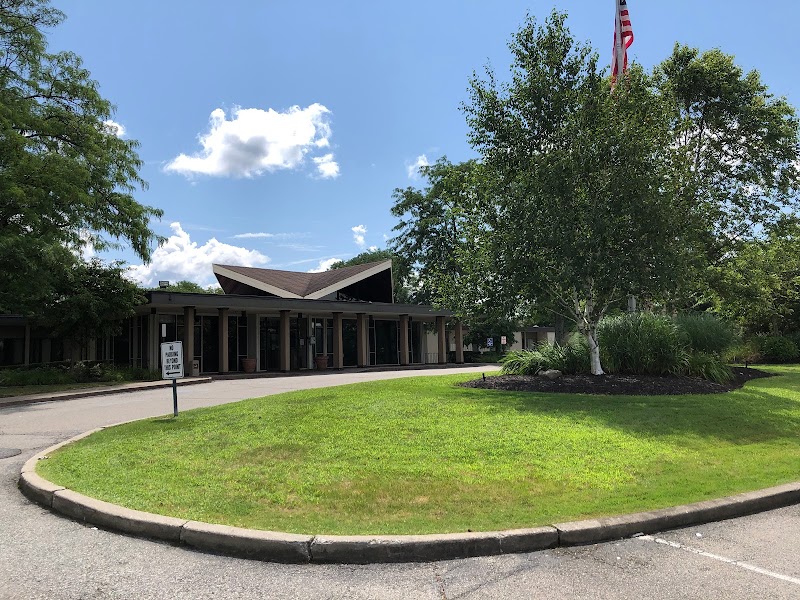
How is Cedar Manor Nursing & Rehabilitation Center Staffed?

CMS rates CEDAR MANOR NURSING & REHABILITATION CENTER's staffing level at 3 out of 5 stars, which is average compared to other nursing homes. Staff turnover is 38%, compared to the New York average of 46%. This relatively stable workforce can support continuity of care.

What Have Inspectors Found at Cedar Manor Nursing & Rehabilitation Center?

State health inspectors documented 27 deficiencies at CEDAR MANOR NURSING & REHABILITATION CENTER during 2020 to 2025. These included: 27 with potential for harm.

Who Owns and Operates Cedar Manor Nursing & Rehabilitation Center?

CEDAR MANOR NURSING & REHABILITATION CENTER is owned by a for-profit company. For-profit facilities operate as businesses with obligations to shareholders or private owners. The facility operates independently rather than as part of a larger chain. With 153 certified beds and approximately 137 residents (about 90% occupancy), it is a mid-sized facility located in OSSINING, New York.

How Does Cedar Manor Nursing & Rehabilitation Center Compare to Other New York Nursing Homes?

Compared to the 100 nursing homes in New York, CEDAR MANOR NURSING & REHABILITATION CENTER's overall rating (1 stars) is below the state average of 3.0, staff turnover (38%) is near the state average of 46%, and health inspection rating (1 stars) is much below the national benchmark.

What Should Families Ask When Visiting Cedar Manor Nursing & Rehabilitation Center?

Based on this facility's data, families visiting should ask: "Can I visit during a mealtime to observe dining assistance and food quality?" "How do you handle medical emergencies, and what is your hospital transfer rate?" "Can I speak with family members of current residents about their experience?"

Is Cedar Manor Nursing & Rehabilitation Center Safe?

Based on CMS inspection data, CEDAR MANOR NURSING & REHABILITATION CENTER has a clean safety record: no substantiated abuse findings (meaning no confirmed cases of resident harm), no Immediate Jeopardy citations (the most serious violation level indicating risk of serious injury or death), and is not on the Special Focus Facility watch list (a federal program monitoring the lowest-performing 1% of nursing homes). The facility has a 1-star overall rating and ranks #100 of 100 nursing homes in New York. While no facility is perfect, families should still ask about staff-to-resident ratios and recent inspection results during their visit.

Do Nurses at Cedar Manor Nursing & Rehabilitation Center Stick Around?

CEDAR MANOR NURSING & REHABILITATION CENTER has a staff turnover rate of 38%, which is about average for New York nursing homes (state average: 46%). Moderate turnover is common in nursing homes, but families should still ask about staff tenure and how the facility maintains care continuity when employees leave.

Was Cedar Manor Nursing & Rehabilitation Center Ever Fined?

CEDAR MANOR NURSING & REHABILITATION CENTER has no federal fines on record. CMS issues fines when nursing homes fail to meet care standards or don't correct problems found during inspections. The absence of fines suggests the facility has either maintained compliance or corrected any issues before penalties were assessed. This is a positive indicator, though families should still review recent inspection reports for the full picture.

Is Cedar Manor Nursing & Rehabilitation Center on Any Federal Watch List?

CEDAR MANOR NURSING & REHABILITATION CENTER is not on any federal watch list. The most significant is the Special Focus Facility (SFF) program, which identifies the bottom 1% of nursing homes nationally based on persistent, serious quality problems. Not being on this list means the facility has avoided the pattern of deficiencies that triggers enhanced federal oversight. This is a positive indicator, though families should still review the facility's inspection history directly.