RIVER VIEW REHABILITATION AND NURSING CARE CENTER
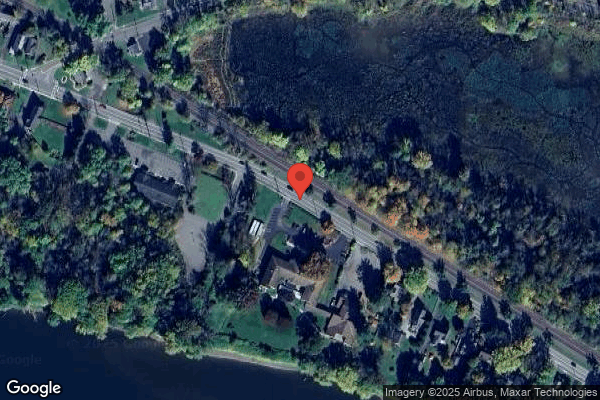
510 FIFTH AVENUE, OWEGO, NY 13827 (607) 687-2594
For profit - Corporation 77 Beds THE MAYER FAMILY Data: November 2025
Trust Grade
65/100
#323 of 594 in NY
Last Inspection: November 2024

Within standard 12-15 month inspection cycle. Federal law requires annual inspections.

Overview

River View Rehabilitation and Nursing Care Center has a Trust Grade of C+, indicating it is slightly above average but not exceptional. It ranks #323 out of 594 facilities in New York, placing it in the bottom half, though it is #1 out of 2 in Tioga County, meaning it is the best local option available. Unfortunately, the facility's performance is worsening, with issues increasing from 2 in 2022 to 7 in 2024. Staffing is average with a 3/5 rating and a turnover rate of 41%, which is consistent with the state average. While there are no fines on record, the nursing home has concerning RN coverage that is lower than 83% of facilities in New York, which may affect the quality of care. Specific incidents of concern include the lack of privacy for 50 residents due to monitoring devices transmitting personal health information without consent, and failures in meal service where residents did not receive their preferred food items. Additionally, the facility did not meet food safety standards in the kitchen, which included unclean areas and improper food storage practices. Overall, while River View has some strengths, such as no fines and a high quality rating, its recent trend and specific incidents indicate significant areas for improvement.

Trust Score
C+
65/100
In New York
#323/594
Bottom 46%
Safety Record
Low Risk
No red flags
Inspections
Getting Worse
2 → 7 violations
Staff Stability
○ Average
41% turnover. Near New York's 48% average. Typical for the industry.
Penalties
✓ Good
No fines on record. Clean compliance history, better than most New York facilities.
Skilled Nurses
⚠ Watch
Each resident gets only 24 minutes of Registered Nurse (RN) attention daily — below average for New York. Fewer RN minutes means fewer trained eyes watching for problems.
Violations
⚠ Watch
15 deficiencies on record. Higher than average. Multiple issues found across inspections.
★★★☆☆
3.0
Overall Rating
★★★☆☆
3.0
Staff Levels
★★★★★
5.0
Care Quality
★★☆☆☆
2.0
Inspection Score
Stable
2022: 2 issues
2024: 7 issues

The Good

  • 5-Star Quality Measures · Strong clinical quality outcomes
  • Full Sprinkler Coverage · Fire safety systems throughout facility
  • No fines on record
  • Staff turnover below average (41%)

    7 points below New York average of 48%

Facility shows strength in quality measures, fire safety.

The Bad

3-Star Overall Rating

Near New York average (3.1)

Meets federal standards, typical of most facilities

Staff Turnover: 41%

Near New York avg (46%)

Typical for the industry

Chain: THE MAYER FAMILY

Part of a multi-facility chain

Ask about local staffing decisions and management

The Ugly 15 deficiencies on record

Nov 2024 7 deficiencies
CONCERN (D) 📢 Someone Reported This

A family member, employee, or ombudsman was alarmed enough to file a formal complaint

Potential for Harm - no one hurt, but risky conditions existed

Deficiency F0804 (Tag F0804)

Could have caused harm · This affected 1 resident

Based on observations and interviews during the recertification and abbreviated (NY00354914) surveys conducted 11/12/2024-11/15/2024, the facility did not ensure each resident received food and drink ...

Read full inspector narrative →
Based on observations and interviews during the recertification and abbreviated (NY00354914) surveys conducted 11/12/2024-11/15/2024, the facility did not ensure each resident received food and drink that was palatable, flavorful, and at an appetizing temperature for 2 of 3 meal test trays (the 11/13/2024 and 11/14/2024 lunch meals) reviewed; for 11 of 11 anonymous residents present at the Resident Council meeting; and for one additional resident (Resident #2) interviewed during initial screening. Specifically, the 11/13/2024 and 11/14/2024 lunch meals were not served at palatable and appetizing temperatures and were burnt and not flavorful; 11 residents at the Resident Council meeting stated the food was cold and did not look appetizing; and Resident #2 stated the food was bland and cold. Findings include: The facility policy, The Dining Experience: Staff Responsibilities, dated 3/2020, documented the goals of the dining experience were to enhance the individual's quality of life through person centered dining: providing person centered care and attention; nourishing, palatable, and attractive meals that meet the individual's daily nutritional and special dietary needs. All hot food items must be cooked to appropriate internal temperatures, held and served at a temperature of at least 135 degrees Fahrenheit. All cold food items must be maintained and served at a temperature of 41 degrees Fahrenheit or below. Foods sent to the units for distribution (such as meals, snacks, nourishments, and oral supplements) would be transported and delivered to maintain temperatures at or below 41 degrees Fahrenheit for cold foods and at or above 135 degrees Fahrenheit for hot foods. During the Resident Council Meeting on 11/12/2024 at 1:46 PM, 11 anonymous residents stated the food was cold when it should be hot and did not look appetizing. Additionally, grilled cheese sandwiches were too hard to eat, and ice cream was served melted. During an interview on 11/14/2024 at 1:54 PM, Resident #2 stated the food was bland and cold when served. During a lunch meal observation on 11/13/2024 at 12:38 PM, Resident #32 was served their meal tray. Their lunch tray was tested, and a replacement tray was provided. In the presence of Certified Nurse Aide #7, the grilled cheese sandwich was measured at 110.8 degrees Fahrenheit, the salad as 52 degrees Fahrenheit, the cottage cheese was 56.8 degrees Fahrenheit, the milk was 48.4 degrees Fahrenheit, the banana was 85.6 degrees Fahrenheit, and the ranch dressing was 56.8 degrees Fahrenheit. Resident #32's grilled cheese was burnt on one side, with hard edges. The banana was warm to the touch, and the ranch dressing tasted warm in comparison to the salad. Certified Nurse Aide #7 stated that residents complained about food being cold. During a lunch meal observation on 11/13/2024 at 12:52 PM, Resident #528 was served their meal tray. Their lunch tray was tested, and a replacement tray was provided. In the presence of Certified Nurse Aide #6, the milk was measured at 46 degrees Fahrenheit. The roll for the sandwich was dried out and hard. During lunch meal observation on 11/14/2024 at 1:08 PM, Resident #2 was served their meal tray. They had lunch with family and declined a replacement tray. In the presence of Certified Nurse Aide #5, the mashed potatoes with gravy were measured at 129.6 degrees Fahrenheit, the beets were 128.1 degrees Fahrenheit, the meatloaf was 133.7 degrees Fahrenheit, the milk was 59.5 degrees Fahrenheit, and the soda was 68 degrees Fahrenheit. The meatloaf was not formed and was a heap of gelatinous material, with hard burnt crust on the bottom. The beets were brown. During an interview on 11/14/2024 at 2:36 PM, [NAME] #8 stated the Administrator did test trays in the facility. They were not sure if they were documented anywhere, as they did not have a form or log for them. Hot food served to the resident should never drop below 140 degrees Fahrenheit. Cold food should be between 36 and 40 degrees Fahrenheit. Milk measuring 46, 48.4. and 59.5 degrees Fahrenheit was not acceptable and should be 36 degrees Fahrenheit. A grilled cheese at 110.8 degrees Fahrenheit might be acceptable, depending on how it looked. 52 degrees Fahrenheit was too warm for a salad. 56.8 degrees Fahrenheit for cottage cheese and 51.6 degrees Fahrenheit for yogurt was too warm, anything over 40 was too warm and not acceptable. 85.6 degrees Fahrenheit was too high for bananas, they should be room temperature. All the food should be palatable and enjoyable to eat. It was important for the residents to have enjoyable and palatable food. During an interview on 11/15/2024 at 1:49 PM, the Administrator stated they did test trays and expected hot food to be served at 130 degrees Fahrenheit or above, and cold food should be cold. The food should be palatable and enjoyable, but it was difficult to please everyone. They had received complaints about food and did their best. 10NYCRR 415.14(d)(1)(2)
CONCERN (D)

Potential for Harm - no one hurt, but risky conditions existed

Deficiency F0847 (Tag F0847)

Could have caused harm · This affected 1 resident

Based on record review and interviews during the recertification survey conducted 11/12/2024-11/15/2024, the facility did not ensure the Binding Arbitration Agreement (a binding agreement by the parti...

Read full inspector narrative →
Based on record review and interviews during the recertification survey conducted 11/12/2024-11/15/2024, the facility did not ensure the Binding Arbitration Agreement (a binding agreement by the parties to submit to arbitration, all or certain disputes which have arisen or may arise between them in respect of a defined legal relationship, whether contractual or not. The decision is final, can be enforced by a court, and can only be appealed on very narrow grounds) was explained to the resident and their representative in a form and manner they understood, including the ability to rescind the agreement in 30 days, and the right to communicate with surveyors, state and federal officials, and the Ombudsman for 1 of 3 residents (Resident #63) reviewed. Specifically, Resident #63's Binding Arbitration Agreement was sent with the admission agreement via electronic mail to their representative, and the agreement was not complete, and was not followed up on for completeness. The findings include: The facility document, Voluntary Agreement for Arbitration, documented: A. The section for resident/representative acknowledgements with blank lines in front of them included: 1. Signing the Arbitration Agreement was not required as a condition of admission to the facility, nor to continue receiving care. 2. The agreement had been explained in a form and manner that was understood 3. They understood the agreement and they had the right to rescind the acceptance with 30 calendar days of signing if, by indicating so via electronic mail or via certified mail to the facility, with the attention of the Administrator/Arbitration. 4. They understood they maintained their right to communicate with federal, state, or local officials, including but not limited to, federal and state surveyors, other federal state health department employees, and representative of the Office of the State Long-Term Care Ombudsman. B. If the facility and a resident resolved a dispute through arbitration, a copy of the signed agreement and the arbitrator's final decision would be retained by the facility for 5 years after the resolution of the dispute and be available for inspection upon request. C. The last paragraph with signature for Facility Employee documents for residents who do not have a resident representative: Resident's physical condition and cognitive status have been determined to be at a level sufficient to execute this Agreement, including their ability to make an informed and appropriate decision. Resident #63 had diagnoses including unspecified dementia with psychotic disturbance and delusional disorders. The 6/16/2023 Minimum Data Set assessment documented the resident had moderately impaired cognition. The 6/9/2023 Health Care Proxy form documented that Resident #63 had an appointed health care agent that made all health care decision for them. Resident #63's Binding Arbitration Agreement documented Resident #63's health care proxy began completing the document on 6/12/2023. The section with the 4 resident/representative acknowledgements did not have completed initials indicating the agreement, ability to rescind, and the ability to communicate with officials was explained. A 6/12/2023 date was documented, there was no signature of acknowledgement by the resident or resident representative. Business Office Manager #27's signature was documented for the section indicating the resident was able to make an informed and appropriate decision. During an interview on 11/12/2024 at 1:05 PM, the Administrator stated they started offering arbitration agreements about 6 months ago. The resident could sign indicating they would attempt to resolve disputes with the facility first, but if they could not resolve the dispute the resident could seek outside council and sue the facility after that point. During an interview on 11/14/2024 at 8:52 AM, Business Office Manager #27 stated the binding arbitration agreement was part of the admission agreement packet. They did not ask specific residents to agree, it was a voluntary option at the end of the admission agreement. They used the resident's Brief Interview for Mental Status score to determine the resident's cognitive ability. The residents usually had family with them, and they were part of the admission agreement process and helped the residents understand. They ensured understanding of the arbitration agreement with the use of the checklist in the arbitration agreement itself. They explained the agreement to the resident by explaining it helped with litigation if there was a reason to go to court with the facility. The examples used by Business Office Manager #27 was if the facility went after the resident for non-payment, the resident could use the arbitration agreement to help resolve the dispute instead of paying for their own lawyer to protect them. Or if the resident had a dispute about their care, they could use arbitration instead of suing. They ensured the resident understood their rights regarding the arbitration agreement, such as their right to refuse to enter into it, and their right to rescind it within 30 days by reading off the checklist from the agreement and asked if they understood before signing at the bottom. Business Office Manager #27 did not know how or when to approach a resident about selecting an arbitrator. They did not know if the agreement could be presented in a language other than English, and the agreement remained in place and on file with the facility for 5 years regardless of whether the resident had a period of time between admission. During a follow up interview on 11/15/2024 at 8:27 AM, Business Office Manager #27 stated Resident #63's admission agreement was emailed to the Resident Representative. They emailed the packet including the arbitration agreement and advised them to reach out with any questions. They did not meet with the Resident Representative or explain the arbitration agreement. When they received the admission packet back, they saw that there was an x for accepted and added the resident to the binding arbitration list. They stated they should have reviewed it, and they should have followed up on the agreement, as it was not completed. During an interview on 11/15/2024 at 9:35 AM, the Administrator stated Resident #63's representative accepted the agreement. They stated that [document signing website] should not have returned the document to the facility noting it was completed if it was not completed. The facility should have reviewed it and followed up on it. The resident representative signed and agreed in 2023. The Administrator stated that they ensured the representative understood the agreement, because they accepted it on the form. They were going to reach out to the Representative, and they could decide to rescind it, as they could rescind the agreement at any time. The Business Office Manager #27 (present during the interview) stated they only had 30 days to rescind the agreement and the binding agreement was held in affect for 5 years. 10 NYCRR 415.30
CONCERN (D)

Potential for Harm - no one hurt, but risky conditions existed

Safe Environment (Tag F0921)

Could have caused harm · This affected 1 resident

**NOTE- TERMS IN BRACKETS HAVE BEEN EDITED TO PROTECT CONFIDENTIALITY** Based on observation and interview during the recertification survey conducted 11/12/2024-11/15/2024, the facility did not ensur...

Read full inspector narrative →
**NOTE- TERMS IN BRACKETS HAVE BEEN EDITED TO PROTECT CONFIDENTIALITY** Based on observation and interview during the recertification survey conducted 11/12/2024-11/15/2024, the facility did not ensure a safe, functional, sanitary, and comfortable environment for residents, staff, and the public in one resident room and one medication room. Specifically, the second-floor medication room was in disrepair and resident room [ROOM NUMBER] had an unclean floor. Findings include: The facility policy, House Keeping, revised 12/2018 documented resident rooms were cleaned daily to ensure cleanliness and safety. Daily cleanings included dust mopping and wet mopping the entire floor to include underneath the beds. The following observations were made in room [ROOM NUMBER]: - on 11/12/2024 at 11:48 AM, there was a greeting card, a brown napkin, and a red beverage cap on the floor under the head of the bed. - on 11/13/2024 at 10:38 AM and 1:38 PM, there was a greeting card and a red beverage cap on the floor under the head of the bed. - on 11/14/2024 at 8:38 AM and 9:55 AM, there was a greeting card and a red beverage cap on the floor under the head of the bed. There was trash debris and dried flower petals scattered on the floor throughout the room. During an interview on 11/12/2024 at 11:48 AM, a visitor stated they visited their family at least every other day. The floors were often sticky, debris on the floor was not cleaned up and would stay there for days, and tray tables were not wiped down. During an interview on 11/14/2024 at 9:56 AM, Certified Nurse Aide #21 stated the resident's rooms were cleaned daily. The floors were swept and mopped and under the beds were cleaned. If they saw something on the floor, they would pick it up. They were assigned to the resident in room [ROOM NUMBER] on 11/12/2024 and today. They did not notice the greeting card or the beverage cap under the bed earlier. There was debris all over the floor in room [ROOM NUMBER] and that could be a fall hazard. The housekeepers were new and were not cleaning under the beds. Residents deserved to have a clean environment as it was their home. During an interview on 11/14/2024 at 2:20 PM, Licensed Practical Nurse Unit Manager #13 stated cleaning the floors in resident rooms was part of daily cleaning. During an interview on 11/15/2024 at 8:09 AM, Housekeeper #22 stated all resident rooms were cleaned daily. Cleaning included sweeping under the beds. They had cleaned room [ROOM NUMBER] this week but did not notice any items under the bed. Residents deserved to have clean living spaces. During an interview on 11/15/2024 at 8:41 AM, Housekeeper #23 stated cleaning resident rooms entailed sweeping under the beds. They cleaned room [ROOM NUMBER] on 11/11/2024 and 11/13/2024. They tried to sweep under the beds, but they did not notice the greeting card or the soda cap under the bed. The residents should have clean living spaces for safety. Medication Room: During a walk-through observation and interview on 11/13/2024 at 10:02 AM with the Corporate Director of Facilities, the second-floor medication room had significant water damage to the ceiling, floors, and walls. There were large areas of brown discoloration and debris. The Corporate Director of Facilities stated this was from a roof leak that was repaired over the summer. During an interview on 11/15/2024 at 9:01 AM, Licensed Practical Nurse Unit Manager #13 stated the second-floor medication room had stains on the ceiling and walls the entire time they had been employed at the facility, approximately 2 years. The roof leaked and needed repair a couple of times. They mentioned this to the Administrator and the previous maintenance staff. There was also water damage to the ceiling above the copy machine at the nurse's station. They felt work areas should be clean and was concerned the discolored areas from the water damage could contain black mold. During an interview on 11/15/2024 at 9:16 AM, the Maintenance Director stated they were hired a couple of months ago and they were the only staff currently employed in the maintenance department. There was no work order in for the water damage to the ceiling in the second-floor medication room. They had seen the water damage and thought it should be repaired as soon as possible. It was an eye sore and probably was not safe as there were medications in that room. During an interview on 11/15/2024 at 1:49 PM, the Administrator stated they were aware of the water damage to the ceiling in the second-floor medication room. The roof was repaired in the summer months. The water damage was not a safety concern it was just cosmetic. 10NYCRR 415.29
CONCERN (F)

Potential for Harm - no one hurt, but risky conditions existed

Deficiency F0583 (Tag F0583)

Could have caused harm · This affected most or all residents

Based on observation, interview, and record review during the recertification survey conducted 11/12/2024-11/15/2024, the facility did not ensure a resident's right to personal privacy of accommodatio...

Read full inspector narrative →
Based on observation, interview, and record review during the recertification survey conducted 11/12/2024-11/15/2024, the facility did not ensure a resident's right to personal privacy of accommodations, medical care, and personal care for 50 of 77 residents reviewed. Specifically, all resident rooms were equipped with individual monitoring devices which currently transmitted personal health information to a third-party company and the facility did not obtain resident or resident representative consent for monitoring. Findings include: The undated facility document Privacy Practices documented the facility was required to maintain the privacy of the resident's health information and the residents had the right to not have their health information used or disclosed in certain ways. The undated [Third Party] instructions for passive vital devices documented the monitoring system was meant to provide physiologic data that qualified clinicians reviewed for health data trending purposes. The devices were strictly an adjunct tool for facility staff to monitor for trends in heart rate and respirations to allow staff to intervene and provide early interventions in resident care, potentially avoiding hospital readmission and reducing any associated health care costs. The measurements were remote and in real-time. The system worked by measuring only ballistocardiograph micro-movements (noninvasive method based on measurement of the body motion generated by the ejection of blood at each cardiac cycle). The monitoring field was a 6 foot span directly over the bed. The device collected 3,600 resident-specific physiologic data points per hour and were reviewed by clinicians daily for trends in heart rate and respirations. The undated document [Third Party] Health Informed Consent documented the facility had contracted with [Third Party] and provided Communication Technology-Based Services such as Remote Physiologic Monitoring (where patient health data is collected, transmitted, and communicated by electronic devices) to residents. By signing, the resident was consenting to those monthly services. During an observation and interview on 11/12/2024 at 1:27 PM Resident #73 was in their room lying in bed. There was a monitoring device above their bed. They stated they did not know there was a device there or what it was used for. Resident #73's 9/3/2024 Minimum Data Set assessment documented the resident had moderately impaired cognition. During an interview on 11/13/2024 at 12:08 PM, Resident #41 stated one day, about 6 months ago, someone came in and put the device up. They believed it was an outside company that did so, and the devices were in every room. No one explained what they were, and no one asked for their consent for the devices to be placed. They thought it was a camera and had asked an aide if it was used to spy on them. The aide told them they did not think that was what it was for. The resident did not think it had ever been plugged in or adjusted. Resident #41's 9/13/2024 Minimum Data Set assessment documented the resident had intact cognition. During an interview on 11/13/2024 at 2:27 PM, Certified Nurse Aide #24 stated an outside company had installed the monitoring devices a long time ago, about a year ago. They were installed in every room in a week's time. They were told the devices were installed because of the Department of Health. They were not sure what the devices were for but thought the nurses said they periodically took vital signs. During an interview on 11/14/2024 at 8:52 AM, Licensed Practical Nurse Unit Manager #13 stated the devices were from an outside company. The device took vital signs, and the Administrator received an email if they were abnormal. The devices were only turned on if there was consent from the resident. During an interview on 11/14/2024 at 4:57 PM, the Administrator stated they did not know what the abnormal findings report from the outside company was or what was included in the report. During an interview on 11/14/2024 at 4:57 PM, the Corporate Director of Facilities stated sometimes they got a report from the outside company stating a machine was unplugged or some other issue but was unsure why they received it. During a follow up interview on 11/14/2024 at 5:30 PM, the Administrator stated the monitoring devices were not yet turned on. The third-party company came in and did an assessment and had consents signed on 10/10/2024. They did not think any residents were being monitored yet. The monitoring device was approved by Medicare/ Medicaid. They did not know if there was any cost passed on to the resident and/or family. They believed the monitoring device recorded resident temperatures, but they did not have all the details. They were not sure how the facility would be notified of abnormal results or how often the third-party company monitored the information. During a follow up interview on 11/15/2024 at 9:35 AM, The Administrator stated the monitoring devices were installed February 2024. Insurance was billed for the service, and they had charity accounts for private pay residents. Residents were not currently being monitored and the devices were not functioning. A Third Party computer screenshot titled Nurse's Station dated 11/15/2024 at 3:19 PM provided by the Administrator documented there were 77 total devices, 50 residents were connected and assigned, 27 were disconnected and assigned, and there was a 65% current utilization rate. The screen included resident names, room numbers, with heart rate and respiration data. During an interview on 11/15/2024 at 4:42 PM, the Regional Administrator stated the devices had been plugged in for 9 months but were not working because they did not have the program and it did not link with their system. They had a meeting with the outside company two months ago, looking for a way to get the consents done and families notified. The person in charge of that at the outside company left, as did the next person in line, and they had not heard from them since. Prior to survey exit on 11/15/2024 at 5:30 PM, the facility was not able to provide any documented consents or declinations for the monitoring devices that were in every resident room above the resident's beds. 10 NYCRR 415.3(d)(1)
CONCERN (F) 📢 Someone Reported This

A family member, employee, or ombudsman was alarmed enough to file a formal complaint

Potential for Harm - no one hurt, but risky conditions existed

Menu Adequacy (Tag F0803)

Could have caused harm · This affected most or all residents

Based on record review, observations, and interviews during the recertification and abbreviated (NY00354914) surveys conducted 11/12/2024-11/15/2024, the facility did not ensure planned menus were fol...

Read full inspector narrative →
Based on record review, observations, and interviews during the recertification and abbreviated (NY00354914) surveys conducted 11/12/2024-11/15/2024, the facility did not ensure planned menus were followed for 3 of 3 residents (Residents #2, #32, and #528) reviewed. Specifically, Residents #2, #32, #528 did not receive preferred food items as planned per their individualized meal tickets. Findings include: The facility policy, The Dining Experience: Staff Responsibilities, dated 3/2020, documented the Food Service Manager would observe meals for preferences, portion sizes, temperature, flavor, variety, and accuracy. The Food Service Manager would report any concerns to the Administrator, Nursing Director, registered dietitian or designee, or other staff as appropriate. The facility policy, Timely Meal Service, dated 3/2020, documented meals were distributed promptly with supervision as needed by nursing staff. Staff should check each individual name and room number to verify correct information, and check items on the plate or tray against the meal ticket to assure accuracy. During an interview on 11/12/2024 at 11:39 AM, Resident #581 stated they did not get coffee in the facility, they had a friend that lived nearby bring them coffee. They stated they saw that coffee was on their meal ticket, but they never got it. During the Resident Council Meeting on 11/12/2024 at 1:46 PM, 11 anonymous residents stated they did not always get the meals they selected. Their meal trays were often missing food items, and they did not get an alternative meal when they requested a replacement. During a lunch meal observation on 11/13/2024 at 12:38 PM, Resident #32's lunch tray was used for a test tray. The original tray ticket documented the resident was to receive Shepherd's pie, bread, and butter, tossed salad with 2 ranch dressings, fresh fruit, yogurt, regular cottage cheese, regular Lactaid milk, and coffee. Additionally, Resident #32 was noted to get double portion of vegetables. Resident #32 received a grilled cheese sandwich, tossed salad with 1 ranch dressing, pureed cottage cheese, banana, yogurt, and Lactaid milk. Resident #32 did not receive Shephard's pie, bread and butter, or coffee on their tray. During a lunch meal observation in the kitchen on 11/13/2024 at 12:40 PM, the kitchen ran out of the main entree of Shepard's pie, and gave the remaining meal trays the alternative of a tuna melt sandwich. During a lunch meal observation on 11/13/2024 at 12:52 PM, Resident #528's lunch tray was used for a test tray. The original tray ticket documented the resident was to receive Shepherd's pie, bread and butter, regular ice cream, milk, ice water, and coffee. Resident #528 did not receive Shephard's pie or coffee and received a tuna and cheese sandwich. During a lunch meal observation on 11/14/2024 on 1:08 PM, Resident #2's lunch tray was used for a test tray. The original tray ticket documented the resident was to receive meatloaf, beets, mashed potatoes, gravy, crushed pineapple, regular diet cola, milk, ice water, and coffee. Resident #2 did not receive crushed pineapple or coffee on their tray. During an interview on 11/13/2024 at 2:27 PM, [NAME] #15 stated the Administrator was overseeing the kitchen and kitchen tasks since the Director of Dietary left. The meals were prepared with the use of production sheets. The production sheets outlined the amount of food that was to be made for each meal. [NAME] #15 was not sure where the production sheets came from, but stated the residents picked their menus and then the production sheet were made for the cooks to prepare the meal based on the numbers listed. During an interview on 11/14/2024 at 2:36 PM, [NAME] #8 stated the tray line staff was responsible for checking tray accuracy during meal service. The residents were given selective tickets and they circled or noted what they wanted. The tickets came back to the kitchen and were put into the computer. The primary ticket was already printed and put on the trays. The primary ticket was used to get the drinks and the sides by the tray line, and the cook got the selection ticket filled out by the resident to make the plate. The tickets together made up the resident meal. They may not match, but the resident would get what was selected. Coffee was available on the unit and not sent by the kitchen. The production sheets were made after the selection tickets were put into the computer. They rarely ran out of food, as they usually made extras. Dietary Aide #16 printed out meal tickets, printed production sheets, and ordered food. Resident #32 should not have received pureed cottage cheese. During an observation and interview on 11/15/2024 at 8:46 AM, Certified Nurse Aide #14 stated hot beverages did not come from the kitchen. There was a coffee list on the unit, and the residents could get coffee before or during meals. Two full untouched pots of coffee were observed on the unit. Certified Nurse Aides #14 stated they had to ask everyone if they wanted coffee, because residents would get upset if someone else got coffee and they did not. During an interview on 11/15/2024 at 8:58 AM, Licensed Practical Nurse Unit Manager #13 stated they served the coffee to the residents before the meals. If the resident was not on the coffee list, they would have to ask for it. The coffee was located on the unit in the kitchenettes, it did not come up from the kitchen. During an interview on 11/15/2024 at 9:17 AM, Dietary Aide #16 stated the selection menu went to the unit and was selected by the resident. The primary ticket was printed and used for the tray line. The selection ticket was received back to the kitchen and put in the computer to create the production sheets. The primary sheets were printed beforehand and did not match selection sheets and both together made up the tray. If they did not have time to put the selective sheets into the computer, the productions sheets were made from the primary tickets. They stated they had run out of entrees before, but they served the alternative. During an interview on 11/15/2024 at 9:35 AM, the Administrator stated they had been without a Director of Dietary for about 3 weeks, and they were overseeing the kitchen. Dietary Aide #16 was helping with the paperwork. The tray line sets up the tickets and checks for accuracy. There were 2 tickets, and they might not match the tray, because the residents select their choices. The selection ticket was put into the computer. The Administrator called Dietary Aide #16 into the meeting. Dietary Aide #16 explained if they had time to put the information into the computer then both tickets would match, but they did not have the time. The way it should work was that the selection tickets went to the resident and were returned to the kitchen, reviewed, and put into the computer. After being put in the computer a meal ticket would be printed that would show what the resident wanted and should receive. In that case, the primary ticket and the selection ticket should match each other. They stated they were not aware that selective meal tickets were not put into the computer. During an interview on 11/15/2024 at 10:51 AM, the Registered Dietitian #17 they had not seen the kitchen run out of an entrée, but if the production sheets were printed from the primary tickets, it could skew the amount of food the cook needed to make, and they could run out. The meal ticket and tray should match. 10NYCRR 415.14(c)(1-3)
CONCERN (F) 📢 Someone Reported This

A family member, employee, or ombudsman was alarmed enough to file a formal complaint

Potential for Harm - no one hurt, but risky conditions existed

Food Safety (Tag F0812)

Could have caused harm · This affected most or all residents

Based on observations, record review, and interviews during the recertification survey conducted 11/12/2024-11/15/2024, the facility did not ensure food was stored, prepared, distributed, and served i...

Read full inspector narrative →
Based on observations, record review, and interviews during the recertification survey conducted 11/12/2024-11/15/2024, the facility did not ensure food was stored, prepared, distributed, and served in accordance with professional standards for food service safety in the main kitchen. Specifically, in the main kitchen there were unclean areas, potentially hazardous foods were not cooled properly, food storage of cold foods was not maintained, and there was lack of proper hand hygiene during meal service. Findings include: The facility policy, The Dining Experience: Staff Responsibilities, dated 3/2020, documented the staff maintained the sanitation of the kitchen through compliance with a written, comprehensive cleaning schedule. Cleaning and sanitation tasks for the kitchen were recorded. The facility policy, Food Preparation and Service, dated 3/2020, documented potentially hazardous foods should be cooled rapidly. This was defined as cooling from 135 degrees Fahrenheit to 70 degrees Fahrenheit within two hours and then to a temperature of below 41 degrees Fahrenheit within the next 4 hours. The total cooling time between 135 degrees Fahrenheit and below 41 degrees Fahrenheit was not to exceed 6 hours. Large or dense foods might need special interventions to meet the time and temperature requirements for cooling. The facility policy, Food Receiving and Storage, dated 6/2022, documented refrigerated foods must be stored below 41 degrees Fahrenheit unless otherwise specified by law. Refrigerators must have working thermometers and were monitored for temperature according to state-specific guidelines. The undated facility documents AM Cleaning Duties and PM Cleaning Duties, documented duties included cleaing and wiping down the oven, wiping down the back counter, take out the kitchen garbage, rinse and clean the three-compartment sink, and wipe down the hand sink. There were no kitchen cleaning logs for November 2024, per electronic communication from the Administrator on 11/15/2024 at 4:31 PM. The following observations of the main kitchen were made: - on 11/12/2024 at 11:41 AM, the hand sink in the dish room had dried brown rings and a dead bug stuck to the side of the wash basin. There was tan sludge on the floor under the 3-bay sink. - on 11/13/2024 at 11:25 AM, there was brown discoloration under the three-bay sink in the kitchen. - on 11/13/24 at 11:29 AM, the hand sink in the dish room had dried brown rings and a dead bug stuck to the side of the wash basin. - on 11/13/24 at 11:50 AM, there was debris on the side of the oven, and debris under the sink next to the oven. - on 11/13/2024 at 12:08 PM, the dish room hand sink had a dead bug dried into the basin. There was built up grime and debris under equipment, sinks, and the dish machine. There was significant dried on debris beneath the three-bay sink from the floor drain. Both hand sinks basins were dry. Garbage by the kitchen hand sink overflowed onto the floor. The basement hall floor, used for staging trays for meal service, was soiled and stained and meal carts were left uncovered in the hall. - on 11/13/2024 at 2:11 PM, there was a wet, gray liquid beneath the three-bay sink from the floor drain plate cover. Maintenance Director #20 stated the sink did not drain properly and flowed on the floor. - on 11/14/2024 at 12:29 PM, there was debris on the side of the oven and along the left of the stove. Below the sink next to the stove was a coffee pot with dried debris. The following observations were made during meal service in the kitchen: - on 11/13/2024 at 12:09 PM, Dietary Aide #18 left the kitchen wearing blue gloves, returned, grabbed the handle to the kitchen door carrying a box of oatmeal cookies. Their gloves were not changed, and they did not perform hand hygiene upon returning to the kitchen. - on 11/13/2024 at 12:11 PM, an unknown staff exited the kitchen through the hall door wearing gloves, returned wearing gloves, and resumed work. They entered the kitchen by handling the doorknob and did not change gloves or perform hand hygiene. - on 11/13/2024 at 12:16 PM, Dietary Aide #18 went to the dish room and returned with silverware in their hand and did not perform hand hygiene or change their gloves. During an observation on 11/13/2024 at 11:56 AM, the butter in refrigerator #9 was measured at 49.8 degrees Fahrenheit. The thermometer in the refrigerator displayed 36 degrees Fahrenheit. During an observation and interview on 11/13/2024 at 2:27 PM, [NAME] #15 stated the cook on duty was responsible to ensure refrigerator temperatures were checked. They were the cook on duty that evening. Refrigerator #9 thermometer displayed 36 degrees Fahrenheit. The butter measured at 47.8 degrees Fahrenheit. [NAME] #9 stated if the butter was 47.8 degrees Fahrenheit, then the rest of the items in the refrigerator would be that temperature as well. The mozzarella cheese was 42.7 degrees Fahrenheit. They were not sure if that was a safe temperature for the items in the refrigerator. The rapid cooling refrigerator had lasagna dated 11/11, and eggs dated 11/13. There was no information on the refrigerator or in the office regarding the cooling times or temperature for either food. [NAME] #9 stated the rapid cooling process was to get to 70 degrees Fahrenheit in 2 hours, and then an additional 4 hours to drop below 40 degrees Fahrenheit. [NAME] #9 stated they would discard the items given there was no log or information about those foods. Everyone was responsible for cleaning the kitchen. The kitchen was wiped down on each shift. There was a deep clean done at the end of the night with the closing crew. Since the Director of Dietary left, the Administrator was overseeing the kitchen. During an observation on 11/13/2024 at 4:00 PM, refrigerator #9 had one thermometer that displayed 45 degrees Fahrenheit, and the other displayed 42 degrees Fahrenheit. The butter was measured at 51 degrees Fahrenheit. The lasagna and eggs were still in the rapid cooling refrigerator #4. During a follow up interview and observation on 11/13/2024 at 4:03 PM, [NAME] #15 read the thermometer in the butter at 49.6 degrees Fahrenheit. They stated they did not know how long the butter had been out of temperature. 2 hours was the maximum allotted time for food to be out of temperature. A block of cheddar cheese dated 10/25/2024 had visible mold growth, measured at 42 degrees Fahrenheit, and was discarded voluntarily by [NAME] #15. The yogurt measured 46.9 degrees Fahrenheit. During an interview and observation on 11/14/2024 at 2:36 PM, [NAME] #8 stated that cold foods needed to be held under 40 degrees Fahrenheit. The policy for hand hygiene was to wash when you came in for the shift and after anything that was not food was touched. If someone left the kitchen, they should wash their hands when they came back to the kitchen. If someone was preparing trays, touching cups and silverware, they should not be wearing the same gloves they left the kitchen with especially if they had to touch multiple door handles on the way. Hand hygiene was important because of germs. In the kitchen, they cleaned as they went. The kitchen was cleaned every night. It was hard to deep clean in the middle of food service and cooking. They had to wait until all the food was done, because of the chemicals in the cleaning supplies. [NAME] #8 observed refrigerator #9 with 2 thermometers. The butter was measured at 47 degrees Fahrenheit. The surveyor stated the previous temperature measurements for 11/13/2024 and [NAME] #8 stated that they had to empty the contents of the refrigerator into another refrigerator and contact maintenance. If the butter was that temperature, so were the rest of the items in that refrigerator. During an interview on 11/15/2024 at 9:17 AM, Dietary Aide #16 stated that proper hand hygiene was important for the kitchen. If they left the kitchen they should change their gloves. Hand hygiene could be done with washing or hand sanitizer. During an interview on 11/15/2024 at 1:49 PM, the Administrator stated they did not have audits for kitchen cleaning, they just observed the area. The Director of Dietary should check cleanliness, fridge temperatures, and food temperatures, to report monthly. The expectation of kitchen cleaning was that it should be as clean as at home. There should not be anything stuck to the side of the stove for repeated days. There should not be debris on the shelves, or sewage seeping from or on the floor. Staff went through orientation for hand hygiene. They had spot checks for all employees for hand hygiene. The expectation for hand hygiene in the kitchen was hands should always be clean and use gloves when needed. They should wash every time they entered the kitchen and as needed, especially before handling food. Staff should not return to the kitchen without washing their hands. If hand hygiene was being done, there should not be dried bugs squished to the side of the basin. Staff should have washed their hands after exiting the kitchen utilizing multiple door handles. The lack of hand washing could lead to illness. They expected food was stored at safe temperatures. The Administrator did not know the process for rapid cooling, but that there was a process used in the facility. 10NYCRR 415.14(h)
MINOR (B)

Minor Issue - procedural, no safety impact

Deficiency F0577 (Tag F0577)

Minor procedural issue · This affected multiple residents

Based on observations and interviews during the recertification survey conducted 11/12/2024-11/15/2024, the facility did not ensure the results of the most recent Federal and State survey was posted i...

Read full inspector narrative →
Based on observations and interviews during the recertification survey conducted 11/12/2024-11/15/2024, the facility did not ensure the results of the most recent Federal and State survey was posted in a place readily accessible where individuals wishing to examine the survey results did not have to ask for them. Specifically, the most recent survey results and plan of correction were located above the front desk and were not readily accessible. Additionally, the facility did not post notice of the availability of survey results in areas of the facility that were prominent and accessible to the public. Findings Include: The undated Resident Orientation Handbook documented the yearly survey results were in the front lobby. During the Resident Council Meeting on 11/12/2024 at 1:46 PM, 11 anonymous residents stated they did not know the location of the previous survey results. They stated they did not know they had the right to read the survey results or that the facility had to provide them to the residents. The following observations were made: - on 11/12/2024 at 12:41 PM, a binder labelled Annual Survey, was on a wall cabinet over 6 feet above the ground in a hallway between the front lobby and the Administrator's office. There was no signage observed in the front lobby with the location of the survey results. - on 11/12/2024 at 5:30 PM, the survey results were not visible in the front lobby area. The binder in the hallway between the front lobby and the Administrator's office was no longer on the cabinet. - on 11/13/2024 at 10:15 AM and 4:00 PM, the survey results or signage regarding the location of the survey results were not visible in front lobby. - on 11/14/2024 at 8:00 AM and 8:47 AM, the blank binder labeled Annual Survey, was located at the front desk in a mailbox style cubby above the front panel of the desk, and behind a bedside table used for signing in. The cubby was approximately 5 feet off the ground and the table was approximately 18 inches in depth from the front panel of the desk. The binding of the binder faced the window, and not the direction of the sign in table. The binder was readily accessible to all. During an interview on 11/14/2024 at 8:36 AM, Certified Nurse Aide #4 stated they did not know where to find the survey results. They thought there was a sign at the elevator, but there was no visible signage when they approached the elevator. They stated maybe the signage was only on the second floor at the elevator. During an interview on 11/14/2024 at 8:46 AM, Receptionist #3 stated they did not know if the black binder labelled, Annual Survey, was the survey results. They stated they did not know who was responsible for updating the binder, or who used it. During an interview on 11/15/2024 at 8:47 AM, Certified Nurse Aide #5 stated the survey results were discussed with the residents at Resident Council. There was a box on the second floor they might keep the results in. During an observation on 11/15/2024 at 8:56 AM, there were no survey results or signs for the location of the survey results on the second floor. During an observation and interview on 11/15/2024 at 9:35 AM, the Administrator stated they were responsible for the survey results. There used to be signs in frames about the survey results, but they did not know where they went. The Administrator walked to the front desk at 10:22 AM, to show the location of the results. They reached over the table and the desk front to obtain the binder labelled, Annual Survey. When asked if all residents could obtain that binder without asking, they stated the results were chained to the front of the desk, but when they remodeled, they did not put it back. 10NYCRR 415.3(1)(c)(1)(v)
Oct 2022 2 deficiencies
CONCERN (D)

Potential for Harm - no one hurt, but risky conditions existed

Deficiency F0692 (Tag F0692)

Could have caused harm · This affected 1 resident

Based on observation, interview, and record review during the recertification and abbreviated (NY00287791 and NY00287951) surveys conducted 10/11/22-10/14/22, the facility failed to ensure residents m...

Read full inspector narrative →
Based on observation, interview, and record review during the recertification and abbreviated (NY00287791 and NY00287951) surveys conducted 10/11/22-10/14/22, the facility failed to ensure residents maintained acceptable parameters of nutritional status for 1 of 2 residents (Resident #33) reviewed. Specifically, Resident # 33 had a significant weight loss, was not reassessed by clinical nutrition staff, and had further significant weight loss. Findings include: The facility's Weight Assessment and Intervention policy dated 3/2020 documented: - Nursing staff would measure resident weights on admission, and weekly for four weeks thereafter. If there was no weight concern noted, weights would be measured monthly thereafter. - Any weight change of 5% or more since the last weight assessment would be retaken the next day for confirmation. If the weight was verified, nursing would immediately notify the dietitian in writing. Verbal notification must be confirmed in writing. - The dietitian would respond within 24 hours of receipt of written notification. The dietitian would review the unit weight record by the 15th of the month to follow individual weight trends over time. Negative trends would be evaluated by the treatment team whether the criteria for significant weight change had been met. - The threshold for significant unplanned and undesired weight loss would be based on the following criteria: 1 month - 5% weight loss was significant and greater than 5% was severe; at 3 months - 7.5% weight loss was significant and greater than 7.5% was severe; and at 6 months - 10% weight loss was significant and greater than 10% was severe. If the weight change was desirable, this would be documented and no change in the care plan would be necessary. The facility's 3/2018 Nutritional Assessment policy documented: The Registered Dietitian (RD) would document the following: - An estimate of calorie, protein, nutrient, and fluid needs; and - Whether the resident's current intake was adequate to meet his or her nutritional needs. Resident #33 had diagnoses including dementia, mild protein-calorie malnutrition, and hyperthyroidism (a condition that can accelerate the body's metabolism causing unintentional weight loss). The 8/12/22 Minimum Data Set (MDS) assessment documented the resident had severely impaired cognition, wandered daily, required supervision with setup for eating, weighed 96 pounds (lbs.), had no significant weight changes, and received a therapeutic mechanically altered diet. The 2/2022 physician orders documented a no added salt regular consistency diet, 237 milliliters (mls) of Boost High Protein (nutritional supplement) twice daily at 9:00 AM and 9:00 PM, and fluids twice daily with med pass during day and evening shifts. The comprehensive care plan (CCP) initiated 2/11/22 documented the resident required assistance with activities of daily living (ADL). Approaches included the resident was independent with eating, allow the resident to participate and encourage independence. On 2/25/22 the CCP was updated and documented the resident had been observed spilling food from their mouth at times and staff were to assist with oral and general hygiene as needed following meals. On 4/16/22 the resident's record documented they weighed 102.9 lbs. On 5/14/22 the resident's record documented they weighed 95.2 lbs. There was no documented reweight. This indicated a weight loss of 5.6 lbs. or 5.5% since 4/2/22, a weight loss of 5.8 lbs. or 5.7% since 4/9/22, and a weight loss of 7.7 lbs. or 7.4% since 4/16/22. There was no documentation an RD addressed the resident's significant weight loss at 30 days. The 5/20/22 quarterly MDS documented the resident weighed 95 lbs., had no significant weight changes, and received a therapeutic diet order. On 5/26/22 physician assistant (PA) #8 documented the resident's appetite was satisfactory, and they had no significant weight changes. On 6/6/22 RD #9 documented a late quarterly nutrition assessment for 6/2/22. The resident received a no added salt regular consistency diet, their current body weight was 96.5 lbs., the resident was underweight, and had a body mass index of 15.57 (BMI, measure of body fat based on height and weight, 18.5 to 24.9 is considered normal). Their estimated nutritional needs were 1692 calories, 53 grams of protein, and 1692 mls of fluids. Their average meal intakes over the past 7 days was 25%. The resident received Boost High Protein twice daily with 81% acceptance. The resident was meeting 55% of their estimated caloric needs, 102% of their estimated protein needs and averaged 1367 mls of fluids daily. The plan included to update menu and beverage preferences via staff and health care proxy input for increased intakes. They would consider changing their oral nutritional supplement to another that was more caloric dense and increase the frequency. They would continue to monitor the residents' labs, weights, skin status and follow up as needed. There was no documentation that the RD addressed the resident's significant weight loss since April of 2022, or the medical provider was made aware of the resident's significant weight loss. On 6/13/22 RD #9 documented they recommend changing the supplement from Boost High Protein 237 mls twice daily to Boost Plus 237 mls three times daily to better meet calorie and protein needs with consideration to poor meal completions. On 6/14/22 the DON documented the resident's orders had been updated to include 237 mls of Boost Plus three times daily and the Boost High Protein had been discontinued. On 6/16/22 licensed practical nurse (LPN) Unit Manager #4 documented the resident's weights were reviewed at monthly weight meeting with no concerns noted. Nursing progress notes documented the resident ate less than 25% of their meal and an alternative was offered and declined on 6/19/22, 6/25/22, and 6/26/22 by RN #11, and on 6/20/22 by RN #13 On 6/28/22 LPN Unit Manger #4 documented the resident had a noted decline with intakes and pocketing (holding food in the mouth) of food at times. Verbal reminders to swallow were successful at times. A speech therapy evaluation was requested to determine the least restrictive diet. Nursing progress notes documented the resident at less than 25% of their meal and an alternative was offered and declined on 6/30/33 by RN #13 and on 7/2/22 by RN #11. On 7/2/22 the resident's documented weight was 93.2 lbs. There was no documented reweight. This was a significant weight loss at 3 months of 7.6 lbs. or 7.5%. There was no documentation that RD #9 addressed the resident's significant weight loss. On 7/2/22 the speech language pathologist (SLP) evaluation and plan of treatment documented the resident would be followed 1-3 times a week until 8/13/22 due to pocketing of food during meals, and a decrease of overall intakes at meals. They were currently on a regular consistency diet. The resident required distant supervision at meals due to reduced attention at meals and poor self-monitoring skills. No diet changes at this time. On 7/5/22 PA #8 saw the resident for a routine visit. They documented the resident's current appetite was satisfactory and the resident had no significant weight changes. On 7/7/22 LPN Unit Manager #4 documented they reviewed the resident's weights with PA #8 and made the PA aware of concerns of a mass to top of the resident's mouth. There were no active signs or symptoms of infection, and the mass did not appear to be causing any pain. Staff would continue to monitor and there were no new orders. On 7/9/22 the resident's record documented they weighed 94.1 lbs., which was a 6.9 lbs. or 6.8% weight loss at 3 months. There was no documented reweight. The revised 7/21/22 CCP documented the resident received a therapeutic modified diet. Interventions included to provide diet as ordered, monitor for difficulty with chewing and swallowing, obtain food preferences, monitor food and fluid intakes, monitor weights, labs as ordered, and diet as ordered. On 8/1/22 the resident's record documented they weighed 97.8 lbs. On 8/11/22 LPN Unit Manger #4 documented the resident's weights were reviewed with PA #8 with no concerns at this time. Staff would continue to monitor. On 8/31/22 RD #9 documented a late entry Quarterly Nutrition Assessment for 8/29/22. The resident received a no added salt puree consistency diet. The resident had no issues tolerating current diet order. The current body weight was 97.7 lbs., and their BMI was considered underweight at 15.7. The resident had no significant weight changes at 30, 90, and 180 days. Their current estimated nutritional needs were 1700 calories, 53 grams of protein (as they were underweight and walked the units) and 1700 mls of fluids. Their intakes over the past 7 days had significantly improved since previous assessment to 83% and they were currently meeting their estimated daily nutritional and fluids needs. They recommended to continue Boost Plus three times daily to provide additional calories and protein. They would continue to monitor weights, labs, intakes, and follow up as needed. The Quarterly Nutrition Assessment did not address the resident's significant weight loss in July 2022. The revised 9/15/22 CCP documented the resident had an alteration in nutrition status related to history of weight loss, diagnoses of thyrotoxicosis (too much thyroid hormone) and mild protein-calorie malnutrition. Interventions included provide no added salt puree consistency diet, monitor weights as ordered. monitor and record all food and fluid intakes, monitor difficulty feeding self, monitor for signs and symptoms of dehydration and aspiration, refer to occupational (OT) and speech therapy (ST) as needed. Diet as ordered: no added salt puree consistency with thin liquids/pureed/thin liquids and recommend 237 mls of Boost Plus three times daily. Resident #33 was observed: - on 10/12/22 at 5:21 PM, the resident was in their room with their meal tray and was eating. An unidentified male staff member was encouraging the resident to eat their meal. - on 10/13/22 at 12:14 PM the resident was in their room eating by themselves. At 12:21 PM, the resident left their room and was walking the hallway. The resident consumed 100% of their Boost Plus drink, 100% puree broccoli, 100% of their chocolate milk, 100% of their applesauce, and 0% of their puree chicken. During an interview with LPN Unit Manager #4 on 10/13/22 at 1:07 PM, they stated Resident #33 required redirection at meals and staff should offer encouragement for meal completion. The nursing department discussed residents' weights with the medical providers, and they had brought their concerns regarding Resident #33 to the providers and currently had no concerns regarding the resident's weights. During an interview with RD #9 on 10/13/22 at 1:45 PM, they stated monthly weights were due by the 10th of month and they ran the weight report the following Thursday after the 10th of the month. It was the responsibility of the Nurse Manager to notify the medical provider if the resident had a significant weight change. Significant weight changes were defined as a weight change of 5% or more at 30 days, 7.5% or more at 90 days, and 10% or more at 180 days. If a resident had a significant weight change of 5 lbs. or more from the previous month the Nurse Manager would request the resident to weighed again the following day. The Nurse Manager and medical provider informed them who had significant weight changes and needed to be followed up on. They stated Resident #33 did have a significant weight loss of 5% from April 2022 to May 2022 and they did not address it and they should have. They should have addressed the weight loss in their 6/6/22 Quarterly Nutrition Assessment, but they did not. They stated the nursing staff should have obtained a reweight in May 2022 to determine if the resident had actual weight loss or if it was recorded in error. The resident had a further significant weight loss at 3 months from April 2022 - July 2022 that they also did not address. They looked at the resident's usual body weight history, did not think of adding nutritional supplements as the resident was at their baseline, and their spouse brought in additional items for the resident that were not captured in their intakes. During a follow up interview with LPN Unit Manger #4 on 10/14/22 at 8:57 AM, they stated nursing staff obtained the resident's weights as ordered. The LPN would let the CNAs know if a resident needed a reweight. Only LPNs or RNs could enter the resident's weight in the medical record. If there was a weight discrepancy, the weight was highlighted in red in the electronic medical record and that meant staff needed to obtain a reweight. Re-weights should be obtained with 24 hours of the questionable weight. If the reweight indicated the resident did lose weight the RD and medical providers were made aware. The Unit Managers reviewed the resident's weights monthly and they informed the medical providers of significant weight changes. If a resident had a significant weight change, they expected the RD to document and make recommendations to be ordered by the provider. During an interview with the Director of Nursing (DON) on 10/14/22 at 10:13 AM, they stated weights were obtained per medical orders. Nursing staff entered the weights into the medical record. Weights were discussed with the medical provider and interdisciplinary team during the weight meeting. If a resident's weight was a concern, it would be highlighted in red in the electronic medical record and staff should obtain a reweight. If they were unable to obtain a reweight then it should be documented. If the reweight confirms weight loss than nursing would notify the RD via verbal or electronic communication. They stated they expected the RD to review monthly weight reports and document on any significant weight changes and make recommendations. The facility communicated with the RD mostly via electronic communication as they were part time. During a telephone interview with PA #8 on 10/14/22 at 11:33 AM, they stated LPN Unit Manager #4 discussed the resident's weights with them monthly. If a resident did trigger for a significant weight loss, they expected staff to obtain a reweight to confirm the weight loss. If they were made aware that Resident #33 had significant weight changes, they were unsure if they would have done anything differently for the resident. 10NYCRR 415.12(i)(1)
CONCERN (D)

Potential for Harm - no one hurt, but risky conditions existed

Deficiency F0761 (Tag F0761)

Could have caused harm · This affected 1 resident

Based on observation, interview, and record review during the recertification survey conducted 10/11/22-10/14/22, the facility failed to ensure drugs and biologicals were labeled in accordance with cu...

Read full inspector narrative →
Based on observation, interview, and record review during the recertification survey conducted 10/11/22-10/14/22, the facility failed to ensure drugs and biologicals were labeled in accordance with currently accepted professional principles and include the expiration date when applicable for 1 of 2 medication carts (Unit 2 East side) and 2 of 2 medication storage rooms (Units 1 and 2) observed. Specifically, Unit 2 had expired stock medications in the unit medication room and the East side medication cart. Additionally, the Unit 1 medication room refrigerator had a multi-dose vial opened greater than 30 days. Findings include: The facility policy Storage of Medications dated 8/2018 documented the facility should not use discontinued, outdated, or deteriorated drugs or biologicals. All such drugs should be returned to the dispensing pharmacy or destroyed. Only persons authorized to prepare and administer medications should have access to the medication room, including the keys. The policy did not include instructions for opened multi-dose vials. During a medication storage observation on 10/11/22 at 5:15 PM with licensed practical nurse (LPN) #3, there was an opened bottle of Sorbitol 70% (for constipation) 16 fluid (fl) ounces (oz) in the Unit 2 east side cart with a manufacturer's expiration date of 5/22. During a medication storage observation on 10/11/22 at 5:30 PM with LPN #3, the Unit 2 medication room contained: - An unopened bottle of Sorbitol 70% 16 fl oz with a manufacturer's expiration date of 5/22. - An opened bottle of acidophilus 100 capsules with a manufacturer's expiration date of 9/22. - An unopened bottle of aspirin 325 milligrams (mg) 100 tabs with a manufacturer's expiration date of 9/22. - An unopened bottle of aspirin 325 mg 100 tabs with a manufacturer's expiration date of 8/22. - An unopened bottle of vitamin C 250 mg 100 tabs with a manufacturer's expiration date of 6/22. - Two, unopened bottles of zinc 50 mg with a manufacturer's expiration date of 5/22. - An unopened bottle of Daily Vitamins w/iron 100 tabs with a manufacturer's expiration date of 6/22. When interviewed on 10/11/22 at 5:33 PM, LPN #3 stated the Director of Purchasing restocked the medication rooms during the day shift. All the medications were expired and should have been removed at the beginning of the expiration month. The LPN stated they usually checked the medication cart monthly and somehow missed the Sorbitol in the cart at the beginning of 9/22. They were unaware of the medication carts and rooms expiration check routine. They were unaware if any resident received an expired medication. They had not administered Sorbitol to a resident since becoming employed at the facility in 5/22. When interviewed on 10/11/22 at 5:38 PM, LPN Unit Manager #4 stated the overnight shift was supposed to check the medication cart weekly and each nurse was supposed to check the expiration dates when administering the medication. LPN Unit Manager #4 stated they checked the Unit 2 medication carts once a week when passing medications. The Director of Purchasing restocked the medication room over-the-counter (OTC) medications weekly and resupplied what was low and believed they documented those weekly checks. Nurses did not document their checks. No residents had received Sorbitol since 5/22. LPN Unit Manager #4 expected the expired medications to be discarded one month prior to the manufacturer's expiration date when the medication carts and rooms were checked. During a medication storage observation of the Unit 1 medication room refrigerator on 10/11/22 at 5:52 PM with LPN Unit Manager #5, there was an opened vial of Tubersol (tuberculin test) 5 tuberculin units (TU)/0.1 milliliters (ml) with an opened date of 7/25/22 handwritten on the side of the box. When interviewed on 10/11/22 at 5:54 PM, LPN Unit Manager #5 stated the Unit Managers usually checked the medication rooms, medication room refrigerators, and medication carts weekly for expired medications. They did not know how the expired biological was missed. Vials were only good for 30 days once opened and then considered expired. When interviewed on 10/12/22 at 8:12 AM, the Director of Purchasing stated they checked the medication room cabinets on 10/4/22, pulled the expired medications, put them in a labeled box of medications to be destroyed, and left them on the desk in their office. They stated they checked each unit for expired medications on the days they worked in purchasing, which was 3 days a week. They had not checked the medication rooms for expired medications since returning to work the previous week. They only restocked OTC medications. Resident specific medications and biologicals came from the pharmacy. When interviewed on 10/12/22 at 8:37 AM, the Director of Nursing (DON) stated nursing was responsible for checking each medication's expiration date when administering the medication and when restocking the medication cart. Nurse Managers were responsible for checking the unit medication carts and medication refrigerator on a weekly basis. Those checks were documented on a checklist. The nurse opening a stock medication vial was responsible for documenting on the bottle or box the date the vial was opened, and the vial was good for 30 days. The Director of Purchasing was responsible for checking the stock medication in each medication room at least weekly. The DON was unaware of any resident receiving an expired medication. 10 NYCRR 483.45 (g)(h)
Mar 2020 6 deficiencies
CONCERN (D)

Potential for Harm - no one hurt, but risky conditions existed

Resident Rights (Tag F0550)

Could have caused harm · This affected 1 resident

Based on observation, interview, and record review during the recertification survey, the facility did not ensure each resident had the right to a dignified existence for 2 of 2 nursing units reviewed...

Read full inspector narrative →
Based on observation, interview, and record review during the recertification survey, the facility did not ensure each resident had the right to a dignified existence for 2 of 2 nursing units reviewed (First and Second Floors) for dignity. Specifically, staff were observed having personal conversations at a lunch meal and not engaging or including the residents. Additionally, staff were observed discussing resident private information in a loud manner at the nursing station where others could overhear. Findings include: The 2/2013 HIPAA (Health Insurance Portability and Accountability Act) documents residents' health information may not be used and/or disclosed contrary to privacy rules managed by the federal registrar. The facility is required to ensure that health information that identifies the resident is kept private. The undated facility HIPAA Privacy Rule policy documents the privacy rule affects everyone in the facility and at any location on the property. All healthcare facilities are required to protect resident privacy and confidentiality in any form-oral, written or electronic. The 4/2019 revised Quality of Life-Dignity facility policy documents each resident shall be cared for in a manner that promotes and enhances quality of life, dignity, respect, and individuality. - Resident shall be treated with dignity and respect at all times - Staff shall maintain an environment in which confidential clinical information is protected and verbal staff-to-staff communication (e.g. change of shift reports) shall be conducted outside the hearing range of residents and the public. There was no documentation regarding staff having personal conversations in front of residents. 1) Dining Observation On 3/3/20 from 12:38 PM to 1:01 PM, lunch in the second-floor dining room was observed. Certified nurse aide (CNA) #2 and three other unidentified CNAs were assisting five unidentified residents. The CNAs were talking amongst themselves and not to the residents they were assisting. CNA #2 was overheard discussing an upcoming work party with food and which items she was going to bring. She was also heard discussing personal plans for the upcoming weekend. The staff did not include or engage any of the five residents in the conversation. During an interview on 3/3/20 at 1:45 PM, CNA #2 stated that staff were to talk with the residents and not amongst themselves while feeding residents. She stated that sometimes the conversations crossed over, but she should not have been talking about an upcoming work party or going out over the weekend. She stated it was not intentional. During an interview on 3/3/20 at 3:42 PM, registered nurse (RN) Unit Manager #4 stated staff should be talking with the residents while assisting them with feeding and should not be talking amongst themselves. The staff should not have been talking about their social lives or an upcoming work party. It was a dignity issue and it was unacceptable. During an interview on 3/4/20 at 8:50 AM, the Director of Nursing (DON) stated she expected staff to interact with the resident they were feeding and not to have discussions with each other. Staff should not talk about personal issues and it was not appropriate. 2) First Floor Nursing Station On 3/3/20 at 3:51 PM, the Minimum Data Set (MDS) Coordinator and the Assistant Director of Nursing (ADON) were overheard at the nursing station discussing a new admission in which the resident's name was used. The conversation was in the presence of staff, residents, and visitors. The MDS Coordinator discussed personal details about the resident and the resident's family including mentation. During an interview on 3/3/20 at 4:00 PM, the ADON stated that she was working as the overnight supervisor. She stated the conversation she had was probably not a good conversation to have in a public area and anyone near the desk could overhear their discussion. During an interview on 3/4/20 at 8:35 AM, the MDS coordinator stated that resident information should not be discussed at the nurse's station and she should not have had that conversation with the someone from the State present. During an interview on 3/4/20 at 8:50 AM, the Director of Nursing (DON) stated resident information should be relevant to the resident's condition and report should not include the resident's personal issues or inappropriate comments regarding the resident's mentation. Resident information should be pertinent to the staff receiving report and not be shared with everyone. Shift report or resident report should have been conducted at a low volume level or in a private place such as the Nursing Supervisor's office or the medication rooms; the conversation should not have been conducted at the nursing station and they should not have discussed the resident's mentation. 10NYCRR 415.3(a)
CONCERN (D)

Potential for Harm - no one hurt, but risky conditions existed

Safe Environment (Tag F0584)

Could have caused harm · This affected 1 resident

Based on observation, record review and interview during the recertification survey, the facility did not ensure each resident was provided a clean, comfortable, and homelike environment for 1 of 1 re...

Read full inspector narrative →
Based on observation, record review and interview during the recertification survey, the facility did not ensure each resident was provided a clean, comfortable, and homelike environment for 1 of 1 resident (Resident #14) reviewed for homelike environment. Specifically, Resident #14 had a basin containing emesis (vomit) resting on top of the garbage can for 3 days of survey. Findings include: The facility did not have a policy for homelike environment. Resident #14 had diagnoses including end stage renal disease dependent on dialysis and nausea. The 12/9/19 Minimum Data Set (MDS) assessment documented the resident was cognitively intact, independent with most activities of daily living (ADLs) and required dialysis. The 1/12/18 comprehensive care plan (CCP) documented the resident was at increased nutritional risk related to end stage renal disease. The CCP did not address the resident's nausea or related interventions. The 9/6/19 physician order documented to give Zofran (prevents nausea and vomiting) 4 milligrams (mg) every 6 hours as needed for nausea. The 1/2020 to 2/2020 nursing progress notes documented the resident had nausea, vomiting, or received Zofran four times. On 3/1/20 at 11:56 AM, the resident was observed sleeping in bed. The resident shared a room with two other roommates who were also in their beds; one watching television and one resting in bed. A gray basin was observed resting on top of the resident's garbage can. The basin contained pieces of undigested beans and clear thin liquid emesis. The basin was observed in the same position and contained the same undigested food pieces on 3/2/20 at 9:22 AM, 3/2/20 at 3:24 PM, and on 3/3/20 at 8:37 AM. The clear fluid had dried onto the edges of the basin and the pieces of undigested food had dried up. When interviewed on 3/3/20 at 1:34 PM, housekeeper #8 stated she was trained that housekeepers were not allowed to touch stool, vomit, or blood. If there were body fluids in the resident rooms, the certified nurse aides (CNAs) would wipe it up and then the housekeepers went around behind them and deep cleaned. She stated she was not aware of Resident #14 throwing up and when she cleaned the resident's room there was no basin resting on their garbage can. If she had noticed one, she would have the CNA remove it so she could take care of the garbage. When interviewed on 3/3/20 at 1:45 PM, CNA #9 stated she was assigned to Resident #14 on 3/1/20 and on 3/3/20. She stated the resident kept a basin at the bedside because the resident sometimes threw up after dialysis. This did not happen all the time but happened often. The resident was independent and usually emptied the basin themselves. She had thrown a basin away that morning because it was unclean. She stated she threw basins away a lot. She stated if the resident was not taking care of the basin, someone should have been. She stated three days was a long time for a bucket of vomit to be in a room. She did not remember it being there on 3/1/20. She thought people were just used to the resident emptying the basin. It would not be very homelike for the resident's roommates. When interviewed on 3/4/20 at 10:11 AM, licensed practical nurse (LPN) Unit Manager #10 stated room cleanliness contributed to a homelike environment. LPN #10 stated the resident had emesis on occasion. He stated the resident preferred to keep the basin at the bedside because when the resident got sick, it came quickly. The resident was given a new basin every month and emptied it on their own, or the staff emptied it. He had asked the resident to ring the call bell so the basin could be emptied. If the resident did not clean the basin, he expected staff to clean it up. He stated it was no different than leaving a urinal full of urine at the bedside and agreed that the basin with the emesis in it did not contribute to a homelike environment. The resident had roommates that would have to look at it, it contained body fluids, and it was right where staff could easily see it was dirty. 10NYCRR 415.5(h)(1)
CONCERN (D)

Potential for Harm - no one hurt, but risky conditions existed

Comprehensive Care Plan (Tag F0656)

Could have caused harm · This affected 1 resident

Based on observation, interview, and record review during the recertification survey, the facility did not develop and implement a comprehensive person-centered care plan for each resident to include ...

Read full inspector narrative →
Based on observation, interview, and record review during the recertification survey, the facility did not develop and implement a comprehensive person-centered care plan for each resident to include services that are to be furnished to maintain the resident's highest practicable physical, mental and psychosocial well-being for 1 of 2 residents (Resident #12) reviewed for communication. Specifically, Resident #12 did not have hearing aids placed for 2 days of survey and hearing aid use was not documented on the resident's comprehensive care plan (CCP). Findings include: The 3/2015 revised Hearing Aids facility policy documented the resident's care plan was to be reviewed for any special needs of the resident. When storing the hearing aid, an order was to be entered into the electronic medical record to remove the hearing aid at bedtime and replace in the morning. The resident's ability to use the hearing aid was to be assessed and any complaints were to be reported to the supervisor. A care plan for the hearing aid was to be initiated on admission and re-admission. Resident #12 was admitted to the facility with diagnoses including impacted cerumen (ear wax) of the left ear, major depressive disorder, and anxiety disorder. The 12/6/19 Minimum Data Set (MDS) assessment documented the resident did not use a hearing aid and had adequate hearing, was cognitively intact, and was independent for most activities of daily living. The 1/22/18 Audiology Consult documented the resident had moderate-severe hearing loss bilaterally (on both sides). The hearing loss impacted communication. Based on the test results and communication struggles, the resident was recommended for a hearing aid in the left ear and was scheduled for a fitting on 2/13/18. The 2/21/18 nursing progress note documented the resident's hearing aids were placed in the medication cart. The comprehensive care plan (CCP) active on 3/2/20 did not document the resident had hearing aids or a hearing impairment. The 2/2020 and 3/2020 Medication Administration Record (MAR) and Treatment Administration Record (TAR) did not document placement and removal of the resident's hearing aids. On 3/2/20 at 11:00 AM, the resident arrived for a resident council meeting. The resident was having a hard time hearing and staff asked if the resident wanted their hearing aid. The hearing aid was brought to the resident at 11:05 AM by the Activity Director. The resident stated to the Activity Director that the resident was unable to put in the hearing aid on their own, and it was given to registered nurse (RN) Unit Manager #4 to put in. On 3/3/20 at 11:33 AM, the resident was lying in bed without the hearing aid. The resident stated that only one nurse offered assistance with the hearing aid on a regular basis and the resident had to ask the other nurses for it. The resident stated it would be easier if assistance with the hearing aid was offered instead of having to remember to ask. During an interview on 3/3/20 at 1:51 PM, licensed practical nurse (LPN) #3 stated that she knew one resident who had a hearing aid and they did not have any orders to have it placed. She was unsure if the facility put physician orders in for hearing aids. During an interview on 3/3/20 at 3:31 PM, RN Unit Manager #4 stated she was responsible for updating the CCP and she was unsure if hearing aids would be documented on the CCP. At 3:34 PM, the ADON joined the interview and stated hearing aids or assistive devices would be documented on the CCP. She said a physician order which showed on the MAR or TAR would be dependent on the resident; if the resident kept their hearing aids in the nurse's cart or the resident was unable to care for them on their own, an order would be placed. The ADON thought Resident #12 cared for their own hearing aids and was unaware that the resident was unable to put the hearing aid in by themself. She had noticed the resident's hearing aids in the medication cart the previous week and thought it was an unusual occurrence for the resident, and she did not have a chance to follow up on it. RN Unit Manager #4 reviewed the CCP and stated that the hearing aids were not documented on the CCP. The ADON and RN Unit Manager #4 stated the resident needed to have an order entered to assist the resident with the hearing aids on the MAR to prompt the nurses to sign off on the activity. 10NYCCR 483.12(c)(2)-(4)
CONCERN (D)

Potential for Harm - no one hurt, but risky conditions existed

Deficiency F0688 (Tag F0688)

Could have caused harm · This affected 1 resident

Based on observation, interview, and record review during the recertification survey, the facility did not ensure each resident with limited range of motion received appropriate treatment and services...

Read full inspector narrative →
Based on observation, interview, and record review during the recertification survey, the facility did not ensure each resident with limited range of motion received appropriate treatment and services to increase range of motion and/or prevent decrease in range of motion for 1 of 6 residents (Resident #21) reviewed for position and mobility. Specifically, Resident #21 was observed without a palm guard (a device used between fingers and the palm to prevent injury to the palm from severe finger flexion contracture) in place as care planned. Findings include: The revised 2/2019 Rehabilitation Contracture Management policy documented a contracture was treated with techniques, modalities, or devices deemed appropriate by evaluating and treating clinicians. The care plan will be updated with the therapist's recommendations and a progress note will be entered in the resident's record. There was no documentation regarding the placement of contracture devices. Resident #21 was admitted to the facility with diagnoses including left side hemiplegia and hemiparesis (weakness or paralysis on one side of the body), dementia, and fibromyalgia (widespread muscle pain). The 12/14/19 Minimum Data Set (MDS) assessment documented the resident had severely impaired cognition, required extensive or total assistance with activities of daily living (ADLs), and had impairments of both arms and legs. The resident profile (care instructions) initiated 3/22/19 documented the palm guard should be on at all times. Please complete hand hygiene (wash, dry, check nails and skin) prior to each application. The 12/20/19 revised comprehensive care plan (CCP) documented the resident had a contracture of the left hand; interventions included to have a palm guard in place at all times. During an observation on 3/1/20 at 11:40 AM, the resident was sitting in a Geri (positioning) and the resident's left hand was contracted into a fist without a splint or washcloth in the palm. During observations on 3/1/20 at 12:59 PM and 3:00 PM, the resident had no splint or washcloth in either hand. The resident's left hand remained contracted in the same position. During observations on 3/2/20 at 8:44 AM and 10:00 AM, the resident was sitting in a Geri chair in the resident's room, the left hand was contracted into a fist and the hand was bent at the wrist and towards the forearm. The resident had no splint or washcloth in either hand During an observation on 3/2/20 at 2:20 PM, there was a palm guard in a pink wash basin in the resident's nightstand cabinet. The resident was in bed lying on the left side facing the wall. The resident's left hand remained contracted into a fist with nothing in the palm. When interviewed on 3/2/20 at 3:22 PM, certified nurse aide (CNA) #1 stated she cared for the resident every time she worked. Resident specific care was documented on each resident's care plan and care instructions. The resident was to have a palm guard in the left hand at all times. When interviewed on 3/3/20 at 9:34 AM, CNA #2 stated she may have gotten the resident up on the morning of 3/1/20 and was not sure as they were short staffed. Resident specialized care was written in each resident's care plan. She thought the resident used to have a splint but was not sure if the resident was using it anymore. The CNA looked up the care plan and stated the resident was to have a left palm guard at all times except during care. She stated the morning of 3/1/20, there were only 2 CNAs on the unit, and they forgot to put it in the resident's hand. The purpose of the palm grip was to prevent contractures, and the resident was unable to open the left hand or put the palm guard on without assistance. When interviewed on 3/3/20 at 9:44 AM, licensed practical nurse (LPN) #3 stated the nurse on duty was responsible for ensuring the CNAs used the resident equipment. Palm guards were used to prevent further contractures and prevent skin breakdown. She stated she usually checked to ensure the resident had it on when doing treatments on the unit. She stated the resident was supposed to have a palm grip in the left hand at all times, except for care. She stated she was on duty 3/2/20 and was off 3/1/20. She was not sure if the resident was wearing the left palm guard on 3/2/20. She expected the CNAs to place the palm guard in the resident's hand if it was on the care plan and notify her if the resident refused. When interviewed on 3/3/20 at 9:56 AM, registered nurse (RN) Unit Manager #4 stated she expected care planned resident equipment to be utilized. The nurses on the unit were to check to ensure the equipment was used as ordered. If the resident refused, the CNA was to tell the LPN, who then was to tell the RN. She expected the LPN to document any refusals and if it occurred frequently, they would request a therapy screen. The palm guard was used to prevent skin breakdown and prevent the contractures from getting worse. The resident had left hand contractures and could not open the left hand without assistance. When interviewed on 3/3/20 at 11:49 AM, the Director of Therapy stated occupational therapy (OT) was usually responsible for the evaluation and recommendation of palm guards. The purpose of a palm guard was to prevent skin breakdown in the palm and to prevent a contracture from worsening. The resident had a left palm grip to be worn at all times except during care. She expected it to be worn as ordered and the palm guard was evaluated quarterly. She stated the CNAs were responsible to ensure the use of the palm guard if it was in the care plan. The nurse was responsible for ensuring it's use if there was a physician order for it. Refusal would be documented on the treatment sheets. 10NYCRR 415.12(e)(2)
CONCERN (D)

Potential for Harm - no one hurt, but risky conditions existed

Infection Control (Tag F0880)

Could have caused harm · This affected 1 resident

Based on observation, record review and interview during the recertification survey the facility did not maintain an infection and prevention control program designed to provide a safe, sanitary and c...

Read full inspector narrative →
Based on observation, record review and interview during the recertification survey the facility did not maintain an infection and prevention control program designed to provide a safe, sanitary and comfortable environment and to help prevent the transmission of communicable diseases for 4 of 9 residents (Residents #20, 21, 38, and 46) observed during medication administration observations. Specifically, two licensed practical nurses (LPNs) were observed not performing hand hygiene during medication administrations. Findings include: The 1/2017 Handwashing/Hand Hygiene facility policy documented staff were to use an alcohol based hand rub containing at least 62% alcohol or alternatively soap and water for the following situations: before and after direct contact with residents; before preparing or handling medications, after contact with a resident's intact skin, and after contact with objects in the immediate vicinity of the resident, among others. Resident #21 had diagnoses including hemiparesis and hemiplegia (weakness or paralysis on one side of the body) following intracerebral hemorrhage (bleeding in the brain), dementia, and anxiety. The 12/14/19 Minimum Data Set (MDS) assessment documented the resident had severe cognitive impairment and took an antianxiety medication daily. The 4/4/19 physician order documented Ativan1 milligram (mg) three times a day at 9:00 AM, 3:00 PM, and 8:00 PM for anxiety The 2/19/20 provider order documented ibuprofen suspension; 100mg/5 milliters (ml.); give 30 ml. three times a day at 8:00 AM, 2:00 PM, and 8:00 PM for chronic pain syndrome. Resident #46 had diagnoses including dementia and anxiety. The 2/14/20 Minimum Data Set (MDS) assessment documented the resident was severely impaired cognitively and took antianxiety medication daily. The 2/6/20 provider order documented Ativan 1mg three times a day at 9:00 AM, 3:00 PM, and 9:00 PM for dementia with behavioral disturbance. During a medication administration observation on 3/3/20 at 2:27 PM, LPN #11 prepared Ativan and ibuprofen for Resident #21. She crushed the Ativan pill and thickened the liquid ibuprofen medication. She assisted sitting the resident up and touched the resident's blanket and chair. She gave the resident the medications with thickened juice, then returned to the medication cart. She did not perform hand hygiene. LPN #11 then withdrew an Ativan pill from the locked narcotic box on the medication cart for Resident #46. She crushed the pill and mixed it with pudding. She touched the resident's wheelchair, pushed the resident back to their room and administered the medication. She returned to the medication cart, touched the cart, the cart keys, and the narcotics count sheets. She did not perform hand hygiene. When interviewed on 3/3/20 at 2:47 PM, LPN #11 stated she did not think she needed to perform hand hygiene more often than every three residents. She stated she had participated in a mock survey and that was what she was told. When interviewed on 3/3/20 at 2:53 PM, registered nurse (RN) Unit Manager #4 stated she expected the LPNs to clean their hands between residents when passing medications. Resident #20 had diagnoses including small bowel volvulus (twisted loop of bowel) and flatulence. The 12/14/19 MDS assessment documented the resident had mild cognitive impairment. Resident #38 had diagnoses including hypothyroidism and generalized edema. The 1/7/20 MDS assessment documented the resident was moderate cognitive impairment. The 10/13/16 physician order documented Synthroid 150 micrograms (mcg) daily at 4:00 PM for hypothyroidism. The 2/24/20 physician order documented simethicone chewable tablet 80 mg every 6 hours at 10:00 AM, 4:00 PM, 10:00 PM and 4:00 AM for flatulence. During a medication administration observation on 3/3/20 at 3:20 PM, LPN #12 prepared a simethicone tablet for Resident #20. She touched the medication cart, the computer, and the medication container. She gave the resident the medication and touched the resident's arm. She returned to the medication cart and did not perform hand hygiene. LPN #12 then touched the cart, computer, and placed a Synthroid pill in a cup for Resident #38. She gave Resident #38 the medication and returned to the medication cart. She did not perform hand hygiene. When interviewed concurrently, LPN #12 stated it was her first night passing medications independently. She had received training in orientation regarding when to clean her hands. She stated she was nervous and must have forgotten. She stated not washing her hands was an infection control issue. When interviewed on 3/4/20 at 10:36 AM, the Assistant Director of Nursing (ADON)/Infection Control RN #7 stated employees were trained regarding hand washing and hand hygiene during orientation and they tried to go over it yearly after that. She stated they were taught to wash their hands before doing treatments, before and after wearing protective gloves, and when going from dirty to clean procedures. She stated during medication passes they should be using hand sanitizer after every resident, and then washing their hands with soap and water after every three to four residents. 10NYCRR 415.19(4)
CONCERN (E)

Potential for Harm - no one hurt, but risky conditions existed

Deficiency F0804 (Tag F0804)

Could have caused harm · This affected multiple residents

Based on observation, interview, and record review during the recertification survey, the facility did not ensure each resident received food and drink that was palatable, attractive, and at a safe an...

Read full inspector narrative →
Based on observation, interview, and record review during the recertification survey, the facility did not ensure each resident received food and drink that was palatable, attractive, and at a safe and appetizing temperature for 3 of 4 meals (breakfast, lunch, dinner) tested for palatability and temperature. Specifically, items on breakfast, lunch, and dinner trays were served at unpalatable and unsafe temperatures. Findings include: The 10/2018 Food Preparation and Service policy documented the danger zone for food temperatures is between 41 degrees Fahrenheit (F) and 135 degrees F. The longer foods remain within the danger zone, the greater the risk for the rapid growth of microorganisms that can cause foodborne illness. On 3/1/20 at 11:16 AM, Resident #3 stated the food was often cold. On 3/1/20 at 2:52 PM, Resident #46 stated the temperature of the food was lukewarm. On 3/2/20 between 11:09 AM to 11:47 AM, a resident council meeting was conducted, and anonymous residents stated that the hot foods were not always hot, and the cold foods were not cold. Residents had specific complaints regarding cold soup and cold breakfast. On 3/2/20 at 5:15 PM, Resident #3's dinner tray was tested. The temperature of the mechanically ground pork was 122 degrees Fahrenheit (F), the gravy was 110 degrees F, and the applesauce was 66 degrees F. The resident received a replacement meal. On 3/2/20 at 12:10 PM, Resident #16's lunch tray was tested. The temperature of the soup was 110 degrees F, the roast beef was 129 degrees F, the milk was 47 degrees F, the rice was 131 degrees F, and the cauliflower was 132 degrees F. The resident received a replacement meal. On 3/4/20 at 7:44 AM, Resident #63's breakfast tray was tested. The temperature of the toast was 111 degrees F, the milk was 46 degrees F, and the juice was 49 degrees F. The resident received a replacement meal. During an interview on 3/3/20 at 8:05 AM, the Food Service Director stated that food temperatures should be greater than 140 degrees F and less than 40 degrees F when served. She stated that the gravy, mechanically ground pork, beef, soup, rice and cauliflower should have been a little warmer. The applesauce, juice, and milk should be served at a colder temperature. Foods should be served in the acceptable range to prevent residents from getting sick from food poisoning, and for palatability. 10NYCRR 415.14
Understanding Severity Codes (click to expand)
Life-Threatening (Immediate Jeopardy)
J - Isolated K - Pattern L - Widespread
Actual Harm
G - Isolated H - Pattern I - Widespread
Potential for Harm
D - Isolated E - Pattern F - Widespread
No Harm (Minor)
A - Isolated B - Pattern C - Widespread

Questions to Ask on Your Visit

  • "Can I speak with families of current residents?"
  • "What's your RN coverage like on weekends and overnight?"

Our Honest Assessment

Strengths
  • • No major safety red flags. No abuse findings, life-threatening violations, or SFF status.
  • • No fines on record. Clean compliance history, better than most New York facilities.
  • • 41% turnover. Below New York's 48% average. Good staff retention means consistent care.
Concerns
  • • 15 deficiencies on record. Higher than average. Multiple issues found across inspections.
Bottom line: Mixed indicators with Trust Score of 65/100. Visit in person and ask pointed questions.

About This Facility

What is River View Rehabilitation And Nursing's CMS Rating?

CMS assigns RIVER VIEW REHABILITATION AND NURSING CARE CENTER an overall rating of 3 out of 5 stars, which is considered average nationally. Within New York, this rating places the facility higher than 0% of the state's 100 nursing homes. This mid-range rating indicates the facility meets federal standards but may have areas for improvement.

How is River View Rehabilitation And Nursing Staffed?

CMS rates RIVER VIEW REHABILITATION AND NURSING CARE CENTER's staffing level at 3 out of 5 stars, which is average compared to other nursing homes. Staff turnover is 41%, compared to the New York average of 46%. This relatively stable workforce can support continuity of care.

What Have Inspectors Found at River View Rehabilitation And Nursing?

State health inspectors documented 15 deficiencies at RIVER VIEW REHABILITATION AND NURSING CARE CENTER during 2020 to 2024. These included: 14 with potential for harm and 1 minor or isolated issues.

Who Owns and Operates River View Rehabilitation And Nursing?

RIVER VIEW REHABILITATION AND NURSING CARE CENTER is owned by a for-profit company. For-profit facilities operate as businesses with obligations to shareholders or private owners. The facility is operated by THE MAYER FAMILY, a chain that manages multiple nursing homes. With 77 certified beds and approximately 74 residents (about 96% occupancy), it is a smaller facility located in OWEGO, New York.

How Does River View Rehabilitation And Nursing Compare to Other New York Nursing Homes?

Compared to the 100 nursing homes in New York, RIVER VIEW REHABILITATION AND NURSING CARE CENTER's overall rating (3 stars) is below the state average of 3.1, staff turnover (41%) is near the state average of 46%, and health inspection rating (2 stars) is below the national benchmark.

What Should Families Ask When Visiting River View Rehabilitation And Nursing?

Based on this facility's data, families visiting should ask: "Can I visit during a mealtime to observe dining assistance and food quality?" "How do you handle medical emergencies, and what is your hospital transfer rate?" "Can I speak with family members of current residents about their experience?"

Is River View Rehabilitation And Nursing Safe?

Based on CMS inspection data, RIVER VIEW REHABILITATION AND NURSING CARE CENTER has a clean safety record: no substantiated abuse findings (meaning no confirmed cases of resident harm), no Immediate Jeopardy citations (the most serious violation level indicating risk of serious injury or death), and is not on the Special Focus Facility watch list (a federal program monitoring the lowest-performing 1% of nursing homes). The facility has a 3-star overall rating and ranks #100 of 100 nursing homes in New York. While no facility is perfect, families should still ask about staff-to-resident ratios and recent inspection results during their visit.

Do Nurses at River View Rehabilitation And Nursing Stick Around?

RIVER VIEW REHABILITATION AND NURSING CARE CENTER has a staff turnover rate of 41%, which is about average for New York nursing homes (state average: 46%). Moderate turnover is common in nursing homes, but families should still ask about staff tenure and how the facility maintains care continuity when employees leave.

Was River View Rehabilitation And Nursing Ever Fined?

RIVER VIEW REHABILITATION AND NURSING CARE CENTER has no federal fines on record. CMS issues fines when nursing homes fail to meet care standards or don't correct problems found during inspections. The absence of fines suggests the facility has either maintained compliance or corrected any issues before penalties were assessed. This is a positive indicator, though families should still review recent inspection reports for the full picture.

Is River View Rehabilitation And Nursing on Any Federal Watch List?

RIVER VIEW REHABILITATION AND NURSING CARE CENTER is not on any federal watch list. The most significant is the Special Focus Facility (SFF) program, which identifies the bottom 1% of nursing homes nationally based on persistent, serious quality problems. Not being on this list means the facility has avoided the pattern of deficiencies that triggers enhanced federal oversight. This is a positive indicator, though families should still review the facility's inspection history directly.