SWAN LAKE NURSING & REHABILITATION
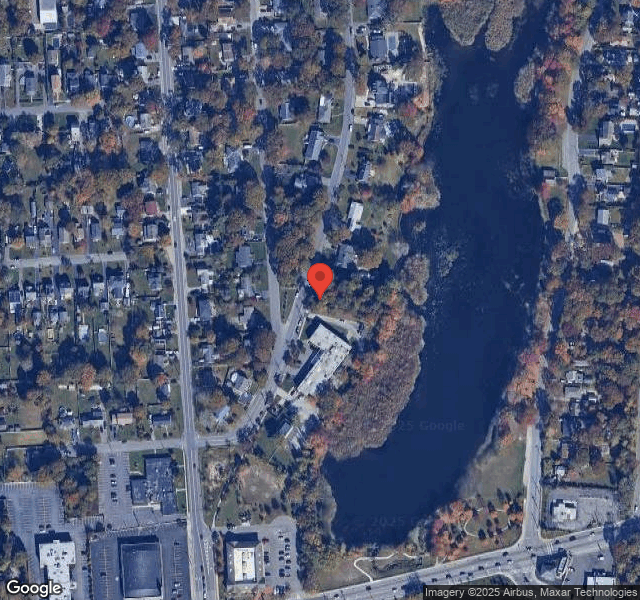
25 SCHOENFELD BLVD, PATCHOGUE, NY 11772 (631) 289-7700
For profit - Corporation 120 Beds Independent Data: November 2025
Trust Grade
80/100
#109 of 594 in NY
Last Inspection: July 2024

Within standard 12-15 month inspection cycle. Federal law requires annual inspections.

Overview

Swan Lake Nursing & Rehabilitation has a Trust Grade of B+, indicating that it is recommended and performs above average compared to other facilities. It ranks #109 out of 594 in New York, placing it in the top half of nursing homes in the state, and #14 out of 41 in Suffolk County, meaning only a few local options are better. However, the facility is experiencing a worsening trend, with issues increasing from 1 in 2023 to 5 in 2024. Staffing is a concern, rated 2 out of 5 stars, but the turnover rate of 36% is slightly below the state average, suggesting some staff stability. They have incurred fines totaling $35,530, which is higher than 87% of facilities in New York, indicating potential compliance issues. Specific incidents of concern include a resident's belongings being lost due to a lack of proper inventory documentation, and a situation where a Certified Nurse Assistant verbally threatened a resident, causing distress. On a positive note, the facility has excellent ratings for quality measures and health inspections, but the issues related to staff interactions and lost property need addressing to improve overall care and resident safety.

Trust Score
B+
80/100
In New York
#109/594
Top 18%
Safety Record
Low Risk
No red flags
Inspections
Getting Worse
1 → 5 violations
Staff Stability
○ Average
36% turnover. Near New York's 48% average. Typical for the industry.
Penalties
○ Average
$35,530 in fines. Higher than 65% of New York facilities. Some compliance issues.
Skilled Nurses
○ Average
Each resident gets 34 minutes of Registered Nurse (RN) attention daily — about average for New York. RNs are the most trained staff who monitor for health changes.
Violations
⚠ Watch
17 deficiencies on record. Higher than average. Multiple issues found across inspections.
★★★★★
5.0
Overall Rating
★★☆☆☆
2.0
Staff Levels
★★★★★
5.0
Care Quality
★★★★☆
4.0
Inspection Score
Stable
2023: 1 issues
2024: 5 issues

The Good

  • 5-Star Quality Measures · Strong clinical quality outcomes
  • Full Sprinkler Coverage · Fire safety systems throughout facility
  • No fines on record
  • Staff turnover below average (36%)

    12 points below New York average of 48%

Facility shows strength in quality measures, fire safety.

The Bad

Staff Turnover: 36%

Near New York avg (46%)

Typical for the industry

Federal Fines: $35,530

Above median ($33,413)

Moderate penalties - review what triggered them

The Ugly 17 deficiencies on record

Jul 2024 5 deficiencies
CONCERN (D)

Potential for Harm - no one hurt, but risky conditions existed

Safe Environment (Tag F0584)

Could have caused harm · This affected 1 resident

**NOTE- TERMS IN BRACKETS HAVE BEEN EDITED TO PROTECT CONFIDENTIALITY** Based on observation, record review, and interviews conducted during the Recertification Survey initiated on 7/24/2024 and compl...

Read full inspector narrative →
**NOTE- TERMS IN BRACKETS HAVE BEEN EDITED TO PROTECT CONFIDENTIALITY** Based on observation, record review, and interviews conducted during the Recertification Survey initiated on 7/24/2024 and completed on 7/31/2024, the facility did not exercise reasonable care for the protection of the resident's property from loss or theft. This was identified for one (Resident #52) of one resident reviewed for grievances. Specifically, Resident #52's clothes were lost after the clothes were sent to the laundry. The facility was unable to determine the lost items because an inventory list of the resident's belongings was not maintained. The finding is: The Policy and Procedure dated 6/1/2024 for Resident's Personal Belonging documented The facility staff will take all practicable steps to safeguard residents' belongings. All resident property will be inventoried on a Resident's Personal Possessions Sheet, a copy of which will be maintained in the resident's medical record, along with the facility possessions book. The form is to be completed by facility staff upon admission/readmission or when any items are brought into the facility. It is the responsibility of the person(s) bringing in any such items, to make staff aware of these items and to bring these items to the appropriate staff: front desk receptionist, nurse, Certified Nurse Assistant. or any facility representative/designee. All clothing items will be appropriately inventoried and labeled by the facility. Resident # 52 had diagnoses that included Cerebral Palsy and Morbid (severe) Obesity. The Minimum Data Set (MDS) assessment dated [DATE] documented the resident's Brief Interview for Mental Status (BIMS) was 12, indicating moderately impaired cognition. The Minimum Data Set assessment also documented the resident had no behaviors. A grievance form dated 7/19/2024 documented the resident was alleging lost clothing. The social worker documented there is no inventory of the resident's clothes' on file and that housekeeping will search the laundry and the clothes will be reimbursed. The grievance form indicated that the resident's Pajamas and sweatpants were not found, the resident had other clothes to wear and the facility will order Pajamas and sweatpants for the resident. The Inventory form was given to the resident to complete. An observation of the resident's room on 7/29/2024 at 10:00 AM revealed Resident #52's clothing was being stored in the closet in their room. With the permission of the resident, the resident's closet was searched. All clothing was labeled with the resident's name except for one jersey and one sweat pants that were unlabeled. Resident #52 was interviewed on 7/29/2024 at 10:00 AM and stated their clothing was lost by the facility laundry. Some of the clothing was found; however, some of the clothing was still missing. The facility staff did not label their clothes and document them on an inventory list whenever they got new clothing. They are supposed to inventory my clothing. I came to the facility in 2018 and can not remember if they inventoried my clothes. A review of the resident's record lacked documented evidence of an inventory list indicating the resident's belongings. Social Worker # 1 was Interviewed on 7/29/2024 at 2:33 PM and stated the facility staff were still looking for the resident's lost items and that is why the resident was not reimbursed for the lost items. The staff was not able to find an inventory sheet that would indicate the amount of clothing the resident had. Social Worker #1 further stated that the resident was admitted in 2018 and the facility should have ensured an inventory sheet is maintained in the resident's record. The Director of Guest Services was interviewed on 7/29/2024 at 3:06 PM and stated Resident #52 was admitted to the facility in 2018 and the staff were not able to locate the resident's inventory sheet. The Administrator was Interviewed on 7/30/2024 at 12:40 PM and stated, we cannot explain why the resident does not have an inventory sheet. We are implementing an inventory list and ensuring it is accurate. 10 NYCRR 415.5(h)(2)
CONCERN (D) 📢 Someone Reported This

A family member, employee, or ombudsman was alarmed enough to file a formal complaint

Potential for Harm - no one hurt, but risky conditions existed

Free from Abuse/Neglect (Tag F0600)

Could have caused harm · This affected 1 resident

**NOTE- TERMS IN BRACKETS HAVE BEEN EDITED TO PROTECT CONFIDENTIALITY** Based on observation, record review, and interviews conducted during the Recertification Survey and Abbreviated Survey (NY 00348...

Read full inspector narrative →
**NOTE- TERMS IN BRACKETS HAVE BEEN EDITED TO PROTECT CONFIDENTIALITY** Based on observation, record review, and interviews conducted during the Recertification Survey and Abbreviated Survey (NY 00348285) initiated on 7/24/2024 and completed on 7/31/2024 the facility did not ensure that each resident was free from abuse. This was identified for one (Resident #68) of three residents reviewed for abuse. Specifically, Certified Nurse Assistant #4 had verbal arguments and threatened Resident #68 with physical harm. Resident #68 verbalized being scared and upset after the interaction with Certified Nursing Assistant #4. The finding is: The Policy and Procedure titled, Abuse Prevention last reviewed in 3/2024 documented that the resident has the right to be free from abuse, neglect, and misappropriation of resident property. Verbal abuse is defined as the use of oral, written, or gestured language that willfully includes disparaging and derogatory terms to residents regardless of their age, ability to comprehend, or disability. Examples of verbal abuse include but are not limited to threats of unjustified retribution or punishment. In the event of suspicion of abuse being investigated, the staff member will be suspended until the investigation is complete. Resident # 68 was admitted with diagnoses including Morbid Severe Obesity, Anxiety disorder, and Major Depressive disorder. The Quarterly Minimum Data Set (MDS) assessment dated [DATE] documented Resident #68 had a Brief Interview for Mental Status (BIMS) score of 14, which indicated intact cognition. The resident had no behaviors indicated during the assessment period. The Comprehensive Care Plan (CCP) for abuse initiated on 7/6/2023 and last revised on 7/24/2024 documented that Resident #68 was at risk of being a victim of abuse, neglect, and /or mistreatment. Interventions included ensuring the resident was safe by removing the alleged abuser or moving the resident to a safe and supervised area. The Accident and Incident report dated 7/12/2024 documented that at approximately 10:00 PM on July 12, 2024, the nursing supervisor was called on the first floor by the charge nurse due to an altercation between Resident #68 and Certified Nurse Assistant #4. Resident #68 stated that Certified Nurse Assistant #4 threatened them by saying You are lucky, I f with you, otherwise I would have whooped your a s outside. Sit your a s down. Certified Nurse Assistant #4 was laughing while commanding the resident to sit down. Resident #68 stated they were scared. The investigation concluded that Resident #68 was a victim of mental and psychological harm caused by the interaction between the resident and Certified Nurse Assistant #4 and there was cause to believe alleged abuse had occurred. The incident was reported to the New York State Department of Health on 7/13/2024 and to the local Police Department. A review of Certified Nurse Assistant # 4 timecard revealed they remained on duty until 7/13/2024 at 6:03 AM. Registered Nurse Supervisor #2 was interviewed on 7/31/2024 at 11:46 AM and stated they witnessed Certified Nurse Assistant #4 loudly yelling and arguing with Resident #68. Registered Nurse Supervisor #2 stated Certified Nurse Assistant #4's behavior was not acceptable. The Registered Nurse Supervisor # 2 could not recall what words were used; however, directed Certified Nurse Assistant #4 to go to the nursing supervisor's office. Certified Nurse Assistant #4 had not gone to the supervisor's office as instructed and went to the day room instead to argue more with Resident #68. Resident # 68 was interviewed on 7/31/2024 at 3:46 PM and stated that Certified Nurse Assistant #4 yelled and cursed at them and told them You are lucky I F . with you, otherwise I would have whooped your a s outside. Resident #68 stated they were upset and scared. Registered Nurse Supervisor #2 witnessed Certified Nurse Assistant #4 being verbally abusive. When they (Resident #68) went to the day room, Certified Nurse Assistant #4 followed them into the day room and continued to curse and yell at them. Resident #68 stated Certified Nurse Assistant #4 was reassigned to a different side of the hall but remained on the unit until the end of the shift. The resident stated they were afraid that night. Certified Nurse Assistant #4 was interviewed on 7/31/2024 at 1:50 PM and stated Resident #68 started yelling at them and was making false allegations against them because they did not braid the resident's hair. Certified Nurse Assistant #4 stated they worked all night and left the unit at 6:00 AM on 7/13/2024. Certified Nurse Assistant #4 denied being loud and denied using curse words. Registered Nurse Supervisor #3 was interviewed on 7/31/2024 at 3:05 PM and stated Certified Nurse Assistant #4 and Resident #68 had a verbal argument on 7/13/2024. Registered Nurse Supervisor #3 stated they did not remove Certified Nursing Assistant #4 from the unit because it was only a verbal argument. Registered Nurse Supervisor #3 stated they did not witness the verbal argument between the resident and the Certified Nurse Assistant #4. Registered Nurse Supervisor #3 stated they chose to stay with Resident #68 because the resident was very upset after the altercation and the resident needed emotional support. The Director of Nursing Services (DNS) was interviewed on 7/31/2024 at 2:53 PM and stated Certified Nurse Assistant #4 was terminated because there were witnesses that revealed Certified Nurse Assistant #4 was verbally abusive towards Resident #68 on 7/13/2024. Certified Nurse Assistant #4 should have been immediately suspended after they threatened Resident #68 because the staff witnessed the verbal abuse. The Director of Nursing Services stated that Resident #68 was verbally abused and threatened by Certified Nursing Assistant #4. The incident was reported to the Department of Health and the local Police. 10 NYCRR 415.4(b)(1)(i)
CONCERN (D)

Potential for Harm - no one hurt, but risky conditions existed

Deficiency F0679 (Tag F0679)

Could have caused harm · This affected 1 resident

**NOTE- TERMS IN BRACKETS HAVE BEEN EDITED TO PROTECT CONFIDENTIALITY** Based on observation, interview, and record review, the facility failed to ensure an ongoing activities program was provided bas...

Read full inspector narrative →
**NOTE- TERMS IN BRACKETS HAVE BEEN EDITED TO PROTECT CONFIDENTIALITY** Based on observation, interview, and record review, the facility failed to ensure an ongoing activities program was provided based on the comprehensive assessment and care plan and the preferences of each resident, an ongoing program to support residents in their choice of activities, both facility-sponsored group and individual activities and independent activities, designed to meet the interests of and support the physical, mental, and psychosocial well-being of each resident, encouraging both independence and interaction in the community. This was identified for one (Resident #59) of one resident reviewed for activities. Specifically, Resident #59 was observed on multiple occasions in their room without meaningful activities (activities as per resident preferences, such as stimulation/conversation, crafts and or newspaper/ magazine, television/music). Additionally, the facility did not offer evening activities for any resident. The finding is: A facility policy titled Recreation Programming, last revised 6/2024 documented the facility must provide, based on the comprehensive assessment, individualized care plan, and the preferences of each resident, an ongoing program of recreational services to support residents in their choice of activities. The recreational programs/activities are designed to meet the interests of and support the physical, cognitive, social, emotional/psychosocial, and spiritual well-being of each resident. Activities are not limited to formal activities being provided only by the recreation department. Monthly calendars of scheduled activities are posted in resident rooms and common areas. Supplies/equipment for recreational activities must be readily available for use in recreational programs/activities. Residents are reminded and/or encouraged to attend activities through verbal and written announcements (for example: overhead announcements, staff announcements in resident rooms/units, daily chronicles). Residents are escorted/transported to/from the activity as needed, prior to the scheduled start time of the activity. Track all activity participation. Resident #59 has diagnoses of Cancer, Arthritis, and Cataracts/Glaucoma or Macular Degeneration. The Annual Minimum Data Set assessment dated [DATE] documented a Brief Interview for Mental Status score of 12 indicating moderate cognitive impairment. The resident had adequate hearing, speech, and vision. Resident #59 was dependent on activities of daily living, such as eating and transfer. The resident and or family/significant other did not participate in the assessment and goal setting. The Minimum Data Set documented that having books, newspapers, and magazines to read, being around animals such as pets, and participating in religious services or practices were not very important to Resident #59. The Minimum Data Set further documented that listening to music and keeping up with the news was somewhat important. Doing things with groups of people, and going outside to get fresh air when the weather is good was very important to Resident #59. A Physician's order initiated 11/2/2022 and renewed 7/26/2024 documented Activity: As Tolerated. A comprehensive care plan, titled Resident is an active participant in therapeutic recreation programs, effective 11/29/2023 and last reviewed/revised 7/2/2024, documented interventions including escorting the resident to activities, informing the resident of activities, inviting the resident to activities, and offering one to one visit for stimulation/conversation. A comprehensive care plan titled Recreation- Independent, effective 11/29/2023 reviewed/revised 7/2/2024, documented Resident #59 preferred independent leisure time activities and plans own day as evidenced by the selection of activities that coincide with personal interest. Interventions included but were not limited to encouraging and maintaining involvement in activities of interest, inviting, informing, and offering to escort to activities, and offering one-to-one recreation visits for socialization. A care plan review note dated 6/14/2024 documented the resident is on daily visits with recreation staff, strolling music, and pet therapy. A care plan review note dated 7/2/2024 documented the resident continues to receive and enjoy one to one visits. A Therapeutic Recreation Initial assessment dated [DATE] documented the resident's hobbies as bowling, listening to music, using of personal iPad and phone, and watching television and movies. The resident participated in activities on a regular basis including Bingo, Left-Right-Center, special events, and barbeques, and attended entertainment and socials. The resident is an active participant in large group recreation programs including special events, socials, and bingo. The resident accepts one to one visits from recreation staff, pet therapy, and strolling music. A Therapeutic Recreation assessment dated [DATE] documented Resident #59 preferred things with groups of people, go outside to get fresh air when the weather is good, listen to music, and keep up with the news. Resident #59 was observed in their room and was interviewed on 7/24/2024 at 10:31 AM. Resident #59 stated that recreation staff do not come into their room to visit them because they (Resident #59) were on enhanced barrier precautions. Resident #59 stated the facility only offers bingo on weekends. On weekdays, there are no activities scheduled after 3:00 PM. Resident #59 was observed on 7/29/2024 at 2:14 PM in their room without meaningful activity (per resident preferences, such as stimulation/conversation, crafts and or newspaper/ magazine, television/music). Resident #59 stated that no one comes to their room to provide recreational activities because of the enhanced barrier precaution sign posted outside their room. A review of the Recreation Calendar for the month of July 2024, reflected no activity programs after 3:00 PM for any day of the week. The weekend activities calendar documented the following: on Saturday a morning strolling coffee cart and a nail spa were scheduled on alternating weekends, a game of Left-Right-Center or a movie was scheduled in the afternoon, and a refreshment cart was scheduled at 3:00 PM. On Sunday, a morning strolling coffee cart was scheduled in the morning, a movie or a classic show and bingo on the first floor was scheduled in the afternoon, and refreshment care was scheduled at 3:00 PM. A review of Resident #59's attendance record for the period of 1/1/2024 through 7/31/2024, documented that the resident had limited participation in programs. The resident received only seven one to one visits, three live entertainment programs, and one resident council/food committee meeting, and the resident attended games/puzzles only nine times from 1/1/2024 through 7/31/2024. There is no documented evidence that the resident was offered or invited to activity programs and refused. Recreation Aide #1 was interviewed on 7/30/2024 at 11:07 AM and stated they were assigned to provide activities on the second-floor unit during the day including a strolling coffee cart. Today they did craft time with the residents where they gave out coloring sheets and crayons. For residents in their rooms, they conducted a one-to-one visit and offered art supplies to the residents. Recreation Aide #1 stated that Resident #59 used to like to go outside and come to socials and was mainly out of bed in the afternoons. Recreation Aide #1 stated they were not able to provide attendance records or refusal records for activity programs for Resident #59 and were unable to explain why one to one visits were not conducted for Resident #59 as per the resident's care plan. Recreation Aide #1 stated they were aware that there are no scheduled evening activities, and that the facility is trying to hire more staff. Recreation Aide #1 stated that there are no restrictions on visiting Resident #59. The Assistant Director of Recreation was interviewed on 7/30/2024 at 2:02 PM and stated Resident #59's participation in activity programs was limited as the resident wanted to do independent things in their rooms. The Assistant Director of Recreation confirmed that there were no activities after 3:00 PM and only limited activities were offered on the weekend. The Assistant Director of Recreation was unable to explain why Resident #59 only had seven one to one visits over a seven-month period. The Administrator was interviewed on 7/31/2024 at 9:11 AM and stated that residents are brought to the main dining room around 2:00 PM for activities programs such as games, or to go outdoors. The Administrator stated they no longer have evening recreation staff and are looking to hire the evening recreation staff. 10 NYCRR 415.5(f)(1)
CONCERN (D)

Potential for Harm - no one hurt, but risky conditions existed

Accident Prevention (Tag F0689)

Could have caused harm · This affected 1 resident

**NOTE- TERMS IN BRACKETS HAVE BEEN EDITED TO PROTECT CONFIDENTIALITY** Based on observations, record review, and staff interviews during the Recertification Survey initiated on 8/05/2024 and complete...

Read full inspector narrative →
**NOTE- TERMS IN BRACKETS HAVE BEEN EDITED TO PROTECT CONFIDENTIALITY** Based on observations, record review, and staff interviews during the Recertification Survey initiated on 8/05/2024 and completed on 8/09/2024, the facility did not ensure that each resident received adequate supervision to prevent accidents. This was identified for one (Resident #38) of three residents reviewed for abuse. Specifically, Resident #241, with known history of peer-to-peer physical altercations and behaviors that annoy others such as yelling, crying, and wandering into other residents' rooms. Resident #241 was to be kept in the line of sight in a supervised area when out of bed as per their Comprehensive Care Plan (CCP). On 4/7/2024, the staff did not supervise Resident#241 as directed. Resident #241 wandered into Resident#38's room and threw the opened water bottle at Resident #38's face when Resident #38 asked Resident #241 to leave their room. Subsequently, both Resident #38 and Resident #241 were observed on the floor in Resident #38's room fighting with each other. The finding is: Resident # 241 was admitted to the facility with diagnoses of Vascular Dementia with agitation, restlessness, and Anxiety disorder. The Quarterly Minimum Data Set assessment dated [DATE] documented the resident had a Brief Interview of Mental Status score of 5, which indicated the resident had severely impaired cognition. The Minimum Data Set documented the resident had no behaviors. The Behavior Comprehensive Care Plan dated 11/5/2022 last revised on 4/2024 documented that Resident #241 had physical behavioral symptoms directed toward others as evidenced by hitting and grabbing. The care plan documented the resident also had physical behavioral symptoms not directed toward others as evidenced by pacing, rummaging, and exposing genitals. The interventions were documented to keep the resident in a supervised area when out of bed. The Peer Abuse Comprehensive Care Plan dated 4/27/2023 documented that the Resident had the potential to abuse others due to a previous history of altercations with other residents/history of abusing others, the resident expressed anger by threatening to physically strike out or break things. The resident also had the potential to be a victim of abuse due to behaviors that annoy others such as yelling, crying, and wandering into other resident's rooms. The interventions included but were not limited to keep the resident safe by removing from the area if being annoyed by another resident, close monitoring, place within a line of sight in a supervised area when awake, engage in activities that can positively channel behavior and reduce frustration, identify programs/independent activities that are a distraction for the resident. A review of the care plan progress notes revealed that Resident #241 had peer-to-peer altercations with other residents (other than Resident #38) on 4/28/2023, 5/14/2023, and 10/28/2023. Resident #38 was admitted to the facility with diagnoses of lack of coordination, Type two Diabetes Mellitus, and Essential Tremors. The Minimum Data Set, dated [DATE] documented the resident had a Brief Interview of Mental Status score of 15, which indicated the resident had intact cognition. Resident #38 had an impaired range of motion on one side of the upper extremity. The Abuse comprehensive care plan dated 2/16/2024 documented that Resident #38 was at risk of being a victim of abuse, neglect, and/or mistreatment. The interventions included to monitor mood and provide early intervention on changes, provide emotional support and reassurance, room change, upon a report of the alleged abuse, ensure the resident is safe by removing the alleged abuser or moving the resident to a safe and supervised area. Resident #38 was interviewed on 7/24/2024 at 10:16 AM and stated they (Resident #38) were physically assaulted by Resident #241 on 4/7/2024 while they were in their (Resident #38's) bedroom. Resident #38 stated Resident #241 came into their room and started hitting and punching Resident #38, then pushed them (Resident #38) onto the floor. Resident #38 stated the staff knew Resident #241 was a threat to all residents. The Accident and Incident Report dated 4/7/2024 documented that on 4/7/2024 at approximately 9:30 AM, Certified Nursing Assistant #6 walked into Resident #38's room after they (Certified Nursing Assistant #6) heard help and observed Resident #241 and Resident #38 on the floor fighting. Resident #241 was removed from Resident #38's room and both residents were assessed. Resident #38, who was alert and oriented, reported they (Resident #38) were in the bathroom brushing their teeth when they heard somebody outside the bathroom door. Resident #38 walked out of the bathroom and saw Resident #241 standing by Resident #38's bed next to their bedside table. Resident #38 told Resident #241 to leave and Resident #241 picked up an open bottle of water and threw the bottle in Resident #38's face. Resident #38 and Resident #241 started to fight, resulting in them both on the floor. Resident #241 was not able to give any statement due to cognitive impairment; however, Resident #241 said l need to fight more. Resident #241 was last seen sitting in the day room before the incident. The incident summary documented that there must be consistent staff observation for Resident #241. The summary concluded the resident to resident altercation was unpredictable and unavoidable due to Resident #241's diagnoses of [NAME] Matter Disease and Post Traumatic Stress Disorder. Certified Nursing Assistant #6 was interviewed on 7/31/2024 at 11:16 AM and stated they were assigned to Resident #241 on 4/7/2024. Resident #241 was confused, agitated, and had a history of hitting other residents. Certified Nursing Assistant #6 stated that prior to the altercation between Resident #241 and Resident #38, Resident #241 was sitting in the day room which was supervised by Resident Assistant #2. Certified Nursing Assistant #6 stated that they went on their break and when they returned, they heard Resident #38 yelling for help. Certified Nursing Assistant #6 stated they observed Resident #38 was on the floor in Resident #38's room and Resident #241 was bending over Resident #38. Certified Nursing Assistant #6 stated that all unit staff were responsible for supervising Resident #241 while the resident was ambulating in the hallway due to their (Resident #241) physically aggressive behavior. Licensed Practical Nurse #3 was interviewed on 7/31/2024 at 11:43 AM and stated that they were the medication nurse on the unit on 4/7/2024. Licensed Practical Nurse #3 stated they were aware that Resident #241 had a history of physical altercations with other residents. Licensed Practical Nurse #3 stated Residents who needed supervision are usually placed in the day room. Resident Assistants are assigned to monitor the residents in the day room. Resident #241 was supposed to be kept in the dining room for close supervision and to keep the resident in the line of sight at all times when awake. Licensed Practical Nurse #3 stated that they did not observe Resident #241 in the hallway prior to the incident because they (Licensed Practical Nurse #3) were administering medications to other residents. Resident Assistant #2 was interviewed on 7/31/2024 at 11:57 AM and stated they (Resident Assistant #2) are responsible for supervising the day room and answering the call bells on 4/7/2024. Resident Assistant #2 stated they are not responsible for monitoring the hallway. Resident Assistant #2 stated they were only responsible for supervising the residents who were in the day room. Resident Assistant #2 stated on 4/7/2024, Resident #241 was constantly walking in and out of the day room. When they observed Resident #241 leave the day room, they did not question or follow the resident because they did not want to agitate Resident #241. Resident Assistant #2 stated they did not alert any other staff member to supervise Resident #241 in the hallway because there was no staff present in the hallway or at the nursing station. Certified Nurse Assistant #7 was interviewed on 7/31/2024 at 12:24 PM and stated they were assigned to Resident #38 on 4/7/2024. Certified Nurse Assistant #7 stated they did not observe Resident #241 in the hallway and did not observe the altercation between Resident #241 and Resident #38 because they were off the unit for a couple of minutes. Certified Nurse Assistant # 7 stated all staff are supposed to supervise Resident #241 since Resident #241 had a history of going into other resident rooms and physically assaulting the residents. Registered Nurse Supervisor #4 was interviewed on 7/31/2024 at 12:30 PM and stated they were the unit supervisor on 4/7/2024. Registered Nurse Supervisor #4 stated they were aware Resident #241 wandered into the other resident rooms and hit other residents. Registered Nurse Supervisor #4 stated they were aware Resident #241 needed to be supervised and should remain in the line of sight at all times all the time when awake. Registered Nurse Supervisor #4 stated that they did not observe Resident #241 in the hallway or going into Resident #38's room because they (Registered Nurse Supervisor #4) were conducting rounds on the other side of the unit. Registered Nurse Supervisor #4 stated Resident Assistant #2 was assigned to supervise the day room and should have notified the nurse when Resident #241 exited the day room so the other staff could supervise the resident in the hallway. The Director of Nursing Services was interviewed on 7/31/2024 at 2:32 PM and stated the facility should have prevented the altercation between Resident #241 and Resident #38. The Director of Nursing Services stated Resident #241 should have been supervised and kept within the line of sight at all times when awake as per the resident's plan of care. The Director of Nursing Services stated that one Certified Nursing Assistant should have been dedicated to supervising Resident #241 at all times. 10 NYCRR 415.12(h)(2)
CONCERN (D)

Potential for Harm - no one hurt, but risky conditions existed

Medical Records (Tag F0842)

Could have caused harm · This affected 1 resident

**NOTE- TERMS IN BRACKETS HAVE BEEN EDITED TO PROTECT CONFIDENTIALITY** Based on observations, interviews, and record review during the recertification survey initiated on 7/24/2024 and completed on 7...

Read full inspector narrative →
**NOTE- TERMS IN BRACKETS HAVE BEEN EDITED TO PROTECT CONFIDENTIALITY** Based on observations, interviews, and record review during the recertification survey initiated on 7/24/2024 and completed on 7/31/2024, the facility did not ensure that each resident's medical record was maintained in accordance with accepted professional standards and practices. The facility did not maintain medical records for each resident that were complete and accurately documented. This was identified for one (Resident #74) of one resident reviewed for Respiratory Care. Specifically, Resident #74 was observed receiving oxygen therapy without a physician's order on multiple occasions (7/24/2024, 7/25/2024, 7/26/24 and 7/29/2024). The finding is: The facility's policy and procedure titled Respiratory Care, undated, documented to verify that there is a physician's order in place and review the physician's orders or facility protocol for oxygen administration. Resident #74 had diagnoses that included Chronic Obstructive Pulmonary Disease, Schizophrenia, and Mild Intermittent Asthma. The Quarterly Minimum Data Set assessment dated [DATE] documented a Brief Interview for Mental Status score of 9 which indicated the resident had moderate cognitive impairment. The physician's orders for July 2024 (interim and renewal orders) were reviewed and there was no documented evidence of an order for oxygen therapy. Resident #74 was observed in their room on 7/24/2024 at 10:28 AM, 7/25/2024 at 8:42 AM, and 7/26/2024 at 8:16 AM receiving oxygen therapy at 3 liters per minute. On 7/29/2024 at 10:14 AM the resident was observed in their room receiving oxygen therapy at 2 liters per minute from an oxygen concentrator via a nasal cannula. A physician's monthly medical note dated 7/19/2024 had no documented evidence that the resident was receiving oxygen therapy. A comprehensive care plan titled Alteration in Respiratory Status, effective date 4/13/2023, last reviewed 4/20/2024, documented the resident had altered respiratory status related to Chronic Obstructive Pulmonary Disease and Asthma, as evidenced by shortness of breath and the resident requires oxygen. The Licensed Practical Nurse Manager #1 was interviewed on 7/29/2024 at 10:33 AM and stated Resident #74 receives oxygen therapy daily; however, they were not able to find current physicians' orders for oxygen use for Resident #74. Nurse Practitioner #1 was interviewed on 7/29/2024 at 10:48 AM and stated Resident #74 used oxygen therapy at bedtime according to the resident. Nurse Practitioner #1 stated Resident #74 should have a physician's order for the use of oxygen therapy. The Director of Nursing Services was interviewed on 7/29/2024 at 11:04 AM and stated that if the resident needs oxygen therapy then a physician's order should have been obtained. Physician #2 was interviewed on 7/29/2024 at 1:42 PM and stated that with a diagnosis of Asthma or Chronic Obstructive Pulmonary Disease, a resident may sometimes need oxygen. Physician #2 stated that the oxygen order for Resident #74 was given as a verbal order and Physician #2 was unaware that Resident #74 did not have a written order for the use of oxygen therapy. 415.22(a)(1-4)
Jan 2023 1 deficiency
CONCERN (D)

Potential for Harm - no one hurt, but risky conditions existed

Infection Control (Tag F0880)

Could have caused harm · This affected 1 resident

**NOTE- TERMS IN BRACKETS HAVE BEEN EDITED TO PROTECT CONFIDENTIALITY** Based on observations, record review, and interviews conducted during a Focus Infection Control Survey on 1/03/2023, the facilit...

Read full inspector narrative →
**NOTE- TERMS IN BRACKETS HAVE BEEN EDITED TO PROTECT CONFIDENTIALITY** Based on observations, record review, and interviews conducted during a Focus Infection Control Survey on 1/03/2023, the facility failed to ensure that the facility maintained an infection prevention and control program designed to provide a safe, sanitary, and comfortable environment and to help prevent the development and transmission of communicable diseases and COVID-19 infections. Specifically, Resident #1, who was positive for COVID-19 infection and had a Physician's order for Droplet and Contact precautions, had a visitor who was not educated by the facility staff regarding the appropriate use of Personal Protective Equipment (PPE) when visiting the resident's room. Resident #1's visitor was observed entering the resident's room wearing only a surgical mask. The finding is: The facility policy titled, COVID-19 Visitation Plan, dated 4/12/2022 documented all visitors must wear a well-fitting mask of higher quality (i.e., surgical mask, KN95, N95) at all times during any visitation at the facility. All visitors will be made aware of the potential risk of visiting and the precautions necessary in order to visit the resident. Visitors must adhere to the core principles of infection prevention. Resident #1 was admitted to the facility on [DATE] with a diagnosis including positive for COVID-19 infection. The Physician orders dated 12/29/2022 documented to place Resident #1 on Droplet and Contact precautions due to positive COVID-19 infection. A visitor for Resident #1 was observed walking into Resident #1's room on 1/3/2023 at 11:35 AM wearing only a surgical mask. There was a sign outside Resident #1's room that documented to see the nurse. Resident #1's visitor was interviewed on 1/3/2023 immediately after the observation at 11:35 AM and stated they (visitor) were aware that Resident #1 was positive for COVID-19 infection. The visitor stated they (visitor) were not informed by anyone to wear PPE when visiting Resident # 1. The visitor stated that they (visitor) saw the sign that was posted outside the resident's room indicating to see the nurse. The visitor stated that they did not go to the nurse's station as the facility staff saw them (visitor) when they came into the unit and entered Resident #1's room. During a subsequent observation on 1/3/2023 at 12:15 PM Resident #1's visitor was observed in the resident's room wearing a KN95 mask and was observed feeding the resident. The visitor was not wearing a gown, gloves, or either an eye shield or goggles. Resident #1's visitor was again observed in Resident#1's room on 1/3/2023 at 4:20 PM. The visitor was wearing a KN95 mask. They (visitor) were sitting on Resident #1's bed and were talking to the resident. The resident was observed sitting in a wheelchair less than six feet away from the visitor. The visitor was not wearing a gown, gloves, or either an eye shield or goggles. The Front Desk Receptionist #1 was interviewed on 1/3/2023 at 11:45 AM and stated that each visitor gets tested for COVID-19 infection when they arrive at the facility to visit their loved ones. Receptionist #1 stated they (Receptionist #1) do not provide directions to the visitors regarding the use of PPE. Receptionist #1 stated they do not educate the visitors regarding wearing PPE while visiting a COVID-19 positive resident. The assigned Licensed Practical Nurse (LPN) #1 was interviewed on 1/3/2023 at 12:30 PM and stated they (LPN #1) were aware that Resident #1 was on Contact and Droplet precautions due to COVID-19 infection. LPN #1 stated that anyone who enters a COVID-19 positive resident's room should put on an N95 mask covered with a surgical mask, a gown, and an (LPN #1) eye shield or goggles. LPN #1 stated they did not know if they had to educate residents' visitors regarding the use of PPE. LPN #1 stated that COVID-19 infection has been around for more than three years, and the visitor should have known to wear an N95 mask prior to entering Resident #1's room. The Infection Control (IC) Nurse was interviewed on 1/3/2023 at 2:57 PM and stated there should be no visitors allowed on the COVID-19 unit unless the resident was terminal and required compassionate care visits. The IC stated visitors who are visiting terminally ill COVID-19 residents should wear full PPE including an N95 mask, a gown, gloves, and an eye shield or goggles. The IC stated that they were not aware of any visitors to the COVID-19 unit. The IC stated the receptionist should not allow visitors to visit the COVID-19 unit. The Director of Nursing Services (DNS) was interviewed on 1/3/2023 at 4:45 PM and stated that there was no restriction on visitation to the COVID-19 units. The DNS stated that the visitors should be informed by the Receptionist to wear the appropriate PPE when visiting the residents who are positive for COVID-19 infection. The DNS stated they (DNS) were not aware that the visitor for Resident #1 was not wearing appropriate PPE. 10 NYCRR 415.19(a)(1-3)
Sept 2022 5 deficiencies
CONCERN (D)

Potential for Harm - no one hurt, but risky conditions existed

Safe Environment (Tag F0584)

Could have caused harm · This affected 1 resident

**NOTE- TERMS IN BRACKETS HAVE BEEN EDITED TO PROTECT CONFIDENTIALITY** Based on observations, record review, and interviews during the Recertification Survey initiated on 9/18/2022 and completed on 9...

Read full inspector narrative →
**NOTE- TERMS IN BRACKETS HAVE BEEN EDITED TO PROTECT CONFIDENTIALITY** Based on observations, record review, and interviews during the Recertification Survey initiated on 9/18/2022 and completed on 9/23/2022, the facility did not ensure that a clean, comfortable, and homelike environment was maintained on one of two nursing units. Specifically, a vacant resident room was observed on 9/18/2022 and 9/19/2022 with a commode containing feces and urine with flies around the commode. The finding is: The Undated Facility's policy, titled Room Readiness, documented to provide a clean and safe environment for all residents. The Facility's policy dated 9/20/2022, titled Terminal Cleaning/Complete Room Cleaning, documented all resident rooms receive a terminal cleaning/completed room cleaning monthly, at the time of [resident] discharge, or as needed. During an environmental tour on 9/18/2022 at 9:40 AM, 10:15 AM, and 1 PM room [ROOM NUMBER] was observed with a dirty commode containing feces and urine. Flies were observed swarming around the commode. The room had a foul odor. LPN #4 was interviewed on 9/18/2022 at 9:39 AM and stated that the resident who resided in room [ROOM NUMBER] went to the hospital on Friday 9/16/2022 in the afternoon. room [ROOM NUMBER] was observed again on 9/19/2022 at 9:40 AM, 10:20 AM, 12:10 PM, and 1:30 PM. The room had a foul odor. The commode was again observed containing feces and urine with flies in the room. The Director of Rehabilitation, who was near room [ROOM NUMBER] on 9/19/2022 at 12:10 PM during the above observation, also observed the commode containing feces, urine, and flies. The Director of Rehabilitation stated that the room should have been cleaned after the resident was transferred. The commode should have been emptied and cleaned. The Director of Rehabilitation stated they (Director of Rehabilitation) will report the observation to the head of housekeeping. The Certified Nurse Assistant (CNA) #1 was interviewed on 9/20/2022 at 4:43 PM and stated the resident who resided in room [ROOM NUMBER] was transferred to the hospital on 9/16/2022 during the evening shift. CNA #1 stated the CNA who was assigned to room [ROOM NUMBER] should have cleaned the commode and the housekeeper should have cleaned the room. The Environmental Service Director was interviewed on 09/23/2022 at 2:07 PM and stated they (Environmental Service Director) are in charge of the housekeeping, maintenance, and laundry services. The Environmental Service Director stated that the housekeeping staff members do not touch the commodes; only the CNAs clean the commodes. The Environmental Service Director stated the housekeeper should have notified the CNA if the commode needed to be emptied or cleaned. The Environmental Service Director stated the admission department is responsible to notify housekeeping when there is an admission or discharge. The admission department did not notify the housekeeping staff of the resident's discharge to the hospital so that the housekeeping staff could clean the room. CNA #4 was interviewed on 9/23/2022 at 3:41 PM and stated that they (CNA #4) worked on 9/16/2022 from 2 PM to 7 PM and usually empties the commode after the residents leave the facility after a resident leaves, but they were busy and were trying to get other tasks done. CNA #4 was not aware of the dirty commode in room [ROOM NUMBER]. The Director of Nursing Services (DNS) was interviewed on 9/23/2022 at 4:26 PM and stated that on 9/19/2022 the Director of Rehabilitation informed them (DNS) about a dirty commode in room [ROOM NUMBER] that needed cleaning. The DNS stated that they (DNS) directed the housekeeper and nursing staff to clean the commode and the room [120]. The DNS stated that CNAs are expected to empty and clean the commodes. 415.5
CONCERN (D)

Potential for Harm - no one hurt, but risky conditions existed

Accident Prevention (Tag F0689)

Could have caused harm · This affected 1 resident

**NOTE- TERMS IN BRACKETS HAVE BEEN EDITED TO PROTECT CONFIDENTIALITY** 2) Resident #56 was admitted with diagnoses that included Cerebrovascular Disease, and Diabetic Mellitus. The Minimum Data Set (...

Read full inspector narrative →
**NOTE- TERMS IN BRACKETS HAVE BEEN EDITED TO PROTECT CONFIDENTIALITY** 2) Resident #56 was admitted with diagnoses that included Cerebrovascular Disease, and Diabetic Mellitus. The Minimum Data Set (MDS) assessment dated [DATE] documented that Resident #56 had a Brief Interview for Mental Status (BIMS) score of 15 which indicated the resident was cognitively intact. The MDS documented the resident required extensive assistance of one person for Personal hygiene which includes shaving. The MDS documented the resident had functional limitations in range of motion to the upper and one lower extremity. The Comprehensive Care Plan for Activity of Daily Living dated 5/11/2022 documented the resident required assistance with the Activity of Daily Living related to fracture, limited range of motion, and deconditioning. During an observation on 9/18/2022 at 10:21 AM Resident # 56 was observed in bed with only one side of their face shaved. There was a razor and a can of shaving cream on the nightstand next to Resident #56's bed. The Razor was observed with pieces of hair and some dried shaving cream. Resident #56 was interviewed on 9/18/2022 at 10:22 AM and stated that the razor and the shaving cream were their personal belongings. Resident #56 stated they (Resident #56) brought the razor and the shaving cream to the Facility and shaved themselves. Resident #56 stated that they could only shave the right of their face because they (Resident #56) were not able to reach the left side of their face. A review of Resident #56's medical record revealed there was no documented evidence that the facility assessed the resident if the resident could shave themselves independently. LPN #3 was interviewed on 9/21/2022 at 1:47 PM and stated it was not safe for Resident #56 to shave without assistance. LPN #3 stated that they (LPN #3) did not see Resident #56 using a razor. During a subsequent observation on 9/21/2022 at 2:03 PM with Licensed Practical Nurse (LPN) #3 two razors and a can of shaving cream were observed inside Resident #56's nightstand drawer when LPN #3 opened the drawers. Certified Nurse Assistant (CNA) #1 was interviewed on 9/21/2022 at 1:20 PM and stated it was not safe for Resident #56 to shave their (Resident #56) face themselves. CNA #1 stated that they did not see any razors in Resident #56 possession. CNA #1 stated they (CNA #1) shaved Resident #56 as needed. CNA#2 was interviewed on 9/21/2022 at 1:27 PM and stated that they never saw Resident #56 shaving themselves and that Resident #56 needed help with shaving. CNA#2 further stated they shave Resident #56 on shower days. The Director of Nursing Services (DNS) was interviewed on 9/23/2022 at 4:49 PM and stated that Resident #56 was assessed on admission, readmission, and quarterly. The DNS stated that it was not safe for Resident #56 to shave themselves without assistance. 3) Resident #65 was admitted with diagnoses that included Dementia, Diabetes Mellitus, and Hypertension. The Minimum Data Set (MDS) assessment dated [DATE] documented that Resident #65 had severely impaired cognitive Skills for daily decision-making. The MDS documented that Resident #65 did not reject care. The Resident required extensive assistance of one staff member for transfer, walking in the room, walking in the corridor, and dressing. The MDS documented the resident was not steady and was only able to stabilize with staff assistance for walking. The MDS documented the resident utilized a wheelchair as a mobility device. The Comprehensive Care Plan dated 7/26/2022 for the Risk for Falls / has had an actual fall related to confusion documented interventions including but not limited to use of the Non-slip socks while out of bed. The fall risk evaluation dated 8/5/2022 at 9:10 PM documented that Resident #65 was at moderate risk for falls. Resident #65 was observed walking in the hallway by their room on 9/18/2022 at 10:00 AM and 10:30 AM wearing regular white socks. The Resident was again observed on 9/18/2022 at 12:37 PM and 12:47 PM by the nurses' station hallway. The resident was walking while wearing regular white socks. At 1:20 PM the resident was observed in bed and was wearing regular white socks. The Resident was observed walking in the hallway on 9/19/2022 at 10:45 AM wearing regular socks that were not non-skid socks. Certified Nursing Assistant (CNA) #1, who was the assigned CNA for Resident #65, was interviewed on 9/20/2022 at 4:43 PM and stated that Resident #65 was at risk for falls and was not allowed to walk with regular socks. CNA#1 further stated that Resident #65 gets themselves (Resident #65) out of their bed. CNA #1 stated sometimes Resident #65 took their shoes off and then forgets to put the shoes back on and gets out of bed. CNA #1 further stated that they knew Resident #65 was not allowed to walk with regular socks because it is not safe for the resident. CNA #2 was interviewed on 9/21/2022 at 1:23 PM and stated that Resident #65 should wear shoes when they (Resident #65) are out of bed. CNA #2 further stated that Resident #65 was at risk for falls and it was unsafe for Resident #65 to not wear nonskid socks when Resident #65 is out of bed. LPN #3 was interviewed on 9/21/2022 at 1:54 PM and stated they (LPN #3) did not know that Resident #65 was ambulating without nonskid socks. LPN #3 stated that Resident #65 ambulated on the unit and was not allowed to walk without nonskid socks or shoes. They (LPN #3) stated Resident #65 should always wear shoes when walking. LPN #3 stated that Resident #65 never used the wheelchair for locomotion on the unit. LPN #3 stated that the Facility had nonskid socks available on the unit for the residents who needed nonskid socks. The Director of Nursing Services (DNS) was interviewed on 9/23/2022 at 4:35 PM and stated that it was not acceptable that Resident #65 was walking around with no shoes or nonskid socks. The DNS stated that they will have the physical therapist and the occupational therapist evaluate Resident #65's for ambulation status. 415.12(h)(1) Based on observations, record review, and staff interviews during the Recertification Survey initiated on 9/18/2022 and completed on 9/23/2022, the facility did not ensure that the resident environment remains as free of accident hazards as possible. This was identified for three (Resident #265, # 56, and #65) of six residents reviewed for Accidents. Specifically, 1) A Physician ordered Potassium Chloride tablet, that was dissolved in a half cup of water, was observed unattended on Resident #265's bedside table. Resident #265 was unaware of any medication in the observed cup of water; 2) Resident # 56, who needed assistance with personal hygiene and shaving, was observed with used razors at their bedside 3) Resident # 65, who was identified as at risk for falls, was observed on multiple occasions walking without appropriate footwear. The finding is: 1) The facility's Medication Administration policy last revised on 12/2019 did not address protocols to be followed related to medications being left unattended at the resident's bedside. Resident #265 was admitted with diagnoses that included Chronic Obstructive Pulmonary Disease, Cerebrovascular Accident, and Acute and Chronic Respiratory Failure. The admission Minimum Data Set (MDS) assessment dated [DATE] documented the resident's Brief Interview for Mental Status (BIMS) score as 15 which indicated the resident's cognition was intact. The MDS documented the resident had no mood and no behavioral symptoms. A Baseline care plan dated 8/3/2022 documented that the resident was alert and cognitively intact and did not self-administer medication. A Physician's order dated 9/13/2022 documented to administer Potassium Chloride Extended Release (ER) 20 milliequivalent (mEq). Give 1 tablet by mouth one time a day for supplement. During an observation on the 1st-floor nursing unit on 9/18/2022 at 9:57 AM, Resident #265 was observed in bed. The resident was awake and alert and responded appropriately to the greeting. A half cup of water containing a white substance (Potassium Chloride tablet) was observed on Resident #265's bedside table. There was no staff member present in the resident's room. Resident #265 stated they (Resident #265) did not know what was in the cup. LPN #1 was observed with the medication cart down the hallway several rooms away from Resident #265's room. Licensed Practical Nurse (LPN) #1 was interviewed on 9/18/2022 at 9:59 AM. LPN #1 stated that the white substance in the cup was Potassium Chloride. LPN #1 stated that they placed the Potassium Chloride tablet in the cup of water to dissolve because the tablet was too large for the resident to swallow. LPN #1 stated that the resident was alert enough to take their medication and that they (LPN #1) thought the resident had consumed the water with the Potassium Chloride medication. LPN #1 stated that they (LPN #1) should not have left the medication at the bedside and should have waited in the resident's room until the resident had taken the medication. The Director of Nursing Services (DNS) was interviewed on 9/23/2022 at 3:49 PM and stated medication that needs to be dissolved should be mixed well before administering to the resident. The DNS further stated that medications should not be left at the resident's bedside and that LPN #1 should have stayed with the resident to ensure that Potassium Chloride was taken before leaving the room.
CONCERN (D)

Potential for Harm - no one hurt, but risky conditions existed

Deficiency F0710 (Tag F0710)

Could have caused harm · This affected 1 resident

**NOTE- TERMS IN BRACKETS HAVE BEEN EDITED TO PROTECT CONFIDENTIALITY** Based on observation, interviews, and record review during a Recertification Survey initiated on 9/18/2022 and completed on 9/23...

Read full inspector narrative →
**NOTE- TERMS IN BRACKETS HAVE BEEN EDITED TO PROTECT CONFIDENTIALITY** Based on observation, interviews, and record review during a Recertification Survey initiated on 9/18/2022 and completed on 9/23/2022, the facility did not ensure that medical care for each resident was effectively supervised by a Physician. This was identified for one (Resident #107) of five residents reviewed for unnecessary medications. Specifically, Resident #107's physician abruptly discontinued an antipsychotic medication (Seroquel) without tapering the dosage and did not provide instructions for staff to monitor for withdrawal symptoms. Furthermore, the Physician's assessment included a new diagnosis of Schizophrenia after the resident was admitted to the facility from the hospital. The finding is: The Facility's policy on antipsychotic medications, dated 8/2019 documented that residents who use antipsychotic drugs shall receive gradual dose reductions and behavioral interventions, unless clinically contraindicated, in an effort to discontinue these drugs. The Physician will order appropriate tapering of medications, as indicated. The Manufacturer's safety information for Seroquel documented elderly patients with dementia-related psychosis (having lost touch with reality due to confusion and memory loss) treated with this type of medicine [Seroquel] are at an increased risk of death. Stopping Seroquel abruptly will frequently evoke a wide range of withdrawal symptoms, generally referred to as Seroquel (Quetiapine) Discontinuation Syndrome. If the decision to come off Seroquel is made, stopping should never be done abruptly unless to avert a life-threatening reaction such as Neuroleptic Malignant Syndrome (NMS-a rare reaction to antipsychotic drugs that treat schizophrenia, bipolar disorder, and other mental health conditions). Resident #107 was admitted on [DATE] with diagnoses including Alzheimer's Dementia and Anxiety. The admission Minimum Data Set (MDS) assessment dated [DATE] documented that Resident #107 had a Brief Interview for Mental Status (BIMS) score of 3, indicating severely impaired cognition. The MDS also documented that Resident #107 did not have any behavioral symptoms, rejection of care, or wandering. Additionally, the MDS documented that Resident #107 received antipsychotic medication 7 of the 7 days in the look-back period. Resident #107 was observed in bed on 9/18/2022 at 10:45 AM in their room. The resident was awake but unable to answer simple questions. The Level 1 admission screen dated 8/23/2022 documented the resident had no serious mental illness. The admission Physician orders dated 8/23/2022 documented to administer Seroquel (Quetiapine Fumarate) Oral Tablet 100 milligrams (mg), give 1 tablet by mouth (PO) in the morning (am) and 1 tablet in the evening (pm) for Dementia and Psychiatric consult. The Physician's admission assessment dated [DATE] documented the resident was admitted with a diagnosis of Dementia. The assessment did not include a diagnosis of Schizophrenia. The physician documented that the resident was on Seroquel and recommended a psychiatric evaluation. The Physician further documented [Gradual Dose Reduction] GDR as per psych-dementia. A Psychiatry Consult dated 9/7/2022 documented the Primary Psychiatric diagnosis as Alzheimer's disease unspecified, and the recommendations were to decrease Seroquel to 50 mg PO in am and continue Seroquel 100 mg PO in pm (from 100 mg twice daily). The physician orders dated 9/7/2022 documented to decrease the morning dose of Seroquel Oral Tablet to 50 MG (Quetiapine Fumarate); and the diagnosis was changed to Major Depressive Disorder (MDD). The resident continued to receive 100 mg of Seroquel in the evening for Dementia. The Pharmacist Consult dated 9/9/2022 documented Resident # 107 receives Seroquel for Dementia, not appropriate for antipsychotic medications. Suggested alternatives: Schizophrenia, Bipolar disorder, MDD, Delirium, Psychosis. Order psychiatric consult to monitor. A telephone Physician's order dated 9/19/2022 at 1:48 PM, given by the medical director and received by the Director of Nursing Services (DNS), documented to discontinue both Seroquel morning dose (50 mg) and evening dose (100 mg), 10 days after the recommendation was provided by the Pharmacist. A review of the Medication Administration record (MAR) revealed Resident #107 did not receive Seroquel 100 mg on 9/19/22 at 6 PM and 9/20/22 at 10 AM (50 MG). The Physician assessments dated 9/3/2022, 9/5/2022, 9/6/2022, and 9/9/2022 documented diagnoses of Schizophrenia, Alzheimer's disease, and unspecified Dementia without behavioral disturbance. The treatment plan included Seroquel. The Director of Nursing Services (DNS) was interviewed on 9/20/2022 at 1:10 PM and stated after discussing the resident with the physician on 9/19/2022, Seroquel was discontinued. The DNS stated that they (DNS) were not aware that the resident was on more than 50 mg of Seroquel. The DNS further stated there was no documented evidence the resident was monitored between 9/19 and 9/20/2022 after Seroquel was discontinued and there should be documentation that the resident was monitored after a Psychotropic medication is discontinued. The Medical Director was interviewed on 9/20/2022 at 2:12 PM and stated that they (Medical Director) gave the order to discontinue Seroquel for Resident #107; however, at the time they (Medical Director) were not aware that Resident #107 was receiving 150 mg of Seroquel per day. The Medical Director stated they (Medical Director) thought the resident was only receiving a total of 50 mg of Seroquel. The Medical Director stated that they (Medical Director) would not have discontinued 150 mg of Seroquel abruptly. The Medical Director stated if the Seroquel dosage is more than 50 mg, a GDR protocol has to be followed. If Seroquel medication is not gradually reduced, the resident can have serious cardiovascular concerns and other withdrawal symptoms. The nursing staff should have directions to monitor the resident's vital signs and other signs and symptoms of withdrawal from Seroquel. The Psychiatric Nurse Practitioner (NP) was interviewed on 9/21/2022 at 3:18 PM and stated the resident was admitted from the hospital without adequate indications for the use of Seroquel. The NP stated the resident never had a Schizophrenia diagnosis. The NP stated that 150 mg of Seroquel cannot be abruptly stopped. The NP stated that if Seroquel is abruptly stopped then there is potential for harm including cardiac complications. The Attending Physician was interviewed on 9/23/2022 at 11:46 AM and stated the resident was on Seroquel because of inappropriate behavior, hallucinations, and Dementia. The Physician stated they (Physician) did not know the resident's psychiatric history and diagnosed the resident with Schizophrenia diagnoses based on the resident's paranoia, hallucinations, and other behaviors. The physician stated the Diagnostic and Statistical Manual of Mental Disorders (DSM-5) category of Psychiatric diagnoses criteria should have been used before diagnosing a resident with Schizophrenia. The Physician stated that the Schizophrenia diagnosis for Resident 107 was not appropriate. The physician also stated that they did not review level 1 and level 2 screens (mental illness history), that were completed by the hospital, to determine if the resident had a history of mental illness. 415.15(b)(1)(i)(ii)
CONCERN (D)

Potential for Harm - no one hurt, but risky conditions existed

Medication Errors (Tag F0758)

Could have caused harm · This affected 1 resident

**NOTE- TERMS IN BRACKETS HAVE BEEN EDITED TO PROTECT CONFIDENTIALITY** Based on observation, record review, and interviews during the Recertification Survey initiated on 9/18/2022 and completed on 9/...

Read full inspector narrative →
**NOTE- TERMS IN BRACKETS HAVE BEEN EDITED TO PROTECT CONFIDENTIALITY** Based on observation, record review, and interviews during the Recertification Survey initiated on 9/18/2022 and completed on 9/23/2022, the facility did not ensure that each resident's drug regimen remained free from unnecessary drugs. This was identified for one (Resident #107) of five residents reviewed for unnecessary medications. Specifically, Resident #107 with a diagnosis of Dementia was admitted to the facility on [DATE] and was prescribed Seroquel (an antipsychotic medication) without an appropriate diagnosis for the antipsychotic medication use. Subsequently, the Physician discontinued Seroquel abruptly on 9/19/2022 without tapering the medication or providing instructions for staff to monitor the resident for withdrawal symptoms. Additionally, the resident's Primary Care Physician diagnosed the resident with a new diagnosis of Schizophrenia as documented in the Physician Assessment, after the resident was admitted to the facility from the hospital. The finding is: The Facility's policy on antipsychotic medications, dated 8/2019 documented that residents who use antipsychotic drugs shall receive gradual dose reductions and behavioral interventions, unless clinically contraindicated, in an effort to discontinue these drugs. The Physician will order appropriate tapering of medications, as indicated. The Manufacturer's safety information for Seroquel documented elderly patients with dementia-related psychosis (having lost touch with reality due to confusion and memory loss) treated with this type of medicine [Seroquel] are at an increased risk of death. Stopping Seroquel abruptly will frequently evoke a wide range of withdrawal symptoms, generally referred to as Seroquel (Quetiapine) Discontinuation Syndrome. If the decision to come off Seroquel is made, stopping should never be done abruptly unless to avert a life-threatening reaction such as Neuroleptic Malignant Syndrome (NMS-a rare reaction to antipsychotic drugs that treat schizophrenia, bipolar disorder, and other mental health conditions). Resident #107 was admitted on [DATE] with diagnoses including Alzheimer's Dementia and Anxiety. The admission Minimum Data Set (MDS) assessment dated [DATE] documented that Resident #107 had a Brief Interview for Mental Status (BIMS) score of 3, indicating severely impaired cognition. The MDS also documented that Resident #107 did not have any behavioral symptoms, rejection of care, or wandering. Additionally, the MDS documented that Resident #107 received antipsychotic medication 7 of the 7 days in the look-back period. Resident #107 was observed in bed on 9/18/2022 at 10:45 AM in their room. The resident was awake but unable to answer simple questions. The Level 1 admission screen dated 8/23/2022 documented the resident had no serious mental illness. The admission Physician orders dated 8/23/2022 documented to administer Seroquel (Quetiapine Fumarate) Oral Tablet 100 milligrams (mg), give 1 tablet by mouth (PO) in the morning (am) and 1 tablet in the evening (pm) for Dementia and Psychiatric consult. The Physician's admission assessment dated [DATE] documented the resident was admitted with a diagnosis of Dementia. The assessment did not include a diagnosis of Schizophrenia. The physician documented that the resident was on Seroquel and recommended a psychiatric evaluation. The Physician further documented [Gradual Dose Reduction] GDR as per psych-dementia. A Psychiatry Consult dated 9/7/2022 documented the Primary Psychiatric diagnosis as Alzheimer's disease unspecified, and the recommendations were to decrease Seroquel to 50 mg PO in am and continue Seroquel 100 mg PO in pm (from 100 mg twice daily). The physician orders dated 9/7/2022 documented to decrease the morning dose of Seroquel Oral Tablet to 50 MG (Quetiapine Fumarate); and the diagnosis was changed to Major Depressive Disorder (MDD). The resident continued to receive 100 mg of Seroquel in the evening for Dementia. The Pharmacist Consult dated 9/9/2022 documented Resident # 107 receives Seroquel for Dementia, not appropriate for antipsychotic medications. Suggested alternatives: Schizophrenia, Bipolar disorder, MDD, Delirium, Psychosis. Order psychiatric consult to monitor. A telephone Physician's order dated 9/19/2022 at 1:48 PM, given by the medical director and received by the Director of Nursing Services (DNS), documented to discontinue both Seroquel morning dose (50 mg) and evening dose (100 mg), 10 days after the recommendation was provided by the Pharmacist. A review of the Medication Administration record (MAR) revealed Resident #107 did not receive Seroquel 100 mg on 9/19/22 at 6 PM and 9/20/22 at 10 AM (50 MG). The Physician assessments dated 9/3/2022, 9/5/2022, 9/6/2022, and 9/9/2022 documented diagnoses of Schizophrenia, Alzheimer's disease, and unspecified Dementia without behavioral disturbance. The treatment plan included Seroquel. The Director of Nursing Services (DNS) was interviewed on 9/20/2022 at 1:10 PM and stated after discussing the resident with the physician on 9/19/2022, Seroquel was discontinued. The DNS stated that they (DNS) were not aware that the resident was on more than 50 mg of Seroquel. The DNS further stated there was no documented evidence the resident was monitored between 9/19 and 9/20/2022 after Seroquel was discontinued and there should be documentation that the resident was monitored after a Psychotropic medication is discontinued. The Medical Director was interviewed on 9/20/2022 at 2:12 PM, and stated that they (Medical Director) gave the order to discontinue Seroquel for Resident #107; however, at the time they (Medical Director) were not aware that Resident #107 was receiving 150 mg of Seroquel per day. The Medical Director stated they (Medical Director) thought the resident was only receiving a total of 50 mg of Seroquel. The Medical Director stated that they (Medical Director) would not have discontinued 150 mg of Seroquel abruptly. The Medical Director stated if the Seroquel dosage is more than 50 mg, a GDR protocol has to be followed. If Seroquel medication is not gradually reduced, the resident can have serious cardiovascular concerns and other withdrawal symptoms. The nursing staff should have directions to monitor the resident's vital signs and other signs and symptoms of withdrawal from Seroquel. The Psychiatric Nurse Practitioner (NP) was interviewed on 9/21/2022 at 3:18 PM and stated the resident was admitted from the hospital without adequate indications for the use of Seroquel. The NP stated the resident never had a Schizophrenia diagnosis. The NP stated that 150 mg of Seroquel cannot be abruptly stopped. The NP stated that if Seroquel is abruptly stopped then there is potential for harm including cardiac complications. The Attending Physician was interviewed on 9/23/2022 at 11:46 AM and stated the resident was on Seroquel because of inappropriate behavior, hallucinations, and Dementia. The Physician stated they (Physician) did not know the resident's psychiatric history and diagnosed the resident with Schizophrenia diagnoses based on the resident's paranoia, hallucinations, and other behaviors. The physician stated the Diagnostic and Statistical Manual of Mental Disorders (DSM-5) category of Psychiatric diagnoses criteria should have been used before diagnosing a resident with Schizophrenia. The Physician stated that the Schizophrenia diagnosis for Resident 107 was not appropriate. The physician also stated that they did not review level 1 and level 2 screens (mental illness history), that were completed by the hospital, to determine if the resident had a history of mental illness. 415.12(l)(2)(ii)
CONCERN (E)

Potential for Harm - no one hurt, but risky conditions existed

Deficiency F0725 (Tag F0725)

Could have caused harm · This affected multiple residents

**NOTE- TERMS IN BRACKETS HAVE BEEN EDITED TO PROTECT CONFIDENTIALITY** 2) The facility Activity of Daily Living (ADL) Support policy revised 10/2019 documented residents will be provided with care, t...

Read full inspector narrative →
**NOTE- TERMS IN BRACKETS HAVE BEEN EDITED TO PROTECT CONFIDENTIALITY** 2) The facility Activity of Daily Living (ADL) Support policy revised 10/2019 documented residents will be provided with care, treatment, and services to ensure that their ADLs do not diminish unless the circumstances of their clinical condition(s) demonstrate that diminishing ADLs are unavoidable. The policy further documented that appropriate care and services will be provided for residents who are unable to carry out ADLs independently, with the consent of the resident, and in accordance with the plan of care. Resident #266 was admitted with diagnoses that included Peripheral Vascular Disease, Hypertension, and Acute Myocardial Infarction. A Minimum Data Set (MDS) assessment dated [DATE] documented the resident's Brief Interview for Mental Status (BIMS) score was 15 which indicated the resident had intact cognition. The resident required extensive assistance of one staff member for toileting and was occasionally incontinent of bowel and bladder. A Comprehensive Care Plan (CCP) dated 9/12/2022 documented the resident has bladder incontinence. The interventions included but were not limited to encourage fluids during the day to promote prompted voiding and to monitor, document, and report to the Physician as needed (PRN) of any changes in incontinence. The Resident's toileting record was reviewed from 9/15/2022 to 9/23/2022 and there was no documentation of bowel or bladder incontinence recorded for 9/18/2022. During the initial tour of the 1st-floor nursing unit on 9/18/2022 at 10:30 AM Resident #266's call bell was observed to be ringing. Resident #266 stated that they had been sitting in a soiled diaper for a long time since. Resident #266 stated they soiled the brief soon after they finished their breakfast and needed to be changed (the 1st-floor unit breakfast times are between 6:45-7:45). The resident stated that they were last changed at 5:00 AM. Certified Nursing Assistant (CNA) #4, who cared for Resident #266 on 9/18/2022, was interviewed on 9/23/2022 at 12:39 PM. CNA #4 stated that they (CNA #4) were assigned to approximately 17 residents on 9/18/2022 on the 6:00 AM - 2:00 PM shift. CNA #4 stated that they normally work during the 2 PM-10 PM shift but picked up an extra shift because the facility was short-staffed. CNA #4 stated they started the morning care for Resident #266 just before 11:00 AM. CNA #4 stated that the resident was incontinent of bowel and bladder. CNA #4 could not recall if Resident #266 was incontinent of bowel on 9/18/2022. CNA #4 stated that they (CNA #4) saw the resident at the start of the shift and during breakfast and told the resident that they (CNA #4) would be back to care for them (Resident #266) after breakfast. CNA #4 stated prior to the COVID-19 Pandemic the facility had five CNAs on the 2:00 PM - 10:00 PM shift and six CNAs on the 6:00 AM - 2:00 PM shift. CNA #4 stated after the Pandemic they work with only three to four CNAs on the 2:00 PM-10:00 PM shift. The CNA stated that there might not be any documentation on the resident's bowel record on 9/18/2022 because they (CNA #4) did not have time. CNA #4 stated that they would have gotten to the resident sooner had there been more CNAs on the unit. The Director of Nursing Services (DNS) was interviewed on 9/23/2022 at 4:07 PM and stated that the facility was short-staffed on 9/18/2022 and there was only one nurse with a trainee and three CNAs on the 1st-floor nursing unit for fifty residents. 3) The facility Dressing Change policy revised 3/24/2010 documented treatment must be done at the scheduled time, check the Physician's order, to perform the treatment as ordered and document in the Treatment Administration Record (TAR). Resident #63 was admitted with diagnoses that included Type II Diabetes Mellitus, Peripheral Vascular Disease, and Chronic Ischemic Heart Disease. A Significant change Minimum Data Set (MDS) assessment dated [DATE] documented the resident's Brief Interview for Mental Status (BIMS) score was 15 which indicated the resident had intact cognition. The resident had no behavioral symptoms and does not reject care. The resident was at risk for developing pressure ulcers. The resident has a pressure ulcer-reducing device for bed and chair and application of ointment other than to feet. A Physician's order dated 9/7/2022 documented to administer Povidone Iodine 10% Solution apply to the left lateral foot topically every evening shift for wound care after cleansing with normal saline (NS) wrap with a Kling. A Comprehensive Care Plan (CCP) for Alteration in Skin Integrity dated 9/8/2022 documented the resident had an actual pressure ulcer to the left lateral foot measuring (6-centimeter (cm) x 4 cm x 0 cm). Interventions included but were not limited to evaluate the wound weekly and as needed, document wound measurements, wound bed appearance, odor, drainage, and surrounding tissue, and to monitor the wound daily for signs and symptoms of infection. The Treatment Administration Record (TAR) for September 2022 was reviewed on 9/23/2022. There was no documented evidence that on 9/15/2022 and 9/17/2022 the treatment to the resident's left leg was administered. Resident #63 was interviewed on 9/19/2022 at 11:20 AM and stated that due to short staffing their wound care and dressing change was not completed for two days. The resident stated that their dressing was not completed on 9/15/2022 and 9/17/2022. Licensed Practical Nurse (LPN) #5 who cared for Resident #63 on 9/17/2022 was interviewed on 9/22/2022 at 5:35 PM. LPN #5 stated that they worked on 9/17/2022 and that they did not sign the TAR because they did not complete the resident's treatment. In a subsequent interview with LPN #5 on 9/23/2022 at 2:45 PM, LPN#5 stated that on 9/17/2022 on the 2:00 PM -10:00 PM shift one LPN called in sick and the Assistant Director of Nursing Services (ADNS) worked as a floor nurse on the long hallway, and they (LPN #5) worked the short hall. LPN #5 stated that the facility was also short of CNAs. LPN #5 stated they had two CNAs on the Unit, one of the CNAs worked until 8 PM and the other CNA worked the entire shift. LPN #5 stated they (LPN #5) were unable to complete the treatment because they (LPN #5) were helping the CNA. LPN #5 stated they also worked on the 10:00 PM-6:00 AM shift (on 9/17/2022 into 9/18/2022 night) with only one CNA because the other scheduled CNA called in sick and was not replaced. A Daily Staffing sheet dated 9/17/2022 documented that during the 2:00 PM-10:00 PM the ADNS worked from 7:00 AM-7:00 PM, one CNA called in sick, one CNA worked until 8:00 PM and one CNA worked the entire shift. On the 10:00 PM-7:00 AM shift one LPN, and one CNA called in sick and one CNA worked the entire shift LPN #6, who cared for Resident #63 on 9/15/2022, was interviewed on 9/23/2022 at 11:32 AM. LPN #6 stated they worked during the evening shift on 9/15/2022 because the evening nurse called in sick and they (LPN #6) had to work a double shift. LPN #6 stated that she did complete the treatment on 9/15/2022 on the 2:00 PM-10:00 PM shift and must have forgotten to sign the TAR. LPN #6 stated that the resident does not have a history of fabricating stories and does not talk much. The Director of Nursing Services (DNS) was interviewed on 9/23/2022 at 3:55 PM and stated LPN #5 should have reported to their supervisor that they (LPN #5) were unable to complete the treatment on 9/17/2022. The DNS stated that the Supervisor would either have assisted or designated someone to complete the treatment. The ADNS, who was the RN Supervisor on 9/17/2022 on the 2:00 PM - 10:00 PM shift, was interviewed on 9/23/2022 at 4:36 PM. The ADNS stated that they worked as a floor nurse on 9/17/2022. The ADNS stated that they (ADNS) were not aware that Resident #63's dressing change was not completed. The ADNS stated there were many residents with behaviors on the unit and the unit was very busy and they (ADNS) also had one new admission on that shift. The ADNS stated that the facility was down an RN Supervisor and that they (ADNS) were helping with supervision and medication pass until an RN relieved them at 8 PM from the unit duties. The RN stated that LPN #5 should have informed them that the treatment for Resident #63 was not completed. 415.13(a)(1)(i-iii) Based on observations, record review, and interviews during the Recertification Survey initiated on 9/18/2022 and completed on 9/23/2022, the facility did not ensure sufficient nursing staff to provide nursing services to attain or maintain the highest practicable physical, mental, and psychosocial well-being. This was identified for one of two nursing units. Specifically, 1) The facility nursing staffing assignments did not reflect the staffing needs as indicated in the facility assessment for the Certified Nursing Assistants (CNA), 2) during an initial tour of the 1st-floor nursing unit conducted on 9/18/2022 at 10:30 AM, Resident #266, who was cognitively intact, complained that they were sitting in a soiled diaper for a long time. Resident #266 stated they soiled themselves soon after they finished their breakfast (the breakfast time for the resident's unit was between 6:45 AM-7:45 AM) 3) During an interview with Resident #63, who was cognitively intact, the resident complained that their left foot wound treatment was not completed for two days due to lack of adequate staffing. The findings are: 1) The Facility Assessment last reviewed on 9/1/2022 documented the facility provides care to 120 residents divided by 2 units (60 residents per unit). The Facility Assessment documented that there should be a minimum of 8 Certified Nursing Assistants (CNA)s assigned during the 6 AM to 2 PM and during the 2 PM to 10 PM shift. There should be 4 CNAs assigned during the 10 PM to 6 AM shift. A review of the facility's Staffing sheets from 7/17/2022- 9/23/2022 revealed the following: -On 7/17/2022 and 7/21/2022 during the 2 PM to 10 PM the facility had a total of 5 CNAs scheduled to work for both units. The Facility Assessment indicated a need for 8 CNAs during the 2 PM-10 PM shift. -On 7/18/2022, 7/19/2022, 7/22/2022, 7/23/2022, 9/11/2022, 9/12/2022, 9/17/2022 during the 2 PM to 10 PM shift the facility had a total of 6 CNAs scheduled to work for both the units. The facility assessment indicated a need for 8 CNAs during the 2 PM-10 PM shift. -On 8/6/2022 during the 2 PM to 10 PM shift the facility had a total of 4.5 CNAs scheduled to work for both units. The facility assessment indicated a need for 8 CNAs during the 2 PM-10 PM shift. -On 9/1/2022 and 9/2/2022 during the 6 AM to 2 PM shift the facility had a total of 6 CNAs scheduled to work for both units. The facility assessment indicated a need for 8 CNAs during the 6 AM-2 PM shift. Resident # 36 had a diagnosis of Cerebrovascular Accident with hemiparesis. The Minimum Data Set (MDS) assessment dated [DATE] documented the resident's Brief Interview for Mental Status (BIMS) score was 12 indicating moderately impaired cognition. The MDS documented the resident was always incontinent of bowel and bladder and was totally dependent on staff for personal hygiene. Resident #36 was interviewed on 9/18/2022 at 12:33 PM their diaper is not changed timely due to poor staff. Stated they waited hours to get their diaper changed. Resident #7 had diagnoses that included Arthritis and Peripheral Vascular Disease. The Minimum Data Set (MDS) assessment dated [DATE] documented the resident's Brief Interview for Mental Status (BIMS) score was 15 indicating intact cognition The MDS documented the resident was frequently incontinent of bowel and bladder and required extensive assistance of one staff member for personal hygiene. Resident #7 was interviewed on 9/19/2022 at 1:19 PM and stated that the facility staff takes hours to answer the call bell. Anonymous CNA #3 was interviewed on 9/22/2022 at 11:35 AM and stated the facility is short of staff. Some days 60 residents had only one CNA to care for them. CNA #3 stated that the facility had many residents who need assistance with care and the staff is unable to provide assistance or care to those residents because of short staffing levels. CNA #3 stated it is difficult to get the residents out of bed, especially those requiring the Hoyer lift transfers, who need two staff members' assistance. CNA #3 further stated that at times they (CNA #3) are unable to turn and position residents every two hours because of short staffing. The Director of Nursing Services was interviewed on 9/23/2022 at 4:07 PM and stated that the facility is having difficulty recruiting CNAs and at times the facility is short of staff. The DNS stated that some Physical Therapy (PT) staff are cross-trained to assist with toileting residents and to provide assistance to unit staff in getting the residents out of bed. The DNS stated that the goal is to decrease the wait time for the residents. Staffing Coordinator (SC) #1 was interviewed on 9/23/22 at 3:09 PM. The Staffing Coordinator stated that the Supervisor would be responsible for calling to replace staff on the late shifts and weekends. The Staffing coordinator stated that they do not work on the weekend and that they would not know who called in until Monday. The Staffing coordinator stated that when the facility is short-staffed the Staffing Coordinator would contact staff that are not scheduled to work and ask staff who are currently working if they were willing to cover a second shift. The Staffing Coordinator stated that sometimes they (Staffing Coordinator) are not able to get the required number of staff to work on the units. The Staffing Coordinator stated that the staffing should be as follows: 1st and 2nd Floor 6:00 AM-2:00 PM- 2 Unit Managers, 2 LPNs, and 6 CNAs on each floor. 2:00 PM-10:00 PM - 1 RN Supervisor, 2 LPN, and 5 CNAs on each floor. 10:00 PM - 6:00 AM 1 RN Supervisor, 1 LPN, and 3 CNAs on each floor. The Staffing Coordinator stated they (Staffing Coordinator) were not aware of the staffing levels reported in the facility assessment. The Administrator was interviewed on 9/23/2022 at 6 PM and stated the facility has a shortage of CNA staff. The Administrator stated they have been having difficulties hiring CNAs. The Administrator stated the facility has contracts with staffing agencies; however. some days the agencies are not able to fulfill the facility's staffing needs.
Jan 2020 6 deficiencies
CONCERN (D)

Potential for Harm - no one hurt, but risky conditions existed

Comprehensive Care Plan (Tag F0656)

Could have caused harm · This affected 1 resident

**NOTE- TERMS IN BRACKETS HAVE BEEN EDITED TO PROTECT CONFIDENTIALITY** Based on observation, record review and interview during the recertification survey, the facility did not ensure that comprehens...

Read full inspector narrative →
**NOTE- TERMS IN BRACKETS HAVE BEEN EDITED TO PROTECT CONFIDENTIALITY** Based on observation, record review and interview during the recertification survey, the facility did not ensure that comprehensive person-centered care plans were developed or implemented for each resident. This was identified for one (Resident #71) of four residents reviewed for Discharge, one (Resident #101) of one resident reviewed for Dementia Care and one (Resident #67) of two residents reviewed for Accidents. Specifically, 1) Resident #71 did not have a discharge plan developed on 6/21/19 after it was identified that Resident #71 would be planning to return to the community. 2) Resident #101's did not have a person-centered care plan developed with specific interventions for Dementia Care. 3) Resident #67 had the intervention to wear a smoking apron while smoking and Resident # 67 was observed smoking without wearing a smoking apron on 1/6/20 at 1:25 PM. The findings are: 1) Resident #71 was admitted to the facility with the diagnosis of Multiple Sclerosis, Seizure Disorder and Anxiety Disorder. The admission Minimum Data Set (MDS) assessment dated [DATE] documented Resident #71 had a Brief Interview for Mental Status (BIMS) Score of 13 indicating intact cognition. The admission MDS documented that Resident #71 expected to be discharged to another facility/institution and wanted to meet with someone to discuss leaving the facility and returning to the community. The Quarterly MDS dated [DATE] documented that Resident #71 had an active discharge plan to return to the community. The discharge plan note dated 12/12/19 documented the service coordinator through an agency will be planning a visit to meet with the resident and finalize the needed paperwork. Record review on 1/8/20 revealed that there was no Discharge Care Plan developed for Resident #71. Resident #71 was interviewed on 1/8/20 at 10:06 AM. Resident # 71 stated that she has a housing application pending and was waiting since last month for the facility to provide documentation to the coordinator of the housing program. The Social Worker was interviewed on 1/9/20 at 1:32 PM. The Social Worker stated that she has been working with the Suffolk Independent Living Organization (SILO) program to coordinate Resident #71's discharge since 6/21/19, after the initial assessment date of 6/5/19. The social worker stated that the coordinator did not secure the housing unit since Resident #71 did not choose a final location. The Social Worker stated that she did not develop the discharge care plan and it should have been initiated on 6/21/19. The Director of Nursing Services (DNS) was interviewed on 1/10/20 at 12:40 PM. The DNS stated that she has known that Resident #71 had intentions of discharge and has even assisted with coordination. She stated that there should have been a Discharge care plan developed in the medical record once the SILO program application was initiated. 2) Resident #101 was admitted to the facility with diagnoses of Alzheimer's Disease, Anemia and Hypertension. The admission Minimum Data Set (MDS) assessment dated [DATE] documented Resident #101 had a Brief Interview for Mental Status (BIMS) Score of 6 indicating severely impaired cognition. The Dementia Care Plan dated 12/18/19 documented that Resident #101 had non-correctable impaired cognitive function or thought process related to Dementia. The intervention included to administer medications as ordered. There were no other interventions in place. Resident #101 was observed in the hallway self propelling in her wheelchair on 1/8/20 at 11:02 AM. Resident #101 was calling out a name, passing by the elevator and repeatedly saying to open the door so that she can go outside. A Licensed Practical Nurse (LPN) from the 2nd floor approached Resident #101 and redirected her back to her room. The Evening Registered Nurse (RN) was interviewed on 1/8/20 at 3:28 PM. The RN stated she developed the Dementia Care plan for Resident #101 and that she based the care plan on the resident's admission diagnosis and medications. She stated that she used a Spanish interpreter to interview Resident #101 and the resident was oriented to person. The RN stated that she did not interview the family to gather additional information regarding the resident's condition and non-pharmacological interventions to assist with care. The RN stated that Resident #101's strengths are not reflected in the care plan. The Director of Nursing Services (DNS) was interviewed on 1/10/20 at 12:33 PM. The DNS stated that nursing staff should evaluate each resident as an individual, instead of by diagnosis and medications. The assessment should have included a family interview, monitoring of the resident post admission, and observations of the behaviors associated with Dementia. The DNS stated the Dementia Care plan for Resident #101 should have elaborated on interventions. 3) The facility smoking policy dated 8/2013 documented that all residents who smoke will have a smoking care plan and should include interventions in pace to ensure safe smoking by nursing/designee. If the resident requires a fire-retardant smoking apron, this is to be care planned. Any person providing smoking supervision must be instructed in smoking regulations prior to rendering such service. Resident #67 was admitted to the facility with the diagnoses of Non-Alzheimer's Dementia, Chronic Pulmonary Obstructive Disease, and Dysphagia. The Annual Minimum Data Set (MDS) assessment dated [DATE] documented that Resident #67 used Tobacco. The Quarterly MDS dated [DATE] documented Resident #67 used a wheelchair and walker for mobility. The Smoking Evaluation dated 12/27/19 documented that Resident #67 was a smoker with cognitive loss who smokes 10+ times a day. The Smoking Evaluation documented that Resident #67 required the smoking apron and supervision to participate in smoking. The Smoking Care Plan dated 10/31/19 documented an intervention to provide Resident #67 with a smoking apron during designated smoking times was added to the care plan on 12/27/19. Resident #67 was observed smoking a cigarette without a smoking apron on 1/6/20 at 1:25 PM. At 1:27 PM the Recreation Aide placed an apron on Resident # 67. Resident #67 stated that she was not wearing an apron for a while and the aide just placed on her on because she had dropped a cigarette in the past. The Recreation Aide was interviewed on 1/6/20 at 1:34 PM. The aide stated that the apron was discontinued for a while but Resident # 67 dropped the cigarette on the ground. The team re-implemented the apron while the CNA was on vacation leave and she was not aware of the change. The CNA stated she was just informed by the Assistant Director of Recreation during the smoking break today. The aide then placed the smoking apron on Resident # 67 after it was brought it to her attention. The Assistant Director of Recreation was interviewed on 1/6/20 at 1:39 PM. The Assistant Director of Recreation stated that the resident requires the smoking apron for safety. She directed the Recreation Aide to place the apron on the resident when she observed the resident was not wearing a smoking apron. The Assistant Director of Recreation further stated the aide would be in-serviced to always check the apron list during smoking breaks. The Director of Recreation was interviewed on 1/7/20 at 2:39 PM. The DR stated that she conducted the smoking evaluation on 12/27/19 because Resident #67 was falling asleep at that time and was dropping the cigarette as she dozed off with the cigarette in her hand. Upon her evaluation, she determined that Resident #67 required the use of the apron as a precaution. Prior to the evaluation, she did not use the smoking apron. The Director of Recreation stated Resident #67 should have been wearing an apron at each smoking session from 12/27/19 to present and that the Recreation Aide should have placed the apron on Resident #67 prior to smoking. The Director of Nursing Services (DNS) was interviewed on 1/10/20 at 12:24 PM. The DNS stated that every resident who is a smoker is assessed upon admission to determine what interventions are needed for the resident. The DNS stated the Smoking Care Plan for Resident #67 should have been followed to ensure Resident #67's safety while smoking. 415.11(c)(1)
CONCERN (D)

Potential for Harm - no one hurt, but risky conditions existed

Deficiency F0657 (Tag F0657)

Could have caused harm · This affected 1 resident

**NOTE- TERMS IN BRACKETS HAVE BEEN EDITED TO PROTECT CONFIDENTIALITY** Based on observation, record review, and interviews during the Recertification Survey, the facility did not ensure that each res...

Read full inspector narrative →
**NOTE- TERMS IN BRACKETS HAVE BEEN EDITED TO PROTECT CONFIDENTIALITY** Based on observation, record review, and interviews during the Recertification Survey, the facility did not ensure that each resident's Comprehensive Care Plan (CCP) was reviewed and revised to meet each resident's current needs. This was identified for one (Resident # 45) of three residents reviewed for Mood and Behavior. Specifically, Resident # 45's Behavior CCP was not reviewed and revised to accurately describe the resident's current behaviors. Resident #45 preferred to have no sheets or pillows on his bed because the sheets and pillows make him feel too hot. Additionally, the resident preferred to keep multiple personal belongings on the bed. These behaviors were not identified on the resident's Behavior CCP. The finding is: Resident #45 has diagnoses including Post Traumatic Stress Disorder (PTSD) and Anxiety. The Quarterly Minimum Data Set (MDS) assessment dated [DATE] documented the resident had a Brief Interview for Mental Status (BIMS) score of 15 which indicated intact cognition. On 1/6/20 at 9:10 AM, the resident was observed sitting on top of his bed with no sheets or a pillow. The left side of the resident's bed was filled with various objects such as two large radios, multiple sets of walkie talkies, numerous electric razors, and one stuffed animal. The resident was seated over to the right side of the bed because of the placement of these objects on the resident's bed. The resident was interviewed on 1/6/20 at 9:10 AM and stated that sheets and pillows make him too hot and he does not like them. The resident stated he was fine sleeping with half of the bed covered with his belongings. Review of the resident's Behavior CCP dated 1/29/16, and last revised on 11/28/18, was reviewed on 1/7/19 at 9:10 AM and revealed no documentation that the resident preferred to sleep in bed without sheets or a pillow and with their bed covered with personal objects. The Director of Social Services was interviewed on 1/7/19 at 9:30 AM and stated that sleeping without sheets and a pillow and having the bed covered with various objects was not normal behavior and should have been documented on the resident's Behavior CCP. The 2nd Floor Licensed Practical Nurse (LPN) Unit Nurse was interviewed on 1/9/20 at 12:15 PM and stated that the resident's Behavior CCP could have been revised to reflect the resident's behaviors during the last CCP meeting. The Director of Nursing Services (DNS) was interviewed on 1/9/20 at 1:10 PM and stated that if a resident exhibits certain behaviors, those behaviors should be documented on the resident's Behavior CCP. The DNS also stated that the Unit Nurse, the Registered Nurse (RN) Supervisor, the MDS Nurse, as well as herself can also review and update the CCPs at any time. 415.11(c)(2)(i-iii)
CONCERN (D)

Potential for Harm - no one hurt, but risky conditions existed

Deficiency F0685 (Tag F0685)

Could have caused harm · This affected 1 resident

Based on record review and interviews during the Recertification Survey the facility did not ensure that each resident received proper treatment and assistive devices to maintain hearing abilities. Th...

Read full inspector narrative →
Based on record review and interviews during the Recertification Survey the facility did not ensure that each resident received proper treatment and assistive devices to maintain hearing abilities. This was evident for one (Resident #86) of three resident reviewed for communication. Specifically, Resident #86 had a physician's order dated 11/8/19 for an Ear, Nose, and Throat (ENT) consult due to chronic cerumen (wax) build up in the ears and to determine if further consultation with an Audiologist was necessary; however, the appointment was never made. The finding is: Resident #86 has diagnoses including Diabetes Mellitus, Paraplegia, and Spina Bifida. The 12/6/19 Quarterly Minimum Data Set (MDS) assessment documented a Brief Interview for Mental Status (BIMS) score of 15, indicating the resident was cognitively intact. The MDS documented that the resident had highly impaired hearing. Hearing aides were not documented in the MDS. A Comprehensive Care Plan (CCP), intiated for Hearing Deficit on 11/19/15 and last updated 10/31/19, documented that the resident had a hearing deficit and used a right hearing aid. An intervention included to refer to Audiology for hearing consult as ordered. Review of the ENT report, dated 4/10/19, revealed that the resident had Chronic Otitis Externa of both ears. Instructions included Clotrimazole drops to both ears for 10 days and return to office in two months. A Physician's order dated 11/6/19 ordered ENT Consult. A Physician's order dated 11/7/19 ordered Debrox Solution 6.5%, instill 5 drops in both ears twice a day. The end date was 11/12/19. A Nurse Practitioner (NP) visit progress note dated 11/8/19 documented the resident was complaining of bilateral ear wax and decreased hearing and that bilateral ear wax had been evaluated previously by ENT with ear wax removal. The plan was to follow up with ENT for hearing test status-post Debrox treatment (Debrox is a medication used to loosen ear wax). Resident #86 was observed awake in bed on 1/6/20 at 10:30 AM. When the resident was spoken to he did not respond. The resident's assigned Certified Nursing Assistant (CNA) was interviewed on 1/9/20 at 9:26 AM. She stated the resident speaks very well, but the resident was very hard of hearing. She stated that she thought at one point the resident had a hearing aid, but she was not sure where it was. The resident was observed on 1/9/20 at 9:29 AM. The resident was awake in bed. The resident stated clearly, I can't hear you, everything is fine. There were no hearing aids observed in the resident's ears. The resident was observed on 1/9/20 at 1:41 PM. The Licensed Practical Nurse (LPN) medication nurse and the CNA were present. The resident was awake in bed. The resident was having difficulty hearing and the surveyor, LPN, and CNA had to raise their voices. The resident stated that he could not hear. A hearing aid was observed in a box on the bedside table. The LPN stated it was for the right ear. The resident stated that the hearing aid did not work and that the facility was supposed to be making an appointment for the resident to see a hearing specialist. The Unit Clerk and LPN Charge Nurse were interviewed concurrently on 1/9/20 at 1:45 PM. The unit clerk stated she makes the consult appointments after an order is placed. She stated the last time the resident went to the ENT specialist was 4/10/19, that there have been no other appointments made, and that the appointment following the 11/8/19 order for the ENT consult was never made. She stated she did not see the order. The LPN charge nurse stated the two-month follow up appointment that was recommended by the ENT specialist on 4/10/19 did not take place. The NP who ordered the consult on 11/8/19 was interviewed on 1/10/20 at 9:57 AM. She stated the resident has a bilateral hearing deficit and may need bilateral hearing aids. She stated the plan was for the resident to see an ENT specialist, and then the ENT would determine if the resident needed to see an audiologist. She stated she was not aware the ENT appointment following the 11/8/19 order was not made. She stated she did not follow up. She further stated that the resident was not sent back to the ENT as recommended after the 4/10/19 ENT appointment. The Director of Nursing Services (DNS) was interviewed on 1/10/20 at 10:11 AM. She stated she realized that there was a problem with consults when she became DNS. She stated there was a specific process that the unit nurse and unit clerk are supposed to follow and that she did not realize Resident #86 did not go to the ENT consult when it was ordered on 11/8/19. The LPN Charge nurse was interviewed on 1/10/20 at 1:45 PM. She stated she entered the order for the 11/8/19 ENT consult into the electronic medical record. She stated the unit clerk did not make the appointment. 415.12(3)(b)
CONCERN (D)

Potential for Harm - no one hurt, but risky conditions existed

Incontinence Care (Tag F0690)

Could have caused harm · This affected 1 resident

**NOTE- TERMS IN BRACKETS HAVE BEEN EDITED TO PROTECT CONFIDENTIALITY** Based on observation, record review and staff interview during the Recertification Survey, the facility did not ensure that a re...

Read full inspector narrative →
**NOTE- TERMS IN BRACKETS HAVE BEEN EDITED TO PROTECT CONFIDENTIALITY** Based on observation, record review and staff interview during the Recertification Survey, the facility did not ensure that a resident who is incontinent of bladder receives appropriate treatment and services to restore continence to the extent possible. This was identified for one (Resident #23) of one resident who was reviewed for bladder and bowel incontinence. Specifically, Resident #23 had a decline in bladder function from occasionally incontinent to frequently incontinent of bladder and there was no documented evidence that a bladder assessment was conducted to determine the cause of the decline. The finding is: Resident #23 was admitted to the facility in July 2019 with diagnoses including Dementia without Behavioral Disturbance and Hypertension. A quarterly Minimum Data Set (MDS) assessment dated [DATE] documented the resident's Brief Interview for Mental Status (BIMS) Score as 13 which indicated intact cognition. The resident required extensive assist of one staff member for transfer and toileting and was frequently incontinent of bladder. A Quarterly MDS assessment dated [DATE] documented the resident's BIMS Score was 12 which indicated moderate cognitive impairment. The resident was occasionally incontinent of bladder and required extensive assist of one staff member for transfer and toileting. A Physician Progress Note dated 10/30/19 and 11/6/19 documented that the staff reports the resident had a change in incontinence. The resident was occasionally incontinent of bladder and was now frequently incontinent of bladder. A Comprehensive Care Plan (CCP) dated 1/3/2020 documented the resident was frequently incontinent of Bladder. Interventions included to monitor, document, and report to the Physician as needed (PRN) any change in incontinence. A MDS note dated 1/3/2020 documented the resident has had a change in incontinence status. The resident was occasionally incontinent of bladder and frequently incontinent of bowel. The resident was now frequently incontinent of bowel and bladder and the Physician was notified. Resident #23 was interviewed on 1/8/2020 at 9:26 AM and stated she was continent of both bowel and bladder. The resident stated that she was not incontinent of urine, that she use regular under garments and that she does not have episodes of incontinence during the day or night. The day shift assigned Certified Nursing Assistant (CNA #1) was interviewed on 1/8/02020 at 10:30 AM and stated that it was her first time caring for the resident. The CNA stated earlier when she went in the resident's room, the resident was sleeping. The CNA stated later when she returned to assist the resident with care, the resident requested to have therapy assist her with care. The CNA further stated that the resident had not requested to be toileted. The 7:00 AM - 3:00 PM CNA #2 was interviewed on 1/9/2020 at 10:00 AM and stated that the resident was continent during the day, however, the resident was sometimes incontinent at night. The CNA stated that sometimes during morning care the resident was observed wearing a diaper and that at times the diaper was wet with urine. The CNA further stated that during the day the resident uses the bathroom. The MDS Registered Nurse (RN#3) was interviewed on 1/9/2020 at 11:53 AM and stated that the resident was assessed to have a decline in bladder function. The RN stated the data was gathered from the CNA documentation and that because the resident had seven or more episodes of incontinence during the seven day look back period according to the MDS guidelines, the resident was scored as frequently incontinent of urine. The RN stated that when a decline in a resident bladder function is identified, the physician is notified, the CNA task and the CCP is updated, and a note is entered in the resident's medical record. The RN stated the nurse completing the MDS assessment was responsible for notifying the Physician and completing the updates. The RN stated that the Physician was notified of the change in the resident's bladder function. The Physician was interviewed on 1/9/2020 at 12:40 PM and stated that the staff notified her of the decline in the resident's bladder function, that the resident was occasionally incontinent but was now frequently incontinent of bladder. T he Physician stated the resident had acute illnesses and was sent out to the hospital due to numbness to the hands and feet. The Physician stated that her notes may not have reflected why the resident had a decline in bladder function, however, in her mind there were other things going on with the resident at the time. The Physician stated that at the time she did not complete a bladder assessment for the resident. She stated that she intended to complete an assessment after the symptoms the resident was experiencing had subsided. The Director of Nursing Services (DNS) was interviewed on 1/9/2020 at 1:00 PM and stated when a resident is noted with a bladder decline the Physician is notified by Nursing and the Physician would give orders as needed. The DNS stated a bladder assessment was not completed by the Physician. The DNS further stated that the Physician has the obligation to address a decline in bladder function and to assess and evaluate the cause for the decline. 415.12(d)(2)
CONCERN (D)

Potential for Harm - no one hurt, but risky conditions existed

Deficiency F0761 (Tag F0761)

Could have caused harm · This affected 1 resident

**NOTE- TERMS IN BRACKETS HAVE BEEN EDITED TO PROTECT CONFIDENTIALITY** Based on observation, record review, and interviews during the Recertification Survey, the facility did not ensure that all medi...

Read full inspector narrative →
**NOTE- TERMS IN BRACKETS HAVE BEEN EDITED TO PROTECT CONFIDENTIALITY** Based on observation, record review, and interviews during the Recertification Survey, the facility did not ensure that all medications were labeled properly. Specifically, one of two nursing medication carts reviewed for medication storage had 4 insulin pens (prescribed to Resident #29, #15, #54 and #51) that were opened with no open date indicated on the insulin pens. The finding is: The Medication Storage policy dated 2/2014 documented that the facility will have medications stored in a manner that maintains the integrity of the product, ensures the safety of the residents and is in accordance with Department of Health guidelines. The medication cart on the 1st floor unit was inspected on [DATE] at 4:16 PM with the 4 PM-12 PM Shift Licensed Practical Nurse (LPN). The LPN opened the top drawer and reviewed the insulin pens. The LPN stated that the insulin pens should be dated once opened and also dated with the expiration date, which is 28 days after the open date. The LPN stated that the insulin pens should be discarded after 28 days from the open date. The insulin pens for Resident #29, #15, #54 and #51 were observed to be open with no open date and no expiration date. The insulin pen for Resident #29 was labeled with the issued by pharmacy date of [DATE]. The insulin pen for Resident #15 was labeled with the issued by pharmacy date of [DATE]. The insulin pen for Resident #54 was labeled with the issued by pharmacy date of [DATE]. The insulin pen for Resident #51 was labeled with the issued by pharmacy date of [DATE]; however, none of the pens had a date of when the pen was first opened. The Director of Nursing Services (DNS) was interviewed on [DATE] at 12:22 PM. The DNS stated that the insulin pens should be dated upon initiation and administration for the initial dose, then discarded after the labeled expired date. 415.18(d)
CONCERN (D)

Potential for Harm - no one hurt, but risky conditions existed

Deficiency F0838 (Tag F0838)

Could have caused harm · This affected 1 resident

Based on record review and interviews conducted during the Recertification Survey, the facility did not ensure that its facility assessment included staffing levels necessary to competently provide an...

Read full inspector narrative →
Based on record review and interviews conducted during the Recertification Survey, the facility did not ensure that its facility assessment included staffing levels necessary to competently provide and meet the needs of the residents based on census, conditions, and levels of care. Specifically, the Facility Assessment did not include an overall number of staffing levels for the Registered Nurses (RNs), the Licensed Practical Nurses (LPNs) and the Certified Nursing Assistants (CNAs). The finding is: The Facility Assessment Profile dated 11/6/19 documented that the facility has allocated staffing ratios after review of the needs of the individual residents on any given day utilizing the 24-hour report and review of the Electronic Health Records (EHR) dashboard. Whenever special care needs arise, such as complex wound care, advance Intravenous (IV) therapy, behavior management or complex respiratory needs, the facility reviews the skills of staff and re-organizes staff assignments and ratio if applicable. Allocating the resources needed to deliver 24-hour care was the primary responsibility of the Director of Nursing. Facility Assessment, last reviewed 11/16/19, did not document staffing for the RNs for the 4 PM- 12 PM shift and the 12 PM -8 AM Shifts Monday through Friday; and the LPNs and the CNAs for the 3 PM- 11 PM shift and 11 PM - 7 AM shift from Monday through Friday. The Director of Nursing Services (DNS) was interviewed on 1/10/20 at 12:21 PM. The DNS stated that she was responsible for finalizing the facility assessment. The DNS reviewed the facility assessment and stated that the facility assessment did not include CNA and LPN staffing ratios for the 3 PM- 11 PM and 11 PM -7 AM shifts from Monday through Friday. The DNS stated that the RN staffing ratios for the 4 PM- 12 AM and 12 AM - 8 AM shifts from Monday through Friday were also missing. The DNS stated that the facility assessment was reviewed on 11/6/19 and the missing information was an oversight. The DNS further stated that the staffing was incomplete and needed to be reviewed. 415.26
Understanding Severity Codes (click to expand)
Life-Threatening (Immediate Jeopardy)
J - Isolated K - Pattern L - Widespread
Actual Harm
G - Isolated H - Pattern I - Widespread
Potential for Harm
D - Isolated E - Pattern F - Widespread
No Harm (Minor)
A - Isolated B - Pattern C - Widespread

Questions to Ask on Your Visit

  • "Can I speak with families of current residents?"
  • "What's your RN coverage like on weekends and overnight?"

Our Honest Assessment

Strengths
  • • Grade B+ (80/100). Above average facility, better than most options in New York.
  • • No major safety red flags. No abuse findings, life-threatening violations, or SFF status.
  • • 36% turnover. Below New York's 48% average. Good staff retention means consistent care.
Concerns
  • • 17 deficiencies on record. Higher than average. Multiple issues found across inspections.
  • • $35,530 in fines. Higher than 94% of New York facilities, suggesting repeated compliance issues.
Bottom line: Generally positive indicators. Standard due diligence and a personal visit recommended.

About This Facility

What is Swan Lake Nursing & Rehabilitation's CMS Rating?

CMS assigns SWAN LAKE NURSING & REHABILITATION an overall rating of 5 out of 5 stars, which is considered much above average nationally. Within New York, this rating places the facility higher than 99% of the state's 100 nursing homes. This rating reflects solid performance across the metrics CMS uses to evaluate nursing home quality.

How is Swan Lake Nursing & Rehabilitation Staffed?

CMS rates SWAN LAKE NURSING & REHABILITATION's staffing level at 2 out of 5 stars, which is below average compared to other nursing homes. Staff turnover is 36%, compared to the New York average of 46%. This relatively stable workforce can support continuity of care.

What Have Inspectors Found at Swan Lake Nursing & Rehabilitation?

State health inspectors documented 17 deficiencies at SWAN LAKE NURSING & REHABILITATION during 2020 to 2024. These included: 17 with potential for harm.

Who Owns and Operates Swan Lake Nursing & Rehabilitation?

SWAN LAKE NURSING & REHABILITATION is owned by a for-profit company. For-profit facilities operate as businesses with obligations to shareholders or private owners. The facility operates independently rather than as part of a larger chain. With 120 certified beds and approximately 101 residents (about 84% occupancy), it is a mid-sized facility located in PATCHOGUE, New York.

How Does Swan Lake Nursing & Rehabilitation Compare to Other New York Nursing Homes?

Compared to the 100 nursing homes in New York, SWAN LAKE NURSING & REHABILITATION's overall rating (5 stars) is above the state average of 3.1, staff turnover (36%) is near the state average of 46%, and health inspection rating (4 stars) is above the national benchmark.

What Should Families Ask When Visiting Swan Lake Nursing & Rehabilitation?

Based on this facility's data, families visiting should ask: "Can you walk me through typical staffing levels on day, evening, and night shifts?" "Can I visit during a mealtime to observe dining assistance and food quality?" "How do you handle medical emergencies, and what is your hospital transfer rate?" "Can I speak with family members of current residents about their experience?" These questions are particularly relevant given the below-average staffing rating.

Is Swan Lake Nursing & Rehabilitation Safe?

Based on CMS inspection data, SWAN LAKE NURSING & REHABILITATION has a clean safety record: no substantiated abuse findings (meaning no confirmed cases of resident harm), no Immediate Jeopardy citations (the most serious violation level indicating risk of serious injury or death), and is not on the Special Focus Facility watch list (a federal program monitoring the lowest-performing 1% of nursing homes). The facility has a 5-star overall rating and ranks #1 of 100 nursing homes in New York. While no facility is perfect, families should still ask about staff-to-resident ratios and recent inspection results during their visit.

Do Nurses at Swan Lake Nursing & Rehabilitation Stick Around?

SWAN LAKE NURSING & REHABILITATION has a staff turnover rate of 36%, which is about average for New York nursing homes (state average: 46%). Moderate turnover is common in nursing homes, but families should still ask about staff tenure and how the facility maintains care continuity when employees leave.

Was Swan Lake Nursing & Rehabilitation Ever Fined?

SWAN LAKE NURSING & REHABILITATION has been fined $35,530 across 1 penalty action. The New York average is $33,434. While any fine indicates a compliance issue, fines under $50,000 are relatively common and typically reflect isolated problems that were subsequently corrected. Families should ask what specific issues led to these fines and confirm they've been resolved.

Is Swan Lake Nursing & Rehabilitation on Any Federal Watch List?

SWAN LAKE NURSING & REHABILITATION is not on any federal watch list. The most significant is the Special Focus Facility (SFF) program, which identifies the bottom 1% of nursing homes nationally based on persistent, serious quality problems. Not being on this list means the facility has avoided the pattern of deficiencies that triggers enhanced federal oversight. This is a positive indicator, though families should still review the facility's inspection history directly.