THE EMERALD PEEK REHABILITATION AND NURSING CENTER


2000 EAST MAIN STREET, PEEKSKILL, NY 10566 (914) 737-8400
For profit - Corporation 100 Beds CARERITE CENTERS Data: November 2025
Trust Grade
40/100
#344 of 594 in NY
Last Inspection: November 2024

Within standard 12-15 month inspection cycle. Federal law requires annual inspections.

Overview

The Emerald Peek Rehabilitation and Nursing Center has a Trust Grade of D, indicating below-average performance with some concerns about care quality. They rank #344 out of 594 in New York, placing them in the bottom half of facilities statewide, and #24 out of 42 in Westchester County, meaning few local options are better. The situation is worsening, with reported issues increasing from 1 in 2022 to 12 in 2024, including a serious incident where a resident fell from their bed due to inadequate supervision, leading to a fatal injury. Staffing is rated below average with a turnover of 39%, slightly better than the state average, and the facility has incurred $139,425 in fines, which is higher than 97% of facilities in New York, indicating potential compliance issues. While RN coverage is average, the quality measures score is excellent at 5/5, but ongoing concerns about supervision and food safety practices suggest families should carefully weigh both strengths and weaknesses before making a decision.

Trust Score
D
40/100
In New York
#344/594
Bottom 43%
Safety Record
High Risk
Review needed
Inspections
Getting Worse
1 → 12 violations
Staff Stability
○ Average
39% turnover. Near New York's 48% average. Typical for the industry.
Penalties
✓ Good
$139,425 in fines. Lower than most New York facilities. Relatively clean record.
Skilled Nurses
⚠ Watch
Each resident gets only 29 minutes of Registered Nurse (RN) attention daily — below average for New York. Fewer RN minutes means fewer trained eyes watching for problems.
Violations
⚠ Watch
27 deficiencies on record. Higher than average. Multiple issues found across inspections.
★★★☆☆
3.0
Overall Rating
★★☆☆☆
2.0
Staff Levels
★★★★★
5.0
Care Quality
★★☆☆☆
2.0
Inspection Score
Stable
2022: 1 issues
2024: 12 issues

The Good

  • 5-Star Quality Measures · Strong clinical quality outcomes
  • Full Sprinkler Coverage · Fire safety systems throughout facility
  • No fines on record
  • Staff turnover below average (39%)

    9 points below New York average of 48%

Facility shows strength in quality measures, fire safety.

The Bad

3-Star Overall Rating

Near New York average (3.1)

Meets federal standards, typical of most facilities

Staff Turnover: 39%

Near New York avg (46%)

Typical for the industry

Federal Fines: $139,425

Well above median ($33,413)

Significant penalties indicating serious issues

Chain: CARERITE CENTERS

Part of a multi-facility chain

Ask about local staffing decisions and management

The Ugly 27 deficiencies on record

1 actual harm
Nov 2024 9 deficiencies
CONCERN (D)

Potential for Harm - no one hurt, but risky conditions existed

Safe Environment (Tag F0584)

Could have caused harm · This affected 1 resident

**NOTE- TERMS IN BRACKETS HAVE BEEN EDITED TO PROTECT CONFIDENTIALITY** Based on observation, interview, and record review conducted during the recertification survey from 11/4/2024 to 11/8/2024, the ...

Read full inspector narrative →
**NOTE- TERMS IN BRACKETS HAVE BEEN EDITED TO PROTECT CONFIDENTIALITY** Based on observation, interview, and record review conducted during the recertification survey from 11/4/2024 to 11/8/2024, the facility did not ensure the resident's right to a sanitary environment. This was evident during environmental observation of 1 (3rd Floor) of 2 resident units. Specifically, the shared resident bathrooms between rooms [ROOM NUMBERS] and rooms [ROOM NUMBERS] were observed with a strong odor of urine on multiple occasions. The findings are: The facility policy titled Terminal Cleaning Complete Room Cleaning dated 1/5/2024 documented Housekeeping staff allowed the floor in resident rooms to dry after damp-mopping it with disinfectant. On 11/05/2024 at 11:05 AM and 11/06/2024 at 04:42 PM, the shared bathroom between rooms [ROOM NUMBERS] was observed with a strong odor of urine. The caulking around the bottom edge of the toilet bowl was stained a dark yellow/orange color. There were 2 broken tiles at the base of the toilet bowl. There were no obvious signs of urine on the toilet bowl or on the floor. Across the hallway, room [ROOM NUMBER] was observed with a strong odor of urine emanating from the far side of the room by the window. The closed door of the shared bathroom between rooms [ROOM NUMBERS] was opened and an intensely strong odor of urine was present. The toilet bowl was stained with yellow dried urine and the caulking at the base of the toilet bowl was stained a dark yellow/orange color throughout. On 11/07/2024 at 12:41 PM, Certified Nursing Assistant #5 was asked to observe the shared bathroom between rooms [ROOM NUMBERS]. Certified Nursing Assistant #5 stated the bathroom smelled like urine and mildew. There were 2 of 4 residents in the adjoining rooms that were able to use the toilet. Certified Nursing Assistant #5 stated Housekeeper #9 cleaned the resident bathrooms often and sprayed air freshener but did not clean these rooms yet today. After observing the strongest urine smell in room [ROOM NUMBER]'s bathroom, Certified Nursing Assistant #5 stated this bathroom smelled like urine on previous occasions. Certified Nursing Assistant #5 stated the bathroom probably smelled that way because the residents used it throughout the day, but the bathroom did not always have a foul odor. On 11/07/2024 at 12:56 PM, Housekeeper #9 was interviewed and stated they were responsible for cleaning resident bathrooms on the 3rd Floor several times a day with bleach and a 3M neutralizer chemical solution. The Director of Environmental Services prepared the neutralizing solution for the Housekeeping staff by mixing a concentrated form of cleaning solution with water and pouring it into spray bottles. Housekeeper #9 stated they cleaned the floors throughout the unit at least once daily. After observing the strong urine smell in room [ROOM NUMBER]'s bathroom, Housekeeper #9 stated they made the Director of Environmental Services aware a few weeks ago that this bathroom had a strong foul odor that did not go away with standard cleaning and neutralizing solutions. Housekeeper #9 stated no matter how much they clean the bathroom in room [ROOM NUMBER], one of the residents in the room had a behavior of not urinating in the toilet bowl and the urine smell persisted. On 11/08/2024 at 11:55 AM, the Director of Environmental Services was interviewed and stated the urine smell in room [ROOM NUMBER] and its bathroom shared with room [ROOM NUMBER] was a chronic issue the Housekeeping staff have tried to address since one of the residents was admitted to the facility a few months ago. The resident had a behavior of urinating in various areas of the room, including the wall, air conditioning/heating radiator unit, and floor. The resident was also known to urinate on the bathroom floor, walls, and all over the outside of the toilet bowl . The Director of Environmental Services observed the foul odor in room [ROOM NUMBER] and stated the facility bought special odor neutralizers to address the issue but ran out and needed to purchase more. The Housekeeping staff were instructed to pay special attention to room [ROOM NUMBER]. Housekeeper #9 mopped the room and cleaned the bathroom several times a day. The night Housekeeper also made sure to clean the room at least once on the night shift during their rounds throughout the facility. Using bleach intensified the smell and the facility's current floor cleaning solution did not mitigate the intensity of the urine smell. The Director of Environmental Services stated they ripped out and replaced the caulking and sealant around the toilet bowl several times, but this was not the root cause of the lingering smell. The Director of Environmental Services stated they informed their Regional Director of the facility's efforts to address the foul odor in room [ROOM NUMBER] and made them aware that the issue remained unresolved. The Interdisciplinary Team, including the Administrator and Director of Nursing, discussed the concern often in morning report. The Director of Environmental Services stated the resident may have been exhibiting inappropriate behavior by urinating throughout their room but was unsure whether behavioral interventions were developed to try and address the behavior. On 11/08/2024 at 01:01 PM, the Director of Nursing was interviewed and stated the Director of Environmental Services discussed the concerns with a strong odor of urine in room [ROOM NUMBER] during morning report several times. The Director of Nursing stated they made rounds on the units and was recently in room [ROOM NUMBER] but was unaware the resident was urinating in various areas of the room and not in the toilet bowl. The Director of Nursing stated they thought the resident had episodes of incontinence and, as a result, their clothes ended up smelling of urine. The resident was offered a urinal but threw it away and Nursing staff try to change the bed linens in the room more quickly to address the smell. More frequent showering was also offered to the resident but none of the interventions were effective in addressing the smell of urine in room [ROOM NUMBER] and shared bathroom. 10 NYCRR 415.5(h)(2)
CONCERN (D)

Potential for Harm - no one hurt, but risky conditions existed

Deficiency F0645 (Tag F0645)

Could have caused harm · This affected 1 resident

Based on record review and interviews during the Recertification survey from 11/3/2024 to 11/8/24, the facility did not ensure that a complete preadmission screening for individuals with a mental diso...

Read full inspector narrative →
Based on record review and interviews during the Recertification survey from 11/3/2024 to 11/8/24, the facility did not ensure that a complete preadmission screening for individuals with a mental disorder was conducted. This was evident for 1 of 24 residents (Resident #82) reviewed for Preadmission Screening and Resident Review (PASARR) out of 24 sampled residents. Specifically, the SCREEN DOH 695 form was incomplete and a determination of a resident's need for Level II services had not been documented. Findings include: Resident #82 arrived at the facility on 8/12/24 with diagnoses that included, chronic pain, bipolar disorder, and major depressive disorder. The resident refused to proceed with admission upon arrival at facility and was discharged against medical advice on 8/12/24. The facility policy titled PASRR dated 7/15/24 stated that it is the policy of the facility that all residents have the required pre-admission screen prior to admission to the facility, and any time that there is a significant change that has bearing on the resident's specialized service needs. Procedure: Prior to a Resident's admission, the Admissions Department/designed will obtain: A SCREEN and Level I referral since the resident was referred for rehabilitation. A level II if the Level referral indicates that the resident is known to be affected by serious mental illness/and/or mental retardation/developmental disability per the guidelines. During review of the SCREEN Form DOH-695 completed for Resident #82 dated 8/12/2024, the day of admission to the facility, the section Level 1 Review for Possible Mental Illness (MI), included Item #23 Does this person have a serious mental illness?. Item #23 was not completed. The Level 1 Review for Possible Mental Retardation/Developmental Disability (MRDD) section, which includes items 23-26, were not completed. The guideline on the SCREEN form documented that if item 23 or any of item 24-26 were marked YES, proceed to Categorical Determination (items 27-30). Items 27-30 on the SCREEN form were not completed. The guideline for items 27-30 documented that if items 27-30 are marked NO, proceed to LEVEL II REFERRALS (Item 33). Item 33 was not completed. During an interview with the admission Director on 11/08/24 at 01:37 PM, they stated that the PRI/Screens forms are sent to facility and reviewed by admission Director. They stated that the SCREEN form is reviewed for patient and screener signatures. They also review SCREEN forms to determine if a level 2 evaluation was required. During the interview, the SCREEN form for Resident #82 was reviewed. The Director of Admissions stated that question #23, questions #24-#30 and question #33 were not answered. They were not aware why the SCREEN form for Resident #82 was not reviewed for completion. They stated that the SCREEN should have been returned to referring facility Social Work department with a request that the SCREEN form be accurately completed and returned for review. They stated accurately completed SCREEN forms are required prior to resident admission to ensure that services a resident may need are available prior to accepting admission. During an interview on 11/08/24 at 02:17 PM with the Director of Nursing, they stated that SCREEN forms should be fully completed before a decision is made to accept a resident. admission Director is responsible for ensuring completion of level I and level II information has been completed on SCREEN forms submitted to the facility. They stated that the SCREEN form for Resident #82, reviewed during interview, was not complete and should have been returned to facility requesting admission for completion. Any concerns on SCREEN forms or Level II reviews should be discussed with the Interdisciplinary team prior to admission to ensure that the Resident requesting admission to facility can receive the necessary services. 10 NYCRR 415.11(e)
CONCERN (D)

Potential for Harm - no one hurt, but risky conditions existed

Deficiency F0658 (Tag F0658)

Could have caused harm · This affected 1 resident

**NOTE- TERMS IN BRACKETS HAVE BEEN EDITED TO PROTECT CONFIDENTIALITY** Based on observation, interview, and record review conducted during the recertification survey from 11/4/2024 to 11/8/2024, the ...

Read full inspector narrative →
**NOTE- TERMS IN BRACKETS HAVE BEEN EDITED TO PROTECT CONFIDENTIALITY** Based on observation, interview, and record review conducted during the recertification survey from 11/4/2024 to 11/8/2024, the facility did not ensure services provided met professional standards of quality. This was evident for 1 (Resident #20) of 4 residents reviewed for pressure ulcers out of 22 total sampled residents. Specifically, Licensed Practical Nurse #1 discontinued a physician ordered wound care treatment for Resident #20 without notifying the provider for an order to discontinue. The findings are: The facility policy titled Pressure Ulcers/Skin Breakdown - Clinical Protocol dated 6/24/2024 documented the Physician will authorize pertinent orders related to wound treatments. The facility policy titled Pressure Injury Risk assessment dated [DATE] documented a skin assessment tool was used to document findings of skin inspections. Care plan interventions must be current and recognized standards of care. Report information in accordance with professional standards of practice. The facility Role of Licensed Practical Nurse Supervisor, signed by Licensed Practical Nurse #1 on 7/2023, documented the nurse will work in collaboration with physician and/or other health care professionals by sharing information relevant to changing the plan of care. Resident #20 had diagnoses of sacrococcygeal moisture-associated skin damage and in-house acquired deep tissue injury to the right heel. The Minimum Data Set 3.0 assessment dated [DATE] documented Resident #20 was severely cognitively impaired and had an unhealed unstageable deep tissue injury that was not present upon admission to the facility. The Comprehensive Care Plan related to right heel wound was initiated 9/19/2024 and documented Resident #20 should have treatments administered as ordered. Physician Order dated 10/25/2024 documented Resident #20 was ordered grey foam covered by kerlix tape to their coccyx and right heel every 48 hours. Both orders for treatment were discontinued on 11/6/2024 at 7:53 AM. Weekly Skin Observation dated 10/30/2024 documented Resident #20 had a deep tissue injury to their right heel and moisture-associated skin damage to their coccyx region. The Treatment Administration Record for 11/2024 documented the treatment order for grey foam to Resident #20's right heel and coccyx was discontinued on 11/6/2024. The Nursing Note dated 11/6/2024 documented Resident #20's wounds had resolved to the right heel and sacral coccyx region. On 11/06/2024 at 11:38 AM, Licensed Practical Nurse #1, the medication and treatment nurse on Resident #20's unit, was interviewed and stated Resident #20 did not have any prescribed wound care treatment orders. Licensed Practical Nurse #1 stated they had no planned skin observations or treatments for Resident #20 because the resident did not have any open areas on their skin that required wound care. On 11/06/2024 at 02:20 PM, Certified Nursing Assistant #5 assisted with observing Resident #20's sacral area. Resident #20's coccyx was observed with a small open excoriated area. Resident #20's right heel was observed with a dressing to their right heel dated 11/4/2024. At 2:21 PM, Licensed Practical Nurse #1 entered Resident #20's room and stated the dressing on the resident's right heel was a protective dressing. Licensed Practical Nurse #1 removed the right heel dressing and Resident #20's right heel was observed with red, moist skin and a skin flap with an open area. Licensed Practical Nurse #1 stated Resident #20 was not on wound rounds and had not been receiving wound treatment for their right heel or sacral area. Licensed Practical Nurse #1 stated they would place Resident #20 on wound rounds for the Wound Care Nurse Practitioner to assess starting tomorrow, 11/7/2024. On 11/07/2024 at 05:08 PM, the Wound Care Nurse Practitioner was interviewed and stated Resident #20 had wound treatments ordered for their right heel and sacral/coccyx area. The Wound Care Practitioners stated they did not receive any calls from the facility or Licensed Practical Nurse #1 to inform them that wound care treatments were discontinued on 11/6/2024. The Wound Care Nurse Practitioner stated they would not have discontinued the wound care orders for Resident #20 on 11/6/2024 because the resident required ongoing wound treatment to the right heel and sacral/coccyx area for wounds that had not resolved. On 11/08/2024 at 12:41 PM, Licensed Practical Nurse #1 was interviewed and stated they did not speak with the Wound Care Practitioner or any other physician prior to discontinuing Resident #20's wound treatments for their right heel and coccyx/sacral area on 11/6/2024. Licensed Practical Nurse #1 stated they heard from the Director of Nursing that Resident #20's wounds might be resolving and the placed the order to discontinue treatment without observing Resident #20's wounds or speaking with the Wound Care Nurse Practitioner. Licensed Practical Nurse #1 stated it was not in their scope of practice to be able to assess a resident's wounds, order treatments, or discontinue treatments without consulting a physician. On 11/08/2024 at 01:27 PM, the Director of Nursing was interviewed and stated it was not the facility policy or a standard of practice for Licensed Practical Nurses to order or discontinue wound care treatments without first consulting a physician or nurse practitioner. 10 NYCRR 415.11(c)(3)(i)
CONCERN (D)

Potential for Harm - no one hurt, but risky conditions existed

Pressure Ulcer Prevention (Tag F0686)

Could have caused harm · This affected 1 resident

**NOTE- TERMS IN BRACKETS HAVE BEEN EDITED TO PROTECT CONFIDENTIALITY** Based on observation, interview, and record review conducted during the recertification survey from 11/4/2024 to 11/8/2024, the ...

Read full inspector narrative →
**NOTE- TERMS IN BRACKETS HAVE BEEN EDITED TO PROTECT CONFIDENTIALITY** Based on observation, interview, and record review conducted during the recertification survey from 11/4/2024 to 11/8/2024, the facility did not ensure a resident with pressure ulcers received necessary treatment and services, consistent with professional standards of practice, to promote healing. This was evident for 1 (Resident #20) of 4 residents reviewed for pressure ulcers. Specifically, Licensed Practical Nurse #1 discontinued a physician ordered wound care treatment for Resident #20 without notifying the provider and getting an order to discontinue. The findings are: The facility policy titled Pressure Ulcers/Skin Breakdown - Clinical Protocol dated 6/24/2024 documented the Physician will authorize pertinent orders related to wound treatments. The facility policy titled Pressure Injury Risk assessment dated [DATE] documented a skin assessment tool was used to document findings of skin inspections. Care plan interventions must be current and recognized standards of care. Report information in accordance with professional standards of practice. Resident #20 had diagnoses of sacrococcygeal moisture-associated skin damage and in-house acquired deep tissue injury to the right heel. The Minimum Data Set 3.0 assessment dated [DATE] documented Resident #20 was severely cognitively impaired and had an unhealed unstageable deep tissue injury that was not present upon admission to the facility. The Comprehensive Care Plan related to right heel wound was initiated 9/19/2024 and documented Resident #20 should have treatments administered as ordered. Physician Order dated 10/25/2024 documented Resident #20 was ordered grey foam covered by kerlix tape to their coccyx and right heel every 48 hours. Both orders for treatment were discontinued on 11/6/2024 7:53 AM. Weekly Skin Observation dated 10/30/2024 documented Resident #20 had a deep tissue injury to their right heel and moisture-associated skin damage to their coccyx region. The Treatment Administration Record for 11/2024 documented the treatment order for grey foam to Resident #20's right heel and coccyx was discontinued on 11/6/2024. The Nursing Note dated 11/6/2024 documented Resident #20's wounds had resolved to the right heel and sacral coccyx region. On 11/06/2024 at 11:38 AM, Licensed Practical Nurse #1, the medication and treatment nurse on Resident #20's unit, was interviewed and stated Resident #20 did not have any prescribed wound care treatment orders. Licensed Practical Nurse #1 stated they had no planned skin observations or treatments for Resident #20 because the resident did not have any open areas on their skin that required wound care. On 11/06/2024 at 11:43 AM, Certified Nursing Assistant #5, assigned to Resident #20, was interviewed and stated they planned to place Resident #20 back into bed at approximately 2 PM and would coordinate an observation of the resident's sacrum and right heel. On 11/06/2024 at 02:20 PM, Certified Nursing Assistant #5 assisted with observing Resident #20's sacral area. Resident #20's coccyx was observed with a small open excoriated area. Resident #20's right heel was observed with a dressing to their right heel dated 11/4/2024. At 2:21 PM, Licensed Practical Nurse #1 entered Resident #20's room and stated the dressing on the resident's right heel was a protective dressing. Licensed Practical Nurse #1 removed the right heel dressing and Resident #20's right heel was observed with red, moist skin and a skin flap with an open area. Licensed Practical Nurse #1 stated Resident #20 was not on wound rounds and had not been receiving wound treatment for their right heel or sacral area. Licensed Practical Nurse #1 stated they would place Resident #20 on wound rounds for the Wound Care Nurse Practitioner to assess starting tomorrow, 11/7/2024. On 11/07/2024 at 05:08 PM, the Wound Care Nurse Practitioner was interviewed and stated Resident #20 had wound treatments ordered for their right heel and sacral/coccyx area. The Wound Care Practitioners stated they did not receive any calls from the facility or Licensed Practical Nurse #1 to inform them that wound care treatments were discontinued on 11/6/2024. The Wound Care Nurse Practitioner stated they would not have discontinued the wound care orders for Resident #20 on 11/6/2024 because the resident required ongoing wound treatment to the right heel and sacral/coccyx area for wounds that had not resolved. On 11/08/2024 at 12:41 PM, Licensed Practical Nurse #1 was interviewed and stated they did not speak with the Wound Care Practitioner or any other physician prior to discontinuing Resident #20's wound treatments for their right heel and coccyx/sacral area on 11/6/2024. Licensed Practical Nurse #1 stated they heard from the Director of Nursing that Resident #20's wounds might be resolving and the placed the order to discontinue treatment without observing Resident #20's wounds or speaking with the Wound Care Nurse Practitioner. Licensed Practical Nurse #1 stated it was not in their scope of practice to be able to assess a resident's wounds, order treatments, or discontinue treatments without consulting a physician. On 11/08/2024 at 01:27 PM, the Director of Nursing was interviewed and stated it was not the facility policy or a standard of practice for Licensed Practical Nurses to order or discontinue wound care treatments without first consulting a physician or nurse practitioner. 10 NYCRR 415.12(c)(1)
CONCERN (D) 📢 Someone Reported This

A family member, employee, or ombudsman was alarmed enough to file a formal complaint

Potential for Harm - no one hurt, but risky conditions existed

Pharmacy Services (Tag F0755)

Could have caused harm · This affected 1 resident

**NOTE- TERMS IN BRACKETS HAVE BEEN EDITED TO PROTECT CONFIDENTIALITY** Based on observation, record review, and interviews conducted during the recertification and abbreviated survey (NY00338157) con...

Read full inspector narrative →
**NOTE- TERMS IN BRACKETS HAVE BEEN EDITED TO PROTECT CONFIDENTIALITY** Based on observation, record review, and interviews conducted during the recertification and abbreviated survey (NY00338157) conducted 11/4/2024 to 11/8/2024, the facility did not ensure they provided medications and/or biologicals, as ordered by the prescriber, to meet the needs of 1 (Residents #184) of 2 residents reviewed for Pharmacy Services. Specifically, Resident #182 did not receive methylprednisolone (a medication used to treat lupus) on 3/30/24 and 3/31/24. The medication was not acquired from the pharmacy and administered as ordered. Findings include: The facility policy titled Medication Administration dated 10/05/2024 stated: Medication shall be administered in a safe and timely manner, and as prescribed. Medications must be administered in accordance with the orders, including any required time. If medication is unavailable from the pharmacy or E-box or First Done Machine (Med-bank) for the scheduled time, the practitioner will be contacted for further instructions. Resident #184 was admitted [DATE] with diagnoses including fracture of one rib, fracture of surgical neck of left humerus, and systemic lupus erythematosus. The admission Minimum Date Set Admission, dated 3/31/24, documented Resident #184 had intact cognition. A Physician order dated 3/29/24 documented methylprednisolone oral tablet 2 milligrams. Give 6.5 tablet by mouth one time a day for systemic lupus starting 3/30/24. Resident #184's Medication Administration Record for 3/30/2024 and 3/31/2024 documented methylprednisolone oral tablet 2 milligram, give 6.5 tablet by mouth one time a day for systemic lupus, starting 3/30/24 was not administered. The documented reason was Code 9: other/see Nurse notes. A review of Nurse Progress Notes and Physician notes from 3/29/24 to 3/31/24 did not include documentation related to methylprednisolone administration concerns. There were no other Progress Notes related to medications being unavailable or physician notification of medications not being administered as ordered. During a telephone interview with Resident #184's family member on 11/06/24 at 9:36 AM, they stated that Resident #184 did not received steroid (methylprednisolone) during their stay at the facility. The family member stated a facility staff member told them the facility would not have the medication in-house until the following Wednesday. The family member stated that resident and family decided to have resident transferred to the hospital on 3/31/24. During an interview with the facility Administrator on 11/08/24 at 10:14 AM, they stated Resident #184's medications were ordered the evening of 3/29/24. They stated that the expectation was that the medications ordered would be delivered to facility the next morning which did not occur. The Administrator stated that the medication (methylprednisolone) was not administered on 3/30/24 or 3/31/24. The Administrator stated the facility Medical Director was not notified on 3/30/24 regarding missing medications. They stated that there was a failure in communication between facility and the pharmacy. During an interview with the Pharmacist on 11/08/24 at 12:47 PM, they stated the order received was for methylprednisolone 2 milligram tablet, to give 6.5 tablets by mouth one time a day. Pharmacist stated that the 2 milligram tablets were not available and the closest dose available would be 4 milligram tablets and made a recommendation to give three 4 milligram tablets to equal 12 milligrams. They stated that when the pharmacist was unable to reach the facility nurse supervisor to discuss recommendations, the follow-up call should have remained in the pharmacy queue so further follow-up could be completed. This did not occur which led to no further follow-up with the facility. The Pharmacist stated the policy was not followed correctly and communication did not continue, and the methylprednisolone was not delivered to facility. During an interview on 11/08/24 at 02:05 PM with the Director of Nursing, they stated that the medication (methylprednisolone) not being available and communication with the pharmacy was a concern. They stated that the facility did not stock methylprednisolone tablets in E-box or First Done Machine (Med-bank). They stated communication did not occur between nurse staff during change of shift rounds on 3/30/24 regarding Resident #184 not receiving methylprednisolone due to not being received from pharmacy during morning delivery. The evening nurse on duty did not know to contact the pharmacy when it was not delivered in afternoon delivery. 10 NYCRR 415.18(a)
CONCERN (D)

Potential for Harm - no one hurt, but risky conditions existed

Deficiency F0757 (Tag F0757)

Could have caused harm · This affected 1 resident

Based on record review and interviews during a survey from 11/4/24-11/8/24, the facility did not ensure each resident's drug regimen was free from unnecessary drugs, use for 1 (Resident #73) of 5 resi...

Read full inspector narrative →
Based on record review and interviews during a survey from 11/4/24-11/8/24, the facility did not ensure each resident's drug regimen was free from unnecessary drugs, use for 1 (Resident #73) of 5 residents reviewed for unnecessary drugs. Specifically, Resident #73 had an order for Tramadol 50 milligrams three times a day for a pain scale of 5-10 and was administered 12 times from 11/1/24-11/6/24 with a pain scale less than 5. Findings included: Resident # 73 had diagnosis including Cerebral infarction, Aphasia, and Type 2 diabetes. A Policy and Procedure titled Medication Administration dated 10/5/2024 documented Medication must be administered in accordance with orders, including any required time frames. If a dosage is believed to be inappropriate or excessive for the resident, the person preparing or administering the medication will contact the resident's attending physician or the facility medical director to discuss concerns. A quarterly Minimum Data Set (an assessment tool) dated 10/1/2024 documented the resident's cognition was severely impaired. The resident required supervision or touching assistance with eating and was dependent on staff with all other care. The resident received insulin all 7 days during the look back period. Additionally received an opioid. A physician order dated 10/18/2024 documented Tramadol 50 milligrams, give 1 tablet every 8 hours for pain scale of 5-10. The November 2024 Medication Administration Record documented Resident #73 received Tramadol 50 milligram with a documented pain scale of 0 (zero) at 6:00 AM on 11/5/24 and 11/6/24; at 2:00 PM on 11/1/24, 11/2/24, 11/3/24, and 11/5/24; and at 10:00 PM on 11/2/24 and 11/5/24. A review of the Narcotics book documented that Tramadol 50 milligrams was signed out every 8 hours standing from 11/1/2024 to current. The drug regimen review recommended for the physician to evaluate the use of Tramadol, dated 9/19/24 the Medical Director responded the resident moaned and was nonverbal, the current dose was required with no gradual dose reduction. During an interview with Registered Nurse #8 on 11/06/24 at 10:03 AM they stated it was a standing order for Tramadol and they did not know why the pain scale was included. The resident was nonverbal and would be unable to use the pain numerical pain scale. During an interview with Licensed Practical Nurse Unit Manager #7 on 11/06/24 at 10:05 AM, they stated they believed the order may have changed from an as needed (PRN) order to a standing order. They stated they needed to get the order clarified. During an interview with Physician #1 on 11/08/24 at 10:21 AM, they stated they would not write a standing order with a pain scale, but if the order had a pain scale it should have been followed. If the order was to give Tramadol for pain scale of 5-10, and the resident's pain scale was 0, then the nurse should have called them prior to giving the medication. During an interview with Physicians Assistant #9 on 11/08/24 at 10:31 AM, they stated they were the last person who had signed off on the resident's medications on 10/18/24. The resident required the medication for chronic pain, was nonverbal and unable to provide a numeric pain scale. The order should have been clarified by the nurse. 415.12(l)(1)
CONCERN (D)

Potential for Harm - no one hurt, but risky conditions existed

Deficiency F0761 (Tag F0761)

Could have caused harm · This affected 1 resident

Based on observation and interview conducted during a recertification survey from 11/04/24 to 11/08/2024, the facility failed to provide separately locked, permanently affixed compartments for storage...

Read full inspector narrative →
Based on observation and interview conducted during a recertification survey from 11/04/24 to 11/08/2024, the facility failed to provide separately locked, permanently affixed compartments for storage of controlled substances on 1 of 2 facility units (Third Floor) reviewed for drug storage. Specifically, injectable Ativan (a controlled substance) was not stored in a double locked permanently affixed compartment. The findings are: Facility policy on Medication Labeling Storage dated 10/5/2024 documented the facility stores all medications and biologicals in locked compartments under proper temperature, humidity, and light controls. Only authorized personnel have access to keys. Medications requiring refrigeration are stored in a refrigerator located in the medication room at the nurses' station or other secured location. Controlled substances (listed as Schedule II-4 of the Comprehensive Drug Abuse Prevention and Control Act of 1976) and other drugs subject to abuse are separately locked in permanently affixed compartments, except when using single unit package drug distribution systems in which the quantity stored is minimal and a missing dose can be readily detected. During an observation of the third-floor medication room at 10:16 AM on 11/6/2024, a clear plastic narcotic box was inside the medication refrigerator. The narcotic box had 2 keys. License Practical Nurse #2 attempted to but was unable to open the narcotic box with her keys. License Practical Nurse #2 removed the narcotic box from the refrigerator; it was not affixed inside the medication refrigerator. Inside the narcotic box were six (6) injectables of Ativan for Resident #4. When interviewed on 11/6/2024 at 10:16 AM, License Practical Nurse #2 was not able to provide an answer as to why the narcotic box was not affixed to the refrigerator. When interviewed on 11/6/2024 at 11:23 AM, the Director of Nursing stated the narcotic box inside the medication refrigerator should have been permanently affixed and not removable. 10 NYCRR 415.18 (e) (1-4)
CONCERN (D)

Potential for Harm - no one hurt, but risky conditions existed

Infection Control (Tag F0880)

Could have caused harm · This affected 1 resident

Based on observation, record review, and interviews conducted during a recertification survey from 11/4/2024 to 11/8/2024, the facility did not ensure infection control and prevention practices were m...

Read full inspector narrative →
Based on observation, record review, and interviews conducted during a recertification survey from 11/4/2024 to 11/8/2024, the facility did not ensure infection control and prevention practices were maintained. This was evident for 2 (Resident #11 and #14) residents during a dining observation and 2 (Resident #70 and #38) of 4 residents during medication administration observation. Specifically, 1) Certified Nurse Aide #16 was observed feeding Residents #11 and #14 without performing hand hygiene between residents, and 2) Licensed Practical Nurse #1 was observed administering medication to Residents #70 and #38 without performing hand hygiene after touching other items in the room and administering eye drops. The findings are: 1) Residents #11 and #14 both had diagnoses of dysphagia and dementia. During a lunch meal observation in the Main Dining Room on 11/4/2024 at 12:43 PM, Certified Nurse Aide #16 picked up a spoon and fed Resident #11. Certified Nurse Aid #16 then set the spoon down, turned and picked up Resident #14 ' s spoon with the same hand and fed Resident #14. Certified Nurse Aide #16 continued to use the same hand to feed both residents without performing hand hygiene in between picking up and setting down the different spoons. During an interview on 11/06/2024 at 03:32 PM, Certified Nurse Aide #16 stated they fed Resident #11 and Resident #14 at the same time because there were not enough people to help feed those residents. Certified Nurse Aide #16 stated they did not realize they fed both residents with the same hand and should have sanitized their hands in between feeding each resident. During an interview on 11/06/2024 at 05:03 PM, the Infection Preventionist stated staff were not typically allowed to feed 2 residents at the same time. Certified Nurse Aide #16 should have sanitized their hands in between feeding residents and should not have used the same hand to feed both residents. 2) The facility policy titled Administering Medications dated 9/26/2024 documented staff follow established infection control procedures (handwashing, antiseptic technique, gloves, isolation precautions) for the administration of medications. During medication administration on 11/6/2024 from 9:17 AM to 10:13 AM, on 3rd Floor East, the following was observed: - Licensed Practical Nurse #1 prepared medication for Resident #70 at the medication cart, entered Resident #70 ' s room, touched the resident ' s wheelchair and Hoyer lift pad, did not perform hand hygiene, and administered oral medications to Resident #70. - Licensed Practical Nurse #1 donned a pair of gloves, entered Resident #38 ' s room with oral medications and eye drops. At Resident #38 ' s bedside, while waking up the resident and assisting the resident to a sitting position, Licensed Practical Nurse #1 touched and pulled the disposable incontinence pad underneath the resident. Licensed Practical Nurse #1 proceeded to get a spoon from the medication cart and with the spoon, administered oral medications to Resident #38 then grabbed a bottle of eyedrops, and administered eyedrops to Resident #38. Licensed Practical Nurse #1 did not perform hand hygiene in between touching the resident ' s bedding, administering the oral medications, and prior to administering eyedrops. On 11/06/2024 at 10:14 AM, Licensed Practical Nurse #1 was interviewed and stated they should have performed hand hygiene after touching other objects and prior to and after administering medications to Residents #70 and #38. Licensed Practical Nurse #1 stated they were aware of the infection control and prevention practices and forgot to do so during medication administration. 10 NYCRR 415.19(a)(1-3)
CONCERN (E)

Potential for Harm - no one hurt, but risky conditions existed

Deficiency F0730 (Tag F0730)

Could have caused harm · This affected multiple residents

Based on record review and interview conducted during the recertification survey from 11/4/2024 to 11/8/2024, the facility did not ensure Annual Performance Reviews were completed at least once every ...

Read full inspector narrative →
Based on record review and interview conducted during the recertification survey from 11/4/2024 to 11/8/2024, the facility did not ensure Annual Performance Reviews were completed at least once every 12 months. Specifically, the facility was unable to provide Annual Performance Reviews for 5 of 5 Staff Members ( #11, #12, #13, #14, #15) reviewed. The findings are: The facility policy titled Job Performance Review, dated 10/01/2024, stated: The job performance of each employee shall be reviewed and evaluated at least annually. During an interview with Assistant Director of Nursing/Nurse Educator on 11/06/24 at 4:14 PM, they stated the facility had just resumed Annual Performance Appraisals for nursing staff. The Assistant Director of Nursing/Nurses Educator stated they were unable to provide performance appraisals for the 5 staff members requested (#11, #12, #13, #14, #15). During an interview with the Administrator on 11/08/24 at 3:17 PM, the Administrator stated the facility had not completed staff Annual Performance Appraisals for the last few years. They stated the facility was in the process of resuming Annual Performance Appraisals at the current time and they were aware that the Assistant Director of Nursing/Nurse Educator was unable to provide the requested Annual Performance Appraisals requested during the survey. 10NYCRR 415.26 (c)(2)(iii)
Aug 2024 2 deficiencies 1 Harm
SERIOUS (H) 📢 Someone Reported This

A family member, employee, or ombudsman was alarmed enough to file a formal complaint

Actual Harm - a resident was hurt due to facility failures

Accident Prevention (Tag F0689)

A resident was harmed · This affected multiple residents

**NOTE- TERMS IN BRACKETS HAVE BEEN EDITED TO PROTECT CONFIDENTIALITY** Based on record reviews and interviews during the abbreviated surveys (NY00321069), it was determined the facility failed to ens...

Read full inspector narrative →
**NOTE- TERMS IN BRACKETS HAVE BEEN EDITED TO PROTECT CONFIDENTIALITY** Based on record reviews and interviews during the abbreviated surveys (NY00321069), it was determined the facility failed to ensure each resident received adequate supervision and assistance to prevent accidents for one (1) of three (3) residents (Resident #1) reviewed for accidents. Specifically, Resident # 1 fell from their bed on [DATE] when the plan of care for a 2-person assist with bed mobility was not followed. Resident #1 sustained a subdural hemorrhage (brain bleed) and a lip laceration. The resident expired in the hospital on [DATE]. This resulted in actual harm that was not immediate jeopardy. Findings include: Resident #1 was admitted to the facility with diagnoses including a history of subarachnoid hemorrhage (bleeding in the space between the brain and the surrounding membrane) with residual neurological deficits, and a Stage IV sacral pressure injury. The admission Minimum Data Set (a resident assessment tool) dated [DATE] documented the resident had severely impaired cognition and required total assistance for activities of daily living. The Activities of Daily Living Care Plan dated [DATE] documented the resident required total assist of 2 persons for all activities of daily living including bathing and bed mobility. The [NAME] (instructions for direct care staff) dated [DATE] documented the resident required a 2 person assist for bathing, bed mobility, toilet use and transfers. The Certified Nurse Aide task documentation record dated [DATE], revealed the resident was totally dependent on staff for bathing and bed mobility and required a 2 person assist. For bathing and bed mobility during the 7:00 AM to 3:00 PM shift, the resident received a 1 person assist 59% of the time. For bed mobility during the 3:00 PM to 11:00 PM shift, the resident received a 1 person assist 67% of the time, and during the 11:00 PM - 7:00 AM shift, received a 1 person assist 89% of the time. The Registered Nurse Supervisor #1 progress note dated [DATE] at 8:56 AM, documented they were called to the resident's room around 7:48 AM for an assessment. The Certified Nurse Aide had been providing hygiene care when the resident rolled off the other side of the bed and ended up on the floor on their right side with a pillow underneath the right side of their face. There was a cut noted on top of the right lip. The resident was assessed, assisted back to bed, and hygiene care resumed. The physician progress note dated [DATE] at 10:20 AM, documented the resident was seen status post fall out of bed. The resident had a small laceration to their right upper lip and no other head trauma noted. The resident was on Eliquis (blood thinner) and would be sent to the emergency room for evaluation including head CT to rule out bleed. The Accident & Incidence Investigation dated [DATE] documented at approximately 8:00 AM the resident fell off the bed while receiving care. The resident was rolled to the side of the bed when their legs slid off the edge of the bed and their body followed. The resident landed on their right side with their head maintained on a pillow. The resident was assessed by the registered nurse with a laceration to the lip and no other visible signs of injury. The resident was returned to bed and seen by the primary care physician around 9:15 AM for evaluation and an order was given to transfer to the acute care setting for further evaluation, treatment of lip laceration and to rule out head trauma. Certified Nurse Aide #4's written statement dated [DATE] at 8:00 AM, documented they had given the resident a bed bath and was repositioning the resident during an incontinence brief change and went to reach for supplies when the resident fell. A typed statement written by the Assistant Director of Nursing, dated [DATE], documented they interviewed Certified Nurse Aide #4 who acknowledged the resident was care planned for a 2 person assist and they were providing the resident's care without a second person. The nursing progress note dated [DATE] at 2:27 PM documented Hospital #1 informed the facility Resident #1 had a subdural hematoma and was being transferred to Hospital #2. When interviewed on [DATE] at 10:00 AM, the Assistant Director of Nursing stated they arrived at work on [DATE] and were informed the resident had fallen out of bed. Registered Nurse Supervisor #1 assessed the resident and called the attending physician who stated they would be at the facility soon and would see the resident. Vital signs and neurological checks were within normal limits. Attending Physician #1 arrived, assessed the resident and ordered the resident be sent to the Emergency Department related to the lip laceration and the possible need for a Computed Tomography (CT) scan. The Assistant Director of Nursing stated Certified Nurse Aide #4 knew the resident should have been a 2 person assist with care. They did not know why Certified Nurse Aide #4 did not ask for help and they were not short staffed. They stated there was a care plan violation. When interviewed on [DATE] at 3:45 PM, Registered Nurse Supervisor #1 stated at the end of the shift on [DATE], they were called to the resident's room because the resident fell. The resident was on the floor, they were assessed, and vital signs were stable. The family and the attending physician were called. The attending physician stated they were on the way and would see the resident when they arrived. Certified Nurse Aide #4 was sent home (and later terminated) because the resident was a 2 person assist and Certified Nurse Aide #4 was caring for the resident alone when the resident fell. When interviewed on [DATE] at 9:00 AM, Attending Physician #1 stated they were notified of the resident's fall on their way to the facility and assessed the resident upon arrival. The resident was in no acute distress, but since the resident was on blood thinners, they decided to send the resident to the emergency room for further testing. The physician stated they were unaware of the hospital findings and the resident did not return to the facility. Review of hospital records from Hospital #2, on [DATE], revealed on [DATE] Resident #1 was transferred from Hospital #1 to Hospital #2 after a Computed Tomography of the head showed a subdural hematoma (brain bleed) after a fall from the bed at the nursing home. The laceration to the lip was repaired at Hospital #1. The resident expired at Hospital #2 on [DATE] at 6:10 PM. Review of hospital records from Hospital #1, received on [DATE], documented on [DATE] Resident #1 arrived via Emergency Medical Services from the skilled nursing facility. Reported to have a fall from bed while being turned, patient was noted with a laceration to right lip. Further notes documented a 1-centimeter jagged laceration to right maxilla/right upper lip, through and through with intraoral laceration (soft tissue wound). Computed Tomography scan of head was done with findings of acute subdural hematoma overlying the right cerebral hemisphere. The case was discussed with Neurosurgery who recommended the resident be transferred to Hospital #2. Clinical Impression was documented as a right-sided subdural hematoma with mass effect; fall from bed. The plan was to transfer the resident to Hospital # 2 for a higher level of neurological management. When interviewed on [DATE] at 11:40 AM, the neurosurgeon from Hospital #2 stated the resident had a subdural hematoma following a fall in the skilled nursing facility. The resident had an acute subdural hematoma with a large midline shift resulting in the need for surgery. The resident returned to baseline after the surgery, at that time the family decided to implement palliative care and the resident expired in the hospital. The subdural hematoma was most likely caused by the fall, and the resident's prior brain injury, the presence of a shunt and the use of anticoagulants put the resident at risk for this injury. During a telephone interview on [DATE] from 11:19 AM to 11:47 AM, the Director of Nursing and Assistant Director of Nursing stated they did not interview other certified nurse aides regarding how they performed care for Resident #1 as the fall was an isolated incident of one certified nurse aide not following the care plan. During review of the Certified Nurse Aide task documentation record dated [DATE], the Director of Nursing and Assistant Director of Nursing explained the resident's assistance level should be coded as a 3 for a 2 person assist. They reviewed the documentation and stated it was coded as a 2 which meant a 1 person assist for bed mobility and toilet use on multiple occasions. They stated it was a coding error and staff knew the resident required a 2 person assist. They stated they did not interview the individuals that documented the performed bed mobility or toilet use as a 1 person assist to determine if it was a coding error. They stated they did a full house education, and the consensus was the staff were using a 2 person assist. During the interview the Accident & Incidences Investigation dated [DATE] and signed off by the Director of Nursing on [DATE] was reviewed and the corrective actions including education and periodic audits on certified nurse aide's compliance/competency with care plan recommendations and understanding importance of ensuring residents safety was requested. Review of the In-Service Attendance Sign-In Sheet dated [DATE], ongoing Following assigned plan of care and assist levels for caregiving revealed, there is ongoing education of certified nursing staff. A sign in sheet dated [DATE], Topic/Meeting for Activities of Daily Living level of assistance for bed mobility, transfers and toileting for bed ridden residents in regular and air mattresses revealed, there is ongoing education of certified nursing staff. 10 NYCRR 415.12(h)(2)
CONCERN (D) 📢 Someone Reported This

A family member, employee, or ombudsman was alarmed enough to file a formal complaint

Potential for Harm - no one hurt, but risky conditions existed

Report Alleged Abuse (Tag F0609)

Could have caused harm · This affected 1 resident

Based on record review, and interviews during the Abbreviated Survey (NY 00315316) the facility did not ensure that all alleged violations involving abuse were reported immediately, but not later than...

Read full inspector narrative →
Based on record review, and interviews during the Abbreviated Survey (NY 00315316) the facility did not ensure that all alleged violations involving abuse were reported immediately, but not later than two hours to the New York State Department of Health. This was identified for one (Resident #2) of 3 residents reviewed for abuse. Specifically, the facility received an accusation of abuse of Resident #2 on 4/24/2023 and did not report the allegation of abuse to the New York State Department of Health. Findings include: The facility Policy and Procedure titled Abuse, Neglect, Exploitation or Mistreatment - Reporting and Investigating, documented if resident abuse, neglect, exploitation, or misappropriation of resident property or injuries of unknown origin is suspected, the suspicion must be reported immediately to the administrator and other officials. The Care Plan titled Victim of Abuse dated 4/19/2023, documented a goal that the resident would not be a victim of abuse. Interventions included to investigate all allegations of abuse, provide support, and ensure resident is not a victim of abuse. The Accident & Incident Investigation dated 4/24/2023, documented the Administrator received an email alleging abuse and mistreatment of Resident #2 with no mention of time or staff. The reported also noted skin discoloration to Resident #2's left forearm. The facility closed out the abuse neglect or mistreatment investigation on 4/28/2023 noting no evidence of abuse, neglect, or mistreatment. A nursing progress note dated 4/24/2023 documented a phone conversation with a family member. The family member expressed concerns regarding staff getting angry with the resident when the resident did not move fast enough. The family member inquired about the bruise on the resident's arm and was informed it was the result of venipuncture. The Event Report dated 4/24/2023 documented Resident #2 had a lightly discolored area to the left forearm. The Accident &Incident report dated 4/24/2023 documented an alteration in skin integrity was investigated and the blueish discoloration on arm was related to a blood draw the previous day. A review of email dated 4/27/2023 from the Attorney General's office to the facility requested information be sent for an accusation of abuse. Review of New York State Department of Health intake records for facilities to report allegations of abuse revealed the facility did not report the allegation. When interviewed on 4/1/2024 at 2:45 PM, the Director of Nursing stated they began the investigation as soon as we were made aware of the allegation. They stated the Administrator was working with the New York State Attorney General's office, and they were told the Attorney General would report the allegation to the Department of Health and the ombudsman. When interview on 4/1/2024 at 3:15PM, the Administrator stated they were made aware of the concerns from the family late on 4/24/2023 and received a forwarded email from corporate which was written by the family about allegation of abuse. The nurse manager on the unit immediately investigated the allegation and ruled out abuse. The Administrator stated they thought the Attorney General's office would notify the Department of Health. When interviewed on 4/2/2024 at 10:49 AM, the investigator from the Attorney General's Office stated the first time they spoke with the facility about the allegation was on 4/27/2023. At the time the facility was advised the family made a complaint regarding abuse. The facility was aware of the complaint and sent us a copy of the investigation. The facility was not told that the Attorney General's office would report the allegation to the Department of Health. When interviewed on 4/2/2024 at 11:25 AM, the Assistant Director of Nursing stated they were notified there was an allegation of the overall treatment of the resident and bruising. The Assistant Director of Nursing stated they were aware that allegation of abuse it needed to be reported to the Department of Health. The Nurse Manager was able to assess the resident's physical status and at that time saw no signs of abuse. 10 NYCRR 415.4(b)(2)
Apr 2024 1 deficiency
CONCERN (D) 📢 Someone Reported This

A family member, employee, or ombudsman was alarmed enough to file a formal complaint

Potential for Harm - no one hurt, but risky conditions existed

Notification of Changes (Tag F0580)

Could have caused harm · This affected 1 resident

**NOTE- TERMS IN BRACKETS HAVE BEEN EDITED TO PROTECT CONFIDENTIALITY** F580 Based on record review and interviews conducted during an abbreviated survey on 3/20/2024 (NY00305021), the facility did no...

Read full inspector narrative →
**NOTE- TERMS IN BRACKETS HAVE BEEN EDITED TO PROTECT CONFIDENTIALITY** F580 Based on record review and interviews conducted during an abbreviated survey on 3/20/2024 (NY00305021), the facility did not ensure that a resident representative or their physician was informed of the need to alter treatment to gradually reduce a resident's psychotropic medication for 1 of 3 residents reviewed. Specifically, on 9/9/2022 through 10/31/2022 the facility initiated a gradual reduction of Resident #1(who had a diagnosis of schizophrenia) psychotropic medications (Clozapine and Risperdal), despite a recommendation from the psychiatrist to maintain psychotherapy until the next follow up. Resident #1's representative or psychiatrist was not notified of significant alteration in treatment. On 10/14/2022 Resident #1 would not follow redirection and was yelling at staff and on 10/17/2022 Resident #1 reported to staff they did not feel like themselves and had outburst of cursing and yelling. The findings are: The Policy and Procedure titled, Notification of change, dated 1/15/2023 documented it will be policy of the facility to immediately inform resident, consult the physician and if known, notify the resident's legal representative of family representative when there has been a change in resident's condition. (3.) A need to alter treatment significantly (i.e. a need to discontinue an existing form of treatment due to adverse consequences), (e.g., an adverse drug reaction), or to commence a new form of treatment to deal with a problem (e.g., the use of any medical procedure, or therapy that has not been used on the resident before.) Resident #1 had diagnoses that included traumatic subdermal hemorrhage, dysphagia, dysarthria, schizophrenia, hyperlipidemia, hypertension, and hydrocele. Review of Resident #1 admission Minimum Data Set (MDS, an assessment tool) dated 9/9/2022 documented the resident had a Brief Interview for Mental Status (BIMS, used to determine attention, orientation, and ability to recall information) score value of 14, which is means resident was cognitively intact for interview (00-7 severe impairment, 08-12 moderate impairment and 13-15 cognitively intact). Review of Resident #1's Care Plan dated 9/9/2022 documented that the resident uses psychotropic medications Clozapine and Risperdal for schizophrenia. The goal was resident will be free of drug related complications in movement disorder, discomfort, hypertension, gait disturbance, constipation, or cognitive behavioral impairment. Interventions administer medication as oriented. Consult with pharmacy, MD to consider dosage reduction when clinically appropriate. Resident #1's discharge instructions medications included Risperdal 3mg x2 daily and Clozapine 100mg x2 daily. Review of Physician Order dated 9/9/2022 documented Resident #1 was to receive Risperdal 3mg x2daily (for psychosis) and Clozapine 100mg x2daily (for psychosis) for 7days. Review of Physician order dated 9/18/2022 documented Resident #1 was to be given Risperdal 3mg (half a tablet daily at bedtime for psychosis) and Clozipine 100mg daily for 7days. Review of Physician Order dated 9/26/2022 documented to administer Clozipine 100mg (half tablet daily every other day for 10days) and Risperdal 3mg (half tablet every other day for 10days). Review of Psychological assessment dated [DATE] documented Risperdal 3 milligram tablet by mouth twice daily and Clozapine 100 milligram by mouth twice daily no recommendation for medication change at this time. Recommend continue psychotherapy. Will follow-up in 2 -4 weeks to ensure the patients mental health needs are being met. Review of Nursing progress note dated 10/13/2022 documented Resident #1 would not follow redirection and was yelling at staff. Physician was notified. Review of Physician order dated 10/14/2022 documented verbal orders given to administer Haldol Injection 1mg intramuscular x1 for schizophrenia. Review of Nursing progress note dated 10/17/2022 Resident #1 stated they did not feel themselves and had outburst of cursing and yelling. Physician was notified and Resident #1's representative was then notified of the gradual reduction of psychotropic medication. Review of Physician Order dated 10/19/2022 documented Resident #1 had Clonazepam and Risperdal increased gradually until discharge. There was no progress note prior to gradual reduction from physician about a discussion with Resident #1. Review of Physician memo dated 3/21/2024 documented Resident #1 was seen on 9/9/2022 and Resident #1 stated they no longer on Clonazepam and Risperdal and did not want to continue, and that Resident #1 agreed to gradual reduction of medication. During an interview with the Assistant Director of Nursing on 3/20/2024 at 2:35 PM they stated Resident #1 was on psychotropic medication and the medications were tapered off by the physician. After a few days off the medications, they noticed behaviors and orders were placed to restart Clozapine and Risperdal by physician on 10/17/2022. During an interview with the Administrator on 3/20/2024 at 3:50 PM they stated that at admission Resident #1's psychotropic medication was gradually reduced by the physician. The Administrator stated that they were sure the physician informed Resident #1 about gradual reduction. The Administrator stated there was no note documenting resident and/resident representative informed of change. During a telephone interview with the family representative on 3/25/2024 at 1:19 PM, they stated that the facility gradually reduced Clozapine and Risperdal on 9/9/2022 without their knowledge and staff stated they were following the guidelines of Department of Health New York for psychotropic medication reduction. Family representative stated that without their medication, Resident #1 began hearing voices and had outbursts. Family representative stated that Resident #1 would not be able to make rational decisions and they were concerned for their well-being in the facility. Family representative wanted medication to be re-initiated as Resident #1 had been on medication since they were [AGE] years old and needed their medication to be mentally stable. During telephone interview with Psychiatric Nurse Practitioner on 4/22/2024 at 1:08 PM they stated they did not have any interaction with Resident #1, however they could refer to the notes written by the psychaitrist that stated there was no recommendation for change in Resident #1's psychotropic medications. During an interview with Primary Care Physician on 4/22/2024 at 2:29 PM stated the admitting Physician placed the order for the gradual dose reduction of Resident #1's psychotropic medications and they were not aware the medications were being reduced gradually. The Primary Care Physician stated Resident #1 was stable on the psychotropic medications with no behaviors. The Primary Care Physician stated medication was reconciled at admission by the admitting Physician and there was no recommendation to taper off the psychotropic medications. 10NYRCC 415.3
Nov 2022 1 deficiency
CONCERN (D) 📢 Someone Reported This

A family member, employee, or ombudsman was alarmed enough to file a formal complaint

Potential for Harm - no one hurt, but risky conditions existed

Deficiency F0760 (Tag F0760)

Could have caused harm · This affected 1 resident

**NOTE- TERMS IN BRACKETS HAVE BEEN EDITED TO PROTECT CONFIDENTIALITY** Based on interview and record review during an abbreviated survey (NY00301820), the facility did not ensure that a resident was ...

Read full inspector narrative →
**NOTE- TERMS IN BRACKETS HAVE BEEN EDITED TO PROTECT CONFIDENTIALITY** Based on interview and record review during an abbreviated survey (NY00301820), the facility did not ensure that a resident was free of significant medication errors. Specifically, 1 of 3 residents (Resident #1) reviewed for medication administration did not receive significant medications including anticoagulant, cardiovascular, and insulin medications. The findings are: The facility undated policy titled, Medication Administration documented medications shall be administered in a safe and timely manner as prescribed within one hour of the prescribed time. If a medication is not available from the pharmacy for the scheduled time, the E-Box or First Dose Machine should be utilized, and the practitioner will be contacted for further instructions. The resident was admitted to the facility on [DATE] with diagnoses including but not limited to Orthopedic aftercare following surgical amputation, Diastolic Heart Failure, Hypertension, Non-ST Segment Elevation Myocardial Infarction (NSTEMI), Diabetes and Pulmonary Vascular Disease (PVD). The resident was discharged home on 8/18/22. The admission Minimum Data Set (MDS; a resident assessment tool) dated 8/08/22 documented that the resident had a Brief Interview for Mental Status (BIMS, used to determine attention, orientation, and ability to recall information) score of 15/15, associated with intact cognition. The resident required extensive assistance for bed mobility, transfers, locomotion, dressing, and toilet use, required limited assistance for hygiene, and was independent for eating. A review of the Physician's orders initiated on 8/2/2022 documented the following medications: Xarelto 2.5 mg, I tablet by mouth once daily at 9AM for anticoagulant therapy; Torsemide 20 mg, give 2 tablets by mouth once daily at 9AM for increase in the amount of urine produced; Carvedilol 25 mg twice daily at 9AM and 6PM for Hypertension; Ranozaline ER 1000 mg Extended Release twice daily at 9AM and 6PM for Angina Pectoris; Admelog Insulin (Insulin Lispro), inject 2 units at bedtime for Diabetes; Admelog Insulin (Insulin Lispro), inject 2 units three times a day for Diabetes; Semglee Insulin Glargine, inject 5 units at bedtime for Diabetes A review of the resident's Medication Administration Record (MAR) dated August 2022 documented Xarelto 2.5 mg, I tablet by mouth once daily at 9AM for anticoagulant therapy was not administered on 8/3/22 at 9AM. The MAR was signed and dated by LPN #6, documented with Chart Code 9(denoting medication not delivered yet), and there was no check mark to document that the medications were administered per Physician's order. A review of the resident's Medication Administration Record (MAR) dated August 2022 documented Torsemide 20 mg, give 2 tablets by mouth once daily at 9AM for increase in the amount of urine produced was not administered on 8/3/22 at 9AM. The MAR was signed and dated by LPN #6, documented with Chart Code 9, and there was no check mark to document that the medications were administered per Physician's order. A review of the resident's Medication Administration Record (MAR) dated August 2022 documented Carvedilol 25 mg twice daily at 9AM and 6PM for Hypertension was not administered on 8/2/22 at 6PM or on 8/3/22 at 9AM or at 6PM. The MAR was signed and dated by LPN #6, documented with Chart Code 9, and there was no check mark to document that the medications were administered per Physician's order. A review of the resident's Medication Administration Record (MAR) dated August 2022 documented Ranozaline ER 1000 mg Extended Release twice daily at 9AM and 6PM for Angina Pectoris was not administered on 8/2/22 at 6PM or on 8/3/22 at 9AM or at 6PM. The MAR was signed and dated by LPN #6, documented with Chart Code 9, and there was no check mark to document that the medication was administered per Physician's order. A review of the resident's Medication Administration Record (MAR) dated August 2022 documented Admelog Insulin (Insulin Lispro), inject 2 units at bedtime for Diabetes, was not administered on 8/2/22 at 9PM. The MAR was signed and dated by LPN #6, documented with Chart Code 9, and there was no check mark to document that the medications were administered per Physician's order. A review of the resident's Medication Administration Record (MAR) dated August 2022 documented Admelog Insulin (Insulin Lispro), inject 2 units three times a day at 8AM 12PM, 5PM for Diabetes, was not administered on 8/2/22 at 5PM or on 8/3/22 at 8AM. The MAR was signed and dated by LPN #6, documented with Chart Code 9, and there was no check mark to document that the medications were administered per Physician's order. A review of the resident's Medication Administration Record (MAR) dated August 2022 documented Semglee Insulin Glargine, inject 5 units at bedtime for Diabetes, was not administered on 8/2/22 at 9PM. The MAR was signed and dated by LPN #6, documented with Chart Code 9, and there was no check mark to document that the medications were administered per Physician's order. A review of the resident's Weights and Vitals Summary documented blood pressure value and a Warning documented Systolic High of 139 exceeded on the following dates and times: 8/2/22 17:49 blood pressure result 148/66; 8/3/22 04:15 blood pressure result 150/73; 8/3/22 16:09 blood pressure result 142/74; 8/4/22 06:21 blood pressure result 170/80; 8/4/22 11:44 blood pressure result 140/76; and 8/4/22 22:35 blood pressure result 142/62. A review of the resident's Weights and Vitals Summary documented blood sugar result on 8/3/22 at 21:00 was 375. On 11/17/22 at 1:05 PM, an interview was conducted with Licensed Practical Nurse (LPN #6) regarding medication administration on 8/2/22 and 8/3/22. The LPN stated s/he didn't write any notes to document his/her leaving a message for the Physician or calling the pharmacy or contacting the supervisor, other than documenting in the MAR notes, that the medication was not available, or on its way from pharmacy. On 11/17/22 at 3:10 PM, an interview was conducted with the Registered Nurse Supervisor (RNS#1) regarding the resident's medication administration on 8/2/22 and 8/3/22. The RNS stated there were so many opportunities for resolution of the issues if the LPN had made him/her aware. The RNS stated that usually the LPNs call him/her for assistance as needed. On 11/16/22 at 2:05 PM, an interview was conducted with the Registered Nurse Unit Manager (RNUM # 3) regarding medication administration on 8/3/22. The RNUM stated s/he was unaware that the resident's medications were unavailable. The RNUM stated the LPN should have reported to him/her, and should have called the Physician and the pharmacy, and s/he would have assisted the LPN to address the issue immediately. On 11/16/22 at 2:10 PM, an interview was conducted with the Previous Director of Nursing (DON), s/he stated the LPN is responsible to contact the Physician and write a note to document any new orders and place any new orders into the resident's EMR. The Previous DON stated the LPN should have asked the RNS and/or the RNUM for assistance if needed. On 11/16/22 at 2:20 PM, an interview was conducted with the Admitting Physician (MD#3). The Physician stated that s/he was not made aware that the resident did not receive medications on 8/2/22 and on 8/3/22. On 11/17/22 at 5:45PM, an interview was conducted with the Primary Physician (MD#2) regarding medications that were not administered per Physician's orders on 8/2/22 and 8/3/22. The Physician stated they were not made aware that there were issues with receiving the resident's medications. The Physician stated the admission orders are taken from the hospital discharge medication list, and the resident should have received his medications as ordered. The Physician stated they can't be sure of what adverse effects might have occurred from not receiving the medications on 8/2/22 and 8/3/22. The Physician stated that the resident's blood sugar of 375 on 8/2/22 at 9PM could also have been the result of something the resident ate that evening, perhaps something from home, but s/he can't be sure. MD#2 stated that medications could be held if resident is undergoing a procedure or if parameters for administration are not met. 415.12(m)(2)
Dec 2021 7 deficiencies
CONCERN (D)

Potential for Harm - no one hurt, but risky conditions existed

Resident Rights (Tag F0550)

Could have caused harm · This affected 1 resident

**NOTE- TERMS IN BRACKETS HAVE BEEN EDITED TO PROTECT CONFIDENTIALITY** Based on observations, record reviews and interviews on a recertification survey, the facility did not ensure the resident's rig...

Read full inspector narrative →
**NOTE- TERMS IN BRACKETS HAVE BEEN EDITED TO PROTECT CONFIDENTIALITY** Based on observations, record reviews and interviews on a recertification survey, the facility did not ensure the resident's right to a dignified existence for 2 of 2 residents screened for dignity. Specifically, for Resident #30, the privacy curtain was not pulled between the Resident and roommate, Resident #78, during a dressing change, exposing Resident #30 right thigh and legs and Resident #54 was not provided privacy with a drawn privacy curtain during a wound dressing change and uncovered skin was exposed and visible to the resident's roommate, Resident #60. The findings are: The Facility policy Quality of Life-Dignity dated 2/22/21 documents each resident shall be cared for in a manner that promotes and enhances his or her sense of wellbeing, level of satisfaction with life, feeling of self-worth and self-esteem. 1) Resident #30 was admitted to the facility with diagnoses of, but not limited to; Diabetes Mellitus, dysphagia, aphasia and hemiplegia. The Minimum Data Set (MDS) quarterly assessment dated [DATE] indicated the resident is cognitively impaired and required extensive assistance of two persons for bed mobility, transfer, dressing, and had stage 4 pressure ulcer on coccyx. Review of the Physician's orders for Resident #30 dated 9/15/21 revealed orders for Calcium Alginate 2x2 pads apply to coccyx topically one time a day for wound. Clean wound with wound cleanser, cut calcium alginate to size and pack wound. Cover with border gauze. A wound observation was conducted on 12/16/21 at 4:34pm with Resident #30 and LPN #10 with the assistance of CNA#2 who was positioning the resident on her/his left side. The Resident #30 was in bed and separated from her/his roommate by a privacy curtain that was not pulled to shield the resident's bare body from view of her/his roommate. The curtain on the left side of the bed which blocked the view of the hallway was in place. During the wound care dressing change LPN #10 exposed Resident #30's lower body/wound site and legs visible to Resident #78 without closing the privacy curtain. The LPN #10 was interviewed 12/16/21 at 4:45PM immediately following the wound care procedure and stated they usually pull the curtain, but this time forgot. The CNA#2 was interviewed at 4:50PM immediately following the procedure and stated they did not realize the curtain was not pulled closed during the procedure and knew it should have been to provide full privacy. 2) Resident #54 was admitted with hypertension, functional quadriplegia, adult failure to thrive. The quarterly MDS assessment dated [DATE] indicates the resident has severe cognitive impairment, requires extensive assistance of 2 persons for bed mobility, transfer, dressing and total dependence for eating. Review of Resident #54 physician's orders dated 11/24/21 reveal cleanse sacral wound with wound cleanser, pat dry, apply Collagen wound dressing and insert into wound, cover with silicon foam border dressing one time a day. A wound dressing change observation was made on 12/20/21 at 12:05 PM in Resident #54's room. Resident #54 was in bed and the curtain shielding the view from the hallway was in place but, the privacy curtain between the Resident #54 and roommate, Resident #60, was not drawn exposing Resident #54 skin on the resident's right hip, thigh and buttocks. At the time of the change, the resident's roommate, Resident #60, was in a wheelchair and self-propelled herself to the door and stated theywanted to get out, and did not want to see the resident's bare skin. The LPN#10 was interviewed immediately after the dressing change and stated they were thrown off and forgot to close the curtain but should have known better because the roommate had told them before they did not want to see the nurse change the dressing. 483.10(a)(b)(1)and (2)
CONCERN (D)

Potential for Harm - no one hurt, but risky conditions existed

Comprehensive Care Plan (Tag F0656)

Could have caused harm · This affected 1 resident

**NOTE- TERMS IN BRACKETS HAVE BEEN EDITED TO PROTECT CONFIDENTIALITY** Based on record review and interviews during Recertification Survey and Abbreviated Survey (#272045) the facility did not ensure...

Read full inspector narrative →
**NOTE- TERMS IN BRACKETS HAVE BEEN EDITED TO PROTECT CONFIDENTIALITY** Based on record review and interviews during Recertification Survey and Abbreviated Survey (#272045) the facility did not ensure the Comprehensive Care Plan was implemented to meet the needs for 1 of 6 Residents (#391) reviewed for Nutrition. Specifically, the CCP was not developed to address a resident at risk for weight loss. The CCP did not document frequency of weight monitoring as documented in the physician's order. The CCP also did not document measurable goals or timeframes. The Findings Are: The Policy and Procedure titled Care Plans, Comprehensive Person Centered (Revised December 2016) documented the CCP should meet the resident ' s physical, psychosocial and functional needs and is developed and implemented for each resident. The CCP would describe the services that are to be furnished to attain or maintain the resident ' s highest practicable physical, mental, and psychosocial well-being. The Policy & Procedure (P&P) dated 11/15/21 titled Nutritional Assessment documented the dietician, in conjunction with the nursing staff and healthcare practitioners, will conduct a nutritional assessment for each resident upon admission (within current baseline assessment timeframes) and as indicated by a change in condition that places the resident at risk for impaired nutrition. Resident #391 The resident was admitted on [DATE] secondary to a fall with right hip fracture requiring surgical repair. In addition, the resident had a diagnosis of Parkinson ' s Disease. The Minimum Data Set (MDS - an assessment tool) dated 11/30/20 documented the resident had a Brief Interview of Mental Status (BIMS) score of 10, indicating moderate cognition. Resident was a one-person extensive assist for eating. There were no swallowing disorders or dental issues documented. Resident's weight documented at the time of admission was 126 lbs. Physician order dated 11/25/20 documents weekly weights to be conducted every Wednesday one time a day for monitoring. The Comprehensive Care Plan (CCP) for nutritional problem, dated 11/25/20 documented the resident will maintain adequate nutritional status as evidenced by improved labs, maintaining weight within 3% of 126.4, no symptoms of malnutrition, and consuming at least 75% of meals daily through review date. Monitor, record, report to MD as needed for symptoms of malnutrition, monitor for symptoms of malnutrition, and monitor and record intake meal intake. Weights to be taken at same time of day and record as per MD order/nursing protocol. The CCP for Parkinson ' s Disease, dated 11/25/20 documented monitor meal intake and output. The CCP was not fully developed to meet the nutritional needs of resident (#391). The CCP did not specify when and who would be responsible for taking weights to ensure physician order was implemented appropriately. There was no documented evidence in the EMR that weekly assessment of the resident's weight was conducted between 12/1/20 and 12/16/21 when the resident significant weight loss occurred. Weights were only documented for 11/25/20 (126.4 lbs.), 12/1/20 (125.8 lbs.), and 12/16/20 (112.4 lbs.) Resident lost a total of 13.4 lbs. from 12/1/20 to 12/16/20. Review of December 2020 Medication Administration Record (MAR) documented on average resident consumed 25% to 50% of breakfast, lunch, and dinner during the period of 12/1/20 to 12/16/20. Intake and output amounts were recorded by CNAs (Certified Nursing Assistant) assigned to the unit. There was no documented evidence in the EMR of nursing staff communicating with dietary regarding resident's decreased meal intake. The CCP was not updated to reflect changes to resident status. During an interview on 12/21/21 at 2:23 PM, the Registered Dietician (RD) stated weights are reviewed, weekly, monthly, or as needed; depends on the needs of the resident by nursing staff. If there is a weight concern, nursing staff should notify the dietary department. Upon notification of a concern, the dietician will review if there are medication changes, diuretics, anti-psychotic medications, and IV fluid orders impacting resident's nutrition. The dietician indicated they did not recall reassessing the resident for weight concerns or working with resident. They indicated there was only one nutritional assessment (admission assessment dated [DATE]) completed for the resident. They were unable to provide documentation for whether the resident's intake was adequate to meet resident ' s nutritional needs. During interview on 12/21/21 at 9:10 AM, Certified Nursing Assistant (CNA#3) stated weights should be done monthly on the 1st of the month. If there is a history of losing weight, the resident is weighed more frequently. CNAs are required to report directly to the Licensed Practical Nurse (LPN) if there are concerns noted regarding a resident. The LPN will assess the resident and speak with the nurse manager for follow up. Regarding the monitoring of meal intake, CNA stated We see what they have on their tray for all meals. We look at how much liquids and food are left on the tray and determine the percentage of what was eaten. The CNAs assigned to the resident's care was not available for interview at the time of the survey. During interview on 12/22/21 at 12:53 PM. LPN#3 stated he/she recalled resident pocketing food in mouth while eating. LPN believed a dietary referral was made because resident had an order for supplements (12/1/20). However, there is no documentation indicating dietary follow up. LPN stated if there is a dietary concern, MD and dietary needs to be notified. The CNA should inform unit manager if there is a weight loss, lack of eating, and drinking concern. There were no additional MD orders noted from 12/1/20 to 12/16/21. There were no calorie counts documented for 12/1/21 to 12/16/21. Review of nursing progress notes only documented pocketing of food in resident mouth on 1/2/21 and 1/4/21. Review of progress noted dated 1/4/21 documented MD was notified of resident pocketing food in mouth. There were no additional notes documented in the EMR regarding resident pocketing food in mouth prior to 1/2/21. Resident was discharged to the hospital from the facility on 1/4/21. 483.21(b)
CONCERN (D)

Potential for Harm - no one hurt, but risky conditions existed

Deficiency F0698 (Tag F0698)

Could have caused harm · This affected 1 resident

Based on record review and staff interviews during Recertification Survey conducted the facility did not ensure a resident who required dialysis receive services consistent with professional standards...

Read full inspector narrative →
Based on record review and staff interviews during Recertification Survey conducted the facility did not ensure a resident who required dialysis receive services consistent with professional standards of practice for 1 of 2 residents (#81) reviewed for Dialysis. Specifically, the facility did not ensure that for Resident #81 ongoing communication and collaboration with the dialysis facility regarding dialysis care/services and physician orders for the delivery of dialysis. The Finding is: The facility manual titled Dialysis section D; Post Dialysis Monitoring dated 2/11/21 documented a) licensed nurse should obtain blood pressure, pulse, pressure/absence of bruit/thrill as indicated and b) licensed nurse will monitor for signs/symptoms of fluid overload/deficit. Section G: Communication documented communication with the Dialysis Center will be maintained through the use of a communication book. The communication book is sent with the resident each time they are transported to dialysis. The nursing staff and the Dialysis center will communicate any pertinent information through the communication book. The communication will be reviewed, initialed with the date and time, by the licensed nurse upon return from dialysis. Resident #81 had diagnosis of Type 2 Diabetes, Hypertensive Chronic Kidney Disease and End Stage Renal Disease (ERSD) with dependence on dialysis. The Minimum Data Set (MDS - an assessment tool) dated 11/29/21 documented the resident had a Brief Interview of Mental Status (BIMS) score of 15, indicating intact cognition. Physician orders dated 11/22/21 documented Hemodialysis (HD) weekly on Mondays, Wednesdays, and Fridays. The Comprehensive Care Plan (CCP) for Hemodialysis, dated 11/29/21, documented the resident requires dialysis (HD) related to renal failure. The resident will have immediate intervention should symptoms of complications from dialysis occur. CCP documented the following intervention: encourage resident to go for scheduled dialysis appointments, monitor labs and report to doctor as needed, obtain vital signs and weight as per protocol, and report significant changes in pulse, respirations, and blood pressure immediately. A review of the resident's dialysis communication book and EMR revealed information was not documented consistently by nursing staff. Temperature, pulse, respiratory rate, blood pressure, oxygen level, blood sugar, pre and post dialysis weights of the resident should be documented in the communication book before and at the ending of every dialysis appointment. Vitals were not documented for 12/3/21, 12/15/21, 12/17/21, and 12/20/21. There were no entries noted for the month of November. Review of the dialysis treatment log/attendance record for the months of November (11/22/21 to 11/29/21) and December (12/1/21 to 12/20/21) documented resident attended dialysis on his/her scheduled dialysis clinic days consistently. Resident was hospitalized on dates prior to 11/19/21 due to surgical amputation. During interview on 12/20/21 at 9:12 AM, Resident #81 stated that staff does not always fill out the dialysis communication book. The resident stated that it all depends on who is on duty. During an interview on 12/20/21 at 1:23 PM, Licensed Practical Nurse (LPN#2) stated that resident information should be documented in resident's communication notebook and shared with the dialysis clinic. In addition, pre assessments such as the resident blood pressure and temperature should be completed in the EMR documenting resident's trip to dialysis. LPN#2 stated obtaining blood sugar levels, blood pressure, and any pain medications provided to resident should be documented in the communication book each time resident leaves for dialysis appointments. There should be ongoing communication in the communication book between the facility and dialysis clinic. LPN#2 was unable to provide a rationale for why the resident's dialysis communication book was not completed each time the resident left for dialysis. LPN#2 stated, The only thing I can think of is we are short, and nobody did it honestly. Sometimes a nurse will attempt to fill out communication book close to the time he leaves. He becomes upset and doesn't want the book filled out. I like to keep my residents happy. I would do it early if that is the resident's preference. During an interview on 12/20/21 at 2:22 PM, the MDS Coordinator who also assists on the unit, stated the floor nurses/LPNs are responsible for taking the resident vital and weights prior to the resident leaving and upon return from dialysis appointment. The MDS coordinator did not know where the information should be documented. MDS coordinator could not provide a rationale for why information is not entered in the communication book consistently. During an interview on 12/21/21 at 11:18 AM, the Director of Nursing (DON) stated LPNs on the floor are responsible for assessing resident upon return from dialysis clinic. LPNs are responsible for checking the communication book to see if there are any instructions from the dialysis clinic, if there is a change in condition, and vitals are taken every time resident returns from dialysis. The DON stated, If the information was not entered it was probably not done. 483.25
CONCERN (D)

Potential for Harm - no one hurt, but risky conditions existed

Deficiency F0760 (Tag F0760)

Could have caused harm · This affected 1 resident

**NOTE- TERMS IN BRACKETS HAVE BEEN EDITED TO PROTECT CONFIDENTIALITY** Based on observations, interviews and record review on a recertification survey, the facility did not ensure that residents were...

Read full inspector narrative →
**NOTE- TERMS IN BRACKETS HAVE BEEN EDITED TO PROTECT CONFIDENTIALITY** Based on observations, interviews and record review on a recertification survey, the facility did not ensure that residents were free from significant medication errors. Specifically, a resident did not have fingerstick blood sugar (FSBS) performed as ordered and subsequently did not receive insulin to lower elevated blood glucose level. This was evident for 1 of 6 residents reviewed for Unnecessary Medication out of a sample of 24 residents. (Resident # 30) The finding is: The facility policy dated 9/23/21 titled Schedule for Medication Administration documented it is the policy of Emerald Peek Rehabilitation and Nursing Center to have a uniform schedule medication administration. The purpose is to ensure timely and accurate administration of medications by all nursing staff during all shifts. Medications administered four times a day shall be 09:00AM, 01:00PM, 05:00PM, 09:00PM. Resident #30 was admitted to the facility with diagnoses that included Hemiplegia, Type 2 Diabetes Mellitus (DM), and Hypertension. Currently the resident is being treated with IV antibiotics for sepsis. The Quarterly Minimum Data Set (MDS) dated [DATE] documented the resident was cognitively impaired, had a gastrostomy tube for enteral feeds and had one Stage 4 pressure ulcer. Physician orders dated 6/20/21 documented that Detemir (a long acting insulin) solution 100units/cc inject 20 units subcutaneously every 12 hours for diabetes and Humalog (short acting) KwikPen solution Penjector 100units/cc/ sliding scale four times a day was ordered. The Medication Administration Record (MAR) documented that the Detemir solution was scheduled to be given at 09:00 AM and 09:00 PM. The Humalog insulin sliding scale was scheduled to occur at 09:00 AM, 1:00 PM, 05:00PM, and 09:00 PM and included instructions: if blood sugar 0-200 0 units, 201-250 2 units, 251-300 4 units, 301- 350 6 units, 351-400 8 units, call MD for BS <70 > 401 four times a day for DM. At 12:30 PM, a review of the MAR for 12/15/21 revealed that there was no signature in the box for the 09:00 AM meds verifying that they were given and Licensed Practical Nurse (LPN) #2 was observed at that time on the [NAME] unit administering medications. The Medication Administration Audit Report dated 12/15/21 documented the 09:00 AM dose of Detemir insulin was administered at 12:52 PM and the 09:00 AM fingerstick was performed at 01:00 PM and Humalog was administered at 1:34 PM for a blood glucose of 528mg/dL. On 12/15/21 at 12:15 PM, LPN #2 was observed on unit 3 [NAME] unit administering medications. On 12/15/21 at 12:30 PM, an interview was conducted with LPN #2 who stated they are the only LPN working on the unit and was still giving 9:00 AM meds on the [NAME] Unit. On 12/15/21 at 12:50 PM, LPN #3 and Registered Nurse (RN) #1 were observed unit 3 East administering medications. On 12/15/21 at 12:50 PM, LPN #3 was interviewed. LPN #3 stated they work on the 2nd floor but was on the 3 East unit to help with administering medications. LPN #3 also stated the 09:00 AM medications are very late and they will have to call the physician for one-time only orders. LPN #3 further stated that Resident #30 now had a FSBS of 528mg/dL which is out of range on the prescribed sliding scale insulin coverage and the physician had been called for additional guidance. On 12/15/21 at 1:36 PM, an interview was conducted with the MDS Coordinator (MDSC). The MDSC stated there is no Unit Manager for the unit so they oversee what is occurring on the and make assessments if necessary. The MDSC also stated that the nurses know if they need anything, they can call them. The MDSC further stated they found out medications were not being administered on time that day when they arrived on the unit to pass lunch trays and at that called LPN #3 and RN #1 to the unit to help. The MDSC stated that LPN #2 did not call them to report when they were falling behind with medication administration. On 12/15/21 at 2:10 PM, an interview was conducted with the Director of Nursing (DON). The DON stated they tried to get help for LPN #2, but was unsuccessful. The DON also stated that LPN #2 was given the 24 hour report so they would know what was going on throughout the unit. The DON further stated they had been on the unit several times that day, but LPN #2 did not report that there was a problem. On 12/22/21 at 01:19 PM, an interview was conducted with the Nurse Practitioner (NP) #1. NP #1 stated the resident is a complicated case and is currently septic, with high temperatures due to a stone in the ureter. This is further complicated as the resident has diabetes. NP #1 also stated that the resident needs FSBS four times daily to capture elevation in blood sugar during the day which can be high due to the infection and fever. If the FSBS had been done on time, the resident would have received insulin sooner and maybe would not have had a FSBS of 528mg/dL at 1pm. NP #1 further stated the resident is difficult to manage due to contributing factors and having high glucose for long periods can have long term effects and complicate the management of the case. Insulin coverage is a priority right after fingerstick results are obtained as ordered and should be done as ordered. 483.45 (F)(2)
CONCERN (D)

Potential for Harm - no one hurt, but risky conditions existed

Deficiency F0761 (Tag F0761)

Could have caused harm · This affected 1 resident

Based on observation and interview during the recertification survey, the facility did not ensure the safe and secure storage of medications in accordance with currently accepted professional standard...

Read full inspector narrative →
Based on observation and interview during the recertification survey, the facility did not ensure the safe and secure storage of medications in accordance with currently accepted professional standards. Specifically, a medication cart was observed unattended, with a Novolog insulin pen unattended placed on top of the medication cart. This was evident on one of two units. The finding is: On 12/14/21 at 12:32 PM, on the 3rd floor unit, the medication cart was observed unattended. A Novolog insulin pen was observed on top of the medication cart. During an interview on 12/14/21 at 12:35 PM, an interview was conducted with Licensed Practical Nurse (LPN #1) who stated, I forgot to put the medication into the cart and lock it. I should have locked it up because someone could have come and taken it. 483.45(H)
CONCERN (E)

Potential for Harm - no one hurt, but risky conditions existed

Food Safety (Tag F0812)

Could have caused harm · This affected multiple residents

**NOTE- TERMS IN BRACKETS HAVE BEEN EDITED TO PROTECT CONFIDENTIALITY** Based on observations and interviews conducted during a recertification survey, the facility did not ensure food was stored in a...

Read full inspector narrative →
**NOTE- TERMS IN BRACKETS HAVE BEEN EDITED TO PROTECT CONFIDENTIALITY** Based on observations and interviews conducted during a recertification survey, the facility did not ensure food was stored in accordance with professional standards for food service safety in a manner to prevent contamination. Specifically, a 5-pound package of open cheese and 5-pound package of open boloney which were not dated to document date of having been opened were observed in the refrigerator in the kitchen, and 3 boxes frozen apple juice and 3 boxes frozen orange juice were observed sitting on a cart in the kitchen at room temperature. The findings are: The facility's policy and procedure regarding food storage dated 10/15/20, revised 12/14/21 documents that perishable foods must be frozen or stored in the refrigerator or freezer immediately after receipt to assure nutritive value and quality, and that leftover food should be clearly labeled and dated. During the initial tour of the kitchen on 12/14/21 at 9:30 AM, an opened 5-pound package of [NAME] cheese and an opened 5-pound package of boloney were observed in the fridge with no dates to document when they were opened. The Food Services Director (FSD) was interviewed on 12/14/21 at 9:30 AM, who stated that when food is opened, it should be documented with the date it was opened. During the initial tour of the kitchen on 12/14/21 at 9:45 AM, 3 boxes of frozen apple juice and 3 boxes of frozen orange were observed sitting out on a cart in the kitchen at room temperature. Observed the label on the orange juice box documenting store at 0 degrees, and the label on the apple juice box documented if frozen thaw in fridge overnight. The FSD was interviewed on 12/14/21 at 9:45 AM, who stated that the juices were delivered this morning at 7:00 am and should have been put in fridge. During a follow-up visit to the kitchen on 12/17/21, an interview was conducted at 8:05 am with the FSD who stated that s/he had observed boloney being opened on Monday 12/13/21 at lunch for a resident who had requested a boloney sandwich and thought the staff member would document the opening date. S/he stated all the dietary staff are responsible for checking the dates of food items that are delivered and dating foods when they are opened, and there are no logs to track the best before or use by dates. S/he stated the cook should check the fridges and freezers for dates on food, all dietary staff should also be checking dates, s/he is ultimately responsible for everything, but s/he can't see everything. 483.60(i)
CONCERN (E)

Potential for Harm - no one hurt, but risky conditions existed

Infection Control (Tag F0880)

Could have caused harm · This affected multiple residents

2. Resident #30 was admitted to the facility with diagnoses that included Diabetes Mellitus, Dysphagia and Hemiplegia and a Stage 4 pressure ulcer on the coccyx. The Physician's orders dated 9/15/21 d...

Read full inspector narrative →
2. Resident #30 was admitted to the facility with diagnoses that included Diabetes Mellitus, Dysphagia and Hemiplegia and a Stage 4 pressure ulcer on the coccyx. The Physician's orders dated 9/15/21 dated documented Calcium Alginate 2x2 pads apply to coccyx topically one time a day for wound. Clean wound with wound cleanser, cut Calcium Alginate to size and pack wound. Cover with border gauze. On 12/16/21 at 4:34 PM, a wound care observation was conducted with LPN #10 with the assistance of a Certified Nursing Assistant (CNA #2). LPN #10 donned a gown and gloves and entered the room. CNA#2 was in the room on the resident's left side and reported to LPN #10 that the resident was soiled and had urinated in the bed. LPN #10 informed CNA#2 that they wanted to start the dressing change. LPN #10 opened sterile 4x4's and calcium alginate with their gloved hands. LPN #10 then assisted CNA#2 to roll the resident into position and in so doing touched a wet cloth diaper and the resident's buttocks. Without changing gloves or performing hand hygiene, LPN#10 still wearing the original set of gloves, secured the bottle of wound cleanser and began spraying the wound and 4x4's. LPN #10 then cleansed the wound with the 4x4's and placed the calcium alginate square over the wound. A dry protective dressing was placed over the calcium alginate square. On 12/16/21 at 4:55PM, an interview was conducted with LPN#10. LPN #10 stated they had done plenty of dressings and just forgot about the handwashing during this treatment. On 12/21/21 at 03:53 PM, an interview was conducted with the DON. The DON stated that Infection Control is so important and hand hygiene is a basic skill all nurses need to know. The DON also stated that competencies are reviewed annually usually in January and they will be looking at these very closely this year. 483.80 Based on observation, interviews, and record review, the facility did not ensure infection control/infection precautions were maintained to provide a safe, sanitary, and comfortable environment and to help prevent the development and transmission of communicable diseases and infections. Specifically, hand hygiene was not performed appropriately during wound care. This was evident for 2 of 5 residents reviewed for Pressure Ulcer/Injury. (Resident #4 & #30). The findings are: 1. Resident # 4 was admitted to the facility with diagnoses that included Diabetes Mellitus, Multiple Sclerosis, Septicemia, Methicillin-Resistant Staphylococcus aureus (MRSA, a staph infection resistant to some antibiotics). The admission Minimum Data Set (MDS, a resource tool used to assess residents) dated 2/24/21 documented the resident was mildly cognitively impaired and had 1 Stage 2, 1 Stage 3 and 1 Stage 4 pressure ulcer. The MDS also indicated the resident had an infection in the foot described as a surgical wound. The December 2021 Physicians wound treatment orders documented: cleanse wounds to right foot with wound cleanser pat dry apply Santyl to wound bed, apply combine dressings and secure with cling wrap. The Comprehensive Care Plan for actual skin impairment for wound right ankle surgical wound status post graft and status ulcer/vascular ulcer to right lateral mid foot and right heel infected pressure ulcer documented the goal of the care plan was resident's skin impairment will resolve by review date 12/5/21. Interventions included encourage resident to follow the plan of care and treatments as per doctors' orders. On 12/20/21 at 10:35 AM, a wound care observation was conducted with Licensed Practical Nurse (LPN) #4. LPN #4 was wearing a gown, and gloves and had dressing supplies laid out on the resident's bedside table. LPN #4 cut each layer of cling dressing, removed the wound combine dressing and placed them into a plastic bag taped to the bedside table. LPN #4 then removed their gloves and proceeded to put on clean gloves without washing or sanitizing hands. LPN #4 then followed the treatment orders spraying wound cleanser and patting wound dry with clean sponges. They then applied Santyl on several tongue depressors and applied each to the appropriate areas disposing of them in the bag taped to the resident bedside table. They then placed clean 4x4 dressings on the open areas and applied 2 combine dressings to each side of the resident's foot/ankle. LPN #4 did not remove gloves or perform hand hygiene. LPN #4 then wrapped the foot/ankle in cling and secured the cling with tape. On 12/20/21 at 10:56 AM, an interview was conducted with LPN #4. LPN #4 was informed that hand hygiene was not observed between glove change, after the soiled dressing was removed and before doing the wound treatment. LPN #4 did not offer a reason for not following infection control practices. On 12/22/21 at 12:20 PM, an interview was conducted with the Director of Nursing (DON). The DON stated the facility policy is that gloves are changed when the old dressing is removed and before a clean dressing is applied. On 12/22/21 at 01:16 PM, an interview was conducted with the Unit Manager, LPN #3. LPN #3 stated that during wound treatment the nurse should wash hands anytime they change gloves, after removing a soiled dressing and before applying a clean dressing to the open wound.
Jan 2019 7 deficiencies
CONCERN (D)

Potential for Harm - no one hurt, but risky conditions existed

Transfer Notice (Tag F0623)

Could have caused harm · This affected 1 resident

**NOTE- TERMS IN BRACKETS HAVE BEEN EDITED TO PROTECT CONFIDENTIALITY** Based on interview and record review the facility did not ensure that written notification of hospital transfers was communicat...

Read full inspector narrative →
**NOTE- TERMS IN BRACKETS HAVE BEEN EDITED TO PROTECT CONFIDENTIALITY** Based on interview and record review the facility did not ensure that written notification of hospital transfers was communicated to the family and to the Ombudsman's office. This was evident for 1 resident reviewed for hospitalization. (Resident #'s 75). The findings are: 1. Resident #75 was admitted to the facility on [DATE]. Current diagnoses include Hypertension, Obstructive Uropathy, Diabetes Mellitus and Bipolar Disorder. The Minimum Data Set (MDS- a resident assessment tool) dated 12/7/18 indicated the resident's Brief Interview for Mental Status (BIMS) resulted in a score of 15 out of a possible 15 indicating her cognition was intact. At the time of the assessment there were no behavioral issues identified. The 12/26/18 MDS 30-day assessment was reviewed for cognition and behavior and there was no change from the 12/7/19 assessment. Review of the Progress Notes in the Electronic Medical Record (EMR) noted the following events: 1/13/19 Physician's Progress Note: Patient with frequent disruptive behavior, tearful, c\o pain in low back despite medications. Noted refusing her psych meds. Patient started back on Lamictal (anticonvulsant used to treat seizures and Bipolar Disorder) and Lithium (mood stabilizer used to treat Bipolar Disorder) ER (extended release) 900 mg hs (hour of sleep) after speaking with psych. Patient still with manic behaviors including aggressiveness, throwing items in room, flight of ideas and paranoia. Patient given 1 dose of Haldol (antipsychotic medication) 5MG with very good results. 1/14/19 at 9:00AM Social Worker note: Resident having exacerbated behaviors, throwing food on the floor, refusing care, mood continues to be very manic. She was sent to the hospital and later admitted to the psychiatric unit. Social Worker notified sister. 1/14/19 10:47 AM Nursing note: Writer received order from MD to send resident to hospital psychiatric ward via ambulance. 1/14/19 2:2PM Resident was admitted to the hospital. The Progress Notes from 1/9/19-1/14/19, when the resident was discharged to the hospital, indicated disruptive and manic behaviors were evident. Resident had a diagnosis of Bipolar disorder and was refusing medications. The Social Worker was interviewed on 1/17/19 at 2:15 PM. When asked about written notification to the resident's sister regarding the discharge as well as notifying the ombudsman about discharges from the facility, she stated she wasn't aware that she had to do that. 415.3(h)(1)(ii)(a)(b)
CONCERN (D)

Potential for Harm - no one hurt, but risky conditions existed

Deficiency F0657 (Tag F0657)

Could have caused harm · This affected 1 resident

**NOTE- TERMS IN BRACKETS HAVE BEEN EDITED TO PROTECT CONFIDENTIALITY** 3. Resident #48 was admitted to the facility on [DATE]. The 9/10/18 Annual MDS indicated the resident was cognitively intact, an...

Read full inspector narrative →
**NOTE- TERMS IN BRACKETS HAVE BEEN EDITED TO PROTECT CONFIDENTIALITY** 3. Resident #48 was admitted to the facility on [DATE]. The 9/10/18 Annual MDS indicated the resident was cognitively intact, and had diagnoses including Cancer, Hypertension, and Diabetes. Care Plan Attendance sign in sheets for the last 12 months revealed the resident had not signed that he had attended a Care Plan Meeting. The resident last signed the Comprehensive Care Plan Attendance Sheet on 12/21/17. An interview took place on 1/14/19 at 11:48 AM with Resident #48 and he stated he did not remember being invited to or attending a care plan meeting. During an interview on 1/16/19 at 1:00 PM with the MDS Area Manager, she stated the social workers were responsible for inviting residents and or families to care plan meetings. She further stated Care Plan meeting schedules were handed out to the facility staff. She stated the residents were supposed to be invited to all Quarterly, Annual, admission and Significant Change Care Plan Meetings. During an interview and review on 1/17/19 at 11:00 AM with RN Manager # 1, when asked for documentation that the resident had been invited, attended or refused to attend the Care Plan meetings she was unable to locate the documentation. 415.11(c)(2)(i-iii) Based on interview and record review the facility did not ensure that 1) residents were consistently invited to care plan meetings and 2) Care plan interventions were reviewed for a resident who experienced a steady weight loss since admission. This was evident for 3 of 6 residents reviewed for care planning (Resident # 11, # 23 and #48) and 1 of 3 residents reviewed for nutrition (Resident #88). The findings are: 1. Resident #11 was admitted to the facility on [DATE]. Current diagnoses included Hypertension, Diabetes Mellitus, Chronic Obstructive Pulmonary Disease, Schizophrenia, End Stage Renal Disease requiring Hemodialysis. The most recent Minimum Data Set (MDS-an assessment tool) dated 10/22/18 was reviewed. The Brief Interview for Mental Status (BIMS) resulted in a score of 15 out of a possible 15 indicating no cognitive deficits. Resident #11 was interviewed on 1/14/19 at 5:07 PM. When the resident was asked about being invited to care plan meetings she stated that she has never been invited to a care plan meeting. The Registered Nurse (RN) unit manager was interviewed on 01/17/19 at 2:45 PM regarding the resident's attendance at care plan meetings. She stated the resident goes to the meetings. When asked if the resident participates the only question she ever has is about going to dialysis. When asked if the resident is invited to the care plan meetings she stated the social worker does that. The care plan attendance sheets were reviewed at that time and indicated the last time the resident signed that she had attended a care plan meeting was on 2/8/17. When the RN unit manager was asked why the resident hadn't signed the subsequent meetings if she had attended, she stated we just stopped doing that. The attendance sheet documentation indicated that only nursing and activities attended the comprehensive care plan meetings since 2/8/17. The Social Worker was interviewed on 1/17/19 at 3:07 PM. When asked if she invited Resident #11 to care plan meetings she stated she thought the resident had been invited but had no documented evidence to indicate this was so. Resident #88 was admitted to the facility on [DATE] for short term rehabilitation. His current diagnoses included Traumatic Subdural Hemorrhage (following a fall at home), Unsteady Gait, History of Transient Ischemic Attacks. The resident was observed eating his lunch on 1/14/19 at 12:03 PM. He ate half or less of the lunch meal. He stated his appetite is not good. The MDS admission assessment dated [DATE] indicated the resident's weight was 167 lbs and his height was 71 inches at the time of the assessment. There was no identified significant weight loss in the past 1-6 months and the resident was receiving a mechanical soft therapeutic diet. The BIMS score was 13 indicating little to no cognitive impairment. The 12/20/18 discharge assessment (the resident was discharged to the hospital following a fall at the facility) indicated the resident's weight was 160 lbs at the time of the assessment. The 1/1/19 significant change assessment (following return to the facility with a fractured hip) indicated the resident's weight was 156 lbs. A significant weight loss was identified and documented on the assessment. The resident was observed eating lunch on 1/16/19 at 12:39 PM. He was slowly picking at his food. There was a plastic cup of Ensure Plus (that was provided on the breakfast tray) on the table with the resident's lunch. When asked about his appetite he stated it's not very good. When asked about the Ensure Plus that he gets he stated it has to be thickened and he doesn't like it. The Nutritional Problem care plan was initiated on 12/10/18 and was last updated on 1/4/19. Current weight 155#. Diet -Controlled Carbohydrate (CCHO), Regular texture, Nectar Consistency, Lactose Intolerant. Proform (a protein supplement) 30 ml three times per day. Ensure Plus with breakfast. Goals - Labs within normal limits, maintain weight within 3% of 155#, consume at least 75% at meals. Interventions - Report signs and symptoms of malnutrition to MD: Emaciation, muscle wasting and significant weight loss. Obtain labs, provide and serve supplements as ordered, weight at the same time of day. Weight Summary 12/6/18 - 167 12/13/18 - 160.3 1/1/19 - 155.6 1/18/19 - 152.5 Review of the Medication Administration Record for January indicated the resident received the Ensure Plus daily and refused it once. The amount of the Ensure that was consumed by the resident was not documented. In an interview with the RN unit manager on 01/18/19 at 10:00 AM regarding a recent weight on the resident, he stated the last weight he had was dated 1/1/19. Following surveyor intervention, a recent weight on the resident was obtained. Current weight as of 1/18/19 was 152.5 lbs indicating an additional weight loss of 3.1 lbs in the past 2 1/2 weeks The Licensed Practical Nurse (LPN) medication nurse was interviewed on 1/18/19 at 11:45AM. When asked if the resident drinks the Ensure, he stated that he thought he did, but he doesn't go back to the resident's room to check. He stated there is no instruction on the MAR to record the amount consumed. He stated the CNAs record it when recording intake and output but as part of the entire fluid intake, not separate as a supplement. In an interview with the Food Service Director on 1/18/19 at 12:00 PM regarding snacks for the resident she stated there are no snacks that go up to the unit for the resident from the kitchen. Review of the fluid consumption documentation in tasks in the electronic medical record (EMR) it did not differentiate between the amount of supplement consumed and all other fluids provided. The resident was hospitalized from [DATE] - 12/25/18 for hip fracture. No readmission weight was evident. The Patient Review Instrument dated 12/25/18 (completed prior to readmission to the facility) indicated the resident weighed 77.5 kg (170.5 lbs). The Registered Dietician (RD) was interviewed again on 01/18/19 at 1:47 PM regarding nutrition interventions that were put in place to the address resident's weight loss since admission. He stated he didn't address the weight loss because according to the Certified Nurse Aide (CNA) documentation the resident's intake was good. When questioned about a readmission weight he stated that when the resident returned from the hospital it took some time before he was able to obtain a weight. When he became aware of the weight loss he stated that he ordered the Ensure Plus. The CNA documentation for food intake between 12/25/18 and 1/2/18 was reviewed. The resident's intake varied between 25% and 100%. Of 22 meals recorded during that time, 100% was recorded 10 times, 75% was recorded 6 times, 50% was recorded 3 times and 25% was recorded 3 times. The meal intake documentation from 12/6/18-12/20/18 (prior to discharge to the hospital) could not be accessed. The ADON (Assistant Director of Nursing) was asked to retrieve the information and she was unable to do that. Review of the current MD orders indicated Ensure Plus was initiated on 1/2/19 after the resident had lost 11.4 lbs. There were no other interventions initiated to prevent further weight loss of the resident. 2. Resident # 23 was admitted to the facility on [DATE]. The resident's current diagnoses included Cardiovascular Disease, Hemiplegia and Diabetes Mellitus. The annual MDS dated [DATE] revealed that the BIMS (Brief Interview for Mental Status) score was 15 out of a possible 15 indicating no cognitive deficits. Resident # 23 was interviewed on 1/14/19 at 1:00 PM. When the resident was asked if she was invited to care plan meetings she stated she didn't know anything about them. During an interview with the Director of Social Work on 1/15/19 at 10:00 AM she stated that she is responsible for inviting the resident and or representative to the comprehensive care plan (CCP) meeting. She further stated that the resident is overdue for a comprehensive care plan meeting. A review with the Director of Social Work of the sign in sheets for the past year revealed that the resident was not invited and no signature appeared on the sign in sheet. The resident last signed the CCP sign in sheet on 11/9/2017. The Director of Social Work stated that the CCP meetings were held in 3/2018 and 5/2018 and took place without indication that the resident had been invited and no other CCP meeting sign in sheet documented that she had attended or refused. The documentation presented indicated that the meetings took place without the resident. During an interview with the corporate staff member who was covering for the MDS coordinator on 1/15/19 at 11:00 AM, she stated that she would look into this matter but was not able to provide a schedule for the comprehensive care plan meetings for Resident #23, or evidence that the resident was invited or refused to attend her CCP meetings.
CONCERN (D)

Potential for Harm - no one hurt, but risky conditions existed

Quality of Care (Tag F0684)

Could have caused harm · This affected 1 resident

2) Resident #5 had diagnoses including; Dementia, Parkinson's disease and Hypertension. The 2/3/18 Annual MDS (minimum data Set- a resident assessment tool) indicated Resident #5 had severe cognitive ...

Read full inspector narrative →
2) Resident #5 had diagnoses including; Dementia, Parkinson's disease and Hypertension. The 2/3/18 Annual MDS (minimum data Set- a resident assessment tool) indicated Resident #5 had severe cognitive impairment, received total assistance of two staff support for bed mobility, transfers, and toilet use, total assist of one staff support for eating and had one sided functional impairment of the upper and lower extremities. The 10/12/18 Quarterly MDS indicated one sided functional impairment of the upper and lower extremities. Physician's orders dated 7/10/18: Left hand protector out of bed and remove at bedtime. Skin checks every shift, left hand protector every shift for use as palm protector. Care plans included; 7/10/18 Potential for pressure ulcer development related to the use of the left-hand palm protector with interventions to apply left hand palm protector when out of bed and remove at hour of sleep, skin checks every shift. File nails daily as needed, Potential for pain related to use of left-hand palm protector with interventions, anticipate need for pain relief and respond immediately to complaint, and apply left hand palm protector when out of bed and remove at hour of sleep for skin checks. The CNA task included left hand palm protector when out of bed remove hour of sleep. Multiple observations on 1/14/19 between 11:00 AM and 2:30 PM and 1/16/19 at 10:00 AM and 11:34 AM revealed the resident sitting in a geri chair, her left hand was closed and she did not have a hand roll in place. During an interview conducted on 1/16/19 at 12:16 PM with CNA #3 she stated as far as she knew the resident did not use a left-hand palm protector when she was up and out of bed and that she only used a device in her hand at night. When asked if she had to sign off for the use of a left-hand palm protector she stated it did not show up on the kiosk to be signed. During an interview on 1/16/19 at 1:27 PM with Unit Manager #1, she stated that the CNA task form for the use of the left-hand palm protector displayed a pencil to indicate it showed up on the CNA task kiosk and needed to be signed by the CNA, but was unable to locate it on the CNA kiosk. She further stated she did not know why the left-hand palm protector was not in use and that she and the nurses on the unit were responsible for checking that proper devices were being used 3) The 12/7/18 significant change MDS indicated R# 53 had severe cognitive impairment, had diagnoses including; Non-Alzheimer Dementia, Depression and Anorexia, received extensive assist of two staff support for bed mobility, total assist of two staff support for transfers and toilet use, had no functional limitation of the upper or lower extremities and had one fall without injury. Physician Orders dated 12/24/18 revealed; knee separator when out of bed in recliner geri chair; remove at hour of sleep. Care Plans dated 4/30/18; Risk for pressure ulcer or altered skin integrity related to decreased mobility, restlessness, history of right hip fracture with an 11/21/18 intervention of a knee separator when out of bed in the recliner geri chair, remove when in bed. 12/24/18- Patient demonstrates decreased positioning while seated in wheelchair with a 12/27/18 intervention of a knee separator in order to enhance positioning. Apply device while seated in recliner geri chair, remove when in bed. The CNA Task form indicated the use of the knee separator in order to enhance positioning, apply device while seated in recliner geri chair, remove when in bed. Observations on 1/13/19 at 9:30 AM, 11:30 AM and 2:30 PM revealed the resident sitting in the recliner geri chair with her knees pressed together and without the use of the knee separator. Observation on 1/15/19 at 3:00 PM revealed the resident sitting in the recliner geri chair with her left knee crossed and leaning on the right knee, without the use of the knee separator. During an interview conducted on 1/16/19 at 12:09 PM with CNA #3 she stated she was not aware of any positioning devices for the resident but did use a pillow on the left side of the resident. She further stated to her knowledge the resident did not ever have a knee separator. An interview conducted on 1/16/19 at 1:10 PM with Unit Manager #1 revealed the resident only used the knee separator when she was in bed. After checking the order and the CNA task form she stated that a pencil should be displayed on the order to transfer information to the CNA task kiosk. 415.12 Based on interview and record review conducted during the recertification survey, the facility did not ensure that 1 of 2 residents (#62) reviewed for quality of care issues related to constipation/diarrhea were provided the necessary care to maintain bowel regularity and skin integrity, and 2 of 2 residents (#5) and (#53) reviewed for position and mobility were provided necessary positioning devices. Specifically, 1) bowel movements were not consistently monitored and recorded in accordance with the plan of care for Resident #62 and the necessary interventions in accordance with the facility's bowel protocol were not implemented for the resident; 2) physician's orders for R#5 use of a left hand palm protector was not consistently implemented and 3) physician's orders for R#53 use of a knee separator when out of bed was not consistently implemented. The findings are 1. Resident #62 is a 72 year male with the diagnoses of Schizoaffective Disorder, Dementia and Depression. According to the current physician's orders the resident was prescribed Lasix 40 mg daily and three psychoactive medications daily: Clozaril 100 mg, Clozapine 50 mg, and Zoloft 50 mg, which put the resident at risk for constipation. The resident was also prescribed three medications to address constipation: Senna 2 tablets daily, Lactulose 30 ml 2 times daily and Miralax powder 17 gm daily. The care plan addressing constipation reviewed on 1/7/19 noted that the goal for the resident was to have a bowel movement (BM) at least every 3 days. The intervention to achieve this goal included the recording of BM each shift. During an interview with the resident on 1/15/19 at 10:51 AM, the resident stated that he was having problems with constipation. A review of the BM record revealed that no BM was recorded from 1/9/19 to 1/14/19, a total of 6 days or 18 shifts (2 of these shifts were left blank on 1/12/19 and 1/13/19). Per policy Constipation and Bowel Protocol; If no BM x 6 shifts, give 30 ml Sorbitol. If no BM 8 hours after Sorbitol, listen for bowel sounds, notify MD if no bowel sounds and give Dulcolax suppository rectally for constipation. A nurse's note on 1/11/19 showed that Sorbitol was given on 1/11/19. The Medication Administrative Record (MAR) for January 2019 noted that a suppository was administered on 1/15/19. There was no documented evidence that the Sorbitol resulted in a BM, that a suppository was administered 8 hours after the Sorbitol was administered and that the resident's bowel sounds were monitored as required by the facility's bowel management protocol. An interview with the Registered Nurse Manager (RN #2) on 1/18/19 at 1:00 PM revealed that the Licensed Practical Nurses (LPNs) on each shift should check the BM record daily to determine the need to implement the bowel protocol. LPN #1 assigned to the resident was interviewed on 1/18/19 at 2:03 PM. LPN #1 stated that although there are omissions on 1/12/19 and 1/13/19 a nurse aide informed her that the resident had a BM on one of those days. The LPN was then asked why a suppository was given on 1/15/19. She offered no explanation.
CONCERN (D)

Potential for Harm - no one hurt, but risky conditions existed

Pressure Ulcer Prevention (Tag F0686)

Could have caused harm · This affected 1 resident

**NOTE- TERMS IN BRACKETS HAVE BEEN EDITED TO PROTECT CONFIDENTIALITY** Based on observation, record review and interview conducted during the recertification survey, the facility did not ensure that ...

Read full inspector narrative →
**NOTE- TERMS IN BRACKETS HAVE BEEN EDITED TO PROTECT CONFIDENTIALITY** Based on observation, record review and interview conducted during the recertification survey, the facility did not ensure that a resident received treatment and services to prevent and/or heal pressure ulcers. Specifically, there was no evidence the facility thoroughly implemented interventions to remove risk factors when a resident developed a pressure ulcer. This was evident for 1 of 3 residnets reviewed for pressure ulcers. (Resident #73). The findings are: Resident #73 was admitted to the facility on [DATE] with diagnoses including Cerebrovascular Accident, Non Alzheimer's Dementia and Diabetes. The 12/24/18 significant change MDS (Minimum data Set; a resident assessment tool) indicated the resident had severe cognitive impairment, received extensive assist x 2 staff support for bed mobility, toilet use ,total assist x 2 staff support for transfers, had an impairment on one side upper and lower extremities, was always incontinent of bowel and bladder, had a stage 2 and a stage 4 pressure ulcer not present at the time of admission, had a pressure reducing device in the chair and the wheelchair, nutrition or hydration interventions in place to manage skin problems and pressure ulcer/injury care. The Quarterly MDS dated [DATE] indicated the resident had two stage 4 pressure ulcers not present on admission. Physician's orders included: 11/29/17; daily body audit to be completed by medication nurse daily, 1/26/18; Skin Prep to right heel deep tissue bruise every shift and heel booties on at all times. The 11/16/17 admission Braden (assessment tool to determine risk for pressure ulcers) score was 10 (High Risk). Care Plans Included:11/16/17 Resident requires assist with activities of daily living with interventions; skin inspection monitor for redness, open areas, and changes to the skin, bed mobility total assist x 2 staff support. 11/26/17 Resident has a pressure ulcer or is at risk for pressure ulcer related to development related to immobility with interventions to include; monitor nutrition status, serve diet as ordered, monitor intake and record, obtain and monitor labs/diagnostics work as ordered. Report results to MD and f/u as indicated. Update 3/5/18; monitor and record wound #1 to the right heel. 12/21/17 Nutritional problem r/t diet restrictions with interventions to include; monitor, record s/s malnutrition, cachexia, significant weight loss greater than 5% in 1 month, greater than 7.5% in 3 months, and greater than 10% in 6 months, provide supplements as ordered, provide/serve diet as per MD order; explain and reinforce the importance of maintaining diet as ordered. 2/21/18 Resident has wounds to bilateral heels with interventions; heel booties on at all times while in bed, report s/s infection, wound rounds as indicated, treatment as per MD orders, turn and position every 2 hours. Progress Notes Included: 1/16/18 Weight Loss; Total Protein 6.1, Albumin 3.0. 1/26/18 Quarter size bruise to right heel noted, apply skin prep and heel booties at all times. 2/10/18; Protein 6.9, Albumin 3.6. 2/16/18 Suspected deep tissue injury of the Left heel 4.0 x 2.5 x 0.0, turn and position every 2 hours, gel cushion, Heels pressed on mattress now off loaded to prevent further pressure area and are covered with foam dressing. Right Suspected Deep tissue injury of the Right heel 5.5 x 3.0 x 0.0. 3/14/18; Ensure Plus 8 oz every day. 3/29/18; Proform 30 ml BID. 4/6/18; Protein 6.9 and Albumin 3.6. 6/12/18; L heel 2 x 3 x 0.4 and Right Heel 2 x 3 x 0.4 . 9/4/18 Left heel 1 x 1.8 x 0.5 and Right heel 0.8 x 1.6 x 0.6. Continue Proform and Ensure Plus bid. 10/16/18 Right heel pressure ulcer healed. 12/12/18 Arterial Doppler lt foot. 1/8/19 Stage 4 pressure ulcer L Heel 6.5/5x.5 80% slough, 20%granulation. 2/26/18 Patients feet are positioned in a way while in bed her heels pressed on the mattress. Patient's heels are now offloaded to prevent further pressure to the area and are covered with foam dressing. 1/15/19 LLE Doppler report significant for occlusion of tibial artery. Family refused vascular consult resident is on comfort cares. Measures 6.5 x 4.5 x 0.5 40%slough and 60% granulation The 12/18 Certified Nursing Assistant Task Form did not include the use of heel booties or offloading the feet. It was updated 2/21/18 to included turn and position every 2 hours and as needed. Observation 1/17/19; resident in bed ,right heel without pressure ulcer at the time of observation. An air mattress was in place and heel booties were present on both feet. An Abductor pillow was in place and a treatment using Santyl 250 was applied to the left heel pressure ulcer after cleansing, area measures 6.5 x 4.5 x 0.5, small amount bloody drainage. During an interview with Unit Manager #2 on 1/17/19 at 11:48 PM, he stated the order for the use of heel booties was obtained on 1/26/18. He added he could not locate any previous orders for the use of heel booties and that he had updated the care plan to reflect the use of the heel booties on 2/21/18 when he became the unit manager. He further stated he could not locate wound round notes prior to 2/26/18 and could not state when the air mattress was put in place. During an interview on 1/17/19 at 2:30PM with CNA #3 she stated when the resident was admitted to the facility she was turned and positioned every 2 hours and as needed. She stated she noticed the blackened area on the heel of the resident and she reported to the Nurse Manager immediately. She could not remember when the facility started to incorporate the use of heel booties for the resident. Past Non Compliance; At the time of annual survey the right heel pressure ulcer was healed as of 10/16/18. The facility had implemented interventions prior to this recertification survey to include 1/26/18 the use of heel booties and skin prep, 2/21/18 CNA task form included Turn and Position every 2 hours and as needed. 415.12(c)(1)
CONCERN (D)

Potential for Harm - no one hurt, but risky conditions existed

Deficiency F0692 (Tag F0692)

Could have caused harm · This affected 1 resident

**NOTE- TERMS IN BRACKETS HAVE BEEN EDITED TO PROTECT CONFIDENTIALITY** Based on observation, interview and record review the facility did not ensure that parameters of nutritional status were maintai...

Read full inspector narrative →
**NOTE- TERMS IN BRACKETS HAVE BEEN EDITED TO PROTECT CONFIDENTIALITY** Based on observation, interview and record review the facility did not ensure that parameters of nutritional status were maintained for 2 residents. Specifically, two residents experienced a consistent weight loss since admission to the facility that had not been adequately addressed.(Resident #70 and # 88). The findings are: 1. Resident #88 was admitted to the facility on [DATE] for short term rehabilitation. His current diagnoses included Traumatic Subdural Hemorrhage (following a fall at home), Unsteady Gait and History of Transient Ischemic Attacks. The resident was observed eating his lunch on 1/14/19 at 12:03 PM. He ate half or less of the lunch meal. The Minimum Data Set (MDS- a resident assessment tool) dated 12/13/18 indicated the resident's weight was 167 lbs and his height was 71 inches at the time of the assessment. There was no identified significant weight loss in the past 1-6 months and the resident was receiving a mechanical soft, therapeutic diet. The Brief Interview for Mental status score was 13 indicating little to no cognitive impairment. The 12/20/18 discharge assessment (the resident was discharged to the hospital following a fall at the facility) indicated the resident's weight was 160 lbs at the time of the assessment. The 1/1/19 significant change assessment (following return to the facility with a fractured hip) indicated the resident's weight was 156 lbs. A significant weight loss was identified and documented on the assessment. The resident was observed eating lunch on 1/16/19 at 12:39 PM. He was slowly picking at his food. There was a cup of Ensure Plus on the table with the resident's lunch. When asked about his appetite he stated it's not very good. He stated he has a sour stomach. When asked about the Ensure Plus that he gets he stated it has to be thickened and he doesn't like it. The Nutritional Problem care plan was initiated on 12/10/18 and was last updated on 1/4/19. Current weight 155#. Diet -Controlled Carbohydrate (CCHO), Regular texture, Nectar Consistency, Lactose Intolerant. Proform (a protein supplement) 30 ml three times per day. Ensure Plus with breakfast. Goals - Labs within normal limits, maintain weight within 3% of 155#, consume at least 75% at meals. Interventions - Report signs and symptoms of malnutrition to MD: Emaciation, muscle wasting and significant weight loss. Obtain labs, provide and serve supplements as ordered, weight at the same time of day. Nutrition assessment dated [DATE] - significant change- revealed the following information; Intake good at 75%. The resident is independent with supervision for eating, is alert and has some missing teeth. 12/29/18 medical note - R hip surgical incision healed. No cellulitis, no edema. Weight -160, Body Mass Index - 21.7, Ideal Body Weight - 152-186#, Usual Body Weight - about 174# Nutritional needs - 1976-2117 Calories, 85 gm protein. Assessment - Ensure Plus 8 oz daily (per resident request), weekly weights, encourage food, fluid and snack intake. Weight Summary: 12/6/18 - 167 12/13/18 - 160.3 1/1/19 - 155.6 1/18/19 - 152.5 In an interview with the Registered Dietitian (RD) on 01/17/19 at 3:45 PM he stated the Ensure Plus was the resident's request (The resident has a diagnosis of Diabetes and Ensure contains sugar). He stated since the resident is not on a sliding scale of insulin he didn't feel it was contraindicated. He checked his most recent labs and the resident's glucose was 100. He also stated the Ensure Plus provided 350 calories. Glucerna only supplied 220 calories. He was unaware that the Ensure Plus had Non-Fat Milk in it (The resident is lactose intolerant). He also stated he would get a weight on the resident to see if his weight had stabilized. Review of the Medication Administration Record for January 2019 indicated the resident received the Ensure Plus daily and refused it once. The amount of the Ensure Plus that was consumed by the resident was not documented. In an interview with the RN unit manager on 1/18/19 at 10:00 AM regarding a recent weight on the resident, he stated the last weight he had was dated 1/1/19. Following surveyor intervention, a recent weight on the resident was obtained. Current weight as of 1/18/19 152.5 lbs indicating an additional weight loss of 3.1 lbs in the past 2 1/2 weeks The Licensed Practical Nurse (LPN) medication nurse was interviewed on 1/18/19 at 11:45AM. When asked if the resident drinks the Ensure, he stated that he thought he did, but he doesn't go back to the resident's room to check. He stated there is no instruction in the MAR to record the amount consumed. He stated the CNAs record it when recording intake and output but as part of the entire fluid intake, not separate as a supplement. In an interview with the Food Service Director on 1/18/19 on 12:00 PM regarding snacks for the resident she stated that no snacks that go up to the unit for the resident from the kitchen. Review of the fluids consumed documented in tasks in the EMR did not differentiate between the amount of supplement consumed and all other fluids provided. Hospitalization from 12/20/18 - 12/25/18 for hip fracture. No readmission weight was documented. Patient Review Instrument dated 12/25/18 (completed prior to readmission to the facility) indicated the resident weighed 77.5 kg (170.5 lbs). The RD was interviewed again on 01/18/19 at 1:47 PM regarding nutritional interventions that were put in place to address the resident's weight loss since admission. He stated he didn't address the weight loss because according to the Certified Nurse Aide (CNA) documentation the resident's intake was good. When questioned about a readmission weight he stated that when the resident returned from the hospital it took some time before he was able to obtain a weight. When he became aware of the weight loss he stated that he ordered the Ensure Plus. The CNA documentation for food intake between 12/25/18 and 1/2/18 was reviewed. The resident's intake was varied between 25% and 100%. Of 22 meals recorded during that time, 100% was recorded 10 times, 75% was recorded 6 times 50% was recorded 3 times and 25% was recorded 3 times. The meal intake documentation from 12/6/18-12/20/18 (prior to discharge to the hospital) could not be accessed. The ADON was asked to retrieve the information and she was unable to do that. Review of the current MD orders indicated Ensure Plus was initiated on 1/2/19 after the resident had lost 11.4 lbs. There were no other interventions initiated to prevent further weight loss of the resident nor was there evidence of the root cause of the weight loss. 2. Resident # 70 was admitted on [DATE] with diagnoses and conditions including: Type II Diabetes Mellitus with Hyperosmolarity, Dysphagia and Dementia. Resident #70 was observed on 1/14/19 at 1:00 PM eating lunch in the dining room and being fed by a CNA. The resident had to be prompted to eat and only ate 25% of her meal. The MDS dated [DATE] revealed that the resident had a BIMS (Brief Interview of Mental Status) score of 6 out of a possible score of 15 which suggested severe cognitive impairment with daily decision making; required extensive assistance of 1-2 persons with all aspects of daily living including bed mobility, transfer, toileting, personal hygiene and eating. The MDS also documented that the resident weighed 131 lbs. and height was 66 inches. There was no significant weight loss in the last six months and the resident was receiving a therapeutic diet. The Care Area Assessment section documented that nutrition was triggered for further review and assessment. The care plan for nutrition was initiated on 6/15/18 and was last updated on 1/4/19. The care plan documented a weight of 106.2 lbs.; an Ideal Body Weight of 126 lbs.-154 lbs; a diet of Controlled Carbohydrate (CCHO)/No Salt Added, Mechanically Altered Ground Texture, Thin Liquids Consistency and Glucerna Shake 8 ounces three times a day. The goals identified were to maintain an adequate nutritional status by labs within normal limits, weight gain of 4-6 lbs. and consume 75% of meals. The interventions listed included; administer medication as ordered; explain and reinforce to the resident the importance of maintaining the diet ordered; monitor/record/report to the physician as needed the signs and symptoms of malnutrition: emaciation, muscle wasting, significant weight loss: greater than 5% in 1 month, greater than 7.5% in 3 months and greater than 10% in 6 months; to obtain and monitor lab/diagnostic work as needed, report results to physician; provide and serve supplements as ordered: Glucerna Shake 8 ounces three times a day; provide diet as ordered, monitor intake every meal; registered dietician to evaluate and make diet change recommendation as needed and weight at the same time of day and record per physician and nursing protocol. The initial Nutritional Assessment of 6/23/18 documented a weight of 131 lbs., Body Mass Index of 21.14, Ideal Body Weight 126 lbs.-154 lbs. and Usual Body Weight 130 lbs. The resident self-fed after set-up with supervision, was on a Controlled Carbohydrate diet (CCHO)/No Salt Added, Regular Texture, Thin Liquids Consistency with a good intake of 75% with food and fluids. This nutritional assessment further documented no supplements and per medical note on 6/20/18, the resident's skin was intact with trace edema. Weight Summary 6/13/18-131 lbs. (Lift Scale) 7/3/18-120.2 lbs. (Lift Scale) 8/1/18-122 lbs. (Lift Scale 8/2/18-122.0 lbs. (Lift Scale) 8/10/18-120.2 lbs. (Mechanical Lift) 9/6/18-121.9 lbs. (Lift Scale) 9/20/18-121.6 lbs. (Mechanical Lift) 9/27/18-119.3 lbs. (Mechanical Lift) 10/1/18-113.2 lbs. (Lift Scale) 10/3/18-115.0 lbs. (Lift Scale) 10/9/18-119.6 lbs. (Lift Scale) 10/9/18-119.8 lbs. (Mechanical Lift) 10/11/18-120.1 lbs. (Mechanical Lift) 10/18/18-119.6 lbs. (Mechanical Lift) 10/30/18-114.6 lbs. (Lift Scale) 10/31/18-114.4 lbs. (Mechanical Lift) 11/1/18-116.6 lbs. (Mechanical Lift) 12/4/18- 116.0 lbs. (Mechanical Lift) 1/1/19-106.2 lbs. (Mechanical Lift 1/8/19-105.4 lbs. (Lift Scale) 1/15/19-106.8 lbs. (Sitting) There was no documented evidence that the resident's weight was checked for accuracy. The resident had a weight loss of 18.47% within the last six months. The Physician Order Summary Report had an initial order on 7/4/18 for Glucerna 1.5 two times a day after the resident lost 10.8 lbs. There was another order initiated on 11/6/18 for Glucerna Shake 3 times a day after the resident lost 15 lbs. There were no other interventions initiated to prevent further weight loss. The CNA documentation of fluids consumed for breakfast/lunch/dinner between 12/20/18 and 1/18/19 was reviewed. The resident's fluid intake varied and much of her consumption was 26-50%. Resident #70 was observed on 1/16/19 at 12:30 PM eating lunch in the dining room and being fed by a CNA. The resident required assistance, had to be prompted and encouraged to eat. The resident pocketed food in the right side of her cheek, paused in between being fed and had to be reminded to chew and swallow by the CNA. She ate 25% of her meal. CNA #1 was interviewed on 1/17/19 at 12:05 PM and stated that the resident was a poor eater, typically ate 25%-50% of her meals, was given Glucerna after each meal although the amount she consumed varied. The Medication Administration Records (MARs) for December 2018 and for January 2019 were reviewed. The Glucerna was not recorded on 12/22/18 at 2PM and 1/10/19 at 2PM. There were no signatures or codes indicating the reason it was not administered. The Registered Dietician (RD) was interviewed on 1/17/19 at 3:30 PM regarding the interventions utilized to address the resident's weight loss and if the resident's Glucerna consumption was monitored. The RD stated that the resident was a feeder, recently on intravenous fluids and had edema. The RD further stated that the resident received Glucerna supplement three times a day which was administered and recorded by nursing. Additionally, he had to remind the aides to record her Glucerna consumption results. When asked if the intervention of an appetite stimulant was ever utilized, the RD stated that he was informed by the resident's physician to postpone any stimulants until she was further evaluated since she recently completed antibiotics. 415.12(i)(1)
CONCERN (D)

Potential for Harm - no one hurt, but risky conditions existed

Infection Control (Tag F0880)

Could have caused harm · This affected 1 resident

Based on observation and interview conducted during the recertification survey, the facility did not ensure that the staff followed proper hand hygiene during meals. The findings are: During meal ob...

Read full inspector narrative →
Based on observation and interview conducted during the recertification survey, the facility did not ensure that the staff followed proper hand hygiene during meals. The findings are: During meal observation on 1/14/19 at 12:45 PM in the Unit three dining room. The Certified Nursing Assistant (CNA #1) was assisting Resident #24 during the lunch meal. CNA #1 touched the hands of resident #24 and then picked up her spoon handing it back to her and touching her plate. After assisting Resident #24 she then proceeded to assist Resident #28 by picking up his spoon and directing it towards his mouth. During the same meal observation on 1/14/19 at 12:54 PM CNA #1 was feeding Resident #75. She then approached Resident #24 opened a container of apple juice and handed it to Resident #24. At no time during this observation did CNA #1 perform hand hygiene. An interview was conducted on 1/17/19 at 3:09 PM via telephone with CNA #1 and she stated she had made a mistake and should have washed her hands. She added she just wanted to help the residents and she knew she should wash her hands between residents and touching their food items and trays. During meal observation on 1/14/19 at 12:56 PM CNA #2 picked up the dirty lunch trays of Resident #28 and Resident #44 and placed them on the lunch cart. CNA #2 then went to the Unit 3 refrigerator, removed a container of Ensure, returned to the unit 3 dining room, opened the container of Ensure and proceeded to hand the container to Resident #28. At no time during this observation did CNA #2 perform hand hygiene. An interview was conducted on 1/16/19 at 2:45PM with CNA #2 and she stated she was aware she should have washed her hands and she would be more careful in the future. 415.19(b)(4)
MINOR (B)

Minor Issue - procedural, no safety impact

Safe Environment (Tag F0584)

Minor procedural issue · This affected multiple residents

Based on observation and interviews conducted during the most recent recertification survey, the facility did not ensure that floors in multiple resident rooms and in hallways on 2 of 2 units ( rooms ...

Read full inspector narrative →
Based on observation and interviews conducted during the most recent recertification survey, the facility did not ensure that floors in multiple resident rooms and in hallways on 2 of 2 units ( rooms 202, 203, 204, 206, 207, 208, 210, 211, 301, 309, 311, 314, 317, 318, 321 and 325 were maintained in a clean and homelike manner. The findings include but are not limited to the following: During inspections of resident rooms on 1/14/19 and 1/15/19 floors in multiple residents room on both units (second and third floors) were noted to be either soiled, exhibited multiple streaks and/or dullness. A closer inspection on 1/17/19 in the morning and afternoon revealed these rooms to include but not limited to the following: Unit 2/second floor - 202, 203, 204, 206, 207, 208, 210 and 211. Unit 3/third floor - 301, 309, 311, 314, 317, 318, 321 and 325. The hallway floors on both units were dull throughout the duration of the survey from 1/14/19 to 1/18/19. The Director of Environmental Services was interviewed on 1/17/19 at 11:20 AM. He stated that he had been at the facility for the past six weeks and the condition of the floors was one of the things he noticed and planned to address. 415.5(h)(2)
Understanding Severity Codes (click to expand)
Life-Threatening (Immediate Jeopardy)
J - Isolated K - Pattern L - Widespread
Actual Harm
G - Isolated H - Pattern I - Widespread
Potential for Harm
D - Isolated E - Pattern F - Widespread
No Harm (Minor)
A - Isolated B - Pattern C - Widespread

Questions to Ask on Your Visit

  • "Can I speak with families of current residents?"
  • "What's your RN coverage like on weekends and overnight?"

Our Honest Assessment

Strengths
  • • 39% turnover. Below New York's 48% average. Good staff retention means consistent care.
Concerns
  • • Multiple safety concerns identified: 1 harm violation(s), $139,425 in fines. Review inspection reports carefully.
  • • 27 deficiencies on record, including 1 serious (caused harm) violation. Ask about corrective actions taken.
  • • $139,425 in fines. Extremely high, among the most fined facilities in New York. Major compliance failures.
  • • Grade D (40/100). Below average facility with significant concerns.
Bottom line: Trust Score of 40/100 indicates significant concerns. Thoroughly evaluate alternatives.

About This Facility

What is The Emerald Peek Rehabilitation And Nursing Center's CMS Rating?

CMS assigns THE EMERALD PEEK REHABILITATION AND NURSING CENTER an overall rating of 3 out of 5 stars, which is considered average nationally. Within New York, this rating places the facility higher than 0% of the state's 100 nursing homes. This mid-range rating indicates the facility meets federal standards but may have areas for improvement.
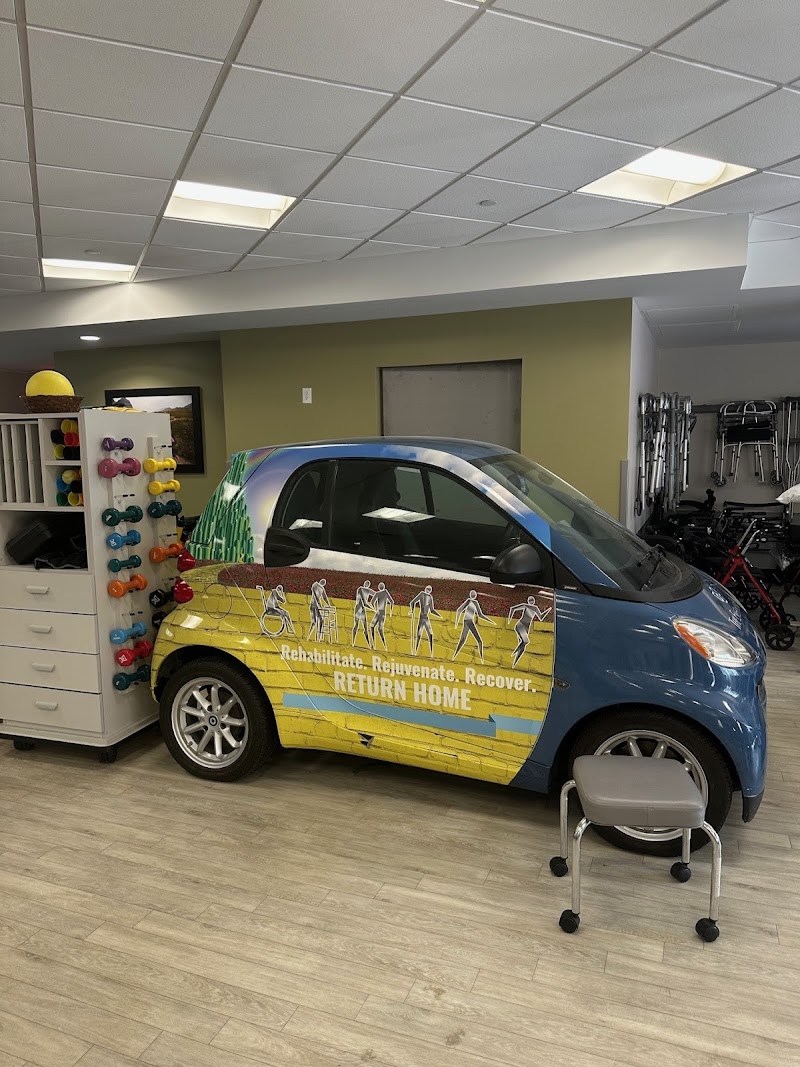
How is The Emerald Peek Rehabilitation And Nursing Center Staffed?

CMS rates THE EMERALD PEEK REHABILITATION AND NURSING CENTER's staffing level at 2 out of 5 stars, which is below average compared to other nursing homes. Staff turnover is 39%, compared to the New York average of 46%. This relatively stable workforce can support continuity of care.

What Have Inspectors Found at The Emerald Peek Rehabilitation And Nursing Center?

State health inspectors documented 27 deficiencies at THE EMERALD PEEK REHABILITATION AND NURSING CENTER during 2019 to 2024. These included: 1 that caused actual resident harm, 25 with potential for harm, and 1 minor or isolated issues. Deficiencies causing actual harm indicate documented cases where residents experienced negative health consequences.
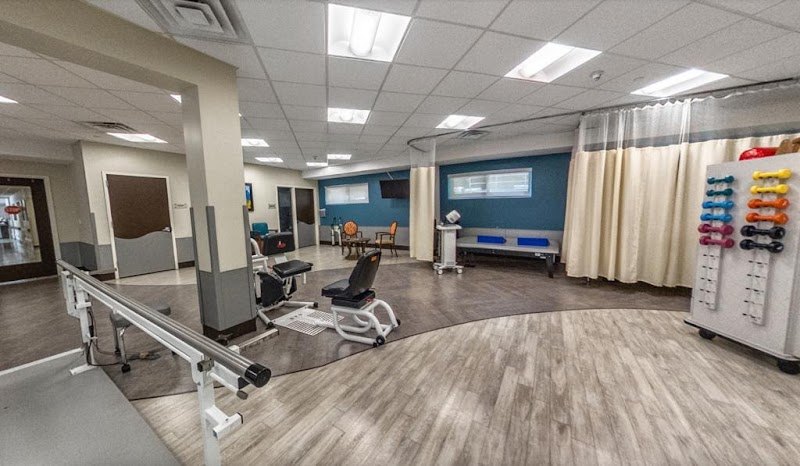
Who Owns and Operates The Emerald Peek Rehabilitation And Nursing Center?

THE EMERALD PEEK REHABILITATION AND NURSING CENTER is owned by a for-profit company. For-profit facilities operate as businesses with obligations to shareholders or private owners. The facility is operated by CARERITE CENTERS, a chain that manages multiple nursing homes. With 100 certified beds and approximately 89 residents (about 89% occupancy), it is a mid-sized facility located in PEEKSKILL, New York.

How Does The Emerald Peek Rehabilitation And Nursing Center Compare to Other New York Nursing Homes?

Compared to the 100 nursing homes in New York, THE EMERALD PEEK REHABILITATION AND NURSING CENTER's overall rating (3 stars) is below the state average of 3.1, staff turnover (39%) is near the state average of 46%, and health inspection rating (2 stars) is below the national benchmark.

What Should Families Ask When Visiting The Emerald Peek Rehabilitation And Nursing Center?

Based on this facility's data, families visiting should ask: "Can you walk me through typical staffing levels on day, evening, and night shifts?" "Can I visit during a mealtime to observe dining assistance and food quality?" "How do you handle medical emergencies, and what is your hospital transfer rate?" "Can I speak with family members of current residents about their experience?" These questions are particularly relevant given the below-average staffing rating.

Is The Emerald Peek Rehabilitation And Nursing Center Safe?

Based on CMS inspection data, THE EMERALD PEEK REHABILITATION AND NURSING CENTER has a clean safety record: no substantiated abuse findings (meaning no confirmed cases of resident harm), no Immediate Jeopardy citations (the most serious violation level indicating risk of serious injury or death), and is not on the Special Focus Facility watch list (a federal program monitoring the lowest-performing 1% of nursing homes). The facility has a 3-star overall rating and ranks #100 of 100 nursing homes in New York. While no facility is perfect, families should still ask about staff-to-resident ratios and recent inspection results during their visit.

Do Nurses at The Emerald Peek Rehabilitation And Nursing Center Stick Around?

THE EMERALD PEEK REHABILITATION AND NURSING CENTER has a staff turnover rate of 39%, which is about average for New York nursing homes (state average: 46%). Moderate turnover is common in nursing homes, but families should still ask about staff tenure and how the facility maintains care continuity when employees leave.

Was The Emerald Peek Rehabilitation And Nursing Center Ever Fined?

THE EMERALD PEEK REHABILITATION AND NURSING CENTER has been fined $139,425 across 1 penalty action. This is 4.0x the New York average of $34,473. Fines at this level are uncommon and typically indicate a pattern of serious deficiencies, repeated violations, or failure to correct problems promptly. CMS reserves penalties of this magnitude for facilities that pose significant, documented risk to resident health or safety. Families should request specific documentation of what issues led to these fines and what systemic changes have been implemented.

Is The Emerald Peek Rehabilitation And Nursing Center on Any Federal Watch List?

THE EMERALD PEEK REHABILITATION AND NURSING CENTER is not on any federal watch list. The most significant is the Special Focus Facility (SFF) program, which identifies the bottom 1% of nursing homes nationally based on persistent, serious quality problems. Not being on this list means the facility has avoided the pattern of deficiencies that triggers enhanced federal oversight. This is a positive indicator, though families should still review the facility's inspection history directly.