
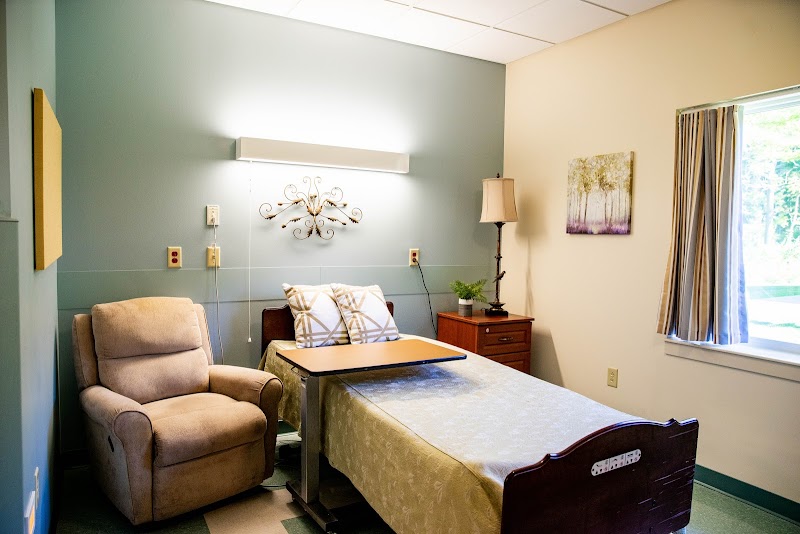
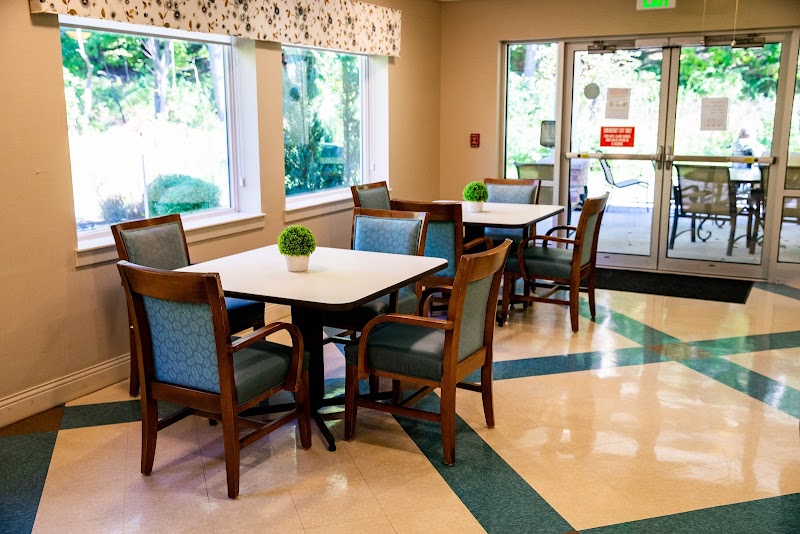
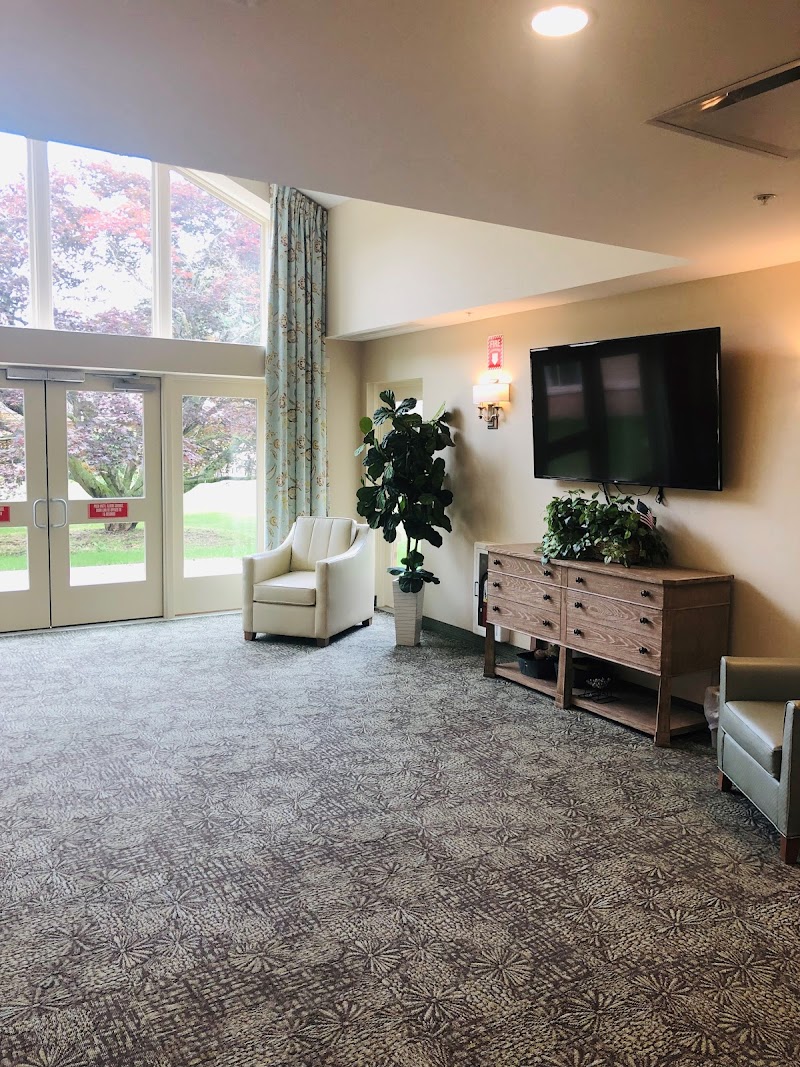

Penfield Place

1700 Penfield Road, Penfield, NY 14526 (585) 586-7433
For profit - Individual 48 Beds HURLBUT CARE Data: November 2025
Trust Grade
90/100
#87 of 594 in NY
Last Inspection: January 2025

Within standard 12-15 month inspection cycle. Federal law requires annual inspections.

Overview

Penfield Place in Penfield, New York, has an excellent Trust Grade of A, indicating a high level of quality and care. Ranking #87 out of 594 facilities statewide places it in the top half of New York nursing homes, while being #6 out of 31 in Monroe County suggests only a few local options are better. The facility is showing improvement, reducing its issues from four in 2023 to two in 2025. Staffing here is rated 4 out of 5 stars, though the 42% turnover rate is average compared to the state. While there have been no fines, which is a positive sign, the facility has less RN coverage than 85% of other New York facilities, which is concerning as RNs play a crucial role in monitoring resident care. Specific incidents noted during inspections include a failure to ensure safe water temperatures, with several instances of water exceeding 120 degrees Fahrenheit, which poses a burn risk. Additionally, there was a concern regarding a resident who had multiple medications left unattended, with no documentation showing they were assessed for their ability to self-administer. Lastly, there was an issue with a resident not receiving proper assistance for personal hygiene, highlighting areas for improvement in care services. Overall, while Penfield Place has strong points, it is essential to consider these weaknesses when making a decision.

Trust Score
A
90/100
In New York
#87/594
Top 14%
Safety Record
Low Risk
No red flags
Inspections
Getting Better
4 → 2 violations
Staff Stability
○ Average
42% turnover. Near New York's 48% average. Typical for the industry.
Penalties
✓ Good
No fines on record. Clean compliance history, better than most New York facilities.
Skilled Nurses
⚠ Watch
Each resident gets only 27 minutes of Registered Nurse (RN) attention daily — below average for New York. Fewer RN minutes means fewer trained eyes watching for problems.
Violations
○ Average
9 deficiencies on record. Average for a facility this size. Mostly minor or procedural issues.
★★★★★
5.0
Overall Rating
★★★★☆
4.0
Staff Levels
★★★★★
5.0
Care Quality
★★★★★
5.0
Inspection Score
Stable
2023: 4 issues
2025: 2 issues

The Good

  • 4-Star Staffing Rating · Above-average nurse staffing levels
  • 5-Star Quality Measures · Strong clinical quality outcomes
  • Full Sprinkler Coverage · Fire safety systems throughout facility
  • No fines on record
  • Staff turnover below average (42%)

    6 points below New York average of 48%

Facility shows strength in staffing levels, quality measures, fire safety.

The Bad

Staff Turnover: 42%

Near New York avg (46%)

Typical for the industry

Chain: HURLBUT CARE

Part of a multi-facility chain

Ask about local staffing decisions and management

The Ugly 9 deficiencies on record

Jan 2025 2 deficiencies
CONCERN (D)

Potential for Harm - no one hurt, but risky conditions existed

Deficiency F0554 (Tag F0554)

Could have caused harm · This affected 1 resident

Based on observations, interviews, and record review conducted during the Recertification Survey from 01/27/2025 to 01/31/2025, for one (Resident #13) of five residents reviewed, the facility did not ...

Read full inspector narrative →
Based on observations, interviews, and record review conducted during the Recertification Survey from 01/27/2025 to 01/31/2025, for one (Resident #13) of five residents reviewed, the facility did not ensure a resident was clinically appropriate to self-administer medications. Specifically, Resident #13 was observed to have multiple medications left on their bedside table and there was no documented evidence their ability to self-administer medications had been assessed or care planned for. This is evidenced by the following: Review of the facility policy Comprehensive Care Plan, dated November 2016, revealed the Comprehensive Care Plan for each resident would include measurable objectives and timetables to meet a resident's medical, nursing, mental and psychosocial needs that were identified on the comprehensive assessment. The care plan would be reviewed and updated as necessary on a quarterly basis and the ability to self-medicate would be reviewed at each care conference. Resident #13 had diagnoses that included dementia with mood disturbance, depression, and diabetes mellitus. The Minimum Data Set Resident Assessment, dated 10/26/2024, included the resident was cognitively intact and took high risk medications including an antidepressant, diuretic (medications that help the kidneys remove extra water and salt through the urine), and hypoglycemic (a medication that reduces the amount of sugar present in the blood). Review of the current Comprehensive Care Plan, initiated on 12/29/2024, did not include measurable goals or interventions for Resident #13 to self-administer medications. Review of current medical orders, did not include an order for Resident #13 to self-administer medications. Additional review of Resident #13's electronic health record did not include documentation of an interdisciplinary team decision that the resident was clinically appropriate to self-administer medications. During an observation and interview on 01/30/2025 at 10:13 AM, Resident #13 was sitting in their room and an unlabeled undated medicine cup that contained approximately 18 pills, including but not limited to, several Tylenol tablets and a Metformin (an anti-diabetic medication) tablet, was on their bedside table. There was no nurse in the area or in site at that time. Resident #13 stated they did not know all of the medications they were taking and pills were often left for them to take unsupervised depending on the nurse (who administered the medications). Resident #13 stated they were slow to take their pills because they preferred to wait until they had something to eat. During an interview on 01/30/2025 at 10:30 AM, Licensed Practical Nurse #1 stated Resident #13 had not eaten yet and took a long time to take their pills. Licensed Practical Nurse #1 stated they had left pills with the resident before, but knew residents needed to be evaluated and approved by a medical provider before taking their medications unsupervised. During an interview on 01/30/2025 at 12:42 PM, the Director of Nursing stated for residents to have medications left at their bedside unsupervised, they should be alert and oriented, know their medications, and have a care plan in place (to self-administer). During an interview on 01/31/2025 at 10:22 AM, Physician Assistant #1 stated they did not know Resident #13 very well, but the resident previously had a medical order to leave medications at their bedside. Physician Assistant #1 stated following an assessment of Resident #13 earlier in the day, they thought the resident had experienced some changes in their cognition and awareness. During an interview on 01/31/2025 at 12:59 PM, the Director of Nursing stated they were unable to find documentation Resident #13 had been assessed for their ability to self-administer medications. The Director of Nursing stated an assessment should have been completed and a care plan initiated before medications were left at the bedside. 10 NYCRR 415.3(f)(1)(vi)
MINOR (B)

Minor Issue - procedural, no safety impact

Comprehensive Care Plan (Tag F0656)

Minor procedural issue · This affected multiple residents

Based on observations, interviews, and record review conducted during a Recertification Survey from 01/27/2025 to 01/31/2025, for one (Resident #13) of one resident reviewed for oxygen use, the facili...

Read full inspector narrative →
Based on observations, interviews, and record review conducted during a Recertification Survey from 01/27/2025 to 01/31/2025, for one (Resident #13) of one resident reviewed for oxygen use, the facility did not develop and implement a comprehensive person-centered care plan that included measurable objectives and timeframes to meet the resident's medical, nursing, mental and psychosocial needs including resident goals, desired outcomes and preferences. Specifically, there was no comprehensive care plan including goals and interventions for the resident's respiratory disease and oxygen therapy requirements. This is evidenced by the following: Review of the Comprehensive Care Plan Policy, revised November 2016, documented in part, it is the policy of this facility that each resident has an interdisciplinary, comprehensive care plan. The care plan summarizes the team approach to active and /or potential problems or concerns based on the Care Area Assessments as per regulatory requirements. The Comprehensive Care Plan for each resident includes measurable objectives and timetables to meet a resident's medical, nursing, and mental and psychosocial needs that are identified on the comprehensive assessment. The Certified Nurse Assistant Resident Care Plan is also a part of the Comprehensive Care Plan which includes specific schedules/actions necessary to provide resident care. Resident #13 had diagnoses that included acute respiratory failure with hypoxia (decreased oxygen in the body), pulmonary emboli (blood clot to the lungs), wheezing and anxiety. The Minimum Data Set Resident Assessment, dated 10/26/2024, revealed Resident #13 was cognitively intact and received oxygen therapy. Review of current physician's orders, initiated 05/14/2024, documented oxygen per nasal cannula at two liters for comfort around the clock (nights, days, evenings shifts). Review of Resident #13's current (undated) Comprehensive Care Plan, and the Certified Nurse Assistant Resident Care Plan, did not include any information related to the resident having a respiratory related medical condition or that they were receiving oxygen therapy around the clock. During an observation on 01/27/2025 at 10:24 AM, Resident #13 was sitting in their wheelchair in their room. The resident was receiving oxygen via nasal cannula from an oxygen concentrator at two liters. The humidifier bottle (water bottle that delivers humidified air to the oxygen) attached to the oxygen concentrator was completely empty of water and unclean. During an observation on 01/29/2025 at 1:25 PM, Resident #13 was asleep in bed with their nasal cannula in place receiving oxygen at two liters. During an interview on 01/29/2025 at 3:05 PM, the Director of Nursing stated the facility was in the process of switching electronic health records software and even if the resident's information had not yet switched over, both electronic health records should have the same up to date information. During an interview on 01/30/2025 at 10:30 AM, Licensed Practical Nurse #1 stated Resident #13 always wore oxygen and they should be care planned for it, and their nursing interventions should include their oxygen settings, how often to change the tubing, and if they required humidification. During an interview on 01/30/2025 at 12:42 PM and again at 3:43 PM, the Director of Nursing stated the nurse managers were responsible for initiating the care plans, and afterwards other members of the interdisciplinary team should add to the care plan. Resident #13 should have been care planned for oxygen with interventions to fill the humidifier bottle every shift and change the humidifier bottle and oxygen tubing once weekly. The Director of Nursing stated prior to today, Resident #13 did not appear to be care planned for oxygen, but should have been and it was an oversight. 10 NYCRR 415.11(c)(1)
May 2023 4 deficiencies
CONCERN (D)

Potential for Harm - no one hurt, but risky conditions existed

ADL Care (Tag F0677)

Could have caused harm · This affected 1 resident

Based on observations, interviews and record review conducted during the Recertification Survey 5/4/23 to 5/10/23, it was determined for one (Resident #10) of three residents reviewed for activities o...

Read full inspector narrative →
Based on observations, interviews and record review conducted during the Recertification Survey 5/4/23 to 5/10/23, it was determined for one (Resident #10) of three residents reviewed for activities of daily living (ADLs) the facility did not ensure that residents who are unable to carry out ADLs received the necessary services to maintain personal hygiene. Specifically, there were issues with incorrect use of a bathing cleanser. The findings are: Resident #10 was admitted to the facility 11/13/20 with diagnoses including knee replacement, broken femur (leg), muscle weakness, and diabetes. The Minimum Data Set Assessment, dated 1/30/23, documented that the resident was cognitively intact, and required extensive assistance with personal hygiene. Review of the resident's comprehensive care plan, dated as reviewed 4/17/23, revealed Resident #10 required total assist 1-2 staff for ADL care, and to use gentle care with positioning as the resident has fragile skin and high risk for skin tears and bruising. During observation of morning care 5/8/23 at 9:17 a.m., Certified Nurse Assistant (CNA) #1 CNA #1 poured Total brand bath skin/hair cleanser into a basin of water. CNA#1 cleansed Resident #10's upper body using a washcloth soaked in the soapy water and without rinsing, cleansed the resident's private areas including around an indwelling catheter. CNA #1 changed the water, added more Total skin/hair cleanser and proceeded to clean the resident's lower body and buttocks (which were smeared with stool) and dressed the resident. At no time did CNA #1 rinse off the cleanser from the resident's skin. Additionally, CNA #1 touched the resident's clean clothes, mechanical lift sling and environmental surfaces without changing their soiled gloves. During an interview on 5/8/23 at 10:07 a.m., CNA #1 stated the product they used to bath the resident was a rinse free soap. When requested at the time to review the bottle of cleanser directions CNA #1 read the directions on the bottle that included For skin apply to washcloth or directly to skin. Massage into lather and rinse. Towel dry. CNA #1 stated they thought they changed their gloves after cleaning the resident's buttocks and should have changed gloves to keep things separate clean from dirty. During interviews on 5/10/23 at 10:47 a.m. and at 11:56 a.m., the Director of Nursing (DON) stated the bath skin/hair cleanser should be used per manufacture directions, if soap is not rinsed off the skin it could contribute to itchy and dry skin. The DON stated that staff should change their gloves after providing peri care (private areas of a resident). 10NYCRR: 415.12(a)(3)
CONCERN (D)

Potential for Harm - no one hurt, but risky conditions existed

Pressure Ulcer Prevention (Tag F0686)

Could have caused harm · This affected 1 resident

**NOTE- TERMS IN BRACKETS HAVE BEEN EDITED TO PROTECT CONFIDENTIALITY** Based on observations, interviews, and record review conducted during a Recertification Survey 5/4/23 to 5/10/23, it was determi...

Read full inspector narrative →
**NOTE- TERMS IN BRACKETS HAVE BEEN EDITED TO PROTECT CONFIDENTIALITY** Based on observations, interviews, and record review conducted during a Recertification Survey 5/4/23 to 5/10/23, it was determined that for one (Resident #26) of one resident reviewed for pressure ulcers, the facility did not ensure that the resident received the necessary treatment and services, consistent with professional standards of practice, to promote healing, prevent infection and prevent new ulcers from developing. Specifically, the nurse did not change gloves or perform hand hygiene while doing dressing changes on multiple wounds including a pressure ulcer. This was evidenced by the following: The facility policy Aseptic Dressing Change dated 12/3/10, directed the nurse to put on gloves, remove the dressing, place the used dressing in a waste receptacle, remove gloves, cleanse hands, replace gloves, clean the wound, place the used cleaning gauze in waste receptacle, observe wound for complications, cleanse hands, reapply gloves, apply medication, packing, outer dressing and/or wrap as ordered, remove gloves, sanitize hands. Tape and date new dressing in place, double-bag contaminated articles, and wash hands. Resident #26 was admitted on [DATE] with diagnosis including dementia, osteomyelitis (infection in the bone) and malnutrition. The Minimum Data Set assessment dated [DATE] documented that the resident was severely impaired cognitively, was at risk for developing pressure ulcers and had a stage 3 (full thickness tissue loss involving damage of the subcutaneous tissue) pressure ulcer. Physician orders for a right heel pressure ulcer dated 4/26/23 included to wash right heel with soap and water, dry thoroughly, apply Aquacel AG (wound treatment often used for infected wounds) to wound bed only, and cover with Allevyn (wound dressing) every Monday, Wednesday, Friday and PRN (as needed) if soiled, and apply a prevalon boot (cushioned boot that relieves pressure on the heels). Physician orders for left leg wound dated 5/3/23 included to cleanse with normal saline, apply skin prep (a liquid that when applied to the skin forms a protective barrier to prevent skin breakdown) to the area, cover with non-adherent telfa (dressing), wrap with kling (gauze) and secure with tape, daily and PRN. During an observation and interview on 5/9/23 at 9:52 a.m. the Dietician, Director of Nursing (DON) and the Nurse Practitioner (NP), wearing full personal protection equipment (PPE) assisted with wound care for Resident #26. While wearing gloves, the DON removed the soiled right heel dressing and assessed the wound which had a large amount of serous (blood tinged) drainage, granulating (pink-red moist healing tissue), and some eschar (dead tissue). Wearing the same gloves, the DON cleansed the wound stating it measured 3 centimeters (cm) by 2.5 cm, and applied the dressing as ordered. Without removing the soiled gloves, the DON replaced the resident's stocking. With the same gloves the DON removed the other stocking, cleansed another wound on the resident left leg which measured 2 cm by 0.7 cm and applied the dressings as ordered and replaced the sock and prevalon boots. Still wearing the soiled gloves, the DON touched both of the resident's arms that had multiple scabs in various stages of healing from the resident picking and touched multiple items and supplies in the resident's room before removing the soiled gloves and performing hand hygiene. During an immediate interview the DON stated that they did not change gloves or perform hand hygiene during either wound care (or prior to touching clothing and environmental surfaces) and should have to prevent the spread of infection. In an interview on 5/9/23 at 10:43 a.m. the NP stated gloves should be changed and hand hygiene performed between different dressing changes on resident's wounds to prevent cross contamination of wounds. The NP stated Resident #26 tested positive for MRSA (methicillin-resistant staphylococcus aureus-a bacteria resistant to some antibiotics) in the past but had not tested positive in any wounds recently. During an interview on 5/10/23 at 8:47 a.m. The Infection Preventionist (IP)/Staff Educator stated if a resident had more than one wound, each wound should be treated separately and without changing gloves it could cross contaminate one wound to another (potentially slowing down the healing process). The IP/ Staff Educator stated Resident #26 is on enhanced precautions (glown, gloves, masks) due to a history MRSA in their wounds and staff should change gloves and perform hand hygiene for each wound. 10NYCRR: 415.12(c)(2)
CONCERN (D)

Potential for Harm - no one hurt, but risky conditions existed

Unnecessary Medications (Tag F0759)

Could have caused harm · This affected 1 resident

Based on observations, interviews, and record review conducted during the Recertification Survey 5/4/23-5/10/23 it was determined that for one (Resident #32) of four residents observed during medicati...

Read full inspector narrative →
Based on observations, interviews, and record review conducted during the Recertification Survey 5/4/23-5/10/23 it was determined that for one (Resident #32) of four residents observed during medication pass, the facility did not ensure that it was free of medication error rate of 5 percent (%) or greater. There were 2 medication errors for 26 opportunities resulting in a 7.69 % medication error rate. The issue involved not mixing a medication in the correct amount of liquid, and not using a spacer nor rinsing the mouth after administering an inhaled medication as ordered by the phusicain. This is evidenced by the following: The facility Medication Administration Policy, revision dated March 2012, documented that medication is administered as ordered by the physician. Resident #32 had diagnoses including constipation, chronic obstructive pulmonary disease (COPD), and asthma. The Minimum Data Set (MDS, a resident assessment tool) dated 2/5/23, documented the resident had severe cognitive impairment. The current physician orders on 5/8/23 included, but were not limited to, the following medications: a. Miralax (polyethylene glycol 3350) powder, 17 gram dose oral twice a day, mix in 8 ounces (oz) of fluid for chronic constipation. b. Pulmicort Flexhaler (budesonide) aerosol powder breath activated 90 mcg (micrograms)/actuation (activation) twice a day, please use with spacer, have patient rinse mouth after use for COPD. During an observation of medication pass on 5/8/23 at 7:38 a.m., Registered Nurse (RN) #1 administered multiple medications (6) to Resident #32 including, but not limited to, Miralax mixed with water in a 5.5 oz cup, and Pulmicort inhaler without a spacer or having Resident #32 rinse their mouth after the administration. The 5/1/23 through 5/10/23 Medication Administration Record (MAR) for Resident #32 documented on 5/8/23, the Miralax was signed as administered in 8 oz of fluid, and the Pulmicort Flexhaler was signed as administered with the use of spacer and have patient rinse mouth after use. During an interview on 5/8/23 at 9:16 a.m. RN #1 stated they did not mix the Miralax in 8 oz fluid secondary to larger cups not available, and they did not use a spacer nor have Resident #32 rinse their mouth after the administration of the inhaler. During an interview on 5/8/23 at 1:01 p.m. the Director of Nursing (DON) stated medications should be administered as per the physician orders. During an interview on 5/9/23 at 2:54 p.m. the Nurse Practitioner (NP) stated medications should be administered as per the written physician orders. 10NYCRR: 415.12(m)(1)
CONCERN (E)

Potential for Harm - no one hurt, but risky conditions existed

Accident Prevention (Tag F0689)

Could have caused harm · This affected multiple residents

**NOTE- TERMS IN BRACKETS HAVE BEEN EDITED TO PROTECT CONFIDENTIALITY** Based on observations, interviews, and record review conducted during the Recertification Survey completed 5/4/23 to 5/10/23, it...

Read full inspector narrative →
**NOTE- TERMS IN BRACKETS HAVE BEEN EDITED TO PROTECT CONFIDENTIALITY** Based on observations, interviews, and record review conducted during the Recertification Survey completed 5/4/23 to 5/10/23, it was determined that for two (north and east halls) of four resident units, the facility did not ensure that the resident environment remained free of accident hazards. Specifically, hot water temperatures exceeding 120 degrees Fahrenheit (°F) were accessible to residents at point of use. The findings are: Observations, interviews, and record review on 5/4/23 from 11:08 a.m. to 4:06 p.m. included the following: Water temperatures at point of use (sinks, showers, tubs) using a [NAME] model 9842 digital thermometer were as follows: resident room [ROOM NUMBER] - 127.6°F, resident room [ROOM NUMBER] - 127.4°F, resident room [ROOM NUMBER] - 122.2°F, resident room [ROOM NUMBER] - 124.4°F, resident room [ROOM NUMBER] - 127.8°F, resident room [ROOM NUMBER] - 128.7°F, north hall shower room - 131.5°F, east hall shower room - 127.4°F. The [NAME] brand digital thermometers were verified to be accurate using the ice-point method and read between 32°F and 32.2°F after being placed in a cup of ice water. The temperature gauge for water leaving the mixing valve, located in the basement, read 128°F. The Director of Environmental Services (DES) stated that this mixing valve serves the older section of the building, the north and east halls. The DES also stated that the temperatures should not be more than 120°F. The DES stated that the boilers should be 118°F to 120°F and they recalibrated the valve to turn the water temperature down. Certified Nursing Assistant (CNA) #3 stated that the water in one (resident) room was very hot today, so they added cold water. CNA#3 also stated that it is not always like this and is hit or miss but did not tell anyone. Residents #12, #18 and #21 stated that they use their bathrooms to wash their hands. Facility weekly water temperature logs from 12/7/22 through 3/31/23 were reviewed and did not indicate any temperatures exceeding 120°F at points of use accessible to residents. There was no additional documentation provided to show that hot water temperatures were being monitored and or recorded for April 2023 and May 2023. 10NYCRR: 415.12(h)(1), 415.29, 415.29(a), 415.29(f)(6)
Feb 2022 3 deficiencies
CONCERN (D)

Potential for Harm - no one hurt, but risky conditions existed

Investigate Abuse (Tag F0610)

Could have caused harm · This affected 1 resident

**NOTE- TERMS IN BRACKETS HAVE BEEN EDITED TO PROTECT CONFIDENTIALITY** Based on observations, interviews, and record reviews conducted during a Recertification Survey and complaint investigation (#NY...

Read full inspector narrative →
**NOTE- TERMS IN BRACKETS HAVE BEEN EDITED TO PROTECT CONFIDENTIALITY** Based on observations, interviews, and record reviews conducted during a Recertification Survey and complaint investigation (#NY00272983), completed on 2/10/22, it was determined that for one (Resident #245) of three residents reviewed for accidents, the facility did not thoroughly investigate multiple falls to rule out abuse, neglect, or mistreatment. This is evidenced by: Resident #245 had diagnoses including dementia without behavioral disturbance, anxiety, and ataxia (impaired balance). The Minimum Data Set assessment dated [DATE], documented that the resident had moderately impaired cognitive function, limited mobility and required extensive assist from staff for transfers. The facility policy Fall Precautions, dated 10/10/16, directed that all residents identified at high risk for falls will receive appropriate assessment and interventions to decrease risk for falls and fall related injuries. The facility memorandum Falls, dated 11/21/19, directed Registered Nurses and Licensed Practical Nurses (LPN) to call medical first if there is any loss of consciousness, major injury, acute pain and/or significant change in vital signs after a fall. Neither policy directed staff that after a fall, an investigation should be completed to rule out abuse, neglect, or mistreatment. Review of the current Comprehensive Care Plan (CCP) and the current Certified Nursing Assistant (CNA) [NAME] (care plan used by the CNAs for daily care), revealed that Resident #245 required two staff members for transfers, was at risk for falls related to a history of multiple falls, unsteady gait, impulsivity, and failure to comply with requesting assist. Interventions included, but not limited to, encouraging use of assistive devices as recommended, keeping frequently used personal items within reach, changes to the environment, and keeping the bed in low position and against the wall when occupied. Review of nursing progress notes from 9/25/20 through 3/12/21, revealed that Resident #245 was found on the floor on 12/31/20, 1/11/21, 1/12/21 and 1/15/21. No documentation was provided that any investigation had been conducted to rule out abuse, neglect or mistreatment or failure to follow the care plan. In an interview on 2/10/22 9:28 a.m., the LPN, stated that Resident #245 was exit seeking at times and that they would try to redirect. The LPN stated that the resident had motion sensors and when they alarmed, staff would report to the resident's room. The LPN stated they did frequent checks and attempted to keep the resident in highly visible areas but that the resident's dementia was progressing, and they did not always understand what was going on around them. In an interview on 02/10/22 at 10:05 a.m. and at 11:39 a.m., the Director of Nursing stated that after each fall, it was expected that a new incident and accident report would be completed to rule out abuse, neglect (failure to follow the care plan) and mistreatment. [10 NYCRR 415.4(b)(3)]
CONCERN (D)

Potential for Harm - no one hurt, but risky conditions existed

Comprehensive Care Plan (Tag F0656)

Could have caused harm · This affected 1 resident

**NOTE- TERMS IN BRACKETS HAVE BEEN EDITED TO PROTECT CONFIDENTIALITY** Based on observations, interviews and record review conducted during the Recertification Survey completed on 2/10/22, it was det...

Read full inspector narrative →
**NOTE- TERMS IN BRACKETS HAVE BEEN EDITED TO PROTECT CONFIDENTIALITY** Based on observations, interviews and record review conducted during the Recertification Survey completed on 2/10/22, it was determined for that for 1 of 16 residents reviewed for care planning, the facility did not develop and implement a comprehensive person-centered care plan that includes measurable objectives and timeframes to meet the resident's medical, nursing, mental and psychosocial needs and includes the resident's goals, desired outcomes, and preferences. Specifically, Resident #34 had a physician's order for the use of Tubigrips (a compression covering that provides support to extremities and helps reduce swelling) and was observed not wearing them. In addition, the Tubigrips were not included in the residents Comprehensive Care Plan (CCP) nor the Certified Nursing Assistant (CNA) [NAME] (care plan used by the CNAs to drive daily care). The evidence is: 1.Resident #34 had diagnosis including dementia with behaviors, erythematous (a redness of the skin often a result of injury or an indication of infection) and localized edema (excess fluid in the tissues). The Minimum Data Set assessment dated [DATE], documented Resident #34 had moderately impaired cognitive function, required extensive assistance of staff for dressing, did not have any rejection of care behaviors and had skin tears at that time. Review of current medical orders included for localized edema, to apply a double layer of Tubigrips to the resident's legs from knees to toes in the morning at 7:00 a.m., and remove in the evening at 7:00 p.m. Review of the CCP and the CNA [NAME] revealed that neither care plan included the need to apply the Tubigrips as ordered. During observations on 2/8/21 at 11:17 a.m. and again on 2/9/22 at 8:43 a.m., Resident #34 was up in their chair and was not wearing Tubigrips. Resident #34 had red and purple skin color changes to both shins, significant peeling of the skin all over their lower legs and swelling to both feet. Review of a Physician progress note, dated 1/5/22, revealed that Resident #34 had bilateral leg edema and was noncompliant with compression devices. Review of nursing progress notes did not reveal any documentation regarding Tubigrips or the refusal of. In an interview on 2/8/22 at 11:17 a.m., LPN #1 stated Resident #34 may become violent if you try to put on the Tubigrips. In an interview on 2/9/22 at 9:32 a.m., CNA #1 stated Resident #34 wore the Tubigrips every day. In an interview on 2/9/22, at 9:55a.m., LPN #1 stated that if a resident refused treatments, they would reapproach, encourage, and document in the electronic medical record the refusal. LPN#1 stated that if refusals continued to happen, they would notify the physician. In an interview on 2/9/22 at 10:38 a.m., the Director of Nursing (DON) stated that if a treatment was due at 7:00 a.m., it should be completed at that time. If it was not done, then it should be reported to the team leader and the team leader should have reported to myself or the nurse manager. The time or the necessity of the treatment may need to be reevaluated. The DON stated they would expect to see a progress note in the electronic medical record if unable to complete. [10NYCRR 415.11 (c)(1)]
CONCERN (D)

Potential for Harm - no one hurt, but risky conditions existed

Deficiency F0757 (Tag F0757)

Could have caused harm · This affected 1 resident

**NOTE- TERMS IN BRACKETS HAVE BEEN EDITED TO PROTECT CONFIDENTIALITY** Based on interviews and record reviews conducted during the Recertification Survey, completed on 2/10/22, it was determined for ...

Read full inspector narrative →
**NOTE- TERMS IN BRACKETS HAVE BEEN EDITED TO PROTECT CONFIDENTIALITY** Based on interviews and record reviews conducted during the Recertification Survey, completed on 2/10/22, it was determined for one (Resident #39) of five residents reviewed, the facility did not ensure each resident's drug regimen was free of unnecessary medications. Specifically, the resident's medications were not held despite demonstration of potential adverse side effects and the medical team was not notified of the potential side effects. This is evidenced by the following: Resident #39 is [AGE] years old with diagnoses including dementia, dysphagia (difficulty swallowing), and weight loss. The Minimum Data Set assessment dated [DATE], documented that the resident had severe impairment of cognitive function, was incontinent of bowel function and was totally dependent on staff for toileting and bathing. Physician orders, dated 1/1/22 to 2/8/22, included Senna-S (a laxative + stool softener) daily at bedtime and to hold for loose stools and Gavilax (a laxative) 17 grams daily for constipation and to hold for loose stools. Review of Resident #39 bowel movements in the electronic medical record, dated 1/20/22 through 2/7/22 revealed that the resident was incontinent of bowel 55 times in that time period. Numerous bowel movements were described as loose and/or tarry black stools. There was no documented evidence that the laxatives or stool softener were ever held or communicated to the medical team. Review of the medication administration record for 1/20/22 through 2/7/22 revealed that Resident #39 received both the Senna-S and the Gavilax daily as ordered for the entire time. In an interview on 2/8/22 at 11:31 a.m., and at 2:47 p.m., the Certified Nursing Assistant (CNA) stated that Resident #39 is incontinent of bowels, goes several times a day and is always loose. The CNA stated that they did not let the nurse know recently because they didn't think it had been too bad lately. In an interview on 2/8/22 at 2:27 p.m., the Licensed Practical Nurse (LPN) stated that they get a report daily on any residents who have not had a bowel movement for three days but not for residents who may be having too many bowel movements or loose stool. The LPN stated that they would expect the CNAs to inform the nurses so the laxatives could be held. In an interview on 2/10/22 at 9:37 a.m., the Director of Nursing stated that the expectation is that for a resident having frequent and loose stools, a medical workup is completed, and the medications reviewed. The DON said that the CNAs should note this on their activities of daily living report and notify the nurse as they have been trained. The DON said that this resident should have been placed on the 24-hour report so staff can hold the laxative as ordered and keep an on eye on the resident. [10 NYCRR 415.12(l)(1)]
Understanding Severity Codes (click to expand)
Life-Threatening (Immediate Jeopardy)
J - Isolated K - Pattern L - Widespread
Actual Harm
G - Isolated H - Pattern I - Widespread
Potential for Harm
D - Isolated E - Pattern F - Widespread
No Harm (Minor)
A - Isolated B - Pattern C - Widespread

Questions to Ask on Your Visit

  • "Can I speak with families of current residents?"
  • "What's your RN coverage like on weekends and overnight?"

Our Honest Assessment

Strengths
  • • Grade A (90/100). Above average facility, better than most options in New York.
  • • No major safety red flags. No abuse findings, life-threatening violations, or SFF status.
  • • No fines on record. Clean compliance history, better than most New York facilities.
  • • 42% turnover. Below New York's 48% average. Good staff retention means consistent care.
Concerns
  • • No significant concerns identified. This facility shows no red flags across CMS ratings, staff turnover, or federal penalties.
Bottom line: Generally positive indicators. Standard due diligence and a personal visit recommended.

About This Facility

What is Penfield Place's CMS Rating?

CMS assigns Penfield Place an overall rating of 5 out of 5 stars, which is considered much above average nationally. Within New York, this rating places the facility higher than 99% of the state's 100 nursing homes. This rating reflects solid performance across the metrics CMS uses to evaluate nursing home quality.

How is Penfield Place Staffed?

CMS rates Penfield Place's staffing level at 4 out of 5 stars, which is above average compared to other nursing homes. Staff turnover is 42%, compared to the New York average of 46%. This relatively stable workforce can support continuity of care.

What Have Inspectors Found at Penfield Place?

State health inspectors documented 9 deficiencies at Penfield Place during 2022 to 2025. These included: 8 with potential for harm and 1 minor or isolated issues.

Who Owns and Operates Penfield Place?

Penfield Place is owned by a for-profit company. For-profit facilities operate as businesses with obligations to shareholders or private owners. The facility is operated by HURLBUT CARE, a chain that manages multiple nursing homes. With 48 certified beds and approximately 47 residents (about 98% occupancy), it is a smaller facility located in Penfield, New York.

How Does Penfield Place Compare to Other New York Nursing Homes?

Compared to the 100 nursing homes in New York, Penfield Place's overall rating (5 stars) is above the state average of 3.1, staff turnover (42%) is near the state average of 46%, and health inspection rating (5 stars) is much above the national benchmark.

What Should Families Ask When Visiting Penfield Place?

Based on this facility's data, families visiting should ask: "Can I visit during a mealtime to observe dining assistance and food quality?" "How do you handle medical emergencies, and what is your hospital transfer rate?" "Can I speak with family members of current residents about their experience?"

Is Penfield Place Safe?

Based on CMS inspection data, Penfield Place has a clean safety record: no substantiated abuse findings (meaning no confirmed cases of resident harm), no Immediate Jeopardy citations (the most serious violation level indicating risk of serious injury or death), and is not on the Special Focus Facility watch list (a federal program monitoring the lowest-performing 1% of nursing homes). The facility has a 5-star overall rating and ranks #1 of 100 nursing homes in New York. While no facility is perfect, families should still ask about staff-to-resident ratios and recent inspection results during their visit.

Do Nurses at Penfield Place Stick Around?

Penfield Place has a staff turnover rate of 42%, which is about average for New York nursing homes (state average: 46%). Moderate turnover is common in nursing homes, but families should still ask about staff tenure and how the facility maintains care continuity when employees leave.

Was Penfield Place Ever Fined?

Penfield Place has no federal fines on record. CMS issues fines when nursing homes fail to meet care standards or don't correct problems found during inspections. The absence of fines suggests the facility has either maintained compliance or corrected any issues before penalties were assessed. This is a positive indicator, though families should still review recent inspection reports for the full picture.

Is Penfield Place on Any Federal Watch List?

Penfield Place is not on any federal watch list. The most significant is the Special Focus Facility (SFF) program, which identifies the bottom 1% of nursing homes nationally based on persistent, serious quality problems. Not being on this list means the facility has avoided the pattern of deficiencies that triggers enhanced federal oversight. This is a positive indicator, though families should still review the facility's inspection history directly.