Penn Yan Manor Nursing Home Inc
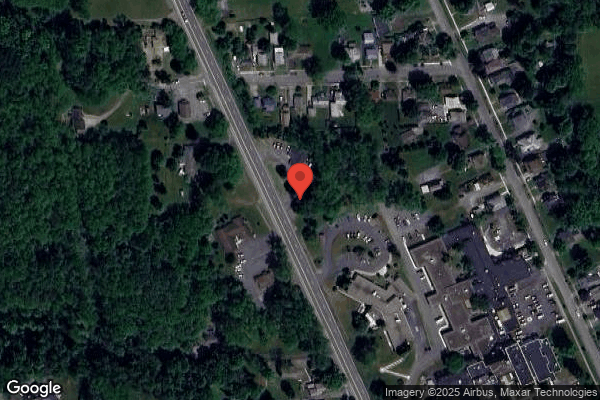
655 North Liberty Street, Penn Yan, NY 14527 (315) 536-2311
Non profit - Corporation 46 Beds Independent Data: November 2025
Trust Grade
85/100
#88 of 594 in NY
Last Inspection: April 2024

Within standard 12-15 month inspection cycle. Federal law requires annual inspections.

Overview

Penn Yan Manor Nursing Home Inc has a Trust Grade of B+, which means it is recommended and performs above average compared to other facilities. It ranks #88 out of 594 in New York, placing it in the top half of the state, and is the best option out of the two nursing homes in Yates County. The facility is currently improving, with issues decreasing from five in 2022 to just one in 2024. Staffing is rated average with a turnover rate of 44%, which is similar to the state average, but there are concerns about the quality measures rating of 2 out of 5. Notably, there were some issues identified during inspections, such as failing to properly screen new hires for potential abuse and not providing a complete discharge summary for a resident, which could impact care continuity. However, there were no fines on record, indicating a generally good compliance history.

Trust Score
B+
85/100
In New York
#88/594
Top 14%
Safety Record
Low Risk
No red flags
Inspections
Getting Better
5 → 1 violations
Staff Stability
○ Average
44% turnover. Near New York's 48% average. Typical for the industry.
Penalties
✓ Good
No fines on record. Clean compliance history, better than most New York facilities.
Skilled Nurses
⚠ Watch
Each resident gets only 27 minutes of Registered Nurse (RN) attention daily — below average for New York. Fewer RN minutes means fewer trained eyes watching for problems.
Violations
⚠ Watch
14 deficiencies on record. Higher than average. Multiple issues found across inspections.
★★★★★
5.0
Overall Rating
★★★☆☆
3.0
Staff Levels
★★☆☆☆
2.0
Care Quality
★★★★★
5.0
Inspection Score
Stable
2022: 5 issues
2024: 1 issues

The Good

  • Full Sprinkler Coverage · Fire safety systems throughout facility
  • No fines on record
  • Staff turnover below average (44%)

    4 points below New York average of 48%

Facility shows strength in fire safety.

The Bad

Staff Turnover: 44%

Near New York avg (46%)

Typical for the industry

The Ugly 14 deficiencies on record

Apr 2024 1 deficiency
CONCERN (D)

Potential for Harm - no one hurt, but risky conditions existed

Deficiency F0661 (Tag F0661)

Could have caused harm · This affected 1 resident

Based on interviews and record review conducted during the Recertification Survey the facility did not ensure that the completion of a discharge summary that included a recapitulation of the residents...

Read full inspector narrative →
Based on interviews and record review conducted during the Recertification Survey the facility did not ensure that the completion of a discharge summary that included a recapitulation of the residents stay, a final summary of the resident's status and a post-discharge plan was completed for one (Resident #40) of one resident reviewed. Specifically, the resident was discharged without a complete discharge summary to ensure the facility communicated the necessary information to the resident, the continuing care provided and the resident representative (if applicable) at the time of discharge. The finding is: The undated policy and procedure Discharge Summary and Plan provided by the Administrator, documented when a resident's discharge is anticipated, a discharge summary and post-discharge plan will be developed. The discharge summary will include a recapitulation of the resident's stay at the facility and a final summary of the resident's status at the time of discharge. A post-discharge plan will be developed by the care planning/interdisciplinary team with the assistance of the resident. Resident #40 had diagnoses including diabetes mellitus, anemia, and atrial fibrillation (abnormal heart rhythm). The Minimum Data Set (MDS - a resident assessment tool) dated 1/8/24 documented the resident was cognitively intact and wanted to be asked on all assessments about returning to the community. Resident #40 current Comprehensive Care Plan documented no discharge planning focus areas or discharge planning interventions. The discharge planning visit dated 1/30/24 completed by Physician #1 documented Resident #40 was stable for discharge to home on 1/31/24 with the support of family/others. The Social Work Discharge Summary Note dated 1/31/24 completed by Social Worker #1 documented Resident #40 was discharged to home with family. The Voluntary Discharge form dated 1/31/24 and signed by Resident #40, Social Worker #1, and Registered Nurse Manager #1 documented a list of current medications and primary care provider follow-up appointment was provided to the resident. Additionally, prescriptions were sent to their pharmacy. Review of the electronic medical record and the paper medical record revealed no documentation that a discharge summary including a recapitulation of the resident's stay at the facility, a final summary of their status, and a post-discharge plan of care was completed for Resident #40. During an interview on 4/23/24 at 7:43 AM Registered Nurse Manager #1 stated they provide a list of current medications and administration times to residents when they are discharged from the facility. During an interview on 4/24/24 at 8:11 AM Social Worker #1 stated the Voluntary Discharge form (which includes follow-up appointments, outpatient services if needed, and whether prescriptions were sent to pharmacy) is provided to the resident and/or responsible party upon discharge from the facility. During an interview on 4/24/24 at 8:23 AM Occupational Therapist #1 stated they verbally review any discharge instructions with the resident, but do not provide any written discharge instructions upon discharge from the facility. During an interview on 4/24/24 at 8:25 AM Physical Therapist #1 stated they verbally review any discharge instructions with the resident, but do not provide any written discharge instructions upon discharge from the facility. During an interview on 4/24/24 at 8:45 AM Registered Dietician #1 stated they do not provide any written discharge to residents upon discharge from the facility. During an interview on 4/25/24 at 8:12 AM the Director of Nursing stated residents should receive an interdisciplinary team discharge summary, with a written summary and directions from each discipline, upon discharge from the facility. During an interview on 4/25/24 at 8:15 AM the Administrator stated residents should be discharged from the facility with the instructions to provide the care needed at home. 10 NYCRR 415.11 (d)(1)(2)(3)
Aug 2022 5 deficiencies
CONCERN (D)

Potential for Harm - no one hurt, but risky conditions existed

Deficiency F0557 (Tag F0557)

Could have caused harm · This affected 1 resident

Based on observations, interviews, and record review conducted during the Recertification Survey completed on 8/5/22, it was determined that for one (Resident #13) of five residents reviewed during di...

Read full inspector narrative →
Based on observations, interviews, and record review conducted during the Recertification Survey completed on 8/5/22, it was determined that for one (Resident #13) of five residents reviewed during dining, the facility did not ensure that the resident received care in a respectful and dignified manner during meals. Specifically, Resident #13 did not receive timely assistance with eating. This is evidenced by the following: Resident #13 had diagnoses including dementia with behavioral disturbances, Parkinson's disease, dysphagia (difficulty swallowing), and anxiety. The Minimum Data Set Assessment, dated 5/19/22, documented that Resident #13 had severe impairment of cognitive skills and was totally dependent on staff for eating. Review of current physician orders revealed that Resident #13 was ordered a regular diet, with puree texture and nectar thick fluid consistency. The current comprehensive care plan (CCP) and current Certified Nursing Assistant (CNA) care card (used by CNAs for daily care) included that Resident #13 was at risk for aspiration and was not allowed to be fed by their spouse (also a resident). Interventions included no straws, pureed consistency foods and nectar thick liquids. The CCP also included that Resident #13, was to be brought to the dining room for lunch and dinner, required physical assistance with meal set up, close staff supervision throughout and that Resident #13 should sit up at 90 degrees for meals to assist with swallowing. During an observation on 8/2/22, Resident #13 was sitting at the dining room table. Their lunch was delivered to the table at 12:18 p.m., but the resident was not assisted until 12:39 p.m. During an observation on 8/3/22, Resident #13 was observed sitting in a lounge chair at a dining room table awaiting lunch with their spouse who was sitting at the same table. Resident #13's lunch tray was delivered to their table at 12:13 p.m. A staff member removed the resident's face mask but did not uncover or setup the resident's lunch. At 12:18 p.m., Resident #13's spouse's lunch tray was delivered and they began eating, while Resident #13 remained unassisted with their plate still covered. At 12:20 p.m., a staff member called to Resident #13 from across the room, You haven't started eating yet? At 12:33 p.m., the resident's spouse asked the surveyor when someone would assist their spouse. At 12:34 p.m., Resident #13's spouse asked why no one was feeding their spouse and a staff member began feeding Resident #13 at 12:38 p.m. (25 minutes after the meal tray was set in front of Resident #13). During an interview with the Resident #13's spouse (identified by facility documentation as severely impaired cognitively) on 8/3/22 at 12:50 p.m., Resident #13's spouse stated that staff do help Resident #13 eat but that staff do not get to it while the food is still hot. During an interview on 8/4/22 at 1:24 p.m., the CNA stated that that when the food trays arrive in the dining room, there are no specific residents that receive their trays first. The CNA stated that residents who need assistance with eating are identified by a green dot on the food tray ticket. The CNA said that the aides and nurses assist with feeding residents, and if food is too cold, the microwave is an available option to reheat food. During an interview on 8/4/22 at 1:36 p.m., the Licensed Practical Nurse (LPN) stated that food trays for dining room residents are delivered first, but in no particular order. The LPN said that one nurse is required to be in the dining room, while another nurse needs to be out on the floor, and the aides fill in where needed. The LPN said that food trays are not immediately set up when delivered for residents needing assistance and the lids are left on, so the food does not get cold. The LPN stated that staff try to deliver Resident #13's and their spouse's trays last since the resident's spouse has been observed feeding Resident #13 foods from the trays. The LPN said that Resident #13 required assistance with eating but has at times fed themselves. During an interview on 8/4/22 at 1:55 p.m., the Registered Nurse / Charge Nurse stated the expectation is that when a food tray is delivered to a resident who requires assist, staff should immediately start feeding the resident. [NYCRR 415.5(a)]
CONCERN (D)

Potential for Harm - no one hurt, but risky conditions existed

Deficiency F0578 (Tag F0578)

Could have caused harm · This affected 1 resident

Based on observations, interviews, and record reviews conducted during the Recertification Survey, completed on 8/5/22, it was determined that for 3 (Residents #29, #17 and #19) of 13 residents review...

Read full inspector narrative →
Based on observations, interviews, and record reviews conducted during the Recertification Survey, completed on 8/5/22, it was determined that for 3 (Residents #29, #17 and #19) of 13 residents reviewed, the facility did not ensure that the resident's right to request, refuse, and/or discontinue treatment, and to formulate an advance directive would be honored. Specifically, the color-coded name plates at the entrance of the residents' rooms did not match the wishes documented on the residents' Medical Orders for Life Sustaining Treatment (MOLST). Review of the undated facility policy Advance Directives, indicated; if a resident has executed an advance directive, it will be displayed prominently in the medical record and reflected in the resident's care plan. 1. Resident #27 had diagnoses including schizoaffective disorder, schizophrenia, and major depression. The Minimum Data Set (MDS) Assessment, dated 6/27/22, included that the resident had severe cognitive impairment. Review of the MOLST form, dated 3/19/21, documented Resident #27's wishes as Do Not Resuscitate (DNR) and Do Not Intubate (DNI). During an interview on 8/3/22 at 8:45 a.m., LPN#1 stated the color-coded name plates on resident room doors indicate the residents' code status. LPN#1 stated that a green resident name plate indicates that the resident is a full code, while a white resident name plate indicates that the resident is a DNR/DNI. LPN #1 stated that they would look at the pink MOLST form for the resident's code status, which should be in the front of the resident's paper chart. During an observation on 8/3/22 at 9:33 a.m., the name plate on Resident #27's door had a green background. During an interview and observation on 8/3/22 at 1:33 p.m., the Charge Registered Nurse (RN) stated that Resident #27's code status was DNR/DNI and that the green name plate on the door was not displaying their code status correctly. 2. Resident #17 had diagnoses that included dementia, aphasia, dysphagia following cerebral infarct and major depressive disorder. The MDS Assessment, dated 6/3/22, included the resident had moderately impaired cognition. Review of the MOLST form dated 1/28/22, indicated the resident's wishes were DNR, DNI, and Comfort Measures. When observed on 8/3/22 at 1:37 p.m, and 2: 34 p.m, the name plate outside of Resident #17's room door had a green background. During an interview on 8/3/22 at 8:44 a.m., the Charge RN stated that the resident was originally a full code when admitted and changes had been made to the resident's code status. 3. Resident #19 had diagnoses that included unspecified dementia without behaviors, major depressive disorder, adjustment disorder and adult failure to thrive. The MDS Assessment, dated 6/9/22, included the resident had severe cognitive impairment. The current physician's orders and the MOLST form signed and dated 3/8/22, indicated Resident #19's wishes were DNR, DNI with limited medical interventions. During an observation on 8/03/22 at 1:38 p.m, the name tag outside of room door had a green background with the resident's name in black writing. During an interview on 8/3/22 at 9:09 a.m., LPN #2's stated that it was their practice to check the resident's MOLST in the paper chart to identify a resident's code status. During an interview on 8/3/22 at 9:10 a.m., CNA #1 stated that to identify a resident's code status, reviewing the green books at the front desk (resident paper charts) or looking at the resident's care card in the resident's closet door would be the fastest way. During a joint interview with the Charge RN and the Nurse Practitioner (NP) on 8/3/22 at 11:57 a.m., the Charge RN stated that residents code status is verified by reviewing the resident's MOLST (if applicable) in the paper chart and an order is placed in the Electroni Medical Record. The door name plates are color-coded based on the resident's code status, with a white name plate indicating DNR and a green name plate indicating a full code. The Charge RN also stated that any resident brought into the facility without a MOLST form is a full code. 10 NYCRR 415.3 (e)(1)(ii)
CONCERN (D)

Potential for Harm - no one hurt, but risky conditions existed

Deficiency F0645 (Tag F0645)

Could have caused harm · This affected 1 resident

**NOTE- TERMS IN BRACKETS HAVE BEEN EDITED TO PROTECT CONFIDENTIALITY** Based on record reviews and interviews conducted during the Recertification survey, completed 8/5/22, it was determined that for...

Read full inspector narrative →
**NOTE- TERMS IN BRACKETS HAVE BEEN EDITED TO PROTECT CONFIDENTIALITY** Based on record reviews and interviews conducted during the Recertification survey, completed 8/5/22, it was determined that for 1 (Resident #27) of 13 residents reviewed, the facility did not ensure that each resident was screened for a mental disorder (MD) or intellectual disability (ID) prior to admission to the facility and that individuals identified with MD or ID were evaluated and received care and services in the most integrated setting to meet their needs. Specifically, there was no evidence that a Pre-admission Screening and Resident Review (PASARR) was completed for Resident #27, who had been admitted to the facility with a significant MD diagnosis. This is evidenced by the following: Resident #27 was admitted to the facility on [DATE] with diagnoses including schizoaffective disorder, schizophrenia, and major depression. The Minimum Data Set (MDS) Assessment, dated 6/27/22, indicated the resident had severe cognitive impairment. Review of the Electronic Medical Record (EMR) and the paper record for Resident #27 did not reveal any evidence that a PASARR was completed prior to admission. During an interview on 8/4/22 at 8:59 a.m., and 10:01 a.m., the Director of Nursing (DON) stated that all residents were required to have a PASARR completed prior to admission. The DON stated that Resident #27 came from another state and a PASARR review was not completed prior to admission to the facility. During an interview on 8/4/22 at 9:46 a.m., a Human Resources staff stated that at the time of Resident #27's admission, Social Work would have completed the admission process. During an interview on 8/4/22 at 10:01 a.m., the DON stated there was not a specific person to complete all the admission paperwork. The DON stated that there was no one on staff that was certified to complete screens. The DON stated that they were aware all residents required a PASARR screening prior to admission. The DON stated that Resident #27 displayed behaviors and received psychiatric services. 10NYCRR415.11(e)
CONCERN (E)

Potential for Harm - no one hurt, but risky conditions existed

Abuse Prevention Policies (Tag F0607)

Could have caused harm · This affected multiple residents

**NOTE- TERMS IN BRACKETS HAVE BEEN EDITED TO PROTECT CONFIDENTIALITY** Based on interview and record reviews conducted during the Recertification Survey completed on 8/5/22, it was determined that th...

Read full inspector narrative →
**NOTE- TERMS IN BRACKETS HAVE BEEN EDITED TO PROTECT CONFIDENTIALITY** Based on interview and record reviews conducted during the Recertification Survey completed on 8/5/22, it was determined that the facility did not implement written policies and procedures to prevent abuse, neglect, exploitation, and misappropriation of resident property related to screening prospective employees. Specifically, a Nurse Aide Registry (NAR) abuse screening was not completed prior to hire for four out of five employee files reviewed. The findings are: 1. On 8/4/22 from 10:34 a.m. to 11:45 a.m. the surveyor was provided documentation related to five newly hired employees. The files included Employees #1, #4 and #5 were hired as: Certified Nurse Assistants (CNAs) and Employee #2, was hired as a Housekeeper. The files also included hire dates of 6/17/22, 6/23/22, 4/4/22, and 4/17/22 for Employees #1, #2, #4 and #5, respectively. The documentation provided did not include a NAR abuse screen for employee #4, and the NAR abuse screen for employees #1, #2, and #5 were run on 8/4/22 (after hire). 2. During an interview on 8/4/22 at 10:39 a.m., the Human Resources Director (HRD) stated that they were not aware that the non-CNAs (housekeeper) had to be run through the NAR. Additionally, the HRD stated that the procedure was for the Director of Nursing (DON) to run the NAR screen for CNAs and pass the forms to the HRD. The HRD also stated that they believed the NAR checks were completed for the CNAs prior to hire but could not find the documentation in the former DON's office. 3. Review of the facility policy, effective November 13, 2017, titled: [NAME] Manor Nursing Home Policy & Procedure: Abuse, Neglect, Mistreatment, Exploitation, and Misappropiation of Resident Property revealed; It is the policy of this facility to screen employees and volunteers prior to working with residents. Screening components include verification of references, certification and verification of license and criminal background check. Further review of this policy revealed it did not include provisions to run all prospective employees through the New York State NAR for findings concerning abuse, neglect, exploitation, mistreatment of residents and misappropriation of their property. 10 NYCRR: 415.4(b)
CONCERN (E)

Potential for Harm - no one hurt, but risky conditions existed

Garbage Disposal (Tag F0814)

Could have caused harm · This affected multiple residents

Based on observations, interviews, and record reviews conducted during the Recertification Survey completed on 8/5/22, it was determined that for one of one kitchen the facility failed to dispose of g...

Read full inspector narrative →
Based on observations, interviews, and record reviews conducted during the Recertification Survey completed on 8/5/22, it was determined that for one of one kitchen the facility failed to dispose of garbage and refuse properly. Specifically, the garbage dumpster outside the facility was not equipped with a tight-fitting lid, door, or cover. This is evidenced by the following: Observations during the follow-up kitchen tour on 8/4/22 at approximately 11:55 a.m., revealed a large rectangular open-top roll-off garbage dumpster outside the facility located outside the nearby hospital kitchen where the facility meals are prepared. There were garbage bags accumulating in the dumpster and with no cover, which could create a potential feeding and harborage area for pests. During an interview on 8/4/22 at 11:55 a.m., the Kitchen Supervisor stated that the garbage dumpster had been in place for one year and was emptied twice a week. The Kitchen Supervisor stated there was never a tight-fitting lid, cover, or door on the dumpster. During an interview on 8/4/22 at 12:17 p.m., the Director of Nutritional Services stated that they were aware that the garbage dumpster stored outside the facility should have had a tight-fitting lid and they were working on obtaining a solution. 10 NYCRR: 415.14 (h), Subpart 14-1.150(c)
Nov 2019 8 deficiencies
CONCERN (D)

Potential for Harm - no one hurt, but risky conditions existed

Comprehensive Care Plan (Tag F0656)

Could have caused harm · This affected 1 resident

**NOTE- TERMS IN BRACKETS HAVE BEEN EDITED TO PROTECT CONFIDENTIALITY** Based on observations, interviews, and record reviews conducted during the Recertification Survey, it was determined that for on...

Read full inspector narrative →
**NOTE- TERMS IN BRACKETS HAVE BEEN EDITED TO PROTECT CONFIDENTIALITY** Based on observations, interviews, and record reviews conducted during the Recertification Survey, it was determined that for one of one resident reviewed for activities, the facility did not develop a person-centered care plan that included measurable goals and interventions to meet the resident's medical, nursing, and psychosocial needs. Specifically, Resident #13 did not have an activities care plan. This is evidenced by the following: Resident #13 was admitted to the facility on [DATE] and had diagnoses including Parkinson's disease, seizures, and dementia. The Minimum Data Set Assessment, dated 8/22/19, revealed the resident was cognitively intact. The admission Activity Assessment, dated 8/14/19, revealed that books and local newspapers were very important to the resident. The resident liked cards, was Presbyterian, and liked small and large group activities. Review of the Comprehensive Care Plan and Closet Care Plan (care plan used by Certified Nursing Assistants - CNA) revealed that neither care plan included activities. When interviewed on 11/7/19 at 3:36 p.m., CNA #1 stated she was not sure what activities the resident liked. CNA #1 said she would have to ask the Activities Director. When interviewed on 11/8/19 at 2:10 p.m., CNA #2 stated the resident was offered activities every day based on what was being provided on the activity calendar. During an interview on 11/12/19 at 8:42 a.m., the resident stated she liked to read Good Housekeeping and the Finger Lakes Times. She stated occasionally she was offered a magazine or newspaper. When interviewed on 11/12/19 at 12:00 p.m., the Interim Recreation Director stated that the resident liked to read magazines but she did not know the resident's preferences for reading materials. She said the resident's activity preferences should be addressed in the Comprehensive Care Plan. [10 NYCRR 415.11(c)(1)]
CONCERN (D)

Potential for Harm - no one hurt, but risky conditions existed

Accident Prevention (Tag F0689)

Could have caused harm · This affected 1 resident

**NOTE- TERMS IN BRACKETS HAVE BEEN EDITED TO PROTECT CONFIDENTIALITY** Based on interviews and record reviews conducted during the Recertification Survey and complaint investigation (#NY00244354), it...

Read full inspector narrative →
**NOTE- TERMS IN BRACKETS HAVE BEEN EDITED TO PROTECT CONFIDENTIALITY** Based on interviews and record reviews conducted during the Recertification Survey and complaint investigation (#NY00244354), it was determined that for one of two residents reviewed for accidents, the facility did not ensure that residents received adequate supervision to avoid potential accidents. Specifically, Resident #2 eloped from the facility undetected and fell while outside the building, and the resident's care plan was not revised to include an actual elopement. This is evidenced by the following: Resident #2 was admitted to the facility on [DATE] and had diagnoses that included Alzheimer's, osteoarthritis, and diabetes. The Minimum Data Set Assessment, dated 7/29/19, revealed the resident had severely impaired cognition and wandered four to six days but less than daily. The current Comprehensive Care Plan revealed the resident's behavior symptoms included wandering as evidenced by exit seeking behaviors since admission, and wandering in and out of other's rooms. Exit seeking attempts occurred on 1/24/19, 3/27/19, 5/10/19, 9/12/19, and 10/8/19. There were no actual elopements included in the care plan. The Incident and Accident Report and Investigation Summary, dated 8/31/19, revealed that the resident had attempted to exit the South hall door setting off the alarm. Staff interceded and reset the alarm at the door. However, a nurse had turned off the alarm at the nurses' station thereby cancelling the reset. At 5:58 p.m., the resident walked out of the dining room and up and down the halls. Eventually, the resident went down the South hall where she pushed on the bar on the door long enough to open the door and exited the facility undetected at 6:08 p.m. The alarm did not sound. At 6:58 p.m., a staff person from a neighboring facility brought the resident back to the facility. The resident was found sitting on her buttocks behind the outdoor gazebo. The resident had grass in their hair and dirt near their forehead. Interviews conducted on 11/12/19 included the following: a. At 10:26 a.m., a Licensed Practical Nurse stated she thought she was resetting the alarm at the nurses' station when she turned it off. She said 45 minutes later the front door alarm was ringing and staff from next door were returning the resident to the facility. b. At 10:33 a.m., the Certified Nursing Assistant (CNA) stated that on 8/31/19 before dinner, the resident was down the North hall by the exit door. She requested that the resident follow her, which she did. The CNA said she then went into the dining room and that was the last time she saw the resident. c. At 1:31 p.m., the Director of Nursing (DON) said that staff are always around and complete rounds every two to four hours to check on residents' whereabouts. The DON stated the resident's Comprehensive Care Plan had not been revised to reflect the actual elopement and or interventions. [10 NYCRR 415.12(h)(2)]
CONCERN (D)

Potential for Harm - no one hurt, but risky conditions existed

Incontinence Care (Tag F0690)

Could have caused harm · This affected 1 resident

**NOTE- TERMS IN BRACKETS HAVE BEEN EDITED TO PROTECT CONFIDENTIALITY** Based on observations, interviews, and record reviews conducted during the Recertification Survey, it was determined that for on...

Read full inspector narrative →
**NOTE- TERMS IN BRACKETS HAVE BEEN EDITED TO PROTECT CONFIDENTIALITY** Based on observations, interviews, and record reviews conducted during the Recertification Survey, it was determined that for one (Resident #44) of one resident reviewed for an indwelling urinary catheter (a tubing inserted into the bladder to drain urine into a bag), the facility did not ensure that a resident who entered the facility with an indwelling urinary catheter was assessed for removal of the catheter as soon as possible unless the resident's clinical condition demonstrated that the indwelling catheter was the only option. This is evidenced by the following: Resident #44 was admitted to the facility on [DATE] with diagnoses including benign prostate hypertrophy, urinary retention, and a history of urinary tract infections, including one currently. The Minimum Data Set Assessment, dated 10/28/19, included that the resident had moderately impaired cognition, had a urinary catheter, and required extensive assistance from staff for personal hygiene. The Current Comprehensive Care Plan included that the resident has an indwelling urinary catheter with a goal that the resident does not have any further urinary tract infection. Interventions included, but were not limited to, urology consults as needed. During observations and interviews on 11/06/19 at 12:13 p.m. and again on 11/12/19 at 10:24 a.m., the resident had a urinary catheter that was secured with a strap and attached to a leg bag. When interviewed at that time, the resident said that they did not know when the catheter was going to be removed. Review of the medical record revealed the following: a. A urology consult, prior to admission and dated 3/14/19, revealed that the resident was seen for hematuria (blood in the urine) and several urinary tract infections. A cystoscopy was done that revealed LUTS (lower urinary tract symptoms) including retention and leaking and options were discussed. The plan at that time included for the resident to straight catheterize their self two to three times a day and to keep a diary. b. A hospital Discharge summary, dated [DATE], included the resident was admitted with an acute urinary tract infection and was being transferred to the skilled nursing facility with a urinary catheter. Recommendations included to follow up with the resident's urologist for further evaluation and recommendations (i.e.: previous recommendation of a suprapubic catheter). c. An emergency room visit summary, dated 6/1/19, revealed the resident was being seen for a catheter associated urinary tract infection, was started on antibiotics, and transferred back to the facility. d. Facility orders, dated 10/22/19, revealed the resident had antibiotics ordered for a urinary tract infection. e. A routine medical progress note, dated 10/28/19, revealed that the resident had a chronic indwelling urinary catheter. There was no documented plan for the removal or continued use of the catheter, the resident's frequent urinary infections, or urology follow up. Review of a note from the resident's urologist, dated 11/9/19, obtained at the surveyor's request, revealed that the resident had an appointment scheduled on 7/11/19 and 7/22/19 that were cancelled by the resident's representative. The representative stated the appointment was no longer needed as the resident now lives at the facility and was doing well. In an interview on 11/8/19 at 10:12 a.m., the Registered Nurse stated that there were no urology appointments scheduled for the resident. She said that she was not aware of any plan. In an interview on 11/12/19 at 10:06 a.m., the Nurse Practitioner (NP) stated that the plan was to have the physician say it was time to take the catheter out. She said there was some miscommunication when the urology office called the representative instead of the facility to confirm an appointment, and the representative cancelled the appointment because she could not transport the resident. The NP said the plan was to remove the catheter but the resident needs to be seen by Urology. She said the resident gets very anxious and pulls on the catheter. She said the staff changes the bag several times a day and that could contribute to the infections. When interviewed on 11/12/19 at 4:01 p.m., the Director of Nursing stated she could not find any documentation that continuing with the catheter or other options were discussed with the resident or representative. [10 NYCRR 415.12(d)(2)]
CONCERN (D)

Potential for Harm - no one hurt, but risky conditions existed

Deficiency F0740 (Tag F0740)

Could have caused harm · This affected 1 resident

**NOTE- TERMS IN BRACKETS HAVE BEEN EDITED TO PROTECT CONFIDENTIALITY** Based on observations, interviews, and record reviews conducted during the Recertification Survey, it was determined that for on...

Read full inspector narrative →
**NOTE- TERMS IN BRACKETS HAVE BEEN EDITED TO PROTECT CONFIDENTIALITY** Based on observations, interviews, and record reviews conducted during the Recertification Survey, it was determined that for one (Resident #36) of one resident reviewed for Preadmission Screening and Resident Review (PASARR- a screen used to determine developmental disability and/or mental health needs), the facility did not ensure the resident received the necessary behavioral health care and services to attain or maintain the highest practicable physical, mental, and psychosocial well-being in accordance with the comprehensive assessment and plan of care. The issues included lack of behavioral health services to ensure the resident's behavioral health needs were met as identified in the comprehensive assessment. This is evidenced by the following: Resident #36 was admitted to the facility on [DATE] and has diagnoses including schizophrenia, bipolar disease, depression, and anxiety. The Minimum Data Set (MDS) Assessment, dated 10/12/19, revealed the resident was cognitively intact, had occasional feelings of depression, and required assistance of staff for all activities of daily living. Under behaviors, the MDS Assessment revealed that the resident had verbal behaviors, physical behaviors, other types of behaviors not directed at others (i.e.: hitting self, pacing, disruptive sounds), and rejection of care. The annual MDS Assessment, dated 4/11/19, under PASARR, the MDS was coded 'no,' which means the resident does not have a serious mental illness. The current Comprehensive Care Plan included impaired decision making, impaired judgement, altered mood (as evidenced by sadness, reduced social interaction, and unpleasantness), anxiety (as evidenced by motor tension, apprehensiveness, hypervigilance), depression (as evidenced by outbursts of crying, anger, and informing staff she is leaving the facility), sleep pattern disturbances, and falls due to psychosocial factors such as putting herself on the floor to get attention from staff. Multiple interventions for all of the above issues included appropriate psychological services and psychiatric consults as needed. The current Certified Nursing Assistant (CNA) Care Plan included behaviors such as verbally abusive, repetitive health complaints, repetitive anxious complaints, yelling, screaming, crying, insomnia, and resisting care. The CNA Care Plan did not include interventions for CNAs to utilize to address the specific behaviors. The current physician orders revealed that the resident was on two different anti-psychotic medications, an anti-depressive medication, an anti-anxiety medication, and a mood stabilizer medication. Review of an undated behavior care plan posted at the nurses' station included seven different behaviors and goals but no specific interventions for staff to utilize. During multiple observations, from 11/6/19 through 11/8/19 on the day shift, the resident was alert and oriented talking to the surveyor but it was difficult to remain on a subject. The resident repeatedly focused on her life prior to being admitted to the facility, past injuries, and asking repetitive questions about who the surveyors were. The resident required continual reassurances from staff. Review of the medical record revealed the following: a. Psychotherapy notes, signed by the Nurse Practitioner (NP) and dated 6/25/19 through 8/21/19, revealed that the resident was being seen weekly to every other week for behavioral outbursts, mood swings, and inability to control her temper with a focus on developing a behavioral intervention plan. On 8/21/19, it was documented that the resident would be assigned a new therapist who would follow up in two weeks. There were no further psychotherapy notes in the medical record after 8/21/19. b. Psychiatric progress notes, dated10/15/19, 10/31/19, and 11/11/19, included that the resident was having increased mood swings and insomnia and medication changes were made. None of the notes included any behavior modification or psychotherapy. c. Review of interdisciplinary progress notes, from 10/28/19 through 11/11/19, revealed 18 notes regarding resident behaviors such as being verbally abusive, socially inappropriate, physically abusive, crying, and refusing to eat. Several notes included interventions such as providing a calm environment, redirecting and engaging in diversional activities, but did not include specific or an evaluation of the interventions. When interviewed on 11/6/19 at approximately 11:00 a.m., CNA #1 stated that the resident was afraid that they personally were being inspected. She said that the resident was concerned that surveyors would find fault and requested staff to clean out all their drawers and closets immediately despite reassurances. In an interview on 11/7/19 at 2:29 p.m., the Social Worker stated the resident was working with a psychiatric NP on a regular basis and received psychotherapy but she left at the end of August. She said the resident was now seeing the psychiatrist every three to four weeks. When asked about behavior modification therapy, the SW said that the resident gets some from the psychiatrist regarding medications. Interviews conducted on 11/12/19 included the following: a. At 8:27 a.m., CNA #2 stated that the resident has paranoid behaviors, really dwells on things, and does a lot of yelling. She said the resident recently hit a staff member for no reason. CNA #2 said that when the resident has behaviors staff just walk away. She said sometimes that helps and sometimes the resident just follows staff down the hall screaming at them. b. At 12:26 p.m., the Registered Nurse stated that the resident was not receiving psychotherapy at that time as the psychiatric NP had not been replaced. She said CNAs use the behavior care plan posted at the desk but they are really struggling on how to respond to the resident behaviors. After review of the behavior plan at that time, the RN said that the care plan did not really include specific interventions. She said that the resident sees the psychiatrist but the visits only include medication recommendations. [10 NYCRR 415.12(f)(1)]
CONCERN (D)

Potential for Harm - no one hurt, but risky conditions existed

Unnecessary Medications (Tag F0759)

Could have caused harm · This affected 1 resident

**NOTE- TERMS IN BRACKETS HAVE BEEN EDITED TO PROTECT CONFIDENTIALITY** Based on observations, interviews, and record reviews conducted during the Recertification Survey, it was determined that the fa...

Read full inspector narrative →
**NOTE- TERMS IN BRACKETS HAVE BEEN EDITED TO PROTECT CONFIDENTIALITY** Based on observations, interviews, and record reviews conducted during the Recertification Survey, it was determined that the facility did not ensure that it was free of a medication error rate of 5 percent or greater for 2 of 11 residents observed for medication administration resulting in a 6 percent error rate. Specifically, Resident #37's eye drops were administered in both eyes instead of one eye, and Resident #30 had a medication ordered after meals that was given over an hour before meals. This is evidenced by the following: 1. Resident #37 was admitted to the facility on [DATE] and has diagnoses including diabetes and retinal vein occlusion of the right eye with macular edema. Current physician orders included timolol maleate 0.5 percent eye drops with instructions to instill one drop in right eye twice daily for ocular hypertension (increased pressure in the eye). During observation of medication administration on 11/7/19 at 9:39 a.m., Licensed Practical Nurse (LPN) #1 instilled one drop of timolol eye drops in both the right and the left eye. When interviewed on 11/7/19 at 9:55 a.m. and again on 11/12/19 at 9:08 a.m., LPN #1 stated that she accidently administered the eye drops in both eyes. She said the drops were ordered for the right. She later said that she filled out a medication error report and notified medical who instructed her to wash out the resident's left eye. 2. Resident #30 was admitted to the facility on [DATE] and has diagnoses including Alzheimer's disease and a history of urinary tract infections (UTIs). Current physician orders included Vitamin C 500 milligrams (mg) twice daily after meals for a history of UTIs and was scheduled for 11:30 a.m. and 4:30 p.m. During observation of medication administration on 11/7/19 at 3:51 p.m., LPN #2 administered the Vitamin C. There was no snack given at that time and dinner trays were approximately 1.5 to 2 hours from being served. Interviews conducted on 11/12/19 included the following: a. At 8:49 a.m., the Registered Nurse stated that the administration times were entered in the computer by the physician and were too early. She said the dinner trays do not arrive until at least 5:30 p.m. to almost 6:00 p.m. at times. She said the nurse reconciling the order should have contacted the physician for clarification. b. At 11:00 a.m., the Nurse Practitioner stated that Vitamin C was an acid and can cause stomach upset so it should be given after meals. [10 NYCRR 415.12(m)(1)]
MINOR (B)

Minor Issue - procedural, no safety impact

Transfer Notice (Tag F0623)

Minor procedural issue · This affected multiple residents

**NOTE- TERMS IN BRACKETS HAVE BEEN EDITED TO PROTECT CONFIDENTIALITY** Based on interviews and record reviews conducted during the Recertification Survey, it was determined that for one (Resident #15...

Read full inspector narrative →
**NOTE- TERMS IN BRACKETS HAVE BEEN EDITED TO PROTECT CONFIDENTIALITY** Based on interviews and record reviews conducted during the Recertification Survey, it was determined that for one (Resident #15) of one resident reviewed for hospitalization, the facility did not ensure the resident or the resident's representative received a written Transfer or Discharge Notice when the resident was transferred to the hospital. This is evidenced by the following: Resident #156 was admitted to the facility on [DATE] and had diagnoses that included dementia, depression, and hypertension. The Minimum Data Set Assessment, dated 8/25/19, revealed the resident usually comprehends most conversations. The facility policy, Transfer and Discharge from the Facility, dated 10/19/17, revealed the resident and representative will receive timely notification, adequate preparation and information to make transfers as orderly and safe as possible. The notice contains information about the transfer and the resident's rights to appeal. A copy of the Discharge/Transfer Notice will be kept in the medical record A nursing progress note, dated 11/2/19, revealed the resident was transferred to the hospital at 6:30 p.m. The facility was notified at 10:30 p.m. that the resident was admitted to the hospital. Review of the medical record revealed there was no documented evidence that the resident's representative was notified in writing of the resident's transfer to the hospital. During an interview on 11/12/19 at 3:15 p.m., the Director of Nursing stated that when a resident was sent to the hospital the family was notified verbally via phone of the reason for transfer. She said that she was not aware that a written Transfer/Discharge Notice should be provided. [10 NYCRR 415.3(h)(iii)(a)]
MINOR (B)

Minor Issue - procedural, no safety impact

Deficiency F0625 (Tag F0625)

Minor procedural issue · This affected multiple residents

**NOTE- TERMS IN BRACKETS HAVE BEEN EDITED TO PROTECT CONFIDENTIALITY** Based on interviews and record reviews conducted during the Recertification Survey, it was determined that for one (Resident #15...

Read full inspector narrative →
**NOTE- TERMS IN BRACKETS HAVE BEEN EDITED TO PROTECT CONFIDENTIALITY** Based on interviews and record reviews conducted during the Recertification Survey, it was determined that for one (Resident #15) of one resident reviewed for hospitalization, the facility did not ensure a written notification, which specifies the duration of the bedhold policy, was provided to the resident or the resident's representative at the time of transfer to the hospital. This is evidenced by the following: Resident #156 was admitted to the facility on [DATE] and had diagnoses that included dementia, depression, and hypertension. The Minimum Data Set Assessment, dated 8/25/19, revealed the resident usually understands and comprehends most conversations. A nursing progress note, dated 11/2/19 at 6:02 p.m., revealed the resident was transferred to the hospital at 6:30 p.m. The facility was notified at 10:30 p.m. that the resident was admitted to the hospital. Review of the medical record revealed there was no documented evidence that the resident's representative was notified in writing of the facility bedhold policy following the resident's transfer to the hospital. Interviews conducted on 11/12/19 included the following: a. At 9:45 a.m., the Director of Nursing stated the Fiscal Manager provided the bedhold information. b. At 10:16 a.m., the Fiscal Manager stated she did not know who was responsible for providing the bedhold information to the resident or representative. c. At 1:00 p.m., the Administrator stated they did not have a bedhold policy. He said that all residents are brought back to the facility after a hospital stay. [10 NYCRR 415.3(h)(4)(i)(a)]
MINOR (B)

Minor Issue - procedural, no safety impact

Deficiency F0655 (Tag F0655)

Minor procedural issue · This affected multiple residents

**NOTE- TERMS IN BRACKETS HAVE BEEN EDITED TO PROTECT CONFIDENTIALITY** Based on interviews and record reviews conducted during the Recertification Survey, it was determined that for six (Residents #6...

Read full inspector narrative →
**NOTE- TERMS IN BRACKETS HAVE BEEN EDITED TO PROTECT CONFIDENTIALITY** Based on interviews and record reviews conducted during the Recertification Survey, it was determined that for six (Residents #6, #12, #13, #15, #44, and #95) of eight residents reviewed for Baseline Care Plans, the facility did not consistently develop and implement a Baseline Care Plan within 48 hours of admission that included the minimum healthcare information necessary to properly care for the immediate needs of the resident and did not consistently review or provide the resident or representative a written summary. This is evidenced by, but not limited to, the following: 1. Resident #44 was admitted to the facility on [DATE] with diagnoses including benign prostatic hypertrophy, urine retention, and an indwelling urinary catheter. The admission Minimum Data Set (MDS) Assessment, dated 4/28/19, revealed that the resident had severely impaired cognition. The Baseline Care Plan provided by the facility, dated 4/18/19, did not include the resident's medications, diet instructions, therapy services related to functional ability, or any information related to an indwelling urinary catheter. There was no documented evidence that a written summary of the Baseline Care Plan was reviewed with, or provided to, the resident or representative. 2. Resident #6 was admitted to the facility on [DATE] with diagnoses including dementia, a urinary tract infection, and depression. The admission MDS Assessment, dated 5/3/19, revealed the resident had moderately impaired cognition. The Baseline Care Plan provided by the facility, dated 11/8/19 and titled interim care plan, did not include the resident's medications, diet instructions, therapy services or social services. There was no documented evidence that a written summary of the Baseline Care Plan was reviewed with, or provided to, the resident or representative. 3. Resident #15 was admitted to the facility on [DATE] with diagnoses including dementia with falls, pain, and malignant neoplasm of the thyroid. The admission MDS Assessment, dated 3/11/19, revealed that the resident had moderately impaired cognition. The Baseline Care Plan provided by the facility, dated 4/22/19, did not include the resident's medications, diet orders, therapy instructions, or functional needs to prevent falls. There was no documented evidence that a written summary of the Baseline Care Plan was reviewed with, or provided to, the resident or representative. Interviews conducted on 11/7/19 included the following: a. At 11:54 a.m., the Registered Nurse stated that the interim care plan included the resident's activities of daily living and was documented in the progress notes. She said the Social Worker (SW) reviews the care plan with the resident. b. At 2:14 p.m., the SW stated that she usually reviews the information with the resident or representative but does not provide any copies to anyone. She said the Baseline Care Plans did not include medications, specific diet, or therapy recommendations. She said that she did not have any documentation that she reviewed the care plan with anyone. When interviewed on 11/8/19 at approximately 3:00 p.m., the Director of Nursing said she did not have documentation that the Baseline Care Plans were reviewed with Residents #6, #15, and #44 or their representative.
Understanding Severity Codes (click to expand)
Life-Threatening (Immediate Jeopardy)
J - Isolated K - Pattern L - Widespread
Actual Harm
G - Isolated H - Pattern I - Widespread
Potential for Harm
D - Isolated E - Pattern F - Widespread
No Harm (Minor)
A - Isolated B - Pattern C - Widespread

Questions to Ask on Your Visit

  • "Can I speak with families of current residents?"
  • "What's your RN coverage like on weekends and overnight?"

Our Honest Assessment

Strengths
  • • Grade B+ (85/100). Above average facility, better than most options in New York.
  • • No major safety red flags. No abuse findings, life-threatening violations, or SFF status.
  • • No fines on record. Clean compliance history, better than most New York facilities.
  • • 44% turnover. Below New York's 48% average. Good staff retention means consistent care.
Concerns
  • • 14 deficiencies on record. Higher than average. Multiple issues found across inspections.
Bottom line: Generally positive indicators. Standard due diligence and a personal visit recommended.

About This Facility

What is Penn Yan Manor Nursing Home Inc's CMS Rating?

CMS assigns Penn Yan Manor Nursing Home Inc an overall rating of 5 out of 5 stars, which is considered much above average nationally. Within New York, this rating places the facility higher than 99% of the state's 100 nursing homes. This rating reflects solid performance across the metrics CMS uses to evaluate nursing home quality.

How is Penn Yan Manor Nursing Home Inc Staffed?

CMS rates Penn Yan Manor Nursing Home Inc's staffing level at 3 out of 5 stars, which is average compared to other nursing homes. Staff turnover is 44%, compared to the New York average of 46%. This relatively stable workforce can support continuity of care.

What Have Inspectors Found at Penn Yan Manor Nursing Home Inc?

State health inspectors documented 14 deficiencies at Penn Yan Manor Nursing Home Inc during 2019 to 2024. These included: 11 with potential for harm and 3 minor or isolated issues.

Who Owns and Operates Penn Yan Manor Nursing Home Inc?

Penn Yan Manor Nursing Home Inc is owned by a non-profit organization. Non-profit facilities reinvest revenue into operations rather than distributing to shareholders. The facility operates independently rather than as part of a larger chain. With 46 certified beds and approximately 44 residents (about 96% occupancy), it is a smaller facility located in Penn Yan, New York.

How Does Penn Yan Manor Nursing Home Inc Compare to Other New York Nursing Homes?

Compared to the 100 nursing homes in New York, Penn Yan Manor Nursing Home Inc's overall rating (5 stars) is above the state average of 3.1, staff turnover (44%) is near the state average of 46%, and health inspection rating (5 stars) is much above the national benchmark.

What Should Families Ask When Visiting Penn Yan Manor Nursing Home Inc?

Based on this facility's data, families visiting should ask: "Can I visit during a mealtime to observe dining assistance and food quality?" "How do you handle medical emergencies, and what is your hospital transfer rate?" "Can I speak with family members of current residents about their experience?"

Is Penn Yan Manor Nursing Home Inc Safe?

Based on CMS inspection data, Penn Yan Manor Nursing Home Inc has a clean safety record: no substantiated abuse findings (meaning no confirmed cases of resident harm), no Immediate Jeopardy citations (the most serious violation level indicating risk of serious injury or death), and is not on the Special Focus Facility watch list (a federal program monitoring the lowest-performing 1% of nursing homes). The facility has a 5-star overall rating and ranks #1 of 100 nursing homes in New York. While no facility is perfect, families should still ask about staff-to-resident ratios and recent inspection results during their visit.

Do Nurses at Penn Yan Manor Nursing Home Inc Stick Around?

Penn Yan Manor Nursing Home Inc has a staff turnover rate of 44%, which is about average for New York nursing homes (state average: 46%). Moderate turnover is common in nursing homes, but families should still ask about staff tenure and how the facility maintains care continuity when employees leave.

Was Penn Yan Manor Nursing Home Inc Ever Fined?

Penn Yan Manor Nursing Home Inc has no federal fines on record. CMS issues fines when nursing homes fail to meet care standards or don't correct problems found during inspections. The absence of fines suggests the facility has either maintained compliance or corrected any issues before penalties were assessed. This is a positive indicator, though families should still review recent inspection reports for the full picture.

Is Penn Yan Manor Nursing Home Inc on Any Federal Watch List?

Penn Yan Manor Nursing Home Inc is not on any federal watch list. The most significant is the Special Focus Facility (SFF) program, which identifies the bottom 1% of nursing homes nationally based on persistent, serious quality problems. Not being on this list means the facility has avoided the pattern of deficiencies that triggers enhanced federal oversight. This is a positive indicator, though families should still review the facility's inspection history directly.