Highlands Living Center
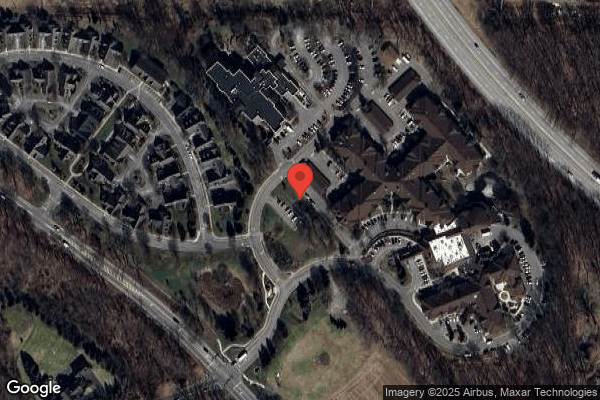
500 Hahnemann Trail, Pittsford, NY 14534 (585) 383-1700
Non profit - Corporation 122 Beds Independent Data: November 2025
Trust Grade
50/100
#415 of 594 in NY
Last Inspection: February 2025

Within standard 12-15 month inspection cycle. Federal law requires annual inspections.

Overview

Highlands Living Center has a Trust Grade of C, which means it is average compared to other nursing homes. It ranks #415 out of 594 facilities in New York, placing it in the bottom half of the state; locally, it is #23 out of 31 in Monroe County, indicating only a few local options are better. Unfortunately, the facility is worsening, with issues increasing from 6 in 2023 to 8 in 2025. Staffing is a concern with a low rating of 2 out of 5 stars and a high turnover rate of 64%, which is significantly above the state average of 40%. While the center has not incurred any fines, which is a positive aspect, recent inspections revealed serious issues, such as failing to thoroughly investigate allegations of abuse and neglect for multiple residents, and problems with the functioning of the nurse call system, which could hinder residents in getting timely assistance. Additionally, sanitation issues were noted, including handwashing sinks providing only cold water and dirty equipment. Overall, while there are strengths in terms of no fines, the facility has notable weaknesses that families should carefully consider.

Trust Score
C
50/100
In New York
#415/594
Bottom 31%
Safety Record
Low Risk
No red flags
Inspections
Getting Worse
6 → 8 violations
Staff Stability
⚠ Watch
64% turnover. Above average. Higher turnover means staff may not know residents' routines.
Penalties
✓ Good
No fines on record. Clean compliance history, better than most New York facilities.
Skilled Nurses
⚠ Watch
Each resident gets only 27 minutes of Registered Nurse (RN) attention daily — below average for New York. Fewer RN minutes means fewer trained eyes watching for problems.
Violations
⚠ Watch
17 deficiencies on record. Higher than average. Multiple issues found across inspections.
★★☆☆☆
2.0
Overall Rating
★★☆☆☆
2.0
Staff Levels
★★★☆☆
3.0
Care Quality
★★☆☆☆
2.0
Inspection Score
Stable
2023: 6 issues
2025: 8 issues

The Good

  • Full Sprinkler Coverage · Fire safety systems throughout facility
  • No fines on record

Facility shows strength in fire safety.

The Bad

2-Star Overall Rating

Below New York average (3.1)

Below average - review inspection findings carefully

Staff Turnover: 64%

18pts above New York avg (46%)

Frequent staff changes - ask about care continuity

Staff turnover is elevated (64%)

16 points above New York average of 48%

The Ugly 17 deficiencies on record

Feb 2025 8 deficiencies
CONCERN (D)

Potential for Harm - no one hurt, but risky conditions existed

Comprehensive Care Plan (Tag F0656)

Could have caused harm · This affected 1 resident

**NOTE- TERMS IN BRACKETS HAVE BEEN EDITED TO PROTECT CONFIDENTIALITY** Based on observations, interviews, and record review conducted during the Recertification Survey from 02/11/2025 to 02/19/2025 ...

Read full inspector narrative →
**NOTE- TERMS IN BRACKETS HAVE BEEN EDITED TO PROTECT CONFIDENTIALITY** Based on observations, interviews, and record review conducted during the Recertification Survey from 02/11/2025 to 02/19/2025 the facility did not ensure that person-centered comprehensive care plans were developed and/or implemented to address the resident's medical, physical, mental, and psychosocial needs for three (Residents #27, #81 and #108) of 25 residents reviewed. Specifically, Resident #27 was receiving oxygen per physician orders. The Comprehensive Care Plan did not include the use of oxygen or appropriate interventions. Resident #81 had physician orders and was care planned for a right-hand splint that was not in use on multiple observations. Resident #108 had diagnoses of anemia, depression, and fractures, was incontinent of bladder and bowel and received pain and antidepressant medication. The Comprehensive Care Plan included a focus for each of the identified issues but no interventions for staff to follow for the care of the resident. This is evidenced by the following: Review of the facility policy, Interdisciplinary Care Plan dated April 2019, documented that the facility will develop a comprehensive care plan for each resident that will include measurable objectives to meet the resident's medical, nursing, mental, and psychosocial needs as identified in the comprehensive assessment. The care plan will describe the services and interventions needed to attain resident goals. 1.Resident #81 had diagnoses including cerebral vascular accident (stroke) with right sided hemiplegia (paralysis on one side of the body), seizures, and failure to thrive. The Minimum Data Set Resident assessment dated [DATE], documented the resident was moderately impaired of cognitive function, had no rejections of care, and was dependent on staff for upper and lower body dressing and personal hygiene. The Physician orders dated 01/04/2024, included right hand palm pro (splint) to be applied during waking hours with range of motion prior to application in the morning and upon removal at bedtime. Review of the Comprehensive Care Plan dated 12/24/2024 revealed Resident #81 had a problem area identified as a self-care performance deficit with activities of daily living. Interventions included a right-hand palm pro splint during waking hours with range of motion prior and upon removal and to notify occupational therapy of any changes and/or concerns. The Comprehensive Care Plan did not include that Resident #81 had any history of refusing care. Review of the Activities of Daily Living Assignment sheet dated as updated on 02/14/2025 revealed Resident #81 required a right-hand palm pro splint during waking hours. In an Occupational Therapy note dated 08/13/2024 Occupational Therapist #1 documented there was a request for Resident #81 to be provided with a soft hand right-hand splint. Occupational Therapist #1 reviewed with Nurse Practitioner #1 that Resident #81 had already been provided with right-hand palm pro splint which was the most appropriate and tolerated by the resident. In the note dated 08/22/2024 Occupational Therapist #1 documented they were unable to locate the resident's right-hand palm pro splint so they replaced it with two more with instructions to nursing staff to use one and keep one to be utilized when the other was soiled. During an observation and interview on 02/11/2025 at 9:23 AM, Resident #81 was sitting in their room. There was no splint on their right hand. When interviewed at the time Resident #81 stated they need the splint on their hand, but they could not find it and it had been months since they last had it. During an observation and interview on 02/13/2025 at 11:14 AM Resident #81 was in their room and again there was no palm pro splint on their right hand. Resident #81 stated the Certified Nursing Assistants needed to put it on and take it off because they were not able to do it themselves. During an observation on 02/14/2025 at 11:10 AM Resident #81 did not have palm pro splint on their right hand. Review of interdisciplinary progress notes for the prior month did not include any documentation that Resident #81 had refused the splint. During an observation and interview on 02/19/2025 at 10:51 AM, Resident #81 had a rolled washcloth in their right hand. When interviewed at the time Certified Nursing Assistant #1 stated Resident #81 should have something in their hand to help open it a bit and that the resident has a splint, but it was dirty, so they placed a washcloth in the resident's hand instead. Certified Nursing Assistant #1 stated they thought it was the Certified Nursing Assistants responsibility to wash the residents palm guard when soiled but they have only seen one splint in the resident's room. During an interview on 02/19/2025 at 11:08 AM Occupational Therapist #1 stated that Resident #81 had an order for a right-hand palm pro splint for a contracture (a painful tightening of the muscles and tendons causing a decrease in range of motion). Occupational Therapist #1 stated the resident had two palm pro splints in case one got soiled and needed to be washed. Occupational Therapist #1 said they were not aware one had gone missing and that it was still indicated for the resident to use. During an interview on 02/19/2025 at 1:21 PM the Director of Nursing stated that if a resident's splint was not in place it should be documented that the resident refused or removed it, or if it was being cleaned or why it was not on the resident's hand. 2.Resident #108 was admitted approximately three months prior with diagnoses that included anemia, depression, and left fibula (lower leg) fracture. The Minimum Data Set Resident assessment dated [DATE] documented the resident was cognitively intact; occasionally incontinent of urine and frequently incontinent of bowel; rated their pain a six out of ten for pain intensity; was at risk for developing pressure ulcers/injuries; and received antidepressant, anticoagulant, and opioid drug classifications. In a medical progress note dated 11/08/2024 Nurse Practitioner #1 documented that Resident #108 was admitted to the facility for rehabilitation following a motor vehicle collision with multiple injuries and fractures (left fibula, left ankle, and right third and fourth ribs), right lower extremity cast placement, surgical incisions to left lower extremity, and blood loss anemia. Medications included acetaminophen (for pain), oxycodone (opioid used to treat moderate to severe pain); and enoxaparin sodium (anticoagulant used to prevent blood clots). Review of Resident #108's current Comprehensive Care Plan revealed that the resident had the following problem areas: a.Anemia (created on 12/26/2024) with a goal that the resident will remain free of signs of symptoms of complications related to anemia. There were no interventions listed. b. Pain medication therapy (created on 12/13/2024) with a goal that the resident will be free of any discomfort or adverse side effects from pain medication. There were no interventions listed. c. Antidepressant medications (created on 12/13/2024) with goals that the resident will be free from discomfort or adverse reactions related to antidepressant therapy and will show decreased episodes of signs and symptoms of depression. There were no interventions listed. d. Potential/actual impairment to skin integrity (created on 12/13/2024) with goals that the resident will have no complications and will be free from skin injury. There were no interventions listed. e. Bladder incontinence (created on 12/13/2024). There were no goals or interventions listed. f. Impaired visual function (created on 12/13/2024). There were no goals or interventions listed. g. An actual fall (created on 12/26/2024). There were no goals or interventions listed. h.Anticoagulant therapy (to prevent blood clots. There were no goals or interventions listed. During an interview on 02/19/2025 at 10:30 AM Registered Nurse Manager #1 stated they complete the care plans with appropriate interventions for each of the problems listed and they should have gone back and filled it out completely. 3.Resident #27 had diagnoses that included chronic obstructive pulmonary disease, obstructive sleep apnea, and anxiety. Physician orders dated 07/23/2024 included oxygen via nasal cannula at two liters per minute as needed and to wean oxygen to keep oxygen saturation greater than 90. Review of Resident #27's current Comprehensive Care Plan, revised on 07/23/2024, revealed the resident had asthma with interventions including to give medications as ordered and monitor for signs and symptoms of impending asthma attacks and has altered respiratory status and difficulty breathing related to chronic obstructive pulmonary disease. Interventions did not include the use of oxygen or goals and interventions for the care of the oxygen. During observations on 02/11/2025 at 9:58 AM, 02/13/2025 at 11:19 AM, and 02/14/2025 at 9:13 AM Resident #27 was receiving oxygen via nasal cannula from an oxygen concentrator. During an interview on 02/19/2025 at 1:21 PM the Director of Nursing stated if a resident had an order for oxygen, it should be care planned for with goals and interventions. The Director of Nursing stated that the care plans should also include goals and interventions for anemia, pain medication, antidepressant use, and bladder incontinence. The Director of Nursing said it was important to have interventions in place for anticoagulant use due to potential for bleeding and antidepressant usage as staff should be looking for any behaviors. 10 NYCRR 415.11(c)(1)
CONCERN (D)

Potential for Harm - no one hurt, but risky conditions existed

ADL Care (Tag F0677)

Could have caused harm · This affected 1 resident

**NOTE- TERMS IN BRACKETS HAVE BEEN EDITED TO PROTECT CONFIDENTIALITY** Based on observations, interviews and record review conducted during the Recertification Survey from 02/11/2025 to 02/19/2025, f...

Read full inspector narrative →
**NOTE- TERMS IN BRACKETS HAVE BEEN EDITED TO PROTECT CONFIDENTIALITY** Based on observations, interviews and record review conducted during the Recertification Survey from 02/11/2025 to 02/19/2025, for one (Residents #81) of three residents reviewed, the facility did not ensure that residents who were dependent on staff for assistance received the necessary services to maintain grooming and personal hygiene. Specifically, Resident #81 did not receive assistance with nail care over an extended period of time. This is evidenced by the following: The facility policy Activities of Daily Living (ADLs) dated September 2024 included a minimum of once per week shower or tub bath (per resident preference), all refusals need to be documented and if continued, care planned. Nail care cleaning and trimming are to be completed on shower days. Resident #81 had diagnoses including cerebral vascular accident (stroke) with right sided hemiplegia (paralysis on one side of the body), malnutrition and failure to thrive. The Minimum Data Set Resident assessment dated [DATE], documented the resident was moderately impaired of cognitive function and required assistance with personal hygiene. Review of the Comprehensive Care Plan dated 12/24/2024 and current [NAME] (plan of care used by Certified Nursing Assistants) revealed Resident #81 required total assistance with bathing/showering, grooming and personal hygiene. Nail care included to clean and file as needed. During an observation and interview on 02/11/2025 at 9:22 AM Resident #81 had multiple fingernails that were long and filled with brown debris. In an immediate interview Resident #81 stated someone needs to cut these nails, they are going into my skin. During an observation on 02/13/2025 at 12:52 PM Resident #81 was eating a sandwich with their hands that continued to have brown debris under multiple nails. In an immediate interview Resident #81 stated they did not like to eat with their nails like this and it made them mad. During an observation on 02/18/2025 at 1:21 PM Resident #81 was eating a ham and cheese sandwich with their hand which continued to have long overgrown fingernails and brown debris under several nails. In an interview on 2/18/2025 at 2:01 PM Registered Nurse Manager #1 stated Resident #81's shower day was Wednesday's morning (six days prior) and nail care including cleaning and trimming should be completed on shower days, completed on request or as needed. In an interview on 02/19/2025 at 1:21 PM the Director of Nursing stated nail care should be completed as needed, and resident refusals should be documented and care planned appropriately. 10 NYCRR 415.12(a)(3)
CONCERN (D)

Potential for Harm - no one hurt, but risky conditions existed

Unnecessary Medications (Tag F0759)

Could have caused harm · This affected 1 resident

Based on observations, interviews, and record review conducted during the Recertification Survey from 02/11/2025 to 02/19/2025, for two (Resident #34 and #110) of six residents reviewed, the facility ...

Read full inspector narrative →
Based on observations, interviews, and record review conducted during the Recertification Survey from 02/11/2025 to 02/19/2025, for two (Resident #34 and #110) of six residents reviewed, the facility did not ensure a medication error rate of five percent or less. There were four medication errors for 32 opportunities resulting in a medication error rate of 12.5 percent. Specifically, during observations of medication administration, multiple enteric coated pills (coating that protects mediation from being dissolved in the stomach), an extended release medication (one that is released gradually over a specific duration), and a sustained action medication (one that is released over an extended period of time) all with pharmacy labels instructing 'Do Not Crush' on the packaging were crushed and administered. In addition, two cardiovascular medications were administered without evidence that a blood pressure or heart rate was checked prior to being administered as per ordered by the Physician. This is evidenced by the following: The facility policy Medication Administration dated July 2024, included that the nurse was responsible for questioning any medication order that in their judgment, is an error, not clear or illegible, or if they are uncertain (of an order). They should contact the physician, pharmacy or nursing supervisor for additional clarification. Additionally, medications that required vital sign parameters must be checked prior to preparing the medication and documented appropriately. Resident #110 had diagnoses that included atrial fibrillation (irregular heartbeat), hypertension, and chronic kidney disease. Current physician's orders on 02/14/2025 included: a. Diltiazem sustained release 60 milligrams twice daily for atrial fibrillation, with instructions to hold the dose and call the provider for heart rate less than 60 beats per minute or systolic blood pressure less than 100. b. Metoprolol succinate extended release 200 milligrams once daily for atrial fibrillation with instructions to hold the dose and call the provider for heart rate less than 60 beats per minute or systolic blood pressure less than 100. c. Potassium chloride sustained action 10 milliequivalents daily for hypokalemia (low potassium level). During an observation of medication administration on 02/14/2025 at 9:33 AM, Licensed Practical Nurse Clinical Coordinator #1 said Resident #110 took their medications crushed. Licensed Practical Nurse Clinical Coordinator #1 placed the diltiazem capsule in a medication cup and crushed the metoprolol and potassium chloride extended-release tables along with other medications and administered them. Licensed Practical Nurse Clinical Coordinator #1 was not observed to have obtained Resident #110's blood pressure or heart rate prior to giving the medications. Review of the electronic medical record on 02/14/2025 at 9:51 AM, revealed no documented evidence that vital signs including a blood pressure or heart rate had been obtained prior to administration of the resident's medications. During an observation and interview on 02/14/2025 at 11:03 AM, Resident #110's metoprolol and potassium chloride medication packages had 'Do Not Crush' on the pharmacy labels. Licensed Practical Nurse Clinical Coordinator #1 stated they may have missed the hold parameters (for metoprolol and diltiazem) and that Resident #110 should have had a blood pressure and heart rate checked (prior to administering), but they did not do that and crushing the medications (extended release) had been in error. During an interview on 02/14/2025 at 11:03 AM, Registered Nurse Manager #1 said if medication package was labeled to not crush, it should not be crushed. Registered Nurse Manager #1 stated the nurses should read the medication order to determine if there were hold parameters, and if there were parameters, they should be obtained shortly before giving the medication. 2. Resident #34 had diagnoses that included gastro-esophageal reflux disease, Alzheimer's disease, and adult failure to thrive. Review of current physician's orders on 02/14/2025 included pantoprazole (enteric-coated) 40 milligrams every other day for gastro-esophageal reflux disease. During an observation of medication administration on 02/18/2025 at 9:38 AM, Licensed Practical Nurse #1 crushed Resident #34's pantoprazole enteric-coated tablet and administered it. The pharmacy label on the pantoprazole package read 'Do Not Crush.' In an immediate interview Licensed Practical Nurse #1 said even though the package was labeled 'Do Not Crush,' staff still crush it. During an interview on 02/19/2025 at 9:04 AM, Physician Assistant #1 said enteric-coated or extended-release tablets should not be crushed because the medication would be too concentrated, would be released faster and might be absorbed too quickly or not enough. Physician Assistant #1 stated the purpose of hold parameters is to determine if the intended use of the medication was not needed, with an example being if the intended use of a medication was to lower the resident's blood pressure and if the blood pressure was low, it should not be given. During an interview on 02/19/2025 at 10:42 AM, Registered Nurse Manager #3 said an example of a medication error would be crushing a medication that should not be crushed. During an interview on 02/19/2025 at 1:21 PM, the Director of Nursing said a medication error is any medication that was not given as prescribed by the medical provider. The Director of Nursing said if a medication had hold parameters related to blood pressure and heart rate, they should be obtained within 15 minutes of administering the medications, and the medication should not be given if the hold parameters were not checked. The Director of Nursing said enteric-coated or extended-release tablets should not be crushed if the package was labeled to not crush. 10 NYCRR 415.12(m)(1)
CONCERN (D)

Potential for Harm - no one hurt, but risky conditions existed

Deficiency F0760 (Tag F0760)

Could have caused harm · This affected 1 resident

**NOTE- TERMS IN BRACKETS HAVE BEEN EDITED TO PROTECT CONFIDENTIALITY** Based on observations, interviews, and record review conducted during the Recertification Survey from 02/11/2025 to 02/19/2025, ...

Read full inspector narrative →
**NOTE- TERMS IN BRACKETS HAVE BEEN EDITED TO PROTECT CONFIDENTIALITY** Based on observations, interviews, and record review conducted during the Recertification Survey from 02/11/2025 to 02/19/2025, the facility did not ensure the resident was free from significant medication errors for one (Resident #110) of six residents reviewed. Specifically, during an observation of medication administration, two cardiovascular medications were administered without evidence that vital signs were obtained prior to administration per physician orders and one medication was crushed prior to administration despite the pharmacy medication label that instructed 'do not crush' on it. This is evidenced by the following: The facility policy Medication Administration dated July 2024, included that the nurse was responsible for questioning any medication order that in their judgment, is an error, not clear or illegible, or if they are uncertain, they should contact the physician, pharmacy or nursing supervisor for additional clarification. Additionally, medications that required vital sign parameters (included but not limited to blood pressure or heart rate), must be checked prior to preparing the medication and documented appropriately. Resident #110 had diagnoses that included atrial fibrillation (irregular heartbeat), hypertension, and chronic kidney disease. The Minimum Data Set Resident assessment dated [DATE], revealed Resident #110 was severely impaired cognitively. Review of current physician's orders as of 02/14/2025 included: a.Diltiazem sustained release (medication that is released slowly over an extended period of time to sustain therapeutic levels) 60 milligrams twice daily for atrial fibrillation, with instructions to hold the dose and call the provider for heart rate less than 60 beats per minute or systolic blood pressure less than 100. b.Metoprolol succinate extended release (medication that is released gradually over a specific duration) 200 milligrams once daily for atrial fibrillation, with instructions to hold the dose and call the provider for heart rate less than 60 beats per minute or systolic blood pressure less than 100. During an observation of medication administration on 02/14/2025 at 9:33 AM, Licensed Practical Nurse Clinical Coordinator #1 said Resident #110 took their medications crushed, placed the diltiazem capsule in a medication cup then crushed the rest of the resident's medications (including the metoprolol extended-release tablet) and administered them. Licensed Practical Nurse Clinical Coordinator #1 was not observed to have obtained Resident #110's blood pressure or heart rate prior to giving the medications. Review of the electronic medical record on 02/14/2025 at 9:51 AM, revealed no documented evidence that vital signs including a blood pressure or heart rate had been obtained prior to administration of the resident's diltiazem and metoprolol. During an observation and interview on 02/14/2025 at 11:03 AM, Resident #110's metoprolol medication package had a pharmacy label with 'do not crush on it. When interviewed at the time Licensed Practical Nurse Clinical Coordinator #1 stated it was an error (to crush the pill). Licensed Practical Nurse Clinical Coordinator #1 stated they may have missed the hold parameters (in the physician orders for metoprolol and diltiazem) and that Resident #110 should have had a blood pressure and heart rate checked (prior to administering) but they did not obtain them. During an interview on 02/14/2025 at 11:03 AM, Registered Nurse Manager #1 said if medication packaging was labeled to not crush, it should not be crushed. Registered Nurse Manager #1 stated the nurses should read the medication order to determine if there were hold parameters, and if there were parameters, they should be obtained shortly before giving the medication. During an interview on 02/9/2025 at 9:04 AM, Physician Assistant #1 said enteric-coated or extended-release tablets cannot be crushed because the medication would be too concentrated, would be released faster, and might be absorbed too quickly or not enough. Physician Assistant #1 stated the purpose of hold parameters would be to determine if the intended use of the medication was not needed. 10 NYCRR 415.12 (m)(2)
CONCERN (D)

Potential for Harm - no one hurt, but risky conditions existed

Infection Control (Tag F0880)

Could have caused harm · This affected 1 resident

**NOTE- TERMS IN BRACKETS HAVE BEEN EDITED TO PROTECT CONFIDENTIALITY** Based on observation, interviews and record review conducted during the Recertification Survey 02/11/2025- 02/19/2025 the facili...

Read full inspector narrative →
**NOTE- TERMS IN BRACKETS HAVE BEEN EDITED TO PROTECT CONFIDENTIALITY** Based on observation, interviews and record review conducted during the Recertification Survey 02/11/2025- 02/19/2025 the facility did not ensure they established and maintained an Infection Control Program designed to provide a safe, sanitary, and comfortable environment and to help prevent the development and transmission of communicable diseases and infections for one (Resident #21) of one resident reviewed for wound care. Specifically, appropriate Personal Protective Equipment (PPE-gown, gloves, masks) was not worn by nursing staff during high contact activity (wound care) for Resident #21 who was on Enhanced Barrier Precautions (steps taken by the facility to prevent the transmission of infectious diseases). This is evidenced by the following: The facility policy Infection Communication Plan dated January 2025 documented: Daily communication related to the measures in place to prevent transmission occurs in the following manner: a. Resident rooms requiring transmission-based precautions will have signage on the door, along with the appropriate Personal Protective Equipment. b. Signage is visible to all residents, staff, and visitors. Resident #21 had diagnoses that included Cerebral Vascular Accident (stroke) with aphasia (difficulty with speech), falls and weakness. The Minimum Data Set Resident assessment dated [DATE] documented the resident was moderately impaired of cognitive function and had an unstageable (obscured full-thickness skin and tissue loss) pressure ulcer (wound). Review of Resident #21's physician orders dated 11/20/2024 revealed daily wound care to the sacrum (buttocks) for an unstageable, likely stage IV (full thickness tissue loss with extensive destruction) pressure wound. Wound care included to clean the wound with normal saline, pack it with calcium alginate with silver (dressing often used for infected wounds) and cover with a foam dressing. In an observation and interview on 02/14/2025 at 11:57 AM Resident #21 had an Enhanced Barrier Precaution sign at the entrance to their room instructing staff to wear Personal Protective Equipment (gown and gloves) when providing high contact resident care including dressing, bathing, transferring, linen change, personal hygiene, changing briefs, and wound care. Personal Protective Equipment supplies were located next to the signage. Licensed Practical Nurse #2 wearing gloves, but no gown provided the wound care to Resident #21 sacrum area which included removal of soiled dressing and packing which contained moderate amount of brown and yellow drainage, cleansing the wound, reapplying the appropriate packing, and applying a clean cover dressing. Licensed Practical Nurse #2 stated Resident #21 was on Enhanced Barrier Precautions due to a Covid- 19 outbreak on the unit and that they should have worn a gown for the wound care. In an interview on 02/18/2025 at 2:25 PM Registered Nurse Manager #2 stated residents with indwelling catheters and wounds are placed on Enhanced Barrier Precautions to prevent the spread of microorganisms and staff should be wearing gloves and gowns when caring for these residents. In an interview 02/19/2025 at 3:56 PM the Director of Nursing stated nurses preforming wound care should wear Personal Protective Equipment including gloves and a gown to decrease the potential spread of infection. 415.19(a)(b)(1-3)
CONCERN (E)

Potential for Harm - no one hurt, but risky conditions existed

Investigate Abuse (Tag F0610)

Could have caused harm · This affected multiple residents

**NOTE- TERMS IN BRACKETS HAVE BEEN EDITED TO PROTECT CONFIDENTIALITY** Based on observations, interviews and record reviews conducted during the Recertification Survey 02/11/2025 to 02/19/2025, the f...

Read full inspector narrative →
**NOTE- TERMS IN BRACKETS HAVE BEEN EDITED TO PROTECT CONFIDENTIALITY** Based on observations, interviews and record reviews conducted during the Recertification Survey 02/11/2025 to 02/19/2025, the facility did not ensure all alleged violations of abuse, neglect, or mistreatment were thoroughly investigated for 7 (Resident #1, #47, #63, #77, #80, #81, and #103) of 12 residents reviewed. Specifically, Resident #1, Resident #47, Resident #63 and Resident #77 had injuries of unknown origin, and the facility was unable to provide documented evidence that potential abuse, neglect or mistreatment were appropriately ruled out via a thorough investigation. Resident #80 had an acute medical incident requiring medication that was not available, and the facility was unable to provide a complete investigation to rule out neglect. Resident #81 and Resident #103 had allegations of physical and/or verbal abuse by staff and the facility was unable to provide evidence that the allegations were thoroughly investigated to rule out abuse. This is evidenced by but not limited to the following: The facility policy Incident/Accident Report Process dated September 2024, included the incident/accident reporting form will be completed by a licensed nurse for any occurrence of a resident incident or accident. When applicable the staff version shall be completed as part of the report, and the Director of Nursing, or their designee, will review all reports for completeness and further follow-up if necessary. The facility policy Abuse, Neglect and Mistreatment Prohibition, Investigation, and Reporting dated October 2018 included the facility shall investigate and report any accident/incident/grievance and crime where there is a reasonable cause for suspicion of staff abuse, neglect, involuntary seclusion, injury of unknown source or mistreatment of a resident. A written report of the investigation will include, but not limited to, persons interviewed, areas/items inspected, and written statements taken by individuals who observed or were present at the time of the incident; and/or written statements from staff who cared for and/or responsible for the management of the resident's care before or after the incident. The facility must have evidence that all alleged violations are thoroughly investigated and must prevent further potential abuse while the investigation is in progress. The final determination of whether there is abuse, neglect, or mistreatment and actions taken, must be indicated and evidence of administrative review and final directive, with signature and date must be documented in the report. 1.Resident #63 had diagnosis including dementia, encephalopathy (altered brain function), and muscle weakness. The Minimum Data Set Resident assessment dated [DATE] included the resident was severely impaired of cognitive function and was dependent on staff for all care including eating, transferring and bed mobility. Review of the resident's Comprehensive Care Plan dated 01/24/2023 and the Resident Care Card (care plan used by Certified Nursing Assistants to direct daily care) revealed Resident #63 was totally dependent on staff for care related to dementia and fatigue. Interventions included to provide the resident with two persons assist using a mechanical lift for transfers and required staff assistance with bed mobility and toileting. Review of an x-ray report signed by the radiologist and Physician Assistant #1 on 11/11/2024 revealed Resident #63 had an anterior dislocation of the left humeral head (left shoulder dislocation). Review of an Investigation Summary initiated on 11/14/2024 and completed by the Director of Nursing revealed that on 11/11/2024 Resident #63 was observed to have facial grimacing when their left arm was moved and had reduced range of motion in their left upper arm. X-rays were completed for the left elbow, humerus (upper arm) and forearm which showed a dislocation of the left shoulder. Resident #63 was sent to the hospital on [DATE] (three days later) for a left shoulder reduction which was unsuccessful. Resident #63 was referred to an orthopedic provider for follow up. The Investigation Summary incorrectly included that the x-ray taken on 11/11/2024 did not show the dislocation of the left shoulder. When pain did not improve on 11/14/2024 Resident #63 receoved a second x-ray, and the dislocation was again reported. The Investigation Summary indicated Resident #63 was unable to give details on how the injury occurred. The investigation did not include any statements from any staff members regarding this incident. In an orthopedic consult note dated 11/14/2025 the Physician's Assistant documented that the resident presented to the emergency room for a left shoulder dislocation likely secondary to hoyer (mechanical) lift. The facility was unable to provide any documented evidence that abuse, neglect or mistreatment had been ruled out related to the injury of unknown origin. In an interview on 02/14/2025 at 1:13 PM Registered Nurse Manager #3 stated that if a resident showed signs of pain and/or had signs of bruising they should start an investigation, go back 72 hours and have all staff write statements. Registered Nurse Manager #3 stated that they had misread Resident #63's x-ray dated 11/11/2024 and when they thought the x-ray was negative, they did not get staff statement or complete the investigation. In an interview on 02/14/2025 at 3:27 PM The Director of Nursing stated that they should investigate any injury of unknown origin to try to find the cause. After reviewing the investigation for Resident #63 The Director of Nursing stated that it was not a complete investigation and abuse, neglect, mistreatment could not be ruled out. 2.Resident #47 had diagnoses that included Alzheimer disease, osteoarthritis, and weakness. The Minimum Data Set Resident assessment dated [DATE] included Resident #47 was severely impaired of cognitive function. Review of Resident #47 Comprehensive Care Plan dated 12/10/2024 revealed Resident #47 had impaired thought processes related to Alzheimer's dementia and a self-care deficit related to activities of daily living with impaired mobility secondary to cognitive function. Resident #47 required the assistance from staff with bed mobility and transfers. In an observation on 02/11/2025 at 11:00 AM Resident #47 had bruising to the left side of their face, a left eye bruise yellow green in color extending under the eye and to the side of the face. and blue/purple bruising to the lower jaw line extending down to left side of their neck, Review of an Injury of Unknown Cause report dated 02/07/2025 and completed by the Director of Nursing revealed that Resident #47 was being seen for bruises to the left side of the face near the temple and the left side of the neck under the ear (noted on 02/07/2025). The report included the resident required a mechanical lift for transfer and a possible cause could be improper sling placement. The report did not include if abuse, neglect or mistreatment had been identified or ruled out, and did not include statements from staff for the time prior to identification of the bruises. In an interview on 02/13/2025 at 12:08 PM a family member stated they had noticed the bruising first on 02/07/2025 and told the Social Worker. In an interview on 02/18/2025 at 2:33 PM Registered Nurse Manager #2 stated another nurse wrote the nursing progress note that they found bruising on Resident #47's neck and face and notified the Physician's Assistant. Registered Nurse Manager #2 said they did not know they needed to write anything up. In an interview on 02/19/2025 at 1:21 PM the Director of Nursing stated they were not made aware of this incident until yesterday (02/18/2025 11 days after the incident). 3.Resident #81 had diagnoses including a stroke with right sided hemiplegia (paralysis on one side of the body), seizure disorder, and anxiety. The Minimum Data Set Resident assessment dated , 03/10/2024 documented that Resident #81 was cognitively intact and required substantial and/or maximal assistance for toileting hygiene and partial/moderate assistance for personal hygiene. Review of the Comprehensive Care Plan revised on 12/10/2023 revealed Resident #81 had an activities of daily living self-care performance deficit, limited physical mobility, and bowel incontinence. Interventions included that the resident was totally dependent on one staff for bathing, was non-weight bearing and required a mechanical lift for transfers and for staff to check (for incontinence) every two hours and assist with toileting as needed. Review of an Investigation Summary dated 03/27/2024 completed by Registered Nurse #1 revealed that on 03/24/2024 Resident #81 requested to see the Social Worker to report an incident that occurred when they requested to be changed. Resident #81 reported that Certified Nursing Assistant #3 came into the resident's room, was rough with them while they were on the edge of the bed and feared of falling and called them a curse word (started with a b). The summary of the investigation documented that profane language was said to the resident, the resident felt unsafe and was bothered by the Certified Nursing Assistants actions. There were no contributing factors identified. The Certified Nursing Assistant was removed from the schedule and was placed on the do not return list from the agency they were employed through. The investigation did not include any witness statements or follow up with the resident and/or other residents. During an interview on 02/19/2025 at 1:21 PM the Director of Nursing stated there should have been a statement from Certified Nursing Assistant #3 and after reviewing the documented investigation, the Director of Nursing stated they (the facility) could not rule out abuse, neglect, or mistreatment regarding Resident #81 and that the investigation was not complete. 4.Resident #80 had diagnoses that included Parkinson's disease, frequent falls and muscle weakness. The Minimum Data Set Resident assessment dated [DATE], revealed Resident #80 was rarely or never understood. Review of an Investigation Summary initiated on 03/13/2024 signed by the Administrator revealed that an event occurred on 03/13/2024 at approximately 9:15 AM where Resident #80 had a sudden change in status and was noted to be rigid, shaking, and unresponsive to voice and touch. Ativan (anti-anxiety medication often used to treat seizures) intramuscularly (administration of a medication by injecting into a muscle) was ordered for potential seizure activity. The Ativan vial was unable to be obtained from the emergency box and the dose was not administered. Resident #80 received lorazepam (generic for Ativan) sublingual (administration of a medication by placing under the tongue, which dissolves and is absorbed into the bloodstream) instead and was sent to the hospital for further evaluation related to the provider being concerned that there may have been a delay in treatment and to assess the resident's acute change in condition. Review of the facility's investigation related to the event did not include identified staff that were involved with the event, statements from staff involved, or investigative evidence as to why the intramuscular Ativan was unavailable and actions taken to prevent future occurrences. Review of the facility's Nursing Home Investigative Report (submitted to the New York State Department of Health) dated 03/19/2024 included that all supervisors were reminded to make sure the keys (to the emergency narcotic medication box) were handed off to the next supervisor, and that reeducation was provided on the location of an extra set of keys. In an interview on 02/13/2025 at 3:54 PM, the Administrator stated they remembered the event, they (staff) thought Resident #80 was having a seizure and needed medication from the box, but they could not find the keys, so the resident was given the medication orally (by mouth). In an interview on 02/19/2025 at 1:21 PM, the Director of Nursing (not in the role at time of the event) said based on what they read in the record and review of the facility investigation, a complete review of what occurred at the time was not done. The Director of Nursing said that Investigative Summary did not address why the keys were missing and why the intramuscular medication was not given. The Director of Nursing stated there should have been statements from the staff members involved, and the facility's investigation was not thorough and complete. 10 NYCRR 415.4(b)(3)
CONCERN (E)

Potential for Harm - no one hurt, but risky conditions existed

Deficiency F0919 (Tag F0919)

Could have caused harm · This affected multiple residents

**NOTE- TERMS IN BRACKETS HAVE BEEN EDITED TO PROTECT CONFIDENTIALITY** Based on observations, interview, and record review conducted during the Recertification Survey from 02/11/2025 to 02/19/2025, f...

Read full inspector narrative →
**NOTE- TERMS IN BRACKETS HAVE BEEN EDITED TO PROTECT CONFIDENTIALITY** Based on observations, interview, and record review conducted during the Recertification Survey from 02/11/2025 to 02/19/2025, for two (first and third floors) of three resident-use floors, the facility did not properly maintain the resident call system. Specifically, nurse call system lights were not functioning properly to allow residents to call for staff assistance through a communication system which relays the call directly to a staff member or to a centralized work area from each resident's bedside and toilet/bathing facilities. The findings are: Record review of the manufacturer's specification manual for the nurse call system, listed as Ascom, revealed the following: The system is equipped with a staff console for desktop communications, wall mounted annunciators similar to the staff consoles, and wall-mounted communications devices with buttons for creating nurse call events. Patients can place calls to the nursing station using handset buttons and pull cords which connect to room modules mounted on the wall near the bed or in bathrooms. Staff consoles and annunciators emit a tone to indicate when new calls are received, and the volume can be adjusted and the alert tone can be silenced temporarily. Console nighttime mode lets you quickly reduce the volume of a staff console to a preset level. Bedside modules and patient stations are mounted near beds in patient rooms which allow patients to call the nursing station from a bed or chair by pressing a button. Pressing a button for longer than 3 seconds without releasing the button may reset the module. When a cable is not connected properly or disconnected the lights on the bedside module flashes quickly to indicate an error condition (cord fault). To make a call from a handset a patient presses the large nurse call button on the handset and associated corridor and zone lights turn on to indicate active event, the call status light on the module illuminates, and tones sound at staff consoles and annunciators. The manufacturer's specification manual for the nurse call system also included a list of many different dome light signals for 8 auxiliary emergency nurse call event types including, but not limited to the following: Dome light colors red, blue, pink, amber, white, and green. Dome light flash rates fast, slow, on steady. Nurse call priority types room alarm, code blue, lavatory emergency, cord fault, urgent, staff presence, and service tasks. In an observation and interview on 02/11/2025 at 2:08 PM, Resident #109 (resident room [ROOM NUMBER]) pressed their bedside call button. When interviewed at this time, the resident stated they had not seen a Certified Nursing Assistant in a while since the call bell system did not work. Further observations included that upon pressing the call bell, two beeps were heard in the resident's room and no light outside the room was observed on or blinking. At 2:09 PM, Certified Nursing Assistant #3, entered the room and Resident #109 pressed their call button again. Certified Nursing Assistant #3 observed that the light outside the resident's room was not on. Certified Nursing Assistant #3 stated when a resident presses their call button and two beeps are heard, it means their call button needs to be reset. The call button was then reset by Certified Nursing Assistant #3 after several attempts. Certified Nursing Assistant #3 stated about three weeks prior, all call buttons were reset. Observations and interview on 02/12/2025 at 8:48 AM included the call light in resident room [ROOM NUMBER] (right side for Resident #88), was on and blinking white. When the surveyor pressed the button, the device on the wall beeped twice and then the entire box on the wall lit up in different colors. At this time, Certified Nursing Assistant #2 tried removing the call light from the wall, putting it in other slots, and pushing the call light twice, but the call light did not light up in the hall outside the room. During an interview at this time, Certified Nursing Assistant #2 stated they (call lights) do this sometimes, that the system is very sensitive, and if it is green, it means that it is working, if it is not green, then it does not work, and staff have to reset it. Observations on 02/12/2025 at 8:55 AM included review of call lights to see if they were working properly. Each of the following call lights were pushed by the surveyor and the device on the wall in the room blinked red twice, but the light above each door in the corridor did not light up, and there was no sound at the nurses station alerting that a resident needed help: resident room [ROOM NUMBER] left side (Resident #10), resident room [ROOM NUMBER] right side, #307 left side (no call light attached to the wall - Resident #28), #308 right side (Resident #88), #312 left side (Resident #64), #312 right side (Resident #29), #315 (Resident #106), #321 right side (Resident #15), and #330 (Resident #98). During an interview on 02/12/2025 at 9:53 AM, Registered Nurse #2 stated they have only one resident (Resident #10) that uses their call light and that staff use the call light to alert other staff that they need help, especially when in the bathroom or to get nurses to come to do a skin evaluation. Registered Nurse #2 stated if one of the call lights does not work, then the staff should let me know, and call maintenance to fix it. During on observation and interview on 02/12/2025 at 9:57 AM, the surveyor showed Registered Nurse #2 that resident room [ROOM NUMBER] left side (Resident #28) did not have a call light/cord plugged into the wall. Registered Nurse #2 stated this resident can use their call light. The call system panel on the wall near the bed was observed to not blink or provide indication that the call cord was not attached to the wall. Registered Nurse #2 then found the call light at the end of the bed, stated they did not know why it was pulled out of the wall, put the call light back on the wall, and it lit up green. During an observation and interview on 02/12/2025 at 9:58 AM the call light in resident room [ROOM NUMBER] left side (Resident #10) was pressed. The wall panel near the bed blinked and beeped twice but did not light up in the hall above the door. Registered Nurse #2 then removed the nurse call cord from the wall, put it back in, pressed the button, and the call light on the wall was still not working. When interviewed at this time Registered Nurse #2 stated they were not aware the light was not working, would let maintenance know, and that the evening and night shift staff use the call lights more than the day shift staff do. During an observation on 02/13/2025 at 11:26 AM the call light in resident room [ROOM NUMBER] (Resident #98) was pressed, the fixture on the wall turned red and beeped twice, then went blank. Additionally, the light above the door in the hall did not light up and the screen at the nurses' station did not alert that the call light in this room was activated. During an observation and interview on 02/13/2025 at 4:07 PM the nurse call light in resident room [ROOM NUMBER] (Resident #98) was pushed, blinked red twice at the panel in the room, and did not stay on in the hallway. Registered Nurse #2 pushed the call light again, a white light above the door in the hall came on for less than one second then turned off. During an interview at this time, Registered Nurse #2 stated it was not working, and if the light does not stay on in the hall, then it will not ring at the desk or at the stations in the hall, and staff would not know that the call light was on. In an observation on 02/14/2025 at 9:35 AM in resident room [ROOM NUMBER] Resident #28 was sitting in a chair with their call light/button in their hand and the other end of the call cord was not attached to the wall. The nurse call device on the wall in the room was not making any noise, did not show any activations, and the light above the door outside the room was not lit up. Additionally, a nurse call annunciator panel in the hallway displayed no active alerts and the screen at the nurses' station was not displaying any active calls. 10 NYCRR: 415.29, 415.29(b); 415.29(j)(1), 10 NYCRR: 713-3.25(g)
CONCERN (E)

Potential for Harm - no one hurt, but risky conditions existed

Safe Environment (Tag F0921)

Could have caused harm · This affected multiple residents

**NOTE- TERMS IN BRACKETS HAVE BEEN EDITED TO PROTECT CONFIDENTIALITY** Based on observations and interview conducted during the Recertification Survey from 02/11/2025 to 02/19/2025, for three (first,...

Read full inspector narrative →
**NOTE- TERMS IN BRACKETS HAVE BEEN EDITED TO PROTECT CONFIDENTIALITY** Based on observations and interview conducted during the Recertification Survey from 02/11/2025 to 02/19/2025, for three (first, second and third floors) of three resident-use floors, the facility did not provide a functional and sanitary environment for residents and staff. Specifically, handwash sinks were not provided with hot water, a handwash sink was not functional, and resident stand assist lift footrests were dirty. The findings are: Observations during the initial tour of the main kitchen on 02/11/2025 at 8:55 AM included two self-dispensing motion activated hand washing sinks, one located near the dishwashing area and the other located near the walk-in coolers. When activated, each sink dispensed only cold water, one of which was measured at 43 degrees Fahrenheit using a digital thermometer. During an interview at this time, a dining services worker stated the water usually comes out cold. Observations on 02/11/2025 at 9:45 AM included a manual stand aid lift located on the third floor outside resident room [ROOM NUMBER] was marked as Unit 3 and the footrest tray was dirty with an accumulation of crumbs and debris. Observations on 02/11/2025 at 10:10 AM included a manual stand aid lift located on the second floor outside resident room [ROOM NUMBER] was marked as #9 and the footrest tray was dirty with an accumulation of crumbs and debris. Observations on 02/11/2025 at 10:48 AM included two stand assist lifts located on the first floor outside resident rooms #145 and #117 and the footrest trays were dirty with an accumulation of crumbs and debris. Observations on 02/12/2025 at 2:45 PM included the self-dispensing motion activated handwash sink in the third-floor beauty salon did not dispense water. Further observations throughout the day on 02/12/2025 revealed multiple residents receiving hair and grooming services in this room. During an interview via email on 02/13/2025 at 10:52 AM, the Director of Facilities stated the water was turned off (to the sink). Observations on 02/13/2025 at 11:18 AM included a Tollos brand sit-to-stand electric lift located on the first floor outside resident room [ROOM NUMBER] was marked as #11 and the footrest tray was dirty with an accumulation of crumbs and debris. 10 NYCRR: 415.29, 415.29(d), 415.29(j)(1), 10 NYCRR: 713-3.12, 10 NYCRR: 14-1.143(b)
Jun 2023 6 deficiencies
CONCERN (D) 📢 Someone Reported This

A family member, employee, or ombudsman was alarmed enough to file a formal complaint

Potential for Harm - no one hurt, but risky conditions existed

Respiratory Care (Tag F0695)

Could have caused harm · This affected 1 resident

Based on observations, interviews, and record review conducted during the Recertification Survey 6/9/23- 6/16/23, it was determined that for one (Resident #3) of two residents reviewed for respiratory...

Read full inspector narrative →
Based on observations, interviews, and record review conducted during the Recertification Survey 6/9/23- 6/16/23, it was determined that for one (Resident #3) of two residents reviewed for respiratory care, the facility did not provide specialized care needs for the provision of respiratory care in accordance with professional standard of practice, and the resident's care plan, goals, and preferences. Specifically, Resident #3 was receiving oxygen (O2) and the attached humidification bottle was observed empty on several observations. This is evidenced by the following: Review of the facility policy, Oxygen Therapy dated 2018 included humidification bottles and oxygen tubing must be dated, timed, and changed every three days. Resident #3 was admitted to the facility with diagnoses including chronic obstructive pulmonary disease (COPD), chronic respiratory failure, hypoxia (lack of oxygen), and dyspnea (shortness of breath). The Minimum Data Set Assessment, dated 3/23/22, documented Resident #3 was cognitively intact, experienced shortness of breath with exertion and when lying flat, and received oxygen therapy while in the facility. The current physician orders included humidified oxygen at 2 liters (L) per minute via nasal cannula for shortness of breath at bedtime and as needed. Review of the Comprehensive Care Plan (CCP), last reviewed 3/27/23, revealed that the resident had oxygen therapy and directed staff to monitor the resident for signs or symptoms of respiratory distress and report any issues to the Physician. The oxygen settings were listed at 2 L per minute via nasal cannula of humidified oxygen. During observations on 6/2/23 at 10:22 AM, 6/6/23 at 1:00 PM, and 6/7/23 at 11:57 AM Resident #3 was receiving oxygen at 2L via nasal cannula. The O2 tubing was on the floor and the humidifier bottle was empty and collapsed for all three observations. The tubing was not dated as to when last changed and the humidification bottle was dated as changed 5/27/23. Review of the May 2023 and June 2023 Medication Administration Records (MAR), and Treatment Administration Records (TAR) revealed no documentation that Resident #3 was receiving humidified oxygen at all or that the oxygen tubing and/or that the humidification bottle was being changed per the facility policy. In a progress note dated 6/3/23 the Licensed Practical Nurse (LPN) documented that Resident #3 complained of right nasal irritation. In a progress note dated 6/6/23 the Physician Assistant documented Resident #3 has an ulceration to the right nostril. During an interview on 6/7/23 at 12:46 PM, Resident #3 said staff do not change their O2 tubing very often and that they get sores in their nose and need their oxygen to be humidified. During an interview on 6/7/23 at 12:52 PM Certified Nursing Assistant #2 stated that Resident #3 was on O2, and the nurses were responsible for managing the O2 (changing the tubing and filling the humidifier bottles). During an interview on 6/8/23 at 10:20 AM, the LPN#1/Assistant Nurse Manager said oxygen tubing and humidification bottles should be changed by the night shift nursing staff and should be done every 7 days. During an interview on 6/8/23 at 11:44 AM, the Director of Nursing said it is their expectation that oxygen tubing and the humidification bottles should be changed every 7 days and initialed. The DON said the system of changing O2 tubing and humidification bottles was done on the night shift, but they expect anyone could change tubing/bottle if they see it is needed. 10 NYCRR 415.12(k)(6)
CONCERN (D) 📢 Someone Reported This

A family member, employee, or ombudsman was alarmed enough to file a formal complaint

Potential for Harm - no one hurt, but risky conditions existed

Dental Services (Tag F0791)

Could have caused harm · This affected 1 resident

Based on observations, interviews and record reviews conducted during the Recertification Survey 6/2/23-6/9/23 it was determined that for one (Resident #33) of two residents reviewed for dental servic...

Read full inspector narrative →
Based on observations, interviews and record reviews conducted during the Recertification Survey 6/2/23-6/9/23 it was determined that for one (Resident #33) of two residents reviewed for dental services, the facility did not provide or obtain routine dental services to meet the resident's needs, including assisting with appointments and transportation arrangements. Specifically, Resident #33 had not received any dental services since their admission, (approximately 11 months ago) to the facility. This is evidenced by the following: The facility policy, Dental Services, dated 2018 documented that dental services will be provided for each resident for a complete oral examination 7 days (no longer than 14 days after admission) by a Dentist. On admission, residents are asked to sign a consent or declination form for dental services. A copy of the form is then delivered to the dental staff by the facility social worker. Resident #33 has diagnoses including diabetes, dysphagia (difficulty swallowing) and malnutrition. The Minimum Data Set (MDS) admission Assessment, dated 7/22/22, documented the resident had moderately impaired cognition, had no natural teeth and had mouth or facial pain, and discomfort or difficulty with chewing. Care Areas triggered based upon the answers to the MDS Assessment included that dental care should be addressed in the resident's comprehensive care plan (CCP). Review of Resident #33's current CCP revealed no mention of dental services. Review of Resident #33's electronic medical record revealed no dental evaluations, dental consents, or declinations in the resident's medical record During an observation on 6/6/23 at 12:46 PM, Resident #33 had no visible teeth. When interviewed at that time, the resident stated, they do not have teeth, but could use some. During an interview on 6/7/23 at 3:46 PM the Director of Social Work (DSW) stated they checked the resident's medical record and could not find any paperwork regarding any dental services. The DSW stated they had called the facility dental provider who reported they have not seen the resident as a patient. During an interview on 6/8/23 at 10:34 PM, Certified Nursing Assistant #1 said there are certain days while eating that Resident #33 was observed spitting out food such as bread and bacon when the texture was too hard (to chew). During an interview on 6/8/23 at 11:02 AM Licensed Practical Nurse#1/Assistant Nurse Manager said they were not able to find documentation the Resident was seen by dental services since admission. They said they were not sure why Resident #33 was not added to the dental list but has now been scheduled to see the dentist. During an interview on 6/08/23 at 11:41 AM, the Director of Nursing stated they expect all residents to be seen for dental services within the first 3 months after admission. 10 NYCRR 415.17 (a-d)
CONCERN (E)

Potential for Harm - no one hurt, but risky conditions existed

Deficiency F0692 (Tag F0692)

Could have caused harm · This affected multiple residents

**NOTE- TERMS IN BRACKETS HAVE BEEN EDITED TO PROTECT CONFIDENTIALITY** Based on observations, interviews, and record reviews conducted during Recertification Survey from 6/2/23 to 6/9/23, it was dete...

Read full inspector narrative →
**NOTE- TERMS IN BRACKETS HAVE BEEN EDITED TO PROTECT CONFIDENTIALITY** Based on observations, interviews, and record reviews conducted during Recertification Survey from 6/2/23 to 6/9/23, it was determined that for one (Resident #51) of two residents reviewed for food and nutrition, the facility did not ensure services were provided to maintain acceptable parameters of nutritional status. Specifically, the facility did not ensure Resident #51 was consistently offered assistance during meals. Additionally, the facility could not provide documented evidence of consistent meal monitoring despite significant weight loss. The finding is: Resident #51 had diagnoses including failure to thrive, dementia, and depression. The Minimum Data Set (MDS) assessment dated [DATE] documented that the resident was severely impaired cognitively, required set up assist to eat and that the activity only occurred twice in the 7-day look back period. The current Comprehensive Care Plan documented that Resident #51 had an unplanned weight loss and interventions included, but not limited to, to provide nutritional supplements (including a magic cup and Ensure Plus with meals) and to monitor and record food intake at each meal. Review of current Physician orders revealed orders for a house (regular) diet, Liquacel (nutritional supplement) twice daily and 2calHN (nutritional supplement) three times daily for weight loss. During observations on 6/2/23 at 11:17 AM one of the unit Certified Nursing Assistants (CNA) removed Resident #51's untouched breakfast tray from their room and returned it to the cart. The tray contained Ensure and a magic cup, both unopened. During observations and interviews on 6/7/23 at 9:10 AM Resident #51's breakfast tray was untouched and still on the meal cart on the resident's unit. In a telephone call to the kitchen at this time by the unit secretary, a kitchen staff member stated that the units breakfast trays were delivered at 7:35 AM that morning. When interviewed at this time two CNAs on the unit stated they had not attempted to deliver the resident's breakfast tray or knew if anyone else had. In an immediate interview Licensed Practical Nurse (LPN)/Assistant Nurse Manager (ANM)#1 said that Resident #51's breakfast tray appeared not touched or offered to the resident. LPN/ANM #1 stated residents who have significant weight loss need to be encouraged to eat, offered their favorite foods from the meal tray, offered substitutes, assist setting the meal up by opening all containers and cutting the food up as needed and to feed the resident if needed. At this time LPN/ANM #1 delivered the breakfast tray to Resident #51, set up meal and assisted feeding the resident who ate 80% of their meal. Resident #51's weights in the Electronic Medical Record (EMR) included, but not limited to the following: 188 pounds (lbs.) on 12/13/22, 169 lbs. on 3/13/23 and 141 lbs. on 6/5/23 indicating a 47 lbs. weight loss or approximately 25% over the last six months. In an interdisciplinary progress note dated 1/23/23, the Registered Dietitian (RD) recommended to increase magic cup to three times a day with meals. In interdisciplinary progress notes, the RD documented in monthly notes dated 2/14/23, 3/14/23, 4/23/23, and 5/17/23 that Resident #51 had continued decline in weight loss and that there was a lack of documentation on meal intakes. The progress note dated 2/14/23 included that the resident was on Ensure Plus and a magic cup three times daily. Review of Resident #51's meal intake record in the EMR for all three meals daily from 5/6/23-6/6/23 revealed that 85 of 90 meals had no documentation of the resident's intake, including the Ensure Plus and magic cup supplements. Of the five meals documented, intake percentage ranged from zero to 75% of meal consumed. During an interview on 6/7/23 at 10:00 AM the RD stated that if a resident refused a meal, the RD would expect staff to offer substitutes, document percentage of meal consumed and let the nursing staff know. The RD said that when they noticed Resident #51's weight loss along with the lack of documentation on meal consumption, they discussed the issue with Nurse Manager at the time and also provided education to staff emphasizing the importance of meal intake documentation. During an interview on 6/9/23 at 8:53 AM CNA# 3 stated all staff assist with passing and then picking up the meal trays. CNA #3 said that when collecting meal trays, staff should let the CNA who has the resident know the amount that was eaten and drank from the tray to input the amounts into the tablet (EMR) as it is important to document what they eat to monitor residents' weights. During an interview on 6/8/23 at 3:34 PM the Director of Nursing stated that if a resident was refusing or not eating staff should reapproach several times and make nursing staff aware so they could approach the resident. During an interview on 6/8/23 at 3:45 PM the Administrator stated that the meal intake documentation for Resident #51 was unacceptable. 10 NYCRR 415.12(i)(1)
CONCERN (E) 📢 Someone Reported This

A family member, employee, or ombudsman was alarmed enough to file a formal complaint

Potential for Harm - no one hurt, but risky conditions existed

Food Safety (Tag F0812)

Could have caused harm · This affected multiple residents

Based on observations, interviews, and record review conducted during the Recertification Survey completed 6/2/23 to 6/9/23, it was determined that for one of one main kitchen, the facility did not st...

Read full inspector narrative →
Based on observations, interviews, and record review conducted during the Recertification Survey completed 6/2/23 to 6/9/23, it was determined that for one of one main kitchen, the facility did not store, prepare, distribute, and serve food in accordance with professional standards for food service safety. Specifically: two low-temperature mechanical dish machines did not maintain an acceptable sanitizer concentration on dishes after the final rinse, the temperature gauge on one mechanical dish machine was not functioning properly, and improper dish washing/drying procedures were observed. The findings are: 1. Review of the undated facility policy 'Dish Machine' included the following: a) The wash water will not be less than 140 degrees Fahrenheit (°F). b) On a daily basis, the pot washer working in the dish room will take an unused chlorine test strip from above the tray line. If the white color does not turn bright green; the pot washer will repeat the test with another strip. If the white color again does not turn bright green, the starter will contact the Food Service Director or Chef for further guidance. The dish machine cannot be used to sanitize service ware until the test strip turns green, dishes will be cleaned and sanitized in the pot washing area. c) All dishes, etc. are air dried and put away properly. 2. Observations and interviews during the initial tour of the main kitchen on 6/2/23 from 8:45 AM to 9:39 AM included the following: a) Dishes were observed run through the American Dish Service brand mechanical dish machine and when tested with the facility's chlorine test strips, the water on the top of a dish after the final rinse cycle showed a chlorine concentration of zero parts per million (ppm- as indicated when the test strip remained white in color after testing) after each of five complete runs of the dish machine. Additionally, the sanitizer tube was observed to have a heavy build-up of sludge and no sanitizer was observed to be dispensed into the machine during the rinse cycle of each of the five complete runs of the machine. Further observations included that the temperature gauge for this dish machine read 120°F through each of the five complete runs and the arrow inside the temperature gauge did not move throughout the dish washing cycles. The manufacturer nameplate located on the dish machine identified that the minimum wash temperature as 130°F and the minimum sanitizer concentration as 50 ppm of available chlorine rinse. In an interview at this time, the Fine Dining Director stated that they used this dish machine to wash mostly sheet trays and the other dish machine to wash regular dishes,that they did not see the chlorine test strip turn color when tested, that the temperature gauge for the machine did not work, and that the Pot Washer tested the machine every day and kept a log. Review of the Sanitization Log posted on the wall near the dish machine included that the chlorine concentration was recorded for 6/2/23 at 160 ppm. In an interview at this time, the Pot Washer stated that they tested the three-bay sink sanitizer today but had not tested the dish machines. b) In an observation of dishes run through the Ecolab brand mechanical dish washing machine revealed that when tested with the facility's chlorine test strips, the water on the top of a dish after the final rinse cycle showed a chlorine concentration of zero ppm after each of four complete runs of the dish machine. The manufacturer nameplate located on the dish machine identified that the required available chlorine rinse as 50 ppm. Further observations included that when dishes came out of the dish machine after the rinse cycle and were still visibly wet, Dietary Aide #1 collected the dishes together and placed them stacked on top of each other on a rolling cart, which did not allow for air drying. 3. During an interview on 6/2/23 at 12:33 PM, the Fine Dining Director stated that their vendor came to service both dish machines today and found that the machines were not dispensing enough sanitizer. 4. Observations during tray line for the lunch time meal on 6/6/23 from 11:42 AM to 12:14 PM included that several of the blue-colored plastic dome covers used to cover completed meal plates and several of the grey-colored plastic hot beverage mugs that were placed onto the meal trays were visibly wet (not air dried before use). 10 NYCRR: 415.14(h); Subpart 14-1.113(a), 14-1.116
CONCERN (E) 📢 Someone Reported This

A family member, employee, or ombudsman was alarmed enough to file a formal complaint

Potential for Harm - no one hurt, but risky conditions existed

Deficiency F0836 (Tag F0836)

Could have caused harm · This affected multiple residents

**NOTE- TERMS IN BRACKETS HAVE BEEN EDITED TO PROTECT CONFIDENTIALITY** Based on observations, interviews, and record review conducted during the Recertification Survey completed 6/2/23 to 6/9/23, it ...

Read full inspector narrative →
**NOTE- TERMS IN BRACKETS HAVE BEEN EDITED TO PROTECT CONFIDENTIALITY** Based on observations, interviews, and record review conducted during the Recertification Survey completed 6/2/23 to 6/9/23, it was determined that the facility did not ensure compliance with all applicable State codes. Specifically, the facility was not in compliance with Section 915 of the 2015 Edition of the International Fire Code as adopted by New York State, which requires the use of carbon monoxide detection in a building that has fuel-burning appliances. The findings are: 1. Observations during the initial tour of the facility on 6/2/23 from 8:45 AM to 2:00 PM included a natural gas-powered cooking range in the first-floor main kitchen and natural gas-powered dryers in the first-floor laundry room. 2. During an interview on 6/2/23 at 1:10 PM, the Director of Facilities stated that there are carbon monoxide detectors in all resident rooms on the first floor, that there is an order in their work hub to change the detector batteries yearly, and that they are not sure if they are doing anything more to test the detectors. 3. During an interview on 6/5/23 at 2:43 PM, the Maintenance Technician stated that they change the batteries in the carbon monoxide detectors every fall but that they do not do any other testing of the detectors. 4. Record review on 6/6/23 at 10:30 AM included work orders related to maintenance of carbon monoxide detectors The work orders included that carbon monoxide alarms are located on the first floor in the mechanical room, laundry, kitchen, elevator corridor, and each resident room, and that the batteries were replaced on 7/18/22. No documentation was provided to show that any carbon monoxide detector in the facility had been tested at least monthly from 9/3/21 through the current date of 6/6/23. 5. On 6/6/23 at 1:33 PM a First Alert brand carbon monoxide detector was observed to be located on the wall in Resident room [ROOM NUMBER]. Further observation included that on the back of the carbon monoxide detector there was labeling to show that it was a single-station carbon monoxide alarm and that the manufacturer had printed instructions to test weekly and clean monthly. The 2015 Edition of the International Fire Code requires that carbon monoxide alarms shall be maintained in accordance with NFPA 720. The 2012 Edition of NFPA 720, Standard for the Installation of Carbon Monoxide Detection and Warning Equipment, requires that single-station carbon monoxide alarms shall be inspected and tested in accordance with the manufacturer's published instructions at least monthly. 10 NYCRR: 415.29(a)(2), 711.2(a)(1); 42 CFR: 483.70(b); 2015 IFC: Section 915, 915.6; 2012 NFPA 720: 8.7.1
CONCERN (E) 📢 Someone Reported This

A family member, employee, or ombudsman was alarmed enough to file a formal complaint

Potential for Harm - no one hurt, but risky conditions existed

Medical Records (Tag F0842)

Could have caused harm · This affected multiple residents

Based on interviews and record review conducted during a Recertification Survey 6/2/23 to 6/9/23 the facility did not ensure that all resident Electronic Health Records (EHR) were accessible to the su...

Read full inspector narrative →
Based on interviews and record review conducted during a Recertification Survey 6/2/23 to 6/9/23 the facility did not ensure that all resident Electronic Health Records (EHR) were accessible to the survey team. Specifically, the team did not have access to the EHR before the end of the first day of survey and experienced on-going access issues for the duration of the survey causing an unnecessary delay to the survey process. This is evidenced by the following: State Operations Manual Rev. 211, 02/3/23 included but not limited to: 1. In accordance with accepted professional standards and practices, the facility must maintain medical records on each resident that are complete, accurately documented, readily accessible, and systematically organized. 2. If a facility uses an EHR system, it must grant access to the survey team timely (i.e., before the end of the first day of the survey) and provide the surveyor with instructions, guidance, or information on how to use its EHR system. On 6/2/23 at approximately 9:04 AM, the survey team coordinator (TC) provided full names and email addresses for the survey team at the request of the facility's Health Information Manager (HIM). At this time, the TC met with the Administrator for the Entrance Conference when access to all resident's EHR and completion of the EHR Information form was requested by the end of the day. On 6/2/23 at 10:17 AM all surveyors received an email from a University of Rochester Medical Center (URMC) email address with subject Secure URMC and Affiliates eRecord Generic Log-on email #1, #2 respectively to each team member and included a link to a username to access the EHR with usernames and passwords. By the end of day one, no member of the survey team was able to access the EHR using the information provided. Additionally, the survey team was not provided access to the network and had to rely on facility staff to log-in to the network using their personal access information. During an interview on 6/2/23 at 3:45 PM, the HIM stated that URMC Information Technology (IT) department had been informed of the surveyor's access issues and requested that the issues be corrected upon the team's arrival to the facility on 6/5/23. The HIM stated that IT would be available for assistance on 6/5/23 and would also provide a guide for use of the EHR. On 6/5/23 at 8:20 AM, a representative from IT was on-site to assist the survey team with EHR access which remained inaccessible. On 6/5/23 at 9:18 AM, the Administrator stated that the IT issues were unacceptable, and that they would be escalating the concerns to someone higher in the organization at that time. On 6/5/23 at 11:00 AM, the HIM sent a guide for use of the EHR via an email link that the TC was unable to access. On 6/5/23 at 11:12 AM all members of the survey team were able to use the usernames and passwords provided by the facility to access the EHR. During an interview at this time, the HIM stated that IT would not allow the survey team to have log-in access to the network (prior to being able to access the EHR) and the team would need to continue to rely on facility staff to access the network. The survey team also discovered that additional resident information was stored in a second system that was not accessible to the surveyors. At 11:29 AM, the HIM provided access to the additional EHR system and printed copies of the guide were provided. Upon review of the guide entitled Chart Review and Chart Search Quick Start Guide, it did not provide adequate instructions, guidance, or information on how to use the facility's EHR system to access resident medical information. During an interview on 6/5/23 at 12:48 PM the Administrator stated that the IT would not grant the survey team network access and as an alternative, the facility would provide mobile workstations that did not require network log-in. Only three computer workstations were provided by the facility that provided appropriate access. The survey team completed final sample selection on 6/5/23 at 3:25 PM and the Regional Office was notified of on-going access issues related to the EHR and delay of the survey. On 6/6/23 at 8:08 AM, the HIM arrived in the conference room with the blank Electronic Health Record Information Form to assist the survey team with where to find specific resident information, they stated that they would try to help locate the information because the survey team had a different view of the EHR than the facility staff. While working along side a member of the survey team and using the surveyor's log-in information, the HIM stated there was no summary page that contained much of the information required. When interviewed on 6/6/23 at approximately 8:15AM, the Administrator, who was shown surveyor's access by the HIM, stated that the surveyors would need to have the Nurse Manager's view of the EHR in order to obtain the information requested. At 8:19 AM the Administrator stated they had been working with IT since 6/2/23 and continued to have issues which was unacceptable. In an observation and interview on 6/6/23 at 12:18 PM the Staff Educator reviewed the survey team access with the TC and stated the surveyors did not have access to the resident's medication administration record (MAR) reports and proceeded to log them in with their own access password. On 6/6/23 at 3:33 PM the computer stations again logged the surveyors out of the facility system and the Administrator was again notified. In interview on 6/7/23 at 8:17 AM the HIM again logged the surveyors into the work stations and stated the survey team would have to contact the Staff Educator when they needed to view the resident MAR reports or other clinical aspects of the chart that the HIM did not have access to. On 6/7/23 at 8:51 AM the survey team was not able to access resident physician orders and again notified the Staff Educator. When interviewed at that time, the Staff Educator stated they thought for security purposes, IT did not allow certain disciplines to have access to certain aspects of the record and again had to log in using their access for surveyors. On 6/7/23 at 9:16 AM, the TC was unable to locate a facility staff member to log into the EHR system and was unable to get assist to log in until 9:27 AM via the Administrator. On 6/7/23 at 11:33 AM the surveyors were unable to access health records for discharged residents. During an interview on 6/8/23 at 8:08 AM, the HIM stated that they were not sure why there was so many problems with IT. At this time, the HIM had to continue logging into the network on the computer workstations to allow surveyor access to resident's health information. The HIM stated that it was not ideal that facility staff had to log-in to the network for the survey team, but had no other alternative. On 6/8/23 at 3:08 PM the surveyors continued to have access issues. At 3:45 PM, the Administrator provided the surveyor with a copy of the Chart Review and Chart Search Quick Start Guide to assist with accessing the MARs, but the document did not give specific instructions, guidance, or information on how to access a residents' MAR. On 6/9/23 at 8:46 AM, the surveyor was still awaiting assistance to access to review the MAR in the EHR. During an interview on 6/9/23 09:21 AM, the Administrator stated they were aware of issues with access to EHR as it was an issue with one of their sister facilities. The Administrator stated they had contacted the Chief Executive Officer (CEO) of URMC during the survey, but access was still an issue. The Administrator stated they had informed the CEO the survey time went over due to the issue. 10 NYCRR 415.22 (a)(1-4)
Sept 2021 3 deficiencies
CONCERN (D)

Potential for Harm - no one hurt, but risky conditions existed

Infection Control (Tag F0880)

Could have caused harm · This affected 1 resident

Based on observations, interviews, and record reviews conducted during the Recertification Survey, completed on 9/2/21, it was determined that for one (Unit 2) of two units on Transmission Based Prec...

Read full inspector narrative →
Based on observations, interviews, and record reviews conducted during the Recertification Survey, completed on 9/2/21, it was determined that for one (Unit 2) of two units on Transmission Based Precautions (TBP), the facility failed to maintain an infection prevention and control program designed to provide a safe, sanitary, and comfortable environment and to help prevent the development and transmission of infectious diseases and COVID-19. Specifically, a phlebotomy technician did not wear required personal protective equipment (PPE) when providing resident care for two residents (Resident #100 and #99) on TBP. In addition, the phlebotomy technician did not change their gown when going between the two residents. This is evidenced by the following: The New York State Department of Health guidance, titled Health Advisory: COVID-19 Cases in Nursing Homes and Adult Care Facilities, dated 3/13/20 and revised 7/10/20, provides that when there are confirmed COVID-19 positive cases in a nursing home, all residents on affected units should be placed on droplet and contact precautions, regardless of the presence of symptoms and regardless of COVID-19 status. HCP and other direct care providers should wear gown, gloves, eye protection (goggles or a face shield), and N95 respirators (or equivalent) if the facility has a respiratory program with fit tested staff and N95s. Otherwise, HCP and other direct care providers should wear gown, gloves, eye protection, and facemasks. Facilities may implement extended use of eye protection and facemasks/N95s when moving from resident to resident (i.e., do not change between residents) unless other medical conditions which necessitate droplet precautions are present. However, gloves and gowns must be changed, and hand hygiene must be performed. Per CDC guidance, Interim Infection Prevention and Control Recommendations to Prevent SARS-CoV-2 Spread in Nursing Homes, updated 3/29/21, recommended PPE when caring for residents with suspected or confirmed COVID-19 includes an N95 or higher-level respirator (or facemask if a respirator is not available), eye protection (i.e., goggles or a face shield that covers the front and sides of the face), gloves, and gown. CDC guidance titled Transmission-Based Precautions (undated), documented: Use personal protective equipment (PPE) appropriately, including gloves and gown. Wear a gown and gloves for all interactions that may involve contact with the patient or the patient's environment. Donning Personal Protective Equipment (PPE) upon room entry and properly discarding before exiting the patient room is done to contain pathogens. The facility policy, Infection Control Guidelines for Possible Suspect COVID-19 and Positive COVID -19, dated 5/20/21, documented the facility used contact and droplet precautions for residents that are known, or suspected, to have potential COVID-19 exposure. Gown, gloves, mask and face shield are put on prior to entering the isolation room and removed before leaving. Handwashing is completed prior to applying gloves and upon removal before leaving the isolation room. When interviewed on 8/30/21 at 10:46 a.m., the Infection Preventionist (IP) nurse stated two units (Unit 2 and Unit 3) are on TBP due to exposure to several COVID-19 positive residents and staff members and that all staff should apply PPE before entering resident rooms on the TBP units and remove PPE and sanitize hands before leaving the room. The IP said that there are no signs pertaining to PPE on the individual resident rooms, just signage on the closed double doors leading to the entire unit. During an observation on 9/1/21 at 8:24 a.m., on Unit 2, the sign on the outside of the unit doors read, 'This unit is on quarantine, everyone entering this unit must wear gowns and gloves.' The sign directed to remove gown and gloves and wash/sanitize hands before leaving the resident's room. The sign did not include the need for a face shield or goggles. At this time a phlebotomy technician was observed entering Unit 2 wearing a gown, gloves and a mask but was not wearing a face shield or goggles. The phlebotomy technician entered Resident #100 room to obtain a blood sample. At 8:32 a.m., the phlebotomy technician exited Resident #100's room with the same gown and mask on and without changing their gown, the phlebotomy technician applied clean gloves and entered Resident #99 room for a blood draw. Upon exiting Resident #99's room the phlebotomy technician disposed of the gown and gloves in a provided trash receptacle located in the hall and performed hand hygiene. When interviewed at this time, the phlebotomy technician said that the front desk did not supply them with a face shield or goggles. She added that they had seen the isolation sign posted on the second-floor doors and was not sure when to take the gown off. When interviewed on 9/1/21 at 8:48 a.m., the Unit 2 Licensed Practical Nurse said that all staff and visitors should change their PPE in between residents when there is direct contact. In an interview on 9/1/21 at 9:30 a.m., and again at 10:33 a.m., the IP nurse said all staff and visitors should wear a mask and face shield. The IP nurse stated that there was a table set up outside the unit so staff can put on all the required PPE before entering. The IP nurse said that staff should remove their gown and obtain a new one in-between residents when there is direct resident contact. An interview on 9/1/21 at 9:31 a.m., the Director of Nursing said that after drawing blood, the technician needs to discard their gown and gloves and put on a new gown and gloves for the next resident. Before entering the unit, staff need to wear a face shield or goggles, and it is the responsibility of all staff to know the protocol. 10 NYCRR 415.19(a)(1)(b)(4) 400.2
CONCERN (E)

Potential for Harm - no one hurt, but risky conditions existed

Deficiency F0885 (Tag F0885)

Could have caused harm · This affected multiple residents

**NOTE- TERMS IN BRACKETS HAVE BEEN EDITED TO PROTECT CONFIDENTIALITY** Based on interviews and record reviews conducted during the Recertification Survey, completed on 9/2/21, the facility failed to ...

Read full inspector narrative →
**NOTE- TERMS IN BRACKETS HAVE BEEN EDITED TO PROTECT CONFIDENTIALITY** Based on interviews and record reviews conducted during the Recertification Survey, completed on 9/2/21, the facility failed to inform all residents and /or resident representatives by 5:00 p.m. the next calendar day following the occurrence of either a single confirmed infection of COVID-19, or three or more residents or staff with new-onset of respiratory symptoms occurring within 72 hours of each other. Specifically, the facility did not provide verbal or written notification to three (Residents #39, #69 and #73) of three residents or resident representatives reviewed that several residents at the facility tested positive for COVID-19 or when a resident suffered a Covid-19 related death. This is evidenced by the following: The Center of Medicare and Medicaid Services (CMS) guidance titled, Interim Final Rule Updating Requirements for Notification of Confirmed and Suspected COVID-19 Cases Among Residents and Staff in Nursing Homes (Ref: QSO-20-29-NH), dated May 6, 2020, provided that as part of a skilled nursing facility's COVID-19 reporting requirements, facilities must inform residents, their representatives, and families of those residing in facilities by 5:00 p.m. the next calendar day following the occurrence of either a single confirmed infection of COVID-19, or three or more residents or staff with new-onset of respiratory symptoms occurring within 72 hours of each other. Such requirements were made effective May 8, 2020 in regulatory amendments to 42 CFR 483.80 pursuant to 85 Fed. Reg. 27550, 27627. The facility policy and procedure, COVID-19 Resident, Family, and Staff Communication Plan, dated August 2021, included that all residents and their representatives will be informed of any positive staff or resident, or three or more staff and/or residents with new onset of upper respiratory symptoms by 5:00 p. m the following business day, in compliance with State and Federal regulations. Additionally, the [NAME] Living Center will keep residents, their representatives, and staff informed of any changes to the policy and /or procedures relating to the COVID-19 pandemic. This information will be communicated on the facility website, informational phone line, and at the monthly facility update meetings. Review of the Infection Control Survey Information provided by the facility (Focused Infection Control Survey and Cluster Reports) included that the facility had one COVID-19 confirmed death at the facility on 8/9/21, that four new residents had tested positive for COVID-19 which was reported on 8/20/21 and that three staff members were positive for COVID-19 which was reported on 8/27/21. 1.Resident #39 had diagnoses including a stroke, hearing loss in both ears and decreased vision due to glaucoma. The Minimum Data Set (MDS) Assessment, dated 7/14/21, revealed the resident was severely impaired cognitively. In an interview on 8/31/21 at 1:53 p.m., a family member (emergency contact #1) stated they did not know there was any recent positive COVID-19 cases in the facility because no one at the facility had informed them of any new cases of COVID-19 at the facility. The facility could not provide any documented evidence that Resident #39's representative was notified of any of the recent new cases of positive COVID-19 or any Covid-19 related deaths at the facility. 2.Resident #69 had diagnoses including heart failure, kidney disease and respiratory disease. The MDS Assessment, dated 5/1/21, revealed the resident was cognitively intact. When interviewed on 08/31/21 at 01:35 p.m., Resident # 69 stated that the facility informs their daughter regarding positive COVID-19 cases in the facility but not them. The resident stated they had asked to be added to the e-mail list so they can be kept updated regarding new cases and/or deaths but that has not happened and they were not aware. The facility could not provide documented evidence that Resident #69 was notified of new cases of COVID-19 in the facility. 3.Resident #73 had diagnoses including Multiple Sclerosis, bipolar disorder, and major depressive disorder. The MDS Assessment, dated 8/10/21, revealed the resident was cognitively intact. In an interview on 9/2/21 at 2:26 p.m., Resident # 73 stated the facility has not informed them of new cases of COVID-19 or any COVID-19 related deaths in the facility. The resident stated that they do not have any family, so the facility should notify them of things that are going on in the facility. The facility could not provide documented evidence that Resident #73 was notified of new cases of Covid-19 or COVID-19 related deaths in the facility. When interviewed on 8/31/21 at 1:50 p.m., and again on 9/1/21 at 10:33 a.m., the Infection Preventionist (IP) Nurse stated that they had three residents become positive for COVID-19 on 8/18/21 and two staff members on 8/24/21. She said that Social Work (SW) department is responsible for notifying the families by 5:00 p.m., the following day when a case of Covid-19 is identified. In an interview on 8/31/21 at 2:38 p.m., the Director of SW stated that when there is positive COVID-19 cases in the facility the SW department sends emails to the families within 24 hours of positive results. If a family member does not have an email address the letter is sent via the post office. Residents are also provided with the email notification within 24 hours. The Director of SW said that families can also call the facility at a special number and get the updated information or tune into the weekly zoom meetings which are announced in the email. The Director of SW stated there are no phone calls from the facility to the representatives but that they are expected to check the phone line or the website daily and that residents can check the electronic screen in the front lobby or unit hallway for information. The Director of SW said they did not send any emails or letters when staff tested positive on 8/24/21 because residents were already quarantined and that the most recent letter/email was sent 8/19/21. In an interview on 09/02/21 at 8:49 a.m., the Director of Nursing stated that all of the residents and/or their representatives should have been notified of the recent positive COVID-19 cases and that she was not aware that not all of them were. 10NYCRR 400.2
MINOR (B)

Minor Issue - procedural, no safety impact

Staffing Information (Tag F0732)

Minor procedural issue · This affected multiple residents

Based on observations, interviews, and record reviews conducted during the Recertification Survey, completed on 9/2/21, it was determined that the facility did not post the daily nurse staffing inform...

Read full inspector narrative →
Based on observations, interviews, and record reviews conducted during the Recertification Survey, completed on 9/2/21, it was determined that the facility did not post the daily nurse staffing information per the regulations. Specifically, the daily nurse staffing information was not maintained or posted daily for an extended period of time. This is evidenced by the following: During observations on 08/31/21 09:37 a.m., throughout the facility, the daily nurse staffing information was unable to be located on any floor or unit. When interviewed on 8/31/21 at 11:53 a.m., the staff member at the front entrance screening station stated they have never seen the staffing information. When interviewed on 8/31/21 at 11:55 a.m., the secretary at the front desk stated that they were unaware of any nurse staffing information sheet. When interviewed on 08/31/21 12:03 p.m., the Administrator stated that the daily nurse staffing information is usually posted on the 2nd floor (facility entrance floor) in a glass case across from the elevators. He said that the nursing scheduler is the one who completes the forms, posts them and maintains them, but that she has been out of work recently. He said it has been at least a month since the information has been posted. The Administrator said that the staffing secretary is covering for the scheduler. A review of the daily staffing sheets that was provided by the Administrator revealed that on 57 of 92 days reviewed, there was no staffing information completed. When interviewed on 09/01/21 10:12 a.m., the staffing secretary stated that they were unaware of the process for posting and maintaining the staffing information. [ 10 NYCRR 483.35 (g)(1)-(4) ]
Understanding Severity Codes (click to expand)
Life-Threatening (Immediate Jeopardy)
J - Isolated K - Pattern L - Widespread
Actual Harm
G - Isolated H - Pattern I - Widespread
Potential for Harm
D - Isolated E - Pattern F - Widespread
No Harm (Minor)
A - Isolated B - Pattern C - Widespread

Questions to Ask on Your Visit

  • "Why is there high staff turnover? How do you retain staff?"
  • "Can I speak with families of current residents?"
  • "What's your RN coverage like on weekends and overnight?"

Our Honest Assessment

Strengths
  • • No major safety red flags. No abuse findings, life-threatening violations, or SFF status.
  • • No fines on record. Clean compliance history, better than most New York facilities.
Concerns
  • • 17 deficiencies on record. Higher than average. Multiple issues found across inspections.
  • • Grade C (50/100). Below average facility with significant concerns.
  • • 64% turnover. Above average. Higher turnover means staff may not know residents' routines.
Bottom line: Mixed indicators with Trust Score of 50/100. Visit in person and ask pointed questions.

About This Facility

What is Highlands Living Center's CMS Rating?

CMS assigns Highlands Living Center an overall rating of 2 out of 5 stars, which is considered below average nationally. Within New York, this rating places the facility higher than 0% of the state's 100 nursing homes. A rating at this level reflects concerns identified through health inspections, staffing assessments, or quality measures that families should carefully consider.

How is Highlands Living Center Staffed?

CMS rates Highlands Living Center's staffing level at 2 out of 5 stars, which is below average compared to other nursing homes. Staff turnover is 64%, which is 18 percentage points above the New York average of 46%. High turnover can affect care consistency as new staff learn residents' individual needs. RN turnover specifically is 56%, which is notably high. RNs provide skilled clinical oversight, so turnover in this role can affect medical care quality.

What Have Inspectors Found at Highlands Living Center?

State health inspectors documented 17 deficiencies at Highlands Living Center during 2021 to 2025. These included: 16 with potential for harm and 1 minor or isolated issues.

Who Owns and Operates Highlands Living Center?

Highlands Living Center is owned by a non-profit organization. Non-profit facilities reinvest revenue into operations rather than distributing to shareholders. The facility operates independently rather than as part of a larger chain. With 122 certified beds and approximately 113 residents (about 93% occupancy), it is a mid-sized facility located in Pittsford, New York.

How Does Highlands Living Center Compare to Other New York Nursing Homes?

Compared to the 100 nursing homes in New York, Highlands Living Center's overall rating (2 stars) is below the state average of 3.1, staff turnover (64%) is significantly higher than the state average of 46%, and health inspection rating (2 stars) is below the national benchmark.

What Should Families Ask When Visiting Highlands Living Center?

Based on this facility's data, families visiting should ask: "How do you ensure continuity of care given staff turnover, and what is your staff retention strategy?" "Can you walk me through typical staffing levels on day, evening, and night shifts?" "Can I visit during a mealtime to observe dining assistance and food quality?" "How do you handle medical emergencies, and what is your hospital transfer rate?" These questions are particularly relevant given the facility's high staff turnover rate and the below-average staffing rating.

Is Highlands Living Center Safe?

Based on CMS inspection data, Highlands Living Center has a clean safety record: no substantiated abuse findings (meaning no confirmed cases of resident harm), no Immediate Jeopardy citations (the most serious violation level indicating risk of serious injury or death), and is not on the Special Focus Facility watch list (a federal program monitoring the lowest-performing 1% of nursing homes). The facility has a 2-star overall rating and ranks #100 of 100 nursing homes in New York. While no facility is perfect, families should still ask about staff-to-resident ratios and recent inspection results during their visit.

Do Nurses at Highlands Living Center Stick Around?

Staff turnover at Highlands Living Center is high. At 64%, the facility is 18 percentage points above the New York average of 46%. Registered Nurse turnover is particularly concerning at 56%. RNs handle complex medical decisions and coordinate care — frequent RN changes can directly impact care quality. High turnover means new staff may not know residents' individual needs, medications, or preferences. It can also be disorienting for residents, especially those with dementia who rely on familiar faces. Families should ask: What is causing the turnover? What retention programs are in place? How do you ensure care continuity during staff transitions?

Was Highlands Living Center Ever Fined?

Highlands Living Center has no federal fines on record. CMS issues fines when nursing homes fail to meet care standards or don't correct problems found during inspections. The absence of fines suggests the facility has either maintained compliance or corrected any issues before penalties were assessed. This is a positive indicator, though families should still review recent inspection reports for the full picture.

Is Highlands Living Center on Any Federal Watch List?

Highlands Living Center is not on any federal watch list. The most significant is the Special Focus Facility (SFF) program, which identifies the bottom 1% of nursing homes nationally based on persistent, serious quality problems. Not being on this list means the facility has avoided the pattern of deficiencies that triggers enhanced federal oversight. This is a positive indicator, though families should still review the facility's inspection history directly.