CLINTON COUNTY NURSING HOME
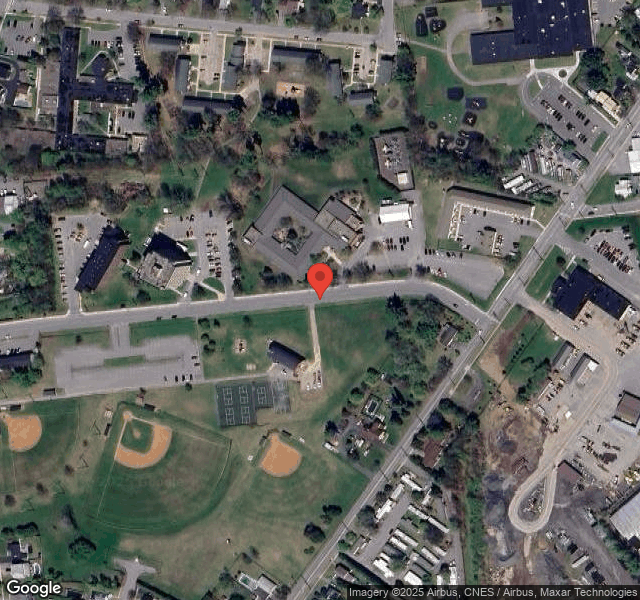

16 FLYNN AVENUE, PLATTSBURGH, NY 12901 (518) 563-0950
Government - County 80 Beds Independent Data: November 2025
Trust Grade
48/100
#385 of 594 in NY
Last Inspection: July 2023

Over 2 years since last inspection. Current conditions may differ from available data.

Overview

Clinton County Nursing Home has a Trust Grade of D, indicating below-average performance with some concerning issues. It ranks #385 out of 594 facilities in New York, placing it in the bottom half, and #3 out of 4 in Clinton County, so only one local option is better. The facility is showing improvement, with the number of identified issues decreasing from 9 in 2021 to 6 in 2023. Staffing is rated 2 out of 5 stars, with a turnover rate of 43%, which is around the state average, while RN coverage is better than 80% of facilities, ensuring better oversight of resident care. However, there are significant concerns, including $7,901 in fines, which is higher than 78% of New York facilities, and specific incidents like failing to develop comprehensive care plans for residents and not maintaining proper infection control practices, such as not ensuring hand hygiene between patient care.

Trust Score
D
48/100
In New York
#385/594
Bottom 36%
Safety Record
Low Risk
No red flags
Inspections
Getting Better
9 → 6 violations
Staff Stability
○ Average
43% turnover. Near New York's 48% average. Typical for the industry.
Penalties
○ Average
$7,901 in fines. Higher than 65% of New York facilities. Some compliance issues.
Skilled Nurses
○ Average
Each resident gets 36 minutes of Registered Nurse (RN) attention daily — about average for New York. RNs are the most trained staff who monitor for health changes.
Violations
⚠ Watch
32 deficiencies on record. Higher than average. Multiple issues found across inspections.
★★☆☆☆
2.0
Overall Rating
★★☆☆☆
2.0
Staff Levels
★☆☆☆☆
1.0
Care Quality
★★★☆☆
3.0
Inspection Score
Stable
2021: 9 issues
2023: 6 issues

The Good

  • Full Sprinkler Coverage · Fire safety systems throughout facility
  • No fines on record
  • Staff turnover below average (43%)

    5 points below New York average of 48%

Facility shows strength in fire safety.

The Bad

2-Star Overall Rating

Below New York average (3.1)

Below average - review inspection findings carefully

Staff Turnover: 43%

Near New York avg (46%)

Typical for the industry

Federal Fines: $7,901

Below median ($33,413)

Minor penalties assessed

The Ugly 32 deficiencies on record

Jul 2023 6 deficiencies
CONCERN (D)

Potential for Harm - no one hurt, but risky conditions existed

Resident Rights (Tag F0550)

Could have caused harm · This affected 1 resident

Based on observation, record review and interviews during the recertification survey, the facility did not ensure each resident was treated with respect and dignity and cared for in a manner and in an...

Read full inspector narrative →
Based on observation, record review and interviews during the recertification survey, the facility did not ensure each resident was treated with respect and dignity and cared for in a manner and in an environment that promoted maintenance or enhancement of their quality of life, recognizing each resident's individuality for 1 (Resident # 12) of 1 residents reviewed for dignity. Specifically, for Resident #12, the facility did not ensure the resident's suprapubic catheter urine drainage bag was not easily visible from the entrance room doorway. This was evidenced by: Resident #12 Resident #12 was admitted to the facility with diagnoses of anoxic brain damage, hypertension, and myocardial infarction. The Minimum Data Set (MDS - an assessment tool) dated 05/26/2023, documented the resident was rarely/never able to make themselves understood, rarely/never able to be understood by others, and severely cognitively impaired. During observations between 07/17/2023 - 07/21/2023, the resident's suprapubic catheter urine drainage bag was hanging from the bed frame on the left side of the bed and easily visible from the entrance door of their room. During an observation/interview on 07/21/23 at 08:42 AM, Certified Nurse Aid (CNA) #1 stated Resident #12's suprapubic catheter urine drainage bag was currently easily visible from the resident's entrance door to their room. They knew the catheter bag was supposed to be positioned away from the doorway, and had done this in the past, but since other people moved it back sometimes, they did not do it anymore. This was a dignity issue for the resident. During an interview on 07/21/23 at 08:28 AM, Head Nurse (HN) #1 stated the staff should have been positioning the suprapubic catheter urine drainage bag so it was not easily visible from the resident's entrance door. They were not sure but speculated the staff may have not been moving the resident's urinary drainage bag out of sight from the entrance doorway so they could monitor the resident's urine color more easily from the hallway, but even if this was the case this would not be a good excuse and was creating a dignity issue for the resident. During an interview on 07/21/23 at 10:06 AM, the Director of Nursing stated Resident #12's suprapubic catheter urine drainage bag should have been positioned so it was not easily visible from their room's entrance doorway. Not doing this was a resident dignity issue. During an interview on 07/21/23 at 10:24 AM, the Senior Staff Nurse stated they thought that Resident #12's drainage tube attached to the suprapubic catheter urine drainage bag might be too short to consistently move the drainage bag so it would not be easily visible from the resident's entrance room door when the resident was in certain positions on the bed; this presented a dignity issue. Alternative interventions, such as using a privacy bag, had not yet been attempted to resolve this issue. 10 NYCRR 415.5(a)
CONCERN (D) 📢 Someone Reported This

A family member, employee, or ombudsman was alarmed enough to file a formal complaint

Potential for Harm - no one hurt, but risky conditions existed

Notification of Changes (Tag F0580)

Could have caused harm · This affected 1 resident

**NOTE- TERMS IN BRACKETS HAVE BEEN EDITED TO PROTECT CONFIDENTIALITY** Based on record review and interview during a recertification and an abbreviated survey (Case # NY00310417), the facility did no...

Read full inspector narrative →
**NOTE- TERMS IN BRACKETS HAVE BEEN EDITED TO PROTECT CONFIDENTIALITY** Based on record review and interview during a recertification and an abbreviated survey (Case # NY00310417), the facility did not ensure the resident representative was notified of a change in condition that required a change in the residents' plan of care, medication, or treatment regimen for 1 (Resident #39) of 2 residents reviewed for Resident/Patient/Client Rights Family/Resident Notification Issues. Specifically, for Resident #39, the facility did not ensure the resident representative was notified when the physician ordered an x-ray of the right foot to rule out osteomyelitis (inflammation of bone or bone marrow, usually due to infection) and when Morphine Sulfate (Concentrate) Solution 20 MG/ML, give 0.25 ml (5mg) by mouth as needed for pain, one dose per 24-hours to pre-medicate before right heel dressing change was ordered. This was evidenced by: The facility policy and procedure titled Change in Status Notification of Physician and Resident Representative dated 10/2022 documented, in accordance with State and Federal Regulations, the resident, resident's attending physician and the resident's representative will be notified when any of the following situations occurs: there is an accident/incident involving the resident which results in injury and has the potential for requiring physician intervention; there is a significant change in the resident's physical, mental or psychosocial status due to life-threatening conditions or clinical complications; there is a need to alter treatment significantly or to commence a new form of treatment, a decision is made to transfer the resident from the facility and/or change the resident's medication regimen. Resident #39: Resident #39 was admitted to the facility on [DATE] with diagnosis of schizoaffective disorder, dementia, and hypertension. The Minimum Data Set (MDS-an assessment tool) dated 10/28/2022 documented the resident had severe cognitive impairment, was sometimes able to make needs known and required extensive assistance of two staff with bed mobility and transfers and was non-ambulatory. A progress note dated 1/4/2023 at 3:29 PM, documented the physician examined the non-healing right heel wound and a new order for x-ray of right foot to rule out osteomyelitis, change wound care to discontinue Vitamin A&D and use skin prep barrier instead to try to decrease maceration, and give Morphine before dressing change to manage pain. The Medication Administration Record (MAR) dated 1/2023 documented a physician order dated 1/5/2023 at 11:00 AM for Morphine Sulfate (Concentrate) Solution 20 MG/ML, give 0.25 ml by mouth as needed for pre-medicate before right heel dressing change one dose per 24-hour window. The MAR documented Morphine Sulfate (Concentrate) Solution 20 MG/ML, give 0.25 ml by mouth as needed for pre-medication before right heel dressing change was administered on 1/5/2023 at 1:18 PM, 1/8/2023 at 11:01 AM, 1/11/2023 at 1:12 PM, 1/14/2023 at 1:42 PM, and on 1/20/2023 at 10:54 AM. Review of the resident's medical record did not include documentation that the resident representative was notified when Morphine Sulfate (Concentrate) Solution 20 MG/ML was ordered as needed for pre-medication before a right heel dressing change and did not include doocumentation that the resident representative was notified when an x-ray of the resident's right foot was ordered to rule out osteomyelitis. During an interview on 7/21/2023 at 10:08 AM, Registered Nurse (RN) #1 stated the resident representative should be notified of a change in the residents' condition or a change in the physician orders, and the communication should be documented in the resident's medical record. RN #1 stated they make a good faith effort to notify resident representatives of changes and to document the communication, however they often complete their documentation at the end of the shift and can not say that all conversations had been documented. RN #1 stated the medical record did not include documentation the resident representative was notified of the new orders for x-ray of right foot or the morphine for pain. During an interview on 7/21/2023 at 9:44 AM, the Social Worker (SW) stated they would typically contact the first resident representative on the list to discuss non-medical concerns and nursing would provide notification of medical related concerns. For Resident #39 the face sheet lists 5 resident representatives, and a medical concern should be discussed with one of the Health Care Proxies (HCP) and they should communicate with the others. During an interview on 7/21/2023 at 11:16 AM, the Director of Nursing (DON) stated the nursing staff was responsible to ensure the resident representative was notified when there was a change in the residents' condition, and for significant order changes. The resident representative should have been notified of the new order to x-ray the right foot to rule out osteomyelitis, and when Morphine Sulfate (Concentrate) Solution as needed for pre-medicatation before right heel dressing change one dose per 24-hour window was ordered. The DON also stated when there is more than one HCP or representative listed the staff is expected to communicate with at least one of them and they are expected to communicate with each other. Communication with the family or representatives should be documented in the medical record. 10 NYCRR 415.3(e)(2)(ii)(b)
CONCERN (D) 📢 Someone Reported This

A family member, employee, or ombudsman was alarmed enough to file a formal complaint

Potential for Harm - no one hurt, but risky conditions existed

Report Alleged Abuse (Tag F0609)

Could have caused harm · This affected 1 resident

Based on record review and interviews during a recertification and abbreviated survey (Case # NY00273613 and NY00291813), the facility did not ensure all alleged violations of abuse, neglect, or mistr...

Read full inspector narrative →
Based on record review and interviews during a recertification and abbreviated survey (Case # NY00273613 and NY00291813), the facility did not ensure all alleged violations of abuse, neglect, or mistreatment, including injuries of unknown source were reported immediately, but not later than 2 hours after the allegation is made, if the events that cause the allegation involve abuse or result in serious bodily injury, or not later than 24 hours if the events that cause the allegation do not involve abuse and do not result in serious bodily injury, to the administrator of the facility and to other officials including to the State Survey Agency for 2 (Residents #2 and 42) of 2 residents reviewed. Specifically, for Resident #2, the facility investigated staff reported bruising on the resident on 2/24/2022. The facility was not able to determine a known cause of the bruising and did not report the bruising to the State Survey Agency and for Resident #42, the facility investigated staff reported bruising on the resident on 3/23/2021 and 6/4/2021. The facility was not able to determine a known cause of the bruising and did not report the bruising to the State Survey Agency. This is evidenced by: Resident #2 Resident #2 was admitted with diagnoses of unspecified dementia with other behavioral disturbance, cerebral infarction due to thrombosis of unspecified cerebral artery and hemiplegia and hemiparesis following cerebral infarction. The Minimum Data Set (MDS - an assessment tool) dated 4/1/2022, documented the resident had moderate cognitive impairment, was usually understood and could usually understand others. A facility Incident and Accident Report dated 2/24/2022 documented a Certified Nurse Aide (CNA) noticed a large bruise on resident's left elbow. Resident was unable to say what happened but did report pain in the area. A Health Status Note dated 2/25/2022 documented the resident was seen by the physician who ordered an x-ray of the affected arm. The Radiology Report dated 2/25/2022 documented the resident had sustained a displaced distal humerus fracture. An undated document titled QI Investigation documented no care plan violations were found. No cause for the injury was found in the investigation. During an interview on 7/20/2023 at 9:43 AM, Registered Nurse (RN) #1 stated from what they remember, no cause of the injury was found. During an interview on 7/20/2023 at 10:00 AM, Licensed Practical Nurse (LPN) #1 stated they weren't employed by the facility but if a resident had an injury the procedure was to notify the supervisor and start an investigation. During an interview on 7/21/2023 at 9:43 AM, the Director of Nursing (DON) stated they remembered interviewing staff on the resident's care and finding no cause for the injury, but the care plan had been followed. DON stated that if it was felt no one had done anything and the care plan had not been violated, the incident wouldn't be reported to the Department of Health. During an interview on 7/21/2023 at 11:07 AM, the Administrator stated the cause of the resident's injury was unknown, but the investigation didn't show the care plan had been violated. The Administrator stated that the resident's care was observed, and no inappropriate care was provided. The Administrator stated that they understood that if a care plan was followed and you couldn't prove it wasn't, it wasn't reported to the Department of Health. Resident #42 Resident #42 was admitted with diagnoses of vascular dementia with behavioral disturbance, hemiplegia and hemiparesis following cerebral infarction, and aphasia. The Minimum Data Set (MDS-an assessment tool) dated 5/14/2021, documented the resident had severe cognitive impairment. A facility Incident and Accident Report dated 3/23/2021 documented a Certified Nurse Aide (CNA) noticed the resident's right eyelid was swollen and the right temple was bruised. Resident alert to self, unable to verbalize how eyelid and temple became bruised. A facility Incident and Accident Report dated 6/4/2021 documented the resident was found on the floor mat at bedside. Both knees with superficial abrasions and bruising. The right eye is swollen to the point it is almost closed, slight bruising over the eye is evident at this time. Resident unable to verbalize events that led up to being on the floor nor describe how the injuries were obtained. During an interview on 7/21/2023 at 9:55 AM the Director of Nursing (DON) stated they did not believe the injuries incurred on 6/4/2021 could be caused by falling out of bed onto the mat. We were unable to determine the cause of the injuries incurred on 6/4/2021 or 3/23/2021. The DON was not aware of any policy that addressed reporting injuries of unknown origin to the State Survey Agency. During an interview on 7/21/2023 at 10:30 AM the facility Administrator stated they were not aware of any policy that addresses reporting injuries of unknown origin to the State Survey Agency. The Administrator stated they knew that significant injuries and those resulting from care plan violations needed to be reported however they were not aware that injuries of unknown origin were reportable. 10 NYCRR 415.4(b)
CONCERN (D) 📢 Someone Reported This

A family member, employee, or ombudsman was alarmed enough to file a formal complaint

Potential for Harm - no one hurt, but risky conditions existed

Comprehensive Care Plan (Tag F0656)

Could have caused harm · This affected 1 resident

**NOTE- TERMS IN BRACKETS HAVE BEEN EDITED TO PROTECT CONFIDENTIALITY** Based on observation, record review and interviews during the recertification survey and an abbreviated survey (Case #NY00310417...

Read full inspector narrative →
**NOTE- TERMS IN BRACKETS HAVE BEEN EDITED TO PROTECT CONFIDENTIALITY** Based on observation, record review and interviews during the recertification survey and an abbreviated survey (Case #NY00310417) dated 7/17/2023 through 7/21/2023, the facility did not ensure the facility developed and implemented a comprehensive person-centered care plan for each resident for 3 (Resident #'s 9, 12, and 39) of 14 residents reviewed for Comprehensive Care Plans (CCP). Specifically, for Resident #9, the facility did not ensure a CCP was developed to address their diagnoses of hypokalemia and peripheral vascular disease, for Resident #12, the facility did not ensure the CCP for Incontinence and Indwelling Catheters was implemented when the CCP documented to position the resident's suprapubic catheter drainage bag away from the entrance room door and the resident's catheter bag was not positioned away from the entrance room door and the CCP, titled Nutrition, documented to weigh the resident bi-weekly, as needed, and document and the resident's weight's were documented as done monthly rather than biweekly and for Resident #39, the facility did not ensure a CCP that included preventative measures for the development of pressure ulcers was developed and implemented when the resident was assessed to be at risk for developing pressure ulcers on 5/27/22 and 7/17/22 and did not develop a CCP for the treatment of a pressure ulcer when the resident developed an actual pressure ulcer on 7/17/22. This was evidenced by: The Policy and Procedure (P&P) titled Comprehensive Care Plan, dated 07/2021, documented the goal of CCP was to clearly state the specific individualized needs or problems of a resident in each area of care, the goals set to alleviate these needs or problems, approaches, or interventions to deal with each problem, and the disciplines responsible for carrying out each intervention. Resident #9 Resident #9 was admitted to the facility with diagnoses of lymphedema, peripheral vascular disease, and anxiety disorder. The Minimum Data Set (MDS - an assessment tool) dated 06/02/2023, documented the resident was able to make themselves understood, able to understand others, and was cognitively intact. Reviewed of the CCP on 07/19/2023, did not include documentation of a cardiac/circulatory CCP. A review of physician orders documented: - 09/30/2022: Aspirin 81 mg tablet daily for peripheral vascular disease - 09/30/2022: Potassium Chloride 10 mEq tablet daily for hypokalemia (low potassium) During an interview on 07/21/23 at 09:02 AM, Head Nurse (HN) #1 stated they and the Senior Staff Nurse oversaw ensuring the Nursing CCP's were developed. When residents had an active diagnosis, they were currently receiving treatment for, they should have a CCP in place to address the diagnosis. Resident #9 did not currently have a CCP in place that addressed their diagnoses of peripheral vascular disease or hypokalemia. During an interview on 07/21/23 at 10:06 AM, the Director of Nursing (DON) stated HN #1 and the Senior Staff Nurse were responsible for implementing the Nursing care plans. Resident #9 should have had a CCP in place for their peripheral vascular disease and hypokalemia diagnoses. During an interview on 07/21/23 at 10:24 AM, the Senior Staff Nurse stated they worked with HN #1 on implementing CCP for Nursing. They were not sure why Resident #9 did not have a CCP related to their diagnoses of peripheral vascular disease/hypokalemia, but they should. Resident #12 Resident #12 was admitted to the facility with diagnoses of anoxic brain damage, hypertension, and myocardial infarction. The MDS dated [DATE], documented the resident was rarely/never able to make themselves understood, rarely/never able to be understood by others, and severely cognitively impaired. A physician order, dated 03/13/2023, documented to weigh the resident bi-weekly and as needed. The CCP, titled: - Nutrition, reviewed 05/25/2023, documented to weigh the resident bi-weekly, as needed, and document. - Incontinence and Indwelling Catheters, reviewed 05/25/2023, documented to position the resident's catheter bag away from the entrance room door. The Certified Nurse Aid (CNA) care card, dated 07/19/2023, documented to position the resident's catheter bag away from the entrance room door. The resident weights and vitals summary, dated 03/22/2023 - 07/03/2023 documented: - 03/22/2023 159.2 lbs. - 04/03/2023 156.6 and 153.2 lbs. - 05/01/2023 156.2 lbs. - 06/13/2023 159.3 lbs. - 07/13/2023 159 lbs. During observations between 07/17/2023 - 07/21/2023, the resident's suprapubic catheter urine drainage bag was hanging from the bed frame on the left side of the bed and was easily visible from the entrance door of their room. During an interview/observation on 07/21/23 at 08:42 AM, CNA #1 stated every morning, the CNAs were supposed to review each resident's care card after getting report from the other CNAs so they could confirm the level of care each resident required. They were currently assigned to Resident #12 and had reviewed the resident's care card today. The resident's suprapubic catheter drainage bag was currently visible from the doorway of the resident's room. They knew the bag was supposed to be positioned away from the doorway, and had done this in the past, but since other people moved it back sometimes, they did not do it anymore. The resident was supposed to be weighed bi-weekly as well. The CNAs typically collected these, and the nurse documented them in the Electronic Medical Record (EMR). During an interview on 07/21/23 at 08:28 AM, HN #1 stated the CNAs were supposed to be implementing each resident's care as documented on their care cards. If there were any questions or concerns about the instructions on the care cards, they should follow up with the nurse, or their supervisor. Resident #12's suprapubic catheter drainage bag should have been positioned out of sight from their entrance room door between 07/17/2023 - 07/21/2023, since this was what was documented on the care plan/care card. Resident #12 's weights were reviewed, and they should have had bi-weekly weights collected and documented since the MD order was entered on 03/13/2023; they were not sure why these were not being done. During an interview on 07/21/23 at 10:06 AM, the DON stated staff should have been positioning Resident #12's suprapubic urinary drainage bag away from the door, and their weights should have been collected bi-weekly and documented. By not doing this, staff were not following the care plan. Resident #39 Resident 39 was admitted to the facility on [DATE] with diagnosis of schizoaffective disorder, dementia, and hypertension. The Minimum Data Set (MDS= an assessment tool) dated 10/28/2022 documented the resident had severe cognitive impairment, was sometimes able to make needs known and required extensive assistance of two staff with bed mobility and transfers and was non-ambulatory. A policy and procedure titled Impaired Skin Integrity Prevention and Care Protocol dated 7/2021, documented it is the facilities policy that all residents will be assessed to identify at risk individuals for skin breakdown and the specific factors placing them at risk. Prevention Guidelines included RN (registered nurse), MDS (Minimum Data Set-an assessment tool) Nurse or designee performs a Braden Scale skin assessment (tool used to assess a resident's risk for developing pressure ulcers) for each resident upon admission and yearly (or earlier as needed) for significant changes. Using the Braden Scale, MDS assessment care team will identify residents at risk. A written plan for prevention will be documented on the care plan & monitored. The quarterly MDS dated [DATE] documented the resident was at risk for developing pressure ulcers. During record review on 7/20/2023 the Braden Scale for predicting pressure ulcer risk documented on a score of 17 on 6/1/2022 indicating the resident was at risk for developing pressure ulcers, on 8/17/2022, a score of 17 indicating the resident was at risk for developing pressure ulcers, and on 10/28/2022, a score of 11 indicating the resident was at high risk for developing pressure ulcers. During record review on 7/20/2023 the Weekly Wound Observation tools documented a stage 2 pressure ulcer on the left buttock measured 2 millimeters (mm) by 5 millimeters (mm) on 7/17/2022. On 7/26/2022, the stage 2 pressure ulcer on the left upper buttock was healed. Review of the CCP did not include the development of a CCP for pressure ulcers after 7/17/22 when the resident had developed a pressure ulcer. The Significant Change MDS dated [DATE] documented the resident was at risk for developing pressure ulcers and had one stage 2 unhealed pressure ulcer that was not present on entry or reentry. The CCP did not include documentation of a CCP for pressure ulcers when the resident was assessed to be at risk for developing pressure ulcers on 5/27/2022. A CCP for Pressure Ulcers was initiated on 11/3/2022. The CCP documented Resident #39 had two pressure ulcers on bottom of their right foot related to immobility and measures to treat and prevent further pressure sore development. During an interview on 7/21/2023 at 10:36 AM, Registered Nurse (RN) #1 stated they were instructed to focus on actual issues and not on potential issues when developing care plans and would not have developed a care plan for the risk for pressure ulcers. RN #1 also stated an actual pressure ulcer care plan should have been developed and implemented when the first stage 2 pressure ulcer was identified on 7/17/2022. During an interview on 7/21/2023 at 11:02 AM, the Director of Nursing (DON) stated a preventative care plan for pressure ulcers or impaired skin integrity should be developed and implemented when the assessment identified a risk. The care plan should include resident specific goals and interventions and be reviewed at least quarterly. The RNs or the MDS coordinator were responsible to initiate care plans. 10NYCRR 415.11(c)(1)
CONCERN (D) 📢 Someone Reported This

A family member, employee, or ombudsman was alarmed enough to file a formal complaint

Potential for Harm - no one hurt, but risky conditions existed

Accident Prevention (Tag F0689)

Could have caused harm · This affected 1 resident

Based on record review and interviews during the recertification survey and abbreviated survey (Case #NY00276602), the facility did not ensure each resident received adequate supervision and assistanc...

Read full inspector narrative →
Based on record review and interviews during the recertification survey and abbreviated survey (Case #NY00276602), the facility did not ensure each resident received adequate supervision and assistance devices to prevent accidents for 1 (Resident #28) of 4 residents reviewed for accident hazards. Specifically for Resident #28, the facility did not provide adequate supervision to prevent accidents. This was evidenced by: Resident #28 Resident #28 was admitted to the facility with the diagnoses of Alzheimer's disease, ocular laceration and rupture with prolapse or loss of intraocular tissue and type 2 diabetes mellitus. The Minimum Data Set (MDS-an assessment tool) dated 5/28/21 documented resident was sometimes understood, could sometimes understand others and was severely cognitively impaired. The Policy and Procedure titled Medical Transportation Policy dated 1/2019 stated the social service department will consult with the head nurse to determine if a resident requires staff assistance to an appointment. The paperwork will then be given to the Patient Agent to arrange transportation. A Progress Note dated 5/20/21 documented the Director of Nursing (DON) received a phone call from Resident #28's daughter expressing displeasure that Resident #28 attended an outside appointment without staff to accompany and assist resident. During an interview on 7/20/23 at 9:43 AM, Registered Nurse (RN) #1 stated not all residents require assistance or supervision when going on appointments outside the facility but Resident #28 did require assistance and supervision. During an interview on 7/20/23 at 10:43 AM, the Patient Agent stated the resident was sent to an appointment out of the facility with the expectation that a family member would meet them there but this was not confirmed prior to the appointment. The Patient Agent stated Resident #28 did attend the appointment without supervision or aid despite being blind and having a severe cognitive impairment. The Patient Agent stated the transportation and appointment forms have been changed after this incident to confirm that residents do not go to appointments unsupervised. During an interview on 7/21/23 at 9:43 AM, the Director of Nursing (DON) stated it was not reasonable or safe for Resident #28 to attend any appointments outside the facility without supervision or assistance. During an interview on 7/21/23 at 11:03 AM, the Adminsitrator stated the incident should not have happened. As a result of the investigation into this incident, the Adminsitrator stated the transportation and appointment sheet hasbeen changed so it doesn't happen again. The Administrator stated there has not been a repeat of any resident who required assistance or supervision being left unattended at appointments. 10 NYCRR 415.12(h)(2)
CONCERN (D)

Potential for Harm - no one hurt, but risky conditions existed

Drug Regimen Review (Tag F0756)

Could have caused harm · This affected 1 resident

Based on observation, record review and interviews during the recertification survey, the facility did not ensure the attending physician documented in the resident's medical record that identified ir...

Read full inspector narrative →
Based on observation, record review and interviews during the recertification survey, the facility did not ensure the attending physician documented in the resident's medical record that identified irregularities had been reviewed and what, if any, action had been taken to address them and the facility did not ensure the facility must develop and maintain policies and procedures for the monthly drug regimen review that included, but were not limited to, time frames for the different steps in the process for 1 (Resident # 9) of 5 residents reviewed for unnecessary medications. Specifically, for Resident #9, the facility did not ensure irregularities identified in the consultant pharmacy review, dated 01/11/2023, were reviewed within 60 days of receipt, per facility policy. Additionally, the facility's Medication Regimen Review (MRR) policy did not include specific timeframes to address pharmacy reviews requiring a prompt response. This was evidenced by: Finding 1 Resident #9 The facility did not ensure the attending physician documented in the resident's medical record that identified irregularities had been reviewed and what, if any, action had been taken to address them. Resident #9 was admitted to the facility with diagnoses of lymphedema, major depression, and anxiety disorder. The Minimum Data Set (MDS - an assessment tool) dated 06/02/2023, documented the resident was able to make themselves understood, able to understand others, and cognitively intact. The Policy and Procedure (P&P) titled Medication Regimen Review, revised 05/2021, documented the attending physician was expected to review and sign each resident's MRR and document that they had reviewed any irregularities within 60 days of receipt. The consultant pharmacy review, dated 01/11/2023, documented the as needed (PRN) order for the sennosides chewable tablet (Exlax) did not contain a specific frequency, and to indicate a specific frequency. The review was signed by the physician on 07/21/2023, with a note to discontinue the Exlax. During an interview on 07/21/23 at 08:28 AM, Head Nurse (HN) #1 stated the consultant pharmacist sent them their recommendations via e-mail every month when they were completed. Once they had these, they were supposed to review them with the provider, update the residents' orders based on the provider's review of the pharmacist's recommendations, and send the reviews to the Director of Nursing (DON) for their review and storage. They were not sure how the pharmacy review from 01/11/2023 for Resident #9 had gone unaddressed for so long. They were out for a while in January due to surgery, but the pharmacy reviews should still have been addressed. They were not sure what the facility's policy was regarding the timeframe to address pharmacy reviews, but they the facility's standard was to have them addressed in 30 days once they were received. During an interview on 07/21/23 at 10:06 AM, the DON stated Resident #9's pharmacy review from 01/11/2023 should have been addressed before 07/21/2023. They were not sure what the facility's policy was regarding the timeframe for addressing irregularities related to consultant pharmacy recommendations, they thought it might be 1-2 weeks after the reviews were received. Currently, they do not have a good process for ensuring the facility addressed the monthly consultant pharmacy reviews consistently in a timely manner. Finding 2 Resident #9 The facility did not ensure the facility must develop and maintain policies and procedures for the monthly drug regimen review that included, but were not limited to, time frames for the different steps in the process. The Policy and Procedure (P&P) titled Medication Regimen Review, revised 05/2021, was reviewed; it did not include timeframes for consultant pharmacy reviews requiring a prompt response. The Consultant Pharmacy Review, dated 05/26/2023, documented the resident received more than one non-steroidal Anti-inflammatory Drug (NSAID), routine Meloxicam and PRN Ibuprofen; a prompt response was requested. The review was signed by the physician on 07/21/2023, with a note to discontinue the Meloxicam and change the Ibuprofen to twice daily routinely and one tablet three times a day PRN. During an interview on 07/21/23 at 11:52 AM, the DON stated the facility defined prompt, in reference to MRR, as needing to be addressed more quickly than a standard consultant pharmacy review, but not as high a priority as an urgent issue that would need to be addressed within 24 hours. They were not sure what the timeframe for a prompt response would be, and it was not documented in the facility's policy. They were not aware this needed to be addressed and documented in the facility's MRR policy. 10 NYCRR 415.18(c)(2)
May 2021 9 deficiencies
CONCERN (D)

Potential for Harm - no one hurt, but risky conditions existed

Deficiency F0582 (Tag F0582)

Could have caused harm · This affected 1 resident

Based on medical record review and staff interview during the recertification survey, the facility did not ensure that residents and/or their designated representative were fully informed of their rig...

Read full inspector narrative →
Based on medical record review and staff interview during the recertification survey, the facility did not ensure that residents and/or their designated representative were fully informed of their right to an expedited review of a service termination. Specifically, residents who received Medicare Part A services did not receive timely notification (2-day notification) of the termination of services with the Notice to Medicare Provider Non-coverage (NOMNC), form CMS-10123. This was evident for 2 (Resident #16 and #34) of 3 sampled residents reviewed for Beneficiary Protection Notification. The findings are: 1) Review of the medical records for Resident #16 on 05/27/2021, included documentation that the resident last received rehabilitative services on 01/08/2021 and was provided the NOMNC to inform the resident of their right to an expedited review of a service termination on 01/07/2021, one day prior to the termination of services. 2) Review of the medical records for Resident #34 on 05/27/2021 included that the resident last received rehabilitative services on 02/08/2021 and was provided the NOMNC to inform the resident of their right to an expedited review of a service termination on 02/08/2021, the same day as the termination of services. Charge Nurse #1 stated in an interview on 05/27/2021 at 11:18 PM that she does not know why Residents #'s 16 and #34 were not notified two days before services were terminated. The Administrator stated in an interview on 05/27/2021 at 12:45 PM that the Charge Nurse #1 is responsible for issuing the NOMNC letters to residents two days before the end of services, and the Charge Nurse #1 will be re-education on the procedures for issuing NOMNC letters 10 NYCRR 415.3 (g)
CONCERN (D)

Potential for Harm - no one hurt, but risky conditions existed

Investigate Abuse (Tag F0610)

Could have caused harm · This affected 1 resident

Based on record review and interviews during a recertification survey the facility did not ensure that allegations of abuse, neglect, exploitation, or mistreatment had evidence that all alleged violat...

Read full inspector narrative →
Based on record review and interviews during a recertification survey the facility did not ensure that allegations of abuse, neglect, exploitation, or mistreatment had evidence that all alleged violations were thoroughly investigated for one (Resident #52) of 2 residents reviewed for abuse. Specifically, for Resident #52, the facility did not ensure the resident's allegation that a staff member was swearing and shouting at them and swearing and shouting at other residents was thoroughly investigated. This is evidenced by: A Policy and Procedure (P&P) titled, Resident Abuse Reporting last reviewed 11/15/2017 documented it is critical that if abuse, including mental abuse, exploitation, mistreatment, misappropriation of property or neglect, is suspected or observed it must be reported immediately to a Supervisor or any member of the management team, including the Social Worker, Director of Nursing, or the Administrator and an investigation must begin immediately. Resident #52: The resident was re-admitted to the facility with the diagnoses of chronic obstructive pulmonary disease, depression and coronary artery disease. The Minimum Data Set (MDS - an assessment tool) dated 4/19/2021, documented the resident was cognitively intact, could understand others and could make self-understood. An electronic mail message provided by the Director of Social Work (DSW), between staff dated 4/30/2021 at 12:52 PM, sent from the DSW to Registered Nurse Unit Manager (RNUM) #3 documented that Resident #52 reported that staff on the 3:00 PM to 11:00 PM and 11:00 PM to 7:00 AM shift yelled and swore at the resident, treats them terrible and staff is heard yelling at other residents. A nursing note dated 4/30/2021, documented Resident #52 complained in Resident Council that staff were not treating Resident #52 appropriately. During an interview on 5/24/2021 at 7:44 PM, Resident #52 reported Certified Nurse Assistant (CNA) #2 swears at them and often refuses to answer their call light when they are working. Resident #52 stated this was reported to RNUM #3, the DSW and the Director of Nursing (DON) on several occasions and nothing was done. During an interview on 5/26/2021 at 9:26 AM, CNA #5 stated Resident #52 reported staff on the 11:00 PM - 7:00 AM shift swore and yelled at them on several occasions. CNA #5 stated they informed LPN #5 and RNUM #3 about the resident's complaints. During an interview on 5/26/2021 at 11:08 AM, Licensed Practical Nurse #5 stated the resident had complained to her about the way staff were treating them and reported this to RNUM #3. During an interview on 5/27/2021 at 9:59 AM, the DON stated that when a resident complained of being mistreated and or complained of being sworn at by a staff member that a grievance form would be completed, and an investigation would occur. The DON was not aware of a grievance form completed for Resident #52. During an interview on 5/27/2021 at 10:34 AM, LPN #2, stated Resident #52 has reported that specific staff were treating them poorly. LPN #2 stated this was reported to RNUM #3. During an interview on 5/27/2021 at 12:02 PM, CNA #1 stated Resident #52 complained several times about CNA #2, CNA #3 and CNA #4. CNA #1 stated the resident did not like the way CNA #2 treated them and that the resident had reported that CNA #2 swore at the resident on several occasions. CNA #1 stated CNA #1 had reported the resident's complaints to the nurses. During an interview on 5/27/2021 at 2:52 PM, the DSW stated the DSW reported the concerns to the RNUM and the RNUM or DON were expected to investigate the resident's complaints. The DSW stated she expected RNUM #3 to investigate Resident #52's complaints. The DSW stated their files were reviewed and confirmed that Resident #52 did not have a grievance filed, or an investigation completed at the facility in the previous six months. During an interview on 5/28/2021 at 11:29 AM, the DON stated Resident #52's complaints of mistreatment that staff were swearing at them would be investigated. 10NYCRR 483.12(c)(2)-(4)
CONCERN (D)

Potential for Harm - no one hurt, but risky conditions existed

Deficiency F0679 (Tag F0679)

Could have caused harm · This affected 1 resident

Based on observation, record review and interview during the recertification survey the facility did not ensure, based on the comprehensive assessment and care plan and the preferences of each residen...

Read full inspector narrative →
Based on observation, record review and interview during the recertification survey the facility did not ensure, based on the comprehensive assessment and care plan and the preferences of each resident, an ongoing program designed to meet the interests of and support the physical, mental, and psychosocial well-being of each resident for 1 (Resident #12) of 2 residents reviewed. Specifically, for Resident #12, who has cognitive impairment, the facility did not ensure the resident was consistently provided ongoing and appropriate activities based on the resident's abilities. This was evidenced by: A request was made to the Administrator on 5/28/2021 for the facility Policy & Procedure titled Activities. The requested policy and procedure was not provided. Resident #12 Resident #12 was admitted to the facility with the diagnoses of dementia and myoclonus (a sudden muscle spasm, the movement is involuntary and can't be stopped or controlled. It may involve one muscle or a group of muscles.) and Hypertension. The Minimum Data Set (MDS-an assessment tool) dated 3/5/2021 documented the resident was usually able to understand others and usually able to make self understood. Resident #12 had severe cognitive impairment. The following observations were made: 05/25/2021 at 02:11 PM, the resident was in the wheelchair sitting in the small dining room on the unit. Resident #12 was positioned up against a square table, there were no other person(s) in the room and the lights were not on. 05/26/2021 at 10:13 AM, the resident was in the wheelchair in the hallway outside of the resident's room. 05/26/2021 at 01:14 PM, the resident was in the wheelchair sitting in the small dining room on the unit, there were no other person(s) in the room. 05/27/2021 10:16 PM, the resident was in the wheelchair in the hallway, using both feet to propel the wheelchair. The Comprehensive Care Plan (CCP) titled Activities documented that the resident is dependent on staff for meeting emotional, intellectual, physical, and social needs related to cognitive deficits. The goal documented the resident will attend/participate in activities of choice 1-5 times weekly by next review date. Interventions included: Encourage ongoing family involvement. Invite family to attend special events, activities, meals; establish and record prior level of activity involvement and interests by talking with him, caregivers, and family on admission and as necessary; invite to scheduled activities, check activity calendar in room; prefers radio stations, older country; prefers the TV channels, westerns, MeTV. The Monthly Activity Sheet dated March 2021, documented the following: Resident #12 had a family visit on four days; had a 1:1 visit on three days. The Monthly Activity Sheet dated April 2021, documented the following: Resident #12 had a family visit on four days; Resident had passively participated in Mass, coffee klutch and entertainment on two days. The Monthly Activity Sheet dated May 2021, documented the following: Resident #12 had a family visit on five days; Resident had passively participated in Mass, coffee klutch and entertainment on two days. Activity Progress Notes from 01/01/2021 thru 5/27/2021 were requested from the facility. One progress note dated 5/6/2021 was provided that documented the resident is dependent on staff to anticipate his needs. His behavior is unpredictable as he can be enjoying visiting with staff and peers, then be intolerant, yelling out and physical. He does not understand his limitations and personal safety resulting in numerous falls. Resident's family is in contact and are supportive. When he is able, he enjoys regularly scheduled zoom visits as COVID-19 precautions are followed. Continue with goals and monitor. During an interview on 05/26/2021 at 11:17 AM, the Administrator stated Resident #12 does receive family visits. The activity staff schedule the visits, and sets the residents up for them. They do document the resident's activities and provide 1:1 visits with him. The Activity Department provides activities to all the residents. During an interview on 05/27/2021 at 3:22 PM, the Activity Aide stated she does coffee and news, music, bingo, and helps residents with different things when they come into the Activity/Dining Room. All family visits are tracked and scheduled by the Activity staff. There are two part-time activity staff and a full-time Activity Director. Activity staff do the face time visits for Resident #12. He used to come down to the Activity/Dining room a lot, but no longer does. Generally, we only have one Activity person on duty, Activity Aide's are not allowed to leave the Activity/Dining room if a resident is in the room which is most of the time. No one is assigned to 1:1 activity with the residents. The Activity Aide is not aware of any activities for dementia residents, they used to do group reminiscence but not anymore. The Activity Department works from 10:00 AM to 5:00 PM, seven days a week. During an interview on 05/27/2021 at 03:35 PM, the Activity Director stated they offer activity programs to all residents and some have dementia type activities. For Resident #12 they are doing the family zoom visits, activity does not have anything else for Resident #12. Now, since COVID, we are more focused on those residents that are coming down to the Activity/Dining Room. We will be working on individualizing plans for those residents who will not be attending in the Activity/Dining Room. During an interview on 5/28/2021 at 11:26 AM, LPN #3 stated Activity staff does all the visitation for those residents who have visitors and it takes up most of their time. The residents that don't have visits, have nothing to do. 10NYCRR 483.24 (c) (1)
CONCERN (D)

Potential for Harm - no one hurt, but risky conditions existed

Pressure Ulcer Prevention (Tag F0686)

Could have caused harm · This affected 1 resident

Based on observation, record review and interviews during the recertification survey, the facility did not ensure a resident with pressure ulcers received necessary treatment and services, consistent ...

Read full inspector narrative →
Based on observation, record review and interviews during the recertification survey, the facility did not ensure a resident with pressure ulcers received necessary treatment and services, consistent with professional standards of practice for 1 (Resident #52) of 2 residents reviewed for pressure ulcers. Specifically, for Resident #52, the facility did not ensure the resident received weekly pressure ulcer evaluations for over a six week time period, did not ensure wound care was provided per professional standards of practice and did not ensure a Comprehensive Care Plan (CCP) was developed to prevent pressure ulcers and promote wound healing. This is evidenced by: Resident #52: Resident #52 was re-admitted to the facility with diagnoses of chronic obstructive pulmonary disease, peripheral vascular disease and type 2 diabetes. The Minimum Data Set (MDS- an assessment tool) dated 4/19/2021, documented the resident was admitted from the hospital with one stage 2 pressure ulcer (partial-thickness skin loss with exposed dermis) on the right buttock, one stage 2 pressure ulcer on the left buttock and one stage 3 pressure ulcer (full thickness skin loss, full thickness tissue loss and subcutaneous fat may be visible) on the right buttock. The Policy and Procedure for Impaired Skin Integrity Prevention and Care Protocol, revised 12/18, documented all residents would be assessed to identify at risk individuals, implement a plan of care for reducing the incidence of pressure ulcers. It documented all residents admitted with any type of wound, would receive the treatment necessary to prevent infection and promote healing. Finding #1 The facility did not ensure the intervention for weekly treatment documentation to include the measurement of each area of skin breakdown's width, length, depth, type of tissue and exudate and any other notable changes or observations documented on the CCP for Skin Integrity was i9mplemented for over a six week time period. A CCP titled POC Skin Integrity/ Indwelling Catheter contained an intervention dated 3/18/2020 for Weekly Treatment Documentation to include Measurement of Each Area of Skin Breakdown's width, length, depth, type of tissue and exudate and any other notable changes or observations. During a review of the Weekly Wound Observation Tools for April and May 2021, documented an initial wound evaluation was completed on 4/12/21. The medical record did not include additional assessments of the resident's pressure ulcers. Finding #2 The facility did not ensure wound care was provided per professional standards of practice. A Medical Doctor's (MD) order dated 4/14/2021 documented to clean the multiple pressure ulcers on Resident #52's bilateral buttocks and scrotum with saline wash and pat dry and to apply triad to all open areas and to apply Mepilex to the openings on the buttocks. Additionally, the MD orders documented to clean and apply antibiotic ointment to the irritated area above the resident's coccyx. During an observation on 5/26/2021 at 10:43 AM, Registered Nurse (RN) #4 entered Resident #52's room with the surveyor. Certified Nurse Assistant (CNA) #1 and CNA #5 had placed the resident in bed prior to RN #4 entering the room. RN #4 removed a soiled dressing from Resident #52's coccyx. RN #4 cleaned the wound with wound spray and gauze. A layer of white ointment was left on the base of the wound. RN #4 squeezed triad cream onto the outside of a closed dressing wrapper that was placed on the resident's bed linen. The RN swiped a gloved finger through the ointment and was within one inch from the residents wound. The RN attempted to apply the ointment which was contaminated to an open area on the resident's coccyx. The surveyor reminded the RN the ointment was placed on a contaminated package and the RN stated she was aware the package was contaminated but was uncertain what she should do. RN #4 discarded the ointment and gloves, performed hand hygiene, placed ointment on a clean gauze and applied the ointment to the wound bed. The Mepilex dressing was applied to the coccyx and the resident was assisted to his back. The RN did not assess the resident's scrotum and wound care was not completed to the resident's left or right buttock. A darkened area was observed on the right lower buttock and a darkened area with a small opening was noted on the resident's right mid buttock by the surveyor. During an interview on 5/26/2021 at 11:00 AM, RN #4 stated she did not clean all of the triad ointment from the resident's coccyx, but could clearly see the wound base to assess the wound. RN #4 stated she should have cleansed the entire wound base to ensure an accurate assessment of the wound could be completed. She stated she should not have placed the ointment on a contaminated surface. RN #4 stated the resident did not have open areas to either buttock and she did not assess the resident's scrotum during wound care and she should have. Finding #3 The facility did not ensure a Comprehensive Care Plan (CCP) was developed to prevent pressure ulcers and promote wound healing. Review of the resident's medical record did not include a Comprehensive Care Plan (CCP) to prevent pressure ulcer development and promote the healing of pressure ulcers that were present. During an interview on 5/26/2021 at 11:38 AM, the Director of Nursing (DON) stated that weekly wound assessments should be completed on all residents with pressure ulcers. The DON stated that wound care orders should be followed. She stated she would expect the nurse to have cleaned all triad cream from the skin and wound, and to assess the resident's skin. The DON expected documentation of wound care and assessment of wounds be accurately reflected in the medical record. During an interview on 5/28/2021 at 11:05 AM, the DON stated all residents with a pressure ulcer should have a CCP in place. 10NYCRR415.12(c)(2)
CONCERN (D)

Potential for Harm - no one hurt, but risky conditions existed

Respiratory Care (Tag F0695)

Could have caused harm · This affected 1 resident

**NOTE- TERMS IN BRACKETS HAVE BEEN EDITED TO PROTECT CONFIDENTIALITY** Based on observation, record review and interview conducted during a recertification survey, the facility did not ensure that re...

Read full inspector narrative →
**NOTE- TERMS IN BRACKETS HAVE BEEN EDITED TO PROTECT CONFIDENTIALITY** Based on observation, record review and interview conducted during a recertification survey, the facility did not ensure that residents in need of respiratory care, received such care consistent with professional standards for one (Residents #52) of one (1) resident reviewed. Specifically, for Resident #52, the facility did not a ensure Resident #52 was provided with a physician ordered positive airway pressure device at bedtime to treat sleep apnea and did not ensure Resident #52 received oxygen via nasal canula per MD orders. This is evidenced by: Resident #52: This resident was re-admitted to the facility with diagnoses of obstructive sleep apnea, chronic obstructive pulmonary disease, chronic heart failure, and heart disease. The Minimum Data Set (MDS-an assessment tool) dated 4/19/2021, documented the resident required oxygen therapy. Finding #1 The facility did not a ensure Resident #52 was provided with a physician ordered positive airway pressure device at bedtime to treat sleep apnea. The physician's order dated 4/20/2021 documented to assist and assure Resident #52 had a mask in place, with settings of 22cm inhalation/10 cm exhalation every evening shift with oxygen bleed set at 2 Liters/min. This order was placed on Hold effective 4/27/21. A Hospital Discharge summary dated [DATE], documented Resident #52 was admitted with hypercapnic respiratory failure and metabolic encephalopathy. It documented the resident's cognition and blood gases showed improvement with consistent use of a bilateral positive airway pressure (BiPAP) device used consecutively. The discharge summary indicated the resident reported the home BiPAP was not functioning properly and a plan was put into place to evaluate the resident's home machine to get parts and fix the device. The discharge plan was the resident would use the BiPAP at night and avoid further deterioration of his respiratory status. A nursing progress note dated 4/16/2021 at 7:02 PM, documented the resident received a new BiPAP machine, it was programmed by the vendor and the resident reported he would wear the device nightly. A Nursing Progress Note dated 4/16/2021 at 10:09 PM, documented Resident #52 worked the BiPAP machine for 45 minutes and reported if felt like they were suffocating. A Nursing Progress Note dated 4/17/2021 at 9:11 PM, documented Resident #52 was complaint with wearing the BiPAP, however the machine caused his oxygen saturations to decrease from from 85 to 74 percent. A Nursing Progress Note dated 4/18/2021 at 1:01 PM, stated the resident had intermittent confusion and oxygen saturations between high 80 and mid 90's percentage. A Nursing Progress Note dated 4/23/2021 at 1:56 PM, documented an electronic video visit was completed with Resident #52 and the vendor of the BiPAP machine. The vendor recommended to obtain the BiPAP settings used in the hospital for Resident #52. The nurse noted a release of medical records consent would be obtained and the vendor would be contacted early the following week. A document titled Authorization to release protected health information documented the resident authorized the (named) Hospital to release personal health information to the (named) Nursing Home from 5/11/2021 through 5/10/2022. The documents requested were the Respiratory Therapy Department Progress Notes dated 4/2/2021 through 4/12/2021. During an interview on 5/27/2021 at 9:22 AM, the Director of Nursing (DON) stated they expected the nurse to follow-up with medical providers to ensure the resident received the care and services he needed, and document each follow-up in the medical record. The DON stated the Unit Manager was on vacation and could not be reached for interview regarding the current status of the facility's ability to obtain a functional positive airway pressure device for the resident. During an interview on 5/28/2021 at 1:12 PM, the Medical Director stated he was made aware Resident #52 was not using his/her BiPAP device secondary to the resident not being able to maintain an oxygen saturation greater than 90 percent while it was in use. The Medical Director stated he felt this was a delay in treatment and a new referral should be sent to ensure the resident had a functioning BiPAP device. Finding #2 The facility did not ensure Resident #52 received oxygen via nasal canula per MD orders. The Physician's Orders dated 4/12/2021 documented 02 (oxygen) at 2 liters per minute via nasal canula every shift. The Treatment Administration Record (TAR) dated May 2021, documented the resident received oxygen at 2 liters per minute via nasal canula every shift between 5/24/2021 through 5/28/2021 day shift. During observations on 5/24/2021 at 7:54 PM at 9:41 AM, 5/26/2021 at 9:41 AM, 5/27/2021 at 8:51 AM and 5/27/2021 at 2:29 PM, Resident #52's oxygen was administered via nasal canula set at 2.5 liters per minute. During an interview on 5/27/2021 at 9:22 AM, the Director of Nursing (DON) stated the resident should be receiving oxygen per the MD orders. The DON stated the expectation was that staff would check the amount of oxygen being administered throughout their shift, and not sign the TAR without verifying the dosage being administered was accurate. During an interview on 5/27/2021 at 2:35 PM, the Administrator and Registered Nurse (RN) #1 were asked to observe and confirm the oxygen setting for Resident #52 by the survey team. RN #1 stated the resident's oxygen was being administered at 2.5 liters per minute via nasal canula. RN #1 confirmed the resident's order was for 2 liters per minute via nasal canula and adjusted the resident's oxygen concentration administered to match the MD orders. 10NYCRR415.12(k)(6)
CONCERN (D)

Potential for Harm - no one hurt, but risky conditions existed

Deficiency F0943 (Tag F0943)

Could have caused harm · This affected 1 resident

Based on record review, and interviews during the recertification survey, the facility did not ensure training was provided to their staff on dementia management and resident abuse prevention. Specifi...

Read full inspector narrative →
Based on record review, and interviews during the recertification survey, the facility did not ensure training was provided to their staff on dementia management and resident abuse prevention. Specifically, the facility did not ensure staff were provided with training on dementia management and abuse prevention, such as understanding that expressions or indications of distress of residents with dementia are often attempts to communicate an unmet need, discomfort or thoughts that they can no longer articulate with words. However, the behaviors may be perceived as challenging to staff and could increase the risk for resident abuse and neglect. This was evidenced by: The Policy & Procedure (P&P) titled Dementia Residents & the Use of Antipsychotic Medications dated 10/2017 documented that residents with a dementia diagnosis or who exhibit behavioral symptoms will have an interdisciplinary team approach which follows a care process that will enable the development of a plan of care to limit the distress of the behaviors through the use of individualized approaches and treatment. The P&P titled Resident Abuse Reporting dated 11/15/2017 documented, annually, the nursing home requires that all staff attend an inservice on Resident's Right's and the Resident Abuse Reporting Law and procedures which includes the Elder Justice Law Training. During an interview on 05/28/2021 at 10:25 AM, the Director of Nursing (DON) stated the facility did not have a formal Dementia program and did not know why. DON did not know there was a regulation for nursing homes to have a Dementia program and that the facility needed to teach staff different techniques and distraction techniques in caring for residents with dementia. The Administrative Secretary did the tracking of which mandatory and other inservice are given to staff. During an interview on 05/28/2021 at 12:16 PM, the Administrator stated they do not have an Educator at this time. They have not done the yearly mandatory inservice including Dementia Care and Abuse Reporting in 2020 or 2021. The Administrator thought the Waiver 1135 waived the yearly mandatory inservice. During an interview on 05/28/2021 at 01:22 PM, Licensed Practical Nurse (LPN) #2 stated Nursing Supervisors will sometimes give us a background on a resident, but mostly we try to figure out what works with a particular resident. There is no education on taking care of residents' with dementia. During an interview on 05/28/21 01:40 PM, the Registered Nurse Manager (RNM) stated that in 2019 a consulting company provided the facility with a Dementia inservice, but nothing was done with it, and staff did not receive the education. 10NYCRR 483.95 (c) (1)-(3)
CONCERN (E)

Potential for Harm - no one hurt, but risky conditions existed

Comprehensive Care Plan (Tag F0656)

Could have caused harm · This affected multiple residents

Based on observation, record review and interview during a recertification survey the facility did not ensure comprehensive person-centered care plans were developed and implemented for each resident ...

Read full inspector narrative →
Based on observation, record review and interview during a recertification survey the facility did not ensure comprehensive person-centered care plans were developed and implemented for each resident that included measurable observations and time frames to meet a resident's medical, nursing, mental and psychosocial needs for 5 (Residents #'s 5, 50, 52, 54, and #59) of 17 residents reviewed. Specifically, for Resident #5, the facility did not ensure a comprehensive care plan (CCP) was developed for wandering and use of a wander alert system, for Resident #50, the facility did not ensure a CCP for Impaired Skin Integrity was developed for the resident's chronic abdominal fistulas, for Resident #52, the facility did not ensure the intervention to measure and document wounds' weekly was implemented, for Resident #54 the facility did not ensure a CCP for the care and treatment for Dementia was developed, and for Resident #59, the facility did not ensure the care planned intervention to transfer the resident out of bed into their electric wheelchair was implemented. This is evidenced by: The facility Policy and Procedure titled Comprehensive Care Plan last revised 7/2017, documented each resident shall have a Comprehensive Interdisciplinary Care Plan formulated to make it possible for all disciplines to pool their knowledge of the resident, and through an interdisciplinary approach provide structured individualized plans of care. Resident #5: Resident #5 was admitted to the facility with diagnoses of dementia, pulmonary hypertension, and aortic valve stenosis. The Minimum Data Set (MDS-an assessment tool) dated 2/26/2021, documented the resident had severely impaired cognitive skills and did not use a wander/elopement alarm. A Physician's Order dated 12/6/2020, documented verify location and expiration of wander alarm every shift to right ankle every shift for elopement/wander risk. The order was changed on 5/24/2021 to verify location and expiration of wander alarm every shift on wheelchair. The Comprehensive Care Plan did not include a care plan for wandering and elopement risk or the use of a wander alarm. During an interview on 5/27/2021 at 11:32 AM, Licensed Practical Nurse (LPN) #5 stated the resident has had a wander alarm for several months. LPN #5 was not aware that a CCP had not been developed and reported not being involved in the care planning process. During an interview on 5/27/2021 at 11:48 AM, Registered Nurse Manager (RNM) #1 stated RNM #1 was covering the Unit because the other RNM was on vacation. RNM #1 stated there should be a care plan for any resident with a wander alarm and did not know why there was not. During an interview on 5/28/2021 at 10:30 AM, the Director of Nursing (DON) stated a CCP should have been added for elopement risk when the wander alarm was first ordered . Resident #50: Resident #50 was admitted to the facility with diagnosis of chronic obstructive pulmonary disease (COPD), chronic abdominal fistulas and hypertension. The Minimum Data Set (MDS- an assessment tool) dated 4/9/2021, documented the resident had moderate cognitive impairment, usually understands, and was usually understood by others. A Physicians order dated 7/7/2020 documented, Wound Care Orders: abdominal fistulas, cleanse with normal saline or wound wash, gently pat dry, use skin barrier of choice (A&D ointment/skin protectant wipes) unroll Kerlix and use half roll on each side of abdomen, cover with abdominal pad and window frame with tape to secure, each shift and prn (as needed). During an observation on 5/27/2021 at 10:59 AM, LPN #6 provided abdominal wound care to an open area approximately 3 centimeters (cm) round with a dark black center and three linear opened areas approximately 1 to 1.5 centimeters (cm) in length with a small amount of drainage and pink surrounding scar tissue. The Care Plan titled Compromised Skin Integrity related to pressure ulcers and abdominal fistulas dated as revised on 4/12/2021 did not document the treatment and care of chronic abdominal fistulas. During an interview on 5/28/2021 at 11:07 AM, the Registered Nurse Unit Manager (RNUM) # 1 stated the care plan for compromised skin integrity documented interventions for care and management of pressure ulcers but did not document interventions for the care and management of chronic abdominal fistulas. The care plan should have been revised to include person centered interventions for the resident with chronic abdominal fistulas. During an interview on 5/28/2021 at 10:30 AM, the MDS (Minimum Data Set) Nurse stated it is their responsibility to update the care plans quarterly, and the Nurse Managers are responsible to update them in between. Some of the care plans have a paragraph statement in the interventions, those interventions start out with a new admission and then should be updated as the resident becomes familiar to facility staff. Resident #59: Resident #59 was admitted to the facility with diagnosis of quadriplegia, contracture and mood disorder. The Minimum Data Set (MDS - an assessment tool) dated 5/7/2021, documented the resident was without cognitive impairment, had impairment of bilateral upper and lower extremities, the resident required a wheelchair for mobility. During multiple observations of the day shift between 5/24/2021 through 5/28/2021, the resident was not transferred out of bed and into an electric wheelchair. The resident's wheelchair was observed at the end of unit A during the above time frame. The CCP titled ADL's revised on 5/13/2021 documented an intervention for transfers/mobility, the resident required two staff assistance and a Hoyer lift to get out of bed and into his electric wheel chair. It documented the resident was independent once in his/her electric wheelchair both on and off the unit. A Physical Therapy Evaluation dated 2/12/2021, documented the resident could be out of bed into the electric wheelchair with supervision to ensure safety. A Physical Therapy Screen dated 5/12/2021, documented the resident had no significant changes noted in assessment, and the resident was eager to have COVID restrictions lifted and be able to sit outside. During an interview on 5/25/2021 at 11:36 AM, Resident #59 reported not being out of bed in about 2 months. The resident stated a new electric wheelchair was purchased as the resident's previous one broke, but the staff would not get him out of bed. During an interview on 5/27/2021 at 10:17 AM, the Director of Nursing (DON) stated the resident had an evaluation for use of his electric wheelchair and assistive devices were placed to ensure the resident was safe using the device. The DON stated she could not recall if staff were asking the resident if he wished to get out of bed, but the resident could have asked the staff and they would have gotten him up. The DON stated the resident has only been in the electric wheelchair a couple of times since he received it. During an interview on 5/27/2021 at 10:34 AM, LPN #5 stated LPN #5 had been regularly working on Resident #59's unit and could not recall the last time Resident #59 was out of bed, and was able to recall this because there was an issue with the resident's ability to utilize the motorized chair. During an interview on 5/27/2021 at 12:10 PM, CNA #6, stated Resident #59 has not been out of bed in a while. Resident #59 is regularly assigned to CNA #6 and regularly complains about wanting to get out of bed. CNA #6 stated the resident was unable to use the wheelchair that is placed at the end of the hallway, as it's use is not safe. During an interview on 5/28/2021 at 11:39 AM, the Administrator stated that they were not aware the resident wished to get out of bed. The Administrator stated that it had not been noticed that the resident was not wheeling throughout the facility in a while but assumed that was because the resident chose not to get up. 10NYCRR415.4(b)(1)(i)
CONCERN (E)

Potential for Harm - no one hurt, but risky conditions existed

QAPI Program (Tag F0867)

Could have caused harm · This affected multiple residents

Based on interviews and record reviews conducted during the Recertification Survey on 5/24/2021, the facility did not ensure that the Quality Assurance Performance Improvement Program (QAPI) developed...

Read full inspector narrative →
Based on interviews and record reviews conducted during the Recertification Survey on 5/24/2021, the facility did not ensure that the Quality Assurance Performance Improvement Program (QAPI) developed and implemented appropriate plans of action to correct identified quality deficiencies and regularly reviewed, analyzed, and acted on available data to make improvements related to F656; Development and Implementation of Comprehensive Care Plans, and F686; Treatment and Services to prevent/heal Pressure Ulcers. Specifically, the facility did not ensure that the approved Plan of Correction (POC) for F Tag 656 Development and Implementation of Comprehensive Care Plans, and F Tag 686 Treatment and services to prevent/heal Pressure Ulcers cited during the Recertification Survey completed on 2/28/2019 were implemented. This is evidenced by: The facility document titled Quality Assurance Performance Improvement Program (QAPI) dated January 2018 documented, The QAPI program is to utilize an on-going, data driven, pro-active approach to advance the quality of life and quality of care for all residents at the facility. QAPI principles will drive the facilities decision making to promote excellence in all resident and staff related areas. Review of the approved Plan of Correction for the Recertification Survey completed on 2/28/2019 revealed the facility identified a correction date of 4/29/19 related to the deficient practices cited under F Tag 656 and F Tag 686. The following corrective actions were identified: a. For F656, an audit will be developed to ensure that Psychoactive Medication is included on the Comprehensive Care Plan of those residents affected. Eight (8) charts will be audited weekly for four (4) weeks then eight (8) charts will be audited monthly for three (3) months. The results will be reported to the QAPI Committee. Thereafter, the committee will determine if further auditing is needed. An Audit will be developed to ensure that a Cognitive Loss Comprehensive Care Plan with individualized goals and interventions is included on the Comprehensive Care Plan of those residents affected. Ten (10) charts will be audited weekly for four (4) weeks then ten (10) charts monthly for three (3) months. The results will be reported to the QAPI Committee. Thereafter, the committee will determine if further auditing is needed. b. For F686, an audit will be conducted weekly for four (4) weeks of all residents with wounds to determine that the above documentation is present; then monthly for three (3) months. Thereafter the committee will determine if further auditing is needed. During an interview on 5/28/2021 at 2:52 PM, the Administrator stated written and verbal complaints, resident council minutes, and falls are reviewed and documented by the QA committee. The Minimum Data Set (MDS- an assessment tool) Coordinator was responsible for ensuring Comprehensive Care Plans (CCP) are reviewed, updated and accurate and that the committee recently discussed that the Unit Managers should also update the CCPs. The Administrator also stated we know we need to solve a problem but did not know this was a problem. The Administrator stated the QA committee did not identify Comprehensive Care Plans and Pressure Ulcer Care as identified as ongoing concerns. 10 NYCRR 415.27(c)(3)(v)
CONCERN (E)

Potential for Harm - no one hurt, but risky conditions existed

Infection Control (Tag F0880)

Could have caused harm · This affected multiple residents

Based on observation, interview and record review during a recertification survey, the facility did not maintain an infection prevention and control program designed to help prevent the development an...

Read full inspector narrative →
Based on observation, interview and record review during a recertification survey, the facility did not maintain an infection prevention and control program designed to help prevent the development and transmission of communicable diseases and infection for 2 (Unit A & C) of 2 units. Specifically, the facility did not ensure that contaminated items were not placed back into the clean multi-resident treatment cart that is used to provide treaments to residents' on both the A and C Units and did not ensure staff removed their gloves and perform hand hygiene between caring for the residents' and their environment. This is evidenced by: The Center for Disease Control (CDC) guidance titled Hand Hygiene Guidance, documented clinical indications for hand hygiene in healthcare settings are: Immediately before touching a patient, when hands are visibly soiled, after touching a patient or the patient's immediate environment, and immediately after glove removal. Finding #1 The facility did not ensure, a Registered Nurse (RN) on the A Unit did not place a contaminated wound spray bottle in a clean multi-resident treatment cart used on for treatments provided to residents on both units, and a Licensed Practical Nurse (LPN) did not place a contaminated wound spray bottle in a clean multi-resident use medication cart on the A Unit. During an observation of wound care on 5/26/2021 at 10:43 AM, RN #4 removed a soiled dressing from Resident #52's coccyx. RN #4 did not remove the contaminated gloves RN #4 wore or perform hand hygiene prior to picking up a multi-resident use wound spray bottle and squirting the solution in the spray bottle onto a gauze. RN #4 cleansed the resident's wound with the left gloved hand while holding the resident's right buttock with the right hand. RN #4 picked up the multi-resident use wound spray with the same right gloved hand and squirted the solution onto a gauze in RN #4's hand. Upon completion of the wound care, RN #4 picked up the multi-use resident wound spray bottle and exited the residents room. RN #4 walked down the hall and placed the contaminated wound spray bottle into the bottom drawer of a multi-resident treatment cart. During an observation of wound care on 5/27/2021 at 10:26 AM, LPN #2, removed a soiled dressing from Resident #6's right great toe. LPN #2 did not remove gloves or perform hand hygiene. LPN #2 picked up a spray bottle and squirted a solution from the bottle onto a gauze. LPN #2 cleansed the resident's great toe and bottom of the resident's foot. After completing the wound care for Resident #6, LPN #2 picked up the spray bottle, exited the resident's room and placed the spray bottle on top of a multi-resident use medication cart. LPN #2 performed hand hygiene, opened the third drawer of the medication cart and placed the contaminated spray bottle in it. During an interview on 5/26/2021 at 11:00 AM, RN #4 stated the treatment cart was used for all residents in the facility on both the A & C unit. RN #4 stated she should not have placed the contaminated wound spray bottle in the clean multi-resident use treatment cart. During an interview on 5/26/2021 at 11:38 AM, the Director of Nursing (DON) stated multi-resident use bottles should not be placed back into a medication cart or treatment cart once they become contaminated. The DON stated once the surveyor identified this with RN #4 she would have expected the RN to discard the contaminated bottle and ensure the treatment cart was sanitized. The DON walked to the multi-resident use treatment cart with the surveyor and noted the bottle of wound spray was placed on top of the treatment cart and was not discarded. During an interview on 5/27/2021 at 10:32 AM, LPN #2 stated the contaminated bottle should not have been placed in the clean multi-resident use medication cart. During an interview on 5/27/2021 at 10:45 AM, Registered Nurse Unit Manager (RNUM) #1 stated Staff were educated on infection control and wound care. RNUM #1 stated staff were expected to squirt a clean gauze pad with wound solution from the multi-resident use spray bottle and place the bottle back into the treatment or medication cart. RNUM #1 stated the staff were expected not to bring a multi-resident use spray bottle into a resident's room to prevent contamination of the bottle. Finding #2 The facility did not ensure staff did not remove gloves or perform hand hygiene between wiping residents mouths, or after picking up a contaminated resident cup from the floor and prior to feeding another resident in the main dining room. During an observation on 5/25/2021, of the main dining room: 1) CNA #7 was observed with gloves on and wiped Resident #28's mouth with a clothing protector wrapped around the resident's neck. CNA #7 turned to Resident #56 and began feeding the resident. CNA #7 wiped Resident #56's mouth with a clothing protector and continued to feed Resident #28. CNA #7 did not remove gloves or perform hand hygiene after wiping Resident #'s 28 and #56's mouths or prior to feeding the other resident. 2) Activities Aide (AA) #3 was observed with gloves on feeding Resident #18 and Resident #61. AA #3 left the residents table, removed a glove worn on the left hand, walked to another resident table, removed a tablet from the table, walked to the activities room, and placed the tablet on a desk. AA #3 lifted the facemask worn with a right gloved hand and a coffee cup with a left ungloved hand, placed the facemask over the mouth and picked up a cellphone in the right gloved hand. AA #3 used both hands to touch the cell phone, placed the cell phone down, applied a glove to the left hand, walked back to the table of Resident #18 and #61, adjusted the facemask with the left gloved hand, and continued to feed Resident #18. 3) LPN #3 was observed wearing gloves while feeding Resident #'s 8 and #55. LPN #3 was observed wiping the mouth of Resident #8 with a left gloved hand, and then wiped the mouth of Resident #55 with the same gloved hand. LPN #3 picked up a cup with a gloved hand, from the floor that a resident at a nearby table dropped, placed it on a table and continued to feed Resident #8 and Resident #55, intermittently wiping their mouths. LPN #3 did not remove LPN #3's gloves or perform hand hygiene after wiping Resident #'s 8 and #55's mouths or picking up a contaminated cup from the floor. During an interview on 5/25/2021 at 12:51 PM, CNA #7 stated I usually use hand sanitizer and wear gloves when feeding residents). CNA #7 stated I change my gloves and perform hand hygiene between tables. CNA #7 stated that the gloves worn should have been changed and hand hygiene performed after wiping the resident's mouth and prior to assisting another resident to eat. During an interview on 5/25/2021 at 12:45 PM, AA #3 stated hands sis not have to be sanitized if gloves are worn. AA #3 stated hand hygiene was not expected to be performed between residents. AA #3 stated hand hygiene should be performed after touching the tablet, after touching the facemask, coffee cup and cellphone and prior to continuing to feed the residents. During an interview on 5/25/2021 at 12:42 PM, LPN #3 stated they cannot perform hand hygiene between residents when feeding several residents at the same time. LPN #3 stated gloves should have been removed and hand hygiene performed after picking up the contaminated cup off the floor and prior to continuing to feed the residents. During an interview on 5/28/21 at 12:41 PM, the Director of Nursing (DON) and acting Infection Control Nurse stated staff should have removed their gloves and performed hand hygiene after wiping a residents mouth, after touching their facemask, coffee cup, cell phone and a tablet, and after picking up a contaminated cup from the floor and prior to feeding a resident. The DON stated she was unaware that staff were using gloves while feeding residents in the fining room, and staff have previously been instructed to not wear gloves at all times, as the facility found this was affecting hand hygiene compliance. The DON stated staff were expected to perform hand hygiene before and after all resident care. 10 NYCRR 415.19(a)(1-2),(b)(1, 2, 4) 10 NYCRR 400.2
Feb 2019 17 deficiencies
CONCERN (D)

Potential for Harm - no one hurt, but risky conditions existed

Transfer Notice (Tag F0623)

Could have caused harm · This affected 1 resident

**NOTE- TERMS IN BRACKETS HAVE BEEN EDITED TO PROTECT CONFIDENTIALITY** Based on record review and interview during a recertification survey, the facility did not ensure that written notification was ...

Read full inspector narrative →
**NOTE- TERMS IN BRACKETS HAVE BEEN EDITED TO PROTECT CONFIDENTIALITY** Based on record review and interview during a recertification survey, the facility did not ensure that written notification was provided to the resident and the resident's representative of the resident's transfer or discharge and the reasons for the move for 5 (Resident #'s 14, 18, 55, 72, and #176) of 5 residents reviewed for hospitalization. Specifically, the facility did not ensure there was documented evidence that the resident and resident's representative were notified in writing when the residents were admitted to a hospital from the facility. This is evidenced by: Resident #18: The resident was admitted to the facility on [DATE] with diagnoses including dementia, diabetes and depression. The Minimum Data Set (MDS) dated [DATE], assessed the resident could sometimes understand, sometimes be understood, and had severely impaired cognitive skills. Progress Notes documented the resident was sent to the hospital on [DATE] and returned to the facility on [DATE]. There was no documentation that written notification was sent to the resident and resident's representative regarding the facility-initiated discharge of the resident. Resident #72: The resident was admitted to the facility on [DATE] with diagnosis including quadriplegia, neurogenic bladder, and hypertension. The MDS dated [DATE], assessed the resident could understand, be understood, and had intact cognitive skills. Progress Notes documented the resident was sent to the hospital on [DATE] and returned to the facility on [DATE]. There was no documentation that written notification was sent to the resident and resident's representative regarding the facility-initiated discharge of the resident. Resident #176: The resident was admitted to the facility on [DATE] and re-admitted on [DATE], with diagnoses of quadriplegia, aspiration pneumonia and nephrostomy tube infection. The MDS dated [DATE], documented the resident is severely impaired for cognition and rarely/never understands others and is rarely/never understood. Discharge Summary from the hospital dated 2/20/19, documented the resident was admitted on [DATE]. His discharge diagnoses was listed as sepsis secondary to a complicated UTI, known obstructing kidney stone/obstructive uropathy, secondary to nephrostomy tube placement, coronary artery disease, anoxic brain injury with dysphagia, total care and tube feed, gastroparesis, mild rectal bleeding. He received IV antibiotics for a urine culture positive for proteus mirabilis and pseudomonas aeruginosa. His suprapubic and nephrostomy tubes changed. He also had mild rectal bleeding. There was no documentation that written notification was sent to the resident and resident's representative regarding the facility-initiated discharge of the resident from the nursing home. Interviews: During an interview on 02/27/19 at 1:48 PM, the Social Worker reported she verbally informs resident's and representatives, but she does not provide information in writing, because she was not aware that needed to be done. During an interview on 02/27/19 1:51 PM, the facility Administrator reported she was not aware the notice had to be provided in writing. 10NYCRR415.3 (h)(1)(iii)(a-c)
CONCERN (D)

Potential for Harm - no one hurt, but risky conditions existed

Deficiency F0655 (Tag F0655)

Could have caused harm · This affected 1 resident

**NOTE- TERMS IN BRACKETS HAVE BEEN EDITED TO PROTECT CONFIDENTIALITY** Based on interviews and record review during a recertification survey, the facility did not develop and implement a baseline car...

Read full inspector narrative →
**NOTE- TERMS IN BRACKETS HAVE BEEN EDITED TO PROTECT CONFIDENTIALITY** Based on interviews and record review during a recertification survey, the facility did not develop and implement a baseline care plan for each resident that included the instructions needed to provide effective and person-centered care of the resident that met professional standards of quality care for 3 (Resident #'s 42, 44, and #45) of 7 residents reviewed for baseline care plans. Specifically, for Resident #'s 42, 44 and #45, the facility did not ensure a baseline care plan was developed within 48 hours of admission. This is evidenced by: Resident #42: The resident was admitted to the facility on [DATE] with the diagnoses of dementia, hypertension, and insomnia. The Minimum Data Set (MDS) dated [DATE] documented the resident had severely impaired cognition, could understand others, and could make herself understood. During a record review on 2/26/19, there was no documentation that a baseline care plan was developed. Resident #44: The resident was admitted to the facility on [DATE], with the diagnoses of dementia, hypertension, and anxiety disorder. The Minimum Data Set (MDS) dated [DATE], documented the resident had severely impaired cognition, could understand others, and could make herself understood. During a record review on 02/26/19, there was no documentation that a baseline care plan had been developed. Resident #45: The resident was admitted to the facility on [DATE], with diagnoses of chronic respiratory failure, atrial fibrillation, and Type 2 diabetes mellitus. The Minimum Data Set (MDS) dated [DATE], documented the resident had moderately impaired cognition, could understand others and could make himself understood. During a record review on 02/26/19, there was no documentation that a baseline care plan was developed. Interviews: During an interview on 02/28/19 at 9:25 AM, the Director of Social Work (DSW) stated baseline care plans were being completed for new admissions, but had not been completed for all new admissions. She stated a Registered Nurse (RN) on the unit completed the baseline care plan for the new admissions. She was not aware of a facility policy and procedure for baseline care plans. During an interview on 02/28/19 at 10:40 AM, the Director of Nursing (DON) stated the baseline care plan was supposed to be completed within 48 hours of admission for all new admissions. She did not recall if the facility had a policy and procedure for developing and implementing baseline care plans. She stated she thought the baseline care plans were being done upon a resident's admission to the facility. She was not aware that baseline care plans had not been completed for all new admissions. 10NYCRR415.11
CONCERN (D)

Potential for Harm - no one hurt, but risky conditions existed

Pressure Ulcer Prevention (Tag F0686)

Could have caused harm · This affected 1 resident

**NOTE- TERMS IN BRACKETS HAVE BEEN EDITED TO PROTECT CONFIDENTIALITY** Based on observation, record review and interviews during the recertification survey, the facility did not ensure a resident wit...

Read full inspector narrative →
**NOTE- TERMS IN BRACKETS HAVE BEEN EDITED TO PROTECT CONFIDENTIALITY** Based on observation, record review and interviews during the recertification survey, the facility did not ensure a resident with pressure ulcers received necessary treatment and services, consistent with professional standards of practice for 1 (Resident #61) of 1 resident reviewed for pressure ulcers. Specifically, for Resident #61, the facility did not ensure that consistent, weekly pressure ulcer evaluations were provided to the resident over a two-month period. The findings were: Resident #61: The resident was admitted to the facility on [DATE] with diagnoses of lymphedema, non-Hodgkin lymphoma, and peripheral vascular disease. The Minimum Data Set (MDS) dated [DATE] documented the resident had intact cognition, could understand others and could make herself understood. The Comprehensive Care Plan for Pressure Ulcers, last updated on 12/31/18, documented the resident had a stage 2 pressure ulcer on the left buttock. Weekly Wound Observation Tools for January and February 2019, documented evaluations were provided on 1/14/19 and 2/12/19. Progress Notes for January and February 2019, documented the resident's refusal of observation on 1/21/19 and refusal of treatment on 1/26/19. During an interview on 2/28/19 at 11:30 AM, the Director of Nursing (DON) reported registered nurses should be documenting weekly observations including wound measurements, description, treatment plan and changes if needed. This resident is known to refuse care from certain staff, so she would expect them to send another nurse if resident refused pressure ulcer treatment or evaluation and there should be documentation of the attempts made to obtain compliance. 10NYCRR415.12(c)(2)
CONCERN (D)

Potential for Harm - no one hurt, but risky conditions existed

Deficiency F0688 (Tag F0688)

Could have caused harm · This affected 1 resident

**NOTE- TERMS IN BRACKETS HAVE BEEN EDITED TO PROTECT CONFIDENTIALITY** Based on observations, interviews, and record review during a recertification survey the facility did not ensure that a resident...

Read full inspector narrative →
**NOTE- TERMS IN BRACKETS HAVE BEEN EDITED TO PROTECT CONFIDENTIALITY** Based on observations, interviews, and record review during a recertification survey the facility did not ensure that a resident who entered the facility without limited range of motion (ROM) did not experience reduction in range of motion unless the resident's clinical condition demonstrated that a reduction in range of motion was unavoidable; and §483.25(c)(2) A resident with limited range of motion received appropriate treatment and services to increase range of motion and/or to prevent further decrease in range of motion for one (Resident #62) of one resident reviewed for ROM. Specifically, for Resident #62, the facility did not ensure a blue hand roll was applied to the resident's left hand to help prevent contracture. This is evidenced by: Resident #62: The resident was admitted to the facility on [DATE], with the diagnoses of Parkinson's disease, frontotemporal dementia, and seizures. The Minimum Data Set (MDS) dated [DATE], documented the resident had severely impaired cognition, could rarely be understood and could rarely understand others. The comprehensive care plan (CCP) for activities of daily living (ADL), last revised 01/31/19, documented active-assisted range of motion (AAROM) daily to all extremities, followed by the placement of a blue hand roll to the resident's left hand. The Certified Nursing Assistant (CNA) care card, updated on 01/31/19, documented a blue hand roll to the resident's left hand. A Physical Therapy (PT) evaluation dated 1/31/19, documented the resident had a change in ROM of his left hand and the resident was fisting his left hand. The PT evaluation documented a blue hand roll would be added to the resident's care plan to prevent contracture of the hand. During an observation on 02/25/19 at 09:04 AM, 02/26/19 at 12:43 PM, 02/27/19 at 11:39 AM, and 02/28/19 at 09:30 AM, the resident did not have a blue hand roll in his left hand. During an interview on 02/27/19 at 10:05 AM, Certified Nursing Assistant (CNA) #2 stated she was not aware the resident was supposed to have a blue hand roll and did not see it on his care card hanging in the closet. During an interview on 02/27/19 at 11:30 AM, Licensed Practical Nurse (LPN) #3 stated she did not know if the resident was supposed to have a hand roll. She stated the CNA's are responsible for reading the care card and following it. She stated the LPN's were not monitoring to ensure hand rolls were being applied. During an interview on 02/28/19 at 9:38 AM, CNA #3 stated she did not think the resident was care planned to have a hand roll. She stated PT would let the staff know if the resident had a hand roll and PT would make the changes on the care card. During an interview on 02/28/19 at 10:40 AM, the Director of Nursing (DON) stated if the resident's care plan was updated for the resident to have a hand roll, then the staff should be following the care card in the closet. The DON stated there should also be oversight on the unit by the nurses to ensure the CNA's were applying interventions, such as hand rolls. During an interview on 02/28/19 at 11:50 AM, the Physical Therapist stated she completed a PT evaluation on 01/31/19 and noted the resident was fisting his left hand. She made the staff on the unit aware that she was adding a blue hand roll to the resident's plan of care. She stated the resident would benefit from a hand roll to help prevent a contracture and that the ROM of his left hand would get worse if the hand roll was not being applied. She was not aware the hand roll was not being applied. 10NYCRR 415.12(e)(2)
CONCERN (D)

Potential for Harm - no one hurt, but risky conditions existed

Accident Prevention (Tag F0689)

Could have caused harm · This affected 1 resident

**NOTE- TERMS IN BRACKETS HAVE BEEN EDITED TO PROTECT CONFIDENTIALITY** Based on observation, record review and interviews during the recertification survey, the facility did not ensure the resident e...

Read full inspector narrative →
**NOTE- TERMS IN BRACKETS HAVE BEEN EDITED TO PROTECT CONFIDENTIALITY** Based on observation, record review and interviews during the recertification survey, the facility did not ensure the resident environment remained free of chemical hazards for 1 (Resident #55) of 1 resident reviewed for accident hazards. Specifically, the facility did not ensure the resident's bedside table was free from housekeeping chemicals. This is evidenced by: Resident #55: The resident was admitted to the facility on [DATE] with type 2 diabetes, constipation, and gastro-esophageal reflux (GERD). A diagnosis list documented recurrent depressive disorders (6/29/16), anxiety disorder (5/26/16), aphasia (5/26/16), and hemiplegia and hemiparesis following cerebral infarction affecting right dominant side. The Minimum Data Set (MDS) dated [DATE] documented the resident had severely impaired cognition, could sometimes understand others and could usually make herself understood. A safety data sheet dated 3/4/2015 documented the chemical, Oxivir Tb (benzyl alcohol, potassium hydroxide, and dodecylbenzene sulfonic acid), had a recommended use as disinfectant, deodorizer, and/or sanitizer. First aid measures for eyes, skin, and ingestion were to rinse with water. The instructions documented to get medical attention if eye and skin irritation occurs or persists. During an observation on 2/26/19 at 9:55 AM, there was a white spray bottle on the resident's bedside table, next to a beverage. During an observation on 2/26/19 at 10:00 AM, the resident was observed picking up the beverage on the bedside table with left hand and drinking. During an interview on 2/26/19 at 9:55 AM, RN #1 stated housekeeping left the spray bottle in the room. She stated that the resident was not entirely capable of picking up the spray bottle. Registered Nurse (RN) #1 removed the white spray bottle from the resident's bedside table at 9:59 AM. During an interview on 2/26/19 at 10:07 AM, Environmental Services Worker (ESW) #6 stated she left the housekeeping chemical on resident's bedside table after cleaning the room. She stated she should have removed the bottle from the resident's room. She stated the spray bottle contained an anti-bacterial chemical used for cleaning. During an interview on 2/28/19 at 8:17 AM, Director of Housekeeping #4 stated she was notified by the nurse manager that there was a chemical left on the resident's bedside table. She was not in the facility at the time of the incident. 10NYCRR415.12(h)(1)
CONCERN (D)

Potential for Harm - no one hurt, but risky conditions existed

Deficiency F0692 (Tag F0692)

Could have caused harm · This affected 1 resident

**NOTE- TERMS IN BRACKETS HAVE BEEN EDITED TO PROTECT CONFIDENTIALITY** Based on observation, record review and interviews during the recertification survey, the facility did not ensure acceptable par...

Read full inspector narrative →
**NOTE- TERMS IN BRACKETS HAVE BEEN EDITED TO PROTECT CONFIDENTIALITY** Based on observation, record review and interviews during the recertification survey, the facility did not ensure acceptable parameters of nutrition were maintained for 3 (Resident #'s 14, 43, and 55) of 6 residents reviewed for nutrition. Specifically, for Resident #'s 14 and 43, timely assessment and intervention did not occur when a resident experienced weight loss; for Resident #'s 14 and 55, the facility did not ensure that the physician was notified of weight loss as directed in the resident's care plan. This is evidenced by: The Policy and Procedure (P&P) titled Weighing Residents dated 2/2016 documented that the Dietetic Service Supervisor (DSS) was to review weights every Monday, document a progress note, and notify the Registered Nurse (RN) if a reweight or medical assessment was needed. Resident #14 The resident was admitted to the facility on [DATE] with dementia without behavioral disturbance, major depressive disorder, and diabetes. The Minimum Data Set (MDS) dated [DATE] documented the resident had severely impaired cognition, could usually understand others and could make herself understood. Additionally, the resident was dependent on staff for eating. The comprehensive care plan (CCP) for nutrition documented the resident was to receive a 4oz Glucerna shake once per day at breakfast, an 8oz Glucerna shake twice daily at lunch and supper, and Beneprotein (protein powder used as a dietary supplement) added to mashed potatoes at lunch and supper (goal initiated 8/2/16 and revised on 11/29/17). Additionally, the care plan documented to monitor/record/report significant weight loss: 3lbs in 1 week to the physician. An activities of daily living record dated 2/1/19 - 2/24/19 documented the resident was total dependence for eating. A medication administration record (MAR) dated February 2019 documented weekly weights: 136.5lbs (2/11/19) and 129.6lbs (2/18/19). Meal intake records were not available from 2/1/19 - 2/18/19 (18 days). A review of meal intake records dated 2/19/19 - 2/27/19 documented intake on 27 occasions: 7 occasions = 0-25% intake; 4 occasions =25-50% intake; 0 occasions= 50-75% intake; 0 occasions=75-100% intake; 1 occasion= refused; 15 occasions = n/a A review of fluid supplement intake records dated 2/1/19 - 2/27/19 documented on 25 days: 1 day = 60mL/960mL total supplement intake; 1 day = 100mL/960mL total supplement intake; 13 days = 120mL/960mL total supplement intake; 1 day = 200/960mL total supplement intake; 1 day = 210/960mL total supplement intake; 5 days = 240/960mL total supplement intake; 1 day = 320/960mL total supplement intake; 1 day = 420/960mL total supplement intake; 1 day = 480/960mL total supplement intake. A review of Beneprotein supplement with mashed potatoes intake records dated 2/1/19 - 2/27/19 documented on 33 occasions: 19 occasions = 0-25% intake; 2 occasions = 25-50% intake; 2 occasions = 50-75% intake; 3 occasions = 75-100% intake; 7 occasions = n/a During an observation on 2/26/19 at 1:03 PM, the resident's tray was observed after the completion of a meal with less than 25% consumed. During an interview on 2/27/19 at 10:33 AM, Food Service Supervisor (FSS) #5 stated she is not sure what more she can do at this point for the resident. She stated intakes are 25% and no changes were made to the resident's supplements to address the weight loss. After reviewing the intake records, she can see the resident is not accepting the supplements provided as she had in the past. During an interview on 2/27/19 at 12:50 PM, Registered Dietitian (RD) #3 stated the FSS reviews weekly weights for significant weight loss and would notify the dietitian. She stated she was unable to speak to the lack of intervention for Resident #14. During an interview on 2/27/19 at 1:56 PM, Certified Nursing Aide (CNA) #1 stated she cares for the resident, and she communicates any changes in her intake to the LPN, who will then discuss with the RN. During an interview on 2/27/19 at 2:21 PM, Registered Nurse (RN) #1 stated the resident is on a pureed diet and will only eat for certain people. During an interview on 2/28/19 at 9:04 AM, CNA #1 stated the resident had not eaten breakfast yet and she was was going to feed her soon. During an interview on 2/28/19 at 9:25 AM, the Director of Nursing (DON) stated she would expect the resident to be on an I/O for nurses and dietary staff to monitor intake. She would expect interventions such as supplements to be updated if a resident was losing weight. Notification of significant weight change to the physician should have been documented in the progress notes. Resident #43 The resident was admitted to the facility on [DATE] with Alzheimer's Disease, anxiety disorder, and major depressive disorder. The Minimum Data Set (MDS) dated [DATE] documented the resident had severely impaired cognition, was rarely/never understand others and could sometimes make herself understood. A review of the weight record documented: 2/6/19 weight = 138lbs, 2/13/19 weight = 133.4lbs, and 2/20/19 weight = 131.6lbs The dietary notes did not include any documention from 2/1/19 - 2/25/19. Progress notes documented the following: 2/2/19 - the resident vomited; 2/8/19 - the resident was grimacing and growling after dinner and vomited; 2/17/19 - the resident vomited; 2/20/19 - the resident vomited after lunch; 2/25/19 - the resident had a poor appetite during breakfast; 2/26/19 - the resident vomited; 2/26/19 - the resident had poor intake and increased drooling; 2/26/19 - the resident was fed by the registered nurse and ate 50%. During an observation on 2/24/19 at 12:41 PM, the resident was removed from the dining room after eating less than 25% of the lunch meal, and staff were overheard telling family the resident did not eat breakfast either. During an interview on 2/27/19 at 10:33 AM, the FSS #5 stated no one reported a decline in the resident's intake to her, and the resident's intakes are not regularly documented. After reviewing the resident's weights she stated she would increase supplements. During an interview on 2/27/19 at 11:25 AM, LPN #1 stated the resident has had a decline in intake over last couple months. During an interview on 2/28/19 at 9:25 AM, the DON stated she would expect interventions such as supplements would be updated if a resident was losing weight. Resident #55 The resident was admitted to the facility on [DATE] with type 2 diabetes, constipation, and gastro-esophageal reflux (GERD). The Minimum Data Set (MDS) dated [DATE] documented the resident had severely impaired cognition, could sometimes understand others and could usually make herself understood. A review of the weight record documented: 1/13/19 weight = 180.4lbs (pounds); 1/20/19 weight = 175.6lbs. A nutrition assessment dated [DATE], documented the average intake (1/8 - 1/10/19) was 1085 calories, 57g protein, 1170mL fluid, and the resident's estimated nutritional needs: 1525-1830 cal/d, 75g protein, 1525-1830ml fluid/day. The resident refused supplements and has lost 10lbs in the last 6 months. The comprehensive care plan (CCP) for nutrition, last updated 11/7/17, documented to monitor/record/report significant weight loss: 3lbs in 1 week to the physician. During an interview on 2/27/19 at 10:46 AM, the FSS stated a plate study (a calorie count to determine a resident's intake) was done prior to the quarterly assessment, and there was no further assessment of her intake since that time. During an interview on 2/27/19 at 11:29 AM, LPN #1 stated intake monitoring is not in place, and she is not concerned because the resident had a good output. During an interview on 2/27/19 at 12:50 PM, RD #3 stated the FSS completes a plate study prior to the quarterly assessment. The FSS reviews weekly weights for loss or gain, if it was significant would notify dietitian. During an interview on 2/27/19 at 1:57 PM, CNA #1 stated the resident did not have her intake monitored because she usually eats and drinks well. During an interview on 2/28/19 at 9:25 AM, the Director of Nursing (DON) stated she would expect that interventions would be updated if a resident was losing weight. Notification of significant weight change to the physician should have been documented under the progress notes. 10NYCRR415.12(i)(1)
CONCERN (D)

Potential for Harm - no one hurt, but risky conditions existed

Drug Regimen Review (Tag F0756)

Could have caused harm · This affected 1 resident

Based on record review and interview during the recertification survey, the facility did not ensure a policy was developed for the monthly medication regimen review (MRR) that included time frames for...

Read full inspector narrative →
Based on record review and interview during the recertification survey, the facility did not ensure a policy was developed for the monthly medication regimen review (MRR) that included time frames for the different steps in the process and steps the pharmacist must take when he or she identifies an irregularity that requires urgent action to protect the resident. Specifically, the facility did not ensure that time frames were established for each step in the MRR process. This is evidenced by: The Policy for Medication Regimen Review with an effective date of 11/28/16 documented: 1. The Consultant Pharmacist will conduct MRRs if required under a Pharmacy Consultant Agreement and will make recommendations based on the information available in the residents' health record. 2. Facility should inform the Consultant Pharmacist of any physical and/or mental conditions of the resident which are likely to affect his/her medication therapy outcome. 3. The pharmacist will address copies of residents' MRRs to the Director of Nursing and/or the attending physician and to the Medical Director. Facility staff should ensure the attending physician, Medical Director, and Director of Nursing are provided with copies of the MRRs. 4. The Facility should encourage Physician/Prescriber or other Responsible Parties receiving the MRR and the Director of Nursing to act upon the recommendations contained in the MRR. Facility should encourage physician/prescriber to either accept and act upon the recommendations contained within the MRR or reject the recommendations and provide an explanation as to why the recommendation was rejected. The attending physician should document in the residents' health record that the identified irregularity has been reviewed and what, if any, action has been taken to address it. If the attending physician has decided to make no change in the medication, the attending physician should document the rationale in the residents' health record. 5. Facility should alert the Medical Director when MRRs are not addressed by the attending physician in a timely manner. 6. If an irregularity does not require urgent action but should be addressed before the consultant pharmacist's next monthly MRR, the facility staff and the consultant pharmacist will confer on the timeliness of attending physician responses to identified irregularities based on the specific resident's clinical condition. During interview on 2/28/19 at 09:22 AM, the Administrator stated the reviews are being done monthly. She did not realize time frames were required in the MRR Policy and Procedure for each step in the process. 10NYCRR415.18 (c)(2)
CONCERN (D)

Potential for Harm - no one hurt, but risky conditions existed

Deficiency F0757 (Tag F0757)

Could have caused harm · This affected 1 resident

**NOTE- TERMS IN BRACKETS HAVE BEEN EDITED TO PROTECT CONFIDENTIALITY** Based on observation, interviews and record review during a recertification survey, the facility did not ensure the medication r...

Read full inspector narrative →
**NOTE- TERMS IN BRACKETS HAVE BEEN EDITED TO PROTECT CONFIDENTIALITY** Based on observation, interviews and record review during a recertification survey, the facility did not ensure the medication regime for one (1) resident (Resident #9) of five (5) reviewed for unnecessary medications was free from unnecessary medications. Specifically, for Resident #9, the facilty did not ensure that an as needed (PRN) anti-anxiety medication was adequately monitored for effectiveness, did not ensure the medication was administered for the physician ordered indication, did not ensure pharmacological interventions were utilized prior to administering the PRN anti-anxiety medication, and did not ensure documentation included the reason the medication was administered. Additionally, the facility did not ensure the resident's Psychotropic Care Plan included non-pharmacological interventions. This was evidenced by: Resident #9: The resident was admitted on [DATE], with diagnoses of major depressive disorder with anxiety, history of transient ischemic attacks (TIA), cerebral infarction (CVA), and dementia. The Minimum Data Set (MDS) dated [DATE], documented the resident usually is understood and usually understands others. Care Plan Review dated 2/15/19 documented the resident was unable to answer questions associated with determining her cognitive status. The resident was placed on Comfort Care. The Comprehensive Care Plan (CCP) for Psychoactive Drug use documented interventions of evaluating progress notes to determine current behavior patterns, monitor for unsteady gait, provide rest periods, psychiatric consult as ordered, remind the resident to call for assistance, social work to provide support, staff will anticipate needs and visualize mouth after all meals for unswallowed/pocketed foods. A Physician's Order dated 2/08/19, documented the resident was to receive Ativan 0.5 milligram (mg) 1 tablet every 4 hours as needed (PRN) for anxiety related to death and dying. The electronic Administration Medication Record (eMAR) dated 2/2019, documented the resident received PRN Ativan on 2/09/19 at 8:19 AM, 2/11/19 at 2:03 PM, 2/13/19 at 10:20 AM and 2/26/19 at 8:53 AM, Nursing Progress Note on 2/09/19 at 8:19 AM, documented Ativan 1 tablet given for anxiety/death and dying associated fear. Nursing Progress Note on 2/09/19 at 1:26 PM, documented administration of Ativan was effective. Nursing Progress Note on 2/11/19 at 2:03 PM, documented Ativan 1 tablet given for anxiety/death and dying associated fear. Going to be getting a bath shortly and has yelled out with any contact this shift. Nursing Progress Note on 2/11/19 at 4:00 PM, documented administration of Ativan was effective. Nursing Progress Note on 2/13/19 at 10:20 AM, documented Ativan 1 tablet given prophylacticlly prior to AM care. Nursing Progress Note on 2/13/19 at 10:57 AM, documented administration of Ativan was ineffective. Continues to yell with care. Nursing Progress Note on 2/26/19 at 8:53 AM, documented Ativan 1 tablet given for increase in resident yelling. Cannot be touched at all without yelling. Nursing Progress Note on 2/26/19 at 9:00 AM, documented administration of Ativan was effective as the resident seems to be calm though she is not being physically manipulated. A Plan of Care Note dated 2/21/19 at 12:45 PM, documented the resident was physically and verbally aggressive to staff multiple times, she refused care and medication at times and had been yelling out with personal care. The resident and others have remained free from harm. During an interview on 02/26/19 at 10:56 AM, Licensed Practical Nurse (LPN) #1 stated prior to giving the PRN medication, she would go to the eMAR to see if the time period was appropriate for giving it. She would chart resident behaviors prior to administering the medication. If needed, she would get the resident's vital signs. She would return later to determine and chart effectiveness of the medication. During an interview on 02/26/19 at 10:54 AM, Nurse Manager #1 stated staff should be charting any resident behaviors along with signs and symptoms of why the medication was being given prior to administration of the PRN Ativan in the progress notes. Nursing should also be charting in the progress notes of the medication's efficacy. Finding #2: A review of the resident's Psychoactive Medication Careplan related to anxiety, depression and sleeplessness did not reveal documented evidence of non-pharmacological interventions. Ativan was not listed on the careplan and medications that had been discontinued remained listed. During an interview on 02/26/19 at 10:53 AM, NM #1 stated there should be non-pharmacological interventions proven to be effective in calming the resident in the resident's Psychoactive Medication Careplan. The Care Plan should also be updated to reflect the new order for Ativan and updated to reflect that Trazodone (used to treat depression) and Clonazepam (anxiety) had been discontinued. During an interview on 02/26/19 11:27 AM, Registered Nurse (RN) #4 stated the careplans were not always developed in a timely manner or updated because she needed to be told of any changes by the nurses on the unit. At least quarterly, careplans will be reviewed and updated. If the resident had a new order, she would also read the 24 Hour Report. She stated she may catch some of the new orders in this manner. She will also look at the physician orders sheet for any new orders. During an interview on 02/28/19 at 08:30 AM, LPN #2 stated interventions which were successful in calming the resident was to offer her food or a beverage such as hot cocoa or ensure. The intervention which worked the best was being 1:1 with the resident. She liked someone to be with her. 10NYCRR415.12(l)(1)
CONCERN (D)

Potential for Harm - no one hurt, but risky conditions existed

Deficiency F0790 (Tag F0790)

Could have caused harm · This affected 1 resident

Based on observation, record review and interviews during the recertification survey, the facility did not ensure referral for dental services 1 (Resident #14) of 2 resident with loose-fitting denture...

Read full inspector narrative →
Based on observation, record review and interviews during the recertification survey, the facility did not ensure referral for dental services 1 (Resident #14) of 2 resident with loose-fitting dentures. Specifically, the facility did not ensure dental services were provided to a resident within 3 days for loose-fitting dentures. this is evidenced by: The Comprehensive Care Plan (CCP) titled Dental, last revised 10/16/17, documented interventions to monitor/document/report as needed for loose dentures, and mouth inspections at least weekly with changes reported to the nurse. Record review of the last 3 months did not include dental consults. A progress note dated 2/2/19, documented the resident became angry when teeth removed, though her dentures were not fitting or staying in place properly. During an interview on 2/24/19 at 1:54 PM, a resident representative stated since the resident lost weight, her dentures do not fit well and she does not wear them. During an interview on 2/28/19 at 9:04 AM, Certified Nursing Assistant (CNA) #1 stated she does not put the residents dentures in when feeding her because the resident lost weight and icensed Practical Nurse (LPN). During an interview on 2/27/19 at 2:21 PM, Registered Nurse (RN) #1 stated the resident doesn't wear dentures, and was on a pureed diet. During an interview on 2/28/19 at 9:25 AM, the Director of Nursing (DON) stated she was unsure whether dental services were notified. 10NYCRR415.17 (a-d)
CONCERN (D)

Potential for Harm - no one hurt, but risky conditions existed

Deficiency F0801 (Tag F0801)

Could have caused harm · This affected 1 resident

Based on record review and interviews during the re-certification survey, the facility did not ensure food and nutrition staff had appropriate qualifications. Specifically, the facility did not ensure...

Read full inspector narrative →
Based on record review and interviews during the re-certification survey, the facility did not ensure food and nutrition staff had appropriate qualifications. Specifically, the facility did not ensure the food service director (FSD) designated to serve as the director of food and nutrition services received frequent scheduled consultations from the dietitian. This is evidenced by: The facility did not provide documentation of frequently scheduled consultations from the qualified dietitian to the FSD. During an interview on 2/25/19 at 2:39 PM, Food Service Supervisor #5 (FSS) stated she has been in her current position since 1999. She stated the consulting dietitian works 1-2 times a week in the evening, and they do not have regularly scheduled meetings at this time. During a telephone interview on 2/27/19 at 12:45 PM, the Registered Dietitian stated she does not have regularly scheduled meetings with FSS. 10NYCRR415.14(a)(1)(2)
CONCERN (D)

Potential for Harm - no one hurt, but risky conditions existed

Garbage Disposal (Tag F0814)

Could have caused harm · This affected 1 resident

Based on observation and staff interview during the recertification survey, the facility did not dispose of garbage and refuse properly. Specifically, the dumpster was not closed or in good condition....

Read full inspector narrative →
Based on observation and staff interview during the recertification survey, the facility did not dispose of garbage and refuse properly. Specifically, the dumpster was not closed or in good condition. This is evidenced as follows. The dumpster was inspected on 02/24/2019 at 12:22 PM. The top covers to the dumpster were open, four ¼-inch holes were found in the front side of the dumpster, and the front covers do not seat to the dumpster frame. Refuse was found inside the dumpster., The Cook/Manager stated in an interview conducted on 02/24/2019 at 1:07 PM, that she doesn ' t know who left the dumpster open, but all employees know to keep the dumpster closed; and the facility will call the dumpster vendor to replace the dumpster with one that does not have holes and covers that seat. 10 NYCRR 415.14(h)
CONCERN (D)

Potential for Harm - no one hurt, but risky conditions existed

Deficiency F0838 (Tag F0838)

Could have caused harm · This affected 1 resident

Based on record review and interview the facility did not provide a complete Facility Assessment that documented a facility wide assessment to determine what resources are necessary to care for its re...

Read full inspector narrative →
Based on record review and interview the facility did not provide a complete Facility Assessment that documented a facility wide assessment to determine what resources are necessary to care for its residents competently during both day-to-day operations and emergencies during the recertification survey. Specifically, the facility did not ensure the facility assessment included an evaluation of the overall number of facility staff needed to ensure sufficient number of qualified staff were available to meet each resident's needs. This is evidenced by: On 02/27/19, the facility assessment was reviewed for Sufficient and Competent Nurse Staffing and did not include an evaluation of the staff needed to ensure a sufficient number of qualified staff were available to meet each resident's needs. During an interview on 02/28/19 at 09:50 AM, the Administrator stated the facility assessment provided to the survey team was the complete facility assessment. She stated the facility assessment did not address staffing levels or the number of staff needed in the facility. On 02/28/19 at 10:45 AM, the Administrator provided the facility's 2018 Organizational Chart; however, this did not include an evaluation of staffing levels and competencies needed to ensure each resident's needs were met.
CONCERN (E)

Potential for Harm - no one hurt, but risky conditions existed

Deficiency F0578 (Tag F0578)

Could have caused harm · This affected multiple residents

**NOTE- TERMS IN BRACKETS HAVE BEEN EDITED TO PROTECT CONFIDENTIALITY** Based on observation, record review and interview during a recertification survey the facility did not ensure mechanisms for doc...

Read full inspector narrative →
**NOTE- TERMS IN BRACKETS HAVE BEEN EDITED TO PROTECT CONFIDENTIALITY** Based on observation, record review and interview during a recertification survey the facility did not ensure mechanisms for documenting and communicating the resident's choices regarding Advance Directives was made to the interdisciplinary team and to staff responsible for the resident's care and did not ensure comprehensive care plans were developed to address advance directives for eleven (11) (Residents #'s 27, 73, 175, 176, 26, 44, 45, 62, 29, 42, and #43) of eleven (11) residents reviewed. Specifically, for Resident #'s 175 and 44, the facility did not ensure the residents' wishes were communicated to the residents' direct care staff and physician after the residents completed a MOLST form that changed their code status from a full code to a Do Not Resuscitate (DNR). Additionally, the facility did not ensure that Advanced Directive Care Plans were developed for Resident #'s 27, 73, 175, 176, 26, 44, 45, 62, 29, 42, and #43. This is evidenced by: Policy and Procedure for Advanced Directives revised on [DATE], documented the policy is to respect and encourge resident self determination. The purpose is to provide an atmosphere of respect and caring and to ensure that each resident's ability and right to participate in medical decision making is maximized and not compromised as a result of admission for care through the facility. All Advance Directive choices including the MOLST will be forwarded by the Social Worker to the Nursing Department for placement in the medical records. Once a DNR order is entered into the resident's chart, an orange DNR sticker is placed on the outside of the resident's chart and the Care Sheet. In the absence of a DNR order, residents are presumed to consent to resuscitation (Full Code). When a resident is without a DNR, CPR will be initiated by the staff and the resident will be transferred to the hospital. Resident #27: The resident was admitted on [DATE] with diagnoses of chronic kidney disease (CKD) stage 4, major depressive disorder, recurrent and acute and chronic congestive heart failure (CHF). A Minimum Data Set (MDS) dated [DATE], documented the resident had no cognitive impairment and was able to understand others and was able to be understood. There was no documentation that a Comprehensive Care Plan (CCP) for Advanced Directives was initiated. The resident's Face Sheet did not include documentation regarding the resident's code status. During an interview on [DATE] at 03:22 PM, Nurse Manager (NM) #1 stated it is the facility's practice for a resident who is admitted without paperwork for their code status, to be given the code status of a full code. Resident #175: The resident was admitted to the facility on [DATE], with diagnoses of acute embolism and thrombosis of left femoral vein, chronic kidney disease stage 3 and hemiplegia and hemiparesis following cerebral infarction affecting the left non-dominant side. A Nursing Note dated [DATE] at 1:29 PM, documented the resident was alert and oriented. Record review did not include documentation that a CCP for Advanced Directives was initiated. The resident's MOLST (Medical Orders for Life Sustaining Treatment) form documented the resident's code status as a Do Not Resusitate (DNR) with the resident's signature dated [DATE]. A Physician's Order dated [DATE], documented the resident had a MOLST with a DNR and Do Not Intubate (DNI) code status. An observation on [DATE] at 3:30 PM, revealed the resident's chart did not have a DNR sticker to indicate code status on the binder of the chart. During an observation on [DATE] at 10:00 AM, a face mask was still tacked to the wall above the resident's bed indicating the resident was a full code. It had been incorrectly left tacked to the wall when the resident's code status was being checked for consistency. The Director of Nursing (DON) was instructed to ensure that if a resident had a face mask tacked to the wall above their bed, they were a full code. The DON responded that all masks would be taken down. The DON stated at 11:23 AM, all masks had been taken down from the resident rooms. During an interview on [DATE] at 03:22 PM, NM #1stated it is the facility's practice for a resident who is admitted without paperwork indicating code status, to give the resident code status as a full code. The full code status would also be on the physician orders. NM #1 was not aware that the resident's code status had been changed to a DNR. She stated the social worker should have notified her of this change. There needs to be a plan to address this issue in the future so it can be communicated in a more timely fashion. She is not usually notified when a MOLST form is initiated. During an interview on [DATE] at 03:39 PM, the DON stated that during a careplan meeting last Thursday, the MOLST was signed by the resident indicating a code status change to a DNR. The facility's procedure is for the the Social Worker to give the MOLST to the Registered Nurse (RN). The RN would get a telephone order from the physician that a MOLST form had been completed. Since the resident elected to be a DNR, the chart should have been labeled indicating the resident was a DNR and the MOLST should have been put on the physician's clip board to sign. This MOLST was signed on second shift after 3:00 pm and had been given to RN #2 on evenings. She had been an employee for less than a year and just filed the MOLST in the resident's chart without communicating the change of code status to the staff. She should have followed the process. The DON stated she will check the last three months for all new MOLSTs and all charts will be checked that night to ensure the MOLST form and physician orders have the same code status. During an interview on [DATE] at 04:02 PM, RN #3 stated to determine code status in an emergency, she would look at the spine of the chart to see if there was a DNR sticker and would look in the chart to see if there is a MOLST form. If there is not a MOLST form she would look at the computer for the code status. During an interview on [DATE] at 08:43 AM, RN #2 stated when she was handed the newly signed MOLST, she put it back in the chart so it did not get lost. She did not know how to change the code status in the computer. Since the physican was never in the facility on 3-11 shift, she probably would pass it on in shift report that a MOLST was in the chart. She stated she had not been inserviced on the process to follow when given a newly signed MOLST. There are only hand written sheets for report. She does not remember being handed the MOLST. She must have shoved it in chart and did not know it should have gone on the physician clip board. She was not aware of what to do since she never received an inservice. Resident #44: The resident was admitted to the facility on [DATE] with the diagnoses of dementia, hypertension, and anxiety disorder. The Minimum Data Set (MDS) dated [DATE] documented the resident had severely impaired cognition, could understand others, and could make herself understood. During a record review on [DATE], there was no documentation of an Advance Directive Comprehensive Care Plan CCP. A Physician's Order dated [DATE], documented the resident was a full code. The resident's DNR (Do Not Resuscitate) MOLST form was signed by the resident's representative on [DATE]. During an observation on [DATE] at 3:30 PM, the resident's chart did not have an orange DNR sticker on the spine of the resident's chart (binder). During an interview on [DATE] at 2:04 PM, the Director of Social Work stated the interdisciplinary team did not have a specific care plan for advance directives. She stated advance directives, including the MOLST form, were reviewed at care conference but were not included in the care plans. During an interview on [DATE] at 2:51 PM, Licensed Practical Nurse (LPN) #3 stated if the resident was admitted to the facility without a MOLST form, the resident was considered a full code. She stated when the DNR MOLST was completed the physician's order should have been updated from full code to DNR and an orange DNR sticker should have been placed on the spine of her chart. She stated the physician's order for code status, the MOLST form, and the spine of the chart should match. She stated in an emergency, staff identified a resident's code status by looking at the MOLST form and at the spine of the resident's chart. During an interview on [DATE] at 3:00 PM, the Director of Social Worker stated the process for obtaining a resident's code status was that she would initiate the MOLST form with the resident or resident representative upon admission. She would bring the MOLST to the unit and give it to the Registered Nurse (RN) or LPN. She stated the nurses were responsible for obtaining the physician's order and entering the order in the electronic medical record (EMR). The ward clerk was responsible for placing an orange sticker on the spine of chart if the resident was a DNR. If the resident was a full code, the spine of the chart would not have a sticker. She stated the facility had three code status indicators; the physician's order, the MOLST, and the sticker on the spine of the chart and all three should match. She stated in the case of an emergency, the staff would check the spine of the chart and the MOLST to determine a resident's code status. During an interview on [DATE] at 3:40 PM, the Director of Nursing (DON) stated the facility's process was that Social Work would give the MOLST to the RN on the unit, the RN would call the medical doctor (MD) to get a verbal order over the telephone. The RN would put the DNR order in medical record, then the chart was to be labeled with a DNR sticker, and the MOLST would go on clip board for the MD sign. She stated the process was not followed. During an interview on [DATE] at 2:05 PM, the Registered Nurse/Inservice Coordinator stated there was not a formal inservice held for advance directives or code status. She stated she discussed code status with the professional staff every 2 years during CPR (Cardiopulmonary resuscitation) training. She stated she briefly discussed advance directives and code status with new employees during general orientation. 10NYCRR415.3(e)(1)(ii)
CONCERN (E)

Potential for Harm - no one hurt, but risky conditions existed

Comprehensive Care Plan (Tag F0656)

Could have caused harm · This affected multiple residents

**NOTE- TERMS IN BRACKETS HAVE BEEN EDITED TO PROTECT CONFIDENTIALITY** Based on record review and interview conducted during the recertification survey, the facility did not ensure the development an...

Read full inspector narrative →
**NOTE- TERMS IN BRACKETS HAVE BEEN EDITED TO PROTECT CONFIDENTIALITY** Based on record review and interview conducted during the recertification survey, the facility did not ensure the development and implementation of comprehensive person-centered care plans, that included measurable objectives and timeframes to meet the resident's medical, nursing, and mental and psychosocial needs for 8 (Residents #9, 14, 26, 30, 55, 63, and 47) of 23 residents reviewed. Specifically, for Residents #9 and 47 the psychotropic drug use care plans were not resident specific, and for Residents #'s 26, 45, and #63 there was no care plan to address the use of an anticoagulant, for Resident #30, the care plan intervention to monitor for edema and notify the physician was not implemented, for Resident #'s 14 and 55, the physician was not notified of weight loss per care plan instructions. This was evidenced by: Resident #47: The resident was admitted to the facility on [DATE] with diagnosis including major depressive disorder, dementia. And cerebrovascular disease The Minimum Data Set sated 1/11/19, assessed the resident to be usually understood, usually able to understand with severely impaired cognitive skills. The CCP titled; Psychoactive medication use, documented multiple interventions not related to psychoactive medications (dental evaluation, keep call light in reach, remind resident to call for assistance, report to RN immediately, toilet every 2-4 hours, visualize mouth after meals for un-swallowed foods). The CCP titled; Cognitive Loss, documented interventions not related to cognitive loss (monitor for non-verbal cues of comfort, prevent or promptly treat infections, pharmacy review of medication regime). During an interview on 2/28/19 at 11:18 AM the Director Of Nursing reported the care plans had many interventions that don't belong and they were not person centered. The CCP including all interventions should have been reviewed during the care plan meeting on 1/31/19 and changes should have been made. Resident #63 Resident #63 was admitted to the facility on [DATE] with the diagnoses of aortic stenosis, chronic obstructive pulmonary disease, and major depressive disorder. The Minimum Data Set (MDS) dated [DATE] documented the resident had moderately impaired cognition, could usually understand others and could make herself understood. The MDS documented she received an anticoagulant medication 7 out of 7 days during that assessment period. During a record review on 02/26/19 at 08:26 AM, there was not evidence documented of a care plan to address the use of and monitoring of Coumadin (an anticoagulant medication). During an interview on 02/27/19 at 10:25 AM, Registered Nurse (RN) #2 stated a care plan should have been developed to address the use of Coumadin and possible side effects from the medication. She stated there should be a care plan to monitor the resident for bruising and bleeding related to the use of Coumadin. During an interview on 02/28/19 at 10:40 AM, the Director of Nursing (DON) stated she would expect to see the use of anticoagulant medication addressed in the comprehensive care plan. 10NYCRR415.11(c)(1)
CONCERN (E)

Potential for Harm - no one hurt, but risky conditions existed

Menu Adequacy (Tag F0803)

Could have caused harm · This affected multiple residents

Based on record review and interviews during the recertification survey, the facility did not ensure menus meet the nutritional needs of residents in accordance with established national guidelines, a...

Read full inspector narrative →
Based on record review and interviews during the recertification survey, the facility did not ensure menus meet the nutritional needs of residents in accordance with established national guidelines, are updated periodically, and are reviewed and revised by the facilities dietitian for nutritional adequacy. Specifically, the facility did not ensure the resident's diet orders were in accordance with the diet manual, did not ensure the menu was updated periodically, and did not ensure the dietitian reviewed the menus for nutrition adequacy. This is evidenced by: Finding #1 The facility did not ensure the resident's diet orders were in accordance with the diet manual. The Policy and Procedure (P&P) titled Nutritional Review last updated 4/2009 documented each patient's diet care plan will follow the specific recommendations as defined in the facility's diet manual, and all dietary plans for the residents will follow the recommendations and restrictions as outlined by the facility's diet manual. The liberalized geriatric diet handbook, last approved 1/2019, documented the recommended facility diet orders were Regular House Diet, No Added Salt (NAS), Limited Concentrated Sweets (LCS), and Limited Fat (LF). Additionally, the diet manual documented the recommended consistencies as: consistency as tolerated, mechanical soft/ground, and pureed/liquid pureed. A list of current resident's diets dated 2/26/19, documented the following diet type: Regular, No Added Salt, No Concentrated Sweets (NCS), Low Concentrated Sweets (LCS), 1800 Calorie ADA, Low Fat/Low Cholesterol. A list of current resident's diets dated 2/26/19, documented the following diet type: Mechanical Soft Meats, Mechanical Soft=Dysphagia level 2, Pureed=Dysphagia level 1. The pre-planned menu dated 2/18/19 - 2/24/19, documented the following diets: Regular/NAS (3-5g High Fiber), Puree, Mechanical Soft, Low Fat/Low Cholesterol, 2gm Sodium, Low Potassium, Diabetic: 1000, 1200, 1500, 1800, 2000. During an interview on 2/27/19 at 10:06 AM, the Food Service Supervisor (FSS) stated the dysphagia diets were implemented to alleviate calls to the FSS when a resident would come from the hospital. The computer system was updated to add the dysphagia diet level to the equivalent facility diet. No changes were made to the diet manual when this occurred. During a phone interview on 2/27/19 at 12:50 PM, the dietitian stated the 1800 calorie ADA diet must have been an oversight. She stated she has not reviewed the menu since she has worked in the facility (11 years). Finding #2 The facility did not ensure the menu's for breakfast, lunch and supper were updated (changed) periodically. During an interview on 2/27/19 at 10:06 AM, the Food Service Supervisor (FSS) stated the menu was increased back in 1999 from a 4 week cycle to a 6 week cycle to provide variety. Variety is available with the substitution list. Finding #3 The facility did not ensure the dietitian reviewed menus for nutrition adequacy. During an interview on 2/27/19 at 10:06 AM, the Food Service Supervisor (FSS) stated the dietitian has not reviewed the menu for nutritional adequacy. The menu was increased back in 1999 from 4 week cycle to provide variety. Variety is available with the substitution list. During a phone interview on 2/27/19 at 12:50 PM, the dietitian stated she has not reviewed the menu for nutritional adequacy since she has worked in the facility (11 years). 10NYCRR415.14(c)(1-3)
CONCERN (E)

Potential for Harm - no one hurt, but risky conditions existed

Food Safety (Tag F0812)

Could have caused harm · This affected multiple residents

Based on observation and staff interview during the recertification survey the facility did not store, prepare, distribute and serve food in accordance with professional standards for food service saf...

Read full inspector narrative →
Based on observation and staff interview during the recertification survey the facility did not store, prepare, distribute and serve food in accordance with professional standards for food service safety. Food packages shall be in good condition and shall protect the integrity of the contents so that the food is not exposed to adulteration or potential contaminants; food temperature thermometers shall be calibrated; and floors and ceilings are to be kept clean. Specifically, cans of food were dented, food temperature thermometers were not in calibration, and ceiling vents and floors were not clean. This is evidenced as follows. The main kitchen was inspected on 02/24/2019 at 12:22 PM. One #10 can of fruit cocktail, found in the common stock, had two V-shaped dents in the hermetic seal. One of 3 in-use thermometers were found out of calibration when checked by the standard ice-bath method as follows: 35 degrees Fahrenheit (F). The kitchen ceiling vent grates and the floor in the Nourishment Station were not clean. The Cook/Manager and cook #1 stated in an interview conducted on 02/24/2019 at 1:07 PM, that the dented can with common stock was probably not noticed and staff will have to pay better attention; they don't know why the one thermometer was off calibration; and likely the facility might not have enough maintenance staff to keep the ceiling vents clean along with their other maintenance responsibilities. 10 NYCRR 415.14(h); State Sanitary Code Subpart 14-1.32, 14-1.85, 14-1.170, 14-1.171
CONCERN (E)

Potential for Harm - no one hurt, but risky conditions existed

Deficiency F0813 (Tag F0813)

Could have caused harm · This affected multiple residents

Based on record review and interview during the recertification survey, the facility did not ensure the policy regarding foods brought to residents by family and other visitors included information on...

Read full inspector narrative →
Based on record review and interview during the recertification survey, the facility did not ensure the policy regarding foods brought to residents by family and other visitors included information on the safe and sanitary storage, handling and consumption of food. Specifically, the facility did not provide information for family and other visitors on safe food handling practices or safe reheating of food that is brought in to residents. This is evidenced is as follows. The policy for foods brought in by visitors was reviewed on 02/24/2019. This policy does not include a process to ensure family and other visitors are provided information on safe food handling practices such as safe cooling/reheating processes, hot/cold holding temperatures, preventing cross contamination, and hand hygiene. The Dietetic Services Supervisor stated in an interview conducted on 02/24/2019 at 1:35 PM that written information is not given regarding safe food handling practices to families and visitors that bring food to residents; if visitors ask, some safe food handling practices are explained. The Social Worker stated in an interview on 02/24/2019 at 3:10 PM that upon admission, families are directed to follow the food safety guidelines published by New York State and the United Sates Department of Agriculture but do not provide copies of these guidelines. 10 NYCRR 415.14(h)
Understanding Severity Codes (click to expand)
Life-Threatening (Immediate Jeopardy)
J - Isolated K - Pattern L - Widespread
Actual Harm
G - Isolated H - Pattern I - Widespread
Potential for Harm
D - Isolated E - Pattern F - Widespread
No Harm (Minor)
A - Isolated B - Pattern C - Widespread

Questions to Ask on Your Visit

  • "Can I speak with families of current residents?"
  • "What's your RN coverage like on weekends and overnight?"

Our Honest Assessment

Strengths
  • • 43% turnover. Below New York's 48% average. Good staff retention means consistent care.
Concerns
  • • 32 deficiencies on record. Higher than average. Multiple issues found across inspections.
  • • Grade D (48/100). Below average facility with significant concerns.
Bottom line: Trust Score of 48/100 indicates significant concerns. Thoroughly evaluate alternatives.

About This Facility

What is Clinton County's CMS Rating?

CMS assigns CLINTON COUNTY NURSING HOME an overall rating of 2 out of 5 stars, which is considered below average nationally. Within New York, this rating places the facility higher than 0% of the state's 100 nursing homes. A rating at this level reflects concerns identified through health inspections, staffing assessments, or quality measures that families should carefully consider.

How is Clinton County Staffed?

CMS rates CLINTON COUNTY NURSING HOME's staffing level at 2 out of 5 stars, which is below average compared to other nursing homes. Staff turnover is 43%, compared to the New York average of 46%. This relatively stable workforce can support continuity of care.

What Have Inspectors Found at Clinton County?

State health inspectors documented 32 deficiencies at CLINTON COUNTY NURSING HOME during 2019 to 2023. These included: 32 with potential for harm.

Who Owns and Operates Clinton County?

CLINTON COUNTY NURSING HOME is owned by a government entity. Government-operated facilities are typically run by state, county, or municipal agencies. The facility operates independently rather than as part of a larger chain. With 80 certified beds and approximately 53 residents (about 66% occupancy), it is a smaller facility located in PLATTSBURGH, New York.

How Does Clinton County Compare to Other New York Nursing Homes?

Compared to the 100 nursing homes in New York, CLINTON COUNTY NURSING HOME's overall rating (2 stars) is below the state average of 3.1, staff turnover (43%) is near the state average of 46%, and health inspection rating (3 stars) is at the national benchmark.

What Should Families Ask When Visiting Clinton County?

Based on this facility's data, families visiting should ask: "Can you walk me through typical staffing levels on day, evening, and night shifts?" "Can I visit during a mealtime to observe dining assistance and food quality?" "How do you handle medical emergencies, and what is your hospital transfer rate?" "Can I speak with family members of current residents about their experience?" These questions are particularly relevant given the below-average staffing rating.

Is Clinton County Safe?

Based on CMS inspection data, CLINTON COUNTY NURSING HOME has a clean safety record: no substantiated abuse findings (meaning no confirmed cases of resident harm), no Immediate Jeopardy citations (the most serious violation level indicating risk of serious injury or death), and is not on the Special Focus Facility watch list (a federal program monitoring the lowest-performing 1% of nursing homes). The facility has a 2-star overall rating and ranks #100 of 100 nursing homes in New York. While no facility is perfect, families should still ask about staff-to-resident ratios and recent inspection results during their visit.

Do Nurses at Clinton County Stick Around?

CLINTON COUNTY NURSING HOME has a staff turnover rate of 43%, which is about average for New York nursing homes (state average: 46%). Moderate turnover is common in nursing homes, but families should still ask about staff tenure and how the facility maintains care continuity when employees leave.

Was Clinton County Ever Fined?

CLINTON COUNTY NURSING HOME has been fined $7,901 across 1 penalty action. This is below the New York average of $33,158. While any fine indicates a compliance issue, fines under $50,000 are relatively common and typically reflect isolated problems that were subsequently corrected. Families should ask what specific issues led to these fines and confirm they've been resolved.

Is Clinton County on Any Federal Watch List?

CLINTON COUNTY NURSING HOME is not on any federal watch list. The most significant is the Special Focus Facility (SFF) program, which identifies the bottom 1% of nursing homes nationally based on persistent, serious quality problems. Not being on this list means the facility has avoided the pattern of deficiencies that triggers enhanced federal oversight. This is a positive indicator, though families should still review the facility's inspection history directly.