KING STREET HOME INC
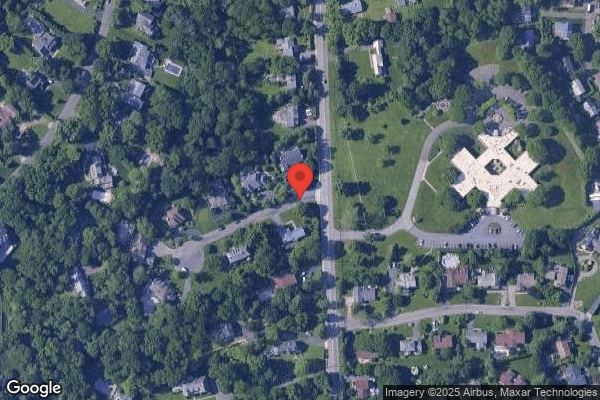

787 KING STREET, PORT CHESTER, NY 10573 (914) 937-5800
For profit - Corporation 120 Beds Independent Data: November 2025
Trust Grade
60/100
#293 of 594 in NY
Last Inspection: January 2024

Within standard 12-15 month inspection cycle. Federal law requires annual inspections.

Overview

King Street Home Inc in Port Chester, New York, has a Trust Grade of C+, indicating it is slightly above average but not outstanding. It ranks #293 out of 594 facilities in New York, placing it in the top half, and #18 out of 42 in Westchester County, meaning there are only a few better local options. The facility is currently experiencing a worsening trend, with issues increasing from 8 in 2024 to 9 in 2025. Staffing is a strong point, boasting a 5/5 rating with a turnover rate of 37%, which is better than the state average. While the facility has no fines on record, indicating good compliance, there are concerns regarding medication management errors for two residents and lack of proper assessment for the use of physical restraints, which may affect resident safety. Additionally, there was a failure to complete required testing for water safety, which poses potential health risks.

Trust Score
C+
60/100
In New York
#293/594
Top 49%
Safety Record
Low Risk
No red flags
Inspections
Getting Worse
8 → 9 violations
Staff Stability
○ Average
37% turnover. Near New York's 48% average. Typical for the industry.
Penalties
✓ Good
No fines on record. Clean compliance history, better than most New York facilities.
Skilled Nurses
✓ Good
Each resident gets 45 minutes of Registered Nurse (RN) attention daily — more than average for New York. RNs are trained to catch health problems early.
Violations
⚠ Watch
27 deficiencies on record. Higher than average. Multiple issues found across inspections.
★★★☆☆
3.0
Overall Rating
★★★★★
5.0
Staff Levels
★★★☆☆
3.0
Care Quality
★★☆☆☆
2.0
Inspection Score
Stable
2024: 8 issues
2025: 9 issues

The Good

  • 5-Star Staffing Rating · Excellent nurse staffing levels
  • Full Sprinkler Coverage · Fire safety systems throughout facility
  • No fines on record
  • Staff turnover below average (37%)

    11 points below New York average of 48%

Facility shows strength in staffing levels, fire safety.

The Bad

3-Star Overall Rating

Near New York average (3.1)

Meets federal standards, typical of most facilities

Staff Turnover: 37%

Near New York avg (46%)

Typical for the industry

The Ugly 27 deficiencies on record

Apr 2025 9 deficiencies
CONCERN (D) 📢 Someone Reported This

A family member, employee, or ombudsman was alarmed enough to file a formal complaint

Potential for Harm - no one hurt, but risky conditions existed

Deficiency F0573 (Tag F0573)

Could have caused harm · This affected 1 resident

Based on record review and interviews during an abbreviated survey (NY00349278), the facility did not ensure the resident's legal representative was provided with a copy of the resident's medical reco...

Read full inspector narrative →
Based on record review and interviews during an abbreviated survey (NY00349278), the facility did not ensure the resident's legal representative was provided with a copy of the resident's medical records upon request and 2 working days advance notice to the facility for 1 out of 3 residents (Resident #1) reviewed for medical records. Specifically, Resident #1's legal representatives requested the medical records for Resident #1 via email to the facility administrative coordinator on 8/23/2024. Resident #1's legal representative did not receive requested medical records until 9/10/2024, twelve days after the request was received by the facility. In addition, review of the facility policy revealed it did not meet federal regulations The findings are: The facility Access to Medical Records policy last reviewed January 2024 documented it is the policy to only allow the resident and/or legal representatives access to his/her medical records. All other requests to view a resident's medical record will be declined unless legal documentation is obtained, or a representative of the Department of Health makes the request. All requests must be made in writing. If a copy of the medical record is requested by the resident and/or legal representative, a copy will be provided within 7 to 10 business days. Review of an email correspondence from Resident #1's representative to the Administrative Coordinator revealed a request for the resident's medical records was submitted on 8/23/2024 at 8:47 AM. Review of an email correspondence to Resident #1's representative revealed the administrative coordinator sent the requested records to the representatives on 9/10/24 at 4:41 PM. During an interview on 2/13/2025 at 11:35 PM, the Administrative Coordinator stated they are responsible for completing medical record requests. The Administrative Coordinator stated medical records were requested via email by 2 of Resident #1's representatives, and they both requested the same documentation multiple times. The Administrative Coordinator stated they provided the medical records electronically to Resident #1's representative on 9/10/24 and they also provided a hard copy upon request. The Administrative Coordinator stated when they receive a release form, the documents are provided to the requestor within seven to ten business days as stated on their form. The Administrative Coordinator stated the facility does not use the Health Information and Portability and Accountability Act official request form and that this form was developed by the facility prior to them working here. During an interview on 2/14/2025 at 4:00 PM, the Assistant Administrator stated the medical record request form is completed by the resident, or the family and records can be requested from any staff member, but the Administrative Coordinator is the one responsible to complete the request and there is no fee associated with receiving electronic copies of medical records. The Assistant Administrator stated they were only aware of the seven to ten business day turnaround time for receiving requested medical records and they were not aware of any other timeframe. 10 NYCRR 415.3(d)(1)(iv)
CONCERN (D) 📢 Someone Reported This

A family member, employee, or ombudsman was alarmed enough to file a formal complaint

Potential for Harm - no one hurt, but risky conditions existed

Deficiency F0575 (Tag F0575)

Could have caused harm · This affected 1 resident

Based on record review, observations and interviews during an abbreviated survey (NY00349278) the facility did not ensure postings were in a form and manner accessible and understandable to residents,...

Read full inspector narrative →
Based on record review, observations and interviews during an abbreviated survey (NY00349278) the facility did not ensure postings were in a form and manner accessible and understandable to residents, resident representatives a list of names, addresses (mailing and email), and telephone numbers of all pertinent State agencies and advocacy groups, such as the State Survey Agency, the State licensure office, adult protective services where state law provides for jurisdiction in long-term care facilities, the protection and advocacy network, home and community based service programs, and the Medicaid Fraud Control Unit; and a statement that the resident may file a complaint with the State Survey Agency concerning any suspected violation of state or federal nursing facility regulation, including but not limited to resident abuse, neglect, exploitation, misappropriation. Specifically, during the on-site visit there were no posting of the information above observed throughout the facility, accessible to residents or resident representatives. The findings are: During an observation on 2/11/2025, there were no visible postings of contact information of pertinent State agencies or advocacy groups. There was a glass encasement in an alcove by the Assistant Administrators office with the staffing schedule posted as well as the wound care company utilized by the facility and the contact information for the Office of long-term care Ombudsman program. In the elevators there were also posters for the contact information and process for the Office of long-term care Ombudsman program. There were no additional postings observed throughout the facility Review of the visitor sign in logbook on 2/12/2025 revealed a stack of visitor log in forms separated by a tab that stated companion. Below the tab were additional login forms and other documents in sheet protectors including: New York State Department of Health complaint hot line number, the Ombudsman hotline number, the Residents [NAME] of Rights and the results of the most recent New York State Department of Health survey results from 1/11/2024, Facility Licenses and Registrations, private bed hold policy and various informational posters laminated. None of the information was posted and accessible to the residents or their representatives. During an interview on 2/11/2025 at 11:50 AM, the Assistant Administrator stated they have the Department of Health complaint number posted in the survey book at the front desk and the number is also included in the admission packet with the email address to the Department of Health. The surveyor informed the Assistant Administrator there are no resident rights posted within the facility. The Assistant Administrator stated they believe it is posted in the glass encasement with the Ombudsman information. The Surveyor did not observe the residents right posted in glass encasement during the onsite survey. 10 NYCRR 415.3(d)(2)(i)(b)
CONCERN (D) 📢 Someone Reported This

A family member, employee, or ombudsman was alarmed enough to file a formal complaint

Potential for Harm - no one hurt, but risky conditions existed

Deficiency F0577 (Tag F0577)

Could have caused harm · This affected 1 resident

Based on observations, record review, and interviews during an abbreviated survey (NY00349278), the facility did not ensure the results of the facilities most recent New York State Department of Healt...

Read full inspector narrative →
Based on observations, record review, and interviews during an abbreviated survey (NY00349278), the facility did not ensure the results of the facilities most recent New York State Department of Health survey were posted in a place readily accessible to residents, and family/legal representatives of residents. The facility also did not have a posted notice of the availability of such reports in areas of the facility that are prominent and accessible to the public. Specifically, the surveyor did not observe any results posted anywhere in the facility regarding the most recent survey conducted by the New York State Department of Health. The findings are: The facility Posting Survey Information policy last reviewed August 2024 documented it is the policy to comply with New York State Department of Health regulations by posting the results of the most recent Certification Survey in a location that is readily accessible to residents, their families, and other interested parties. Review of the visitor sign in logbook revealed a stack of visitor log in forms separated by a tab that stated companion. Below the tab were additional login forms and documents in sheet protectors including: New York State Department of Health complaint hot line number, Ombudsman hotline, Residents [NAME] of Rights and the results of the most recent New York State Department of Health survey from 1/11/2024. The facility Licenses and Registrations, private bed hold policy and various informational laminated posters laminated were also found. During an interview on 2/11/2025 at 11:50 AM, the Assistant Administrator stated they have the Department of Health complaint number posted in the survey book at the front desk and they also include the Department of Health complaint number in the admission packet with the email address to the Department of Health. The Assistant Administrator stated they will be including the postings to the information within the glass enclosures on the units and in the elevator next to the Ombudsman contact information/posters. During an interview on 2/11/2025 at 3:35 PM, the Receptionist stated they have been working in the facility for a year now. The Receptionist stated the New York State Department Health survey results are in the back of the visitor sign in logbook and if they are not asked for the results then a visitor would never know they were there. During an interview on 2/12/2025 at 9:30 AM, the Director of Nursing stated they were unaware of where the results from the last completed Department of Health Standard Recert Survey was located. 10 NYCRR 415.3(d(1)(v)
CONCERN (D) 📢 Someone Reported This

A family member, employee, or ombudsman was alarmed enough to file a formal complaint

Potential for Harm - no one hurt, but risky conditions existed

Deficiency F0583 (Tag F0583)

Could have caused harm · This affected 1 resident

**NOTE- TERMS IN BRACKETS HAVE BEEN EDITED TO PROTECT CONFIDENTIALITY** Based on record review and interviews during an abbreviated survey (NY00349278), the facility did not ensure the residents right...

Read full inspector narrative →
**NOTE- TERMS IN BRACKETS HAVE BEEN EDITED TO PROTECT CONFIDENTIALITY** Based on record review and interviews during an abbreviated survey (NY00349278), the facility did not ensure the residents right to personal privacy and confidentiality of his or her personal and medical records for 1 out of 3 residents (Resident #5) reviewed for confidentiality. Specifically, on 1/14/2025 Resident #1's representative requested medical records which they forwarded to Resident #1's physician. Resident #1's representative was informed by Resident #1's physician's office that they had received medical records for Resident #5 instead of Resident #1. The Administrative Coordinator stated Resident #5's care plans were sent to the physician office in error. The findings are: The facility undated Resident's [NAME] of Rights policy documented it is the policy that each resident is treated with consideration, respect and in full recognition of his/her dignity and individuality, including privacy. Each resident shall enjoy the right to confidential treatment of personal and medical records. 1) Resident #1 had diagnoses including but not limited to Vascular Dementia, Cardiomyopathy and Mood [Affective] Disorder. A Quarterly Minimum Data Set, dated [DATE] documented the resident had moderate cognitive impairment. No behaviors noted. Resident #1 had no impairments to the upper or lower extremities and did not utilize any assistive devices. The resident required set up for meals and was dependent for toileting, bed mobility and transfers. 2) Resident #5 had diagnoses including but not limited to Dementia, Major Depression and Pulmonary Embolism. A Comprehensive Minimum Data Set, dated [DATE] documented Resident #5 had severe cognitive impairment. Resident #5 required a wheelchair for locomotion was dependent for eating, toileting and transfers and required maximal assistance with bed mobility. Review of an email correspondence from Resident #1's representative to the Administrative Coordinator on 1/14/2025 at 11:34 AM revealed Resident #1's representative received Resident #5's care plans in the medical records received instead of Resident #1's care plans. Resident #1's representative informed the Administrative Coordinator that Resident #1's primary care physicians office noticed an error in the medical records received that required immediate attention. Review of an email correspondence from the Administrative Coordinator to Resident #1's representative on1/14/2025 at 12:46 PM revealed the Administrative Coordinator acknowledged the error and was grateful to Resident #1's representative for bringing the error to their attention and resent the correct documentation for Resident #1. During an interview on 2/13/2025 at 1:35 PM, the Administrative Coordinator stated they sent Resident #1's representatives Resident #5's care plan by accident as they were being rushed to send the documentation before 4 PM. The Administrative Coordinator stated they were in a hurry, compiled and sent the documents with Resident #5's information. The Administrative Coordinator stated the email with the Resident #5's care plan was sent on 1/10/2025 and the correct documentation requested was sent to Resident #1's representatives on 1/14/2025. The Administrative Coordinator stated the error occurred only one time with Resident #1's family. 10 NYCRR 413.3(e)(1)(ii)
CONCERN (D) 📢 Someone Reported This

A family member, employee, or ombudsman was alarmed enough to file a formal complaint

Potential for Harm - no one hurt, but risky conditions existed

Grievances (Tag F0585)

Could have caused harm · This affected 1 resident

**NOTE- TERMS IN BRACKETS HAVE BEEN EDITED TO PROTECT CONFIDENTIALITY** Based on observation, record review, and interviews during an abbreviated survey (NY00349278, NY00364670) , the facility did not...

Read full inspector narrative →
**NOTE- TERMS IN BRACKETS HAVE BEEN EDITED TO PROTECT CONFIDENTIALITY** Based on observation, record review, and interviews during an abbreviated survey (NY00349278, NY00364670) , the facility did not ensure residents/resident representatives were notified through postings in prominent locations throughout the facility of the right to file grievances orally or in writing; the contact information of the grievance official with whom a grievance can be filed, a reasonable expected time frame for completing the review of the grievance; the right to obtain a written decision regarding his or her grievance; and the contact information of independent entities with whom grievances may be filed, that is, the pertinent State agency, Quality Improvement Organization, State Survey Agency or protection and advocacy system; or ensuring that all written grievance decisions include a statement as to whether the grievance was confirmed or not confirmed, any corrective action taken or to be taken by the facility as a result of the grievance, and the date the written decision was issued for 1 out of 4 residents (Resident #1) reviewed for grievances. Specifically, the facility provided grievance reports filed by Resident #1's representative daily for the months of January 2024, March 2024, April 2024, May 2024, June 2024, July 2024, August 2024, September 2024, October 2024 and November 2024 with no specific resolution documented for the grievances. In addition, there was also no observed posting of who the facility grievance officer was, or the process residents/resident representatives needed to follow to file a grievance. The findings are: The facility Investigation of Grievances/Concerns policy last reviewed August 2024 documented the facility is committed to fair and equal treatment of all residents and will complete a prompt, thorough investigation of all grievances and/or concerns filed with the facility. Concerns may include but are not limited to care issues, issues of alleged discrimination and customer service concerns. Concerns/grievances may be filed orally or in writing. The resident/resident representatives/person acting on behalf of the residents will be informed of the findings of the investigation, as well as any corrective actions recommended within 15 working days of the filing of the grievance/concern. A copy of the grievance/concern form will be filed in the resident's grievance binder located in the social services office. Concerns and grievances will be monitored for pattern and trend and will be reported regularly at the Quality Assurance and Performance Improvement committee meeting for additional corrective action/interventions. There was no observed grievance process information posted in the facility to inform the residents about the process of filing a grievance or who to contact. Resident #1 had diagnoses including but not limited to Vascular Dementia, Cardiomyopathy and Mood [Affective] Disorder. A Modification of Quarterly Minimum Data Set, dated [DATE] documented the resident had moderate cognitive impairment. No behaviors noted Resident #1 had impairment to their upper extremity on one side and used a walker or a wheelchair for locomotion. The resident required set up assistance for meals, maximal assistance with toileting and bed mobility and dependent for transfers. Review of a written grievance report dated 12/17/2024 and submitted 12/18/2024, and 12/23/2024 by Resident #1's representative documented the type of grievance as follows: care/medical treatment, safety/hygiene, financial/billing and rights violation. Attached was a follow up grievance report dated 12/18/2024 documenting an investigation: chart and Certified Nurse Aide Accountability Report reviewed, discussion with nurses, certified nurse assistants, rehabilitation staff, dietician and social worker regarding plan of care and staff knowledge and ability to follow plan of care. The action documented met with family representatives in person and on phone as well as requested physician of Resident #1 to discuss plan of care and concerns. Resident #1's family representatives verbalized dissatisfaction with standard of care interventions and current individualized interventions. The resolution documented no resolution issues remain ongoing as expectations are unrealistic. Resident #1's representative on site daily and some days multiple visits with multiple discussions with staff to address their concerns/expectations in addition to multiple emails-consuming tremendous staff time that takes away from the other residents. Encouraged Resident #1's representative on multiple occasions to contact Ombudsman/Department of Health and offered to assist with finding another facility since needs cannot be met to satisfaction. Review of Resident #1's facility Grievance reports for January 2024, March 2024, April 2024, May 2024, June 2024, July 2024, August 2024, September 2024, October 2024 and November 2024 documented the nature of the grievances as follows: alleged abuse or neglect, billing/finance, care needs not met, delay/lack of physical care, dietary/nutritional needs, general dissatisfaction, medical care, medication, nursing care, rehabilitation, resident rights and staff attitude. All the reports documented the date as daily by Resident #1's representatives and received by the Assistant Administrator. The investigation on the reports documented discussion with the certified nurse assistant's, nurses assigned to Resident #1, rehabilitation and when appropriate Resident #1. The action and resolution documented review of menu and substitutions with the Dietician/certified nurse assistants and ongoing with Resident #1. The Director of Rehabilitation/Regional Director of Theradynamics handling Resident #1's representatives rehabilitation issues. The Director of Nursing/in-service coordinator continues education and support of staff. No resolution issues remain ongoing as expectations are unrealistic. Resident #1's representative on site daily and some days multiple visits with multiple discussions with staff to address their concerns/expectations in addition to multiple emails-consuming tremendous staff time that takes away from the other residents. Encouraged Resident #1's representative on multiple occasions to contact Ombudsman/Department of Health and offered to assist with finding another facility since needs cannot be met to satisfaction. A written grievance report was submitted on 2/8/2025 by Resident #1's representative documenting the type of grievance as follows: care/medical treatment, staff behavior and rights violation. During an interview on 2/13/2025 at 10:12 AM, the Director of Social Services stated they were the only social worker in the building, and they are the facility grievance officer. The Director of Social Services stated they have been handling all of the grievances in the facility since November or December. The Director of Social Services stated Resident #1's representative usually completes the grievance form and emails it back and the form is sent to the respective departments involved. Resident #1's representatives are informed that the departments would conduct their investigation and get back to them with the findings. The Director of Social Services stated unless the department asks for their assistance, their involvement ends with the submission of the forms to the department heads. The Director of Social Services stated they do not keep track of the grievances and their resolutions, but they are informed of the outcomes. The Director of Social Services stated the grievances are maintained by the Assistant Administrator. The Director of Social Services stated they have only received one grievance form since the new policy became effective which was from Resident #1's representative. The Director of Social Services stated for Resident #1 there is only one official documented grievance form completed by Resident #1's representatives as most of the time they emailed with their issues to be addressed. The Director of Social Services stated they have to double check if there is a posting about the grievance process and the steps for the resident to take if they have a grievance in the facility. The Director of Social Services stated they think there is a posting in the box where the Ombudsman information is located on the [NAME] and East units. The Director of Social Services stated they do not believe they documented a note regarding the grievance they handled, and they would have to go back and check. The Director of Social Services stated the grievance information is not posted by their office because there is no place to hang the information. At 10:53 AM the Director of Social Services returned with the grievance book and stated the grievance that was sent to them from Resident #1's representative was dated 12/16/2024. The Director of Social Services stated it is an ongoing process, the grievances that states no resolution mean the family is not in agreement with the resolution. During an interview on 2/12/2025 at 9:25 AM, the Assistant Administrator stated they are having problems with Resident #1's representative and showed the surveyor 3 binders of email correspondence between them and the facility. The Assistant Administrator stated at this point they are unsure of what to do regarding Resident #1's representatives. They do not have an issue with Resident #1 and can provide them with the care they need, but they do not know what to do about the resident's representatives. The Assistant Administrator stated they have swapped all the staff on the units due to Resident #1's representatives making allegations about staff. The Assistant Administrator stated they have scheduled care plan meetings in which nothing gets accomplished because Resident #1's representative become hostile and dismisses team members from the meeting stating they do not want them at the meeting, including the Director of Nursing and many other team members. The Assistant Administrator stated there are no resolutions for the grievances reported by Resident #1's representative because they are never satisfied or agree with the interventions presented to them. 10 NYCRR 415.3(d)(1)(i)
CONCERN (D) 📢 Someone Reported This

A family member, employee, or ombudsman was alarmed enough to file a formal complaint

Potential for Harm - no one hurt, but risky conditions existed

Assessment Accuracy (Tag F0641)

Could have caused harm · This affected 1 resident

**NOTE- TERMS IN BRACKETS HAVE BEEN EDITED TO PROTECT CONFIDENTIALITY** Based on record review and interviews during an abbreviated survey (NY00349278) the facility did not ensure the Minimum Data Set...

Read full inspector narrative →
**NOTE- TERMS IN BRACKETS HAVE BEEN EDITED TO PROTECT CONFIDENTIALITY** Based on record review and interviews during an abbreviated survey (NY00349278) the facility did not ensure the Minimum Data Set assessment accurately reflected the resident's status for 1 out of 4 residents (Resident #1) reviewed for assessments. Specifically, review of Resident #1's Minimum Data Set assessments dated 8/21/2024, 9/30/2024 and 12/17/2024 revealed discrepancies regarding the resident's extremity impairments, use of assistive devices and functional abilities. The Findings are: The Facility Completion of the Resident Assessment Instrument (RAI) Process policy last reviewed January 2024 documented the policy assures that all residents achieve their highest level of functioning possible in maintaining their sense of individuality. Assessments will be completed within the guidelines outlined in the Resident Assessment Instrument Manual and include the Care Area Assessment and care planning processes to lead to the development of a plan of care to address and monitor each residents needs and function, and to track changes in the resident's status. Supporting documentation for the Resident Assessment Instrument process will be completed utilizing Center for Medicare and Medicaid Services requirements of the RAI process to support the coding of the Minimum Data Set. Resident #1 was admitted with diagnoses including but not limited to Vascular Dementia, Cardiomyopathy and Mood [Affective] Disorder. A Modification of Quarterly Minimum Data Set, dated [DATE] documented the resident had moderate cognitive impairment. No behaviors noted. Resident #1 had impairment to their upper extremity on one side and used a walker or a wheelchair for locomotion. The resident required set up assistance for meals, maximal assistance with toileting and bed mobility and dependent for transfers. A Quarterly Minimum Data Set, dated [DATE] documented the resident had moderate cognitive impairment. The resident exhibited rejection of care daily behaviors. Resident #1 had impairment on one side to their upper and lower extremities and used a wheelchair for locomotion. The resident required set up assistance for eating was dependent for toileting, bed mobility and transfers. An Annual Minimum Data Set, dated [DATE] documented the resident had severe cognitive impairment. The resident exhibited verbal behavioral symptoms directed towards others. The resident had impairment on one side to the upper extremity. The resident required a wheelchair for locomotion. The resident required set up assistance with meals and was dependent for toileting, bed mobility and transfers. A Quarterly Minimum Data Set, dated [DATE] documented the resident had moderate cognitive impairment. No behaviors noted. Resident #1 had no impairments to the upper or lower extremities and did not utilize any assistive devices. The resident required set up for meals and was dependent for toileting, bed mobility and transfers. Review of Resident #1's Minimum Data Set assessments revealed the following discrepancies: Modification of Quarterly dated 5/26/2024 documented impairment upper extremity on one side, using walker or wheelchair for locomotion with maximal assistance needed for toileting and bed mobility, dependent transfers -Quarterly dated 8/21/2024 documented impaired upper and lower extremities on one side and dependent for toileting, bed mobility and transfers -Annual dated 9/30/2024 documented impairment on one side upper extremity. Using a wheelchair for locomotion and dependent for toileting, bed mobility and transfers -Quarterly dated 12/17/2024 documented no impairments to upper or lower extremities and no assistive devices used for locomotion. During an interview on 2/13/2025 at 11:05 AM, the Minimum Data Set Coordinator Registered Nurse stated the information on the Minimum Data Set assessments dated 8/21/2024, 9/30/2024 and 12/17/2024 were incorrect and Resident #1 has a wheelchair and that has not changed. The Minimum Data Set Coordinator Registered Nurse stated there was no need for a significant change assessment because this information is not accurate. The Minimum Data Set Coordinator Registered Nurse stated they oversee the completion of the Minimum Data Set, but each department is responsible for completing portions on the Minimum data set. The Minimum Data Set Coordinator Registered Nurse stated they do not have time to review all areas of the assessment as it is unrealistic. The Minimum Data Set Coordinator Registered Nurse stated looking back to see the comparison of the assessments this should have been caught, especially for the areas completed by the same person. The Minimum Data Set Coordinator Registered Nurse stated they sign off that all areas are complete. Each department is signs off on the sections they complete as accurate. The Minimum Data Set Coordinator Registered Nurse stated the error on the 8/21/2024 and the 9/30/2024 Minimum Data Sets were done by the Regional Director and the inaccurate information entered on the 12/17/2024 was done by the Director of Rehabilitation. The Minimum Data Set Coordinator Registered Nurse stated they will be completing a modification of the Minimum Data Sets assessments for the errors identified. During an interview on 2/13/2025 at 2:55 PM, the Director of Rehabilitation stated they are responsible for the GG and the O sections of the Minimum Data Set. The Director of Rehabilitation stated to complete the Minimum Data Set, they check to see if there have been changes from the previous assessment, speak with the nursing staff on the unit and the Minimum Data Set Coordinator. The Director of Rehabilitation admitted they coded no device was used for locomotion on Resident #1's Minimum Data Set, dated [DATE] and that was an error. They should have coded yes for wheelchair use. The wheelchair use however was coded accurately on the GG section. 10 NYCRR 415.11(b)
CONCERN (D) 📢 Someone Reported This

A family member, employee, or ombudsman was alarmed enough to file a formal complaint

Potential for Harm - no one hurt, but risky conditions existed

Comprehensive Care Plan (Tag F0656)

Could have caused harm · This affected 1 resident

**NOTE- TERMS IN BRACKETS HAVE BEEN EDITED TO PROTECT CONFIDENTIALITY** Based on record review and interviews during an abbreviated survey (NY00364670), the facility did not ensure a comprehensive per...

Read full inspector narrative →
**NOTE- TERMS IN BRACKETS HAVE BEEN EDITED TO PROTECT CONFIDENTIALITY** Based on record review and interviews during an abbreviated survey (NY00364670), the facility did not ensure a comprehensive person-centered care plan was implemented for 1 out of 3 residents (Resident #2) reviewed for care planning. Specifically, on 11/16/2024 Resident #4 was diagnosed with pneumonia and was ordered to start on antibiotic and oxygen therapy. Review of Resident #2's care plans revealed there were no care plans initiated for pneumonia, antibiotic use or oxygen use. The findings are: The facility Care Plan Development and Implementation policy last reviewed 5/2023 documented a comprehensive person-centered care plan that includes measurable objectives and timetables to meet the resident's physical, psychosocial and functional needs is developed and implemented for each resident. Assessments of each resident are ongoing, and care plans are revised as information about the residents' conditions change. Resident #2 was admitted with diagnoses including but not limited to Difficulty in walking, Urinary Tract Infection and Raynaud's Syndrome. A Quarterly Minimum Data Set, dated [DATE] documented the resident had severe cognitive impairment. No behaviors noted. The resident had impairment to the upper extremities on both sides and required a walker and a wheelchair for locomotion. The resident required moderate assistance with eating, toileting and transfers and dependent for bed mobility. The resident had shortness of breath or trouble breathing during exertion and when lying flat and used oxygen while in the facility. Review of Resident #2's physician's order dated 11/16/2024 documented oxygen therapy at two liters per minute via nasal cannula as needed for shortness of breath. Review of Resident #2's physician's order dated 11/16/2024 documented Amoxicillin-Potassium Clavulanate 875-125 mg 1 tablet by mouth every twelve hours for pneumonia for 13 administrations. Review of Resident #2's care plans revealed there were no care plans initiated for pneumonia, antibiotic use or oxygen use. During an interview on 2/14/2025 at 2:54 PM the Director of Nursing stated they just started working for the facility and are trying to adjust the process of updating the care plan,as they feel the system is not strong at this point and everyone just updates the care plans. The Director of Nursing stated they are also trying to hire nurse managers for the units who will generally maintain the care plans. During a telephone on 3/27/2025 at 10:50 AM, the Minimum Data Set Coordinator Registered Nurse stated the unit nurses are responsible to initiate/update the residents care plans with changes as they occur. The Minimum Data Set Coordinator Registered Nurse stated they could not find care plans for pneumonia, oxygen and antibiotic use for Resident #2. The Minimum Data Set Coordinator Registered Nurse stated Registered Nurse #1 received and entered the orders and the treatments for Resident #2 and Registered Nurse #1 would be the one to update those areas on the care plan. During a telephone interview on 3/27/2025 at 11:00 AM, Registered Nurse #1 stated when they usually receive any new orders, they would update the care plans pertaining to the orders received. Registered Nurse #1 stated they did not receive the antibiotics orders for Resident #2, so they did not initiate a care plan for the treatment. Registered Nurse #1 stated they did receive the orders for the oxygen for Resident #2 and forgot to initiate the care plan for the oxygen use. Registered Nurse #1 stated Resident #2's oxygen care plans should have been initiated when the order was implemented. Registered Nurse #1 stated if they had initiated the care plans for use of oxygen, they would have noticed the antibiotic and the pneumonia care plans had not been initiated, and they would have initiate them. Registered Nurse #1 stated because they did not receive the orders for the antibiotics for the pneumonia diagnosis, they were not responsible to initiate the care plans. Registered Nurse #1 stated Registered Nurse #3 was the one who received the orders and should have initiated those care plans. During a telephone interview on 3/28/2025 at 12:26 PM, Registered Nurse #3 stated they do not recall Resident #2, and they would not initiate a care plan for their diagnosis or antibiotic use. Registered Nurse #3 stated the process is they get the medication order and inform the family of the new orders. Registered Nurse #3 stated the unit manager, or the day shift Registered Nurse #1 would be responsible for initiating/updating the care plan with the new orders. Registered Nurse #3 stated Registered Nurse #1 would be the designated person to follow up with the care plan initiation/updates. 10 NYCRR 415.11(c)(1)
CONCERN (D) 📢 Someone Reported This

A family member, employee, or ombudsman was alarmed enough to file a formal complaint

Potential for Harm - no one hurt, but risky conditions existed

Deficiency F0657 (Tag F0657)

Could have caused harm · This affected 1 resident

**NOTE- TERMS IN BRACKETS HAVE BEEN EDITED TO PROTECT CONFIDENTIALITY** Based on record review and interviews during an abbreviated survey (NY00349278), the facility did not ensure the comprehensive c...

Read full inspector narrative →
**NOTE- TERMS IN BRACKETS HAVE BEEN EDITED TO PROTECT CONFIDENTIALITY** Based on record review and interviews during an abbreviated survey (NY00349278), the facility did not ensure the comprehensive care plan was reviewed and revised by the interdisciplinary team after each assessment, including both the comprehensive and quarterly review assessments for 1 out of 4 residents (Resident #1) reviewed for care planning. Specifically, Resident #1's comprehensive care plans for medication refusals, physical aggression, social needs and nutritional problems were not reviewed and revised with the quarterly Minimum Data Set completed on 12/17/2024. The Findings are: The facility Care Plan Development and Implementation policy last reviewed 5/2023 documented a comprehensive, person-centered care plan that includes measurable objectives and timetables to meet the resident's physical, psychosocial and functional needs is developed and implemented for each resident. The interdisciplinary team reviews and updates the care plan at least quarterly, in conjunction with the required quarterly Minimum Data Set assessment. Resident #1 had diagnoses including but not limited to Vascular Dementia, Cardiomyopathy and Mood [Affective] Disorder. A Modification of Quarterly Minimum Data Set, dated [DATE] documented the resident had moderate cognitive impairment. No behaviors noted Resident #1 had impairment to their upper extremity on one side and used a walker or a wheelchair for locomotion. The resident required set up assistance for meals, maximal assistance with toileting and bed mobility and dependent for transfers. A Modification of Quarterly Minimum Data Set, dated [DATE] documented the resident had moderate cognitive impairment. No behaviors noted. Resident #1 had impairment to their upper extremity on one side and used a walker or a wheelchair for locomotion. The resident required set up assistance for meals, maximal assistance with toileting and bed mobility and dependent for transfers. Review of a potential/actual physical aggression care plan last revised 1/31/2025 documented Resident #1 exhibited aggressive behavior towards staff by scratching, punching and threatening staff. Resident #1 transferred to the hospital for evaluation secondary to extreme verbal and physical aggressive behaviors towards staff. Menacing and threatening to strangle staff. Review of a social needs care plan last reviewed 2/13/2025 documented Resident #1 was dependent on staff to meet social needs. Interventions listed included provide 1:1 in-room visits and activities if resident refuses to attend out of room events. Review of a nutritional problem care plan last reviewed 1/21/2025 documented Resident #1 was at risk for malnutrition, diet restrictions, variable intake, unrealistic meal requests. Interventions listed included provide and serve diet as ordered, provide diet education and answer all questions during time of visits. During an interview on 2/13/2025 at 11:05 AM, the Minimum Data Set Coordinator Registered Nurse stated they have been working in the facility for 13 years. The Minimum Data Set Coordinator Registered Nurse stated they oversee the nurses to ensure the care plans are updated. The Minimum Data Set Coordinator Registered Nurse stated the nurses are instructed that with every incident or change, the care plan needs to be updated. The Minimum Data Set Coordinator Registered Nurse stated the Registered Nurses, and the Licensed Practical Nurses complete the care plan updates, the care plans are reviewed quarterly, and they should be updated as things are happening. The Minimum Data Set Coordinator Registered Nurse stated if there are no changes then a notation should be entered in the care plans stating there are no changes. The Minimum Data Set Coordinator Registered Nurse stated they review, and spot check the quarterly care plans and let the nurses know if they are not completed. The Minimum Data Set Registered Nurse stated they have revised and reviewed Resident #1's care plans, but they see what the surveyor is stating about not being able to see the updates. The Minimum Data Set Registered Nurse stated the care plans were reviewed by the interdisciplinary team constantly as there is always something going on with Resident #1's representatives. During an interview on 2/12/2025 at 9:25 AM, the Assistant Administrator stated the Nursing Supervisor, or the Minimum Data Set coordinator are responsible for updating and maintaining the residents care plans. The Assistant Administrator stated that each team member is also responsible for updating the care plans related to their areas. 10 NYCRR 415.11(c)(2)(i-iii)
CONCERN (E) 📢 Someone Reported This

A family member, employee, or ombudsman was alarmed enough to file a formal complaint

Potential for Harm - no one hurt, but risky conditions existed

Deficiency F0760 (Tag F0760)

Could have caused harm · This affected multiple residents

**NOTE- TERMS IN BRACKETS HAVE BEEN EDITED TO PROTECT CONFIDENTIALITY** Based on record review and interview during an abbreviated survey (NY00354758), the facility did not ensure residents were free ...

Read full inspector narrative →
**NOTE- TERMS IN BRACKETS HAVE BEEN EDITED TO PROTECT CONFIDENTIALITY** Based on record review and interview during an abbreviated survey (NY00354758), the facility did not ensure residents were free from significant medication errors for 2 out of 3 residents (Resident #3, Resident #8) reviewed for medication. Specifically, (1) during Resident #3's discharge instruction on their medications with Registered Nurse #1 on 9/16/2024, their family representative alerted Registered Nurse #1 that two medications: Lexapro (an antidepressant) and Seroquel/Quetiapine Fumarate(anti-psychotic) were prescribed to the resident in error because the resident was never on those medications. Resident #3 had received the antidepressant (Lexapro 10 mg) from 9/4/2024 to 9/16/2024. Resident #3 also received the anti-psychotic (Seroquel 50 daily at bedtime) from 9/5/2024 to 9/16/2024; (2) Resident #8 who was receiving an antipsychotic (Seroquel 25mg x2 daily) had a psychiatry consult on 9/4/2024 and was ordered for their antipsychotic to change to Seroquel 50 mg daily at bedtime. The change was not initiated until 9/11/2024. In addition, Resident #8 was also recommended for a dose reduction of their antidepressant (Lexapro 20mg daily to Lexapro to 10 mg daily) during the psychiatry consult on 9/4/2024. There was no documented evidence in the September Medication Administration Record that the recommended change was not initiated between 9/4/2024 to 9/19/2024. The findings are: The Facility Physician Medication Orders policy last reviewed August 2024 documented the purpose is to ensure the safe and effective ordering, administration and documentation of medications for residents in compliance with New York State regulations and facility standards. All medication orders must be written, reviewed, and administered in accordance with federal and state regulations and facility protocols to ensure resident safety and optimal therapeutic outcomes. Verbal orders are only accepted in emergencies and must be documented immediately by the nurse receiving the order and signed by the physician within 24 hours. Medication orders must be documented in the resident's medical record, including any changes or discontinuations. 1) Resident #3 was admitted to the facility on [DATE] with diagnoses including but not limited to Myocardial Infarction, Anxiety Disorder and Adjustment Disorder. A Modification of admission Minimum Data Set, dated [DATE] documented the resident was cognitively intact. The resident used a walker or a wheelchair for locomotion. The resident required set up assistance with meals, moderate assistance with toileting, bed mobility and transfers. Review of the facility report submitted to the New York State Department of Health documented that on 9/16/2024 during Resident #3's discharge from the facility Registered Nurse #1 was reviewing the discharge medications with Resident #3's representative and it was discovered that the psychotropic medication orders for Resident #3 were ordered in error. Investigation was immediately commenced, and findings reveal that the two psychotropic medication orders were intended for another resident with a similar last name. The facility's immediate response was for the Registered Nurse to assess Resident #3 and was noted to be stable, with no adverse reactions. The Psychiatric Nurse Practitioner #1 was notified and ordered to discontinue the psychotropic medications. Resident #3's representative was aware and safety precaution education was provided. Review of Resident #3's medication administration record for September 2024 revealed they received antidepressant (Lexapro 10mg daily for depression from 9/5/2024 to 9/16/2024) and antipsychotic (Seroquel/Quetiapine Fumarate 50 mg daily at bedtime for psychosis from 9/4/2024 to 9/15/2024). There was no documented evidence in the progress notes regarding the verbal orders received by Registered Nurse #7 from the Psychiatric Nurse Practitioner #1. In addition, there was no physician's order noted regarding the verbal order for Resident #3 received. Review of a facility medication error/adverse reaction form dated 9/16/2024 documented Resident #3 had an error involving wrong resident and wrong medication. The error documented Lexapro 20 mg by mouth daily and Seroquel 50 mg by mouth daily at bedtime ordered in error for wrong resident. There was no documentation in the progress note from the Psychiatric Nurse Practitioner #1. 2) Resident #8 was admitted to the facility on [DATE] with diagnoses including but not limited to Dementia, Major Depression Disorder and other Sequalae of Cerebral Infarction. A Comprehensive Minimum Data Set, dated [DATE] documented Resident #8 had moderate cognitive impairment. The resident required a walker and a wheelchair for locomotion. The resident required supervision with eating, maximal assistance with toileting and bed mobility. Resident #8 was taking anti-psychotic and anti-depressant medications. Review of Psychiatric Nurse Practitioner #1's consult note dated 9/4/2024 recommended Resident #8's Seroquel(antipsychotic) to be changed from Seroquel 25 mg x2 daily to Seroquel 50 mg daily and a gradual dose reduction of Lexapro(antidepressant) from 20 mg to Lexapro10 mg daily due to no behaviors reported and confusion had improved. Review of Resident #8's medication administration record for September 2024 revealed their Lexapro 10 mg dose reduction recommendation from 9/4/2024, was not initiated until 9/19/2024. There was no documented evidence of Resident #8's Seroquel medication frequency being changed from 25mg x2daily to 50 mg daily. Review of Psychiatric Nurse Practitioner #1's consult note dated 9/11/2024 documented Resident #8 was taking Seroquel 50 mg two times daily, Neurontin 100 mg two times daily, Lexapro 10mg daily and Namenda 5 mg two times daily. The doses for the Lexapro and Seroquel were not accurately reflected. Resident #8's recommendation was a gradual dose reduction of Seroquel 25mg x2 daily to 50mg daily at bedtime due to no behaviors reported and confusion had improved. Resident #8's medication regimen was documented incorrectly on their psychiatry consult note dated 9/11/2024 as the resident had not received the recommended changes from the previous psychiatry consult on 9/4/2024. Review of Resident #8's medication administration record for September 2024 revealed their Seroquel dosing did not change as recommended from 9/4/2024. Resident #8 received Seroquel 25 mg x2 daily from 8/20/2024 until 9/11/2024 and Seroquel 25 mg daily at bedtime from 9/11/2024 until 9/18/2024. During an interview on 2/13/2025 at 1:35 PM, Registered Nurse #1 stated on 9/16/2024 they were reviewing the resident's discharge medications with their family representative and Resident #3's representative stated the resident does not take those medications. Registered Nurse #1 stated they went back and checked the medication list and called Psychiatric Nurse Practitioner #1(the prescriber) and they stated the medications were ordered in error. Registered Nurse #1 stated they discontinued the medications immediately, assessed Resident #3 and the Psychiatric Nurse Practitioner #1 followed up with Resident #3 and their representative after discharge. Registered Nurse #1 stated the Director of Nursing #2 was informed about the medication error and a house wide in-service was completed on medication errors and Registered Nurse #7, who transcribed the order received disciplinary action. During a telephone interview on 4/15/2025 at 2:16 PM, the Psychiatric Nurse Practitioner #1 stated the recommendation for the Lexapro and Seroquel were intended for Resident #8, but the medications were ordered for Resident #3. Resident #3 received the medications for 12 days. The Psychiatric Nurse Practitioner #1 stated the facility called them and informed them about the medication error as soon as it was discovered, and they discontinued the medication immediately for Resident #3. The Psychiatric Nurse Practitioner #1 stated their first interaction with Resident #3 was on 8/28/2024, and their last interaction was a home visit in the community on 9/18/2024. The Psychiatric Nurse Practitioner #1 stated they did not consult Resident #3 during their facility rounds on 9/4/2024. The Psychiatric Nurse Practitioner #1 stated Resident #8 also did not have any adverse effects from the recommended changes not being reflected in their medication profile. All recommended medication changes and additions were started as soon as the error was identified. The Psychiatric Nurse Practitioner #1 stated currently they write a brief synopsis of the visit and recommendation. The unit nurse and the nursing supervisor signs off on the consultation and then it goes to the Director of Nursing #1. This provides a triple check to avoid errors. The Psychiatric Nurse Practitioner #1 stated the changes in the process came about due to the medication error incident that was discovered on 9/16/2024. During a telephone on 4/15/2025 at 2:25 PM, Registered Nurse #7 stated they remember the medication error incident that was discovered on 9/16/2024. Registered Nurse #7 stated there was another resident that had the same last name as Resident #3 and they were taking a verbal order over the phone for new medications after the psychiatry consults were completed. Registered Nurse #7 stated they received the verbal orders from the Psychiatric Nurse Practitioner and hand wrote the orders on paper, then went into the electronic medical record and entered the orders, because there were a couple of other residents, they had to enter orders for. Registered Nurse #7 stated they wrote down the last name of the resident, but they did not realize there were two residents with the same name because they were not in the facility regularly. Registered Nurse #7 stated it was extremely busy that afternoon and they had admissions. Registered Nurse #7 stated they got written up for the incident and disciplined for the error, and this was the first time something like that happened to them. They were devastated. Registered Nurse #7 stated they transcribed these types of verbal orders on Wednesdays all the time and had not experienced any errors in the past until the incident. During a telephone interview on 4/17/2025 at 9:13 AM, the Director of Nursing #2 stated on 9/16/2024, they recall there was a medication error discovered, related to 2 residents with similar names. The Director of Nursing #2 stated usually the list of residents provided by the Psychiatric Nurse Practitioner #1 identifies the residents by last name and first name. The Director of Nursing #2 stated on this occasion there was probably a verbal order provided for the nursing supervisor the Psychiatric Nurse Practitioner #1 and Registered Nurse #7 made an error and input the medication orders on the wrong resident. The Director of Nursing #2 stated they think when Registered Nurse #7 entered Resident #8's name into the electronic medical record system, Resident#3's name popped up and they entered the medication into Resident #3's medical chart in error. This was an honest mistake and an isolated incident. The Director of Nursing #2 stated they completed an audit of the charts for residents receiving psychotropic medications in the facility. The Director of Nursing #2 stated they cannot recall if they noted the discrepancies in Resident #8's medication orders when they conducted the chart audit. The Director of Nursing #2 stated if they had recognized a discrepancy in Resident #8's medication orders, they would have investigated the issue, but they could not recall the details of what occurred at that time. The Director of Nursing #2 stated this would have been a medication error if they had noticed any discrepancies in Resident #8's chart. 10 NYCRR 415.12(m)(2)
Jan 2024 8 deficiencies
CONCERN (D)

Potential for Harm - no one hurt, but risky conditions existed

Deficiency F0558 (Tag F0558)

Could have caused harm · This affected 1 resident

**NOTE- TERMS IN BRACKETS HAVE BEEN EDITED TO PROTECT CONFIDENTIALITY** Based on observation, record review, and interview during the Recertification survey from 1/4/24 to 1/11/24, the facility did no...

Read full inspector narrative →
**NOTE- TERMS IN BRACKETS HAVE BEEN EDITED TO PROTECT CONFIDENTIALITY** Based on observation, record review, and interview during the Recertification survey from 1/4/24 to 1/11/24, the facility did not ensure did not ensure that the call bell system was accessible for 1 of 1 residents (Resident #7) reviewed for Accidents. Specifically, Resident #7, who had a history of falls and was assessed to be at high risk for falls, was observed without their call bell within reach as per their plan of care. Findings include: The facility policy reviewed 5/23, 'Fall Risk Assessment and Fall Prevention', documented to institute a preventative plan of care for any resident assessed as at risk for falls, and each resident must have an individual plan considering risk factors, functional status, cognitive status, and how the plan of care will affect the quality of life. Interventions included but were not limited to; call bell within reach for low risk, and scheduled monitoring/move resident closer to the nurse's station for high risk. Resident #7 was admitted with diagnoses which included anxiety, Parkinson's Disease, and muscle weakness. The Minimum Data Set (MDS-an assessment tool) admission assessment dated [DATE] documented Resident #7 was cognitively intact and exhibited no documented behavioral symptoms. Resident #7 required partial/moderate assistance with eating, dressing, and personal hygiene, and was dependent with toilet use, transfers, and ambulation. Resident #7 had a history of falls in the last month prior to admission and had a fracture related to a fall in the last 6 months prior to admission. The 'ADL functional deficit and or limited physical mobility' care plan dated 12/13/23 documented Resident #7 required 1 staff to assist with toilet use, personal hygiene, and transfers, and staff to encourage Resident #7 to use call bell for assistance. The 'Falls' care plan dated 12/15/23 documented to continue interventions on the at-risk plan and follow facility protocol to determine and address causative factors of the fall. The Functional Abilities and Goals admission assessment dated 12/13-12/15/23 documented no impairment to Resident #7 upper extremities. The Certified Nurse Aide (CNA) care guide documented Resident #7 was at risk for falls. There was no documentation to keep Resident #7 call bell within their reach. The Fall Risk assessment dated [DATE] documented a score of 20, high risk for falls. On 01/04/24 at 10:30 AM, observed Resident #7 room door closed. This surveyor knocked and heard Resident #7 call out. This surveyor entered Resident #7 room and observed Resident #7 dressed, sitting in their wheelchair watching TV. Observed Resident #7 call bell out of in reach, hanging from the wall approximately 4 feet behind Resident #7. On 01/04/24 at 10:35, observed Staff #4 (Certified Nurse Aide) enter Resident #7 room. Staff #4 stated they were responsible for Resident #7 care for that day. Staff #4 stated that after breakfast they had brought Resident #7 back to their room, set them up with their over bed table in front of them to brush their hair. Staff #4 stated they made sure Resident #7 call bell was attached to the arm rest of the wheelchair and placed it onto the over bed table, so it was within reach, left the room [ROOM NUMBER] minutes ago, and left the room door open. Staff #4 stated they know that Resident #7 call bell should be in reach, and they do not know who removed the call bell from the resident's wheelchair armrest and who closed Resident #7 door. On 01/05/24 at 11:48 AM, observed Resident #7 in their room sitting in their wheelchair, their call bell out of reach. On 01/05/24 at 11:50 AM, during an interview with Resident's spouse, spouse stated, A staff member brought my wife into her room and told me that when I leave the room, I should let them know at the desk. On 01/05/24 at 11:53 AM, observed Resident #7 spouse leave Resident #7 alone in their room with call bell out of reach, walk to the nurse's station, and tell Staff # 3 that they left. On 01/08/24 at 7:55 AM, observed Resident #7 lying in bed, with call bell hanging on the wall out of reach of the resident. This surveyor asked Resident #7 if they are able to ring the call bell when they want assistance, and the resident verbalized yes and proceeded to ring the call bell. This surveyor turned off the call bell, put the call bell within Resident #7 reach, thanked the resident, and left the resident's room. On 01/08/24 at 07:58 AM, observed the resident's call bell ringing and heard the resident calling out. On 01/08/24 at 08:00 AM, observed Staff #5 answer the call bell. On 01/08/24 at 08:02 AM, during an interview, Staff #5 (Registered Nurse) stated Resident #7 can ring the call bell, and always rings the call bell when they are ready to get up in the morning. Staff #5 stated they called the CNA to get the resident washed, dressed, and out of bed. On 01/08/24 at 04:25 PM, Staff #10 (Registered Nurse) stated that their role included everything including assessments, care plans, care plan updates, transcribing physician's orders, and nursing supervision. Staff # 10 stated that the CNA Care Guide for Resident #7 does not document the need to keep their call bell in reach. Staff # 10 stated that all staff knows that all residents should have their call bell in reach and stated that is 'basic knowledge'. Staff #10 stated that to keep the call bell in reach should be documented on admission in the Nursing admission Assessment. On 01/09/24 at 8:28 AM during a follow-up interview, Staff #4 stated that keeping call bells in reach is part of CNA training and stated that all CNAs know that call bells must be in reach. Staff #4 stated that keeping call bells in reach is facility protocol, and stated the facility does frequent routine in-service trainings which include keeping call bells in resident's reach. On 01/09/24 at 08:35 AM, Staff #11 (Licensed Practical Nurse) stated that all the staff knows that call bells should be in reach of residents. 10 NYCRR 415.3
CONCERN (D)

Potential for Harm - no one hurt, but risky conditions existed

Deficiency F0625 (Tag F0625)

Could have caused harm · This affected 1 resident

**NOTE- TERMS IN BRACKETS HAVE BEEN EDITED TO PROTECT CONFIDENTIALITY** Based on record review and interviews conducted during the Recertification survey from 1/4/24 to 1/11/24, the facility did not e...

Read full inspector narrative →
**NOTE- TERMS IN BRACKETS HAVE BEEN EDITED TO PROTECT CONFIDENTIALITY** Based on record review and interviews conducted during the Recertification survey from 1/4/24 to 1/11/24, the facility did not ensure for 1 of 3 residents reviewed for hospitalization (Resident #43) that the resident or the resident's representative was given a timely written notice of the facility's bed hold policy upon transfer to the hospital. Specifically, Resident #43 was transferred to the hospital and the facility could not provide evidence that a written notice of the facility Bed Hold Policy was provided to the resident or the resident's representatives. Findings include: Resident #43 had diagnoses including cerebrovascular accident, dysphagia, and hemiplegia/hemiparesis. The quarterly Minimum Data Set assessment dated [DATE] documented the resident's cognition was moderately impaired for decision making. Nursing notes documented on 12/1/2023 at 7:37PM resident was transferred to the hospital emergency room accompanied by their daughter in law. There was no documented evidence in the resident's record that the resident or the resident's representative had received written notice of the bed hold policy upon transfer to the hospital. On 1/09/2024 at 11:50 AM during an interview, Staff #14 (Assistant Administrator) stated they had not had a full time Social Worker since July 2023. On 1/10/2024 at 11:45 AM during a follow up interview, Staff #14 stated that when a resident went to the hospital the bed hold notice was supposed to go with them, and then the bed hold notice would be emailed to the resident or the resident's representative. Staff #14 stated that they did not have any documentation that the bed hold notice had been sent to the resident or the resident's representative. 10 NYCRR 415.3(i)(3)(i)(a)
CONCERN (D)

Potential for Harm - no one hurt, but risky conditions existed

Assessment Accuracy (Tag F0641)

Could have caused harm · This affected 1 resident

**NOTE- TERMS IN BRACKETS HAVE BEEN EDITED TO PROTECT CONFIDENTIALITY** 2. Resident #17 was admitted with diagnoses including anemia, cerebrovascular accident, and dementia. The Minimum Data Set quart...

Read full inspector narrative →
**NOTE- TERMS IN BRACKETS HAVE BEEN EDITED TO PROTECT CONFIDENTIALITY** 2. Resident #17 was admitted with diagnoses including anemia, cerebrovascular accident, and dementia. The Minimum Data Set quarterly assessment dated [DATE] documented physical restraint was not in use for chair and bed alarms. The Certified Nurse Aide Care Guide dated 11/19/2023 did not include bed and chair alarms. The admission Nursing Evaluation dated 11/01/2023 did not include documentation of bed alarms. The 'Falls' care plan dated 9/1/2023 documented interventions which included resident call light within reach and encourage the resident to use it. Alarms were not documented. During observations on 1/4/2024 at 10:13 AM and 1/9/2024 at 8:35 AM, Resident #17 was in bed with a bed alarm clipped to their gown. During an interview on 1/9/2024 at 9:50AM, Staff #5 (Registered Nurse) stated there was no documentation of the date that alarm was placed. Staff #5 stated that alarms were not documented in resident care plans. 3. The Minimum Data Set directions documented for 'Minimum Data Set Section M-Skin Conditions' documented, 'M0210 Unhealed Pressure Ulcers/Injuries, 0: No, 1: Yes, Continue to M0300, current number of unhealed pressure ulcers/injuries at each stage. A: Stage 1, B: Stage 2, C: Stage 3, D: Stage 4, E: Unstageable- Non removable dressing/device, F: Unstageable- Slough and/or eschar, G: Unstageable -Deep Tissue Injury. Resident #21 was admitted with diagnoses including spinal stenosis, hypertension, and muscle weakness. The Minimum Data Set admission assessment dated [DATE], documented the resident had one or more unhealed pressure ulcers/injuries. It also documented the current number of unhealed pressure ulcers/injuries at each stage as 0 (conflicting statements). The admission Nursing Evaluation dated 9/20/23 documented redness to both buttocks, and no skin breakdown. During an interview on 01/08/24 at 12:44 PM, Staff #7 stated they reviewed the Minimum Data Set admission assessment dated [DATE] and stated the assessment documentation was not accurate. 10 NYCRR 415.11(b) Based on observation, record review, and interviews conducted during the Recertification survey from 1/4/24 to 1/11/24, the facility did not ensure that resident Minimum Data Set assessments (MDS-an assessment tool) accurately reflected the resident's status. This was evident for 7 of 7 residents (Residents #7, #17, #21, #227, #15, #40, #49) reviewed for Minimum Data Set accuracy. Specifically, 1) the Minimum Data Set assessments for Residents #7, #17, #227, #15, #40, and #49 documented alarms not used although alarms were observed in use and were documented on the Certified Nurse Aide Care Guides for the residents, and 2) the Minimum Data Set assessment for Resident # 21 documented the presence of one or more pressure ulcer/injury but documented the current number of unhealed pressure ulcers/injuries at each stage as zero. Findings include: The Minimum Data Set directions documented for 'Minimum Data Set Section P-Restraints and Alarms, section P 0200 Alarms' documented, 'An alarm is any physical or electronic device that monitors resident movement and alerts the staff when movement is detected. Coding: 0-not used, 1-used less than daily, 2-used daily. A: Bed Alarm, B: Chair Alarm, C: Floor Mat Alarm, D: Motion Sensor Alarm, E: Wander/Elopement Alarm, F: Other Alarm.' 1. Resident #7 was admitted with diagnoses which included anxiety, Parkinsonism, muscle weakness. The Minimum Data Set admission assessment dated [DATE] documented the resident was cognitively intact and had no documented behavioral symptoms. The Resident required substantial/maximal assistance with transfers and ambulation and required dependent assistance with toilet use. Resident had a fall in the last month prior to admission. Resident had no falls since admission. Alarms not used. During observations on 01/04/24 at 10:30 AM, 01/05/24 at 11:48 AM, 01/08/24 at 08:05 AM, and 01/09/24 at 08:18 AM, Resident #7 was observed sitting in their wheelchair with an alarm clipped to resident's clothes and attached to the wheelchair. The Certified Nurse Aide (CNA) care guide (paper document) documented, Resident #7 was at risk for falls, and the resident had bed and chair alarms. During an interview on 01/09/24 at 03:19 PM, Staff #7 (Minimum Data Set Coordinator) stated Resident #7's Minimum Data Set assessment dated [DATE] was completed by the Minimum Data Set Assessor who worked offsite. Staff #7 stated that the Minimum Data Set Assessor would have used documentation available in the Electronic Medical Record for their assessment, but alarms were only documented on the Certified Nurse Aide Care Guide, on paper, and not in the Electronic Medical Record. Staff #7 stated it was their responsibility to communicate the use of alarms for Resident #7. Staff #7 stated the alarms should have been documented in the care plan, and assessments should have been completed for the continued appropriateness of the use of alarms. Staff #7 stated it was their responsibility to assure that all assessments were accurate.
CONCERN (D)

Potential for Harm - no one hurt, but risky conditions existed

Deficiency F0645 (Tag F0645)

Could have caused harm · This affected 1 resident

**NOTE- TERMS IN BRACKETS HAVE BEEN EDITED TO PROTECT CONFIDENTIALITY** Based on observation, record review and interviews conducted during the Recertification survey from 1/4/24 to 1/11/24, the facil...

Read full inspector narrative →
**NOTE- TERMS IN BRACKETS HAVE BEEN EDITED TO PROTECT CONFIDENTIALITY** Based on observation, record review and interviews conducted during the Recertification survey from 1/4/24 to 1/11/24, the facility did not ensure Preadmission Screening (SCREEN) was complete for 2 of of 24 (Residents #220 and #224) residents reviewed. Specifically, for Residents #220 and #224, the facility did not ensure the SCREEN form DOH-695 included answers to the questions regarding Mental Retardation/Developmental Disability. The findings are: The facility policy dated May 2023 'PASRR-Pre-admission Screen' included documentation that it was the policy of the facility that all residents have the required screen prior to admission to the facility. Prior to a resident's admission, the policy included that the Admissions Department/designee will obtain a screen and Level l referral, and a Level ll screen if indicated. 1. Resident #220 was admitted to the facility with diagnoses including trauma subdural hematoma without loss of consciousness, insomnia, and spinal stenosis. The Minimum Data Set (MDS- an assessment tool) dated 9/17/23 documented Resident #220 was cognitively intact. The SCREEN form DOH-695 dated 9/5/23 for Resident #220 did not include answers to the questions regarding Mental Retardation/Developmental Disability. On 1/11/24 at 11:01 AM during an interview, Staff #6 (Director of Admissions) stated they did not know the reason that the PASSAR Screen for Resident # 220 screen was missing item numbers 24 and 25. Staff # 6 stated it was their responsibility to ensure the screens were complete and that the resident was appropriate to be admitted to the facility. Staff #6 stated it was an oversight on their part. Staff #6 stated if they had noticed the missing items, they would have notified the Case Manager to correct and resubmit to the facility, or they would have re-screened the resident when the resident was admitted . Staff #6 stated they were a certified PASSAR screener. 2. Resident #224 was admitted to the facility with diagnoses including atrial fibrillation, acute respiratory failure, and heart failure. The MDS admission assessment dated [DATE] documented Resident #224 was admitted to the facility from the hospital. The SCREEN form DOH-695 dated 12/20/23 revealed there was no documented evidence that item numbers 24, 25, or 26 were completed prior to resident's admission to the facility. On 1/8/24 at 12:08 PM during an interview, Staff #6 stated that before residents arrive to the facility, the hospital sends their PASSAR Screens. Staff #6 stated they were responsible for checking that resident's PASSAR Screens were completed and signed. Staff #6 stated that they should have called the hospital and asked the hospital to complete the PASSAR Screen form prior to admission to the facility. 10 NYCRR 415.11(e)
CONCERN (D)

Potential for Harm - no one hurt, but risky conditions existed

Deficiency F0657 (Tag F0657)

Could have caused harm · This affected 1 resident

**NOTE- TERMS IN BRACKETS HAVE BEEN EDITED TO PROTECT CONFIDENTIALITY** Based on observation, record review and interviews conducted during the Recertification survey from 1/4/24 to 1/11/24, the facil...

Read full inspector narrative →
**NOTE- TERMS IN BRACKETS HAVE BEEN EDITED TO PROTECT CONFIDENTIALITY** Based on observation, record review and interviews conducted during the Recertification survey from 1/4/24 to 1/11/24, the facility did not ensure for 2 of 3 residents (#15, #43), reviewed for care planning, that each resident and resident representative, if applicable, was involved in developing the care plan and making decisions about his or her care. Specifically, Residents #15 and #43's resident representatives expressed interest in attending care planning meetings and reported they had not been invited for six months and one year, respectively. The findings are: 1) Resident #15 was admitted with fractures of the left wrist and left femur, autonomic neuropathy, major depressive disorder, and history of falls. A significant change Minimum Date Set (MDS-an assessment tool) dated 9/5/2023 documented Resident #15 had severely impaired cognition for decision making. On 1/05/24 at 10:14 AM during an interview of the resident's representative, they stated that they get a phone call to schedule care planning meetings, but the last time had been six months ago. 2) Resident #43 quarterly MDS dated [DATE] documented the resident's cognition was moderately impaired for decision making. Diagnoses included cerebrovascular accident, dysphagia, and hemiplegia/hemiparesis. On 1/05/2024 at 9:29 AM during an interview, the resident's representative stated the last time they were called for a care planning meeting was a year ago. On 1/09/2024 at 9:30 AM during an interview, Staff #19 (Social Worker) stated they were working at the facility temporarily on a part time basis, and they were not aware of the policy for participation of responsible parties in care planning meetings. On 1/09/2024 at 11:50 AM during an interview, Staff #14 (Assistant Administrator)stated that for long term care residents, they were supposed to be invited to care planning annually and for changes in status. Staff #14 stated that the social worker would extend an invitation to the family/responsible party by email, by phone call, or in person at the facility, and the family/responsible party would decide if they wanted the resident to attend the meeting. Staff #14 stated the documentation of the invitation would be in progress notes under social services. Staff #14 reviewed the record and stated the last Social Work note addressing care planning was on 2/3/2023. Staff #14 stated that they had not had a full time Social Worker since July 2023, but they felt the care planning needs of the residents were met. Staff #14 stated they did not see any documented evidence that the resident or family member/representative was invited to attend care planning after 2/3/2023. On 1/09/2024 at 12:27 PM during an interview, Staff #7 (Minimum Data Set Coordinator) stated that the usual process would be for the Social Worker to send an email or letter or make a phone call to the resident/ resident's representative. Staff #7 stated that they had not had a fulltime, regular Social Worker since July 2023, they had Social Worker per diems. Staff #7 stated they were aware that residents and their representatives had not been invited to care planning meetings since July 2023. Staff #7 stated that about 2 months ago they asked one of the per diem Social Workers to take care of the care planning meeting invitations, but that person did not follow through. Staff #7 stated the resident and/or representative should be invited to both quarterly and annually to IDT meetings. 10 NYCRR 415.11 (c)(2)(i-iii)
CONCERN (D)

Potential for Harm - no one hurt, but risky conditions existed

Deficiency F0730 (Tag F0730)

Could have caused harm · This affected 1 resident

Based on staff interview and review of facility records during the Recertification survey from 1/4/2024 to 1/11/2024, the facility did not ensure certified nurse aides (CNAs) performance reviews were ...

Read full inspector narrative →
Based on staff interview and review of facility records during the Recertification survey from 1/4/2024 to 1/11/2024, the facility did not ensure certified nurse aides (CNAs) performance reviews were completed at least once every 12 months. Specifically, six of ten randomly selected CNAs (staff #22, #23, #24, #27, #28, #30) did not have a performance reviews documented at least once every 12 months. Findings include: Certified Nurse Aides #22, #24, #27, #28, and #30 last performance evaluations were not available. Certified Nurse Aide #23's last performance evaluation was completed on 11/4/2020. Review of Certified Nurse Aides #22, #23, #24, #27, #28, and #30 hire dates, provided by the facility, revealed all six of the Certified Nurse Aides had been working at the facility for more than one year. During an interview on 1/10/2024 at 9:15 AM, the Administrator stated they had not completed performance reviews for the Certified Nurse Aides since the COVID pandemic. The Administrator stated they used to complete them and stated they would complete them in the near future. During a follow-up interview on 1/10/2024 at 10:48 AM, the Administrator stated that each Department Head was responsible for completing the performance reviews, which were collected by the Human Resources Department. During an interview on 1/10/2024 at 11:10 AM, Staff #14 stated they had been doing evaluations but stopped during the COVID pandemic. Staff #14 stated they created the evaluation form to be user friendly for all departments and educated the various Department Heads on how to use the evaluation form, and worked with Staff #13 the Human Resources Director on how to collect and track the evaluations. During an interview on 1/10/2024 at 11:34 AM, Staff #13 stated they had been doing staff evaluations prior to the COVID pandemic. Staff #13 stated they were responsible to write each staff name on an evaluation form and give to the various Department Head. Staff #13 stated they were also responsible for collecting the staff evaluation forms and checking that each was completed. 10NYCRR 415.26(c)(2)(iii)
CONCERN (E)

Potential for Harm - no one hurt, but risky conditions existed

Deficiency F0604 (Tag F0604)

Could have caused harm · This affected multiple residents

**NOTE- TERMS IN BRACKETS HAVE BEEN EDITED TO PROTECT CONFIDENTIALITY** Based on observation, record review and interviews during the recertification survey from 1/4/24 to 1/11/24, the facility did no...

Read full inspector narrative →
**NOTE- TERMS IN BRACKETS HAVE BEEN EDITED TO PROTECT CONFIDENTIALITY** Based on observation, record review and interviews during the recertification survey from 1/4/24 to 1/11/24, the facility did not ensure residents were free from physical restraints for 7 of 7 residents (#15, #7, #17, #40, #49, #226, #227) reviewed for physical restraints. Specifically, Residents #15, #7, #17, #40, #49, #226, and #227 were observed with bed or chair alarms and (1) thorough assessments and re-evaluations were not conducted to address the use of alarms, (2) the physician's order was not obtained to address the medical symptoms that may warrant the use of the device, and (3) there was no evidence of consent for the use of the device. Findings include: The facility policy dated November 2023, 'Use of Safety Alarms', documented it is the policy of the facility that the safety of the residents be enhanced by the use of personal safety alarms. All residents using personal alarms will be identified on Certified Nurse Aide accountability care records, alarms will be checked every shift to ensure function. Replacement batteries will be kept in the nursing office; all staff will be in-serviced on appropriate usage for checking alarms; the head nurse/designee will ensure proper documentation is in place regarding use of specific alarm; and the resident's care plan will be updated with personal safety alarms. 1) Resident #15 was admitted with diagnoses including age related osteoporosis, history of falling, and anemia. A significant change Minimum Data Set (MDS-an assessment tool) assessment dated [DATE] documented the resident was cognitively impaired for decision making and no behaviors were exhibited. Resident #15 required extensive assistance of 2 persons for bed mobility and transfer, dependent assistance of 1 person for toilet use, and ambulation did not occur during the 7-day look back period. Resident #15 did not have any falls since admission/entry or reentry or the prior assessment. Alarms were not used. A subsequent quarterly Minimum Data Set, dated [DATE] documented the resident exhibited no behaviors, required substantial/maximal assistance with toileting hygiene, partial to moderate assistance with sit to stand, toilet transfer, and chair/bed to chair transfer. Walking was not attempted due to medical or safety concerns. The resident had not had any falls since admission/entry or reentry or the prior assessment. Alarms were not used. On 1/04/2024 at 12:15 PM, Resident #15 was observed sitting in their wheelchair in the unit dining room. A chair alarm was observed clipped to the back of the resident's sweater. At that time, interview was attempted, and Resident #15 was unable to verbalize their name or the reason for the alarm. On 1/09/2024 at 10:14 AM, Resident #15 was observed sitting in their wheelchair in the unit dining. A chair alarm was observed clipped to the back of the resident's clothing. When greeted by the surveyor, Resident #15 was alert and verbal with confusion. Resident #15 did not exhibit any unsafe movements. A review of the resident's admission packet dated 4/27/2020 revealed no documented evidence that fall risk and restraints were addressed or that permission for a restraint was given by the resident or responsible party. Review of the Nursing admission Evaluation dated 4/27/2020 revealed no documented evidence that falls risk or use of alarms had been evaluated. The residents care plan dated 4/27/2020 and updated 4/27/2022, documented the resident was at risk for falls, had gait and balance problems, was unaware of safety needs, they removed alarms, and medications were used which increased fall risk. An intervention dated 7/22/2021 documented to encourage use of alarms. The care plan was last reviewed on 12/17/2023. The Certified Nurse Aide care guide dated 1/14/2022 (a paper document) documented Resident #15 was alert and forgetful, was at risk for falls, and had bed and chair alarms. An undated care plan note documented the resident refused alarms at times. The guide was last revised on 6/25/2023. The resident's Alarm Tracking form dated 1/1/2024 documented that the bed and chair alarms were signed for on the day shift 1/1 through 1/8/2024, on the evening shift on 1/1, 1/4, 1/5, 1/6, and 1/8/2024, and on the night shift on 1/1 -1/6/2024, and 1/8/2024. The current Physician Orders dated 12/23 - 1/10/2024 did not include documentation of an order for alarms. There was no documented evidence of an assessment to determine the indication or need for the use of alarms. There was no documented evidence of a consent for the use of alarms. On 1/09/24 at 10:28 AM during an interview, Staff #11 (Licensed Practical Nurse) stated they did not normally put an order in for alarms, but if the resident had falls, they would put it in the care plan and on the Certified Nurse Aide care guide. Staff #11 stated that most of the time families were informed verbally of the chair and bed alarms. Staff #11 stated that they did not think that they get the families signed permission for the alarms. Staff #11 stated that, for safety purposes, they used bed and chair alarms for those residents who had multiple falls. Staff #11 stated that if after a while the resident could behave safely, the alarms could be discontinued if the resident was determined to be safe by the supervisor or Director of Nursing. Staff #11 stated that the residents with alarms were at risk for falls and had both the chair and bed alarm. Staff #11 stated that staff did not remove the alarms except for cares. On 1/09/2024 at 10:34 AM during an interview, Staff #18 (Certified Nurse Aide) stated the chair alarms were for residents who were at risk for falls and wandering, and that mostly it was for their safety in bed. Staff #18 stated that the Licensed Practical Nurse lets them know when the resident has an alarm, and they documented that the alarms were in place every day. Staff #18 stated they did not know if Resident #15 had unsafe behaviors as they had only been working at the facility for a month. On 1/09/24 at 12:47 PM during an interview, Staff #7 (Minimum Data Set Coordinator) stated that their role is to review all pertinent information in the record, interview staff as needed, and follow up with care plan documentation. Staff #7 stated they are responsible for review of the care guide, and they look at the nursing and certified Nurse aide documentation for use of alarms. Staff #7 stated that they do not have an alarm assessment, they did not have an answer as to they there was no alarm assessment, and it is something they have to look into. Staff #7 stated that a residents' status may change, and they may no longer require and alarm. Staff #7 stated that they do not re-assess use of alarms. On 1/10/24 10:29 AM during a follow up interview, Staff #7 stated that they had not documented the chair or bed alarms on Resident #15's Minimum Date Set because it was not documented in the electronic medical record. Staff #7 then revised their response and stated that the Minimum Data Set staff who completed the residents' Minimum Data Sets had been working remotely, they did not see the Certified Nurse Aide assignment documenting the alarms which was on a paper document. 2. Resident #7 was admitted with diagnoses including anxiety, Parkinson's Disease, and muscle weakness. The Minimum Data Set admission assessment dated [DATE] documented the resident was cognitively intact and had no documented behavioral symptoms. Resident #7 required substantial/maximal assistance with transfers and ambulation and required dependent assistance with toilet use. Resident had a fall in the last month prior to admission. Resident had no falls since admission and alarms were not used. On 01/04/24 at 10:30 AM, Resident #7 was observed alone in their room, sitting in their wheelchair with an alarm clipped to resident's clothes and an alarm box hanging from the wheelchair handle. On 01/05/24 at 11:48 AM, Resident #7 was observed in their room sitting calmly in their wheelchair, with an alarm clipped to Resident #7 clothes, an alarm box hanging from the wheelchair handle, and Resident #7 spouse sitting in the room. On 01/08/24 at 08:05 AM, Resident #7 was observed sitting calmly in their wheelchair with an alarm clipped to the resident's clothes, an alarm box hanging from the wheelchair handle and a staff member in the room. On 01/09/24 at 08:18 AM, Resident #7 was observed sitting calmly in their wheelchair at the nurse's station, with a clip alarm attached to their shirt, and an alarm box hanging from the wheelchair handle. There was no documented evidence of an assessment to determine the indication or need for the use of an alarm. There was no documented evidence of a consent for the use of an alarm. The ADL care plan dated 12/13/23 did not document the use of alarms. The Actual Fall care plan dated 12/15/23 did not document the use of alarms. The Certified Nurse Aide care guide (paper document) documented, Resident #7 was at risk for falls and had bed and chair alarms. The Nursing admission Evaluation dated 12/13/23 documented Resident #7 was alert and confused, oriented to self. There was no documentation regarding alarms. The physician orders did not include documentation of an order for an alarm. On 01/08/24 at 4:10 PM during an interview with Staff #8 (Rehab Director) and Staff #9 (Director of Nursing), Staff #9 stated the assessments for alarms were in the electronic medical record (EMR), in the Evaluations section. On 01/08/24 at 4:25 PM during an interview, Staff #10 (Registered Nurse) stated that their role included everything including assessments, care plans, transcribing physician's orders, and nursing supervision. Staff #10 stated for Resident #7, they did not see any care plan documenting the use of alarms. Staff #10 stated they did not know if alarms were usually documented in care plans. Staff #10 stated they thought the use of alarms should be documented in Resident #7's fall care plan. Staff # 10 stated that in Resident #7's Actual Fall care plan, where it is documented, 'follow the facility fall protocol', might indicate the use of alarms. Staff # 10 stated that in the Parkinson's Disease Care Plan, where it was documented, 'adaptive devices as recommended by physical therapy or physician' might indicate the use of alarms. Staff # 10 stated Resident #7 did not have physician's orders for alarms. Staff #10 stated that if a resident was confused and had a history of falls or was at risk for falls, the facility protocol was to apply bed and chair alarms. Staff # 10 stated that alarms should be ordered with the reason/indication for their use. Staff #10 stated they did not know if residents or resident representatives sign consents for the use of alarms. On 01/08/24 at 4:38 PM and 4:48 PM during an interview, Staff #9 stated there were no assessments for bed or chair alarms for any residents. They did not have signed consents for use of alarms for any residents. They notify resident representatives of the use of alarms, and they would look for documentation that resident representatives were notified of alarm use. On 01/09/24 at 08:25 AM during a follow-up interview, Staff #9 stated they were unable to find documentation that the resident or resident's family consented to the alarm. On 01/09/24 at 9:50 AM during an interview, Staff #5 (Registered Nurse) stated the facility does not obtain consents for the use of alarms. Staff #5 stated that on admission, the nurse tells the resident and family if present, of the need for placing alarms, but stated the nurse does not call the family to make them aware of the need for placing alarms, even if the resident is confused. Staff #5 stated there is no documentation of the date that alarms were placed. Staff #5 stated the facility does not conduct routine assessments to determine the appropriateness of the continued use of alarms. Staff #5 stated that alarms are not documented in resident care plans. Staff #5 stated they feel that the facility should be alarm-free. On 01/09/24 at 11:32 AM during an interview, the facility Administrator stated they used to include consent forms for restraints and alarms in the Admissions Packets, but they do not have consent forms for restraints and alarms in the Admissions Packets anymore 3. Resident # 17 was admitted with diagnosis which included cerebrovascular accident, dementia, and anxiety. The quarterly Minimum Data Set assessment dated [DATE] documented intact cognition and no behavioral symptoms. The resident required substantial/maximal assistance with activities of daily living (ADLs). Restraints and alarms were documented as 'not used'. Review of the resident's 'Falls' care plan dated 9/1/2023, the Certified Nurse Aide Care Guide dated 11/19/2023, and the physician orders revealed no documentation for bed or chair alarms. There was no documented evidence of an assessment to determine the indication or need for the use of alarms. There was no documented evidence of consent for the use of alarms. On 1/4/2024 at 10:13 AM, Resident #17 was observed in bed; a bed alarm was clipped to the resident's gown. On 1/9/2024 at 8:24 AM, Resident #17 was observed in bed sleeping with the bed alarm secured to a half-side rail and clipped to Resident's #17 gown. On 1/9/2024 at 8:35 AM during an interview, Staff #12 (Certified Nurse Aide) stated the resident did not ring the call bell and had vertigo. Staff #12 stated the bed alarm was a precaution because the resident cannot stand on their own. On 1/9/2024 at 9:47 AM during an interview, Staff #10 (Registered Nurse) stated Resident #17 had confusion and did not understand the use of a bed alarm. Staff #17 stated they did not know if there were consents for the use of bed alarms. On 1/9/2024 at 9:50 AM during an interview, Staff #5 stated the facility did not obtain consents for the use of alarms. Staff #5 stated that on admission, the nurse would tell the resident and family if present, of the need for placing alarms. Staff #5 stated the nurse did not call the family to make them aware of the need for placing alarms, even if the residents were confused. Staff #5 stated the facility did not routinely assess the residents for appropriateness of the continued use of the alarms. Staff #5 stated that alarms were not documented in residents care plans. 10 NYCRR 415.4 (a) (2-7)
CONCERN (E)

Potential for Harm - no one hurt, but risky conditions existed

Food Safety (Tag F0812)

Could have caused harm · This affected multiple residents

Based on observation, record review and interviews conducted during the Recertification survey from 1/4/24 to 1/11/24, the facility did not ensure proper storage, preparation, distribution, and servic...

Read full inspector narrative →
Based on observation, record review and interviews conducted during the Recertification survey from 1/4/24 to 1/11/24, the facility did not ensure proper storage, preparation, distribution, and service of food in accordance with professional standards for food safety. Specifically, 1) opened, undated, unlabeled, and/or expired foods were stored in two (2) refrigerated units and one (1) freezer unit; and 2) the concentration of quaternary ammonium compound chemical sanitizing rinse (QAC) was less than required by the manufacturer to ensure sanitization of food preparation and service equipment. The findings are: A facility policy dated 5/2023 and titled Food storage and labeling policy, documented that food is stored at a safe temperature, and for safe lengths of time. The policy section titled Labeling documented that foods must be used by, on, or before the expiration dates; containers are clearly marked with a use by date, and to keep a constant check on dating and labeling of food products. A facility policy dated November 2023 and titled Manual Pot Washing - Three Compartment Sink Policy documented to clean and rinse all sink compartments with fresh water prior to using, fill each sink with fresh water, sink #3: add correct amount of sanitizer, and test for proper sanitizing solution with quaternary test strips (200-400 parts per million (pmm)). The sanitizer bottle label documented that the name of the sanitizer was PARA BC 100, it was a disinfectant, deodorizer, virucide, and sanitizer, and that for food contact surface sanitization the product, when used as directed, was an effective sanitizer at an active quaternary concentration at 200-400 PPM (parts per million). An initial tour of the kitchen was conducted on 1/4/2024 at 9:56 AM with Staff #32 (Food Service Director) in attendance. The following were observed: A) Reach in refrigerator: - Egg salad dated 12/30/2023 and was not labeled with a use by date. - Potato salad dated 12/30/2023 and was not labeled with a use by date. - An undated, plastic wrapped package of cut-up pieces of yellow cheese. - An undated, opened, 5-pound package of sliced American cheese. - An undated plastic wrapped package of a sliced turkey. - A 16 ounce container of an unlabeled and undated white substance. On 1/4/2024 at 9:56 AM during an interview, Staff #32 stated that the white substance was dressing, they did not know where it came from, and it may have been left over from a larger bottle. Staff #32 stated they had a new cook, they had educated the new cook about dating and labeling food, they had not documented the education, and offered no further explanation. B) Walk-in Refrigerator: - An undated, opened, 5-pound package of shredded mozzarella cheese. Staff #32 offered no explanation for the undated mozzarella cheese. - An undated box contained one (1) undated, unopened ten-pound package of uncooked ground beef, and one (1) undated, opened and partially used 10- pound package of uncooked ground beef. No manufacturers expiration date was found on the packages of ground beef. Staff #32 was interviewed and stated that ground beef should have been labeled with a received-on date, an opened date, and a use by date. - A pan of fifteen (15) 4-oz. chicken breasts in a red-ish colored liquid was labeled with a preparation date of 12/31/2023. Staff #32 was interviewed and stated the chicken should have been used by 1/3/2024, and they were discarding the chicken. - Two (2) pans of a brown substance were dated 1/2/2024 and did not have a label to identify the item. Staff #32 was interviewed and stated that the brown substance was pureed beef, it should have been labeled with the type of food and a use by date, and they were discarding the pureed beef. C) Freezer: - A box of frozen ground beef containing two (2) 10-pound packages of uncooked ground beef was not labeled with a received date. Staff #32 offered no explanation for the unlabeled frozen ground beef. - A 10-pound box of uncooked chicken breast with rib meat was not labeled with a received date. The box was labeled with a manufacturer date of 10/24/2023. Staff #32 stated they would discard the chicken. - A 10-pound box of par-fried, breaded, fish cakes 2 ounces was not labeled with a received date. There was no manufacturers expiration date on the box. Staff #32 stated the fish cakes came in recently, and they would call their order guy to see which date they came in. On 1/9/2024 at 8:40 AM during a follow up visit to the kitchen, surveyor requested to observe monitoring of the sanitizer concentration in the sanitizer sink. Staff #21 (Registered Dietitian) conducted monitoring of the sanitizer sink sanitizer solution with an appropriate test strip. The test strip reading indicated the concentration did not meet the required minimum concentration of sanitizer. No sanitizer concentration log was observed. At that time, Staff #21 was advised by surveyor to contact the provider of their sanitizer products and services. On 1/11/2024 at 11:15 AM during an interview, Staff #14 (Assistant Administrator) stated that they did not have documentation of the sanitizer concentration prior to 1/9/2024. On 1/11/24 at 1:10 PM during an interview, Staff #31 (Pot Washer) stated that when they checked the sanitizer concentration of the sanitizing sink, they were looking for a concentration of 200 ppm (parts per million). Staff #31 stated they had been checking the sanitizer concentration twice a day and documenting it on a sheet, but they did not know where the sheet was. Staff #31 stated the sanitizer being used was Para BC 100. On 1/11/2024 at 1:52 PM during a telephone interview, Staff #32 stated that they had put a sanitizer concentration log on the wall at the beginning of January and they did not know where it went. 10 NYCRR 415.14 (g)
Nov 2020 4 deficiencies
CONCERN (D)

Potential for Harm - no one hurt, but risky conditions existed

Deficiency F0553 (Tag F0553)

Could have caused harm · This affected 1 resident

**NOTE- TERMS IN BRACKETS HAVE BEEN EDITED TO PROTECT CONFIDENTIALITY** Based on record reviews, observations and interviews during a Recertification Survey, it could not be ensured that the facility ...

Read full inspector narrative →
**NOTE- TERMS IN BRACKETS HAVE BEEN EDITED TO PROTECT CONFIDENTIALITY** Based on record reviews, observations and interviews during a Recertification Survey, it could not be ensured that the facility promoted the right to participate in the development and implementation of person-centered plans of care, including but not limited to the right to participate in the planning process and attend care planning meetings. This was evident for 1 of 2 residents (Residents #13) reviewed for care planning. Specifically, Resident #13 has not participated in the planning process and has not participated in a care planning meeting. The findings are: Resident #13 was admitted on [DATE] with diagnoses including Systemic Sclerosis, Bilateral Above Knee Amputations and Atrial Fibrillation. The Minimum Data Set (MDS; a resident assessment tool) dated 5/20/2020 indicates that Resident #13 is cognitively intact and transferred with supervision and assistance from one staff for set up only. A significant change made was reflected in the 8/15/2020 MDS indicating that Resident #13 needed extensive assistance from two persons for transfers. Additionally, Section F of the MDS dated [DATE] indicated that the resident stated that it was very important for her family to be involved in her care. A Significant Change MDS dated [DATE] was reviewed. It revealed that Resident #13's scooter broke several months prior and the family could not get it fixed. Without the scooter, Resident #13 could no longer pull herself into bed with set up only. As a result, supervision with extensive assistance of two persons is required. Resident #13 was observed in her room on 11/04/2020 at 2:52PM. She reported that she had not been invited to or participated in a care plan meeting in four years but would have liked to attend. She also did not recall ever signing a declination to attend a meeting. The Social Worker (SW #1) was interviewed on 11/09/2020 11:58PM. He explained that he began employment at the facility 3 weeks prior to the survey. He also stated that he was unaware of who is responsible to invite the residents or their representatives to care plan meetings. SW #1 was unable to provide documentation that Resident #13 was invited to or declined to attend any care plan meetings. The MDS Coordinator was interviewed on 11/09/2020 2:02PM and stated that Resident #13 does not like formal meetings but wants to know about medications. The MDS Coordinator could not provide documentation in support of this reported preference. The MDS coordinator confirmed that there was no documentation indicating that Resident #13 or her representative/s were invited to discuss the plan of care when there was a significant change in status. 483.10(c)(2)(3)
CONCERN (D)

Potential for Harm - no one hurt, but risky conditions existed

Comprehensive Care Plan (Tag F0656)

Could have caused harm · This affected 1 resident

**NOTE- TERMS IN BRACKETS HAVE BEEN EDITED TO PROTECT CONFIDENTIALITY** Resident #38 656 Based on observations, record review and interviews during a recertification survey the facility did not ensure...

Read full inspector narrative →
**NOTE- TERMS IN BRACKETS HAVE BEEN EDITED TO PROTECT CONFIDENTIALITY** Resident #38 656 Based on observations, record review and interviews during a recertification survey the facility did not ensure that the facility developed and implemented a resident centered care plan with measurable goals and interventions for one of three residents reviewed for pressure ulcers. Specifically, resident #38 did not have a care plan in place to address a stage IV pressure Ulcer. The findings are: Resident #38 is a [AGE] year old female with diagnoses of Diabetes Mellitus Type 2, Hypertension, Hypothyroidism and depression. The MDS (minimum data sheet) annual assessment dated [DATE] indicates the resident has severe cognitive impairment and requires extensive assist from staff for all care. The resident was observed during the screening process in bed, on 11/04/20 at 2:18PM positioned on right side in bed. Physician orders dated 11/04/20 document treatment; Bactroban Ointment 2% apply to upper back topically every day shift for stage IV pressue ulcer after cleaning with Normal Saline, apply Santyl and Bactroban, cover with abdominal pad. Calcium Alginate; apply to upper back topically every day shift for stage IV pressure ulcer, apply after Santyl and Bactroban then abdominal pad. 10/2/20 Centrum tablet chewable one tab in the morning, Prostat AWC two times a day for Wound healing, 30cc po BID. Wound Physician notes from 10/13/20, 10/20/20, 10/27/20 11/3/20 document the wound on right lower back as stage IV pressure ulcer. Review of Nursing Care Plans did not reveal a comprehensive plan with measurable goals and interventions for the resident's stage IV pressure ulcer. An observation of wound care was made on 11/06/20 at 10:24AM with LPN #10. An interview was conducted on 11/09/20 at 2:42PM with LPN #10 who stated that the pressure ulcer started out as a skin tear then progressed to a stage IV pressure ulcer. The LPN stated a better care plan should be in place with interventions to address the details pressure ulcer care. Based on observations, record reviews and interviews during the Recertification Survey, it could not be ensured that the facility consistently implemented Comprehensive Person-Centered Care Plan (CCP) for each resident. This was evident for 1 of 1 resident (Resident #28) reviewed for accidents and 1 of 3 residents reviewed for Pressure Ulcers (PUs). Specifically, 1) Resident #28 was not consistently monitored at 15-minutes intervals for 9 of 11 days reviewed and, 2) Resident #28 was observed without the chair alarm in place and 3) Resident #38 did not have a CP in place to address a stage 4 PU. The findings are: An undated facility Policy and Procedure (P/P) titled Fall Risk Assessment and Fall Prevention indicated that residents assessed to be at risk for falls are to have a preventive CCP in place. Suggested possible interventions included increased monitoring and movement alarms. Resident #28 was hospitalized following a fall on 9/3/2020 and subsequently readmitted on [DATE] with diagnoses including Fractured Right Femur, Closed Fracture with Routine Healing, Anxiety Disorder, Major Depressive Disorder and Dementia without Behavioral Disturbance. The significant change Minimum Data Set (MDS; a resident assessment tool) dated 9/16/2020 documented that Resident #28 was severely cognitively impaired. The MDS noted that Resident #28 had active diagnoses including Hip Fracture, Non-Alzheimer's Dementia, and a history of falls. Resident #28 utilizes a wheelchair for mobility, has had 2 or more falls without injury, 1 fall with injury that was not major and 1 fall with major injury since admission/entry or reentry or prior assessment, had health condition of repair of fracture of the pelvis, hip, knee or ankle, and alarms were not used. The Comprehensive Care Plan (CCP) dated 3/27/2020 and last reviewed 11/5/2020 revealed the resident was at high risk for falls when ill and Resident wishes to be as independent as possible. On 8/15/2020 found sitting upright on floor-no injury, on 9/3/2020 found on knees, admitted to the hospital with right hip fracture, on 11/5/2020 no description of fall noted. Goals included: will be free of minor injury and will not sustain serious injury through review date. Interventions included to anticipate and meet resident needs, be sure call bell is within reach, bed and chair alarm, follow facility fall protocol, increase visual checks, labs as ordered, out of bed before 8:30 AM, provide safe environment, remind resident to call and wait for assist, and ensure chair/bed alarm in place. 1. Review of Physician's orders dated 9/14/2020 showed that Resident #28 should be receiving checks at 15-minute intervals during every shift. Review of the November 2020 CNA 15-Minute Flow Sheets revealed: a) 11/1/2020, 11/2/2020, 11/3/2020, and 11/4/2020: no documentation of checks at 15-minute intervals across all shifts were available for review. b) 11/6/2020, 11/7/2020, and 11/8/2020: no documentation of checks at 15-minute intervals from 7AM to 2:45PM were available for review. c) 11/11/2020: no documentation of checks at 15-minute intervals from 7AM to 2:45PM or from 11:00PM to 6:45AM were available for review. d) 11/12/2020: no documentation of checks at 15-minute intervals from 7AM to 12:21PM were available for review. Certified Nursing Assistant (CNA #1) was interviewed on 11/12/2020 at 12:21PM and was requested to provide the record of the checks at 15-minute intervals for 11/12/2020. CNA #1 explained that no 15-minute Flow Sheet was found for 11/12/2020. CNA went on to state that she typically does not fill in the flow sheet until the end of the shift. An interview with the Registered Nurse Supervisor (RNS #1) on 11/12/2020 at 12:51PM revealed that the unit nurse is responsible to ensure that 15-minute interval check Flow Sheets are completed. The RNS, after examining Resident #28's record confirmed that the 15-minute interval check Flow Sheets for 11/1/2020 to 11/4/2020 could not be located and were therefore unavailable for review. The unit LPN (LPN #1) was interviewed on 11/12/2020 at 12:54PM and reported that the Nurse is to check CNA accountability documentation at the end of each shift. She further stated that should a resident require checks at 15-Minute intervals, she would expect that to be documented in a timely manner. 2. An undated facility P/P titled Use of Safety Alarms indicated that the use of personal alarms are to be documented on the on Certified Nurse Aide (CNA) accountability record. Review of the CNA Care Guide/Nursing Orders dated 1/23/2020 and revised on 9/12/2020 indicated that Resident #28 was to have a bed/chair alarm and that the placement/function of the alarm is to be checked every shift. Review of the CNA Alarm Tracking record revealed no alarm tracking for the 11/12/2020 Day shift (7AM to 3PM). CNA #1 was interviewed on 11/12/2020 at 12:21PM and revealed Resident #28 has bed and chair alarms which are checked every morning. CNA #1 checked Resident #28 for the alarm at that time and reported that the chair alarm was not on the chair; it was on the bedside table. CAN #1 then reported that she had taken Resident #28 to the bathroom and then to the dining room. She then took another resident to the bathroom but forgot to put the chair alarm back on Resident #28. 3. Resident #38 is a [AGE] year-old female with diagnoses including Diabetes Mellitus Type II, Hypertension, Hypothyroidism and Depression. The Annual Minimum Data Set (MDS; a resident assessment tool) dated 10/5/2020 indicates that Resident #38 is severely cognitively impaired and requires extensive assistance from staff for all care. Review of Wound Physician notes dated 10/13/2020, 10/20/2020, 10/27/2020 11/3/2020 document that Resident #38 has a wound on her right lower back that has been diagnosed as a stage 4 PU. Specifically, the 11/3/2020 noted that the Stage 4 PU has 50% necrotic area and has been present on Resident #38's back for 72 days (8/23/2020). Review of Physician's Orders dated 11/4/2020 shows that Resident #38's treatments for the Stage 4 PU include Bactroban Ointment 2% to be applied to the upper back topically every day shift for the stage 4 PU after cleaning with Normal Saline; apply Santyl and Bactroban and cover the area with an abdominal pad. Additionally, Resident #38 will have Calcium Alginate applied to her upper back topically every day shift for the stage 4 pressure ulcer; apply after Santyl and Bactroban and cover the area with an abdominal pad. Physician's Orders dated 10/2/2020 show that Resident #38 will also be administered Centrum tablet chewable one tab in the morning, Prostat Advanced Wound Care (a ready to drink medical food for the management of wounds) two times a day for wound healing, 30cc by mouth. Review of Resident #38's Nursing CCPs did not reveal a CCP with measurable goals and interventions to address the stage 4 PU. An observation of wound care with LPN #10 was conducted on 11/6/2020 at 10:24AM. During interview with LPN #10 at 2:42PM,.she stated that the PU started out as a skin tear then got infected and eventually progressed to a Stage 4 PU. LPN #10 stated that the nurses typically initiate the CCPs and that a better CCP should be in place with interventions to address PU care. 415.11(c)(1) 415.11(c)(1)
MINOR (B)

Minor Issue - procedural, no safety impact

Transfer Notice (Tag F0623)

Minor procedural issue · This affected multiple residents

**NOTE- TERMS IN BRACKETS HAVE BEEN EDITED TO PROTECT CONFIDENTIALITY** Based on record reviews and interviews conducted during a Recertification Survey, it could not be ensured that the facility prov...

Read full inspector narrative →
**NOTE- TERMS IN BRACKETS HAVE BEEN EDITED TO PROTECT CONFIDENTIALITY** Based on record reviews and interviews conducted during a Recertification Survey, it could not be ensured that the facility provided timely written notification of a transfer in a language and manner they could understand to a resident or their representative/s. This was evident for 1 of 2 residents reviewed for hospitalization. Review of the facility's Transfer and Discharge policy which was updated in June 2020 documented that before the facility transfers or discharges a resident, the facility will provide written notice to the resident and/or their representative/s in a manner and language in which they can understand. The finding is: Resident #48 was an [AGE] year-old male admitted to the facility on [DATE] with diagnoses including Fracture of Nasal Bones, Muscle Weakness and Atrial Fibrillation. The admission Minimum Data Set (MDS; a resident assessment tool) dated 9/27/2020 indicated that Resident #48 was severely cognitively impaired and needed extensive assistance with bed transfers, dressing, tray set up and supervision with meals. Review of the Physician's progress note dated 10/05/2020 documented that Resident #48 was experiencing worsening kidney function and liver function with poor oral intake. The resident was transferred to the hospital for further evaluation and treatment. Review of the medical record revealed no documented evidence that the resident or his representative/s received written notification of the transfer. Resident #48's son was interviewed on 9/9/2020 at 2:00PM and stated he had not received any notification in writing about his father's transfer to the hospital on [DATE]. The Social Worker was interviewed 11/09/2020 at 11:45AM and stated he had been working at the facility for one month at the time of survey and does not know who initiates transfer notifications. The Director of Nursing was interviewed 11/09/2020 at 4:15PM and stated that providing transfer notifications to residents and/or their representative/s is the responsibility of the Social Worker. The Assistant Administrator was interviewed 11/09/2020 at 1:43PM and stated that transfer notices are sent out once per month by the facility secretaries. He further explained that a few had been missed for October 2020. The Assistant Administrator said that the notices are not sent out at the time of transfer and that it has not been the practice of the facility to document in the resident's record when and to whom transfer notifications were sent. 483.15(c)(3)-(6)(8)
MINOR (B)

Minor Issue - procedural, no safety impact

Deficiency F0625 (Tag F0625)

Minor procedural issue · This affected multiple residents

**NOTE- TERMS IN BRACKETS HAVE BEEN EDITED TO PROTECT CONFIDENTIALITY** Based on interviews and record reviews conducted during a Recertification Survey, it could not be ensured that the facility prov...

Read full inspector narrative →
**NOTE- TERMS IN BRACKETS HAVE BEEN EDITED TO PROTECT CONFIDENTIALITY** Based on interviews and record reviews conducted during a Recertification Survey, it could not be ensured that the facility provided written notice of the facility's Bed Hold policy to residents and their representative/s at the time of transfer. This was evident for 1 of 2 residents (Resident #48) reviewed for admission/transfer/discharge. The facility policy for Bed Holds and Returns, revised June 2020 states that prior to transfers and therapeutic leaves, residents or residents' representative/s will be informed in writing of the Bed Hold and Return policy. The finding is: Resident #48 was an [AGE] year-old male admitted to the facility on [DATE] with diagnoses including Fracture of Nasal Bones, Muscle Weakness and Atrial Fibrillation. The admission Minimum Data Set (MDS; a resident assessment tool) dated 9/27/2020 indicated that Resident #48 was severely cognitively impaired and needed extensive assistance with bed transfers, dressing, tray set up and supervision with meals. Review of the Physician's progress note dated 10/05/2020 documented that Resident #48 was experiencing worsening kidney function and liver function with poor oral intake. The resident was transferred to the hospital for further evaluation and treatment. Review of the medical record revealed no documented evidence that the resident or his representative/s received written notification of the Bed Hold and Return policy at the the time of the 10/5/2020 transfer. Resident #48's son was interviewed on 9/9/2020 at 2:00PM and stated he had not received any notification in writing about his father's transfer to the hospital on [DATE]. The Social Worker was interviewed 11/09/2020 at 11:45AM and stated he had been working at the facility for one month at the time of survey and does not know who initiates Bed Hold and Return policy notifications. The Director of Nursing was interviewed 11/09/2020 at 4:15PM and stated that providing Bed Hold and Return policy notifications to residents and/or their representative/s is the responsibility of the Social Worker. The Assistant Administrator was interviewed 11/09/2020 at 1:43PM and stated that the Bed Hold and Return policy is sent with the resident to the hospital upon transfer. Review of the medical record revealed no documented evidence that the resident or his representative received written notification of the Bed Hold and Return policy. 483.15(d)(1)(2)
Nov 2018 6 deficiencies
CONCERN (D)

Potential for Harm - no one hurt, but risky conditions existed

Comprehensive Care Plan (Tag F0656)

Could have caused harm · This affected 1 resident

**NOTE- TERMS IN BRACKETS HAVE BEEN EDITED TO PROTECT CONFIDENTIALITY** Based on observation interview and record review conducted during a recertification survey, the facility did not ensure for 1 of...

Read full inspector narrative →
**NOTE- TERMS IN BRACKETS HAVE BEEN EDITED TO PROTECT CONFIDENTIALITY** Based on observation interview and record review conducted during a recertification survey, the facility did not ensure for 1 of 1 resident (#54) reviewed for tube feeding that the necessary care was provided to ensure sufficient fluid intake in accordance with the physician's order for this resident assessed as at risk for fluid and electrolyte imbalance and ensure that the resident received the prescribed amount of feeding. The findings are: Resident #54 was admitted to the facility on [DATE] with diagnoses that include dysphagia, unspecified atrial fibrilation and hypertension. The admission Minimum Data Set (MDS, a resident assessment and screening tool) of 10/26/18 revealed that the resident was fed via a feeding tube. The November 2018 physician's orders revealed that the resident was to receive via feeding tube the formula Jevity 1.5 for 20 hours from 2:00 PM until 10:00 AM via pump at 65 ml/hour. At this infusion rate, the resident is scheduled to receive a total of 1300ml of enteral feeding. Observation of the resident's room on 11/20/18 at 2:30 PM revealed that the resident was not in his room and was observed at that time in the Physical Therapy (PT) room. The Physical Therapist was interviewed at that time and stated the resident was resting before he would be taken back to his room. Another observation was made at 4:00 PM on the same day and revealed the resident had not been returned to his room to begin his enteral feeding. The unit LPN #3 was interviewed on 11/21/18 at 11:20 AM and was asked as to what time the tube feeding was started for the resident on 11/20/18. At that time, LPN #3 was informed that the resident was in the PT until 4:00 PM. The actual time the feeding was started was not documented on the tube feeding bottle as was the facility practice according to LPN #3. LPN #3 was further interviewed on 11/21/18 at 12:33 PM and she stated that the Director of Nursing (DON) had called the previous day's evening LPN #4 who was responsible in initiating the tube feeding. LPN #4 told the DON that the tube feeding was started at 4:30 PM on 11/20/18. LPN #3 stated that she had stopped the tube feeding in the morning at 10:30 AM. LPN #3 stated she estimated that the resident had received 19 of the 20 hours prescribed duration that the tube feeding was administered for a total of 1235 cc. This was less than the prescribed 1300 ml of enteral tube feeding the resident should have received. There was no documented evidence that the rate of administration of the feeding was adjusted in order to ensure that the resident received the amount of feeding prescribed. The RN unit manager and LPN #3 were interviewed on 11/21/18 at 11:45 AM and they stated that they had received a verbal order from the resident's physician to start the tube feeding an hour early at 1:00 PM instead of at 2:00 PM. This would ensure that the resident would receive the additional amount of supplement that he had missed the day before. 415.11(c)(1)
CONCERN (D)

Potential for Harm - no one hurt, but risky conditions existed

Quality of Care (Tag F0684)

Could have caused harm · This affected 1 resident

Based on interview and record review conducted during the most recent recertification survey, the facility did not ensure that 1 of 3 residents ( #13) reviewed for bowel regularity was provided the ap...

Read full inspector narrative →
Based on interview and record review conducted during the most recent recertification survey, the facility did not ensure that 1 of 3 residents ( #13) reviewed for bowel regularity was provided the appropriate treatment based on comprehensive person-centered care plan. Specifically, the facility did not consistently implement the plan of care as it related to monitoring and recording the frequency of the resident's bowel movements (BM) and did not implement the physician's orders (or bowel protocol) as written consistently to ensure bowel regularity. The finding is: Resident #13 has diagnoses of Dementia and Depression. The admission Minimum Data Set (a resident assessment tool) of 8/10/18 documented that the resident has severely impaired cognitive skills for daily decision making; was totally dependent on two persons for assistance with toilet use and personal hygiene; and was always incontinent of bowel (no episodes of continent bowel movements). The physician orders since August 2018 included Senna 8.6 mg at bed time and Docusate 200 mg (both stool softeners) for constipation. Additionally, Milk of Magnesia (MOM) 30 ml as needed if no BM in six shifts and Fleet enema if no results on the seventh shift from the MOM. This is a part of the facility's bowel protocol. The BM records and the Medication Administration Records (MAR) for the months of October 2018 and November 2018 were reviewed. The following was noted: October 2018 - 10/1/18 - 10/8/18 (24 shifts) there were no recorded BM. During this time period, 11 shifts were blank. The MAR showed no documented evidence that MOM or Fleet enema was administered; - 10/21/18 - 10/25/18 (a total of 15 shifts) there were no recorded BM. November 2018 - There were no recorded BMs from 11/3/18 to 11/6/18, which totaled 12 shifts. According to the MAR, MOM was not administered until 11/7/18. A medium size BM was recorded on the 11-7 shift on 11/7/18. The MAR further showed that MOM was administered on 11/8/18, which was not in accordance with the above-mentioned physician's order. - On 11/21/18 at 1:25 PM the surveyor reviewed the BM record with the unit medication Licensed Practical Nurse (LPN #5). LPN #5 stated that she relies on the nurse aides to report to her regarding the frequency of residents' BMs to determine if any as needed medications should be administered. The Director of Nursing was interviewed on 11/21/18 at 2:45 PM and she stated that the unit manager was responsible for reviewing the Certified Nurse Aide (CNA)Accountability Record which includes the BM record, at the beginning of each shift to determine the need for initiating the bowel protocol. This is consistent with the Bowel Elimination Protocol, which states that the head nurse will review the CNA Accountability Record at the beginning of each shift and in the event 2 days or 6 shifts of no BM, the BM protocol to be followed. 415.12
CONCERN (D)

Potential for Harm - no one hurt, but risky conditions existed

Deficiency F0757 (Tag F0757)

Could have caused harm · This affected 1 resident

Based on interview and record review conducted during a recertification survey, the facility did not ensure that each medication prescribed for 1 of 5 residents (#7) reviewed for unnecessary medicatio...

Read full inspector narrative →
Based on interview and record review conducted during a recertification survey, the facility did not ensure that each medication prescribed for 1 of 5 residents (#7) reviewed for unnecessary medications continued to be necessary. Specifically, the nursing staff did not promptly inform the resident's physician of potential adverse effects of two medications in order for the physician to determine if the medications should be continued or reduced. The finding is: Resident #7 has diagnoses of Dementia, Congestive Heart Failure (CHF), and Diabetes Mellitus. The November 2018 physician's orders included Divalproex (Depakote) 125 mg daily for mood disorder and Furosemide (Lasix; a diuretic) 80 mg daily for CHF. The care plan for hydration dated 11/15/18 noted that the resident had the potential for fluid deficit related to diuretic use. The goal was for the resident to be free of signs and symptoms of dehydration. The interventions to achieve this goal included to administer medications as ordered; monitor/ document for side effects and effectiveness; obtain and monitor laboratory (lab) work as ordered; and report results to physician and follow up as indicated. A nurse's note documented that on 11/12/18 the resident was noted to be lethargic. The physician was notified and gave order for lab tests (urinalysis, culture and sensitivity to rule out a urinary tract infection, blood chemistry and complete blood count). There was no documented evidence that the physician was notified of the following results obtained on 11/13/18, which was indicative of a possible volume depletion secondary to the use of furosemide: - Sodium 148 (normal range [NR] 136- 145) - BUN (Blood Urea Nitrogen) - 27 (NR 8-25) - Creatinine 1.42 (NR 0.5 - 1.3) - Glomerular Filtration Rate - 47 (NR 60) and - Serum Osmolality - 301 (NR 275 - 295) The pharmacist conducted a Monthly Medication Review (MMR) on 11/13/18 and documented that per clinical record, the resident was receiving Depakote which can increase risk for lethargy. On 11/15/18, the physician was informed by a nurse that the results were negative for a urinary tract infection. The unit Licensed Practical Nurse was interviewed in the morning of 11/20/18 and stated that she had no knowledge if the physician was notified of the results of the lab report. The Registered Nurse Supervisor was interviewed in the morning of 11/20/18 and stated that the physician was notified about the results of the above-mentioned blood chemistry test and gave an order to repeat the lab test. The Director of Nursing was interviewed on 11/20/18 at 1:25 PM regarding the MMR. She stated that the physician was not yet notified of the report. 415.18(c)(2)
CONCERN (D)

Potential for Harm - no one hurt, but risky conditions existed

Unnecessary Medications (Tag F0759)

Could have caused harm · This affected 1 resident

Based on observation, interview and record review conducted during a recent recertification survey, the facility did not ensure that its medication error rate did not exceed 5%. This was evident for 2...

Read full inspector narrative →
Based on observation, interview and record review conducted during a recent recertification survey, the facility did not ensure that its medication error rate did not exceed 5%. This was evident for 2 of 4 residents (# 334 and # 335) observed during a medication pass, for a total of 2 out of 27 opportunities for error resulting in an error rate of 7.4%. The findings are: 1. Resident # 334 has diagnoses including Chronic Obstructive Pulmonary Disease, Hypertension, and Diabetes. A medication pass observation was conducted on 11/20/18 at 9:42 AM. Licensed Practical Nurse (LPN #1) administered Symbicort Aerosol 160-4.5mcg, 2 inhalations orally, along with other morning medications. LPN #1 gave the resident the metered dose medication to administer by herself without providing instructions to the resident on the number of inhalations (puffs) to be taken. The resident demonstrated she could take the medication and took two inhalations orally. Review of the Physician Order form dated 11/3/18 revealed the resident should have received Symbicort Aerosol 160-4.5mcg one 1 inhalation orally daily for asthma. The medication label showed that it coincided with the physician's order. The resident was interviewed on 11/20/18 at the time of medication pass observation, and prior to the administration of the second puff as to how many inhalations of the medication she should take. The resident stated she takes 2 puffs orally every day the same way she took it at home. The resident further stated that she has been taking two puffs of the medication since her admission. LPN #1 was interviewed on 11/20/18, at the time of the observation, and stated that the resident takes 2 puffs. During a follow up interview of LPN #1 on 11/20/18 immediately following review of the physician's orders, she stated that she had been giving the resident 2 puffs every day because the resident informed her she takes 2 puffs at home prior to admission. LPN #1 stated she did not realize that the physician's order had instructions to administer only one inhalation of the medication. 2. Resident # 335 has diagnosis and condition including Hypertension and constipation. A medication pass observation was conducted on 11/21/2018 at 9:47 AM. LPN #2 administered two tablets of Senna Plus Vegetable Laxative which contained 50mg Docusate Sodium + Sennosides 8.6mg orally along with the other morning medications. Review of the 11/9/18 physician's order revealed the resident should have received 2 tablets of Senna (Sennosides) 8.6mg oral daily for Constipation. LPN #2 was interviewed on 11/21/18 at 2:15 PM and stated that she thought both medications were the same. 415.12 (m) (1)
CONCERN (F)

Potential for Harm - no one hurt, but risky conditions existed

Infection Control (Tag F0880)

Could have caused harm · This affected most or all residents

**NOTE- TERMS IN BRACKETS HAVE BEEN EDITED TO PROTECT CONFIDENTIALITY** Based on record review and interview conducted during a recertification survey, the facility did not ensure that it completed a ...

Read full inspector narrative →
**NOTE- TERMS IN BRACKETS HAVE BEEN EDITED TO PROTECT CONFIDENTIALITY** Based on record review and interview conducted during a recertification survey, the facility did not ensure that it completed a risk assessment or that its potable water system was tested, as required by public health laws and regulations, to determine the presence of Legionella and/or other opportunistic waterborne pathogens, that could grow and spread in the facility's water system and affect the health of the residents, staff, and visitors. Legionella can cause a serious type of pneumonia in persons at risk. Outbreaks have been linked to poorly maintained water systems in buildings with large or complex water systems including long-term care facilities. The Public Health Law Section 225(5)(a) Subpart 4-2.4 Sampling and Management Plan states that all covered facilities shall adopt and implement a Legionella culture sampling and management plan for their potable water systems. The findings are: The Director of Maintenance (DM) was interviewed on 11/21/18 at 2:15 PM to discuss Legionella water management plan, including policy/procedure, risk assessment, and water testing. The DM stated that he did not have any of the information that the surveyor was requesting. The surveyor then informed the DM that this surveyor would be reviewing about Legionella with him. The administrator approached this surveyor at around 3:00 PM on 11/21/18, and stated that the DM would not be able to meet with the surveyor further as he has to leave the due to family matters and that the DM did not provide her with any of the requested documentation pertaining to Legionella water management and testing. The administrator stated there was no other person who had knowledge of, or who could assist about Legionella review. The administrator further stated she would try to reach the DM via phone, and check to see if there were any documentation. The Administrator was interviewed on 11/21/18 at 5:00 PM and she presented an undated and unsigned policy and procedure titled Water Safety Management to Prevent Organically Acquired Diseases. The administrator stated that the facility had no documentation to indicate that water testing was done regarding Legionella and other opportunistic waterborne pathogen. The Administrator was asked if a facility risk assessment was completed and if the water management plan was reviewed/revised within a year. The Administrator stated that a risk assessment was done in March 2018 and that she had no documented evidence. There was no documentation presented by the facility indicating that its portable water system was tested, as required by public health laws and regulations, to determine the presence of Legionella and/or other opportunistic waterborne pathogens. These include Pseudomonas, Acinetobacter, [NAME], Stenotrophomonas, Macrobacteria and Fungi, that could grow and spread in the water system, and affect the health of the residents, staff, and visitors. A follow up interview with the Administrator was conducted on 11/21/18 at 5:30 PM. At that time, the administrator was unable to provide any documented evidence that a water management plan, risk assessment was completed, or its portable water system was tested. At the time of survey exit, the facility did not provide the requested documentation. 415.19(a)(1-3)
MINOR (B)

Minor Issue - procedural, no safety impact

Transfer Notice (Tag F0623)

Minor procedural issue · This affected multiple residents

**NOTE- TERMS IN BRACKETS HAVE BEEN EDITED TO PROTECT CONFIDENTIALITY** Based on record review and interview conducted during a recertification survey, the facility did not ensure for 2 of 2 residents...

Read full inspector narrative →
**NOTE- TERMS IN BRACKETS HAVE BEEN EDITED TO PROTECT CONFIDENTIALITY** Based on record review and interview conducted during a recertification survey, the facility did not ensure for 2 of 2 residents (#32 and #59) reviewed for hospitalization that residents or their representatives received written notice of discharge and the reason for transfer for the move in a language and manner they understood. Specifically, the facility did not ensure that written notifications of discharge were provided to the residents and/or their representives. Additionally, the facility did not ensure that a copy of discharge notice was sent to the Office of the State Long-Term Care Ombudsman. The findings are: 1. Resident # 59 has diagnoses and conditions including Fractures and other multiple trauma, Coronary Artery Disease, and Chronic Obstructive Pulmonary Disease. The admission Minimum Data Set (MDS; an assessment tool) dated 10/22/18, revealed the resident had a BIMS score of 15 out of 15 (Brief Interview for Mental Status; used to measure orientation and memory) which suggested that the resident has intact cognitive skills for daily decision making. The nursing progress notes of 11/5/18 documented that the resident exhibited restlessness, confusion and her oxygen saturation level was low. The physician was then made aware of the resident's condition and ordered to transfer the resident to the hospital. The progress notes documented that the daughter was made aware of transfer. There was no documented evidence that the family or the state ombudsman's office was made aware of this transfer in writing at the time of record review on 11/21/18. The Social Worker and the MDS Coordinator were interviewed on 11/21/18 at 10:47 AM and they stated they did not know about the changes in any of the corresponding regulations relating to transfer notifications for both the ombudsman and the family that they had to be notified in writing of a transfer or hospitalization of a resident to a hospital. The administrator was interviewed on 11/21/18 at 12:00 PM and she stated she was aware that the regulations have changed but she has not inserviced the responsible staff of all the changes in the new regulations. 2. Resident #32 has diagnoses of Dementia, Hypertension and Heart Failure. The nurse's notes of 9/8/18 documented that the resident was discharged to the hospital on 9/8/18 due to shortness of breath and was readmitted to the facility on [DATE]. There was no documented evidence in the resident's medical record that the family and/or the state ombudsman's office were notified of the hospitalization in writting. The Social Worker was interviewed on 11/21/18 at 10:47 AM and stated that this was not done. 415.3(h)(1)(ii)(a)(a-e)
Understanding Severity Codes (click to expand)
Life-Threatening (Immediate Jeopardy)
J - Isolated K - Pattern L - Widespread
Actual Harm
G - Isolated H - Pattern I - Widespread
Potential for Harm
D - Isolated E - Pattern F - Widespread
No Harm (Minor)
A - Isolated B - Pattern C - Widespread

Questions to Ask on Your Visit

  • "Can I speak with families of current residents?"
  • "What's your RN coverage like on weekends and overnight?"

Our Honest Assessment

Strengths
  • • No major safety red flags. No abuse findings, life-threatening violations, or SFF status.
  • • No fines on record. Clean compliance history, better than most New York facilities.
  • • 37% turnover. Below New York's 48% average. Good staff retention means consistent care.
Concerns
  • • 27 deficiencies on record. Higher than average. Multiple issues found across inspections.
Bottom line: Mixed indicators with Trust Score of 60/100. Visit in person and ask pointed questions.

About This Facility

What is King Street Home Inc's CMS Rating?

CMS assigns KING STREET HOME INC an overall rating of 3 out of 5 stars, which is considered average nationally. Within New York, this rating places the facility higher than 0% of the state's 100 nursing homes. This mid-range rating indicates the facility meets federal standards but may have areas for improvement.
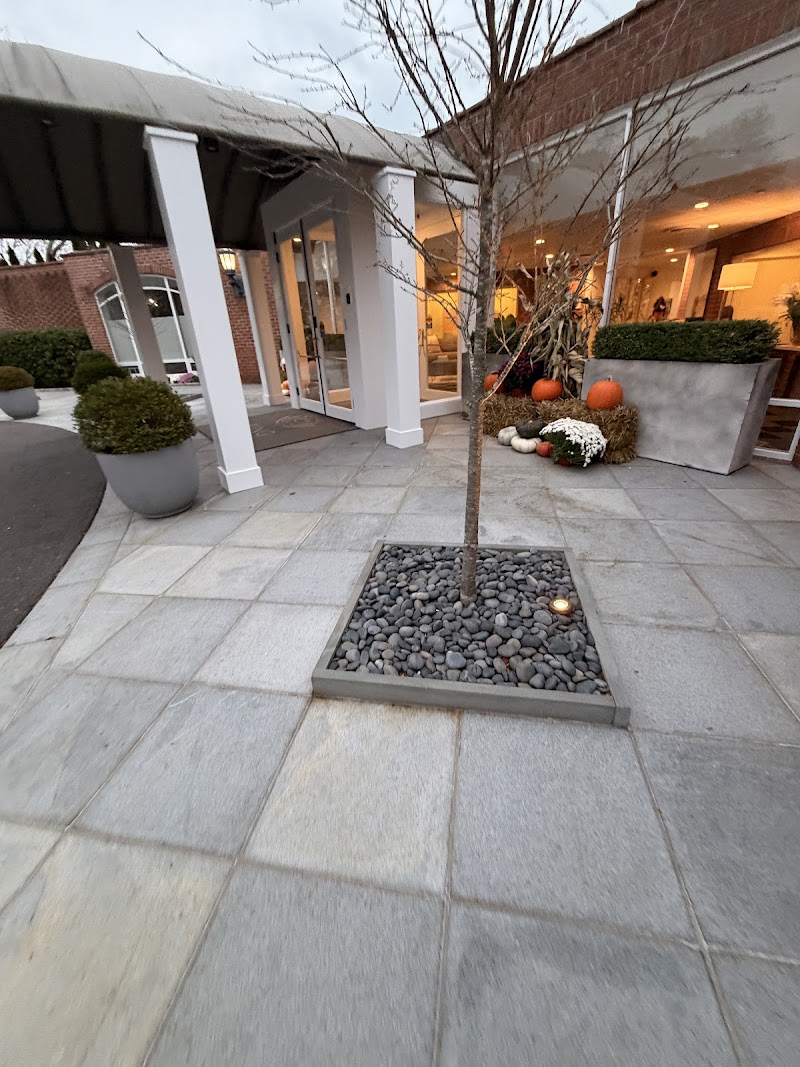
How is King Street Home Inc Staffed?

CMS rates KING STREET HOME INC's staffing level at 5 out of 5 stars, which is much above average compared to other nursing homes. Staff turnover is 37%, compared to the New York average of 46%. This relatively stable workforce can support continuity of care.

What Have Inspectors Found at King Street Home Inc?

State health inspectors documented 27 deficiencies at KING STREET HOME INC during 2018 to 2025. These included: 24 with potential for harm and 3 minor or isolated issues.

Who Owns and Operates King Street Home Inc?

KING STREET HOME INC is owned by a for-profit company. For-profit facilities operate as businesses with obligations to shareholders or private owners. The facility operates independently rather than as part of a larger chain. With 120 certified beds and approximately 63 residents (about 52% occupancy), it is a mid-sized facility located in PORT CHESTER, New York.
How Does King Street Home Inc Compare to Other New York Nursing Homes?

Compared to the 100 nursing homes in New York, KING STREET HOME INC's overall rating (3 stars) is below the state average of 3.1, staff turnover (37%) is near the state average of 46%, and health inspection rating (2 stars) is below the national benchmark.

What Should Families Ask When Visiting King Street Home Inc?

Based on this facility's data, families visiting should ask: "Can I visit during a mealtime to observe dining assistance and food quality?" "How do you handle medical emergencies, and what is your hospital transfer rate?" "Can I speak with family members of current residents about their experience?"

Is King Street Home Inc Safe?

Based on CMS inspection data, KING STREET HOME INC has a clean safety record: no substantiated abuse findings (meaning no confirmed cases of resident harm), no Immediate Jeopardy citations (the most serious violation level indicating risk of serious injury or death), and is not on the Special Focus Facility watch list (a federal program monitoring the lowest-performing 1% of nursing homes). The facility has a 3-star overall rating and ranks #100 of 100 nursing homes in New York. While no facility is perfect, families should still ask about staff-to-resident ratios and recent inspection results during their visit.

Do Nurses at King Street Home Inc Stick Around?

KING STREET HOME INC has a staff turnover rate of 37%, which is about average for New York nursing homes (state average: 46%). Moderate turnover is common in nursing homes, but families should still ask about staff tenure and how the facility maintains care continuity when employees leave.

Was King Street Home Inc Ever Fined?

KING STREET HOME INC has no federal fines on record. CMS issues fines when nursing homes fail to meet care standards or don't correct problems found during inspections. The absence of fines suggests the facility has either maintained compliance or corrected any issues before penalties were assessed. This is a positive indicator, though families should still review recent inspection reports for the full picture.

Is King Street Home Inc on Any Federal Watch List?

KING STREET HOME INC is not on any federal watch list. The most significant is the Special Focus Facility (SFF) program, which identifies the bottom 1% of nursing homes nationally based on persistent, serious quality problems. Not being on this list means the facility has avoided the pattern of deficiencies that triggers enhanced federal oversight. This is a positive indicator, though families should still review the facility's inspection history directly.