JOHN T MATHER MEMORIAL HOSP T C U

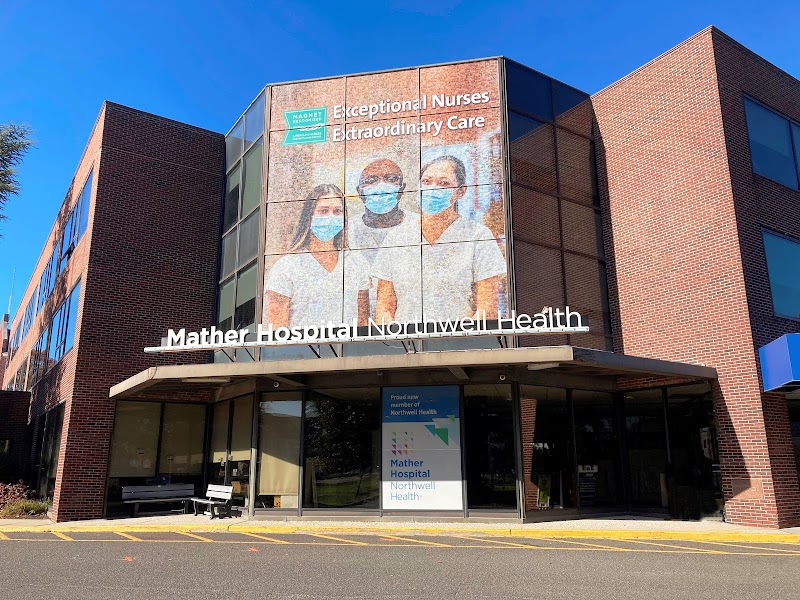
75 NORTH COUNTRY ROAD, PORT JEFFERSON, NY 11777 (631) 473-1320
For profit - Individual 16 Beds Independent Data: November 2025
Trust Grade
93/100
#54 of 594 in NY
Last Inspection: May 2025

Inspected within the last 6 months. Data reflects current conditions.

Overview

John T Mather Memorial Hospital T C U has an excellent Trust Grade of A, indicating it is highly recommended and performs well among nursing homes. It ranks #54 out of 594 facilities in New York, placing it in the top half, and #4 out of 41 in Suffolk County, meaning there are only three better local options. However, the facility is experiencing a worsening trend, with issues increasing from 3 in 2024 to 7 in 2025. Staffing is a strong point, with a 5/5 rating and a low turnover rate of 26% compared to the state average of 40%, ensuring continuity of care. While there are no fines on record, the facility has faced concerning inspection findings, including sanitation issues in the kitchen where expired and unlabeled food was found, and instances where residents did not have proper physician orders for their care needs. Overall, while there are notable strengths, families should be aware of the recent challenges regarding health and safety practices.

Trust Score
A
93/100
In New York
#54/594
Top 9%
Safety Record
Low Risk
No red flags
Inspections
Getting Worse
3 → 7 violations
Staff Stability
✓ Good
26% annual turnover. Excellent stability, 22 points below New York's 48% average. Staff who stay learn residents' needs.
Penalties
✓ Good
No fines on record. Clean compliance history, better than most New York facilities.
Skilled Nurses
✓ Good
Each resident gets 358 minutes of Registered Nurse (RN) attention daily — more than 97% of New York nursing homes. RNs are the most trained staff who catch health problems before they become serious.
Violations
⚠ Watch
12 deficiencies on record. Higher than average. Multiple issues found across inspections.
★★★★★
5.0
Overall Rating
★★★★★
5.0
Staff Levels
★★★★★
5.0
Care Quality
★★★☆☆
3.0
Inspection Score
Stable
2024: 3 issues
2025: 7 issues

The Good

  • 5-Star Staffing Rating · Excellent nurse staffing levels
  • 5-Star Quality Measures · Strong clinical quality outcomes
  • Low Staff Turnover (26%) · Staff stability means consistent care
  • Full Sprinkler Coverage · Fire safety systems throughout facility
  • No fines on record
  • Staff turnover is low (26%)

    22 points below New York average of 48%

Facility shows strength in staffing levels, quality measures, staff retention, fire safety.

The Bad

No Significant Concerns Identified

This facility shows no red flags. Among New York's 100 nursing homes, only 1% achieve this.

The Ugly 12 deficiencies on record

May 2025 7 deficiencies
CONCERN (D)

Potential for Harm - no one hurt, but risky conditions existed

Deficiency F0635 (Tag F0635)

Could have caused harm · This affected 1 resident

**NOTE- TERMS IN BRACKETS HAVE BEEN EDITED TO PROTECT CONFIDENTIALITY** Based on observation, record review, and interviews during the Recertification Survey initiated on 5/21/2025 and completed on 5/...

Read full inspector narrative →
**NOTE- TERMS IN BRACKETS HAVE BEEN EDITED TO PROTECT CONFIDENTIALITY** Based on observation, record review, and interviews during the Recertification Survey initiated on 5/21/2025 and completed on 5/23/2025, the facility did not ensure that each resident had physician orders for the resident's immediate care at the time the resident was admitted to the facility. This was identified for two (#158 and Resident #151) of two residents reviewed for Limited Range of Motion. Specifically, 1) Resident #158 utilized a lumbar spine orthosis without a Physician's order, and 2) Resident #151 had a diagnosis of left distal radial (arm bone near the wrist) fracture and was wearing a sugar tong splint (a type of splint that stabilizes injuries of the forearm and wrist by preventing forearm rotation and wrist motion) and sling on the left arm. There was no Physician's Order for using the sugar tong splint and sling until 5/22/2025. The findings are: 1) Resident #158 was re-admitted to the facility with diagnoses including Diabetes Mellitus, stroke management, and Back Pain. The resident was recently admitted to the facility and did not have an admission Minimum Data Set assessment available. The Nursing admission assessment dated [DATE] documented that Resident #158 understood and was understood by others and communicated without difficulty. The assessment documented that the resident had a fracture [spinal] related to a fall within the last six months. A Comprehensive Care Plan effective 5/20/2025 titled Potential Pain/Altered Comfort related to Cerebrovascular Accident/ Lumbar 5 Fracture documented interventions to assess for increased respirations, increased pulse, increased blood pressure, diaphoresis, administer pain medication as ordered, evaluate effectiveness, and provide comfort measures (positional and diversional activities). The care plan interventions did not include the use of a Lumbar Spinal Orthosis. A review of the Occupational Therapy assessment dated [DATE], written by Occupational Therapist #1, documented Resident #158 had a Lumbar Spinal Orthosis, was able to put on and take off the device independently, and manage the wearing schedule (on when ambulating); wear with activity and when ambulating. During an interview on 5/21/2025 at 10:09 AM, Resident #158 was observed in their room sitting in a Geri chair. A Lumbar Spine Orthosis was observed on the bedside table. Resident #158 stated they wear the Lumbar Spine Orthosis themselves when they stand up and ambulate. The resident stated they are not supposed to stand by themselves, and that is why the chair alarm was on the Geri chair. During a re-interview on 5/22/2025 at 10:40 AM, Resident #158 was observed in their room sitting in a Geri chair. The Lumbar Spine Orthosis was observed on the resident's bed. The resident stated they were instructed by facility staff to wear the brace when standing up. The resident stated they sustained a back injury from a fall at home. A review of the electronic medical record revealed that there was no physician's order for the Lumbar Spine Orthosis. During an interview on 5/22/2025 at 10:45 AM, Rehabilitation Department Manager #1 reviewed Resident #158's medical record and stated the resident had a spinal injury prior to being admitted to the facility. The resident is currently in the facility for stroke management. The resident has a chronic history of falls, Lumbar Spondylosis (a degenerative condition where the bones and discs in the lower back wear down leading to pain and stiffness), Compression Fracture of Lumbar vertebra number 5, history of back pain, and Arthritis. The resident has a Lumbar Spine Orthosis for support due to the compression fracture. Rehabilitation Department Manager #1 stated there should be a physician's order for the Lumbar Opine orthosis. The Physical Therapy and Occupational Therapy assessments of 5/21/2025 documented that the Lumbar Spinal Orthosis brace should be worn out of bed when standing and ambulating for support. A Physician's order dated 5/22/2025 at 11:21 AM documented, may use lumbar spine orthosis as needed while out of bed/ambulating for comfort. During an interview on 5/22/2025 at 11:35 AM, the Director of Nursing Services stated the facility did not have a policy for the use of adaptive devices, including slings and braces. The Director of Nursing Services stated the nursing staff just follow the physician's orders. During an interview on 5/22/2025 at 12:14 PM, Registered Nurse #3 (the unit nurse) stated the resident knows how to apply the back brace. The Lumbar Spinal Orthosis is applied when the resident is ambulating for long distances in the hallways with a Therapist. The resident does not wear the brace when using the bathroom because of the short distance. During an interview on 5/22/2025 at 2:46 PM, Physician #1 stated they missed placing the order for the Lumbar Spinal Orthosis on admission and the order was just placed. During an interview on 5/23/2025 at 9:09 AM, the Medical Director stated there should have been a physician's order in place for the Lumbar Spine Orthosis upon the resident's admission to the facility. 2) Resident #151 had a diagnosis of left distal radial (arm bone near the wrist) fracture and was wearing a sugar tong splint (a type of splint that stabilizes injuries of the forearm and wrist by preventing forearm rotation and wrist motion) and sling on the left arm. There was no Physician's Order for using the sugar tong splint and sling until 5/22/2025. The finding is: Resident #151 was admitted with diagnoses that included Radial Fracture (arm bone), Type 2 Diabetes, and Hypertension. The Minimum Data Set (MDS) assessment was not completed for Resident #151 as the resident was recently admitted to the facility. A Baseline Care Plan dated 5/20/2025 titled Reduced physical functioning related to left distal radius fracture status post closed reduction documented interventions including extensive assistance of one person for left upper extremity non-weight bearing in sling, and right Hemi [NAME] (a cane used for residents with limited use of one arm). A Social Work assessment dated [DATE] documented that Resident #151 was alert and oriented to time, place, and person. A review of Resident #151's Physician Order dated 5/19/2025 revealed no evidence that a sling and sugar tong (a type of splint that stabilizes injuries of the forearm and wrist by preventing forearm rotation and wrist motion) splint for the left upper arm extremity was ordered by the Physician until 5/22/2025. During an observation on 5/21/2025 at 10:06 AM, Resident #151 was sitting in a chair next to their bed with a left arm sling and splint. Resident #151's fingers on the left arm had slight swelling. Resident #151 did not complain of pain and was able to move their fingers. During an interview on 5/22/2025 at 8:32 AM, Resident #151 stated that the Nurses put the sling on their left upper extremity every morning before they (Resident #151) get up in the morning. During an interview on 5/22/2025 at 12:01 PM, Registered Nurse #1, the Assistant Nurse Manager, stated they were not aware that there was no Physician's Order for the splint and sling for Resident #151. Registered Nurse #1 stated the orders should have been obtained during Resident #151's admission. Registered Nurse #1 stated that the Nurses evaluate Resident #151's pulse, color, capillary refill, and neurovascular status on the left upper extremity each shift and record the evaluation in the flow sheet (track resident's information including vital signs, medications, and changes in health). During an interview on 5/22/2025 at 2:56 PM, Physician #1 stated that since Resident #151's admission, they had monitored Resident #151's neurovascular function (an evaluation that ensures proper blood flow to the brain and spinal cord). Physician #1 stated that it was an oversight that the orders for Resident #151's sugar tong splint and sling for the left arm were not included in Resident #151's orders during admission. During an interview on 5/23/2025 at 9:10 AM, the Occupational Therapist Assistant stated that the resident came from the hospital with a splint and sling, and the orders for the sling and sugar tong splint should have come from Resident #151's Physician upon admission to the facility. During an interview on 5/23/2025 at 9:30 AM, the Medical Director stated that Resident #151 had a sling and a sugar tong splint upon admission from the Hospital; there should have been an order from the Physician. During an interview on 5/23/2025 at 10:09 AM, the Director of Nursing Services stated that residents who utilize devices such as splints and slings must have a Physician's Order for their devices. The Director of Nursing Services stated that there should have been an order for Resident #151's sling and sugar tong splint since admission. 10 NYCRR 415.15(b)(1)(i)(ii)
CONCERN (D)

Potential for Harm - no one hurt, but risky conditions existed

Deficiency F0655 (Tag F0655)

Could have caused harm · This affected 1 resident

**NOTE- TERMS IN BRACKETS HAVE BEEN EDITED TO PROTECT CONFIDENTIALITY** Based on observation, record review, and interviews during the Recertification Survey initiated on 5/21/2025 and completed on 5/...

Read full inspector narrative →
**NOTE- TERMS IN BRACKETS HAVE BEEN EDITED TO PROTECT CONFIDENTIALITY** Based on observation, record review, and interviews during the Recertification Survey initiated on 5/21/2025 and completed on 5/23/2025 the facility did not ensure it developed and implemented a baseline care plan for each resident that included the instructions needed to provide effective and person-centered care of the resident that meet professional standards of quality care. This was identified for one (Resident #158) of two residents reviewed for Limited Range of Motion. Specifically, Resident #158 used a lumbar spinal orthotic device due to a lumbar vertebra (spine) fracture; however, the device was not included in the baseline care plan and there was no physician's order for the device. The finding is: The facility's policy titled Interdisciplinary Care Plan, dated 3/2025, documented all residents requiring a stay in the facility will have an Interdisciplinary Plan of Care upon admission. The purpose is to develop a plan of care, treatment, and services individualized and appropriate to the resident's needs, strengths, limitations, and goals. Each professional will report their findings at the Interdisciplinary Plan of Care meeting. Resident #158 was admitted to the facility with diagnoses including Diabetes Mellitus, Muscle Spasms, and Back Pain. The Nursing admission assessment dated [DATE] documented that the resident understood and communicated without difficulty. The assessment documented that the resident had a fracture related to a fall within the last six months. A Care Plan effective 5/20/2025 titled Potential Pain/Altered Comfort related to Cerebrovascular Accident/ Lumbar 5 Fracture did not include an intervention for the use of the Lumbar Spinal Orthosis. A Care Plan effective 5/20/2025 titled At Risk for Falls with the Potential for Injury related to History of Fall, Weakness, Cerebrovascular Accident did not include an intervention for the use of the Lumbar Spinal Orthosis. During an interview on 5/21/2025 at 10:09 AM, Resident #158 was observed in their room sitting in a Geri chair. There was a Lumbar Spinal Orthosis on the bedside table. The resident stated they wear the Lumbar Spinal Orthosis when they stand up and ambulate. A review of the Occupational Therapy assessment by Occupational Therapist #1 dated 5/21/2025 documented the resident has a Lumbar Spinal Orthosis, is able to put on and take off independently, and manages wearing schedule (on when ambulating); wear with activity and when ambulating. During an observation and interview on 5/22/2025 at 10:40 AM, Resident #158 was observed in their room sitting in a Geri chair. The Lumbar Spinal Orthosis was on the resident's bed. The resident stated they were instructed by facility staff to wear the Lumbar Spinal Orthosis when standing up. The resident stated they sustained a back injury from a fall at home. A review of the electronic medical record revealed no physician's order for Lumbar Spinal Orthosis. During an interview on 5/23/2025 at 9:01 AM, Registered Nurse Assistant Nurse Manager #1 stated that the Assistant Nurse Managers are responsible for initiating and updating the care plans. Registered Nurse Assistant Nurse Manager #1 stated the use of the Lumbar Spinal Orthosis should have been added as an intervention in the resident's baseline comprehensive care plan as the device was being used for comfort and stability. During an interview on 5/23/2025 at 10:11 AM, the Director of Nursing Services stated there should be a Physician's order for the Lumbar Spinal Orthosis, and the baseline care plan interventions should include the use of the Lumbar Spinal Orthosis. 10 NYCRR 415.11(c)(1)
CONCERN (D)

Potential for Harm - no one hurt, but risky conditions existed

Respiratory Care (Tag F0695)

Could have caused harm · This affected 1 resident

Based on observations, record review, and interviews during the Recertification Survey initiated on 5/21/2025 and completed on 5/23/2025, the facility did not ensure that each resident who needs respi...

Read full inspector narrative →
Based on observations, record review, and interviews during the Recertification Survey initiated on 5/21/2025 and completed on 5/23/2025, the facility did not ensure that each resident who needs respiratory care is provided such care consistent with professional standards of practice and the comprehensive person-centered care plan. This was identified for one (Resident #154) of one resident reviewed for Respiratory Care. Specifically, during observation, an unlabeled nebulizer mask was not covered and was hung on the wall-mounted oxygen flowmeter with the oxygen tubing still connected to the nebulizer mask in Resident #154's room. The finding is: The facility's policy and procedure titled Equipment Processing and Circuit Change Intervals last revised in July 2021 documented that each resident's nebulizer setup will be discarded and replaced every seven days by Respiratory Therapists. The date of the equipment change and the therapist's initials will be written on the plastic treatment bag. After each treatment, nebulizers will be emptied and put back into the labeled plastic bag which will be stored by the resident's bedside. The undated manufacturer's instruction documented the Nebulizer can be cleaned with sterile water, isopropyl alcohol, and air dried, or hand wash method between treatments with the same patient. Resident #154 was admitted with diagnoses including Chronic Obstructive Pulmonary Disease, Hypoxemia (Low oxygen levels in the blood), and Type 2 Diabetes Mellitus. The admission Minimum Data Set assessment was not completed, and a Brief Interview for Mental Status score was not determined due to the resident's recent admission to the facility. A Physician's Order dated 5/19/2025 documented Albuterol and Ipratropium 3 milliliters Inhalation via Nebulizer every 6 hours for Chronic Obstructive Pulmonary Disease. The Comprehensive Care Plan for Potential/ Altered Respiration dated 5/20/2025 documented interventions that included to administer medications as ordered. The May 2025 Medication Administration Record documented Albuterol and Ipratropium 3 milliliters Nebulizer were administered on 5/22/2025 at 9:30 AM by Respiratory Therapist #1. During an interview and observation on 5/21/2025 at 12:13 PM, Resident #154 was resting in bed. An unlabeled nebulizer mask was hung on a wall-mounted oxygen flowmeter. The tubing was still connected to the nebulizer mask. The nebulizer mask was not covered and was not secured in a bag. Resident #154 stated they received their nebulizer treatment this morning (5/21/2025) but did not recall the time. During an interview and observation on 5/22/2025 at 12:33 PM, Resident #154 was resting in bed. An unlabeled nebulizer mask was hung on a wall-mounted oxygen flowmeter. The tubing was still connected to the nebulizer mask. The nebulizer mask was not covered and was not secured in a bag. Resident #154 stated they received their nebulizer treatment this morning (5/22/2025) before breakfast. Resident #154 stated that the same therapist who administered their nebulizer treatment removed their mask and hung it by the wall after the treatment was completed. During an interview on 5/22/2025 at 2:19 PM, Respiratory Therapist #1 stated they administered the nebulizer treatment to Resident #154 this morning (5/22/2025). Respiratory Therapist #1 stated they reused the nebulizer mask that was already in the resident's room and could not recall if there was a date documented on the tubings or the bag for the nebulizer mask. Respiratory Therapist #1 stated that they removed the nebulizer mask from the resident and did not put the nebulizer mask back in the plastic equipment bag after treatment was completed and should have. During an interview on 5/22/2025 at 2:32 PM, the Director of Respiratory Care stated the equipment bag should be dated and labeled with the date the nebulizer kit was opened and used. The Director of Respiratory Care stated that nebulizer masks should be discarded and replaced every seven days unless the mask is not properly functioning or visibly soiled. The Director of Respiratory Care stated the nebulizer mask should be shaken dry, emptied, and placed back inside the equipment bag that has holes to allow the mask to air dry. The Director of Respiratory Care stated Resident #154's nebulizer mask should be stored in the plastic equipment bag between treatments. 10 NYCRR 415.12(k)(6)
CONCERN (D)

Potential for Harm - no one hurt, but risky conditions existed

Infection Control (Tag F0880)

Could have caused harm · This affected 1 resident

**NOTE- TERMS IN BRACKETS HAVE BEEN EDITED TO PROTECT CONFIDENTIALITY** Based on observations, record review, and interviews during the Recertification Survey initiated on 5/21/2025 and completed on 5...

Read full inspector narrative →
**NOTE- TERMS IN BRACKETS HAVE BEEN EDITED TO PROTECT CONFIDENTIALITY** Based on observations, record review, and interviews during the Recertification Survey initiated on 5/21/2025 and completed on 5/23/2025 the facility did not ensure it established and maintained an infection prevention and control program designed to help prevent the development and transmission of communicable diseases and infections. This was identified for one (Resident #158) of six residents observed during the medication pass. Specifically, during the medication administration observation for Resident #158, Registered Nurse #2 brought the medication cart into the resident's room for medication administration. Registered Nurse #2 then dropped an individual blister-packed medication (one pill in an individual blister pack) onto the floor. While wearing gloves, the nurse picked up the blister-packed medication and popped the tablet out of the blister pack into a souffle cup already containing other medication tablets. The nurse then discarded the medications that were in the souffle cup. The nurse did not remove the gloves or sanitize their hands. Wearing the same gloves, the nurse then administered an injectable medication to the resident; The finding is: The facility's policy titled Medication Administration and Monitoring Standard dated August 2024 documented it is the policy of the facility to ensure safe and accurate administration and documentation of all medications. Staff must adhere to standard policy on handling, preparation, and administration of biologics to prevent healthcare-associated infection. Resident #158 was admitted to the facility with diagnoses including Diabetes Mellitus, Muscle Spasms, and Back Pain. The Nursing admission assessment dated [DATE] documented that the resident understood and communicated without difficulty. During the medication administration observation on 5/21/2025 at 1:03 PM, Registered Nurse #2 wheeled the medication cart into Resident #158's room and prepared the medications while wearing gloves. The nurse dropped the Ezetimibe (Zetia-medication for high cholestrol) blister-packed medication onto the floor. With gloved hands, the nurse picked up the blister-packed medication from the floor and pushed the tablet out of the blister pack into the souffle cup that already had other oral medication tablets. While removing the Zetia tablet from the blister pack, the nurse's gloved hand came in contact with the tablet. The surveyor stopped the nurse from administering the medications. The nurse was unsure of what to do with the medication tablets and then decided to discard the souffle cup with the medications. Using the same gloves, the nurse used an alcohol pad to prep the resident's right arm for the Lovenox (blood thinner) injection and then administered the injection. During an interview on 5/21/2025 at 1:10 PM, Registered Nurse #2 stated they should have discarded the Ezetimibe (Zetia) blister-packed medication after it fell on the floor and should have removed their gloves, sanitized their hands, and applied new gloves before administering the Lovenox injection. The Director of Infection Prevention and the Director of Nursing Services were interviewed on 5/22/2025 at 12:52 PM concurrently and both stated when the blister-packed medication dropped to the floor, the medication should have been discarded and the nurse should have sanitized their hands prior to continuing the medication administration. Registered Nurse #2 should have sanitized their hands and applied new gloves to prepare and administer the Lovenox injection. 10 NYCRR 415.19 (a)(1-3)
CONCERN (D)

Potential for Harm - no one hurt, but risky conditions existed

Deficiency F0882 (Tag F0882)

Could have caused harm · This affected 1 resident

Based on record review and staff interviews during the Recertification Survey initiated on 5/21/2025 and completed on 5/23/2025, the facility did not ensure that it designated one or more individual(s...

Read full inspector narrative →
Based on record review and staff interviews during the Recertification Survey initiated on 5/21/2025 and completed on 5/23/2025, the facility did not ensure that it designated one or more individual(s) as the Infection Preventionist(s) (IP)(s) who are responsible for the facility's Infection Prevention Control Program (IPCP) and the Infection Preventionist must have completed specialized training in infection prevention and control beyond initial professional training or education prior to assuming the role. Specifically, the facility's designated Infection Preventionist did not have documented evidence of specialized training in infection prevention and control beyond the initial professional training or education prior to assuming the role. Finding is: The facility's policy for Infection Prevention and Control did not include qualifications/training requirements beyond the initial professional training or education for the facility's Infection Control Officer/Preventionist. A review of the Director of Infection Prevention (the designated Infection Preventionist) personnel and training record indicated no documentation of specialized Infection Prevention and Control (IPC) training beyond initial professional training or education prior to assuming the role. A review of the Senior Infection Preventionist personnel and training record indicated no documentation of specialized Infection Prevention and Control (IPC) training beyond initial professional training or education prior to assuming the role. A review of the Infection Prevention Specialist personnel filed indicated some training courses from the Centers for Disease Control including ventilator-associated events part 1 and part 2, Pneumonia events, surgical site infections, catheter-associated urinary tract infection, multidrug resident and Clostridium-difficult laboratory identification event reporting, introduction to the device module, central line insertion practices, and central line-associated bloodstream infections completed in 2022. The Senior Infection Preventionist personnel file did not include specialized training regarding Infection prevention and control program overview, the infection preventionist's role, Infection surveillance, Outbreaks, Principles of standard precautions (e.g., content on hand hygiene, personal protective equipment, injection safety, respiratory hygiene, and cough etiquette, environmental cleaning and disinfection, and reprocessing reusable resident care equipment), Principles of transmission-based precautions, Resident care activities (e.g., use and care of indwelling urinary and central venous catheters, wound management, and point-of-care blood testing), Water management, Linen management, Preventing respiratory infections (e.g., influenza, pneumonia), Tuberculosis prevention, Occupational health considerations (e.g., employee vaccinations, exposure control plan, and work exclusions), Quality assurance and performance improvement, Antibiotic stewardship, and Care transitions. During an interview on 5/22/2025 at 12:55 PM, the Director of Infection Prevention stated they were the designated Infection Preventionist for the facility. They have two other Registered Nurses who are part of the Prevention team, and none of them completed the specialized training beyond the initial professional training and education. The Director of Infection Prevention stated they started working at the facility on 2/17/2025 but did not complete any specialized Infection Prevention training before assuming the Infection Prevention role. During an interview on 5/22/2025 at 2:13 PM, the Senior Infection Preventionist stated they were not aware that they had to complete specialized training beyond the initial professional training and education. The Senior Infection Preventionist stated they were planning to take the Certified in Infection Control (CIC) test in the Summer of 2025. During an interview on 5/23/2025 at 8:51 AM, the Infection Prevention Specialist stated that they were hired in 2022, but the Administration had told them (Infection Prevention Specialist) they needed two years of experience within the Infection Prevention department before taking the certification test. The Infection Prevention Specialist stated that they were planning to take the test in the Summer of 2025. During an interview on 5/23/2025 at 9:02 AM, the Administrator stated that their expectation as a new Administrator will be to ensure that all certifications required for staff in each position are monitored for completion. 10 NYCRR 415.19
CONCERN (F)

Potential for Harm - no one hurt, but risky conditions existed

Food Safety (Tag F0812)

Could have caused harm · This affected most or all residents

Based on observations, record review, and interviews conducted during the Recertification survey initiated on 5/21/2025 and completed on 5/23/2025, the facility did not follow proper sanitation practi...

Read full inspector narrative →
Based on observations, record review, and interviews conducted during the Recertification survey initiated on 5/21/2025 and completed on 5/23/2025, the facility did not follow proper sanitation practices to prevent the outbreak of foodborne illness and did not store and prepare food in accordance with professional standards for food service safety. This was identified during the Kitchen Task. Specifically, during the kitchen observation on 5/21/2025: 1) Multiple undated, unlabeled, uncovered cooked food, and expired food items were observed in the walk-in refrigerators, walk-in freezer, and dry storage room. 2) Multiple dietary staff did not perform proper hygienic practices including hand washing and hair covering while handling food. 3) There was an unsanitary soiled reach-in refrigerator and a soiled meat slicer. The washed wet cooking pans were nesting on top of each other. 4) Catch buckets with dirty kitchen towels and aprons were placed in the dry storage room adjacent to the stored food items. This is a repeat deficiency. The findings included but were not limited to: 1) The facility's policy and procedure titled Nutrition and Food Services Guideline last reviewed on 3/8/2021 documented under Attachment A that food should be properly labeled, covered, and dated. Food should be properly stored and rotated so that items delivered first should be used first. Wet storage of packaged foods should be prohibited. Bulk-dried goods such as flour, rice, and salt should be kept in covered bins after opening. The storage bins should be labeled and stored in an area that ensures ventilation and temperature control. During an initial tour of the kitchen on 5/21/2025 at 9:56 AM, a walk-in refrigerator that was designated for produce and dairy products was inspected with the Director of Dining Services and the Director of Infection Prevention present. A food service cart holding three long rectangular containers, a pan of brownish-orange liquid, and a bowl of unidentified food was observed in the middle of the walk-in refrigerator. None of the items on the cart were labeled or dated. A mixture of unlabeled packaged produce was observed inside a white topless container on the storage shelf. Three bags of packaged produce containing mixed vegetables had a label dated 5/20/2025, and three other bags of the same mixed vegetables were dated 5/29/2025. There was no indication of what the dates on the mixed vegetable bags referred to. The Director of Dining Services was interviewed on 5/21/2025 immediately after the observation and stated the mixed vegetable products were removed from their original boxes upon delivery and were not labeled. The Director of Dining Services stated that the labels containing the dates were added by the manufacturer and they did not know what the dates indicated. During an interview on 5/21/2025 at 10:01 AM, [NAME] #1 stated that the food service cart contained two containers of Italian pasta salad and one container of pita bread that were leftovers from a staff party that was held last Friday (5/16/2025). [NAME] #1 stated the bowl on the cart also had the leftover Italian pasta salad. [NAME] #1 stated could not identify the unknown sauce in the pan because it was not labeled and they (Cook #1) did not prepare the sauce. [NAME] #1 stated that they did not know what to do with the leftover food items. During the kitchen tour on 5/21/2025 at 10:18 AM, the walk-in refrigerator with an attached freezer was inspected in the presence of the Director of Dining Services. A pan of green sauce, covered with a saran wrap, dated 5/2/2025 and labeled EPIS, was stored on the top shelf. A shelf holding various liquids and sauces in separate covered containers with blue lids was observed. Each container was labeled and had two handwritten dates, these included but were not limited to: one container labeled BOLO dated 5/14/2025 and 5/17/2025, one container labeled DEMI dated 5/14/2025 and 5/17/2025, and one container labeled Chix Gravy dated 5/16/2025 and 5/18/2025. Additionally, there was a rack containing one uncovered tray of cooked fish and one uncovered tray of cooked chicken legs. The trays were undated and were cold to the touch. The Director of Dining Services was interviewed immediately after the observation on 5/21/2025 and stated they did not know what EPIS meant and what the green sauce was for. The Director of Dining Services stated they did not know when the green sauce should be discarded. The Director of Dining Services stated that the first date on the covered containers was the preparation date and the second date indicated the discard date. The Director of Dining Services stated that the sauces should be discarded three days after they were prepped. The Director of Dining Services further stated the food items on the rack were left uncovered for cooling. During the kitchen tour on 5/21/2025 at 10:25 AM, the walk-in freezer was inspected. Three sheet pans of unknown, unlabeled, undated uncooked white rolled baked items were observed on a sheet pan rack. The Director of Dining Services was immediately interviewed after the observation on 5/21/2025 at 10:25 AM and stated they could not identify the unlabeled and undated white rolled baked items and did not know how long these items had been kept in the freezer. During the kitchen tour on 5/21/2025 at 10:55 AM, the dry storage room was inspected. Two unopened and undated containers of red curry sauce, multiple expired food items including a bottle of unopened mustard with a best by date of 12/30/2024, a jar of unopened blueberry jam with a best by date of January 2024, two bags of unopened traditional rice topping with a best by date of September 2024 and an opened and wrapped bag of nutritional yeast with a best by date of December 2023 were observed in the dry storage room. The Director of Dining Services was immediately interviewed after the observation on 5/21/2025 at 10:55 AM and stated that the receiver staff who receives food delivery and stores away the dry food items should check and ensure all dry food items were discarded after the best-by date. During an interview on 5/21/2025 at 11:04 AM, Receiver #2 stated they were responsible for stocking the dry storage room, removing the canned goods from boxes, and placing the food items on the storage shelves. Receiver #2 stated they checked the dates of the goods upon delivery to ensure the food items were not expired; however, when they received the new food delivery, they did not check the existing foods on the shelf for expiration when they put the new items on the shelf. Receiver #2 stated that there was no way to identify when an item was delivered or when the item needed to be discarded unless the manufacturer had indicated a best by or expiration date on the item. During a re-interview on 5/23/2025 at 10:25 AM, the Director of Dining Services stated upon food delivery, the receiver should label and date any food items that were not clearly labeled or dated by the manufacturer. Once a food item is opened, a discard date should be determined and labeled. The food items past their use-by date should be discarded. 2) The facility's policy and procedure titled Nutrition and Food Services Guideline last reviewed 3/8/2021 documented under Attachment A that all [Nutrition and Food Services] personnel should thoroughly wash their hands with soap and water at the start of the day, before beginning work, and between preparing food. Proper attire for food handlers should include hair covering, beard covers when applicable, and freshly laundered uniform. During an initial tour of the kitchen on 5/21/2025 at 10:37 AM, [NAME] #3 was observed handling a piece of raw red meat with gloved hands at the cooking station. [NAME] #3, turned towards the cooking stove top/griddle, picked up a spatula, removed burnt food residue from the cooktop surface, and handled trays of cooked fish with the same gloves they were wearing while handling the raw meat. [NAME] #3 then removed their gloves, picked up a probe thermometer, and proceeded toward the oven. [NAME] #3 took a kitchen towel, held the kitchen towel against their visibly soiled apron, and then wrapped the kitchen towel around the oven handle to open the oven. [NAME] #3 did not wash their hands at any time after they had removed their gloves. The Director of Dining Services and the Director of Infection Prevention were present at the time of the observation. During an interview on 5/21/2025 at 10:40 AM, the Director of Infection Prevention stated that [NAME] #3 should have washed their hands after removing their gloves and before moving on to the next task. During the kitchen tour on 5/21/2025 at 10:48 AM, [NAME] #2 was observed donning a white chef hat. [NAME] #2 was wearing a hair net underneath the hat; however, the hair net did not cover all the hair behind their right ear. Cook #2 was immediately interviewed after the observation on 5/21/2025 at 10:48 AM and stated they should have ensured that the hairnet was put on properly to prevent loose hair from falling into the food. During the kitchen tour on 5/21/2025 at 10:50 AM, Receiver #1 was observed in the produce walk-in refrigerator wearing a white chef hat. Receiver #1 did not wear a hair net underneath the chef hat. Loose hair was exposed behind Receiver #1's neck. Receiver #1 was immediately interviewed and stated they were responsible for receiving food delivery and stocking the food away. Receiver #1 stated they do not wear a hairnet under their hat. During an interview on 5/23/2025 at 10:25 AM, the Director of Dining Services stated that all staff who worked in the kitchen area should wear a hairnet to prevent loose hair from falling into the food. 3) The facility's policy and procedure titled Nutrition and Food Services Guideline last reviewed on 3/8/2021 documented under Attachment A that all tables, cutting boards, and countertops should be kept clean and free of debris. All work surfaces should be rinsed with a disinfectant after use. All slicers, grinders, and other mechanical devices should be cleaned, sanitized, and air-dried. Electric slicers, countertops, and tables should be scoured and sanitized immediately after their use with raw or cooked meats, fish, or poultry. All pots, pans, and sheet trays should be thoroughly cleaned, and sanitized after each use and allowed to air dry on the drain board or the drying racks. During the kitchen tour on 5/21/2025 at 10:30 AM, the cold cut prep station was observed. There was no dietary staff working at the station and no food preparation was in progress. The meat slicer kept on a countertop was uncovered and dried pieces of food residue were observed on and around the slicer, on the countertop, and on the floor. A review of the undated main kitchen cleaning schedule included daily cleaning of the main kitchen floor, grill/barbeque, [cooking] range, ovens, and flattop. The cleaning schedule did not include the frequency of cleaning the refrigeration units including reach-in refrigerators, work/food preparation stations, and the meat slicer. The Director of Dining Services was immediately interviewed and stated that the slicer was used to slice cold-cut meats and staff should have cleaned the slicer and workstation after the task was completed. During the kitchen tour on 5/21/2025 at 10:33 AM, washed wet pans were observed nesting on top of each other on the storage racks on both sides of the 3-compartment sink. The Director of Dining Services was immediately interviewed and stated that all washed pans should be completely air-dried before being stored away. The Director of Dining Services stated they do not have sufficient space and drying racks to allow items to be completely air-dried before storage. During the kitchen tour on 5/21/2025 at 10:37 AM, the reach-in refrigerator by the cooking station was observed. The refrigerator was unsanitary and had food items spilled on the floor. During an interview on 5/23/2025 at 10:25 AM, the Director of Dining Services stated that the Head Chef was responsible for assigning staff for each cleaning task. The Director of Dining Services stated that while terminal cleaning is performed during the night shift, they expected each staff to clean and sanitize their respective working stations and used equipment. The Director of Dining Services stated there was no documented evidence of how often each area, working stations, and refrigeration units were cleaned and by whom. 10 NYCRR 415.14(h)
MINOR (C)

Minor Issue - procedural, no safety impact

Deficiency F0868 (Tag F0868)

Minor procedural issue · This affected most or all residents

Based on record review and interviews during the Recertification Survey initiated on 5/21/2025 and completed on 5/23/2025, the facility did not ensure that the Infection Preventionist was a member of ...

Read full inspector narrative →
Based on record review and interviews during the Recertification Survey initiated on 5/21/2025 and completed on 5/23/2025, the facility did not ensure that the Infection Preventionist was a member of the facility's Quality Assurance & Performance Improvement (QAPI) and Quality Assessment & Assurance (QAA) committee and reported to the committee on the Infection Prevention and Control Program regularly. Specifically, the Infection Preventionist did not participate in the Quality Assurance & Performance Improvement meetings held from 8/5/2024 through 4/21/2025. The finding is: The facility's policy titled Quality Management and Patient Safety, dated 1/1/2025, documented that the facility will report outcomes quarterly in the Interdisciplinary Quality Assurance and Performance Improvement (QAPI) meetings. This may include, but is not limited to, systems and reports, demonstrating systematic identification, reporting, investigation, analysis, and prevention of adverse events; and documentation demonstrating the development, implementation, and evaluation of corrective actions or performance improvement activities. Participants must include the facility's Medical Director, Infection Preventionist, Administrator, and Director of Nursing. Also required to be present are two additional staff members. A review of the Quality Assurance and Performance Improvement (QAPI) meeting attendance sheets indicated the Infection Preventionist did not attend the Quality Assurance and Performance Improvement (QAPI) meeting meetings held on 8/5/2024, 10/28/2024,1/27/2025, and 4/21/2025. During an interview on 5/23/2025 at 11:49 AM, the Director of Nursing Services stated they were responsible for facilitating the Quality Assurance and Performance Improvement (QAPI) meetings and were not aware that the Infection Preventionist was required to attend these meetings. The Director of Nursing Services stated that they put the agenda together for the Quality Assurance and Performance Improvement (QAPI) meetings and included infection control concerns on the agenda to be addressed in the meetings. The Director of Nursing Services stated they presented the infection control concerns at the meetings. During an interview on 5/23/2025 at 12:17 PM, the Administrator stated they started working at the facility in January 2025 and had attended the Quality Assurance and Performance Improvement (QAPI) meeting held on 1/27/2025 and 4/21/2025. The Administrator stated. The Administrator stated they were not aware of the requirement for the Infection Preventionist to attend the Quality Assurance and Performance Improvement (QAPI) meetings. 10 NYCRR 483.80(c)
Jun 2024 3 deficiencies
CONCERN (D)

Potential for Harm - no one hurt, but risky conditions existed

Food Safety (Tag F0812)

Could have caused harm · This affected 1 resident

Based on observations, record review, and interviews conducted during a Recertification Survey initiated on 6/17/2024 and completed on 6/20/2024, the facility did not ensure that food was stored, prep...

Read full inspector narrative →
Based on observations, record review, and interviews conducted during a Recertification Survey initiated on 6/17/2024 and completed on 6/20/2024, the facility did not ensure that food was stored, prepared, distributed, and served in accordance with professional standards for food service safety. This was identified during the Kitchen observation conducted on 6/17/2024. Specifically, the walk-in refrigerator for produce and dairy was observed holding a rack of eight trays of cooked chicken breast and three pans of gravy sauce. The trays of cooked chicken breast were uncovered and undated and the gravy sauce was unlabeled and undated. A rack containing uncooked and undated bacon strips was observed. The bacon strips were taken out of their original package and prepped onto 15 baking sheets. The walk-in refrigerator for meat was observed with two racks containing trays of various uncovered food items including but not limited to pizza, pasta, and chickpeas. The finding is: The facility's policy titled Nutrition and Food Services Guidelines last reviewed on 3/18/2021 documented that food should be properly labeled, covered, and dated. A tour of the kitchen was conducted on 6/17/2024. A walk-in refrigerator designated for produce and dairy products was inspected at 3:01 PM with the Director of Food Services and the [NAME] Chef present. A sheet pan rack was observed holding eight trays of cooked chicken breast and three trays of unlabeled brown liquid sauce. All items were undated. The [NAME] Chef stated that the observed items were the leftovers from lunch that day (6/17/2024). The [NAME] Chef stated that four of eight trays were grilled chicken used at the employee's cafeteria and the rest were plain chicken breast that were to be processed into chicken salad for residents' consumption for alternated meal and nourishment. All eight trays of chicken breast were uncovered and directly exposed to the atmosphere. The [NAME] Chef identified the brown sauce as gravies. The [NAME] Chef was observed uncovering a corner of plastic-wrapped gravy and stated that the gravy should not be completely sealed to allow hot steam to escape and to prevent condensation. The pan was lukewarm to the touch. A second sheet pan rack was observed in the corner of the extended part of the same refrigerator containing 15 trays of uncooked bacon strips. The bacon strips were thawed, out of their original packaging, and lined on the baking sheets. The rack was not dated to indicate when the bacon sheets were prepped. The [NAME] Chef was interviewed immediately after the observation on 6/17/2024 and stated the bacon items were prepared today for tomorrow's (6/18/2024) breakfast. The [NAME] Chef stated that a prep date should have been indicated. A walk-in refrigerator that was designated for meat products was inspected on 6/17/2024 at 3:12 PM. Two sheet pan racks lined side by side along the refrigerator wall containing three trays of cooked macaroni, one tray of cooked spaghetti, one tray of cooked plain chicken, one tray of uncooked pizza, and one pan of prepared chickpeas were observed. All items were undated, uncovered, and were directly exposed to the atmosphere. The [NAME] Chef was interviewed on 6/17/2024 immediately after the observation and stated that cooks were responsible for storing all uncovered foods away by the end of their shift each day. The Director of Food Services was interviewed on 6/18/2024 at 2:37 PM and stated food items should be labeled, covered, and dated while in storage. The Director of Food Services stated they expected the food to be individually wrapped and dated with a prepped date or with a date when the food was opened. 10 NYCRR 415.14(h)
CONCERN (D)

Potential for Harm - no one hurt, but risky conditions existed

Deficiency F0813 (Tag F0813)

Could have caused harm · This affected 1 resident

Based on record review and interviews conducted during a Recertification Survey initiated on 6/17/2024 and completed on 6/20/2024, the facility did not ensure that their policy regarding the use and s...

Read full inspector narrative →
Based on record review and interviews conducted during a Recertification Survey initiated on 6/17/2024 and completed on 6/20/2024, the facility did not ensure that their policy regarding the use and storage of foods brought to residents by family and other visitors included to ensure facility staff assists the resident in accessing and consuming the food if the resident is not able to do so on their own. Specifically, the facility policy did not include guidance to facility staff regarding assisting the resident in accessing, handling (reheating), and consuming the food brought in from outside by the family members and other visitors if the resident is not able to do so on their own. The finding is: The facility's policy titled, Nutrition and Food Services Guidelines last reviewed on 3/18/2021 documented that patients who desire to have food brought in from outside should be permitted to do so. Food should be labeled with the patient's name and date when placed in the pantry refrigerator and discarded after 72 hours. The policy did not specify how the facility staff would assist a resident in accessing, reheating, preparing, and consuming the food if the resident is not able to do so on their own. The Food Service Director was interviewed on 6/18/2024 at 9:00 AM and stated they were not certain if the Food Services department was responsible for addressing issues related to feeding assistance in their policy. The Food Service Director believed that the nursing department should have a policy relevant to providing feeding assistance to residents who consume food brought in from outside. The Director of Nursing Services was interviewed on 6/18/2024 at 3:30 PM and stated the population admitted to the facility did not typically require feeding assistance. The facility also had very few visitors who brought in food for residents due to the resident's short average length of stay, therefore, the facility did not develop a policy to address assisting residents in accessing, handling, and consuming food brought in from outside if residents were not able to do so on their own. The Administrator was interviewed on 6/20/2024 at 12:27 PM and stated that the facility utilized the same Food Service policy as the hospital and did not have a separate policy developed for their facility. The Administrator stated they were aware of the personal food policy regulation; however, they were not certain if the current policy addressed all requirements that complied with the regulation. The Administrator, the Director of Nursing Services, and the [NAME] President of Quality Management were interviewed concurrently on 6/20/2024 at 12:34 PM. The Director of Nursing stated whether the resident was receiving the food served by the facility or food was brought in from outside by the residents or visitors, they expected nursing staff to provide appropriate feeding assistance in the event a resident should require help. The [NAME] President of Quality Management stated the facility adopted the hospital's food service policy and there was no separate nursing or food service policy that addressed how the facility would assist residents in accessing, handling, and consuming food brought in from outside. The [NAME] President of Quality Management stated the facility had an active policy on Activities of Daily Living that documented that resident's feeding was always supervised which included constant monitoring, assessing, and providing feeding assistance to residents as needed. The facility's policy titled Activities of Daily Living last reviewed on 9/2017 documented that nursing staff is responsible for always supervising residents during feeding. The policy did not address how nursing staff would assist in accessing, handling (reheating and preparing), and consuming food, that was brought to residents by their family members and other visitors if the resident was not able to do so on their own. 10 NYCRR 415.14(h)
CONCERN (D)

Potential for Harm - no one hurt, but risky conditions existed

Infection Control (Tag F0880)

Could have caused harm · This affected 1 resident

Based on observation, record review, and staff interviews during the Recertification Survey, initiated on 6/17/2024 and completed on 6/20/2024, the facility did not ensure it maintained an infection p...

Read full inspector narrative →
Based on observation, record review, and staff interviews during the Recertification Survey, initiated on 6/17/2024 and completed on 6/20/2024, the facility did not ensure it maintained an infection prevention and control program designed to help prevent the development and transmission of communicable diseases and infections for one (Resident #58) of seven resident observed during the medication administration. Specifically, Resident #58 had a physician's order for a tuberculin skin test (a screening diagnostic test for Tuberculosis). When Registered Nurse #1 offered the test to the resident on 6/18/2024, the resident refused. There was no documented evidence that Registered Nurse #1 reported the refusal to the Physician. The finding is: The facility's policy titled Tuberculosis Control Strategy Plan, dated 2/20/2024, documented it is the policy of the facility to minimize patient and healthcare personnel risk for exposure to pathogens that can cause disease and/or infection. The intent of this policy is to identify patients with Tuberculosis, describe measures to prevent transmission within the healthcare facility and promote appropriate treatment and follow-up. An effective tuberculosis control program requires early detection, evaluation, isolation, and treatment of persons with known or suspected active Tuberculosis. For the purpose and interpretation of Tuberculosis infection, including the significance of conversion and or a positive Tuberculosis-test for Tuberculosis infection with either a tuberculin skin test or an Interferon-Gamma Release Assay test (a blood test to determine if the patient has been infected with the bacteria that causes Tuberculosis). If the tuberculin skin test is placed, the patient should have it evaluated by a trained healthcare worker within 48-72 hours. The facility policy did not include guidance to facility staff related to a resident's refusal of the tuberculin skin test. Resident #58 was admitted to the facility with diagnoses including Peripheral Vascular Disease, Diabetes Mellitus, and Chronic Systolic Heart Failure. The 6/17/2024 nursing admission assessment documented the resident was alert and oriented. A physician's order dated 6/17/2024 documented Tuberculin Skin Test Injectable, test for Tuberculosis, give 5 units intradermal (under the skin), and read results in 48 hours. On 6/18/2024 at 2:11 PM, the surveyor observed Registered Nurse #1 administering medications to Resident #58. In addition to the oral medications, Registered Nurse #1 offered the physician-ordered tuberculin skin test to the resident, but the resident refused. Registered Nurse #1 was interviewed on 6/18/2024 at 2:15 PM and stated Resident #58 just refused their tuberculin skin test and they (Registered Nurse #1) did not think that any X-rays or any other tests were needed. A review of the Medication Administration Record dated 6/18/2024 documented the resident refused the tuberculin skin test. A review of the admission Note dated 6/18/2024 at 5:45 PM, written by Physician #1, revealed no documentation in the Health Screening section related to Tuberculosis screening or that the resident refused the tuberculin skin test. A review of a progress note dated 6/18/2024 at 6:30 PM, written by Registered Nurse #1, revealed no documentation related to the refusal of the tuberculin skin test. Registered Nurse #1 was interviewed on 6/20/2024 at 11:34 AM and stated they did not notify the physician regarding Resident #58's refusal of the tuberculin skin test. Registered Nurse #1 stated usually, when a resident refuses the tuberculin skin test, they do not notify anyone. Registered Nurse #1 stated if a resident has obvious respiratory issues they would notify the doctor; however, when the resident is asymptomatic, they do not take further action. The Infection Preventionist (Epidemiologist) was interviewed on 6/20/2024 at 11:45 AM and stated every resident who is admitted to the facility gets screened for Tuberculosis promptly. The resident has a right to refuse the tuberculin skin test, but the refusal must be documented, and the physician must be immediately made aware. The tuberculin skin test result provides an indication that Tuberculosis disease might be present. Based on the result, the physician will screen the resident and if the resident is symptomatic, the physician will determine what the next steps should be. Physician #1 was interviewed on 6/20/2024 at 12:22 PM and stated screening for Tuberculosis is part of the facility's admission process. The nurses are supposed to let the physician know if a resident refuses the tuberculin skin test. If a resident refuses, we will try to counsel and encourage the resident to take the tuberculin skin test. If the resident continues to refuse a chest x-ray should be ordered, the resident's medical history should be reviewed, and at a minimum, the resident's Physician must be notified of the refusal. The Director of Nursing Services was interviewed on 6/20/2024 at 12:44 PM and stated the nurse should have notified the Physician that the resident refused the tuberculin skin test and documented it in the resident's medical record. 10 NYCRR 415.19(a)(1-3)
Oct 2022 2 deficiencies
CONCERN (E)

Potential for Harm - no one hurt, but risky conditions existed

Food Safety (Tag F0812)

Could have caused harm · This affected multiple residents

Based on observation, record review, and staff interviews during the Recertification Survey initiated on 10/3/2022 and completed on 10/5/2022, the facility did not ensure proper sanitation practices w...

Read full inspector narrative →
Based on observation, record review, and staff interviews during the Recertification Survey initiated on 10/3/2022 and completed on 10/5/2022, the facility did not ensure proper sanitation practices were maintained in the main kitchen area to prevent the outbreak of foodborne illness. Specifically, during the initial tour of the main Hospital kitchen, the light fixtures near the kitchen exhaust fan were observed with a buildup of grease and dirt. The finding is: During the initial tour of the main Hospital kitchen area on 10/03/2022 at 11:39 AM, three light fixtures were observed with a buildup of grease and dirt near the kitchen exhaust fan. The Food Service Director (FSD) was interviewed on 10/3/2022 at 11:40 AM and stated the fixtures should not have a build-up of grease and dust and will be cleaned promptly. The FSD stated that the exhaust liner is cleaned every 2 months. The liner was last cleaned in August 2022 and the service company should have cleaned the light fixtures at that time. The Administrator was interviewed on 10/6/2022 at 12:15 PM and stated that the kitchen is located in the Hospital area and they (Administrator) were not aware of the kitchen operations. The Administrator stated residents residing in the Transition Care Unit (TCU) receive their meals from the same kitchen that is located in the Hospital area. 415.14(h)
MINOR (C)

Minor Issue - procedural, no safety impact

Transfer Notice (Tag F0623)

Minor procedural issue · This affected most or all residents

**NOTE- TERMS IN BRACKETS HAVE BEEN EDITED TO PROTECT CONFIDENTIALITY** Based on record review and staff interviews during the Recertification Survey initiated on 10/3/2022 and completed on 10/5/2022,...

Read full inspector narrative →
**NOTE- TERMS IN BRACKETS HAVE BEEN EDITED TO PROTECT CONFIDENTIALITY** Based on record review and staff interviews during the Recertification Survey initiated on 10/3/2022 and completed on 10/5/2022, the facility did not ensure that a copy of the notice of transfer or discharge was sent to the Office of the State Long-Term Care Ombudsman. This was identified for one (Resident #5) of one residents reviewed for hospitalization. Specifically, Resident #5 was transferred to the hospital on 8/22/2022. The facility did not notify the Office of the State Long-Term Care Ombudsman office of Resident #5's facility-initiated transfer and discharge to the hospital. The finding is: The facility policy dated 7/11/2022, titled Patient Discharge, did not include guidance related to notifying the Office of the State Long-Term Care Ombudsman in writing when the facility initiates a resident transfer or discharge. Resident #5 was admitted with diagnoses that included Metastatic Pancreatic Cancer with spread to the Lung, Liver Adrenals, and Bone, and Chronic Back Pain. The Minimum Data Set (MDS) assessment dated [DATE] documented Resident #5's Brief Interview for Mental Status (BIMS) score was 8, which indicated the resident had moderately impaired cognition. The MDS documented the resident was discharged to an acute hospital on 8/22/2022. A Physician's order dated 8/21/2022 documented expected discharge on [DATE], transfer to the Hospital due to back pain. An Order summary for a medical discharge date d 8/22/2022 documented the resident was being transferred to the hospital due to back pain. A Physician Discharge summary dated [DATE] documented the resident's discharge diagnoses included but were not limited to Pancreatic Cancer, Pain, Pleural Effusion, and Physical Deconditioning. On 8/22/2022 the resident was seen and examined at the bedside with no acute complaints, still with back pain. The resident was accepted to the hospital and the Physician approved the transfer. The Administrator was interviewed on 10/5/2022 at 2:01 PM and stated that the facility has not been notifying the Ombudsman's office of hospital discharges. The Administrator stated they (Administrator) were not aware that the facility was supposed to notify the Ombudsman's office of the facility-initiated resident's transfer or discharge to the hospital. The Administrator stated that the Social Worker would be responsible for the notifications. The Social Worker (SW) was interviewed on 10/5/2022 at 2:06 PM and stated that they (SW) were not aware that they were supposed to notify the Ombudsman's office of a facility-initiated resident transfer or discharge to the hospital. The SW stated that they (SW) have not been sending any notification or a copy of the notice of transfer or discharge to the Ombudsman's office when a resident is transferred to the hospital. 415.3(h)(1)(iii)(a-c)
Understanding Severity Codes (click to expand)
Life-Threatening (Immediate Jeopardy)
J - Isolated K - Pattern L - Widespread
Actual Harm
G - Isolated H - Pattern I - Widespread
Potential for Harm
D - Isolated E - Pattern F - Widespread
No Harm (Minor)
A - Isolated B - Pattern C - Widespread

Questions to Ask on Your Visit

  • "Can I speak with families of current residents?"
  • "What's your RN coverage like on weekends and overnight?"

Our Honest Assessment

Strengths
  • • Grade A (93/100). Above average facility, better than most options in New York.
  • • No major safety red flags. No abuse findings, life-threatening violations, or SFF status.
  • • No fines on record. Clean compliance history, better than most New York facilities.
  • • 26% annual turnover. Excellent stability, 22 points below New York's 48% average. Staff who stay learn residents' needs.
Concerns
  • • 12 deficiencies on record. Higher than average. Multiple issues found across inspections.
Bottom line: Generally positive indicators. Standard due diligence and a personal visit recommended.

About This Facility

What is John T Mather Memorial Hosp T C U's CMS Rating?

CMS assigns JOHN T MATHER MEMORIAL HOSP T C U an overall rating of 5 out of 5 stars, which is considered much above average nationally. Within New York, this rating places the facility higher than 99% of the state's 100 nursing homes. This rating reflects solid performance across the metrics CMS uses to evaluate nursing home quality.

How is John T Mather Memorial Hosp T C U Staffed?

CMS rates JOHN T MATHER MEMORIAL HOSP T C U's staffing level at 5 out of 5 stars, which is much above average compared to other nursing homes. Staff turnover is 26%, compared to the New York average of 46%. This relatively stable workforce can support continuity of care.

What Have Inspectors Found at John T Mather Memorial Hosp T C U?

State health inspectors documented 12 deficiencies at JOHN T MATHER MEMORIAL HOSP T C U during 2022 to 2025. These included: 10 with potential for harm and 2 minor or isolated issues.
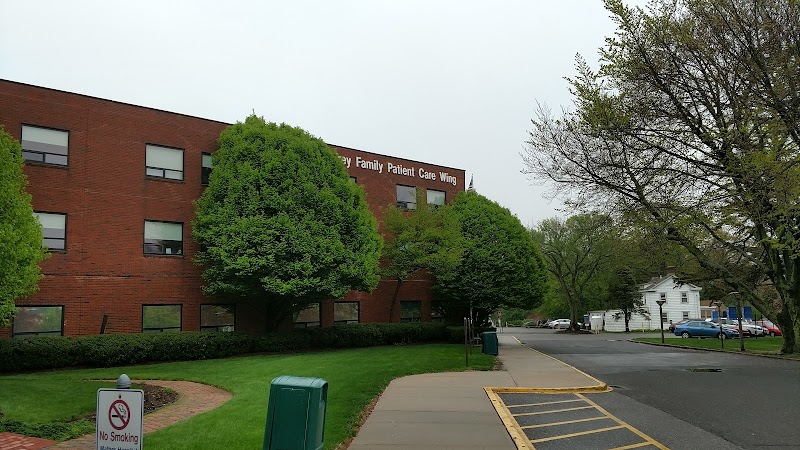
Who Owns and Operates John T Mather Memorial Hosp T C U?

JOHN T MATHER MEMORIAL HOSP T C U is owned by a for-profit company. For-profit facilities operate as businesses with obligations to shareholders or private owners. The facility operates independently rather than as part of a larger chain. With 16 certified beds and approximately 11 residents (about 69% occupancy), it is a smaller facility located in PORT JEFFERSON, New York.
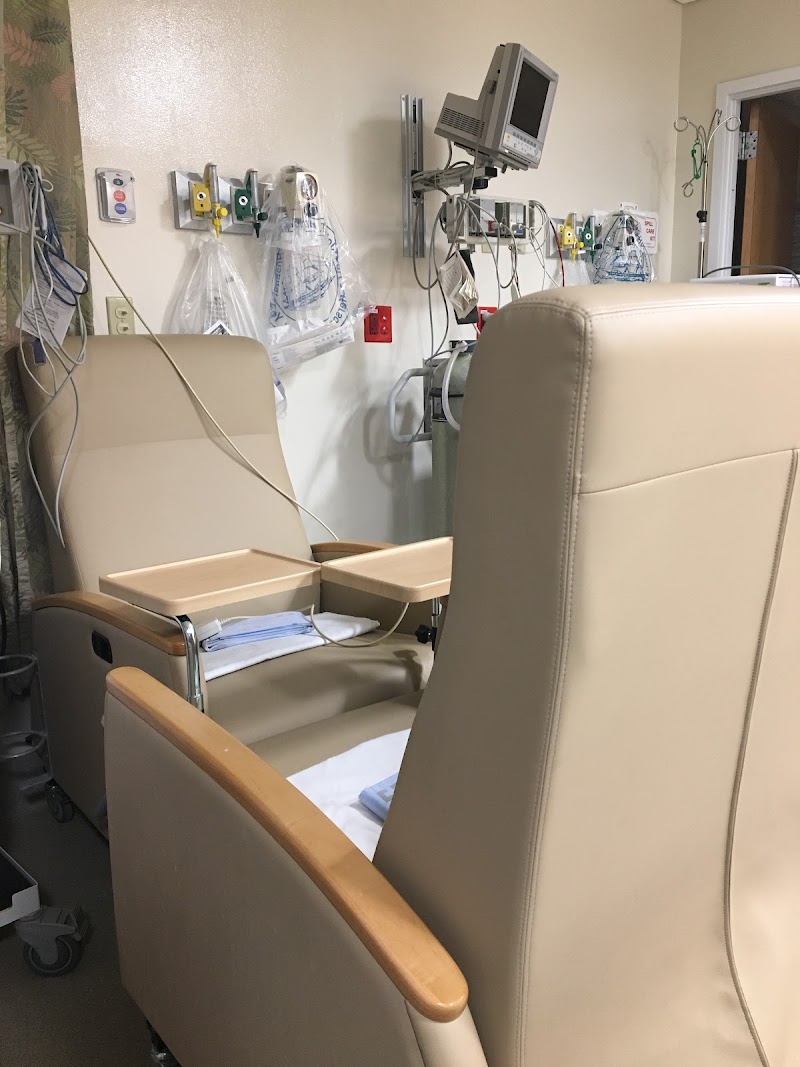
How Does John T Mather Memorial Hosp T C U Compare to Other New York Nursing Homes?

Compared to the 100 nursing homes in New York, JOHN T MATHER MEMORIAL HOSP T C U's overall rating (5 stars) is above the state average of 3.1, staff turnover (26%) is significantly lower than the state average of 46%, and health inspection rating (3 stars) is at the national benchmark.

What Should Families Ask When Visiting John T Mather Memorial Hosp T C U?

Based on this facility's data, families visiting should ask: "Can I visit during a mealtime to observe dining assistance and food quality?" "How do you handle medical emergencies, and what is your hospital transfer rate?" "Can I speak with family members of current residents about their experience?"

Is John T Mather Memorial Hosp T C U Safe?

Based on CMS inspection data, JOHN T MATHER MEMORIAL HOSP T C U has a clean safety record: no substantiated abuse findings (meaning no confirmed cases of resident harm), no Immediate Jeopardy citations (the most serious violation level indicating risk of serious injury or death), and is not on the Special Focus Facility watch list (a federal program monitoring the lowest-performing 1% of nursing homes). The facility has a 5-star overall rating and ranks #1 of 100 nursing homes in New York. While no facility is perfect, families should still ask about staff-to-resident ratios and recent inspection results during their visit.

Do Nurses at John T Mather Memorial Hosp T C U Stick Around?

Staff at JOHN T MATHER MEMORIAL HOSP T C U tend to stick around. With a turnover rate of 26%, the facility is 19 percentage points below the New York average of 46%. Low turnover is a positive sign. It means caregivers have time to learn each resident's needs, medications, and personal preferences. Consistent staff also notice subtle changes in a resident's condition more quickly. Registered Nurse turnover is also low at 25%, meaning experienced RNs are available to handle complex medical needs.

Was John T Mather Memorial Hosp T C U Ever Fined?

JOHN T MATHER MEMORIAL HOSP T C U has no federal fines on record. CMS issues fines when nursing homes fail to meet care standards or don't correct problems found during inspections. The absence of fines suggests the facility has either maintained compliance or corrected any issues before penalties were assessed. This is a positive indicator, though families should still review recent inspection reports for the full picture.

Is John T Mather Memorial Hosp T C U on Any Federal Watch List?

JOHN T MATHER MEMORIAL HOSP T C U is not on any federal watch list. The most significant is the Special Focus Facility (SFF) program, which identifies the bottom 1% of nursing homes nationally based on persistent, serious quality problems. Not being on this list means the facility has avoided the pattern of deficiencies that triggers enhanced federal oversight. This is a positive indicator, though families should still review the facility's inspection history directly.