WATERS EDGE AT PORT JEFFERSON FOR REHAB AND NRSG
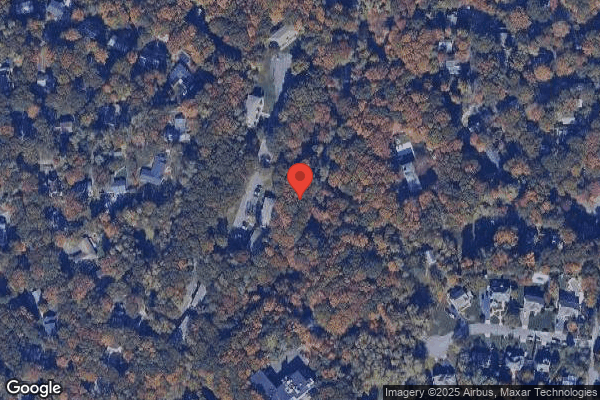
150 DARK HOLLOW ROAD, PORT JEFFERSON, NY 11777 (631) 473-5400
For profit - Limited Liability company 120 Beds CARERITE CENTERS Data: November 2025 2 Immediate Jeopardy citations
Trust Grade
11/100
#471 of 594 in NY
Last Inspection: August 2025

Inspected within the last 6 months. Data reflects current conditions.

Overview

Waters Edge at Port Jefferson for Rehab and Nursing has received a Trust Grade of F, indicating poor performance with significant concerns about care quality. They rank #471 out of 594 facilities in New York, placing them in the bottom half, and #38 out of 41 in Suffolk County, meaning there are only a few local homes rated higher. The facility's trend is worsening, increasing from 3 issues in 2024 to 14 in 2025, which raises red flags. Staffing is a weakness, with a low rating of 1 out of 5 stars and a turnover rate of 49%, suggesting that many staff members leave, which can affect continuity of care. They have also incurred $242,946 in fines, a concerning figure that is higher than 98% of New York facilities, indicating ongoing compliance problems. Specific incidents noted during inspections include a resident who required respiratory care not receiving their prescribed oxygen during an episode of respiratory distress, and another resident who deteriorated after delays in transferring them for emergency care, leading to their death. Additionally, there were issues with food safety, as some food was improperly stored and not maintained at safe temperatures. Overall, while the facility has some strengths in quality measures, the significant problems highlighted in the inspections warrant careful consideration.

Trust Score
F
11/100
In New York
#471/594
Bottom 21%
Safety Record
High Risk
Review needed
Inspections
Getting Worse
3 → 14 violations
Staff Stability
⚠ Watch
49% turnover. Above average. Higher turnover means staff may not know residents' routines.
Penalties
✓ Good
$242,946 in fines. Lower than most New York facilities. Relatively clean record.
Skilled Nurses
○ Average
Each resident gets 34 minutes of Registered Nurse (RN) attention daily — about average for New York. RNs are the most trained staff who monitor for health changes.
Violations
⚠ Watch
26 deficiencies on record. Higher than average. Multiple issues found across inspections.
★★☆☆☆
2.0
Overall Rating
★☆☆☆☆
1.0
Staff Levels
★★★★★
5.0
Care Quality
★★☆☆☆
2.0
Inspection Score
Stable
2024: 3 issues
2025: 14 issues

The Good

  • 5-Star Quality Measures · Strong clinical quality outcomes
  • Full Sprinkler Coverage · Fire safety systems throughout facility
  • No fines on record

Facility shows strength in quality measures, fire safety.

The Bad

2-Star Overall Rating

Below New York average (3.1)

Below average - review inspection findings carefully

Staff Turnover: 49%

Near New York avg (46%)

Higher turnover may affect care consistency

Federal Fines: $242,946

Well above median ($33,413)

Significant penalties indicating serious issues

Chain: CARERITE CENTERS

Part of a multi-facility chain

Ask about local staffing decisions and management

The Ugly 26 deficiencies on record

2 life-threatening
Aug 2025 9 deficiencies 1 IJ (1 affecting multiple)
CRITICAL (K)

Immediate Jeopardy (IJ) - the most serious Medicare violation

Respiratory Care (Tag F0695)

Someone could have died · This affected multiple residents

**NOTE- TERMS IN BRACKETS HAVE BEEN EDITED TO PROTECT CONFIDENTIALITY** Based on observations, record reviews, and interviews, during the Recertification Survey initiated on 07/21/2025 and completed o...

Read full inspector narrative →
**NOTE- TERMS IN BRACKETS HAVE BEEN EDITED TO PROTECT CONFIDENTIALITY** Based on observations, record reviews, and interviews, during the Recertification Survey initiated on 07/21/2025 and completed on 08/11/2025, the facility failed to ensure that a resident requiring respiratory care is provided such care consistent with professional standards of practice, the comprehensive person-centered care plan, and the resident's goals and preferences. This was identified for two (2) (Resident #74 and Resident #119) of four (4) residents reviewed for Respiratory Care. Specifically, Resident #74 with a diagnosis of Chronic Obstructive Pulmonary Disease had a physician's order for supplemental oxygen and did not receive it. On 07/25/2025, the resident was in respiratory distress and was utilizing accessory muscles, appeared pale with gray lips, and verbalized I need air. Licensed Practical Nurse #4 stated the resident's breathing difficulty was due to a panic attack and that the resident was exaggerating; and they would administer Xanax (an antianxiety medication) when available. Licensed Practical Nurse #4 did not check the resident's oxygen tank to determine oxygen availability; the oxygen tank gauge needle was observed at the red zone; and Resident #74's oxygen saturation was measured at 82% (normal range 95% to 100%). This resulted in actual harm to Resident #74 and a likelihood for serious harm to 13 other residents utilizing supplemental oxygen therapy, that is Immediate Jeopardy. The finding is:The facility's policy for Oxygen Administration, last reviewed on 01/2025, documented before administering oxygen and while the resident is receiving oxygen therapy, assess for signs or symptoms of cyanosis (blue tone to the skin and mucous membranes) and hypoxia (i.e., rapid breathing, rapid pulse rate, restlessness, confusion). The policy included guidance regarding documentation, including the date and time that the oxygen treatment was ordered; the name and title of the individual who administers the oxygen, the rate of oxygen flow, route, and rationale, the frequency and duration of the treatment, and all assessment data obtained before, during, and after the procedure, for example oxygen saturation (a measure of how much hemoglobin in your blood is carrying oxygen) and vital signs.Resident # 74 was admitted with diagnoses including Chronic Obstructive Pulmonary Disease and Respiratory Failure (a progressive lung disease that makes it difficult to breathe). The Minimum Data Set assessment dated [DATE] documented a Brief Interview for Mental Status score of 12, which indicated the resident had moderately impaired cognition. The Minimum Data Set documented that the resident required assistance with personal hygiene, transfers, and dressing. The resident received oxygen therapy during the assessment look-back period.The Comprehensive Care Plan for Altered Respiratory Status related to Chronic Obstructive Pulmonary Disease, Asthma, and Sleep Apnea (breathing repeatedly stops and starts during sleep), revised on 06/02/2025 documented interventions including monitor respiratory status, oxygen saturation, lung sounds, complaints of shortness of breath, use of accessory muscles, cyanosis and provide oxygen therapy as per the physician's orders. The physician's order dated 05/27/2025 documented to administer supplemental oxygen at two (2) liters per minute to maintain oxygen saturations above 90% every shift. During the resident council meeting on 07/21/2025 at 3:30 PM, Resident #74 stated they usually run out of [supplemental] oxygen, and it could take two (2) to three (3) hours before the oxygen tank was replaced. Resident #74 stated they have difficulty breathing when the oxygen tank is empty, and the staff do not care when they ask for assistance to replace the oxygen tank.The Medication Administration Record for July 2025 documented to administer supplemental oxygen at two (2) liters per minute to maintain oxygen saturation above 90% every shift. On 07/25/2025, at 7:00 AM, the resident's oxygen saturation was documented to be at 96% by Licensed Practical Nurse #4.A Nursing progress note dated 07/25/2025 at 1:06 PM documented the resident's family member was present at the facility and expressed concerns that the resident had been jittery (restless, unable to relax) and appeared more anxious this visit than usual. The family member was informed that the resident had received a dose of Solumedrol (corticosteroid) injection the day prior and was also receiving nebulizer treatments, which could contribute to the resident feeling jittery. The Physician discussed with the resident and the family member to change the resident's Xanax dosage. The Resident and their family member were both in agreement with the plan of care.The Physician's order dated 07/25/2025, documented supplemental oxygen 2-4 Liters per minute to maintain oxygen saturation above 90% every shift and Alprazolam (Xanax) oral tablet 0.25 milligrams. Give one (1) tablet by mouth two times a day in the morning and afternoon for 14 days, and 0.5 milligrams (Alprazolam) one (1) tablet by mouth at bedtime for 14 days.During an observation on 07/25/2025 at 1:45 PM, Resident #74 was observed self-propelling themselves in a wheelchair from the dining room to the nurse' station. The resident was wearing a nasal cannula (a thin, flexible tube used to supply supplemental oxygen through the nose) that was connected to a portable oxygen tank. The resident was having difficulty breathing and was using their accessory (chest) muscles to try and breathe. The resident's color was pale with gray lips. The oxygen tank gauge needle was observed to be in the red area (indicating a low level of oxygen remaining in the tank). Licensed Practical Nurse #4 was administering medications to other residents in the hallway in front of the nurse' station. Resident #74 told Licensed Practical Nurse #4, I need air. Licensed Practical Nurse #4 told the resident they (the resident) were having a panic attack. Licensed Practical Nurse #4 stated they were waiting for Xanax to be delivered. The resident repeated, I need air. Licensed Practical Nurse #4 stated to the surveyor in the presence of the resident, The resident is exaggerating, and they (Licensed Practical Nurse #4) must finish providing medications to other residents. Resident #74 put their hands up in the air and stated, They do not care. The Director of Nursing Services was in the vicinity and intervened. The Director of Nursing Services acknowledged and confirmed that the resident's oxygen tank was empty. The Director of Nursing Services then checked the resident's oxygen saturation, which was found to be 82 % (low), and directed Licensed Practical Nurse #4 to get a full oxygen tank. The Director of Nursing Services then replaced the resident's oxygen tank. The resident's oxygen saturation went up to 94% after the oxygen tank was replaced. Resident #74 stated they felt better. Licensed Practical Nurse #4 stated the resident utilized an oxygen concentrator while in bed and an oxygen tank when out of bed. Licensed Practical Nurse #4 stated that they did not connect the resident to the oxygen tank and did not check the resident's oxygen tank during their shift. During an observation of an activity program in the dining room on 07/28/2025 at 11:00 AM, Resident #74 was again observed with an oxygen tank with the gauge needle in the red area. Resident #74 stated they were having some difficulty breathing, and there was no air flow coming out of the tubing. The resident stated they did not report having breathing difficulty to anyone because the staff usually would not do anything. At 11:08 AM, Housekeeper #1 was observed replacing Resident #74's oxygen tank. During an interview on 07/28/2025 at 11:12 AM, Housekeeper #1 stated they were told by Recreational Assistant #1 to change the resident's oxygen tank. Housekeeper #1 stated they usually changed the oxygen tanks for residents in the facility. During a re-interview on 07/28/2025 at 11:16 AM, Licensed Practical Nurse #4 stated the resident had a full oxygen tank when they last checked the resident on 07/28/2025 at 8:00 AM. Licensed Practical Nurse #4 stated they should have rechecked the resident's oxygen tank every two (2) hours; however, they were busy with the medication administration pass. The resident usually comes to the nurse and asks for the oxygen tank to be replaced. Licensed Practical Nurse #4 stated there was no problem with a housekeeper changing the resident's oxygen tank. During an interview on 07/28/2025 at 11:37 AM, Recreational Assistant #1 stated they were the only staff member in the room conducting the activity program and could not leave the dining room to notify nursing staff that Resident #74's oxygen tank was empty and needed replacement. Recreational Assistant #1 stated that normally, they would notify the Certified Nurse Assistants to get the oxygen tank or take the resident out of the room to the nurse to get a new oxygen tank. Recreational Assistant #1 stated they did not see any Certified Nurse Assistant or a nurse, so they asked Housekeeper #1 to replace the oxygen tank for Resident #74. During an interview on 07/28/2025 at 11:40 AM, Registered Nurse #3 stated a full oxygen tank that is utilized by the resident should last for three (3) to four (4) hours, depending on the oxygen flow rate, and should be monitored by the Licensed Practical Nurse at least twice a shift, at around 10:00 AM and 2:00 PM. Registered Nurse #3 stated it was okay for Certified Nurse Assistants or housekeepers to replace the resident's oxygen tanks. Registered Nurse #3 stated they were not notified until 11:40 AM on 07/28/2025 that the resident's oxygen tank was found empty, and they would go and assess the resident now. During an interview on 07/28/2025 at 2:30 PM, the Director of Nursing Services stated staff should check the resident's oxygen tank at least three (3) times per shift. They should not wait until the tank is empty and the gauge needle is in the red zone to change the oxygen tank. The Director of Nursing Services stated nurses should monitor and assess the residents at least twice per shift when the residents are receiving oxygen at three (3) liters per minute, including obtaining oxygen saturation to ensure the oxygen level is maintained within the parameters ordered by the Physician.During an interview on 07/28/2025 at 2:00 PM, Respiratory Registered Nurse #1 stated they were responsible for ensuring oxygen concentrators were properly functioning, providing respiratory treatments, and chest physical therapy. Respiratory Registered Nurse #1 stated that if the resident was receiving three (3) liters of oxygen, the oxygen tank should last up to four (4) hours, and the Licensed Practical Nurse should check the resident's oxygen tank every three (3) hours. The oxygen tank should be changed by the nurses, not a Certified Nurse Assistant or the housekeeper.During an interview on 07/29/2025 at 11:00 AM, Attending Physician #1 stated Resident #74's oxygen saturation level was down to 82% on 07/25/2025, the resident was in respiratory distress because the resident did not receive supplemental oxygen and should have received oxygen therapy as ordered by the Physician. Attending Physician #1 stated Resident #74 had Pneumonia and required oxygen therapy. Resident #119 was admitted with diagnoses of Congestive Heart Failure (heart cannot pump blood well enough to give the body a normal blood supply), Chronic Obstructive Pulmonary Disease, and Chronic Respiratory Failure with Hypoxia (low oxygen level in blood). The Minimum Data Set assessment dated [DATE] documented a Brief Interview for Mental Status score of six (6), which indicated the resident had severely impaired cognition. The resident utilized oxygen therapy in the assessment look-back period.The Physician's order for Resident #119, dated 07/28/2025, documented that the resident was on oxygen at two (2) liters per minute. During an observation on 08/08/2025 at 4:46 PM, Resident #119 was observed in their room holding their nasal cannula in their hand and pointing to the nasal cannula. The oxygen tank was empty with the gauge needle at zero. Certified Nurse Assistant #1 walked into the room and changed the resident's oxygen source from the oxygen tank to the oxygen concentrator and stated they were allowed to do that. The Certified Nurse Assistant then took the oxygen tank outside of the resident's room. The Director of Nursing Services was in the hallway and stated that the Certified Nurse Assistants were not allowed to change the oxygen source.Review of Licensed Practical Nurse #4's personnel file on 08/11/2025 at 11:00 AM indicated no in-service education related to caring for residents on oxygen therapy.During an interview on 08/11/2025 at 12:30 PM, the Inservice Coordinator stated there is no competency completed for the nurses related to the oxygen or respiratory care, except for tracheostomy (opening into the windpipe) care. The Inservice Coordinator stated the nurses should know to how to handle oxygen tanks and to care for residents with respiratory issues because it is a standard of practice for nurses. 10 NYCRR 415.12(k)(6)
CONCERN (D)

Potential for Harm - no one hurt, but risky conditions existed

Deficiency F0558 (Tag F0558)

Could have caused harm · This affected 1 resident

**NOTE- TERMS IN BRACKETS HAVE BEEN EDITED TO PROTECT CONFIDENTIALITY** Based on observations, record reviews, and staff interviews, during the Recertification Survey initiated on 07/21/2025 and compl...

Read full inspector narrative →
**NOTE- TERMS IN BRACKETS HAVE BEEN EDITED TO PROTECT CONFIDENTIALITY** Based on observations, record reviews, and staff interviews, during the Recertification Survey initiated on 07/21/2025 and completed on 08/11/2025, the facility did not ensure that each resident had the right to receive services in the facility with reasonable accommodation of resident needs and preferences. This was identified for one (Resident #40) of seven residents reviewed for Activities of Daily Living. Specifically, during the Resident Council meeting on 07/21/2025, Resident # 40 stated they were not getting their showers as per their preference. A review of the record documented that Resident # 40 was receiving bed baths and not receiving showers as per the resident's care plan and preference.Finding is:The facility's policy and procedure for Bathing and Shower, revised on 2/14/2025, documented that the purpose of this procedure was to promote cleanliness, provide comfort to the resident, and to observe the condition of the resident's skin.Resident # 40 was admitted with diagnoses including Multiple Sclerosis. The Annual Minimum Data Set (MDS) assessment dated [DATE] documented a Brief Interview for Mental Status (BIMS) score of 15, which indicated cognition intact. Resident #40 required one to two persons' extensive assistance with personal hygiene, transfers, and dressing, and Resident #40 required physical help in part of the bathing activity of two persons.During the Resident Council meeting on 7/21/2025 at 3:30 PM, Resident #40 reported they did not receive their twice-weekly showers as per their preference and the plan of care. Resident #40 further stated that the Certified Nursing Assistants just document refused showers. Resident #40 stated they never refuse their showers.The Activities of Daily Living Care Plan dated 5/09/2025 documented the resident required assistance with Activities of Daily Living related to Progressive Multiple Sclerosis, impaired mobility, and impaired gait. Interventions included two-person assistance for transfers to the shower on Wednesdays and Saturdays. The Plan of Correction Response History (completed by the Certified Nurse Assistants) documentation for July 2025 indicated Resident #40 received only bed baths on 7/2/2025, 7/3/2025, 7/6/2025, 7/7/2025, 7/8/2025, 7/9/2025, 7/11/2025, 7/15/2025, 7/19/2025, 7/21/2025, and 7/23/2025. The Plan of Correction Response History (completed by the Certified Nurse Assistants) documented the resident received showers on 7/1/2025, 7/4/2025, 7/16/2025, and 7/23/2025, only 4 times in 24 days. During an interview on 7/24/2025 at 1:40 PM, Certified Nurse Assistant #5 stated they were usually assigned to Resident #40 during the 7:00 AM-3:00 PM shift. Certified Nurse Assistant #5 stated they did not give showers to Resident #40 and only provided bed baths instead, because of staffing issues. During an interview on 7/24/25 at 3:40 PM, Certified Nurse Assistant #6 stated they were regularly assigned to Resident #40 during the 3:00 PM to 11:00 PM shift. Certified Nurse Assistant #6 stated they did not give showers to Resident #40 and only provided bed baths because of staffing issues. A review of the staffing sheets for the month of July 2025 indicated no issues with staffing. During an interview on 7/24/25 at 1:47 PM, Resident #40 stated they did not get a bed bath on 7/23/2025 and only had their back cleansed. Resident #40 stated that sometimes they go without a shower for more than two weeks.During an interview on 7/24/2025 at 2:40 PM, Registered Nurse # 3 stated all residents should receive their showers as per the plan of care. The Registered Nurse # 3 further stated they were responsible for the supervision of the Certified Nursing Assistants; however, they were not aware of staffing issues and were not aware that resident # 40 had not been receiving their showers as per the plan of care. During an interview on 7/29/2025 at 2:00 PM, the Director of Nursing Services stated the Certified Nurse Assistants reported that the resident refuses their showers and was not aware that the resident wanted showers. The Director of Nursing Services stated the facility did not have staffing concerns, and if there was a call out, then the workload would be adjusted accordingly. It is not acceptable to not provide showers to residents and document on the records that the residents had a bed bath and/or refuse.10 NYCRR 415.5(e)(1)
CONCERN (D)

Potential for Harm - no one hurt, but risky conditions existed

Deficiency F0658 (Tag F0658)

Could have caused harm · This affected 1 resident

**NOTE- TERMS IN BRACKETS HAVE BEEN EDITED TO PROTECT CONFIDENTIALITY** Based on observations, record reviews, and staff interviews, during the Recertification Survey initiated on 07/21/2025 and compl...

Read full inspector narrative →
**NOTE- TERMS IN BRACKETS HAVE BEEN EDITED TO PROTECT CONFIDENTIALITY** Based on observations, record reviews, and staff interviews, during the Recertification Survey initiated on 07/21/2025 and completed on 08/11/2025, the facility did not ensure that services provided or arranged by the facility meet the current professional standards of quality. This was identified for two (Resident # 74 and Resident #119) of four residents during the Respiratory Care. Specifically, Licensed Practical Nurse #4 did not provide respiratory care to Resident #74 when the resident's oxygen tank was observed to be empty. The resident complained of difficulty breathing. Licensed Practical Nurse #4 dismissed the resident's complaint as a panic attack and that the resident was exaggerating their distress and proceeded to complete the medication administration to other residents. Licensed Practical Nurse #4 did not evaluate the resident until the surveyor and the Director of Nursing Services intervened. Additionally, the ancillary staff were observed changing the residents' oxygen tanks and did not notify the nurses to evaluate the residents' respiratory status.Cross Reference -F695The finding is:The facility's policy for Oxygen Administration, last reviewed on 1/2025, documented before administering oxygen and while the resident is receiving oxygen therapy, assess for signs or symptoms of cyanosis (blue tone to the skin and mucous membranes) and hypoxia (i.e., rapid breathing, rapid pulse rate, restlessness, confusion). The policy included guidance regarding documentation, including the date and time that the oxygen treatment was ordered; the name and title of the individual who administers the oxygen, the rate of oxygen flow, route, and rationale, the frequency and duration of the treatment, and all assessment data obtained before, during, and after the procedure, for example oxygen saturation (a measure of how much hemoglobin in your blood is carrying oxygen )and vital signs. The policy did not provide guidance to staff regarding which staff were responsible for changing and monitoring the oxygen tanks.Resident # 74 was admitted with diagnoses including Chronic Obstructive Pulmonary Disease and Respiratory Failure. The Minimum Data Set assessment dated [DATE] documented a Brief Interview for Mental Status score of 12, which indicated the resident had moderately impaired cognition. The Minimum Data Set documented that the resident required assistance with personal hygiene, transfers, and dressing. The resident received oxygen therapy during the assessment look-back period.The Comprehensive Care Plan (CCP) for Altered Respiratory Status related to Chronic Obstructive Pulmonary Disease, Asthma, and Sleep Apnea (breathing repeatedly stops and starts during sleep), revised on 6/2/2025 documented interventions including monitor respiratory status, oxygen saturation, lung sounds, complaints of shortness of breath, use of accessory muscles, cyanosis and provide oxygen therapy as per the physician's orders.The physician's order dated 5/27/2025 documented to administer supplemental oxygen at two (2) liters per minute to maintain oxygen saturations above 90% every shift.During an observation on 7/25/2025 at 1:45 PM, Resident #74 was observed self-propelling themselves from the dining room to the nursing station. The resident was wearing a nasal cannula (a thin, flexible tube used to supply supplemental oxygen through the nose) that was connected to a portable oxygen tank. The resident was having difficulty breathing and was using their chest (accessory) muscles to try to breathe. The resident was pale with gray lips. The oxygen tank gauge needle was observed to be in the red area. Licensed Practical Nurse #4 was administering medications to other residents in the hallway in front of the nursing station. Resident #74 told Licensed Practical Nurse #4, I need air. Licensed Practical Nurse #4 told the resident they (the resident) were having a panic attack. Licensed Practical Nurse #4 stated they were waiting for Xanax to be delivered. The resident repeated, I need air. Licensed Practical Nurse #4 stated to the surveyor in the presence of the resident, The resident is exaggerating, and they (Licensed Practical Nurse #4 ) have to finish providing medications to other residents. Resident #74 put their hands up in the air and stated, they do not care. The Director of Nursing Services was in the vicinity and intervened. The Director of Nursing Services acknowledged and confirmed that the resident's oxygen tank was empty. The Director of Nursing Services then checked the resident's oxygen saturation, which was found to be 82 % (low), and directed Licensed Practical Nurse #4 to get a full oxygen tank. The Director of Nursing Services then replaced the resident's oxygen tank. The resident's oxygen saturation went up to 94 % after the oxygen tank was replaced. Resident #74 stated they feel better now. Licensed Practical Nurse #4 stated the resident utilized an oxygen concentrator while in bed and an oxygen tank when out of bed. Licensed Practical Nurse #4 stated that they did not connect the resident to the oxygen tank and did not check the resident's oxygen tank since they started their shift.Review of Licensed Practical Nurse #4's personnel file indicated no inservice education related to caring for residents on oxygen therapy. During an observation of an activity program in the dining room on 7/28/2025 at 11:00 AM, Resident #74 was again observed with an oxygen tank with the gauge needle in the red area. Resident #74 stated they were having some difficulty breathing, and there was no air flow coming out of the tubing. The resident stated they did not report having breathing difficulty to anyone because the staff usually would not do anything. At 11:08 AM, Housekeeper#1 was observed replacing Resident #74's oxygen tank. During an interview on 7/28/2025 at 11:12 AM, Housekeeper #1 stated they were told by the Recreational Assistant #1 to change the resident's oxygen tank. Housekeeper #1 stated they usually changed the oxygen tanks for residents in the facility.During a re-interview on 7/28/2025 at 11:16 AM, Licensed Practical Nurse #4 stated there was no problem with a housekeeper changing the resident's oxygen tank.During an interview on 7/28/2025 at 11:37 AM, Recreational Assistant # 1 stated they were the only one present in the room conducting the activity program and could not leave the dining room to notify the nursing staff that Resident #74's oxygen tank was empty and needed replacement. Recreational Assistant #1 stated that normally, they would notify the Certified Nurse Assistants to get the oxygen tank or take the resident out of the room to the nurse to get the new oxygen tank. Recreational Assistant # 1 stated they did not see any Certified Nurse Assistant or a nurse, so they asked Housekeeper #1 to replace the oxygen tank for Resident #74.During an interview on 7/28/2025 at 11:40 AM, Registered Nurse # 3 stated it was okay for Certified Nursing Assistants or housekeepers to replace the resident's oxygen tanks. Registered Nurse # 3 stated they were not notified until 11:40 AM on 7/28/2025 that the resident's oxygen tank was found empty, and they would go and assess the resident now. During an interview on 7/28/2025 at 2:30 PM, the Director of Nursing Services stated nurses should monitor and assess the residents at least twice per shift when the residents are receiving oxygen at three liters per minute, including obtaining oxygen saturation to ensure the oxygen level is maintained within the parameters ordered by the Physician.During an interview on 7/28/2025 at 2:00 PM, Respiratory Registered Nurse #1 stated the Licensed Practical Nurse should check the resident's oxygen tank every three (3) hours. The oxygen tank should be changed by the nurses, not a Certified Nurse Assistant or the housekeeper.Resident #119 was admitted with diagnoses of Congestive Heart Failure, Chronic Obstructive Pulmonary Disease, and Chronic Respiratory Failure with Hypoxia (low oxygen level in blood). The Minimum Data Set assessment dated [DATE] documented a Brief Interview for Mental Status score of six (6), which indicated the resident had severely impaired cognition. The resident utilized oxygen therapy in the assessment look-back period.The Physician's order for Resident #119, dated 7/28/2025, documented that the resident was on oxygen at 2 liters per minute. During an observation on 8/8/2025 at 4:46 PM, Resident #119 was observed in their room holding their nasal cannula in their hand and pointing to the nasal cannula. The oxygen tank was empty with the gauge needle at zero. A Certified Nursing Assistant walked into the room and changed the resident's oxygen source from the oxygen tank to the oxygen concentrator and stated they were allowed to do that. The Certified Nursing Assistant then took the oxygen tank outside the resident's room. The Director of Nursing Services was in the hallway and stated that the Certified Nursing Assistants were not allowed to change the oxygen source.10 NYCRR 415.11(c)(3)(i)
CONCERN (D)

Potential for Harm - no one hurt, but risky conditions existed

ADL Care (Tag F0677)

Could have caused harm · This affected 1 resident

**NOTE- TERMS IN BRACKETS HAVE BEEN EDITED TO PROTECT CONFIDENTIALITY** Based on observation record review and staff interviews during the Recertification Survey initiated on 07/21/2025 and completed ...

Read full inspector narrative →
**NOTE- TERMS IN BRACKETS HAVE BEEN EDITED TO PROTECT CONFIDENTIALITY** Based on observation record review and staff interviews during the Recertification Survey initiated on 07/21/2025 and completed on 08/11/2025, the facility did not ensure that residents who are unable to carry out activities of daily living receive the necessary services to maintain good nutrition. This was identified for one (Resident #7) of five residents reviewed for Limited Range of Motion. Specifically, during an observation on 07/22/2025 at 11:20 AM, Resident #7's breakfast tray was observed unopened and untouched on the overbed table. Resident #7 required setup help and was not assisted with their breakfast meal.The finding is: The facility's policy and procedure titled Assisting the Resident With In-Room Meals, revised on 2/14/2025, documented placing the (meal) tray on the overbed table or serving area. Be sure it is adjusted to a comfortable position and height for the resident. Arrange the dishes and silverware so that they can be easily reached by the resident. Place the drinks within easy reach. Open beverage cartons as necessary. Resident #7 was admitted to the facility with diagnoses that included Malnutrition, Sepsis, and Right Femur Fracture. An admission Minimum Data Set assessment dated [DATE] documented the resident's Brief Interview for Mental Status score as 13, which indicated intact cognition. The resident had no behavior problems and did not reject care. The resident had impairment on one side upper extremity and required setup and clean-up help for eating. A Comprehensive care plan for activities of daily living dated 5/11/2025 documented the resident required assistance with activities of daily living related to Fractures, Pain, and Trauma. Interventions included to encourage the resident to participate to the fullest extent possible with each interaction. During an observation on 7/22/2025 at 11:20 AM, Resident #7 was observed in bed, awake and alert. The resident's breakfast tray was observed unopened and untouched on the overbed table. The resident stated they were asleep and were not aware the tray was on the table. The resident stated the staff did not wake them to inform them that their breakfast tray was there, and no one came back to check if they had eaten their breakfast meal. During an interview on 7/22/2025 at 11:45 AM, Licensed Practical Nurse #5, the medication nurse, stated the assigned Certified Nursing Assistant was responsible for checking on the resident to ensure the resident received setup help and consumed their breakfast.During an interview on 7/24/25 at 2:50 PM, Registered Nurse #1 stated that breakfast trays arrived on the unit at around 8:00 AM and the Certified Nursing Assistants should have been checking the rooms to assist with setup and encourage the resident to eat. Registered Nurse #1 stated that at around 9:00 AM, the Certified Nursing Assistants were supposed to collect the trays and check the percentage of food eaten by the residents. Registered Nurse #1 stated the resident's breakfast tray should not have been at the resident's overbed table at 11:20 AM, unopened and untouched.During an interview on 7/24/25 at 2:20 PM, Certified Nursing Assistant #7 stated Resident #7 required setup help for eating, which included opening containers on the resident's meal tray. Certified Nursing Assistant #7 stated they did not recall if they had served the resident their breakfast tray that morning; however, they did not check to see if the resident had eaten their breakfast. Certified Nursing Assistant #7 stated they were assigned to the resident and should have checked to ensure the resident had their breakfast. During an interview on 7/29/25 at 9:32 AM, the Director of Nursing Services stated the Certified Nursing Assistants were responsible for serving the meal trays, assisting with setup, and encouraging the resident to eat. The Director of Nursing Services stated that the resident's breakfast tray should not have been at the bedside, unopened and untouched, and if the resident had refused to eat that the nurse should have been notified. 10 NYCRR 415.12(a)(3)
CONCERN (D)

Potential for Harm - no one hurt, but risky conditions existed

Pressure Ulcer Prevention (Tag F0686)

Could have caused harm · This affected 1 resident

**NOTE- TERMS IN BRACKETS HAVE BEEN EDITED TO PROTECT CONFIDENTIALITY** Based on observations, record review, and interviews during the Recertification Survey initiated on 07/21/2025 and completed on ...

Read full inspector narrative →
**NOTE- TERMS IN BRACKETS HAVE BEEN EDITED TO PROTECT CONFIDENTIALITY** Based on observations, record review, and interviews during the Recertification Survey initiated on 07/21/2025 and completed on 08/112025, the facility did not ensure that each resident with a Pressure Ulcer or potential for a Pressure Ulcer received the necessary treatment and service consistent with professional standards of practice to promote healing, prevent infections, and prevent new ulcers from developing. This was identified for one (Resident #112) of three residents reviewed for Pressure Ulcers. Specifically, Resident #112, with a history of Stage 4 pressure ulcer, was observed on multiple occasions in bed on an air mattress that was set to 450 pounds and had a history of pressure ulcers and currently weighs 167 pounds. The finding is:The facility's policy titled Low Air Mattress, dated 1/04/2025, documented that low air loss systems are medical devices designed to prevent and manage pressure ulcers by providing air circulation to reduce pressure and moisture on the skin. Clinical staff must document the patient's condition, any changes in pressure injury status, and the use of the low air loss system in the patient's medical record. The Unit Nurse will check each mattress at least once daily, and the completed form will be given to the Director of Nursing. The operation manual for the air mattress, undated, documented how to adjust the air mattress to a desired firmness according to the patient's weight and comfort.Resident #112 was admitted with diagnoses including Chronic Kidney Disease, Urinary Tract Infection, and Congestive Heart Failure. The Quarterly Minimum Data Set assessment dated [DATE] documented a Brief Interview for Mental Status score of 12, indicating that the resident had moderate cognitive impairment. The Minimum Data Set documented Resident #112 was at risk for Pressure Ulcers. A Skin/Wound Care Evaluation dated 7/24/2025 documented that Resident #112 had a Stage IV Pressure Ulcer that was present on admission on their right gluteus and was resolved on 07/24/2025.A physician's order dated 7/24/2025, documented checking the function and settings of the air mattress every shift and as needed. There was no physician order for the placement of the air mattress.Resident #112 had documented weights on 7/17/2025 of 167.4 pounds and 6/24/2025 of 175.0 pounds. A Comprehensive Care Plan titled Musculoskeletal Impairment, dated 5/21/2024 and revised 7/24/2025, with interventions that included checking the function and settings of the air mattress every shift. This intervention was added on 7/24/2025. During an observation on 7/21/2025 at 9:55 AM, Resident #112 was observed in bed, on an air mattress that was set to 450 pounds. Resident #112 was unable to be interviewed as the resident was lethargic and was newly diagnosed with a Urinary Tract Infection. During a second observation on 7/22/2025 at 11:10 AM, Resident #112 was observed in bed sleeping, with the air mattress observed to be set to 450 pounds.During an interview on 7/24/2025 at 12:46 PM, Certified Nursing Assistant #3 stated that maintenance staff were responsible for setting up an air mattress on a resident's bed. Certified Nursing Assistant #3 stated they do not monitor or adjust the weight setting. During an interview on 7/24/2025 at 12:50 PM, Licensed Practical Nurse #3 stated air mattress was provided by the Maintenance Department; however, they were not sure who entered the weight settings on the air mattress. Licensed Practical Nurse #3 stated they were responsible for making sure that the air mattress was in place and inflated; they do not touch the weight settings on the air mattress. During an interview on 7/24/2025 at 1:24 PM, Registered Nurse Supervisor #1 stated nurses were responsible for checking air mattress weight settings every shift. The nursing Supervisor should be notified when the air mattress weight setting is not set accurately according to the resident's weight. Registered Nurse Supervisor #1 stated they did not know that the resident did not have a Physician's order for monitoring of the air mattress and that the air mattress weight setting was not set according to the resident's weight; no one notified them. During an interview on 7/28/2025 at 9:58 AM, the Director of Maintenance stated that the maintenance staff was responsible for placing the mattress on the bed with the air mattress's default settings. Nursing staff were responsible for setting up the air mattress weight setting. During an interview on 7/29/2025 at 9:14 AM, the Director of Nursing Services stated the nurses were responsible for obtaining a Physician's order for the air mattress and for monitoring the weight setting on the air mattress. The air mattress weight setting should be adjusted to match the resident's weight to provide pressure relief. If the air mattress weight setting is not set according to the resident's weight, the resident may not receive the desired pressure relief and have the potential to develop pressure ulcers. 10 NYCRR 415.12(c)(1)
CONCERN (D)

Potential for Harm - no one hurt, but risky conditions existed

Deficiency F0761 (Tag F0761)

Could have caused harm · This affected 1 resident

**NOTE- TERMS IN BRACKETS HAVE BEEN EDITED TO PROTECT CONFIDENTIALITY** Based on observations, record review, and interviews during the Recertification Survey initiated on 07/21/2025 and completed on ...

Read full inspector narrative →
**NOTE- TERMS IN BRACKETS HAVE BEEN EDITED TO PROTECT CONFIDENTIALITY** Based on observations, record review, and interviews during the Recertification Survey initiated on 07/21/2025 and completed on 08/11/2025, the facility did not ensure that all drugs were labeled in accordance with currently accepted professional principles, including the expiration dates. This was identified for one (Resident #66) of seven residents reviewed during medication pass observation, one (2 North medication cart) of two medication carts observed during the medication storage and labelling task, and for one (Resident #83) of three residents reviewed for Accidents. Specifically, 1) during medication pass observation, Resident #66's nebulizer treatment medication, Budesonide Inhalation, was not dated. 2) Unit 2 North medication cart was observed with a souffle cup containing three prepoured unlabeled medication tablets. 3) During an initial screening, Resident #83 was observed with two medication cups with unidentified medications on the overbed table. Resident #83 had moderately impaired cognition and there was no staff in the vicinity. The facility's policy titled “Medication Label and Storage,” dated 3/19/2025, documented that multi-dose vials that have been opened are dated with the open date and discarded according to the manufacturer's instructions. 1) Resident #66 was admitted with diagnoses that included Chronic Obstructive Pulmonary Disease, Type 2 Diabetes Mellitus, and Pulmonary Embolism (a condition in which one or more arteries in the lungs become blocked by a blood clot). The Quarterly Minimum Data Set assessment dated [DATE], documented a Brief Interview for Mental Status score of 13, indicating the resident had intact cognition. A physician's order dated 6/17/2025 documented to give 0.5 milligrams per 2 milliliters of Budesonide Inhalation. Inhale 2 milliliters orally via nebulizer every 12 hours for Bronchospasms (when muscles surrounding the lungs' small airway tighten, narrowing the airways). During a medication pass observation on 7/22/2025 at 8:38 AM, Licensed Practical Nurse #1 retrieved an ampule (sealed capsule containing a liquid) of Budesonide Inhalation from an opened, undated, foil packet to administer to Resident #66. The packet included instructions: once the foil envelope is opened, use the ampules within two weeks. The package also included an area to write the date the package was opened. During an interview on 7/22/2025 at 8:38 AM, Licensed Practical Nurse #1 stated they forgot to date the Budesonide Inhalation package when they first opened the package and should have. Licensed Practical Nurse #1 stated the medications in the package should be discarded after two weeks, once the package is opened. During an interview on 7/24/2025 at 1:24 PM, Registered Nurse Supervisor #1 stated that all multi-dose pack medications should be labelled with the time and date when first opened. During an interview on 7/29/2025 at 09:14 AM, the Director of Nursing Services stated that the nursing staff must date the foil packet for Budesonide medication, indicating the date the packet was opened and the date the packet should be discarded. If a nurse encounters an open packet that is not dated, they should discard the undated packet and open a new one. During an interview on 7/29/2025 at 10:04 AM, the Licensed Pharmacist stated the stability of the Budesonide medication would be compromised when the foil packet is opened for longer than two weeks, as recommended by the manufacturer. 2) The facility's policy titled “Medication Label and Storage,” dated 3/19/2025, documented that medications and biologicals are stored in the packaging in which they are received. Resident #54 was admitted with diagnoses that included Cerebral Infarction, Major Depressive Disorder, and Chronic Kidney Disease. The Quarterly Minimum Data Set assessment dated [DATE], documented a Brief Interview for Mental Status score of 13, indicating the resident had intact cognition. A current physician's order documented Amlodipine Besylate 10 milligrams, give one tablet by mouth once a day for Hypertension. A current physician's order documented Keppra 250 milligrams, give one tablet by mouth two times a day for Seizure disorder. A current physician's order documented Finasteride 5 milligrams, give one tablet by mouth once a day for Benign Prostatic Hyperplasia (a condition where the prostate gland enlarges but is not cancerous, causing uncomfortable urinary symptoms). During an observation of the 2 North Medication Cart with Licensed Practical Nurse #2 on 7/23/2025 at 10:08 AM, a medication soufflé cup containing three unlabeled medication tablets was observed stored in the medication cart. During an interview on 7/23/2025 at 10:08 AM, Licensed Practical Nurse #2 stated they prepared the medications for Resident #54 for administration and had to stop because they went to care for another resident. Licensed Practical Nurse #2 stated they knew they should not have stored the unlabeled medication cup in the medication cart; they should have given Resident #54 the medications or disposed of the medications before going to another resident. During an interview on 7/24/2025 at 1:24 PM, Registered Nurse Supervisor #1 stated, if the nurse was unable to deliver the medications that were poured into the medication cup promptly, those medications should be discarded. Medications must not be stored in a medication cup within the medication cart for later delivery. During an interview on 7/29/2025 at 9:14 AM, the Director of Nursing Services stated that the nurse should have discarded the medications if they were not going to administer the medications. 3) The facility's policy and procedure titled “Medication Administration,” revised 3/19/2025, documented that medications are administered in a safe and timely manner, and as prescribed. Resident #83 was admitted with diagnoses including Hypertension (elevated blood pressure) and Chronic Kidney Disease. The Quarterly Minimum Data Set assessment dated [DATE] documented that the resident had a Brief Interview for Mental Status score of 10, indicating moderate cognitive impairment. The Minimum Data Set assessment documented that the resident did not reject medications, did not have difficulty or pain while swallowing, and was able to eat independently. During an observation on 7/21/2025 at 10:34 AM, Resident #83 was observed in their room sitting in a wheelchair. Two medication cups contained unidentified medications on the resident's overbed table. Resident #83 stated the nurse gave them their medications without any fluids to consume the medications with. During an interview on 7/21/2025 at 10:40 AM, Registered Nurse #3 stated they should not have left the resident's room without observing the resident swallow their medications. Registered Nurse #3 stated that today they were working as a charge nurse and were also responsible for administering the medications; they wanted to give medications to all residents in a timely manner. During a reinterview on 7/21/2025 at 2:00 PM, Registered Nurse #3 reviewed the July 2025 Medication Administration Record and confirmed the following medications were left at the resident's bedside on 7/21/2025 as observed at 10:34 AM: ALPRAZolam Oral Tablet 0.5 milligrams (Alprazolam), an antianxiety medication. TUMS, Antacid, Chewable 2 Tablets Carvedilol Oral Tablet 25 MG (Carvedilol), heart medication. Farxiga Oral Tablet 5 MG (Dapagliflozin Propanediol), heart medication. Ferrous Sulfate Tablet 325 (65 Fe) MG Give 1 tablet, supplement. HydrALAZINE HCl Oral Tablet 100 MG (Hydralazine HCl), an antihypertensive medication. Senna Oral Tablet 8.6 MG (Sennosides) 2 tablets, stool softener. Sodium Bicarbonate Tablet 650 MG 2 tablets, heartburn medication. Venlafaxine HCl ER Oral Capsule Extended Release 24 Hour 150 MG (Venlafaxine HCl), an antidepressant. During an interview on 7/29/2025 at 1:00 PM, the Director of Nursing Services stated Registered Nurse #3 should not have left the medications unattended with the resident and should have ensured the resident consumed medications with fluids provided by the nurse. 10 NYCRR 415.18(d)(e)(1-4)
CONCERN (D)

Potential for Harm - no one hurt, but risky conditions existed

Infection Control (Tag F0880)

Could have caused harm · This affected 1 resident

**NOTE- TERMS IN BRACKETS HAVE BEEN EDITED TO PROTECT CONFIDENTIALITY** Based on observations, record review, and interviews during the Recertification Survey initiated on 07/21/2025 and completed on ...

Read full inspector narrative →
**NOTE- TERMS IN BRACKETS HAVE BEEN EDITED TO PROTECT CONFIDENTIALITY** Based on observations, record review, and interviews during the Recertification Survey initiated on 07/21/2025 and completed on 08/11/2025, the facility did not ensure it maintained an infection prevention and control program designed to help prevent the development and transmission of communicable diseases and infections. This was identified for one (Resident #112) of one resident reviewed for infection control and one (Resident #19) of seven residents reviewed for Medication Pass Observation. Specifically, Resident #112 had a physician's order for Enhanced Barrier Precautions secondary to the use of an indwelling Foley Catheter. There was no Enhanced Barrier Precaution signage posted outside the resident's door to alert staff and visitors regarding the resident's precaution status. On 07/21/2025, two Certified Nursing Assistants were observed providing personal hygiene care to Resident #112 without wearing the proper Personal Protective Equipment. 2) Licensed Practical Nurse #1 was observed during medication pass to remove a medication tablet out of a blister pack into their bare hand, then placed the tablet in the medication cup, and attempted to administer the medication to Resident #119.The findings are:1) The facility policy titled Enhanced Barrier Precautions, dated 1/04/2025, documented that enhanced barrier precautions are used as an infection prevention and control intervention to reduce the transmission of multidrug-resistant organisms to residents. Enhanced Barrier Precautions are indicated for a resident with an indwelling medical device such as a urinary catheter. Signs are posted on the door or wall outside the resident's room indicating the precautions and protective equipment required. Gowns and gloves are applied before performing the high-contact care for the resident, such as changing briefs, changing linens, and providing hygiene. Resident #112 was admitted with diagnoses including Chronic Kidney Disease, Urinary Tract Infection, and Congestive Heart Failure. The Quarterly Minimum Data Set assessment dated [DATE] documented a Brief Interview for Mental Status score of 12, indicating the resident had moderate cognitive impairment. The Minimum Data Set documented that the resident utilized an indwelling Catheter and was at risk for Pressure Ulcers.A physician's order dated 7/22/2025 documented, Enhanced Barrier Precautions due to a Foley Catheter, wear gown and gloves during assistance with dressing, bathing, transferring, hygiene, changing linens, briefs, toileting, and wound care.A Comprehensive Care Plan titled Enhanced Barrier Precautions related to a Foley Catheter, dated 9/26/2024, last revised on 4/25/2025, had interventions that included wearing a gown and gloves during assistance with dressing, bathing, hygiene, and transferring the resident.During an observation with Registered Nurse Supervisor #2 on 7/21/2025 at 10:46 AM, Resident #112 was lying in their bed, which was located by the door. Certified Nursing Assistant #1 and Certified Nursing Assistant #2 were observed in Resident #112's room changing the resident's clothing and performing hygiene care. An Enhanced Barrier Precaution signage was posted outside the resident's room, indicating that Resident #112's roommate, whose bed was near the window, was on Enhanced Barrier Precautions. There was no indication on the Enhanced Barrier Precautions signage that Resident #112 was on Enhanced Barrier Precautions. Registered Nurse Supervisor #2 stopped the two Certified Nursing Assistants and had them take off the gloves, wash their hands, and put on the proper Personal Protective Equipment to finish care for Resident #112. During an interview on 7/21/2025 at 10:47 AM, Registered Nurse Supervisor #2 stated that Certified Nursing Assistant #1 and Certified Nursing Assistant #2 should wear the appropriate Personal Protective Equipment when providing high contact care, such as hygiene care and changing the resident's clothing. Registered Nurse Supervisor #2 confirmed that there was no signage at the doorway indicating Resident #112 was on Enhanced Barrier Precautions. There should have been a sign indicating both Resident #112 and their roommate were on Enhanced Barrier Precautions.During an interview on 7/21/2025 at 10:56 AM, Certified Nursing Assistant #2 stated they went to help Certified Nursing Assistant #1 and did not realize Resident #112 was on Enhanced Barrier Precautions because there was no sign outside the resident's room indicating Resident #112 was on Enhanced Barrier Precautions.During an interview on 7/21/2025 at 11:07 AM, Certified Nursing Assistant #1 stated the Enhanced Barrier Precautions Sign outside Resident #112's room indicated that the resident's roommate was on Enhanced Barrier Precautions. Certified Nursing Assistant #1 stated they should have questioned why Resident #112 was not on Enhanced Barrier Precautions because the resident had a Foley Catheter.During an interview on 7/28/2025 at 9:06 AM, the Assistant Director of Nursing/Infection Preventionist/Educator stated all staff must don (put on) and doff (take off) the appropriate personal protective equipment when providing high-contact care. The Infection Preventionist or the admitting nurse was responsible for placing the Enhanced Barrier Precautions signage outside the resident rooms when indicated, and did not know why Resident #112 did not have the Enhanced Barrier Precautions signage to alert staff and visitors to use appropriate Personal Protective Equipment and precautions. Assistant Director of Nursing/Infection Preventionist/Educator stated, even if a sign was not posted, staff should know to wear appropriate Personal Protective Equipment because the resident had a Foley Catheter and all staff were educated to know when Enhanced Barrier Precautions were required.During an interview on 7/29/2025 at 9:14 AM, the Director of Nursing Services stated that the admitting nurse was responsible for placing an Enhanced Barrier Precaution sign, updating the care plans, and obtaining the necessary physician's orders. If a resident was already in-house, the Infection Control Nurse was responsible for putting the precautions sign, obtaining the physician orders for the precautions, and updating the resident's care plans. Certified Nursing Assistants should be aware that a resident with a Foley catheter requires Enhanced Barrier Precautions. If there was no sign on the doorway for Resident #112, Certified Nursing Assistant #1 and Certified Nursing Assistant #2 should have used appropriate Personal Protective Equipment while providing care to Resident #112 and alerted the nurse that the precaution sign was not displayed at the doorway.2) The facility's policy titled Medication Administration, dated 3/19/2025, documented that staff are to follow established facility infection control procedures for administering medications ( for example, handwashing, aseptic technique, gloves, and isolation precautions).Resident #19 was admitted with diagnoses including Parkinson's Disease, Seizures, and Depression. The Quarterly Minimum Data Set assessment dated [DATE] documented a Brief Interview for Mental Status score of 15, indicating the resident was cognitively intact.A physician's order dated 5/13/2025 documented Vortioxetine, give one 10 milligram tablet orally once a day for Depression.During a Medication Pass observation on 7/22/2025 at 9:00 AM, Licensed Practical Nurse #1 was observed removing the Vortioxetine Oral 10 milligram tablet from the blister pack into their bare hand and then placing the tablet in the medication cup to administer the medication to Resident #119.During an interview on 7/22/2205 at 9:00 AM, Licensed Practical Nurse #1 stated they used Purell on their hands before removing the medications from the blister pack. They stated they should not have touched the pill with their bare hand and were not aware why they touched the pill with their bare hand, as this was not their practice. Licensed Practical Nurse #1 then discarded the tablet and removed a new tablet from the blister pack without touching it. During an interview on 7/28/2025 at 8:28 AM, the Assistant Director of Nursing/Infection Preventionist/Educator stated nurses should remove the medications from the blister pack without touching them with their bare hands. If the nurse accidentally touched the tablet, then the tablet should have been discarded properly. During an interview on 7/29/2025 at 9:14 AM, the Director of Nursing stated that staff should wash their hands between attending to residents. If a nurse touches a medication tablet by accident, that tablet must be discarded and replaced with a new one.10 NYCRR 415.19 (a)(1-3)
CONCERN (E)

Potential for Harm - no one hurt, but risky conditions existed

Food Safety (Tag F0812)

Could have caused harm · This affected multiple residents

Based on observation, interviews, and record review conducted during the Recertification Survey, initiated on 07/21/2025 and completed on 08/11/2025, the facility did not ensure that food was stored, ...

Read full inspector narrative →
Based on observation, interviews, and record review conducted during the Recertification Survey, initiated on 07/21/2025 and completed on 08/11/2025, the facility did not ensure that food was stored, prepared, distributed, and served in accordance with professional standards for food service safety. This was identified during the Kitchen Task observation. Specifically, 1) the walk-in freezer, the storage shelf in the kitchen, and the two-door reach-in freezer had one opened and undated food or food packages. 2) The cooked poultry meal temperatures were not maintained within the required range (above 135 degrees).The findings are:The facility's policy titled Food Storage documented that food will be stored at appropriate temperatures and by methods designed to prevent contamination or cross-contamination. Food should be dated as it is placed on the shelves. Plastic containers with tight-fitting covers or sealable plastic bags must be used for storing grain products, dried vegetables, and broken lots of bulk foods or opened packages. All containers or storage bags must be legible and accurately labeled and dated. Refrigerated/frozen food storage: all foods should be covered, labeled, dated, and routinely monitored to assure that foods (including leftovers) will be consumed by the use-by dates, or frozen (where applicable) or discarded. The facility's policy titled Food Temperatures documented that the temperature of all food items will be taken and properly recorded prior to service of each meal. All hot food times must be cooked to appropriate internal temperatures, held, and served at a temperature of at least 135 degrees Fahrenheit. Hot food items may not fall below 135 degrees Fahrenheit after cooking, unless it is an item that is to be rapidly cooled to below 41 degrees Fahrenheit and reheated to at least 165 degrees Fahrenheit (for a minimum of 15 seconds) prior to serving. Temperatures should be taken periodically to ensure hot foods stay above 135 degrees Fahrenheit during the holding and plating process and until food leaves the service area. Foods sent to the units for distribution will be transported and delivered to unit storage areas to maintain temperatures at or above 135 degrees Fahrenheit for hot foods.During the Kitchen observation with the Food Service Director and the Assistant Food Service Director on 7/21/2025 at 9:43 AM, the walk-in freezer had two pans of opened packets of frozen food items (three bags of hash brown patties and a tray of waffles) that were unlabeled and undated; A storage shelf in the kitchen had multiple open packages of pasta and a package of pastina that were not labeled or dated. Below the storage shelf, there was one canister of flour that was undated and another canister with an unlabeled and undated powdered type food product; The two-door reach-in freezer had one opened, undated package of corn bread, and an unlabeled and unidentified food package.The Assistant Food Service Director was immediately interviewed after the observation on 7/21/2025 and stated that the hash brown patties and waffles should not be used as they have a potential for freezer burn and reduced quality. The Assistant Food Service Director stated that all opened food packages should be properly labeled and dated.During an observation of the tray-line for lunch meal with the Assistant Food Service Director on 7/25/2025 at 11:46 AM, the cooked chicken thigh temperature was measured at 110 degrees Fahrenheit. A second temperature check of an additional chicken thigh was immediately conducted, and the temperature was measured at 120 degrees Fahrenheit. The Assistant Food Service Director stated that the cooked chicken temperatures did not meet the standard for food safety and that the proper holding temperatures should be 135 degrees Fahrenheit to prevent food spoilage. The Food Service Director, also present, agreed with the statements of the Assistant Food Service Director.During an interview on 7/25/2025 at 12:06 PM, [NAME] #1 stated that they took the internal temperature of the cooked chicken approximately 15 minutes prior to service, and the temperature measured 165 degrees Fahrenheit. [NAME] #1 further stated that they did not recheck the holding temperature of the chicken prior to service.The review of the food temperature log dated 7/25/2025 documented the cooked chopped chicken meal's initial temperature and the temperatures at the completion of the tray at 100 degrees Fahrenheit. The Food Service Director and the Assistant Food Service Director stated that this was not an appropriate temperature for holding and service. The Assistant Food Service Director stated that low temperature will result in a poor-quality product as well as an increased risk for bacterial growth, which could make the residents ill. A review of the food temperature log was conducted on 7/28/2025 at 2:30 PM with the Food Service Director and the Assistant Food Service Director. The food temperature log documented two temperatures of 100 degrees Fahrenheit for the cooked chicken, indicating the temperature at the start of the tray line and at the completion of the tray line. The Assistant Food Service Director stated that the temperatures are taken and recorded by the Cooks.During an interview on 7/29/2025 at 1:09 PM, [NAME] #1 stated that on 7/25/2025, they were training a new cook. They were taking the temperatures, and the trainee was recording them. [NAME] #1 stated that the temperature recording on the log of 100 degrees Fahrenheit was a mistake, as they would never accept that as an appropriate temperature for the cooked poultry item; the temperature should have been about 165 degrees Fahrenheit. They further stated that although their name was recorded on the temperature log, they did not review what was documented.During an interview on 7/29/2025 at 12:45 PM, the Administrator stated that they knew in the past there had been issues with cold food. They stated that when they attended the Resident Council meeting, they did not recall food issues being brought up; however, they knew of the cold food issue from reading previous Resident Council meeting minutes. The Administrator stated that the 100-degree Fahrenheit temperature was not an appropriate temperature for food safety and resident satisfaction, and that it was likely an error. The Administrator further stated that foods in the freezer should have been sealed properly and dated.10 NYCRR 415.14(h)
CONCERN (E)

Potential for Harm - no one hurt, but risky conditions existed

Administration (Tag F0835)

Could have caused harm · This affected multiple residents

**NOTE- TERMS IN BRACKETS HAVE BEEN EDITED TO PROTECT CONFIDENTIALITY** Based on record review and staff interviews, during the re-certification survey initiated on 07/21/2025 and completed on 08/11/2...

Read full inspector narrative →
**NOTE- TERMS IN BRACKETS HAVE BEEN EDITED TO PROTECT CONFIDENTIALITY** Based on record review and staff interviews, during the re-certification survey initiated on 07/21/2025 and completed on 08/11/2025, the facility did not ensure it was administered in a manner that enables it to use its resources effectively and efficiently to attain or maintain the highest practicable physical, mental, and psychosocial well-being of each resident. This was identified for two (2) (Resident #74 and Resident #119) of (4) four residents reviewed for Respiratory care. Specifically, the facility was not effectively administered to ensure two (2) (Resident #74 and Resident #119) of (4) four residents were monitored for respiratory care. On 07/25/2025 and 07/28/2025, Resident #74 was observed without Oxygen in their portable Oxygen tank, and on 08/08/2025, Resident # 119 was observed without oxygen in their portable Oxygen tank. Additionally, the facility policy did not provide guidance related to monitoring and handling the portable oxygen tanks to ensure residents were not left without supplemental oxygen. Cross ReferenceF 695 Respiratory careThe finding is:The facility's policy for Oxygen Administration, last reviewed on 01/2025, documented before administering oxygen and while the resident is receiving oxygen therapy, assess for signs or symptoms of cyanosis (blue tone to the skin and mucous membranes) and hypoxia (i.e., rapid breathing, rapid pulse rate, restlessness, confusion). The policy included guidance regarding documentation, including the date and time that the oxygen treatment was ordered; the name and title of the individual who administers the oxygen, the rate of oxygen flow, route, and rationale, the frequency and duration of the treatment, and all assessment data obtained before, during, and after the procedure, for example oxygen saturation (a measure of how much hemoglobin in your blood is carrying oxygen )and vital signs. The facility policy did not provide guidance related to monitoring and handling the portable oxygen tanks to ensure residents were not left without supplemental oxygen. Resident # 74 was admitted with diagnoses including Chronic Obstructive Pulmonary Disease and Respiratory Failure. The Minimum Data Set assessment dated [DATE] documented a Brief Interview for Mental Status score of 12, which indicated the resident had moderately impaired cognition. The Minimum Data Set documented that the resident required assistance with personal hygiene, transfers, and dressing. The resident received oxygen therapy during the assessment look-back period.The Physician's order dated 07/25/2025, documented supplemental oxygen 2-4 Liters per minute to maintain oxygen saturation above 90% every shift.During an observation on 07/25/2025 at 1:45 PM, Resident #74 was observed self-propelling themselves in a wheelchair from the dining room to the nurse' station. The resident was wearing a nasal cannula (a thin, flexible tube used to supply supplemental oxygen through the nose) that was connected to a portable oxygen tank. The resident was having difficulty breathing and was using their accessory (chest) muscles to try and breathe. The resident's color was pale with gray lips. The oxygen tank gauge needle was observed to be in the red area (indicating a low level of oxygen remaining in the tank). Licensed Practical Nurse #4 was administering medications to other residents in the hallway in front of the nurse' station. Resident #74 told Licensed Practical Nurse #4, I need air. Licensed Practical Nurse #4 told the resident they (the resident) were having a panic attack. Licensed Practical Nurse #4 stated they were waiting for Xanax to be delivered. The resident repeated, I need air. Licensed Practical Nurse #4 stated to the surveyor in the presence of the resident, The resident is exaggerating, and they (Licensed Practical Nurse #4) must finish providing medications to other residents. Resident #74 put their hands up in the air and stated, They do not care. The Director of Nursing Services was in the vicinity and intervened. The Director of Nursing Services acknowledged and confirmed that the resident's oxygen tank was empty. The Director of Nursing Services then checked the resident's oxygen saturation, which was found to be 82 % (low), and directed Licensed Practical Nurse #4 to get a full oxygen tank. The Director of Nursing Services then replaced the resident's oxygen tank. The resident's oxygen saturation went up to 94% after the oxygen tank was replaced. Resident #74 stated they felt better. Licensed Practical Nurse #4 stated the resident utilized an oxygen concentrator while in bed and an oxygen tank when out of bed. Licensed Practical Nurse #4 stated that they did not connect the resident to the oxygen tank and did not check the resident's oxygen tank during their shift. During an observation of an activity program in the dining room on 07/28/2025 at 11:00 AM, Resident #74 was again observed with an oxygen tank with the gauge needle in the red area. Resident #74 stated they were having some difficulty breathing, and there was no air flow coming out of the tubing. The resident stated they did not report having breathing difficulty to anyone because the staff usually would not do anything. At 11:08 AM, Housekeeper #1 was observed replacing Resident #74's oxygen tank. During an interview on 07/28/2025 at 11:12 AM, Housekeeper #1 stated they were told by Recreational Assistant #1 to change the resident's oxygen tank. Housekeeper #1 stated they usually changed the oxygen tanks for residents in the facility. During a re-interview on 07/28/2025 at 11:16 AM, Licensed Practical Nurse #4 stated the resident had a full oxygen tank when they last checked the resident on 07/28/2025 at 8:00 AM. Licensed Practical Nurse #4 stated they should have rechecked the resident's oxygen tank every two (2) hours; however, they were busy with the medication administration pass. The resident usually comes to the nurse and asks for the oxygen tank to be replaced. Licensed Practical Nurse #4 stated there was no problem with a housekeeper changing the resident's oxygen tank. During an interview on 07/28/2025 at 11:40 AM, Registered Nurse #3 stated a full oxygen tank that is utilized by the resident should last for three (3) to four (4) hours, depending on the oxygen flow rate, and should be monitored by the Licensed Practical Nurse at least twice a shift, at around 10:00 AM and 2:00 PM. Registered Nurse #3 stated it was okay for Certified Nurse Assistants or housekeepers to replace the resident's oxygen tanks. During an interview on 07/28/2025 at 2:30 PM, the Director of Nursing Services stated staff should check the resident's oxygen tank at least three (3) times per shift. They should not wait until the tank is empty and the gauge needle is in the red zone to change the oxygen tank. The Director of Nursing Services stated nurses should monitor and assess the residents at least twice per shift when the residents are receiving oxygen at three (3) liters per minute, including obtaining oxygen saturation to ensure the oxygen level is maintained within the parameters ordered by the Physician. The Director of Nursing Services stated that the facility's policy and procedures did not include how often to monitor a resident's portable oxygen tank.Resident #119 was admitted with diagnoses of Congestive Heart Failure (heart cannot pump blood well enough to give the body a normal blood supply), Chronic Obstructive Pulmonary Disease, and Chronic Respiratory Failure with Hypoxia (low oxygen level in blood). The Minimum Data Set assessment dated [DATE] documented a Brief Interview for Mental Status score of six (6), which indicated the resident had severely impaired cognition. The resident utilized oxygen therapy in the assessment look-back period.The Physician's order for Resident #119, dated 07/28/2025, documented that the resident was on oxygen at two (2) liters per minute. During an observation on 08/08/2025 at 4:46 PM, Resident #119 was observed in their room holding their nasal cannula in their hand and pointing to the nasal cannula. The oxygen tank was empty with the gauge needle at zero. Certified Nurse Assistant #1 walked into the room and changed the resident's oxygen source from the oxygen tank to the oxygen concentrator and stated they were allowed to do that. The Certified Nurse Assistant then took the oxygen tank outside of the resident's room. The Director of Nursing Services was in the hallway and stated that the Certified Nurse Assistants were not allowed to change the oxygen source.During an interview on 08/08/2025 at 7:30 PM, the Administrator stated that nonclinical staff should not be handling oxygen. The Administrator stated that the facility's policy and procedures did not include how often to monitor a resident's portable oxygen tank.10 NYCRR 415.26
Feb 2025 4 deficiencies 1 IJ
CRITICAL (J) 📢 Someone Reported This

A family member, employee, or ombudsman was alarmed enough to file a formal complaint

Immediate Jeopardy (IJ) - the most serious Medicare violation

Quality of Care (Tag F0684)

Someone could have died · This affected 1 resident

**NOTE- TERMS IN BRACKETS HAVE BEEN EDITED TO PROTECT CONFIDENTIALITY** Based on interviews and closed record reviews , during an abbreviated survey (NY00370917), the facility failed to ensure that ea...

Read full inspector narrative →
**NOTE- TERMS IN BRACKETS HAVE BEEN EDITED TO PROTECT CONFIDENTIALITY** Based on interviews and closed record reviews , during an abbreviated survey (NY00370917), the facility failed to ensure that each resident received treatment and care in accordance with professional standards of practice for one (1) out of three (3) residents. Specifically, on [DATE] at 8:01 PM, Resident #2 was evaluated for symptoms including fever and tachycardia. Nurse Practitioner #1 was notified on [DATE] at 6:30 PM of critical lab values and ordered to send Resident #2 to the hospital for an emergent blood transfusion. Registered Nurse Supervisor #1 documented Resident #2 would be sent to the hospital in the morning. Subsequently, on [DATE] at 1:20 AM, Resident #2 was found to be unresponsive, pulseless, and without respirations. Resident #2 expired at 2:01 AM. This resulted in Immediate Jeopardy with the likelihood for serious injury, serious harm, or death for all residents. Findings include: The facility policy titled Health Care Providers Services dated [DATE] documented (3) The health care providers will perform pertinent, timely medical assessments; prescribe an appropriate medical regimen; provide adequate, timely information about the resident's condition and medical needs. Resident #2 was an [AGE] year-old readmitted on [DATE] with diagnoses of heart failure (a condition when the heart cannot pump enough blood and oxygen to the body), acute kidney injury (decrease in kidney function), and pneumonia. Resident #2's Minimum Data Set (an assessment tool) dated [DATE] documented resident had a Brief Interview for Mental Status score of 6 which indicated a significant cognitive deficit. Resident #2 had an advanced directive dated [DATE] which included Send to hospital, when medically necessary. A Physician Encounter note dated [DATE] at 12:00 AM documented the Chief Complaint / Nature of Presenting Problem as Patient evaluated for fever, tachycardia, hypotension (low blood pressure). Reviewed documents from [DATE] regarding chest x-rays with bilateral interstitial lung markings (abnormal findings on an x-ray that indicates inflammation and scarring of lung tissue) which was presumed likely viral etiology. Patient currently on an antiviral medication (used to treat the flu) renal dosing since [DATE]. However, spiking fever with blood pressure 76/47 requires immediate fluid bolus and Tylenol 1 gram versus 650 milligrams. A Nursing Progress Note on [DATE] at 4:09 PM documented Resident #2 was noted with a temporal (forehead) temperature of 101.1 Fahrenheit, hypotensive, and tachycardia (increased heart rate). The note documented the Nurse Practitioner was made aware with new orders for intravenous bolus, initiated intravenous antibiotics, labs and chest x-ray to be obtained. A Nursing Progress Note dated [DATE] at 3:11 AM, documented resident was assessed [with] abnormal lung sounds; upon assessment lungs auscultated to have crackles bilaterally and the resident was only responsive to painful stimuli. Resident was suctioned (the process of removing something by way of vacuum or pump), vital signs stable (no documented measurements) outside of temp of 99.9, ongoing care in progress. A Medication Administration Note, dated [DATE] at 6:50 AM, documented Resident #2 had an elevated temperature of 101.2. A review of the lab results dated [DATE] documented a critical low level of hemoglobin at 4.9g/dL, a critical low level of hematocrit at 17%, and a critical high level of Sodium at 161 mmol/L (normal range 134-145 mmol/L). A review of Resident #2's vital signs documented the following blood pressures: [DATE] 8:10 AM - blood pressure reading 80/30. No documented evidence the physician was notified. [DATE] at 9:10 AM - blood pressure reading 87/54. No documented evidence the physician was notified [DATE] at 6:19 PM - blood pressure reading of 100/50. No documented evidence the physician was notified. A Nursing Progress Note dated [DATE] at 6:32 PM, documented Registered Nurse Supervisor #1 received a call from the lab that Resident #1 had a critical result including a hemoglobin of 4.9 and hematocrit of 17.0. Resident with stable vitals (no measurements documented). The note further documented Nurse Practitioner #1 was notified and ordered Resident #1 be transferred to emergency room in the morning for blood transfusion. An On Call Telemedicine note written by Nurse Practitioner #2 on [DATE] at 10:21 PM documented the nurse (there is no documented evidence who Nurse Practitioner #2 spoke to) called in stating that the patient's sodium is elevated. No signs or symptoms. The note further document the nurse added that the patient is going to be sent to the hospital tomorrow morning for transfusion due to critical hemoglobin level. A Nursing Progress Note, dated [DATE] at 2:20 AM, documented that at approximately 1:20 AM Resident #2 was found unresponsive with no pulse. Cardiopulmonary Resuscitation initiated immediately. Emergency services were called and arrived on scene at 1:31 AM. Paramedics assumed care and Resident #2 was pronounced deceased at 2:01 AM. During an interview with Registered Nurse Supervisor #1 on [DATE] at 3:30 PM, they stated they received a call from the lab on [DATE] at approximately 6 PM regarding critical values for Resident #2. They took vital signs and notified Nurse Practitioner #1. Registered Nurse Supervisor #1 stated they were given orders to send Resident #2 for a blood transfusion in the morning. During an interview with Nurse Practitioner #1 on [DATE] at 1:15 PM, they stated they recalled receiving a phone call from the Registered Nurse Supervisor #1 on [DATE] at approximately 6 PM informing them of Resident #2's critical lab result. Nurse Practitioner #1 stated to their recollection they were only given the critical hemoglobin level and speculated that the other results may not have been completed at the time of the call. Nurse Practitioner #1 stated they believed something got lost in translation on the call with the nurse. Nurse Practitioner #1 stated they did not give the nurse an order to wait until the morning to send Resident #2 to the hospital for a blood transfusion. Nurse Practitioner #1 stated if Resident #2's hemoglobin level had been a little higher, they might have been able to schedule Resident #2's transfer to the hospital for a transfusion but not in this case. During an interview with Physician #1 on [DATE] at 3:00 PM, they stated Resident #2 would need the blood transfusion given the critical labs but could wait until the morning if the resident's vitals were stable. The physician stated the blood pressure were not indicative of stable vital signs. The Physician further stated Resident #2 should have been sent to the hospital immediately. During an interview with the Medical Director on [DATE] at 2:30 PM and [DATE] at 2:00 PM, they stated the treatment of a patient with a hemoglobin below 8 would be to consider a blood transfusion. The facility has a process for acute changes to call 911. The Medical Director further stated he is not involved with direct patient care, however if a resident presented in the Emergency Department with a hemoglobin of less than 8, they would need a blood transfusion right away. During an interview with the Director of Nursing on [DATE] at 2:05 PM they stated if blood pressure, pulse, respiration, or temperature documented by the staff are out of range, the system provides notification to the nurse with an out-of-range alert. If the resident is to be transferred, the Nurse Practitioner or physician should say it's immediate, otherwise the transportation line is used. They further stated Resident #2 was set to have a planned transfer. A planned transfer means if the patient is stable, they would contact transport and let the hospital know the patient is coming for continuation of care. The Director of Nursing confirmed that based on the residents' blood pressure and abnormal lab results, Resident #2 was not stable. 10 NYCRR 415.12
CONCERN (D) 📢 Someone Reported This

A family member, employee, or ombudsman was alarmed enough to file a formal complaint

Potential for Harm - no one hurt, but risky conditions existed

Notification of Changes (Tag F0580)

Could have caused harm · This affected 1 resident

**NOTE- TERMS IN BRACKETS HAVE BEEN EDITED TO PROTECT CONFIDENTIALITY** Based on record review and interviews during the Abbreviated Survey (NY00370917) the facility did not ensure that each resident'...

Read full inspector narrative →
**NOTE- TERMS IN BRACKETS HAVE BEEN EDITED TO PROTECT CONFIDENTIALITY** Based on record review and interviews during the Abbreviated Survey (NY00370917) the facility did not ensure that each resident's representative was immediately informed when a resident had a change in condition or the potential for change of condition requiring physician intervention. This was identified for one (Resident #1) of six residents reviewed for Quality of Care. Specifically, on 1/26/2025 and 1/27/2025 Resident #1 presented with fever, tachycardia (increased heart rate) hypotension (low blood pressure) and critical lab results including a HGB (hemoglobin) 4.9g/dl (normal range is 13.0-17.0g/dl). The resident's representative was not informed of the change in condition, or the interventions provided. The finding is: The facility's policy titled Change in Condition, last reviewed by the facility on 09/18/2024, documented the facility shall promptly notify the resident, his or her Attending Physician, and representative (sponsor) of changes in the resident's medical mental condition and/or status. The policy further documented a significant change of condition is a decline in the resident's status that requires interdisciplinary review and or revision to the plan of care and impacts more than one area of the resident's health status. Resident #2 was an [AGE] year-old readmitted on [DATE] with diagnoses of atypical atrial flutter, heart failure with preserved ejection fraction, acute kidney injury, Altered Mental Status, abdominal distension, anemia, coronary artery disease, hemiplegia affecting right dominant side and pneumonia. Resident #2's Minimum Data Set (an assessment tool) dated 1/03/2025 documented resident had a Brief Interview for Mental Status score of 6/15 which indicated a significant cognitive impairment. Resident #2 had an advanced directive dated 12/30/2024 which included Send to hospital, when medically necessary. A Physician Encounter note dated 1/26/2025 at 12:00AM documented the Chief Complaint / Nature of Presenting Problem as Patient evaluated for fever, tachycardia, hypotension. Reviewed documents from 1/24/205 regarding chest x-rays with bilateral interstitial lung markings which was presumed as likely viral etiology. Patient currently on Tamiflu renal dosing since 1/25/2025. However, spiking fever with blood pressure 76/47 requires immediate fluid bolus and Tylenol 1gram versus 650milligrams. The heart rate 113, ordered EKG, fever 102.0 on repeat 101, initiating cooling measures and sepsis protocol. Patient currently on sepsis protocol. The note further documented Stat fluid bolus for blood pressure initially 76/47. Improvement after 500cc, repeat blood pressure 102/68 which is reassuring. Tachycardia improved pulse from 113 =>94 status post fluid bolus. Cooling measures and Tylenol from 650 milligram to 1000 milligramg every 8 hours. Ordered vancomycin 1 gram now followed by vancomycin 1 gram for 4 days for total 5-days treatment. The encounter further documents the plan is to manage at facility versus transfer. There is no documented evidence the provider notified the Resident Representative. A nursing progress Note dated 1/26/2025 at 4:09PM documented Resident #2 was noted with a temporal temperature of 101.1F, hypotensive (low blood pressure) and tachycardia. The note documented the Nurse Practitioner was made aware new order for Intravenous bolus initiated, Intravenous Meropenem 1gram, Vancomycin 1gram, labs and chest x-ray to be obtained. A nursing progress note dated 1/27/2025 at 3:11AM, documented the writer was called to assess resident with abnormal lung sounds; upon assessments lungs auscultated to have crackles bilaterally and only responsive to painful stimuli. Resident was suctioned, vital signs stable (no documented measurements) outside of temp of 99.9 ongoing care in progress. There is no documented evidence the resident representative was notified. A review of the Lab results dated 1/27/2025 documented a critical level of HGB (hemoglobin) 4.9g/dL (critically low) (normal range 13.0-17.0g/dL), HCT (hematocrit test) 17% (critically low) (normal range 39.0-50%) and Sodium 161 mmol/L (critically high) (134-145 mmol/L). There is no documented evidence the resident representative was notified. The Resident's Representative (primary contact) was interviewed on 2/13/2025 at 12:32 PM and stated the facility did not notify them when the resident was started on antibiotics for a sepsis protocol. They further stated they were not aware until they arrived at the funeral home that Resident #1 was experiencing symptoms of sepsis. Resident Representative stated they visited Resident #1 frequently and wanted to be notified if Resident had any changes in their medical condition. Residents Representative stated they would have demanded Resident #1 sent to the hospital if they were aware of the blood pressure readings below 90 or abnormal lung sounds. During an interview conducted on 2/15/2025 at 2PM with Nurse #2 they stated they were called to assess Resident #1 they observed the resident with abnormal lung sounds and not responsive to verbal or tactile stimuli. They further stated they did not notify the Resident Representative or the Physician. During an interview conducted on 2/13/2025 at 1:24PM Registered Nurse Supervisor #1 stated on 1/27/2025 they received a call from the lab at approximately 6:30PM and was informed Resident #1's hemoglobin and hematocrit results were critically low (4.9g/dl 17%), they stated they called the Nurse Practitioner on duty and informed them of the results. They stated they did not call the resident's Representative and could not provide an answer as to why not. Multiple attempts were made on 2/14/2025, 2/20/2025 and 2/21/2025 to contact Physician Assistant #1 without success. During an interview on 2/13/2025 at 10:22 AM, the Director of Nursing Services stated the facility staff should have called the resident's representative and advised them of changes with the resident's medical condition and new interventions. 10 NYCRR 415.3(f)(2)(ii)(a)
CONCERN (E) 📢 Someone Reported This

A family member, employee, or ombudsman was alarmed enough to file a formal complaint

Potential for Harm - no one hurt, but risky conditions existed

Accident Prevention (Tag F0689)

Could have caused harm · This affected multiple residents

**NOTE- TERMS IN BRACKETS HAVE BEEN EDITED TO PROTECT CONFIDENTIALITY** Based on observation, interview and record review conducted during an abbreviated survey (NY00370917), the facility did not prov...

Read full inspector narrative →
**NOTE- TERMS IN BRACKETS HAVE BEEN EDITED TO PROTECT CONFIDENTIALITY** Based on observation, interview and record review conducted during an abbreviated survey (NY00370917), the facility did not provide person-centered care and services necessary to maintain the highest practicable physical, mental, and psychosocial well-being for three of six residents (Resident #2 #3 #5) reviewed for Accidents. Specifically, (1) Resident #2 was identified as high risk for aspiration (choking) and was to be fed via percutaneous endoscopic gastrostomy (PEG) tube (a feeding tube that allows nutrition directly through your stomach.) Resident #2 physician orders documented medications to be administered by mouth. (2) Resident #3 was evaluated by speech and deemed to be at risk for aspiration, a physician's order indicated a puree diet. Resident #3 was given a dog biscuit which Resident #3 ate and subsequently began coughing and noted with abnormal lung sounds (stridor). (3) Resident #5 was identified at risk for aspiration, Resident # 5 was evaluated by speech with recommendations for nothing by mouth (NPO). Medication administration records dated January 2025 indicated multiple medication administration by oral route. The findings are: The policy titled Accidents and Incidents Investigating and Reporting dated 5/2024 documented all accidents or incidents involving residents shall be investigated using the Report of Incident/Accident Form including the circumstances surrounding the accident or incident, the names of witnesses and their accounts, and other pertinent data as necessary or required. The facility policy titled Aspiration Precautions dated 5/2024 documented aspiration precautions were defined as measures taken to reduce the risk of aspiration during eating, drinking, and other activities. Nursing staff were responsible for monitoring residents for signs of aspiration risk, implementing precautions and communicating changes in condition. The Speech Language Pathologists assess swallowing function and recommend appropriate dietary modifications and interventions. Provide direct supervision for residents with high aspiration risk and observe for signs of difficulty such as coughing and choking. Documents observations in the resident's medical record. Resident #2 was a [AGE] year-old readmitted on [DATE] with diagnoses of atypical atrial flutter, heart failure with preserved ejection fraction, Acute Kidney Injury, Altered Mental Status, abdominal distension, anemia, Coronary Artery Disease, hemiplegia affecting right dominant side and pneumonia. Resident #2's Minimum Data Set (an assessment tool) dated 1/03/2025 documented resident had a Brief Interview for Mental Status score of 6/15 which indicated a significant cognitive deficit. Resident #2 had an advanced directive dated 12/30/2024 which included Send to hospital, when medically necessary. A review of the Patient Review Instrument dated 12/26/2025 documented (19) Eating = 5 Tube of parenteral feeding for primary intake of food. (Not just for supplemental nourishments.) The speech therapy evaluation dated 12/30/2024 documented resident should have nothing by mouth (NPO). The physician orders dated 12/27/2024-1/28/2025 does not reflect a diet order or an order for nothing by mouth. The physician order recap dated 12/27/2024 to 1/28/2024 documented May crush and mix medications together unless contraindicated. Any drug which cannot be crushed, may be given whole in applesauce. Physician orders further document the following: Omeprazole Tablet Delayed Release 20 MG Give 2 tablet by mouth every 12 hours for acid indigestion for 2 Weeks. Start Date: 1/17/2025, Discharge/Death 1/28/2025 Tamiflu Oral Capsule 30 MG (Oseltamivir Phosphate) Give 1 capsule by mouth one time a day for flu for 5 days Start Date 1/26/2025, Discharge/Death 1/28/2025 Tylenol Oral Tablet 325 MG (Acetaminophen) Give 2 tablet by mouth every 6 hours as needed for pain. Start Date 1/13/2025, Discontinue 1/26/2025 The medication administration record dated January 2025 documented signatures indicating administration of the orders as prescribed. Multiple attempts to reach Physician Assistant #1 on 2/14/2025, 2/20/2025 and 2/212025 were unsuccessful. (2) Resident #3 was admitted [DATE] with diagnoses of chronic obstructive pulmonary disease, atherosclerotic heart disease of native coronary artery without angina pectoris, adult failure to thrive, other specified anemias, essential primary hypertension, other obstructive and reflex uropathy, schizophrenia, and other specified depressive episodes. Resident #3's Minimum Data Set (an assessment tool) dated 11/8/2024 documented a Brief Interview for Mental Status score of 8/15 which signified a moderate cognitive deficit. Physician Order dated 8/7/2023 documented Regular diet puree texture thin liquid consistency, aspiration precautions-no straws. A Speech Language Pathology Screen dated 9/14/2023 documented discharge status and recommendations documented puree consistencies. A nursing progress note dated 12/25/2025 documented Resident was given dog treat (solid consistency) to feed dog and resident subsequently ingested said dog treat. The note further documented resident presents with a persistent cough with stridor (Stridor is a high-pitched, whistling or noisy sound that occurs when breathing. It is caused by an obstruction or narrowing in the upper airway). The physician progress note dated 12/26/2025 documented Resident #3 ate the treat with subsequent fit of coughing, stridor noted at the time but resolved. The facility accident and incident report dated 12/27/2025 documented during pet therapy the resident asked if he could give the dog a treat, Resident #3 was given a dog treat to feed dog, resident ingested dog treat which was a milk bone treat, Registered Nurse Supervisor was immediately notified. Registered Nurse Supervisor completed an assessment, resident noted with a persisting cough with slight stridor noted to lungs, resident refused vital signs at the time and the physician was made aware. During an interview conducted with the Speech Language Pathologist on 2/13/2025 at 1 PM they stated Resident #3 would present with immediate cough and throat clear with all intakes which indicates that he is at risk for aspiration with solid foods. They further stated resident could not tolerate a solid dog biscuit. (3) Resident #5 was admitted to the facility with a medical diagnosis that included Acute Respiratory Failure with Hypoxia, and Schizophrenia. The review of the admission Minimum Data Set assessment dated [DATE] documented a Brief Interview for Mental Status (BIMS) score- 15 indicating intact cognition for decision making, eating not attempted due to medical condition or safety concerns, feeding tube on admission, while a resident, the resident received through parenteral or tube feeding-51% or more, for the Resident. The review of the Order Recap Report dated 1/11/2025 documented Tube Feed diet, nothing by mouth. The review of the physician orders dated 1/16/2025 documented Amoxicillin-Pot Clavulanate Tablet 875-125 MG Give 1 tablet by mouth every 12 hours for 7 Days, prednisone oral tablet 20 mg give 2 tablet mouth one time a day for wheeze and cough for 7 days and Tamiflu oral capsule 75 give one capsule by mouth one time a day for flu exposure for 8 days. The review of the Medication Administration Record dated 2/2025 documented signatures indicating medication administrations as ordered for Amoxicillin-Pot Clavulanate Tablet 875-125 MG Give 1 tablet by mouth every 12 hours for 7 Days, prednisone oral tablet 20 mg give 2 tablet mouth one time a day for wheeze and cough for 7 days and Tamiflu oral capsule 75 give one capsule by mouth one time a day for 8 days. Multiple attempts to reach Physician Assistant #1 on 2/14/2025, 2/20/2025 and 2/212025 were unsuccessful. On 2/13/2025 at 2:20 PM, the Director of Nursing was interviewed and stated the nurses are aware of the residents with feeding tube. The Director of Nursing stated that Residents who are assessed to have nothing by mouth (NPO) should have orders to administer medication thru the feeding tube. They further stated staff are aware of Residents #5 feeding tube and should have notified the physician to change the order to reflect the medication be administered via the feeding tube. On 2/13/2025 at 1:18 PM, Medical Doctor #1 was interviewed and stated residents who are assessed to have nothing by mouth (NPO) should have orders to administer medication thru the feeding tube. They further stated Resident # 3 should not have consumed the dog biscuit. 10 NYCRR 415.12(h)(1)
CONCERN (E) 📢 Someone Reported This

A family member, employee, or ombudsman was alarmed enough to file a formal complaint

Potential for Harm - no one hurt, but risky conditions existed

Deficiency F0711 (Tag F0711)

Could have caused harm · This affected multiple residents

**NOTE- TERMS IN BRACKETS HAVE BEEN EDITED TO PROTECT CONFIDENTIALITY** Based on record review and interviews during an abbreviated survey (NY00370917) the facility did not ensure the physician review...

Read full inspector narrative →
**NOTE- TERMS IN BRACKETS HAVE BEEN EDITED TO PROTECT CONFIDENTIALITY** Based on record review and interviews during an abbreviated survey (NY00370917) the facility did not ensure the physician reviewed the resident's total program of care, including treatments at each visit and a decision about the continued appropriateness of the resident's current medical regimen for 2 out of 6 residents (Resident #5, #2) reviewed for Quality of Care. Specifically, (1) Resident #2 was admitted to the facility with orders for nothing to be administered by mouth and a feeding tube the facility did not address Resident #2 ability to receive oral medication or include an order for nothing by mouth (NPO) on the admission orders. Additionally, Physician Assistant #1 ordered Tylenol 325mg by mouth every 8 hours and Tamiflu capsules 30mg daily by mouth. (2) Resident #5 was admitted with orders for nothing by mouth with a feeding tube, Resident #5 was evaluated on 1/19/2025 by Physician Assistant #1 with orders including amoxicillin tablet, prednisone tablet and Tamiflu capsules to be administered by mouth. (3) The pharmacy review for resident #5 recommended to discontinue Proscar (medication used in the treatment of benign prostate hypertrophy) and initiate Rapaflow. Nurse practitioner #1 initiated the new medication but did not discontinue the Proscar. For 30 days resident received both medications. The findings are: The facility Physician's Visit policy dated 2/1/2016 and last revised 1/2020 documented the attending physician must make visits in accordance with applicable state and federal regulations. The attending physician must perform relevant tasks at the time of each visit, including a review of the resident's total program of care and appropriate documentation. 1) Resident #2 was an [AGE] year-old readmitted on [DATE] with diagnoses of atypical atrial flutter, heart failure with preserved ejection fraction, acute Kidney Injury, Altered mental Status, abdominal distension, anemia, coronary artery disease, hemiplegia affecting right dominant side and pneumonia. Resident #2's Minimum Data Set, dated [DATE] documented resident had a Brief Interview for Mental Status score of 6/15 which indicated a significant cognitive impairment. Resident #2 had an advanced directive dated 12/30/2024 which included Send to hospital, when medically necessary. A review of the Patient Review Instrument dated 12/26/2025 documented (19) Eating = 5 Tube of parenteral feeding for primary intake of food. (Not just for supplemental nourishments.) The speech therapy evaluation dated 12/30/2024 documented resident should have nothing by mouth (NPO). The physician orders dated 12/27/2024-1/28/2025 does not reflect a diet order or an order for nothing by mouth. The physician order recap dated 12/27/2024 to 1/28/2024 documented May crush and mix medications together unless contraindicated. Any drug which cannot be crushed, may be given whole in applesauce. Physician orders further document the following: Omeprazole Tablet Delayed Release 20 MG Give 2 tablet by mouth every 12 hours for acid indigestion for 2 Weeks. Tamiflu Oral Capsule 30 MG (Oseltamivir Phosphate) Give 1 capsule by mouth one time a day for flu for 5 days. Tylenol Oral Tablet 325 MG (Acetaminophen) Give 2 tablet by mouth every 6 hours as needed for pain. Medication administration record dated January 2025 documented signatures indicating administration of the orders as prescribed. Multiple attempts to reach Physician Assistant #1 on 2/14/2025, 2/20/2025 and 2/212025 were unsuccessful. During an interview conducted with the Medical Director on 2/12/2025 at 3PM they stated the physician/practitioner should review the recommendations from the speech pathologist for the resident's intake status. They further stated if a resident is deemed nothing by mouth (NPO) there should be physician order to reflect that, and medications should not be administered or ordered by mouth. 2) Resident#5 was admitted to the facility with a medical diagnosis that included Acute Respiratory Failure with Hypoxia, and Schizophrenia. The review of the admission Minimum Data Set assessment dated [DATE] documented a Brief Interview for Mental Status (BIMS) score- 15 indicating intact cognition for decision making, eating not attempted due to medical condition or safety concerns, feeding tube on admission, while a resident, the resident received through parenteral or tube feeding-51% or more, for the Resident. The review of the Order Recap Report dated 1/11/2025 documented Tube Feed diet, nothing by mouth. The review of the physician orders dated 1/16/2025 documented Amoxicillin-Pot Clavulanate Tablet 875-125 MG Give 1 tablet by mouth every 12 hours for 7 Days, prednisone oral tablet 20 milligram give 2 tablets by mouth one time a day for 7 days and Tamiflu oral capsule 75 milligram give one capsule by mouth one time a for 8 days. The review of the Medication Administration Record dated 2/2025 documented signatures indicating medication administrations as ordered for Amoxicillin-Pot Clavulanate Tablet 875-125 MG Give 1 tablet by mouth every 12 hours for 7 Days, prednisone oral tablet 20 mg give 2 tablet mouth one time a day for 7 days and Tamiflu oral capsule 75 give one capsule by mouth one time a day for 8 days. Multiple attempts to reach Physician Assistant #1 on 2/14/2025, 2/20/2025 and 2/21/2025 were unsuccessful. 3) The medication Regimen review dated 1/10/2025 documented consultant pharmacy recommendations including currently receiving Finasteride (proscar) by PEG (feeding tube) for benign prostate hypertrophy which should not be crushed. Please consider discontinue and start Silodosin (Rapaflo) 8 Mg daily opened spinked in applesauce and given via GT. The physician/ prescriber response indicated Agree; Will do signed and dated by the prescriber on 1/13/2025. The physician order recap report dated February 21, 2025, documented; Finasteride oral tablet 5mg 1 tablet via peg-tub one time a day for urinary obstruction. The medication administration record dated January 2025 and February 2025 documented signatures indicating administration of silodosin 8mg once a day from January 14 thru February 13, 2025. The medication administration record dated January 2025 and February 2025 documented signatures indicating administration of finasteride 5 mg once a day from January 8 thru February 13, 2025. During an interview conducted with Nurse Practitioner #1 on 2/13/2025 at 2pm they stated they reviewed the recommendations from the pharmacy. They further stated they agreed to switch to Silodosin (Rapaflo) which could be given via the feeding tube. Nurse Practitioner #1 stated proscar should have been discontinued and it was an oversight. They stated they would do it immediately. 10NYCRR 415.15(b)(2)(iii)
Jan 2025 1 deficiency
CONCERN (E) 📢 Someone Reported This

A family member, employee, or ombudsman was alarmed enough to file a formal complaint

Potential for Harm - no one hurt, but risky conditions existed

Quality of Care (Tag F0684)

Could have caused harm · This affected multiple residents

**NOTE- TERMS IN BRACKETS HAVE BEEN EDITED TO PROTECT CONFIDENTIALITY** Based on observations, record review, and staff interviews during the Abbreviated Survey case #NY00369007 and initiated on 1/21/...

Read full inspector narrative →
**NOTE- TERMS IN BRACKETS HAVE BEEN EDITED TO PROTECT CONFIDENTIALITY** Based on observations, record review, and staff interviews during the Abbreviated Survey case #NY00369007 and initiated on 1/21/2025, the facility did not ensure that a resident received treatment and care in accordance with professional standards of practice, and the comprehensive person-centered care plan. This was identified for six (Resident #1, Resident #2, and Resident #3, Resident #4, Resident #5, and Resident #6) of eighteen residents reviewed for Quality of Care and Treatment. Specifically, 1) Resident #1 had no documented bowel movement for eight consecutive days. 2) Resident #2 had no documented bowel movement for five consecutive days. 3) Resident #3 had no documented bowel movement for five consecutive days. The finding is: The facility's policy titled, Bowel Protocol dated 12/23/2024 documented the nurses shall assess and document/report the following: vital signs, quantitative and qualitative description of diarrhea (how many episodes in what period of time, amount and consistency, etc.); change in mental status or level of consciousness; presence of fecal impaction, signs of dehydration (altered level of consciousness, lethargy, dizziness, recent change in mental status, dry mucous membranes, decreased urine output); abdominal assessment; digital rectal examination; onset, duration, frequency, severity of signs and symptoms; all current medications; all active diagnoses; and recent labs. The was no documented evidence that the Bowel Protocol policy included a procedure for constipation. 1) Resident #1 had diagnoses including fracture of the pelvis, Type 1 Diabetes Mellitus with Diabetic Chronic Kidney Disease, and Iron Deficiency Anemia. Resident #1's Minimum Data Set assessment dated [DATE] documented a Brief Interview of Mental Status score of 15 indicating intact cognition. A nursing admission note for Resident #1 dated 12/27/2024 documented that Resident #1's last bowel movement was two days ago on 12/25/2024 while in the hospital. Resident #1's bowel records revealed no documented evidence that Resident #1 had a bowel movement since admission on [DATE] until 1/5/2025. Resident #1 had eight consecutive days of no bowel movement. Resident #1's Comprehensive Care Plan dated 12/27/2024 documented that Resident #1 had constipation related to decreased mobility. The Comprehensive Care Plan documented an intervention as follows: that the resident will have a normal bowel movement at least every three days through the review and follow the facility bowel protocol for bowel management. The Physician should be informed of any problems. A Physician Assistant progress note dated 1/4/2025 documented that Resident #1 was evaluated for complaints of constipation and muscle pain. Physician Assistant #1 documented that the resident's abdomen was assessed and had positive bowel sounds, and that the abdomen was soft and non-distended. Physician Assistant #1 documented that Resident #1 had a change in stool habits and had chronic constipation. The recommendation was to continue Senna (a bowel laxative)1-tablet by mouth two times per day. Physician Assistant #1 also documented to initiate MiraLAX (bowel laxative), if there was no improvement in the next 24 hours. Resident #1's Medication Administration Records for December 2024 and January 2025 were reviewed and there was no documented evidence that the facility's bowel protocol was initiated. Resident # 1 was discharged to the hospital on 1/7/2025. 2) Resident #2 had diagnoses that included Heart Failure, Chronic Kidney Disease Stage 3, and Cardiomyopathy. Resident #2's Minimum Data Set assessment dated [DATE] documented a Brief Interview of Mental Status score of 15 indicating intact cognition. Resident #2's bowel records revealed no documented evidence that Resident #2 had a bowel movement from 1/18/2025 to 1/22/2025. Resident #2 had five consecutive days of no bowel movement. Resident #2's Medication Administration Record for January 2025 was reviewed and there was no documented evidence that the facility's bowel protocol was initiated until 1/22/2025 at 12:05 PM. 3) Resident #3 had diagnoses that included Lower Back Pain, Osteoarthritis of the Right Knee, and Morbid Obesity. Resident #3's Minimum Data Set assessment dated [DATE] documented a Brief Interview of Mental Status score of 15 indicating intact cognition. Resident #3's bowel records revealed no documented evidence that Resident #3 had a bowel movement from 1/17/2025 to 1/21/2025. Resident #3 had five consecutive days of no bowel movement. Resident #3's Medication Administration Record for January 2025 was reviewed and there was no documented evidence that the facility's bowel protocol was initiated until 1/21/2025 at 3:52 PM. During an interview with Registered Nurse #1 on 1/21/2025 at 2:32 PM they stated they recalled Resident #1 but did not recall any specific information on the resident. Registered Nurse #1 stated that the bowel protocol procedure was that the medication nurse reported concerns about bowel movements to the charge nurse. During an interview with the Doctor of Osteopathic Medicine on 1/21/2025 at 3:23 PM they stated if Resident #1 did not have a bowel movement for three days the bowel protocol should have been started and that Sorbitol (a non-stimulating laxative to promote bowel activity) should have been started on day three. The Doctor of Osteopathic Medicine stated if Resident #1 did not have a bowel movement after receiving the Sorbitol, then a rectal suppository laxative would be administered and if there was no bowel movement then further diagnostic testing would be ordered to determine if further interventions were necessary. During an interview with Physician Assistant #1 on 1/21/2025 at 4:39 PM they stated they saw Resident #1 on 1/4/2025 for muscle pain and bowel habit complaints. Physician Assistant #1 ordered Sorbitol (a non-stimulating laxative to promote bowel activity) because they did not want to do any aggressive treatment for the resident. Physician Assistant #1 stated that the resident could start having a lot of loose stools and does not recall the exact date of the resident's last bowel movement. Physician Assistant #1 also stated that they only reviewed the first page of the resident's bowel form because they were unaware that the form included three pages. During an interview with Licensed Practical Nurse #1, on 1/22/2025 at 11:37 AM they stated that when they logged in to the Electronic Medical Record a bowel alert was triggered on the any resident's clinical dashboard if the resident did not have a bowel movement for two days. Licensed Practical Nurse #1 could not recall if they received an alert for Resident #1, they are responsible for thirty residents on the unit and did not recall specifics regarding Resident #1. During an interview with Nurse Practitioner #1 on 1/22/2025 at 1:05 PM they stated they assessed Resident #1 on 12/30/2024 and 1/2/2025. Nurse Practitioner #1 stated that they only looked at one page of the bowel record and did not know there were three pages. Nurse Practitioner #1 stated they thought that the resident had a bowel movement after reviewing page one of the bowel record. During an interview with the Director of Nursing Services on 1/22/2025 at 2:25 PM the Director of Nursing Services stated that if a resident does not have a bowel movement for three days that the bowel protocol should be initiated. The bowel protocol was that when the medication nurse logs into the electronic medical record, an Alert will pop up with a specific resident's name to indicate that the resident had not had a bowel movement in three days. The Director of Nursing Services stated that the Licensed Practical Nurse, the Medication Nurse should check the alert and then inform the unit's Registered Nurse Supervisor, or that the Licensed Practical Nurse can also notify a medical provider. The Director of Nursing Services stated a medical provider is in the facility every day from 8:30AM to 5:00 PM. The Director of Nursing Services reviewed Resident #1's medical record and stated that there was no documented evidence Resident #1 had a bowel movement for ten days or that a Physician was notified. The Director of Nurses reviewed the facility policy on bowel movements and stated that the policy did not document that if a resident does not have a bowel movement in three days what protocol should be initiated. During an interview with the Medical Director on 1/22/2025 at 4:00 PM they stated if a resident does not have a bowel movement for two days, then the facility's bowel protocol should be initiated. The Medical Director stated that if the bowel protocol does not produce a bowel movement, then the resident would be evaluated by a medical provider to determine why the resident did not have a bowel movement. The Medical Director stated the resident may need further diagnostic testing such as an abdominal x-ray. The Medical Director stated they were not informed that Resident #1 did not have a bowel movement for eight days. The Medical Director stated that implications of an eight-day period without a bowel movement could be abdominal pain and intestinal obstruction. 10 NYCRR 415.12
Feb 2024 3 deficiencies
CONCERN (E) 📢 Someone Reported This

A family member, employee, or ombudsman was alarmed enough to file a formal complaint

Potential for Harm - no one hurt, but risky conditions existed

Deficiency F0725 (Tag F0725)

Could have caused harm · This affected multiple residents

**NOTE- TERMS IN BRACKETS HAVE BEEN EDITED TO PROTECT CONFIDENTIALITY** Based on observations, record review, and staff interviews during the Recertification and Abbreviated Survey (Complaint # NY0031...

Read full inspector narrative →
**NOTE- TERMS IN BRACKETS HAVE BEEN EDITED TO PROTECT CONFIDENTIALITY** Based on observations, record review, and staff interviews during the Recertification and Abbreviated Survey (Complaint # NY00311574, NY00324554, NY00316227, and NY00331727) initiated on 2/07/2024 and completed on 2/15/2024, the facility did not ensure sufficient nursing staff were available to provide nursing services to attain or maintain the highest practicable physical, mental, and psychosocial well-being of each resident. This was identified during a review of the Payroll-Based Journal (PBJ) Staffing Data Report; a review of the Facility Assessment; and an observation during the Medication Administration. Specifically, 1) a review of the Payroll-Based Journal (PBJ) Staffing Data Report and the Facility Assessment (FA) identified that the facility did not ensure adequate staffing was available to meet the residents' needs on multiple days. Additionally, 2) during the survey medications were administered late due to short staffing on 2/07/2024, 2/09/2024, and 2/14/2024. 3) An anonymous staff member complained of short staffing which affected them to provide resident care. The findings are: The Facility's Policy for Administering Medications dated 6/20/2023 documented staffing schedules are arranged to ensure that medications are administered without unnecessary interruptions; Medications are administered in accordance with prescriber orders, including any required time frame; Medication administration times are determined by resident need and benefit, not staff convenience. Medications are administered within one (1) hour of their prescribed time unless otherwise specified (for example, before and after meal orders). The Facility's Policy titled, Interpretation and Implementation on staffing dated June 2023 documented the facility provides adequate staffing to meet needed care and services for the resident population. Licensed nurses and Certified Nursing Assistants are available 24 hours a day, seven (7) days a week to provide competent resident care services including assuring resident safety; attaining or maintaining the highest practicable physical, mental, and psychosocial well-being of each resident; Assessing, evaluating, planning and implementing resident care plans; and responding to resident needs. The Facility Assessment for 2023 documented the facility had two nursing units with 60 residents per unit. The facility assessment documented the following: -Certified Nursing Assistant Ratio is 1: 8 -10 Patients on the 7:00 AM to 3:00 PM shift; 1: 8 -12 Patients on the 3:00 PM to 11:00 PM shift; and 1: 15-20 Patients on the 11:00 PM to 7:00 AM shift. -Two Registered Nurse Managers for Monday through Friday. -One Registered Nurse Supervisor for the 7:00 AM to 3:00 PM shift, the 3:00 PM to 11:00 PM shift, and the 11:00 PM to 7:00 AM shift Sunday through Saturday. - Four to five Licensed Practical Nurses for the 7:00 AM to 3:00 PM shift Sunday through Saturday; three to four Licensed Practical Nurses for the 3:00 PM to 11:00 PM shift Sunday through Saturday; and three to four Licensed Practical Nurses for the 11:00 PM to 7:00 AM shift Sunday through Saturday. The Payroll-Based Journal (PBJ) Staffing Data Report for Fiscal Year (FY) Quarter four 2023 (July 1-September 30) documented the facility triggered for the Metric of one star staffing. An anonymous family member was interviewed on 2/12/2024 at 2:59 PM (Complaint # #NY 00311574) and stated in February 2023, only one Certified Nursing Assistant was on the entire 2nd floor with over 50 patients. The family member stated they were concerned with the unsafe staffing levels on Saturday, [DATE]th, 2023. A review of the facility's actual staffing for February 24- 26, 2023 revealed that: -On 2/24/2023 (Friday), during the 3:00 PM to 11:00 PM shift, Unit 1 had 3.5 Certified Nursing Assistants instead of the minimum of five Certified Nursing Assistants as indicated on the Facility Assessment. -On 2/25/2023 (Saturday), for during the 7:00 AM to 3:00 PM shift both units 1 and 2 had four Certified Nursing Assistants each instead of six as indicated on the Facility Assessment. During the 3:00 PM -11:00 PM shift unit 1 had three Certified Nursing Assistants with one extra Licensed Practical Nurse to assist the Certified Nursing Assistants instead of six as indicated on the Facility Assessment. Unit 2 had only three Certified Nursing Assistants instead of six as indicated on the Facility Assessment. -On 2/26/2023 (Sunday), during the 3:00 PM to 11:00 PM shift both Unit 1 and Unit 2 had four Certified Nursing Assistants instead of five as indicated on the Facility Assessment. 2a) A medication administration was observed on 2/9/2024. Licensed Practical Nurse #5 administered medication to Resident #103 and Resident #35 between 10:45 AM to 11:00 AM. Resident # 103 did not receive eight of the 9:00 AM Physician-ordered medications until 11 AM. Resident #35 did not receive five of the 9:00 AM Physician-ordered medications until 10:45 AM. Licensed Practical Nurse #5 was interviewed on 2/9/2024 at 11:20 AM and stated that the medications they were administering for Resident #103 and Resident #35 were due to be administered at 9:00 AM. They give medications to 27 residents, and it is difficult to finish before 10:00 AM. Licensed Practical Nurse #5 stated, If I was running a few hours late, then I would notify my supervisor.Licensed Practical Nurse #5 stated the 9:00 AM medications should have been administered one hour prior or one hour after the due time of 9:00 AM. 2 b) Based on a medication audit report dated 2/14/2024, Licensed Practical Nurse #6 administered medications late on 2/14/2024 to fifteen residents on Unit 1. Licensed Practical Nurse #6 administered the 9:00 AM medications from 10:00 AM to 1:37 PM. Licensed Practical Nurse #6 was interviewed on 2/14/2024 at 12:16 PM and stated that they are an agency nurse and were called at 8:00 AM to report to work and medicate residents. They arrived at the facility at 10 AM and immediately began administering medications on Unit 1. 3) An anonymous Certified Nursing Assistant was interviewed on 2/14/2024 at 11:35 AM and stated the facility was short of staff. The Certified Nursing Assistant stated they cared for 60 residents by themselves; however, could not recall the specific dates. The Certified Nursing Assistant stated that the facility had many residents who need assistance with care. It is very difficult to provide assistance and care to all residents on their assignment because of short staffing levels. The Certified Nursing Assistant stated it is difficult to get the residents out of bed, especially those requiring Mechanical lift transfers, because of the need to use two staff members with the mechanical lift transfers. The Certified Nursing Assistant further stated that at times they are unable to turn and position residents every two hours because of short staffing. Staffing Coordinator #1 was interviewed on 2/15/2024 at 10:17 AM and stated they were hired within the last 30 days and understand that there were difficulties staffing Certified Nursing Assistants in the past, but the facility has recently hired more Certified Nursing Assistants. Nurses and CNAs are offered overtime. The facility also utilizes agency nurses. The Administrator was interviewed on 2/14/2024 at 2:29 PM and stated there is a nationwide nursing staffing shortage. The Administrator stated that the facility has had difficulties recruiting Certified Nursing Assistants in the past. We have gone to job fairs and signed up with a few Certified Nursing Assistant program schools and have been able to hire more Certified Nursing Assistants. The Administrator stated that the facility is currently staffed properly. In the past, many Licensed nurses helped out and other staff have volunteered to help when there were staff call-outs. The Assistant Director of Nursing Services (ADNS) was interviewed on 2/15/2024 at 3:30 PM and stated that the facility recently hired many Certified Nursing Assistants. The facility has contracts with a few staffing agencies. When there were call-outs in the past, the Licensed nurses, Rehabilitation staff, and other staff helped with resident care. There were many days the Assistant Director of Nursing Services had to volunteer to stay and assist as a floor nurse and to help the Certified Nursing Assistants to provide resident care. 10 NYCRR 415.13(a)(1)(i-iii)
CONCERN (E)

Potential for Harm - no one hurt, but risky conditions existed

Pharmacy Services (Tag F0755)

Could have caused harm · This affected multiple residents

**NOTE- TERMS IN BRACKETS HAVE BEEN EDITED TO PROTECT CONFIDENTIALITY** 3) Resident # 99 has diagnoses including Hypercalcemia, Seizures Disorder, and Malignant Neoplasm of the Kidney. The Minimum Dat...

Read full inspector narrative →
**NOTE- TERMS IN BRACKETS HAVE BEEN EDITED TO PROTECT CONFIDENTIALITY** 3) Resident # 99 has diagnoses including Hypercalcemia, Seizures Disorder, and Malignant Neoplasm of the Kidney. The Minimum Data Set (MDS) assessment dated [DATE] documented a Brief Interview for Mental Status (BIMS) score of 15 indicating the resident had intact cognition. During the medication administration observation on 2/07/2024 at 10:52 AM, Licensed Practical Nurse #7 was observed administering the following Physician ordered 9:00 AM medications to Resident #99. -Finasteride 5 milligrams, Give 1 tablet by mouth one time a day for Benign Prostatic Hyperplasia (BPH), -Eliquis 5 milligrams, Give 1 tablet by mouth two times a day for Deep Vein Thrombosis, -Folic acid 1000 micrograms, Give 1 tablet by mouth one time a day for Folate deficiency, -Inlyta 10 milligrams (2 tablets), Give 2 tablets by mouth every 12 hours for Renal Cell Carcinoma, -Inlyta 5 milligrams (1 tablet), Give 1 tablet by mouth every 12 hours for Renal Cell Carcinoma, -Levetiracetam 750 milligram, Give 1 tablet by mouth every 12 hours for seizures -Metoprolol Succinate ER Tablet (Extended Release 24 Hour) 25 milligrams, Give 1 tablet by mouth one time a day for Hypertension -Pioglitazone 30 milligrams, Give 1 tablet by mouth one time a day for Diabetes, -Iron 325 milligram, Give 1 tablet by mouth one time a day for supplementation, -Senna 8.6 milligrams, Give 1 tablet by mouth two times a day for constipation. A total of nine 9:00 AM Physician prescribed medications were administered late. The resident's Blood Pressure was recorded as 165/104 millimeter of Mercury (mmHg) (normal blood pressure-120/80 millimeter of Mercury) at 10:33 AM. Resident #99 was interviewed on 2/7/2024 at 10:52 AM and stated their Blood pressure is affected because they received their blood pressure medication late. The Physician Assistant was observed on 2/07/2024 at 11:54 AM assessing the resident for the high blood pressure reading. The Physician Assistant was interviewed on 2/07/2024 at 11:54 AM and stated that the resident's blood pressure was high because of delayed blood pressure medication administration. The Physician Assistant stated the after the medication was administered the resident's blood pressure reading was 140/78 millilimeter of Mercury at 11:30 AM. Licensed Practical Nurse # 7 was interviewed on 2/07/2024 at 12:22 PM and stated occasionally the facility has staffing problems and sometimes they are late with the medication administration because of the workload. Licensed Practical Nurse # 7 stated they were late with their medication administration because they had a resident whose blood sugar was low and they (Licensed Practical Nurse #7) had to spend time with that resident. Licensed Practical Nurse # 7 stated that medications should be administered one hour before and one hour after the Physician's prescribed time. Licensed Practical Nurse # 7 stated they have 28 residents to care for and they got occupied with another resident and had to be with that resident for more than 30 minutes and that is the reason for the delay in medication administration. Licensed Practical Nurse #7 stated if they had given Resident #99 their medication on time as prescribed, the resident's blood pressure might be more controlled. 415.18(a) Based on observations, record review, and interviews, conducted during the Recertification Survey initiated on 2/07/2024 and completed on 2/15/2024, the facility did not ensure that pharmaceutical services including administration of all medications was provided to meet the needs of all residents. This was identified for four (Resident #35, Resident #164, Resident #15, and Resident# 99) of four residents observed during the medication pass observation. Specifically, 1) Resident #35 did not receive five of the 9:00 AM Physician ordered medications until 10:45 AM on 2/9/2024. 2) Resident #103 did not receive eight of the 9:00 AM Physician ordered medications until 11:00 AM on 2/9/2024, 3) Resident #99 did not receive nine of the 9:00 AM Physician ordered medications until 10:42 AM 2/7/2023. and 4) Resident # 15 did not receive two of the 9:00 AM Physician ordered medications until 10:17 AM on 2/7/2024. The findings include but are not limited to: The Facility's Policy for Administering Medications dated 6/20/2023 documented staffing schedules are arranged to ensure that medications are administered without unnecessary interruptions; Medications are administered in accordance with prescriber orders, including any required time frame; Medication administration times are determined by resident need and benefit, not staff convenience. Medications are administered within one (1) hour of their prescribed time unless otherwise specified (for example, before and after meal orders). 1) Resident #35 was admitted with diagnoses that include Chronic Kidney Disease and Hypertension. The Minimum Data Set (MDS) assessment dated [DATE] documented a Brief Interview for Mental Status (BIMS) score of 15 indicating the resident had intact cognition. During the medication administration observation task on 2/9/2024 at 10:45 AM, Licensed Practical Nurse #5 was observed administering the following Physician ordered 9:00 AM medications to Resident #35: Fluoxetine HCl Oral Tablet 10 milligrams, Give 1 tablet by mouth one time a day for Depression, Hydralazine HCl Oral Tablet 25 milligrams, Give 1 tablet by mouth two times a day for Hypertension, Alogliptin Benzoate Oral Tablet 6.25 milligrams, Give 1 tablet by mouth one time a day for Diabetes, Metoprolol Succinate Extended Release 24-Hour Tablet 50 milligrams, Give 1 tablet by mouth one time a day for Hypertension Quetiapine Fumarate (Seroquel) 25 milligrams, Give 1 tablet by mouth three times a day for Depression. A total of five 9:00 AM Physician prescribed medications were administered late. 2) Resident #103 was admitted with diagnoses that include Hypertension and Liver Cirrhosis. The Minimum Data Set (MDS) assessment dated [DATE] documented a Brief Interview for Mental Status (BIMS) score of 15 indicating the resident had severe cognitive impairment. During the medication administration observation task conducted on 2/9/2024 at 11:00 AM, Licensed Practical Nurse #5 was observed administering the following Physician ordered 9:00 AM medications to Resident #103: Amlodipine Besylate Tablet 5 milligrams, Give 2 tablets by mouth one time a day for Hypertension, Carvedilol Tablet 12.5 milligrams, Give 1 tablet by mouth every 12 hours for Hypertension, Furosemide Tablet 40 milligrams, Give 1 tablet by mouth one time a day for Hypertension, Lactobacillus Capsule, Give 1 capsule by mouth one time a day for Probiotic for 14 Days Magnesium Oxide Tablet 400 milligrams, Give 1 tablet by mouth one time a day as a supplement, Flomax Capsule 0.4 milligram, Give 1 capsule by mouth one time a day for Benign Prostatic Hyperplasia, Lokelma Oral Packet 10 Grams, Give 1 packet by mouth two times a day for Hyperkalemia for two Days Aspirin Oral Capsule 81 milligrams, Give 1 capsule by mouth one time a day for Stroke prevention. A total of eight 9:00 AM Physician prescribed medications were administered late. Licensed Practical Nurse #5 was interviewed on 2/9/2024 at 11:20 AM and stated that the medications they were administering for Resident #35 and Resident #103 were due to be administered at 9:00 AM. Licensed Practical Nurse #5 stated that they were administering the medications late because they administer medications to 27 residents and it is difficult to finish medication administration before 10:00 AM because there were residents that needed care and that affected completing the medication pass timely. Licensed Practical Nurse #5 stated if they were running a few hours late, then they would notify their Supervisor. Licensed Practical Nurse #5 stated the 9:00 AM medications should have been administered one hour prior or one hour after the due time of 9:00 AM. The Registered Nurse #7, the Unit Nurse Manager, was interviewed on 2/15/2024 at 3:16 PM and stated they were on duty on 2/9/2024 and did not know the medications were being administered late. I was running around doing something on the unit. I also addressed orders from the doctor. Registered Nurse #7 stated if they knew the medication nurse needed help with the medication pass, they would have assisted. Registered Nurse #7 stated that some residents are aware of when they get their medication late and have complained to them (Registered Nurse #7) that they receive their medications late. The Assistant Director of Nursing Services (ADNS) was interviewed on 2/15/2024 at 1:48 PM and stated that the medications were administered late on 2/9/2024 and it was not acceptable to administer medications late. The Assistant Director of Nursing Services stated that if the Licensed Practical Nurses are running late, with the medication administration pass, the Registered Nurse Supervisor should have been notified to assist. The Assistant Director of Nursing Services further stated that the Registered Nurse Supervisor could have been busy and may not have been able to assist. Medical Director was interviewed on 2/15/2024 at 12 PM and stated that nurses sometimes administer medications late due to staffing issues. Some medications, such as blood pressure medications, should be given timely because if delayed, the resident's blood pressure can be affected. The nurses sometimes have emergencies and they sometimes run into problems that cause delays with medication administration.
CONCERN (E)

Potential for Harm - no one hurt, but risky conditions existed

Medical Records (Tag F0842)

Could have caused harm · This affected multiple residents

**NOTE- TERMS IN BRACKETS HAVE BEEN EDITED TO PROTECT CONFIDENTIALITY** Based on observation, record review, and interviews during the Recertification Survey initiated 2/07/2024 and completed 2/15/202...

Read full inspector narrative →
**NOTE- TERMS IN BRACKETS HAVE BEEN EDITED TO PROTECT CONFIDENTIALITY** Based on observation, record review, and interviews during the Recertification Survey initiated 2/07/2024 and completed 2/15/2024 the facility did not ensure that it maintained medical records that are complete and accurately documented in accordance with professional standards of practice. This was identified for 1) one (Resident #77) of three residents reviewed for Hydration, and 2) one (Resident #31) of one resident reviewed for Bladder and Bowel. Specifically, 1) Resident #77, had a Physician's order to check the Peripheral Intravenous Catheter insertion site for redness and infiltration every shift. There was no documented evidence that the Peripheral Intravenous Catheter was assessed for redness and infiltration as per the Physician's order. 2) Resident #31, had a Physician's order to flush the Nephrostomy tube. There was no documented evidence that the Nephrostomy tube was flushed as per the Physician's orders. The findings are: 1) The facility policy titled, Intravenous Administration last reviewed in June 2023, documented to monitor for signs and symptoms of fluid overload, catheter patency, and insertion site complications. Resident #77 was admitted with diagnoses that include Chronic Obstructive Pulmonary Disease, Schizophrenia, and Respiratory Disorder. The Quarterly Minimum Data Set assessment dated [DATE] documented the resident's Brief Interview for Mental Status score was 9 which indicated the resident had moderately impaired cognition. The Physician's order dated 1/17/2024, documented to check the Peripheral Intravenous Catheter insertion site for redness and infiltration every shift. The Comprehensive Care Plan titled, Risk for infection Resident is at risk for infection, effective 2/08/2024 documented to monitor the Peripheral Intravenous Catheter site for signs of extravasation (leakage of fluids from the blood vessels causing damage to the surrounding tissue) or Thrombophlebitis (a condition in which a blood clot in a vein causes inflammation and pain). The Medication Administration Record and the Treatment Administration Record for January 2024 and February 2024 were reviewed and revealed the following: -In January 2024 the Medication Administration Record and the Treatment Administration Record had no documented evidence that the Peripheral Intravenous Catheter insertion site was checked for redness and infiltration every shift as indicated by the Physician's order. -In February 2024 the Medication Administration Record and the Treatment Administration Record had no documented evidence the Peripheral Intravenous Catheter insertion site was checked for redness and infiltration every shift as indicated by the Physician's order. Resident #77 was observed on 2/07/2024 at 10:31 AM. The resident was in bed with intravenous fluids infusing into a left-hand Peripheral Intravenous Catheter with a small amount of bloody drainage on the dressing. Resident #77 was interviewed on 2/07/2024 at 10:31 AM and stated they did not remember why they had this Peripheral Intravenous Catheter. Licensed Practical Nurse #2 came into Resident #77's room with the Surveyor to assess the Peripheral Intravenous Catheter on 2/07/2024 at 10:34 AM. Licensed Practical Nurse #2 then called Registered Nurse Supervisor #2 to assess the Peripheral Intravenous Catheter as well, and a new Peripheral Intravenous Catheter was placed in the right forearm by Registered Nurse Supervisor #2. Licensed Practical Nurse #2 was interviewed on 2/12/2024 at 10:02 AM and stated the Physician's order was not transcribed onto the resident's Medication Administration Record or the Treatment Administration Record and therefore, they were not able to sign on the Medication Administration Record or the Treatment Administration Record indicating the assessment was completed. Licensed Practical Nurse #2 stated they were checking the site for signs of infections; however, were not able to sign to confirm the completion of the task. Licensed Practical Nurse #2 stated they did not notify anyone that the Physician's order was not transcribed onto the Medication or Treatment Administration Record. Licensed Practical Nurse #3 was interviewed on 2/12/2024 at 3:46 PM and stated they assessed the Peripheral Intravenous Catheter site as per the doctor's orders; however, before today there was no area on the Medication Administration Record to document that they completed the task. Licensed Practical Nurse #3 stated they were not sure if they had notified anyone that the physician's order related to the Peripheral Intravenous Catheter was not on the Medication Administration Record or the Treatment Administration Record. Register Nurse Supervisor #3 was interviewed on 2/14/2024 at 8:57 AM and stated that the nurses are supposed to make sure that the Physician's order regarding the Peripheral Intravenous Catheter is transcribed onto the Medication or Treatment Administration Records. The nurses should also document their findings in the progress notes. Registered Nurse Supervisor #3 stated that no one told them that there was no area on the Medication Administration Record or the Treatment Administration Record to document the assessment related to the Peripheral Intravenous Catheter. The Director of Nursing Services was interviewed on 2/15/2024 at 1:57 PM and stated there was an order to assess the Peripheral Intravenous Catheter site each shift. When the order was placed it did not carry over to the Medication Administration Record and this should have been questioned by the nursing staff and brought to the Nursing Supervisor's attention. 2) The facility policy titled, Nephrostomy Tube Care last reviewed 8/19/2023, documented to slowly instill saline irrigation into the Nephrostomy tube as per the Physician's (MD) order and to document the procedure in the Medical Record. Resident # 31 had diagnoses that included Diabetes Mellitus, Chronic Kidney Disease Stage 3, and Respiratory Disorder. The Minimum Data Set assessment dated [DATE] documented the resident's Brief Interview for Mental Status score was 12 which indicated the resident had moderately impaired cognition. The Comprehensive Care Plan titled, Bladder Incontinence effective 9/09/2021 and revised on 1/18/2024 documented to ensure patency of the Nephrostomy tube to prevent kinks. Observe for leakage. Registered Nurse to flush the tubing as per the Physician's order. The Physician's order dated 12/27/2023 documented to flush the right Nephrostomy Tube with 10 milliliters of normal saline, by the Registered Nurse only, every night. The order was discontinued on 1/26/2024. The Physician's order dated 1/26/2024 documented to flush the right Nephrostomy Tube with 10 milliliters of normal saline, by the Registered Nurse, every shift. The order was discontinued on 2/15/2024. The Physician's order dated 2/15/2024 documented to flush the right Nephrostomy Tube with 10 milliliters of normal saline once a day, to be completed by a Registered Nurse. The Treatment Administration Record for December 2023, January 2024 and February 2024 were reviewed and revealed the following: -In December 2023 the Treatment Administration Record lacked documented evidence that the staff provided Nephrostomy care to Resident #31 on 3 out of 5 occasions; all 3 occasions were on the night shift (11:00 PM-7:00 AM). -In January 2024 the Treatment Administration Record lacked documented evidence that the staff provided Nephrostomy care to Resident #31 on 20 out of 42 occasions; 5 of 20 occasions were during the day shift (7:00 AM-3:00 PM), 4 of 20 occasions were during the evening shift (3:00 PM-11:00 PM), and 11 of 20 occasions were during the night shift (11:00 PM-7:00 AM). -In February 2024 the Treatment Administration Record lacked documented evidence that the staff provided Nephrostomy care to Resident #31 on 23 out of 43 occasions, 9 of 23 occasions were during the day shift (7:00 AM-3:00 PM), 6 of 23 occasions were during the evening shift (3:00-11:00 PM), and 8 of 23 occasions were during the night shift (11:00 PM-7:00 AM). Resident #31 was interviewed on 2/14/2024 at 3:10 PM and stated the nurses do not regularly come to flush their Nephrostomy tube; however, today they came in twice. Resident #31 stated that they told Physician Assistant #1 that their Nephrostomy care was not being done. Physician Assistant #1 told the resident that they would investigate why the Nephrostomy tube was not being flushed and would speak to the Doctor and the Nursing Supervisor. Resident #31 stated when they came back from the hospital the staff did not flush their Nephrostomy tube regularly and the resident did not know how often the Nephrostomy tube was supposed to be flushed. Registered Nurse Supervisor #5 was interviewed on 2/14/2024 at 3:38 PM and stated they are the 3:00 PM-11:00 PM Registered Nurse Supervisor and worked on the 3:00 PM-11:00 PM shift on 1/26/2024, 1/27/2024, 2/04/2024, 2/05/2024, 2/08/2024, and 2/12/2024. They are usually the only Registered Nurses working during this shift. They flushed the Nephrostomy tube every shift they worked and documented the same on the resident's chart. Physician Assistant #1 was interviewed on 2/15/2024 at 10:18 AM and stated they spoke to the resident, maybe this past Monday or Tuesday, about the Nephrostomy tube and the resident mentioned that the nurses were not performing care. Physician Assistant #1 stated they spoke with Registered Nurse Supervisor #3 who said they would follow up and make sure the care is being done. The Director of Nursing Services was interviewed on 2/15/2024 at 10:08 AM and stated they had spoken with all the Registered Nurses who were responsible for flushing the Nephrostomy tube for Resident #31. The Director of Nursing Services stated that the care provided to the resident should be documented on the resident's medical record. They obtained signed documentation from each nurse stating they performed the Nephrostomy care with dates. Registered Nurse #4 was interviewed on 2/15/2024 at 11:36 AM and stated they provided the Nephrostomy care to Resident #31 on 2/03/2024 (7:00 AM-3:00 PM and 11:00 PM-7:00 AM), 2/10/2024 (7:00 AM-3:00 PM), and on 2/11/2024 (3:00 PM-11:00 PM). Registered Nurse #4 stated it was very busy and they didn't have time to document. They were busy calling in staff because the facility was short-staffed. Registered Nurse #6 was interviewed on 2/15/2024 at 11:54 AM and stated they worked on the 11:00 PM-7:00 AM shift on 1/04/2024, 1/09/2024, 1/11/2024, 1/12/2024, 1/13/2024, 1/27/2024, 2/01/2024, 2/08/2024, and on 2/13/2024. Registered Nurse #6 stated they gave Nephrostomy care to Resident #31; however, they were new to the Electronic Medical Record system and were unaware that the Treatment Administration Record did not reflect their (Registered Nurse #6) initials to indicate Nephrostomy care was provided. 415.22(a)(1-4)
Jun 2023 2 deficiencies
CONCERN (D) 📢 Someone Reported This

A family member, employee, or ombudsman was alarmed enough to file a formal complaint

Potential for Harm - no one hurt, but risky conditions existed

Deficiency F0555 (Tag F0555)

Could have caused harm · This affected 1 resident

**NOTE- TERMS IN BRACKETS HAVE BEEN EDITED TO PROTECT CONFIDENTIALITY** Based on interviews and record review conducted during the abbreviated survey completed on 6/14/2023 (Complaint#NY00310073), the...

Read full inspector narrative →
**NOTE- TERMS IN BRACKETS HAVE BEEN EDITED TO PROTECT CONFIDENTIALITY** Based on interviews and record review conducted during the abbreviated survey completed on 6/14/2023 (Complaint#NY00310073), the facility did not ensure that the resident's right to self-determination was respected. Specifically, Resident # 5 did not want male Staff assigned to provide Shower/Bathing care. Resident#5 was provided showers using a male Certified Nurse's Assistant (CNA) # 4. This was evident for 1 out of 3 residents reviewed for Choices. The finding is: The Facility Policy for Dignity dated 12/15/2022 documented that the facility culture supports dignity and respect for residents by honoring resident goals, choices, preferences, values, and beliefs. This begins with the initial admission and continues throughout the resident's facility stay. Resident #5 was admitted to the facility on [DATE] with diagnosis of cerebral infarction, chronic obstructive pulmonary disease, and quadriplegia. The Minimum Data Set (MDS) dated [DATE] documented the resident had a Brief Interview of Mental Status (BIMS) of 12 which indicated the resident had a cognitive decline. The resident required total dependence of two person assist for bed mobility, transfer, dressing, toilet use. The Resident required total dependence with one person assist for eating, personal hygiene, and bathing. The resident is always incontinent with bowel and bladder. The Resident is at risk for pressure ulcer. The Care Plan for Choices of Care dated 12/16/2022 documented that the resident prefers a female Certified Nursing Assistant (CNA) to give showers/bathing. The Certified Nursing Assistant (CNA) task record dated March 2023 documented the resident was scheduled to have showers on every Monday, Wednesday, and Saturday during the 7:00 AM-3:00PM shift female CNAs to give shower. Registered Nurse Manager#1(RNM#1) was interviewed on 3/16/2023 at 1:28 PM and stated the resident had a male CNA who gave the resident showers and completed the incontinence care. RNM#1 stated that they were not aware of the resident's preference of having a female CNA for showers and incontinent care. RNM#1 stated that Resident#1 did not complain about having a male CNA for the incontinent care and the shower task. CNA#4 was interviewed on 3/17/2023 at 4:52 PM and stated that they were assigned to the resident February 2023, and that they have given the resident showers and completed the incontinence care. CNA#4 stated they were not instructed to not give a shower or complete the incontinence care for the resident. The CNA stated the resident did not complaint about the care them provided. The Associated Director of Nursing (ADNS) was interviewed on 6/14/2023 at 2:13 PM the ADNS stated the Resident did not complaint about CNA#4. The ADNS stated they were not aware that CNA#4 was providing showers and incontinence care. 415.3(e)(1)(iv)
CONCERN (D) 📢 Someone Reported This

A family member, employee, or ombudsman was alarmed enough to file a formal complaint

Potential for Harm - no one hurt, but risky conditions existed

ADL Care (Tag F0677)

Could have caused harm · This affected 1 resident

**NOTE- TERMS IN BRACKETS HAVE BEEN EDITED TO PROTECT CONFIDENTIALITY** Based on observations, interviews and record review during an abbreviated survey completed on 6/14/2023 (Complaint# NY00310073),...

Read full inspector narrative →
**NOTE- TERMS IN BRACKETS HAVE BEEN EDITED TO PROTECT CONFIDENTIALITY** Based on observations, interviews and record review during an abbreviated survey completed on 6/14/2023 (Complaint# NY00310073), the facility did not ensure that each resident who is unable to carry out activities of daily living (ADLs) received the necessary services to maintain to activity of daily living for one (Resident #1) of 5 residents reviewed for ADLs. Specifically, Resident #5, required assistance with hygiene and did not consistently receive showers as directed in the Certified Nursing Assistant (CNA) Instructions and Accountability. The finding is: The Resident Shower Policy dated 1/22/2023 documented that the purposes of this procedure were to promote cleanliness, provide comfort to the resident and to observe the condition of the resident's skin. The Nail Policy dated 1/22/2023 documented the purpose of this procedure is to clean the nail bed, to keep nails trimmed, and to prevent infections. Resident #5 was admitted to the facility on [DATE] with diagnosis of cerebral infarction, chronic obstructive pulmonary disease, and quadriplegia. The Minimum Data Set (MDS) assessment dated [DATE] documented Resident#5 had a Brief Interview of Mental Status (BIMS) score of 12 which indicated the resident had a cognitive decline. The MDKS documented that the resident required total dependence of two person for bed mobility, transfer, dressing and toilet use. The Resident required total dependence with one person assist for eating, personal hygiene, and bathing. Resident#5 was observed on 3/16/2023 at 11:40 AM in their bed. The resident's armpit was observed with mixed of dried and moist debris with redness. A strong foul odor was present. A review of the Care Plan for the Activity of Daily Living (CPADL) dated 02/19/2022, documented that the resident requires assistance with activities of daily living related to quadriplegia. The CPADL further documented to do skin inspection daily and monitor for redness, open areas, scratches, cuts, bruises and immediately report changes to the nurse. The CPADL had no documented interventions addressing the resident's shower schedule or nail care. The Certified Nursing Assistant (CNA) task record dated March 2023 documented the resident was scheduled to have showers on every Monday, Wednesday, and Saturday during the 7:00 AM-3:00PM shift. A review of the CNA shower task record dated January 2023 documented that the resident received five showers for the month. The February 2023 CAN task record documented the resident received five showers and from March 1, 2023, to 3/16/2023 one shower. The CNA shower task lacked documented evidence that Resident #5 received the number of showers as documented in the CNA task record which was (three times weekly). Resident#1 was interviewed on 3/16/2023 at 11:40 AM and stated that they took a shower a couple of weeks ago. The Resident stated they received nail care a long time ago. The Licensed Practice Nurse (LPN)#4 was interviewed on 3/16/2023 at 11:43 AM and stated they have been working at the facility for two weeks. LPN#4 stated they did not apply any treatments under the resident's arm, and nobody reported to the LPN about the armpit rash. The LPN stated the Resident should receive nail care and showers as scheduled. The Certified Nurse Assistant (CNA#2) was interviewed on 3/16/2023 at 12:03 PM and stated that the resident was on the split assignment and the CNA takes care of this resident a couple times a month. CNA#2 stated that they did not give showers to this resident since the resident was not on their assignment on a regular basis. CNA#2 stated that the resident had a regular CNA to give showers. The CAN#2 stated that they are to do the nail care on the shower days, and it was documented on the electronic record. The Wound Care Nurse Practitioner (NP#1) was interviewed on 3/16/2023 at 12:21 PM and stated that they were asked by staff to assess the Residents armpits. The Nurse Practitioner stated that the Resident had Moisture Acquired Skin Dermatitis (MASD). NP#1 stated taking a shower three times a week may have prevented the MASD. The NP stated the resident requires a treatment to their armpits. Registered Nurse Manager#1 (RNM#1) was interviewed on 3/16/2023 at 1:28 PM and stated the resident had a regular CAN who was assigned to give the resident a shower. RNM#1 stated that on the electronic record documented that the resident was showered one time from March 1, 2023, to March 16, 2023. CNA# 5 was interviewed on 3/17/2023 at 4:29 PM and stated they were assigned Resident# 5 a couple of times, and that they did not give the resident shower since they were not Resident#5's regular assigned CNA. The CNA stated that the nail care should be done on the shower days by the CNAs. CNA#4 was interviewed on 3/17/2023 at 4:52 PM and stated that they were assigned to the resident around February 2023, and that they showered Resident #5 a couple of times. The CNA stated they do not remember to be exact date, but the last shower date was in March 2023 but they CNA#4 stated they do their best to give Resident#5 showers but that they are very busy and that they did not complete nail care since they have been assigned to Resident#5. The Associated Director of Nursing Services (ADNS) was interviewed on 6/14/2023 at 2:13 PM and stated that Resident#5 should have received a shower three times a week and should document the completed showers in the electronic record. The ADNS stated that according to the ADLS task the resident was showered only once in March 2023. The ADNS stated this was not acceptable. 415.12(a)(3)
Jun 2023 1 deficiency
CONCERN (D) 📢 Someone Reported This

A family member, employee, or ombudsman was alarmed enough to file a formal complaint

Potential for Harm - no one hurt, but risky conditions existed

Deficiency F0745 (Tag F0745)

Could have caused harm · This affected 1 resident

Based on record review and staff interviews during the abbreviated survey (NY00308128), the facility did not ensure medically related social services were provided to each resident to attain or mainta...

Read full inspector narrative →
Based on record review and staff interviews during the abbreviated survey (NY00308128), the facility did not ensure medically related social services were provided to each resident to attain or maintain the highest practicable physical, mental, and psychosocial well-being for 1 (Resident #1) of 3 residents reviewed. Specifically, Resident #1's family expressed a desire to have the resident discharged home. There was no documented evidence in the medical record showing that the social work department followed-up and facilitated the family's request to have Resident #1 discharged home. The finding is: The facility's policy titled Social Services, dated 12/1/2022, documented our facility provides medically related social services to assure that each resident can attain or maintain his/her highest practicable physical, mental, or psychosocial well-being. The social worker/social services staff are responsible for: helping residents with transitions of care services (for example, community placement options, home care services, transfer arrangements, etc.). Resident #1 was admitted with diagnoses including Non-Alzheimer's Dementia, Malnutrition, Muscle Weakness. The 6/18/2022 Quarterly Minimum Data Set (MDS) assessment documented a Brief Interview for Mental Status (BIMS) score of 99, indicating the resident could not complete the BIMS assessment. The MDS documented that the resident had severely impaired cognitive skills for daily decision making. The MDS also documented that the resident was receiving hospice services in the facility. A Social worker (SW--former) #2 progress note dated 3/1/2022 at 9:49 AM documented that the Director of Social Services placed call to the resident's family secondary to request to explore discharge home with hospice care. At this time, a referral to be sent to hospice for home services. Social worker will remain available for ongoing support. SW#2's progress note dated 3/25/2022 at 12:27 PM, documented that the Director of Social Services received a call from hospice that Resident#1 was approved for services in facility and a call will be placed to family to coordinate start of care. Interdisciplinary team made aware. SW#2's progress note dated 5/20/2022 at 1:16 PM documented that the Director of Social Services received a voicemail from the managed long-term care (MLTC) company representative. Registered Nurse (RN) #2 (former Assistant Director of Nursing-ADON) progress note dated 5/24/2022 at 12:04 PM, documented that Resident#1 had a care plan meeting on this shift with the disciplinary team and the resident and the family who were on the phone. The team discussed with the family the plan of care for the resident. The family was updated on resident hospice care, food intake decrease, and the resident's medication was reviewed. The family is requesting for medication to remain the same and weights to be continued and that they do not want a gastrostomy feeding tube (G-tube). The family requested to start discharge planning for the resident for home hospice care and discharge planning will begin. The SW will continue to follow up with resident family. Social worker #3 progress note dated 5/27/2022 at 7:42 AM documented that the Director of Social Services referral was emailed to MLTC on 5/26/22 around 4.30 PM. SW#3 progress note dated 5/27/2022 at 10:51 AM documented that the Director of Social Services had a Zoom meeting with Social Worker, family, and case manager from MLTC. The Social worker to follow up with the referral. SW #3 progress note dated 6/1/2022 at 12:27 PM documented that the Director of Social Services received a call from a MLTC representative who stated that the resident's family was requesting for the resident to be discharged . There are no further social work notes. Resident #1 expired in the facility on 9/9/2022. On 3/15/23 at 3:30 PM SW #1 (current facility social worker) was interviewed. SW #1 stated they (SW #1) looked at the social work notes and there was a referral to hospice in March 2022; SW #1 stated as far as a referral to home, they did not see anything in the social work notes. SW #1 stated the social workers from that time do not work in the facility anymore. SW #1 stated once Resident #1 went to hospice here, there were no further requests from family to have resident go home. SW #1 stated the family was satisfied once the resident was placed on hospice and there were no further visits to the social work office or requests. On 3/17/2023 at 10:50 AM Physician #1 was interviewed. Physician #1 stated it comes down to the social worker working out the details with the family to determine what services are available in the community if the family wants to take the resident home. On 3/17/2023 at 3:30 PM RN #2 (former ADON) was interviewed. RN #2 stated it was a thought at that point to take the resident home. RN #2 stated I cannot remember why the resident did not go home. The family wanted their mom to pass away at home. On 3/17/2023 at 5:03 PM SW #1 was re-interviewed. SW #1 stated our policy is to initiate the discharge immediately, within 48 hours of the resident or family's request. SW #1 stated they was not made aware or would have completed the process. SW #1 stated if a family wants a discharge, we have to move forward. On 6/8/2023 at 2:15 PM the Director of Nursing Services (DNS) was interviewed. The DNS stated close communication is needed with the family, and social work should facilitate discharge with the MLTC to ensure family and resident wishes are met. 483.40(d)
Feb 2022 6 deficiencies
CONCERN (D)

Potential for Harm - no one hurt, but risky conditions existed

Notification of Changes (Tag F0580)

Could have caused harm · This affected 1 resident

**NOTE- TERMS IN BRACKETS HAVE BEEN EDITED TO PROTECT CONFIDENTIALITY** Based on record review and interviews during the Recertification Survey and Abbreviated Survey (Complaint # NY 00253069) comple...

Read full inspector narrative →
**NOTE- TERMS IN BRACKETS HAVE BEEN EDITED TO PROTECT CONFIDENTIALITY** Based on record review and interviews during the Recertification Survey and Abbreviated Survey (Complaint # NY 00253069) completed on 2/28/2022, the facility did not ensure that each resident representative was notified timely of a resident's transfer from the facility. This was identified for one (Resident #307) of two residents reviewed for Notification of Change. Specifically, Resident #307 was transferred to the hospital on 2/9/2020 to rule out Gastrointestinal Bleeding, however, there was no documented evidence that the resident's representative was notified of the change in the resident's condition resulting in a transfer to the hospital. The finding is: The facility policy and procedure dated 2/22/2021 for Acute Change in Condition documented nursing staff are responsible to notify the resident representative following the resident's transfer to the hospital. Resident #307 was admitted to the facility with diagnoses that include Essential (Primary) Hypertension, Bladder Neck Obstruction, and Acute Kidney Failure. The Quarterly Minimum Data Set (MDS) assessment dated [DATE] documented the Brief Interview for Mental Status (BIMS) score of 15 which indicated the resident had intact cognition. A Physician's order dated 2/9/2020 at 3:56 PM documented to send the resident to the Emergency Department (ED) for evaluation to rule out Gastrointestinal (GI) Bleeding. A nursing progress note dated 2/9/2020 at 5:41 PM documented the resident had an acute change in status. Moderate amount of bleeding from the rectum with formed medium bowel movement and a change in mental status was noted. The resident's abdomen was distended with positive tenderness and diminished bowel sounds. The Physician was called and ordered to send the resident to the Emergency Department (ED) to rule out Gastrointestinal Bleeding. There was no documented evidence that the resident's representative was notified of the resident's change in condition and their transfer to the hospital. The Licensed Practical Nurse (LPN) #8 was interviewed on 2/23/22 at 5:05 PM and stated that the resident's vital signs were unstable, and the Physician was notified and ordered to send the resident to the hospital on 2/9/2020. LPN #8 stated the RN Supervisor or designated nurse is responsible to notify the family of change in condition and transfer to the hospital, then document their observations and family notification in the medical record. LPN #1 was interviewed on 2/24/22 at 10:12 AM and stated if there was a change in the resident's condition or if the resident is being discharged to the hospital, if the Physician did not notify the family, the supervisor or the floor nurse would inform the family. LPN #1 stated whichever staff notified the family of the resident's change in condition, or transferred to the hospital, the same staff would document in the progress note. Additionally, the LPN stated that there should have been documentation in the progress note that the resident had a change in condition and was transferred out to the hospital. The Director of Nursing Service (DNS) was interviewed on 2/24/22 at 11:26 AM and stated that any change in the residents' condition including fever, medication or treatment changes and residents' transfer to the hospital, the family must be notified. The DNS further stated the Unit Nurses and or the nursing Supervisor were responsible to notify the family and to document the communication in the resident's medical record. 415.3(e)(2)(ii)(d)
CONCERN (D)

Potential for Harm - no one hurt, but risky conditions existed

Investigate Abuse (Tag F0610)

Could have caused harm · This affected 1 resident

**NOTE- TERMS IN BRACKETS HAVE BEEN EDITED TO PROTECT CONFIDENTIALITY** Based on record review and staff interviews during the Recertification Survey and Abbreviated Survey (Complaint #NY00278230) com...

Read full inspector narrative →
**NOTE- TERMS IN BRACKETS HAVE BEEN EDITED TO PROTECT CONFIDENTIALITY** Based on record review and staff interviews during the Recertification Survey and Abbreviated Survey (Complaint #NY00278230) completed on 2/28/2022, the facility did not ensure that a thorough investigation was completed to rule out neglect following a report of an incident. This was identified for one (Resident #303) of two residents reviewed for Accidents. Specifically, Resident #303 was found on the floor of their room on 6/20/2021, however, there was no documentation that an Occurrence Report investigation was completed. The finding is: The facility's policy titled Accident/Incident/Occurrence Reports (Patients/Residents) dated 9/2016 documented that all falls and/or lowered to the floor are to have an Occurrence Report completed for investigation and Quality Assurance (QA) review. Resident #303 was admitted with diagnoses which include Hydrocephalus and Bipolar Disorder. The 5 Day Minimum Data Set (MDS) assessment dated [DATE] documented that the resident had a Brief Interview for Mental Status (BIMS) score of 15 which indicated the resident had intact cognition. The resident needed extensive physical assistance of one person for bed mobility, transfers, locomotion on the unit, dressing, toilet use, and bathing. The Nursing Progress Note dated 6/20/2021 documented that at 5:15 AM the resident had an unwitnessed fall. A Certified Nursing Assistant (CNA) reported to a noise in the resident's room. The resident was observed sitting on the floor in front of their unlocked wheelchair with their right lower extremity flexed under and their left leg extended. The facility did not have an Occurrence Report related to the fall on 6/20/2021. The Director of Nursing Services (DNS) was interviewed on 2/23/2022 at 3:20 PM and stated that the facility was unable to find the Occurrence Report that was completed for the resident's fall on 6/20/2021. The DNS stated that an Occurrence Report should be completed after a resident's fall to rule out abuse, mistreatment, and or neglect. The Registered Nurse (RN) Risk Manager/Assistant Director of Nursing Services (ADNS) was interviewed on 2/23/2022 at 4:25 PM and stated that an Occurrence Report should be completed to make sure that there was no abuse, mistreatment, or neglect. The Risk Manager stated that the Occurrence Report documents information such as the date and time, room number, whether it happened on the 1st, 2nd, or 3rd shift, where the resident was when they fell. The Occurrence Report also documents if the resident fell from their bed or wheelchair and if there was any injury to make sure there was no abuse, mistreatment, or neglect. The Risk Manager stated that an Occurrence Report for Resident #303's fall on 6/20/2021 could not be found. 415.4(b)(1)(ii)
CONCERN (D)

Potential for Harm - no one hurt, but risky conditions existed

Deficiency F0658 (Tag F0658)

Could have caused harm · This affected 1 resident

**NOTE- TERMS IN BRACKETS HAVE BEEN EDITED TO PROTECT CONFIDENTIALITY** Based on observation, record review, and interviews conducted during the Recertification Survey completed on 2/28/2022 the facil...

Read full inspector narrative →
**NOTE- TERMS IN BRACKETS HAVE BEEN EDITED TO PROTECT CONFIDENTIALITY** Based on observation, record review, and interviews conducted during the Recertification Survey completed on 2/28/2022 the facility did not ensure that services provided met professional standards. This was identified for one (Resident #17) of 5 residents reviewed for medication administration. Specifically, Licensed Practical Nurse (LPN) #1 administered a crushed Potassium Chloride (supplement) Extended-Release tablet to Resident #17. The Manufacturer's specifications for the Potassium supplement specified that the medication should not be crushed. The finding is: The undated facility policy and procedure for Crushing of Medications documented the Physician should order the crushing of medications. The physician must document the rationale why a medication must be crushed. The Medication Administration Record (MAR) or other documentation must indicate why it was necessary to crush the medication. Resident #17 was admitted with diagnoses of Depression and Hypertension. The Minimum Data Set (MDS) assessment dated [DATE] documented a Brief Interview for Mental Status (BIMS) score of 6 which indicated the resident had severely impaired cognition. The current Physician's Orders for February 2022 initiated on 11/3/2021 documented to administer Potassium Chloride Extended-Release Tablet 20 milliequivalent (meq) one tablet by mouth one time a day for low potassium level. During a medication pass observation with LPN #1 on 2/16/2022 at 10 AM LPN #1 crushed the Potassium Chloride 20 meq tablet, mixed the crushed medication with yogurt and administered the Potassium Chloride Extended-Release tablet to Resident #17. LPN #1 was interviewed on 2/16/2022 at 10 AM and stated they did not know they could not crush the Potassium Chloride medication and that a physician's order was required to crush the medications. LPN #1 stated that the tablet was too big for the resident to swallow and that is why they (LPN #1) were crushing the Potassium Chloride tablets. The Pharmacist was interviewed on 2/18/2022 at 12:00 PM and stated that nurses should not crush an Extended-Release Potassium Chloride tablet. When an Extended-Release tablet is crushed, the absorption of the medication is affected thereby affecting the efficacy of the medication. The Director of Nursing Services (DNS) was interviewed on 2/18/2022 at 5:00 PM and stated LPN #1 should not have crushed the Potassium Chloride medication without a Physician's order. The Medical Director was interviewed on 2/18/22 at 5:10 PM and stated Potassium Chloride medication should not have been crushed. The nurse should have called the Physician and the Physician would have evaluated the medication use. 415.11(c)(3)(i)
CONCERN (D)

Potential for Harm - no one hurt, but risky conditions existed

Deficiency F0710 (Tag F0710)

Could have caused harm · This affected 1 resident

**NOTE- TERMS IN BRACKETS HAVE BEEN EDITED TO PROTECT CONFIDENTIALITY** Based on record review and interviews during the Recertification Survey completed on 2/28/2022, the facility did not ensure that...

Read full inspector narrative →
**NOTE- TERMS IN BRACKETS HAVE BEEN EDITED TO PROTECT CONFIDENTIALITY** Based on record review and interviews during the Recertification Survey completed on 2/28/2022, the facility did not ensure that the medical care of each resident was supervised by a Physician. This was identified for one (Resident #66) of three residents reviewed for Pressure Ulcer (PU). Specifically, Resident #66 utilized an Ankle Foot Orthosis (AFO) brace to the right lower extremity due to paralysis. On 12/10/21 the resident was identified with an open area to the right heel and there was no documented evidence that the resident's change in skin condition was evaluated or addressed by the attending Physician until 1/7/2022 after the wound had declined to a Stage 3 pressure ulcer. Additionally, there was no documented evidence in the Physician's monthly notes that the progress of the wound was monitored by the attending Physician. The finding is: The facility's Pressure Ulcer/Skin Breakdown Clinical Protocol dated 2/22/2021 documented that during resident visits, the Physician will evaluate and document the progress of the wound healing especially for those with complicated, extensive, or poorly healing wounds. Resident #66 was admitted with diagnoses that include Hypertension, Cerebral Infarction, and Hemiplegia/ Hemiparesis. A Significant change Minimum Data Set (MDS) assessment dated [DATE] documented a Brief Interview for Mental Status (BIMS) score of 8 which indicated the resident had moderately impaired cognition. The resident was at risk for developing pressure ulcer, had one Stage III unhealed pressure ulcer that was not present on admission and pressure ulcer reducing device for bed and chair was in place. A Nursing Progress Note, written by the Registered Nurse (RN) #1, Supervisor, dated 12/10/2021 documented the RN supervisor was called to the resident's room by the resident's family member to assess Resident #66's right heel for a newly identified open area by the family member. Upon assessment of the right heel a 3.0 centimeter (cm) round open red area was noted. The Physician was contacted. An order was obtained to treat the area with Betadine, non-stick dressing, dry clean dressing (DCD) twice a day (BID) and to remove the right lower extremity (RLE) brace each shift to check for skin integrity. A podiatry consult was ordered, and heel booties were in place. The Physician Monthly note dated 12/21/2021 documented there was no clubbing, cyanosis, edema, venous stasis, erythema to the extremities. The pressure ulcer section of the monthly note was blank. The Physician's monthly Progress note dated 1/18/2022 documented there was no clubbing, cyanosis, edema, venous stasis, erythema to the extremities. The pressure ulcer section of the monthly note was blank. The attending Physician was interviewed on 2/28/2022 at 3:39 PM and stated that they (Physician) have cared for the resident since 11/1/2021. The Physician stated that when a wound is identified nursing staff notifies the Physician and a treatment order is given. The Physician stated if they were in the facility, they would have evaluated the wound at that time and document their assessment in the progress note. The Physician stated that they (Physician) would continue to monitor the wound, however, the Wound Physician sees the resident weekly. The Physician stated during the monthly visits they (Physician) would assess the wound. However, they (Physician) were not sure if they documented their assessment as the wound care Physician is responsible to document weekly. The Physician stated that the first progress note regarding the wound for Resident #66 was documented on 1/7/2022 by them (Physician). The Physician stated that they (Physician) could not recall the circumstances around that time frame. The Physician also stated that their note titled Venous Doppler Study on 1/11/2022 did not include the wound description. The Physician stated the monthly notes dated (12/21/2021 and 1/18/2022) that documented the resident's skin was intact was an oversight. The Physician stated that usually within one to two days they would have evaluated a newly identified wound, however, they could recall why they did not evaluate this resident (#66). The Physician further stated their evaluation should have been documented in the resident's medical record, and that there should have been documentation in the resident's monthly medical note regarding the progress of the wound. The Director of Nursing Services (DNS) was interviewed on 2/28/21 at 4:37 PM and stated that the resident's attending Physician should have assessed the wound soon after notification and documented the assessment in the medical record. 415.15(b)(1)(i)(ii)
CONCERN (E)

Potential for Harm - no one hurt, but risky conditions existed

Pressure Ulcer Prevention (Tag F0686)

Could have caused harm · This affected multiple residents

**NOTE- TERMS IN BRACKETS HAVE BEEN EDITED TO PROTECT CONFIDENTIALITY** Based on observation, record review, and interviews during the Recertification Survey completed on 2/28/2022 the facility failed...

Read full inspector narrative →
**NOTE- TERMS IN BRACKETS HAVE BEEN EDITED TO PROTECT CONFIDENTIALITY** Based on observation, record review, and interviews during the Recertification Survey completed on 2/28/2022 the facility failed to ensure that each resident received care, consistent with professional standard of practice to prevent Pressure Ulcer (PU) development and to promote healing. This was identified for one (Resident #66) of three residents reviewed for PU. Specifically, Resident #66 was admitted with no PUs. The resident utilized an Ankle Foot Orthosis (AFO) brace to the right lower extremity. On 12/10/2021 Resident #66 was identified with a PU to the right heel. The facility staff did not consistently conduct weekly assessments. Timely assessments by the Physician were not completed. Resident #66's was identified with skin impairment and was not referred to the wound care team until 18 days after the PU was first identified. The finding is: The facility's Pressure Ulcer/Skin Breakdown Clinical Protocol dated 2/22/2021 documented the nurse shall describe and document a full assessment of a pressure sore including location, stage, length, width, and depth, and the presence of exudates or necrotic tissue. The Physician will evaluate and document the progress of the wound healing. The facility Prevention of Pressure Ulcer Injuries policy dated 2/22/2021 documented to inspect pressure points which included the heels; and to evaluate, report, and document potential changes of the skin. Resident #66 was admitted with diagnoses that include Hypertension, Cerebral Infarction, Hemiplegia/Hemiparesis. The admission Minimum Data Set (MDS) assessment dated [DATE] documented the resident's Brief Interview for Mental Status (BIMS) score was 8, which indicated the resident had moderately impaired cognition. The resident required extensive assistance of one staff member for bed mobility, extensive assistance of two staff members for transfers and was non ambulatory. The resident had no pressure ulcers. A Significant change MDS assessment dated [DATE] documented the resident's BIMS score was 8, which indicated the resident had moderately impaired cognition. The resident had one Stage 3 unhealed pressure ulcer that was not present on admission. A Comprehensive Care Plan (CCP) dated 9/29/2021 documented the resident had the potential for developing pressure ulcers related to diagnoses of Cerebral Vascular Accident, Right side Hemiplegia, impaired mobility, and use of right lower extremity AFO Brace. A Physician's admission orders dated 9/29/2021 documented to apply the right foot AFO when the resident is out of bed and to remove the AFO for skin checks every shift for monitoring. A Task List Report (directions to the Certified Nursing Assistant (CNA) for the resident's care needs) dated 9/29/2021 documented to observe skin every shift and to turn and position the resident every two hours. The Certified Nursing Assistant (CNA) Documentation Survey Report (the document where the CNAs sign to indicate care provided) for December 2021 revealed from 12/1/2021 thru 12/9/2021 skin observations every shift were not documented for 13 out of 27 nursing shifts. Review of the Nursing Progress Notes from 11/1/2021 through 12/9/2021 had no documentation that Resident #66 had any skin impairment. There was no documented evidence that a Braden scale risk assessment was completed on admission. or at the time the wound was first identified on 12/10/2021. A Nursing Progress Note, written by the Registered Nurse (RN) #1, Supervisor, dated 12/10/2021 documented the RN Supervisor was called to the resident's room by the resident's family member to assess Resident #66's right heel for a newly identified open area by the family member. Upon assessment of the right heel a 3.0 centimeter (cm) round open red area was noted. The Physician was contacted. An order was obtained to treat the area with Betadine, non-stick dressing, dry clean dressing (DCD) twice a day (BID) and to remove the right lower extremity (RLE) brace each shift to check for skin integrity. A podiatry consult was ordered. A Physician's order dated 12/10/2021 documented to apply Betadine Solution (Povidone Iodine) to the right heel open area topically two times a day. Obtain podiatry consult. The CNA Documentation Survey Report from 12/10/2021 to 12/31/2021 indicated that the skin observations were not documented for 27 of 66 nursing shifts. A Podiatry consult dated 12/14/2021 documented that the resident was seen due to a complaint of pain to the right heel. The Podiatrist documented the resident had a Deep Tissue Injury with erythema (redness) and recommended a wound care consultation. The Physician Monthly note dated 12/21/2021 was blank under the pressure ulcer section of the note. A Wound Report, completed by the Nurse Practitioner (NP) dated 12/27/2021 documented the resident had a right heel Pressure Ulcer with an onset date of 12/10/2021. The wound etiology was pressure. The PU measured 0.5 cm length x 0.4 cm width x 0.2 cm depth. The wound was assessed as a Stage 3 PU. The Task List Report was updated on 12/27/2021 to include instructions for a right heel bootie to be worn at all times; and nursing to remove the heel bootie for transfers and skin check every shift. The Task List Report was updated again on 1/21/2022 to include the right foot AFO in place when resident is out of bed and to remove for skin checks every shift. A Physician's order dated 12/27/2021 documented to cleanse the right heel open area with Normal Saline (NS), pat dry, apply wound gel, cover with combine pad, and wrap with kling daily and as needed for diagnoses of Stage 3 pressure injury and the right heel bootie to be worn at all times. Nursing to remove for skin checks, during transfers, for hygiene, every shift. Document refusals and any skin changes. An electronic Weekly Skin observation form completed by the unit nurse dated 12/15/2021 and 12/22/2021 documented the resident's skin was intact. The 12/29/2021 weekly skin observation was blank. The Weekly Skin Evaluation form, completed by the Wound Care Nurse after the wound rounds, dated 1/4/2022 documented Resident #66 had a Deep Tissue Injury to the right heel measuring 1.4 cm length x 0.3 cm width x 0.3 cm depth. A Braden Scale assessment (tool used to determine the pressure ulcer risk) dated 1/4/2022 documented a score of 16 which indicated the resident was low risk for pressure ulcer development. The Physician's monthly Progress note dated 1/18/2022 was blank under the pressure ulcer section of the note. A Physician's order dated 1/25/2022 documented to apply Betadine Solution 10% (Povidone Iodine) to the right lateral heel topically every evening shift for a Stage 4 pressure injury. Apply Betadine-soaked gauze pad, followed by padded dry dressing daily and as needed. A Physician's order dated 2/14/2022 documented to cleanse the right lateral heel with Betadine, then gently pack wound with iodoform 1/4-inch gauze ribbon, then cover with clean dry dressing (CCD) daily and as needed for the Stage 4 pressure injury. The CCP for potential for developing PUs was updated on 12/10/2021 to include that the resident was noted with a Pressure Injury. On 12/14/21 the wound was assessed as a Deep Tissue Injury by the Podiatrist, on 12/27/21 the wound was assessed as a Stage 3 pressure ulcer, and on 1/25/22 the wound was assessed as a Stage 4. Interventions included but were not limited to apply the right heel bootie to be worn at all times except from transfers, the resident requires the bed as flat as possible to reduce shear, treat pain as per orders prior to treatment/turning to ensure the resident's comfort, vascular consultation per Physician orders, and wound care consult as per the Physician's order. An incident report dated 12/10/2021 documented the Registered Nurse (RN) Supervisor was called to the resident's room by a family member, who showed them (RN) a new open area on the resident's right heel once they took off the resident's right lower extremity brace (AFO). The Incident Report summary documented the possible cause of the open area was due to the resident wearing the AFO brace from home; and with ambulation and transfer mobility rubbing/friction due to increase activities of daily living; and due to paralysis the resident did not feel the pain to site. An observation of the resident's AFO brace was conducted on 2/28/2022 at 3:00 PM with Licensed Practical Nurse (LPN) #2. The metal screw on the inside of a small opening to the base of the AFO brace was exposed and the canvas like fabric disc that covered the opening was raised and bent, firm to touch and created an uneven surface. The raised disc area appeared to be consistent with the resident's right heel pressure ulcer. The 11:00 PM - 7:00 AM shift CNA #6 was interviewed on 2/28/2022 at 11:01 AM and stated that they have been providing care to Resident #66 for approximately three months and that Resident #66 required extensive assistance of one staff member for care. CNA #6 stated that they only check the resident's skin from the resident's waist to the knees. CNA #6 stated that on their shift the resident wears heel booties only and not the AFO. CNA #6 stated that they do not check the resident's heels on their shift, however, they check to ensure that the resident was wearing the heel booties. The 7:00 AM - 3:00 PM shift Certified Nursing Assistant (CNA #2) was interviewed on 2/28/22 at 11:19 AM and stated that the resident was on their assignment for the last three months. CNA #2 stated that the resident had a brace on one leg and around two weeks after CNA #6 started caring for the resident, CNA #6 noticed there was a dressing on the same leg. CNA #2 stated that they toilet and administer morning care to the resident. However, the resident receives their shower on the 3:00 PM-11:00 PM shift. CNA #2 stated that most morning, at the start of their shift, the resident was out of bed in their wheelchair. CNA #2 stated in the morning they took Resident #66 into the bathroom for morning care and while the resident sat on the toilet, CNA #2 checked the resident's feet then put on the resident's socks and shoes. On 12/10/21 CNA #2 stated before putting on the resident's shoe and sock they checked the resident's heel while the resident was seated on the toilet but did not recall seeing the wound. Registered Nurse (RN #1) was interviewed on 2/28/2022 at 12:17 PM and stated that they recall the day the resident's family member asked them (RN #1) to look at the resident's leg. RN #1 stated when they entered the room the resident was sitting in their wheelchair with the sock and brace removed. RN #1 stated that the wound measured approximately 3.0 cm, was round and opened, however, there was no drainage present. RN #1 stated they immediately called the Physician and obtained a treatment order and initiated a heel bootie to the right leg. RN #1 stated that heel booties were not in use for the right foot at the time due to the resident utilizing the AFO brace. RN #1 stated they were not sure who was responsible for checking the resident's skin. RN #1 further stated the staff were not aware of the resident's skin impairment until the resident's family member brought the open area of the resident's right heel to the staff's attention. Wound Care LPN #2 was interviewed on 2/28/22 at 2:45 PM and stated that they were first made aware of the wound on the morning of 12/21/2021, however, they had to leave the facility early for personal reasons. LPN #2 stated the resident was first seen on wound rounds by the covering Nurse Practitioner (NP) on 12/27/2021 and that they (LPN#2) first saw the resident's wound on 1/4/2022. LPN #2 stated at the time of the initial wound assessment RN #1 should have determined the stage of the PU and should have completed a Braden Scale risk assessment. LPN #2 stated when checking the resident's skin, the CNAs must remove the resident's socks and check their feet. LPN #2 stated that the expectation is that the CNAs remove the resident's socks and shoes and any splint or devices to check the resident's skin. The 3:00 PM-11:00 PM shift CNA #7 was interviewed on 2/28/2022 at 3:13 PM and stated they were assigned to Resident #66 on 12/9/2021. The resident required extensive assistance with toileting, and dressing. CNA #7 stated that when they assist the resident with care, they either transfer the resident onto the toilet where they are unable see the resident's heels or they transfer the resident into bed where they are able to see the resident's heels. CNA #7 stated that they could not recall on 12/9/2021, the evening before the wound was identified, if they had placed the resident on the toilet, or into their bed to provide care. CNA #7 further stated that the resident did not complain that their heels hurt during care. The attending Physician was interviewed on 2/28/22 at 3:39 PM and stated that they (Physician) have cared for Resident #66 since 11/1/2021. The Physician stated that they did not evaluate the wound and could not recall why an evaluation of the wound was not completed. The Physician stated usually within 48 hours they would have completed an evaluation, however, could not recall the circumstances during that time frame. The Physician stated the expectation is when a new alteration in the resident's skin is identified, that they would be notified by the nurse, and a treatment order is given and within one to two days the wound is evaluated by the attending Physician. The Director of Nursing Services (DNS) was interviewed on 2/28/21 at 4:37 PM and stated that the CNAs were expected to check for any changes in the resident's skin and report any changes to the nurses. The DNS stated when a new pressure ulcer is identified the unit nurse first evaluates the resident's skin then reports their findings to the Registered Nurse Supervisor for assessment of the wound. The DNS stated the resident should have been seen by the wound care nurse as soon as possible on the day of the PU identification. The DNS stated that the AFO device was brought in by the family and should have been checked by the rehabilitation department for appropriate fit. The DNS stated that a Braden scale assessment should have been completed at the time the wound was identified on 12/10/2021. The DNS stated a Braden scale risk assessment is completed on admission and when a new wound is identified. The DNS stated the Braden scale assessment dated [DATE] was incorrect because the resident was at high risk for pressure ulcer development due to a diagnosis of Hemiparesis, the impaired sensory in the right leg and the use of the AFO brace. Additionally, the DNS stated that the resident's attending Physician should have assessed the wound soon after notification. The Director of Rehabilitation was interviewed on 2/28/2022 at 5:18 PM and stated that all devices including the AFO are checked for proper function and appropriateness for the resident while in the facility. The Director of Rehabilitation stated that when the resident's family brought Resident #66's AFO to the facility, the AFO was checked by the Rehabilitation department for appropriateness. They stated that the device fit appropriately and there was no damage inside the brace. The Director of Rehabilitation stated they were not made aware Resident #66's AFO was damaged. The Director of Rehabilitation acknowledged that there was no documentation regarding evaluation of Resident #66's AFO by the Rehabilitation department. The Director of Rehabilitation Department stated that the therapist who checked the AFO were expected to document their evaluation of the device. 415.12(c)(1)
MINOR (B)

Minor Issue - procedural, no safety impact

MDS Data Transmission (Tag F0640)

Minor procedural issue · This affected multiple residents

**NOTE- TERMS IN BRACKETS HAVE BEEN EDITED TO PROTECT CONFIDENTIALITY** Based on record review and staff interviews during the Recertification Survey completed on [DATE], the facility did not ensure t...

Read full inspector narrative →
**NOTE- TERMS IN BRACKETS HAVE BEEN EDITED TO PROTECT CONFIDENTIALITY** Based on record review and staff interviews during the Recertification Survey completed on [DATE], the facility did not ensure that Minimum Data Set (MDS) assessment was encoded and transmitted timely for each resident including a subset of items upon a residents' transfer, reentry, discharge and or death. This was identified for one (Resident #1) of one resident reviewed for the Resident Assessment Task. Specifically, after Resident #1 expired on [DATE] there was no documented evidence that the MDS was encoded and transmitted to the Centers for Medicare & Medicaid Services (CMS) System. The finding is: Resident #1 was admitted with diagnoses including Hypertension, Chronic Obstructive Pulmonary Disease, and Compression Fracture of T5-T6 Vertebrae. The Entry MDS assessment dated [DATE] was in place and documented accepted in the CMS System. The admission MDS assessment dated [DATE] was in place and documented accepted in the CMS System. The MDS with an assessment reference date of [DATE] documented the Tracking/Discharge MDS assessment for Death was 115 days overdue for completion and submission to the CMS System. A Nursing Progress note dated [DATE] at 8:22 AM documented the resident was found unresponsive in bed at 7:56 AM, not breathing, no pulse, no heart or breath sounds auscultated. There was no code called because the resident had orders for Do Not Intubate and Do Not Resuscitate in the chart. The Registered Nurse (RN#15), Minimum Data Set Coordinator, was interviewed on [DATE] at 10:12 AM and stated they were responsible for completing the discharge MDS assessment. RN #15 stated that they were working from home and had a lot going on during that time. RN #15 stated that they should have completed a death in facility MDS assessment for Resident #1 and that was an oversite. The Director of Nursing Services was interviewed on [DATE] at 4:13 PM and stated the MDS assessment should have been completed the day after the resident expired. The Director of Nursing Services stated that the MDS assessment coordinator was responsible for completing the assessment. The Director of Nursing Services stated that if the MDS coordinator was not available to complete the assessment, they should have designated the MDS assessor to complete the assessment. 415.11
Understanding Severity Codes (click to expand)
Life-Threatening (Immediate Jeopardy)
J - Isolated K - Pattern L - Widespread
Actual Harm
G - Isolated H - Pattern I - Widespread
Potential for Harm
D - Isolated E - Pattern F - Widespread
No Harm (Minor)
A - Isolated B - Pattern C - Widespread

Questions to Ask on Your Visit

  • "What changes have you made since the serious inspection findings?"
  • "Can I speak with families of current residents?"
  • "What's your RN coverage like on weekends and overnight?"

Our Honest Assessment

Strengths
  • • Licensed and certified facility. Meets minimum state requirements.
Concerns
  • • Multiple safety concerns identified: 2 life-threatening violation(s), $242,946 in fines. Review inspection reports carefully.
  • • 26 deficiencies on record, including 2 critical (life-threatening) violations. These warrant careful review before choosing this facility.
  • • $242,946 in fines. Extremely high, among the most fined facilities in New York. Major compliance failures.
  • • Grade F (11/100). Below average facility with significant concerns.
Bottom line: Trust Score of 11/100 indicates significant concerns. Thoroughly evaluate alternatives.

About This Facility

What is Waters Edge At Port Jefferson For Rehab And Nrsg's CMS Rating?

CMS assigns WATERS EDGE AT PORT JEFFERSON FOR REHAB AND NRSG an overall rating of 2 out of 5 stars, which is considered below average nationally. Within New York, this rating places the facility higher than 0% of the state's 100 nursing homes. A rating at this level reflects concerns identified through health inspections, staffing assessments, or quality measures that families should carefully consider.

How is Waters Edge At Port Jefferson For Rehab And Nrsg Staffed?

CMS rates WATERS EDGE AT PORT JEFFERSON FOR REHAB AND NRSG's staffing level at 1 out of 5 stars, which is much below average compared to other nursing homes. Staff turnover is 49%, compared to the New York average of 46%. RN turnover specifically is 56%, which is notably high. RNs provide skilled clinical oversight, so turnover in this role can affect medical care quality.

What Have Inspectors Found at Waters Edge At Port Jefferson For Rehab And Nrsg?

State health inspectors documented 26 deficiencies at WATERS EDGE AT PORT JEFFERSON FOR REHAB AND NRSG during 2022 to 2025. These included: 2 Immediate Jeopardy (the most serious level, indicating potential for serious harm or death), 23 with potential for harm, and 1 minor or isolated issues. Immediate Jeopardy findings are rare and represent the most serious regulatory concerns. They require immediate corrective action.
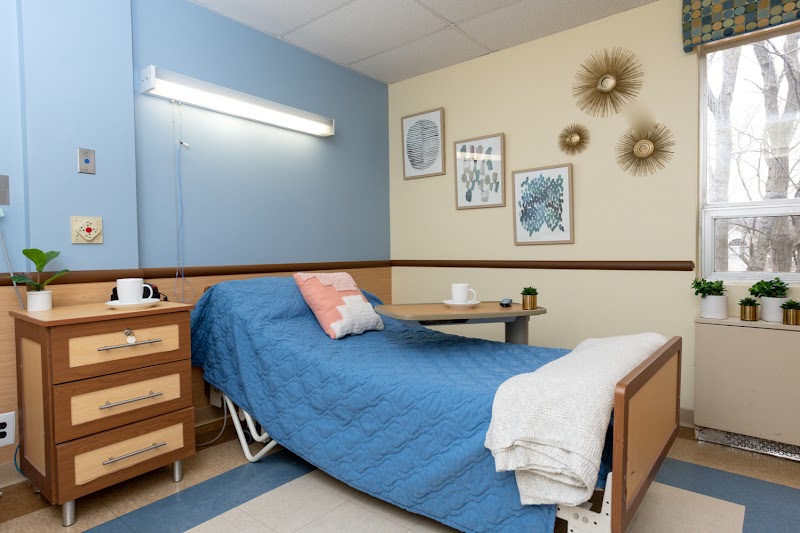
Who Owns and Operates Waters Edge At Port Jefferson For Rehab And Nrsg?

WATERS EDGE AT PORT JEFFERSON FOR REHAB AND NRSG is owned by a for-profit company. For-profit facilities operate as businesses with obligations to shareholders or private owners. The facility is operated by CARERITE CENTERS, a chain that manages multiple nursing homes. With 120 certified beds and approximately 107 residents (about 89% occupancy), it is a mid-sized facility located in PORT JEFFERSON, New York.

How Does Waters Edge At Port Jefferson For Rehab And Nrsg Compare to Other New York Nursing Homes?

Compared to the 100 nursing homes in New York, WATERS EDGE AT PORT JEFFERSON FOR REHAB AND NRSG's overall rating (2 stars) is below the state average of 3.1, staff turnover (49%) is near the state average of 46%, and health inspection rating (2 stars) is below the national benchmark.

What Should Families Ask When Visiting Waters Edge At Port Jefferson For Rehab And Nrsg?

Based on this facility's data, families visiting should ask: "What changes have been made since the serious inspection findings, and how are you preventing similar issues?" "Can you walk me through typical staffing levels on day, evening, and night shifts?" "Can I visit during a mealtime to observe dining assistance and food quality?" "How do you handle medical emergencies, and what is your hospital transfer rate?" These questions are particularly relevant given the facility's Immediate Jeopardy citations and the below-average staffing rating.

Is Waters Edge At Port Jefferson For Rehab And Nrsg Safe?

Based on CMS inspection data, WATERS EDGE AT PORT JEFFERSON FOR REHAB AND NRSG has documented safety concerns. Inspectors have issued 2 Immediate Jeopardy citations (the most serious violation level indicating risk of serious injury or death). The facility has a 2-star overall rating and ranks #100 of 100 nursing homes in New York. Families considering this facility should ask detailed questions about what corrective actions have been taken since these incidents.

Do Nurses at Waters Edge At Port Jefferson For Rehab And Nrsg Stick Around?

WATERS EDGE AT PORT JEFFERSON FOR REHAB AND NRSG has a staff turnover rate of 49%, which is about average for New York nursing homes (state average: 46%). Moderate turnover is common in nursing homes, but families should still ask about staff tenure and how the facility maintains care continuity when employees leave.

Was Waters Edge At Port Jefferson For Rehab And Nrsg Ever Fined?

WATERS EDGE AT PORT JEFFERSON FOR REHAB AND NRSG has been fined $242,946 across 1 penalty action. This is 6.8x the New York average of $35,508. Fines at this level are uncommon and typically indicate a pattern of serious deficiencies, repeated violations, or failure to correct problems promptly. CMS reserves penalties of this magnitude for facilities that pose significant, documented risk to resident health or safety. Families should request specific documentation of what issues led to these fines and what systemic changes have been implemented.

Is Waters Edge At Port Jefferson For Rehab And Nrsg on Any Federal Watch List?

WATERS EDGE AT PORT JEFFERSON FOR REHAB AND NRSG is not on any federal watch list. The most significant is the Special Focus Facility (SFF) program, which identifies the bottom 1% of nursing homes nationally based on persistent, serious quality problems. Not being on this list means the facility has avoided the pattern of deficiencies that triggers enhanced federal oversight. This is a positive indicator, though families should still review the facility's inspection history directly.