WATERVIEW HILLS REHABILITATION AND NURSING CENTER
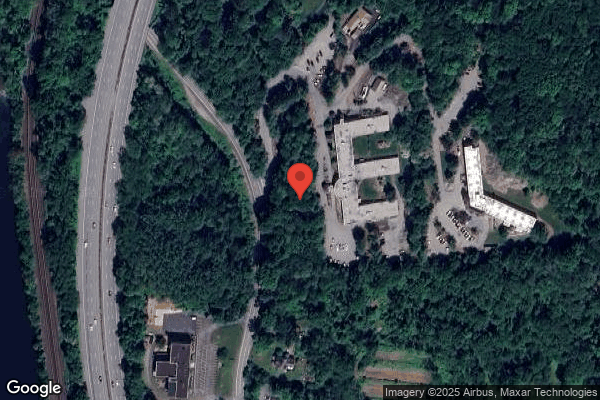
537 ROUTE 22, PURDY STATION, NY 10578 (914) 277-3691
For profit - Limited Liability company 130 Beds EPIC HEALTHCARE MANAGEMENT Data: November 2025
Trust Grade
85/100
#251 of 594 in NY
Last Inspection: October 2024

Within standard 12-15 month inspection cycle. Federal law requires annual inspections.

Overview

Waterview Hills Rehabilitation and Nursing Center has a Trust Grade of B+, indicating that it is above average and recommended for families considering care options. With a state rank of #251 out of 594 facilities in New York, they are in the top half, while their county rank of #16 out of 42 suggests only one local option is better. The facility is showing improvement, with issues decreasing from 5 in 2024 to 3 in 2025. Staffing ratings are below average at 2/5 stars, but with a turnover rate of 23%, which is good compared to the state average of 40%. There have been no fines recorded, which is a positive sign. However, specific incidents of concern include delays in completing required resident assessments for three individuals, improper food storage practices in the nourishment refrigerators, and a failure to respect a resident's care preferences, highlighting areas that need attention. Overall, while there are strengths such as no fines and a good turnover rate, families should be aware of the facility's weaknesses in staffing and compliance.

Trust Score
B+
85/100
In New York
#251/594
Top 42%
Safety Record
Low Risk
No red flags
Inspections
Getting Better
5 → 3 violations
Staff Stability
✓ Good
23% annual turnover. Excellent stability, 25 points below New York's 48% average. Staff who stay learn residents' needs.
Penalties
✓ Good
No fines on record. Clean compliance history, better than most New York facilities.
Skilled Nurses
○ Average
Each resident gets 39 minutes of Registered Nurse (RN) attention daily — about average for New York. RNs are the most trained staff who monitor for health changes.
Violations
⚠ Watch
11 deficiencies on record. Higher than average. Multiple issues found across inspections.
★★★★☆
4.0
Overall Rating
★★☆☆☆
2.0
Staff Levels
★★★★★
5.0
Care Quality
★★★☆☆
3.0
Inspection Score
Stable
2024: 5 issues
2025: 3 issues

The Good

  • 5-Star Quality Measures · Strong clinical quality outcomes
  • Low Staff Turnover (23%) · Staff stability means consistent care
  • Full Sprinkler Coverage · Fire safety systems throughout facility
  • No fines on record
  • Staff turnover is low (23%)

    25 points below New York average of 48%

Facility shows strength in quality measures, staff retention, fire safety.

The Bad

Chain: EPIC HEALTHCARE MANAGEMENT

Part of a multi-facility chain

Ask about local staffing decisions and management

The Ugly 11 deficiencies on record

Jun 2025 3 deficiencies
CONCERN (D) 📢 Someone Reported This

A family member, employee, or ombudsman was alarmed enough to file a formal complaint

Potential for Harm - no one hurt, but risky conditions existed

Resident Rights (Tag F0550)

Could have caused harm · This affected 1 resident

Based on record review and interviews conducted during the Abbreviated Survey (NY00375616), the facility did not ensure that a resident's right was supported by the facility for 1 or 3 residents revie...

Read full inspector narrative →
Based on record review and interviews conducted during the Abbreviated Survey (NY00375616), the facility did not ensure that a resident's right was supported by the facility for 1 or 3 residents reviewed. Specifically, Resident #1 filed a grievance which was reported to the Director of Nursing in January 2025 that they prefer not to receive cares from Certified Nurse Aide #1 because they were too strong in their touch and at times manhandled them. On 3/18/2025, Certified Nurse Aide #1 provided care to Resident #1 and the resident reported to their family representative that Certified Nurse Aide #1 came to their room at approximately 4:45 am, woke them out of their sleep and provided cares to them after they refused the care. Resident #1 also alleged that they were manhandled by Certified Nurse Aide #1. There was no documented evidence that Resident #1's care plan was updated with their preference. The facility did not provide evidence that the Nurses and Certified Nurse Aides were made aware of Resident #1's preference. The findings are: The 7/1/2019 facility policy title Activities of a Daily Living (ADL) Supporting last revised on 11/7/23 documented that appropriate care and services will be provided for residents who are unable to carry out Activities of a Daily Living(ADL's) independently, with the consent of the resident and in accordance with the plan of care, including appropriate support and assistance with elimination (toileting) Resident #1 was admitted with diagnoses including but not limited to atrial fibrillation, deep vein thrombosis, and rhabdomyolysis. The 12/18/24 5 day Minimum Data Set documented that Resident #1 had intact cognition and required total assistance with bathing, bed mobility and toileting. The 1/22/2025 Grievance/Complaint Form documented that Resident #1 reported that some Certified Nurse Aides manhandle and cup their legs which hurts them because their legs are sensitive. During an interview on 5/28/25 at 12:24 pm, the Complainant stated Resident #1 was awaken out of their sleep at 4:45 PM by two Certified Nurse Aides to be changed and that Resident #1 refused because they did not get a reasonable amount of sleep, and Certified Nurse Aide #1 told Resident #1 that they must do it now because they're not coming back. The Complainant stated that they have complained about Certified Nurse Aide #1 aide in the past and they were supposed to been banned from giving cares to Resident #1. Upon review of the Certified Nurse Aide Documentation, there was no evidence to show that Resident #1's preference to not have Certified Nurse Aide #1 provide cares to them, in their plan of care. During an interview on 5/28/2025 at 1:54 PM, the Director Social Services stated that Resident #1 had complained in the past to the team that staff were insensitive to their feet, and that they filed a grievance on 1/22/2025 due to staff manhandling their legs. During an interview on 5/28/25 at 3:00 PM, Certified Nurse Aide #1 stated that Resident #1 had complained about them in the past that that they were too strong, and they were afraid that they would roll them out of their bed. During an interview on 5/28/25 at 2:45 PM, The Administrator stated prior to the incident on 3/18/25, they were informed by the Director of Nursing that Resident #1 complained about Certified Nurse Aide #1 being too strong with them while giving cares and that they prefer them not to give cares to them. During an interview on 5/28/25 at 3:16 PM, the Director of Nursing stated that one day they visited Resident #1, and they complained that Certified Nurse Aide #1 does not know their strength and that they requested to have other aides instead of Certified Nurse Aide #1 and that prior to the incident on 3/18/25, they told Certified Nurse Aide not to provide cares to Resident #1 and for while they were from their assignment and don't know how they ended providing care that night. The Director of Nursing stated that they did not write the instructions down for the nurse to give to the Certified Nurse Aide, they verbally informed them and that it was not put in the Kardex Care Guide. The Director of Nursing stated that they only put Resident's preferences of not wanting a male Certified Nurse Aide in the Care Plan, not for a particular person. 10NYCRR415.12
CONCERN (D) 📢 Someone Reported This

A family member, employee, or ombudsman was alarmed enough to file a formal complaint

Potential for Harm - no one hurt, but risky conditions existed

Free from Abuse/Neglect (Tag F0600)

Could have caused harm · This affected 1 resident

Based on record review and interviews conducted during the Abbreviated Survey (NY00375616), the facility did not ensure for 1 (Residents #1) of 3 residents reviewed for abuse, had the right to be free...

Read full inspector narrative →
Based on record review and interviews conducted during the Abbreviated Survey (NY00375616), the facility did not ensure for 1 (Residents #1) of 3 residents reviewed for abuse, had the right to be free from abuse, neglect, or mistreatment. Specifically, Resident #1 was awaken at 4:45am by Certified Nurse Aide #1 to provide personal hygiene care. Resident #1 refused cares but Certified Nurse Aide #1 continued to provide cares despite Resident #1's refusal. Resident #1 reported Certified Nurse Aide #1 mishandled them. Resident #1 was very upset because thier sleep was interrupted by Certified Nurse Aide #1 and reported to their family representative. The findings are: The 1/28/21 Facility policy titled Abuse Prevention/Prohibition documented that all Residents will be free from abuse, mistreatment, neglect, exploitation, misappropriation of property, corporal punishment, and involuntary seclusion. The 1/23/28 Facility policy titled Residents Rights documented that all residents have a right to a dignified existence and self-determination, has a right to make choices about aspects of his or her life in the facility that are significant to the resident. Resident #1 was admitted with diagnoses including but not limited to atrial fibrillation, deep vein thrombosis, and rhabdomyolysis. The 12/18/24 5 day Minimum Data Set documented that Resident #1 had intact cognition and required total assistance with bathing, bed mobility and toileting. The 12/12/24 Mood Care Plan documented that Resident #1 had altered mood state or feelings as manifested by resident showing signs of an unpleasant mood in the morning. The 3/18/25 Investigation Summary documented that on 3/18/25 at approximately 8:45 am, the Complainant reported to the Administrator that their mother left them a message early in the morning on 3/18/25, upset and stated that they were cleaned by two Certified Nurse Aides after asking them not to change them at that time. Resident #1 stated that at approximately 5:15 am, they told two Certified Nurse Aides that they did not want to be cleaned and changed but they cleaned and changed them due to having a bowel movement. The involved staff members were interviewed, and both stated that they changed Resident #1 out of concern of skin breakdown because they were soiled. Education was provided to all Certified Nurse Aides that if a resident refuses care to alert the nurse and/or supervisor for further guidance and document accordingly. Both Certified Nurse Aides were removed the Resident's care. The 3/18/25 Employee Statement by Certified Nurse Aide #1 documented that they were training Certified Nurse Aide #2 and being that Resident #1 is two assist with cares, they both went in to provide incontinence cares to Resident #1. Certified Nurse Aide #1 stated that they were afraid that their skin would breakdown and that was why they changed them. The 3/18/25 Employee Statement by Certified Nurse Aide #2 documented that on the morning of 3/18/25 they went in the room with a coworker to change resident due to the be soiled. Resident #1 told them hat they do not need to be changed and that they are fine, and although Resident #1 was getting upset, they changed them anyway. The Administrator Statement documented that on 3/18/25, they were notified by the Complainant that Resident #1 left a message and was upset telling them two Certified Nurse Aides cleaned them after asking not to be changed at the time. The Administrator explained to the Complainant the consequences of the resident lying in their incontinence for long periods of time. The Administrator interview both Certified Nurse Aides and they both confirmed that Resident #1 did not want to be changed but they insisted on changing them, and one aide stated that Resident #1 seemed unhappy that they were changing them at that time. Resident #1 told the Administrator that they felt they were being manhandled. The Grievance/Complaint Form dated 3/18/25 documented that on 3/18/25 at approximated 5:15 am, Resident #1 told two Certified Nurse Aides that they did not want to be cleaned and changed, and the Certified Nurse Aides changed them due to their concerns of large incontinence. Education provided to all Certified Nurse Aides that if a Resident refuses cares to alert the nurse and/or supervisor for further guidance and document accordingly. The 3/19/25 In-service and Continuing education titled Health Care Plan(HCP) for Resident #1 documented that Certified Nurse Aides were educated to document refusals of care and to report to nurse/supervisor. Both Certified Nurse Aides who provided cares were removed from taking care of Resident #1. The 3/18/25 Corrective Action Notice Form documented that Certified Nurse Aide #1 received a verbal counseling for failure to follow instruction for Residents, and education was provided. The 3/18/25 Corrective Action Notice Form documented that Certified Nurse Aide #2 received a verbal counseling for failure to follow instruction for Residents, and education was provided. During an interview on 5/28/25 at 11:45am, the Administrator stated the Complainant reported to them that Resident #1 told them that they were rough handled by two Certified Nurse aides while being provided with cares after they refused, and that they did an investigation, and the Attorney General called for information related to the incident. During an interview on 5/28/25 at 12:24 pm, the family representative stated Resident #1 was awaken out of their sleep at 4:45am by two Certified Nurse Aides to be changed and the Resident #1 refused because they wanted to get some more sleep, and Certified Nurse Aide #1 told Resident #1 that they must do it now because they're not coming back. The family representative stated that they had complained about Certified Nurse Aide #1 aide in the past to the facility administration and they were supposed to have banned them from giving cares to Resident #1. During an interview on 5/28/25 at 1:54pm , the Director of Social Services stated that Resident #1 has complained in the past to the team that staff were insensitive to their feet, and that they filed a grievance on 1/22/25 due to staff manhandling their legs. During an interview on 5/28/25 at 3:00pm, Certified Nurse Aide #1 stated that they changed Resident #1 anyway after they refused to be changed because they were soiled, and they didn't want to leave them like that for the next shift. Certified Nurse Aide #1 stated that they went into Resident #1's room while they were still sleeping and explained to them that the shift changes at 7am and they wanted to change them so that they can finish their shift. Certified Nurse Aide #1 stated that Resident #1 refused to be changed and was upset but they continued changing them because they were soiled, and they know were supposed to tell the nurse that they refused. Certified Nurse Aide #1 stated that Resident #1 has complained about them before the incident that they were too strong, and they were afraid that they would turn them out of their bed. During an interview on 5/28/25 at 3:16pm, the Director of Nursing stated that Residents have the right to refuse care, and that Certified Nurse Aides should not provide care if a resident says no and to report to a nurse and /or supervisor and to document. The Director of Nursing stated that one day they visited Resident #1, and they complained that Certified Nurse Aide #1 does not know their strength and they requested to have other aides instead of Certified Nurse Aide #1 and that prior to the incident on 3/18/25, they told Certified Nurse Aide not to provide cares to Resident #1 and for a while they were removed from their assignment and don't know how they ended providing care that night. 10 NYCRR 415.4(b)(3)
CONCERN (D) 📢 Someone Reported This

A family member, employee, or ombudsman was alarmed enough to file a formal complaint

Potential for Harm - no one hurt, but risky conditions existed

Report Alleged Abuse (Tag F0609)

Could have caused harm · This affected 1 resident

Based on record review and interviews conducted during the Abbreviated Survey (NY00375616), the facility did not ensure for 1(Residents #1) of 3 residents reviewed for abuse, that all alleged violatio...

Read full inspector narrative →
Based on record review and interviews conducted during the Abbreviated Survey (NY00375616), the facility did not ensure for 1(Residents #1) of 3 residents reviewed for abuse, that all alleged violations involving abuse, neglect, exploitation, or mistreatment, including injuries of unknown source, were reported immediately, but not later than two hours after the allegation is made, to the State Survey Agency in accordance with State law through established procedures. Specifically, 1.) On 3/18/25, the facility initiated an investigation of alleged abuse due to a report from Resident #1's family on 3/18/25 that Resident #1 called them early in the morning on 3/18/25 upset that two certified nurse aides came into their room at approximately 4:45 am while they were asleep and insisted on changing them despite their refusal and while providing cares, they were manhandled by the Certified Nurse Aides. Resident #1 was very upset by the actions of the Certified Nurse Aide #1 & #2. The findings are: The 1/28/21 Facility policy titled Abuse Prevention/Prohibition documented the Federal and state regulations require the reporting of alleged violations of abuse, mistreatment, and neglect immediately to the facility administrator and in accordance with state law, to the Department of Health. Resident #1 was admitted with diagnoses including but not limited to atrial fibrillation, deep vein thrombosis, and rhabdomyolysis. The 3/18/25 Investigation Summary documented that on 3/18/25 at approximately 8:45 am, the Complainant reported to the Administrator that their mother left them a message early in the morning on 3/18/25, upset and stated that they were cleaned by two Certified Nurse Aides after asking them not to provide incontinence care. Resident #1 stated that at approximately 5:15 am, they told Certified Nurse Aides #1 & #2 that they did not want to be cleaned and changed but they cleaned and changed them. The involved staff members were interviewed, and both stated that they changed Resident #1 out of concern of skin breakdown because the resident was soiled. Education was provided to all Certified Nurse Aides that if a resident refuses care to alert the nurse and/or supervisor for further guidance and document accordingly. Both Certified Nurse Aides were removed from the Resident's care. The Administrator Statement documented that on 3/18/25, they were notified by the Complainant that Resident #1 left a message and was upset telling them two Certified Nurse Aides cleaned them after asking not to be changed at the time. The Administrator explained to the Complainant the consequences of the resident lying in their incontinence for long periods of time. The Administrator interview both Certified Nurse Aides and they both confirmed that Resident #1 did not want to be changed but they insisted on changing them, and one aide stated that Resident #1 seemed unhappy that they were changing them at that time. Resident #1 told the Administrator that they felt they were being manhandled. During an interview on 5/28/25 at 3:16 PM, the Director of Nursing stated that Residents have the right to refuse care, and that Certified Nurse Aides should not provide care if a resident says no and to report to a nurse and /or supervisor and to document. The Director of Nursing stated that they did not report the incident to the Department of Health because an investigation was initiated by the Administrator. During an interview on 5/28/25 at 2:45 PM, the Administrator stated that the family representative reported to them that Resident #1 complained about two Certified Nurses' Aides mishandling them and provided cares to them even though they refused causing them to be upset. The Administrator stated that they did not report the incident on 3/18/25 because they did their own investigation and Resident #1 always has made accusations and they were not sure if it they were really abused or not. The Administrator stated that they gave Certified Nurse Aide #1 and Certified Nurse Aide #2 verbal counseling because they provided cares to Resident #1 despite them refusing incontinence cares. 10 NYCRR 415.4(b)
Oct 2024 5 deficiencies
CONCERN (D)

Potential for Harm - no one hurt, but risky conditions existed

Deficiency F0688 (Tag F0688)

Could have caused harm · This affected 1 resident

Based on observation, record review and interview during the recertification survey, the facility did not ensure 1 of 3 residents (Resident #16) reviewed for positioning and range of motion, had the n...

Read full inspector narrative →
Based on observation, record review and interview during the recertification survey, the facility did not ensure 1 of 3 residents (Resident #16) reviewed for positioning and range of motion, had the necessary treatment and services to increase range of motion and/or to prevent further decrease in range of motion. Specifically, Resident #16 was observed poorly positioned and their plan of care did not include interventions to address body, head, and neck positioning. Findings include: Resident #16 was admitted to facility with diagnoses including Diabetes, Non-Alzheimer's Dementia, and osteoarthritis of the right shoulder. The 10/1/24 Quarterly Minimum Data Set (MDS) an assessment tool documented Resident #16 had moderately impaired cognition, received regularly scheduled pain medication, and was not receiving rehab services. The Minimum Data Set documented Resident #16 required set up or clean up assist for eating. The Activities of Daily Living Care Plan created 10/16/15 documented Resident #16 required set up and supervision for feeding. The 6/11/24 Occupational Therapy evaluation documented the resident was seen for a quarterly screen. The resident was functioning at their baseline, required set up for oral hygiene and feeding, and maximum assistance for activities of daily living and was dependent for transfers. Skilled occupational therapy was not recommended. There was no documented evidence in the resident electronic medical record that resident was referred or screened for occupational therapy after June 2024. During a lunch observation on 10/03/24 at 11:49 AM, Resident #16 was at the dining room table. Resident #16's left side was pushed in toward table while the right was further away from table. The resident attempted to reposition themselves in front of the table, but their feet did not touch floor and they could not move the chair on their own. Resident #16 was leaning to the left and their armpit was resting on the armrest of the wheelchair while they tried to eat. Food was observed on the floor and the resident appeared tired and closed their eyes while chewing food and leaning to the left. Their head was also leaning to left. There were no positioning devices in the resident's chair and no observations of staff offering to assist with repositioning resident at table and in wheelchair. During a lunch observation on 10/07/24 at 11:51 AM, Resident #16 was in wheelchair at dining room table. There was about a 10 inch a gap between the resident and table. Resident #16 was observed leaning to left side with armpit leaning on armrest. Resident #16 was eating only using the right hand and had to reach far across to tray to eat. Resident #16 appeared tired and resting eyes while chewing and head leaning to left side. Food was observed dropped on floor and tray. There were no observations of staff offering to assist with repositioning the resident at table and in wheelchair. When interviewed on 10/09/24 at 11:31 AM, Certified Nurse Aide #12 stated the resident was very difficult and the staff must do whatever the resident wanted. Certified Nurse Aide #12 stated the Rehab Department was aware the resident was leaning to the left side. Certified Nurse Aide #12 stated if they tried to readjust the resident, the resident would yell or scream. Certified Nurse Aide #12 stated the resident had a pain on right side and stated that was the reason the resident leaned to the left side. Certified Nurse Aide #12 stated they thought rehab worked with the resident about 2 months ago. Certified Nurse Aide #12 stated if they put a pillow to assist with sitting the resident up, the resident would remove it. When interviewed on 10/09/24 at 11:38 AM, Registered Nurse #2 stated the resident was not receiving Occupational Therapy services at the time and the last occupational therapy evaluation was 6/11/24. Registered Nurse #2 stated the resident had been observed leaning and when they attempted to reposition the resident, the resident got upset. Registered Nurse #2 stated even when resident sits in a more upright position, they noticed the resident leaned to the left side. Registered Nurse #2 stated they had not made a referral for occupational therapy. When interviewed on 10/09/24 at 12:00 PM, the Occupational Therapy Supervisor stated the resident had been able to eat okay. The Occupational Therapy Supervisor stated there had been no referrals from nursing describing the resident leaning to left side while eating. Occupational Therapy Supervisor stated the dietician observed meals often and was usually quick to refer residents to rehab. The Occupational Therapy Supervisor stated that rehab did rounds occasionally to observe residents, but they usually did quarterly evaluations or got referrals from the dietician. The Occupational Therapy Supervisor stated the occupational therapy evaluation was last done in June of 2024 and documented resident had weakness on right side. They stated the resident had osteoarthritis in the right shoulder and was seen then for that. The Occupational Therapy Supervisor stated Resident #16 was a set up with supervision for self-feeding and if they noticed a decline they would assess and see if they needed any more physical assistance. The Occupational Therapy Supervisor stated when positioning was not addressed it could cause negative outcomes in feeding, pain and could also result in a pressure sore. 10NYCRR 415.12(e)(1,2)
CONCERN (D)

Potential for Harm - no one hurt, but risky conditions existed

Respiratory Care (Tag F0695)

Could have caused harm · This affected 1 resident

**NOTE- TERMS IN BRACKETS HAVE BEEN EDITED TO PROTECT CONFIDENTIALITY** Based on observation, record review and interviews during the recertification survey from 10/3/24 to 10/10/24, the facility did ...

Read full inspector narrative →
**NOTE- TERMS IN BRACKETS HAVE BEEN EDITED TO PROTECT CONFIDENTIALITY** Based on observation, record review and interviews during the recertification survey from 10/3/24 to 10/10/24, the facility did not ensure that each resident received necessary respiratory care including oxygen therapy that was in accordance with professional standards of practice and as ordered by the practitioner for 1 of 2 residents (Resident #312) reviewed for respiratory care. Specifically, Resident #312 had an order for oxygen therapy but there was no documented evidence of monitoring to ensure it was being administered, and there was no evidence the nasal canula tubing was changed per policy. Findings include: The facility policy and procedure titled Oxygen Administration with effective date 3/30/10, last reviewed on 7/8/24, documented the following information should be recorded in the resident's medical record: the rate of oxygen flow, route, and rationale, the frequency and duration of the treatment, the date and time that the procedure was performed, the name and title of the individual who performed the procedure. The facility policy and procedure also documented to change oxygen tubing every Sunday 11:00 PM - 7:00 AM shift and to document the date and time and individual that performed the procedure. Resident #312 had diagnoses including chronic obstructive pulmonary disease, asthma, and heart failure. The admission Minimum Data Set (resident assessment tool) dated 9/21/24 documented, Resident #312 was admitted to the facility on [DATE]. Resident #312 had intact cognition and was on continuous oxygen therapy on admission. The physician order dated 9/17/24 documented continues oxygen 2 Liter per minute via nasal canula. The comprehensive Care Plan titled Oxygen Dependent dated 9/15/24 documented maintain oxygen/nebulizer/puffer equipment per facility policy. During observations and interview on 10/03/24 at 11:34 AM, 10/04/24 at 9:31 AM, and 10/07/24 at 9:58 AM, Resident #312 was in their bed, wearing a nasal canula with a tube connected to the oxygen concentrator with 2-liter flow oxygen. The oxygen tubing was undated and without a signature. The resident stated they had been on oxygen continuously since they were admitted to the facility. Review of the October 2024 Treatment Administration Record on 10/07/24 at 9:31 AM revealed no documented evidence the oxygen therapy was being administered or monitored. During observation and interview of Resident #312 in their room on 10/07/24 at 10:01 AM, accompanied by the Licensed Practical Nurse #13, they stated the resident was on the oxygen continuously via oxygen concentrator or oxygen tank. Licensed Practical Nurse #13 said that they monitored and documented the oxygen therapy daily on the Treatment Administration Record. Licensed Practical Nurse #13 said that the oxygen order was not transcribed to the Treatment Administration Record, and it needed to be updated. They stated they maintained oxygen equipment on a weekly basis and as needed. The oxygen tubing was changed by a night shift nurse on Sunday and every tubing needed to be dated and signed. After observation of tubing, Licensed Practical Nurse #13 stated they did not see a date and nurse's signature and did not know if the tubing was changed last Sunday. During an interview on 10/07/24 at 10:18 AM, Registered Nurse Unit Manager #8 stated they had just updated the Treatment Administration Record placing the oxygen order for 2 Liters/min via nasal canula for continuous use. 10 NYCRR 415.12(k) (6)
CONCERN (D)

Potential for Harm - no one hurt, but risky conditions existed

Food Safety (Tag F0812)

Could have caused harm · This affected 1 resident

Based on observations and interviews conducted during the recertification survey from 10/3/24 to 10/10/24, the facility did not ensure food was stored in accordance with professional standards for foo...

Read full inspector narrative →
Based on observations and interviews conducted during the recertification survey from 10/3/24 to 10/10/24, the facility did not ensure food was stored in accordance with professional standards for food safety practice. Specifically, there was undated and without expiration dates food stored in the walk-in freezer and refrigerator. Finding include: The facility policy Food Inventory Receiving and Storage effective 09/09/2018 and reviewed 2/14/2024, documented each item must be dated and labeled. Any items opened/used and returned to storage shall be wrapped, labeled, and dated from initial date of use. During an initial tour of the kitchen on 10/03/24 at 9:08 AM, conducted with Food Service Director, the following were observed in the walk-in freezer: 1. A bag of frozen pork butt, without original box, with receiving date 9/26/24, no expiration date. 2. Open bags of hash brown patties, and French fries, both bags were undated. Observation of walk-in refrigerator on 10/03/24 at 9:21 AM revealed opened and undated packs of American cheese, liverwurst, Raskas Cream Cheese and a bag of opened shredded cheddar cheese with date of opening 9/17/24, an undated metal tray of ham salad and banana puree. Observation of the dry storage room on 10/03/24 at 9:36 AM revealed opened and undated bag of egg noodles, a bag of plain breadcrumbs and a bag of yellow cake mix. During an interview with Food Services Director on 09/26/24 at 9:49 AM, they stated that all opened and used food should be wrapped, labeled and dated from initial date of use. They said they educated the staff about it but could not explain why the staff did not put dates of opening on the food. The Food Services Director collected all undated items and stated that all of them would be discarded. 10NYCRR 415.14 (h)
CONCERN (D)

Potential for Harm - no one hurt, but risky conditions existed

Infection Control (Tag F0880)

Could have caused harm · This affected 1 resident

Based on record review and interview conducted during a recertification survey 10/3/24- 10/10/24, the facility did not properly establish and/or maintain an Infection Prevention and Control Program de...

Read full inspector narrative →
Based on record review and interview conducted during a recertification survey 10/3/24- 10/10/24, the facility did not properly establish and/or maintain an Infection Prevention and Control Program designed to provide a safe and sanitary environment. Specifically, the facility had not updated the Water Management Plan since 12/16/19. The findings are: During a review of the Legionella Assessment and Water Management Plan on 10/7/24 at 11:50 AM with the Director of Engineering, the facility's Water Management Plan was dated 12/16/19. The facility Administrator and Director of Nursing's names were handwritten on the form over white out from the former Administrator and Director of Nursing. During an interview on 10/7/24 at 11:50 AM, the Director of Engineering stated they were responsible for updating the plan annually but had not done it in the last year. The Director of Engineering stated it was important to have updated information and a current Management team. The plan was to have an outside company come in to do an assessment and formulate a Management Plan, which was scheduled for the upcoming week, but it should have been done sooner. During an interview on 10/08/24 at 10:03 AM, the Director of Nursing stated they were unsure of their role in the Water Management Plan for Legionella. They stated they did not go over the plan often enough to know what to do and was not sure of the steps to take if Legionella was identified in water samples. They stated they hoped to get guidance from the Department of Health if it happened. During an interview on 10/9/24 at 1:28 PM, the Administrator stated the Water Management Plan was important to ensure Legionella was controlled, and all parties involved needed to know their role. 10 NYCRR 415.19
CONCERN (E)

Potential for Harm - no one hurt, but risky conditions existed

Deficiency F0638 (Tag F0638)

Could have caused harm · This affected multiple residents

Based on interviews and record review, conducted during the recertification survey from 10/3/24 to 10/10/24, the facility did not ensure the residents' Minimum Data Set assessments were completed not ...

Read full inspector narrative →
Based on interviews and record review, conducted during the recertification survey from 10/3/24 to 10/10/24, the facility did not ensure the residents' Minimum Data Set assessments were completed not less frequently than once every 3 months. This was evident for 3 (Residents # 11,14, and 23) of 18 residents reviewed for Resident Assessment. Specifically, Minimum Data Set assessments for Resident #11, Resident #14, Resident #23, were not completed within 14 days of the Assessment Reference Date. The findings are: The facility's policy titled Minimum Data Set Completion, initiated 9/1/18 last reviewed 6/14/24 documented assessments will be completed no later than 92 days after the previous Assessment Reference Date. 1) Resident #11's Quarterly Minimum Data Set (an assessment tool) with an Assessment Reference Date of 8/6/24 documented a completion date of 10/1/24, more than 14 days (8 weeks) after the Assessment Reference Date. 2) Resident #14's Quarterly Minimum Data Set (an assessment tool) with an Assessment Reference Date of 8/21/24 documented a completion date of 10/1/24, more than 14 days (6 weeks) after the Assessment Reference Date. 3) Resident #23's Quarterly Minimum Data Set (an assessment tool) with an Assessment Reference Date of 7/22/24 documented a completion date of 10/1/24, more than 14 days (10 weeks) after the Assessment Reference Date. During an interview with the Director of Minimum Data Set on 10/07/24 at 11:12 AM, they stated the Rehabilitation Director was out and they could not close the Minimum Data Set due to section GG being incomplete. They stated they notified the Administrator, and the Interdisciplinary Team was aware. During an interview on 10/07/24 at 11:28 AM, the Administrator stated they were aware of an issue with section GG. They stated the Minimum Data Set were being completed and they knew there was transmission issue but did not realize they were out of compliance. 415.11(a)(4)
May 2019 3 deficiencies
CONCERN (D)

Potential for Harm - no one hurt, but risky conditions existed

Comprehensive Care Plan (Tag F0656)

Could have caused harm · This affected 1 resident

Based on observation, interview and record review conducted during the recertification survey, the facility did not ensure that a comprehensive person-centered care plan with measurable goals and inte...

Read full inspector narrative →
Based on observation, interview and record review conducted during the recertification survey, the facility did not ensure that a comprehensive person-centered care plan with measurable goals and interventions was developed to address the resident's diabetic needs. Specifically, 1 of 5 residents (Resident # 83) did not have a care plan in place to address his diabetic needs. The findings are: Resident # 83 had diagnoses and conditions including Major Depression and Diabetes. In an interview with the resident on 4/24/2019 at 1:54 PM he stated that his blood sugar levels had not been managed properly. He stated that the levels were usually in the 300's. According to the 3/22/2019 minimum data set (MDS- a resident assessment tool) the resident had a brief interview for mental status (BIMS) score of 14/15, which indicated intact cognition, dependent on insulin for Diabetes, and required extensive assistance with his activities of daily living (ADLs). The 4/8/19 physician orders had instructions for Lantus insulin 5 units subcutaneous at bedtime and Humalog Insulin sliding scale before meals and at bedtime for Diabetes. Review of the blood sugar log from 3/15/19-4/29/19 revealed the resident's blood sugar levels fluctuated and were over 300 mg/dl on multiple occasions. There was no documented evidence that a person-centered care plan with measurable goals and interventions was developed to address the resident's diabetic needs. The Registered Nurse (RN#1) was interviewed on 4/29/19 at 1:19 PM and stated that the resident's blood sugar was elevated related to a medication injection that was given for back pain. RN #2 was interviewed on 4/29/19 at 1:42 PM and stated that the nurses were responsible for developing specific diabetic care plans. RN #2 further stated that the resident should have had one in place because of the fluctuating blood sugar levels. 415.11 (c) (1)
CONCERN (D)

Potential for Harm - no one hurt, but risky conditions existed

Deficiency F0685 (Tag F0685)

Could have caused harm · This affected 1 resident

**NOTE- TERMS IN BRACKETS HAVE BEEN EDITED TO PROTECT CONFIDENTIALITY** Based on observation, record review and interview conducted during the recertification survey, the facility did not ensure that ...

Read full inspector narrative →
**NOTE- TERMS IN BRACKETS HAVE BEEN EDITED TO PROTECT CONFIDENTIALITY** Based on observation, record review and interview conducted during the recertification survey, the facility did not ensure that residents received proper treatment and assistive devices to maintain hearing ability. This was evident for 1 resident reviewed for vision and hearing. ( Resident #55). The finding is: Resident #55 was admitted with diagnoses that included Hypertension, Diabetes Mellitus and Depression. Review of the Quarterly Minimum Data Set (MDS-a resident assessment tool) dated 03/01/2019 documented that the resident had a Brief Interview for Mental Status (BIMS) score of 7 out of a possible 15 indicating severe cognitive impairment. The MDS further documented that the resident had minimal hearing difficulty with no hearing aid. Review of the Annual MDS dated [DATE] documented that the resident had minimal hearing difficulty and used a hearing aid. Review of the admission Nursing Evaluations dated 10/17/2018 and 02/25/2019 documented that the resident had adequate hearing to both ears and does not use a hearing aid. Review of the Hearing Impaired, Hearing Aid Care Plan initiated on 10/26/2018 and updated on 02/01/2019 documented the following interventions: maintain proper hygiene of hearing aid(s) ,proper storage of hearing aid (s) when not in use and promote resident's compliance with usage and storage. Review of the Physician Order Activity Detail Report from 10/17/2019 to 05/01/2019 revealed no documentation of hearing aid usage and storage instructions and no referral for Ear, Nose, Throat (ENT) consult. Review of the Progress Notes from 10/17/2019 to 05/01/2019 revealed no documentation that an ENT consultation took place. Review of the Resident Nursing Instructions from 10/17/2018 to 05/01/2019 documented that the resident hears adequately and had no hearing devices. During the initial pool interview on 04/24/19 at 10:07 AM the resident stated that she could not hear the surveyor's questions because she wasn't wearing her hearing aid. She further stated the hearing aid was lost and she told staff, but no one has been able to locate it. The resident added that she had not had an ENT consult. An interview was conducted with the License Practical Nurse on 05/01/19 at 9:44 AM. She stated that the resident was admitted without a hearing aid. An interview was conducted with the Registered Nurse Manager (RNM) on 05/01/19 at 1:35 PM. She stated that the resident was assessed upon admission on hearing function but had an adequate assessment and there was no hearing aid documented. The RNM added that they did not refer the resident to an ENT. The RNM also stated that the resident's hearing aid (s) are documented on the physician's orders and the nursing instructions are documented as follows; the nurses are to apply the hearing aid in the morning and remove it in the evening. 415.12(3)(b)
CONCERN (E)

Potential for Harm - no one hurt, but risky conditions existed

Food Safety (Tag F0812)

Could have caused harm · This affected multiple residents

Based on observation, interview and record review conducted during the recertification survey, the facility did not ensure that foods were stored in accordance with professional standards for food saf...

Read full inspector narrative →
Based on observation, interview and record review conducted during the recertification survey, the facility did not ensure that foods were stored in accordance with professional standards for food safety practice. Specifically, for 2 of 4 nourishment refrigerators (Armonk and Canterbury units): (1) freezer thermometer readings did not reflect acceptable temperatures and no corrective action had been taken, and (2) foods stored in freezer compartments were not frozen solid. The facility's freezers must be in good working condition and must keep frozen foods frozen solid. The finding is: An Engineering policy and procedure for Temperature Logs dated October 2018 revealed the Engineering Mechanic fills out logs for refrigerators and freezers on a daily basis; freezer temperatures should be between -10 and 0 degrees F and notifies Engineering Director of any temperatures that do not fall in the proper ranges. An inspection of all nourishment refrigerators in the facility conducted on 5/1/19 between 12:00 PM and 12:30 PM with the Food Service Director (FSD) present revealed: (1) Canterbury unit: freezer thermometer reading +10 degrees F and 15 ice cream cups/magic cups (a thickened frozen dessert) not frozen solid. Upon surveyor request for the unit temperature log, the FSD reported that Engineering is responsible for monitoring and recording thermometer readings. The Director of Engineering (DE) reviewed the April 2019 temperature log with the surveyor and it revealed readings between +2 degrees and +8 degrees F for 29 of 30 days. The FSD responded by discarding the ice cream cups and magic cups. (2) Armonk unit: freezer thermometer reading +6 degrees F and 4 ice cream cups not frozen solid. April 2019 temperature log for all days revealed readings between +2 degrees and +18 degrees F. The FSD responded by discarding the ice cream cups. The DE was interviewed on 5/1/19 at 12:10 PM and reported the Engineering Mechanic (EM) was responsible for monitoring freezer temperatures, temperatures should be maintained between -10- and 0-degrees F; the EM should report temperatures that are not in range, and further reported the EM had not reported temperatures out of range. The EM was interviewed on 5/01/19 at 12:45 PM and reported the freezer temperatures should be between 0- and +10-degrees F and he had reported the temperature of +18 degrees F to the DE. 415.14(h)
Understanding Severity Codes (click to expand)
Life-Threatening (Immediate Jeopardy)
J - Isolated K - Pattern L - Widespread
Actual Harm
G - Isolated H - Pattern I - Widespread
Potential for Harm
D - Isolated E - Pattern F - Widespread
No Harm (Minor)
A - Isolated B - Pattern C - Widespread

Questions to Ask on Your Visit

  • "Can I speak with families of current residents?"
  • "What's your RN coverage like on weekends and overnight?"

Our Honest Assessment

Strengths
  • • Grade B+ (85/100). Above average facility, better than most options in New York.
  • • No major safety red flags. No abuse findings, life-threatening violations, or SFF status.
  • • No fines on record. Clean compliance history, better than most New York facilities.
  • • 23% annual turnover. Excellent stability, 25 points below New York's 48% average. Staff who stay learn residents' needs.
Concerns
  • • 11 deficiencies on record. Higher than average. Multiple issues found across inspections.
Bottom line: Generally positive indicators. Standard due diligence and a personal visit recommended.

About This Facility

What is Waterview Hills Rehabilitation And Nursing Center's CMS Rating?

CMS assigns WATERVIEW HILLS REHABILITATION AND NURSING CENTER an overall rating of 4 out of 5 stars, which is considered above average nationally. Within New York, this rating places the facility higher than 99% of the state's 100 nursing homes. This rating reflects solid performance across the metrics CMS uses to evaluate nursing home quality.

How is Waterview Hills Rehabilitation And Nursing Center Staffed?

CMS rates WATERVIEW HILLS REHABILITATION AND NURSING CENTER's staffing level at 2 out of 5 stars, which is below average compared to other nursing homes. Staff turnover is 23%, compared to the New York average of 46%. This relatively stable workforce can support continuity of care.

What Have Inspectors Found at Waterview Hills Rehabilitation And Nursing Center?

State health inspectors documented 11 deficiencies at WATERVIEW HILLS REHABILITATION AND NURSING CENTER during 2019 to 2025. These included: 11 with potential for harm.

Who Owns and Operates Waterview Hills Rehabilitation And Nursing Center?

WATERVIEW HILLS REHABILITATION AND NURSING CENTER is owned by a for-profit company. For-profit facilities operate as businesses with obligations to shareholders or private owners. The facility is operated by EPIC HEALTHCARE MANAGEMENT, a chain that manages multiple nursing homes. With 130 certified beds and approximately 120 residents (about 92% occupancy), it is a mid-sized facility located in PURDY STATION, New York.

How Does Waterview Hills Rehabilitation And Nursing Center Compare to Other New York Nursing Homes?

Compared to the 100 nursing homes in New York, WATERVIEW HILLS REHABILITATION AND NURSING CENTER's overall rating (4 stars) is above the state average of 3.1, staff turnover (23%) is significantly lower than the state average of 46%, and health inspection rating (3 stars) is at the national benchmark.

What Should Families Ask When Visiting Waterview Hills Rehabilitation And Nursing Center?

Based on this facility's data, families visiting should ask: "Can you walk me through typical staffing levels on day, evening, and night shifts?" "Can I visit during a mealtime to observe dining assistance and food quality?" "How do you handle medical emergencies, and what is your hospital transfer rate?" "Can I speak with family members of current residents about their experience?" These questions are particularly relevant given the below-average staffing rating.

Is Waterview Hills Rehabilitation And Nursing Center Safe?

Based on CMS inspection data, WATERVIEW HILLS REHABILITATION AND NURSING CENTER has a clean safety record: no substantiated abuse findings (meaning no confirmed cases of resident harm), no Immediate Jeopardy citations (the most serious violation level indicating risk of serious injury or death), and is not on the Special Focus Facility watch list (a federal program monitoring the lowest-performing 1% of nursing homes). The facility has a 4-star overall rating and ranks #1 of 100 nursing homes in New York. While no facility is perfect, families should still ask about staff-to-resident ratios and recent inspection results during their visit.

Do Nurses at Waterview Hills Rehabilitation And Nursing Center Stick Around?

Staff at WATERVIEW HILLS REHABILITATION AND NURSING CENTER tend to stick around. With a turnover rate of 23%, the facility is 23 percentage points below the New York average of 46%. Low turnover is a positive sign. It means caregivers have time to learn each resident's needs, medications, and personal preferences. Consistent staff also notice subtle changes in a resident's condition more quickly. Registered Nurse turnover is also low at 23%, meaning experienced RNs are available to handle complex medical needs.

Was Waterview Hills Rehabilitation And Nursing Center Ever Fined?

WATERVIEW HILLS REHABILITATION AND NURSING CENTER has no federal fines on record. CMS issues fines when nursing homes fail to meet care standards or don't correct problems found during inspections. The absence of fines suggests the facility has either maintained compliance or corrected any issues before penalties were assessed. This is a positive indicator, though families should still review recent inspection reports for the full picture.

Is Waterview Hills Rehabilitation And Nursing Center on Any Federal Watch List?

WATERVIEW HILLS REHABILITATION AND NURSING CENTER is not on any federal watch list. The most significant is the Special Focus Facility (SFF) program, which identifies the bottom 1% of nursing homes nationally based on persistent, serious quality problems. Not being on this list means the facility has avoided the pattern of deficiencies that triggers enhanced federal oversight. This is a positive indicator, though families should still review the facility's inspection history directly.