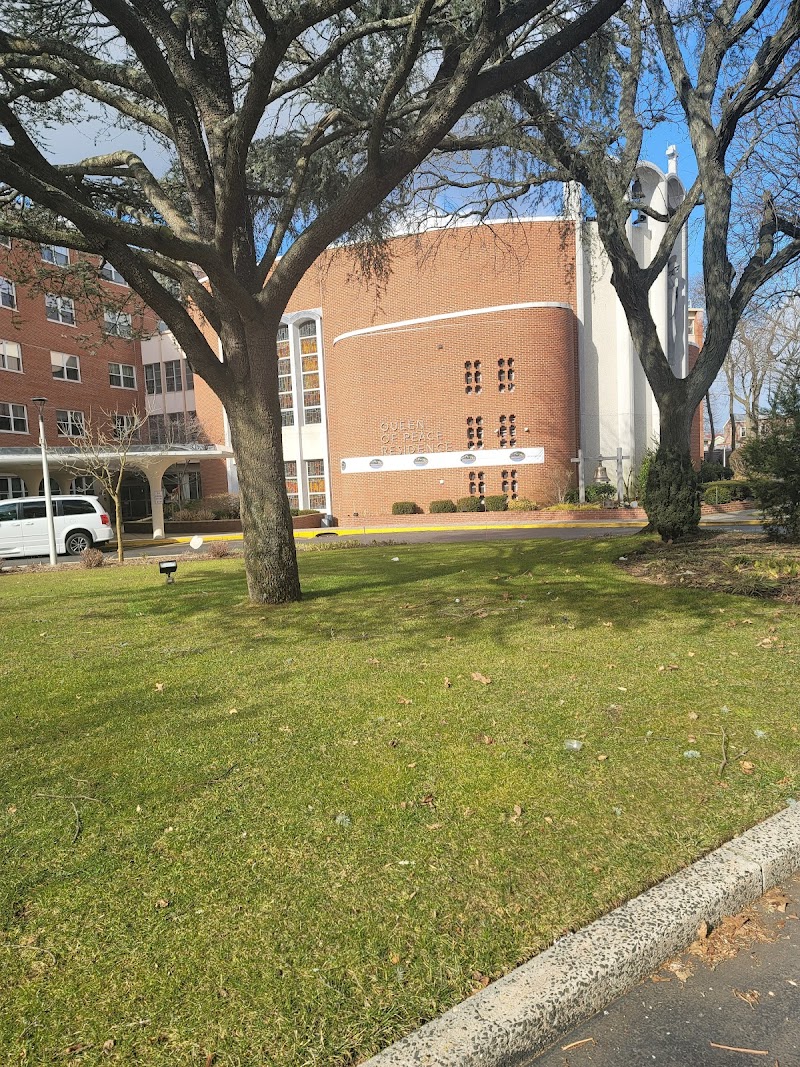
QUEEN OF PEACE RESIDENCE
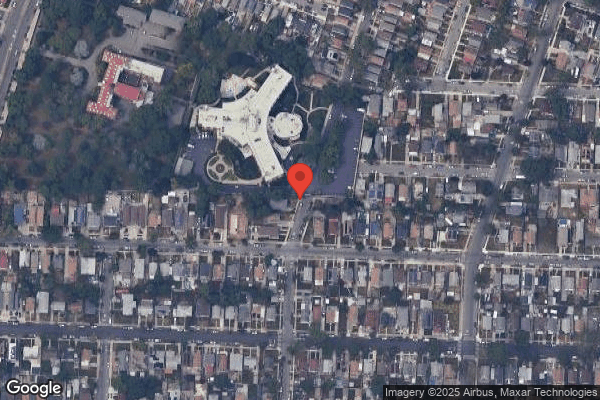
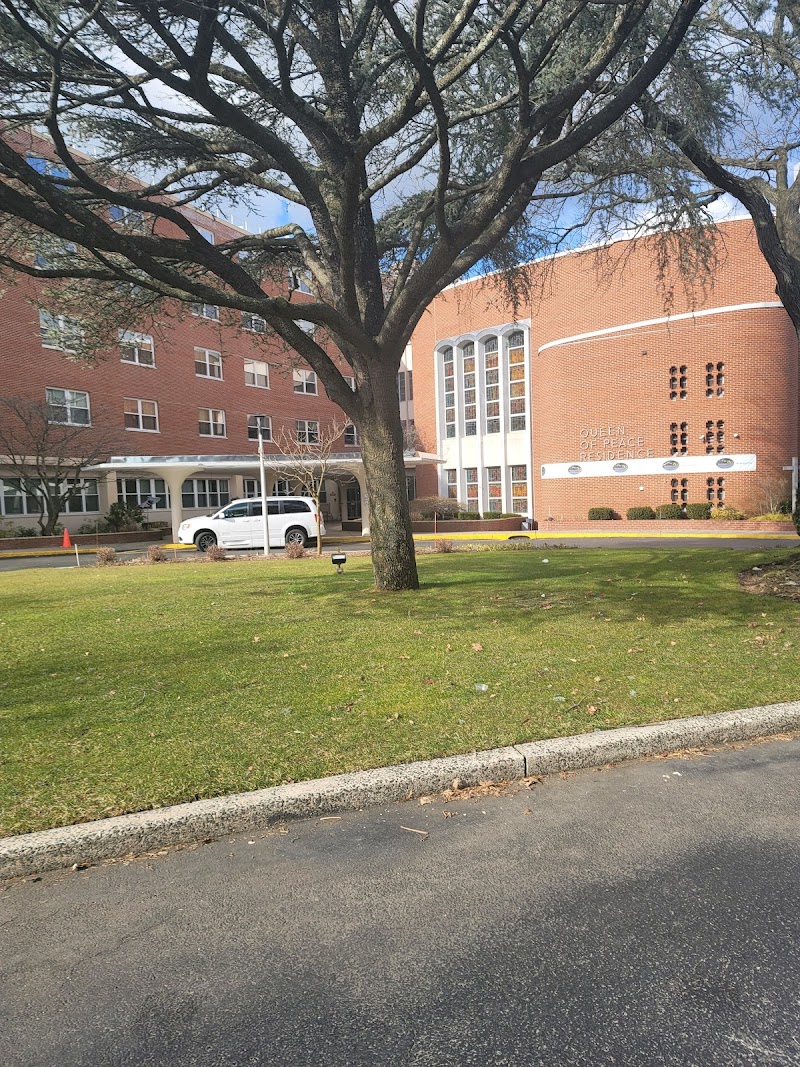
110-30 221ST STREET, QUEENS VILLAGE, NY 11429 (718) 464-1800
Non profit - Corporation 53 Beds LITTLE SISTERS OF THE POOR Data: November 2025
Trust Grade
90/100
#90 of 594 in NY
Last Inspection: June 2023

Over 2 years since last inspection. Current conditions may differ from available data.

Overview

Queen of Peace Residence has received a Trust Grade of A, indicating it is an excellent facility highly recommended for care. Ranking #90 out of 594 nursing homes in New York places it in the top half, while its county rank of #10 out of 57 means there are only nine facilities in Queens County considered better. However, the trend is concerning as the facility's issues have worsened, increasing from one in 2021 to three in 2023. Staffing is a strong point with a 5/5 star rating and a turnover rate of 35%, which is lower than the state average, suggesting that staff are experienced and familiar with the residents’ needs. While there have been no fines, recent inspections revealed issues such as a failure to implement infection control practices and provide necessary documentation for residents regarding their Medicare benefits, which families should consider when evaluating this home.

Trust Score
A
90/100
In New York
#90/594
Top 15%
Safety Record
Low Risk
No red flags
Inspections
Getting Worse
1 → 3 violations
Staff Stability
○ Average
35% turnover. Near New York's 48% average. Typical for the industry.
Penalties
✓ Good
No fines on record. Clean compliance history, better than most New York facilities.
Skilled Nurses
✓ Good
Each resident gets 123 minutes of Registered Nurse (RN) attention daily — more than 97% of New York nursing homes. RNs are the most trained staff who catch health problems before they become serious.
Violations
✓ Good
Only 4 deficiencies on record. Cleaner than most facilities. Minor issues only.
★★★★★
5.0
Overall Rating
★★★★★
5.0
Staff Levels
★★★★☆
4.0
Care Quality
★★★★☆
4.0
Inspection Score
Stable
2021: 1 issues
2023: 3 issues

The Good

  • 5-Star Staffing Rating · Excellent nurse staffing levels
  • 4-Star Quality Measures · Strong clinical quality outcomes
  • Full Sprinkler Coverage · Fire safety systems throughout facility
  • No fines on record
  • Staff turnover below average (35%)

    13 points below New York average of 48%

Facility shows strength in staffing levels, quality measures, fire safety.

The Bad

Staff Turnover: 35%

11pts below New York avg (46%)

Typical for the industry

Chain: LITTLE SISTERS OF THE POOR

Part of a multi-facility chain

Ask about local staffing decisions and management

The Ugly 4 deficiencies on record

Jun 2023 3 deficiencies
CONCERN (D)

Potential for Harm - no one hurt, but risky conditions existed

Deficiency F0582 (Tag F0582)

Could have caused harm · This affected 1 resident

**NOTE- TERMS IN BRACKETS HAVE BEEN EDITED TO PROTECT CONFIDENTIALITY** Based on interviews and record review conducted during the recertification survey from 6/13/23 to 6/20/23, the facility did not ...

Read full inspector narrative →
**NOTE- TERMS IN BRACKETS HAVE BEEN EDITED TO PROTECT CONFIDENTIALITY** Based on interviews and record review conducted during the recertification survey from 6/13/23 to 6/20/23, the facility did not ensure a resident or their designated representative was provided with a Skilled Nursing Facility (SNF) Advanced Beneficiary Notice of Non-coverage (ABN) at the termination of Medicare Part A benefits. This was evident for 2 (Residents # 12 and # 21) of 2 residents reviewed for Beneficiary Notification of a total sample of 13 residents. Specifically, 1) Resident #12 and their designated representative were not provided with a SNFABN once Resident #12 was terminated from skilled rehabilitation services and remained in the facility, and 2) Resident #21 and their designated representative were not provided with a SNFABN once Resident #21 was terminated from skilled rehabilitation services and remained in the facility. The findings are: The facility policy titled Expedited Appeal Process, Termination of Medicare Services dated August 2022 documented it is the policy of the Nursing and Financial Department to provide timely notification to a Resident or their Responsible Party when Skilled Services are no longer indicated. 1) Resident # 12 had diagnoses of dementia and osteoarthritis. The Minimum Data Set 3.0 (MDS) assessment dated [DATE] documented Resident #12 was severely cognitively impaired and only Resident #12 participated in the assessment. The SNF Beneficiary Protection Notification Review form documented skilled nursing services for Resident #12 began 1/19/23 and the last Medicare Part A covered day was 3/17/23. A Notice of Medicare Non-Coverage (NOMNC) form was signed by Resident #12 on 3/15/32. There was no documented evidence Resident #12 or their designated representative was provided with a SNFABN. 2) Resident #21 had diagnoses of cerebral infarction and dementia. The Minimum Data Set 3.0 (MDS) assessment dated [DATE] documented Resident #21 was moderately cognitively impaired and only Resident #21 participated in the assessment. The SNF Beneficiary Protection Notification Review form documented skilled services for Resident #21 began 3/10/23 and the last Medicare Part A covered day was 5/5/23. A Notice of Medicare Non-Coverage (NOMNC) was signed by Resident #21 on 5/3/23. There was no documented evidence Resident #21 or their designated representative was provided with a SNFABN. On 06/20/23 at 12:37 PM, the MDS Coordinator (MDSC) was interviewed and stated they were not aware the SNFABN had to be provided to the residents and/or their designated representatives when the residents were discharged from Medicare Part A and remained in the facility. The MDSC also stated they worked at the facility for about 5 to 6 years. On 06/20/23 at 12:42 PM, the Administrator was interviewed and stated the MDSC was responsible for providing forms to residents and/or designated representatives to review and sign before discharging them from Medicare Part A. The Administrator also stated they were not familiar with the forms residents and their designated representatives were required to sign. 415.3(g)(2)(i)
CONCERN (D)

Potential for Harm - no one hurt, but risky conditions existed

Comprehensive Care Plan (Tag F0656)

Could have caused harm · This affected 1 resident

**NOTE- TERMS IN BRACKETS HAVE BEEN EDITED TO PROTECT CONFIDENTIALITY** Based on observation, record review, and interviews conducted during the Recertification survey from 06/13/23 to 06/20/23, the f...

Read full inspector narrative →
**NOTE- TERMS IN BRACKETS HAVE BEEN EDITED TO PROTECT CONFIDENTIALITY** Based on observation, record review, and interviews conducted during the Recertification survey from 06/13/23 to 06/20/23, the facility did not ensure a person-centered Comprehensive Care Plan (CCP) was developed and implemented to meet the resident needs. This was evident for 1 (Resident #41) of 2 residents reviewed for Urinary Catheter of 13 total sampled residents. Specifically, a CCP related to Resident #41's Foley catheter (FC) use was not developed. The findings are: The facility's policy titled 'Resident Care Planning' dated 03/20/23 documented the CCP will be developed within 21 days of admission and reviewed and revised on a quarterly basis. Resident #41 had diagnoses of urinary retention and anxiety disorder. The Minimum Data Set 3.0 (MDS) assessment dated [DATE] documented Resident #41 was moderately cognitively impaired and had an indwelling catheter. The Physician Orders last renewed 05/22/23 documented Resident #41 had a FC for urinary retention and was ordered to receive FC care twice daily and have their FC changed as needed if leaking or blocked. The CCP related to Resident #41's potential for alteration in urinary elimination initiated 7/27/21 documented to assess Resident #41's urine for color, odor, clarity, frequency, and amount as needed. The CCP also documented to monitor for signs/symptoms of dehydration, such as thirst, infrequent urination, dry skin, lightheadedness, or dark urine. There was no documented evidence a CCP related to Resident #41's FC use was developed. On 06/20/23 at 10:58 AM, the MDS Coordinator (MDSC) was interviewed and stated every morning the MDSC reviews the morning report to see if there are any changes with the residents. The MDSC compares the MDS assessments to ensure CCPs address all resident areas. The MDSC stated they manage and review the care plans quarterly and when a change happens with a resident. The MDSC does not know what happened in the case of Resident #41's FC CCP. It is a glitch in the computer system because there was one initially and the CCP had certainly been reviewed prior. Resident #41's CCP has now been updated to reflect FC use. On 06/20/23 at 3:00PM, the Director of Nursing (DNS) was interviewed and stated the MDSC updates the CCPs quarterly and if there is any change in condition with the resident. The DNS stated Resident #41 previously had a CCP related to FC use but somehow the CCP was discontinued and no one realized. The DNS has been working at the facility for less than a month and intends to look at these areas to prevent reoccurrence. 415.11(c)(1)
CONCERN (D)

Potential for Harm - no one hurt, but risky conditions existed

Medication Errors (Tag F0758)

Could have caused harm · This affected 1 resident

**NOTE- TERMS IN BRACKETS HAVE BEEN EDITED TO PROTECT CONFIDENTIALITY** 2) Resident #40 had diagnoses of dementia with other behavioral disturbance and major depressive disorder (MDD), recurrent, seve...

Read full inspector narrative →
**NOTE- TERMS IN BRACKETS HAVE BEEN EDITED TO PROTECT CONFIDENTIALITY** 2) Resident #40 had diagnoses of dementia with other behavioral disturbance and major depressive disorder (MDD), recurrent, severe with psychotic symptoms. The Minimum Data Set 3.0 (MDS) dated [DATE] documented Resident #40 was cognitively intact, had hallucinations, and received antipsychotic medication 7 of 7 days prior to the assessment. The last gradual dose reduction (GDR) was attempted on 1/24/23 and the physician documented GDR was clinically contraindicated on 2/21/23. On 06/13/23 at 11:33 AM, Resident # 40 was interviewed and stated someone was coming to their room and stealing their soda occasionally. On 06/15/23 at 11:47 AM, 06/16/23 at 10:08 AM, and 06/20/23 at 10:24 AM, Resident # 40 was observed sitting in the chair and quietly in their room. A comprehensive care plan (CCP) related to behavioral problems initiated 11/17/21 and last updated 4/3/23 documented Resident # 40 exhibited hallucinations and delusions by talking about other things not existing. A CCP related to the use of antipsychotic medication initiated 3/1/22 and last updated 6/14/23 documented Resident #40 was receiving Seroquel medication related to diagnosis of MDD with psychotic symptoms. Interventions included be aware of adverse reactions related to use of Seroquel and provide Psychiatrist consultation/evaluation as ordered by physician. The Psychiatry Consult dated 1/24/23 documented resident #40 had a diagnosis of senile dementia and major depressive disorder with psychosis. Seroquel was prescribed for psychosis and Remeron was prescribed for depression. Resident #40 had been quiet and the Psychiatrist recommended decreasing the Seroquel from 25mg daily to 12.5mg daily. Nursing Note (NN) dated 2/8/23 documented Resident #40 asked for a corn muffin and coffee and cursed and screamed when the nursing assistant told the resident the items were not in the kitchen. The Medical Doctor (MD) Orders dated 2/9/23 documented Resident #40 was ordered to receive Seroquel 25mg once daily for MDD with severe psychotic symptoms. Nursing Note dated 2/9/23 documented Resident #40 was anxious when demanded food was not available right away and refused to go for a knee MRI. Resident #40 will follow up with the Psychiatrist. The MD increased Resident #40's Seroquel to 25mg once daily. NN dated 2/11/23 documented Resident #40 was very needy and had multiple somatic complaints. The Psychiatry Consult dated 2/21/23 documented negative behavior returned since Resident #40's dose reduction on 1/24/23. Resident #40 was demanding different foods and refused to go for an MRI. Seroquel was increased from 12.5 mg to 25mg once daily on 2/9/23 and was required to treat psychosis. NN dated 2/22/23 documented Resident #40 stated their cousin was coming into their room and punching and hurting them. Resident #40 was reoriented with little effect. NN dated 2/23/23 and Social Work (SW) Note dated 3/6/23 documented Resident #40 had hallucinations of their cousin. SW Note dated 3/23/23 documented Resident #40 continues to report their cousin visits them and does not appear to be in any distress o fear when they speak of the hallucination of their cousin visiting. NN dated 4/11/23 documented Resident #40 reported hallucination of snakes and crocodiles in their room. SW Note dated 4/24/23 documented Resident #40 was upset about soda. The Psychiatry Consult dated 5/2/23 documented Resident #40's obsession with sods a was starting again with some hallucinations. SW Note dated 5/2/23 documented Resident #40 was noted with periods of agitation and visual hallucinations and was seen by the Psychiatrist. NN dated 5/14/23 documented Resident #40 had increased verbal and physical aggression towards staff, constantly ringing the call bell, demanding an ice box to store their soda, and complaining the food tastes like sand. Note sent to medical. The Psychiatry Consult dated 5/16/23 documented Resident #40 had an increase in hallucinations and appeared annoyed by staff presence. The psychiatrist recommended increasing Seroquel to 25mg in the morning and 12.5mg in the afternoon. SW Note dated 5/16/23 documented Resident #40 displayed an increase in behaviors, was demanding, and used verbally abusive negative language. The MD Order documented Resident #40 was ordered to receive an increase in Seroquel to 12.5mg in the afternoon and 25mg in the morning. NN dated 5/20/23 and 5/21/23 documented Resident #40 used derogatory language towards staff and continued on increased dose of Seroquel. SW Note dated 5/31/23 documented Resident #40 reported it was peaceful now that their Health Care Proxy (HCP got rid of the hallucination of their cousin. SW Note dated 6/12/23 documented Resident #40 was very angry because someone stealing their soda. Resident #40 requested an ice box in their room to keep their soda safe and settled for a cabinet that the resident can lock. The Medication Administration Record (MAR) from 5/1/23 through 6/17/23 documented Resident #40 was administered Seroquel daily according to the MD Order. There was no documented evidence non-pharmacological interventions were used to address Resident #40's behavior. On 06/15/23 at 01:51 PM, the Certified Nursing Assistant (CNA) # 1 was interviewed and stated Resident # 40 was alert, had mood swing, and was verbally and physically abusive to staff. CNA # 1 also stated Resident # 40 had visual hallucination once a while, did not interact with anyone, and stayed in their room watching TV all the time. On 06/20/23 at 10:55 AM, the Pharmacy Consultant was interviewed and stated they checked the psychiatrist consult in record, verified the med order with the psychiatrist, reviewed if the tapering of antipsychotic medication was done, and recommended the gradual dose reduction (GDR) to the MD for antipsychotic medication when performing the monthly medication regimen review. The psychiatrist consult documented Resident # 40 had MDD with severe psychotic symptoms and it was an appropriate indication to prescribe Seroquel. The Pharmacy Consultant stated they did not recommend that the MD check if Resident # 40 had diagnoses of schizophrenia and bipolar disorder before the MD prescribes Seroquel because Resident # 40 was diagnosed with psychotic symptoms. On 06/16/23 at 10:48 AM, the Psychiatrist was interviewed and stated they were aware of the black box warning regarding the use of Seroquel which is indicated to treat schizophrenia, bipolar disorder, and depression with psychotic symptoms. Seroquel was prescribed to treat Resident #40's psychotic symptoms related to MDD. On 06/16/23 at 02:23 PM, the Attending Physician/Medical Director (MD) was interviewed and stated they discussed recommended medications with the Psychiatrist after the Psychiatrist visits with residents. The MD is aware of the black box warning related to Seroquel and uses their clinical judgement to see if the resident benefits from the medication. Seroquel was prescribed to treat Resident #40's hallucinations and other abusive behavior. 415.12(1)(2)(i) Based on observation, record review, and interviews conducted during the Recertification survey from 6/13/23 to 6/20/23, the facility did not ensure psychotropic medication was prescribed to treat a diagnosed condition and behavioral interventions were used in an effort to discontinue these drugs. This was evident in 2 (Resident #28 and #40) of 5 residents reviewed for Unnecessary Medication of 13 total sampled residents. Specifically, 1) Resident #28 was prescribed an Seroquel to treat dementia without documented use of non-pharmacological interventions to address behavior, and 2) Resident #40 had a diagnosis of dementia and was prescribed Seroquel for depression with psychotic features without documented non-pharmacological interventions used to address behavior. The findings are: The facility policy titled Psychotropic Drugs dated 11/18/21 documented psychotropic drugs shall be ordered to treat a specific documented condition, and after possible alternative methods for treating the condition or symptoms have been tried and have failed. Psychotropic medications may be used only for the treatment of specific medical and/or psychiatric conditions. 1) Resident #28 had diagnoses of non-Alzheimer's dementia and macular degeneration. The Minimum Data Set 3.0 (MDS) assessment dated [DATE] documented Resident #28 had moderately impaired cognition, had a behavior of hitting or screaming towards others, and did not receive antipsychotic medication. There were multiple observations of Resident #28 alert, calm, and out of bed from 6/14/23 at 11:10 AM to 6/16/23 at 1:35 PM. A Comprehensive Care Plan (CCP) relate to psychotropic medication initiated 4/26/23 documented Resident #28 used antipsychotic medication for a diagnosis of dementia with agitation/psychotic disturbance. Interventions documented increases to Resident #28's Seroquel on 4/26/23, 6/5/23, and 6/13/23. A CCP related to aggressive behavior documented Resident #28 struck their husband on 10/19/22 and held a knife to their husband's throat 5/16/23. Interventions included psychiatric evaluation, transfer resident to the hospital for psychiatric evaluation, approach Resident #28 in a clam manner, encourage the resident to express their feelings, remove the stimulus, and report to the nurse and physician. The CCP related to threatening/abusive behavior towards staff documented to administer medications to Resident #28 as ordered by the physician. A Medical Doctor Order (MDO) dated 5/5/23 documented Resident #28 receive Seroquel 25mg in the morning and 25 mg at bedtime for psychosis. A Psychiatry Consult dated 5/2/23 documented Resident #28 returned from the hospital on 4/26/23 on Seroquel. Current psychotropic medications included Seroquel 25mg at bedtime for dementia/psychotic disorder. Resident #28 experienced an acute deterioration when Seroquel was decreased upon readmission to the facility and was observed restless and pacing in their room. The Psychiatrist recommended increasing Seroquel to 12.5 mg in the morning and 25 mg at bedtime for psychosis. A Nursing Note (NN) dated 5/4/23 documented Resident #28 had increased confusion and was at high risk for fall due to frequent wandering. NN dated 5/11/23 documented Resident #28 has anxiety, agitation, and confusion in the afternoon after supper. Seroquel in progress. NN dated 5/16/23 documented Resident #28 held a knife to their husband's throat and was transferred and admitted to the hospital's dementia unit. MDO dated 5/22/23 documented Resident #28 was readmitted to the facility with an order for Seroquel 12.5 mg daily and Seroquel 50 mg at bedtime for dementia with psychotic disturbance. A Psychiatry Consult dated 5/30/23 documented Resident #28 had a diagnosis of senile dementia with psychotic disturbance and was currently prescribed Seroquel 12.5mg in the morning and 50mg at bedtime for dementia with psychotic disturbance. Resident #28 improved since Seroquel was increased and was smiling. The Psychiatry Consult also documented Resident #28 fell twice since their return from the hospital. Reduction of dosage was not recommended as Seroquel was required for the treatment of dementia. Interim Physician's Order dated 6/5/23 documented Resident #28's Seroquel order was changed to 25 mg three times daily. A Psychiatry Consult dated 6/13/23 documented Resident #28 was currently prescribed Seroquel 25mg three times daily for psychosis. Resident #28 was agitated, yelling/hitting staff has increased, and could not be redirected. The Psychiatrist recommended to increase Resident #28's Seroquel to 100mg once daily for dementia with psychotic features. Will increase Seroquel to 25mg by mouth in the morning, 50 mg at 1:30 PM, and 25 mg at bedtime for the treatment of psychotic symptoms with behavioral disturbances. A Nurse's Progress Note dated 6/13/23 documented the Psychiatrist was informed about Resident #28's behaviors and agitation. The Psychiatrist saw Resident #28 and ordered Seroquel 25mg at 9:30 AM, 50mg at 2 PM, and 25 mg at bedtime. A Interim Physician's Order dated 6/13/23 documented to increase Resident #28's Seroquel order to 25mg in the morning, 50 mg at 1:30 PM, and 25 mg at bedtime. The Medication Administration Record from 5/1/23 through 6/20/23 documented Resident #28 received Seroquel according to MDO. There was no documented evidence non-pharmacological interventions were used to address Resident #28's behavior. On 06/16/23 at 10:14 AM, an interview was conducted with Certified Nursing Assistant (CNA) #2 who stated Resident #28 was confused and always asks for their children and spouse. Resident #28 was aggressive in the past but has not been aggressive lately. At times, Resident #28 will swing their arm and yells at the staff. On 6/16/23 at 2:12 PM, CNA #3 was interviewed and stated Resident #28 has sundown features and usually exhibits behaviors of yelling and being combative in the evening. On 06/20/23 11:52 AM, an interview was conducted with the Registered Nurse (RN) #2 who stated that Resident # 28 is on Seroquel because the resident gets aggressive at times. Seroquel keep the resident calm and quiet. On 06/20/23 at 12:21 PM, an interview was conducted with the Assistant Director of Nursing (ADNS) who stated Resident #28 returned from the hospital on 4/26/23 on Seroquel, the Attending Physician decreased the dose, the Psychiatrist saw the resident on 5/2/23, and the Seroquel dose was increased due to resident's symptoms. Resident #28 was seen by the Attending Physician on 6/5/23 and 6/13/23 and Seroquel was increased. A dose reduction was tried but the symptoms were not improving. Resident #28 receives Seroquel for dementia, anxiety, mood disturbance, and psychotic disturbance. On 06/16/23 at 2:33 PM, an interview was conducted with the Attending Physician/Medical Director (MD) who stated that Resident #28 is on Seroquel for dementia with behavior Disturbances. The resident had an increase in agitation and psychotic behavior. The MD knows the black box warning but Seroquel can be used off-label for psychotic behaviors. As per the Psychiatrist, Seroquel is being used for behaviors with psychotic symptoms. On 06/20/23 12:01 PM an interview was conducted with the Psychiatrist who stated Resident #28 was in the hospital recently and they started the resident on Seroquel and has been threatening towards their spouse, also another resident. Resident #28 is on Seroquel for psychotic features and it is good for the resident. They do not have bipolar disorder or schizophrenia. Resident #28's psychosis is secondary to the dementia diagnosis. The Psychiatrist is left with nothing else to treat Resident #28 except for Seroquel. There is a black box warning alert but there is no other alternative.
Nov 2021 1 deficiency
CONCERN (F)

Potential for Harm - no one hurt, but risky conditions existed

Infection Control (Tag F0880)

Could have caused harm · This affected most or all residents

Based on record review and staff interview during the Recertification survey, the facility did not ensure infection prevention control practices were maintained to help prevent the spread, development...

Read full inspector narrative →
Based on record review and staff interview during the Recertification survey, the facility did not ensure infection prevention control practices were maintained to help prevent the spread, development, and transmission of communicable diseases and infections. Specifically, the facility was missing a Legionella sampling plan based on the facility's risk assessment. Finding is: Record review revealed the Facility Risk Assessment lacked a Legionella sampling plan that identified specific locations where Legionella and other opportunistic waterborne pathogens (e.g., Pseudomonas, Acinetobacter, Burkholderia, Stenotrophomonas, nontuberculous mycobacteria, and fungi) could grow and spread in the facility water system. On 11/17/2021 at approximately 1:10PM, the Director of Maintenance was interviewed and stated that water samples for Legionella tests were collected from distal, end-sampling points that were facilitated by an outside contracted laboratory. They were unable to provide documentation that identified specific sampling locations within the facility's water management plan based on the facility environmental risk assessment, and further stated that they were unaware of the requirement. On 11/17/2021 at approximately 1:20PM, the Director of Nursing was interviewed and stated that they were the responsible person for maintaining the water management plan, and was unaware of the requirement for sampling plan locations to be based on the facility's completed environmental risk assessment. Documentation of a Legionella sampling plan was not available for review during the survey. The facility provided documentation via email on 11/23/2021, one day after exit. 415.19(a) (1-3)
Understanding Severity Codes (click to expand)
Life-Threatening (Immediate Jeopardy)
J - Isolated K - Pattern L - Widespread
Actual Harm
G - Isolated H - Pattern I - Widespread
Potential for Harm
D - Isolated E - Pattern F - Widespread
No Harm (Minor)
A - Isolated B - Pattern C - Widespread

Questions to Ask on Your Visit

  • "Can I speak with families of current residents?"
  • "What's your RN coverage like on weekends and overnight?"

Our Honest Assessment

Strengths
  • • Grade A (90/100). Above average facility, better than most options in New York.
  • • No major safety red flags. No abuse findings, life-threatening violations, or SFF status.
  • • No fines on record. Clean compliance history, better than most New York facilities.
  • • Only 4 deficiencies on record. Cleaner than most facilities. Minor issues only.
Concerns
  • • No significant concerns identified. This facility shows no red flags across CMS ratings, staff turnover, or federal penalties.
Bottom line: Generally positive indicators. Standard due diligence and a personal visit recommended.

About This Facility

What is Queen Of Peace Residence's CMS Rating?

CMS assigns QUEEN OF PEACE RESIDENCE an overall rating of 5 out of 5 stars, which is considered much above average nationally. Within New York, this rating places the facility higher than 99% of the state's 100 nursing homes. This rating reflects solid performance across the metrics CMS uses to evaluate nursing home quality.
How is Queen Of Peace Residence Staffed?

CMS rates QUEEN OF PEACE RESIDENCE's staffing level at 5 out of 5 stars, which is much above average compared to other nursing homes. Staff turnover is 35%, compared to the New York average of 46%. This relatively stable workforce can support continuity of care.

What Have Inspectors Found at Queen Of Peace Residence?

State health inspectors documented 4 deficiencies at QUEEN OF PEACE RESIDENCE during 2021 to 2023. These included: 4 with potential for harm.
Who Owns and Operates Queen Of Peace Residence?

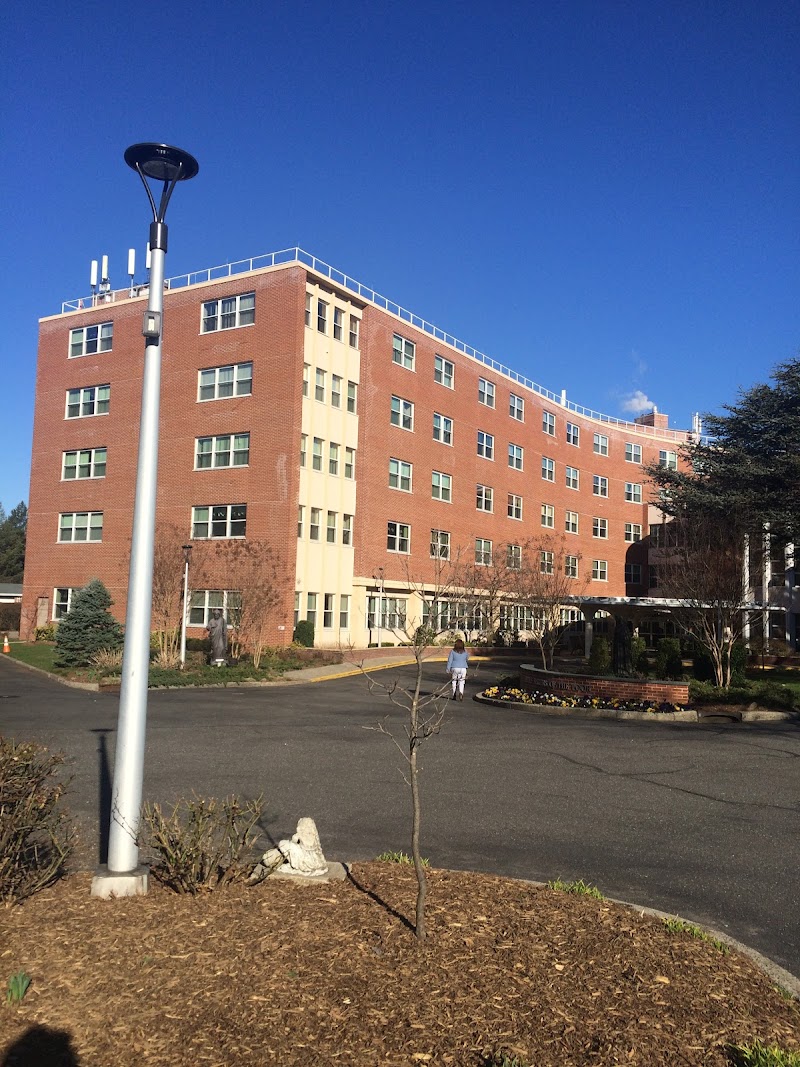
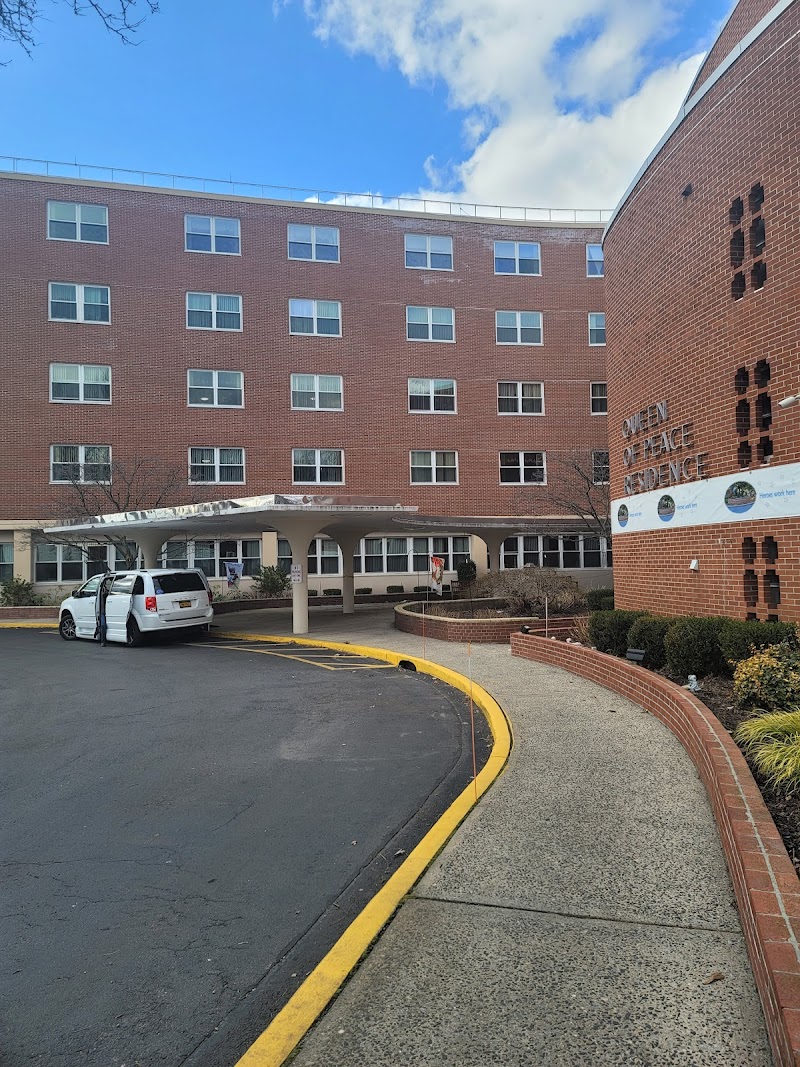
QUEEN OF PEACE RESIDENCE is owned by a non-profit organization. Non-profit facilities reinvest revenue into operations rather than distributing to shareholders. The facility is operated by LITTLE SISTERS OF THE POOR, a chain that manages multiple nursing homes. With 53 certified beds and approximately 30 residents (about 57% occupancy), it is a smaller facility located in QUEENS VILLAGE, New York.
How Does Queen Of Peace Residence Compare to Other New York Nursing Homes?

Compared to the 100 nursing homes in New York, QUEEN OF PEACE RESIDENCE's overall rating (5 stars) is above the state average of 3.1, staff turnover (35%) is significantly lower than the state average of 46%, and health inspection rating (4 stars) is above the national benchmark.

What Should Families Ask When Visiting Queen Of Peace Residence?

Based on this facility's data, families visiting should ask: "Can I visit during a mealtime to observe dining assistance and food quality?" "How do you handle medical emergencies, and what is your hospital transfer rate?" "Can I speak with family members of current residents about their experience?"

Is Queen Of Peace Residence Safe?

Based on CMS inspection data, QUEEN OF PEACE RESIDENCE has a clean safety record: no substantiated abuse findings (meaning no confirmed cases of resident harm), no Immediate Jeopardy citations (the most serious violation level indicating risk of serious injury or death), and is not on the Special Focus Facility watch list (a federal program monitoring the lowest-performing 1% of nursing homes). The facility has a 5-star overall rating and ranks #1 of 100 nursing homes in New York. While no facility is perfect, families should still ask about staff-to-resident ratios and recent inspection results during their visit.

Do Nurses at Queen Of Peace Residence Stick Around?

QUEEN OF PEACE RESIDENCE has a staff turnover rate of 35%, which is about average for New York nursing homes (state average: 46%). Moderate turnover is common in nursing homes, but families should still ask about staff tenure and how the facility maintains care continuity when employees leave.

Was Queen Of Peace Residence Ever Fined?

QUEEN OF PEACE RESIDENCE has no federal fines on record. CMS issues fines when nursing homes fail to meet care standards or don't correct problems found during inspections. The absence of fines suggests the facility has either maintained compliance or corrected any issues before penalties were assessed. This is a positive indicator, though families should still review recent inspection reports for the full picture.

Is Queen Of Peace Residence on Any Federal Watch List?

QUEEN OF PEACE RESIDENCE is not on any federal watch list. The most significant is the Special Focus Facility (SFF) program, which identifies the bottom 1% of nursing homes nationally based on persistent, serious quality problems. Not being on this list means the facility has avoided the pattern of deficiencies that triggers enhanced federal oversight. This is a positive indicator, though families should still review the facility's inspection history directly.