HEBREW HOME FOR THE AGED AT RIVERDALE


5901 PALISADE AVENUE, RIVERDALE, NY 10471 (718) 581-1000
Non profit - Corporation 843 Beds Independent Data: November 2025
Trust Grade
85/100
#45 of 594 in NY
Last Inspection: June 2024

Within standard 12-15 month inspection cycle. Federal law requires annual inspections.

Overview

Hebrew Home for the Aged at Riverdale has a Trust Grade of B+, indicating it is above average and recommended for families considering care options. It ranks #45 out of 594 nursing homes in New York, placing it in the top half, and #6 out of 43 in Bronx County, meaning only five local facilities are ranked higher. The facility is improving, with issues reducing from two in 2022 to one in 2024. Staffing is average with a rating of 3 out of 5 stars and a 31% turnover rate, which is better than the New York average. Notably, the home has not faced any fines, which is a positive sign, and it has more RN coverage than 86% of facilities in the state, ensuring better oversight of resident care. However, there are areas of concern. Recent inspections revealed that the home failed to ensure residents could send and receive mail on Saturdays, which is essential for their communication needs. Additionally, food safety practices were inadequate, with moldy items observed and lacking use-by dates. Most seriously, there were lapses in reporting allegations of abuse, neglect, or mistreatment, which raises significant concerns about resident safety and oversight. Overall, while the facility has strengths in RN coverage and no fines, families should be aware of these weaknesses when considering care for their loved ones.

Trust Score
B+
85/100
In New York
#45/594
Top 7%
Safety Record
Low Risk
No red flags
Inspections
Getting Better
2 → 1 violations
Staff Stability
○ Average
31% turnover. Near New York's 48% average. Typical for the industry.
Penalties
✓ Good
No fines on record. Clean compliance history, better than most New York facilities.
Skilled Nurses
✓ Good
Each resident gets 53 minutes of Registered Nurse (RN) attention daily — more than average for New York. RNs are trained to catch health problems early.
Violations
⚠ Watch
13 deficiencies on record. Higher than average. Multiple issues found across inspections.
★★★★★
5.0
Overall Rating
★★★☆☆
3.0
Staff Levels
★★★★★
5.0
Care Quality
★★★★★
5.0
Inspection Score
Stable
2022: 2 issues
2024: 1 issues

The Good

  • 5-Star Quality Measures · Strong clinical quality outcomes
  • Full Sprinkler Coverage · Fire safety systems throughout facility
  • No fines on record
  • Staff turnover below average (31%)

    17 points below New York average of 48%

Facility shows strength in quality measures, fire safety.

The Bad

Staff Turnover: 31%

15pts below New York avg (46%)

Typical for the industry

The Ugly 13 deficiencies on record

May 2024 1 deficiency
CONCERN (E) 📢 Someone Reported This

A family member, employee, or ombudsman was alarmed enough to file a formal complaint

Potential for Harm - no one hurt, but risky conditions existed

Report Alleged Abuse (Tag F0609)

Could have caused harm · This affected multiple residents

**NOTE- TERMS IN BRACKETS HAVE BEEN EDITED TO PROTECT CONFIDENTIALITY** Based on observation, record review, and interviews conducted during an abbreviated survey (NY 00336157, NY 00331163, and NY 003...

Read full inspector narrative →
**NOTE- TERMS IN BRACKETS HAVE BEEN EDITED TO PROTECT CONFIDENTIALITY** Based on observation, record review, and interviews conducted during an abbreviated survey (NY 00336157, NY 00331163, and NY 00308371), the facility did not ensure that all allegations of abuse, neglect, exploitation, or mistreatment were reported in a timely manner to local law enforcement, and to the New York State Department of Health in accordance with federal and state regulations. This was evident in three out of three residents sampled for abuse (Resident #1, Resident #2, and Resident #3). Specifically, on 01/01/24, between 1:00 pm and 2:00 pm, Resident #1's adult child reported to the facility that Resident #1 complained on 12/31/23, in the evening, Certified Nurse Assistant #1 pulled their hair and broke the fingernail on their left thumb. The facility did not report the incident to the New York State Department of Health or to local law enforcement. Specifically, on 03/08/24 at 11:15 am, Resident #2 complained that on 03/05/24, while in the rehabilitation gym, Physical Therapist #1's private body part was close to their right hand. The facility did not report the incident to the New York State Department of Health or local law enforcement. Specifically, on 01/08/23 at approximately 2:00 pm, a family member alleged that on 01/06/23 at 7:00 pm, Certified Nursing Assistant #2 slapped Resident #3 because they did not go to bed. On 01/09/23 at 1:48 pm, The facility reported Resident #3's allegation of physical abuse to the New York State Department of Health and did not report the alleged abuse to the law enforcement. The findings are: The Facility's Policy and Procedure entitled Investigation and Reporting of Abuse, Neglect, Exploitation, Misappropriation of Resident Property and Other Incidents, revision date 02/24. It is a facility's policy that staff immediately report all events involving abuse, neglect, exploitation, mistreatment, or misappropriation of resident property, any reasonable suspicion of a crime against a resident of the facility, all incidents of unknown source, alleged or suspected quality of care issues, physical environment incidents, and death not due to natural causes. This document stated that all allegations/occurrences of all types of staff-to-resident abuse must be reported to the administrator and to other officials, including the New York State Department of Health and Adult Protective Services. The time frames for reporting to the New York State Department of Health and Local Law Enforcement (if applicable) are: Serious Bodily Injury 2 Hour Limit. If the events that cause the reasonable suspicion of a crime against a result in serious bodily injury to the resident, the report must be made immediately to the New York State Department of Health and local law enforcement, but not later than 2 hours after forming the suspicion. All others are within 24 Hours, if the events that cause the reasonable suspicion of a crime do not result in serious bodily injury to a resident, the report must be filed with the New York State Department of Health. The Facility's Policy and Procedure entitled Prohibition and Prevention of Resident Abuse, Neglect, Exploitation, Misappropriation of Resident Property, revised date 02/24, documented, all staff are required to report all incidents to the Director of Nursing. Staff are also required to report reasonable suspicion of a crime to the New York State Department of Health and to Local Law Enforcement. Resident #1 was admitted to the facility with diagnoses including Major Depressive Disorder, Aphasia (unable to speak), and anxiety disorder. The Minimum Data Set (assessment tool) dated 12/20/23, documented Resident #1 had a Brief Interview of Mental Status (used to determine attention, orientation, and ability to recall information) and scored 3 out of 15, indicating severely impaired cognition. A Grievance Complaint dated 01/02/24, documented on 01/01/24 (no time was documented), Resident #1's adult child complained to Registered Nurse #1 that Resident #1 told them on 12/31/23 in the evening, Certified Nursing Assistant #1 pulled their hair and caused fingernail on their left thumb to break. Resident #1 was assessed, and it was noted that the left thumbnail was a little broken off. No complaints of pain or bleeding was noted. No skin bruises or breaks were noted. Resident #1 has aphasia and was not consistent with the story. Certified Nursing Assistant #1, who worked double shifts on 12/31/23 (3-11 and 11-7), denied pulling Resident #1's hair or breaking their nail. There were no witnesses from staff or other residents. The facility concluded that there was no evidence of abuse, neglect, or mistreatment. During an interview on 05/28/24 at 1:35 pm, the Director of Nursing stated that on 01/01/24 between 1:00 pm and 2:00 pm, Resident #1 and their family reported to Registered Nurse #1 that Certified Nursing Assistant #1 pulled their hair and broke their nail on 12/31/23, during the evening shift. The Director of Nursing stated Registered Nurse #1 reported to the Nurse Manager #1. The Director of Nursing stated Nurse Manager #1 did not report to them until 01/02/24. The Director of Nursing stated Nurse Manager #1 should have informed them or their designee about the allegation immediately. The Director of Nursing stated that they and the Administrator or designee are responsible for reporting incidents of abuse to the New York Department of Health and to local law enforcement within two hours if there is suspicion of crime. The Director of Nursing stated they did not report the incident to the New York Department of Health and local law enforcement because there was nothing to report, because they immediately decided that abuse did not occur. During an interview on 05/28/24 at 3:04 pm, the Administrator stated that the Director of Nursing is the abuse coordinator and primary contact of abuse allegations and oversees the investigation. The Director of Nursing is responsible for reporting abuse allegations. The Administrator stated they were informed about Resident #1's allegation by the Director of Nursing on 01/02/24 (don't recall the time). The Administrator stated they discussed the case, investigation status, and reporting status. The Administrator stated the incident was not reported to the Department of Health and the police because they did not feel it was reportable because there was no evidence of abuse. The Administrator stated that allegations of abuse should be reported within two hours to the Department of Health. The Administrator stated Police should be notified when there is reasonable suspicion of a crime. Resident #2 was admitted to the facility with diagnoses including Malignant Neoplasm of the Brain (Brain Cancer), Difficulty Walking, and Pain. The Minimum Data Set, dated [DATE], documented Resident #2 had a Brief Interview of Mental Status and scored 14 out of 15, indicating intact cognition. A review of the facility's Internal Investigation dated 03/08/24, documented that Resident #2 told Transporter #1 on 03/07/24 they were not comfortable around Physical Therapist #1. Transporter #1 then informed the Director of Nursing on 03/08/24 at around 11:15 am. Resident #2 was interviewed and claimed that last Tuesday (03/05/24), while they were in the rehabilitation gym, Physical Therapist #1, had their penis close to Resident #2's right hand. The facility investigated the incident and concluded that there was no evidence of abuse, neglect, or mistreatment had occurred. During an interview on 5/24/24 at 12:46 pm, Registered Nurse #1 stated they got a call from the Assistant [NAME] President of Resident Engagement on 03/08/24 due to Transporter #1 reported that Resident #2 told them they were uncomfortable with Physical Therapist #1. Registered Nurse #1 stated they and the Assistant Director of Nursing interviewed Resident #2, who said that they were in rehabilitation unit on 03/05/24, their right hand was holding onto something, and the Physical Therapist #1 was standing at the front of them with their penis close to their right hand and was rubbing to their right hand. Registered Nurse #1 stated Resident #2 said Physical Therapist #1 was not exposed. Registered Nurse #1 stated they reported to the Director of Nursing, but did not call the police. During an interview on 05/28/24 a 1:35 pm, the Director of Nursing stated they were informed about the allegation in the rehabilitation unit on 03/08/24 between 11:30 and 12:00 pm and reported to the Administrator. The Director of Nursing stated they did not report the incident to the New York Department of Health because there was no violation. The Director of Nursing stated the incident did not happen, they investigated immediately, and there were a lot of witnesses in the rehabilitation unit that said Physical Therapist #1 did not sexually abuse Resident #2. The Director of Nursing stated police were not called because there was no reasonable suspicion of a crime, it was ruled out immediately. Resident #3 was admitted to the facility with diagnoses including Anxiety, Depression, Behavioral and Psychiatric Disturbances. The Minimum Data Set, dated [DATE], documented that Resident #3 had a Brief Interview for Mental Status and scored 11 out of 15, indicating moderate cognitive impairment. The facility's Investigation Summary dated 01/08/23, documented on 01/07/23 at 7:00 pm, Family Member reported that Certified Nursing Assistant #3 clapped Resident #3 when they did not go to bed. The family member stated that Resident #3 called them on 01/07/23 at 7:00 pm. Registered Nurse Supervisor #1 interviewed Resident #3, who stated that it was not 7:00 pm when they were slapped in the face but at 11:30 pm that night when they were going back to bed. The investigation also documented Resident #3 was immediately assessed by Registered Nurse Supervisor #1, and there was no redness, no swelling, and no skin break was noted on Resident #3's face. The investigation concluded that the allegation was unfounded, Resident #3 was assisted by two staff members and neither witnessed the incident. The form Submission from Nursing Home Facility Incident Report documented that the Nursing Home Facility Incident Report was submitted on 01/09/2023 at 1:48 pm. During an interview on 05/29/24 at 9:19 am, Registered Nurse Supervisor #1 stated they reported the allegation to the Assistant Director of Nursing Services and Director of Nursing on 01/08/2023 via telephone. Registered Nurse Supervisor #1 stated all abuse must be reported to the New York State Department of Health within 2 hours with injury or no injury. During an interview on 05/24/2024 at 4:07 pm, the Assistant Director of Nursing Services stated the facility must report all abuse if there is injury within two hours and if there is no injury within twenty-four hours to the New York State Department of Health. The Assistant Director of Nursing Services stated they reported the allegation to the New York State Department of Health within twenty-four hours and did not report it to law enforcement. During an interview on 05/24/2024 at 3:48 pm, the Administrator stated they became aware of the allegation by the Director of Nursing on 01/09/23. The Administrator stated the alleged incident was reported to the New York State Department of Health by the Assistant Director of Nursing Services on 01/09/23, which was within the two-hour window. The Administrator stated the facility reports abuse to the New York State Department of Health within two hours if there are injuries, and if no injuries within twenty-four hours. 10 NYCRR 415.4(b)(2)
May 2022 2 deficiencies
CONCERN (F)

Potential for Harm - no one hurt, but risky conditions existed

Deficiency F0576 (Tag F0576)

Could have caused harm · This affected most or all residents

Based on interviews and record review conducted during the Recertification survey, the facility did not ensure residents' right to communicate with individuals and entities external to the facility. T...

Read full inspector narrative →
Based on interviews and record review conducted during the Recertification survey, the facility did not ensure residents' right to communicate with individuals and entities external to the facility. This was evident for 10 of 10 attendees of the Resident Council meeting. Specifically, the facility did not have a system in place for residents to receive and send mail on Saturdays. The findings are: The facility's policy titled Resident Mail revised 04/2022 documented the resident has the right to send and receive mail outside of the facility. On 04/27/2022 at 11:02 AM, a Resident Council meeting was held with 10 residents of the facility. All ten residents present at the meeting stated that they were not able to receive or send out mail on Saturdays. On 05/03/2022 at 09:06 AM, the Director of Social Services (DSS) was interviewed and stated mail has not been delivered to the facility or picked up in the facility by the United States Postal Service (USPS) since the COVID-19 pandemic began in 2020. A security officer from the facility was assigned to go to the local post office twice a day during the week to drop off and pick up mail. Mail brought to the facility by the security officer is sorted by the nursing department unit clerk and distributed to the residents. The facility did not have a staff member assigned to pick up or drop off resident mail on Saturdays because USPS shortened their hours of operation and staff prioritized other departmental duties. On 05/03/2022 at 10:34 AM, the Director of Nursing (DON) was interviewed and stated the facility has had issues with USPS that precede the COVID-19 pandemic in 2020. The USPS does not deliver mail to the facility or pick up mail in the local letterbox located just outside the facility's main gate. The Chief Operating Officer (COO) was interviewed on 05/03/2022 at 11:29 AM and stated the USPS was concerned about spreading COVID-19 in 2020 and made the decision to stop mail services to the facility. The facility has not communicated with the USPS and addressed the issue internally. The COO was not aware residents have the right to send and receive mail on Saturdays. 483.10(g)(7)
CONCERN (F)

Potential for Harm - no one hurt, but risky conditions existed

Food Safety (Tag F0812)

Could have caused harm · This affected most or all residents

Based on observation, record review and interviews conducted during the Recertification survey, the facility did not ensure that food was stored in accordance with professional standards for food safe...

Read full inspector narrative →
Based on observation, record review and interviews conducted during the Recertification survey, the facility did not ensure that food was stored in accordance with professional standards for food safety. This was evident during the Kitchen observation. Specifically, multiple food items were observed without a use-by date and were moldy. The findings are: The facility policy titled Storage Policy revised 1/16/22 documented all food products are correctly labeled with the receive date to ensure First-In First-Out (FIFO) rotation is used. Stock foods are stored in original containers that include source identification tags or labels. Refrigerated and stored foods that expire 30 days from open date: salad dressings, mayonnaise, and tartar sauce. Foods that expire 60 days from open date: ketchup, mustard, and horseradish. On 4/26/22 at 09:20 AM, the Pareve Refrigerator in the Kitchen was observed with mustard, ranch dressing, Italian dressing, and lemon juice opened and undated. The Kitchen freezer contained an open undated package of golden patties. The Produce Refrigerator contained a box of moldy cucumbers, and undated unlabeled bags of fresh herbs and green peppers. A Kitchen cart was observed with an undated bottle of garlic powder and vinegar bottle. The Pantry contained two undated and unlabeled plastic bins of sugar and flour. On 4/29/22 at 11:03 AM, a unopened undated case of non-fat dry milk was observed in the emergency food storage area. On 05/02/22 at 12:08 PM, Food Services Worker (FSW) #3 was interviewed and stated they are responsible for receiving shipments and storing food items. FIFO method is followed and FSW #3 ensures food is dated with expiration dates and rotated daily. If food items are opened and undated or spoiled, FSW #3 will discard them. The Food Service Director (FSD) was interviewed on 5/2/2022 at 02:00 PM and stated delivered boxes contain a sticker from the vendor with the delivery date. Items taken out of the delivery boxes have the delivery date and discard dated written on them. All open food and pantry items must be labeled with a discard date. 415.14(h)
Aug 2019 10 deficiencies
CONCERN (D)

Potential for Harm - no one hurt, but risky conditions existed

Resident Rights (Tag F0550)

Could have caused harm · This affected 1 resident

**NOTE- TERMS IN BRACKETS HAVE BEEN EDITED TO PROTECT CONFIDENTIALITY** Based on observation, interviews, and record reviews conducted during the recertification survey, the facility did not ensure th...

Read full inspector narrative →
**NOTE- TERMS IN BRACKETS HAVE BEEN EDITED TO PROTECT CONFIDENTIALITY** Based on observation, interviews, and record reviews conducted during the recertification survey, the facility did not ensure that a resident's dignity was maintained. Specifically, a resident with a urinary catheter was observed on multiple occasions to have no dignity bag covering the attached urine bag. This was evident for 1 of 1 resident reviewed for Dignity (Resident #13). The findings are: Resident #13 is a resident admitted [DATE] with diagnoses which include Heart Failure, Peripheral Vascular Disease, and Atrial Fibrillation. The Annual Minimum Data Set 3.0 (MDS) assessment dated [DATE] documented that the resident had moderately impaired cognition with short-term memory loss and a diagnosis of heart failure and anemia. The resident is also documented as having urinary incontinence requiring the use of a catheter. On 08/06/19 at 11:18 AM, Resident #13 was observed in bed. The resident's urinary catheter tubing and drainage bag (approximately 1/4 filled with urine) was attached to the resident's hospital bed and was visible from the hallway when passing the resident's room. There was no dignity bag to cover the drainage bag. The State Agent (SA) made multiple subsequent observations of the drainage bag without a dignity bag cover on 8/7/19 at 12:03 PM and 8/8/19 at 9:50 AM. Physician's Orders, renewed 7/17/19, documented that the resident has a Foley Catheter 18 French inserted via the intra-urethral route. On 08/08/19 at 09:52 AM, an interview was conducted with Certified Nursing Assistant (CNA #3), the CNA assigned to Resident #13. CNA #3 stated that she is a floater that works intermittently with the resident, and the resident is not on her regular assignment. CNA #3 stated that she will usually change the drainage bag and clean the area around the catheter tube. CNA #3 stated that she does not believe that the facility provides dignity bags to residents who have urinary catheters. She has not seen them in use with other residents, and she could not recall using dignity bags when assisting other residents with urinary catheters. CNA #3 stated that that she was inserviced on catheter care when she first had orientation, but she could not recall a. inservice providing information on how to place the drainage bag to maintain a resident's dignity while in bed or when to use a dignity bag. CNA #3 stated that when a resident is taken out of bed, the CNA ensures that the drainage bag is covered with a sheet or held under the pants with a leg bag. On 08/08/19 at 02:35 PM, an interview was held with Registered Nurse (RN #8), the nurse manager for the unit. RN #8 is also the Inservice Coordinator. RN #8 stated that when a resident with a urinary catheter is in bed, the drainage bag should be covered. RN #8 further stated that the dignity bag that Resident #13 had previously used was damaged few days ago. That dignity bag was discarded and a new one was ordered. RN #8 stated that as of now, the dignity bags were not in stock. An interim makeshift dignity bag has now been placed over the drainage bag until the order is delivered. RN #8 stated that the CNAs are required to complete competency and inservice regarding catheter care every 6 months. 415.3(c)(1)(i)
CONCERN (D)

Potential for Harm - no one hurt, but risky conditions existed

Deficiency F0561 (Tag F0561)

Could have caused harm · This affected 1 resident

**NOTE- TERMS IN BRACKETS HAVE BEEN EDITED TO PROTECT CONFIDENTIALITY** Based on observation, record review and staff interview during the recertification survey, the facility did not ensure that a re...

Read full inspector narrative →
**NOTE- TERMS IN BRACKETS HAVE BEEN EDITED TO PROTECT CONFIDENTIALITY** Based on observation, record review and staff interview during the recertification survey, the facility did not ensure that a resident had the right to and the facility promoted and facilitated resident self-determination through support of resident choice. Specifically, a resident who preferred to have her shower/bath in the morning instead of the evening was scheduled for evening showers. This was evident for 1 of 1 resident reviewed for Choices (Resident #669). The finding is: The facility policy on Patient Centered Activities of Daily Living (ADLs) revised on 04/30/2019 documented: The Hebrew Home at Riverdale will ensure a resident's abilities in ADLs do not deteriorate unless deterioration is unavoidable. This includes the resident's ability to bathe, dress and groom. The procedure includes encouraging and incorporating resident preferences related to ADL care and encouraging independence to the highest capability of the resident. Resident #669 was admitted to the facility on [DATE] with diagnoses which include: Non- Alzheimer's Dementia, Depression, and Asthma. The Minimum Data Set 3.0 (MDS) assessment dated [DATE] documented the resident had moderately impaired cognition (with a brief interview of mental status score of 11 out of 15). The resident required the assist of one person to provide physical help in part of bathing. The assessment further documented that on interview for daily preferences the resident responded it was very important to choose between a bath or shower. During an initial visit and interview with the resident on 08/06/2019 at 12:18 PM, the resident stated that they have not had a shower since admission. The resident further stated,who gets a shower in the night? On 08/08/2019 at 12:00 PM, resident was visited again in her room and stated, I still did not have a shower since I came here. The Comprehensive Care Plan documented for ADLs dated 7/13/19 documented the resident prefers to be bathed in the morning on any day from Monday to Sunday. Review of the certified nursing assistant activity record (CNAAR) documented that the plan of care includes a shower twice (2) per week scheduled during the evening shift. Review of the CNAAR report reveals no shower was rendered from 07/13/2019 to 07/29/2019. The report indicated there was no shower scheduled. Further review of the CNAAR documented the resident received a shower in the evening on 8/1. The resident refused showers in the evening on 8/3, 8/5, and 8/10. On 8/8 the record indicated not documented. The resident received a shower during the day shift on 8/11 at 11:43 AM. The Registered Nurse Unit manager (RN #4) was interviewed on 08/12/2019 at 12:00 PM. She stated the record shows the resident has been offered a shower, but she refused. The surveyor pointed out that the resident was offered showers in the evening. The RN stated that no one informed her that the resident prefers to have showers in the morning. Any charge nurse can make changes to the schedule anytime. 415.5(b)(1-3)
CONCERN (D)

Potential for Harm - no one hurt, but risky conditions existed

Deficiency F0638 (Tag F0638)

Could have caused harm · This affected 1 resident

**NOTE- TERMS IN BRACKETS HAVE BEEN EDITED TO PROTECT CONFIDENTIALITY** Based on observations, record review and staff interviews, the facility did not ensure that residents are assessed using the sta...

Read full inspector narrative →
**NOTE- TERMS IN BRACKETS HAVE BEEN EDITED TO PROTECT CONFIDENTIALITY** Based on observations, record review and staff interviews, the facility did not ensure that residents are assessed using the standardized Quarterly Review assessment tool no less than once every three months between comprehensive assessments. Specifically, a resident's Quarterly Minimum Data Set 3.0 (MDS) assessment was not completed within 3 months of the previous quarterly assessment. This was evident for 1 of 3 residents reviewed for Resident Assessment (Resident #2). The finding is: Resident #2 was admitted to the facility on [DATE]. A Quarterly MDS dated [DATE] was completed for the resident. A Quarterly MDS dated [DATE] was initiated in the medical record, but the assessment was incomplete. There was no documented evidence that a quarterly MDS was completed for the resident within 3 months of the last assessment. A quarterly MDS should have been done by 6/29/19. On 08/12/2019 at 12:45 PM and 1:52 PM, an interview was conducted with the Associate Director of MDS (RN #2). She stated that all Medicaid residents are required to have a quarterly assessment every 3 months, and Medicare residents should have an assessment within 5, 14, 30, 60, and 90 days of admission and annually. There are seven MDS Coordinators in the facility, two of which are assigned to the short-term units. Once the MDS assessments are completed, they are submitted to her for review and final submission. The Associate Director stated that she was aware that the resident's assessment was overdue. The MDS assessments were being tracked manually (paper system). She stated the facility is in the process of converting to a new electronic system. On 8/12/2019 at 12:56 PM, an interview was conducted with the MDS Coordinator (RN #2) assigned to the resident's unit. She stated that the MDS schedule is done by the MDS Associate Director or by another staff member in the MDS office. She stated that follows the schedule for completion dates and submits her work to the Associate Director for final review and submission. RN #2 stated that she was aware that the resident's assessment was overdue. Once she became aware, she initiated the assessment dated [DATE]. RN #2 further stated that she was assigned a lot of MDS assessments to complete during this time period, and the resident's assessment was not completed. 415.11(a)(4)
CONCERN (D)

Potential for Harm - no one hurt, but risky conditions existed

Comprehensive Care Plan (Tag F0656)

Could have caused harm · This affected 1 resident

**NOTE- TERMS IN BRACKETS HAVE BEEN EDITED TO PROTECT CONFIDENTIALITY** Based on observation, record review and interview conducted during the recertification survey, the facility did not ensure a com...

Read full inspector narrative →
**NOTE- TERMS IN BRACKETS HAVE BEEN EDITED TO PROTECT CONFIDENTIALITY** Based on observation, record review and interview conducted during the recertification survey, the facility did not ensure a comprehensive care plan was developed to address a resident's contractures. This was evident for 1 of 2 residents reviewed for Limited Range of Motion out of a total sample of 38 residents (Resident #143). The finding is: Resident #143 was admitted to the facility on [DATE]. The resident's active diagnoses include Anemia, Hypertension, and Alzheimer's disease. The most recent quarterly Minimum Data Set 3.0 (MDS) assessment dated [DATE] documented that the resident had severely impaired cognition. The MDS further documented that the resident had range of motion (ROM) impairment on both sides of the lower and upper extremities. On 08/06/19 at 9:55 AM and 08/07/19 at 10:00 AM, the resident was observed with a contracture to bilateral (b/l) hands with no splint devices in place. On 08/08/19 at 12:46 PM, the resident was observed in the day room, sitting in the geri chair with both hands contracted. No splint devices were in place. The Physician's orders dated 7/11/19 documented the following: Bilateral functional hand splints for daytime use. Remove 2 times to check for hand hygiene and provide ROM. Bilateral resting hands splints to be worn in/out of bed, check every 3 hours for skin irritation and for hand hygiene. There was no documented evidence in the medical record that a Comprehensive Care Plan regarding care for the resident's contractures and hand splints was developed. On 08/08/19 at 02:50 PM, the Registered Nurse Manager (RN #9) was interviewed. She stated that she is responsible for the care plan, and for whatever reason she did not include a care plan for contracture. She stated that it was an oversight. She stated that the care plans are updated periodically and during quarterly assessments. She could not explain why it was missed. 415.11(c)(1)
CONCERN (D)

Potential for Harm - no one hurt, but risky conditions existed

Deficiency F0657 (Tag F0657)

Could have caused harm · This affected 1 resident

**NOTE- TERMS IN BRACKETS HAVE BEEN EDITED TO PROTECT CONFIDENTIALITY** Based on record review and interview during the recertification survey, the facility did not ensure the resident and or designat...

Read full inspector narrative →
**NOTE- TERMS IN BRACKETS HAVE BEEN EDITED TO PROTECT CONFIDENTIALITY** Based on record review and interview during the recertification survey, the facility did not ensure the resident and or designated representative was given an opportunity to participate in the development, review and revision of the comprehensive care plan. Specifically, a resident was not invited to attend the care plan meeting. This was evident for 1 of 2 residents reviewed for Participation in Care Planning (Resident #610) The finding is: Resident # 610 was admitted to facility on 4/8/2019. Active diagnoses include Heart failure, Respiratory failure, and Hypertension. The Minimum Data Set 3.0 (MDS) assessment dated [DATE] documented the resident had moderately impaired cognition. During interview on 08/06/19 at 02:57 PM, the resident stated she never attended any care plan meeting, and no one called her into a meeting to discuss care planning. The resident stated she was never invited to attend a care plan meeting. There was no documented evidence in the medical record that the resident or designated representative was invited to or attended the care plan meeting. An interview was conducted on 08/08/19 at 03:05 PM with the Resident Service Coordinator Social Worker (Staff #3-RSC). The RSC stated that when the care plan meeting is scheduled, she sets up the meeting by inviting the resident and family to attend the meeting. RSC stated she did invite the resident and her family to the Care Plan meeting which was held on 5/7/2019. The resident, her brother, and the grand-daughter were invited to attend the meeting. The RSC stated the family came to the meeting forty-five (45) minutes late. All the other team members had already left, so she met with the resident and her family alone. When she meets with a family, she usually writes a note and documents the meeting. She stated she did not write a note, but she met with them on 5/7/2019 and explained the plan of care. On 08/12/19 at 01:58 PM, a follow-up interview was conducted with the RSC. She stated when the team meets with the resident and family, they sign a book on the unit. The RSC was unable to show the surveyor the book on the unit. She provided a sign-in sheet dated 4/23/2019 with three signatures. The resident and her family did not sign sheet. An interview was conducted on 08/12/19 at 02:31 PM and 3:04 PM with the Social Services Director (SSD - Staff #4). The SSD stated she is responsible for supervising the Social worker. The SSD stated she knows about this resident and there were multiple meetings held with the resident, family, and the home care agency. The SSD stated there have been multiple interactions between the team, resident and her family, and she believes the Social Worker, who is new to the facility, was not articulating herself well. The SSD stated the resident and their family is always invited to the care plan meetings for the admission, annual, and significant change assessments. Meetings are also held by request or if the team feels there is something that needs to be discussed. If the family cannot attend a meeting, they are contacted by phone for telephone conferences. The SSD stated her staff may need to be in-serviced in this area. It's unfortunate there is no documentation to show the family or resident attended the care plan meeting. The SSD stated the family was invited to the meeting by an invitation mailed by the secretary, but there is no proof of the mailing. Going forward they will have to find a way to document or show proof an invitation was sent to the family. The SSD stated the resident is alert and a care plan meeting has been scheduled for tomorrow. The resident was invited to attend the meeting, and she will be asked if she wants family to be invited as well. 415.11(c)(2)(i-iii)
CONCERN (D)

Potential for Harm - no one hurt, but risky conditions existed

Deficiency F0688 (Tag F0688)

Could have caused harm · This affected 1 resident

**NOTE- TERMS IN BRACKETS HAVE BEEN EDITED TO PROTECT CONFIDENTIALITY** Based on observation, record review and interview conducted during the recertification survey, the facility did not ensure a res...

Read full inspector narrative →
**NOTE- TERMS IN BRACKETS HAVE BEEN EDITED TO PROTECT CONFIDENTIALITY** Based on observation, record review and interview conducted during the recertification survey, the facility did not ensure a resident with limited range of motion received treatment and services to increase rage of motion or prevent further decrease in rage of motion. Specifically a resident with bilateral hand contractures and two conflicting orders for hand splints was observed with no splint devices in place. This was evident for 1 of 2 residents reviewed for Limited Range of Motion out of a total sample of 38 residents (Resident #143). The finding is: The facility policy and procedure for management of splints and braces dated 8/1/13 documented the following: The facility will provide splints and or braces for residents to facilitate mobility, provide stability or relief of pressure, and based on the physician's order. There was no documentation in the policy regarding how the nursing staff assist residents who have contractures or limited ROM. Resident #143 was admitted to the facility on [DATE]. The resident's active diagnoses include Anemia, Hypertension, and Alzheimer's disease. The most recent quarterly Minimum Data Set 3.0 (MDS) assessment dated [DATE] documented that the resident had severely impaired cognition. The MDS further documented that the resident had range of motion (ROM) impairment on both sides of the lower and upper extremities. On 08/06/19 at 9:55 AM and 08/07/19 at 10:00 AM, the resident was observed with a contracture to bilateral (b/l) hands with no splint devices in place. On 08/08/19 at 12:46 PM, the resident was observed in the day room, sitting in the geri chair with both hands contracted. No splint devices were in place. A Nursing Note dated 7/10/19 documented the resident had contractures on both hands with no splint in place. An Occupational Therapy (OT) evaluation for contracture management was requested. The Physician's orders dated 7/11/19 documented two orders for hand splints: Bilateral functional hand splints for daytime use. Remove 2 times to check for hand hygiene and provide ROM. Bilateral resting hands splints to be worn in/out of bed, check every 3 hours for skin irritation and for hand hygiene. There was no documented evidence in the medical record that a Comprehensive Care Plan regarding care for the resident's contractures and hand splints was developed. There was no documentation regarding the hand splints on the Certified Nursing Assistant Accountability Record (CNAAR). On 08/08/19 at 02:31 PM, the Certified Nursing Assistant (CNA #8) was interviewed. CNA #8 stated he nurse gives assignment daily, and she finds out the care needs of the resident from the CNA tasks. The CNA was not sure if the resident had splint devices on in the morning because the resident had a private aide caring for them at that time. The CNA stated she has been working in the facility for a month. On 08/08/19 at 02:50 PM, the Registered Nurse Manager (RN #9) was interviewed. She stated that on 7/10/19 she requested an evaluation for new splint because the old one was not fitting properly. She further stated that the resident doesn't like it either When the new order was put in, the old order was to supposed to be discontinued. The RN stated that the the order that was initiated 8/11/18 should no longer be active in the system because it should have been replaced by the newer order. The resident is supposed to be wearing the hand splints in and out of bed. She stated that the resident's hands were getting more contracted, and that is why the resident will benefit from the splints. The RN was unable to say if the staff were applying the hand splints. She stated she is responsible for the care plan, and she did not include a care plan for contracture. She stated it was an oversight. Care plans are updated periodically and during quarterly assessments, and she could not explain how it was missed. On 08/09/19 at 09:45 AM, an interview was conducted with the Registered Nurse [NAME] President of Nursing (RN #1). She stated that the residents who require nursing rehab need a physician's order and rehab evaluation. Rehab should come up with the long term goals for the nursing staff and initiate instructions in the CNA tasks. She further stated staff will then follow the care plan. 415.12(e)(2)
CONCERN (D)

Potential for Harm - no one hurt, but risky conditions existed

Deficiency F0697 (Tag F0697)

Could have caused harm · This affected 1 resident

**NOTE- TERMS IN BRACKETS HAVE BEEN EDITED TO PROTECT CONFIDENTIALITY** Based on observation, record review, and interview during the recertification survey, the facility did not ensure that a residen...

Read full inspector narrative →
**NOTE- TERMS IN BRACKETS HAVE BEEN EDITED TO PROTECT CONFIDENTIALITY** Based on observation, record review, and interview during the recertification survey, the facility did not ensure that a resident received pain management consistent with professional standard of practice, the comprehensive person-centered care plan, and the resident's goals and preferences. Specifically, the nurse did not contact the physician when a resident reported excruciating pain after receiving pain medication. In addition, there was no evidence that the effectiveness of the resident's pain medication was consistently monitored or that staff re-evaluated the resident's pain regimen when the resident reported pain frequently. This was evident for 1 of 3 residents reviewed for pain (Resident #139). The finding is: The facility policy on Pain Management Program, last reviewed 08/15/2014, documented the following: The physician should review the effectiveness of the pain management program with every profile renewal. The Staff Nurse is responsible for observing and documenting the resident's pain level every shift in the Medication Administration Record (MAR) for residents on pain management. The interdisciplinary team is responsible for notifying the nurse if the resident reports pain. If the Pain Management Program is ineffective in controlling the resident's pain, a consult to an outside healthcare agency should be initiated. Resident #139 was admitted [DATE] with diagnoses which include: s/p (status post) Right Hip Infection, s/p Irrigation and Debridement of R Hip with wound vac, Supraventricular Tachycardia, and Bipolar Disorder. The Minimum Data Set 3.0 (MDS) assessment dated [DATE] documented the resident had intact cognition. The resident did not receive a scheduled pain medication regimen, but as needed pain medications were offered. The assessment documented the resident reported frequent pain that made it difficult to sleep at night and limited day-to-day activities. The resident described the worst pain as 8 out of 10 over the previous 5 days. On 08/07/2019 at 10:41 AM, the resident was interviewed regarding the care received. The resident stated he had pain of level of 9 on a scale of 1 to 10. The resident stated, They give me medication that last for 2 to 3 hours and then the pains starts again. I get oxycodone 10 mg. On 08/08/2019 at 2:59 PM, the resident was interviewed. There was a wound vacuum connected to a surgical wound dehiscence on the right hip. The resident stated that the pain was still there, and the pain was described as a 9 out of 10. On 08/09/2019 at 11:30 AM, the resident was interviewed again. He reported pain of 8 out of 10. The resident stated the pain was still strong and described the pain as prickling with a strong intensity. He stated the last time he got his pain medication was at 6:05 AM. He tried to ask for pain medication again, but the Registered Nurse (RN) Medication Nurse (RN #6) said she could not give it yet because he got a dose at 6:00 AM. The Comprehensive Care Plan (CCP) for pain management, last updated on 05/10/2019, documented the resident had pain related to right hip surgery. The CCP included a goal for resident to verbalize adequate pain relief in order to achieve participation in Activities of Daily Living (ADLs). The CCP interventions included: administer medications as ordered by medical doctor (MD) and ongoing assessment of the resident's pain with emphasis on the onset, location, description, and intensity of pain and alleviating and aggravating factors. The physician's order dated 07/29/2019 and renewed on 08/07/2019 documented orders for Oxycodone 5 milligrams (mg)- 2 tablets every 4 hours as needed for moderate to severe pain with a maximum daily dose of 12 tablets. The orders further document a protocol to monitor for pain and follow up in 60 minutes after the pain medication is given. A Pain management order instructs the staff to observe and document resident pain every shift (document yes or no). The Medication Administration Record dated August 2019 documented the resident received Oxycodone 5 mg- 2 tabs every 4 hrs, as needed, from 8/1/19 to 8/9/19. There was no documented evidence on the MAR that the resident's pain level was reassessed after the medication was given for 19 out of 33 administrations of Oxycodone. Out of those 19 administrations with no follow-up, the resident reported a pain level of 8 or 9 eight times. The MAR documented the resident was asked if they had pain every shift, and from 8/1 to 8/8, the resident reported pain 12 out of 24 times. For 2 out of 24 times, the MAR documented meds given instead of a yes or no. The interdisciplinary notes (includes nursing and physician's notes) from 07/08/2019 to 08/09/2019 were reviewed. There was no documentation that a follow-up assessment of the resident's pain level after medications were administered was done. The was no evidence that the team assessed whether the prescribed medication is sufficient to make the resident pain free and comfortable. On 08/09/2019 at 11:00 AM, RN #6 was interviewed. RN #6 stated that in the morning, when she came in, the resident was complaining of excruciating pains. She further stated she looked in the chart and saw the resident was given his medication at 6:15 AM. She told the resident that she could not give the pain medication again at that time, and the resident asked her when he can get another dose. She stated she will give it again before 12:00 PM or at 12:00 PM. When the state agent (SA ) asked if she consulted with the medical doctor (MD) to inform them about the pain, RN #6 stated she did not. On 8/9/19 at 12:45 PM, the Medical Director was interviewed. He stated that the attending physician is off, and he reviewed the chart. The Medical Director stated the resident is receiving medication every 4 hours for pain. He confirmed there was no medication ordered for breakthough pain. On 08/12/2019 at 2:02 PM, the Attending physician (Staff # 7) was interviewed. The physician stated the resident has pain medication as needed every 4 hours. The physician further stated if the resident needs it, he could order something else. 415.12
CONCERN (E)

Potential for Harm - no one hurt, but risky conditions existed

Garbage Disposal (Tag F0814)

Could have caused harm · This affected multiple residents

Based on observations and interviews conducted during the recertification survey, the facility did not ensure that garbage and refuse were disposed of properly. Specifically, garbage bins located in t...

Read full inspector narrative →
Based on observations and interviews conducted during the recertification survey, the facility did not ensure that garbage and refuse were disposed of properly. Specifically, garbage bins located in the kitchen were observed to be uncovered and overflowing with garbage. This was observed during the Kitchen Observation Task. The findings are: The facility Policy and Procedure titled Kitchen Waste dated 5/21/19 documented that kitchen staff returns to the kitchen, covers the Black Bins and brings the waste filled Black Bins to the compactor. On 08/08/19 at 12:16 PM, a large uncovered garbage bin was observed in the facility kitchen. The garbage bin was overflowing with boxes and clear plastic garbage bags. The State Agent (SA) observed as a dietary worker wheeled the overflowing garbage bin from the kitchen, through double doors, and into the hallway. The bin was then wheeled across a hallway, through another set of double doors and brought to the outside trash compactor area. The uncovered bin was then wheeled across the parking lot to the trash compactor. On 08/08/19 at 12:21 PM, a second large uncovered garbage bin approximately 1/4 full of discarded food from breakfast and other garbage bags was wheeled out of the kitchen by another dietary worker. The uncovered garbage bin was taken on the same same path as the previous dietary worker, through the hallway and then through the parking lot to the trash compactor. On 8/08/19 at 12:19 PM, an interview was conducted with the Dietary Worker that wheeled the first large garbage bin to the trash compactor. The Dietary Worker stated that he does not usually take the garbage out to the compactor but was asked to do so by his supervisor. The Dietary Worker stated that sometimes the boxes that are thrown in the garbage bins makes it difficult to put a cover on the bin before it is wheeled out of the kitchen. On 08/09/19 at 01:14 PM, an interview was conducted with the Food Service Director (FSD). The FSD stated that the garbage bins are supposed to be covered when transporting garbage from the kitchen to the trash compactor. The FSD also stated that he met with the his kitchen supervisors following the SA's observation and re-inserviced that garbage bins are to be covered. The FSD further stated that there are covers for the bins but some cooks will overfill the bins and then remove the covers. There is no set schedule for garbage removal, and bins are removed as needed. Dietary Workers should know that the garbage bin should be covered. 415.14(h)
CONCERN (E)

Potential for Harm - no one hurt, but risky conditions existed

Infection Control (Tag F0880)

Could have caused harm · This affected multiple residents

**NOTE- TERMS IN BRACKETS HAVE BEEN EDITED TO PROTECT CONFIDENTIALITY** Based on observations and staff interviews conducted during the recertification survey, the facility did not ensure that infecti...

Read full inspector narrative →
**NOTE- TERMS IN BRACKETS HAVE BEEN EDITED TO PROTECT CONFIDENTIALITY** Based on observations and staff interviews conducted during the recertification survey, the facility did not ensure that infection control practices were maintained. Specifically, (1). 2 residents receiving oxygen therapy through a nasal cannula were observed to have their oxygen tubing laying on the floor (Resident #135 and #137), (2). multiple rooms on 1 of 13 units were found to have oxygen cannulas, nebulizers and other devices stored without being covered. ([NAME] Pavilion, Unit 2) and (3). a nurse was observed not performing hand hygiene appropriately during wound care observations (Resident #13). The findings are: 1.) The facility Policy and Procedure Oxygen Therapy dated 8/20/2015 documented that when nasal cannula is being used, the staff nurse secures the tubing properly. On 08/06/19 at 10:59 AM, Resident #135 was observed to be lying in bed. The resident had a nasal cannula inserted into her nose. The tubing connecting the nasal cannula to the flow meter on the wall behind the resident's bed was hanging down the side of the bed and laying on the floor. The tubing was labeled with a handwritten date of 8/5/19. After multiple observations of the oxygen tubing being on the floor, the State Agent (SA) observed a Certified Nursing Assistant (CNA) enter the resident's room at 12:07 PM to address a beeping tube feeding monitor attached to Resident #135. The CNA left the room without addressing the oxygen tubing on the floor. The Licensed Practical Nurse (LPN) #1 then entered the room at 12:11 PM to flush the resident's feeding tube. The feeding tube pole and LPN #1 were stationed directly next to the oxygen tubing that was on the floor. LPN #1 then left the room without addressing the oxygen tubing on the floor. During a follow-up visit to the resident's room on 08/06/19 at 02:38 PM, the SA observed that oxygen tubing with the date of 8/5/19 was still on the floor and attached to the nasal cannula for Resident #135. On 08/06/19 at 12:39 PM, an interview was conducted with LPN #1. The SA brought LPN #1 to the room of Resident #135 to observe the oxygen tubing on the floor. LPN #1 stated that the oxygen the tubing is too long. LPN #1 stated that she does not want to wrap it around the bed frame because it can be pulled on and damaged if the CNAs are providing care to the resident. LPN #1 stated that the oxygen tubing should be kept off the floor and may benefit from being draped across the bedside table. Even though the tubing gets coiled up and placed on the table, it still sometimes hits the floor. LPN #1 then proceeded to take the oxygen tubing off of the floor and place it on the table without donning gloves. The oxygen tubing was not replaced. 2) On 08/06/19 at 11:13 AM, Resident #137 was observed to be lying in bed. The resident had a nasal cannula attached to his nose and was connected to the flow meter on the wall behind his bed by oxygen tubing. The oxygen tubing was observed to be hanging onto the floor by the resident's bedside. The tubing was labeled with the date of 8/5/19. On 08/06/19 at 12:02 PM, the SA observed that the resident continued to have a nasal cannula in his nose and also had a nebulizer mask placed over the nasal cannula. LPN #2 was observed coming into the resident's room to remove the nebulizer mask. LPN #2 did not address the oxygen tubing on the floor. On 08/06/19 at 12:02 PM, an interview was conducted with LPN #2. LPN #2 stated that she is a floater. She stated that the oxygen tubing for this resident is longer and harder to keep off of the floor because the resident is toileted in the bathroom in his room while still wearing it. LPN #2 stated that the length of the tubing makes it difficult to control and to keep off of the floor. The SA then observed as LPN #2 proceeded to pick up the oxygen tubing off of the floor and wrap it around the nebulizer machine at the resident's bedside in order to keep it off of the floor. LPN #2 did not change the tubing after picking it up off of the floor. An interview was conducted on 08/09/19 at 10:19 AM with the Infection Preventionist (IP). The IP stated that she conducts in-services on all shifts for nursing staff, meets with the staff one-on-one if they have any issues, and makes rounds to ensure that all staff are following the infection control policies. The IP also stated she gives competency evaluations to nursing staff on all shifts and if there is an issue she will re-inservice the staff member and make sure they understand the process. IP stated infection control is important and an ongoing process because she wants the infection control practices to be second nature to staff. 3) On 08/06/2019 at 10:00 AM, during the initial pool observations conducted on Unit 2 of the [NAME] Pavilion, the following rooms were observed with either an oxygen tank or oxygen concentrator with an attached nebulizer that was not covered: 205 W, 220 S, 234 S, 238 S, 2-241 S, 222 B-1, and 222 A. An interview was conducted immediately with the RN Unit Manager #4 who stated that nasal cannulas, nebulizers and other devices should be covered at all times when not in use. 4) Resident # 13 is an [AGE] year-old male admitted to the facility with diagnoses that included Hypertension, Heart Failure, Urinary Retention, Pressure Ulcer and Muscle Weakness. The Minimum Data Set (MDS) assessment dated [DATE] documented the resident with moderately impaired cognition and totally dependent on staff for Activities of Daily Living (ADL's). Physician order dated 08/08/2019 documented right and left hip to be cleansed with Normal Saline Solution (NSS), apply Santyl, and cover with foam dressing once a day and as needed. On 08/09/2019 at 10:10 AM, during a wound care observation, Resident #13 was observed in bed positioned on his left side. Certified Nursing Assistants (CNA's) # 4 and #5 and Registered Nurse (RN) # 7 introduced themselves and checked the residents ID Band. All staff proceeded to wash hands and donned gloves. RN #7 cleansed working table with Clorox sanitizing wipes, removed gloves, washed hands, donned gloves and prepared supplies. No breaks in infection control were observed. Resident #13 was repositioned onto his right lateral side and the diaper was opened. A dressing was observed on the left hip. RN #7 removed the dressing which contained moderate exudate. The wound site was observed with necrotic tissue and redness to the periwound area. RN #7 removed her gloves, washed her hands with soap and water and donned clean gloves. She proceeded to cleanse the wound site with 4 x 4 gauze moistened with NSS several times. RN #7 then applied Santyl ointment to the wound and covered the wound with a foam dressing fastened with tape. RN #7 did not perform hand hygiene after cleansing the wound bed site and before applying treatment to the wound. RN#7 discarded the soiled field, washed her hands, donned clean gloves and prepared supplies for the second site. Resident #13 was re-positioned onto his left side. A dressing was observed on the right hip. The RN washed her hands, donned gloves, removed the soiled dressing. Moderate exudate was observed on the soiled dressing and wound was observed to have necrotic tissue, and redness to the periwound area. RN #7 removed her gloves, washed her hands and donned clean gloves. The wound site was cleansed with 4 x 4 gauze moistened with NS 3 times. RN #7 then applied Santyl ointment to the wound and covered the wound with a foam dressing. RN #7 did not perform hand hygiene after cleansing the wound bed site and before applying treatment to the wound. The facility Dressing Technique Audit dated 1/30/09 documented that after cleansing the wound, the area should be dried and treatment applied. The audit tool does not not reflect that after cleansing a wound, the nurse should wash hands and don new gloves before applying the treatment and clean dressing. 415.19(a)(1-3)
MINOR (C)

Minor Issue - procedural, no safety impact

Staffing Information (Tag F0732)

Minor procedural issue · This affected most or all residents

**NOTE- TERMS IN BRACKETS HAVE BEEN EDITED TO PROTECT CONFIDENTIALITY** Based on observation and interviews conducted during the recertification survey, the facility did not ensure the daily staffing ...

Read full inspector narrative →
**NOTE- TERMS IN BRACKETS HAVE BEEN EDITED TO PROTECT CONFIDENTIALITY** Based on observation and interviews conducted during the recertification survey, the facility did not ensure the daily staffing information was posted in a prominent place readily accessible to residents and visitors. Specifically, the posting of staffing was posted outside near the computer room in one building and was not readily accessible to all residents and visitors. The findings are: The undated facility document titled Daily Staffing Numbers documented the stated the purpose (of the staffing posting) is to identify for residents, staff and visitors the actual number of nursing staff present per shift. On 08/09/19 at 2:40 PM, a sign was observed in the lobby of the [NAME] Pavilion that documented Daily Nursing Staffing Levels for the Hebrew Home at Riverdale are located on the main floor next to the [NAME] Resident Computer Center. On 08/09/19 at 2:45 PM, the Security Officer at the Reception desk was asked for directions to the computer room and stated take elevator to main floor and go to the SP building where the computer room is located. On 08/12/19 at 10:57 AM, the State Agent (SA) attempted to locate the Nursing posting. There were no additional directions as to the location of the posting. On 08/12/19 at 11:03 AM, the staffing posting was observed posted near the top of a narrow wall in the [NAME] Pavilion, a few steps away from the Computer Room. On 08/12/19 at 11:18 AM, an interview was conducted with the Staffing Manager (SM). The SM the purpose of the staffing is to show how many staff are in the building, the number of hours staff worked and the Census. The SM also stated that the information on the posting is for the Administrator, Department Of Health (DOH) surveyors, and is posted on the main floor of the [NAME] Pavilion (SP) building. The SM further stated that the building where the staffing is posted is a heavily traveled area as the library is located there, and meetings are held in the area. The SM was unable to state whether the posting could be visualized by residents seated in a wheelchair. On 08/12/19 at 11:22 AM, an interview was conducted with the Nursing Operations Manager (NOM). The NOM stated staffing is always posted in the SP building. The NOM also stated that the staffing has not been posted in the main lobby area of the [NAME] Pavilion even though this is where most staff and visitors enter the facility. The NOM could not explain why the posting was not available in all four current resident occupied buildings. The NOM further stated that the posting would be relocated. On 8/12/19 at 11:40 AM, an interview was conducted with the [NAME] President of Nursing Services (VPNS). The VPNS stated the posting for the staffing is for the residents, visitors, and staff to identify staffing on each shift. The VPNS also stated that currently the staffing is posted in the building referred to as 42nd Street as it is considered the general hub for the building, and gets the most traffic. The VPNS acknowledged that all visitors may not have a need to go this area if they are visiting the [NAME] or [NAME] Pavilions. 415.13
Understanding Severity Codes (click to expand)
Life-Threatening (Immediate Jeopardy)
J - Isolated K - Pattern L - Widespread
Actual Harm
G - Isolated H - Pattern I - Widespread
Potential for Harm
D - Isolated E - Pattern F - Widespread
No Harm (Minor)
A - Isolated B - Pattern C - Widespread

Questions to Ask on Your Visit

  • "Can I speak with families of current residents?"
  • "What's your RN coverage like on weekends and overnight?"

Our Honest Assessment

Strengths
  • • Grade B+ (85/100). Above average facility, better than most options in New York.
  • • No major safety red flags. No abuse findings, life-threatening violations, or SFF status.
  • • No fines on record. Clean compliance history, better than most New York facilities.
  • • 31% turnover. Below New York's 48% average. Good staff retention means consistent care.
Concerns
  • • 13 deficiencies on record. Higher than average. Multiple issues found across inspections.
Bottom line: Generally positive indicators. Standard due diligence and a personal visit recommended.

About This Facility

What is Hebrew Home For The Aged At Riverdale's CMS Rating?

CMS assigns HEBREW HOME FOR THE AGED AT RIVERDALE an overall rating of 5 out of 5 stars, which is considered much above average nationally. Within New York, this rating places the facility higher than 99% of the state's 100 nursing homes. This rating reflects solid performance across the metrics CMS uses to evaluate nursing home quality.
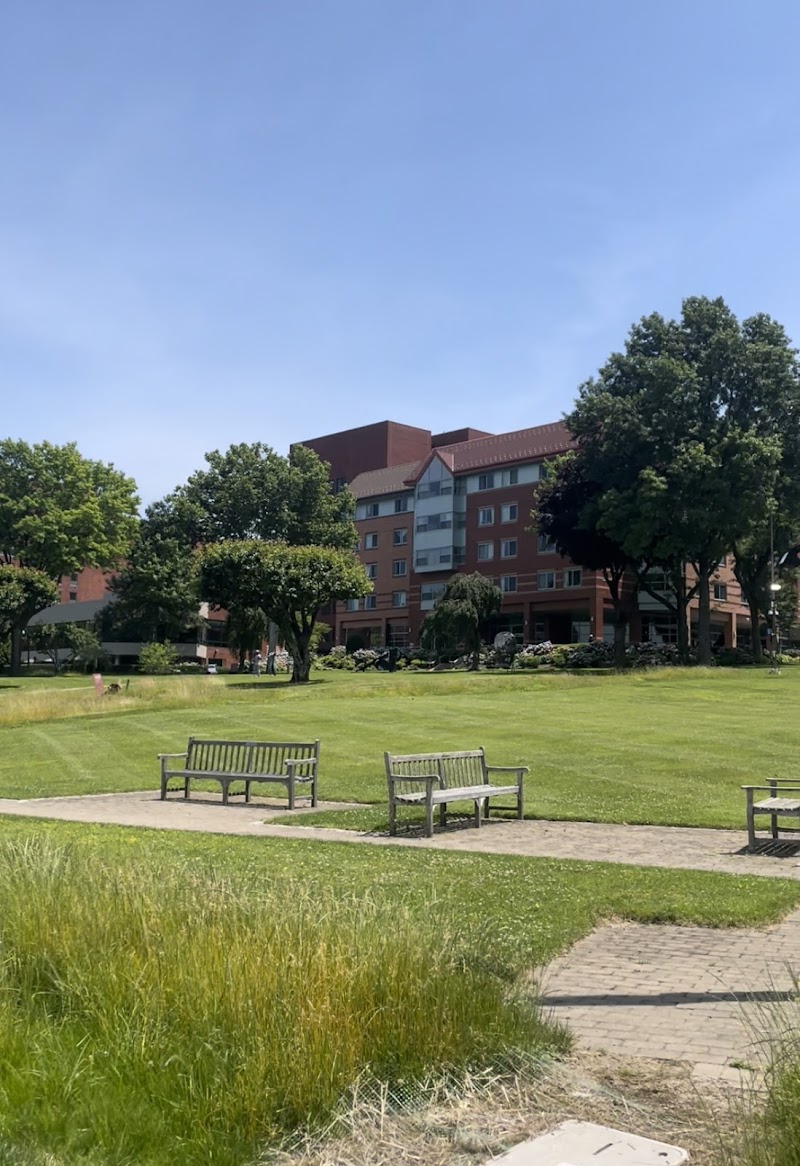
How is Hebrew Home For The Aged At Riverdale Staffed?

CMS rates HEBREW HOME FOR THE AGED AT RIVERDALE's staffing level at 3 out of 5 stars, which is average compared to other nursing homes. Staff turnover is 31%, compared to the New York average of 46%. This relatively stable workforce can support continuity of care.

What Have Inspectors Found at Hebrew Home For The Aged At Riverdale?

State health inspectors documented 13 deficiencies at HEBREW HOME FOR THE AGED AT RIVERDALE during 2019 to 2024. These included: 12 with potential for harm and 1 minor or isolated issues.

Who Owns and Operates Hebrew Home For The Aged At Riverdale?

HEBREW HOME FOR THE AGED AT RIVERDALE is owned by a non-profit organization. Non-profit facilities reinvest revenue into operations rather than distributing to shareholders. The facility operates independently rather than as part of a larger chain. With 843 certified beds and approximately 375 residents (about 44% occupancy), it is a large facility located in RIVERDALE, New York.
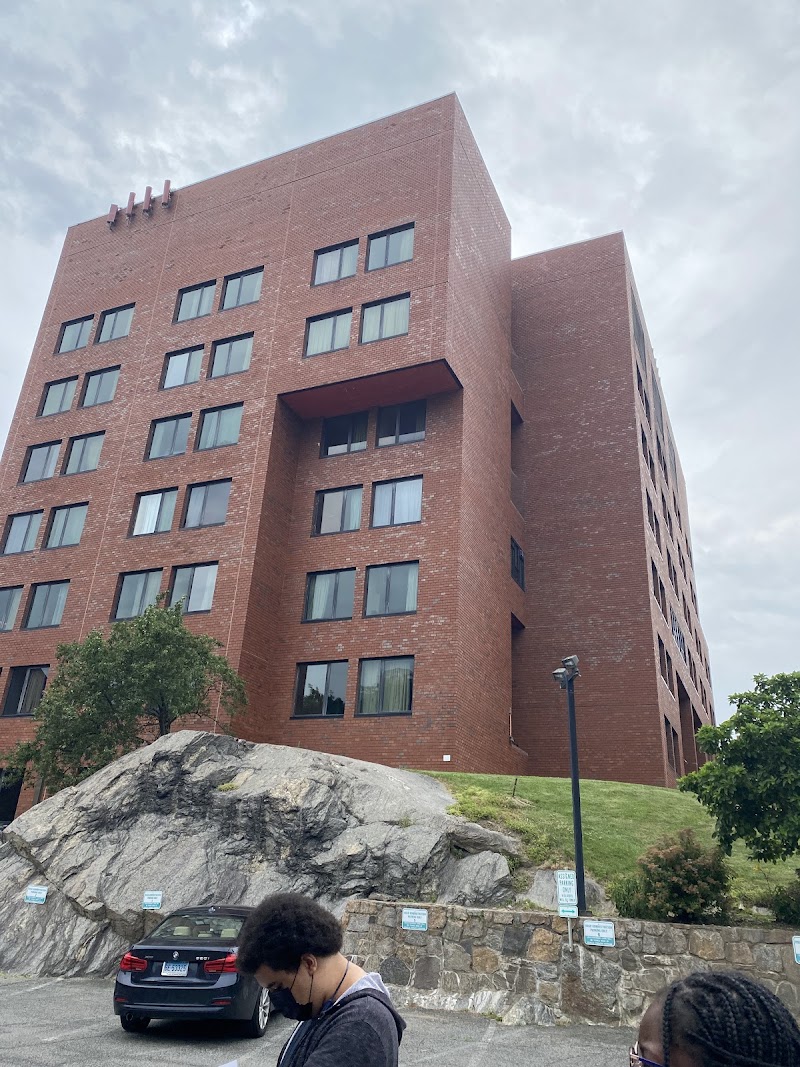
How Does Hebrew Home For The Aged At Riverdale Compare to Other New York Nursing Homes?

Compared to the 100 nursing homes in New York, HEBREW HOME FOR THE AGED AT RIVERDALE's overall rating (5 stars) is above the state average of 3.1, staff turnover (31%) is significantly lower than the state average of 46%, and health inspection rating (5 stars) is much above the national benchmark.

What Should Families Ask When Visiting Hebrew Home For The Aged At Riverdale?

Based on this facility's data, families visiting should ask: "Can I visit during a mealtime to observe dining assistance and food quality?" "How do you handle medical emergencies, and what is your hospital transfer rate?" "Can I speak with family members of current residents about their experience?"

Is Hebrew Home For The Aged At Riverdale Safe?

Based on CMS inspection data, HEBREW HOME FOR THE AGED AT RIVERDALE has a clean safety record: no substantiated abuse findings (meaning no confirmed cases of resident harm), no Immediate Jeopardy citations (the most serious violation level indicating risk of serious injury or death), and is not on the Special Focus Facility watch list (a federal program monitoring the lowest-performing 1% of nursing homes). The facility has a 5-star overall rating and ranks #1 of 100 nursing homes in New York. While no facility is perfect, families should still ask about staff-to-resident ratios and recent inspection results during their visit.

Do Nurses at Hebrew Home For The Aged At Riverdale Stick Around?

HEBREW HOME FOR THE AGED AT RIVERDALE has a staff turnover rate of 31%, which is about average for New York nursing homes (state average: 46%). Moderate turnover is common in nursing homes, but families should still ask about staff tenure and how the facility maintains care continuity when employees leave.

Was Hebrew Home For The Aged At Riverdale Ever Fined?

HEBREW HOME FOR THE AGED AT RIVERDALE has no federal fines on record. CMS issues fines when nursing homes fail to meet care standards or don't correct problems found during inspections. The absence of fines suggests the facility has either maintained compliance or corrected any issues before penalties were assessed. This is a positive indicator, though families should still review recent inspection reports for the full picture.

Is Hebrew Home For The Aged At Riverdale on Any Federal Watch List?

HEBREW HOME FOR THE AGED AT RIVERDALE is not on any federal watch list. The most significant is the Special Focus Facility (SFF) program, which identifies the bottom 1% of nursing homes nationally based on persistent, serious quality problems. Not being on this list means the facility has avoided the pattern of deficiencies that triggers enhanced federal oversight. This is a positive indicator, though families should still review the facility's inspection history directly.