Church Home of the Protestant Episcopal Church
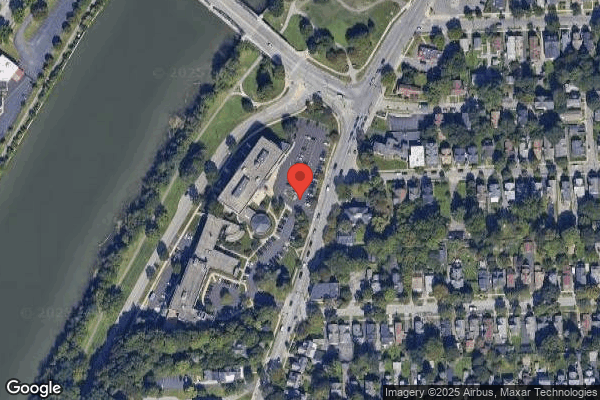
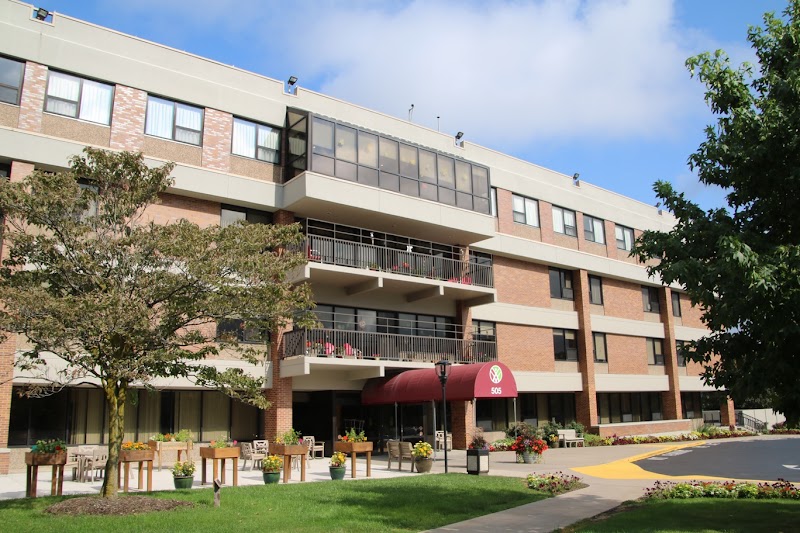
505 Mt. Hope Avenue, Rochester, NY 14620 (585) 546-8400
Non profit - Corporation 182 Beds Independent Data: November 2025
Trust Grade
80/100
#154 of 594 in NY
Last Inspection: January 2024

Within standard 12-15 month inspection cycle. Federal law requires annual inspections.

Overview

Church Home of the Protestant Episcopal Church in Rochester, New York, has a Trust Grade of B+, which means it is recommended and above average compared to other facilities. It ranks #154 out of 594 in New York, placing it in the top half of nursing homes in the state, and #11 out of 31 in Monroe County, indicating that only ten local options are better. However, the facility is experiencing a worsening trend, with issues increasing from 4 in 2022 to 5 in 2024. Staffing is a relative strength, with a turnover rate of 0%, significantly lower than the state average of 40%, but the nursing coverage is concerning as it is less than 88% of other facilities in New York. While the facility has no fines on record, which is a positive sign, it has faced some specific incidents. For example, they failed to properly screen new employees for abuse, neglect, or exploitation, which raises safety concerns. Additionally, there were issues with food safety in the kitchen, such as food not being stored at safe temperatures, which could pose health risks to residents. Overall, while there are strengths in staffing and lack of fines, families should be aware of the safety practices and quality of care issues highlighted in the recent inspections.
Trust Score
B+
80/100
In New York
#154/594
Top 25%
Safety Record
Low Risk
No red flags
Inspections
Getting Worse
4 → 5 violations
Staff Stability
○ Average
Turnover data not reported for this facility.
Penalties
✓ Good
No fines on record. Clean compliance history, better than most New York facilities.
Skilled Nurses
⚠ Watch
Each resident gets only 27 minutes of Registered Nurse (RN) attention daily — below average for New York. Fewer RN minutes means fewer trained eyes watching for problems.
Violations
⚠ Watch
12 deficiencies on record. Higher than average. Multiple issues found across inspections.
★★★★☆
4.0
Overall Rating
★★★☆☆
3.0
Staff Levels
★★★★★
5.0
Care Quality
★★★☆☆
3.0
Inspection Score
Stable
2022: 4 issues
2024: 5 issues

The Good

  • 5-Star Quality Measures · Strong clinical quality outcomes
  • Full Sprinkler Coverage · Fire safety systems throughout facility
  • No fines on record

Facility shows strength in quality measures, fire safety.

The Bad

No Significant Concerns Identified

This facility shows no red flags. Among New York's 100 nursing homes, only 0% achieve this.

The Ugly 12 deficiencies on record

Jan 2024 5 deficiencies
CONCERN (D) 📢 Someone Reported This

A family member, employee, or ombudsman was alarmed enough to file a formal complaint

Potential for Harm - no one hurt, but risky conditions existed

ADL Care (Tag F0677)

Could have caused harm · This affected 1 resident

**NOTE- TERMS IN BRACKETS HAVE BEEN EDITED TO PROTECT CONFIDENTIALITY** Based on observations, interviews and record review conducted during the Recertification Survey it was determined that for one (...

Read full inspector narrative →
**NOTE- TERMS IN BRACKETS HAVE BEEN EDITED TO PROTECT CONFIDENTIALITY** Based on observations, interviews and record review conducted during the Recertification Survey it was determined that for one (Resident #12) of six residents reviewed for Activities of Daily Living (ADLs), the facility did not provide the Activities of Daily Living services required to maintain good nutrition. Specifically, Resident # 12 was not consistently provided with the amount of assist required during mealtimes. This is evidenced by the following: Resident #12 had diagnoses that included adult failure to thrive, macular degeneration (an eye disease that causes vision loss), and hearing loss. The Minimum Data Set assessment dated [DATE], revealed the resident was severely impaired cognitively, that their vision was highly impaired, and they required substantial/maximal (helper does more than half the effort) assistance with eating. Review of the Comprehensive Care Plan (CCP), revised on 12/18/23 revealed Resident #12 was at risk for alteration in nutrition with staff interventions that included to describe the resident's items on their meal tray, make updates as needed, review oral intake, obtain the resident's weights, and consult speech and occupational therapy as needed. Review of the current Certified Nurse Assistant Care Card (specific instructions for daily care) revealed Resident #12 required meal set up due to vision loss and encouragement to self-feed. During an observation and interview on 1/5/24 at 12:29 PM, Resident #12 was lying in bed with their meal tray in front of them. The lids had been removed from the food containers by Certified Nurse Assistant #1 and the resident's Boost (a high calorie supplement) had been opened but no other assist was observed prior to Certified Nurse Assistant #1 leaving the room. When interviewed at this time Resident #12 stated they could not see their food and was feeling around the meal tray. During an interview on 1/5/24 at 12:39 PM, Certified Nurse Assistant #1 said that when they go in Resident #12's room, they remove all the lids and tell the resident what they have on their meal tray. Certified Nurse Assistant #1 said they had offered to help the resident with their food, but the resident declined. During an interview on 1/5/24 at 12:44 PM, Licensed Practical Nurse #1 said they had spoken with the nurse manager about listing (on the Certified Nurse Assistant Care Card) Resident #12 as being in need of more feeding assistance and that Resident #12 had done well with eating but had required encouragement. During observations and interviews on 1/8/24 at 9:01 AM, Certified Nurse Assistant #2 delivered Resident #12's breakfast tray and told the resident their tray was there but did not describe the food items on the tray or location of the each food. Certified Nurse Assistant #2 removed the lids from the food and beverage containers and left the room. At 9:11 AM, Resident #12 remained lying in bed with their head of bed lowered less than 30 degrees, their food tray was untouched, and the resident did not appear to be able to reach their meal tray to feed themself. The resident was unsuccessfully attempting to operate their bed controller to raise the head but was lowering the height of the bed instead. During an interview and observation on 1/8/24 at 9:16 AM, Certified Nurse Assistant #2 said when they enter Resident #12's room, they introduce themself, turn on the light, and explain to the resident what was on their meal tray. Certified Nurse Assistant #2 said the resident loved to eat, sometimes consumed 75-100% and was blind but would feel for items on their table. Certified Nurse Assistant #2 then returned to Resident #12's room to collect their meal tray which was untouched other than the nutritional supplement drink and one bite of egg and asked Resident #12 if they wanted more to eat and Resident #12 replied that they could not see their food. During an interview with Minimum Data Set Coordinator #1 and Minimum Data Set Coordinator #2 on 1/8/24 at 10:16 AM, Minimum Data Set Coordinator #1 said that Resident #12 had a significant change resulting in the resident requiring substantial/maximal assistance with eating and that their level of care had been updated effective 12/18/23. Minimum Data Set Coordinator #1 said they look at staffing notes and what the resident had been doing for the prior seven-day period which included more assist than previously. The Minimum Data Set Coordinator #1 said the resident's Comprehensive Care Plan and the Certified Nurse Assistant Care Card should have reflected that the resident needed more assistance once the resident had a significant change (now on Hospice). During an interview on 1/8/24 at 10:39 AM, the Registered Dietician said if Resident #12 was taking in less than 25% of their meals staff would need to assist the resident as needed. During an interview with the Director of Nursing and the Assistant Director of Nursing on 1/8/24 at 11:15 AM, the Director of Nursing said staff should start by setting the resident's tray up, and as a second approach, staff should come back and offer more assistance to the resident such as offering to feed them if they did not accept the first approach. The Director of Nursing said the second approach was not on the care plan, but that staff should know the expectation. Additionally, the Director of Nursing said if the resident required more assistance, the resident's care plans should list the same. The Assistant Director of Nursing said it was their responsibility to update the care plans once changes were made. 10 NYCRR 415.12(a)(3)
CONCERN (D) 📢 Someone Reported This

A family member, employee, or ombudsman was alarmed enough to file a formal complaint

Potential for Harm - no one hurt, but risky conditions existed

Deficiency F0697 (Tag F0697)

Could have caused harm · This affected 1 resident

**NOTE- TERMS IN BRACKETS HAVE BEEN EDITED TO PROTECT CONFIDENTIALITY** Based on observations, interviews, and record review conducted during the Recertification Survey, it was determined that for one...

Read full inspector narrative →
**NOTE- TERMS IN BRACKETS HAVE BEEN EDITED TO PROTECT CONFIDENTIALITY** Based on observations, interviews, and record review conducted during the Recertification Survey, it was determined that for one (Resident #109) of one resident reviewed, the facility did not manage the resident's pain to the extent possible in accordance with the comprehensive assessment and plan of care, current professional standards of practice, and the resident's goals and preferences. Specifically, there was insufficient evidence that the resident's pain was effectively monitored and treated despite numerous complaints of pain. Additionally, Resident #109's Comprehensive Care Plan did not include that the resident had chronic pain with goals and interventions related to pain management. This is evidenced by the following: The facility's Pain Assessment and Management policy dated last reviewed December 2022, included the purpose of the policy was to help staff identify pain in a resident, to develop interventions that are consistent with the resident's goals and needs and address the underlying causes of pain. The policy included to assess the resident's pain and consequences of pain at least each shift for acute pain or significant changes in levels of chronic pain and at least weekly in stable chronic pain. The Certified Nursing Assistants should report any signs or symptoms of pain or resident complaints of pain to the team leader/nursing leadership. The Team Leader should observe each resident for signs or symptoms of pain or acknowledge resident complaints of pain each shift. Resident #109 had diagnoses that included post traumatic stress disorder, chronic pain, and unspecified dementia. The Minimum Date Set Assessment, dated 10/30/23, revealed the resident was cognitively intact, experienced pain occasionally, rated their pain seven (out of ten), and was on a scheduled pain regimen with as needed pain medication. During an interview on 1/3/24 Resident #109 stated they always have pain to their face and that the get Tylenol or something stronger. When asked how they rated their pain (0 being no pain and 10 being the worst pain) , Resident #109 said higher that 5 and that they have had pain for a while Resident #109's current Comprehensive Care Plan did not include they had any pain, or any goals or interventions (pharmacological or non-pharmacological) related to pain. Review of current Physician orders included acetaminophen (Tylenol) 1,000 milligrams three times a day, Bengay arthritic pain cream three times a day to neck, back and shoulders, tramadol 25 milligrams twice a day as needed for chronic facial pain, and acetaminophen 500 milligrams every six hours as needed for pain or fever. Review of the Medication Administration Records for December 2023 and January 2024 revealed Resident #109 received their scheduled acetaminophen and Bengay three times a day as ordered. Additionally, Resident #109 received their as needed acetaminophen dose and a dose of tramadol on one occasion in December 2023 and the acetaminophen on one occasion in the 8 days reviewed for January 2024. Review of the electronic medical record for the past month revealed the resident's daily pain was assessed and/or monitored for effectiveness of current pain measures and Physician orders twice in the last month. Additionally, the pain scale section under vital signs was blank (no documented values) for the full month reviewed. In a request for all pain assessments for the past several months, the facility provided a pain assessment form dated 11/7/23. Registered Nurse Manager #1 documented that Resident #109 had pain occasionally and rated their pain as a seven consistently over the past five days. Review of the Nursing 30/60 Day (Physician visit) form signed on 12/6/23 by Registered Nurse Manager #1 included that Resident #109's family was asking about the resident's facial pain and understood that it had been ongoing which they attributed it to fibromyalgia. Additionally, the Physician Notes section signed by physician on 12/7/23 included that Resident #109 continued to have chronic mouth/jaw pain, which was suspected to be due to irritation from dentures, and used tramadol and acetaminophen occasionally for pain. During an interview on 1/3/24 at 10:50 AM, Resident #109 stated that they always have pain to their face and have had the pain for a while. Resident #109 stated they would rate their pain higher than a five but would not give a specific number. Resident #109 stated they thought they took Tylenol and a something stronger for the pain. During an interview on 1/5/24 at 1:10 PM, Resident #109 stated their back hurt, they had received some pain medication and it had gotten better. During an interview on 1/8/24 at 1:01 PM, Resident #109 stated they called for the nurse at 6:00 AM (earlier that morning) because they were having pain and could not move (due to the pain). Resident #109 said staff came in, got them cleaned and up and then the nurse came in and gave them pain medication. Resident #109 said they were not sure what pain medicine they had been given, but they think they get it three times a day. Resident #109 said they were not able to get extra pain medication if they have been given the three times a day dose, and if they complain of pain, staff will tell them they just had their pain medication. Resident #109 was not able to verbalize their current pain level at the time of the interview. In a Nursing Progress Note dated 1/8/24 Registered Nurse Manager #1 documented that Resident #109's health care proxy voiced concerns regarding the resident's facial and jaw pain. Registered Nurse Manager #1 documented that they spoke with Resident #109, who initially denied being in pain, but then proceeded to complain of pain to the jaw and cheek bones. The progress note included that Resident #109 had the same pain concerns in the past and that acetaminophen and tramadol were available. During interviews on 1/8/24 at 1:31 PM and again on 1/9/24 at 11:37 AM, Registered Nurse Manager #1 stated the monitoring of residents' pain included quarterly pain assessments as part of the Minimum Data Set Assessment. Registered Nurse Manager #1 said if they see that a resident has increased pain, they will notify the medical provider. Registered Nurse Manager #1 said there is no standard process for nursing staff to ask residents about their pain every shift or every day. Registered Nurse Manager #1 stated Resident #109 requested the as needed medications when they needed it. Registered Nurse Manager #1 said Resident #109's pain issue should be added to their care plan. During an interview on 1/9/24 at 11:27 AM, Licensed Practical Nurse #2 said Resident #109 was always in pain and had acetaminophen and tramadol ordered (for pain). Licensed Practical Nurse #2 said Resident #109 will call and voice when they are in pain. Licensed Practical Nurse #2 said when they first entered Resident #109's room that morning, the first thing the resident said was that they were in pain. Licensed Practical Nurse #2 stated they told Resident #109 to let them know if they still had pain following their scheduled dose. During an interview on 1/9/24 at 12:39 PM, the Director of Nursing said there is an informal process for monitoring residents' pain day to day. The Director of Nursing said if a resident voices pain or via nonverbal (cues), staff would report it to the team leader, who would look at the resident's electronic health record to determine if any as needed pain medications were available. If as needed pain medications were not ordered for the resident, it would then be passed on to a Registered Nurse, who would assess the resident and notify a medical provider. The Director of Nursing stated they would expect pain and related interventions to be included on a resident's care plan (if they had pain). During an interview on 1/9/24 at 2:03 PM, Certified Nursing Aide #6 stated the past few mornings, when they entered Resident #109's room the resident had complained of back pain and requested pain medication and that [NAME] had come around to administer any. Certified Nursing Aide #6 said that they offered the resident a shower (to help with the pain), but on the way to the shower, the resident started crying and that their back hurt so the shower was not provided and they had relayed this information to Registered Nurse Manager #1. 10 NYCRR 415.12
CONCERN (D) 📢 Someone Reported This

A family member, employee, or ombudsman was alarmed enough to file a formal complaint

Potential for Harm - no one hurt, but risky conditions existed

Deficiency F0810 (Tag F0810)

Could have caused harm · This affected 1 resident

**NOTE- TERMS IN BRACKETS HAVE BEEN EDITED TO PROTECT CONFIDENTIALITY** Based on observations, interviews, and record review conducted during a Recertification Survey, it was determined that for two (...

Read full inspector narrative →
**NOTE- TERMS IN BRACKETS HAVE BEEN EDITED TO PROTECT CONFIDENTIALITY** Based on observations, interviews, and record review conducted during a Recertification Survey, it was determined that for two (Residents #8 and #79) of 12 residents reviewed, the facility did not provide special eating equipment for residents who need them to maintain or improve the residents' ability to eat and drink independently. Specifically, Resident #8 and Resident #79 were observed on multiple occasions consuming soup from a bowl instead of a mug as recommended by Occupational Therapy. This is evidenced by the following: 1.Resident #8 had diagnoses including stroke with hemiplegia (paralysis and weakness on one side of the body), adult failure to thrive, dementia, and dysphagia (difficulty swallowing). The Minimum Data Set Assessment, dated 12/2/23, revealed that Resident # 8 had moderate cognitive impairment of cognitive function and required supervision or touching assistance for eating. Resident #8's current Comprehensive Care Plan included providing adaptive equipment per Occupational Therapy recommendations. Review of Resident #8's Occupational Therapy note dated 10/19/23 revealed a recommendation for set-up, food cut up, a lip plate (specialized plate), soup served in a mug and supervision. Resident #8's current Care Card (care plan used by Certified Nursing Assistants for daily care) dated 1/5/24 did not include any adaptive equipment required for eating. A Care Plan Summary Clinical Note dated 12/5/23 and authored by Social Services included that Resident #8 required a lip plate, soup in a mug, set up, cut up and supervision at meals. During an observation on 1/3/24 at 12:37PM, Resident #8 lunch tray was delivered and their soup served in a bowl (versus a mug). Resident #8 was drinking the soup from the bowl raised to their mouth. Review of the resident's meal ticked at this time included that soup should be served in a mug. During an observation on 1/8/24 at 12:39PM, Resident #8 was sitting at the dining table for lunch drinking their soup from a bowl raised to their mouth and causing some spillage. Review of the resident's meal ticket instructed to serve soup in a mug. During an interview on 1/8/24 at 1:26PM, Registered Nurse Manager #1 stated the kitchens staff were responsible for ensuring specific items listed on the meal tickets were provided to the resident, and the Certified Nursing Assistants are a second set of eyes to check on consistency and assistive wear. Registered Nurse Manager #1 observed Resident #8's meal tray and stated that the soup was in a bowl and not in a mug as listed on the meal ticket. 2. Resident #79 had diagnoses that included Alzheimer's disease, muscle weakness, and glaucoma. The Minimum Data Set assessment dated [DATE] included that Resident #79 required supervision and touching (hands on) assist with eating. Review of Resident #79's current Comprehensive Care Plan included to provide the resident setup with meals, supervision, and soup in a mug. Review of an Occupational Therapy note dated 11/17/23, included Resident #79 needed assistance with foods requiring the use of utensils, and did best with finger foods and soup in a mug. During an observation on 1/8/24 at 12:41PM, Resident #79 was observed in dining room during lunch, with their soup in a bow. Review of the resident's lunch meal ticket listed soup in a mug. Review of Resident #79's current Comprehensive Care Plan included to provide the resident setup with meals, supervision, and soup in a mug. During an interview on 1/9/24 at approximately 10:30AM the Occupational Therapist stated that serving soup in a mug is an intervention that comes from Occupational Therapy and that the goal is for the resident to get the intake they need. If a resident is unable to get soup from the bowl to the mouth and it spills then I would recommend serving the soup in a mug. Whoever sets the tray up should be checking the tickets and if they don't have the equipment, they should let us know so can get more. During an observation on 1/8/24 at 12:41pm, Resident #79 was observed in the dining room during lunch, with their soup in a bowl. Review of the resident's lunch meal ticket listed soup in a mug. During an interview on 1/9/24 at 9:11AM, Food Service Kitchen Staff #1 stated that any special instructions and special equipment on the meal ticket is reviewed while plating a resident's meal. Food Service Kitchen Staff #1 said once everything is plated, a re-check should be done and if something is missing it is put on the tray. During an interview on 1/9/24 at 10:01AM, Certified Nursing Assistant #4 stated that the equipment a resident would need should be listed on their meal ticket, and that Certified Nursing Assistants should review each resident's meal ticket to make sure everything is on the tray. Certified Nursing Assistant #4 said if the tray is not right, the tray is taken back to the kitchen (on the unit). During an interview on 1/9/24 at 10:15AM, the Manager of Dietary and Catering stated the kitchen aides will review the meal tickets prior to proceeding to the resident's units to identify available inventory (or lack thereof) and if adaptive equipment is needed. The Manager of Dietary and Catering said adaptive equipment and special instructions for residents are printed and highlighted on the top of the meal tickets. The Manager of Dietary and Catering stated a new process was recently implemented for setting up meal trays because it was identified that items were being missed. The Manager of Dietary and Catering said that kitchen staff were to call down directly to the kitchen or supervisor if assistive equipment was not available. The Manager of Dietary and Catering stated that Resident #8 should not have received their soup in a bowl, as the meal ticket listed soup in a mug. The Manager of Dietary and Catering said they spoke with the involved staff member (who Plated Resident #8's tray during lunch), who stated they were nervous while plating lunch. 10 NYCRR 415.14(g)
CONCERN (E) 📢 Someone Reported This

A family member, employee, or ombudsman was alarmed enough to file a formal complaint

Potential for Harm - no one hurt, but risky conditions existed

Abuse Prevention Policies (Tag F0607)

Could have caused harm · This affected multiple residents

Based on interviews and record review conducted during the Recertification Survey, it was determined that for three (Employees #2, #4, and #5) of seven newly hired employees the facility did not imple...

Read full inspector narrative →
Based on interviews and record review conducted during the Recertification Survey, it was determined that for three (Employees #2, #4, and #5) of seven newly hired employees the facility did not implement written policies and procedures to prevent abuse, neglect, exploitation, and/or misappropriation of resident property related to screening of prospective employees. Specifically, a nurse aide registry abuse screening was not completed for newly hired employees prior to starting work. The findings are: On 1/5/24 from 1:30 PM to 2:45 PM, newly hired employee files were provided to the surveyor for review and included the following: Employee #2 was hired on 9/20/23 as a Unit Secretary and the nurse aide registry screen for prior abuse findings was not completed until 1/5/24. Employee #4 was hired on 10/17/23 as a Food Service Worker and the nurse aide registry screen for prior abuse findings was not completed until 1/5/24. Employee #5 was hired on 12/4/23 as an Environmental Services Worker and the nurse aide registry screen for prior abuse findings was not completed until 1/5/24. During an interview on 1/5/24 at 2:00 PM and 2:10 PM, the Director of Talent Development stated that they did not have a nurse aide registry check for Employee #2 or Employee #4. During an interview on 1/5/24 at 2:01 PM, the Senior Talent Acquisition Specialist stated that did not realize that they needed to run a nurse aide registry screen for everyone, including the Unit Secretary position but that they were checking Certified Nursing Assistants. 10 NYCRR: 415.4(b)
CONCERN (E) 📢 Someone Reported This

A family member, employee, or ombudsman was alarmed enough to file a formal complaint

Potential for Harm - no one hurt, but risky conditions existed

Food Safety (Tag F0812)

Could have caused harm · This affected multiple residents

Based on observations, interviews, and record review conducted during the Recertification Survey, it was determined that for one of one main kitchen the facility did not store, prepare, distribute, an...

Read full inspector narrative →
Based on observations, interviews, and record review conducted during the Recertification Survey, it was determined that for one of one main kitchen the facility did not store, prepare, distribute, and serve food in accordance with professional standards for food service safety. Specifically, potentially hazardous foods were not cold held at or below 45 degrees Fahrenheit (°F), and a refrigerator was not maintained in good working order. The findings are: Observations in the main kitchen on 1/3/24 at 9:14 AM included a Hoshizaki brand stand up two door refrigerator marked with a #5 on the door and two thermometers inside of the left door displaying 48°F. At this time the kitchen thermometers and the surveyors' Thermapen were checked for proper calibration using a cup of ice and water and read 32°F. Observations on 1/3/24 at 9:28 AM included the temperatures of the following items within the Hoshizaki cooler were measured by the surveyor as follows: Carrots 49 °F, rice 48°F, vegetables soup 53°F, six hamburgers 51°F, gravy 48°F, bologna 48°F, a partial package of Turkey 51°F, eight sausage links 53°F, and Swiss cheese 50°F. Each of these items were observed to be stored in small stainless containers that measured six-inches wide by six-inches deep and were voluntarily discarded by the Kitchen Manager. In an interview at this time the Kitchen Manager stated that they called their service guy, and they should have the cooler taken care of by tomorrow. Additionally, the Kitchen Manager stated that they do sometimes have problems with this cooler, especially in hot weather. Review of a work order dated 1/3/24 revealed that the unit (Hoshizaki cooler) was out of temperature upon arrival and that it had a very slow leak for over a year. Record review on 1/5/24 at 10:20 AM revealed the temperature log for cooler #5 included AM and PM temperatures recorded for January 1, 2024, of 21°F and no entries for January 2-5. In an interview at this time the Kitchen Manager stated everyone should do this. 10NYCRR: 415.14(h); 10NYCRR: Subpart 14-1.40(a), 14-1.95
Mar 2022 4 deficiencies
CONCERN (D)

Potential for Harm - no one hurt, but risky conditions existed

Deficiency F0552 (Tag F0552)

Could have caused harm · This affected 1 resident

Based on observation, interviews, and record review conducted during the Recertification Survey, completed on 3/11/22, it was determined for one (Resident #2) of one resident reviewed for communicatio...

Read full inspector narrative →
Based on observation, interviews, and record review conducted during the Recertification Survey, completed on 3/11/22, it was determined for one (Resident #2) of one resident reviewed for communication, the facility did not ensure the resident had the right to be informed of, and participate in their treatment in a language that they could understand. Specifically, Resident #2 who had little understanding of the English language was not provided with the opportunity to communicate and be communicated with in a language they could consistently understand. The findings are: Resident # 2 had diagnoses including dementia, diabetes, and adult failure to thrive. The Minimum Data Set (MDS) Assessment, dated 11/24/21, documented that Resident #2 was severely impaired cognitively, that their ability to understand others was sometimes understands, and their ability to make themself understood was sometimes understood. The MDS Assessment documented that the resident's preferred language was other than English and that the resident required an interpreter to communicate with health care staff. Review of the current Comprehensive Care Plan and the Resident Care Card (care plan used by the Certified Nursing Assistant (CNA) for daily care), revealed under special needs & instructions that the resident spoke (language other than English) and required the use of a picture board when communicating and to encourage the resident to point to the pictures as tolerated, call the housekeeper to translate or call the family. During multiple observations from 3/7/22 through 3/11/22 day shifts, Resident #2 did not have a communication board or pictures in their room. During an interview on 3/8/22 at 11:46 a.m., the CNA stated that Resident #2 used to have communication pictures on their wall, and they were unsure as to why they were removed. The CNA stated that in order to communicate with the resident without the use of a communication board they would continue to point to things until the resident shakes their head yes or no. The CNA stated the facility does not have an interpreter that they were aware of. The CNA said that they would know if the resident was in pain if they pointed to a specific area on their body while moaning. During an interview on 3/8/22 at 1:32 p.m., the Recreation Therapist (RT) stated that Resident #2 does not speak any English and only knows a couple of words. The RT stated that the resident used to come to activities and was very social but not verbally. Resident #2 has since made it known that they did not want to come any more and has decided to stay in their room. The RT stated that they have attempted to use the communication board with the resident in the past, but the resident laughed at the photos. The RT then stated that communication with the resident is now done solely through a facility housekeeper or the resident's family. During an interview on 3/9/22 at 10:37 a.m., the Director of Nursing (DON) stated that their current interventions for communicating with Resident #2 included using a facility's housekeeper (who speaks the language), who was not a certified translator, and the resident's family. The DON stated the facility has a language line, but they do not have it set up nor do they use it because they felt the family understood the resident more. During an interview on 3/9/22 at 3:32 p.m., Resident #2's family member stated that the resident does not understand the staff and the staff does not understand the resident. The family member stated the facility calls family in an emergency to translate. The family member stated they were not aware of the facility using a housekeeper to translate and that they had not agreed to this arrangement. The family member said that Resident #2 has voiced to them that they are frustrated with the staff's inability to understand them and that they do not get to go out and sit with the other residents in the common area because they do not speak English. During an attempt to interview Resident #2 on 3/10/22 at 8:36 a.m., the Surveyor requested the assistance of the housekeeper to assist with translation but was told by the Unit Receptionist that the housekeeper was off. During an interview on 3/10/22 at 8:43 a.m., Resident #2 (with a family member translating) stated they only understand hi or hello from the staff and have to use gestures a lot. Resident #2 stated that the housekeeper speaks Hindi which is a different language than they speak but that the housekeeper can somewhat understand them. Resident #2 stated they cannot explain themself regarding the type of food that they want, or basic communication needs. Resident #2 wished someone could take them for walks once a day around the unit. Resident #2 stated that while they do not want to go out to the lobby every day, a couple of days a week to be with other residents would be good. Resident #2 also stated their feet hurt and would like to receive therapy so they could be out (of their room) more. 10 NYCRR 415.12(a)(2)
CONCERN (D)

Potential for Harm - no one hurt, but risky conditions existed

Safe Environment (Tag F0584)

Could have caused harm · This affected 1 resident

Based on observations, interviews and record review, conducted during the Recertification Survey, completed on 3/11/22, it was determined that the facility did not provide a safe, clean, comfortable, ...

Read full inspector narrative →
Based on observations, interviews and record review, conducted during the Recertification Survey, completed on 3/11/22, it was determined that the facility did not provide a safe, clean, comfortable, and homelike environment for one of twenty-four residents reviewed. Specifically, Resident #120 was observed on multiple days in a soiled Broda (type of geriatric positioning chair) chair. This is evidenced by: Resident #120 had diagnoses that included vascular dementia, hemiplegia (loss of muscle function on one side of the body) and adult failure to thrive. The Minimum Data Set Assessment, dated 2/15/22, documented that per staff assessment, Resident #120 had poor memory, poor recall and severely impaired decision-making skills. The resident also required total dependence on staff for bathing, extensive assist of staff with personal hygiene and dressing and was independent with eating after set up. The Resident Care Card (care plan used by the Certified Nursing Assistants (CNAs) for daily care), dated 3/11/22, documented that Resident #120 was non-ambulatory and used a Broda chair. During observations on 3/7/22 at 12:39 p.m, on 3/8/22 at 12:28 p.m. and on 3/9/22 at 8:14 a.m., Resident #120 was observed sitting in their Broda chair which was covered in multiple dried and crusty white and brown debris on both sides of chair, on the arm cushioning and on the seat cushion. The Broda chair wheel housing compartments were covered with a crumbling white debris and had a ball of hair wrapped around one back wheel. During an interview on 3/9/22 at 8:22 a.m., The CNA stated Resident #120's Broda chair appeared covered in milk. The CNA was not aware of any cleaning schedule for the Broda chairs. During an interview on 3/9/22 at 8:25 a.m., the Licensed Practical Nurse (LPN) stated the night shift cleaned the chairs. The LPN stated Resident #120's chair was gross. The LPN was unable to identify what the chair was soiled with. During an interview on 3/9/22 at 8:27a.m., the Registered Nurse Manager (RNM) stated the facility did not have a process for washing the Broda chairs, as they do not fit in the chair wash machine and would have to be scrubbed down separately. The RNM stated that some of the white debris on the arm cushioning of Resident #120's Broda chair appeared to be residue from cleaning wipes but was unable to identify the remaining spots or debris covering the chair. The RNM reported the chair should have been cleaned. 10NYCRR 415.29(j)(1)
CONCERN (D)

Potential for Harm - no one hurt, but risky conditions existed

Investigate Abuse (Tag F0610)

Could have caused harm · This affected 1 resident

Based on observations, interviews and record review conducted during the Recertification Survey, completed on 3/11/22, it was determined that for two (Resident #2 and Resident #60) of seven residents ...

Read full inspector narrative →
Based on observations, interviews and record review conducted during the Recertification Survey, completed on 3/11/22, it was determined that for two (Resident #2 and Resident #60) of seven residents reviewed for investigations, the facility did not thoroughly investigate injuries of unknown origin in order to rule out abuse, neglect or mistreatment. The issues involved the lack of an investigation for bruises of unknown origin for Resident #60 and lack of a thorough investigation of a fractured heel of unknown origin for Resident #2. This was evidenced by the following: 1.Resident #60 had diagnoses that included dementia, a history of falls, and was legally blind. The Minimum Data Set (MDS) Assessment, dated 1/13/22, revealed the resident was moderately impaired of cognitive function and required extensive assistance of staff with bed mobility and total dependence with personal hygiene. The current Resident Care Card included that Resident #60 was at risk for falls due to blindness and required the assistance of two staff for transfers using a mechanical lift. The Care Card included that the resident was non-ambulatory and used a Geri chair for comfort and positioning. Review of a wound assessment progress note, dated 1/31/22, revealed that Resident #60 had a reddish-purple bruise to the left axilla (armpit) and left breast, painful and tenderness to touch, that was identified during care. The resident was unable to state how the bruising had occurred due to dementia. Review of a wound assessment progress note, dated 2/11/22, included that no abuse or neglect was suspected because of the probable cause being that the resident sleeps in their Geri chair while leaning over the side. The note included that Resident #60 had stated that it hurts a little when put in the hoyer lift. During an observation on 3/9/22 at 11:12 a.m., and again on 3/10/22 at 9:25 a.m., Resident #60 was observed sitting in their Geri chair in an upright position with a pillow supporting their back. The resident was not observed to be leaning over the chair at any time during the observations. Review of Incident/Accident (I/A) reports provided for the past six months revealed investigations for falls on 1/3/22, 2/7/22, and 9/11/21. The facility was unable to provide any investigation related to the resident's bruises that were noted on 1/21/22. Review of a nursing progress note, dated 2/6/22, revealed Resident #60 had complained of pain in the left upper extremity during care and again later that day during bedtime time care and was accusing staff of hurting them. The note included that the resident was given Haldol (an antipsychotic medication used for for agitation). Review of a nursing progress note, dated 2/9/22, revealed that the resident was sleeping in the dining room and was leaning to the right side of their chair. During an interview on 3/9/22 at 10:37 a.m., the Director of Nursing (DON) stated if a resident had an injury of unknown origin, they would look back in the record to rule out probable cause first. The DON stated if they are unable to rule out probable cause they would conduct a three-day interview with the staff members involved in the resident's care. When asked if an investigation into Resident #60's bruises was conducted in order to rule out abuse, neglect or mistreatment, the DON stated that they did not conduct a formal investigation due to determining the probable cause. The DON stated that the probable cause is based off the nurse's interpretation of the resident's behaviors and that the Registered Nurse (RN) on shift would ask staff members if they have seen the bruises on the resident. When requested, the facility was unable to provide documentation regarding any interviews with staff. The DON stated all interviews with staff are conducted verbally and not documented. The DON stated that probable cause was ruled out for this resident because nursing staff reported that Resident #60 favors their left side. During an interview on 3/9/22 at 3:11 p.m, the Licensed Practical Nurse (LPN) stated the residents' bruises was brought to their attention that day and that they had notified the medical team and had filled out an investigation form. The LPN stated that the conclusion of the incident was that the resident sustained the injuries from the hoyer lift. The LPN stated they had interviewed staff regarding the bruises but that they did not document this anywhere. 2.Resident # 2 had diagnoses including dementia, diabetes, and urine retention. The MDS Assessment, dated 11/24/21, revealed that Resident #2 had severe cognitive impairment, that their ability to understand others was 'sometimes understands' and their ability to make themselves understood was 'sometimes understood'. The MDS Assessment included that Resident #2 required an interpreter in order to speak with health care workers due to their preferred language as other. Review of the Resident Incident Reporting Form, dated 1/18/21, and signed by RN #1 revealed that the writer had received a phone call from Resident #2's family requesting that Resident #2's right heel be examined due to the resident's complaint of pain to the area. When assessed RN #1 wrote that the resident's heel had a dark purple bruise that was warm to touch with edema (swelling), rotated inwardly and per the resident, painful. RN#1 telephoned a family member to interpret due to a language barrier and the family member related that Resident #2 had told them that while walking with a nurse, they had stepped on something sharp like a needle' that pricked their foot causing Resident #2 to twist their ankle. RN #1 notified the medical team, and an x-ray was ordered which confirmed a right heel fracture. There was no further investigation notes regarding the incident provided. During an interview on 3/9/22 at 9:57 a.m., RN #1 (Unit Manager) stated they did not know how Resident #2 had sustained the injury and was not aware that the resident was in any pain until notified by family. RN #1 stated they could not recall if a formal investigation was conducted regarding the incident. During an interview on 3/9/22 at 10:37 a.m., and again on 3/10/22 at 8:21 a.m., the DON stated they if a resident has an injury of unknown origin, they attempt to rule out probably cause by reading back in the medical record. If unable to identify probable cause, then they would conduct three days of interviews with staff members caring for the resident and determine probable cause based on staff interpretation of the resident's behavior. The DON stated that they had not been made aware of Resident #2 pricking their foot on something but that she should have been notified and further investigation to determine how the resident was injured. The DON said that further investigation and interviews with staff should have been conducted. [10 NYCRR 415.4(b)(3)]
CONCERN (E)

Potential for Harm - no one hurt, but risky conditions existed

Food Safety (Tag F0812)

Could have caused harm · This affected multiple residents

Based on observations, interviews and record reviews, conducted during the Recertification Survey, completed on 3/11/22, it was determined that for one of one main kitchen, the facility failed to stor...

Read full inspector narrative →
Based on observations, interviews and record reviews, conducted during the Recertification Survey, completed on 3/11/22, it was determined that for one of one main kitchen, the facility failed to store, prepare, distribute and serve food in accordance with professional standards (U.S. Food and Drug Administration's Food Code) for food service safety. Specifically, there were multiple undated and unlabeled food items, dented cans, and a high temperature automatic dishwashing machine that did not meet temperature sanitizing standards. This is evidenced by the following: The undated facility policy titled 'Food Storage', included that plastic containers with tight-fitting covers must be used for storing cereals, cereal products, and broken lots of bulk foods and must be accurately labeled and dated. The policy also included that food items should be dated as it is placed on shelves and date marking should be done to indicate the date or day by which ready-to-eat, potentially hazardous foods should be consumed, sold, or discarded and will be visible on all high-risk foods. All foods should be covered, labeled and dated. The facility policy, 'Cleaning Dishes/ Dish Machine', revised January 2013, included that dish machines will be checked prior to meals and throughout the cycle to assure proper functioning and appropriate temperatures for cleaning and sanitation. The policy included that for a high temperature dishwasher the wash temperature should be 150 degrees Fahrenheit (°F) to 165°F and the final rinse temperature should be 180°F. Observations during the initial brief tour of the main kitchen on 3/7/22 from 8:31 a.m. to approximately 9:30 a.m. revealed the following: a. A large bag of fried chicken patties open and undated, in the walk-in freezer. b. Two large bags of raw chicken wings unlabeled and undated, in the walk-in cooler. c. Two half gallon containers of fat free milk located in the walk-in cooler were open and partially full with no open date. One container was marked with a 'sell by' date of 2/27/22 and another with a 'sell by' date of 3/3/22. d. There was a pound of margarine open and in plastic wrap, with no open date, in the walk-in cooler. e. There was an undated and opened stack of Swiss cheese covered in plastic wrap, in a side by side refrigerated unit. f. There was a large jar of peppers, horseradish, hot sauce, and Worcestershire sauce open, partially used and undated in a side by side refrigerated unit. g. There was a gallon-size containers of: barbeque sauce, sesame dressing, Italian dressing and Greek dressing. All were open, partially used and undated in a side by side refrigerated unit. h. A small jar of Vegenaise (vegan mayonnaise) opened and undated and marked with a 'best by' date of October 2021. i. Two small bowls of prepared tossed salad in plastic wrap undated in the walk-in produce cooler. j. A large bag of diced potatoes, a bag of shredded carrots, a bag of romaine lettuce hearts, and a storage container of shredded romaine opened, undated and unlabeled in the produce walk-in cooler. k. Two storage containers of prepared tuna salad and applesauce that were unlabeled, undated, and identified by the kitchen manager in the walk-in produce cooler. Signage on the door of walk-in produce cooler included Please date all food items in fridge. Observations during the follow up tour of the main kitchen on 3/9/22 at 11:22 a.m. revealed the following: a. Five dented #10 cans (pizza sauce, spaghetti sauce and three butterscotch pudding) in the dry storage area. b. A large undated, open bag of confectioner sugar in plastic wrap and a large undated open bag of breadcrumbs, also in plastic wrap, in the dry storage area. c. The high temperature automatic dishwashing machine temperature gauge was approximately 110°F for the wash cycle and 135°F for the rinse cycle, when run by the kitchen manager. A temperature log for the dishwashing machine, completed 3/1/22 through 3/7/22, recorded 155°F for the wash cycles and 185°F for the rinse cycles. The temperature log was not completed 3/8/22 and 3/9/22. During an interview on 3/9/22 at 11:22 a.m., the Kitchen Manager stated that the food vendor took back the dented cans and that the kitchen staff should know not to use dented cans. The Kitchen Manager stated they do not have a dedicated staff member to check deliveries and put the items away but that staff should have checked them and set them aside. During an interview on 3/9/22 at 12:04 p.m., the Kitchen Aide stated they ran the dishwashing machine, and that the temperature varied. The Kitchen Aide was unable to recall the proper wash and rinse cycle temperatures. During an interview on 3/9/22 at 12:05 p.m., the Kitchen Manager stated they have trained all the new kitchen staff on the proper dishwashing machine temperatures and the Kitchen Aide, who has worked here for 30 years, should be able to report if something was wrong. The Kitchen Manager stated the wash cycle should be at least 150°F and the rinse cycle should be 180°F for a high temperature dishwashing machine and that the dishwashing machine is maintained monthly by an outside company. 10NYCRR: 415.14(h), 10NYCRR: 14-1.10, 14-1.112, U.S. Food and Drug Administration's (FDA) Food Code Centers for Disease Control and Prevention's (CDC) food safety guidance
Oct 2019 3 deficiencies
CONCERN (D)

Potential for Harm - no one hurt, but risky conditions existed

Investigate Abuse (Tag F0610)

Could have caused harm · This affected 1 resident

**NOTE- TERMS IN BRACKETS HAVE BEEN EDITED TO PROTECT CONFIDENTIALITY** Based on observations, interviews and record reviews conducted during the Recertification Survey, it was determined that for two...

Read full inspector narrative →
**NOTE- TERMS IN BRACKETS HAVE BEEN EDITED TO PROTECT CONFIDENTIALITY** Based on observations, interviews and record reviews conducted during the Recertification Survey, it was determined that for two (Residents #33 and #51) of five residents reviewed for non-pressure related skin conditions, the facility did not thoroughly investigate skin injuries in order to rule out abuse, neglect or mistreatment. Specifically, the facility was unable to provide documentation that a thorough investigation was completed to support the probable causes for unwitnessed skin injuries. This is evidenced by the following: Review of the undated facility policy, Investigation of Unwitnessed Injury, revealed that all unwitnessed resident injuries involving bruises will be investigated to determine if the elements of abuse or mistreatment are present. The injury is to be assessed by a Registered Nurse (RN) to rule out possible abuse, neglect, or mistreatment. The RN will interview the resident and staff. If the resident is unable to explain what happened, determine if there is documentation in the chart to identify the source of the injury or if the injury was observed. Upon RN assessment, if no abuse, neglect, or mistreatment is evident an RN assessment of the skin lesion will be documented, and a summary and conclusion will be documented in the comment section of the Wound Assessment form. An Incident and Accident form will not be generated. 1. Resident #33 was admitted to the facility on [DATE] and had diagnoses that included benign prostatic hypertrophy, osteoarthritis of the knees and a pacemaker. The Minimum Data Set (MDS) Assessment, dated 7/23/19, revealed that the resident had moderately impaired cognition and had not received an anticoagulant (blood thinner) in the previous seven days. The Wound Assessment form, dated 9/15/19, revealed that the resident had a 4 centimeter (cm) x 6 cm red purple color bruise on the right forearm. The resident was unable to state how it happened. The resident sits in a straight back chair in the dining room and was on an anticoagulant which may cause easy bruising. The affected area may have had direct contact with the armrest of the chair. The probable cause was that the resident bumped his forearm on the chair arm and no abuse, neglect, or mistreatment was suspected. Subsequent documentation on that same form on 9/26/19 and 10/3/19 revealed the bruise was fading. The facility was unable to provide any additional documentation related to the resident's bruise and or investigation. The current physician orders did not include the use of an anticoagulant. When observed on 10/2/19 at 1:42 p.m., the resident was sitting in a chair in his room, and a dark purple area was noted on the right hand at the base of the right thumb extending towards the wrist. When interviewed at that time, the resident stated he did not know how the bruise occurred. He said that he had bruises on both arms. He stated that if staff grab him tight, he turns black and blue. When interviewed on 10/4/19 at 1:56 p.m., the RN Manager stated that when a bruise is identified, the nurse measures the area and gathers information to document on the Wound Assessment form. He stated that staff try and determine the cause of the injury and if they come up with a probable cause a formal investigation is not completed. The RN Manager said that staff that had contact with the resident within the last 72 hours should be interviewed. He said that he has not actually completed an investigation and was unaware of the paperwork involved. The RN Manager reviewed the documentation related to the bruise on the resident's forearm, and then stated the resident was not on an anticoagulant and staff had not reported that the resident was hitting his arms on the dining room chairs. The RN Manager stated the investigation was incomplete. 2. Resident #51 was admitted to the facility on [DATE] and had diagnoses that included vascular dementia, atrial fibrillation and vitamin D deficiency. The MDS Assessment, dated 7/25/19, revealed the resident had severely impaired cognition. A medical note, dated 10/2/19, revealed no documented skin issues. The Wound Assessment, dated 10/2/19, revealed a small purple bruise on the top of the resident's left hand was noted on 10/1/19. The resident was unable to state the cause. The probable cause was the bruise was consistent with the bottom of the dining table, and there was no evidence of abuse, neglect, or mistreatment. A progress note, dated 10/2/19, documented a new bruise on the top of the resident's hand. The facility was unable to provide any additional documentation related to the resident's bruise and or investigation. When interviewed on 10/4/19 at 1:56 p.m., the RN Manager stated that he did not do a complete investigation of the resident's bruise. He stated he did not know how long the resident had the bruise and he had never seen her hit her hands on the dining table. During an interview on 10/4/19 at 3:11 p.m., the Director of Nursing (DON) stated when a bruise is identified, the RN completes an assessment. She said if the RN can determine a probable cause or the resident can state how the bruise occurred, an investigation was not done. She said, for example, if a resident's bruise lines up with the arm of a chair, staff assume that the resident bruised their arm on the chair. The DON stated the RN would need to interview staff to determine a probable cause. She reviewed the Wound Assessment form for Resident #51 and stated the investigation was incomplete. She stated she did not have evidence to support the probable cause documented. When interviewed on 10/7/19 at 3:48 p.m., the Administrator stated that when an injury was identified and the resident could not answer how it had occurred, the Nurse Manager or Clinical Coordinator would interview staff that had worked with the resident to try to determine how the injury occurred. The Administrator said the injury and interviews would be documented in the medical record. The Administrator stated a skin injury investigation only needed to include a probable cause. The Administrator said she was unable to provide documentation to support the probable causes documented in Resident #33 and Resident #51's medical records. [10 NYCRR 415.4(b)(3)]
CONCERN (D)

Potential for Harm - no one hurt, but risky conditions existed

Deficiency F0637 (Tag F0637)

Could have caused harm · This affected 1 resident

**NOTE- TERMS IN BRACKETS HAVE BEEN EDITED TO PROTECT CONFIDENTIALITY** Based on interviews and record reviews conducted during the Recertification Survey, it was determined that for two of two reside...

Read full inspector narrative →
**NOTE- TERMS IN BRACKETS HAVE BEEN EDITED TO PROTECT CONFIDENTIALITY** Based on interviews and record reviews conducted during the Recertification Survey, it was determined that for two of two residents reviewed for hospice, the facility did not ensure that a Significant Change in Status Minimum Data Set (MDS) Assessment was completed. Specifically, Resident #81 did not have a Significant Change Assessment completed following the start of hospice services, and Resident #59, did not have a Significant Change Assessment completed within the required timeframe following the start of hospice services. This is evidenced by the following: The Facility Resident Assessment Instrument 3.0 User's Manual Version 1.16, dated October 2018, reveals that a Significant Change in Status Assessment (SCSA) is required to be performed when a terminally ill resident enrolls in a hospice program. The Assessment Reference Date must be within 14 days from the effective date of the hospice election. A SCSA must be performed regardless of whether an assessment was recently conducted on the resident. This is to ensure a coordinated plan of care between the hospice and nursing home is in place. 1. Resident #81 was admitted to the facility on [DATE] and had diagnoses including squamous cell carcinoma (a form of skin cancer), adult failure to thrive, and vascular dementia. The MDS Assessment, dated 8/8/19, revealed that the resident had moderately impaired cognition. Review of the medical record revealed the resident signed on to hospice services on 8/29/19. When interviewed on 10/7/19 at 12:31 p.m., the Licensed Practical Nurse (LPN) Clinical Documentation Specialist stated a Significant Change MDS would be completed if the resident's decline in care needs began within 14 days of signing onto hospice. Following review of the MDS Manual, the LPN stated a Significant Change MDS should have been completed for the resident. When interviewed on 10/7/19 at 12:55 p.m., the Director of Social Work stated when a resident signs on to hospice services, a Significant Change MDS needs to be completed and the interdisciplinary team updates the care plan. 2. Resident #59 was admitted to the facility on [DATE] and had diagnoses including intestinal cancer, adult failure to thrive, and congestive heart failure. The MDS Assessment, dated 7/30/19, revealed that the resident had moderately impaired cognition and was receiving hospice care. Review of the medical record revealed that the resident was enrolled in hospice care effective 7/8/19. When interviewed on 10/8/19 at 10:00 a.m., the LPN Clinical Documentation Specialist stated that the Significant Change MDS should be completed by the 14th day following sign on to hospice services. She said the resident's assessment was not completed within the required timeframe. [10 NYCRR 415.11 (a)(3)(ii)]
CONCERN (D)

Potential for Harm - no one hurt, but risky conditions existed

Tube Feeding (Tag F0693)

Could have caused harm · This affected 1 resident

**NOTE- TERMS IN BRACKETS HAVE BEEN EDITED TO PROTECT CONFIDENTIALITY** Based on observations, interviews and record reviews conducted during the Recertification Survey, it was determined that for one...

Read full inspector narrative →
**NOTE- TERMS IN BRACKETS HAVE BEEN EDITED TO PROTECT CONFIDENTIALITY** Based on observations, interviews and record reviews conducted during the Recertification Survey, it was determined that for one of one resident reviewed for enteral nutrition (tube feeding), the facility did not provide appropriate treatment and services to prevent complications and or have a mechanism in place to ensure periodic evaluation of the amount of tube feeding being administered. Specifically, Resident #95's tube feeding orders were incomplete and did not include the total volume of tube feeding to be administered, and daily intakes were not recorded or consistently monitored. This is evidenced by the following: Resident #95 was admitted to the facility on [DATE] and had diagnoses that included cerebral vascular accident with left hemiparesis (weakness), dysphagia (difficulty swallowing) and vascular dementia. The Minimum Data Set Assessment, dated 8/20/19, revealed the resident had severely impaired cognition and received 51 percent or more of their calories through the tube feeding. The facility policy, Enteral Nutrition-Feeding Tube, dated July 2019, revealed as recommended by the Registered Dietician (RD), the physician order should include the tube feeding formula, route (pump or bolus), volume, rate, and the amount of water flushes with directions. If delivering via pump follow the directions for setting the rate per hour and the total volume. The current physician orders included that medications were to be administered via the feeding tube and to flush the Percutaneous Endoscopic Gastrostomy (PEG-type of feeding tube) tube five times a day with 100 cubic centimeters (cc) of water. The tube feeding Jevity 1.2 will run continuously from 4:00 p.m. to 9:00 a.m. at 80 cc with instructions to add enough feeding for the shift. Discard the tubing and bag when the feeding is complete at 9:00 a.m. The October 2019 Treatment Administration Record (TAR) included entries that directed to start the tube feeding of Jevity 1.2 at 4:00 p.m. and run it continuously at 80 cc an hour until 9:00 a.m. with instructions to add enough Jevity 1.2 for the shift. There were no specific instructions for the volume to be provided each shift or documentation of the volume total each shift or the total volume of tube feeding provided. The Dietician quarterly assessment, dated 8/29/19, revealed that the resident required 10 percent of nutrition via tube feeding and received Jevity 1.2 at 80 cc an hour from 4:00 p.m. to 9:00 a.m. for a total volume of 1,360 cc, with water flushes of 100 cc five times per day. In an observation on 10/2/19 at 10:00 a.m., the resident was in bed, the tube feeding was off, and the feeding bag contained 300 cc. The bag was labeled as started on 10/1/19 at 7:00 p.m. and down at 9:00 a.m. During an observation on 10/4/19 at 8:16 a.m., the resident was in bed and the tube feeding was infusing via a pump. The bag was labeled Jevity 1.2 and dated, 10/3 at 4:00 p.m. The pump was set to infuse at 80 cc per hour, and the pump display revealed that the total volume infused was 2,385 cc. There was about 100 cc of feeding left in the bag. When interviewed at 8:52 a.m., Licensed Practical Nurse (LPN) #1 stated that she needed to leave the feeding up longer as it went up late the night before. She said that she did not know what period of time the total volume infused covered. She stated she would have to do the math to determine if the volume infused on the pump was what was supposed to be infused from 4:00 p.m.to 9:00 a.m. LPN #1 stated the tube feeding infused at 80 cc per hour and there was no specific amount to be infused on her time. She stated nursing does not monitor the intakes for feeding tubes. LPN #1 stated she did not record the amount of feeding the resident had received on her time. She said that she only records the time the feeding was stopped. LPN #1 stated when she started her shift at 7:00 a.m. she had not added any feeding to the bag as there was enough in the bag to run until 9:00 a.m. In an observation on 10/4/19 at 4:00 p.m., a sign was posted on the resident's wall, to the left of the head of the bed behind the feeding pump and instructed staff to only use enough feeding for each shift. Each container contained 237 cc and the evening staff (4:00 p.m. to 11:00 p.m.) was responsible for 560 cc or 2.5 containers, but were directed to add three boxes of feeding (711 cc). The night staff (11:00 p.m. to 7:00 a.m.) was responsible for 640 cc or 2.7 containers but were directed to add three boxes of feeding around midnight (711 cc). The day shift (7:00 a.m. to 9:00 a.m.) was responsible for 160 cc or one container. There was a note for the day shift do not add unless necessary as there should be enough to complete the infusion. The RD recommended 1,360 cc over 24 hours, and the amounts directed in the instructions above total 1,422 cc for the day and evening shift (six containers of 237 cc). During an interview on 10/4/19 at 4:00 p.m., LPN #2 stated the Clinical Coordinator had posted a sign in the resident's room on the wall that instructed how much feeding was to be added to the bag each shift. She stated each container of Jevity 1.2 was 250 cc. She stated she clears the pump when she started the feeding. When interviewed on 10/7/19 at 10:16 a.m., the Clinical Nutrition Manager stated she reviews the medical record for weight loss and to ensure the tube feeding are administered as ordered. She stated she was told that day there was a chart in the room instructing staff on how much tube feeding should be administered each shift. The Clinical Nutrition Manager stated the physician's order should include the same information that was documented in the RD quarterly note including the total volume of tube feeding to be administered and the amount of water flush to be administered before and after medication administration. [10 NYCRR 415.12(g)(2)]
Understanding Severity Codes (click to expand)
Life-Threatening (Immediate Jeopardy)
J - Isolated K - Pattern L - Widespread
Actual Harm
G - Isolated H - Pattern I - Widespread
Potential for Harm
D - Isolated E - Pattern F - Widespread
No Harm (Minor)
A - Isolated B - Pattern C - Widespread

Questions to Ask on Your Visit

  • "Can I speak with families of current residents?"
  • "What's your RN coverage like on weekends and overnight?"

Our Honest Assessment

Strengths
  • • Grade B+ (80/100). Above average facility, better than most options in New York.
  • • No major safety red flags. No abuse findings, life-threatening violations, or SFF status.
  • • No fines on record. Clean compliance history, better than most New York facilities.
Concerns
  • • 12 deficiencies on record. Higher than average. Multiple issues found across inspections.
Bottom line: Generally positive indicators. Standard due diligence and a personal visit recommended.

About This Facility

What is Church Home Of The Protestant Episcopal Church's CMS Rating?

CMS assigns Church Home of the Protestant Episcopal Church an overall rating of 4 out of 5 stars, which is considered above average nationally. Within New York, this rating places the facility higher than 99% of the state's 100 nursing homes. This rating reflects solid performance across the metrics CMS uses to evaluate nursing home quality.
How is Church Home Of The Protestant Episcopal Church Staffed?

CMS rates Church Home of the Protestant Episcopal Church's staffing level at 3 out of 5 stars, which is average compared to other nursing homes.

What Have Inspectors Found at Church Home Of The Protestant Episcopal Church?

State health inspectors documented 12 deficiencies at Church Home of the Protestant Episcopal Church during 2019 to 2024. These included: 12 with potential for harm.
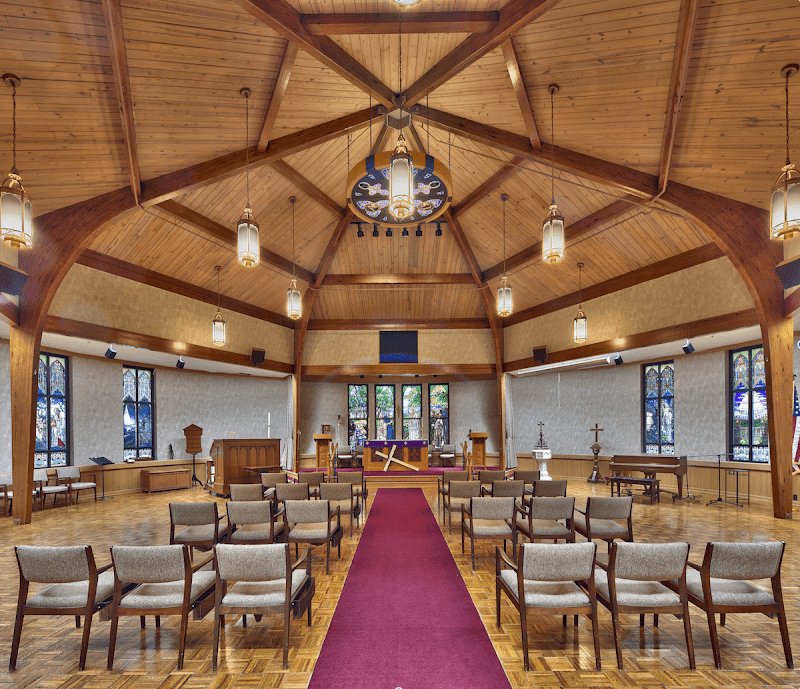
Who Owns and Operates Church Home Of The Protestant Episcopal Church?

Church Home of the Protestant Episcopal Church is owned by a non-profit organization. Non-profit facilities reinvest revenue into operations rather than distributing to shareholders. The facility operates independently rather than as part of a larger chain. With 182 certified beds and approximately 143 residents (about 79% occupancy), it is a mid-sized facility located in Rochester, New York.

How Does Church Home Of The Protestant Episcopal Church Compare to Other New York Nursing Homes?

Compared to the 100 nursing homes in New York, Church Home of the Protestant Episcopal Church's overall rating (4 stars) is above the state average of 3.1 and health inspection rating (3 stars) is at the national benchmark.

What Should Families Ask When Visiting Church Home Of The Protestant Episcopal Church?

Based on this facility's data, families visiting should ask: "Can I visit during a mealtime to observe dining assistance and food quality?" "How do you handle medical emergencies, and what is your hospital transfer rate?" "Can I speak with family members of current residents about their experience?"

Is Church Home Of The Protestant Episcopal Church Safe?

Based on CMS inspection data, Church Home of the Protestant Episcopal Church has a clean safety record: no substantiated abuse findings (meaning no confirmed cases of resident harm), no Immediate Jeopardy citations (the most serious violation level indicating risk of serious injury or death), and is not on the Special Focus Facility watch list (a federal program monitoring the lowest-performing 1% of nursing homes). The facility has a 4-star overall rating and ranks #1 of 100 nursing homes in New York. While no facility is perfect, families should still ask about staff-to-resident ratios and recent inspection results during their visit.

Do Nurses at Church Home Of The Protestant Episcopal Church Stick Around?

Church Home of the Protestant Episcopal Church has not reported staff turnover data to CMS. Staff turnover matters because consistent caregivers learn residents' individual needs, medications, and preferences. When staff frequently change, this institutional knowledge is lost. Families should ask the facility directly about their staff retention rates and average employee tenure.

Was Church Home Of The Protestant Episcopal Church Ever Fined?

Church Home of the Protestant Episcopal Church has no federal fines on record. CMS issues fines when nursing homes fail to meet care standards or don't correct problems found during inspections. The absence of fines suggests the facility has either maintained compliance or corrected any issues before penalties were assessed. This is a positive indicator, though families should still review recent inspection reports for the full picture.

Is Church Home Of The Protestant Episcopal Church on Any Federal Watch List?

Church Home of the Protestant Episcopal Church is not on any federal watch list. The most significant is the Special Focus Facility (SFF) program, which identifies the bottom 1% of nursing homes nationally based on persistent, serious quality problems. Not being on this list means the facility has avoided the pattern of deficiencies that triggers enhanced federal oversight. This is a positive indicator, though families should still review the facility's inspection history directly.