Edna Tina Wilson Living Center

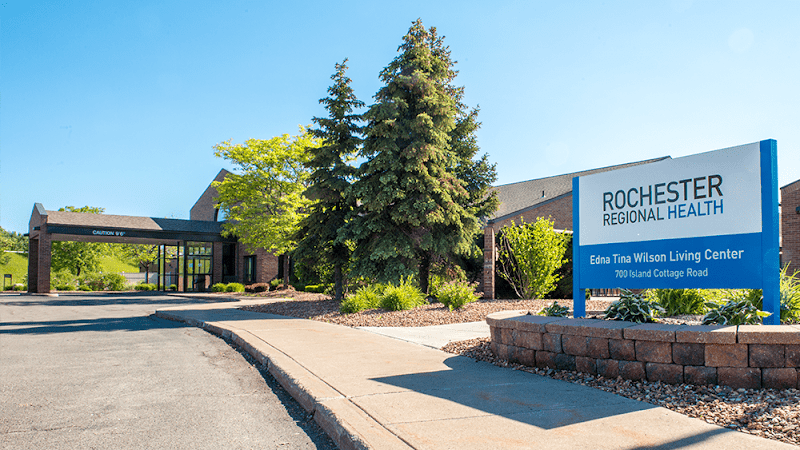
700 Island Cottage Road, Rochester, NY 14612 (585) 368-6100
Non profit - Corporation 120 Beds ROCHESTER REGIONAL HEALTH Data: November 2025
Trust Grade
90/100
#33 of 594 in NY
Last Inspection: April 2025

Within standard 12-15 month inspection cycle. Federal law requires annual inspections.

Overview

The Edna Tina Wilson Living Center has received an impressive Trust Grade of A, indicating excellent quality and making it highly recommended for families seeking care. Ranking #33 out of 594 facilities in New York places it in the top half, and it holds the top spot among 31 nursing homes in Monroe County, suggesting it is one of the best local options available. The facility is on an improving trend, having reduced its issues from two in 2023 to just one in 2025. Staffing is relatively strong with a 4/5 star rating, and a turnover rate of 34% is below the state average, indicating that staff members are likely to stay long-term and build relationships with residents. On the downside, there were five identified concerns during inspections, including a lack of proper infection control practices for a resident with a pressure ulcer and failures in ensuring residents' rights regarding their treatment preferences. Overall, while there are some areas needing attention, the facility's strengths, including its excellent ratings and low fines, make it a commendable choice for families.
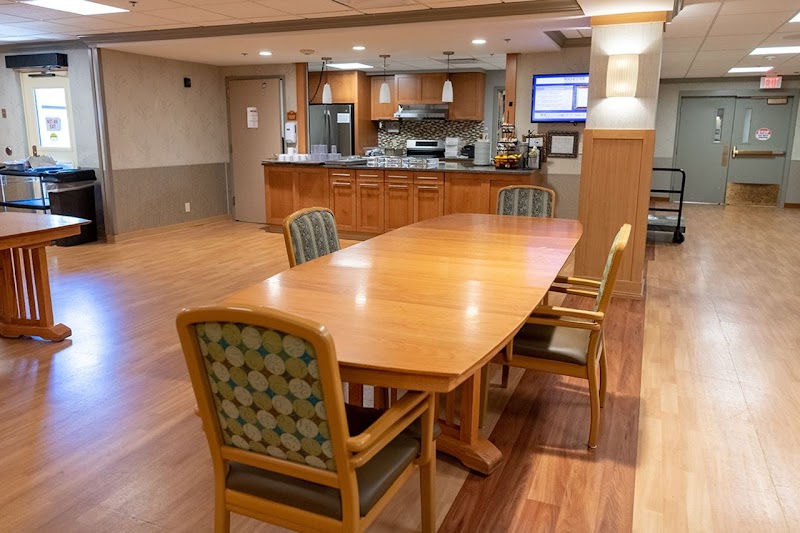
Trust Score
A
90/100
In New York
#33/594
Top 5%
Safety Record
Low Risk
No red flags
Inspections
Getting Better
2 → 1 violations
Staff Stability
○ Average
34% turnover. Near New York's 48% average. Typical for the industry.
Penalties
✓ Good
No fines on record. Clean compliance history, better than most New York facilities.
Skilled Nurses
○ Average
Each resident gets 31 minutes of Registered Nurse (RN) attention daily — about average for New York. RNs are the most trained staff who monitor for health changes.
Violations
✓ Good
Only 5 deficiencies on record. Cleaner than most facilities. Minor issues only.
★★★★★
5.0
Overall Rating
★★★★☆
4.0
Staff Levels
★★★★★
5.0
Care Quality
★★★★★
5.0
Inspection Score
Stable
2023: 2 issues
2025: 1 issues

The Good

  • 4-Star Staffing Rating · Above-average nurse staffing levels
  • 5-Star Quality Measures · Strong clinical quality outcomes
  • Full Sprinkler Coverage · Fire safety systems throughout facility
  • No fines on record
  • Staff turnover below average (34%)

    14 points below New York average of 48%

Facility shows strength in staffing levels, quality measures, fire safety.

The Bad

Staff Turnover: 34%

12pts below New York avg (46%)

Typical for the industry

Chain: ROCHESTER REGIONAL HEALTH

Part of a multi-facility chain

Ask about local staffing decisions and management

The Ugly 5 deficiencies on record

Apr 2025 1 deficiency
CONCERN (D)

Potential for Harm - no one hurt, but risky conditions existed

Infection Control (Tag F0880)

Could have caused harm · This affected 1 resident

Based on observation, interviews, and record review conducted during a Recertification Survey from 04/07/2025 to 04/11/2025, the facility did not establish and maintain an infection prevention and con...

Read full inspector narrative →
Based on observation, interviews, and record review conducted during a Recertification Survey from 04/07/2025 to 04/11/2025, the facility did not establish and maintain an infection prevention and control program designed to provide a safe, sanitary, and comfortable environment and to help prevent the development and transmission of communicable disease and infections for one (1) (Resident #25) of five (5) residents reviewed. Specifically, the resident had an unstageable pressure ulcer (full-thickness skin and tissue loss in which the extent of tissue damage cannot be confirmed because the wound bed is obscured by dead tissue), was not placed on enhanced barrier precautions (interventions designed to reduce transmission of multidrug-resistant organisms), and staff did not wear appropriate personal protective equipment (PPE-equipment worn to minimize exposure to potential hazards such as a facemask, gloves and/or gown) during incontinence and wound care. The findings include: The facility's Enhanced Barrier Precautions Policy, reviewed April 2025, documented enhanced barrier precautions should be used for residents with wounds. Gowns and gloves should be worn for high-contact resident activities including transferring, providing hygiene care, and for any skin opening (wound) care requiring a dressing. Resident #25 had diagnoses including dementia, a stroke, and high blood pressure. The Minimum Data Set (a resident assessment tool), dated 02/28/2025, included the resident had severe impairment of cognitive function and was at risk for pressure ulcers. Resident #25's current Comprehensive Care Plan and Certified Nursing Assistant Care Card, reviewed on 04/10/2025, both documented the resident had an unstageable pressure ulcer of on their coccyx (area at the base of the spine and above the buttocks). There was no documented evidence that either care plan included that the resident required enhanced barrier precautions. In a nursing progress note, dated 03/31/2025, Registered Nurse Clinical Leader #1 documented Resident #25 had a new unstageable pressure ulcer on the coccyx. Current physician's orders, reviewed on 04/10/2025, documented to clean the wound every three days with normal saline, dry and apply skin prep (protective skin treatment) to the peri areas (skin surrounding the wound), and cover it with a foam dressing. Physician's orders did not include enhanced barrier precautions. During an observation on 04/09/2025 at 10:00 AM, Licensed Practical Nurse #1 and Certified Nursing Assistant #1 assisted Resident #25 to stand using a stand lift (a mechanical lift that assists the resident to stand and transfer) in the unit's common shower/bathroom. Wearing gloves and no gowns, Licensed Practical Nurse #1 and Certified Nursing Assistant #1 provided incontinence care for stool and urine and did wound care to the resident's pressure ulcer. During an observation on 04/10/2025 at 10:18 AM, outside of Resident #25's room there was no personal protective equipment available or a sign to indicate enhanced barrier precautions should be used with direct care. During an interview on 04/11/2025 at 11:25 AM, Certified Nursing Assistant #2 stated residents with open wounds should be on enhanced barrier precautions, have an enhanced barrier sign in their room, and have personal protective equipment available. During an interview on 04/11/2025 at 11:38 AM, Licensed Practical Nurse #2 stated residents with open wounds should be on enhanced barrier precautions and should have a sign on their door. Licensed Practical Nurse #2 stated they did not think any residents on the unit were currently on enhanced barrier precautions. During an interview on 04/10/2025 at 2:56 PM, the Infection Preventionist/Assistant Director of Nursing stated any resident with a wound should be on enhanced barrier precautions, have a sign on their door, and have personal protective supplies outside of their room. Staff should wear a gown and gloves when providing care to prevent the spread of infection. The Infection Preventionist/Assistant Director of Nursing also stated all residents with wounds should be on enhanced barrier precautions and were unsure why some residents were missed. During an interview on 04/11/2025 at 10:48 AM, the Director of Nursing stated any resident with a wound should be on enhanced barrier precautions. The Director of Nursing stated five residents were recently identified who should have been on enhanced barrier precautions but were not. 10 NYCCRR 415.19(a)(1-3)
Jun 2023 2 deficiencies
CONCERN (D) 📢 Someone Reported This

A family member, employee, or ombudsman was alarmed enough to file a formal complaint

Potential for Harm - no one hurt, but risky conditions existed

Deficiency F0578 (Tag F0578)

Could have caused harm · This affected 1 resident

**NOTE- TERMS IN BRACKETS HAVE BEEN EDITED TO PROTECT CONFIDENTIALITY** Based on observation, interview, and record review conducted during a Recertification Survey [DATE]-[DATE] it was determined tha...

Read full inspector narrative →
**NOTE- TERMS IN BRACKETS HAVE BEEN EDITED TO PROTECT CONFIDENTIALITY** Based on observation, interview, and record review conducted during a Recertification Survey [DATE]-[DATE] it was determined that for two (Residents #32 and #109) of 32 residents reviewed, the facility did not ensure that the residents had the right to request, refuse, and/or discontinue treatment, to participate in or refuse to participate in experimental research, and to formulate an advance directive that would be honored. Specifically, the facility did not ensure Residents #32 and #109 advance directive identifiers were consistent with the resident's wishes. This is evidenced by the following: The facility policy Advance Directives for Long Term Care, revised [DATE], documented that prior to or upon admission, the Social Worker will review advance directive wishes with the patient and/or the patient's representative and review those directives for completeness. Completed forms regarding code status (the level of medical interventions a person wishes to have started if their heart or breathing stops) are placed in the Advance Directives section of the medical record. Do Not Resuscitate (DNR- meaning do not initiate cardiopulmonary resuscitation or CPR-manual chest compressions and rescue breathing to restore cardiac function and/or to support ventilation in the event of a cardiac or respiratory arrest) will not be attempted in the event a patient suffers cardiac or respiratory arrest. The DNR status will be communicated through the application of a purple DNR sticker on the patient's wristband. For any patient who is unable to or chooses not to wear a wristband and has a DNR order, a licensed nurse will provide education to patients and/or patient representative that CPR will be initiated until code status is confirmed. 1. Resident #32 had diagnoses including malignant neoplasm of the breast (breast cancer), dementia, and hypertension. The Minimum Data Set (MDS - a resident assessment tool) dated [DATE] documented the resident had moderate impairment of cognitive function and had a DNR code status. The active physician orders initiated [DATE] documented DNR/Comfort Care only status. The Medical Orders for Life-Sustaining Treatment (MOLST - medical orders to provide, withhold, or withdraw life-sustaining treatment) dated [DATE], documented DNR. The current (active) Comprehensive Care Plan (CCP) and the current Certified Nursing Assistant (CNA) care card posted in the resident's room documented Resident #32's code status as DNR. During intermittent observations on [DATE] from 8:42 AM to 10:53 AM, Resident #32s' wristband did not include a purple DNR sticker. During an interview on [DATE] at 10:45 a.m., Licensed Practical Nurse (LPN) #2 stated if a resident was found unresponsive, they would check the resident's wristband for a purple DNR sticker, if there were no purple DNR sticker, LPN #2 would initiate CPR. During an interview on [DATE] at 10:48 AM, LPN #3 stated if they found a resident unresponsive, they would check the electronic medical record (EMR) or care plan in the resident's room for code status. LPN #3 was unaware if the resident's wristband included code status information. During on observation/interview on [DATE] at 10:53 a.m., Registered Nurse Manager (RNM) #2, stated residents code status is indicated by a purple DNR sticker on the wristband. Additionally, RN #2 stated some residents do not wear wristbands and the wristband may be taped to the resident's wall or on the resident's wheelchair instead. RNM #2 stated Resident #32, who was participating in an activity in the common area, did not have a purple sticker on their wristband indicating their DNR code status. 2. Resident #109 had diagnoses including bipolar disorder (serious mental illness affecting mood), hypertension and dementia. The MDS assessment dated [DATE], documented the resident had severely impaired cognitive skills. Review of the active Physician's orders revealed DNR and DNI (do not intubate) status. Review of the MOLST form dated [DATE], revealed Resident #109 wishes for DNR status. The MOLST form was completed by the Social Worker (SW), signed by the Health Care Proxy, and witnessed by the SW. The current (active) CCP and the current CNA care card posted in the resident's room documented Resident #109's code status as DNR. During an observation on [DATE] at 11:12 AM Resident #109 was not wearing a wristband. A handwritten wristband was located on the resident's wheelchair and did not include a purple sticker indicating the resident's wishes for DNR status. The Resident stated at this time that they do not want to wear a wristband. During an observation on [DATE] at 8:55 AM Resident #109's wristband was taped to their room wall and had a purple DNR sticker. At this time, Resident #109 was seated at the table in the main dining room eating breakfast and was not wearing a wristband. During an interview on [DATE] at 10:43 AM CNA#1 said the DNR (or Full Code) status for residents was on the care card in the bathroom cabinet, and also in a binder at the nurse's station. If a resident became unresponsive, they would call the nurse. During an interview on [DATE] at 10:44 AM, LPN#1 said the resident's code status was on their wristband, care card, and in the EMR. If a resident became unresponsive, they would look on the resident's wristband to know the code status. If a resident did not have a wristband, they could start CPR. During an interview on [DATE] at 10:51 AM, RNM#1 stated that if a resident became unresponsive, they would look in the EMR, on the resident's wristband, on their wheelchair, or the MOLST form. If the resident did not have a wristband, they would presume the resident was a full code and start CPR. During an interview on [DATE] at 11:05 AM, The Assistant Director of Nursing (ADON) stated residents who have DNR status have a purple DNR sticker on their wristband. The ADON stated staff cannot rely on the wristbands as the purple DNR stickers come off the wristbands. During an interview on [DATE] at 11:13 AM, the Director of Nursing stated they were unaware the purple DNR stickers were not adhering to the resident's wristbands. During an interview on [DATE] at 1:39 p.m., the Administrator stated they were unaware the purple DNR stickers were not adhering to the resident's wristbands. 10 NYCRR 415.3(f)(1)(ii)
CONCERN (D) 📢 Someone Reported This

A family member, employee, or ombudsman was alarmed enough to file a formal complaint

Potential for Harm - no one hurt, but risky conditions existed

ADL Care (Tag F0677)

Could have caused harm · This affected 1 resident

**NOTE- TERMS IN BRACKETS HAVE BEEN EDITED TO PROTECT CONFIDENTIALITY** Based on observations, interviews and record reviews conducted during the Recertification Survey completed on 6/16/23, it was de...

Read full inspector narrative →
**NOTE- TERMS IN BRACKETS HAVE BEEN EDITED TO PROTECT CONFIDENTIALITY** Based on observations, interviews and record reviews conducted during the Recertification Survey completed on 6/16/23, it was determined that for two (Residents #54 and #64) of four residents reviewed for activities of daily living (ADLs), the facility did not ensure the residents received the necessary services to maintain good grooming and personal hygiene. Specifically, both residents were observed with dirty and uncut nails. This is evidenced by the following: The facility policy Quality of Life and Quality of Care, dated as revised January 2020, included that the facility must provide care and services in accordance with resident's comprehensive assessment for the following ADLs (that include but not limited to hygiene. 1.Resident #54 had diagnoses including dementia with behavioral disturbance and insomnia. The Minimum Data Set (MDS) Assessment, dated 2/25/23, documented the resident was severely impaired cognitively and required extensive assistance of staff for personal hygiene. The current Certified Nursing Assistant (CNA) Care Card (care plan used by the CNAs for daily care and posted in the resident room) included that Resident #54 required extensive assist of staff for bathing and grooming and instructed staff to use caution when providing hygiene as resident's skin is thin and fragile and prone to skin tears. Resident #54's shower day was Tuesday. During an observation on 6/12/23 at 10:00 AM, Resident #54's nails were long with peeling nail polish and brown debris under all nails. During observations on 6/14/23 (Wednesday) at 09:00 AM, Resident #54 nails remained long and jagged with peeling nail polish on several fingers and no polish are the rest and continued to have brown debris under all nails. At 12:01 PM Resident #54 was observed eating a sandwich with their hands. During an interview on 6/14/23 at 12:51 PM CNA #4 stated they were unsure what the brown debris was under Resident #54's nails. During an interview on 6/15/23 at 1:16 PM Licensed Practical Nurse (LPN) #1 said that every staff person is responsible for nail care. LPN #1 stated that nail care was not part of the shower day routine but that it should be done with daily care and then documented in the progress notes. During an interview on 6/15/23 at 1:34 PM, Registered Nurse Manager (RNM) #1 stated nail care should be provided by the CNAs on shower day and then communicated to the LPN to document in the progress notes. 2. Resident #64 was admitted to the facility with diagnoses that included chronic obstructive pulmonary disease (COPD), and anxiety. The MDS assessment dated [DATE], documented that Resident #64 was severely impaired cognitively, and required the extensive assistance of staff for personal hygiene. Review of the Comprehensive Care Plan and the CNA Care Card revealed that Resident #64 required the extensive assistance of staff for bathing, dressing, and grooming, and that the resident preferred a weekly shower on Monday evenings. During an observation on 6/12/23 at 10:06 AM, Resident #64's several nails on the resident's left hand were long and curled over their fingertip. The resident's right hand was not visible at the time. During an observation on 6/15/23 (Thursday) at 1:12 PM, Resident #64's left hand also had several nails that were also long and curled and the left-hand nails remained uncut. During an interview on 6/15/23 at 1:36 PM, LPN #6 stated that all nursing staff can provide nail care, except for diabetic residents (the CNAs cannot cut their nails). LPN #6 stated that Recreational Therapy staff also provide nail care and paint residents' nails with polish. LPN #6 stated that if nail care is done during a resident's shower, the nurse would document it in the electronic medical record. LPN #6 stated that Resident #64 came into the facility with thick long fingernails and that they try to file the resident's nails, but it does not do anything. During an interview on 6/15/23 at 1:52 PM, CNA #3 stated that they check residents' nails every day, and typically file and trim nails on shower days. CNA #3 stated that Resident #64's nails were thick, so they were unable to clip them and that some of the nails were starting to curl. During an interview on 6/15/23 at 1:56 PM, RNM #2 stated that nail care should be done at a minimum on shower days and that there should be no chipped nails or jagged edges. RNM #2 stated that Resident #64's fingernails were very thick and some of them were curled and described them as atrocious. RNM #2 stated that Resident #64 liked their fingernails long, but that they could talk to the resident or their representative and the nurse practitioner (NP) about the issue. During an observation on 6/16/23 at 8:04 AM, Resident #64's nails remained long and uncut. During an interview on 6/16/23 at 8:10 AM, RNM #2 stated that the NP #1 evaluated Resident #64's fingernails earlier in the morning and that NP #2 was looking for thicker nail clippers. RNM #2 stated that they were not aware that Resident #64's fingernails were that bad. During an interview on 6/16/23 at 8:20 AM, Nurse Practitioner (NP) #1 stated that they looked at Resident #64's nails at staff request and that the nails were long unable to be trimmed. NP #1 stated that if it had been brought to their attention earlier, they would have bought nail clippers. During an interview on 6/16/23 at 9:35 AM, RNM #2 stated that Resident #64's fingernails were successfully trimmed, and that the resident and their representative were 'ecstatic. During an interview on 6/15/23 at 2:53 p.m., the Director of Nursing (DON) said nail care should be done with the shower and that both CNAs and nurses could provide nail care and document it. 10 NYCRR 415.12(a)(3)
Sept 2021 2 deficiencies
CONCERN (D)

Potential for Harm - no one hurt, but risky conditions existed

Grievances (Tag F0585)

Could have caused harm · This affected 1 resident

Based on observations, interviews and record review conducted during the Recertification Survey, completed on 9/17/21, it was determined that for one (Resident #41) of three residents reviewed for gri...

Read full inspector narrative →
Based on observations, interviews and record review conducted during the Recertification Survey, completed on 9/17/21, it was determined that for one (Resident #41) of three residents reviewed for grievances, the facility did not make efforts to resolve the resident's grievance. Specifically, the resident voiced concerns about several other residents coming into their room unannounced at various times of the day and night. This is evidenced by the following: Review of the facility's, Grievance Policy, dated December 2020, revealed that the facility had a Resident Relations Coordinator who will assign a grievance to a responsible individual for an investigation and for providing feedback to the complainant. Review of the facility's grievance log revealed no documented grievances for the past six months. Resident #41 was admitted to the facility with diagnoses including chronic kidney failure, vascular dementia, and heart failure. The Minimum Data Set Assessment, dated 6/29/21, revealed the resident was cognitively intact. Review of Resident #41's Comprehensive Care Plan did not reveal any interventions for wandering residents. During an interview on 9/14/21 at 1:09 p.m., Resident #41 complained that other residents come into their room, especially a male resident who at times comes in only in their underwear. Resident #41 said that different residents come in up to 4-5 times a night. The resident stated they have told everyone (staff), but nothing has changed. During an interview on 9/15/21 at 4:19 p.m., the Certified Nursing Assistant (CNA) said that residents who wander in the facility will wander into Resident #41's room as often as every other day. When this happens, Resident #41 will put their call light on, and staff will assist the wandering resident out of Resident #41's room. The CNA stated they have reported the wandering issue to the supervising nurse. During an interview on 9/15/21 at 4:28 p.m., the Licensed Practical Nurse (LPN) said there are a lot of wandering residents who wander nonstop. The LPN said wandering residents will go into the Resident's room, including Resident #41's room, and if the resident does not like it, they will put on the call light and ask the staff to redirect the wandering resident. During in interview on 9/16/21 at 10:10 a.m., the Registered Nurse Manager (RNM) said that residents have complained about other wandering residents wandering into their room, including Resident #41. The RNM said that those residents who have complained can hold their own and will alert staff to have the wandering resident removed from their room. Interventions have not been tried because they have heard the alert residents direct the wandering resident to go out of their room or they notify staff. During an interview on 9/17/21 at 11:20 a.m., the Director of Nursing said the expectation for a resident who has a grievance is to have an interdisciplinary team meeting to resolve the issue and then document the intervention in plan of care. Additionally, the expectations would be that nursing and social work would document the team meeting and outcomes with a thorough note in the resident's progress notes. [10NYCRR 415.3(c)(1)(i)]
CONCERN (D)

Potential for Harm - no one hurt, but risky conditions existed

Respiratory Care (Tag F0695)

Could have caused harm · This affected 1 resident

Based on observations, interviews and record review conducted during the Recertification Survey, completed 9/17/21, for one (Resident #59) of one resident reviewed, the facility did not ensure that a ...

Read full inspector narrative →
Based on observations, interviews and record review conducted during the Recertification Survey, completed 9/17/21, for one (Resident #59) of one resident reviewed, the facility did not ensure that a resident who needed respiratory care was provided such care, consistent with professional standards of practice, the comprehensive person-centered care plan, and the residents' goals and preferences. Specifically, the facility did not consistently provide oxygen (O2) as ordered or monitor the oxygen saturation levels (amount of oxygen in the blood stream). This is evidenced by the following: Review of facility policy Oxygen Therapy Protocol, dated October 2020, directed staff to provide ongoing observation and reporting for changes in level of consciousness, behavior, respiratory character/effort, and skin color. Staff should be monitoring and collaborating with physical medicine team for parameters of treatment, stopping points for therapy and frequency of diagnostic data. Resident #59 had diagnoses including chronic obstructive pulmonary disease (COPD), chronic hypoxemia (below normal level of O2 in the blood), a history of respiratory failure and a history of lung cancer with a lobectomy (removal of section of lung). The Minimum Data Set Assessment, dated 4/2/21, revealed Resident #59 had severely impaired cognition and used oxygen. Current Physician orders, initiated 3/23/21, directed continuous use of O2 at four liters (4L) per minute via nasal cannula (NC). On 8/27/21 a physician order included oxygen monitoring daily at 6:00 a.m. The Comprehensive Care Plan, dated 3/23/21, and the Certified Nursing Assistant bedside care plan, dated 9/14/21, directed O2 via NC at 4L and for staff to remind the resident to keep the O2 on. Review of a physician note, dated 7/20/21, revealed that Resident # 59 reported being short of breath at times and that oxygen helps this. The medical plan was to continue the oxygen and monitor symptoms. Review of Resident #59's medical record 8/27/21 through 9/15/21, revealed that on 9 of 21 days there was no documented evidence that the resident's oxygen was monitored in any way either liter flow rate or O2 saturation levels. Review of a medical progress note, dated 9/16/21, revealed that Resident #59's oxygen setting was not at the correct flow rate as ordered and that the resident had a history of changing their oxygen settings. Multiple observations from 9/14/21 to 9/16/21, between 8:30 a.m. to 4:00 p.m., revealed Resident #59's O2 was consistently set at 2L. When interviewed on 9/16/21 at 9:01 a.m., Resident #59 stated that their O2 flow rate was supposed to be set to 3L. During an interview on 9/16/21 at 9:06 a.m., the Licensed Practical Nurse (LPN) (primary medication nurse) said they went into Resident #59's room earlier this morning but did not verify the liter flow and would have to check the order to know what the flow rate was supposed to be. At 9:17 a.m., the LPN went into room with surveyors and verified that the O2 was set at 2L which was too low and reset the flow to 4L. The LPN said there was no order to check the O2 saturation level, but that they would because the liter flow rate was incorrect. In an interview on 9/16/21at 9:25 a.m., the Registered Nurse (RN) and the RN Supervisor both said that O2 is ordered by the physician and that there should also be an order for nurses to check and verify the flow rate and document it. In an interview on 9/16/21 at 3:22 p.m., the RN Supervisor said that best nursing practice is to check the liter flow rate every shift or at least daily and document, as well as the O2 saturation level. If the O2 saturation level is below 92% it should be rechecked and medical notified. If the patient has COPD and the O2 saturation level is 88% or less, that would be significant and the medical team should be notified. 10NYCRR 415.12 (k)(6)
Understanding Severity Codes (click to expand)
Life-Threatening (Immediate Jeopardy)
J - Isolated K - Pattern L - Widespread
Actual Harm
G - Isolated H - Pattern I - Widespread
Potential for Harm
D - Isolated E - Pattern F - Widespread
No Harm (Minor)
A - Isolated B - Pattern C - Widespread

Questions to Ask on Your Visit

  • "Can I speak with families of current residents?"
  • "What's your RN coverage like on weekends and overnight?"

Our Honest Assessment

Strengths
  • • Grade A (90/100). Above average facility, better than most options in New York.
  • • No major safety red flags. No abuse findings, life-threatening violations, or SFF status.
  • • No fines on record. Clean compliance history, better than most New York facilities.
  • • Only 5 deficiencies on record. Cleaner than most facilities. Minor issues only.
Concerns
  • • No significant concerns identified. This facility shows no red flags across CMS ratings, staff turnover, or federal penalties.
Bottom line: Generally positive indicators. Standard due diligence and a personal visit recommended.

About This Facility

What is Edna Tina Wilson Living Center's CMS Rating?

CMS assigns Edna Tina Wilson Living Center an overall rating of 5 out of 5 stars, which is considered much above average nationally. Within New York, this rating places the facility higher than 99% of the state's 100 nursing homes. This rating reflects solid performance across the metrics CMS uses to evaluate nursing home quality.
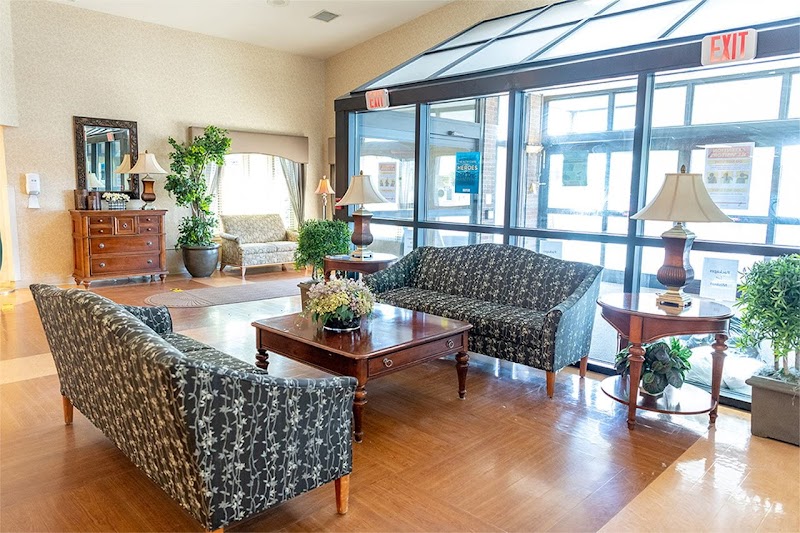
How is Edna Tina Wilson Living Center Staffed?
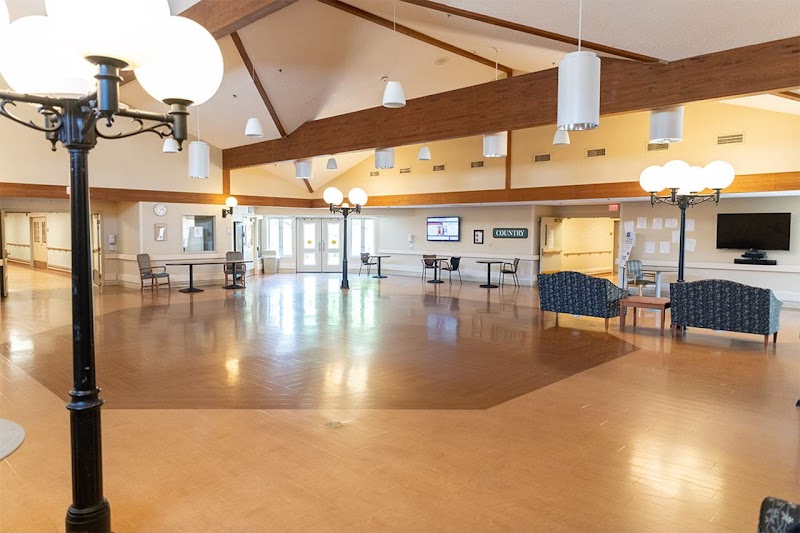
CMS rates Edna Tina Wilson Living Center's staffing level at 4 out of 5 stars, which is above average compared to other nursing homes. Staff turnover is 34%, compared to the New York average of 46%. This relatively stable workforce can support continuity of care.

What Have Inspectors Found at Edna Tina Wilson Living Center?

State health inspectors documented 5 deficiencies at Edna Tina Wilson Living Center during 2021 to 2025. These included: 5 with potential for harm.

Who Owns and Operates Edna Tina Wilson Living Center?

Edna Tina Wilson Living Center is owned by a non-profit organization. Non-profit facilities reinvest revenue into operations rather than distributing to shareholders. The facility is operated by ROCHESTER REGIONAL HEALTH, a chain that manages multiple nursing homes. With 120 certified beds and approximately 119 residents (about 99% occupancy), it is a mid-sized facility located in Rochester, New York.

How Does Edna Tina Wilson Living Center Compare to Other New York Nursing Homes?

Compared to the 100 nursing homes in New York, Edna Tina Wilson Living Center's overall rating (5 stars) is above the state average of 3.1, staff turnover (34%) is significantly lower than the state average of 46%, and health inspection rating (5 stars) is much above the national benchmark.

What Should Families Ask When Visiting Edna Tina Wilson Living Center?

Based on this facility's data, families visiting should ask: "Can I visit during a mealtime to observe dining assistance and food quality?" "How do you handle medical emergencies, and what is your hospital transfer rate?" "Can I speak with family members of current residents about their experience?"

Is Edna Tina Wilson Living Center Safe?

Based on CMS inspection data, Edna Tina Wilson Living Center has a clean safety record: no substantiated abuse findings (meaning no confirmed cases of resident harm), no Immediate Jeopardy citations (the most serious violation level indicating risk of serious injury or death), and is not on the Special Focus Facility watch list (a federal program monitoring the lowest-performing 1% of nursing homes). The facility has a 5-star overall rating and ranks #1 of 100 nursing homes in New York. While no facility is perfect, families should still ask about staff-to-resident ratios and recent inspection results during their visit.

Do Nurses at Edna Tina Wilson Living Center Stick Around?

Edna Tina Wilson Living Center has a staff turnover rate of 34%, which is about average for New York nursing homes (state average: 46%). Moderate turnover is common in nursing homes, but families should still ask about staff tenure and how the facility maintains care continuity when employees leave.

Was Edna Tina Wilson Living Center Ever Fined?

Edna Tina Wilson Living Center has no federal fines on record. CMS issues fines when nursing homes fail to meet care standards or don't correct problems found during inspections. The absence of fines suggests the facility has either maintained compliance or corrected any issues before penalties were assessed. This is a positive indicator, though families should still review recent inspection reports for the full picture.

Is Edna Tina Wilson Living Center on Any Federal Watch List?

Edna Tina Wilson Living Center is not on any federal watch list. The most significant is the Special Focus Facility (SFF) program, which identifies the bottom 1% of nursing homes nationally based on persistent, serious quality problems. Not being on this list means the facility has avoided the pattern of deficiencies that triggers enhanced federal oversight. This is a positive indicator, though families should still review the facility's inspection history directly.