Latta Road Nursing Home East
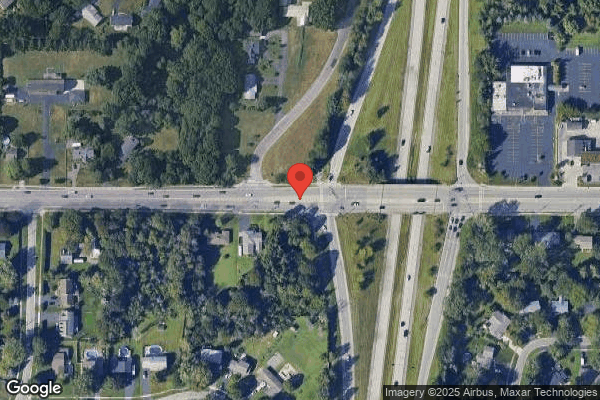

2102 Latta Road, Rochester, NY 14612 (585) 225-0920
For profit - Individual 40 Beds HURLBUT CARE Data: November 2025
Trust Grade
43/100
#420 of 594 in NY
Last Inspection: April 2025

Within standard 12-15 month inspection cycle. Federal law requires annual inspections.

Overview

Latta Road Nursing Home East has received a Trust Grade of D, which indicates below average quality and suggests there are some significant concerns with care. It ranks #420 out of 594 facilities in New York, placing it in the bottom half, and #24 out of 31 in Monroe County, meaning there are only a few local options that are better. The facility's condition is worsening, with the number of reported issues increasing from 5 in 2023 to 6 in 2025. Staffing is a notable weakness, as the turnover rate is 77%, much higher than the New York average of 40%, and there is less RN coverage than 92% of state facilities, which can impact the quality of care residents receive. Specific concerns include failures to provide necessary hygiene services for residents, leading to poor personal grooming, and inadequate management of oxygen therapy for a resident without proper physician orders or care plans. While the health inspection rating is average and some staffing aspects are rated average, the overall situation suggests families should proceed with caution.

Trust Score
D
43/100
In New York
#420/594
Bottom 30%
Safety Record
Low Risk
No red flags
Inspections
Getting Worse
5 → 6 violations
Staff Stability
⚠ Watch
77% turnover. Very high, 29 points above average. Constant new faces learning your loved one's needs.
Penalties
○ Average
$8,979 in fines. Higher than 68% of New York facilities. Some compliance issues.
Skilled Nurses
⚠ Watch
Each resident gets only 24 minutes of Registered Nurse (RN) attention daily — below average for New York. Fewer RN minutes means fewer trained eyes watching for problems.
Violations
⚠ Watch
14 deficiencies on record. Higher than average. Multiple issues found across inspections.
★★☆☆☆
2.0
Overall Rating
★★★☆☆
3.0
Staff Levels
★☆☆☆☆
1.0
Care Quality
★★★☆☆
3.0
Inspection Score
Stable
2023: 5 issues
2025: 6 issues

The Good

  • Full Sprinkler Coverage · Fire safety systems throughout facility
  • No fines on record

Facility shows strength in fire safety.

The Bad

2-Star Overall Rating

Below New York average (3.1)

Below average - review inspection findings carefully

Staff Turnover: 77%

30pts above New York avg (46%)

Frequent staff changes - ask about care continuity

Federal Fines: $8,979

Below median ($33,413)

Minor penalties assessed

Chain: HURLBUT CARE

Part of a multi-facility chain

Ask about local staffing decisions and management

Staff turnover is very high (77%)

29 points above New York average of 48%

The Ugly 14 deficiencies on record

Apr 2025 6 deficiencies
CONCERN (D)

Potential for Harm - no one hurt, but risky conditions existed

Deficiency F0582 (Tag F0582)

Could have caused harm · This affected 1 resident

**NOTE- TERMS IN BRACKETS HAVE BEEN EDITED TO PROTECT CONFIDENTIALITY** Based on interview and record review conducted during the Recertification Survey 04/14/2025 to 04/18/25, the facility did not pr...

Read full inspector narrative →
**NOTE- TERMS IN BRACKETS HAVE BEEN EDITED TO PROTECT CONFIDENTIALITY** Based on interview and record review conducted during the Recertification Survey 04/14/2025 to 04/18/25, the facility did not provide the appropriate liability and appeal notices to Medicare beneficiaries for two (2) (Resident #186 and Resident #187) of the three (3) residents reviewed. Specifically, both residents were discharged and there was no documented evidence that the facility provided the residents and/or their representatives with a Notice of Medicare Noncoverage letter (NOMNC) explaining their termination of Medicare A benefits and appeal rights as required by the regulations. The findings are: 1.Resident #186 was admitted on [DATE] under Medicare Part A benefits and discharged from the facility with days remaining on 01/13/2025. The facility was unable to provide documented evidence that a Notice of Medicare Noncoverage letter was provided to Resident #186 or their representative following discharge from Medicare Part A services. 2. Resident #187 was admitted to the facility on 01/14 2025 under Medicare Part A benefits and discharged from the facility with Medicare days remaining on 02/03/2025. The facility was unable to provide documented evidence that a Notice of Medicare Noncoverage letter was provided to Resident #187 or their representative following discharge from Medicare Part A services. During an interview on 04/16/2025 at 10:20 AM the Administrator stated neither Resident #186 or #187 received a Notice of Medicare Noncoverage letter and that a former staff member who used to provide them was no longer with the facility. During an interview on 04/17/2025 at 2:59 PM Social Worker #1 stated the Notice of Medicare Noncoverage letters that are provided to residents depend on actions of the insurance companies who provide the information to the facility and in some cases the insurance companies do not send the information to the facility. 415.3(g)(2)(i)
CONCERN (D)

Potential for Harm - no one hurt, but risky conditions existed

ADL Care (Tag F0677)

Could have caused harm · This affected 1 resident

**NOTE- TERMS IN BRACKETS HAVE BEEN EDITED TO PROTECT CONFIDENTIALITY** Based on observations, interviews, and record review conducted during a Recertification Survey from 04/14/2025 to 04/18/2025, fo...

Read full inspector narrative →
**NOTE- TERMS IN BRACKETS HAVE BEEN EDITED TO PROTECT CONFIDENTIALITY** Based on observations, interviews, and record review conducted during a Recertification Survey from 04/14/2025 to 04/18/2025, for one (1) (Resident #12) of one (1) resident reviewed, the facility did not ensure residents who were unable to carry out activities of daily living (basic self-care tasks people perform regularly to maintain their well-being, such as bathing) received the necessary services to maintain good grooming and personal hygiene. Specifically, Resident #12 was observed on several days with unwashed/greasy hair and long facial hair. The facility was unable to provide documented evidence that Resident #12 had received a shower, had their hair washed or their facial hair trimmed for several weeks. The finding is: The facility policy Activities of Daily Living, Supporting dated March 2018 documented that appropriate care, and services would be provided for residents who were unable to carry out activities of daily livings independently, with the consent of the resident and in accordance with the plan of care, including appropriate support and assistance with: Hygiene (bathing, dressing, grooming and oral care) Resident #12 had diagnoses that included Alzheimer's disease, dementia, and muscle weakness. The Minimum Data Set (a resident assessment tool) dated 01/29/2025 included Resident #12 had severely impaired cognition and was dependent on staff for bathing and personal hygiene. Review of the Resident Care Profile ([NAME] - care plan used by Certified Nursing Assistants for daily care) dated 04/10/2025 revealed Resident #12 showers were scheduled weekly on Monday evenings. During an observation on 04/14/2025 at 11:55 AM, Resident #12's hair was unwashed and greasy, and they had long facial hair above their top lip. During an observation on 04/16/2025 at 10:08 AM, 04/17/2025 at 9:20 AM and 04/18/2025 at 9:00 AM Resident #12's hair remained unwashed, greasy and pulled back in a ponytail. Their long facial hair above their top lip was unchanged. Review of Resident #12's electronic medical record on 04/16/2025 revealed no documented evidence the resident had received a shower, had their hair washed or had refused care since 03/31/2025. Review of the Weekly Skin Observation evaluations dated 04/04/2025 and 04/14/2025 revealed Resident #12 had been provided a full bed bath and the resident did not have facial hair. There were no Weekly Skin Observation evaluations in the electronic medical record for March 2025. During an observation and interview on 04/18/2025 at 9:04 AM, Certified Nursing Assistant #3 stated showers were once a week, including hair washing and shaving unwanted facial hair. Certified Nursing Assistant #3 said a resident's assigned shower day and shift were on the Certified Nursing Assistant's assignment sheet, and showers and grooming are documented in the electronic medical record. Certified Nursing Assistant #3 said if a resident refused a shower or grooming, they should let the nurse know, reapproach the resident and document the refusal. Certified Nursing Assistant #3 stated they have to assist Resident #12 with all cares and that Resident #12 was assigned their showers on Monday evenings. When observed at the time Certified Nursing Assistant #3 stated Resident #12's hair looked greasy, and their facial hair needed to be addressed (was long). During an interview in 04/18/2025 at 9:24 AM, Licensed Practical Nurse Manager #1 stated showers were provided weekly, and hair washed on shower day. Licensed Practical Nurse Manager #1 stated showers should be documented in the electronic medical record along with the nurse's skin evaluations that are done on the resident's shower day. Licensed Practical Nurse Manager # 1 said staff should offer to shave unwanted facial hair and if a resident refused care, the Certified Nursing Assistants should let them know, or the staff nurse. Upon observing Resident #12, Licensed Practical Nurse Manager #1 said the resident's hair looked greasy and their facial hair was long. During an interview on 04/18/2025 at 11:28 AM, the Director of Nursing said showers including hair washing should be provided once a week, unless otherwise noted in the care plan, and facial hair shaved unless refused. The Director of Nursing said Resident #12's weekly shower was recently moved to the evening shift (from the overnight shift) due to the resident refusing and being combative with getting up at night for their shower. After review of the Certified Nursing Assistants' documentation in the electronic medical record, the Director of Nursing stated staff were probably just clicking (documenting) that care was being done (versus a shower and hair wash). 10 NYCRR 415.12(a)(3)
CONCERN (D)

Potential for Harm - no one hurt, but risky conditions existed

Respiratory Care (Tag F0695)

Could have caused harm · This affected 1 resident

**NOTE- TERMS IN BRACKETS HAVE BEEN EDITED TO PROTECT CONFIDENTIALITY** Based on observations, interviews, and record review conducted during the Recertification Survey 04/14/2025 to 04/18/2025, for o...

Read full inspector narrative →
**NOTE- TERMS IN BRACKETS HAVE BEEN EDITED TO PROTECT CONFIDENTIALITY** Based on observations, interviews, and record review conducted during the Recertification Survey 04/14/2025 to 04/18/2025, for one (1) (Resident #185) of one (1) resident reviewed, the facility did not provide specialized services for the provision of respiratory care in accordance with professional standard of practice. Specifically, Resident #185 was observed receiving oxygen therapy on several occasions without physician orders for oxygen, without a care plan for the goals and interventions related to oxygen use and without any documentation related to the daily monitoring of oxygen use. This is evidenced by the following: The facility policy Oxygen Administration, dated October 2010, included to verify there was a physician's order and to review the resident's care plan to assess for any special needs of the resident. Oxygen therapy is administered by way of an oxygen mask, nasal cannula, and/or nasal catheter. Resident #185 was admitted to the facility 04/11/2025 with diagnoses including chronic obstructive pulmonary disease (lung disease causing breathing problems), pneumonia (infection in the lungs), and heart failure. Review of Resident #185's Hospital Discharge summary dated [DATE] revealed the resident was discharged on two (2) liters per minute of oxygen via a nasal cannula. In a Nursing Home Arrival Note dated 04/11/2025 Nurse Practitioner #1 documented Resident #158 was cognitively intact and was on two (2) liters (per minute) of oxygen via a nasal cannula. Current Physician orders reviewed on 04/15/2025 did not include any orders for the use of oxygen. Review of Resident #185's baseline care plan (care plan developed within the first 48 hours of resident's admission to the facility) dated 04/11/2025 did not include that the resident had compromised respiratory function requiring any oxygen or person-centered interventions. Review of Resident #185's [NAME] (care plan used by Certified Nursing Assistants for daily care) dated 04/11/2025 did not include use of oxygen. During multiple observations on 04/14/2025 at 12:19 PM, 04/15/2025 at 2:57 PM, and 04/16/2025 at 10:02 AM, Resident #185 was receiving oxygen at two (2) liters per minute via nasal cannula administered through an oxygen concentrator. During an interview on 04/16/2025 at 10:03 AM Resident #185 stated they had been wearing the oxygen the whole time (since admitted from the hospital). Resident #185 stated they had tried to take it off, but it was too hard to breathe (without it). Review of the Medication Administration and Treatment Administration Records from 04/11/2025 to 04/16/2025 did not include any documentation reflecting Resident #185's continuous use of oxygen via nasal cannula. During an interview on 04/17/2025 at 12:50 PM Licensed Practical Nurse #2 stated there should be an order by the medical provider for oxygen use so staff were aware. Licensed Practical Nurse #2 said the nurse should check the oxygen and document how much oxygen the resident was receiving to ensure the correct amount. Licensed Practical Nurse #2 stated Resident #185 told them when they were admitted from the hospital they used the oxygen on two liters as needed. During an interview on 04/17/2025 at 1:28 PM, Licensed Practical Nurse Manager #1 said an order for oxygen should come from the medical provider and include the amount of oxygen, if it were continuous or as needed, and if it was via a nasal cannula or a mask. Licensed Practical Nurse Manager #1 stated Resident #185 was on oxygen, and they did not know why there was no order for the oxygen until recently. During an interview on 04/18/2025 at 11:28 AM, the Director of Nursing stated there should be an order for oxygen from the medical providers and should include the amount of oxygen and when the resident should use it. The Director of Nursing stated a baseline care plan, and the Certified Nursing Assistant [NAME] should include the resident was on oxygen and how to care for it. 10 NYCRR 415.12(k)(6)
CONCERN (D)

Potential for Harm - no one hurt, but risky conditions existed

Deficiency F0700 (Tag F0700)

Could have caused harm · This affected 1 resident

Based on observations, interview, and record review conducted during the Recertification Survey 04/14/2025 to 04/18/2025, the facility did not follow the manufacturers' recommendations and specificati...

Read full inspector narrative →
Based on observations, interview, and record review conducted during the Recertification Survey 04/14/2025 to 04/18/2025, the facility did not follow the manufacturers' recommendations and specifications for installing and maintaining bedrails for one (1) (Resident #16) of four (4) residents reviewed for accidents. Specifically, Resident #16 was observed in bed with the assist rail (a type of bed rail) not secured in the locked position. The finding is: The User-Service Manual, dated 2015, for the assist rails documented do not use this assist device until you have verified that it is locked in place. Injury to resident or caregiver may result if this procedure is not followed. Lock the assist handle by engaging the latch pin into the latch. Verify that the assist handle is locked prior to leaving any resident unattended. Resident #16 had diagnoses which included diabetes, anemia, and atrial fibrillation (irregular heartrate). The Minimum Data Set (a resident assessment tool) dated 02/26/2025 documented the resident was cognitively intact and required partial/moderate assistance with bed mobility. The Comprehensive Care Plan dated 10/29/2024 included the resident required supervision with bilateral assist rails for bed mobility. During intermittent observations on 04/14/2025 between 11:40 AM and 2:36 PM, Resident #16 was lying in their bed. No staff members were present, and the left side assist rail on the bed was not secured in a locked position. During an observation and interview on 04/14/2025 at 2:50 PM, Resident #16 remained in bed and the assist rail remained unlocked. Certified Nursing Assistant #6 stated the assist handle (rail) should be in the locked position when the resident was in bed. Certified Nursing Assistant #6 stated they were unable to put the assist handle in the locked position. During an observation and interview on 04/14/2025 at 2:58 PM, Resident #16 remained in bed and the assist rail remained unlocked. The Director of Therapy stated the assist handle should be in the locked position when a resident was in bed to decrease the risk of injury to the resident. The Director of Therapy stated they were unable to engage the assist handle in the locked position. During an interview on 04/14/2025 at 3:03 PM the Director of Nursing stated assist rails should be in the locked position when residents are in bed to decrease the risk of injury and falls per manufacturer specifications. 10 NYCRR 415.12(h)(1)
CONCERN (D)

Potential for Harm - no one hurt, but risky conditions existed

Food Safety (Tag F0812)

Could have caused harm · This affected 1 resident

Based on observations, interview, and record review conducted during the Recertification Survey from 04/14/2025 to 04/18/2025, the facility did not maintain the kitchen in accordance with professional...

Read full inspector narrative →
Based on observations, interview, and record review conducted during the Recertification Survey from 04/14/2025 to 04/18/2025, the facility did not maintain the kitchen in accordance with professional standards for food service safety. Specifically, food items were not labeled and dated, there was bare hand contact with ready to eat food, and a dishwashing machine was dirty. The findings are: Record review of the facility policy Preventing Foodborne Illness - Employee Hygiene and Sanitary Practice documented: Contact between food and bare (ungloved) hands is prohibited and gloves are to be worn when touching ready-to-eat foods. During observations and an interview on 04/14/2025 at 8:50 AM, the initial tour of the kitchen included the following items stored in a two-door, upright reach in cooler and were not labeled or dated: 12 sandwiches that appeared to be egg salad, a plastic bag of sliced ham, a small stainless-steel pan of red sauce and meatballs, and a small stainless-steel pan of red sauce. During an immediate interview Food Service Worker #1 stated that the sandwiches were made yesterday and should be labeled and dated. Food Service Worker #1 stated they have been short staffed and usually check the coolers in the morning but have not had the chance yet. Observations on 04/14/2025 at 9:00 AM included the dish washing machine in the kitchen was dirty with crumbs, residue, and scale on the top and outer surfaces. Observations on 04/14/2025 at 9:05 AM in the main kitchen included two pitchers of juices (orange and brown liquids) located in the single door reach in cooler that were not labeled or dated. During an observation on 04/14/2025 at 12:22 PM Certified Nursing Asssitant #3 picked up an egg salad sandwich with their bare hand and gave it to Resident #12 in the main dining room. 10NYCRR: 415.14(h), 14-1.43(e), 14-1.80, 14-1.110(d), 14-1.113(c)
CONCERN (D)

Potential for Harm - no one hurt, but risky conditions existed

Infection Control (Tag F0880)

Could have caused harm · This affected 1 resident

Based on observation, interviews, and record review conducted during the Recertification Survey from 04/14/2025 to 04/18/2025, the facility did not ensure they established and maintained an Infection ...

Read full inspector narrative →
Based on observation, interviews, and record review conducted during the Recertification Survey from 04/14/2025 to 04/18/2025, the facility did not ensure they established and maintained an Infection Control Program designed to provide a safe, sanitary, and comfortable environment and to help prevent the development and transmission of communicable diseases and infections for 2 of 10 staff members reviewed. Specifically, Licensed Practical Nurse #3 and Scheduler #1 did not receive the influenza vaccine and were observed not wearing face masks while in resident care areas during the current influenza season (as determined by the State Health Department). The finding is: The facility policy Influenza and Pneumococcal Vaccine updated November 2023 included that residents/resident representatives and employees of the facility would be offered to receive influenza vaccine annually. The resident/resident representative and employees would complete the Influenza Vaccine consent/declination form. If the employee chooses to decline the Influenza Vaccine, the declination form would be completed as such, and the employee would be expected to follow any facility or New York State Department of Health/Centers of Medicare and Medicaid Services guidance pertaining to staff not receiving the vaccination. Review of the Flu Mask In-Service (Regulation from New York State Department of Health) updated 10/20/2014 revealed that once flu season was declared, all unvaccinated employees would be required to wear a mask when delivering care and/or interacting with residents anywhere in the building. Review of the employee influenza, pneumococcal, and COVID-19 vaccination status list provided by the facility included 10 randomly selected employees from all departments and their vaccination status. Seven (7) of the 10 employees (including Licensed Practical Nurse #3 and Scheduler #1) listed were identified as having declined the influenza vaccine. Review of Employee 2024-2025 Influenza Fall Vaccination Consent/Declination form dated 10/07/2024 revealed Licensed Practical Nurse #3 consented to receive the influenza vaccine, and a second form dated 04/13/2025 (during survey) revealed Licensed Practical Nurse #3 declined the influenza vaccine. The form included that staff who declined the vaccine must wear a mask during the flu season. Review of Employee 2024-2025 Influenza Fall Vaccination Consent/Declination form dated 12/04/2024 revealed Scheduler #1 declined the influenza vaccine. The form included that staff who declined must wear a mask during the flu season. During an observation on 04/15/2025 at 1:01 PM, Scheduler #1 was at the nurses' station and residents were nearby coming from the dining room and going to their room and/or common areas. Scheduler #1 was not wearing a mask. During observations on 04/14/2025 at 2:45 PM, 04/16/2025 at 7:46 AM, and 04/17/2025 at 10:50 AM, Licensed Practical Nurse #3 was observed in resident care areas (including passing medications to multiple residents) and was not wearing a mask at any time. During an interview on 04/17/2025 at 10:50 AM, Licensed Practical Nurse #3 said employees were required to mask if they did not receive their influenza immunization during the official flu season. Licensed Practical Nurse #3 stated they had not received the influenza vaccine during the current flu season. Licensed Practical Nurse #3 said they had asked for the flu vaccine at the beginning of the season and they had to wait until they were administered to the residents. Licensed Practical Nurse #3 said since it was April and with it being offered so late, they have now declined it and signed a declination form a week ago. Licensed Practical Nurse #3 stated they had not been wearing their mask during the week. They thought the flu season was over as they had not seen anyone else wearing masks. During an interview on 04/17/2025 at 11:04 AM and on 04/18/2025 at 11:01 AM, the Infection Prevention Nurse stated if staff did not receive the influenza vaccine, they should wear a mask until flu season was over, but they had not received any information that the flu season was over. The Infection Prevention Nurse said the list of vaccinated staff was accessible to the nurse managers and the Director of Nursing. The Infection Prevention Nurse stated sometimes staff would consent to receive the vaccination, but when they would attempt to administer it, staff would ask to wait because they did not want to get sick while working. The Infection Prevention Nurse said they did not run out of influenza vaccines during the flu season. The Infection Prevention Nurse said that Licensed Practical Nurse #3 had consented to receive the influenza vaccine but declined when they attempted to administer it and just recently signed the declination form and should be wearing a mask. In a follow up interview, the Infection Prevention Nurse said Scheduler #1 had originally declined the influenza vaccine but just recently (during survey) they requested it when questioned about not wearing a mask. During an observation on 04/18/2025 at 7:36 AM, Licensed Practical Nurse #3 was at the medication cart in the hallway and was not wearing a mask. During an interview on 04/18/2025 at 11:28 AM, the Director of Nursing stated the influenza vaccine should be offered to employees yearly and staff should be wearing a mask if not vaccinated. 10 NYCRR 415.19(a)(b)(1-3)
Aug 2023 5 deficiencies
CONCERN (D) 📢 Someone Reported This

A family member, employee, or ombudsman was alarmed enough to file a formal complaint

Potential for Harm - no one hurt, but risky conditions existed

Investigate Abuse (Tag F0610)

Could have caused harm · This affected 1 resident

**NOTE- TERMS IN BRACKETS HAVE BEEN EDITED TO PROTECT CONFIDENTIALITY** Based on observations, interviews, and record reviews conducted during the Recertification Survey and complaint investigation (#...

Read full inspector narrative →
**NOTE- TERMS IN BRACKETS HAVE BEEN EDITED TO PROTECT CONFIDENTIALITY** Based on observations, interviews, and record reviews conducted during the Recertification Survey and complaint investigation (#NY00301222) 8/2/23 to 8/8/23, it was determined that for one (Resident #9) of two residents reviewed for abuse, neglect, and mistreatment the facility did not ensure that an investigation to rule out abuse, neglect or mistreatment was initiated in a timely manner. Specifically, Resident #9 reported to a staff member an incident where they were held down against their will and making them afraid was not investigated in a timely manner. This is evidenced by the following: The facility policy Abuse, Neglect, and Exploitation, Prohibition, Training, Investigation, and Reporting Policy dated February 2022, documented that all allegations of violations involving an incident in which there is reasonable suspicion of resident abuse, neglect, involuntary seclusion, injury of unknown source, mistreatment of a resident, exploitation or misappropriation of property/funds of a resident are to be immediately reported to the appropriate Department Head and the Administrator for an investigation to be conducted. Resident #9 had diagnoses including congestive heart failure, anxiety disorder, chronic respiratory failure with hypoxia (absence of oxygen) requiring oxygen and a newly placed cardiac pacemaker. The Minimum Data Set assessment dated [DATE], documented that Resident #9 was cognitively intact and required staff assistance with their activities of daily living and was on oxygen. During an observation and interview on 8/2/23 at 9:43 AM and at 12:19 PM and again on 8/7/23 at 12:05 PM, Resident #9 (wearing oxygen) stated that the evening shift staff are not nice to them, and that three Certified Nurse Assistants (CNAs) had held them down flat (the week prior) to provide care despite their requests not too due to difficulty breathing. Resident #9 said this made them feel abused. Resident #9 said that they reported the incident to the physical therapist (PT) who assured them that they would report it to the resident's social worker (SW) but that no one has come to talk to them about the issue. Resident #9 stated that they have been held down by staff more than once and that they yell out to staff that they could not breathe but staff tell them they have to lay them down to give care. During an interview on 8/2/23 at 1:52 PM, the SW stated that the PT had told them either on 7/25/23 or 7/26/23 that Resident #9 wanted to speak with them due to some concerns, but the PT did not say what the concerns were. The SW stated that they did not see the resident that day and when they later saw Resident #9, they did not mention the incident. During an interview on 8/2/23 at 2:04 PM, the PT stated that they had worked with Resident #9 on 7/25/23 and 7/26/23, during which time, the resident told them that staff held them down during care and that they were afraid. The PT stated that they assured the resident that they would report the issue to the SW and did inform the SW the same day that Resident #9 had concerns but did not identify what the concerns were. During an interview on 8/3/23 at 10:42 AM, the Licensed Practical Nurse (LPN)/Nurse Educator stated that abuse, mistreatment, and neglect is covered in orientation and a review is also provided throughout the year. The LPN/Nurse Educator stated that if any disciplinary team member was made aware of an allegation of possible abuse, the staff member should report the allegation to a nurse as soon as possible or their supervisor. During an interview on 8/4/23 at 10:14 AM, the Director of Nursing (DON) stated that any allegation of possible abuse should be written down in detail along with a verbal report so that the investigation can be started immediately. NYCRR 415.4(b)(1)(i)
CONCERN (D) 📢 Someone Reported This

A family member, employee, or ombudsman was alarmed enough to file a formal complaint

Potential for Harm - no one hurt, but risky conditions existed

Deficiency F0657 (Tag F0657)

Could have caused harm · This affected 1 resident

**NOTE- TERMS IN BRACKETS HAVE BEEN EDITED TO PROTECT CONFIDENTIALITY** Based on observation, interviews and record review conducted during the Recertification Survey 8/2/23 to 8/8/23, it was determin...

Read full inspector narrative →
**NOTE- TERMS IN BRACKETS HAVE BEEN EDITED TO PROTECT CONFIDENTIALITY** Based on observation, interviews and record review conducted during the Recertification Survey 8/2/23 to 8/8/23, it was determined that for one (Resident #9) of 15 residents reviewed for care planning, the facility did not ensure that the resident's care plan was revised and updated to reflect their current medical condition. Specifically, Resident #9's care plan did not reflect their positioning preferences during care to prevent breathing difficulties. This is evidenced by the following: The facility policy, Comprehensive Resident Centered Care Planning, dated effective 11/28/16 included that each resident will have a Comprehensive Resident Centered Care plan that is consistent with the resident's rights and person-centered care. Resident #9 had diagnoses including congestive heart failure, anxiety disorder, chronic respiratory failure with hypoxia (absence of oxygen) requiring oxygen and a newly placed cardiac pacemaker. The Minimum Data Set assessment dated [DATE], documented that Resident #9 was cognitively intact and required extensive assist of staff for personal care and was on oxygen. During an observation and interview on 8/2/23 at 9:43 AM and at 12:19 PM Resident #9 (wearing oxygen) stated that sometimes staff held them down flat while giving care making it hard to breath. The resident stated staff told them they cannot do care unless the resident is lying flat. Resident #9 stated they had told their Physical Therapist about the issue, but no one has come to discuss it with them. In a nursing note dated 5/1/23 Licensed Practical Nurse (LPN) #5 documented that Resident #9 had said they could not breathe while lying down in bed. The writer elevated the bed and propped a pillow under the resident's head for comfort along with reassuring the resident that they were receiving oxygen and their vital signs were normal. In a medical provider note dated 5/1/23, the Nurse Practitioner (NP) #1 documented that Resident #9 was assessed due to complaints of not being able to breathe. The note included that nursing reported to the medical provider that the resident was anxious and unable to breathe while lying down in bed. In a nursing note, dated 5/24/23, Registered Nurse (RN) #1 documented that Resident #9 returned from the hospital after having a pacemaker placed and the care plan would be revised to reflect current health status and all medical changes. Review of Resident #9's Comprehensive Care Plan and the Certified Nursing Assistant (CNA) [NAME] (care plan used by the CNAs to provide daily care) did not include any information related to difficulty breathing during care and/or positioning preferences during care. During an interview on 8/3/23 at 10:02 AM, CNA #1 stated they sometimes have to have a second person assisting with care because the resident says they cannot breathe during care. During an interview on 8/4/23 at 12:54 PM, NP #1 stated they would order a psychiatric visit as they believed there was a component (possible PTSD) with Resident #9 also having heart failure and requiring oxygen that makes them anxious (during care). The NP stated that the resident is incontinent (and requires assist), but they would not lay the resident flat (for care). During an interview on 8/4/23 at 4:16 PM the evening shift CNA stated that Resident #9 does frequently say they cannot breathe during care and the aides will stop what they are doing but that the resident can be dramatic. During an interview on 8/7/23 at 11:54 AM the Social Worker (SW) stated they would expect that the care plan be up to date, and staff be made aware of traumatic events (that may lead to anxiety when lying flat) so that they can know how to care for the resident. The SW stated that Resident #9 had not made any comments that would have prompted a care plan revision. 10 NYCRR 415.11(c)(2)(i-iii)
CONCERN (D) 📢 Someone Reported This

A family member, employee, or ombudsman was alarmed enough to file a formal complaint

Potential for Harm - no one hurt, but risky conditions existed

Drug Regimen Review (Tag F0756)

Could have caused harm · This affected 1 resident

Based on interviews and record reviews conducted during the Recertification Survey 8/2/23 to 8/8/23, it was determined that for 3 (Resident #'s 10, 11, and 30) of 5 residents reviewed for unnecessary ...

Read full inspector narrative →
Based on interviews and record reviews conducted during the Recertification Survey 8/2/23 to 8/8/23, it was determined that for 3 (Resident #'s 10, 11, and 30) of 5 residents reviewed for unnecessary medications, the pharmacy recommendations made following the monthly medication reviews were not addressed by the medical team or acted upon by the facility in a timely manner. Specifically, for Resident #10 the pharmacy recommendations were not addressed at all or timely for several medications, Resident #11's recommendation was not addressed timely, and Resident #30's recommendation was not addressed at all. Evidence includes, but is not limited to the following: The facility policy, Pharmacy Services last reviewed November 2017, documented that the pharmacist will conduct a monthly drug regimen review for each resident in the facility and report any irregularities to the attending physician, the facility's medical director, and Director of Nursing (DON) and these reports must be acted upon. The attending physician must document in the resident's medical record that the identified irregularity has been reviewed and what, if any action has been taken to address it. If there is to be no change in the medication, the attending physician should document his or her rationale in the resident's medical record. 1.Resident #10 had diagnoses including dementia, diabetes adult failure to thrive, and anxiety. Current Physician orders for Resident #10 included but not limited to, Seroquel (antipsychotic medication), initiated 4/11/23 at 12.5 milligrams (mg) twice daily, diclofenac gel (pain reliver) 1%, initiated 10/11/22 for one application topically and Lexapro (antidepressant medication), initiated 11/15/22 at 20 mg daily. The Medication Regimen Reviews (MRRs) for Resident #10 included the following: On 4/19/23, the pharmacist recommended: a.Seroquel is prescribed without an allowable diagnosis (per the regulations). The follow- up section of the form (section used by medical team to address the recommendation) was blank. b.Diclofenac should be rewritten to reflect the amount to be applied (orders did not include amount for staff to apply) and examples of appropriate amounts the medical team could order were provided. The medical provider agreed with this recommendation on 8/7/23 after surveyor intervention. On 5/14/23 the pharmacist recommended that Lexapro was over the maximum daily dose and that the dose should be reduced by half. The follow- up section of the form was blank. The facility was unable to provide documentation to support that the pharmacy recommendations were addressed by medical team or acted upon timely. 2.Resident #11 had diagnoses including congestive heart failure, chronic pain, and a history of falls. Current physician orders included diclofenac gel 1% topically, initiated on 4/11/23 to apply a thin layer to heels and feet three times a day as needed. The MRRs dated 2/13/23 and again on 4/19/23, revealed that the pharmacist recommended that diclofenac be rewritten to reflect the amount to be applied and suggested amounts provided. The medical provider acknowledged this recommendation on 8/7/23 after surveyor intervention. 3.Resident #30 had diagnoses including Alzheimer's dementia, depression, and anxiety disorder. Current Physician orders included sertraline (antidepressant medication), initiated 10/10/22, give 150 mg daily. The MRR dated 3/13/23, revealed that the pharmacist recommended a gradual dose (GDR) of the sertraline per the regulations with suggested taper doses provided. The follow- up section of the form was blank, and the facility was unable to provide documentation to support that the recommendation was addressed. When interviewed on 8/8/23 at 10:12 AM, the corporate Registered Nurse (RN) stated that when the MRRs are completed by the pharmacist, they are emailed to the DON and/or the Administrator, and the Medical Director (MD). The DON should review each recommendation and a note of the recommendations should be sent to the attending physician who will either agree or disagree with the recommendation, make changes if needed, and sign the MRR. The DON said they were not aware of any issues with their process. When interviewed on 8/8/23 at 10:22 AM the MD stated they do not receive pharmacy reviews. When interviewed on 8/8/23 at 11:13 AM, the Nurse Practitioner (NP) stated they have not been receiving the pharmacy recommendations on a consistent monthly basis. When interviewed on 8/8/23 at 11:18 AM, the Administrator stated all recommendations should be emailed to them and the DON before being sent to the MD for review. The MD should then send the recommendations to a mid-level provider to make changes before sending the recommendations back to the DON for filing. The Administrator said they did not know there was an issue with the pharmacy recommendations. 10 NYCRR 415.18(c)(2)
CONCERN (D) 📢 Someone Reported This

A family member, employee, or ombudsman was alarmed enough to file a formal complaint

Potential for Harm - no one hurt, but risky conditions existed

Deficiency F0760 (Tag F0760)

Could have caused harm · This affected 1 resident

**NOTE- TERMS IN BRACKETS HAVE BEEN EDITED TO PROTECT CONFIDENTIALITY** Based on observations, interviews, and record review conducted during the Recertification Survey 8/2/23 to 8/8/23, it was determ...

Read full inspector narrative →
**NOTE- TERMS IN BRACKETS HAVE BEEN EDITED TO PROTECT CONFIDENTIALITY** Based on observations, interviews, and record review conducted during the Recertification Survey 8/2/23 to 8/8/23, it was determined that the facility did not ensure a resident was free from significant medication errors during one of 29 opportunities of medication administration and involved one (Resident #29) resident. Specifically, an antibiotic medication was not prepared and was not administered per physician orders. The finding is: Medication Error means the observed or identified preparation or administration of medication or biologicals which is not in accordance with the physician orders or acceptable professional standards of practice (principles, which apply to professionals providing services. Accepted professional standards and principles include various practice regulations in each state, and current commonly accepted health standard established by national organizations, boards, and councils). The facility policy, Administration of Medications, revision date April 2019, documented medications are administered in accordance with prescriber order, and the individual administering the medication checks the label three times to verify the right resident, right medication, right dosage, right time, and right route before giving the medication. Resident #29 had diagnoses including urinary tract infection with delirium (confusion) and dementia. The Minimum Data Set assessment dated [DATE] documented the resident was moderately impaired cognitively. The active physician orders as of 8/3/23 included the following: ceftriaxone (antibiotic) 1gram, intramuscular injection daily x5 days and lidocaine HCL (liquid anesthetic) 1% vial use 2.1 milliliters (mls) daily to reconstitute (turn the powdered medication into a liquid) ceftriaxone. During observation of medication administration for Resident #29 on 8/7/23 at approximately 8:46 AM, 3mls of lidocaine HCL were drawn up into a syringe to reconstitute the ceftriaxone powder. During an interview at this time LPN (Licensed Practical Nurse) #3 stated this was their final check before reconstituting the antibiotic. At this time the surveyor stopped LPN#3 and requested a review of the physicians' order. LPN#3 stated that the order was for 2.1 mls of lidocaine and not 3mls and LPN #3 redrew the correct dose and mixed it with the ceftriaxone. LPN#3 was then observed administering 2.5 mls of ceftriaxone injection into Resident #29's right deltoid (leaving .5mls in the syringe which LPN#3 then wasted). When interviewed at this time, LPN#3 stated that they could not push any more liquid medication in the deltoid (resident's muscle). In an interview on 8/7/23 at 11:20 AM, the acting Director of Nursing (DON) stated that nurses should follow the exact ordered dose and if the order seems questionable then to call the provider or the pharmacist. The DON also stated that not giving the full dose of medication would be a medication error. 10NYCRR: 415.12(m)(2)
CONCERN (D) 📢 Someone Reported This

A family member, employee, or ombudsman was alarmed enough to file a formal complaint

Potential for Harm - no one hurt, but risky conditions existed

Deficiency F0761 (Tag F0761)

Could have caused harm · This affected 1 resident

Based on observations, interviews, and record reviews conducted during the Recertification Survey from 8/2/23 to 8/8/23, it was determined that for two of two medication carts reviewed for medication ...

Read full inspector narrative →
Based on observations, interviews, and record reviews conducted during the Recertification Survey from 8/2/23 to 8/8/23, it was determined that for two of two medication carts reviewed for medication storage, the facility did not ensure that all drugs and biologicals were properly stored in accordance with State and Federal laws. Specifically, multiple loose unlabeled pills were observed scattered in the bottom of both medication carts. This is evidenced by the following: During an observation on 8/7/23 at 8:46 AM, at least 20 plus loose unlabeled pills (medications) of varying colors, shapes, and sizes, were observed at bottom of a medication cart drawer. Licensed Practical Nurse (LPN) #3 stated at this time that they were unable to identify the pills and that there was no telling how long the pills had been at the bottom of the drawer. During an interview on 8/7/23 at 11:15 AM, LPN #3 stated that they try to clean the medication cart weekly, which included checking for floating (loose) pills, spilled liquids, or any expired medications. During an interview on 8/7/23 at 11:20 AM, the acting Director of Nursing stated that the nurses should be checking the medication carts for floating (loose) pills and discard them and that the night shift nurses should be inspecting the medication carts weekly which included removing all discontinued medications, checking blister packets for wrong dosages (if medication dose order changed), restocking medications, and checking for spillage. During an observation on 8/8/23 at 10:02 AM, eight unlabeled and unpackaged pills, consisting of different colors, shapes, and sizes were loosely scattered in the bottom of the 2nd medication cart drawer. LPN #4 stated at the time that they did not know when the last time the medication cart had been cleaned. 10 NYCRR 415.18(e) (1-4)
Mar 2022 3 deficiencies
CONCERN (D)

Potential for Harm - no one hurt, but risky conditions existed

ADL Care (Tag F0677)

Could have caused harm · This affected 1 resident

Based on observations, interviews, and record reviews conducted during the Recertification Survey completed on 3/25/22, it was determined that two (Resident #8 and Resident #20) of three residents rev...

Read full inspector narrative →
Based on observations, interviews, and record reviews conducted during the Recertification Survey completed on 3/25/22, it was determined that two (Resident #8 and Resident #20) of three residents reviewed, did not receive the necessary services to maintain good grooming and personal hygiene. Specifically, residents were not provided assistance with shaving facial hair. This is evidenced by the following: The facility policy, titled Activities of Daily Living (ADLs), with a revised date of March 2018, revealed that residents who are unable to carry out ADLs independently will receive the services necessary to maintain good nutrition, grooming, and personal hygiene. 1. Resident # 8 had diagnoses including dementia, weakness, and glaucoma. The Minimum Data Set (MDS) Assessment, dated 1/9/22, documented that the resident was moderately impaired cognitively and required extensive assist of staff with personal hygiene. The Comprehensive Care Plan (CCP), dated 5/19/21, and the Resident Profile (care plan used by the Certified Nursing Assistant (CNA) to direct daily care) revealed Resident #8 required the assistance of one staff member for personal hygiene and was scheduled for a shower on Fridays. During observations on 3/22/22 (Tuesday) at 9:46 a.m. and 11:13a.m., and again on 3/23/22 at 10:30 a.m., Resident #8 had numerous long facial hairs (approximately 1/4 inches in length) covering their entire chin and down the neck. Resident #8 stated they would like to be shaven. During a joint observation and interview with CNA #1 on 3/23/22 at 1:29 p.m., Resident #8 remained unshaven. CNA #1 stated Resident #8 required total care and had not yet been shaven. CNA #1 stated they were not aware of Resident #8 refusing care. During an interview on 3/23/22 at 3:28 p.m., CNA #2 said that residents are supposed to be offered to be shaved daily and this is documented in the medical record under Personal Care. CNA #2 said Resident #8 does not refuse to be shaved and is not sure why the resident had not been shaved. During an interview on 3/24/22 at 9:15 a.m., LPN #1 stated that the CNAs chart that care is completed in the Electronic Medical Record (EMR). LPN #1 stated they could not find any documentation that Resident #8 had been offered to be shaven and refused. Their expectation is that men should be shaved if needed and if they refuse to inform the nurse. During an interview on 3/24/22 at 10:43 a.m., the Registered Nurse Manager stated residents should be shaved on shower days and as needed and documented in the EMR. 2. Resident #20 had diagnoses including a cognitive communication deficit, heart failure, and a stroke. The MDS Assessment, dated 1/31/22, revealed that the resident was moderately impaired cognitively and required extensive assistance with personal hygiene. The current CCP and Resident Profile revealed Resident #20 required the assistance of staff for personal hygiene and grooming. Review of the unit shower schedule revealed Resident #20 was scheduled for showers on Friday day shift. In an observation and interview on 3/22/22 (Tuesday) at 1:25 p.m., Resident #20 had a full beard. Resident #20 stated at this time that they do not like the beard and would like to be shaved but do not have the tools to do it themself. During observations on 3/23/22 at 11:23 a.m., and again on 3/24/22 at 8:28 a.m., Resident #20 continued to have a full beard with long hair that went down the resident's neck. During an interview on 3/24/22 at 8:30 a.m., CNA #3 stated Resident #20 requires assistance with shaving and does not refuse care. CNA #3 stated the resident will normally not ask to be shaven because they sleep a lot but should be shaved on shower days or as needed. During an interview on 3/25/22 at 9:59 a.m., the Director of Nursing (DON) stated that it is the resident's choice on whether they want to be shaved or not. The DON stated that they expect residents to be asked if they would like to be shaved every other day and if a resident refuses to be shaved the CNA should notify the nurse who will document the refusal. [NYCRR 415.12 (a)(3)]
CONCERN (D)

Potential for Harm - no one hurt, but risky conditions existed

Deficiency F0761 (Tag F0761)

Could have caused harm · This affected 1 resident

Based on observations, interviews, and record reviews conducted during the Recertification Survey, completed on 3/25/22, it was determined that for one of one Activities Room and one of one Medication...

Read full inspector narrative →
Based on observations, interviews, and record reviews conducted during the Recertification Survey, completed on 3/25/22, it was determined that for one of one Activities Room and one of one Medication Room, the facility did not ensure that drugs and biologicals were securely stored. Specifically, medications were observed stored in an unlocked, unsupervised Activities Room and observed in an unlocked and unsupervised Medication Room. Both rooms were accessible to residents. This is evidenced by the following: During an observation on 3/24/22 at approximately 3:00 p.m.- 3:10 p.m., Resident # 19 (identified by the facility as being moderately impaired cognitively and not interviewable) was ambulating unattended in front of the Activities Room. At this time observations in the Activities Room, revealed a large cardboard box containing 412 medication cards (containing multiple medications each), and bottles of liquid medications that were unattended, unlocked and accessible to residents ambulating in the hallway. During an interview on 3/24/22 at 4:11 p.m., the Registered Nurse (RN), stated that when residents no longer require a medication, the medication blister pack is put in a cabinet in the medication room. The RN stated they were unsure what happened to the medications after that. The RN stated that neither the Medication Room nor the Activities Room were locked. The RN said that residents and resident's families have at times requested to use the Activities Room for privacy. During an interview on 3/24/22 at 4:17 p.m., the Director of Nursing (DON) stated they usually store medications that are no longer needed in the Medication Room. When observed at this time with the surveyor, the Medication Room had no door and an unlocked cabinet containing multiple medications. The DON said that they do have a box of medications in the Activities Room and that at times the residents will reserve the room. The DON said the medications are not typically kept in the activities room, but that the box full of medications currently there had been in the room for a week as the DON had not had time to scan them to the pharmacy. [10 NYCRR 415.18(e)(1-4)]
MINOR (B)

Minor Issue - procedural, no safety impact

Deficiency F0582 (Tag F0582)

Minor procedural issue · This affected multiple residents

Based on interviews and record reviews conducted during a Recertification Survey, completed on 3/25/22, it was determined that for one (Resident #283) of three residents reviewed, the facility did not...

Read full inspector narrative →
Based on interviews and record reviews conducted during a Recertification Survey, completed on 3/25/22, it was determined that for one (Resident #283) of three residents reviewed, the facility did not provide the appropriate appeal notice to the Medicare beneficiary in order to notify them of their appeal rights as per the regulations. Specifically, the facility did not provide the Medicare A beneficiary with a Notice of Medicare Non-Coverage (NOMNC) letter prior to discharge from the facility. This is evidenced by: Resident #283 was admitted to the facility 1/13/22 under Medicare part A benefits and was discharged to the community on 2/2/22. There was no documented evidence that the resident or responsible party was provided with the required appeal notice prior to discharge. In an interview on 3/25/22 at 8:46 a.m., the Business Office Manager stated they did not provide Resident #283 with the NOMNC because they had thought that if the resident was covered under Medicare part A, they would not need to receive the NOMNC. In an interview on 3/25/22 at 9: 23 a.m., the Social Worker (SW) stated Resident #283 came to the facility to receive therapy services and had a short-term goal of returning to the community. The SW stated the resident was cleared from therapy to return home and that the [NAME] Office was responsible for providing the residents with the NOMNC letters. 10 NYCRR 415.3(g)(2)(i)
Understanding Severity Codes (click to expand)
Life-Threatening (Immediate Jeopardy)
J - Isolated K - Pattern L - Widespread
Actual Harm
G - Isolated H - Pattern I - Widespread
Potential for Harm
D - Isolated E - Pattern F - Widespread
No Harm (Minor)
A - Isolated B - Pattern C - Widespread

Questions to Ask on Your Visit

  • "Why is there high staff turnover? How do you retain staff?"
  • "Can I speak with families of current residents?"
  • "What's your RN coverage like on weekends and overnight?"

Our Honest Assessment

Strengths
  • • No major safety red flags. No abuse findings, life-threatening violations, or SFF status.
Concerns
  • • 14 deficiencies on record. Higher than average. Multiple issues found across inspections.
  • • Grade D (43/100). Below average facility with significant concerns.
  • • 77% turnover. Very high, 29 points above average. Constant new faces learning your loved one's needs.
Bottom line: Trust Score of 43/100 indicates significant concerns. Thoroughly evaluate alternatives.

About This Facility

What is Latta Road Nursing Home East's CMS Rating?

CMS assigns Latta Road Nursing Home East an overall rating of 2 out of 5 stars, which is considered below average nationally. Within New York, this rating places the facility higher than 0% of the state's 100 nursing homes. A rating at this level reflects concerns identified through health inspections, staffing assessments, or quality measures that families should carefully consider.

How is Latta Road Nursing Home East Staffed?

CMS rates Latta Road Nursing Home East's staffing level at 3 out of 5 stars, which is average compared to other nursing homes. Staff turnover is 77%, which is 30 percentage points above the New York average of 46%. High turnover can affect care consistency as new staff learn residents' individual needs. RN turnover specifically is 89%, which is notably high. RNs provide skilled clinical oversight, so turnover in this role can affect medical care quality.

What Have Inspectors Found at Latta Road Nursing Home East?

State health inspectors documented 14 deficiencies at Latta Road Nursing Home East during 2022 to 2025. These included: 13 with potential for harm and 1 minor or isolated issues.

Who Owns and Operates Latta Road Nursing Home East?

Latta Road Nursing Home East is owned by a for-profit company. For-profit facilities operate as businesses with obligations to shareholders or private owners. The facility is operated by HURLBUT CARE, a chain that manages multiple nursing homes. With 40 certified beds and approximately 32 residents (about 80% occupancy), it is a smaller facility located in Rochester, New York.

How Does Latta Road Nursing Home East Compare to Other New York Nursing Homes?

Compared to the 100 nursing homes in New York, Latta Road Nursing Home East's overall rating (2 stars) is below the state average of 3.1, staff turnover (77%) is significantly higher than the state average of 46%, and health inspection rating (3 stars) is at the national benchmark.

What Should Families Ask When Visiting Latta Road Nursing Home East?

Based on this facility's data, families visiting should ask: "How do you ensure continuity of care given staff turnover, and what is your staff retention strategy?" "Can I visit during a mealtime to observe dining assistance and food quality?" "How do you handle medical emergencies, and what is your hospital transfer rate?" "Can I speak with family members of current residents about their experience?" These questions are particularly relevant given the facility's high staff turnover rate.

Is Latta Road Nursing Home East Safe?

Based on CMS inspection data, Latta Road Nursing Home East has a clean safety record: no substantiated abuse findings (meaning no confirmed cases of resident harm), no Immediate Jeopardy citations (the most serious violation level indicating risk of serious injury or death), and is not on the Special Focus Facility watch list (a federal program monitoring the lowest-performing 1% of nursing homes). The facility has a 2-star overall rating and ranks #100 of 100 nursing homes in New York. While no facility is perfect, families should still ask about staff-to-resident ratios and recent inspection results during their visit.

Do Nurses at Latta Road Nursing Home East Stick Around?

Staff turnover at Latta Road Nursing Home East is high. At 77%, the facility is 30 percentage points above the New York average of 46%. Registered Nurse turnover is particularly concerning at 89%. RNs handle complex medical decisions and coordinate care — frequent RN changes can directly impact care quality. High turnover means new staff may not know residents' individual needs, medications, or preferences. It can also be disorienting for residents, especially those with dementia who rely on familiar faces. Families should ask: What is causing the turnover? What retention programs are in place? How do you ensure care continuity during staff transitions?

Was Latta Road Nursing Home East Ever Fined?

Latta Road Nursing Home East has been fined $8,979 across 1 penalty action. This is below the New York average of $33,169. While any fine indicates a compliance issue, fines under $50,000 are relatively common and typically reflect isolated problems that were subsequently corrected. Families should ask what specific issues led to these fines and confirm they've been resolved.

Is Latta Road Nursing Home East on Any Federal Watch List?

Latta Road Nursing Home East is not on any federal watch list. The most significant is the Special Focus Facility (SFF) program, which identifies the bottom 1% of nursing homes nationally based on persistent, serious quality problems. Not being on this list means the facility has avoided the pattern of deficiencies that triggers enhanced federal oversight. This is a positive indicator, though families should still review the facility's inspection history directly.