Monroe Community Hospital
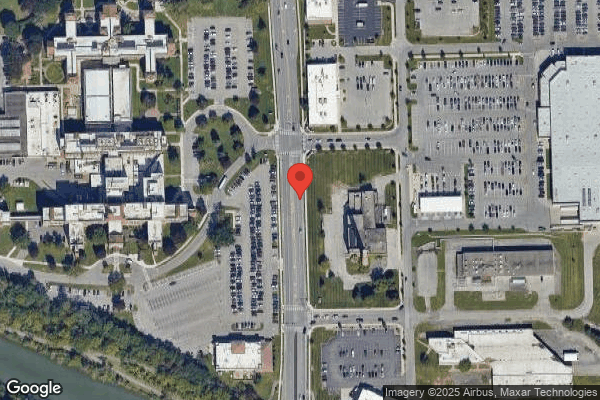
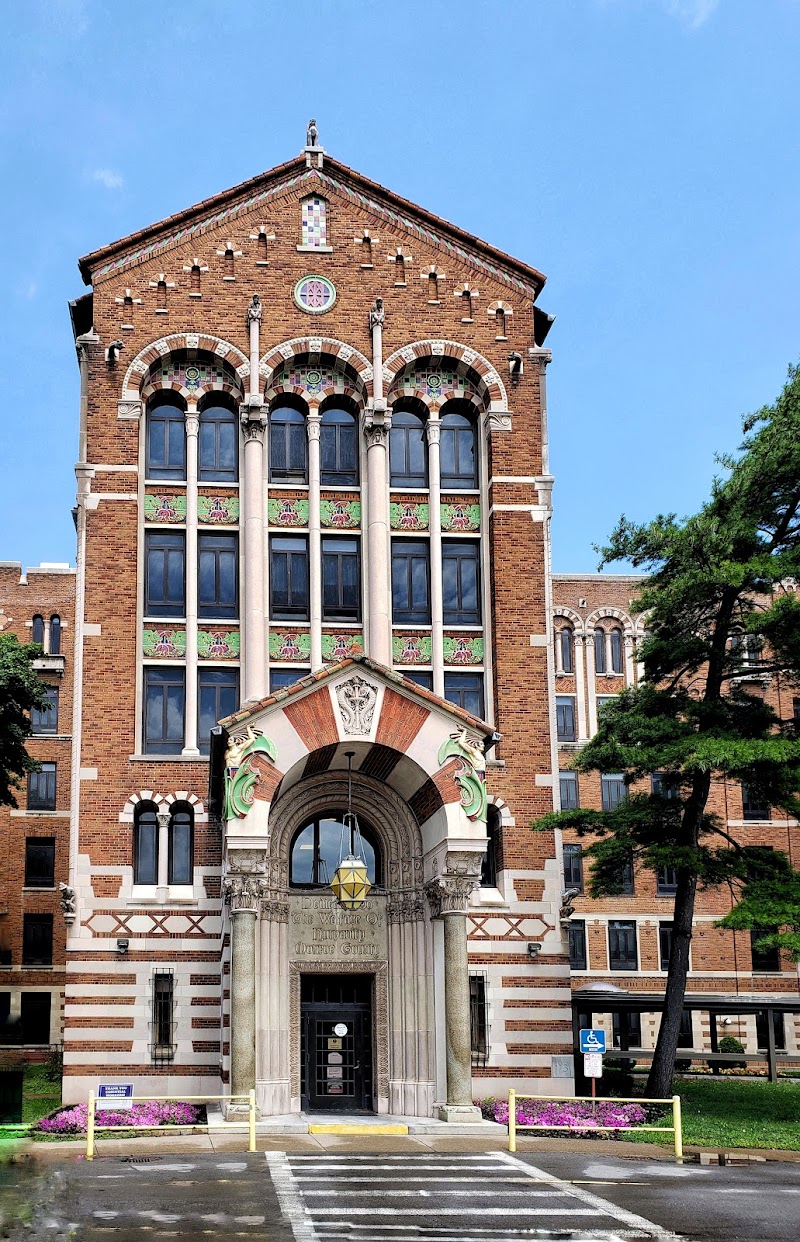
435 East Henrietta Road, Rochester, NY 14620 (585) 760-6500
Government - County 566 Beds Independent Data: November 2025 1 Immediate Jeopardy citation
Trust Grade
68/100
#201 of 594 in NY
Last Inspection: December 2024

Within standard 12-15 month inspection cycle. Federal law requires annual inspections.

Overview

Monroe Community Hospital has a Trust Grade of C+, indicating it is slightly above average but not without concerns. It ranks #201 out of 594 nursing homes in New York, placing it in the top half of facilities in the state, and #14 out of 31 in Monroe County, meaning there are only a few better local options. The facility's trend is worsening, as it went from 2 reported issues in 2023 to 3 in 2024. Staffing is average with a 3/5 star rating and a turnover rate of 41%, similar to the state average. While there have been no fines, which is a positive sign, the nursing home has lower RN coverage than 82% of facilities in New York, which raises concerns about adequate medical oversight. Specific incidents revealed include a serious safety issue where a resident suffered a burn after smoking unsupervised, despite being assessed as unsafe to smoke without supervision. Additionally, there have been failures in providing timely baseline care plans for new residents, which is essential for their immediate healthcare needs. There were also reports of residents not receiving timely responses to their call lights, indicating lapses in attention and dignity. Overall, while there are strengths in some areas, the facility must address these critical and concerning issues.
Trust Score
C+
68/100
In New York
#201/594
Top 33%
Safety Record
High Risk
Review needed
Inspections
Getting Worse
2 → 3 violations
Staff Stability
○ Average
41% turnover. Near New York's 48% average. Typical for the industry.
Penalties
✓ Good
No fines on record. Clean compliance history, better than most New York facilities.
Skilled Nurses
⚠ Watch
Each resident gets only 28 minutes of Registered Nurse (RN) attention daily — below average for New York. Fewer RN minutes means fewer trained eyes watching for problems.
Violations
○ Average
7 deficiencies on record. Average for a facility this size. Mostly minor or procedural issues.
★★★★☆
4.0
Overall Rating
★★★☆☆
3.0
Staff Levels
★★★☆☆
3.0
Care Quality
★★★★☆
4.0
Inspection Score
Stable
2023: 2 issues
2024: 3 issues

The Good

  • Full Sprinkler Coverage · Fire safety systems throughout facility
  • No fines on record
  • Staff turnover below average (41%)

    7 points below New York average of 48%

Facility shows strength in fire safety.

The Bad

Staff Turnover: 41%

Near New York avg (46%)

Typical for the industry

The Ugly 7 deficiencies on record

1 life-threatening
Dec 2024 3 deficiencies
CONCERN (D) 📢 Someone Reported This

A family member, employee, or ombudsman was alarmed enough to file a formal complaint

Potential for Harm - no one hurt, but risky conditions existed

Resident Rights (Tag F0550)

Could have caused harm · This affected 1 resident

Based on observations, interviews, and record review conducted during the Recertification Survey and complaint investigation (NY00356480) from 12/16/2024 to 12/20/2024, for two (Residents #27 and #640...

Read full inspector narrative →
Based on observations, interviews, and record review conducted during the Recertification Survey and complaint investigation (NY00356480) from 12/16/2024 to 12/20/2024, for two (Residents #27 and #640) of five residents reviewed for dignity, the facility did not ensure that the residents were treated in a dignified manner. Specifically, Resident #27 could be heard moaning from the hallway with their call light on. Multiple staff members were observed walking by the resident's room without answering the call light or turned the call light off without addressing the resident's concerns or requests. Resident #640 had their call light on for an extended period of time and multiple staff went in the resident's room and turned the call light off without addressing the resident's concerns. This was evidence by the following: 1. Resident #640 had diagnoses including quadriplegia (unable to move all four limbs), neurogenic bladder (a urinary condition causing a lack of bladder control), and diabetes. The Minimum Data Set Resident Assessment, dated 09/25/2024, documented the resident was cognitively intact and incontinent of bowels. During continuous observations on 12/19/2024 starting at 9:40 AM, Resident #640's call light went on and Certified Nursing Assistant #2 walked into the resident's room, turned off the call light without addressing the resident's concerns, and walked back to nurses' station and sat down. At 9:50 AM, Resident #640 put their call light on again and Certified Nursing Assistant #2 went into the resident's room, turned off the call light, and told Resident #640 they would let their assigned nurse know they needed assist. At 9:59 AM, Resident #640 put their call light back on, Certified Nursing Assistant #2 walked in and out of room in less than a minute. At 10:09 AM, Resident #640 put their call light back on. Unit Administrator #1 entered Resident #640's room, exited, and returned with a cup of water. During an immediate interview at 10:14 AM, Resident #640 stated they have been asking staff if they could get cleaned up and that they do not feel good and have a headache. A foul odor (stool) was present in the room at the time. The resident stated that staff often turn off their light, leave the room without assisting them, and do not come back. Observations continued, at 10:28 AM, Resident #640 put their call light on and a staff member entered the room stating they would find a nurse. At 11:00 AM, a nursing staff exited Resident #640 room. Resident #640 remained not washed up. During an immediate interview at 11:01 AM, Resident #640 stated they were still not changed, that their blood pressure was high, and it was upsetting them and pissing me off. At 11:06 AM, Resident #640 put their call light on and several different nursing staff walked into the resident's room and turned the call light off without providing assist. At 11:37 AM, Certified Nursing Assistant #4 returned to Resident #640's room with bathing supplies to assist the resident with morning care (approximately two hours after Resident #640 first put their call light on). During an interview on 12/19/24 at 12:02 PM, Certified Nursing Assistant #4 stated they floated to this unit today and have nine residents on their assignment with six residents going out for appointments. Certified Nursing Assistant #4 stated they were made aware that Resident #640 needed assistance around 9:00 AM, but it was difficult to find staff to assist when staffing is so short. During an interview on 12/20/24 at 9:25 AM, Certified Nursing Assistant #5 stated everyone is responsible for answering call lights and meeting the resident's needs. During an interview on 12/20/2024 at 10:33 AM, Licensed Practical Nurse Manager #1 stated Resident #640 can advocate for themself. They also stated the unit has a higher acuity as everyone is a two person assist, and they have recently lost multiple Certified Nurse Assistants, but all staff should answer call lights. During an interview on 12/20/24 at 11:19 AM, Unit Administrator #1 stated their primary role is a liaison between administration and the units for family and resident concerns to mitigate and provide service so that it does not happen again. They also stated they knew Resident #640 needed care in a timely manner and were told that it had been completed, but then found out later that it was not done. If a call bell goes off it should not be ignored and staff should address it promptly. 2. Resident #27 had diagnoses including dementia, diabetes, and high blood pressure. The Minimum Data Set Resident Assessment, dated 10/15/2024, documented the resident had moderately impaired cognition. During continuous observations on 12/16/2024 starting at 10:01 AM, Resident #27 could be heard moaning from the hallway and their call light was on. At 10:04 AM, Unit Administrator #1 went into room answered the call light and told Resident #27 they would find an aide for them. At 10:08 AM, a Certified Nursing Assistant entered the room and told the resident they would be back (call light still on). At 10:12 AM, Resident #27 could be heard moaning and a staff member walked by the room without seeing what the resident needed. At 10:23 AM, the unit's nurse manager entered Resident #27's room, turned off the call light, and walked out of room. At 10:50 AM, staff were assisting Resident #27 with care. During an immediate interview, Resident #27 stated they had just been changed. During an interview on 12/20/2024 at 12:46 PM, the Director of Nursing stated call lights should be answered when they go off. If a resident is asking to get cleaned up and changed, we do our best to do the assignments and to get to the person that is asking for help. The Director of Nursing stated if a staff member is available, they should help the resident at that time. 10 NYCRR 415.3
CONCERN (D)

Potential for Harm - no one hurt, but risky conditions existed

Notification of Changes (Tag F0580)

Could have caused harm · This affected 1 resident

Based on observations, record review, and interviews conducted during the Recertification Survey from 12/16/2024 to 12/20/2024, the facility did not ensure that the medical team was notified when ther...

Read full inspector narrative →
Based on observations, record review, and interviews conducted during the Recertification Survey from 12/16/2024 to 12/20/2024, the facility did not ensure that the medical team was notified when there was a significant change in the resident's condition for one (Resident #186) of one resident reviewed. Specifically, Resident #186 had a potential serious complication with their tracheostomy (a surgical procedure that creates an opening in the neck to provide an airway to assist with breathing) tube. This is evidenced by the following: The facility policy Notification of Change, revised April 2021, documented the appropriate department will immediately consult with the resident's physician when there is a significant change in the resident's physical status. Resident #186 had diagnoses including anoxic brain damage (a condition when the brain has a lack of oxygen), dysphagia (difficulty swallowing), gastrostomy (a surgical procedure to create an external opening into the stomach to receive nutrition), and a tracheostomy tube. The Minimum Data Set Resident Assessment, dated 11/18/2024, documented the resident had severely impaired cognition, was dependent for all activities of daily living and tracheostomy care, including suctioning of the tracheostomy tube, and the resident had a feeding tube. Review of Resident #186's current physician's orders revealed tracheostomy suctioning every four hours and as needed and tube feeding (via the feeding tube) four times a day. The orders also included that the resident was on aspiration precautions (interventions in place to prevent substances from entering the airway or lungs). During observations on 12/18/2024 at 9:27 AM and again on 12/19/2024 at 11:35 AM, Resident #186's tracheostomy cannister (container to collect secretions suctioned from the tracheostomy tube) had greater than 450 milliliters of tan colored secretions. During an observation on 12/20/2024 at 9:36 AM, Resident #186 had thick tan/yellow secretions in their oxygen tubing that was attached to Resident #186's tracheostomy. In a medical progress note, dated 11/14/2024, Nurse Practitioner #1 documented Resident #186 had clear sputum (mucous) and to continue to monitor the resident and report changes in condition. In an interdisciplinary progress note, dated 12/13/2024 at 10:46 AM, Respiratory Therapist #1 documented Resident #186 was suctioned for thin, tan secretions. In an interdisciplinary progress note, dated 12/13/2024 at 8:48 PM, Licensed Practical Nurse #3 documented that Resident #186 was suctioned for tan secretions with tube feeding chunks in it. In an interdisciplinary progress note, dated 12/15/2024 at 4:20 PM, Respiratory Therapist #2 documented that Resident #186 was suctioned five times for large amounts of thick secretions possibly mixed with tube feeding liquid (also tan in color) and Resident #186 appeared to continue to aspirate (inhalation of food/liquids into the airway). In an interdisciplinary progress note, dated 12/17/2024 at 9:59 AM, Respiratory Therapist #3 documented that Resident #186 was suctioned for large amounts of tan secretions. During an interview on 12/19/2024 at 9:19 AM, Licensed Practical Nurse #3 stated the medical provider should be notified if anything was not at baseline for the resident or the possibility of aspiration (inhalation of tube feeding into the resident's airway). During an interview on 12/19/2024 at 12:10 PM, Licensed Practical Nurse Manager #1 stated that a physician should be notified if a resident had excessive sputum, more than usual, as the resident is at risk for aspiration more than other residents. If the medical team had been notified, it should be documented in the communication log (a log to communicate information to the medical team). During a follow-up interview on 12/20/2024 at 9:23 AM, Licensed Practical Nurse Manager #1 stated they were unable to find any documentation that the physician has been notified about Resident #186's excessive secretions or potential aspiration. During an interview on 12/19/2024 at 11:08 AM, Physician #1 stated they were not aware that Resident #186 may have tube feeding liquid in their tracheostomy tubing which is a serious complication, and they should have been notified if this was a possibility. During an interview on 12/20/2024 at 11:07 AM, the Respiratory Therapy Manager stated that if a resident had secretions that looked like tube feeding, the respiratory therapists should have notified the nurse manager, and the nurse manager should have notified the medical provider. 10 NYCRR 415.3(f)(2)(ii)(b)
CONCERN (E)

Potential for Harm - no one hurt, but risky conditions existed

Deficiency F0655 (Tag F0655)

Could have caused harm · This affected multiple residents

Based on interviews and record review conducted during the Recertification Survey from 12/16/2024 to 12/20/2024, for 11 (Residents #24, #35, #136, #158, #246, #257, #357, #374, #375, # 378, #380) of 1...

Read full inspector narrative →
Based on interviews and record review conducted during the Recertification Survey from 12/16/2024 to 12/20/2024, for 11 (Residents #24, #35, #136, #158, #246, #257, #357, #374, #375, # 378, #380) of 11 residents reviewed, the facility did not ensure that the baseline care plan (care plan developed within 48 hours of admission that includes the minimum healthcare information necessary to properly care of the immediate needs of the resident) was completed within the required time frame and that a summary of the baseline care plan was provided to the resident and/or their representative. Specifically, for Residents #35, #136, and #257, the facility could not provide evidence that a baseline care plan was developed within 48 hours of the residents' admission. For Resident #246, the baseline care plan was not completed within 48 hours of the resident's admission and the facility could not provide evidence that a summary of the baseline care plan, that included the minimum healthcare information such as physician's orders, was provided to the resident and/or resident representative. For Residents #24, #158, #357, #374, #375, #378, and #380, the facility could not provide evidence that a summary of the baseline care plan, that included the minimum healthcare information such as physician's orders, was provided to the resident and/or resident representative. This is evidenced by, but not limited to the following: Review of the facility policy admission Policy & Procedure, revised August 2023, included the baseline care plan would be developed within 48 hours of admission, and the resident or health care proxy would be provided a copy of the baseline care plan. Review of the facility's electronic baseline care plan form included a statement of acknowledgement that a copy of the baseline care plan would be provided to the resident and/or their representative but did not include confirmation of receipt or reviewed date of the baseline care plan by the resident and/or their representative. 1. Resident #35 had diagnoses that included quadriplegia (a condition where both arms and both legs are paralyzed), dependence on a respirator, and dysphagia (difficulty swallowing). The Minimum Data Set Resident Assessment, dated 09/13/2024, documented the resident was cognitively intact. Review of Resident #35's electronic health record revealed no documented evidence that a baseline care plan had been developed within the required timeframe following admission and the facility was unable to provide evidence of its completion. During an interview on 12/20/2024 at 3:00 PM, Registered Nurse Manager #1 stated Resident #35 should have had a baseline care plan initiated when admitted from the hospital. 2. Resident #257 had diagnoses that included multiple sclerosis (a chronic disease that affects the central nervous system), anxiety, depression, and chronic pain. The Minimum Data Set Resident Assessment, dated 12/02/2024, documented the resident was cognitively intact. Review of Resident #257's electronic health record revealed no documented evidence that a baseline care plan had been developed following the resident's admission within the required timeframe and the facility was unable to provide evidence of its completion. 3. Resident #246 had diagnoses that included Alzheimer's disease, chronic kidney disease, and adult failure to thrive. The Minimum Data Set Resident Assessment, dated 10/09/2024, documented the resident had severely impaired cognition. Review of Resident #246's electronic health record included a baseline care plan, signed by facility staff on 07/25/2023 (greater than 48 hours after the resident's admission). The facility was unable to provide any documented evidence that a summary of Resident #246's baseline care plan, including physician's orders, had been provided to or reviewed with the resident's representative. 4. Resident #24 had diagnoses that included high blood pressure, sarcopenia (gradual loss of muscle strength), and major depressive disorder. The Minimum Data Set Resident Assessment, dated 10/17/2024, documented that the resident was cognitively intact. Review of Resident #24's electronic health record revealed no documented evidence that a summary of the baseline care plan, including physician's orders, had been provided to the resident and/or their representative. During an interview on 12/20/2024 at 9:21 AM, Registered Nurse Manager #3 stated the facility's baseline care plan form was completed by the nurse manager and saved in the computer for reference, but no further documentation was completed. During an interview on 12/20/2024 at 1:25 PM, Registered Nurse Manager #5 stated the baseline care plan was initiated on day two of the resident's admission and focused primarily on nursing care the resident should receive on the unit. Registered Nurse Manager #5 stated the baseline care plan did not include physician's orders or medication orders which were generally reviewed during the initial comprehensive care plan meeting (that could be as late as 21 days after admission) or sooner if the resident/representative had specific medication-related questions or concerns. During an interview on 12/20/2024 at 2:00 PM, the Director of Nursing stated they were aware that the facility's electronic baseline care plan form implied but did not confirm review or receipt of the baseline care plan. 10 NYCRR 415.11
May 2023 2 deficiencies
CONCERN (D) 📢 Someone Reported This

A family member, employee, or ombudsman was alarmed enough to file a formal complaint

Potential for Harm - no one hurt, but risky conditions existed

Deficiency F0657 (Tag F0657)

Could have caused harm · This affected 1 resident

**NOTE- TERMS IN BRACKETS HAVE BEEN EDITED TO PROTECT CONFIDENTIALITY** Based on observations, interviews and record reviews conducted during the Recertification Survey 4/24/23 to 5/1/23, it was deter...

Read full inspector narrative →
**NOTE- TERMS IN BRACKETS HAVE BEEN EDITED TO PROTECT CONFIDENTIALITY** Based on observations, interviews and record reviews conducted during the Recertification Survey 4/24/23 to 5/1/23, it was determined that for 1 (Resident #328) of 35 residents reviewed for care plans, the facility did not ensure that a resident's care plan was revised to reflect the resident's current condition. Specifically, the residents comprehensive care plan (CCP) was not revised related to the resident's smoking habits, a history of burns to the hands and fingers sustained while smoking, interventions for staff to utilize and any refusals of interventions. This is evidenced by the following: The facility policy, Smoking Policy, dated as revised 4/4/22, documented that the facility was a smoke free environment where smoking will not be allowed by residents on the facility campus. All new admissions after 4/20/22 shall be informed during the admission process that the facility prohibits smoking on its campus. Those residents who are determined to have a preference to smoke, will be offered a smoking cessation program. Resident #328 was admitted to the facility on [DATE] with diagnoses including chronic respiratory failure, diabetes, and nicotine addiction. The Minimum Data Set Assessment, dated 3/3/23 revealed that the resident was cognitively intact and did not currently use tobacco. The Certified Nursing Assistant (CNA) Activities of Daily Living Care Card (care plan used by the CNAs to direct daily care) dated 4/14/23, documented that the resident was not a smoker. The CCP, dated 5/1/23, included that Resident #328 went outside to smoke and had a specialized glove and cigarette holder. The CCP did not include multiple burns sustained while smoking, the resident's person-centered goals related to smoking, storage of smoking materials or refusals of any interventions until after surveyor intervention. Review of a Nursing Progress Note, dated 1/27/23, revealed the resident had a new open area, full thickness loss of tissue measuring 0.5 centimeters (cm) by 0.4 cm on the left index finger and was being treated by the wound nurse. The resident said they burned themselves while smoking. During observation and interview on 4/26/23 at 9:25 a.m., Resident #328 had a pack of cigarettes and a lighter in their coat pocket. The resident stated at the time that this was where they always kept their cigarettes and lighter and their vape materials and never in their locked box in their room. The resident stated that they smoke on the sidewalk outside of the building with other facility residents. Resident #328 stated they are supposed to sign out, but they forget. In an observation on 4/27/23 at approximately 10:00-11:00 a.m. Resident #328 was outside smoking cigarettes. The resident appeared to be wearing a 'glove' but no cigarette holder was present. During an interview on 4/26/23 at 11:22 a.m., Certified Nursing Assistant (CNA) #2 said Resident #328 spends a lot of time outside smoking but did not know where they keep their cigarettes and lighter. During an interview on 4/26/23 at 11:43 a.m., Licensed Practical Nurse (LPN) #1 said they often see the resident in front of the building smoking with other residents smoking and that Resident #328 has often burned their hands with cigarettes. During an interview on 5/1/23 at 9:55 a.m., the Social Worker (SW) stated that they were aware Resident #328 smoked and that they had informed them that the facility had a no smoking policy. The SW stated that they were working with Behavioral Health to help the resident stop smoking. The SW stated that when Resident #328 was burned from smoking, there was no change to their care plan and was aware that the current care plan was not resident-centered nor specific to their needs. The SW stated the cigarettes and lighter should be locked in a safe place. During an interview on 5/1/23 at 9:55 a.m., Registered Nurse Manger (RNM) #1 said Resident #328 had reported their cigarette burns and that the resident has diabetic neuropathy causing poor feeling in their hands creating an increased risk for burns. RNM#1 said they are responsible for updating the resident's care plan. During an interview on 5/1/23 at 10:24 a.m., the Assistant Director of Nursing (ADON) stated they, in conjunction with the RNMs revise resident's care plans. The ADON stated that following actual burns from cigarettes, the care plan should be updated to include reinforcement of wearing the special glove, any skin issues related to burns and resident education. 10 NYCRR 415.11(c)(2)(i-iii)
CONCERN (D) 📢 Someone Reported This

A family member, employee, or ombudsman was alarmed enough to file a formal complaint

Potential for Harm - no one hurt, but risky conditions existed

Accident Prevention (Tag F0689)

Could have caused harm · This affected 1 resident

Based on observation, interviews and record review conducted during the Recertification Survey 4/21/23 to 5/1/23, it was determined that the facility did not ensure that the environment remained as fr...

Read full inspector narrative →
Based on observation, interviews and record review conducted during the Recertification Survey 4/21/23 to 5/1/23, it was determined that the facility did not ensure that the environment remained as free of accident hazards as possible for one (Resident #202) of 10 residents reviewed for accidents. Specifically, Resident #202 who had a history of keeping vaping materials in their room, and was suspected of vaping in their room, had 6 vape pens with cartridges in their room. Additionally, during a room search on 4/27/23, a security officer recovered several containers of marijuana, 2 boxes of vape liquid, 2 lighters, 1 torch lighter, and 1 marijuana pipe. The finding is: The facility Smoking Policy, revision dated 4/4/22, documented the facility designated itself a smoke-free campus as of 5/1/22. The use of cigars, pipes, marijuana, e-cigarettes and/or vaping devices is strictly prohibited within the facility, in the outdoor smoking area or on facility grounds. Resident #202 had diagnoses including quadriplegia (paralysis of all four limbs), polyneuropathy (a disease process involving a number of nerves), and neuralgia (severe pain due to damaged nerves)/neuritis (inflammation of peripheral nerves causing pain and loss of function). The Minimum Data Set (MDS, a resident assessment tool) dated 3/7/23 documented the resident was cognitively intact, exhibited no mood/behaviors, no current tobacco use, and required extensive assistance of one staff member for personal hygiene. In a nursing progress note, dated 2/2/23, Registered Nurse (RN) #2 documented Resident #202 was using their vape pen in their room and the resident released the vape pen to security. Additionally, Resident #202 stated they understood the rules, regulations and policies set forth by the facility and that they would continue to use vape pen at the facility when they had the opportunity. The Care Plan Report dated 4/28/23 included the following: - Problem area: smoking - not an approved smoker, uses vape pen; Resident chooses to use THC (compound that is the main active ingredient of cannabis) in vape pen. - Goals: Resident has been made aware that vape pens are not permitted at facility. Resident has been suspected of vaping in their room, with fire alarm going off. - Interventions: If staff note vape pens in the room, alert nursing supervisor or nurse manager and/or security; Vape pens are to be kept with security or with family; Visitor education on 4/2/23 that facility is a smoke free facility; Remind resident that marijuana (cannabis) use on site is not acceptable practice. During observations on 4/24/23 at 11:32 AM, 4/25/23 at 9:00 AM, 4/25/23 at 10:08 AM, 4/26/23 at 7:08 AM, and 4/27/23 at 9:33 AM there was a strong skunk like odor noted at the doorway of, and inside Resident #202s' room. During an interview on 4/25/23 at 9:00 AM, Resident #202 stated they vaped marijuana outside of the facility, and that security holds all their vaping materials. During an interview on 4/26/23 at 9:45 AM Certified Nurse Aide (CNA) #1 (assigned CNA) stated they have never witnessed Resident #202 vaping in room but have observed vape pens on the residents over the bed table. Additionally, CNA #1 stated they have reported the vape pens to the Unit Manager (UM). During an interview on 4/26/23 at 9:49 AM, the RN Assistant Director of Nursing (ADON) stated Resident #202 has been suspected of using vape pens in their room and has had vape pens removed from their room in the past. Additionally, Resident #202 was not an approved smoker, and their vaping materials were to be locked with the security department. During an interview on 4/26/23 at 10:07 AM, The ADON stated they had just removed 6 vape pens with cartridges from Resident #202's room. During an interview on 4/26/23 at 11:07 AM, RN/UM (Unit Manager) for Hope 4 resident unit, stated they were aware Resident #202 vaped, had a history of keeping vape materials in their room, and the resident was supposed to keep vaping materials with security. Additionally, the RN/UM stated there had been no recent reports of vaping materials in Resident 202's room. During an interview on 4/28/23 at 7:30 AM, the Security Director stated a room search of Resident #202's room was conducted on 4/27/23 after surveyor intervention with vaping and smoking materials recovered by security. Additionally, the Security Director stated vaping and marijuana were prohibited within the facility and on facility grounds. The Room Search Incident dated 4/27/23 at 9:45 AM documented the following items were recovered from Resident 202's room: - Three (3) sandwich bags containing marijuana - Two (2) (face cream size) containers filled with marijuana - One (1) cigarette cigar filled with marijuana - One (1) cigarette cigar filled with tobacco - Two (2) boxes liquid for vapes - Two (2) disposable lighters - One (1) torch lighter - One (1) marijuana pipe 10NYCRR 415.12(h)(1)
Jul 2021 2 deficiencies 1 IJ
CRITICAL (J)

Immediate Jeopardy (IJ) - the most serious Medicare violation

Accident Prevention (Tag F0689)

Someone could have died · This affected 1 resident

**NOTE- TERMS IN BRACKETS HAVE BEEN EDITED TO PROTECT CONFIDENTIALITY** Based on observations, interviews and record review conducted during a Recertification Survey and complaint investigation (NY002...

Read full inspector narrative →
**NOTE- TERMS IN BRACKETS HAVE BEEN EDITED TO PROTECT CONFIDENTIALITY** Based on observations, interviews and record review conducted during a Recertification Survey and complaint investigation (NY00276844), completed on 7/15/21, the facility failed to ensure the environment remained as free of accident hazards as possible and that each resident received adequate supervision to prevent accidents for one of two residents reviewed. Specifically, Resident #243 was assessed for safe smoking on 11/30/20, 3/8/21 and again 5/28/21 and determined to be unsafe to smoke unattended. On 4/23/21 Resident #243 went outside unsupervised, obtained cigarettes from another resident, asked another resident to help light the cigarette and Resident #243's hair caught on fire. The fire was put out by another resident and Resident #243 sustained a partial thickness burn to the forehead. There was no Comprehensive Care Plan (CCP) related to smoking or burns due to smoking. There were no documented interventions following the 4/23/21 incident. On 7/13/21 survey staff observed Resident #243 smoking outside unsupervised at approximately 10:30 a.m. Both hands had significant hand tremors while holding the cigarette. There was no staff present. During interview the unit Certified Nursing Assistant (CNA) said the resident is allowed to smoke. The Licensed Practical Nurse (LPN) said the resident can leave the unit unsupervised but is not allowed to smoke and they check on the resident as frequently as they can. This resulted in Immediate Jeopardy and Substandard Quality of Care with the potential for serious harm to Resident #243's health and safety. Findings include: The facility policy Smoking, dated 3/3/20, revealed all new admissions shall have a Smoking Safety Assessment completed on admission, annually and as the interdisciplinary team (IDT) feels necessary. The use of cigars, e-cigarettes, pipes and or vaping devices are strictly prohibited in the outdoor smoking enclosure or on facility grounds. Resident #243 was admitted to the facility 10/7/20 with diagnosis that included progressive multiple sclerosis, epilepsy, and bipolar disorder. The Minimum Data Set Assessment, dated 3/9/21, revealed the resident was cognitively intact, required supervision for locomotion on and off the unit and was a current tobacco user. The CCP, dated effective 5/24/21 to present, included to provide a safe environment and constantly assess possible intent to harm. Goals for behavioral health and trauma included that Resident #243 had a history of smoking cigarettes and opioid dependence. Interventions included to provide direction as needed for inappropriate behavior, to refer to counseling and/or psychotherapy as needed and to provide assistance as needed. The CCP did not include any interventions related to the resident's wishes to smoke or plans to provide safe smoking or smoking cessation. The current Resident Care Summary (care plan used by the Certified Nursing Assistants to direct daily care) documented that the resident required staff assist for locomotion off the unit using a manual wheelchair and under smoking, it documented 'no'. An Occupational Therapy (OT) evaluation, dated 11/30/20, documented that Resident #243 was not safe to go outside independently and did not demonstrate safety or independence with aspects required to have smoking privileges. A Physical Therapy (PT) evaluation, dated 3/2/21, documented the resident was unable to safely propel outside or over any thresholds independently. An Incident/Accident (I/A) report, dated 3/3/21, documented that Resident #243 was found outside near the smoking [NAME], alone and on the ground. The resident fell out of their wheelchair. The I/A report summary included that the Resident #243 struggled with uneven surfaces, was unable to safely propel outside and was not following safety recommendations. An OT evaluation, dated 3/8/21, documented that Resident #243 was found outside by therapy, requiring assistance to re-enter the building. The resident had been smoking. Resident #243 reported to the therapist that they had received assistance by other residents to light, smoke and ash their cigarettes. This was confirmed by other residents. A Smoking Safety Assessment, dated 3/9/21 and signed by the Registered Nurse (RN), documented that Resident #243 stated they were smoking. The Assessment included that the resident could not safely simulate smoking, including but not limited to, accessing smoking materials, lighting a cigarette, disposal of ashes or the cigarette in an appropriate receptacle. The Assessment did not include any interventions or plans to assist the resident with safe smoking. An I/A report, dated 4/23/21 at 10:19 p.m., documented the CNA #1 saw Resident #243 in the smoking [NAME] falling asleep. Multiple cigarette burns were observed on the resident's clothing with holes in their pants and jacket and a red area noted on the resident's forehead. The report included that Resident #243's hair caught on fire when they requested a 2nd resident to assist in lighting their cigarette. The fire was put out by the 2nd resident. The red area noted on the resident's forehead was not reported to medical until 4/26/21. A Medical provider note, dated 4/26/21 and signed by the Nurse Practitioner (NP) documented that Resident #243 had sustained a superficial partial thickness burn to the forehead while smoking outside in the smoke [NAME]. The NP documented the resident's hair was noted to be singed and that the resident had been deemed an unsafe candidate for smoking without staff assistance and had been preciously educated on this. A physician note, dated 5/27/21, documented that Resident #243 had progressive multiple sclerosis with associated muscle spasm and was being seen for an evaluation of capacity after setting off the smoke alarm in their room due to vaping. Resident #243 was evaluated by physical therapy who again deemed the resident to be unsafe to navigate to the smoking [NAME]. Two physicians determined the resident continued to hold adequate decision-making capacity and was able to understand the risk of smoking to their health and the potential safety to the facility. Resident #243 declined a nicotine patch and was informed of the New York State Smoker's Quit Hotline. In a nursing progress note, dated 5/27/21, the RN#1 documented that Resident #243 was informed that their smoking privileges were denied (cigarettes outside and vaping in their room). The Investigation Summary, dated 6/2/21, related to the 4/23/21 incident included that Resident #243 had a history of unsafe smoking behaviors at other facilities and that a behavioral plan would be initiated and the facility would monitor the resident's smoking habits and behaviors through the medical record. The conclusion included that the Interdisciplinary Team met on 5/27/21 and determined that Resident #243 was no longer safe to smoke and smoking privileges were denied. A Wellness Plan document, dated 6/3/21, included a statement signed by Resident #243 that they acknowledged they had been evaluated by therapies to be unsafe to go outside and smoke, and was not allowed to smoke or vape in their room or anywhere on the facility campus. A nursing progress note dated, 6/4/21, documented the resident was found vaping in their room. There was no documented evidence that an investigation was completed or that the CCP was changed or updated following this incident. A nursing progress note, dated 6/13/21, documented the resident was found outside the building unsupervised. There was no documentation that the CCP was updated following this incident. During an observation on 7/9/21 at 10:56 a.m., Resident #243 was observed by surveyor outside the building, propelling their wheelchair towards the smoking [NAME] with a lit cigarette in their hand. During an observation on 7/13/21 at 10:35 a.m., Resident #243 was sitting in a wheelchair in front of the smoking [NAME] holding a cigarette in their hand smoking. Significant tremors were visible to both of the resident's hands. A 2nd resident wheeled up next to Resident #243 and handed Resident #243 a cigarette. Resident #243 proceeded to smoke the second cigarette. There were no staff in sight. During an interview on 7/13/21 at 11:12 a.m. the Unit Clerk stated that the residents do not need to sign out when leaving the unit. The Unit Clerk stated they thought that Resident #243 was allowed to smoke. During an interview on 7/13/21 at 12:02 p.m., Resident #243 stated that they like to go outside and that they do smoke occasionally. Resident #243 stated, in order to go out, they would just wait by the outside door for another resident to go in and out of the building. Resident #243 added they had not burned themselves smoking. During as interview on 7/13/21 at 2:09 p.m. the Unit Aide stated they did not know who was able to smoke or who was able to leave the unit independently. During an interview on 7/13/21 at 2:12 p.m. CNA#2 stated that Resident #243 was able to smoke. CNA#2 stated that they did not know which residents were able to leave the unit independently. CNA #2 stated that Resident #243 did not let staff know when the resident was leaving the unit. During an interview on 7/13/21 at 2:16 p.m. LPN#1 stated after therapy evaluated a resident for smoking it would be documented in the resident's care plan. LPN#1 said if a resident was not able to leave the facility unassisted, they would have a wander guard bracelet on and if they were approved to smoke, they would wear a lanyard indicating that. LPN#1 stated Resident #243 was not allowed to smoke but the resident does leave the unit unassisted and staff try to check on the residents as often as they can. During an interview on 7/13/21 at 5:30 p.m. LPN #2 stated there were three residents on the unit who smoked including Resident #243. LPN #2 stated those residents should have lanyards or passes to access in and out of the building. During an interview on 7/13/21 at 5:48 p.m., CNA #3 stated that they were unaware of the residents who smoked and that there was no list of smokers that CNA#3 was aware of. During an interview on 7/13/21 06:14 p.m., the Administrator stated that Resident #243's care plan should have been revised following the burn if indicated. During an interview on 7/13/21 at 6:27 p.m. the Assistant Director of Nursing (ADON) stated Resident #243 was aware that they were not allowed to go outside and smoke. The ADON stated the resident vaped. The ADON stated the resident was not allowed to go out of the building by themself as they need assistance. On 7/13/21 at 8:49 p.m., the survey team declared that the IJ was removed based on the following corrective actions taken by the facility. On 7/13/21 the facility provided 1:1 supervision to Resident #243 to prevent the resident from leaving the unit unattended and smoking unsupervised. The facility's security department was provided an updated list of residents who had been assessed and approved for smoking independently. Security will monitor the designated smoking location effective immediately for all residents who have access to the smoking area to verify that they are on the approved smoking list. All unit staff were educated on the updated smoking list and the procedures to follow for each resident. On 7/14/21 Resident #243 agreed to wear a wander guard bracelet on their wheelchair. Resident #243 was provided re-education on the unit sign in and sign out procedures and agreed to this. 10 NYCRR 415.12(h)(1)(2)
CONCERN (D)

Potential for Harm - no one hurt, but risky conditions existed

Report Alleged Abuse (Tag F0609)

Could have caused harm · This affected 1 resident

**NOTE- TERMS IN BRACKETS HAVE BEEN EDITED TO PROTECT CONFIDENTIALITY** Based on observations, interviews and record review conducted during a Recertification Survey and complaint investigation (NY002...

Read full inspector narrative →
**NOTE- TERMS IN BRACKETS HAVE BEEN EDITED TO PROTECT CONFIDENTIALITY** Based on observations, interviews and record review conducted during a Recertification Survey and complaint investigation (NY00276844), completed on 7/15/21, it was determined that for one resident (Resident #243) of three residents, the facility did not ensure that alleged violations of abuse, neglect, or mistreatment, including injuries of unknow origin were reported to the Administrator and the State Agency in a timely manner. Specifically, the facility did not report to the New York State Department of Health (NYSDOH) that Resident #243 sustained an injury while smoking unsupervised until 5 weeks after it occurred. This was evidenced by the following: The facility policy, Accident and Incident Review and Prevention- Residents included all reportable events would be electronically reported per regulatory requirements. Resident #243 had diagnoses that included progressive multiple sclerosis, epilepsy, and bipolar disorder. The Minimum Data Set (MDS) Assessment, dated 3/9/21, revealed the resident was cognitively intact and required supervision of staff for locomotion on and off the unit. The MDS documented the resident was a current tobacco user. A Smoking Safety Assessment, dated 3/9/21 and signed by the Registered Nurse, documented that Resident #243 stated they were smoking. The Assessment included that the resident could not safely simulate smoking, including but not limited to, accessing smoking materials, lighting a cigarette, disposal of ashes or the cigarette in an appropriate receptacle. An Incident/Accident report, dated 4/23/21 at 10:19 p.m., documented that a Certified Nursing Assistant saw Resident #243 in the smoking [NAME] falling asleep. Multiple cigarette burns were observed on the resident's clothing with holes in their pants and jacket and a red area noted on the resident's forehead. The report included that Resident #243's hair caught on fire when they requested a 2nd resident to assist them in lighting their cigarette. The fire was put out by the 2nd resident. The red area noted on the resident's forehead was not reported to medical until 4/26/21. A Medical provider note, dated 4/26/21 and signed by the Nurse Practitioner (NP) documented that Resident #243 had sustained a superficial partial thickness burn to the forehead while smoking outside in the smoke [NAME]. The NP documented the resident's hair was noted to be singed and that the resident had been deemed an unsafe candidate for use of the smoke [NAME] and had been preciously educated on this. The Health Electronic Response Data System - a reporting system where health facilities report incidents to the state revealed that the incident was not submitted until 5/27/21. During an interview with the Administrator, the Director of Nursing, the Quality Assurance Manager, and the Assistant Administrator on 7/15/21 at 10:33 a.m., the Administrator stated that administration had not been made aware of the incident as it had not been brought to morning report and was not included on the 24 hour-report. It was stated that the incident report was found on the unit on 5/27/21 and brought to the attention of administration who reported it at that time. [10NYCRR 415.4(b)(2)]
Understanding Severity Codes (click to expand)
Life-Threatening (Immediate Jeopardy)
J - Isolated K - Pattern L - Widespread
Actual Harm
G - Isolated H - Pattern I - Widespread
Potential for Harm
D - Isolated E - Pattern F - Widespread
No Harm (Minor)
A - Isolated B - Pattern C - Widespread

Questions to Ask on Your Visit

  • "What changes have you made since the serious inspection findings?"
  • "Can I speak with families of current residents?"
  • "What's your RN coverage like on weekends and overnight?"

Our Honest Assessment

Strengths
  • • No fines on record. Clean compliance history, better than most New York facilities.
  • • 41% turnover. Below New York's 48% average. Good staff retention means consistent care.
Concerns
  • • Multiple safety concerns identified: 1 life-threatening violation(s). Review inspection reports carefully.
  • • 7 deficiencies on record, including 1 critical (life-threatening) violation. These warrant careful review before choosing this facility.
Bottom line: Mixed indicators with Trust Score of 68/100. Visit in person and ask pointed questions.

About This Facility

What is Monroe Community Hospital's CMS Rating?

CMS assigns Monroe Community Hospital an overall rating of 4 out of 5 stars, which is considered above average nationally. Within New York, this rating places the facility higher than 99% of the state's 100 nursing homes. This rating reflects solid performance across the metrics CMS uses to evaluate nursing home quality.
How is Monroe Community Hospital Staffed?
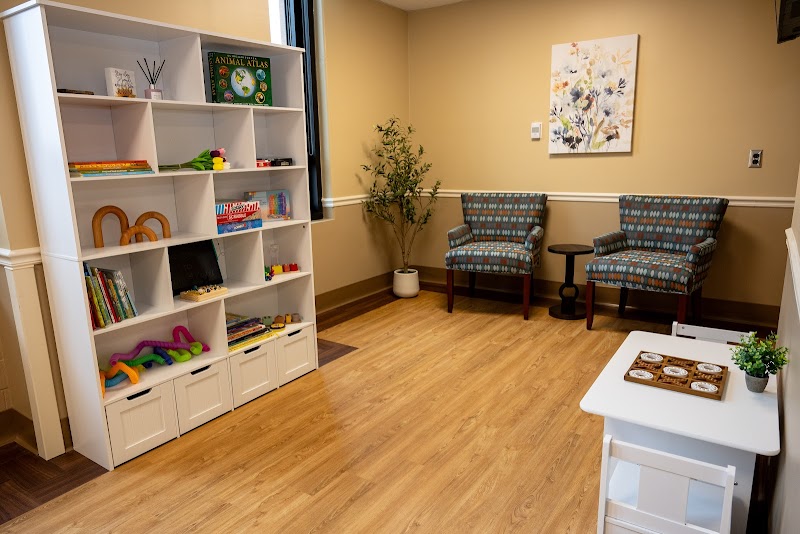
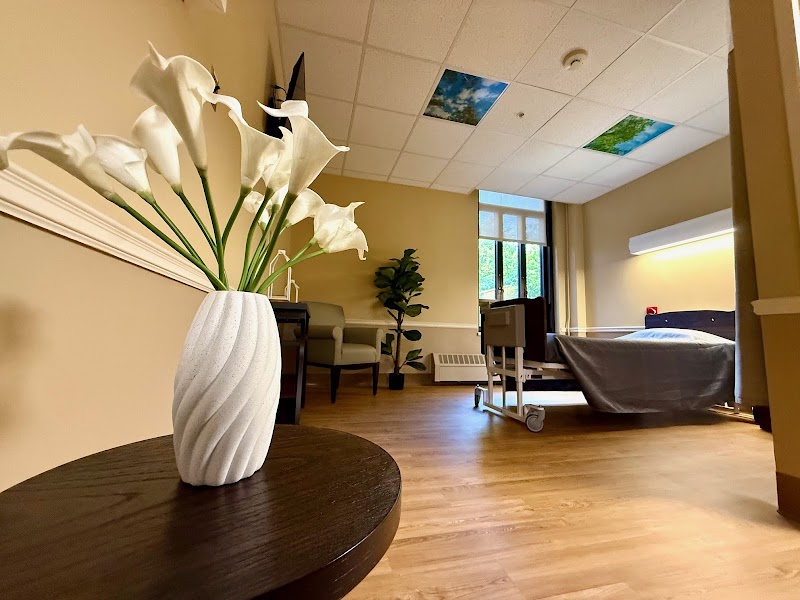
CMS rates Monroe Community Hospital's staffing level at 3 out of 5 stars, which is average compared to other nursing homes. Staff turnover is 41%, compared to the New York average of 46%. This relatively stable workforce can support continuity of care.

What Have Inspectors Found at Monroe Community Hospital?

State health inspectors documented 7 deficiencies at Monroe Community Hospital during 2021 to 2024. These included: 1 Immediate Jeopardy (the most serious level, indicating potential for serious harm or death) and 6 with potential for harm. Immediate Jeopardy findings are rare and represent the most serious regulatory concerns. They require immediate corrective action.

Who Owns and Operates Monroe Community Hospital?

Monroe Community Hospital is owned by a government entity. Government-operated facilities are typically run by state, county, or municipal agencies. The facility operates independently rather than as part of a larger chain. With 566 certified beds and approximately 386 residents (about 68% occupancy), it is a large facility located in Rochester, New York.

How Does Monroe Community Hospital Compare to Other New York Nursing Homes?

Compared to the 100 nursing homes in New York, Monroe Community Hospital's overall rating (4 stars) is above the state average of 3.1, staff turnover (41%) is near the state average of 46%, and health inspection rating (4 stars) is above the national benchmark.

What Should Families Ask When Visiting Monroe Community Hospital?

Based on this facility's data, families visiting should ask: "What changes have been made since the serious inspection findings, and how are you preventing similar issues?" "Can I visit during a mealtime to observe dining assistance and food quality?" "How do you handle medical emergencies, and what is your hospital transfer rate?" "Can I speak with family members of current residents about their experience?" These questions are particularly relevant given the facility's Immediate Jeopardy citations.

Is Monroe Community Hospital Safe?

Based on CMS inspection data, Monroe Community Hospital has documented safety concerns. Inspectors have issued 1 Immediate Jeopardy citation (the most serious violation level indicating risk of serious injury or death). The facility has a 4-star overall rating and ranks #1 of 100 nursing homes in New York. Families considering this facility should ask detailed questions about what corrective actions have been taken since these incidents.

Do Nurses at Monroe Community Hospital Stick Around?

Monroe Community Hospital has a staff turnover rate of 41%, which is about average for New York nursing homes (state average: 46%). Moderate turnover is common in nursing homes, but families should still ask about staff tenure and how the facility maintains care continuity when employees leave.

Was Monroe Community Hospital Ever Fined?

Monroe Community Hospital has no federal fines on record. CMS issues fines when nursing homes fail to meet care standards or don't correct problems found during inspections. The absence of fines suggests the facility has either maintained compliance or corrected any issues before penalties were assessed. This is a positive indicator, though families should still review recent inspection reports for the full picture.

Is Monroe Community Hospital on Any Federal Watch List?

Monroe Community Hospital is not on any federal watch list. The most significant is the Special Focus Facility (SFF) program, which identifies the bottom 1% of nursing homes nationally based on persistent, serious quality problems. Not being on this list means the facility has avoided the pattern of deficiencies that triggers enhanced federal oversight. This is a positive indicator, though families should still review the facility's inspection history directly.