Rochester Center for Rehabilitation and Nursing
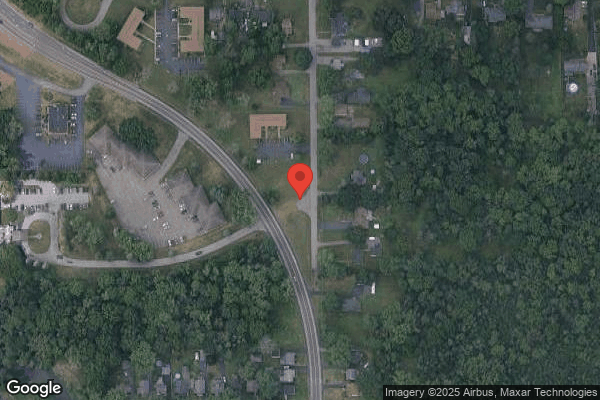

525 Beahan Road, Rochester, NY 14624 (585) 247-7880
For profit - Limited Liability company 124 Beds CENTERS HEALTH CARE Data: November 2025 1 Immediate Jeopardy citation
Trust Grade
21/100
#554 of 594 in NY
Last Inspection: January 2025

Within standard 12-15 month inspection cycle. Federal law requires annual inspections.

Overview

Rochester Center for Rehabilitation and Nursing has received a Trust Grade of F, indicating significant concerns and a poor overall performance. It ranks #554 out of 594 facilities in New York, placing it in the bottom half, and #29 out of 31 in Monroe County, meaning only two local options are worse. The facility is worsening, with issues increasing from 1 in 2024 to 13 in 2025. Staffing is a major concern, rated 1 out of 5 stars with a turnover rate of 61%, significantly higher than the state average. Additionally, there are troubling findings, including failures to honor residents' advance directives, lack of responses to resident concerns, and inadequate maintenance of the facility, which raises serious questions about care quality and safety.

Trust Score
F
21/100
In New York
#554/594
Bottom 7%
Safety Record
High Risk
Review needed
Inspections
Getting Worse
1 → 13 violations
Staff Stability
⚠ Watch
61% turnover. Above average. Higher turnover means staff may not know residents' routines.
Penalties
○ Average
$9,315 in fines. Higher than 59% of New York facilities. Some compliance issues.
Skilled Nurses
⚠ Watch
Each resident gets only 20 minutes of Registered Nurse (RN) attention daily — below average for New York. Fewer RN minutes means fewer trained eyes watching for problems.
Violations
⚠ Watch
25 deficiencies on record. Higher than average. Multiple issues found across inspections.
★☆☆☆☆
1.0
Overall Rating
★☆☆☆☆
1.0
Staff Levels
★★★☆☆
3.0
Care Quality
★☆☆☆☆
1.0
Inspection Score
Stable
2024: 1 issues
2025: 13 issues

The Good

  • Full Sprinkler Coverage · Fire safety systems throughout facility
  • No fines on record

Facility shows strength in fire safety.

The Bad

1-Star Overall Rating

Below New York average (3.0)

Significant quality concerns identified by CMS

Staff Turnover: 61%

15pts above New York avg (46%)

Frequent staff changes - ask about care continuity

Federal Fines: $9,315

Below median ($33,413)

Minor penalties assessed

Chain: CENTERS HEALTH CARE

Part of a multi-facility chain

Ask about local staffing decisions and management

Staff turnover is elevated (61%)

13 points above New York average of 48%

The Ugly 25 deficiencies on record

1 life-threatening
Jan 2025 13 deficiencies
CONCERN (D) 📢 Someone Reported This

A family member, employee, or ombudsman was alarmed enough to file a formal complaint

Potential for Harm - no one hurt, but risky conditions existed

Resident Rights (Tag F0550)

Could have caused harm · This affected 1 resident

NY00352644 NY00348465 Based on observations, interviews, and record review conducted during the Recertification Survey from 01/06/2025 to 01/14/2025, for three (Residents #9, #47, and #96) of 15 resid...

Read full inspector narrative →
NY00352644 NY00348465 Based on observations, interviews, and record review conducted during the Recertification Survey from 01/06/2025 to 01/14/2025, for three (Residents #9, #47, and #96) of 15 residents reviewed, the facility did ensure that each resident was treated with respect and dignity and care for each resident in a manner and in an environment that promotes maintenance or enhancement of his or her quality of life, recognizing each resident's individuality. Specifically, all residents were observed being served meals using disposable cutlery (plastic utensils) and dishware (paper/plastic plates) and stated it was ongoing. This was evidenced by the following: Review of the facility policy, Quality of Life/Dignity, dated 05/28/2024, documented each resident shall be cared for in a manner that promotes and enhances quality of life, dignity, respect, and individuality. Residents shall be treated with dignity and respect at all times. 1. Resident #9 had diagnoses including anxiety, depression, and obesity. The Minimum Data Set Resident Assessment, dated 10/20/2024, documented the resident was cognitively intact, had no behaviors, and required set up assistance with eating. Review of the Comprehensive Care Plan, dated 09/13/2024, revealed Resident #9 had a nutritional problem or potential nutritional problems related to being at risk for malnutrition and inadequate intake. The care plan did not include a need for disposable dishware or utensils During an observation on 01/06/2025 at 12:57 PM, Resident #9 received plastic utensils and beverages (coffee, juice, and water) were in plastic cups during the lunch meal. During an interview on 01/06/2025 at 1:07 PM, Resident #9 stated their meals were served on paper plates with plastic utensils which made eating difficult because they could not cut their food well and it fell off the utensils casusing the food to get cold faster. 2. Resident #96 had diagnoses including depression, obesity, and emphysema. The Minimum Data Set Resident Assessment, dated 12/10/2024, documented the resident was cognitively intact, had no behaviors, and required partial/moderate assistance with eating. Review of the Comprehensive Care Plan, dated 08/26/2024, Revealed resident #96 had a nutritional problem or potential nutritional problem related to being at risk for malnutrition, significant weight gain, depression, and obesity. The care plan did not include a need for disposable cutlery and/or dishware. During an observation on 01/06/25 at 1:12 PM, Resident #96's meal was served with plastic cups, utensils, and paper plates. In an immediate interview the resident stated their food usually came on a paper or plastic plate and made them feel like they were in jail which was dehumanizing. 3. Resident #47 had diagnoses including dementia, diabetes, and schizophrenia. The Minimum Data Set Resident Assessment, dated 11/27/2024, documented the resident was rarely/never understood, had no behaviors, and required substantial/maximal assistance with eating. Review of the current Comprehensive Care Plan, dated 04/17/2024, revealed Resident #47 had a potential for altered nutrition related to at risk for malnutrition, significant weight loss and dysphagia (difficulty swallowing). Interventions included, but were not limited to, regular diet with ground minced moist consistency and thin liquids. The care plan did not include a need for disposable cutlery and/or dishware. During an observation on 01/08/2025 at 9:54 AM, Resident #47 was eating breakfast independently in the dining room with a pureed consistency meal on a paper plate and plastic utensils on their tray. The resident's meal ticket did not include disposable cutlery or dishware. During an observation on 01/06/2025 at 8:51 AM, breakfast tray line was in progress, with service to the second and third units. Plastic utensils were being placed on resident meal trays and there were no metal utensils on the tray line. During an interview on 01/06/2025 at 8:55 AM, Dietary Aide #1 stated plastic utensils were being used because there were not enough metal utensils. During an interview on 01/06/2025 at 9:30 AM, [NAME] #1 stated plastic and paper products were being used because there was not enough metal utensils. They stated when metal utensils, cereal bowls, and coffee mugs were in stock, the items went out and never came back. [NAME] #1 stated residents may have been hoarding them or they were getting thrown out. During an interview on 01/13/2025 at 3:21 PM, Food Service Director #1 stated the facility used the paper plates and plastic utensils because they have a few residents who had something in their urine. They had a list of the residents whose diet plans included to have disposable products. At that time, Food Service Director #1 provided a list of three residents (Residents #78, #87, and #94) that required paper/plastic dishware. During an interview on 01/14/2025 at 12:36 PM, Director of Nursing #1 stated it was brought to their attention there was a large quantity of paper plates and plastic utensils used throughout the building (at mealtimes) and were only aware of one resident who was to receive paper products for a behavioral issue. They were not aware of any other reason for residents to be receiving paper or plastic. During an interview on 01/14/2025 at 1:45 PM, Administrator #1 stated they were not aware that multiple residents had received paper products and plastic utensils. 10 NYCRR 415.5(a)
CONCERN (D)

Potential for Harm - no one hurt, but risky conditions existed

Comprehensive Assessments (Tag F0636)

Could have caused harm · This affected 1 resident

**NOTE- TERMS IN BRACKETS HAVE BEEN EDITED TO PROTECT CONFIDENTIALITY** Based on interviews and record review conducted during the Recertification Survey from 01/06/2025 to 01/14/2025, for four (Resid...

Read full inspector narrative →
**NOTE- TERMS IN BRACKETS HAVE BEEN EDITED TO PROTECT CONFIDENTIALITY** Based on interviews and record review conducted during the Recertification Survey from 01/06/2025 to 01/14/2025, for four (Resident #31, #53, #99 and #220) of seven residents reviewed, the facility did not ensure that a comprehensive assessment of residents' needs, strengths, goals, life history, and preferences were conducted per the regulatory timeframes using the Centers for Medicare and Medicaid Services specified Resident Assessment Instrument (RAI) process. Specifically, Residents #53 and #220 did not have their comprehensive admission assessments completed within 14 calendar days of admission, and Resident #99 did not have their comprehensive assessment completed within 14 calendar days of the assessment reference date. This is evidence by the following: The State Operations Manual and the Resident Assessment Instrument (Minimum Data Set Resident Assessment) Manual 3.0 include facilities, at a minimum, are required to complete a comprehensive assessment (Minimum Data Set Resident Assessment) of each resident within 14 calendar days after admission to the facility. Additionally, the Resident Assessment Instrument Manual 3.0 included annual comprehensive assessments are required to be completed no later than 14 days after the assessment reference date. The facility policy Minimum Data Set (MDS) Completion and Submission, dated August 2024, included the facility would conduct and submit resident assessments in accordance with federal and state submission timeframes. An admission assessment completion date would be the admission date plus 13 calendar days. An annual assessment completion date would be the assessment reference date plus 14 calendar days. 1. Resident #53 was admitted to the facility on [DATE] with diagnoses including anxiety, diabetes, and post-traumatic stress disorder. The admission Minimum Data Set Resident Assessment, dated 11/21/2024, was not completed until 12/05/2024 (21 calendar days after admission). 2. Resident #220 was admitted to the facility on [DATE] with diagnoses including acute kidney failure, chronic obstructive pulmonary disease (a long-term lung disease that makes it hard to breathe), and malignant neoplasm (cancer) of the bladder. The admission Minimum Data Set Resident Assessment, dated 12/27/2024, was not completed until 01/07/2025 (18 calendar days after admission). 3. Resident #99 had diagnoses that included stroke, diabetes, and pressure ulcers. The annual Minimum Data Set Resident Assessment, dated 12/18/2024, was not completed until 01/07/2025 (20 calendar days after the Assessment Reference Date). During an interview on 01/14/2025 at 9:03 AM with Minimum Data Set Coordinator #1 and Minimum Data Set Coordinator #2, Minimum Data Set Coordinator #1 stated their role consisted of reading and gathering (resident information) to complete sections of the Minimum Data Set Resident Assessments. Minimum Data Set Coordinator #1 stated they had 14 days to finish an admission Minimum Data Set Resident Assessment and had 21 days (from admission date) to submit the assessments to the Centers for Medicare and Medicaid. Minimum Data Set Coordinator #1 stated once all the sections were completed, they would email the corporate Registered Nurse Minimum Data Set Coordinator, who would review, complete, sign, and submit the assessments. During review at this time, Minimum Data Set Coordinator #1 stated Resident #53's admission Minimum Data Set Resident Assessment, dated 11/21/2024, and Resident #99's annual Minimum Data Set Resident Assessment, dated 12/18/2024, were not completed timely and did not know why. Minimum Data Set Coordinator #2 stated corporate staff were responsible for opening (initiating) and submitting all the Minimum Data Set Resident Assessments to the Centers for Medicare and Medicaid. Minimum Data Set Coordinator #1 stated the timely completion and submission of assessments had an impact on resident care because they helped to build a resident's care plan. During an interview on 01/14/2025 at 12:36 PM, Director of Nursing #1 stated the Minimum Data Set Nurse Coordinators did not report to them and they did not know when the assessments should be completed or submitted. During an interview on 01/14/2025 at 1:45 PM, Administrator #1 stated they were not aware of any issues related to Minimum Data Set Resident Assessments not being completed timely. 10 NYCRR 415.11(a)(3)(i)
CONCERN (D)

Potential for Harm - no one hurt, but risky conditions existed

Assessment Accuracy (Tag F0641)

Could have caused harm · This affected 1 resident

Based on interviews and record review conducted during the Recertification Survey from 01/06/2025 to 01/14/2025, for four (Residents #31, #47, #80, and #99) of seven residents reviewed, the facility d...

Read full inspector narrative →
Based on interviews and record review conducted during the Recertification Survey from 01/06/2025 to 01/14/2025, for four (Residents #31, #47, #80, and #99) of seven residents reviewed, the facility did not ensure the Minimum Data Set Resident Assessment accurately reflected the residents' status. Specifically, the issues involved inaccurate coding for Section I - Active Diagnoses (Resident #47) and Section N - Medications (Residents #31, #80, and #99). This is evidenced by the following: Review of the current Long Term Care Facility Resident Assessment Instrument 3.0 User's Manual, dated October 2024, Section I included the disease conditions in the section required a physician-documented diagnosis (or by a nurse practitioner, physician assistant, or clinical nurse specialist if allowable under state licensure law) in the last 60 days. Section N included medications are to be coded according to the medication's therapeutic category and/or pharmacological classification, not on how they are used. Additionally, antiplatelet medications such as aspirin, should not be coded as an anticoagulant. The facility policy Minimum Data Set (MDS) 3.0, dated August 2019, included the Resident Assessment Instrument (RAI) process had multiple regulatory requirements including, but not limited to, the assessment would accurately reflect the resident's status. 1. Resident #47 had diagnoses including schizoaffective disorder (mental health condition), dementia, and benign prostatic hyperplasia (growth of prostrate size causing difficulty with urination). The Minimum Data Set Resident Assessment, dated 11/27/2024, included Resident #47 had moderate cognitive impairment and Section I (Active Diagnoses) was coded as having a psychotic disorder (other than schizophrenia) within the past seven days (look back period). Review of a medical provider note, dated 11/15/2024, revealed no documented evidence that Resident #47 had psychosis-related behaviors. 2. Resident #99 had diagnoses including stroke, diabetes, and congestive heart failure. The Minimum Data Set Resident Assessment, dated 10/20/2024, included Resident #99 had severe cognitive impairment and Section N (Medications) was coded as receiving an anticoagulant. The Minimum Data Set Resident Assessment, dated 12/18/2024, included Resident #99 received anticoagulant and antiplatelet medications (under Section N). Review of the October 2024 Medication Administration Record revealed Resident #99 was administered Aspirin (an anti-platelet medication) on 10/29/2024 and 10/30/2024. There was no documented evidence that an anticoagulant medication was administered. Review of the December 2024 Medication Administration Record revealed Resident #99 was administered Aspirin and was not administered an anticoagulant medication. 3. Resident #31 had diagnoses including depression, stroke, and hypertension. The Minimum Data Set Resident Assessment, dated 12/10/2024, included the resident was cognitively intact and Section N (Medications) was marked as receiving antidepressant and antianxiety medications. Review of physician's orders revealed escitalopram daily for depression was ordered on 12/03/2024. There were no medications ordered for anxiety. Review of the December 2024 Medication Administration Record revealed escitalopram was administered for depression. There was no documented evidence that an antianxiety medication was administered. During an interview on 01/14/2025 at 9:03 AM with Minimum Data Set Coordinator #1 and Minimum Data Set Coordinator #2, Minimum Data Set Coordinator #1 stated their role consisted of gathering resident information, such as behaviors and medications, to enter and complete sections of the Minimum Data Set Resident Assessment. Minimum Data Set Coordinator #1 stated to complete Section I - Active Diagnoses, they used active diagnoses listed in the resident's electronic Medication and Treatment Administration Records. Minimum Data Set Coordinator #2 stated they determined active diagnoses by reading provider notes during the look back period. Minimum Data Set Coordinator #2 reviewed Resident #47's Minimum Data Set Resident Assessment, dated 11/27/2024, at this time, and stated the resident had the diagnosis of psychotic disorder listed in their health record, but it was not mentioned in a medical provider note (during the look back period) and diagnoses could only be used if the medical provider used (documented) them. Minimum Data Set Coordinator #1 stated when completing Section N- Medications, they reviewed resident Medication Administration Records to determine how medications were classified and had access to a list of medications or would use Google (internet-based search engine) to determine medication classifications. Minimum Data Set Coordinator #1 reviewed Resident #99's Minimum Data Set Resident Assessment, dated 10/30/2024, at this time and stated anticoagulant was selected, but the resident received aspirin and it was not an anticoagulant. Minimum Data Set Coordinator #1 reviewed Resident #31's Minimum Data Set Resident Assessment, dated 12/10/2024, at this time and stated antidepressant and antianxiety medications were selected. Resident #31 received an antidepressant medication, but not an antianxiety medication. During an interview on 01/14/2025 at 12:36 PM, Director of Nursing #1 stated the Minimum Data Set Nurse Coordinators did not report to them, Aspirin was not an anticoagulant, and Minimum Data Set Resident Assessments should include accurate information. During an interview on 01/14/2025 at 1:45 PM, Administrator #1 stated they were not aware of any issues related to Minimum Data Set Resident Assessments not being completed accurately. 10 NYCRR 415.11(b)
CONCERN (D)

Potential for Harm - no one hurt, but risky conditions existed

Comprehensive Care Plan (Tag F0656)

Could have caused harm · This affected 1 resident

**NOTE- TERMS IN BRACKETS HAVE BEEN EDITED TO PROTECT CONFIDENTIALITY** Based on observations, interviews, and record review conducted during the Recertification Survey from 01/06/2025 to 01/14/2025, ...

Read full inspector narrative →
**NOTE- TERMS IN BRACKETS HAVE BEEN EDITED TO PROTECT CONFIDENTIALITY** Based on observations, interviews, and record review conducted during the Recertification Survey from 01/06/2025 to 01/14/2025, for three (Residents #53, #104, and #220) of 26 residents reviewed, the facility did not develop and/or implement the comprehensive person-centered care plans for each resident that included measurable objectives and timeframes to meet all the resident's medical, nursing, mental, and psychosocial needs. Specifically, Resident #53's Comprehensive Care Plan did not include goals and interventions related to the resident's post-traumatic stress disorder diagnosis. Resident #220's Comprehensive Care Plan did not include goals and interventions related to care of the resident's nephrostomy tube (tube inserted into the kidney that drains urine directly into a drainage bag and bypassing the bladder). Resident #104 had a physician's order for compression (ACE) wraps (a dressing used to help reduce swelling in an extremity) to be applied to the left arm in the morning and removed at bedtime. There were multiple observations of Resident #104 not wearing the compression wraps despite documentation by staff that they were applied. This is evidenced by the following: The facility policy Care Plans - Comprehensive, dated 08/02/2024, included that the interdisciplinary team, in conjunction with the resident and his/her family or legal representative, would develop and implement a comprehensive, person-centered care plan for each resident. The care plan interventions were derived from a thorough analysis of the information gathered as part of the comprehensive assessment. 1. Resident #53 had diagnoses of post-traumatic stress disorder, anxiety, and diabetes. The Minimum Data Set Resident Assessment, dated 11/21/2024, included the resident had moderately impaired cognition and had a diagnosis of post-traumatic stress disorder. The Care Area Assessment form (area of the Minimum Data Set Resident Assessment that analyzes areas that require care planning) triggered from the 11/21/2024 Minimum Data Set Resident Assessment included that Resident #53 had a psychiatric disorder (including post-traumatic stress disorder) that should be considered for care planning. The form was not signed or dated when it was completed. Review of the resident's current Comprehensive Care Plan revealed no information related to Resident #53's post-traumatic stress disorder diagnosis including goals or interventions for management. Review of Resident #53's [NAME] (care plan used by the Certified Nursing Assistants for daily care) included to monitor/record occurrence of target behavior symptoms but did not include what target behavior symptoms to monitor for or interventions. During an interview on 01/07/2025 at 10:56 AM, Resident #53 stated they had a diagnosis of post-traumatic stress disorder and would often get moody and easily upset, which is why they requested mental health services. During an interview on 01/13/2025 at 11:57 AM, Licensed Practical Nurse #2 stated they would know if a resident had a post-traumatic stress disorder by reading (progress) notes (in the resident's electronic medical record), but would not know what triggers they had unless they talked to the resident. Licensed Practical Nurse #2 stated they did not know of any residents (currently) that had been diagnosed with post-traumatic stress disorder. Licensed Practical Nurse #2 stated Resident #53 was screaming at the top of their lungs (the other night), threatened to leave the facility, and stated they were not feeling right mentally. During an interview on 01/13/2025 at 1:08 PM, Licensed Practical Nurse Manager #2 stated the care plans should include interventions on how to care for a resident related to their diagnosis(es). Licensed Practical Nurse Manager #2 stated they believed Resident #53 had been diagnosed with post-traumatic stress disorder, had begun yelling about a week prior, and subsequently the resident stated they were having mental health issues. Licensed Practical Nurse Manager #2 stated Resident #53's care plan did not include their post-traumatic stress disorder diagnosis or related interventions, but should have. Licensed Practical Nurse Manager #2 stated they did not have much involvement with care plans but that it would be important for the diagnosis and interventions to be on Resident #53's care plan so staff would know how to assist the resident if they were upset or displaying certain behaviors. During an interview on 01/14/2025 at 10:49 AM, Registered Nurse #2 stated care plans were generated based on the resident's admission assessments that included auto-populated information (unsure from where) which they then reviewed/changed. Registered Nurse #2 stated the care plans should include diagnoses, goals, and related interventions. A diagnosis of post-traumatic stress disorder should absolutely be on a resident's care plan including goals and interventions to direct staff on how to provide care and ensure the resident's safety. During an interview on 01/14/2025 at 12:36 PM, Director of Nursing #1 stated a resident's care plan should include a post-traumatic stress diagnosis and related interventions to ensure they were taken care of psychologically and maintain good mental hygiene. 2. Resident #220 had diagnoses of acute kidney failure, chronic obstructive pulmonary disease (a long-term lung disease that makes it hard to breathe), and malignant neoplasm of the bladder (cancer) requiring a nephrostomy tube. The Minimum Data Set Resident Assessment, dated 12/27/2024, included the resident had moderately impaired cognition and required moderate assistance for personal hygiene. The Care Area Assessment section of the Minimum Data Set Resident Assessment included Resident #220 triggered for an indwelling catheter and should be care planned for it. Review of the Comprehensive Care Plan, dated 12/23/2024, revealed no information related to Resident #220's nephrostomy tube, care of or any other interventions to assist the resident with nephrostomy tube needs. In a progress note, dated 01/08/2025, Nurse Practitioner #2 documented Resident #220 would need home care and assistance with flushing the nephrostomy tube. During an observation and interview on 01/08/2025 at 10:32AM, Resident #220 stated they had not heard about any plans for a care plan meeting and had not received any teaching about care for the nephrostomy tube which was covered with a dressing at this time. Resident #220 stated facility staff were flushing it. Review of Resident #220's January 2025 Treatment Administration Record revealed inconsistent documentation that the nephrostomy tube was being flushed as ordered by the physician. During an interview on 01/14/2025 at 10:35 AM, Licensed Practical Nurse Manager #2 stated that a Registered Nurse or the Director of Nursing developed the Comprehensive Care Plans and Resident #220 should have had nephrostomy tube care in their care plan. During an interview on 01/14/2025 at 10:43AM, the Director of Nursing stated the Comprehensive Care Plan starts at the time of admission, can be updated at any time, and Resident #220's Comprehensive Care Plan should have included nephrostomy tube care. 3. Resident #104 had diagnoses that included stroke, hemiparesis (paralysis on one side of the body) affecting their left side, and swelling in the left arm. The Minimum Data Set Resident Assessment, dated 11/27/2024, included Resident #104 had moderate cognitive impairment and an impairment in one arm and one leg. Review of Resident #104's Comprehensive Care Plan, dated 08/02/2024, revealed the resident had a fluid deficit related to edema with a goal to receive adequate fluids and maintain good skin turgor. Interventions did not include compression wraps to their left arm. Physician orders, dated 12/25/2024, included for staff to place an ACE (compression dressing used to help reduce swelling) wrap on the resident's left arm in the morning and remove at bedtime for swelling. Review of Resident #104's Treatment Administration Record revealed documentation that the compression wrap had been applied daily from 01/06/2025 through 01/10/2025. During observations on 01/06/2025 at 11:05 AM, 01/08/2024 at 10:23 AM, and 01/10/2025 at 12:34 PM, Resident #104 did not have the ACE wrap applied to their left arm. During an interview on 01/08/2025 at 2:50 PM with Certified Nursing Assistant #1 and Certified Nursing Assistant #2, Certified Nursing Assistant #2 stated compression wraps are applied and removed by the nurses. During an interview on 01/10/2025 at 12:37 PM, Licensed Practical Nurse #5 stated they are responsible for completing all treatments, including compression wraps as ordered by the physician. If a treatment was unable to be completed, it should be documented as not done and why, and should not be documented as completed. Resident #104 does not currently have the compression wraps on and they should. During an interview on 1/10/2025 at 12:50 PM, Licensed Practical Nurse Manager #1 stated nurses should not document a treatment as completed if it was not done. The compression wraps are generally ordered for 6:00 AM and the night nurses apply them. If unable to apply, such as when the resident is sleeping, then the nurse should let the oncoming shift know. Resident #104 should get the compression wraps (to their left arm) to treat the swelling and not applying them is not meeting the resident's need. 10 NYCRR 415.11(c)(1)
CONCERN (D) 📢 Someone Reported This

A family member, employee, or ombudsman was alarmed enough to file a formal complaint

Potential for Harm - no one hurt, but risky conditions existed

ADL Care (Tag F0677)

Could have caused harm · This affected 1 resident

**NOTE- TERMS IN BRACKETS HAVE BEEN EDITED TO PROTECT CONFIDENTIALITY** Based on observations, interviews, and record review conducted during the Recertification Survey from 01/06/2025 to 01/14/2025 f...

Read full inspector narrative →
**NOTE- TERMS IN BRACKETS HAVE BEEN EDITED TO PROTECT CONFIDENTIALITY** Based on observations, interviews, and record review conducted during the Recertification Survey from 01/06/2025 to 01/14/2025 for one (Resident #21) of nine residents reviewed, the facility did not ensure that residents who were unable to carry out activities of daily living received the necessary services to maintain good grooming and personal hygiene. Specifically, Resident #21 did not receive assistance with shaving and fingernail care as requested. This is evidenced by the following. The facility policy Activities of Daily Living Care and Support, revised 03/13/2024, included activities of daily living care and support will be provided for residents who are unable to carry out activities of daily living independently, with the consent of the resident and in accordance with the resident's assessed needs, personal preferences, and individualized plan of care including grooming. Nail care should be provided as needed for the resident. Facial hair will be groomed as per resident's preference and/or assessed needs. Resident #21 had diagnoses that included a stroke, hemiplegia (paralysis on one side of the body), and high blood pressure. The Minimum Data Set Resident Assessment, dated 11/06/2024, documented Resident #21 was cognitively intact and needed assistance with personal hygiene. Review of the Resident #21's Comprehensive Care Plan, revised 11/11/2024, and the current [NAME] (care plan used by Certified Nursing Assistants for daily care) revealed Resident #21 had an activities of daily living self-care performance deficit and required assistance from staff for personal hygiene. Review of the resident's Treatment Administration Report in the electronic medical record revealed Resident #21 received a shower on 01/05/2025 at 2:13 PM. During an observation on 01/06/2024 at 3:35 PM, Resident #21 had long fingernails on both hands with several broken and jagged nails and several days of beard growth. During an interview at this time, Resident #21 stated they wanted to be shaved and have their fingernails cut, they had asked nursing staff for a shave and fingernails to be cut, but no one had helped them. During an observation on 01/08/2025 at 10:11 AM, Resident #21's facial hair remained unshaved and their fingernails remained uncut and dirty. During an interview on 01/08/2025 at 2:50 PM with Certified Nursing Assistant #1 and Certified Nursing Assistant #2, Certified Nursing Assistant #2 stated they should complete shaving and fingernail care on shower days and as needed. During an interview on 01/08/2025 at 3:56 PM, Licensed Practical Nurse #8 stated resident grooming was typically completed by the certified nursing assistants and grooming, including shaving and fingernail care, were reviewed for completion during skin checks which were scheduled on shower days. During an interview on 01/08/2025 at 4:10 PM, Licensed Practical Nurse Manager #2 stated activities of daily living including personal hygiene and grooming should be completed on shower day, as needed, per preference, and per request. Certified Nursing Assistants should be providing the care, and the nurses should be checking to make sure it was completed. During an observation of Resident #21 at this time, Licensed Practical Nurse Manager #2 stated Resident #21's nails were very long, should have been trimmed, and Resident #21 should have received a shave per their request or during their shower. 10 NYCRR 415.12(a)(3)
CONCERN (D)

Potential for Harm - no one hurt, but risky conditions existed

Pressure Ulcer Prevention (Tag F0686)

Could have caused harm · This affected 1 resident

**NOTE- TERMS IN BRACKETS HAVE BEEN EDITED TO PROTECT CONFIDENTIALITY** Based on observations, interviews, and record review conducted during the Recertification Survey from 01/06/2025 to 01/14/2025, ...

Read full inspector narrative →
**NOTE- TERMS IN BRACKETS HAVE BEEN EDITED TO PROTECT CONFIDENTIALITY** Based on observations, interviews, and record review conducted during the Recertification Survey from 01/06/2025 to 01/14/2025, for one (Resident #45) of one resident reviewed, the facility did not ensure the resident received the necessary care, treatment, and services consistent with professional standards of practice to promote healing, prevent new pressure ulcers from developing, and/or prevent existing pressure ulcers from worsening. Specifically, Resident #45 did not receive a thorough wound assessment upon re-admission to the facility after a hospitalization with a pressure ulcer and no pressure ulcer care or treatments were documented as provided for multiple days. This is evidenced by the following: The facility policy Wound Identification and Wound Rounds, last revised 11/06/2023, included the facility will identify, assess, and manage residents with pressure injuries, skin alterations, impairments, or wounds in accordance with current standards of practice. New admissions and re-admissions will have a complete body examination to identify any pressure injuries, skin alterations, impairments, or wounds. Upon discovery of a skin impairment, the registered nurse completes a skin assessment, including documentation of size, depth, stage if applicable, and appearance of the skin impairment. The licensed nurse will notify the health care provider and obtain a treatment order utilizing the Centers Wound Care Guidelines. The wound nurse/designee, wound care provider, and registered dietician are notified of pressure ulcer or skin impairment and the resident is scheduled for weekly wound rounds. Resident #45 was recently re-admitted to the facility following a hospital stay with diagnoses that included high blood pressure, diabetes, and heart failure. The Minimum Data Set Resident Assessment, dated 12/12/2024 (prior to recent hospitalization), documented Resident #45 was cognitively intact, at risk for pressure ulcers, and had a pressure ulcer at that time. Review of the hospital After Visit Summary (a document that summarizes a patient's hospital stay and is given to them at time of discharge that includes medications, treatments, and recommendations from the hospital) revealed Resident #45 had a wound to the left trochanter (hip) and recommendations for wound care treatment. Review of Resident #45's Comprehensive Care Plan, effective 12/05/2024, revealed the resident had a pressure injury (ulcer) and included interventions for staff to evaluate the wound weekly and monitor the dressing daily. There was no evidence the care plan had been revised to include a pressure ulcer following Resident #45's recent re-admission from the hospital. During an interview on 01/06/2025 at 3:11 PM, Resident #45 stated they had a pressure ulcer on their left hip and were not receiving dressing changes to it. Review of physician's orders from hospital discharge on [DATE] revealed no orders for wound care to the left trochanter. The Admission/readmission Evaluation Part One Skin Assessment, signed on 01/03/2025 by Registered Nurse #2, documented that Resident #45 had a stage two pressure ulcer to the left trochanter (hip). The assessment did not include the size, depth, appearance or treatment of the pressure ulcer. During an observation of morning care with Certified Nursing Assistant #9 on 01/08/2025 at 9:29 AM, Resident #45 had an unlabeled and undated adhesive dressing to the left trochanter. Licensed Practical Nurse #9 was notified and removed the dressing which revealed an open area approximately two inches by one inch with a moderate amount of yellow drainage. During an interview at this time, Licensed Practical Nurse #9 stated they did not know what was under the dressing on Resident #45 and did not know if the resident had any ordered treatments to the left hip. During an interview on 01/08/2025 at 2:50 PM with Certified Nursing Assistant #1 and Certified Nursing Assistant #2, Certified Nursing Assistant #2 stated certified nursing assistants should notify the nurse of any new wounds when care was provided and that they were not assigned to Resident #45. During an interview on 01/08/2025 at 3:56 PM, Licensed Practical Nurse #8 stated certified nursing assistants should notify them of any new skin impairments and they should then notify the registered nurse. If nursing saw an undated dressing, they should check the orders for what treatment to provide and if there was no order, they should notify the nursing supervisor or manager to get an order for wound care treatment. During an interview on 01/10/2025 at 9:09 AM, Registered Nurse #2 stated they were responsible for reviewing the hospital's After Visit Summary for residents who were admitted or readmitted from the hospital, and they should review the orders and recommendations from the hospital with the medical provider and enter new orders into the electronic medical record, including wound care recommendations and orders. Once the resident is admitted they completed the initial skin assessments and a thorough assessment of any identified skin impairments and document that information in the electronic medical record. Registered Nurse #2 stated they completed the readmission skin assessment for Resident #45, documented the pressure ulcer to the left trochanter, and did not complete a skin assessment on the wound but should have. They stated they reviewed the After Visit Summary with the medical provider, but must have overlooked the wound care recommendations, and no wound care orders had been placed at the time of re-admission. During an interview on 01/10/2025 at 9:41 AM, the Director of Nursing stated the After Visit Summary should have been reviewed and any hospital recommendations for wound care should have been entered into the electronic medical record, a thorough skin assessment should have been completed at the time of admission or re-admission, and if a skin impairment was identified, it should have been assessed and documented in the electronic medical record. If an undated and unlabeled dressing was identified by a certified nursing assistant or licensed practical nurse, it should have been reported, a new dressing placed, and if there is no order, the medical provider should have been contacted for wound care orders. 10 NYCRR 415.12(c)(2)
CONCERN (D) 📢 Someone Reported This

A family member, employee, or ombudsman was alarmed enough to file a formal complaint

Potential for Harm - no one hurt, but risky conditions existed

Deficiency F0692 (Tag F0692)

Could have caused harm · This affected 1 resident

Based on observations, interviews, and record review conducted during the Recertification Survey from 01/06/2025 to 01/14/2025, for one (Resident #99) of one resident reviewed, the facility did not en...

Read full inspector narrative →
Based on observations, interviews, and record review conducted during the Recertification Survey from 01/06/2025 to 01/14/2025, for one (Resident #99) of one resident reviewed, the facility did not ensure a resident maintained acceptable parameters of nutritional status and was offered sufficient fluid intake to maintain proper hydration and health. Specifically, the facility could not provide documented evidence for a resident that required total nutrition and hydration via a gastrostomy tube (the delivery of nutrients through a feeding tube directly into the stomach also referred to as an enteral feeding) was provided nutritional and hydration care and services consistent with the resident's comprehensive assessment. Additionally, Resident #99's Medication Administration Record was missing documentation and had documentation that did not correlate with medical orders or the Registered Dietitian recommendations for tube feed and water flush administration. This was evidenced by the following: Review of the facility policy Enteral Feedings, dated February 2023, included when administering enteral nutrition therapy (tube feeding), the nurse should verify the physician order and documentation was to include, but not limited to, the type and amount of the enteral feeding. Review of the facility policy Intake and Output, dated December 2019, documented Clinical Services personnel would maintain a record of intake and output in keeping with physician orders for residents requiring monitoring. The nurse should verify the physician's order, review the resident's care plan to assess for any special needs, total the amounts of all liquids consumed, and record all fluid intake on the intake record. Resident #99 had diagnoses that included dysphagia (swallowing difficulty), malnutrition, and diabetes. The Minimum Data Set Resident Assessment, dated 10/30/2024, documented the resident had severe cognitive impairment, had weight loss, and was not on a physician-prescribed weight-loss regimen, had a feeding tube, and received 51% or more of total calories and 501 cubic centimeters per day or more fluid intake per day by tube feeding. Current physician's orders included, but were not limited to: - Enteral Feed Order, initiated on 12/11/2024, Glucerna 1.5 via enteral gastrostomy tube bolus (the administration of a limited volume of enteral formula over brief periods of time) 474 milliliters to be administered three times a day at 9 AM, 1 PM, and 5 PM. - Enteral Feed Order, initiated on 12/11/2024, Glucerna 1.5 via enteral gastrostomy tube bolus 237 milliliters to be administered one time a day at 9 PM - Enteral Feed Order, initiated on 12/11/2024, administer 150 milliliters of water every six hours via enteral tube four times a day. - Enteral Feed Order, initiated on 12/11/2024, administer 80 (water) milliliters before and after tube feeding administration four times daily. Review of the current Comprehensive Care Plan, initiated 08/09/2024, revealed Resident #99 had a nutritional problem related to severe malnutrition, a gastrostomy tube in place, received tube feeding, and had significant weight loss times six months. Interventions included, but were not limited to, administer tube feeding and water flushes per Registered Dietitian recommendation and medical doctor orders, Glucerna 1.5 calories via enteral tube gastrostomy tube 474 milliliters to be administered at 9 AM, 1 PM, 5 PM, and 237 milliliters at 9 PM, total tube feeding to equal 1659 milliliters, and flush with 80 (water) milliliters before and after bolus feeds (640 milliliters) and 150 milliliters every six hours (600 milliliters). Total fluids to equal 2500 milliliters. Review of Resident #99's December 2025 Medication Administration Record revealed the following: - On 12/13/2024 and 12/14/2024 at 6 AM, there were blanks (no documentation that it was administered) in the record for 150 milliliters of water. - On 12/17/2024 at 9 PM, there was a blank in the record for Glucerna 1.5 administer 237 milliliters and 80 (water) milliliters before and after tube feed administration. - For the Enteral Feed Order, initiated on 12/11/2024, administer 80 milliliters before and after (total 160 milliliters) tube feeding administration four times daily; it was documented that 80 milliliters was administered at 9 AM for 17 of 20 opportunities, at 1 PM for 16 of 20 opportunities, at 5 PM for 12 of 21 opportunities, and at 9 PM for 10 of 21 opportunities. On 12/30/2024, it was documented that zero milliliters was administered. - For the Enteral Feed Order, initiated on 12/11/2024, Glucerna 1.5 via enteral gastrostomy tube bolus 474 milliliters to be administered three times a day at 9 AM, 1 PM, and 5 PM; it was documented that 237 milliliters was administered at 9 AM for seven of 20 opportunities (on 12/16/2024 it was documented that 447 milliliters was administered), at 1 PM for eight of 19 opportunities, and at 5 PM for five of 20 opportunities. Review of Resident #99's January 2025 Medication Administration Record from 01/01/2025 to 01/08/2025, revealed the following: - For the Enteral Feed Order, initiated on 12/11/2024, administer 80 milliliters before and after (total 160 milliliters) tube feeding administration four times daily; it was documented that 80 milliliters was administered at 9 AM for five of eight opportunities, at 1 PM for four of eight opportunities, at 5 PM for three of seven opportunities, and at 9 PM for three of seven opportunities. - For the Enteral Feed Order, initiated on 12/11/2024, Glucerna 1.5 via enteral gastrostomy tube bolus 474 milliliters to be administered three times a day at 9 AM, 1 PM, and 5 PM; it was documented that 237 milliliters was administered at 5 PM for two of seven opportunities. During an observation and interview on 01/10/2025 at 8:47 AM, Licensed Practical Nurse #1 stated (while demonstrating) the process for documenting Resident #99's fluid intake was done by entering the milliliter amount in the electronic health record for each separate enteral feeding order. Licensed Practical Nurse #1 stated all intake documentation was completed in the electronic health record. During interviews conducted on 01/13/2025 at 10:49 AM and 1:33 PM, Director of Nursing #1 stated they thought the Registered Dietitian would be responsible for monitoring fluid intake records, but needed to clarify. They stated there was no clinical nutrition support currently in the facility and a remote Registered Dietitian was being utilized. At 1:33 PM, Director of Nursing #1 stated the Registered Dietitian monitored the intake records and managed tube feeding orders. During an interview on 01/14/2025 at 10:55 AM, Registered Nurse Manager #1 stated the nurses documented the total amount administered on the electronic Medication Administration Record for residents who received tube feeds and water flushes. If the amount documented was less than or more than what was ordered, there could be adverse effects such as electrolyte imbalances, dehydration, and diarrhea. Registered Nurse Manager #1 stated they would expect the volume of tube feed and flushes be documented accurately because the documentation would assist providers with addressing a resident's medical concern. During a telephone interview on 01/13/2025 at 3:43 PM, Registered Dietitian #1 stated they only worked remotely to cover until the facility filled the Registered Dietitian position. There was no clinical nutrition support on-site and they monitored fluid intakes for residents who received tube feeds by reviewing the electronic Medication Administration Record documentation. Registered Dietitian #1 stated they would expect if a resident was to receive 80 milliliters (water) before and after the tube feed, a total of 160 milliliters should be documented. If two, 237 milliliters cartons of enteral feeding were administered, a total of 474 milliliters should be documented. Registered Dietician #1 stated they reviewed Resident #99's tube feed intakes monthly and when the December 2024 Medication Administration Record was reviewed, they did not notice any discrepancies for the tube feed or flushes. During a follow-up telephone interview on 01/14/2025 at 12:28 PM, Registered Dietician #1 reviewed the December 2024 Medication Administration Record and stated they noticed the discrepancies and assumed the nurses were following the medical orders. During an interview on 01/14/25 at 1:45 PM, Administrator #1 stated they were not aware tube feeds and flushes were not being documented according to the physician's orders. 10 NYCRR 415.12(i)(1)
CONCERN (D)

Potential for Harm - no one hurt, but risky conditions existed

Deficiency F0761 (Tag F0761)

Could have caused harm · This affected 1 resident

**NOTE- TERMS IN BRACKETS HAVE BEEN EDITED TO PROTECT CONFIDENTIALITY** Based on observations and interviews conducted during the Recertification Survey from 01/06/2025 to 01/14/2025, the facility did...

Read full inspector narrative →
**NOTE- TERMS IN BRACKETS HAVE BEEN EDITED TO PROTECT CONFIDENTIALITY** Based on observations and interviews conducted during the Recertification Survey from 01/06/2025 to 01/14/2025, the facility did not ensure that all drugs and biologicals were properly stored in accordance with State and Federal Laws for three (Unit Three medication cart North, Unit Three medication cart South, Unit Two medication cart North) of three medication carts reviewed. Specifically, multiple medication carts contained several insulin pens labeled by pharmacy to refrigerate until opened that were unopened and stored in the medication carts and a vial of insulin stored in the medication cart that was not opened. Additionally, two nicotine patches were observed stuck to the shower room wall and an opened insulin was observed at a resident's bedside. This evidenced by the following: The facility policy Medication Storage, dated January 2019, documented that medication will be stored in a manner that maintains the integrity of the product, ensures the safety of the residents, and is in accordance with Department of health guidelines. During observation on 01/06/2025 at 9:20 AM, in resident room [ROOM NUMBER]b there was an opened vial of insulin (needle attached) on the resident's bedside stand. Resident #70 stated the nurse must have left it there. During an immediate interview, Licensed Practical Nurse #7 stated they had become distracted and forgot to grab the insulin pen when leaving the room. During an observation on 01/07/2025 at 10:35 AM, the Unit Three medication cart North contained four insulin pens that were unopened and unrefrigerated. All four pens had pharmacy instruction labels on them to refrigerate until opened. Three of the insulin pens had resident identifiers on them. During an interview at the time, Licensed Practical Nurse #1 stated each resident-specific medication should have a label that included resident identifiers, and insulin should be labeled with an open and expiration date or remain refrigerated until ready for use. During an observation on 01/07/2025 at 10:51 AM, the Unit Three medication cart South contained four insulin pens labeled with resident identifiers that were unopened, unrefrigerated, and labeled with orange pharmacy stickers that read refrigerate until opened. In addition, the cart contained an unopened oral solution of gabapentin (anti-seizure medication) that was labeled with resident identifiers and an orange pharmacy sticker that read refrigerate until opened. During an immediate interview, Licensed Practical Nurse #2 stated opened insulin should be refrigerated until ready for use and it should be dated once opened. During observations on 01/07/2025 11:25 AM, the Unit Two medication cart South contained a vial of insulin that was unopened and unrefrigerated. During an interview on 01/08/2025 at approximately 2:00 PM, Licensed Practical Nurse Manager #1 stated the protocol for medication storage and labeling is to refrigerate medications that specify the requirement, and that once it is opened, it should be dated. Licensed Practical Nurse Manager #1 stated that Licensed Practical Nurses should locate a manager for advisement on unlabeled and improperly stored medications and that cart audits should include checks for this. During an observation on 01/13/2025 in the Unit Two shower room, there were two used nicotine patches, dated 12/09/2024 and 12/30/2025, stuck to the shower wall. During an immediate interview, Licensed Practical Nurse Manager #1 stated they were unaware of why anyone would leave the patches there and proceeded to pull three more used patches off the wall. Licensed Practical Nurse Manager #1 stated the patches should be discarded by whomever removed them from the resident in the sharps containers on the medication carts. Licensed Practical Nurse Manager #1 also stated it was most likely the Certified Nursing Assistants removing them during resident showers. 10 NYCRR 415.18 (e) (1-4)
CONCERN (D)

Potential for Harm - no one hurt, but risky conditions existed

Deficiency F0883 (Tag F0883)

Could have caused harm · This affected 1 resident

Based on interviews and record review conducted during the Recertification Survey from 01/06/2025 to 01/14/2025, the facility did not ensure each resident received the influenza or the pneumococcal im...

Read full inspector narrative →
Based on interviews and record review conducted during the Recertification Survey from 01/06/2025 to 01/14/2025, the facility did not ensure each resident received the influenza or the pneumococcal immunizations (vaccine) for two (Resident #8 and #74) of five residents reviewed. Specifically, the facility was unable to provide any evidence the residents or their representatives had been provided educational material, been offered, or declined the immunizations. The facility policy Infection Control-Influenza Vaccine/Pneumococcal Vaccine, dated 11/24/2024, documented that all residents and/or the resident representative will be offered and provided influenza vaccine and pneumococcal vaccine. Residents have the opportunity to refuse the vaccine. A resident's refusal of the vaccine shall be documented on the informed consent for influenza vaccine and pneumococcal vaccine and placed in the resident's medical record and will include that the resident or resident's representative was provided education regarding the benefits and potential side effects of the vaccine. 1. Resident #8 had diagnoses that included dementia, encephalopathy (disease of the brain that can cause confusion), hypertension, and atrial fibrillation (irregular heartbeat). The Minimum Data Set Resident Assessment, dated 11/06/2024, documented that Resident #8 had severely impaired cognition and listed their spouse as their Health Care Proxy. Review of Resident #8 electronic medical record revealed under immunizations the pneumococcal vaccine had been refused. The facility was unable to provide any documentation that educational material regarding the benefits and potential side effects of the vaccine had been provided to the resident's Health Care Proxy or a declination of the vaccine completed and signed or refused. 2. Resident #74 had diagnoses that included hypertension, atrial fibrillation, and neuromuscular dysfunction of the bladder. The Minimum Data Set Resident Assessment, dated 10/09/2024, documented Resident #74 was cognitively intact. Review of Resident #74's electronic medical record revealed under immunizations that the influenza and pneumococcal vaccines had been refused. The facility was unable to provide any documentation that educational material regarding the benefits and potential side effects of the vaccine had been offered to Resident #74 or a declination of the vaccines had been completed and signed or refused. During an interview on 1/14/2025 at 12:10 PM, Licensed Practical Nurse Manager #1 stated they did not take part in the influenza vaccination initiative this season, it was the Assistant Director of Nursing who did. Licensed Practical Nurse Manager #1 stated they were not sure how declinations of the vaccines are managed. During an interview on 1/10/2025 at 11:03 AM, the Regional Director of Clinical Services (acting Infection Preventionist) stated an automated call is made from the facility to all residents Health Care Proxy's that influenza vaccines are being offered and the Unit Managers were responsible to reach out to residents and resident's Health Care Proxys for consent or declination. 10 NYCRR 415.19(a)(3)
CONCERN (E)

Potential for Harm - no one hurt, but risky conditions existed

Deficiency F0565 (Tag F0565)

Could have caused harm · This affected multiple residents

Based on interviews and record reviews conducted during the Recertification Survey from 01/06/2025 to 01/14/2025, for six (Residents #34, #36, #44, #70, #71, and #92) of six residents reviewed, the fa...

Read full inspector narrative →
Based on interviews and record reviews conducted during the Recertification Survey from 01/06/2025 to 01/14/2025, for six (Residents #34, #36, #44, #70, #71, and #92) of six residents reviewed, the facility did not ensure that concerns voiced by residents during Resident Council meetings related to resident care and life in the facility were responded to and a rationale given for the response. Specifically, during a special Resident Council meeting, multiple residents voiced multiple care concerns that they felt had not been followed up on. Review of the previous six months of meeting minutes did not include any follow ups, resolution, or a rationale for lack of resolution to the resident's concerns. This is evidenced by the following: During a special Resident Council meeting on 01/07/2025 at 2:00 PM, with six residents present, it was reported that appropriate silverware was not provided to residents for meals instead utensils that were plastic, miniature in size, and often broke in half while using. Residents reported lack of linens, not being allowed to go outside without permission, roommate issues, being treated by staff in an undignified manner, and call lights not being answered timely (up to one hour). Residents reported the facility did not follow up on their concerns (when brought up in the Resident Council meetings) and they were not given an explanation as to why they had not been addressed. Review of the previous six months of meeting minutes revealed residents had voiced issues such as a shortage of linen, regular use of plastic silverware during meals, cold food temperatures, lack of permission to go outside unescorted, staff using inappropriate language (swearing), and missing clothing. The meeting minutes did not include any follow-up done by the facility related to the resident's voiced concerns. During an interview on 01/08/2025 at 10:05 AM, the Director of Recreation stated complaints were addressed, but they did not document this anywhere. The Director of Recreation also stated they did not manually or electronically maintain records of resident concerns, follow-ups, or updates, but that it was facility protocol that minutes from the previous months should be reviewed at the beginning of every meeting before opening the meeting for new concerns. Concerns that are voiced at the meeting should be followed up on and a concern/response form filled out by the designated staff representative and addressed to the corresponding department heads to provide a resolution. Additionally, residents who expressed a concern should be provided with a resident notification summary form, providing a summary of concern stated and the resolution given by the department head. The Director of Recreation was unable to provide any documented evidence that the concerns recorded in the previous six meeting minutes had been followed up on. During an interview on 01/14/2025 at 1:45 PM, the Administrator stated that when concerns are expressed during Resident Council meetings the directors present at the meetings should document the concerns and follow ups and outcomes discussed at the next meeting. The Administrator stated that the follow up process is not currently documented anywhere that they were aware of. 10 NYCRR 415.5 (c)(6)
CONCERN (E)

Potential for Harm - no one hurt, but risky conditions existed

Safe Environment (Tag F0584)

Could have caused harm · This affected multiple residents

**NOTE- TERMS IN BRACKETS HAVE BEEN EDITED TO PROTECT CONFIDENTIALITY** Based on observations and interviews conducted during the Recertification Survey from 01/06/2025 to 01/14/2025, for three (first...

Read full inspector narrative →
**NOTE- TERMS IN BRACKETS HAVE BEEN EDITED TO PROTECT CONFIDENTIALITY** Based on observations and interviews conducted during the Recertification Survey from 01/06/2025 to 01/14/2025, for three (first, second, and third floors) of three resident-use floors and one of one basement, the facility did not provide housekeeping or maintenance services necessary to maintain a sanitary, orderly, and comfortable interior. Specifically, exhaust ventilation was not functional, ready stand lifts were dirty, there was wall and window damage, chairs were in disrepair, a microwave oven was dirty, an exit stairwell was dirty, and an exit door was not tight fitting into the door frame. The findings are: Observations on 01/07/2025 from 9:05 AM to 9:33 AM included the exhaust ventilation on the third floor was not functioning in the staff bathroom, bathrooms of resident rooms #319 and #322, and the soiled utility room. Significant foul odors were noted in each of these rooms and when a piece of paper was placed against the exhaust grates, no air draw was observed. During an interview at this time, the Maintenance Director stated the exhaust on the third floor was not working and it has been hard getting an electrician to make repairs. Observations on 01/07/2025 at 9:21 AM included a large section of the wall behind the bed in resident room [ROOM NUMBER] was damaged and a drawer at the base of the wardrobe in this room was missing. Observations on 01/07/2025 at 9:45 AM included two sit-to-stand lifts (mechanical lifts used to transfer residents) in the corridor outside resident rooms #201 and #219 were heavily soiled with brown residue, crumbs, and debris on the footrests. Observations on 01/07/2025 at 9:50 AM included three chairs in the second-floor dining room were chipped, cracked, and the cushions and armrests were damaged. Observations on 01/07/2025 at 10:00 AM included the interior of the microwave oven in the second-floor clean utility room was heavily soiled with food splatter and debris. Observations on 01/07/2025 at 10:10 AM included the inside of the first floor south exit stairwell had a large amount of spiderwebs and dead bugs on the floor. Observations on 01/07/2025 at 10:50 AM included an approximately one to one and a half-inch gap below and around the lower edge of the exit discharge door from the first floor leading to the back parking lot near the medical waste storage room. Observations on 01/10/2025 at 12:47 PM included duct tape and heat tape around the windows in resident room [ROOM NUMBER] was peeling off and cold air could be felt coming through small openings around the edges of the windows. Additionally, in this room there was an approximately two-foot by one-foot section of the wall behind the bed closest to the window that was cracked, peeling, and damaged. 10 NYCRR: 415.29, 415.29(c), 415.29(e)(3), 415.29(h)(1)(2), 415.29(i)(1), 415.29(j)(1)
CONCERN (E) 📢 Someone Reported This

A family member, employee, or ombudsman was alarmed enough to file a formal complaint

Potential for Harm - no one hurt, but risky conditions existed

Infection Control (Tag F0880)

Could have caused harm · This affected multiple residents

Based on observation, interviews, and record review conducted during the Recertification Survey from 01/06/2025 to 01/14/2025 the facility did not ensure they established and maintained an Infection C...

Read full inspector narrative →
Based on observation, interviews, and record review conducted during the Recertification Survey from 01/06/2025 to 01/14/2025 the facility did not ensure they established and maintained an Infection Control Program designed to provide a safe, sanitary, and comfortable environment and to help prevent the development and transmission of communicable diseases and infections for 3 (Residents #34, #45, and #99) of 24 of residents reviewed. Specifically, appropriate Personal Protective Equipment (PPE) was not worn by nursing staff in residents' room that were identified by the facility as requiring Enhanced Barrier Precautions while preforming high contact care to residents. Additionally, observations of multiple facility staff who had declined the influenza vaccine were not wearing face masks while in resident care areas during the current influenza season as determined by the Department of Health. The facility policy Enhanced Barrier Precautions, dated 05/30/2024, documented Enhanced Barrier Precautions would be initiated and implemented for residents as applicable in accordance with federal and/or state regulations and/or in accordance with Centers for Disease Control guidance to reduce the risks of transmission of Multiple Drug-Resistant Organisms. Enhanced Barrier Precautions is applicable for resident with any of the following: a. Infection or colonization with a Multiple Drug-Resistant Organisms. b. Wounds (e.g. any type of wound requiring a dressing) c. Indwelling medical devices (e.g., central line, urinary catheter, feeding tube, tracheostomy/ventilator, etc.) Issue 1 1. Resident #34 had diagnoses that included cerebral palsy, peripheral vascular disease, and non-pressure related chronic ulcers/wounds. The Minimum Data Set Resident Assessment, dated 10/02/2024, documented the resident was cognitively intact. Review of Resident #34's current Comprehensive Care Plan, created 07/12/2024, revealed the resident was at risk for infection and multi drug-resistant organisms (MDRO) and was on Enhanced Barrier Precautions due to multiple wounds to both lower extremities (calf, ankles, feet). Staff were to wear Personal Protective Equipment (gown and gloves) when providing high contact resident care including dressing, bathing/showering, transferring, linen change, providing personal hygiene, changing briefs, and wound care. During an observation on 01/08/2025 at 12:14 PM, Resident #34 had an Enhanced Barrier Precaution sign hanging at eye level at the entrance to their room. Licensed Practical Nurse #3, wearing gloves but no gown, provided wound care to Resident #34 that included wounds on both lower extremities. Wound care included removal of soiled dressings, cleansing the wounds, applying creams, and redressing wounds. 2. Resident #45 had diagnoses that included encephalopathy (disease of the brain that may cause confusion), urinary retention (unable to void), and benign prostatic hyperplasia (enlarged prostate). The Minimum Data Set Resident Assessment, dated 12/12/2024, documented the resident had severely impaired cognitive function and a stage 3 (full thickness tissue loss) pressure ulcer. Review of Resident #45 Comprehensive Care Plan, dated 12/05/2024, revealed the resident had an alteration in skin integrity related to an actual pressure ulcer and an indwelling urinary catheter. The Comprehensive Care Plan did not include that Resident #45 was on Enhanced Barrier Precautions. During an observation on 01/10/2025 at 10:10 AM, the Director of Nursing, Registered Nurse Supervisor #2, and Certified Nursing Assistant #5 entered Resident #45 room. An Enhanced Barrier Precaution sign was hanging at the entrance to Resident #45's room. Certified Nursing Assistant #5 and Registered Nurse #2, wearing gloves but no gowns, repositioned the resident and removed their clothing. The Director of Nursing, wearing gloves but no gown, removed the wound/ulcer dressing and measured and assessed the wound/ulcer with their gloved hands. During an interview on 01/10/2025 at 11:03 AM, the Director of Nursing stated Personal Protective Equipment including gown, gloves, and mask should be worn in residents' rooms who are on Enhanced Barrier Precautions. The Director of Nursing stated they should have worn full Personal Protective Equipment in Resident #45 room when assessing and dressing the pressure ulcer. 3. Resident #99 had diagnoses that included a stroke, dysphagia (unable to swallow) requiring a feeding tube, and a stage 3 pressure ulcer. The Minimum Data Set Resident Assessment, dated 12/18/2024, documented the resident was severely impaired of cognitive function and had a pressure ulcer and a feeding tube (surgically inserted tube directly into the stomach via the abdomen to administer nutrition). Review of Resident #99's current Comprehensive Care Plan, dated 07/12/2024, revealed the resident was on Enhanced Barrier Precautions due to a colonized multi drug-resistant organism (MDRO) methicillin resistant staphylococcus aureus (MRSA) and for staff to wear Personal Protective Equipment (gown and gloves) when providing high contact care to residents including dressing, bathing/showering, transferring, providing hygiene, changing briefs, device care (feeding tube), and wound care. During an observation on 01/10/2025 at 4:52 PM, Licensed Practical Nurse #3 entered Resident #99's room without performing hand hygiene and applied gloves but no gown. There was no Enhanced Barrier Precaution signage outside of Resident #99's room and no Personal Protective Equipment was easily accessible outside the resident's room. Licensed Practical Nurse #3 checked the resident's blood glucose (using a finger prick to test the resident's blood glucose level) and then administered tube feeding. During an interview on 01/13/2024 at 10:04 AM, Register Nurse Manager #2 stated residents with catheters, feeding tubes, or anything that is a possible point of entry for an infection should be placed on Enhanced Barrier Precautions. Registered Nurse Manager #1 stated with any hands-on care provided to residents, staff should wear gowns, gloves, and masks. Registered Nurse Manager #1 stated that Resident #99 was on Enhanced Barrier Precautions related to having a gastrostomy (feeding) tube. Registered Nurse Manager #2 stated they were not aware who was responsible for placing Enhanced Barrier Precaution signage or placing Personal Protective Equipment by residents' rooms. During an interview on 1/14/25 at 9:55 AM, Licensed Practical Nurse Manager #3 stated they provide wound care to residents on Enhanced Barrier Precautions and should wear Personal Protective Equipment (gown and gloves), but the gowns are so hot, they do not always wear the gowns. During an interview on 01/13/2025 at 10:49 AM, the Director of Nursing stated any resident with a wound or a feeding tube should be on Enhanced Barrier Precautions. The Director of Nursing stated the Assistant Director of Nursing who was the Infection Preventionist recently quit. The Director of Nursing stated Resident #99 should have been on Enhanced Barrier Precautions. Issue 2 The facility policy Influenza Vaccine, dated 08/22/2024, documented that staff will provide consent or declination for the influenza vaccine each year. Individuals refusing the vaccination may be required to wear a standard face mask in resident care areas throughout influenza season, as defined and required by the state Department of Health. Review of the employee influenza, pneumococcal, and covid-19 vaccination status list provided by the facility listed 10 randomly picked employees from all departments and their vaccination status. Nine of the ten employees listed included they had declined the flu vaccine. During an observation and interview on 01/13/2025 at 4:23 PM on 2nd floor residential care unit, Certified Nursing Assistant #8 was in the dining room with six residents and was not wearing a face mask. Certified Nursing Assistant #8 stated they had declined the flu vaccine this year and knew that they should wear a mask in resident care areas during influenza season, but were not aware that influenza season had started. During an observation and interview on 01/13/2025 at 4:31 PM on the 3rd floor residential care unit, License Practical Nurse #1 was at the medication cart outside the main dining room and was not wearing a mask. Licensed Practical Nurse #1 stated they were unsure if they got the influenza vaccine this year. Review of the signed declination form declining the influenza vaccine with License Practical Nurse #1 at this time, License Practical Nurse #1 stated they should be wearing a mask. During an interview on 1/14/2025 at 9:32 AM, the Regional Director of Clinical Services stated staff are trained on Infection Control policies including Enhanced Barrier Precautions during orientation, with any policy change, or for education to meet a correctional plan. The Regional Director of Clinical Services stated an automated text message and voice message is sent out to all employees notifying them of influenza season. Employees that decline the influenza vaccine should be wearing a face mask in resident care areas. 415.19(a)(b)(1-3)
MINOR (B)

Minor Issue - procedural, no safety impact

Staffing Information (Tag F0732)

Minor procedural issue · This affected multiple residents

Based on observations, interviews, and record reviews conducted during a Recertification Survey from 01/06/2025 to 01/14/2025, the facility did not ensure the daily nurse staffing information was post...

Read full inspector narrative →
Based on observations, interviews, and record reviews conducted during a Recertification Survey from 01/06/2025 to 01/14/2025, the facility did not ensure the daily nurse staffing information was posted on a daily basis. Specifically, the nursing staff information was not posted daily at the beginning of each shift during the survey, the information on the form was not updated to reveal current staffing changes, and the facility did not maintain the daily nursing staffing data for a minimum of 18 months. This is evidenced by the following: During observations on 01/06/2025 at 12:12 PM and 3:03 PM, 01/07/2025 at 11:24 AM and 4:17 PM, and 01/08/2025 at 8:29 AM, the daily nurse staffing information was not posted. During an interview on 01/08/2025 at 11:22 AM, the Director of Human Resources stated they are responsible for completing and posting the daily nurse staffing information. They stated daily nurse staffing information was completed for all shifts in the morning and posted, but was not updated to reflect any changes in staffing at any point during the day. Weekend daily nurse staffing information was printed on Fridays and was supposed to be rotated by the receptionist for Saturday and Sunday and was not updated during the weekend. The Director of Human Resources stated the daily nurse staffing sheets were not saved. They stated the daily nursing staffing information should have been posted for 01/06/2025, 01/07/2005, and 01/08/2025, but was not. The facility was unable to provide any past daily nurse staffing information sheets when requested. During an interview on 01/10/2025 at 9:41 AM, the Director of Nursing stated the daily nurse staffing information should be posted daily in an area readily accessible by residents and visitors, should be updated throughout the day to ensure accuracy, and the information sheets should be retained. They stated the daily nursing staffing information is posted to let residents and visitors know how much staff is currently working. 10 NYCRR 415.13
Apr 2024 1 deficiency
CONCERN (E) 📢 Someone Reported This

A family member, employee, or ombudsman was alarmed enough to file a formal complaint

Potential for Harm - no one hurt, but risky conditions existed

Deficiency F0694 (Tag F0694)

Could have caused harm · This affected multiple residents

Based on observations, interviews, and record review conducted during an Abbreviated Survey (complaint #NY00311416), for one (Resident #11) of two residents reviewed, the facility did not ensure paren...

Read full inspector narrative →
Based on observations, interviews, and record review conducted during an Abbreviated Survey (complaint #NY00311416), for one (Resident #11) of two residents reviewed, the facility did not ensure parenteral fluids/medications (liquids given via intravenous, also known as IV) were administered and treatments completed were consistent with professional standards of practice and in accordance with the physician's orders, the resident's comprehensive person-centered care plan and the resident's goals and preferences. Specifically, there was inconsistent documented evidence that nursing assessments for proper placement of a catheter, signs and symptoms of infection and dressing changes were completed per physician orders for a peripherally inserted central catheter (a catheter that is inserted through a vein in your arm and ends up in a large vein in the chest, also known as a PIC line). Additionally, antibiotics and flushes (medications used to keep the PIC line patent) were not consistently documented as administered as ordered. This is evidenced by the following: The facility policy, Medication Administration, revised December 2019, documented that medications shall be administered in a safe and timely manner, and as prescribed: only persons licensed or permitted by the State to prepare, administer, and document the administration of medications may do so. The Director of Nursing Services will supervise and direct all nursing personnel who administer medications and/or related functions. Medications must be administered in accordance with the orders, including any required time frame. The individual administering the medication must initial the resident's Medication Administration Record on the appropriate line after giving each medication and before administering the next one. If a drug is withheld, refused, or given at a time other than the scheduled time, the individual administering the medication shall document as such in designated format space provided for that drug and dose. New personnel authorized to administer medications will not be permitted to prepare or administer medications until they have been oriented to the medication administration system used by the facility. The facility policy, Peripheral Catheter Flushing revised January 2022, documented that specific flush orders must be documented, and flushing is performed to ensure and maintain catheter patency. The facility policy, Peripherally Inserted Central Catheter Line Dressing Change revised January 2022, documented a peripherally inserted central catheter insertion site is a potential entry site for bacteria that could produce a catheter-related infection, intravenous sites should be assessed regularly during continuous therapy at least daily during intermittent therapy, and to be performed by a Licensed Nurse. Resident #11 had a diagnosis of osteomyelitis (infection in the bone), amputation (surgical removal) of the fifth right toe, and diabetes. The Minimum Data Set Resident Assessment, dated 3/11/24, revealed the resident was cognitively intact and receiving intravenous medications. The Comprehensive Care Plan initiated on 3/5/24 documented Resident #11 had a peripherally inserted central catheter with goals that included the resident will be free of complications. Interventions included to change the dressing, injection caps, and extension tubing weekly, monitor the catheter every shift and follow pharmacy protocols for flushes with medications. Review of the Physician's orders dated 3/5/24 included the following: a. Vancomycin (antibiotic) intravenous solution, 1.5 gram intravenously every 12 hours. b. Heparin (medication to prevent clotting) solution flush catheter with 5 milliliters (100 units per milliliter) twice daily. c. Normal saline solution flush with five milliliters every 12 hours before and after infusion. d. Measure arm circumference two inches above (catheter) insertion site and measure external catheter length with each dressing change every seven days. e. Observe (catheter) site at least every two hours for signs and symptoms of infection and/or displacement (of catheter) every shift. f. Intravenous dressing kit for central line, apply one application transdermally every seven days and as needed. Review of Resident #11's Medication Administration Records 3/5/24 through 3/31/24 revealed no documented evidence that the vancomycin antibiotic was administered as ordered on 4 occasions, the heparin flush on 5 occasions, the normal saline flushes on 10 occasions, the catheter dressing changed every 7 days on one occasion (going 14 days between dressing changes), that the catheter had been assessed for complications on seven occasions or that proper placement of the catheter was assessed on 8 occasions. Review of Resident #11's Medication Administration Records 4/1/24 through 4/5/24 revealed no documented evidence that the Vancomycin antibiotic and the normal saline flush were administered as ordered on one occasion or that proper placement of the catheter was assessed on one occasion. During observations on 4/4/24 at 9:09 AM Resident #11's peripherally inserted central catheter was covered with a dressing dated 3/25/24 (2 days past due date). Interviews conducted on 4/5/24 included the following: a. At 12:52 PM Licensed Practical Nurse Manager #1stated if there were blank areas on the Medication and Treatment Administration Records then the medication was considered omitted or missed. b. At 1:23 PM Registered Nurse Manager #1stated that when medications or treatments are administrated there is a sign off button in the electronic health record (to record it was completed). In an interview on 4/19/24 at 8:53 AM Registered Nurse #1 stated medication administration and peripherally inserted central catheter care should be completed as ordered. Registered Nurse #1 stated the dressing was not completed as ordered as they were unable to find a dressing kit which was reported to the next shift. Registered Nurse #1 stated documentation for the medications and treatments was done (in the electronic medical record) by clicking off that the task(s) were done and should have been done in real time. Registered Nurse #1 stated they were made aware of the missing documentation for the intravenous vancomycin (after surveyor intervention) on 4/5/24 and went back to sign them off as completed at that time but only for the vancomycin order and not the treatments. Review of the staffing schedule for March and April 2024 provided by the facility revealed that Registered Nurse #1 was not on the schedule on several of the days that were signed off as medication administered by them (after surveyor intervention). In an interview on 4/19/24 at 9:46 AM the Traveling/Floating Director of Nursing (corporate) stated there should be documentation of a dressing when it was changed or if it did not get done. Nursing should document a medication was administered and/or treatment completed right then and there. Missing documentation and back dating medications administered was not consistent with professional standards of practice or in accordance with the physician's orders. 10 NYCRR 415.12(k)(2)
Oct 2023 7 deficiencies 1 IJ
CRITICAL (J) 📢 Someone Reported This

A family member, employee, or ombudsman was alarmed enough to file a formal complaint

Immediate Jeopardy (IJ) - the most serious Medicare violation

Deficiency F0578 (Tag F0578)

Someone could have died · This affected 1 resident

**NOTE- TERMS IN BRACKETS HAVE BEEN EDITED TO PROTECT CONFIDENTIALITY** Based on interviews and record review conducted during the Recertification Survey from [DATE] to [DATE], the facility failed to ...

Read full inspector narrative →
**NOTE- TERMS IN BRACKETS HAVE BEEN EDITED TO PROTECT CONFIDENTIALITY** Based on interviews and record review conducted during the Recertification Survey from [DATE] to [DATE], the facility failed to ensure that all residents had the right to request, refuse, and/or discontinue treatment, and to formulate an advance directive (medical interventions in the event of a life-threatening episode) that would be honored for 5 (Residents #57, #76, #104, #364, and #508) of 35 residents reviewed. Specifically, the facility failed to ensure residents' advance directive (code status) identifiers were consistently documented for Resident #57, #104, #364 and #508, whose Medical Orders for Life-Sustaining Treatment (MOLST) identified their code status as Do Not Resuscitate (DNR -meaning to allow natural death and not initiate Cardiopulmonary Resuscitation (CPR) in the absence of pulse and respiration) while their physician orders documented orders for Full Code (to initiate CPR). Additionally, MOLST forms for Residents #57, #364, and #508 identified them as cognitively intact, with the ability to sign the MOLST form in the presence of witnesses (verifying understanding and accuracy) but had the verbal consent box checked and were not signed by the residents. The MOLST forms for Residents #76 and #104 who were identified by the facility as cognitively impaired also had the verbal consent box checked without evidence that the residents' representatives had been consulted to verify the resident's wishes. Of the 35 resident MOLST forms reviewed, 22 had the verbal consent box checked instead of resident and/or representatives' signatures. The facility's policy and procedure (P&P) did not direct staff where to locate the residents' code status, and multiple staff members interviewed identified different sources to locate a resident's code status. This resulted in the likelihood for serious injury, harm, and death for all the residents in the facility (census of 121) that was Immediate Jeopardy (IJ). The Findings are: The facility P&P Advance Directives, dated February 2019, documented Advance Directives indicate preferences regarding treatment options and include, but are not limited to a living will, durable power of attorney for health care, Do Not Resuscitate, Do Not Hospitalize, Do Not Intubate, Life-Sustaining Treatment, Feeding Restrictions, Medication Restrictions, and Other Treatment Restrictions. The resident (and/or resident representative, as appropriate) will be educated by the Social Worker (SW) or designee concerning the right to refuse or accept medical or surgical treatment and to formulate an advance directive if he or she chooses to do so. The nurse or designee will notify the Attending Physician of the resident's code status and/or any advance directive so that the appropriate orders can be documented in the resident's medical record and plan of care. 1. Resident #508 had diagnoses including end stage renal (kidney) disease requiring dialysis (treatment for people with kidney failure), pulmonary embolism (blood clot in the lungs), and diabetes. The Minimum Data Set (MDS - resident assessment tool), dated [DATE], documented the resident was cognitively intact. Physician orders, dated [DATE], documented Resident #508's code status was to attempt CPR (in the event their heart or breathing stopped). When reviewed on [DATE] at 1:23 PM, the physician order had been changed to DNR. The resident's MOLST form, dated [DATE], documented their wishes for DNR and that Resident #508 had given verbal consent. The signature line was blank. Resident #508's Comprehensive Care Plan (CCP), dated [DATE], documented Resident #508 had a MOLST and the resident was to receive CPR if needed. In a progress note, dated [DATE] SW #1, documented Resident #508 was cognitively intact, wished to receive CPR should they need it, and that their wishes would be regarded and respected throughout their stay. During an interview on [DATE] at 11:24 AM, Resident #508 stated they recalled speaking to a facility staff member about their advance directive wishes on the day they were admitted : If they were found unresponsive, they would want the staff to attempt CPR. Resident #508 did not remember signing a pink form (the paper MOLST form) related to their advance directive status. When interviewed again on [DATE] at 2:29 PM, Resident #508 stated no staff member had spoken to them on that day ([DATE]) regarding their advance directive status or any changes to it and reiterated that their wishes were for CPR. During an interview on [DATE] at 12:20 PM, the Director of Nursing (DON) stated they would expect staff to find the resident's code status on the MOLST form and that all staff had been informed to look at the pink paper (MOLST form) to find the code status. During an interview on [DATE] at 3:02 PM, the Medical Director (MD) stated there had been discrepancies identified with the MOLST orders and the facility was working to correct the issues. The MD stated they would expect the MOLST order and physician orders to match. If the information was different in one place there was the potential for something to be done that went against the resident's wishes. During an interview on [DATE] at 4:00 PM, Registered Nurse (RN) #1 (Admisssion's Nurse) stated SW #1 had come to them that day regarding MOLST discrepancies for two residents. They were unable to recall which residents, but that they had updated the code status orders for both residents in the Electronic Medical Record (EMR). RN #1 stated that they had not confirmed the code status with either resident prior to changing the orders. During an interview on [DATE] at 4:14 PM, SW #1 stated RN #1 meets with the resident, if cognitively intact, at the time of admission to discuss their code status then enters the order for code status in the EMR and in the resident's CCP. SW #1 stated they had identified two discrepancies with code status orders that day (after surveyor intervention) and brought the concerns to RN #1 so the orders could be updated. SW #1 stated they had not confirmed the code status with either resident prior to bringing the discrepancies to RN #1. During an interview on [DATE] at 11:47 AM, RN #1 stated they were not sure why verbal consent was checked on the MOLST forms for residents who were cognitively intact, but that those residents should be allowed to sign their MOLST form if they are able. RN #1 stated the MOLST is not always signed in front of the resident. 2. Resident #364 had diagnoses that included pulmonary fibrosis (disease in which the lungs become scarred and damaged causing difficulty in breathing) and emphysema (lung disease which results in shortness of breath). A progress note dated [DATE] and authored by RN #1 documented that Resident #364 was oriented to person, place, time, and situation. Review of physician orders dated [DATE] revealed orders for code status were to attempt CPR. Resident #364's MOLST form dated [DATE] and signed by the physician documented the resident's code status as DNR. Additionally, the MOLST form included that verbal consent was obtained from Resident #364 and the signature line was blank. During an interview on [DATE] at 10:42 AM, LPN #1 stated to identify a resident's code status, they would check the 'pink sheet' (MOLST form) in the chart. LPN #1 stated there are also code status orders in the EMR. During an interview on [DATE] at 10:54 AM, Registered Nurse Manager (RNM) #1 stated staff should check the resident's MOLST to identify their code status. RNM #1 stated that on admission, if a resident had a MOLST, they verify the MOLST/code status wishes with the resident, explain (to residents or their representative) what the MOLST is, what CPR is, and go over each section of the MOLST. RNM #1 said that after discussing it with the resident they would then fill out the MOLST form and place the code status order in the EMR and that the MOLST form and code status order in the EMR should absolutely match. At 11:30 AM RNM #1 reviewed Resident #364's MOLST for DNR and the physician orders for CPR with the surveyor and stated they would address the discrepancies. 3. Resident #57 had diagnoses including hypertension, depression, and diabetes. The MDS assessment dated [DATE] documented the resident was cognitively intact and did not have any advance directives. Resident #57's MOLST form dated [DATE] documented DNR wishes. The verbal consent box was checked, and the signature line was blank. Resident #57's physician orders, dated [DATE] for advanced directives included Full Code. 4. Resident #104 had diagnoses that included a stroke, aphasia (difficulty speaking) and encephalopathy (a brain disease that affects brain function). The MDS assessment dated [DATE] documented the resident had moderately impaired cognition. Physician orders, dated [DATE], documented the resident's advanced directives were for Full Code. Resident #104's MOLST, dated [DATE], documented DNR wishes. The verbal consent box was checked, and the signature line was blank. There was no evidence of Resident #104's representative's input. During an interview on [DATE] at 10:20 AM, Resident #104, was unable to verbalize their advance directive wishes. During an interview on [DATE] at 11:48 AM, RN #1 stated that when they had explained advanced directives with Resident #104 the resident seemed confused, but that they thought the resident had understood. RN #1 said that when a resident was cognitively impaired, they should speak with the residents' responsible party to determine advance directives and maybe this was something that needed to be reviewed. 5. Resident #76 had diagnoses including dementia, anxiety, and depression. The MDS assessment dated [DATE] documented the resident had severe impairment of cognitive function. The current physician orders dated [DATE] documented advanced directives were for Full Code. The resident's MOLST form, dated [DATE] and last reviewed on [DATE], documented wishes for CPR and that verbal consent had been obtained (from a severely impaired cognitively resident) and the signature line was blank. During an interview on [DATE] at 11:16 AM, SW #1 stated Resident #76 had severe impairment of cognitive function and was unable to make decisions regarding advance directive status. Additionally, if a resident had cognitive impairment, the responsible party should be consulted regarding the resident's advance directive wishes. During an interview on [DATE], at 10:23 AM, LPN #6 stated they would check the EMR for a resident's code status as it would be quicker than checking the MOLST form. During an interview on [DATE], at 10:28 AM, LPN #7 stated they would check the EMR and the MOLST form for a resident's code status. Additionally, LPN #7 stated there have been discrepancies in resident's code status between the EMR and MOLST form. During an interview on [DATE] at 11:13 AM RN #1 stated when admitting a new resident, they would discuss advanced directives with the resident or representative and if no family members were present and the resident was unable to answer, they would reach out to the resident's family. RN #1 said staff are trained to go directly to the MOLST to determine a resident's code status during a code situation, and the EMR should not used as the primary location for determining code status. During an interview on [DATE] at 2:32 PM, the Director of Nursing (DON) stated on admission, the admission's nurse should discuss the resident's code status with the resident (or representative). The admission's nurse should then take the MOLST form to the medical provider for them to review and sign and then it should then go in the resident's chart and the code status order placed in the EMR. During off shifts, the nurse admitting the resident is responsible for determining the resident's code status and follow the same process. The DON said Social Work used to lead the process regarding advanced directives, but there was a process change (not sure when) and now Nursing does. The DON said that Social Work was conducting MOLST audits, which consisted of checking if the MOLST was in the chart and if the MOLST matched the physician's order. The DON said that they had reviewed with nursing staff how to determine a resident's code status on admission, how to document the orders in the EMR and where to look to determine a resident's code status (if needed). During an interview on [DATE] at 11:30 AM, The Administrator stated that advanced directives were discussed during Quality Assurance Performance Improvement (QAPI) meetings due to the importance of the topic and that concerns were discussed at the [DATE] meeting due to results of a recent advanced directive audit. The Administrator stated that a possible root cause of the audit results was that the admission's nurse had been out for two weeks, and the plan was to continue monitoring the audits to see if the audit results were a one-time thing. During an interview on [DATE] at 12:14 PM with the Administrator and DON, the Administrator stated that in [DATE] Nursing (versus Social Work) took more of a lead regarding advanced directive discussions with residents or their representatives due to the clinical complexities of the MOLST forms. The Administrator stated that the [DATE] audits identified missing signatures, so they changed their process to the admission's nurse discussing the issue with the residents and representatives. The DON stated that the MOLST forms had changed and were more detailed, resulting in nurses being more involved in explaining the details to the resident or representatives. During an interview on [DATE] at 11:04 AM, the Administrator stated that the audits had been done quarterly and were changed to monthly, and that the Director of Social Work conducted the audits. The Regional Social Work team provided education and training on completing the audits. The Administrator stated they believed the training included the verbal consent process. The Administrator stated that the QAPI Committee was not aware that the verbal consent box was being checked on multiple MOLST forms. The Administrator stated that initially, it was identified that the code status orders did not match the MOLST forms and believed that the issue had been fixed. IJ was identified and declared on [DATE] and the facility Administrator was notified at 6:06 PM. On [DATE] the survey team declared that the IJ was removed, effective [DATE], based on the following corrective actions taken by the facility: -A facility-wide code status audit for clarification of all resident's advanced directive wishes was conducted to ensure all physician orders and MOLST forms were accurate. The audit included whether residents were cognitively able to make decisions regarding their MOLST wishes and had been given the opportunity to sign the MOLST form indicating it was understood and accurate. If the resident was cognitively impaired, the resident's representatives were contacted. - The facility completed immediate re-education/training for all nursing staff regarding advance directives, MOLST completion (including use of verbal consent), Basic Life Support, and the location of resident's advance directives. Nursing staff not scheduled to work or out on leave would be educated prior to working their next shift. -The facility policy was revised (awaiting corporate approval) to include where staff should locate all residents' advanced directives. 10 NYCRR 415.3(f)(1)(ii)
CONCERN (D) 📢 Someone Reported This

A family member, employee, or ombudsman was alarmed enough to file a formal complaint

Potential for Harm - no one hurt, but risky conditions existed

Resident Rights (Tag F0550)

Could have caused harm · This affected 1 resident

Based on observations, interviews and record review conducted during the Recertification Survey from 10/23/23 to 10/31/23, it was determined that for one (Resident #559) of four residents reviewed for...

Read full inspector narrative →
Based on observations, interviews and record review conducted during the Recertification Survey from 10/23/23 to 10/31/23, it was determined that for one (Resident #559) of four residents reviewed for dignity, the facility did not ensure the resident was treated with respect and dignity and care for the resident in a manner and environment that promotes enhancement of their quality of life. Specifically, staff did not provide privacy during care on multiple observations. This is evidenced by the following: Resident #559 had diagnoses which included chronic obstructive pulmonary disease (a chronic lung disease that causes difficulty breathing), a right leg amputation and Alzheimer's Disease. In a progress note dated 10/11/23 the Social Worker documented that the resident had moderate impairment of cognitive function. A review of the current Comprehensive Care Plan revealed that Resident #559 required partial to substantial assist for activities of daily living. During an observation on 10/24/23 at 9:18 AM, Resident #559 was observed receiving personal care from Certified Nurse Assistant (CNA) #1 and CNA #2. The resident was unclothed with their room door open and was visible from the hallway. During an observation on 10/25/23 at 8:28 AM, Resident #559 was observed from the hallway lying in bed, their room door was open, and the resident was unclothed, and their tray table was across their abdomen area. During an observation on 10/30/23 at 9:14 AM, Resident #559 was sitting in their room in a wheelchair. The room door was open, a CNA was present, and the resident was getting a shave. The resident was wearing pants, no shirt and was visible from the hallway. During an interview on 10/30/23 at 9:34 AM, CNA #2 said they should ensure the resident's privacy during care by making sure the door and curtains are closed to avoid compromising the resident's dignity. During an interview on 10/30/23 at 10:01 AM, Resident #559 said that sometimes staff left their door and curtains (privacy) open during care and that it made them feel exposed because everyone deserves their privacy. During an interview on 10/30/23 at 10:16 AM, the Registered Nurse Manager (RNM) #1 said the resident's door and curtains should be closed during care to ensure the resident's privacy. During an interview on 10/30/23 at 10:26 AM, the Director of Nursing said that it is their expectation that staff close the resident's curtains and shut their door to ensure their privacy during care. 415.3(d)(1)(i)
CONCERN (D) 📢 Someone Reported This

A family member, employee, or ombudsman was alarmed enough to file a formal complaint

Potential for Harm - no one hurt, but risky conditions existed

Comprehensive Assessments (Tag F0636)

Could have caused harm · This affected 1 resident

**NOTE- TERMS IN BRACKETS HAVE BEEN EDITED TO PROTECT CONFIDENTIALITY** Based on interviews and record reviews conducted during the Recertification Survey 10/23/23 to 10/31/23, it was determined for 3...

Read full inspector narrative →
**NOTE- TERMS IN BRACKETS HAVE BEEN EDITED TO PROTECT CONFIDENTIALITY** Based on interviews and record reviews conducted during the Recertification Survey 10/23/23 to 10/31/23, it was determined for 3 (Residents #7, #92, and #559) of 24 residents reviewed for Minimum Data Set (MDS) Assessments (a resident assessment tool completed, at a minimum, after admission to a facility to identify resident specific areas that require care planning for each resident), the facility did not ensure that residents had the required Comprehensive admission Assessment including the Care Areas Assessments (CAAs) conducted within 14 days following admission per the regulatory timeframes using the Centers for Medicare & Medicaid Services specified Resident Assessment Instrument (RAI) process. Specifically, Residents #7, 92, and #559 did not have their Comprehensive admission Assessments completed within 14 calendar days of admission. The finding is: 1. Resident #559 was admitted to the facility on [DATE] with diagnoses including COVID-19, altered mental status and a right leg amputation. The resident's admission MDS assessment dated [DATE] remained incomplete as of 10/31/21 (20 days following admission). 2.Resident #92 was admitted to the facility on [DATE] with diagnoses including heart failure, diabetes, and a stroke. The admission MDS Assessment, dated 4/18/23 was not completed until 5/10/23 (28 days following admission). 3.Resident #7 was admitted to the facility on [DATE] with diagnoses including depression, deep vein thrombosis (a blood clot), and diabetes. The admission MDS Assessment, dated 8/21/23 was not completed until 9/2/23 (18 days after admission). During an interview on 10/30/23 at 12:08 PM, Licensed Practical Nurse (LPN) #3 MDS Coordinator stated that themselves and LPN #4 MDS Director were responsible for completing the facility's MDS Assessments. Their MDS completion process consists of the MDS Coordinator inputting their sections and signing those sections as completed, then the MDS Director will get the MDS ready for the Registered Nurse signature (per the regulation) and once completed the MDS Director submits the MDSs. During an interview on 10/30/23 at 12:13 PM, Licensed Practical Nurse (LPN) #4 MDS Director stated they use the RAI Manual to follow the regulations and thought that the admission MDS Assessments should be completed two weeks following the Assessment Reference Date (ARD- official date of the MDS and the date that identifies the look back period to be used by staff to answer the questions on the form, versus the admission date the resident entered the facility). During an interview on 10/31/23 at 9:50 AM Registered Nurse (RN) #1 stated they sometimes must wait for other staff members to finish (their portions of the MDS Assessment) as they cannot sign off as completed until they are finished. RN #1 stated an admission MDS Assessment should be completed by 14 days of the ARD date. The State Operations Manual and the RAI (MDS) Manual 3.0 includes that the facilities, at a minimum, are required to complete a comprehensive assessment (MDS) of each resident within 14 calendar days after admission to the facility. 10 NYCRR 415.11(a)(3)(i)
CONCERN (D)

Potential for Harm - no one hurt, but risky conditions existed

ADL Care (Tag F0677)

Could have caused harm · This affected 1 resident

**NOTE- TERMS IN BRACKETS HAVE BEEN EDITED TO PROTECT CONFIDENTIALITY** Based on observations, interviews, and record review during the Recertification Survey 10/23/23 to 10/31/23, it was determined t...

Read full inspector narrative →
**NOTE- TERMS IN BRACKETS HAVE BEEN EDITED TO PROTECT CONFIDENTIALITY** Based on observations, interviews, and record review during the Recertification Survey 10/23/23 to 10/31/23, it was determined that for 1 (Resident #99) of 13 residents reviewed for activities of daily living (ADLs) the facility did not ensure a dependent resident received the assistance needed with their ADLs. Specifically, the facility did not assist the resident with meal set up. This is evidenced by the following: Resident #99 had a diagnosis of stroke, expressive aphasia (difficulty speaking and affecting communication), and left sided hemiplegia (paralysis on one side of the body). The Minimum Data Set assessment dated [DATE] included that Resident #99 required set up assist for meals. Therapy recommendations dated 8/30/23 included the resident required assist to set up their meals and open beverages as the resident was unable to. Review of the Comprehensive Care Plan dated 9/18/23 and current [NAME] (care plan used by the Certified Nursing Aides (CNAs) for daily care) revealed that Resident #99 needed staff assistance for meal set up and have their beverages opened. During observations on 10/24/23 at 8:36 AM and again on 10/25/23 at 12:30 PM, Resident #99's meal tray included an unopened juice and milk carton on their meal tray. Resident #99 was attempting to open their orange juice with their teeth after approximately 15 minutes when assist was not provided. During an interview on 10/25/23 at 8:33 AM Resident #99 said that staff did not always open their drinks or ask if they wanted them opened. During an interview on 10/25/23 at 8:37, Licensed Practical Nurse (LPN) #1 stated staff should set up residents' meals for them and open the beverages. LPN #1 stated Resident #99 is a set up for meals and should have their beverages opened. LPN #1 stated that the information for a resident ADLs is found in the care plan and in the [NAME]. During an interview on 10/26/2023 at 2:35 PM, CNA #1 stated they take the trays from the meal cart, deliver it to the resident, set it up for the resident and open any containers or beverages. CNA #1 stated they would look in the [NAME] to know what (type of assist) each resident needed. During an interview on 10/26/2023 at 2:40 PM, Registered Nurse Manager (RNM) #1 stated staff should follow the resident care plan and therapy recommendations. RNM #1 states if the resident is care planned for meal set up then the beverages should be opened for them. During an interview on 10/27/23 at 12:01 PM Occupational Therapist (OT) #2 stated that Resident #99 required set up assist for meals and should have their drinks open for them as they are unable to and that residents should never have to open their drinks with their teeth 10 NYCRR 415.12(a)(3)
CONCERN (D)

Potential for Harm - no one hurt, but risky conditions existed

Deficiency F0805 (Tag F0805)

Could have caused harm · This affected 1 resident

**NOTE- TERMS IN BRACKETS HAVE BEEN EDITED TO PROTECT CONFIDENTIALITY** Based on observations, interviews, and record review conducted during the Recertification Survey 10/23/23 to 10/31/23, it was de...

Read full inspector narrative →
**NOTE- TERMS IN BRACKETS HAVE BEEN EDITED TO PROTECT CONFIDENTIALITY** Based on observations, interviews, and record review conducted during the Recertification Survey 10/23/23 to 10/31/23, it was determined for 1 (Resident #84) of 15 residents reviewed for dining the facility did not ensure that food was prepared in a consistency to meet the residents needs per the physician order and the resident's care plan. Specifically, Resident #84 was on a ground/minced/moist diet and was food inconsistent with their diet orders and unable to eat. This is evidenced by the following: The facility policy Modified Food Consistency, revised April 2020, documented the food and nutrition services department will be responsible for preparing and serving the diet texture as ordered and that food consistency changes should not be made without a written order. Resident #84 had diagnoses including dysphagia (difficulty swallowing), aspiration (accidentally inhaling food into the lungs) pneumonia and diabetes. The Minimum Data Set (MDS) Assessment, dated 7/12/23, revealed the resident had moderately impaired cognition and required supervision for eating. The MDS Assessment did not document the resident was on an altered diet. Review of Resident #84's Comprehensive Care Plan dated 5/6/23 and the current [NAME] (care plan used for Certified Nursing Assistant (CNA) for daily care), revealed Resident #84 had a potential for aspiration related to dysphagia, was on a ground minced moist diet with nectar thick liquids and required set-up assistance for eating. Review of the current physician's orders dated 5/17/23 included aspiration precautions and ground/soft/minced and moist textured diet with nectar thick consistency liquids. During an observation and interview on 10/23/23 at 12:49 PM, Resident #84 had covered their meal tray with a napkin (indicating they were finished) and when asked why they did not eat their broccoli, the resident stated the pieces are big and sometimes get caught in their throat. Resident #84 stated the broccoli was too hard. The broccoli on the tray was approximately ½ cup of one to three inches in size of stalks and florets. Licensed Practical Nurse (LPN) #6 attempted to crush the broccoli with the resident's fork but was unable. Resident #84 declined a substitution. During an interview on 10/30/23 at 10:39 AM the Licensed Practical Nurse Manager (LPNM) stated that Resident #84 has aspirated in the past which is why they are on an altered diet. The LPNM said that staff should have caught that when setting up the meal tray. In an interview on 10/30/23 at 11:10 AM, RD #1 stated that ground/minced/moist diet means everything should be the size of the area in-between fork prongs and the food should be able to be mashed with a fork. RD #1 said the broccoli Resident #84 received was not safe for a ground/minced/moist diet as it should have had the stalk removed and been entirely mash able. RD #1 stated there were two pots of broccoli, one that was steamed longer and could be mashed with a fork, the other for a regular diet which was what Resident #84 received. During an interview on 10/30/23 at 2:50 PM [NAME] #1 stated ground/minced/moist was more ground up food and pureed was the consistency of baby food. The minced moist diet cannot have corn or peas, but they can have broccoli as it will get mushy when steamed and become soft and chewable. [NAME] #1 stated that if broccoli is on the menu for both regular and minced/moist it comes from the same pot as it all should be mushy. [NAME] #1 said they were not trained to make broccoli two different ways for the different diet orders. In an interview on 10/20/23 at 3:47 PM, Director of Nursing (DON) stated they were aware of some food consistency concerns and that kitchen staff should know that if the meat was ground for example, then the sides should not be big pieces. 10 NYCRR 415.14(d)(3)
CONCERN (E)

Potential for Harm - no one hurt, but risky conditions existed

Abuse Prevention Policies (Tag F0607)

Could have caused harm · This affected multiple residents

Based on record review and interviews conducted during the Recertification Survey completed on 10/31/23, it was determined that for seven of seven newly hired employees the facility did not implement ...

Read full inspector narrative →
Based on record review and interviews conducted during the Recertification Survey completed on 10/31/23, it was determined that for seven of seven newly hired employees the facility did not implement written policies and procedures to prevent abuse, neglect, exploitation, and/or misappropriation of resident property related to screening prospective employees. Specifically, a nurse aide registry abuse screening was not completed for newly hired employees prior to starting work. The findings are: A review of the facility policy Centers Healthcare Policy CA-1 Abuse, revised February 2019, included a screening section that documented that All potential employees, contracts, and consultants who will have access to residents are screened for a history of abuse, neglect, or mistreating residents/patients during the hiring process. Screening will consist of, but not limited to, inquiries into the State Nurse Aide Registry. On 10/24/23 from 8:32 AM to 9:45 AM., newly hired employee files were provided to the surveyor for review and included the following: A Certified Nursing Assistant (CNA) was hired on 7/5/23 and the nurse aide registry screen for prior abuse findings was not submitted until 7/10/23. A second CNA was hired on 9/19/23 and the nurse aide registry screen for prior abuse findings was not submitted until 9/28/23. A laundry aide was hired on 9/5/23 and the nurse aide registry screen for prior abuse findings was not submitted until 9/12/23. A third CNA was hired on 8/22/23 and the nurse aide registry screen for prior abuse findings was not submitted until 8/28/23. A dietary aide was hired on 9/27/23 and the nurse aide registry screen for prior abuse findings was not submitted until 10/3/23. A second dietary aide was hired on 7/10/23 and the nurse aide registry screen for prior abuse findings was not submitted until 7/13/23. A third dietary aide was hired on 9/7/23 and the nurse aide registry screen for prior abuse findings was not submitted until 9/12/23. During an interview via email dated 10/24/31 the Human Resources Director stated that Prometric (the nurse aide registry screening) is checked prior to interviewing but is printed out after orientation. 10 NYCRR: 415.4(b)
CONCERN (E) 📢 Someone Reported This

A family member, employee, or ombudsman was alarmed enough to file a formal complaint

Potential for Harm - no one hurt, but risky conditions existed

Deficiency F0761 (Tag F0761)

Could have caused harm · This affected multiple residents

Based on observations, interviews, and record review conducted during the Recertification Survey 10/23/23 to 10/31/23, it was determined that the facility did not ensure medications were stored in two...

Read full inspector narrative →
Based on observations, interviews, and record review conducted during the Recertification Survey 10/23/23 to 10/31/23, it was determined that the facility did not ensure medications were stored in two (Unit two cart #2 and Unit three cart #1) of three medication carts reviewed and in one (Unit one) of two medication rooms reviewed in accordance with current State and Federal regulations. Specifically, multiple loose and unlabeled pills were found in two medication carts, resident medications were not labeled or dated with open date on one cart and several bottles of expired medication were stored in one medication room. This is evidenced by the following: Review of the facility policy Medication Storage last revised January 2019 revealed that the facility will have medications stored in a manner that maintains the integrity of the product, ensures the safety of the residents, and is in accordance with Department of Health guidelines. During an observation on 10/26/23 at 11:00 AM Unit three medication cart #1 had multiple loose pills in the drawer of the medication cart that were not labeled and not stored in any packaging. During an observation on 10/27/23 at 9:00 AM Unit two medication cart #2 had multiple loose pills in the medication cart drawers that were not labeled or stored in packaging. A resident bottle of opened eye drops was not labeled with the resident information and was not labeled as to when it had been opened. During observations on 10/27/23 at 12:30 PM in the Unit one medication storage room, seven bottles of stock medication, including but not limited to viatamins, stool softner, and aspirin, were expired with one medication that expired in April 2023. In an interview on 10/27/23 at 9:18 AM, Licensed Practical Nurse (LPN) #5 stated carts should be clean, organized and have no loose pills. LPN #5 stated all resident medications should be labeled with the resident information and should include the date they were opened. During an interview on 10/27/23 at 9:41 AM, Licensed Practical Nurse Manager (LPNM) #1 stated that all medications should be labeled with the identifying resident information, expired medications should be discarded, and the medication carts clean and without loose (unlabeled) pills in the drawers. During an interview on 10/27/23 at 12:37 PM, Registered Nurse Manager (RNM) #1 stated the facility does not have audits for the medication carts and medication rooms but we do try to eyeball the carts and rooms to make sure they are organized, clean, and have no expired medications. During an interview on 10/27/2023 at 12:42 PM the Director of Nursing (DON) stated there were no audits for the medication rooms, but it is the nurse manager's responsibility to monitor the medication rooms. The DON stated staff should not use expired medications and that they should be thrown away. The DON said resident medications should be labeled with their information and the date they were opened. 10 NYCRR 415.18(d) 10 NYCRR 415.18(e)(1-4)
Oct 2021 4 deficiencies
CONCERN (D)

Potential for Harm - no one hurt, but risky conditions existed

Deficiency F0583 (Tag F0583)

Could have caused harm · This affected 1 resident

Based on observations, interviews, and record reviews conducted during the Recertification Survey completed on 10/26/21, it was determined that for one (Resident #50) of one resident reviewed the faci...

Read full inspector narrative →
Based on observations, interviews, and record reviews conducted during the Recertification Survey completed on 10/26/21, it was determined that for one (Resident #50) of one resident reviewed the facility did not ensure the resident's right to personal privacy, including personal care. Specifically, staff were observed giving personal care to the resident through the resident's window that was accessible to the public. This is evidenced by the following: The facility policy Quality of life/Dignity, dated September 2014, documented that staff shall promote, maintain, and protect resident privacy, including bodily privacy during assistance with personal care and during treatment procedures. Resident #50 had diagnoses including legal blindness, cellulitis (infection in the skin and underlying tissue) and kidney failure. The Minimum Data Set Assessment, dated 8/28/21, revealed that the resident was cognitively intact, required extensive assist to total dependence of two staff members for personal hygiene and bathing, and was always incontinent of urine and stool. During an observation on 10/22/21 at 8:15 a.m., from the facility parking area, two facility care givers were observed providing personal care to Resident #50 through the resident's room window on the second floor of the building. There was no privacy shade pulled down at the time. There were several other people in the parking area at the time including facility employees and a delivery truck person. The resident was observed with no clothing on their upper body exposing the chest area and the care givers were observed providing hands on care. When interviewed on 10/22/21 at 8:33 a.m., Resident #50 stated that the Certified Nursing Assistants (CNAs) had just been in to change their brief and wash them up. When informed care could be observed through the window, Resident #50 stated they are totally blind, but that they would like privacy when bathing. During an interview on 10/22/21 at 8:37 a.m., CNA #1 stated the shade in Resident #50's room is always in an up position and they did not put it down today because they never put the shade down. CNA #1 stated that when they provide personal care, they just close the curtain between the beds and close the door. They stated they have been trained regarding resident's right to privacy. When interviewed on 10/22/21 at 8:55 a.m., the Director of Nursing stated that their expectation is when CNAs are providing care to a Resident the window blinds should always be closed. 10 NYCRR 415.3 (a)
CONCERN (D)

Potential for Harm - no one hurt, but risky conditions existed

ADL Care (Tag F0677)

Could have caused harm · This affected 1 resident

**NOTE- TERMS IN BRACKETS HAVE BEEN EDITED TO PROTECT CONFIDENTIALITY** Based on observations, interviews and record reviews conducted during the Recertification Survey and complaint investigations (#...

Read full inspector narrative →
**NOTE- TERMS IN BRACKETS HAVE BEEN EDITED TO PROTECT CONFIDENTIALITY** Based on observations, interviews and record reviews conducted during the Recertification Survey and complaint investigations (#NY00277949, #NY00277458 and # NY00282915) it was determined that for 1 (Resident #13) of nine residents reviewed the facility did not provide the necessary services to maintain good grooming and personal hygiene. The issues involved the lack of incontinence care. This is evidenced by the following: Resident #13 had diagnoses including metabolic encephalopathy (brain injury or disease), dementia, and unspecified intellectual disabilities. The Minimum Data Set Assessment, dated 4/29/21, revealed the resident was moderately impaired cognitively and required the extensive assistance of two staff members for personal hygiene. The current Comprehensive Care Plan and the bedside [NAME] (care plan used by the Certified Nursing Assistant (CNA) to provide daily care), revealed that Resident #13 required the assistance of two staff members for personal hygiene, is incontinent of bladder and bowel and to provide peri care after each incontinent episode. During an observation on 10/20/21 at 1:19 p.m., Resident #13 was sitting in the dining room with other residents involved in an activity. Resident #13 was wearing black pants which were visibly wet down to the knees and smelling of urine. After a few minutes Resident #13 was wheeled to their room by a staff member. At 2:19 p.m. Resident #13 was observed sitting up in a chair in their room with the privacy curtain open. The resident's black pants remained visible wet down to the knees and there was a strong odor of urine present. During an interview and joint observation of care at 2:24 p.m., Resident #13 brief was saturated with urine and their buttocks reddened. Certified Nursing Assistant (CNA) #1 stated that they changed Resident #13 at around 8:30 a.m. but had not changed the resident since. The CNA stated that the resident is supposed to be changed three times a shift, including after lunch but that they were unable to do that since this morning. In an observation on 10/21/21 at 2:15 p.m., Resident #13 was sitting up in a chair in their room. The privacy curtain was partially drawn, and Resident #13 was visible with their pants pulled down below the knees. The resident was wearing a brief that was saturated with urine and the chair seat was covered with food particles. In an interview on 10/22/21 at 10:26 a.m., CNA#2 stated that Resident #13 is a heavy wetter but that they could not remember Resident #13 ever refusing care. When interviewed on 10/22/21 at 11:17 a.m., the Registered Nurse Manager (RNM) stated that sometimes staff had difficulty with caring for Resident #13 and that the resident is more receptive when working with male staff members. The RNM stated that the expectation is for the resident to be changed every 2-4 hrs. 415.12 (a)(3)
CONCERN (E)

Potential for Harm - no one hurt, but risky conditions existed

Safe Environment (Tag F0584)

Could have caused harm · This affected multiple residents

**NOTE- TERMS IN BRACKETS HAVE BEEN EDITED TO PROTECT CONFIDENTIALITY** Based on observations, interviews, and record review conducted during the Recertification Survey completed on 10/26/21 it was de...

Read full inspector narrative →
**NOTE- TERMS IN BRACKETS HAVE BEEN EDITED TO PROTECT CONFIDENTIALITY** Based on observations, interviews, and record review conducted during the Recertification Survey completed on 10/26/21 it was determined that for three (first, second, and third floors) of three resident use floors, the facility did not provide housekeeping and maintenance services necessary to maintain a sanitary, orderly, and comfortable interior. Specifically, wall tiles were missing in bathrooms, sections of walls were in disrepair, baseboard coving was missing, exhaust ventilation was not working, the lower parts of corridor walls were brown with residue, sinks were damaged, and ceiling tiles were dirty and broken. The findings are: 1. Observations on 10/20/21 from 8:52 a.m. to 1:06 p.m. revealed: a) One-half of a ceiling tile above the microwave next to the kitchen tray line was broken off. When interviewed at this time, the Food Service Director stated when it rained about one month ago, the tile broke off and maintenance needs to replace the tile. b) There were dirty and dusty ceiling tiles in the kitchen above the tray line area. c) There were two missing wall tiles under the sink in the bathroom of resident room [ROOM NUMBER]. d) The lower 3-feet of the walls and doors on either side of the corridors on the third floor had a brown residue that appeared to be an old adhesive. e) The sink in the third-floor soiled utility room was missing a valve handle on the left side. f) In the housekeeping mop sink room next to room [ROOM NUMBER] there was an approximately 1.5-foot-long section of wall near the baseboard directly across from the doorway with a hole in it. Additionally, the baseboard coving was missing from an approximately 1.5-foot section next to the floor sink. There were several small holes in the wall where the chemical dispenser was mounted on and in the ceiling tile above the floor sink. g) Tiles were missing from the wall behind the toilet in the restroom next to the first-floor maintenance closet. 2. Observations on 10/20/21 from 9:36 a.m. to 1:06 p.m. revealed the mechanical exhaust ventilation was not drawing air through the ventilation ducts in the following locations: the third floor S-1 and S-2 shower/tub rooms, the bathroom in resident room [ROOM NUMBER], the bathroom in resident room [ROOM NUMBER], the bathroom in resident room [ROOM NUMBER], the mop-sink room next to room [ROOM NUMBER], the second floor bathroom next to the medical records room, the second floor soiled utility room, the tub room next to the first floor nurse's station, the shower room next to room [ROOM NUMBER], the soiled utility/trash room across from the first floor electrical room, the housekeeping mop sink room across from room [ROOM NUMBER]. When the surveyor placed a sheet of paper against the exhaust grates, there was no evidence that air was being pulled from the spaces. Foul and humid odors were noted in the third floor S-1 and S-2 shower/tub rooms, in the first floor shower rooms, and in all three soiled utility rooms. 3. Interview with the Director of Maintenance on 10/20/21 at 12:29 p.m. revealed that they did not think that the ventilation in the janitors closet next to room [ROOM NUMBER] was mechanical and that they would check the ventilation unit on the roof. 4. Observations on 10/22/21 at 1:15 p.m. revealed the faucet for the sink in room [ROOM NUMBER] was continuously running and could not be shut off. Additionally, there was an approximately 10-inch long crack in the sink basin on the left side. 10NYCRR: 415.29, 415.29(h)(1,2), 415.29(i)(3), 415.29(j)(1), 713-1.9(d)
CONCERN (E)

Potential for Harm - no one hurt, but risky conditions existed

Deficiency F0925 (Tag F0925)

Could have caused harm · This affected multiple residents

**NOTE- TERMS IN BRACKETS HAVE BEEN EDITED TO PROTECT CONFIDENTIALITY** Based on observations, interviews, and record review conducted during the Recertification Survey completed on 10/26/21, it was d...

Read full inspector narrative →
**NOTE- TERMS IN BRACKETS HAVE BEEN EDITED TO PROTECT CONFIDENTIALITY** Based on observations, interviews, and record review conducted during the Recertification Survey completed on 10/26/21, it was determined that for three (first, second, and third floors) of three resident use floors, the facility did not maintain an effective pest control program. Specifically, house flies and drain flies were present throughout in the facility. The findings are: 1. Observations on 10/20/21 at 9:07 a.m. revealed dozens of small brown drain flies on the walls and in the air located in the dish room of the main kitchen. In an interview at this time, the Food Service Director stated that the flies have been a problem since they've worked there. 2. When interviewed on 10/20/21 at 10:15 a.m., Resident #19 stated that there are too many flies in their room. Observations in the room revealed more than a dozen houseflies on the curtains, in the bathrooms, on the walls, and in the air. 3. Observations on 10/20/21 at 1:08 p.m. revealed a significant amount of small brown drain flies present in the housekeeping mop sink room on the first floor across from room [ROOM NUMBER]. In an interview at this time, the Director of Maintenance stated that they were unhappy with their pest control vendor and have interviewed others to replace the current vendor. 4. Record review on 10/21/21 at 2:20 p.m. revealed the pest control binder provided by the Director of Maintenance contained monthly vendor service reports from 4/29/21 through 10/12/21. Further review of these reports revealed no entries or treatments were listed for flies. 5. Record review of the facility Maintenance Requisition and Pest Sighting Log located in a binder at the nurse station on each floor on 10/21/21 from 2:35 p.m. to 3:15 p.m. revealed the following: a) An entry in the third-floor log dated 10/18/21 at 10:15 a.m. for room [ROOM NUMBER]A stating toilet clogged/zillion flies with a maintenance response of done dated 10/18/21 at 12:30 p.m. b) An entry in the second-floor log dated 10/19 at 12:00 p.m. for room [ROOM NUMBER]B and 217A stating flies with a maintenance response of done dated 10/20/21 c) An entry in the second-floor log dated 10/18/21 at 12:00 p.m. for unit stating flies!! All over!! Help!!! with a maintenance response of where? d) An entry in the second-floor log dated 10/6/21 at 4:00 p.m. for room [ROOM NUMBER]A and 216B stating fly infestation!!! with no maintenance response recorded e) An entry in the first-floor log dated 9/22/21 stating Fly Infestation with no maintenance response date or time. f) An entry in the first-floor log dated 6/18/21 stating flies and ants all over 1st floor nurse station and in resident rooms. 6. Observations on 10/21/21 between 2:33 p.m. and 3:15 p.m. revealed: a housefly on the wall in room [ROOM NUMBER], a housefly in room [ROOM NUMBER] and one in the bathroom, a housefly on a resident in a wheelchair near the 2nd floor nurse's station, several houseflies in the bathroom in room [ROOM NUMBER], and several houseflies in the hallway near the soiled linen and trash bins by rooms [ROOM NUMBERS]. 7. Interviews on 10/21/21 from 2:55 p.m. to 3:14 p.m. revealed: a) Residents #90 and #99 stated that they see flies in their room often and that maintenance came and put a fly trap on the ceiling of the room. b) Resident #111 stated that they see several flies in their room daily. c) Resident #99 stated that the flies are bad. 10NYCRR: 415.29(j)(5)
Understanding Severity Codes (click to expand)
Life-Threatening (Immediate Jeopardy)
J - Isolated K - Pattern L - Widespread
Actual Harm
G - Isolated H - Pattern I - Widespread
Potential for Harm
D - Isolated E - Pattern F - Widespread
No Harm (Minor)
A - Isolated B - Pattern C - Widespread

Questions to Ask on Your Visit

  • "What changes have you made since the serious inspection findings?"
  • "Why is there high staff turnover? How do you retain staff?"
  • "Can I speak with families of current residents?"
  • "What's your RN coverage like on weekends and overnight?"

Our Honest Assessment

Strengths
  • • Licensed and certified facility. Meets minimum state requirements.
Concerns
  • • Multiple safety concerns identified: 1 life-threatening violation(s). Review inspection reports carefully.
  • • 25 deficiencies on record, including 1 critical (life-threatening) violation. These warrant careful review before choosing this facility.
  • • Grade F (21/100). Below average facility with significant concerns.
  • • 61% turnover. Above average. Higher turnover means staff may not know residents' routines.
Bottom line: Trust Score of 21/100 indicates significant concerns. Thoroughly evaluate alternatives.

About This Facility

What is Rochester Center For Rehabilitation And Nursing's CMS Rating?

CMS assigns Rochester Center for Rehabilitation and Nursing an overall rating of 1 out of 5 stars, which is considered much below average nationally. Within New York, this rating places the facility higher than 0% of the state's 100 nursing homes. A rating at this level reflects concerns identified through health inspections, staffing assessments, or quality measures that families should carefully consider.
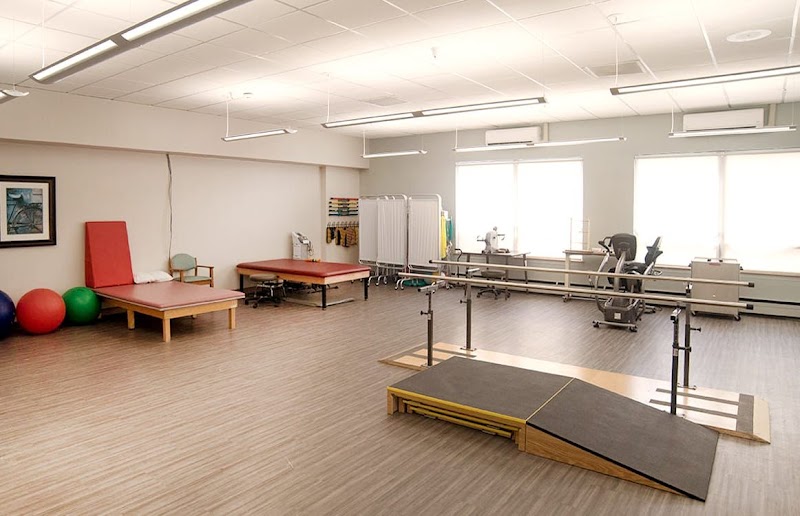
How is Rochester Center For Rehabilitation And Nursing Staffed?

CMS rates Rochester Center for Rehabilitation and Nursing's staffing level at 1 out of 5 stars, which is much below average compared to other nursing homes. Staff turnover is 61%, which is 15 percentage points above the New York average of 46%. High turnover can affect care consistency as new staff learn residents' individual needs. RN turnover specifically is 88%, which is notably high. RNs provide skilled clinical oversight, so turnover in this role can affect medical care quality.

What Have Inspectors Found at Rochester Center For Rehabilitation And Nursing?

State health inspectors documented 25 deficiencies at Rochester Center for Rehabilitation and Nursing during 2021 to 2025. These included: 1 Immediate Jeopardy (the most serious level, indicating potential for serious harm or death), 23 with potential for harm, and 1 minor or isolated issues. Immediate Jeopardy findings are rare and represent the most serious regulatory concerns. They require immediate corrective action.
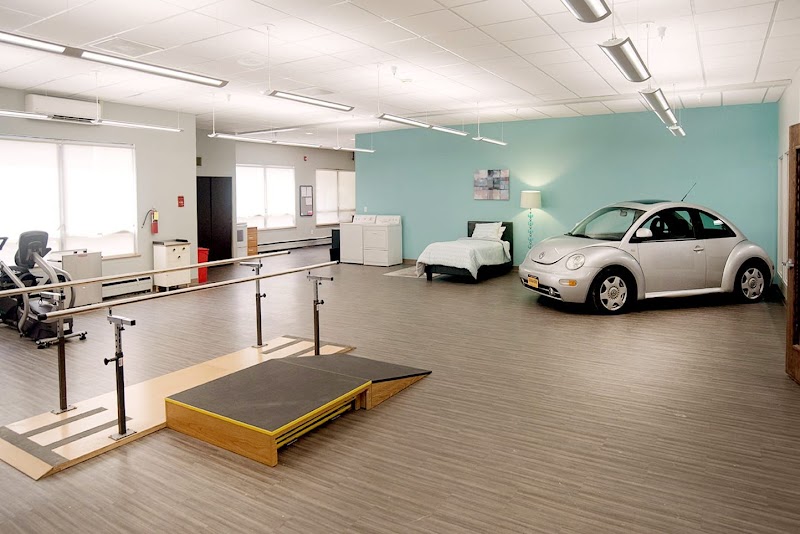
Who Owns and Operates Rochester Center For Rehabilitation And Nursing?

Rochester Center for Rehabilitation and Nursing is owned by a for-profit company. For-profit facilities operate as businesses with obligations to shareholders or private owners. The facility is operated by CENTERS HEALTH CARE, a chain that manages multiple nursing homes. With 124 certified beds and approximately 119 residents (about 96% occupancy), it is a mid-sized facility located in Rochester, New York.

How Does Rochester Center For Rehabilitation And Nursing Compare to Other New York Nursing Homes?

Compared to the 100 nursing homes in New York, Rochester Center for Rehabilitation and Nursing's overall rating (1 stars) is below the state average of 3.0, staff turnover (61%) is significantly higher than the state average of 46%, and health inspection rating (1 stars) is much below the national benchmark.

What Should Families Ask When Visiting Rochester Center For Rehabilitation And Nursing?

Based on this facility's data, families visiting should ask: "What changes have been made since the serious inspection findings, and how are you preventing similar issues?" "How do you ensure continuity of care given staff turnover, and what is your staff retention strategy?" "Can you walk me through typical staffing levels on day, evening, and night shifts?" "Can I visit during a mealtime to observe dining assistance and food quality?" These questions are particularly relevant given the facility's Immediate Jeopardy citations, the facility's high staff turnover rate, and the below-average staffing rating.

Is Rochester Center For Rehabilitation And Nursing Safe?

Based on CMS inspection data, Rochester Center for Rehabilitation and Nursing has documented safety concerns. Inspectors have issued 1 Immediate Jeopardy citation (the most serious violation level indicating risk of serious injury or death). The facility has a 1-star overall rating and ranks #100 of 100 nursing homes in New York. Families considering this facility should ask detailed questions about what corrective actions have been taken since these incidents.

Do Nurses at Rochester Center For Rehabilitation And Nursing Stick Around?

Staff turnover at Rochester Center for Rehabilitation and Nursing is high. At 61%, the facility is 15 percentage points above the New York average of 46%. Registered Nurse turnover is particularly concerning at 88%. RNs handle complex medical decisions and coordinate care — frequent RN changes can directly impact care quality. High turnover means new staff may not know residents' individual needs, medications, or preferences. It can also be disorienting for residents, especially those with dementia who rely on familiar faces. Families should ask: What is causing the turnover? What retention programs are in place? How do you ensure care continuity during staff transitions?

Was Rochester Center For Rehabilitation And Nursing Ever Fined?

Rochester Center for Rehabilitation and Nursing has been fined $9,315 across 1 penalty action. This is below the New York average of $33,172. While any fine indicates a compliance issue, fines under $50,000 are relatively common and typically reflect isolated problems that were subsequently corrected. Families should ask what specific issues led to these fines and confirm they've been resolved.

Is Rochester Center For Rehabilitation And Nursing on Any Federal Watch List?

Rochester Center for Rehabilitation and Nursing is not on any federal watch list. The most significant is the Special Focus Facility (SFF) program, which identifies the bottom 1% of nursing homes nationally based on persistent, serious quality problems. Not being on this list means the facility has avoided the pattern of deficiencies that triggers enhanced federal oversight. This is a positive indicator, though families should still review the facility's inspection history directly.