


St. Ann's Community

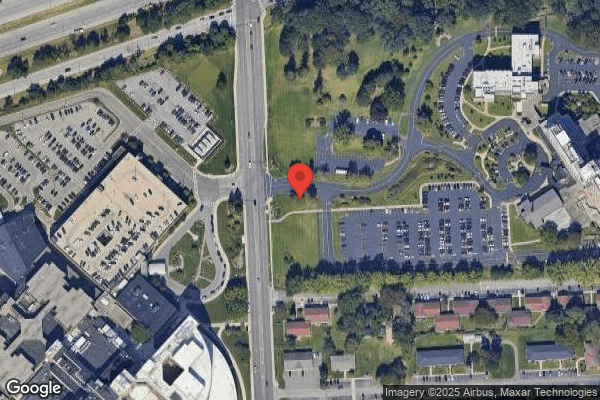
1500 Portland Avenue, Rochester, NY 14621 (585) 697-6000
Non profit - Other 470 Beds Independent Data: November 2025
Trust Grade
70/100
#233 of 594 in NY
Last Inspection: April 2024

Within standard 12-15 month inspection cycle. Federal law requires annual inspections.

Overview

St. Ann's Community in Rochester, New York, has a Trust Grade of B, indicating it is a good choice among nursing homes. With a state rank of #233 out of 594, they are positioned in the top half of facilities in New York, and they rank #15 out of 31 in Monroe County, meaning there are only 14 local options that are better. The facility is improving, as they reduced issues from four in 2022 to three in 2024. Staffing is rated 4 out of 5 stars, with a turnover rate of 36%, which is below the state average, suggesting that staff members tend to stay, providing consistency in care. However, they have faced $55,495 in fines, which is concerning, as it is higher than 80% of facilities in New York, indicating potential compliance problems. On the downside, RN coverage is lower than 89% of state facilities, which could mean less oversight for patient care. Specific incidents noted by inspectors include failing to complete background checks for new employees, which raises concerns about resident safety, and not providing a baseline care plan within 48 hours of admission for several residents. Additionally, there was an incident where medication was left unattended at a resident's bedside, risking the resident's health. While St. Ann's Community has solid strengths, families should be aware of these weaknesses as they consider this facility for their loved ones.

Trust Score
B
70/100
In New York
#233/594
Top 39%
Safety Record
Moderate
Needs review
Inspections
Getting Better
4 → 3 violations
Staff Stability
○ Average
36% turnover. Near New York's 48% average. Typical for the industry.
Penalties
✓ Good
$55,495 in fines. Lower than most New York facilities. Relatively clean record.
Skilled Nurses
⚠ Watch
Each resident gets only 26 minutes of Registered Nurse (RN) attention daily — below average for New York. Fewer RN minutes means fewer trained eyes watching for problems.
Violations
⚠ Watch
12 deficiencies on record. Higher than average. Multiple issues found across inspections.
★★★★☆
4.0
Overall Rating
★★★★☆
4.0
Staff Levels
★★★★☆
4.0
Care Quality
★★★★☆
4.0
Inspection Score
Stable
2022: 4 issues
2024: 3 issues

The Good

  • 4-Star Staffing Rating · Above-average nurse staffing levels
  • 4-Star Quality Measures · Strong clinical quality outcomes
  • Full Sprinkler Coverage · Fire safety systems throughout facility
  • No fines on record
  • Staff turnover below average (36%)

    12 points below New York average of 48%

Facility shows strength in staffing levels, quality measures, fire safety.

The Bad

Staff Turnover: 36%

Near New York avg (46%)

Typical for the industry

Federal Fines: $55,495

Above median ($33,413)

Moderate penalties - review what triggered them

The Ugly 12 deficiencies on record

Apr 2024 3 deficiencies
CONCERN (D)

Potential for Harm - no one hurt, but risky conditions existed

Deficiency F0658 (Tag F0658)

Could have caused harm · This affected 1 resident

Based on observations, interviews, and record review conducted during a Recertification Survey, for one (Resident #330) of one resident reviewed, the facility did not provide services to meet professi...

Read full inspector narrative →
Based on observations, interviews, and record review conducted during a Recertification Survey, for one (Resident #330) of one resident reviewed, the facility did not provide services to meet professional standards of quality.Specifically, multiple doses of a medication were left unattended at the resident's bedside with no assessment completed to ensure the safety of. This is evidenced by the following: The facility policy, Patients on Self-Medication, dated 6/6/20, documented that medical and nursing staff determine if an elder is safe to self-administer medications using nursing admission assessment to identify if patient self-medicated at home. Medical staff orders self-medications based on this information. Elders on self-medication will have a secure area provided. Resident #330 had diagnosis including narrowing of the esophagus, mild cognitive impairment, and gastroesophageal reflux disease (stomach acid repeatedly flowing back into the esophagus). The Minimum Data Set Resident Assessment, dated 3/6/24, revealed Resident #330 was moderately impaired cognitively. Review of Resident #330's current Comprehensive Care Plan revealed no information related to the residents' ability to safely self-administer medications. Review of Resident #330's current Physician's orders revealed an order for calcium carbonate 500 milligram chewable tablet one time daily. The orders did not include the resident was able to self-administer medications. Review of Resident #330's April 2024 Medication Administration Record revealed that calcium carbonate 500 milligram chewable tablet was signed off as administered 4/1/24 through 4/11/24. During an observation and interview on 4/9/24 at 3:29 PM, Resident #330 was sitting in recliner in room with a medication cup containing a tablet (identified as calcium carbonate). Resident #330 stated that the medication in the medication cup was Tums and stated the nurse leaves it for them daily. Resident #330 then poured the tablet into another medication cup in their bed side tray table drawer where seven other similar tablets were observed. During an observation on 4/11/24 at 9:38 AM, Resident #330 opened their bed side tray table and displayed another medication cup containing approximately 26 similar tablets. Resident #330 stated at this time that they did not need them anymore. During an interview on 4/11/24 at 4:02 PM Licensed Practical Nurse #1stated there were currently no residents that were able to self-administer medications on the unit. Licensed Practical Nurse #1stated part of the process for administering medications was to ensure the resident swallowed their medications. During an interview on 4/11/24 at 4:15 PM Registered Nurse Manager #1 stated Resident #330 was not able to self-administer medications. Registered Nurse Manager #1 opened Resident #330's bed side table drawers and took out 2 medication cups filled with chewable tablets and stated they should not be in the drawer. In a nursing progress note dated 4/11/24 at 5:12 PM, Registered Nurse Manager #1 documented that 35 calcium carbonate tablets were found in Resident #330's bed side tray and were removed from the room. 10 NYCRR 415.11(c)(3)(i)
CONCERN (D)

Potential for Harm - no one hurt, but risky conditions existed

Incontinence Care (Tag F0690)

Could have caused harm · This affected 1 resident

Based on observations, interviews, and record review conducted during a Recertification Survey, for one (Resident #78) of two residents reviewed, the facility did not ensure that appropriate treatment...

Read full inspector narrative →
Based on observations, interviews, and record review conducted during a Recertification Survey, for one (Resident #78) of two residents reviewed, the facility did not ensure that appropriate treatment and services were provided to prevent urinary tract infections for a resident with an indwelling urinary catheter (tube inserted into the bladder to drain urine). Specifically, Resident #78 was observed on several occasions with their uncovered urinary drainage bag (bag used to collect urine through the indwelling urinary catheter) lying directly on the floor including an observation of their urinary drainage bag resting on a dining room table above the level of their bladder with several staff within view. Additionally Resident #78's Comprehensive Care Plan did not include goals and/or interventions related to any resident behaviors related to their urinary catheter and/or urinary drainage bag. This is evidenced by the following: The current facility policy, Urinary Catheter Use and External Catheter Use Guidelines dated 7/12/22, included maintenance procedure of indwelling urinary catheter: at no time should the tubing be placed above the level of the bladder to allow back flow of urine into the bladder. Secure urinary drainage bag below the level of the bladder on the side of the bed frame and keep off the floor at all times. Use a dignity cover as needed. Resident #78 had diagnosis including neurogenic bladder (bladder with diminished sensation), benign prostatic hyperplasia (enlargement of the prostate), and dementia. The Minimum Data Set Resident Assessment, dated 4/5/24, documented the resident had severely impaired cognition, had an indwelling urinary catheter and had no behaviors identified for that time period. Review of Resident #78's current Comprehensive Care Plan revealed that Resident #78 had a suprapubic catheter (indwelling urinary catheter inserted directly into the bladder via the abdomen) due to urinary retention and neurogenic bladder with interventions to keep the bag below the level of the bladder whether sitting, lying, or walking and to change the urinary drainage bag daily. The Comprehensive Care Plan did not include that Resident #78 had any behaviors related to care of their urinary catheter and/or drainage bag. Review of Resident #78's Resident Care Summary (care plan used by the Certified Nursing Assistants for daily care), dated 4/15/24, revealed the resident had a suprapubic catheter but did not include instructions to staff to keep the bag below the level of the bladder or any resident behaviors related to their urinary catheter and/or drainage bag. Review of the current physician's orders included a suprapubic catheter to gravity drainage, to change the catheter every four weeks and the urinary drainage bag daily if being changed over to a leg bag and to change the leg bag daily. During an observation on 4/9/24 at 12:17 PM, Resident #78's uncovered urinary drainage bag was directly on the floor in the common area. There was no hook on the drainage bag (used to secure the bag to the bedframe or chair and off the floor). During an observation on 4/10/24 at 8:50 AM Resident #78's uncovered urinary drainage bag was directly on the floor in their room. There was no hook on the drainage bag. During observations on 4/11/24 at 9:43 AM Resident #78's uncovered urinary drainage bag was directly on the floor in their room. There was no hook on the drainage bag. During observations on 4/11/24 at 4:08 PM Resident #78's urinary drainage bag was sitting on the dining room table above the level of their bladder. Several staff members were in visibility of the resident in the dining room at the time. During an interview on 4/16/24 at 9:36 AM Certified Nursing Assistant #1 stated they usually cover it (urinary catheter bag) and keep it below the bladder and off the floor. Certified Nursing Assistant #1 stated that if a urinary drainage bag did not have a hook, they would let a nurse know so it (urinary catheter bag) was not dragging on the floor, and we should never put a urinary drainage bag on a table or anywhere above the bladder. Additionally Certified Nursing Assistant #1 stated that Resident #78 sometimes played with their catheter bag and the tubing. During an interview on 4/16/24 at 10:11 AM Licensed Practical Nurse #4 stated staff should never leave the urinary drainage bag sitting on the floor and it should always be covered and hanging below the level of the bladder. Licensed Practical Nurse #4 stated Resident #78 had a history of playing with their urinary drainage bag, taking the cover off and have been known to pick up the drainage bag and put it on the table. During an interview on 4/16/24 at 11:10 AM Registered Nurse Manager #1 stated facility policy and procedures should be followed, and a urinary drainage bag should not be on the floor for infection control reasons. Additionally, Registered Nurse Manager #1 stated Resident #78 has at times moved their drainage bag, pulled the bag off, or emptied the bag. During an interview on 4/16/24 at 1:29 PM the Chief Nursing Officer stated that urinary drainage bags should not be found on the floor without a barrier and should be positioned above the level of the bladder. The Chief Nursing Officer stated it (care of the urinary drainage bag and any behaviors related to it) should be added to their individualized care plan. 10 NYCRR 415.12(d)(1)
CONCERN (D)

Potential for Harm - no one hurt, but risky conditions existed

Infection Control (Tag F0880)

Could have caused harm · This affected 1 resident

**NOTE- TERMS IN BRACKETS HAVE BEEN EDITED TO PROTECT CONFIDENTIALITY** Based on observations, interviews, and record review conducted during a Recertification Survey, for two (Residents #62 and #238)...

Read full inspector narrative →
**NOTE- TERMS IN BRACKETS HAVE BEEN EDITED TO PROTECT CONFIDENTIALITY** Based on observations, interviews, and record review conducted during a Recertification Survey, for two (Residents #62 and #238) of four residents reviewed, the facility did not establish and maintain an infection prevention and control program designed to provide a safe, sanitary, and comfortable environment and to help prevent the development and transmission of communicable disease and infections. Specifically, there was a lack of appropriate hand hygiene (washing hands or using alcohol-based hand sanitizer) and lack of appropriate glove use observed during wound care for both residents. This is evidenced by the following. The facility policy, Precautions-Standard and Transmission Based of Infectious Organisms, revised 3/22/24, documented that gloves are to be worn at all times when delivering resident personal care, and when there is contact with blood, body fluids or mucous membranes. Wearing gloves does not replace the need for hand hygiene. Hand hygiene must be performed whenever gloves are removed. Enhanced Barrier Precautions refer to an infection control intervention designed to reduce transmission of multi-drug resistant organisms that employs targeted gown and glove use during high contact resident activities. Enhanced Barrier Precautions are used with residents that have wounds or indwelling devices and are utilized when performing wound care (any skin opening requiring a dressing). Review of the facility policy Hand Hygiene, revised 10/21/22, included that hand washing is the single most important means of preventing the spread of infection from one person/environment to another. Hand hygiene should occur after touching secretions (liquids produced by the body) with wound drainage, skin infections, or blood. Alcohol-based hand sanitizer or hand washing should occur after removing gloves, and before and after touching a resident. 1. Resident #238 had diagnoses of diabetes, gangrene (death of body tissue due to lack of blood flow or serious bacterial infection) of the left second toe, and multiple pressure ulcers/injuries. The Minimum Data Set Resident Assessment, dated 2/26/24, documented that Resident # 238 was severely impaired cognitively and had several pressure ulcers/injuries which required care. In a medical wound status report dated 4/10/24, Nurse Practitioner #1 documented that Resident #238 had the following pressure ulcers/injuries: -A deep tissue injury (a localized area of purple or maroon discoloration of intact skin or blood-filled blister indicating underlying soft tissue injury) of the left outer foot (wound #1). -An unstageable pressure ulcer/injury covered with slough or eschar (dead tissue that prevents assessment of the true depth of an ulcer) to the left second toe (wound #2). -An unstageable pressure ulcer to the left third toe (wound #3). -A stage 2 (partial thickness loss of skin that appears as a shallow crater) to the left buttock (wound #4). -A stage 2 pressure ulcer to the natal cleft (the groove between the buttocks) (wound #5). Review of current Physician orders dated 4/10/24 included treatments for all the above pressure ulcers/injuries listed above. Observation of wound care on 4/12/24 at 10:16 AM for Resident #238 included the following: -Licensed Practical Nurse #2 put on a disposable gown and gloves. Licensed Practical Nurse #2 did not complete any hand hygiene prior to applying the gloves. -Licensed Practical Nurse #2 removed the soiled dressing from wound #1. Licensed Practical Nurse #2 did not change gloves or perform hand hygiene after touching the soiled dressing prior to applying the prescribed treatment and a clean dressing. -Wearing the same gloves, Licensed Practical Nurse #2 then removed the soiled dressing from wound #2 (gangrenous toe wound) and applied the prescribed treatment and a clean dressing without performing hand hygiene or changing their gloves. -Wearing the same gloves and without performing hand hygiene, Licensed Practical Nurse #2 applied clean gauze between wound #2 and wound #3. -Licensed Practical Nurse #2 removed their soiled gloves and without performing hand hygiene, applied clean gloves and removed the soiled dressing from wound #4 and wound #5. Treatments and new dressings were again provided to both wounds without completing hand hygiene or changing gloves. -Wearing soiled gloves, Licensed Practical Nurse #2 assisted Resident #238 with repositioning then removed their gloves, and placed a tube of cream in their shirt pocket without performing hand hygiene. During an interview on 4/12/24 at 11:10 AM, Licensed Practical Nurse #2 stated that they should have performed hand hygiene and re-glove between wounds, but they were in a hurry. During an interview on 4/12/24 at 12:55 PM, Registered Nurse Manager #2 stated that hand hygiene and changing of gloves should be performed after removing the old dressing before applying a new dressing and between care of different wound sites. 2. Resident #62 had diagnoses including a recent periprosthetic fracture (broken bone that occurs around the prothesis following knee or hip surgery) and a stage 3 pressure ulcer/injury (full thickness wound involving damage to or necrosis of tissue). The Minimum Data Set Resident assessment dated [DATE], documented the resident was moderately impaired cognitively and had a stage 3 pressure ulcer/injury. Current Physician orders included treatments to the stage 3 natal cleft area daily and as needed. During an observation & interview on 4/12/24 at 9:41 AM, Licensed Practical Nurse #3 put on a pair of gloves and removed the soiled dressing from Resident #62's pressure ulcer/injury. Without changing gloves or completing hand hygiene, Licensed Practical Nurse #3 applied the prescribed treatment and a clean dressing. Using the same pair of gloves used to change the resident's dressing, Licensed Practical Nurse #3 then touched the Apex machine (a device to assist a resident with transferring), Resident #62's clothing, their own face mask and multiple environmental surfaces. Licensed Practical Nurse #3 stated at that time that they did not change their gloves after removing the soiled dressing but should have. In an interview on 4/12/24 at 2:22 PM. the Infection Control Nurse stated hand hygiene should be performed prior to resident care and after taking off their gloves. The Infection Control Nurse said gloves should be changed and hand hygiene performed after removing the old dressings between each wound area on the body and nurses should not touch anything else (in the room) with the same pair of gloves after a dressing change. During an interview on 4/16/24 at 10:31 AM, the Chief Nursing Officer stated they would expect the nurses to remove gloves, perform hand hygiene and apply new gloves before proceeding to another wound and should also administer care from the cleanest wound first then proceed to the dirtiest wounds to prevent contamination. 10 NYCRR 415.19(b)(4)
Sept 2022 4 deficiencies
CONCERN (D)

Potential for Harm - no one hurt, but risky conditions existed

Accident Prevention (Tag F0689)

Could have caused harm · This affected 1 resident

Based on record reviews and interviews conducted during a Recertification Survey and complaint investigation (#NY00287538 and #NY00285375) completed 9/22/22, it was determined that for two (Residents ...

Read full inspector narrative →
Based on record reviews and interviews conducted during a Recertification Survey and complaint investigation (#NY00287538 and #NY00285375) completed 9/22/22, it was determined that for two (Residents #121 and #608) of seven residents reviewed for abuse, neglect and mistreatment, the facility did not ensure that the resident's environment remained as free of accident hazards as possible. Specifically, both resident's care plans were updated indicating a need for increased assist during transfers, but the change was not made on the Certified Nursing Assistant (CNA) Resident Care Summary (care cards used by the CNAs for daily care) that were posted in the residents' rooms resulting in falls with injuries. The findings are: Facility policy # NSG-03, titled, 'care cards' (also known as Resident Care Summary), included: review care cards with CNAs that are floats, new to assignment, unit, or St. Ann's Community and when café plans have been changed. Interdisciplinary team will update care cards as needed. When plan of care is changed the care card is updated and distributed to designated areas. 1.Resident #608 had diagnosis that included metastatic breast cancer and a recent a recent hip fracture with surgical repair, upper extremity tremors and an impaired gait. Record review of Resident #608's admission Minimum Data Set (MDS) Assessment, dated 10/24/22, revealed that the resident was severely impaired of cognitive function and required extensive assist of two staff for most of their activities of daily living, including transfers and toileting. Review of Resident #608's Comprehensive Care Plan (CCP) revealed that the resident was at risk for falls related to weakness and impaired mobility. Review of the CNA Resident Care Summary in the Electronic Medical Record (EMR), dated 10/19/21, revealed that Resident #608 required extensive assist of one staff with a stand-pivot for transfers and extensive assist of one for toileting + transfer and may require 2nd person assist depending on fatigue. Review of the CNA Resident Care Summary in the EMR, dated 10/21/22 revealed that Certified Occupation Therapy Assistant (COTA) changed Resident #608's transfer status on 10/21/21 to include a total mechanical lift with two staff assistance for transfers, and under toileting + toileting transfer, the Resident Care Summary documented extensive assist of one staff for toileting routine and may require 2nd person if fatigued and use of a bedpan. The facility 'Incident/Accident Report' dated as time of incident 10/24/22 at 4:30 p.m., included that the on-call medical team was notified at 4:52 p.m., that Resident #608 was unable to move their entire right arm due to pain from elbow to shoulder and that the arm was warm to the touch and pink. Per family, the resident had slipped on the toilet yesterday and slammed their arm into the wall. An x-ray was ordered and revealed an acute right humeral (upper arm bone) fracture and the resident was sent to the hospital. The resident was unable to report what had happened with clarity but did verbalize hitting their elbow while on the toilet. The facility 'Investigative Summary' dated as completed on 10/28/21 and signed by Registered Nurse Manager #1, included that staff had transferred Resident #608 to the toilet with an Apex lift (sit to stand lift) (vs using a bedpan or a full mechanical lift) and that the updated Resident Care Summary had not been posted in the resident's room following the changes. During an interview on 9/22/22 at 9:15 a.m., the Clinical Manager for rehab stated that Resident #608's care card had been updated by the rehab department on 10/21/21 but that the updated care card had not been replaced in the residents' room. The Clinical Manager stated that it is the responsibility of the person that modifies the care card to ensure that the new card is printed, the changes highlighted and placed in the resident's room. 2. Resident #121 had diagnoses including Parkinson's disease (brain disorder that causes unintended or uncontrollable movements, such as shaking, stiffness, and difficulty with balance and coordination), seizure disorder, and a recent fracture of the arm. Review of Resident #121's MDS Assessment, dated 12/6/21 revealed that the resident was unable to complete a Brief Interview of Mental Status (BIMS) but that staff had identified the resident as having independent and reasonable decision making skills. The MDS Assessment documented that the resident required extensive assist of two staff for transfers, ambulation, and toileting. Review of Resident #121's CCP revealed the resident was at risk for injury related Parkinson's disease, memory impairment, seizures, a history of falls with injury, and exit seeking behavior and required assist with all activities of daily living. The Resident Care Summary, found in the EMR and dated 11/30/21 at 10:25 a.m., documented that Resident #121 required limited assist of one staff with a gait belt and a hemi-walker (half a walker that allows the resident to lean on one side for support) for transfers. The Resident Care Summaries found in the EMR and dated as updated on 11/30/22 at 4:38 p.m., 12/5/21 at 3:05 p.m. and again on 12/6/21 at 11:17 a.m., all included that transfer instructions had changed to use a mechanical sit to stand lift with one assist. In a nursing progress note dated 12/6/21 at 4:54 p.m., Registered Nurse (RN) #1 documented that Resident #121, with the help of CNA #1 and a hemi-walker, was transferring to a wheelchair when the resident lost balance and fell backwards. CNA#1 was unable to break the fall. Resident #121 hit their head and suffered an abrasion to the head. The facility 'Investigation Summary', dated as completed on 12/14/21 and signed by the Assistant Director of Nursing (ADON), included that at the time of the fall Resident #121 care card (Resident Care Summary) listed the resident's transfer needs as a limited assist of one staff with a gait belt and hemi walker. The 'Investigation Summary' documented that the updated care card had not been posted in the resident's room. Additionally, CNA#1 had not used a gait belt according to the outdated care card that was posted in the resident's room During an interview on 9/22/22 at 9:00 a.m., the Clinical Manager for rehab stated that Resident #121's care card had been updated by the rehab department on 11/30/21 and the care card had not been replaced in the residents' room. The Clinical Manager stated that it is the responsibility of the person that modifies the care card to ensure that the new card is printed, the changes highlighted, and the new care card placed in the resident's room. During an interview on 9/22/22 at 10:20 a.m., the Assistant Director of Nursing (ADON) stated that the person that updates the care card should print it and swap it out in the resident's room. During an interview on 9/22/22 at 11:00 a.m., the RN educator stated that the CNAs are trained that the care card is behind the resident's room door and that it should be reviewed before providing care. NYCRR 415.12 (h)(2)
CONCERN (D)

Potential for Harm - no one hurt, but risky conditions existed

Deficiency F0836 (Tag F0836)

Could have caused harm · This affected 1 resident

Based on observations, interview, and record review conducted during the Recertification Survey completed on 9/22/22, it was determined that the facility did not ensure compliance with all applicable ...

Read full inspector narrative →
Based on observations, interview, and record review conducted during the Recertification Survey completed on 9/22/22, it was determined that the facility did not ensure compliance with all applicable State codes. Specifically, the facility was not in compliance with section 915 of the 2015 edition of the International Fire Code as adopted by New York State, which requires the use of carbon monoxide detection in a building that has fuel-burning appliances. The findings are: During the initial tour of the ground floor kitchen on 9/15/22 between 8:53 a.m. and 9:40 a.m. it was observed that a natural gas range was present and in use, and there were no carbon monoxide detectors within the kitchen. Additionally, on 9/16/22 from 8:30 a.m. to 10:00 a.m. it was observed that there were no carbon monoxide detectors present in the basement, ground floor, and lobby level of the 9-story St. Ann's Home. The basement was observed to include a potential carbon monoxide source in the boiler room. A summary of carbon monoxide detectors throughout the facility was sent to the surveyor via email by the Director of Facilities and included that there are no carbon monoxide detectors on the 1st and 2nd floors in the St. Ann's Home because there are no natural gas sources on either of these floors. During an interview on 9/20/22 at 10:42 a.m., the Director of Facilities stated that they did not believe that there were carbon monoxide detectors in the basement, ground floor, or lobby. The 2015 edition of the International Fire Code (IFC), requires carbon monoxide detection to be provided in an approved location between the fuel burning appliance and the dwelling unit, sleeping unit, or classroom; or on the ceiling of the room containing the fuel-burning appliance. 10NYCRR: 415.29(a)(2), 711.2(a)(1); 42 CFR: 483.70(b), 2015 IFC: Section 915, 915.1, 915.1.4, Section 1103.9
CONCERN (E)

Potential for Harm - no one hurt, but risky conditions existed

Abuse Prevention Policies (Tag F0607)

Could have caused harm · This affected multiple residents

Based on record review and interview conducted during the Recertification Survey completed on 9/22/22, it was determined that for three (Employees #1, #4 and #5) of five employee files reviewed, the f...

Read full inspector narrative →
Based on record review and interview conducted during the Recertification Survey completed on 9/22/22, it was determined that for three (Employees #1, #4 and #5) of five employee files reviewed, the facility did not implement written policies and procedures to prevent abuse, neglect, exploitation, and misappropriation of resident property related to screening prospective employees. Specifically, a nurse aide registry (NAR) abuse screening was not completed prior to new employees beginning work. The findings are: On 9/19/22 from 2:00 p.m. to 3:27 p.m., documentation related to five recently hired employees was reviewed. The records included: 1. Employee #1 was hired as an Environmental Services Assistant on 8/8/22. The documentation provided included a NAR abuse screening for employee #1 dated 8/24/22. Further record review included a fingerprinting consent form signed by employee #1 marked as having a final finding of patient or resident abuse. When interviewed via email regarding this statement by Employee #1, the Director of Human Resources stated that Employee #1 said this was a mistake and was asked to come in and fix it but did not. Further record review included Employee #1 did not complete the fingerprinting process and was terminated from service on 8/29/22. 2. Additionally, Employee #4 was hired on 8/22/22 as a Household Dining [NAME] and the NAR screening was dated 8/24/22. 3. Employee #5 was hired as a Mechanic on 8/8/22 and the NAR screening was dated 8/24/22. 4. During subsequent interview via email correspondence, the Director of Human Resources stated that for employees #1, #4, and #5, a monthly audit revealed that a few checks were not done, so we did it immediately after we noticed. On 9/19/22 at 3:30 p.m., a review of the facility policy NSG-07 'Resident Abuse/Neglect/Mistreatment' policy, dated as revised 7/22/22, revealed under Employee screening: During the pre-employment process, the Human Resources Department clears potential employees through the Nursing home Nurse Aide Registry. On 9/22/22 at 12:58 p.m., the Director of Human Resources provided the surveyor with documentation to show the past non-compliance related to NAR screening had been corrected and included: a. An audit performed on 8/24/22 showing all new employees hired within the past 5-months were reviewed to ensure a NAR screening had been performed. b. Documentation that education was provided during a Human Resources team meeting on 9/9/22 with a list of staff who attended. c. A Human Resources onboarding checklist including NAR screening. 10 NYCRR: 415.4(b)(1)(ii)(b)
CONCERN (E)

Potential for Harm - no one hurt, but risky conditions existed

Deficiency F0655 (Tag F0655)

Could have caused harm · This affected multiple residents

**NOTE- TERMS IN BRACKETS HAVE BEEN EDITED TO PROTECT CONFIDENTIALITY** Based on observations, interviews, and record reviews conducted during a Recertification Survey completed on 9/22/22, it was det...

Read full inspector narrative →
**NOTE- TERMS IN BRACKETS HAVE BEEN EDITED TO PROTECT CONFIDENTIALITY** Based on observations, interviews, and record reviews conducted during a Recertification Survey completed on 9/22/22, it was determined that for 7 (Residents #178, #187, #245, #247, #281, #298 or #357) of 35 residents reviewed, the facility did not ensure that a Baseline Care Plan (BCP) was developed and implemented within 48 hours of admission that included the minimum healthcare information necessary to properly care for the immediate needs of the resident and that a written summary of the care plan, that they were able to understand, was provided and reviewed with the resident and/or their representative in a timely manner per the regulations. This was evidenced by, but not limited to, the following: The facility policy Care Planning - Interdisciplinary, dated as last revised on 7/12/22, documented that the policy of the facility was to initiate and complete a BCP within 48 hours of admission and address, at a minimum, initial goals based on admission orders, dietary orders, therapy services, social services and Preadmission Screening and Resident Review recommendations, if applicable. The BCP will transition to a comprehensive care plan (CCP) based on the needs of the elder/patient utilizing, at a minimum, the use of the Minimum Data Set (MDS) Assessment to assess the elder's clinical condition, cognitive and functional status, and use of services. In addition, the policy mentioned that prior to the scheduled care plan meeting, the elder's BCP or CCP, medication list and Certified Nursing Assistant (CNA) care card (care plan used by CNAs for daily care) would be offered to the elder and/or designated family member. The policy included that a copy of the BCP or CCP, the elder's CNA care card and a list of the elder's current medications would be provided to the elder or their representative, if applicable, and a note would be written into the electronic health record to confirm this information was provided. 1.Resident #187 was admitted to the facility on [DATE], with diagnoses of a left arm fracture, urinary retention with a chronic indwelling catheter, and a cerebral vascular accident (CVA or stroke). The admission MDS Assessment, dated 8/1/22, documented that the resident was severely impaired cognitively, required extensive assist of staff with most of their activities of daily living, that English was not the resident's preferred language, and that the resident required an interpreter. Review of Resident #187's Electronic Medical Record (EMR) revealed a 19-page 'Care Plan Report' dated effective 7/25/22 to 9/20/22 that included problems, goals, and interventions. There was no care plan summary or documented evidence that a care plan or a summary was provided to or reviewed with Resident #187's representative, that they were able to understand, prior the care plan meeting. 2. Resident #245 was admitted to the facility on [DATE], with diagnoses including diabetes, malnutrition, and anxiety disorder. The admission MDS assessment dated [DATE], documented that the resident was moderately impaired cognitively, was exhibiting signs and symptoms of depression following admission and required extensive assistance of staff for most of their activities of daily living. Review of Resident #245's EMR revealed a 7-page 'Care Plan Report' dated effective 8/17/22 to 8/24/22 that included problems, goals, and interventions. There was no care plan summary or documented evidence that a care plan or a summary was provided to or reviewed with Resident #245 or their representative, that they were able to understand, prior the care plan meeting. 3. Resident #298 was admitted to the facility 8/31/22 with diagnoses that included Alzheimer's Disease, depression, and a stroke. The admission MDS assessment dated [DATE], included that the resident was severely impaired cognitively and required extensive assist of staff for most of their activities of daily living. Review of the resident's EMR revealed a 12-page 'Care Plan Report' dated effective 8/31/22 to 9/7/22 that included problems, goals, and interventions. The facility could not provide evidence that the care plan or a care plan summary was provided to or reviewed with Resident #298 or their representative, in a manner they could understand, prior to the care plan meeting. During an interview on 9/20/22 at 9:36 a.m., Social Worker (SW) #1 stated that BCPs should be completed as soon as possible (within 14 days) and are not discussed with the family. Once the BCP is completed, it is converted to the CCP, which is then printed and sent to families (via mail or e-mail), along with the medications and care card. The social worker stated that it is expected that the resident or family bring the provided information to the first care plan meeting which is usually within two to three weeks. During an interview on 9/20/22 at 11:15 a.m., Nurse Manager (NM) #1 stated that when a resident is admitted , a BCP is obtained within 24 hours by the Registered Nurse (RN). NM #1 stated that if the resident is alert and oriented, the resident will be included in the baseline care plan process. If there is an issue or concern with the BCP, it will be discussed with the resident's family. Once the BCP is completed, it is converted to a CCP by Social Work. The CCP is then reviewed with the resident and family during the care plan meeting, which is held after two weeks. During an interview on 9/20/22 at 11:51 a.m., SW #2 stated that information for the BCP is gathered when residents first come in. The involved disciplines gather and provide the information needed for their assigned parts of the care plan, which is usually within a week. SW #2 stated that stated that neither residents nor the representatives are provided a copy of the BCP. During a follow-up interview on 9/21/22 at 9:03 a.m., SW #1 stated that copies of the BCPs are not given to residents or their representative. SW #1 stated that the CCP, medication list and care card are provided to the resident or representative via regular mail, e-mail or are left in the resident's room and this should be documented on a form in the EMR records that the care plan, medication list and care card were sent to the resident or representative. During an interview on 9/22/22 at 10:19 a.m., the Assistant Director of Nursing (ADON) stated that BCPs are initiated within 48 hours, or a CCP if all the necessary information is available. The ADON stated that residents or their representative are offered a copy of the care plan, the medication list, and the CNA care card, which is provided in-person, via regular mail or e-mail. The ADON stated that the expectation is that those items are provided to the resident or representative before the care plan meeting. When asked if either a BCP or CCP summary was reviewed with Residents #178, #187, #245, #247, #281, #298 or #357 prior to their initial care plan meeting, the ADON was unable to provide any documented evidence that this was done. 10NYCRR 415.11
Jan 2020 5 deficiencies
CONCERN (D)

Potential for Harm - no one hurt, but risky conditions existed

Investigate Abuse (Tag F0610)

Could have caused harm · This affected 1 resident

Based on interviews and record reviews conducted during the Recertification Survey, it was determined that for one resident (Resident #187) of three residents reviewed for abuse, the facility did not ...

Read full inspector narrative →
Based on interviews and record reviews conducted during the Recertification Survey, it was determined that for one resident (Resident #187) of three residents reviewed for abuse, the facility did not investigate a concern of rough handling during care that was reported to the nurse. This is evidenced by the following: Resident #187 has diagnoses including a stroke with hemiplegia (paralysis), hemiparesis (weakness), and osteoarthritis. The Minimum Data Set Assessment, dated 11/18/19, revealed that the resident's cognitive skills for daily decision making were severely impaired, and the resident required the extensive assistance of two staff members for personal hygiene, bed mobility, bathing, and transfers. When interviewed on 1/2/20 at 8:52 a.m., Licensed Practical Nurse (LPN) #1 said she works the day shift. She said the resident's family member had reported to her that there are some evening Certified Nursing Assistants (CNAs) that are rough with the resident during cares. LPN #1 said she did not report the concerns to a supervisor because she had not observed rough cares on her shift. During an interview on 1/6/20 at 3:10 p.m., the Director of Nursing said the nurse should have immediately reported the family member's concerns to a supervisor and an investigation should have been started. When interviewed on 1/6/20 at 11:49 a.m., the Director of Social Work said any staff member who receives a report of alleged abuse or neglect should report that concern to a supervisor for investigation. [10 NYCRR 415.4(b)(3)]
CONCERN (D)

Potential for Harm - no one hurt, but risky conditions existed

Deficiency F0688 (Tag F0688)

Could have caused harm · This affected 1 resident

**NOTE- TERMS IN BRACKETS HAVE BEEN EDITED TO PROTECT CONFIDENTIALITY** Based on observations, interviews, and record reviews conducted during the Recertification Survey, it was determined that for on...

Read full inspector narrative →
**NOTE- TERMS IN BRACKETS HAVE BEEN EDITED TO PROTECT CONFIDENTIALITY** Based on observations, interviews, and record reviews conducted during the Recertification Survey, it was determined that for one of three residents reviewed for mobility, and one of six residents reviewed for activities of daily living, the facility did not ensure that each resident received appropriate treatment or services to improve or maintain ambulation. Specifically, Resident #187 was not walked consistently on a daily basis with the appropriate equipment, and Resident #254 was not walking independently on a daily basis and staff did not monitor or evaluate for a decline. This is evidenced by the following: 1. Resident #187 has diagnoses including a stroke with hemiplegia (paralysis), hemiparesis (weakness), and repeated falls. The Minimum Data Set Assessment, dated 11/18/19, revealed that the resident's cognitive skills for daily decision making were severely impaired. The resident required the extensive assist of one staff member to walk on and off the unit and had a functional limitation in range of motion of the upper extremity on one side. An Occupational Therapy (OT) Treatment Plan Summary, dated 11/12/19, revealed that the resident walks daily in their room and 100 feet in the hallway or as resident will allow with the extensive assistance of one staff member. The resident needs assistance to steer the wheeled walker and keep it close to their body. The resident should have a right walker hand splint which should be secured with a strap over the wrist. The resident will need encouragement to keep walking and may need more assistance when they turn to sit in the wheelchair as they try to sit before being aligned. The Certified Nursing Assistant (CNA) Care Card, dated 12/6/19, and the current Comprehensive Care Plan (CCP) revealed the same ambulation instructions as the OT Treatment Plan Summary, dated 11/12/19. Review of the CNA Ambulation Report, from 12/1/19 through 1/2/20, revealed that the resident walked from 1 to 50 feet on 5 of 33 occasions. There was no documentation of the distance the resident walked for 9 days during that time, and 19 days were documented as 8/8 which means ambulation did not occur. There was no documentation for the reason the resident did not walk. During an observation on 12/30/19 at 10:09 a.m., a staff member returned the resident to their room in a wheelchair. The staff member did not offer to walk the resident back to their room. In an observation on 1/2/20 at 9:28 a.m., the resident had a walker in their room without a hand splint. There was no hand splint in the room. At 1:32 p.m., CNA #1 walked the resident from the wheelchair to their recliner in their room, a distance of about two to three feet. There was no hand splint on the walker. When interviewed at that time, CNA #1 said there was no hand splint to use. She said the resident seldom walks with the walker anywhere unless she walks with therapy. She said the resident walks with therapy maybe twice a week. When interviewed on 1/3/20 at 9:41 a.m., CNA #1 said that she did not know anything about using a splint. She said that 8/8 means that walking did not occur. She said she uses that code if the resident buckles during an attempt to walk. Interviews conducted on 1/3/20 included the following: a. At 8:08 a.m., OT #1 said the resident was discharged from an active therapy program about a month ago. OT #1 said a right-hand splint should be in place on the walker and used because it helps the resident to grip the walker. She said the resident needs encouragement to walk but if she refuses, the CNAs are to document the refusal in the computer. OT #1 said the goal was to walk the resident 100 feet per day. She said that therapy staff does not walk residents on the unit. OT #1 said she expects the CNAs to report to the Clinical Coordinator if residents are not walking as care planned. b. At 9:08 a.m., LPN #2 said she has never seen any staff walk the resident with her walker. She said if the resident was care planned to walk, then it should be offered, and if the resident refuses, it should be reported to the nurse for follow up. c. At 9:12 a.m., the Clinical Coordinator said that no one has reported to her that the resident was not being walked. She said that she would expect to be notified. 2. Resident #254 was readmitted to the facility on [DATE] with diagnoses including diabetic polyneuropathy, a diabetic foot ulcer, and a recent acute osteomyelitis of the left foot and ankle requiring surgical intervention. The MDS Assessment, dated 11/27/19, revealed that the resident was cognitively intact and walked in the corridor on the unit on one or two occasions in the seven day look back period and with the assistance of one staff member. The physical therapy Discharge summary, dated [DATE], included that the resident was able to ambulate 100 plus feet independently with a rollator walker in the hallways. The resident stated they walk twice daily. Since the resident's goals were attained, the resident was discharged from therapy. The current CCP and CNA Care Card included that the resident was at risk for falls, had an alteration in activities of daily living and skin breakdown due to diabetes, and a history of diabetic foot ulcers and osteomyelitis. Interventions included, but were not limited to, encourage out of room daily and to monitor for any decline in positioning, walking, or transfer status and to notify therapy as needed. During observations of the resident throughout the day shift on 12/30/19, 12/31/19, 1/2/20, 1/3/20, and 1/6/20 the resident was observed sitting in her room, including for all meals. The resident was not observed ambulating in the hallway. Review of the CNA Ambulation Report for the past month revealed that the resident walked outside of their room on 13 occasions and 3 occasions in the past two weeks. In an interview on 12/30/19 at 12:50 p.m. and again on 1/3/20 at 1:07 p.m., the resident stated that they can walk on their own but that sometimes the pain in their foot was so bad they cannot even make it to the dining room. The resident stated that very few staff members will walk with them, or offer, so they have to go on their own. The resident said that they cannot walk far and that they do not ask staff because they have so much to do. When interviewed on 1/3/20 at 1:38 p.m. and again on 1/7/20 at 9:03 a.m., the Nurse Manager stated that the resident told her they wanted to be able to walk independently so therapy evaluated the resident and determined that they could walk independently in the hallway. The Nurse Manager stated that she would expect staff to ask the resident daily and encourage them to walk outside of their room. She said if the resident refuses, the nurse should be notified. In an interview on 1/6/20 at 1:13 p.m., the Physical Therapist stated that she had seen a decline in the resident due to shoulder pain but was not aware or notified that the resident was not walking daily. She said she would expect staff to encourage the resident to walk several times a day and ask them if they need help. She said if the resident declines consistently, therapy should be notified. She later said that after she explained to the resident how important it was to walk the resident was willing to walk outside of their room with her. [10 NYCRR 415.12(e)(1-2)]
CONCERN (D)

Potential for Harm - no one hurt, but risky conditions existed

Respiratory Care (Tag F0695)

Could have caused harm · This affected 1 resident

Based on observations, interviews, and record reviews conducted during the Recertification Survey, it was determined that for one (Resident #143) of two residents reviewed for respiratory care and oxy...

Read full inspector narrative →
Based on observations, interviews, and record reviews conducted during the Recertification Survey, it was determined that for one (Resident #143) of two residents reviewed for respiratory care and oxygen, the facility did not provide proper care and treatment. Specifically, the resident's oxygen equipment was signed off as cleaned and changed weekly but was observed dirty and dated as last changed approximately a month earlier. This is evidenced by the following: Resident #143 had diagnoses including chronic obstructive pulmonary disease, pulmonary edema, and respiratory failure. The Minimum Data Set Assessment, dated 11/6/19, revealed that the resident had moderately impaired cognition and received oxygen therapy. The current medical orders included oxygen at 3 liters via nasal cannula and directed to change, label, and date the oxygen tubing and humidifier bottle every week on the evening shift, check and refill the humidifier bottle every shift, check the concentrator filter and clean with sterile water if needed once a day on the evening shift. Observations conducted on 12/31/19 at 10:24 a.m., 1/2/20 at 11:29 a.m., and 1/6/20 at 10:26 a.m., the resident's oxygen tubing was undated and was dirty with a sticky residue (common with the use of adhesive tape). The concentrator filter was covered with a gray dust, and the humidifier bottle was dated 12/10/19. The December 2019 Treatment Administration Record (TAR) revealed that the tubing and humidifier was signed off as changed on the evening shift on 12/10/19, 12/17/19, 12/24/19, and 12/31/19. The humidifier bottle was signed off as checked and refilled three times a day every day. The filter was signed off as checked and cleaned daily on the evening shift. When interviewed on 1/2/20 at 8:35 a.m. and again on 1/6/20 at 10:26 a.m., the Licensed Practical Nurse (LPN) stated that the evening shift was responsible for changing the oxygen equipment, but the equipment was checked every shift. The LPN said the humidifier bottle was dated as last changed on 12/10/19. The LPN stated she checked the humidifier bottle daily as signed off on the TAR. She said that she thought the humidifier bottle had been changed on 12/31/19 but was not sure where she got that date from. In an interview on 1/7/20 at 8:34 a.m., the Nurse Manager and the Clinical Coordinator both stated that the policy was that oxygen equipment should be labeled, dated, and changed weekly to help prevent infection. They both said that it should not be signed off as completed on the TAR if it was not done. [10 NYCRR 415.12 (k) (6)]
CONCERN (D)

Potential for Harm - no one hurt, but risky conditions existed

Deficiency F0761 (Tag F0761)

Could have caused harm · This affected 1 resident

Based on observations, interviews, and record reviews conducted during the Recertification Survey, it was determined that for four of eight medication carts reviewed for medication storage, the facili...

Read full inspector narrative →
Based on observations, interviews, and record reviews conducted during the Recertification Survey, it was determined that for four of eight medication carts reviewed for medication storage, the facility did not ensure that all drugs and biologicals were properly labeled and stored in accordance with State and Federal laws. The issues involved a controlled substance that was not double locked, multiple unlabeled pre-poured medications, and multiple loose pills in the bottom of drawers in the medication carts. This is evidenced by the following: Home for the Aged: In an observation on 1/2/20 at 10:10 a.m., a medication cart on the third floor contained multiple loose pills in the bottom of the drawer. On 1/3/20 at 9:07 a.m., a medication cart on the sixth-floor contained several loose pills in the bottom of the drawer. Wegman's Continuing Center: In an observation on 1/3/20 at 10:24 a.m., the medication cart on the third floor contained two medication cups filled with multiple pills and one medication cup was filled with multiple crushed pills. The resident's name or the name of the medications were not on the cups or anywhere in the drawer and the cups were uncovered. When interviewed at that time, Licensed Practical Nurse (LPN ) #1 stated that the cups contained morning medications for three different residents who were busy with showers and eating. She said she should not have pre-poured the medications. In an observation on 1/3/20 at 10:35 a.m., the medication cart on the second floor contained a 25 milliliter bottle of morphine that was in an unlocked drawer. LPN #2 attempted to lock the drawer but was unable because the lock was broken. When interviewed at that time, LPN #2 said that she did not know how long the lock on the drawer had been broken. When interviewed on 1/3/20 at 2:44 p.m., the Director of Nursing stated that medications should not to be prepoured. She said the broken lock on the medication cart drawer was fixed immediately. She said that the night shift was responsible for cleaning the carts and making sure there were no loose medications in the drawers. [10 NYCRR 415.18]
CONCERN (D)

Potential for Harm - no one hurt, but risky conditions existed

Deficiency F0805 (Tag F0805)

Could have caused harm · This affected 1 resident

Based on observations, interviews, and record reviews conducted during the Recertification Survey, it was determined that the facility did not ensure food was prepared in a form designed to meet each ...

Read full inspector narrative →
Based on observations, interviews, and record reviews conducted during the Recertification Survey, it was determined that the facility did not ensure food was prepared in a form designed to meet each resident's needs. Specifically, the pureed lasagna was prepared without a recipe and the serving size was not equivalent to the regular portion size. This is evidenced by the following: When interviewed on 1/6/20 at 10:13 a.m., the Assistant [NAME] said that he pureed the lasagna entrée for lunch that day. He said that he needed 34 servings of 4 ounces each. He said that he did not follow a recipe but put the lasagna into the blender and added water to make it liquidy. He said he did not know how much water he added to the lasagna. He said the lasagna was a heat and serve purchased product and he used two half pans. The lasagna was Molly's Kitchen: 15 orders per half pan. The label read serving size one cup; 227 grams, servings per container about 12. When interviewed at that time on 1/6/20 at 10:18 a.m., the Chef said one pan equals 96 ounces divided by 12, so one serving should be 8 ounces. He said the resident's receiving pureed foods were not getting what the menu directs for a regular portion size. He said the production sheet includes 4 ounces when really, they should be receiving twice that amount. When interviewed on 1/6/20 at 10:47 a.m., the Registered Dietician (RD) said that she has a recipe for lasagna that directs to add a half or cup of water per serving. She said the residents on a pureed diet should have received 8 ounces of lasagna. The RD said that she was not aware of that and she would need to check other heat and serve products to verify portions sizes in order to ensure the residents on a pureed diet are getting the same calories, nutrients, and serving size as the regular menu. [10 NYCRR 415.14(d)(3)]
Understanding Severity Codes (click to expand)
Life-Threatening (Immediate Jeopardy)
J - Isolated K - Pattern L - Widespread
Actual Harm
G - Isolated H - Pattern I - Widespread
Potential for Harm
D - Isolated E - Pattern F - Widespread
No Harm (Minor)
A - Isolated B - Pattern C - Widespread

Questions to Ask on Your Visit

  • "Can I speak with families of current residents?"
  • "What's your RN coverage like on weekends and overnight?"

Our Honest Assessment

Strengths
  • • 36% turnover. Below New York's 48% average. Good staff retention means consistent care.
Concerns
  • • 12 deficiencies on record. Higher than average. Multiple issues found across inspections.
  • • $55,495 in fines. Extremely high, among the most fined facilities in New York. Major compliance failures.
Bottom line: Mixed indicators with Trust Score of 70/100. Visit in person and ask pointed questions.

About This Facility

What is St. Ann'S Community's CMS Rating?

CMS assigns St. Ann's Community an overall rating of 4 out of 5 stars, which is considered above average nationally. Within New York, this rating places the facility higher than 99% of the state's 100 nursing homes. This rating reflects solid performance across the metrics CMS uses to evaluate nursing home quality.

How is St. Ann'S Community Staffed?

CMS rates St. Ann's Community's staffing level at 4 out of 5 stars, which is above average compared to other nursing homes. Staff turnover is 36%, compared to the New York average of 46%. This relatively stable workforce can support continuity of care.

What Have Inspectors Found at St. Ann'S Community?

State health inspectors documented 12 deficiencies at St. Ann's Community during 2020 to 2024. These included: 12 with potential for harm.

Who Owns and Operates St. Ann'S Community?

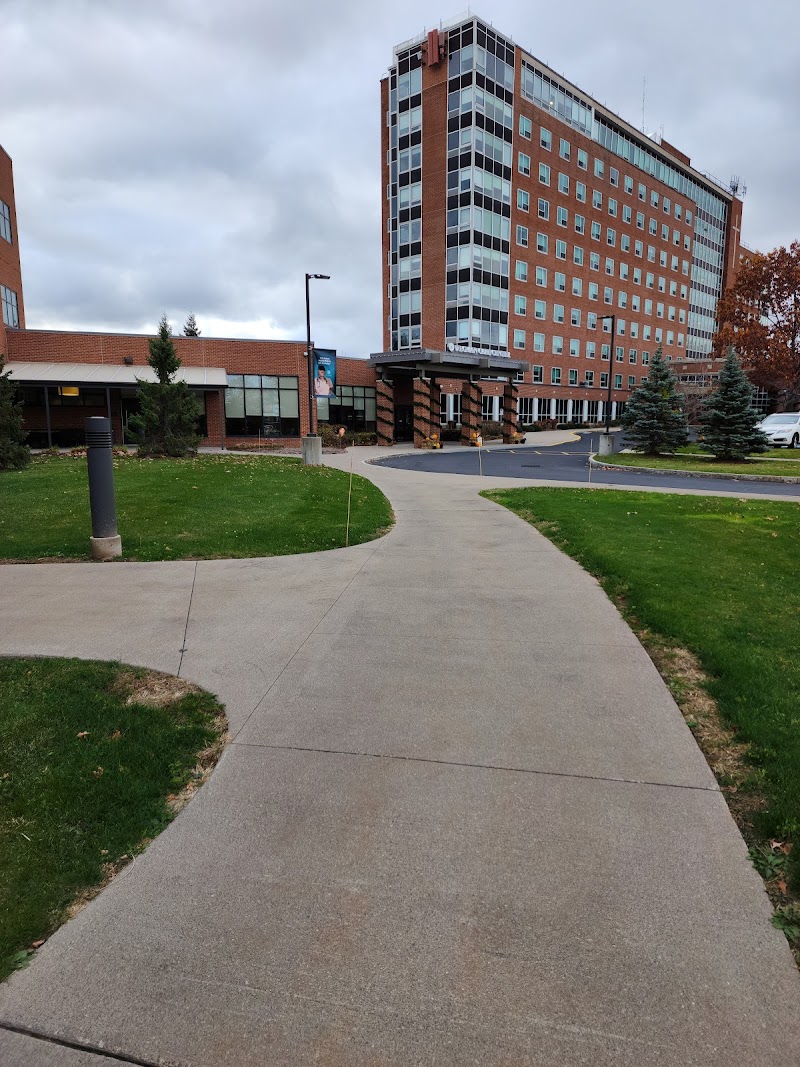
St. Ann's Community is owned by a non-profit organization. Non-profit facilities reinvest revenue into operations rather than distributing to shareholders. The facility operates independently rather than as part of a larger chain. With 470 certified beds and approximately 365 residents (about 78% occupancy), it is a large facility located in Rochester, New York.

How Does St. Ann'S Community Compare to Other New York Nursing Homes?

Compared to the 100 nursing homes in New York, St. Ann's Community's overall rating (4 stars) is above the state average of 3.1, staff turnover (36%) is near the state average of 46%, and health inspection rating (4 stars) is above the national benchmark.

What Should Families Ask When Visiting St. Ann'S Community?

Based on this facility's data, families visiting should ask: "Can I visit during a mealtime to observe dining assistance and food quality?" "How do you handle medical emergencies, and what is your hospital transfer rate?" "Can I speak with family members of current residents about their experience?"

Is St. Ann'S Community Safe?

Based on CMS inspection data, St. Ann's Community has a clean safety record: no substantiated abuse findings (meaning no confirmed cases of resident harm), no Immediate Jeopardy citations (the most serious violation level indicating risk of serious injury or death), and is not on the Special Focus Facility watch list (a federal program monitoring the lowest-performing 1% of nursing homes). The facility has a 4-star overall rating and ranks #1 of 100 nursing homes in New York. While no facility is perfect, families should still ask about staff-to-resident ratios and recent inspection results during their visit.

Do Nurses at St. Ann'S Community Stick Around?

St. Ann's Community has a staff turnover rate of 36%, which is about average for New York nursing homes (state average: 46%). Moderate turnover is common in nursing homes, but families should still ask about staff tenure and how the facility maintains care continuity when employees leave.

Was St. Ann'S Community Ever Fined?

St. Ann's Community has been fined $55,495 across 2 penalty actions. This is above the New York average of $33,634. Fines in this range indicate compliance issues significant enough for CMS to impose meaningful financial consequences. Common causes include delayed correction of deficiencies, repeat violations, or care failures affecting resident safety. Families should ask facility leadership what changes have been made since these penalties.

Is St. Ann'S Community on Any Federal Watch List?

St. Ann's Community is not on any federal watch list. The most significant is the Special Focus Facility (SFF) program, which identifies the bottom 1% of nursing homes nationally based on persistent, serious quality problems. Not being on this list means the facility has avoided the pattern of deficiencies that triggers enhanced federal oversight. This is a positive indicator, though families should still review the facility's inspection history directly.