The Brightonian, Inc
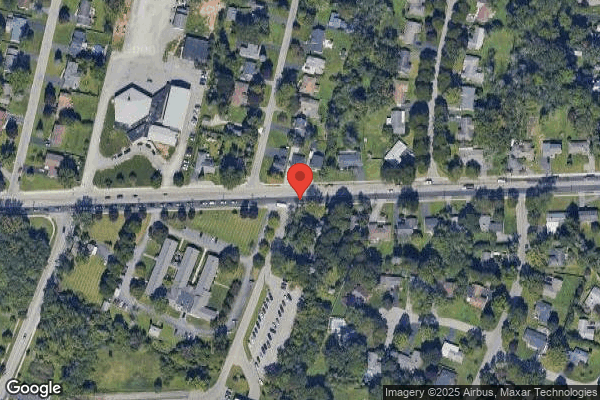
1919 Elmwood Avenue, Rochester, NY 14620 (585) 271-8700
For profit - Corporation 54 Beds HURLBUT CARE Data: November 2025
Trust Grade
80/100
#121 of 594 in NY
Last Inspection: February 2025

Within standard 12-15 month inspection cycle. Federal law requires annual inspections.

Overview

The Brightonian, Inc. in Rochester, New York, has a Trust Grade of B+, indicating it is above average and recommended for families considering care options. With a state rank of #121 out of 594, this facility is in the top half of New York nursing homes, and it ranks #7 out of 31 in Monroe County, meaning there are only six local options that are better. The facility is improving, having reduced issues from 10 in 2023 to zero in 2025, although it has a concerning staffing rating of 2 out of 5 stars and a high turnover rate of 56%, significantly above the state average. While there have been no fines, which is a positive sign, there are concerns regarding RN coverage, as it is lower than 93% of facilities in New York. Recent inspections revealed that food was not served at safe temperatures, and two residents were not given the chance to participate in their care planning, highlighting some areas needing attention despite the facility's overall strengths.

Trust Score
B+
80/100
In New York
#121/594
Top 20%
Safety Record
Low Risk
No red flags
Inspections
Getting Better
10 → 0 violations
Staff Stability
⚠ Watch
56% turnover. Above average. Higher turnover means staff may not know residents' routines.
Penalties
✓ Good
No fines on record. Clean compliance history, better than most New York facilities.
Skilled Nurses
⚠ Watch
Each resident gets only 19 minutes of Registered Nurse (RN) attention daily — below average for New York. Fewer RN minutes means fewer trained eyes watching for problems.
Violations
⚠ Watch
18 deficiencies on record. Higher than average. Multiple issues found across inspections.
★★★★★
5.0
Overall Rating
★★☆☆☆
2.0
Staff Levels
★★★★☆
4.0
Care Quality
★★★★★
5.0
Inspection Score
Stable
2023: 10 issues
2025: 0 issues

The Good

  • 4-Star Quality Measures · Strong clinical quality outcomes
  • Full Sprinkler Coverage · Fire safety systems throughout facility
  • No fines on record

Facility shows strength in quality measures, fire safety.

The Bad

Staff Turnover: 56%

Near New York avg (46%)

Frequent staff changes - ask about care continuity

Chain: HURLBUT CARE

Part of a multi-facility chain

Ask about local staffing decisions and management

Staff turnover is elevated (56%)

8 points above New York average of 48%

The Ugly 18 deficiencies on record

Oct 2023 10 deficiencies
CONCERN (D) 📢 Someone Reported This

A family member, employee, or ombudsman was alarmed enough to file a formal complaint

Potential for Harm - no one hurt, but risky conditions existed

Deficiency F0553 (Tag F0553)

Could have caused harm · This affected 1 resident

**NOTE- TERMS IN BRACKETS HAVE BEEN EDITED TO PROTECT CONFIDENTIALITY** Based on interviews and record reviews conducted during the Recertification Survey from 10/12/23 to 10/19/23, it was determined ...

Read full inspector narrative →
**NOTE- TERMS IN BRACKETS HAVE BEEN EDITED TO PROTECT CONFIDENTIALITY** Based on interviews and record reviews conducted during the Recertification Survey from 10/12/23 to 10/19/23, it was determined that for 2 (Resident #41 and Resident #43) of 19 residents reviewed for care planning, the facility did not ensure the residents right to participate in the development and implementation of his or her person-centered plan of care. Specifically, neither Residents #41 or #43 or their representatives had been given the opportunity to attend any care plan meetings since admission. This is evidenced by the following: 1.Resident #41 had been at the facility approximately four months and had diagnoses including Amyotrophic Lateral Sclerosis (a nervous system disease that weakens muscles and impacts physical function), history of falls, and depression. The Minimum Data Set (MDS) assessment dated [DATE] revealed the resident was cognitively intact. Resident #41's Comprehensive Care Plan (CCP) last revised on 10/16/23, documented that the resident was at risk for emotional distress related to their nursing home stay and their decrease in independence. During interviews on 10/12/23 at 9:53 AM, and again on 10/18/23 at 11:47 AM Resident #41 said they had never been to a care plan meeting and did not know what a care plan meeting was. Additionally, the resident said their family member who was closely involved in their care had never been invited to attend a care plan meeting (that they were aware of). Resident #41 stated they would have gone to a care plan meeting to discuss their care and have their voice heard and that their family lives close by and would have come to one if invited. 2. Resident #43 had been at the facility approximately seven months and had diagnoses including hemiplegia (paralysis of the upper and lower extremities on one side of the body), major depressive disorder, and insomnia. The MDS assessment dated [DATE] revealed the resident was cognitively intact. Resident #43's CCP last revised on 8/10//23, documented that the resident was at risk for psychosocial impairment related to their current medical status, loss of independence and depression. Interventions for staff included to encourage the resident and family to actively participate in the resident's plan of care. During interviews on 10/12/23 at 9:31 AM and again on 10/18/23 at 10:40 AM Resident #43 said they had never been invited to a care plan meeting since their admission. Resident #43 said they talk with their family member often and that they had never been invited to attend a care plan meeting either and felt they would have come due to their close relationship. Resident #43 stated they had not seen the SW in several months. During an interview on 10/16/23 at 1:41 PM, the Social Worker (SW) said that care plan meetings were held upon admission, quarterly, or whenever there was a significant change in the resident's condition. The SW said they thought they were supposed to invite residents and families to care plan meetings, but that they had not invited either Resident #41 or Resident #43 and that based on both resident's admission dates (four and seven months respectively), they should have had a care plan meeting by then and been invited to attend it. During an interview on 10/18/23 at 10:45 AM, Licensed Practical Nurse Manager (LPNM) #1 said that they thought they had been to a meeeting for Resident #43, but neither the resident nor a family member had been present. During an interview on 10/18/23 at 11:01 AM, the Director of Nursing (DON) said that the SW puts together all care plan meetings with the interdisciplinary team (IDT) and the residents and their families should be invited to their initial care plan meeting and an annual one. The DON said the IDT consists of the SW, nurse manager, therapy, dietary, nursing, and the activity department. The DON said the SW should organize a meeting with the IDT that included the resident and their family and should document if the resident and/or family had declined to attend. 10 NYCRR 415.3
CONCERN (D)

Potential for Harm - no one hurt, but risky conditions existed

Free from Abuse/Neglect (Tag F0600)

Could have caused harm · This affected 1 resident

**NOTE- TERMS IN BRACKETS HAVE BEEN EDITED TO PROTECT CONFIDENTIALITY** Based on interviews, and record review conducted during a Recertification Survey from 10/12/23 to 10/19/23, it was determined fo...

Read full inspector narrative →
**NOTE- TERMS IN BRACKETS HAVE BEEN EDITED TO PROTECT CONFIDENTIALITY** Based on interviews, and record review conducted during a Recertification Survey from 10/12/23 to 10/19/23, it was determined for one (Resident #41) of two residents reviewed for abuse, the facility did not ensure the resident was free from verbal abuse, neglect, and/or intimidation. Specifically, Resident #41 was made to wait for assistance with toileting, was subjected to retaliatory remarks and continued to have contact with a staff member following an incident and removal of the staff member from the resident's assignment. This is evidenced by the following: The facility policy, Abuse, Neglect, and Exploitation Prohibition, Training, Investigation, and Reporting Policy, dated December 2016, defined abuse as the willful infliction of injury, unreasonable confinement, intimidation, or punishment with resulting physical harm, pain, or mental anguish. Abuse also includes the deprivation by an individual, including a caretaker, of goods or services that are necessary to attain or maintain physical, mental, and psychosocial well-being. It is the policy of the facility to ensure that there are procedures and systems in place to prohibit and prevent abuse, neglect, exploitation, mistreatment, crime, involuntary isolation or seclusion, serious bodily injury, injuries of unknown source, and/or misappropriation of personal property by staff or fiduciaries, which includes compliance with all applicable laws and regulations including, but not limited to, the Elder Justice Act (EJA). Resident #41 had diagnoses including Amyotrophic Lateral Sclerosis (a nervous system disease that weakens muscles and impacts physical function), history of falls, retention of urine, and depression. The Minimum Data Set assessment dated [DATE] revealed the resident was cognitively intact and had no behaviors. The current Comprehensive Care Plan included that Resident #41 was continent of bowel and bladder and required the assist of one person and an Apex machine (sit to stand mechanical device) for transferring and to use a bedside commode or to offer a bedpan for toileting. During an interview on 10/12/23 at 9:41 AM and again on 10/13/23 at 2:54 PM, Resident #41 stated that approximately three weeks prior, they waited for a long time (often for greater than 30 minutes) to use the bathroom. A nurse and Certified Nursing Assistant (CNA) #1 responded to the resident's call and informed the resident they needed to wait because their assigned CNA called off their shift. As a result, the resident called their family and said they needed help with toileting because the facility staff could not assist them. The resident's family member came to the facility to assist them but was told by CNA #1 that they could not help the resident, because the resident required an Apex machine in order to transfer the resident to the toilet. The resident said CNA #1 later told them they would not help them anymore and would no longer come into their room (because they reported them to their family). The resident said they spoke with their social worker (SW) about the incident, but they did not know if the matter had been addressed. Resident #41 later stated that as a result of the resident reporting CNA #1 to their family (and SW), CNA #1 continued to come into their room, turned off their call light off, and left without providing care. The resident said a few days prior, another CNA (name unknown) answered their call light, told the resident they were going to get the Apex machine which was visible outside their door and never came back and they waited from 5:30 AM until 6:50 AM to get assist with toileting. Review of facility investigations dated 10/4/23 signed by the Director of Nursing (DON) and reviewed by the Administrator, revealed an incident (on 9/30/23) where Resident #41 expressed concerns of not being toileted in a timely manner and feelings of retaliation based on CNA #1 threatening to withhold care from them. Resident #41 had stated that CNA #1 also told them that they could complain about it but that no one would believe them. The conclusion included that while Resident #41 had stated they were not afraid of CNA #1, the resident did not want CNA #1 to care for them any longer. The Follow-Up Actions included that CNA #1 was removed from Resident #41's assignment. During an interview on 10/16/23 at 8:51 AM and again at 4:33 PM, LPNM #1 said they were aware of the incident with CNA #1 who had been suspended for three days after telling Resident #41 they would not care for them after the resident reported them. LPNM #1 said that when discussing the issue with CNA #1, the CNA agreed that it had been wrong to refuse care to the resident and that the two of them went into Resident #41's room together so that CNA #1 could apologize. LPNM #1 later said they changed the floor assignment after the incident and told CNA #1 that they could still answer Resident #41's call light to see what they needed, but they would no longer provide care to the resident. LPN #1 said that there was often a two-hour window period when CNA #1 would be the only aide working on the unit. When asked who would provide care to the resident during that time, should they need something, LPNM #1 said the resident was okay with CNA #1 and that they had confirmed it with the resident. During an interview on 10/16/23 at 1:45 PM, the SW said they were made aware of the incident on 10/2/23 and that Resident #41 was tearful at the time of their meeting and based on the documented statement provided to the SW, the resident had said they were afraid of CNA #1 because they felt CNA#1 withheld care due to their actions (reporting them). The documented statement included that CNA #1 used intimidating remarks to the resident such as, Nobody will believe you are telling the truth. You can complain, but nobody is listening. During an interview on 10/16/23 at 3:55 PM and again at 4:42 PM with the DON and the Administrator, the DON said that Resident #41 was okay with CNA #1 giving them care if no one else was available to help so that the resident would not have to wait for care, but that CNA #1 had not been assigned to the resident. The DON said they were aware that CNA #1 would be the only aide on the unit for two-hour window period at times. The DON said that LPNM #1 might have misunderstood their expectation that CNA #1 not have any further contact with Resident #41 when they told LPNM #1 to take Resident #41 off the CNA's assignment. The Administrator stated they had discussed moving CNA #1 off the unit but had not. During an interview on 10/17/23 at 9:10 AM, Resident #41 said CNA #1 had not provided care to them since their family came to the facility to assist them with toileting, but every time CNA #1 worked, they would come into Resident #41's room and silence their call light without letting another staff member know they needed help and they ended up waiting a long time because no one else knew they had requested help. The resident said CNA #1 told them that if they need more help, they should hire a personal assistant. During an interview on 10/18/23 at 3:42 PM, CNA #2 said that Resident #41 usually only puts their call light on when they needed help with toileting. CNA #2 said they have seen CNA #1 answer the resident's call light. During an interview on 10/18/23 at 3:49 PM, CNA #3 said that Resident #41 does not ask for much other than help with toileting and that they had told CNA #3 that they had waited over an hour for assistance when someone came and turned off their call light off without helping them and that the resident seemed upset about it. 10 NYCRR 415.4(b)(1)(i)
CONCERN (D)

Potential for Harm - no one hurt, but risky conditions existed

ADL Care (Tag F0677)

Could have caused harm · This affected 1 resident

Based on observations, interviews, and record review conducted during the Recertification Survey from 10/12/23 to 10/19/23, it was determined for one (Resident #166) of three residents reviewed, the f...

Read full inspector narrative →
Based on observations, interviews, and record review conducted during the Recertification Survey from 10/12/23 to 10/19/23, it was determined for one (Resident #166) of three residents reviewed, the facility did not ensure a resident who was unable to carry out activities of daily living (ADLs) received the necessary services to maintain their grooming. Specifically, Resident #166 was observed on several days with a full beard which was not their preference. This is evidenced by the following: Resident #166 was admitted to the facility several weeks prior with diagnoses including pelvic fracture, anxiety disorder, and major depressive disorder. The Minimum Data Set Assessment, dated 10/12/23, revealed the resident had moderately impaired cognition and was dependent on staff to maintain personal hygiene. Review of the Comprehensive Care Plan dated 10/6/23 included to assist the resident with their ADLs per therapy recommendations and to encourage participation in the completion of ADLs. The Certified Nursing Assistant (CNA) care plan, dated 10/6/23, revealed the resident was to be set up while seated for grooming. In an Occupational Therapy Progress Report dated 10/17/23 at 1:16 PM, Occupational Therapist (OTR) #1 documented that Resident #166 required supervision or touching assistance for personal hygiene. Review of Resident #166's Point of Care History for personal hygiene located in their Electronic Medical Record from 10/6/23 to 10/17/23 revealed Resident #166's level of assistance with personal hygiene ranged from dependent on staff to independent. The documentation did not include any refusals of care. Additionally, for 36 opportunities to document how the resident maintained personal hygiene, there was no documentation at all on 16 occasions. In the Observation Detail List Report, dated 10/13/23 LPN #4 documented that Resident #166 was dependent for personal hygiene. During observations on 10/12/23 at 3:17 PM, 10/16/23 at 8:58 AM, and 10/17/23 at 1:02 PM, Resident #166 was observed unshaven with a full beard. During an interview on 10/12/23 at 3:17 PM and on 10/17/23 at 11:56 AM, Resident #166 stated that they preferred to be clean shaven and not have a beard but that they had asked two different staff for assistance (over past few weeks) with shaving but had not received any assistance since admission. Resident #166 said they had not repeated the request again because they felt it was not that big of a deal and there were more important things for the staff to deal with. The resident later stated that they would feel better if they were shaved. During an interview on 10/17/23 at 2:22 PM, Licensed Practical Nurse (LPN) #3 stated they were not aware the resident wanted to be shaved and when a resident is admitted to the facility with a beard, they assumed the resident wanted to have a beard. LPN #3 said staff should offer residents assistance with shaving during personal care, but due to the length of Resident #166's beard now they need to be seen by the hairdresser. When interviewed at that time, Resident #166 stated they preferred to be clean shaven. During an interview on 10/17/23 at 2:41 PM, CNA #4 stated Resident #166 had not asked them for assistance with shaving and that they had asked the resident if they wanted to be shaved on 10/16/23 but the resident refused. CNA #4 could not recall if the refusal was documented but stated they should document any time a resident refused care. CNA #4 stated they had not asked the resident on 10/17/23. During an interview on 10/18/23 at 12:24 PM, the Director of Nursing (DON) stated that staff should be offering to shave residents when providing personal care. If the resident refuses, staff should be documenting the refusal. While some residents prefer to have a beard, residents should always be asked their preference. 10 NYCRR 415.12(a)(3)
CONCERN (D)

Potential for Harm - no one hurt, but risky conditions existed

Accident Prevention (Tag F0689)

Could have caused harm · This affected 1 resident

Based on observations, interviews, and record review conducted during the Recertification Survey from 10/12/23 to 10/19/23, it was determined for one (Resident #160) of two residents reviewed the faci...

Read full inspector narrative →
Based on observations, interviews, and record review conducted during the Recertification Survey from 10/12/23 to 10/19/23, it was determined for one (Resident #160) of two residents reviewed the facility did not ensure the resident's environment remained as free of accident hazards as was possible and each resident received adequate supervision to prevent accidents. Specifically, Resident #160 who had swallowing issues and was on aspiration (accidental inhalation of food or drink into the lungs) precautions, was observed on several occasions eating or drinking in their room with no supervision. This is evidenced by the following: Review of a facility policy titled Aspiration Precautions Protocol revised November 2019, documented the purpose of the protocol was to enhance the resident's quality of life by providing the safest diet and feeding procedures while reducing dysphagia. Residents requiring aspiration precautions may not be left unsupervised with food or liquids. A yellow dot sticker would be placed next to their name near the doorframe of their room to identify they are at risk for aspiration. Residents identified to be at risk, should not have water pitchers provided in their rooms, had to be supervised by staff while consuming their nourishments or meals, and should be encouraged to eat in common dining areas. Resident #160 had diagnoses including dysphagia (difficulty swallowing), pneumonia (an infection in the lungs), and gastroesophageal reflux disease (GERD). The Minimum Data Set Assessment, dated 10/5/23, revealed the resident had moderately impaired cognition, required supervision for eating, and was on a mechanically altered diet upon admission. Review of Resident #160's Comprehensive Care Plan dated 10/2/23 revealed the resident required a mechanically altered diet related to dysphagia and was on aspiration precautions. Interventions included, but not limited to aspiration precautions per protocol and head of bed elevated 30 to 45 degrees. Review of the Profile Care Plan (care plan used the Certified Nursing Assistant (CNA) for daily care), dated 9/29/23, revealed Resident #160 had special precautions for aspiration, was on a ground/soft diet with nectar thick liquids, and required set-up assistance for eating. The care plan did not include staff supervision while eating and drinking. Review of current physician's orders, dated 9/29/23, included aspiration precautions and ground/soft diet with nectar thick liquids. In a Speech Therapy Evaluation and Plan of Treatment, dated 10/3/23, Speech Language Pathologist (SLP) #1, documented a treatment diagnosis of dysphagia for Resident #160 who was discharged from the hospital with recommendations for mechanically soft diet and nectar thick liquids as a baseline diet. The resident's representative had requested that Resident #160 remained on this diet due to a history of recurrent pneumonia. When assessed by SLP #1, the resident demonstrated clinical signs and symptoms of dysphagia while consuming food and liquid but had not shown signs of aspiration at that time. SLP #1 recommended staff supervision due to cognitive impairment that negatively impacted Resident #160's ability to recall safety precautions. During an observation on 10/13/23 at 9:23 AM, Resident #160 was in their room alone, reclined in a chair with an open container of thickened juice on the bedside table next to them. The resident had a yellow dot sticker on the name plate outside their room. There was no staff in the hallway at that time. In a progress note, dated 10/13/23 at 2:10 PM, Nurse Practitioner (NP) #1 documented that Resident #160 had an updated chest x-ray due to coughing that had not improved with a trial of cough syrup. The x-ray found the resident had bilateral infiltrates (a substance in the lungs that can be associated with pneumonia) and the resident was started on antibiotics for treatment. During an observation on 10/16/23 at 8:46 AM, Resident #160 was in their room alone, sitting upright in a chair. The resident had completed 100% of their meal and was drinking thickened coffee and periodically coughing. A nurse was down the hall with their medication cart and not within sight of the resident. During observations on 10/17/23 at 12:50 PM, Resident #160 was observed in their room alone, sitting upright in a chair, with the lunch tray on the bedside table placed in front of them. The resident was eating and periodically coughing. The meal ticket included that the resident was on aspiration precautions and had a ground/soft diet with nectar thick liquids. At the time of the observation, CNA #4 was the only staff member on the unit and was not in sight of the resident at the time. During an interview on 10/17/23 at 12:57 PM, Certified Nursing Assistant (CNA) #4 stated that aspiration precautions meant the resident could choke when eating or drinking and that staff should supervise Resident #160 by checking on them a few times during the meal. CNA #4 stated they had never been told to stay in the room with the resident while they ate. Resident #160 usually went to the dining room for meals but there was a class in there on that day. During an interview on 10/17/23 at 2:13 PM, Licensed Practical Nurse (LPN) #3 stated residents on aspiration precautions should sit up in a chair and always supervised by a staff member in the room with them while eating and drinking. Staff should try to get residents down to the dining room for lunch and dinner to be supervised. During an interview on 10/19/23 at 8:14 AM, with the Administrator, the Director of Nursing and the Corporate Registered Nurse, the Administrator stated that residents who were on aspiration precautions should be supervised when eating or drinking or encouraged to go to the dining room where there is more supervision. 10 NYCRR 415.12(h)(1)
CONCERN (D) 📢 Someone Reported This

A family member, employee, or ombudsman was alarmed enough to file a formal complaint

Potential for Harm - no one hurt, but risky conditions existed

Incontinence Care (Tag F0690)

Could have caused harm · This affected 1 resident

Based on observations, interviews, and record review conducted during the Recertification Survey from 10/12/23 to 10/19/23, it was determined for one (Resident #166) of one resident that the facility ...

Read full inspector narrative →
Based on observations, interviews, and record review conducted during the Recertification Survey from 10/12/23 to 10/19/23, it was determined for one (Resident #166) of one resident that the facility did not ensure that appropriate treatment and services were provided to prevent urinary tract infection (UTI) for a resident with an indwelling urinary catheter (catheter directly inserted into the bladder and empties urine into a drainage bag). Specifically, Resident #166 was observed on several occasions with the urinary catheter bag and catheter drainage port lying directly on the floor in the resident's room and staff stated they do not routinely cleanse the drainage poor prior to emptying the catheter bag (and reattaching the port). This is evidenced by the following: Resident #166 had diagnoses including pelvic fracture, urinary retention (a condition in which a person is unable to empty all the urine from their bladder), acute kidney failure, and chronic kidney disease. The Minimum Data Set Assessment, dated 10/12/23, revealed the resident had moderately impaired cognition and had an indwelling catheter. The undated facility policy Catheter Care, Urinary, included the following guidelines to prevent urinary catheter-associated complications, such as urinary tract infections: to use aseptic (strict cleansing guidelines to help prevent infection) technique when handling or manipulating the drainage system and to be sure the catheter tubing and drainage bag are kept off the floor. Review of the resident's Comprehensive Care Plan dated 10/12/23, revealed Resident #166 required an indwelling urinary catheter related to urinary retention and staff were to assist with catheter care and use a leg bag when out of bed. The Certified Nursing Assistant (CNA) care plan, dated 10/6/23, revealed the resident had an indwelling catheter but did not include interventions for catheter care. Review of physician orders, dated 10/6/23, included indwelling urinary catheter care per facility policy/protocol. During observations on 10/12/23 at 9:57 AM and at 11:51 AM, and again on 10/17/23 at 11:56 AM and at 1:02 PM, Resident #166's catheter bag was observed lying directly on the floor. When observed on 10/17/23 at 2:18 PM, the catheter bag was hung from the lower bed frame with the uncovered catheter bag drainage port directly touching the floor. During an interview on 10/17/23 at 2:22 PM, Licensed Practical Nurse (LPN) #3 stated they the catheter bag should not be touching the floor and is usually placed in a bin to avoid this. LPN #3 put on a gown and gloves, removed the catheter bag from the floor and placed it in a pink basin. The catheter bag drainage port (that was on the floor) was not cleaned at that time. During an interview on 10/17/23 at 2:41 PM, Certified Nursing Assistant (CNA) #4 stated the catheter bag should not be placed directly on the floor and it should be placed on a pad or hung from the bed frame to keep it off the floor. CNA #1 stated they did not usually clean the drainage port when emptying the drainage bag. During an interview on 10/18/23 at 12:24 PM, the Director of Nursing (DON) stated the catheter bag should not be placed directly on the floor for infection control reasons. They would expect staff to wear a gown and gloves and clean the drainage port when emptying the catheter bag. 10 NYCRR 415.12(d)(1)
CONCERN (D)

Potential for Harm - no one hurt, but risky conditions existed

Food Safety (Tag F0812)

Could have caused harm · This affected 1 resident

Based on observations, interview, and record review conducted during the Recertification Survey completed 10/12/23 through 10/19/23, it was determined that for one of one kitchen the facility did not ...

Read full inspector narrative →
Based on observations, interview, and record review conducted during the Recertification Survey completed 10/12/23 through 10/19/23, it was determined that for one of one kitchen the facility did not store, prepare, or provide sanitary conditions in accordance with professional standards for food service safety. Specifically, temperature controlled for safety (TCS) foods were not cooled properly, sanitization levels in a dish washing machine were insufficient, and gaskets on refrigeration units and meal delivery carts were damaged. The findings are: Observations during the initial tour of the kitchen and in the presence of the Food Service Director (FSD) on 10/12/23 at 8:55 AM included torn, hanging, and damaged gaskets on the coolers. The Artic Air brand refrigerator was observed to be missing the stainless cover inside the right door and the area was porous and not easily cleanable. During an interview at this time, the FSD stated that they have been having trouble trying to get it (the stainless cover) to stay on. Observations in the presence of the FSD on 10/12/23 at 9:20 AM included testing of the sanitizer levels in the mechanical dishwashing machine located in the main kitchen. A chlorine sanitizer test strip was used to test levels after the wash cycle and only 25 parts per million (ppm) of sanitizer were observed to be present. The dish machine was then primed and run again with less than 25 ppm sanitizer observed when using another test strip. Further observations included that the barrel containing the chlorine-based sanitizer held approximately one-inch of liquid at the bottom. During an interview at this time, the FSD stated that they had a log on the wall for the dishwasher. Observations on 10/16/23 at 11:40 AM included gaskets on the meal delivery cart doors were torn or missing pieces. During an interview at this time the FSD stated they would like to get new ones. Observations on 10/16/23 at 11:50 AM included a check of the surveyor's Thermapen for calibration and accuracy using the ice point method. After placing the Thermapen in a cup of ice water and allowing to stabilize the Thermapen displayed 32°F. Observations on 10/16/23 at 12:55 PM included two approximately 10-pound pork loins (a TCS food) stacked and covered with plastic wrap in a stainless-steel pan located in a three-door 'True' brand refrigeration unit in the main kitchen. The plastic wrap was marked with the date 10/16 and was 80°F when measured by the surveyor using a Thermapen. During an interview at this time the FSD stated that it had been in the freezer cooling. During a subsequent interview at this time the cook stated that the pork was cooked this morning and taken out of the oven at around 9:30 AM. The cook also stated that they put the two pork loins in the freezer at 10:30 AM and at 12:40 PM they put it in the cooler and that temperatures were not taken. At 1:00 PM the cook was directed by the surveyor to cut the pork into sections and put in separate pans to accelerate cooling. The cook then cut the two pork loins into three sections each and placed them back in the freezer in two uncovered pans to reduce the temperature as quickly as possible. Record review on 10/16/23 at 3:03 PM included an invoice for the two pork loins which listed 11.3 pounds and 9.3 pounds. When asked by the surveyor if they had a cooling policy the FSD stated that it was probably not documented. 10 NYCRR: 415.14(h), 14-1.40(a), 14-1.40(b), 14.190, 14-1.95, 14-1.112(a)(4)
CONCERN (D) 📢 Someone Reported This

A family member, employee, or ombudsman was alarmed enough to file a formal complaint

Potential for Harm - no one hurt, but risky conditions existed

Deficiency F0849 (Tag F0849)

Could have caused harm · This affected 1 resident

**NOTE- TERMS IN BRACKETS HAVE BEEN EDITED TO PROTECT CONFIDENTIALITY** Based on observation, interviews and record review conducted during the Recertification Survey from 10/12/23 to 10/19/23, for on...

Read full inspector narrative →
**NOTE- TERMS IN BRACKETS HAVE BEEN EDITED TO PROTECT CONFIDENTIALITY** Based on observation, interviews and record review conducted during the Recertification Survey from 10/12/23 to 10/19/23, for one (Resident #33) of one resident reviewed for hospice services, the facility did not ensure a communication process, including how the communication would be documented between the facility and the hospice provider, to ensure that the needs of the resident are addressed and met on a consistent basis. Specifically, the hospice staff were not given access to resident's health records in order to review and coordinate care between the facility and the Hospice staff. This is evidenced by the following: The facility policy, Hospice Program, dated March 2012, included that when a resident participates in the hospice program, a coordinated plan of care between the facility, hospice agency and resident/family will be developed. Resident #33 had diagnoses including cancer of the brain, intraabdominal lymph nodes and lungs, chronic pain, and was receiving palliative care effective 9/18/23. The Minimum Data Set assessment dated [DATE] included the resident had severely impaired cognition and was receiving hospice services. During an interview on 10/17/23 at 12:08 PM Licensed Practical Nurse Manager (LPNM) #3, stated that hospice staff are supposed to document in our hospice book, but they have not been doing this. A review at this time of the Visiting Nurse Services Hospice Home Health Aide Resource Manual, revealed signature sheets signed by the hospice aides with the last visit documented as 10/11/23. There were no progress notes or communications by the hospice staff documented in the binder relating to Resident #3 current status. LPNM #3 stated that they had not seen a hospice nurse, but the Social Worker and Chaplain had visited. LPNM #3 stated that hospice staff do not document in the facility's electronic medical record (EMR) but that the medical provider did have access to hospice staff documentation (different EMR) and if there were changes with Resident #33, they would let the staff know. LPNM #3 stated that Hospice should have a care plan for the resident, but facility staff did not have a copy of it. If there was a change in the resident's condition the facility nurse would document in the resident's EMR and the provider book and then call hospice. During an observation on 10/17/23 at 12:20 PM, the hospice nurse was visiting with Resident #33 and requested updates on the resident's condition from facility staff. During an interview on 10/17/23 at 12:41 PM the hospice nurse stated that communication with the facility has been a challenge as hospice staff document in their own EMR but do not have access to the facility's EMR. The hospice nurse stated that they have requested access in the past but were told they could not have access to the facility's EMR. The hospice nurse stated that communication is primarily verbal, and only the medical providers (not always available) had access to hospice notes. The hospice nurse stated that not having access to the facility's EMR does make communication and medication review a challenge as nursing staff are not always available to answer questions when hospice staff are visiting. When interviewed on 10/18/23 at 12:38 PM, the Administrator stated they thought the Hospice nurses had access to review and document in the facility EMR. During an interview on 10/18/23 at 12:42 PM, the Director of Nursing (DON) stated that there used to be a Hospice book on the units for the hospice staff to document. The DON stated that they were not sure if hospice staff were only documenting in their own EMR but if they were, facility staff would not have access to the information, but the medical providers would. The DON stated that the hospice nurse should be stopping at the nurses' station prior to visiting the resident and get an update on the resident's status at that time. The DON stated that if hospice staff wanted to review any part of the resident's EMR such as the medications list the nurse manager would have to assist them. 10 NYCRR 415.26
MINOR (B)

Minor Issue - procedural, no safety impact

Deficiency F0575 (Tag F0575)

Minor procedural issue · This affected multiple residents

Based on observations, interviews, and record review conducted during the Recertification Survey 10/12/23 to 10/19/23, for three of three units reviewed for Resident Council, the facility did not ensu...

Read full inspector narrative →
Based on observations, interviews, and record review conducted during the Recertification Survey 10/12/23 to 10/19/23, for three of three units reviewed for Resident Council, the facility did not ensure that contact information for state regulatory agency and local advocacy organization including but not limited to the New York State Department of Health (NYSDOH) and the State Long-Term Care Ombudsman Program was readily accessible to residents and visitors. Specifically, neither the contact information for the NYSDOH or the Ombudsman was posted in a place easily accessible to residents and visitors. This is evidenced by the following: During a Residents Council meeting on 10/16/23 at 2:22 PM the Resident Council president and five council members stated they did not know where the Long-Term Care Ombudsman Program and the State Agency Complaint Hotline (including information regarding filing a complaint) numbers were posted. During an observation on 10/17/23 at 10:25 AM, two notices with the Ombudsman contact information in separate 8-inch (in.) x 10 in. photo frames were located behind the reception desk behind the receptionist on a counter that was not easily readable (small font) or accessible to residents and visitors (especially if wheelchair bound). During an interview and observation on 10/17/23 at 10:35 AM the Social Worker (SW) showed the surveyor a bulletin board in an alcove in the Center Unit hallway that contained the New York State Hotline Complaint Number and information on a 8in x 10in piece of paper on a bulletin board. The information was not accessible to wheelchair bound residents or visitors and was not accessible to residents or visitors from the other two facility resident care units. The SW stated that the information was not in a readily accessible place for all residents and visitors. During an interview with the Administrator, the Director of Nursing (DON), and the Corporate Registered Nurse on 10/19/23 at 8:14 AM, the Administrator stated that their understanding was that there was a posting behind the front desk, and they were not aware that there was a concern with it. 10 NYCRR 415.3
MINOR (B) 📢 Someone Reported This

A family member, employee, or ombudsman was alarmed enough to file a formal complaint

Minor Issue - procedural, no safety impact

Deficiency F0582 (Tag F0582)

Minor procedural issue · This affected multiple residents

Based on interview and record review conducted during the Recertification Survey 10/12/23 to 10/19/23, for two (Residents #315 and #316) of three residents reviewed, the facility did not provide the a...

Read full inspector narrative →
Based on interview and record review conducted during the Recertification Survey 10/12/23 to 10/19/23, for two (Residents #315 and #316) of three residents reviewed, the facility did not provide the appropriate liability and appeal notices to Medicare beneficiaries. Specifically, for Resident #315 and #316 the facility could not provide documented evidence that the residents were provided with a Notice of Medicare Noncoverage letter (NOMNC) including their appeal rights prior to discharge from the facility. This is evidenced by the following: Resident #315 was recently admitted to the facility under Medicare Part A services and discharged to the community. There was no evidence that a NOMNC was given to resident #315 or their representative informing them at least two days before the end of Medicare covered Part A stay to notify them of their appeal rights. Resident #316 was recently readmitted to the facility under Medicare Part A services and discharged to the community. There was no evidence that a NOMNC was given to resident #316 or their representative informing them at least two days before the end of Medicare covered Part A stay to notify them of their appeal rights. During an interview on 10/18/23 at 1:05 PM, the Business Office Manager stated they did not know that a NOMNC needed to be given to Residents #315 and #316 prior to discharge home. During an interview on 10/19/23 at 8:14 AM the Administrator stated they did have a new Business Manager but was not aware of any issues with the Medicare discharge forms. 10 NYCRR 415.3
MINOR (B) 📢 Someone Reported This

A family member, employee, or ombudsman was alarmed enough to file a formal complaint

Minor Issue - procedural, no safety impact

Staffing Information (Tag F0732)

Minor procedural issue · This affected multiple residents

Based on observations and interviews conducted during a Recertification Survey 10/12/23 to 10/19/23, it was determined that the facility did not post the nurse staffing information in an area that was...

Read full inspector narrative →
Based on observations and interviews conducted during a Recertification Survey 10/12/23 to 10/19/23, it was determined that the facility did not post the nurse staffing information in an area that was accessible to all residents and visitors per the posting requirements. Specifically, the posting of daily nurse staffing levels for staff working in the facility on each shift was posted on one resident unit and not accessible to residents and visitors for the rest of the facility. The finding is: During observations on 10/12/23, 10/13/23, 10/16/23 and 10/17/23 the New York State surveyors were unable to locate the postings of daily nurse staffing levels for each shift or any signage instructing residents or visitors where it was located. In an interview on 10/18/23 at 12:10 PM the Administrative Assistant stated the nurse staffing information used to be posted in the front lobby (at the entrance to the facility and accessible to everyone) but that now it was posted in Unit C (a resident care unit). In an observation on 10/18/23 at 12:12 PM the daily nurse staffing postings was located behind the Unit C nurse's station which was not visible to all residents and visitors. There were no nurse staffing levels posted on either of the remaining resident care units and Unit C was not a thoroughfare where residents and visitors from other units would walk through. During an interview on 10/18/23 at 12:24 PM the Director of Nursing stated the nurse staffing posting had been on Unit C for a while and they would expect residents and visitors to go over there to see it if they wanted to. During an interview on 10/18/23 at 12:38 PM the Administrator stated that the posting used to be in the lobby and was not sure why it was moved but that it should be in a prominent place and readily accessible to all residents and visitors. 10 NYCRR 415.13
Apr 2022 8 deficiencies
CONCERN (D)

Potential for Harm - no one hurt, but risky conditions existed

Abuse Prevention Policies (Tag F0607)

Could have caused harm · This affected 1 resident

Based on record review and interview conducted during the Standard Recertification Survey completed on 4/22/22, it was determined that for one (employee #5) of five employee files reviewed, the facili...

Read full inspector narrative →
Based on record review and interview conducted during the Standard Recertification Survey completed on 4/22/22, it was determined that for one (employee #5) of five employee files reviewed, the facility did not implement written policies and procedures to prevent abuse, neglect, exploitation, and misappropriation of resident property related to screening prospective employees. Specifically, a nurse aide registry abuse screening was not completed for an individual prior to or on the day of hire. The findings are: 1. Record review of employee files with the Administrator on 4/20/22 at 3:02 p.m. revealed employee #5 was hired as a Certified Nursing Assistant (CNA) on 3/14/22 and a nurse aide registry abuse screening was completed for employee #5 on 3/18/2022. Further record review revealed a supervision log for employee #5 with documented supervision for 3/14/22, 3/16/22, 3/17/22, and 3/18/22. 2. In an interview on 4/20/22 at 4:00 p.m. the Administrator stated that employee #5 was hired as a CNA for a short time and they do not know why the nurse aide registry abuse screening was not completed prior to hire. 3. Record review on 4/20/22 at 4:48 p.m. of the facility's Abuse, Neglect and Mistreatment Prohibition, Investigation and Reporting policy (section 3 Screening/Prevention - Registry) included all staff that are being considered for hire must also be checked with the NYS Nurse Aide Registry for a history of findings. 10 NYCRR: 415.4(b)
CONCERN (D)

Potential for Harm - no one hurt, but risky conditions existed

Report Alleged Abuse (Tag F0609)

Could have caused harm · This affected 1 resident

**NOTE- TERMS IN BRACKETS HAVE BEEN EDITED TO PROTECT CONFIDENTIALITY** Based on interviews and record review conducted during a Recertification Survey and complaint investigation (#NY00275531), compl...

Read full inspector narrative →
**NOTE- TERMS IN BRACKETS HAVE BEEN EDITED TO PROTECT CONFIDENTIALITY** Based on interviews and record review conducted during a Recertification Survey and complaint investigation (#NY00275531), completed 4/19/22 to 4/22/22, it was determined that for one (Resident #199) of two residents reviewed for accidents the facility did not ensure that all alleged violations of abuse, neglect or mistreatment were immediately reported to the State Survey Agency, in accordance with the regulations. Specifically, the facility did not report a resident's elopement from the facility. The undated facility policy Abuse, Neglect and Mistreatment Prohibition, Investigation and Reporting included if there is a finding that there is reasonable cause to suspect abuse, neglect, or mistreatment, the finding is to be reported to the Administrator/designee, in accordance with the facility protocol. The reporting of such alleged violations will then be made to the appropriate federal, state, and local authorities in accordance with the time fames noted in this policy. Initial reports are to be submitted online with 24 hours once it has been established that there is reasonable cause to support the allegation. The policy further stated the final determination as to whether there is abuse neglect or mistreatment, etc. and action taken, must be indicated and evident of administrative review and final directive with signature and date must be documented in the report. It is the policy of this facility, to ensure provision of optimal quality of life for all residents relative to safety, security, and comfort. and Federal regulations. Neglect means the failure to provide goods and services necessary to avoid physical harm, mental anguish, or mental illness. (Federal definition). It is also defined as the failure to provide timely, consistent, safe, adequate and appropriate services, treatment and/or care to a resident of a residential health care facility while the resident is under the supervision of the facility. Resident #199 was admitted to the facility on [DATE] with diagnoses that included dementia with behavioral disturbance, encephalopathy (mental status changes) and wandering. In a Resident Progress Note, dated 4/28/21 at 2:59 p.m., the Physician Assistant documented that Resident #199's encephalopathy was improved on their baseline dementia and appeared alert, but was not a reliable historian due to dementia. In a Resident Progress Note, dated 5/3/21 at 5:23 a.m., the Licensed Practical Nurse (LPN) documented that Resident #199 had been extremely agitated that evening, aggressive to staff and walking up and down the hallway holding a wheelchair foot pedal that the resident refused to relinquish. The progress note included that Resident #199 had gotten outside the building and fell and that there were no visible injuries or complaints of pain noted. The undated facility Incident Investigation Form, including several witness statements and signed by the Director of Nursing (DON) documented that the incident occurred on 5/3/22 at 3:00 a.m., that Resident#199 was last seen at 3:00 a.m., ambulating in the hallway and being aggressive with staff and included that staff allowed Resident #199 to walk away to give the resident space. A search of the facility was initiated at 3:30 am by staff to include all the rooms, bathrooms, kitchen, dining room and all exit doors. The witness statements included that the staff had not heard any door alarms and that the police were notified when the resident could not be located. Resident #199 was found outside lying on the ground by the police at 5:00 a.m. Review of a complaint allegation, dated 5/3/21 at 2:10 p.m., included that the police were dispatched at 4:20 a.m., for a missing person with dementia who had gotten out of the facility undetected. A door in one of the facility's dining rooms was found unsecured and determined most likely to be the door the resident had used. Resident #199 was found on the ground at an adjacent building next door to the facility wearing one shoe, no jacket, was slow to walk and appeared confused. When interviewed on 4/22/22 11:20 a.m., via telephone, the DON stated the incident was not considered an elopement because the resident never left the facility property. The DON stated they had reviewed the incident with the administrator and the owner, and it was decided not to report the incident because the resident never left the facility property (despite the police report findings). The DON stated in retrospect they should have reported the incident to the state agency. 10NYCRR 415.4 (b)(2)
CONCERN (D)

Potential for Harm - no one hurt, but risky conditions existed

Accident Prevention (Tag F0689)

Could have caused harm · This affected 1 resident

**NOTE- TERMS IN BRACKETS HAVE BEEN EDITED TO PROTECT CONFIDENTIALITY** Based on observations, interviews and record review conducted during a Recertification Survey and complaint investigation (#NY00...

Read full inspector narrative →
**NOTE- TERMS IN BRACKETS HAVE BEEN EDITED TO PROTECT CONFIDENTIALITY** Based on observations, interviews and record review conducted during a Recertification Survey and complaint investigation (#NY00275531), completed 4/19/22 to 4/22/22, it was determined that for one (Resident #199) of one resident reviewed for accidents the facility did not ensure that each resident received adequate supervision and/or assistance devices to prevent accidents. Specifically, the facility did not identify environmental hazards and individual resident risk for Resident #199 who eloped from the facility undetected for several hours. This is evidenced by the following: The undated facility policy Elopement documented that all residents will be evaluated individually on admission and periodically thereafter for elopement/wandering risk. Resident #199 was admitted to the facility on [DATE] with diagnoses that included dementia with behavioral disturbance, encephalopathy (mental status changes) and wandering. The Nursing admission Evaluation, dated 4/28/21, signed by Licensed Practical Nurse (LPN) #1, included a primary diagnosis of dementia with behaviors, wandering and repeated falls and that Resident #199's level of function for Activities of Daily Living prior to admission was dependent. The Evaluation also documented that Resident #199 was alert and oriented to person only. In a Resident Progress Note, dated 4/28/21 at 2:59 p.m., the Physician Assistant documented that Resident #199's encephalopathy was improved on their baseline dementia and appeared alert, but was not a reliable historian due to dementia. In a Resident Progress Note, dated 5/3/21 at 5:23 a.m., LPN #2 documented that Resident #199 had been extremely agitated that evening, aggressive to staff and walking up and down the hallway holding a wheelchair foot pedal that the resident refused to relinquish. The progress note included that Resident #199 got outside the building and fell and that there were no visible injuries or complaints of pain noted. In a Resident Progress Note, dated 5/3/22 at 6:02 a.m. LPN#2 documented that the medical provider had been notified and declined the need to send Resident #199 to the hospital at the time but would evaluate in the morning. The undated facility Incident Investigation Form, including several witness statements and signed by the Director of Nursing (DON) documented that the incident occurred on 5/3/22 at 3:00 a.m., that Resident#199 was last seen at 3:00 a.m., ambulating in the hallway and being aggressive with staff and included that staff had allowed Resident #199 to walk away to give the resident space. A search of the facility was initiated at 3:30 am by staff to include all the rooms, bathrooms, kitchen, dining room and all exit doors. The witness statements included that the staff had not heard any door alarms and that the police were notified when the resident could not be located. Resident #199 was found outside lying on the ground by the police at 5:00 a.m. Review of a complaint allegation, dated 5/3/21 at 2:10 p.m., included that the police were dispatched at 4:20 a.m., for a missing person with dementia who had gotten out of the facility undetected. A door in one of the facility's dining rooms was found unsecured and determined most likely to be the door the resident had used. Resident #199 was found on the ground at an adjacent building next door to the facility wearing one shoe, no jacket, was slow to walk and appeared confused. Review of the maintenance log revealed the doors and alarms were checked on a weekly basis. There are no comments regarding any issues on the weekly door and alarm checks listed on the log sheet, specifically for 4/29/2021(prior to the incident) and 5/6/2021 (three days following the incident). There was no documented evidence that the door was checked immediately following the incident. In an observation on 4/20/22, 1:10 p.m., the east dining room exit door (door identified by staff that Resident #199 allegedly eloped from) was a locked door requiring the use of the keypad code for the door to open. The door was tested and alarmed appropriately at this time. When interviewed on 4/22/2022 11:20 a.m., via telephone, the DON stated that after a discussion with the Administrator and the facility Owner, they had decided not to consider the incident an elopement because the resident never left the facility property (despite the police report of where the resident was found). The DON stated an admission nursing assessment should be completed within 24-48 hours after admission but does not include an elopement risk assessment which is a separate assessment and should be competed within seven days of admission. The DON stated the doors were alarmed but there is a 20 second delay before an alarm sounds if it is opened using the keypad. After reviewing the Incident Investigation, the DON stated it was not written very well. In an interview on 4/22/22 at 11:39 a.m., the Director of Maintenance stated they were called to check the doors and the door alarms after the resident eloped and that all the alarms were functioning. There is a 20 second delay when you open the door and then the alarm goes off and that it was working properly when checked on 5/6/22 (three days after the elopement). [10 NYCRR 415.12 (h)(2)]
CONCERN (E)

Potential for Harm - no one hurt, but risky conditions existed

Deficiency F0804 (Tag F0804)

Could have caused harm · This affected multiple residents

**NOTE- TERMS IN BRACKETS HAVE BEEN EDITED TO PROTECT CONFIDENTIALITY** Based on observation, interviews, and record review conducted during a Recertification Survey 4/19/22 to 4/22/22, it was determi...

Read full inspector narrative →
**NOTE- TERMS IN BRACKETS HAVE BEEN EDITED TO PROTECT CONFIDENTIALITY** Based on observation, interviews, and record review conducted during a Recertification Survey 4/19/22 to 4/22/22, it was determined that the facility did not provide food and drink that was palatable, attractive, and at a safe and appetizing temperature for one of one main kitchen. Specifically, food was not served at safe and appetizing temperatures. This is evidenced by the following: Review of the undated facility policy, Food Temperatures, included that temperatures were to be taken and recorded prior to each meal. Foods sent to the units for distribution must be served at 135 degrees (°) Fahrenheit (F) or above for hot foods and must be maintained at 41°F or below for cold food. Review of Resident Council meeting minutes, dated 1/25/22 and 2/23/22, revealed several residents raised concerns that their meals were cold when served. The meeting minutes documented that the resolution was that Food Service started using new food covers in February 2022. During observations on 4/21/22 of the breakfast meal, the meal cart arrived on the Center Unit at 8:56 a.m. At 9:20 a.m., staff were observed bringing the last meal tray on the cart to a resident's room. At 9:21 a.m., the following food temperatures were measured using both the Surveyor's [NAME] DT392 digital thermometer and a facility standard bimetallic thermometer (unknown brand) which had both been calibrated: a. Scrambled eggs: 99.6°F on both thermometers b. Oatmeal: 87.7°F on the Surveyor's thermometer and 88°F on the facility thermometer c. Milk: 62°F on the Surveyor's thermometer and 64°F on the facility thermometer d. Apple juice: 64.1°F on the Surveyor's thermometer and 65°F on the facility thermometer e. Coffee: 123°F on the surveyor's thermometer and 120°F on facility thermometer During an interview on 4/19/22 at 9:44 a.m., Resident #12 stated that the food was always cold, and they couldn't remember the last time their food was hot. During an interview on 4/19/22 at 10:10 a.m., Resident #11 stated that the food was mostly cold. During an interview on 4/21/22 at 8:45 a.m., the Dietary Manager stated that they were not sure how hot the breakfast food was and couldn't be sure because they didn't take temperatures nor keep a temperature log for the breakfast meal. The Dietary Manager stated that it was always done this way, even prior to their employment. During an interview on 4/21/22 at 9:24 a.m., the Dietary Manager stated all the food items were within the temperature danger zone during the breakfast meal observation. The Dietary Manager stated they do not normally complete test trays. The Dietary Manager also stated that their food carts weren't sealed properly, and they were waiting for the approval for new ones. The Dietary Manager stated that additional China plates had been requested several months ago and that they had to use plastic plates in the meantime (which could contribute to heal loss). During an interview on 4/22/22 at 10:49 a.m., the Registered Dietitian stated that they were only in the facility twice weekly and mostly for the clinical issues and was not aware of any complaints. 10NYCRR 415.14(d)(1)(2)
CONCERN (E)

Potential for Harm - no one hurt, but risky conditions existed

Food Safety (Tag F0812)

Could have caused harm · This affected multiple residents

Based on observations, interviews and record reviews, conducted during the Recertification Survey, completed 4/19/22 to 4/22/22, it was determined that for one of one main kitchen, the facility failed...

Read full inspector narrative →
Based on observations, interviews and record reviews, conducted during the Recertification Survey, completed 4/19/22 to 4/22/22, it was determined that for one of one main kitchen, the facility failed to store, prepare, distribute and serve food in accordance with professional standards (U.S. Food and Drug Administration's Food Code) for food service safety. Specifically, there were expired products not discarded, undated and unlabeled food items, food and non-food contact surfaces not maintained in clean and sanitary condition, storage of chemicals with food products, potentially hazardous foods not maintained at an acceptable temperature to prevent foodborne illness, the handwashing sink was used for purposes other than handwashing and an in-use food dispensing utensil was improperly stored within the kitchen. This is evidenced by the following: The undated facility policy, 'General Food Preparation and Handling', included that the kitchen would be kept neat and orderly with surfaces and equipment cleaned and sanitized as appropriate. No raw eggs would be served; eggs must be cooked completely until all parts firm. Pasteurized eggs were the exceptions. The undated facility policy, 'Meat and Vegetable Preparation', included that unpasteurized eggs cooked to order for immediate service must be cooked to an internal temperature of 145 degrees (°) Fahrenheit (F) and only pasteurized eggs may be used for soft-cooked eggs. The undated facility policy, 'Dry Storage Areas', included that poisonous and toxic materials would be stored outside the food storage area. Cleaning compounds should not be stored in the same area. The undated facility policy, 'Cleaning Instructions: Refrigerators', included that refrigerators would be cleaned inside and outside at least once a month or as needed and that spills and leaks will be cleaned as they occur. Observations during the initial brief tour of the main kitchen on 4/19/22 from 8:30 a.m. to approximately 9:15 a.m. revealed the following: a. Two cases of eight-ounce (oz.) cans containing liquid nutrition, expired November 2019 and March 2020, remained on the shelf in the dry storage area. b. Three gallons of degreaser and a gallon of freezer cleaner were stored on a shelf adjacent to oral nutrition supplements, in the dry storage area. c. Two undated and unlabeled pieces of what was identified by the Dietary Manager as corned beef, were in the meat and dairy cooler. d. A paper cup, intended as a dispensing utensil, was stored inside a large bulk container of sugar. e. A stainless-steel plate warmer was covered in food debris and dried tan drips. f. The outsides of the stainless-steel triple-door cooler, double-door cooler and meat and dairy cooler were all covered in dried, tan drips and various food debris. g. The inside of the small sliding-door cooler above the cook's prep area, used for juice and milk storage, was covered in dried white drips and one of the glass doors was almost opaque with dried-on white debris. Observations during a follow-up visit to the main kitchen on 4/21/22 at 8:30 a.m. to approximately 8:56 a.m. revealed the following: a. Unpasteurized raw shell eggs that were used at the breakfast meal were not cooked until completely firm and were not heated to at least 145°F (99.8° on test tray). The facility menu for the duration of the survey included choice of eggs, any style. The invoice for the raw shell eggs did not specify they were 'pasteurized' and handling instructions for the eggs included that the eggs must be cooked thoroughly, until yolks are firm and must be heated to 140°F for at least 15 seconds. b. The stationary commercial manual can opener was covered with thick, black sludge on the track and blade. Observations during a follow-up visit to the main kitchen again on 4/21/22 at 11:42 a.m. to approximately 12:30 p.m. revealed the following: c. Two large dirty chef's knives and a dirty wiping cloth covered in orange debris, were in the handwashing sink. d. The walk-in freezer floor was covered with various debris, which included a large, light yellow, dried spot under a shelving unit, a small amount of uncontained peas, carrots and tator tots, a large sticky multicolored spot with two screws stuck in it, various food wrappers, food storage ties, and black and tan crumbs of varying sizes. e. A large bag each of what was identified by the Dietary Manager as ravioli and fish patties that were open, unlabeled and undated in the walk-in freezer. f. A three-shelf stainless steel utility cart storing food covers and plastic bowls had food debris, crumbs and brown spots on each shelf and were lined with tattered and soiled non-slip shelf lining material. During an interview on 4/19/22 at 8:57 a.m., the Dietary Manager stated there was an equipment cleaning schedule but because of low staffing at times, they fell behind on the schedule. During an interview on 4/21/22 at 8:48 a.m., the [NAME] stated that they make over-easy eggs for the residents, and they do not take temperatures for the eggs or for the breakfast meal at all. During an interview on 4/21/22 at 12:06 p.m., The Dietary Manager stated that the walk-in freezer needed to be cleaned with a special cleaner and scraped and that it had been done a few times since they started (October 2021). During an interview on 4/22/22 at 10:49 a.m., the Registered Dietitian stated that they were only in the facility twice weekly and mostly for the clinical issues and not involved with the kitchen. 10NYCRR 415.14(h) 10NYCRR: 14-1.10, 14-1.31(a), 14-1.60 (a), 14-1.87(e) , 14-1.95, 14-1.110, 14-1.117, 14-1.143, 14-1.170 U.S. Food and Drug Administration's (FDA) Food Code Centers for Disease Control and Prevention's (CDC) food safety guidance
MINOR (B)

Minor Issue - procedural, no safety impact

Deficiency F0574 (Tag F0574)

Minor procedural issue · This affected multiple residents

Based on observations, interviews, and record review conducted during the Recertification Survey completed 4/19/22 through 4/22/22, the facility did not ensure that residents were informed orally and ...

Read full inspector narrative →
Based on observations, interviews, and record review conducted during the Recertification Survey completed 4/19/22 through 4/22/22, the facility did not ensure that residents were informed orally and in writing about their right to file a complaint with the New York State Department of Health (NYSDOH) Complaint Hotline or the contact information on how to do so. The findings are: Review of the Resident Council Meeting Minutes dated 1/25/22, revealed that residents had raised concerns that when they bring up issues to the facility, their concerns were not followed up on and that they felt their voices were not being heard. During observations throughout the three resident units and the common areas of the facility on 4/21/22 starting at 10:07 a.m., and again on 4/22/22 starting at 9:15 a.m., no signage could be located for the NYSDOH Nursing Home Complaint Hotline. In an interview on 4/21/22 at 11:43 a.m., Resident #9 stated they felt that the facility did not follow-up on resident concerns. Resident #9 stated that they could go to the Social Worker but that they were worried about complaining in case the staff retaliate against them. When asked if they were aware that there was a New York State complaint hotline they could call, Resident #9 stated they were not aware of it and had not been informed on how to file a grievance but would like to know. In an interview on 4/21/22 at 3:26 p.m. The Director of Social Work (DSW) stated they were responsible for handling grievances and that if a resident had a grievance, they would fill out the grievance form and notify the administrator. When asked the whereabouts of the NYSDOH complaint hotline information for residents, the DSW was only able to locate the Ombudsman's contact information and was unaware of any location of the posting of the NYSDOH Complaint Hotline. In an interview on 4/22/22 at 12:31 p.m. the Administrator stated that the NYSDOH Complaint Hotline signage should be posted by the receptionist desk and in the laundry room and was unsure as to where the signage was at this time. 415.3(e)(2)(iii)
MINOR (B)

Minor Issue - procedural, no safety impact

Transfer Notice (Tag F0623)

Minor procedural issue · This affected multiple residents

**NOTE- TERMS IN BRACKETS HAVE BEEN EDITED TO PROTECT CONFIDENTIALITY** Based on record review and interviews conducted during the Recertification Survey completed 4/19/22 to 4/22/22, it was determin...

Read full inspector narrative →
**NOTE- TERMS IN BRACKETS HAVE BEEN EDITED TO PROTECT CONFIDENTIALITY** Based on record review and interviews conducted during the Recertification Survey completed 4/19/22 to 4/22/22, it was determined that for two (Resident #29 and #48) of two residents reviewed for hospitalizations, the facility did not ensure that the resident or the resident's representative were notified in writing of the reason for the transfer/discharge to the hospital and in a language they understand. Specifically, Resident #29 and Resident #48 were transferred to the hospital and the facility could not provide evidence that a written notice of transfer/discharge was provided to the resident or the resident's representative per the regulation. This was evidenced by the following: The current undated facility policy, 'Policy and Procedure on Resident Discharge/Transfer', included that the facility must provide the resident and the resident's representative with written information about the facility and the state bed-hold policies, a Notice of Discharge/Transfer form and record the reason for the transfer in the resident's medical record. The policy also directed that in a medical emergency, these steps will be completed as soon as practicable without compromising resident safety. 1. Resident #29 had diagnoses that included hemiparesis (weakness on one side of the body) following intracerebral hemorrhage (bleeding in the brain), vascular dementia, and congestive heart failure (heart does not pump blood well). The Minimum Data Set Assessment, dated 2/22/22, documented that per staff assessment, Resident #29 had moderately impaired decision-making skills. Review of the resident electronic medical record (EMR) revealed that Resident #29 was hospitalized from [DATE] through 2/8/22 due to hypotension (low blood pressure). Review of a progress note, dated 2/2/22 and signed by the Licensed Practical Nurse, revealed that Resident #29 was transferred to the hospital directly from a scheduled cardiology appointment. The facility was unable to provide documented evidence that Resident #29 or their representative was ever notified in writing of the resident's transfer or discharge from the facility and the reason for transfer or discharge. 2. Resident #48 had diagnoses that included respiratory failure with hypoxia (low oxygen level in the blood stream), congestive heart failure and diabetes. The Social Work (SW) Assessment, dated 3/2/22, documented that Resident #48 had moderately impaired cognition. Review of the resident's EMR revealed that Resident #48 was transferred to the hospital on 3/8/22 from a scheduled neurology appointment and did not return to the facility. The facility was unable to provide documented evidence that Resident #48 or their representative was notified in writing of the resident's transfer or discharge from the facility and the reason for the transfer or discharge. In an interview on 4/20/22 at 3:35 p.m., the Administrator stated that SW is responsible for issuing notices of transfer/discharge to the resident and/or representatives. In an interview on 4/20/22 at 3:37 p.m., and again on 4/21/22 at 3:15 p.m., the Director of Social Work stated that both residents do not have any written notices of transfer/discharge because both residents went to the hospital directly from an appointment. The Director of Social Work stated that they do not have any documentation regarding any discharge notices and that it probably should have been done but was not. [10NYCRR 415.3((h)(1)(iii)(a-c)]
MINOR (B)

Minor Issue - procedural, no safety impact

Deficiency F0625 (Tag F0625)

Minor procedural issue · This affected multiple residents

**NOTE- TERMS IN BRACKETS HAVE BEEN EDITED TO PROTECT CONFIDENTIALITY** Based on record review and interviews conducted during the Recertification Survey completed 4/19/22 to 4/22/22, it was determine...

Read full inspector narrative →
**NOTE- TERMS IN BRACKETS HAVE BEEN EDITED TO PROTECT CONFIDENTIALITY** Based on record review and interviews conducted during the Recertification Survey completed 4/19/22 to 4/22/22, it was determined that for two (Resident #29 and #48) of two residents reviewed for hospitalizations, the facility did not ensure a written notification, which specifies the duration of the bed-hold policy, was provided to the resident and/or the resident representative at the time of transfer to the hospital. Specifically, Resident #29 and Resident #48 were transferred to the hospital and the facility could not provide evidence that a written notice of information regarding the facility's bed-hold policy (including bed reserve policy) was provided to the residents' or the resident's representatives per the regulation. This was evidenced by the following: The current undated facility policy, 'Policy and Procedure on Resident Discharge/Transfer', included that the facility must provide the resident and/or the resident's representative with written information about the facility and the state bed-hold policy, a Notice of Discharge/Transfer and record the reason for the transfer in the Resident's medical record. The policy also directed that in a medical emergency, these steps will be completed as soon as practicable without compromising resident safety. 1. Resident #29 had diagnoses that included hemiparesis (weakness on one side of the body) following intracerebral hemorrhage (bleeding in the brain), vascular dementia, and congestive heart failure (heart does not pump blood properly). The Minimum Data Set Assessment, dated 2/22/22, documented that per staff, Resident #29 had moderately impaired decision-making skills. Review of the resident electronic medical record (EMR) revealed that Resident #29 was hospitalized from [DATE] through 2/8/22 due to low blood pressure. The facility was unable to provide documented evidence that Resident #29 or their representative had been notified in writing of the facility's bed-hold policy following a transfer or discharge. 2. Resident #48 had diagnoses that included respiratory failure with hypoxia (low oxygen level in the blood steam), congestive heart failure and diabetes. The Social Worker (SW) Assessment, dated 3/2/22, documented that the resident had moderately impaired cognition. Review of the resident's EMR revealed that Resident #48 was transferred to the hospital on 3/8/22 from a scheduled neurology appointment and did not return to the facility. The facility was unable to provide documented evidence that Resident #48 or their representative had been notified in writing of the facility's bed-hold policy. In an interview on 4/20/22 at 3:35 p.m., the Administrator stated that SW is responsible for issuing the notice of bed-hold. In an interview on 4/20/22 at 3:37 p.m. and again on 4/21/22 at 3:15 p.m., the Director of Social Work stated that neither resident had a written notice of bed-hold because both residents went to the hospital directly from an appointment. The Director of Social Work stated that they do not have any documentation regarding bed hold notices, that it probably should have been done but was not. [10 NYCRR 415.3(h)(4)(i)(a)]
Understanding Severity Codes (click to expand)
Life-Threatening (Immediate Jeopardy)
J - Isolated K - Pattern L - Widespread
Actual Harm
G - Isolated H - Pattern I - Widespread
Potential for Harm
D - Isolated E - Pattern F - Widespread
No Harm (Minor)
A - Isolated B - Pattern C - Widespread

Questions to Ask on Your Visit

  • "Why is there high staff turnover? How do you retain staff?"
  • "Can I speak with families of current residents?"
  • "What's your RN coverage like on weekends and overnight?"

Our Honest Assessment

Strengths
  • • Grade B+ (80/100). Above average facility, better than most options in New York.
  • • No major safety red flags. No abuse findings, life-threatening violations, or SFF status.
  • • No fines on record. Clean compliance history, better than most New York facilities.
Concerns
  • • 18 deficiencies on record. Higher than average. Multiple issues found across inspections.
  • • 56% turnover. Above average. Higher turnover means staff may not know residents' routines.
Bottom line: Generally positive indicators. Standard due diligence and a personal visit recommended.

About This Facility

What is The Brightonian, Inc's CMS Rating?

CMS assigns The Brightonian, Inc an overall rating of 5 out of 5 stars, which is considered much above average nationally. Within New York, this rating places the facility higher than 99% of the state's 100 nursing homes. This rating reflects solid performance across the metrics CMS uses to evaluate nursing home quality.
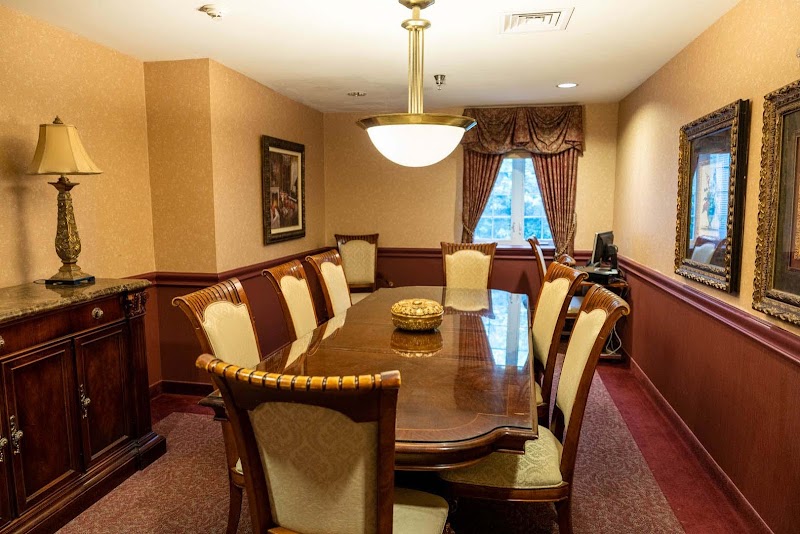
How is The Brightonian, Inc Staffed?
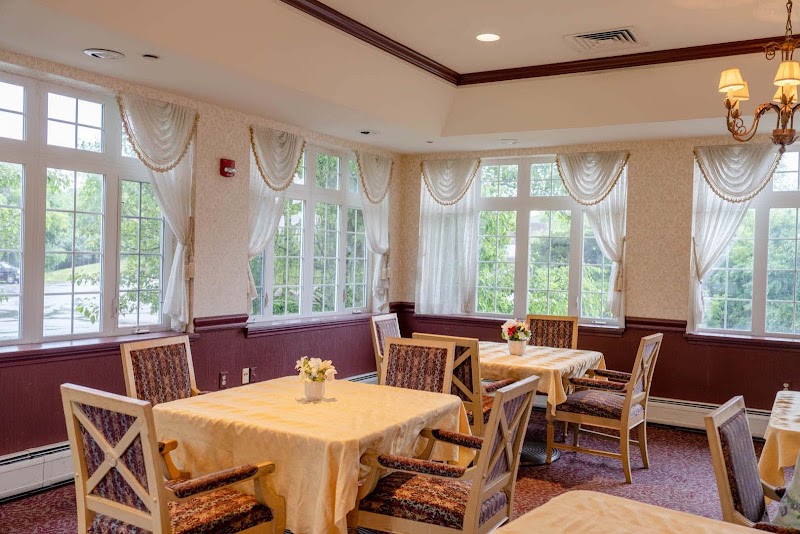
CMS rates The Brightonian, Inc's staffing level at 2 out of 5 stars, which is below average compared to other nursing homes. Staff turnover is 56%, which is 10 percentage points above the New York average of 46%. High turnover can affect care consistency as new staff learn residents' individual needs. RN turnover specifically is 57%, which is notably high. RNs provide skilled clinical oversight, so turnover in this role can affect medical care quality.

What Have Inspectors Found at The Brightonian, Inc?

State health inspectors documented 18 deficiencies at The Brightonian, Inc during 2022 to 2023. These included: 12 with potential for harm and 6 minor or isolated issues.
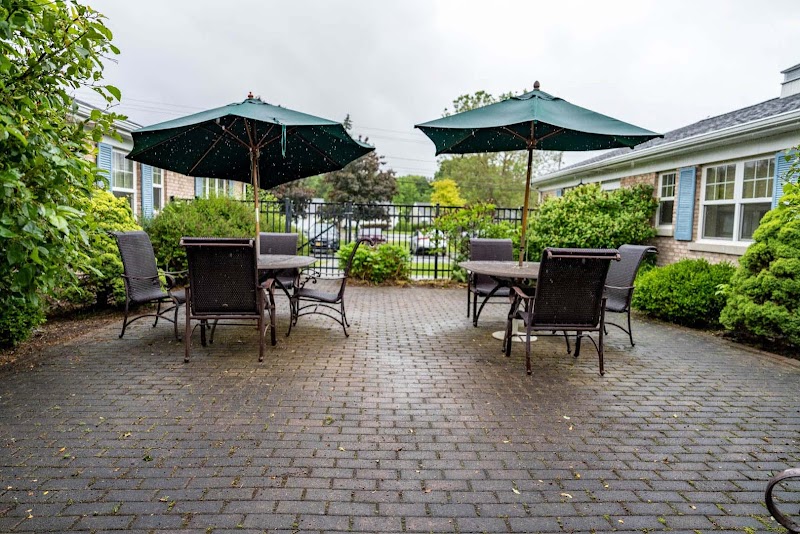
Who Owns and Operates The Brightonian, Inc?

The Brightonian, Inc is owned by a for-profit company. For-profit facilities operate as businesses with obligations to shareholders or private owners. The facility is operated by HURLBUT CARE, a chain that manages multiple nursing homes. With 54 certified beds and approximately 52 residents (about 96% occupancy), it is a smaller facility located in Rochester, New York.

How Does The Brightonian, Inc Compare to Other New York Nursing Homes?

Compared to the 100 nursing homes in New York, The Brightonian, Inc's overall rating (5 stars) is above the state average of 3.1, staff turnover (56%) is near the state average of 46%, and health inspection rating (5 stars) is much above the national benchmark.

What Should Families Ask When Visiting The Brightonian, Inc?

Based on this facility's data, families visiting should ask: "How do you ensure continuity of care given staff turnover, and what is your staff retention strategy?" "Can you walk me through typical staffing levels on day, evening, and night shifts?" "Can I visit during a mealtime to observe dining assistance and food quality?" "How do you handle medical emergencies, and what is your hospital transfer rate?" These questions are particularly relevant given the facility's high staff turnover rate and the below-average staffing rating.

Is The Brightonian, Inc Safe?

Based on CMS inspection data, The Brightonian, Inc has a clean safety record: no substantiated abuse findings (meaning no confirmed cases of resident harm), no Immediate Jeopardy citations (the most serious violation level indicating risk of serious injury or death), and is not on the Special Focus Facility watch list (a federal program monitoring the lowest-performing 1% of nursing homes). The facility has a 5-star overall rating and ranks #1 of 100 nursing homes in New York. While no facility is perfect, families should still ask about staff-to-resident ratios and recent inspection results during their visit.

Do Nurses at The Brightonian, Inc Stick Around?

Staff turnover at The Brightonian, Inc is high. At 56%, the facility is 10 percentage points above the New York average of 46%. Registered Nurse turnover is particularly concerning at 57%. RNs handle complex medical decisions and coordinate care — frequent RN changes can directly impact care quality. High turnover means new staff may not know residents' individual needs, medications, or preferences. It can also be disorienting for residents, especially those with dementia who rely on familiar faces. Families should ask: What is causing the turnover? What retention programs are in place? How do you ensure care continuity during staff transitions?

Was The Brightonian, Inc Ever Fined?

The Brightonian, Inc has no federal fines on record. CMS issues fines when nursing homes fail to meet care standards or don't correct problems found during inspections. The absence of fines suggests the facility has either maintained compliance or corrected any issues before penalties were assessed. This is a positive indicator, though families should still review recent inspection reports for the full picture.

Is The Brightonian, Inc on Any Federal Watch List?

The Brightonian, Inc is not on any federal watch list. The most significant is the Special Focus Facility (SFF) program, which identifies the bottom 1% of nursing homes nationally based on persistent, serious quality problems. Not being on this list means the facility has avoided the pattern of deficiencies that triggers enhanced federal oversight. This is a positive indicator, though families should still review the facility's inspection history directly.