The Brook at High Falls Nursing Home and Rehabilit
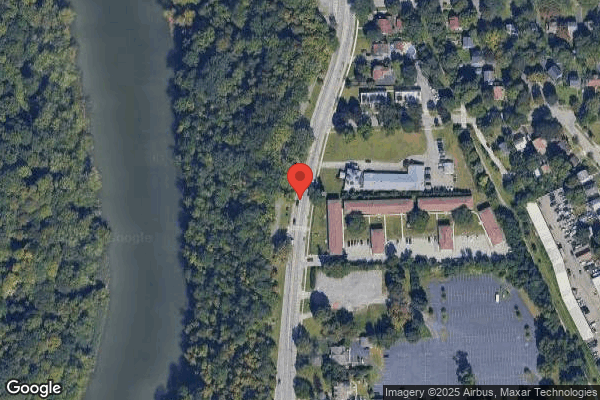
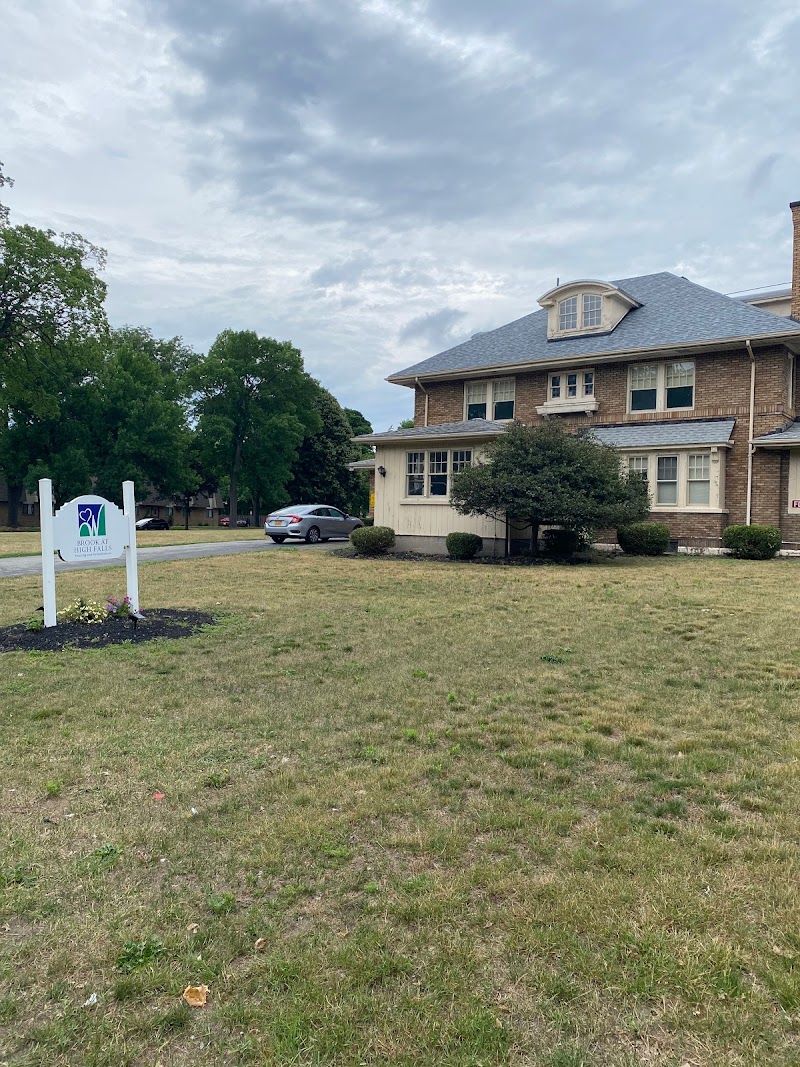
2150 St. Paul Street, Rochester, NY 14621 (585) 342-5540
For profit - Individual 28 Beds Independent Data: November 2025
Trust Grade
55/100
#357 of 594 in NY
Last Inspection: November 2024

Within standard 12-15 month inspection cycle. Federal law requires annual inspections.

Overview

The Brook at High Falls Nursing Home has received a Trust Grade of C, indicating it is average and in the middle of the pack among facilities. It ranks #357 out of 594 in New York, placing it in the bottom half of state facilities, and #18 out of 31 in Monroe County, meaning only a few local options are better. Unfortunately, the facility is worsening, with issues increasing from 8 in 2023 to 11 in 2024. Staffing is relatively strong, earning a 4 out of 5 stars, but it has a concerning turnover rate of 57%, which is above the state average. There have been no fines, which is positive, but there are some red flags, such as a lack of proper infection control practices, where staff were seen handling food without gloves, and maintenance issues that could pose risks, like inoperable kitchen equipment and safety hazards in resident areas. Overall, while there are some strengths, families should weigh these concerns carefully when considering this facility for their loved ones.

Trust Score
C
55/100
In New York
#357/594
Bottom 40%
Safety Record
Low Risk
No red flags
Inspections
Getting Worse
8 → 11 violations
Staff Stability
⚠ Watch
57% turnover. Above average. Higher turnover means staff may not know residents' routines.
Penalties
✓ Good
No fines on record. Clean compliance history, better than most New York facilities.
Skilled Nurses
✓ Good
Each resident gets 46 minutes of Registered Nurse (RN) attention daily — more than average for New York. RNs are trained to catch health problems early.
Violations
⚠ Watch
23 deficiencies on record. Higher than average. Multiple issues found across inspections.
★★★☆☆
3.0
Overall Rating
★★★★☆
4.0
Staff Levels
★★★★★
5.0
Care Quality
★★☆☆☆
2.0
Inspection Score
Stable
2023: 8 issues
2024: 11 issues

The Good

  • 4-Star Staffing Rating · Above-average nurse staffing levels
  • 5-Star Quality Measures · Strong clinical quality outcomes
  • Full Sprinkler Coverage · Fire safety systems throughout facility
  • No fines on record

Facility shows strength in staffing levels, quality measures, fire safety.

The Bad

3-Star Overall Rating

Near New York average (3.1)

Meets federal standards, typical of most facilities

Staff Turnover: 57%

11pts above New York avg (46%)

Frequent staff changes - ask about care continuity

Staff turnover is elevated (57%)

9 points above New York average of 48%

The Ugly 23 deficiencies on record

Nov 2024 9 deficiencies
CONCERN (D)

Potential for Harm - no one hurt, but risky conditions existed

Deficiency F0657 (Tag F0657)

Could have caused harm · This affected 1 resident

Based on interviews and record review conducted during a Recertification Survey from 11/07/2024 to 11/14/2024, for one (Resident #3) of twelve residents reviewed for care planning, the facility did no...

Read full inspector narrative →
Based on interviews and record review conducted during a Recertification Survey from 11/07/2024 to 11/14/2024, for one (Resident #3) of twelve residents reviewed for care planning, the facility did not ensure a comprehensive person-centered care plan meeting was held at least quarterly and that the resident and/or their representative had been invited to attend. Specifically, Resident #3 had been in the facility for approximately 22 months, and there was no evidence that the resident and/or their representative had been invited to any care plan meetings. This is evidenced by the following: The facility policy Care Plans-Comprehensive, revised December 2010, documented the facility's interdisciplinary team in coordination with the resident and their representative develops and maintains a comprehensive care plan for each resident that identifies the highest level of functioning the resident may be expected to attain, and the interdisciplinary team is responsible for the review and updating of care plans at least quarterly. The policy did not include if the resident and/or their representative would be invited to attend the care plan meetings. Resident #3 had diagnoses that included unintentional poisoning by unspecified drugs, diabetes, and chronic pain. The Minimum Data Set Resident Assessment, dated 09/01/2024, documented the resident was cognitively intact. During an interview on 11/08/2024 at 10:23 AM, Resident #3 stated since their admission (approximately 22 months ago), they had never been invited to a care plan meeting and they did have questions pertaining to their care. The resident stated they had requested a meeting with a member of the interdisciplinary team (specific name or department unknown) previously, but had not heard anything back. The resident stated they felt a meeting would be important. Review of all nursing and social services interdisciplinary team progress notes since admission revealed no documentation that a care plan meeting had been held or if Resident #3 and/or their representative had been invited to any care plan meeting to review their care and get their input. During an interview on 11/13/2024 at 9:35 AM, the Director of Social Work stated care plan meetings should be held quarterly and they invited Resident #3 and their family to a meeting in April, but the family did not return their call and they did not follow up. The Director of Social Work stated the family was involved in the resident's care, and although the family had not returned their call, no additional care plan meeting invitations had been extended. Additioanlly, the Director of Social Work stated they started at the facility in February 2024, and during that time, the resident should have had a care plan meeting. The facility had been trying to develop a schedule for care plan meetings but there was no system currently in place. During an interview on 11/13/2024 at 1:41 PM, Resident #3 stated their family visited often and would want to be included in any care plan meetings. They also stated even if their family could not attend, they would still want to have a care plan meeting to discuss their money, pain management, and the food. During an interview on 11/13/2024 at 2:05 PM, Director of Nursing #2 stated they were new to the facility and were unaware that care plan meetings were not being held for all residents. They also stated care plan meetings should be held quarterly and with any significant changes, and families should be invited, with a progress note be entered after each meeting. 10 NYCRR 415.11(c)(2) (i-iii)
CONCERN (D)

Potential for Harm - no one hurt, but risky conditions existed

ADL Care (Tag F0677)

Could have caused harm · This affected 1 resident

**NOTE- TERMS IN BRACKETS HAVE BEEN EDITED TO PROTECT CONFIDENTIALITY** Based on observations, interviews, and record review conducted during the Recertification Survey from 11/07/2024 to 11/14/2024, ...

Read full inspector narrative →
**NOTE- TERMS IN BRACKETS HAVE BEEN EDITED TO PROTECT CONFIDENTIALITY** Based on observations, interviews, and record review conducted during the Recertification Survey from 11/07/2024 to 11/14/2024, the facility did not ensure residents who were unable to carry out activities of daily living received the necessary services to maintain good grooming and personal hygiene for one (Resident #9) of one resident reviewed for activities of daily living. Specifically, Resident #9 was observed over several days with debris underneath their fingernails, including while eating with their hands. This is evidenced by the following: The undated facility policy Activities of Daily Living, Supporting Policy Statement documented residents will be provided with care, treatments, and services appropriate to maintain or improve their ability to carry out activities of daily living, including that refusals of care and treatments would be documented in the resident's clinical record. Resident #9 had diagnoses including chronic obstructive pulmonary disease (lung disease), arthritis, and dementia. The Minimum Data Set Resident Assessment, dated 08/15/2024, documented that Resident #9 was severely impaired of cognitive function, required substantial/maximal assistance with personal hygiene, had no behaviors, and no rejection of care at the time of the assessment. Review of the current Comprehensive Care Plan, revised 06/06/2024, and the current [NAME] (care plan used by Certified Nursing Assistants for daily care) documented Resident #9 had an activities of daily living self-care performance deficit related to activity intolerance and fatigue. Interventions included, but not limited to, supervision and set-up assistance with personal hygiene, to check nail length, and trim and clean nails on bath days and as necessary. The care plans included that Resident #9 could be resistive to care and for staff to reassure, leave, and return in 5 to 10 minutes to try again. Physician's orders, dated 05/15/2024, included for the Licensed Nurse to perform a head to toe skin check with shower every Wednesday evening, to check finger/toenails for cleanliness and length, and to summarize findings in a progress note. Review of nursing progress notes from 10/16/2024 to 11/06/2024 revealed no documentation that Resident #9's fingernails had been checked for cleanliness and length, had been cleaned and trimmed, or that the resident had refused to have their nails cleaned or trimmed for the prior three weeks. During an observation on 11/07/2024 at 8:59 AM, Resident #9 had completed their breakfast. The resident had multiple dirty fingernails on both hands with a dark brown substance underneath. During an observation on 11/12/2024 at 8:28 AM, Resident #9 continued to have multiple dirty fingernails on both hands with a dark brown substance underneath. The resident was eating toast with their hands at the time. There was no soap dispenser or hand sanitizer available in the resident's room. During an observation on 11/13/2024 at 9:31 AM, Resident #9 continued to have multiple dirty fingernails on both hands with a dark brown substance underneath. During an interview on 11/14/2024 at 10:22 PM, Director of Nursing #2 stated the Certified Nursing Assistants should be cleaning their nails as needed with morning and evening care if they are dirty. During an interview on 11/14/2024 at 10:45 AM, Certified Nursing Assistant #1 stated that Resident #9's fingernails were cleaned on their shower day (Wednesday evenings) and in between during regular care. Certified Nursing Assistant #1 said the resident can be mean at times and give the staff a hard time, and that the resident is known to put their hands in their bowel movement and spread it around, and that would be the brown debris underneath their nails. During an interview on 11/14/2024 at 10:50 AM, Licensed Practical Nurse Manager #1 stated the Certified Nursing Assistants were responsible for cleaning residents' nails. During a record review at this time with the surveyor, Licensed Practical Nurse Manager #1 was unable to show any documentation in the electronic health record for the summary of findings for fingernail cleanliness and length. Review of Resident #9's electronic medical record for the prior 2 weeks did not include any documented evidence that the resident had refused nail care. 10 NYCRR 415.12(a)(3)
CONCERN (D)

Potential for Harm - no one hurt, but risky conditions existed

Quality of Care (Tag F0684)

Could have caused harm · This affected 1 resident

**NOTE- TERMS IN BRACKETS HAVE BEEN EDITED TO PROTECT CONFIDENTIALITY** Based on observations, interviews, and record review conducted during the Recertification Survey from 11/07/2024 to 11/14/2024, ...

Read full inspector narrative →
**NOTE- TERMS IN BRACKETS HAVE BEEN EDITED TO PROTECT CONFIDENTIALITY** Based on observations, interviews, and record review conducted during the Recertification Survey from 11/07/2024 to 11/14/2024, the facility failed to ensure residents received treatment and care in accordance with professional standards of practice for one (Resident #178) of three residents reviewed for nutrition/hydration and one (Resident #178) of one resident for pressure injury. Specifically, the facility did not ensure the resident received the highest practical, physical, mental and psychosocial wellbeing, including maintaining adequate hydration status and ensuring interventions to promote pressure ulcer injury healing. This is evidenced by the following: Resident #178 was recently admitted with diagnoses that included a stroke and hemiparesis (weakness or the inability to move on one side of the body), a history of falls, and a compression fracture of the lower back. The Minimum Data Set Resident Assessment, dated 11/01/2024, documented the resident had moderately impaired cognition, clear speech, and was able to communicate their needs. The facility policy Pressure Injury Risk Assessment. revised March 2020, included that a resident's risk factors that increase a resident's susceptibility to pressure injury included, but were not limited to malnutrition, hydration deficits, impaired/decreased mobility, and the presence of existing pressure injury. In a document titled Calvado Care, dated 11/05/2024, Nurse Practitioner #1 documented that Resident #178 was at risk for malnutrition based on the resident's medical record and dietary assessment. Review of Resident #178's current Comprehensive Care Plan revealed the following: -Initiated on 11/02/2024, the resident required extensive assist of staff for bed mobility and, initiated on 11/04/2024, the resident required limited assist of staff for eating. -Initiated on 11/04/2026 and 11/06/2024, the resident was at risk for fluid deficit and malnutrition with a goal to be free of dehydration and to maintain weight. Interventions included to monitor intake and record every meal. -Initiated 11/01/2024 and 11/05/2024, the resident had a stage 3 (full thickness tissue loss) pressure injury to the coccyx (buttock) region related to immobility. Interventions included to turn and position every 2 hours while in bed, and to off-load from surface with use of pillows (relieve pressure from the coccyx pressure injury). Review of the [NAME] (a care plan used by Certified Nursing Assistants to provide daily care) included that the resident needed 1 to 2 person assist with turning in bed, to turn and position every 2 hours while in bed, and to off load from surface with use of pillows. Additionally, if resident resists with activities of daily living, reassure resident, leave, and return 5 to 10 minutes later to try again. Review of Resident #178's Physician orders, dated 11/01/2024, revealed to turn and position every 2 hours while in bed, every 1 hour when in chair, and use pillows to off-load weight. On 11/04/2024, Glucerna (nutritional supplement) 237 millimeters with meals was ordered. During observations on 11/12/2024, Resident #178 was eating breakfast in bed and stated they had difficulty swallowing. The resident took a few bites of yogurt and a few sips of ginger ale and Glucerna. At 1:36 PM, the resident was eating lunch and stated the food was making them nauseated and they could not eat. During observations on 11/13/2024 at 8:52 AM, Resident #178 was eating breakfast in bed and only a few bites of food had been consumed. At 9:27 AM, the resident's tray with only a few bits consumed was removed. Review of the fluids consumed task documentation in the resident electronic medical record, dated 11/03/2024 to 11/13/2024, revealed out of 32 meal opportunities, 18 meals had no fluid intakes documented, including five days with no fluid intake recorded for the entire day. Review of the 'nourishment' (Glucerna) consumed for the same time period included 18 of 32 meal opportunities were not documented as having received any of the supplement. During an interview on 11/13/2024 at 8:54 AM, the Registered Dietician stated the documentation (resident's intakes) was sparce. In a progress note, dated 11/06/2024, the Wound Physician documented all wounds (including the pressure injury on the coccyx area) showed signs of healing. In a progress note, dated 11/11/2024 ,Director of Nursing #2 documented the stage 3 pressure injury on the resident's coccyx had changed appearance and had a black wound bed (signs of dead tissue). During observations on 11/12/2024 at 8:52 AM, 1:09 PM, and 3:04 PM, Resident #178 remained in bed on their back with no off-loading of the coccyx wound. During observations on 11/13/2024 at 8:52 AM, 9:46 AM, and 1:29 PM, Resident #178 remained in bed on their back with no off-loading of the coccyx wound. During an interview on 11/13/2024 at 9:46 AM, Resident #178 stated it had been a long time since anyone had turned (repositioned) them. In Resident #178's Treatment Administration Record, dated 11/01/2024 to 11/14/2024, several Licensed Practical Nurses had documented that Resident #178 was turned and repositioned every two hours while in bed during their shift (including 11/12/24 day shift). On 11/13/2024, the day shift was left blank. No refusals were documented. During an interview on 11/13/2024 at 3:25 PM, Certified Nursing Assistant #2 stated Resident #178 did not like to be on their side, or to be off-loaded (pillow placed under hips). Certified Nursing Assistant #2 said that the resident refused breakfast that morning and only had a few bites of lunch. Certified Nursing Assistant #2 stated they usually let the nurse know when Resident #178 refused any care and would then document this in the electronic medical record under tasks. During an interview on 11/13/2024 at 3:37 PM, Licensed Practical Nurse #1 stated Resident #178's coccyx wound looked worse possibly from not eating enough and not moving. During an interview on 11/13/2024 at 4:14 PM, License Practical Nurse Manager #1 stated Resident #178 was not eating and refused care, and the nurses and Certified Nursing Assistants should document all refusals. During an interview on 11/13/2024 at 10:18 AM, Director of Nursing #2 stated Resident #178's coccyx wound looks worse and now has eschar (dead tissue) that was not present last week. Director of Nursing #2 stated intakes should be documented after every meal, including refusals, and the nurses should be made aware of refusals. Additionally, they stated turning and positioning should be done and documented every 2 hours as ordered, and refusals brought to the nurse for further follow-up. 10 NYCRR 415.12
CONCERN (D)

Potential for Harm - no one hurt, but risky conditions existed

Menu Adequacy (Tag F0803)

Could have caused harm · This affected 1 resident

**NOTE- TERMS IN BRACKETS HAVE BEEN EDITED TO PROTECT CONFIDENTIALITY** Based on observations, interviews, and record review conducted during the Recertification Survey from 11/07/2024 to 11/14/2024, ...

Read full inspector narrative →
**NOTE- TERMS IN BRACKETS HAVE BEEN EDITED TO PROTECT CONFIDENTIALITY** Based on observations, interviews, and record review conducted during the Recertification Survey from 11/07/2024 to 11/14/2024, for one (Resident #13) of four residents reviewed, the facility did not ensure that the resident's menus items containing dietary recommendations were followed. Specifically, Resident #13 did not receive multiple food items as listed on their tray ticket during mealtime and refused 100% of their meal without staff intervention to assist and encourage them. This is evidenced by the following: Resident #13 had diagnoses that included vascular dementia, depression, and anxiety. The Minimum Data Set Resident Assessment, dated 08/03/2024, documented the resident was severely impaired cognitively, did not exhibit behaviors or rejection of care at the time, and required supervision or touching assistance with eating. The current Comprehensive Care Plan, revised on 07/11/2024, and the current [NAME] (care plan used by the Certified Nursing Assistants for daily care) documented Resident #13 had a potential nutritional problem and was at risk for malnutrition related to adult failure to thrive, depression, dementia, and a history of weight loss. The goal for the resident was to consume more than or equal to 51% of meals. Staff interventions included set-up help for eating, providing the resident's diet as ordered, providing fortified pudding three times daily, encouraging resident to drink fluids of choice, and encouraging the resident to eat in the dining room with their peers as accepted. During an observation on 11/12/2024 at 8:17 AM, Resident #13 was observed sitting in a chair in their room with breakfast in front of them. Their meal was untouched and their tray card (description of therapeutic diet items the resident should receive and/or their preferences) indicated the resident should have received four ounces of fortified pudding and two (approximately four ounces) mighty shakes (nutritional supplements). There was no fortified pudding on their tray and there was only one mighty shake. Resident #13 reached for the one mighty shake to drink more but the container was empty. During an observation and interview on 11/12/2024 at 8:35 AM, Certified Nurse Assistant #3 collected Resident #13's meal tray. The resident had had not eaten any of their meal other than the one mighty shake and had not been encouraged or offered assist by staff to eat. During an interview at this time, Certified Nurse Assistant #3 stated that if a resident's tray card had two mighty shake drinks indicated and fortified pudding, the resident should have what was ordered. Certified Nurse Assistant #3 stated they had not offered the resident the missing items. During an interview on 11/12/2024 at 8:41 AM, with the Registered Dietician and the Food Service Director, the Registered Dietician stated they had recently spoken with Resident #13 about their weight loss and asked if they could accommodate them with items of their preference, but the resident had not been interactive and offered no feedback. The Registered Dietician also stated they had not contacted the resident's family, and it was likely they were unaware the resident had experienced weight loss. Additionally, the resident's therapeutic diets (fortified foods and nutritional shakes) were their responsibility. The Food Service Director stated the kitchen staff were aware they had overlooked some of the residents who should have received fortified pudding, but they did not know which residents were missed. The Food Service Director also stated the kitchen staff were moving fast, and did not realize Resident #13 only received one mighty shake. During an interview on 11/12/2024 at 9:03 AM, Certified Nurse Assistant #3 stated they should have encouraged Resident #13 to eat when they saw they had not touched their meal, but the resident had wandered. During an interview on 11/12/2024 at 9:10 AM, Director of Nursing #2 stated if a resident was ordered to have fortified foods, they should receive what was ordered and if the resident had declined their entire meal tray, staff should encourage them. They also stated Certified Nursing Assistants should notify the nurse (if a resident did not eat everything). 415.14(c) (1-3)
CONCERN (D)

Potential for Harm - no one hurt, but risky conditions existed

Deficiency F0914 (Tag F0914)

Could have caused harm · This affected 1 resident

Based on observations, interviews, and record review conducted during the Recertification Survey from 11/07/2024 to 11/14/2024, the facility did not ensure all resident rooms were equipped with privac...

Read full inspector narrative →
Based on observations, interviews, and record review conducted during the Recertification Survey from 11/07/2024 to 11/14/2024, the facility did not ensure all resident rooms were equipped with privacy curtains which extended around the bed to provide total visual privacy in combination with adjacent walls and curtains for two (Residents #9 and #15) of two residents reviewed. Specifically, privacy curtains were not present in two semi-private rooms both occupied with two residents. This is evidenced by the following: 1. Resident #15 had diagnoses including congestive heart failure, depression, and diabetes. The Minimum Data Set Resident Assessment, dated 09/20/2024, documented the resident was moderately impaired of cognitive function. During observations on 11/08/2024 at 1:12 PM, 11/12/2024 at 8:27 AM, 11/13/2024 at 9:22 AM, and 11/14/2024 at 10:05 AM, Resident #15's, double occupancy room did not have a privacy curtain in place. During an interview on 11/08/2024 at 1:19 PM, Resident #15 stated there had not been a curtain since they had been in that room, they like their privacy, and having the curtain hung would help them to receive privacy as they do not want their roommate or others seeing them getting care or without their clothes on. During an interview on 11/13/2024 at 9:22 AM, Resident #15's (whose door was open) stated they really do not like their door open because everyone can see in and it was nobody's business (what they were doing). Resident #15 also stated they would prefer to have their door closed for privacy since the curtain has been down for a few weeks and were told it was being washed. 2. Resident #9 had diagnoses including depression, schizophrenia, and anxiety. The Minimum Data Set Resident Assessment, dated 08/15/2024, documented the resident was severely impaired of cognitive function. During observations on 11/08/2024 at 11:42 AM, 11/12/2024 at 8:28 AM, and 11/13/2024 at 9:31 AM, Resident #9's double occupancy room did not have privacy curtains in place while the resident was in their bed with their door open and the room visible from the hallway. During an interview on 11/12/2024 at 12:47 PM, Resident #9 stated the curtain was taken down to get washed, but they liked their privacy and would like the curtain back up. During an interview on 11/13/2024 at 9:34 AM, Certified Nursing Assistant #1 stated that privacy curtains were not hung in some bedrooms because the bedrooms were being refurbished. They also stated when they asked housekeeping to put the privacy curtains back up, housekeeping said they did not know where the curtain hooks were. Certified Nursing Assistant #1 pointed to a black garbage bag in an alcove by equipment and stated the curtains were right there. During an interview on 11/13/2024 at 9:50 AM, Licensed Practical Nurse Manager #1 stated that the privacy curtains were taken down to be washed about a week and a half ago and were unaware that they were sitting in the alcove. During an interview on 11/13/2024 at 1:58 PM, Director of Nursing #2 stated they had taken all privacy curtains down to have them all washed due to a family member complaining of a soiled one, they had asked maintenance to put the curtains back up, and had reached out to the Administrator and reminded them that no one had put the privacy curtains back up. 10 NYCRR 415.29
CONCERN (E)

Potential for Harm - no one hurt, but risky conditions existed

Safe Environment (Tag F0584)

Could have caused harm · This affected multiple residents

**NOTE- TERMS IN BRACKETS HAVE BEEN EDITED TO PROTECT CONFIDENTIALITY** Based on observations and interviews conducted during a Recertification Survey completed 11/07/2024 to 11/14/2024, the facility ...

Read full inspector narrative →
**NOTE- TERMS IN BRACKETS HAVE BEEN EDITED TO PROTECT CONFIDENTIALITY** Based on observations and interviews conducted during a Recertification Survey completed 11/07/2024 to 11/14/2024, the facility did not provide maintenance services necessary to maintain a sanitary, orderly, and comfortable homelike environment. Specifically, kitchen lighting was not protected or operable, a residential kitchen freezer and a staff bathroom were inoperable, bathrooms exhaust ventilation was not installed or was inoperable, there was no soap in resident bathrooms, a call bell was not installed in a resident bathroom, and a corridor exit sign was not affixed to the ceiling. The findings are: Observations on 11/07/24 from 9:05 AM to 11:08 AM included the following: 1. A Frigidaire residential stand-up freezer by the back kitchen entrance was empty and not operational. During an interview at this time, the cook stated that it did not work and had been out of order for a while. 2. Two glass fluorescent light fixtures above the cook line in the main kitchen were uncovered and unprotected from shattering. Another similar light fixture near the back kitchen door had no bulbs or cover. During an interview at this time, the Kitchen Manager stated the fixture did not work. 3. A staff bathroom outside the Director of Nursing office was inoperable with the water shut off. During an interview at this time, the Director of Maintenance stated they did not have time to fix it; the residents come first. 4. The Dirty Utility room hand wash sink had a sign across the basin marked: Do not use. During an interview at this time, the Director of Maintenance stated someone hit the drainpipe with the mop bucket so it leaks, and that they had not had time to fix it. 5. The exhaust ventilation in the housekeeping closet next to the kitchen was not pulling any air when tested with a paper towel. 6. There was a foul odor in the staff restroom across from the kitchen door and the ceiling exhaust grate was not pulling any air when tested with a paper towel. During an interview on 11/07/2024 at 12:27 PM, Anonymous Staff Member #1 stated they needed soap dispensers in all the resident rooms and when they finish care, they cannot wash their hands after taking off their gloves. Observations on 11/07/2024 beginning at 1:05 PM included a bathroom in resident room [ROOM NUMBER] with no exhaust ventilation. The exhaust vent was closed in the bathroom of resident room [ROOM NUMBER], and the exhaust vents in the bathrooms in resident rooms #9 and #22 were inoperable when tested with a piece of paper. Observations on 11/07/2024 beginning at 1:29 PM included resident rooms #1, 3, 5, 6, 7, 8, 9, 10, 11, 12, 21, 22 and 23 lacked soap or hand sanitizer for residents and staff to wash their hands in the rooms or bathrooms. During an interview on 11/08/2024 at 10:28 AM, the Administrator stated they were aware (of the missing ventilation in resident room [ROOM NUMBER]) and that the construction workers were not done. Observations on 11/12/2024 from 8:42 AM to 8:45 AM included the bathrooms in rooms #9, 15, and 16 did not have soap or hand sanitizer for residents and staff to wash their hands. Observations on 11/12/2024 beginning at 8:53 AM included a bathroom in resident room [ROOM NUMBER] had no exhaust ventilation. Observations on 11/12/2024 at 8:57 AM included there was no nurse call button in resident room [ROOM NUMBER]. During an interview on 11/12/2024 at 12:57 PM, Certified Nursing Assistant #2 stated there was no soap or hand sanitizer in the resident rooms and they must go to a staff bathroom or shower room to wash their hands. During an interview on 11/12/2024 at 2:20 PM, the Director of Maintenance stated a service vendor was in the building fixing the air handler, and a belt had come off, causing the vents to not work earlier in the day. During an interview on 11/13/2024 at 9:22 AM, the Director of Maintenance stated they checked the ventilation in the rooms that had newly constructed bathrooms and noticed resident room [ROOM NUMBER] did not have a vent installed. The Director of Maintenance stated a senior maintenance person had showed them what to look for with the ventilation back in August, but they do not check the ventilation on a regular basis. During an interview on 11/13/2024 at 9:43 AM, the Administrator stated the renovations will be hopefully be done by the end of the year. Observations on 11/13/2024 at 12:09 PM included an exit sign in the corridor between rooms #11 and #12 that was not affixed to the ceiling and was hanging by the electrical cord. During an interview on 11/14/2024 at 10:18 AM, the Kitchen Manager stated the inoperable freezer needs to be replaced and they had tried to get it fixed, but by the next morning it was not working again. During an interview on 11/14/2024 at 10:33 AM, Director of Nursing #2 stated they were aware of the resident bathrooms not having soap dispensers and were concerned about the limited amount of hand sanitization areas and the staff's ability to wash their hands in the resident's room. 10 NYCRR: 415.29, 415.29(b), 415.29(d), 415.29(h)(1), 415.29(j)(1), 415.14(h), 10 NYCRR: Subpart 14-1.88(c), 14-1.174
CONCERN (E)

Potential for Harm - no one hurt, but risky conditions existed

Infection Control (Tag F0880)

Could have caused harm · This affected multiple residents

Based on observations, interviews, and record review conducted during a Recertification Survey from 11/07/2024 to 11/14/2024, the facility did not establish and maintain an infection prevention and co...

Read full inspector narrative →
Based on observations, interviews, and record review conducted during a Recertification Survey from 11/07/2024 to 11/14/2024, the facility did not establish and maintain an infection prevention and control program designed to provide a safe, sanitary, and comfortable environment and to help prevent the development and transmission of infection. Specifically, for one of one dining room reviewed during a meal, a staff member was observed making direct contact with a resident's food without applying gloves and did not perform hand hygiene after touching used meal trays and utensils prior to touching unused meal trays and meal set-up for multiple residents. For one of one laundry room, a laundry staff was observed handling soiled potentially contaminated linen without wearing appropriate personal protective equipment that included gowns. Additionally, the facility did not ensure the Infection Prevention and Control Program policies and procedures were reviewed at least annually as required. This is evidenced by the following: 1. The facility's Handwashing and Hand Hygiene policy, revised August 2019, documented that hand hygiene was considered the primary means to prevent the spread of infection. Use of an alcohol-based hand rub containing at least 62% alcohol or soap and water should be used before and after eating and handling food, and before and after assisting a resident with meals. During an observation on 11/12/2024 at 1:11 PM, Certified Nursing Assistant #2 picked up a resident's bread and applied butter with their bare hands. Certified Nursing Assistant #2 then touched used meal trays and equipment and, without performing hand hygiene, passed unused trays to other residents touching equipment. During an interview at this time, Certified Nursing Assistant #2 stated they should wear gloves when directly touching the resident's food, but did not have gloves readily available in their pocket. During an interview on 11/12/2024 at 1:31 PM, Director of Nursing #2 stated staff should never directly touch food with their bare hands. The Director of Nursing also stated staff should wear gloves to help meal set-up, and handwashing or hand sanitizing should be done in between helping residents. 2. The facility policy titled Infection Prevention and Control Program, last revised in August 2016, did not include the requirements for laundry staff when handling, storing, processing, and transporting linens and laundry, including soiled linens. During an observation on 11/12/2024 at 11:28 AM, Laundry Attendant #1 placed soiled linen in the washer wearing gloves but no gown. Laundry Attendant #1 stated they did not use gowns and were not sure where gowns were kept. Laundry Attendant #1 also stated if linen was in a red biohazard bag, which were used to collect contaminated laundry, they would wash the items separately, but only wore gloves to handle the laundry. During an interview on 11/14/2024 at 9:49 AM, Laundry Attendant #1 stated they had not been educated by the facility to wear a gown. During an interview on 11/14/2024 at 10:10 AM, the Infection Preventionist stated they did not know the process at the facility for washing soiled clothing and linens, but laundry staff should be wearing protective gowns when handling soiled linens. The Infection Preventionist also stated they did not know the laundry room did not have gowns to use. During an interview on 11/14/2024 at 10:15 AM, Director of Nursing #2 stated they would expect laundry staff to wear protective gowns when handling soiled linen and did not know laundry staff did not have access to gowns. 3. Review of 15 various Infection Prevention and Control Program facility policies revealed all policies were last reviewed and/or revised in 2008, 2016, and 2022. The policy titled Infection Prevention and Control Program was last revised August 2016 and the Enhanced Barrier Precautions policy was undated. During an interview on 11/14/2024 at 12:44 PM, the Director of Nursing stated they did not know how often the infection control policies were reviewed or updated, but they did not consider polices revised in 2008, 2016, and 2022 as annually (per the regulations). During an interview on 11/14/2024 at 1:39 PM, the Regional Director of Nursing stated the Infection Prevention and Control Polices provided were the most current, revised, and up-to-date polices they had. 10 NYCRR 415.19(b)(4) & 415.19(c)
MINOR (B)

Minor Issue - procedural, no safety impact

Staffing Information (Tag F0732)

Minor procedural issue · This affected multiple residents

Based on observations, interviews, and record review conducted during the Recertification Survey from 11/07/2024 to 11/14/2024, the facility did ensure the nurse staffing information was posted on a d...

Read full inspector narrative →
Based on observations, interviews, and record review conducted during the Recertification Survey from 11/07/2024 to 11/14/2024, the facility did ensure the nurse staffing information was posted on a daily basis. Specifically, the nurse staffing information was not posted at the beginning of each shift and was not posted on weekends per the regulations. This is evidenced by the following: During observations on 11/08/2024 at 9:02 AM, 9:58 AM, 11:38 AM, and 1:12 PM, the nurse staffing information sheet was dated 11/07/2024. During an interview on 11/08/2024 at 1:26 PM and on 11/14/2024 at 9:52 AM, Receptionist #1 stated they were responsible for completing and posting the nurse staffing sheets including the resident census and had been since 2022. Receptionist #1 stated they complete the staffing sheets for the weekend (Saturday and Sunday) on the following Monday morning by looking back to see who worked Saturday and Sunday. Receptionist #1 stated the nurse staffing sheet was posted late on 11/08/2024 because the facility was supposed to get a new admission that day and they wanted to wait to change the census, but the resident did not come into the facility. Receptionist #1 stated they were trained by the previous Receptionist (who was a Certified Nursing Assistant), not by nursing leadership or administration, and they were not aware of the process for the weekend staffing posting, and no one has checked to see if they were doing it correctly. During an interview on 11/14/2024 at 10:28 AM, Director of Nursing #2 stated they were not aware of the process for positing the nurse staffing information on the weekends as it was taken care of by the Receptionist. Director of Nursing #2 stated the nurse staffing should be posted at the beginning of the shift and updated with any changes throughout the day including Saturday and Sunday. 10 NYCRR 415.13
MINOR (B)

Minor Issue - procedural, no safety impact

Medical Records (Tag F0842)

Minor procedural issue · This affected multiple residents

Based on observations and interview conducted during a Recertification Survey completed from 11/07/2024 to 11/14/2024, the facility did not safeguard resident medical record information against loss, ...

Read full inspector narrative →
Based on observations and interview conducted during a Recertification Survey completed from 11/07/2024 to 11/14/2024, the facility did not safeguard resident medical record information against loss, destruction, or unauthorized use. Specifically, resident medical records were stored in damaged boxes and in a room that was unlocked. The findings are: Observations on 11/07/2024 at 11:50 AM included pallets of damaged boxes of records stored in the unlocked basement electrical room. Observations on 11/13/2024 at 10:55 AM included pallets of multiple damaged boxes of records (including, but not limited to, resident medical, billing, and discharge records) were stored in the basement electrical room. Additionally, the boxes were observed to be stacked two high and were falling over with many of the boxes in the pile badly damaged with files protruding. Some of the boxes were observed to have water damage and there was a pile of loose resident files stacked on other boxes. The door to this room was not locked. During an interview on 11/13/2024 at 11:08 AM, the Regional Director of Nursing was shown the area and the records, then verified that these were resident records and they should not be stored there. 10 NYCRR: 415.29, 415.22, 415.22(c)
Feb 2024 2 deficiencies
CONCERN (E) 📢 Someone Reported This

A family member, employee, or ombudsman was alarmed enough to file a formal complaint

Potential for Harm - no one hurt, but risky conditions existed

Safe Environment (Tag F0584)

Could have caused harm · This affected multiple residents

**NOTE- TERMS IN BRACKETS HAVE BEEN EDITED TO PROTECT CONFIDENTIALITY** Based on observations, record review, and interviews conducted during an Abbreviated Survey (NY00316809, NY00322695, NY00327824,...

Read full inspector narrative →
**NOTE- TERMS IN BRACKETS HAVE BEEN EDITED TO PROTECT CONFIDENTIALITY** Based on observations, record review, and interviews conducted during an Abbreviated Survey (NY00316809, NY00322695, NY00327824, NY00328450, NY00326411, and NY00330622) for one of one resident-use floor the facility did not provide an environment designed, constructed, equipped, and maintained to provide a safe, healthy, functional, sanitary, and comfortable home like environment. Specifically a railing on an exit ramp was deteriorated and unsafe, a door threshold transition strip was missing, walls were damaged, there were broken floor tiles in a resident room, resident room windows could not be opened due to missing handles, and there was a hole in the carpet in a resident room. The findings are: Observations on 2/14/24 at 8:41 AM included a concrete ramp on the northeast side of the building with a metal handrail, a support rail running down the ramp, and seven metal support posts. Of the seven support posts only two were observed to be attached to the ramp. The other five support posts were heavily corroded at the bottom and had gaps of up to an inch between the base of the rusted support posts and the ramp surface. The entire handrail was observed to wobble from side to side when contacted. The designated exit from the corridor nearest resident rooms #22 and #23 was observed to lead to this ramp and exit discharge pathway. In an interview on 2/14/24 at 12:37 PM the Nurse Manager stated that there are nine residents that are able to ambulate independently. In an interview on 2/14/24 at 9:03 AM the Director of Environmental Services stated that they had brought the ramp handrail problem up in their safety meetings. In an interview on 2/14/24 at 9:05 AM the Facilities Director stated that they plan on replacing the whole ramp, and a vendor told them that the entire ramp had to be destroyed and rebuilt. The Facilities Director stated that they cannot do that in the winter. In an interview on 2/14/24 at 9:08 AM the Administrator stated that they plan to remodel in about a month, including redesigning the therapy gym, fixing windows, and the ramp. The Administrator also stated that they have an architect and are still in the planning stage and have not entered their information into the New York State Electronic Certificate of Need website. When asked for a copy of the renovation plan, the Administrator stated that they do not have the plans yet, but the architect came on 2/6/24 for the blueprints and a designer will be in next week. Observations on 2/14/24 at 12:02 PM included a door threshold transition strip was missing from between the corridor floor tiles and the carpet at the entrance to resident room [ROOM NUMBER]. Additionally in room [ROOM NUMBER] there was a large missing section of horizontal wall protective material near the head of the two beds. Observations on 2/14/24 at 1:33 PM included broken floor tiles in resident room [ROOM NUMBER] by the bed. The damaged sections of the tiles were approximately an inch wide, another had approximately half of the tile missing, and another had a circular gouge approximately three inches across. Observations on 2/14/24 at 1:40 PM included the windows in resident rooms #21, #20, #8, #7, #5, #4, and #1 were not equipped with a handle or other mechanism to allow them to open. During an interview at this time the Director of Environmental Services stated that they did not know why the handles were missing. Observations on 2/14/24 at 1:47 PM included two sections of wall damage behind the bed closest to the door in resident room [ROOM NUMBER] that measured approximately 6 inches by 4 inches. Additionally in this room was an approximately one inch by two-inch hole in the carpet near the bottom of the bed. 10NYCRR: 415.29, 415.29(a), 415.29(c), 415.29(i)(1), 415.29(j)(1), 10NYCRR: 713-2.5(b)(3)
CONCERN (E) 📢 Someone Reported This

A family member, employee, or ombudsman was alarmed enough to file a formal complaint

Potential for Harm - no one hurt, but risky conditions existed

Deficiency F0925 (Tag F0925)

Could have caused harm · This affected multiple residents

**NOTE- TERMS IN BRACKETS HAVE BEEN EDITED TO PROTECT CONFIDENTIALITY** Based on observations, interviews, and record review conducted during an Abbreviated Survey (complaint #s NY00333143, NY00316809...

Read full inspector narrative →
**NOTE- TERMS IN BRACKETS HAVE BEEN EDITED TO PROTECT CONFIDENTIALITY** Based on observations, interviews, and record review conducted during an Abbreviated Survey (complaint #s NY00333143, NY00316809, and NY00330622) for one of one resident floor and two of two basements, the facility did not maintain an effective pest control program. Specifically, there was evidence of rodent activity and pest harborage areas within the facility. The findings are: In an interview on 2/14/24 at 9:04 AM the Facilities Director stated that they have a mouse problem that has been going on for a long time, and the pest vendor comes once a month. The Administrator stated that they had a plan to renovate which included fixing doors to take care of the mouse problem. In an interview on 2/14/24 at 9:45 AM Resident #5 stated, you are probably looking for [NAME]. Resident #5 stated that [NAME] is what they named the mouse that comes to visit periodically and sometimes come out from under the sink. Observations at this time included numerous small brown mouse droppings inside a cabinet under the sink in resident room [ROOM NUMBER]. Additionally, there was an approximately one half-inch unsealed annular space around the sink drainpipe extending through the floor. Observations in the kitchen on 2/14/24 at 10:00 AM included three small brown mouse droppings in the back corner of the pantry by the right-side shelves. Additionally, there was an unsealed opening underneath the kitchen exit door which could serve as an entrance point for mice and other pests, and light from the outside was visible. In an interview on 2/14/24 at 11:18 AM the Administrator stated they did not have a pest sighting log but that they do have a maintenance log where that information could be entered. Record review on 2/14/24 at 11:20 AM included several pest vendor service reports from 8/24/23 through 1/25/24. A report dated 9/28/23 included a statement that the back door in the kitchen was repaired but still is not rodent proof, and the basement door is not rodent proof. A report dated 10/26/23 included a statement that the back kitchen door and the basement door were not rodent proof. A report dated 11/10/23 included that several snap traps were set in the office basement where three mice were spotted. A report dated 1/25/24 included statements that the basement door is not rodent proof and propped open doors are easy access for rodents. Observations in the kitchen dish room on 2/14/24 at 12:05 PM included a pipe from the mechanical dishwasher extending through the wall towards the kitchen/pantry area. There was an unsealed opening in the wall approximately two-inches long and one-inch wide on each side of the pipe allowing for harborage and movement of rodents and other pests. In an interview on 2/14/24 at 12:10 PM Resident #5 stated that they saw a mouse about 5:30 AM today and it ran under their bed, and they have seen it at least three times. Resident #5 stated that a family member had come to visit, and a mouse ran down the hall. In an interview on 2/14/24 at 1:40 PM Resident #13 stated that they had seen mice in their room and on the bed, and the last one they saw was about a month ago. Observations at this time included small brown mouse droppings on the floor in the corner below the head of the bed in resident room [ROOM NUMBER]. Observations on 2/14/24 at 2:00 PM included small brown mouse droppings under a metal shelf in the basement kitchen supply room by the wall near the door to the room. Additionally, the back exit door in the basement had a metal strip across the bottom. In an interview at this time the Director of Environmental Services stated that the door would not close properly. 10N YCRR: 415.29(j)(5)
May 2023 8 deficiencies
CONCERN (D) 📢 Someone Reported This

A family member, employee, or ombudsman was alarmed enough to file a formal complaint

Potential for Harm - no one hurt, but risky conditions existed

Deficiency F0658 (Tag F0658)

Could have caused harm · This affected 1 resident

**NOTE- TERMS IN BRACKETS HAVE BEEN EDITED TO PROTECT CONFIDENTIALITY** Based on observations, interviews, and record reviews conducted during a Recertification Survey 5/04/23 to 5/10/23, for two (Res...

Read full inspector narrative →
**NOTE- TERMS IN BRACKETS HAVE BEEN EDITED TO PROTECT CONFIDENTIALITY** Based on observations, interviews, and record reviews conducted during a Recertification Survey 5/04/23 to 5/10/23, for two (Resident #5, Resident #329) of 14 residents reviewed the facility did not provide services, as outlined by the resident's person-centered comprehensive care plan (CCP), that meet professional standards of quality. Specifically, for Resident #5 the facility did not provide the resident with adult briefs that had been prescribed by the physician. For Resident #329, there was no documented evidence that medications were consistently administered per the current physician orders. This is evidenced by: 1. Resident #5 had diagnoses including multiple sclerosis, quadriplegia, and pemphigoid (a rare auto-immune disorder that results in skin rashes and blistering on the legs, arms, and abdomen). The Minimum Data Set (MDS) Assessment, dated 4/10/23, documented the resident was cognitively intact. Resident #5's CCP initiated on 05/26/22 and revised on 5/2/23, documented the resident had allergies to components in some adult briefs requiring special order of briefs that the resident could tolerate. Review of current physician orders revealed an order, dated 6/8/22, for Covidien XL wings plus quilted adult briefs and noted the resident had an allergy to all other briefs. Review of a facility Record of Concern, grievance form dated 3/23/23, included that Resident #5 complained of irritation to their peri-area (private areas of the resident) due to the lack of a special brief. It was documented that the Director of Nursing (DON) and Social Worker contacted the Medical Director to assess the resident and the facility purchaser was instructed to order the special briefs to use going forward. The conclusion of the facility investigation included that the special briefs were on routine order for the resident and recommended staff to monitor supply levels to ensure there was a supply on hand. During an observation of incontinence care on 5/5/23 at 11:56 a.m., the resident was observed to have several open blisters to her inner right thigh and to the back of her right thigh. After providing incontinence care, CNA #3 retrieved an adult brief from a package that read Cardinal Health Quilted Adult Briefs Wings Plus Heavy Absorbency X-Large. During an interview on 5/8/23 at 2:07 p.m., when asked what brand of briefs the Resident has been using, CNA #3 retrieved a package of the Cardinal Health adult briefs from the closet and stated these are the briefs we use. During an interview on 5/8/23 at 2:21 p.m., the Licensed Practical Nurse (LPN)/ Nurse Manager (NM) stated that they were not sure that the briefs in the resident's closet were the right ones, but that the resident did tell them that those were not the right ones. The LPN/NM stated that they were made aware that there were some of the ordered briefs in the basement and would go down to check. When interviewed at this time, the resident stated on the day they had reported not having the right briefs the doctor was present and contacted someone at the corporate office and told them they needed the Covidien briefs. The corporate office was going to purchase the briefs. Resident #5 stated they had not received the Covidien briefs since the last administrator was at the facility (some months prior). During an interview on 5/9/23 at 1:40 p.m., the DON stated that they had emailed the person who does supplies, and they ordered the Covidien or Cardinal briefs who then informed the DON that the briefs were at the facility and that the DON had found yesterday in the basement. The DON stated they had been told the briefs had been there, but they did not know the actual delivery date. During an interview on 5/9/23 at 1:52 p.m., Resident #5 stated Covidien is the brand of briefs they need, not the Cardinal brand they are using because they cause irritation to their waist, hips, back, and belly button. The edges caused a rash a while ago which was gone but the other areas itch and are irritated. The resident stated that it made their spasm worse which made them twitch. Resident #5 said the facility could get them from [NAME] (a local medical supply store), so they did not know why it was an issue. During an interview on 5/9/23 at 9:43 a.m., the LPN/NM stated that CNA #3 was the resident's regular aide and said the briefs are the same ones. The LPN/NM said that resident continues to say they are not the right ones but the blisters the resident has are in other areas besides the edges of the briefs. The LPN/NM stated that it was possible the Covidien brand may be less irritating to the resident's skin. 2. Resident #329 had diagnosis including end stage renal disease requiring hemodialysis three days a week and orthostatic hypotension (low blood pressure with position changes). The MDS Assessment, dated 4/17/23, documented the resident was cognitively intact. The resident's CCP, dated 4/20/23, documented the resident had altered cardiovascular status, low blood pressure and heart failure and interventions included for staff to administer medications as ordered. Review of current physician orders revealed an order dated 4/7/23 for Midodrine 15 milligrams (mg) three times a day for low blood pressure. Review of the Medication Administration Records (MAR) dated 4/8/23 to 4/30/23 revealed no documented evidence that the medication was administered on three occasions and the MAR dated 5/1/23 through 5/7/23 was not documented as administered on two occasions in the seven days. Additionally, there were multiple other medications not signed off as administered on the same days and shift as above. During an interview on 5/8/23 at 1:42 a.m., the dialysis Registered Nurse (RN) stated that they were having difficulty keeping the resident's blood pressure up and removing the necessary fluids during dialysis which was why the resident was on the Midodrine. Upon review of the missed doses, the dialysis RN stated that it could explain some of the issues they had been experiencing with the resident's blood pressure the previous week. During an interview on 5/8/23 at 11:56 a.m., the LPN/NM stated that the resident was not approved to go out on pass and had no explanation for the missed doses which were all on the evening shift when the resident was not at dialysis. The LPN/NM stated that all nurses should check the record at the end of their shift to ensure all medications were signed off if given but that the facility had no formal process regarding this. 10NYCRR: 415.11(c)(3)(i)
CONCERN (D) 📢 Someone Reported This

A family member, employee, or ombudsman was alarmed enough to file a formal complaint

Potential for Harm - no one hurt, but risky conditions existed

Accident Prevention (Tag F0689)

Could have caused harm · This affected 1 resident

**NOTE- TERMS IN BRACKETS HAVE BEEN EDITED TO PROTECT CONFIDENTIALITY** Based on observations, interviews, and record reviews conducted during a Recertification Survey from 5/04/23 to 5/10/23, for one...

Read full inspector narrative →
**NOTE- TERMS IN BRACKETS HAVE BEEN EDITED TO PROTECT CONFIDENTIALITY** Based on observations, interviews, and record reviews conducted during a Recertification Survey from 5/04/23 to 5/10/23, for one of one resident care unit and one of one hot water tank the facility did not ensure the resident environment remained as free of accident hazards as was possible. Specifically, there were observations of unsafe water temperatures as high as 140 degrees (°) Fahrenheit (F) in multiple resident bathrooms accessible to residents including the facility's hot water tank creating a potential risk to resident safety. Additionally, the facility was not consistently monitoring the water temperature in resident rooms to avoid high risk temperatures. This is evidenced by: Review of the facility policy Domestic Water Temperature dated 2/1/16, documented that water temperature readings will be obtained daily before the end of each day. The areas to be included are one shower room and one resident room per unit per day. The procedure included to document the water temperature on the water temperature log and to notify the Supervisor if the temperature is near or higher than 120 degrees (per the regulation). Observations conducted on 5/4/23 from 9:20 a.m., to 10:40 a.m., using the surveyor's [NAME] thermometers revealed the following: a. The temperature of the water from the bathroom sink shared by resident rooms #6 and #8 was 135°F. b. The temperature of the water from the bathroom sink located in resident room [ROOM NUMBER] was 132.6°F. c. The temperature of the water from the bathroom sink located in resident room [ROOM NUMBER] was 140.1°F. d. The temperature of the water from the bathroom sink shared by resident rooms #9 and #11 was 128°F. e. The temperature of the water from the bathroom sink located in resident room [ROOM NUMBER] measured 149°F. The resident was not in the room at that time. f. The temperature of the water from the common resident bathroom with a bathtub was 142°F. The Mobile Maintenance staff stated at that time that We have to turn that down. During an observation on 5/4/23 at 10:32 a.m., with the facility's Mobile Maintenance staff, the hot water tank located in the basement of the facility was set at 140°F. The Mobile Maintenance staff stated at that time, I have to get the tool to fix that, it is way too high. The Mobile Maintenance staff then turned the temperature down to 118°F. Review of the facility water temperature logs for the past six months revealed resident room temperatures were checked on one to six days per month and were found to be less than 120°F on all days with the exception of 124°F and 130°F on two days in February 2023 and 123°F on one day in January 2023. During an interview on 5/4/23 at 11:24 a.m., Resident #10 stated the water is too hot in their bathroom and they wash with cold water because it is easier to use cold than to have to wait until it cools down. Resident #10 said that even the aides say it was too hot. During an interview on 5/4/23 at 12:19 p.m., the Registered Nurse (RN)/Infection Preventionist (IP) stated that the facility had not had any incidents or accidents related to burns from hot water in the past six months reviewed. During an interview on 5/4/23 at 1:00 p.m., Resident #9 stated the water is piping hot and they use hand sanitizer instead. Resident #9 stated that they had told everyone at the facility. During an interview on 5/4/23 at 1:10 p.m., CNA #6 stated they use the water from sinks in the resident rooms and had noticed it was hot that morning. CNA #6 said they had noticed hot water in the past and told the Licensed Practical Nurse (LPN)/Nurse Manager (NM). During an interview on 5/4/23 at 2:14 p.m., and at 3:24 p.m., the RN/IP stated they would continue to temp the water temperatures every one hour for the next 24 hours and if they level off tomorrow, they will decrease that to less frequent. The RN/IP said that staff will check every bathroom water temperature and document them. Review of water temperature logs following the decrease at the hot water tank revealed temperatures taken by facility staff on 5/4/23 from 5:00 p.m. to 11:00 p.m. and on 5/5/23 from 2:00 a.m. to 7:00 a.m. were all less than 120°F. During an interview on 5/10/23 at 1:39 p.m., the Administrator stated that they were not aware of current hot water issues but that there was a template in their new Preventive Maintenance system in the computer that was recently initiated and there were no entries related to hot water. 10NYCRR 415.12(h)(1)
CONCERN (D) 📢 Someone Reported This

A family member, employee, or ombudsman was alarmed enough to file a formal complaint

Potential for Harm - no one hurt, but risky conditions existed

Deficiency F0698 (Tag F0698)

Could have caused harm · This affected 1 resident

**NOTE- TERMS IN BRACKETS HAVE BEEN EDITED TO PROTECT CONFIDENTIALITY** Based on observations, interviews and record review conducted during the Recertification Survey from 5/4/23 to 5/10/23, it was d...

Read full inspector narrative →
**NOTE- TERMS IN BRACKETS HAVE BEEN EDITED TO PROTECT CONFIDENTIALITY** Based on observations, interviews and record review conducted during the Recertification Survey from 5/4/23 to 5/10/23, it was determined for one of one resident reviewed for dialysis, the facility did not ensure that dialysis services provided were consistent with professional standards of practice, the comprehensive care plan (CCP) and physician orders. Specifically, the Resident #329's 24-hour fluid restriction as requested by dialysis and ordered by the physician was not being consistently monitored to ensure the resident was receiving the appropriate amount of fluids on a daily basis. The finding is: Resident #329 was admitted to the facility on [DATE] with diagnosis including end stage renal disease requiring hemodialysis three days a week. The Minimum Data Set assessment dated [DATE] documented the resident was cognitively intact. The resident's CCP dated 4/20/23 documented the resident had a potential fluid volume overload related to kidney failure and hemodialysis and interventions included for staff to ensure that all beverages offered at activities complied with fluid restriction of 2liters (L)/ day and then decreased to 1.5L or 1500 milliliters (ML) fluid restriction per day and the Registered Dietician to evaluate and make recommendations as needed. Review of current physician orders revealed an order dated 4/21/23 and discontinued on 5/4/23 for 2L fluid restriction daily with specific amounts listed for each meal and medication pass. On 5/4/23 the order changed to 1.5L (or 1500MLs) daily fluid restriction. During an observation on 5/5/23 at 1:12 p.m., the resident was eating lunch which consisted of 240MLs of fluid. There was a water pitcher sitting on the resident's bedside table. When interviewed at this time the resident stated that staff do not ask how much water the resident drinks from the pitcher. During an observation on 5/8/23 at 12:50 p.m. the water pitcher remained on the resident's bedside table half full of water. Review of fluid intake for Resident #329 meals as recorded by the Certified Nursing Assistants (CNAs) in the facility's electronic health record (EHR) from the 4/21/23 physician order through 5/5/23 revealed that 22 of 45 meals had no fluids recorded. Review of the Treatment Administration Record and the Medication Administration Record for 24-hour totals as recorded per shift by the nursing staff dated 4/21/23 through 5/5/23 revealed 8 shifts that were blank for any documented fluids and on 9 of the 15 days the resident drank significantly small amounts of fluid with as low as 220 MLs for the whole day. From 5/6/23 through 5/8/23 there was no documented fluids recorded at all. During an interview on 5/8/23 at 11:56 p.m., the Licensed Practical Nurse (LPN)/ Nurse Manager (NM) stated that dietary staff monitors the resident's fluid restriction that was requested by dialysis due to weight gain. Review of the resident's weight in the EHR since admission revealed an approximately 33-pound weight gain in one month. During an interview on 5/8/23 at 1:42 p.m., the dialysis center Registered Nurse (RN) stated that Resident #329 was not compliant with their fluid restriction, had gained a lot of fluid weight and they were having trouble getting the extra fluid off during dialysis due to the resident drinking too much. The dialysis RN stated that they changed the order from 2L per day to 1.5L per day to help with the excess fluid and that the facility should be monitoring the resident's fluid intake 24 hours a day but communication with the facility was not good and did not know if it was being done. During an interview on 5/8/23 at 1:50 p.m., the dialysis Registered Dietician (RD) stated that Resident #329 is not complaint with their fluid restriction and that the facility should be monitoring it for daily total intakes as ordered by the physician. The dialysis RD stated the facility should not be giving the resident extra fluids (ie: a water pitcher). During an interview on 5/8/23 at 3:28 p.m., the facility RD stated that they determine how much fluid the resident gets on each meal tray that the CNAs document in the EHR and how much is allotted to the nurses who document the fluids given for medication pass and totals for each shift. The facility RD stated it was their understanding that nurses monitor the 24-hour totals and should inform them if the resident is noncompliant. Regarding the low fluid intake on multiple days, the facility RD stated it was most likely lack of documentation. During an interview on 5/9/23 at 11:15 a.m., CNA #2 stated that they fill the water pitchers at the beginning of their shift and on rounds every 2 hours if needed or if asked for. CNA #2 stated Resident #328 does drink a lot of water and also orders food and drink out often. 10NYCRR: 415.12
CONCERN (D) 📢 Someone Reported This

A family member, employee, or ombudsman was alarmed enough to file a formal complaint

Potential for Harm - no one hurt, but risky conditions existed

Medication Errors (Tag F0758)

Could have caused harm · This affected 1 resident

**NOTE- TERMS IN BRACKETS HAVE BEEN EDITED TO PROTECT CONFIDENTIALITY** Based on observations, interviews and record review conducted during the Recertification Survey 5/4/23 to 5/10/23, for one (Resi...

Read full inspector narrative →
**NOTE- TERMS IN BRACKETS HAVE BEEN EDITED TO PROTECT CONFIDENTIALITY** Based on observations, interviews and record review conducted during the Recertification Survey 5/4/23 to 5/10/23, for one (Resident #6) of five residents reviewed for unnecessary medications, the facility did not ensure that residents who use psychotropic drugs (drugs that affect brain activities associated with mental process and behaviors and include, but not limited to anti-depressant drugs), received a gradual dose reduction (GDR), unless clinically contraindicated, in an effort to discontinue/decrease these drugs. Specifically, a psychiatry evaluation to assess the residents continued need for an antidepressant drug after a year at the same dose following a pharmacy recommendation and the physician's agreement was never implemented. This is evidenced by the following: Resident #6 was admitted to the facility 4/1/22 with diagnoses including dementia and depression. The Minimum Data Set (MDS) assessment dated [DATE] included that the resident had moderate impairment of cognitive function. The PHQ-9 (A validated interview that screens for symptoms of depression and0 rates for evidence of a depressive disorder) was scored as zero for no signs or symptoms of depression in the look back period of the assessment. The 1/13/23 MDS Assessment score revealed a 1 out of 27 for symptoms described as little interest in activities on 2-6 days in the one week assessed but no other signs or symptoms of depression. Current physician orders included Elavil (anti-depressant medication) 10 milligrams daily. Review of the resident's medication administration record since admission on [DATE] revealed the resident had been on the same dose of Elavil since admission. The resident's Comprehensive Care Plan (CCP) included that Resident #6 had depression (no signs or symptoms listed) with interventions that included to monitor for effectiveness. The CCP did not include any attempts or plans to attempt a GDR or any psychiatric assessments. The CCP included that the resident preferred being in their room with their roommate watching TV. During an observation on 5/5/23 at 3:00 p.m., Resident #6 was awake and watching TV in their room. Resident #6 was pleasantly conversing with surveyor, that they were having a very good day, denied any concerns and accurately stated that their birthday which was approaching was exciting. In a pharmacy monthly drug regimen review, dated 10/10/22, the pharmacist documented that Resident #6 had been on the same dose of Elavil since April 2022 with recommendations to reassess the Elavil in order to determine if symptoms can be managed by a lower dose, the drug discontinued or if needed, a higher dose to determine if the current dose is appropriate. The pharmacist also requested the physician to consider several options which included, but not limited to, a psychiatric consult to evaluate the resident's symptoms of depression and if therapeutic goals are being adequately met on the current dose. The physician indicated yes to the recommendation and signed the review form on 10/12/22. Review of Resident #6's interdisciplinary progress notes did not include any behaviors or signs or symptoms of depression. The facility was unable to provide any psychiatric consults since admission. During an interview on 5/9/23 at 11:07 a.m., the Licensed Practical Nurse (LPN)/Nurse Manager (NM) stated that either the physician will order the consult or have them order it following the pharmacy recommendation. The LPN/NM stated it did get ordered and Resident #6 was on the list for a scheduled visit (as requested by the physician) but that the psychiatrist did not show and the Social Worker in charge of scheduling a follow up is no longer here and it got missed. The LPN/NM stated that she was not sure why Resident #6 was still on the medication as the resident appeared always happy and has no issues with their care. During an interview on 5/9/23 at 11:14 a.m., CNA #2 (assigned CNA) stated that Resident #6 is sometimes feisty with care but otherwise happy. During an interview on 5/10/23 at 9:46 a.m., the physician stated that the resident had been on the medication since admission and that they thought they could discontinue it as it was a small dose and the resident most likely did not need it any longer. 415.12 (1)(2)(i)(a)
CONCERN (E) 📢 Someone Reported This

A family member, employee, or ombudsman was alarmed enough to file a formal complaint

Potential for Harm - no one hurt, but risky conditions existed

Deficiency F0727 (Tag F0727)

Could have caused harm · This affected multiple residents

Based on record review and interviews conducted during a Recertification Survey and complaint investigations (#NY00311675, #NY00302654) from 5/4/23 to 5/10/23, it was determined that the facility did ...

Read full inspector narrative →
Based on record review and interviews conducted during a Recertification Survey and complaint investigations (#NY00311675, #NY00302654) from 5/4/23 to 5/10/23, it was determined that the facility did not use the services of a Registered Nurse (RN) for at least eight consecutive hours per day, seven days per week per the regulations. Specifically, the facility was unable to provide documented evidence that a RN had worked any hours on 26 days during the four months reviewed. This is evidenced by the following: Review of the nurse staffing reports (report posted to inform residents and visitors of the number and hours of nursing staff working) that are posted adjacent to the front entrance, revealed the facility had no RN coverage for all three shifts for the following: a. On 4 of 30 days in the month of April 2023. b. On 8 of 31 days in the month of March 2023. c. On 2 of 28 days in the month of February 2023 d. On 8 of 31 days in the month of December 2022. During an interview on 05/08/23 at 1:23 p.m., the Receptionist in charge of posting the nurse staffing numbers and hours stated that there had been no RN coverage for some time on the weekends, prior to the current Director of Nursing and the weekend RN recently becoming employed at the facility. During an interview on 05/09/23 at 12:16 p.m. the Licensed Practical Nurse/Nurse Manager stated that the facility had been operating for some time without a weekend RN. During an interview on 5/10/23 at 1:39 a.m., the Administrator stated they were aware that the facility did not have a RN for the weekends prior to their hire and had recently hired one. 10NYCRR 415.13(b)(1)
CONCERN (E) 📢 Someone Reported This

A family member, employee, or ombudsman was alarmed enough to file a formal complaint

Potential for Harm - no one hurt, but risky conditions existed

Food Safety (Tag F0812)

Could have caused harm · This affected multiple residents

Based on observations, interview, and record review conducted during the Standard Recertification Survey completed from 5/4/23 to 5/10/23, it was determined that for one of one kitchen the facility di...

Read full inspector narrative →
Based on observations, interview, and record review conducted during the Standard Recertification Survey completed from 5/4/23 to 5/10/23, it was determined that for one of one kitchen the facility did not store, prepare, distribute, and serve food in accordance with professional standards for food service safety. Specifically, food was not thawed properly, foods were held at improper temperatures in a refrigerator, a three-bay sink and milk cooler were inoperable, and a hand-wash sink was not properly maintained. The findings are: Observations and interview during the initial tour of the kitchen from 8:46 a.m. to 10:00 a.m. included the following: 1. When attempting to wash hands at the designated hand-wash sink the surveyor observed that only the hot water handle was operable; the cold handle would not dispense cold water. In an interview at this time the cook/tray aide stated that it was turned off because it came out so forcefully and splashed all over. 2. There was a large stainless-steel bowl of water in the food prep sink with a five-pound tube of ground beef submerged in non-running water. In an interview at this time the cook-aide stated that they forgot to take the ground beef out of the freezer last night and was taken out this morning. 3. There was a sign by the three-bay sink that included not to use the sinks. There were two pads on the floor in front of the sink and a sanitizer bucket under the left side of the sink. In an interview the cook/aide it stated that it leaks. The Food Service Director stated that the whole waste line needs to be replaced. The Mobile Maintenance worker stated that the grease trap was rusted and backs up, and the whole waste pipe underneath the sinks needs to be replaced. 4. A Kenmore refrigerator/freezer had a gasket attached to the door with masking tape. Within this refrigerator were the following food items not held at an acceptable temperature: a bag of sausage links that were 51degrees Fahrenheit (°F), a five-pound bag of sliced potatoes in a pot were 67°F, and a five-pound turkey breast was 49° F. In an interview at this time the Food Service Director stated that those foods were in the refrigerator all night. All foods were voluntarily discarded and the Food Service Director stated that they would replace the refrigerator. 5. A dairy cooler was located in an alcove in the kitchen and the bottom panel was open, and the cooler was empty. In an interview at this time the Food Service Director stated that the dairy cooler broke down in March, and all dairy items are now located in the two-door 'True cooler because they are waiting for a part. 10NYCRR: 415.14(h), 10NYCRR: Subpart 14-1.40(a), 14.1.44, 14-1.86(b), 14-1.95, 14-1.111, 14-140, 14-1.143(b)
CONCERN (E) 📢 Someone Reported This

A family member, employee, or ombudsman was alarmed enough to file a formal complaint

Potential for Harm - no one hurt, but risky conditions existed

Deficiency F0868 (Tag F0868)

Could have caused harm · This affected multiple residents

Based on interviews and record review conducted during a Recertification Survey 5/04/23 to 5/10/23, the facility did not maintain a quality assessment and assurance committee consisting at a minimum o...

Read full inspector narrative →
Based on interviews and record review conducted during a Recertification Survey 5/04/23 to 5/10/23, the facility did not maintain a quality assessment and assurance committee consisting at a minimum of the director of nursing services, the Medical Director or his/her designee, at least three other members of the facility's staff, at least one of who must be the administrator, owner, a board member or other individual in a leadership role, and the infection preventionist. Specifically, the facility could not provide documented evidence that the Medical Director or their designee attended the quality assurance meetings for the past 10 months (available documentation). This is evidenced by: Review of the facility's Quality Assurance and Performance Improvement (QAPI) and QA (Quality Assurance) meeting attendance sheets dated June 2022, July 2022, August 2022, and 4/6/2023 (with heading QAPI Feb-March) did not include the Medical Director or a designee that represented medical. When interviewed on 5/10/23 at 1:39 p.m., the Administrator stated that QAPI meetings are held every three months and the Quality Assurance Committee meets monthly and the sign in sheets are same for both committees. The Administrator stated that the Medical Director (MD) has not been attending any of the meetings that they were aware of despite reaching out. The Administrator stated that they started at the facility approximately four months ago and the MD had not been to a meeting including the last meeting on 4/6/23. The Administrator stated that we do not have a corporate MD and the facility owners are drawing up another contract with a new MD at this time. 10NYCRR: 415.27(a-c)
MINOR (B)

Minor Issue - procedural, no safety impact

Deficiency F0625 (Tag F0625)

Minor procedural issue · This affected multiple residents

**NOTE- TERMS IN BRACKETS HAVE BEEN EDITED TO PROTECT CONFIDENTIALITY** Based on interviews and record reviews conducted during a Recertification Survey 5/04/23 to 5/10/23, for one (Resident #4) of tw...

Read full inspector narrative →
**NOTE- TERMS IN BRACKETS HAVE BEEN EDITED TO PROTECT CONFIDENTIALITY** Based on interviews and record reviews conducted during a Recertification Survey 5/04/23 to 5/10/23, for one (Resident #4) of two residents reviewed the facility did not provide written notice to the resident or resident representative at the time of transfer of the resident for hospitalization or therapeutic leave which specifies the duration of the bed-hold policy and the reserve bed payment policy. Specifically, for Resident #4 who was transferred and admitted to the hospital on [DATE], the facility could not provide documented evidence that written notice of the bed-hold policy was provided to the resident and/or resident representative. This is evidenced by: Resident #4 had diagnoses including acute kidney failure, diabetes mellitus, and urinary tract infection. The Minimum Data Set (MDS) Assessment, dated 3/10/23, documented the resident had severely impaired cognition. The MDS assessment dated [DATE] included the resident was discharged to the hospital and the MDS dated [DATE] included a return to the facility. Review of a progress note, dated 3/18/23, included that Resident #4 had complaints of sharp stomach pain and requested to be sent to the hospital for care. The resident was transported to the hospital at 10:10 p.m. Review of a transfer/discharge notice, dated 3/18/23, included that Resident #4 would be discharged due to elevated blood sugars and stomach pain. The transfer/discharge notice did not include information regarding the facility's bed-hold policy or the reserve bed payment policy. Upon request, the facility could not provide documented evidence that a written notice had been provided to the resident or their representative. During an interview on 3/10/23 at 1:39 p.m., the Administrator stated they were not aware of any concerns related to bed hold policies. The process for providing written notice of the bed hold and reserve bed payment policy was if a resident were transferred to the hospital, the Social Worker (SW) should have notified the resident's family and informed them of the bed hold policy and rate. The signed written notice should then be scanned into the electronic medical record. If the resident was transferred late in the evening or overnight, the written notice would be sent the following day. The SW at the time of the resident's discharge was not available for comment. 10NYCRR: 415.3(i)(3)(i)(a)
Nov 2021 4 deficiencies
CONCERN (D)

Potential for Harm - no one hurt, but risky conditions existed

Deficiency F0698 (Tag F0698)

Could have caused harm · This affected 1 resident

Based on interviews, and record review conducted during the Recertification Survey, completed on 11/23/21, it was determined for one (Resident #14) of one resident reviewed, the facility did not ensur...

Read full inspector narrative →
Based on interviews, and record review conducted during the Recertification Survey, completed on 11/23/21, it was determined for one (Resident #14) of one resident reviewed, the facility did not ensure that a resident who required dialysis received such services, consistent with professional standards of practice, the comprehensive person-centered care plan, and the resident's goals and preferences. Specifically, the facility did not provide pre and post dialysis assessment and interventions, did not monitor the resident's Arteriovenous (AV) fistula (joining of an artery to a vein used to perform dialysis) for complications, did not implement a fluid restriction and did not maintain communication with the resident's dialysis facility. Additionally, there was no Comprehensive Care Plan (CCP) including goals, interventions and preferences for the resident's dialysis needs. This is evidenced by the following: The facility policies, Dialysis Protocol dated 8/1/11, and Dialysis Communication Book, dated June 2011, included but not limited to the following: a. Upon return from dialysis the nurse is to monitor the dialysis site for bleeding, oozing, swelling, pain and the presence of a bruit (sound heard over the AV fistula to indicate patency of the fistula). b. Each dialysis resident will be issued a communication book to enable accurate information is transferred between the Dialysis Center and the facility and it is the nurse's responsibility to review the information when the resident returns from dialysis, initial and date that it was reviewed. c. The facility will provide the resident's weight and any condition out of the normal for the resident to the Dialysis Center (prior to each visit). Resident #14 had diagnoses including diabetes, heart failure and end stage renal disease requiring dialysis services via a right arm AV fistula. The Minimum Data Set Assessment, dated 8/25/21, documented that Resident #14 was cognitively intact and required dialysis. Physician orders, dated 8/18/21 and 8/24/21, included dialysis Tuesday-Thursday and Saturday mornings, no blood pressures to be taken in the right arm and to send a bagged breakfast with the resident to dialysis. The current CCP and the Certified Nursing Assistant care plan included that Resident #14 is on a consistent carbohydrate diet and required dialysis treatment three days per week. In an interview on 11/18/21 at 12:24 p.m., Resident #14 said they go to dialysis three times a week and that they have an access site (AV fistula) in their right arm. Resident #14 said staff at the facility do not do anything with their access site. Resident #14 stated they were not on a special diet but that they were on a fluid restriction of about 32 ounces of fluid per day. Resident #14 said they monitor their own fluid intake because the nursing staff does not. Additionally, the resident said they were unaware of any communication between the nursing home and the Dialysis Center and that they did not take any information to dialysis when they go. During an interview on 11/22/21 at 11:36 a.m., the Licensed Practical Nurse (LPN)/Nurse Manager (NM) said Resident #14 had a right arm fistula which they occasionally check to make sure the dressing is intact. The LPN/NM said there were no orders to check the AV fistula for infection or bleeding, to check for a bruit or thrill (vibration-also used to check for patency) or to implement a fluid restriction. The LPN/NM said the facility sends a communication form with the resident to dialysis, but it has never come back. In an interview on 11/22/21 at approximately 11:50 a.m., the Registered Dietitian (RD) said there were no order for a fluid restriction and that they were not aware that Resident #14 had been on one. In an interview on 11/22/21 at 1:24 p.m., the Dialysis Center Registered Nurse (RN) stated that there should be an order that the resident's right arm not be used for blood pressures, labs, or intravenous injections. The Dialysis Center RN said that it is their expectation that nursing home staff monitor the bruit and thrill at least daily, remove the bandage over the fistula the following morning after dialysis, leave the site open to air and to monitor the site for bleeding, oozing, or redness. The Dialysis Center RN said Resident #14 should be on a fluid restriction of 32 ounces per day and has been for at least the past three years. The Dialysis Center RN said other nursing homes send a communication form (to inform them of information about the resident) with each resident but that they have never received one from this nursing home. During a joint interview with the Director of Nursing (DON) and the RD on 11/22/21 at 2:06 p.m., the RD stated that no communication forms have been used with the Dialysis Center. The DON said checking the bruit and thrill of the AV fistula is good nursing practice and staff should be doing that as well as checking the bandage and site. Both the DON and RD reviewed the CCP and said those interventions were not included in the CCP and should be. 10 NYCRR 415.12
CONCERN (D)

Potential for Harm - no one hurt, but risky conditions existed

Drug Regimen Review (Tag F0756)

Could have caused harm · This affected 1 resident

**NOTE- TERMS IN BRACKETS HAVE BEEN EDITED TO PROTECT CONFIDENTIALITY** Based on interviews and record reviews conducted during the Recertification Survey, completed on 11/23/21, it was determined tha...

Read full inspector narrative →
**NOTE- TERMS IN BRACKETS HAVE BEEN EDITED TO PROTECT CONFIDENTIALITY** Based on interviews and record reviews conducted during the Recertification Survey, completed on 11/23/21, it was determined that for one (Resident #18) of five residents reviewed the facility did not maintain evidence that the medication regimen review (MRR) was completed monthly by the pharmacist and addressed by the physician. This is evidenced by the following: The facility policy, Drug Regimen Review, dated 4/12/21, documented that the consultant pharmacist reviews the medication regimen of each resident at least monthly. Findings and recommendations are reported to the Administrator, Director of Nursing (DON), the attending Physician and the Medical Director where appropriate. Signed pharmacy recommendations will be scanned into the electronic medical record (EMR) and a hard copy will be maintained in the DON's office. Resident #18 was admitted to the facility on [DATE] and had diagnoses including chronic pancreatitis, alcohol abuse and insomnia. A Minimum Data Set Assessment, dated 7/23/21, revealed the resident had severely impaired cognitive skills and used antidepressant medications daily. Review of Resident #18's interdisciplinary progress notes revealed that the consulting pharmacist had made several recommendations to the physician. The facility was unable to produce any recommendations for the previous 6 months or documented evidence that the physician had addressed them. During an interview on 11/23/21 at 10:21 a.m., Registered Nurse (RN) #1 stated that the facility process for MRR included that the nurse manager (NM) receives the pharmacy recommendations, gives them to the medical provider for review and a response to the recommendations. The recommendations should then be uploaded into the resident's EMR. RN#1 said they were unable to find any pharmacy recommendations in the EMR or in the DON's office where they should be for Resident #18. During an interview on 11/23/21 at 11:09 a.m., the Physician's Assistant (PA) said they are supposed to receive the MRRs from the NM for review, sign them and return them to the NM or DON to maintain. The PA stated that they recently returned to their position and was unsure if this was being done. During an interview on 11/23/21 at 11:14 a.m., the consultant Pharmacist (RPh) said once a pharmacy recommendation is completed, that recommendation is emailed to the facility DON and Administrator. The recommendations should be printed and delivered to the medical provider. The medical provider should then review and sign and if the medical provider agrees with the recommendation they would follow up as needed. The RPh said completed forms should be returned to the DON to maintain. The RPh said that recommendations were made for Resident #18 on 6/2/21, 7/6/21, 8/3/21 and 9/2/21 and had not been addressed by the medical provider and that this problem was being worked on. In an interview on 11/23/21 at approximately 12:00 p.m., the unit secretary said their job was to upload the pharmacy recommendations into the EMR when received. The unit secretary said that if there were not any recommendations in the EMR for this resident, then they did not receive any. 10NYCRR415.18(c) (2)
CONCERN (E)

Potential for Harm - no one hurt, but risky conditions existed

Comprehensive Assessments (Tag F0636)

Could have caused harm · This affected multiple residents

**NOTE- TERMS IN BRACKETS HAVE BEEN EDITED TO PROTECT CONFIDENTIALITY** Based on interviews and record review conducted during the Recertification Survey, completed on 11/23/21, it was determined that...

Read full inspector narrative →
**NOTE- TERMS IN BRACKETS HAVE BEEN EDITED TO PROTECT CONFIDENTIALITY** Based on interviews and record review conducted during the Recertification Survey, completed on 11/23/21, it was determined that for three (Residents #6, #16, #224) of 13 residents reviewed, the facility did not ensure that timely Comprehensive Minimum Data Set (MDS) Assessments were completed using the Resident Assessment Instrument (RAI) specified by the Center for Medicare and Medicaid Services. Specifically, Annual MDS Assessments were not completed within the regulatory specified 366 days from the Assessment Reference Date (ARD) of the previous comprehensive MDS Assessment. This is evidenced by the following: 1.Resident #6 was admitted to the facility on [DATE]. Review of the facility's MDS Assessment records on 11/23/21, revealed that Resident #6's last comprehensive MDS Assessment had an ARD date of 9/1/20. The annual comprehensive MDS Assessment, with an ARD due date of 8/29/21, remained incomplete. 2. Resident #16 was admitted to the facility on [DATE]. Review of facility MDS Assessment records on 11/23/21, revealed Resident #16's last comprehensive MDS Assessment was completed with an ARD date of 10/2/20. The annual comprehensive MDS Assessment, with an ARD due date of 10/3/21, remained incomplete. 3. Resident #224 was admitted to the facility on [DATE]. Review of facility MDS Assessments on 11/23/21, revealed Resident #224's last comprehensive MDS Assessment was completed with an ARD date of 11/10/20. The annual MDS Assessment, with an ARD due date of 11/1/21, remained incomplete. In an interview on 11/22/21 at 10:05 a.m., the Registered Nurse MDS Coordinator revealed the facility was behind on completing MDS Assessments and extra staff was hired to help get caught up. In an interview on 11/23/21 at 11:06 the Administrator stated that the MDS Coordinator was responsible for making sure the MDS Assessments were completed and submitted timely but that they were aware that the MDS Coordinator was far behind and that they were working on getting more help to address this. 10NYCRR 415.11 (a)(3)(iii)
CONCERN (E)

Potential for Harm - no one hurt, but risky conditions existed

Deficiency F0638 (Tag F0638)

Could have caused harm · This affected multiple residents

**NOTE- TERMS IN BRACKETS HAVE BEEN EDITED TO PROTECT CONFIDENTIALITY** Based on interviews and record reviews conducted during the Recertification Survey, completed 11/23/21, it was determined that f...

Read full inspector narrative →
**NOTE- TERMS IN BRACKETS HAVE BEEN EDITED TO PROTECT CONFIDENTIALITY** Based on interviews and record reviews conducted during the Recertification Survey, completed 11/23/21, it was determined that for three (Residents #15, #17, #18) of 13 residents reviewed, the facility did not ensure that residents had the required Minimum Data Set (MDS) Assessments conducted within the regulatory timeframes using the Resident Assessment Instrument (RAI) specified by the Center for Medicare and Medicaid Services. Specifically, Quarterly MDS Assessments were not completed within 92 days of the Assessment Reference Date (ARD) of the prior quarterly MDS Assessments. This is evidenced by the following: 1.Resident #15 was admitted to the facility on [DATE]. Review of facility MDS Assessments on 11/23/21, revealed that Resident #15's last quarterly MDS was completed with an ARD date of 7/2/21. The quarterly MDS Assessment with an ARD due date of 10/2/21, remained incomplete. 2. Resident #17 was admitted on to the facility on 3/6/18. Review of facility MDS Assessments on 11/23/21, revealed that Resident #17 's quarterly MDS Assessment was completed with an ARD dated of 7/10/21. The quarterly MDS with an ARD due date of 10/10/21, remained incomplete. 3. Resident #18 was admitted to the facility on [DATE]. Review of facility MDS Assessments on 11/23/21, revealed Resident #18's last quarterly MDS Assessment was completed with an ARD date of 7/23/21. The quarterly MDS Assessment with an ARD due date of 10/23/21, remained incomplete. In an interview on 11/22/21 at 10:05 a.m., the Registered Nurse/MDS Coordinator stated the facility was behind on completing MDS Assessments and extra staff were hired to help get caught up. In an interview on 11/23/21 at 11:06 the Administrator stated that the MDS Coordinator was responsible for making sure the MDS Assessments were completed and submitted timely but that they were aware that the MDS Coordinator was far behind and that they were working on getting more help to address this. 10NYCRR 415.11 (a)(4)
Understanding Severity Codes (click to expand)
Life-Threatening (Immediate Jeopardy)
J - Isolated K - Pattern L - Widespread
Actual Harm
G - Isolated H - Pattern I - Widespread
Potential for Harm
D - Isolated E - Pattern F - Widespread
No Harm (Minor)
A - Isolated B - Pattern C - Widespread

Questions to Ask on Your Visit

  • "Why is there high staff turnover? How do you retain staff?"
  • "Can I speak with families of current residents?"
  • "What's your RN coverage like on weekends and overnight?"

Our Honest Assessment

Strengths
  • • No major safety red flags. No abuse findings, life-threatening violations, or SFF status.
  • • No fines on record. Clean compliance history, better than most New York facilities.
Concerns
  • • 23 deficiencies on record. Higher than average. Multiple issues found across inspections.
  • • Grade C (55/100). Below average facility with significant concerns.
  • • 57% turnover. Above average. Higher turnover means staff may not know residents' routines.
Bottom line: Mixed indicators with Trust Score of 55/100. Visit in person and ask pointed questions.

About This Facility

What is The Brook At High Falls Nursing Home And Rehabilit's CMS Rating?

CMS assigns The Brook at High Falls Nursing Home and Rehabilit an overall rating of 3 out of 5 stars, which is considered average nationally. Within New York, this rating places the facility higher than 0% of the state's 100 nursing homes. This mid-range rating indicates the facility meets federal standards but may have areas for improvement.
How is The Brook At High Falls Nursing Home And Rehabilit Staffed?

CMS rates The Brook at High Falls Nursing Home and Rehabilit's staffing level at 4 out of 5 stars, which is above average compared to other nursing homes. Staff turnover is 57%, which is 11 percentage points above the New York average of 46%. High turnover can affect care consistency as new staff learn residents' individual needs.

What Have Inspectors Found at The Brook At High Falls Nursing Home And Rehabilit?

State health inspectors documented 23 deficiencies at The Brook at High Falls Nursing Home and Rehabilit during 2021 to 2024. These included: 20 with potential for harm and 3 minor or isolated issues.
Who Owns and Operates The Brook At High Falls Nursing Home And Rehabilit?

The Brook at High Falls Nursing Home and Rehabilit is owned by a for-profit company. For-profit facilities operate as businesses with obligations to shareholders or private owners. The facility operates independently rather than as part of a larger chain. With 28 certified beds and approximately 25 residents (about 89% occupancy), it is a smaller facility located in Rochester, New York.
How Does The Brook At High Falls Nursing Home And Rehabilit Compare to Other New York Nursing Homes?

Compared to the 100 nursing homes in New York, The Brook at High Falls Nursing Home and Rehabilit's overall rating (3 stars) is below the state average of 3.1, staff turnover (57%) is significantly higher than the state average of 46%, and health inspection rating (2 stars) is below the national benchmark.

What Should Families Ask When Visiting The Brook At High Falls Nursing Home And Rehabilit?

Based on this facility's data, families visiting should ask: "How do you ensure continuity of care given staff turnover, and what is your staff retention strategy?" "Can I visit during a mealtime to observe dining assistance and food quality?" "How do you handle medical emergencies, and what is your hospital transfer rate?" "Can I speak with family members of current residents about their experience?" These questions are particularly relevant given the facility's high staff turnover rate.

Is The Brook At High Falls Nursing Home And Rehabilit Safe?

Based on CMS inspection data, The Brook at High Falls Nursing Home and Rehabilit has a clean safety record: no substantiated abuse findings (meaning no confirmed cases of resident harm), no Immediate Jeopardy citations (the most serious violation level indicating risk of serious injury or death), and is not on the Special Focus Facility watch list (a federal program monitoring the lowest-performing 1% of nursing homes). The facility has a 3-star overall rating and ranks #100 of 100 nursing homes in New York. While no facility is perfect, families should still ask about staff-to-resident ratios and recent inspection results during their visit.

Do Nurses at The Brook At High Falls Nursing Home And Rehabilit Stick Around?

Staff turnover at The Brook at High Falls Nursing Home and Rehabilit is high. At 57%, the facility is 11 percentage points above the New York average of 46%. High turnover means new staff may not know residents' individual needs, medications, or preferences. It can also be disorienting for residents, especially those with dementia who rely on familiar faces. Families should ask: What is causing the turnover? What retention programs are in place? How do you ensure care continuity during staff transitions?

Was The Brook At High Falls Nursing Home And Rehabilit Ever Fined?

The Brook at High Falls Nursing Home and Rehabilit has no federal fines on record. CMS issues fines when nursing homes fail to meet care standards or don't correct problems found during inspections. The absence of fines suggests the facility has either maintained compliance or corrected any issues before penalties were assessed. This is a positive indicator, though families should still review recent inspection reports for the full picture.

Is The Brook At High Falls Nursing Home And Rehabilit on Any Federal Watch List?

The Brook at High Falls Nursing Home and Rehabilit is not on any federal watch list. The most significant is the Special Focus Facility (SFF) program, which identifies the bottom 1% of nursing homes nationally based on persistent, serious quality problems. Not being on this list means the facility has avoided the pattern of deficiencies that triggers enhanced federal oversight. This is a positive indicator, though families should still review the facility's inspection history directly.