The Highlands at Brighton
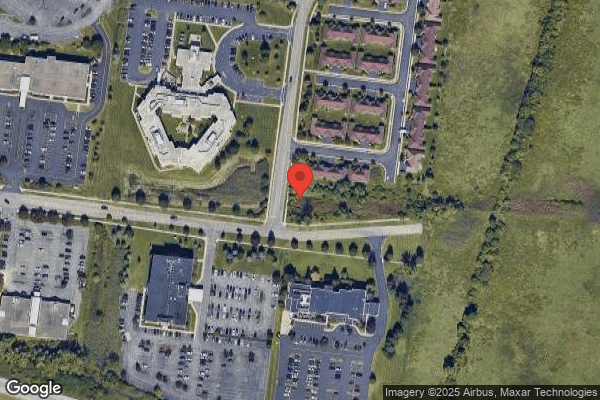
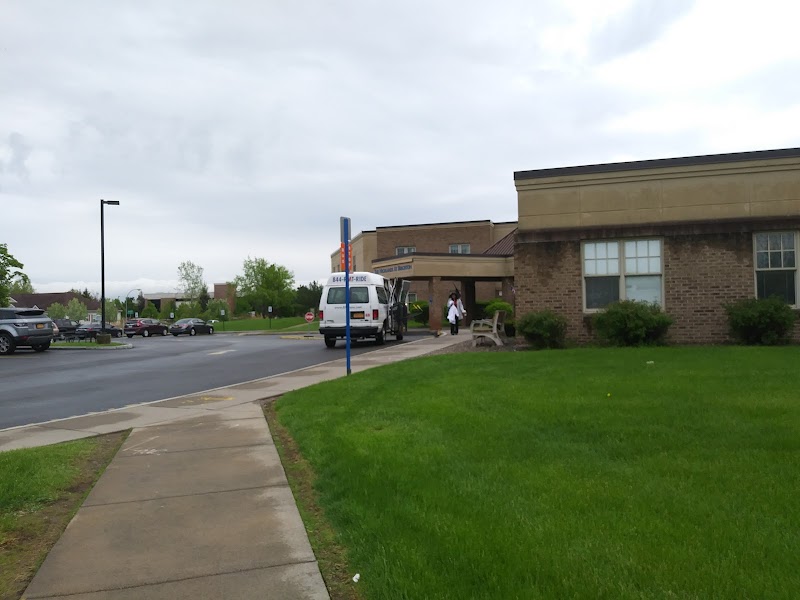
5901 Lac De Ville Boulevard, Rochester, NY 14618 (585) 442-7960
For profit - Corporation 145 Beds Independent Data: November 2025
Trust Grade
60/100
#359 of 594 in NY
Last Inspection: October 2023

Over 2 years since last inspection. Current conditions may differ from available data.

Overview

The Highlands at Brighton has a Trust Grade of C+, which indicates that the facility is slightly above average but still has room for improvement. It ranks #20 out of 31 in Monroe County, placing it in the lower half of local options. Recent trends show that the number of issues at the facility is worsening, increasing from 8 in 2021 to 9 in 2023. Staffing is a relative strength with a rating of 4 out of 5 stars, but the turnover rate is at 48%, which is average for New York. Notably, the facility has no fines, which is a positive sign, but it does have concerning RN coverage, being lower than 94% of state facilities. Specific incidents identified during inspections include staff reviewing residents' personal belongings without permission and discussing private health information inappropriately, which compromises residents' dignity and privacy. Additionally, there was a failure to address concerns raised by residents in their council meetings, indicating a lack of responsiveness to their needs. Overall, while there are strengths in staffing and a lack of fines, the facility faces significant challenges in ensuring resident dignity and addressing concerns effectively.
Trust Score
C+
60/100
In New York
#359/594
Bottom 40%
Safety Record
Low Risk
No red flags
Inspections
Getting Worse
8 → 9 violations
Staff Stability
⚠ Watch
48% turnover. Above average. Higher turnover means staff may not know residents' routines.
Penalties
✓ Good
No fines on record. Clean compliance history, better than most New York facilities.
Skilled Nurses
○ Average
Each resident gets 30 minutes of Registered Nurse (RN) attention daily — about average for New York. RNs are the most trained staff who monitor for health changes.
Violations
⚠ Watch
24 deficiencies on record. Higher than average. Multiple issues found across inspections.
★★★☆☆
3.0
Overall Rating
★★★★☆
4.0
Staff Levels
★★★☆☆
3.0
Care Quality
★★★☆☆
3.0
Inspection Score
Stable
2021: 8 issues
2023: 9 issues

The Good

  • 4-Star Staffing Rating · Above-average nurse staffing levels
  • Full Sprinkler Coverage · Fire safety systems throughout facility
  • No fines on record

Facility shows strength in staffing levels, fire safety.

The Bad

3-Star Overall Rating

Near New York average (3.1)

Meets federal standards, typical of most facilities

Staff Turnover: 48%

Near New York avg (46%)

Higher turnover may affect care consistency

The Ugly 24 deficiencies on record

Oct 2023 8 deficiencies
CONCERN (D) 📢 Someone Reported This

A family member, employee, or ombudsman was alarmed enough to file a formal complaint

Potential for Harm - no one hurt, but risky conditions existed

Resident Rights (Tag F0550)

Could have caused harm · This affected 1 resident

**NOTE- TERMS IN BRACKETS HAVE BEEN EDITED TO PROTECT CONFIDENTIALITY** Based on observations, interviews, and record reviews conducted during the Recertification Survey from 9/27/23 to 10/4/23, it wa...

Read full inspector narrative →
**NOTE- TERMS IN BRACKETS HAVE BEEN EDITED TO PROTECT CONFIDENTIALITY** Based on observations, interviews, and record reviews conducted during the Recertification Survey from 9/27/23 to 10/4/23, it was determined that for two (Resident's #21 and #85) of five residents reviewed for dignity, the facility staff did not promote and treat each resident with respect and dignity in a manner and an environment that promotes maintenance or enhancement of their quality of life. Specifically, Resident's #21 had their personal belongings in bedside drawers in their room opened and contents reviewed by staff without their permission or explanation as to what staff were looking for. Additionally, for Resident #85 the facility staff were heard discussing the resident's private and protected health information (also known as HIPAA-Health Insurance Portability and Accountability Act) in a setting where others could overhear. This is evidenced by the following: 1.Resident #85 had diagnoses including human immunodeficiency virus (HIV), dementia, and psychotic disorder with delusions. The Minimum Data Set (MDS) Assessment, dated 7/8/23, revealed the resident had moderately impaired cognition. During an observation on 9/28/23 at 11:20 AM, Physician Assistant (PA) #1 and another staff member were standing in front of Resident #85 who was seated in the hallway outside of the nurse's station. There were three other residents seated nearby and two New York State Department of Health (NYSDOH) surveyors standing at the nurse's station. PA #1 was encouraging Resident #85 to take their medications when Resident #85 asked if they had AIDS (Acquired Immune Deficiency Syndrome)? PA #1 responded, yes, but it is undetectable if you continue to take your medications. At no time did PA #1 ask Resident #85 go to a private area to discuss issues related to their health. During an interview on 10/4/23 at 10:06 AM, Resident #85 stated that they would want a staff member to speak to them about their health information in private. During an interview on 10/4/23 at 10:14 AM Registered Nurse Manager (RNM) #2 stated normally they do not hear providers having those conversations in common areas and especially something like that you would not want to discuss in a common area but instead in private. RNM #2 stated that Resident #85 will get up and go with you to have a conversation if you ask. During an interview on 10/4/23 at 11:40 AM PA #1 stated that Resident #85 will yell and ask questions when they walk by which they try to answer. PA #1 stated they would normally have a conversation about a resident's health in private, but that Resident #85 can yell, and you have to answer them right away. During an interview on 10/4/23 at 12:11 PM, the Director of Nursing (DON) stated that conversations related to resident's private health information should be held as private as can be, certainly not in the hallway. They would expect everyone to be aware of where they were speaking to residents and that a private place was offered when speaking to a resident about private health information. 2.Resident #21 had diagnoses that included diabetes, chronic obstructive pulmonary disease (COPD), and prostate cancer. The MDS assessment dated [DATE] documented that the resident was cognitively intact. During an observation and interview on 9/28/23 at 11:07AM, RNM#2 entered Resident #21's room during an interview with surveyors, without knocking, and without asking permission and began looking in the top drawer of the resident's dresser. RNM#2 did not address the resident, request permission, or explain what they were looking for. Resident #21 asked RNM#2 what they were looking for and RNM#2 responded only that they would be back. RNM#2 returned to the resident's room several minutes later and stated to the resident that they were checking to see if the drawer was locked. Resident #21 stated to RNM#2 at the time, That wasn't the answer I was looking for. Wouldn't you ask someone if it was okay (to open their drawer) and tell them what you are looking for? When interviewed on 10/4/23 at 10:14 AM, RNM#2 stated that they had not asked Resident #21's permission before opening their personal drawers but that they did talk to the resident later. RNM#2 stated that they had been checking to see if the drawer was locked due to reports of residents who smoke not locking up their cigarettes. RNM #2 stated they were just checking to see if drawers were locked and if not if residents had a key to the drawer. 10 NYCRR 415.5(a)
CONCERN (D)

Potential for Harm - no one hurt, but risky conditions existed

Deficiency F0565 (Tag F0565)

Could have caused harm · This affected 1 resident

Based on interviews, and record review, conducted during the Recertification Survey 9/27/23 to 10/4/23, it was determined that for one of one resident groups, the facility did not ensure that concerns...

Read full inspector narrative →
Based on interviews, and record review, conducted during the Recertification Survey 9/27/23 to 10/4/23, it was determined that for one of one resident groups, the facility did not ensure that concerns and recommendations of the residents group relating to resident care and life in the facility were acted upon promptly. Specifically, the facility could not provide evidence that residents' voiced concerns in Residents Council meetings were investigated, and rationales or responses were provided to the residents. This is evidenced by the following: The facility policy, Grievances, dated August 2020, included that a grievance is defined as any alleged violation or dispute between a resident/family and the facility, including interpretation or application of the resident's [NAME] of Rights. The staff of the Social Work department and other departments will be responsive to residents/families regarding the resident's care and quality of life. Prompt review and a timely response will be given to resident/family grievances. All grievances will be given full consideration, and the expression, review and resolution of grievances are an important component in creating a sense of community for residents. Review of the Resident Council Meeting Minutes for June 2023, August 2023, and September 2023 (no meeting in July) included multiple concerns, issues or grievances voiced by residents in attendance such as (but not limited to): Staffing shortages and call bell response times Smoking near the building and cigarettes being thrown around Someone going into a resident's room when unoccupied and items being found moved, broken, or taken. Fruit juices and fluid consumption Cell phone use by staff Food occasionally not cooked thoroughly A bug was found in a resident's food Residents eating food from refrigerators that belong to others Additionally, the meeting minutes did not include facility rationales or responses in subsequent meeting minutes to resident issues, concerns, or grievances, voiced during previous meetings. During a Resident Council meeting on 10/2/23 at 10:30 AM, several residents in attendance said that the facility does not consider the views of resident or act promptly upon grievances or recommendations. During an interview on 10/3/23 at 9:55 AM and again on 10/4/23 at 12:15 PM, the Director of Recreation (DOR) stated that a Recreation staff member attends the meeting and takes notes, which the DOR subsequently types up and sends out any reported concerns to the relevant departments. The DOR said that usually the departments will respond, which should be reported back during the next meeting. When asked where the follow-up responses were on the meeting minutes, the DOR stated that if a follow-up was not included on subsequent meeting minutes, then a follow-up or rationale was probably not discussed. During an interview on 10/3/23 at 1:38 PM, the Director of Social Work (DSW) said that they went to every Resident Council meeting and their role consisted of them guiding the meeting. The DSW stated that, with the DOR, they take the concerns, issues or grievances voiced by the residents and reach out to facility staff responsible to make them aware of the grievances and affect the change. The DSW stated that until recently, the Director of Recreation was putting the resolutions in the meeting minutes but was not sure if follow-up occurred with all of the concerns listed in the meeting minutes. The facility was unable to provide evidence of follow-up to the grievances voiced in the Resident Council Meeting Minutes for June 2023, August 2023, and September 2023. 10 NYCRR 415.5 (c)(6)
CONCERN (D)

Potential for Harm - no one hurt, but risky conditions existed

Investigate Abuse (Tag F0610)

Could have caused harm · This affected 1 resident

**NOTE- TERMS IN BRACKETS HAVE BEEN EDITED TO PROTECT CONFIDENTIALITY** Based on interviews, and record reviews conducted during the Recertification Survey 9/27/23 to 10/4/23, it was determined that f...

Read full inspector narrative →
**NOTE- TERMS IN BRACKETS HAVE BEEN EDITED TO PROTECT CONFIDENTIALITY** Based on interviews, and record reviews conducted during the Recertification Survey 9/27/23 to 10/4/23, it was determined that for one (Resident #85) of three residents reviewed for elopement, the facility did not ensure an alleged elopement was thoroughly investigated. Specifically, Resident #85 left the facility unsupervised on 8/5/23 for an extended period of time, staff were unaware of the resident's whereabouts, and the incident was not investigated. This is evidenced by the following: The facility policy Elopement Prevention, dated August 2023, documented that elopement is when a dependent resident in a licensed facility leaves that facility without staff observation or knowledge of their departure. The Quality Assurance committee will review and discuss all elopement concerns when indicated. The facility policy Eloped Resident, dated August 2023, documented that at the point a resident cannot be located, the nurse in charge of the area will be responsible to notify Nursing Administration/Facility Administration. Upon return of the missing resident staff are to complete an accident/incident report and notify the New York State Department of Health. Resident #85 had diagnoses including dementia with behavioral disturbances and psychotic disorder with delusions. The Minimum Data Set Assessment, dated 7/8/23, revealed the resident had moderately impaired cognition, was independent with mobility, had shown no wandering behaviors, and had not used a wander/elopement alarm. A Wandering Risk Assessment, dated 7/8/23, revealed Resident #85 was independent with mobility, was taking antipsychotic medications, and had no known history of wandering. Review of Resident #85's electronic medical record revealed a Nursing Order dated 6/24/22, that Resident #85 may leave the facility with a responsible party. Review of the Comprehensive Care Plan (CCP), dated 4/28/23, revealed Resident #85 had impaired cognitive function or impaired thought processes related to dementia and major depressive disorder with psychotic behavior. Interventions included, but were not limited to, that the resident preferred to go on outings, going to church, and for staff to cue, reorient, and supervise as needed. The CCP did not include any focus, goal, or interventions that addressed Resident #85's risk for elopement or if they were able to leave the facility independently. Review of Interdisciplinary Progress Notes revealed the following: a. On 8/5/23 at 10:10 AM, Licensed Practical Nurse (LPN) #6 documented that Resident #85 left the building, did not sign out or inform staff that they would be leaving, and that the supervisor was notified. b. On 8/5/23 at 10:54 AM, the Registered Nurse/Infection Control Nurse documented they were notified by the floor and their security department that Resident #85 left the building. Writer attempted to call the resident's cell phone but that it was not accepting phone calls. The resident's family was contacted, and they were able to reach the resident by phone. The resident called the facility and stated they were at [NAME] Park by themselves. RN #1 instructed Resident #85 to return to the facility. c. On 8/5/23 at 1:58 PM, LPN #4 documented that Resident #85 returned to the facility and there were no issues. Review of a Telepsychiatry Visit Note dated 8/15/23 (following the incident), Nurse Practitioner (NP) #1 documented that several weeks ago Resident #85 had eloped to [NAME] Park and their guardian persuaded the resident to return to the facility. The resident's insight was poor to fair and there had not been any other inappropriate or impulsive behaviors. Recommendations included to remind Resident #85 that eloping from the facility would have a negative impact on their acceptance to a lower level of care. Review of a Provider Progress Note dated 9/20/23 at 1:43 PM, Physician Assistant (PA) #1 documented that Resident #85 had stated I ran away a few weeks ago and I am going to do it again. Do not doubt me. The facility was unable to provide an accident/incident report for the alleged incident that occurred on 8/5/23 or any documented interventions to prevent the incident from reoccurring. During an interview on 10/4/23 at 10:06 AM and again at 10:46 AM, Resident #85 stated they had left the facility and took the bus to go to [NAME] Park. Resident #85 stated I'm not going to lie; I did do that. They did not know I was leaving, but they called me, and I came right back. I did not get hurt and I was ok when I got back. During an interview on 10/4/23 at 10:14 AM, Registered Nurse Manager (RNM) #2 stated they did not know if Resident #85 leaving the facility on 8/5/23 was really an elopement. RNM #2 stated they did not think the resident had signed out on the unit or at the front desk and that staff did not know where they were but thought they had gone out with a family member. RNM #2 said the incident was brought up in morning report and reported to Social Work, the Administrator, and the medical team and they have not heard anything about it since. During an interview on 10/4/23 at 11:40 AM, PA #1 stated Resident #85 had told them they ran away. PA #1 said that Resident #85 had come back to the facility on his own and had their cell phone on them. PA #1 said that the resident had been in the facility for a while, had not made any overt attempts to leave and that they did not feel Resident #85 was an elopement risk. During an interview on 10/4/23 at 12:11 PM, the Director of Nursing (DON) stated that they were not familiar with an actual elopement. An elopement would be if they had run away, or they were trying to escape the facility and got out. The DON felt because they knew Resident #85, they did not think the resident would ever run away and could not see them leaving the facility. Resident #85 is out of the building a lot going to festivals, shopping, and church (with family). Resident #85 has verbalized that they did not want to stay at the facility. The DON said that Resident #85 was young and close to their family and friends and had been at the facility for a long time and did not understand why they needed to be in a skilled nursing facility. The DON stated they did not feel the resident was at risk for elopement. During an interview on 10/4/23 at 12:24 PM, the Registered Nurse/Infection Control Nurse stated they were notified by a nurse on 8/5/23 that Resident #85 was not in the building, staff were not sure if the resident had gone out and did not know where the resident was. The staff started calling Resident #85 when they could not find them in the building and the Registered Nurse/Infection Control Nurse was unsure if the resident had signed out and that this instance was different from other times because Resident #85 usually informed the staff when they were leaving the building (with family or friends). The Registered Nurse/Infection Control Nurse stated the incident was reported to the DON. During an interview on 10/4/23 at 12:31 PM, the Administrator that they never missed morning report but that they were not aware of the elopement prior to surveyor interventions. 10 NYCRR 415.4
CONCERN (D)

Potential for Harm - no one hurt, but risky conditions existed

Comprehensive Care Plan (Tag F0656)

Could have caused harm · This affected 1 resident

**NOTE- TERMS IN BRACKETS HAVE BEEN EDITED TO PROTECT CONFIDENTIALITY** Based on observations, interviews, and record reviews conducted during a Recertification Survey 9/27/23 to 10/4/23, it was deter...

Read full inspector narrative →
**NOTE- TERMS IN BRACKETS HAVE BEEN EDITED TO PROTECT CONFIDENTIALITY** Based on observations, interviews, and record reviews conducted during a Recertification Survey 9/27/23 to 10/4/23, it was determined that for two (Resident #56 and #99) of 30 residents reviewed for care planning, the facility did not develop a comprehensive, person-centered care plan for each resident that included services to attain or maintain the resident's highest practicable physical, mental, and psychosocial well-being or any specialized services. Specifically, Residents #56's comprehensive Care Plan (CCP) did not address their status as a current smoker, and Resident #99's CCP did not address the resident's current skin issues. This was evidenced by the following: Review of facility policy Care Plan, Interdisciplinary, dated 6/7/19, included that the care plan will describe the services that are to be furnished to attain or maintain the resident's highest practicable physical, mental, and psychosocial well-being including the resident's right to refuse treatment. It will be prepared by the interdisciplinary team and be periodically reviewed and revised by the team. The care plan will be oriented towards preventing avoidable decline in function or functioning levels and it will identify and attempt to manage risk factors and build on resident's strengths. Each discipline shall review the care plans at least every 92 days. Any change is care plan involving/affecting another discipline shall be conveyed to that discipline and common goals agreed upon. 1.Resident #56 had diagnoses including tobacco use, traumatic brain injury and seizures. The Minimum Data Set (MDS) assessment dated [DATE] documented that the resident was cognitively intact. Review of the Resident Smoking List provided by the facility on 9/27/23 revealed Resident #56 listed as a current smoker. In an interdisciplinary progress note, dated 6/16/22, Licensed Practical Nurse (LPN) #4 documented that the fire alarm sounded, and staff smelled smoke outside of Resident #56's room and that smoke was in the resident's room and their bathroom. In a letter dated 6/17/22 to the resident's family located in Resident #56's electronic medical record, the Administrator documented that the facility requested the family to stop bringing Resident #56 cigarettes, as they were enabling resident to smoke which included that the resident was doing so inside the facility. Review of a Resident Smoking Contract, that was signed by Resident #56 was dated 6/20/23 and an Occupational Therapy (OT) smoking initial evaluation was completed on 8/31/23 (over a year after the incident involving smoking in their room) In an interview on 9/28/23 at 9:38 AM, the Administrator stated residents should be care planned for smoking and most of the residents are independent and have smoked their entire lives. During an interview on 10/2/23 at 10:22 AM, Resident #56 stated they have been smoking at this facility since admission four years ago. In an interview on 10/3/2023 at 11:53 AM, Registered Nurse Manager (RNM) #2 stated Resident #56 has been smoking at this facility for a while. RNM #2 said that care plans are updated quarterly, and they can always go in and add something if needed. During an interview on 10/3/23 at 1:17 PM, LPN #3 stated Resident #56 had a smoking evaluation in either July or August, and their care plan should have been updated once they had the evaluation but was unsure if this was done. LPN #3 said the [NAME] (care plan used by the Certified Nursing Assistants (CNAs) for daily care) is updated at the same time as the CCP, and they check the CCP against the [NAME] and MDS to make sure all information matches. The facility was unable to provide documented evidence that Resident #56's CCP and CNA [NAME] had included that Resident #56 had a nicotine dependence with goals and interventions and a history of smoking in their room. 2. Resident #99 was admitted to the facility with diagnoses that included diabetes, protein-calorie malnutrition, and stroke. The MDS assessment dated [DATE], included that the resident had a deep tissue injury, and required pressure ulcer care and dressings to the feet. In an observation on 9/29/23 at 10:09 AM Resident #99 was in bed with Prevalon boots (cushioned boots to prevent heel breakdown) on both feet and a dressing applied to their right foot. Review of Resident #99 electronic medical record revealed that in medical progress notes dated 8/15/23 and 9/15/23, the physician documented that the resident had multiple wounds and to continue wound care and monitor-unfortunately breakdown and infections has continued to be problematic due to how frail and chronically ill the resident has been. Review of the Wound Assessment Note dated 9/28/23 and signed by Physician Assistant (PA) #1, included that Resident #99 had mixed vascular and deep tissue injury wounds to both feet, requiring twice daily dressing changes. Additionally, interventions included Prevalon boots (to both feet) at all times with heel in open space for offloading, nutritional supplements, use of a low air loss mattress and a turn and repositioning program were also listed. Review of Resident #99's CCP did not include any care plan related to skin issues/ current wounds, history of, goals and/or interventions or preventive measures for skin breakdown. During an interview on 10/3/23 at 2:13 PM, LPN #8 stated they and the unit nurse manager are involved with creating and revising resident CCPs and should provide a 'head to toe picture' of the resident and information related to things such as fall prevention, ventilators, and nutrition information. LPN #8 stated they would revise the care plan when there was a change to the resident or their care. In a follow-up interview at 2:53 PM, LPN #8 stated they spoke with Nursing Leadership who said that a deep tissue injury, or a wound should be listed on the CCP. During an interview on 10/4/23 at 11:19 AM, RNM #3 stated that they and the charge nurse are involved with developing and revising CCPs. RNM #3 stated information related to (but not limited to) diagnoses, falls, pain, edema or skin issues and preventative measures should be included on CCPs and any changes in the resident's care. Additionally, RNM #3 said they have quarterly care plan meetings with residents' families and the interdisciplinary teams. RNM #3 stated the CCP should include wounds, interventions and prevention of. During an interview on 10/4/23 at 11:47 AM, the DON said they would expect venous wounds and deep tissue injuries to be on a resident's CCP and that they were aware of Resident #99 who has had skin issues for about a year. 10 NYCRR 415.11 (c)(1)
CONCERN (D)

Potential for Harm - no one hurt, but risky conditions existed

ADL Care (Tag F0677)

Could have caused harm · This affected 1 resident

**NOTE- TERMS IN BRACKETS HAVE BEEN EDITED TO PROTECT CONFIDENTIALITY** Based on observations, interviews, and record reviews conducted during the Recertification Survey 9/27/23 to 10/4/23, it was det...

Read full inspector narrative →
**NOTE- TERMS IN BRACKETS HAVE BEEN EDITED TO PROTECT CONFIDENTIALITY** Based on observations, interviews, and record reviews conducted during the Recertification Survey 9/27/23 to 10/4/23, it was determined for one (Resident #19) of four residents reviewed for activities of daily living (ADLs), the facility did not provide the necessary services to maintain good grooming and personal hygiene. Specifically, Resident #19 was observed on several days to be unshaven and had fingernails that were long and unclean. This is evidenced by the following: Resident #19 had diagnoses including dementia with behavioral disturbance, depression, and rheumatoid arthritis. The Minimum Data Set (MDS) assessment dated [DATE] documented the resident had severe cognitive impairment, required extensive assistance with personal hygiene, total dependent for bathing and had behavioral symptoms not directed toward others, and rejection of care on one to three days in the lookback period. Review of the Comprehensive Care Plan dated 9/28/23, revealed Resident #19 has a compromised ability to complete ADLs due to decreased mobility and active symptoms of depression which impeded their ability to participate in ADLs. Interventions included, but not limited to that the resident is dependent on staff for assistance with hygiene. Review of the Personal Care Profile (care plan used by the Certified Nursing Assistants (CNAs) to provide daily care), revised on 9/10/23, revealed Resident #19 required assistance with a bed bath and nail care on Tuesday, day shift. Review of Resident #19's Electronic Medical Record-task documentation (area used by CNAs to document daily care provided) from 9/20/23 to 10/3/23 revealed the resident required extensive assistance or was totally dependent on staff to complete personal hygiene and did not include any documented evidence that the resident refused care. During observations on 9/28/23 at 11:45 AM, 9/29/23 at 1:22 PM, 10/2/23 at 9:01 AM, 10/3/23 at 1:50 PM, and 10/4/23 at 10:05 AM, Resident #19 had several days growth of grey stubble on their face and their fingernails were long with brown debris underneath. During an interview on 10/3/23 at 2:22 PM, CNA #1 stated Resident #19 needed total assistance with their care. They stated they had given the resident a bed bath that morning. CNA #1 stated they were going to shave Resident #18, but the resident's electric razor did not work, and they were going to use a regular razor, but their family was visiting at that time. During an interview on 10/3/23 at 2:31 PM, Resident #19's representative stated there had been issues with the resident not being shaved and having long nails. Resident #19's representative stated they have asked for the resident's nails to be trimmed, but it was not always done and that the shaving was on and off. They said that they did not know the electric razor was not working, probably needed to be charged and that Resident #19 would not know this, but staff should. During an interview on 10/4/23 at 10:14 AM, Registered Nurse Manager #2 stated that residents should always be kept clean just like we would want. Staff do not have to wait until shower days to assist residents with shaving or trimming nails. 10 NYCRR 415.12(a)(3)
CONCERN (D)

Potential for Harm - no one hurt, but risky conditions existed

Accident Prevention (Tag F0689)

Could have caused harm · This affected 1 resident

**NOTE- TERMS IN BRACKETS HAVE BEEN EDITED TO PROTECT CONFIDENTIALITY** Based on observations, interviews and record review conducted during a Recertification Survey 9/27/23 to 10/4/23, it was determi...

Read full inspector narrative →
**NOTE- TERMS IN BRACKETS HAVE BEEN EDITED TO PROTECT CONFIDENTIALITY** Based on observations, interviews and record review conducted during a Recertification Survey 9/27/23 to 10/4/23, it was determined that for three (Residents #21, #34, and #85) of twelve residents reviewed for accidents, the facility did not ensure that the resident's environment remained as free of accident hazards as is possible. Specifically, Resident #21 was observed smoking under the non-sprinkler awning and within 10 feet of the building; Resident #34 had cigaarette butts on their person and discarded cigarette butts in their trash can in their room; and Resident #85 eloped from the facility and the facility did not reevaluate the resident's risk for elopement or develop a comprehensive care plan (CCP) that addressed the incident with follow up measures to prevent reoccurrence. This is evidenced by the following: 1. Resident #85 had diagnoses including dementia with behavioral disturbances and psychotic disorder with delusions. The Minimum Data Set (MDS) Assessment, dated 7/8/23, revealed the resident had moderately impaired cognition, had shown no wandering behaviors, and did not use a wander/elopement alarm. Review of the facility policy Elopement Prevention, dated August 2023, defined resident elopement as when a dependent resident in a licensed facility leaves that facility without staff observation or knowledge of their departure. Diagnoses pertinent to the risk of elopement include dementia and manic depression. Once a resident has been identified as a high-risk, appropriate interventions should be implemented that could include supervision and periodic checks as possible. Once preventive measures have been implemented, everything needs to be documented in the resident's chart and communicated to everyone involved with the resident's care. Areas include the resident's care plan, listing all interventions that are used to prevent reoccurrence. Unit Managers will be responsible for monitoring the resident's status and the Quality Assurance committee will review and discuss all elopement concerns when indicated. Review of Resident #85's CCP, dated 4/28/23, revealed the resident #85 had impaired cognitive function or impaired thought processes related to dementia and major depressive disorder with psychotic behavior. Interventions included, but were not limited to, to engage in simple structured activities with no overly demanding tasks, going on outings, church, getting hair done and ordering food. Staff need to cue, reorient, and supervise as needed. The CCP included the resident was at risk for falls, uses a wheelchair for long distances and expresses a desire to return home. The CCP did not include if they were able to safely leave the facility independently. A Wandering Risk Assessment, dated 7/8/23, revealed Resident #85 was independent with mobility, was on antipsychotic medications (medications for mental illness with potential serious side effects), had no known history of wandering and was at low risk for elopement. Review of Resident #85's electronic medical record revealed a nursing order dated 6/24/22, that the resident may leave the facility with a responsible party. Review of interdisciplinary progress notes included the following: a. On 8/5/23 at 10:10 AM, Licensed Practical Nurse (LPN) #4 documented that Resident #85 left the building, did not sign out or inform staff that they would be leaving and that they notified the supervisor. b. On 8/5/23 at 10:54 AM, the Registered Nurse (RN)/Infection Control Nurse (ICN) documented they were notified by the floor and security that Resident #85 left the building. Writer attempted to call the resident's cell phone that was not accepting phone calls. The resident's family was contacted and were able to reach the resident by phone. The resident called the facility and stated they went alone to the park (approximately 2&1/2 miles away) and was instructed to return to the facility. c. On 8/5/23 at 1:58 PM, LPN #4 documented that Resident #85 returned to the facility and there were no issues. d. On 9/29/23 at 5:53 PM, RN #3 documented that Resident #85 was dressed, and by the nurse's station and stated they were going to church by myself. RN #3 wrote that they informed Resident #85 that they were not allowed to leave the facility by themselves. In a Telepsychiatry Visit Note dated 8/15/23, Nurse Practitioner (NP) #1 documented that several weeks ago Resident #85 had eloped to the park and their guardian persuaded the resident to return to the facility. NP #1 wrote that the resident's insight was poor to fair, and recommendations included to remind Resident #85 that eloping from the facility would have a negative impact on their acceptance to a lower level of care. Review of a medical progress note dated 9/20/23 at 1:43 PM, Physician Assistant (PA) #1 documented that Resident #85 told PA #1 that I ran away a few weeks ago and I am going to do it again. Do not doubt me. The assessment and plan related to dementia with psychosis included that unfortunately Resident #85 was decompensating and the concern was when they had any setbacks, their lack of coping mechanisms triggered them to mania which appeared to be the case at that time. During an interview on 10/4/23 at 10:06 AM and again at 10:46 AM, Resident #85 stated they had left the facility to go to the park and took the bus to get there. Resident #85 stated they usually sign out (when going out to church) but they did not sign out that day. During an interview on 10/4/23 at 10:14 AM, Registered Nurse Manager (RNM) #2 stated they did not know if Resident #85 leaving the facility on 8/5/23 was really an elopement. RNM #2 said that staff did not know where the resident was and thought they had gone out with a family member. The incident was brought up in morning report and had been reported to Social Work, the Administrator, and the medical team. RNM #2 stated they did not feel Resident #85 was an elopement risk. During an interview on 10/4/23 at 12:11 PM, the Director of Nursing (DON) stated that they were not familiar with an actual elopement but thought that an elopement would be if a resident ran away trying to escape the facility and got out. The DON stated that Resident #85 had verbalized that they wanted to be out of the facility and did not understand why they needed to be in a skilled nursing facility. The DON stated resident was all talk and did not feel the resident was at risk for elopement. During an interview on 10/4/23 at 12:24 PM, the RN/ICN stated they were notified by staff on 8/5/23 that Resident #85 was not in the building and that staff did not know where the resident was. The RN/ICN stated this instance was different from other times because Resident #85 usually informed the staff when they were leaving the building with family and that they had reported the incident to the DON at the end of their shift. During an interview on 10/4/23 at 12:31 PM, the Administrator stated they were not aware of the elopement prior to 10/4/23 and if there was an elopement it would have been discussed in morning report which they never miss. 2. Resident #21 had diagnoses including prostate cancer with metastases, diabetes and chronic obstructive pulmonary disease (COPD). The MDS assessment dated [DATE] documented the resident was cognitively intact and was not a tobacco user. Review of the CCP, dated 3/14/23, Resident #21 had been cleared by therapy to safely smoke outside of the facility. During an observation on 9/28/23 at 8:30 AM Resident #21 was observed outside facility entrance under the non-sprinkler awning within 10 feet of the front door of the facility in a wheelchair, with a lit cigarette in hand, and ashes covering their lap. A sign was posted in the area that read no smoking within 25 feet of the building while other signs posted read smoke free facility. In an observation on 9/29/23 at 9:32 AM Resident #21 was outside smoking under the non-sprinkler awning. There where cigarette ashes on their pajama pants. 3. Resident #34 had diagnoses including tobacco use, diabetes and altered mental status. The MDS assessment dated [DATE] documented that the resident was cognitively intact. The MDS assessment dated [DATE] documented Resident #34 was not a tobacco user. Review of the CCP, dated 5/22/23, Resident #34 was cleared by therapy to safely smoke outside of the facility. In an observation and interview on 9/27/23 at 2:30 PM Resident #34 was outside the facility smoking approximately three to four feet from the building. Resident #34 demonstrated that when done with the cigarette they placed the cigarette butts into the fanny pack they were wearing which contained multiple butts at the time. Resident #34 stated they leave them there for a long time, so they know they are fully out. At 3:07 PM Resident #34 stated they keep their cigarette butts in their fanny pack and every evening they pick up all the cigarette butts off the ground from other residents and visitors and place those in their fanny pack and then they empty all the butts into the trash can located in their room or occasionally into the trash outside. Resident #34 stated they have been bringing the cigarette butts into the facility to dump in their trash since they were admitted (approximately nine months ago). The resident stated they, (meaning themselves and other residents) usually smoke in the designated area unless it is raining, then we come underneath the awning to smoke. Resident #34 stated most of the residents are in wheelchairs and the sidewalks have potholes, so it is hard to get to the designated smoking area. In an observation on 9/28/23 at 8:08 AM Resident #34 was in bed. A trash can with no lid was next to the resident and contained approximately 10 cigarette butts and other flammable material such as Styrofoam cups, tissues, and paper masks. In an interview on 9/29/23 at 1:40 PM Resident Care Assistant (RCA) #1 stated they knew that Resident #34 put cigarette butts in their pocket and then threw them away in their room trash can but did not think that they ever told anyone about it. In an interview on 10/03/23 at 11:00 AM LPN Charge Nurse #1 (Resident #34's unit) stated they were unaware that Resident #34 had been throwing cigarette butts into their purse and then into the trash can in their room. LPN Charge Nurse #1 stated that if they had known this was occurring would have intervened due the risk of a fire. In an observation on 10/03/23 at 11:10 AM a cigarette butt was in the trash can at the reception desk. In an interview on 9/28/23 at 10:31 AM the Director of Facilities Management (DFM) stated the cigarette disposals are on their property. The DFM said the garbage can outside the front entrance is made of stone and is fire retardant, but the interior is a plastic can and most of the garbage cans in resident rooms are plastic and not fire retardant, some have covers while some do not. During an interview on 9/28/23 at 10:29 AM Housekeeper #1 stated they had seen cigarette butts in a resident's trash can before and informed RNM #2. During an interview on 10/03/23 at 12:50 PM RNM #2 stated they were aware of residents smoking under the awning and that staff can visually see residents better at that location than in the designated smoking areas. In an interview on 10/4/23 at 12:56 PM with the DON and the Administrator the Administrator stated they tell residents not to smoke under the awning and know that it is a problem but is unsure what can be done about it. Both the DON and Administrator stated they were unaware that residents were throwing cigarette butts in the trash inside the facility. The undated facility Smoking Policy / Clean Air Policy documented that the facility is smoke free. Smoking by residents, visitors, and staff is prohibited on the facility property with the following caveats: Residents who are deemed safe to smoke via OT evaluation must follow facility safety rules. New and short-term residents should not smoke on facility property. This is part of their admission agreement and integral to their medical care plan. Residents who insist on smoking will be assessed by OT for their ability to smoke safely on admission and at least quarterly thereafter. Residents will be shown where the designated smoking areas are. 10 NYCRR 415.12(h)(1)
CONCERN (D) 📢 Someone Reported This

A family member, employee, or ombudsman was alarmed enough to file a formal complaint

Potential for Harm - no one hurt, but risky conditions existed

Infection Control (Tag F0880)

Could have caused harm · This affected 1 resident

**NOTE- TERMS IN BRACKETS HAVE BEEN EDITED TO PROTECT CONFIDENTIALITY** Based on observations, interviews, and record review conducted during the Recertification Survey 9/27/23 to 10/4/23, the facilit...

Read full inspector narrative →
**NOTE- TERMS IN BRACKETS HAVE BEEN EDITED TO PROTECT CONFIDENTIALITY** Based on observations, interviews, and record review conducted during the Recertification Survey 9/27/23 to 10/4/23, the facility did not maintain an infection prevention and control program designed to provide a safe, sanitary, and comfortable environment and to help prevent the development and transmission of communicable diseases and infections. Specifically, the facility did not follow state and federal guidelines related to the cohorting of residents for two (Residents #101 and #8) of two residents reviewed for Transmission Based Precautions (TBP). Additionally, for three (Units B, C, and D) of five units observed for Infection Control (IC) practices, multiple staff from various disciplines were observed not wearing face mask or not wearing their face mask correctly, including on a unit with multiple confirmed COVID-19 positive cases. This is evidence by, but not limited to the following: The New York State Department of Health (NYSDOH) Health Advisory: Nursing Home Testing, Cohorting and Visitation Guidance, dated 10/13/22, stated the purpose of the health advisory was to provide nursing homes with updated information on masking, cohorting, visitation and nursing home staff and resident testing requirements based on guidance issued by the Centers for Medicare and Medicaid Services (CMS). The health advisory included that the Centers for Disease Control and Prevention (CDC) recommended that residents with suspected or confirmed SARS-CoV-2 (COVID-19) infection be placed in a single person room. Although the NYSDOH is aligning with the CDC guidance on cohorting, nursing homes must exhaust all efforts to separate disparate testing roommates, meaning in rare circumstance when no other options are available, the exposed roommate can be left in place until such time that alternate accommodations are available. Additionally, nursing homes must fully inform residents and families of circumstances and offer transfer out of facility if unwilling to cohort. The facility policy, Covid/Droplet/Contact Precautions, dated revised in June 2023, included that education is provided to the resident, visitors, and staff regarding the needs for precautions, and cohorting may occur at the discretion of the interdisciplinary team, in conjunction with medical leadership, infection prevention coordinator, and the director of nursing (DON) based on current evidence-based recommendations. Issue #1: Resident #101 had diagnoses including Alzheimer's, vascular dementia, and diabetes. The Minimum Data Set (MDS) assessment dated [DATE], included Resident #101 was severely impaired cognitively, required extensive assistance of staff for most of their activities of daily living. Review of laboratory results in the electronic medical record (EMR) identified COVID-19 PCR (polymerase chain reaction) nasal swabs were sent for Resident #101 on 9/19/23, 9/30/23 and 10/3/23, all of which resulted negative for COVID-19. Resident #8 had diagnoses including COVID-19 positive, repeated falls and weakness. The MDS Assessment, dated 8/23/23, documented that Resident #8 was cognitively intact. Review of laboratory results in the EMR identified a COVID-19 PCR nasal swab was obtained on Resident #8 on 9/29/23, which resulted positive for COVID-19. Contact and droplet precautions were put in place on 9/29/23 by the Infection Control Nurse (ICN). Review of interdisciplinary progress notes dated 9/20/23 through 10/3/23, did not include any documentation that Resident #101 reported any issues or concerns, or that the resident was experiencing COVID-19 related symptoms, such as coughing. In a nursing progress note dated 9/30/23 at 2:03 PM, Registered Nurse (RN) #2, documented Resident #101's family was in the resident's room, and had concerns regarding COVID-19, the resident's roommate and Personal Protection Equipment (PPE). RN #2 explained to the family that they were unable to discuss another resident's health information. RN #2 documented that Resident #101's family was concerned and would call the Nurse Manager on Monday to discuss their concerns. During an observation on 9/29/23 at 12:55 PM, Resident #101 was observed sitting in the dining room with the Unit Charge Nurse, who was assisting the resident with lunch. During an interview on 10/3/23 at 10:23 AM, Licensed Practical Nurse (LPN) #1 said a COVID-19 swab (third one) was obtained from Resident #101 today and they were awaiting the results. LPN #1 stated Resident #101's roommate (Resident #8), tested positive for COVID-19 on 9/29/23. During an interview on 10/3/23 at 10:27 AM with LPN #2 (Charge Nurse) and Registered Nurse Manager (RNM) #1, LPN #2 stated if a resident is found to be COVID-19 positive, they are notified by the ICN, who provides the staff with direction, the resident is immediately placed on isolation precautions with a sign on their door (that the room is a 'Hot Spot' and to use precautions), and PPE is placed on the door. LPN #2 stated that the decision to move a resident from the room due to a COVID-19 positive result for just one of the residents is made by the ICN. LPN #2 stated that Resident #101 is still in their room with their COVID-19 positive roommate, and they did not believe that Resident #101 was symptomatic (exhibiting any symptoms of the virus). LPN #2 stated that they have had multiple staff members who tested positive for COVID-19 who had contact with many residents. RNM #1 stated that discussions related to COVID-19 positive and COVID-19 negative residents sharing a room (co-horting) should be referred to the ICN. RNM #1 stated that they have private rooms available on the unit, but they prefer to keep those rooms open to new admissions. RNM #1 stated the reason (for co-horting) was likely a combination of keeping the room open and the ICN's guidance. Neither LPN #2 nor RNM#1 had spoken with Resident #101's family about their reported concerns. During an interview on 10/3/23 at 11:24 AM and again on 10/4/23 at 9:21 AM, the ICN confirmed that four residents on Unit C had tested positive for COVID-19. The ICN said Resident #101's COVID-19 tests were all negative. The ICN said Resident #101 had been coughing before any testing had been done and that several staff members that had been around Resident #101 tested positive. The ICN said that Resident #101 and Resident #8 had been in close proximity to each other and that the two residents had the same amount of exposure and that they thought Resident #8 was symptomatic which why they kept the residents together. The ICN stated the decision to move residents (when one tests positive and one negative) is situational, on a case-by-case basis, and is based on what is available. The ICN stated it is the decision of the interdisciplinary team when residents are moved (due to COVID-19). The ICN stated that they followed guidance from the medical team (including Physician Assistant (PA) #1) and the State Health Department. The ICN stated Resident #101's last exposure to a COVID-19 positive staff member was on 10/1/23 and they were seeing positive COVID-19 results three to five days after exposure. The ICN said the front of Unit C is where all the COVID positive residents are and that they are trying to keep the back of the unit clean. During an observation on 10/3/23 at 3:35 PM, Resident #101 was observed in bed with a Hospice Aide sitting in the room. The privacy curtain was open 3/4th of the way and both residents were in view of each other and neither wearing masks. Resident #101 was not coughing (approximately 10 minutes) and the Hospice Aide stated that they had been siting there for approximately 30 minutes and the resident had not coughed at all. During an interview on 10/4/23 at 10:35 AM, RNM #1 stated that they were not aware that Resident #101's family had concerns related to COVID-19. RNM #1 said interventions used to prevent further exposure when one resident becomes COVID-19 positive included the use of PPE and distancing of six feet or more but was unsure of any facility policy related to the use of the privacy curtain between residents. RNM #1 stated there was another co-horting situation on the unit in which one resident was COVID-19 negative and their roommate was COVID-19 positive. During an interview on 10/4/23 at 11:47 AM, the DON stated that they would follow the guidance from the ICN regarding residents whose roommate tested positive for COVID-19 while they tested negative and included the decision to keep room assignments was to minimize further exposure. The DON stated that Unit C had the ability to isolate residents due to more space and were not at full capacity. The DON said interventions should include staff wearing full PPE when going into COVID-19 rooms, performing hand hygiene, and keeping the door shut. The DON stated if a COVID-19 positive resident was symptomatic or if they were receiving nebulizer treatments, the curtain should be closed between the residents. Issue #2: During an interview and observation on 9/29/23 at 9:31 AM, the Director of Respiratory (DOR) confirmed that there was staff exposure on Unit D and that universal masking was required throughout the entire building due to the potential for staff to float between units. Masking signs were observed throughout the building. During an observation on 9/29/23 at 12:32 PM, the DON was in the hall on Unit B with their face mask not covering their mouth or nose. The DON stated at that time that they should pull the mask up (around their nose). During an observation and interview on 10/03/23 at 9:18 AM, Certified Nurse Assistant (CNA) #1 entered a resident's room on Unit B without a face mask on and began assisting the resident into their wheelchair. LPNM #1 stated at that time that all staff should be wearing face masks. During an interview on 10/03/23 at 11:25 AM, the ICN confirmed that there were four confirmed cases of COVID-19 in the building (in addition to several staff). During an observation on 10/3/23 at 10:15 AM, isolation precaution signs and personal protective equipment (PPE) were on Resident #8 and Resident #101's room door on Unit C. During an observation on 10/03/23 at 1:23 PM, CNA #2 was walking in the hall (near a resident) on Unit C. A face mask was hanging off their face and not covering their mouth or nose. During an observation on 10/04/23 at 9:14 AM, CNA #2 was again walking in the hall of Unit C with their face mask not covering either their mouth or nose. During an interview on 10/04/23 at 9:21 AM, the ICN stated that face masks should be worn and worn correctly (covering both their mouth and nose) throughout the entire building except for staff's personal offices. During an interview on 10/04/23 at 9:43 AM, the DON and the Administrator both said that all staff should be wearing a face mask in resident care areas and that if non-direct care staff were in their office area, staff should apply their mask when they encounter staff who work throughout the building. During an observation and interview on 10/04/23 at 10:03 AM, Physical Therapist (PT) #1 was observed on Unit C outside of two TBP for COVID-19 rooms without wearing a face mask. PT #1 said they could not find a face mask. A bedside table was observed outside the unit doors prior to entering the unit that held surgical and KN95 (respirator) face masks. Once on the unit, a full box of face masks was located on two separate resident room doors in a bright yellow PPE holder. Both PPE holders were located directly next to the unit's entrance/ exit doors. During an interview on 10/04/23 at 10:35 AM, RNM #1 stated they have staff that did not want to comply with wearing a face mask but that all staff should unless they are eating or drinking. 10 NYCRR 415.19(b)(1)
MINOR (B) 📢 Someone Reported This

A family member, employee, or ombudsman was alarmed enough to file a formal complaint

Minor Issue - procedural, no safety impact

Staffing Information (Tag F0732)

Minor procedural issue · This affected multiple residents

Based on observations, interviews, and record reviews conducted during a Recertification Survey 9/27/23 to 10/4/23, it was determined that the facility did not post the nurse staffing information to i...

Read full inspector narrative →
Based on observations, interviews, and record reviews conducted during a Recertification Survey 9/27/23 to 10/4/23, it was determined that the facility did not post the nurse staffing information to include the total number and the actual hours worked of licensed and unlicensed nursing staff directly responsible for resident care per shift, the posting was not consistently updated with staffing changes and it had not been posted according to the posting requirements. Specifically, there were no Registered Nurse (RN) hours posted, the information titled Staffing Levels was posted outside the Administration Office in the administrative hallway and not accessible to residents and visitors and the information had not been updated consistently for past two months. The finding is: During observations on 9/27/23 and 9/28/23 New York State Department of Health surveyors were unable to locate the posted nurse staffing information as part of the Standard Recertification Process. In an interview on 9/27/23 at 9:33 AM Registered Nurse Manager (RNM) #2 stated that the unit started out with six Certified Nursing Assistants (CNAs) however one CNA went home (before end of shift). The facility Staffing Levels provided for 9/27/23 did not reflect this change with the incorrect number and hours of CNAs worked on that unit for that shift. During an observation and interview on 9/29/23 at 3:21 PM the DON stated the night shift supervisor fills out the staffing for the next day and any one of us (administration) will look at it before leaving to make changes for the evening and night shifts. Review of Staffing Levels forms for August 2023 and September 2023 with the DON, revealed no changes made to the staffing sheets to indicate any assignment changes or call-ins. The DON stated at the time that the sheets had not been updated as needed. The DON stated they were told by Administration not to include RN hours on the staffing sheets. The DON said that the way the facility is laid out was that residents and visitors could come in the main door and go right to a unit or the elevator without walking by the administrative hallway and did not know that nurse staffing was regulated to be posted in a prominent place (visible to residents and visitors) and changes updated per shift. In an interview on 9/29/23 at 3:52 PM and again on 10/4/23 at 12:56 PM the Administrator stated they do not handle staffing or Staffing Level forms, which is the responsibility of the nursing department but that they have always been posted outside of the DONs office (administrative hall). The Administrator stated they were not aware that they should be updated per shift and posted in a prominent place. 10 NYCRR 415.13
Feb 2023 1 deficiency
MINOR (C) 📢 Someone Reported This

A family member, employee, or ombudsman was alarmed enough to file a formal complaint

Minor Issue - procedural, no safety impact

Medical Records (Tag F0842)

Minor procedural issue · This affected most or all residents

Based on observation, interview, and record review during an Abbreviated Survey (#NY00291632, NY00306557, NY00292581, NY00304169, NY300511) the facility did not ensure resident's electronic medical re...

Read full inspector narrative →
Based on observation, interview, and record review during an Abbreviated Survey (#NY00291632, NY00306557, NY00292581, NY00304169, NY300511) the facility did not ensure resident's electronic medical records (EMR) were readily accessible to survey staff. Specifically, for nine (Residents #1, #2, #3, #4, #5, #6, #7, #8 and #9) of nine residents reviewed, the facility did not grant surveyors access to resident's EMRs, including but not limited to resident face sheets, care plans, interdisciplinary progress notes, Minimum Data Set Assessments, physician orders, medication administration records (MAR), labs and consults in a timely manner. This was evidenced by: During an interview with the Director of Nursing (DON) on 1/31/23 at 8:30 a.m. access to the facility's EMR for Residents #1, #2, #3, #4, #5, #6, #7, #8 and #9 was requested by New York State Department of Health (NYSDOH) surveyors to investigate resident complaints filed with the NYSDOH. In an interview on 1/31/23 at 10:30 a.m., the Executive Assistant stated the facility uses Point Click Care EMR and the E-record for their medical records. The Executive Assistant stated they would notify the IT (Information Technology) department of the request for surveyor access. At 11:00 a.m., the Executive Assistant stated surveyors should have received emails with passwords containing the necessary links. Review of links at this time revealed no access to resident's full medical records. The only access surveyors had was to view a list of residents. At 4:00 p.m., the Executive Assistant stated they did not know why access still had not been given to survey team and would ensure the survey team would have access by next day. In an interview on 2/1/23 at 8:30 a.m., the DON was informed that surveyors continued to be unable to access the resident's EMR. Paper documentation of resident's interdisciplinary progress notes, physician orders, MARs, treatment administration records (TARs), care plans and blood glucose monitoring records were requested. At 10:15 a.m., the DON stated that they were told by their IT staff that they could not grant the level of access that was requested due to security concerns. At 11:00 a.m., the DON stated that IT informed them they should give the surveyors the DON's password and sit with the surveyors to review resident medical records. Review of printed paperwork provided by the facility as resident records did not include any dates, times, or staff signatures. In an interview on 2/1/23 at 11:30 a.m., the Administrator stated they did not know why the IT department would not give surveyors access and that they notified the CEO of the company. The Administrator stated it was their expectation that the NYSDOH had full access to resident's medical records including EMR. On 2/1/23 at 12:15 p.m. the surveyors were granted access to residents EMR (approximately 27.5 hours after requested). State Operations Manual Rev.208, 10.21.22 includes: §483.70(i)(1) In accordance with accepted professional standards and practices, the facility must maintain medical records on each resident that are complete, accurately documented, readily accessible, and systematically organized. §483.70(i)(2) The facility must keep confidential all information contained in the resident's records, regardless of the form or storage method of the records, except when release is, including but not limited to, required by law and for health oversite activities. 10 NYCRR 415.22
Dec 2021 8 deficiencies
CONCERN (D)

Potential for Harm - no one hurt, but risky conditions existed

Deficiency F0578 (Tag F0578)

Could have caused harm · This affected 1 resident

**NOTE- TERMS IN BRACKETS HAVE BEEN EDITED TO PROTECT CONFIDENTIALITY** Based on observations, interviews, and record reviews conducted during the Recertification Survey, completed [DATE], it was dete...

Read full inspector narrative →
**NOTE- TERMS IN BRACKETS HAVE BEEN EDITED TO PROTECT CONFIDENTIALITY** Based on observations, interviews, and record reviews conducted during the Recertification Survey, completed [DATE], it was determined that for one (Resident #216) of 25 residents reviewed, the facility did not ensure that the resident's right to request, refuse, and/or discontinue treatment, to participate in or refuse to participate in experimental research, and to formulate an advance directive would be honored. Specifically, the physician's orders did not match the resident's Medical Orders for Life Sustaining Treatment (MOLST) wishes. Review of the facility policy MOLST/Advance Directives dated as last reviewed on [DATE], revealed that a MOLST will be completed for all residents whether they wish for Do Not Resuscitate (DNR) or not. The Social Worker (SW) will initiate the form with the resident and their family, notify the medical staff and the form will be placed in the physician's mailbox for completion. The MOLST is then completed by the physician verifying the residents wishes and signing the form. Resident #216 was admitted to the facility on [DATE] with diagnoses including diabetes, adult failure to thrive, depression and congestive heart failure. The Minimum Data Set Assessment, dated [DATE], revealed the resident was moderately impaired of cognitive function. Review of the MOLST form, dated [DATE], and signed by Resident #216 revealed the resident's wishes were DNR and Do Not Intubate (DNI). Review of a medical progress note, dated [DATE], revealed that Resident #216 was judged to have capacity for the advance care planning discussion, and wished for DNR/DNI and to refer to the completed MOLST form. Review of Resident #216's Electronic Medical Record (EMR) revealed that the resident was listed there as Full Code. The physician orders, [DATE], documented that Resident #216 was a Full Code (indicating wishes for CPR). During an interview on [DATE] 10:46 a.m., the Director of Social Work (DSW) stated that the medical team completed the MOLST forms. The DSW reported they were not involved in those conversations. During an interview on [DATE] 10:52 a.m., the Director of Nursing (DON) stated that social work takes care of the MOLST forms and advanced directives, takes the paperwork to medical, and that the hard copy goes in the resident's chart and the unit clerk puts the information in the EMR. During an interview on [DATE] at 10:55 a.m., Registered Nurse Manager (RNM) #1, stated that a resident's code status was both in the EMR and in the paper chart. During a joint interview with the Certified Nursing Assistant (CNA) and the Licensed Practical Nurse (LPN) on [DATE], at 11:00 a.m., the CNA stated that they did not know where to look for a resident's code status. The LPN stated that a resident's code status was in the EMR and the MOLST form was in the paper chart. The LPN stated that in the event of an emergency they would check the MOLST form first, then the computer. 10 NYCRR 415.3 (e)(1)(ii)
CONCERN (D)

Potential for Harm - no one hurt, but risky conditions existed

ADL Care (Tag F0677)

Could have caused harm · This affected 1 resident

**NOTE- TERMS IN BRACKETS HAVE BEEN EDITED TO PROTECT CONFIDENTIALITY** Based on observations, interviews, and record reviews conducted during the Recertification Survey, completed on 12/06/21, it was...

Read full inspector narrative →
**NOTE- TERMS IN BRACKETS HAVE BEEN EDITED TO PROTECT CONFIDENTIALITY** Based on observations, interviews, and record reviews conducted during the Recertification Survey, completed on 12/06/21, it was determined that for one (Resident #36) of two residents reviewed, the facility did not provide the necessary services to a resident who was unable to carry out activities of daily living (ADLs) to maintain good grooming and personal care. The issue involved a lack of nail care for a resident with diabetes. This is evidenced by the following: Resident #36 was admitted to the facility on [DATE] with diagnoses including a stroke, diabetes, and adult failure to thrive. The Minimum Data Set Assessment, dated 10/5/21, included the resident was cognitively intact and required extensive assistance of one staff member for personal hygiene. The Comprehensive Care Plan, dated 9/6/21, revealed the resident has an ADL self-care performance deficit related to a stroke and was dependent on staff for lower body hygiene needs. Review of a nursing assessment form in Resident #36's electronic medical record, dated 10/21/21, revealed under comments that a skin, nails, and oral check by a nurse should be done on shower days. A review of the shower schedule dated 12/6/21, revealed Resident #36 was scheduled to receive one shower a week on Thursday evenings. Review of a nursing progress note dated 11/18/21, revealed a skin and nail check was performed on Resident #36 and documented that both areas were in good condition. There were no other nursing progress notes since then that included nail condition or nail care. During an observation and interview on 12/2/21 at 10:52 a.m., Resident #36 said their feet and toes hurt, and they were not able to tolerate any pressure on them. Both big toes were observed with thick misshaped, long, fragile nails. Eight of the eight remaining toes had long nails (up to one quarter inch long) with the far end of the nails covering the skin on the front of the toes. During an interview on 12/3/21 at 10:10 a.m., the Administrative Assistant said if a resident wanted to see the podiatrist, they should communicate that to their nurse or aide so they can be placed on the list and that staff should communicate to the residents when the podiatrist is coming. The Administrative Assistant said that the podiatrist had not come in several months including last month due to facility quarantine. During an interview on 12/6/21 at 10:17 a.m., the Certified Nursing Assistant (CNA) said nail care is not done every day. The CNA stated they provided a bed bath today but did not trim the resident's toenails. During an observation and interview on 12/6/21 at 10:26 a.m., Resident #36's nails were observed unchanged and approximately a quarter inch long with some peeling skin and several pinpoint red scabbed areas on top of two toes on the right foot and one toe on the left foot. The resident said they have told everyone, including the aides and nurses, that their feet hurt, and they needed their toenails cut and to be seen by a podiatrist. During an observation and interview on 12/6/21 at 10:56 am, the Registered Nurse Manager (RNM) who observed Resident #36's toes with the surveyor stated the resident's big toenails were mycotic (fungal infection with thick and fragile nails) and needed to be cut. The remaining toenails were very long, about one quarter inch. The RNM informed Resident #36 at this time that they would cut their nails and would schedule a podiatry visit to treat the ingrown toenails. A review of the podiatry schedule for Thursday 12/9/21 revealed Resident #36 had not yet been scheduled to be seen by the podiatrist. 10NYCRR415.12(a)(3)
CONCERN (D)

Potential for Harm - no one hurt, but risky conditions existed

Accident Prevention (Tag F0689)

Could have caused harm · This affected 1 resident

**NOTE- TERMS IN BRACKETS HAVE BEEN EDITED TO PROTECT CONFIDENTIALITY** Based on observations, interviews, and record reviews conducted during a Recertification Survey, completed on 12/6/21, it was de...

Read full inspector narrative →
**NOTE- TERMS IN BRACKETS HAVE BEEN EDITED TO PROTECT CONFIDENTIALITY** Based on observations, interviews, and record reviews conducted during a Recertification Survey, completed on 12/6/21, it was determined that the facility did not ensure that all resident's environments remained as free from accidents as possible. Specifically, one (unit D) of five residential living units at the facility had water temperatures exceeding 120 degrees Fahrenheit (°F) in resident rooms. This is evidenced by the following: When observed on 12/1/21 at 1:57 p.m., the temperature of the hot water in the handwash sink located in resident room D16 was observed to be 122.4 °F using a [NAME] brand model 9842 digital thermometer. At that time, the Surveyor and the Director of Facility Services (DFS) went to the boiler room and it was observed that the in-line temperature gauge for outgoing water after the mixing valve read between 111°F and 112°F. Record review at this time revealed the facility takes daily hot water temperatures at the mixing valve and on each of the 5 resident units with none exceeding 120°F. Further observations revealed the [NAME] brand model 9842 digital thermometer used by the surveyor was 32.3 Degrees °F when using the ice-point method. Observation in the presence of the DFS on 12/2/21 from 1:07 p.m. to 1:26 p.m. revealed the temperature of the water in the handwash sink located in resident room D21 was 124.1 °F and the temperature of the water in resident room D23 and room [ROOM NUMBER] were both 123.1 °F . Interview with the DFS at this time revealed there is only one mixing valve in the facility for water supplied to resident rooms and that they would call the plumbing vendor back to the facility. During an interview on 12/3/21 at 8:34 a.m., Certified Nursing Assistant (CNA) #1 stated they had noticed the water from the sink and shower to get hot but had not told anyone. CNA #1 stated they place their hand under the water first, then if the resident is able, they would have them feel it to see if the temperature was comfortable before putting them in the shower. CNA #1 stated they would also check the water temperature intermittently during the shower to make sure it was not too hot or too cold. During an interview on 12/3/21 at 8:39 a.m., CNA #2 stated they had not noticed hot water before because they always run hot and cold water together. CNA #2 also stated they test the water before starting to bathe resident. During an interview on 12/3/21 at 8:52 a.m., the Registered Nurse Manager #1 stated that staff had never informed them of any issues concerning water being too hot. During an interview on 12/3/21 at 10:25 a.m., the DFS stated that the plumbing vendor replaced the mixing valve. The DFS also stated that they are looking into possible issues with two sprayers in the kitchen and the water going to laundry because the hot water supplying these areas comes straight from the hot water holding tanks and that this could be the cause of the hot water temperatures in resident rooms. [10 NYCRR 415.12(h)(2)]
CONCERN (D)

Potential for Harm - no one hurt, but risky conditions existed

Respiratory Care (Tag F0695)

Could have caused harm · This affected 1 resident

**NOTE- TERMS IN BRACKETS HAVE BEEN EDITED TO PROTECT CONFIDENTIALITY** Based on observations, interviews and record reviews conducted during the Recertification Survey, completed on 12/6/21, it was d...

Read full inspector narrative →
**NOTE- TERMS IN BRACKETS HAVE BEEN EDITED TO PROTECT CONFIDENTIALITY** Based on observations, interviews and record reviews conducted during the Recertification Survey, completed on 12/6/21, it was determined for one of two residents reviewed, the facility did not provide specialized care needs for the provision of respiratory care in accordance with professional standards of practice, and the resident's care plan. Specifically, Resident #61 did not receive oxygen (O2) according to physician orders. In addition, the resident's O2 tubing was dirty, and the humidifier bottle was empty and observed on the floor. This is evidenced by the following: The facility policy, Oxygen Therapy with Nasal Cannula dated May 2012, included that all orders for O2 therapy by the physician should include O2 appliance to be used and flow rate desired. The nasal cannula should be replaced every week, and the bubble humidifier to be replaced when empty. Resident #61 had diagnoses including chronic respiratory failure with hypoxia (decreased O2 in the blood), atrial fibrillation and heart failure. The Minimum Data Set assessment dated [DATE], documented that the resident was severely impaired cognitively. O2 therapy was not coded at that time. Physician orders, dated 9/20/20, included to administer O2 per nasal cannula at 2 liters as needed (PRN) for oxygen saturation less than 90%. Review of the Comprehensive Care Plan revealed that Resident #61 was to receive O2 via nasal cannula at 2 liters PRN with humidification. During an observation on 12/01/21 at 9:46 a.m., Resident #61 was wearing O2 via nasal cannula at 1.5 liters, the O2 tubing was dirty and undated, and the humidifier bottle was lying on the floor approximately ¼ filled, and dated 11/23/21. The O2 concentrator was dirty with brown dust and food particles on it. The resident stated at this time that they wear the O2 all the time and that they could not remember anyone changing the tubing in a long time. During observations on 12/02/21 at 3:04 p.m., and again on 12/03/21 at 9:05 a.m., the resident was receiving oxygen at 1.5 liters via a dirty nasal cannula (brown debris at the nasal opening) from a portable oxygen concentrator. The humidifier bottle continued to be labeled 11/23/21 and was empty and lying on the floor. The portable concentrator remained dirty. During an observation and interview on 12/3/21 at 9:33 a.m., the Licensed Practical Nurse (LPN) stated that Resident #61's O2 was ordered for 2 liters PRN for O2 saturation less than 90%. The LPN stated that the O2 saturation level was last checked the day before and was 98% and before that it was last checked on 11/18/21 and was 96%. The LPN said that they have not been checking the O2 saturation level daily but should have because the resident should only be wearing O2 as needed and not continuously. When observed at this time, the LPN stated they had not noticed that the oxygen tubing and concentrator were dirty, that the oxygen concentrator was set at 1.5 liters or that the humidifier bottle was empty and on the floor. The LPN stated that the date on the humidifier bottle is most likely the date the oxygen tubing was changed as the oxygen tubing and the humidifier bottle are usually changed at the same time but could not say for sure when the oxygen tubing was last changed. During an interview on 12/3/21 at 9:55 a.m., the Registered Nurse Manager (RNM) stated that staff should check the oxygen order and make sure the oxygen concentrator is set at the correct parameters. The RNM also stated that staff should have changed the oxygen tubing per the policy. During an interview on 12/3/21 at 11:25 a.m., the Director of Nursing (DON) stated that the nurses are responsible for following the physician orders and checking to make sure the resident is receiving the correct liter flow of oxygen if needed. The DON stated that the nursing staff was also responsible for changing and labeling the oxygen tubing and making sure the humidifier bottle is full, clean and off the floor. [NYCRR 415.12(K)(6)]
CONCERN (D)

Potential for Harm - no one hurt, but risky conditions existed

Infection Control (Tag F0880)

Could have caused harm · This affected 1 resident

Based on observations, interviews and record review conducted during a Recertification Survey completed on 12/6/21, it was determined that for one (Resident # 29) of two residents reviewed the facilit...

Read full inspector narrative →
Based on observations, interviews and record review conducted during a Recertification Survey completed on 12/6/21, it was determined that for one (Resident # 29) of two residents reviewed the facility did not ensure appropriate hand hygiene and glove use when providing wound care and did not maintain appropriate infection control techniques related to soiled linens and dressing supplies. This was evidenced by the following: Resident #29 was admitted to the facility with diagnoses that included cauda equine syndrome (compressed nerves in the lumbar region), diabetes and a stage four (full thickness tissue loss with extensive destruction or damage to muscle, bone and supporting structures) pressure ulcer of the sacral (buttocks) area. The Minimum Data Set Assessment, dated 9/28/21, revealed the resident was cognitively intact and had one stage 4 pressure ulcer. The current physician orders included to daily clean the wound bed with cleanser, apply skin prep (protective skin product) to the surrounding skin, apply Flagyl (an antibiotic) to the wound bed, pack a gauze soaked with Dakin's (a solution of dilute sodium hypochlorite used to fight bacteria) into all open areas, apply Aquacel Ag ( a silver impregnated antimicrobial dressing) to the denuded areas and cover entire area with an abdominal pad (thick padded dressing) and Mediflex tape (low-sensitivity adhesive). During an observation on 12/1/21 at 12:55 p.m. the sign on Resident #29's door included contact and droplet precautions, to perform hand hygiene and apply gown, mask, and gloves prior to entering the room. During an observation of wound care on 12/6/21 at 9:39 a.m., the Licensed Practical Nurse (LPN), wearing gown, gloves, mask, and goggles, removed a bloody soaked gauze from Resident #29's wound. The LPN proceeded to clean the wound with wound cleanser and pat dry, repeating the process several times. Without changing gloves, the LPN poured a white powder into the wound, stating it was the Flagyl. The LPN packed the wound with the Dakin's-soaked gauze using a cotton tipped applicator and their fingers. The LPN then reached into a basin of clean supplies with their soiled gloves for bandage scissors which the LPN used to cut the remaining gauze and replaced the scissors back into the basin of clean supplies. Without changing gloves, the LPN applied the Aquacell AG, skin prep and covered the entire wound area with a large pad and secured with tape. After completing the treatment, the LPN gathered up soiled pads/linens from the resident's bed and placed them on an overbed table next to clean supplies. The LPN then repositioned Resident #29 touching the resident and clean linens prior to removing their soiled gloves. The overhead table that had soiled laundry on it was not observed cleansed at any time prior to leaving the room. When interviewed on 12/6/21 at 9:59 a.m. the Registered Nurse Manager (RNM) stated Resident #29 was on Transmission Based Precautions (TBP) for extended-spectrum beta-lactamase-producing bacteria (ESBL) in the wound and COVID-19 exposure. When interviewed on 12/6/21 at 10:05 a.m. The LPN stated gloves should be changed after removing the dirty dressing and before applying the clean one and that hand hygiene should be performed whenever gloves were changed. The LPN stated that scissors used during wound care should be cleaned after use and that this had not been done. In an interview on 12/6/21 at 10:35 a.m. the Registered Nurse (RN)/Charge Nurse stated that scissors should be cleaned after use and that after gathering any soiled items, gloves should be changed, and hand hygiene performed. The RN/Charge Nurse stated a barrier should be placed on the overbed table before placing dirty items on it and the table cleaned after removal of the dirty items. In an interview on 12/6/21 at 1:08 p.m., the Infection Control (IC)/RN stated that during wound care, the nurses should change gloves and wash their hands when going from dirty to clean areas and after completing wound care. The IC/RN said that scissors should be cleaned before and after use and if any dirty items placed on an overbed table it should be cleaned after. 10NYCRR 415.19 (b)(4)
CONCERN (E)

Potential for Harm - no one hurt, but risky conditions existed

Room Equipment (Tag F0908)

Could have caused harm · This affected multiple residents

**NOTE- TERMS IN BRACKETS HAVE BEEN EDITED TO PROTECT CONFIDENTIALITY** Based on observations, interviews and record reviews conducted during the Recertification Survey, completed on 12/6/21, it was d...

Read full inspector narrative →
**NOTE- TERMS IN BRACKETS HAVE BEEN EDITED TO PROTECT CONFIDENTIALITY** Based on observations, interviews and record reviews conducted during the Recertification Survey, completed on 12/6/21, it was determined that for one of one main kitchen, the facility did not maintain equipment in safe operating condition. Specifically, the low temperature dishwashing machine and five of six bimetallic food thermometers were not working properly. This is evidenced by the following: Review of a facility policy, Thermostat Calibration, dated 4/16/15, included that the thermometer may be the single most important tool you have to protect food. To calibrate a thermometer, fill a container with ice. Add clean tap water until the container is full. Put thermometer stem into the ice water so that the sensing area is completely submerged. Wait until the indicator stops moving. Hold the calibration nut securely with a wrench and rotate the head of the thermometer until it reads 32 degrees (°) Fahrenheit (F). This is the responsibility of both the day and evening cook. During observation and interviews on 12/6/21 at 8:56 a.m., the temperature gauge on the low temperature dish machine (ADS model Af-B) used for pot and pan washing, was partially filled with water and the temperature needle was not moving, stuck in place between 150 to 160°F. The gauge was cloudy and discolored with some dark colored debris on the face obscuring the numbers. The temperature specification data plate directed a minimum of 130°F for washing. When interviewed the Dietary Supervisor said they did not know the required washing temperature, only that the machine was low temperature and used chlorine for sanitizing. The Dietary Supervisor then used a chlorine test strip and the sanitizing concentration read 100 parts per million (ppm). The Director of Food Service (DFS) stated at this time that the minimum temperature should be 110-120°F and that the sanitizing agent is chlorine. The DFS said staff do not log the temperature of the machine and rely on the color change of the chlorine test strip to determine if the machine is working properly. Review of an EcoLab service report, dated 10/8/21, did not include a check of water temperature. In an observation and interview on 12/6/21 at 9:22 a.m., [NAME] #1 said they had calibrated in-use thermometers earlier that morning using the ice point method of calibration. Cook#1 set up the ice bath and placed six facility thermometers, five bimetallic [NAME] model #6096-1 thermometers, one [NAME] digital thermometer and the surveyor's AquaTuff 351 probe thermometer in the ice bath. Cook#1 discarded two of the bimetallic thermometers saying they were broken. The Dietary Supervisor came to assist and read the remaining bimetallic thermometers as: 26°F, 28°F, and 28°F. The surveyor's thermometer read 32°F. The Dietary Supervisor proceeded to recalibrate the three thermometers. The DFS said that each cook recalibrates facility thermometers at the beginning of their shift (morning cook works breakfast and lunch and another cook works the supper meal) and signs for the calibration on a work sheet. The DFS said there is no place on this sheet to document the different types of thermometers calibrated or adjusted and no actual thermometer log for calibration/maintenance of all thermometers. The DFS said they needed to redesign the work sheet. In an interview on 12/6/21 at 1:46 p.m., the DFS said they had called a different vendor for a new quote to provide preventative maintenance for equipment.
MINOR (B)

Minor Issue - procedural, no safety impact

Transfer Notice (Tag F0623)

Minor procedural issue · This affected multiple residents

**NOTE- TERMS IN BRACKETS HAVE BEEN EDITED TO PROTECT CONFIDENTIALITY** Based on record review and interviews conducted during the Recertification Survey completed on 12/6/21, it was determined that ...

Read full inspector narrative →
**NOTE- TERMS IN BRACKETS HAVE BEEN EDITED TO PROTECT CONFIDENTIALITY** Based on record review and interviews conducted during the Recertification Survey completed on 12/6/21, it was determined that for one (Resident #9) of one resident reviewed the facility did not ensure that the resident or the resident's representative were notified in writing of the reason for the transfer/discharge to the hospital in a language they understand. Specifically, Resident #9 was transferred to the hospital and the facility could not provide evidence that a written notice of transfer was provided to the resident or the resident's representative per the regulation. This was evidenced by the following: Resident #9 had diagnoses that included anoxic (lack of oxygen) brain injury, chronic respiratory failure with ventilator dependence and hepatic encephalopathy (loss of brain function from liver disease). The Minimum Data Set Assessment, dated 5/31/21, documented that the resident was cognitively intact. Review of the resident's electronic medical record (EMR) reveled that Resident #9 was listed as hospitalized from [DATE] through 9/19/21 due to hemoptysis (bloody sputum). In an interview on 12/3/21 at 11:38 a.m., the Registered Nurse Manager stated that social work is responsible for notifying the resident or their representative in writing of a transfer to the hospital. In an emergency the supervisor or provider should also call the family. In an interview on 12/3/21 at 12:39 p.m., the Director of Social Work stated that they would normally notify the resident or the family of the transfer to the hospital in writing but that they were unable to find any documentation that this was done for Resident #9. [10NYCRR 415.3((h)(1)(iii)(a)]
MINOR (B)

Minor Issue - procedural, no safety impact

Deficiency F0625 (Tag F0625)

Minor procedural issue · This affected multiple residents

**NOTE- TERMS IN BRACKETS HAVE BEEN EDITED TO PROTECT CONFIDENTIALITY** Based on record review and interviews conducted during a Recertification Survey completed on 12/6/21 it was determined that for ...

Read full inspector narrative →
**NOTE- TERMS IN BRACKETS HAVE BEEN EDITED TO PROTECT CONFIDENTIALITY** Based on record review and interviews conducted during a Recertification Survey completed on 12/6/21 it was determined that for one (Resident #9) of one resident reviewed the facility did not ensure written notification of the facility's bed hold policy was provided to the resident and/or representative upon transfer to the hospital per the regulations. Specifically, neither Resident #9 or the resident's representative were provided information regarding the facility's bed-hold policy (including bed reserve policy) following a hospital admission. This was evidenced by the following: Facility policy, Bed Hold, dated 5/12/17, included that if a resident leaves the facility for a hospital stay, the facility is not required to hold a resident's specific bed, but will offer the first available appropriate bed. New admissions will be notified on the current policy for bed holds. Skilled Nursing Facilities must continue to follow both New York State 415.3 Resident rights regulations and Federal requirements. Resident #9 was admitted to the facility on [DATE] and had diagnoses including Anoxic (lack of oxygen) brain injury, chronic respiratory failure with ventilator dependence, and hepatic encephalopathy (loss of brain function due to liver disease. The Minimum Data Set Assessment, dated 5/31/21, revealed the resident was cognitively intact. Review of Resident #9's Electronic Medical Record revealed that the resident was hospitalized from [DATE] through 9/19/21 due to hemoptysis (bloody sputum). There was no documentation that the resident or the resident's representative were given any information regarding the bed hold policy (including bed reserve policy). In an interview on 12/3/21 at 11:38 a.m., the Registered Nurse Manager stated that social work is responsible for notifying the family of the notice of bed-hold. In an interview on 12/3/21 at 12:39 p.m., the Director of Social Work stated bed-hold notices no longer need to be done. In an interview on 12/6/21 at 11:35 a.m., the Administrator stated that they thought that Medicaid no longer had bed holds and was not aware that they still had to inform residents. [10NYCRR 415.3((h)(i)(a)]
Jun 2019 7 deficiencies
CONCERN (D)

Potential for Harm - no one hurt, but risky conditions existed

Deficiency F0657 (Tag F0657)

Could have caused harm · This affected 1 resident

**NOTE- TERMS IN BRACKETS HAVE BEEN EDITED TO PROTECT CONFIDENTIALITY** Based on interviews and record review conducted during the Recertification Survey, it was determined that for one of seven resid...

Read full inspector narrative →
**NOTE- TERMS IN BRACKETS HAVE BEEN EDITED TO PROTECT CONFIDENTIALITY** Based on interviews and record review conducted during the Recertification Survey, it was determined that for one of seven residents reviewed for abuse, the facility did not ensure that each resident's care plan was revised to reflect the resident's current condition. Specifically, Resident #59's care plan does not include resident-specific interventions for wandering. This is evidenced by the following: Resident #59 was admitted to the facility on [DATE] and had diagnoses that included Alzheimer's dementia with behaviors and hypertension. The Minimum Data Set Assessment, dated 4/17/19, revealed the resident had severely impaired cognition, delusions, and wandered. The Incident and Accident Report, dated 10/29/18, revealed that the resident had a laceration on her nose. The investigation revealed that Resident #115 stated that the resident entered her room and she punched her. The Comprehensive Care Plan, dated 10/22/18, revealed that the resident wandered, and the goal was to be free of falls and wandering will not increase. There were no interventions for wandering. The Current [NAME] revealed the resident was exit seeking and had intrusive behavior, please redirect. Interviews conducted on 6/7/19 included the following: a. At 9:09 a.m., the Social Worker stated the resident was known to wander. She stated some of the rooms have gates on the doorways and staff try to keep the resident in their sight. b. At 12:19 p.m., the Registered Nurse Manager stated the resident's care plan was not revised to protect her from potential injury related to her wandering and intrusive behavior. [10 NYCRR 415.11(c)(2)(iii)]
CONCERN (D)

Potential for Harm - no one hurt, but risky conditions existed

Pressure Ulcer Prevention (Tag F0686)

Could have caused harm · This affected 1 resident

**NOTE- TERMS IN BRACKETS HAVE BEEN EDITED TO PROTECT CONFIDENTIALITY** Based on interviews and record reviews conducted during the Recertification Survey, it was determined that for one (Resident #11...

Read full inspector narrative →
**NOTE- TERMS IN BRACKETS HAVE BEEN EDITED TO PROTECT CONFIDENTIALITY** Based on interviews and record reviews conducted during the Recertification Survey, it was determined that for one (Resident #116) of two residents reviewed for pressure ulcers, the facility did not ensure residents received care and treatment consistent with professional standards to promote healing, prevent infection and to prevent new pressure ulcers from developing. Specifically, new orders for care of existing pressure ulcers following a hospital stay were not relayed to providers in a timely manner and were not transcribed correctly or completed as ordered. This is evidenced by the following: Resident #116 was admitted to the facility on [DATE] with diagnoses including cerebral palsy, respiratory failure with ventilator dependence, and multiple pressure ulcers. The resident was readmitted to the facility on [DATE] following a hospital stay for bacteremia (blood infection). Review of the Skin Assessment Sheets, dated 5/3/19 and 5/21/19, revealed the resident had a left hip Stage II (partial thickness skin loss) pressure ulcer with necrosis (dead tissue). The treatment included to clean the wound with normal saline, apply skin prep, Aquacel AG (an antimicrobial) and cover with Optifoam (absorbent foam pad) every three days. Additionally, the pressure ulcers on the legs and buttocks were changed every three days. Review of the Hospital Discharge summary, dated [DATE], revealed new recommendations for wound care that included, but was not limited to, clean the left hip pressure ulcer with normal saline, apply Santyl (an ointment that removes dead tissue from wounds to aid in the healing process), moisten with saline and cover with Gentle Allevyn ( a dressing that minimizes trauma to the wound and avoids pain) daily and as needed. The summary also included to change the resident's legs and buttocks dressing daily. Review of medical orders included the following: a. On 5/16/19 following readmission, the Physician Assistant (PA) documented to resume previous orders for wound care. b. On 5/30/19, the PA changed the left hip wound dressing orders. The orders included the use of Santyl, to moisten with saline, and cover the wound with foam dressing daily. Review of the June 2019 Treatment Administration Records revealed that all the pressure ulcers were still being done every three days as opposed to daily. The orders were signed off as done just once between 6/1/19 and 6/6/19. Interviews conducted on 6/6/19 included the following: a. At 3:27 p.m., the Registered Nurse Manager stated that medical usually reassess the resident's wounds on readmission and decide for themselves if they want to follow the hospital recommendations or not. She said she thought medical assessed all the wounds on readmission but she could not find any documentation. She said medical just changed the orders for the left hip that day (6/6/19). After review of the 5/30/19 medical orders, the RNM, said the orders were missed and transcribed incorrectly. She said the orders were transcribed every three days as opposed to daily. b. At 4:30 p.m., the PA stated that she did not receive the hospital wound care nurse's recommendations following readmission on [DATE]. [10 NYCRR 415.12(c)(2)]
CONCERN (D)

Potential for Harm - no one hurt, but risky conditions existed

Unnecessary Medications (Tag F0759)

Could have caused harm · This affected 1 resident

**NOTE- TERMS IN BRACKETS HAVE BEEN EDITED TO PROTECT CONFIDENTIALITY** Based on observations, interviews and record reviews conducted during the Recertification Survey, it was determined that the fac...

Read full inspector narrative →
**NOTE- TERMS IN BRACKETS HAVE BEEN EDITED TO PROTECT CONFIDENTIALITY** Based on observations, interviews and record reviews conducted during the Recertification Survey, it was determined that the facility did not ensure that it was free of a medication error rate of 5 percent or greater for three (Resident #7, #21, and #337) of five residents observed for medication administration resulting in a 20 percent error rate. This is evidenced by the following: 1. Resident #21 was admitted to the facility on [DATE] and has diagnoses including depression, anxiety, respiratory failure and ventilator dependent. Current physician orders include Klonopin (anti-anxiety medication) 1 milligram (mg) twice daily at 12:00 p.m., and at 8:00 p.m. and Oxycodone CR (controlled/extended release form) 10 mg every 12 hours at 12:00 a.m. and 12:00 p.m. During observation of medication administration on 6/4/19 at 3:30 p.m., Licensed Practical Nurse (LPN) #2 administered both the Klonopin and the Oxycodone noon doses. When interviewed on 6/5/19 at 3:39 p.m., LPN #2 stated that the resident does not always take the pills earlier so she gives them later. She said she asked her Registered Nurse what to do and she was told it was ok to give them later. When interviewed on 6/6/19 at 12:29 p.m., Registered Nurse Manager (RNM) #1 stated that the nurse should have documented the late doses and let the evening nurse know as staff may have to delay second doses. She said that some of the resident's medications (ie: stool softners etc) can be given late but that those two medications (Klonopin and Oxycodone) should have been given on time. Review of the medical record revealed no documentation that anyone was notified that the medications were given late. 2. Resident #337 was admitted to the facility on [DATE] with diagnoses including heart failure and gastro-esophageal reflux disease. Current physician orders included Carafate (anti-ulcer medication) one gram four times daily. During observation of medication administration on 6/5/19 at 9:20 a.m., LPN #2 reviewed the information on the medication blister pack which included alert- give two hours prior or after other oral medication. The medication was administered orally with five other medications including but not limited to, Protonix and Zantac (both used to treat ulcers) and spironolactone (used to treat heart failure). 3. Resident #7 was admitted to the facility on [DATE] with diagnoses including acute delirium, urinary tract infection, kidney disease, and was currently on hospice services. Current physician orders included Paxil (anti-depressant) 10 mg daily, and hysycomine (medication used to decrease oral secretions) .125 mg or one milliliter (ml) three times a day. During observation of medication administration on 6/5/19 at 9:55 a.m., LPN #2 reviewed the information on the Paxil blister pack which included alert-do not crush. LPN #2 then proceeded to crush the Paxil and several other medications and administered the medications in pudding. The hysycomine liquid medication bottle label included .125 mg=one ml dose. The dropper included in the bottle revealed that one dropper was .25 ml and LPN #2 administered ¼ of a dropper (vs 4 droppers to equal one ml). When interviewed on 6/5/19 at 10:15 a.m., LPN #2 stated that the hysycomine medication bottle and dropper were very confusing and she could not tell how much to give. LPN #2 stated that she did not realize she was not supposed to crush the Paxil or give the Carafate with other medications. When interviewed on 6/7/19 at 11:16 a.m., the pharmacist stated that Carafate should not be given with other medications as it affects the absorption rate of the other medications. He said that the Paxil can be crushed but it is very bitter and better to take whole in pudding or something if the resident is able. The pharmacist said that the nurses need to read the blister packs in addition to physician orders and if the information is not clear, staff should call the pharmacy (which is on site) to prevent an error. When interviewed on 6/10/19 at 9:50 a.m., RNM #2 stated that the nurses need to clarify any confusing information with the RNM or call the pharmacy. She said that Resident #7 can eat so she could probably take the Paxil whole in pudding. [10 NYCRR 415.12 (m)(1)]
CONCERN (D)

Potential for Harm - no one hurt, but risky conditions existed

Infection Control (Tag F0880)

Could have caused harm · This affected 1 resident

**NOTE- TERMS IN BRACKETS HAVE BEEN EDITED TO PROTECT CONFIDENTIALITY** Based on observation, interviews and record reviews conducted during the Recertification Survey, it was determined that for one ...

Read full inspector narrative →
**NOTE- TERMS IN BRACKETS HAVE BEEN EDITED TO PROTECT CONFIDENTIALITY** Based on observation, interviews and record reviews conducted during the Recertification Survey, it was determined that for one (Resident #116) of three residents observed for care, the facility did not provide appropriate care using infection control technique. Specifically, a staff member did not use appropriate hand hygiene practices. This is evidenced by the following: Resident #116 was admitted to the facility on [DATE] with diagnoses including cerebral palsy, neurogenic bladder with a suprapubic catheter (urinary drainage tube inserted surgically into the bladder through the abdominal wall to drain urine into a collection bag), respiratory failure requiring a tracheostomy tube and ventilator, urosepsis (systemic infection originating from a urinary tract infection and pneumonia. The Minimum Data Set Assessment, dated 1/28/19, revealed that the resident had severely impaired cognition and required extensive assistance of staff for all personal hygiene and bathing. The current Comprehensive Care Plan included that the resident had a suprapubic catheter, was incontinent of stool and required to be checked every two to four hours and change the incontinent brief as needed. During an observation of incontinence care on 6/9/19 at 9:00 a.m., the Certified Nursing Assistant (CNA) had gloves on and said she had just cleaned the resident of stool. The resident had a diffuse red rash on his back, buttocks and scrotum. The CNA changed the resident's dirty linens, discarding them on the bare floor and applied an antifungal cream all over the resident's back, buttocks and scrotal area. Without changing her soiled gloves, the CNA put a clean shirt on the resident, readjusted his tracheostomy tube, ventilator equipment, his suprapubic tubing and emptied the urine drainage bag. When interviewed at that time, the CNA stated that she should have changed her gloves after applying the cream and before touching the resident's tracheostomy, suprapubic catheter and his equipment. The CNA said she usually puts the dirty linen on a towel but forgot. In an interview on 6/9/19 at 2:13 p.m., the infection control nurse said that staff should put the soiled linen on a barrier. She said staff should not throw the linen on the floor. She said that staff should change their gloves after incontinence care and prior to touching a resident's tracheostomy and/or suprapubic catheter. [10 NYCRR 415.19]
CONCERN (D)

Potential for Harm - no one hurt, but risky conditions existed

Room Equipment (Tag F0908)

Could have caused harm · This affected 1 resident

Based on observations, interviews, and record reviews conducted during the Recertification Survey, it was determined that for one of one main kitchen, the facility did not maintain equipment in safe o...

Read full inspector narrative →
Based on observations, interviews, and record reviews conducted during the Recertification Survey, it was determined that for one of one main kitchen, the facility did not maintain equipment in safe operating condition. Specifically, the walk-in freezer was not working properly.This is evidenced by the following: On 6/3/19 at 8:49 a.m., during the initial walk through of the main kitchen with the Cook/Supervisor, there was a visible buildup of ice on the freezer walls, pieces of ice were in direct contact with food inside of open boxes, including cartons of Mighty Shake milkshakes, and on top of plastic packaging containing chicken breasts. Ice was observed frozen on the top and sides of boxes, a wire shelving unit and on the freezer floor. The Cook/Supervisor said that ice buildup in the freezer has been a problem for a while. She said the outside vendor made several repairs but did not solve the problem. At 9:05 a.m., the Director of Food Service (DFS) said in February 2019, a sprinkler head in the freezer malfunctioned and an outside vendor made a repair. She said the freezer has required several additional repairs since that time. She said the last repair quote, dated 5/20/19, was reviewed with Administration but no decision had been made regarding when to proceed. The DFS said all of the food in the freezer is for resident use and she would discard any items in contact with ice. Review of maintenance repairs, dated 2/21/19, 3/22/19 and 4/4/19, included three different repairs made to the freezer. A repair estimate, dated 5/20/19, identified work to be done which would involve shutting the unit down for 48 hours. During an interview on 6/4/19 at 1:22 p.m., the DFS said after each repair, she thought the freezer had been fixed so no extra monitoring of the freezer had been done. She said staff did not receive any education on what to do if ice was found in the cooler. She said the last repair quote, dated 5/20/19, was supposed to fix the problem but the work has not been scheduled. The DFS said after the last incident 5/20/19, kitchen staff were monitoring the freezer more closely. The DFS said she does not know what happened to cause such an ice buildup (as observed 6/3/19) or why staff did not do anything about it. A list of discarded freezer items, dated 6/3/19, included: 3/4 of a case of bagels, 1/2 case of small birthday cakes, 1/4 case of Mighty Shakes (high calorie high protein liquid), 1/2 case of breaded chicken breasts, and a dozen vanilla magic cups. [10 NYCRR 415.29(b)]
MINOR (B)

Minor Issue - procedural, no safety impact

Transfer Notice (Tag F0623)

Minor procedural issue · This affected multiple residents

**NOTE- TERMS IN BRACKETS HAVE BEEN EDITED TO PROTECT CONFIDENTIALITY** Based on interviews and record reviews conducted during the Recertification Survey, it was determined that for four (Residents #...

Read full inspector narrative →
**NOTE- TERMS IN BRACKETS HAVE BEEN EDITED TO PROTECT CONFIDENTIALITY** Based on interviews and record reviews conducted during the Recertification Survey, it was determined that for four (Residents #30, #68, #116, and #335) of four residents reviewed for hospitalization, the facility did not ensure that the resident's representative and the Office of the State Long Term Care Ombudsman were notified in writing of the resident's transfer/discharge to the hospital. This is evidenced by, but not limited to, the following: 1. Resident #116 was admitted to the facility on [DATE] and had diagnoses including cerebral palsy, respiratory failure and ventilator dependence. The Minimum Data Set (MDS) Assessment, dated 1/28/19, revealed that the resident had severely impaired cognition. A review of the medical record revealed that the resident was transferred and admitted to the hospital on [DATE] and 5/9/19. 2. Resident #68 was admitted to the facility on [DATE] and had diagnoses including congestive heart failure, respiratory failure (vent dependent) and recurrent gastro intestinal bleed. The MDS Assessment, dated 3/11/19, revealed that the resident was cognitively intact. A review of the medical record revealed that the resident had been transferred and admitted to the hospital on [DATE], 3/3/19 and 4/23/19. The facility transfer summary form, dated 3/3/19, under representative notified was blank. 3. Resident #30 was admitted to the facility on [DATE] with diagnoses including chronic respiratory failure, ventilator dependent, and profound developmental delay. The MDS Assessment, dated 3/4/19, revealed that the resident had severely impaired cognition. A review of the medical record revealed that the resident had been transferred and admitted to the hospital on [DATE]. Review of the facility transfer form, dated 3/27/19, under representative notification, no was circled. There was no evidence found in any of the identified resident's medical record that the resident's representative or the State Long Term Care Ombudsman's office had been notified in writing of the resident's transfer/discharge to the hospital. During an interview with the assigned Social Worker and the Director of Social Work on 6/7/19 at 11:51 a.m., the Director of Social Work stated that the facility had not been sending written notices to either the resident's representative or the State Long Term Care Ombudsman but that attempts are made to call the resident's family members. [10 NYCRR 415.3(h)(1)(iii)(a-c)]
MINOR (B)

Minor Issue - procedural, no safety impact

Deficiency F0625 (Tag F0625)

Minor procedural issue · This affected multiple residents

**NOTE- TERMS IN BRACKETS HAVE BEEN EDITED TO PROTECT CONFIDENTIALITY** Based on interviews and record reviews conducted during the Recertification Survey, it was determined that for four (Residents #...

Read full inspector narrative →
**NOTE- TERMS IN BRACKETS HAVE BEEN EDITED TO PROTECT CONFIDENTIALITY** Based on interviews and record reviews conducted during the Recertification Survey, it was determined that for four (Residents #30, #68, #116, and #335) of four residents reviewed for hospitalization, the facility did not ensure a written notification, which specifies the duration of the bed-hold policy, was provided to the resident and/or the resident's representative at the time of transfer to the hospital. This is evidenced by, but not limited to, the following: 1. Resident #116 was admitted to the facility on [DATE] and has diagnoses including cerebral palsy, respiratory failure, and ventilator dependent. The Minimum Data Set (MDS) Assessment, dated 1/28/19, revealed that the resident has severely impaired cognition. A review of the medical record revealed that the resident was transferred and admitted to the hospital on [DATE] and 5/9/19. There was no documented evidence that the resident and/or resident's representative had been notified in writing of the facility's bed-hold policy. 2. Resident #68 was admitted to the facility on [DATE] and has diagnoses including, respiratory failure, ventilator and recurrent gastro intestinal bleed. The MDS Assessment, dated 3/11/19, revealed that the resident was cognitively intact. A review of the medical record revealed that the resident was transferred and admitted to the hospital on [DATE], 3/3/19 and 4/23/19. There was no documented evidence that the resident and/or resident's representative had been notified in writing of the facility's bed-hold policy. 3. Resident #30 was admitted to the facility on [DATE] with diagnoses including chronic respiratory failure, ventilator dependent and profound developmental delay and seizure disorder. The MDS Assessment, dated 3/4/19, revealed that the resident has severely impaired cognition. A review of the medical record revealed that the resident was transferred to the hospital on 3/27/19. There was no documented evidence that the resident's representative had been notified in writing of the facility's bed-hold policy. During an interview with the assigned Social Worker and the Director of Social Work on 6/7/19 at 11:51 a.m., the Director of Social Work stated that they do not send written notices of bed-hold policy or review the bed-hold policy with either the resident or the resident's representative. [10NYCRR 415.3(h)]
Understanding Severity Codes (click to expand)
Life-Threatening (Immediate Jeopardy)
J - Isolated K - Pattern L - Widespread
Actual Harm
G - Isolated H - Pattern I - Widespread
Potential for Harm
D - Isolated E - Pattern F - Widespread
No Harm (Minor)
A - Isolated B - Pattern C - Widespread

Questions to Ask on Your Visit

  • "Can I speak with families of current residents?"
  • "What's your RN coverage like on weekends and overnight?"

Our Honest Assessment

Strengths
  • • No major safety red flags. No abuse findings, life-threatening violations, or SFF status.
  • • No fines on record. Clean compliance history, better than most New York facilities.
Concerns
  • • 24 deficiencies on record. Higher than average. Multiple issues found across inspections.
Bottom line: Mixed indicators with Trust Score of 60/100. Visit in person and ask pointed questions.

About This Facility

What is The Highlands At Brighton's CMS Rating?

CMS assigns The Highlands at Brighton an overall rating of 3 out of 5 stars, which is considered average nationally. Within New York, this rating places the facility higher than 0% of the state's 100 nursing homes. This mid-range rating indicates the facility meets federal standards but may have areas for improvement.
How is The Highlands At Brighton Staffed?

CMS rates The Highlands at Brighton's staffing level at 4 out of 5 stars, which is above average compared to other nursing homes. Staff turnover is 48%, compared to the New York average of 46%.

What Have Inspectors Found at The Highlands At Brighton?

State health inspectors documented 24 deficiencies at The Highlands at Brighton during 2019 to 2023. These included: 18 with potential for harm and 6 minor or isolated issues.
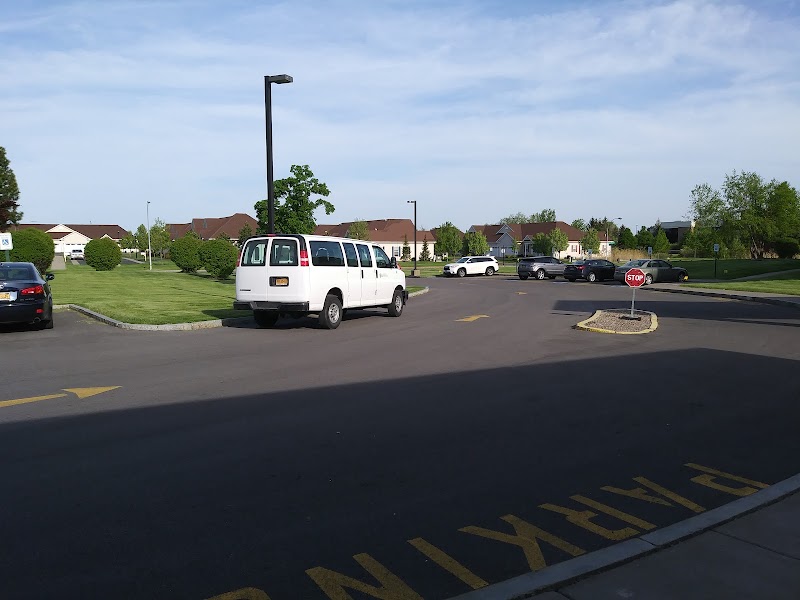
Who Owns and Operates The Highlands At Brighton?

The Highlands at Brighton is owned by a for-profit company. For-profit facilities operate as businesses with obligations to shareholders or private owners. The facility operates independently rather than as part of a larger chain. With 145 certified beds and approximately 139 residents (about 96% occupancy), it is a mid-sized facility located in Rochester, New York.

How Does The Highlands At Brighton Compare to Other New York Nursing Homes?

Compared to the 100 nursing homes in New York, The Highlands at Brighton's overall rating (3 stars) is below the state average of 3.1, staff turnover (48%) is near the state average of 46%, and health inspection rating (3 stars) is at the national benchmark.

What Should Families Ask When Visiting The Highlands At Brighton?

Based on this facility's data, families visiting should ask: "Can I visit during a mealtime to observe dining assistance and food quality?" "How do you handle medical emergencies, and what is your hospital transfer rate?" "Can I speak with family members of current residents about their experience?"

Is The Highlands At Brighton Safe?

Based on CMS inspection data, The Highlands at Brighton has a clean safety record: no substantiated abuse findings (meaning no confirmed cases of resident harm), no Immediate Jeopardy citations (the most serious violation level indicating risk of serious injury or death), and is not on the Special Focus Facility watch list (a federal program monitoring the lowest-performing 1% of nursing homes). The facility has a 3-star overall rating and ranks #100 of 100 nursing homes in New York. While no facility is perfect, families should still ask about staff-to-resident ratios and recent inspection results during their visit.

Do Nurses at The Highlands At Brighton Stick Around?

The Highlands at Brighton has a staff turnover rate of 48%, which is about average for New York nursing homes (state average: 46%). Moderate turnover is common in nursing homes, but families should still ask about staff tenure and how the facility maintains care continuity when employees leave.

Was The Highlands At Brighton Ever Fined?

The Highlands at Brighton has no federal fines on record. CMS issues fines when nursing homes fail to meet care standards or don't correct problems found during inspections. The absence of fines suggests the facility has either maintained compliance or corrected any issues before penalties were assessed. This is a positive indicator, though families should still review recent inspection reports for the full picture.

Is The Highlands At Brighton on Any Federal Watch List?

The Highlands at Brighton is not on any federal watch list. The most significant is the Special Focus Facility (SFF) program, which identifies the bottom 1% of nursing homes nationally based on persistent, serious quality problems. Not being on this list means the facility has avoided the pattern of deficiencies that triggers enhanced federal oversight. This is a positive indicator, though families should still review the facility's inspection history directly.