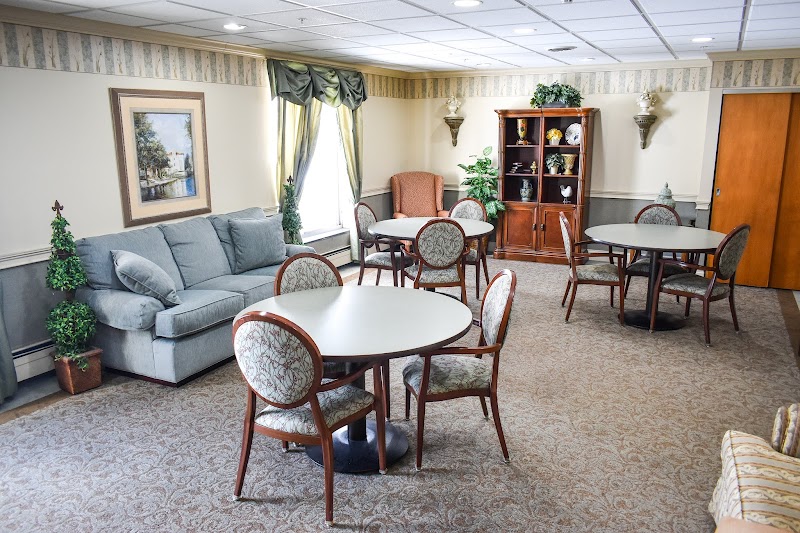
The Hurlbut

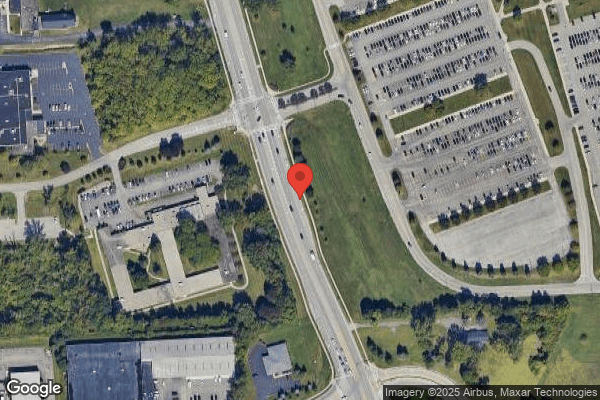
1177 East Henrietta Road, Rochester, NY 14623 (585) 424-4770
For profit - Individual 160 Beds HURLBUT CARE Data: November 2025
Trust Grade
65/100
#360 of 594 in NY
Last Inspection: February 2024

Within standard 12-15 month inspection cycle. Federal law requires annual inspections.

Overview

The Hurlbut nursing home has a Trust Grade of C+, indicating it is decent but only slightly above average compared to other facilities. It ranks #360 out of 594 in New York, placing it in the bottom half of state facilities, and #21 out of 31 in Monroe County, meaning there are only a few better local options. Unfortunately, the facility's trend is worsening, with issues increasing from 3 in 2022 to 5 in 2024. Staffing is a concern, with a below-average rating of 2 out of 5 stars and a staff turnover rate of 47%, which is around the state average. On the positive side, the facility has not incurred any fines, which is a good sign, but it does have less RN coverage than 99% of New York facilities, raising concerns about the level of nursing support available. Specific incidents noted by inspectors include failures to screen new hires for abuse history before they started working and a lack of carbon monoxide detector testing, which could pose safety risks. Overall, while there are some strengths, such as the absence of fines, there are significant weaknesses in staffing and compliance that families should consider.

Trust Score
C+
65/100
In New York
#360/594
Bottom 40%
Safety Record
Low Risk
No red flags
Inspections
Getting Worse
3 → 5 violations
Staff Stability
⚠ Watch
47% turnover. Above average. Higher turnover means staff may not know residents' routines.
Penalties
✓ Good
No fines on record. Clean compliance history, better than most New York facilities.
Skilled Nurses
⚠ Watch
Each resident gets only 14 minutes of Registered Nurse (RN) attention daily — below average for New York. Fewer RN minutes means fewer trained eyes watching for problems.
Violations
⚠ Watch
13 deficiencies on record. Higher than average. Multiple issues found across inspections.
★★★☆☆
3.0
Overall Rating
★★☆☆☆
2.0
Staff Levels
★★★★☆
4.0
Care Quality
★★★☆☆
3.0
Inspection Score
Stable
2022: 3 issues
2024: 5 issues

The Good

  • 4-Star Quality Measures · Strong clinical quality outcomes
  • Full Sprinkler Coverage · Fire safety systems throughout facility
  • No fines on record

Facility shows strength in quality measures, fire safety.

The Bad

3-Star Overall Rating

Near New York average (3.1)

Meets federal standards, typical of most facilities

Staff Turnover: 47%

Near New York avg (46%)

Higher turnover may affect care consistency

Chain: HURLBUT CARE

Part of a multi-facility chain

Ask about local staffing decisions and management

The Ugly 13 deficiencies on record

Feb 2024 5 deficiencies
CONCERN (D) 📢 Someone Reported This

A family member, employee, or ombudsman was alarmed enough to file a formal complaint

Potential for Harm - no one hurt, but risky conditions existed

Deficiency F0883 (Tag F0883)

Could have caused harm · This affected 1 resident

**NOTE- TERMS IN BRACKETS HAVE BEEN EDITED TO PROTECT CONFIDENTIALITY** Based on interviews and record review conducted during the Recertification Survey it was determined that for one (Residents #67)...

Read full inspector narrative →
**NOTE- TERMS IN BRACKETS HAVE BEEN EDITED TO PROTECT CONFIDENTIALITY** Based on interviews and record review conducted during the Recertification Survey it was determined that for one (Residents #67) of five residents reviewed for immunizations, the facility was unable to provide documentation that the resident who was eligible had been offered, declined, and/or educated on the pneumococcal immunization or had received it prior to admission. This is evidenced by the following. The facility policy, Resident Influenza and Pneumococcal Vaccine, dated November 2023, included that each resident (upon admission) will be offered the pneumococcal vaccine and the influenza vaccine. Before offering the vaccines each resident/resident representative will receive education and information regarding the benefits and potential side effects of the immunizations. Resident #67 was admitted to the facility over two years ago and had diagnoses that included malnutrition, chronic obstructive lung disease and chronic pain. The most recent Minimum Data Set Resident assessment dated [DATE] revealed Resident #67 was cognitively intact, and that the pneumococcal vaccine had not offered. Review of Resident #67's immunizations in the electronic health record did not include any documented evidence that the pneumococcal vaccine had been offered, administered, declined by the resident or education provided. During an interview on 2/15/24 at 2:15 PM, the Administrator stated that the facility had documentation of Resident #67's influenza and covid-19 immunizations, but not pneumococcal. During an interview on 2/16/24 at 1:06 PM the Quality Care Coordinator stated within 14 days of admission vaccination eligibility is reviewed and vaccination requests are sent to medical. The Infection Control Nurse maintains a tracking tool of all admitted Long Term Care residents and the tool provided dates of resident admission to facility, and dates of vaccinations (pneumococcal, influenza and covid-19). Review of the tracking tool for pneumococcal vaccination with the Quality Care Coordinator at this time revealed multiple blank/undocumented dates of vaccination status for current residents, including Resident #67. The Quality Care Coordinator stated that not having dates of all current residents' pneumococcal vaccinations is a problem. During an interview on 2/16/24 at 2:20 PM the Infection Control Nurse stated they are responsible for making sure that all residents are vaccinated. They stated that the previous Infection Control Nurse worked part time and that a lack of staffing may have created gaps in the vaccination process. 10 NYCRR 415.19 (a)(3)
CONCERN (E) 📢 Someone Reported This

A family member, employee, or ombudsman was alarmed enough to file a formal complaint

Potential for Harm - no one hurt, but risky conditions existed

Abuse Prevention Policies (Tag F0607)

Could have caused harm · This affected multiple residents

Based on record review and interview conducted during the Standard Recertification Survey, it was determined that for three (Employees #1, #2, and #5) of six recently hired employees the facility did ...

Read full inspector narrative →
Based on record review and interview conducted during the Standard Recertification Survey, it was determined that for three (Employees #1, #2, and #5) of six recently hired employees the facility did not implement written policies and procedures to prevent abuse, neglect, exploitation, and/or misappropriation of resident property related to screening of prospective employees. Specifically, a nurse aide registry abuse screening was not completed for recently hired employees prior to starting work. The findings are: A review of the undated facility policy titled: Abuse, Neglect and Mistreatment Prohibition, Investigation, and Reporting included that all staff that are being considered for hire must also be checked with the New York State Nurse Aide Registry (Prohibition/Prevention Procedures, Section 3). On 2/14/24 from 8:30 AM to 9:48 AM, recently hired employee files were provided to the surveyor for review and included the following: Employee #1 was hired on 8/21/23 as the Dietary Director and the nurse aide registry screen for prior abuse findings was not completed until 8/30/23. Employee #2 was hired on 12/1/23 as a Dietary employee and the nurse aide registry screen for prior abuse findings was not completed until 12/14/23. Employee #5 was hired on 11/27/23 as a Laundry employee and the nurse aide registry screen for prior abuse findings was not completed until 12/1/23. During an interview on 2/14/24 at 8:59 AM, the Director of Human Resources and Payroll stated that there was a note in the file for Employee #5 file showing that they were on vacation so the website (Prometric, website used to run the nurse aide registry screen for prior abuse findings) was checked after the date of hire for Employee #5. During an interview on 2/14/24 at 9:15 AM, the Director of Human Resources and Payroll stated that they did a special orientation for Employee #2, so the hiring process was backwards. The Director of Human Resources and Payroll further stated that this was why things for Employee #2 were not done in a timely manner. During an interview on 2/14/24 at 9:17 AM, the Director of Human Resources and Payroll stated that they think that Employee #1 was hired when they were on vacation. On 2/14/24 at 11:17 AM, the Director of Human Resources and Payroll provided the surveyor with employee timesheets via email. Review of the employee timesheets included the following: Employee #1 worked 7 shifts prior to a nurse aide registry screen for prior abuse findings being completed. Employee #2 worked 8 shifts prior to a nurse aide registry screen for prior abuse findings being completed. Employee #5 worked 4 shifts prior to a nurse aide registry screen for prior abuse findings being completed. 10NYCRR: 415.4(b)
CONCERN (E) 📢 Someone Reported This

A family member, employee, or ombudsman was alarmed enough to file a formal complaint

Potential for Harm - no one hurt, but risky conditions existed

Deficiency F0836 (Tag F0836)

Could have caused harm · This affected multiple residents

Based on observations, record review, and interview conducted during the Recertification Survey, it was determined that the facility did not ensure compliance with all applicable State codes. Specific...

Read full inspector narrative →
Based on observations, record review, and interview conducted during the Recertification Survey, it was determined that the facility did not ensure compliance with all applicable State codes. Specifically, the facility was not in compliance with Section 915 of the 2015 Edition of the International Fire Code as adopted by New York State, which requires the use of carbon monoxide detection in a building that has fuel-burning appliances. The findings are: On 2/13/24 from 8:35 AM to 11:50 AM the surveyor was provided with facility preventative maintenance, testing, and inspection records. A review of these records did not include testing documentation for carbon monoxide detectors located throughout the facility. During an interview on 2/13/24 at 10:21 AM, the Director of Environmental Services stated that there is a sticker on the carbon monoxide detector to show the date tested. The Director of Environmental Services further stated that they would ask the Maintenance Worker if they keep a log of testing. During an interview on 2/13/24 at 10:30 AM, the Maintenance Worker stated that they test carbon monoxide detectors every month, and they change the sticker on the detector to show the date tested. The Maintenance Worker further stated that they peel the old test sticker off the detector and throw it away. When asked if they kept a log of the old tests, the Maintenance Worker said no. On 2/13/24 at 2:27 PM four natural gas-powered dryers were observed to be located in the basement laundry room. Further observations included a Kidde-brand single-station carbon monoxide detector located on the wall with an affixed sticker showing that it was inspected 2/12/24. Review of the manufacturer's printed instructions on the back of the detector included: test weekly. No documentation was provided to show that this carbon monoxide detector was tested weekly or monthly from 5/13/22 (time of last survey exit) through 1/31/24. On 2/13/24 at 2:32 PM a natural gas-powered cooking range was observed to be located in the first-floor main kitchen. Further observations included a Kidde-brand single-station carbon monoxide detector located on the wall with an affixed sticker showing it was inspected 2/12/24. Review of the manufacturer's printed instructions on the back of the detector included: test weekly. No documentation was provided to show that this carbon monoxide detector was tested weekly or monthly from 5/13/22 (time of last survey exit) through 1/31/24. The 2015 Edition of the International Fire Code requires that carbon monoxide alarms shall be maintained in accordance with NFPA 720. The 2012 Edition of NFPA 720, Standard for the Installation of Carbon Monoxide Detection and Warning Equipment, requires that single-station carbon monoxide alarms shall be inspected and tested in accordance with the manufacturer's published instructions at least monthly. 10NYCRR: 415.29(a)(2), 711.2(a)(1), 42 CFR: 483.70(b), 2015 IFC: Section 915, 915.6 2012 NFPA 720: 8.7.1
CONCERN (E) 📢 Someone Reported This

A family member, employee, or ombudsman was alarmed enough to file a formal complaint

Potential for Harm - no one hurt, but risky conditions existed

Deficiency F0868 (Tag F0868)

Could have caused harm · This affected multiple residents

Based on interviews and record review conducted during the Recertification Survey, the facility did not maintain a Quality Assessment and Assurance Committee consisting at a minimum of the Director of...

Read full inspector narrative →
Based on interviews and record review conducted during the Recertification Survey, the facility did not maintain a Quality Assessment and Assurance Committee consisting at a minimum of the Director of Nursing services, the Medical Director or his/her designee, at least three other members of the facility's staff, one of who much be an individual in a leadership role, and the Infection Preventionist. Specifically, the facility could not provide evidence that the Infection Preventionist attended the Quality Assurance Improvement Performance meetings on a regular basis. This is evidenced by the following: Review of the facility's Quality Assurance and Performance Improvement meetings last three Sign-In Sheets dated 8/8/23, 10/17/23 and 1/23/24 did not include the presence of the Infection Preventionist. During an interview on 2/16/24 at 2:19 PM, The Administrator stated the Quality Assurance and Performance Improvement Committee meetings are held quarterly and members in attendance included departmental leadership, the Medical Director, the Director of Nursing, and the Administrator. The Administrator reviewed the Quality Assurance and Performance Improvement Sign-In Sheets for meetings dated 8/8/23, 10/17/23 and 1/23/24, and stated the Infection Preventionist was not listed on the sign-in sheets. The Administrator stated that they were aware that the Infection Preventionist was required to attend the Quality Assurance and Performance Improvement Committee meetings (per the regulations) and did not know why they were not in attendance for the last three meetings. During an interview on 2/15/24 at 1:06 PM, the Infection Preventionist stated that they had been a Corporate Infection Prevention Nurse since November 2023. The Infection Preventionist stated they had been covering as the Infection Preventionist at the facility for the past month, since the facility position was vacant and did not know why there was no IP at the meetings. During an interview on 2/16/24 at 2:42 PM, the Director of Nursing stated that an interim Invention Preventionist was hired in July 2023, followed by a part-time Infection Preventionist from September 2023 to December 2023. 10 NYCRR 415.19
MINOR (B) 📢 Someone Reported This

A family member, employee, or ombudsman was alarmed enough to file a formal complaint

Minor Issue - procedural, no safety impact

Staffing Information (Tag F0732)

Minor procedural issue · This affected multiple residents

Based on observations, interviews, and record reviews conducted during a Recertification Survey it was determined that the facility did not consistently post the daily nurse staffing information to in...

Read full inspector narrative →
Based on observations, interviews, and record reviews conducted during a Recertification Survey it was determined that the facility did not consistently post the daily nurse staffing information to include the daily resident census, the total number and actual hours worked by the licensed and certified nurses and must post the data on a daily basis at the beginning of each shift and be readily accessible to residents and visitors. Specifically, the nursing staff information was not updated to reflect any staffing changes throughout the day per the regulations. This is evidenced by the following: In an observation on 2/12/24 at 12:59 PM, the printed daily nurse staffing posting dated 2/12/24 listed the resident census as 100. There was no documentation to reflect updated staffing changes if applicable. In an observation on 2/14/24 at 1:00 PM, the printed daily nurse staffing posting dated 2/14/24 listed the Resident Census as 100. There was no documentation to reflect updated staffing changes if applicable. Review of the printed daily nurse staffing postings dated 11/1/23 through 2/14/24 revealed the Resident Census was listed as 100 for every day. Additionally, there was no evidence that any changes had been made to reflect updated staffing changes throughout each day. Review of Resident Census reports for several days from 11/1/23 to 2/14/24 revealed the actual resident census was not 100 (as listed on the daily nursing staffing postings). During an interview on 2/16/24 at 11:07 AM, the Certified Nursing Aide/Scheduler said they had been in the position since July 2023 and were responsible for the nursing staff's schedules and the daily nursing staffing postings. The Certified Nursing Aide/Scheduler said the daily nursing staff postings included the number of nursing staff (Registered Nurses, Licensed Practical Nurses, and Certified Nursing Aides) in the facility, their number of hours worked and the resident census and that they printed it daily and posted it each morning. The Certified Nursing Aide/Scheduler said they were not aware they should make changes to the daily nursing staffing postings when there were call-ins (staff calling to report unable to report to work). Additionally, the Certified Nursing Aide/Scheduler stated they were not aware until a few days prior that they had to change the resident census on the daily nursing staffing postings. During an interview on 2/16/24 at 12:29 PM, the Director of Nursing stated the Certified Nursing Aide/Scheduler's role included doing the nursing schedules and printing out the daily nursing staffing postings. The Director of Nursing stated they were not aware that changes (to include the actual nursing staffing numbers and hours per shift and actual current resident census) were not being made to the daily nursing staffing postings as required. 10 NYCRR 415.13
May 2022 3 deficiencies
CONCERN (D)

Potential for Harm - no one hurt, but risky conditions existed

Infection Control (Tag F0880)

Could have caused harm · This affected 1 resident

**NOTE- TERMS IN BRACKETS HAVE BEEN EDITED TO PROTECT CONFIDENTIALITY** Based on observation, interviews and record review conducted during the Recertification Survey conducted 5/9/22 to 5/13/22, the ...

Read full inspector narrative →
**NOTE- TERMS IN BRACKETS HAVE BEEN EDITED TO PROTECT CONFIDENTIALITY** Based on observation, interviews and record review conducted during the Recertification Survey conducted 5/9/22 to 5/13/22, the facility did not establish and maintain an infection prevention and control program designed to provide a safe, sanitary, and comfortable environment and to help prevent the development and transmission of communicable disease and infections. Specifically, three Certified Nursing Assistants (CNAs) did not apply the appropriate personal protective equipment (PPE) prior to entering and exiting resident's rooms that were on transmission-based precautions (TBP or quarantine) due to COVID-19 infections and/or exposures. This was evidenced by the following: The facility policy, R2 HCC Quarantine and Isolation Precautions COVID-19 Guidelines dated August 2021, under subtitles quarantine and isolation, documented that all staff are to comply with the recommendations of the CDC, and the Department of Health when using PPE. 1.In an observation on 5/9/22 at 10:09 a.m., CNA #1 (listed by facility as a temporary CNA) entered Resident room [ROOM NUMBER] (signage on door indicated the room was on TBP) wearing full (gown, gloves, mask and face shield) PPE and later exited the room still wearing the same PPE and then entered Resident room [ROOM NUMBER] to assist another resident. When interviewed CNA #1 stated the Registered Nurse/ Infection Preventionist (RN/IP) instructed them to wear PPE, but they did not know when to change their PPE and that they had not received any education about when to change PPE. 2.In an observation on 05/09/22 at 10:22 a.m., CNA #2 exited Resident room [ROOM NUMBER] (on TBP per signage) into the hall wearing gloves and a surgical mask (no other PPE), obtained a mechanical lift from the hallway and re-entered room [ROOM NUMBER]. In a 2nd observation at 12:53 p.m., CNA #2 exited room [ROOM NUMBER] again wearing gloves and a surgical mask (no other PPE), obtained a wheelchair from hallway and reentered room [ROOM NUMBER]. When interviewed at this time CNA #2 stated that that they did not know why there was a sign outside of room [ROOM NUMBER] indicating the use of PPE but when they asked the unit secretary, they were told it was for COVID-19 exposure. CNA #2 stated the expectation when residents have been exposed or are positive for COVID-19 is for staff to wear full PPE prior to entering the room. CNA #2 stated that when leaving a room on TBP, they are supposed to remove their PPE before exiting. CNA #2 said they thought the sign outside of room [ROOM NUMBER] was a mistake and that was the reason they had not put a gown on. CNA #2 stated that gloves should be changed after use and then hand hygiene performed before coming out of the room. 3.In an observation on 5/11/22 at 10:22 a.m., CNA #3 (listed on the facility list as having one dose of a multiple dose series on 11/18/21 and no 2nd dose of the COVID-19 vaccination), entered Resident room [ROOM NUMBER] wearing a N95 (respirator) mask and face shield but no gown or gloves. Signage on the door included a red stop sign that indicated room [ROOM NUMBER] was on TBP and all who enter must wear a N95 mask, face shield or eye protection, gown, and gloves. At 10:38 a.m., CNA#3 came to the door of room [ROOM NUMBER] still wearing only a N95 mask and face shield but no gown or gloves and requested a gown from a staff member in the hallway. At 10:43 a.m., CNA #3 was observed exiting room [ROOM NUMBER] wearing a gown, gloves, N95 mask and face shield while transporting soiled laundry to the dirty utility room where they removed their PPE and washed their hands. When interviewed at 10:51 a.m., CNA #3 stated they were aware they were supposed to be wearing a gown to enter a quarantined (on TBP) room but there were no gowns outside of room [ROOM NUMBER] and did not have time to walk down the hallway to get one. CNA #3 stated that there were no trash bins in room [ROOM NUMBER] to discard their used PPE. CNA #3 stated that they did provide care to both residents in room [ROOM NUMBER] and that they would have discarded the used PPE in the room before exiting if there had been a bin in the room. In an interview on 05/11/22 at 10:41 a.m., Licensed Practical Nurse (LPN) #1 stated that CNA#3 should not have entered the room without a gown since the room was on TBP and there is signage up on the door that is very specific (regarding what PPE to wear). LPN #1 stated staff should apply full PPE when entering a room on TBP to give care and should remove all PPE and perform hand hygiene when leaving. In an interview on 5/9/22 at 1:20 p.m., RN/IP stated that when a resident's room has a stop sign, the staff need to enter the resident's room wearing full PPE that consists of a N95 mask, gown, gloves, and face shield. Upon exiting the resident's room, the expectation is that the staff will remove the used gown and gloves and then wash their hands. 10 NYCRR 415.19
CONCERN (D)

Potential for Harm - no one hurt, but risky conditions existed

Deficiency F0888 (Tag F0888)

Could have caused harm · This affected 1 resident

**NOTE- TERMS IN BRACKETS HAVE BEEN EDITED TO PROTECT CONFIDENTIALITY** Based on observation, interviews and record review conducted during a Recertification Survey completed 5/9/22 to 5/13/22 the fac...

Read full inspector narrative →
**NOTE- TERMS IN BRACKETS HAVE BEEN EDITED TO PROTECT CONFIDENTIALITY** Based on observation, interviews and record review conducted during a Recertification Survey completed 5/9/22 to 5/13/22 the facility did not ensure that all staff, except for those staff who have been granted exemptions to the vaccination requirements or staff for whom COVID-19 vaccination must be temporarily delayed, as recommended by the Centers for Disease Control and Prevention (CDC) have received, at a minimum, one dose of a single-dose vaccine or all doses of a multiple vaccine series prior to providing care/treatment/services for the facility and/or its residents. This resulted in a 94.1% COVID-19 staff vaccination rate. In addition, the facility had 13 residents who were currently positive for COVID-19 and had observations of noncompliant infection control practices by staff. This was evidenced by the following: The Centers for Medicare & Medicaid Services (CMS) Quality Safety & Oversight (QSO) memorandum 22-07-ALL, Long-Term Care and Skilled Nursing Facility Attachment A, posted 12/28/21 and revised on 4/5/22, required that within 90 days of the issuance of the memorandum all staff are fully vaccinated for COVID-19, except for those staff who have pending requests for, or who have been granted, exemptions to the vaccination requirements, or those staff for whom COVID-19 vaccination must be temporarily delayed, as recommended by the CDC, due to clinical precautions. The facility policy N6 HCC Employee COVID-19 Vaccination & Exemption of Vaccination dated March 2022, documented that based on the regulations issued by New York State Department of Health and CMS, it is the policy of this facility that employees, contract staff, volunteers and any individuals providing care, treatment or other on-site services will be vaccinated against COVID- 19 or will have an approved exemption. This group of individuals does not include those groups deemed exempt by New York State. Vaccinations may be obtained at the facility, through a facility related vendor or off site and must be one of the approved vaccination sites. The facility will maintain records and track the vaccination status of employees, volunteers, and contract staff, including facility efforts to ensure compliance. Review of the facility list titled Residents with Confirmed Cases of COVID-19 provided by the facility on 5/9/22 included 13 current positive COVID-19 residents residing at the facility. Review of COVID-19 Staff Vaccination Matrix provided by the facility on 5/9/22 revealed the facility had 153 current staff members of which 129 were fully vaccinated, 12 were granted medical exemptions, 3 were temporary delay per CDC/new hire regulation, 7 were partially vaccinated with one dose of a multiple dose vaccination series and beyond their due date for the 2nd dose, 1 staff member had no records of any vaccination dose and 1 staff member was listed as having no vaccination doses and listed as terminated (no termination date listed). These staff members included nursing staff, dietary staff, and laundry staff. The staff vaccination rate was calculated as 94.1%. Observations included but not limited to the following: In an observation on 5/9/22 at 10:09 a.m., Certified Nursing Assistant (CNA) #1 (listed by facility as a temporary CNA) entered Resident room [ROOM NUMBER] (signage on door indicated the room was on TBP) wearing full (gown, gloves, mask, and face shield) Personal Protective Equipment (PPE) and later exited the room still wearing the same PPE and then entered Resident room [ROOM NUMBER] to assist another resident. When interviewed CNA #1 stated the Registered Nurse/ Infection Preventionist (RN/IP) instructed them to wear PPE, but they did not know when to change their PPE and that they had not received any education about when to change PPE. In an observation on 5/11/22 at 10:22 a.m., CNA #3 (listed as having one dose of a multiple dose series on 11/18/21 and no 2nd dose of the COVID-19 vaccination), entered Resident room [ROOM NUMBER] wearing a N95 (respirator) mask and face shield but no gown or gloves. Signage on the door included a red stop sign that indicated room [ROOM NUMBER] was on TBP and all who enter must wear a N95 mask, face shield or eye protection, gown, and gloves. At 10:38 a.m., CNA#3 came to the door of room [ROOM NUMBER] still wearing only a N95 mask and face shield but no gown or gloves and requested a gown from a staff member in the hallway. At 10:43 a.m., CNA #3 was observed exiting room [ROOM NUMBER] wearing a gown, gloves, N95 mask and face shield while transporting soiled laundry to the dirty utility room where they removed their PPE and washed their hands. When interviewed at 10:51 a.m., CNA #3 stated they were aware they were supposed to be wearing a gown to enter a room on TBP but there were no gowns outside of room [ROOM NUMBER] and they did not have time to walk down the hallway to get one. CNA #3 stated that there were no trash bins in room [ROOM NUMBER] to discard their used PPE. CNA #3 stated that they did provide care to both residents in room [ROOM NUMBER] and that they would have discarded the used PPE in the room before exiting if there had been a bin in the room. In an interview on 05/11/22 at 10:41 a.m., Licensed Practical Nurse #1 stated that CNA#3 should not have entered the room without a gown since the room was on TBP and there is signage up on the door that is very specific (regarding what PPE to wear). LPN #1 stated staff should apply full PPE when entering a room on TBP to give care and should remove all PPE and perform hand hygiene when leaving. In an interview 5/9/22 at 1:20 p.m. and on 5/10/22 at 1:35 p.m., the RN/IP stated that when a resident's room has a red stop sign staff need to wear full PPE, remove PPE and wash hands in the room prior to exiting. With regards to tracking staff COVID-19 vaccinations, the RN/IP stated that they track the doses by leaving a message for the staff member and keep track of the calls in a binder. The RN/IP stated the binder was up to date. The RN/IP stated that they track the staff regarding the 2nd doses of the vaccination and it is up to the Administrator to give the ultamatim. The RN/IP stated that the DON assists in tracking the 2nd dose and calls are documented on the list and kept in a folder with results and/or the need for more follow up. In an interview on 5/13/22 at 10:06 a.m., when asked about the staff vaccination rate, the Administrator declined to comment. 10 NYCRR415.19(a)(1-3)
CONCERN (E)

Potential for Harm - no one hurt, but risky conditions existed

Food Safety (Tag F0812)

Could have caused harm · This affected multiple residents

Based on observations and interviews, and conducted during the Recertification Survey completed on 5/13/22, it was determined that for one of one main kitchen, the facility did not store, distribute, ...

Read full inspector narrative →
Based on observations and interviews, and conducted during the Recertification Survey completed on 5/13/22, it was determined that for one of one main kitchen, the facility did not store, distribute, and serve food in accordance with professional standards for food service safety. Specifically, a storage unit containing potentially hazardous foods was not maintained in good repair, a refrigeration unit had a damaged seal, a handwash sink was not accessible, and a ceiling fan and tiles were dirty. This is evidenced by the following: 1. During the initial brief tour of the main kitchen on 5/9/22 from 8:45 a.m. to approximately 9:15 a.m., observations and interviews included the following: a. A 'curtain cooler' (portable one door refrigeration unit) used for production beverages was inoperable with regard to refrigeration, and the door did not latch closed. Trays with milk and other beverages were observed within this cooler and the temperature of chocolate milk in a cup was 59 degrees Fahrenheit (°F). During an interview at this time, the Food Service Director (FSD) stated that the milk was probably poured one half hour ago. Additionally, the FSD stated that the curtain cooler has been broken for about four years and is just used for tray line, and any leftover beverages are then moved to another operating cooler. b. The bottom plastic seal on a two-door 'Victory' cooler (refrigeration unit) was partially separating from the right door. 2. During a follow-up visit to the main kitchen on 5/11/22 from 10:50 a.m. to approximately 12:25 p.m., observations and interviews included the following: a. The designated handwash sink was blocked by a rolling tray of mugs stacked 5 trays high stored directly in front of the sink. b. In the curtain cooler near the handwash sink there were 5 trays containing beverages with ice sprinkled over the containers. The temperature of the milk was 59°F. The temperature of the milk in the nearby functional 'Victory' cooler (from which the milk had been moved from) was 43°F. During an interview at this time, the FSD stated that they had asked corporate multiple times to replace the curtain cooler and was told they could not afford it. When interviewed at this time the dietary aide stated that the drinks (including the milk) were in the Victory cooler and moved to the curtain cooler about 15 minutes prior. When interviewed at this time the [NAME] Supervisor stated the same process and added that sprinkled ice will not maintain cold temperatures. c. A square exhaust ventilation fan in the center of the ceiling in the kitchen had a build-up of dust and debris, including the nearby ceiling tiles and above the hand wash sink. 10NYCRR: 415.14(h) 10NYCRR: Subpart: 14-1.44, 14-1.95, 14-1.110(d), 14-1.171(a)(d), U.S. Food and Drug Administration's (FDA) Food Code Centers for Disease Control and Prevention's (CDC) food safety guidance
Dec 2019 5 deficiencies
CONCERN (D)

Potential for Harm - no one hurt, but risky conditions existed

Deficiency F0578 (Tag F0578)

Could have caused harm · This affected 1 resident

**NOTE- TERMS IN BRACKETS HAVE BEEN EDITED TO PROTECT CONFIDENTIALITY** Based on observations, interviews, and record reviews conducted during the Recertification Survey, it was determined that for tw...

Read full inspector narrative →
**NOTE- TERMS IN BRACKETS HAVE BEEN EDITED TO PROTECT CONFIDENTIALITY** Based on observations, interviews, and record reviews conducted during the Recertification Survey, it was determined that for two of three residents reviewed for advanced directives, the facility did not ensure that there was an organized, effective system in place to ensure that residents' wishes regarding Cardiopulmonary Resuscitation (CPR) and Do Not Resuscitate (DNR) are initiated and implemented according to their wishes. Specifically, Resident #30 and #383's wristbands did not match the Medical Orders for Life Sustaining Treatment (MOLST) or physician orders for code status. This is evidenced by the following: The facility policy, Do Not Resuscitate, dated [DATE], revealed that the resident's code status will be identified by a white band on their wrist or ankle if they are a full code, and a blue band for DNR status. A medical order denoting the resident's coded status will be maintained on the monthly physician orders and on the Comprehensive Care Plan. 1. Resident #30 was admitted to the facility on [DATE] and had diagnoses including anxiety, diabetes mellitus, and aortic stenosis. The Minimum Data Set Assessment, dated [DATE], revealed that the resident was cognitively intact. Review of the resident's MOLST, dated [DATE] and signed by the resident, revealed that the resident's wishes were to attempt CPR. Physician orders, dated [DATE], revealed that the resident was a full code status. When observed on [DATE] at 10:30 a.m., the resident was wearing a blue wristband which means DNR. 2. Resident #383 was admitted to the facility on [DATE] with diagnoses including dementia, failure to thrive, and depression. The physician orders and MOLST, both dated [DATE], revealed that the resident was a DNR. When observed on [DATE] at 12:01 p.m., the resident was wearing a white wristband which means full code. Interviews conducted on [DATE] included the following: a. At 11:13 a.m., the Social Worker said that a blue wristband means the resident is a DNR. She said the secretary applies the wristband. b. At 1:18 p.m., the Unit Secretary said that a blue wristband means the resident is a DNR and a white wristband means the resident is a full code. She said that she or the nurse apply the resident's wristband upon admission. She said if if the MOLST changes, the Unit Secretary would be notified by medical and a new band would be placed on the resident. c. At 2:03 p.m., the LPN stated that Resident #383's MOLST was changed on [DATE]. She said the resident's wristband was not changed to blue. d. At 2:34 p.m., the Social Worker said that Resident #30's wristband was incorrect. [10 NYCRR 415.3(e)(1)(ii)]
CONCERN (D)

Potential for Harm - no one hurt, but risky conditions existed

Transfer Requirements (Tag F0622)

Could have caused harm · This affected 1 resident

**NOTE- TERMS IN BRACKETS HAVE BEEN EDITED TO PROTECT CONFIDENTIALITY** Based on interviews and record reviews conducted during the Recertification Survey, it was determined that for one (Resident #13...

Read full inspector narrative →
**NOTE- TERMS IN BRACKETS HAVE BEEN EDITED TO PROTECT CONFIDENTIALITY** Based on interviews and record reviews conducted during the Recertification Survey, it was determined that for one (Resident #133) of one resident reviewed for hospitalization, the facility did not ensure that the justification for a resident's transfer was documented in the resident's medical record. Specifically, there was lack of a documented summary for the resident's transfer to the hospital. This is evidenced by the following: Resident #133 was admitted to the facility on [DATE] with diagnoses including Alzheimer's dementia, hypertension, and adult failure to thrive. Review of the medical record revealed that on 10/17/19 the Social Worker documented that the resident was admitted to the facility that afternoon. Physical Therapy documented that the resident was evaluated. The Nurse Practitioner saw the resident at 3:29 p.m. and the resident was calm but restless. There was no agitation, and the resident ambulated independently without an assistive device. There was no other documentation in the medical record regarding the resident's condition, behaviors, or status. An admission Nursing Evaluation form, dated 10/17/19 at 3:28 p.m., revealed that a skin assessment was completed by a Registered Nurse. There was a 10/18/19 invalidation date on the form that included an invalidation note, The admission was refused, the resident was returned to the hospital due to elopement attempts, and the facility was not wanderguarded. When interviewed on 12/4/19 at 2:01 p.m., the Director of Nursing (DON) stated the resident's information was reviewed by the admission staff, and the resident was accepted to the facility. The DON stated the resident ambulated independently, and when the resident's friend left the facility, the resident began trying to exit the facility. The DON said she was called and was told that the facility could not provide a safe environment. The DON stated it was an Administrative decision to send the resident back to the hospital, and the admission was refused. The DON stated the supervisor should have documented the resident's behaviors and attempts to leave the facility. During an interview on 12/5/19 at 1:43 p.m., the Director of Social Work (DSW) stated the resident had been accepted to the facility, but the DON and Administrator stated they were going to refuse the admission. The DSW stated technically the resident was not admitted . She said there was no discharge summary or documentation for the reason for transfer. [10 NYCRR 415.3(h)(1)(ii)(a)(b)]
CONCERN (D)

Potential for Harm - no one hurt, but risky conditions existed

Comprehensive Care Plan (Tag F0656)

Could have caused harm · This affected 1 resident

Based on observations, interviews, and record reviews conducted during the Recertification Survey, it was determined that for one (Resident #62) of five residents reviewed for accidents, the facility ...

Read full inspector narrative →
Based on observations, interviews, and record reviews conducted during the Recertification Survey, it was determined that for one (Resident #62) of five residents reviewed for accidents, the facility did not implement the person-centered care plan to address the resident's medical, physical, mental, or psychosocial needs. The issue involved the lack of implementing therapy recommendations for safe transfers following a recent fall from a mechanical lift (Hoyer) sling. This is evidenced by the following: Resident #62 has diagnoses including a stroke with hemiplegia (paralysis on one side of the body), dementia, and chronic obstructive lung disease. The Minimum Data Set Assessment, dated 10/8/19, included that the resident was cognitively intact and required extensive assist of two staff for transfers. Review of the current Certified Nursing Assistant (CNA) Profile required the assistance of two staff members to transfer via a Hoyer lift. Specific instructions included to position the resident's left arm by the left side during the transfer, not across the body, move the Hoyer lift only when the second person has hands on, and do not recline the wheelchair prior to lifting. Review of the Incident/Accident Report, dated 12/1/19, revealed the resident had fallen out of the Hoyer sling during a transfer and sustained a head laceration requiring a transfer to the hospital. The investigation summary included recommendations from therapy to ensure the resident's left arm was straight along his side, not across the body, move the Hoyer lift when the second person has hands on, and do not recline the wheelchair prior to lifting. In an observation on 12/4/19 at 9:46 a.m., the resident was transferred from bed to a wheelchair via a Hoyer lift by CNA #1 and CNA #2. The resident's arms were positioned across the body and both staff members were handling the Hoyer and did not have hands on the resident while they were transferred. The resident remained still and did not move during the entire transfer. When interviewed at that time, CNA #1 stated the resident was always compliant during transfers and does not move at all. In an interview on 12/5/19 at 8:08 a.m., the Occupational Therapist stated that after the incident where the resident fell out of the sling, they did an investigation and determined that the resident may have moved during the transfer. She said due to the resident's paralyzed left side, their weight shifted, and they fell out. She said the team felt the resident needed to keep their left arm to the side as opposed to across the body to prevent a further incident and that the recommendations were on the report and on the care plan. She said it was her expectation that staff follow the recommendations. In an interview on 12/5/19 at 12:08 p.m., CNA #1 stated that she was not aware of the therapy recommendations that included keeping the resident's arm at the left side of the body, not across their body, and keeping hands on the resident during the transfer. CNA #1 said that she does care for the resident a lot and was just helping out that day. She said CNA #2, who was assigned to the resident, was a float. CNA #1 said that she needs to review the computer every time she assists with a resident. CNA #1 said that she was not aware of the recent changes. [10 NYCRR 415.11(c)(3)(ii)]
CONCERN (D)

Potential for Harm - no one hurt, but risky conditions existed

Deficiency F0657 (Tag F0657)

Could have caused harm · This affected 1 resident

Based on interviews and record reviews conducted during the Recertification Survey, it was determined that for one (Resident #47) of three residents reviewed for care planning, the facility did not en...

Read full inspector narrative →
Based on interviews and record reviews conducted during the Recertification Survey, it was determined that for one (Resident #47) of three residents reviewed for care planning, the facility did not ensure that the resident was given the right, to the extent practicable, to participate or have a representative participate in the development of the resident's plan of care. This is evidenced by the following: Resident #47 was admitted to the facility for long term care on 11/13/19 with diagnosis including heart failure, kidney disease, and osteoarthritis with muscle weakness and difficulty walking. The Minimum Data Set Assessment, dated 11/20/19, revealed the resident was cognitively intact and required assistance of staff for all activities of daily living. When interviewed on 12/4/19 at 1:02 p.m., the resident stated that they had a lot of questions about the possibility of going back home versus staying long term and about their pain medication that was changed. The resident said they had felt they were not being treated in a dignified manner since admission, especially after a recent fall. The resident stated they had not gone to any meetings with the facility staff to discuss the above concerns, nor were they ever invited to one. Review of a progress note, dated 12/2/19 by the Social Worker (SW), revealed that the initial resident care plan conference was held with staff members, and that the resident and their representative were invited to the meeting but declined to come. In an interview on 12/4/19 at 2:24 p.m., the resident's SW stated that the initial care plan meeting invite was done on the day of admission. She said the family was given a letter that was included in the admission paperwork as per their usual process. The SW stated that the family never got back to her about attending the scheduled meeting and it was held without them. She stated that she did not invite the resident because the resident was not in their room the morning of the meeting. She said she thought the resident may have been in therapy. At that time, the Director of Social Work stated that the resident should be invited to the meeting. When interviewed on 12/5/19 at 11:49 a.m., the resident's family representative stated that they thought they got a letter about a meeting during the admission process but they were so overwhelmed with all the paperwork they forgot about it. The representative stated they would like to attend a meeting but would have trouble taking the day off from work. The representative stated that they were not given any reminders of the meeting or offered a time change to accommodate their work schedule. The representative stated that they received a phone call from the facility the previous afternoon (after surveyor intervention) to schedule a meeting. [10 NYCRR 415.11(c)(2)(ii)]
CONCERN (D)

Potential for Harm - no one hurt, but risky conditions existed

ADL Care (Tag F0677)

Could have caused harm · This affected 1 resident

**NOTE- TERMS IN BRACKETS HAVE BEEN EDITED TO PROTECT CONFIDENTIALITY** Based on observations, interviews, and record reviews conducted during the Recertification Survey, it was determined that for th...

Read full inspector narrative →
**NOTE- TERMS IN BRACKETS HAVE BEEN EDITED TO PROTECT CONFIDENTIALITY** Based on observations, interviews, and record reviews conducted during the Recertification Survey, it was determined that for three of seven residents reviewed for activities of daily living, the facility did not provide the necessary care and services to maintain personal hygiene. Specifically, Residents #38 and #62 were not provided nail care, and Resident #35 was not provided with timely incontinence care. This is evidenced by the following: 1. Resident #38 was admitted to the facility on [DATE] and had diagnoses including spinal stenosis, glaucoma, and cervicalgia (a type of injury that occurs in the neck, causing pain). The Minimum Data Set (MDS) Assessment, dated 9/17/19, revealed the resident was cognitively intact and required extensive assistance for personal hygiene. The Comprehensive Care Plan and Certified Nursing Assistant (CNA) Care Card, both dated 3/14/19, revealed that the resident required the assistance of one staff member with bathing. During observations on 12/2/19 at 11:38 a.m., 12/4/19 at 9:18 a.m., and 12/5/19 at 8:09 a.m., all ten of the resident's fingernails were long and dirty. The resident said that they cannot cut their own fingernails and that their fingernails needed a trim. The resident said they have been trying to get someone to cut and clean their fingernails every day for quite a while. The resident said they had a shower on Tuesday evening, but no one looked at their nails. When interviewed on 12/5/19 at 12:54 p.m., Licensed Practical Nurse (LPN) Manager #1 said that the resident's fingernails should be checked daily with care, and staff are expected to clean and trim the resident's nails on shower days. She reviewed the shower schedule, and then stated that the resident was scheduled for a shower on Tuesday evenings (12/3/19). She observed the resident's nails with the surveyor and then stated the resident's nails should have been cut and cleaned. She said that she would have it done that day. In an interview on 12/5/19 at 1:08 p.m., assigned CNA #1 said the night shift gets the resident up, and she did not notice the resident's nails 2. Resident #35 has diagnoses including vascular dementia, adult failure to thrive, and a stroke with left sided paralysis. The MDS Assessment, dated 9/14/19, revealed that the resident's cognitive skills for decision making was moderately impaired, the resident required the extensive assistance of one staff member for toileting, and the extensive assistance of two staff members for personal hygiene. The current Comprehensive Care Plan revealed that the resident was incontinent of bowel and urine, used incontinence products (briefs), and required the assistance of two staff members for incontinence care. There was no direction as to how often to check or change the resident. When observed on 12/3/19 at 11:09 a.m., the resident was in bed and the incontinent brief and the bed pad were both soaked with urine. There was a strong urine odor in the room. The top sheet was wet and also had dried urine stains. Interviews conducted on 12/3/19 included the following: a. At 11:38 a.m., CNA #2 and the surveyor observed the resident. CNA #2 said that the resident's room smelled like urine, and the resident's top sheet and bed pad had wet spots of urine as well as dried urine stains. CNA #2 said that she did not know when the resident was last changed. b. At 11:40 a.m., LPN #1 and the surveyor observed the resident. LPN#1 said it smelled like urine and there were urine stains on the top sheet. She said the resident should be checked or changed every one to two hours. She said she did not know when the resident was last changed but thought maybe an hour ago. When interviewed on 12/4/19 at 11:22 a.m., LPN Nurse Manager #2 said that the last time incontinent care was provided for the resident was on the night shift. She said there was some shifting of staff to other units to help with various tasks and she had asked a staff member to provide care and thought it had been done. 3. Resident #62 has diagnoses including a stroke with hemiplegia (paralysis on one side of the body), dementia, and chronic obstructive lung disease. The MDS Assessment, dated 10/8/19, included that the resident was cognitively intact, required extensive assist of staff for personal hygiene and toileting, and was totally dependent on staff for bathing. The current Comprehensive Care Plan and current CNA Profile revealed that the resident required extensive assistance of two members for bathing and the assistance of one staff member for grooming. Observations conducted on 12/3/19 at 4:10 p.m., 12/4/19 at 9:46 a.m., and 12/5/19 at 1:45 p.m., all the resident's fingernails were filled with brown debris. In an interview on 12/5/19 at 1:45 p.m., the Registered Nurse Manager observed the resident's nails with the surveyor and stated that they had not been cleaned. She said the resident's fingernails needed to be cut and cleaned and that the CNAs need to let staff know when they need to be cleaned. When the resident was asked if their nails had been cut and cleaned recently or when last showered, the resident clearly stated no. [10 NYCRR 415.12(a)(3)]
Understanding Severity Codes (click to expand)
Life-Threatening (Immediate Jeopardy)
J - Isolated K - Pattern L - Widespread
Actual Harm
G - Isolated H - Pattern I - Widespread
Potential for Harm
D - Isolated E - Pattern F - Widespread
No Harm (Minor)
A - Isolated B - Pattern C - Widespread

Questions to Ask on Your Visit

  • "Can I speak with families of current residents?"
  • "What's your RN coverage like on weekends and overnight?"

Our Honest Assessment

Strengths
  • • No major safety red flags. No abuse findings, life-threatening violations, or SFF status.
  • • No fines on record. Clean compliance history, better than most New York facilities.
Concerns
  • • 13 deficiencies on record. Higher than average. Multiple issues found across inspections.
Bottom line: Mixed indicators with Trust Score of 65/100. Visit in person and ask pointed questions.

About This Facility

What is The Hurlbut's CMS Rating?

CMS assigns The Hurlbut an overall rating of 3 out of 5 stars, which is considered average nationally. Within New York, this rating places the facility higher than 0% of the state's 100 nursing homes. This mid-range rating indicates the facility meets federal standards but may have areas for improvement.

How is The Hurlbut Staffed?

CMS rates The Hurlbut's staffing level at 2 out of 5 stars, which is below average compared to other nursing homes. Staff turnover is 47%, compared to the New York average of 46%.

What Have Inspectors Found at The Hurlbut?

State health inspectors documented 13 deficiencies at The Hurlbut during 2019 to 2024. These included: 12 with potential for harm and 1 minor or isolated issues.

Who Owns and Operates The Hurlbut?

The Hurlbut is owned by a for-profit company. For-profit facilities operate as businesses with obligations to shareholders or private owners. The facility is operated by HURLBUT CARE, a chain that manages multiple nursing homes. With 160 certified beds and approximately 111 residents (about 69% occupancy), it is a mid-sized facility located in Rochester, New York.

How Does The Hurlbut Compare to Other New York Nursing Homes?

Compared to the 100 nursing homes in New York, The Hurlbut's overall rating (3 stars) is below the state average of 3.1, staff turnover (47%) is near the state average of 46%, and health inspection rating (3 stars) is at the national benchmark.

What Should Families Ask When Visiting The Hurlbut?

Based on this facility's data, families visiting should ask: "Can you walk me through typical staffing levels on day, evening, and night shifts?" "Can I visit during a mealtime to observe dining assistance and food quality?" "How do you handle medical emergencies, and what is your hospital transfer rate?" "Can I speak with family members of current residents about their experience?" These questions are particularly relevant given the below-average staffing rating.

Is The Hurlbut Safe?

Based on CMS inspection data, The Hurlbut has a clean safety record: no substantiated abuse findings (meaning no confirmed cases of resident harm), no Immediate Jeopardy citations (the most serious violation level indicating risk of serious injury or death), and is not on the Special Focus Facility watch list (a federal program monitoring the lowest-performing 1% of nursing homes). The facility has a 3-star overall rating and ranks #100 of 100 nursing homes in New York. While no facility is perfect, families should still ask about staff-to-resident ratios and recent inspection results during their visit.

Do Nurses at The Hurlbut Stick Around?

The Hurlbut has a staff turnover rate of 47%, which is about average for New York nursing homes (state average: 46%). Moderate turnover is common in nursing homes, but families should still ask about staff tenure and how the facility maintains care continuity when employees leave.

Was The Hurlbut Ever Fined?

The Hurlbut has no federal fines on record. CMS issues fines when nursing homes fail to meet care standards or don't correct problems found during inspections. The absence of fines suggests the facility has either maintained compliance or corrected any issues before penalties were assessed. This is a positive indicator, though families should still review recent inspection reports for the full picture.

Is The Hurlbut on Any Federal Watch List?

The Hurlbut is not on any federal watch list. The most significant is the Special Focus Facility (SFF) program, which identifies the bottom 1% of nursing homes nationally based on persistent, serious quality problems. Not being on this list means the facility has avoided the pattern of deficiencies that triggers enhanced federal oversight. This is a positive indicator, though families should still review the facility's inspection history directly.