The Pearl Nursing Center of Rochester
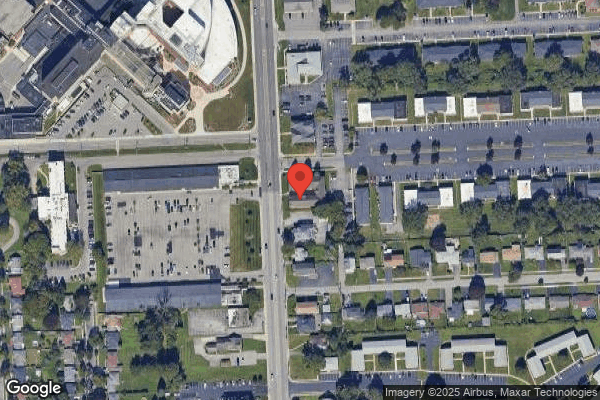
1335 Portland Avenue, Rochester, NY 14621 (585) 504-0400
For profit - Corporation 120 Beds Independent Data: November 2025
Trust Grade
35/100
#583 of 594 in NY
Last Inspection: June 2024

Within standard 12-15 month inspection cycle. Federal law requires annual inspections.

Overview

The Pearl Nursing Center of Rochester has a Trust Grade of F, indicating significant concerns and a poor performance overall. It ranks #583 out of 594 facilities in New York, placing it in the bottom half of nursing homes in the state, and it is also ranked #31 out of 31 in Monroe County, meaning there are no local options that rank lower. While the facility appears to be improving, having reduced issues from 11 in 2024 to 3 in 2025, the current staffing situation is concerning with a turnover rate of 63%, significantly higher than the state average. Although there have been no fines recorded, which is a positive aspect, the nursing home has less RN coverage than 78% of facilities in New York, which can limit the level of care. Specific incidents raised during inspections included a lack of proper housekeeping and maintenance, leading to dirty and poorly functioning facilities, and serving food at unsafe temperatures, which raises concerns about resident care and safety. Overall, while there are some signs of improvement, families should weigh these serious issues when considering this nursing home for their loved ones.

Trust Score
F
35/100
In New York
#583/594
Bottom 2%
Safety Record
Low Risk
No red flags
Inspections
Getting Better
11 → 3 violations
Staff Stability
⚠ Watch
63% turnover. Above average. Higher turnover means staff may not know residents' routines.
Penalties
✓ Good
No fines on record. Clean compliance history, better than most New York facilities.
Skilled Nurses
⚠ Watch
Each resident gets only 20 minutes of Registered Nurse (RN) attention daily — below average for New York. Fewer RN minutes means fewer trained eyes watching for problems.
Violations
⚠ Watch
36 deficiencies on record. Higher than average. Multiple issues found across inspections.
★☆☆☆☆
1.0
Overall Rating
★☆☆☆☆
1.0
Staff Levels
★★★☆☆
3.0
Care Quality
★☆☆☆☆
1.0
Inspection Score
Stable
2024: 11 issues
2025: 3 issues

The Good

  • Full Sprinkler Coverage · Fire safety systems throughout facility
  • No fines on record

Facility shows strength in fire safety.

The Bad

1-Star Overall Rating

Below New York average (3.0)

Significant quality concerns identified by CMS

Staff Turnover: 63%

17pts above New York avg (46%)

Frequent staff changes - ask about care continuity

Staff turnover is elevated (63%)

15 points above New York average of 48%

The Ugly 36 deficiencies on record

Sept 2025 2 deficiencies
CONCERN (D) 📢 Someone Reported This

A family member, employee, or ombudsman was alarmed enough to file a formal complaint

Potential for Harm - no one hurt, but risky conditions existed

Pressure Ulcer Prevention (Tag F0686)

Could have caused harm · This affected 1 resident

Based on observation, interviews, and record review conducted during an Abbreviated Survey (ACTS Reference Number: NY00370341, Intake ID: Complaint 571451) from 09/08/2025 to 09/10/2025, the facility ...

Read full inspector narrative →
Based on observation, interviews, and record review conducted during an Abbreviated Survey (ACTS Reference Number: NY00370341, Intake ID: Complaint 571451) from 09/08/2025 to 09/10/2025, the facility did not ensure a resident with pressure ulcers received necessary treatment and services consistent with professional standards of practice to promote healing, prevent infection, and prevent new ulcers from developing for one (1) (Resident #9) of three (3) residents reviewed. Specifically, Resident #9 was identified to be at risk for pressure ulcers, did not have care planned interventions in place to prevent skin breakdown, and later developed a pressure ulcer. Additionally, there was no documented evidence interventions to promote healing of the new pressure ulcer were implemented until three (3) days after the wound was first identified. This is evidenced by the following:The undated facility policy Pressure Ulcers/Skin Breakdown - Clinical Protocol included nursing staff and practitioners will assess and document each resident's risk factors for developing pressure sores such as immobility, recent weight loss, and a history of pressure ulcer(s). The physician will order pertinent wound treatments and help identify medical intervention for wound management. Resident #9 had diagnoses including a stage two (2) (a partial-thickness skin injury) pressure ulcer of the sacral region (bony area at the top of the buttocks), history of stroke with right-side paralysis, and severe malnutrition. The Minimum Data Set (a resident assessment tool), dated 10/08/2024, documented Resident #9's cognitive function was undetermined, they were incontinent of bowel and bladder, dependent on staff for toileting, bed mobility, and transfer assistance, were at risk for pressure ulcers, and had no unhealed pressure ulcers. The comprehensive care plan, dated 11/06/2024, identified the resident had a self-care deficit and limited physical mobility. Interventions included, but were not limited to, dependent on staff for transfers, toileting, eating, bathing, and personal hygiene. The care plan did not include measurable goals and/or interventions related to Resident #9's risk of developing pressure ulcers. Review of the current Kardex (care plan used by certified nursing assistants to direct daily care) included Resident #9 was dependent on staff for transfers, toileting, eating, bathing, and personal hygiene. The care plan did not address the resident's pressure ulcer risk or include interventions to assist with preventing skin breakdown. Progress notes reviewed from 11/01/2024 to 11/22/2024 revealed a nursing note, dated 11/19/2024, documenting Resident #9 had a reddened area on their bottom and a note was put in the medical provider book (used by nursing staff to communicate changes in a resident's condition to the medical team). In a wound care provider note, dated 11/20/2024, Physician #1 documented Resident #9 was seen for a wound assessment including a new deep tissue injury (a localized area of tissue damage that develops due to prolonged pressure on the skin) to their sacrum, measuring 3.0 centimeters in length, 5.0 centimeters in width, and no measurable depth. The surrounding skin had maceration (softening and weakening of the skin due to prolonged exposure to moisture) and erythema (redness). Treatment recommendations included to cleanse the wound with mild soap and water, apply a thick layer of TRIAD cream (wound treatment used to promote healing) to the wound and surrounding skin, and leave open to air every shift and as needed. Additional recommendations included, but were not limited to, offloading (reducing pressure on the affected area to promote healing), use of the facility pressure injury prevention protocol, a pressure redistribution cushion per facility protocol, and applying barrier cream three (3) times daily and after incontinence episodes. Review of Resident #9's Order Summary Report (medical orders) revealed a treatment order for the sacral wound dated 11/22/2024. There was no documented evidence preventative measures or treatment orders for the sacrum had been ordered prior to 11/22/2024. During an interview on 09/09/2025 at 1:52 PM, Certified Nursing Assistant #1 stated they would know if a resident was at risk for developing pressure ulcers and required skin prevention interventions by looking at the resident's Kardex. During an interview on 09/10/2025 at 9:27 AM, Licensed Practical Nurse #1, stated all residents at risk for skin breakdown should be repositioned every two (2) hours and if they identified new skin breakdown they would document it in the medical provider book. During an interview on 09/10/2025 at 9:14 AM, Registered Nurse #1 stated skin breakdown prevention interventions for residents would include to turn and reposition, encourage them to get out of bed, provide timely incontinence care, and promote good nutrition. They stated they would find instructions for turning and repositioning in the resident's medical orders. During an interview on 09/09/2025 at 9:38 AM, Licensed Practical Nurse Manager #1 stated if a resident had a new skin concern, they would have a registered nurse assess the resident and follow the facility's general wound care process or verbal orders until the resident was seen by the wound care provider on their weekly skin rounds. During an interview on 09/10/2025 at 9:58 AM, Medical Doctor #2 stated the Director of Nursing or nurse managers inform them of new wounds. Once a new wound has been identified, the resident is added to the list for weekly skin rounds and the medical providers will follow up. During an interview on 09/09/2025 at 11:25 AM, the Director of Nursing stated if a nurse identifies a new skin concern, they should contact the nursing supervisor, obtain general orders for treatment until the resident is seen by the wound care team, and write their findings in the medical provider book. The Director of Nursing stated upon identifying a new skin condition, they would expect nurses to document the description of the wound, any interventions, and who they notified.During a follow up interview on 09/10/2025 at 10:18 AM, the Director of Nursing stated staff can help prevent pressure injuries by providing timely incontinence care, promoting a resident's nutrition and hydration, and implementing preventative measures, such as applying a barrier cream. The Director of Nursing stated orders for preventative measures do not have to be in place for staff to provide them and certified nursing assistants should be turning and repositioning residents every two (2) to three (3) hours even if it is not documented in the resident's Kardex. They stated care plans are monitored and updated by nurse managers and should include wounds and appropriate interventions.10 NYCRR 415.12(c)(1-2)
CONCERN (E) 📢 Someone Reported This

A family member, employee, or ombudsman was alarmed enough to file a formal complaint

Potential for Harm - no one hurt, but risky conditions existed

Deficiency F0804 (Tag F0804)

Could have caused harm · This affected multiple residents

Based on observations and interviews conducted during an Abbreviated Survey (ACTS Reference Number: NY00370341, Intake ID: Complaint 571451) from 09/08/2025 to 09/10/2025, the facility did not ensure ...

Read full inspector narrative →
Based on observations and interviews conducted during an Abbreviated Survey (ACTS Reference Number: NY00370341, Intake ID: Complaint 571451) from 09/08/2025 to 09/10/2025, the facility did not ensure each resident received and the facility provided food and drink that was palatable and at a safe and appetizing temperature for one (1) of one (1) test tray. Specifically, food and beverages during the lunch meal on 09/09/2025 were served at sub-optimal temperatures. This is evidenced by the following:During a tray line and lunch time observation on 09/09/2025, the tray delivery cart was loaded in the main kitchen and sent to Residential Unit 1 at 12:13 PM. The final meal tray was passed to a resident on the unit at 12:39 PM and test tray temperatures were taken at that time by a New York State Department of Health Surveyor, with the Food Services Director present, using the surveyor's calibrated thermometer. The findings included:Roasted potatoes: 101.3 degrees FahrenheitHoney ham: 110.6 degrees FahrenheitCooked asparagus: 101.8 degrees FahrenheitBlack coffee: 127.3 degrees Fahrenheit During an interview on 09/09/2025 at 12:44 PM, the Food Services Director stated they did not know the food would cool down that much between setting up the trays in the kitchen and passing them to residents on the units. They stated the food was cold and it was not okay. During an interview on 09/09/2025 at 1:17 PM, Resident #12 stated food that should be hot is sometimes served cold. 10 NYCRR 415.14(d)(1) Subpart 14-1.40(a)
Aug 2025 1 deficiency
CONCERN (D) 📢 Someone Reported This

A family member, employee, or ombudsman was alarmed enough to file a formal complaint

Potential for Harm - no one hurt, but risky conditions existed

Safe Environment (Tag F0584)

Could have caused harm · This affected 1 resident

**NOTE- TERMS IN BRACKETS HAVE BEEN EDITED TO PROTECT CONFIDENTIALITY** Based on observations, interviews, and record review conducted during an Abbreviated Survey (Intake ID: Complaint 2576858) condu...

Read full inspector narrative →
**NOTE- TERMS IN BRACKETS HAVE BEEN EDITED TO PROTECT CONFIDENTIALITY** Based on observations, interviews, and record review conducted during an Abbreviated Survey (Intake ID: Complaint 2576858) conducted on 08/22/2025, it was determined for one (resident room [ROOM NUMBER]) of 72 resident rooms, the facility did not provide housekeeping and maintenance services necessary to maintain a safe, clean, comfortable, and homelike environment. Specifically, there was mold and evidence of water leaks, wall, and floor damage in a resident bathroom. The findings are: Record review of the facility work order system from 05/01/2025 to 08/22/2025 revealed an entry for a ceiling tile that fell in the bathroom of resident room [ROOM NUMBER] on 07/02/2025 and was closed out on 07/03/2025. Additionally, there were entries for a clogged toilet in resident room [ROOM NUMBER] on 05/16/2025, 06/20/2025, and 08/14/2025. There were no other work order entries related to ceiling leaks in resident room [ROOM NUMBER] for this time period.During observations and interviews on 08/22/2025 at 1:30 PM, the ceiling tiles in the bathroom of resident room [ROOM NUMBER] (second floor two (2)-person occupied) were stained brown and spotted with a black material that appeared to be mold. Additionally in the bathroom, there was one (1) ceiling tile missing and there was an approximately one (1)-inch unsealed gap in the concrete slab separating the third floor (bathroom of resident room [ROOM NUMBER]) from the second floor. Further observations included the baseboard cove molding in the bathroom of room [ROOM NUMBER] was peeled off the wall exposing wall damage, there were multiple floor tiles that were missing or had come loose below the sink, and there was a strong odor of urine in the bathroom. During an interview that time, the Acting Director of Maintenance stated they were not aware of leaks in this room, but sometimes toilets overflow, and it goes down to the room below. Resident #1 stated there was a ceiling leak a few months ago. 10 NYCRR: 415.29, 415.29(i), 415.29(j)(1)
Jun 2024 11 deficiencies
CONCERN (D)

Potential for Harm - no one hurt, but risky conditions existed

Deficiency F0658 (Tag F0658)

Could have caused harm · This affected 1 resident

**NOTE- TERMS IN BRACKETS HAVE BEEN EDITED TO PROTECT CONFIDENTIALITY** Based on interviews and record review conducted during the Recertification Survey, the facility did not ensure that services wer...

Read full inspector narrative →
**NOTE- TERMS IN BRACKETS HAVE BEEN EDITED TO PROTECT CONFIDENTIALITY** Based on interviews and record review conducted during the Recertification Survey, the facility did not ensure that services were provided and/or arranged for the accepted standards of quality that should have been provided for two (Residents #9 and #70) of five residents reviewed. Specifically, lab services were not provided as recommended by pharmacy and ordered by the Physician. This is evidenced by the following: When requested, the facility was unable to provide any policies related to obtaining lab work or a blood draw protocol. 1. Resident #70 had diagnoses that included dysphagia (difficulty swallowing), pneumonitis (inflammation of lung tissue), and diabetes. The Minimum Data Set Resident assessment dated [DATE] documented the resident was moderately impaired cognitively and did not exhibit behaviors or refusals of care at that time. The current Comprehensive Care Plan revised on 2/16/24 revealed Resident #70 required tube feeding related to dysphagia and could not have foods or fluids by mouth. Nursing interventions included obtaining and monitoring labs and diagnostics as ordered and reporting the results to the medical provider as indicated. Review of Resident #70's Medication Regimen Review dated 3/14/24 revealed that the pharmacist recommended a Basic Metabolic Panel (a blood test that measures the body's chemical balance and metabolism) due to receiving Lasix (a diuretic medication commonly known as a water pill that can cause multiple side effects such as electrolyte imbalances). Physician #1 agreed with the recommendation and signed the Medication Regimen Review on 3/16/24. Review of Resident #70's electronic medical record revealed no evidence that the lab work had been completed as recommended by the Pharmacist and the Physician or that the resident had refused any lab work. 2. Resident #9 had diagnoses that included diabetes, chronic kidney disease, and schizoaffective disorder (form of mental illness). The Minimum Data Set Resident assessment dated [DATE] documented the resident was moderately impaired cognitively and did not exhibit any refusals of care at that time. Review of Physician orders dated 3/8/24 revealed orders for a hemoglobin A1C (blood work used to monitor blood glucose levels) and a lipid panel (blood work used to monitor cholesterol). Review of the Medication Regimen Review for April 2024 revealed the Pharmacist's recommendation for a lipid panel and a hemoglobin A1C due to Resident #9's medication regimen. Physician #1 agreed, signed the Medication Regimen Review on 4/18/24 and again ordered a lipid panel and a hemoglobin A1C . Review of Resident #9's electronic medical records revealed no evidence that the lab work had been completed as ordered by the Physician or that the resident had refused lab work. During an interview on 6/27/24 at 12:16 PM, Registered Nurse Manager #1 said that when the provider (Physician) orders lab work, the nurses are supposed to collect the blood draws in-house on Tuesdays and Thursdays, call the hospital for the labs to be picked up, and within 24 hours the lab results should be available. Registered Nurse Manager #1 said a paper copy of the labs would come through via fax and be reviewed by a nurse and the provider before being scanned into the resident's electronic health record. During an interview on 6/27/24 at 4:40 PM, the Registered Nurse/wound care/infection control nurse stated that the labs for Residents #9 and #70 were not done as ordered and that they reached out to the medical team to see if they still wanted the labs done and they had replied yes. During an interview on 6/28/24 at 9:42 AM, Physician #1 said Resident #9 and #70's labs should have been drawn as ordered unless it was a difficult blood draw or the residents refused. In which case, Physician #1 said there should be a note in the chart, and they should have been notified as to why the labs were not completed. During an interview on 6/28/24 at 10:17 AM, the Acting Director of Nursing said the Director of Nursing was responsible for reviewing the Medication Regimen Reviews, but they had not reviewed any since they had been in their role effective 6/1/24. Additionally, the Acting Director of Nursing said they did not have an answer for why the labs were overlooked, but they would expect the nurses to document any refusals. The Acting Director of Nursing said it had not been brought to their attention that either resident had refused lab work. 10 NYCRR 415.20
CONCERN (D) 📢 Someone Reported This

A family member, employee, or ombudsman was alarmed enough to file a formal complaint

Potential for Harm - no one hurt, but risky conditions existed

Deficiency F0760 (Tag F0760)

Could have caused harm · This affected 1 resident

**NOTE- TERMS IN BRACKETS HAVE BEEN EDITED TO PROTECT CONFIDENTIALITY** Based on interviews and record review conducted during the Recertification Survey and complaint investigation (NY00313302), it w...

Read full inspector narrative →
**NOTE- TERMS IN BRACKETS HAVE BEEN EDITED TO PROTECT CONFIDENTIALITY** Based on interviews and record review conducted during the Recertification Survey and complaint investigation (NY00313302), it was determined that for one (Resident #10) of six residents reviewed for medication administration, the facility did not ensure that the residents were free from significant medication errors. Specifically, there was no documented evidence that Resident #10 had received their antipsychotic medication (medications used to treat mental illness) on multiple days. This is evidenced by the following: Resident #10 had diagnosis that included paranoid schizophrenia (a type of mental illness), Crohn's disease (an inflammatory bowel disease), and diabetes. The Minimum Data Set Resident assessment dated [DATE] documented the resident had moderate impairment of cognitive function and no refusals of care or behaviors at that time. Physician orders dated 12/15/23 through 3/22/24 included clozapine 300 milligrams to be given at bedtime for chronic paranoid schizophrenia. Physician orders dated 1/2/24 included blood work for complete blood count, clozapine panel, and absolute neutrophil count for monitoring the use of clozapine. These tests were again ordered on 1/8/24. Review of the Medication Administration Record revealed that on 12/30/23, 12/31/23 and 1/3/24 the clozapine was documented as on hold. On 1/1/24 and 1/4/24 clozapine was documented as refused. On 1/6/24, 1/7/24, and 1/9/24 the Medication Administration Record documented that the clozapine was not administered due to either nausea or that resident was hospitalized . The clozapine was documented as given on 1/2/24, 1/5/24, and 1/8/24 (despite the prescription not being refilled by pharmacy). Review of Resident #10's electronic medical record revealed no evidence that the Physician ordered the medication to be held on 12/30/24, 12/31/24 and 1/3/24, no evidence that the resident refused the medication on 1/6/24, 1/7/24 and 1/9/24, no evidence that the resident had been hospitalized during that time and no evidence that the lab work had been completed following the physician orders on 1/2/24. In a nursing progress note dated 1/7/24, Registered Nurse #2 documented that they were notified by a unit Licensed Practical Nurse that Resident #10 remained out of clozapine. The progress note included that the pharmacy required a provider to update the Risk Evaluation and Mitigation Strategy program (a requirement for monitoring the severe risk for neutropenia [abnormal white blood cell count] prior to refilling clozapine prescriptions). In a medical progress note dated 1/8/24, Nurse Practitioner #2 documented that they had been working on getting Resident #10 reapplied to the Risk Evaluation and Mitigation Strategy program since late December and that the blood work would be reordered. During an interview on 6/27/24 at 12:16 PM, Registered Nurse Manager #1 said that when the provider (Physician) orders lab work, the nurses are supposed to collect the lab draws in-house on Tuesdays and Thursdays, call the hospital for the labs to be picked up and within 24 hours, the lab results should be available. Additionally, Registered Nurse Manager #1 said a paper copy of the labs would come through a fax and be reviewed by a nurse and the provider before being scanned into the resident's electronic health record. During an interview on 6/28/24 at 9:49 AM, Physician #1 stated that they were not sure what happened with the clozapine medication for Resident #10 between 12/30/23 and 1/10/24 and stated that the pharmacy would not fill the prescription until blood tests were completed. Physician #1 stated that clozapine was an antipsychotic medication and that it was an important medication for Resident #10 for behaviors and psychiatric issues. During an interview on 6/28/24 at 11:39 AM, Licensed Practical Nurse Manager #2 stated that Resident #10 was on a different unit at that time and that they were unaware of the circumstances of what occurred other than the medication was not refilled due to the bloodwork not being done and that the Nurse Manager at that time was no longer at the facility. In an interview on 6/28/24 at 12:49 PM, the Acting Director of Nursing stated that the medical providers should be responsible for a resident's required blood work and that all residents taking clozapine should have a standing order for blood work. The Acting Director of Nursing did not know who at the facility was responsible for the Risk Evaluation and Mitigation Strategy Assessments. 10 NYCRR 415.12(m)(2)
CONCERN (D)

Potential for Harm - no one hurt, but risky conditions existed

Garbage Disposal (Tag F0814)

Could have caused harm · This affected 1 resident

Based on observations and interview conducted during the Recertification Survey, it was determined that the facility did not properly dispose of garbage and refuse. Specifically, garbage and refuse we...

Read full inspector narrative →
Based on observations and interview conducted during the Recertification Survey, it was determined that the facility did not properly dispose of garbage and refuse. Specifically, garbage and refuse were not contained within dumpsters and receptacles were not covered. The findings are: Observations during the exterior tour of the facility on 6/24/24 at 11:42 AM included three dumpsters with one uncovered located on the northwest corner of the property. Additionally, there was trash around and behind the dumpsters including, but not limited to: part of a lift chair, plastic gloves, various paper and plastic items, and an empty medication blister pack displaying a resident's name and drug information. During an interview following this observation, the Acting Director of Nursing was given the medication blister packet and stated that it should have been shredded, not put in the garbage. Observations on 6/27/24 at 9:24 AM included two of the three dumpsters were left with the covers open. 10 NYCRR: 415.29 (i)(1), 415.29(j)(6)(i), 415.14(h), Subpart 14-1.150
CONCERN (D)

Potential for Harm - no one hurt, but risky conditions existed

Deficiency F0836 (Tag F0836)

Could have caused harm · This affected 1 resident

**NOTE- TERMS IN BRACKETS HAVE BEEN EDITED TO PROTECT CONFIDENTIALITY** Based on observations and record review conducted during the Recertification Survey, it was determined that the facility did not...

Read full inspector narrative →
**NOTE- TERMS IN BRACKETS HAVE BEEN EDITED TO PROTECT CONFIDENTIALITY** Based on observations and record review conducted during the Recertification Survey, it was determined that the facility did not ensure compliance with all applicable State codes. Specifically, the facility was not in compliance with section 915 of the 2015 edition of the International Fire Code as adopted by New York State, which requires the use of carbon monoxide detection in a building that has fuel-burning appliances. The findings are: On 6/24/24 at approximately 9:00 AM, a carbon monoxide detector was observed in the basement kitchen above the prep sink area, and the kitchen was also observed to contain a natural gas-powered range. Further observations in the basement included natural gas boilers in the boiler room and a natural gas-powered generator in the generator room. Observations on 6/26/24 from 10:46 AM to 11:05 AM included carbon monoxide detectors located on the walls in the corridor on the second floor outside resident rooms [ROOM NUMBERS]. On 6/26/24 at 10:39 AM, the surveyor requested a list of documentation from the facility via email including documentation of testing of carbon monoxide detectors. There was no documentation provided by the facility of the locations of all carbon monoxide detectors within the facility or any documentation of monthly inspection and testing of carbon monoxide detectors. The 2015 edition of the International Fire Code (IFC), requires carbon monoxide detection to be provided in an approved location between the fuel burning appliance and the dwelling unit, sleeping unit, or classroom; or on the ceiling of the room containing the fuel-burning appliance. Additionally, carbon monoxide alarms shall be maintained in accordance with NFPA 720. The 2012 Edition of NFPA 720, Standard for the Installation of Carbon Monoxide Detection and Warning Equipment, requires that single-station carbon monoxide alarms shall be inspected and tested in accordance with the manufacturer's published instructions at least monthly. 10 NYCRR: 415.29(a)(2), 711.2(a)(1); 42 CFR: 483.70(b), 2015 IFC: Section 915, 915.1, 915.1.4, Section 1103.9, 2012 NFPA 720: 8.7.1
CONCERN (E) 📢 Someone Reported This

A family member, employee, or ombudsman was alarmed enough to file a formal complaint

Potential for Harm - no one hurt, but risky conditions existed

Safe Environment (Tag F0584)

Could have caused harm · This affected multiple residents

**NOTE- TERMS IN BRACKETS HAVE BEEN EDITED TO PROTECT CONFIDENTIALITY** Based on observations and interviews conducted during the Recertification Survey, for three (first, second, and third floors) of...

Read full inspector narrative →
**NOTE- TERMS IN BRACKETS HAVE BEEN EDITED TO PROTECT CONFIDENTIALITY** Based on observations and interviews conducted during the Recertification Survey, for three (first, second, and third floors) of three resident-use floors and one of one basement, the facility did not provide housekeeping or maintenance services necessary to maintain a sanitary, orderly, and comfortable interior. Specifically: exhaust ventilation was not functional, plumbing fixtures were not maintained and/or working properly, hot water temperatures were not maintained between 90 and 120 degrees Fahrenheit (°F), lighting was not functional, light lenses and covers were missing, there were cracked and damaged tiles, doors and walls were damaged, a resident room lacked a means for securing valuables, there were resident care items stored on the floor, and there was an accumulation of bugs in stairwells. The findings are: Observations during the initial tour of the facility on 6/24/24 from 8:50 AM to 1:30 PM included the following: a) The exhaust ventilation in the following areas were observed to not be drawing air out of the rooms: in the ceiling of the bathroom in room [ROOM NUMBER], the shower room across from the 2nd floor staff bathroom, the first-floor soiled utility room, the janitor's closet next to room [ROOM NUMBER], and the shared bathroom for rooms [ROOM NUMBERS]. b) The light lenses in the corridor outside room [ROOM NUMBER] (3rd floor), in the 3rd floor soiled utility room, and in the shower room were cracked and broken. c) The hand wash sink in the 3rd floor shower room only discharged a small trickle of water and would not shut off using the valve handles. d) The floor tiles near the sink in room [ROOM NUMBER] were cracked with small sections missing. e) The janitor's closet next to room [ROOM NUMBER] contained a floor sink and the room did not have functional exhaust. f) There were multiple missing ceiling tiles in the shower room near room [ROOM NUMBER] (first floor). g) The hopper (flushing rim fixture) in the first-floor soiled utility room was clogged with a brown liquid and a sign nearby read: do not flush. h) There were resident care supplies including a brush, shampoo, ointment, and bed pans stored on the floor inside the first-floor supply closet next to room [ROOM NUMBER]. Additionally, a shelf in this room was tipped and coming off of the wall. Observations on 6/25/24 at 8:40 AM included a mechanical exhaust fan attached to duct work located near the ceiling above the washing machines in the basement laundry room that was not functional and heavily coated with dust. Further observations included a large open circular duct above the dryers that was improperly vented across the hallway into the generator room. During an interview at this time, the Director of Maintenance stated that a vendor was contacted to evaluate/troubleshoot the issue but would not come out to the facility because they are owed money. Observations on 6/25/24 at 8:45 AM included no hand washing sink in the basement laundry room. Observations on 6/25/24 at 9:00 AM included the plate warmer (lowerator) in the main kitchen had a frayed cord with exposed wires near the plug. During an interview at this time, the Dietary Manager stated that they had put in a maintenance order to get it fixed but the new maintenance director just started yesterday. Observations on 6/25/24 from 9:39 AM to 9:55 AM included the tops and bottoms of the emergency exit stairwells of the north and south stairwells had a large accumulation of dead bugs and spiderwebs. Further observations included the doors at the tops of each stairwell were open approximately 1/2- to 1-inch. During an interview at this time, the Director of Maintenance stated that they were told that there were no keys for the roof doors. Observations on 6/25/24 at 11:00 AM included the refrigerator in the 2nd floor dining room had a sign posted on the door that it was broken. When interviewed, the 2nd floor Licensed Practical Nurse Manager stated that it broke last Friday and they did send a work order to Maintenance but does not know if they have started working on it. Observations on 6/25/24 at 10:28 AM included the sink drainpipe was disconnected in resident room [ROOM NUMBER] and there was a sign on the sink that read: Do not use broken sink. Observations on 6/26/24 at 11:15 AM included the sink faucet in resident room [ROOM NUMBER] was very loose and water could not be shut off using the valve handles. Further observations included the cabinet near the window bed had a lockable drawer that was open and unlocked. During an interview at this time, Resident #34 stated someone had been stealing and they did not have nor were they offered a key to the cabinet drawer. Observations on 6/27/24 at 9:13 AM included pooling water on the floor in the basement boiler room from a leaking pipe above the boilers. 10 NYCRR: 415.29, 415.29(c), 415.29(d), 415.29(g), 415.29(h)(1), 415.29(i)(1,2), 415.29(j)(1)
CONCERN (E) 📢 Someone Reported This

A family member, employee, or ombudsman was alarmed enough to file a formal complaint

Potential for Harm - no one hurt, but risky conditions existed

Quality of Care (Tag F0684)

Could have caused harm · This affected multiple residents

**NOTE- TERMS IN BRACKETS HAVE BEEN EDITED TO PROTECT CONFIDENTIALITY** Based on observations, interviews, and record review conducted during the Recertification Survey and complaint investigation (NY...

Read full inspector narrative →
**NOTE- TERMS IN BRACKETS HAVE BEEN EDITED TO PROTECT CONFIDENTIALITY** Based on observations, interviews, and record review conducted during the Recertification Survey and complaint investigation (NY00319773), the facility did not ensure residents received treatment and care in accordance with professional standards of practice for two (Residents #30 and #42) of five residents reviewed. Specifically, the facility could not provide evidence that physician-ordered wound care treatments were provided as ordered. This is evidenced by the following: 1. Resident #30 had diagnoses including chronic ulcers of left leg, chronic obstructive pulmonary disease (COPD-disease of the lungs causing difficulty to breath), and diabetes. The Minimum Data Set Resident assessment dated [DATE] documented that Resident #30 was cognitively intact and had a skin ulcer that required a dressing. Current Physician orders for Resident #30's left leg wounds included to clean the wounds with wound cleanser, apply zinc oxide to the macerated skin, cover it silver alginate (wound treatment often used for infected wounds), apply an absorbative non-bordered dressing, wrap in gauze, secure with tape, and change daily and as needed. The orders also included to wrap the resident's leg with an ace wrap in the mornings and remove it in the evenings. During observations on 6/26/24 at 12:35 PM and 6/27/24 at 1:38 PM, Resident #30 was not wearing any ace wraps to the left leg. In an observation of wound care on 6/26/24 Licensed Practical Nurse #2 completed Resident #30's wound care (silver dollar sized venous ulcer) as ordered. An ace wrap was not applied as ordered following the dressing change. Review of Resident #30's June 2024 Treatment Administration Record revealed documentation that the dressing had been completed on both 6/26/24 and on 6/27/24. Additionally, review of the June 2024 Treatment Administration Record revealed missing documentation (dressing not signed off by nursing as completed for 8 out of 27 opportunities related to the left anterior wound dressing change). During an interview on 6/27/24 at 1:37 PM, Resident #30 stated that they used to have an ace wrap on the wound but that the wound nurse had said a few weeks ago to leave them off and let the wound dry. During an interview on 6/27/24 at 2:00 PM, Licensed Practical Nurse #2 stated the wound order was confusing and that they were not aware that there was a separate order for ace wraps (which was signed off as completed on the Treatment Administration Record). During an interview on 6/28/24 at 11:39 AM, Licensed Practical Nurse Manager #2 stated that the way the order was written, Resident #30's ace wraps should have been written as a second order and not included with the dressing change order. During an interview on 6/28/24 at 12:49 PM, the Acting Director of Nursing stated that nursing should follow the physician's order as written. If the order was confusing or not understood, staff should clarify the order. 2. Resident #42 had diagnoses including diabetes, morbid obesity, and a recent surgical abdominal wound. The Minimum Data Set Resident assessment dated [DATE] documented that Resident #42 was cognitively intact. Physician orders dated 6/7/24 for Resident # 42's abdominal wound included to clean the wound with wound cleanser, apply skin prep (protective skin treatment) around the wound, apply calcium alginate (an absorbent wound treatment) to the wound, cover it with an absorbent dressing, and change it three times a week every Monday, Wednesday, Friday and as needed. On 6/20/24, the Physician changed the abdomen dressing to daily and as needed. Review of Resident #42's Treatment Administration Record from 6/7/24 to 6/27/24 revealed that on 4 of 14 opportunities there was no documentation that the wound care had been provided as ordered. There was no documented evidence that the resident had refused any dressing changes. Review of a wound care note dated 6/19/24 revealed Resident #42's abdominal wound was 7 centimeters by 15 centimeters and on 6/25/25 the wound care note included the wound was improved with a size of 6 centimeters by 14 centimeters. In an interview on 6/28/24 at 9:59 AM, Medical Provider #1 stated orders should be acted on (as ordered). Medical Provider #1 stated that if a resident refused a treatment, nursing staff would notify the medical team. During an interview on 6/28/24 at 12:49 PM, the Acting Director of Nursing stated they would expect nursing staff to carry out (provide) wound treatments as ordered and if unable to complete for any reason, they should contact the medical provider. The Acting Director of Nursing said a blank box on the Medication (or Treatment) Administration Record indicated the medication (or treatment) was not signed off or not given (done). 10 NYCRR 415.12
CONCERN (E)

Potential for Harm - no one hurt, but risky conditions existed

Accident Prevention (Tag F0689)

Could have caused harm · This affected multiple residents

**NOTE- TERMS IN BRACKETS HAVE BEEN EDITED TO PROTECT CONFIDENTIALITY** Based on observations, interviews, and record review conducted during the Recertification Survey for one (Resident #42) of six r...

Read full inspector narrative →
**NOTE- TERMS IN BRACKETS HAVE BEEN EDITED TO PROTECT CONFIDENTIALITY** Based on observations, interviews, and record review conducted during the Recertification Survey for one (Resident #42) of six residents reviewed, one of one basement laundry room and nine (Resident Rooms #106, 108, 111, 120, 122, 208, 220, 306, and 307) of nine resident rooms reviewed, the facility did not ensure the environment remained free from accident hazards. Specifically, for Resident #42, who was known to vape in their room, the facility did not ensure the resident was assessed for and care planned for the use of electronic cigarettes in the facility. The basement laundry room had a significant buildup of lint behind dryers creating a fire hazard and multiple resident rooms had water temperatures above 120 degrees Fahrenheit at points of use. This is evidenced by the following: 1. During an observation on 6/24/24 at 1:30 PM, there was significant buildup of lint behind the dryers in the basement laundry room. The lint was approximately one to two-inches thick and covered the top and rear surfaces of two natural gas-powered dryers, the walls, the floors, electrical wires, and motors. Additionally, lint was coming out of an open junction in the exhaust duct work while the dryer was running. During an observation and interview on 6/24/24 at 3:05 PM, there was a smell of smoke and a light haze in the basement corridor outside the laundry room. The Director of Maintenance stated they were cleaning the lint behind the dryers and a spark from the dryer ignited the lint. They immediately used a fire extinguisher to put out the fire and turned off all electricity to the room. 2. During an observation on 6/26/24 at 10:56 AM, the in-line temperature gauge at the mixing valve for outgoing water located in the basement boiler room displayed 132 degrees Fahrenheit. During an observation on 6/26/24 at 11:40 AM, the sink water temperature in resident room [ROOM NUMBER] was 127.9 degrees Fahrenheit. The surveyor's digital thermometer was checked for proper calibration at that time using crushed ice and water and displayed 32.5 degrees Fahrenheit. Review of water temperature logs provided by the facility revealed the following temperatures exceeding 120 degrees Fahrenheit and did not include any documented corrective action: - On 4/23/24, resident room [ROOM NUMBER] was documented as 124 degrees Fahrenheit - On 5/14/24, resident room [ROOM NUMBER] was documented as 130.1 degrees Fahrenheit - On 6/05/24, resident room [ROOM NUMBER] was documented as 125.4 degrees Fahrenheit - On 6/13/24, resident room [ROOM NUMBER] was documented as 122.1 degrees Fahrenheit - On 6/17/24, resident room [ROOM NUMBER] was documented as 125.6 degrees Fahrenheit - On 6/18/24, resident room [ROOM NUMBER] was documented as 123.8 degrees Fahrenheit - On 6/24/24, resident room [ROOM NUMBER] was documented as 125.4 degrees Fahrenheit - On 6/25/24, resident room [ROOM NUMBER] was documented as 122.4 degrees Fahrenheit - On 6/26/24, resident room [ROOM NUMBER] was documented as 127.4 degrees Fahrenheit During an interview on 6/28/24 at 2:48 PM with the Regional Director of Operations, the Corporate Infection Control Nurse, and the Regional Director of Clinical Services, the Regional Director of Operations stated they were aware of issues related to the physical environment and were waiting to hear back from a vendor with a quote to evaluate the hot water. Review of the facility policy, Water Temperatures, Safety of, dated May 2024, revealed the policy included: water heaters that service resident rooms, bathrooms, common areas, and tub/shower areas would be set to temperatures of no more than 120 degrees Fahrenheit, maintenance staff were responsible for checking thermostats and temperature controls in the facility and recording these checks in a maintenance log, and if at any time water temperatures felt excessive to touch, staff would report findings to the immediate supervisor. 3. Resident #42 was admitted to the facility approximately two and a half years ago and has diagnoses including, arthropathy (a disease of the joints often causing muscle weakness), and peripheral vascular disease. The Minimum Data Resident assessment dated [DATE] revealed the resident was cognitively intact, dependent on staff for all activities of daily living and under tobacco use, the assessment was blank. Review of the undated facility policy, Tobacco-Free Environment Policy, revealed the facility prohibited the use of tobacco and tobacco products, including but not limited to, electronic cigarettes by residents, employees, and others entering the facility premises. There would be no designated smoking areas on the premises unless specifically identified for the use of residents admitted to the facility before implementation of the policy. For current residents that smoked prior to the policy implementation, residents were allowed to use tobacco or tobacco products in a designated area outside and were required to have a smoking assessment completed to determine the level of supervision to be provided and interventions to mitigate (to reduce the occurrence of a severe outcome) the risk of injury. The employee's responsibilities in enforcing the policy included, but were not limited to, reporting witnessed violations immediately to the Executive Director, Director of Nursing, Nurse Manager, or Nurse Supervisor. Residents would be asked to immediately comply with the facility policy and any tobacco products found would be confiscated and returned upon discharge from the facility. Review of an admission Agreement, dated 1/4/21 and signed by Resident #42, revealed that smoking was never allowed in any area inside the facility, the facility did allow outdoor smoking for residents within specific smoking times, and if a resident would like to smoke, they would sign and adhere to the rules outlined in the facility smoking policy. Review of the current comprehensive care plan, revealed Resident #42 was non-compliant with the facility smoking/vaping policy and hoards vapes in their room (private) which they refuse to surrender to staff when requested. Interventions included to offer smoking cessation information, to ensure resident was aware of the facility policy, and to document refusals to turnover possession of vaping materials. Review of current physician orders included two (2) liters oxygen via nasal cannula (a device that delivers oxygen through the nose) on at bedtime and off in the morning. Review of a progress note, dated 9/27/23 at 10:04 AM, Social Worker #1 documented the interdisciplinary team met for Resident #42's annual care conference and the resident was present. Nursing addressed that Resident #42 should not be vaping in the facility and the interdisciplinary team would implement weekly meetings to ensure this was not happening. Resident #42 was offered a nicotine patch (used for smoking cessation) but declined. Review of nursing progress notes from 5/4/24 to 5/19/24 revealed frequent documentation regarding either Resident #42 holding a vape pen, smoking a vape pen, or the presence of a vape pen in their room. Progress notes revealed Resident #42 frequently refused to give the vape pen to staff upon their request, and often became agitated and verbally combative and administration staff were notified. The facility was unable to provide any Incident/Accident Reports related to Resident #42's smokeing a vape pen in their room or any assessement done for the safe use of a vape pen in their room. During an observation and interview on 6/24/24 at 10:26 AM, a vape pen was laying on top of Resident #42's bedside table. When asked what it was, Resident #42 stated it was a BIC pen used for writing and asked, are you going to tell on me? During an interview on 6/26/24 at 1:31 PM, Certified Nursing Assistant #2 stated their were a few residents in the facility who smoked and Resident #42 vaped. They had not seen Resident #42 vaping but had seen the vapes on their dresser. During an interview on 6/27/24 at 4:28 PM, Resident #42 stated they did vape in their room and that they had been offered nicotine patches but they made them sick. Resident #42 stated they needed to quit smoking and would try other methods of smoking cessation. During an interview on 6/28/24 at 11:37 AM, Licensed Practical Nurse Manager #2 stated there should be no smoking or vaping at the facility because they were a non-smoking facility. If residents were observed smoking, staff should conduct a search of their room and if materials were found an incident and accident report should be completed. Licensed Practical Nurse Manager #2 stated they had received frequent complaints of Resident #42 vaping in their room and was not sure how the resident kept getting the vapes. The facility had offered Resident #42 smoking cessation products and made transfer referrals to other facilities, but a smoking assessment had never been done because they were a non-smoking facility. Licensed Practical Nurse Manager #2 stated that frequent checks for materials were not done for Resident #42 and checks were only done when staff reported a concern. During an interview on 6/28/24 at 12:49 PM, the Regional Director of Clinical Services stated the facility was non-smoking and residents signed an agreement not to smoke upon admission. Smoking assessments were not done because it was a non-smoking facility. The Regional Director of Clinical Services stated that smoking cessation could be offered, but most residents decline. Resident #42's continued vaping was an issue of non-compliance with their care plan and staff should be keeping a record of the non-compliance. The Regional Director of Clinical Services stated Resident #42 required ongoing monitoring to ensure their safety and that of other residents. During an interview on 6/28/24 at 2:48 PM with the Regional Director of Operations, the Corporate Infection Control Nurse, and the Regional Director of Clinical Services, the Regional Director of Operations stated they were not aware Resident #42 had been vaping in their room and if found an incident report should be completed, and smoking cessation offered. The Regional Director of Clinical Services stated staff were not consistently documenting or completing incident reports when they became aware of the resident vaping in their room. 10 NYCRR 415.12(h)(1-2)
CONCERN (E)

Potential for Harm - no one hurt, but risky conditions existed

Pharmacy Services (Tag F0755)

Could have caused harm · This affected multiple residents

Based on interviews and record review conducted during the Recertification Survey, for two (1st and 2nd floor units) of three residential care units reviewed, the facility did not ensure that an accur...

Read full inspector narrative →
Based on interviews and record review conducted during the Recertification Survey, for two (1st and 2nd floor units) of three residential care units reviewed, the facility did not ensure that an accurate reconciliation of all controlled substances (narcotic medications) was consistently completed. Specifically, the narcotic count logs which included reconciliation of narcotic medications at the end of each shift were not consistently signed to indicate the count had been done and the correct count of narcotic medications had been verified by two nurses. This was evidenced by the following: The facility policy Medication - Controlled Substances, dated April 2019, included that narcotics would be counted with two professional nurses and documentation that the count was completed and accurate would be completed at the beginning and end of each shift. Any discrepancy in a shift-to-shift count must be immediately communicated to the Director of Nursing. 1. Review of the second-floor south medication cart on 6/27/24 at 10:30 AM revealed that the Controlled Substance Inventory logs dated 4/1/24 to 5/18/24 (the only sheets provided when prior three months requested) had numerous (greater than twenty) missing signatures, including multiple days in a row, to verify that the controlled substance count had been completed and was accurate, and that the shift-to-shift narcotic count had been completed by two nurses. When interviewed at the time, Licensed Practical Nurse #2 said that the narcotic sheets should be signed as a legal document that included how many drugs/pills were received and how many were left. When completed, the sheets should be sent to medical records. The Controlled Substance Inventory logs include the date, time, resident's name, and medication given and total counts were done at the end of each shift. When asked the whereabouts of the inventory log from the prior day, Licensed Practical Nurse #2 stated they were unaware and that the night shift nurses most likely did not sign off for the narcotic count being completed. 2. Review of the first-floor south medication cart on 6/27/24 at 11:05 AM the Controlled Substance Inventory logs for the previous three months contained numerous missing signatures (greater than 30) to verify that the shift-to-shift narcotic count had been completed. When interviewed at this time, Licensed Practical Nurse #4 stated that the yellow sheet comes with the blister packs (of narcotics from pharmacy). We fill out date, time, tablets given, how many we started with and then what was left. The Controlled Substance Inventory log is filled out with each resident's name, date, and time, with medication and prescription number. At the end of the shift a count is done with the nurse coming on and the nurse going off and both should sign as to the accuracy of the count. In addition, both should sign the narcotic sheet for the receiving nurse and the surrendering nurse (of the narcotic keys). Licensed Practical Nurse #4 stated that doing the narcotic count at the end of the shift is done to make sure the correct medication was given and that the count (of medications left) is correct. When interviewed on 6/27/24 at 11:45 AM, Licensed Practical Nurse Manager #2 stated that all nurses know to sign out on the narcotic sheets with the outgoing and incoming staff signatures and to inform a nursing supervisor if there are missing signatures. Licensed Practical Nurse Manager #2 said that the purpose of the count was to keep track of the narcotic (medications) count and who has the narcotic keys and that the narcotic sheets from earlier this week were missing signatures. 10 NYCRR 415.18(b)(1)(2)(3)
CONCERN (E)

Potential for Harm - no one hurt, but risky conditions existed

Room Equipment (Tag F0908)

Could have caused harm · This affected multiple residents

Based on observations and interview conducted during the Recertification Survey, the facility did not properly maintain all essential mechanical, electrical, and resident care equipment in safe operat...

Read full inspector narrative →
Based on observations and interview conducted during the Recertification Survey, the facility did not properly maintain all essential mechanical, electrical, and resident care equipment in safe operating condition. Specifically, laundry equipment was not maintained in proper working condition. The findings are: Observations in the basement laundry room on 6/25/24 at 8:40 AM included one of two dryers and one of three washing machines were not functional. When interviewed at this time, a housekeeping/laundry staff member stated that all of the laundry is done in-house, and it would help to have them all working. 10 NYCRR: 415.29, 415.29(b), 415.29(c)
MINOR (B)

Minor Issue - procedural, no safety impact

Deficiency F0655 (Tag F0655)

Minor procedural issue · This affected multiple residents

**NOTE- TERMS IN BRACKETS HAVE BEEN EDITED TO PROTECT CONFIDENTIALITY** Based on interviews and record review conducted during the Recertification Survey for eight (Residents #9, 22, 32, 36, 70, 78, 1...

Read full inspector narrative →
**NOTE- TERMS IN BRACKETS HAVE BEEN EDITED TO PROTECT CONFIDENTIALITY** Based on interviews and record review conducted during the Recertification Survey for eight (Residents #9, 22, 32, 36, 70, 78, 102, and 112) of eight residents reviewed for Baseline Care Plans, the facility did not ensure that a Baseline Care Plan summary was provided to the residents and/or resident representatives. Specifically, the facility was unable to provide evidence that a written summary of their Baseline Care Plan (developed within 48 hours of admission and included minimum healthcare information necessary to properly care for the immediate needs of the residents and that they were able to understand) had been provided to any of the residents and/or their representatives. This is evidenced by, but not limited to the following: The facility's policy, Care Plans - Baseline revised in March 2022, documented: A baseline plan of care to meet the resident's immediate health and safety needs is developed for each resident within 48 hours of admission. The resident and/or representative are provided a written summary of the Baseline Care Plan in a language that the resident/representative can understand. Resident #9 had diagnoses that included diabetes, chronic kidney disease, and schizoaffective disorder (a mental health condition). The Minimum Data Set Resident assessment dated [DATE], documented the resident was moderately impaired cognitively, and that it was very important to them to have their family involved in discussions pertaining to their care. Resident #70 had diagnoses that included dysphagia (difficulty swallowing), pneumonitis (inflammation of lung tissue), and diabetes. The Minimum Data Set Resident assessment dated [DATE], documented the resident was moderately impaired cognitively and able to understand others with clear comprehension. Resident #78 had diagnoses including diabetes, osteoarthritis of both hips (a degenerative joint disease), and a stage four (full thickness tissue loss) pressure ulcer of the sacral (the bottom of the spine) region. The Minimum Data Set Resident assessment dated [DATE], documented the resident was cognitively intact. Review of Baseline Care Plans for Residents #9, 70, and 78 revealed that a written summary had been developed following admission to the facility, but there was no evidence that a copy of it had been provided to any of the residents or their representatives. The area on the Baseline Care Plan designated for the resident's and/or their representative's confirmation that the summary had been reviewed and/or provided was blank for all residents reviewed. During an interview on 6/27/24 at 9:23 AM, the Director of Social Work said their process included that the resident and/or their representative would sign the Baseline Care Plan summary (after review) then they would print it and give them a copy of it. The Director of Social Work said they were only recently made aware that the Baseline Care Plans were part of the Social Worker's responsibility. During an interview on 6/28/24 at 10:09 AM, the Acting Director of Nursing said that Baseline Care Plans were the Social Worker's responsibility and that the resident and/or their representative should receive a copy of it. The Acting Director of Nursing said they had trained the Director of Social Work to enter a progress note showing they had provided a copy of the Baseline Care Plan to the resident and/or their representative and especially for the families who could not come into the facility. The Acting Director of Nursing said they were aware that the system was broken and needed fixing. 10 NYCRR 415.11
MINOR (B)

Minor Issue - procedural, no safety impact

Medical Records (Tag F0842)

Minor procedural issue · This affected multiple residents

Based on observations, interviews, and record review conducted during the Recertification Survey, it was determined the facility did not ensure that resident-identifiable information was kept confiden...

Read full inspector narrative →
Based on observations, interviews, and record review conducted during the Recertification Survey, it was determined the facility did not ensure that resident-identifiable information was kept confidential. This was observed on two (second and third floor residential care units) of three units and outside the facility by the garbage receptacle. Specifically, there were several observations of empty medication blister packets (a way to package medications) with resident identifiable information on them in open bins on the units and accessible to all staff, residents, and visitors. Additionally, a medication blister packet with resident identifiable information on it was observed outside the facility on the ground next to a garbage receptable also accessible to the public. The facility's undated policy, Health Insurance Portability and Accountability Act Compliance and Resident Identification Information Destruction, documented that resident identification information included personal identification details and any other documents containing protected health information. The policy documented all items containing resident identification information must be disposed of using the designated bins (for shredding) located throughout the facility that will be collected and contents securely shredded by a certified document destructive service. Under no circumstances should items containing resident identification information be disposed of in regular trash or recycling bins. All employees were responsible for ensuring that documents containing resident identification information were placed in the bins immediately after they were no longer needed, and employees must not leave documents containing resident identification information in unsecured areas or unattended. During observation on 6/24/24 at 11:42 AM, an empty medication blister packet that had a resident's name and medication clearly visible on the front of the packaging was located on the ground near the garbage dumpsters. When interviewed at the time, the acting Director of Nursing stated that the medication packet should have been shredded, not put in the garbage. During an observation on 6/26/24 at 12:25 PM, on the third-floor residential care unit there were approximately 16 empty medication blister packets labeled with resident's names and medication information in an open recycling bin in the unsecured nurse's station accessible to residents, all staff, and visitors. When observed on 6/27/24 at 9:52 AM, the same bin continued to contain multiple medication blister packets all with resident's identifying information visible on them. During an observation on 6/27/24 at 10:30 AM, on the second-floor residential care unit, there were multiple medication blister packets labeled with resident's identifying information visible on the packets in a recycling bin in the unsecured nurse's station accessible to residents, all staff, and visitors. During an interview on 6/27/24 at 9:52 AM, Licensed Practical Nurse Unit Manager #1 stated the contents in the recycling bin located in the nurse's station were picked up by environmental services to go to another location for shredding from an outside company. During an interview on 6/27/24 at 9:56 AM, Licensed Practical Nurse #1 stated when the medication blister packets were empty, the tops should be removed (contains resident's name and medication information) and scratched off with a marker and then placed in the recycling bin. During an interview on 6/28/24 at 10:39 AM, the Environmental Service Supervisor stated that the bins located at the nurse's station contained important papers that have patient identifying information on them that should not be thrown out but should be placed in special bins to be shredded. Environmental Service Supervisor stated that the top of the medication blister packet (containing resident identifiers) should be given to the nurses to be placed in a bin for shredding and these bins were located on the first floor and in the Business Office. During an interview on 6/28/24 at 12:49 PM, the acting Director of Nursing stated that resident's medication labeled blister packets were considered resident identifiable information and the process for disposing them should be to remove the top portion that has resident-identifiable information on it and placed in a bin designated for protected health information, and the other part can be thrown into the garbage. The acting Director of Nursing stated this information should be in a concealed area and not in an open area that was accessible to residents and visitors and that there was a bin designated for protected health information, on the first floor. 10 NYCRR 415.22(c)
Sept 2023 5 deficiencies
CONCERN (D) 📢 Someone Reported This

A family member, employee, or ombudsman was alarmed enough to file a formal complaint

Potential for Harm - no one hurt, but risky conditions existed

Quality of Care (Tag F0684)

Could have caused harm · This affected 1 resident

**NOTE- TERMS IN BRACKETS HAVE BEEN EDITED TO PROTECT CONFIDENTIALITY** Based on observations, interviews, and record review conducted during an Abbreviated Survey (complaints #NY00323332, #NY00322131...

Read full inspector narrative →
**NOTE- TERMS IN BRACKETS HAVE BEEN EDITED TO PROTECT CONFIDENTIALITY** Based on observations, interviews, and record review conducted during an Abbreviated Survey (complaints #NY00323332, #NY00322131) it was determined that for 2 (Residents #3 and #6) of 13 residents reviewed, the facility did not ensure that the residents received treatment and care in accordance with professional standards of practice and medical orders. Specifically, Resident #3 had insufficient monitoring of bowel function and a delay of treatment for complications and Resident #6 had insufficient monitoring and physician orders for bowel interventions were not followed in a timely manner. This is evidenced by the following: The facility policy Lab and Diagnostic Test Results/ Clinical Protocol Policy, revised November 2018, documented that the physician will identify, and order diagnostic and lab testing based on the resident's diagnostic and monitoring needs. The staff will process test requisitions and arrange for tests, and the laboratory, diagnostic radiology provider, or other testing source will report test results to the facility. Nursing staff will consider the following factors to help identify situations requiring prompt physician notification concerning lab or diagnostic test results: Whether the physician has requested to be notified as soon as a result is received, whether the result should be conveyed to a physician regardless of other circumstances, whether the resident's clinical status is unclear, or the resident has signs and symptoms of acute illness or condition change and is not stable or improving. 1. Resident #3 had diagnoses which included schizoaffective disorder (serious mental health issues associated with major mood disorders), dysphagia (difficulty swallowing), esophageal obstruction and malnutrition. Review of the Minimum Data Set (MDS) assessment dated [DATE], revealed the resident was cognitively intact, was independent with toileting and required a feeding tube (tube inserted directly into the stomach via the abdomen for nutritional needs). Review of Resident #3's Comprehensive Care Plan (CCP) revealed that the resident was not allowed anything by mouth due to difficulties with swallowing and required tube feedings. The CCP did not include any care plan information related to bowel function. Current Physician orders included but not limited to the following: 1. Psyllium Husk (fiber supplement) and Senna (stool softener) daily for bowel management and to follow the Bowel Movement (BM) Regime (Protocol) per policy. 2. BM Protocol: Step I: For monitoring every shift, nurse to check Electronic Medical Record (EMR) daily for alerts for resident's BMs and if alerted of no BMs, initiate the protocol. Step II: If no BM for three days, give Milk of Magnesium (MOM-laxative) 30 milliliters (mL) by mouth as needed (PRN) every 24 hours. Step III: If no results from MOM by 6:00 AM, give a second dose of MOM PRN every 24 hours. Step IV: If no results from second dose of MOM, give Dulcolax (laxative) suppository rectally PRN every 24 hours. Step V: If no results from suppository, nurse to obtain order for fleet enema Review of Resident #3's July 2023 Bowel Elimination Report in the EMR revealed only that the resident was continent (able to control) of bowel. The columns in the Report related to size and consistency were all blank including no documentation at all from 7/1/23 to 7/5/23 and documented as no BM on 7/6/23. Review of the Clinical and Order Alerts (a report generated from the residents EMR to the nurses) dated 7/1/23 - 7/20/23 revealed that an alert for No Documented BM in 72 hours triggered for Resident #6 on 7/6/23 at 3:10 AM. There were no other alerts triggered for time period. Review of the Medication Administration Record (MAR) dated 7/1/23 - 7/30/23, revealed that the daily psyllium husk and the Senna medications were documented as administered as ordered but no additional medications (Bowel Protocol) had been administered for lack of documented BMs. In a nursing progress note, dated 7/27/23, Licensed Practical Nurse (LPN) #8 documented that Resident #3's abdomen was distended, with hypoactive bowel sounds (reduction in normal bowel sounds in the abdomen often indicating bowel complications). LPN #8 documented that Resident #3 toileted themselves and had reported that they had not had a BM in a week and the BM Protocol was initiated. In a medical progress note dated 7/27/23, Nurse Practitioner (NP) #1 documented that Resident #3 had been seen for bloating and reported they had a BM the previous day (7/26/23). NP#1 documented that Resident #3 stated they were not constipated but felt bloated and the plan was for blood work and an abdominal X-ray to assess the abdomen. Review of the X-ray report from the mobile X-ray vendor for Resident #3 dated 7/27/23, revealed that on 7/27/23 at 2:14 PM, an X-ray of the resident's abdomen was performed due to abdominal pain, nausea, and bloating and included that there was quite a bit of fecal material, and an ileus (inability to move food/waste through the intestines sometimes caused by stool blockage). The report also included a recommendation to follow-up with an acute abdominal series in 24-48 hours for comparison as therapy progresses. In a nursing progress note, dated 7/30/23 (three days later) Registered Nurse (RN) #2 documented that they had spoken to NP #1, who ordered to send Resident #3 to the emergency room related to the resident's abdominal x-ray results (they had just received). In an Emergency Department (ED) History and Physical, dated 7/30/23, the ED Physician documented that Resident #3 said they had not had a BM in 1 and ½ weeks and the CT scan showed a bowel impaction. An enema was administered with good effect. During an interview on 8/23/23 at 9:57 AM and again on 9/7/23 at 2:33 PM, Registered Nurse Manager (RNM) #1 said there were no working phones or fax machine in the facility in over a month, so the lab (mobile X-ray vendor) mailed (vs faxed) Resident #3's results to the facility resulting in a delay of care. RNM #1 stated when they reported the issues to DON #1, they were told that the Administrator was aware and was working on it. When asked about the Bowel Protocol, RNM #1 stated if a resident is independent with toileting, nursing staff should ask the resident if they have had a BM and the CNAs should document the BMs in the EMR. RNM #1 said alerts (indicating no BMs) should show up in the EMR if a resident had not had a BM in 48 and 72 hours and that all nurses should check the alerts at the beginning of their shift. If a resident is on the list, the nurse should start the BM Protocol and notify their nurse manager or the NP. During an interview on 8/23/23 at 11:00 AM, Assistant Director of Nursing (ADON) #1 (no longer at the facility) stated there was an issue with the fax machine at the time and per their relationship with the mobile X-Ray company they emailed results to them. ADON #1 said they are always available to staff and that there had been no delay in care due to the fax machine not working that they were aware of. During an interview on 8/23/23 at 12:20 PM and again on 8/24/23 at 1:10 PM NP #1 stated they were not getting the diagnostic results from tests they ordered timely due to the fax machine being down, resulting in a delay of care by one to two days. NP #1 said they ordered a KUB (kidney, ureter, bladder) X-ray for Resident #3 (on 7/27/23), but did not receive the results until 7/30/23 and had to send Resident #3 to the hospital. NP #1 stated that Resident #3 was severely schizophrenic, and it was difficult to get a good history from the resident. During an interview on 8/24/23 at 1:35 PM, DON #1 (no longer at the facility) stated the x-ray results go through a fax system where they go to a broad email before they are sent to themself and the ADON. DON #1 said there was no delay in treatment due to this system and that they receive the emails in a timely manner. During an interview on 9/11/23 at 4:07 PM and again on 9/12/23 at 2:17 PM the Care Coordinator (CC) at the mobile X-Ray vendor stated that an abdominal X-ray was called in for Resident #3 by an RN on 7/27/23 at 12:58 PM. The test was performed and verified by 2:30 PM and the results were emailed to ADON #1 at 2:44 PM. The CC said the facility requested that results be emailed because their fax machine was down. The CC said that according to records they tried faxing the results on five occasions (faxes failed) starting on 7/27/23 and emailed the results on four occasions. The CC stated that they could not verify if the facility received the emails or not. The CC said that Mobile X- Ray does not call the facility to inform them of test results, only to confirm that the results were received. The CC said that when they tried to call the facility the phones were not working. During an interview on 9/12/23 at 10:48 AM Physician #1 stated that if a resident had an abdominal x-ray and there were concerns for an acute condition such as an ileus, they would expect to be notified by phone within a few hours. Physician #1 said that email would not be their preferred method of communication for results because they are not near their computer all the time. Review of an email correspondence from facility's Corporate Director of Informatics dated 9/8/23 at 1:41 PM, revealed that the BM alert is triggered (activated) in the EMR for any resident who had no BM, a small BM, or N/A (not applicable) documented after 48 hours and resets itself once a BM is documented. The Corporate Director of Informatics said that an alert will not be triggered if just continent or incontinent was documented. During an interview on 9/8/23 at 1:57 PM, DON #2 (current DON) stated they were aware that Resident #3's July 2023 BM record included documentation of continence and did not include documentation of BM size and consistency. DON #2 stated that they were not sure why a no BM alert did not trigger for Resident #3 after the 7/6/23 alert. During a follow-up interview at 3:25 PM, DON #2 stated they had found that not all resident's EMRs had been set up properly to have BM alerts sent (via the EMR), but that it had since been corrected. 2. Resident #6 was admitted to the facility with diagnoses including epilepsy, constipation, and traumatic brain injury. The MDS assessment dated [DATE], included that Resident #6 was severely impaired cognitively, and required extensive physical assistance of one person for toileting. Review of the current CCP revealed Resident #6 required total assistance for toileting and was at risk for bowel elimination alteration related to a history of constipation. Interventions included to record the resident's BMs noting size and consistency, and to follow the BM Protocol per the facility policy. Active Physician orders included Gavilax (laxative) and docusate sodium (laxative) daily and a Dulcolax (laxative) suppository every 24 hours PRN for bowel management, and to check the EMR every shift for BM alerts. Review of Resident #6's Bowel Elimination Report from 8/31/23 to 9/7/23 revealed no documented BMs. Review Resident #6's Clinical and Order Alerts revealed that alerts for no BMs in 48 hours and 72 hours were triggered for Resident #6 on 9/6/23 at 2:03 PM. Review of the Resident #6's MAR dated 8/31/23-9/7/23, revealed that the nurses had documented that they had checked the EMR for BM alerts but had not documented any administered PRN bowel medications. Review of nursing progress notes dated 8/31/23 - 9/6/23 revealed no documented evidence that any interventions for lack of BMs were provided, or that the medical provider had been notified. During an interview on 9/7/23 at 11:17 AM, Certified Nurse Assistant (CNA) #6 stated if a resident had a BM, they record it (in the EMR) and let the nurse know. In an email correspondence on 9/7/23 at 12:53 PM, DON #2 stated that the facility did not have a bowel protocol, but that staff should call the medical provider if a resident had not had a BM in three days. During an interview on 9/7/23 at 2:19 PM, LPN #9 stated the CNAs are responsible for charting residents' BMs and inform the nurses if a resident has not had one. LPN #9 stated they check the alerts (no BMs) daily. LPN #9 stated they were assigned to care for Resident #6 and that they thought the resident had a BM the previous day (9/6/23), because they smelled it. LPN #9 stated they saw the alert that triggered (9/6/23) for Resident #6 but did not tell the nurse manager because they knew that the resident had a BM the day prior. 10 NYCRR 415.12
CONCERN (D) 📢 Someone Reported This

A family member, employee, or ombudsman was alarmed enough to file a formal complaint

Potential for Harm - no one hurt, but risky conditions existed

Deficiency F0761 (Tag F0761)

Could have caused harm · This affected 1 resident

**NOTE- TERMS IN BRACKETS HAVE BEEN EDITED TO PROTECT CONFIDENTIALITY** Based on observations, interviews and record review conducted during an Abbreviated Survey (#NY00312328), it was determined that...

Read full inspector narrative →
**NOTE- TERMS IN BRACKETS HAVE BEEN EDITED TO PROTECT CONFIDENTIALITY** Based on observations, interviews and record review conducted during an Abbreviated Survey (#NY00312328), it was determined that for one (Unit two) of one unit reviewed for medication storage, the facility did not ensure that medications were properly supervised and secured. Specifically, a large number of prescription medications were unlocked and unsupervised in a resident's dresser drawer and a blister packet (28 pills) of a prescription medication was left unsecured and unsupervised on top of a medication cart with no nurse in sight. This is evidenced by the following: The facility policy Medication Storage reviewed on 1/3/23 documented that medications are stored in an orderly manner in cabinets, drawers, or carts sufficient to size to prevent crowding. All medication in medication carts and treatment carts are locked. 1.In an observation and interview during a unit tour on 8/24/23 at 9:53 AM, a blister packet containing 28 pills of the medication Austedo (medication used to treat involuntary movements as in Huntington's disease-a condition that causes nerve cells in the brain to break down over time) was observed lying on top of a medication cart in the hallway across from the nurse's station. There were no nurses in sight of the medication cart at the time. The Licensed Practical Nurse Manager (LPNM) # 1 (notified by surveyor) stated they were not certain how long the medication had been left unsupervised and unsecured, but the nurse assigned to the medication cart had been off the unit for approximately twenty minutes. Three residents were seated near the medication cart at this time, one of whom was observed pacing up and down the unit throughout the day shift. Review of potential side effects in a current Physician Desk Reference (drug manual) revealed Austedo can cause multiple serious side effects if taken improperly such as sedation, irregular heart rhythm and suicidal thoughts. During an interview on 9/11/23 at 11:41 AM,with the Corporate Director of Nursing (DON) and the Assistant Administrator, the Corporate DON stated that medications should be properly locked in the medication cart and never left unsupervised or unsecured for any length of time. The Assistant Administrator did not comment on the issue. 2.Resident #2 had diagnoses including paraplegia, spina bifida, and depression. The Minimum Data Set assessment dated [DATE], documented that Resident #2 was cognitively intact. Review of the resident 's care plan revealed that Resident #2 had been assessed and approved to self-administer their medications and store them at their bedside in a locked drawer. During an observation and interview on 8/24/23 at 10:04 AM, Resident #2's medi-set (a 7-day pre-filled medication pill box) was observed in Resident #2's room in their top dresser drawer. The drawer was unlocked, and the resident stated they were never given a key to lock their drawer since they moved to the unit a year ago. The medi-set contained approximately 105 pills including, but not limited to amlodipine, metoprolol, hydralazine (all of which are used to control blood pressure), and cefadroxil, (antibiotic). Resident #2 stated they often leave the facility for several hours a day and their medications are always left in their unlocked dresser drawer. During an interview on 8/24/23 at 11:15 AM, LPN #1 stated they did not know Resident #2 did not have a key to lock their dresser drawer. During an interview on 8/24/23 at 11:22 AM, LPN #2 stated there was a key to Resident #2's dresser drawer on the nurse's medication key ring. LPN #2 said the dresser drawer should be locked at all times unless the medications were being administered. LPN #2 tried to test the lock on the resident's drawer with all the keys on the nurse's key ring but none of the keys worked. During an interview on 8/24/23 at 11: 35 AM, DON #1 stated said they were unaware that Resident #2's drawer did not have a key to lock it. DON #1 said any drawer with medications being stored in it should be locked at all times. DON #1 said the nurse who filled the resident's medi-set on Sunday should lock the medications in the drawer and if there is an issue doing this it should be reported to them immediately. During an observation and interview on 8/25/23 at 11:40 AM, Resident #2's dresser drawer was observed with the entire lock missing and the medi-set still filled with medications still in the top drawer. The resident stated someone from maintenance removed the lock the day before and said they would be right back, but never returned. The facility policy Self-Administration of Medications revised February 2021, documented that as part of the evaluation comprehensive assessment, the interdisciplinary team (IDT) assesses each resident's cognitive and physical abilities to determine whether self-administering medications is safe and clinically appropriate for the resident. The IDT also assess and ensure the resident is able to store the medication safely and in a secure place, not accessible by other residents. If safe storage is not possible in the resident's room, the medications of residents permitted to self-administer are stored on a central medication cart or in the medication room. A licensed nurse transfers the unopened medication to the resident when the resident requests them. 10 NYCRR 415.18 (e) (1-4)
CONCERN (E) 📢 Someone Reported This

A family member, employee, or ombudsman was alarmed enough to file a formal complaint

Potential for Harm - no one hurt, but risky conditions existed

Deficiency F0760 (Tag F0760)

Could have caused harm · This affected multiple residents

**NOTE- TERMS IN BRACKETS HAVE BEEN EDITED TO PROTECT CONFIDENTIALITY** Based on interviews and record review conducted during an Abbreviated Survey (complaint #'s NY00321305, NY00322131, NY00312328),...

Read full inspector narrative →
**NOTE- TERMS IN BRACKETS HAVE BEEN EDITED TO PROTECT CONFIDENTIALITY** Based on interviews and record review conducted during an Abbreviated Survey (complaint #'s NY00321305, NY00322131, NY00312328), it was determined that for three of three residents reviewed, the facility failed to ensure that the residents were free from significant medication errors. Specifically, Resident #3 did not receive multiple doses of Zonisamide (anti-seizure medication) and levothyroxine (thyroid hormone replacement medication). Resident #5 did not receive multiple doses of multiple medications including but not limited to Bactrim (antibiotic), Seroquel (an antipsychotic medication) and levothyroxine. Resident #6 did not receive multiple doses of valproate (anti-seizure medication). This is evidenced by: The undated facility policy Prescribing and Ordering of Medications, documented that for new/re-admissions, hand write all orders utilizing pre-printed admission Physician's Order Sheets or send orders electronically. The facility Policy on Medication Reordering, dated 6/2/21, documented when a medication is ordered, it should be sent over to the pharmacy via the Electronic Medical Record (EMR). The pharmacy would then fill the medication and deliver it to the facility. If a medication needs to be reordered for a resident, the nurse should reorder it through the EMR. If the medication was not available for administration, then the facility would contact the medical provider for orders until the medication could be obtained. The undated facility policy Medication Errors, noted to establish a procedure for monitoring and keeping a record of any errors which may be observed in the medication system in the facility, whether they occurred through the source of supply, or in the ordering of administration of medications. The Director of Nursing (DON) and/or Supervisory Personnel will instruct licensed nursing personnel to enter any problems or errors they notice in the medication system at the facility. Licensed personnel will further be instructed to take appropriate actions to have errors corrected and to enter that information in the Medication Incident/Error Report Form. Serious errors should be brought to the attention of the nursing supervisor and/or the attending Physician immediately. In the case of a medication error, the Physician and the Pharmacist must be notified immediately. 1.Resident #3 had diagnoses that included epilepsy (seizures), hypothyroidism (low thyroid hormone levels that may cause serious complications if not treated for an extended period), and dysphagia (difficulty swallowing). Active Physician orders dated 6/14/23 included but were not limited to Zonisamide 100 milligrams (mg) daily at bedtime for seizures and levothyroxine 125 micrograms (mcg) daily for hypothyroidism. Review of Resident #3's EMR revealed that the resident was sent to the hospital on 7/30/23 due to bowel complications and readmitted [DATE]. Resident #3 was sent back to the hospital again on 8/18/23 after being found unresponsive and had not returned to the facility at the time of the survey. The August 2023 Medication Administration Record (MAR) documented that from 8/3/23 - 8/17/23, Resident #3's Zonisamide was not documented as administered 9 out of 15 days and the levothyroxine was not documented as administered 6 consecutive days from 8/4/23-8/9/23. Review of nursing progress notes generated for medications not administered, dated 8/3/23 to 8/17/23 included that the Zonisamide and levothyroxine were not administered to Resident #3 due to the medication not being available or on order from the pharmacy. There was no documented evidence that the medical team had been notified of the missed doses. In a nursing progress note dated 8/18/23 Registered Nurse (RN) #1 documented that Resident #3 was found sitting in a chair, unresponsive to painful stimuli and with shallow breathing. 911 was called and Resident #3 was sent to the hospital for evaluation. On 8/19/23 RN #1 documented that a call to the hospital informed RN #1 that Resident #3 had been admitted to an intensive care unit with questionable seizure-like activity and pneumonia. During an interview on 9/12/23 at 1:50 PM, Physician #1 stated that they saw Resident #3 on 8/11/23 and nothing (out of the ordinary) was seen on physical exam. Physician #1 stated that they do not recall being notified that the resident had not received multiple doses of their anticonvulsant medication and that they would consider this a significant medication error. Physician #1 stated that not receiving the anticonvulsant nine out of 15 days could have led to a seizure. In an email correspondence on 9/12/23 at 3:57 PM, the Pharmacy's Quality Assurance staff member stated that Resident #3's Zonisamide and levothyroxine prescriptions were filled 6/14/23 with 30 and 14 tablets respectively. On 6/21/23, Resident #3 was made inactive in the pharmacy records (due to a hospital readmission). The pharmacy staff member stated that Resident #3 was readmitted to the facility (on 6/26/23) but the medications were not reordered until 8/8/23 when levothyroxine was reordered but not Zonisamide. During an interview on 9/13/23 at 1:35 PM, LPN #6 (who signed Resident #3 MARS as medications not available on several occasions) stated that during medication pass, if a medication is not available, they would call the pharmacy and notify the doctor/medical provider. LPN #6 stated they have found that if a medication is unavailable, it is often because the doctor/medical provider had not reordered it. LPN #6 recalled caring for Resident #3 but did not recall specifically the issues with medications that were not available. After review of the MARS, when asked what they did after documenting the medication was not available, LPN #6 stated that they assumed they had called the pharmacy but could not remember if they did and stated they had not documented calling Pharmacy. LPN #6 stated they were not thoroughly trained on the computer (i.e., reordering medications). 2.Resident #5 diagnoses that included hypothyroidism (low thyroid hormone levels which can cause serious complications if untreated), bipolar disorder (a chronic mental health disease associated with often serious mood swings), and cellulitis (skin infection caused by bacteria). Physician orders included but were not limited to: a. Bactrim 800-100 mg twice daily for cellulitis of the left lower extremity for seven days, dated 8/4/23. b. Seroquel 125 mg every morning, dated 7/24/23 and 100 mg at bedtime for anxiety ordered 2/9/23 and another 50 mg was added at bedtime for bipolar disorder, dated 7/7/23. c. Levothyroxine 250 mcg daily for hypothyroidism, dated 7/22/23 and increased to 275 mcg on 8/17/23. Review of Resident #5's MAR dated 8/1/23-8/22/23 revealed that the Bactrim was not documented as administered as ordered on 2 of 14 days, the Seroquel on 13 of 23 days and the levothyroxine on 9 of 23 days. Review of nursing progress notes generated for medications not administered, dated 8/1/23 to 8/22/23 revealed that the Bactrim, levothyroxine, and Seroquel were not administered as ordered to Resident #5 due to the medication being unavailable or on order from the pharmacy. There was no documented evidence that the medical team had been notified of the missed doses. In an email correspondence on 9/12/23 at 3:57 PM, the Pharmacy's Quality Assurance staff member wrote that all the above medications were sent as ordered. 3.Resident #6 had diagnoses that included epilepsy and respiratory failure. Active physician orders dated 8/1/23-9/30/23 included valproate 750 mg three times a day for status epilepticus (type of seizure). Review of Resident #6's [DATE]/6/23 - 8/20/23, revealed valproate had not been documented as administered as ordered on 7 of 15 days with no reason given for five doses and two doses documented as not available. Review of Nursing Progress Notes dated 8/6/23 to 8/20/23 revealed no documented evidence that a medical provider had been notified that the medications were unable to be administered as ordered. In an email correspondence on 9/12/23 at 3:57 PM, the Pharmacy Quality Assurance staff member documented that valproate refills for Resident #6 had been sent to the facility as requested on 8/2/23 with a 10-day supply but that the reorder was not requested until 8/22/23. During an interview on 8/24/23 at 1:45 PM, LPN #5 stated if a medication was not available to be given, they should reorder it from the pharmacy, write a progress note and put a note in the communication book for the provider and notify their nurse manager. During an interview on 8/24/23 at 2:45 PM, RNM #1 (first floor RNM and RNM for Residents #3 and #5) stated if a nurse came across a medication that was unavailable, they should check the facility's Pyxis system (automated medication dispensing machine) if they have access to it (as they did not think all nurses did), send the refill order to the pharmacy via the EMR, call the pharmacy, and notify the nurse manager, Assistant Director of Nursing (ADON), or the DON. RNM #1 stated they have been having issues with medications not being available and that the nurses should be reordering refills timely. RNM #1 stated that if medications such as anticonvulsants are unavailable, staff should be getting a STAT (immediate) order from the medical team for the medication to be removed from the Pyxis (which has an emergency supply of specific medications) and call pharmacy. During an interview on 8/25/23 at 12:56 PM, DON #1 stated that medication refills are reordered through the EMR (by the nurses) and should be done when there is a three-to-four-day supply left. DON #1 stated if a medication was not available to be given, they should call the pharmacy, see if the medication was available in the Pyxis, and notify the nurse manager if unavailable. Additionally, DON #1 stated nurses should notify the medical provider, especially for life-sustaining medications such as antiseizure medications. DON #1 stated they were not aware of any issues with missed doses of Residents #3 and #5's anti-seizure medication due to not being available and that it would be considered a medication error. 10 NYCRR 415.12(m)(2)
CONCERN (E) 📢 Someone Reported This

A family member, employee, or ombudsman was alarmed enough to file a formal complaint

Potential for Harm - no one hurt, but risky conditions existed

Room Equipment (Tag F0908)

Could have caused harm · This affected multiple residents

Based on observations, interviews, and record review conducted during an Abbreviated Survey (complaint #NY00320053, #NY00321305, and #NY00322131) it was determined that for three (first, second, and t...

Read full inspector narrative →
Based on observations, interviews, and record review conducted during an Abbreviated Survey (complaint #NY00320053, #NY00321305, and #NY00322131) it was determined that for three (first, second, and third floors) of three resident use floors the facility did not properly maintain all essential mechanical, electrical, and resident care equipment in safe operating condition. Specifically, the telephone and fax systems were not functional or not functioning properly. The findings are: During an interview on 8/23/23 at 8:48 AM Certified Nursing Assistant CNA #1 stated that they do not have phones up here (third floor) and if they need help, they have to take the stairs to get help. CNA#1 stated that they had an emergency a little over a month ago and had to run downstairs to get the nurse. During an interview on 8/23/23 at 9:12 AM Director of Nursing (DON) #1 and the Assistant Director of Nursing (ADON) #1 stated that the FAX machine is not working and that the phones went out when there was a bad rainstorm, and they are now into month two with no phone system. The ADON also stated that they have given their business cards to residents to use their cell phones to call them for help, but not all residents have cell phones. During an interview on 8/23/23 at 9:15 AM Licensed Practical Nurse (LPN) #2 stated that the phones do not work on the floor and if there is an emergency, they have to use their personal cell phone or run downstairs. During an interview on 8/23/23 at 9:16 AM the Director of Medical Records/Unit Secretary (DMR) stated that the phones were out for two months. The DMR also stated that their phone and FAX in their office was still not working. The DMR stated that the copier/FAX machine on the first floor does not send or receive Faxes, and that when the phone system was down, they had to use their personal cell phones to schedule appointments. During an interview on 8/23/23 at 9:22 AM LPN #1 stated that the overhead page system is connected to the phones, so nothing works. During an interview on 8/23/23 at 9:57 AM Registered Nurse Manager (RNM) #1 stated that there has been some work on the nurse call system since Monday, but prior to that there were no call lights, no phones, and no working fax machine for over a month. RNM #1 also stated that they use the fax machine for receiving lab results and since it has not been working the results are mailed causing a delay in care. During an observation on 8/24/23 at 9:18 AM the handset for the telephone at the first-floor nurse station was picked up by the surveyor and no dial tone was heard. When the speaker button was depressed on the base of the phone a dial tone was only heard over the speaker. During an observation on 8/24/23 at 9:30 AM the second-floor nurse station telephone was unlit and inoperable. During an interview at this time LPNM #1 stated that they leave their office, next to the nurse station, unlocked so that the phone in that room can be used. During an observation on 9/7/23 at 9:11 AM the telephone at the second-floor nurse station had no dial tone. When the surveyor attempted to make an outgoing call from the phone in the nurse manager office, a message stated, 'I'm sorry, we cannot connect your call at this time.' During an interview on 9/7/23 at 10:05 AM LPN #7 (at the first-floor nurse station) stated that you must use the speaker to make or receive telephone calls at this desk phone. If there is a call of a personal nature, they take the caller's phone number and call back either with their own personal phone or the supervisor's phone for privacy. During an interview on 9/7/23 at 11:30 AM the Regional Director of Maintenance stated that they were working on getting the phones fixed. During a phone interview on 9/11/23 at 1:50 PM Physician #1 stated that they were aware of the issues with the phones and fax machine not working at the facility and that it has been going on for long time, weeks, persistent prior to 7/23/23 and since they returned from vacation on 8/4/23. Physician #1 also stated that facility leadership staff were aware of the issues at the time with the phones, fax, and internet. During a phone interview on 9/11/23 at 4:07 PM and again on 9/13/23 at 2:17 PM and 2:41 PM the Care Coordinator (CC) for a mobile X-ray company serving the facility stated that they tried to fax an X-ray to the facility for Resident #3 on five occasions beginning on 7/27/23 (date of the X-ray results) and the faxes failed. The CC stated that they followed up by emailing ADON #1 this information on four occasions, including on 7/27/23 and 7/30/23, but did not know if the facility received the emails. The CC later stated that the facility was still having difficulties with their phones, even as of today (9/11/23), that they called twice and emailed the administrator (assistant) to give them information from a resident's exam but could not get through to anyone. The CC said that when they called on 7/27/23 to confirm that the results for Resident #3 were received, they could not get through to anyone and the phone on never rang, rather, an error message came on stating 'the facility could not be reached at this time. The Acting Administrator was not available for interview. 10 NYCRR: 415.29, 415.29(b), 415.29(c)
CONCERN (E) 📢 Someone Reported This

A family member, employee, or ombudsman was alarmed enough to file a formal complaint

Potential for Harm - no one hurt, but risky conditions existed

Deficiency F0919 (Tag F0919)

Could have caused harm · This affected multiple residents

**NOTE- TERMS IN BRACKETS HAVE BEEN EDITED TO PROTECT CONFIDENTIALITY** Based on observations, interview, and record review conducted during an Abbreviated Survey (complaint investigations #NY00312328...

Read full inspector narrative →
**NOTE- TERMS IN BRACKETS HAVE BEEN EDITED TO PROTECT CONFIDENTIALITY** Based on observations, interview, and record review conducted during an Abbreviated Survey (complaint investigations #NY00312328, #NY00320053, #NY00321305, #NY00322131) it was determined that for two (second and third floors) of three resident use floors the facility did not properly maintain the resident call system. Specifically, the nurse call systems were not functional.? The findings are:? During an interview on 8/23/23 at 8:37 AM Resident #4 stated that they have a tap bell, but no one ever comes, and it takes staff anywhere from one to two-hours to come to the room. Resident #4 also stated that staff yell out from nurse's station: who's ringing that bell and what do you want? During an interview on 8/23/23 at 8:48 AM Certified Nursing Assistant (CNA) #1 stated that the call lights have been broken for three to four-months. During an interview on 8/23/23 at 9:03 AM a representative from an outside vendor stated that they were installing wiring for the call lights and would probably be done tomorrow. This person also stated that they cannot complete their installation until the facility installs the outlets and ethernet for the system and their company does not do that. During an interview on 8/23/23 at 9:22 AM LPN #1 (second floor) stated that the nurse call lights have not worked in at least three-months and when a resident hits their tap-bell they have to play 'find the bell' which takes a while when a lot of residents are tapping the bells all at once. During an interview on 8/23/23 at 1:18 PM the LPNM #2 and LPN #4 both confirmed that the nurse call system on the third floor also was not working. During an interview on 8/23/23 at 1:06 PM the Director of Medical Records/Unit Secretary stated that the second-floor nurse call system has been down for three-months, and that management said they ordered parts and were waiting on the repair people to come fix it. During an interview on 8/23/23 at 11:00 AM the Assistant Director of Nursing (ADON) #1 stated that the call system went down due to [NAME] and they put out tap bells. ADON #1 stated that residents have complained of tapping their bells and not getting help right away and that they have given their business cards to residents to use their cell phones to call them for help, but not all residents have cell phones. During an interview on 8/23/23 at 4:24 PM CNA #2 stated that there are six residents without tap bells on the second floor and they have gone so long without a call bell system that they've just gotten use to not having them. During an interview on 8/23/23 at 4:55 PM Resident #13 stated that they leave the door open to call out for help when needing help with toileting, drinks and other care because they do not have a tap-bell. Observations on 8/24/23 at 10:00AM included the nurse call stations in the third-floor shower room shower bay and toilet room located across from the staff bathroom did not illuminate above the door when activated. Additionally, the nurse call panel on the wall across from the nurse station was rapidly flashing multiple red lights. Observations on 8/24/23 at 10:12 AM included the nurse call stations in the second-floor shower room shower bay and toilet room located across from the staff bathroom did not illuminate above the door when activated. Additionally, the nurse call panel on the wall across from the nurse station was rapidly flashing multiple red lights. During an interview on 8/24/23 at 1:12 PM Resident #B residing in room [ROOM NUMBER] stated that they hit the tap bell on the table when they need help and staff respond if they hear it. During an interview on 8/24/23 at 1:15 PM Resident #13 stated that they received a tap bell yesterday and that the nurse call system has been down at least since February 7, 2022, which was when they first came to the facility. Observations on 8/24/23 at 4:10 PM included that Resident #1 did not have a tap-bell in their room and the nurse call system in the room did not light up above the door or signal to the nurse station. During an interview on 9/7/23 at 9:06 AM CNA#4 on the second floor was asked by the surveyor if the nurse call system worked and CNA#4 stated that all residents have tap bells. During an interview on 9/7/23 at 9:08 AM Resident #A in room [ROOM NUMBER] stated that their call bell doesn't work and hasn't worked in months. When the resident pushed the call button the light over the room door did not activate. Resident #A stated that they used to be able to call the desk phone, but they changed the number so now they must rely on the tap bell. During an interview on 9/7/23 at 9:26 AM CNA#5 stated that the third-floor call bell system has been down for a while. During an interview on 9/7/23 at 9:34 AM LPN #3 was asked by the surveyor if the call bell system was working on the second floor and stated 'just the tap bells'. Observations on 9/7/23 at 11:25 AM included that the nurse call panel on the wall across from the third-floor nurse station was rapidly flashing multiple red lights and making a chirping sound. During an interview on 9/7/23 at 11:30 AM the Regional Director of Maintenance (RDM) stated a contractor is coming in next week to get the nurse call system up and running for the second floor. The RDM also stated that they hope to have that working in two-to-three weeks and they have sent a quote in to corporate to be approved for the third-floor nurse call system. During an interview on 9/7/23 at 12:31 PM Resident #13 stated that they have this stupid bell and when they ring it staff yell Who's ringing that bell and take forever to come. Record review of the statement of deficiencies from the recertification survey completed 12/16/22 and post-survey revisit completed 2/17/23 revealed cited deficiencies for F-919 related to non-functioning nurse call system elements throughout the facility. 10 NYCRR: 415.29, 415.29(b), 415.29(j)(1); 10 NYCRR: 713.1(b)
Dec 2022 13 deficiencies
CONCERN (D) 📢 Someone Reported This

A family member, employee, or ombudsman was alarmed enough to file a formal complaint

Potential for Harm - no one hurt, but risky conditions existed

Deficiency F0561 (Tag F0561)

Could have caused harm · This affected 1 resident

Based on observations, interviews, and record review conducted during the Recertification Survey, completed on 12/16/22 it was determined that for one (Resident #52) of two residents reviewed for choi...

Read full inspector narrative →
Based on observations, interviews, and record review conducted during the Recertification Survey, completed on 12/16/22 it was determined that for one (Resident #52) of two residents reviewed for choices, the facility did not allow each resident the right to make choices in regard to their bathing preferences consistent with their wishes. Specifically, the resident was not showered once weekly per their plan of care or stated preference. This is evidenced by the following: Resident #52 was admitted to the facility with diagnoses that included morbid obesity, cellulitis left lower limb, and heart failure. The Minimum Data Set Assessment, dated 2/17/22, included that the resident was cognitively intact, was totally dependent on staff for bathing, required 2 assists of staff for transfers using a Hoyer (mechanical) lift for showering, was occasionally incontinent of urine, and that choosing their type of bathing was very important to them. Review of the current Certified Nursing Assistant (CNA) Bedside Care Plan revealed that the resident would like their showers one time a week on Wednesday. Review of the electronic health record Plan of Care Response History, dated 11/1/22 through 12/14/22, revealed documentation that the resident had one shower on 12/14/22 (after survey start) for the entire time. Under the Resident Refused column of the record, there were no notations except for resident bed bath. During an observation and interview on 12/14/22 at 1:33 p.m., Resident #52 stated they had a total of three showers since being admitted a year ago, and that was not enough for them. They said that they requested a shower weekly and that there were always staff excuses as to why they could not have a shower. They said that they told numerous staff members, but no one would listen. When interviewed on 12/14/22 at 2:55 p.m., CNA #1 stated the resident shower schedule is documented on their assignment sheet. Resident # 52 was scheduled for a shower to be given once weekly during the day shift, but that the resident preferred their showers during evening shift. CNA #1 stated it is the responsibility of the CNA that is assigned to Resident #52 to assist with their shower on their shower day. If the CNA cannot complete the shower, then they should document the reason in the medical record and report not giving the shower to the nurse on duty. CNA #1 stated they gave the resident a shower about a month ago, but thinks they forgot to document it in the record. CNA #1 said that when the resident does not get a shower, they will give the resident a bed bath and document this. When interviewed on 12/15/22 at 10:30 a.m., Licensed Practical Nurse (LPN) #2 stated Resident #52 has a history of refusing showers and did not understand why this had not been documented. The expectation is that if a resident refused a shower or a bed bath, then the assigned CNA should let the nurse know so the resident could be re-approached. LPN #2 stated they were not aware that the resident was not getting their showers and that if the resident is being provided a bed bath, the CNA staff may believe they do not need to report the lack of a shower and in-servicing staff will need to be done. When interviewed on 12/15/22 at 10:40 a.m., the Director of Nursing (DON) stated that their expectation was to honor the resident's preference regarding showers and staff should be providing it. The DON stated if staff did not have time to perform the scheduled shower for any reason, they should notify the nurse. The DON stated that in this case, Resident #52 should have been receiving showers as requested and if there was a reason why it could not be provided then the CNAs should have reported it to the nurse. [10 NYCRR 415.5 (b)(3)]
CONCERN (D) 📢 Someone Reported This

A family member, employee, or ombudsman was alarmed enough to file a formal complaint

Potential for Harm - no one hurt, but risky conditions existed

Investigate Abuse (Tag F0610)

Could have caused harm · This affected 1 resident

Based on interviews and record review conducted during the Recertification Survey and complaint investigation (#NY00304062 and #NY00289336) completed 12/16/22 it was determined that for one (Residents...

Read full inspector narrative →
Based on interviews and record review conducted during the Recertification Survey and complaint investigation (#NY00304062 and #NY00289336) completed 12/16/22 it was determined that for one (Residents #37) of four residents reviewed, the facility did not ensure that alleged violations of abuse, mistreatment or neglect, including injuries of unknown injury and misappropriation of property were thoroughly investigated. Specifically, the facility did not initiate an investigation of the resident's missing cell phone or report the incident to the state agency. This was evidenced by the following: Resident #37 was admitted to the facility with diagnoses that included, cellulitis of the left lower leg, respiratory failure, and morbid obesity. The Minimum Data Set (MDS) Assessment, dated 10/16/22, revealed the resident was cognitively intact. In an interdisciplinary team progress note dated 9/22/22, Social Worker #2 (SW) documented that they had followed up on Resident #37 when they reported they were missing a light blue iPhone, which went missing when the resident went to the hospital. SW #2 reported to the resident they would report it to the interdisciplinary team. The facility was unable to provide any evidence that an investigation was completed to rule out misappropriation of resident's property. Additionally, the allegation was not reported to the New York State Department of Health. During an interview on 12/14/22 at 11:01 a.m., Resident #37 stated that when they went to the hospital they left in a hurray and forgot to take their iPhone and they believed someone stole their iPhone and nobody did anything about it. During an interview on 12/14/22 at 11:26 a.m., Certified Nurse Aide (CNA) #1 stated that they recalled the resident going to the hospital and that their iPhone went missing. CNA #1 stated that everyone knew about it and looked for the iPhone, but it was never found. CNA #1 stated the process for resident missing items is to immediately report it to a nurse or supervisor and document it in the resident record. Review of the resident's electronic medical record did not reveal any information related to any investigation of the resident's report of a missing iPhone. During an interview on 12/14/22 at 11:14 a.m., Licensed Practical Nurse Manager (LPNM) #3, stated that they were aware that the resident was missing their iPhone when they left for the hospital. They stated that they searched the resident's room and did not find it. LPNM #3 stated that the resident had a locked drawer to put their iPhone in but had left it out when the Emergency Medical Technician arrived to transport the resident to the hospital. LPNM #3 stated that the process for when a resident is missing personal property, is that the staff should search for the missing item, and if it is not found, it should be reported to the SW. In this case, the missing item had been reported to SW #2. During an interview on 12/15/22 at 8:58 a.m., the Assistant Administrator stated that the process for missing resident property is to file a report with the unit SW. The SW is responsible for beginning an investigation about the missing property and because there was no documentation of the missing iPhone, an investigation was never conducted. NYCRR 415.4(b)(1)(i)
CONCERN (D) 📢 Someone Reported This

A family member, employee, or ombudsman was alarmed enough to file a formal complaint

Potential for Harm - no one hurt, but risky conditions existed

Deficiency F0625 (Tag F0625)

Could have caused harm · This affected 1 resident

**NOTE- TERMS IN BRACKETS HAVE BEEN EDITED TO PROTECT CONFIDENTIALITY** Based on interviews and record review during the Recertification Survey completed on 12/16/22, the facility did not ensure writt...

Read full inspector narrative →
**NOTE- TERMS IN BRACKETS HAVE BEEN EDITED TO PROTECT CONFIDENTIALITY** Based on interviews and record review during the Recertification Survey completed on 12/16/22, the facility did not ensure written notice of the facility's bed hold policy was provided to the resident and/or the resident's representative for three (Residents #200, #57, and #64) of three residents reviewed. Specifically, there was no documented evidence a written notice of the facility's bed hold policy was provided to the resident or/or their representative upon discharge or as soon after as possible following hospitalizations. The findings are: Review of an undated facility policy and procedure titled, Bed Hold and Return to Facility, it states that residents and their representative will be provided a copy of the bed hold and return information at the time of admission and before a hospital transfer or therapeutic leave. 1. Resident #200 was admitted to the facility with diagnoses of diabetes, depression, and end stage kidney disease. The Minimum Data Set (MDS - a resident assessment tool) dated 10/3/22 documented that the resident had been transferred to the hospital on [DATE]. Review of facility progress notes dated 10/3/22 documented that the family requested the resident be transferred to the hospital to be evaluated. Review of a Skilled Nursing Facility to Hospital Transfer Form dated 10/3/22 documented that the resident had been transferred to the hospital. Review of Resident #200 electronic medical record (EMR) did not include documentation that the resident or the resident's representative had been notified in writing the reason for the transfer to the hospital and the facility's bed hold policy. 2. Resident #64 was admitted to the facility with diagnoses of chronic heart failure, obstructive uropathy (blockage of the urethra), and depression. The MDS Assessment, dated 8/10/22 documented that the resident had been discharged to the hospital. Review of Resident #64's EMR did not include any documentation that the resident or their representative had been notified in writing of the hospital transfer or the facility's bed hold policy. 3. Resident #57 was admitted to the facility with diagnoses of dementia, bipolar disorder with delusions (a mental illness), and a stroke. The MDS assessment dated [DATE] documented that the resident was cognitively impaired, sometimes understands others, and is sometimes understood by others. The MDS assessment dated [DATE] documented that the resident had been transferred to the hospital on 8/14/22. Review of Resident #57's EMR revealed no documentation that a written transfer summary or the facility's bed hold policy had been provided to the resident and/or the resident's representative as soon as possible after the transfer. During an interview on 12/15/22 at 12:36 p.m., Licensed Practical Nurse (LPN) #1 stated that Social Work (SW) or Admissions provided written summaries and bed hold policies. During an interview on 12/15/22 at 1:12 p.m., the Director of Nursing (DON) stated that they were not sure who provided the bed hold policy. They also stated it may be SW or the business office who provided the bed hold policy. During an interview on 12/15/22 at 1:27 p.m., the Administrator stated that the nurse who initiated the discharge should provide written notice of the transfer or SW may provide the written notices the next day to the resident or their representative. The Administrator stated that the bed hold policy is provided upon admission and was not provided at the time of discharge or transfer. 10NYCRR 415.3(h)(4)(i)(a)
CONCERN (D) 📢 Someone Reported This

A family member, employee, or ombudsman was alarmed enough to file a formal complaint

Potential for Harm - no one hurt, but risky conditions existed

Deficiency F0658 (Tag F0658)

Could have caused harm · This affected 1 resident

**NOTE- TERMS IN BRACKETS HAVE BEEN EDITED TO PROTECT CONFIDENTIALITY** Based on interviews, and record reviews conducted during the Recertification Survey and complaint investigations (#NY00300460), ...

Read full inspector narrative →
**NOTE- TERMS IN BRACKETS HAVE BEEN EDITED TO PROTECT CONFIDENTIALITY** Based on interviews, and record reviews conducted during the Recertification Survey and complaint investigations (#NY00300460), completed on 12/16/22, it was determined that for one (Resident #46) of 36 residents reviewed for Professional Standards of Quality, the facility did not ensure the services provided or arranged by the facility as outlined in the resident's Comprehensive Care Plan (CCP) met professional standards of quality. Specifically, there was lack of documentation that Resident #46's wound care treatments were administered as ordered by the medical team. This is evidenced by the following: Resident #46 had diagnoses of sepsis, gangrene (infected dead tissue) of the gallbladder, and obesity. The Minimum Data Set assessment dated [DATE], documented that Resident #46 was cognitively intact, and had a surgical wound requiring wound care. Review of the current CCP revealed that Resident #46 had an impairment to skin integrity from surgery and interventions included to follow facility protocols for treatment, keep the skin clean and dry, and encourage good nutrition and hydration to promote healthier skin. Review of multiple Wound Care Notes (Vohra wound consultants) from 8/2/22 through 9/6/22 revealed consistent recommendations for the surgical wound treatment to include calcium alginate with silver (wound treatment for infected wounds), collagen (wound treatment to aide in the healing process) and a superabsorbent silicone border dressing daily. Review of physician orders 8/4/22 through 9/21/22 (active, discontinued and completed) included five different wound care orders (different type of treatments) for Resident #46's surgical wound. Review of Resident #46's Treatment Administration Record (TAR) for August 2022 and September 2022 revealed 32 blanks in the documentation verifying that the wound care was done as ordered or not done at all. In some instances, the wound care was signed off as done daily but using two different treatment options at the same time for the same wound. Review of Nursing Progress Notes dated 8/1/22 through 9/30/22 revealed no documented reason related to the missing treatments or the change from the wound consultants' recommendations. During an interview on 12/16/22 at 8:59 a.m., Registered Nurse #1 stated that if they were unable to do a dressing change, they should tell the nurse manager, the oncoming nurse and document in the electronic medical record (EMR). During an interview on 12/16/22 at 11:00 a.m., the Licensed Practical Nurse Manager stated that a blank on the resident's TAR indicated it was not done. During an interview on 12/16/22 at 1:16 p.m., the Director of Nursing (DON) stated that if nurses are unable to provide a treatment, they should report it to the next shift and notify the supervisor and medical provider. The DON stated that blank boxes on the TAR indicate that the treatment was not done and if this is what occurred, the DON would have to find out why the treatments were not completed. 10 NYCRR 415.11(c)(3)(i)
CONCERN (D) 📢 Someone Reported This

A family member, employee, or ombudsman was alarmed enough to file a formal complaint

Potential for Harm - no one hurt, but risky conditions existed

Accident Prevention (Tag F0689)

Could have caused harm · This affected 1 resident

**NOTE- TERMS IN BRACKETS HAVE BEEN EDITED TO PROTECT CONFIDENTIALITY** Based on observations, interviews and record review conducted during the Recertification Survey completed on 12/16/22, it was de...

Read full inspector narrative →
**NOTE- TERMS IN BRACKETS HAVE BEEN EDITED TO PROTECT CONFIDENTIALITY** Based on observations, interviews and record review conducted during the Recertification Survey completed on 12/16/22, it was determined that the facility did not ensure that the environment remained as free of accident hazards as possible. Specifically, Resident #46 who had a history of keeping vaping materials in their room, was observed with vaping materials at bedside. Additionally, there was no evidence that any interventions had been done following the initial incident with the vaping materials. This is evidenced by the following: Resident #46 was admitted to the facility on [DATE], with diagnoses including sepsis (serious infection in the blood), gangrene (infected dead tissue) of the gallbladder, and obesity. The Minimum Data Set (MDS) assessment dated [DATE], revealed that Resident #46 was cognitively intact, required extensive assistance with bed mobility, and was totally dependent on staff for transfers and locomotion off the unit. The MDS assessment dated [DATE], revealed that Resident #46 was not using tobacco at the time. In an observation on 12/13/22 at 1:47 p.m., Resident #46 was holding a black, pen-shaped item (similar shape and appearance to a vape pen) in their hand, and two cartridge-like items with fluid were observed on their bedside tray table. Resident #46 refused to show what they were holding in their hand and when asked if it was a vape pen, the resident stated You already know, and requested surveyor not to tell anyone because it is not hurting anyone. During an observation and interview on 12/14/22 at 2:30 p.m., Resident #46 stated that the Unit Nurse Manager came into their room the previous day and requested their vape pen. A cartridge with liquid was observed on the resident's bedside tray table at this time and Resident #46 stated it contained a little nicotine. The resident stated that they were caught with a vape pen about five months ago, had refused to give the vape pen to the nurse manager at the time and nothing further was done. During an observation and interview on 12/15/22 at 12:30 p.m., Resident #46 was observed in bed, holding an item that was similar to the vape pen from 12/13/22. A cartridge was on their bedside tray table. When asked if the vape pen had been previously taken, Resident #46 verbalized having more than one. Review of Resident #46's current Comprehensive Care Plan (CCP) revealed no documentation related to any incidents with a vape pen. Review of a Nursing assessment dated [DATE], revealed that Resident #46 did not smoke. In a nursing progress note, dated 5/23/22 at 4:30 p.m., Nurse Manager (NM) #1 documented that Resident #46 was seen smoking in their bed with a vape pen. The resident was instructed of the healthcare dangers and that it was illegal in the healthcare setting. The note included that the nurse set aside the vape pen for the Administrator to address with the resident. The facility could not provide evidence that any smoking evaluations or incident report had been completed following the incident. During an interview on 12/14/22 at 2:52 p.m., Resident #46 stated that they had never been asked if they smoked or vaped when admitted , nor did the facility inform them that it was a smoke-free facility. During an interview on 12/15/22 at 1:02 p.m., NM #1 stated that the facility is a smoke-free facility, which is reviewed with residents on admission. NM #1 stated that residents are asked on admission if they smoke and if they want to quit. NM #1 stated that yesterday a Certified Nurse Assistant (CNA) informed them that Resident #46 was vaping in their room. NM #1 stated that they informed Resident #46 that vape pens were not allowed, and the resident handed over the vape pen. The resident was offered gum and a patch. NM #1 said they were not aware of the prior incident on 5/23/22 and did not know that the resident vaped. The NM stated that they would expect the CCP to include that information. During an interview on 12/15/22 at 1:18 p.m., CNA #1 stated that they were not aware of any residents on the floor that smoked or vaped. During an interview on 12/15/22 at 2:33 p.m., the Administrator stated that the facility went smoke-free in September 2022. The Administrator stated that the residents admitted at the time were made aware that the facility went smoke-free but was not sure about residents admissted prior. Review of the facility's admission Agreement, did not reveal any information related to smoking. 10NYCRR 415.12(h)(1)
CONCERN (D)

Potential for Harm - no one hurt, but risky conditions existed

Garbage Disposal (Tag F0814)

Could have caused harm · This affected 1 resident

Based on observations conducted during the Standard Recertification Survey completed 12/16/22, it was determined that the facility did not properly dispose of garbage and refuse. Specifically, garbage...

Read full inspector narrative →
Based on observations conducted during the Standard Recertification Survey completed 12/16/22, it was determined that the facility did not properly dispose of garbage and refuse. Specifically, garbage and refuse were not contained within dumpsters and receptacles were not covered. The findings are: Observations during the exterior tour of the facility on 12/13/22 at 8:18 a.m. included an uncovered 'roll-off' dumpster full of trash and garbage located on the northwest corner of the property. Additionally, there were four garbage dumpsters at this location and three were partially uncovered with bags of garbage heaped. Further observations around and behind the dumpsters included the following items on the ground: ripped open black bags of garbage, cardboard boxes, a white pair of crocs, plastic cups, plastic gloves, tires, lids, a shopping cart, aluminum cans, milk cartons, wrappers, green hose, and spray cans. 10NYCRR: 415.29 (i)(1), 415.29(j)(6)(i), 415.14(h), Subpart 14-1.150.
CONCERN (D) 📢 Someone Reported This

A family member, employee, or ombudsman was alarmed enough to file a formal complaint

Potential for Harm - no one hurt, but risky conditions existed

Deficiency F0825 (Tag F0825)

Could have caused harm · This affected 1 resident

**NOTE- TERMS IN BRACKETS HAVE BEEN EDITED TO PROTECT CONFIDENTIALITY** Based on observations, interviews, and record reviews conducted during the Recertification Survey and complaint investigations (...

Read full inspector narrative →
**NOTE- TERMS IN BRACKETS HAVE BEEN EDITED TO PROTECT CONFIDENTIALITY** Based on observations, interviews, and record reviews conducted during the Recertification Survey and complaint investigations (#NY00288521, #NY00296879, and #NY00300460), completed on 12/16/22, it was determined that for one (Resident #401) of six residents reviewed for Rehabilitation, the facility did not ensure specialized rehabilitative services were provided as ordered. Specifically, Resident #401 did not receive consistent physical therapy as ordered by a physician. This is evidenced by the following: Resident #401 was admitted to the facility on [DATE] with diagnoses of bilateral knee osteoarthritis, morbid obesity, and pulmonary embolism (blood clot in lung). The Minimum Data Set Assessment, dated 11/11/22, documented that the resident was cognitively intact. Review of the current Comprehensive Care Plan (CCP) revealed that Resident #401 was full weight bearing to the lower extremities, was non-ambulatory at the time, and required the use of a Hoyer (mechanical) lift for transfers. Review of a Social Services progress note dated 11/10/22 at 10:58 a.m., revealed that Resident #401 was admitted for short-term rehab due to weakness, with a goal to return home. Review of physician orders on admission revealed that Resident #401 was ordered to receive skilled physical therapy (PT) interventions five to six times a week for 30 days and initiated on 11/9/22. Review of the PT re-evaluation note dated 12/1/22 revealed Resident #410 continued to have difficulty walking with a goal that the resident will be able to walk 25 feet with contact guard for safety and return to their previous residence. The evaluation included a treatment plan to continue five to six times per week for another 30 days beginning 12/1/22. Review of a Social Services note, dated 12/14/22 at 2:00 p.m., revealed that Social Services had spoken to Resident #401 after a request by the resident who had concerns that they were not getting their therapy. During an observation and interview on 12/12/22 at 9:40 a.m., and on 12/13/22 at 1:37 a.m. Resident #401 stated that they had not been receiving rehab services and have just been sitting in bed. Resident #401 said that they had received therapy that morning (12/13/22) but only because the survey team was present. Resident #401 stated that when they first came to the facility, they were able to walk, but now cannot. Review of 'Physical Therapy Treatment Encounter' notes between 11/10/22 and 12/14/22, revealed Resident #401 received 14 physical therapy sessions for the 35 days at the facility. During an interview on 12/15/22 at 10:31 a.m., the Director of Rehabilitation stated that prior to being admitted , Resident #401 required long-term services for walking and continues to require therapy but was declining due to issues with their knees. The Director of Rehabilitation stated that sometimes when they had approached Resident #401 for therapy sessions, the resident may have declined due to visitors. Review of Resident 401's PT minutes with the surveyor at this time revealed no PT minutes documented on multiple occasions since admission. The Director of Rehabilitation stated that Resident #401 may not have had PT on those dates if no Physical Therapist had been available, but they would make up for it by having Occupational Therapy (OT) to assist and get the residents out of bed. The Director of Rehab stated that the physical therapists are per diem and that the physical therapist assistant is full-time but cannot provide treatments if there is not a physical therapist in the building. The DOR stated that the physical therapists let them know of their availabilities weekly and then the schedule in made based on their availability. During an interview on 12/16/22 at 10:30 a.m., the Administrator stated that they were not aware that of any issues related to residents not receiving PT services as ordered. 10 NYCRR 415.16(a)
CONCERN (D)

Potential for Harm - no one hurt, but risky conditions existed

Deficiency F0836 (Tag F0836)

Could have caused harm · This affected 1 resident

Based on observations, record review, and interview conducted during the Standard Recertification Survey completed on 12/16/22 it was determined that the facility did not ensure compliance with all ap...

Read full inspector narrative →
Based on observations, record review, and interview conducted during the Standard Recertification Survey completed on 12/16/22 it was determined that the facility did not ensure compliance with all applicable State codes. Specifically, the facility was not in compliance with section 915 of the 2015 edition of the International Fire Code as adopted by New York State, which requires the use of carbon monoxide detection in a building that has fuel-burning appliances. The findings are: On 12/14/22 at 9:21 a.m., records for inspection and testing of facility carbon monoxide detectors were reviewed. The logs included a monthly signoff including one dated 11/2/22 that listed the locations of carbon monoxide detectors in the following areas: laundry, kitchen, boiler room, and the clean and soiled work rooms on the 1st, 2nd, and 3rd floors. On 12/14/22 at 9:32 a.m. it was observed that a battery powered carbon monoxide detector was mounted to the wall in the third-floor clean utility room, and the device was marked with: 'Replace by 3/2021'. Additionally, there were no carbon monoxide detectors observed in: the 1st, 2nd, and 3rd floor soiled utility rooms, or the 1st and 2nd floor clean utility rooms. Observations in the main kitchen on 12/14/22 at 9:56 a.m. included that there was a gas range in use and there were no carbon monoxide detectors. When interviewed at this time, the Food Service Director stated that they used to have one on the wall outside the office, but they painted recently and must have moved it. Further observations in the basement laundry room included two natural gas-powered dryers and there were no carbon monoxide detectors. The 2015 edition of the International Fire Code (IFC), requires carbon monoxide detection to be provided in an approved location between the fuel burning appliance and the dwelling unit, sleeping unit, or classroom; or on the ceiling of the room containing the fuel-burning appliance. 10NYCRR: 415.29(a)(2), 711.2(a)(1); 42 CFR: 483.70(b), 2015 IFC: Section 915, 915.1, 915.1.4, Section 1103.9
CONCERN (D) 📢 Someone Reported This

A family member, employee, or ombudsman was alarmed enough to file a formal complaint

Potential for Harm - no one hurt, but risky conditions existed

Room Equipment (Tag F0908)

Could have caused harm · This affected 1 resident

**NOTE- TERMS IN BRACKETS HAVE BEEN EDITED TO PROTECT CONFIDENTIALITY** Based on observations, interviews, and record review conducted during the Standard Recertification Survey completed on 12/16/22,...

Read full inspector narrative →
**NOTE- TERMS IN BRACKETS HAVE BEEN EDITED TO PROTECT CONFIDENTIALITY** Based on observations, interviews, and record review conducted during the Standard Recertification Survey completed on 12/16/22, it was determined that the facility did not properly maintain all essential mechanical, electrical, and resident care equipment in safe operating condition. Specifically, laundry equipment, a suction machine, and resident beds were not in proper working condition. The findings are: On 12/12/22 at 12:00 p.m. a crash cart with a suction machine was observed to be located in the first-floor lounge across from the nurse's station. While observing the cart it was noted that there was no glass reservoir to collect liquids attached to it. In an interview at this time, the records staff member at the nurse station was asked if this was the suction machine that would be used on this floor. The answer was yes. Observations in the basement laundry room on 12/12/22 at 2:55 p.m. included one of two dryers and one of three washing machines were not functional. When interviewed at this time, a housekeeping staff member stated that the washer and dryer had been down since just before Thanksgiving and they do all the resident laundry in-house. Observations on 12/13/22 from 11:32 a.m. to 11:40 a.m. included the following: 1) The bed controls in resident room [ROOM NUMBER]; A-bed would move up, but not down. 2) The bed controls in resident room [ROOM NUMBER] did not work. 3) The bed controls in resident room [ROOM NUMBER]; A-bed did not work. 4) The bed controls in resident room [ROOM NUMBER] for 'head up and down' did not work. On 12/14/22 at 10:04 a.m. the Nurse Manager (NM) on the first floor was shown the crash cart with the suction machine missing the reservoir. The NM looked in the drawers and then stated that they would get one for the cart as they had more. Observations on 12/15/22 from 11:12 a.m. to 11:20 a.m. included the following: 1) The bed controls in resident room [ROOM NUMBER]; B-bed did not work. 2) The bed controls in resident room [ROOM NUMBER] did not work and made a noise when trying to function. Observations on 12/15/22 at 11:51 a.m. included that the crash cart with the suction machine on the first floor was still without a reservoir. Observations on 12/16/22 at 1:06 p.m. included a crash cart with a suction machine located outside the first-floor clean utility room. There was no reservoir to collect liquids for this suction machine observed on or around the crash cart. Record review at this time included a clipboard on the crash cart with a daily signature and checkoff of various elements on the crash cart, including the suction machine, and was last dated 12/15/22. During an interview at this time, the Corporate Infection Preventionist stated that the suction machine was not ready to be used. 10NYCRR: 415.29, 415.29(b), 415.29(c)
CONCERN (E)

Potential for Harm - no one hurt, but risky conditions existed

Abuse Prevention Policies (Tag F0607)

Could have caused harm · This affected multiple residents

Based on record review and interview conducted during the Standard Recertification Survey completed on 12/16/22, it was determined that for five of five newly hired employees the facility did not impl...

Read full inspector narrative →
Based on record review and interview conducted during the Standard Recertification Survey completed on 12/16/22, it was determined that for five of five newly hired employees the facility did not implement written policies and procedures to prevent abuse, neglect, exploitation, and misappropriation of resident property related to screening prospective employees. Specifically, a nurse aide registry abuse screening was not completed for newly hired employees prior to starting work. The findings are: A review of the facility policy and procedure titled: 'We Care Health Centers Freedom from Abuse, Neglect, and Exploitation Policy' included that the policy serves to provide protection for residents for their health and physical, emotional, and mental well-being; pre-employment screening includes that all individuals being considered for employment will be verified through the NYS Nurse Aide Registry. The policy also included that the State Nurse Aide Registry shall be queried as part of the hiring procedure for all unlicensed personnel positions. On 12/16/22 from 8:45 a.m. to 10:10 a.m., newly hired employee files were provided to the surveyor for review and included the following: A Certified Nursing Assistant (CNA) was hired on 10/26/22 and a nurse aide registry screen for prior abuse findings was not submitted until 12/8/22. Another CNA was hired on 10/12/22 and a nurse aide registry screen for prior abuse findings was not submitted until 12/9/22. A housekeeping assistant was hired on 8/25/22 and a nurse aide registry screen for prior abuse findings was not submitted until 12/8/22. A maintenance assistant was hired on 10/12/22 and a nurse aide registry screen for prior abuse findings was not submitted until 12/13/22. A housekeeping director was hired on 11/8/22 and a nurse aide registry screen for prior abuse findings was not submitted until 12/15/22. During an interview at this time, the Acting Human Resources Director (HRD) was asked by the surveyor why there had been a delay in submitting the nurse aide registry check. The Acting HRD stated that the prior HRD had left about a week ago and they submitted the new employees for the abuse screens after performing an audit. 10NYCRR: 415.4(b)
CONCERN (E)

Potential for Harm - no one hurt, but risky conditions existed

Medical Records (Tag F0842)

Could have caused harm · This affected multiple residents

**NOTE- TERMS IN BRACKETS HAVE BEEN EDITED TO PROTECT CONFIDENTIALITY** Based on interviews and record reviews conducted during the Recertification Survey, completed on 12/16/22, it was determined tha...

Read full inspector narrative →
**NOTE- TERMS IN BRACKETS HAVE BEEN EDITED TO PROTECT CONFIDENTIALITY** Based on interviews and record reviews conducted during the Recertification Survey, completed on 12/16/22, it was determined that for two (Resident #46 and #87) of six residents reviewed for rehabilitation services, two (Residents #13 and #57) of six residents reviewed for unnecessary medications, and the facility's Infection Control and Prevention Program, the facility did not safeguard medical record information against loss or was readily accessible. Specifically, the facility could not provide Resident #46 and Resident #87's Physical Therapy records, could not provide monthly pharmacy reviews and recommendations, if any, for Resident #13 and Resident #57 and could not provide evidence of a consistent infection prevention program or an antibiotic stewardship program. This is evidenced by the following: 1. Resident #87 was admitted to the facility on [DATE], with diagnoses of paraplegia, ankylosing hyperostosis (abnormal bone formation involving the ligaments of the spine) and a lumbar spinal cord injury. Review of the Minimum Data Set (MDS) assessment dated [DATE], revealed that Resident #87 was cognitively intact, required supervision with ambulation and the use of a walker or wheelchair. In an interview on 12/12/22 at 12:00 p.m., Resident #87 stated they have complained multiple times of not getting their therapy since admission as ordered. Review of all physician orders (active, discontinued and completed) for Resident #87 revealed multiple orders for physical therapy (PT) services in 2021 and 2022. When requested on 12/15/22 at 10:44 a.m., the facility was unable to provide complete documentation that Resident #87 received PT prior to August 2022. When interviewed at the time, the Director of Rehabilitation (DOR) stated that they may not have access to all of the 2021 PT notes for this resident. Resident #46 was admitted to the facility on [DATE], with diagnoses of sepsis, gangrene (infected dead tissue) of the gallbladder, and obesity. Review of the MDS assessment dated [DATE], revealed that Resident #46 was cognitively intact, required total assist of staff for transfers and was unable to ambulate. Review of all physician orders (active, discontinued and completed) for Resident #46 revealed that PT services were ordered in December 2021 and January 2022. When requested, the facility could not provide any documented evidence to verify that Resident #46 was provided PT therapy prior to August 2022 as ordered. When interviewed on 12/16/22 at 11:44 a.m., the Regional Director of Infection Prevention (RDIP) (corporate consulting nurse) stated that the facility could not provide PT notes for dates of service prior to August 2022 for either Resident #46 or #87. The RDIP stated that the facility was working with the previous company to download the files, which could take weeks. In an interview 12/15/22 at 10:30 a.m.,, the Admimistator stated that any issues regarding therapy would be handled by the corportate office. 2. Resident #57 had diagnoses of vascular dementia and bipolar disorder. Review of the MDS assessment dated [DATE], documented that Resident #57 was severely impaired cognitively and had received an antipsychotic medication daily during the lookback period of seven days. Review of Resident #57 Comprehensive Care Plan (CCP) revealed that the resident received psychotropic (a group of drugs that are used for patients with mental health diagnoses that may often have negative side effects and includes antipsychotic medications) medications. When requested, the facility was unable to provide documented evidence that monthly pharmacy reviews and pharmacy recommendations, if any, were completed, reviewed and acted upon for Resident #57 from December 2021 to March 2022. Resident #13 had diagnoses of dementia, depression, and bipolar disorder (mental health disease). Review of the MDS Assessment, dated 8/21/22, revealed the resident was cognitively intact and had received antidepressant medications, anticoagulant (used to prevent blood clots and strokes) medications and diuretic (reduces excess fluids) medications, all on multiple days in the look back period and all require monitoring of for potential side effects. Review of Resident #13's CCP dated from 8/21/21 to 11/30/22 documented that the resident had received psychotropic medications. When requested, the facility was unable to provide documented evidence that monthly pharmacy reviews and pharmacy recommendations, if any, were completed, reviewed and acted upon for Resident #13 from December 2021 to March 2022. When interviewed on 12/15/22 at 8:30 a.m., the Pharmacy Consultant stated they began working for the facility in April 2022 and could not speak for the previous consultant but that the Director of Nursing should keep signed copies of all monthly medication reviews and recommendations per the regulations. When interviewed on 12/16/22 at 9:21 a.m., the Assistant Director of Nursing stated that the Administer told them that the facility had no access to previous pharmacy reviews and recommendations from December 2021 to March 2022. When interviewed on 12/16/22 at 10:02 a.m., the Director of Nurisng (DON) stated that they were unable to find any signed pharmacy review or rcommendations when they took over in August 2022. In an interview on 12/15/22 p.m., at 10:30 a.m., the Administrator stated they had spoken to the pharmacist (when they took over as Administrator) regarding the reporting of irregularities and had requested the pharmacy reports be sent to the DON and Unit Managers. 3. Review of the Infection Control Program on 12/14/22 at 11:01 a.m. with the RDIP responsible for Infection Control and Staff Development, revealed no monthly Infection Logs and no Antibiotic Usage reports prior to August 2022. When asked who was responsible for documentation and review of the tracking and trending of all infections and their Antibiotic Stewardship Program, the RDIP stated that the facility's current operating company took over ownership of the facility in August of 2022 and they have no records prior to that. The RDIP stated they have been unable to locate any documentation on infection prevention tracking and tracing or Antibiotic usage prior to August 2022. The RDIP stated they do not know if any audits were completed, and could not provide documentation that the program used evidence-based surveillance criteria to define infections, data collection or tracking of antibiotic use. The RDIP stated that all residents who were on antibiotics should have documentation for indications for use of to ensure appropriate antibiotic use and prevent antibiotic resistant infections. 10 NYCRR 415.22(b)
CONCERN (E) 📢 Someone Reported This

A family member, employee, or ombudsman was alarmed enough to file a formal complaint

Potential for Harm - no one hurt, but risky conditions existed

Deficiency F0919 (Tag F0919)

Could have caused harm · This affected multiple residents

**NOTE- TERMS IN BRACKETS HAVE BEEN EDITED TO PROTECT CONFIDENTIALITY** Based on observations, interview, and record review conducted during the Standard Recertification Survey and complaint investiga...

Read full inspector narrative →
**NOTE- TERMS IN BRACKETS HAVE BEEN EDITED TO PROTECT CONFIDENTIALITY** Based on observations, interview, and record review conducted during the Standard Recertification Survey and complaint investigation #NY00283899 completed on 12/16/22, it was determined that the facility did not properly maintain the resident call system. Specifically, elements of the nurse call system were damaged and/or not functioning properly. The findings are: Observations on 12/12/22 from 9:51 am to 2:30 p.m. included the following: a) The nurse call station in resident room [ROOM NUMBER] did not illuminate above the door when pressed. In an interview at this time, Resident #60 stated that the call bell does not always work, and they have to yell to get staff assistance. b) The nurse call station on the wall in the second-floor shower room near room [ROOM NUMBER] was pulled out from the wall and did not activate the light above the door when the string was pulled. c) The nurse call station in resident room [ROOM NUMBER] did not illuminate above the door when pressed. d) The nurse call stations on the walls in the first-floor shower rooms near rooms [ROOM NUMBERS] did not activate the lights above the doors when the strings were pulled. e) The call light was missing in the corridor above room [ROOM NUMBER]. There was a hole with capped wires in place of the light. On 12/13/22 at 1:06 p.m. the second-floor maintenance logbook near the nurse station was reviewed. The binder included entries by staff dated 10/26/22, 10/29/22, and 12/4/22 listing that the call lights in resident rooms 200, 203, 207, and 209 were not working. The section of the log that listed a maintenance completion date was blank for each of these entries. Record review on 12/16/22 at 11:50 a.m. revealed testing of nurse call devices in resident rooms on the first, second, and third floors dated 3/3/22 through 10/17/22. The records did not include testing of the nurse call stations in shower rooms. 10NYCRR: 415.29, 415.29(b) ; 415.29(j)(1)
CONCERN (F) 📢 Someone Reported This

A family member, employee, or ombudsman was alarmed enough to file a formal complaint

Potential for Harm - no one hurt, but risky conditions existed

Safe Environment (Tag F0584)

Could have caused harm · This affected most or all residents

**NOTE- TERMS IN BRACKETS HAVE BEEN EDITED TO PROTECT CONFIDENTIALITY** Based on observations and interviews conducted during the Standard Recertification Survey completed on 12/16/22 and complaint in...

Read full inspector narrative →
**NOTE- TERMS IN BRACKETS HAVE BEEN EDITED TO PROTECT CONFIDENTIALITY** Based on observations and interviews conducted during the Standard Recertification Survey completed on 12/16/22 and complaint investigations (NY00299364, NY00269879, NY00281833, NY00282526, NY00283899, and NY00287604) it was determined that for three (first, second, and third floors) of three resident-use floors and one of one basement, the facility did not provide housekeeping or maintenance services necessary to maintain a sanitary, orderly, and comfortable interior. Specifically: floors, walls, and ceilings were dirty and/or in disrepair, bathrooms and shower rooms were dirty and in disrepair, bathroom exhausts were not functioning, bathing fixtures were not provided at a ratio of one per 20 residents, plumbing fixtures were not maintained and/or working properly, there were ceiling and sewer leaks, heating units were dented and damaged, resident care items were stored on floors, hand sanitizer dispensers were empty, overhead lights were not functional, light lenses and covers were missing, and furniture and window blinds were in disrepair and dirty. The findings are: 1. Observations on 12/12/22 from 9:08 a.m. to 2:28 p.m. and on 12/13/22 from 9:35 a.m. to 11:40 a.m. included the following: a) The floors in the following areas were sticky and dirty with visible dirt, debris, scuffs, and grime: resident rooms 323, 317, 312, 310, 309, 307, 302, 223, 214, 210, 206, 111, third floor dining room, by the third-floor elevators, first, second and third-floor soiled utility rooms, outside the second floor staff coat room, first-floor resident lounge, basement hallway near the loading dock and supply room, and inside the exit stairwell by resident room [ROOM NUMBER]. Floors were also gouged and bubbled up in areas throughout including near the shower room corridor on the second floor. b) Wall damage including scuffs, dents, scrapes, staining, unpainted spackle, and chips were present in the following locations: resident rooms 323, 312, 309, 307, 306, 302, 220, 217, 216, 215, 210, 108, first, second and third-floor soiled utility rooms, first-floor resident lounge, second-floor dining room and mold on the back wall in the basement dry storage area. c) Wardrobes were damaged and chipped in the following locations: resident rooms [ROOM NUMBER]. Cabinetry and counters were deteriorated and in disrepair in the first, second, and third-floor soiled utility rooms. d) Bathroom exhaust fans were not functional in the following locations: shared bathroom for resident rooms 317/315, shared bathroom for resident rooms 309/307, shared bathroom for resident rooms 306/308, resident room [ROOM NUMBER], resident room [ROOM NUMBER]. Odors including feces, urine, and body odor were noted at each of these locations. e) Ceiling tiles were missing in the following locations: third floor north shower room, third floor clean utility room, second floor north shower room, basement hallways, and the basement dietary dry storage room. f) The cold-water valves at the handwash sinks did not work in the second and third floor north shower rooms. g) The heating unit near the window in the third-floor dining room was missing a grate and was not functional. Inside the heating unit was debris, crumbs, food items, spills, and other food items. h) The microwave in the third-floor dining room was dirty with food splatters over all interior surfaces. i) There was a moldy towel and deteriorated wood beneath the sink in the third-floor clean utility room. j) The flushing rim fixtures in the second and third floor soiled utility rooms were covered with plastic and not functional. k) Hand sanitizer dispensers were empty in the following locations: third-floor soiled utility room, hallway near resident room [ROOM NUMBER], hallway near resident room [ROOM NUMBER], and in the hallway across from the first-floor soiled utility room. l) Shower rooms on the first and third floors were out of order and had damaged/open walls exposing sewer pipes and moldy ceiling tiles. During an interview at this time, the Corporate Director of Facilities stated that the shower rooms were being worked on and have been out of service for at least two-months. m) Resident care items including, but not limited to, briefs, gloves, sneakers, and toothettes were stored on the floor in the third-floor supply closets. n) Wall-mounted heating units were damaged and/or dented in resident rooms [ROOM NUMBERS] and in the hallway near the third-floor east elevator. o) Overhead and over-bed lights were not functional in the following locations: resident rooms 306, 216, first floor janitor closet, basement telephone and fire alarm room, and in the basement ladies' locker room. p) Overhead lights were missing lens covers in the following locations: second-floor north shower room, second floor soiled utility room, basement dietary dry storage room, and the basement ladies' locker room. q) A fan located in the hallway outside resident room [ROOM NUMBER] was heavily coated in dust. r) There was standing and stagnant water with floating debris in the first-floor soiled utility room flushing rim fixture (hopper) and the first-floor janitor closet mop sink. s) The wall inside the basement men's shower and locker room was broken out with exposed sewer piping and brown liquid sewage on the floor leaking from the piping. One of the two toilets in this room was missing and the floor opening for the sewer was plugged with a towel. Additionally, the broken-out section of wall separated the locker room from an adjacent wheelchair storage room. t) The wall inside the basement ladies' locker room was missing an approximate five-foot square section of tiles on the wall backing the corridor. One of the two toilets had been removed and the waste opening had been stuffed with a towel. u) The kitchen floor had grout missing in areas near the steam table, under the food prep sink on the line, the dish room and by the three-bay sink. v) The toilet in the bathroom of resident room [ROOM NUMBER] was missing a tank cover. w) The toilet in the bathroom of resident room [ROOM NUMBER] was not functioning. x) The window blinds in resident room [ROOM NUMBER] were in disrepair and dirty. y) The chair in room [ROOM NUMBER] (door side bed) was in disrepair, repaired in areas with red tape, and was covered in debris. 2. Observations on 12/15/22 from 11:15 a.m. to 11:27 a.m. included the following: a) There was only one functional bathing fixture (shower) on the first floor and there were 32 residents currently on the 40-bed unit. During an interview at this time, the Nurse Manager stated that the tubs are not used. Further observations included that the vintage green century tub in the shower room could not be turned on. b) There was only one functional bathing fixture (shower) on the third floor and there were 36 residents currently on the 40-bed unit. Further observations included that the vintage green century tub in the shower room could not be turned on. 10NYCRR: 415.29, 415.29(c), 415.29(d), 415.29(g), 415.29(h)(1), 415.29(i)(1,2), 415.29(j)(1), 10NYCRR: 713-4.3, 2010 FGI: 4.1-2.2.2.8
Sept 2020 4 deficiencies
CONCERN (D)

Potential for Harm - no one hurt, but risky conditions existed

Deficiency F0558 (Tag F0558)

Could have caused harm · This affected 1 resident

**NOTE- TERMS IN BRACKETS HAVE BEEN EDITED TO PROTECT CONFIDENTIALITY** Based on observations, interviews, and record reviews during the Recertification Survey, it was determined that for one (Residen...

Read full inspector narrative →
**NOTE- TERMS IN BRACKETS HAVE BEEN EDITED TO PROTECT CONFIDENTIALITY** Based on observations, interviews, and record reviews during the Recertification Survey, it was determined that for one (Resident #83) of one resident reviewed, the facility did not provide services with reasonable accommodation of resident's needs and preferences directed toward assisting the resident in maintaining and/or achieving independent functioning, dignity and well-being to the extent possible. Specifically, the resident was not toileted per their preferences. This is evidenced by the following: Resident #83 has diagnoses including a stroke, depression, and heart failure. The Minimum Data Set Assessment, dated 8/19/20, revealed the resident was cognitively intact, required extensive assist of staff for toileting, and was always incontinent of bladder and bowel. The Comprehensive Care Plan and the current Certified Nursing Assistant (CNA) [NAME] included that the resident had a self-care deficit related to a stroke, was able to be transferred using the APEX standing frame with extensive assist of one staff (dated as revised on 6/11/20), under toileting required two staff assistance at bed level for a check and change every two to three hours and as needed (dated as revised on 4/17/20), and that the resident prefers a bedpan at the side of the bed when in bed. In an interview on 9/9/20 at 10:55 a.m., the resident was in their room in their wheelchair, waved the surveyor down, and requested to be assisted to use the bathroom. The CNA was notified at that time and told the resident to go in their brief and they would put them back to bed to change their brief. When interviewed at that time, the CNA stated that the resident was transferred with a Hoyer lift and that they had been asking a lot lately to go to the bathroom. When asked about the ability to stand using the APEX stand lift, the CNA stated he would have to go off the unit to find one to transfer the resident. He said the resident was not careplanned for the stand lift for toileting, only for transfers. When interviewed on 9/9/20 at 2:01 p.m. and again on 9/11/20 at 11:00 a.m., the resident said that they were able to stand and would prefer to go to the bathroom on a toilet or a commode as opposed to in their brief. The resident said that they need to go often as they take a water pill. In an interview on 9/10/20, the Director of Therapy stated that the resident was evaluated by therapy in June, upgraded to a stand lift for transfers, and the care plan was revised for transfers but not toileting. He said there was no documentation related to evaluation or pertaining to toileting and that the therapist no longer worked at the facility. The Director said that if a resident can stand for transfers, he could not see any reason why they could not be transferred to a toilet or commode for toileting which would certainly be more dignified. In a second interview on 9/11/20 at 11:01 a.m., the CNA said that they could try the stand lift for toileting as the resident does not like having bowel movements in their brief and has a history of skin breakdown that has recently healed. When interviewed on 9/14/20 at 2:15 p.m., the Licensed Practical Nurse Manager stated that she did not know the resident was asking to use the toilet. She said staff should not be using the Hoyer if the resident is able to stand but they do not have a stand lift for each floor. She said the resident did well with the stand lift the previous week when they used it (after surveyor intervention), and she would ask for a therapy referral to assess the use of a commode. [10 NYCRR 415.5(e)(1)]
CONCERN (D)

Potential for Harm - no one hurt, but risky conditions existed

Deficiency F0676 (Tag F0676)

Could have caused harm · This affected 1 resident

**NOTE- TERMS IN BRACKETS HAVE BEEN EDITED TO PROTECT CONFIDENTIALITY** Based on observations, interviews, and record reviews during the Recertification Survey, it was determined that for one (Residen...

Read full inspector narrative →
**NOTE- TERMS IN BRACKETS HAVE BEEN EDITED TO PROTECT CONFIDENTIALITY** Based on observations, interviews, and record reviews during the Recertification Survey, it was determined that for one (Resident #94) of one resident reviewed, the facility did not provide the treatment and services in the resident's plan of care to maintain functional ability. Specifically, the resident was not consistently ambulated by staff per the resident's individualized plan of care. This is evidenced by the following: Resident #94 had diagnoses including depression, blindness in one eye, and recent cellulitis of the right knee. The Minimum Data Set Assessment, dated 8/13/20, included that the resident had severely impaired cognition and required extensive assist of staff for ambulation. The Comprehensive Care Plan (CCP), dated as last revised on 8/14/20, and the current Certified Nursing Assistant (CNA) [NAME] included that the resident has limited physical mobility. Interventions documented in the ambulation section included contact guard up to 75 feet using a four-wheeled walker and wheelchair to follow, and to encourage ambulation throughout the day with staff assist. The CCP also included that the resident was at risk for falls with a history of multiple falls in the past year. Review of the Physical Therapy Discharge summary, dated [DATE], revealed that the resident was on therapy for difficulty in walking and unsteadiness on feet. The resident was being discharged from therapy and was able to ambulate on level surfaces 100 feet with a four-wheeled walker and contact guard assistance. Review of the Point of Care (computer documentation of activities of daily living by the CNAs every shift) since discharge from therapy 19 days ago revealed that the resident ambulated in the hall on seven occasions with staff assistance and three times independently. There was no documentation under rejection of care. Review of the Floor Ambulation Program Flowsheet revealed that the resident was not on the walking program. In an interview and observation on 9/8/20 at 2:13 p.m., the resident stated that they want to walk more but they will not let him. The resident said they will not let them walk alone, and they do not have time to go with them. The resident was sitting in their wheelchair and a wheeled walker was in the room. When interviewed on 9/11/20 at 10:25 a.m. and on 9/14/20 at 11:47 a.m., the Director of Therapy stated that the resident was on therapy due to falls and was a risk to be on the walking program with just one aide. He said that when a resident discharges from Physical Therapy, they inform staff on what the resident can do, and floor staff should follow the care plan. The Director of Therapy said that the resident should not be independent. He said that the resident cannot walk 100 feet in their room and should be encouraged to walk in the hallway with a contact guard and a wheelchair to follow several times a day to maintain their strength. When interviewed on 9/11/20 at 1:57 p.m., the CNA stated the resident was alert and can walk in their room with help. The CNA said she has never seen the resident walk in the hallway. When interviewed on 9/14/20 at 2:01 p.m., the Licensed Practical Nurse (LPN) stated that the resident does not refuse care often and almost never with their regular aide (not available for interview). The LPN said that she has not seen the resident ambulate in the hallway very often. When interviewed on 9/14/20 at 2:15 p.m., the LPN/Nurse Manager stated that the resident's regular aide has been off but she should be documenting the resident's ambulation in the computer. She said if the resident refuses, it should be documented in the computer or in the progress notes. [10 NYCRR 415.12(a)(1)(ii)]
CONCERN (D)

Potential for Harm - no one hurt, but risky conditions existed

Respiratory Care (Tag F0695)

Could have caused harm · This affected 1 resident

**NOTE- TERMS IN BRACKETS HAVE BEEN EDITED TO PROTECT CONFIDENTIALITY** Based on observations, interviews, and record reviews during the Recertification Survey, it was determined that for one (Residen...

Read full inspector narrative →
**NOTE- TERMS IN BRACKETS HAVE BEEN EDITED TO PROTECT CONFIDENTIALITY** Based on observations, interviews, and record reviews during the Recertification Survey, it was determined that for one (Resident #95) of three residents reviewed, the facility did not provide specialized care needs for the provision of respiratory care in accordance with professional standards of practice and the resident's care plan. Specifically, oxygen therapy was not provided per physician orders. This is evidenced by the following: Resident #95 was readmitted to the facility on [DATE] following an acute stay for hypoxic (low oxygen levels) respiratory failure and pulmonary hypertension. The Minimum Data Set Assessment, dated 8/13/20, revealed the resident had severely impaired cognition and was on oxygen. The hospital Discharge summary, dated [DATE], included the resident was being discharged on 5 liters of oxygen and to wean if possible. Physician orders, dated 8/5/20, included oxygen at 4 liters via nasal cannula continuous for respiratory failure. The Comprehensive Care Plan, dated as last revised on 1/30/20, included that the resident had difficulty breathing related to anxiety, pulmonary edema, and a history of hypoxia. Interventions included oxygen at 2 liters via nasal cannula continuously. The daily Resident Assignment/Shift Report, a report sheet used by Certified Nursing Assistants (CNA) and Licensed Practical Nurses (LPN) for assignments and reports included the resident's oxygen was at 3 liters continuously. Observations included the following: a. On 9/8/20 at 2:33 p.m., the resident's oxygen concentrator was set at 3.5 liters. The resident was in bed sleeping and did not arouse when their name was called. b. On 9/9/20 at 9:01 a.m., the resident's oxygen concentrator was set at 2.5 liters. c. On 9/10/20 at 1:48 p.m., the resident's oxygen concentrator was set at 3 liters. d. On 9/14/20 at 8:07 a.m., the resident's oxygen concentrator was set between 3 liters and 3.5 liters. The LPN/Nurse Manager (NM) was notified at that time and stated the oxygen should be at 3 liters, then she reset the oxygen. When interviewed on 9/11/20 at approximately 10:00 a.m., the CNA stated that the resident only takes their oxygen off to use the bathroom and was not known to play with the concentrator. The CNA said that the aides do not set the concentrator, the nurses do. In an interview on 9/14/20 at 8:11 a.m. and again at 2:15 p.m., the LPN/NM stated that she was not aware that the resident's orders for oxygen were at 4 liters or the CCP included oxygen at 2 liters. She said that it was very confusing and the nurses who are signing off on it should be checking the orders (or medication administration record) for the correct amount of oxygen. She said she would check with the Nurse Practitioner (NP) regarding the resident's oxygen orders. The LPN/NM later said that the NP requested the oxygen remain on 4 liters. [10 NYCRR 415.12(k)(6)]
CONCERN (E)

Potential for Harm - no one hurt, but risky conditions existed

Safe Environment (Tag F0584)

Could have caused harm · This affected multiple residents

**NOTE- TERMS IN BRACKETS HAVE BEEN EDITED TO PROTECT CONFIDENTIALITY** Based on observations and interviews during the Recertification Survey, it was determined that for three (first, second and thir...

Read full inspector narrative →
**NOTE- TERMS IN BRACKETS HAVE BEEN EDITED TO PROTECT CONFIDENTIALITY** Based on observations and interviews during the Recertification Survey, it was determined that for three (first, second and third floors) of three resident sleeping floors and one of one basement, the facility did not provide housekeeping and maintenance services necessary to maintain a sanitary, orderly, and comfortable interior. Specifically, there were dirty shower rooms, missing and stained ceiling tiles, water leaks, a dirty sit-to-stand lift, non-functioning light fixtures, a loose handrail, soiled resident items, and a broken heater cover. This is evidenced by the following: 1. Observations during the initial tour of the facility on 9/8/20 from 12:48 p.m. to 2:37 p.m. revealed the following: a. There was black, pink, and brown residue, mold, and mildew along the base of the floor and wall located in the shower stall of the third floor shower room closest to room [ROOM NUMBER]. b. The ceiling tiles in front of and inside the third floor clean and soiled utility room were stained brown and/or bowed. In the soiled utility room there was a missing ceiling tile and water was dripping down near the hopper. An interview with a Certified Nursing Assistant revealed the area always drips when it rains. c. There was a missing ceiling tile in the second floor clean utility room, and one of the ceiling lights was not working. d. There was a 'Best-Care' sit-to-stand lift in the hallway outside room [ROOM NUMBER], and the footrest was heavily soiled with crumbs, debris, dust, and residue. e. The handrail on the half-wall next to the first floor soiled utility room was loose from the wall and propped up by two pieces of wood that were leaning. f. A ceiling light fixture in the hallway outside the first floor soiled utility room was missing the lens cover and one of the two bulbs was out. g. There were two lights that did not illuminate when turned on that were located in the first floor shower room nearest room [ROOM NUMBER]. h. There was a ceiling tile missing in the corridor alcove located across from the first floor staff restroom, which exposed a section of structural steel beam that had fireproofing material on it. i. There was black and brown residue, mold, and mildew along the base of the floor and wall located in the shower stall of the first floor shower room closest to room [ROOM NUMBER]. Additionally, many of the ceiling tiles were stained brown, and there was discarded bloody gauze, iodine wipes, soiled paper towels, and a bar of soap in a green lift tub. 2. Observations on 9/9/20 at 9:40 a.m. revealed a water leak coming from a drainpipe in the ceiling of the basement generator room. The leak was directly above electrical boxes and fan switches, and a plastic bag was around the leaking pipe diverting water into a bucket below. There was no evidence of water damage to the electrical boxes or fan switches. 3. Observations on 9/9/20 at 9:45 a.m. revealed a water leak coming from a drainpipe in the basement behind the ice machine. The water was observed to be pooling on the floor in a depression area and diverting to a floor drain in the boiler room nearby. An interview with the Maintenance Director revealed that about two weeks ago they had to have a vendor snake the drains and that is when the leaks started. 4. Observations on 9/9/20 at 9:48 a.m. revealed a water leak coming from the ceiling in the basement wheelchair and therapy storage room. The ceiling of this room had bowed, stained, and missing ceiling tiles, and there was pooled discolored water on plastic bins containing therapy equipment including, but not limited to, wheelchairs, pads, forks, and spoons. 5. Observations on 9/9/20 at 11:25 a.m. revealed the cover to the HVAC Ptac unit in room [ROOM NUMBER] was damaged and falling off the unit. [10 NYCRR: 415.29, 415.29(i)(1)(2), 415.29(j)(1)]
Understanding Severity Codes (click to expand)
Life-Threatening (Immediate Jeopardy)
J - Isolated K - Pattern L - Widespread
Actual Harm
G - Isolated H - Pattern I - Widespread
Potential for Harm
D - Isolated E - Pattern F - Widespread
No Harm (Minor)
A - Isolated B - Pattern C - Widespread

Questions to Ask on Your Visit

  • "Why is there high staff turnover? How do you retain staff?"
  • "Can I speak with families of current residents?"
  • "What's your RN coverage like on weekends and overnight?"

Our Honest Assessment

Strengths
  • • No fines on record. Clean compliance history, better than most New York facilities.
Concerns
  • • 36 deficiencies on record. Higher than average. Multiple issues found across inspections.
  • • Grade F (35/100). Below average facility with significant concerns.
  • • 63% turnover. Above average. Higher turnover means staff may not know residents' routines.
Bottom line: Trust Score of 35/100 indicates significant concerns. Thoroughly evaluate alternatives.

About This Facility

What is The Pearl Nursing Center Of Rochester's CMS Rating?

CMS assigns The Pearl Nursing Center of Rochester an overall rating of 1 out of 5 stars, which is considered much below average nationally. Within New York, this rating places the facility higher than 0% of the state's 100 nursing homes. A rating at this level reflects concerns identified through health inspections, staffing assessments, or quality measures that families should carefully consider.

How is The Pearl Nursing Center Of Rochester Staffed?

CMS rates The Pearl Nursing Center of Rochester's staffing level at 1 out of 5 stars, which is much below average compared to other nursing homes. Staff turnover is 63%, which is 17 percentage points above the New York average of 46%. High turnover can affect care consistency as new staff learn residents' individual needs. RN turnover specifically is 89%, which is notably high. RNs provide skilled clinical oversight, so turnover in this role can affect medical care quality.

What Have Inspectors Found at The Pearl Nursing Center Of Rochester?

State health inspectors documented 36 deficiencies at The Pearl Nursing Center of Rochester during 2020 to 2025. These included: 34 with potential for harm and 2 minor or isolated issues.

Who Owns and Operates The Pearl Nursing Center Of Rochester?

The Pearl Nursing Center of Rochester is owned by a for-profit company. For-profit facilities operate as businesses with obligations to shareholders or private owners. The facility operates independently rather than as part of a larger chain. With 120 certified beds and approximately 110 residents (about 92% occupancy), it is a mid-sized facility located in Rochester, New York.

How Does The Pearl Nursing Center Of Rochester Compare to Other New York Nursing Homes?

Compared to the 100 nursing homes in New York, The Pearl Nursing Center of Rochester's overall rating (1 stars) is below the state average of 3.0, staff turnover (63%) is significantly higher than the state average of 46%, and health inspection rating (1 stars) is much below the national benchmark.

What Should Families Ask When Visiting The Pearl Nursing Center Of Rochester?

Based on this facility's data, families visiting should ask: "How do you ensure continuity of care given staff turnover, and what is your staff retention strategy?" "Can you walk me through typical staffing levels on day, evening, and night shifts?" "Can I visit during a mealtime to observe dining assistance and food quality?" "How do you handle medical emergencies, and what is your hospital transfer rate?" These questions are particularly relevant given the facility's high staff turnover rate and the below-average staffing rating.

Is The Pearl Nursing Center Of Rochester Safe?

Based on CMS inspection data, The Pearl Nursing Center of Rochester has a clean safety record: no substantiated abuse findings (meaning no confirmed cases of resident harm), no Immediate Jeopardy citations (the most serious violation level indicating risk of serious injury or death), and is not on the Special Focus Facility watch list (a federal program monitoring the lowest-performing 1% of nursing homes). The facility has a 1-star overall rating and ranks #100 of 100 nursing homes in New York. While no facility is perfect, families should still ask about staff-to-resident ratios and recent inspection results during their visit.

Do Nurses at The Pearl Nursing Center Of Rochester Stick Around?

Staff turnover at The Pearl Nursing Center of Rochester is high. At 63%, the facility is 17 percentage points above the New York average of 46%. Registered Nurse turnover is particularly concerning at 89%. RNs handle complex medical decisions and coordinate care — frequent RN changes can directly impact care quality. High turnover means new staff may not know residents' individual needs, medications, or preferences. It can also be disorienting for residents, especially those with dementia who rely on familiar faces. Families should ask: What is causing the turnover? What retention programs are in place? How do you ensure care continuity during staff transitions?

Was The Pearl Nursing Center Of Rochester Ever Fined?

The Pearl Nursing Center of Rochester has no federal fines on record. CMS issues fines when nursing homes fail to meet care standards or don't correct problems found during inspections. The absence of fines suggests the facility has either maintained compliance or corrected any issues before penalties were assessed. This is a positive indicator, though families should still review recent inspection reports for the full picture.

Is The Pearl Nursing Center Of Rochester on Any Federal Watch List?

The Pearl Nursing Center of Rochester is not on any federal watch list. The most significant is the Special Focus Facility (SFF) program, which identifies the bottom 1% of nursing homes nationally based on persistent, serious quality problems. Not being on this list means the facility has avoided the pattern of deficiencies that triggers enhanced federal oversight. This is a positive indicator, though families should still review the facility's inspection history directly.