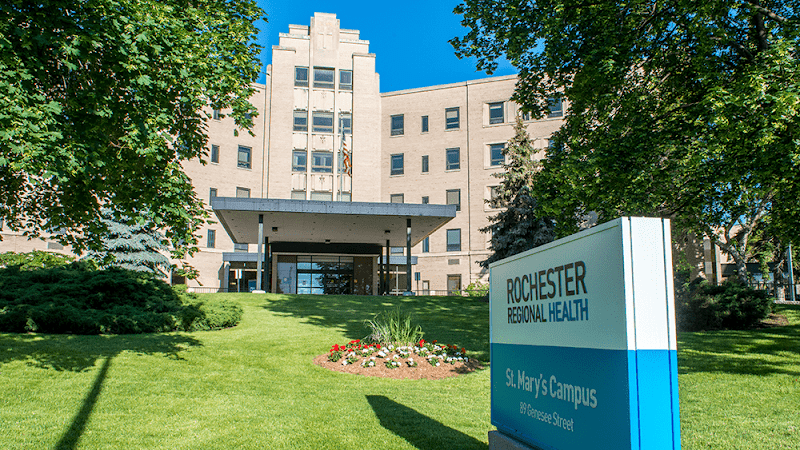
Unity Living Center

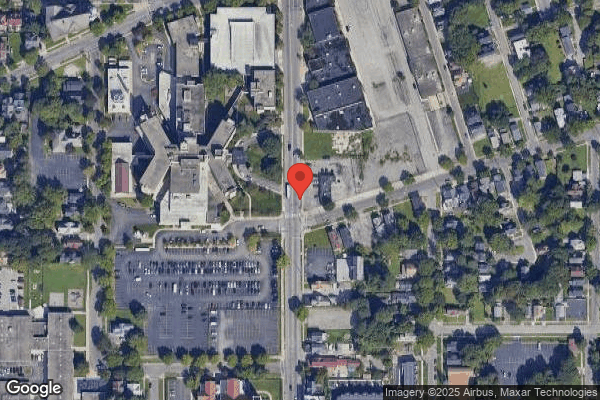
89 Genesee Street, Rochester, NY 14611 (585) 368-3881
Non profit - Corporation 120 Beds ROCHESTER REGIONAL HEALTH Data: November 2025 1 Immediate Jeopardy citation
Trust Grade
56/100
#361 of 594 in NY
Last Inspection: July 2024

Within standard 12-15 month inspection cycle. Federal law requires annual inspections.

Overview

Unity Living Center in Rochester, New York, has a Trust Grade of C, which means it is considered average-neither particularly good nor bad among nursing homes. It ranks #361 out of 594 facilities in New York, placing it in the bottom half, and #22 out of 31 in Monroe County, indicating that only a few local options are better. The facility is improving, having reduced its issues from three in 2024 to one in 2025. Staffing is average with a 3/5 star rating and a turnover rate of 43%, which is close to the state average. However, it has concerning fines of $12,868, higher than 79% of New York facilities, suggesting some compliance issues. While the nursing home maintains an average level of RN coverage, there have been significant problems noted in inspections. For example, the facility failed to properly clean and disinfect blood glucose monitoring equipment, which poses infection risks, and staff did not consistently wear required personal protective equipment. Additionally, records for several residents were incomplete, failing to document wound treatments as required. Overall, while there are some strengths, such as excellent quality measures, families should be aware of these serious weaknesses in infection control and documentation practices.

Trust Score
C
56/100
In New York
#361/594
Bottom 40%
Safety Record
High Risk
Review needed
Inspections
Getting Better
3 → 1 violations
Staff Stability
○ Average
43% turnover. Near New York's 48% average. Typical for the industry.
Penalties
○ Average
$12,868 in fines. Higher than 68% of New York facilities. Some compliance issues.
Skilled Nurses
○ Average
Each resident gets 37 minutes of Registered Nurse (RN) attention daily — about average for New York. RNs are the most trained staff who monitor for health changes.
Violations
⚠ Watch
11 deficiencies on record. Higher than average. Multiple issues found across inspections.
★★★☆☆
3.0
Overall Rating
★★★☆☆
3.0
Staff Levels
★★★★★
5.0
Care Quality
★★☆☆☆
2.0
Inspection Score
Stable
2024: 3 issues
2025: 1 issues

The Good

  • 5-Star Quality Measures · Strong clinical quality outcomes
  • Full Sprinkler Coverage · Fire safety systems throughout facility
  • No fines on record
  • Staff turnover below average (43%)

    5 points below New York average of 48%

Facility shows strength in quality measures, fire safety.

The Bad

3-Star Overall Rating

Near New York average (3.1)

Meets federal standards, typical of most facilities

Staff Turnover: 43%

Near New York avg (46%)

Typical for the industry

Federal Fines: $12,868

Below median ($33,413)

Minor penalties assessed

Chain: ROCHESTER REGIONAL HEALTH

Part of a multi-facility chain

Ask about local staffing decisions and management

The Ugly 11 deficiencies on record

1 life-threatening
May 2025 1 deficiency
CONCERN (E) 📢 Someone Reported This

A family member, employee, or ombudsman was alarmed enough to file a formal complaint

Potential for Harm - no one hurt, but risky conditions existed

Medical Records (Tag F0842)

Could have caused harm · This affected multiple residents

**NOTE- TERMS IN BRACKETS HAVE BEEN EDITED TO PROTECT CONFIDENTIALITY** Based on interviews and record reviews conducted during an Abbreviated Survey (NY00352620), the facility did not ensure resident...

Read full inspector narrative →
**NOTE- TERMS IN BRACKETS HAVE BEEN EDITED TO PROTECT CONFIDENTIALITY** Based on interviews and record reviews conducted during an Abbreviated Survey (NY00352620), the facility did not ensure resident records were complete, accurately documented, accessible, and systematically organized in accordance with professional standards of practice for three (3) (Residents #1, #2 and #4) of three (3) residents reviewed. Specifically, the facility could not provide documented evidence that wound treatments were administered as ordered, and documentation did not include who provided the treatments or when the treatments were completed. The findings include: The facility's policy Skin Inspection and Care, dated June 2024, documented that nursing staff were to perform and document weekly skin assessments for each resident. Nursing staff were to document changes in wound condition and new wounds under a lines, drains, and airways avatar as well as in a skin assessment flowsheet within the electronic medical record and were responsible for adding wound care to the daily work list in the electronic medical record. 1. Resident #1 had diagnoses that included a cerebral vascular accident (stroke), paraplegia (form of paralysis that affects the lower body), and neurogenic bladder (loss of bladder control due to nerve, spinal cord, or brain issues). The Minimum Data Set (a resident assessment tool), dated 02/20/2025, revealed Resident #1 was cognitively intact. In a medical progress note, dated 03/03/2025, Physician Assistant #1 documented Resident #1 had a Stage II (partial loss of skin that presents as a shallow crater) pressure ulcer to the sacrum (area at the base of the spine above the tailbone). Resident #1's current physician's orders, dated 03/03/2025, included to cleanse the open area on the sacrum with saline, pat dry, and apply a dressing daily at 9:00 AM. Review of Resident #1's electronic medical record from 03/03/2025 to 05/02/2025 revealed no documented evidence that the wound treatments were administered as ordered on 38 of 61 days reviewed or any documentation that the resident refused the treatments. Review of Resident #1's Work List Tasks (work list used by the nurses in the electronic medical record), dated 04/25/2025 to 05/02/2025, revealed documentation that the wound care had been completed on seven (7) days but did not include what time or who completed the treatment. 2. Resident #2 had diagnoses that included a cerebral vascular accident, hemiplegia (paralysis on one side of the body), and chronic kidney disease. The Minimum Data Set, dated [DATE], revealed Resident #2 was cognitively intact. Review of Resident #2's current Comprehensive Care Plan revealed Resident #2 had a history of skin breakdown and was non-compliant with required interventions. Review of physician's orders included: a. Wound care to the sacrum (area at the base of the spine above the tailbone), to cleanse the wound, apply Santyl (topical ointment containing collagenase used to remove dead tissue), and cover with foam dressing daily at 9:00 AM and as needed (PRN); ordered 03/07/2025 and cancelled on 04/07/2025. b. Wound care daily to the right foot, cleanse the dried area with wound cleanser, apply xeroform (moist gauze used in wound care to promote healing), cover with dry dressing, and wrap with kling (gauze roll) daily at 9:00 AM until healed; ordered 03/20/2025. c. Wound care to right foot blisters, apply skin prep daily at 9:00 AM until healed; ordered 03/20/2025. Review of Resident #2's electronic medical records from 03/07/2025 to 05/02/2025, revealed no documented evidence that the ordered wound treatments were completed as ordered on 25 out of 57 days reviewed. There was no documented evidence that the treatments had been refused. Additionally, on multiple days when there was documentation that wound care was completed it did not include who the treatments were completed by. 3. Resident #4 was admitted with diagnoses including tracheostomy (a surgically created opening in the neck and into the windpipe to help with breathing), ventilator dependence, and a sacral pressure ulcer. The Minimum Data Set, dated [DATE], documented the resident was unable to complete a cognitive assessment due to severe cognitive impairment. Current physician's orders, dated 08/08/2024, included to apply silver alginate ointment (wound treatment usually used for infected wounds) to the sacral wound bed, cover with an abdominal gauze pad, and affix with medical tape daily at 9:00 AM. Resident #4's current Comprehensive Care Plan, dated 01/09/2024, included to measure pressure ulcers weekly and record in the health record. Review of Resident #4's electronic medical record from 08/01/2024 to 08/02/2024 and from 08/08/2024 to 08/27/2024 (hospitalized from [DATE] to 08/07/2024) revealed no documentation that Resident #4 had received their wound care daily as ordered on 20 of 22 days reviewed or weekly skin assessments as care planned for. During an interview on 05/02/2025 at 10:00AM, Licensed Practical Nurse #1 stated either the bedside nurse or the clinical lead nurse was responsible for ensuring wound treatments were administered. Licensed Practical Nurse #1 stated wound care and wound assessments should be documented in the skin assessment flowsheet, in a progress note, or in the lines, drains, and airways avatar. During an interview on 05/02/2025 at 10:12 AM, Registered Nurse Manager #1 stated the licensed practical nurses and sometimes the clinical lead nurse was responsible for providing wound treatments and they were automatically added to the work list when a provider placed the order. Registered Nurse Manager #1 stated the treatments should be documented on the work list which should carry over into the flowsheets, which is where they look to make sure treatments were completed. Registered Nurse Manager #1 stated if wound care or wound assessments were not completed, it should be documented in a progress note. During an interview on 05/02/2025 at 10:40 AM, the Assistant Director of Nursing stated wound care and wound assessments should be documented each time they are performed by nursing staff in the skin assessment flowsheets or the lines, drains, and airways avatar, and a progress note written. When asked how they would know if wound care was performed as ordered, the Assistant Director of Nursing stated the actual dressing on a resident's dressing should have a date written on it and nurses should document when a dressing was completed. The Assistant Director of Nursing stated some of the older nurses charted by exception (wound care not done). After review of Resident #4's flowsheet at this time, Assistant Director of Nursing stated they did not see documentation for wound care for most of the dates reviewed and were not sure why. During a follow-up interview at 2:24 PM, the Assistant Director of Nursing stated work list items with a line through them meant they had been completed. Upon review of the Work List Tasks legend, the treatments that had a strikethrough (line through the item indicating it was either completed or discontinued) did not include who completed the treatment or at what time. 10 NYCRR 415.22(a)(1-4)
Jul 2024 3 deficiencies 1 IJ
CRITICAL (J)

Immediate Jeopardy (IJ) - the most serious Medicare violation

Infection Control (Tag F0880)

Someone could have died · This affected 1 resident

**NOTE- TERMS IN BRACKETS HAVE BEEN EDITED TO PROTECT CONFIDENTIALITY** Based on observations, interviews, and record reviews conducted during the Recertification Survey from 7/19/24-7/25/24, the faci...

Read full inspector narrative →
**NOTE- TERMS IN BRACKETS HAVE BEEN EDITED TO PROTECT CONFIDENTIALITY** Based on observations, interviews, and record reviews conducted during the Recertification Survey from 7/19/24-7/25/24, the facility did not ensure they established and maintained an infection prevention and control program designed to provide a safe, sanitary, and comfortable environment and to help prevent the development and transmission of communicable diseases and infections for six (Residents #6, #26, #66, #87, #92, and #100) of seven residents reviewed for infection control on the facility's ventilator unit. Specifically, the facility failed to ensure a blood glucose monitoring device (a device used to obtain a blood sample to check blood sugar levels) was cleaned and disinfected between each use for Residents #6, #26, and #87. Additionally, staff did not wear the posted and required personal protective equipment for Residents #6, #26, #66, #92, and #100. Additionally, a nursing staff member mixed medications for Resident #66 with their gloved finger. Subsequently, facility staff members did not follow the facilities infection control process. These issues resulted in the likelihood of serious injury, harm, and death for all the residents in the facility (census 119) that was Immediate Jeopardy. The findings are: The facility policy Glucose Meter, last revised 2/29/24, documented that the blood glucose monitoring devices were to be cleaned and disinfected after each patient use. The facility policy Infection Prevention - Transmission Based Precautions Policy, last revised May 2024, documented transmission-based precautions are used for patients who are known or suspected to be infected/colonized with infectious agents which require additional control measures beyond standard precautions to effectively prevent transmission. Contact precautions are intended to prevent transmission of infectious agents which are spread by direct contact with the patient (hand or skin-to-skin contact that occurs when performing patient care activities that require touching the patient) or indirect contact with an immediate person or object (e.g., environmental surfaces or items in the patient's environment). Contact precautions require the use of gown and gloves when entering the room regardless of patient contact. Enhanced contact precautions are intended to prevent the transmission of extremely drug resistant pathogens including CRE (carbapenem-resistant enterobacterales) and MDRE (multidrug-resistant enterobacterales) which are spread by direct contact with the patient. Enhanced contact precautions require the use of gown and gloves when entering the room regardless of patient contact, require the use of dedicated equipment, and limiting the number of staff members caring for the patient. When possible, dedicate noncritical patient care items, such as blood pressure cuffs, thermometers, and stethoscopes, to a single patient. Equipment must be cleaned and disinfected in-between resident use. The facility policy Enhanced Barrier Precautions, last revised April 2024, documented Enhanced Barrier Precautions are used in conjunction with standard precautions and expand the use of personal protective equipment to donning gowns and gloves during high contact resident care activities that provide opportunities for transfer of multidrug resistant organisms to staff hands and clothing. Enhanced Barrier Precautions are used for residents with the presence of wounds and/or indwelling medical devices regardless of multidrug-resistant organisms. Indwelling medical devices include, but are not limited to, urinary catheters, feeding tubes, and tracheostomies. Resident #92 had diagnoses that included traumatic brain injury, seizure disorder, and diabetes. The Minimum Data Set Resident assessment dated [DATE] documented the resident had severely impaired cognition, had a feeding tube (a surgically inserted tube directly into the stomach for medication administration and nutrition), and had a tracheostomy (and artificial airway surgically inserted in the neck). Resident #66 had diagnoses that included diabetes, high blood pressure, and depression. The Minimum Data Set Resident assessment dated [DATE] documented the resident was cognitively intact, had a tracheostomy, and a feeding tube. Resident #66's current physician orders included enhanced barrier precautions for care of the feeding tube and tracheostomy. Resident #26 had diagnoses that included diabetes, dementia, and heart failure. The Minimum Data Set Resident assessment dated [DATE] documented the resident was comatose (prolonged unconsciousness brought on by illness or injury), had a tracheostomy, and had a feeding tube. Resident #26's current physician orders included insulin lispro injection per sliding scale (the amount of insulin administered is based on the blood sugar reading) every four hours, and that the resident required contact precautions due to having Multi Drug Resistant Organisms (MDRO - microorganisms, mainly bacteria, that are resistant to one or more classes of antimicrobial agents). Resident #6 had diagnoses that included diabetes, high cholesterol, and heart failure. The Minimum Data Set Resident assessment dated [DATE] documented the resident was cognitively intact and had a tracheostomy. Resident #6's current physician orders included glargine insulin injection 18 units before meals and to check the resident's blood sugar level before meals and enhanced barrier precautions for tracheostomy care. Resident #100 had diagnoses that included a stroke, hemiplegia (muscle weakness or partial paralysis on one side of the body), and difficulty swallowing. The Minimum Data Set Resident assessment dated [DATE] documented the resident had severely impaired cognitive skills and had a tracheostomy. Resident 100's current physician orders included enhanced contact isolation for carbapenem-resistant enterobacterales (CRE-germs resistant to one or several antibiotics called carbapenems). During an observation on 7/19/24 at 10:00 AM, Licensed Practical Nurse #2 was providing care to Resident #92's feeding tube. A sign posted outside the door stated EBP (enhanced barrier precautions) with a picture of a gown and pair of gloves. Personal Protective Equipment (including gowns) were available at the entrance to the room. Licensed Practical Nurse #2 was not wearing a gown while providing care to Resident #92's feeding tube. Ongoing observations on 7/19/24 from 11:18 AM to 11:48 AM included the following: - At 11:18 AM, Licensed Practical Nurse #2 entered Resident #66's room with several medicine cups of medications. A sign posted outside Resident #66's door stated EBP with a picture of a gown and pair of gloves. Personal Protective Equipment (including gowns) were available at the entrance to the room. Licensed Practical Nurse #2, wearing gloves, mixed the medications in the medicine cup with a gloved finger and administered the medications via Resident #66's feeding tube. Licensed Practical Nurse #2 did not wear a gown while administering medications to Resident #66. - At 11:26 AM, Licensed Practical Nurse #2 entered Resident #26's room with a portable vital signs machine. A sign posted outside Resident #26's door stated Contact Precautions and documented that hand hygiene was required to enter and exit, gown and gloves were to be worn to enter the room, and gown and gloves were to be removed before exiting the room. Licensed Practical Nurse #2 did not perform hand hygiene before entering the room, and put on gloves once inside the room but did not don a gown. Licensed Practical Nurse #2 performed vital signs on Resident #26, left the room removed their gloves and used hand sanitizer. The Licensed Practical Nurse #2 then reentered the resident's room, without any of the required personal protective equipment, brought the vital sign machine out of the resident's room, plugged it into the wall outlet, and returned to the medication cart without sanitizing the machine or performing additional hand hygiene. - At 11:33 AM, Licensed Practical Nurse #2 entered Resident #26's room with a blood glucose monitoring device and was wearing gloves but no gown. Licensed Practical Nurse #2 placed the blood glucose monitoring device on Resident #26's bed and performed a blood sugar check, removed their gloves, and left the room. Licensed Practical Nurse #2 placed the blood glucose monitoring device on top of the medication cart and did not clean or disinfect the blood glucose monitoring device. - At 11:38 AM, Licensed Practical Nurse #2 reentered Resident #26's room with medications for the feeding tube, insulin in a syringe, and a gauze dressing. Licensed Practical Nurse #2 administered the medications via the feeding tube, injected insulin via a syringe, and changed the gauze dressing around the feeding tube. Licensed Practical Nurse #2 was wearing gloves but no gown while performing the care for Resident #26. - At 11:43 AM, Unit Secretary #1 went in Resident #92's room and removed tube feeding bottles and tube feeding tubing from Resident #92's room and placed them on a cart in the hall. The sign outside of the resident's room indicated: Contact Precautions, hand hygiene to enter and exit, gown and gloves to enter, and to remove gown and gloves before leaving the room. Unit Secretary #1 was not wearing a gown or gloves in Resident #92's room. - At 11:48 AM, Licensed Practical Nurse #2 retrieved the same (uncleaned) blood glucose monitoring device (as used on Resident #26) and supplies from the medication cart and entered Resident #6's room. A sign posted next to Resident #6's room stated Enhanced Contact Precautions and had a picture of a gown and gloves on the sign. Licensed Practical Nurse #2 did not put on a gown. Licensed Practical Nurse #2 placed the blood glucose monitoring device on Resident #6's bed and started the procedure to check the resident's blood sugar. During an immediate intervention and interview, Licensed Practical Nurse #2 was stopped from performing a blood sugar check on the resident. They stated they had not cleaned or disinfected the blood glucose monitoring device between Resident #26 and Resident #6, and had also used the same blood glucose monitoring device earlier in their shift to check Resident #6 and Resident #87's blood sugars and had not cleaned the device between each resident. Licensed Practical Nurse #2 stated they normally did not clean the blood glucose monitoring device until all blood sugar checks were completed for their assignment (7 residents on their assignment had blood sugar checks ordered). Licensed Practical Nurse #2 stated the blood glucose monitoring device should have been cleaned and disinfected between each use and each resident. Licensed Practical Nurse #2 stated they should have checked for signs regarding personal protective equipment prior to entering a resident's room but did not and should have worn the personal protective equipment listed on the signs for Residents #66, #26, and #6. During an observation on 7/19/24 at 11:56 AM, Physician #1 entered Resident #100's room without putting on any form of personal protective equipment. There was a sign posted on the resident's room door frame that stated Enhanced Contact Precautions. Physician #1 performed an assessment on Resident #100 that included listening to the resident's chest with a stethoscope and touched the resident's gown and their linens. Physician #1 then put the stethoscope around their neck and exited the room without performing hand hygiene or cleaning the stethoscope and entered a charting room to use the computer. During an immediate interview, Physician #1 stated they did not know Resident #100 was on precautions and had not seen the Enhanced Contact Precautions sign. Physician #1 stated they should have worn a gown and gloves in Resident #100's room and should always follow the posted signage and wear the instructed personal protective equipment. During an interview on 7/19/2024 at 1:31 PM, Registered Nurse Manager #2 stated blood glucose monitoring devices should be cleaned after every use and should never be used on multiple residents without cleaning and disinfecting. Registered Nurse Manager #2 stated that precaution signs are posted outside most of the residents' rooms because most residents are on either enhanced barrier precautions or contact precautions on this unit (ventilator unit). During an interview on 7/19/24 at 2:50 PM with the Administrator, the Director of Nursing and the Assistant Director of Nursing/Infection Preventionist, the Assistant Director of Nursing/Infection Preventionist stated all staff (including agency staff) received education on blood glucose monitoring devices and infection control practices prior to being able to use the devices and on precaution signs and the personal protective equipment that is to be worn for the different types of signs. The Assistant Director of Nursing/Infection Preventionist said blood glucose monitoring devices should never be used on multiple residents without being cleaned and disinfected and that all staff were expected to follow the posted precaution signs posted outside the resident rooms. On 7/19/24, the survey team identified and declared Immediate Jeopardy. The facility administrator was notified at 7:48 PM. On 7/20/24 at 11:51 AM, the survey team declared that the IJ was removed based on the following corrective actions taken by the facility: 1. 100% of staff working at the time of removal had received education on appropriate infection control practices, including posted signage Enhanced Barrier Precautions, Contact Precautions, use of Personal Protective Equipment, hand hygiene, appropriate cleaning of blood glucose monitoring devices (nursing staff), and the facility's policies on infection control practices prior to the start of their shift. 2. Interviews were completed with multiple staff, including direct care staff and environmental services staff, on four of four resident care units that revealed appropriate knowledge of the infection control processes and had that they had received education prior to starting their shift. 3.Approximately 47% of total licensed nurses (including Licensed Practical Nurse #2) were educated on appropriate infection control practices including posted signage, Enhanced Barrier Precautions, Contact Precautions, use of Personal Protective Equipment, hand hygiene, appropriate cleaning of the glucometers, and the facility's policies on infection control practices. 4. All (100%) of medical staff (including Physician #1) were educated on appropriate infection control practices including posted signage, Enhanced Barrier Precautions, Contact Precautions, use of Personal Protective Equipment, hand hygiene, and the facility's policies on infection control practices. 5. Approximately 47% of all certified staff were educated regarding infection control practices, posted signage, Enhanced Barrier Precautions, Contact Precautions, use of Personal Protective Equipment, hand hygiene, and the facility's policy on infection control practices. 6. Approximately 55% of all non-medical staff (including housekeeping and clerical) were educated regarding appropriate infection control practices and posted signage including Enhanced Barrier Precautions, Contact Precautions, use of Personal Protective Equipment, and hand hygiene. 7. All residents on the resident care unit involved were assessed by a registered nurse and there were no newly identified issues for any resident. 8. All infection control policies were signed as reviewed by the facility leadership team and no revisions were made. 9. The correction action included a plan to educate all staff (including licensed and certified staff and non-medical staff) and staff on vacation and/or leave prior to their next shift and are being tracked by administrative team on a spreadsheet to ensure 100% compliance. 10. Observations on four of four resident units revealed no infection control deficient practices. 415.19(b)(1)(4)
CONCERN (D)

Potential for Harm - no one hurt, but risky conditions existed

Deficiency F0760 (Tag F0760)

Could have caused harm · This affected 1 resident

Based on interviews, observations, and record reviews conducted during a Recertification Survey from 7/19/24-7/25/24, for two (Residents #20 and #93) of three residents reviewed for medication adminis...

Read full inspector narrative →
Based on interviews, observations, and record reviews conducted during a Recertification Survey from 7/19/24-7/25/24, for two (Residents #20 and #93) of three residents reviewed for medication administration, the facility did not ensure that each resident was free from significant medication errors. Specifically, several significant medications were not administered to both Resident #20 and Resident #93 due to not being available. This is evidenced by the following: The facility's policy Medication Administration dated August 2021, documented the facility shall properly administer and store all medications. Medications are administered following a valid order entered in the Electronic Medical Record which links to the Medication Administration Record. 1. Resident #20 had diagnoses that included chronic obstructive pulmonary disease, seizure disorder, and hypertension (high blood pressure). Resident #20's current physician orders included Lasix (diuretic or water pill) 20 milligrams once daily and Topamax (anti-seizure medication) 250 milligrams every 12 hours. Review of the July 2024 Medication Administration Record revealed that Resident #20's Lasix and Topamax were scheduled to be given at 9:00 AM. During an observation and interview of medication pass on 7/22/24 at 11:38 AM, Licensed Practical Nurse #1 did not administer Resident #20's scheduled Lasix because it was not available in their medication cart. Additionally, Licensed Practical Nurse #1 said they could not administer the resident's Topamax because the ordered dose was 250 milligrams and they only had 200 milligram tablets available. 2. Resident #93 had diagnoses that included a history of recurrent pulmonary thromboembolism (arteries in the lungs blocked by blood clots), chronic pain, and megacolon (disease of the large intestine). Resident #93's current physician orders included Eliquis (anticoagulant medication used to prevent blood clots) 5 milligrams twice daily. Review of the July 2024 Medication Administration Record revealed Resident #93's Eliquis was scheduled to be given at 9:00 AM. During an observation and interview on 7/22/24 at 12:07 PM, Resident #93's Eliquis was not administered. Licensed Practical Nurse #1 stated that they could not administer Resident #93's Eliquis because it was not available. During an interview on 7/24/24 at 10:51 AM, Licensed Practical Nurse #1 said they were told by the nurse whom they relieved (on 7/22/24) that all the medications that were unavailable during their medication pass on 7/22/24 had already been ordered prior to their shift, but had not been delivered in time, so they were not able to administer the medications. During an interview on 7/24/24 at 3:18 PM with Registered Nurse Manager #1 and the Director of Nursing, Registered Nurse Manager #1 said there was an emergency medication box and a Pyxis (automated medication dispensing machine) available that contained frequently used medications, including Lasix and Eliquis to avoid the residents missing their medications. Registered Nurse Manager #1 and the Director of Nursing both stated that Lasix and Eliquis were significant medications and that the Licensed Practical Nurses should notify leadership and pharmacy, and document that the medication had not been available. During an interview on 7/25/24 at 11:26 AM, Licensed Practical Nurse #1 said they had not received training on the medication protocol and did not know the facility had a Pyxis machine until the previous day. Licensed Practical Nurse #1 said they were trained to notify the unit nurse manager if a medication was not available along with calling the pharmacy and faxing over a medication request sheet but that they had not seen Registered Nurse Manager #1 the day their medications were not administered because they were behind on their medication pass and just wanted to get it done. Licensed Practical Nurse #1 said they did not call the provider to let them know the medications were significantly late or that some of the medications were not given because they were not trained to call the provider, but that the unit manager would call the provider instead. 10 NYCRR 415.12(m)(2)
CONCERN (D)

Potential for Harm - no one hurt, but risky conditions existed

Deficiency F0761 (Tag F0761)

Could have caused harm · This affected 1 resident

Based on observations, interviews, and record review conducted during the Recertification Survey from 7/19/24-7/25/24, for one of four residential units (3300 unit), the facility did not provide for s...

Read full inspector narrative →
Based on observations, interviews, and record review conducted during the Recertification Survey from 7/19/24-7/25/24, for one of four residential units (3300 unit), the facility did not provide for safe and secured medications in accordance with currently accepted professional standards. Specially, there were multiple loose unpackaged and unlabeled pills and expired medications observed in two medication carts on the 3300 Unit. The Medication Administration Policy, dated February 2020, included that the facility shall properly store all medications. All medications must remain in secure storage until administered to the patient. During an observation and interview on 7/22/24 at 12:22 PM on the 3300 resident care unit, the team one hall medication cart contained 25 loose unlabeled pills (different shapes and colors) in the medication drawers. Licensed Practical Nurse #1 stated they thought some of the pills were senna (stool softener) but was unable to identify any of the other loose pills. Licensed Practical Nurse #1 stated they did not know who was responsible for cleaning the medication carts. During an interview on 7/22/24 at 12:26 PM, Registered Nurse Manager#1 said that all non-narcotic loose and expired pills should be discarded in bins in medication storage room. During an observation and interview on 7/22/24 at 12:34 PM, the second medication cart on Unit 3300 contained multiple unpackaged, unlabeled loose pills. Licensed Practical Nurse #2 was unable to identify most of the loose pills. The medication cart also contained a bottle of vitamin D3 that expired on 6/30/24 and colace (stool softener) that had expired June 2024. During an interview at 12:47 PM, the Director of Nursing stated staff should complete monthly, if not weekly, cart audits and preferably on the night shift. The Director of Nursing stated that it was not acceptable for any medication cart to have 24 or 26 loose pills. The Director of Nursing stated that they have had recent turnover in unit staff as well as the Unit Manager, but that medication storage is covered in orientation, so they expected the carts to be free from loose pills. 415.18(d)
Sept 2022 5 deficiencies
CONCERN (D)

Potential for Harm - no one hurt, but risky conditions existed

Deficiency F0692 (Tag F0692)

Could have caused harm · This affected 1 resident

**NOTE- TERMS IN BRACKETS HAVE BEEN EDITED TO PROTECT CONFIDENTIALITY** Based on observations, interviews and record reviews conducting during the Recertification Survey from 8/31/22 to 9/9/22, it was...

Read full inspector narrative →
**NOTE- TERMS IN BRACKETS HAVE BEEN EDITED TO PROTECT CONFIDENTIALITY** Based on observations, interviews and record reviews conducting during the Recertification Survey from 8/31/22 to 9/9/22, it was determined that for one (Resident #81) of five residents reviewed for nutrition, the facility did not ensure that the resident's daily fluid intake met their needs as ordered by the physician. Specifically, the physician ordered fluid restriction was not being consistently monitored or documented. This is evidenced by the following: The facility policy, Encouraging or Restricting Fluids, dated 10/28/19, instructed staff to verify if there was a physician's order for this and to review the resident's care plan and/or the daily assignment sheet to assess for any special needs. The General Guidelines included: To follow specific instructions concerning fluid intake or restrictions concerning fluid intake. Record fluid intake accurately. Record fluid intake in cubic centimeters (cc). Encourage the resident to follow specific instructions. Maintain intake and output in the resident's room/designated area. Resident #81was admitted on [DATE] with diagnoses including end stage renal disease (ESRD) requiring hemodialysis, a stroke with left sided weakness and seizure disorder. The Minimum Data Set Assessment, dated 7/4/22, included the resident had moderately impaired cognition. The physician orders, dated 6/27/22, included a diet order for 2-gram sodium (low salt) diet and a fluid restriction of 1500 milliliters (ml) daily (commonly seen for residents on dialysis to minimize fluid overload). A review of the Comprehensive Care Plan (CCP) revealed goals and interventions for hemodialysis but did not include goals and interventions for nutrition/hydration or the physician ordered fluid restriction. The Certified Nursing Assistant (CNA) care card did not include that Resident #81 was on a fluid restriction. A review of Resident #81 tray ticket as provided by Registered Dietician (RD) and dated 9/8/22 included a diet order for 2-gram sodium and the 1500 ml fluid restriction. Review of the Fluid Intake Detail Report printed on 9/7/22 and provided by the facility from the Care Tracker (computer system used by the CNAs to document fluid intake and other activities of daily living) from 6/27/22 (admission) through 9/6/22, revealed a total of just 13 entries of fluid intakes documented by CNAs for all three meals a day since admission with the totals for the 13 days ranging from zero to 480ml. Review of the Intake/Output Flowsheet (a 2nd computer system used by nursing staff and all other disciplines for fluid intakes outside of meals) revealed that there were no entries made by nursing or any discipline of fluid intake. The flowsheet did not indicate how much fluid the resident should receive for medication pass. The facility was unable to provide any documentation that 24-hour fluid totals were being consistently documented or monitored to ensure the fluid restriction was being met. During an interview on 9/6/22 at 10:56 a.m., Resident #81 stated that they were on a fluid restriction and that dialysis determines how much fluid they can have. During an interview on 9/7/22 at 1:25 p.m., Licensed Practical Nurse (LPN) #1 stated that Resident #81 had an order for a 1500 ml fluid restriction and that intake and output were documented on flow sheets by the CNAs. LPN #1 stated that they thought the resident received 240 mls for medications and maybe 120 mls for other drinks but was not sure. LPN#1 stated that the CNAs would sometimes ask the nurse if the resident could have some fluids. LPN #1 said that there was no order for dividing the fluids between meals and medications. During an interview on 9/7/22 at 2:48 p.m., CNA #1 stated that they did not think that Resident #81 was on a fluid restriction but if they were a sign would be posted in their room. CNA #1 stated that staff are supposed to chart all amounts of fluids on meals for all residents in the Care Tracker. CNA#1 stated that if the resident was on a fluid restriction they would let the nurse know how much fluid they had received. In an observation on 9/7/22 at 3:01 p.m., Resident #81 was not in their room, there was no sign in the room or on the door that the resident was on a fluid restriction. There was a cup of liquid on the bedside table that was mostly empty with just a few sips of amber liquid left. When interviewed on 9/8/22 at 9:33 a.m., the RD stated that Resident #81 is on a fluid restriction of 1500ml per day. The RD stated that there was a limit to the fluids the resident should receive on their meal trays due to the fluid restriction being included on the tray ticket. The RD stated that care staff should document and monitor intake. During an interview on 9/08/22 9:36 a.m., the Director of Nursing (DON) stated that the total amount of fluid a resident should have would be divided by the amount for medications and what is provided by dietary. Liquids provided by dietary would be subtracted from total and then divided by two for medication pass that would be indicated on the Intake/Output Flowsheet. A combination of nursing and CNA staff should be documenting in either the Care Tracker computer system or in the Intake/Output section of the EPIC computer system. The DON stated that the two computer programs do not speak to each other. The DON stated that they had reviewed the record for Resident #81 and that intake was not being consistently documented for Resident #81. 10 NYCRR 415.12(i)(1)
CONCERN (D)

Potential for Harm - no one hurt, but risky conditions existed

Unnecessary Medications (Tag F0759)

Could have caused harm · This affected 1 resident

Based on observations, interviews and record review conducted during the Recertification Survey, completed 9/9/22 it was determined that for one (Resident #13) of three residents observed during medic...

Read full inspector narrative →
Based on observations, interviews and record review conducted during the Recertification Survey, completed 9/9/22 it was determined that for one (Resident #13) of three residents observed during medication pass, the facility did not ensure that it was free of medication error rate of 5 percent (%) or greater. There were 4 medication errors for 28 opportunities resulting in a 14.3 % medication error rate. The issue involved administering three medications at the wrong time and not administering one medication that the nurse signed out as administered. This is evidenced by the following: Resident #13 had diagnoses including type 2 diabetes, hypertension, and gastric ulcer. The Minimum Data Set Assessment, dated 5/16/22, documented that the resident had moderate impairment of cognitive function. Current physician orders included but not limited to, the following medications: a. Novolog insulin 14 units sq (subcutaneous injection) three times daily before meals and scheduled for 7:30 a.m. b. Toprol-XL 24 hour extended release 25 milligrams (mg) daily for hypertension and scheduled for 9:00 a.m. c. Protonix EC 40mg two times daily before meals for gastric ulcer and scheduled for 7:30 a.m. d. Sanctura 20mg two times daily for bladder hyperactivity with instructions to take on an empty stomach one hour before meals or two to three hours after a meal and scheduled for 9:00 a.m. During observation of medication pass on 9/6/22 at 9:00 a.m., the Licensed Practical Nurse (LPN) administered multiple medications to Resident #13, including but not limited to, the insulin, Protonix and Sanctura at 9:01 a.m. The Toprol-XL was not given at this time. Observed in Resident #13's room was an empty breakfast tray with dried food plates on it. Medication pass observation continued on for other residents. Review of the kitchen schedule revealed the breakfast trays are delivered to the resident's unit at 8:00 a.m. Review of September 2022 Medication Administration Record for Resident #13 on 9/6/22 revealed that on 9/6/22, the Toprol-XL was signed off as administered with all the other medications at 9:01 a.m. The September 2022 MARS also included that Resident #13's insulin (scheduled for 7:30 a.m. before meals) was signed off as given daily from 9/1/22 through 9/6/22 between 8:25 a.m. to 9:01 a.m. The resident's Sanctura (with instructions to administer on an empty stomach one hour before meals or two to three hours after a meal) was signed off as adminstered daily from 9/1/22 through 9/6/22 between 8: 27 a.m., to 9:01 a.m. During an interview on 9/6/22 at 1:40 p.m., the LPN stated that they did not give the Toprol-XL with the other medications but that they did give it later after the surveyor left. When asked why it was signed off for 9:01 a.m., as with the rest of the medication, the LPN stated that they were unaware that they did that. The LPN stated that they gave the medications ordered for before meals after breakfast because the resident preferred that and that sometimes medical will document that this ok to do. Review at this time, there was no medical documentation to support that is was ok to give the medications after meals. The LPN stated that the insulin was supposed to be given on nights, but it was not given. The LPN then stated that they do not arrive to work until 8:00 a.m. so they cannot give the insulin at 7:30 a.m., as ordered. During an interview on 9/6/22 at 2:05 p.m., the Registered Nurse Manager (RNM) stated that medications should be given as ordered unless the resident chooses not to and then it should be discussed, documented and a time change. The RNM stated the day shift did start on 7:00 a.m. but that sometimes the LPN came in at 8:00 a.m. [10 NYCRR 415.12(m)(1)]
CONCERN (D)

Potential for Harm - no one hurt, but risky conditions existed

Infection Control (Tag F0880)

Could have caused harm · This affected 1 resident

**NOTE- TERMS IN BRACKETS HAVE BEEN EDITED TO PROTECT CONFIDENTIALITY** Based on observation, interviews and record review conducted during the Recertification Survey from [DATE] to [DATE], it was det...

Read full inspector narrative →
**NOTE- TERMS IN BRACKETS HAVE BEEN EDITED TO PROTECT CONFIDENTIALITY** Based on observation, interviews and record review conducted during the Recertification Survey from [DATE] to [DATE], it was determined that for one (Resident #94) of 29 residents reviewed the facility did not establish and maintain an infection prevention and control program designed to provide a safe, sanitary, and comfortable environment and to help prevent the development and transmission of communicable disease and infections. Specifically, the facility did not ensure that visitors of a resident on transmission-based precautions, due to multiple communicable (contagious) infections, practiced appropriate infection control prevention. This was evidenced by the following: The current Centers for Disease Control (CDC) guidelines for Transmission-Based Guidelines includes under Contact Precautions: everyone should use personal protective equipment (PPE) appropriately including gloves and gown. Wear a gown and gloves for all interactions that may involve contact with the patient or the patient's environment. Donning PPE upon room entry and properly discarding before exiting the patient room is done to contain pathogens. Resident #94 with diagnoses including anoxic brain injury, hepatitis C, human immunodeficiency virus (HIV), multidrug-resistant organisms (MDRO), Extended-spectrum beta-lactamase's (ESBL) (antibiotic resistant infection) of the urine, and methicillin-resistant staphylococcus aureus (MRSA) (antibiotic resistant infection) of a pressure ulcer. The Minimum Data Set (MDS) Assessment, dated [DATE], documented that the resident had severely impaired cognition and required total dependence of staff for all activities of daily living and incontinent of bowel and urine. The Comprehensive Care Plan for contact precautions with a start date of [DATE], included to please follow appropriate precautions according to current Policy and Procedure as determined by Infection Control guidelines for Contact Precautions. A Physician's Assistant note dated [DATE], indicated that the resident had MRSA in the left elbow wound. When observed from the doorway on [DATE] at 1:10 p.m., the family member was using the suction equipment to clean around the resident's tracheostomy (opening in the windpipe). The family member had gloves and a surgical mask in place at the time but no gown. The signage to the right of the doorway beneath the resident's name plate indicated; Contact Precautions: gloves, mask, gowns, and hand washing were required. During an interview with a family member on [DATE] at 1:21 p.m., they stated that the resident had a pressure ulcer on their left elbow and that they clean it and apply the Allevyn (treatment bandage). They stated that they ask the nurse first. The family member stated that they perform range of motion (ROM) to all the resident's extremities. When asked if they had been trained on how to perform ROM, they stated that they have watched and learned. The family member stated that they, with another family member, come every three days and give personal care. During observations on [DATE] at 2:07 p.m., [DATE] at 2:29 p.m. and on [DATE] at 1:13 p.m., multiple family members in Resident #94's room at bedside wearing a surgical mask and gloves but no gowns. A family member was observed (from the doorway) moving a collection bag attached to the resident's rectal tube, around on the bed wearing gloves but no gown. The family member did not remove or change gloves and perform hand hygiene prior to touching environmental surfaces around the room, the resident and/or the resident's bed linens. When interviewed on [DATE] at 1:18 p.m., the Licensed Practical Nurse (LPN) #1 stated that Resident #94 is on contact precautions and required to wear full Personal Protective Equipment (PPE) and to wash hands. LPN#1 stated that all visitors would need to wear the same PPE. LPN#1 stated that the resident's family members do pretty much everything for them. During an interview on [DATE] at 1:35 p.m., LPN #2 stated that contact precautions meant that gown, gloves, and mask and sometimes a face shield ( if coughing) should be worn. LPN #2 stated that the resident's family members should have a mask and gloves on, and that they were told to wear gowns. LPN #2 stated that the family members stopped wearing the gowns after the pandemic died down. LPN #2 stated that Resident #94 was on contact precautions for MDRO and ESBL and that they had a pressure ulcer on their left elbow and had recently started on an antibiotic due to an infection in the wound. LPN #2 stated that the family members have watched staff change the dressing to the pressure ulcer and have sometimes changed the dressing themselves. LPN#2 stated that the family members checked the resident's skin from head to toes for and open areas and will check the resident's brief for incontinence. There was no documented evidence in the resident's electronic medical record that family members were educated and observed for appropriate proper infection control practices during wound care and/or personal care. During an interview on [DATE] at 2:02 p.m., the Registered Nurse Manager (RNM) stated that the family members are very involved in the resident's personal care and visit most days of the week. The RNM stated that if the resident has secretions, the family members will suction and do personal care to clean the resident up. The RNM stated that they were not aware that the family had changed the dressing to the resident's left elbow wound. The RNM stated that they had reminded the family members about gowns and gloves and that family members had been consistent with wearing gloves but that they had seen family members not wearing gowns. During an interview with the Administrator and Director of Nursing (DON- who was also the covering Infection Preventionist) on [DATE] at 1:42 p.m., the Administrator stated that they were not aware the family members were completing dressing changes for the resident or the amount of care the family members were providing. The DON stated that the family members should be wearing the same PPE as the staff such as a mask, gown, and gloves when physical contact is happening. The DON stated that they were not aware of the care the family members were providing. 10 NYCRR 415.19
CONCERN (E)

Potential for Harm - no one hurt, but risky conditions existed

Comprehensive Care Plan (Tag F0656)

Could have caused harm · This affected multiple residents

Based on observations, interviews and record review conducted during a Recertification Survey, completed on 9/9/22, it was determined that for 3 of 29 residents reviewed for care planning, the facilit...

Read full inspector narrative →
Based on observations, interviews and record review conducted during a Recertification Survey, completed on 9/9/22, it was determined that for 3 of 29 residents reviewed for care planning, the facility did not develop and implement a comprehensive person- centered care plan that included measurable objectives to meet all the resident's medical, nursing, mental and psychological needs as identified in their comprehensive assessments. Specifically, Resident #18's Comprehensive Care Plan (CCP) did not include goals, interventions and desired outcomes related to dementia with behaviors, depression or that the resident had a seizure disorder. Resident # 81's CCP did not address nutrition and hydration needs related to end stage renal disease (ESRD) requiring hemodialysis, and Resident #94's CCP did not include goals and interventions related to visitors providing personal care for the resident who was on transmission-based precautions for multiple infections. This was evidenced by the following: 1. Resident #18 had diagnoses that included vascular dementia with behavioral disturbances, seizure disorder and major depression. The Annual Minimum Data Set (MDS) Assessment, dated 4/23/22, revealed Resident # 18 had moderately impaired cognition, had signs and symptoms of depression, had dementia and a seizure disorder. The Care Area Assessment Summary (CAAS-provides guidance to the facility about specific areas of concern for a resident as identified on the MDS Assessment that may need interventions included in the CCP) included that the resident had cognitive loss and dementia and staff were to proceed to the CCP. Review of a physician progress note, dated 7/26/22, revealed that Resident #18 had vascular dementia with behavioral disturbances, major depression, and a seizure disorder. Under psychological review of systems, the physician wrote that the resident was positive for depression, disorientation, and irritability. The physician wrote that the resident's psychosis was moderate to severe, and the nature of the dementia was delusional. Review of the current CCP revealed no care planning with goals and/or interventions related to the resident's dementia, depression, any potential behaviors, or their seizure disorder. During an interview on 9/2/22 at 11:47 a.m., LPN #1 stated that Resident #18 may sometimes antagonize other residents and that they try to diffuse the situation and come up with a compromise. LPN#1 stated that knowing the residents and their patterns help. During an interview 9/8/22 at 10:48 a.m., Registered Nurse Manager (RNM) #1 stated that they were responsible for the development of the resident care plans. RNM #1 stated that if a resident had seizures, it should be on the care plan so staff know what they are looking at and if the resident has dementia, it should be in the care plan, especially if they exhibited behaviors. 2. Resident #81 had diagnoses that included ESRD requiring hemodialysis and a cerebral vascular accident (CVA or stroke) with left sided weakness. The MDS Assessment, dated 7/4/22, included the resident had moderately impaired cognition and ESRD that required hemodialysis. Review of the current physician orders included a diet order for 2-gram sodium (low salt diet) and a fluid restriction of 1500 milliliters (ml) daily. Review of the CCP revealed goals and interventions for hemodialysis but did not include any goals or interventions or monitoring related to the resident's nutritional needs or fluid restriction requirements. The Certified Nursing Assistant (CNA) care card did not include that Resident #81 was on a fluid restriction. During an interview on 9/6/22 at 10:56 a.m., Resident #81 stated that they were on a fluid restriction and that dialysis says how much fluid they can have. During an interview on 9/7/22 at 1:25 p.m., LPN #2 stated that Resident #81 had an order for a 1500 ml fluid restriction and that intake and output were documented on flow sheets by the CNAs. LPN #2 stated that they thought the resident received 240ml for medications and maybe 120ml for a drink but was not sure. During an interview on 9/7/22 at 2:48 p.m., CNA #1 stated that they did not think Resident #81 was on a fluid restriction but if they were a sign would be posted in their room and they would inform the nurse how much fluid they had received. In an observation on 9/7/22 at 3:01 p.m., there was no sign in the resident's room or on their door indicating that Resident #81 was on a fluid restriction. During an interview on 9/8/22 at 9:33 a.m., and again at 12:18 p.m., the Registered Dietician stated that Resident #81 was on a fluid restriction and that the nutrition/hydration care plan was missed for Resident #81. 3. Resident #94 had diagnoses that included anoxic brain injury, hepatitis C, human immunodeficiency virus (HIV), multidrug-resistant organisms (MDRO), extended-spectrum beta-lactamase's (ESBL) (antibiotic resistant infection) of the urine, methicillin-resistant staphylococcus aureus (MRSA) (an antibiotic resistant infection) of a pressure ulcer of the left elbow and a tracheostomy tube (opening in the windpipe). The MDS Assessment, dated 7/22/22, documented that the resident had severely impaired cognition, was dependent on staff for all activities of daily living and was incontinent of bowel and urine. When observed on 8/31/22 at 1:10 p.m., a family member was using suction equipment to clean around the resident's tracheostomy. The signage to the right of the doorway beneath the resident's name plate indicated the resident was on Contact Precautions: gloves, mask, and gowns were required when entering. The family member was wearing a mask and gloves but no gown. During an interview on 8/31/22 at 1:21 p.m., a family member stated that the resident had a pressure ulcer on their left elbow and that they clean it and apply the Allevyn (treatment bandage). They stated that they do ask nursing for permission first. The family member stated that they also perform range of motion (ROM) to all the resident's extremities. When asked if they had been trained on how to perform ROM, they stated that they have watched and learned. The family member stated that they, with another family member, come every three days and provide personal care. During observations on 9/1/22 at 2:07 p.m., 9/6/22 at 2:29 p.m. and 9/7/22 at 1:13 p.m., there were multiple family members in Resident #94's room wearing a surgical mask and gloves but no gowns. A family member was moving a collection bag attached to the resident's rectal tube, around on the bed and did not remove or change gloves and perform hand hygiene prior to touching environmental surfaces around the room, the resident and/or the resident's bed linens. Review of both the CCP and CNA Care Plan revealed that Resident #94 required total assistance of two staff for all activities of daily living. The CCP did not include that the family provided personal care or tracheostomy care or had been educated on how to provide care, including proper use of Personal Protective Equipment (PPE). During an interview on 9/7/22 at 1:18 p.m., LPN #2 stated that Resident #94's family does pretty much everything for him. LPN #2 stated that the family members cut the resident's fingernails, bathe the resident, and provided tracheostomy care (suctioning secretions from around the tube). During an interview on 9/7/22 at 1:35 p.m., LPN #3 stated that they had educated the family members on the importance of wearing gowns and masks. LPN #3 stated that the family members suctioned and cleaned around the tracheostomy tube, would move the resident to check for incontinence and sometimes change the pressure ulcer dressing on the left elbow. LPN #3 stated that the family member had been in the room when LPN #3 explained and completed the pressure ulcer dressing change and had watched and learned. LPN #3 stated family members provided ROM to the resident's extremities but did not think that family members had been taught how to perform ROM. LPN #3 stated that they had not documented their observations and interactions with the family members and stated that there was nothing in the CCP regarding the family members providing care (including physician prescribed dressing changes). During an interview on 9/8/22 at 2:02 p.m., RNM #2 stated that they were aware that the family members were very involved in the resident's personal care and would suction secretions. RNM #2 stated that they were responsible for care planning in collaboration with LPNs. RNM #2 stated that they were not sure how they would care plan for the family members involvement in the resident's care. During an interview on 9/8/22 at 12:53 p.m., and again at 1:42 p.m., with the Administrator and Director of Nursing (DON), the Administrator stated that they were not aware the family members were completing dressing changes or the amount of personal care the family members were providing for Resident #94. The DON stated that family members education and ability in providing care should be addressed with them and be included on the CCP. The DON stated that an RN was responsible for developing and revising the nursing components in the care plan. The DON stated that the care plans were reviewed at least quarterly or if a significant change had occurred and if something came up in between, they would expect the care plan to be revised. The DON stated that the care plans were diagnosis based and that every diagnosis should be care planned for but that this was practiced inconsistently. The Administrator stated that a care plan should address all the residents' medical needs. [10NYCRR 415.11 (c)(1)]
MINOR (B)

Minor Issue - procedural, no safety impact

Deficiency F0625 (Tag F0625)

Minor procedural issue · This affected multiple residents

**NOTE- TERMS IN BRACKETS HAVE BEEN EDITED TO PROTECT CONFIDENTIALITY** Based on interviews and record review conducted during the Recertification Survey completed on 9/9/22, it was determined that fo...

Read full inspector narrative →
**NOTE- TERMS IN BRACKETS HAVE BEEN EDITED TO PROTECT CONFIDENTIALITY** Based on interviews and record review conducted during the Recertification Survey completed on 9/9/22, it was determined that for two (Resident #38 and #58) of two residents reviewed for hospitalizations, the facility did not ensure a written notification, which specifies the duration of the bed-hold policy, was provided to the resident and/or the resident representative at the time of transfer to the hospital. Specifically, Resident #38 and Resident #58 were transferred to the hospital and the facility could not provide evidence that a written notice of information regarding the facility's bed-hold policy was provided to the residents' or the resident's representatives at the time of transfer or soon after per the regulation. This was evidenced by the following: The facility policy, 'Bed Hold Policy', reviewed/revised December 2019, included that at the time of each transfer for hospitalization or therapeutic leave, the facility would provide a written notice of the bed-hold policy. 1. Resident #38 was admitted to the facility on [DATE] and has diagnoses that included atrial fibrillation (an irregular, often rapid heart rate that commonly causes poor blood flow), anxiety, depression and Parkinson's disease. The Minimum Data Set (MDS) Assessment, dated 6/8/22, documented that the resident had moderately impaired cognition. Review of the resident electronic medical record (EMR) revealed that Resident #38 was hospitalized from [DATE] through 9/6/22 due to COVID-19 and cellulitis (infection in the tissues) of lower extremity. The facility was unable to provide documented evidence that Resident #38 or their representative had been notified in writing of the facility's bed-hold policy at the time of transfer or soon after. 2. Resident #58 was admitted to the facility on [DATE] and had diagnoses that included ankylosing spondylitis (an inflammatory arthritis affecting the spine and large joints), diabetes and Crohn's disease (a type of inflammatory bowel disease). The MDS Assessment, dated 6/14/22, documented the resident was cognitively intact. Review of the resident EMR revealed that Resident #58 was hospitalized from [DATE] through 8/23/22 due to sepsis (serious infection of the blood stream). The facility was unable to provide documented evidence that Resident #58 or their representative had been notified in writing of the facility's bed-hold policy at the time of transfer or soon thereafter. In an interview on 9/2/22 at 12:58 p.m., the Social Worker (SW) stated there was not a separate bed hold form and that bed hold information was in the admission agreement. SW stated that the facility had an urgent discharge/transfer form and a non-urgent transfer/discharge form. In an interview on 9/8/22 at 12:49 p.m., the Administrator stated there was one form completed at the time of discharge/transfer and that it was a combined form that included bed hold information. When reviewed at this time, the form did not include the facility bed hold policy. The Administrator stated that they were unable find any evidence that a written bed hold notice was issued for Resident # 38 and #58 at the time of each of their transfers to the hospital. [10 NYCRR 415.3(h)(4)(i)(a)]
Feb 2020 2 deficiencies
CONCERN (D)

Potential for Harm - no one hurt, but risky conditions existed

Grievances (Tag F0585)

Could have caused harm · This affected 1 resident

Based on interviews and record reviews conducted during the Recertification Survey, it was determined that for one (Resident # 93) of one resident reviewed for grievances, the facility did not make pr...

Read full inspector narrative →
Based on interviews and record reviews conducted during the Recertification Survey, it was determined that for one (Resident # 93) of one resident reviewed for grievances, the facility did not make prompt efforts to resolve a grievance. Specifically, the resident's Health Care Proxy voiced concerns about staff members that were not investigated in a timely manner. This is evidenced by the following: Resident #93 has diagnosis including anoxic brain injury, heart failure, and has a tracheotomy. The Minimum Data Set Assessment, dated 1/21/20, revealed that the resident's cognitive skills for daily decision making were severely impaired, the resident was non-verbal (absence of spoken words), and dependent on staff for all activities of daily living. When interviewed on 2/19/20 at 11:14 a.m., the resident's Health Care Proxy (HCP) said they had reported to the Nurse Manager and the Social Worker that the resident only cries when Certified Nursing Assistant (CNA) #1 cares for the resident. The HCP said that CNA #2 made an inappropriate remark about the resident's medical diagnoses, which should always be confidential, to another staff member. When interviewed on 2/26/20 at 1:32 p.m., the primary Licensed Practical Nurse said the HCP reported that CNA #2 made an inappropriate comment about the resident's medical diagnoses. In an interview on 2/26/20 at 1:43 p.m., the Social Worker said it was reported to her that the resident cries when CNA #1 takes care of the resident. She said she reported that to the Nurse Manager and was told it was investigated. The Social Worker said she did not fill out a grievance or investigate the concern herself. During an interview on 2/26/20 at 2:10 p.m., the Nurse Manager said the HCP complained about CNA #2 making an inappropriate comment about the resident. She said that she did complete a grievance and did not report it to the Director of Nursing or the Social Worker. The Nurse Manager said no follow up was done. The Nurse Manager said she questioned CNA #2 and was told the incident did not happen. She said no further investigation was needed. The Nurse Manager said she was going to schedule a family meeting but never did. The Nurse Manager said she was unable to provide any notes or information regarding the reported incident or resolution. When interviewed on 2/26/20 at 3:43 p.m., the Director of Nursing said she spoke to the HCP but did not have any documented evidence the concerns were addressed. When asked if anyone spoke to the HCP about the resolutions, she said she thought the Nurse Manager spoke to the HCP about the resolution, but she was not sure. [10 NYCRR 415.3(c)(1)(i)]
CONCERN (D)

Potential for Harm - no one hurt, but risky conditions existed

Deficiency F0655 (Tag F0655)

Could have caused harm · This affected 1 resident

**NOTE- TERMS IN BRACKETS HAVE BEEN EDITED TO PROTECT CONFIDENTIALITY** Based on interviews and record reviews conducted during the Recertification Survey, it was determined that for 4 (Residents #11,...

Read full inspector narrative →
**NOTE- TERMS IN BRACKETS HAVE BEEN EDITED TO PROTECT CONFIDENTIALITY** Based on interviews and record reviews conducted during the Recertification Survey, it was determined that for 4 (Residents #11, #33, #72 and #115) of 14 residents reviewed for Baseline Care Plans, the facility did not have documented evidence that a Baseline Care Plan was developed within 48 hours of admission. This is evidenced by, but not limited, to the following: The facility policy and procedure, Baseline Care Plan Policy for Long Term Care, effective January 2018, revealed that upon admission, the facility will begin the process of developing a Baseline Care Plan which will be completed within 48 hours. 1. Resident #11 was admitted to the facility on [DATE] with diagnoses including Parkinson's disease, osteoarthritis, and neurogenic bladder. When interviewed on 2/24/20 at 4:27 p.m., the Administrator stated that they were unable to locate a completed Baseline Care Plan for the resident. 2. Resident #33 was admitted to the facility on [DATE] with diagnoses including end stage renal disease requiring dialysis, dementia, and diabetes. The Baseline Care Plan provided by the facility had an admission date of 6/19/19 and a completion date of 12/31/19. 3. Resident #115 was admitted to the facility on [DATE] with diagnoses including rheumatoid arthritis, atrial fibrillation, and a history of deep vein thrombosis. The Baseline Care Plan provided by the facility had an admission date of 7/12/19 and a completion date of 11/5/19. When interviewed on 2/24/20 at 4:31p.m., the Director of Nursing (DON) and the Administrator said that both residents had several discharges and re-admissions and that the Baseline Care Plan provided was from the most recent admission. The facility was unable to provide evidence of a Baseline Care Plan completed at the time of the original admission for Resident #115 or Resident #33.
Understanding Severity Codes (click to expand)
Life-Threatening (Immediate Jeopardy)
J - Isolated K - Pattern L - Widespread
Actual Harm
G - Isolated H - Pattern I - Widespread
Potential for Harm
D - Isolated E - Pattern F - Widespread
No Harm (Minor)
A - Isolated B - Pattern C - Widespread

Questions to Ask on Your Visit

  • "What changes have you made since the serious inspection findings?"
  • "Can I speak with families of current residents?"
  • "What's your RN coverage like on weekends and overnight?"

Our Honest Assessment

Strengths
  • • 43% turnover. Below New York's 48% average. Good staff retention means consistent care.
Concerns
  • • Multiple safety concerns identified: 1 life-threatening violation(s). Review inspection reports carefully.
  • • 11 deficiencies on record, including 1 critical (life-threatening) violation. These warrant careful review before choosing this facility.
  • • $12,868 in fines. Above average for New York. Some compliance problems on record.
  • • Grade C (56/100). Below average facility with significant concerns.
Bottom line: Mixed indicators with Trust Score of 56/100. Visit in person and ask pointed questions.

About This Facility

What is Unity Living Center's CMS Rating?

CMS assigns Unity Living Center an overall rating of 3 out of 5 stars, which is considered average nationally. Within New York, this rating places the facility higher than 0% of the state's 100 nursing homes. This mid-range rating indicates the facility meets federal standards but may have areas for improvement.

How is Unity Living Center Staffed?

CMS rates Unity Living Center's staffing level at 3 out of 5 stars, which is average compared to other nursing homes. Staff turnover is 43%, compared to the New York average of 46%. This relatively stable workforce can support continuity of care.

What Have Inspectors Found at Unity Living Center?

State health inspectors documented 11 deficiencies at Unity Living Center during 2020 to 2025. These included: 1 Immediate Jeopardy (the most serious level, indicating potential for serious harm or death), 9 with potential for harm, and 1 minor or isolated issues. Immediate Jeopardy findings are rare and represent the most serious regulatory concerns. They require immediate corrective action.

Who Owns and Operates Unity Living Center?

Unity Living Center is owned by a non-profit organization. Non-profit facilities reinvest revenue into operations rather than distributing to shareholders. The facility is operated by ROCHESTER REGIONAL HEALTH, a chain that manages multiple nursing homes. With 120 certified beds and approximately 116 residents (about 97% occupancy), it is a mid-sized facility located in Rochester, New York.

How Does Unity Living Center Compare to Other New York Nursing Homes?

Compared to the 100 nursing homes in New York, Unity Living Center's overall rating (3 stars) is below the state average of 3.1, staff turnover (43%) is near the state average of 46%, and health inspection rating (2 stars) is below the national benchmark.

What Should Families Ask When Visiting Unity Living Center?

Based on this facility's data, families visiting should ask: "What changes have been made since the serious inspection findings, and how are you preventing similar issues?" "Can I visit during a mealtime to observe dining assistance and food quality?" "How do you handle medical emergencies, and what is your hospital transfer rate?" "Can I speak with family members of current residents about their experience?" These questions are particularly relevant given the facility's Immediate Jeopardy citations.

Is Unity Living Center Safe?

Based on CMS inspection data, Unity Living Center has documented safety concerns. Inspectors have issued 1 Immediate Jeopardy citation (the most serious violation level indicating risk of serious injury or death). The facility has a 3-star overall rating and ranks #100 of 100 nursing homes in New York. Families considering this facility should ask detailed questions about what corrective actions have been taken since these incidents.

Do Nurses at Unity Living Center Stick Around?

Unity Living Center has a staff turnover rate of 43%, which is about average for New York nursing homes (state average: 46%). Moderate turnover is common in nursing homes, but families should still ask about staff tenure and how the facility maintains care continuity when employees leave.

Was Unity Living Center Ever Fined?

Unity Living Center has been fined $12,868 across 1 penalty action. This is below the New York average of $33,208. While any fine indicates a compliance issue, fines under $50,000 are relatively common and typically reflect isolated problems that were subsequently corrected. Families should ask what specific issues led to these fines and confirm they've been resolved.

Is Unity Living Center on Any Federal Watch List?

Unity Living Center is not on any federal watch list. The most significant is the Special Focus Facility (SFF) program, which identifies the bottom 1% of nursing homes nationally based on persistent, serious quality problems. Not being on this list means the facility has avoided the pattern of deficiencies that triggers enhanced federal oversight. This is a positive indicator, though families should still review the facility's inspection history directly.