Waterview Heights Rehabilitation and Nursing Cente
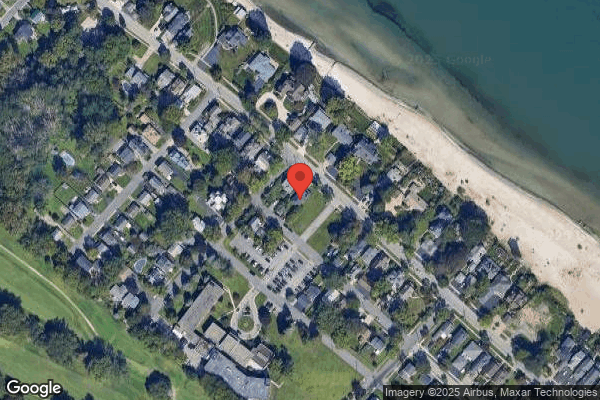
425 Beach Avenue, Rochester, NY 14612 (585) 663-0930
For profit - Partnership 229 Beds HURLBUT CARE Data: November 2025 11 Immediate Jeopardy citations
Trust Grade
0/100
Last Inspection: May 2025

Inspected within the last 6 months. Data reflects current conditions.

Overview

Waterview Heights Rehabilitation and Nursing Center has received a Trust Grade of F, indicating significant concerns about the quality of care provided. It ranks at the bottom in both New York and Monroe County, meaning there are no facilities that perform worse in these areas. While the facility is reportedly improving, with a decrease in issues from 35 in 2024 to 28 in 2025, the overall situation remains critical, as evidenced by the alarming findings from inspections. Staffing is a major concern, with a turnover rate of 67%, significantly higher than the state average, which impacts the continuity of care for residents. Additionally, the facility faces serious financial issues, with fines totaling $530,003, which is higher than 99% of facilities in New York, suggesting ongoing compliance problems. Specific incidents of concern include the failure to provide adequate staffing to meet residents' daily needs, leading to neglect in personal hygiene and medication administration. There were also serious medication errors, where residents did not receive critical medications as prescribed, posing risks to their health. Overall, while there are some signs of improvement, the facility's numerous deficiencies and high turnover rate raise serious red flags for families considering care for their loved ones.

Trust Score
F
0/100
In New York
#112/223
Top 50%
Safety Record
High Risk
Review needed
Inspections
Getting Better
35 → 28 violations
Staff Stability
⚠ Watch
67% turnover. Above average. Higher turnover means staff may not know residents' routines.
Penalties
✓ Good
$530,003 in fines. Lower than most New York facilities. Relatively clean record.
Skilled Nurses
⚠ Watch
Each resident gets only 23 minutes of Registered Nurse (RN) attention daily — below average for New York. Fewer RN minutes means fewer trained eyes watching for problems.
Violations
⚠ Watch
82 deficiencies on record. Higher than average. Multiple issues found across inspections.
☆☆☆☆☆
0.0
Overall Rating
☆☆☆☆☆
0.0
Staff Levels
☆☆☆☆☆
0.0
Care Quality
☆☆☆☆☆
0.0
Inspection Score
Stable
2024: 35 issues
2025: 28 issues

The Good

  • Full Sprinkler Coverage · Fire safety systems throughout facility
  • No fines on record

Facility shows strength in fire safety.

The Bad

Staff Turnover: 67%

20pts above New York avg (46%)

Frequent staff changes - ask about care continuity

Federal Fines: $530,003

Well above median ($33,413)

Significant penalties indicating serious issues

Chain: HURLBUT CARE

Part of a multi-facility chain

Ask about local staffing decisions and management

Staff turnover is elevated (67%)

19 points above New York average of 48%

The Ugly 82 deficiencies on record

11 life-threatening 6 actual harm
May 2025 28 deficiencies 5 IJ (4 facility-wide)
CRITICAL (K)

Immediate Jeopardy (IJ) - the most serious Medicare violation

Accident Prevention (Tag F0689)

Someone could have died · This affected multiple residents

**NOTE- TERMS IN BRACKETS HAVE BEEN EDITED TO PROTECT CONFIDENTIALITY** Based on observations, interviews, and record review conducted during an Extended Recertification Survey from 03/09/2025 to 05/0...

Read full inspector narrative →
**NOTE- TERMS IN BRACKETS HAVE BEEN EDITED TO PROTECT CONFIDENTIALITY** Based on observations, interviews, and record review conducted during an Extended Recertification Survey from 03/09/2025 to 05/09/2025, the facility failed to ensure that the residents' environment remained as free of accident hazards as possible, and that each resident received adequate supervision and assistive devices to prevent accidents for five (5) (Residents #4, #11, #83, #461 and #508) of five (5) residents reviewed for accidents and five (5) (West One, [NAME] Two, North First Floor, North Two, and South Three) of seven (7) resident areas observed for accident hazards. Specifically, the facility failed to ensure the residents, who were on aspiration precautions (precautionary steps taken by the facility to prevent inhalation of food or drink into the lungs due to swallowing difficulties), received adequate supervision and/or assistance during meals. Additionally, Resident #461 was observed with the incorrect liquid consistency as ordered by the provider (to prevent choking). This resulted in a pattern of no actual harm that was Immediate Jeopardy and Substandard Quality of Care with the likelihood of serious harm, serious impairment, serious injury, or death to 33 residents identified at risk for aspiration precautions when eating. In addition, the heating surfaces of radiators in multiple residents' rooms exceeded 125 degrees Fahrenheit, creating a potential burn risk from accidental contact, as they were accessible to residents, including residents with wandering behavior. Findings include: Issue one (1) The facility's policy Aspiration Precautions, revised February 2022, documented that residents on aspiration precautions must be fed within the direct supervision of licensed personnel. The facility's policy Liquid Consistency, dated July 2021, documented that all meal and liquid preparations will be done in the kitchen. 1.Resident #461 had diagnoses that included gastro-esophageal reflux (a digestive disease of the stomach) and dysphagia (difficulty swallowing). The Minimum Data Set (a resident assessment tool) dated 03/04/2025 documented the resident had moderate impairment of cognitive function, had coughing and/or choking issues during meals or swallowing medications, and required supervision, touching assistance or cueing when eating. Physician orders dated 03/06/2025 documented a regular pureed texture diet with honey (thickened) consistency liquids, and aspiration precautions. The Comprehensive Care Plan and the Certified Nursing Assistant Kardex (care plan) both dated 03/06/2025 documented Resident #461 required supervision or touching assist while eating and was on aspiration precautions with small bites and no straws for all intakes and all meals. During observations and interviews on 03/12/2025 at 9:22 AM, Resident #461 was in bed eating breakfast. The head of the bed was elevated, but the resident had become slouched down while eating. There were no facility staff in sight of the resident. Resident #461's breakfast tray contained a packet of thickened coffee that was unopened. The resident was drinking hot water from a coffee cup that was not thickened and was coughing. Resident #461 stated that the coffee tasted terrible and, damn, I keep coughing. The resident then drank some milk and again started coughing, and staff were immediately notified. In an immediate interview, Licensed Practical Nurse #1 stated the liquid in the coffee cup was not thickened and added the packet of coffee thickener to the hot water. Licensed Practical Nurse #1 stated that they were from an agency and did not know any of the residents on the unit. During an interview on 03/12/2025 at 9:43 AM, Licensed Practical Nurse Manager #2 on [NAME] Two Unit stated they did not know how many residents on the unit were on aspiration precautions and would have to check with the therapy department to know what level of assistance Resident #461 required for meals. Licensed Practical Nurse Manager #2 stated they were not sure why no one was monitoring Resident #461 during their meal or why no one added the thickened coffee packet to the liquid. During an interview on 03/12/2025 at 11:43 AM, Food Service Director #1 stated regular consistency coffee and hot chocolate are sent to the residents with a packet of thickener and nursing staff were responsible to thicken it for the resident. 2. Resident #11 had diagnoses that included pneumonia, dementia, and dysphagia. The Minimum Data Set, dated [DATE] documented the resident had moderate impairment of cognitive function and required supervision or touching assist for eating. The current Certified Nursing Assistant Kardex reviewed on 03/12/2025 documented Resident #11 was on aspiration precautions, required supervision while eating, and to maintain an upright posture during meals and for 30-60 minutes after. In a medical progress note dated 12/16/2024, Nurse Practitioner #1 documented that Resident #11 had noted coughing and emesis (vomiting), was at high risk for aspiration, and would start on antibiotics for presumed aspiration pneumonia (respiratory infection caused by inhalation of food or drink into the lungs). A hospital Discharge summary dated [DATE] documented that Resident #11 was admitted to the hospital on [DATE] due to respiratory distress and diagnosed with pneumonia most likely due to aspiration. Physician orders dated 02/27/2025 included aspiration precautions and a dysphagia mechanically altered Level 2 textured diet (a diet for individuals with difficulty swallowing requiring foods to be moist, soft-textured, and easily formed into a bolus). During observation of lunch on 03/11/2025 at 1:51 PM, Resident #11 was lying in bed, not sitting upright, with the bed elevated at approximately 45 degrees. Their lunch tray was on the bedside table and positioned over their abdomen. Resident #11 removed the cover from the lunch tray and began eating independently. There was no facility staff in the resident's room or in sight of the resident. In continuous observations between 1:51 PM to 2:18 PM, no staff were observed going into Resident #11's room. During an observation on 03/11/2025 at 2:18 PM, a staff member entered Resident #11's room to remove the lunch tray and told Resident #11 that they needed to sit up straight, but left without assisting the resident with positioning. During an observation on 03/12/2025 at 9:58 AM, a staff member entered Resident #11's room and delivered coffee and a bowl of oatmeal. Resident #11 was lying in bed and leaning to the right. The staff member left the room without repositioning the resident for eating. During an interview and observation on 03/12/2025 at 10:12 AM, Certified Nursing Assistant #2 stated Resident #11 was on a pureed diet, due to swallowing issues. They said supervision consisted of walking back and forth down the hallway, peeking in on the residents to see if they needed assistance, and that any resident on aspiration precautions should go to the dining room to be fed. They stated Resident #11 was on aspiration precautions but sometimes refused to get out of bed and should have a staff member present in their room for meals, but they did not always have enough staff. In an immediate observation, Resident #11 remained in bed with the head of bed elevated at approximately 45 degrees and the resident was leaning to the right, eating oatmeal. There was no staff in the room. Certified Nursing Assistant #2 stated someone should be in with the resident while they eat but they did not have enough staff on the unit that day. 3.Resident #4 had diagnoses that included dementia, right hemiplegia (paralysis on one side of the body) and dysphagia. The Minimum Data Set, dated [DATE] documented the resident had severe impairment of cognitive function. No swallowing disorders were documented. Current Physician orders dated 06/28/2024 documented orders for a regular pureed diet with nectar thickened liquids, and aspiration precaution. Review of Resident #4's Certified Nursing Assistant Kardex revealed the resident required supervision or touching assist with eating, was on aspiration precautions, and to keep the head of bed upright at 90 degrees during meals. Cues for slow pacing included half-teaspoon bites and alternating drinks every one to three bites. If coughing, cue the resident to take deep breaths to allow cough to clear. During an observation on 03/12/2025 at 9:32 AM, Resident #4's breakfast tray was delivered to their room and Certified Nursing Assistant #3 raised the head of the bed to approximately 70 degrees, with the resident positioned on their left side and the bedside table placed over the bed. Certified Nursing Assistant #3 set up the breakfast tray and left the room. Resident #4 fed themselves hot cereal and large gulps of apple juice from the original container. There were no staff in the room or in sight of the resident the entire time the resident was feeding themselves. During an observation and interview on 03/12/2025 at 9:53 AM, Certified Nursing Assistant #1 stated it was normal for Resident #4 to eat breakfast in bed and they were unsure if the resident was on aspiration precautions or not and would have to look it up. After review of Resident #4's electronic medical record they said the resident was on aspiration precautions and should be in a common area for meals so they could be supervised. In an immediate observation, Certified Nurse Aide #1 stated the resident should be on their back and positioned up higher in bed. During an interview on 03/14/2025 at 1:09 PM Licensed Practical Nurse #3 stated the resident was on aspiration precautions and staff should follow Speech Language Pathology recommendations on the care plan including sitting upright and monitor for coughing or signs of choking. 4. Resident #83 had diagnoses that included dysphagia, pneumonia, and anoxic brain injury (loss of oxygen to the brain resulting in mental status changes). The Minimum Data Set, dated [DATE] documented the resident had severe impairment of cognitive function. Current physician orders dated as revised 08/07/2024 documented Resident #83 required a mechanically altered dysphagia diet and was on aspiration precautions. Review of Resident #83's current Certified Nursing Assistant Kardex on 03/11/2025 revealed the resident was dependent on staff for eating, on a ground diet, on aspiration precautions, and should remain upright for meals and 30-60 minutes after. During observations on 03/12/2025 at 9:47 AM, Resident #83 was in bed with the head elevated approximately 45 degrees and their breakfast tray on the bedside table and not within reach. There were no staff in the resident's room and the resident's call bell was on the floor. A container of orange juice was on the bedside table and was within reach of the resident, who picked it up and began drinking independently. No staff were observed in sight of the resident. During observations and interviews on 03/12/2025 at 10:16 AM, Certified Nursing Assistant #1 said Resident #83 was dependent with meals, which required them (staff) to do everything for the resident and was on aspiration precautions. They said Resident #83 did not want their breakfast when asked earlier. 5. Resident #508 had diagnoses including a subdural hemorrhage (collection of blood between the brain and the inner layer of the skull) and dysphagia. The Minimum Data Set, dated [DATE] documented the resident was cognitively intact and had issues with coughing or choking during meals or when swallowing pills. Physician orders dated 02/25/2025 included a dysphagia mechanically altered level 2 textured diet, honey (thickened) consistency and aspiration precautions. The Comprehensive Care Plan dated 02/14/2025 documented Resident #508 was on aspiration precautions for all meals, a pureed diet with honey-thick liquids, encourage small bites, slow pacing, and a liquid rinse with swallowing. During an observation on 03/14/2025 at 12:59 PM, Resident #508 was in their room eating lunch independently. There were no staff in sight. The resident was drinking juice. Half a bowl of carrots and half a sandwich had been consumed. The meal ticket included Resident #508 was on aspiration precautions. During an interview on 03/12/2025 at 9:45 AM, Speech Therapist #1 stated when a resident requires supervision while eating or touching assistance, staff need to be in the vicinity of the resident. Residents on aspiration precautions have a higher risk of aspirating on thin liquids and if residents were eating in their room, staff should be in there also. During an interview on 03/12/2025 at 11:28 AM, the Director of Nursing stated aspiration precautions are to protect residents that have difficulty with swallowing so they do not choke and they should have staff in the room (to supervise). The thickened liquids should be prepared by the kitchen and dietary staff. During an interview on 03/13/25 at 11:38 AM, the Medical Director stated residents on aspiration precautions should have therapy recommendations followed and be supervised. The risks include choking, aspiration and death. On 03/12/2025, the survey team identified and declared Immediate Jeopardy and the facility Administrator was notified at 5:00 PM. On 03/18/2025 at 4:05 PM, the survey team declared Immediate Jeopardy was removed effective 03/17/2025 at 2:00 PM, based on the following corrective actions taken by the facility: 1. Review of the 33 residents identified to be on aspiration precautions, medical records, physician orders and care plans. 2. 100% of nursing, dietary and therapy staff, unit clerks, and resident assistants were educated on aspiration precautions, checking meal tickets against tray contents, how to properly supervise and assist residents on aspiration precautions, and the correct procedure for feeding and recognizing signs of aspiration. Post-tests were completed and reviewed. Interviews with several staff members on multiple units revealed appropriate knowledge of aspiration precautions. 3. The Director of Dietary (or designee) was observed reviewing meal tickets during tray preparation, and licensed staff were observed verifying the meal tickets against meal trays for accuracy prior to passing. 4. Review of lunch trays on several units revealed the correct food item consistencies, and interviews with staff revealed appropriate knowledge of the process. 4. Unit binders containing lists of residents on aspiration precautions and guidance on diet consistencies were reviewed. 5. Kitchen/dietary staff were observed preparing thickened liquids before meal trays left the kitchen. 6. The facility's Aspiration policy was reviewed. 7. Trays of residents on aspiration precautions were observed arriving separate from other trays (per the facility's removal plan) and a text-blast informing staff of the new process was sent to 100% of nursing and dietary staff. Interviews with several staff members on multiple units verified appropriate knowledge of the new process. 8. Observations of staff supervising and assisting residents on aspiration precautions with meals. Issue two (2) The heating surfaces of radiators in multiple residents' rooms exceeded 125 degrees Fahrenheit, creating a potential burn risk from accidental contact, and were accessible to residents, including residents with known wandering behaviors. On 03/09/2025 at 11:47 AM, the surveyor verified that the 'Extech Instruments' model 39272 digital thermometer was accurate using the ice-point method and read 32.6 degrees Fahrenheit in a cup of ice water. Observations on 03/09/2025 at 11:55 AM on the South Three Unit in room [ROOM NUMBER] included the surface of the metal grate cover on the top of the heating unit was hot to the touch. When measured by the surveyor using an 'Extech Instrument' model 39272 digital thermometer, the temperature of the metal grate cover was 135.5 degrees Fahrenheit. The resident bed closest to the window was two (2) feet directly adjacent to this heating surface. Observations on 03/09/2025 at 12:10 PM in the [NAME] Two Unit dining room included the surfaces of the metal grate covers for three (3) heaters were 155.7 degrees Fahrenheit, 139 degrees Fahrenheit and 126.7 degrees Fahrenheit, using an 'Extech Instruments' model 39272 digital thermometer. The heaters were four (4) feet long by four inches wide and located approximately three to four (4) feet from adjacent tables with two (2) residents ambulating nearby. During an interview on 03/09/2025 at 3:37 PM, the Director of Maintenance stated that the heat for the [NAME] Two dining room was turned down and the steam heating throughout the facility is a difficult system. Observations on 03/10/2025 at 10:38 AM in the North Two Unit sunporch/resident lounge included the surface of the radiator cover was 149.3 degrees Fahrenheit using an 'Extech Instruments' model 39272 digital thermometer. The radiator was just above the floor level and Resident #149 was sitting in a chair approximately four feet from the radiator. Observations on 03/10/2025 at 12:32 PM in the [NAME] One Unit lounge at the end of the hall near Stairwell G1 included the surface of the two radiator covers were found to be 149.5 to 157.8 degrees Fahrenheit using an 'Extech Instruments' model 39272 digital thermometer. Observations on 03/10/2025 at 12:40 PM in the [NAME] Two Unit dining room included the surface of the heater was 157.8 degrees Fahrenheit using an 'Extech Instruments' model 39272 digital thermometer. There were two (2) residents in wheelchairs and another resident ambulating in the area nearby. Observations on 03/10/2025 at 12:40 PM in the [NAME] Two Unit dining room across from room [ROOM NUMBER] included the surface of the floor level heater was 153.5 degrees Fahrenheit, as measured using an 'Extech Instruments' model 39272 digital thermometer. Resident #140 was ambulating using the handrail directly in front of this heating surface at the time. During an interview on 03/10/2025 at 3:20 PM, the Director of Maintenance stated that they check the surface temperatures of the heaters but do not keep records and were not aware of any issues. During an interview on 03/10/2025 at 4:17 PM, the Administrator stated that after review of all incident and accident reports, there have not been any burns identified. Observations on 03/12/2025 at 8:46 AM on the North One Unit outside the activities room included the radiator cover was between 137.8 to 148.3 degrees Fahrenheit using a [NAME] digital infrared thermometer. Observations on 03/12/2025 from 9:12 AM to 9:18 AM in the [NAME] Two (2) Unit hallways included the radiator covers, using a [NAME] digital infrared thermometer, measured 127.6 to 144.1 degrees Fahrenheit near the nurse's station, resident rooms #204, #206, #212, #214, #216, and near the storage room. Each heating unit was just above floor level and approximately seven feet long by one foot high. Three (3) residents were seated outside room [ROOM NUMBER] near the radiators. During an interview on 03/18/2025 at 9:33 AM, Licensed Practical Nurse #10 stated most of the residents on [NAME] Two had wandering behaviors and wore wander guard bracelets (allows the residents to move around the unit independently). 10NYCRR: 415.12(h)(1), 415.29(a)(1), 10NYCRR: 713-1.3(h)(1) .
CRITICAL (L)

Immediate Jeopardy (IJ) - the most serious Medicare violation

Deficiency F0675 (Tag F0675)

Someone could have died · This affected most or all residents

⚠️ Facility-wide issue

Based on observations, interviews, and record review conducted during the Extended Recertification Survey from 03/09/2025 to 05/09/2025, the facility failed to provide an environment which supported a...

Read full inspector narrative →
Based on observations, interviews, and record review conducted during the Extended Recertification Survey from 03/09/2025 to 05/09/2025, the facility failed to provide an environment which supported and enhanced each resident's quality of life, which was the result of the cumulative effect of noncompliance cited for abuse/neglect, incontinence care, quality of care, pressure ulcers, accident hazards, sufficient staffing, significant medication errors, and infection prevention and control. This noncompliance was found to be pervasive and created an environment reflecting a complete disregard of one or more residents' well-being and quality of life, which has caused or is likely to cause serious harm that is Immediate Jeopardy, related to one or more residents' self-worth, self-esteem, and well-being. On 05/09/2025 the survey team identified and declared Immediate Jeopardy and the facility Administrator was notified at 2:03 PM. The findings include: For additional information see Centers for Medicare/Medicaid Services Form 2567: F689 - Free of Accident Hazards/Supervision/Devices Specifically, for Residents #4, #11, #83, #461, and #508 the facility failed to ensure that residents received adequate supervision during meals to prevent accidents for residents that were on aspiration precautions. Additionally, Resident #461 was observed with the incorrect liquid consistency as ordered by the provider (to prevent choking). This resulted in Immediate Jeopardy. F725 - Sufficient Nursing Staff The facility failed to ensure sufficient nursing staff to provide nursing services to attain or maintain the highest practicable physical, mental, and psychosocial well-being for residents in the facility. Specifically, there was insufficient staff to meet all resident needs including showers, assistance with eating, toileting, personal hygiene, and receiving medications as ordered by the medical team due to lack of licensed nurses and certified nursing assistants. This resulted in Immediate Jeopardy. F760 - Residents are Free from Significant Medication Errors Specifically, for Residents #3, #32, #111, and #459 the facility failed to ensure that residents were free of significant medication errors. Specifically, there was no documented evidence the residents received multiple significant medications over the course of several days including but not limited to insulin, antihypertensives (used to treat high blood pressure), antiplatelets (used to prevent blood platelets from forming clots), antidepressants, antipsychotics, antibiotics, antirejection medication (used for kidney transplants) and a medication used to treat kidney disease in dialysis patients. Additionally, review of full-house Medication Administration Audit Reports revealed no documented evidence that 193 residents from 02/13/2025 to 02/17/2025 and 213 residents from 03/21/2025 to 03/30/2025 had received multiple medications on multiple days which was verified by staff interviews and record review. This resulted in Immediate Jeopardy F880 - Infection Prevention and Control The facility did not maintain an infection prevention and control program designed to provide a safe, sanitary and comfortable environment and help prevent the development and transmission of communicable diseases and infections for three (3) (Residents #82, #148, and #459) of 10 residents reviewed and one (1) of one (1) facility potable water systems (the collection, treatment, storage, and distribution of safe drinking water). Specifically, Issue one (1) includes: The facility failed to 1) provide further testing for Legionnaires' disease for residents diagnosed with pneumonia, 2) to ensure short-term water disinfection control measures were implemented for the potable water system after receipt of samples testing positive for Legionella, and 3) to report potable water system samples exceeding greater than 30% positivity for Legionella to the New York State Department of Health, which resulted in the likelihood of serious injury, serious harm, serious impairment or death to all 214 residents in the facility. This resulted in Immediate Jeopardy F600 - Free from Abuse and Neglect For 13 (Residents #3, #4, #11, #32, #62, #83, #111, #148, #158, #178, #459, #461, #508) of 13 residents reviewed, the facility failed to ensure that residents were free from neglect when it failed to provide the required structures and processes in order to meet the needs of one or more residents. Specifically, the facility failed to ensure sufficient nursing staff to provide nursing services to meet the residents' needs including showers, assistance with eating, toileting, personal hygiene, skin care, application of devices to prevent loss of range of motion, receiving medications as ordered by the medical team and supervision of residents on aspiration precautions to prevent choking. For Resident #178, who was observed on several occasions not wearing recommended hand splints resulting in lost range of motion to their hands, which resulted in actual harm, that was not immediate jeopardy. For Resident #158 who was observed incontinent for extended periods of time, it can be determined that a reasonable person in the residents' position would have experienced serious psychosocial harm (such as anger, embarrassment, humiliation, anxiety), that was not immediate jeopardy. Additionally, Resident #158 was identified by staff to have skin breakdown to their buttocks and there was no documented evidence that a medical provider was notified, or treatments initiated until three days later, which resulted in actual harm, that was not immediate jeopardy. F684 - Quality of Care Specifically, Resident #178 was observed on several occasions not wearing specially made hand splints as recommended by Occupational Therapy to maintain range of motion resulting in lost range of motion to their hands. This resulted in actual harm to Resident #178 that was not immediate jeopardy. F686 - Treatment/Services to Prevent/Heal Pressure Ulcers Specifically, Resident #158 was identified by staff to have skin breakdown to their buttocks on 03/14/2025. There was no documented evidence that a medical provider was notified, or treatments initiated until three days later and the resident had two (2) new stage two (2) pressure ulcers. This resulted in actual harm to Resident #158 that was not immediate jeopardy. 10 NYCRR 415.5
CRITICAL (L) 📢 Someone Reported This

A family member, employee, or ombudsman was alarmed enough to file a formal complaint

Immediate Jeopardy (IJ) - the most serious Medicare violation

Deficiency F0725 (Tag F0725)

Someone could have died · This affected most or all residents

⚠️ Facility-wide issue

**NOTE- TERMS IN BRACKETS HAVE BEEN EDITED TO PROTECT CONFIDENTIALITY** Based on observations, interviews and record review conducted during the Extended Recertification Survey and complaint investiga...

Read full inspector narrative →
**NOTE- TERMS IN BRACKETS HAVE BEEN EDITED TO PROTECT CONFIDENTIALITY** Based on observations, interviews and record review conducted during the Extended Recertification Survey and complaint investigations (NY00372404, NY00372850, NY00364319, & NY00372698) from 03/09/2025 to 05/09/2025, the facility failed to ensure sufficient nursing staff to provide nursing services to attain or maintain the highest practicable physical, mental, and psychosocial well-being for residents in the facility (Units South One, South 2, South 3, North One, North Two, [NAME] One and [NAME] Two). Specifically, there was insufficient staff to meet all resident needs including showers, assistance with eating, toileting, personal hygiene, and receiving medications as ordered by the medical team due to lack of licensed nurses and certified nursing assistants. On 04/23/2025 the survey team identified and declared Immediate Jeopardy. The facility's failure to provide adequate staff to provide activities of daily living care, adequate supervision to those on aspiration precautions, and administer medications results in the likelihood for serious injury, serious harm, serious impairment or death for all residents in the facility. The facility Administrator was notified at 4:40 PM. This is evidenced by, but not limited to the following: The facility policy Minimum Staffing dated January 2025, documented the facility would provide adequate staffing to meet the care and services for the resident population. Minimum staffing needs were identified for implementation in crisis situations, such as weather-related emergencies and staff illness outbreaks to ensure quality care of residents. The Staffing Associate would work collaboratively with the Director of Nursing, the Administrator and the evening and night supervisors to maintain appropriate staffing levels for their respective shifts by scheduling existing staff, per-diem staff, use of voluntary overtime, agency coverage and mandatory overtime to maintain daily staffing hours equal to 3.5 hours of care per resident per day, with at least 2.2 hours provided by a certified aide, and at least 1.1 hours by a licensed practical nurse or registered nurse. In the event the minimum could not be achieved there would be at least 1 nurse per 40 residents on day and evening shifts to deliver the appropriate care as needed and at least 1 nurse per 80 residents on the night shift. For additional information see Centers for Medicare/Medicaid Services Form 2567, reference F689 (Free of Accident Hazards/Supervision/Devices): For additional information see Centers for Medicare/Medicaid Services Form 2567, reference: F565 - Resident/Family Group Response: Review of facility Grievances/Complaints revealed filed grievances regarding care concerns including the lack of showers, not being assisted out of bed, and lack of staffing. Additionally, review of Resident Council Meeting Minutes revealed residents reported multiple care concerns including, but not limited to, not receiving showers regularly, call lights not answered timely, and medications not being administered due to lack of staffing. F677 - Activities of Daily Living Care for Dependent Residents: Several residents reported no showers for several weeks and were observed with unwashed hair, uncut nails and/or unshaven due to lack of staffing. F689 - Free of Accident Hazards/Supervision/Devices The facility failed to ensure that residents received adequate supervision during meals to prevent accidents for multiple residents that were on aspiration precautions. F760 - Residents are Free from Significant Medication Errors: Review of full-house Medication Administration Audit Reports revealed no documented evidence that 193 residents had received multiple medications on multiple days from 02/13/2025 to 02/17/2025 and 213 residents from 03/21/2025 to 03/30/2025 which was verified by facility staff interviews and record review. The Facility assessment dated [DATE], documented the facility was licensed for 229 beds with an average daily census of 215. The Facility Assessment referred to the emergency staffing policy for their emergency staffing plan. Nursing, nutrition services, and housekeeping staff would be evaluated at the beginning of each shift and adjusted as needed to meet the care needs and acuity of the resident population. There should be 3 Registered Nurses, 17 Licensed Practical Nurses, and 22 Certified Nursing Assistants per day. Based on the Payroll Based Journal Staffing Data report (facility reported staff worked by job title for a specific period) the facility had excessively low weekend staffing with a one-star staffing rating for fiscal year first quarter (October 1 - December 31, 2024). During the entrance conference on 03/09/2025 at 11:39 AM, the Administrator stated the facility census was 214 residents. Observations and interviews on 03/09/2025 on the South One Unit with a census of 38 included: -At 10:23 AM, Licensed Practical Nurse #12 stated they were the only nurse on the Unit with one Certified Nursing Assistant. -At 12:06 PM, Resident #111 stated there was no nursing staff the weekend of Valentine's Day (02/14/2025 through 02/16/2025) and sometimes there was just one (1) nurse and one (1) Certified Nursing Assistant. Resident #111 stated weekends were the worst and recently had to wait over 24 hours before the Certified Nursing Assistant, who was the only one on the unit, helped them get cleaned up when they had the stomach flu and soiled their bed. Observations and interviews on 03/09/2025 on South Two Unit included: -At 9:58 AM, the unit had strong, foul odors of urine. Licensed Practical Nurse #2 stated there was one (1) nurse and one (1) Certified Nursing Assistant for 37 residents. Certified Nursing Assistant #17 stated that they had been a Certified Nursing Assistant for less than a year and it was only their 3rd or 4th day working at the facility. -At 12:52 PM, Resident #158 was wearing sweatpants that were wet throughout the groin area almost down to the knees with a foul odor of urine. At 1:27 PM, 2:27 PM, and 4:20 PM, Resident #158's sweatpants remained unchanged. -At 3:41 PM, a visitor came into the hall to request help for Resident #148, who had been incontinent. In an immediate observation, Resident #148 had a large amount of stool on their bottom, hip, hands, fingernails and their bed linens. The visitor stated that it had been weeks since Resident #148 had a shower, and that sometimes it took an hour and a half to find staff to help. -At 4:51 PM Licensed Practical Nurse Unit Manager #1 stated that they were supposed to have two (2) Certified Nursing Assistants but there were only the two (2) nurses (licensed) on the unit who were trying to round and give care to every resident. Observations and interviews on 03/09/2025 on South Three Unit with a census of 39 included: -At 10:06 AM, there was one (1) Licensed Practical Nurse, one (1) Certified Nursing Assistant and one (1) Certified Nursing Assistant on light duty (no lifting). -At 10:31 AM, Resident #71 stated the facility was short staffed all the time, most of the time there was only one (1) nurse for the whole floor and sometimes no nurse. Resident #71 stated sometimes they did not receive their medications or are not assisted with their meals. During an interview on 03/10/2025 at 11:39 AM, Resident #100 stated sometimes they have to wait up to three (3) hours for help and once staff had not come in all night (to provide care). Weekends were the worst. Observations and interviews on North One and North Two Units with a census of 39 included: -On 03/09/2025 at 10:00 AM, Licensed Practical Nurse #10 said they were the only nurse till 8:30 AM which happened a lot and no Certified Nursing Assistants. Review of nurse punches revealed a Certified Nursing Assistant punched in at 10:15 AM. (There were no Certified Nurse Assistants from 7:00AM - 10:15AM). -On 03/10/2025 at 8:11 AM, Resident #110 stated staffing was bad every day and once they laid in stool for over five (5) hours. In an observation and interview on 03/09/2025 at 10:40 AM , there was 1 Licensed Practical Nurse and 1 Certified Nursing Assistant for 31 residents on the [NAME] Two Unit. Registered Nurse Supervisor #3 stated they were assisting with passing medications on the unit in addition to being the Nursing Supervisor for the entire building. Review of the Daily Nursing Staff Punches revealed nursing staff clocked in and out at sporadic times during the shifts and included but is not limited to, the following: On 02/14/2025 with a facility census of 223 residents, -The day shift (7:00 AM to 3:00 PM) had 7 Certified Nursing Assistants (1:32 ratio) and 7 Licensed Nurses (1:32 ratio) who punched in at 8:00 AM. -The evening shift (3:00 PM to 11:00 PM) had 4 Certified Nursing Assistants (1:56 ratio) and 6 Licensed Nurses (Licensed Practical Nurse and/or Registered Nurse) (1:37 ratio) at 5:00 PM. On 02/15/2025 with a census of 221 staffing included: -The day shift had 7 Licensed Nurses (1:32 ratio) at 9:00 AM -The evening shift had 7 Licensed Nurses (1:32 ratio) at 6:00 PM. -The night shift had 5 Certified Nursing Assistants (1:44 ratio) and 6 Licensed Nurses (1:37 ratio). On 02/16/2025 with a census of 220 staffing included: -The day shift had 5 Certified Nursing Assistants (1:44 ratio) and 3 Licensed Practical Nurses (1:73 ratio). The Director of Nursing came in at 11:54 AM. -The evening shift had 4 Licensed Practical Nurses and the Director of Nursing (1:44 ratio) and 8 Certified Nursing Assistants (1:28 ratio). -The night shift had 3 Certified Nursing Assistants (1:73 ratio) and 4 Licensed Nurses (1:44 ratio). On 02/17/2025 with an average daily census of 215 (actual staffing not available) staffing included: -The day shift had 7 Certified Nursing Assistants (1:31 ratio). -The night shift had 3 licensed nurses (1: 54 ratio). On 03/02/2025 with an average resident census of 215 the staffing included: -During the day and evening shifts there were 4 Licensed Practical Nurse (1: 54 ratio). -During the night shift, there were 2 Certified Nursing Assistants (1:108 ratio). -A Registered Nurse punched in for six (6) hours (versus the minimum of eight (8) consecutive hours per the regulation) for the entire day. During an interview on 03/10/2025 at 9:40 AM, Licensed Practical Nurse #2 stated that they did not have enough staff on 03/09/2025 day shift and that was the reason why residents were left wet for hours. During an interview on 03/13/2025 at 11:12 AM, Certified Nursing Assistant #4 stated they recalled working the weekend of 02/14/2025, and that they were the only Certified Nursing Assistant on the unit with one (1) nurse and approximately 40 residents. Certified Nursing Assistant #4 stated not much resident care was completed besides feeding the residents and each resident was changed or taken to the bathroom once. Residents who required two (2) staff and a mechanical lift for transfers did not get out of their bed. They said the nurse could not help them with resident care as they were trying to pass all the medications, and it was impossible to get to everyone. During an interview on 03/13/2025 at 11:13 AM, the Certified Nursing Assistant Staffing Coordinator stated that the facility was budgeted for four (4) Certified Nursing Assistants and two (2) nurses a shift for days and evenings, and two (2) Certified Nursing Assistants and one (1) nurse for night shift for each of the six (6) units. They were told for minimal staffing included two (2) Certified Nursing Assistants and one (1) nurse per unit. They said when at critical staffing levels residents could not get out of bed especially if they required two assist and showering residents would not happen unless a resident was covered in stool. The Certified Nursing Assistant Staff Coordinator stated staff complain daily about not having enough staff on the units to care for the residents. Residents and family members have complained there was not enough staff and their complaints were valid. The Certified Nursing Assistant Staffing Coordinator stated on 02/14/2025, the facility was at critical staffing levels, so the Director of Nursing worked on a unit and therapy staff stayed over to help pass meal trays and assist residents. There were times the facility had only six (6) to seven (7) staff total in the building for the night shift. During an interview on 03/13/2025 at 11:51 AM, Certified Nursing Assistant #5 stated they often worked by themselves with one (1) nurse on a unit (40 bed unit). They said when it was just them and a nurse it was impossible to get to all the residents and they would have to pick who needed the most care. For a resident who required two (2) staff assist they would have to care for them on their own. During an interview on 03/13/2025 at 12:00 PM, the Director of Nursing stated their minimum staffing level was one (1) licensed nurse and one (1) Certified Nursing Assistant for 40 residents, but they would then try to infuse other resources including therapy staff. The Director of Nursing stated one (1) nurse passing medications to 40 residents would need help to finish. They said on the weekend of 02/14/2025 through 02/16/2025 they were aware of numerous staff calling in sick as it was Valentine's Day weekend and there was a snowstorm. The facility offered bonuses to staff to come in, and they and the Assistant Directors of Nursing came in and helped wherever they could. The Director of Nursing said more than 20 residents did not receive their medications because there was not enough nursing staff to give them. The Director of Nursing stated that they were aware of the concerns regarding one (1) nurse for 40 residents, but it is within our guidelines. In an telephone interview on 03/13/2025 at 6:04 PM, a family member stated that they were upset that the hospital wanted to transfer Resident #459 back to the facility and they felt the facility did not have the staff to take care of the resident who needed a lot of assistance with care and required special medications for an organ transplant and a nephrostomy tube (tube inserted directly into the kidney through the skin to drain urine). Recently the resident had been left sitting in stool and they could not find any staff to help. During an interview on 03/16/2025 at 6:05 AM, Licensed Practical Nurse #14 stated that there were night shifts where there were only one (1) to three (3) nurses in the entire building. Sometimes it was just them and one (1) Certified Nursing Assistant, and they could not get to all of the residents for care. They have begged the facility for help. During an interview on 03/20/2025 at 10:03 AM Licensed Practical Nurse Unit Manager #1 stated they did not have time to do their job as they were always administering medications. During an interview on 03/21/2025 at 12:48 PM, the Medical Director stated that it was a well-known issue that residents did not receive their medications timely or at all and that it was likely due to lack of staffing. The Medical Director stated if residents did not get their hypertensive medications they could and have a heart attack, have a stroke, kidney damage or death. Without pain medication a resident could be in extreme pain, be agitated or have a stroke. Without their antiseizure medication residents could have a seizure and die. If a resident did not get their antirejection medication for day it could lead to rejection of the kidney. In a follow up interview on 03/21/2025 at 2:50 PM and at 6:31 PM, the Director of Nursing stated one (1) Certified Nursing Assistant for 40 resident was a lot, and if staff could not get to all the residents for care, they should say something. They are working on the staffing challenges and trying to hire more staff. During an interview on 03/21/2025 at 6:31 PM, the Administrator stated they were aware of issues with nurse staffing and have hired more agency nursing staff and an in-house recruiter. In a follow up interview on 03/31/2025 at 3:28 PM, the Director of Nursing stated they have worked on the medication carts to ensure medications were passed but this does impact their Director of Nursing duties. After reviewing nursing staff punches (hours worked) the Director of Nursing stated that the punches were not always accurate. Agency staff are supposed to know how to punch in and out but it was difficult to prove how many staff were in the building during a shift. The Director of Nursing stated low nurse staffing numbers could be why so many residents did not receive their medications. On 04/25/2025 at 12:05 PM the survey team declared that the IJ was removed based on the following corrective actions taken by the facility: -The Facility Assessment, dated 04/14/2025, included that staffing would be evaluated and adjusted as needed at the beginning of each shift to meet needs and acuity of the resident population, and was updated to reflect the temporary closing of a resident unit (which housed 19 residents) to help meet the facility's staffing needs. -Review of the Daily Census Report, dated 04/25/2025, revealed the North Two (2) unit (23 beds total) was empty. The unit closure was also confirmed when observed on-site. -The facility policy and procedure, Staffing Minimum, dated January 2025 included details for minimum and emergency staffing and if staffing levels fell below minimum, the Director of Nursing and Administrator would be contacted for direction. -Review of training records revealed 29 staff signatures including department heads, ancillary staff, and nursing supervisors had received education related to the facility's emergency staffing plan. An attestation, signed by the Administrator and dated 04/25/25, included 100% of all facility departments heads, nursing supervisors and ancillary staff would receive education prior to the start of their next scheduled shift. -Interviews with the staffing coordinator, nursing supervisors, nurse managers and the Minimum Data Set Coordinator verified receipt of the above education. -A New Hire Report from 04/01/2025 to 04/24/2025, included 27 new hires: 15 certified nursing assistants, 10 licensed practical nurses, 1 licensed practical nurse unit manager, 1 registered nurse admissions nurse. -The facility provided three staffing agency agreements signed between February 2025 and April 2025. -Interview with the Administrator revealed the facility had events planned to increase staff morale and retention and were set to begin in early May 2025. -Resident census and staffing numbers (certified nursing assistants, licensed nurses) for each residential unit were verified while on-site and deemed appropriate to meet the care needs of the current resident population. 10 NYCRR 415.13 (a)(1)(i-iii)
CRITICAL (L)

Immediate Jeopardy (IJ) - the most serious Medicare violation

Deficiency F0760 (Tag F0760)

Someone could have died · This affected most or all residents

⚠️ Facility-wide issue

**NOTE- TERMS IN BRACKETS HAVE BEEN EDITED TO PROTECT CONFIDENTIALITY** Based on observations, interviews, and record review conducted during the Extended Recertification Survey and complaint investig...

Read full inspector narrative →
**NOTE- TERMS IN BRACKETS HAVE BEEN EDITED TO PROTECT CONFIDENTIALITY** Based on observations, interviews, and record review conducted during the Extended Recertification Survey and complaint investigations (NY00372404, NY00372850, NY00371489, and NY00372698) from 03/09/2025 to 05/09/2025, for four (4) (Residents #3, #32, #111, #459) of nine (9) residents reviewed, the facility failed to ensure that residents were free of significant medication errors. Specifically, there was no documented evidence that the residents received multiple significant medications over the course of several days including but not limited to insulin, antihypertensives (used to treat high blood pressure), antiplatelets (used to prevent blood platelets from forming clots), antidepressants, antipsychotics, antibiotics, antirejection medication (used for kidney transplants) and a medication used to treat kidney disease in dialysis patients. Additionally, review of full-house Medication Administration Audit Reports revealed no documented evidence that 193 residents had received multiple medications on multiple days from 02/13/2025 to 02/17/2025 and 213 residents from 03/21/2025 to 03/30/2025 which was verified by staff interviews and record review. These issues resulted in the likelihood of serious injury, serious harm, or death for all the residents in the facility (census 207) that was Immediate Jeopardy and substandard quality of care. The findings include: Review of the facility policy Administering Medications, dated January 2025, included medications must be administered in accordance with the orders, including required timeframe, and must be administered within one (1) hour of their prescribed time. The individual administering the medication will record in the resident's medical record the date and time the medication was administered and the signature and title of the person administering the drug. If a drug is withheld, refused, or given at a time other than the scheduled time, the individual administering the medication shall document same in the eMAR (electronic Medication Administration Record) for that drug and dose. The person withholding, receiving the refusal, or administering medication at a different time will notify the attending/covering physician. 1. Resident #459 was a recent readmission with diagnoses including chronic kidney disease, history of a kidney transplant, and recent pyelonephritis (kidney infection). The Minimum Data Set (a resident assessment tool) dated 02/03/2025 documented the resident had severe impairment of cognitive function. Physician orders dated 01/27/2025 included prednisone once daily for organ transplant/prevent rejection, nifedipine extended release daily for high blood pressure and cyclosporine modified once daily for hydronephrosis (enlarged kidney) of a kidney transplant and pyelonephritis. Review of the January 2025 Medication Administration Record revealed the prednisone, nifedipine extended release, and cyclosporine modified had not been administered for the entire day due to other/see nurses note. In a medication administration note dated 01/28/2025 Licensed Practical Nurse Manager #3 documented the prednisone, nifedipine extended release, and cyclosporine were not administered as they had not arrived from the pharmacy. There was no documented evidence the physician was notified that the medications had not been administered. Review of the February 2025 Medication Administration Record revealed the cyclosporine modified was documented as not administered on 02/03/2025 due to the resident being out of the facility. There was no documented evidence in the resident's medical record that the resident was out of the facility on 02/03/2025. Resident #459 was transferred to the hospital on [DATE]. In a nursing progress note dated 03/06/2025 Licensed Practical Nurse #2 documented Resident #459 returned from the hospital at 1:45 PM. Physician orders dated 03/06/2025 following readmission from the hospital included cyclosporine modified twice daily for kidney transplant. In a Medication Administration Note dated 03/06/2025 at 9:51 PM Licensed Practical Nurse #2 documented cyclosporine modified was not administered as the medication was not in. There was no documented evidence the physician was notified of the missed dose. In a telephone interview on 03/13/2025 at 6:04 PM Resident #459's family stated that they found out that Resident #459 (who had been readmitted to the hospital on [DATE]) had not been receiving their medications consistently because sometimes there were not enough nurses to administer them including their daily antirejection medication that they needed because the resident had a kidney transplant. Physician orders dated 03/14/2025 following readmission from the hospital included cyclosporine twice daily for kidney transplant. Review of the Medication Administration Record dated 03/14/2025 (evening shift) and 03/15/2025 (day shift) revealed the cyclosporine had been documented as not administered due to the order had not been placed in the electronic medical record yet. During an interview on 03/20/2025 at 11:53 AM Physician #2 stated Resident #459 should not miss any medications and that sometimes there is not a provider in house, but the nurses should know how to put all the orders in the electronic medical record. Review of a hospital After Visit Summary (discharge orders) dated 03/21/2025 following readmission to the facility revealed orders for cyclosporine to be given twice daily. Physician orders following readmission dated 03/21/2025 included cyclosporine modified three (3) times a day signed by Physician #2 . Review of the March 2025 Medication Administration Record revealed the cyclosporine modified was administered three (3) times daily from 03/22/2025 to 03/31/2025. During an interview on 03/31/2025 at 10:02 AM Licensed Practical Nurse Manager #1 stated when a resident returned from the hospital, nursing reviews the hospital After Visit Summary and puts the orders in the computer which the providers then review and sign off on them. Licensed Practical Nurse Manager #1 stated the cyclosporine being given three times a day was probably due to a typo when the orders were originally put in, that they had most likely been very busy and got called away from the desk. During an interview on 03/31/2025 at 10:14 AM Nurse Practitioner #1 stated that when a resident gets admitted from the hospital the nurses should input the orders into the computer based on the After Visit Summary and then the provider verifies the orders and signs them. Nurse Practitioner #1 stated that the cyclosporine should not have been given three times daily as the After Visit Summary and the discharge summary both documented cyclosporine to be given twice daily and that receiving the medication three times daily could cause hypertension, leukopenia (low white blood cells), or toxicity along with other adverse effects. Nurse Practitioner #1 did not know why the order was put in incorrectly and stated that the providers should be double checking the orders with the After Visit Summary as that would be part of the process for verifying them. During an interview on 03/31/2025 at 3:28 PM the Director of Nursing stated that when a resident gets admitted from a hospital the nurse putting in the orders should have compared the After Visit Summary to what they put in the computer then a provider should compare the orders prior to signing off on them. The Director of Nursing stated they did not know how the cyclosporine got ordered and administered to Resident #459 incorrectly. 2.Resident #32 had diagnoses including End Stage Renal Disease requiring hemodialysis (treatment that removes waste products from the blood when the kidneys fail to), bipolar disorder (mental health condition), diabetes mellitus, and high blood pressure. The Minimum Data Set, dated [DATE], documented the resident was cognitively intact and took high risk medications such as an antipsychotic, antianxiety, antidepressant, and antiplatelet. Review of physician orders dated 01/17/2025 revealed venlafaxine twice daily for depression, quetiapine daily for bipolar disorder, metoprolol twice daily and hydralazine three times daily for high blood pressure, Plavix daily for coronary artery disease, insulin glargine daily for diabetes mellitus, hydroxyzine twice daily for itching and anxiety, and sevelamer daily with meals for kidney disease. In a medical progress note dated 02/17/2025 Physician #1 documented that Resident #32 missed several medications on 02/15/2025. In a nursing progress note dated 02/17/2025 the Director of Nursing documented that Resident #32 did not receive medications on 02/16/2025. Review of Resident #32's February 2025 Medication Administration Record revealed no documented evidence that the following medications had been administered (as indicated by a blank box) and included but not limited to: a. On 02/15/2025 during the evening shift: sevelamer, hydroxyzine, venlafaxine, quetiapine, metoprolol and hydralazine. b. On 02/16/2025 during the day shift: sevelamer (8:00 AM and 12:00 PM doses), hydroxyzine, venlafaxine, metoprolol, hydralazine (8:00 AM and 2:00 PM doses), insulin glargine, and Plavix. 3.Resident #111 had diagnoses including diabetes mellitus, bipolar disorder, and high blood pressure. The Minimum Data Set, dated [DATE], included the resident was cognitively intact and took high risk medications such as insulin, antipsychotic, antidepressant, and anticonvulsant. Current Physician orders reviewed on 03/12/2025 included insulin lispro routine dose and sliding scale before meals for diabetes, insulin glargine daily for diabetes, venlafaxine daily for depression, aripiprazole daily for bipolar disorder with depression, and lisinopril daily for high blood pressure. Review of Resident #111's February 2025 Medication Administration Record revealed no documented evidence that the following medications had been administered (as indicated by a blank box) and included but not limited to: a. On 02/15/2025 during the day shift: insulin glargine b. On 02/16/2025 during the day shift: insulin lispro (7:30 AM and 11:30 AM doses), venlafaxine, aripiprazole, and lisinopril Review of interdisciplinary progress notes from 02/15/2025 to 02/20/2025 did not include any documentation as to why the medications had not been administered or if the medical team had been notified. During an interview on 03/09/2025 at 12:07 PM, Resident #111 stated there had been little to no staff on the weekend of February 15th. They were diabetic, had gone more than 12 hours without receiving their insulin and were supposed to have blood glucose levels checked and receive insulin three (3) times daily before each meal. 4.Resident #3 had diagnoses including urinary tract infection, multiple sclerosis (a debilitating disease of the nervous system), and depression. The Minimum Data Set, dated [DATE], included the resident was cognitively intact. Review of physician orders dated 02/14/2025 revealed cephalexin (antibiotic) three (3) times daily for 14 days for a urinary tract infection, baclofen three (3) times daily for muscle spasms and escitalopram daily for depression. In a nursing progress note dated 02/16/2025 the Director of Nursing documented that on 02/15/2025 and 02/16/2025 Resident #3 did not receive some of their medications. Review of Resident #3's February 2025 Medication Administration Record revealed no documented evidence that the following medications had been administered (as indicated by a blank box) and included but not limited to: a. On 02/14/2025 during the evening shift: cephalexin (2:00 PM and 7:00 PM doses) b. On 02/15/2025 during the evening shift: cephalexin and baclofen (5:00 PM and 9:00 PM doses). c. On 02/16/2025 during the day shift: cephalexin (9:00 AM and 2:00 PM), baclofen and escitalopram. Additionally, review of a full-house Medication Administration Audit Report revealed no documented evidence that 193 residents had received multiple medications on multiple days from 02/13/2025 to 02/17/2025. During an interview on 03/13/2025 at 11:38 AM the Medical Director stated they were unaware that medications had not been administered to several residents and would expect there were enough nurses scheduled in the facility, so all medications were administered. In a follow up interview on 03/21/2025 at 12:48 PM, the Medical Director stated they were made aware that some residents did not receive medications on time or at all, likely due to lack of staffing. The Medical Director stated all medications prescribed by a provider would be considered significant, a resident not receiving medications was unacceptable and it was never okay for a skilled nursing facility resident to not get their medications. The Medical Director stated missing an antirejection medication for a kidney transplant would set the resident up for rejection of that kidney, even if it was an old transplant and the resident would need lifelong immunosuppressant medication. During an interview on 03/21/2025 at 6:30 PM, the Administrator stated they and the Quality Assurance Committee were aware that many residents did not have significant medications administered . They stated the Director of Nursing should be checking medication administration reports every shift. In a follow up visit on 03/31/2025, review of the March 2025 Medication Administration Audit Report revealed no documented evidence that 213 residents had received multiple medications on multiple days from 03/21/2025 to 03/30/2025 which was verified by staff interviews and record review. During an interview on 03/31/2025 at 1:20 PM the Administrator stated when a resident gets admitted from the hospital the physician should be comparing the orders to the hospital discharge summary. The Administrator said there should be no reason why any residents were missing medications within the last 10 days as they have had at least one (1) nurse on every floor during every shift. During an interview on 03/31/2025 at 3:28 PM the Director of Nursing stated the goal was to audit the Medication Administration Reports after every shift but when the nursing supervisor is on a medication cart, we have to take people at their word that they are doing it. The Director of Nursing stated when they review the weekend audits on Monday morning, I do not know why I see whole floors that did not get their medications when we had nurses assigned. On 04/01/2025 the survey team identified and declared Immediate Jeopardy. The facility Administrator was notified at 11:19 AM. On 04/01/2025 at 5:30 PM the survey team declared Immediate Jeopardy was removed based on the following corrective actions taken by the facility: -The medical team was notified of all residents who had medication errors (missed medications) since 03/21/2025, medical assessments were in process and daily vital signs were initiated and will be ongoing for the next 48 hours. -100% of all onsite day and evening shift licensed nursing staff education was completed and included: the facility's policies Administering Medications and Adverse Consequences and Medication Errors, the missed medication daily review process and proper communication of staffing emergencies related to coverage. - Interviews with 14 licensed nurses onsite (100%) were completed to verify the above education including the evening nurse supervisor. An attestation that 100% of all facility licensed nurses including agency nurses would be educated prior to their next shift. - A daily facility wide Medication Administration Audit Report for every shift for any missed or omitted medications will be conducted by the Nursing Supervisor or the Director of Nursing (or designee). Review of the audit report for past 24 hours was done by survey team and no additional significant medication errors identified. -Interviews with facility Administrator, Director of Nursing and Corporate Director of Nursing were completed regarding a root cause analysis of significant medication errors as related to staffing issues and plans initiated to prevent ongoing issues including closing one resident unit down as soon as possible and increased agency presence in the facility as needed (verified with current staff onsite). 10 NYCRR 415.12(m)(2)
CRITICAL (L)

Immediate Jeopardy (IJ) - the most serious Medicare violation

Infection Control (Tag F0880)

Someone could have died · This affected most or all residents

⚠️ Facility-wide issue

**NOTE- TERMS IN BRACKETS HAVE BEEN EDITED TO PROTECT CONFIDENTIALITY** Based on observations, interviews, and record reviews conducted during an Extended Recertification Survey from [DATE] to [DATE],...

Read full inspector narrative →
**NOTE- TERMS IN BRACKETS HAVE BEEN EDITED TO PROTECT CONFIDENTIALITY** Based on observations, interviews, and record reviews conducted during an Extended Recertification Survey from [DATE] to [DATE], the facility did not maintain an infection prevention and control program designed to provide a safe, sanitary and comfortable environment and help prevent the development and transmission of communicable diseases and infections for three (3) (Residents #82, #148, and #459) of 10 residents reviewed and one (1) of one (1) facility potable water systems (the collection, treatment, storage, and distribution of safe drinking water). Specifically, Issue one (1) includes: The facility failed to 1) provide further testing for Legionnaires' disease for residents diagnosed with pneumonia, 2) to ensure short-term water disinfection control measures were implemented for the potable water system after receipt of samples testing positive for Legionella, and 3) to report potable water system samples exceeding greater than 30% positivity for Legionella to the New York State Department of Health, which resulted in the likelihood of serious injury, serious harm, serious impairment or death to all 214 residents in the facility. Issue two (2) includes: Residents #82 was on enhanced barrier precautions (interventions designed to reduce transmission of multidrug-resistant organisms) and staff did not wear appropriate personal protective equipment (equipment worn to minimize exposure to potential hazards, such as a facemask, gloves and/or gown) and did not perform hand hygiene or change soiled gloves following incontinence care and before touching environmental objects. Additionally, the resident's indwelling catheter drainage bag was observed on the floor without a barrier. For Resident #148, staff did not change gloves or perform hand hygiene following incontinence care and before touching environmental objects. Resident #459 had a nephrostomy tube (a tube placed directly into the kidney through the skin to drain urine), was not on enhanced barrier precautions as ordered, and staff were observed providing hands-on care without appropriate personal protective equipment. The findings include: Issue one (1): Review of the facility policy Legionella Water Management Program, dated [DATE], included the following: a. The water management team will consist of at least the following personnel: the infection preventionist, the administrator, the medical director or designee, the director of maintenance, and the director of environmental services. b. The water management program includes the following elements: specific measures used to control the introduction and/or spread of Legionella (e.g., temperature, disinfectants), the control limits or parameters that are acceptable and monitored, a system to monitor control limits and the effectiveness of control measures, a plan for when control limits are not met and/or control measures are not effective, and documentation of the program c. The Water Management Program will be reviewed at least once a year, or sooner in cases including, but not limited to, if the control limits are not consistently met. Review of the facility policy Legionella Surveillance Detection, dated [DATE], included the following: a. The facility is committed to the prevention, detection and control of water-borne contaminants, including Legionella. Legionnaires' disease will be included as part of our infection surveillance activities. b. As part of the Infection Prevention and Control Program, all cases of pneumonia that are diagnosed in residents more than 48 hours after admission will be investigated for possible Legionnaires' disease. c. If pneumonia or Legionnaires' disease is suspected, the nurse will notify the physician or practitioner immediately. d. Diagnosis of Legionnaires' disease is based on a culture of lower respiratory secretions and urinary antigen testing obtained at the same time. Review of the facility policy Legionella Management Plan Potable Water System, dated [DATE], included disinfection and response procedures to be used when Legionella counts exceed 30% positive and specified that results are reported promptly to program team members to make determinations of effective remediation strategies using New York State guidelines via appendix 4-B of that document. Percentage of positive Legionella test sites greater than 30% includes the following responses: a. Immediately institute short-term control measures in accordance with the direction of a qualified professional and notify the department. b. The water system shall be re-sampled no sooner than seven (7) days and no later than four (4) weeks after disinfection to determine the efficacy of the treatment. c. Retreat and retest. If retest is greater than or equal to 30% positive, repeat short-term control measures. Review of the facility policy Surveillance for Infections, dated [DATE], included the Infection Preventionist would conduct ongoing surveillance for healthcare-associated infections and other epidemiologically significant infections that have substantial impact on potential resident outcome and that may require transmission-based precautions and interventions. The Infection Preventionist and the attending physician would determine if laboratory tests were indicated and if special precautions were warranted. Additionally, the Infection Preventionist would determine if the infection was reportable and would gather and interpret surveillance data. Record review and interview on [DATE] at 1:55 PM included the following: a. 10 Legionella water samples for the domestic water supply were submitted to a lab on [DATE]. Results received on [DATE] included 7 of the 10 (70%) samples were positive for Legionella and were obtained from South Three, room [ROOM NUMBER]-bathroom sink; South Two, room [ROOM NUMBER]-bathroom sink; North Two, room [ROOM NUMBER]-bathroom sink; North Unit shower; [NAME] One, room [ROOM NUMBER]-bathroom sink; Main Hall sink; and South One, room [ROOM NUMBER]-bathroom sink. b. 10 Legionella water samples for the domestic water supply were submitted to a lab on [DATE]. The [DATE] results included 5 of the 10 (50%) samples were positive for Legionella and obtained from South Three shower room; South Two room [ROOM NUMBER]-bathroom sink; Main Hallway sink; South Three room [ROOM NUMBER]-bathroom sink; and North Two room [ROOM NUMBER]-bathroom sink. Follow-up sampling was not performed until [DATE] (43 days later). In an immediate interview, the Director of Maintenance stated sample results were not reported to the New York State Department of Health. Review of records provided by the Administrator on [DATE] at 9:50 AM included a list of seven (7) residents who were diagnosed with pneumonia ranging from [DATE] to [DATE]. Additional record review revealed three (3) of the seven (7) residents had expired and had resided on North One, South Three, and [NAME] One. During an interview on [DATE] at 2:10 PM, the Administrator stated there were no Legionnaires' disease testing results for the seven (7) residents diagnosed with pneumonia. During an interview and record review on [DATE] at 10:08 AM, the Director of Maintenance stated after receipt of the positive Legionella results in [DATE] and [DATE], the vendor came in and did a high chlorine flush of the water system. Record review of service reports revealed the vendor was at the facility [DATE], [DATE], [DATE], and [DATE] for routine monthly service. The service report dated [DATE] included the dosing pump controls were not responsive, and a new pump would be installed. The service report dated [DATE] included pump controls were unresponsive. The service report dated [DATE] included the replacement of the chlorine pump as interface was not working. The vendor service reports did not document if short term control measures were implemented after greater than 30% of the water samples came back positive for Legionella on [DATE] and [DATE]. During a phone interview on [DATE] at 12:35 PM, the Medical Director stated they were not aware water samples at the facility were positive for Legionella; they would be concerned for the residents and should have been notified. During an interview on [DATE] at 12:48 PM, the Director of Maintenance stated they told the Administrator about the positive Legionella results, and they were taking care of it. The Director of Maintenance stated they did a high chlorine flush of the system each time and sanitized all the shower heads. There was no documented evidence that a chlorine flush of the domestic water system or other short-term control measures had been performed. During an interview on [DATE] at 2:14 PM, the Director of Nursing stated they had not been notified that the facility's water system had tested positive for Legionella. They stated the Director of Maintenance was responsible to collect the water samples and should have informed them of the positive results. The Director of Nursing stated it would have been important for them to be notified to ensure the medical provider was updated and urine and culture tests were completed on any resident testing positive for pneumonia. During an interview on [DATE] at 3:00 PM, the Regional Director of Nursing stated there was no corporate Infection Preventionist to manage the facility's infection control program. On [DATE] the survey team identified Immediate Jeopardy Past Non-Compliance. Based on the following corrective actions it was determined through interviews and record review the facility implemented corrective actions to correct the non-compliance effective [DATE]. A follow up onsite review on [DATE] included the following: -The Legionella policies and water management plans were reviewed, no revisions required, and the facility is currently compliant with their policies and the regulation. -The supplemental disinfection system is currently functioning properly. -The prior exceedances were reported to NYSDOH on [DATE]. -The round of samples taken [DATE] had a20% positivity rate, requiring no further action on the part of the facility. -Two residents recently diagnosed with pneumonia tested negative for Legionnaires' disease. -The facility is monitoring all residents diagnosed with pneumonia for possible Legionnaires' disease. -Director of Maintenance stated they flush the water system monthly, sanitize the shower heads monthly, and monitor the chlorine residual daily as part of routine preventative maintenance procedures. -The facility provided documentation that on [DATE], Administration provided education regarding Legionella Testing Procedures due to positive water testing. Signature sheet of those present included, but were not limited to: Administrator, Director of Nursing, Assistant Director of Nursing, Medical Director, Director of Maintenance, Assistant Director of Environmental Services, and multiple Registered Nurses and Unit managers. There is no Plan of Correction required for Issue one (1) of the F880 Issue two (2) The facility policy Barrier Enhanced Precautions, dated [DATE], included enhanced barrier precautions expands the use of personal protective equipment and designates the use of gown and gloves during high-contact resident care activities that provide opportunities for transfer of multidrug resistant organisms to staff hands and clothing. High contact resident care activities include, but are not limited to, transferring residents, changing linens, changing briefs, assisting with toileting, care of medical devices, and wound care for chronic wounds. Hand hygiene should be performed, and a new gown and gloves should be put on before caring for a different resident. The facility policy Standard Precautions dated [DATE] included hands shall be washed after direct contact with bodily fluids. Gloves should be worn when anticipated direct contact with bodily fluids and changed as necessary during care to prevent cross-contamination from one body site to another and to remove gloves after use, before touching non-contaminated items and environmental surfaces and wash hands immediately to avoid transfer of microorganisms to other residents or environments. 1.Resident #82 had diagnoses including bladder dysfunction, benign prostatic hyperplasia (enlargement of the prostate) and chronic kidney disease. The Minimum Data Set (a resident assessment tool) dated [DATE] included the resident had moderately impaired cognition. Resident #82's Comprehensive Care Plan dated [DATE] and current Certified Nursing Assistant Kardex (care plan) both included the resident had a suprapubic catheter (a tube inserted directly into the bladder through the abdomen to drain urine into a bag) and was incontinent of bowel. Interventions included to provide catheter care every shift and as needed, maintain the urine collection bag below the level of the bladder, maintain enhanced barrier precautions, and that the resident was dependent on staff for toileting hygiene. Current physician orders dated [DATE] included to maintain enhanced barrier precautions. During an observation on [DATE] at 3:11 PM, an enhanced barrier precaution sign was posted outside of Resident #82's room and included personal protective equipment (gown and gloves) were required for high-contact resident care activities. Personal protective equipment was available outside the room. During observations on [DATE] at 3:31 PM, [DATE] at 12:39 PM, [DATE] at 1:52 PM, [DATE] at 12:13 PM, and [DATE] at 1:46 PM, Resident #82 was lying in bed with their urine collection bag and catheter tubing lying directly on the floor next to the bed or under the bed without a barrier. During an observation on [DATE] at 1:54 PM, Certified Nursing Assistant #14 washed their hands, put on gloves but no gown, and placed the urinary catheter bag on the bed. They then provided care to Resident #82, who was incontinent of stool. They removed the soiled incontinence brief and pad and placed them on the floor with no barrier. Without changing gloves or washing their hands, Certified Nursing Assistant #14 applied a clean brief, then touched clean linens, the bed control, the bedside table, and the closet door, and emptied the urinary catheter bag. During an interview on [DATE] at 2:19 PM, Certified Nursing Assistant #14 stated they did not change gloves or wash their hands after providing incontinence care but should have before they touched other objects in the resident's room. Certified Nursing Assistant #14 looked at the enhanced barrier precaution sign posted outside Resident #82's room and stated they did not see it and should have also worn a gown and mask while providing care. During an interview on [DATE] at 3:07 PM, Licensed Practical Nurse Manager #4 stated Resident #82 was on enhanced barrier precautions because they had a suprapubic catheter and staff should wear gloves, gown and a mask when providing care and emptying their catheter bag to prevent the spread of infections. Licensed Practical Nurse Manager #4 stated staff should also change their gloves and wash their hands after incontinence care and before touching other objects in the room to prevent contamination, and catheter bags should always be placed below the level of the bladder and never directly on the floor. 2.Resident #459 had diagnosis including dementia, encephalopathy (impaired brain function), history of a kidney transplant and immunodeficiency (decreased ability of the body to fight infections). The Minimum Data Set, dated [DATE] included the resident had severe impairment of cognitive function. Review of Resident #459's Comprehensive Care Plan, dated [DATE], revealed Resident #459 had a nephrostomy tube. Interventions included to monitor intake and output per protocol. The care plan did not include that the resident was on enhanced barrier precautions. Physician orders dated [DATE] included to flush Resident #459's nephrostomy tube daily and maintain Enhanced Barrier Precautions, due to a nephrostomy tube. During an observation on [DATE] at 11:24 AM, Certified Nursing Assistant #2 and Licensed Practical Nurse Manager #3 were providing care to Resident #459 while wearing gloves but no gowns. Certified Nursing Assistant #2 emptied the resident's urine bag. There was no enhanced barrier precaution sign or personal protective equipment outside the resident's room. During an interview on [DATE] at 10:45 AM, Certified Nursing Assistant #2 stated they did not wear a gown while providing care to Resident #459 but should have because the resident should have been on enhanced barrier precautions. 3.Resident #148 had diagnoses including dementia, failure to thrive and ataxia (lack of muscle coordination, making it difficult to walk). The Minimum Data Set, dated [DATE] documented the resident had severely impaired cognition. Review of Resident #148's current Comprehensive Care Plan, last revised [DATE], included the resident was incontinent of bowel and bladder and dependent on staff for toileting hygiene. Interventions included to check the resident for incontinence and change them every three (3) to four (4) hours and as needed and provide perineal care after each incontinent episode. During an observation on [DATE] at 3:41 PM, Licensed Practical Nurse #2 was wearing gloves while they provided incontinence care to Resident #148 and applied cream to the buttocks. Licensed Practical Nurse #2 did not change their soiled gloves or wash their hands after changing the resident's soiled brief and before touching clean linens and multiple objects in the resident's room. During an interview on [DATE] at 11:07 AM, Licensed Practical Nurse #2 stated they should have changed their gloves and washed their hands following incontinence care, to avoid contamination of other objects. During interviews on [DATE] at 2:14 PM and 2:50 PM, the Director of Nursing stated that staff should wear the appropriate personal protective equipment while providing resident care. Residents with indwelling medical devices should be on enhanced barrier precautions, and staff should wear gowns, gloves, and masks during care to reduce the spread of infection. The Director of Nursing said staff should change their gloves and wash their hands following incontinence care and before touching clean linens or objects in the room, to prevent contamination. They said soiled linens should not be placed directly on the floor due to infection control concerns, and catheter bags should always be kept below the level of the bladder and not directly on the floor, due to risk for infection. The Director of Nursing stated Resident #459 should have had an enhanced barrier precautions sign on their door and personal protective equipment available outside the room. Since the facility did not have an infection preventionist, the nurses, managers, or certified nursing assistants should put the cart and signage outside the resident's room. 10NYCRR: Section 415.19, 10NYCRR: Part 4, Subparts?4-2.4(a)(3), 4-2.7(b)
SERIOUS (G)

Actual Harm - a resident was hurt due to facility failures

Quality of Care (Tag F0684)

A resident was harmed · This affected 1 resident

**NOTE- TERMS IN BRACKETS HAVE BEEN EDITED TO PROTECT CONFIDENTIALITY** Based on observations, interviews and record review conducted during an Extended Recertification Survey and complaint investigat...

Read full inspector narrative →
**NOTE- TERMS IN BRACKETS HAVE BEEN EDITED TO PROTECT CONFIDENTIALITY** Based on observations, interviews and record review conducted during an Extended Recertification Survey and complaint investigation (NY00372698) from 03/09/2025 to 05/09/2025, the facility failed to ensure that all residents received treatment and care in accordance with professional standards of practice for 2 (Residents #178 and #459) of 41 residents reviewed. Specifically, Resident #178 was observed on several occasions not wearing custom-made hand splints as recommended by Occupational Therapy to maintain range of motion, resulting in lost range of motion to their hands. Resident #459 did not have orders for care of their nephrostomy tube (tube inserted directly into the kidney through the skin to drain urine) for an extended period of time. This resulted in actual harm to Resident #178 that was not immediate jeopardy. The findings include: 1. Resident #178 had diagnoses including rheumatoid arthritis, spinal stenosis and a history of repeated falls. The Minimum Data Set (a resident assessment tool) dated 02/28/2025 included the resident had moderate impairment of cognitive function and was dependent on staff for all activities of daily living. In an Occupational Therapy progress note dated 12/04/2024, Occupational Therapist #1 documented they educated and trained Certified Nursing Assistant #2, Registered Nurse Unit Manager #2 and Licensed Practical Nurse #2 on how to apply and remove the resting hand splints for Resident #178, with instructions to apply daily to both hands and remain on for six hours. Occupational Therapist #1 documented Resident #459 had improved range of motion at that time. In an Occupational Therapy progress note dated 12/20/2024, Occupational Therapist #1 documented they educated and trained Certified Nursing Assistant #2 and Certified Nursing Assistant #13 on how to apply and remove the resident's hand splints. Review of the Occupational Therapy Discharge summary dated [DATE] revealed discharge recommendations for splints, caregivers were trained and will provide assistance to the resident to wear the splints six hours a day or as tolerated. Occupational Therapist #1 documented the resident had made good progress with the splints, with an increase in hand range of motion while on therapy. Review of Resident #178's current Comprehensive Care Plan, Certified Nursing Assistant [NAME] (care plan), and Treatment Administration Records reviewed on 03/12/2025 revealed no documentation that the hand splints had been recommended or provided since discharge from therapy. Review of Resident #178's current physician orders on 03/12/2025 did not include use of daily hand splints. During an observation and interview on 03/09/2025 at 4:24 PM, Resident #178 had contractures (condition where the muscles, tendons and tissues harden causing pain and deformity) of both hands. There were no splints on either hand. Resident #178 stated at this time that they were able to open the right hand slightly, but they could not open their left hand at all. When asked if they wore splints, Resident #178 answered that they needed their nails cut. During observations on 03/12/2025 at 9:22 AM and 03/14/2025 at 10:59 AM Resident #178 had no splints on either hand. During an interview on 03/19/2025 at 10:45 AM, Certified Nursing Assistant #2 stated if a resident required hand splints, it would be in the [NAME]. Certified Nursing Assistant #2 said they have seen splints in Resident #178's room but they are not usually assigned to that hall. During an interview on 03/20/2025 at 2:17 PM, Occupational Therapist #1 stated Resident #178 had contractures, and they made the resident special hand splints that were meant to prevent the hands from curling in, for passive range of motion and to prevent further contractures. Occupational Therapist #1 stated they taught the staff how to apply and remove the hand splints, how long the resident should wear them, and that the resident had built up tolerance to wear them for up to six hours a day. Occupational Therapist #1 stated the Nurse Managers are supposed to put orders in and put the information in the resident's care plans. Occupational Therapist #1 stated they re-evaluated Resident #178 the day before (03/19/2025) and the resident had a decline in range of motion from when the resident was discharged from therapy in December 2024 and had regressed back to where they were when first admitted to the facility. During an interview on 03/21/2025 at 12:48 PM, the Medical Director stated the whole point of a skilled nursing facility is to rehabilitate residents, and with a loss of range of motion to Resident #178's hands, the rehabilitation progress is now gone. The Medical Director stated it sounded like a communication issue which resulted in harm to the resident. During an interview on 03/21/2025 at 2:50 PM the Director of Nursing stated when therapy makes a recommendation, they should communicate with the Registered Nurses to put an order in and add the information to the resident's care plan. The Director of Nursing stated they did not know why there were no orders for the hand splints in the resident's care plans. The facility policy Assistive Devices and Equipment, reviewed January 2025, documented the facility provides, maintains, trains and supervises the use of assistive devices and equipment for residents. Recommendations for the use of devices and equipment are based on the comprehensive assessment and documented in the residents' plan of care. 2. Resident #459 was a recent readmission with diagnoses including chronic kidney disease, history of a kidney transplant, recent pyelonephritis (kidney infection) requiring placement of a nephrostomy tube. The Minimum Data Set, dated [DATE] documented the resident had severe impairment of cognitive function. Facility admission orders did not include any orders for the care or monitoring of the nephrostomy tube. Review of Resident #459's Treatment Administration Record dated 01/27/2025 to 02/10/2025 did not include any documentation related to any care or flushing of their nephrostomy tube. Current Physician orders dated 03/07/2025 following readmission from the hospital documented a nephrostomy tube dressing change every other day and as needed, to cleanse site with sterile saline, pat dry and cover with border gauze dressing and for a Registered Nurse to flush the nephrostomy tube daily with 5 milliliters of normal saline. During an observation on 03/09/2025 at 10:22 AM the Surveyor found Resident #459 lying on the floor. Their nephrostomy tube was coming out of the right side of their abdomen and stretched to a urine collection bag hanging on the side of the bed. There was no dressing over the nephrostomy insertion site and the tubing was not secured to the resident's body. In a nursing progress note dated 03/11/2025, Licensed Practical Nurse Manager #1 documented the resident was transferred to the hospital due to a dislodged nephrostomy tube. During a telephone interview on 03/13/2025 at 6:04 PM, a family member stated that the hospital staff had told them that the nephrostomy tube should have been flushed when the resident first arrived at the facility. The family member stated the kidney transplant was many years ago. During an observation of care on 03/17/2025 at 11:24 AM there was no dressing on the resident's nephrostomy insertion site and the tubing was not secured to the resident's body. The facility was unable to provide documentation that any nephrostomy care was added to Resident #459's care plan or treatment record or had been ordered by a physician during their initial admission to the facility. During an interview on 03/20/2025 at 11:32 AM Physician #2 stated that Resident #459 did not have any orders for care of their nephrostomy tube during their first admission at the facility but there should have been orders to change the dressing every other day and to flush the tubing daily. When asked if failure to change the dressing and flush the tube daily could have led to the nephrostomy tube infection, Physician #2 stated they could not say for sure. During a telephone interview on 03/21/2025 at 12:48 PM The Medical Director stated the nephrostomy tube should have been secured to the resident's abdomen or it should have been secured with sutures. The Medical Director stated that hospital transfers are usually done by the physician assistant, and facility staff should verify if a resident's nephrostomy tube needed to be flushed, which would depend on if it was just changed or if there was tissue in the tubing that needed to be flushed out. The Medical Director stated these were things that the facility should know when accepting a resident. During an interview on 03/21/2025 at 2:50 PM, The Director of Nursing stated not all nephrostomy tubes require flushing, but there should have been a conversation regarding the expectations for the management of the nephrostomy tube when the report was given. When Resident #459 was admitted , there were no directions on what to do with the nephrostomy tube and the admitting nurse should have asked the provider for orders for care of the tube, including flushing and dressing changes to prevent infection. The facility policy Care of Nephrostomy Tube, reviewed January 2025, documented that during assessments, the staff should check placement of the nephrostomy tubing, monitor for kinks and integrity of the tape, and ensure the drainage bag is below the level of the kidneys. Physician's orders were needed to change the dressing and/or for irrigation (flushing of the nephrostomy tube). Additionally, staff should report any signs of infection, reduced urine output, or inability to irrigate the tube to a physician. 10 NYCRR 415.12
SERIOUS (G) 📢 Someone Reported This

A family member, employee, or ombudsman was alarmed enough to file a formal complaint

Actual Harm - a resident was hurt due to facility failures

Pressure Ulcer Prevention (Tag F0686)

A resident was harmed · This affected 1 resident

**NOTE- TERMS IN BRACKETS HAVE BEEN EDITED TO PROTECT CONFIDENTIALITY** Based on observation, interviews and record review conducted during the Extended Recertification Survey and complaint investigat...

Read full inspector narrative →
**NOTE- TERMS IN BRACKETS HAVE BEEN EDITED TO PROTECT CONFIDENTIALITY** Based on observation, interviews and record review conducted during the Extended Recertification Survey and complaint investigation (NY00372404) from 03/09/2025 to 05/09/2025, the facility did not ensure that a resident with pressure ulcers received necessary treatment and services consistent with professional standards of practice to promote healing, prevent infection, and prevent new ulcers from developing for one (1) (Resident #158) of six (6) residents reviewed. Specifically, Resident #158 was identified by staff to have skin breakdown to their buttocks on 03/14/2025. There was no documented evidence that a medical provider was notified, or treatments initiated, until three days later. This resulted in actual harm to Resident #158 that was not Immediate Jeopardy. The finding includes: The facility policy Prevention of Pressure Ulcers/Injuries dated January 2025, documented for staff to inspect the skin on a daily basis when performing or assisting with personal care or activities of daily living. Identify any signs of developing pressure injuries; inspect pressure points (sacrum, heels, buttocks etc.); wash the skin after any episodes of incontinence; reposition resident as indicated on care plan; evaluate, report and document potential changes in the skin. Resident #158 had diagnoses that included encephalopathy (impaired brain function), diabetes (high blood sugar levels), and dementia. The Minimum Data Set (a resident assessment tool) dated 03/01/2025 documented Resident #158 had severe cognitive impairment, was incontinent of bowel and bladder, was at risk for the development of pressure ulcers, and had no current pressure ulcers. The current comprehensive care plan, last revised 09/30/2024, documented Resident #158 was at risk for pressure ulcers related to incontinence. Interventions included to minimize extended exposure of skin to moisture by providing frequent incontinence care and prompt removal of wet/damp clothing or sheets as needed, and to monitor, document and report changes in skin status to a medical provider. During observations on 03/09/2025 at 12:52 PM, Resident #158 was wearing sweatpants that were wet throughout the groin area almost down to the knees with a foul odor of urine. At 1:27 PM, 2:27 PM, and 4:20 PM, Resident #158's sweatpants remained unchanged. During an observation on 03/17/2025 at 10:14 AM, Resident #158 was in bed with their incontinence brief visible and partially pulled down from the hip. The sheet under the resident was wet, with yellow/brown discoloration and a strong odor of urine was present. During an observation and interview on 03/17/2025 at 10:51 AM, Certified Nursing Assistant #2 and Certified Nursing Assistant #8 were providing incontinence care to Resident #158, who was slightly rolled on their side. The resident's incontinence brief was heavily saturated with urine and the resident had an open area on the left buttock that was an approximately 1.5 centimeters circle. In an immediate interview, Certified Nursing Assistant #2 stated that the open area was seen on 03/14/2025 when they were assisting another Certified Nursing Assistant with care. Review of the March 2025 Medication and Treatment Administration Records revealed no documentation that any treatments for the skin impairment had been initiated until 03/17/2025. Review of a Weekly Skin assessment dated [DATE] and signed by the Director of Nursing revealed no documentation of any skin impairment to Resident #158's buttock area. Review of Resident #158's interdisciplinary progress notes and the 03/14/2025 to 03/17/2025 24-hour nurse report sheets at 11:17 AM revealed no documentation of any skin impairment to Resident #158's buttock area. In a medical progress note dated 03/17/2025 at 2:57 PM, Nurse Practitioner #1 documented they were asked to see Resident #158 for an open area on their buttocks. Nurse Practitioner #1 documented the resident had two (2) stage two (2) pressure ulcers, one to their coccyx (at the base of the spine) and one to their ischium (lower back of the hip bone). During an interview on 03/17/2025 at 11:56 AM, Certified Nursing Assistant #8 stated they last cared for Resident #158 on Friday night to day (03/14/2025) and had noticed a reddened area to the resident's buttock but could not remember if the area was opened. Certified Nursing Assistant #8 stated they did tell the nurse about the reddened area but were unable to recall which nurse because they were new to the facility. During an interview on 03/17/2025 at 1:12 PM, Licensed Practical Nurse #5 stated they saw Resident #158 had some skin breakdown on their left buttock earlier that same day (03/17/2025) and there was no treatment ordered for it, but they would contact their supervisor. Licensed Practical Nurse #5 stated they had not been made aware prior to 03/17/2025 that Resident #158 had any skin breakdown. During an interview on 03/17/2025 at 1:53 PM, Certified Nursing Assistant #2 said they were assisting with care for Resident #158 on Friday morning (03/14/2025) with Certified Nursing Assistant #16, who told them that there was an open area on the resident's bottom and to go notify the nurse, which they did. During a phone interview on 03/19/2025 at 10:54 AM, Certified Nursing Assistant #16 stated they had provided care to Resident #158 on 03/14/2025 and the resident did have several open areas on their buttocks that were red and bleeding. Certified Nursing Assistant #16 stated they had notified Licensed Practical Nurse #2, who gave them a cream to apply to the resident's buttocks. Several attempts to contact and interview Licensed Practical Nurse #2 were unsuccessful. During an interview on 03/20/2025 at 3:19 PM, Licensed Practical Nurse Manager #1 stated they had worked on 03/14/2025 and had not been made aware that Resident #158 had any open areas on their sacrum/buttocks area. Licensed Practical Nurse Manager #1 said staff should have informed them of any new open wounds. During an interview on 03/21/22025 at 2:48 PM, the Director of Nursing stated if skin breakdown was identified by staff, they should notify the nurse assigned to the resident and the assigned nurse should let the nurse manager know. The Director of Nursing was not aware of the breakdown. 10 NYCRR 415.12 (c)(2)
SERIOUS (I)

Actual Harm - a resident was hurt due to facility failures

Free from Abuse/Neglect (Tag F0600)

A resident was harmed · This affected most or all residents

⚠️ Facility-wide issue

Based on observations, interviews, and record review conducted during an Extended Recertification Survey from 03/09/2025 to 05/09/2025, for 13 (Residents #3, #4, #11, #32, #62, #83, #111, #148, #158, ...

Read full inspector narrative →
Based on observations, interviews, and record review conducted during an Extended Recertification Survey from 03/09/2025 to 05/09/2025, for 13 (Residents #3, #4, #11, #32, #62, #83, #111, #148, #158, #178, #459, #461, #508) of 13 residents reviewed, the facility failed to ensure that residents were free from neglect when it failed to provide the required structures and processes in order to meet the needs of one or more residents. Specifically, the facility failed to ensure sufficient nursing staff to provide nursing services to meet the residents' needs including showers, assistance with eating, toileting, personal hygiene, skin care, application of devices to prevent loss of range of motion, receiving medications as ordered by the medical team and supervision of residents on aspiration precautions to prevent choking. For Resident #178, who was observed on several occasions not wearing recommended hand splints resulting in lost range of motion to their hands, which resulted in actual harm, that was not immediate jeopardy. For Resident #158 who was observed incontinent for extended periods of time, it can be determined that a reasonable person in the residents' position would have experienced serious psychosocial harm (such as anger, embarrassment, humiliation, anxiety), that was not immediate jeopardy. Additionally, Resident #158 was identified by staff to have skin breakdown to their buttocks and there was no documented evidence that a medical provider was notified, or treatments initiated until three days later, which resulted in actual harm, that was not immediate jeopardy. The findings include: Review of the facility policy Abuse Clinical Protocol dated January 2025 revealed the physician and staff would help to identify risk factors for abuse in the facility to include, but not limited to, deficiencies in the physical environment, problems related to adequate staffing, and staff burnout that might affect how the residents were being cared for. Along with other staff and management, the physician would help to identify situations that might constitute neglect to include, but not limited to, inadequate prevention or care of pressure ulcers and recurrent failure to provide incontinence care. The facility management and staff will institute measures to address the needs of residents and minimize the possibility of abuse and neglect. The medical director will advise facility management and staff about systems to ensure that basic medical, functional, and psychosocial needs are being met and that potentially preventable or treatable conditions affecting function and quality of life are addressed appropriately. For additional information see Centers for Medicare/Medicaid Services Form 2567: F677 - Activities of Daily Living Care for Dependent Residents Specifically, Residents #62 and #148 reported no showers for several weeks and were observed with unwashed hair, Resident #178 had no documented showers for several weeks, was observed with unwashed hair, long uncut nails and was unshaven over multiple days, and Resident #158 was observed incontinent for extended periods of time. Resident #158 had diagnoses including failure to thrive, dementia and diabetes. The Minimum Data Set (a resident assessment tool) dated 03/01/2025 included the resident had severe impairment of cognitive function. The undated Comprehensive Care Plan reviewed on 03/18/2025 documented the resident was incontinent of urine and stool and required staff to check for incontinence and change as needed every three (3) to four (4) hours. During an observation on 03/09/2025 at 12:52 PM Resident #158 was incontinent of urine soaking through to their sweatpants in the groin area almost down to the knees with a strong odor of urine. When observed at 2:27 PM and again at 4:20 PM the residents' pants remained soiled with a strong odor of urine. During an observation and interview on 03/17/2025 at 10:14 AM Resident #158 was in bed. Their incontinence brief was half off and heavily soiled with a strong odor of urine. The linens were soiled with wet yellow and brown stains. Staff were notified, entered the room and Certified Nursing Assistant #8 stated that they could not remember when the resident had last received incontinence care but was sometime last night as they only had two aides on the unit (census of 38). In a follow-up interview at 11:56 AM Certified Nursing Assistant #8 stated they were unaware the resident had been so soiled, but the resident required two staff for cares due to being combative. During an interview on 03/21/2025 at 2:50 PM the Director of Nursing stated they would be very concerned if a resident were to go all day without incontinence care (Resident #158). The Director of Nursing stated staffing has been very challenging. F684 - Quality of Care Specifically, Resident #178 was observed on several occasions not wearing specially made hand splints as recommended by Occupational Therapy to maintain range of motion resulting in lost range of motion to their hands. F686 - Treatment/Services to Prevent/Heal Pressure Ulcers Specifically, Resident #158 was identified by staff to have skin breakdown to their buttocks on 03/14/2025. There was no documented evidence that a medical provider was notified, or treatments initiated until three days later and the resident had two (2) new stage two (2) pressure ulcers. F689 - Free of Accident Hazards/Supervision/Devices Specifically, for Residents #4, #11, #83, #461, and #508 the facility failed to ensure that residents received adequate supervision during meals to prevent accidents for residents that were on aspiration precautions. Additionally, Resident #461 was observed with the incorrect liquid consistency as ordered by the provider (to prevent choking). F760 - Residents are Free from Significant Medication Errors Specifically, for Residents #3, #32, #111, and #459 the facility failed to ensure that residents were free of significant medication errors. Specifically, there was no documented evidence the residents received multiple significant medications over the course of several days including but not limited to insulin, antihypertensives (used to treat high blood pressure), antiplatelets (used to prevent blood platelets from forming clots), antidepressants, antipsychotics, antibiotics, antirejection medication (used for kidney transplants) and a medication used to treat kidney disease in dialysis patients. Additionally, review of full-house Medication Administration Audit Reports revealed no documented evidence that 193 residents from 02/13/2025 to 02/17/2025 and 213 residents from 03/21/2025 to 03/30/2025 had received multiple medications on multiple days which was verified by staff interviews and record review. F725 - Sufficient Nursing Staff The facility failed to ensure sufficient nursing staff to provide nursing services to attain or maintain the highest practicable physical, mental, and psychosocial well-being for residents in the facility. Specifically, there was insufficient staff to meet all resident needs including showers, assistance with eating, toileting, personal hygiene, and receiving medications as ordered by the medical team due to lack of licensed nurses and certified nursing assistants. During an interview on 03/10/2025 at 9:40 AM Licensed Practical Nurse #2 stated that they did not have enough staff on 03/09/2025 day shift and that was the reason why residents were left wet for hours. During an interview on 03/13/2025 at 11:12 AM, Certified Nursing Assistant #4 stated they recalled working the weekend of 02/14/2025, and that they were the only Certified Nursing Assistant on the unit with one (1) nurse and approximately 40 residents. Certified Nursing Assistant #4 stated not much resident care was completed besides feeding the residents and each resident got changed or taken to the bathroom once. Residents who required two staff and a mechanical lift for transfers did not get out of their bed. They said the nurse could not help them with resident care as they were trying to pass all the medications, and it was impossible to get to everyone. During an interview on 03/13/2025 at 11:13 AM, the Certified Nursing Assistant Staffing Coordinator stated that the facility was budgeted for four (4) Certified Nursing Assistants and two (2) nurses a shift for days and evenings, and two (2) Certified Nursing Assistants and one (1) nurse for night shift for each of the six (6) units. They were told minimal staffing included two (2) Certified Nursing Assistants and one (1) nurse per unit. They said when staffing was at critical levels residents could not get out of bed especially if they required two assist and showers did not happen unless a resident was covered in stool. The Certified Nursing Assistant Staffing Coordinator stated staff complain daily about not having enough staff on the units to care for the residents. Residents and family members have complained there was not enough staff and their complaints were valid. At times the facility has had only six (6) to seven (7) staff total in the building for the night shift. During an interview on 03/13/2025 at 11:51 AM, Certified Nursing Assistant #5 stated they often worked by themselves with one (1) nurse on a unit (40 bed unit). They said when it was just them and a nurse it was impossible to get to all residents and they would have to pick who needed the most care. For a resident who required two (2) staff assist they would have to care for them on their own. During an interview on 03/13/2025 at 12:00 PM, the Director of Nursing stated their minimum staffing level was one (1) licensed nurse and one (1) certified nursing assistant for 40 residents, but they would then try to infuse other resources including therapy staff. The Director of Nursing stated one nurse passing medications to 40 residents would need help to finish. They said on the weekend of 02/14/2025 through 02/16/2025 they were aware of numerous staff calling in and more than 20 residents did not receive their medications because there was not enough nursing staff to give them. The Director of Nursing stated that they were aware of the concerns regarding one (1) nurse for 40 residents, but it was within their (the facility's) guidelines. During an interview on 03/16/2025 at 6:05 AM, Licensed Practical Nurse #14 stated that there were night shifts where there were only one (1) to three (3) nurses in the entire building and they could not get to all of the residents for care. They have begged the facility for help. During an interview on 03/21/2025 at 12:48 PM, the Medical Director stated that it was a well-known issue that residents did not receive their medications timely or at all and that it was likely due to lack of staffing. During interviews on 03/21/2025 at 2:50 PM and 6:31 PM, the Director of Nursing stated one (1) Certified Nursing Assistant for 40 resident was a lot, and if staff could not get to all the residents for care, they should say something. They are working on the staffing challenges and trying to hire more staff. During an interview on 03/21/2025 at 6:31 PM, the Administrator stated they were aware of issues with nurse staffing and have hired more agency nursing staff and an in-house recruiter. During an interview on 03/31/2025 at 3:28 PM, the Director of Nursing stated they have worked on the medication carts to ensure medications were passed but this does impact their Director of Nursing duties. The Director of Nursing stated low nurse staffing numbers could be why so many residents did not receive their medications. During an interview on 04/23/2025 at 10:03 AM, Licensed Practical Nurse #10 stated they worked on 04/20/2025 day shift and there was only one nurse and one aide on the unit. They stated there were 22 residents on the unit who all required the assistance of two staff for activities of daily living and four (4) residents who required supervision during meals due to aspiration precautions. Licensed Practical Nurse #10 stated the staffing scenario happens often and because they have to assist the aide with resident care, they often complete their medication passes late, including blood sugars and insulin administration. During an interview on 04/23/2025 at 10:10 AM, Certified Nursing Assistant #9 stated the residents on the North One Unit needed the assistance of two (2) staff for most of their care. At mealtimes there were a lot of trays to be passed, and some residents needed supervision due to aspiration precautions. Certified Nursing Assistant #9 stated when there was only one (1) aide on the unit, the only residents able to get out of bed were those with appointments and they do their best to ensure all residents are dressed and dry. They stated a lot of things do not get done with only one (1) aide and one (1) nurse, but we do the best we can. During observations on 04/24/2025 at 9:00 AM and 11:48 AM on the South Two Unit (resident census was 40) there was one (1) registered nurse, one (1) licensed practical nurse, and one (1) certified nursing assistant on the unit. During an interview on 04/24/2025 at 11:52 AM, Certified Nursing Assistant #19 stated the South Two Unit was supposed to get another certified nursing assistant to help but no one else had arrived. Certified Nursing Assistant #19 stated they passed breakfast meal trays on their own and the majority of the residents on the back hall (approximately 16 residents) and all residents that required the assistance of two staff had not received any care. During an interview on 04/24/2025 at 12:18 PM, the Administrator stated they were not aware until significantly later in the morning that all scheduled staff had not arrived on the South Two Unit. While the facility strives for higher, their minimum staffing for 40 residents is one (1) nurse and one (1) aide. 10 NYCRR 415.4 (b)(1)(i)
CONCERN (D)

Potential for Harm - no one hurt, but risky conditions existed

Investigate Abuse (Tag F0610)

Could have caused harm · This affected 1 resident

**NOTE- TERMS IN BRACKETS HAVE BEEN EDITED TO PROTECT CONFIDENTIALITY** Based on interviews and record review conducted during the Extended Recertification Survey from [DATE] to [DATE] for 1 (Resident...

Read full inspector narrative →
**NOTE- TERMS IN BRACKETS HAVE BEEN EDITED TO PROTECT CONFIDENTIALITY** Based on interviews and record review conducted during the Extended Recertification Survey from [DATE] to [DATE] for 1 (Resident #308) of 12 residents reviewed, the facility did not ensure that an incident was thoroughly investigated to rule out abuse, neglect, mistreatment, or care plan violation. Specifically, Resident #308 had an unwitnessed fall on [DATE] and was found unresponsive in front of the nurse's station. The facility was unable to provide documented evidence (including statements from all involved staff members or potential witnesses) that the incident was thoroughly investigated to rule out abuse, neglect, mistreatment, or care plan violation. The findings include: The facility policy Abuse Prevention Program/Abuse and Neglect - Clinical Protocol/Abuse Investigation and Reporting, dated as reviewed [DATE], documented the facility will initiate a full investigation immediately of any potential abuse, neglect or mistreatment. The facility policy Accident and Incident - Investigating and Reporting - Reporting, dated as reviewed [DATE], documented the Nurse Supervisor/Charge Nurse and/or department director or supervisor shall promptly initiate and document the investigation of the accident or incident. The report should include the circumstances surrounding the accident or incident. Resident #308 had diagnoses which included diabetes (high blood sugar levels), depression, and high blood pressure. The Minimum Data Set (a resident assessment tool) dated [DATE] documented the resident was cognitively intact. Resident #308's current Comprehensive Care Plan, reviewed on [DATE], documented the resident was on a pureed diet with thin liquids and required supervision or touching assistance with eating and ambulation. Additionally, the resident had a history of behaviors such as putting foreign objects in their mouth ([DATE]). Physician's orders dated [DATE], documented a pureed diet with thin liquids. In a late entry nursing progress note dated [DATE] at 10:20 AM, Licensed Practical Nurse Manager #1 documented the floor nurse notified them Resident #308 was on the floor. The note included resident was observed on the floor in front of the nurse's station lying on their back with bilateral lower extremities extended in front of them, and hands at side. Resident was breathing but unresponsive. Writer turned resident to their right side and observed an excessive amount of soft, mushy substance coming from resident's oral cavity. Writer and floor nurse got resident off the floor. Writer began the Heimlich maneuver, as floor nurse called a code blue. Medical team responded immediately, 911 called, and provider took over the code blue. The progress note included that cardiopulmonary resuscitation continued until Emergency Medical Services arrived, cardiopulmonary resuscitation continued as well as attempted intubation without success and pronounced the resident deceased at 11:09 AM. The unsigned facility Accident/Incident Report dated [DATE] 9:00 AM, documented the resident name, sex, and location where incident occurred. There was no further documentation on the report. The facility Incident and Accident Statement Form dated [DATE] 9:00 AM and signed by Certified Nursing Assistant #2, documented they observed Resident #308 lying on the floor and the last time the resident was observed, the resident had been ambulating in the hallway. The facility Incident and Accident Statement Form dated [DATE] 9:30 AM and signed by Licensed Practical Nurse #2, documented they observed resident on floor at nurses station. The facility Incident and Accident Statement Form dated [DATE] 9:30 AM, reported by Licensed Practical Nurse Manager #1 and completed by the Director of Nursing documented, Resident had an unwitnessed fall, was observed prone on the floor in front of the nurses station. Resident was unresponsive but breathing. During an interview on [DATE] at 4:32 PM, Certified Nursing Assistant #9 stated Resident #308 recently passed away from choking on cereal. During an interview on [DATE] at 3:19 PM, Licensed Practical Nurse Manager #1 stated Resident #308 was found lying on the floor in front of the nurses' station and was breathing but unresponsive. Licensed Practical Nurse Manager #1 and Licensed Practical Nurse #2 utilized a mechanical lift to lift the resident off the floor, who appeared to be foaming from the mouth with a mushy substance coming out of their mouth. The Heimlich maneuver was performed, the resident became limp, and a code blue was initiated. Licensed Practical Nurse Manager #1 stated that it was not the statement they filled out but more a summary of what they said over the phone with the Director of Nursing. Licensed Practical Nurse Manager #1 said they had no idea what happened to Resident #308. During an interview on [DATE] at 2:48 PM, the Director of Nursing stated accident/incident investigations are completed to determine what occurred and to prevent further occurrences but not every incident required an investigation. The Director of Nursing stated if the Heimlich maneuver had to be performed by staff, it would be important to investigate and determine if choking was an issue or maybe a fall. After review of the investigation, the Director of Nursing stated possible choking was not part of their investigation. 10 NYCRR 415.4 (b)(3)
CONCERN (D) 📢 Someone Reported This

A family member, employee, or ombudsman was alarmed enough to file a formal complaint

Potential for Harm - no one hurt, but risky conditions existed

Incontinence Care (Tag F0690)

Could have caused harm · This affected 1 resident

**NOTE- TERMS IN BRACKETS HAVE BEEN EDITED TO PROTECT CONFIDENTIALITY** Based on observation, interviews and record review conducted during an Extended Recertification Survey and complaint investigati...

Read full inspector narrative →
**NOTE- TERMS IN BRACKETS HAVE BEEN EDITED TO PROTECT CONFIDENTIALITY** Based on observation, interviews and record review conducted during an Extended Recertification Survey and complaint investigation (#NY00374153) 03/09/2025 to 05/09/2025 the facility did not ensure a resident with an indwelling urinary catheter (a tube inserted into the bladder to drain urine) received the care and services to manage the catheter for one (1) (Resident #1) of two (2) residents reviewed. Specifically, there were no medical orders for routine care of the indwelling urinary catheter upon admission to the facility, there was no care plan related to presence of an indwelling urinary catheter, including goals and interventions for the catheter and the medical team was not notified when the urinary catheter was pulled out and unable to be reinserted. The findings include: The facility policy Foley (indwelling urinary catheter) Catheter Care dated January 2025 documented to provide catheter care every shift and as needed and to change only as needed unless otherwise ordered. Resident #1 had diagnoses including acute kidney injury, obstructive uropathy (flow of urine is obstructed), urogenital implants, urinary retention (the inability to void) and dementia. The Minimum Data Set (a resident assessment tool) dated 02/25/2025, documented the resident had severe impairment of cognitive function and had an indwelling urinary catheter. A Hospital Discharge summary, dated [DATE], documented the resident had a urinary catheter placed, had failed voiding trials and would need a urology follow up visit. Discharge instructions included to consider a voiding trial, and a catheter change was due 03/12/2025. Physician orders dated 02/19/2025 documented to change the urinary catheter monthly, starting 3/12/2025 and to schedule an appointment with urology. There was no documented evidence of physician orders for catheter care. The Comprehensive Care Plan dated 02/20/2025 did not include that Resident #1 had an indwelling urinary catheter. In a nursing progress note dated 02/19/2025 at 9:30 PM Licensed Practical Nurse Manager #3 documented the resident was found on the bathroom floor attempting to pull out their urinary catheter. In a nursing progress note dated 02/19/2025 at 9:36 PM PM Licensed Practical Nurse Manager #3 documented the resident was found with their urinary catheter pulled out at 8:45 PM, attempts to reinsert it were unsuccessful and the Supervisor was notified of the removal of the catheter by the resident. Review of the 24-hour report sheet (a tool to communicate important resident changes from shift to shift), dated 02/19/2025 revealed that on the evening shift Resident #1 had removed their urinary catheter, had refused replacement and the supervisor was notified. In a nursing admission/readmission evaluation note dated 02/20/2025 Registered Nurse #1 documented Resident #1 was admitted to the facility recently and was incontinent of bladder. The note did not include that the resident had an indwelling urinary catheter when admitted . Review of medical progress notes dated 02/20/2025, 02/23/2025, 02/24/2025 and 02/26/2025 revealed the resident was seen and no acute issues identified. The progress notes did not include any issues related to Resident #1's urinary catheter or lack thereof. In a medical progress note dated 02/27/2025, Nurse Practitioner #1 documented that the resident was being seen for lethargy and abnormal lab (bloodwork) results and was being sent to the hospital for evaluation. During an interview on 03/10/2025 at 11:56 AM Licensed Practical Nurse Manager #1 stated catheter care should include changing the catheter as ordered, including size to use and catheter care every shift and documented on the Treatment Administration Record. Licensed Practical Nurse Manager #1 stated the resident was transferred to their unit without a catheter and on 02/27/2025 they reinserted a urinary catheter (as ordered by medical) without difficulty. During an interview on 03/10/2025 at 1:17 PM Nurse Practitioner #1 stated they saw Resident #1 due to abnormal lab values and lethargy. Nurse Practitioner #1 stated it was their first encounter with the resident who did not have an indwelling urinary catheter, so they ordered one and was present when a nurse inserted one without difficulty and obtained 700 cubic centimeters of yellow urine. During an interview on 03/10/2025 at approximately 2:00 PM Physician #1 stated they saw Resident #1 several times for falls and knew the resident had a urinary catheter when admitted and that there was an order to change it monthly. Physician #1 said catheter care should also have been ordered on admission. Physician #1 stated they were unaware the resident had pulled the catheter out on 02/19/2025 and should have been notified. During an interview on 03/10/2025 at 3:35 PM Licensed Practical Nurse Manager #2 stated Resident #1 had urinary catheter when they were admitted , and the resident was found with the catheter in their hand at approximately 8:00 PM (on day of admission). They stated they attempted to reinsert the catheter but was unable to as the resident was resistive. They notified the Registered Nurse Supervisor and documented it in the medical record and on the 24-hour report sheet. The following day the resident was transferred to another unit. Attempts to interview the Registered Nurse Supervisor were unsuccessful. When interviewed on 03/11/2025 at 10:47 A.M. the Director of Nursing stated the orders at the time of admission and the resident's care plan should have included the reason for the catheter and care of the catheter every shift. The Registered Nurse on duty should have notified the provider (when it was pulled out and unable to be reinserted). The Director of Nursing stated the 24-hour report sheets are reviewed at the morning meetings and the provider and nurse manager should have followed up. 10 NYCRR 415.12(d)(1)
CONCERN (D)

Potential for Harm - no one hurt, but risky conditions existed

Deficiency F0698 (Tag F0698)

Could have caused harm · This affected 1 resident

Based on observation, interviews, and record review, conducted during an Extended Recertification Survey from 03/09/2025 to 05/09/2025 the facility did not ensure that a resident who required dialysis...

Read full inspector narrative →
Based on observation, interviews, and record review, conducted during an Extended Recertification Survey from 03/09/2025 to 05/09/2025 the facility did not ensure that a resident who required dialysis received services consistent with professional standards of practice for one (1) (Resident #153) of three (3) residents reviewed. Specifically, there were no medical orders related to post dialysis (treatments to remove waste products and fluid from the blood when the kidneys fail to) and no documented evidence the resident's permcath (a catheter inserted into a vein to use for dialysis treatments) site was assessed for complications upon return to the facility after dialysis treatments. The findings include: The facility policy Central Venous Catheter Dressing Changes dated January 2023 documented the following should be recorded in the resident's medical record: location and objective description of insertion site, any complications and interventions that were done. Resident #153 had diagnoses that included chronic kidney disease, diabetes mellitus and morbid obesity. The Minimum Data Set (a resident assessment tool) dated 01/11/2025 documented Resident #153 was cognitively intact and received dialysis treatments. The resident's Comprehensive Care Plan dated 01/17/2024 documented Resident #153 was dependent on dialysis and was at risk for infection related to placement of a permcath. Interventions included to monitor, document and report to the medical doctor signs and symptoms of bleeding and/or infection (at the insertion site). Review of Physician orders dated as printed on 03/14/2025 revealed no orders related to dialysis treatments or monitoring Resident #153's permcath for complications. Review of the resident's electronic health record from 02/01/2025 to 03/14/2025 and the 24-Hour Report (nursing shift to shift report) sheets dated 02/13/2025 to 03/15/2025 revealed no documented evidence that Resident #153's permcath site had been assessed upon return to the facility following dialysis treatments. During an observation and interview on 03/11/2025 at 2:21 PM, Resident #153 was in bed and dressed with a dialysis permcath visible in their right upper chest, the dressing was dry and intact, and no bleeding or signs of infection noted. In an immediate interview, Resident #153 stated they have been here a little over a year and they go for dialysis treatments every Monday, Wednesday and Friday. Their port (permcath) was in their right chest and staff at the nursing home do not do anything for their permcath, stating they don't even look at it. During an interview on 03/18/2025 at 10:54 AM, Licensed Practical Nurse #3 stated they were somewhat familiar with Resident #153 who goes to dialysis Monday, Wednesday and Fridays. Licensed Practical Nurse #3 said after dialysis vital signs should be taken, the access site should be assessed for bleeding and/or infection and if present, the medical doctor should be called. They were unsure if there were any medical orders for post dialysis care. During an interview on 03/19/2025 at 12:30 PM, the Director of Nursing stated the dialysis communication sheet should be reviewed by the nurse on the unit following the resident's return, vital signs should be taken, and the access site should absolutely be assessed for any bleeding or signs of infection, no matter what type of access port there was. Additionally, there should be a medical order for dialysis care and the information should be documented. During an interview on 03/19/25 at 12:44 PM, Physician #2 stated they would expect a nurse to assess the resident post dialysis for post treatment hypotension (low blood pressure), vital signs should be taken, and the site should be assessed for bleeding and/or signs of infection and documented in the electronic health record. 10 NYCRR 415.12
CONCERN (D)

Potential for Harm - no one hurt, but risky conditions existed

Deficiency F0805 (Tag F0805)

Could have caused harm · This affected 1 resident

**NOTE- TERMS IN BRACKETS HAVE BEEN EDITED TO PROTECT CONFIDENTIALITY** Based on observations, interviews, and record reviews conducted during the Extended Recertification Survey from 03/09/2025 to 05...

Read full inspector narrative →
**NOTE- TERMS IN BRACKETS HAVE BEEN EDITED TO PROTECT CONFIDENTIALITY** Based on observations, interviews, and record reviews conducted during the Extended Recertification Survey from 03/09/2025 to 05/09/2025, for 2 (Residents' #17, #461) of 13 residents reviewed for accidents, the facility did not ensure food was prepared in a consistency to meet the residents needs per speech language pathologist recommendations and physician orders. Specifically, Resident #17 had a history of dysphagia (difficulty swallowing), was on a mechanically altered diet (a diet that consists of easy to chew and swallow foods), and received a food item that was not appropriate on their physician ordered diet. Resident #461 was on aspiration precautions (measures to prevent inhalation of food and liquids in the lungs), was on a mechanically altered diet and received a liquid drink in an inappropriate consistency. The findings include: The facility policy Food Consistencies and Definitions dated January 2025, included a ground (dysphagia level 2) diet consistency are foods with a moist, soft texture. The facility policy Liquid Consistencies, review date January 2025, included the facility will adhere to evidenced-based guidelines for thickened liquids as recommended by speech-language pathologists and physicians. The policy aims to prevent aspiration, choking, and dehydration by ensuring that all liquids are prepared and served at the appropriate consistency. Honey thick liquids were defined as fluids that pour slowly and coat a spoon heavily, similar to honey. 1.Resident #461 had diagnoses that included dysphagia, high blood pressure, and atrial fibrillation (irregular heartbeat). The Minimum Data Set (a resident assessment tool), dated 03/04/2025, documented the resident had moderate impairment of cognitive function, required assistance with meals, exhibited signs of coughing or choking during meals or when swallowing medications, and received a mechanically altered diet. Review of physician's orders dated 03/04/2025 revealed a pureed texture diet, honey consistency liquids, and aspiration precautions. The Comprehensive Care Plan revised on 03/06/2025 documented to provide the diet per physician order of regular pureed and honey (thickened) liquids. The Speech Therapy Evaluation and Plan of Treatment report dated 03/04/2025 documented recommendations for pureed solids, honey thickened liquids and close supervision for oral intake. During observations and interviews on 03/12/2025 at 9:22 AM Resident #461 was in bed eating breakfast. The head of the bed was elevated but the resident had become slouched down while eating. There were no facility staff in sight of the resident. Resident #461's breakfast tray contained a packet of thickened coffee that was unopened. The resident was drinking hot water from a coffee cup that was not thickened and was coughing. Resident #461 stated that the coffee tasted terrible and damn, I keep coughing. The resident then drank some of their milk and again started coughing. Staff were immediately notified. Licensed Practical Nurse #1 stated the liquid in the coffee cup was not thickened and added the packet of coffee thickener to the hot water. Licensed Practical Nurse #1 stated that they were from an agency, it was their first time on the unit, and they did not know any of the residents on the unit. During an interview on 03/12/2025 at 9:43 AM Licensed Practical Nurse Manager #2 stated they would need to check with the therapy department before they could say what Resident #461's assistance level was for meals. During a follow-up interview at 9:50 AM, Licensed Practical Nurse Manager #2 stated they were not sure why no one added the thicken coffee packet to the liquid but should have. 2. Resident #17 had diagnoses that included dysphagia and diabetes. The Minimum Data Set, dated [DATE], documented the resident had moderate cognitive impairment and received a mechanically altered diet. Review of physician's orders, dated 03/17/2025, revealed a dysphagia Level Two (2) diet (ground solids), thin liquid consistency, and aspiration precautions. The Speech Therapy Evaluation and Plan of Treatment report dated 12/12/2023, documented recommendations for mechanical soft/ground textured solids, thin consistency liquids and supervision for oral intake. Review of Resident #17's meal ticket (a specific menu that includes what each resident should receive for meals, texture of meal, and any other resident specific interventions during mealtime) dated 03/17/2025 included regular dysphagia mechanically altered level two (2) diet, aspiration precautions, and pureed braised cabbage. Review of the unit binder labeled dysphagia on 03/17/2025 documented foods to avoid on a Level Two (2) dysphagia diet included broccoli and cabbage and foods should be soft and moist. During an observation on 03/17/2025 at 12:07 PM, Resident #17's lunch meal tray included a bowl of shredded cabbage (not pureed). During an immediate interview, Certified Nursing Assistant #2 and Licensed Practical Nurse #11 both stated the shredded cabbage in the bowl was pureed. During an observation and interview on 03/17/2025 at 12:25 PM Speech Language Pathologist #1 stated the cabbage was not pureed per the dysphagia level two (2) diet. During a telephone interview on 03/13/2025 at 11:38 AM the Medical Director stated residents should receive the physician ordered consistency of diets secondary to increased risks of aspiration, choking, pneumonia, and death. 10 NYCRR 415.14(d)(3)
CONCERN (D)

Potential for Harm - no one hurt, but risky conditions existed

Deficiency F0912 (Tag F0912)

Could have caused harm · This affected 1 resident

**NOTE- TERMS IN BRACKETS HAVE BEEN EDITED TO PROTECT CONFIDENTIALITY** Based on observations and interview during the Extended Recertification Survey from 03/09/2025 to 05/09/2025, for one (1) (resid...

Read full inspector narrative →
**NOTE- TERMS IN BRACKETS HAVE BEEN EDITED TO PROTECT CONFIDENTIALITY** Based on observations and interview during the Extended Recertification Survey from 03/09/2025 to 05/09/2025, for one (1) (resident room [ROOM NUMBER]) of 114 resident sleeping rooms the facility did not provide enough usable space in a resident room. Specifically, a multiple resident bedroom did not have a minimum of 80 square feet of usable space per resident. The findings include: Observations on 03/10/2025 at 12:07 PM included a room with four residents in bed and four residents listed on the name placard outside room [ROOM NUMBER] on the North Two Unit. The room was measured 17 feet by 20 feet (340 square feet) not including the bathroom and there were three (3) wardrobes each measuring 3 feet by 1 foot 10 inches (16.5 square feet in total), and four (4) nightstands each measuring 1 foot 8 inches by 1 foot 7 inches (10.5 square feet in total). The total room size of 340 square feet minus the space for the wardrobes and nightstands (27 square feet) equaled a total of 313 square feet of usable space for a total of four residents. This equates to 78.25 square feet of usable space per resident in this room. During an interview at this time, Resident #147 stated that the room is made for three (3) people but a while back they (staff) came in and took some measurements and told them a fourth resident was being added to the room. 10NYCRR: 415.29, 415.29(c), 10NYCRR: 713-1.3(g)
CONCERN (D)

Potential for Harm - no one hurt, but risky conditions existed

Deficiency F0914 (Tag F0914)

Could have caused harm · This affected 1 resident

**NOTE- TERMS IN BRACKETS HAVE BEEN EDITED TO PROTECT CONFIDENTIALITY** Based on observations and interview during the Extended Recertification Survey from 03/09/2025 to 05/09/2025, for two (2) (resid...

Read full inspector narrative →
**NOTE- TERMS IN BRACKETS HAVE BEEN EDITED TO PROTECT CONFIDENTIALITY** Based on observations and interview during the Extended Recertification Survey from 03/09/2025 to 05/09/2025, for two (2) (resident rooms #221 and #223) of 114 resident sleeping rooms the facility did not provide resident sleeping rooms that were designed and equipped to assure full visual privacy for each resident. Specifically, privacy curtains were missing or inadequate to provide each resident full visual privacy. The findings include: Observations on 03/10/2025 at 11:55 AM included four (4) residents in bed and four (4) residents listed on the name placard outside room [ROOM NUMBER] on the North Two unit. The bed area for Resident #147 (A-bed on the left side of the room closest to the door) did not have an approximately 6-foot-long section of privacy curtain parallel to the bed to provide visual privacy from the other three (3) residents in the room. When the curtain was extended parallel to the bed to provide privacy from the other three (3) resident beds, there was no visual privacy for Resident #147 from the hallway due to the curtain being too short. During an interview at this time, Resident #147 stated they either close the other three (3) residents' curtains or just go in the bathroom to change. Observations on 03/12/2025 at 1:38 PM included four (4) residents in bed and four (4) residents listed on the name placard outside room [ROOM NUMBER] on the north two unit. Additionally, the bed area for Resident #183 (A-bed on the right side of the room closest to the door) did not have an approximately 5-foot-long section of privacy curtain parallel to the bed to provide visual privacy from the hallway when the door was open. When this curtain was pulled closed to provide privacy for Resident #183 from the hallway, an approximately 5-foot-long section along the side of the bed did not provide full visual privacy from the other residents in the room due to the curtain being too short. 10NYCRR: 415.29, 415.29(c), 10NYCRR: 713-1.3(h)(2)
CONCERN (E)

Potential for Harm - no one hurt, but risky conditions existed

Resident Rights (Tag F0550)

Could have caused harm · This affected multiple residents

**NOTE- TERMS IN BRACKETS HAVE BEEN EDITED TO PROTECT CONFIDENTIALITY** Based on observations, interviews and record review conducted during the Extended Survey from 03/09/2025 to 05/09/2025 for five ...

Read full inspector narrative →
**NOTE- TERMS IN BRACKETS HAVE BEEN EDITED TO PROTECT CONFIDENTIALITY** Based on observations, interviews and record review conducted during the Extended Survey from 03/09/2025 to 05/09/2025 for five (5) (Residents #114, #148, #191, #462, and #463) of six (6) residents reviewed, the facility did not ensure each resident was treated with respect and dignity and cared for in a manner and in an environment that promotes maintenance or enhancement of his or her quality of life. Specifically, Residents #114 and #462 were seated in a designated resident space and staff were eating take-out pizza and breadsticks in the room. Resident #148 had a sign above the head of their bed that read 'I AM A FEEDER.' Resident #191 was observed in the hallway without pants on and their incontinence brief visible to other residents and visitors in the hallway. Residents #463 and #462 resided in a four (4) person room where Resident #463 had to move out of their chair to allow space for staff to assist Resident #462 with a mechanical lift transfer. Resident #462 was not allowed privacy during the transfer. The findings include: The facility policy Quality of Life - Dignity dated January 2025, included each resident shall be cared for in a manner that promotes and enhances quality of life, dignity, respect and individuality. Residents shall be treated with respect and dignity at all times, signs indicating the resident's clinical status or care needs shall not be openly posted in the resident's room unless specifically requested by the resident or family member, and staff shall promote, maintain, and protect resident privacy, including bodily privacy during assistance with care. 1. Resident #191 had diagnoses including hemiparesis (muscle weakness on one side of the body) affecting the right dominant side, epilepsy (seizures), and high blood pressure. The Minimum Data Set (a resident assessment tool) dated 12/25/2024 included the resident had severely impaired cognition and was dependent on staff for all activities of daily living. Resident #191's current Certified Nursing Assistant [NAME] (care plan) reviewed on 03/17/2025, included the resident was dependent on staff for all activities of daily living, including assistance with putting on clothing and wheelchair mobility. During an observation on 03/09/2025 at 4:24 PM, Registered Nurse Supervisor #3 assisted Resident #191, who was wearing only a brief and t-shirt, into a wheelchair and wheeled them into the hallway. At 4:48 PM, Resident #191 was in the hallway with a rolled-up sheet in their hands, their brief was visible, and other residents and visitors were in the hallway. 2. Resident #148 had diagnoses including dementia, failure to thrive (insufficient nutrition), and ataxia (lack of muscle coordination making it difficult to walk). The Minimum Data Set, dated [DATE] included the resident had severe cognitive impairment and was dependent on staff for eating assistance. Resident #148's current [NAME], reviewed on 03/17/2025, included the resident was dependent on staff for eating. During observations on 03/09/2025 at 3:41 PM and 03/14/2025 at 2:49 PM, there was a sign posted on the wall above Resident #148's head of bed that read 'I AM A FEEDER.' During an interview on 03/18/2025 at 9:19 AM, Resident #148's family member stated a certified nursing assistant posted the sign to alert staff the resident needed assistance with eating, but felt the staff should have come up with something better than a sign that read 'I AM A FEEDER.' During an interview on 03/20/2025 at 10:03 AM, Licensed Practical Nurse Manager #1 stated the sign was there when they started working at the facility and they were not sure if the resident's family member wanted the sign there or not. They stated it was a dignity issue if the family did not want the sign posted, and it should not be displayed in the resident's room. 3. Resident #114 had diagnoses including anoxic brain damage (a severe condition that occurs when the brain is deprived of oxygen for an extended period), heart failure, and diabetes. The Minimum Data Set, dated [DATE] included the resident had severe cognitive impairment. Resident #114's current [NAME], reviewed on 03/19/2025, included the resident was non-verbal and to anticipate the resident's needs as able. 4. Resident #462 had diagnoses including schizophrenia (a mental health condition), chronic kidney disease and diabetes. The Minimum Data Set, dated [DATE] included the resident had severely impaired cognition. During an observation on 03/14/2025 at 12:42 PM, Residents #114 and #462 were seated in the sunroom, a designated resident space, eating their lunch with staff assistance. At 12:51 PM, Licensed Practical Nurse Manager #3 and two certified nursing assistants were observed at a nearby table in the sunroom eating take-out pizza and breadsticks while Residents #114 and #462 were still seated in the sunroom. 5. Resident #463 had diagnoses including diabetes, chronic kidney disease, and anxiety. The Minimum Data Set, dated [DATE] included the resident had moderately impaired cognition and required assistance with ambulating (walking) with a walker. During an observation on 03/14/2025 at 2:55 PM, Certified Nursing Assistant #11 was assisting Resident #462 with a mechanical lift transfer from their wheelchair to their bed with Licensed Practical Nurse #10 standing by watching. Resident #463 (who resided in the four (4) person room with Resident #462) was leaning on their walker watching Resident #462 being transferred. During an interview on 03/14/2025 at 02:59 PM, Licensed Practical Nurse #10 stated they were not able to be next to Resident #462 during the transfer, as the resident's bed was against the wall and there was not enough space in the four (4) person room. They stated Resident #463 had to be moved out of their chair to accommodate space for the mechanical lift to be used for their roommate. During an interview on 03/21/2025 at 2:50 PM the Director of Nursing stated residents should be dressed appropriately and covered at all times. They stated staff should not be eating in front of residents or in the sunroom, as that space was for residents only. The Director of Nursing stated there should not be any signs posted in a resident's room stating, 'I am a feeder,' as it was a dignity issue, and they expressed concerns about privacy with the four (4) person rooms. During an interview on 03/21/2025 at 6:31 PM, the Administrator stated they were currently doing a Performance Improvement Project that focused on quality of care and dignity. 10 NYCRR 415.5(a)
CONCERN (E)

Potential for Harm - no one hurt, but risky conditions existed

Deficiency F0565 (Tag F0565)

Could have caused harm · This affected multiple residents

Based on interviews and record reviews conducted during the Extended Recertification Survey from 03/09/2025 to 05/09/2025 for 15 residents reviewed for grievances, the facility did not ensure that gri...

Read full inspector narrative →
Based on interviews and record reviews conducted during the Extended Recertification Survey from 03/09/2025 to 05/09/2025 for 15 residents reviewed for grievances, the facility did not ensure that grievances and/or recommendations of the Resident Council (resident group) concerning issues of resident care and life in the facility were acted on promptly. Specifically, during a special Resident Council meeting, Residents #31, #37, #53, #93, #96, #107, #159, and #203 voiced care concerns. Residents #3, #38, #53, #62, #93, #96, #104, #110, #128, and #147 had filed grievances with the facility between 12/31/2024 to 02/06/2025 for care concerns. A review of previous meeting minutes included issues such as long call bell wait times, lack of personal care, not receiving medications timely, and lack of staffing and there is no documented evidence the grievances were investigated and/or addressed in a timely manner. The facility failed to demonstrate their response and rationale to the grievances. The findings include: The facility policy Filing Grievance Complaints dated January 2025 documented that upon receipt of a written grievance and/or complaint the Director of Social Services/designee will investigate the allegations within three (3) working days of receiving the grievance and/or complaint and take immediate action to prevent further potential violations of any resident rights while the investigation is ongoing. During a special Resident Council meeting held on 03/10/2025 at 11:30 AM with eight (8) residents present, it was reported that call lights did not get answered in a timely manner especially on weekends, medications were not given on time, and residents did not receive assistance with activities of daily living including bathing and showering. Residents also reported that the facility did not act promptly upon their concerns and there was no follow up from facility staff regarding their complaints/grievances. Review of facility Grievances/Complaints for December 2024, January 2025, and February 2025 included Residents #3, #38, #53, #62, #93, #96, #104, #110, #128, and #147 had filed grievances regarding care concerns including the lack of showers, not being assisted out of bed, and lack of staffing. The Resident Council meeting minutes for December 2024, January 2025, and February 2025 documented the residents reported care concerns including, but not limited to, not receiving showers regularly, call lights not answered timely, lack of staffing, and medications not being administered timely. The December 2024 and January 2025 meeting minutes did not include evidence that the concerns from the previous month were discussed. The February 2025 meeting minutes included an old business section that documented the concerns and grievances filed from the previous month that were discussed but did not include any follow up done by staff regarding their concerns/grievances. During an interview on 03/17/25 at 1:11 PM, the Director of Social Work stated they attended the monthly Resident Council meeting. Grievances and concerns discussed at the meeting are written up after the meeting and distributed to the respective departments to address. The Director of Social Work stated prior to 03/01/2025, old business was not discussed at the meetings. There was no documented evidence that monthly grievances discussed, were addressed. During an interview on 03/19/2025 at 11:16 AM, the Director of Nursing stated the Director of Social Work was responsible to distribute the grievances and concerns discussed during the Resident Council meetings to the correct departments to address, but no audits had been completed to ensure grievances and concerns were resolved. 10 NYCRR 415.5(c)(6)
CONCERN (E)

Potential for Harm - no one hurt, but risky conditions existed

Safe Environment (Tag F0584)

Could have caused harm · This affected multiple residents

**NOTE- TERMS IN BRACKETS HAVE BEEN EDITED TO PROTECT CONFIDENTIALITY** Based on observations and interviews conducted during the Extended Recertification Survey from 03/9/2025 to 05/09/2025 it was de...

Read full inspector narrative →
**NOTE- TERMS IN BRACKETS HAVE BEEN EDITED TO PROTECT CONFIDENTIALITY** Based on observations and interviews conducted during the Extended Recertification Survey from 03/9/2025 to 05/09/2025 it was determined that for five (5) (North One, South One, South Three, [NAME] One, [NAME] Two) of seven (7) resident units and two (2) (West and South basements) of two (2) basements observed the facility did not provide housekeeping or maintenance services necessary to maintain a sanitary, orderly, comfortable, and homelike interior. Specifically: there were heavy urine and fecal odors on units, floors and walls were dirty and/or in disrepair, door frames were jagged, mechanical lifts and weight scales were dirty, a shower stretcher was soiled, plumbing fixtures had not been maintained and/or were not working properly, garbage cans were lacking lids, there was a dirty fan, resident items were stored on the floor in disarray, and resident rooms lacked hanging space for personal items. The findings include: Observations on 03/09/2025 at 9:45 AM included a heavy smell of urine in the north first floor lounge and nearby south first floor near the elevators. Observations on 03/09/2025 at 10:08 AM on the North One Unit (second floor) included a large sticky spill on the floor in the clean utility room and a small refrigerator on the floor was cracked, dirty, and had a large ice buildup within it. Observations on 03/09/2025 at 10:42 AM on the South Three Unit in resident room [ROOM NUMBER] included a corkboard leaning against the nightstand closest to the window that was not mounted to the wall. Observations on 03/09/2025 at 11:02 AM on South Unit included the surface of a scale in the corridor across from room [ROOM NUMBER] was heavily soiled with crumbs and debris. Observations on 03/09/2025 at 11:07 AM on the South One Unit in the soiled utility room included the hot water handle on the handwash sink was not functional. Observations on 03/09/2025 at 11:29 AM on the South One Unit in resident room [ROOM NUMBER] included the bathroom sink was leaking and there was a soiled brief on top of the paper towel dispenser. Observations on 03/09/2025 at 11:38 AM on the South One Unit outside room [ROOM NUMBER] included the footrest of an assistive stand device (marked G7) was soiled with crumbs, hair, dust, and debris. Observations on 03/09/2025 at 12:23 PM on the [NAME] Two Unit in the dining room included a red plastic bin for medical waste that did not open when the foot pedal for the lid was pressed. Observations on 03/09/2025 at 2:25 PM on the North Two Unit in room [ROOM NUMBER] (a four-person room) included the bathroom door that measured two feet six inches wide using a [NAME] Professional GLM-20 laser measuring device leaving little room for wheelchair access. Observations on 03/09/2025 at 2:30 PM on the North Two Unit in room [ROOM NUMBER] (a four-person room), the pathway leading to the bathroom was reduced to two feet eight inches by a bed placed near the wall and radiator. Additionally, there was a large, chipped area of the laminate on the wardrobe and a fall mat was on the floor near the side of the bed leaving a limited narrow pathway to the bathroom. Observations on 03/09/2025 at 2:45 PM on the North Two Unit in room [ROOM NUMBER] (a four-person room) included a privacy curtain on the left side that was dirty with brown stains. The privacy curtain for the right-side bed closest to the door did not extend along the rail for full visual privacy from the hallway leaving an approximately 6-foot-long open section. Additionally, the pathway leading to the bathroom was reduced to one and one-half foot wide by a bed placed near the wall and storage of a tray table and boxes of personal items. During an observation on 03/09/25 at 4:29 PM on the South Two Unit in room [ROOM NUMBER] Resident #178 stated they were not wearing any clothes and only had a sheet over them because their room was too hot. The temperature in the room, using the surveyor's thermometer, measured 83.4 degrees Fahrenheit. There were no pictures or decorations on the walls, and a bare bulletin board above Resident #178's television was falling off the wall. Observations on 03/10/2025 at 10:22 AM on the North Two Unit in room [ROOM NUMBER] (a four-person room) included no outside window within the room. There was an approximately four feet by three feet cutout in the wall approximately six feet above the floor leading to an adjacent sunporch with outside windows. Additionally, access to the bathroom within the room was reduced to 29 inches due to placement of a bed and nightstand making it accessible to ambulatory residents but not wheelchair bound residents. The residents were unable to access the sunporch from their room. Observations on 03/10/2025 at 11:08 AM on the South One Unit included a shower stretcher with a blue mat that was stored in the hallway outside room [ROOM NUMBER] with a soiled washcloth and brown debris in the catch basin beneath. Observations on 03/10/2025 at 11:55 AM on the North Two Unit included there were no cork boards or other method for hanging pictures or personal items in room [ROOM NUMBER] (a four-person room). In an immediate interview Resident #147 stated the room was made for three people but a while back they (staff) came in and took some measurements and told them they were getting someone else. Resident #147 stated that they do not like to have to share a closet with someone else. Each resident did not have their own closet space, rather, there were three freestanding wardrobes for the four (4) residents in this room and one of the wardrobes was shared for resident #147. Additionally, the privacy curtain for Resident #147 did not extend all the way around the bed for full visual privacy from the other residents within the room. Observations on 03/11/2025 at 10:26 AM on the [NAME] One Unit included an approximately one inch by two inches jagged rusted section of the metal door frame at the floor level of the shower room across from the nurse's station. Observations on 03/11/2025 at 10:35 AM on the [NAME] Two Unit included an approximately 1 inch wide by 12 inches long cracked and damaged section of wall creating a hole in the wall in the dining room next to the ice machine. Observations on 03/11/2025 at 10:40 AM on the [NAME] Two U included an approximately 4 inches by 12 inches section of the floor tile around the mop sink in the janitor closet that had damaged and missing pieces of tile with debris on the floor nearby. Observations on 03/11/2025 at 10:56 AM included a large accumulation of bags, boxes, resident personal items, shoes, decorations, ripped open bags of clothes, briefs, masks, blankets, wheelchairs, therapy equipment, siderails, opened mail, a resident's Medical Orders for Life-Sustaining Treatment (MOLST) form, and other various items stored in piles on the floor of the [NAME] building basement. Observations on 03/12/2025 at 9:05 AM included a trash can at the end of the corridor by stairwell G1 (west one) that was mostly full of garbage, the plastic trash receptable was cracked, and the flip-top lid was missing. Additionally, there were three large bags of garbage left on the floor in the hallway near the exit. Observations on 03/12/2025 at 9:05 AM in the [NAME] Two Unit dining room included a trash can and another trash receptacle nearby lacked their covers. Observations on 03/13/2025 at 11:06 AM in the South One Units' janitor closet included the metal base of the door frame at the floor level (near room [ROOM NUMBER]) was bent and jagged. Observations on 03/14/2025 at 9:47 AM in the North Unit's soiled utility room included the handwash sink had no valve handles to turn the water on and was taped over with plastic. In an immediate interview a housekeeper stated that it (the sink) does not work. 10NYCRR: 415.29, 415.29(c), 415.29(d), 415.29(h)(1), 415.29(i)(1,2), 415.29(j)(1)
CONCERN (E) 📢 Someone Reported This

A family member, employee, or ombudsman was alarmed enough to file a formal complaint

Potential for Harm - no one hurt, but risky conditions existed

ADL Care (Tag F0677)

Could have caused harm · This affected multiple residents

**NOTE- TERMS IN BRACKETS HAVE BEEN EDITED TO PROTECT CONFIDENTIALITY** Based on observations, interviews and record review conducted during an Extended Recertification Survey and complaint investigat...

Read full inspector narrative →
**NOTE- TERMS IN BRACKETS HAVE BEEN EDITED TO PROTECT CONFIDENTIALITY** Based on observations, interviews and record review conducted during an Extended Recertification Survey and complaint investigations (#NY00372404, #NY00372850, #NY00364319) from 03/09/2025 to 05/09/2025 the facility did not ensure that residents who were unable to carry out activities of daily living received the necessary services to maintain good grooming and personal hygiene for four (4) (Residents' #62, #148, #158 and #178) of eight (8) residents reviewed. Specifically, Residents' #62 and #148 reported no showers for several weeks and were observed with unwashed hair, Resident #178 had no documented showers for several weeks, was observed with unwashed hair, long uncut nails and was unshaven over multiple days and Resident #158 was observed incontinent for extended periods of time. The findings include: The facility policy Resident Care with Activities of Daily Living dated as reviewed January 2025 documented that when a shower and/or tub bath was provided staff should document the date and time one was performed, the name and title of the staff who assisted, and how the resident tolerated the shower or tub bath. If the resident refused, the reason why and the intervention taken should be documented. The policy documented that staff are not to trim a resident's toenails or fingernails unless instructed by their supervisor. 1.Resident #158 had diagnoses including failure to thrive, dementia and diabetes (high blood sugar). The Minimum Data Set (a resident assessment tool) dated 03/01/2025 documented the resident had severe impairment of cognitive function. The undated Comprehensive Care Plan reviewed on 03/18/2025 documented the resident was incontinent of urine and stool and required staff to check for incontinence and change as needed every three (3) to four (4) hours. The resident was at risk for pressure ulcers from extended exposure to moisture and required prompt removal of wet or damp clothing and sheets. During an observation on 03/09/2025 at 12:52 PM Resident #158 was incontinent of urine, soaking through their sweatpants in the groin area almost down to the knees with a strong odor of urine. Their nails were long, some with jagged edges and all with dark debris underneath. When observed again at 2:27 PM and at 4:20 PM the residents' pants remained soiled with a strong odor of urine. During an observation and immediate interview on 03/17/2025 at 10:14 AM Resident #158 was in bed with their incontinence brief half off and heavily soiled with a strong odor of urine. The linens were soiled with wet, yellow and brown stains. Staff were notified, entered the room and Certified Nursing Assistant #8 stated that they could not remember when the resident had last received incontinence care, but was sometime last night as they only had two (2) aides on the unit (census of 38). In a follow-up interview at 11:56 AM Certified Nursing Assistant #8 stated they were unaware that the resident had been incontinent, but the resident required two (2) staff for care due to being combative. 2. Resident #62 had diagnoses including cardiomyopathy (diseases that affect the heart muscle causing weakness and multiple complications), paranoid personality disorder and tremors. The Minimum Data Set, dated [DATE] documented that the resident was cognitively intact. Resident #62's Comprehensive Care Plan dated 03/14/2025 and current Certified Nursing Assistant [NAME] (care plan) documented the resident required supervision or touching assist for bathing and personal hygiene. During an observation and interview on 03/10/2025 at 10:07 AM Resident #62 stated they would like a shower, but no one has asked them if they wanted one and their last shower was three (3) weeks ago. The resident's hair was unwashed and stringy. During observations on 03/15/2025 at 11:14 AM Resident #62's hair remained unwashed, and the resident stated they had not yet received a shower that week as there was no one available to give them one. Review of the Certified Nursing Assistant task record (documentation of care received) revealed no documentation that Resident #62 had received a shower for the prior 30 days. During an interview on 03/20/2025 at 2:45 PM Certified Nursing Assistant #3 stated staff usually ask the resident on their designated shower day if they want one and then document in the electronic health record (task record) that the resident received a shower or had refused one. Certified Nursing Assistant #3 stated Resident #62 did not receive a shower on their shower day because there was not enough staff. 3. Resident #148 had diagnoses including dementia, failure to thrive and ataxia (lack of muscle coordination making it difficult to walk). The Minimum Data Set, dated [DATE] documented the resident had severe impairment of cognitive function. The Comprehensive Care Plan last revised on 05/08/2024 documented the resident was dependent on staff for bathing, toileting and personal hygiene. Resident #148's current [NAME] dated as printed on 03/17/2025 documented the resident was dependent on staff for all activities of daily living, including bathing and was incontinent of bladder and bowel. The [NAME] did not include a history of refusing care or interventions to follow if care was refused. During an observation and interview on 03/09/2025 at 3:41 PM a distraught visitor came into the hall to request help for Resident #148 who had been incontinent. In an immediate observation Resident #148 had a large amount of stool on their bottom, hip, hands, fingernails and their bed linens. Their hair was disheveled and greasy in appearance. The visitor stated that an aide had been in the room previously but left the resident soiled. The visitor said the resident was supposed to have a shower once a week and get their hair done once a week, but it had been weeks since a shower or since they had their hair washed and it is messy and greasy. During an observation on 03/11/2025 at 1:50 PM Resident #148's hair remained disheveled, greasy and stringy. In a progress note dated 03/14/2025 Licensed Practical Nurse #2 documented the resident refused their hair appointment as they did not want to get up. During an interview on 03/17/2025 at 11:19 AM Certified Nursing Assistant #2 stated showers are documented in the resident's electronic health record when complete. The facility was unable to provide documentation when Resident #148 had last received a shower. During an observation and interview on 03/18/2025 at 9:13 AM Resident #148's visitor stated the resident was soaked with urine, was wearing the same socks they put on them last week and has not had a shower for at least three to four weeks. During an interview on 03/19/2025 at 11:20 AM Licensed Practical Nurse #9 stated Resident #148's hair did not look clean, and did not know when the resident last had a shower or had their hair washed. Licensed Practical Nurse #9 said the resident sometimes refused a shower. 4. Resident #178 had diagnoses including rheumatoid arthritis (a chronic autoimmune disease that affects the joints causing pain, swelling, stiffness and a loss of function), spinal stenosis (narrowing of spinal canal [space that protects the spinal column]) and repeated falls. The Minimum Data Set, dated [DATE] included the resident had moderate impairment of cognitive function. The Comprehensive Care Plan dated 09/06/2024 included that Resident #178 was dependent on staff for all activities of daily living. Resident #178's current Certified Nursing Assistant [NAME] reviewed on 03/18/2025 documented the resident was dependent on staff for all activities of daily living. During an observation and interview on 03/09/2025 at 4:24 PM Resident #178 stated they had not been changed since the morning and their brief was full of urine. Resident #178 had a full beard and mustache; their skin was dry, scaly and had a white crusty substance on their chest and shoulder. The resident said they did not like the facial hair and would like to be shaved, including their head as it was very itchy, but they had not been shaved or had a shower in a long time. Resident #178's nails were long and jagged, and the resident stated their palms hurt from the long nails. Both hands were contracted (a tightening of the muscles and tendons causing a deformity of the hand) and the skin slightly reddened but intact. During an observation on 03/17/2025 at 9:48 AM Resident #178's nails remained long, jagged and appeared to be cutting into the skin. The resident was unable to open their palm due to the contracture. The resident stated their nails needed to be cut and their head still itched. The white substance on the resident's shoulders and chest remained and they remained unshaven. Review of the resident's electronic medical record on 03/10/2025 revealed no documented evidence that the resident had obtained a shower for the previous 30 days. During an observation and interview on 03/17/2025 at 2:06 PM Registered Nurse Supervisor stated that Resident #178's nails were long and sharp and needed to be cut. During an interview on 03/20/204 Licensed Practical Nurse Unit Manager #1 stated Resident #178 should get a shower weekly, but they did not know when the resident last had a shower. During an interview on 03/21/2025 at 2:50 PM the Director of Nursing stated residents should receive showers weekly and staff should let the nurses know if they cannot get to it. Nail care should be completed that day if needed, including getting them cut if too long. The Director of Nursing said they did not know when Resident #148 had a shower last but should have received a daily bed bath. Resident #178 got a shower recently (during survey) and had one about a month or two ago. Resident #178 does not always remember when they were last changed (incontinence care). The Director of Nursing said the Certified Nursing Assistants should be able to see when a resident's hair was uncut or dirty, or what care a resident required and ask them their preferences. They would be very concerned if a resident were to go all day without incontinence care (Resident #158). The Director of Nursing stated staffing has been very challenging. 10 NYCRR 415.12(a)(3)
CONCERN (E) 📢 Someone Reported This

A family member, employee, or ombudsman was alarmed enough to file a formal complaint

Potential for Harm - no one hurt, but risky conditions existed

Deficiency F0761 (Tag F0761)

Could have caused harm · This affected multiple residents

**NOTE- TERMS IN BRACKETS HAVE BEEN EDITED TO PROTECT CONFIDENTIALITY** Based on observations, interviews, and record reviews conducted during the Extended Recertification Survey and complaint investi...

Read full inspector narrative →
**NOTE- TERMS IN BRACKETS HAVE BEEN EDITED TO PROTECT CONFIDENTIALITY** Based on observations, interviews, and record reviews conducted during the Extended Recertification Survey and complaint investigation (NY00372850) from 03/09/2025 to 05/09/2025, the facility did not ensure that all drugs and biologicals in the facility were properly stored in accordance with State and Federal laws for three (3) (North One, North Two and South One) of seven (7) resident care units. Specifically, 218 blister packs (a type of packaging for some medications) of resident specific prescription medications were left on a counter and in unlocked cabinets behind the North One nurses' station; a five (5) drawer medication/treatment cart containing dozens of topical prescription medications was unlocked on the North Two hallway; a medication room was unlocked with multiple blister packs of residents' prescription medications sitting on the counter; the medication refrigerator containing multiple medications was unlocked on South One, and two (2) medication/treatment carts containing dozens of topical prescription medications were unlocked in the South One hallway. The findings include: The State Operations Manual Appendix PP - Guidance to Surveyors for Long Term Care Facilities (Rev. 225; Issued: 08/08/2024) documented in accordance with State and Federal laws, the facility must store all drugs and biologicals in locked compartments under proper temperature controls and permit only authorized personnel to have access to the keys. During an observation and interview on 03/09/2025 at 11:38 AM, 218 resident specific prescription medication blister packs including but not limited to 16 blister packs of metformin (medication used to treat high blood sugar), 12 blister packs of metoprolol (medication used to lower blood pressure and heart rate), 11 blister packs of norethindrone (female hormone to prevent pregnancy), 11 blister packs of torsemide (diuretic pill), 10 blister packs of Eliquis (blood thinner), nine (9) blister packs of sertraline (antidepressant), six (6) blister packs of amlodipine (medication used to treat high blood pressure), six (6) blister packs of divalproex extended release (medication used to treat seizures), and five (5) blister packs of Keppra (medication used to treat seizures) were observed on a counter and in unlocked cabinets behind the North One nurse's station. During an immediate interview, Licensed Practical Nurse #10 stated the medications were overflow prescription medications that did not fit into the medication carts. They stated the cabinets did not have a key. Licensed Practical Nurse #10 stated medications should be stored in a locked area. During a continuous observation on 03/09/2025 from 11:10 AM to 11:22 AM, the door to the South One medication storage room (located behind the nurse's station) was unlocked and there were no facility staff in the immediate area. The nurse's station was open to the corridor and a resident was ambulating past the corridor near room [ROOM NUMBER]. Inside the storage room was an unlocked medication refrigerator containing multiple medications and on the counter were several blister packets of prescription medications. Two (2) medication carts marked South One long and South One short at the nurse's station were unlocked and open and contained dozens of oral and topical prescription medications. During an interview on 03/09/2025 at 11:52 AM, the Director of Nursing stated all medications (including topical) should be locked in a medication or treatment cart, a cabinet, or the medication room. 10 NYCRR 415.18(e)(1-4)
CONCERN (E)

Potential for Harm - no one hurt, but risky conditions existed

Deficiency F0804 (Tag F0804)

Could have caused harm · This affected multiple residents

Based on observation, interview, and record review conducted during an Extended Recertification Survey 03/09/2025 to 05/09/2025, the facility did not ensure food and drink were provided that was at a ...

Read full inspector narrative →
Based on observation, interview, and record review conducted during an Extended Recertification Survey 03/09/2025 to 05/09/2025, the facility did not ensure food and drink were provided that was at a safe and appetizing temperature for one (1) test tray and for five (5) residents (Residents #3, #37, #62, #104 and #107) interviewed on the South One Unit. Specifically, food and beverages during the meal were served at suboptimal temperatures and were not palatable. The finding includes: The undated facility policy Food Preparation and Service documented nutrition services employees prepare and serve food in a manner that complies with safe food handling practices. The danger zone for food temperatures is between 41 degrees Fahrenheit and 135 degrees Fahrenheit. This temperature range promotes the rapid growth of pathogenic microorganisms that cause foodborne illness. Potentially hazardous foods include meats, poultry, seafood, cut melon, eggs, milk, yogurt and cottage cheese. The longer foods remain in the danger zone, the greater the risk for growth of harmful pathogens. Therefore, properly handled food must be maintained below 41 degrees Fahrenheit or above 135 degrees Fahrenheit During an interview on 03/10/2025 at 10:03 AM, Resident #62 stated the breakfast food was cool, not warm, and the eggs were dry. The meal tray was picked up by staff at the time of the interview, and the eggs, yogurt and milk were not consumed by the resident. During an interview on 03/10/2025 at 12:18 PM Resident #107 stated the food is terrible, cold all the time, are small portions and has no flavor. During observations and interview on 03/17/2025 at 11:30 AM, the lunch meal tray line was started. Meal trays were plated and covered for the South One Unit. The tray cart that included the test tray was open, had no insulating doors, and the cart was covered with a clear plastic bag. Temperatures were taken at the start of tray line service and all hot food items were above 140 degrees Fahrenheit. Cold food and drink items were held pre-portioned and pre-poured on metal trays, and dietary products were in a large metal container on ice at the tray line. The last cart left the kitchen at 1:55 PM and residents were served their lunch at 2:05 PM. A test tray was completed with Dietary Director #1 at 2:06 PM for temperatures and palpability. The temperatures were taken by the surveyor using the surveyor's digital thermometer. The results were as follows: - corned beef was 95.5 degrees Fahrenheit, tasted cold, was tough and was not palatable. - roasted white potatoes were 113.4 degrees Fahrenheit, tasted lukewarm and bland. - cooked cabbage was 109.5 degrees Fahrenheit, mushy, cold and bland. - apple juice was 57.3 degrees Fahrenheit and not cold but lukewarm. - frosted yellow cake tasted dry. During an interview immediately following the test tray observation, Director of Dietary #1 stated they were upset about the food temperature outcomes, as the kitchen is fully staffed. Tray line takes about two hours for each meal and juices and milk sit out too long, even though some of them are covered in ice. Director of Dietary #1 said it does not help that it took a while for the trays to be passed by the nursing staff. Hot foods items should be at least 135 degrees Fahrenheit and cold foods and drinks below 40 degrees Fahrenheit. During an interview on 03/17/2025 at 2:11 PM, Resident #37 stated the corned beef was cold and dry, they did not like the cabbage, and they asked for an egg salad sandwich about 20 minutes ago but never received it. During an interview on 03/17/2025 at 2:15 PM, Resident #3 stated lunch was not that good, the corned beef was dry and cold, and the cabbage was cold and had no taste. During an interview on 03/17/2025 at 2:16 PM, Resident #104 stated lunch was terrible, like it is every day, the corned beef was thin and dry and not even warm, and the cabbage had no taste and was mushy. During an interview on 03/17/2025 at 2:29 PM, Resident #107 stated lunch was terrible, everything was cold, and the corned beef was so tough they could not eat it. During an interview on 03/17/2025 at 3:07 PM, [NAME] #1 stated they were told all hot foods should be at 165 degrees Fahrenheit and cold liquids should be below 38 degrees Fahrenheit. The Registered Dietician was not available for interview. 415.14(d)(1)(2)
CONCERN (E)

Potential for Harm - no one hurt, but risky conditions existed

Deficiency F0836 (Tag F0836)

Could have caused harm · This affected multiple residents

**NOTE- TERMS IN BRACKETS HAVE BEEN EDITED TO PROTECT CONFIDENTIALITY** Based on observations and interview conducted during the Extended Recertification Survey from 03/09/2025 to 05/09/2025 for three...

Read full inspector narrative →
**NOTE- TERMS IN BRACKETS HAVE BEEN EDITED TO PROTECT CONFIDENTIALITY** Based on observations and interview conducted during the Extended Recertification Survey from 03/09/2025 to 05/09/2025 for three (3) (South One, South Three, North Two) of seven (7) resident units reviewed, the facility did not ensure compliance with all applicable state codes, including Subpart 713-1, New York State building construction standards for nursing home construction projects completed or approved prior to August 25, 1975. Specifically: beds were less than three (3) feet from windows and/or radiators, a resident room lacked an outside window, beds were located less than three (3) feet apart, and windowsills exceeded three (3) feet above the floor level. The findings include: Observations on 03/09/2025 beginning at 11:40 AM on the South One Unit included resident beds were less than three feet from adjacent radiators in resident Rooms #103, #105, #107, and #114. The bed was occupied in resident room [ROOM NUMBER] and was one foot away from the radiator near the window. Observations on 03/10/2025 at 10:04 AM on the South Three Unit included the resident bed in room [ROOM NUMBER] was pressed directly up against the heating unit, directly adjacent to the window. Observations on 03/10/2025 at 10:22 AM on the North Two Unit included four (4) residents were occupying room [ROOM NUMBER] and there was no outside window within the room. There was an approximately four feet by three (3) feet cutout in the wall approximately six (6) feet above the floor leading to an adjacent sunporch with outside windows. Additionally, the door leading from room [ROOM NUMBER] to the sunporch was padlocked. Observations on 03/11/2025 from 1:20 PM to 2:10 PM on the North Two Unit included the following: a. The windowsills in resident Rooms #220, #221, #222, and #223 were 3 feet 10 inches above the floor level. b. Beds in resident Rooms #219 and #222 were less than three (3) feet from the windows. A bed in room [ROOM NUMBER] was approximately one (1) foot from the windowsill and a bed in room [ROOM NUMBER] was 16 inches from the windowsill. c. Resident Rooms #210, #219, #222, and #223 were less than three (3) feet from radiators. A bed on the back left side in room [ROOM NUMBER] was two (2) feet from a radiator at the foot of the bed, a bed in room [ROOM NUMBER] was approximately six (6) inches from the radiator, a bed in the back of room [ROOM NUMBER] was six (6) inches from a radiator at the foot of the bed, and a bed in room [ROOM NUMBER] was two (2) feet three (3) inches from the radiator at the head of the bed. d. In Rooms #210 and #221 beds there was less than three (3) feet from an adjacent bed. The distance between the two (2) beds on the left side of room [ROOM NUMBER] was 2.5 feet apart and the distance between the two (2) beds on the right side of room [ROOM NUMBER] was 2.5 feet apart. During an interview on 03/12/2025 at 11:30 AM, Licensed Practical Nurse #10 (North One and North Two) stated it was hard for Emergency Medical Services to attend to residents and we must move beds around just to use the mechanical lifts (a type of lift to assist non-ambulatory residents in and out of bed or a chair) in the four (4) person rooms. Licensed Practical Nurse #10 stated there was no place for families to sit and visit because there was not enough room. (Four (4) person rooms are located on the North Two Unit and include rooms #220, #221, #222, #223, #208, #210) 42 CFR: 483.70(b), 10NYCRR: 415.29(a)(2), 713-1.3(h)(1), 713-1.3(h)(3), 713-1.3(j)
CONCERN (E)

Potential for Harm - no one hurt, but risky conditions existed

Deficiency F0868 (Tag F0868)

Could have caused harm · This affected multiple residents

Based on interviews and record review conducted during the Extended Recertification Survey from 03/09/2025 to 05/09/2025, the facility did not maintain a Quality Assessment and Assurance Committee con...

Read full inspector narrative →
Based on interviews and record review conducted during the Extended Recertification Survey from 03/09/2025 to 05/09/2025, the facility did not maintain a Quality Assessment and Assurance Committee consisting at a minimum of the Director of Nursing Services, the Medical Director or his/her designee, at least three (3) other members of the facility's staff, one (1) of who must be an individual in a leadership role, and the Infection Preventionist. Specifically, the facility could not provide documented evidence the Infection Preventionist, or the Medical Director attended the Quality Assurance and Performance Improvement meetings on a consistent basis. The findings include: Review of the facility's Quality Assurance and Performance Improvement Plan dated 2025 included the Administrator was responsible for overseeing the Quality Assurance and Performance Improvement committee. The committee, which included the Medical Director, was responsible for assuring compliance with federal and state requirements and continuous improvement in quality of care and customer satisfaction. The Quality Assurance and Performance Improvement steering committee, which would oversee all projects, would include the Administrator, Director of Nursing, Medical Director, Regional Administrator, and Regional Clinical Director. Review of the Quality Assurance and Performance Improvement monthly meeting attendance records from October 2024 to February 2025 revealed the Infection Preventionist was not listed as present for any meetings. Review of attendance records for the same timeframe revealed the Medical Director and/or designee was not listed as present in January 2025 and February 2025. During an interview on 03/19/2025 at 11:25 AM, the Director of Nursing stated the facility did not currently have a certified Infection Preventionist as the previous Infection Preventionist had resigned a month ago. During an interview on 03/21/2025 at 6:31 PM, the Administrator stated the facility held Quality Assurance and Performance Improvement meetings monthly and the Medical Director had not come to any meetings since they were only in the facility on Thursdays. The Administrator said a medical provider was present for some meetings to serve as the Medical Directors' designee. The Administrator did not address why the Infection Preventionist did not attend the meetings between October 2024 and February 2025. 10 NYCRR: 415.27(a-c)
CONCERN (F)

Potential for Harm - no one hurt, but risky conditions existed

Food Safety (Tag F0812)

Could have caused harm · This affected most or all residents

Based on observations, interviews, and record review conducted during an Extended Recertification Survey from 03/09/2025 to 05/09/2025, for one (1) of one (1) main kitchen, the facility did not store,...

Read full inspector narrative →
Based on observations, interviews, and record review conducted during an Extended Recertification Survey from 03/09/2025 to 05/09/2025, for one (1) of one (1) main kitchen, the facility did not store, prepare, distribute, and serve food in accordance with professional standards for food service safety. Specifically, plates were not properly air dried and stored, floors were soiled with food debris throughout the kitchen, food items were undated and unlabeled, a stove top was dirty, food items were stored on the floor, a carton of milk was outdated, food was not stored at proper temperatures, a fan was dirty, and staff were not wearing proper hair restraints (beard guards). The finding includes: The facility policy Food Safety and Sanitation dated 2019 included, all local, state and federal standards and regulations will be followed in order to assure a safe and sanitary food and nutritional service department. [NAME] guards are required when facial hair is visible. Food stored in dry storage is placed on clean racks at least six (6 ) inches above the floor. All foods including leftovers should be labeled, covered and dated when stored. The policy Preventing Foodborne Illness dated January 2024 included, food will be stored, prepared, handled and served so that the risk of foodborne illness is minimized. Functioning of the refrigerator and food temperatures will be monitored at designated intervals throughout the day and documented according to state specific requirements. Observations and interviews in the main kitchen on 03/09/2025 at 9:50 AM included the following: a.There was a T-shaped section of the kitchen floor that was approximately 12.5 tiles long and 5 tiles wide with black residue that felt like tar when touched and appeared to be old dirty grease. A similar area was a few feet away (near the dietician's office) which measured four (4) tiles by seven (7) tiles. In an immediate interview, Dietary Supervisor #1 stated they were unsure why the floor was like that. b.There was grease and food debris on the stove top from the breakfast meal and food items were on the stove top cooking for the lunch meal. c.There was an undated and unlabeled, 9 inch by 9 inch metal pan covered with clear plastic wrap that contained a slimy, purple substance in the walk-in cooler. In an immediate interview, Dietary Supervisor #1 stated it was jelly to make sandwiches and should be dated and labeled. d.There were six (6) donuts wrapped in an undated and unlabeled clear plastic bag in the walk-in freezer. In an immediate interview, Dietary Supervisor #1 stated they should be dated and labeled and would be discarded. e.A case of six (6) cans of applesauce and an open case of 4-ounce cups of thickened orange juice, five (5) of which had spilled out of the box, were on the floor in the dry storage room. f.Staff working in the kitchen, dish room and on tray line had visible facial hair and were not wearing beard guards. Dietary Aide #2 was in the dish room with facial hair measuring over 0.5 inch long without a beard guard. In an immediate interview, Dietary Supervisor #1 stated beard guards were available and did not think staff had to wear them in the dish room. During an observation on 03/09/2025 at 11:09 AM, there was a half pint of 2% milk dated 03/02/2025 in the refrigerator of the South One clean utility room and two (2) trays of food with meal tickets dated 03/08/2025 containing milk, yogurt, meat and potatoes sitting on the counter at room temperature. During an observation on 03/09/2025 at 11:26 AM, there was a 4-ounce container of yogurt, labeled with a resident's name and dated 03/08/2025 sitting on the counter of the South One nurse's station. During the observation, the temperature of the yogurt, measured using an ExTech digital probe thermometer, was 83.1 degrees Fahrenheit. During an observation on 03/13/2025 at 10:29 AM, there was a heavy coating of gray dust on the wall mounted fan and ceiling tiles near the tray line in the main kitchen. During an observation on 03/17/2025 at 9:58 AM, warming covers and warming plates were being washed through the dish machine and stacked on a two-tier industrial cart. On the top tier, 10 warming covers were stacked upside down on top of each other. On the bottom tier there were approximately six (6) piles of 10 warming covers and plates stacked on top of each other that had water droplets on them (not properly air dried). During an interview on 03/17/2025 at 11:30 AM, Dietary Aide #1 stated the warming covers and plates had been on the same cart since earlier that morning. They stated the covers were wet and stacked on top of each other but should not be. During an observation on 03/17/2025 at 11:33 AM, at the start of tray line, the warming lids and plates were visibly wet and Dietary Aide #2 with facial hair measuring approximately 0.5 inches long, was observed plating food without a beard guard in place. During an interview on 03/17/2025 at 1:44 PM, Dietary Director #1 stated warming covers and plates should be stacked on their side to air dry and being wet was a sanitation issue. [NAME] guards are available and staff with facial hair should always be wearing one in the kitchen. All foods should be labeled and dated prior to going into the refrigerators and freezers. Dietary Director #1 stated floors should be swept and mopped after each meal. Dietary Director #1 stated the tiles on the floor adjacent to the tray line did not look clean and did not know why the floors were in that condition. 10NYCRR: 415.14(h), 10NYCRR: Subpart 14-1, 14-1.40(a), 14-1.43(a), 14-1.43(e), 14-1.72(c), 14-110(d), 14-1.116, 14-1.170
CONCERN (F)

Potential for Harm - no one hurt, but risky conditions existed

Administration (Tag F0835)

Could have caused harm · This affected most or all residents

Based on observations, record review, and interviews conducted during the Extended Recertification Survey 03/09/2025 to 05/09/2025 facility did not ensure it was administered in a manner that enabled ...

Read full inspector narrative →
Based on observations, record review, and interviews conducted during the Extended Recertification Survey 03/09/2025 to 05/09/2025 facility did not ensure it was administered in a manner that enabled it to use its resources effectively and efficiently to attain or maintain the highest practicable physical, mental, and psychosocial well-being of each resident. Specifically, the Administration did not ensure that residents on aspiration precautions were supervised during meals, that residents were free significant medication errors, that dependent residents were assisted with activities of daily living (basic tasks for self-care and daily functioning) in a timely manner, ad did not ensure sufficient nurse staffing to provide nursing services based on residents' assessments or that residents received treatment and care in accordance with professional standards of practice and did not maintain an effective infection prevention and control program. The findings included: The facility's Quality Assurance and Performance Improvement (QAPI) Plan dated 2025 included the Administrator was responsible for overseeing the Quality Assurance and Performance Improvement and the role of the Administrator consisted of (but not limited to): a. Identify opportunities for improvement through analysis of data, observation of operations and consultation with leadership, staff, residents, families, and stakeholders. b. Organize and facilitate the quality committee and it's meeting by guiding discussion around performance measures and prioritizing and developing quality efforts. c. Lead performance improvement projects and provide education and coaching in order to build needed skills in others to lead performance improvement projects (PIPs). For additional information see Centers for Medicare/Medicaid Services Form 2567, reference F689 (Free of Accident Hazards/Supervision/Devices): The facility failed to ensure that residents received adequate supervision to prevent accidents for multiple residents that were on aspiration precautions. This issue resulted in the likelihood of serious injury, serious harm or death for 33 residents in the facility on aspiration precautions, which resulted in Immediate Jeopardy. For additional information see Centers for Medicare/Medicaid Services Form 2567, reference F760 (Residents Are Free of Significant Medication Errors) which is a repeat deficiency: Review of full-house Medication Administration Audit Reports revealed no documented evidence that 193 residents had received multiple medications on multiple days from 02/13/2025 to 02/17/2025 and 213 residents from 03/21/2025 to 03/30/2025 which was verified by facility staff interviews and record review. These issues resulted in the likelihood of serious injury, serious harm, or death for all the residents in the facility (census 207) that was Immediate Jeopardy and substandard quality of care. For additional information see Centers for Medicare/Medicaid Services Form 2567, reference F725 (Sufficient Nursing Staffing) which is a repeat deficiency: The facility did not ensure sufficient nursing staff to provide nursing services to attain or maintain the highest practicable physical, mental, and psychosocial well-being for all residents in the facility. For additional information see Centers for Medicare/Medicaid Services Form 2567, reference F684 (Quality of Life) which is a repeat deficiency: The facility did not to ensure that all residents received treatment and care in accordance with professional standards of practice for two (2) residents related to failure to ensure hand splints were worn as ordered for one resident and proper care of a nephrostomy tube was completed for one resident which resulted in actual harm to Resident #178 that was not immediate jeopardy. For additional information see Centers for Medicare/Medicaid Services Form 2567, reference F677 (Activities of Daily Living Care Provided for Dependent Residents) which is a repeat deficiency: Several residents reported no showers for several weeks and were observed with unwashed hair, uncut nails and unshaven. For additional information see Centers for Medicare/Medicaid Services Form 2567, reference F880 (Infection Prevention & Control) which is a repeat deficiency: The facility did not maintain an infection prevention and control program designed to provide a safe, sanitary and comfortable environment and help prevent the development and transmission of communicable diseases and infections. The administrator was aware of positive Legionella results in the water system for an extended period of time and did not report this to the New York State Department of Health as required, did not have the system issue addressed appropriately, did not notify the Medical Director, did not notify the Director of Nursing and did not have residents with diagnoses of pneumonia tested for Legionnaire's Disease. During an interview on 03/21/2025 at 6:31 PM, the Administrator said the facility's Quality Assurance committee focuses on previously identified deficiencies and plans of corrections. The Administrator said they and the committee were aware of ongoing issues related to insufficient staffing levels and the facility has hired contract staff and an in-house recruiter. The Administrator said they and the committee were aware of issues related to medications not administered as ordered and the audit report should be checked every shift by the Director of Nursing. The Administer stated they were aware of the resident grievances as anything discussed in Resident Council comes across their desk. The Administrator said they and the committee were not aware of issues related to therapy recommendations not being followed, nephrostomy tube care not being done, or dependent residents not being assisted with activities of daily living. The Administrator stated they have been doing audits based on the previous Recertification Survey, but they are only being done quarterly. 10 NYCRR 415.26
CONCERN (F)

Potential for Harm - no one hurt, but risky conditions existed

Deficiency F0837 (Tag F0837)

Could have caused harm · This affected most or all residents

**NOTE- TERMS IN BRACKETS HAVE BEEN EDITED TO PROTECT CONFIDENTIALITY** Based on observations, interviews, and record review conducted during the Extended Recertification Survey from 03/09/2025 to 05/...

Read full inspector narrative →
**NOTE- TERMS IN BRACKETS HAVE BEEN EDITED TO PROTECT CONFIDENTIALITY** Based on observations, interviews, and record review conducted during the Extended Recertification Survey from 03/09/2025 to 05/09/2025, the facility did not establish and implement procedures and clear communication methods between the administrator and the governing body to ensure management and operation of the facility and regulatory compliance. Specifically, there were multiple serious deficiencies identified that included, but were not limited to, Immediate Jeopardy, harm, substandard quality of care, and multiple repeat deficiencies related to resident care. The findings include: Review of the facility's Quality Assurance and Performance Improvement Plan (QAPI) dated 2025 revealed the steering committee would oversee all projects and include the Administrator, Director of Nursing, Medical Director, Regional Administrator, and Regional Clinical Director. The role of the Regional Administrator/Regional Clinical Director would include the following: a. Assume accountability for ensuring that Quality Assurance and Performance Improvement was defined, implemented and given high priority in the overall management of facility operations. b. Provide overall direction on Quality Assurance and Performance Improvement goals for the organization. Review of the Quality Assurance and Performance Improvement monthly meeting attendance records from October 2024 to February 2025 revealed regional or corporate leadership were not present. For additional information see Centers for Medicare/Medicaid Services Form 2567, reference F689 (Free of Accident Hazards/Supervision/Devices): The facility failed to ensure that residents received adequate supervision to prevent accidents for four (4) (Residents #461, #11, #4 and #83) residents during meals who were on aspiration precautions, and for one (1) resident the correct ordered liquid consistency was not provided. This issue resulted in the likelihood of serious injury, serious harm or death for 33 residents in the facility on aspiration precautions, which resulted in Immediate Jeopardy. For additional information see Centers for Medicare/Medicaid Services Form 2567, reference F760 (Residents Are Free of Significant Medication Errors): Review of full-house Medication Administration Audit Reports revealed no documented evidence that 193 residents had received multiple medications on multiple days from 02/13/2025 to 02/17/2025 and 213 residents from 03/21/2025 to 03/30/2025 which was verified by facility staff interviews and record review. These issues resulted in the likelihood of serious injury, serious harm, or death for all the residents in the facility (census 207) that was Immediate Jeopardy and substandard quality of care. Significant medications included, but were not limited to, insulin for diabetes, high blood pressure medications, antiplatelet medications to prevent the formation of blood clots, antidepressants, antipsychotics, antibiotics to treat active infections, medications used to treat kidney disease in dialysis patients, narcotic pain medications, medications to treat Parkinson's disease, and antiseizure medications. During interviews on 03/13/2025 at 12:00 PM and 03/31/2025 at 3:28 PM the Director of Nursing said residents did not receive their medications (during the dates listed above) because there was not adequate nursing staff to give them. For additional information see Centers for Medicare/Medicaid Services Form 2567, reference to F684 (Quality of Life): The facility did not to ensure that all residents received treatment and care in accordance with professional standards of practice for two (2) (Residents #178 and #459) of 41 residents reviewed. Specifically, Resident #178 was observed on several occasions not wearing specially made hand splints as recommended by Occupational Therapy to maintain range of motion which resulted in loss of range of motion to their hands. Resident #459 did not have orders for care of their nephrostomy tube (tube inserted directly into the kidney through the skin to drain urine) for an extended period of time. This resulted in actual harm to Resident #178 that was not immediate jeopardy. For additional information see Centers for Medicare/Medicaid Services Form 2567, reference to F880 (Infection Control): The facility did not maintain an infection prevention and control program designed to provide a safe, sanitary and comfortable environment and help prevent the development and transmission of communicable diseases and infections for 3 (Residents #82, #148, and #459) of 10 residents reviewed and one (1) of one (1) facility potable water systems (the collection, treatment, storage, and distribution of safe drinking water). Specifically, Residents'#82, was on enhanced barrier precautions (interventions designed to reduce transmission of multidrug-resistant organisms) and staff did not wear appropriate personal protective equipment (PPE-equipment worn to minimize exposure to potential hazards such as a facemask, gloves and/or gown) and did not perform hand hygiene or change soiled gloves following incontinence care and before touching environmental objects. Additionally, the resident's indwelling catheter drainage bag was observed on the floor without a barrier. For Resident #148 staff did not change gloves or perform hand hygiene following incontinence care and before touching environmental objects. Resident #459 had a nephrostomy tube (a tube placed directly into the kidney through the skin to drain urine), was not on enhanced barrier precautions as ordered, and staff were observed providing hands on care without appropriate personal protective equipment. Additionally, Legionella (a bacteria found in [NAME] whose growth in potable water systems can lead to severe respiratory illnesses) water samples exceeded 30% positivity, the New York State Health Department was not notified, there was no documented evidence of short-term control measures after Legionella was detected, follow up sampling was not performed within the required timeframe, and residents diagnosed with pneumonia were not tested for Legionnaires' disease (a type of severe pneumonia) per facility policies and procedures. During an interview on 03/21/2025 at 3:00 PM the Regional (corporate) Director of Nursing stated that there was no Corporate Infection Control person overseeing the facility and they would try to help when able and would try to keep a certified Infection Preventionist in every building. During an interview on 03/21/2025 at 6:31 PM, the Administrator stated the facility held Quality Assurance and Performance Improvement committee meetings monthly and the committee reported to Corporate who would sometimes attend meetings via phone. Additionally, the Administrator stated that the Quality Assurance and Performance Improvement committee had not been aware of several of the issues identified during survey. 10 NYCRR 415.26(b)(3)(1)
CONCERN (F)

Potential for Harm - no one hurt, but risky conditions existed

Deficiency F0865 (Tag F0865)

Could have caused harm · This affected most or all residents

Based on observations, interviews, and record review conducted during the Extended Recertification Survey from 03/09/2025 to 05/09/2025, the facility did not ensure a Quality Assurance and Performance...

Read full inspector narrative →
Based on observations, interviews, and record review conducted during the Extended Recertification Survey from 03/09/2025 to 05/09/2025, the facility did not ensure a Quality Assurance and Performance Improvement (QAPI) program that put forth good faith attempts to develop, implement, and maintain an appropriate plan of action to address identified issues that impacted resident safety or ensured corrective actions were set around safety, quality, rights, choice and respect. Specifically, the facility did not implement and maintain the approved plans of correction from the Extended Recertification Survey dated 09/17/2024 for F550, F565, F584, F677, F684, F686, F725, F761, and F812. The findings include: For additional information see Centers for Medicare/Medicaid Services Form 2567 for repeat citations of: F550 - Resident Rights/Exercise of Rights; F565 - Resident/Family Group and Response; F584 - Safe/Clean/Comfortable/Homelike Environment; F677 - Activities of Daily Living Care Provided for Dependent Residents; F684 - Quality of Care; F686 - Treatment/Services to Prevent/Heal Pressure Ulcers; F725 - Sufficient Nursing Staff; F761 - Label/Store Drugs and Biologicals; and F812 - Food Procurement, Store/Prepare/Serve - Sanitary. The facility Quality Assurance and Performance Improvement (QAPI) Plan, dated 2025, included the Healthcare System's mission is to provide exceptional clinical care coupled with a luxury experience for their residents and their loved ones. The purpose included to take a proactive approach to improve the quality of life and quality of care of all residents. The scope of the Quality Assurance & Performance Improvement Plan encompasses all segments of care and services provided by the facility that impacts clinical care, quality of life, resident choice and care transitions with the participation of all departments. The Administrator is ultimately responsible for overseeing the Quality Assurance and Performance Improvement committee. During an interview on 03/21/2025 at 6:31 PM, the Administrator stated the Quality Assurance and Performance Improvement committee meets monthly and has been focusing on the deficiencies from the 09/17/2024 survey, the plans of correction, and quality of care. The Administrator stated they and the Quality Assurance & Performance Improvement committee were not aware of identified concerns with the following areas: Resident Rights/Exercise of Rights, Resident/Family Group and Response, Safe/Clean/Comfortable/Homelike Environment, Activities of Daily Living Care Provided for Dependent Residents, Treatment/Services to Prevent/Heal Pressure Ulcers, Label/Store Drugs and Biologicals, and Infection Prevention and Control. The Quality Assurance and Performance Improvement committee was aware of issues related to sufficient nursing staff and has hired an in-house recruiter. The committee was aware of the unsanitary kitchen conditions from the 09/17/2024 survey but there is no excuse for this survey as the kitchen was being audited. 10 NYCRR 415.27(a-c)
CONCERN (F) 📢 Someone Reported This

A family member, employee, or ombudsman was alarmed enough to file a formal complaint

Potential for Harm - no one hurt, but risky conditions existed

Deficiency F0882 (Tag F0882)

Could have caused harm · This affected most or all residents

Based on observation and interviews conducted during the Extended Recertification Survey from 03/09/2025 to 05/09/2025, the facility did not designate one (1) or more individuals as the Infection Prev...

Read full inspector narrative →
Based on observation and interviews conducted during the Extended Recertification Survey from 03/09/2025 to 05/09/2025, the facility did not designate one (1) or more individuals as the Infection Preventionist responsible for the facility's Infection Prevention Control Practices. Specifically, the facility did not have a designated Infection Preventionist qualified with specialized education, training, experience, or certification on a part time or full-time basis. The findings include: The facility's policy Surveillance for Infections dated January 2025 documented that the Infection Preventionist would conduct ongoing surveillance for healthcare-associated infections and other epidemiologically significant infections that have substantial impact on potential resident outcome and that may require transmission-based precautions and interventions. The Infection Preventionist and the attending Physician would determine if laboratory tests were indicated and if special precautions were warranted. Additionally, the Infection Preventionist would determine if the infection was reportable and would gather and interpret surveillance data. During the survey entrance conference on 03/09/2025 at 11:39 AM, the Administrator stated that the Director of Nursing was currently serving as the Infection Preventionist for the facility. During an interview on 03/19/2025 at 11:25 AM, the Director of Nursing stated that the facility did not have a certified Infection Preventionist. They stated that the previous Infection Preventionist had resigned a month ago and they had been overseeing the Infection Control and Antibiotic Stewardship Program with the assistance of nursing leadership. The Director of Nursing stated that they had not completed any specialized infection control training and were not certified. During an interview on 03/21/2025 at 2:56 PM, the Administrator stated they were aware there was not a certified Infection Preventionist at the facility and that the Director of Nursing who had been managing the program was not certified. The Administrator stated the role of the Infection Preventionist was a full-time job and that the Director of Nursing was doing the best they could to monitor the program. During an interview on 03/21/2025 at 3:00 PM, the Regional Director of Nursing stated that there was no corporate Infection Preventionist to manage the facility's infection control program. They stated they had just hired two Assistant Director of Nurses for the facility, and both would be trained and certified as the Infection Preventionist to ensure there was a backup. 10 NYCRR 415.19
MINOR (B)

Minor Issue - procedural, no safety impact

Deficiency F0917 (Tag F0917)

Minor procedural issue · This affected multiple residents

**NOTE- TERMS IN BRACKETS HAVE BEEN EDITED TO PROTECT CONFIDENTIALITY** Based on observations and interview conducted during an Extended Recertification Survey from 03/09/2025 to 05/09/2025 the facili...

Read full inspector narrative →
**NOTE- TERMS IN BRACKETS HAVE BEEN EDITED TO PROTECT CONFIDENTIALITY** Based on observations and interview conducted during an Extended Recertification Survey from 03/09/2025 to 05/09/2025 the facility did not ensure that all residents had adequate functional furniture that meet residents' needs. Specifically, resident #147 did not have private closet space within their resident room, such that each residents' clothing was kept separate from the clothing of their roommate. Observations on 03/10/2025 at 11:55 AM on the North Two Unit revealed Resident room [ROOM NUMBER], a four-person capacity room, lacked private closet space for its residents. There were three freestanding wardrobes for the four (4) residents in this room and one of the wardrobes was shared for resident #147 and another resident. During an immediate interview, Resident #147 stated the room was made for three people but a while back they (staff) came in, took some measurements, and told them they were getting someone else in the room. Resident #147 stated that they do not like to have to share a closet. Additional observations made during the recertification survey revealed a total of six (6) four-person occupancy rooms (220, 221, 222, 223, 208, and 210) on North Two Unit. 10NYCRR: 415.29 10NYCRR: 713-1.3(h)(4)
Sept 2024 20 deficiencies 5 IJ (2 facility-wide)
CRITICAL (K) 📢 Someone Reported This

A family member, employee, or ombudsman was alarmed enough to file a formal complaint

Immediate Jeopardy (IJ) - the most serious Medicare violation

Free from Abuse/Neglect (Tag F0600)

Someone could have died · This affected multiple residents

**NOTE- TERMS IN BRACKETS HAVE BEEN EDITED TO PROTECT CONFIDENTIALITY** Based on interviews, observations, and record reviews conducted during the extended Recertification Survey and complaint investi...

Read full inspector narrative →
**NOTE- TERMS IN BRACKETS HAVE BEEN EDITED TO PROTECT CONFIDENTIALITY** Based on interviews, observations, and record reviews conducted during the extended Recertification Survey and complaint investigation (#NY00341657) from 07/08/2024 to 09/17/2024, the facility failed to ensure residents right to be free from abuse, mistreatment, or neglect for seven (Residents #70, #92, #106, #134, #140, #177, and #182) of eight residents reviewed for abuse. Specifically, for Residents #92, #134, #177, and #182, the facility did not implement interventions to protect the residents from sexual abuse. For Resident #70 who had reported to several staff members, ongoing abuse from their roommate, the facility failed to investigate the allegations. For Resident #106, the facility did not ensure incontinence care was received in a timely manner when the resident was left soiled for several hours on multiple occasions. For Resident #140, the facility did not ensure clean bed linens were supplied and the resident was observed sleeping on a bare mattress. These issues resulted in the likelihood of serious injury, serious harm, or death for all of the residents in the facility (census 213), which resulted in Immediate Jeopardy. This is evidenced by the following: The facility's policy Abuse Prohibition Protocol, Types of Abuse, Response/ Reporting, dated January 2021, includes it is the facility policy that every resident has the right to be free from abuse, mistreatment, neglect, and misappropriation of property. All personnel must attempt to immediately stop the abuse, then promptly report any incident or suspected incident of resident abuse. 1. Resident #92 had diagnoses which included dementia, visual hallucinations, and anxiety. The Minimum Data Set Resident Assessment, dated 03/12/2024, documented the resident had severely impaired cognition. Review of the current Comprehensive Care Plan did not include Resident #92 had a history of sexual-related behaviors or person-centered interventions to address the behaviors. The current [NAME] (care plan used by Certified Nursing Assistants to guide care) included to provide the resident with a safe and secure, clutter free environment. Resident #177 had diagnoses which included dementia, diabetes, and adult failure to thrive. The Minimum Data Set Resident Assessment, dated 06/28/2024, included the resident had severely impaired cognition and no verbal or physical behaviors directed toward others. Resident #177's current Comprehensive Care Plan did not include the resident had a history of sexual-related behaviors. Review of an undated Facility Investigation revealed on 05/07/2024 at 5:30 PM, Resident #92 entered the room of two residents (Resident #166 and #177). Resident #92 removed their clothes and climbed into Resident #166's bed (near the door) and made a sexual advance towards Resident #166. Resident #166 got off the bed, alerted nursing staff and Resident #92 was removed from the room. Resident #92 was redressed by nursing staff and was escorted to the dining room. At approximately 6:45 PM, Resident #166 alerted staff that Resident #92 and Resident #177 were in the room, engaging in sexual behaviors. Upon entry, Certified Nursing Assistant #5 observed Resident #92 standing without pants on and Resident #177 was touching Resident #92's private area. Staff immediately removed Resident #92 from the room and Registered Nurse Supervisor #5 was made aware. The facility investigation included Residents #92 and #177 were considered non-consenting adults due to their impaired cognitive status, poor judgement and insight, and the inability to understand the consequences of their actions. Resident #177 was subsequently moved to a different unit. During an interview on 07/12/2023 at approximately 1:00 PM, Resident #92 said they got along with some residents and never had issues with any residents. During an interview on 07/15/2024 at 9:55 AM, Certified Nursing Assistant #5 said if a resident had a history of certain behaviors, such as behaviors that were sexual in nature, the information should be in the resident's chart. If a resident required supervision, the information should be listed on the [NAME]. Certified Nursing Assistant #5 said on 5/7/2024 Resident #166 notified them Resident #92 was in their room. Certified Nursing Assistant #5 said they removed Resident #92, walked the resident to their room and got the resident dressed. Certified Nursing Assistant #5 said Resident #166 later alerted them Resident #92 was in the room with Resident #177. When Certified Nursing Assistant #5 walked into the room, Resident #177's hand was touching Resident #92's private area They said after the incident with Resident #166, no one told them to stay with Resident #92. During an interview on 07/15/2024 at 3:14 PM, Licensed Practical Nurse Manager #2 said Resident #177 was moved from another unit due to a previous incident (sexual behavior in nature). Licensed Practical Nurse Manager #2 said a history of resident-to-resident sexual behaviors should be included on the resident's care plan. During an interview on 07/15/2024 at 4:23 PM, Assistant Director of Nursing #1 said they would expect to see a history of resident-to-resident sexual behaviors included on a resident's care plan. Assistant Director of Nursing #1 was familiar with the incident involving Resident #92 and Resident #177 and said after Resident #92's sexual behaviors were directed at Resident #166; staff should have been watching the resident (in an effort to prevent further incidences). During an interview on 08/06/2024 at 1:06 PM, Certified Nursing Assistant #5 said after learning Resident #92 had a history of inappropriate behaviors they kept an eye on the resident. Certified Nursing Assistant #5 said even on days the resident was not on their assignment, they would still monitor them because the resident had a history of wandering into other resident rooms. 2. Resident #134 had diagnoses which included dementia with agitation, delirium, and diabetes. The Minimum Data Set Resident Assessment, dated 12/06/2023, documented the resident had severely impaired cognition and no history of behaviors directed toward others. Review of the current Comprehensive Care Plan and [NAME] revealed that Resident #134 was at risk for being a victim due to inability to understand their surroundings. Neither care plan included a history of any inappropriate behavior directed towards other residents. Resident #182 had diagnoses including dementia, anxiety, and depression. The Minimum Data Set Resident Assessment, dated of 04/30/2024, included the resident had severely impaired cognition. Review of the current Comprehensive Care Plan and [NAME] did not include any behaviors directed toward other residents or staff. During an observation on 07/08/2024 at 8:59 AM, Resident #134 was walking up and down the hallway behind Resident #182. While standing at the nurse's station, Resident #134 placed their arm around Resident #182 and began kissing them repeatedly on the cheek. Resident #182 was making whimpering noises and walked away. At 9:07AM, Resident #182 was in front of the nurse's station when Resident #134 placed their hand on Resident #182's lower back and attempted to kiss them on the cheek. Resident #182 put their hand up, said stop, and walked away. During an interview on 07/12/2024 at 9:50 AM, Certified Nursing Assistant #7 stated Resident #134 wanders all day long and does have behaviors directed towards multiple residents (including Resident #182) which included touching them in passing, kissing, and hugging them. Certified Nursing Assistant #7 stated they try to intervene if they observe the interactions, but they had not told anyone because they felt the interactions were innocent in nature. During an interview on 07/15/2024 at 8:45AM, the Assistant Administrator stated staff should separate the two residents, report these interactions to the Nurse Manager, who should initiate an investigation and report it to administration. During an interview on 07/15/2024 at 10:25AM, Assistant Director of Nursing #1 stated Resident #134 does have behaviors, but they had not seen or been told that Resident #134 touched or kissed other residents. They stated staff should have reported these interactions so the behaviors could be care planned for with interventions. The Director of Nursing joined the interview and stated Resident #134 had rubbed their back and kissed their cheek, but they did not feel there was any malice to these interactions with staff or residents. 3. Resident #106 had diagnoses that included a stage 4 (full thickness tissue damage) healing pressure ulcer (bed sore), depression, and hemiplegia (paralysis on one side of the body). The Minimum Data Set Resident Assessment, dated 05/03/2024. revealed the resident was cognitively intact, did not exhibit behaviors or rejection of care, required assistance with transfers and toileting hygiene, and was always incontinent of bladder and bowel. Review of the current Comprehensive Care Plan and the current [NAME] revealed Resident #106 required assistance with activities of daily of living, had bladder and bowel incontinence, and was at risk for impaired skin integrity. Interventions included, but were not limited to, check for needed assist with toileting every two hours and/or check and change incontinence brief as needed every three to four hours; provide peri-care (private areas) after each incontinent episode; keep skin clean and dry with prompt removal of wet or damp clothing or sheets, and encourage the resident to use their call bell for assistance. During observations and interview on 07/08/2024 at 10: 30 AM, Resident #106 was sitting upright in bed. There was the odor of urine with yellow and brown stains on the incontinence pad underneath the resident. Resident #106 stated they were soaked, had already eaten breakfast and had not been changed out of their wet incontinence brief since the previous night at bedtime. They said they put their call bell on for assistance and a nurse responded that the Certified Nursing Assistants were working their way down the hall. At 11:54 AM, Resident #106 remained in bed and stated they still had not been assisted with incontinence care. The room continued to have an odor of urine and the incontinence pad had not been changed. During an observation and interview on 07/11/2024 at 9:11 AM and again at 10:56 AM, Resident #106 remained in bed and stated they were again soaked and had not been changed since the previous night at bedtime. The incontinence pad placed underneath the resident was stained yellow extending from their incontinence brief and smelled of urine. Resident #106 stated they had not received care on 07/08/2024 until after they had eaten their lunch. During an interview on 07/11/2024 at 1:30 PM, Resident #106 stated they have requested repeatedly that they get changed prior to breakfast and lunch, but it is not being done and it makes them feel terrible (like a piece of crap), like they were not worthy of being given any service. During an interview on 07/11/2024 at 1:40 PM, Licensed Practical Nurse #3 stated there was often no linens available, and residents and family members were often upset when staff could not assist with care before breakfast. The laundry staff were only available on day shift and had to wash linen from the previous day before delivering it to the unit which was sometimes during the late morning or afternoon. Licensed Practical Nurse #3 stated when the cart was delivered there were usually only six washcloths for 40 residents and staff had to cut up towels to use as washcloths or were expected to use disposable wipes, which were not good for washing residents. During an interview on 07/12/2024 at 1:34 PM, Registered Nurse Manager #1 stated they had not received any complaints from residents about not receiving assistance with incontinence care from night shift until late morning. They said sometimes staffing was not good, and the facility was working on the issue. Registered Nurse Manager #1 stated they try to assist as much as possible and sometimes the linen cart does not get delivered to the unit until after breakfast which also affects care. During an interview on 07/12/2024 at 1:45 PM, Certified Nursing Assistant #13 stated the unit was understaffed most of the time and they feel unable to get everything done timely, including nail care, incontinence care, passing meal trays, and documentation. Certified Nursing Assistant #13 stated most times staff were unable to provide morning care until after breakfast due to not having linens, which often did not arrive until 10:30 AM or later and then not enough linen was provided, such as six towels and six incontinence pads for 40 residents. 4. Resident #70 had diagnoses that included hemiplegia (paralysis on one side of the body), end stage renal disease (kidney failure) requiring dialysis, and respiratory failure with dependence on supplemental oxygen. The Minimum Data Set Resident Assessment, dated 06/03/2024, documented the resident was cognitively intact. Review of the current Comprehensive Care Plan revealed that Resident #70 was at risk for adjustment issues related to the resident's recent placement in a nursing home, with staff interventions to provide the resident emotional support and allow opportunities for the resident to express themselves. The resident was also taking psychotropic medication to treat depression. During an interview on 07/08/2024 at 9:41 AM, Resident #70 said they were frustrated with their roommate (Resident #88) who was rude, mean, yelled at them, shouted curse words at them, and blasted their television purposely so that Resident #70 could not hear their own television. The resident said they had reported these behaviors to staff on countless occasions, and the staff would talk with the roommate, but the behaviors continued. During an interview on 07/10/2024 at 4:30 PM, Social Worker #2 and the Director of Social Work both said the unit staff had not made them aware Resident #70 was having problems with their roommate. Social Worker #2 said they would have talked with nursing and admissions to move the resident had they known. During an interview on 07/10/2024 at 4:59 PM, Certified Nursing Assistant #9 said Resident #70 reported the abuse to them, and they had reported the resident's concerns to Licensed Practical Nurse Manager #2, Licensed Practical Nurse #11, and Registered Nurse Supervisor #2. Certified Nursing Assistant #9 said the resident had asked to be moved to a different room. Certified Nursing Assistant #9 said after Resident #88 had sprayed Resident #70 with air freshener, they had brought Resident #70 into the hall to separate them from their roommate. Certified Nursing Assistant #9 then removed the air freshener from Resident #88 and notified Licensed Practical Nurse Manager #2. During an interview on 07/10/2024 at 5:08 PM, the Director of Nursing said the allegations of abuse had not been brought to their attention and that it should have been immediately. During an interview on 07/12/2024 at 9:56 AM, Licensed Practical Nurse Manager #2 said Resident #70's roommate (Resident #88) had four roommates in the last year who all asked to be moved away from them. Licensed Practical Nurse Manager #2 said they knew Resident #88 was being mean and rude to Resident #70 and these occurrences were often related to Resident #70 being incontinent, which was a trigger for Resident #88 based on statements they had made to Resident #70 in the past. Licensed Practical Nurse Manager #2 said they did not report Resident #70's concerns to Social Worker #2, the Director of Nursing, or the Administrator because they did not consider it abuse. 5. Resident #140 had diagnoses which included schizophrenia, major depressive disorder, and cerebral infarction (stroke). The Minimum Data Set Resident Assessment, dated 6/30/2024, documented the resident was cognitively intact, and had no history of behaviors. During an observation and interview on 07/09/2024 at 10:42 AM on the South 1 Unit, Resident #140 was lying in bed. There were no sheets in place and the resident was wrapped in what appeared to be a personal fleece blanket. When interviewed, Resident #140 stated staff were too busy to put sheets on their bed the previous night and no one had come to offer assistance yet. On 08/02/2024, the New York State Department of Health survey team identified and declared Immediate Jeopardy. The facility administrator was notified at 5:10 PM. On 08/04/2024 at 2:00 PM, the New York State Department of Health survey team declared the Immediate Jeopardy was removed based on the following corrective actions taken by the facility: -100% of staff working at the time of removal had received education on abuse, neglect, mistreatment and proper reporting and notifications. - Interviews completed with multiple staff, including licensed nursing staff, direct care staff and environmental services staff on seven of seven resident care units, revealed appropriate knowledge of abuse, neglect, mistreatment, and proper reporting and notifications. -Approximately 41% of all non-licensed staff were educated regarding abuse, neglect, mistreatment, and proper reporting and notifications. -Approximately 61% of all licensed nursing staff were educated regarding abuse, neglect, mistreatment, and proper reporting and notifications. -The corrective action included a plan to educate all staff (including licensed, certified, and non-medical staff), agency staff, and staff on vacation and/or leave prior to the start of their next shift and would be tracked by the administrative team to ensure 100% compliance. 10 NYCRR 415.4 (b)(1)(i)
CRITICAL (K)

Immediate Jeopardy (IJ) - the most serious Medicare violation

Pressure Ulcer Prevention (Tag F0686)

Someone could have died · This affected multiple residents

Based on observations, interviews, and record review conducted during the extended Recertification Survey from 07/08/2024 to 09/17/2024, the facility failed to ensure the resident received the necessa...

Read full inspector narrative →
Based on observations, interviews, and record review conducted during the extended Recertification Survey from 07/08/2024 to 09/17/2024, the facility failed to ensure the resident received the necessary care, treatment, and services, consistent with professional standards of practice, to promote healing, prevent new pressure ulcers from developing, and/or prevent existing pressure ulcers from worsening for one (Resident #106) of five residents reviewed. Specifically, the facility did not ensure that wound treatments recommended by the Wound Care Physician were accurately and timely transcribed and implemented, that wound treatments were provided as ordered, and Resident #106 was observed on several occasions with lack of incontinence care. These issues resulted in the potential likelihood of serious injury for all the residents in the facility (census 216) that was Immediate Jeopardy. Review of the facility policy, Prevention of Pressure Ulcers/Injuries, dated January 2024, included to keep skin clean and free of exposure to urine and fecal matter, and to wash the skin after any episode of incontinence. Review of the facility policy, Pressure Ulcers/Skin Breakdown - Clinical Protocol, dated January 2024, included the physician would authorize pertinent orders related to wound treatments, including wound cleansing, and debridement (the removal of dead or infected skin tissue) approaches, dressings, and the application of topical agents if indicated for the type of skin alteration. During resident visits, the physician would evaluate and document the progress of wound healing, especially for residents with complicated, extensive, or non-healing wounds. Resident #106 had diagnoses that included a stage 4 (full thickness tissue damage) pressure ulcer (bed sore), depression, and hemiplegia (paralysis on one side of the body). The Minimum Data Set Resident Assessment, dated 05/03/2024, revealed the resident was cognitively intact, was always incontinent of bladder and bowel, required assistance with toileting hygiene, had a Stage 4 pressure ulcer and moisture associated skin damage (inflammation or skin breakdown caused by prolonged exposure to a source of moisture such as urine or stool), and received pressure ulcer care. Review of the current Comprehensive Care Plan documented Resident #106 had a stage 4 pressure ulcer to the sacrum (area of skin at base of spine) and was incontinent of urine and bowel. Interventions included, but were not limited to, apply treatment creams and dressings per physician's orders and to check and change incontinence briefs every three to four hours and as needed. Review of a Wound Assessment and Plan note, dated 02/26/2024, the Wound Care Physician documented wound healing had stalled and ordered a wound treatment that included to cleanse with normal saline, apply collagen particles (powder-like wound treatment to promote healing) to wound bed, loosely pack with alginate AG (type of wound dressing with antibacterial properties) and cover with ABD pad (highly absorbent wound dressing) every day and as needed. Review of medical orders did not include evidence the Wound Care Physician's orders had been transcribed into the electronic medical record until 03/05/2024. Review of a Wound Assessment and Plan note, dated 03/11/2024, the Wound Care Physician documented wound healing had declined related to critical contamination and ordered a wound treatment that included to cleanse with normal saline, apply collagen particles to wound bed, loosely pack with alginate AG and cover with ABD pad every day and as needed. Review of medical orders did not include evidence the Wound Care Physician's orders had been transcribed into the electronic medical record. Review of a Wound Assessment and Plan note, dated 03/18/2024, revealed the Wound Care Physician's treatment orders made on 03/11/2024 were never implemented. Review of the Treatment Administration Record from 03/11/2024 to 03/20/2024 revealed Resident #106 continued to receive skin barrier film to the skin surrounding the wound for six days (despite the Wound Care Physician's treatment order changes on 03/11/2024). In a Wound Assessment and Plan note, dated 04/15/2024, the Wound Care Physician documented wound healing had declined related to peri care and the skin surrounding the wound was macerated (skin that has softened and broken down due to prolonged exposure to moisture). Treatment orders included to cleanse the wound with normal saline, apply skin barrier film to skin surrounding wound, loosely pack with iodoform (a sterile dressing that is used to treat draining or infected wounds) gauze and cover with ABD pad every day and as needed. Review of medical orders did not include evidence the Wound Care Physician's orders had been transcribed into the electronic medical record. Review of Wound Assessment and Plan notes, dated 04/22/2024, 04/29/2024 and 05/06/2024, revealed treatment orders to cleanse with normal saline, loosely pack with iodoform gauze and cover with ABD pad daily and as needed. Review of medical orders did not include evidence the Wound Care Physician's orders had been transcribed into the electronic medical record. In a Wound Assessment and Plan note, dated 05/13/2024, the Wound Care Physician documented wound healing had declined related to dermatitis and included treatment orders to cleanse with sterile water, apply triamcinolone/ nystatin (Mycolog II cream) (a steroid cream used to treat fungal infections) to the skin surrounding the wound, loosely pack with iodoform gauze and cover with ABD pad daily and as needed. Review of the Treatment Administration Record from 04/15/2024 to 05/15/2024 revealed Resident #106 received wound treatments that included collagen particles (despite the Wound Care Physician's treatment order changes on 04/15/2024). Review of a Provider Progress Note, dated 06/19/2024, Nurse Practitioner #1 revealed the resident was seen to review a wound culture of the sacral wound obtained on 6/3/2024 and reports of green drainage from and redness surrounding the wound. The wound culture was positive for Staphylococcus Aureus (bacteria that causes skin infections) and Nurse Practitioner #1 ordered Bactrim (antibiotic medication used to treat infections) to be administered for seven days. Review of Wound Assessment and Plan notes, dated 07/01/2024, 07/08/2024, 07/15/2024, and 07/22/2024, revealed wound treatment orders that included to cleanse with sterile water, apply Miconazole 2% cream (an antifungal cream used to treat skin infections) to the skin surrounding the wound, loosely pack with iodoform gauze and cover with a non-adherent super absorbent dressing daily and as needed. Review of medical orders did not include evidence the Wound Care Physician's orders had been transcribed into the electronic medical record. Review of the Treatment Administration Record from 07/01/2024 to 07/27/2024 revealed Resident #106 received Mycolog II cream to the skin surrounding the wound for 26 days (despite the Wound Care Physician's treatment order changes on 07/01/2024). Review of Treatment Administration Records from January 2024 through July 2024 revealed missing documentation (blank boxes) for 21 out of 218 total opportunities for wound care. During observations and interview on 07/08/2024 at 10:24 AM, Resident #106 was sitting upright in bed. There was the odor of urine and yellow and brown stains on the incontinence pad underneath the resident. Resident #106 stated they were soaked and had not been changed out of their wet incontinence brief since the previous night at bedtime. At 11:54 AM, Resident #106 remained in bed and stated they still had not been assisted with incontinence care. The room continued to have an odor of urine and the incontinence pad had not been changed. Additionally, an Enhanced Barrier Precautions (an infection control strategy) sign was observed on the door outside the resident's room. Instructions on the sign included, but were not limited to, everyone must clean their hands before entering and when leaving the room, staff must wear a gown and gloves for high contact resident care activities that included transferring, providing hygiene, changing briefs, or assisting with toileting, and wound care (any skin opening requiring a dressing). During an observation and interview on 07/11/2024 at 9:11 AM, Resident #106 remained in bed and stated they were soaked and had not been changed since the previous night at bedtime. The incontinence pad placed underneath the resident was stained yellow extending from the incontinence brief and smelled of urine. Additionally, the resident stated they had not received care on 07/08/2024 until after they had eaten their lunch. During an observation and interview on 07/11/2024 at 1:40 PM, Licensed Practical Nurse #3 entered Resident #106's room to provide wound care, at which time Resident #106 reported to the nurse that they were wet (incontinent of urine). Licensed Practical Nurse #3 proceeded to perform wound care to Resident #106's sacral pressure ulcer. Licensed Practical Nurse #3 was not wearing a gown during the procedure and did not change their gloves or perform hand hygiene after removing the old dressing (containing wound drainage), cleaning the wound, and before applying the new dressing (which included the application of collagen particles that had not been ordered by the Wound Care Physician since 04/15/2024). During an interview, Licensed Practical Nurse #3 stated they had not changed gloves or performed hand hygiene during and immediately following wound care but should have. During an interview on 07/15/2024 at 3:14 PM, Licensed Practical Nurse Manger #2 said a blank box on the Medication Administration Record or Treatment Administration Record would indicate the something was not given (or done). During an interview on 08/05/2024 at 1:22 PM, the Wound Care Physician explained their role involved the assessment of residents' wounds, prescribing wound treatments, evaluating if ordered treatments were still appropriate, performing minor procedures, and ordering labs or tests if necessary. The Wound Care Physician said they are in the facility one day a week (to assess residents wounds) and the Wound (and Infection Control) Nurse was responsible for reviewing the Wound Care Physician's notes to update the wound treatment orders into the electronic medical record. The Wound Care Physician stated there were times they evaluated Resident #106's wound and the surrounding skin was deteriorating, which the resident attributed to not being provided incontinence care. The Wound Care Physician stated they frequently observed residents being heavily soiled (incontinent of urine or stool) when they would assess them during wound rounds. During an interview on 08/06/2024 at 11:04 AM, the Wound and Infection Control Nurse said they perform wound rounds on Mondays with the Wound Care Physician and would review their visit notes the following day (if available). The Wound and Infection Control Nurse stated they would change the wound treatment orders in the electronic medical record based on what the Wound Care Physician wrote in their notes. The Wound and Infection Control Nurse said they started in their role in May 2024, and they were told that prior to their arrival, the Director of Nursing and Assistant Director of Nursing #1 were transcribing the wound treatment orders into the electronic medical record. The Wound and Infection Control Nurse could not speak to why the correct wound treatments orders were not entered into the electronic medical record as indicated by the Wound Care Providers' notes dated 02/26/2024, 03/11/2024, 04/15/2024, 04/22/2024, 04/29/2024, and 05/06/2024. Upon reviewing the Wound Assessment and Plan note dated 7/1/2024 and current medical orders, the Wound and Infection Control Nurse said the Wound Care Physician included a treatment order for Miconazole cream, but the current order was for triamcinolone/nystatin (Mycolog II cream). They were not sure how the error occurred, but it was possible they got the creams mixed up. During an interview on 08/06/2024 at 12:24 PM, Assistant Director of Nursing #2 said they would expect the nurses to perform wound treatments as ordered by the provider. Assistant Director of Nursing #2 said they would expect the nurse transcribing the wound treatment orders into the electronic medical record to review the Wound Care Provider's notes to ensure accuracy. During an interview on 08/07/2024 at 9:11 AM, the Wound Care Physician stated they had been informed by nursing staff about inconsistencies between the Wound Care Physician's visit notes and the treatment orders entered into the electronic medical record. The Wound Care Physician said there was a time when the facility did not have a wound nurse and they did not know who was transcribing the treatment orders into the electronic health record. The Wound Care Physician said that orders not being transcribed into the electronic medical record timely, dressings not being changed (as ordered) and the resident not being assisted with incontinence care frequently and timely could all have an impact on the resident's (lack of) wound healing. The Director of Nursing did not return calls made on 08/07/2024 and 08/08/2024 requesting an interview. On 08/22/2024, the New York State Department of Health survey team identified and declared Immediate Jeopardy. The facility administrator was notified at 12:00 PM. On 08/22/2024 at 6:00 PM, the survey team declared that the IJ was removed based on the following corrective actions taken by the facility: 1. 100% of licensed staff working on the day and evening shifts at the time of removal had received education on the following: a. Appropriate Personal Protective Equipment and hand hygiene for wound care (including incontinence care). b. Appropriate weekly, post admission/readmission skin assessments on all residents. c. Accurately transcribing and implementing Physician orders, including hospital discharge instructions and wound care medical consultants, for wound care treatments and ensuring treatment orders match Physician orders and consultant recommendations (unless otherwise indicated). Additionally notifying the medical team for unclear orders or no orders for existing skin issues. d. Accurate and timely documentation of wound care. e. Care Plan interventions for all existing skin issues. 2. Interviews completed with licensed staff on all six facility resident units to verify content of education completed and understanding of. 3. Review of a facility wide audit conducted for all residents consisting of head-to-toe skin assessments to ensure all skin issues addressed with medical and orders were correctly transcribed and implemented. 4. Medical record review of sample group of residents with current wounds/skin issues to ensure all Physician orders and consultant recommendations matched the treatment administration records to verify the correct treatments were being provided. 5. The correction action included a plan to educate all licensed staff, agency staff and any staff on vacation/leave prior to next working shift and tracked by Administration team to ensure 100% compliance. 10 NYCRR 415.12 (c)(1)
CRITICAL (K) 📢 Someone Reported This

A family member, employee, or ombudsman was alarmed enough to file a formal complaint

Immediate Jeopardy (IJ) - the most serious Medicare violation

Deficiency F0760 (Tag F0760)

Someone could have died · This affected multiple residents

Based on observations, interviews, and record reviews conducted during the extended Recertification Survey and complaint investigation (#NY00343730) from 07/08/2024 to 09/17/2024, for 32 (Residents #4...

Read full inspector narrative →
Based on observations, interviews, and record reviews conducted during the extended Recertification Survey and complaint investigation (#NY00343730) from 07/08/2024 to 09/17/2024, for 32 (Residents #4, #17, #19, #33, #36, #40, #42, #44, #56, #59, #60, #68, #80, #83, #84, #85, #90, #104, #107, #114, #116, #117, #133, #140, #164, #167, #168, #179, #190, #358, #359, and #614) of 46 residents reviewed, the facility failed to ensure the residents were free from significant medication errors. Specifically, Resident #359 was not administered their anti-anxiety and respiratory medications (not available) and was sent to the hospital the following day. Residents #33, #60, #68, and #140, did not receive significant medications that included insulin, anticoagulant (a blood thinner that prevents or reduces the clotting of blood), anti-seizure medication, and anti-hypertensive (medication for high blood pressure) on 07/04/2024 and 07/05/2024 as prescribed due to nurse staffing concerns. Resident #83, who was prescribed an antibiotic for seven days received an extra dose of the medication without a physician's order. Resident #80 did not receive their insulin, anti-hypertensive, diuretic (water pill), or their pain medication prior to leaving the facility for an outing on 07/08/2024. Resident #164 received medications that included a muscle relaxant, anti-seizure, and anti-hypertensive approximately three hours after the scheduled administration time which the resident stated affected their ability to move. Additionally, Residents #4, #17, #19, #33, #36, #40, #42, #44, #56, #59, #60, #68, #84, #85, #90, #104, #107, #114, #116, #117, #133, #140, #167, #168, #179, #190, #358, and #614 on South 1 unit did not receive any of their scheduled medications during the evening shift (3:00pm - 11:00pm) on 07/29/2024 because there was no nurse on the unit. These issues resulted in the likelihood of serious injury, serious harm, or death for all the residents in the facility (census 205) that was Immediate Jeopardy and substandard quality of care. This is evidenced by, but not limited to, the following: The facility policy Administering Medications, dated January 2024, included medications must be administered in accordance with the orders, including any required timeframe. If a drug was withheld, refused, or given at a time other than the scheduled time, the individual administering the medication should document in the electronic medication administration record for the drug and dose. The person withholding, receiving the refusal, or administering the medication at a different time would notify the attending or covering provider. 1. Resident #359 had diagnoses that included emphysema (lung condition causing shortness of breath and reduces the amount of oxygen in the blood), chronic obstructive pulmonary disease (disease that prevents airflow to the lungs), and anxiety. Review of a Nursing admission Note, dated 07/08/2024, revealed that Resident #359 was cognitively intact. Review of the current Comprehensive Care Plan revealed Resident #359 received psychotropic medications for anxiety and depression and treatments for an alteration in respiratory status. Interventions included, but were not limited to, administration of treatments and medications per physician orders. Review of Resident #359's physician orders, dated 07/08/2024, included alprazolam (anti-anxiety medication) every 12 hours as needed for anxiety, arformoterol tartrate inhaler (for chronic obstructive pulmonary disease to decrease shortness of breath) twice daily, budesonide inhaler (prevent asthma attacks) twice daily, and oxygen at three liters per minute continuous via nasal cannula. During an interview on 07/11/2024 at 1:04 PM, a visitor stated on the day Resident #359 was admitted to the facility, they had not received their medications including their anti-anxiety or respiratory medications and were told by facility staff the medications had not been delivered by the pharmacy. The visitor stated Resident #359 called them (that evening) and told them they had not received any of their medications. The visitor stated the next morning (day after admission) they received a call from facility staff informing them the resident's oxygen level was low, they were given 12 liters of oxygen, and transferred back to the hospital. Review of the July 2024 Medication Administration Record revealed Resident #359 did not receive the arformoterol tartrate and budesonide inhalers on 07/08/2024 and their alprazolam on 07/08/2024 or in the morning on 07/09/2024. All missing medications were coded as not available. Review of a nursing progress note dated 07/08/2024 at 11:37 PM, Licensed Practical Nurse Manager #2 documented the arformoterol tartrate and budesonide were not administered because they were not received from the pharmacy. There was no documented evidence the medical provider was notified that the medications were not available. Review of a nursing progress note dated 07/09/2024 at 9:49 AM, Assistant Director of Nursing #1 documented Resident #359 was transferred to the hospital due to increased anxiety and complaints of shortness of breath. During an observation and interview on 07/12/2024 at 1:10 PM, Resident #359 was on three liters of oxygen via nasal cannula and said when they were first admitted to the facility, they did not have any of their medications and they requested to be sent to the hospital. During an interview on 07/15/2024 at 3:14 PM, Licensed Practical Nurse Manager #2 stated when a new resident was admitted to the facility, the medication orders were entered into the electronic medical record and if entered after 11:00 AM, they would not receive the medications until 10:00 PM. Licensed Practical Nurse Manager #2 said if a medication was not available, staff should call the pharmacy to see when they would receive it, and if an administrator were in the building, they would authorize an immediate delivery. Licensed Practical Nurse Manager #2 said the nurse should also notify the provider that the medication was not available. Licensed Practical Nurse Manager #2 said on 07/08/2024 the medications did not arrive at 10:00 PM. Licensed Practical Nurse Manager #2 said they thought alprazolam was kept in the emergency box, but they did not have access to it due to no nursing supervisor in the building at the time and the arformoterol tartrate and budesonide would not have been in the emergency box. Licensed Practical Nurse Manager #2 said they did not notify the medical provider. During an interview on 07/15/2024 at 4:23 PM, Assistant Director of Nursing #1 stated if a medication was due to be given but was not available, the nurse should call the pharmacy to get an immediate delivery and notify the Physician, but this did not occur. They said they were not aware a nursing supervisor had not been in the building on 07/08/2024 but there should have been someone in the facility at the time that had access to the emergency box. 2. Resident #60 had diagnoses that included diabetes, atrial fibrillation (irregular and often rapid heart rate), a stroke, and congestive heart failure. The Minimum Data Set Resident Assessment, dated 05/31/2024, revealed the resident was cognitively intact and received an anticoagulant (to prevent blood clots and strokes) medication and insulin. Current Physician orders for Resident #60 included apixaban (an anticoagulant) twice daily for atrial fibrillation and Lantus (a long-acting insulin used to control blood sugar) once daily at bedtime for diabetes. During an interview on 07/08/2024 at 1:25 PM, Resident #60 stated there was no nurse on the unit this past weekend to give medications and they had not received their insulin. Review of the July 2024 Medication Administration Record revealed apixaban (scheduled for 6:00 PM) and Lantus insulin (scheduled for 9:00 PM) were documented as not administered on 07/04/2024 and 07/05/2024. Review of interdisciplinary progress notes, dated 07/04/2024 to 07/12/2024, did not include any documented evidence that a provider had been notified of the missed medications. During an interview on 07/12/2024 at 1:25 PM, Licensed Practical Nurse #12 stated Resident #60 had reported not receiving insulin on two days the previous week, but they had not been concerned because their blood sugar readings were within normal limits. Licensed Practical Nurse #12 reported Resident #60's concerns to Registered Nurse Manager #1. During an interview on 07/12/2024 at 1:34 PM, Registered Nurse Manager #1 stated the Director of Social Work had reported Resident #60 had not received any medications on a couple of days the previous week, but Registered Nurse Manager #1 was not sure what was done to address the missed medications. 3. Resident #33 had diagnoses including epilepsy (a chronic neurological condition that causes recurrent seizures in the brain), heart disease, and mild intellectual disabilities. The Minimum Data Set Resident Assessment, dated 05/01/2024, revealed the resident had moderately impaired cognition and was on an anticoagulant medication. Current Physician orders included apixaban twice daily for atrial fibrillation, hydralazine (a medication used to treat hypertension) once daily at bedtime and divalproex sodium (a medication used to treat epilepsy/seizures) once daily at bedtime. Review of the July 2024 Medication Administration Record revealed apixaban and divalproex sodium (scheduled for 6:00 PM) and hydralazine (for 9:00 PM) were documented as not administered on 07/04/2024 and 07/05/2024. Review of interdisciplinary progress notes, dated 07/04/2024 to 07/12/2024, did not include any documented evidence that a provider had been notified of the missed medications. During an interview on 07/12/2024 at 1:25 PM, Licensed Practical Nurse #12 stated they thought some residents on the South 1 Unit had not received their medications on 07/04/2024 and 07/05/2024 but was unsure of the reason why. During an interview on 07/12/2024 at 1:34 PM, Registered Nurse Manager #1 stated they were aware some residents on the South 1 Unit missed medications the previous week. Registered Nurse Manager #1 stated the nursing supervisor had called them to report being short nurses, but they were out of town and unable to help. Registered Nurse Manager #1 stated blanks in the Medication Administration Record usually meant the medication was not given. If not given, the medical provider should be notified, and the notification documented. During an interview on 07/12/2024 at 1:55 PM, Licensed Practical Nurse #3 stated they were the only nurse on South 1 from 3:00 PM to 7:00 PM on 07/04/2024, and 07/05/2024 with one Certified Nursing Assistant with them and they were responsible for administering medications for all residents on the unit (40) and assisting with passing meal trays, feeding residents, and incontinence care (making it difficult to get everything done). Licensed Practical Nurse #3 stated the medication keys were given to Registered Nurse Supervisor #3 on 07/04/2024 and to Licensed Practical Nurse #13 on 07/05/2024 at 7:00 PM. Review of staffing schedules on 07/04/2024 revealed there were three nurses in the facility from 7:00 PM- 9:00 PM and two nurses from 9:00 PM -11:00 PM for 206 residents. Registered Nurse Supervisor #3 did not return calls made on 07/15/2024 and 07/16/2024 requesting an interview. During an interview on 07/15/2024 at 4:26 PM, Nurse Practitioner #1 stated they would consider antipsychotics, psychotropics, blood pressure, anticoagulants, and seizure medications as significant medications and would expect to be notified if any of those medications were missed. Nurse Practitioner #1 stated the missed medications included anti-seizure and anticoagulant medications that required medical follow-up with the residents. Residents who missed anti-seizure medications required lab work to ensure their levels remained therapeutic and additional monitoring for symptoms and vital signs for residents who missed anticoagulants. Nurse Practitioner #1 stated they were made aware recently that medications had not been given to several residents for entire shifts due to not having nurses available to administer them. During an interview on 07/15/2024 at 7:49 PM with the Administrator, Assistant Administrator, Regional Administrator and Regional Clinical Director, the Regional Administrator stated the Quality Assurance Committee was aware of concerns related to missed medications and they were not sure what happened. The Regional Administrator stated leadership had not been notified and was not aware of staffing concerns on 07/04/2024 and 07/05/2024. 4. During an interview on 08/01/2024 at 2:11 PM, Licensed Practical Nurse Manager #2 said residents on the South 1 unit did not receive their evening medications on 07/29/2024 because there was no nurse on the unit. Licensed Practical Nurse Manager #2 said residents' finger sticks (blood glucose levels) were also not checked (as ordered) because there was no nurse on the unit. During a follow-up interview at 2:51 PM, Licensed Practical Nurse Manager #2 showed the Electronic Medication Administration Record for the evening shift on 07/29/2024 and 32 residents with medications scheduled to be given were highlighted red, indicating they had not been given medications during the shift. Review of the Medication Administration Audit Report for the South 1 unit residents from 07/24/2024 through 07/30/2024 revealed 28 residents were not administered their significant medications as scheduled during the evening shift on 07/29/2024. Medications included but were not limited to antiseizure medications, insulins, anticoagulants (blood thinners), antibiotics, blood pressure medications, analgesics (medications for pain), antipsychotics (medications that treat psychosis-related conditions and symptoms), anti-depressants and medications for Parkinson's. During an interview on 08/05/2024 at 1:27 PM, the Staffing Coordinator said on 07/29/2024, the Director of Nursing stayed during the evening shift to supervise the Licensed Practical Nurse Supervisor (Licensed Practical Nurse #13). The Staffing Coordinator said Licensed Practical Nurse #17 was assigned to South 1 during the evening shift on 07/29/2024. Review of the Actual Nursing Staffing sheets for 07/29/2024 revealed Licensed Practical Nurse #17 was assigned to South 1 unit from 3:00 PM to 11:00 PM (evening shift). However, review of the Nursing Staff Daily Punches report dated 07/29/2024 revealed Licensed Practical Nurse #17 did not punch in or out, indicating they did not work, and the Director of Nursing was in the facility for the duration of the evening shift (until 11:56 PM). During a follow-up interview on 08/05/2024 at 4:14 PM, the Staffing Coordinator said they had given the wrong information, and that Licensed Practical Nurse Supervisor #1 came in at 11:10 PM on 07/29/2024 to work the night shift. The Staffing Coordinator said if the punch report showed blanks (punch in and punch out), it meant the staff member did not work. The Staffing Coordinator said they made the Director of Nursing aware by 3:30 PM on 07/29/2024 that Licensed Practical Nurse #17 was not in the facility. The Staffing Coordinator said on 07/29/2024, their scheduling duties were done by 3:00 PM because they had to work as a Certified Nursing Assistant on the [NAME] 1 unit. During an interview on 08/08/2024 at 11:14 AM, Physician #1 said if it was identified that residents were not administered medications, the medical providers would be notified during morning meetings (with facility leadership). Physician #1 stated they did not recall being made aware of South 1 residents not being administered medications during the evening shift on 07/29/2024. Physician #1 said they had heard that nurses would stay past the end of their shift to administer medications (due to no nurses available to relieve them). During an interview on 08/08/2024 at 11:57 AM, Nurse Practitioner #1 said the nurses in the facility would contact the on-call medical providers during off shifts (typically after 4:30 PM). Nurse Practitioner #1 said during morning report, facility leadership would print and review the list of medications that were missed (not administered) and the nurse managers would be notified. Nurse Practitioner #1 stated they were not in the building on 07/30/2024 and did not recall being notified medications were not given to residents on South 1 during the evening shift on 07/29/2024. Nurse Practitioner #1 said they had heard of instances, usually once a week, in which medications were missed (not administered) and it was usually due to not having a nurse. During an interview on 08/08/2024 at 2:18 PM, Medical Director #1 stated they had been the facility's Medical Director up until 08/03/2024. Medical Director #1 said all medications could be significant, with anti-seizure, blood thinners and insulin especially important because they require closer monitoring and evaluation to prevent adverse reactions. Medical Director #1 stated they would expect to be notified if residents were not receiving their medications and they did not recall being notified residents on an entire unit were not administered medications. Medical Director #1 said if a medication could not be given, they would expect the nursing supervisor to be made aware and if needed, the issue be escalated to the nurse practitioner or the on-call medical provider, so they could tell the nurses what to do about the missed medications. Medical Director #1 stated the concern was never brought to the Quality Assurance and Performance Improvement Committee or facility leadership meetings. The Director of Nursing did not return calls made on 08/07/2024 and 08/08/2024 requesting an interview. On 09/17/2024 the survey team identified and declared Immediate Jeopardy. The facility Regional Administrator and the Assistant Administrator were notified at 5:20 PM. On 09/17/2024 at 7:13 PM the survey team declared that the IJ was removed based on the following corrective actions taken by the facility: -Immediate education regarding the medication administration policy and the medication error policy to include the medication error form, the medication error severity assessment tool, the missed medication daily review process to ensure compliance, and proper communication of staffing emergencies related to coverage was completed with all licensed nursing staff currently in the facility with an attestation that all 59 of the facility's licensed nursing staff will be educated prior to their next shift. - a facility wide audit, with a lookback period of 30 days, to identify any residents with any missed or omitted medications and medical team notification of any missed medications. -Interviews with licensed nursing staff on each resident unit to verify education completed and post test results related to medication errors, appropriate notifications (medical team, nursing supervisors) and documentation, missing medication reports, significant medication errors on severity and outcomes, and pharmacy process for missing medications. 10 NYCRR 415.12(m)(2)
CRITICAL (L)

Immediate Jeopardy (IJ) - the most serious Medicare violation

Deficiency F0761 (Tag F0761)

Someone could have died · This affected most or all residents

⚠️ Facility-wide issue

Based on observations, interviews, and record reviews conducted during the extended Recertification Survey from 07/08/2024 to 09/17/2024, the facility did not ensure that all drugs and biologicals in ...

Read full inspector narrative →
Based on observations, interviews, and record reviews conducted during the extended Recertification Survey from 07/08/2024 to 09/17/2024, the facility did not ensure that all drugs and biologicals in the facility were properly stored in accordance with State and Federal Laws for eight (West Two Long Hall, South One Short Hall, North One Unit, North Two Unit, South Two Long Hall, South Two Short Hall, South Three Short Hall and South Three Long Hall) of nine medication carts and three (South One, North One, and [NAME] One) of four medication rooms reviewed. Specifically, medication carts contained expired medications, medications with no resident identifiers on them, open food for staff use, a medication with no pharmacy or manufacturer label, opened insulin pens that were in use and undated, and medications stored in containers with the wrong resident identifiers. Medication rooms contained expired medications and controlled medications that were not secured with two locks. Additionally, facility staff members did not follow the facilities medication storage policy or procedure. These issues resulted in the likelihood of serious injury, harm, and death for all the residents in the facility (census 216) that was Immediate Jeopardy. The findings are: The facility policy Storage of Medications, dated January 2024, documented that drugs and biologicals shall be stored in the packaging, containers, or other dispensing systems in which they are received, the facility shall not use discontinued, outdated, or deteriorated drugs or biologicals, medications must be stored separately from food, and all controlled substances will be stored in a double locked cabinet affixed to the wall in the medication room. 1. During an observation and interview on 07/11/2024 at 5:32 PM, the South Three Long Hall medication cart had an Admelog (fast-acting) insulin pen stored in a toothpaste container labeled with a resident name on it that was different than the label on the insulin pen. A plastic container labeled with a resident's name had three bottles of eye drops; two (Refresh tears and brimonidine) bottles that were not labeled with any information and one (latanoprost) bottle with different resident identifiers than were on the container's label. One plastic container label with a resident's name had one bottle of latanoprost eye drops that was not labeled with any resident identifiers. During an immediate interview, Licensed Practical Nurse #4 stated medications should be stored in the pharmacy packaging with resident information on them. 2. During an observation and interview on 07/12/2024 at 11:24 AM, the [NAME] One medication room held two narcotic cupboards. One cupboard's second (outer) door was open leaving multiple narcotic medications not secured or secured under a single lock (versus two). During an immediate interview, Licensed Practical Nurse #5 stated the narcotic cupboards should have both doors closed and locked. They forgot to lock it after taking medication from the cupboard. 3. During an observation and interview on 07/11/2024 at 1:48 PM, the [NAME] Two Long Hall medication cart had one vial of lispro (rapid-acting) insulin had no open or expiration date and a bottle of vitamin D3 in use that had an expiration date of June 2023. During and immediate interview, Licensed Practical Nurse #2 stated there should be no expired medications in the medication cart and insulin should be labeled with the open and expiration date. 4. During an observation and interview on 07/11/2024 at 4:14 PM, the South One Short Hall medication cart contained one small bag of Smart Food popcorn and one small bag of Doritos tortilla chips, opened in a drawer. During an immediate interview, Licensed Practical Nurse #3 stated staff food should never be stored in the medication cart. 5. During an observation and interview on 07/11/2024 at 4:47 PM, the North One Unit, the medication cart contained a bottle of ibuprofen (pain reliever) that was opened and in use; there was no expiration date on the medication. Three bottles of medications were expired including melatonin (a sleep aid) with an expiration date of April 2024, acidophilus (a probiotic) with an expiration date of June 2024, and magnesium with an expiration date November 2023. The North One medication room contained a bottle of medication that was not labeled with any pharmacy or manufacturer label and had no resident identifiers. During an immediate interview, Registered Nurse #1 stated they should never use any medication from a bottle without a pharmacy or manufacturer's label. During an interview on 07/15/2024 at 10:05 AM, the Director of Nursing stated that all medications (including over the counter and prescribed, resident specific medications) should be labeled, have an expiration date on them, and resident specific information. All insulin pens should be labeled with open and expiration dates, and no food should be stored in the medication carts. The Director of Nursing said that all controlled medications (narcotic medications) should be kept in the controlled substance cabinet with both doors locked. 6. Additional observations and interviews conducted on 08/01/2024 revealed the following: a. At 9:53 AM, the South Three Long Hall medication cart had one bottle of aspirin with an expiration date of December 2022 and one vial of Lantus (long-acting) insulin in use with no open or expiration dates. The vial of insulin was not labeled with any resident identifiers and was stored in a plastic bag with a resident's handwritten name. b. At 10:29 AM, the South Three Short Hall medication cart had a staff member's Starbucks drink stored on top of the cart and an open cup of applesauce was on top of the cart with no open date. One vial of lispro insulin and one vial of Admelog insulin, both vials in use with no open or expiration dates, and no resident identifiers on the vials. One Lantus insulin pen was loose and stored in the cart (not stored in a bag or other container) and not labeled with open or expiration dates. The medication cart had approximately 24 loose, unlabeled medications in the bottom of the drawers. One drawer had a liquid spill of an unidentified substance that covered the bottom of the drawer and five of 10 medication bottles stored in the drawer. During an immediate interview, Licensed Practical Nurse #15 stated there should never be any loose pills in the cart or medication spills in the medication cart. All medications should be labeled with resident identifiers and stored in the pharmacy packaging. Insulin and eye drops should be labeled with the open and expiration dates. c. At 10:58 AM, the South Two Long Hall medication cart had a vial of lispro insulin stored in a plastic bag with a resident's handwritten name and date. The date handwritten on the bag was illegible and the insulin vial was in use and not labeled with open or expiration dates. d. At 11:06 AM, the South Two Short Hall medication cart had a basaglar (long-acting) insulin pen stored in a plastic bag labeled with resident identifiers and dated 07/26/2024 (did not indicate if this was the open or expiration date). The insulin pen was in use and was not labeled with any resident identifiers, an open or expiration date. e. At 11:17 AM, the North Two medication cart had a budesonide and Formoterol (used to treat chronic respiratory disease) inhaler stored in the drawer with no bag or box and was not labeled with any resident identifiers. An insulin glargine pen with one resident's identifiers, was not labeled with an open or expiration date, and was stored in a clear plastic bag labeled with another resident's identifiers. On 08/02/2024, Immediate Jeopardy was declared. The facility administrator was notified at 5:14 PM. On 08/04/2024 at 2:00 PM, Immediate Jeopardy was removed based on the following corrective actions taken by the facility: a. 100% of the licensed nursing staff working at the time of removal had received education on the proper labeling of all medications with the date they were opened, discarding all medications with an expired medication date, improper labeling of medications manually, careful administration of medication using a blister pack, and the proper way to dispose of unused loose medications in both the medication cart and the medication rooms. b. Interviews completed with multiple licensed nursing staff on seven of seven units revealed appropriate knowledge on the proper labeling of all medications with the date they were opened, discarding all medications with an expired medication date, improper labeling of medications manually, careful administration of medication using a blister pack, and the proper way to dispose of unused loose medications in both the medication cart and the medication rooms. c. Approximately 61% of the licensed nurses were educated on appropriate proper labeling of all medications with the date they were opened, discarding all medications with an expired medication date, improper labeling of medications manually, careful administration of medication using a blister pack, and the proper way to dispose of unused loose medications in both the medication cart and the medication rooms. d. The corrective action included a plan to educate all staff (including licensed, certified, and non-medical staff) and agency staff, staff on vacation and/or leave prior to the start of their next shift and would be tracked by the administrative team to ensure 100% compliance. e. Observations on seven of seven resident units which included six medication carts and three medication rooms, revealed no concerns with proper labeling and storage of medications. 10 NYCRR 415.18(d)(e)(1-4)
CRITICAL (L)

Immediate Jeopardy (IJ) - the most serious Medicare violation

Deficiency F0837 (Tag F0837)

Someone could have died · This affected most or all residents

⚠️ Facility-wide issue

Based on observations, interviews, and record review conducted during the extended Recertification Survey from 07/08/2024 to 09/17/2024, it was determined that the facility and governing body failed t...

Read full inspector narrative →
Based on observations, interviews, and record review conducted during the extended Recertification Survey from 07/08/2024 to 09/17/2024, it was determined that the facility and governing body failed to assure that the resident received appropriate quality of care by allowing the following deficient practices to exist putting the resident at risk for harm and serious injury: F550, F600, F677, F686, F760, F761, and F837. Specifically, there was inconsistent communication with the facility Administrator to ensure management of the facility and regulatory compliance. Multiple deficiencies were identified during the Recertification Survey and extended survey, including but not limited to, Immediate Jeopardy, Harm, Substandard Quality of Care, and multiple repeat deficiencies. This resulted in the likelihood of serious injury, serious harm, or death for all the residents in the facility (census 205) that was Immediate Jeopardy. This is evidenced by, but not limited to, the following: For additional information see Centers for Medicare/Medicaid Services Form 2567, refer to F550 (Resident Rights/Exercise of Rights): During observations in the unit dining room for breakfast and/or lunch on 07/10/2024 at 1:16 PM, 07/11/2024 at 9:31 AM, and 07/11/2024 at 1:25 PM, the majority of residents (up to 22 on one observation) in the dining room were served meals on paper plates and were using plastic utensils. During an interview on 07/11/2024 at 1:38 PM, Certified Nursing Assistant #5 stated the facility had been using plastic utensils during meals for several weeks. During an interview on 07/12/2024 at 9:34 AM, the Diet Technician stated the facility's current number of plates and utensils were not enough, so they were using plastic utensils and paper plates. During interviews on 07/12/2024 at 11:27 AM and 07/15/2024 at 8:44 AM, the Director of Food Service stated the facility did not have enough stock for all residents and the last two units that meals were delivered to had to use paper plates and plastic utensils. The Director of Food Service stated the Assistant Director of Dietary did the ordering for the dining supplies, but the corporate controller could change or decrease the amount ordered. During an interview on 07/15/2024 at 7:49 PM with the Administrator, Assistant Administrator, Regional Administrator (governing body representative) and Regional Clinical Director (governing body representative), the Regional Administrator stated they were not aware of on-going concerns since the last plan of correction was cleared and audits had been stopped. For additional information see Centers for Medicare/Medicaid Services Form 2567, refer to F565 (Resident/Family Group and Response): During a special Resident's Council meeting held on 07/10/2024 at 11:30 AM with the state surveyor and six residents (from different units), residents reported call lights do not get answered in a timely manner especially on weekends, medications were not given on time, there was a lack of linens, and residents were not receiving assistance with activities of daily living including bathing and showering. Residents also reported the facility did not act promptly upon their concerns and there was no follow-up from facility staff regarding their complaints/grievances. A review of the Resident Council meeting minutes for January 2024, March 2024, April 2024, May 2024, and June 2024 revealed the residents reported care concerns including but not limited to, not receiving showers regularly, nails not being trimmed and cleaned, call lights not being answered timely, bed linens not being changed, a lack of linens, and medications not being administered timely. Each of the meeting minutes included an old business section which included the concerns from last month had been discussed and residents stated they were not seeing any improvement in those areas. The meeting minutes did not include any follow-up done by staff regarding their concerns. During an interview on 07/15/2024 at 7:49 PM with the Administrator, Assistant Administrator, Regional Administrator and Regional Clinical Director, the Regional Administrator stated they were not aware of concerns related to the follow-up of grievance brought by the Resident Council. The Regional Administrator stated all grievances should be placed on a grievance form and monitored weekly, but it appeared as though this was not being done. The Regional Administrator stated it had been determined the previous facility Administrator was not following up on resident grievances. For additional information see Centers for Medicare/Medicaid Services Form 2567, refer to F584 (Safe/Clean/Comfortable/Homelike Environment): During an interview on 07/08/2024 at 12:18 PM, Unit Secretary #1 stated there were no washcloths or towels available on the unit to care for the residents and the supervisor had been notified. During an observation and interview on 07/09/2024 at 10:42 AM on the South 1 Unit, Resident #140 was lying in bed. There were no sheets in place. During an interview on 07/10/2024 at 11:36 AM, Certified Nursing Assistant #12 stated there was not an adequate supply of linen to care for the residents and they did not feel they could adequately do their job without having the necessary supplies. During an observation on 07/11/202424 at 10:24 AM on the South 2 Unit, Resident #92 was asleep in their bed that had no sheets on the mattress. The linen cart contained no sheets or blankets. During an interview on 07/12/2024 at 2:20 PM with the Administrator and the Regional Administrator, the Regional Administrator stated staff should be using washcloths and towels for bathing and showering residents. The Regional Administrator stated they were not aware resident care had been delayed due to the limited availability of washcloths and towels. The Regional Administrator stated there had been a lot of money spent on linen, there was a par system (inventory control system to determine the levels of linen the facility should have to meet resident care needs) in place to track the linen supply, and washcloths should be available. During an interview on 07/15/2024 at 9:12 AM, the Laundry Supervisor stated there was no par system in place for linens and there were currently only 15 washcloths to send to two, 40 bed units. For additional information see Centers for Medicare/Medicaid Services Form 2567, refer to F600 (Free from Abuse and Neglect): The facility did not ensure the residents' right to be free from abuse, mistreatment, or neglect. Specifically, Resident #70 reported ongoing abuse from their roommate that staff were aware of and for Residents #92, #134, #177 and #182, the facility did not implement interventions to protect the residents from sexual abuse. For Resident #106, the facility did not ensure the resident received incontinence care in a timely manner and they were left soiled for several hours on multiple occasions. For Resident #140, the facility did not ensure the resident received clean linen and they were observed sleeping on a bare mattress. For additional information see Centers for Medicare/Medicaid Services Form 2567, refer to F725 (Sufficient Nurse Staff): The facility did not ensure sufficient staffing to provide nursing services to attain or maintain the highest practicable physical, mental, and psychosocial well-being for residents in the facility. Specifically, there were several observations of residents who were incontinent and had not received timely assistance with care, and several residents had not received significant medications on 07/04/2024, 07/05/2024, and 07/29/2024 due to no nurse being available to administer the medications. During an interview on 07/15/2024 at 7:49 PM with the Administrator, Assistant Administrator, Regional Administrator and Regional Clinical Director, the Regional Administrator stated leadership had not been notified of the staffing issues on 07/4/2024 and 07/5/2024 (causing many residents to not get significant medications). The Regional Clinical Director stated several changes had been made which included posting open shifts, making schedule changes to accommodate staff, meetings held before the weekend to ensure there was enough staff, holding staff accountable for call-offs, and holding weekly general orientations to prevent delays in new staff starting. On 09/17/2024, the survey team identified and declared Immediate Jeopardy. The facility Regional Administrator and Assistant Administrator were notified at 5:20 PM. On 09/17/2024 at 7:13 PM the survey team declared that the IJ was removed based on the following corrective actions taken by the facility: -Review of weekly recruitment audits of all new incoming and outgoing staff and the recent hiring of a recruitment officer. -Education of the Assistant Administrator (Acting) and the current Administrator (prior to return from leave) regarding the role and duties of the Administration team, communication with governing body, involvement with QAPI team on an ongoing basis. Includes review of daily emails between current (new) Administrator and the Corporate Administrator involving current census, staffing issues, resident incidents requiring follow up, hospitalizations, discharges and/or deaths. -Invoices for linen purchases (07/09/2024, 07/16/2024, 07/17/2024, 08/01/2024, 08/23/2024, 09/10/2024, 09/13/2024) and education to administration team regarding inventory controls -Two additional contracts with agencies for Registered and Licensed Nurses -Review of a revised Grievance process by the Administration team including the Grievance binder with all recent resident grievances, follow ups and outcomes. -Updated Quality Assurance and Performance Improvement Plan Policy with goals and interventions. -Updated Facility Assessment. 10 NYCRR 415.26(b)(3)(1)
SERIOUS (H) 📢 Someone Reported This

A family member, employee, or ombudsman was alarmed enough to file a formal complaint

Actual Harm - a resident was hurt due to facility failures

ADL Care (Tag F0677)

A resident was harmed · This affected multiple residents

**NOTE- TERMS IN BRACKETS HAVE BEEN EDITED TO PROTECT CONFIDENTIALITY** Based on observations, interviews, and record review conducted during the extended Recertification Survey and complaint investig...

Read full inspector narrative →
**NOTE- TERMS IN BRACKETS HAVE BEEN EDITED TO PROTECT CONFIDENTIALITY** Based on observations, interviews, and record review conducted during the extended Recertification Survey and complaint investigations (#s NY00339393, NY00343730, and NY00343916) from 07/08/2024 to 09/17/2024, for ten (Residents #69, #98, #106, #116, #122, #134, #140, #182, #456, and #457) of 13 residents reviewed, the facility did not ensure residents who were unable to carry out activities of daily living received the necessary services to maintain good grooming and personal hygiene. Specifically, Resident #69 was lying in bed with no clothes on, there was a brown substance observed on their body, as well as, on the fitted sheet and the hospital gown that was underneath the resident's bottom. Resident #98 was in a wheelchair partially in the bathroom with their pants on the floor. There was stool on the floor near their bed and on the bed sheets with no staff in sight. Resident #106 was observed on several occasions with lack of incontinent care. Resident #116 was in bed and the incontinent pad underneath the resident was soiled and had a large brown stain that extended toward their mid-back with an odor of urine. Residents' #134 and #182 did not receive nail care over the course of several days. Resident #456 stated there was no aide on the overnight shift and they did not receive assistance with incontinence care until 4:00 AM. Resident #457 was observed lying in bed on wet linens and stated they required assistance with toileting, but staff did not come when they called for assistance, so they urinated in their brief. Resident #140 was observed sleeping in a bed that had no sheets in place and the resident was wrapped in what appeared to be a personal fleece blanket. Resident #122 was observed on several occasions with unwashed hair and long unshaven facial hair. This resulted in actual harm to Resident #106. This is evidenced by but not limited to the following: 1. Resident #106 had diagnoses that included a stage 4 (full thickness tissue damage) healing pressure ulcer (bed sore), depression, and hemiplegia (paralysis on one side of the body). The Minimum Data Set Resident Assessment, dated 05/02/2024, revealed the resident was cognitively intact, did not exhibit behaviors or rejection of care, required assistance with transfers and toileting hygiene, and was always incontinent of bladder and bowel. Review of the current Comprehensive Care Plan and the current [NAME] (care plan used by Certified Nursing Assistants to guide care) revealed that Resident #106 required assistance with activities of daily of living, had bladder and bowel incontinence, and was at risk for impaired skin integrity. Interventions included, but were not limited to, check for needed assist with toileting every two hours and/or check and change incontinence brief as needed every three to four hours. Provide peri-care (private areas) after each incontinent episode and keep skin clean and dry with prompt removal of wet or damp clothing or sheets. During observations and interview on 07/08/2024 at 10:24 AM, Resident #106 was sitting upright in bed. There was the odor of urine and yellow and brown stains on the incontinence pad underneath the resident. Resident #106 stated they were soaked, had already eaten breakfast and had not been changed out of their wet incontinence brief since the previous night at bedtime. They said they put their call bell on for assistance and a nurse responded that the Certified Nursing Assistants were working their way down the hall. At 11:54 AM, Resident #106 remained in bed and stated they still had not been assisted with incontinence care. The room continued to have an odor of urine and the incontinence pad had not been changed. During an observation and interview on 07/11/2024 at 9:11 AM and again at 10:56 AM, Resident #106 remained in bed and stated they were again soaked and had not been changed since the previous night at bedtime. The incontinence pad placed underneath the resident was stained yellow extending from the incontinence brief and smelled of urine. Resident #106 stated they had not received care on 07/08/2024 until after they had eaten their lunch. During an interview on 07/11/2024 at 1:30 PM, Resident #106 stated they have requested repeatedly that they get changed prior to breakfast and lunch, but it is not being done and it makes them feel terrible (like a piece of crap), like they are not worthy of being given any service. During an interview on 07/12/2024 at 1:34 PM, Registered Nurse Manager #1 stated they had not received any complaints from residents about not receiving assistance with incontinence care from night shift until late morning. They said sometimes staffing was not good, and the facility was working on the issue, that they try to assist as much as possible and sometimes the linen cart does not get delivered to the unit until after breakfast which also affects care. During an interview on 07/12/2024 at 1:45 PM, Certified Nursing Assistant #13 stated the unit was understaffed most of the time and they feel unable to get everything done timely, including nail care, incontinence care, passing meal trays, and documentation. Certified Nursing Assistant #13 stated most times staff were unable to provide morning care until after breakfast due to no linen which often did not arrive until 10:30 AM or later and then not enough linen was provided, such as six towels and six incontinence pads for 40 residents. 2.Resident #69 had diagnoses that included cerebral infarction (stroke), muscle weakness, and adult failure to thrive. The Minimum Data Set Resident Assessment, dated 06/30/2024, revealed the resident had severe cognitive impairment and required assistance from staff for personal hygiene, dressing and bathing. Review of the current Comprehensive Care Plan revealed that Resident #69 required assistance with activities of daily of living and was incontinent of bladder and bowel. Interventions included, but were not limited to, check for needed assistance with toileting every two hours and/or check and change incontinence brief as needed every three to four hours. Provide peri-care after each incontinent episode. Review of the current [NAME] revealed that Resident #69 could not be transferred to the toilet due to a medical condition or safety concern, used a high back chair, and were dependent on staff for toileting hygiene in bed. During an observation on 07/08/2024 at 9:55 AM, Resident #69 was lying in bed with no clothes on. There was a brown substance on their right heel, left hip, on the fitted sheet, and on the hospital gown that was underneath the resident's bottom. The resident's call bell was on the floor and not within reach. During an observation on 07/10/2024 at 12:40 PM, Resident #69 was in bed eating independently, the resident's sweatpants were on the bed next to the resident, and they were asking for someone to put their pants on them. At approximately 12:45 pm, Resident Assistant #2 (unit helper that does not provide direct resident care) entered the room, Resident #69 asked for assistance with their pants and Resident Assistant #2 stated they would assist them after lunch. During an observation and interview on 07/10/2024 at 2:18 PM, Resident #69 was observed in bed wearing their sweatpants, there was a brown pudding like substance on their shirt. Certified Nursing Assistant #8 stated they did not put the resident's pants on, and they were not sure who did. Certified Nursing Assistant #8 stated they usually did not put Resident #69's pants on until after meals due to the resident urinating. 3. Resident #116 had diagnoses including a history of subdural hemorrhage (pool of blood covering the brain), muscle weakness, and type 2 diabetes mellitus. The Minimum Data Set Resident Assessment, dated 05/24/2024, revealed the resident had severe cognitive impairment and was dependent on staff for personal hygiene and bathing. Review of the current Comprehensive Care Plan revealed Resident #116 required assistance with activities of daily of living and was incontinent of bladder and bowel. Interventions included, but were not limited to, check for needed assistance with toileting every two hours and/or check and change incontinence brief as needed every three to four hours. Provide peri-care after each incontinent episode. Review of the current [NAME] revealed Resident #116 could not be transferred to the toilet due to a medical condition or safety concern and was dependent on staff for toileting hygiene in bed. During an observation on 07/08/2024 at 11:12 AM, Resident #116 was in bed and the incontinence pad underneath the resident was soiled with a large brown stain that extended toward their mid-back and there was an odor of urine in the room. During an interview on 07/15/2024 at 8:42 AM, Certified Nursing Assistant #11 stated they were the only aide on the unit that shift and was not sure if additional staff were coming. They stated they would not be able to assist all residents with morning care, turning and positioning, and feeding. During an interview on 07/15/2024 at 12:51 PM, Assistant Director of Nursing #2 stated they were not aware that South 3 (a 40-bed unit) only had one Certified Nursing Assistant on the unit on 07/08/2024, and the unit should have more than one aide on the day and evening shift. 4.Resident #98 had diagnoses that included dementia, muscle weakness and difficulty walking. The Minimum Data Set Resident Assessment, dated 04/08/2024, revealed the resident had moderately impaired cognition and required staff assistance for personal hygiene, toileting, and bathing. Review of the current Comprehensive Care Plan and the current [NAME] revealed that Resident #98 required assistance with activities of daily of living and was incontinent of bladder and bowel. Interventions included, but were not limited to, check for needed assistance with toileting every two hours and/or check and change incontinence brief as needed every three to four hours. Provide peri-care after each incontinent episode. During an observation on 07/08/2024 at 11:17 AM, Resident #98 was in a wheelchair partially in the bathroom with their pants on the floor. There was stool on the floor near their bed and on the bed sheets, and there were no staff in sight. 5. Resident #457 had diagnoses including respiratory failure with supplemental oxygen and diabetes. A Nursing admission Note, dated 07/02/2024, documented that Resident #457 was cognitively intact, incontinent of bladder, wore an incontinence brief, and had requested use of a bedside commode. Review of the Comprehensive Care Plan and [NAME] revealed Resident #457 was incontinent of urine and stool, required supervision or touch assist for toilet transfers using a walker, used a bedside commode, and required incontinence briefs with checks and changes every three to four hours, or as needed. During an interview on 07/08/2024 at 9:41 AM, Resident #457 said they were not able to use the bathroom in their four-person room because the toilet was too low for them, and they used a commode (currently placed at the head of their bed). Resident #457 stated they are not provided proper care in that on some days they only got assistance and/or changed (incontinence care) once a day. During an observation on 07/09/2024 at 10:30 AM, Resident #457 was in bed. The bed linens were visibly wet from their left thigh to their upper right shoulder and the room smelled of urine. Resident #457 said staff had delivered their breakfast tray earlier and knew the sheet was wet as it was visible over their shoulder. During an observation and interview on 07/10/2024 at 12:56 PM, Resident #457 was sitting on the side of their bed and stated they could not use the bathroom toilet because they had arthritis, and it was too low for them. Resident #457 said they could not use the commode independently and when they called for assistance, staff did not come so they had to urinate in their brief. During an observation and interview on 07/10/2024 at 2:18 PM, Resident #457's bathroom had two toilets, both with the seats at about knee height (approximately one and a half to two feet in height). Certified Nursing Assistant #8 stated currently none of the four residents in the room used the bathroom because they were all dependent on staff for toileting. During an interview on 07/15/2024 at 11:00 AM, Certified Nursing Assistant #6 said if a resident was continent of urine, they would wait for the resident to call for assistance to use the bathroom or commode. If a resident was incontinent, incontinence care was provided after morning care and incontinence rounds were supposed to be done every two hours, which was hard to complete when the unit was short staffed. Certified Nursing Assistant #6 said they thought Resident #457 did know when they needed to use the bathroom and had only seen the resident use the commode for bowel movements. Certified Nursing Assistant #6 said residents should not have to void (urine or stool) in their brief if they were continent. During an interview on 07/15/2024 at 11:33 AM, Licensed Practical Nurse #5 said nursing staff should provide residents assistance with toileting either when the resident's call light was on or during rounding. Licensed Practical Nurse #5 said if a resident was continent, they should get up (to go to the bathroom). Licensed Practical Nurse #5 said Resident #457 was continent of urine and could get up but did not. Resident #457 preferred to have their soiled brief changed or to use the commode. Licensed Practical Nurse #5 said when they asked Resident #457 why they did not get up to go to the bathroom, the resident said it was due to their oxygen, so longer oxygen tubing had been offered (not observed in the resident's room at the time). During an interview on 07/15/2024 at 3:14 PM, Licensed Practical Nurse Manager #2 said Resident #457 received incontinence care because they were non-weight bearing and therapy was using the commode with the resident. Licensed Practical Nurse Manager #2 said a resident should not have to sit in urine or stool during meals as it was undignified. 6. Resident #182 had diagnoses including dementia, anxiety, and depression. The Minimum Data Set Resident Assessment, dated 04/30/2024, documented the resident had severely impaired cognition, required assistance with personal hygiene and had not refused care. Review of the current Comprehensive Care Plan and [NAME] revealed Resident #182 required assistance with personal hygiene. During an observation on 07/08/2024 at 10:26 AM, Resident #182's fingernails were approximately one-half inch long on both hands and some nails had sharp, jagged edges. During an observation on 07/09/2024 at 9:31 AM, Resident #182's fingernails remained uncut, and several had sharp jagged edges. During an observation on 07/12/2024 at 10:50 AM, Resident #182 was dressed and walking in the hallway. Their nails remained long, broken, and had brown debris under them. When interviewed at that time, Certified Nursing Assistant #7 stated Resident #182's fingernails needed to be cut and although the resident was not on their assignment, they would cut them. During an interview on 07/15/2024 at 7:49 PM with the Administrator, Assistant Administrator, Regional Administrator and Regional Clinical Director, the Assistant Administrator stated the Quality Assurance Committee was aware of concerns related to assistance with activities of daily living and resident care audits were on-going. 10 NYCRR 415.12(a)(3)
SERIOUS (I) 📢 Someone Reported This

A family member, employee, or ombudsman was alarmed enough to file a formal complaint

Actual Harm - a resident was hurt due to facility failures

Resident Rights (Tag F0550)

A resident was harmed · This affected most or all residents

⚠️ Facility-wide issue

**NOTE- TERMS IN BRACKETS HAVE BEEN EDITED TO PROTECT CONFIDENTIALITY** Based on observations, interviews, and record review conducted during the extended Recertification Survey and complaint investig...

Read full inspector narrative →
**NOTE- TERMS IN BRACKETS HAVE BEEN EDITED TO PROTECT CONFIDENTIALITY** Based on observations, interviews, and record review conducted during the extended Recertification Survey and complaint investigation (#NY00343916) from 07/08/2024 to 09/17/2024, for five (Resident #55, #92 #106, #140, and Resident #457) of seven residents reviewed, the facility did not ensure that the residents were treated in a respectful and dignified manner. Specifically, Resident #55 was observed in the dining room wearing only a t-shirt and an incontinence brief. Resident #92 was observed to be asleep in their bed and the bed was bare, with no sheets in place. Resident #106 was observed laying on a urine soiled incontinence pad. Resident #140 was observed lying on a mattress without sheets. Resident #457 was observed lying on wet linens over an extended period of time. Additionally, there were multiple observations of residents using paper plates and plastic utensils for meals. This was evidenced by the following: Review of the facility policy, Quality of Life-Dignity, dated January 2024, documented each resident shall be treated with respect and dignity at all times, and shall be assisted to dress in their own clothes. Review of the facility policy, Resident Care with Activities of Daily Living, dated January 2024, documented the facility would provide resident(s) with adequate toileting to maintain the maximum level of toileting and continence. Review of the facility policy, Resident Rights, dated January 2024, documented federal and state laws guaranteed certain basic rights to all residents in the facility which included (but not limited to) equal access to quality care. Review of the facility policy, Dining Atmosphere, dated January 2024, documented dishware and flatware used for meals should be non-disposable. Review of Resident Council (an organized group of residents who meet regularly to discuss and address concerns about their rights, quality of care and quality of life) meeting minutes from April 2024 through June 2024 included (but not limited to) concerns about a linen shortage, the use of blankets in the place of incontinence pads, bed linens not being changed, and staff cutting up linens to use as wash cloths. Each month, documentation included that past concerns were addressed, but the residents had not seen improvement. 1. Resident #457 had diagnoses of respiratory failure, requirement of supplemental oxygen, and diabetes. A Nursing admission Note, dated 07/02/2024, included the resident was cognitively intact, was incontinent of bladder, wore an incontinence brief, and had requested the use of a bedside commode. Review of the current Comprehensive Care Plan and [NAME] (care plan used by Certified Nursing Assistants to guide care) revealed Resident #457 was incontinent of urine and stool, required supervision or touch assist for toilet transfers, used a bedside commode, and required incontinence briefs with checks and changes every three to four hours, or as needed. During an interview on 07/08/2024 at 9:41 AM, Resident #457 said they were not able to use the bathroom in their four-person room because the toilet was too low for them, and they used a commode (currently placed at the head of their bed). Resident #457 stated they are not provided proper care in that some days they only got assistance and/or changed (incontinence care) once a day. During an observation on 07/09/2024 at 10:30 AM, Resident #457 was in bed. The bed linens were visibly wet from their left thigh to their upper right shoulder and the room smelled of urine. Resident #457 said staff had delivered their breakfast tray earlier and knew the sheet was wet as it was visible over their shoulder. During an observation and interview on 07/10/2024 at 12:56 PM, Resident #457 was sitting on the side of their bed and stated that they could not use the bathroom toilet because they had arthritis, and it was too low for them. Resident #457 said they could not use the commode independently and when they called for assistance, staff did not come so they had to urinate in their brief. During an observation and interview on 07/10/2024 at 2:18 PM, Resident #457's bathroom had two toilets, both with the seats at about knee height (approximately one and a half to two feet in height). Certified Nursing Assistant #8 stated currently none of the four residents in the room used the bathroom because they were all dependent on staff for toileting. During an interview on 07/15/2024 at 11:00 AM, Certified Nursing Assistant #6 said if a resident was continent of urine, they would wait for the resident to call for assistance to use the bathroom or commode. If a resident was incontinent, incontinence care was provided after morning care and incontinence rounds were supposed to be done every two hours, which was hard to complete when the unit was short staffed. Certified Nursing Assistant #6 said they thought Resident #457 did know when they needed to use the bathroom and had only seen the resident use the commode for bowel movements. Certified Nursing Assistant #6 said residents should not have to void (urine or stool) in their brief if they were continent. During an interview on 07/15/2024 at 11:33 AM, Licensed Practical Nurse #5 said nursing staff should provide residents assistance with toileting either when the resident's call light was on or during rounding. Licensed Practical Nurse #5 said if a resident was continent, they should get up (to go to the bathroom). Licensed Practical Nurse #5 said Resident #457 was continent of urine and could get up but did not. Resident #457 preferred to have their soiled brief changed or to use the commode. Licensed Practical Nurse #5 said when they asked Resident #457 why they did not get up to go to the bathroom, the resident said it was due to their oxygen, so longer oxygen tubing had been offered (not observed in the resident's room at the time). During an interview on 07/15/2024 at 3:14 PM, Licensed Practical Nurse Manager #2 said Resident #457 received incontinence care because they were non-weight bearing and therapy was using the commode with the resident. Licensed Practical Nurse Manager #2 said a resident should not have to sit in urine or stool during meals as it was undignified. 2. Resident #55 had diagnoses including vascular dementia, anxiety disorder, and obsessive-compulsive disorder (a disease where a person experiences uncontrollable and recurring thoughts and/or engaged in repetitive behaviors). The Minimum Data Set Resident Assessment, dated 05/17/2024, documented that Resident #55 was dependent on staff for toileting and hygiene and needed assistance with lower body dressing. Review of Resident #55's current [NAME] documented that Resident #55 needed to be toileted before meals. During an observation on 07/10/2024 at 4:55 PM, Resident #55 was in the dining room in a wheelchair wearing only a shirt and an incontinence brief. Resident #55 did not have any shoes or pants on and was uncovered from the waist down. Four residents and one staff member were also in the dining room. During an interview on 07/10/2024 at 5:00 PM, Certified Nursing Assistant #10 stated residents should be dressed and presentable when out of their room and if they saw a resident who was not dressed appropriately, they would remove them from the common area and get them dressed. During an interview on 07/10/2024 at 5:10 PM, Licensed Practical Nurse #6 stated a resident should not be in a common area in just a shirt and brief. They stated that Resident #55 was known to take their clothes off and staff should re-dress the resident or at least cover them up for their privacy. 3. Resident #106 had diagnoses that included a stage 4 (full thickness tissue damage) healing pressure ulcer (bed sore), depression, and hemiplegia (paralysis on one side of the body). The Minimum Data Set Resident Assessment, dated 05/02/2024, documented that Resident #106 was cognitively intact, did not exhibit behaviors or rejection of care, required assistance with transfers and toileting hygiene, and was always incontinent of bladder and bowel. Review of the current Comprehensive Care Plan and the current [NAME] revealed Resident #106 required assistance with activities of daily living, had bladder and bowel incontinence, and was at risk for impaired skin integrity. Interventions included, but were not limited to, check for needed assist with toileting every two hours and/or check and change incontinence brief as needed every three to four hours. Provide peri-care (private areas) after each incontinent episode and keep skin clean and dry with prompt removal of wet or damp clothing or sheets. During observations and interview on 07/08/2024 at 10:24 AM, Resident #106 was sitting upright in bed. There was an odor of urine and yellow and brown stains on the incontinence pad underneath the resident. Resident #106 stated they were soaked, had already eaten breakfast and had not been changed out of their wet incontinence brief since the previous night at bedtime. They said they put their call bell on for assistance and a nurse responded that the Certified Nursing Assistants were working their way down the hall. At 11:54 AM, Resident #106 remained in bed and stated they still had not been assisted with incontinence care. The room continued to have an odor of urine and the incontinence pad had not been changed. During an observation and interview on 07/11/2024 at 9:11 AM and again at 10:56 AM, Resident #106 remained in bed and stated they were again soaked and had not been changed since the previous night at bedtime. The incontinence pad placed underneath the resident was stained yellow extending from the incontinence brief and smelled of urine. Resident #106 stated they had not received care on 07/08/2024 until after they had eaten their lunch. During an interview on 07/11/2024 at 1:30 PM, Resident #106 stated they have requested repeatedly that they get changed prior to breakfast and lunch, but it is not being done and it makes them feel terrible (like a piece of crap), like they are not worthy of being given any service. 4. Resident #92 was admitted with diagnoses that included dementia, visual hallucinations, and anxiety. The Minimum Data Set Resident Assessment, dated 06/05/2024, documented Resident #92 was severely cognitively impaired. During an observation on 07/11/2024 at 10:24 AM on the South 2 Unit, Resident #92 was asleep in their bed. The bed was bare, with no sheets in place. The linen cart on the unit had no pillowcases, fitted sheets, flat sheets, or blankets. During an interview on 07/11/2024 at 1:40 PM, Licensed Practical Nurse #3 stated that often there was no linen available, and residents and family members would get upset when staff could not assist with care before breakfast. The laundry staff were only available on day shift and had to wash linen from the previous day before delivering it to the units which was sometimes during the late morning or afternoon. Licensed Practical Nurse #3 stated when the cart was delivered, there was usually only six washcloths for 40 residents, and staff had to cut up towels to use as washcloths or use disposable dry wipes. 5. Resident #140 had diagnoses that included cerebral infarction (stroke), malignant neoplasm of breast (breast cancer), and type 2 diabetes mellitus. The Minimum Data Set Resident Assessment, dated 05/30/2024, documented Resident #140 was cognitively intact. During an observation and interview on 07/09/2024 at 10:42 AM on the South 1 Unit, Resident #140 was lying in bed. There were no sheets in place and the resident was wrapped in what appeared to be a personal fleece blanket. When interviewed Resident #140 stated staff were too busy to put sheets on their bed the previous night and no one had come to offer assistance yet that morning. During an interview on 07/10/2024 at 11:36 AM, Certified Nursing Assistant #12 stated there was not an adequate supply of linen to care for the residents. When linen was delivered to the unit, there were usually six towels and five washcloths for 40 residents. Certified Nursing Assistant #12 stated they often had to improvise when giving residents care, including cutting a bath sheet to make washcloths. 6. During observations at breakfast and/or lunch on 07/10/2024 at 1:16 PM, 07/11/2024 at 9:31 AM, and 07/11/2024 at 1:25 PM in the dining room, the majority of residents (up to 22 on one observation) in the dining room were served meals on paper plates and were using plastic utensils. During an interview on 07/11/2024 at 1:38 PM, Certified Nursing Assistant #5 stated the facility had been using plastic utensils for meals for a couple of weeks. During an interview on 07/12/2024 at 8:41 AM, the Assistant Director of Rehabilitation stated that a resident using plastic utensils could result in spillage of food and dropping the plastic utensils while eating. During an interview on 07/12/2024 at 9:34 AM, the Diet Technician stated the facility's current number of plates and utensils was not enough, and the facility was using plastic utensils and paper plates to replace what was missing. During an interview on 07/12/2024 at 11:27 AM and again on 07/15/2024 at 8:44 AM, the Director of Food Service stated the facility did not have enough dishware in stock for all resident's meals and the last two units delivered to had to use paper plates and plastic utensils for meals. The Director of Food Service stated the Assistant Director of Food Service did the ordering for the dining supplies, but the corporate office could change or decrease the amount ordered. During an interview on 07/11/2024 at 2:02 PM and again on 07/15/2024 at 8:50 AM, the Assistant Director of Food Service stated they order supplies the facility needed, but the corporate office controlled the amount ordered. During an interview on 07/15/2024 at 9:55 AM, the Administrator stated the facility should not be using plastic utensils and paper plates for meals because it was a dignity issue. The Administrator said the best solution would be to obtain the adequate amount of dining products. During an interview on 07/15/2024 at 10:00 AM, the Regional Administrator stated the facility should have a par (inventory control system in place to determine the levels of non-disposable dishware, glassware, and utensils the facility should have to meet resident care needs) level for dining products that the kitchen staff should be monitoring. The Regional Administrator said ordering should be done weekly to maintain the par level. 10 NYCRR 415.5
SERIOUS (I)

Actual Harm - a resident was hurt due to facility failures

Deficiency F0725 (Tag F0725)

A resident was harmed · This affected most or all residents

⚠️ Facility-wide issue

Based on observations, interviews, and record review conducted during the extended Recertification Survey from 07/08/2024 to 09/17/2024, for six (South 1, South 2, South 3, North 1, North 2, and [NAME...

Read full inspector narrative →
Based on observations, interviews, and record review conducted during the extended Recertification Survey from 07/08/2024 to 09/17/2024, for six (South 1, South 2, South 3, North 1, North 2, and [NAME] 2) of seven resident units, the facility did not ensure sufficient staffing to provide nursing services to attain or maintain the highest practical physical, mental, and psychosocial well-being for residents in the facility. Specifically, there were several observations of residents who were incontinent and had not received timely assistance with care, and several residents had not received significant medications on 07/04/2024, 07/05/2024, and 07/29/2024 due to no nurse being available to administer the medications. This resulted in actual psychosocial harm to Resident #106 that was not immediate jeopardy. The findings included but not limited to the following: For additional information see Centers for Medicare/Medicaid Services Form 2567: F677 Activities of Daily Care Provided for Dependent Residents; F760 Residents Are Free of Significant Medication Errors. Review of the Facility Assessment, dated 06/21/2024, revealed the facility was licensed for 228 beds with an average daily census of 180 residents. Resident care and services included, but were not limited to, assistance with activities of daily living, incontinence prevention and care, and medication administration. The staffing plan included that nursing staff was evaluated at the beginning of each shift and adjusted as needed to meet the care needs and acuity of the resident population. The facility's Full Time Equivalents (measurement that compares the amount of time worked by each employee to that of a full-time employee) were as follows: Registered Nurses: Three full-time and three per diem (employees who work when the need arises); Licensed Practical Nurses: 28 full-time and 17 per diem; Certified Nursing Assistants 32 full-time, 22 part-time and 22 per diem. Review of the facility policy Emergency Nurse Staffing Plan, dated January 2023, revealed the Staffing Coordinator would discuss with the Director of Nursing staffing levels daily and in the event of critically low staffing, the Mandation Policy would be strictly followed. The Staffing Coordinator was expected to follow daily staffing practices which included, but were not limited to, evaluating nurse staffing, and adjusting at least every eight hours and more if needed based on patient census and acuity level (the level of care that was required), and confirming the number of staff on duty was sufficient to ensure nursing care needs of each resident was met. During the entrance conference on 07/08/2024 at 8:56 AM with the Administrator, Assistant Administrator and Director of Nursing, the Director of Nursing stated the facility census was 213 residents. 1. Observations and interviews on the South 3 Unit (40 residents) included: a. On 07/08/2024 at 8:52 AM, Licensed Practical Nurse #14 stated there were two Licensed Practical Nurses and one certified Nursing Assistant on the unit for day shift. The resident census was 40. b. On 07/08/2024 at 10:01 AM, Certified Nursing Assistant #12 was passing a breakfast tray to a resident room who was incontinent of bowel and on a soiled sheet. Certified Nursing Assistant #12 asked Licensed Practical Nurse #14 for assistance due to the resident requiring the assist of two staff for care. Licensed Practical Nurse #14 stated that assisting the aide with the resident's care would cause them to be late passing medications and it was often difficult to get their medication administration done when the staffing was short. c. On 07/08/2024 at 11:12 AM, Resident #116 was in bed and the incontinence pad underneath the resident was soiled and had a large brown stain that extended toward their mid-back and there was an odor of urine. d. On 07/15/2024 at 8:42 AM, Certified Nursing Assistant #11 stated they were the only aide on the unit that shift and was not sure if additional staff were coming. They stated they would not be able to assist all residents with morning care, turning and positioning and feeding. e. On 07/15/2024 at 12:51 PM, Assistant Director of Nursing #2 stated they were not aware that South 3 only had one Certified Nursing Assistant on the unit on 07/08/2024, and the unit should have more than one aide on the day and evening shift. 2. Observations and interviews on the North 2 Unit included: a. On 07/08/2024 at 9:24 AM, Resident #456 stated there was no aide on the overnight shift and they did not receive assistance with incontinence care until 4:00 AM. b. On 07/08/2024 at 9:55 AM Resident #69 was lying in bed with no clothes on. There was a brown substance on their right heel, left hip, on the fitted sheet, and on the hospital gown that was underneath the resident's bottom. The call bell was on the floor and not within reach. When interviewed Licensed Practical Nurse #5 stated the North 1 and North 2 Units had a total of 36 residents and there was two Licensed Practical Nurses and three Certified Nursing Assistants (one was a new hire in training). c. On 07/08/2024 at 10:12 AM, Resident #122 was observed with long facial hair on their chin and upper lip and unwashed, greasy hair. Resident #122 said their hair was last washed a few weeks ago, was sometimes itchy, and that they were waiting for a haircut. d. On 07/08/2024 at 10:21 AM, Resident #199 said they had received their medications late the previous night because there was only one nurse on the unit. e. On 07/09/2024 at 10:30 AM, Resident #457 was in bed. The bed linens were visibly wet from their left thigh to their upper right shoulder and the room smelled of urine. Resident #457 said staff had delivered their breakfast tray earlier and knew the sheets were wet as it was visible over their shoulder. f. On 07/10/2024 at 12:56 PM, Resident #457 was sitting on the side of their bed and stated they cannot use the commode independently, but when they call for assistance, staff do not come so they urinate in their brief. 3. Observations and interview on the South 2 Unit (40 beds) included: a. On 07/08/2024 at 9:04 AM, Licensed Practical Nurse Manager #1 stated there was one other Licensed Practical Nurse (beside themselves) who was assigned to medications and two Certified Nursing Assistants for 37 residents. b. On 07/08/2024 at 11:17 AM, Resident #98 was in a wheelchair partially in the bathroom with their pants on the floor. There was stool on the floor near their bed and on the bed sheets. There were no staff in sight. 4. Observations and interview on South 1 Unit (40 residents) included: a. On 07/08/2024 at 10:24 AM, Resident #106 was in bed. There was the odor of urine and yellow and brown stains on the incontinence pad underneath the resident. Resident #106 stated they were soaked, had already eaten breakfast and had not been changed out of their wet incontinence brief since the previous night at bedtime. They had put their call bell on for assistance and a nurse responded that Certified Nursing Assistants were working their way down the hall. At 11:54 AM, Resident #106 was in bed and stated they still had not been assisted with incontinence care. The room continued to have an odor of urine and the incontinence pad did not appear to have been changed. During an interview on 07/11/2024 at 1:30 PM, Resident #106 stated they have requested repeatedly that they get changed prior to breakfast and lunch, but it is not being done and it makes them feel terrible (like a piece of crap), like they were not worthy of being given any service. b. On 07/08/2024 at 1:25 PM, Resident #60 stated there was no nurse on the unit this past weekend to give medications and they had not received their insulin. Review of Resident #60's July 2024 Medication Administration Record revealed apixaban (scheduled for 6:00 PM) and Lantus insulin (scheduled for 9:00 PM) were documented as not administered on 07/04/2024 and 07/05/2024. c. On 07/09/2024 at 10:42 AM, Resident #140 was lying in bed. There were no sheets in place and the resident was wrapped in what appeared to be a personal fleece blanket. When interviewed, Resident #140 stated that staff were too busy to put sheets on their bed the previous night and no one had come to offer assistance yet this morning. d. On 07/12/2024 at 1:34 PM, Registered Nurse Manager #1 stated they were aware that some residents on the unit missed medications the previous week as the nursing supervisor had called them to report being short of nurses. e. On 07/12/2024 at 1:55 PM, Licensed Practical Nurse #3 stated they had worked as the only nurse on the unit for the evening shift on 07/03/2024, 07/04/2024, and 07/05/2024. On 07/04/2024 there was one Certified Nursing Assistant scheduled with them and they were responsible for administering medications for all residents on the unit and assisting with passing meal trays, feeding residents, and incontinence care (making it difficult to get everything done). 5. Observations and interview on [NAME] 2 Unit (31 residents) included: a. On 07/08/2024 at 10:26 AM, Resident #182's fingernails were approximately one-half inch long on both hands and some nails had sharp jagged edges. b. On 07/12/2024 at 1:34 PM, Resident #134's fingernails were approximately one-half inch long with debris underneath. Review of the daily punches (staff signed in to work) for Licensed Nursing Staff on 07/04/2024, evening shift revealed there was one Registered Nurse (3:00 PM to 9:00 PM), two Registered Nurse Supervisors (3:00 PM to 11:00 PM), and one Licensed Practical Nurse (3:00 PM to 7:00 PM). The resident census was approximately 206 residents. The nurse to resident ratio from 9:00 PM to 11:00 PM was one nurse to approximately 103 residents. Review of the actual staffing sheets for 07/07/2024 revealed one Licensed Practical Nurse and one Registered Nurse Supervisor in the facility for night shift for 206 residents resulting in a nurse to resident ratio of one nurse to 103 residents. Additionally, there was one Certified Nursing Assistant assigned to both North 1 and North 2 during the 07/07/2024 night shift for 36 residents. Review of the Certified Nurse Aide Staffing sheet for 07/08/2024 revealed there were 12 Certified Nursing Assistants during the day shift for 213 residents or one aide per 18 residents. During an interview on 07/10/2024 at 1:35 PM, a family member stated the facility never had enough help and that there were several residents who required assistance with feeding but not enough staff to assist them all, so they tried to be at the facility daily to ensure their family member got fed. During an interview on 07/11/2024 at 12:18 PM, a second family member stated they had witnessed residents lying in stool for extended periods of time and not being changed timely and that the facility was short staffed on the weekends, sometimes with only two staff members on the unit (40 residents). The family member stated they had to wash the resident they were visiting that day. During an interview on 07/15/2024 at 2:58 PM, the Staffing Coordinator stated that on each unit there should be a minimum of three Certified Nursing Assistants and two Licensed Practical Nurses on the day and evening shift, and two Certified Nursing Assistants and one Licensed Practical Nurse on the night shift. When the staffing is under the minimum, all staff are contacted to attempt to fill the open shift and if unable to fill the shift other certified and/or licensed staff in the building will assist as needed. During an interview on 07/15/2024 at 4:26 PM, Nurse Practitioner #1 stated they were made aware about a week prior that medications had not been given for entire shifts due to not having a nurse available to administer the medications. During an interview on 07/15/2024 at 7:49 PM with the Administrator, Assistant Administrator, Regional Administrator and Regional Clinical Director, the Regional Administrator stated leadership had not been notified of the staffing concerns on 07/04/2024 and 07/05/2024. The Regional Administrator stated there was a recruiter specifically assigned to the facility and they felt there had been a lot of staff hired. The Regional Clinical Director stated several changes had been made which included posting open shifts, making schedule changes to accommodate staff, meetings held before the weekend to ensure there was enough staff, holding staff accountable for call-offs, and holding weekly general orientations to prevent delays in new staff starting. 6. During an interview on 08/01/2024 at 2:11 PM, Licensed Practical Nurse Manager #2 said residents on the South 1 unit did not receive their evening medications on 07/29/2024 because there was no nurse on the unit. Licensed Practical Nurse Manager #2 said residents' finger sticks (blood glucose levels) were also not checked (as ordered) because there was no nurse on the unit. During a follow-up interview at 2:51 PM, Licensed Practical Nurse Manager #2 showed the Electronic Medication Administration Record for the evening shift on 07/29/2024 and 32 residents with medications scheduled to be given were highlighted red, indicating that they had not been given medications during the shift. Review of the Medication Administration Audit Report for the South 1 unit residents from 07/24/2024 through 07/30/2024 revealed 28 residents were not administered their significant medications as scheduled during the evening shift on 07/29/2024. Medications included but were not limited to antiseizure medications, insulins, anticoagulants (blood thinners), antibiotics, blood pressure medications, analgesics (medications for pain), antipsychotics (medications that treat psychosis-related conditions and symptoms), antidepressants and medications for Parkinson's. Review of the actual staffing sheets for 07/29/2024 revealed Licensed Practical Nurse #17 was assigned to South 1 unit from 3:00 PM to 11:00 PM (evening shift). However, review of the daily punches report, dated 07/29/2024, revealed Licensed Practical Nurse #17 did not punch in or out, indicating they did not work, and the Director of Nursing was in the facility for the duration of the evening shift (until 11:56 PM). During an interview on 08/08/2024 at 11:57 AM, Nurse Practitioner #1 stated they were not in the building on 07/30/2024 and did not recall being notified that medications were not given to residents on South 1 during the evening shift on 07/29/2024. Nurse Practitioner #1 said they had heard of instances, usually once a week, in which medications were missed (not administered) and it was usually due to not having a nurse. During an interview on 08/08/1024 at 2:18 PM, Medical Director #1 stated they had been the facility's Medical Director up until 08/03/2024. Medical Director #1 stated they would expect to be notified if residents were not receiving their medications and they did not recall being notified that residents on an entire unit were not administered medications. The Director of Nursing did not return calls made on 08/07/2024 and 08/08/2024 requesting an interview. 10 NYCRR 415.13(a)(1)(i-iii)
CONCERN (D)

Potential for Harm - no one hurt, but risky conditions existed

Incontinence Care (Tag F0690)

Could have caused harm · This affected 1 resident

**NOTE- TERMS IN BRACKETS HAVE BEEN EDITED TO PROTECT CONFIDENTIALITY** Based on observations, interviews, and record reviews conducted during the extended Recertification Survey and complaint investi...

Read full inspector narrative →
**NOTE- TERMS IN BRACKETS HAVE BEEN EDITED TO PROTECT CONFIDENTIALITY** Based on observations, interviews, and record reviews conducted during the extended Recertification Survey and complaint investigation (#NY00345239) from 07/08/2024 to 09/17/2024, the facility did not ensure a resident with an indwelling urinary catheter received the treatment and care necessary to prevent urinary tract infections to the extent possible for one (Resident #45) of two residents reviewed. Specifically, Resident #45's urinary catheter and drainage bag were observed on the floor with no protective barrier on several occasions, were observed above the level of the bladder, and the facility did not develop a care plan to address the resident's urinary issues and care of their urinary catheter. This is evidenced by the following: The facility policy Catheter Care, dated January 2024, documented that staff should review the resident care plan to assess for any special needs of the resident, that the urinary catheter and drainage bag should be kept below the level of the bladder at all times, and to be sure the catheter tubing and drainage bag are kept off of the floor. Resident #45 was admitted with diagnoses that included urinary tract infection, neuromuscular dysfunction of the bladder (the bladder was unable to empty on its own), and an enlarged prostate. The Minimum Data Set Resident Assessment, dated 05/13/2024, documented the resident was cognitively intact, had a urinary catheter, and had a urinary tract infection in the last 30 days (requiring hospitalization). The Comprehensive Care Plan and [NAME] (care plan used by the Certified Nursing Assistants for daily care) did not include any information, goals, or interventions for Resident #45's urinary issues or the care of the catheter. A hospital Discharge summary, dated [DATE], documented Resident #45 had been hospitalized and treated for a urinary tract infection that required intravenous (via a catheter inserted into a vein) antibiotics. Current Physician orders included urinary catheter care every shift. In a medical progress note dated 5/22/2024 Nurse Practitioner #1 documented Resident #45 was started on intravenous antibiotics in the facility for another urinary tract infection. In a medical progress note, dated 06/14/2024, Nurse Practitioner #1 documented Resident #45's urinary catheter was occluded, was replaced, and the resident started on antibiotics for a urinary tract infection. During observations on 07/09/2024 at 9:52 AM and on 07/10/2024 at 10:00 AM and again at 4:34 PM, Resident #45 was sitting in their wheelchair. The urinary catheter and drainage bag were on the floor without a protective covering. During an interview on 07/10/2024 at 1:45 PM, Certified Nursing Assistant #6 stated they were responsible for making sure the drainage bag was off the floor, emptied during their shift, and not above the level of the bladder and that they usually find this information in the [NAME]. During an observation on 07/11/2024 at 9:12 AM, the urinary catheter and the drainage bag were sitting on Resident #45's lap above the level of the bladder. During an interview at this time, Resident #45 stated staff had not attached the drainage bag to their wheelchair so they were carrying it so it would not get stuck under the wheelchair wheel. During an observation and interview on 07/11/2024 at 12:35 PM, Resident #45's urinary catheter and the drainage bag were on the floor next to the tray table. Resident Assistant #1 (a staff member who does not provide hands on resident care) placed the lunch tray on the tray table and moved the tray table around the catheter drainage bag to get it closer to the resident. When interviewed Resident Assistant #1 stated they could not move the drainage bag and would inform one of the Certified Nursing Assistants. During an interview on 07/12/2024 at 10:57 AM, Licensed Practical Nurse #5 stated they would look in the care plan to know if a resident had specific interventions or needs related to a urinary catheter and that the drainage bag should never be on the floor or above the level of the bladder. Licensed Practical Nurse #5 stated that the drainage bag is kept off the floor and below the bladder to ensure infection control and prevent urinary tract infections. During an interview on 07/12/2024 at 1:56 PM, the Assistant Director of Nursing #2 stated that staff should look at the Comprehensive Care Plan and the [NAME] to know how to take care of each resident's needs. The Assistant Director of Nursing #2 said the Comprehensive Care Plan and the [NAME] should include if a resident has a urinary catheter and have interventions specific to that resident. In a progress note, dated 07/12/2024, Licensed Practical Nurse #10 documented Resident #45 had been sent to the hospital for further evaluation due to blood in the urine and pain from their catheter. 10 NYCRR 415.12(d)(1)
CONCERN (D)

Potential for Harm - no one hurt, but risky conditions existed

Tube Feeding (Tag F0693)

Could have caused harm · This affected 1 resident

Based on observations, interviews, and record review conducted during the extended Recertification Survey from 07/08/2024 to 09/17/2024, for one (#66) of one resident reviewed, the facility did not en...

Read full inspector narrative →
Based on observations, interviews, and record review conducted during the extended Recertification Survey from 07/08/2024 to 09/17/2024, for one (#66) of one resident reviewed, the facility did not ensure that a resident being fed by enteral means (a feeding tube placed in the stomach to receive nutrition) received the appropriate care and services to prevent complications. Specifically, Resident #66's tube feedings were not consistently labeled to ensure the physician orders were being followed with the correct formula, when the feeding was intiated or by whom and had no resident identifyers on the tube feedings. This is evidenced by the following: Resident #66 had diagnoses including dysphagia (difficulty swallowing) that required a feeding tube, malnutrition, and diabetes mellitus. The Minimum Data Set Resident Assessment, dated 05/23/2024, revealed the resident was moderately impaired cognitively and received 51% or more of total calories via the feeding tube. The current Comprehensive Care Plan included the resident required tube feeding related to a digestive disorder with a goal that the resident was adequately nourished and hydrated. Interventions included, but were not limited to, administer tube feeding and water flushes per Registered Dietitian recommendation and medical orders. Current physician's orders included Diabetisource AC 1.2 (may use Glucerna 1.2) via a feeding tube at 95 milliliters per hour for 18 hours for a total volume of 1750 milliliters (per day) and 200 milliliters of water every 6 hours four times a day via the feeding tube for hydration. During an observation on 07/08/2024 at 9:30 AM, Resident #66 had two bags of fluid hanging infusing into their feeding tube. One unlabeled bag contained a brown fluid and the other bag contained what appeared to be water. Both bags were labeled with 07/07/2024 on the bag. The bags were not labeled with what was in the bag, the resident's name, the start time, or the initials of the staff who started the feedings. During an observation on 07/11/2024 at 8:10 AM, Resident #66 had a bag of fluid infusing. The bag again had no information to verify the contents, the date it was hung, the resident's name, the time started, or initials of the nurse who initiated the feeding. The water flush bag was not labeled with anything. Next to the resident's bed were three 33.8 fluid ounce bottles of Glucerna 1.5, one 33.8 fluid ounce bottle of Jevity 1.5, and a case (containing twenty-four 8 fluid ounce cartons) of Glucerna 1.5, in which one carton was sitting on top of Resident #66's tray table. None of which were the formula ordered by the physician. During an interview on 07/11/2024 at 8:31 AM, Licensed Practical Nurse #15 stated the formula, the date (hung), resident's name, and rate should be on the label. Licensed Practical Nurse #15 stated they could not identify what formula was infusing because there was no label on the bag. Licensed Practical Nurse #15 stated Resident #66 usually gets Diabetisource in premade bags and then the bags should be initialed with the start time (to ensure the proper amount infused). Licensed Practical Nurse #15 said when they run out of Glucerna the dietitian sometimes substitutes Jevity, but they would need an order to administer Jevity. During an interview on 07/11/2024 at 8:36 AM, the Regional Dietitian stated Jevity enteral feeding formula was not an equivalent substitution for Glucerna and Resident #66's current enteral feeding order was for Diabetisource AC with Glucerna 1.2 as a substitute. The Regional Dietitian stated they would not allow Glucerna 1.5 as a substitute for Diabetisource AC before staff had a discussion with them to ensure the resident's enteral formula could be adjusted properly to provide the needed calories. The Regional Dietitian said they were not made aware of any changes in Resident #66's orders. During an interview on 07/15/2024 at 7:49 PM, the Corporate Administrator stated they were not aware until surveyor intervention that a resident did not receive the ordered tube feed formula with multiple observations of the resident's tube feed bottles and water flush bags were not labeled appropriately, including name, date, time, and rate. 10 NYCRR 415.12(g)(2)
CONCERN (D)

Potential for Harm - no one hurt, but risky conditions existed

Deficiency F0810 (Tag F0810)

Could have caused harm · This affected 1 resident

**NOTE- TERMS IN BRACKETS HAVE BEEN EDITED TO PROTECT CONFIDENTIALITY** Based on observations, interviews, and record review conducted during the extended Recertification Survey from 07/08/2024 to 09/...

Read full inspector narrative →
**NOTE- TERMS IN BRACKETS HAVE BEEN EDITED TO PROTECT CONFIDENTIALITY** Based on observations, interviews, and record review conducted during the extended Recertification Survey from 07/08/2024 to 09/17/2024, for two (Residents #18 and #134) of two residents reviewed, the facility did not provide special eating equipment for residents who need them to maintain or improve the resident's ability to eat and drink independently. Specifically, Resident #18 was observed on multiple occasions consuming food from flat plates or plastic bowls instead of a divided plate as recommended by Occupational Therapy. Resident #134 was observed on several occasions consuming food from plastic bowls or a paper plate instead of a divided plate as care planned for. This is evidenced by the following: Review of the facility policy Rehabilitation/Adaptive Devices, dated January 2024, documented that the facility would issue and maintain all appropriate and necessary adaptive equipment per therapy evaluation. 1. Resident #18 had diagnoses including diabetes, chronic obstructive pulmonary disease (a chronic inflammatory lung disease), and schizoaffective disorder (a mental health condition). The Minimum Data Set Resident Assessment, dated 06/28/2024, documented that Resident #18 had moderately impaired cognition and required supervision for meals. Resident #18's current Comprehensive Care Plan and [NAME] (care plan used by Certified Nursing Assistants to guide daily care) included providing an adaptive divided plate with meals. Review of Resident #18's Occupational Therapy evaluation, dated 1/10/2024, documented that Resident #18 required supervision during meals and a divided plate. During an observation on 07/11/2024 at 12:39 PM, Resident #18 was eating lunch from several plastic bowls (containing what appeared to be pasta with red sauce). Review of the resident's meal ticket at this time included that Resident #18 was to have a divided plate for meals. During an observation on 07/15/2024 at 9:01 AM, Resident #18's scrambled eggs were served on a flat plate. Review of the resident's meal ticket at this time included that Resident #18 should have a divided plate for meals. 2. Resident #134 had diagnoses including dementia with agitation, delirium, and diabetes. The Minimum Data Set Resident Assessment, dated 12/06/2023, documented that Resident #134 had severely impaired cognition and required supervision or touching assistance for eating. Review of Resident #134's current Comprehensive Care Plan and [NAME] revealed Resident #134 required a divided plate for eating. During and observation on 07/10/2024 at 9:32 AM, Resident #134 was eating breakfast in the dining room. Their breakfast tray included several food items served on a paper plate. There was no divided plate for resident use. During an observation on 07/12/2024 at 9:34 AM, Resident #134 was seated at the dining table. Their food (scrambled eggs, ground sausage, pureed coffee cake, and grits) were all served in bowls. There was no divided plate for resident use. The meal ticket included divided plate highlighted in yellow. During an interview on 07/11/2024 at 1:38 PM, Certified Nursing Assistant #5 stated that Resident #18 had been getting their meals in separate bowls. During an interview on 07/12/2024 at 9:50 AM, Certified Nursing Assistant #7 stated that the kitchen used to send divided plates but has stopped. During an interview on 07/11/2024 at 1:50 PM, the Dietary Technician stated that the Occupational Therapist usually informs the Dietary Department of recommendations for residents that needed adaptive equipment and that they were waiting on an order of divided plates. The Dietary Technician stated the Assistant Director of Dietary did the ordering for adaptive equipment for meals. During an interview on 07/11/2024 at 2:02 PM, the Assistant Director of Food Service stated their Corporate Office had previously ordered divided plates, but those divided dishes fell apart and broke after the first use at the facility. The Assistant Director of Food Service said that Corporate had control over what was ordered and could override the facility's request. The Assistant Director of Food Service said the facility was waiting on a new supply of divided plates to be delivered. During an interview on 07/12/2024 at 8:41 AM, the Assistant Director of Rehabilitation stated they ordered adaptive equipment that was used by the Therapy Department, and recommendations for adaptive equipment with meals was sent via email to the Food Service Director to order. The Assistant Director of Rehabilitation said that they were not aware that the facility did not have enough divided plates for all the residents who needed them. During an interview on 07/15/2024 8:45 AM, the Assistant Administrator stated a par level count of divided plates had been completed last week and an order for divided plates had been placed by the food director. 10 NYCRR 415.14(g)
CONCERN (D)

Potential for Harm - no one hurt, but risky conditions existed

Deficiency F0883 (Tag F0883)

Could have caused harm · This affected 1 resident

Based on interview and record review conducted during the extended Recertification Survey from 07/08/2024 to 09/17/2024, the facility did not ensure each resident received the pneumococcal immunizatio...

Read full inspector narrative →
Based on interview and record review conducted during the extended Recertification Survey from 07/08/2024 to 09/17/2024, the facility did not ensure each resident received the pneumococcal immunizations for two (Residents #22 and #177) of five residents reviewed. Specifically, there was no documented evidence that either resident received the pneumococcal vaccine despite signing the consent forms requesting it. This is evidenced by the following: Per facility policy, Infection Control, Pneumococcal Vaccine, dated January 2024, all residents will be offered pneumococcal vaccines to aid in preventing pneumonia/pneumococcal infections. 1. Resident #22 had diagnoses that included dementia with psychotic disturbance (dementia with features of delusions or hallucinations), adult failure to thrive, and atrial fibrillation (an irregular and often rapid heart rhythm). The Minimum Data Set Resident Assessment, dated 06/30/2024, documented that Resident #22 had severely impaired cognition and that Resident #22's Pneumococcal vaccination status was not up to date. There was no documented reason checked for the resident not receiving the pneumococcal vaccination. Review of the facility's undated Resident Influenza/Pneumococcal Immunizations Consent Form revealed that Resident #22's representative had verbally requested, via a phone call, that Resident #22 receive the pneumococcal vaccine. The undated form was witness and signed by a facility staff signature. Review of Resident #22's electronic medical record and a paper medical record chart revealed no documented evidence that the vaccine had been ordered or administered to the resident. 2. Resident #177 had diagnoses that included dementia, diabetes, and adult failure of thrive. The Minimum Data Set Resident Assessment, dated 06/28/2024, documented that the resident had severely impaired cognition and that Resident #177's pneumococcal vaccination status was not up to date. There was no documented reason checked for the resident not receiving the pneumococcal vaccine. Review of the facility's undated Resident Influenza/Pneumococcal Immunizations Consent Form revealed that Resident #177's representative had signed the consent form (undated) requesting that Resident #177 receive the pneumococcal vaccine. Review of Resident #22's electronic medical record revealed no documented evidence that the vaccine had been ordered or administered to the resident. During an interview on 07/15/2024 at 12:33 PM, the Infection Preventionist stated that they were unable to find any documentation that the vaccines had been ordered or administered, was not sure why, and was not aware that of any issue with the vaccines. During an interview on 07/15/2024 at 6:02 PM, the Assistant Director of Nursing #1 stated that they were unable to find any evidence that either resident received the pneumococcal vaccine after the consent forms were signed. 10 NYCRR 415.19(a)(1)
CONCERN (E) 📢 Someone Reported This

A family member, employee, or ombudsman was alarmed enough to file a formal complaint

Potential for Harm - no one hurt, but risky conditions existed

Comprehensive Care Plan (Tag F0656)

Could have caused harm · This affected multiple residents

**NOTE- TERMS IN BRACKETS HAVE BEEN EDITED TO PROTECT CONFIDENTIALITY** Based on observations, interviews, and record review conducted during the extended Recertification Survey from 07/08/2024 to 09/...

Read full inspector narrative →
**NOTE- TERMS IN BRACKETS HAVE BEEN EDITED TO PROTECT CONFIDENTIALITY** Based on observations, interviews, and record review conducted during the extended Recertification Survey from 07/08/2024 to 09/17/2024, for seven (Residents #45, #92, #134, #139, #177, #182 and #559) of nine residents reviewed, the facility did not develop and/or implement comprehensive person-centered care plans that included measurable goals and interventions to meet the residents' medical, nursing, and psychosocial needs as identified in their comprehensive assessments. Specifically, the comprehensive care plan for Resident #45 did not include catheter care. For Residents #92 and #177, the comprehensive care plans did not include a history of sexual-related behavior. For Residents #134 and #182, the comprehensive care plans did not include a history of any inappropriate behaviors towards other residents and/or staff. For Residents #139 and #559, the comprehensive care plans did not have interventions to prevent skin breakdown. This is evidenced by the following: Review of the facility policy, Care Plans-Comprehensive Person-Centered, dated January 2024, revealed the care plan would describe the services that were to be provided to attain or maintain the resident's highest practicable physical, mental, and psychosocial well-being, incorporate identified problem areas and associated risk factors, and aid in preventing and reducing decline in the resident's functional status. Additionally, the resident had the right to refuse to participate in development of their care plan and medical and nursing treatments. Refusals would be documented in the resident's clinical record. 1. Resident #559 had diagnoses including Stage 3 (full-thickness tissue loss) pressure ulcer (bed sores) to the sacrum (area at base of spine), pulmonary embolism (blood clot in the lungs) and a deep vein thrombosis (blood clot) of the lower extremity. The Minimum Data Set Resident Assessment, dated 06/21/2024, documented the resident had severe cognitive impairment, did not exhibit behaviors including rejection of care, was dependent on staff for dressing, had one or more unhealed pressure ulcers, and had pressure reducing devices in place. Review of the current Comprehensive Care Plan and [NAME] (care plan used by Certified Nursing Assistants to guide care) revealed the resident had an alteration in skin integrity. Interventions included, but were not limited to, ensure heel protection boots (positioning devices used to prevent skin breakdown) were on both feet when in bed. Review of an Occupational Therapy evaluation and treatment plan, dated 06/18/2024, the Assistant Director of Rehabilitation documented that Resident #559 had skin discoloration on their right heel, a protective boot was placed on the resident's foot, and the resident required Occupational Therapy to develop and instruct a positioning program to reduce the risk for further skin breakdown. Review of an Occupational Therapy Discharge summary, dated [DATE], the Assistant Director of Rehabilitation documented that Resident #559 was tolerating the protective boots well and visual and written instructions for the positioning devices were posted on the wall. During observations on 07/08/2024 at 9:41 AM, 07/10/2024 at 9:17 AM, 07/11/2024 at 4:09 PM, and 07/12/2024 at 10:22 AM, Resident #559 was in bed with both heels resting on the mattress. The protective boots were on a shelf in the resident's room. During an interview on 07/12/2024 at 10:06 AM, the Assistant Director of Rehabilitation stated the protective boots were intended to alleviate pressure as a preventative measure (against skin breakdown) and Resident #559 should be wearing them as recommended. During an interview on 07/12/2024 at 1:00 PM, Certified Nursing Assistant #14 stated Resident #559 was supposed to have protective boots on when in bed but had refused them and they had notified the nurse. Review of the resident's electronic health record for the prior three months did not include any documented evidence Resident #559 had refused the boots. 2. Resident #139 had diagnoses including malnutrition, diabetes mellitus, and a history of pressure injuries to their sacrum and bilateral ankles. The Minimum Data Set Resident Assessment, dated 05/24/2024, documented that the resident had moderately impaired cognition, did not exhibit behaviors including rejection of care, was dependent on staff for lower extremity dressing, was at risk for developing pressures ulcers and had pressure reducing devices in place. Review the current Comprehensive Care Plan and [NAME] revealed the resident required assistance with activities of daily living and was at risk for pressure ulcer development. Interventions included, but were not limited to, protective boots on at all times when in bed. Review of current physician orders included to offload (relieve pressure) both heels while in bed or chair, apply protective heel boots daily and as needed, and to elevate both lower extremities on two pillows while in bed as tolerated. During observations on 07/10/2024 at 9:20 AM and 1:33 PM, on 07/11/2024 at 10:20 AM and 4:12 PM, and on 07/15/2024 at 8:10 AM, Resident #139 was in bed with their heels resting directly on the mattress. Protective boots were not on the resident's heels or visible in the room, and the lower extremities were not elevated on pillows. During an interview on 07/12/2024 at 10:28 AM, Certified Nursing Assistant #12 stated Resident #139 was care planned to have protective boots on while in bed, but there were no boots in the residents' room, and they had never seen them. During an interview on 07/15/2024 at 3:37 PM, Assistant Director of Nursing #2 stated pressure relieving devices, including protective boots, should be put on residents who required them, and would expect Certified Nursing Assistants to report to the nurse if a resident refused placement, or if the devices were unavailable. 3. Resident #45 had diagnoses that included urinary tract infection, neuromuscular dysfunction of the bladder (the bladder was unable to empty on its own) and enlarged prostate. The Minimum Data Set Resident Assessment, dated 05/13/2024, documented the resident was cognitively intact, had a urinary catheter, and had a urinary tract infection in the last 30 days (requiring hospitalization). Review of the current Comprehensive Care Plan and [NAME] revealed no measurable goals or interventions that addressed Resident #45's urinary issues or the care of the catheter. Review of a hospital Discharge summary, dated [DATE], revealed Resident #45 had been hospitalized and treated for a urinary tract infection that required intravenous (via a catheter inserted into a vein) antibiotics. Review of current physician orders included urinary catheter care every shift. Review of a medical progress note, dated 05/22/2024, Nurse Practitioner #1 documented that Resident #45 was started on intravenous antibiotics in the facility for another urinary tract infection. Review of a medical progress note, dated 06/14/2024, Nurse Practitioner #1 documented that Resident #45's urinary catheter was occluded and required replacement, and the resident was started on antibiotics for a urinary tract infection. During an interview on 07/12/2024 at 10:57 AM, Licensed Practical Nurse #5 stated they would look in the care plan for specific interventions or needs related to a urinary catheter and that the drainage bag should never be on the floor or above the level of the bladder. Licensed Practical Nurse #5 stated the drainage bag was kept off the floor and below the bladder to prevent contamination and urinary tract infections. During an interview on 07/12/2024 at 1:56 PM, Assistant Director of Nursing #2 stated staff should look at the Comprehensive Care Plan and the [NAME] to direct care for each resident. They said if a resident had a urinary catheter, the care plan and [NAME] should include information about the catheter and interventions specific to that resident. 4. Resident #92 had diagnoses that included dementia, visual hallucinations, and anxiety. The Minimum Data Set Resident Assessment, dated 06/05/2024, documented Resident #92 had severely impaired cognition and had no behaviors. Review of the current Comprehensive Care Plan did not include Resident #92 had a history of sexual-related behaviors. The current [NAME] included to provide the resident with a safe, secure, and clutter free environment. Resident #177 had diagnoses that included dementia, diabetes, and adult failure to thrive. The Minimum Data Set Resident Assessment, dated 06/28/2024, documented that Resident #177 had severely impaired cognition and had no behaviors. Review of the current Comprehensive Care Plan did not include that Resident #177 had a history of sexual-related behaviors. Review of an undated Facility Investigation revealed that on 05/07/2024 at 5:30 PM, Resident #92 entered the room of two residents (Residents #166 and #177), Resident #92 removed their clothes and climbed into Resident #166's bed (near the door) and made a sexual advance towards Resident #166. Resident #166 got off the bed, alerted nursing staff and Resident #92 was removed from the room. Resident #92 was redressed by nursing staff and was escorted to the dining room. At approximately 6:45 PM, Resident #166 alerted staff that Resident #92 and Resident #177 were in the room and engaging in sexual behaviors. Staff immediately removed Resident #92 from the room and the Registered Nurse Supervisor was notified. The facility investigation noted that Residents #92 and #177 were considered non-consenting adults due to their impaired cognitive status, poor judgement and insight, and the inability to understand the consequences of their actions. Resident #177 was subsequently moved to a different unit. During an interview on 07/15/2024 at 9:55 AM, Certified Nursing Assistant #5 said if a resident had a history of certain behaviors, such as behaviors that were sexual in nature, the information should be in the resident's chart. If a resident required supervision, the information should be listed on the [NAME]. Certified Nursing Assistant #5 said they had heard that Resident #92 had sexual behaviors towards other residents in the past. During an interview on 07/15/2024 at 3:14 PM, Licensed Practical Nurse Manager #2 said Resident #177 was moved from another unit due to an incident that was sexual in nature. They said a history of resident-to-resident sexual behaviors should be included on the resident's care plan. During an interview on 07/15/2024 at 4:23 PM, Assistant Director of Nursing #1 stated they were familiar with the incident involving Resident #92 and Resident #177 and that a history of resident-to-resident sexual behaviors should be included on a resident's care plan. 5. Resident #134 had diagnoses including dementia with agitation, delirium, and diabetes. The Minimum Data Set Resident Assessment, dated 12/06/2023, documented the resident had severely impaired cognition and no history of behaviors towards others. Review of the current Comprehensive Care Plan and [NAME] revealed Resident #134 was at risk for being a victim due to inability to understand their surroundings. Neither care plan included a history of any inappropriate behavior directed towards other residents. Resident #182 had diagnoses including dementia, anxiety, and depression. The Minimum Data Set Resident Assessment, dated 04/30/2024, documented the resident had severely impaired cognition. A review of the current Comprehensive Care Plan and [NAME] did not include any behaviors directed toward other residents or staff. During an observation on 07/08/2024 at 8:59 AM, Resident #134 was walking up and down the hallway behind Resident #182. While standing at the nurse's station, Resident #134 placed their arm around Resident #182 and began kissing Resident #182 repeatedly on the cheek. Resident #182 was making whimpering noises and walked away. At 9:07 AM, Resident #182 was in front of the nurse's station when Resident #134 placed their hand on Resident #182's lower back and attempted to kiss them on the cheek. Resident #182 put their hand up, said stop, and walked away. During an interview on 07/12/2024 at 9:50 AM, Certified Nursing Assistant #7 stated Resident #134 wanders all day long and does have behaviors directed towards multiple residents (including Resident #182) touching them in passing, kissing, and hugging them. During an interview on 07/15/2024 at 10:25AM, Assistant Director of Nursing #1 stated Resident #134 does have behaviors, but they had not seen or been told that Resident #134 touched or kissed other residents. They stated staff should have reported these interactions so the behaviors could be care planned for with interventions. During an interview on 07/15/2024 at 7:49 PM with the Administrator, Assistant Administrator, Regional Administrator, and Regional Clinical Director, the Regional Clinical Director stated the clinical team had been reviewing care plans and working to ensure they were complete but was not aware the care plans were not being implemented. 10 NYCRR 415.11 (c)(1)
CONCERN (E)

Potential for Harm - no one hurt, but risky conditions existed

Quality of Care (Tag F0684)

Could have caused harm · This affected multiple residents

**NOTE- TERMS IN BRACKETS HAVE BEEN EDITED TO PROTECT CONFIDENTIALITY** Based on observations, interviews, and record review conducted during the extended Recertification Survey from 07/08/2024 to 09/...

Read full inspector narrative →
**NOTE- TERMS IN BRACKETS HAVE BEEN EDITED TO PROTECT CONFIDENTIALITY** Based on observations, interviews, and record review conducted during the extended Recertification Survey from 07/08/2024 to 09/17/2024, for two (Resident #122 and #182) of 13 residents reviewed for Activities of Daily Living, the facility did not ensure that residents received treatment and care in accordance with professional standards of practice. Specifically, Resident #122 was observed on several occasions with unwashed hair and long unshaven facial hair and Resident #182 did not receive nail care. In addition, the facility did not assist Resident #122 with an appointment with a stylist for a wash and cut as requested. This is evidenced by, but not limited to, the following: Review of the facility policy, Resident Care with Activities of Daily Living, dated January 2024, revealed staff should review the resident's care plan to assess for any special needs of the resident when providing assistance with scalp or hair care and shaving, follow general guidelines for each activity of daily living, and document the date and time the procedure was performed or if the resident refused treatment. Additionally, the supervisor was to be notified of any refusals of care. 1. Resident #122 had diagnoses including cerebral infarction (stroke), malnutrition, and anxiety. The Minimum Data Set Resident Assessment, dated 05/31/2024, documented the resident was cognitively intact and had no refusals of care. Review of the current Comprehensive Care Plan revealed that Resident #122 required supervision with bathing or showering. The current [NAME] (care plan used by Certified Nursing Assistants to guide care) included the resident's shower day was once weekly on Wednesday evening. During an observation and interview on 07/08/2024 at 10:12 AM, Resident #122 was observed with long facial hair on their chin and upper lip and unwashed hair. Resident #122 said their hair was last washed a few weeks ago, was sometimes itchy, and they were waiting for a haircut. During an observation and interview on 07/09/2024 at 10:07 AM, Resident #122's hair appeared greasy. The resident said they wanted their hair washed and was waiting for an appointment with the hairdresser. Resident #122's facial hair on their chin and upper lip remained long. During an observation and interview on 07/12/2024 at 12:45 PM, Resident #122's hair remained unwashed and facial hair unchanged. Resident #122 said they asked the unit secretary about a month ago to make an appointment with the hairdresser but had not been scheduled yet. Resident #122 said their hair felt greasy and they needed their chin hairs to be shaved. Review of Resident #122's Task Care Records (documentation used by the Certified Nursing Assistants to record care provided) revealed their last shower was on 06/26/2024. Review of Task Care Records and Interdisciplinary Progress Notes from 06/26/2024 to 07/15/2024 revealed no documented evidence the resident had been offered, received, or refused getting their hair washed or facial hair shaved. Additionally, there was no documented evidence Resident #122 had been assisted with scheduling an appointment with a hairdresser. During an interview on 07/12/2024 at 1:06 PM, Resident Assistant #2 said the hairdresser was usually in house every Wednesday and the unit secretaries add the residents to the list if a resident (or representative) requests an appointment. During an interview on 07/15/2024 at 11:00 AM, Certified Nursing Assistant #6 said they assist residents with bathing, showers, hair washing and shaving (if requested), on their shower day or with morning care if needed. Certified Nursing Assistant #6 said they documented the care provided in the electronic medical record but could not recall if the electronic medical record specified shaving or hair washing. Certified Nursing Assistant #6 said Resident #122 had not asked for their hair to be washed and they had not noticed any facial hair. During an interview on 07/15/2024 at 11:33 AM, Licensed Practical Nurse #5 said they were not sure when Resident #122 last had their hair washed. The unit had been short staffed, and they did not know when staff would have been able to wash Resident #122's hair. During an interview on 07/15/2024 at 3:14 PM, Licensed Practical Nurse Manager #2 said residents' baths, showers and hair washing should be completed as scheduled and shaving facial hair was per the resident's preference. Licensed Practical Nurse Manager #2 said they had not seen the hairdresser at the facility. 2. Resident #182 had diagnoses including dementia, anxiety, and depression. The Minimum Data Set Resident Assessment, dated 04/30/2024, documented the resident had severely impaired cognition, required assistance with personal hygiene and had not refused care. Review of the current Comprehensive Care Plan and [NAME] revealed Resident #182 required assistance with personal hygiene. During an observation on 07/08/2024 at 10:26 AM, Resident #182's fingernails were approximately one-half inch long on both hands and some nails had sharp, jagged edges. During an observation on 07/09/2024 at 9:31 AM, Resident #182's fingernails remained uncut, and several had sharp jagged edges. During an observation on 07/12/2024 at 10:50 AM, Resident #182 was dressed and walking in the hallway. Their nails remained long, broken, and had brown debris under them. When interviewed at that time, Certified Nursing Assistant #7 stated Resident #182's fingernails needed to be cut and although the resident was not on their assignment, they would cut them. During an interview on 07/15/2024 at 7:49 PM with the Administrator, Assistant Administrator, Regional Administrator and Regional Clinical Director, the Assistant Administrator stated the Quality Assurance Committee was aware of concerns related to assistance with activities of daily living and resident care audits were on-going. During an interview on 07/15/2024 at 7:49 PM with the Administrator, Assistant Administrator, Regional Administrator and Regional Clinical Director, the Assistant Administrator stated the Quality Assurance Committee was aware of concerns related to assistance with activities of daily living and resident care audits were on-going. 10 NYCRR 415.12
CONCERN (E)

Potential for Harm - no one hurt, but risky conditions existed

Infection Control (Tag F0880)

Could have caused harm · This affected multiple residents

Based on observations, interviews, and record review conducted during the extended Recertification Survey from 07/08/2024 to 09/17/2024, for four (Residents #66, #83, #106, and #607) of 10 residents r...

Read full inspector narrative →
Based on observations, interviews, and record review conducted during the extended Recertification Survey from 07/08/2024 to 09/17/2024, for four (Residents #66, #83, #106, and #607) of 10 residents reviewed for enhanced barrier precautions, the facility did not maintain an infection prevention and control program designed to provide a safe, sanitary, and comfortable environment and to help prevent the development and transmission of communicable diseases and infections. Affected residents resided on four (South 1, South 2, [NAME] 1, and [NAME] 3) of seven units. Specifically, Resident #66 was on enhanced barrier precautions and staff did not wear appropriate personal protective equipment (including gown and gloves) while flushing a feeding tube (tube inserted directly into the stomach to receive nutrition) and changing the feeding tube dressing. For Resident #83, there were several observations of the urinary catheter and collection bag lying directly on the floor. For Resident #106, who was on enhanced barrier precautions (an infection control strategy), staff did not wear appropriate personal protective equipment while performing wound care and did not change gloves or perform hand hygiene during the wound care. Additionally, Resident #106's comprehensive care plan did not include the need for enhanced barrier precautions. Resident #607 was on enhanced barrier precautions due to a medically inserted medical device and staff did not wear appropriate personal protective equipment while assisting the resident in the bathroom. This is evidenced by, but not limited to, the following: Review of the facility policy, Handwashing/Hand Hygiene, dated January 2024, included that hand hygiene should be performed before and after direct contact with residents, before handling clean or soiled dressings, after handling used dressings, and before moving from a contaminated body site to a clean body site during resident care. Review of the facility policy, Barrier Enhanced Precautions, dated January 2024, documented Enhanced Barrier Precautions expands the use of personal protective equipment and designates the use of gown and gloves during high-contact resident care activities that provide opportunities for transfer of multidrug resistant organisms (a germ that is resistant to many antibiotics) to staff hands and clothing. Hand hygiene should be performed, and new gown and gloves should be donned before caring for a different resident. High contact resident care activities included (but were not limited to) transferring residents, changing briefs, or assisting with toileting, medical device care or use, and wound care for chronic wounds. 1. Resident #106 had diagnoses including a stage 4 (full thickness tissue damage) pressure ulcer (healing) on the sacrum (area of skin at base of spine), pancytopenia (low levels of blood cells that may increase a person's risk for infection), and hemiplegia (paralysis on one side of the body). The Minimum Data Set Resident Assessment, dated 05/03/2024, revealed the resident was cognitively intact, had a stage 4 pressure ulcer, and received pressure ulcer care. Review of the current Comprehensive Care Plan revealed Resident #106 had a stage 4 pressure ulcer and to provide dressing changes daily. The care plan did not address the need for enhanced barrier precautions. Current Physician's orders included to clean the Stage 4 pressure ulcer and change the dressing daily and as needed. During an observation on 07/08/2024 at 10:53 AM, there was an enhanced barrier precautions sign posted on the outside of Resident #106's room door. Instructions on the sign included, but were not limited to, everyone must clean their hands before entering and when leaving the room, staff must wear a gown and gloves for high contact resident care activities that included transferring, providing hygiene, changing briefs, or assisting with toileting, and wound care (any skin opening requiring a dressing). Personal protective equipment was available near the resident's room. During an observation and interview on 07/11/2024 at 1:40 PM, Licensed Practical Nurse #3 performed wound care to Resident #106's sacral healing pressure ulcer. Licensed Practical Nurse #3 was not wearing a gown during the procedure and did not change their gloves or perform hand hygiene after removing the old dressing (containing wound drainage), cleaning the wound, and before applying the new dressing. At the end of the procedure, they removed their gloves, opened the resident's room door, and proceeded down the hall to the clean utility room; opening the door and touching their hair before they washed their hands. When interviewed at that time, Licensed Practical Nurse #3 stated they had not changed gloves or performed hand hygiene during and immediately after wound care but should have and had not noticed the enhanced barrier precautions sign because it was new. Licensed Practical Nurse #3 stated Resident #106 was on precautions for their pressure wound and they should also have worn a gown. 2. Resident #83 had diagnoses that included bladder dysfunction, chronic kidney disease, and a urinary catheter. The Minimum Data Set Resident Assessment, dated 06/04/2024, included Resident #83 had moderately impaired cognition and an indwelling urinary catheter. Review of the facility policy Catheter Care, Urinary, dated January 2024 included to be sure the catheter tubing and drainage bag were kept off the floor. Review of the Comprehensive Care Plan revealed Resident #83 had an indwelling suprapubic catheter (a catheter inserted from the abdomen directly into the bladder to drain urine into a bag) and for the urine collection bag to be maintained below the level of the bladder. During an observation on 07/09/2024 at 11:04 AM, Resident #83 was in bed and their urine collection bag was resting on the floor without a barrier. There was an enhanced barrier precautions sign posted on the outside of Resident #83's room door that stated personal protective equipment (gown and gloves) were required for high contact resident care activities. During an observation on 07/10/2024 at 10:40 AM, Resident #83 was in bed and their urine collection bag (including the opening spout) was touching the floor. During an interview on 07/15/2024 at 10:26 AM, Certified Nursing Assistant #15 said they would sometimes find Resident #83's urine collection bag on the floor because some staff did not hook it to the bed frame. Certified Nursing Assistant #15 said the resident was not known to put the bag on the floor and could not reach that far (to the end of the bed). During an interview on 07/15/2024 at 1:31 PM, Licensed Practical Nurse #14 said urine collection bags should be in a lower position but not touching the floor. During an interview on 07/15/2024 at 4:23 PM, Assistant Director of Nursing #1 said urine collection bags should be positioned hanging from the side of the bed and not observed on the floor. 3. Resident #66 had diagnoses including dysphagia (swallowing difficulties) with a feeding tube (a tube inserted directly into the stomach to provide nutrition), malnutrition, and gastroesophageal reflux disease. The Minimum Data Set Resident Assessment, dated 05/23/2024, revealed the resident had moderately impaired cognition and received nutrition via a feeding tube. Review of the Comprehensive Care Plan, dated 07/11/2024, revealed Resident #66 was at risk for infection related to having a feeding tube. Interventions included to implement enhanced barrier precautions as indicated. Review of current Physician orders included to clean the feeding tube site and apply a gauze dressing twice daily. During an observation on 07/08/2024 at 9:27 AM, there was an enhanced barrier precautions sign posted on the outside of Resident #66's room door that stated personal protective equipment (gown and gloves) were required for high contact resident care activities that included transferring, providing hygiene, changing briefs, or assisting with toileting, and wound care (any skin opening requiring a dressing). Personal protective equipment was available outside of the resident's room. During an observation on 07/11/2024 at 10:23 AM, Licensed Practical Nurse #15 wearing gloves and no gown flushed the feeding tube, cleansed the site, and applied a new dressing. During an interview on 07/11/2024 at 8:31 AM, Licensed Practical Nurse #15 stated they should wear gloves when caring for a feeding tube. 4. Resident #607 had diagnoses including malignant neoplasm of the lower right lobe (lung cancer), diabetes mellitus, and history of respiratory failure. The Minimum Data Resident Assessment, dated 07/05/2024, documented the resident had moderate cognitive impairment, had a feeding tube, and required assistance with toileting. There was an enhanced barrier precautions sign posted on the outside of Resident #607's room door. Instructions on the sign included, but were not limited to, everyone must clean their hands before entering and when leaving the room, staff must wear a gown and gloves for high contact resident care activities that included transferring, providing hygiene, changing briefs, or assisting with toileting. During an observation on 07/11/2024 at 8:50 AM, Resident #607 was observed in their room, coming out of the bathroom with Certified Nursing Assistant #18 who was wearing gloves but not wearing a gown. Certified Nursing Assistant #18 assisted the resident with getting dressed and finishing in the bathroom. During an interview on 07/11/2024 at 9:01 AM, Certified Nursing Assistant #18 stated the staff are continuously getting education on precautions and infection control. The type of precautions differs based on what they have. Certified Nursing Assistant #18 stated they did not know Resident #607 was on precautions even though the resident's door did have a precaution sign and they should have worn a gown while providing care. Certified Nursing Assistant #18 stated they provided hands on care while helping the resident finish up in the bathroom and getting dressed. During an interview on 07/15/2024 at 7:49 PM with the Administrator, Assistant Administrator, Regional Administrator and Regional Clinical Director, the Regional Clinical Director stated staff had been educated and re-educated on appropriate infection control practices including enhanced barrier precautions. If a resident required enhanced barrier precautions, staff should wear appropriate personal protective equipment. The Regional Clinical Director stated enhanced barrier precautions were in place for residents with feeding tubes, wounds that required a dressing, transfers, toileting, and any care activities that required close contact. Nurses should also perform proper hand hygiene during wound care. 10 NYCRR 415.19(a)(1-3)
CONCERN (F)

Potential for Harm - no one hurt, but risky conditions existed

Deficiency F0565 (Tag F0565)

Could have caused harm · This affected most or all residents

Based on interviews and record reviews conducted during the extended Recertification Survey from 07/08/2024 to 09/17/2024, for six (Residents #4, #24, #80, #105, #201, and #613) of six residents, the ...

Read full inspector narrative →
Based on interviews and record reviews conducted during the extended Recertification Survey from 07/08/2024 to 09/17/2024, for six (Residents #4, #24, #80, #105, #201, and #613) of six residents, the facility did not ensure that grievances and recommendations of the Resident Council (resident group) concerning issues of resident care and life in the facility were acted on promptly. Specifically, during a special Resident Council meeting, the six residents voiced care concerns and a review of the previous six months of meeting minutes included issues such as long call bell wait times, residents not being provided personal care or receiving medications when scheduled, a shortage of linens, and a lack of staffing that were not investigated and/or addressed in a timely manner. This is evidenced by the following: During a special Resident Council meeting held on 07/10/2024 at 11:30 AM with six residents present, it was reported that call lights did not get answered in a timely manner especially on weekends, medications were not given on time, there was a lack of linens, and residents did not receive assistance with activities of daily living including bathing and showering. Residents also reported that the facility did not act promptly upon their concerns and there was no follow up from facility staff regarding their complaints/grievances. Review of the Resident Council meeting minutes for January 2024, March 2024, April 2024, May 2024, and June 2024 revealed the resident's reported care concerns including, but not limited to, not receiving showers regularly, nails not being trimmed and cleaned, call lights not being answered timely, bed linens not being changed, a lack of linens, and medications not being administered timely. Each of the meeting minutes included an old business section that documented that the concerns from last month were discussed and that residents stated that they did not see any improvement in those areas. The meeting minutes did not include any follow up done by staff regarding their concerns. During an interview on 07/15/2024 at 9:33 AM with the Director of Social Work and the Director of Nursing, the Director of Social Work stated they attended the monthly Resident Council meetings with the Director of Activities and sent the meeting minutes to the Administrator, Director of Nursing, and Assistant Directors of Nursing. The Director of Nursing stated resident concerns brought forth during the Resident Council meeting were discussed in morning report. The Director of Nursing stated that old business was reviewed before new business was discussed at each Resident Council meeting, and there was verbal discussion of any updates during the meeting. The Director of Social Work stated that the updates are not documented on the meeting minutes and if there was a resident specific concern, they would ask the resident to come to their office to complete a grievance form. During an interview on 07/15/2024 at 7:49 PM with the Administrator, Assistant Administrator, Regional Administrator and Regional Clinical Director, the Assistant Administrator stated the Quality Assurance Committee was not aware that complaints and/or grievances discussed in Resident Council meetings were not being addressed promptly. The Regional Administrator stated that any issues or grievances should be documented on a grievance form, monitored weekly, and a copy of the grievance form (dependent on the issue) was sent to the Administrator, Nurse Managers, and Assistant Directors of Nursing. The Regional Administrator stated it was determined that the previous Administrator had not been following up on resident grievances. 10 NYCRR 415.5 (c)(6)
CONCERN (F) 📢 Someone Reported This

A family member, employee, or ombudsman was alarmed enough to file a formal complaint

Potential for Harm - no one hurt, but risky conditions existed

Safe Environment (Tag F0584)

Could have caused harm · This affected most or all residents

Based on observations, interviews, and record review conducted during the extended Recertification Survey and complaint investigation (#NY00343730) from 07/08/2024 to 09/17/2024, for four (South 1, So...

Read full inspector narrative →
Based on observations, interviews, and record review conducted during the extended Recertification Survey and complaint investigation (#NY00343730) from 07/08/2024 to 09/17/2024, for four (South 1, South 2, South 3, and [NAME] 2) of seven residential units reviewed, the facility did not ensure residents had a safe, clean, comfortable, and homelike environment. Specifically, there was not an adequate supply of clean bed and bath linens and linens that were available, were not in good condition preventing residents from receiving assistance with their activities of daily living in a timely manner. For Resident #106 they were given a bottom sheet for a top sheet and were observed laying on a urine soiled pink pad. Residents #92 and #140 were observed lying on their bare mattresses without sheets. Resident #457 was observed lying on wet linens over an extended period of time. There was a dirty fan in use in Resident #153's room and multiple dining room chairs that were in poor repair. This is evidenced by the following: Review of the facility policy, Resident Rights, dated January 2024 revealed that federal and state laws guarantee certain basic rights to all resident in the facility which included (but not limited to) equal access to quality care. Review of the facility policy and procedure, Resident Care with Activities of Daily Living, dated January 2024 revealed when assisting residents with activities of daily living, such as toileting, perineal (the area between the genitalia and the anus) care, personal hygiene, showers or a bed bath, staff were expected to gather the necessary supplies that included, but were not limited to, a towel, wash cloth, and clean bed linens. After assisting the resident with care, soiled towels, wash cloths, and bed linens were to be discarded in the soiled laundry container. Review of Resident Council (an organized group of residents who meet regularly to discuss and address concerns about their rights, quality of care and quality of life) meeting minutes from April 2024 through June 2024 included (but not limited to) concerns about a linen shortage, the use of blankets in the place of incontinence pads, bed linens not being changed, and staff cutting up linens to use as wash cloths. Each month, documentation included that past concerns were addressed, but the residents had not seen improvement. During an observation and interview on 07/08/2024 at 11:54 AM on the South 1 Unit, Resident #106, whose cognition was intact, was lying in bed and stated they still had not been assisted with incontinence care since the previous night. The room had a strong odor of urine, and the incontinence pad was stained brown and yellow. During an interview on 07/08/2024 at 12:18 PM, Unit Secretary #1 stated they were sent to South 3 to assist with resident care but there were no washcloths or towels available on the unit to care for the residents. The Unit Secretary #1 stated, they made the supervisor aware. During an observation on 07/08/2024 at 12:29 PM on South 3 Unit Activity Aide #3 left the unit to attempt to locate washcloths, towels or disposable wipes that were needed to complete resident care for residents on the unit. During an observation and interview on 07/09/2024 at 10:42 AM on South 1 Unit Resident #140 was asleep in bed. There were no sheets in place and the resident was wrapped in what appeared to be a personal fleece blanket. During an immediate interview Resident #140 stated that staff were too busy to put sheets on their bed the previous night and no one had come to offer assist yet. During an interview on 07/10/2024 at 11:36 AM, Certified Nursing Assistant #12 stated there was not an adequate supply of linen to care for the residents. When linen was delivered to the unit, there were usually six towels and five washcloths for 40 residents. Certified Nursing Assistant #12 stated they often had to improvise when giving residents care, including cutting a bath sheet to make washcloths. The Certified Nursing Assistant stated, they did not feel they could adequately do their job without having the necessary supplies. During an interview on 07/10/2024 at 1:35 PM, a family member expressed concerns about placement of the incontinence pad underneath the resident they were visiting. The family member stated the pink pad was supposed to keep the bed from getting soiled. If the fitted sheet did get soiled, the facility did not have any linen available to change it. The family member stated It had been an on-going concern that soiled linens would go unchanged for four or more days. They stated, there was not enough linen to care for the number of residents that lived in the facility. During an observation on 07/10/2024 at 1:47 PM [NAME] 2 Unit, the linen cart had no towels or washcloths. At 1:57 PM, a Resident Assistant (resident helper who does not do hands on care) arrived on the unit with a linen cart that did not include any towels or wash cloths. During an observation and interview on 07/10/2024 at 2:05 PM on South 1 Unit Certified Nursing Assistant #17 informed the Assistant Administrator that the unit had been waiting for linen to be sent up from laundry for over an hour. At 2:11 PM, a linen cart was delivered to the unit and did not include any towels or washcloths. During an immediate interview, Certified Nursing Assistant #17 stated the availability of linen had been limited for a while. During an observation on 07/11/2024 at 10:24 AM on South 2 Unit, Resident #92 was asleep in their bed and the bed was bare, with no sheets on the mattress. The linen cart on the unit had no pillowcases, fitted sheets, flat sheets, or blankets. During an interview on 07/11/2023 at 1:40 PM, Licensed Practical Nurse #3 stated often there was no linen available, and residents and family members were often upset when staff could not assist with personal and incontinent care before breakfast. The laundry staff were only available on day shift and had to wash linen from the previous day before delivering it to the unit which was sometimes during the late morning or afternoon. Licensed Practical Nurse #3 stated when the cart was delivered there were usually only six washcloths for 40 residents and staff would have to cut up towels to use as washcloths or were expected to use disposable wipes which were not good for washing residents. During an interview on 07/11/2023 at 4:03 PM, Resident #78 stated staff used disposable wipes when there were no washcloths or towels available but did not feel the wipes cleaned them well enough and would prefer washcloths. During an interview on 07/12/2024 at 9:50 AM, Certified Nursing Assistant #7 stated only six towels had been delivered the previous evening and the expectation was for staff to wash residents with paper cloths, but they would have to use a half pack to wash one person. During an interview on 07/12/2024 at 12:08 PM, the Registered Nurse Staff Educator stated that the disposable dry wipes should only be used for peri-care and not for showering or bathing a resident. Staff should use the dry wipes to manage bowel incontinence followed by cleansing the resident with a washcloth. During an interview on 07/12/2024 at 1:34 PM, Registered Nurse Manager #1 stated there were times when linen was not delivered to the unit until after breakfast and staff were unable to assist residents with care until late morning. During an interview on 07/12/2024 at 2:20 PM with the Regional Administrator and Administrator, the Regional Administrator stated that staff should be using washcloths and towels for bathing and showering residents and dry disposable wipes should be used for peri-care only. The Regional Administrator stated they were not aware that resident care had been delayed due to the limited availability of washcloths and towels. There had been a lot of money spent on linen, there was a par (inventory control system in place to determine the levels of linen the facility should have to meet resident care needs) system in place to track the linen supply and would expect washcloths to be available. During an interview of 07/15/2024 at 9:12 AM, the Laundry Supervisor stated there was no par system in place for linen and that there were only 10 washcloths available to go to South 2 and five washcloths available to go to South 3 at that time. Both units had 40 residents. During observations (West 2) on 07/08/2024 at 8:56 AM and 07/09/2024 at 10:06 AM, a box fan in Resident #153's room was blowing directly on them with streams of dust and debris blowing from it. It had been identified that Resident #153 was non-verbal and immobile, and they would not have been able to notify facility staff of the blowing debris. During an observation on 07/09/2024 at 10:16 AM, there were four straight back chairs throughout the dining room at tables intended for resident use. The vinyl was torn across the seats exposing cloth and foam. During an observation and interview on 07/15/2024 at 8:45 AM, the Assistant Administrator stated the box fan needed to be cleaned and staff on the unit could clean the fans but should also make maintenance aware. The Assistant Administrator stated the four chairs in the dining room should be cleaned, repaired, or replaced. 10 NYCRR 415.5(h)(3)
CONCERN (F)

Potential for Harm - no one hurt, but risky conditions existed

Deficiency F0655 (Tag F0655)

Could have caused harm · This affected most or all residents

Based on interviews and record review conducted during the extended Recertification Survey from 07/08/2024 to 09/17/2024, for eight (Residents #13, #45, #70, #112, #149, #186, #559, and #607) of eight...

Read full inspector narrative →
Based on interviews and record review conducted during the extended Recertification Survey from 07/08/2024 to 09/17/2024, for eight (Residents #13, #45, #70, #112, #149, #186, #559, and #607) of eight residents reviewed, the facility did not ensure that a written Baseline Care Plan summary was provided to the residents and/or resident representatives. Specifically, the facility was unable to provide evidence that a Baseline Care Plan (developed within 48 hours of admission and included minimum healthcare information necessary to properly care for the immediate needs of the residents, that they were able to understand) had been completed within 48 hours and a written summary of the plan had been provided to any of the residents and/or their representatives. This is evidenced by, but not limited to the following: The facility policy Care Plans - Baseline, dated as reviewed January 2024, included a baseline plan of care to meet the resident's immediate needs shall be developed for each resident within forty-eight (48) hours of admission and that the resident and their representative will be provided a summary of the baseline care plan. 1. Resident #45 was admitted with diagnoses that included urinary tract infection, neuromuscular dysfunction of the bladder (the bladder was unable to empty on its own) and enlarged prostate. The admission Minimum Data Set Resident Assessment, dated 02/11/2024, documented the resident was cognitively intact and participated in assessment and goal setting. 2. Resident #149 was admitted with diagnoses that included stroke, high blood pressure, and diabetes. The admission Minimum Data Set Resident Assessment, dated 01/15/2024, documented the resident was cognitively intact and participated in assessment and goal setting. 3. Resident #112 was admitted with diagnoses that included chronic obstructive lung disease (a lung disease that effects breathing), anxiety disorder, and epilepsy (a brain disease that causes seizures). The admission Minimum Data Set Resident Assessment, dated 04/27/2024, documented the resident was cognitively intact and participated in assessment and goal setting. When requested, the facility was unable to provide evidence that a Baseline Care Plan had been completed within 48 hours or that a written summary of their Baseline Care Plan had been reviewed with them or provided to them prior to their Comprehensive Care Plan meeting for all the residents. During an interview on 07/12/2024 at 12:20 PM, the Director of Social Work stated the Baseline Care Plan is reviewed with the resident and/or their resident representative when the admission care plan meeting is held usually 14-21 days after admission. The Director of Social Work stated that some information is added to the Comprehensive Care Plan in the first 48 hours, but not everything, and everything should be added prior to the admission care plan meeting. During an interview on 07/12/2024 at 1:56 PM, Assistant Director of Nursing #2 stated the Baseline Care Plan should be implemented in the first 48 hours after admission and should be reviewed with the resident or their representative. Assistant Director of Nursing #2 stated they were unsure of who does the review (summary) with the resident or their representative, when it was done or how the review was documented. During an interview on 07/15/2024 at 10:05 AM, the Director of Nursing stated Baseline Care Plans and a review with the resident or resident representative should be completed before the admission care plan meeting. 10 NYCRR 415.11
CONCERN (F)

Potential for Harm - no one hurt, but risky conditions existed

Food Safety (Tag F0812)

Could have caused harm · This affected most or all residents

Based on observations, interviews, and record review conducted during the extended Recertification Survey from 07/08/2024 to 09/17/2024, for one of one main kitchen the facility did not store, prepare...

Read full inspector narrative →
Based on observations, interviews, and record review conducted during the extended Recertification Survey from 07/08/2024 to 09/17/2024, for one of one main kitchen the facility did not store, prepare, distribute, and serve food in accordance with professional standards for food service safety. Specifically, dishware was not properly air dried and stored, floors were soiled with food debris, a freezer was not properly maintained, and there was food spillage on a shelving unit. The findings are: Record review of the facility policy and procedure, The Grand Rehabilitation and Nursing (Subject: Sanitization), dated January 2024 included that the food service area will be maintained in a clean and sanitary manner. All kitchen areas shall be kept clean, maintained in good repair, and all shelves and equipment shall be kept clean. Kitchen surfaces not in contact with food shall be cleaned on a regular schedule and frequently enough to prevent accumulation of grime. Observations on 07/08/2024 at 8:59 AM included several 6-inch stainless steel pans were stacked together on a storage rack adjacent to the cook line and there was moisture and water droplets on the inside of the pans. During an immediate interview, the Director of Food Service stated the drying area for dishware was at the end of the dish machine and all stored dishware and utensils should be properly sanitized and air dried before being stored. Observations on 07/08/2024 at 9:00 AM included the floors within the main kitchen (in the dish wash area, under and behind the cooking equipment, and in the tray line area) were unclean and soiled with food debris. During an immediate interview, the Director of Food Service stated there were many challenges in the kitchen that needed to be addressed from prior directors, and many areas should be cleaned better and organized due to cluttered storage. Observations on 07/08/2024 at 9:10 AM included liquid egg spillage on the top shelf on the right side of walk-in cooler #1. During an immediate interview, the Director of Food Service stated the spill was liquid eggs and should have been cleaned up. Observations on 07/08/2024 at 9:11 AM included there was ice buildup on the floor and around the door of the walk-in freezer. During an immediate interview, the Director of Food Service stated that the freezer should be working fine but, the door was not always being closed tightly. The daily census for the facility was reported to be 216 on 08/01/2024. During an interview on 08/01/2024 at 9:03 AM, the Director of Food Service stated that the facility prepares food for all residents. The Director of Food Service also stated that they have cleaning schedules daily and weekly for the kitchen including the Dietary Aides who are responsible for cleaning their work areas and the [NAME] mops after lunch daily. Observations and interviews in the basement kitchen on 08/01/2024 beginning at 9:15 AM through 10:09 AM included the following: a. There was a T-shaped section of the kitchen floor that was approximately 12.5 tiles long and 5 tiles wide with black residue that felt like tar when touched and appeared to be old dirty grease. Another similar spot was observed to be a few feet away by the dietician's office that measured 4 tiles by 7 tiles. In an immediate interview, the Director of Food Service stated that they thought that maybe there had been some equipment over these areas in the past. b. There was a build-up of grimy residue and empty containers on the floor under a Southbend brand 10-burner stove. c. There was a build-up of grease and grime on the sides of a [NAME] Rite brand combination 6 burner/flattop grill. d. There was grease, food debris, and a ladle on the floor beneath a Southbend brand double stacked oven. e. There was food debris and grease on the floor underneath a stainless-steel cabinet with a microwave and a slicer on top. f. There were frozen water droplets on two boxes of 16-ounce packages of bagged whipped cream and a 40-pound box of country style ribs located in the walk-in freezer. The droplets appeared to be coming from water that had accumulated on the ceiling of the freezer and dripped down. g. There was two stacks of 6 plate covers on a cart that was ready for service and the lids (plate covers) had droplets of water on the surfaces (were not properly air dried). In an immediate interview, the Director of Food Service stated that they have told staff a thousand times to turn over the lids, so they dry. Further observations included a dishwasher rack with utensils ready for use by the serving line that were also wet (not properly air dried). h. The drip pan under the food service tray line was dirty with food debris and residue. 10 NYCRR: 415.14(h), Subpart 14-1.95, 14-1.110(d), 14-1.116, 14-1.170, 14-1.171
CONCERN (F)

Potential for Harm - no one hurt, but risky conditions existed

Deficiency F0813 (Tag F0813)

Could have caused harm · This affected most or all residents

Based on observations, interviews, and record review conducted during the extended Recertification Survey from 07/08/2024 to 09/17/2024, the facility policy regarding use and storage of foods brought ...

Read full inspector narrative →
Based on observations, interviews, and record review conducted during the extended Recertification Survey from 07/08/2024 to 09/17/2024, the facility policy regarding use and storage of foods brought to residents by family and other visitors did not ensure safe and sanitary storage, handling, and consumption. Specifically, staff were not aware or educated on facility policies and procedures to label, date, and measure temperatures of resident food brought in from outside the facility, and items were not properly labeled and dated. The findings are: The facility policy, Foods Brought by Families/Visitors, dated January 2024, documented that food brought by family/visitors that is left with the resident to be consumed later will be labeled and stored in a manner that is clearly distinguished from facility-prepared food. The nursing and/or food service staff will discard any foods prepared for the resident that show obvious signs of potential food borne danger (for example mold growth, foul odor, past due package expiration dates). Observations on 07/11/2024 at 8:50 AM, included a container inside a large brown paper bag with a residents' left-over food including rice in the South first floor nourishment refrigerator behind the nurse's station. The container of food was not labeled with a resident name and was not marked with a date. Further observations included a memo taped to the outside of the refrigerator listing that all resident food should be labeled and dated, and to consume within 3 days or discard after that time. Additionally, there was no probe thermometer to measure the temperature of reheated food items within the room. During an immediate interview, Unit Secretary #1 stated they were not aware of any time frame for when resident food needed to be discarded. Unit Secretary #1 also stated that if food needed to be reheated for residents it would have to been brought downstairs to the kitchen to have that staff reheat the food, and then take the food back to the unit. Observations on 07/11/2024 at 8:55 AM, included there were no probe thermometer available for staff use within the [NAME] first floor nourishment room behind the nurse's station, and there was no policy or memo available for review on how to label or reheat food for residents. During an immediate interview, Certified Nursing Assistant #1 on the [NAME] first floor unit stated that a resident's name and the date should be labeled on food that was brought in. Certified Nursing Assistant #1 also stated that there was no microwave on the unit and if residents wanted their food, staff were not trained to reheat food and would have to bring foods to the kitchen and have that staff heat up the food to bring back to the residents. Certified Nursing Assistant #1 also stated there was an incident seven to eight months ago where a resident got to a microwave and the facility had all the microwaves taken away on the units. Observations on 07/11/2024 at 9:06 AM, included there was no probe thermometer available for staff use within the South second floor nourishment room behind the nurse's station, and there was no policy or memo was available for review on how to label or reheat food for residents. When interviewed at that time, Licensed Practical Nurse #1 stated there were no microwaves or thermometers available on the units anymore, they were not trained on how to reheat food for residents and were not sure if any nursing staff were trained to reheat food. During and interview on 07/11/2024 at 9:15 AM, the Director of Food Service stated that food service staff did not discard any resident food items or label resident foods, and that would have been up to nursing staff. The Director of Food Service also stated they could not take resident food from the outside in the kitchen as it would have been a cross contamination issue, and they would not want food service staff heating up food from the outside or bringing it into the kitchen. The Director of Food Service also stated that they were not sure how nursing staff heated up food for residents and did not believe they were trained on how to reheat foods and the appropriate temperatures they should be. During an interview on 07/11/2024 at 12:43 PM, Resident #122 stated that staff did not offer to heat up their food as staff did not have a microwave to use because something had exploded in one. During an interview on 08/01/2024 at 9:03 AM, the Director of Food Service stated that they do not know who gets meals brought in from outside and they do not accept any food brought in by residents or staff. The Director of Food Service also stated that no food from a unit would be re-heated in the kitchen, and they prepare food for all the residents. During interviews on 08/01/2024 at 10:10 AM, the Regional Registered Dietician stated they were aware of the policy for food brought in from outside the facility but had not read it. During an immediate interview with the Diet Technician, they stated they also had not seen the policy. During an interview on 08/01/2024 at 10:20 AM, the Regional Registered Dietician stated that they have no idea how much food is coming in from outside the facility. During an interview on 08/01/2024 at 10:46 AM, the Licensed Practical Nurse #16 (North 1) stated that things (food items) can be in the fridge for three days and the dates on the packages represent when they are put in the refrigerator. Licensed Practical Nurse #16 also stated that with DoorDash (an external food ordering and meal service) residents order out more, but they try not to save things. During an interview on 08/01/2024 at 11:20 AM, Registered Nurse Manager #1 (South 1) stated the policy for food items in the nourishment refrigerator is three days and that Dietary is usually in charge of getting rid of older food. Registered Nurse Manager #1 also stated that food being brought in must be labeled, and they have to see if it is okay for the resident. Observations on 08/01/2024 at 11:45 AM included the following food items in the [NAME] first floor nourishment refrigerator: a square see thru 'to go' container of salad dated 07/31/2024 with no resident name and two black plastic bags with takeout food. One bag held a rectangular plastic container with an unknown meat and vegetable dish, an unknown roll or pastry, and another small round clear plastic container of what appeared to be macaroni salad. The other bag held a Denny's (restaurant) round plastic container with rice and an unknown orange food. Neither the bags or plastic containers were labeled with food contents, resident names, or dates. During an immediate interview, Licensed Practical Nurse #3 stated the bags should be labeled and dated, and food in the refrigerator is discarded in about two to three days if it is brought in and they discard it and when a resident wants their food reheated, staff takes the food to the staff cafeteria in the basement and heat it in the microwave. 10 NYCRR: 415.1(b)(1), 415.14(d), (h)
Jan 2024 15 deficiencies
CONCERN (D) 📢 Someone Reported This

A family member, employee, or ombudsman was alarmed enough to file a formal complaint

Potential for Harm - no one hurt, but risky conditions existed

Deficiency F0557 (Tag F0557)

Could have caused harm · This affected 1 resident

**NOTE- TERMS IN BRACKETS HAVE BEEN EDITED TO PROTECT CONFIDENTIALITY** Based on observations, interviews, and record review conducted during the Recertification Survey, it was determined that for one...

Read full inspector narrative →
**NOTE- TERMS IN BRACKETS HAVE BEEN EDITED TO PROTECT CONFIDENTIALITY** Based on observations, interviews, and record review conducted during the Recertification Survey, it was determined that for one (Resident #116) of three residents reviewed for dignity, the facility did not ensure that the resident received care in a respectful and dignified manner. Specifically, Resident #116 did not receive timely assistance with incontinence care resulting in having to eat their meal while soiled. This is evidenced by the following: Resident #116 had diagnoses including left leg fracture, constipation, and depression. The Minimum Data Set Resident Assessment, dated 12/11/23, documented that Resident #116 was cognitively intact and required substantial/ maximal assistance with toileting. The Comprehensive Care Plan, revised on 1/6/24 and current Certified Nurse Assistant [NAME] (used by Certified Nurse Assistants for daily care) included that Resident #116 had bowel and bladder incontinence. Interventions included staff checking the resident every two hours and providing incontinence care as needed. During an interview on 1/19/24 at 8:45 AM, Resident #116 said they were upset because they had been waiting for over an hour to be changed (due to incontinence). The resident said they had put on their call light and a Certified Nurse Assistant (name unknown) came and turned it off but did not return to provide them with care. Resident #116 said they put on their call light again. Licensed Practical Nurse #1 was observed entering the resident's room and said they would get help. During a follow up interview on 1/19/24 at 9:56 AM, Resident #116's breakfast tray had arrived. The resident said they were upset and did not want to eat because they still had not been cleaned and changed. During an interview on 1/19/24 at 2:18 PM, Resident #116 said they were to the point that they did not want to bother asking for assist because their call light does not get answered timely and when it does, they (staff) would turn off the light, leave and not come back. During an observation and interview on 1/23/24 at 1:55 PM, Resident #116 was lying in bed and appreared agitated. Resident #116 stated they were soiled and had called for help a while ago. The resident said a Certified Nurse Assistant (name unknown) came and asked what they wanted. When the resident said they needed to be changed, the Certified Nurse Assistant turned off their call light and said they would be back but never returned. The resident said they had been waiting for help for at least an hour. During an interview on 1/23/24 at 1:59 PM, Certified Nurse Assistant #2 said they had completed Resident #116's care earlier in the day around 10:00 AM but had not been back since to check on the resident. During an interview on 1/24/24 at 11:03 AM, the Director of Nursing said they would expect that care be provided in a reasonable time frame before meals arrive so that residents do not have to have their meals while soiled. The Director of Nursing said that call lights should be answered in a timely manner. If a resident is soiled and staff had already provided care to them, the Director of Nursing said staff should care for the other residents on their assignment then get back to the resident as soon as possible or ask another staff to go assist the resident. NYCRR 415.5(a)
CONCERN (D) 📢 Someone Reported This

A family member, employee, or ombudsman was alarmed enough to file a formal complaint

Potential for Harm - no one hurt, but risky conditions existed

Deficiency F0558 (Tag F0558)

Could have caused harm · This affected 1 resident

**NOTE- TERMS IN BRACKETS HAVE BEEN EDITED TO PROTECT CONFIDENTIALITY** Based on observations, interviews and record review conducted during the Recertification Survey and complaint investigation (NY0...

Read full inspector narrative →
**NOTE- TERMS IN BRACKETS HAVE BEEN EDITED TO PROTECT CONFIDENTIALITY** Based on observations, interviews and record review conducted during the Recertification Survey and complaint investigation (NY00330887), it was determined for one (Resident #156) of one resident reviewed for reasonable accomodation of needs, the facility did not ensure that a resident received services with reasonable accommodation of the resident's needs and preferences. Specifically, Resident #156 was observed on several occasions without their call device within reach. This is evidenced by the following: Resident #156 had diagnoses including epilepsy (a neurological disorder that causes seizures), anxiety disorder, and polyneuropathy (malfunction of multiple nerves). The Minimum Data Set Resident Assessment, dated 11/24/23, revealed the resident had moderately impaired cognition, was occasionally incontinent of urine, and required assistance with their activities of daily living. The current Bedside [NAME] (used by Certified Nursing Assistants to direct daily care) documented to be sure the resident's call light (call device) was within reach and encourage them to use it for assistance as needed. During observations on 1/17/24 at 12:11 PM, 1/18/24 at 10:28 AM, 1/22/24 at 8:51 AM, and 1/23/24 at 9:08 AM, Resident #156 was lying in bed and the call device was wrapped around the wall unit and not within their reach. During an observation and interview on 1/24/24 at 9:58 AM, the call device was wrapped around the wall unit and not within Resident #156's reach. They were seated on the edge of the bed trying to dress themselves. Resident #156 stated they did not know why the call device was wrapped around the wall unit and they could not reach it up there. They stated they had to yell nurse, nurse when they needed something. Resident #156 said they did not like to yell for help, but if they needed something it is what they had to do. During an interview on 1/24/24 at 10:05 AM, Certified Nursing Assistant #5 stated they were unsure why the call device was wrapped around the wall unit. They stated the call light was like that when they came in, and they just left it that way. Certified Nursing Assistant #5 stated if Resident #156 needed something they yelled out to the hallway. During an interview on 1/24/24 at 12:21 PM, Licensed Practical Nurse #2 Unit Manager stated they were unsure why the call device was wrapped around the wall unit but should not be. 10 NYCRR 415.5(e)(1)
CONCERN (D)

Potential for Harm - no one hurt, but risky conditions existed

Comprehensive Care Plan (Tag F0656)

Could have caused harm · This affected 1 resident

**NOTE- TERMS IN BRACKETS HAVE BEEN EDITED TO PROTECT CONFIDENTIALITY** Based on observations, interviews, and record review conducted during a Recertification Survey, it was determined for one (Resid...

Read full inspector narrative →
**NOTE- TERMS IN BRACKETS HAVE BEEN EDITED TO PROTECT CONFIDENTIALITY** Based on observations, interviews, and record review conducted during a Recertification Survey, it was determined for one (Resident #2) of two residents reviewed for positioning and mobility care plans, the facility did not ensure that the residents care plan interventions and/recommendations were consistantly implemented. Specifically, the facility did not ensure the resident had protective heel boots applied to both feet, a folded sheet placed under their left arm for support or was placed in a wheelchair with leg rests per their care plan and/or therapy recommendations. This is evidenced by the following: Resident #2 had diagnoses including rheumatoid arthritis (chronic inflammatory disorder affecting the joints), contractures (a deformity that prevents normal movement of a body part), and dementia. The Minimum Data Set Resident Assessment, dated 12/8/23, revealed the resident had moderately impaired cognition, had limited range of motion to both upper extremities, and was dependent of staff for assistance with activities of daily living. The current Comprehensive Care Plan documented that Resident #2 required assistant with activities of daily living, had contractures to all extremities and was at risk for developing pressure ulcers related to the presence of contractures and altered mobility. Interventions included, but were not limited to, refer to physical and occupational therapy services for equipment needs, staff to position resident properly in the bed and chair, and use of a standard wheelchair with leg rests. The current Bedside [NAME] (used by the Certified Nursing Assistant to direct care), included use of protective heel boots at all times except with care to relieve pressure, support the left arm in bed using a folded bottom sheet inside a pillowcase to float the left hand off the bed, and use of a standard wheelchair with leg rests. Review of an Occupational Therapy evaluation and plan of treatment, dated 12/7/23, revealed Resident #2 was being seen for a quarterly assessment and documented that the resident had a different wheelchair since the prior assessment. Recommendations included to position a rolled pad under the left upper extremity to float the left hand in order to reduce pressure and possible skin breakdown. During an observation on 1/17/24 at 11:58 AM, Resident #2 was in the dining room sitting up in their wheelchair. There were no foot pedals and the resident's legs were dependent with both feet resting on the floor. Both hands were contracted. There was no support under the resident's left arm and no protective heel boots in place. During observations on 1/19/24 at 3:48 PM and 1/22/24 at 1:36 PM, Resident #2 was lying in bed. There was no support under the resident's left arm, no protective heel boots were in place, and their heels were resting directly on the mattress. During an interview on 1/22/24 at 11:02 AM, Certified Nursing Assistant #7 stated Resident #2 was a total assist for all activities of daily living, including turning and positioning. The resident needed frequent repositioning and was supposed to have a pillow for positioning. During an interview on 1/22/24 at 11:34 AM, the Director of Rehabilitation stated Resident #2 had debilitating rheumatoid arthritis, was totally dependent on staff for their care, and was receiving restorative therapy. They stated the current recommendations were for Resident #2 to wear protective heel boots at all times, to have a supportive device under their left arm, and leg rests on their wheelchair to support their legs. During an interview on 1/23/24 at 10:48 AM, Licensed Practical Nurse #5/Unit Manager stated they would expect Certified Nursing Assistants to follow the [NAME] when caring for residents. Licensed Practical Nurse #5 did not know why Resident #2 was not wearing their protective heel boots or the supportive equipment for their left arm but should have been. 10 NYCRR 415.11(c)(1)
CONCERN (D) 📢 Someone Reported This

A family member, employee, or ombudsman was alarmed enough to file a formal complaint

Potential for Harm - no one hurt, but risky conditions existed

ADL Care (Tag F0677)

Could have caused harm · This affected 1 resident

**NOTE- TERMS IN BRACKETS HAVE BEEN EDITED TO PROTECT CONFIDENTIALITY** Based on observations, interviews and record reviews conducted during the Recertification Survey and complaint investigation (NY...

Read full inspector narrative →
**NOTE- TERMS IN BRACKETS HAVE BEEN EDITED TO PROTECT CONFIDENTIALITY** Based on observations, interviews and record reviews conducted during the Recertification Survey and complaint investigation (NY00327300 & NY00330486), it was determined that for three (Residents #19, #128, and #248) of seven residents reviewed for activities of daily living, the facility did not ensure the residents received the necessary services to maintain good grooming and personal hygiene. Specifically, Resident #128 and Resident #248 did not receive the assistance required for shaving, nail care, and incontinence care, and Resident #19 did not receive assistance with nail care. This is evidenced by the following: Review of the facility policy Resident Care with Activities of Daily Living dated January 2022 included the purpose of the policy was to accurately assist with the residents' need for basic activities of daily living function. The policy documented step-by-step instructions for activities of daily living including nail care, bathing, toileting, incontinence care, and shaving. Review of the Resident Council Minutes dated 12/7/23 revealed a complaint that resident's nails were not being trimmed. Resident Council Minutes dated 1/4/24, included that residents reported seeing no improvement in their concerns of not receiving care. 1.Resident #248 had diagnoses that include Alzheimer's disease, dementia, and diabetes. The Minimum Data Set Resident assessment dated [DATE] documented that the resident was severely impaired cognitively, was always incontinent of urine, and required supervision and touching assistance with their activities of daily living. Review of the current Comprehensive Care Plan revealed Resident #248 required supervision or touching assistance with toileting and personal hygiene. During an observation on 1/17/24 at 10:00 AM, Resident #248 had two to three days of beard growth and had long fingernails, approximately one-half inch, with dark, brown debris under the nails. The resident's pants were wet from the buttocks to the ankles and smelled strongly of urine. At 1:30 PM Resident #248 was in their room eating lunch with their hands. Resident #248's nails remained dirty, and their pants remained heavily soiled and smelled strongly of urine. During an observation on 1/18/24 at 10:00 AM, Resident #248 remained unshaven, and fingernails remained long and dirty. During observations on 1/19/24 at 2:17 PM and on 1/22/24 at 11:23 AM Resident #248 remained unshaven and nails remained long and dirty. During an observation on 1/24/24 at 10:32 AM Resident #248 was observed in the hallway. Their pants were wet from their buttocks to mid-thigh. During an interview on 1/24/24 at 10:37 AM Licensed Practical Nurse Manager #4 stated Resident #248 required extensive to total assistance with activities of daily living due to their dementia, they should be checked and changed for incontinence every two to three hours and that they should never be visually soiled or wet. Licensed Practical Nurse Manager #4 said that shaving, and nail care should be completed during showers (scheduled on 1/19/24 for Resident #248) and as needed. Licensed Practical Nurse Manager #4 stated they were unaware that Resident #248 continued to have long, dirty fingernails and was currently visibly soiled. During an interview on 1/24/24 at 10:58 Certified Nursing Assistant #10 stated that Resident #248 required a lot of help with activities of daily living including shaving and nail care and that shaving and nail care should be done on shower days and when needed. Resident #248 should be check and changed every two to three hours for incontinence, but sometimes it took longer when staffing was poor. 2.Resident #128 had diagnoses including a bladder disorder, age- related physical debility, and chronic kidney disease. The Minimum Data Set Resident Assessment, dated 1/12/24, documented the resident was cognitively intact and required partial/ moderate assistance with toileting, and had no behaviors or refusals of care for that time period. Review of the current Comprehensive Care Plan revealed, Resident #128 was incontinent of bowel and bladder with an intervention to check the resident's brief every three to four hours and as needed. During an observation on 1/17/24 at 10:48 AM, Resident #128's was unshaven with long hairs around their neck, and their fingernails had brown debris underneath with some of the nails long and jagged. Additionally, the resident's face and ears were unwashed with dry, flaky skin, and their room smelled strongly of urine. During an observation and interview on 1/19/24 at 9:20 AM, Resident #128 was in the dining room. The resident was wearing two hospital gowns over three under shirts with the outer gown stained throughout. The resident was barefoot and had dry, reddened, peeling skin on both feet. Additionally, the resident's face was unwashed with dry, flaky skin and they smelled strongly of urine. Resident #128 stated they had asked staff for socks this morning but never received them and added that they had not had a shower in 15 days. At 3:27 PM, Resident #128 was wearing the same soiled gown, remained barefoot, their brief was heavily saturated and smelled of urine and their fingernails remained dirty. Review of Resident #119 electronic medical record revealed the last documented shower was 18 days prior. During an observation and interview on 1/22/24 at 11:54 AM, Resident #128 used their call light to request shaving supplies. Licensed Practical Nurse #6 responded and said they needed to check to see if the resident was allowed to self- shave. The resident stated that they needed a shower and had never refused care. During an observation and interview on 1/23/24 at 1:02 PM, Resident #128 remained unshaven, and their fingernails remained dirty. The resident said they still had not received any shaving supplies. During an interview on 1/23/24 at 1:50 PM, Certified Nurse Assistant #1 said Resident #128's shower day was Monday (previous day), but that they were always short staffed on Mondays, Tuesdays, Fridays, and weekends and do not always give showers on days they were short. Certified Nurse Assistant #1 said that Resident #128 had not been offered a shower the day before or that morning due to short staffing. 3.Resident #19 had diagnoses that included osteoarthritis, muscle weakness and legal blindness. The Minimum Data Set Resident assessment dated [DATE] documented the resident was cognitively intact and was dependent on staff for assistance with bathing and personal hygiene. Resident #19's current Comprehensive Care Plan included that the resident was dependent on staff assistance for bathing and showering and required maximum staff assistance with personal hygiene. During an observation on 1/23/24 at 2:00 PM, Resident #19 had dark brown and black debris underneath their fingernails. During an observation on 1/24/24 at 9:44 AM, Resident #19 was lying in bed, on a pad that was stained with brownish-yellow drainage that was malodorous. Additionally, Resident #19's fingernails remained dirty. Review of Nursing Progress Notes dated 12/1/23 to 1/23/24 did not include any documentation that Resident #19 had refused nail care. The facility was unable to provide documentation of the last time nail care was provided to Resident #19. During an interview on 1/24/24 at 9:57 AM, Certified Nursing Assistant #7 said they do provide nail care to residents, which included cleaning and cutting the fingernails during residents' showers or if they notice the fingernails were long and the unit was not short staffed. Certified Nursing Assistant #7 stated they were unsure when Resident #19 last received nail care and that their scheduled shower day had been five days ago. During an observation and interview on 1/24/24 at 12:49 PM, Licensed Practical Nurse Manager #5 said unit staff (nurses and aides) could provide residents with nail care, which should be provided on shower days or anytime the fingernails were dirty. Licensed Practical Nurse Manager #5 said that the nurses should document if they provide nail care in a progress note but was not sure if the aides could document nail care in the computer. Licensed Practical Nurse Manager #5 said they were familiar with Resident #19 but had not noticed the resident's fingernails recently when talking to them. In an observation at this time with the surveyor, Licensed Practical Nurse Manager #5 said Resident #19's nail should not look like that (dirty). Resident #19 stated at this time that they would like their nails cleaned. During an interview on 01/24/24 at 11:03 AM and on 1/25/24 at 9:24 AM the Director of Nursing said that if a resident asked to be shaved, they should receive it that day, on another shift, or if not possible, it should be completed the following day. The Director of Nursing said that nail care, trimming and cleaning, and shaving, should be done for every resident at least once a week or when needed. 10 NYCRR 415.12(a)(3)
CONCERN (D) 📢 Someone Reported This

A family member, employee, or ombudsman was alarmed enough to file a formal complaint

Potential for Harm - no one hurt, but risky conditions existed

Deficiency F0745 (Tag F0745)

Could have caused harm · This affected 1 resident

**NOTE- TERMS IN BRACKETS HAVE BEEN EDITED TO PROTECT CONFIDENTIALITY** Based on observation, interview and record review conducted during the Rectification Survey, the facility did not provide medica...

Read full inspector narrative →
**NOTE- TERMS IN BRACKETS HAVE BEEN EDITED TO PROTECT CONFIDENTIALITY** Based on observation, interview and record review conducted during the Rectification Survey, the facility did not provide medical-related social services to attain or maintain the highest practical physical, mental, and psychosocial well-being of each resident for one (Resident #152) of two residents reviewed for discharge planning. Specifically, Resident #152 expressed a desire to return to the community and a discharge plan based on the resident's preferences was not followed up on in a timely manner. This is evidenced by the following: Resident #152 was admitted to the facility approximately 11 months prior with diagnoses including aftercare following surgical amputation, diabetes without complications and depression. The Minimum Data Set Resident assessment dated [DATE] documented that the resident was cognitively intact and had no discharge plan to the community and did not want one. Under the question regarding the resident's goal (remain in the facility, discharge to the community or uncertain) the question was left blank. Review of Resident #152's Comprehensive Care Plan revealed that the resident's placement was short term with a discharge status uncertain at this time. The goal dated 10/5/23 included that the resident would be involved in discharge planning. Interventions included to facilitate the resident's discharge plan, make appropriate referrals as needed (ie: homecare) and that Social Work will meet with the resident and/or designated representative to identify discharge needs. The resident's care plan also included they are independent with medication using a mediset in their locked drawer. During an interview on 1/18/24 at approximately 9:30 AM- 10:00 AM, Resident #152 voiced concerns regarding wanting to be discharged back to the community with their partner but was not getting assist from the facility in order to move forward with this process. Review of an unsigned progress note titled Social Service Documentation dated 7/7/23, revealed that the writer had informed the resident that the Center for Disability Rights was attempting to reach them regarding their request for a referral. Review of an unsigned progress note titled Social Service Documentation dated 7/11/23, revealed the Resident #152 was given documentation to sign for the Center for Disability Rights and a contact number. Review of an unsigned progress note titled Social Service Documentation dated 7/18/23, revealed that the writer updated the clinical care manager at Strong regarding a potential discharge and that at the time there was no discharge date as the resident was waiting for lists for housing. In a quarterly assessment progress note in Resident #152's electronic medical record, Registered Nurse #3 documented that the resident was cognitively intact, had no behaviors; was independent with mobility using a motorized wheelchair, eating, hygiene, toileting, dressing, and transfers, and required set-up assist for showers. During an interview on 1/24/24 at 11:06 AM, Social Worker #1 stated that Resident #152's was at the facility for short-term rehab and their discharge goal was to return to the community with their partner but needed to find new housing due to their new disability. Social Worker #1 said that they had been the resident's Social Worker since July 2023, had previously given the resident a list of a few places and they were on a waiting list but was unsure of where the resident was in this process. In an interview on 1/24/24 at 12:01 PM after review of the resident electronic medical record and a request for all Social Work notes from 7/18/23 through 1/22/24, Social Worker #2 stated there was nothing further in the resident's electronic medical record regarding Social Work progress notes, care conferences or visits since July 2023 prior to the previous day (after surveyor intervention). In an interview on 1/24/24 at 2:31 PM, Licensed Practical Nurse #2 Unit Manager stated that Resident #152 was independent with all activities of daily living including self-administration of their medications. Licensed Practical Nurse #2 Unit Manager stated that they thought they had a care conference for this resident several months ago and that Social Work documents the care conferences. 10 NYCRR 415.5
CONCERN (D) 📢 Someone Reported This

A family member, employee, or ombudsman was alarmed enough to file a formal complaint

Potential for Harm - no one hurt, but risky conditions existed

Deficiency F0760 (Tag F0760)

Could have caused harm · This affected 1 resident

**NOTE- TERMS IN BRACKETS HAVE BEEN EDITED TO PROTECT CONFIDENTIALITY** Based on observations, interviews, and record reviews conducted during the Recertification Survey and complaint investigation (N...

Read full inspector narrative →
**NOTE- TERMS IN BRACKETS HAVE BEEN EDITED TO PROTECT CONFIDENTIALITY** Based on observations, interviews, and record reviews conducted during the Recertification Survey and complaint investigation (NY00322420, NY00327300, NY00330486, NY00330887) it was determined for three (Resident #59, Resident #66, and Resident #98) of five residents reviewed the facility did not ensure residents were free from significant medication errors. Specifically, for Resident #59 there was no documented evidence that the resident received multiple doses of a prescribed immunosuppressant medication to prevent rejection of an organ transplant. For Resident #66, there was no documented evidence that multiple medications, including insulin, had been administered or blood glucose monitoring had been completed as ordered. For Resident #98, there was no documented evidence that multiple doses of insulin had been administered and multiple blood glucose monitoring checks had been completed as ordered. This is evidenced by the following: 1.Resident #98 had diagnoses including diabetes, atrial fibrillation (irregular heart rate), and heart failure. The Minimum Data Set Resident Assessment, dated 11/13/23, revealed the resident was cognitively intact and received daily insulin injections. The Comprehensive Care Plan, dated 1/18/24, revealed that Resident # 98 had altered endocrine function related to diabetes, was a brittle (unstable) diabetic, and had multiple hospitalizations for diabetic ketoacidosis (acute serious medical condition of high blood glucose [sugar]). Interventions included to monitor for signs and symptoms of hyperglycemia (increased blood glucose), administer routine and sliding scale (additional insulin required depending on the glucose level in the blood) and monitor blood glucose finger sticks (test to determine level of glucose in the blood) per physician orders. Review of current physician orders included Insulin Lispro subcutaneously (injection) plus sliding scale at mealtimes (3x a day) for diabetes, Insulin Glargine subcutaneously at bedtime for diabetes and to check blood glucose (finger sticks) before meals and at bedtime. Review of the December 2023 Medication Administration Record revealed that on six occasions Resident #98's insulin was not signed off as administered and on 14 occasions the blood glucose checks were not signed off as completed or the sliding scale administered. Review of the January 2024 Medication Administration Record revealed no documented evidence that the scheduled blood glucose check had been completed on 1/1/24 at 9:00 PM or the sliding scale administered. In a medical progress note, dated 1/2/24 at 10:45 AM, Physician #2 documented that Resident #98 was seen for a high blood glucose level with symptoms of confusion and shaking. Physician #2 noted the resident had a prior history of diabetic ketoacidosis and the resident was transferred to the hospital. During an interview on 1/23/24 at 1:56 PM, Physician #2 stated if the blood sugars were being regulated (monitored as ordered) and then there was a sudden change in blood sugar readings that required the resident be sent to the hospital, then their diabetes was not being managed well. During an interview on 1/24/24 at 10:44 AM, Nurse Practitioner #2 stated they were aware that there were times when the facility was short staffed causing the resident to receive their medications late. During an interview on 1/24/24 at 12:21 PM Licensed Practical Nurse #2 Unit Manager stated that Resident #98 had high blood glucose and the medical team notified. When questioned regarding the missed medications and blood glucose monitoring, Licensed Practical Nurse #2 Unit Manager said that staffing has been a challenge. 2.Resident #59 had diagnoses including post-liver transplant in 2016, end stage renal (kidney) disease and diabetes. The Minimum Data Set Resident Assessment, dated 11/6/23, revealed the resident was cognitively intact, and received hemodialysis (a treatment to filter the blood of toxins when the kidneys are unable to). Review of the current Comprehensive Care Plan revealed the resident had an alteration in metabolic function related to liver disease and post-liver transplant. Interventions included to monitor for effectiveness of medications given. Current Physician orders included tacrolimus 1 milligram by mouth twice daily for liver transplant. Physician orders also included dialysis three times a week on Tuesday, Thursday, Saturday with a transportation pick up time at 6:00 AM. Review of Resident #59's Medication Administration Records from 10/1/23 through 1/17/24 revealed that the tacrolimus was not documented as administered as ordered on 32 opportunities. The reasons were coded that the resident was not in the facility or were left blank. In an interdisciplinary progress note dated 12/27/23 at 10:45 AM, Nurse Practitioner #3 documented that they spoke with Registered Nurse #2/Transplant Coordinator regarding concerns related to missed doses of the tacrolimus on dialysis days. The plan was to change the administration times for the tacrolimus to avoid missing any doses. During an interview on 1/17/24 at 1:11 PM, Resident #59 stated getting their medications before leaving for dialysis was hit or miss. They were told by the transplant team that every time they missed a transplant pill it was a day off of their life. During an interview on 1/22/24 at 11:23 AM, Resident #59's significant other stated they knew the resident was missing the tacrolimus at times and had reported it to the transplant team. They said they were told by the nurses that the resident did not have an order to give the medication when they returned from dialysis. During an interview on 1/23/24 at 1:36 PM, Physician #2 stated that tacrolimus was a medication that was needed for a resident who had an organ transplant to prevent rejection and that they had not been aware of Resident #59 missing doses. During an interview on 1/23/24 at 3:00 PM, Nurse Practitioner #4/Transplant Team Provider stated the transplant team had not been notified by the facility regarding the several missed tacrolimus doses but that Resident #59's significant other had reached out to the team with their concerns in December 2023. Nurse Practitioner #4/Transplant Team Provider said they would have expected the facility to notify the transplant team of any missed doses. Nurse Practitioner #4 stated it was hard to determine if the missed doses had any significant impact on Resident #59's health condition but missing doses could have led to a low-level organ rejection. During an interview on 1/24/24 at 10:49 AM, Nurse Practitioner #2 stated they would have expected the nurse manager to routinely review for missed medications and notify medical of any. Nurse Practitioner #2 said tacrolimus was a significant medication and missed doses could have impacted Resident #59's health status. 3.Resident #66 had diagnoses including diabetes, coronary artery disease, and hypertension. The Minimum Data Set Resident assessment dated [DATE] documented that the resident was severely impaired of cognitive function and received insulin injections daily. Review of the Comprehensive Care Plan, dated 9/29/23, revealed the resident had altered endocrine function related to diabetes. Interventions included to administer medications and monitor blood glucose finger sticks per physician orders. Current physician orders included, but were not limited to, Insulin Glargine subcutaneously at bedtime for diabetes, Insulin Lispro subcutaneously after meals for diabetes, Insulin Lispro subcutaneously before meals for diabetes and sliding scale after meals and metoprolol daily for coronary artery disease. Review of the December 2023 Medication Administration Record revealed no documented evidence that eight medications had been administered on 12/31/23 evening shift and included by not limited to the following: a. Insulin Lispro scheduled for 4:30 pm b. Insulin Lispro sliding scale and blood glucose check scheduled for 5:30 PM. c. Insulin Glargine scheduled for 8:00 PM d. Metoprolol and heart rate check scheduled for 8:00 PM Review of progress notes from 12/31/23 to 1/07/24 did not include any documented evidence that the medical provider had been notified of the missed medications or blood glucose monitoring scheduled for the evening shift on 12/31/23. During an interview on 1/24/24 at 10:58 AM, Nurse Practitioner #2 reviewed the December 2023 Medication Administration Record and stated it appeared that Resident #66 did not receive the medications scheduled for the evening shift on 12/31/23. Nurse Practitioner #2 stated there were some significant medications missed, including the insulin and metoprolol. Missing those medications could have a negative impact on the resident's condition. Nurse Practitioner #2 said they would expect to be notified when medications were not administered. During an interview on 1/25/23 at 9:24 AM, the Director of Nursing stated if there were blanks in the medication administration record it meant the medication was not given. The Director of Nursing said that insulin was a significant medication and should be administered as ordered and that blood glucose checks should be done as ordered and the provider notified when insulin not given or when blood glucose monitoring was not completed. The Director of Nursing said that when a resident misses a medication due to being out of the building, the provider should be notified of the missed dose and directives given on how to administer the medication. 10 NYCRR 415.12(m)(2)
CONCERN (E) 📢 Someone Reported This

A family member, employee, or ombudsman was alarmed enough to file a formal complaint

Potential for Harm - no one hurt, but risky conditions existed

Safe Environment (Tag F0584)

Could have caused harm · This affected multiple residents

**NOTE- TERMS IN BRACKETS HAVE BEEN EDITED TO PROTECT CONFIDENTIALITY** Based on observations, interview, and record review conducted during the Recertification Survey and complaint investigation (#NY...

Read full inspector narrative →
**NOTE- TERMS IN BRACKETS HAVE BEEN EDITED TO PROTECT CONFIDENTIALITY** Based on observations, interview, and record review conducted during the Recertification Survey and complaint investigation (#NY00327300), it was determined that for six (West One and Two, North One and Two, and South One and Three) of seven resident units the facility did not provide housekeeping and maintenance services necessary to maintain a sanitary, orderly, and comfortable interior. Specifically, window and privacy curtains were soiled, exhaust ventilation fan grates had a heavy accumulation of dust, the footboard of a resident's bed was loose, a bathroom door was damaged, a janitor closet was lacking exhaust ventilation, and a box of medical supplies was stored on the floor. The findings are: Review of facility policy titled: Homelike Environment, last reviewed Januarly 2024, included: The facility staff and management maximizes, to the extent possible, the characteristics of the facility that reflect a personalized, homelike setting. These characteristics include a clean, sanitary, and orderly environment. On 1/17/24 at 11:52 AM it was observed that the window curtains in resident room [ROOM NUMBER] (West Two) were soiled with brown stains. On 1/17/24 at 11:57 AM it was observed that a blue colored rag was tied around the vacuum breaker connected to the sink faucet in the [NAME] Two janitor closet. Further observations included that the blue rag was heavily soiled with a black-colored sludge. In an interview at this time, the Director of Maintenance stated that the rag is there to prevent water from squirting everywhere from the backflow preventer. The Director of Maintenance further stated that it could use a new rag and then removed the rag from the faucet. On 1/17/24 at 1:23 PM it was observed that the exhaust ventilation fan grate in the bathroom of resident room [ROOM NUMBER] (South Three) had a heavy accumulation of dust. On 1/17/24 at 1:26 PM it was observed that the exhaust ventilation fan grate in the shared bathroom of resident room [ROOM NUMBER] and resident room [ROOM NUMBER] (South Three) had a heavy accumulation of dust. On 1/17/24 at 1:43 PM it was observed that the bed footboard on the A-bed in resident room [ROOM NUMBER] (South Three) was very loose and wobbled when touched. On 1/18/24 at 9:08 AM it was observed that the accordion style door to the bathroom near resident room [ROOM NUMBER] (North Two) was damaged and had black tape covering some of the damage in five different sections. On 1/18/24 at 8:59 AM it was observed that the window curtains in resident room [ROOM NUMBER] (North One) were soiled with brown stains. Further observations included that the privacy curtain around the A-bed in this room was soiled with brown and white stains. On 1/18/24 at 10:20 AM it was observed that there was no exhaust ventilation in the janitor closet located in the hall between South One and [NAME] One. Further observations included that this room contained a mop sink. In an interview at this time, the Director of Maintenance stated that they do not see ventilation in the room, and that it had always been this way. On 1/18/24 at 10:38 AM it was observed that a box with medical supplies included drain sponges, alcohol pads, and medication cups was stored directly on the floor in the Clean Utility Room next to room [ROOM NUMBER] (South One). During an interview on 1/24/24 at 8:55 AM, Housekeeping Supervisor #1 stated that they will clean window curtains if someone tells them they are dirty and privacy curtains are cleaned if they see them dirty. Housekeeping Supervisor #1 further stated that there is no set schedule to clean window or privacy curtains. 10NYCRR: 415.29, 415.29(b), 415.29(c), 415.29(h)(1), 415.29(j)(1), 415.29(k)(3)
CONCERN (E) 📢 Someone Reported This

A family member, employee, or ombudsman was alarmed enough to file a formal complaint

Potential for Harm - no one hurt, but risky conditions existed

Accident Prevention (Tag F0689)

Could have caused harm · This affected multiple residents

**NOTE- TERMS IN BRACKETS HAVE BEEN EDITED TO PROTECT CONFIDENTIALITY** Based on observations, interview, and record review conducted during the Recertification Survey, it was determined that for six ...

Read full inspector narrative →
**NOTE- TERMS IN BRACKETS HAVE BEEN EDITED TO PROTECT CONFIDENTIALITY** Based on observations, interview, and record review conducted during the Recertification Survey, it was determined that for six (West One and Two, North One and Two, and South Two and Three) of seven resident units the facility did not ensure that the resident environment remained free of accident hazards. Specifically, the exterior of heating units accessible to residents had hot surfaces. The findings are: Observations on 1/17/24 at 11:52 AM included that the metal grate cover on the top of the heating unit located in resident room [ROOM NUMBER] (West Two) was hot to the touch. When measured by the surveyor using a ThermoWorks Thermapen One digital thermometer, the temperature of the metal grate cover was 138 degrees Fahrenheit (°F). On 1/17/24 at 4:43 PM this same metal grate cover measured 143°F. Observations on 1/17/24 at 12:01 PM included that the metal grate cover on the top of the heating unit located in resident room [ROOM NUMBER] (West Two) was hot to the touch. When measured by the surveyor using a ThermoWorks Thermapen One digital thermometer, the temperature of the metal grate cover was 144°F. Further observations included that there were two residents in this room. Observations on 1/17/25 at 12:05 PM included the metal grate cover on top of the heating unit located in resident room [ROOM NUMBER] (West Two) was hot to the touch. When measured by the surveyor using a ThermoWorks Super-Fast Thermopen, the temperature of the metal grate cover was 134°F. The grate cover was observed to be just below the windows and approximately three feet above the floor. During an interview on 1/17/24 at 12:06 PM, the Director of Maintenance stated that the residents can control if the heating unit in their room is on or off, but they cannot control the temperature of the heating unit. Observations on 1/17/24 at 12:10 PM included two steam boilers located in the boiler room in a separate building outside on the [NAME] side of the facility. In an interview at this time, the Director of Maintenance stated that water goes from the steam boilers, through a heat exchanger and then to the resident units. The Director of Maintenance further stated that these have a pneumatic valve and that you can't control steam temperature. Observations on 1/17/24 at 12:18 PM included a heat exchanger located in a room attached to the facility on the Southwest side of the building near the loading dock. Further observations included an in-line thermometer located after the heat exchanger which read 208°F. In an interview at this time, the Director of Maintenance stated that the thermometer is reading what the heat is going out to the units at, there is no thermostat to control the temperature on the resident units, and it is hard to control what the temperature is going out at. Observations on 1/17/24 at 1:15 PM included a metal cover over the heating unit located in resident room [ROOM NUMBER] (South Two) that was hot to the touch. When measured by the surveyor using a ThermoWorks Super-Fast Thermopen thermometer the temperature of the metal cover was 125°F. Further observation included the bed in the room was pushed up against the metal cover. Observations on 1/17/24 at 1:17 PM included that the metal cover over the heating unit located in resident room [ROOM NUMBER] (South Three) was hot to the touch. When measured by the surveyor using a ThermoWorks Thermapen One digital thermometer, the temperature of the metal cover was136°F. Further observations included that there was one resident in this room. On 1/17/24 at 1:25 PM the surveyor verified that the ThermoWorks Super-Fast Thermapen thermometer was accurate using the ice-point method. The thermometer read 32°F in a cup of ice water witnessed by Certified Nursing Assistant #8 on South Two. During an interview on 1/17/24 at 1:36 PM, the Licensed Practical Nurse Supervisor #3 on South Three stated that they have a few residents who wander on this unit. On 1/17/24 at 2:24 PM the surveyor verified that the ThermoWorks Thermapen One digital thermometer was accurate using the ice-point method. The thermometer read 32°F after being placed in a cup of ice water. Observations on 1/17/24 at 4:40 PM included that the metal grate cover on the top of the heating unit closest to the elevator located in the [NAME] Two Dining Room was hot to the touch. When measured by the surveyor using a ThermoWorks Thermapen One digital thermometer, the temperature of the metal grate cover was 160°F. During an interview on 1/17/24 at 4:46 PM, Certified Nursing Assistant #6 on [NAME] Two stated that pretty much all residents on this unit wander. During an interview on 1/17/24 at 4:49 PM, Licensed Practical Nurse Manager #4 on [NAME] Two stated that quite a bit of residents wander on this unit. Observations on 1/18/24 at 9:18 AM included a metal grate cover on the heating unit located in resident room [ROOM NUMBER] (North Two) was hot to the touch. When measured by the surveyor using a ThermoWorks Super-Fast Thermapen the temperature of the grate cover was 145°F. Further observations included a resident sitting in an armchair with their left arm on the chair directly adjacent to the lattice cover. Observations on 1/18/24 at 11:54 AM included the metal cover on the heating unit located in resident room [ROOM NUMBER] (North One) was hot to the touch. When measured by the surveyor using a ThermoWorks Thermapen One digital thermometer, the temperature of the metal cover was 142°F. In an interview at this time, Resident #152 stated that this heating unit gets pretty hot, and they noticed when they accidentally touched it before. Resident #152 further stated that they used to keep things on top of the heating unit, but they took their things off of it because they were afraid it would melt. Observations on 1/18/24 at 1:59 PM included that the metal grate cover on the top of the heating unit located in resident room [ROOM NUMBER] (West Two) was hot to the touch. When measured by the surveyor using a ThermoWorks Thermapen One digital thermometer, the temperature of the metal grate cover was 127°F. Further observations included that there were two residents in this room. Observations on 1/18/24 at 2:04 PM included that the metal grate cover on the top of the heating unit located in resident room [ROOM NUMBER] (West Two) was hot to the touch. When measured by the surveyor using a ThermoWorks Thermapen One digital thermometer, the temperature of the metal grate cover was 127°F. In an interview at this time, Resident #157 stated that sometimes they touch the heating unit to see how it is. Resident #157 then placed their hand on the metal grate cover, removed their hand quickly, and stated that wow, that is hot. During an interview on 1/18/24 at 2:11 PM, the [NAME] Two Unit Clerk #1 stated that they have noticed that the heaters in resident rooms are hot. Unit Clerk #1 further stated that the heaters were hot enough to not touch or sit on. During an interview on 1/18/24 at 2:15 PM, the Director of Maintenance stated that they have not monitored the temperatures of the covers on the heating units before because they have never had a complaint about them, so they didn't know they needed to. During a joint interview on 1/18/24 at 3:56 PM with the Administrator and the Regional Administrator, the surveyor presented the temperatures of the covers on the heating units. The Administrator stated that the temperatures are hot. When asked if they thought if temperatures like this could burn someone, the Regional Administrator stated that the answer to that is obvious. Record review on 1/24/24 at 10:52 AM revealed a letter dated 1/23/24 from a facility vendor regarding the pneumatic heating system which included the following: a) The pneumatic system is very old and needs repairs to function properly. b) They need to check the compressor by dietary and the control boxes in the Tunnel. c) They need to connect hoses to six pneumatic valves in the Tunnel for [NAME] and South Wings to see if they are functional. d) Once system and valves are inspected, we will know what is needed for repairs. 10NYCRR: 415.12(h)(1), 415.29(a)(1), 415.29(h)(1)
CONCERN (E) 📢 Someone Reported This

A family member, employee, or ombudsman was alarmed enough to file a formal complaint

Potential for Harm - no one hurt, but risky conditions existed

Deficiency F0725 (Tag F0725)

Could have caused harm · This affected multiple residents

Based on observations, interviews and record review conducted during a Recertification Survey and complaint investigations (NY0030887, NY00322420, NY00325155, NY00327300, NY00330486) it was determined...

Read full inspector narrative →
Based on observations, interviews and record review conducted during a Recertification Survey and complaint investigations (NY0030887, NY00322420, NY00325155, NY00327300, NY00330486) it was determined that the facility did not ensure sufficient staffing to provide nursing services to attain or maintain the highest practical physical, mental, and psychosocial well-being for all residents in the facility. Specifically, there was insufficient staffing on multiple units on multiple days and shifts to ensure residents remained free of significant medication errors, that medications were administered timely per physician orders and that personal care was provided timely and in accordance the resident's comprehensive assessment and plan of care. This is evidenced by but not limited to the following: For additional information see Centers for Medicare/Medicaid Services Form 2567: F677- Activities of Daily Living Care for Dependent Residents (Residents #19, #71, #128, #248). F760- Residents are Free of Significant Medication Errors (Residents #66 and #59 and #98) The Facility Assessment, dated 1/10/24, included the staffing plan for licensed nurses (Registered Nurses and Licensed Practical Nurses) and Certified Nursing Assistants (aides) and documented that total nursing staff were evaluated at the beginning of each shift and adjusted as needed to meet the care needs and acuity of the resident population. The Facility Assessment included the facility employed three full time and three per diem (work on an as needed basis) Registered nurses for a total of six, 15 full time, 13 part time, 17 per diem Licensed Practical Nurses for a total of 45 and 32 full time, 22 part time, and 22 per diem Certified Nursing Assistants for a total of 76 and referred to the posted nurse staffing hours for daily totals. During the entrance conference on 1/17/24 the Administrator stated the current facility census was 196 residents. Review of actual nurses (Registered Nurses and Licensed Practical Nurses) and Certified Nursing Assistants on duty provided by the facility for the prior three weeks revealed but not limited to the following: a. On 1/1/24 day shift there were a total 19 Certified Nursing Assistants for a census of 197 residents or 18 residents per aide for morning and afternoon care, including bathing, incontinence care, toileting, meals and answering call bells. b. On 1/6/24 night shift there were 9 Certified Nursing Assistants for 194 residents or 21.5 residents per aide and 4 total licensed nurses or 48.5 residents per nurse c. On 1/7/24 night shift there were 3 licensed nurses for 192 residents or 64 residents per nurse. d. On 1/9/24 day shift there were 10 Certified Nursing Assistants for 195 residents or 19.5 residents per aide for morning and afternoon care, including bathing, incontinence care, toileting, meals and answering call bells. e. On 1/13/24 day shift there were 7 Certified Nursing Assistants for 197 residents or 28 residents per aide for morning and afternoon care, including bathing, incontinence care, toileting, meals and answering call bells. Additionally, multiple complaint investigations included staffing concerns especially on holidays. The actual nurse staffing schedules provided by the facility for 12/25/23 and 12/31/23, included, but were not limited to the following: a. On 12/25/23 day shift there were 9 licensed nurses (including the nursing supervisor) for 196 residents and 9 Certified Nursing Assistants or 22 residents per aide. b. On 12/31/23 evening shift there were 5 licensed nurses (including the nursing supervisor) for 197 residents or 39 residents per nurse and 10 Certified Nursing Assistants or 20 residents per aide to provide assist with a meal, toileting, incontinence care, call bells and bedtime care. During an interview on 1/23/24 at 12:23 PM, Resident #59 (West 1) stated that staff were often late getting them ready for dialysis making them late and that weekend staffing was worse. Resident #59 stated they had a fall a few months ago and had to go to the hospital because they hit their head and needed stitches. Resident #59 stated they had to wait so long for staff to answer their call bell that they were better off trying to get to the bathroom on their own. During a telephone interview on 1/18/24 at 9:36 AM, Ombudsman #1 and Ombudsman #2 stated that they have received complaints from residents and families that they were not having their basic needs met, that showers and bathing schedules were unreliable with many residents reporting going weeks, and in some cases months, not having a shower. They both stated they had spoken with a nurse manager who stated there was one to two Certified Nursing Assistants (on a 40-bed unit) at times, and the staff had to prioritize what care residents were receiving. During an observation and interview on 1/19/24 at 9:30 AM, residential unit South 1 had one Licensed Practical Nurse Manager, two Licensed Practical Nurses, and two Certified Nursing Assistants for 40 residents. When interviewed at that time, Certified Nursing Assistant #8 stated they were behind on everything and could not do all needed care, pass trays, help feed residents and answer call bells. During an interview on 1/21/24 at 2:32 PM, Certified Nursing Assistant #9 stated there was two Certified Nursing Assistants on the unit (West 2) at that time and that they had been the only Certified Nursing Assistant on the unit until the second aide arrived at approximately 2:00 PM. The unit census was 32. During an interview on 1/23/24 at 1:50 PM, Certified Nursing Assistant #1 stated Resident #128's shower day was Mondays. The unit (South 1) was always short on Mondays, Tuesdays, Fridays, and weekends and that they never give showers on days when they had only one or two aides. Certified Nursing Assistant #1 stated Resident #128 was not offered a shower on the past Monday because they were the only aide on the unit until later in the day and had not been offered a shower on Tuesday due to being short staffed again. During an interview on 1/24/24 at 9:57 AM, Certified Nursing Assistant #7 stated Resident #19 (South 2- 40 bed unit) was assigned to the night shift staff for assist with getting ready for the day but that there had been one aide on the night shift, and they did not get anyone up. Certified Nursing Assistant #7 said that there were two aides that morning and Resident #19 was supposed to be out of bed for meals due to aspiration precautions but was not able to get up for breakfast. Certified Nursing Assistant #7 stated they could not give the residents adequate levels of care (due to staffing). During an interview on 1/24/24 at 10:58 AM, Certified Nursing Assistant #10 stated Resident #248 (West 2-30 bed unit) was mostly incontinent and required total assistance from staff. Resident #248 was normally checked and changed approximately every two to three hours, but longer if the unit was short staff. When observed at 11:05 AM, Resident #248 was in the hallway with a heavily saturated brief and wet pants from their buttocks to mid-thigh region. (Refer to F677-lack of care for dependent residents) During an interview on 1/24/24 at 12:21 PM, Licensed Practical Nurse #2 Unit Manager stated that missed documentation on Resident #98's (North 1) Medication Administration Record for 12/25/23 and 12/31/23 may have been related to staffing. They stated that staffing was a challenge on 12/31/23. (Refer to F760-significant medication errors). During an interview on 1/25/24 at 9:24 AM, the Director of Nursing stated that every resident should have a schedule, at least once per week, for showers, nail care, and skin care. The Director of Nursing said that if a resident's nails were dirty or a resident required shaving, staff should be providing that care. The Director of Nursing stated if there were blanks in the medication administration record it meant the medication was not given and that they were not aware of significant medications not being administered due to staffing issues. During an interview on 1/25/24 at 9:10 AM with the Administrator and Corporate Administrator, they stated that staffing was an on-going issue that the facility had been working to address. 10 NYCRR 415.13 (a)(1)(i-iii)
CONCERN (E) 📢 Someone Reported This

A family member, employee, or ombudsman was alarmed enough to file a formal complaint

Potential for Harm - no one hurt, but risky conditions existed

Drug Regimen Review (Tag F0756)

Could have caused harm · This affected multiple residents

**NOTE- TERMS IN BRACKETS HAVE BEEN EDITED TO PROTECT CONFIDENTIALITY** Based on interviews and record reviews conducted during the Recertification Survey, it was determined that for five (Residents #...

Read full inspector narrative →
**NOTE- TERMS IN BRACKETS HAVE BEEN EDITED TO PROTECT CONFIDENTIALITY** Based on interviews and record reviews conducted during the Recertification Survey, it was determined that for five (Residents #19, #42, #66, #109 and #112) of five residents reviewed for unnecessary medications, the facility did not ensure that the Medication Regimen Review completed by the Pharmacist was reviewed by the physician for irregularities/recommendations and action taken if any and/or a rationale if no action taken. Specifically, the Pharmacist made recommendations for each of the identified residents during the period of August 2023 through December 2023 and the facility was unable to provide evidence that the recommendations had been addressed by the physician in a timely manner. This is evidenced by but not limited to the following: The facility policy and procedure, Medication Therapy/Drug Regimen Review, last reviewed January 2024 included: Upon resident's admission/readmission and throughout the resident's stay, the staff and practitioner (assisted by the consultant pharmacist) will review an individual's current medication regimen, to identify whether there is clear indication for treating that individual with the medications, the dosage is appropriate, the frequency of the administration and duration of use is appropriate, and potential or suspected side effects are present. The Consultant Pharmacist shall review each resident's medication regiment monthly, as requested by the staff or practitioner, or when clinically significant adverse consequence is confirmed or suspected. The Medical Director and Consultant Pharmacist shall collaborate to address medication prescribing and monitoring issues with the practitioners and staff. 1.Resident #19 had diagnoses that included schizoaffective disorder, diabetes, and hypertension. The Minimum Data Set Resident assessment dated [DATE], revealed the resident was cognitively intact and had received antipsychotic and antidepressant. Resident #19's current Comprehensive Care Plan included the resident was at risk for drug related complications related to the use of medications with black box warnings and known allergies, with interventions that included monthly reviews of medications by a consultant pharmacist and to review medications to determine that all ordered medications were needed to control symptoms. Review of current medical orders included venlafaxine (antidepressant medication used to treat depression) 225 milligrams daily and omeprazole (medication for heartburn or gastroesophageal reflux disease) 20 milligrams daily. Review of Resident #19's Medication Regimen Reviews by the Pharmacist for the past six months revealed that medication irregularities were identified on 9/26/23 and 10/26/23. The pharmacy recommendation dated 9/26/23 included a recommendation to consider a taper (decrease) attempt on Resident #19's venlafaxine dose, from 225 milligrams every day to 150 milligrams every day. The Physician/Provider Response section was blank with no response from the resident's medical provider provided. The pharmacist recommendation dated 10/31/23 included to consider a reduction of Resident #19's omeprazole dose, from 20 milligrams every day to 20 milligrams every other day. The Physician/Provider Response section was blank with no response from the resident's medical provider. 2.Resident #66 had diagnoses including vascular dementia with behavioral disturbance, depression, and hypercholesterolemia (high amounts of cholesterol in the blood). The Minimum Data Set Resident Assessment, dated 12/15/23, revealed the resident had severe cognitive impairment and used high-risk medications including an antipsychotic (used to treat mental health problems) and an antidepressant medication. Review of the resident's Comprehensive Care Plan, dated 6/29/23, revealed the resident used psychotropic medications related to diagnoses of depression and dementia. Review of the current physician orders revealed risperidone (antipsychotic medication) 0.25 milligrams twice daily for vascular dementia, mirtazapine (antidepressant medication) 15 milligrams at bedtime, trazodone (antidepressant medication) 75 milligrams at bedtime for insomnia, simvastatin 40 milligrams once daily for hypercholesterolemia, and amlodipine 10 milligrams by mouth once daily for hypertension (high blood pressure). Review of Pharmacist Medication Regimen Reviews for the past six months included the following recommendations: a. On 8/28/23 and 9/26/23 the pharmacist recommended to consider a taper attempt of the risperidone and if contraindicated at that time to update the documentation to support this. Additionally, the Pharmacist suggested to update the care plan with resident-centered, non-pharmacological interventions for its use as a substitute for reducing the medication. b. On 9/26/23 the Pharmacist also recommended to ensure monitoring was in place for the interaction between amlodipine and simvastatin which could interact and lead to increased myopathy (muscle disease) risk and rhabdomyolysis (a breakdown of muscle tissue that could damage kidneys) and a dose decrease was recommended. There was no documented evidence in the medical record that the attending physician reviewed the Pharmacist recommendations or if any action was taken to address them. c. The facility was unable to provide the consultant pharmacist's written report for the medication regimen review completed on 10/31/23. d. On1 1/22/23, the Pharmacist recommended to assess the need for the two antidepressant medications and to clearly document in the medical record if the continued use of both medications was necessary. Additionally, the Pharmacist recommended an attempt at gradually reducing the mirtazapine until discontinued and to only use the trazodone for depression and insomnia considering the resident had minimal signs of depression. There was no documented evidence in the medical record that the attending physician reviewed the identified irregularities/recommendations, if any action was taken to address it or documentation for any contraindications to the recommendations. 3. Resident #112 had diagnoses of dementia with mood disturbance, chronic obstructive pulmonary disorder, and end stage renal disease. The Minimum Date Set Resident assessment dated [DATE] documented that Resident #112 was cognitively intact and was receiving antipsychotic and antidepressant medications. Current Physician orders for Resident #112 included, but were not limited to, quetiapine (antipsychotic medication) 25 milligrams daily initiated 6/26/23, sertraline (antidepressant medication) 50 milligrams daily initiated 6/23/23, cyclobenzaprine (antidepressant) 5 milligrams three times daily initiated 6/27/23, and haloperidol (antipsychotic medication) 0.5 milligrams daily on Monday, Wednesday, and Friday initiated 6/26/23. Review of the Medication Monthly Reviews completed by the Pharmacist for the past six months included the following: a. On 7/31/23 the Pharmacist recommended a gradual dose reduction of the sertraline and trazadone as Resident #112 was receiving two different antidepressant medications, and cyclobenzaprine should only be used for two to three weeks as prolonged use could lead to serotonin syndrome (severe side effects), dizziness, drowsiness, and low blood pressure. The section used by medical team to address the recommendation was blank. b. On 9/26/23 the Pharmacist recommended a gradual dose reduction of trazadone from 50 milligrams once daily to 25 milligrams once daily. The recommendation also stated that if a gradual dose reduction is contraindicated that supporting documentation is required from the medical team. The section used by medical team to address the recommendation was blank. c. On 12/27/23 the Pharmacist recommended a gradual dose reduction of quetiapine from 25 milligrams once daily to 25 milligrams once daily every other day for two weeks and then discontinue the medication, that Resident #112 was receiving two antipsychotic medications without an allowable diagnosis to support use. The section used by medical team to address the recommendation was blank. During an interview on 1/23/24 at 10:40 AM, the Regional Administrator said they identified that this was an issue, that it was not being completed for all residents, that the recommendations were not being sent to all providers and that it would be brought to the Quality Assessment Assurance committee meetings. During an interview on 1/23/24 at 1:36 PM, Physician #2 stated that they are given the reports with recommendations from the Pharmacist. If the provider felt it was beneficial, they would agree, write a note, and change the order and that they would also document if they disagreed with the recommendation. Physician #2 stated that they were unsure if maybe there was a break in the system but as far as they knew, the reports were being reviewed by the medical team. When interviewed on 1/24/24 at 10:54 AM, Nurse Practitioner #2 stated they were made aware of issues with pharmacy reviews and that some providers did not know they were supposed to be reviewing them. When interviewed on 1/25/24 at 9:24 AM, the Director of Nursing stated they did not have any involvement with the monthly medication regimen reviews. They stated they had been in the role as Director of Nursing for a month and the contracted pharmacy was made aware. The Director of Nursing stated they were recently made aware that the monthly medication regimen reviews should be sent to them or the Administrator, who were then responsible for distributing the reports to the medical providers. 10 NYCRR 415.18(c)(2)
CONCERN (E) 📢 Someone Reported This

A family member, employee, or ombudsman was alarmed enough to file a formal complaint

Potential for Harm - no one hurt, but risky conditions existed

Medication Errors (Tag F0758)

Could have caused harm · This affected multiple residents

**NOTE- TERMS IN BRACKETS HAVE BEEN EDITED TO PROTECT CONFIDENTIALITY** Based on observations, interviews, and record reviews conducted during the Recertification Survey, it was determined for three (...

Read full inspector narrative →
**NOTE- TERMS IN BRACKETS HAVE BEEN EDITED TO PROTECT CONFIDENTIALITY** Based on observations, interviews, and record reviews conducted during the Recertification Survey, it was determined for three (Residents #66, #98 and #112) of five residents reviewed for unnecessary medications, the facility did not ensure residents who were receiving psychotropic drugs received gradual dose reductions, and behavioral interventions, unless clinically contraindicated, in an effort to discontinue these drugs. Specifically, all three residents were receiving psychotropic medications (used to treat mental health problems) and the facility was unable to provide documented evidence that a gradual dose reduction of the psychotropic medications had been attempted or that a gradual dose reduction was contraindicated for any of the residents. This is evidenced by the following: 1.Resident #66 had diagnoses including vascular dementia with behavioral disturbance and depression. The Minimum Data Set Resident Assessment, dated 12/15/23, revealed the resident was severely impaired of cognitive function, had no behavioral symptoms, used high-risk medications including an antipsychotic and antidepressant medication, that a gradual dose reduction had not been attempted, and that the physician had documented a gradual dose reduction was clinically contraindicated on 11/21/23. Review of the Comprehensive Care Plan, dated 6/29/23, revealed the resident used psychotropic medications related to diagnoses of depression and dementia. The care plan did not address specific symptoms or behaviors, did not include resident-centered, non-pharmalogical interventions for the use of an antipsychotic and did not include any goals or interventions related to any possible gradual dose reduction. Review of current physician orders revealed Resident #66 was prescribed risperidone (antipsychotic medication) 0.25 mg by mouth two times daily for vascular dementia without behavioral disturbance ordered on 6/22/23, mirtazapine (antidepressant medication) 15 mg by mouth at bedtime for depression ordered 6/22/23, and trazodone 75 mg by mouth at bedtime for insomnia ordered on 7/19/23. Interdisciplinary Progress Notes reviewed from 7/20/23 through 1/23/24 did not include any documented evidence of mood or behavioral concerns for Resident #66. In multiple behavioral health notes dated 7/20/23, 8/24/23, 10/10/23, 11/21/23 Physician Assistant #1 documented that Resident #66's dementia remained at its baseline and to continue the current medications. A gradual dose reduction was considered but contraindicated and to continue to monitor behaviors and the progression of dementia. Additionally, it was recommended to consider dose reduction in future encounters if the patient remained stable. The note did not include why a gradual dose reduction was contraindicated at the time. In a medical progress note dated 10/10/23 Nurse Practitioner #1 documented that Resident #66 was seen by psychiatry for vascular dementia and that mood and behaviors were well-controlled with current medications. Medical would continue to evaluate mood and appropriateness for gradual dose reduction if indicated. No changes were made. Medication regimen reviews by the pharmacist, dated 8/28/23 and 9/26/23, included to consider a taper (decrease) attempt of risperidone and if contraindicated at that time to update documentation to support this. The current dose was risperidone 0.25 milligrams two times daily and suggested dose was risperidone 0.25 mg once daily. There was no documented evidence in the medical record that the attending physician reviewed the identified irregularities or if any action was taken to address them. A medication regimen review, dated 11/22/23, included that Resident #66 was taking two antidepressants: mirtazapine and trazodone. The consultant pharmacist suggested to assess the need for the two antidepressants and to clearly document in the medical record if the continued use of both medications was necessary. Additionally, the consultant pharmacist suggested an attempt at gradually reducing the mirtazapine until discontinued and to only use the trazodone for depression and insomnia considering the resident had minimal signs of depression. There was no documented evidence in the medical record that the attending physician reviewed the identified irregularity or if any action was taken to address it or why not. During observations on 1/22/24 at 3:08 PM, 1/23/24 at 9:45 AM and 1:07 PM, and 1/24/24 at 11:50 AM, Resident #66 appeared comfortable, was not in distress, and did not appear agitated or exhibit obvious behaviors. During an interview on 1/24/24 at 10:54 AM, Nurse Practitioner #2 stated Resident #66 was followed by psychiatry and when a resident was being seen by psychiatry, they were reviewing the psychotropic medications and as it was their area of expertise, the facility providers usually deferred to them. If there was a medical concern that would require a gradual dose reduction, the facility providers would address those. During an interview on 1/24/24 at 11:51 AM, Licensed Practical Nurse #6 stated they were familiar with Resident #66 and that the resident did not have any behaviors. During an interview on 1/24/24 at 12:01 PM, Certified Nursing Assistant #9 stated they were very familiar with Resident #66 and the resident did not have any behaviors. During an interview on 1/24/24 at 12:43 PM, Licensed Practical Nurse #1Unit Manager, stated Resident #66 did not have behaviors and spent most of their time in their room. The resident did not wander and was not combative with care. 2.Resident #112 had diagnoses including dementia with mood disturbance and chronic obstructive pulmonary disease. The Minimum Data Set Resident assessment dated [DATE] documented the resident was cognitively intact, mildly depressed, had no behavioral symptoms, had received antipsychotic and antidepressant medications, had not received a gradual dose reduction of the prescribed psychotropic medications, and that a physician had not documented that a gradual dose reduction was contraindicated. Current physician orders for Resident #112 included, but were not limited to, quetiapine (antipsychotic medication) 25 milligrams daily for mood disturbance ordered on 6/26/23, sertraline (antidepressant medication) 50 milligrams daily for depression ordered on 6/23/23, and haloperidol (antipsychotic medication) 0.5 milligrams daily on Monday, Wednesday, and Friday ordered on 6/26/23. The physician orders did not include an indication for the use of haloperidol. The current Comprehensive Care Plan included the use of psychotropic medications for depression and dementia. Interventions included to administer psychotropic medications as ordered, document and report any adverse reactions to the medical team, monitor and record target behaviors, and consult psychiatry as needed for a gradual dose reduction. In a Medication Regimen Review dated 7/31/23 the pharmacist recommended that Resident #112 was taking two antidepressants and to consider a gradual dose reduction of one of the medications or to clearly document in the medical record if the continued use of both medications was necessary. There was no documented evidence in the medical record that the attending physician addressed the recommendations. In a Medication Regimen Review dated 9/26/23, the pharmacist recommended a gradual dose reduction of trazadone or documentation that a gradual dose reduction was contraindicated. There was no documented evidence in the medical record that the attending physician addressed the recommendations. In a Medication Regimen Review, dated 12/27/23, the pharmacist recommended a gradual dose reduction of quetiapine from 25 milligrams daily to 25 milligrams once every other day for two weeks and then discontinue the medication. Additionally, the resident was receiving two antipsychotic medications; quetiapine and haloperidol, without an allowable diagnosis to support their use. There was no documented evidence in the medical record that the attending physician addressed the recommendations. During observations on 1/19/24 at 2:43 PM, 1/22/24 at 4:00 PM, and 1/23/24 at 11:43 AM, Resident #112 was sitting in their room watching television. Resident #112 said on all three occasions that they were fine, had no complaints and having a good day respectively. During an interview on 1/19/24 at 3:44 PM, Resident #112 stated they were unsure what medications they were receiving and that no one had ever spoken to them about their medications. Resident #112 stated the medications were too much at times and occasionally made them feel sick to the stomach. During an interview on 1/24/24 at 9:25 AM, Nurse Practitioner #2 stated Resident #112 had not been seen by psychiatry since their admission about seven months ago but should have. Nurse Practitioner #2 stated they had not seen any documented behaviors for Resident #112 and did not know what behaviors the antipsychotic medications had been ordered for. During an interview on 1/24/24 at 10:58 AM, Certified Nursing Assistant #8 stated Resident #12 had no behaviors but was anxious at times. During an interview on 1/24/24 at 3:00 PM, Licensed Practical Nurse #4 Unit Manager stated that Resident #112 did not have any behaviors. 3.Resident #19 had diagnoses that included schizoaffective disorder (a mental health condition), diabetes, and hypertension. The Minimum Data Set Resident assessment dated [DATE], revealed the resident was cognitively intact, had no symptoms of depression, received antipsychotic and antidepressant medications, that a gradual dose reduction had not been attempted, and that a physician had documented that a gradual dose reduction was contraindicated on 9/19/23. The current Comprehensive Care Plan included the resident was at risk for drug related complications related to the use of medications with black box warnings (indicating that serious adverse reactions may result from taking the medication) and known allergies. Interventions included monthly reviews of medications by a pharmacist and to review medications to determine that all ordered medications were needed to control symptoms. Review of current physician orders included venlafaxine (antidepressant medication) 225 milligrams daily. Review of the January 2024 Medication Administration Record revealed that the venlafaxine dose had been administered since 6/22/23. In a Medication Regime Review, dated 9/26/23, the Pharmacist recommended a taper attempt on the venlafaxine, from 225 milligrams daily to 150 milligrams daily. There was no documented evidence in the medical record that the attending physician addressed the recommendations. During an observation on 1/22/24 at 11:22 AM, Resident #19 was sitting in their wheelchair, appeared calm and pleasant, and stated they were being taken to bible study. During an interview on 1/23/24 at 10:40 AM, the Regional Administrator stated they would provide the Pharmacist Consultant Recommendations that they had to the medical providers so they could be addressed. 10 NYCRR 415.18(c)(1)
CONCERN (E) 📢 Someone Reported This

A family member, employee, or ombudsman was alarmed enough to file a formal complaint

Potential for Harm - no one hurt, but risky conditions existed

Deficiency F0761 (Tag F0761)

Could have caused harm · This affected multiple residents

Based on observations, interviews, and record reviews conducted during the Recertification Survey, it was determined that for four of six unit medication carts and two out of three unit medication roo...

Read full inspector narrative →
Based on observations, interviews, and record reviews conducted during the Recertification Survey, it was determined that for four of six unit medication carts and two out of three unit medication rooms reviewed for medication storage, the facility did not ensure that all drugs and biological were properly stored in accordance with State and Federal Laws. Specifically multiple loose and unlabeled medications were observed in the bottom of the carts and insulin vials and pens were in use and not labeled with an open date (West Two medication carts #1 and #2, [NAME] One medication cart #1, and the North One medication cart), medication carts and medication storage rooms contained expired medications (West Two medication carts #1 and #2 and the medication storage room, [NAME] One medication storage room, and the North One medication cart), a resident specific medication was not labeled with the resident information (North One medication cart), and a box containing multiple medications was stored on the floor (West One medication room). This is evidenced by but not limited to the following: The facility policy, Storage of Medications, dated January 2024 documented that nursing was responsible for maintaining medication storage and preparation areas ensuring they are clean, safe, and sanitary, drugs shall be stored in their packaging, containers, or other dispensing systems in which they are received, and drug containers with missing, incomplete, improper, or incorrect labels shall be returned to the pharmacy before storing. 1.During on observation on 1/23/24 at 10:30 AM the [NAME] One medication room had one bottle of calcium citrate that expired 11/23/23, two bottles of magnesium that expired 11/23/23, and three bottles of aspirin that expired 6/23/23. Multiple medications were also observed in a carboard box stored on the floor. 2.During an observation on 1/24/24 at 9:42 AM the [NAME] Two medication cart #1 had five insulin pens that were in use and not labeled with an open date, one vial of insulin that was in use and not labeled with an open date, one vial of insulin that was in use and dated as opened 7/26/23, and approximately 30 loose, unlabeled pills in the cart drawers. In an immediate interview Licensed Practical Nurse #10 stated that insulin should be labeled when it is opened and then discarded after 30 days. 3.During an observation on 1/24/24 at 11:08 AM the North One medication cart had two insulin pens that were in use ant not labeled with an open date, approximately 20 loose, unlabeled pills in the cart drawers, and one resident specific medication that was not labeled with any identifying resident information. During an interview on 1/23/24 at 10:30 AM Licensed Practical Nurse Manager #9 stated that medication carts should have no expired medications, no loose pills and resident medications should be labeled with their information. Medication rooms should have no expired medications and medications should not be stored on the floor. During an interview on 1/25/24 at 9:25 AM The Direct of Nursing stated that medication storage rooms should not have expired medications and that medication carts should be free of loose pills, and expired medications. 415.18(d) 415.18(e)(4)
CONCERN (E) 📢 Someone Reported This

A family member, employee, or ombudsman was alarmed enough to file a formal complaint

Potential for Harm - no one hurt, but risky conditions existed

Food Safety (Tag F0812)

Could have caused harm · This affected multiple residents

**NOTE- TERMS IN BRACKETS HAVE BEEN EDITED TO PROTECT CONFIDENTIALITY** Based on observations, interview, and record review conducted during the Recertification Survey, it was determined that for one ...

Read full inspector narrative →
**NOTE- TERMS IN BRACKETS HAVE BEEN EDITED TO PROTECT CONFIDENTIALITY** Based on observations, interview, and record review conducted during the Recertification Survey, it was determined that for one of one main kitchen, the facility did not store, prepare, distribute, and serve food in accordance with professional standards for food service safety. Specifically: spoiled food products were stored in a walk-in cooler, cans with significant dents were stored with regular food stock, dishes were not air dried, food and non-food contact surfaces of equipment were soiled, the ice machine lid was in disrepair, food storage shelves were rusted, floors and walls were soiled, and a chest freezer had significant amounts of ice buildup. The findings are: Review of the facility policy titled: Sanitization, and dated as last reviewed 1/24, included the following numbered items: 2) All utensils, counters, shelves, and equipment shall be kept clean, maintained in good repair and shall be free from breaks, corrosions, open seams, cracks, and chipped areas that may affect their use or proper cleaning. Seals, hinges, and fasteners will be kept in good repair. 3) All equipment, food contact surfaces, and utensils shall be washed to remove or completely loosen soils by using the manual or mechanical means necessary and sanitized using hot water and/or chemical sanitizing solutions. 12) Ice machines and ice storage containers will be drained, cleaned and sanitizer per manufacturer's instructions and facility policy. 16) Kitchen and dining room surfaces not in contact with food shall be cleaned on a regular schedule and frequently enough to prevent accumulation of grime. Observations on 1/17/24 at 9:05 AM included an accumulation of spilled food particles on several of the racks of dry spices located next to the convection oven. Observations on 1/17/24 at 9:11 AM included a black-colored substance spilled behind the cook line measuring approximately two feet long by six inches wide. Further observations of this area included that there were spice jars and packets of foil on the floor. Observations on 1/17/24 at 9:19 AM included that the floor under the dish machine was soiled with a grey substance and food particles. In an interview at this time, the Kitchen Supervisor stated that the grey substance was calcium build up. Observations on 1/17/24 at 9:31 AM included that the interior door hinge of the Manitowoc-brand ice machine lid was broken. Further observations included that the interior upper lip of this ice machine was soiled with a black speckled substance and the exterior portions of the ice machine were soiled with food splatter and dust. In an interview at this time, the Kitchen Supervisor stated that the lid had been broken for a couple of weeks. Review of the log posted on the side of the ice machine titled, Ice Machine Cleaning Schedule, included that the last documented entry in this log was in October 2023. In an additional interview at this time, the Kitchen Supervisor stated that the log was to record cleaning of everything for the ice machine, inside and outside. Observations on 1/17/24 at 9:57 AM included three open containers of fresh peeled garlic located in walk-in cooler one, labeled with a best by date of 11/14/23. Further observation included that there was no date on the containers to show when they were opened, and the garlic had a putrid smell and was shiny in color. In an interview at this time, the Kitchen Supervisor stated that the garlic didn't look good and was disgusting. The Kitchen Supervisor then voluntarily discarded the three containers of garlic. Observations on 1/17/24 at 10:05 AM included a six-tier metal rack with significantly rusted shelves storing food products in walk-in cooler number one. Of these six shelves, three of them had a soiled plastic covering separating the food products from the shelves below. Additional observations included another six-tier metal rack with significantly rusted shelves storing food products. Of these six shelves, one of them had a soiled plastic covering separating the food products from the shelf below. Observations on 1/17/24 at 10:09 AM included that the blade and the slicing plane of the [NAME]-brand meat slicer was soiled with an accumulation of dried food particles. In an interview at this time, the Kitchen Supervisor stated that they don't use the meat slicer but obviously someone did and didn't clean it. Observations in the dry goods storage room on 1/17/24 at 10:19 AM included two cans of vanilla pudding which had significant dents along the seams. In an interview at this time, the Kitchen Supervisor stated that the pudding was part of their emergency food supply. Additional observations in the dry goods storage room included two cans of evaporated milk which had significant dents along the seams. Observations on 1/17/24 at 10:29 AM included an approximately three-and-a-half foot long by one-foot-wide section of food splatter and a black speckled substance on the wall in the dry goods room behind the evaporated milk. In an interview at this time, the Kitchen Supervisor stated that it looks like something was spilled here and never cleaned. Observations on 1/17/24 at 10:50 AM included a white chest freezer had a significant amount of ice accumulation on all four interior sides, the interior bottom, and the underside of the freezer lid. In an interview at this time, the Kitchen Supervisor stated the freezer was getting defrosted today. Observations on 1/17/24 at 11:08 AM included dietary staff using the [NAME]-brand mechanical dish machine to wash dishes. Further observations included a Dietary Aide taking several racks of dishes that had come out of the dish machine onto the clean side drainboard, stacking the dishes together, and placing them on a cart while still visibly wet. Observations on 1/23/24 at 2:30 PM included dietary staff using the [NAME]-brand mechanical dish machine to wash dishes. Further observations included a Dietary Aide taking several racks of dishes that had come out of the dish machine onto the clean side drainboard, stacking the dishes together, and placing them onto either a cart or into the lowerater while still visibly wet. 10NYCRR: 415.14(h); 415.29(b), 10NYCRR: Subpart 14-1, 14-1.31(a), 14-1.91(a), 14-1.95, 14-1.110(b,d), 14-1.116, 14-1.170, 14-1.171(a)
MINOR (B) 📢 Someone Reported This

A family member, employee, or ombudsman was alarmed enough to file a formal complaint

Minor Issue - procedural, no safety impact

Deficiency F0582 (Tag F0582)

Minor procedural issue · This affected multiple residents

Based on interview and record review conducted during the Recertification Survey for two (Residents #747 and #748) of three residents reviewed, the facility did not provide the appropriate appeal noti...

Read full inspector narrative →
Based on interview and record review conducted during the Recertification Survey for two (Residents #747 and #748) of three residents reviewed, the facility did not provide the appropriate appeal notices to Medicare beneficiaries. Specifically, for Resident #747 and #748 the facility could not provide documented evidence that the residents were provided with a Notice of Medicare Noncoverage letter including their appeal rights prior to discharge from the facility. This is evidenced by the following: Resident #747 was recently admitted to the facility under Medicare Part A services and discharged to the community. There was no evidence that a Notice of Medicare Noncoverage was given to resident #747 or their representative informing them at least two days before the end of Medicare covered Part A stay to notify them of their appeal rights prior to discharge. Resident #748 was recently admitted to the facility under Medicare Part A services and discharged to the community. There was no evidence that a Notice of Medicare Noncoverage was given to resident #748 or their representative informing them at least two days before the end of Medicare covered Part A stay to notify them of their appeal rights. During an interview on 1/24/24 at 9:23 AM, the Medical Records Secretary stated they were aware that a Notice of Medicare Noncoverage should have been given to Residents #747 and #747 and/or their representative prior to discharge. Additionally, the Medical Records Secretary stated they were unsure why they had not issued the letters but that they had probably forgotten to do so. During an interview on 1/24/25 at 10:06 AM the Regional Administrator stated the Notice of Medicare Noncoverage should be issued per the Centers for Medicare & Medicaid Services (CMS) guidance. 10 NYCRR 415.3
MINOR (B) 📢 Someone Reported This

A family member, employee, or ombudsman was alarmed enough to file a formal complaint

Minor Issue - procedural, no safety impact

Staffing Information (Tag F0732)

Minor procedural issue · This affected multiple residents

Based on observations, interviews, and record reviews conducted during a Recertification Survey it was determined that the facility did not consistently post the daily nurse staffing information and d...

Read full inspector narrative →
Based on observations, interviews, and record reviews conducted during a Recertification Survey it was determined that the facility did not consistently post the daily nurse staffing information and did not include the actual hours worked of licensed and unlicensed nursing staff directly responsible for resident care per shift per the regulations. Additionally, the postings were not consistently updated to reflect staffing changes throughout the day. The finding is: During observations on 1/17/24 and 1/19/24 New York State Department of Health surveyors were unable to locate the posted nurse staffing information as part of the Standard Recertification Process. In an observation on 1/23/24 at 10 AM the nurse staffing form posted did include the number of Registered Nurses, Licensed Practical Nurses, and Certified Nursing Assistants on for that day but did not include the actual number of hours each discipline was scheduled. Review of the nurse posting information forms requested for the prior two weeks revealed the number of Registered Nurses, Licensed Practical Nurses and Certified Nursing Assistants that worked per shift but did not include the actual hours that the staff had worked per shift (per the regulations). During an interview on 1/23/24 at 10:04 AM The Staff Coordinator stated they did not know that the staffing hours were supposed to be posted until last week. For the week of the Recertification Survey the Staff Coordinator was only able to provide 3 of the 7 days and they were not updated for evening and night shift. The Staff Coordinator stated that they forget to complete some and forgot to update the forms as needed. In an interview on 1/23/24 at 4:47 PM The Director of Nursing stated their staffing should be posted daily and should be updated as they go along (changes in staffing per shift) and was not aware this was not being done. 10 NYCRR 415.13
May 2023 15 deficiencies 1 IJ (1 affecting multiple)
CRITICAL (K) 📢 Someone Reported This

A family member, employee, or ombudsman was alarmed enough to file a formal complaint

Immediate Jeopardy (IJ) - the most serious Medicare violation

Quality of Care (Tag F0684)

Someone could have died · This affected multiple residents

**NOTE- TERMS IN BRACKETS HAVE BEEN EDITED TO PROTECT CONFIDENTIALITY** Based on observation, interviews, and record review conducted during an Extended Recertification Survey and complaint investigat...

Read full inspector narrative →
**NOTE- TERMS IN BRACKETS HAVE BEEN EDITED TO PROTECT CONFIDENTIALITY** Based on observation, interviews, and record review conducted during an Extended Recertification Survey and complaint investigation (complaint #NY00316457) [DATE] to [DATE], the facility failed to ensure residents received treatment and care in accordance with professional standards of practice, the comprehensive person-centered care plan, and the residents' choices for 10 of 184 residents reviewed for Quality of Care. Specifically, the facility failed to initiate Cardiopulmonary Resuscitation (CPR) to 1 (Resident #579) of 1 resident reviewed who had orders for Full Code (provide CPR) upon recognition of cardiopulmonary arrest (absence of pulse and breathing). The facility did not have a system in place to accurately identify a resident's choice to have advanced directives followed for 7 of 184 residents reviewed. Subsequently, Residents #20, 40, 44, 46, 69, 102 and 133 had Medical Orders for Life-Sustaining Treatment (MOLST) identifying their code status wishes as Do Not Resuscitate (DNR-do not initiate CPR) but had physician orders for Full Code status. Additionally, the facility failed to ensure a system was in place to monitor resident's bowel status and to initiate the bowel protocol as ordered and did not ensure all necessary staff had sufficient access to the facility electronic medical record (EMR) to document resident's Bowel Movements (BM) for 2 (Residents #140 and #116) of 7 residents reviewed for bowel management. Subsequently, Resident #140 was admitted to the hospital with a small bowel obstruction with a large stool blockage in the colon. This resulted in actual harm for Resident #579 and Resident #140 with the likelihood for serious harm for Residents #20, 40, 44, 46, 69, 102 and 133 that is Immediate Jeopardy and Substandard Quality of Care. The findings include but not limited to the following: Finding # 1: Resident #579 was admitted to the facility several months ago with diagnoses that included acute metabolic encephalopathy (disease of the brain that alters brain function or structure), and a stroke and was readmitted recently after a hospitalization for a gastrointestinal tube disfunction and replacement. The Minimum Data Set (MDS- a resident assessment tool) dated [DATE] documented that the resident was severely impaired cognitively. The facility policy Emergency Procedure - Cardiopulmonary Resuscitation, review date [DATE], included: - If an individual is found unresponsive, briefly assess for abnormal or absence of breathing. If sudden cardiac arrest is likely, begin CPR (unless it is known that a DNR order exists or obvious signs of irreversible death). - If a resident's DNR status is unclear, CPR should be initiated until it was determined that there is a DNR or a physician's order to not administer CPR. A hospital Discharge summary dated [DATE] 10:06 a.m. documented Resident #579's code status as Full Code. Review of Resident #579's EMR revealed no MOLST form. Physician orders dated [DATE] and again on [DATE] documented that Resident #579 code status was Full Code. In a Resident Progress Note dated [DATE] at 6:06 a.m., Licensed Practical Nurse (LPN) #5 documented that staff provided care (incontinence care and to administer a tube feeding) to the resident at 12:30 a.m.-1:00 a.m. On 2:00 a.m. rounds, the resident was found unresponsive in their room, the Registered Nurse Supervisor (RNS) #1 was notified, and Resident #579 expired at 2:00 a.m. In a Resident Progress Note dated [DATE] at 6:38 a.m., RNS #1 documented that Resident #579 was found non-responsive, they were notified (time not noted), and an assessment completed. The resident was cold to the touch, cyanotic (blue or purplish discoloration of the skin), mottling (patchy discoloration of the skin) was beginning on the back of the resident's body and no heartbeat was heard for 60 seconds. The resident was pronounced (deceased ) at 2:40 a.m. Review of the Event Summary signed (but not dated) by the Director of Nursing (DON) revealed that on [DATE] at 2:38 a.m., RNS #1 was called to Resident #579's room after the resident was found unresponsive and not breathing by a Certified Nursing Assistant (CNA). RNS #1 performed an assessment and determined due to their observations CPR should not be initiated, and Resident #579 was pronounced deceased at 2:40 a.m. The facility investigation identified that upon review of the documentation, RNS #1 had pronounced the resident at 2:40 a.m., but LPN #5 had documented that the resident expired at 2:00 a.m. RNS #1 documented that LPN #5 had stated that they thought the resident must have expired at 2:00 a.m. based on their observations (of the resident). The facility investigation included that LPN #5 could not locate the binder which contained the resident's MOLST forms so proceeded to check the EMR which included Full Code orders. The facility's conclusion included that the resident was a Full Code, but when RNS #1 arrived and based on their assessment, they determined performing CPR would be medically futile. The follow up included that LPN #5 and all staff would need to be educated regarding the facility CPR policy. During an interview on [DATE] at approximately 10:00 a.m., LPN #5 stated that between 1:00 a.m. to 1:30 a.m., CNA #15 checked on Resident #579 and informed LPN#5 that the resident was not breathing. LPN #5 stated that they went to the resident's room and found the resident with their eyes wide open, pale, cold to the touch and they checked for a pulse for approximately 30 seconds. LPN #5 stated that they did not know the resident's code status, and they did not start CPR because they did not want to get in trouble for ignoring the code status. LPN #5 stated that they went to call the supervisor while two CNAs stayed with the resident. LPN #5 stated that they were preparing to start CPR while waiting for RNS #1, and that it took between two to three minutes for RNS #1 to get to the unit. LPN #5 stated that when RNS #1 arrived, they were advised that Resident #579 was a full code. During an interview on [DATE] at 3:15 p.m., Nurse Practitioner (NP) #1 stated that if staff were to find a resident who was a Full Code unresponsive, CPR should be started. If their code status was unknown nursing staff should check vital signs and notify the supervisor, who could check the code status. NP#1 stated they would expect the nurse to check the resident's code status prior to starting CPR. During an interview on [DATE] at 6:40 a.m., RNS #1 stated that the CNAs had gone in to see Resident #579 and realized that the resident had passed. RNS #1 stated that LPN #5 had called them and had looked in the computer instead of the MOLST binder for the resident's code status. RNS #1 stated that it was LPN #5's first time with this situation and that LPN #5 did not call a Code Blue (medical emergency such as cardiac or respiratory arrest) and did not call 911 as they should have. RNS #1 stated that it took them no more than two minutes to reach the unit and found Resident #579 cool with their lips and fingertips cyanotic, mottling and no heartbeat for 60 seconds using a stethoscope. RNS #1 stated that they were told of the resident's code status as they were walking in the room but that they did not start CPR as there was blood pooling at the back of the resident's legs and that they determined that the resident had been gone for more than 15 minutes and that it was not possible to bring the resident back. During an interview on [DATE] at 12:36 p.m., LPN #8 stated if a resident was found unresponsive, they would obtain vital signs, check the resident's MOLST and call the RN to assess. LPN #8 stated if they were unable to find the MOLST, then the resident is considered a full code and they would do everything they could to revive the resident such as call 911 and do CPR until they determine their code status. LPN #8 stated that the only person who can determine not to start CPR is the RN. Resident #69 had diagnoses that included pneumonia, diabetes, and dysphagia (difficulty swallowing). The MDS assessment dated [DATE], revealed that the resident was cognitively intact. The MOLST form dated as signed by NP#1 on [DATE], documented the Resident #69's code status was DNR. Review of current active physician orders revealed Resident #69's code status was Full Code. Resident #133 had diagnoses that included Alzheimer's dementia and anxiety disorder. The MDS assessment dated [DATE], documented the resident had severely impaired cognition. The MOLST form, initially signed on [DATE] and last reviewed on [DATE], documented Resident #133 code status was DNR. Review of active physician orders, dated [DATE], revealed Resident #133's code status was Full Code. In a History and Physical medical note, dated [DATE], the physician documented under History that Resident #133's code status was Full Code but under Advanced Care Planning the physician documented that the resident's MOLST form was reviewed, and the resident's code status was DNR. In a subsequent medical progress note dated [DATE], the physician documented the resident's code status as Full Code and confirmed that the patient's Advanced Care Plan was documented in the medical record. During an interview on [DATE] at 9:54 a.m., LPN #3 stated that MOLST forms were supposed to be reviewed every 60 days with medical visits but had not been done in a while due to COVID-19 and changes with providers and ownership. Previously, the Unit Managers were provided a list of residents whose MOLST forms would be pulled and provided to the doctor to sign when doing visits. LPN #3 stated that they would expect staff to identify a resident's code status by the MOLST form or reviewing the orders in the EMR. LPN #3 stated that in the past, there were audits on Advanced Directives that checked to ensure the MOLST matched the order, and that they were not sure how often the audits were done. When requested, the facility could not provide any audits. During an interview on [DATE] at 9:31 a.m., the Director of Social Work (DSW) stated that upon admission, Social Work (SW) reviews advance directive wishes with either the resident or their representative (depending on resident's capacity). The DSW stated that a resident is a Full Code if the resident cannot decide and if the representative does not respond. The DSW stated that the MOLST forms are scanned into every resident's EMR and placed in the binder on the resident's unit. Nursing is then responsible for checking that the MOLST form corresponds with the physician order and is also responsible for changing the code status orders if appropriate. During an interview on [DATE] at 9:39 a.m., the DON stated that SW is responsible for reviewing the resident's advance directives on admission, and that the medical provider should review and sign the resident's advance directives upon admission, readmission, and every 60 days. The DON stated that nursing is responsible for checking the accuracy between the MOLST and the physician orders for code status. The DON stated that they thought that SW was doing MOLST audits to check the accuracy between the MOLST, physician orders and the EMR but was unsure of how often the audits were conducted but it has been a struggle since we (new management) took over. The DON stated that if a resident was found unresponsive and not breathing, a Code Blue should be called, and the MOLST form checked. The DON stated that if the resident was a Full Code, CPR is to be started and continued until EMS arrives. During an interview on [DATE] at 10:10 a.m., NP #1 stated that they do not enter the code status in the EMR, but that they verify it and that it is reviewed every 60 days. During an interview on [DATE] at 10:09 a.m., the Medical Director stated that if nursing staff were to find a resident unresponsive, they would expect staff to call a code and call 911. The Medical Director stated that if a resident's code status was unknown, CPR should be started right away and not wait to find out the resident's code status and you can stop CPR if the resident's code status is identified as DNR. The Medical Director stated staff should know where residents' code status information is located and stated they were unaware of any discrepancies in resident's code status. During an interview on [DATE] at 1:58 p.m., LPN #16 stated that on admission, the admission nurse would enter a code status order based on what was listed on the resident's After Visit Summary (AVS) from the hospital. LPN #16 stated that it is the responsibility of the NP or SW to discuss a resident's advance directive wishes and complete and sign a MOLST form. LPN #16 stated that the order should be updated if different from the MOLST. LPN #16 stated that they are not sure how the discrepancy between Resident #69's MOLST form, and code status order occurred, and that there must have been a break in communication. Immediate Jeopardy (IJ) was identified and declared on [DATE] and the facility Administrator was notified at 3:39 p.m. On [DATE] at 7:41 p.m., the survey team declared that the IJ was removed based on the following corrective actions taken by the facility: - Completed immediate re-education/training regarding advance directives and Basic Life Support for all licensed nursing staff. The re-education included the location of all advance directive information of each resident. Any licensed staff noted to be on vacation, sick leave, or any other leave of absence would be educated prior to working another shift. All licensed nursing staff including agency nurses, onboarded on or after [DATE] would receive education and training regarding the same upon hire. - A facility-wide code status audit was conducted to ensure all orders and MOLST forms were correct and accurate. Finding #2: Resident #140 had diagnoses including constipation, hypothyroidism (low levels of thyroid hormone potentially slowing the body's metabolism), and dementia. The MDS assessment dated [DATE] documented the resident had severe cognitive impairment and was always incontinent of bowel. The facility policy Bowel Protocol, review date [DATE], included: - As part of the initial assessment, the staff and physician will help identify individuals with previously identified lower gastrointestinal tract conditions and symptoms. This should include a review of gastrointestinal problems during any recent hospitalizations. - Staff will initiate the Bowel Protocol as directed by the Medical Director for Milk of Magnesia (laxative) 30 milliliters (ml) (or for renal residents- lactulose 30 ml) for no bowel movement (BM) x 3 days, followed by Dulcolax (laxative) suppository 10 milligrams (mg) and if no results Fleet enema. MD notification is required during the protocol implementation. - The physician will adjust interventions based on identification of causes, resident responses to treatment, and other relevant factors. Physician Orders for Resident #140 dated [DATE] documented Dulcolax tablet 5 mg, give 10 mg (2 tablets) once a day and Dulcolax suppository 10 mg, administer rectally once a day as needed for constipation. Resident #140's [DATE] BM Report documented that Resident #140 had a BM on [DATE]. The next documented BM was dated [DATE]. Review of the Medication Administration Record (MAR) dated [DATE] - [DATE] revealed no documented bowel protocol medications had been administered from [DATE] through [DATE]. Resident #140 was admitted to the hospital on [DATE] with a diagnosis of a small bowel obstruction with a large stool blockage in the colon. The hospital Discharge Summary dated [DATE] included diagnoses of small bowel obstruction, large stool burden (large amount of stool), and dementia with a recommendation to monitor for daily bowel movements and administer Dulcolax suppository/tap water enema if no bowel movements noted in 2-3 days. Physician Orders dated [DATE] documented Dulcolax tablet 10 mg once a day as needed and Dulcolax suppository 10 mg, administer rectally once a day as needed for constipation. In a Resident Progress Note dated [DATE], NP #1 documented to continue monitoring daily bowel movements to make sure the patient receives Dulcolax suppository/tap water enema if no BM noted in 2-3 days. In a Resident Progress Note dated [DATE] identified as a late entry note at 2:30 p.m., LPN #3 documented that Resident #140 had a BM during the night. The BM Report dated [DATE] - [DATE] documented no BM after [DATE]. Review of the MAR dated [DATE] - [DATE] revealed no documented bowel protocol medications had been administered from [DATE] through [DATE]. During an interview on [DATE] at 6:31 a.m., LPN #4 (agency nurse) stated they had not been educated son the facility's bowel management protocol, but they would rely on previous training that if no BM in 3 days to initiate a bowel protocol. LPN #4 stated they were not educated on where to locate residents' BM records. During an interview on [DATE] at 6:36 a.m., Certified Nurse Assistant (CNA) #7 stated BMs are recorded in each resident's EMR, but they were unable to access the EMR. CNA #7 stated Resident #140 had not had any BMs on their night shift. During an observation and interview on [DATE] at 6:52 a.m., the DON assessed Resident #140 (after surveyor identified lack of documentation for BMs) and stated the resident's bowel sounds were diminished in all four quadrants and the abdomen was distended. The DON stated that the bowel protocol should be initiated when a resident has not had a BM in 3 days, and the medical team notified. The DON stated they would expect nursing to be monitoring Resident #140's bowel status closely as a bowel obstruction is a serious condition. In a follow up interview at 7:17 a.m., the DON stated Resident #140 had no documented BM since [DATE], that the bowel protocol had not been initiated and they would consider the lack of documenting BMs a system failure with the potential for harm for Resident #140 secondary to their history of small bowel obstruction and the medical team was notified. During an interview on [DATE] at 9:06 a.m., NP #1 stated they expected nursing to monitor and document residents for daily BMs and to monitor for possible abdominal obstruction. NP#1 stated they were not notified that Resident #140's BMs were not being monitored daily and had no documented BMs since [DATE]. NP#1 stated staff caring for residents should have access to document in the facility's EMR or to utilize an alternate back up documentation system and that this could be harmful to Resident #140. During an interview on [DATE] at 1:37 p.m., CNA #8 stated they had provided care for Resident #140 on [DATE] and assisted the resident to the toilet. CNA #8 stated there was an odor of a BM, but they did not see one because the resident flushed the toilet but that they did report this to the resident's assigned CNA. Review of the resident's EMR at this time revealed no BM had been documented for [DATE]. During an interview on [DATE] at 1:54 p.m., the Registered Nurse/Regional Clinical Director stated if a resident had no BM in 72 hours staff should implement the bowel protocol per policy. Additionally, they stated they were aware of staff being locked out of the EMR and was unable to provide verification that all staff currently had access. During an interview on [DATE] at 2:49 p.m., LPN #6 Clinical Coordinator stated they started generating resident bowel reports from the EMR 2-3 weeks ago, found missing documentation for several resident's bowel movements and that staff had reported an inability to document due to no EMR access. LPN #6 Clinical Coordinator stated they then started emailing (Information Technology) to get them access and informed the Nurse Managers. During an interview on [DATE] at 10:09 a.m., the Medical Director stated nursing staff should have been monitoring BMs and bowel sounds every shift for Resident #140 and if no BMs reported for 2 days, the bowel protocol should have been initiated and medical notified. IJ was identified, and the facility Administrator was notified on [DATE] at 5:18 p.m. On [DATE] at 1:47 p.m., the survey team declared that the IJ was removed based on the following corrective actions taken by the facility: - 90% of licensed nurses were educated on bowel protocol. - 90% of nursing staff were educated regarding BM logs and documentation requirements. - EMR access was obtained for all nursing staff and education regarding back up paper documentation provided. - Every unit had at least one operational kiosk and one operational desktop computer for nursing documentation and an Activity of Daily Living binder including BM logs. 10 NYCRR 415.12
CONCERN (D) 📢 Someone Reported This

A family member, employee, or ombudsman was alarmed enough to file a formal complaint

Potential for Harm - no one hurt, but risky conditions existed

Investigate Abuse (Tag F0610)

Could have caused harm · This affected 1 resident

**NOTE- TERMS IN BRACKETS HAVE BEEN EDITED TO PROTECT CONFIDENTIALITY** Based on observation, interviews and record review conducted during the Recertification/Extended Survey and complaint investigat...

Read full inspector narrative →
**NOTE- TERMS IN BRACKETS HAVE BEEN EDITED TO PROTECT CONFIDENTIALITY** Based on observation, interviews and record review conducted during the Recertification/Extended Survey and complaint investigation (#NY00306171) from [DATE] to [DATE], it was determined that for one (Resident #94) of three residents reviewed for abuse, the facility did not ensure that an incident of physical abuse was thoroughly investigated to rule out abuse, neglect, or mistreatment. Specifically, Resident #94 alleged being held down by two facility staff members resulting in bruises. The facility was unable to provide evidence that the allegation was thoroughly investigated. This is evidenced by the following: The facility policy Abuse, Neglect, Exploitation or Misappropriation - Reporting and Investigating, review date [DATE], included that all reports of resident abuse (including injuries of unknown origin), neglect, exploitation, or theft/misappropriation of resident property are thoroughly investigated by facility management, and the findings of all investigations are documented and reported. The administrator is responsible for keeping the resident and his/her representative (sponsor) informed of the progress of the investigation. The individual conducting the investigation as a minimum reviews the documentation and evidence, reviews the resident's medical record to determine the resident's physical and cognitive status at the time of the incident and since the incident, observes the alleged victim, including his or her interactions with staff and other residents, interviews the person(s) reporting the incident, interviews any witnesses to the incident, interviews the resident (as medically appropriate) or the resident's representative, interviews the resident's attending physician as needed to determine the resident's condition, interviews staff members (on all shifts) who have had contact with the resident during the period of the alleged incident, interviews the resident's roommate, family members, and visitors, interviews other residents to whom the accused employee provides care or services, reviews all events leading up to the alleged incident and documents the investigation completely and thoroughly. Upon conclusion of the investigation, the investigator records the findings of the investigation on approved documentation forms and provides the completed documentation to the administrator. The undated facility policy titled Grievances/Complaints, Filing, included that any resident, family member, or appointed resident representative may file a grievance or complaint concerning care, treatment, behavior of other residents, staff members, theft of property, or any other concerns regarding his or her stay at the facility. Upon receipt of a grievance and/or complaint, the grievance officer will review and investigate the allegations and submit a written report of such findings to the administrator within five (5) working days of receiving the grievance and/or complaint. All alleged violations of neglect, abuse and/or misappropriation of property will be reported and investigated under guidelines for reporting abuse, neglect and misappropriation of property, as per state law. The grievance officer, administrator and staff will take immediate action to prevent further potential violations of resident rights while the alleged violation is being investigated. The administrator will review the findings with grievance officer to determine what corrective actions, if any, need to be taken. Resident #94 had diagnoses that included cerebellar ataxia (uncoordinated muscle movement due to injury or disease to the cerebellum), dementia and a recent hip fracture. The Minimum Data Set assessment dated [DATE], revealed that the resident had severely impaired cognition. Review of a Grievance/Complaint form dated [DATE] revealed that on [DATE], Resident #94's representative received a voicemail from the resident, who was crying and stating, they hurt me over here, they hurt my hip, call an ambulance. During a visit on [DATE], Resident #94 told their representative that two people held them down after refusing to have their soiled clothing changed, and while resisting, they felt their hip being dislocated. The resident stopped resisting because they were in pain. In an attachment to the Grievance/Complaint form dated [DATE], the Director of Social Work (DSW) documented that on [DATE], Resident #94 reported the incident to their representative (as outlined above). Per the resident's representative, descriptions of the two staff members were provided. The Grievance/Complaint form included under 'Delegation of Responsibility' the Director of Nursing (DON) or Administrator was listed. The question regarding if an incident of abuse, neglect, or mistreatment occurred was blank. In a Resident Progress Note dated [DATE] at 2:05 p.m., Registered Nurse (RN) #3 documented that Resident #94 was observed on the floor at 8:00 a.m. in the morning and that approximately 30 minutes prior to the fall, Resident #94 had complained of right hip pain. An x-ray revealed a right hip dislocation and the resident was to be transferred to the hospital. During an interview on [DATE] at 9:56 a.m., Resident #94 stated that a long time ago, a staff member who did not know what they were doing, tried to pick them up from the floor, lifted them wrong, and hurt them. Resident #94 stated the staff member was an aide but could not remember what the staff member looked like and had not seen them recently. During an interview on [DATE] at 1:12 p.m., the DSW stated that any staff member can take a grievance and depending on the topic, the grievance would go to the appropriate department head. The DSW stated that grievance investigations should be started within 72 hours and the Grievance form along with a Word document would be used for documenting what the concerns were, how concerns were remedied, discussions with the family, etc. The DSW stated that once the grievance is completed, it should go to Social Work to review the outcome, interventions, and follow-up as needed. The DSW stated that they gave their part of the grievance form to the DON and Administrator at that time ([DATE]). During an interview on [DATE] at 1:37 p.m., RN #2 stated that they were the facility DON from [DATE] to [DATE], and during that time, they were involved with grievance and complaint investigations if brought to their attention. RN #2 stated that depending on the concern, they would follow-up with the investigation, get statements from staff and write a summary. RN #2 stated if the concern was an allegation of abuse, the investigation would consist of getting a statement from the resident (if able), speak with nursing staff, and document the information in a separate file in conjunction with Social Work. RN #2 stated that if the allegation needed to be reported, it would go to the Administrator. RN #2 stated that they could not recall if they received this grievance. RN #2 stated that the back of the Grievance/Complaint form should have been completed by the Administrator. The RN #2 stated they would not consider the information included with this Grievance/Complaint form as a complete investigation. During an interview on [DATE] at 3:51 p.m., the acting Administrator (not at the facility at the time of the grievance) stated a facility investigation should be done if a resident reported being held down by staff. The Administrator stated the investigation should consist of looking at staffing, obtaining witness statements and interviewing staff and other residents. The Administrator stated they would look to see if there was any additional information related to Resident #94's reported concern. The facility was unable to provide any additional information such as witness and staff statements, a summary of the investigation and if abuse, neglect and mistreatment was ruled out related to Resident #94's allegation. NYCRR 415.4(b)(1)(i)
CONCERN (D) 📢 Someone Reported This

A family member, employee, or ombudsman was alarmed enough to file a formal complaint

Potential for Harm - no one hurt, but risky conditions existed

Assessment Accuracy (Tag F0641)

Could have caused harm · This affected 1 resident

Based on observations, interviews, and record reviews conducted during the Recertification/Extended Survey, it was determined that for 3 of 36 residents reviewed for completion and accuracy of the Min...

Read full inspector narrative →
Based on observations, interviews, and record reviews conducted during the Recertification/Extended Survey, it was determined that for 3 of 36 residents reviewed for completion and accuracy of the Minimum Data Set (MDS- a resident assessment) data, the facility did not ensure that the MDS Assessments accurately reflected the residents' status. Specifically, the issues involved incomplete coding for Section C-Cognitive Patterns and Section D-mood (Resident #89), Section F- preferences for customary routine and activities, (Residents #65), and Section G-functional status (Resident #122). This is evidenced by the following: The MDS policy, dated January 2023, defines the MDS to provide an assessment system that is comprehensive, accurate, standardized, and reproducible for each resident's functional capabilities. The policy included that therapeutic recreation (activities) was responsible for Section F and that nursing was responsible for Section G. 1.Resident #65 had diagnoses including bipolar disease, depression, and adult physical abuse. The MDS Assessment, dated 8/20/22, revealed the resident was cognitively intact. Section F was coded with a dash (-) (per Long Term Care Facility Resident Assessment Instrument or MDS Manual, a dash is used to indicate that staff were unable to determine a response) in order to assess Resident #65's Customary Routine and Activity preferences by interviewing the resident which includes how important snacks (or food) may be to a resident. Under Section Z (verification of accuracy and completion of the MDS) section F was not documented as completed by anyone. During an interview on 5/15/23 at 11:31 a.m., Resident #65 said they are discouraged with the food here including child size portions, cold food, and not knowing what food is on the menu. Every day they wonder what will be served for breakfast, lunch, and dinner and residents are not told of changes to the menu. During an observation on 5/15/23 at 1:19 p.m., Resident #65's meal ticket did not match the items on the lunch tray. The resident's meal ticket listed V8 juice, tuna salad sandwich on wheat bread, double portions of California blend vegetables, and apple sauce. Instead, the resident received 2 tea bags with no water, peanut butter crackers, barbeque chicken, corn, and mashed potatos. 2.Resident #122 had diagnoses including End Stage Renal Disease, depressive disorder, and anxiety and had been discharged and readmitted back to the facility twice since their admission. The MDS Assessments, dated 1/23/23, 3/12/23 and again on 4/20/23 included a - for Section G (functional status- used to determine the amount of assist a resident may require with all activities of daily living such as transferring, ambulation, eating and toileting) indicating the section was not completed. 3. Resident #89 had diagnoses including alcohol dependence with encephalopathy (altered brain function), and alcohol induced dementia. The 2/17/23 MDS Assessment revealed that neither the Brief Interview of Mental Status (rates cognitive function) resident interview or the staff assessment of cognitive function status were completed. Neither the resident's mood (determines potential signs of depression) assessment or the staff assessment of the resident's mood were completed. During an interview on 5/24/23 at 3:33 p.m., the Registered Nurse (RN)/MDS Consultant stated they completed the MDS' including sections A, B, G, H, I, J, L, M, N, O, P and Social work completes sections C, D, E, Q, and S and dietary completes section K. The RN/MDS consultant stated they sign the section (Section Z) that the MDS is complete. The RN/MDS Consultant stated they do not make observations of the resident and do not interview staff on any shifts and if staff assessments are not in the resident's electronic medical record (EMR) then they do not answer the question and it is dashed. The RN/MDS Consultant stated they do not ensure that the MDS is complete prior to signing off. During an interview on 5/25/23 at 1:16 p.m., the Director of Nursing (DON) stated that the MDS provides the care area triggers (the process that provides the foundation upon which a resident's individual care plan is formulated) and that each department is responsible for the MDS questions that trigger and should complete the resident's care plan to address the needs and preferences for each resident. During an interview on 5/23/23 at 1:54 p.m., the Registered Nurse/Regional Clinical Director stated that all sections of the MDS should be completed, and that the RN signature (Section Z) section indicates it was completed. Review of the current Long Term Care Facility Resident Assessment Instrument 3.0 Section Z includes that Federal regulation requires the RN assessment coordinator to sign and thereby certify that the assessment is complete. The person signing the attestation must verify that all items on this assessment are complete. For sections requiring resident interviews, the person signing the attestation for completion of that section should interview the resident (if possible) and verify the accuracy of the section completed. 10 NYCRR 415.11(b)
CONCERN (D) 📢 Someone Reported This

A family member, employee, or ombudsman was alarmed enough to file a formal complaint

Potential for Harm - no one hurt, but risky conditions existed

Comprehensive Care Plan (Tag F0656)

Could have caused harm · This affected 1 resident

**NOTE- TERMS IN BRACKETS HAVE BEEN EDITED TO PROTECT CONFIDENTIALITY** Based on observations, interviews, and record reviews conducted during a Recertification/Extended Survey from 5/15/23 to 5/25/23...

Read full inspector narrative →
**NOTE- TERMS IN BRACKETS HAVE BEEN EDITED TO PROTECT CONFIDENTIALITY** Based on observations, interviews, and record reviews conducted during a Recertification/Extended Survey from 5/15/23 to 5/25/23, it was determined that for two (Resident #42 and #77) of five residents reviewed for unnecessary medications (including psychotropic medications) and comprehensive care plans (CCP), the facility did not develop a comprehensive, person-centered care plan for each resident that included services to attain or maintain the resident's highest practicable physical, mental, and psychosocial well-being or any specialized services the facility would provide as a result of the PASARR (Pre-admission Screening and Resident Review) recommendations. Specifically, for Resident #42, there was no documented evidence that the facility had developed a written, person-centered psychiatric plan of care based on PASRR Level II (an evaluation to confirm that an individual has a mental illness or intellectual disability and the need for specialized services) recommendations. For Resident #77, the plan of care did not address multiple diagnoses and medications that require monitoring and including psychiatric recommendations. This is evidenced by the following: 1.Resident #42 was admitted to the facility on [DATE] with diagnoses including bipolar disorder (mental illness that causes mood shifts, energy levels and concentration), dementia with behavioral disturbances, depression, and anxiety disorder. The Minimum Data Set (MDS) Assessment, dated 4/14/23, revealed the resident had severely impaired cognition, had been evaluated by Level ll PASRR and been determined to have a serious mental illness and/or mental retardation or related condition. Review of a PASRR Level II recommendation, dated 4/4/22, documented services and support to include development of a written, person-centered psychiatric plan of care that should include the resident's historical symptoms, early warning signs, and things staff can do to help decrease symptoms, ongoing psychiatric consultations, and medication management by a psychiatrist or licensed prescriber. Review of physician medication orders, dated 4/18/22, revealed orders for mirtazapine (antidepressant) at bedtime, risperidone (anti-psychotic) at bedtime to treat bipolar disorder, and to be evaluated/treated by psychiatry or psychotherapy as needed. Review of Resident #42's electronic medical record (EMR) revealed the resident was seen by telepsychiatry on 5/10/22, 6/22/22, and 8/26/22. The 8/26/23 consult note included recommendations to continue psychotropic medications as ordered, to continue to promote the use of non-pharmacological interventions for management of distress and quality of life, and to follow-up with psychiatry in eight to ten weeks. During an interview on 5/15/23 at 1:39 p.m., Resident #42 stated many times the aides do not want to dress them, and they have to stay in bed. The resident stated they love music programs and do not want to miss any because it is all they have and they are sometimes early in the morning, so they like to be up. Additionally, Resident #42 stated they must get up so they can eat breakfast in their wheelchair because it is too hard for them to eat in the bed. During an observation and interview on 5/22/23 at 9:09 a.m., Resident #42 was in bed, wearing a hospital gown. When interviewed at that time, Resident #42 stated they had not received morning care yet and it had been hard for them to eat breakfast in bed, and no one had assisted them except to open items on their tray. The resident said they were supposed to be sitting up in their wheelchair for meals. Review of the resident's current CCP and the Certified Nursing Assistant (CNA) daily care plan did not include a person-centered plan of care that included all the resident's psychiatric goals and interventions. The CCP documented that the resident had psychotropic drug use (mirtazapine and risperidone) with approaches that included to observe for verbal and non-verbal signs and symptoms of psychological distress and to provide non-pharmacological interventions as able. Under behavior plan-specify yes or no and refer to individualized plan it was blank. The CCP did not include specific symptoms or specific interventions for staff to utilize including interventions for the CNAs regarding the need for resident to be out of bed for all meals and up early for activities of interest. During an interview on 5/22/23 at 11:11 p.m., CNA #17 stated that Resident #42 did not have behaviors but would get upset if not out of bed early to go to activities. During an interview on 5/24/23 at 12:04 p.m., and again at 2:06 p.m. the Director of Social Work (DSW) stated that they knew Resident #42 had been referred for psychiatry services. After reviewing the resident's electronic medical records, the DSW stated the last documented psychiatry note was 8/26/22. The DSW said that the resident had been referred to CHE (behavioral health services for psychotherapy) and will check to see if there were any more visits not scanned into the EMR. 2.Resident #77 was admitted to the facility on [DATE] with diagnoses including a history of catatonic schizophrenia (rare severe mental illness), diabetes and insomnia. The MDS Assessment, dated 10/11/22, revealed that the resident cognitively intact. The current physician medication orders included amlodipine for hypertension, insulin for diabetes, and divalproex (an anti-seizure medication used to treat schizophrenia and olanzapine (anti-psychotic) for schizophrenia. The psychiatric progress notes, dated 3/21/23, 4/4/23, 4/11/23 and 5/2/23, documented the resident was having trouble sleeping, that the resident should be encouraged to attend activities within the facility, and to allow the resident to vent and express feelings during encounters with staff. During an observation and interview on 05/15/23 12:48 p.m., the resident was observed to have hand and arm tremors, and repetitive licking and chewing. Resident #77 said that they do not know why they are given medications and believed the medications made them sound like they have a learning disability. The current CCP did not include diagnoses for hypertension, diabetes, heart disease or schizophrenia. Under behavior plan-specify yes or no and refer to individualized plan it was blank. The CCP did not address the use of medications to treat the resident's diagnoses, side effects to monitor for or address any recommendations from psychiatry. During an interview on 5/24/23 at 2:53 p.m., Licensed Practical Nurse (LPN)#15/Unit Manager (UM) stated social work writes the care plans and the Registered Nurse (RN) signs off on them. Care plans should be reviewed whenever there was change in the person's condition and/or every 3 months. LPN#15/UM said the resident's current care plan did not address all the resident's diagnoses, medications, and/or how to approach the resident's psychiatric needs. During an interview on 5/25/23 at 1:08 p.m., the DSW said that each discipline would address in the care plan their areas that were triggered on the MDS and that the care should be specific. The DSW said the CCP did not address the all the resident's diagnoses, specifically their mental health issues and medications. During an interview on 5/25/23 at 1:16 p.m., the Director of Nursing (DON) stated they have been trying to update resident care plans but that there were only two RNs, including themselves, in the facility on the day shift to do this. The DON stated care plans should address all the diagnoses and medications. 10 NYCRR 415.11(c)(1)
CONCERN (D) 📢 Someone Reported This

A family member, employee, or ombudsman was alarmed enough to file a formal complaint

Potential for Harm - no one hurt, but risky conditions existed

Deficiency F0730 (Tag F0730)

Could have caused harm · This affected 1 resident

Based on record review and interviews during the Recertification/Extended Survey from 5/15/23 to 5/25/23, the facility did not ensure that Certified Nursing Assistants (CNAs) performance reviews were ...

Read full inspector narrative →
Based on record review and interviews during the Recertification/Extended Survey from 5/15/23 to 5/25/23, the facility did not ensure that Certified Nursing Assistants (CNAs) performance reviews were completed at least once every 12 months or that in-service education based on the reviews for 12 hours every 12 months was provided for five (CNAs #1,2,3,4 and 5) of five CNAs reviewed. Findings include: The facility policy Annual Education review date January 2023 documented that each CNA shall attend and be compensated for in-service education sufficient to ensure the continuing competence of the nurse aide of not less than six hours of in-service education in every six-month period. The policy did not include any information related to CNA performance reviews. The facility was unable to provide documented evidence that the CNAs had performance reviews completed at least once every twelve months or received 12 hours in 12 months in-service education. In addition, there was no documented evidence that any education had been provided for four out of five CNAs beyond year 2020 and for one of five CNAs, there was no documented evidence that any education had been provided beyond year 2019. Review of CNAs hire dates provided by the facility revealed all five of the CNAs reviewed had been working at the facility for more than one year. During an interview on 5/23/23 at 3:10 p.m., the Interim Administrator states the facility could not provide documented evidence of 12 hours of training for the five CNA records requested. The Interim Administrator stated they could not attest for education provided when the facility was under different ownership and that the current ownership has been at the facility for less than one year. During an interview on 5/24/23 at 3:21 p.m., CNA #2 stated that they occasionally received some documents (topic unknown), with the expectation that the CNA read independently but that there was no opportunity to ask questions or receive clarification. The CNA denied receiving twelve hours of education, training, or in-services. An interview on 5/25/23 at 1:09 p.m., CNA #1 stated they have been employed at the facility for at least two years and had not received any training, education, or in-services other than a training on proper use of gloves that the nurse educator provided during the current survey. 10 NYCRR 415.26
CONCERN (D) 📢 Someone Reported This

A family member, employee, or ombudsman was alarmed enough to file a formal complaint

Potential for Harm - no one hurt, but risky conditions existed

Deficiency F0742 (Tag F0742)

Could have caused harm · This affected 1 resident

**NOTE- TERMS IN BRACKETS HAVE BEEN EDITED TO PROTECT CONFIDENTIALITY** Based on interviews and record reviews conducted during the Recertification/Extended Survey [DATE]-[DATE], it was determined tha...

Read full inspector narrative →
**NOTE- TERMS IN BRACKETS HAVE BEEN EDITED TO PROTECT CONFIDENTIALITY** Based on interviews and record reviews conducted during the Recertification/Extended Survey [DATE]-[DATE], it was determined that for one (Resident #65) of two residents reviewed for mood and behavior, the facility did not ensure that each resident received the necessary behavioral health care and services to attain or maintain the highest practicable mental and psychosocial well-being. Specifically, medical orders for a psychotherapy evaluation were not completed in a timely manner. This is evidenced by the following: Resident #65 was admitted to the facility approximately nine months agi and had diagnoses including bipolar disorder (a mental illness that can cause changes in mood, energy, and ability to function), depression, and a history of adult physical abuse. The MDS Assessment, dated [DATE], revealed the resident was cognitively intact, had no behaviors, and scored 6/27 on the PHQ-9 (standardized interview that screens for symptoms of depression) for feeling down, difficulty sleeping, feeling bad about self, and having trouble concentrating. Physician orders, dated [DATE], included one to one psychotherapy, evaluation and treatment for depression and anxiety. Review of the current Comprehensive Care Plan dated [DATE] revealed the resident received psychotropic medications related to depression, anxiety, insomnia, and dementia. Approaches included Psychiatric evaluation as needed. Review of the Resident's electronic medical record revealed no psychiatric/psychotherapy evaluations, and the facility was unable to provide any. During an interview on [DATE] at 11:39 a.m., Resident #65 said they have a history of trauma and have been asking to see someone to talk to for therapy since admission but have not seen anyone yet. The resident said that they were diagnosed in [DATE] with bipolar, depression and anxiety and that the facility was having trouble getting someone to see them (for counseling). During an interview on [DATE] at 12:33 p.m., Social Worker (SW) #1 stated that Resident #65 told them they wanted to see a counselor. SW#1 said they believed a referral had been sent out but they needed it confirmed by the Director of Social Work (DSW). SW#1 said that the resident may have been abused by a family member, had a restraining order for a family member which had expired and that the resident was fearful. During an interview on [DATE] at 12:40 p.m., and again on [DATE] at 12:48 p.m., the DSW stated Resident #65 does not have insurance coverage for psychotherapy and that the facility was informed of no coverage on [DATE]. DSW stated the facility has not had psychiatric services in their building for several months and have been waiting since September or [DATE]. The DSW said they just learned of Resident #65's fear due to a past trauma and would be taking over the case. In an interdisciplinary progress note dated [DATE], the DSW documented that they notified the Domestic Violence Agency (after surveyor intervention) and were advised by a staff member at the agency that the resident would have to contact the agency themselves to apply for a screening and if approved, the resident could receive psychotherapy/counseling. During an interview on [DATE] at 1:16 p.m., the Director of Nursing stated the physician orders for psychiatric services should have been honored timelier. 10 NYCRR 415.12(f)(1)
CONCERN (D) 📢 Someone Reported This

A family member, employee, or ombudsman was alarmed enough to file a formal complaint

Potential for Harm - no one hurt, but risky conditions existed

Pharmacy Services (Tag F0755)

Could have caused harm · This affected 1 resident

Based on observations, interviews, and record reviews conducted during Recertification/Extended Survey from 5/15/23 to 5/25/23, it was determined that for four (South 1, South 2, South 3, and North 2)...

Read full inspector narrative →
Based on observations, interviews, and record reviews conducted during Recertification/Extended Survey from 5/15/23 to 5/25/23, it was determined that for four (South 1, South 2, South 3, and North 2) of seven units reviewed, the facility did not establish a system of records of receipt and disposition of all controlled drugs in sufficient detail to enable an accurate reconciliation and determine that drug records are in order and an account of all controlled drugs is maintained and periodically reconciled. Specifically, the controlled substance records for the unit shift to shift counts were not signed off as completed and correct on multiple shifts. Additionally, there were multiple individual resident-controlled substance count sheets not signed off as administered. This is a continueing citation from the Recertification Survey dated 10/25/23 and is evidenced by, but not limited to the following: The facility policy Controlled Substances, review date January 2023, documented the facility shall comply with all laws, regulations, and other requirements related to the documentation of controlled substances. An individual resident-controlled substance record must be made for each resident who will be receiving a controlled substance. The record must include, but is not limited to the following, time of administration, method of administration, and signature of nurse administering medication. Nursing staff must count controlled medications at the end of each shift. The nurse coming on duty and the nurse going off duty must make the count together. They must document and report any discrepancies to the Director of Nursing (DON). Review of for May 2023 controlled substance count records revealed multiple missing signatures to verify that the controlled substance count had been completed and were correct for the following: a. Record labeled S2, had 29 missing signatures out of 57 opportunities. b. Record labeled Short Hall, had 16 missing signatures out of 134 opportunities. c. Record labeled Long Hall, had seven missing signatures out of 135 opportunities. d. Record labeled 3, had 31 missing signatures out of 135 opportunities. Review of multiple resident-controlled substance records included but not limited to: a. Resident record labeled S2, there was incomplete documentation for 2 medication administrations out of 15 opportunities. b. Resident record (no unit identifier), there was incomplete documentation for two medication administrations out of nine opportunities. During an interview on 5/23/23 at 11:47 a.m., Licensed Practical Nurse (LPN) #12 stated that they sign the resident-controlled substance record as soon as they pull the medication. During an interview on 5/23/23 at 2:16 p.m., LPN #9 stated that when the nurses count and see a missing signature, they should contact the nurse manager or nurse supervisor, whoever is covering that shift. During an interview on 5/24/23 at 11:32 a.m., LPN #11/Unit Manager (UM) stated the controlled substance sheet should have signatures for every shift. The nurses that have the keys are responsible for checking the signatures. As the UM, they look at the sheets periodically and if a signature is missing, they contact the staff member. During an interview on 5/24/23 at 3:10 p.m., the DON stated the process for controlled substances is to obtain the medication and sign the resident-controlled substance record. The controlled substance count at the end of the shift is performed by the incoming and outgoing nurse and if there is a signature missing (indicating counts were not done), the DON should be notified. 10 NYCRR 415.18(b)(1)(2)(3)
CONCERN (D) 📢 Someone Reported This

A family member, employee, or ombudsman was alarmed enough to file a formal complaint

Potential for Harm - no one hurt, but risky conditions existed

Deficiency F0810 (Tag F0810)

Could have caused harm · This affected 1 resident

**NOTE- TERMS IN BRACKETS HAVE BEEN EDITED TO PROTECT CONFIDENTIALITY** Based on observation, interviews and record review conducted during the Recertification/Extended Survey from 5/15/23 to 5/25/23,...

Read full inspector narrative →
**NOTE- TERMS IN BRACKETS HAVE BEEN EDITED TO PROTECT CONFIDENTIALITY** Based on observation, interviews and record review conducted during the Recertification/Extended Survey from 5/15/23 to 5/25/23, it was determined that for 3 (Residents #8, #99, and #71) of 12 residents reviewed for food and nutrition, the facility did not ensure residents were provided with special eating equipment and utensils for residents who needed them. Specifically, Residents were not provided with specialized cups, weighted utensils and/or metal utensils as recommended by therapy. This is evidenced by the following. 1.Resident #99 had diagnoses including Parkinson's Disease, muscle weakness, and mild confusion. The Minimum Data Set (MDS) Assessment, dated 4/8/23, revealed that the resident was severely impaired of cognition and required assistance with meals. The comprehensive care plan (CCP) dated 5/5/23 identified that Resident #99 had a problem with nutritional status with a goal that resident will be able to gain weight. Approaches included to record weight monthly and to provide assistance with meals including use of a Kennedy cup (two handle cup with lid) and metal utensils only. In Dietary Progress Notes, dated 2/3/23, Registered Dietician (RD) #1 documented Resident #99 had a significant weight loss of 21 pounds (lbs.) over the past 6 months and on 2/27/23 RD #1 documented that the resident was able to feed self with set up and adaptive equipment as provided by Occupational Therapy. During meal observations on 5/19/23 at 10:18 a.m., and 1:21 p.m., and again on 5/22/23 at 9:34 a.m., and 1:05 p.m., Resident #99 did not have a Kennedy cup or metal utensils (had plastic) for their meals. The tray ticket included the resident should have a Kennedy cup, metal utensils only and no plastic. In an interview on 5/19/23 at 10:34 a.m., LPN #11 stated Kennedy cups have two handles which are easier for residents to hold. In an interview on 5/22/23 at 1:10 p.m. Resident #99 stated they cannot eat with plastic forks and spoons because they bend. The resident then proceeded to eat their meal with their hands. 2. Resident #8 had diagnosis including quadriplegia (complete immobility), multiple sclerosis, and malnutrition. The MDS assessment dated [DATE] documented that the resident was severely impaired cognitively, was on a mechanically altered diet, had lost weight and required extensive assist with eating. Review of the CCP revealed that the resident required assist with eating, uses a two-handled cup with an inverted lid and a plate guard. Review of current physician's orders revealed orders for thickened liquids three times daily. During meal observations on 5/19/23 at 2:17 p.m., 5/22/23 at 9:20 a.m., and on 5/22/23 at 1:05 p.m. Resident #8 did not have a two-handled cup on their tray and instead required staff to assist to hold liquids while resident used a straw. 3.Resident #71 had diagnosis including tremors (involuntary and rhythmic shaking), muscle weakness and dysphagia (difficulty in swallowing). The MDS assessment dated [DATE] documented that the resident was cognitively intact and required assist with eating. The CCP documented that Resident #71 required weighted utensils and a two- handle spout cup with lid per Occupational Therapy recommendations. During meal observations on 5/19/23 at 2:21 p.m., 5/22/23 at 9:16 a.m., and 5/22/23 at 12:57 p.m., Resident #71 did not have weighted utensils (had plastic) or a two-handle spout cup with lid. In an interview on 5/22/23 at 1:00 p.m. Resident #71 stated they do not like eating with plastic silverware and that a lot of food goes on the floor due to their shaking. Resident #71 stated they also needed a cup with a spout lid to avoid spilling but have not been given adaptive equipment in three months and was told by staff that they were out of them. During an interview on 5/23/23 at 9:49 a.m. CNA #12 stated they had only seen one two-handled cup on a meal tray in the past month and that the weighted silverware does not come up from the kitchen often. During an interview on 5/23/23 at 12:04 p.m. the Occupation Therapist (OT) Assistant Director of Rehab stated every 3 months quarterly screens are performed to make sure that specialized equipment is on the meal ticket and that it matches the care plan along with the OT discharge. The OT Assistant Director of Rehab stated were not aware that residents were not receiving two-handled cups or weighted silverware and that they should have been notified if the kitchen was out of them. In an interview on 5/23/23 at 1:58 p.m. LPN #10 stated when calling the kitchen, they were told the adaptive equipment was not available. In an interview on 5/23/23 at 2:16 p.m. Dietary Aide #1 stated they not seen any weighted silverware or two-handles cups in the kitchen in a long time. During an interview on 5/23/23 at 3:11 p.m. the Administrator stated they were not aware that residents were not receiving adaptive equipment as needed or that kitchen staff were reporting they were out of adaptive equipment and that this should be communicated to them. 10 NYCRR 415.14(g)
CONCERN (E) 📢 Someone Reported This

A family member, employee, or ombudsman was alarmed enough to file a formal complaint

Potential for Harm - no one hurt, but risky conditions existed

Accident Prevention (Tag F0689)

Could have caused harm · This affected multiple residents

Based on observations, interviews, and record reviews conducted during a Post Survey Revisit 7/26/23 to 7/31/23, it was determined for one (Resident #144) of two residents reviewed for accidents the f...

Read full inspector narrative →
Based on observations, interviews, and record reviews conducted during a Post Survey Revisit 7/26/23 to 7/31/23, it was determined for one (Resident #144) of two residents reviewed for accidents the facility did not ensure the resident environment remained as free of accident hazards as is possible and that each resident received adequate supervision to prevent accidents. Specifically, Resident #144 was identified as a smoker, was non-compliant with the facility's smoke free policy and was identified giving smoking materials to another resident (Resident #A) who was on oxygen at the time. The facility did not have appropriate interventions in place to ensure the safety of Resident #144 and all other residents residing in the facility. The is evidenced by the following: The facility policy Smoke Free Policy dated January 2023 included that prior to, and upon admission, residents shall be informed of the facility's smoke free policy. Upon admission the resident/representative will be given the facility's smoke free policy and asked to sign the smoking agreement/contract. The resident will be evaluated on admission, quarterly, upon significant change and as determined by staff. If a smoker, the evaluation will include current level of tobacco consumption, ability to smoke safely with or without supervision, cognition, vision, dexterity/safety and include an Occupation Therapy evaluation for safe smoking. Any resident identified as non-compliant with the facility Smoking Policy will have immediate corrective action and will include but not limited to: a discussion with Administration relative to discharge planning. The Policy included that the facility will possess all smoking and lighting materials at all times, that smoking materials would be kept safely with the facility's staff and returned to the resident and/or family upon discharge, that any smoking-related privileges, restrictions, and concerns would be noted on the care plan and all personnel caring for the resident shall be alerted to these issues. Any resident with safety restrictions due to non-compliance with the facility's policy shall be re-educated regarding the smoking policy and have their room searched and smoking items confiscated. Residents are not permitted to give smoking articles to other residents. Resident #144 had diagnoses including nicotine dependence in remission, end stage renal disease dependent on dialysis, and diabetes. The Minimum Data Set (MDS) Assessment, dated 6/29/23, documented the resident was cognitively intact, required supervision but no setup or physical help from staff for locomotion on or off the unit, and used a wheelchair. Review of Resident #144's Initial History and Physical, dated 7/15/22 included they were a current daily smoker of cigarettes. Review of Resident #144's Comprehensive Care Plan, initiated on 5/23/23, included the resident was at risk for smoking and smoking related injuries secondary to a smoking history and a suspicion of smoking in the facility. Approaches included diversional or replacement activities, provide resident education regarding facility policy and smoking risks, provide resident family members and friends health and safety education as needed, smoking cessation materials and medications as ordered, and Social Worker to re-approach resident on a smoking contract. Review of Interdisciplinary Progress Notes and therapy evaluations since Resident #144's admission included, but was not limited to the following: 1. On 7/28/22, the Social Worker (SW) documented Resident #144 was upset, swearing at staff insisting to be allowed to smoke and the resident was re-educated that it was a non-smoking facility. 2. On 10/9/22 nursing documented that the Activities Department called Resident #144's unit at 9:52 AM to inform them that the resident was outside on the patio (courtyard adjacent to the building near the activity room) smoking a cigarette. 3. On 11/24/22, a Registered Nurse (RN) documented Resident #144 was caught smoking in the courtyard by therapy personnel. 4. On 4/11/23, an RN documented that the door (exit door #10 which opened into the courtyard) alarm was activated twice on the evening shift, that Resident #144 was advised they were not allowed to smoke by the door on numerous occasions and that the resident was non-compliant with the smoking policy. 5. On 4/27/23, an RN documented that Resident #144 was observed on the first floor coming from activities area in a power scooter. The RN smelled strong odor of a cigarette smoke. The RN documented that Resident #144 had smoked a cigarette in the hallway as they can no longer prop open the courtyard door (exit door #10) which had been equipped with added security. Ashes were observed on the floor near the door, but no cigarette butts located. 6. On 5/1/23 at 8:50 PM, a Licensed Practical Nurse (LPN) documented that the unit nurse and supervisor witnessed Resident #144 smoking in the activities room, that the room was full of smoke and Resident #144 attempted to hide their cigarette when confronted. Smoking paraphernalia was requested but Resident #144 refused and stated that they would do whatever they pleased whenever they pleased, and no policy would stop them. The LPN documented that re-education was attempted but Resident #144 was not receptive and drove away. 7. On 6/22/23 the SW documented that Resident #144 was observed smoking in the courtyard. The resident was re-educated on the smoking policy and was offered smoking cessation products (patches, gum, lozenges) which were refused. Resident #144 stated that they were obtaining the cigarettes from a corner store they go to on dialysis days. Resident #144 refused to give up the cigarettes and lighter at this time and became argumentative stating that nobody was going to tell them they cannot smoke. 8. In an Occupational Therapy Evaluation, dated 6/13/23, the Occupational Therapist documented that Resident #144 was alert and oriented, did not have tremors, had appropriate dexterity within both hands, and was able to navigate the power chair independently within the facility and courtyard. The note included that the resident presented with the physical ability to light and smoke a cigarette, however, required limited assistance for safety when navigating power wheelchair outdoors (sidewalks, crossing street, and navigating the parking lot). 9. On 6/29/23, the SW documented that a maintenance staff witnessed Resident #144 smoking in the courtyard and alerted the SW. The SW documented that therapy had deemed Resident #144 unsafe to smoke off property, and that the resident had refused the patch, gum, and lozenges that were offered and per therapy, due to safety concerns, they did not recommend that Resident #144 leave the property independently. The SW wrote that therapy staff recommended a staff member assist Resident #144 to a safe location off the property to smoke. Review of Incident and Accident (I/A) reports for Resident #144 since admission included two smoking related incidents, dated 5/7/23 and 6/22/23. There were no injuries identified at the time of either incident. The facility did not provide I/A Reports for the witnessed/suspected episodes of smoking on 10/9/22, 11/24/22, 4/27/23, 5/1/23, or 6/29/23. In an observation and interview on 7/26/23 at 1:53 PM Resident #A (identified by the facility as requiring set up help to assist of one staff for most activities of daily living) was in the courtyard outside the activities room smoking a cigarette. An oxygen cannula was in place below their nose and an E-size cylinder of oxygen was on and attached to the resident's wheelchair. When notified of the observation at this time, the Acting Administrator stated that the facility was a non-smoking campus and security would speak with Resident #A. There were two additional residents observed in the courtyard at the time including Resident #144. Observations in the courtyard on 7/26/23 from 3:45 PM to 4:29 PM included three trash receptacles, two of which had multiple discarded cigarette butts within the trash, and the other containing a crushed box labeled 'Newport' that appeared empty. In an Interdisciplinary Progress Note dated 7/26/23 at 2:25 PM, LPN #16 documented that they spoke with Resident #A after being informed they had been seen smoking in the courtyard. Resident #A stated that they were not a smoker, that it was the first cigarette they had in years and that were going to take two puffs and return the cigarette to the peer who offered it to them. In an Interdisciplinary Progress Note dated 7/26/23 at 4:21 PM, the Regional Clinical Director documented that another resident (Resident #A) disclosed that Resident #144 gave them smoking materials. During an interview on 7/26/23 at 4:19 PM, Resident #74 stated there is a resident in the building that sells cigarettes but declined to say who stating, I don't want to get anyone in trouble. Resident #144 was observed heading out of the courtyard door at this time and Resident #74 stated they (Resident #144) go out to smoke all the time. During an interview on 7/31/23 at 9:15 AM the SW stated that Resident #144 has refused smoking cessation options, refused to sign the no smoking contract, and had been referred to assisted living but was refused due to the resident's behaviors of refusals. During an interview on 7/31/23 at 9:40 AM the Acting Administrator stated that they thought Resident #144 had been given a 30-day discharge notice but after speaking with the SW, stated that a 30-day notice had been discussed but not given by the previous administrator. The Acting Administrator also stated that they had been informed that the resident was obtaining the cigarettes while out to dialysis but that the resident refused to be searched upon return and that the dialysis center had not returned their call. 10 NYCRR 415.12(h)(1)(2)
CONCERN (E) 📢 Someone Reported This

A family member, employee, or ombudsman was alarmed enough to file a formal complaint

Potential for Harm - no one hurt, but risky conditions existed

Deficiency F0692 (Tag F0692)

Could have caused harm · This affected multiple residents

**NOTE- TERMS IN BRACKETS HAVE BEEN EDITED TO PROTECT CONFIDENTIALITY** Based on observations, interviews, and record reviews conducted during a Recertification/Extended Survey from 5/15/23 to 5/25/23...

Read full inspector narrative →
**NOTE- TERMS IN BRACKETS HAVE BEEN EDITED TO PROTECT CONFIDENTIALITY** Based on observations, interviews, and record reviews conducted during a Recertification/Extended Survey from 5/15/23 to 5/25/23, it was determined that for six (#3, #8, #40, #99, #105 and #116) of eight residents reviewed for food and nutrition, the facility did not ensure acceptable parameters of nutritional status were maintained for residents. Specifically, the facility did not ensure Resident #105 received meals prior to or during dialysis, Residents #3, #8, #99 and #116 did not received fortified foods as recommend by the Registered Dietician (RD) and Resident #40 was not provided supplements as ordered. In addition, the facility did not ensure consistent documentation of resident meal intakes as ordered. This includes but is not limited to the following: 1.Resident #105 had diagnoses including End Stage Renal Disease (ESRD), dementia with mood disturbances and hyperthyroidism (excess thyroid hormone that can cause weight loss and excess hunger). The Minimum Date Set (MDS) assessment dated [DATE] documented that the resident was cognitively intact and was independent with eating. The initial nutrition assessment dated [DATE] documented that Resident #105 required hemodialysis three times weekly, had a liberalized renal diet, was able to tolerate regular textured foods, was independent with meals and was at risk for dehydration. Review of the current physician's orders documented that in addition to a renal diet Resident #105's fluid and meal intake should be recorded three times daily for meals. Review of Resident #105's meal intake record in the facility's Electronic Medical Record (EMR) since admission documented no breakfast intake on 25 of 30 days, no lunch intake on 28 of 30 days and no dinner intake documented on 24 of 30 days. In a nursing progress note dated 4/13/23 5:45 p.m., the nurse documented that Resident #105 requested snacks consistently. During an interview on 5/23/23 at 9:45 a.m., Resident #105 stated that on Mondays, Wednesdays, and Fridays, they leave the facility at 9:15 a.m., to go to dialysis with a return time of approximately 2:30 p.m., and that they sometimes have breakfast if the food is ready, if not, they leave without breakfast. Resident #105 stated the facility has never provided a lunch to take to dialysis, and that most days, they are forced to have their first meal of the day when they return from dialysis. During an interview on 5/23/23 at 1:36 p.m., CNA #6, who is familiar with Resident #105 said they had never seen the resident leave the facility with a bag lunch. During an interview on 5/23/23 at 11:20 a.m., Registered Dietician (RD) #1 stated that during the initial nutritional assessment, the resident usually specifies if they prefer to receive a meal before or after dialysis, but that Resident #105 never stated what their preferences were. RD#1 said nursing should inform the kitchen of the resident's dialysis schedule and specify that they want a meal before leaving. Dietician #1 said that the kitchen can provide an early breakfast tray and/or a bag lunch, but after review of the resident electronic medical record (EMR) RD#1 did not see anything listed. RD#1 confirmed that they were no longer allowed to send a lunch with the resident. RD #1 said they were not aware of what time Resident #105 left for dialysis, but that the resident should receive breakfast before leaving. In an interview on 5/23/23 at 2:14 p.m., The [NAME] Supervisor said that it is the facility's process for the unit staff to call the kitchen the morning of dialysis to specify what food they need, and the time needed. They said that if the unit staff does not call the kitchen the morning of dialysis, the kitchen does not send a meal as the kitchen does not have a system in place to track each resident's dialysis day and time. During an interview on 5/24/23 at 3:35 p.m., the Unit Secretary said that on dialysis days they call the kitchen to get the residents who attend dialysis something to eat before leaving but since Resident #105 was new (admitted approximately one month ago) to the unit, they may have overlooked this. 2.Resident #116 had diagnoses including adult failure to thrive with feeding difficulties and dysphagia (difficulty swallowing) following a cerebral infarction (stroke). The MDS assessment dated [DATE], included the resident had severely impaired cognition, no identified significant weight loss in the past six months, and required a mechanically altered diet. Review of the Comprehensive Care Plan (CCP), dated 1/17/23, documented the resident was at risk for altered nutritional status with a history of unplanned weight loss. Approaches included to complete an intake study as needed, dietary consult as needed, regular ground/soft diet, provide fortified foods (foods with added nutrients to meet dietary needs) as recommended, to provide supplements as ordered and/or as recommended by Food and Nutrition Services, and to monitor and record intakes. Review of current Physician orders revealed orders to record all meal intakes and give Ensure (nutritional supplement) twice daily. Review of Resident #116 weights in the EMR revealed the resident weighed 177 pounds (lbs.) on 4/05/23 and 157 lbs. on 5/18/23 indicating an approximately 12% weight loss in one month. In a Dietary Progress note dated 1/17/23, Registered Dietician (RD) #3 documented the resident was on fortified foods. In a medical progress note, dated 4/27/23, Nurse Practitioner (NP) #1 documented the resident's weight had dropped significantly. The plan included an increase in mirtazapine (a medication that treats depression and may contribute to increased appetite and weight gain), encourage resident to drink high calorie supplements, and eat snacks between meals. In a Dietary Progress note dated 5/10/23, RD #2 documented Resident #116 had a significant weight loss and they spoke with the Unit Manager (UM) about possible reasons for the weight loss which included but not limited to an inadequate amount of documentation to track the resident's intakes in the EMR. Review of the meal intake report from 4/24/23 to 5/23/23 (30 days), revealed there was no meal intake documentation on 14 of 30 days and incomplete (some meals missing) documentation on 14 of the days reviewed. During an observation on 5/15/23 at 1:30 p.m., the resident's lunch tray did not match the foods or beverages listed on the meal ticket which included regular Fortified Foods (FF), ground diet, apple juice-4 ounces (oz.), sliced pears- ½ cup, spaghetti and meatballs- 6 oz., vegetable blend- 4 oz., milkshake-1 and hot coffee- 6 oz. The meal served included one small portion of ground chicken, one scoop of mashed potatoes, one 8 oz. container of 2% milk and one small cup of apple sauce. The tray did not include the milkshake and there was no indication on the meal ticket if the foods provided were fortified. When interviewed at that time, LPN #14 stated they were unsure if any of the foods the resident had received were fortified. During an observation of lunch on 5/19/23 at 1:44 p.m., the resident's meal tray did not match the food or beverages listed on the meal ticket which included regular FF, ground diet to include apple juice- 4 oz., pudding- ½ cup, cheeseburger on a bun, vegetable blend- 4 oz., battered fish- 3 oz., and milkshake-1. Resident #116's lunch included a small portion of ground meat with sauce, mashed potatoes, one 4 oz. container of apple juice and one 4 oz. container of cranberry juice. The tray did not include pudding or a milkshake and there was no indication on the meal ticket if the foods provided were fortified. When interviewed at that time, LPN #14 stated residents do not usually get the food that was on the meal ticket. LPN #14 they did not know if the mashed potatoes were fortified as it is not on the meal ticket. When interviewed on 5/25/23 at 12:57 p.m., RD#1 stated Resident #116 had been weighed two weeks in a row to verify the weight loss and it seemed accurate. RD #1 reviewed Resident #116's supplements at this time and stated they should be on FF, including a pudding at lunch and a shake at dinner. RD #1 stated they could get an idea of the resident's intake by reviewing the meal intake report and their expectation was that staff were tracking intakes for every meal. After reviewing the meal intake report, RD#1 stated that it did not capture all the resident's intake. RD #1 was informed that fortified puddings were not available this week. RD#1 did not know what the kitchen staff were substituting when FF were not available, and that each FF should be specified on the meal ticket and without the FF it could potentially contribute to weight loss. 3.Resident #8 had diagnosis including quadriplegia (complete immobility), pressure ulcers, and malnutrition. The MDS assessment dated [DATE] documented that the resident was severely impaired cognitively, was on a mechanically altered diet and had lost weight. Review of the current CCP revealed Resident #8 had altered nutritional status with unplanned weight loss and protein calorie malnutrition. Approaches included supplements per physician orders and/or as recommended by nutrition services and FF program, to monitor and record resident weight as ordered and notify medical regarding unplanned weight changes. Review of current Physician orders for Resident #8 included Ensure (nutritional supplement) 4 oz. twice daily for pressure ulcers, Liquacel (protein supplement) 16-90 gram-kcal three times a day for wound healing, and extra nectar thickened liquids 360 milliliters (12 oz.) three times daily for severe protein-calorie malnutrition. Review of weights for the last 6 months revealed on 11/8/22, Resident #8 weighed 109 lbs. and on 5/5/23, weighed 95 lbs. for an approximately 13% weight loss. Review of a Dietary Progress Note dated 3/27/23 revealed Resident #8 was on fortified pudding for 2 p.m. snack, milkshakes 4 oz. twice daily and high calorie cereal. RD#2 recommended addition of FF potatoes at lunch and supper and to monitor intakes. In a medical progress note, dated 4/5/23, the Physician Assistant documented continued poor nutritional status with poor intake, continued decline, and worsening and new pressure ulcers noted. In a Dietary Progress Note dated 5/17/23, RD#2 recommended adding a mighty shake daily for additional calories and protein. RD#2 stated that a family member used to assist Resident #8 with dinner each day but since tray times have been pushed back, they are no longer able to. Review of the meal intake report in the EMR from 4/21/23 to 5/21/23 revealed no documented meal intakes on 19 of 30 days and on 11 days the documentation was incomplete with 15 meals having no documented intake. During an observation of lunch on 5/15/23 at 1:46 p.m., Resident #8's meal ticket included sliced pears, pureed spaghetti and meatballs, fortified mashed potatoes, pureed vegetable blend, nectar thick milk, nectar cranberry juice, chocolate milkshake, and vanilla milkshake. The resident's meal tray included mashed sweet potatoes, yogurt, nectar thick water, and nectar thick milk and no spaghetti and meatballs or milkshakes. The resident took 2 bites of potatoes and 25% of the yogurt for their whole meal. In an interview on 5/22/23 at 1:30 p.m., CNA #17 stated they do not have access to the EMR and do not document anything but would pass the information along to the nurses. CNA #17 stated water and fluids were not passed routinely but that residents were able to obtain drinks in between meals if they ask for it. During an interview on 5/22/23 at 2:00 p.m. RD#2 stated the intake information should be in the EMR system, but they are aware there is not much documented. RD#2 stated they were not aware that residents were not getting fluids passed in-between meals, or recommendations were not making it onto the trays (i.e., two milkshakes), and was not aware of smaller portion sizes. RD#2 stated the recommendations should be put into the system, carried through the tickets and then onto the actual trays. In an interview on 5/23/23 at 2:21 p.m. The [NAME] Supervisor stated the kitchen was out of fortified mashed potatoes which they substituted with sweet potatoes. When interviewed on 5/23/23 at 2:39 p.m. RD#1 stated sweet potatoes would not have the same protein content as fortified mashed potatoes, but close in calories. During an interview on 5/25/23 at 1:37 p.m. the interim Administrator and Director of Nursing stated they had not been made aware of the concerns in the kitchen related to a lack of FF and meals not matching the tickets (not as ordered or recommended). When interviewed on 5/25/23 at 10:07 a.m., the Medical Director stated that while there are other factors like medications, activity levels and amount of intake, the lack of fortified food, inadequate portion sizes, and unavailable supplements could potentially have an impact on a resident's weight. The Medical Director stated documenting meal intakes is an important component for dietary to find out why a resident could be having weight loss. 10 NYCRR 415.12(i)(1)
CONCERN (E) 📢 Someone Reported This

A family member, employee, or ombudsman was alarmed enough to file a formal complaint

Potential for Harm - no one hurt, but risky conditions existed

Deficiency F0804 (Tag F0804)

Could have caused harm · This affected multiple residents

Based on observation, interviews, and record review conducted during the Recertification/Extended Survey and complaint investigation (#NY00312918) from 5/15/23 to 5/25/23, the facility did not provide...

Read full inspector narrative →
Based on observation, interviews, and record review conducted during the Recertification/Extended Survey and complaint investigation (#NY00312918) from 5/15/23 to 5/25/23, the facility did not provide food and drink that was palatable, and at a safe and appetizing temperature for one (West 1) of one test tray. Specifically, food and beverages during the lunch meal on 5/22/23 were served at sub-optimal temperatures and were not palatable. The finding is: The undated facility policy Food Preparation and Services food and nutrition services employees prepare and serve food in a manner that complies with safe food handling practices. The danger zone for food temperatures in between 41 degrees (°) Fahrenheit (F) and 135°F. This temperature range promotes the rapid growth of pathogenic microorganisms that can cause foodborne illness. The longer foods remain in the danger zone the greater the risk for growth of harmful pathogens. Potentially hazardous foods (PHF) include meats, poultry, seafood, cut melon, eggs, milk, yogurt, and cottage cheese. Therefore, PHF must be maintained below 41°F or above 135°F. Review of Resident Council meeting minutes dated 2/1/23, 3/2/23 and 5/4/23 revealed that several residents voiced multiple concerns regarding meals including foods not being served at appropriate temperatures, that presentation of the food is poor and overall, the food does not taste good. Residents stated they would grade the food as an F. During an interview on 5/15/23 at 10:18 a.m., Resident #144 stated the food is terrible, lacks taste, and is served cold. During an interview on 5/15/23 at 10:23 a.m., Resident #103 stated the food is cold and lousy. During an interview on 5/15/23 at 11:31 a.m., Resident #65 stated the meals don't taste good, are served cold, and staff will not reheat meals secondary to no microwave on the floor. During an interview on 5/15/23 at 12:14 p.m., Resident #64 stated the food is not good, fresh fruit is not available, and they would not feed it to a dog. Additionally, they stated they are running out of money secondary to ordering takeout food. During tray line and lunch meal observation on 5/22/23 from 11:46 a.m., to 1:08 p.m., the [NAME] One Unit dietary cart was completed and sent to the unit at 1:11 p.m. and arrived on the unit at 1:13 p.m. All the meal trays from the dietary cart were passed to the residents by 1:24 p.m. The test tray temperatures were then taken by the surveyor and Registered Dietician (RD) #1, using RD #1's digital thermometer. The results were as follows: a. Tuna casserole 116°F and tasted lukewarm. b. Snap peas 118°F and tasted lukewarm. c. Applesauce 70°F and tasted warm. d. Milk 60.5 F° and tasted warm. e. Dinner roll was unappetizing with a hard crust. During an interview on 5/22/23 at 1:24 p.m., RD #1 stated hot foods should arrive on the unit with temperatures between 125°F to 135°F , and the milk should be served at 40°F. 10 NYCRR 415.14(d)(1)(2)
CONCERN (F) 📢 Someone Reported This

A family member, employee, or ombudsman was alarmed enough to file a formal complaint

Potential for Harm - no one hurt, but risky conditions existed

Menu Adequacy (Tag F0803)

Could have caused harm · This affected most or all residents

Based on observations, interviews, and record review conducted during the Recertification/Extended Survey and complaint investigations (#NY00313594, #NY00309330) completed on 5/15/23 to 5/25/23, it wa...

Read full inspector narrative →
Based on observations, interviews, and record review conducted during the Recertification/Extended Survey and complaint investigations (#NY00313594, #NY00309330) completed on 5/15/23 to 5/25/23, it was determined that the facility did not ensure meal menus were followed to meet the nutritional needs of the residents. Specifically, residents did not receive menu items listed on their meal tickets, recipes were not followed, incorrect portion sizes were served, and supplements/fortified foods were not served. The findings are: 1.Observation of tray line for the lunch meal on 5/15/23 from 12:02 p.m. to 1:38 p.m. included, but was not limited to, the following: a) Review of Resident #133's meal ticket included they were to receive apple juice and sliced pears. Observation of the resident's completed meal tray included 2% milk and yogurt instead. In an interview at the time, the Food Service Director (FSD) stated they were giving milk instead of juice. b) Review of Resident #34's meal ticket included that they were to receive pureed spaghetti and meatballs, California vegetable blend and sliced pears. Observation of the resident's completed meal tray instead included pureed chicken, mashed potatoes, and yogurt. c) Review of Resident #64's meal ticket included that they were to receive spaghetti and meatballs and sliced pears. Observation of the resident's completed meal tray instead included barbeque chicken, mashed potatoes, corn, and peanut butter crackers. During an interview at the time Dietary Aide #2 stated that they were giving peanut butter crackers instead of sliced pears for dessert. d) Review of Resident #102's meal ticket included that they were to receive spaghetti and meatballs, sliced pears, vanilla ice cream, and apple juice. Observation of the resident's completed meal tray instead included barbeque chicken, mashed potatoes, corn, and an oatmeal crème pie. e) Review of Resident #51's meal ticket included that they were a vegetarian and were not to receive meat. Observation of the resident's completed meal tray instead included barbeque chicken. In an interview at this time, Dietary Aide #2 stated that the tray was ready to be served. During an interview on 5/15/23 at 1:39 p.m. the FSD stated that when they make a menu substitution, they are supposed to be written on the dietician's office door and a copy sent to each floor to notify staff of the change. The FSD also stated they did not know why residents were given peanut butter crackers and oatmeal crème pie in place of sliced pears and that maybe it was because they were short staffed. The FSD further stated that the meal ticket should match what is on the tray. Review of the Menu Substitution Log posted on the dietician's office door during this interview included that there was no entry made for 5/15/23 lunch to show that a barbeque chicken meal was substituted for spaghetti and meatballs or that peanut butter crackers and oatmeal crème pie were substituted for sliced pears. During an interview on 5/15/23 at 1:46 p.m. Dietitian #2 stated that whatever is listed on the meal ticket should be given on the meal tray. Dietitian #2 further stated that milk is not a nutritionally equivalent substitute for juice and that substituting peanut butter crackers and oatmeal crème pie for sliced pears would depend on a specific residents' needs as to whether it is nutritionally equivalent. During an interview on 5/16/23 at 9:08 a.m. Dietitian #1 stated that there is a concern that what's being given on the resident's trays do not match the meal ticket and that in general if an item is listed on the meal ticket and is in stock, it should be given to the resident. Dietitian #1 further stated that peanut butter crackers are not nutritionally equivalent to sliced pears, but they are not as concerned with dessert substitutions as they are with main entrée substitutions. 2. Observation of tray line for the lunch meal on 5/16/23 from 12:16 p.m. to 1:13 p.m. included, but was not limited to, the following: a. The cook stated to dietary staff at the onset of the 5/16/23 lunch meal tray line to substitute sweet potatoes for fortified mashed potatoes as the facility did not have fortified mashed potatoes. b. Review of Resident #94's meal ticket included that they were to receive ground tuna noodle casserole, ground sweet peas and chocolate milk. Observation of the resident's completed meal tray instead included ground beef, sweet potatoes, and whole milk. During an interview at the time the [NAME] stated there were no peas in the building. c.The Scoop Color Chart provided by the facility included the following capacities: green scoop = 3.25 ounces (oz) and blue scoop = 2.75 oz. d.Review of the lunch meal tickets included the following serving sizes: 6 oz tuna noodle casserole and 4 oz sweet peas. e. Dietary Aide #1 was observed plating one green scoop of tuna noodle casserole and one blue scoop of mixed vegetables. When interviewed Dietary Aide #1 stated they plated one scoop of tuna noodle casserole and one scoop mixed vegetables for the lunch meal and were unsure of the capacity sizes of the scoops they utilized. Upon determining capacities of the scoops utilized, Dietary Aide #1 stated they had not plated the correct amount of food on the plates and should have plated two scoops of both the tuna noodle casserole and mixed vegetables for the correct serving size. f. When interviewed Registered Dietitian #2 stated that they may order fortified foods for a resident if they had lost weight and were not eating well or to possibly to assist with wound healing. g. When interviewed the FSD stated that they did not know how long they were out of fortified mashed potatoes as this was the first they were hearing of it. 3.Observation of tray line for the lunch meal on 5/22/23 from 11:46 a.m. to 1:06 p.m. included, but was not limited to, the following: a. The Scoop Color Chart provided by the facility included the following capacities: grey scoop = 4 oz. and the blue scoop = 2.75 oz. b. Review of lunch meal tickets included 8 oz. tuna noodle casserole with cheese and 4 oz. creamed corn. b. Dietary Aide #1 was observed plating one grey scoop of tuna noodle casserole with cheese and one blue scoop of mixed vegetables. c. When interviewed Dietician #1 stated the portion of plated food should match the amount on meal ticket. d. When interviewed the cook stated they did not have access to the recipes in the computer and the recipes are not printed. The cook stated they prepare food by memory. e. When interviewed Registered Dietician #1 stated that recipes should be followed to ensure consistency, portion control, and adequacy of protein in meal. Additionally, they stated they were unaware the cook did not have access to nor was utilizing recipes. During an interview on 5/23/23 at 7:25 a.m. the cook stated the facility had run out of the powder used to make fortified foods and they were to prepare fortified foods until 5/24/23 when the supply is delivered. 10NYCRR 415.14(d)(1)(2)
CONCERN (F) 📢 Someone Reported This

A family member, employee, or ombudsman was alarmed enough to file a formal complaint

Potential for Harm - no one hurt, but risky conditions existed

Food Safety (Tag F0812)

Could have caused harm · This affected most or all residents

**NOTE- TERMS IN BRACKETS HAVE BEEN EDITED TO PROTECT CONFIDENTIALITY** Based on observations, interviews, and record review conducted during the Standard Recertification/Extended Survey and Complaint...

Read full inspector narrative →
**NOTE- TERMS IN BRACKETS HAVE BEEN EDITED TO PROTECT CONFIDENTIALITY** Based on observations, interviews, and record review conducted during the Standard Recertification/Extended Survey and Complaint Investigations (#NY00312918 and #NY00314798) completed 5/15/23 to 5/25/23, it was determined that for one of one main kitchen, the facility did not store, prepare, distribute, and serve food in accordance with professional standards for food service safety. Specifically: kitchen equipment was not functioning properly and/or in disrepair; temperature-controlled for safety (TCS) food items were hot held at less than 140 degrees Fahrenheit (°F), were not cooked to the proper temperature, and were stored at room temperature; dented cans were stored among regular stock; the mechanical dish machine did not reach appropriate sanitization temperature; improper handwashing procedures were observed; food and non-food-contact surfaces of equipment were soiled; floors and walls were soiled; ceiling tiles were in disrepair; fruit flies were present; an employee's personal clothing was stored in the main kitchen; and a hairnet was not properly worn. The findings are: 1. Review of the undated facility policy titled 'Food Preparation and Services' included the following: a) Food preparation staff adhere to proper hygiene and sanitary practices to prevent the spread of foodborne illness. b) Fresh, frozen or canned fruits and vegetables are cooked to a holding temperature of 135°F. c) Proper hot and cold temperatures are maintained during food service. d) The temperatures of foods held in steam tables are monitored throughout the meal by food and nutrition services staff. e) Food and nutrition services staff wear hair restraints (hair net, hat, beard restraint, etc.) so that hair does not contact food. 2. Review of the undated facility policy titled 'Dishwashing Machine Use' included the following: a) Dishwashing machine hot water sanitation rinse temperatures may not be more than 194°F, or less than 180° for all other machines b) The operator will check temperatures using the machine gauge with each dishwashing machine cycle and will record the results in a facility approved log. The operator will monitor the gauge frequently during dishwashing machine cycle. Inadequate temperatures will be reported to the supervisor and corrected immediately. c) If hot water temperatures or chemical sanitation concentrations do not meet requirements, cease use of dishwashing machine immediately until temperatures or PPM (parts per million) are adjusted. 3. Review of the undated facility policy titled 'Sanitization' included the following: a) All kitchens, kitchen areas and dining areas shall be kept clean, free from litter and rubbish and protected from rodents, roaches, flies, and other insects. b) All utensils, counters, shelves, and equipment shall be kept clean, maintained in good repair and shall be free from breaks, corrosions, open seams, cracks and chipped areas that may affect their use or proper cleaning. Seals, hinges, and fasteners will be kept in good repair. c) Ice machines and ice storage containers will be drained, cleaned, and sanitized per manufacturer's instructions and facility policy. Damaged or broken equipment that cannot be repaired shall be discarded. 4. Observations, interviews, and record review during the initial tour of the main kitchen on 5/15/23 from 8:45 a.m. to 10:25 a.m. included the following: a) The Food Service Director (FSD) stated that the handwash sink was not working and they have been trying to fix it. b) A can of garden cream style corn, a can of crushed tomatoes, and a can of mushrooms were observed to have significant dents such that there were sharp edges created from the dents and these cans were intermingled among the regular stock of dry goods in the dry storage room. In an interview, the FSD stated that the cans shouldn't be there and that someone must have put them back on the shelf. c) The internal temperature of pureed eggs held in one bay of the [NAME]-brand steam table was observed to be between 98°F and 107°F using a ThermoWorks Thermapen One digital thermometer. The water in the base of this bay of the steam table was 140°F. In an interview at this time, Dietary Aide #1 stated that the pureed eggs had been on the steam table for about an hour. In an additional interview at this time, the FSD stated the steam table was broken and they were using it because it was all that they had. d) The surveyor verified that the ThermoWorks Thermapen One digital thermometer was accurate using the ice-point method. The thermometer read 32°F after being placed in a cup of ice water. e) A sweatshirt was stored directly on top of the white Frigidaire chest freezer near tray line. f) The wall and floor behind the cook line was soiled with food splatter and food debris. g) The [NAME]-brand meat slicer had an accumulation of food particles present on the underside of the slicer blade. In an interview, the FSD stated that they don't use the meat slicer, so the food particles are probably old. h) The floor under the shelves of the walk-in cooler labeled '1' was soiled with grease and food debris. i) The floor of the walk-in cooler labeled '3' had a large area of rust which encompassed approximately 75% of the floor area inside the cooler. In an interview at this time, the FSD stated they didn't know it was rust and just assumed the floor was just old. j) The interior upper lip of the ice machine was soiled with a black-speckled material. k) The floor under the ice machine and clean pot/pan shelf was soiled with a thick, black substance. In an interview at this time, the FSD stated that the equipment had probably not been pulled out for cleaning in years. l) Several fruit flies were observed in the dish room. m) Several ceiling tiles above the mechanical dish machine in the dish room were bowing. n) The bottom interior of the white Frigidaire chest freezer had an approximately ¼-inch thick layer of ice with five ice cream containers tipped over and stuck inside the ice. o) The True-brand milk cooler by tray line had an approximately one-inch layer of pooled, grey liquid along the bottom interior. p) A [NAME]-brand Model C44A mechanical dish machine was in use and the temperature gauge for the final rinse read between 164°F and 170°F after several wash/rinse cycles. In an interview at this time, Dietary Aide #1 stated that the dish machine was probably broken. In an additional interview, the FSD stated the dish machine was probably broken. Review of the manufacturer's specification nameplate on the dish machine included that for hot water sanitizing the rinse temperature is to be greater than or equal to 180°F. Review of the High Temperature Conveyor Style Dish Machine Temperature Log for month/year 5/23 located on the wall outside the dish room included that temperature values were logged for breakfast, lunch, and dinner from 5/1/23 through 5/12/23 and for 10 of 36 entries the rinse temperature was documented to be below 180°F. q) The FSD stated that an exterminator just started coming for the fruit flies in the dish room because they are all over and the exterminator sprayed something between a week and a week-and-a-half ago. 5. In an interview on 5/15/23 at 10:40 a.m. the Regional Administrator (RA) stated that they know some things are broken in the kitchen, that new equipment has been ordered, and that they will send an invoice to the surveyor. 6. Observations and interviews during a follow-up visit to the main kitchen on 5/15/23 from 11:15 a.m. to 2:12 p.m. included the following: a) The [NAME]-brand steam table was observed to be on with four bays holding water. The water in each of the bays were 125°F, 136°F, 193°F, and 191°F using a ThermoWorks Thermapen One digital thermometer. The knobs to the temperature controls to each of the four bays were missing. In an interview at this time, the [NAME] stated that the steam table has been broken since they got there two years ago and the handwash sink broke about three days ago. b) The [NAME] stated that only one of two sections of the double-deck convection oven work and that the top section works but the bottom section is not able cook to temperature but is able to hold items. The [NAME] further stated that on the 10-burner range, the left side oven door does not stay shut. c) Dietary Aide #1 stated that they started working at the facility about a month and a half ago and that the steam table has been that way since they started. d) An internal temperature of pureed chicken held in one bay of the AIS-brand steam table was observed to be between 123°F to 128°F using a ThermoWorks Thermapen One digital thermometer. The pan of pureed chicken was situated such that there was approximately two inches of space between the bottom of the pan and the top of the water line in the steam table bay. In an interview at this time, the FSD stated that there was not enough water in the steam table. e) Several fruit flies were observed near the main cook line. f) Dietary Aide #2 was observed near the coffee machine with a blue towel on their head. Dietary Aide #2 placed the palm and their hand on towel on their head with their bare hands, wiped the sweat off their head, and then touched several items including the side of a resident's plate and several plate covers without washing their hands. After the surveyor instructed Dietary Aide #2 to wash their hands, Dietary Aide #2 washed their hands with soap, rinsed their hands with water and then waved their hands in the air spraying water droplets over the kitchen floor. g) The fan grate of the fan located on the green wall near tray line facing the tray line was heavily soiled with dust accumulation. 7. On 5/16/23 at 8:40 a.m. the surveyor requested that last six months of work orders for the [NAME] dish machine from the FSD. In an interview at this time, the FSD stated that the dish machine is supposed to be serviced by their vendor monthly but the vendor has not come since at least February (2023) when they started working at the facility. The FSD also stated that it has something to do with money but that it wasn't their business so they could not provide any work orders for the time that they have worked there. The FSD further stated that the dish machine is a high-temperature dish machine. 8. Observations and interviews during a follow-up visit to the main kitchen on 5/16/23 from 11:32 a.m. to 1:13 p.m. included the following: a) The FSD stated that they placed a call to their vendor to look at the dish machine. The FSD further stated that the night before they were using the dish machine to wash dishes and then were dipping the dishes in sanitizer after. The FSD also stated that the wash temperature for the dish machine was running between about 110°F and 140°F. b) The surveyor verified that the ThermoWorks Thermapen One digital thermometer was accurate using the ice-point method. The thermometer read 32°F after being placed in a cup of ice water. c) An internal temperature of cream corn held in one bay of the AIS-brand steam table was observed to be between 114°F to 146°F using the ThermoWorks Thermapen One digital thermometer. In an interview at this time, the [NAME] stated that they just heated up the corn and took it out of the oven approximately 8-minutes ago. d) A bag of disposable plate covers was stored directly on the floor near the coffee machine. In an interview at this time, Dietary Aide #2 stated they don't normally put the lids on the floor, but it was easy access. e) Several fruit flies were observed in the dish room. 9. On 5/17/23 at 10:00 a.m. the FSD stated that a vendor came to look at the dish machine and that there was an issue with the heating element. 10. Review of documentation provided by the RA on 5/18/23 at 9:32 a.m. included an invoice dated 5/15/23 to show that some kitchen equipment was ordered including, but not limited to, a steam table, a 6-burner gas range, and a double-deck convection oven. Further review of the invoice included that the balance due for the equipment had not been paid. 11. Observations and interview during a follow-up visit to the main kitchen on 5/19/23 from 9:09 a.m. to 9:40 a.m. included the following: a) Both the hot- and cold-water valves to the hand wash sink did not dispense water when the valves were turned. b) The internal temperature of baked beans held in the bottom section of the double-deck Marathon Gold-brand convection oven was observed to be between 140°F and 148°F when taken with the ThermoWorks Thermapen One digital thermometer. In an interview at this time, the FSD stated that the bottom section of this oven does not get hot enough to cook food but does get hot enough to hold food items. c) A Southbend-brand 10-burner gas range was observed with two stoves below. The door to the left-side stove was slightly ajar and the right-side stove was turned to the on position and the inside did not fully heat. In an interview at this time, the FSD stated that the left-side stove door doesn't shut all the way and they need to push something against the stove to keep the door shut. The FSD further stated that the right-side stove does not work at all. d) The FSD stated that the dish machine needs two heating elements. e) A Southbend-brand 6-burner gas range was observed with two stoves below. When 5 of the 6 burners were turned to the on position, the burners did not ignite. The right-side stove was turned to the on position and the inside did not fully heat. In an interview at this time, the [NAME] stated that: there is a pilot light issue for the 10-burner range, the pilot lights are always going out for the 6-burner range, and the right-side stove below the 6-burner range does not get hot. 12. Observations and interview during a follow-up visit to the main kitchen on 5/22/23 from 9:03 a.m. to 9:57 a.m. included the following: a) A large metal pan covered with aluminum foil containing a white sauce layered approximately 10-inches deep was observed to be located on the food preparation counter across from the main cook line. An internal temperature of the sauce was observed to be 74°F using the ThermoWorks Thermapen One digital thermometer. In an interview at this time, the [NAME] stated: the sauce contains flour, oil, butter and some tuna fish; they took the sauce off the stove a couple of minutes ago after having it on the stove for a little bit; they have not taken a temperature of the sauce; they planned to cook the sauce to 130°F. The [NAME] also stated that they don't remember being provided food safety training when they started working at the facility approximately two years ago and that is has been awhile since they reviewed cooking temperatures. b) The surveyor verified that the ThermoWorks Thermapen One digital thermometer was accurate using the ice-point method. The thermometer read 32°F after being placed in a cup of ice water. c) The water in all four bays of the [NAME]-brand steam table were grey in color. Two of the bays had significant black staining on the bottom of the bays. d) Two of the four bays of the AIS-branded steam table had significant black staining on the bottom of the bays. e) Dietary Aide #6 stated that they have worked at the facility for nine months and have not received food safety training since they started. Dietary Aide #6 further stated that the current FSD will tell them on the spot if they see something wrong, but they have never received formal training. f) The Night [NAME] stated they started working at the facility about nine months ago and they have not received any formal food safety training. 13. Observations and interview during a follow-up visit to the main kitchen on 5/22/23 from 11:12 a.m. to 1:11 p.m. included the following: a) The water in two of the four bays of the [NAME]-brand steam table were the 130°F using the ThermoWorks Thermapen One digital thermometer. In an interview at this time, the [NAME] stated that they cook vegetables more than they deserve so they can stay hot in the steam table for tray line. b) The [NAME]-brand pedestal fan near tray line was turned in the on position and the fan grates had a significant accumulation of dust. c) The [NAME] dropped several empty trays onto the floor near tray line, picked the trays up off the floor, and then touched several more trays to be provided to residents with no handwash performed. d) With gloves on, the Night [NAME] donned a sweatshirt, and then touched several items including, but not limited to, resident trays, containers of fruit, and plastic utensils with no handwash performed. e) Dietary Aide #3 was observed placing food items onto trays during tray line. The hairnet on top of Dietary Aide #3's head was situated such that the bottom approximately three to four inches of their hair was not captured inside the hairnet. f) With gloves on, Dietary Aide #3 leaned their body with their hands touching a structural building column near tray line, then touched the top of their shirt, then placed drinks onto resident trays, then wiped their face with their shirt and placed drinks onto resident trays without a handwash performed. g) With gloves on, Dietary Aide #3 reached into their pant pocket and took out their cell phone. The cell phone was then placed back into their pocket, and then they placed drinks on resident meal trays with no handwash performed. h) With gloves on, the Night [NAME] touched their nose then proceeded to place desserts and milks onto resident meal trays with no handwash performed. 10NYCRR: 415.14(h); 415.29(b), 10NYCRR: Subpart 14, 14-1.10(b)(1), 14-1.30, 14-1.31(c), 14-1.40(a), 14-1.71, 14-1.72(c), 14-1.82, 14-1.95, 14-1.110(b, d, e), 14-1.113(a), 14-1.143(a, b, d), 14-1.160, 14-1.170, 14-1.171(a), 14-1.180(b)
CONCERN (F) 📢 Someone Reported This

A family member, employee, or ombudsman was alarmed enough to file a formal complaint

Potential for Harm - no one hurt, but risky conditions existed

Administration (Tag F0835)

Could have caused harm · This affected most or all residents

**NOTE- TERMS IN BRACKETS HAVE BEEN EDITED TO PROTECT CONFIDENTIALITY** Based on observations, interviews, and record reviews conducted during the Recertification/Extended Survey and complaint investi...

Read full inspector narrative →
**NOTE- TERMS IN BRACKETS HAVE BEEN EDITED TO PROTECT CONFIDENTIALITY** Based on observations, interviews, and record reviews conducted during the Recertification/Extended Survey and complaint investigation (#NY00316457) from [DATE] to [DATE], the facility was not administered in a manner that enabled it to use its resources effectively and efficiently to attain or maintain the highest practicable physical, mental, and psychosocial well-being of each resident. Specifically, the facility failed to ensure all necessary staff had access or sufficient access to the electronic medical record (EMR) to document Bowel Movement (BM) and meal intakes, failed to ensure cardiopulmonary resuscitation (CPR) was initiated by a Licensed Practical Nurse (LPN) #5 upon recognition of cardiopulmonary arrest (absence of pulse and breathing) for Resident #579, and failed to ensure that resident's wishes for advance directives were accurately documented for seven (Residents #20, 40, 44, 46, 69, 102 and 133) resident's who had MOLST (Medical Orders for Life-Sustaining Treatment) orders identifying their code status as Do Not Resuscitate (DNR) but had physician's order for Full Code. Additionally, the facility failed to ensure that residents received care and services in a manner that promoted or maintained a resident's dignity for 41 of 41 residents observed for dining by consistently serving all meals with paper plates and utensils even for resident's not able to use plastic due to a disability. This is evidenced by but not limited to the following: Refer to tags: F550 - Resident Rights - scope/severity (S/S) = F F 684 - Quality of Care - S/S = K The Facility assessment dated [DATE], documented the assessment is required by the nursing home Requirements of Participation to identify and analyze the facility's resident population and identify the personnel, physical plant, environmental and emergency response resources needed to competently care for the residents during day-to-day operations and emergencies. The Facility Assessment collects information about the facility's resident population to identify the number of residents; facility capacity; the care required; staff competencies; the ethnic, cultural and religious aspects of the unique resident population; physical; personnel resources needed; contractual agreements; health information technology resources; environment; equipment, supplies and other services utilized; and a facility and community based risk assessment utilizing an all hazards approach. The facility's resources are identified and evaluated to ensure that care can be provided to meet residents' needs during day to day and emergency operations. The facility is managed by governing body and Administrator. Concerns rising to the level of immediate risk to resident health and safety and Substandard Quality of Care (SQC) included the facilities failure to ensure a system was in place to monitor Resident #140's bowel status and failed to initiate the bowel protocol which resulted in harm to #140. The facility failed to ensure all necessary staff had access or sufficient access to the electronic medical record (EMR) to document resident's Bowel Movements (BMs). The facility failed to ensure cardiopulmonary resuscitation (CPR) was initiated by a Licensed Practical Nurse (LPN) #5 upon recognition of cardiopulmonary arrest (absence of pulse and breathing) resulting in harm to Resident #579. The facility failed to ensure seven residents had accurate identification of their code status evidenced by MOLST (Medical Orders for Life-Sustaining Treatment) orders identifying their code status as Do Not Resuscitate (DNR) but had physician's order for Full Code. Another concerns rising to a level of SQC included the facilities failure to ensure that residents received care and services in a manner that enhanced their dignity. It was determined that 41 of 41 residents observed for dining (including Resident #99) did not receive care in a manner that enhanced residents dignity when they were served their meals on paper plates with plastic utensils. Resident #99 was care planned to receive metal utensils and was observed eating with their hands. Additionally, observation of meal tray line in the kitchen revealed all meals were served on paper plates and included plastic utensils. Review of Resident's Council Meeting Minutes and interviews with staff revealed that paper plates and plastic utensils had been in use since prior to [DATE] despite resident complaints. During an interview on [DATE] at 1:37 p.m., the Regional Interim Administrator (RIA) stated the previous Administrator had not followed the 24-hour report communications that were in place, causing a communication breakdown between all departments. The RIA was made aware during the survey there were issues with bowel management and documentation. The RIA was aware of the process to obtain EMR access for staff but was unaware of staff having issues with access to EMR or the timeliness of gaining access. Additionally, the RIA stated they were unaware of discrepancies between the physician orders and the resident's signed MOLST. The RIA would expect that the physician orders and the MOLST forms were consistent with the resident's wishes and were audited monthly and as needed. The RIA stated they were unaware that a resident had not received CPR per their wishes when found unresponsive and were deceased . The RIA stated that they were not aware that residents were consistently served meals on paper plates and plastic silverware or that the facility lacked silverware and plate ware. 10 NYCRR 415.26
CONCERN (F) 📢 Someone Reported This

A family member, employee, or ombudsman was alarmed enough to file a formal complaint

Potential for Harm - no one hurt, but risky conditions existed

Room Equipment (Tag F0908)

Could have caused harm · This affected most or all residents

**NOTE- TERMS IN BRACKETS HAVE BEEN EDITED TO PROTECT CONFIDENTIALITY** Based on observations, interviews, and record review conducted during the Standard Recertification/Extended Survey and Complaint...

Read full inspector narrative →
**NOTE- TERMS IN BRACKETS HAVE BEEN EDITED TO PROTECT CONFIDENTIALITY** Based on observations, interviews, and record review conducted during the Standard Recertification/Extended Survey and Complaint Investigation (#NY00312918) completed 5/15/23 to 5/25/23, it was determined that for one of one main kitchen the facility did not properly maintain essential equipment. Specifically: a handwash sink, two steam tables, the mechanical dish washer, two gas ranges and related stoves, and a double-deck convection oven were not functioning properly. The findings are: 1. Review of the facility policy titled 'Dishwashing Machine Use' included the following: a) Dishwashing machine hot water sanitation rinse temperatures may not be more than 194°F (degrees Fahrenheit), or less than 180°F for all other machines b) The operator will check temperatures using the machine gauge with each dishwashing machine cycle and will record the results in a facility approved log. The operator will monitor the gauge frequently during dishwashing machine cycle. Inadequate temperatures will be reported to the supervisor and corrected immediately. c) If hot water temperatures or chemical sanitation concentrations do not meet requirements, cease use of dishwashing machine immediately until temperatures or PPM (parts per million) are adjusted. 2. Review of the facility policy titled 'Sanitization' included the following: a) All utensils, counters, shelves and equipment shall be kept clean, maintained in good repair and shall be free from breaks, corrosions, open seams, cracks and chipped areas that may affect their use or proper cleaning. Seals, hinges and fasteners will be kept in good repair. b) Damaged or broken equipment that cannot be repaired shall be discarded. 3. Observations and interviews during the initial tour of the kitchen on 5/15/23 from 8:45 a.m. to 10:25 a.m. included the following: a) The Food Service Director (FSD) stated that the handwash sink was not working and they have been trying to fix it. b) The [NAME] stated that the biggest problem the kitchen has is the equipment and that it either doesn't work or only half works. c) An internal temperature of pureed eggs held in one bay of the [NAME]-branded steam table was observed to be between 98°F and 107°F when taken with a ThermoWorks Thermapen One digital thermometer. The water in the base of this bay of the steam table was 140°F. In an interview at this time, the FSD stated the steam table was broken and they were using it because it was all that they had. The surveyor verified that the ThermoWorks Thermapen One digital thermometer was accurate using the ice-point method. The thermometer read 32°F after being placed in a cup of ice water. d) A [NAME]-brand Model C44A mechanical dish washing machine was in use and the temperature gauge for the final rinse read between 164°F and 170°F after several wash/rinse cycles. In an interview at this time, Dietary Aide #1 stated that the dish machine was probably broken. In an additional interview, the FSD stated the dish machine was probably broken. Review of the manufacturer's specification nameplate on the dish machine included that the rinse temperature is to be greater than or equal to 180°F. Review of the High Temperature Conveyor Style Dish Machine Temperature Log for month/year 5/23 located on the wall outside the dish room included that temperature values were logged for breakfast, lunch, and dinner from 5/1/23 through 5/12/23 and for 10 of 36 entries the rinse temperature was documented to be below 180°F. 4. In an interview on 5/15/23 at 10:40 a.m. the Regional Administrator (RA) stated that they know some things are broken in the kitchen, that new equipment has been ordered, and that they will send an invoice to the surveyor. 5. Observations and interviews during a follow-up visit to the main kitchen on 5/15/23 from 11:15 a.m. to 2:12 p.m. included the following: a) The [NAME]-brand steam table was observed to be on with four bays holding water. The temperature of the water in each of the bays were: 125°F, 136°F, 193°F, and 191°F using the ThermoWorks Thermapen One digital thermometer. The knobs to the temperature controls to each of the four bays were missing. In an interview at this time, the [NAME] stated that the steam table has been broken since they got there two years ago and the handwash sink broke about three days ago. b) The [NAME] stated that only one of two sections of the convection oven work and that the top section works but the bottom is not able cook to temperature but is able to hold items. The [NAME] further stated that on the 10-burner range, the left side oven door does not stay shut. c) Dietary Aide #1 stated that they started working at the facility about a month and a half ago and that the steam table has been that way since they started. d) Dietary Aide #4 stated that the equipment in the kitchen works on and off. 6. On 5/16/23 at 8:40 a.m. the surveyor requested that last six months of work orders for the [NAME] dish machine from the FSD. In an interview at this time, the FSD stated that the dish machine is supposed to be serviced by their vendor monthly, but the vendor has not come since at least February (2023). The FSD also stated that it has something to do with money but that it wasn't their business so they could not provide any work orders for the time that they have worked there. The FSD further stated that the dish machine is a high-temperature dish machine. 7. On 5/16/23 at 12:00 p.m. the [NAME]-brand steam table was observed to be on with four bays holding water. The water in each of the bays were: 150°F, 150°F, 202°F, and 195°F using the ThermoWorks Thermapen One digital thermometer. The AIS-brand steam table was observed to be on with four bays holding water. The water in each of the bays were: 142°F, 151°F, 141°F, and 187°F using the ThermoWorks Thermapen One digital thermometer. In an interview at this time, the [NAME] stated that for both steam tables two of the steam table bays work well and the other two bays don't. 8. Review of documentation provided by the Regional Administrator on 5/18/23 at 9:32 a.m. included an invoice dated 5/15/23 to show that some kitchen equipment was ordered including, but not limited to: a steam table, a 6-burner gas range, and a double-deck convection oven. Further review of the invoice included that the balance due for the equipment had not been paid. 9. Observations and interview during a follow-up visit to the main kitchen on 5/19/23 from 9:09 a.m. to 9:40 a.m. included the following: a) Both the hot and cold-water valves to the hand wash sink did not dispense water when the valves were turned. b) An internal temperature of a covered metal pan of baked beans held in the bottom section of the double-deck Marathon Gold-brand convection oven was observed to be between 140°F and 148°F when taken with the ThermoWorks Thermapen One digital thermometer. In an interview at this time, the FSD stated that the bottom section of this oven does not get hot enough to cook food but does get hot enough to hold food items. c) A Southbend-brand 10-burner gas range was observed with two stoves below. The door to the left-side stove was slightly ajar and the right-side stove was turned to the on position and inside the unit did not fully heat. In an interview at this time, the FSD stated that the left-side stove door doesn't shut all the way and they need to push something against the stove to keep the door shut. The FSD further stated that the right-side stove does not work at all. d) The FSD stated that the dish machine needs two heating elements. e) A Southbend-brand 6-burner gas range was observed with two stoves below. When 5 of the 6 burners were turned to the on position, the burners did not ignite. The right-side stove was turned to the on position and inside the unit did not fully heat. In an interview at this time, the [NAME] stated that: there is a pilot light issue for the 10-burner range, the pilot lights are always going out for the 6-burner range, and the right-side stove below the 6-burner range does not get hot. 10) On 5/22/23 at 11:25 a.m. it was observed that the water in two of the four bays of the [NAME]-brand steam table was 130°F using a ThermoWorks Thermapen One digital thermometer. In an interview at this time, the [NAME] stated that they cook their vegetables more than they deserve so they can stay hot in the steam table for tray line. 10NYCRR: 415.14(h), 415.29, 415.29(b); 10NYCRR: Subpart 14, 14-1.140(a), 14-1.45, 14-1.90, 14-1.95, 14-1.113(a), 14-1.143(a, b, d)
Jan 2023 4 deficiencies
CONCERN (D) 📢 Someone Reported This

A family member, employee, or ombudsman was alarmed enough to file a formal complaint

Potential for Harm - no one hurt, but risky conditions existed

ADL Care (Tag F0677)

Could have caused harm · This affected 1 resident

**NOTE- TERMS IN BRACKETS HAVE BEEN EDITED TO PROTECT CONFIDENTIALITY** Based on interviews, observations, and record review conducted during an Abbreviated Survey (#NY00304858, NY303326, 303997 and 3...

Read full inspector narrative →
**NOTE- TERMS IN BRACKETS HAVE BEEN EDITED TO PROTECT CONFIDENTIALITY** Based on interviews, observations, and record review conducted during an Abbreviated Survey (#NY00304858, NY303326, 303997 and 305791) completed on 1/20/23 it was determined that for two (Residents #1 and #4) of four residents reviewed, the facility did not ensure that residents that were unable to carry out activities of daily living were provided with the necessary services to maintain good personal hygiene. Specifically, neither resident received timely incontinence care as outlined in their person-centered Comprehensive Care Plan (CCP). This was evidenced by the following: 1.Resident #1 had diagnosis including, anxiety, hemiplegia (paralysis on one side of the body), dementia and personal history of urinary tract infections. The Minimum Data Set (MDS) Assessment, dated 11/2/22, revealed that the resident was cognitively intact, and was incontinent of bladder and bowel. Review of the resident's CCP, dated 5/23/22, included the resident required assist of two care givers for care due to behaviors and was incontinent of urine, placing the resident at risk for skin issues. Interventions included preventative skin care, skin observations with care, provide toileting assistance as needed and provide incontinence care per facility protocol. Review of nursing progress notes dated 10/10/22 revealed the resident was on Bactrim (antibiotic) for a urinary tract infection. Review of a the Nurse Practitioner note dated 11/15/22, revealed the resident had received a Botox injection into their bladder and that the consultation report included to please toilet the resident every two hours while awake. During an observation on 11/21/22 at 11:12 a.m. Resident #1 was sitting in the doorway of their room waiting for assistance. The bedsheet was noted to have a yellow stain and strong odor of urine. When interviewed at this time, Resident # 1 stated that they had been incontinent of urine since two or three this morning. Resident #1 stated they had taken off their wet brief and had no undergarments on at that time. During an interview on 11/21/22 at 11:06 a.m. Licensed Practical Nurse (LPN) #1 stated that one Certified Nursing Assistant (CNA) and two nurses cannot provide Activities of Daily Living (ADL) care and incontinence care for 38 residents. During an interview on 11/21/22 at 11:17 a.m. CNA #1 stated that there were 20 residents that were incontinent when they got to them this am from the night shift and that at times the sheet under the incontinence pad was soiled. During an interview on 11/22/22 at 10:00 a.m. the Registered Nurse (RN) Educator stated that if a resident was incontinent and in a wet brief for a lengthy period, it could increase their risk for skin issues. The RN Educator stated it was the expectation that residents would be checked for incontinence care and changed every two hours. 2.Resident #4 was admitted to the facility on [DATE] with diagnosis including diabetes, degeneration of the nervous system, and morbid obesity. The MDS assessment dated [DATE] documented that the resident was cognitively intact, required limited assistance of staff for personal hygiene, and was incontinent of bladder and bowel. The current CCP documented that Resident #4 was at risk for pressure related injury related to bladder and bowel incontinence and generalized weakness. The CCP included that urinary incontinence was related to physical conditioning, pain, decreased mobility and a lack of cognition of their need to urinate and/or defecate. Review of physician orders dated 10/1/22-11/23/22, included nystatin cream (antifungal cream) to the groin and buttocks twice daily with incontinence care for dermatitis (skin irritation). During an observation on 11/22/22 at 11:49 p.m. Resident #4 was observed in bed and incontinent of urine. The bed and pad were wet with a yellow stain. During an interview on 11/22/22 at 9:30 a.m. LPN stated they were not aware of the resident's skin issues and that being incontinent did not help. During an observation on 11/23/22 at 9:16 a.m. Resident #4 was observed in bed and incontinent of urine. Review of the Physician Assistant (PA) progress note (after surveyor intervention), dated 11/23/22, revealed that Resident #4 was evaluated for a skin rash. The PA documented that the resident was noted to be incontinent this morning and had complaints of discomfort and that the resident was prone to fungal dermatitis. The resident's groin and labial fold, extending to the buttocks appeared with a rash, some denuded (loss of top layer of skin) areas, and a fungal dermatitis. 10NYCRR 415.12 (a)(3)
CONCERN (D) 📢 Someone Reported This

A family member, employee, or ombudsman was alarmed enough to file a formal complaint

Potential for Harm - no one hurt, but risky conditions existed

Pressure Ulcer Prevention (Tag F0686)

Could have caused harm · This affected 1 resident

**NOTE- TERMS IN BRACKETS HAVE BEEN EDITED TO PROTECT CONFIDENTIALITY** Based on interviews, and record reviews conducted during an Abbreviated Survey (#NY00300913) it was determined for one (Resident...

Read full inspector narrative →
**NOTE- TERMS IN BRACKETS HAVE BEEN EDITED TO PROTECT CONFIDENTIALITY** Based on interviews, and record reviews conducted during an Abbreviated Survey (#NY00300913) it was determined for one (Resident #2) of three residents reviewed, the facility did not ensure residents received care and treatment consistent with professional standards to promote healing, prevent infection and prevent new pressure ulcers from developing. Specifically, there was no documented evidence that treatments to the resident's multiple pressure ulcers were consistently completed as ordered and additionally, that wound care recommendations following a hospital stay were not followed and no documentation as to why not. This is evidenced by the following: The facility policy, Wound Care, reviewed January 2022, included that the physician order should be verified, and documentation of wound care given should be completed in the resident's medical record. Resident #2 was admitted to the facility on [DATE] with diagnoses including end stage renal disease requiring dialysis, seizure disorder and multiple pressure ulcers. The resident was readmitted multiple times following multiple hospitalizations and again discharged back to the hospital on [DATE] for seizures and remained there at the time of the survey. The Minimum Data Set Assessment, dated 10/30/22, revealed the resident had severely impaired cognition and multiple skin conditions including two stage four (full thickness tissue loss with exposed bones, tendon, or muscle) pressure ulcers, one unstageable deep tissue injury and one unstageable pressure ulcer with slough and/or eschar (dead tissue) coverage. Review of the Comprehensive Care Plan did not include any mention of the resident's pressure ulcers. Review of medical orders, dated 8/9/22 for wound care revealed the following: a. To the sacrum (buttock area): orders included to cleanse the area with normal saline apply Medihoney (a wound treatment), loosely pack with dry kerlix (gauze), apply no-sting skin prep (protective skin cover) and cover the wound with a foam dressing once daily. On 9/8/22 orders for the sacrum ulcer changed to Vashe (wound treatment) wet to dry dressing changed twice daily. b. To the left hip: orders included to cleanse with normal saline, apply Medihoney and cover with foam once daily and as needed. c. To the right hip: orders included to cleanse with normal saline, apply Medihoney, loosely pack with dry kerlix, apply no-sting skin prep and cover with foam once daily and as needed Review of the August 2022 Treatment Administration Record (TAR) revealed that wound care for the left hip was documented as not administered due to item not available on one of four opportunities). Wound care for the right hip and sacrum were documented as not administered due to only nurse available on two of four opportunities. Review of the September 2022 TAR revealed that the wound care for the left hip was documented as not administered due to No Medihoney on one of eight opportunities and not done with no explanation on two more opportunities. Wound care for the right hip and sacrum was documented as not administered on two of eight opportunities with no explanation and on two of eight opportunities not administered due to item not available. Review of interdisciplinary progress notes for August 2022 and September 2022 revealed no documentation of refusals of wound care or why the treatments were not completed. Review of the hospital Wound Care Specialist evaluation, dated 9/27/22, revealed recommendations for Vashe wet to dry dressings to the pressure ulcers on the hips and sacrum twice daily and an Alleyvn (wound foam pad) to a deep tissue injury on the right ankle every other day and as needed. Recommendations to a 2nd right ankle wound included to cleanse with normal saline, apply Opticell AG (wound treatment often used to treat infected wounds) and cover with an Allevyn foam every other day and as needed. Review of the October TARs and medical orders revealed no documented evidence that these hospital recommendations were implemented or the reason why they were not. During an interview on 11/21/22 at 1:33 p.m., Licensed Practical Nurse (LPN) #1 stated Resident #2 went to and from the hospital frequently and had multiple wounds that required daily dressing changes. During an interview with the Registered Nurse (RN) Educator and the RN Supervisor on 11/22/22 at 10:47 a.m., the RN Educator stated Medihoney was a stock item, and that staff may have had to go downstairs and get it. The RN Educator stated the nurses should do the dressings as ordered from the hospital when the resident comes back and document if the dressings were not completed. The RN Educator stated that if a treatment is not documented on the TAR, it was not done and that it may have been due to staffing shortages. During an interview on 11/22/22 at 12:07 p.m. and again on 11/23/22 at 8:45 a.m., LPN #1 stated they have never run out of wound care supplies and if this did occur, they would check with other floors or notify the provider. LPN #1 stated if wound care did not get done it should be documented on the 24-hour report, in the resident's EMR and reported to next shift or inform the nurse manager. During an interview on 11/23/22 at 8:21 a.m., the Nurse Practitioner (NP) stated they had never assessed Resident #2's wounds. The NP was not aware of any supply issues with wound care treatments and was not normally notified of something like that. The NP stated the expectation were that wound care treatments were completed as ordered and that they would expect documentation in the resident's Electronic Medical Record (EMR) if a treatment could not be completed. During an interview on 11/23/22 at 9:26 a.m., and again at 1:38 p.m., the Administrator stated they were not aware of any wound care supply issues and if there were supply issues, the Administrator expected to be notified immediately to take care of the issues. 10 NYCRR 415.12(c)(2)
CONCERN (E) 📢 Someone Reported This

A family member, employee, or ombudsman was alarmed enough to file a formal complaint

Potential for Harm - no one hurt, but risky conditions existed

Deficiency F0725 (Tag F0725)

Could have caused harm · This affected multiple residents

Based on observations, interviews and record review conducted during an Abbreviated Survey (#NY00305475, 303326, 303997, 304858, 305252, 306348, 305791, 300913 and 307742) completed on 1/20/23, it was...

Read full inspector narrative →
Based on observations, interviews and record review conducted during an Abbreviated Survey (#NY00305475, 303326, 303997, 304858, 305252, 306348, 305791, 300913 and 307742) completed on 1/20/23, it was determined that the facility did not ensure sufficient staffing to provide nursing services to attain or maintain the highest practical physical, mental and psychosocial well-being for resident in the facility. Specifically, there was insufficient nursing staff for two (Units South 1 and [NAME] 1) of five resident units, to ensure residents remained free of significant medication errors, that medications were administered timely per physician orders (Resident #1, 4, 7, 9, 12 and 13) and that personal care was provided timely as per the resident's comprehensive assessment and plan of care (Residents # 1 and #4). The finding includes but not limited to the following: For additional information see Centers for Medicare/Medicaid Services Form 2567: F677- Activities of Daily (ADL) care for dependent residents F760-Residents are Free of Significant Medication Errors F686-Treatment and Services to prevent/heal pressure ulcers The Facility Assessment, dated November 2021, documented the facility budgeted staffing plan as follows: a. South 1 (S1) unit census 39: day shift- 2 Licensed Practical Nurses (LPN) and 4 Certified Nursing Assistants (CNA), Evening shift- 2 LPNs and 3 CNAs and night shift- 1 LPN and 2 CNAs. b. [NAME] 1 (W1) unit census 26: day shift- 2 LPNs and 3 CNAs, evening shift- 2LPNs and 3 CNAs, night shift- 1 LPN and 2 CNAs. The Facility Emergency Staffing Plan, dated March 2020, documented that the staffing coordinator will confer with the Director of Nursing (DON) to discuss staffing levels. Daily staffing practices included that nurse staffing is evaluated and adjusted at least once every eight hours and more often considering the census and acuity level, to ensure established minimum numbers of patient care staff are present to ensure care needs of each resident are met. 1.Resident #1 had diagnoses that included hemiplegia (paralysis on one side of the body), dementia and a history of urinary tract infections. The Minimum Data Set (MDS) Assessment, dated 11/2/22, revealed that the resident was cognitively intact, required limited assist of staff for personal hygiene and was incontinent of bladder and bowel. Resident #1 resided on the South 1 unit. Review of October 2022 Medication Administration Record (MAR) revealed on 10/5/22 Resident #1 received their 8:00 a.m., scheduled medications at 10:30 a.m. and on 10/23/22 at 11:16 a.m. Evening medications on 10/23/22 were not signed as administered at all. Review of the November 2022 MAR revealed medications for 11/20/22 on the day shift were also not signed as administered. During an observation on 11/21/22 at 10:59 a.m. on unit South1, 15 residents remained in bed and dressed in hospital gowns. During an observation on 11/21/22 at 11:12 a.m. Resident #1 was sitting in the doorway of their room waiting for assistance. The bedsheet was noted to have a yellow stain and a strong urine odor. During an observation 11/22/22 at 9:57 a.m., 29 residents on South 1 unit remained in bed awaiting assist. During an interview on 11/21/22 at 11:06 a.m., LPN #1 stated that two nurses and one CNA cannot provide ADLs and incontinence care for 38 residents (current census). During an interview, on 11/21/22 at 11:12 a.m., Resident # 1 stated that they had been incontinent of urine since two or three a.m. They stated they had taken off their wet brief and had no undergarments on at that time. The resident stated two days ago they did not receive their medications. The resdient stated they are supposed to get a shower on Tuesdays, but it has been at least a couple of weeks since they last received their shower. During an interview on 11/21/22 at 11:17 a.m. CNA #1 stated many residents could not be gotten out of bed today due to staffing. CNA #1 stated that there were 20 residents that were incontinent when they got to them this morning from the night shift and at times there were dried urine stains under the incontinent pads. CNA #1 stated they could not give showers that day or do anything else for the residents other than incontinence care. 2. Resident #4 had diagnoses that included diabetes, degeneration of the nervous system, seizures, and cognitive impairment. The MDS Assessment, dated 11/9/22, documented that the resident was cognitively intact and incontinent of bowel and bladder. The MDS Assessment documented personal hygiene had occurred only once or twice in the last seven days. The resident resided on the South 1 unit. Review of the October 2022 and November 2022 MARs revealed Resident #4's 10/22/22 9:00 a.m. scheduled medications were signed as administered at 11:58 a.m. and on 10/23/22 at 11:44 a.m. The 11/2/22 9:00 a.m., scheduled medications were signed as administered on 11/2/22 at 1:07 p.m., and on 11/22/22 at 12:14 p.m. In a progress note dated 11/23/22 at 9:25 a.m. the Physician Assistant (PA) documented that Resident #4 was incontinent and the skin of their groin and labia folds, extending to the buttocks, had a demarcated erythematous (red) rash. The note included the resident had dermatitis (red skin rash indicating skin irritation) and Moisture Associated Skin Disorder. During an interview on 11/21/22 at 11:30 a.m. LPN #1 stated there were residents still in bed because they had no help and that they were still passing the morning medications. During an observation on 11/23/22 at 9:16 a.m. Resident # 4 was observed in bed, incontinent of urine. Review of staffing sheets on S1 unit (census of 38) included, but not limited to the following staffing: a. On 11/20/22: day shift- 2 LPN and 2 CNAs (versus 4 as listed on the Facility Assessment), evening shift-1.5 LPNs and 2 CNAs (versus 3) and night shift-1 LPN and 1 CNA (versus 2). b. On 11/21/22: day shift-1 LPN and 2 CNAs, evening shift-1 LPN and 5 CNAs, night shift- 1 LPN and 1CNA. c. On 12/18/22: day shift-0 LPN and 2 CNAs, evening shift- 1 LPN and 3 CNAs night shift- 0 LPNs and 3 CNAs. Review of staffing sheets on W1 unit (census of 26) included, but not limited to the following staffing: a. 11/20/22: day shift-2 LPNs and 2 CNAs, evening shift-1 LPN and 1 CNA and night shift-1 LPN and 0 CNAs. b. 11/21/22: day shift-1 LPN and 2 CNAs, evening shift-1 LPN and 2 CNAs, night shift-0 LPNs and 1 CNA listed. c. 12/18/22: day shift-1 LPN and 1 CNA, evening shift-1 LPN and 2 CNAs, night shift-1 LPN and 0 CNAs. During an interview on 11/21/22 at 11:06 a.m. the Licensed Practical Nurse/Nurse Manager (LPN/NM) on South 1 unit stated the unit had 2 LPNs and one CNA for 38 residents and could not provide care for that many residents. The LPN/NM stated some residents were still in bed because of the lack of staff and they were still passing morning medications. During an interview on 11/22/22 at 11:49 p.m. Resident #4 stated the facility is always short of help and at night they have to wait hours for assistance. During an interview on 11/22/22 at 1:43 p.m. CNA #1 stated that there was no CNAs on the night shift and when they arrived this morning, at least 10 beds had to be changed as they were soiled. During an observation and interview 12/18/22 at 8:15 a.m. the LPN Supervisor stated there was no nurse scheduled on the N1 unit at that time. The LPN Supervisor stated there was no minimum staffing numbers at the facility. During an interview 12/18/22 at 11:21 a.m. the Administrator stated they should be notified immediately anytime staffing is below minimum. The Administrator stated there should not be any resident units without a nurse. The Administrator stated they had not been informed of the staffing needs that day until getting notified that the Department of Health was at the facility. 10NYCRR 415.13 (a)(1)(i-iii)
CONCERN (E) 📢 Someone Reported This

A family member, employee, or ombudsman was alarmed enough to file a formal complaint

Potential for Harm - no one hurt, but risky conditions existed

Deficiency F0760 (Tag F0760)

Could have caused harm · This affected multiple residents

**NOTE- TERMS IN BRACKETS HAVE BEEN EDITED TO PROTECT CONFIDENTIALITY** Based on observations interviews and record reviews conducted during an Abbreviated Survey (complaints #NY00306364, #NY00305252,...

Read full inspector narrative →
**NOTE- TERMS IN BRACKETS HAVE BEEN EDITED TO PROTECT CONFIDENTIALITY** Based on observations interviews and record reviews conducted during an Abbreviated Survey (complaints #NY00306364, #NY00305252, #NY00306348, #NY00304858, #NY00305791, #NY00305475 #NY00307742) completed on 1/20/23, it was determined that for six (Residents #1, #7, #9, #10, #12 and #13) of six residents reviewed for medications, the facility did not ensure that each resident was free from significant medication errors. Medication Error means the observed or identified preparation or administration of medications or biologicals which is not in accordance with the physician orders or acceptable professional standards of practice (principles which apply to professionals providing services. Accepted professional standards and principles include the various practice regulations in each state, and current commonly accepted health standards, established by national organizations, boards, and councils). Specifically, a medication that was ordered as PRN (as needed) for loose stools (bowel movements) was administered as a routine medication several times a day for an extended period despite with no evidence of loose stools for Resident #12 and medications including but not limited to insulin, were not administered per the physician orders for Residents #1, #7, #9, #10 and #13). The findings are: The facility policy, Adverse Consequences and Medication Errors, dated January 2022 documented that the staff and practitioner shall strive to minimize adverse consequences by defining appropriate indications for use. A medication error is defined as the preparation or administration of drugs or biological which is not in accordance with physician's orders, manufacturer specifications, or accepted professional standards and principles of the professional(s) providing services. The facility policy Administering Medications, dated January 2022, included medications will be administered in a safe, timely manner as prescribed. Medications will be administered in accordance with the physician orders including any required time frame. Medications must be administered within one hour of their prescribed time unless otherwise specified (for example before or after meal orders). If a medication is given at a time other than the scheduled time, the individual administering the medication will document in the Medication Administration Record (MAR) and notify the physician. 1.Resident #12 is an [AGE] year-old re-admitted to the facility on [DATE] with diagnoses that included a history of gastrointestinal bleed, failure to thrive, malnutrition, heart disease and constipation. The Minimum Data Set (MDS) Assessment, dated 9/25/22, documented that the resident was always incontinent of bowels and required supervision and oversight for toileting. The only Brief Interview of Mental Status available from the facility, dated 7/9/22 (from a previous admission), documented that Resident #12 was cognitively intact. Physician orders, dated 9/9/22, documented loperamide (used to treat loose stools or diarrhea), 2 milligrams (mg), give 1 capsule by mouth twice daily for three days, to hold for constipation and to discontinue it on 9/12/22. Physician orders, dated 9/9/22, with a start date of 9/13/22 documented loperamide, 2 mg, give 1 capsule by mouth four times daily every four hours PRN for loose stool. Review of the September 2022 MAR in the resident's Electronic Medical Record (EMR) revealed the loperamide was signed off as administered daily 22 times from 9/13/22 through 9/24/22 with as many as six doses a day on eight different days. Review of nursing medication notes, dated 9/13/2022 through 9/24/2022, revealed no documentation that Resident #12 was having loose stools. Review of Resident #12's bowel records dated 9/8/2022 through 9/25/2022 revealed documentation that the resident was having bowel movements daily to every other day and no bowel movements on 5 of the 17 days documented. There was no documentation related to the resident having any loose stools. Record review of the 'physician communication log' dated 9/24/22, revealed a note from Licensed Practical Nurse (LPN) #1 requesting the medical team to review the loperamide every four hours for increased constipation and emesis (vomit) and that the family was requesting stronger pain medication. Record review of the unsigned physician communication log dated 9/25/22, revealed Resident #12 was transferred to the hospital for abdominal pain. In a nursing progress note, dated 9/28/22, LPN #2 documented that Resident #12 had returned to the facility following a hospital stay for a fecal impaction. In an interview on 12/5/22 at 3:45 p.m. LPN #2 stated staff should not give loperamide to a resident ordered as a PRN medication if they did not have loose stools. In an interview on 12/5/22 at 3:50 p.m., Certified Nursing Assistant (CNA) #1 stated they would not record a bowel movement on the sheet for a resident if the resident did not have a bowel movement. CNA #1 stated that Resident #12 did not wear a brief and would let staff know if they had a bowel movement. CNA #1 stated they did not remember the resident ever having loose or runny stools but that the resident did complain of a stomachache right before they were taken to the hospital. In an interview on 12/6/22 at 1:29 p.m., and again at 2:05 p.m., the Registered Nurse Manager (RNM) stated the medication order was put in the EMR as a PRN order but with times listed for every four hours. The RNM stated when a PRN order is entered there should be open slots with no times indicated and that LPN #2 should not have put specific times in when they put the order in the computer because it triggered the system to make it appear that the order was routine versus PRN. The RNM stated the nurses should all know how to put orders in the EMR and that they should be entered as they were ordered by the physician. In an interview on 12/6/22 at 1:45 p.m., after review of Resident #12's MAR, LPN #2 stated they had entered the loperamide order into the resident's EMR incorrectly and that they were unfamiliar with entering PRN orders into the EMR. LPN #2 stated giving 6 doses of Loperamide to a resident that does not have loose stool could constipate them and could cause an intestinal impaction. LPN #2 stated the medication was prescribed for loose stools but that they could not recall Resident #12 having any loose stools. LPN #2 said that Resident #12 went to the restroom unassisted, and the CNAs would ask the resident if everything was ok. LPN #2 stated they were never formally trained on how to enter orders into the EMR. In an interview on 12/6/22 at 4:21 p.m. the Physician stated if they write an order, it should be given as ordered. The Physician said the order stated the medication should be given for loose stools and that the order was for every four hours for loose stool up to four times a day. The Physician stated if the resident did not have loose stools, they would not expect staff to dispense the medication. The Physician said that they should be notified by nursing staff if a PRN medication is being dispensed routinely after several days. 2.Resdient #7 had diagnoses that included end stage renal disease requiring dialysis, diabetes, and atrial fibrillation (irregular heart rate). The MDS Assessment, dated 11/2/22, documented that the resident was cognitively intact and received insulin on five days in the 7-day look back period. Review of current physician orders include Humalog insulin injections before meals as per sliding scale (insulin dose based on the resident's current blood sugar level as tested by health professional using a glucometer machine prior to each insulin dose). A review of the December MAR revealed that between 12/12/22 and 12/17/22 Resident #7's blood sugars and insulin were documented as not checked and insulin not administered on 9 of 18 opportunities. On 5 of 9 opportunities the resident was listed at unavailable. During an observation 12/18/23 at 9:19 a.m. Resident #7 was in bed with their partially eaten breakfast tray on the overbed table. The resident stated they had not had their blood sugar checked or received their insulin yet. Review of the MAR for 12/18/22 revealed as of 11:04 a.m. Resident #7 had not received their 7:30 a.m. blood sugar check or insulin per physician orders. 3.Resdient #13 had diagnoses that included seizure disorder, hemiparesis (weakness of one side of the body) and malnutrition. The MDS Assessment, dated 10/24/22 revealed the resident had moderately impaired cognition. The current physician orders included Keppra (an anti-seizure medication) 1000 mg twice daily, Depakote sprinkles (anti-seizure, extended-release medication) 750 mg twice a day and gabapentin (anti-seizure medication also commonly used to treat nerve pain) 600 mg twice daily. Review of the December 2022 MAR revealed between 12/11/22 and 12/18/22 the Depakote, the Keppra and the gabapentin were documented as administered late on five of seven opportunities, greater than two hours after the scheduled time of 8:00 p.m. time. Additionally, on 12/15/22 the 8:00 p.m. doses were administered at 1:47 am on 12/16/22. Review of a medication error report completed by the facility dated 1/3/23 (after survey request) included that on 12/9/22, 12/15/22, 12/20/22 and 12/30/22 Resident #13's 8:00 p.m., medications were not administered. On 12/17/22 and 12/28/22, the resident's 8:00 a.m., medications were not administered. The medication error reports did not include the names of medications. Review of the facility provided list of residents with diabetes revealed 17 residents that were diabetic and had physician orders for checking fasting blood sugars and administering insulin. Review of the 17 residents MARs for the period of 12/12/22 through 12/18/22 revealed insulin was documented as administered late 50 % of the time. During an interview 12/18/22 at 11:21 a.m. the Administrator stated that if a resident did not receive their blood sugar check and insulin per the physician order it would be considered a medication error unless an order was received from the physician for an alternate order. The Administrator stated they expected the Director of Nursing to be running a report every morning looking at medications administered late and if the physician had been notified and if not, a medication error report should be completed. During an interview on 1/20/23 at 8:15 a.m., the Medical Director (MD) stated they should be notified of all medication errors including medications that were not administered as ordered. The MD stated medications should be administered within a reasonable time frame of the ordered time and if not, the physician should be notified for directions for administering the next dose. The MD stated insulin should be administered within a half hour before or after the ordered time and that medications ordered twice daily are scheduled 12 hours apart and should be administered at relatively the same time each day. 10NYCRR 415.12(m)(2)
Understanding Severity Codes (click to expand)
Life-Threatening (Immediate Jeopardy)
J - Isolated K - Pattern L - Widespread
Actual Harm
G - Isolated H - Pattern I - Widespread
Potential for Harm
D - Isolated E - Pattern F - Widespread
No Harm (Minor)
A - Isolated B - Pattern C - Widespread

Questions to Ask on Your Visit

  • "What changes have you made since the serious inspection findings?"
  • "What safeguards are in place to prevent abuse and neglect?"
  • "Why is there high staff turnover? How do you retain staff?"
  • "Can I speak with families of current residents?"
  • "What's your RN coverage like on weekends and overnight?"

Our Honest Assessment

Strengths
  • • Licensed and certified facility. Meets minimum state requirements.
Concerns
  • • Multiple safety concerns identified: Federal abuse finding, 11 life-threatening violation(s), Special Focus Facility, 6 harm violation(s), $530,003 in fines. Review inspection reports carefully.
  • • 82 deficiencies on record, including 11 critical (life-threatening) violations. These warrant careful review before choosing this facility.
  • • $530,003 in fines. Extremely high, among the most fined facilities in New York. Major compliance failures.
  • • Grade F (0/100). Below average facility with significant concerns.
Bottom line: This facility has a substantiated abuse finding. Extreme caution advised. Explore alternatives.

About This Facility

What is Waterview Heights Rehabilitation And Nursing Cente's CMS Rating?

Waterview Heights Rehabilitation and Nursing Cente does not currently have a CMS star rating on record.

How is Waterview Heights Rehabilitation And Nursing Cente Staffed?

Staff turnover is 67%, which is 20 percentage points above the New York average of 46%. High turnover can affect care consistency as new staff learn residents' individual needs. RN turnover specifically is 75%, which is notably high. RNs provide skilled clinical oversight, so turnover in this role can affect medical care quality.

What Have Inspectors Found at Waterview Heights Rehabilitation And Nursing Cente?

State health inspectors documented 82 deficiencies at Waterview Heights Rehabilitation and Nursing Cente during 2023 to 2025. These included: 11 Immediate Jeopardy (the most serious level, indicating potential for serious harm or death), 6 that caused actual resident harm, 62 with potential for harm, and 3 minor or isolated issues. Immediate Jeopardy findings are rare and represent the most serious regulatory concerns. They require immediate corrective action.

Who Owns and Operates Waterview Heights Rehabilitation And Nursing Cente?

Waterview Heights Rehabilitation and Nursing Cente is owned by a for-profit company. For-profit facilities operate as businesses with obligations to shareholders or private owners. The facility is operated by HURLBUT CARE, a chain that manages multiple nursing homes. With 229 certified beds and approximately 200 residents (about 87% occupancy), it is a large facility located in Rochester, New York.

How Does Waterview Heights Rehabilitation And Nursing Cente Compare to Other New York Nursing Homes?

Compared to the 100 nursing homes in New York, Waterview Heights Rehabilitation and Nursing Cente's staff turnover (67%) is significantly higher than the state average of 46%.

What Should Families Ask When Visiting Waterview Heights Rehabilitation And Nursing Cente?

Based on this facility's data, families visiting should ask: "What changes have been made since the serious inspection findings, and how are you preventing similar issues?" "What safeguards and monitoring systems are in place to protect residents from abuse or neglect?" "How do you ensure continuity of care given staff turnover, and what is your staff retention strategy?" "Can I visit during a mealtime to observe dining assistance and food quality?" These questions are particularly relevant given the facility's Immediate Jeopardy citations, the substantiated abuse finding on record, and the facility's high staff turnover rate.

Is Waterview Heights Rehabilitation And Nursing Cente Safe?

Based on CMS inspection data, Waterview Heights Rehabilitation and Nursing Cente has documented safety concerns. The facility has 1 substantiated abuse finding (meaning confirmed case of resident harm by staff or other residents). Inspectors have issued 11 Immediate Jeopardy citations (the most serious violation level indicating risk of serious injury or death). The facility is currently on the Special Focus Facility watch list (a federal program monitoring the lowest-performing 1% of nursing homes nationwide). The facility has a 0-star overall rating and ranks #100 of 100 nursing homes in New York. Families considering this facility should ask detailed questions about what corrective actions have been taken since these incidents.

Do Nurses at Waterview Heights Rehabilitation And Nursing Cente Stick Around?

Staff turnover at Waterview Heights Rehabilitation and Nursing Cente is high. At 67%, the facility is 20 percentage points above the New York average of 46%. Registered Nurse turnover is particularly concerning at 75%. RNs handle complex medical decisions and coordinate care — frequent RN changes can directly impact care quality. High turnover means new staff may not know residents' individual needs, medications, or preferences. It can also be disorienting for residents, especially those with dementia who rely on familiar faces. Families should ask: What is causing the turnover? What retention programs are in place? How do you ensure care continuity during staff transitions?

Was Waterview Heights Rehabilitation And Nursing Cente Ever Fined?

Waterview Heights Rehabilitation and Nursing Cente has been fined $530,003 across 3 penalty actions. This is 13.8x the New York average of $38,379. Fines at this level are uncommon and typically indicate a pattern of serious deficiencies, repeated violations, or failure to correct problems promptly. CMS reserves penalties of this magnitude for facilities that pose significant, documented risk to resident health or safety. Families should request specific documentation of what issues led to these fines and what systemic changes have been implemented.

Is Waterview Heights Rehabilitation And Nursing Cente on Any Federal Watch List?

Waterview Heights Rehabilitation and Nursing Cente is currently on the Special Focus Facility (SFF) watch list. This federal program identifies the roughly 1% of nursing homes nationally with the most serious and persistent quality problems. SFF facilities receive inspections roughly twice as often as typical nursing homes. Factors in this facility's record include 11 Immediate Jeopardy findings, a substantiated abuse finding, and $530,003 in federal fines. Facilities that fail to improve face escalating consequences, potentially including termination from Medicare and Medicaid. Families considering this facility should ask for documentation of recent improvements and what specific changes have been made since the designation.