BEACON REHABILITATION AND NURSING CENTER
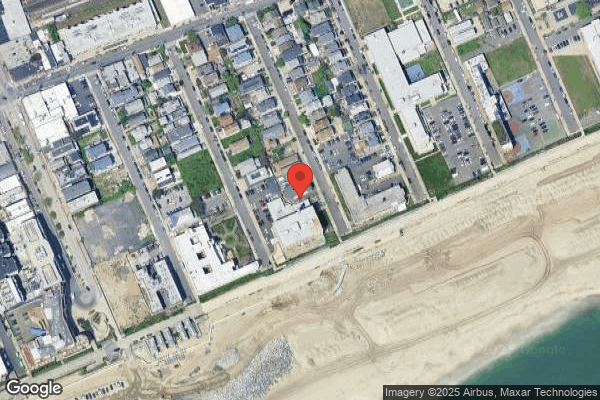
140 BEACH 113TH STREET, ROCKAWAY PARK, NY 11694 (718) 945-6350
For profit - Limited Liability company 120 Beds Independent Data: November 2025
Trust Grade
81/100
#140 of 594 in NY
Last Inspection: February 2024

Within standard 12-15 month inspection cycle. Federal law requires annual inspections.

Overview

Beacon Rehabilitation and Nursing Center in Rockaway Park, New York, has a Trust Grade of B+, which indicates it is above average and generally recommended. It ranks #140 out of 594 nursing homes in New York, placing it in the top half, and #14 out of 57 in Queens County, meaning there are only 13 facilities in the area rated higher. However, the facility is experiencing a worsening trend, with the number of issues increasing from 3 in 2022 to 6 in 2024. Staffing is a relative strength, rated at 3 out of 5 stars with a turnover rate of 30%, which is better than the state's average of 40%. On the downside, it has incurred $8,512 in fines, which is higher than 75% of other New York facilities, indicating potential compliance issues. There are also some concerning incidents noted: for example, one resident was not properly invited to their care plan meetings, and another resident's oxygen tubing was found touching the floor, violating infection control practices. Additionally, a resident was not provided with necessary notices regarding their Medicare coverage upon termination of skilled services, which could lead to confusion about their benefits. Overall, while there are strengths in staffing and care quality measures, families should be aware of the facility's recent compliance issues and the need for improvement in certain areas.

Trust Score
B+
81/100
In New York
#140/594
Top 23%
Safety Record
Low Risk
No red flags
Inspections
Getting Worse
3 → 6 violations
Staff Stability
✓ Good
30% annual turnover. Excellent stability, 18 points below New York's 48% average. Staff who stay learn residents' needs.
Penalties
⚠ Watch
$8,512 in fines. Higher than 80% of New York facilities, suggesting repeated compliance issues.
Skilled Nurses
✓ Good
Each resident gets 49 minutes of Registered Nurse (RN) attention daily — more than average for New York. RNs are trained to catch health problems early.
Violations
○ Average
9 deficiencies on record. Average for a facility this size. Mostly minor or procedural issues.
★★★★☆
4.0
Overall Rating
★★★☆☆
3.0
Staff Levels
★★★★★
5.0
Care Quality
★★★☆☆
3.0
Inspection Score
Stable
2022: 3 issues
2024: 6 issues

The Good

  • 5-Star Quality Measures · Strong clinical quality outcomes
  • Low Staff Turnover (30%) · Staff stability means consistent care
  • Full Sprinkler Coverage · Fire safety systems throughout facility
  • No fines on record
  • Staff turnover is low (30%)

    18 points below New York average of 48%

Facility shows strength in quality measures, staff retention, fire safety.

The Bad

Federal Fines: $8,512

Below median ($33,413)

Minor penalties assessed

The Ugly 9 deficiencies on record

Feb 2024 6 deficiencies
CONCERN (D)

Potential for Harm - no one hurt, but risky conditions existed

Deficiency F0553 (Tag F0553)

Could have caused harm · This affected 1 resident

**NOTE- TERMS IN BRACKETS HAVE BEEN EDITED TO PROTECT CONFIDENTIALITY** 2. Resident #4 had diagnoses of major depression and atrial fibrillation. The Minimum Data Set 3.0 assessment dated [DATE] docu...

Read full inspector narrative →
**NOTE- TERMS IN BRACKETS HAVE BEEN EDITED TO PROTECT CONFIDENTIALITY** 2. Resident #4 had diagnoses of major depression and atrial fibrillation. The Minimum Data Set 3.0 assessment dated [DATE] documented Resident #4 was cognitively intact and participated in the assessment. On 01/28/2024 at 09:34 AM, Resident #4 was interviewed and stated they made decisions themselves and did not recall being invited to any care plan meeting since their admission to the facility on 7/6/2022. The Care Plan Meeting Schedule documented Resident #4 was scheduled for care plan meetings on 4/6/2023, 10/5/2023, and 1/4/2024. There was no documented evidence Resident #4 was invited to attend their care plan meetings scheduled 4/6/2023, 10/5/2023, and 1/4/2024. On 01/31/2024 at 11:27 AM, the Acting Director of Social Services was interviewed and stated residents and their representatives were invited to admission, annual, and significant change care plan meetings. The interdisciplinary team met to discuss the resident's plan of care during the quarterly care plan meetings. The residents and their representatives were not invited to the quarterly care plan meetings. On 02/01/2024 at 10:31 AM, the Administrator was interviewed and stated the Social Work Department was responsible for inviting the residents and their representative to all care plan meetings, including quarterly meetings. 10 NYCRR 415.11(c)(2)(i-iii) Based on interviews and record review conducted during the Recertification survey from 01/28/2024 to 02/02/2024, the facility did not ensure the resident's right to participate in the development and implementation of their person-centered plan of care. This was evident for 2 (Resident #83 and #4) of 26 total sampled residents. Specifically, 1) Resident #83 and their representative were not invited to their care plan meeting, and 2) Resident #4 was not invited to their care plan meeting. The findings are: The facility policy titled Comprehensive Care Plan dated 02/2023 documented the plan of care will be reviewed and revised quarterly, annually, with significant change of status and as needed to enhance the resident's ability to meet resident objectives. 1. Resident #83 had diagnoses of hypertension and obstructive uropathy. The Minimum Data Set 3.0 assessment dated [DATE] documented Resident #83 was moderately cognitively impaired, and the resident and family participated in the assessment. Social Service Note dated 3/2/2023 documented a care plan meeting consisting of the interdisciplinary team was held for Resident #83. There was no documented evidence Resident #83, or their representative were invited to the care plan meeting held on 3/2/2023.
CONCERN (D)

Potential for Harm - no one hurt, but risky conditions existed

Deficiency F0582 (Tag F0582)

Could have caused harm · This affected 1 resident

**NOTE- TERMS IN BRACKETS HAVE BEEN EDITED TO PROTECT CONFIDENTIALITY** Based on interviews and record review conducted during the recertification survey from 1/28/2024 to 2/2/2024, the facility did n...

Read full inspector narrative →
**NOTE- TERMS IN BRACKETS HAVE BEEN EDITED TO PROTECT CONFIDENTIALITY** Based on interviews and record review conducted during the recertification survey from 1/28/2024 to 2/2/2024, the facility did not ensure a resident, or their designated representative was provided with a Notice of Medicare Non-Coverage and Skilled Nursing Facility Advance Beneficiary Notice of Non-coverage at the termination of Medicare Part A benefits. This was evident for 1 (Residents #62) of 3 residents reviewed for Beneficiary Notification out of 26 total sampled residents. Specifically, Resident #62 and their designated representative were not provided with a Notice of Medicare Non-Coverage and Skilled Nursing Facility Advance Beneficiary Notice of Non-coverage once Resident #62 was terminated from skilled services and remained in the facility. The findings are: The facility policy titled Notice of Medicare Non-Coverage and Advance Beneficiary Notice of Non-coverage Benefits Exhaust Letter dated 1/2024 documented it is the policy of the facility to give a completed copy of notices to beneficiaries receiving skilled services and have benefits days remaining but are being discharged from Part A services. The Advance Beneficiary Notice of Non-coverage is given to beneficiaries ending skilled care with Part A benefit days remaining and the resident will remain in the facility. Resident #62 had diagnoses of adjustment disorder and unspecified pain. The Minimum Data Set 3.0 assessment dated [DATE] documented Resident #62 was severely cognitively impaired. The undated Notice of Medicare Non-Coverage documented Medicare skilled services for Resident #62 would end on 10/3/2023. The form did not document a signature from the resident or the resident representative. The undated Skilled Nursing Facility Advance Beneficiary Notice of Non-Coverage documented, beginning 10/4/2023, Medicare would not pay for Resident #62 because skilled services would be ending on 10/3/2023. The form did not document a signature from the resident or their representative. There was no documented evidence the Notice of Medicare Non-Coverage or the Skilled Nursing Facility Advance Beneficiary Notice of Non-Coverage were provided to Resident #62 or their representative in writing. On 01/31/2024 at 03:00 PM, the Minimum Data Set Coordinator was interviewed and stated they notified residents or their designated representatives a few days before their discharge from Medicare Part A service. Resident #62 was cognitively impaired, and their representative was called and informed Resident #62 would be discharged from Medicare Part A services. The Minimum Data Set Coordinator was not aware they had to provide the resident and/or their representative a copy of the Notice of Medicare Non-Coverage and Skilled Nursing Facility Advanced Beneficiary Notice of Non-Coverage when a resident was discharged from Medicare Part A and remained in the facility. On 01/31/2024 at 03:27 PM, the Administrator was interviewed and stated the Minimum Data Set Coordinator was responsible for providing forms to residents and designated representatives to review and sign before discharging them from Medicare Part A. The Administrator also stated they should mail, email, or use other methods the representative can receive the forms and keep proof of it. 10 NYCRR 415.3(g)(2)(i)
CONCERN (D)

Potential for Harm - no one hurt, but risky conditions existed

Deficiency F0657 (Tag F0657)

Could have caused harm · This affected 1 resident

**NOTE- TERMS IN BRACKETS HAVE BEEN EDITED TO PROTECT CONFIDENTIALITY** Based on observation, interviews, and record review conducted during the Recertification Survey from 1/28/2024 to 2/2/2024, the ...

Read full inspector narrative →
**NOTE- TERMS IN BRACKETS HAVE BEEN EDITED TO PROTECT CONFIDENTIALITY** Based on observation, interviews, and record review conducted during the Recertification Survey from 1/28/2024 to 2/2/2024, the facility did not ensure a comprehensive person-centered care plan was reviewed and revised to address a resident's needs. This was evident for 2 (Resident #4 and Resident #98) of 26 total sampled residents. Specifically, 1) Resident #4's comprehensive care plans were not reviewed and revised to reflect Resident #4's diagnosis management and medication administration, and 2) Resident #98's comprehensive care plan was not reviewed and revised to reflect their risk for elopement. The findings are: The facility policy titled Comprehensive Care Plans dated 2/2023 documented the plan of care will be reviewed and revised quarterly, annually, with significant change of status and as needed to enhance the resident's ability to meet their objectives. 1) Resident #4 had diagnoses of right humerus fracture and atrial fibrillation. The Minimum Data Set 3.0 assessment dated [DATE] documented Resident #4 was cognitively intact, had diagnoses of diabetes mellitus, depression, and unspecified atrial fibrillation, and received insulin, antidepressant, anticoagulant, and opioid medications. Physician's Orders documented Resident #4 was ordered Percocet 5-325mg every 6 hours as needed for pain on 11/26/2023, Novolin Flexpen 15 units subcutaneously two times a day for diabetes mellitus on 1/17/2023, and Eliquis 5mg twice daily for deep vein thrombosis on 1/17/2023. The comprehensive care plans related to Resident #4's pain and diabetes mellitus were created 3/31/2023 and last reviewed on 10/5/2023. The comprehensive care plans related to Resident #4's pain medication use, antidepressant use, and anticoagulant use were initiated 6/29/2023 and last reviewed on 10/5/2023. There was no documented evidence Resident #4's comprehensive care plans related to pain, diabetes mellitus, pain medication use, antidepressant use, and anticoagulant use were reviewed and revised upon Minimum Data Set 3.0 assessment dated [DATE]. 2) Resident #98 had diagnoses of anxiety disorder and wandering. The Minimum Data Set 3.0 assessment dated [DATE] documented Resident #98 was moderately cognitively impaired and wander/elopement alarm was used daily. On 01/28/2024 at 11:53 AM, Resident #98 was observed with a wander alert device to their left wrist. Physician's Order dated 9/19/2023 documented Resident #98 had a wander alert device placed on their left wrist. The comprehensive care plan related to Resident #98's elopement potential initiated 7/21/2023 was last reviewed 9/21/2023. There was no documented evidence the comprehensive care plan related to Resident #98's elopement potential was reviewed and revised upon Minimum Data Set 3.0 assessment dated [DATE]. On 02/01/2024 at 11:35 AM, Registered Nurse #1 was interviewed and stated they were responsible for reviewing and updating care plans quarterly upon Minimum Data Set 3.0 assessment based on a list of residents that were due. Registered Nurse #1 stated they made a mistake when they reviewed and updated some on the care plans for Resident #4 and Resident #98 but not all of them. On 02/01/2024 at 11:58 AM, the Director of Nursing was interviewed and stated they monitored whether the Registered Nurses completed their assignments by looking in the electronic medical record at the care plan updates. The Director of Nursing was not able to explain why the care plans for Resident #4 and Resident #98 were not updated in a timely manner. 10 NYCRR 415.11(c)(2)(i-iii)
CONCERN (D)

Potential for Harm - no one hurt, but risky conditions existed

Deficiency F0679 (Tag F0679)

Could have caused harm · This affected 1 resident

**NOTE- TERMS IN BRACKETS HAVE BEEN EDITED TO PROTECT CONFIDENTIALITY** Based on observation, record review, and interviews conducted during the recertification survey from 1/28/2024 to 2/2/2024, the...

Read full inspector narrative →
**NOTE- TERMS IN BRACKETS HAVE BEEN EDITED TO PROTECT CONFIDENTIALITY** Based on observation, record review, and interviews conducted during the recertification survey from 1/28/2024 to 2/2/2024, the facility did not ensure an ongoing activities program was provided to meet the interests of and support the physical, mental, and psychosocial well-being of the resident. This was evident for 1 (Residents #57) of 26 sampled total residents. Specifically, Resident #57 was not provided an activity program according to their interests and experienced cancellation of activities with no alternative and without resident notification. The findings are: The undated facility policy titled Therapeutic Recreation documented that the facility Recreation Therapist/Aide will provide each resident with daily choices, options, and program alternatives to spend their time and will maintains an attendance log for each activity to assess participation and socialization to ensure meaningful activities are being offered. Resident #57 had diagnoses of coronary artery disease and anemia. The Minimum Data Set 3.0 assessment dated [DATE] documented Resident #57 was cognitively intact. On 1/29/2024 at 9:44 AM, Resident #57 was interviewed and stated the facility did not involve them in daily activities and weekend activities were often cancelled when a staff member was not available to run the activity program. Residents were not informed, and the activity calendar was not changed to reflect frequent cancellations. Resident #57 stated they discovered scheduled activities were cancelled when they traveled to the Recreation Room and found the door locked and no activity program being conducted. On 1/30/2024 at 9:46 AM, the activity calendar for Resident #57's unit was observed posted and 1 to 1 visits with residents were scheduled at 9:30 AM for 1/30/2024. Observations were made of each room on the unit and Recreation staff were not present on the unit. There were no 1 to 1 visits observed taking place in any resident room on the unit. The Comprehensive Care Plan related to activities initiated 8/8/2023 and last reviewed 1/13/2024 documented Resident #57 was provided with a program of activities that was of interest and empowering. Resident #57 was provided an activity calendar and was notified of any changes to the activities on the calendar. The Activity Participation Sheet for January 2024 documented Resident #57 was not provided with and did not participate in any activities for 10 out of 31 days. There was no documented evidence Resident #57 was provided with an activity program that supported their physical, mental, and psychosocial wellbeing. On 2/1/2024 at 12:15PM, jewelry-making was announced as the activity being offered currently in the Recreation Room on the main floor. Resident #57 and their unit were served lunch and were in the process of eating during the announcement. Activity Aide #1 was interviewed and stated the jewelry-making activity was on the calendar and scheduled for 2PM, but Activity Aide #1 changed the time to 12:15 PM because they wanted to take their break and did not want to run the program at 2PM. On 02/01/2024 at 10:27 AM, the Director of Recreation was interviewed and stated the Recreation Department was unable to cover staff callouts and shortages, especially on the weekends. There was no system in place to notify residents when a scheduled activity was changed or cancelled. Residents showed up to the Recreation Room for scheduled activities and knew an activity was cancelled when they saw the door was locked. The Director of Recreation did not schedule substitute activities if one was cancelled. The Recreation Department had 1 staff member working this week and was unable to provide 1 to 1 visits with residents in their rooms on the units as scheduled on the activity calendar. The Director of Recreation stated they did not arrive to work until 11AM on Sunday, 1/28/2024 and the scheduled 9AM coffee social for residents did not take place. The Director of Recreation stated they did not have a system in place to determine which activities were offered to residents and they devised an activity program based on what was already available in the Recreation Room. The Director of Recreation was unable to provide a policy and procedure related to activities. 10NYCRR 415.5(f)(1)
CONCERN (D) 📢 Someone Reported This

A family member, employee, or ombudsman was alarmed enough to file a formal complaint

Potential for Harm - no one hurt, but risky conditions existed

Deficiency F0776 (Tag F0776)

Could have caused harm · This affected 1 resident

**NOTE- TERMS IN BRACKETS HAVE BEEN EDITED TO PROTECT CONFIDENTIALITY** Based on observation, record review, and interviews conducted during the Recertification and Complaint survey (NY00297169) from ...

Read full inspector narrative →
**NOTE- TERMS IN BRACKETS HAVE BEEN EDITED TO PROTECT CONFIDENTIALITY** Based on observation, record review, and interviews conducted during the Recertification and Complaint survey (NY00297169) from 1/18/2024 to 2/2/2024, the facility did not ensure a resident received timely radiologic or other diagnostic services. This was evident for 1 (Resident #57) of 26 total sampled residents. Specifically, gynecology and vascular consults were not ordered and completed timely Resident #57 had delay in receiving medical management at consultation services. The findings are: The facility policy titled Consultations dated 2/5/2023 documented Licensed Practical Nurses will follow up all consultation orders as ordered and written by the physician for all resident's consultations. This includes any request for medical or clinical office visits. If there is a delay of more than 30 days before the consultant could examine the resident, the Registered Nurse Supervisor and the Medical Director will be notified. Resident #57 had diagnoses of deep vein thrombosis and coronary artery disease. The Minimum Data Set 3.0 assessment dated [DATE] documented Resident #57 was cognitively intact. On 01/30/2024 at 09:06 AM, Resident #57 was interviewed and stated they had unexplained vaginal bleeding and required consultation with gynecology. Nursing staff informed Resident #57 they were scheduled for an appointment with the gynecologist but Resident #57 never had a consultation and Resident #57 was hospitalized as a result. Resident #57 stated the Vascular Doctor evaluated them in 6/2023 and informed the resident they would return to the facility in a few weeks for a follow-up consultation. The Vascular Doctor did not return to follow-up with the resident and Resident #57 stated facility staff informed them in 8/2023 they were going to be scheduled to visit an outpatient vascular clinic. Resident #57 was informed they had an appointment in 12/2023 but it was cancelled, rescheduled for 1/14/2024, and then cancelled again. Resident #57 stated the facility rescheduled the vascular appointment for 2/14/2024. The Nursing Note dated 4/10/2022 documented Resident #57 had blood in their adult brief. The Nursing Note dated 4/20/2022 documented Resident #57 observed with vaginal bleeding, Primary Medical Doctor made aware, gynecology consult ordered. The Nursing Note dated 4/20/2022 documented Medical Doctor Order for Resident #57 to be transferred to the hospital due to vaginal bleeding. The Nursing Note dated 4/21/2022 documented Resident #57 returned from the hospital emergency room and will be evaluated by the gynecologist at a later date. The Nursing Note dated 4/28/2022 documented Resident #57 still presenting with blood in their adult brief. The Situation, Background, Assessment, Recommendation Communication Form dated 5/19/2022 documented Resident #57's symptoms worsened, they ha recurrent vaginal bleeding, and Primary Medical Doctor ordered gynecology consult secondary to persistent bleeding and anemia. Resident #57's symptoms started 3/20/2022. The Nursing Note dated 5/20/2022 documented Resident #57 was transferred to the hospital. The Nursing Note dated 5/25/2022 documented Resident #57 was readmitted from the hospital with diagnosis of postmenopausal bleeding and pelvic mass. The Nursing Note dated 5/30/2022 and 5/31/2022 documented Resident #57 continued to have vaginal bleeding. The Nursing Note dated 6/15/2022 documented Resident #57 was transferred and admitted to the hospital on [DATE] due to vaginal bleeding. The Nursing Note dated 6/15/2022 documented Resident #57 was readmitted from the hospital with discharge instructions for Resident #57 to have a scheduled endometrial ablation with the Gynecologist in one week to address pelvic mass and postmenopausal bleeding. The was no documented evidence Resident #57 received a timely consultation appointment with the Gynecologist after vaginal bleeding and Primary Medical Doctor order to see the Gynecologist. The Vascular Consult dated 6/9/2023 documented Resident #57 presented with leg swelling and new wound to their left toe. Venous ultrasound and venogram recommended to rule out deep vein thrombosis. Arterial ultrasound was recommended to evaluate the resident's left toe wound. The Medical Doctor Note dated 6/28/2023 documented Resident #57 was evaluated, and their leg swelling was worse. The Medical Doctor Note dated 9/18/2023 documented a Vascular Consult was requested on 9/9/2023 due to left 1st distal phalanx discoloration. The Nursing Note dated 12/26/2023 documented Resident #57 was scheduled for vascular consult at a clinic on 12/27/2023 and this appointment was cancelled and rescheduled for 1/14/2024. There was no documented evidence a vascular consult was scheduled for Resident #57 in a timely manner to address left toe wound and leg swelling. On 02/01/2024 at 08:09 AM, an interview was conducted with the Assistant Director of Nursing who stated they were not aware of any concerns or delays related to scheduling vascular or gynecology consults for Resident #57. The Medical Doctor was responsible for placing a Physician Order for a resident to see a consulting physician with the nursing supervisor or charge nurse on the unit. The nurse who received the consult order from the Medical Doctor was responsible for scheduling the appointment with the consulting physician, filling out the consult form, and bringing the form to the nursing office for transportation to be scheduled. The Registered Nurse maintained a list of residents with pending consults and followed up with the Medical Doctor to confirm a resident's continued need for evaluation by consulting physician. The Assistant Director of Nursing stated the nurses were also responsible for updating the Physician Order in the medical record with appointment information when a resident was scheduled to see a consulting physician. On 02/01/2024 at 09:44 AM, the Director of Nursing was interviewed and stated they were aware there was an issue with scheduling Resident #57's gynecological consult upon return from the hospital. The Director of Nursing could not recall whether they addressed the concern with a delay in obtaining the consult with the Medical Director. On 01/31/2024 at 03:56 PM, the Medical Director was interviewed and stated they were Resident #57's Medical Doctor. The nurses on the unit were responsible for writing consult orders once the Medical Doctor determined it was necessary for a resident to see a consulting physician. The Medical Director stated the Medical Doctors were responsible for signing the consult orders once the nurses wrote them and the nursing department was responsible for scheduling the appointments. The Medical Director stated they reported concerns related to delays in obtaining an appointment for Resident #57's gynecology consult to the Assistant Director of Nursing and the Director of Nursing. There was no documented evidence of a discussion related to Resident #57's delays in having consultations scheduled. A gynecology appointment was scheduled for Resident #57 by the hospital when she was admitted due to vaginal bleeding. 10NYCRR 415.21
CONCERN (D)

Potential for Harm - no one hurt, but risky conditions existed

Medical Records (Tag F0842)

Could have caused harm · This affected 1 resident

**NOTE- TERMS IN BRACKETS HAVE BEEN EDITED TO PROTECT CONFIDENTIALITY** 2) Resident #67 had diagnoses of paraplegia and neurogenic bladder. The Minimum Data Set 3.0 assessment dated [DATE] documented...

Read full inspector narrative →
**NOTE- TERMS IN BRACKETS HAVE BEEN EDITED TO PROTECT CONFIDENTIALITY** 2) Resident #67 had diagnoses of paraplegia and neurogenic bladder. The Minimum Data Set 3.0 assessment dated [DATE] documented Resident #67 was cognitively intact and had a Foley catheter. The Comprehensive Care Plan related to bladder and bowel incontinence, thoracic myelopathy, and neurogenic bladder initiated 1/1/2024 documented on the Foley catheter for #67 was discontinued on 1/16/2024. The Physician Order dated 1/16/2024 documented Resident #67 had their Foley catheter removed and voiding would be monitored. Nursing Note dated 1/16/2024 documented Resident #67 had their Foley catheter removed and urine was collected. Nursing Note dated 1/17/2024 documented Resident #67's Foley catheter was removed yesterday and the resident had one wet adult brief this tour. Nursing note dated 1/24/2024 documented Resident #67's Foley bag and drainage system were changed every Wednesday on the day shift. There nursing note dated 1/24/2024 inaccurately documented Resident #67 required Foley catheter care after Foley catheter was discontinued on 1/16/2024. During an interview on 01/30/2024 at 09:56 AM, Licensed Practical Nurse #3 stated Resident #67 had a Foley catheter and it was discontinued. They do not recall whether Resident #67 used an adult brief for voiding their bladder. Licensed Practical Nurse #3 stated they inaccurately documented in Residnt #67's chart that the resident required Foley catheter care after the Foley catheter had already been discontinued. They wrote a progress note for another resident in Resident #67's chart. During an interview on 01/30/2024 at 09:12 AM, the Assistant Director of Nursing #1 stated Licensed Practical Nurse #3 documented the information meant for another resident in Resident #67's medical record and this was the wrong chart. Resident #67 did not have a Foley catheter when Licensed Practical Nurse #3 documented they required Foley catheter care. It was a mistake. 10NYCRR 415.22(a)(1-4) Based on observation, record review, and interviews conducted during the Recertification Survey from 01/28/2024 through 02/02/2024, the facility did not ensure a resident's records were accurately documented. This was evident in 2 (Resident #61 and #67) of 26 total sampled residents. Specifically, 1) Licensed Practical Nurse #1 inaccurately documented Resident #61 was administered antianxiety medication, Xanax, and 2) Resident #67 was documented as having a Foley catheter after the Foley catheter had been removed. The findings are: The undated facility policy titled Medication Administration documented the nurse signs off on the Medication Administration Record immediately after administration of the medication. 1) Resident #61 had diagnoses of anxiety and bipolar disorder. The Minimum Data Set 3.0 assessment dated [DATE] documented Resident #61 was cognitively intact. On 01/31/2024 at 12:06 PM, the North 4 medication cart was observed with Resident #61's 8 AM Xanax .25mg dose present on the cart. During an interview on 01/31/2024 at 4:04 PM, Resident #61 stated they chose not to take their prescribed Xanax this morning because they did not go to their radiation appointment. They requested to have their antianxiety medication administered at 12 PM when they were ready to leave for their radiation appointment because this was when they felt anxious. The Medical Doctor's Order dated 12/24/2023 documented give Resident #61 Xanax 0.25 mg every 8 hours for anxiety. The Medication Administration Record for January 2024 documented Resident #61 was scheduled to receive Xanax .25mg at 8AM, 4PM, and 12 AM. The Medication Administration Record documented Licensed Practical Nurse #1 administered Resident #61 their Xanax .25mg at 8AM on 1/31/2024. The Control Substance Record did not document Resident #61 received Xanax .25 mg at 8AM on 1/31/2024. During an interview on 01/31/2024 at 12:15 PM, Licensed Practical Nurse #1 stated they documented on the Medication Administration Record that they administered Xanax .25mg to Resident #61 at 8AM. Licensed Practical Nurse #1 signed the record before taking the medication from the blister pack. Resident #61 then refused to take the Xanax .25mg because they were not going to radiation treatment and wanted to take the antianxiety medication prior to radiation treatment. Licensed Practical Nurse #1 stated they informed the Medical Doctor and the Assistant Director of Nursing that Resident #61 requested a change in their Xanax administration times. During an interview on 01/31/2024 at 3:44 PM, the Director of Nursing stated nurses signed the Medication Administration Record after they administered the medication to residents. If the resident refused to take medication, the nurse documented the resident's refusal on the Medication Administration Record. 10 NYCRR 415.22(a)(1-4)
Feb 2022 3 deficiencies
CONCERN (D)

Potential for Harm - no one hurt, but risky conditions existed

Deficiency F0568 (Tag F0568)

Could have caused harm · This affected 1 resident

**NOTE- TERMS IN BRACKETS HAVE BEEN EDITED TO PROTECT CONFIDENTIALITY** Based on observation, record review and staff interviews during the Recertification survey, the facility did not ensure individu...

Read full inspector narrative →
**NOTE- TERMS IN BRACKETS HAVE BEEN EDITED TO PROTECT CONFIDENTIALITY** Based on observation, record review and staff interviews during the Recertification survey, the facility did not ensure individual resident financial records were made available to resident and resident representatives through quarterly statements. Specifically, quarterly statements were not provided in writing to residents and/or resident representatives within 30 days after the end of the quarter. This was evident for 2 of 2 residents reviewed for Personal Funds out of total sample of 24 residents sampled. (Residents #46 & #67) The findings are: The facility policy titled Resident Fund dated 10/1/2018, documented after each quarter or as requested, Quarterly statements will be distributed to all the residents with capacity accompanied by a signature confirming their receipt. For all other residents who lack capacity, the Quarterly statement will be emailed/mailed to their designated rep with a signature by the Finance Coordinator/designee. 1.Resident #46 was admitted to the facility on [DATE] with diagnoses that included Cerebrovascular Accident (CVA), Transient Ischemic Attack (TIA), and Non-Alzheimer's Dementia. The Quarterly Minimum Data Set (MDS) dated [DATE] documented that the resident had moderate impairment in cognition; has clear speech, with distinct intelligible words, makes self-understood, and understands others. On 01/31/22 at 11:23 AM, an interview was conducted with Resident #46. Resident #46 stated I have a lot of money coming from my social security, but the guy in charge of the money is not giving me the money when I need it, they are not giving me any statement either since being here, that is why I want to take out all my money. Residents Fund Account Trial Balance - Balances as of 02/01/22 documented Resident #46 had a current balance of $40.00 and a pending balance of $40.00. There was no documented evidence that resident had been provided quarterly statements. 2. Resident #67 was admitted to the facility with diagnoses that included Cancer, Anxiety Disorder, and Depression. The Quarterly Minimum Data Set (MDS) dated [DATE] documented the resident has moderate impairment in cognition; has clear speech, with distinct intelligible words, makes self-understood, and understands others. On 01/31/22 at 09:25 AM, an interview was conducted with Resident #67. Resident #67 stated that sometimes when they ask for money the person in charge will say they have not gone to the bank, and they should come back. Resident # 67 also stated that they have an account with the facility, but they have not been getting updated quarterly statements from the facility to know how much is spent and how much is remaining. Residents Fund Account Trial Balance - Balances as of 02/01/22 documented Resident #67 had a current and pending balance of 1,962.68. There was documented evidence that resident was provided with only one quarterly statements in June 2021 since admission. On 02/02/22 at 01:28 PM, an interview was conducted with the Director of Social Worker (DSW). The DSW stated that the Director of Recreation is in charge of distributing statements to the residents and they believe that residents are given their statement quarterly and upon request anytime they want. The DSW stated that they were not aware that Residents #46 and #67 were not being given their statements quarterly and as needed. On 02/02/22 at 01:50 PM, an interview was conducted with the Director of Recreation (DOR). The DOR stated that resident/resident's representatives are given statements every 3 months, and if any resident or family members request for the statement at any time it is printed and given to them. The DOR also stated that Resident #46 was newly admitted and does not have any money in the account as of January this year, as it took time for the money to get to the facility. The DOR stated that no statement had been provided to Resident #46 since admission. The DOR further stated that residents' statements are handled and printed out by Human Resources (HR), given to recreation to distribute to residents, and the statements are always given out as soon as they are received from HR. The DOR stated that Resident #67 had received one statement from HR which had been signed for. The DOR was not able to explain why only one statement had been given to Resident #67 since admission. On 02/02/22 at 02:05 PM, an interview was conducted with the Director of Human Resources (DHR). The DHR stated that residents are provided with statements every 3 months, and residents are informed of their balances every month. The Recreation department distributes the statement to the residents for them to sign. The DHR further stated that Resident # 46 has a tendency of getting confused and will ask the same questions repetitively and the resident might have been given the statement but will still be asking for it repeatedly. The DHR stated that the recreation staff is supposed to keep a record of the statements given out to the residents. The DHR stated that they were not aware that the residents were not being given the statements regularly. 415.26(h)(5)(i)
CONCERN (D)

Potential for Harm - no one hurt, but risky conditions existed

Deficiency F0688 (Tag F0688)

Could have caused harm · This affected 1 resident

**NOTE- TERMS IN BRACKETS HAVE BEEN EDITED TO PROTECT CONFIDENTIALITY** Based on observations, record review, and staff interviews conducted during the Recertification survey, the facility did not ens...

Read full inspector narrative →
**NOTE- TERMS IN BRACKETS HAVE BEEN EDITED TO PROTECT CONFIDENTIALITY** Based on observations, record review, and staff interviews conducted during the Recertification survey, the facility did not ensure that needed services, care and equipment are provided to assure that resident with limited range of motion and mobility maintain or improve function based on the residents' clinical condition. Specifically, a resident was not provided with the handroll, and splint device ordered to improve resident's contractures. This was evident for 1 out of 2 residents reviewed for Limited ROM out of 24 residents sampled. (Resident #53) The findings are: The facility's policy titled Use of Assistive Devices dated 2/20/2018, last revised 10/20/2021 documented that the purpose of the policy is to provide a reliable process for the proper and consistent use of assistive devices for those residents requiring equipment to maintain or improve function and/or dignity .If recommended but not utilized, if this is by resident's choice, must be documented in the Comprehensive Plan of care. Resident #53 was admitted to the facility with diagnoses that included Non-Alzheimer's Dementia, Parkinson's Disease, and Other muscle spasm. The Quarterly Minimum Data Set (MDS) dated [DATE] documented the resident had severe impairment in cognition with long and short-term memory problems. The MDS also documented the resident is sometimes understood, has clear speech, and rarely/never understands. The MDS further documented that the resident is extensive assistance of 1 to 2 staff for most Activities of Daily Living (ADL). The Comprehensive Care Plan (CCP) titled Rehab dated 10/7/2021 documented that resident required assistance with ADL task performance and had a goal of encourage resident to participate in ADLs. Interventions included (L) Hand roll to be worn at all times, remove for skin check, hygiene and during ADLs, (L) Heel relief boot in bed or in Gerichair as tolerated, Lateral support R or L as needed and Left resting hand splint as tolerated, remove for hygiene. There was no Comprehensive Care Plan in place that addressed that the resident had been refusing to wear the devices. CNA Accountability Record (CNAAR) dated December 2021 to February 2022, contained no documented evidence that resident refused the devices during the 7-3 shift. The CNAAR revealed that resident refused the hand rolls only during 11pm to 7am shift on 12/27/2021 and 12/29/2021. Physician's order dated 1/12/2022 documented (L) Hand roll to be worn at all times, remove for skin check, hygiene and during ADLs. Left resting hand splint as tolerated, remove for hygiene Lateral support, to be placed L or R as needed. On 01/30/22 at 10:51 AM, during the initial tour of the unit, resident was observed in bed with contracture on left hand with no device in place. On 01/31/22 at 01:27 PM, Resident #53 was observed on reclining chair in the room, no hand roll or splint device noted on the resident. On 02/01/22, between 08:43 AM and 12:00 PM, Resident #53 was observed in room with no device in place. On 02/02/22, between 09:35 AM and 11:15 AM, Resident #53 was observed in bed awake, no device noted. On 02/02/22 at 11:28 AM, an interview was conducted with the Certified Nursing Assistant CNA #2. CNA #2 stated that resident is total care, has to be fed, requires total help for dressing, assisted in doing range of motion for the legs and arms. CNA #2 also stated that resident has contractures on both hands and has a hand roll for the left hand and splint for the right hand. CNA #2 also stated that resident sometimes complains of pain when the hand roll is applied and will try to remove it when it is placed. CNA #2 further stated that the hand roll may have been in the resident's drawer when it was not observed on the resident, and they cannot deny or confirm that resident is wearing the device all the time. CNA #2 stated that the charge nurse and the Supervisor were informed that the resident sometimes refuses to wear the devices. On 02/02/22 at 11:38 AM, an interview was conducted with the Charge Nurse, Licensed Practical Nurse (LPN) #1. LPN #1 stated that the resident is supposed to be given the hand roll and the splint device all the time except during care. LPN #1 also stated that they were not aware that the resident was not being given the device and had not been informed that resident is refusing. LPN stated that it would have been documented in the resident's chart and brought to the Supervisor's attention if they have been made aware that resident is refusing to wear the devices. LPN stated that they did not notice that the Resident #53 was not wearing the devices when they administered medications to the resident. On 02/02/22 at 11:45 AM, an interview was conducted with the Registered Nurse (RN) #2, the Nursing Supervisor. RN #2 stated that it was a mistake that resident had not been having the devices, and staff had not been reporting that resident is refusing to wear it. RN #2 also stated it would have been documented in the resident's chart if it was reported that resident had been refusing the device. RN #2 further stated that they do make rounds on the unit but did not observe that Resident #53 had not been wearing the ordered devices. 415.12 (e)(2)
CONCERN (F)

Potential for Harm - no one hurt, but risky conditions existed

Infection Control (Tag F0880)

Could have caused harm · This affected most or all residents

**NOTE- TERMS IN BRACKETS HAVE BEEN EDITED TO PROTECT CONFIDENTIALITY** Based on observations, and staff interviews conducted during the Recertification survey, the facility did not ensure that infect...

Read full inspector narrative →
**NOTE- TERMS IN BRACKETS HAVE BEEN EDITED TO PROTECT CONFIDENTIALITY** Based on observations, and staff interviews conducted during the Recertification survey, the facility did not ensure that infection control practices and procedures were maintained. Specifically, 1). oxygen tubing was observed touching the floor on multiple occasions, and 2). the facility-specific water management plan for Legionella was missing the following required components: (a) environmental assessment of water system. (b) Legionella sampling plan in place for the potable water system. This was evident for 2 out 2 residents reviewed for Respiratory Care out of a sample of 24 residents and during review of Infection Control. (Resident # 6 and Resident # 54) The findings are: 1 (a). Resident #6 was admitted to the facility with diagnoses that include Congestive Heart Failure and Pulmonary hypertension The Annual Minimum Data Set (MDS) dated [DATE], documented that resident's cognition was moderately impaired and that extensive assistance with 2 persons physical assistance was needed for transfers and toilet use. The MDS also documented Oxygen therapy while a resident. Physician's Orders dated 01/23/22 documented Oxygen at 2 Liters(L)/Minute via nasal cannula, continuous. The Comprehensive Care Plan (CCP) titled Use of supplemental oxygen, resident requires supplemental oxygen therapy, 2L/min continuous, created on 11/20/20 with goals that include resident will have no signs/symptoms(s/s) respiratory distress x 90days, resident will tolerate oxygen therapy x 90 days. Interventions include to change oxygen tubing weekly and prn as ordered, provide oxygen as ordered by Medical Doctor (MD). On1/30/22 at 10:00AM, Resident # 6 was observed in bed with an oxygen concentrator attached to oxygen tubing which was laying on the floor. There was no date observed on the oxygen tubing. On 01/31/22 at 10:37 AM, Resident # 6 was observed out of bed in the wheelchair, with an oxygen concentrator attached to oxygen tubing which was laying on the floor. There was no date on the tubing. On 02/02/22 at 09:34 AM, Resident # 6 was observed in bed asleep and oxygen tubing was observed to be touching the floor. No date observed on the tubing. On 02/02/22 at 12:01 PM, Resident # 6 was observed out of bed having lunch in their room. Oxygen was being administered while attached to the concentrator, with the tubing observed touching the floor. (b). Resident # 54 was admitted to the facility with diagnoses that include Congestive Heart Failure and Chronic Obstructive Pulmonary Disease. The Quarterly Minimum Data Set (MDS) dated [DATE] documented that resident's cognition was moderately impaired, and that resident required extensive assistance of one person physical with bed mobility, transfers, and toilet use. The MDS also documented that resident received Oxygen therapy. The Physician's orders renewed on 1/12/22 documented Oxygen at 2 Liters/Minute via Nasal Cannula continuous. The Comprehensive Care Plan (CCP) titled Medical Diagnosis (Dx) COPD, created 05/04/21, had interventions which included administer oxygen as per MD order. On 01/30/22 at 10:20 AM, Resident # 54 was observed sitting in a wheelchair with an oxygen tank placed at the back of the wheelchair and oxygen tubing was observed touching the floor. On 01/31/22 at 11:22 AM, Resident # 54 was observed sitting in a wheelchair with oxygen tubing attached to the concentrator in the resident's hand and touching the floor. On 02/02/22 at 12:04 PM, Resident # 54 was observed in a wheelchair in the doorway of the room. The Oxygen tubing for the nares was in the resident's hands and the oxygen tubing connected to the concentrator was laying on the floor. On 02/04/22 at 12:28 PM, an interview was conducted with Registered Nurse (RN) #1. RN #1 stated that oxygen tubings are changed weekly and that if staff observes the tubing is on the floor, they change them and date the tubings. RN #1 also stated that when they made rounds earlier today, they did not observe ant tubing on the floor. On 02/04/22 at 12:47 PM, an interview was conducted with Certified Nursing Aide (CNA) #1 who stated that when a resident is on oxygen, they make sure that oxygen tubing is not on the floor. If tubing is on the floor, they would tell the nurse and the nurse would change the tubing. CNA #1 also stated that they did not see the tubing on the floor during the 7-3 tour. On 02/04/22 at 12:55 PM, an interview was conducted with the RN Manager (RNM) #1. The RNM stated that it is the responsibility of the staff to see if oxygen tubing is in the floor, and if it is, it must be thrown out and replaced. RNM #1 also stated that the resident tends to move with the oxygen and is reminded to take the tubing off the floor. On 02/04/22 at 1:10 PM, an interview was conducted with the Director of Nursing (DON). The DON stated that staff has been educated that it is a breach of infection control for oxygen tubing to be on the floor. The DON also stated that staff should ensure that the residents oxygen tubing is monitored to prevent it from touching the floor. 2(a) Review of the facility's Legionella water management plan for potable water system titled Domestic water management plan dated 6/1/2021 revealed the plan lacked the required description of environment risk assessment plan which identifies where Legionella and other opportunistic waterborne pathogens (e.g., Pseudomonas, Acinetobacter, Burkholderia, Stenotrophomonas, nontuberculous mycobacteria, and fungi) could grow and spread in the facility water system. In an interview with the Administrator on 02/01/2022 at approximately 1:40PM, the Administrator stated, the Director of Building Service is in-charge of the water management plan at the facility. The Director of Building Service stated in an interview on 02/01/2022 at approximately 1:42 PM, the facility did not complete the environment risk assessment. They inquired of knowing what the environment risk assessment looked like. After showing them a sample, the Director of Building Service stated, they did not complete it. (b) Record review revealed the facility did not have a functional legionella sampling plan in place for the portable water system. Further review of their policy revealed that the facility lacked required components of a Legionella sampling plan including but not limited to specific monitoring sites; frequency at which each monitored site is evaluated; control limits at each control location; and policies and procedures for personnel. In an interview on 02/01/2022 at approximately 1:42 PM, the Director of Building Service stated even though the facility had no plan in place for collecting sampling for testing, there was still a method the facility uses. The Director of Building Service further explained the procedure of collecting samples for testing and analysis. On 02/02/2022 at approximately 5:30 PM, the Administrator submitted a one-page document titled Legionella Sampling plan location. 415.19 (a)(1-3)
Understanding Severity Codes (click to expand)
Life-Threatening (Immediate Jeopardy)
J - Isolated K - Pattern L - Widespread
Actual Harm
G - Isolated H - Pattern I - Widespread
Potential for Harm
D - Isolated E - Pattern F - Widespread
No Harm (Minor)
A - Isolated B - Pattern C - Widespread

Questions to Ask on Your Visit

  • "Can I speak with families of current residents?"
  • "What's your RN coverage like on weekends and overnight?"

Our Honest Assessment

Strengths
  • • Grade B+ (81/100). Above average facility, better than most options in New York.
  • • No major safety red flags. No abuse findings, life-threatening violations, or SFF status.
  • • 30% annual turnover. Excellent stability, 18 points below New York's 48% average. Staff who stay learn residents' needs.
Concerns
  • • No significant concerns identified. This facility shows no red flags across CMS ratings, staff turnover, or federal penalties.
Bottom line: Generally positive indicators. Standard due diligence and a personal visit recommended.

About This Facility

What is Beacon Rehabilitation And Nursing Center's CMS Rating?

CMS assigns BEACON REHABILITATION AND NURSING CENTER an overall rating of 4 out of 5 stars, which is considered above average nationally. Within New York, this rating places the facility higher than 99% of the state's 100 nursing homes. This rating reflects solid performance across the metrics CMS uses to evaluate nursing home quality.

How is Beacon Rehabilitation And Nursing Center Staffed?

CMS rates BEACON REHABILITATION AND NURSING CENTER's staffing level at 3 out of 5 stars, which is average compared to other nursing homes. Staff turnover is 30%, compared to the New York average of 46%. This relatively stable workforce can support continuity of care. RN turnover specifically is 56%, which is notably high. RNs provide skilled clinical oversight, so turnover in this role can affect medical care quality.

What Have Inspectors Found at Beacon Rehabilitation And Nursing Center?

State health inspectors documented 9 deficiencies at BEACON REHABILITATION AND NURSING CENTER during 2022 to 2024. These included: 9 with potential for harm.

Who Owns and Operates Beacon Rehabilitation And Nursing Center?

BEACON REHABILITATION AND NURSING CENTER is owned by a for-profit company. For-profit facilities operate as businesses with obligations to shareholders or private owners. The facility operates independently rather than as part of a larger chain. With 120 certified beds and approximately 113 residents (about 94% occupancy), it is a mid-sized facility located in ROCKAWAY PARK, New York.

How Does Beacon Rehabilitation And Nursing Center Compare to Other New York Nursing Homes?

Compared to the 100 nursing homes in New York, BEACON REHABILITATION AND NURSING CENTER's overall rating (4 stars) is above the state average of 3.1, staff turnover (30%) is significantly lower than the state average of 46%, and health inspection rating (3 stars) is at the national benchmark.

What Should Families Ask When Visiting Beacon Rehabilitation And Nursing Center?

Based on this facility's data, families visiting should ask: "Can I visit during a mealtime to observe dining assistance and food quality?" "How do you handle medical emergencies, and what is your hospital transfer rate?" "Can I speak with family members of current residents about their experience?"

Is Beacon Rehabilitation And Nursing Center Safe?

Based on CMS inspection data, BEACON REHABILITATION AND NURSING CENTER has a clean safety record: no substantiated abuse findings (meaning no confirmed cases of resident harm), no Immediate Jeopardy citations (the most serious violation level indicating risk of serious injury or death), and is not on the Special Focus Facility watch list (a federal program monitoring the lowest-performing 1% of nursing homes). The facility has a 4-star overall rating and ranks #1 of 100 nursing homes in New York. While no facility is perfect, families should still ask about staff-to-resident ratios and recent inspection results during their visit.

Do Nurses at Beacon Rehabilitation And Nursing Center Stick Around?

Staff at BEACON REHABILITATION AND NURSING CENTER tend to stick around. With a turnover rate of 30%, the facility is 16 percentage points below the New York average of 46%. Low turnover is a positive sign. It means caregivers have time to learn each resident's needs, medications, and personal preferences. Consistent staff also notice subtle changes in a resident's condition more quickly.

Was Beacon Rehabilitation And Nursing Center Ever Fined?

BEACON REHABILITATION AND NURSING CENTER has been fined $8,512 across 1 penalty action. This is below the New York average of $33,164. While any fine indicates a compliance issue, fines under $50,000 are relatively common and typically reflect isolated problems that were subsequently corrected. Families should ask what specific issues led to these fines and confirm they've been resolved.

Is Beacon Rehabilitation And Nursing Center on Any Federal Watch List?

BEACON REHABILITATION AND NURSING CENTER is not on any federal watch list. The most significant is the Special Focus Facility (SFF) program, which identifies the bottom 1% of nursing homes nationally based on persistent, serious quality problems. Not being on this list means the facility has avoided the pattern of deficiencies that triggers enhanced federal oversight. This is a positive indicator, though families should still review the facility's inspection history directly.