PROMENADE REHABILITATION AND HEALTH CARE CENTER
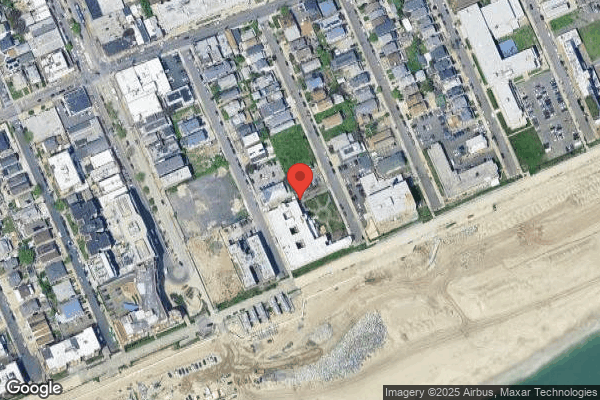
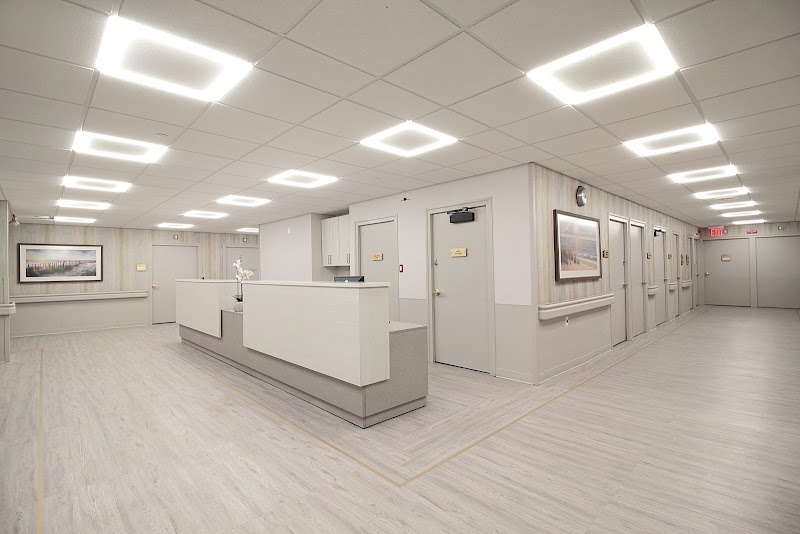
140 BEACH 114TH STREET, ROCKAWAY PARK, NY 11694 (718) 945-4600
For profit - Corporation 240 Beds Independent Data: November 2025
Trust Grade
68/100
#320 of 594 in NY
Last Inspection: August 2024

Within standard 12-15 month inspection cycle. Federal law requires annual inspections.

Overview

Promenade Rehabilitation and Health Care Center has a Trust Grade of C+, indicating that it is slightly above average but not without concerns. It ranks #320 out of 594 facilities in New York, placing it in the bottom half, and #38 of 57 in Queens County, suggesting that there are better options nearby. The facility is currently worsening in quality, with issues reported doubling from 5 in 2023 to 10 in 2024. Staffing is relatively stable with a turnover rate of 26%, which is good compared to the state average of 40%, but the overall staffing rating is below average at 2 out of 5 stars. Notably, there have been recent concerns, such as a leaking air conditioner and improper handling of Medicare notifications, as well as a breach of patient privacy where a nurse left confidential information visible on a computer screen. While the center has no fines on record, these incidents highlight areas that need improvement.

Trust Score
C+
68/100
In New York
#320/594
Bottom 47%
Safety Record
Low Risk
No red flags
Inspections
Getting Worse
5 → 10 violations
Staff Stability
✓ Good
26% annual turnover. Excellent stability, 22 points below New York's 48% average. Staff who stay learn residents' needs.
Penalties
✓ Good
No fines on record. Clean compliance history, better than most New York facilities.
Skilled Nurses
○ Average
Each resident gets 32 minutes of Registered Nurse (RN) attention daily — about average for New York. RNs are the most trained staff who monitor for health changes.
Violations
⚠ Watch
16 deficiencies on record. Higher than average. Multiple issues found across inspections.
★★★☆☆
3.0
Overall Rating
★★☆☆☆
2.0
Staff Levels
★★★☆☆
3.0
Care Quality
★★★☆☆
3.0
Inspection Score
Stable
2023: 5 issues
2024: 10 issues

The Good

  • Low Staff Turnover (26%) · Staff stability means consistent care
  • Full Sprinkler Coverage · Fire safety systems throughout facility
  • No fines on record
  • Staff turnover is low (26%)

    22 points below New York average of 48%

Facility shows strength in staff retention, fire safety.

The Bad

3-Star Overall Rating

Near New York average (3.1)

Meets federal standards, typical of most facilities

The Ugly 16 deficiencies on record

Aug 2024 10 deficiencies
CONCERN (D)

Potential for Harm - no one hurt, but risky conditions existed

Deficiency F0582 (Tag F0582)

Could have caused harm · This affected 1 resident

Based on interviews and record review conducted during the Recertification survey from 07/31/2024 to 08/07/2024, the facility did not ensure a resident, or their designated representative was provided...

Read full inspector narrative →
Based on interviews and record review conducted during the Recertification survey from 07/31/2024 to 08/07/2024, the facility did not ensure a resident, or their designated representative was provided appropriate notification at the termination of Medicare Part A benefits. This was evident for 1 (Resident #581) of 3 residents reviewed for Beneficiary Notification out of 38 total sampled residents. Specifically, the Notice of Medicare Non-Coverage was not mailed out to Resident #581 designated representative on the same day that telephonic notification was made. The facility policy titled Notice of Medicare Non-Coverage, Benefits Exhaust Letter with an effective date of 1/2024 states that the notice must be validly delivered which means that the beneficiary must be able to understand the purpose and contents of the notice to sign for receipt of it. If the beneficiary is not able to comprehend the contents of the notice, it must be delivered and signed by a representative. A copy of the notice will then be mailed via certified mail and all notices will be kept in a binder in the MDS Office. Resident #581 was discharged from skilled services on 03/28/2024 to Assisted Living Facility. The Notice of Medicare Non-Coverage form documented a note written by Minimum Data Set Coordinator on 03/25/2024 which stated that Resident #581 met their rehab goal and returned to prior level of function. Resident was unable to sign due to cognition and Next of Kin was notified. The Notice of Medicare Non-Coverage form did not document the date and time of notification, and how the notification was done. In addition, there was no documented evidence provided that the Notice of Medicare Non-Coverage form had been mailed to Resident #581's Representative. On 08/06/24 at 10:52 AM, the Minimum Data Set Coordinator was interviewed and stated that if a resident is not alert or is confused, the resident's next of kin will be contacted regarding resident's discharge from skilled services. If the next of kin is available in person, they are asked to sign the notice. If not, a phone call to the next of kin would be made. The Minimum Data Set Coordinator also stated that once they have spoken to the resident's next of kin and they agree with the planned discharge from skilled services, then the Notice of Medicare Non- Coverage is not mailed out. If the next of kin does not answer the phone, then the Notice of Medicare Non-Coverage is mailed out. The Minimum Data Set Coordinator further stated that the Notice of Medicare Non-Coverage was not mailed out at all since the next of kin was notified over the phone, however, it should have been mailed out. 10 NYCRR 415.3 (g)(2)(i)
CONCERN (D)

Potential for Harm - no one hurt, but risky conditions existed

Deficiency F0583 (Tag F0583)

Could have caused harm · This affected 1 resident

Based on observation and interview conducted during the Recertification survey from 07/31/2024 to 08/07/2024 the facility did not ensure that residents' personal privacy and confidentiality was mainta...

Read full inspector narrative →
Based on observation and interview conducted during the Recertification survey from 07/31/2024 to 08/07/2024 the facility did not ensure that residents' personal privacy and confidentiality was maintained. Specifically, during observation of the Medication Administration Task, Registered Nurse #1 left the computer screen on the Electronic Health Record open and in public view displaying a resident's Personal Health Information. (Resident #140). The finding is: The facility's policy and procedure dated 04/2024 titled Health Insurance Portability and Accountability Act (HIPPA) documented that it is a privacy and confidentiality act as it relates to residents' health care related issues. The Lesson Plan for Health Insurance Portability and Accountability Act, dated 04/2024, documented, Do Not leave your computer/laptop unattended when the screen is open showing a resident's information. On 08/01/24 at 8:13 AM, during the Medication Administration Task, Registered Nurse #1 was observed walking away from an open medication cart computer screen, displaying Resident #140's personal health information, On 08/01/24 at 9:31 AM, Registered Nurse #1 was interviewed and stated that forgetting to close the computer screen before entering a residents room to give medications is a violation of the Health Insurance Portability and Accountability Act. Registered Nurse #1 also stated that they are required to close the screen to protect the residents personal information from anyone outside of the residents medical providers. Registered Nurse #1 further stated that they were in-serviced on the Health Insurance Portability and Accountability Act this year. On 08/01/24 at 9:46 AM, Registered Nurse Supervisor #2 was interviewed and stated that closing the computer screen before walking away from the medication cart is to ensure the privacy and confidentiality of the resident's personal health information. Registered Nurse Supervisor #2 also stated that they monitor nursing staff during random medication administration observations to ensure that resident's personal health information is protected and kept confidential, which includes closing the computer screen before walking away from the medication cart. On 08/01/24 at 12:43 PM, the Director of Nursing was interviewed and stated that leaving the computer screen open in view for all to see is in violation of the Health Insurance Portability and Accountability Act which is to ensure the privacy and confidentiality of personal health information of our residents. The Director of Nursing also stated that they provide their nursing staff with ongoing in-services and education about the laws requiring the protection, privacy, and confidentiality of our resident's personal health information. 10 NYCRR 415.3(e)(1)(ii)
CONCERN (D)

Potential for Harm - no one hurt, but risky conditions existed

Deficiency F0604 (Tag F0604)

Could have caused harm · This affected 1 resident

**NOTE- TERMS IN BRACKETS HAVE BEEN EDITED TO PROTECT CONFIDENTIALITY** Based on observations, interview, and record review conducted during the Recertification Survey from 7/31/2024 to 8/07/2024, the...

Read full inspector narrative →
**NOTE- TERMS IN BRACKETS HAVE BEEN EDITED TO PROTECT CONFIDENTIALITY** Based on observations, interview, and record review conducted during the Recertification Survey from 7/31/2024 to 8/07/2024, the facility did not ensure a resident remained free of physical restraints. This was evidenced for 1 (Resident #10) of 2 residents reviewed for Physical Restraints out of 38 total sampled residents. Specifically, Resident #10 was observed with bilateral half siderails in place and was unable to independently use or release the side rails. The findings are: The facility's policy titled Side Rails dated 01/2024, documented that an assessment will be made to determine the resident's symptoms or reason for using side rails. When used for mobility or transfer, an assessment will include a review of the resident's bed mobility and the ability to change positions, transfer to and from bed or chair, and to stand and toilet. The use of side rails as an assistive device will be addressed in the resident care plan. Resident #10 was admitted to the unit with diagnoses that include Aphasia, Hemiplegia and Cerebrovascular Accident. The Quarterly Minimum Data Set, dated [DATE], documented Resident #10 had severely impaired cognition, demonstrated no behaviors, and was dependent on staff for bed mobility, transfers, eating, and toilet use. The Quarterly Minimum Data Set did not document the use of bed rails. The Physician's Order dated 7/1/24 documented enablers, bilateral half side rails use as enablers, for bed mobility and transfers. On 08/01/24 at 10:32 AM, Certified Nursing Assistant #1 was observed performing morning care. Bilateral half side rails that there were raised were observed. Resident #10 was dependent on Certified Nursing Assistant #1 for turning and bed mobility during morning care. When asked to hold on to the side rails, Resident #10 was unable to follow the command to hold on to the side rail to assist with turning. Certified Nursing Assistant #1 then physically turned Resident #10 to the left side and placed Resident #10's hand on the side rail. On 08/02/24 at 09:51 AM and 08/05/24 at 11:16 AM Resident #10 was observed lying in bed, asleep, with bilateral upper half siderails raised. On 08/05/24 at 11:31 AM, Registered Nurse Supervisor #1 was observed talking with Resident #10, who did not respond. Registered Nurse Supervisor #1 asked Resident #10 to hold unto the side rails, however Resident #10 did not respond to the command. The Comprehensive Care Plan titled Side rails as related to use of devices for enhancing bed mobility, onset 11/10/20, reviewed on date 7/14/24. Goal included resident will continue to utilize side rails to help with bed mobility and transfer in the next 90 days, target date of 10/6/24. Interventions include side rail as per Physician's order for mobility and positioning in bed, quarterly and as needed assessment for inability to use side rail to help in turning and further need for side rail use, continue to encourage resident to utilize side rail to assist with turning and positioning and transfer while in bed. The Physical Therapy Progress Note re-admission Assessment note dated 7/2/24 documented Resident #10 was alert and oriented to name only, and aphasic was not able to follow commands. The Comprehensive Care Plan titled Cognition dated 11/20/20 due to resident's current medical condition, is nonverbal, needs are anticipated and met. Goals include Resident #10 will maintain current level of cognitive status, monitor for changes. The Restraint and Side Rail assessment dated [DATE], documented half side rail that do not prevent rising (not a restraint), and stated that the medical symptom for side rail use was that Resident # 10 uses device/s for enhancing bed mobility. The Restraint and Side Rail Assessment also documented that the Comprehensive Care Plan Team recommends 2 half side rails for enhancing bed mobility. The Side Rails care plan Evaluations note dated 7/1/24 documented patient readmitted from the hospital with diagnosis of hyponatremia. Patient utilizes 2 half side rails for bed mobility. Will continue to monitor and continue plan of care. The Side Rails care plan Evaluations note dated 7/14/24 documented Quarterly review, no complication arises from side rails use, plan of care continues. A Physician's Assistant note dated 7/17/24, documented follow up for functional decline, deconditioning. Assessment and plan documented diagnosis of muscle weakness, contracture of muscle, deconditioning, walking difficulty. A Physiatry consultant note dated 7/15/24 documented functional decline, deconditioning, seen and examined, documented right side hand and leg contracted, patient not following commands today, used their left hand to pull sheet up on themselves. Recommendations include passive range of motion as tolerated. On 08/01/24 at 10:32 AM, Certified Nursing Assistant #1 was interviewed and stated Resident #10 needs total assistance with turning and positioning and bed mobility. Certified Nursing Assistant #1 also stated that Resident #10 is unable to hold unto the side rails by themselves and can hold onto the side rail for a brief time when the Certified Nursing Assistant places Resident's #10 hand on the side rail. On 08/05/24 at 11:17 AM, Registered Nurse Supervisor #1 was interviewed and stated that a side rail assessment is done quarterly, and they check the patient's cognition and their diagnosis. The side rail is used primarily for bed mobility so the nurse will assess to see if the resident can hold it themselves to change position or to pull up to help them get them out of bed. Registered Nurse Supervisor #1 also stated that the Certified Nursing Assistants must give the command to the resident and see if the residents are able to use it themselves to transfer from bed to chair. Registered Nurse Supervisor #1 further stated that Resident #10 is a two person assist with care, so during the care, one of the care givers will be on the side closest to Resident #10. Registered Nurse Supervisor #1 stated that Resident #10 just returned from the hospital and had experienced a decline. Registered Nurse Supervisor #1 also stated that they did not do the admission assessment for Resident #10 upon return from the hospital on 7/1/24. On 08/05/24 at 11:37 AM, the Physical Therapist Director was interviewed and stated that they did an assessment when Resident #10 was readmitted to the facility on [DATE]. The Physical Therapist Director stated that the Resident #10 requires total assistance with activities of daily living, and that the side rail assessment is done by whoever admits the patient, then it is discussed with the interdisciplinary team and in the care plan meeting, where they decide on implementing the use of the side rails. It is the Nurse Manager who would complete the side rail forms. The Physical Therapist Director also said that it is documented as such in the chart, since Resident #10 cannot follow commands, that the side rails are used to facilitate the Certified Nursing Assistants for bed boundaries when they take care of the resident. On 08/05/24 at 12:52 PM, the Director of Nursing was interviewed and stated that Rehab and Nursing assess the needs of the resident and that the criteria for the side rails is for bed mobility. The assessment is done on initial admission, every quarter, and after hospitalizations. The Director of Nursing also stated that Resident #10 is supposed to be able to hold onto the side rails for bed mobility and side rails are not for the Certified Nursing Assistants' use. 10 NYCRR 415.4(a)(2-7)
CONCERN (D) 📢 Someone Reported This

A family member, employee, or ombudsman was alarmed enough to file a formal complaint

Potential for Harm - no one hurt, but risky conditions existed

Report Alleged Abuse (Tag F0609)

Could have caused harm · This affected 1 resident

**NOTE- TERMS IN BRACKETS HAVE BEEN EDITED TO PROTECT CONFIDENTIALITY** Based on interview and record review conducted during a Recertification and Abbreviated survey (NY00327342) from 7/31/2024 to 08...

Read full inspector narrative →
**NOTE- TERMS IN BRACKETS HAVE BEEN EDITED TO PROTECT CONFIDENTIALITY** Based on interview and record review conducted during a Recertification and Abbreviated survey (NY00327342) from 7/31/2024 to 08/07/2024, the facility did not ensure that an alleged violation involving a resident was reported to the New York State Department of Health. This was evident for 1 (Resident #112) of 4 residents reviewed for Abuse out of 38 sampled residents. Specifically, the facility did not report an allegation of abuse to the New York State Department of Health. The findings include: The facility policy titled Abuse, Neglect and Exploitation dated 1/2024 documented that alleged abuse should be reported immediately but no later than 2 hours. If there is serious bodily injury or no later than 24 hours if the events that cause the allegation do not involve abuse and serious bodily injury. Resident #112 was admitted with diagnoses of Aphasia and Cerebrovascular Accident. The Quarterly Minimum Data Set 3.0 assessment dated [DATE] documented Resident #112 had severe cognitive impairment. The Intake Information Form (NY00327342) dated 11/2/23 at 14:21 documented that a family member stated they visited Resident #112 and found their nose and towel were full of blood. The Grievance Resolution Form dated 11/2/23 stated that a family member visited Resident #112 and Resident #112 reported that they had been hit by someone. The Grievance Resolution Form also documented that Resident #112 did not disclose who had hit them, whether it was staff or another resident, and Resident #112 stated that after breakfast they had been hit on the cheek. The Accident/Incident Report dated 11/2/23 at 12:45 PM, documented that Resident #112 verbalized that they had been hit in the nose. There was no documented evidence that an allegation of abuse was reported to the State Survey Agency immediately but not later than two hours after the allegation is made. On 8/7/24 at 3:16 PM, the Director of Nursing was interviewed and stated police officers arrived onsite and stated that they were called by Resident 112's family member regarding blood in Resident #112's nose. The Director of Nursing also stated that they did not see any blood, swelling, or redness in Resident 112's nose, and they did not call the state because they did not see anything to report. On 8/7/24 at 3:47 PM, the Administrator stated that the facility did not report anything to the state about that case because no one saw anything to report to the state. 10 NYCRR 415.4 (b)
CONCERN (D) 📢 Someone Reported This

A family member, employee, or ombudsman was alarmed enough to file a formal complaint

Potential for Harm - no one hurt, but risky conditions existed

Deficiency F0657 (Tag F0657)

Could have caused harm · This affected 1 resident

**NOTE- TERMS IN BRACKETS HAVE BEEN EDITED TO PROTECT CONFIDENTIALITY** 2. Resident #69 was admitted to the facility with diagnoses of Bipolar Disorder, Schizoaffective Disorder, and Quadriplegia. Th...

Read full inspector narrative →
**NOTE- TERMS IN BRACKETS HAVE BEEN EDITED TO PROTECT CONFIDENTIALITY** 2. Resident #69 was admitted to the facility with diagnoses of Bipolar Disorder, Schizoaffective Disorder, and Quadriplegia. The Annual Minimum Data Set, dated [DATE] documented Resident #69 had intact cognitive status. The Minimum Data Set also documented that Resident #69 had impairment in both upper and lower extremities, required dependent care for all Activities of Daily Living, was not ambulatory and had one Stage 2 and one Stage 4 Pressure Ulcer. On 07/31/24 at 10:36 AM, Resident #69 was observed lying in bed and stated that he hears residents and staff having sexual contact with each often but refuse to give specific details of which staff and which residents. A Nursing progress note dated 2/9/2024 documented Resident stated #69 stated they were aware that sexual activity was occurring in the facility, and they can identify the resident that was involved. A Nursing progress note dated 2/13/2024 documented Resident #69 told writer that their testosterone level was too high, and that their penis needed to be relieved. Resident #69 later called an escort service trying to get someone to come to the facility. The Psychiatry Consultation dated 4/19/2024 documented that Resident #69 was seen for agitation and paranoia and calling 911. Resident #69 was currently receiving Risperdal 3 mg twice daily and Depakote 250 mg twice daily and had diagnoses of Schizoaffective Disorder-Bipolar. The consultation also documented that Resident #69 also had multiple psychiatric admissions and mental status examination revealed that Resident #69 was alert, verbal, mood is angry, paranoid, cursing, threatening, demanding, and easily agitated. Nursing progress notes dated 5/21/2024 documented that Resident #69 was alert, responsive, and verbally abusive cursing at staff. Nursing progress notes dated 5/19/2024 documented Resident #69 refused all activities of living care despite encouragement. Psychology consults dated 1/3/2024, 1/8/2024, 1/31/2024, 2/6/2024, 3/4/2024, 3/13/2024, 3/26/2024, 4/17/2024, 5/3/2024 contained no documented evidence that Resident #69's behavior towards staff, and biological desires related to sex and sexual verbalization towards staff was addressed. A Comprehensive Care Plan titled Inappropriate Behavior as evidence by (this was left blank) as related to diagnosis of Bipolar Disorder at risk for inappropriate behavior, as related to suicidal ideation was created on 8/23/2023, and revised on 7/27/2024. Interventions included administer psychiatric medications, encourage family contact/support, follow up with Psychiatry, implement behavior modification program, monitor behavior changes, provide calm environment, provide emotional support, and set limits. There was no documentation on the care plan of the evidence of the inappropriate behavior was displaying and no description of the specific behavior modification that was to be done for Resident #69. There was no documented evidence that Resident #69's comprehensive care plan had been revised to include verbally abusive behavior towards staff, and their biological desires related to sex and sexual verbalization towards staff. During an interview on 08/05/24 at 11:39 AM, Certified Nursing Assistant #7 stated that Resident #69 curses, yells, shouts, and refuses to turn and position, likes to remain on their back most of the time. Certified Nursing Assistant #7 also stated that Resident #69 shouts at staff, calls staff names like pedophiles, molesters, sex offenders. Certified Nursing Assistant #7 further stated that Resident #69 asks the staff to sexually touch their penis and will ask female staff to sit on their and speaks in a graphic sexually manner to staff. Certified Nursing Assistant #7 also stated that Resident #69 would ask staff to open Resident #69's personal computer and phone and view pornographic material with them. During an interview on 08/06/24 at 03:48 PM, Licensed Practical Nurse #1 stated that Resident #69 curses at staff without an apparent reason, calls staff prostitutes, and will ask Licensed Practical Nurse #1 to manually stimulate their penis as Licensed Practical Nurse #1 is being paid to do this. During an interview on 08/06/24 at 10:17 AM, Registered Nurse Supervisor #4 stated that they are aware of Resident #69's behaviors and Registered Nurse Supervisor #4 provided some behavior notes written for Resident #69 regarding behaviors related to sexual verbalizations toward staff. Registered Nurse Supervisor #4 also stated that they are responsible for initiating care plans, updating care plans and gave no reason why Resident #69's behavior as reported by staff had not been included and addressed in their Comprehensive Care Plan. During an interview on 08/07/24 at 01:44 PM, the Director of Nursing stated that Resident #69 makes a lot of demands and at times is inappropriate. The Director of Nursing also stated that Resident #69 is able to express self and is seen by Psychiatry and Psychology. The Director of Nursing further stated that Resident #69' behaviors are addressed but staff most likely do not want to use the exact words that Resident #69 is using and put explicit words in writing. The Director of Nursing stated that the Registered Nurse Supervisor is responsible for initiating all care plans and did not know why a care plan to address Resident #69's verbal abuse, and biological needs and verbal sexual expressions towards staff had not been created. 10 NYCRR 415.11(c)(2)(i-iii) Based on record review and staff interviews conducted during the Recertification and Complaint survey (NY00326505) conducted from 07/31/2024 to 08/07/2024, the facility did not ensure that resident Comprehensive Care Plans were reviewed and revised after each assessment. This was evident for 1 (Resident #38) of 5 Residents reviewed for Unnecessary Medications and 1 (Resident #69) of 4 residents reviewed for Abuse out of 38 sampled residents. Specifically, Resident #38 has a diagnosis of Non-Alzheimer's Dementia and the Comprehensive Care Plan for Dementia had not been reviewed and revised, and Resident #69's care plan was not revised to include verbally abusive behavior, biological needs, and verbal sexual expressions toward staff. The findings are: The facility policy titled Care Plans-Comprehensive dated 8/21 stated each resident's comprehensive care plan is designed to identify problem areas and their causes and develop interventions that are targeted and meaningful to the resident. The policy also stated that assessments of residents are ongoing and care plans are revised as information about the resident and the resident's condition change. 1. Resident #38 was admitted to the facility with diagnosis that included Schizoaffective Disorder, Dementia and Sepsis Pneumonia. The Significant Change Minimum Data Set 3.0 dated 5/9/24 document that Resident #38 had moderately impaired cognition. A Comprehensive Care Plan titled Dementia established on 12/19/2023 included a goal of resident will receive the appropriate treatment and services to maintain the highest practicable, physical, mental, and psychosocial well-being through the review date for 90 days. The interventions were to focus on the resident's strengths and remaining available. The care plan was last revised on 3/18/2024. There was no evidence that the Comprehensive Care Plan for Dementia was reviewed or revised after the Significant Change Minimum Data Set, dated [DATE]. On 8/6/2024 at 11:51 AM, Registered Nurse Supervisor #5 was interviewed and stated that the nurse supervisors are responsible for updating care plans every three months and as needed. Registered Nurse Supervisor #5 also stated that if someone falls or there is any change of condition, the care plan will be reviewed and revised. During the interview, Registered Nurse Supervisor #5 reviewed the record and confirmed that the Dementia care plan had not been updated and did not offer an explanation as to why this was not done.
CONCERN (D)

Potential for Harm - no one hurt, but risky conditions existed

Deficiency F0658 (Tag F0658)

Could have caused harm · This affected 1 resident

Based on observation and interviews conducted during the Recertification survey from 07/31/2024 to 08/07/2024, the facility did not ensure that services provided or arranged by the facility meet the c...

Read full inspector narrative →
Based on observation and interviews conducted during the Recertification survey from 07/31/2024 to 08/07/2024, the facility did not ensure that services provided or arranged by the facility meet the current professional standards of quality. Specifically, medications were left unattended on the medication cart, the medication cart was left opened, unlocked, and unattended, and the Electronic Medical Record on the medication cart was left open and unattended exposing a resident's confidential medical information. This was evident during a Medication Administration Task. The finding is: The facility policy and procedure dated 01/2024 titled Professional Standards stated that all employees are expected to maintain high standards of professional conduct, ethics, and competence in their roles. On 08/01/24 at 8:13 AM, during observation of Medication Administration Registered Nurse #1 walked away from medications left on top of the medication cart unattended, left the medication cart opened, unlocked and unattended, and left the Electronic Medical Record screen on top of the medication cart open in full view displaying a resident's personal health information. On 08/01/24 at 9:31 AM, Registered Nurse #1 was interviewed and stated they had been in-serviced on the topic of Medication Administration and the Health Insurance Portability and Privacy Act. Registered Nurse #1 also stated they need to slow down and think about the whole process and technique when administering medications and preparing the medication cart. On 08/01/24 at 12:43 PM, the Director of Nursing was interviewed and stated that it is not the policy of the facility to leave medication carts unattended with medications on top of it, nor is it the policy of the facility to leave the medication cart open and unlocked and the medical record screen left open for anyone passing by to see. The Director of Nursing also stated that they do provide ongoing in-services to their nurses on how to administer medications and what not to do during this process. 10 NYCRR 415.11 (c)(3)(i)
CONCERN (D)

Potential for Harm - no one hurt, but risky conditions existed

Deficiency F0761 (Tag F0761)

Could have caused harm · This affected 1 resident

Based on observations and staff interviews conducted during the Recertification survey conducted from 07/31/2024 to 08/31/2024, the facility did not ensure that all medications and biological's were s...

Read full inspector narrative →
Based on observations and staff interviews conducted during the Recertification survey conducted from 07/31/2024 to 08/31/2024, the facility did not ensure that all medications and biological's were stored and labeled properly. Specifically, medications on the medication cart, were left unattended, and the medication cart was left unlocked and unattended. This was evident during observations conducted for the Medication Administration Task. The findings are: The facility policy titled Administering Medications dated 1/2024 documented that during administration of medications, no medications are kept on top of the cart unattended. The policy also documented that the medication cart will be kept closed and locked when out of sight by the medication nurse. On 08/01/24 at 8:13 AM, during observation of Medication Administration, Registered Nurse #1 removed the Clonazepam 1 milligram, Eliquis 5 milligrams, Amantadine 100 milligram, Escitalopram 20 milligram, and Lactulose 15 milliters from the medication cart. Registered Nurse #1 crushed four of the medications that were in pill form and placed each in separate medication cups. Registered Nurse #1 then walked away from medication cart, left the prepared medications on top of the medication cart, and did close or lock the medication cart. Registered Nurse #1 was interviewed on 08/01/24 at 9:31 AM and stated that walking away from the medication cart and leaving medications on top of the cart was something they did not think about at the moment. Registered Nurse #1 also stated that they needed to find some apple sauce or pudding to give with the medications. Registered Nurse #1 further stated that it was not a good practice to walk away from unattended medications and an open medication cart because any unauthorized person or resident can take the medications from on top of the cart or from the inside of the medication cart which was left open and unlocked. On 08/01/24 at 9:46 AM, Registered Nurse Supervisor #2 was interviewed and stated that random medication pass observations are conducted to ensure that their nurses are practicing proper facility protocols. Registered Nurse Supervisor #2 also stated that it is not safe to walk away from medications because any confused resident can pick them up and potentially ingest them. Registered Nurse Supervisor #2 further that the medication cart should not be open and unlocked as they do not want any unauthorized person or resident to have access to an open medication cart. On 08/01/24 at 12:43 PM, the Director of Nursing was interviewed and stated that it is not the policy of the facility to leave medication carts unattended with medications on top of it, nor is it the policy of the facility to leave the medication cart open and unlocked. The Director of Nursing also stated that any resident or visitor can take the medications or have access to the unlocked medication cart. 10 NYCRR 415.18(3)(1-4)
CONCERN (D)

Potential for Harm - no one hurt, but risky conditions existed

Infection Control (Tag F0880)

Could have caused harm · This affected 1 resident

**NOTE- TERMS IN BRACKETS HAVE BEEN EDITED TO PROTECT CONFIDENTIALITY** Based on observation and staff interviews conducted during the Recertification survey from 07/31/2024 to 08/07/2024, the facilit...

Read full inspector narrative →
**NOTE- TERMS IN BRACKETS HAVE BEEN EDITED TO PROTECT CONFIDENTIALITY** Based on observation and staff interviews conducted during the Recertification survey from 07/31/2024 to 08/07/2024, the facility did not ensure that infection control prevention practices and procedures were maintained to provide a safe and sanitary environment, and to help prevent the development and transmission of communicable diseases and infections. This was evident for 1 (Resident #180) of 6 residents observed for Respiratory Care and for 1 (Resident #514) of 3 residents observed for Pressure Ulcer out of a total sample of 38 residents. Specifically, Respiratory Therapist #1 failed to practice proper hand hygiene for Resident #180 while doing respiratory care, and Registered Nurse #2 failed to practice proper hand hygiene for Resident #514 while doing wound care. The facility policy dated 01/2024 titled Handwashing/Hand Hygiene states that employees must wash their hand for at least 15 seconds using antimicrobial or non-antimicrobial soap and water before and after changing a dressing. If hands are not visibly soiled, use an alcohol-based rub containing 60-95% ethanol or isopropanol before handling clean or soiled dressings, gauze pad and after handling used dressings. 1. Resident #180 was admitted to the facility with active diagnoses that included Seizure Disorder and Respiratory failure. The Quarterly Minimum Data Set, dated [DATE] documented that Resident #180 has a feeding tube, is receiving mechanically altered diet, and was receiving antibiotic therapy. The Quarterly Minimum Data Set also documented that Resident #180 was on continuous oxygen therapy, suctioning as scheduled, trach care and an invasive mechanical ventilator. The Order Details dated 3/28/2024 for Resident #180 documented Tracheo-Bronchial Suctioning every shift, oropharyngeal suction for secretions every shift, and Trach care done, and stoma site observed every shift. On 08/02/24 at 11:13 AM, Resident #180 was observed with secretions dripping on the neck and trach dressing in place. Respiratory Therapist #1 performed hand hygiene and then donned gown and gloves. Respiratory Therapist #1 opened suction tubing and performed tracheobronchial suctioning. Respiratory Therapist #1 was observed removing soiled trach gauze dressing. Respiratory Therapist #1 opened sterile gauze package which was then placed on the bed without sterile surface or barrier in between. Respiratory Therapist #1 was then observed taking the same gauze and wiping the secretions off Resident's #1 neck. A second package of gauze was opened and used to clean the area around the stoma. Without first performing hand hygiene, Respiratory Therapist #1 retrieved another package of sterile gauze from the drawer. Respiratory Therapist #1 opened the package and applied the new gauze dressing around trach but failed to perform hand hygiene or change gloves prior to application of the clean dressing. On 08/02/24 at 11:18 AM, Respiratory Therapist #1 was interviewed and stated that Resident #180 is on contact precautions and gets suctioned 5-6 times a day as they have a lot of secretions. Respiratory Therapist #1 stated that they did not change gloves after cleaning the area around the stoma and before application of a new dressing. Respiratory Therapist #1 stated that for most residents, gloves are changed depending on how soiled the gloves are but should be changed after dressing is removed, stoma area is cleaned and before application of new dressing as there is a risk of introducing bacteria to the stoma site when the site is improperly cleaned. Respiratory Therapist #1 stated they last completed infection control training over one year ago. On 08/07/24 at 10:48 AM, the Director of Respiratory Therapy was interviewed and stated that infection control trainings are done yearly with nursing. Most of the staff are trained in competences in handwashing, hand hygiene and infection control policies. The Director of Respiratory Therapy also stated that they do random checks on staff from time to time to ensure infection control is being done properly. Hand hygiene is very important because improper hand hygiene can lead to cross contamination and risk of infection. The Director of Respiratory Therapy further stated that after removal of a dirty dressing and cleaning of the stoma, hands should be washed, followed with donning of clean gloves. There is a severe risk of cross contamination and introducing bacteria if this is not done. 2. Resident #95 was admitted to the facility with diagnoses that included Alzheimer's Disease and sacral Stage 4 pressure ulcer. The Quarterly Minimum Data Set, dated [DATE] documented that Resident #95 had one Stage 4 and one unstageable pressure ulcer and one unstageable Deep Tissue Injury. The Treatments Order Form dated 08/06/2024 documented to cleanse left foot dorsal medial Deep Tissue Injury with Normal Saline, pat dry, paint with betadine, protect with dry protective dressing and secure with Kling. The Treatments Order Form dated 08/06/2024 documented to cleanse Right heel with Normal saline, pat dry, apply calcium alginate, protect with dry protective dressing, and secure with Kling. On 08/09/2024 at 9:48 AM, Registered Nurse #2 was observed performing wound care on the left foot for Resident #95. Registered Nurse #2 did not perform hand hygiene or don clean gloves prior to application of betadine on gauze which was then applied to wound. Registered Nurse #2 was also observed performing right heel wound care. Registered Nurse #2 did not perform hand hygiene and don clean gloves prior to application of calcium alginate dressing which was then covered with gauze and secured with Kling wrap. On 08/06/24 at 10:12 AM, Registered Nurse #2 was interviewed and stated that they thought they had changed their gloves and performed hand hygiene after cleaning the wound. Registered Nurse #2 also stated that they were nervous and might have missed performing hand hygiene after cleansing of wound but usually do change gloves and perform hand hygiene after cleaning of wound. On 08/06/24 at 11:19 AM, Registered Nurse Supervisor #2 was interviewed and stated that performing handwashing and observing aseptic technique is important. Gloves must be changed after removal of soiled dressing and after cleaning of wound to prevent cross contamination. If dirty gloves are used to touch clean instruments or clean dressings, there is a serious risk of infection because dirty touches the clean. On 08/06/24 at 11:42 AM, the Director of Nursing Services who was the Infection Preventionist was interviewed and stated that there are annual mandatory in-services on infection prevention, hand washing and antibiotic stewardship. Handwashing is the most important protocol when it comes to infection control. The Director of Nursing Services also stated that after cleaning any wound, hands should be washed and after a dressing is removed, hands should be washed again, and clean gloves donned before putting on the new dressing. The Director of Nursing Services further stated that there is a break in infection prevention protocol and potential of introducing infection to the resident when gloves are not changed after cleaning of wound and removal of soiled dressing. It is a serious issue if gloves are not changed. 10 NYCRR 415.19 (b)(4)
CONCERN (D)

Potential for Harm - no one hurt, but risky conditions existed

Deficiency F0924 (Tag F0924)

Could have caused harm · This affected 1 resident

**NOTE- TERMS IN BRACKETS HAVE BEEN EDITED TO PROTECT CONFIDENTIALITY** Based on observation and interviews conducted during a Recertification Survey from 07/31/2024 to 08/07/2024, the facility did no...

Read full inspector narrative →
**NOTE- TERMS IN BRACKETS HAVE BEEN EDITED TO PROTECT CONFIDENTIALITY** Based on observation and interviews conducted during a Recertification Survey from 07/31/2024 to 08/07/2024, the facility did not ensure handrails remain firmly affixed to the wall. Specifically, there were observations of handrails in the hallways on 2 (Unit 2 and Unit 6) that were not firmly affixed to the wall. The findings are: The facility policy & procedure dated 01/24 titled Environmental Staff Cleaning Duties documented clean handrails daily. On 07/31/24 at 10:03 AM and subsequent observations on 08/01/24 at 11:50 AM, of the 2nd and 6th floor Unit were made. Unit 2 was observed with handrails outside the Oxygen Room and handrails outside the Training Toilet loose and not firmly affixed to the wall. Handrails observed on Unit 6 outside room [ROOM NUMBER] were loose and not firmly affixed to the wall. On 08/07/24 at 10:46 AM, Housekeeper # 1 was interviewed and stated that cleaning and disinfecting hand rails is a daily routine and part of their daily work schedule. Housekeeper # 1 stated that if handrails are loose, it is to be reported to the Maintenance Department for immediate so that resident can have a safe environment. On 08/07/24 at 10:46 AM, the Maintenance Director was interviewed and stated they make rounds and check the Maintenance logbook on each of the units. The Maintenance Director checks for loose handrails when they walk through the units and check with the nurses to ask if there is anything that needs to be addressed. If handrails are loose and need fixing that should be reported to our department by the housekeeping department. There is a Maintenance Log Book on the units, where any staff can ticket any issue that has been identified. On 08/07/24 at 11:00 AM, the Director of Housekeeping Services was interviewed and stated that staff frequently clean and disinfect the highly touched area like handrails daily. I make frequent daily rounds to ensure that my staff are doing their jobs, check for cleanliness and maintenance of resident environment. I depend on my staff to identify and report loose handrails to ensure the safety of residents. 10 NYCRR 415.29
CONCERN (E) 📢 Someone Reported This

A family member, employee, or ombudsman was alarmed enough to file a formal complaint

Potential for Harm - no one hurt, but risky conditions existed

Safe Environment (Tag F0584)

Could have caused harm · This affected multiple residents

**NOTE- TERMS IN BRACKETS HAVE BEEN EDITED TO PROTECT CONFIDENTIALITY** 2. During observations on 08/01/24 at 12:25 PM through 08/07/24 at 08:55 AM the following was observed: room [ROOM NUMBER] Bro...

Read full inspector narrative →
**NOTE- TERMS IN BRACKETS HAVE BEEN EDITED TO PROTECT CONFIDENTIALITY** 2. During observations on 08/01/24 at 12:25 PM through 08/07/24 at 08:55 AM the following was observed: room [ROOM NUMBER] Broken plaster surrounding the air conditioner unit and on wall above the unit. The air conditioner was leaking and there was a pink container under the unit with water in it and a white sheet was spread on the floor. room [ROOM NUMBER] Air conditioner was leaking, clear fluid observed on floor. A white sheet was spread under the air conditioner which was wet, with clear water around the sheet. Above the air conditioner was rusted with dark brown areas. 7th Floor: Stained blood pressure cuff. Broken uneven ceiling tiles outside room [ROOM NUMBER]. room [ROOM NUMBER]: Large hole opening just above the room air conditioner. Broken peeling plaster. Broken dresser and missing dresser drawer. On 08/06/24 at 10:53 AM, an interview was conducted with Housekeeper #2 assigned to the unit for the unit who stated that leaking air conditioners were all reported to maintenance, and they are working to fix the areas. On 08/06/24 at 11:02 AM, an interview was conducted with Certified Nursing Assistant #8 who stated that the air conditioner in room [ROOM NUMBER] leaks and staff put a sheet and a container under the air conditioner to collect the water. Certified Nursing Assistant #8 also stated that they did not put the sheet down originally, but they replace the sheet when it is wet. The issue was reported to the nurse, and they believe maintenance is working on the area to fix it. Certified Nursing Assistant #8 further stated they followed the chain of command when reporting to the nurse and put it in the log book on the unit but was unable to show the State Surveyor the log book for the unit. On 08/06/24 at 11:08 AM, an interview was completed with Registered Nurse Supervisor #1 who stated that there is protocol for reporting environmental issues: staff will report to the nurse and the nurse will report to the Registered Nurse Supervisor who will place it in the red book on the unit. Registered Nurse Supervisor#1 was unable to show the State Surveyor the red book on the unit. Registered Nurse Supervisor #1 stated they are aware that the air conditioner is leaking, and of the issues in room [ROOM NUMBER]. Maintenance was made aware of the issues and the air conditioner company has been contacted for parts. 3. During observations made on 07/31/24 at 10:03 AM, and on 08/07/24 at 08:18 AM, the following environmental concerns were noted: 2nd Floor Dining Room: Torn stained window shades. Ceiling tiles above the television were uneven, and not firmly affixed to ceiling. Broken chipped plaster. Accumulation of dirt and dust on top of the air conditioner Window frame with broken plaster Radiators: dried yellowish stains layered with dirt and dust. Five (5) of nine (9) blue vinyl chairs with torn and cracked seat cushion Molding embedded with dirt and dust. 2nd Floor Corridor: Corridor wall paper torn, stained dirty. Loose molding in across Pantry Door. Corridor moldings layered with dirt dust and debris. room [ROOM NUMBER]: Cracked broken plaster and bubbled up paint around window and ceiling area. Missing wall tile in room bathroom. Large patch of plaster underneath bathroom sink. Splintered bathroom door. Bathroom door splintered and does not fully close. room [ROOM NUMBER]: Chipped ceiling paint above window area. Splintered bathroom door. Room door does not fully close. room [ROOM NUMBER]: Peeled cracked ceiling paint above window area. room [ROOM NUMBER]: Torn window screen. Bent window shade. room [ROOM NUMBER] b: Cracked and peeled paint. Head board in disrepair. Squeaky noise when cranked in the up or down position. On 08/07/24, review of the 2nd floor Maintenance Log Book dated from 08/25/23 to 10/24/23 contained no documented evidence of the above concerns. Other observations included: 5th Floor: room [ROOM NUMBER] c stained and dirty privacy curtains. Blood pressure stand embedded with dirt and dust observed on the low side of the corridor. 6th Floor: Dining Room: broken picture frame hanging slanted on the wall. Missing ceiling tiles. room [ROOM NUMBER]: Torn wall paper. Broken paint and plaster to the wall around the air conditioner. room [ROOM NUMBER] a: Feeding pump pole stained with dried encrusted substance. Wall behind the bed stained and streaked. Orange colored wheelchair armrest torn and cracked. On 08/07/24 at 10:26 AM, Certified Nurse Aide # 4 was interviewed and stated that a maintenance log book is located at the nurse station. When we have to notify the maintenance department to repair or replace something we can write it on the book or just notify the unit nurse. The housekeeper is always on the unit, and we can easily go to them to report a concern that needs to be taken of right away. On 08/07/24 at 10:37 AM, Registered Nurse Supervisor # 3 was interviewed and stated that a call to the Maintenance Department will be made if issues or concerns are reported or identified. We keep log book on the unit where anyone can make note of any environmental issues. Our housekeeper is always on the unit, and we can directly advise them of anything to be addressed. We can also notify the operator to notify the Maintenance department as they do carry their walkie talkie for emergent concerns. On 08/07/24 at 10:46 AM, Housekeeper # 1 was interviewed and stated that there a regular cleaning routine that is followed daily on the units. Housekeeper # 1 also stated that the feeding pump poles are the responsibility of housekeeping services but not the pump itself when in use. Privacy curtains are changed when needed and are often changed due for cleaning or they are replaced. Housekeeper # 1 further stated that the dirt on the molding has been difficult to remove, and the wallpaper is cleaned but there are stains that are difficult to remove. On 08/07/24 at 10:59 AM, the Director of Housekeeping Services stated that their role is important and ensures the facility is sanitized and help control the spread of infection to protect staff residents and visitors. The Director of Housekeeping Services also stated that they make daily rounds and at times more frequent rounds and sometimes come in on weekends for the purpose of ensuring a safe and clean environment, and to ensure that staff has access to the necessary cleaning supplies to perform their jobs. The Director of Housekeeping Services further stated that there have been occasions when making my rounds that they come across staff concerns regarding proper cleaning protocol, and they do on the spot in service to correct the issue. The Director of Housekeeping Services stated that privacy curtains are changed every three months and as needed, and their department is responsible for ensuring that all resident equipment is safe and clean which includes wheelchairs, blood pressure stands, intravenous poles and walls. 2 wheelchairs are washed each week on each floor. The Director of Housekeeping Services also stated that they all have the responsibility for communicating across departments in identifying environmental concerns. On 08/07/24 at 11:51 AM, the Director of Maintenance stated they are responsible for the safety, maintenance, and repair of the entire facility to ensure safety for all staff residents and visitors. The Director of Maintenance also stated that the facility is near the beach which creates an environment of high salt content. Environmental factors especially with heavy rains cause water to seep inside the building and the bubbled and cracked plaster is a response to the water seepage. On 08/07/24 at 12:27 PM, the Administrator was interviewed and stated they are responsible for the overall environmental safety for all residents staff and visitors. The Administrator also stated that the 4th Unit was entirely replaced approximately 1 year and a half ago, with new floors, walls, resident rooms, nurse station, furniture. This floor was chosen to be done first because there was less disruption to the residents and the floor was most in need at the time. The Administrator stated that a plan was being talked about to renew other units. 10 NYCRR 415.5(h)(2) Based on observations and interviews during the recertification survey on 07/31/2024 to 08/07/2024 the facility did not ensure that housekeeping and maintenance services were provided to maintain a safe, clean, comfortable, and homelike environment. Specifically, observations of multiple floors revealed rooms, corridors, and dining rooms with chipped, broken plaster, bubbled up paint, furniture and wall hanging in disrepair, torn window screens, loose and dirty moldings. This was evident on 5 of 6 Units. (Units 3, 7, 2, 5, and 6) The findings include but are not limited to: The facility policy & procedure titled Environmental Services Policy revised 01/24 documented that the facility is committed to provide a safe, sanitary, comfortable, and attractive environment for our residents, staff, and visitors. 1. During the initial tour of Unit 3 on 07/31/2024 at 10:00AM the following was observed: Rooms 311, 313, 314, 315, 318 and 319 were observed with, -rusted air conditioners and the walls had peeling paint. -some air conditioners leaking and there was linen on the floors to absorb the leaking water. -the corners of the rooms with accumulated dust and dirt. _window sills with accumulated dirt on the corners and cracks. -the bathroom door in room [ROOM NUMBER] was with splattered a dried, reddish, brownish colored substance. The Dining room had a Cabinet labeled Recreation which was rusty and dirty. During a Quality Assurance interview on 08/07/2024 at 4:00 PM, the Administrator stated that weekly rounds are done with the Building Maintenance and Housekeeping Director, and they are aware of the need of painting in some areas of the facility. The Administrator also stated that they are in the process of reviewing plans and receiving contract quotes.
Feb 2023 5 deficiencies
CONCERN (D)

Potential for Harm - no one hurt, but risky conditions existed

Deficiency F0655 (Tag F0655)

Could have caused harm · This affected 1 resident

**NOTE- TERMS IN BRACKETS HAVE BEEN EDITED TO PROTECT CONFIDENTIALITY** Based on record review and staff interview conducted during the Recertification/Complaint survey, the facility did not ensure th...

Read full inspector narrative →
**NOTE- TERMS IN BRACKETS HAVE BEEN EDITED TO PROTECT CONFIDENTIALITY** Based on record review and staff interview conducted during the Recertification/Complaint survey, the facility did not ensure that the resident and their representatives were provided with a written summary of the baseline care plan. This was evident for 1 of 2 residents reviewed for Care Planning out of a sample of 37 residents. (Resident #74). The finding is: The facility policy and procedure titled Baseline Care Plan Summary dated 01/2020 documented: The facility will develop and implement a Baseline Care Plan Summary for each new resident within 48 hours of admission . The Social Services Director/designee will print the 48-Hour Baseline Care Plan Summary and review it with the resident/representative. The resident/representative signature will be obtained to verify the meeting and agreement with the plan. A signed copy will be maintained in the medical record. Resident #74 was admitted to the facility on [DATE], with diagnoses that included Anemia, CHF, Hypertension, Diabetes Mellitus. The Quarterly Minimum Data Set 3.0 (MDS) assessment dated [DATE] documented the resident had intact cognition. The MDS assessment also documented that the resident participated in the assessment and that no family or significant other participated in the assessment and goal setting. On 02/14/2023 at 1:14 AM, Resident #74 was interviewed and stated that they did not receive a copy of the baseline care plan since admission to the facility. The baseline care plan, initiated on 6/6/22, was last signed off by the Interdisciplinary Team members on 6/8/22 and completed by 8/5/22. There was no documented evidence in the medical record that a copy of the baseline care plan was provided to the resident. On 02/21/23 at 09:52 AM, an interview was conducted with the Social Worker (SW#1). SW#1 stated that Resident's base line care plan was completed within 48 hours of admission, but they could not confirm that it was given to Resident #74. SW#1 was not able to provide documented evidence that the summary was given to the resident. On 02/21/23 at 10:14 AM, an interview was conducted with the Physical Therapist (PT). The PT stated that after the baseline care plan was completed by the team, the social worker was responsible for providing the summary to the resident. On 02/22/23 at 10:16 AM, an interview was conducted with the Administrator. The Administrator stated they are not sure when the written summary of the initial care plan should be provided to the resident or who is responsible for providing the document. The Administrator further stated that they were not aware that the document was not being provided. 415.11 (c)
CONCERN (D)

Potential for Harm - no one hurt, but risky conditions existed

Deficiency F0657 (Tag F0657)

Could have caused harm · This affected 1 resident

**NOTE- TERMS IN BRACKETS HAVE BEEN EDITED TO PROTECT CONFIDENTIALITY** Based on record review and interviews during the Recertification/Complaint Survey, the facility did not ensure that residents we...

Read full inspector narrative →
**NOTE- TERMS IN BRACKETS HAVE BEEN EDITED TO PROTECT CONFIDENTIALITY** Based on record review and interviews during the Recertification/Complaint Survey, the facility did not ensure that residents were afforded the opportunity to participate in CCP (Comprehensive Care Plan) meetings. This was evident for 1 of 2 residents reviewed for Care Planning out of a sample of 37 residents (Resident #74). Specifically, the facility did not ensure that the resident and resident representative, if applicable, was involved in developing the care plan and included in the review and revision of the care plan. The findings are: The facility Policy and procedure on Care Plans - Comprehensive dated 08/2021 documented that Facility's Care Planning/Interdisciplinary Team, in coordination with the resident, his/her family or representative, develops and maintains a comprehensive care plan for each resident .The Social Services Director or designee is responsible for contacting the resident's family and for maintaining records of such notices. Resident #74 was admitted to the facility 06/06/2022, with diagnoses that included Anemia, CHF, Hypertension, Diabetes Mellitus. The Quarterly Minimum Data Set 3.0 (MDS) assessment dated [DATE] documented the resident has Intact cognitive status. The MDS assessment also documented that the resident participated in the assessment and that no family or significant other participated in the assessment and goal setting. On 02/14/2023 at 1:14 AM, Resident #74 was interviewed and stated that they have not been invited to any care plan meeting since admission. Progress note CCP Meeting dated 06/22/2022 documented that Initial CCP meeting with other disciplines (IDTM), with resident's family in person, telephone conference with NOK. There was no documented evidence that resident was invited, refused to attend, or attended the meeting. Progress note CCP Meeting dated 09/14/2022 documented that Quarterly CCP meeting done with other disciplines, signed, and dated by 5 members of IDT members. There was no documented evidence that resident/resident's representatives attended the meeting. Progress note CCP Meeting dated 10/19/2022 documented that Quarterly CCP meeting done with other disciplines, signed, and dated by 4 members of IDT members. There was no documented evidence that resident/resident's representatives attended the meeting. Progress note CCP Meeting dated 01/12/2023 documented that Quarterly CCP meeting held with all the disciplines, signed, and dated by 2 members of IDT members. There was no documented evidence that resident/resident's representatives attended the meeting. Nursing Progress notes from admission to present were reviewed and there was no documented evidence that the resident had been notified or invited to participate in any meeting regarding the resident's plan of care. There was no documented evidence in the medical record that the resident was informed of, invited to, or refused/participated in any care planning meetings. On 02/21/23 at 09:52 AM, an interview was conducted with the Social Worker (SW#1). SW#1 stated that they call the resident and the family member to initial, quarterly, and significant change meetings, and document it in the resident's chart. SW#1 was not able to provide documented evidence that resident has been invited to any of the meetings. On 02/21/23 at 10:26 AM, an interview was conducted with the RN Supervisor (RNS#2). RNS#2 stated that the SW is responsible for inviting the resident and the family members to care plan meeting and to document the notification in the resident's chart. RNS #2 stated that they are not aware that Resident's notification and attendance of the meeting is not documented in the chart. On 02/21/23 at 11:31 AM, an interview was conducted with the Assistant Director of Nursing (ADNS), stated that they were at the meeting but could not remember what happened that day that the resident was not invited. ADNS stated that Social Worker is supposed to invite the resident to the meeting, and document in the chart. On 02/22/23 at 10:16 AM, an interview was conducted with the Administrator. The Administrator stated that any member of the team could invite the resident/resident family to the meeting, but the SW is primarily responsible. The Administrator stated that they are not aware that the resident was not being invited to participate in their care plan meetings. 415.11(c) (1)
CONCERN (D)

Potential for Harm - no one hurt, but risky conditions existed

Deficiency F0660 (Tag F0660)

Could have caused harm · This affected 1 resident

**NOTE- TERMS IN BRACKETS HAVE BEEN EDITED TO PROTECT CONFIDENTIALITY** Based on observation, record review and interview conducted during Recertification/Complaint survey from 02/14/2023 to 02/22/202...

Read full inspector narrative →
**NOTE- TERMS IN BRACKETS HAVE BEEN EDITED TO PROTECT CONFIDENTIALITY** Based on observation, record review and interview conducted during Recertification/Complaint survey from 02/14/2023 to 02/22/2023, the facility did not develop and implement an effective discharge planning process that focused on the resident's discharge goals, the preparation of the resident to be an active partner and effectively transition the resident to post-discharge care, and the reduction of factors leading to preventable readmission. Specifically, no discharge planning process was developed and implemented since Resident's admission to the facility. This was evident for 1 of 2 residents reviewed for discharge out of 37 sampled residents (Resident #74). The findings are: The facility Policy and procedure on Care Plans - Comprehensive dated 08/2021 documented that an individualized comprehensive care plan that includes measurable objectives and timetables to meet the resident's medical, nursing, mental and psychological needs is developed for each resident Resident #74 was admitted to the facility 06/06/2022, with diagnoses that included Anemia, CHF, Hypertension, Diabetes Mellitus. The Quarterly Minimum Data Set (MDS) dated [DATE] documented the resident has intact cognitive status. The MDS assessment also documented that the resident participated in the assessment and that no family or significant other participated in the assessment and goal setting. Physician's order dated: 07/28/2022 documented: Maintenance Occupational Therapy for 30 days, OT 3-5x per week for at least 15 min tx session for UE kinetics, therapeutic exercise, neuromuscular re-education, and joint mobility to maintain joint integrity and available ROM on BUEs. On 02/14/2023 at 11:14 AM, Resident #74 was interviewed and stated that they have not been invited to any care plan meeting. Resident also stated that they have almost completed the rehabilitation activities, getting ready to be discharged home, but no one is assisting in discharge planning to arrange for the equipment that will be needed at home. Resident's chart was reviewed from admission date 06/06/2022 to 02/14/2023, there was no documented evidence that discharge planning process has been discussed with the resident or resident's representative. There was no documented evidence that discharge care plan was initiated and implemented to focus on the resident's discharge goals to effectively transition the resident to post-discharge care. On 02/21/23 at 09:52 AM, an interview was conducted with the Social Worker (SW#1). SW #1 stated that discharge care plan is initiated as soon as the PT/OT indicated that the resident is safe and ready to go home. On 02/21/23 at 10:14 AM, an interview was conducted with the Physical Therapist (PT). The PT stated that the discharge care plan is started right with the initial evaluation of the resident. The PT also stated that Resident #74 was evaluated on admission and placed on PT/OT and has been noted with significant improvement. The PT further stated that the discharge care is expected to have been initiated by the Social Services during the initial care plan meeting. On 02/21/23 at 10:26 AM, an interview was conducted with the RN Supervisor (RNS #2). RNS #2 stated that discharge care plan is supposed to be initiated by the Social Worker for the resident upon admission. RNS #2 was unable to explain why discharge care plan was not in place upon Resident #74's admission. On 02/21/23 at 11:49 AM, an interview was conducted with Social Worker (SW#2) covering for Director of Social Worker that was not currently available for interview. SW #2 stated that the discharge care plan is to be implemented within 14 days of resident's admission, SW #2 could not explain why there was no discharge care plan implemented for Resident #74 since admission. On 02/22/23 at 10:16 AM, an interview was conducted with the Administrator who stated that the discharge care plan needs to be initiated immediately by the Social Services once the resident is admitted to the facility. 415.11(d)(3)
CONCERN (D)

Potential for Harm - no one hurt, but risky conditions existed

Quality of Care (Tag F0684)

Could have caused harm · This affected 1 resident

**NOTE- TERMS IN BRACKETS HAVE BEEN EDITED TO PROTECT CONFIDENTIALITY** Based on observations, interviews, and record review conducted during the Recertification Survey from 2/14/23 to 2/22/23, the fa...

Read full inspector narrative →
**NOTE- TERMS IN BRACKETS HAVE BEEN EDITED TO PROTECT CONFIDENTIALITY** Based on observations, interviews, and record review conducted during the Recertification Survey from 2/14/23 to 2/22/23, the facility did not ensure that residents received treatment and care in accordance with professional standards of practice. This was evident for 1 of 1 resident reviewed for General - Constipation/diarrhea (Resident #314). Specifically, nursing staff did not report Resident #314's repeated episodes of diarrhea to the Medical Doctor (MD). The findings are: The facility policy titled Care Plans - Comprehensive dated 08/2021 documented that an individualized comprehensive care plan (CCP) includes interventions are designed after careful consideration of relationship between the resident's problem areas and their causes and address the underlying source(s) of the problem area(s), rather than addressing only symptoms or triggers. Resident #314 was admitted [DATE] with diagnoses of failure to thrive and thrombocytopenia. Nursing admission Notes dated 2/02/23 documented that Resident #314 was alert and able to make needs known, and required extensive assistance of 1 person for activities of daily living. The Comprehensive Care Plan (CCP) for Bowel -Incontinent dated 02/02/2023 documented that resident is incontinent of bowel. Goals included: - Resident will be comfortable, clean, dry, and odor free x 3 months. Interventions included: - Administer peri-care after each episode of incontinence; Apply barrier cream with each diaper change as needed; Encourage resident to ask for help and use toilet for bowel movement. On 02/14/23 at 11:45 AM, during the initial pool, Resident #314 was observed sitting on wheelchair in the room, Resident stated that they have been having diarrhea for about 5 days. Resident also stated that it was reported to staff, but nothing was done yet. On 02/16/23 at 11:30 AM, Resident #314 was observed in the room, and was interviewed. Resident stated that she/he is still having occasional diarrhea, and the staff have still not given anything yet. Progress note Nursing dated 2/10/2023 documented that resident has remained oriented and alert, yellowish waterish stool noted yesterday and today, resident remain continent of bowel and bladder, will send out a stool sample to test for c-diff, resident not on ABT. The facility's Certified Nursing Assistant Accountability Record (CNAAR) for the resident documented that Resident has been having bowel movements 1 to 2 times every shift from 2/7/2023 to 2/10/2023. CNAAR also documented that resident had bowel movement 4 times on night shift 2/12/2023 and 4 times on 2/13/2023. Record of resident's bowel movement was not documented on all shifts between 2/11/23 and 2/11/12. There was no documented evidence in the in the medical record that resident was seen and evaluated for reported episodes of diarrhea/ yellowish waterish stool. There was no documented evidence of any possible interventions to address the resident's persisting diarrhea. On 02/16/23 at 11:35 AM, an interview was conducted with Certified Nursing Assistant (CNA) #1. CNA #1 stated that they just started caing for the resident on the day shift 2 days ago. CNA #1 stated that the previous assigned CNA had reported that resident was having loose bowel movements (BM) during the evening or night shift. CNA #1 further stated that they did not report that the resident was having diarrhea because resident was not noted with any diarrhea on their tour. On 02/16/23 at 11:44 AM, an interview was conducted with the Licensed Practical Nurse (LPN) #1. LPN #1 stated that resident was reported to be having loose stool some days back which was believed to have been resolved. LPN #1 also stated that stool sample was ordered and should have been sent to lab with pending results. LPN #1 was unable to provide documented evidence that stool sample was collected from the resident. On 02/16/2023, between 11:40 AM and 2:30 PM, attempts made to interview the CNAs assigned to the resident on night shift between 2/7/2023 and 2/14/2023 unsuccessful. On 02/16/23 at 11:53 AM, an interview was conducted with the unit Registered Nursing Supervisor (RNS) #1. RNS #1 stated that resident and the CNA reported diarrhea on 2/10/23 and this was documented. RNS #1 stated that they have never had any other complaint since that time. RNS #1 stated that the aides did not come back to tell me that the resident is still having diarrhea. On 2/17/21 at 9:00 am, an interview was conducted with the Certified Nursing Assistant (CNA) #2. CNA #2 was assigned to the resident and documented that resident had bowel movement 4 times on 2/12/23 and 2/13/23 at 6:00 AM. CNA #2 stated that they thought that the nurses/Nurse Supervisor were already aware of the resident's loose BM. CNA #2 also stated that they did not know that the nurse should be notified of the loose BM again. On 02/17/23 at 09:10 AM, an interview was conducted with Licensed Practical Nurse (LPN) #2, that was assigned to the resident's unit on 2/10/23, 2/12/23, and 2/13/23. LPN #2 stated that they were not informed that resident had episodes of loose bowel movement during the tour and was not aware that Resident #314 had diarrhea on the days they were assigned to the units. On 02/17/23 at 09:15 AM, an interview was conducted with the Attending Physician, (MD #1). MD #1 stated that he/she was just being informed of the resident's episodes of loose BM yesterday, 2/16/2023. MD #1 also stated that they are not in the facility every day, but they can be contacted on phone 24 hours daily if there is any problem with any of the residents on the unit. MD #1 further stated that nobody contacted them to inform them of the resident loose BM since the resident was reportedly having the loose BM on 2/10/23. On 02/17/23 at 10:14 AM, an interview was conducted with the Director of Nursing (DON). The DON stated that the CNAs are supposed to notify the charge nurse if any resident assigned has no BM for 3 days or has a loose BM during the tour. The DON also stated that the charge nurse or the Supervisor are supposed to call the attending Physician immediately if is reported a resident is having episodes of diarrhea to get necessary order for interventions needed. The DON further stated that they were surprised that this was not done to address the resident's problem. 415.12
CONCERN (D)

Potential for Harm - no one hurt, but risky conditions existed

Deficiency F0688 (Tag F0688)

Could have caused harm · This affected 1 resident

**NOTE- TERMS IN BRACKETS HAVE BEEN EDITED TO PROTECT CONFIDENTIALITY** Based on observation, record review, and interviews conducted during the recertification survey from 2/14/23 to 2/22/23, the fac...

Read full inspector narrative →
**NOTE- TERMS IN BRACKETS HAVE BEEN EDITED TO PROTECT CONFIDENTIALITY** Based on observation, record review, and interviews conducted during the recertification survey from 2/14/23 to 2/22/23, the facility did not ensure a resident with limited range of motion (ROM) received appropriate treatment and services to prevent further decrease in ROM. This was evident for 1 (Resident #125) of 1 resident(s) reviewed for position/mobility. Specifically, there were multiple observations of Resident #125 without the left gauze handroll in place per Medical Doctor Order (MDO). The findings are: The facility policy titled Use of Assistive Devices Hand Rolls dated 10/2019 documented the Certified Nursing Assistant (CNA) will be trained on the use of the devices and document the application of devices. The nurse will monitor the consistent use of the device. Resident #125 had diagnoses of aphasia and non-Alzheimer's dementia. The Minimum Data Set 3.0 (MDS) dated [DATE] documented Resident #125 was severely cognitively impaired, required total assistance of 2 people to complete Activities of Daily Living, and had functional limitation in ROM on upper and lower extremities. On 2/15/23 at 10:44 AM, 2/16/23 at 9:30 AM,12:20 PM and 2:35 PM, and 2/17/23 at 9:37 AM Resident #125 was observed in bed with a left-hand contracture and without a gauze handroll in place. MDO initiated 12/22/23 documented apply gauze roll to left hand to maintain skin integrity. A Comprehensive Care Plan (CCP) related to contracture initiated 11/11/21 and updated 5/5/22 documented continue to apply gauze roll to Resident #125's left hand. A CCP related to gauze roll initiated 11/27/20 documented Resident #125 had no complications with gauze rolls to both hands. An interview was conducted on 2/17/23 at 9:41 AM with Certified Nursing Assistant (CNA) #3, who stated the resident needs 2-person assist. CNA #3 stated they do range of motion upper / lower extremities. Review of CNA care profile/accountability has no instructions for gauze roll for left hand. An interview was conducted on 2/17/23 at 9:56 AM with Licensed Practical Nurse (LPN) #3 who stated who ever puts in the order should put it into the CNA accountability. All 3 shifts should be checking, and the unit manager should also be checking. An interview was conducted on 2/17/23 at 10:07 AM with Registered Nurse Supervisor (RNS) #2, who stated that the nurse who picks up the order is responsible to put the information into the CNA accountability. The RNS confirmed in the electronic medical record that an order for gauze roll for left hand was initiated 12/22/21. RNS #2 stated that the LPN should be checking during rounds on the unit that it is done. An interview was conducted on 2/22/23 at 1:33 PM with the MDS Director who stated that the RNS is responsible for activities of daily living and changing the tasks for the CNA accountability. The floor supervisor or nurse should be overseeing the daily application of the adaptive device. An interview was conducted on 2/22/23 at 1:43 PM with the Director of Nursing (DON) who stated that the CNAs are trained on the use of their accountability. They are supposed to check at the beginning of their shift and sign off at the end of the day the application being done. The nurse and/or nursing supervisor is responsible for checking that the CNAs are following the plan of care. The CNAs get notified of changes in addition to accountability record being changed, there is shift-to-shift endorsement, the nurse will have a huddle with updates for residents. 415.12 (e)(2)
Jan 2020 1 deficiency
CONCERN (D)

Potential for Harm - no one hurt, but risky conditions existed

Deficiency F0657 (Tag F0657)

Could have caused harm · This affected 1 resident

**NOTE- TERMS IN BRACKETS HAVE BEEN EDITED TO PROTECT CONFIDENTIALITY** Based on observations, record review and interviews, during the re-certification survey, the facility did not ensure that a resi...

Read full inspector narrative →
**NOTE- TERMS IN BRACKETS HAVE BEEN EDITED TO PROTECT CONFIDENTIALITY** Based on observations, record review and interviews, during the re-certification survey, the facility did not ensure that a resident's care plan for was reviewed and revised in a timely manner. Specifically, facility staff did not complete a timely review, and/or revision of the plan of care for a Diabetic resident who had an identified alteration in blood glucose level and had an actual episode of hypoglycemia. This was evident for 1 resident reviewed for blood glucose monitoring out of a Sample of 35 residents. (Resident #54) The findings are: The facility's policy and procedure for, Care Plan updated 5/2019 documented that The facility will develop a comprehensive, person-centered care plan for each resident that includes measurable objectives and timetables to meet a resident's medical, nursing, mental and psychosocial needs which are identified in the comprehensive assessment and lead to the resident's highest obtainable level of independence. The interpretive guidance states that The resident's care plan must be reviewed after each assessment, as required by §483.20, except discharge assessments, and revised based on changing goals, preferences and needs of the resident and in response to current interventions. Resident #54 is a resident with diagnoses which include Heart Failure, Hypertension, BKA (Below Knee Amputation), Diabetic Mellitus, Hyperkalemia, Hyperlipidemia, and Depression. The admission Minimum Data Set (MDS), Assessment Reference Date (ARD) [DATE] documented that resident has moderate impairment in cognition, has clear speech, with distinct intelligible words, makes self-understood, and understands others. The MDS documented that insulin injections were received daily during the last 7 days of ARD. On [DATE] at 11:27 AM, resident observed in room and was interviewed. Resident stated that he was given insulin last Wednesday without the F/S being checked, the blood sugar went down to 22, and was transferred to the hospital. Resident stated that it was scary he would have died just because the staff did not do what is supposed to be done. Resident also stated that he was using his own glucometer to check his blood sugar before taking insulin while at home and he expected that the facility should be helping him better. Record review revealed that resident's blood sugars were being taken prior to insulin being administered. Physician's Order dated [DATE] documented: Basaglar KwikPen subcutaneous Solution inject 20 units every morning. (Discontinued [DATE]) Physician's Order dated [DATE] documented: Basaglar KwikPen subcutaneous Solution inject 40 units every morning. (Discontinued [DATE]) Physician's Order dated [DATE] documented: Basaglar KwikPen subcutaneous Solution inject 50 units every morning. (Discontinued [DATE]) Physician's Order dated [DATE] documented: Basaglar KwikPen subcutaneous Solution inject 45 units every morning; (Discontinued [DATE]) Resident's comprehensive care plan was not updated to indicate changes in resident's medication/insulin therapy. CCP last update was [DATE]. Lab results reviewed revealed : HemoglobinA1C levels: [DATE]-11.6.; [DATE] - 12.5; [DATE] - 9.8 (at the hospital prior to readmission); [DATE] - 9.9; [DATE] - 8.3 (Reportedly done at dialysis) The Comprehensive Care Plan (CCP) for Diabetes initiated [DATE] documented that resident has alteration in endocrine/metabolic status related to diagnosis of HLD, Hyperkalemia, DKA and Diabetes Mellitus. Goal documented: Resident will not have any metabolic complications x 90 days. Last updated [DATE]. The CCP also did not document the resident's Hemoglobin values. Progress note Nursing dated [DATE] 7:43AM documented resident was noted not responding to verbal or tactile stimuli, FSBS (Finger Stick Blood Sugar) noted 30 (mg/dl), MD called and glucagon 1mg given, FSBS then to 24 and 2nd glucagon 1mg given, MD made aware. Progress note Physician dated [DATE] 11:53 am documented I was called this morning and advised (Resident) was unresponsive and glucose F/S was 32, glucagon was administered, and glucose was 36. Progress note Nursing dated [DATE] 1:15 PM documented that resident was admitted at Hospital for observations. Transfer /Discharge Notification dated [DATE] 7:24 am documented that resident was transferred to hospital for Hypoglycemia. Progress note Nursing dated [DATE] 8:27 pm documented resident returned from the hospital alert, responsive and oriented x 3, in no apparent distress. Discharge summary dated [DATE] documented that resident was admitted to hospital and managed for Hypoglycemia .while stayed in the hospital, no acute events noted, improvement in the presenting symptoms, and resident considered stable to be discharged to the nursing home with Discharge instructions : to take finger stick glucose before giving insulin dosage and adjust accordingly. Physician's order revision date: [DATE] documented: Basaglar KwikPen Subcutaneous solution inject 30 units every morning Admelog Subcutaneous solution - inject as per sliding scale twice daily at 7:30am, 4:40 pm (If blood sugar <60 then call MD initiate hypoglycemic protocol) Admelog Subcutaneous solution - inject 5units subcutaneously 3 times daily before meals at 7:30 am, 11:30 pam, 4:30 pm. The resident's CCP was not updated to reflect hypoglycemic event, or hospitalization. It also did not reflect updated medication orders. On [DATE] at 10:58 AM an interview was conducted with the Licensed Practical Nurse (LPN#1), working 7-3 shift on the unit. LPN#1 stated that she has been working in the facility for about 8 months and has been having the resident since admission when she works on the unit. LPN stated that resident's finger stick is checked before meals and administered with standing order of Admelog 5 units at 7:30 am, 11:30, and 4:30, and has sliding scale coverage if the finger stick is above the limit indicated. LPN stated that the resident's finger stick is checked 2 times on morning shift - before breakfast and lunch, the result and the insulin given is documented in the MAR (Medication Administration Record), and sometimes written in the progress note. LPN also stated that the supervisor and MD is notified if the resident's Finger stick is below 60 or over 400. LPN#1 further stated that it is the responsibility of the supervisor on shift to update the care plan if there is any episodic issues or concerns. On [DATE] at 11:12 AM, an interview was conducted with the Registered Nurse RN Supervisor (RN#1). The RN stated that she has been working in the facility for about 2 years. RN#1 stated that resident's care plan is supposed to be updated by the supervisor on duty whenever there are any episodic issues, change in resident's medication or if the resident is transferred to or from the hospital. RN stated that she does not know why the resident's care plan has not been updated to reflect the current condition. On [DATE] at 11:55 the Physician /MD was interviewed and stated that resident was being given Basaglar 45 units every morning but has been decreased to 30 units on return from the hospital. The MD stated that order was not given for resident's finger stick prior Basaglar insulin because it is not a rapid action insulin and because the resident has been pretty stable, but mostly on the high side, and is only noted with 1 episode of hypoglycemia. MD also stated that Hemoglobin A1C is usually done every 3 months. When asked why it has not been done yet since the last one noted on chart dated October before resident was admitted , MD stated that it will be done soon. MD also stated that the order will be further reviewed with the nursing to be checking the finger stick before the insulin is given. On [DATE] at 01:39 PM, an interview was conducted with the RN Nursing Supervisor (RN#2). The RN stated that she has been working in the facility for 15 years, working night shift (11 pm- 7 am), was on the floor at about 7 am on the day of the incident for something and was informed to assess the resident the resident that was observed not responding. The RN stated that resident's vital signs were checked, noted with pulse and breathing, but the finger stick checked was 30, called the doctor, order received to give glucagon 1mg, F/S rechecked, but the sugar was down to 24, another glucagon given with no positive result. RN#2 stated that 911 was called, EMS staff arrived and started IV fluid and then transferred the resident to the hospital. RN#2 also stated that the supervisor on duty is supposed to update the care plan for the resident and thought that the oncoming shift staff would have continued with the documentation. On [DATE] at 02:42 PM, LPN#2 was interviewed and stated that she started working in the facility from [DATE] and has been taking care of the resident since admission. LPN stated that the resident was administered with the Basaglar insulin he gets in the morning as per order at about 6 am that day, and resident was up on the chair with no s/s of hypoglycemia. LPN stated that she was waiting for the relief when the incoming supervisor made rounds about 7 am and observed resident in bed unresponsive to name call, vital signs checked and blood sugar was noted to be 30, glucagon given, 911 called, and they arrived the unit shortly and started IV, and then transferred the resident to the hospital. LPN stated that there was no order to check the resident's finger stick and did not check the finger before the insulin was given. LPN also stated that the previous nurse's note was not checked to see what the last resident's blood sugar was. LPN#2 stated that it is the RN supervisor that review and updated the resident's care plan. On [DATE] at 12:21 PM an interview was conducted with the Director of Nursing (DON). The DON stated that the Supervisor assigned to the unit is responsible for updating the episodic care plan but has not checked and don't know why it has not been updated. DON stated that the nurses are doing their best they can, based on the type and population of the residents in the facility but the resident is always non-compliance, and the staff are trying as much as possible to document and update the care plan. 415.11(c)(2) (i-iii)
Understanding Severity Codes (click to expand)
Life-Threatening (Immediate Jeopardy)
J - Isolated K - Pattern L - Widespread
Actual Harm
G - Isolated H - Pattern I - Widespread
Potential for Harm
D - Isolated E - Pattern F - Widespread
No Harm (Minor)
A - Isolated B - Pattern C - Widespread

Questions to Ask on Your Visit

  • "Can I speak with families of current residents?"
  • "What's your RN coverage like on weekends and overnight?"

Our Honest Assessment

Strengths
  • • No major safety red flags. No abuse findings, life-threatening violations, or SFF status.
  • • No fines on record. Clean compliance history, better than most New York facilities.
  • • 26% annual turnover. Excellent stability, 22 points below New York's 48% average. Staff who stay learn residents' needs.
Concerns
  • • 16 deficiencies on record. Higher than average. Multiple issues found across inspections.
Bottom line: Mixed indicators with Trust Score of 68/100. Visit in person and ask pointed questions.

About This Facility

What is Promenade Rehabilitation And Health's CMS Rating?

CMS assigns PROMENADE REHABILITATION AND HEALTH CARE CENTER an overall rating of 3 out of 5 stars, which is considered average nationally. Within New York, this rating places the facility higher than 0% of the state's 100 nursing homes. This mid-range rating indicates the facility meets federal standards but may have areas for improvement.
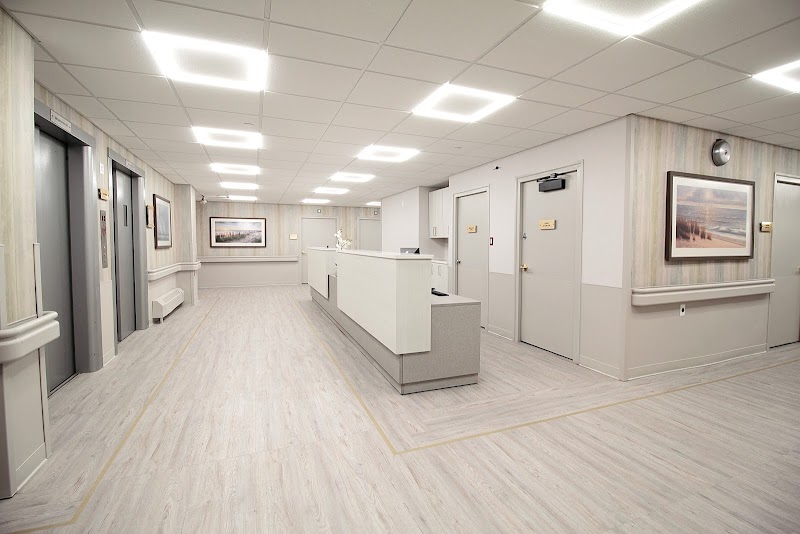
How is Promenade Rehabilitation And Health Staffed?

CMS rates PROMENADE REHABILITATION AND HEALTH CARE CENTER's staffing level at 2 out of 5 stars, which is below average compared to other nursing homes. Staff turnover is 26%, compared to the New York average of 46%. This relatively stable workforce can support continuity of care.

What Have Inspectors Found at Promenade Rehabilitation And Health?

State health inspectors documented 16 deficiencies at PROMENADE REHABILITATION AND HEALTH CARE CENTER during 2020 to 2024. These included: 16 with potential for harm.
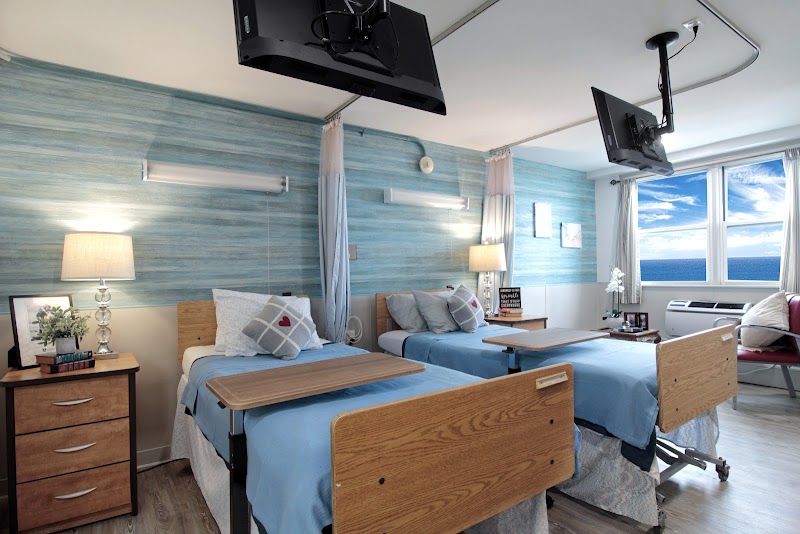
Who Owns and Operates Promenade Rehabilitation And Health?

PROMENADE REHABILITATION AND HEALTH CARE CENTER is owned by a for-profit company. For-profit facilities operate as businesses with obligations to shareholders or private owners. The facility operates independently rather than as part of a larger chain. With 240 certified beds and approximately 222 residents (about 92% occupancy), it is a large facility located in ROCKAWAY PARK, New York.
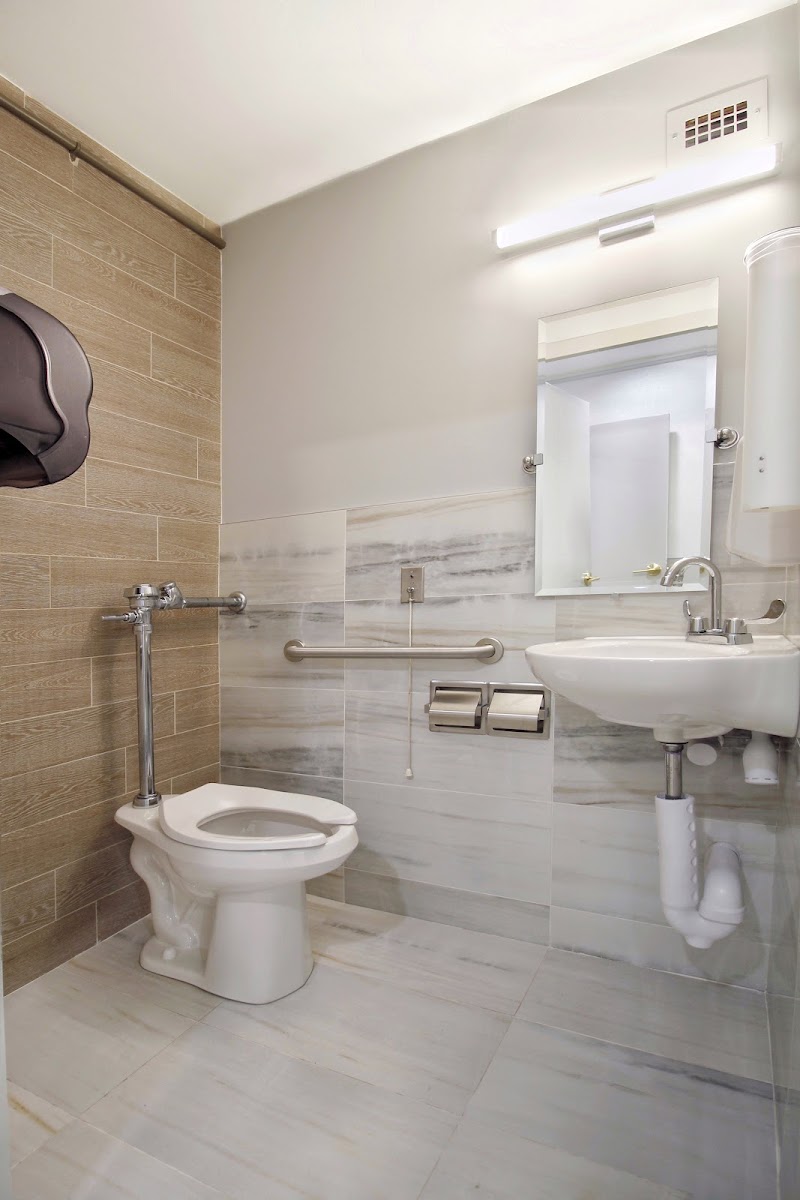
How Does Promenade Rehabilitation And Health Compare to Other New York Nursing Homes?

Compared to the 100 nursing homes in New York, PROMENADE REHABILITATION AND HEALTH CARE CENTER's overall rating (3 stars) is below the state average of 3.1, staff turnover (26%) is significantly lower than the state average of 46%, and health inspection rating (3 stars) is at the national benchmark.

What Should Families Ask When Visiting Promenade Rehabilitation And Health?

Based on this facility's data, families visiting should ask: "Can you walk me through typical staffing levels on day, evening, and night shifts?" "Can I visit during a mealtime to observe dining assistance and food quality?" "How do you handle medical emergencies, and what is your hospital transfer rate?" "Can I speak with family members of current residents about their experience?" These questions are particularly relevant given the below-average staffing rating.

Is Promenade Rehabilitation And Health Safe?

Based on CMS inspection data, PROMENADE REHABILITATION AND HEALTH CARE CENTER has a clean safety record: no substantiated abuse findings (meaning no confirmed cases of resident harm), no Immediate Jeopardy citations (the most serious violation level indicating risk of serious injury or death), and is not on the Special Focus Facility watch list (a federal program monitoring the lowest-performing 1% of nursing homes). The facility has a 3-star overall rating and ranks #100 of 100 nursing homes in New York. While no facility is perfect, families should still ask about staff-to-resident ratios and recent inspection results during their visit.

Do Nurses at Promenade Rehabilitation And Health Stick Around?

Staff at PROMENADE REHABILITATION AND HEALTH CARE CENTER tend to stick around. With a turnover rate of 26%, the facility is 20 percentage points below the New York average of 46%. Low turnover is a positive sign. It means caregivers have time to learn each resident's needs, medications, and personal preferences. Consistent staff also notice subtle changes in a resident's condition more quickly.

Was Promenade Rehabilitation And Health Ever Fined?

PROMENADE REHABILITATION AND HEALTH CARE CENTER has no federal fines on record. CMS issues fines when nursing homes fail to meet care standards or don't correct problems found during inspections. The absence of fines suggests the facility has either maintained compliance or corrected any issues before penalties were assessed. This is a positive indicator, though families should still review recent inspection reports for the full picture.

Is Promenade Rehabilitation And Health on Any Federal Watch List?

PROMENADE REHABILITATION AND HEALTH CARE CENTER is not on any federal watch list. The most significant is the Special Focus Facility (SFF) program, which identifies the bottom 1% of nursing homes nationally based on persistent, serious quality problems. Not being on this list means the facility has avoided the pattern of deficiencies that triggers enhanced federal oversight. This is a positive indicator, though families should still review the facility's inspection history directly.