BETSY ROSS REHABILITATION CENTER, INC
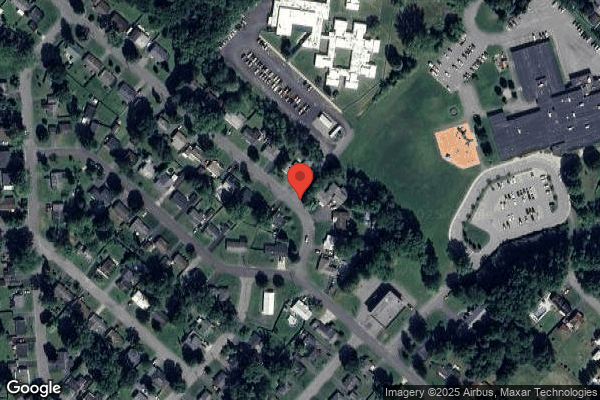
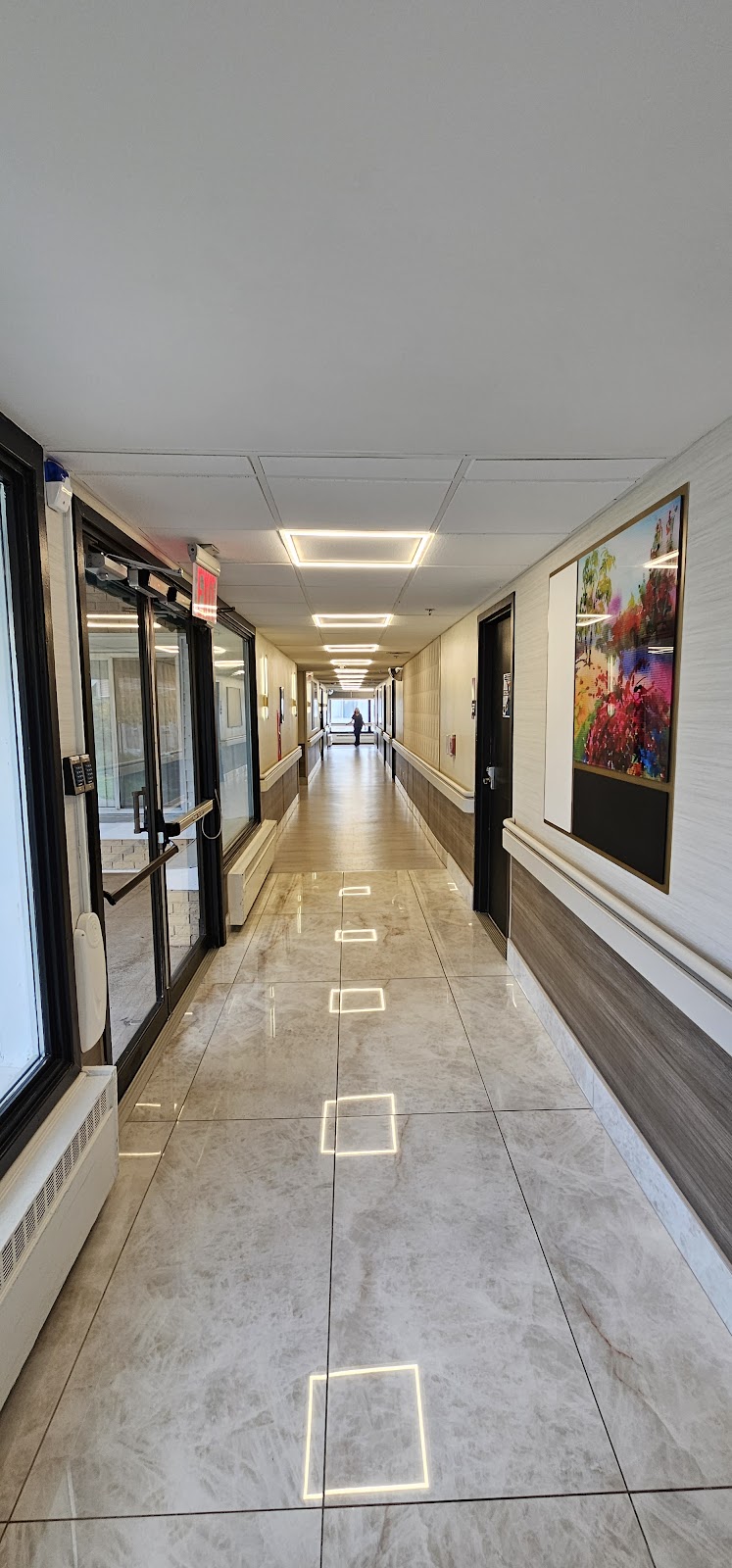
1 ELSIE STREET, ROME, NY 13440 (315) 339-2220
For profit - Corporation 120 Beds Independent Data: November 2025
Trust Grade
30/100
#479 of 594 in NY
Last Inspection: June 2025

Inspected within the last 6 months. Data reflects current conditions.

Overview

Betsy Ross Rehabilitation Center, Inc. has received a Trust Grade of F, indicating significant concerns about the facility's quality of care. With a state rank of #479 out of 594 in New York, it falls in the bottom half of facilities, and locally, it ranks #8 out of 17 in Oneida County, meaning only a few options are worse. The facility is worsening, with issues increasing from 1 in 2024 to 6 in 2025, and it has been fined $32,254, which is higher than 86% of similar facilities, suggesting ongoing compliance problems. Staffing is rated poorly with a turnover rate of 40%, which is concerning, and there is less RN coverage than 81% of the state, indicating potential gaps in resident monitoring. Notably, there have been serious incidents, such as a resident suffering a second-degree burn due to unsafe handling of hot liquids and failures to maintain safe water temperatures and food safety standards, highlighting significant weaknesses alongside the facility's staffing concerns.

Trust Score
F
30/100
In New York
#479/594
Bottom 20%
Safety Record
Moderate
Needs review
Inspections
Getting Worse
1 → 6 violations
Staff Stability
○ Average
40% turnover. Near New York's 48% average. Typical for the industry.
Penalties
⚠ Watch
$32,254 in fines. Higher than 81% of New York facilities, suggesting repeated compliance issues.
Skilled Nurses
⚠ Watch
Each resident gets only 23 minutes of Registered Nurse (RN) attention daily — below average for New York. Fewer RN minutes means fewer trained eyes watching for problems.
Violations
⚠ Watch
23 deficiencies on record. Higher than average. Multiple issues found across inspections.
★☆☆☆☆
1.0
Overall Rating
★☆☆☆☆
1.0
Staff Levels
★☆☆☆☆
1.0
Care Quality
★★★☆☆
3.0
Inspection Score
Stable
2024: 1 issues
2025: 6 issues

The Good

  • Full Sprinkler Coverage · Fire safety systems throughout facility
  • No fines on record
  • Staff turnover below average (40%)

    8 points below New York average of 48%

Facility shows strength in fire safety.

The Bad

1-Star Overall Rating

Below New York average (3.0)

Significant quality concerns identified by CMS

Staff Turnover: 40%

Near New York avg (46%)

Typical for the industry

Federal Fines: $32,254

Below median ($33,413)

Moderate penalties - review what triggered them

The Ugly 23 deficiencies on record

1 actual harm
Jun 2025 6 deficiencies
CONCERN (D) 📢 Someone Reported This

A family member, employee, or ombudsman was alarmed enough to file a formal complaint

Potential for Harm - no one hurt, but risky conditions existed

Safe Environment (Tag F0584)

Could have caused harm · This affected 1 resident

Based on observations, record review, and interviews during the recertification and abbreviated (NY00362225 and NY00365339) surveys conducted 6/24/2025-6/30/2025, the facility did not ensure a safe, c...

Read full inspector narrative →
Based on observations, record review, and interviews during the recertification and abbreviated (NY00362225 and NY00365339) surveys conducted 6/24/2025-6/30/2025, the facility did not ensure a safe, clean, comfortable, and homelike environment for one (1) of two (2) resident units (Memory Care Unit). Specifically, the Memory Care Unit J, K, and L pods, had stained and sticky floors, unclean walls, and unclean shelving. Findings include: The facility policy Environmental Cleaning, Resident Equipment and COVID-19, revised 2/2025, documented the facility would ensure daily cleaning and disinfection of commonly touched environmental surfaces with disinfectant to decrease environmental contamination. The undated facility Monthly Room and Area Deep, Clean Sheet documented: - on Saturdays, all the shower rooms and common areas should be cleaned. - on Sundays, the kitchenette, small dining rooms and common areas should be cleaned. The following observations were made on the Memory Care Unit: - on 6/26/025 at 9:09 AM, a medication cart was parked outside of the K pod sitting room. The wall was scuffed and marked with a black substance; the walls outside of the K pod shower room were scuffed and missing molding; resident room K1's door frame had a black, sticky substance; and the floor near the table had black film and loose dirt. - on 6/26/2025 at 11:44 AM, the hallway floors were not clean outside of the employee bathroom between J and K pods; the wall baseboards outside of the Nurse Manager- Special Needs door, below the fire extinguisher was unclean with black film and black scaped marks; and the floor outside of the soiled utility room and housekeeping closet was dirty with black film and thick dust. - on 6/26/2025 at 11:48 AM, the floor near the emergency exit door was rusted in appearance and peeling and the baseboards in the corner were dirty and peeling off; the floor near the exit door to the patio on K pod had broken tiles; and the large wall heating vent had a large amount of dust. - on 6/27/2025 at 8:54 AM, there was an orange sticky substance dripping down the side of the counter under the television in the K pod eating room; the base board near the counter was pulling away from the wall and was unclean with brown and black substances; and the floors in the dining area were sticky. During an interview on 6/26/2025 at 11:55 AM, Housekeeper #16 stated they were responsible for J, K, L pods. They stated their responsibility was to the clean the resident rooms, bed frames, floors, and toilets. They were also responsible for cleaning/mopping the hallway floors, including the baseboards, and wiping down the walls. There was not a special day or time to clean these areas, just when they noticed they were dirty. The black film/layer of dirt on the baseboards and floors should be scraped off with a scraper and they had no time to complete the scraping. During an interview on 6/27/2025 at 8:59 AM, Licensed Practical Nurse #19 stated the Memory Care Unit was not cozy, or homelike; it was dirty and looked run down; and could use some deep cleaning and painting. During an observation and interview on 6/27/2025 at 9:00 AM the shower room/tub room/linen room had a plastic bath basin with several individually packed crackers and cookies stored on the linen shelf, and various cups with staff drinks on shelves near the linen cart. Certified Nurse Aides #17 and #18 stated they knew there should not be resident snacks or personal drinks and belongings in the shower room, but they did not have anywhere else to put those items. They stated they thought the unit should be deep cleaned and was often overlooked because it was a locked unit. They tried to shower the residents early in the morning, so the staff were not in the shower room drinking or eating when a resident was showering or bathing. During an interview on 6/27/2025 at 9:57 AM, the Housekeeping/Laundry Supervisor stated the floors on the Memory Care Unit were stained and old and needed to be stripped and redone. The housekeeping staff was responsible for cleaning the floors. They stated the Memory Care Unit was not homelike right now and they should be painting the walls and replacing curtains soon. They stated it was important to have a clean homelike environment for the residents, because this was their home. The residents deserved to have a clean room and all residents living areas should be clean. They stated the housekeeper was responsible for cleaning the resident rooms, top to bottom, including the corners and bed frames. The floors were old, but they could be deep cleaned by using a scrapper to get the dirt. The area where the residents eat should be cleaned after each meal. On the Memory Care Unit, the floors get sticky, and the walls get dirty more often. In the J, K, L pods the floor machine should be used at the end of every day, and the dining area floors should be mopped after every meal. The soiled room on the Memory Care Unit was for dirty linen and garbage only. There should not be any resident items in the soiled utility room deep sink. This room was not for resident items and was an infection control concern. The resident shower room on the Memory Care Unit, was for the residents to shower and there should not be staff drinks or food in the shower area. The nursing staff was responsible for cleaning this area. During an interview on 6/27/2025 at 12:25 PM, Licensed Practical Nurse Unit Manager #3 and Registered Nurse Unit Manager #1 stated the memory care was due for a remodel. They were planning on painting the unit. The unit's floors and walls looked dirty. They ordered the paint and blinds for the resident rooms, but the unit should still be clean. The residents were frequently moving on the unit, walking around with food or drinks and the unit needed more frequent cleaning. The nursing staff should not keep their drinks and food items in the shower room, but they did not have anywhere to place their personal belongings. The shower bathroom linen closet area was for residents' personal care and staff food and drink items did not belong there. 10 NYCRR 415.29(j)(1)
CONCERN (D)

Potential for Harm - no one hurt, but risky conditions existed

Comprehensive Care Plan (Tag F0656)

Could have caused harm · This affected 1 resident

**NOTE- TERMS IN BRACKETS HAVE BEEN EDITED TO PROTECT CONFIDENTIALITY** Based on observation, record review, and interview during the recertification survey conducted 6/24/2025-6/30/2025, the facility...

Read full inspector narrative →
**NOTE- TERMS IN BRACKETS HAVE BEEN EDITED TO PROTECT CONFIDENTIALITY** Based on observation, record review, and interview during the recertification survey conducted 6/24/2025-6/30/2025, the facility did not develop and implement a comprehensive person-centered care plan that included measurable objectives and time frames to meet a resident's medical needs for one (1) of one (1) resident (Resident #52) reviewed. Specifically, Resident #52 was hospitalized for sepsis (system wide infection) and discharged to the facility with physician orders for antibiotics and their care plan was not reviewed and updated to include the recent diagnosis for infection and antibiotic usage. Findings include: The facility policy Care Plans- Baseline, last revised 6/2025, documented the comprehensive care plan would describe the services to be furnished to attain or maintain the resident's highest practicable physical, mental and psychosocial well-being. Additionally, the assessments of residents were ongoing, and care plans were revised as the information about the residents' condition changed. Resident #52 had diagnoses including dementia and urinary tract infection. The 4/11/2025 Minimum Data Set assessment documented the resident had severely impaired cognition, required supervision or was independent for most activities of daily living, and received an antibiotic during the last seven days. The hospital Discharge summary dated [DATE] documented the resident was admitted for sepsis secondary to a urinary tract infection. The resident was discharged back to the nursing home facility with orders for antibiotic treatment. The resident had a prior history of urinary tract infections and no chronic urinary catheter use. The 5/2/2025 at 12:54 AM, Registered Nurse #1 progress note documented the resident returned from the hospital on 5/1/2025 at 5:00 PM. The resident was diagnosed with urosepsis. The resident was incontinent of urine and was in good spirits and resting in bed. The 5/2/2025 at 1:45 PM, Licensed Practical Nurse #2 progress note documented the resident was on antibiotics for a urinary tract infection and had no complaints of pain or symptoms. The 5/7/2025 Nurse Practitioner #4 order documented Keflex 125 milligrams/5 milliliters oral suspension, five milliliters by mouth once a day for 90 days, for prophylactic measure every day. The Comprehensive Care Plan initiated 7/11/2023 documented the resident was incontinent of bladder and bowel. The goal was to manage and minimize potential complication associated with incontinence. Interventions included to provide optimal post-incontinence care. There was no documented evidence Resident #52's care plan was reviewed and updated to include the resident's diagnosis of sepsis secondary to a urinary tract infection and antibiotic use prophylactically for 90 days. The 5/10/2025 Nurse Practitioner #6 progress note documented they followed up on the resident's urinary tract infection. The resident presented to the hospital unresponsive and hypotensive (low blood pressure) and was diagnosed with sepsis secondary to extended-spectrum beta-lactamase and Escherichia coli bacterium- urinary tract infection. The resident was readmitted to the facility and was placed on Keflex (antibiotic) for 90 days to prevent reinfection. During an interview on 6/27/2025 at 12:25 PM, Licensed Practical Nurse Unit Manager #3 and Registered Nurse Unit Manager #1 stated Resident #52 did not have a care plan for urinary tract infection or antibiotics. They stated the resident should have because they had a history of frequent urinary tract infections and was treated with antibiotics for relief and prevention. They stated the resident went to the hospital and when they returned the care plan was never updated to included urinary tract infection or antibiotic use. The Registered Nurse Supervisor or Unit Manager was responsible for the care plan updates. The care plans were the guide for care the resident required each day. A good, updated care plan ensured the residents' quality of life was improved or maintained. Resident #52's care plan should include interventions to prevent urinary tract infection, such as good water intake, cranberry juice, encourage toileting, loose fitting clothing, and good urinary hygiene. During an interview on 6/30/2025 at 12:18 PM, the Assistant Director of Nursing stated care plans should be completed within 2 days of admission by the Registered Nurse completing the admission assessment. The Unit Managers were responsible for updating the care plans. The Licensed Practical Nurse Managers could update the care plans but not initiate them. When a resident returned from the hospital the care plan should be updated with any changes related to the hospitalization. If a resident went to the hospital and came back with diagnosis of a urinary tract infection and an antibiotic order, the care plan should include interventions appropriate for urinary tract infection prevention to manage the resident's care. 10NYCRR 415.11(c)(2)(iii)
CONCERN (D) 📢 Someone Reported This

A family member, employee, or ombudsman was alarmed enough to file a formal complaint

Potential for Harm - no one hurt, but risky conditions existed

Quality of Care (Tag F0684)

Could have caused harm · This affected 1 resident

**NOTE- TERMS IN BRACKETS HAVE BEEN EDITED TO PROTECT CONFIDENTIALITY** Based on observations, record review, and interviews during the recertification and abbreviated (NY00372184) surveys conducted 6...

Read full inspector narrative →
**NOTE- TERMS IN BRACKETS HAVE BEEN EDITED TO PROTECT CONFIDENTIALITY** Based on observations, record review, and interviews during the recertification and abbreviated (NY00372184) surveys conducted 6/24/2025 - 6/30/2025, the facility did not ensure residents received treatment and care in accordance with professional standards of practice for one (1) of two (2) residents (Resident #200) reviewed. Specifically, there was no documented evidence Resident #200 received an ordered enteral feeding (feeding provided through a tube in the stomach). Findings include: The facility policy Tube Feedings, revised 6/2025, documented the Registered Dietitian would evaluate the resident for enteral feedings and complete a Tube Feeding Prescription Form. A new form would be prepared for each change. It was the responsibility of the nursing department to follow the prescriptions. Enteral nutrition was provided as ordered. Enteral nutrition was provided consistent with current standards of practice. Nursing would confirm orders for enteral nutrition were completed. The facility policy Administering Medications, revised 3/2025, documented the individual administering the medication must verify the medication three times before administrating the medication. The individual administering the medication documented in the resident's medical record by signing for it. Resident #200 had diagnoses including dysphagia (difficulty swallowing), diabetes, and malnutrition. The 10/21/2024 admission Minimum Data Set documented the resident had moderately impaired cognition, required moderate assistance with eating, received enteral feedings and a mechanically altered therapeutic diet. The 10/15/2024 Comprehensive Care Plan documented the resident received an enteral feeding. Interventions included monitor intake and output, check for residual (undigested tube feeding) every shift, check for tube placement every shift by aspiration (removing via a syringe) of stomach contents, and administer tube feeding formula/free water/water flushes per physician order. The 10/15/2024 Nurse Practitioner #4 progress note documented the resident was hospitalized from [DATE] to 9/24/2024 and diagnosed with septic shock (body's overwhelming response to an infection). The resident was seen by palliative care (specialized medical care for people with serious illness focusing on providing relief from the symptoms) while in the hospital. A gastrostomy tube (feeding tube) was placed on 9/23/2024 due to continued aspiration (inhalation into lungs) of thin liquids. The resident was admitted to the intensive care unit, a swallow evaluation was done, and the resident was placed on pureed solids and pudding thick liquids. The 11/26/2024 hospital discharge summary documented the resident was admitted to the hospital on [DATE] for acute respiratory failure. The resident had pneumonia and severe malnutrition. The resident continued enteral feedings via gastrostomy tube and pleasure feedings (allowing the resident to eat small amounts of desired foods). The physician order discontinued 12/13/2024 at 4:43 AM documented Two Cal (a tube feeding formula) continuous at 35 milliliters per hour via gastrostomy tube using pump kit for a total of 840 milliliters in 24 hours. Automatic water flush of 150 milliliters every 4 hours for a total of 900 milliliters in 24 hours. Give 30 milliliters with each medication via gastrostomy tube. The 12/12/2024 at 9:34 PM, Registered Nurse #27 progress note documented the resident's gastrostomy tube was clogged, and the resident was to go to the hospital to either unclog or replace the tube. The 12/17/2024 hospital discharge summary documented the resident was admitted on [DATE] for a clogged gastrostomy tube, atrial fibrillation (abnormal heartbeat), and fever. The 12/18/2024 at 2:55 PM, Registered Nurse #23 progress note documented the resident arrived back from the hospital. The resident's gastrostomy tube was patent and flushed well. There was no documented evidence of a physician order for a tube feeding upon readmission to the facility and no documented evidence of a Tube Feeding Prescription Form completed by the Registered Dietitian for the resident's readmission tube feeding order. On 12/19/2024 at 11:20 AM, Registered Nurse #5 entered the physician order for the tube feeding into the electronic medical record (1 day after readmission to the facility). The 12/19/2024 at 11:25 AM, Dietary Technician #11 progress note documented the resident returned from the hospital, the diet order remained the same, solids and fluids intake remained poor, and the resident had a tube feeding infusing at 35 milliliters per hour continuously with flushes as ordered. The 12/20/2024 at 1:35 PM, Licensed Practical Nurse #3 progress note documented the tube feeding was tolerated well. The December 2024 Medication Administration Record The 12/25/2024 at 12:03 PM, Dietary Technician #11 progress note documented they were notified by email the nurse practitioner requested a current nutritional plan of care regarding the amount of tube feeding and oral intake be evaluated as the resident's weight was 81 pounds, which was a loss from their hospital stay. They spoke with the nurse practitioner and reviewed the current tube feeding order of Two Cal at 35 milliliter per hour and determined it was meeting the resident's needs for weight gain. The resident's oral pleasure feeding intakes varied from 10-50 percent. The 12/2024 Medication Administration Record documented continuous tube feeding Two Cal at 30 milliliters per hour via gastrostomy tube using pump kit, automatic flush 15 milliliters every 4 hours; check for placement prior to medication pass and flush per protocol. The Medication Administration Record did not document the tube feeding as administered from 12/19/2024-12/31/2024. Each day shift was marked with an X which indicated not scheduled. During an interview on 6/30/2025 at 9:32 AM, Registered Nurse Manager #23 stated the resident received enteral feedings as well as pleasure feedings. They stated the resident returned from the hospital on [DATE] and had an order for Two Cal enteral feeding to be given at a rate of 30 milliliters per hour continuously. Registered Nurse #5 updated the order with an increase to 35 milliliters per hour on 12/19/2024. Registered Nurse #23 stated per the 12/2024 medication administration record, the tube feeding orders were not documented as given beginning 12/18/2024 when the resident returned from the hospital. They stated they remembered the resident receiving the feedings and did not know why they were not signed for. The facility had a 3-nurse check for new orders to ensure that did not happen. During an interview on 6/30/2025 at 10:05 AM, Licensed Practical Nurse #21 stated the resident received continuous enteral feedings since their initial admission. When a resident returned from the hospital, the nurse on duty reviewed the discharge orders with the provider and entered them in the computer. There was a 3-nurse check to ensure accuracy. They stated they did not know why the enteral feeding order was not on the medication administration record when the resident returned on 12/18/2024. The order was in place, and the record should have reflected the feedings were documented as received. The resident had a weight loss when they returned, so the rate was increased to 35 milliliters per hour on 12/19/2024. Each medication nurse was supposed to check the medication administration record when giving a medication or enteral feeding/flushes, and the error should have been noticed. During an interview on 6/30/2025 at 10:19 AM, Registered Nurse #5 stated that when a resident came back from the hospital, the provider reviewed all discharge orders to include enteral feedings. The nurse on duty entered the orders in the resident's medical record after the provider approved. The resident had enteral feeding orders when they returned on 12/18/2024. The type of order was placed in the general order category and did not appear on the medication administration record. When the rate was increased on 12/19/2024, the order type was not changed as it was not noticed. They stated the resident did receive the feedings as ordered, it was just not signed off on the administration record. The medication nurses should have noticed the inability to sign for them on the medication administration record when they checked the resident's diet during medication passes and after providing the feeding/flushes. If an order was not in the record, the nurse should tell the Unit Manager. There was a 3-check system to ensure accuracy between the orders and the record 10NYCRR 415.12
CONCERN (D)

Potential for Harm - no one hurt, but risky conditions existed

Deficiency F0698 (Tag F0698)

Could have caused harm · This affected 1 resident

Based on observations, record review, and interviews during the recertification survey conducted 6/24/2025-6/30/2025, the facility did not ensure that residents who required dialysis (used to filter w...

Read full inspector narrative →
Based on observations, record review, and interviews during the recertification survey conducted 6/24/2025-6/30/2025, the facility did not ensure that residents who required dialysis (used to filter waste products from the blood) received such services consistent with professional standards of practice for one (1) of one (1) resident (Resident #75) reviewed. Specifically, Resident #75 received hemodialysis treatments at a community-based dialysis center and there was inconsistent communication between the facility and the dialysis center. Findings include: The 4/11/2024 facility document Nursing Facility Dialysis Agreement, documented emergency and non-emergency change in a resident's medical condition would be immediately communicated by the party having primary knowledge of the change to the other party. The facility policy Hemo-Dialysis - Resident Care, revised 6/2025, documented there would be on-going communication between the interdisciplinary team and the dialysis unit. The exchange of information required to care for the resident was provided through the use of the communication book. The book was located at the nurses' station and was clearly labeled with the resident's name. The communication book was sent with the resident when the resident traveled to dialysis. Important information may include but not limited to increase/decrease in vital signs, appetite, labs, wounds, consults, medications, test, and behaviors. The communication book was reviewed by the licensed nurse when the resident returned from dialysis. Any pertinent information was communicated on the twenty four hour report and/or nursing supervisor/unit manager/medical provider. Resident #75 had diagnoses including end stage renal disease with dependence on renal dialysis. The 4/28/2025 Minimum Data Set assessment documented the resident had moderately impaired cognition and received dialysis. The Comprehensive Care Plan initiated 2/28/2024, and revised 6/23/2025 documented the resident had renal failure and required hemodialysis. Interventions included maintaining ongoing communication with the [interdisciplinary care team] and dialysis, exchange information required to care for the resident through use of the communication book and review the communication book by a licensed nurse upon return from hemodialysis and document pertinent information. The 6/23/2025 Physician #9 orders documented: - Hemodialysis schedule every week on Tuesday, Thursday, and Saturday - Monitor vitals sign after dialysis treatment every week on Tuesday, Thursday, and Saturday - Monitor vitals sign before dialysis treatment every week on Tuesday, Thursday, and Saturday During an observation and interview on 6/27/2025 at 10:16 AM, the resident's communication book was reviewed, there was no documented evidence of completed communication sheets by the facility. The communication book contained blank communication sheets, with a date at the top 8/20. There was no additional information completed on the document. The communication sheets had a section for assessment and vitals by the nursing facility and a section for the dialysis center to respond with information. Licensed Practical Nurse Assistant Unit Manager #21 stated the dialysis center provided information from dialysis on a separate sheet of paper. During a telephone interview on 6/27/2025 at 10:28 AM, Registered Nurse #22 (from the community-based dialysis center) stated the dialysis center provided a communication form for the facility after every visit. The facility did not always send the communication sheet with the resident. They stated they did not keep any documents from the facility. Everything would remain in the communication book and was reviewed by the dialysis center when the resident came for treatment. During an interview on 6/27/2025 at 12:39 PM, Licensed Practical Nurse Assistant Unit Manager #21 stated they were not able to find any completed dialysis communication sheets for Resident #75. They stated the communication sheets were not being completed, so the facility added the physician order for nurses to complete vitals before and after dialysis and document them in the electronic medical record. They called the dialysis center with important updates, but not on a regular basis. They stated they were not sure why the forms were not being completed, but the vitals were documented in the resident's chart. During an interview on 6/30/2025 at 10:34 AM, Registered Nurse Unit Manager #23 stated the communication book contained the resident's dialysis schedule, face sheet, and physician orders. They updated the book monthly and with any new updates. There were communication sheets in the book, however, they did not fill them out. The dialysis center sent the resident back to the facility with electronical printed sheets. The nurses in the facility documented in the electronic medical record. Resident #75 did not have information that needed to be communicated to the dialysis center. 10NYCRR 415.12(k)
CONCERN (D)

Potential for Harm - no one hurt, but risky conditions existed

Deficiency F0700 (Tag F0700)

Could have caused harm · This affected 1 resident

Based on observations, record review, and interviews during the recertification survey conducted 6/24/2025-6/30/2025, the facility did not review the risks and benefits of bed rails or obtain informed...

Read full inspector narrative →
Based on observations, record review, and interviews during the recertification survey conducted 6/24/2025-6/30/2025, the facility did not review the risks and benefits of bed rails or obtain informed consent prior to the installation of bed rails with the resident or resident representative for one (1) of one (1) resident (Resident #19) reviewed. Specifically, for Resident #19 there was no documented evidence the risks and benefits of bed rail use were explained, consents were obtained prior to bed rail use, or a comprehensive care plan for the use of bed rails was initiated. Additionally, the facility did have documented evidence of inspections of bed frames, mattress, and bed rails as part of a regular maintenance program. Findings include: The 5/20/25 revised facility policy, Bed Side Rails, documented the facility's regular maintenance program would include regular inspections of all bed systems (e.g. rails, frames, mattresses, and operational components). The facility would conduct regular bed inspections, utilizing an interdisciplinary, team-based approach to risk identification and prevention. The Director of Nursing and Maintenance Director were responsible for completion of bed inspections on a regular basis. The resident assessment would include appropriate alternatives prior to installing bed rails, risk of entrapment, document ongoing need for bed rails, review of risk and benefits with the resident or resident representative, obtain informed consent, obtain physician's order for medical need for bed rail use, and the resident care plan would include use of bed rails. The resident and resident representative education would include communication and education of the resident and resident representative on the benefits and risks of bed rail and assistive device use. Education would include risk of entrapment, and importance of mattress and bed equipment per manufacturers guidelines to reduce risk of injury. Resident #19 had diagnoses including Parkinson's disease (a progressive neurological disorder) and seizures. The 5/7/2025 Minimum Data Set assessment documented the resident was cognitively intact, had limited range of motion of one arm, required partial assistance with bed mobility, and bed rails were not used. The 9/18/2024 Occupational Therapist #28 progress note documented a cognitive level screen to determine candidacy for bed rails. Resident #19's score indicated ability to problem solve and learn new skills, therefore qualifying them for bed rails. During an observation on 6/24/2025 at 11:08 AM, Resident #19's bed was observed with bilateral bed rails. There was no documented evidence of risk and benefits discussion for the use of bed rails, alternatives used prior to bed rail placement, or physical assessment for the ability to use the bed rails. The Comprehensive Care Plan did not include the use of bed rails. During an interview on 6/24/2025 at 2:05 PM, Resident #19 stated they did not need education on the use of their bed rails, because they knew how to use them. They stated the facility did not ask them if it was okay to attach the bed rail, but they did not mind because they liked them. During observations on 6/24/2025 1:01 PM, and 6/25/2025 at 9:41 AM, Resident #19 was in bed with bilateral bed rails attached. When the head of the bed was elevated, the rails were at the resident's waist level. The resident was observed on 6/25/2025 at 2:59 PM, sitting at the side of the bed holding the bedrail. During an interview on 6/27/2025 at 2:33 PM, the Director of Nursing stated the Administrator, and the Director of Maintenance were responsible for attaching enabler bars (bed rails). They were unable to locate Resident #19's assessment, consent, or education in the computer system. During an interview on 6/30/2025 at 10:25 AM, Certified Occupational Therapy Assistant #26 stated a cognitive test was completed on paper and scanned into the resident record. They were able to conduct the test but could not grade it. They did not complete a cognitive test for Resident #19. Before bed rails could be applied therapy had to do a cognitive test and physical test to ensure the resident's safety. During an interview on 6/30/2025 at 10:42 AM, Registered Nurse Unit Manager #23 stated therapy was responsible for all aspects of bed rail application and decide if a resident was appropriate for bedrails. The assessment of the resident for bedrails was important for the safety of the resident. During a follow up interview at 11:58 AM, Registered Nurse Unit Manager #23 stated Resident #19 did not have a current or historical comprehensive care plan for bed rails. The care plan was important to tell the whole story of the resident, and the resident should have a care plan for the bed rails. During an interview on 6/30/2025 at 11:20 AM, the Director of Rehabilitation stated no bedrails were placed since they started in February 2025. For bedrails to be placed, the resident must have a cognitive function test and have a progress note generated in the medical record. The work order for the physical placement of the bed rails was sent to Maintenance. The resident should be reassessed every 90 days per the care plan meeting schedule. At 11:45 AM, the Director of Rehabilitation stated Resident #19 did not have documented evidence of a completed consent, or risk/benefit education. The care plan should be initiated by the therapist who completed the assessment, consent, and education. Resident #19 should have a care plan for bed rails. During an interview on 6/30/2025 at 12:55 PM, the Director of Maintenance stated prior to installation of bed rails they verified with the person that put in the work order, then use the bed measuring tool and completed the bed assessment sheet with all the entrapment areas. They were unable to locate a work order for Resident #19's bedrail, and believed it was a verbal request. They stated on 6/27/2025, they completed the bed assessment sheet. They stated there was no additional documentation for the bed and bed rails before 6/27/2025. 10NYCRR 415.12(h)(1)(2)
CONCERN (D)

Potential for Harm - no one hurt, but risky conditions existed

Deficiency F0804 (Tag F0804)

Could have caused harm · This affected 1 resident

Based on observations and interviews during the recertification survey conducted 6/24/2025-6/30/2025, the facility did not ensure residents were provided food and drink that was palatable, flavorful, ...

Read full inspector narrative →
Based on observations and interviews during the recertification survey conducted 6/24/2025-6/30/2025, the facility did not ensure residents were provided food and drink that was palatable, flavorful, and at an appetizing temperature for two (2) of (2) two meals reviewed (Lunch meals on 6/26/2025 and 6/27/2025). Specifically, food was not served at palatable and appetizing temperatures during the lunch meal on 6/26/2025 and 6/27/2025. Findings include: The facility policy Dietary- Food Handling Program, revised 10/2024, documented hot food was to be cooked and held for service and must maintain a temperature above 135 degrees Fahrenheit and checked every half hour prior to service. Cold foods must maintain a temperature colder than 40 degrees Fahrenheit. During an observation and interview on 6/24/2025 at 12:22 PM, Resident #76 was sitting in the J-pod common area with family. The family stated the food delivery was usually late, they had not tried the resident's food, and the food did not look appetizing. During an interview on 6/24/2025 at 2:18 PM, Resident #72 stated the food was usually bland, they were served the same things over and over, the hot food was not hot, and the cold food was not cold. On 6/26/2025 at 1:07 PM, Resident #72's meal tray was tested, and a replacement was provided. The diet hot chocolate was 115 degrees Fahrenheit and tasted room temperature; apple juice was 62 degrees Fahrenheit and tasted lukewarm; chocolate Ensure was 60 degrees Fahrenheit and tasted lukewarm; chilled peaches were 75 degrees Fahrenheit, and tasted lukewarm and bland; water was 75 degrees Fahrenheit and tasted lukewarm; breaded chicken tenders were 123 degrees Fahrenheit, and the outer coating was not browned or crisp; Super mashed potatoes with gravy was 118 degrees Fahrenheit and were not hot; and yellow squash was 120 degrees Fahrenheit, tasted mushy, bland, and was green in color. On 6/27/2025 at 1:08 PM, Resident #75's meal tray was tested, and a replacement was provided. The watermelon was 57 degrees Fahrenheit; broccoli and cauliflower was 119 degrees Fahrenheit, was mushy, was unable to be picked up with utensils without falling apart and had a ground food texture; turkey stroganoff with mushroom and cream sauce was 130 degrees Fahrenheit. The pasta was pasty and gelatinous, and many pieces did not have the original pasta shape. The ground turkey was piled on top of the pasta and had a creamy sauce over that. The turkey and sauce had a rubbery texture; apple sauce was 62 degrees Fahrenheit and did not taste cold; Magic cup (frozen nutritional supplement) was 28 degrees Fahrenheit and had a pudding texture instead of frozen; milk was 51 degrees Fahrenheit and tasted cool. The entire plate of food had a thin colorless liquid covering the bottom of the plated food. During an interview on 6/27/2025 at 1:08 PM, Licensed Practical Nurse #14 stated Resident #75 frequently complained about the food. They stated the trays took too long, the food was cold, and did not taste good. The Magic Cups were usually pudding, and the ice cream could usually be eaten with a straw. The veggies were usually mushy and over cooked. During an interview on 6/30/2025 at 2:16 PM, Dietary Supervisor #13 stated the Food Service Director was off duty that day. Foods should be served between 180-200 degrees Fahrenheit from the steam table to the plate prior to placing them on the cart. The meal temperatures should be 160 degrees Fahrenheit when the resident received the tray. The tray cart was sent to the unit when all meals were plated, and unit staff should immediately start serving the residents. Unit staff and main dining room staff were made aware once their respective carts left the kitchen. The tray line took about 45 minutes from the first plated meal to the last meal in the kitchen. Test trays were done at least every other day and randomly, which included documenting temperatures of the food. The cooked food was tasted every meal by the supervisor or the Food Service Director. There were no issues with the facility's test trays. The supervisor was not aware of many complaints about food taste and stated they had no complaints about food temperatures. Salt and pepper were added to every tray unless the specific resident had a restriction. They stated alternate meals were always available. 10NYCRR 415.14(d)(2)
Feb 2024 1 deficiency 1 Harm
SERIOUS (G) 📢 Someone Reported This

A family member, employee, or ombudsman was alarmed enough to file a formal complaint

Actual Harm - a resident was hurt due to facility failures

Accident Prevention (Tag F0689)

A resident was harmed · This affected 1 resident

Based on observation, record review, and interview during the abbreviated survey (NY00321876), the facility did not provide an environment free of hazards or adequate supervision to prevent accidents ...

Read full inspector narrative →
Based on observation, record review, and interview during the abbreviated survey (NY00321876), the facility did not provide an environment free of hazards or adequate supervision to prevent accidents for 1 of 3 residents reviewed (Resident #1). Specifically, Resident #1 sustained a burn to their right foot when unit helper #1 transported them in their wheelchair with a carafe of hot coffee resting between their feet. Additionally, after the resident sustained the burn, licensed practical nurse #2 applied toothpaste to the burn without a physician's order. This resulted in actual harm of a second-degree burn (partial thickness skin damage with blistering) to Resident #1 that was not Immediate Jeopardy. Findings include: The 7/2019 Safety and Supervision policy documented the facility strived to make the environment as free from accident hazards as possible. Resident safety, supervision, and assistance to prevent accidents were facility-wide priorities. The Safety of Hot Liquids policy dated 2019 documented residents were to be evaluated for safety concerns and potential for injury from hot liquids. Appropriate precautions would be implemented to maximize choice of beverages while minimizing the potential for injury. Risk factors for injuries from hot liquids were identified and interventions were to be implemented to minimize risks. Interventions included maintaining a temperature of not more than 180 degrees Fahrenheit, serving hot liquids in a cup with a lid, encouraging residents to sit at a table while drinking hot liquids, providing a protective lap covering to prevent skin from accidental spills, and staff supervision or assistance with hot beverages. Food service staff were to monitor and maintain food temperatures that comply with food safety requirements that do not exceed recommended temperatures to prevent scalding. Resident #1 had diagnoses including quadriplegia (inability to feel or move their extremities), and bipolar disorder. The 6/30/2023 Minimum Data Set assessment documented the resident was cognitively intact, was dependent on staff for all activities of daily living, had impairments in range of motion in the arms and legs, and used a wheelchair for mobility and locomotion. The 6/29/2023 comprehensive care plan documented the resident was cognitively intact and was unable to move their upper and lower extremities (arms and legs) due to quadriplegia (paralysis from the shoulders down). The resident had wounds with interventions including wound treatments as ordered, weekly wound measurements, and treatments as ordered. The 8/10/2023 9:22 PM licensed practical nurse #3's progress note documented at 5:01 PM, they were called to the unit by certified nurse aide #12 to see Resident #1 who had coffee spilled on their right foot . Upon arrival, Resident #1 was sitting in the wheelchair and the top of the resident's right foot was covered with a blue substance (toothpaste). Licensed practical nurse #3 cleansed the foot and applied a cool compress to the area. The resident denied pain and did not have any sensation in the foot at their baseline. Director of Nursing #4 was notified and nurse practitioner #8 was called. New orders were received to cleanse the area with normal saline, apply silver sulfadiazine (treatment cream for burns) cream to the area on the right top of the foot, cover with a non-stick pad and gauze to secure. The treatment was applied per order and nurse practitioner #8 stated they would be in to evaluate the resident on 8/11/2023. The 8/10/2023 investigation by Director of Nursing #4 at 7:00 PM documented: - Resident #1 had a burn on their right foot from coffee and a blister was present. - The coffee was placed between the resident's feet, spilled during transport, and caused a second-degree burn. - They were notified by the Administrator at 5:37 PM and reported to the facility for further investigation. - The resident reported they told unit helper #1 to put the coffee between their feet, the coffee spilled on the blanket, and their foot. - Nurse practitioner #8 was notified. - There was no care plan violation. Statements included in the investigation documented: - on 8/10/2023 at 4:40 PM, unit helper #1 documented they brought the resident back from the kitchen after getting a pitcher of coffee. The resident's blanket got caught in the wheel of the wheelchair and the coffee spilled on the blanket. They moved the blanket and took the resident to the nurse. Licensed practical nurse #2 notified the Supervisor and performed care. Licensed practical nurse #2 applied toothpaste to the resident's foot. - On 8/10/2023 at 5:00 PM, licensed practical nurse #2 documented the resident reported coffee spilled on their foot and they applied a small amount of toothpaste to the area. A cool compress was applied per the Supervisor. The facility investigation summary documented: - Director of Nursing #4 assessed the resident's right foot and found a 4.8 centimeter x 8.5 centimeter burn to the right top of the foot. The outer edges of the foot were red with a dark center and multiple blisters were present. - Resident #1 did not have sensation to bilateral legs and had no pain. - They obtained a temperature from the coffee maker in the kitchen which was 171 degrees Fahrenheit. The 8/11/2023 12:03 PM nurse practitioner #8 progress note documented, Resident #1 was seen for the burn on the top of the right foot that occurred the previous evening. The resident did not feel the burned area and denied pain. Silver sulfadiazine cream and a non-stick dressing were applied. There was a large, intact, fluid filled blister on the top of the right foot which extended down the lateral (side) aspect of the foot. There was no surrounding erythema (redness), induration (when the tissue becomes thicker and harder due to inflammation), or evidence of infection. Staff were to continue dressing changes and monitor. The 8/11/2023 nurse practitioner #8's orders documented silver sulfadiazine treatment daily and a referral to a wound consultant. The care plan was updated on 8/11/2023 and documented a burn to the top of the right foot. Interventions included treatments as ordered, monitor for signs of infection, and provide adequate foods and fluids. The 8/14/2023 wound care provider #10's progress note documented the resident was evaluated for the burn. The area measured 3.9 centimeters x 12.2 centimeters x 0.2 centimeters. There was a small amount of serous (clear) drainage, 30 % slough (nonviable tissue), and redness that was new and the area was healing. The orders were to apply silver sulfadiazine with a dressing every day and as needed. The resident received a nutritional supplement to aid in wound healing. On 2/14/2024 at 10:22 PM, Resident #1 was observed with a circular red/purplish area on the right top of the foot. There was a red/purplish line extending from the top of the foot down the right outer aspect with intact skin. During an interview on 2/14/2024 at 10:42 AM, licensed practical nurse #3 stated at the time of the incident, they covered as the Supervisor. Licensed practical nurse #2 reported coffee spilled on Resident #1's foot. They evaluated the resident's right foot and found a red area the size of a 50-cent piece. The red area extended down the outside of the resident's foot and there were no openings or blisters present at the time. They smelled toothpaste near the wound, saw a blue substance was present, and asked licensed practical nurse #2 what was applied to the area. Licensed practical nurse #2 reported they applied toothpaste to the burn, and it was on the area for approximately 10 minutes or less. Licensed practical nurse #3 removed the toothpaste from the burn. Resident #1 did not have any complaints of pain, but the resident did not have feeling in the lower extremities. They applied a cool compress. Director of Nursing #4 and nurse practitioner #8 were notified. Wound care provider #10 followed the resident's burn and the area was healed on 10/2/2023. During a telephone interview on 2/26/2024 at 9:55 AM unit helper #1 stated they were educated and trained on transporting residents prior to the incident with Resident #1 but they did not recall the exact training. On 8/10/2023, Resident #1 requested to go to the kitchen for coffee. They had transported the resident for other things before however this was the first time, they transported them for coffee. They arrived at the kitchen and the staff brought them a carafe (plastic jug with a screw on lid). The coffee did not feel extremely hot through the carafe. The resident requested the carafe be placed on the wheelchair pedals between their feet and stated the resident said the other staff did this. While wheeling the resident back to the unit, the blanket that was covering their legs got caught in the wheel and the wheelchair jerked to the side. The coffee spilled on the blanket. When they removed the blanket, it was scorching hot, and they knew it would burn the resident. The resident had an obvious burn, a blister with a red area that was on the right foot down the side of the foot. They told licensed practical nurse #2. The resident did not feel anything in their feet or legs. They were not there when the nurse applied toothpaste however did hear them say they would apply the toothpaste. During a telephone interview on 2/28/2024 at 8:34 AM, licensed practical nurse #2 stated they had received education and training prior to the incident regarding physician's orders and treatments. At the time of the incident, they were alerted by unit helper #1 the resident had a burn. They immediately applied a home remedy of toothpaste to cool the area as they had done that to themselves before. They did not notify the physician or have an order to apply toothpaste to the burn. The toothpaste was only on for a few minutes. The Supervisor came to the unit with Director of Nursing #4, and they removed the toothpaste. They did not think the toothpaste would cause pain. During a telephone interview on 2/28/2024 at 10:04 AM wound physician #10 stated they initially saw the resident via telehealth. They did not know toothpaste was applied to the area initially and stated toothpaste has cooling properties however they would not prescribe or order that as a treatment. They felt the burn was an avoidable incident that caused harm and the burn would be painful for someone who had feeling in their extremities. During a telephone interview on 2/29/2024 at 8:03 AM, Director of Nursing #4 stated all staff were trained during orientation on transporting residents safely. On 8/10/2023, they left the facility and was called by licensed practical nurse #3 who informed them Resident #1 was burned. They went to the facility and assessed the resident and found the resident's right foot was white in appearance and a blister was forming. They did not observe toothpaste on the burn and was told by licensed practical nurse #3 the toothpaste was cleaned off. Toothpaste was not an appropriate treatment. They stated they thought the resident would have pain if they had feeling in their legs. They stated this incident resulted in an injury and harm to the resident's skin. 10 NYCRR 415.12(h)(1)
Dec 2023 7 deficiencies
CONCERN (D) 📢 Someone Reported This

A family member, employee, or ombudsman was alarmed enough to file a formal complaint

Potential for Harm - no one hurt, but risky conditions existed

Grievances (Tag F0585)

Could have caused harm · This affected 1 resident

Based on observation, record review, and interview during the recertification and abbreviated (New York 00326569) surveys conducted November 27,2023 through December 1, 2023, the facility did not ensu...

Read full inspector narrative →
Based on observation, record review, and interview during the recertification and abbreviated (New York 00326569) surveys conducted November 27,2023 through December 1, 2023, the facility did not ensure that prompt efforts were made to resolve grievances that residents may have for 1 of 1 resident (Resident #28) reviewed. Specifically, Resident #28 had a verbal interaction with a staff member, and the facility did not update the resident on the outcome of the grievance. The facility policy, Grievances effective date 1/31/2022, documented complaints or grievances would be made orally or in in writing and could be anonymous in nature. The grievance would be handled within a reasonable expected time frame for completing review of the grievance with a proper resolution being communicated to the resident, family, designated representative/grievant within 10 days. Resident #28 was admitted to the facility with diagnoses including multiple sclerosis (a chronic disease of the central nervous system) and anxiety disorder. The 9/1/2023 Minimum Data Set assessment documented the resident had intact cognition, was totally dependent with all activities of daily living and did not have behavioral symptoms. A grievance/complaint form dated 10/20/2023 and signed by the Director of Nursing on 10/23/2023 documented Resident #28 was told they were going to get a roommate. Resident #28 did not want a roommate, so they requested to speak with the Administrator. During the conversation, the Administrator told Resident #28 it did not matter how they felt about getting a roommate. Resident #28 shouted an expletive to the Administrator as they exited the room. A few moments later the Administrator came back into Resident #28's room and told them if they ever spoke to them like that again they would send them to the psychiatric ward for evaluation. A grievance investigation summary dated 10/26/2023 and signed by Corporate Human Resources on 10/30/2023 documented: The Administrator was suspended following the outcome of the investigation. Video surveillance outside Resident #28's room was reviewed for 10/20/2023. Staff statements were reviewed. The Administrator was attempting to explain to Resident #28 the need for another resident to move into their room when Resident #28 had an extreme reaction to that news. The Administrator felt the resident may have needed a psychiatric evaluation due to their extreme outburst. Abuse, neglect, and mistreatment was ruled out. The facility was notified of the outcome of the investigation and the Administrator received education on Behaviorally Challenging Residents and Workplace Professionalism. The facility was responsible for opening and closing the grievance and giving the resolution to the resident. There was no documented evidence the facility informed the resident of the grievance resolution. During an interview on 11/27/2023 at 12:34 PM, Resident #28 stated in October 2023 they lived in a different room on Wing 1. They had the room to themself even though it was a two-bed room. They stated the Administrator came to their room (10/20/2023) and told them they were getting a roommate. The resident stated they had lived at the facility for three years, never had a roommate, and did not want a roommate due to too much stuff in their room. They stated they did call the Administrator a vulgar name when they left their room. The Administrator came back into the room and told them they would send them to the psychiatric ward. They stated certified nurse aide #30 was in their room feeding them when the interaction occurred. During an interview on 11/29/2023 at 10:46 AM certified nurse aide #30 stated they recalled the incident on 10/20/2023 with Resident #28. They were in the room feeding the resident when the Administrator came into the room to tell the resident they were getting a roommate. The resident was upset about getting a roommate. Certified nurse aide #30 stated the resident called the Administrator a vulgar name as they exited the room. Shortly after that, the Administrator came back into the room and told Resident #28 if they spoke to them like that again they would send them to the psychiatric ward for an evaluation. Certified nurse aide #30 stated they continued feeding the resident until the Director of Nursing came into the room and told the resident they wanted to help and were going to investigate the situation. The resident calmed down after the Director of Nursing spoke to them. During a follow-up interview on 11/30/2023 at 9:11 AM Resident #28 stated the facility never told them what the outcome of their grievance was. The Director of Social Work never apprised them of the grievance outcome. As a result of the 10/20/2023 grievance, they thought the Administrator was not at the facility for maybe 2 days then was back about a week later. The Director of Nursing continued to check on them regularly. They had not seen the Administrator since 10/20/2023. During an interview on 11/30/2023 at 10:43 AM with the Director of Social Work, they stated they were the grievance officer along with the Administrator. They could not state how soon they would follow up with a residents' grievance because it depended on the concern. They recalled the 10/20/2023 grievance from Resident #28 and stated the Director of Nursing took it over because it was a type of grievance they were not used to doing. They were not included in the closing out of the grievance They knew the resident was initially upset about the incident on 10/20/2023. They stated they did follow up with the resident after the incident, but the resident never asked about the outcome of the grievance, and they were never told of the resolution of the grievance. During an interview on 11/30/2023 at 11:06 AM the Director of Nursing stated they had heard there had been a disturbance between Resident #28 and the Administrator from one of the maintenance staff who had been outside Resident #28's room on 10/20/2023. They had also learned that certified nurse aide #30 had been present during the incident. They immediately notified corporate risk management of the incident, they took over the grievance investigation and worked with the facility Human Resource Director. They were not included in the grievance resolution or telling the resident what the resolution was. The facility Human Resource Director told them a corporate staff person was supposed to come onsite and let Resident #28 know the outcome of the grievance resolution, but they were unable to do so. During an interview on 12/1/2023 at 10:33 AM the Human Resource Director stated they had no part in grievances unless it involved a staff member and an investigation. They worked on the investigation with Corporate Human Resources. The Administrator was suspended pending the investigation. The Administrator received education on Resident Abuse, Behaviors with Challenging Residents, and Workplace Professionalism. When the investigation was completed, Corporate Human Resources called them to let them know the Administrator was returning. During a telephone interview on 12/1/2023 at 10:40 AM Corporate Human Resources Director stated during the course of the grievance investigation they had ruled out abuse, neglect, and mistreatment. They referred to the video surveillance outside of Resident #28's room and deemed parts of some of the staff statements to be inaccurate to determine that conclusion. During an interview on 12/1/2023 at 11:17 AM the Administrator stated they had to move a resident from the memory care unit to another room in the facility on 10/20/2023 due to an emergent situation. The only bed available was in Resident #28's room. They told the resident it was only going to be temporary. A short time later housekeeping staff approached them to let them know Resident #28 was acting out and having behaviors because of them getting a roommate. They went to Resident #28's room to speak with them because the Director of Nursing and Director of Social Work were in a meeting. The resident started yelling at them and calling them vulgarities. Cerified nurse aide #30 was in the room with the resident when this occurred. They exited the room and closed the door. The resident continued yelling and swearing. They re-entered the room and told the resident if they kept yelling, they would potentially have to send them out for a psychiatric evaluation. They notified the Director of Nursing of the interaction. They were suspended for 48 hours pending results of the corporate investigation. They stated they received re-education on customer service and abuse and neglect. Normally with grievances either the Director of Social Work or themself would notify a resident of a grievance resolution. They did not know who followed up with the resident and thought the Director of Nursing may have notified the resident of the grievance resolution. Usually, the Director of Social Work was the one who notified residents of a grievance resolution. 10 NYCRR 415.3(c)(1)(i)
CONCERN (D) 📢 Someone Reported This

A family member, employee, or ombudsman was alarmed enough to file a formal complaint

Potential for Harm - no one hurt, but risky conditions existed

Comprehensive Care Plan (Tag F0656)

Could have caused harm · This affected 1 resident

Based on observation, record review, and interview during the recertification and abbreviated (New York 00323772) surveys conducted November 27,2023 to December 1, 2023, the facility did not ensure ea...

Read full inspector narrative →
Based on observation, record review, and interview during the recertification and abbreviated (New York 00323772) surveys conducted November 27,2023 to December 1, 2023, the facility did not ensure each resident had a person-centered comprehensive care plan developed and implemented to meet their medical, physical, mental, and psychosocial well-being for 1 of 2 residents (Resident #15) reviewed. Specifically, Resident #15 was not provided an abduction pillow (used to separate the legs) as planned. Findings include: The facility policy Care Plans, Comprehensive Person-Centered, revised October 2023 documented the comprehensive person-centered care plan incorporated identified problem areas, reflected currently recognized standards of practice for problem areas and conditions, reflected the resident's expressed wishes regarding care and treatment goals, and identified the professional services that were responsible for each element of care. Identified problems areas and their causes, and developing interventions that are were targeted and meaningful to the resident, were the end point of an interdisciplinary process. No single disciple could manage an approach in isolation and the resident's physician was integral to this process. Resident #15 was readmitted to the facility with diagnoses including left hip fracture, osteoarthritis (break down of the joints), and unspecified pain. The November 25, 2023, Minimum Data Set assessment documented the resident had severe cognitive impairment, had no behavioral symptoms, did not reject care, required maximum assistance or was dependent for most activities of daily living, and was completely dependent for all mobility tasks. The comprehensive care plan revised November 18, 2022, documented the resident had activities of daily living limitations. Interventions included the use of a Broda (type of wheelchair that tilts) chair with anti-tippers (to prevent tipping over in the chair) and brake extenders, anti-thrust cushion, Dycem (piece of material to prevention sliding), calf support, and soft support blue cushion to prevent adduction (the inward movement at a joint). The nursing instructions as of 11/1/2023 did not include anti-thrust cushion or soft support blue cushion. Resident #15 was observed sitting in the L pod common area in a Broda chair: - on November 27, 2023, at 12:14 PM, with their legs crossed and no support pillow or positioning device present. - on November 28, 2023, at 10:00 AM, their left leg was crossed over their right leg above the knee. Their right foot was on the footrest of the wheelchair, and the left leg was hanging over the side of the padded foot stop at the side of the footrest. There was no support pillow or positioning device on the resident. - on November 29, 2023, at 8:53 AM, their left leg was crossed over their right leg above the knee. Their left foot was on the footrest of the wheelchair, and their right leg was hanging over the side of the padded foot stop at the side of the footrest. There was no support pillow or positioning device on the resident. - on November 30, 2023, at 8:40 AM, their left leg was crossed over their right leg above the knee. Their right foot was on the footrest of wheelchair, and their left leg was hanging over the side of the padded foot stop at the side of the footrest. There was no support pillow or positioning device on the resident. - on November 30, 2023, at 9:42 AM, their left leg was crossed over their right leg above the knee. Their left leg was hanging to the right side of the padded footrest, and their right leg was hanging to the left of the padded footrest. There was no support pillow or positioning device on the resident. - on December 1, 2023, at 9:48 AM, their left leg was crossed over their right leg above the knee. There was no support pillow or positioning device on the resident. There was no abduction pillow observed in the resident's room. On November 30, 2023, at 10:52 AM or on December 01, 2023, at 9:48 AM. During an interview on November 30, 2023, at 11:05 AM, licensed practical nurse #10 stated Resident #15 was very stiff, especially their legs. They stated the resident had the contractures since they had started working at the facility 6 months ago. The resident did not have a pillow for positioning. Resident #15 did not have a care plan for poor positioning or non-compliance of positioning pillows, and they should have. During an interview on November 30, 2023, at 11:48, certified nurse aide #9 stated they worked on the resident's unit for 2 years. Resident #15 broke their hip about a year ago and had a pillow that strapped to their legs they used for the first few months. Once the resident's leg got better, they would move around, and the pillow would move out of place. They stated approximately 2 weeks ago, therapy tried to add a cushion for the wheelchair that had a post that come up between the resident's legs. Their legs crossed over too much, and it was causing pressure, so it was discontinued. Certified nurse aids did not see the care plan, they only used tasks (nursing instructions) on the computer which did not have pillows ordered. During an interview on November 30, 2023, at 12:14 PM, licensed practical nurse #10 stated they did not know who was responsible for care plans, and stated it was the women up front. Licensed practical nurse #10 used the computer to discuss care plans of Resident #15. The resident did not have a care plan for contractures or hip problems, nothing for the specific situation of the resident. The activities of daily living function care plan had an intervention for blue pillow, they stated they had not seen a blue pillow for the resident. The resident did not have a care plan for positioning or non-compliance. The care plan was important to let everyone know what the resident needed. The care plan did not carry over to the certified nurse assistant task list. During a follow up interview on November 30, 2023, at 1:17 PM, licensed practical nurse #10 stated the unit manager, licensed practical nurse #14 was responsible for initiating and updating care plans. During an observation on November 30, 2023, at 13:27, Resident #15's care was observed. The resident's right leg extended downward and straightened at the knee and ankle. Their left leg remained crossed over the straightened right leg. The resident was lying flat, the right leg extended downward towards the foot of the bed and laid flat, the left knee extended to the ceiling, and the lower left leg was crossed over the right leg. During an interview on November 30, 2023, at 2:17 PM, physical therapist #11 stated the physical therapist that worked with Resident #15 no longer worked at the facility. They stated they knew the resident had been provided pillows but would not leave them in place. Physical therapy recommendations were put in the activities of daily living functions care plan and physical therapy did not have their own care plan to update. They stated if they made a recommendation, they told nursing staff and ensured they were educated on the equipment. During an interview on November 30, 2023, at 4:57 PM, the Director of Nursing stated it was expected that an abductor pillow be ordered by the provider for appropriate monitoring if recommended by physical therapy. There was an expectation that a dependent resident would have a positioning care plan with a schedule. Certified nurse aide tasks were updated with the care plan, but the care plan did not trigger certified nurse aide tasks. During an interview on December 01, 2023, at 9:55 AM, the Director of Nursing stated care plans were reviewed whenever there was a change. The care plans were also reviewed quarterly in preparation for the care plan meeting. The Nurse Managers were responsible for making sure care plans were implemented. If care plans were not updated care could not be implemented. During an interview on December 01, 2023, at 11:06 AM, licensed practical nurse #14 stated once physical and occupational therapy did their evaluations, they would update the activities of daily living functioning section of the care plan for residents. Physical therapy did not have their own care plans. If physical therapy made a recommendation, it was verbal conversation. If a resident had adaptive equipment, they would update the resident's care plan specific to that equipment. Physical therapy was responsible for initiating care plans for adaptive equipment. The resident had an abductor pillow, physical therapy provided them a blue triangle pillow, but licensed practical nurse #14 had not seen it in a long time. They tried a post seat for resident's wheelchair, but with their contractures it was causing pressure and they changed to an anti-thrust cushion (a cushion that was elevated in the front). NY10CRR 415.11(c)(1)
CONCERN (D)

Potential for Harm - no one hurt, but risky conditions existed

Deficiency F0691 (Tag F0691)

Could have caused harm · This affected 1 resident

Based on observation, interview, and record review during the recertification and abbreviated surveys (New York 00322907 and New York 00309977) conducted November 27, 2023 through December 1, 2023, th...

Read full inspector narrative →
Based on observation, interview, and record review during the recertification and abbreviated surveys (New York 00322907 and New York 00309977) conducted November 27, 2023 through December 1, 2023, the facility did not ensure each resident who required an ileostomy (a surgical opening to the lower small intestine where intestinal waste passes into a pouch) services received such care consistent with professional standards of practice, the comprehensive person-centered care plan, and the resident's goals and preferences for 1 of 3 residents (Resident #84) reviewed. Specifically, Resident #84 had an ileostomy and did not have physician orders for ileostomy care or monitoring, there was no documented evidence that ileostomy care was provided, and the drainage pouch was not changed timely. Findings include: The facility policy Colostomy/ Ileostomy Care revised October 2023 documented the purpose was to aid in preventing exposure of the resident's skin to fecal matter (intestinal waste). After care was provided, the date and time care was provided was documented in the medical record including the name/ title of the person who completed the care. Resident # 84 was admitted to the facility with diagnoses including quadriplegia (loss of movement to both arms and legs), perforation of the intestine, and colostomy status. The October 18, 2023, Minimum Data Set assessment documented the resident was cognitively intact, was totally dependent with eating, hygiene, toileting, bathing, and dressing, and had an ostomy appliance. The hospital discharge summary/instructions from October 11, 2023, documented Resident #84 had a loop ileostomy after a colon resection (removal of part of large intestine). The resident was being followed by an ostomy registered nurse. Appliance details were documented on the discharge paperwork. Appliances included the type and order number for the drainage pouch, adaptive rings, stoma adhesive paste, barrier strips, air release vents, stoma adhesive powder, no sting barrier, and a pouch clamp. The instructions included detailed directions for ordering the supplies. The October 11, 2023, registered nurse #22 admission assessment documented an ostomy was present. Physician orders from October 1, 2023, through November 20, 2023, did not include orders for ostomy care. The comprehensive care plan initiated on October 12, 2023, and revised on November 7, 2023, documented the resident required extensive assistance of one for ileostomy care. Interventions included providing ileostomy care and monitoring for any changes in status and to promote dignity. The resident had an ileostomy with interventions including provide ileostomy care while monitoring stoma (opening from intestine to abdomen) and peristomal (area around the opening) for changes in status; monitor resident for complaints of pain or discomfort at site; provide resident with ileostomy education; monitor bowel elimination; notify physician with signs of bleeding in stool, increased mucous, etc., and promote dignity. Care instructions dated October 1, 2023, through November 30, 2023, documented the resident was totally dependent for toileting and had an ostomy. The instructions did not include daily ostomy care. The October 13, 2023, nurse practitioner #21 admission progress note documented they reviewed the hospital notes and discharge summary. Upon physical exam the resident had an ostomy in place with brown stool. The Treatment Administration Record for October 2023 and November 2023 did not document treatments in place for ostomy care. During an interview on November 27, 2023, at 1:25 PM, Resident #84 stated they rang their call bell when their ostomy needed to be emptied and at times the ostomy pouch would burst open because it was not changed in a timely manner. The certified nurse aides emptied the pouch, and some changed it if they were comfortable but otherwise it was a nurse who changed the pouch. They stated about once per week the pouch would burst open due to being too full and when that happened it was a mess, embarrassing, and disgusting. The resident stated it was not dignified to be covered in fecal matter. During an interview on November 30, 2023, at 11:16, certified nurse aide #27 stated if a resident had an ostomy, it was on their care plan and this information was shared during report at shift change. It was important to know if a resident had an ostomy so drainage could be checked. They stated Resident #84 rang their call bell when they wanted their pouch emptied. They stated the resident's pouch burst open once a week and it was not dignified to have stool on them. During an interview on November 30, 2023, at 11:30 AM, certified nurse aide #17 stated the nurse informed them during shift report when a resident had an ostomy appliance. The certified nurse aide emptied and cleaned the pouch, and the nurse changed the pouch. They stated they would document that the resident had a bowel movement. Resident #84 had an ostomy, and it would explode if it was not checked and emptied frequently. It was not dignified to be covered in stool. During an interview on November 30, 2023, at 11:57 AM, licensed practical nurse #5 stated the certified nurse aides emptied the ostomy pouches, and the licensed practical nurses replaced them. Ostomy care was noted on the resident's care plan and the orders were in the Treatment Administration Record with the wafer size and the frequency the pouch needed to be checked. Nurses would document in the Treatment Administration Record after ostomy care was provided. During an interview on November 30, 2023, at 12:05 PM, registered nurse Unit Manager #6 stated when a resident had an ostomy, the wafer size, and the frequency to be checked was detailed in the orders. After admission, the orders were reviewed by the Interdisciplinary Team to ensure nothing was missed. Registered nurse Unit Manager #6 reviewed the orders and the Treatment Administration Record for Resident #84 and stated there was no documented order. They stated the resident did have an ostomy and should have had an order for it. If there was no order on the Treatment Administration Record, it could not be documented, and therefore ostomy care had not been documented since the resident arrived at the facility. Ostomy care should be documented in the Treatment Administration Record after care was provided and if the nurse noticed there was not an order in the Treatment Administration Record, they should obtain an order. They stated they did not know why there was no order for Resident #84's ostomy. If staff was not familiar with the resident, they would not know they had an ostomy that required care. If ostomy care was not done as ordered it could increase the frequency that the pouch would burst. If the pouch burst the resident would be soiled in fecal matter and this was not dignified. During an interview on November 30, 2023, at 1:25 PM, nurse practitioner #21 stated it was nursing's responsibility to enter orders. Usually, the registered nurse entered them but sometimes it was the licensed practical nurse. They stated upon admission they always reviewed a copy of the hospital discharge summary and nursing also reviewed the hospital discharge summary. When a resident had an ostomy, it was documented on the discharge paperwork and nursing was expected to review and enter the order upon admission. After reviewing the admission orders entered into the electronic record, they added any additional orders if that were needed or appropriate. They stated they completed the admission orders for Resident #84 and was not aware there were no orders for the ostomy. Nurse practitioner #21 stated they expected that after care was provided and the nurse realized ostomy orders were not present, they should have obtained and entered the order at that time. Medical orders were expected to be followed for safety. It was not dignified and embarrassing for the ostomy pouch to burst onto the resident. 10NYCRR 415.12(k)(3)
CONCERN (D)

Potential for Harm - no one hurt, but risky conditions existed

Deficiency F0698 (Tag F0698)

Could have caused harm · This affected 1 resident

Based on observation, interview, and record review during the recertification survey conducted November 27, 2023, through December 1, 2023, the facility did not ensure that a resident who required dia...

Read full inspector narrative →
Based on observation, interview, and record review during the recertification survey conducted November 27, 2023, through December 1, 2023, the facility did not ensure that a resident who required dialysis (a process that filters blood in someone who has kidney failure) received services consistent with professional standards of practice for 1 of 1 resident (Resident #339) reviewed. Specifically, the facility did not remove Resident #339's dialysis access site dressing to assess and monitor for complications. Findings include: The facility policy Hemodialysis- Resident Care revised 4/2014, documented the fistula (a surgical connection to create a connection between an artery and a vein for dialysis access) would be observed daily and palpated for thrill (a rumbling or buzzing sensation that can be felt) and auscultate (listen with a stethoscope) bruit (a rumbling or whooshing sound) at least every shift. The licensed nurses would evaluate, observe, and assess the fistula site for signs and symptoms of bleeding, infection, pain, swelling, or tingling in the arm with the fistula and change the access site dressing according to physician orders and/or policy. Resident #339 was admitted to the facility with diagnoses including end-stage renal disease (kidney disease) and dependence on renal dialysis. The November 26, 2023, Minimum Data Set assessment documented the resident was cognitively intact and received hemodialysis. The November 13, 2023, physician order documented hemodialysis, assess arterio-venous shunt left upper arm, palpate for thrill, and auscultate for bruit every shift. Assess site for bruising, bleeding, and symptoms of infection every shift. If bleeding was observed immediately apply pressure and notify the physician. The comprehensive care plan initiated November 13, 2023, documented the resident had renal failure which required hemodialysis and the goal was to minimize complications related to dialysis. Interventions included to remove the dialysis access site dressing the morning following dialysis, monitor the access site every shift for positive bruit and thrill, and monitor and report signs of infection including redness, increased warmth at the access site, soreness, bleeding, and generalized swelling. During an observation and interview on November 27, 2023, (Monday) at 11:49 AM, Resident #339 was in their room with a clean and undated white gauze dressing fully covering their left inner arm from their arm pit to their elbow, secured with white tape. Resident #339 stated they attended dialysis Tuesday, Thursday, and Saturday, their fistula access site was on their left side and the dressing covering their fistula had been in place since Saturday (November 25, 2023). They stated the facility nursing staff rarely looked at their fistula, and they never removed the dressing. They stated they had been going to dialysis for many years so they knew to monitor for complications like bleeding or increased pain, and they would usually remove the dressing on their way to dialysis because they knew it should have already been done at the facility. The November 2023 Treatment Administration Record documented, hemodialysis assess site for bruising, bleeding, symptoms of infection every shift. The Treatment Administration Record documented; -On November 25, 2023: 6:00 AM-2:00 PM not completed by licensed practical nurse #24 due to leave of absence; 2:00 PM-10:00 PM completed by licensed practical nurse #33; and 10:00 PM-6:00 AM completed by licensed practical nurse #34. -On November 26, 2023: 6:00 AM-2:00 PM completed by licensed practical nurse #24; 2:00 PM-10:00 PM completed by licensed practical nurse #26; and 10:00 PM-6:00 AM completed by licensed practical nurse #34. During an interview on November 30, 2023, at 12:29 PM, licensed practical nurse #5 stated they would know someone was on dialysis by looking at the order in the electronic medical record and the order should specify three times a week and include specific days the resident attended dialysis. The orders would also go on the treatment administration record so nursing staff would know the resident received dialysis. They stated when Resident #339 returned from dialysis they would complete the orders on the treatment administration record to get vital signs, give morning medications, check the access site for bleeding and a pulse, and give the communication binder to the registered nurse Unit Manager to review. They stated Resident #339 would usually remove their own dressing before they went back to dialysis so nursing did not have to, but it should have been removed the day after dialysis by the nurse. They stated it was important to remove the dressing so the dialysis access site could be seen and monitored for bruit and thrill, bleeding, or signs of infection. During an interview on November 30, 2023, at 1:46 PM, registered nurse #6 stated a physician order was needed for residents on dialysis. They stated some of the orders would populate onto the treatment administration record so the licensed practical nurses would know to get vital signs, monitor the access site for bleeding, and check for bruit and thrill. They stated when Resident #339 returned from dialysis, the licensed practical nurse was responsible for obtaining vital signs. They stated registered nurses would only assess Resident #339's access site it if they were notified of complications like heavy bleeding. The licensed practical nurse was responsible for monitoring the site the rest of the time. They stated Resident #339's access site dressing was not removed or changed at the facility unless it was saturated or falling off and they were not aware of an order to remove it. They stated they were not aware that Resident #339 was removing their access site dressing and it was not safe because complications could occur. They stated it was important for a nurse to remove the dressing and assess/monitor the site for increased bleeding, swelling, or infection. During an interview on November 30, 2023, at 4:51 PM, the Director of Nursing stated when a resident returned from dialysis, they expected the nurse to review the communication binder, obtain vital signs, monitor for bleeding, and remove the access site dressing the following day to assess the site for complications every shift. They stated when Resident #339 was readmitted from the hospital in early November they were unable to reactivate their previous orders in the electronic medical record and had to input them again. They stated they had recently realized a few dialysis orders were missed and the dressing should have been ordered to be removed the day after dialysis. They stated it was important for nursing staff to remove the dressing and be able to see the access site to assess/monitor for bleeding, swelling, and signs of infection. During a telephone interview on November 30, 2023, at 11:07 AM, outside dialysis registered nurse #7 stated Resident #339 arrived with their dressing still intact and they had to remind the resident and the facility to remove it the day after dialysis. They stated they were not aware Resident #339 was removing the dressing and it was important for the facility nursing staff to remove it so they could assess the access site for complications. 10NYCRR 415.12(k)
CONCERN (D) 📢 Someone Reported This

A family member, employee, or ombudsman was alarmed enough to file a formal complaint

Potential for Harm - no one hurt, but risky conditions existed

Infection Control (Tag F0880)

Could have caused harm · This affected 1 resident

Based on observation, record review, and interview during the recertification and abbreviated (New York 00323772) surveys conducted November 27, 2023 - December 1, 2023, the facility did establish and...

Read full inspector narrative →
Based on observation, record review, and interview during the recertification and abbreviated (New York 00323772) surveys conducted November 27, 2023 - December 1, 2023, the facility did establish and maintain an infection prevention and control program designed to provide a safe, sanitary, and comfortable environment and to help prevent the development and transmission of communicable diseases and infections for 3 of 4 residents (Residents #2, #4, and #10) reviewed. Specifically, licensed practical nurse #19 was observed not wearing the required personal protective equipment in Resident #2's room who was on transmission-based precautions for influenza exposure; Resident #10 tested positive for influenza, had a medical order for contact/droplet precautions and did not have personal protective equipment or precaution signage posted outside their room; and licensed practical nurse Assistant Director of Nursing #4 did not wear required personal protective equipment when administering medications to Resident #4 who was on droplet precautions. Findings include: The facility policy Transmission Based Precautions, dated July 2019, documented transmission-based precautions should be used when caring for residents who were documented or suspected to have a communicable disease or infection that could be transmitted to others. In addition to standard precautions, droplet precautions would be implemented for residents known or suspected to be infected with microorganisms such as influenza, that could be transmitted by droplets and generated from coughing, sneezing, or talking. The residents' care plan and care guide would be updated to indicate what type of precaution and appropriate precaution sign would be placed on the resident's doorframe. Designated personal protective equipment would be provided and remain in place until discontinuation. 1) Resident #2 was admitted to the facility with diagnoses including chronic obstructive pulmonary disease (lung disease). The October 26, 2023, Minimum Data Set assessment documented the resident was cognitively intact, required moderate assistance with personal hygiene, and was dependent with toileting and transfers. A November 24, 2023, physician order documented droplet precautions related to influenza exposure. A November 24, 2023, at 1:40 PM licensed practical nurse #4 progress note documented Resident #4 had known influenza-A exposure and was on droplet precautions. A new order was received to start Tamiflu (antiviral medication for treatment of flu). During an observation on November 27, 2023, at 12:47 PM, Resident #4 had a droplet precaution sign on their doorframe that documented all staff must wash their hands before entering and exiting the room and listed all personal protective equipment required to enter the room (gloves, gown, goggles, mask). A plastic tote filled with personal protective equipment was outside the room next to a large garbage can with a lid that was labeled personal protective equipment. Licensed practical nurse #19 entered Resident #4's room wearing a blue surgical mask they had worn prior to going to the resident's room, did not perform hand hygiene, and did not put on gloves or a gown. At 12:50 PM, licensed practical nurse #19 exited Resident #4's room wearing the same blue surgical mask, carrying a lunch tray, and was not wearing gloves or a gown. They did not discard their surgical mask or perform hand hygiene after leaving the resident's room. During an observation on November 30, 2023, at 8:45 AM, Resident #4 had a droplet precaution sign on their doorframe that documented all staff must wash their hands before entering and exiting the room and listed all personal protective equipment required to enter the room (gloves, gown, goggles, mask). A plastic tote filled with personal protective equipment was outside the room next to a large garbage can with a lid that was labeled personal protective equipment. Licensed practical nurse #19 exited Resident #4's room wearing a blue surgical mask, carrying a breakfast tray, and was not wearing appropriate personal protective equipment. Licensed practical nurse #19 did not discard their surgical mask or perform hand hygiene after leaving the resident's room. During an interview on November 30, 2023, at 8:35 AM, licensed practical nurse #28 stated they were notified by the Director of Nursing or the Infection Preventionist when a resident was put on transmission based precautions. They stated a precaution sign would be posted on the resident's door and all personal protective equipment would be placed outside the room. They stated Resident #4 was on droplet precautions for influenza exposure and all staff or visitors had to wear personal protective equipment including gloves, gowns, goggles, and masks to enter the room. They stated the facility always had extra supplies of personal protective equipment so there was no reason it should not be worn into the room. The personal protective equipment was restocked frequently. They stated they received infection control training yearly and it was important to wear proper personal protective equipment to prevent the spread of infection to others. During an interview on November 30, 2023, at 10:47 AM, licensed practical nurse #19 stated they were still on orientation. They stated they received a lot of training which included infection control. They stated if a resident was on transmission based precautions, there would be a sign on the door that would specify what type of precautions and what personal protective equipment was needed to enter the room. They stated they tried to pay attention to the signage and should have put a gown on or whatever the sign said. They stated it was important to wear proper personal protective equipment into Resident #4's room because they could get sick and potentially get other people sick. During an interview on November 30, 2023, at 11:28 AM, licensed practical nurse Assistant Director of Nursing #4 stated they were currently the Infection Preventionist. They stated all staff received infection control training when hired, annually and as needed. They stated if a resident was on transmission based precautions a sign would be hung outside the door to alert staff and the sign would list what personal protective equipment was needed to enter the room. They stated it did not matter the length of time staff was in the room, personal protective equipment was needed every time they entered. They stated it was important for all staff to wear proper personal protective equipment into Resident #4's room to prevent the spread of infection. 2) Resident #10 had diagnoses including influenza. The November 8, 2023, Minimum Data Set assessment documented the resident had severe cognitive impairment. The November 26, 2023, laboratory report documented the resident tested positive for influenza A. A November 27, 2023, physician order documented contact/droplet precautions related to positive influenza result. The resident's room was observed without visible signage documenting the resident was on contact/droplet precautions: - on November 27, 2023, at 10:04 AM, 12:18 PM, and 1:21 PM. - on November 28, 2023, at 8:56 AM, 9:33 AM, 10:12 AM, 10:46 AM, and 1:23 PM. - on November 29, 2023, at 8:23 AM. During an observation on November 28, 2023, at 10:46 AM registered nurse Supervisor #12 was observed entering Resident #10's room and did not wear a gown or gloves. During an interview on November 29, 2023, at 10:55 AM, certified nurse aide #17 stated they would know someone was on transmission based precautions because there would be a sign on the door and if there was no sign on the door they would know because it would be in the care plan. They stated many disciplines, including Administration, assisted in passing trays to resident rooms and they did not know if they looked at the care plans prior to passing trays. They stated housekeeping did not look in the care plan and assisted with picking up resident trays after meals. If someone entered a room of a resident on transmission based precautions, there should be a sign with appropriate personal protective equipment that should be worn so infection could not spread throughout the building. They stated Resident #10 did not have a sign for precautions outside their room. During an interview on November 29, 2023, at 11:59 AM licensed practical nurse #15 stated if a resident was on transmission based precautions there would be a sign on the door and personal protective equipment outside the door. If there was not a sign outside the door, staff would not know the resident was on transmission based precautions. If someone entered the room without wearing personal protective equipment the virus could be transmitted everywhere. During an interview on November 29, 2023, at 1:38 PM housekeeper #16 stated they would know someone was on infection control precautions because there was a sign on the door that told them what personal protective equipment should be worn. If there was not a sign on the door, they would not need to wear personal protective equipment and could enter the room for cleaning. They were assigned to the pod where Resident #10 was located on November 27, 2023. They stated if they entered the room and did not wear personal protective equipment, they could get sick and spread infection to other residents and staff. During an interview on November 30, 2023, at 4:28 PM licensed practical nurse Assistant Director of Nursing #4 stated they were also the Infection Preventionist. All staff received infection control training when hired and annually. When a resident was put on transmission based precautions, nursing notified maintenance to put a sign on the door that informed staff the resident was contagious and what personal protective equipment was required to enter the room. Maintenance also placed a bin of personal protective equipment outside the residents' room. If staff entered the room and were not wearing appropriate personal protective equipment, they could get a disease or spread the infection to other staff, residents, and visitors. They stated there should have been a sign outside the resident's room since the resident was positive for influenza on November 27, 2023. During an interview on December 1, 2023, at 9:34 AM the Maintenance Director stated when a resident was placed on transmission based precautions, they received either electronic mail, a phone call, or was called on their hand-held two-way radio. They would fill a tower with gloves, goggles, and face shields and place it outside the resident's room along with a sign on the door. They stated they were not notified of anyone being on transmission based precautions since before November 26, 2023, and had not put up any signs since that time. If someone was on transmission based precautions and they were not notified to bring signage and the personal protective equipment tower, disease could spread throughout the facility. During an interview on December 1, 2023, at 9:55 AM the Director of Nursing stated when a resident was placed on transmission based precautions, nursing would ask the provider what type of precautions needed to be implemented, then notify maintenance and housekeeping to put a personal protective equipment tower of supplies outside the room along with signage. The personal protective equipment and signage should have been implemented for the resident on November 27, 2023, and they were not sure why it was not. If transmission based precautions were not implemented properly staff could be exposed and spread disease. 3)Resident #4 was admitted to the facility with diagnoses including dementia and chronic lung disease. The October 13, 2023, Minimum Data Set assessment documented the resident had moderate cognitive impairment, did not have infections, and did not receive the influenza vaccine for this year. During a medication administration observation on November 30, 2023, at 8:48 AM, licensed practical nurse Assistant Director of Nursing #4 knocked on Resident #4's door. A droplet precaution sign was on the resident's door frame. Licensed practical nurse Assistant Director of Nursing #4 did not apply personal protective equipment including a gown, gloves, eye protection, and a new mask as indicated on the signage. The nurse walked out of the room after the medication administration and looked at the isolation precaution signage on the door frame. Licensed practical nurse Assistant Director of Nursing #4 did not discard their mask and continued to the medication cart down the hallway. During an interview on 11/30/2023 at 8:50 AM, licensed practical nurse Assistant Director of Nursing #4 stated they forgot Resident #4 was on transmission based precautions due to their roommate testing positive for influenza. They should have donned (put on) the proper personal protective equipment before they entered the room. Resident #4 was asymptomatic, but it was important to wear proper personal protective equipment because they could spread infection to other residents and staff. 10 NYCRR 415.19(a)(1); 400.2
CONCERN (E)

Potential for Harm - no one hurt, but risky conditions existed

Safe Environment (Tag F0584)

Could have caused harm · This affected multiple residents

Based on observation, record review, and interview during the recertification survey conducted November 27, 2023, to December 1, 2023, the facility did not ensure residents had the right to a safe, cl...

Read full inspector narrative →
Based on observation, record review, and interview during the recertification survey conducted November 27, 2023, to December 1, 2023, the facility did not ensure residents had the right to a safe, clean, comfortable, and homelike environment for 2 of 2 resident Wings (Wings 1 and 2) reviewed. Specifically, hot water temperatures were measured above 120 degrees Fahrenheit in resident rooms on Wings 1 and 2; and multiple ceiling tiles and a wall with water damage were left uncorrected on Wings 1 and 2. Findings include: The facility policy Water Temperature Testing was requested on November 30, 2023. The policy provided was signed by the Administrator as reviewed on November 30, 2023. The date of the previous review was unknown. The policy documented the procedure was established to ensure that hot water at fixtures accessible to residents shall not exceed 120 degrees Fahrenheit at any time. The maximum temperature limit adjustment should have been adjusted to limit the hot water to the required temperature at or below 120 degrees Fahrenheit to prevent scalding, approximately 110 degrees Fahrenheit at fixtures accessible to residents. Hot Water Temperatures: The following observations were made on Wing-1: - on November 28, 2023, at 11:10 AM the employee bathroom on the memory care unit had very hot water when washing hands. At 11:30 AM the hot water was measured at 126 degrees Fahrenheit. - on November 28, 2023, at 11:33 AM resident room J-5's hot water was measured at 125.2 degrees Fahrenheit. - on November 28, 2023, at 11:35 AM resident room J-4's hot water was measured at 122.8 degrees Fahrenheit and the shared bathroom's hot water between J-4 and J-5 was measured at 124.9 degrees Fahrenheit. - on November 29, 2023, at 1:25 PM resident room O-3's hot water was measured at 124.3 degrees Fahrenheit. At 1:26 PM the shared bathroom's hot water between the first two resident rooms was measured at 124.7 degrees Fahrenheit. P-pod was unoccupied and the resident room doors were not labeled; however, the rooms were accessible to residents. - on November 29, 2023, at 1:30 PM the employee bathroom's hot water on the memory care unit was measured at 124.6 degrees Fahrenheit. - on November 29, 2023, at 1:35 PM resident room J-5's hot water was measured at 121.1 degrees Fahrenheit and the shared bathroom that connected to J-4 was measured at 120.5 degrees Fahrenheit. The following observations were made on Wing-2: - on November 29, 2023, at 1:36 PM resident room G-1's hot water was measured at 122.5 degrees Fahrenheit. - on November 29, 2023, at 1:41 resident room D-3's hot water was measured at 125.8 degrees Fahrenheit. During an interview and observation on November 30, 2023, at 12:09 PM, maintenance technician #36 stated they checked and documented the hot water temperatures throughout the building daily. They stated there was a rotating list that had them check 8 rooms a day, and by the end of the month every resident room was tested at least once. At 12:27 PM they demonstrated in B-Pod shower room's bathroom sink how they measured the water temperature. They held the probe thermometer through the water, but only so the water trickled down to the sensitive portion of the probe. The hot water was measured at 126.3 degrees Fahrenheit by the surveyor and 121.3 degrees Fahrenheit by maintenance technician #33. They stated they were not instructed on an acceptable temperature range but thought it was over 100 degrees Fahrenheit and below 190 degrees Fahrenheit. Maintenance technician #36 stated they were trained how to check the water on their first day at work about a month ago by the Assistant Director of Maintenance. They stated it was important the water was not too hot for the residents because they could get burned. During an interview and observation on November 30, 2023, at 1:20 PM, Assistant Director of Maintenance #35 stated they trained maintenance technician #36, along with the Director of Maintenance, by showing them everything that they did to check the water temperatures. Those checks involved letting the water run, they used a thermometer and held that under the flowing water and recorded the temperature on the facility's log sheet. The checks were completed every day at locations that rotated throughout the entire building. Assistant Director of Maintenance #35 stated that the acceptable hot water temperatures were kept between 102 degrees Fahrenheit and 125 degrees Fahrenheit. They demonstrated the water check on the hot water in a utility sink in the boiler room which they measured at 125 degrees Fahrenheit, and the surveyor measured at 131 degrees Fahrenheit. They stated they were surprised how hot the water was when measured and hurt their hand when touched. The facility Water Temp Check logbook documented the temperature at the mixing valve gauge was at 120 degrees Fahrenheit and initialed by maintenance technician #33. The November 2023 log documented the highest temperature was 120 degrees Fahrenheit in an unspecified shower room, the copy of the page was folded over, and the specific location details were not available. During an interview on December 1, 2023, at 12:17 PM, the Maintenance Director stated they were not aware of the hot water temperatures above 120 degrees Fahrenheit until identified by the surveyor and thought their staff were properly checking the water throughout the facility. They stated the water temperature was controlled by the mixing valve which was set at 120 degrees Fahrenheit. They stated that was the maximum allowable temperature and that was important so that nobody was burned. Water damaged ceilings and wall: The following observations were made on Wing-1: - on November 29, 2023, at 12:31 PM water damaged ceiling tiles were present in the main corridor outside P-Pod. - on November 29, 2023, at 12:32 PM water damaged ceiling tiles were present in the main corridor outside N-Pod. - on November 29, 2023, at 12:33 PM, there were ceiling tiles in the physical therapy charting room (room that was provided to the surveyors for the week of survey) that had water damage and staining. The following observations were made on Wing-2: - on November 27, 2023, at 10:47 AM, the wall behind the couch in the lounge area was in disrepair. A section of wall below the window showed water damage about 2-3 feet long where a previous patch was in place with black staining on the wall from the water. - on November 27, 2023, at 12:35 PM, there was a discolored wet ceiling tile by the Wing-1 nursing station. The tile had a round spot measuring approximately 6-inches. The Maintenance Director stated there was a drip from the condensation on the pipe from the heating system and was on the list of repairs they needed to get to. - on November 29, 2023, at 12:51 PM, the new ceiling outside of H-Pod was stained from water damage. During an interview on December 1, 2023, at 12:17 PM, the Maintenance Director stated they were not sure when H-Pod was scheduled to be renovated, but they were going to fix the water damage that was below the window in the lounge area. They stated that area had been fixed before and was damaged several months ago before the roof was repaired in August of 2023. They stated the old roof was also the cause of most of the stained ceiling tiles observed throughout the facility and should have been replaced. The Maintenance Director stated that it was not a homelike environment where the ceiling tiles and wall was showing the water damage. 10NYCRR 415.29 (j)(1)
CONCERN (E)

Potential for Harm - no one hurt, but risky conditions existed

Food Safety (Tag F0812)

Could have caused harm · This affected multiple residents

Based on observation, record review, and interview during the recertification survey conducted November 27, 2023, through December 1, 2023, the facility did not store, distribute, and serve food in ac...

Read full inspector narrative →
Based on observation, record review, and interview during the recertification survey conducted November 27, 2023, through December 1, 2023, the facility did not store, distribute, and serve food in accordance with professional standards for food service safety in the main kitchen. Specifically, potentially hazardous foods were not cooled properly; there were unclean kitchen surfaces; and the dishwasher temperatures were not within acceptable range. Findings include: The facility policy Nutrient Retention of Foods dated June 2019, documented the facility will endeavor to prepare and serve food in such a manner as to conserve the nutritive value of foods. Food to be prepared and refrigerated before service will be chilled to storage temperature in 2 hours or less. Improper cooling: During an observation on November 28, 2023, at 11:40 AM a large bin of cooked pasta labeled 11/28 was covered with foil in the walk-in cooler. The pasta's temperature was measured at 78 degrees Fahrenheit. At 12:53 PM, the pasta was measured at 72 degrees Fahrenheit. During an interview on November 28, 2023, at 12:56 PM cook supervisor #38 stated they cooked the pasta that was in the walk-in cooler. The pasta has been in the cooler since 10:00 AM and they cooled it down after it was cooked that morning. During an interview on November 28, 2023, at 2:25 PM, the Food Service Director stated they were not sure of the exact cooling requirements, and they did not do a lot of cooling during food production at the facility. They stated the pasta should have been covered with plastic and vented at the corner. During an interview on November 29, 2023, at 10:00 AM cook supervisor #38 stated they did not know what the cooling requirements were, and that they did not do a lot of cooling during food production. They stated they would cook and cool pork roasts, leave them out until they were cool, measured the temperature, then covered them and put them in the cooler. That was supposed to be documented but had not been documented recently. They stated the pasta from the previous day was cooked, run under cold water for about 20 minutes, covered, and placed in the walk-in cooler without measuring the temperature. [NAME] supervisor #38 stated the pasta had not been cooled properly. Unclean kitchen surfaces: The following observations were made in the main kitchen: - on November 27, 2023, at 9:58 AM food debris was on the floor and in the gaps of a rubber mat on the floor of the walk-in freezer. - on November 27, 2023, at 10:06 AM food debris and grime were on the floor of the walk-in cooler. The double glass doors on the side of the walk-in cooler were soiled inside and out. - on November 27, 2023, at 10:08 AM food and debris were behind and underneath the cookline equipment. - on November 28, 2023, at 11:40 AM the floor of the walk-in cooler was soiled with food debris and grime, a hole was in the middle of the diamond plate flooring, and numerous drink containers (individual juice cups) were on the floor under shelving and crates throughout the cooler. The double glass doors on the side of the walk-in cooler were soiled inside and out. - on November 28, 2023, at 11:50 AM the floor of the walk-in freezer was soiled by food debris. - on November 28, 2023, at 11:55 AM the walls and floor under shelving were soiled from food debris and spills in the dry storage area of the kitchen. Most of the spills were dried and appeared older. The Facility's Morning [NAME] Opening Check List documented the floors were to be swept and mopped within the small storeroom and in the cooler. The forms for November 27, 2023, and November 28, 2023, documented the floors had been cleaned. The facility's Night Shift Closing List documented the floors were to be swept and mopped within the small storeroom and in the cooler. The forms for November 27, 2023, and November 28, 2023, documented the floors had been cleaned. The facility's Daily AM Cleaning List documented the small storeroom was to be cleaned, swept, and organized. The facility did not have any completed forms that documented the cleaning was done. The facility's Daily PM Cleaning List documented the glass doors to the walk-in cooler were to be washed inside and out, the kitchen floor and storeroom were to be swept and equipment moved to get underneath, and all floors were to be mopped. The facility did not have any completed forms that documented the cleaning was done. During an interview on November 30, 2023, at 12:38 PM the Food Service Director stated there were daily cleaning sheets and assignment sheets that were completed daily. The floors throughout the kitchen and walk-in cooler should have been swept and mopped three times a day, every day. The side glass doors to the walk-in cooler were to be cleaned daily on the PM shift. They stated the walk-in freezer was swept weekly when the cooler was mostly empty and they tried to mop it, removing the rubber mat, at least once a month. They stated all surfaces were not smooth and easily cleanable, like the hole in the walk-in cooler flooring and the rusty racks. The floor in the dry storage area should have been done daily and the walls cleaned as needed. They stated the marks on the walls should have been cleaned. The Food Service Director stated it was important that the kitchen service and storage areas were kept clean to be sanitary, to provide proper food, to prevent cross contamination, and for the health of the residents. Improper dishwashing: The mechanical dishwasher documented the required wash temperature as 160 degrees Fahrenheit, and the final rinse temperature as 180 degrees Fahrenheit. The facility's Dish machine Temperatures log dated November 28, 2023, documented the machine's temperatures were wash 160 degrees Fahrenheit, rinse 180 degrees Fahrenheit, and initialed by dietary aide #39. During an observation on November 28, 2023, at 12:10 PM dietary aide #39 was operating the mechanical dishwasher. The machine's temperature gauges were reading wash 160 degrees Fahrenheit, final rinse was 120 degrees Fahrenheit. The gauges did not move during cycle. During an interview on November 28, 2023, at 12:29 PM dietary aide #39 stated they found the issue with the machine's temperatures and the booster was not on. They stated they turned that on and now it had a final rinse temperature of 180 degrees Fahrenheit. Dietary aide #39 stated the booster was routinely turned off between each meal service and they were supposed to turn that back on before restarting the machine but had forgotten. They stated they were required to monitor and record the temperatures three times a day on a log. During an interview on November 30, 2023, at 12:38 PM the Food Service Director stated the required temperatures on the mechanical dishwasher were 160 degrees Fahrenheit for the wash temperature and 180 degrees Fahrenheit for the final rinse temperature. They stated if the final rinse was not reaching 180 degrees Fahrenheit, the dishes would not be properly sanitized. They stated it was normal procedure to turn the booster on and off between meals because if the booster was left on that it would burn out and it had already been replaced 2 or 3 times since it was installed about 9 months ago. 10NYCRR 415.14(h)
Mar 2023 1 deficiency
CONCERN (D) 📢 Someone Reported This

A family member, employee, or ombudsman was alarmed enough to file a formal complaint

Potential for Harm - no one hurt, but risky conditions existed

Safe Environment (Tag F0921)

Could have caused harm · This affected 1 resident

Based on observation, interview, and record review during the abbreviated survey (NY00311558), the facility failed to provide a safe, functional, sanitary, and comfortable environment for residents, s...

Read full inspector narrative →
Based on observation, interview, and record review during the abbreviated survey (NY00311558), the facility failed to provide a safe, functional, sanitary, and comfortable environment for residents, staff, and the public for 2 of 8 resident rooms (Rooms I1 and I5). Specifically, resident room I1 did not have hot water at the sink in the bedroom; did not have hot or cold water at the sink in the bathroom, and resident room I5 did not have cold water in the sink in the bedroom. In addition, there was water and staining on the wall and radiator beneath the sink in the bathroom of room I5. Findings include: 1) Resident Room I1 During an interview on 3/1/23 at 9:30 AM, Resident #1 (who resided in room I1), stated their bedroom had been without water since November 2022, and possibly before then. They stated they reported this to the Director of Maintenance, the Director of Nursing (DON), and the Administrator. They added that because there was no water in their bedroom or in their bathroom, they were not able to brush their teeth or wash their hands. During an observation on 3/1/23 at 9:40 AM, the sink in the bedroom of room I1 had no hot water but the cold water worked. When the cold water was on, the sink in the bathroom (attached to the room) leaked down the wall, through the radiator below the sink, onto the floor, and into the bedroom of I1. The bathroom sink did not have cold or hot running water and had a sign in the basin noting the sink was out of service. The wall below the radiator was rotted, the cove molding was missing, and the wall was deteriorated at the base. There was a rusty puddle of liquid present on top of the radiator located beneath the bathroom sink. The Maintenance Request Forms documented: - an entry for room I1 on 10/26/22 at 9:35 PM, documenting sink not draining. The entry was documented as completed on 10/27/22 by the Assistant Director of Maintenance. - an entry for room I1 on 11/19/22 at 12:00 (AM/PM not specified) documenting when running water in the room bathroom sink fills up. This entry was documented as completed on 11/27/22 by the Assistant Director of Maintenance. - an entry for room I1 dated 12/9/22 at 9:41 PM, documenting wall by sink leaking brown and into bathroom. This entry did not have documentation whether the issue was corrected. During an interview on 3/1/23 at 11:00 AM, the Director of Operations stated they were aware that the bathroom sink was clogged in room I1 and the water was turned off. They stated they cleared the clog, and a couple of weeks later, it clogged again so the water remained off. They stated they did not have any work orders or requests to fix the water and they thought a staff member said something to them about a leak in the room. The Director of Operations stated if they received a verbal complaint regarding a maintenance issue, they would write that down, but check to see if it was already in the log, but they did not do that for this issue. They added, Room I1 had been without water going on a month now. They stated they called a third party vendor several times, but could not get anyone to come out, and they did not have any documented evidence of these attempts. During an interview on 3/1/23 at 11:15 AM, certified nurse aide (CNA) #5 stated they knew I-Pod had a problem with water and if you ran the water for too long, it leaked through the walls, between rooms I1 and I2. They stated they believed that had been an ongoing issue for about four or five months. They stated the residents could wash their hands in their room, they had not used that sink in a while, but they believed that sink was working, and only the bathroom sink had problems and was without water. They added, if they received a complaint about no water, they would have put that in the maintenance book located at the nurse's station, but they were not sure if they had documented this issue in the log because maintenance staff were already aware of the problem. During an interview on 3/1/23 at 11:24 AM, licensed practical nurse (LPN) Unit Manager #1 stated they believed the shared bathroom sink between rooms I1 and I2 worked, but they knew the sink in Room I1 was not working, and that was brought to their attention last month. They added they thought the residents from Room I1 were able to use the sink in the bathroom to wash their hands and brush their teeth. They stated they were not aware the bathroom sink did not work before this interview. During an interview on 3/1/23 at 1:15 PM, the Assistant Director of Maintenance stated that they were aware Room I1 had an issue with the drain but did not know the extent of the problem. They stated they cleared the drain once, but it clogged again, and the room had been without water for a couple of months. During an interview on 3/1/23 at 1:30 PM, the DON stated they were aware Room I1 was without water and the Director of Operations was working on the problem. They stated the room was without water for about three or four months, but they thought one of the sinks, either in the bedroom or shared bathroom was still functional. They stated they were not aware that both sinks were without hot water. 2) Resident Room I5 During an observation on 3/1/23 at 10:45 AM, the cold water was not working at the sink in resident room I5. The Maintenance Request Form log entry for room I4 dated 2/17/23 at 10:30 PM, sink leaking all on floor shut water off. This was documented as done on 2/20/23 by the Assistant Director of Maintenance. During an interview on 3/1/23 at 10:45 AM, Resident #3 stated they lived in room I5 and had been without cold water in their room since a pipe burst in their bathroom about a month ago. They stated they reported the lack of water to the Director of Operations and the Assistant Director of Maintenance. During an interview on 3/1/23 at 11:00 AM, the Director of Operations stated they did not know of any complaints regarding the lack of water in Room I5 and there was nothing in the maintenance log book about it. During an interview on 3/1/23 at 11:15 AM, CNA #5 stated Room I5 had cold and hot water in their room and there were not any issues with their sink. During an interview on 3/1/23 at 11:24 AM, LPN Unit Manager #1 stated they were not aware of any issues in Room I5. During an interview on 3/1/23 at 1:09 PM, the Director of Operations stated that the cold water in Room I5 was turned off and there were no issues with the drains, and no leaks present. They added that they were not sure who, when, or why the water was off in that room. During an interview on 3/1/23 at 1:15 PM, the Assistant Director of Maintenance stated they were not any issues in room I5 that they knew of. They stated they did work on a plumbing problem in the connecting room, I4, but they did not do any work on the sink or water in I5. They stated the problem in I4 came in over the night shift, and they thought the night staff may have turned the water off in both rooms, but did not tell anyone, and that was why they were not aware of the water being off in Room I5. 10NYCRR 483.90(i)
Dec 2022 1 deficiency
CONCERN (D) 📢 Someone Reported This

A family member, employee, or ombudsman was alarmed enough to file a formal complaint

Potential for Harm - no one hurt, but risky conditions existed

Quality of Care (Tag F0684)

Could have caused harm · This affected 1 resident

Based on interview and record review during the abbreviated survey (NY00305113), the facility failed to ensure residents received treatment and care in accordance with professional standards of practi...

Read full inspector narrative →
Based on interview and record review during the abbreviated survey (NY00305113), the facility failed to ensure residents received treatment and care in accordance with professional standards of practice, the comprehensive person-centered care plan, and the residents' choices for 1 of 3 residents (Resident #1) reviewed. Specifically, Resident #1: - had recommendations from podiatry to monitor their right 2nd toe and there was no documented evidence of a plan to monitor the toe. - on two occasions, had a change in condition to their right 2nd toe and there was no documented evidence the toe was assessed by a qualified professional, no documented evidence the physician was notified for consideration of a treatment and the comprehensive care plan was not updated. - was assessed by the wound physician 18 days after podiatry made recommendations for monitoring and the resident's right 2nd toe had necrotic gangrene (non-viable tissue). Findings include: The facility policy Pressure Ulcer Prevention and Managing Skin Integrity revised 11/2021 documented nursing, in collaboration with the health care team, will assess and manage skin integrity for all patients. The purpose was to promote prompt evaluation and intervention of any changes in skin integrity. Documentation included skin integrity and/or conditions effecting the patient's skin must be documented according to established procedures. The presence of skin breakdown/abnormal skin appearance, i.e., abrasion, blister, bruising- due to pressure, burn denuded, erythema, hematoma, laceration, rash, skin tear, and wound would be documented upon admission and routinely as needed. Upon identification of a wound, a full wound assessment, including its location, size and description of the tissue involved, will be completed. Interventions and progress toward outcome focused goals needed regular documentation according to established procedures. Resident #1 had diagnoses including diabetes, coronary artery disease and non-Alzheimer's dementia. The 8/12/22 Minimum Data Set (MDS) assessment documented the resident had severely impaired cognition, was independent with bed mobility and transfers, and had no pressure ulcers or other skin conditions. The comprehensive care plan (CCP) effective 8/3/22 documented the resident had potential for skin breakdown and alteration in activities of daily living (ADLs). Interventions included supervision/set up for bed mobility, limited assistance with transfers, turning and positioning while in bed, notify physician with changes in skin integrity, observe skin integrity every shift and report changes promptly. The 8/25/22 podiatry consult completed by podiatrist #1 documented the resident had diabetes and presented with painful, elongated thickened nails, and was seen for an at risk foot check. The resident had 1 + pitting edema (swelling that causes a dent in skin when pressed upon), non-palpable pedal (foot) pulses (indicative of impaired circulation), abnormal digital temperatures on both feet, and nail and hair changes (indicative of impaired circulation). The resident would not allow debridement (removal of damaged tissue) but agreed to put new socks on. Recommendations included to monitor the right 2nd digit (toe) and hydration as the resident was severely xerotic (abnormally dry skin) and follow up in 2-3 months. The consult did not document the reason for recommended monitoring of the resident's right 2nd toe. The podiatry consult was reviewed and signed by former licensed practical nurse (LPN) Unit Manager #9 on 8/29/22 at 1:03 PM and attending physician #10 on 11/16/22 at 2:04 PM. There was no documented evidence the CCP was updated to include interventions for monitoring the resident's right 2nd toe, or the attending physician was notified of the podiatry recommendations prior to 11/16/22. The 8/30/22 at 12:43 PM licensed practical nurse (LPN) #2 note documented the resident had no toenail on their right 2nd toe. The area was cleaned and covered, and the supervisor was made aware. There was no documented evidence the resident's right 2nd toe was assessed by a qualified professional or a treatment was ordered. The 9/5/22 at 7:52 AM LPN #2 progress note documented the resident continued with an area to the right 2nd toe. The supervisor was aware, and the area would be monitored. The 9/6/22 at 11:52 AM LPN Unit Manager #3 progress note documented they were made aware the resident had open area with drainage on the right 2nd toenail. The area was covered with a dressing and the resident would be added to wound rounds and the podiatry list. There was no documented evidence the resident's right 2nd toe wound was assessed by a qualified professional, the physician was notified of the resident's change in condition for consideration of a treatment for the wound, and the CCP was updated with interventions to prevent the wound from worsening. The 9/6 to 9/11/22 Treatment Administration Record (TAR) and physician orders did not document a treatment to the resident's right 2nd toe. There were no physician or nursing notes regarding monitoring of the toe. The 9/12/22 physician #4 wound consult (13 days after toenail fell off and 6 days after it began draining) documented the resident was seen for a new wound. The right 2nd toe wound measured 2.3 centimeters (cm) x 1 cm x unknown depth, had small serous (thin, watery) drainage, and the tip of the toe had necrotic gangrene with mild odor, and they likely needed surgical intervention. The resident was very non-compliant to treatment changes and offloading, and overall condition was poor due to comorbidities which could delay or worsen healing. The resident should not wear shoes, should be repositioned/offloaded, and monitored for signs of infection. The plan included to apply Betadine (antiseptic) twice daily and cover, obtain a vascular consult and arterial ultrasound to rule out stenosis (narrowing of arteries), apply urea (used to soften skin) cream to both legs, and a physical therapy evaluation for offloading devices/positioning. The resident's wound was clinically unavoidable due to risk factors. The 9/12/22 physician order documented to cleanse right 2nd toe with normal saline, apply Betadine and cover twice daily. There was no documented evidence the CCP was reviewed or revised to include the resident's right 2nd toe wound with interventions to prevent worsening. The 9/13/22 ultrasound report documented the resident had mild atherosclerotic (thickening/hardening of arteries) changes, mild stenosis, and occlusions in the major arteries of the lower legs and feet. On 9/13/22, LPN Unit Manager #3 documented: - at 11:25 AM, the resident was complaining of pain in their right foot and Tylenol had been ineffective. The resident was observed crying and yelling in pain. They were educated to leave shoes off as per the wound physician's orders however the resident had been non-compliant. New orders were obtained for Norco (narcotic pain relief) every 6 hours as needed for 7 days. - at 1:18 PM, arterial ultrasound results were reviewed with the nurse practitioner (NP) with no new orders. On 11/29/22 at 10:05 AM, LPN #2 stated in a telephone interview they would notify a supervisor for an assessment anytime they found a resident with new skin issues. If a toenail fell off, that would require notification as well. On 8/30/22, they were made aware by a certified nurse aide (CNA) the resident had an issue with their foot. The resident was new to the unit and had just moved that day from the other wing. LPN #2 evaluated the resident's foot and noticed the right 2nd toenail was missing. They cleansed the toe and covered it with a dry dressing because they were concerned if they did not cover it, it would be left open for bacteria. An order was typically needed for a dressing, and they did not obtain an order. They reported the issue to LPN Unit Manager #3 who was on duty at the time. LPN Unit Manager #3 stated ok when they reported the missing toenail. On 9/5/22, after being off for a few days, they checked the resident's toe and did not recall if a dressing was in place. The toe appeared shriveled, they thought it should be evaluated by wound care and reported again to LPN Unit Manager #3 who stated they would try to get the resident seen by wound care and podiatry. On 9/6/22, they were on duty and the resident's toe had an open area and was draining. They were concerned that it had been over a week since the nail had fallen off and nothing had been done about it. They believed there should have been a treatment for the wound when the nail fell off on 8/30/22. On 11/29/22 at 10:40 AM, LPN Unit Manager #3 stated in a telephone interview, once the podiatry consult was received, the consult was held for review until the provider did rounds which was usually the next day or so. When recommendations were made by podiatry on 8/25/22, the resident was residing on another unit and registered nurse (RN) #1 would have been responsible to ensure the recommendations were addressed with the attending provider. When a resident had a skin issue, the Assistant Director of Nursing (ADON), who was an LPN, and the wound nurse, should be notified and would then notify the wound physician. An RN needed to do the skin assessment. If a resident was found with a missing toenail, an assessment was needed. LPN Unit Manager #3 stated on 8/30/22, LPN #2 reported to them the resident's toenail was missing, there was no drainage, and the toe was cleaned and covered. The resident was diabetic and known to be non-compliant with care. LPN Unit Manager #3 stated they reported that day to the ADON the resident's issue with their toe and the ADON stated the resident would be added to wound rounds. They were not sure the area was assessed, and they assumed the ADON notified former RN Unit Manager #4 to assess the resident. Application of a dressing required a medical order and there should have been one in place when LPN #2 applied the dressing on 8/30/22. On 9/6/22, they saw the resident's toe, it appeared to have gangrene and the skin appeared to be falling off the toe. The toe had tan colored drainage, no odor and they reported it again to the ADON. The assessment of the resident's toe and treatment order was 13 days after the wound was discovered and was not timely. On 11/30/22 at 12:46 PM, podiatrist #4 stated in a telephone interview their recommendations were added to the bottom of the consult and recommendations were also forwarded to the nursing staff the same day residents were seen. When they saw the resident on 8/25/22, they were concerned about their right 2nd toe because they were diabetic, and they had a buildup of xerotic skin on the top of right toe. Without monitoring, they were concerned the resident might catch the extra skin on a sock and the skin could get pulled off creating a wound underneath. The resident refused debridement that day and that was why they recommended monitoring. They expected an assessment at least weekly to monitor the resident's toe. When the resident's toenail came off and when the area started draining, they would have wanted to evaluate them, and they were not notified. On 12/2/22 at 8:07 AM, former RN Unit Manager #4 stated in a telephone interview: - Podiatry should bring to their attention any immediate concerns so a plan could be implemented. - They were not aware of emailed recommendations from the podiatrist. - Once transcribed, podiatry sent the consult to medical records and medical records printed them out and put them in a book for the physician to review. - Depending on the time the consult was received, a nurse reviewed recommendations and followed up. - They recalled the resident having concerns with their toenail but did not recall who they heard that from and was not sure if a plan was in place to monitor the toenail. - On 8/30/22 and 9/6/22, they were not notified to assess the resident's toe. If they had been they would have done an assessment and notified the physician. On 12/2/22 at 8:43 AM and 2:45 PM, the Director of Medical Records stated in a telephone interview: - the facility once used paper consults and switched to electronic consults in 9/2021. They did not educate nursing in the process though believed they were educated by someone else. - Podiatry consults were emailed to them about 3 to 5 days after the consult was completed. - In a separate email, they received the podiatrist's recommendations, and they passed those recommendations to nurses at the morning meeting. - They uploaded the consult into the resident electronic medical record and the consult would be flagged. A nurse needed to review, sign, and document if any follow up was completed with the facility physician. The physician was also required to review and sign and the consult electronically. - The resident was seen by podiatry on 8/25/22 (Thursday), the podiatrist sent their consult via email to them on 8/26/22 (Friday) at 12:06 PM and they uploaded the consult to the record on 8/29/22 (Monday). They did not receive a separate email with recommendations from the podiatrist. - On 8/29/22, LPN #9 electronically signed the consult and documented reviewed. LPN #9 did not document if they reviewed the consult with the physician. - On 11/16/22, physician #10 signed the consult and documented noted. During a telephone interview on 12/2/22 at 2:34 PM, former LPN Unit Manager #9 stated before the paper consult was uploaded in the electronic record, it was reviewed by nursing and the provider. The only purpose for reviewing the consult in the computer was to double check and ensure the consult was uploaded into the correct resident record. They did not review the resident's podiatry consult or the recommendations when they electronically signed the consult on 8/29/22 and was not aware they were supposed to. During a telephone interview on 12/8/22 at 9:30 AM, attending physician #10 stated consults were scanned into the electronic record and they reviewed any new consults when following up with the resident either for an acute issue or a mandatory review. Some consultants saw residents in the facility and if the consultant had an immediate concern or recommendation, it should be discussed with the nurses or the nurse practitioner. If podiatry made a recommendation to monitor skin, they expected nursing to monitor during a skin check and it should also be documented in the care plan so everyone was aware. If a resident developed a new or worsening skin issue, they expected to be notified, and if the area was new or significant, they expected an RN assessment within 24 hours. They were not aware there was no documentation to monitor the resident's right 2nd toe after podiatry made recommendations. A dressing could be placed by nursing initially after they found a skin issue however medical should be contacted for an official order. When the resident's toenail was missing and when the toe began draining, medical should have been notified so the area could be assessed, and they were not made aware. The resident's toe was not assessed timely. 10NYCRR415.12
Oct 2021 7 deficiencies
CONCERN (D)

Potential for Harm - no one hurt, but risky conditions existed

ADL Care (Tag F0677)

Could have caused harm · This affected 1 resident

Based on observation, interview, and record review during the recertification survey conducted from 10/5/21 to 10/8/21, the facility failed to ensure a resident who is unable to carry out activities o...

Read full inspector narrative →
Based on observation, interview, and record review during the recertification survey conducted from 10/5/21 to 10/8/21, the facility failed to ensure a resident who is unable to carry out activities of daily living received the necessary services to maintain good grooming and personal hygiene for 2 of 8 residents (Residents #37 and 62) reviewed. Specifically, Resident #62 did not receive weekly showers as care planned and Resident #37's fingernails were observed to be long and unclean. This is evidenced by: The facility policy Care of Fingernails/Toenails dated 12/2013 documents nail care includes daily cleaning and regular trimming. Trimmed and smooth nails prevent the resident from accidentally scratching and injuring their skin. If the resident refused care, the supervisor was to be notified. 1) Resident #62 was admitted to the facility with diagnoses including multiple sclerosis (progressive neurodegenerative disease). The 9/18/21 Minimum Data Set (MDS) assessment documented the resident was cognitively intact and was totally dependent on 2 staff for bathing. The 2/16/21 comprehensive care plan (CCP) documented the resident required total assistance of 2 staff for bathing. The 3/25/21 updated certified nurse aide (CNA) task list documented the resident was to be showered every week on Thursday on the 2:00 PM to 10:00 PM shift. The CNA Documentation included the following: - 8/5/21, the resident received a bed bath. - 8/12/21, the resident received a shower. - 8/19/21, the bathing type was not applicable. - 8/19/21, the resident received a bed bath; it was entered on 8/25/21. - 8/26/21 and 9/2/21, there was no documentation. - 9/9/21 and 9/16/21, the resident received a shower. - 9/23/21 and 9/30/21, there was no documentation. There was no documented evidence the resident received a weekly shower as planned. During an interview on 10/5/21 at 11:00 AM, the resident stated that they did not always get once per week showers due to staffing at the facility. The resident was told by staff they would not be able to provide the resident showers as scheduled because they did not have enough staff available. The resident stated they were upset they were not showered at least once a week. On 10/7/21 at 10:29 AM, the surveyor observed the resident's skin during morning care. The resident had a rash to their upper back to which lotion was applied. During an interview on 10/7/21 at 5:35 PM, CNA #11 stated resident shower schedules were found in a binder at the nursing station and in the computer. The CNAs documented showers in the computer. The CNA stated the facility was short staffed and they tried as hard as possible to keep the resident's shower on their scheduled day to keep them clean. The resident was showered on Thursdays and the CNA usually completed the resident's shower with another CNA. The CNA was out for about 3 weeks; when they returned to work, the resident told the CNA they had not been showered in a while. The CNA stated the resident preferred CNA #11 to give them showers. The CNA recalled giving the resident a bed bath once due to insufficient staffing on the unit. During an interview on 10/8/21 at 9:57 AM, licensed practical nurse (LPN) #1 stated bed baths were provided to residents if there was not enough staff to give showers. If the CNAs were unable to complete a bed bath, the CNA would let the LPN know. The LPN would assist the CNAs with showers if they could. The resident would ask for a shower later or on a different day which could not always be honored due to staffing. If the resident missed showers in 8/2021, the LPN stated it would likely be due to the resident asking for a different time or day, and it may not have been passed on to the next shift or they were unable to get to it. During an interview on 10/8/21 at 11:14 AM, the registered nurse (RN) Clinical Care Coordinator stated staffing had been an issue and if there were 2 CNAs on the entire unit, there would not be enough staff to provide showers. Showers could be time consuming. The staff had not been reporting to the RN that they were unable to complete showers. The RN stated they did not have a lot of time to interact with the CNAs due to the demands of their job. The RN stated they believed the residents had missed showers due to insufficient staffing. The resident would refuse showers at times and they expected the CNAs to report that to the LPN who should document the refusal. The RN stated if there was no documentation, that meant the shower was not done. During an interview on 10/8/21 at 1:16 PM, the Director of Nursing (DON) stated if there were more than 2 CNAs working on the unit, they would have staff provide showers to those who had missed them. If there was one CNA working on the unit, it would be difficult to provide showers to the residents. The residents had been receiving bed baths, but many needed a shower to rinse off and maintain skin integrity. The DON stated they had an increase in resident skin rashes due to lack of showers, including Resident #62. 2) Resident #37 was admitted to the facility with diagnoses including hemiplegia (paralysis on the left side), dementia, and nicotine dependence. The 7/16/21 Minimum Data Set (MDS) assessment documented the resident had severely impaired cognition and required extensive assistance for most activities of daily living. The 1/13/20 comprehensive care plan (CCP) documented the resident required extensive assistance for personal hygiene and bathing. On 10/5/21 at 1:25 PM, the resident was observed in their room. The resident had long fingernails that were dark with dirt underneath the nails. The resident stated it was about time to have their fingernails cut. During an interview on 10/5/21 at 1:43 PM, the resident's family member stated the resident had appeared unclean during their visits to the facility. The family member stated the resident liked to have their fingernails short. It did not seem the facility staff cut them. The 10/5/21 certified nurse aide (CNA) documentation documented the resident was to receive a shower on the 2:00 PM to 10:00 PM shift. There was no documentation the shower was received. On 10/6/21 at 9:13 AM and 10/7/21 at 9:18 AM, the resident was observed in their wheelchair with long, dark nails. During an interview on 10/7/21 at 5:04 PM, CNA #8 stated nail care was usually completed during showers or as needed. The CNA was not working on 10/5/21 to provide the resident's shower and stated the resident would let staff do their nails. During an interview on 10/8/21 at 9:51 AM, licensed practical nurse (LPN) #12 stated they had not heard that the resident had refused nail care. Nail care was done on shower days. The LPN stated the CNA did not tell the LPN they were unable to provide a shower for the resident. The LPN expected the CNA to report to them if the resident refused nail care or if the CNA was unable to complete the care. The LPN would try to do the resident's nail care or document and notify the supervisors. The LPN was not aware the resident's nails were long and dark. During an interview on 10/8/21 at 11:14 AM, registered nurse (RN) Clinical Care Coordinator stated nail care should be provided on shower days and as needed. Nails should be trimmed and cleaned. The resident liked to have care done on their own time. If the resident had refused, it should have been documented and reported to the LPN. It should have also been on the report to be completed the next day and there had not been communication to the next shifts. During an interview on 10/8/21 at 1:16 PM, the Director of Nursing (DON) stated they had seen the resident's nails were long and unclean on 10/7/21 and asked the CNAs to take care of them. The DON stated nail care should have been completed on the resident's shower day which was 10/5/21. 10NYCRR 415.12(a)(3)
CONCERN (D)

Potential for Harm - no one hurt, but risky conditions existed

Quality of Care (Tag F0684)

Could have caused harm · This affected 1 resident

Based on observation, interview, and record review during the recertification survey conducted 10/5/21-10/8/21, the facility failed to ensure that residents received treatment and care in accordance w...

Read full inspector narrative →
Based on observation, interview, and record review during the recertification survey conducted 10/5/21-10/8/21, the facility failed to ensure that residents received treatment and care in accordance with professional standards of practice for 1 of 3 residents (Resident # 68) reviewed. Specifically, Resident #68 had a deep tissue injury (DTI, damage to underlying soft tissue) of the left heel and there was no documented evidence a comprehensive care plan (CCP) was developed and implemented to prevent worsening or further ulcers; wound treatment recommendations by the wound physician were not addressed timely, and changes in the wound identified by the the licensed practical nurse (LPN) were not reported to a medical professional qualified to perform assessments. Findings include: Resident # 68 had diagnoses including diabetes mellitus (DM), peripheral vascular disease (PVD, poor circulation), and chronic pain. The 10/5/21 Minimum Data Set (MDS) assessment documented the resident had intact cognition, did not reject care, required limited staff assistance with bed mobility, dressing, and toileting; total assistance with transfers, had diabetic ulcers of the feet, and an unstageable deep tissue injury (DTI) that was present on admission. Skin treatments listed were pressure reducing devices for bed and chair, nutrition interventions, and pressure ulcer care. The admission nursing progress note dated 9/15/21 documented multiple unstageable area (depth unknown) to both the anterior and posterior aspects of the heels, toes, lateral feet, and tops of feet. All areas were dry and intact and with povidone iodine (Betadine, antiseptic) ordered for protection. Nursing progress note dated 9/16/21 documented the resident's left foot was noted to have a pressure area to the heel, will document in medical book. The physician's order dated 9/15/21 documented povidone iodine to all unstageable areas of the left foot. The comprehensive care plan (CCP) initiated on 9/15/21, documented the resident was at risk for skin breakdown and had skin breakdown present. There were no interventions documented to prevent worsening of the left heel pressure area. The certified nurse aide (CNA) care instructions documented the resident required limited assistance` of 1 staff for bed mobility with extra time needed to complete task due to pain and weakness. There were no documented interventions for positioning or pressure relief of the left heel. On 9/16/21, nurse practitioner (NP) #4's progress note documented the resident had multiple unstageable areas on left foot with chronic pain. There was no documentation of interventions or treatments. The telemedicine wound assessment performed by a wound physician on 9/29/21 documented the resident had a diabetic wound to the right lateral foot with stable eschar (dry, dead tissue) treatment recommendation was for barrier spray daily and as needed. Left foot diabetic wounds, with multiple areas of 100% eschar counted as one, and a treatment recommendation for povidone iodine daily and prn (as needed). Left heel full thickness diabetic wound, 80% granulation/20% slough; observation included warmth, erythema (redness), and odor. The treatment recommendation was for Silvadene (antibacterial cream) and foam every day and prn; consult OT/PT (occupational therapy/physical therapy) for offloading needs, heel float. There was no documentation the wound treatment order was changed to Silvadene and foam dressing every day as recommended. On 10/7/21 at 09:37 AM Resident #68 was observed lying in bed, eyes closed with their left foot resting directly on the mattress. On 10/7/21 at 12:40 PM Resident #68 was observed in bed eating lunch. The resident's left foot was observed with the heel resting directly on the bed, and bottom of the foot resting up against the footboard. During an interview 10/7/21 at 12:02 PM with CNA #15, they stated care instructions were found in the electronic health record (EHR) under the CNA tab. If there were special instructions related to positioning it would be under that tab. They were not aware of any special instructions regarding positioning for Resident #68. During an interview 10/8/21 at 9:30 AM with Resident #68, they stated they had pain in the left heel wound. The left heel wound was observed with a gauze dressing in place and the foot was lying on a pillow. The resident stated there had not been any cream applied, and the dressing change was not always daily. They stated the pain in the left heel was in the posterior and lateral surfaces areas of the heel. The resident stated they were unable to stand for long periods of time and had trouble participating with therapy due to the pain in left heel. During an interview 10/8/21 at 9:40 AM with LPN #5, they stated wound rounds were done by telemedicine, and facilitated by the facility registered nurse (RN). Any recommendations from wound rounds are communicated to medical via electronic health record. They were unaware of wound care recommendations for resident. During an interview 10/8/21 at 9:50 AM with RN #2, they stated an RN was responsible for wound rounds, communicating recommendations to medical, updating the CCP, and writing a progress note. They were not in the facility 9/29/21, and wound rounds were performed by the Director of Nursing (DON). Recommendations from that date were not in the electronic health record for review by medical and no treatment recommendations had been initiated for the left heel wound. Wound rounds were not completed on 10/6/21 due to them being busy and not having enough staff that date. During an interview 10/8/21 at 10:00 AM with the DON, they stated they had been responsible for wound rounds 9/29/21, and follow-up was usually done by the unit managers. The DON stated they did not make sure the recommendations were completed and had not communicated any of the recommendations of the wound care physician for medical to order. During an interview 10/8/21 at 11:00 AM with LPN #17, they stated the resident's treatment order in the Treatment Administration Record (TAR) was to apply povidone iodine to the resident's wound. They stated the last two days, they had placed a dressing on the wound to provide some padding, as it was causing pain to the resident. They had not had time to notify any other team members of the resident's complaints of wound pain. During an interview 10/8/21 at 12:09 PM with NP #4, they stated they had not seen Resident #68's foot wounds and had not been asked to assess them Recommendations made by the wound care physician were usually communicated to the physician for review. During an interview on 10/8/21 at 12:20 PM with physician #18, they stated recommendations from wound care consults were received via the EHR and that staff usually added a hard copy to the communication book at the facility. They stated if they had been notified of wound care recommendations, they would have initiated the orders. 10 NYCRR 415.12(c)(1)
CONCERN (D)

Potential for Harm - no one hurt, but risky conditions existed

Deficiency F0692 (Tag F0692)

Could have caused harm · This affected 1 resident

Based on interview and record review during the recertification survey conducted from 10/5/21 to 10/8/21, the facility failed to maintain acceptable parameters for nutritional status such as usual bod...

Read full inspector narrative →
Based on interview and record review during the recertification survey conducted from 10/5/21 to 10/8/21, the facility failed to maintain acceptable parameters for nutritional status such as usual body weight range for each resident for 1 of 6 residents (Resident #45) reviewed. Specifically, Resident #45 had significant weight loss while on a tube feeding, was not weighed per medical order, and weight loss was not evaluated by medical. Findings include: The 2/2010 revised Weight Monitoring Policy documents the facility will ensure that all residents will be weighed on a routine basis to monitor their nutritional status. All residents will have a monthly weight obtained by the fifth day of each month and recorded on the Weight Monitoring Form. Nurse Managers will be responsible for reviewing the weights obtained and establishing the reweight list. The reweight list will be written on the certified nurse aide (CNA) assignment sheet daily. The Nurse Manager or designee will be responsible for recording weights in the medical record. The diet technician/registered dietitian (RD) will identify residents needing more frequent monitoring by writing the frequency on the weight monitoring form. Nurse Managers will be responsible for reviewing the weights obtained and establishing the reweight list. The 12/2011 revised Management of Feeding Tubes policy documents residents receiving tube feedings will have weekly weights unless determined differently by the dietitian. Resident #45 was admitted to the facility with diagnoses including cerebral infarction (stroke), dysphagia (difficulty swallowing), and aphasia (difficulty speaking). The 8/6/21 Minimum Data Set (MDS) assessment documented the resident had severely impaired cognition, was dependent on staff for all activities of daily living (ADL), did not have weight loss, and received 51% or more of their total calorie and fluid needs from tube feedings. The 9/5/21 MDS assessment documented the resident had severely impaired cognition, was dependent on staff for all ADLs, had a significant weight loss, and received 51% of more of their total calorie and fluid needs from a tube feeding. The 4/22/21 comprehensive care plan (CCP) documented the resident was NPO (nothing by mouth) and 100% reliant on tube feedings for nutrition and hydration. The resident had significant weight loss over 90 days. The 4/22/21 physician's order documented the resident received Jevity 1.2 at 85 mL/hour (milliliters per hour) continuously. The 8/18/21 physician's order documented the resident was to be weighed weekly. The 2021 Weight Monitoring documented the following weights for the resident: - 4/26/21- 265.4 pounds - 5/10/21- 260.2 pounds - 5/18/21- 260.2 pounds - 6/2/21- 257 pounds - 6/9/21- 252 pounds - 6/23/21- 250.5 pounds - 7/1/21- 251 pounds - 8/18/21- 240.2 pounds (20 pounds or 7.7% loss in 3 months). - There were no documented weights after 8/18/21. The 8/12/21 registered dietitian (RD) #3's progress note documented the resident lost 5.1 % of their body weight in 90 days, which was not considered significant. The resident received tube feedings which provided greater than 100% of their estimated calorie, protein, and fluid needs. The resident's usual body weight ranged from 250-255 pounds. The resident had an order for weekly weights and the RD documented they would request weekly weights be obtained in order to observe trends. The 8/17/21 nurse practitioner (NP) #4's progress note documented they reviewed the resident's labs and the resident had a urinary tract infection (UTI). The 8/30/21 RD #3's progress note documented the resident lost 10.8 pounds over 30 days or 4.3% and 20 pounds over 90 days or 7.6%. The RD was going to request an additional weight. The weight trend appeared to be continued weight loss which was not desirable. The RD requested a reweight and would review the resident's current plan with the resident and the team to explore further weight history and tube feeding status. The 9/1/21, 9/2/21, and 9/3/21 nurse practitioner (NP) #4's progress note documented the resident tested positive for COVID-19 on 8/30/21. The resident was NPO and was receiving feedings and fluids via a g-tube (gastrostomy tube, feeding tube to the stomach). The plan for nutrition was to continue tube feedings to ensure nutrition and hydration. The resident's significant weight loss was not documented. The 9/2021 Medication Administration Record (MAR) documented the resident was to have weekly weights on Mondays on the day shift. Licensed practical nurse (LPN) #1 signed the MAR for the weekly weight on 9/6/21. The 9/7/21 and 9/9/21 NP #4's progress note documented the resident tested positive for COVID-19 on 8/30/21. The resident was NPO and was receiving feedings and fluids via a g-tube (gastrostomy tube, feeding tube to the stomach). The plan for nutrition was to continue tube feedings to ensure nutrition and hydration. The resident's significant weight loss was not documented. The 9/2021 MAR documented the resident was to have weekly weights on Mondays on the 6:00 AM to 2:00 PM shift. LPN #1 signed the MAR for weekly weights on 9/13/21 and 9/20/21. The 9/23/21 NP #4's progress note documented the resident was being seen for a 30-day review of their chronic medical conditions. The resident was NPO and received nutrition and fluids via a tube feeding. The progress note did not document the resident had a significant weight loss. The 9/26/21 RD #3's progress note documented the resident lost a significant amount of weight over 90 days looking back at the last weight available on 8/18/21. Overall, the resident lost 24.3 pounds since admission. The RD noted they previously requested weekly weights and would continue to request weekly weights. The RD documented they were going to review with medical to see if a different tube feeding formula was needed. Otherwise, it was a priority to request weights in order to evaluate need to adjust formula to rule in or rule out ongoing weight loss. The 9/2021 MAR documented the resident was to have weekly weights on Mondays on the 6:00 AM to 2:00 PM shift. LPN #1 signed the MAR for weekly weights on 9/27/21. During an interview on 5/7/21 at 5:10 PM, LPN #1 stated the CNAs were responsible for obtaining weights and documenting the weights on paper. Some residents had an order for weekly weights which showed up on the MAR. LPN #1 stated they were not aware the resident did not have a documented weight since 8/18/21 and they stated the weight may have been obtained and documented on a piece of paper that was lost. The order that they signed for on the MAR showed up at 6:00 AM which was too early to obtain a weight LPN #1 stated they would document not obtained when the weight showed up on the MAR and then the CNA was to obtain the weight later in the day. If the CNA was unable to obtain a weight, they would not report back to the nurse and would leave the paper blank. During an interview on 10/7/21 at 5:35 PM, CNA #11 stated they were provided with a piece of paper with a list of residents who needed to be weighed. If a resident refused to be weighed, they would report back to the nurse and try to obtain the weight again. If the resident continued to refuse, the staff would tray again the next day. During an interview on 10/8/21 at 11:14 AM, the registered nurse (RN) Clinical Care Coordinator stated they were not aware the resident had not been weighed since 8/18/21 and stated the resident should be weighed. The RN stated the resident would need to be weighed with a mechanical lift and they had COVID-19 at the beginning of 9/21 so that would have impacted obtaining weights. The RN stated they had not been notified that the resident was refusing a weight or that the CNAs were unable to obtain a weight. The RN stated it was not good that the resident had not been weighed as they had lost weight; the resident was tube feed dependent and it was important to make sure the resident was getting enough. The RN checked the orders and stated the resident did have an order for weekly weights; they looked at the MAR, which documented LPN #1 had documented not collected. When asked if the order would show up at 6:00 AM only and not for the rest of the shift, the RN stated that was not true; the order was for 6:00 AM to 2:00 PM so they would have the entire day to acknowledge the order. The resident should have been up by 2:00 PM and LPN #1 often worked double shifts so obtaining a weight should not have been an issue. The order was on Mondays and the RN stated they could have switched the day which would have better fit the nurse's schedule. During an interview on 10/8/21 at 11:58 AM, RD #3 stated the diet technician communicated to the team in morning report when weights were needed. Weights were important to the RD in order to monitor nutrition progress, especially with tube feedings. When weights were not obtained, the RD communicated with the diet technician, the RN Clinical Care Coordinator, and the Administrator. The RD met with the Clinical Care Coordinator in person and used messaging within the electronic medical record. If the RD wanted to communicate with the medical team, they spoke with nursing who communicated to the medical team. The resident was receiving a tube feeding and had lost weight. The RD had been asking for weights to see if the resident's tube feeding needed to be adjusted and they had not been effective in having the resident weighed. The resident's last weight was on 8/18/21 and the RD had not received any updates on the resident's weight or if the resident had been refusing. The RD stated the typed a communication to the medical team on 9/24/21 and gave it to nursing to relay and they had not heard back. It was important to obtain a weight as the RD wanted to know if the weight loss continued. The RD stated they would be continuing to ask for weights and to ask for direct contact with the medical team. During an interview on 10/8/21 at 12:15 PM, NP #4 stated they were not aware the resident had any changes in weight. They were notified of significant weight loss through the communication book by the nurses, though anyone at the facility could use the communication book. The NP could also be reached by phone. They had not been notified of any issues with the resident's tube feeding or a need to change it. The dietary department usually made recommendations. During an interview on 10/8/21 at 1:16 PM, the Director of Nursing (DON) stated the MDS Coordinator generated a list of weights that needed to be done and the CNAs and LPNs obtained the weights. The diet technician entered the weights into the medical record. If a resident refused a weight, the nurse should be notified and talk to the resident; a note should be documented. Notifying the LPN was a new process which was being met with some resistance. Weights were an important part of the resident's overall health; residents on a tube feeding needed to be weighed to make sure they were receiving their tube feeding. The DON was not aware the resident had not been weighed since 8/18/21 and stated it was too long to have not been weighed. The RD had not told the DON and the DON was not aware the resident had weight loss. 10NYCRR 415.12(j)
CONCERN (D)

Potential for Harm - no one hurt, but risky conditions existed

Infection Control (Tag F0880)

Could have caused harm · This affected 1 resident

**NOTE- TERMS IN BRACKETS HAVE BEEN EDITED TO PROTECT CONFIDENTIALITY** Based on interview and record review during the recertification and abbreviated (NY00248360) surveys conducted from 10/5/21 thro...

Read full inspector narrative →
**NOTE- TERMS IN BRACKETS HAVE BEEN EDITED TO PROTECT CONFIDENTIALITY** Based on interview and record review during the recertification and abbreviated (NY00248360) surveys conducted from 10/5/21 through 10/8/21, the facility failed to establish and maintain an infection prevention and control program designed to provide a safe, sanitary, and comfortable environment and to help prevent the development and transmission of communicable diseases and COVID-19 for 1 of 1 resident (Resident #12) reviewed. Specifically, Resident #12 presented with COVID-19 symptoms, was not tested for over 24 hours after onset of symptoms and tested positive for COVID-19. This is evidenced by: The 6/25/21 New York State Department of Health Dear Administrator Letter (DAL) NH (Nursing Home) 21-17 documented residents who have signs or symptoms of COVID-19, whether fully vaccinated or not, must be tested immediately. While test results are pending, residents with signs or symptoms should be placed on transmission-based precautions (TBP) in accordance with CDC (Centers for Disease Control) guidance. The Centers for Disease Control and Infection Prevention Interim Infection Prevention and Control Recommendations to Prevent SARS-CoV-2 Spread in Nursing Homes updated 9/10/21 documents anyone with even mild symptoms of COVID-19, regardless of vaccination status, should receive a viral test as soon as possible. The facility policy COVID-19 revised 9/2021 documented if a resident presents with a cough, a full assessment will be completed by the registered nurse (RN). If a respiratory illness is suspected, the resident will be placed on droplet precautions. If the resident is suspected of having COVID-19 a culture sample will be collected; the resident will be transferred to the Observation Pod and will remain on enhanced precautions until the culture is resulted. Resident #12 had diagnoses including COVID-19, chronic obstructive pulmonary disease (COPD), and congestive heart failure (CHF). The 7/22/21 Minimum Data Set (MDS) assessment documented the resident had moderately impaired cognition and required limited or extensive assistance for most activities of daily living. The 3/18/21 comprehensive care plan (CCP) documented the resident had a diagnosis of COPD and was at risk for respiratory distress. The resident was to receive oxygen therapy as per physician order. The 9/2/21 physician order documented COVID-19 PCR (polymerase chain reaction) Testing as needed per CDC/DOH (Department of Health) guidelines. The 9/22/21 at 6:45 AM licensed practical nurse (LPN) #5 progress note documented the resident was noted to have cold signs and symptom of an occasional loose cough and a hoarse voice when speaking. The resident had oxygen via nasal cannula as ordered. The 9/22/21 at 2:25 PM LPN #5 progress note documented the resident had an occasional loose cough noted and their voice continued to be hoarse when speaking. The 9/23/21 at 2:51 AM physician order documented the resident was to have a chest x-ray for contact with and (suspected) exposure to COVID-19. At 3:17 AM and 3:20 AM, the resident was ordered for zinc and vitamin C for contact with and (suspected) exposure to COVID-19. The 9/23/21 at 8:38 AM registered nurse (RN) Clinical Care Coordinator #2 progress note documented the resident was rapid swabbed for COVID-19 and the resident was positive. The resident was put on precautions. The 9/23/21 untimed Point of Care Testing Results documented the resident had a COVID-19 rapid antigen test and was positive for COVID-19. The 9/23/21 nurse practitioner (NP) #4 progress note documented the resident was being seen per nursing request due to testing positive for COVID-19 on 9/22/21. During an interview on 10/8/21 at 10:39 AM, LPN #5 stated if a resident showed signs of COVID-19, they notified the provider who decided whether to test or not. Residents should be tested immediately if they had signs or symptoms of COVID-19 so the resident could be separated from the general population to stop the spread of COVID-19. The LPN stated the resident started to have symptoms which included a cough and congestion. After the night when the symptom began, the night nurse contacted medical to test the resident and when the Director of Nursing (DON) arrived at the facility the next day, the resident was moved to the COVID-19 unit. The LPN reviewed their notes; they saw they documented the symptoms on 9/22/21 and the resident was tested on [DATE]. The LPN stated the DON and the medical team had been aware of the resident's symptoms. The LPN did not have the ability to test the residents, so they deferred to the DON and the doctors. The LPN stated they documented a progress note on the resident's symptoms. The LPN stated the resident was belligerent and would not stay within their private room and the resident was moved to the locked unit after they tested positive for COVID-19. During an interview on 10/8/21 at 11:14 AM, RN #2 stated an overnight nurse who did not document called the on-call provider overnight, who ordered the resident to be swabbed for COVID-19. RN #2 stated when they came into work on 9/23/21 they obtained an order to swab the resident and the resident was positive for COVID-19. The RN did not know what happened between 9/22/21 and 9/23/21. During an interview on 10/8/21 at 12:15 PM, NP #4 stated they expected residents to be tested on the day symptoms occurred. They could recall the resident having COVID-19 but could not recall if they saw the resident first. They were not sure why the resident had symptoms on 9/22/21 and swabbed on 9/23/21. During a follow up interview on 10/8/21 at 12:28 PM, LPN #5 stated they were unable to find documentation the providers were notified on 9/22/21. During an interview on 10/8/21 at 1:16 PM, the DON stated a resident was to be tested for COVID-19 as soon as they were symptomatic which would include a cough. The DON stated they tested the resident as soon as they knew the resident had symptoms. They did not know what happened between 9/22/21 to 9/23/21. The resident should have been tested right away and it was a delay to go a day without testing. The DON stated that they were the only person able to test residents at one point. 10NYCRR 415.19(a)(1-3)(b)(1)
CONCERN (D)

Potential for Harm - no one hurt, but risky conditions existed

Safe Environment (Tag F0921)

Could have caused harm · This affected 1 resident

Based on observation, interview, and record review during the recertification survey conducted 10/5/21-10/8/21, the facility failed to provide a safe, functional environment for residents who were at ...

Read full inspector narrative →
Based on observation, interview, and record review during the recertification survey conducted 10/5/21-10/8/21, the facility failed to provide a safe, functional environment for residents who were at risk for elopement at 1 isolated door. Specifically, the Wanderguard (electronic wander detection) system for the back entrance/exit doors was not functioning. Findings include: During an interview on 10/8/21 at 1:50 PM, the Director of Facilities stated that the front entrance/exit doors and the the back entrance/exit doors were the only two sets of doors within the facility that were tied to the Wanderguard system. During observation on 10/8/21 at 1:55 PM, a surveyor with a Wanderguard (device that alarms when person wearing it approaches or exits the doors) bracelet in hand was able to walk to the back entrance/exit door and there was no audible Wanderguard alarm heard. The surveyor entered the door key code in, opened the door, and walked out of the building. The Wanderguard went past the threshold limit of the Wanderguard system and there was no audible alarm. During observation on 10/8/21 at 2:45 PM, a surveyor with a Wanderguard bracelet in hand was able to walk to the back entrance/exit door and there was no audible Wanderguard alarm. The surveyor entered the door key code in, opened the door and walked out of the building. The Wanderguard went past the threshold limit of the Wanderguard system and there was no audible alarm. During an interview on 10/8/21 at 3:14 PM, the Director of Facilities stated the facility Wanderguard system for the back entrance exit doors was tested on ce a month by the nursing department. They would hear the alarm go off every time residents who smoked would go past the break room door in the back hallway, and had heard the Wanderguard alarm multiple times 10/7/21 from their office. No facility staff had told them that the Wanderguard system was not working. The Director of Facilities was not sure why it was not working. During an interview on 10/8/21 at 3:22 PM, the Director of Nursing (DON) stated the night nursing Supervisor checked resident Wanderguards, using a testing device attached to the log book every night. The DON stated the doors were not checked by nursing staff and they assumed maintenance staff were checking the Wanderguard system for the two doors it was connected to: the front entrance/exit doors and the back entrance/exit doors. The DON stated they could not find a policy regarding the testing of the Wanderguard doors and had never seen the Wanderguard system get checked for the back entrance/exit doors. The front door Wanderguard system was tested when the elopement drills were done in 2021. A review of the current Wanderguard log sheet verified that resident Wanderguards were being checked daily by the nighttime nursing supervisors. There was no documentation the night nursing Supervisor also checked the function of the Wanderguard system at the doors. During an interview on 10/8/21 at 3:56 PM, the Director of Facilities stated they thought the nursing department was checking the Wanderguard system entrance/exit doors, and did not have any records of checking the door Wanderguards. A policy regarding the testing of entrance/exit doors that were attached to the Wanderguard system was requested and one was not provided. 10NYCRR 415.29
CONCERN (E)

Potential for Harm - no one hurt, but risky conditions existed

Accident Prevention (Tag F0689)

Could have caused harm · This affected multiple residents

**NOTE- TERMS IN BRACKETS HAVE BEEN EDITED TO PROTECT CONFIDENTIALITY** Based on observation, record review and interview during the recertification survey and abbreviated surveys (NY00274050, NY00282...

Read full inspector narrative →
**NOTE- TERMS IN BRACKETS HAVE BEEN EDITED TO PROTECT CONFIDENTIALITY** Based on observation, record review and interview during the recertification survey and abbreviated surveys (NY00274050, NY00282363 and NY00282990) conducted 10/5/21-10/8/21, the facility failed to ensure that each resident received adequate supervision and assistance devices to prevent accidents for 2 of 3 residents (Residents #37 and #219) reviewed. Specifically, - Resident #37 eloped and following the incident, the resident was moved to a secured unit. When the resident was moved off of the secured unit, a plan was not developed and implemented to ensure increased supervision was provided. - Resident #219 was a supervised smoker who sustained a burn when adequate supervision was not provided during smoking. There was no evidence activity aide #22, who monitored resident smoking, was trained prior to the incident, and no evidence they were re-trained timely following the incident to prevent further accidents. Findings include: The 1/2014 revised Wandering and Elopement policy documents elopement occurs when a resident successfully leaves the nursing facility undetected and unsupervised without permission. Once an elopement risk is determined, the Nurse Manager will initiate the elopement risk protocol. The Clinical Care Coordinator will update the care plan with each episode of successful or unsuccessful attempts and should reflect any changes to the plan to prevent further incident. Risk for elopement will be identified on the certified nurse aide (CNA) [NAME] (care card). The 5/24/21 updated Resident Smoking Policy documented all residents who desire to smoke will have a smoking evaluation done on admission and quarterly. The smoking times and schedule may only be altered with approval of the Administrator or the Director of Nursing (DON). All residents smoking at the facility will be supervised by an assigned person who will ensure that safe smoking procedures are being followed. The policy included a staff Supervised Smoking Competency. 1) Resident #219 had diagnoses including chronic obstructive pulmonary disease (COPD), diabetes, and nicotine dependence. The 7/11/21 Minimum Data Set (MDS) assessment documented the resident was cognitively intact, was independent for locomotion on and off the unit using a wheelchair, and had no impairment of upper or lower extremities. The comprehensive care plan (CCP) 1/22/20 documented the resident was a smoker and the goals included the resident smoking safely in the designated smoking area, understanding the dangers of smoking, and understanding and accepting the facility policy on smoking. Interventions included review smoking with the resident on admission, on readmission, and as needed. Check clothing regularly for signs of unsafe smoking; allow the resident to smoke in designated smoking areas with supervision as needed, and encourage smoking cessation as needed. The 1/18/20 Smoking Safety Evaluation documented the resident had no past incidents with smoking materials, no visible burns on clothing, and did not require a fire-resistant smoking apron or assistive devices to smoke safely. The 4/4/21 at 10:01 AM, licensed practical nurse (LPN) #20's progress note documented while doing the resident's dressing change, they discovered a burn mark on the resident's sock and bandage. After removing the dressing, LPN #20 noticed the burn went through to the foot and the Supervisor was notified. The 4/4/21 at 10:07 AM, registered nurse (RN) #19's progress note documented they were called to assess the resident's right foot after coming in from smoking. The LPN noticed burn marks on the sock and a 1 centimeter (cm) x 1 cm burn to the medial aspect of the right foot, bright yellow with a red ring, and no blister. The resident stated they dropped the head of the cigarette on their foot and did not feel it burning. The resident was notified they were deemed unsafe and could not smoke until re-evaluated and provided appropriate adaptive equipment. The on-call provider and Director of Nursing (DON) were notified. The provider recommended an order for Silvadene (treatment for wounds to prevent infection) twice a day until healed. The 4/4/21 Incident & Accident report documented: - the cigarette head fell on the resident's foot and staff did not notice it. - Activity aide #22's statement, included with the report, documented when residents were in the designated smoking area, they gave the aide their first cigarette butt, then the aide gave the residents their second cigarettes and lit them. On 4/4/21, Resident #219 did not give activity aide #22 their second cigarette butt when finished and they were not aware the resident had burned their foot. - The former Director of Nursing's (DON) Internal Investigation Summary (undated) documented Resident #219 had supervised smoking twice daily and was unaware that ashes had fallen onto their foot. Activity aide #22 was re-educated to observe residents closely when smoking and to take back their cigarette butt when the residents finished smoking. The 4/4/21 Activities Department Smoking Log was reviewed. Activity aide #22 documented 9 residents, including Resident #219, smoked two cigarettes each. The log did not document the times the residents went outside to smoke or the number of residents supervised during each smoking session. When interviewed on 10/07/21 at 1:48 PM, LPN #20 stated on 4/4/21 Resident #219 returned from smoking and was due for a dressing change. LPN #20 did not observe the resident when they smoked but noticed a burn on the resident's right foot that burned through the sock and old dressing down to the skin on the top of the resident's foot. LPN #20 notified the Supervisor. When interviewed on 10/07/21 at 2:57 PM, activity aide #22 stated they received training on smoking after facility orientation, once they started working in the activities department in 2/2021. When activity aide #22 first started supervising the resident's smoking, the resident was not shaky. The aide was unaware the resident burned themselves on 4/4/21. Activity aide #22 was to light the resident's cigarettes, watch them, then the residents were to return the cigarette butts to the aide when they finished smoking them. Activity aide #22 stated they were the only staff present during smoking on 4/4/21 and they thought there were more than 5 or 6 residents present during the morning smoking session but was unsure. Activity aide #22 stated it was difficult to watch that many residents and they did not see the resident get burned. When interviewed on 10/07/21 at 4:08 PM, RN #19 stated they had observed Resident #219's burn but could not remember what the burn looked like. The RN stated all staff took turns taking residents outside to smoke and it depended on the day and the weather how many residents went out. RN #19 spoke to activity aide #22 after the incident and was told the aide did not see the resident get burned. When interviewed on 10/08/21 at 11:39 AM, the Director of Activities #24 stated when new employees were hired they completed a smoking competency with the staff person. Smoking receptacles were located outside, and residents who were able, put their ashes in the receptacles. They discussed Resident #219's burn with activity aide #22 and re-educated activity aide #22 to keep their eyes on the residents at all times following the burn. The Director stated they had to complete new competencies for the staff in 7/2021 because the form had been revised. The Director looked in their employee files and was not able to produce a smoking competency prior to 7/2021 for activity aide #22. The employee file for activity aide #22 was reviewed. There was no Supervised Smoking Competencies in the employee's file. 2) Resident #37 was admitted to the facility with diagnoses including hemiplegia (paralysis on the left side), dementia, and nicotine dependence. The 7/16/21 Minimum Data Set (MDS) assessment documented the resident had severely impaired cognition, did not exhibit wandering behaviors, and required extensive assistance for most activities of daily living. The 2/24/20 comprehensive care plan (CCP) documented the resident was at high risk for elopement due to cognitive impairment with poor decision making skills, communication problems, and trying to go out the fire doors. Interventions included a Wanderguard (electronic detection device) on their wheelchair, diversional activities, diverting the resident from the front door, offering a non-alcoholic beer, and frequent social checks. The 8/24/21 Elopement Risk Assessment documented the resident was at risk to elope. Interventions included exit and stairwell alarms, frequent monitoring, an identification bracelet, recreational activities, and personalization of the room. The 8/30/21 Investigative Summary documented at 6:10 AM, an alarm was going off at the front door which was triggered by the Wanderguard system. Certified nurse aide (CNA) #31 was waiting for a ride at the end of their shift and received a phone call from their ride that one of their residents was seen in a wheelchair going down the road by the firehouse (0.2 miles away from the facility). The Director of Maintenance checked the Wanderguard system which was working correctly. The lip of the carpet had stopped the door from closing properly. Rugs were removed and the doors were checked. The 8/31/21 Census Information documented the resident was moved to the special needs unit (secured unit), which was a locked unit. The 9/1/21 licensed practical nurse (LPN) #1's progress note documented the resident continued to stay on the locked unit due to an elopement risk. The 9/7/21 updated CCP documented the resident remained an elopement risk; they resided on the special needs unit and had a wanderguard in place. The 9/10/21 Census Information documented the resident was moved off the special needs unit. The were no documented evidence the CCP was updated when the resident moved off the secured unit to ensure adequate supervision was provided. The 9/12/21 Incident and Accident Form documented the resident had been moved off the secured unit and when licensed practical nurse (LPN) #28 was out on break, they saw the resident outside. LPN #28's statement, obtained by the facility, documented at 7:25 AM, they were sitting in their car when they heard a noise. They turned around and saw the resident propelling themselves through the parking lot heading towards the exit of the parking lot. LPN #28 called the resident's name several times and they did not acknowledge the LPN. The LPN caught up to the resident, turned them around, and brought them back indoors. The 9/12/21 facility video surveillance footage was reviewed and the following was observed: - At 7:00 AM, an unidentified staff member left through the patio door; only the staff member's feet were visible on the camera view. The camera recorded when motion activated. - At 7:23 AM, the resident exited the patio door and was outside of the facility. - At 7:24 AM, the resident opened the gate from the side patio, looked into the front lobby as they passed the doors, and wheeled themselves down the sidewalk at the front entrance towards the parking lot. - At 7:25 AM, the resident was on the sidewalk in the parking lot front the front door camera and the camera view stopped. - At 7:27 AM, staff members feet were visible inside the patio door; no motion had triggered the camera recording prior to this time. No staff were seen exiting the patio door. - At 7:28 AM, a staff member wheeled the resident up the sidewalk to the front of the facility. The 9/12/21 Staffing Assignment sheet documented certified nurse aide (CNA) #26, CNA #32 and LPN #27 were assigned to work on the resident's unit that day. On 10/6/21 at 12:52 PM, the resident was observed sitting in their wheelchair by the door to the special needs unit. One Wanderguard was seen on the back of the resident's wheelchair. During an interview on 10/6/21 at 3:11 PM, LPN #28 stated they had gone out to their car for a break on the morning of 9/12/21; they heard a noise behind them as they were facing away from the facility, and they saw the resident in the middle of the parking lot when the LPN turned around. The LPN had not seen the resident before the incident; they were working on the opposite unit as the resident had been moved off the special needs unit at that time. On 10/7/21 at 9:18 AM, the resident was observed sitting in their wheelchair by the door to the special needs unit. The resident stated they were good to go; when asked where they were going, they stated smoke. During an interview on 10/7/21 at 10:32 AM, RNS #6 stated they were providing resident care on Wing 2 (the resident's unit), when they heard the alarm go off on 9/12/21. Multiple staff members responded to the alarm, checked the exits, and then the resident was brought in by LPN #28 through the front lobby door. The RNS thought the resident exited out the front door. The RNS called the Director of Nursing (DON) who said to bring the resident back to the special needs unit. Prior to exiting the facility, the resident had been seen all over the unit; the resident had been busy and could move well when they wanted to. During an interview on 10/8/21 at 8:30 AM, CNA #26 stated the resident was very sneaky had gotten out behind staff who did not see the resident. On 9/12/21, the CNA was working on the resident's unit and heard the resident had been found in the parking lot by another staff member out on a break. The CNA thought the resident resided on the special needs unit. They only worked on the weekends and was not provided with an update that the resident had moved off of the secured unit. If they had been told the resident was moved to their unit and needed extra supervision due to wandering, they would have acted differently that day. They would have taken the resident out to smoke or made sure the resident was not at the door. The resident was known to the CNA to attempt to exit via the patio door and had to bring them back to the unit in the past. During an interview on 10/8/21 at 8:38 AM, LPN #27 stated they were the only nurse for the unit on 9/12/21. When they arrived for their shift, they counted off the narcotics from the previous shift nurse and began their medication pass. A little way through their medication pass, they returned to their count and found an elopement sheet from the RNS. The LPN did not know how the resident left the building. The LPN stated they worked the previous day and knew the resident was on the unit. The LPN was not aware the resident had previously eloped on 8/30/21. During an interview on 10/8/21 at 11:14 AM, registered nurse (RN) Clinical Care Coordinator #2 stated residents who required additional supervision were usually on the special needs unit and there had been a lot of room changes due to COVID-19. If a resident was moved off the special needs unit and required more supervision, it would have been communicated verbally and it would be on the care plan. When the resident first eloped, they were put on the special needs unit. They stated the resident was very unpredictable and had two Wanderguards on their chair and they still managed to get out the front door. When the resident was moved off the special needs unit, the RN made sure staff knew the resident was at risk and another LPN Unit Manager made sure to communicate the risk. The RN stated they were apprehensive to move the resident off the secured unit due to the resident's elopement risk and told this to management. The RN stated supervision was not increased when the resident was moved off the secured unit. The RN stated the resident was an opportunist and staff should have been aware the resident was known to elope. The door to the patio did not close quickly and if staff were not there to hold it until the magnets clicked, another person could push it open and go out. 10NYCRR 415.12(h)(2)
CONCERN (E)

Potential for Harm - no one hurt, but risky conditions existed

Deficiency F0925 (Tag F0925)

Could have caused harm · This affected multiple residents

Based on observation, record review and interview during the recertification survey conducted 10/5/21-10/8/21, the facility failed to maintain an effective pest control program so that the facility wa...

Read full inspector narrative →
Based on observation, record review and interview during the recertification survey conducted 10/5/21-10/8/21, the facility failed to maintain an effective pest control program so that the facility was free of pests for the following areas (main kitchen, waiting area/receptionist area, hallway outside room I3, hair salon, hallway outside room N3, and resident room C4). Specifically, there were fruit flies and drain flies in the main kitchen and fruit flies present in the other above mentioned areas. Findings include: During an observation on 10/5/21 at 9:59 AM, there were over 100 fruit flies in the main kitchen dish machine area, and over 25 fruit flies and 5 drain flies observed in other areas of the main kitchen. During an observation on 10/5/21 at 10:59 AM, there was 1 fruit fly flying around the waiting area/receptionist area. During an observation on 10/5/21 at 11:10 AM, there was 1 fruit fly on the wall in hallway outside room I3. During an observation on 10/5/21 at 11:36 AM, there was 1 fruit fly flying around computer in the hair salon. During an observation on 10/05/21 at 12:02 PM, there were multiple fruit flies flying around the tray line area of the main kitchen while food was being plated. During an observation on 10/05/21 at 1:05 PM, there were 2 fruit flies on the wall in hallway outside N3. During an observation on 10/6/21 at 10:39 AM, there were 50 fruit flies and 10 drain flies on the walls within the main kitchen. There was a section of wall in the dish machine area near the floor that had standing water and a 1/8 inch gap between wall and metal wall board. During an interview on 10/06/21 at 10:39 AM, the Food Service Director stated they had seen the facility's pest control vendor come into the kitchen once or twice in the last 4 months. After the facility had a COVID-19 outbreak sometime in 2021, the vendor refused to inspect the kitchen for pest control. During an observation on 10/6/21 at 4:18 PM, there were 25 fruit flies near the sink in resident room C4. During an observation on 10/7/21 at 10:38 PM, there were 10 fruit flies near the sink in resident room C4. During an interview on 10/7/21 at 1:38 PM, the Food Service Director stated they had not seen any third party vendor treating the kitchen drains or trying to abate the fruit fly/drain fly situation. They were not aware of protocols to pour bleach down the drains to reduce drain fly/fruit fly numbers. The Food Service Director had not seen any of the written pest control vendor reports, and fruit flies had been present in the kitchen since they took over the kitchen role 4 months ago. The numbers of fruit flies had fluctuated during the warm and cold seasons and there were less fruit flies now due to the change in weather. The facility used vinegar-based plastic apple containers placed in resident rooms and those had reduced fruit flies in resident areas. The Food Service Director thought the floor drains were screwed down into the floor and never thought of the floor drains as a source of the flies. The third party vendor pest control logs documented the main kitchen was inspected on 4/19/21. This was the only inspection of the kitchen from 1/21 to the current date. 10NYCRR 415.29(j)(5)
Understanding Severity Codes (click to expand)
Life-Threatening (Immediate Jeopardy)
J - Isolated K - Pattern L - Widespread
Actual Harm
G - Isolated H - Pattern I - Widespread
Potential for Harm
D - Isolated E - Pattern F - Widespread
No Harm (Minor)
A - Isolated B - Pattern C - Widespread

Questions to Ask on Your Visit

  • "Can I speak with families of current residents?"
  • "What's your RN coverage like on weekends and overnight?"

Our Honest Assessment

Strengths
  • • 40% turnover. Below New York's 48% average. Good staff retention means consistent care.
Concerns
  • • 23 deficiencies on record, including 1 serious (caused harm) violation. Ask about corrective actions taken.
  • • $32,254 in fines. Higher than 94% of New York facilities, suggesting repeated compliance issues.
  • • Grade F (30/100). Below average facility with significant concerns.
Bottom line: Trust Score of 30/100 indicates significant concerns. Thoroughly evaluate alternatives.

About This Facility

What is Betsy Ross Rehabilitation Center, Inc's CMS Rating?

CMS assigns BETSY ROSS REHABILITATION CENTER, INC an overall rating of 1 out of 5 stars, which is considered much below average nationally. Within New York, this rating places the facility higher than 0% of the state's 100 nursing homes. A rating at this level reflects concerns identified through health inspections, staffing assessments, or quality measures that families should carefully consider.
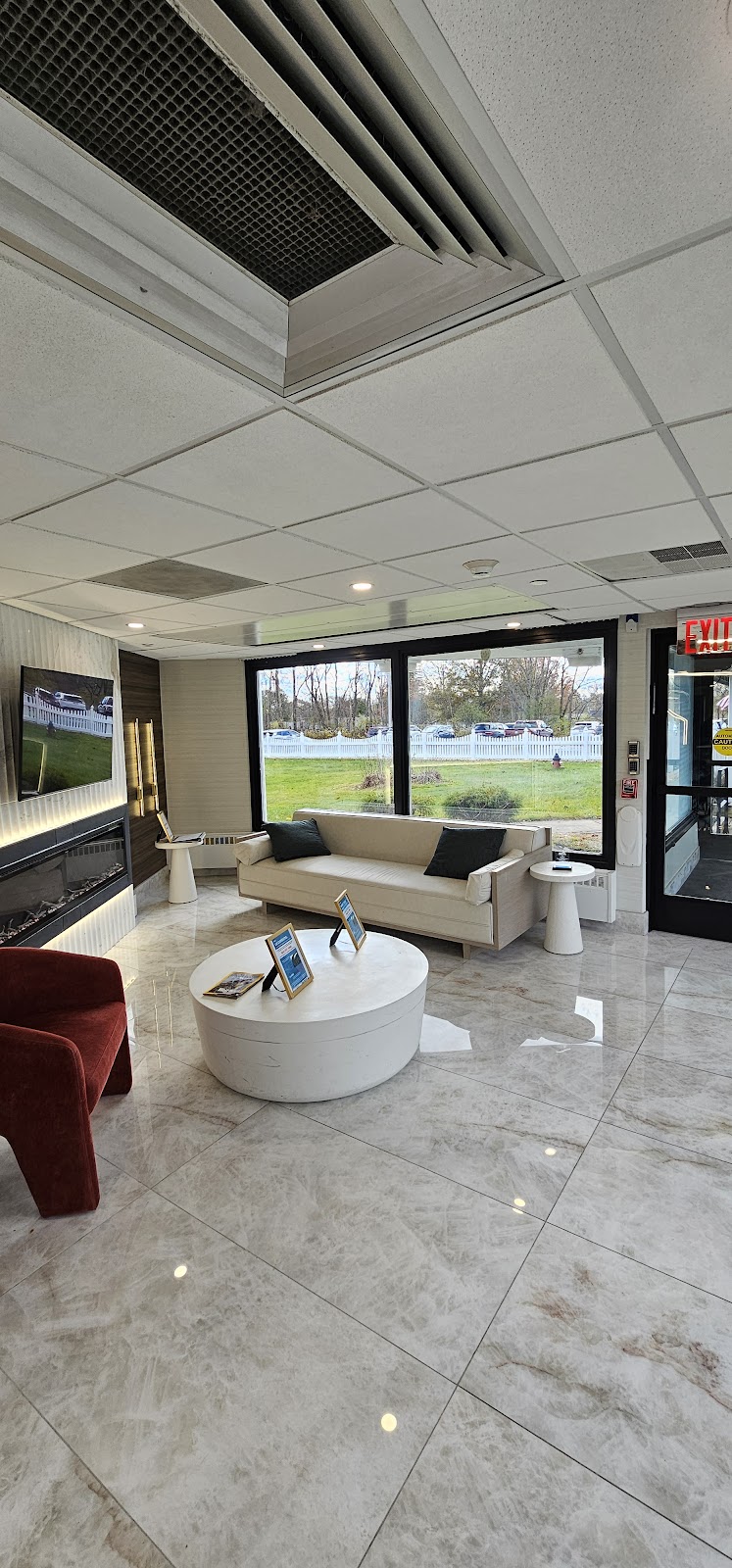
How is Betsy Ross Rehabilitation Center, Inc Staffed?

CMS rates BETSY ROSS REHABILITATION CENTER, INC's staffing level at 1 out of 5 stars, which is much below average compared to other nursing homes. Staff turnover is 40%, compared to the New York average of 46%. This relatively stable workforce can support continuity of care.

What Have Inspectors Found at Betsy Ross Rehabilitation Center, Inc?

State health inspectors documented 23 deficiencies at BETSY ROSS REHABILITATION CENTER, INC during 2021 to 2025. These included: 1 that caused actual resident harm and 22 with potential for harm. Deficiencies causing actual harm indicate documented cases where residents experienced negative health consequences.

Who Owns and Operates Betsy Ross Rehabilitation Center, Inc?

BETSY ROSS REHABILITATION CENTER, INC is owned by a for-profit company. For-profit facilities operate as businesses with obligations to shareholders or private owners. The facility operates independently rather than as part of a larger chain. With 120 certified beds and approximately 105 residents (about 88% occupancy), it is a mid-sized facility located in ROME, New York.
How Does Betsy Ross Rehabilitation Center, Inc Compare to Other New York Nursing Homes?

Compared to the 100 nursing homes in New York, BETSY ROSS REHABILITATION CENTER, INC's overall rating (1 stars) is below the state average of 3.0, staff turnover (40%) is near the state average of 46%, and health inspection rating (3 stars) is at the national benchmark.

What Should Families Ask When Visiting Betsy Ross Rehabilitation Center, Inc?

Based on this facility's data, families visiting should ask: "Can you walk me through typical staffing levels on day, evening, and night shifts?" "Can I visit during a mealtime to observe dining assistance and food quality?" "How do you handle medical emergencies, and what is your hospital transfer rate?" "Can I speak with family members of current residents about their experience?" These questions are particularly relevant given the below-average staffing rating.

Is Betsy Ross Rehabilitation Center, Inc Safe?

Based on CMS inspection data, BETSY ROSS REHABILITATION CENTER, INC has a clean safety record: no substantiated abuse findings (meaning no confirmed cases of resident harm), no Immediate Jeopardy citations (the most serious violation level indicating risk of serious injury or death), and is not on the Special Focus Facility watch list (a federal program monitoring the lowest-performing 1% of nursing homes). The facility has a 1-star overall rating and ranks #100 of 100 nursing homes in New York. While no facility is perfect, families should still ask about staff-to-resident ratios and recent inspection results during their visit.

Do Nurses at Betsy Ross Rehabilitation Center, Inc Stick Around?

BETSY ROSS REHABILITATION CENTER, INC has a staff turnover rate of 40%, which is about average for New York nursing homes (state average: 46%). Moderate turnover is common in nursing homes, but families should still ask about staff tenure and how the facility maintains care continuity when employees leave.

Was Betsy Ross Rehabilitation Center, Inc Ever Fined?

BETSY ROSS REHABILITATION CENTER, INC has been fined $32,254 across 4 penalty actions. This is below the New York average of $33,401. While any fine indicates a compliance issue, fines under $50,000 are relatively common and typically reflect isolated problems that were subsequently corrected. Families should ask what specific issues led to these fines and confirm they've been resolved.

Is Betsy Ross Rehabilitation Center, Inc on Any Federal Watch List?

BETSY ROSS REHABILITATION CENTER, INC is not on any federal watch list. The most significant is the Special Focus Facility (SFF) program, which identifies the bottom 1% of nursing homes nationally based on persistent, serious quality problems. Not being on this list means the facility has avoided the pattern of deficiencies that triggers enhanced federal oversight. This is a positive indicator, though families should still review the facility's inspection history directly.