COLONIAL PARK REHABILITATION AND NURSING CENTER
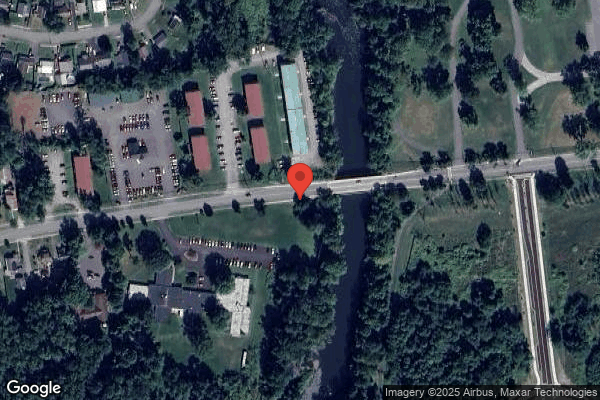
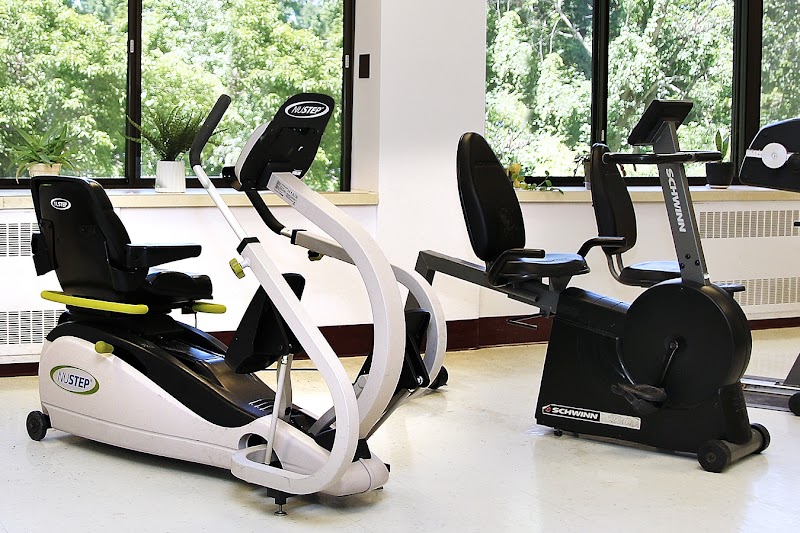
950 FLOYD AVENUE, ROME, NY 13440 (315) 336-5400
For profit - Corporation 80 Beds UPSTATE SERVICES GROUP Data: November 2025
Trust Grade
25/100
#494 of 594 in NY
Last Inspection: July 2024

Within standard 12-15 month inspection cycle. Federal law requires annual inspections.

Overview

Colonial Park Rehabilitation and Nursing Center has a Trust Grade of F, indicating a poor rating with significant concerns regarding care quality. It ranks #494 out of 594 facilities in New York, placing it in the bottom half statewide and #10 out of 17 in Oneida County, meaning there are better options nearby. The facility's performance is worsening, with issues increasing from 9 in 2022 to 14 in 2024. Staffing is a concern, with a low rating of 1 out of 5 stars and a high turnover rate of 52%, which is above the state average. Additionally, the facility has incurred fines totaling $58,988, which is higher than 94% of New York facilities, suggesting ongoing compliance problems. Specific incidents include a failure to schedule necessary medical appointments for a resident with brain cancer, leading to a decline in their neurological function. Another finding revealed that residents were unaware of how to address grievances, with one resident's complaint remaining unresolved. There were also concerns about food safety, with improper food storage and a malfunctioning dishwasher noted during inspections. While the facility does have average RN coverage, the overall picture raises significant red flags for families considering care options.

Trust Score
F
25/100
In New York
#494/594
Bottom 17%
Safety Record
Moderate
Needs review
Inspections
Getting Worse
9 → 14 violations
Staff Stability
⚠ Watch
52% turnover. Above average. Higher turnover means staff may not know residents' routines.
Penalties
✓ Good
$58,988 in fines. Lower than most New York facilities. Relatively clean record.
Skilled Nurses
⚠ Watch
Each resident gets only 24 minutes of Registered Nurse (RN) attention daily — below average for New York. Fewer RN minutes means fewer trained eyes watching for problems.
Violations
⚠ Watch
30 deficiencies on record. Higher than average. Multiple issues found across inspections.
★☆☆☆☆
1.0
Overall Rating
★☆☆☆☆
1.0
Staff Levels
★☆☆☆☆
1.0
Care Quality
★☆☆☆☆
1.0
Inspection Score
Stable
2022: 9 issues
2024: 14 issues

The Good

  • Full Sprinkler Coverage · Fire safety systems throughout facility
  • No fines on record

Facility shows strength in fire safety.

The Bad

1-Star Overall Rating

Below New York average (3.0)

Significant quality concerns identified by CMS

Staff Turnover: 52%

Near New York avg (46%)

Higher turnover may affect care consistency

Federal Fines: $58,988

Above median ($33,413)

Moderate penalties - review what triggered them

Chain: UPSTATE SERVICES GROUP

Part of a multi-facility chain

Ask about local staffing decisions and management

The Ugly 30 deficiencies on record

1 actual harm
Nov 2024 1 deficiency
CONCERN (D) 📢 Someone Reported This

A family member, employee, or ombudsman was alarmed enough to file a formal complaint

Potential for Harm - no one hurt, but risky conditions existed

Quality of Care (Tag F0684)

Could have caused harm · This affected 1 resident

Based on record review and interviews during the abbreviated survey (NY00334012), the facility did not ensure residents received treatment and care in accordance with professional standards of practic...

Read full inspector narrative →
Based on record review and interviews during the abbreviated survey (NY00334012), the facility did not ensure residents received treatment and care in accordance with professional standards of practice, the comprehensive person-centered care plan, and the resident's choices for 1 of 3 residents (Resident #2) reviewed. Specifically, Resident #2 did not receive medications as ordered on multiple occasions. Findings include: The facility policy, Medication Administration, revised 1/2024, documented the nurse should document all medications administered to each resident on the resident's medication administration record. Documentation must include name and strength of the drug, dosage, method of administration, date and time, and reason(s) why a medication was withheld, not administered, or refused. In the event a medication pass time had passed, the nurse would inform the medical professional and obtain orders to either give the medication, hold, or discontinue. The nurse must inform the Nursing Supervisor of the medication administration event. Resident #2 had diagnoses including depression, diabetes, chronic obstructive pulmonary disease (lung disorder), and Parkinson's Disease (a progressive neurological disease). The 2/24/2024 Minimum Data Set assessment documented the resident had intact cognition. The 2/18/2024 Comprehensive Care Plan documented the resident had an alteration in respiratory system, had insulin dependent diabetes, was prescribed psychotropic medication related to depression/anxiety and was at risk for functional decline in mobility and self-care related to Parkinson's disease. Interventions included to administer treatments (nebulizers) and medications per physician orders. The 2/18/2024 Physician #9 progress note documented the resident was recently discharged from the hospital. They had Parkinson's Disease, and they were to continue their Parkinson's medication. The 2/18/2024 physician orders included: -Novolog (rapid acting insulin-reduces blood sugar) Injection Solution, inject per sliding scale before meals and at bedtime. If blood sugar was 70-120 (milligrams/deciliter), give 1 unit; 121-170, give 2 units; 171-220, give 2 units; 221-270, give 3 units; 271-320, give 3 units; 321-370, give 3 units; 371-400, give 4 units. -Pulmicort (respiratory medication, reduces inflammation) Suspension 0.5 milligrams/2 milliliters, 0.5 milligrams inhaled orally twice daily for chronic obstructive pulmonary disease (restrictive lung disease). -Rytary (treats symptoms of Parkinson's disease) 48.75-195 milligrams, 3 capsules four times daily. -vilazodone (antidepressant) 20 milligrams tablet in the afternoon. On 2/18/2024, Medication Administration Notes completed by Licensed Practical Nurse #1 documented the following medications were not available: - at 7:55 AM, Rytary, and Pulmicort; - at 10:10 AM, Rytary and vilazodone; and - at 2:39 PM and 6:52 PM, Rytary. On 2/19/2024, the Medication Administration Record and Medication Administration Notes completed by Licensed Practical Nurse #2 documented the following medications were on order/not available: - at 7:30 AM, Novolog. The resident's blood sugar was 181 (2 units of insulin was required per physician ordered sliding scale); and - at 2:35 PM, vilazodone, Pulmicort, and Novolog. The resident's blood sugar was 218 (2 units of insulin was required per physician ordered sliding scale). On 2/20/2024, Medication Administration Notes completed by Licensed Practical Nurse #2 documented the following medications were not available: - at 7:00 AM, Pulmicort; - at 11:53 AM, Novolog. The resident's blood sugar was 170 milligrams/deciliter (2 units of insulin was required per physician ordered sliding scale); and - at 12:00 PM, vilazodone. There was no documented evidence a provider was notified that medications were not available. The 2/20/2024 at 2:19 PM Physician Assistant #10 progress note documented they were notified the resident was having more dysarthria (slurred speech), they complained of chest pain, and they had some nausea the previous night. The resident was sent to hospital. Not sure if need but was hoping to correlate to missing meds. The 2/20/2024 hospital report documented the resident complained of chest pain and anxiety that started last night and was still present. The resident stated they vomited yesterday and did not take their medications today. The resident reported they were experiencing distress regarding their current living situation. Labs were essentially normal, and the resident was discharged back to the facility. The 2/23/2024 Physician #9 progress note documented the resident's Parkinson's was unstable and the disease was progressing. The resident was to continue their Parkinson's medication and was to follow up with neurology. The Medication Administration Record documented Rytary was not available on: - 2/23/2024 at 3:00 PM and 7:00 PM by Licensed Practical Nurse #3; - 2/24/2024 at 7:00 AM, 11:00 AM, and 3:00 PM by Licensed Practical Nurse #1; - 2/29/2024 at 3:00 PM and 7:00 PM by Licensed Practical Nurse #3; - 3/1/2024 at 7:00 AM and 11:00 AM by Licensed Practical Nurse #4 and at 3:00 PM and 7:00 PM by Licensed Practical Nurse #5; - 3/2/2024 at 7:00 AM and 11:00 AM by Licensed Practical Nurse #4 and at 3:00 PM and 7:00 PM by Licensed Practical Nurse #6; - 3/3/2024 at 7:00 AM and 11:00 AM by Licensed Practical Nurse #4 and at 3:00 PM and 7:00 PM by Licensed Practical Nurse #6; - 3/4/2024 at 7:00 AM and 11:00 AM by Licensed Practical Nurse #7 and at 3:00 PM and 7:00 PM by Licensed Practical Nurse #5; - 3/5/2024 at 7:00 AM and 11:00 AM by Licensed Practical Nurse #4 and at 3:00 PM and 7:00 PM by Licensed Practical Nurse #8; and - 3/6/2024 at 7:00 AM, 11:00 AM, 3:00 PM and 7:00 PM by Licensed Practical Nurse #4. During a telephone interview on 10/31/2024 at 10:43 AM, Pharmacist #11 stated medications were typically delivered to the facility the same day they were ordered. Most resident's entering the facility as a new admission were on Medicare and the facility was responsible for paying for their medications. The facility practice was any medication costing over 50 dollars required corporate approval before the medication could be filled and sent to the facility. Additionally, if a resident was admitted after 5:00 PM, it could take until the next day or the following day for medications to be filled due to corporate needing to approve medications first. Rytary was a Parkinson's disease medication, was very expensive and should be given on time. If not given on time, residents were at risk of adverse reactions including having their Parkinson's symptoms recurring such as tremors. On 2/17/2024, the order for the resident's Rytary was received at the pharmacy and the facility Corporate Pharmacy Liaison #12 did not approve the medication until 2/19/2024. On 2/24/2024, they received corporate approval again and sent 4.5 days' worth of medication to the facility. On 3/4/2024, the facility requested a refill, corporate approved it on 3/5/2024 and the medication was sent that day. Vilazodone, Novolog and Pulmicort also were expensive and needed corporate approval before they could be sent to the facility. On 2/18/2024, the order for Novolog was received at the pharmacy and was not approved by corporate until 2/20/2024. The facility could have used a short acting insulin from the Cubex (on-site medication dispensing machine) but would need a physician order to do so. During a telephone interview on 10/31/2024 at 12:25 PM, Licensed Practical Nurse #4 stated medications not being available had been an issue and they had seen some medications not available for up to 2 weeks. When a medication was not available, they notified their supervisor. They were not sure if a provider was notified. They did not recall the resident or why they documented Rytary was not available from 3/1/2024 through 3/3/2024 and from 3/5/2024 to 3/6/2024. During a telephone interview on 10/31/2024 at 12:40 PM, Licensed Practical Nurse #2 stated when a medication ran out, they ordered it directly through the electronic medication administration record or called the pharmacy directly to refill the medication. If a medication could not be obtained in time for administration, they should notify their Unit Manager who would notify a provider. On 2/19/2024 and 2/20/2024, medications were not yet available from the pharmacy. Sometimes medications were not sent immediately after admission because the medications required prior authorization, however, they were not sure this was the case for the resident. Medications were also available through the Cubex however if they were given, they would have signed for the medications. They did not recall noticing any side effects and the resident did not complain of side effects from missing medications. During a telephone interview on 11/1/2024 at 11:29 AM, facility Corporate Pharmacy Liaison #12 stated when a medication was not covered and needed prior authorization, the pharmacy notified them, and they relayed what covered alternative medication could be used to the Director of Nursing and the clinical team including the physician. If the team agreed, they or the clinical team notified the pharmacy. This was all done in the same day. If the clinical team did not agree with the covered alternative, the team had them work with the pharmacy to get prior authorization for the original medication. There was no waste of time and the medication should be available the same day depending on the pharmacy delivery. There were also medications available in the Cubex. They did not recall the resident and would have to look through the resident's medical information. The stated they did not think it was acceptable when the resident went 2 days without Novolog, Pulmicort, vilazodone and Rytary. They stated staff could have accessed the Cubex for medications. When the resident went without Rytary from 2/23 to 2/24/2024 and 2/29 to 3/6/2024, they stated they were not sure why and would have to look into it. During a telephone interview on 11/1/2024 at 1:51 PM, the Director of Nursing stated the facility wanted to provide the best care for all residents, and they followed what the physician ordered for a resident's specific needs. The facility had a For Your Information email that was sent by the pharmacy whenever a medication was over 50 dollars. They stated they did not have to approve the cost prior to the pharmacy sending the medication and they were not sure if anyone else needed to approve the cost. The Director of Nursing stated they had spoken to Corporate Pharmacy Liaison #12 a few times when they called and had questions about different medications and wanted to know if there was an alternative that could be used. When staff documented medications were not available from 2/18/2024-2/20/2024, they expected the pharmacy to be called to find out where the medication was, and the physician should have been notified. The resident should not have gone 3 days without ordered medications. The resident should not have missed their Rytary dose for 2 days on 2/23/2024 and 2/24/2024 and should not have gone 7 days without ordered Rytary from 2/29/2024-3/6/2024. Nobody notified them of the missing medications and staff should have notified them. During a telephone interview on 11/5/2024 at 9:30 AM, the Medical Director stated physician orders were for needed medications. If a medication was not available, they expected staff to notify the Director of Nursing or the Administrator. If staff were not able to obtain the medication, they expected to be notified. They were not aware of a facility process requiring approval of medications over 50 dollars. Rytary was used to treat the symptoms of Parkinson's Disease. If a resident went several days without the medication the symptoms of Parkinson's could return. They stated when the resident went multiple days without Rytary, it was not acceptable. If a particular brand was not available, another brand could have been substituted. Staff should have notified the Director of Nursing and/or the Administrator when the resident's medications could not have been obtained. A week without Rytary was too long and patient care was number one. 10NYCRR 415.12
Jul 2024 11 deficiencies
CONCERN (D) 📢 Someone Reported This

A family member, employee, or ombudsman was alarmed enough to file a formal complaint

Potential for Harm - no one hurt, but risky conditions existed

Notification of Changes (Tag F0580)

Could have caused harm · This affected 1 resident

Based on record review and interview during the recertification and abbreviated (NY00340720) surveys conducted 7/15/2024-7/22/2024, the facility did not immediately inform the resident's representativ...

Read full inspector narrative →
Based on record review and interview during the recertification and abbreviated (NY00340720) surveys conducted 7/15/2024-7/22/2024, the facility did not immediately inform the resident's representative when there was a need to commence a new treatment for 1 of 2 residents reviewed (Resident #525). Specifically, Resident #525 was prescribed an antibiotic for symptoms of infection and the resident's representative was not notified. Findings include: The facility policy, Change in a Resident's Condition or Status, last revised 1/2024, documented the facility promptly notified the resident, their attending physician, and representative of changes in the resident's medical/mental condition and/or status. Except in medical emergencies, notifications were made within 24 hours of a change that occurred in the resident's medical/mental condition or status. Resident #525 had diagnoses including stroke, sacral (lower back) pressure ulcer, and a history of infections. The 4/16/2024 Minimum Data Set assessment documented the resident had severely impaired cognition, had a urinary tract infection in the past 30 days, and had not received antibiotics in the previous 7 days. The 4/10/2024 comprehensive care plan for cognition documented the resident had long term, non-correctable impaired cognitive function or thought process, and was at risk for drug complications. Interventions included communication with family regarding capabilities and needs, concerns were discussed with family, family was educated on potential side-effects of medications, and medications were provided as ordered. A 4/23/2024 Nurse Practitioner #26 progress note documented the resident was seen for an elevated white blood cell count of 14.51 (normal 4.8-10.0). The plan was to start Doxycycline 100 milligrams by mouth twice daily for 7 days for infection; chest x-ray; and repeat labs on Friday (4/26/2024) to follow up on white blood cell count. A 4/23/2024 Physician # 27 progress note documented the resident was seen for follow-up regarding recent lab results following a hospitalization for a stroke with a cardiac history. The plan included treatment with ceftriaxone sodium 1 gram intramuscularly every 24 hours for 5 days to address the infection effectively. Close monitoring of the patient's response to treatment and symptomatology would be paramount. Further follow-up appointments would be scheduled as deemed necessary based on clinical progress and ongoing evaluation of lab results. A 4/24/2024 Physician #27 progress note documented they reviewed chest x-ray results following recent hospitalization for stroke with cardiac history. Chest x-ray findings revealed mild left basilar (left lung base) atelectasis (collapse of lung), otherwise the lungs were clear. The plan was to continue doxycycline for 7 days for elevated white blood cell count with wounds and cough. Any changes in symptoms or clinical status would be monitored. A follow-up would be scheduled for reassessment as needed. Physician orders documented: - on 4/23/2024 doxycycline (antibiotic) 100 milligrams twice a day for 7 days for infection, elevated white blood cells, wound and cough. - on 4/24/2024 ceftriaxone sodium (antibiotic) inject 1 gram intramuscularly every 24 hours for 5 days for infection. The 4/23/2024, 4/24/2024, 4/25/2024, and 4/25/2024 progress notes by Registered Nurse # 28 did not document signs or symptoms of infection, the use of antibiotics, or notification of the resident's representative regarding infection and use of antibiotics. There was no documented evidence the resident's representative was notified when the resident required the use of antibiotics for infection. During a telephone interview on 7/18/24 at 1:20 PM the resident's representative stated they did not receive notification from the facility when the resident was started on antibiotics for an infection in 4/2024. During an interview on 7/22/2024 at 2:50 PM, the Director of Nursing stated family should be notified if a resident was started on antibiotic therapy. The notification should be done within a couple of hours by the nurse who obtained the order. The family was not notified about the resident starting antibiotics and should have been. There were no nursing progress notes, and there should have been. 10NYCRR 415.3(e)(2)(ii)(b,c)
CONCERN (D) 📢 Someone Reported This

A family member, employee, or ombudsman was alarmed enough to file a formal complaint

Potential for Harm - no one hurt, but risky conditions existed

Deficiency F0679 (Tag F0679)

Could have caused harm · This affected 1 resident

Based on observation, record review, and interview during the recertification survey conducted 7/15/2024-7/22/2024, the facility did not ensure residents were provided an ongoing program to support th...

Read full inspector narrative →
Based on observation, record review, and interview during the recertification survey conducted 7/15/2024-7/22/2024, the facility did not ensure residents were provided an ongoing program to support their choice of activities, designed to meet their interests and support their physical, mental, and psychosocial well-being for 1 of 2 residents (Resident #3) reviewed. Specifically, Resident #3 was not provided a large print Bible or glasses to meet their interests and preferences. Findings include: The facility policy, Activity Programs, effective 1/2022, documented activity programs were designed to meet the interests of and support the physical, mental, and psychosocial well-being of each resident. Activities offered were based on the comprehensive resident based assessment and the preferences of each resident. Adequate space and equipment were provided to ensure that needed services identified in the resident's plan of care were met. Resident #3 had diagnoses including left sided hemiplegia (paralysis or weakness to one side of the body), unspecified visual loss, and depression. The 6/17/2024 Minimum Data Set assessment (health status assessment tool) documented the resident had intact cognition, impaired vision (sees large print, but not regular print in newspapers/books), did not have corrective lenses, felt down, depressed, or hopeless, exhibited behavioral symptoms, rejected care, and required staff assistance for activities of daily living. The Comprehensive Care Plan documented the following: - initiated 1/4/2019 and revised 7/6/2023 the resident was able to make activity preferences known. The resident stated they preferred independent activities and 1:1 visits and could benefit from encouragement. Interventions included provide the resident with personal 1:1 bedside visits and provide equipment/supplies necessary for in room participation. Interests included socializing with staff, signing up for the monthly shopping trip, current events/history, and religious pursuits and reading their large print Bible. - initiated 10/5/2020 and revised 10/15/2021 the resident had impaired visual function status post stroke. They were unable to read newspaper print and required readers or magnifier. The resident refused a vision exam on 7/14/2021. Goals included the resident would use appropriate visual devices to promote participation in activities of daily living and other activities. through the review date. Interventions included ensure appropriate visual aids were available to support participation in activities. The activities quarterly assessment completed 6/11/2024 by Activities Director #14 documented current participation was in self-directed independent pursuits and 1:1 activities in their room. The assessment did not include specific independent pursuits or 1:1 activities, or if the resident had a large print Bible as planned. The monthly activity calendar was used to track the resident's participation in activities. The calendar had attended activities highlighted in varying colors. Documentation for May-July 2024 included room visits 5 days weekly. During an observation and interview on 7/15/2024 at 10:55 AM, Resident #3 was in bed in a hospital gown. They stated they did not get out of bed or participate in group activities. They stated their glasses were lost and they needed them to watch television and to read. They liked to read the Bible. They were not sure where their Bible was and thought someone probably took it. During an interview on 7/22/2024 at 10:00 AM Certified Nurse Aide #14 stated that they were not aware Resident #3 was missing glasses. During an interview on 7/22/2024 at 10:12 AM, Licensed Practical Nurse #1 stated resident care information was found in the care plan. The care plan should list glasses if they were needed, and missing glasses should be reported. They were not aware that Resident #3 was missing glasses or their Bible. During an interview on 7/22/2024 at 10:54 AM, Activities Director #14 stated they did all quarterly assessments. Individual records for activities participation were kept by highlighting the activity calendar. 1:1 visits were supposed to be approximately 20 minutes and included engaging with the resident in their areas of interest. Resident interests were listed in resident's care plans. The care plans were reviewed by activity aides, so they were familiar with resident preferences. Refusals of offered activities should have a R next to them. If a resident refused activities, it should be reported to the director. Their job was to make sure their interests could be accomplished by providing supplies. If a resident needed reading glasses, they could provide them. Resident #3's care plan documented the need for glasses and a large print Bible. The resident had no glasses in their room. They provided a Bible to the resident over the weekend. The Bible was not large print and should have been. During an interview on 7/22/2024 at 11:21 AM, Activity Aide #15 stated their responsibilities included assisting residents with activities scheduled on the calendar. They also provided 1:1 visits which included arm massages, games, and making sure residents had what they needed for individual activities. The Activity Director usually let them know what residents' likes and dislikes were. They did not usually review each resident's care plan. Documentation was kept in a binder for each resident. Highlighting on the calendar meant the resident took part in the activity. They visited Resident #3 every morning for about 10 minutes and asked them how their day was going, and the resident would sometimes accept packets of activities. They were not sure if the resident needed glasses. 10 NYCRR 415.5(f)(1)
CONCERN (D) 📢 Someone Reported This

A family member, employee, or ombudsman was alarmed enough to file a formal complaint

Potential for Harm - no one hurt, but risky conditions existed

Pressure Ulcer Prevention (Tag F0686)

Could have caused harm · This affected 1 resident

Based on observation, record review, and interview during the recertification survey conducted 7/15/2024-7/22/2024, the facility did not ensure residents with pressure ulcers received necessary treatm...

Read full inspector narrative →
Based on observation, record review, and interview during the recertification survey conducted 7/15/2024-7/22/2024, the facility did not ensure residents with pressure ulcers received necessary treatment and services, consistent with professional standards of practice, to promote wound healing, prevent infection, and prevent new ulcers from developing for 2 of 3 residents (Residents # 27and #67) reviewed. Specifically, Residents #27 and #67 had physician orders for air low air loss mattresses (a specialty mattress that provides air flow to relieve pressure) that did not include settings and were not monitored to ensure appropriate settings for current weights. Findings include: The undated facility policy, Air Mattress Guidelines, documented a low air loss mattress was a mattress designed to prevent and treat pressure wounds. Residents were assessed for the appropriateness of an air mattress upon admission based on risk factors and /or the existence of actual or history of pressure injuries. An air mattress was provided to those residents to prevent skin breakdown, promote circulation, and provided pressure relief or reduction. Residents baseline weight was considered as well as any contractures or positioning/mobility concerns that may affect the effectiveness of a low air loss mattress. Staff checked at least daily that the air mattress was on, was set appropriately (if applicable) and functioning. 1) Resident #27 had diagnoses including a Stage 4 (full thickness tissue loss with exposed bone, tendon, or muscle) pressure ulcer of the sacral (lower back) region, diabetes, and morbid obesity. The 4/23/2024 Minimum Data Set assessment (health status assessment tool) documented the resident had intact cognition, did not exhibit behaviors, did not reject care, required substantial assistance with bed mobility and transfers, weighed 211 pounds, had 1 stage 4 pressure ulcer. and had pressure reducing devices for bed and chair. The comprehensive care plan initiated 10/30/2023 documented: - the resident required assistance with self-care and mobility related to limited mobility and musculoskeletal impairment. Rolling left and right required substantial/maximal assistance, and the resident was dependent on a mechanical lift for transfers. - the resident had an alteration in skin integrity with an actual Stage 4 pressure ulcer related to impaired mobility. Interventions included bed pressure relieving device of a low air loss mattress. Physician orders documented: - on 1/5/2023 check air mattress every shift for bottoming out and proper function - on 3/25/2024 check weight setting and function every shift and as needed to avoid firmness and bottoming out, for mattress functionality and pressure relief. The 5/2/2024 Wound Evaluation and Management Summary completed by Wound Care Physician #4 documented the resident had a Stage 4 pressure wound on their sacrum measuring 5.8 centimeters x 2.5 centimeters x 2.0 centimeters with heavy serous (clear) drainage, and 100% granulation tissue (new connective tissue). Off-loading surfaces care plan was reviewed. The resident had a Group 2 support surface for their bed (a pressure-reducing mattress overlay or mattress that works by inflating tubes or cells with air). The 7/15/2024 Wound Evaluation and Management Summary completed by Wound Care Physician #4 documented the resident had a Stage 4 pressure wound on their sacrum measuring 5.5 centimeters x 1.5 centimeters x 1.0 centimeters. The wound had 20% slough (moist, dead tissue) and 80% granulation tissue. The wound had improved as evidenced by decreased surface area. The 7/2024 Treatment Administration Record documented check weight setting and function every shift and as needed to avoid firmness and bottoming out of air mattress and pressure relief with a start date of 3/25/2024. The mattress was signed as checked every shift (6:00 AM-2:00 PM, 2:00 PM-10:00 PM, and 10:00 PM-6:00 AM) from 7/1/2024-7/19/2024 except for 7/5/2024 2:00 PM-10:00 PM, 7/16/2024 6:00 AM-2:00 PM, and 2:00 PM-10:00 PM, 7/19/2024 2:00 PM-10:00 PM. The physician orders, Treatment Administration Record, and Comprehensive Care Plan did not document the settings for the low air loss mattress. The following observations of Resident #27 were made: - on 7/15/2024 at 2:33 PM the resident was in bed in a hospital gown. They complained of pain to the sore on their bottom. The low air loss mattress was set on static at 325 pounds. - on 7/16/2024 at 12:24 PM the resident was in bed with their eyes closed. The low air loss mattress was set on static at 325 pounds. - on 7/18/2024 at 1:33 PM the resident was transferred back to bed by 2 staff using a mechanical lift. The low air loss mattress was set on static at 325 pounds. 2) Resident #67 had diagnoses including aftercare for surgery of the digestive system, and unspecified intellectual disability. The 5/17/2024 Minimum Data Set assessment documented the resident had severely impaired cognition, did not have behavioral symptoms, did not reject care, was dependent on staff for all activities of daily living, weighed 141 pounds, had no unhealed pressure areas, and had pressure reducing devices for their bed and chair. The comprehensive care plan initiated 5/10/2024 documented the resident was at risk for impaired skin integrity related to decline in mobility, incontinence, malnutrition. Revised on 5/22/2024 with interventions for turning and positioning, revised 6/26/2024 with intervention of air mattress. The comprehensive care plan initiated 6/18/2024 documented impaired skin integrity related to ulceration on left buttocks-stage 2 (wound with partial thickness skin loss). Intervention of apply treatment per physician's order. The 6/24/2024 Wound Evaluation and Management Summary completed by Wound Care Physician #4 documented the resident had an unstageable (full thickness tissue loss in which the base of the ulcer was covered by slough, moist dead tissue, or eschar, dry dead tissue) on the left buttock. The wound measured 1.7 centimeters x 1.2 centimeters x 0.1 centimeter, had 40% slough and 60% granulation tissue. The resident had a Group 1 support surface for their bed (a pressure pad for the mattress, non-powered pressure reducing mattresses, and powered pressure reducing mattress overlay system). The plan included a low air loss mattress (provides airflow to help keep skin dry, as well as to relieve pressure). A 6/26/2024 physician order documented check functionality, proper inflation, and positioning every shift and report to supervisor any issues, for wound. The order did include what was to be checked for functionality and proper inflation. The resident's weight was documented on 6/11/2024 at 138.2 pounds, and on 7/5/2024 at 141.2 pounds. The 7/2024 Treatment Administration Record documented check functionality, proper inflation and positioning every shift and report to Supervisor any issues, every shift for wound, with a start date of 6/26/2024. The Treatment Administration was signed as completed every shift (6:00 AM-2:00 PM, 2:00 PM-10:00 PM, and 10:00 PM-6:00 AM) from 7/1/2024-7/19/2024 except for 7/4/2024 2:00 PM-10:00 PM, 7/16/2024 6:00 AM-2:00 PM, and 2:00 PM-10:00 PM, and 7/19/2024 10:00 PM-6:00 AM. The physician order, Treatment Administration Record, and Comprehensive Care Plan did not document directions for settings for the low air loss mattress. The following observations of Resident #67 were made: - on 7/15/2024 at 12:25 PM the resident was in bed with their low air loss mattress set on alternating at 250 pounds. - on 7/16/2024 at 12:39 PM the resident was sleeping in bed with their low air loss mattress set on alternating at 250 pounds. During an interview on 7/19/2024 at 12:17 PM, Licensed Practical Nurse #1 stated low air loss mattresses were ordered and set up by maintenance. Nurses checked them for functionality and made sure all lights were on and the mattress felt inflated. They thought they were supposed to be set according to the resident's weight. It was important to make sure the weight was set correctly. They did not check if the weight was set correctly when documenting in the Treatment Administration Records. The resident's weight should be listed in the order to provide the correct setting to use. The mattress could be static or alternating, and they were not sure what Resident #27's was supposed to be set at. They observed the mattress and stated it was set at static at 325 pounds. It probably should be alternating due to the presence of pressure ulcers. They were not sure what Resident #67's settings were supposed to be. During an interview on 7/19/2024 at 12:25 PM, the Maintenance Director stated low air loss mattresses were installed by maintenance. Nursing verbally requested them to be put on the bed by maintenance. They needed to specify bariatric or standard. They were set by nursing to individual orders. The maintenance department did not monitor low air loss mattresses and would not have access to information to set the mattress controls. During an interview on 7/19/2024 at 12:38 PM, Registered Nurse Unit Manager #2 stated low air loss mattresses were used for residents with wounds or were at high risk for wounds. They provided pressure relief to certain areas for residents who could not move themselves. The mattresses were used to prevent wounds from occurring or to prevent worsening of existing wounds. Maintenance brought them to the unit, and they were not sure who set them. They did not set them and was not sure what criteria was used for settings. Nurses should be checking the mattresses for correct settings. Resident #27 had a bad wound, could not move themself, and chose to spend most of their time in bed. Low air loss mattress being set correctly was important. Resident #67 had a resolved pressure area on their buttock, which put them at increased risk for recurring pressure areas. During an interview on 7/19/2024 at 12:48 PM, the Director of Nursing (from a sister facility who was covering for the Director of Nursing on leave), stated low loss air mattresses were used for residents with wounds and immobility. They could be used to prevent formation of wounds or prevent worsening of wounds. They should be individualized by weight and either static or alternating settings. Nurses should be checking for the proper weight, bottoming out, and proper settings every shift. Resident #27 weighed 211 pounds and the mattress was set at 325 and that was likely too firm. The mattress was set to static, and they would benefit from alternating function due to presence of wound and limited mobility. During an interview on 7/22/2024 at 11:37 AM, Wound Care Physician #4 stated low air loss mattresses could help control moisture, prevent pressure, and maintain temperature for wound healing and prevention. If used correctly, they could help prevent new pressure areas from developing and help healing of existing areas. 10NYCRR 415.12(c)(1)
CONCERN (D) 📢 Someone Reported This

A family member, employee, or ombudsman was alarmed enough to file a formal complaint

Potential for Harm - no one hurt, but risky conditions existed

Accident Prevention (Tag F0689)

Could have caused harm · This affected 1 resident

Based on observation, record review, and interview during the recertification and abbreviated (NY00314958) surveys conducted 7/15/2024-7/22/2024, the facility did not ensure each resident received ade...

Read full inspector narrative →
Based on observation, record review, and interview during the recertification and abbreviated (NY00314958) surveys conducted 7/15/2024-7/22/2024, the facility did not ensure each resident received adequate supervision to prevent accidents for 1 of 5 residents (Resident #7) reviewed. Specifically, Resident #7 had a diagnosis of dysphagia (difficulty swallowing) and was care planned for line-of-sight supervision for meals with specific swallowing strategies and was observed eating a meal alone in their room. Findings include: The facility policy, Meal Observation, reviewed 1/2024, documented nursing provided supervision and observation during mealtime, in dining areas and patient/ resident rooms. Staff ensured all residents received the appropriate consistency altered diets as ordered. The facility policy, Assistance with Meals, reviewed 1/2024, documented residents received assistance with meals in a manner that met the individual needs of each resident. Facility staff helped residents who required assistance with eating. Residents were fed with attention to safety, comfort, and dignity. Resident #7 had diagnoses including oropharyngeal dysphagia (difficulty initiating swallowing), anxiety, and diabetes. The 4/27/2024 Minimum Data Set assessment (a health assessment tool) documented the resident was cognitively intact, had unplanned weight loss, required supervision for eating, did not have a swallowing disorder, and received a mechanically altered diet. The comprehensive care plan initiated 1/26/2024 and revised 4/19/2024 documented the resident required assistance with self-care related to limited mobility. Interventions included supervision or touching assistance (line of sight supervision) with meals, chopped textures with the exception for chips, thin-small bites, single bites, alteration of sips and bites, upright positioning during and 30 minutes following intake. The resident had a nutritional problem related to a mechanically altered diet. Interventions included assist with feeding, encourage eating in dining room to promote socialization, encourage meal intake and completion, and observe for chewing and swallowing problems. The 2/1/024 physician order documented the resident was to receive a chopped texture diet with an exception for chips. A 5/7/2024 at 9:33 AM Speech Language Pathologist #6 discharge summary documented the resident demonstrated the ability to consume diet of chopped textures with exception of chips. The resident preferred chopped textures for chewing ease. Minimal to occasional cueing was need for recommended compensatory strategies including small single bites to maximize safety and efficiency during swallow and the resident should be upright during meals. The resident required distant supervision for oral intake and recommendations included line of sight supervision during intake. A 6/19/2024 at 3:10 PM Registered Dietitian #29 progress note documented the resident's current diet order was no added salt, no concentrated sweets, chopped texture and thin liquids. The resident required supervision or touching assistance (line of sight supervision), small bites, single bites, alteration of sips and bites, and upright positioning during and 30 minutes following intake. The resident had no issues chewing/swallowing. The resident had lost 13.6% of their weight in 6 months (12/8/2023 201.8 pounds, 6/11/2024 174.4 pounds). The weight loss was likely related to fluid and increased energy expenditure. During an observation on 7/16/2024 at 12:32 PM, Resident #7 was seated on the side of their bed eating their lunch out of a divided scoop plate with plastic utensils with their back facing the door of their room. There was no staff present. Their meal ticket documented cheesy beef and rice casserole, brown gravy, black beans, cottage cheese, and chopped fruit mix. The care instructions active as of 7/22/2024 documented the resident required supervision or touching assistance with eating (line of sight supervision), chopped textures with exception of chips. Small bites, single bites, alteration of sips and bites, upright position during and 30 minutes following intake. During an interview on 7/22/2024 at 10:36 AM Certified Nurse Aide #7 stated if a resident was on a chopped or pureed diet, they were always supervised with meals. Resident #7 should be supervised at meals, and it was not appropriate they ate alone in their room. They could choke or anything bad could happen. Whoever took Resident #7 their lunch should have taken them to the dining room or stayed with them to supervise them eating their meal. During an interview on 7/22/2024 at 10:52 AM Registered Nurse Unit Manager #5 stated anyone on an altered diet, such as chopped, had a yellow meal ticket that alerted staff they had to be supervised with eating for safety. If a resident was on an altered diet, they were at risk for aspiration (food/liquids enter the lungs) or choking. They instructed the certified nurse aides to stay in the resident's room to eat their meal with supervision. Resident #7 should be supervised with meals, and they were not aware they ate lunch alone in their room on 7/16/2024. This should not have happened. They and the licensed practical nurses were responsible to make sure residents who required supervision during meals were supervised. Speech therapy directed the recommendations for meals and updated the care plan. During an interview on 7/22/2024 at 11:16 AM Speech and Language Pathologist #6 stated any resident on an altered consistency diet should be supervised with meals. Resident #7 was a line-of-sight supervision with meals, and they needed cueing for attention to eating. They should either eat in the dining room or have a staff member in their room with them for meals. Resident #7 had dysphagia and should be monitored for coughing after eating and it was not appropriate they ate alone in their room. 10NYCRR 415.12(h)(2)
CONCERN (D) 📢 Someone Reported This

A family member, employee, or ombudsman was alarmed enough to file a formal complaint

Potential for Harm - no one hurt, but risky conditions existed

Respiratory Care (Tag F0695)

Could have caused harm · This affected 1 resident

Based on observation, record review, and interview during the recertification survey conducted 7/15/2024-7/22/2024, the facility did not ensure a resident who needed respiratory care was provided such...

Read full inspector narrative →
Based on observation, record review, and interview during the recertification survey conducted 7/15/2024-7/22/2024, the facility did not ensure a resident who needed respiratory care was provided such care consistent with professional standards of practice for 1 of 1 resident reviewed (Resident #19). Specifically, Resident #19's bilevel positive airway pressure machine (non-invasive mechanical ventilator that applies pressure to keep airway open when sleeping) was not cleaned per professional standards. Findings include: The facility policy CPAP/BiPAP Support [continuous positive airway pressure/bilevel positive airway pressure] , revised 1/2024, documented specific cleaning instructions were obtained from the manufacturer/supplier. The machine was to be cleaned once a week and as needed. The mask, nasal pillow, and tubing were to be cleaned daily using warm soapy water and allowed to air dry. Resident #19 had diagnoses including respiratory failure, sleep apnea (breathing stops and starts during sleep), and chronic obstructive pulmonary disease (lung disease). The 6/18/2024 Minimum Data Set assessment documented the resident had intact cognition, had functional limitation in both arms, required supervision with most activities of daily living, had shortness of breath when lying flat, and used a non-invasive mechanical ventilator. The 8/2/2023 physician order documented Bilevel Positive Airway Pressure at bedtime and as needed. Bilevel Positive Airway Pressure settings were Expiratory Pressure: 8; Inspiratory Pressure: 16; Fraction of Inspired Oxygen: 30% for respiratory failure with oxygen at 2.5 liters, to be worn every night at bedtime. Change oxygen tubing weekly every Thursday night for infection control. There was no documentation of a cleaning schedule for the device. The 3/21/2024 comprehensive care plan documented the resident had sleep apnea, had a Bilevel Positive Airway Pressure/Continuous Positive Airway Pressure device, pneumonia and was on droplet isolation precautions. Interventions included medications as ordered, personal protective equipment use as indicated, apply Continuous Positive Airway Pressure per orders, observe for poor airway clearance and gas exchange, and maintain/change tubing per protocol. The comprehensive care plan did not include maintenance or cleaning of the device. The 5/16/2024 comprehensive care plan documented the resident had sleep apnea and had a Bilevel Positive Airway Pressure/Continuous Positive Airway Pressure device. Interventions included apply Continuous Positive Airway Pressure device per physician orders, observe for poor airway clearance and gas exchange, provide oxygen per orders, and maintain/change tubing per protocol. The 7/2024 treatment administration record documented: - Bilevel Positive Airway Pressure at bedtime and as needed. Bilevel Positive Airway Pressure settings were Expiratory Pressure: 8; Inspiratory Pressure: 16; Fraction of Inspired Oxygen: 30% for respiratory failure with oxygen at 2.5 liters. This was documented as done 17 of 21 days. It was not signed for on 7/1/2024, 7/4/2024, and 7/16/2024. The resident was in the hospital on 7/5/2024 per documentation. - Change filter in Bilevel Positive Airway Pressure every night shift every 30 days. This was not documented as done that month. - There was no documentation to change oxygen tubing weekly every Thursday night for infection control or a cleaning schedule. During an observation on 7/15/2024 at 1:58 PM, the resident's Bilevel/Continuous Positive Airway Pressure (non-invasive mechanical ventilation therapy used to treat sleep apnea) mask was on the floor next to the bed. During an observation on 7/19/2024 at 8:52 AM, Resident #19 was sitting in a wheelchair in their room. The oxygen concentrator and Bilevel/Continuous Positive Airway Pressure were off. The resident stated they used oxygen usually at night and as needed during the day. The resident stated they did most of their care by self. The Bilevel/Continuous Positive Airway Pressure mask and cushion had white and black specs inside them. The mask harness edges were frayed. During an observation on 7/22/24 at 9:58 AM, Resident #19 was lying on top of their bed. The resident stated they removed the Bilevel/Continuous Positive Airway Pressure mask by themself, sometimes it fell on the floor, and they would pick it up and put it on the nightstand. They did not always tell staff when the mask fell. The Bilevel/Continuous Positive Airway Pressure had white surgical tape around the joint where the mask port was inserted into the tubing. The full-face mask and cushion had white and black specks inside. The mask harness had frayed white material showing from the black harness. The resident stated staff cleaned the mask occasionally but did not remember the last time it was cleaned. There was a new mask cushion in the top dresser drawer and a new mask and harness in the top nightstand drawer. During an interview on 7/22/24 at 1:49 PM, Licensed Practical Nurse #8 stated the night shift usually cleaned the Bilevel/Continuous Positive Airway Pressure equipment and changed the tubing and masks. This task should be signed for in the treatment administration record. The record should also document the application and removal of the mask, as there should be a physician order to do so. A registered nurse was responsible for putting the order in the record and care plan for the resident. They were not sure how frequently the mask and tubing should be changed. The resident did not have a physician order for cleaning the equipment. If the equipment was not cleaned regularly, the resident could get a respiratory infection and possibly pneumonia. During an interview on 7/22/24 at 1:53 PM, Registered Nurse Manager #2 stated the resident should have an order for cleaning the Bilevel/Continuous Positive Airway Pressure equipment daily, it should be recorded in the Treatment Administration Record and in the care plan. The resident had no orders for cleaning or changing the mask or tubing. There was an order to change the filter. There were also no directions in the care plan about cleaning or changing the equipment. The reason for cleaning and changing the equipment was to prevent a respiratory infection, including pneumonia, and to maintain optimal ventilation. They did not know when the equipment was last changed. The resident's equipment was observed with the Nurse Manager. The Nurse Manager stated the mask was dirty as it had white and black specks inside and should have been cleaned. The mask and cushion had not been changed in a while as it had tape around the end of the tubing. During an interview on 7/22/2024 at 2:15 PM, Physician #9 stated the Bilevel/Continuous Positive Airway Pressure equipment should be washed and changed per orders and the mask cleaned daily. The mask was usually changed every 3 months and tubing every 6 months. The resident could get an upper respiratory infection if the equipment was not cleansed and changed frequently. The facility should have protocols for this. During an interview on 7/22/2024 at 2:41 PM, the Director of Nursing stated the resident should have an order and care plan for changing and cleaning the Bilevel/Continuous Positive Airway Pressure equipment. The mask should be cleansed daily, and equipment replaced if broken. The mask should not have white and black specks in it as an unclean mask could cause respiratory infections. They were not sure of the frequency for replacing equipment. The resident had a respiratory infection in 2023 and pneumonia in 4/2024. Both could have been caused by an unclean mask. The care plans were initiated by the Unit Managers or the Director of Nursing and could be altered by a registered nurse. They expected staff to follow the care plans and physician orders. The admission Nurse should have put the initial orders in the record and the Unit Manager should have ensured they were in the record. 10NYCRR 415.12(k)(5)
CONCERN (D) 📢 Someone Reported This

A family member, employee, or ombudsman was alarmed enough to file a formal complaint

Potential for Harm - no one hurt, but risky conditions existed

Deficiency F0698 (Tag F0698)

Could have caused harm · This affected 1 resident

Based on observation, record review, and interview during the recertification survey conducted 7/15/2024-7/22/2024, the facility did not ensure that residents who required dialysis (a procedure to rem...

Read full inspector narrative →
Based on observation, record review, and interview during the recertification survey conducted 7/15/2024-7/22/2024, the facility did not ensure that residents who required dialysis (a procedure to remove waste products and excess fluid from the blood when the kidneys stop working properly) services received such services consistent with professional standards of practice for 1 of 1 resident (Resident #59) reviewed. Specifically, Resident #59 received hemodialysis treatments at a community-based dialysis center and did not have on-going assessments and oversight before and after dialysis treatments including assessment of the dialysis access site. Additionally, there was not consistent ongoing communication and collaboration between the facility and the dialysis center. Findings include: The 10/21/2021 facility Dialysis Service Agreement with the community-based dialysis center documented the care facility agreed to furnish all appropriate medical information including current treatments and medications provided to the resident. The facility policy, Dialysis Communication, last reviewed 1/2024 documented all residents receiving dialysis at an outpatient dialysis center had a communication book created. On the days of dialysis, prior to transport for treatment, the nurse took vital signs, documented relevant labs and pre-dialysis weight into the communication book. An evaluation of the resident's access site was completed, and all findings were documented in the communication book as well as the resident's medical chart. Any relevant events would be documented in the communication book for the dialysis center's review. Abnormal vital signs prior to dialysis were reported to the facility's medical professional. Upon return to the facility the nurse reviewed the dialysis communication book regarding the resident's treatment, labs taken at dialysis, vital signs, and post dialysis weight. The nurse documented information in the medical record. Resident #59 had diagnoses including end stage renal (kidney) disease, dependence on renal dialysis, and hypotension (low blood pressure). The 7/8/2024 Minimum Data Set assessment documented the resident was cognitively intact, did not reject care, and required hemodialysis treatments. The Comprehensive Care Plan initiated 7/2/2024 documented the resident needed dialysis related to end stage renal disease. Interventions included check dressing daily at access site, change dressing only if ordered by the physician, document condition and complications. Monitor for signs of infection such as redness, swelling, warmth, or drainage and document. The Comprehensive Care Plan did not include the type of dialysis access site the resident had. The 7/3/2024 physician order documented the resident was to attend dialysis on Tuesday, Thursday, and Saturday. Pre-dialysis evaluation to be completed every Tuesday, Thursday, and Saturday on the day shift. The 7/8/2024 physician order documented post-dialysis evaluation to be completed every Tuesday, Thursday, and Saturday for post-dialysis on the evening shift. The Treatment Administration Records dated 7/13/2024-7/19/2024 documented the resident attended dialysis on 7/13/2024, 7/16/2024 and 7/18/2024. The pre-dialysis evaluation was not documented as completed on 7/13/2024 and the post-dialysis evaluation was not documented as completed on 7/13/2024 and 7/16/2024. There was no documented evidence of pre-dialysis or post-dialysis evaluations from 7/13/2024-7/19/2024. The resident's dialysis communication book included an active medication list from 5/2024 and a laboratory results report from 7/4/2024. Vital signs were documented on 7/13/2024. The communication book did not include documentation if these were pre-dialysis or post-dialysis vital signs, weights, or evaluation of the dialysis access site or a signature for the documentation. There was no documentation related to dialysis evaluation for 7/16/2024 and 7/18/2024. During an observation and interview on 7/15/2024 at 10:02 AM, Resident #59 was sitting up in their bed in their room. They had a right chest dual lumen Permacath (a central dialysis access catheter inserted into a vein) for dialysis, covered with a white dressing that was clean, dry, and intact. They stated they had been on dialysis for the past 3 months and attended on Tuesday, Thursday, and Saturday every week. The facility staff never looked at their dialysis access site. Only the dialysis center staff looked at it and changed the dressing. They did not recall the facility obtaining vital signs or weights before or after dialysis treatments. They stated there was a binder that went with them back and forth from dialysis. During an interview on 7/19/2024 at 11:41 AM, Licensed Practical Nurse #13 stated the dialysis communication book went back and forth to dialysis and included a current list of medications, the past month of reports from the dialysis unit, and pre and post dialysis weights. It was the licensed practical nurse's responsibility that a pre and post dialysis evaluation was charted, and this included the appearance of the dialysis access site and the time of transportation to the dialysis site. The Treatment Administration Record included a sign off that prompted charting the pre and post dialysis evaluations. The active orders from May were not current and there should be current orders in the communication book. It was important the access site was monitored for signs of infection or bleeding. They had cared for Resident #59 this week and did not know why the evaluations were not charted. During an interview on 7/19/2024 at 12:00 PM, Registered Nurse Unit Manager #5 stated there was an electronic evaluation in the resident's medical record for pre and post dialysis. The evaluation included a dialysis access site assessment. Vital signs were documented in the communication log in the communication book. The weights were only done at dialysis and not at the facility. There were no documented evaluations in Resident #59's medical record for this week. There were only vital signs in the communication book for 7/13/24 that were not even complete. They did not know why evaluations and documentation in the communication book were not done. Without documentation, there was no way of knowing if the evaluations were being completed. It was important to monitor vital signs. They were supposed to be notified of any vital signs that were not in normal limits so they could contact the medical provider. It was important to monitor dialysis sites because they were the resident's lifeline. Resident #59 was very sick. Dialysis would not know their current orders because they were from May 2024, and the resident had recently been hospitalized and there were order changes since then. The communication book was intended to be a two-way street for communication between the facility and the dialysis center. They did not know if it was their responsibility to update the communication book. If information was not in the book, it was not communicated to the dialysis center. The dialysis center did not have access to the resident's electronic medical records. During an interview on 7/19/2024 at 1:52 PM, Acting Director of Nursing #3 (from a sister facility, filling in for the Director of Nursing while on leave) stated the dialysis communication book should have current orders for accurate exchange of information for resident safety. The pre and post dialysis evaluations should be completed as staff was expected to follow orders and document appropriately. Without documentation, it would not be known if the evaluations were being completed. It was important to monitor vital signs and the dialysis access site for possible changes in condition or adverse effects such as signs of infection or bleeding. During an interview on 7/22/2024 at 1:12 PM the Director of Nursing stated nursing staff was expected to document pre and post dialysis evaluations for safety. Resident #59 was on dialysis. Without proper evaluations the resident could become hypotensive or retain fluid. Their access site should be monitored for bleeding, signs of infection, drainage, and odor. 10NYCRR 415.12(k)
CONCERN (D) 📢 Someone Reported This

A family member, employee, or ombudsman was alarmed enough to file a formal complaint

Potential for Harm - no one hurt, but risky conditions existed

Deficiency F0804 (Tag F0804)

Could have caused harm · This affected 1 resident

Based on observation and interview during the recertification survey conducted 7/15/2024-7/22/2024, the facility did not ensure each resident received and the facility provided food and drink that was...

Read full inspector narrative →
Based on observation and interview during the recertification survey conducted 7/15/2024-7/22/2024, the facility did not ensure each resident received and the facility provided food and drink that was palatable, flavorful, and at an appetizing temperature for 2 of 2 test tray meals (the 7/16/2024 lunch meal and the 7/18/2024 lunch meal) reviewed; and for 12 of 12 anonymous residents present at the Resident Council meeting. Specifically, the 7/16/2024 and 7/18/2024 lunch meals were not served at palatable and appetizing temperatures and were not flavorful; the 7/18/2024 lunch meal test tray contained a foreign substance and had a missing item. Additionally, 12 of 12 anonymous residents at the Resident Council meeting stated the food was not flavorful, was not served at appetizing and palatable temperatures, and often had missing items; and Resident #15 stated the food was often flavorless. Findings include: The facility policy, The Dining Experience, reviewed 1/2024 documented the dining experience enhanced each individual's quality of life by providing nourishing, palatable, and attractive meals that met the individual's daily nutritional needs and food and beverage preferences and were served at safe and appetizing temperatures. The facility policy, Accuracy and Quality of Tray Line Service, last reviewed 1/2024 documented all meals were checked for accuracy by the food and nutrition services staff and by the service staff prior to the meal being served to the individual. During a Resident Council group interview on 7/15/2024 at 1:57 PM, 12 anonymous residents stated the food did not taste good, the hot foods were not always hot, the cold foods were not always cold, and they often were missing food items from their meal trays. During an interview on 7/15/2024 at 3:36 PM, Resident #15 stated they only ate mashed potatoes and gravy because the food was tasteless. During a lunch meal observation on 7/16/2024 at 12:29 PM, Resident #59 was served their lunch meal tray (the resident was not present in the facility for the lunch meal). Their lunch tray was tested. The cheesy beef and rice casserole temperature was measured at 126 degrees Fahrenheit, the black beans were 112 degrees Fahrenheit, the fruit mix was 68 degrees Fahrenheit, the milk was 62 degrees Fahrenheit, and the yogurt was 59 degrees Fahrenheit. The milk tasted unpleasantly warm, the black beans were bland, and the cheesy beef and rice casserole was bland and tasted like plain rice with unseasoned ground beef and melted cheddar cheese on top. Registered Nurse Unit Manager #5 was present for the temperature readings of the lunch tray. During a lunch meal observation on 7/18/2024 at 12:20 PM, Resident #68 was served their lunch meal tray. The tray was tested, and a replacement tray was ordered for the resident. The hamburger temperature was measured at 117 degrees Fahrenheit, the carrots were 119 degrees Fahrenheit, the coffee was 156 degrees Fahrenheit, and the peaches were 60 degrees Fahrenheit. The French fries were mushy and contained bits of dark brown paper; the carrots had large, blackened pieces mixed in; and the hamburger tasted bland. The meal tray did not include the apple slices that were listed on the ticket. Certified Nurse Aide #7 was present for the temperature readings of the lunch tray. The Director of Clinical Compliance approached while the meal tray was tested and could not identify the blackened substances in the carrots or dark brown substance in the French fries. They stated that was not acceptable for service. During an interview on 7/18/2024 at 12:46 PM the Acting Food Service Director stated the black substance on the carrots and Fries was the parchment paper they were cooked on. The parchment paper should not have been in the food, and it should not have been served that way. The menu had changed that morning and the apples were not removed from the meal ticket. They had switched to hamburgers because the planned pork was not thawed. During an interview on 7/18/2024 at 1:53 PM Dietary Supervisor #32 stated they changed the menu, and the change was directed by the former Food Service Director. The meal was planned as herb rubbed pork and was changed to hamburgers, French fries, and carrots. The apple slices appeared to have been added by the registered dietitian on 7/11/2024 and did not know why the registered dietitian would add a menu item that was not available. During an interview on 7/18/2024 at 2:02 PM Registered Dietitian #33 stated they added the apples to Resident #68's meal on 7/11/2024 per the resident's preference because they did well with finger foods. Available foods depended on what was delivered to the facility, and they were not aware of what came on the truck on a weekly basis. If apples were not available an appropriate substitute should have been on the plate. The apples had been consistently on the meal ticket since 7/11/2024 and they should have been notified, and a substitution should be made, if they apples were not available. They did not do test trays. The parchment paper mixed with the food was a choking hazard. During a follow up interview on 7/18/2024 at 2:44 PM Dietary Supervisor #32 stated they did test trays. When doing a test tray, they noted the time it arrived on the unit, the time meals started to be passed, and the time the last meal was passed. They measured and recorded the temperatures of all items on the tray and obtained the temperature measurements from the cooks. Hot items were supposed to be over 135 degrees Fahrenheit and cold foods were supposed to be under 55 degrees Fahrenheit except for milk that was supposed to be under 45 degrees Fahrenheit. Canned fruits and yogurt should also be served cold. The temperatures they measured were milk at 62 degrees Fahrenheit, fruit cup at 68 degrees Fahrenheit, yogurt at 59 degrees Fahrenheit, chilled peaches at 60 degrees Fahrenheit. None of these temperatures were acceptable. Everything had just come out of the cooler, and they did not know why they were warm. 10NYCRR 415.14(d)(1)(2)
CONCERN (E) 📢 Someone Reported This

A family member, employee, or ombudsman was alarmed enough to file a formal complaint

Potential for Harm - no one hurt, but risky conditions existed

Deficiency F0761 (Tag F0761)

Could have caused harm · This affected multiple residents

Based on observation, record review, and interview during the recertification survey conducted 7/15/2024-7/22/2024, the facility did not ensure drugs and biologicals were labeled and stored in accorda...

Read full inspector narrative →
Based on observation, record review, and interview during the recertification survey conducted 7/15/2024-7/22/2024, the facility did not ensure drugs and biologicals were labeled and stored in accordance with currently accepted professional principles and include the expiration date when applicable for 3 of 3 medication carts (Unit 1- medication cart 1, Unit 2- medication cart 1, and Unit 2- medication cart 2) reviewed. Specifically, - Unit 1- medication cart 1 contained 7 medications that were not labeled with resident specific identifiers or with opened/ discard dates; 7 resident specific multidose insulin (treats blood sugar) pens, 1 multidose eye drop, and 1 multidose eye ointment that were not labeled with opened and discard dates; and 1 unopened insulin pen that was not stored appropriately in the refrigerator. - Unit 2- medication cart 1 contained 1 multidose insulin pen that was not labeled with resident specific information and 1 resident specific multidose insulin pen that was not labeled with an opened or discard date. - Unit 2- medication cart 2 contained stock medications that were expired. Findings include: The facility policy, Administering Medications, revised 1/2023 documented the expiration/ beyond use date on the medication label must be checked prior to administering. When a multi-dose container was opened, the date opened was recorded on the container. Insulin pens containing multiple doses were for single-resident use only. Insulin pens should be clearly labeled with the resident's name and other identifying information. Prior to administering insulin, the nurse verified the correct pen was being used. Each nurse's station had a current medication reference. The facility policy, Insulin Administration, reviewed 1/2024 documented prior to insulin being administered, the expiration date was checked. If a new vial was opened, the expiration date and time was recorded on the vial. Manufacturer recommendations for expiration after opened were followed. The facility policy, Storage of Medications, reviewed 1/2024 documented the facility stored all drugs and biologicals in a safe, secure, and orderly manner. Drug containers that had missing, incomplete, improper, or incorrect labels should be returned to the pharmacy for proper labeling before storing. The facility should not use discontinued, outdated, or deteriorated drugs or biologicals. Any such drugs should be returned to the pharmacy or destroyed. Medications requiring refrigeration must be stored in the refrigerator in the drug room. The nursing staff was responsible that medication storage was maintained in a safe manner. During an observation on 7/16/2024 at 1:01 PM of the Unit 2- medication cart 2 and interview with Licensed Practical Nurse #8, there was an opened stock container of loratadine (treats allergy symptoms) 10 milligram tablets labeled with an expiration date of 5/2024. Licensed Practical Nurse #8 stated the medication was expired and Assistant Director of Nursing checked all the medication carts a week or two ago for expired medications. They were not sure if they administered that medication to any residents today. During a medication cart review of the Unit 1- medication cart 1 on 7/16/2024 at 1:04 PM with Licensed Practical Nurse #18, the following medications were observed: -4 budesonide inhalation suspension 0.5 milligram/ 2 milliliter (used to treat wheezing and shortness of breath associated with asthma) vials in an unboxed opened bag, that were not labeled with resident specific information and/or opened/ discard dates. - 1 opened vial of Haldol 5 milligram/milliliter (antipsychotic), that was not labeled with resident specific information and/or opened/ discard dates. - 1 unopened hydroxyzine 25 milligrams/milliliter (antihistamine) vial, that was not labeled with resident specific information and/or opened/ discard dates. - 1 opened insulin Aspart (short-acting) multidose vial that was not labeled with resident specific information and/or opened/ discard dates. - 2 multidose insulin pens (Basaglar, long-acting) and Lantus (long-acting) for Resident #55 that were not labeled with opened or discard dates. - 1 multidose Lantus insulin pen for Resident #7 that was not labeled with opened or discard dates. - 2 multidose insulin pens (glargine, long-acting and Aspart) for Resident #23 that were not labeled with opened or discard dates. - 1 multidose Basaglar insulin pen for Resident #4 that was not labeled with opened or discard dates. - 1 multidose insulin glargine pen for Resident #61 that was not labeled with opened or discard dates. - Atropine eye drops 1% and erythromycin (antibiotic) eye ointment for Resident #7 that were not labeled with opened or discard dates. - 1 unopened multidose Admelog (short-acting) insulin pen for Resident #55 that was not refrigerated until opened as required. None of the insulin pens in the cart were labeled or stored appropriately. Licensed Practical Nurse #18 stated insulin pens should be stored in the refrigerator until opened. Without an opened date, an expiration date would be unknown. Expired medications may not be as effective and could lead to uncontrolled blood sugars or the medications may not effectively treat the intended purpose. Whoever opened the medication was responsible to ensure it was dated as opened. If they found a medication that was not dated, it should be discarded. They stated they did administer the undated Lantus insulin pen to Resident #7 today and they did not check for a date on the pen prior to the medication being administered but they should have. They stated without resident identifiers they would not know who the medication was intended for. Medications should be labeled to ensure the right medication was going to the right resident. If a medication was not labeled when opened, they would not know if they were giving expired medications. They were not sure how long eye drops were good for after opened. During a medication cart review of the Unit 2- medication cart 1 on 7/16/2024 at 1:26 PM with Licensed Practical Nurse #1, there was one multidose Humalog (short-acting) insulin pen that was not labeled with resident specific information or an opened or discard date and one multidose insulin Glargine pen for Resident #15 that was not labeled with an opened or discard date. Licensed Practical Nurse #1 stated they would not use the medication because they did not know who it was intended for or if it was expired. Insulin was good for 30 days after opened. These medications were considered expired as there were no opened dates. They stated the Assistant Director of Nursing checked all the medication carts a couple of weeks ago for expiration dates. All nurses were supposed to check the individual medications for expiration dates prior to any medication being administered. The nurse that opened the insulin pen was responsible it was labeled with an opened date. During an interview on 7/16/2024 at 1:40 PM Registered Nurse Unit Manager #5 stated once an insulin pen was removed from the refrigerator the nurse should make sure it was labeled with a resident name and document the opened date on the pen. It was important it was labeled as opened because insulin was only good for a certain amount of time and without an opened date it would be unknown if it was expired. They did not know how long insulin was good for after opened. If a nurse pulled a pen from the cart that was not dated, it should be discarded. If a resident received expired insulin, it may not be effective in treating their blood sugar. Unopened insulin pens were kept in the refrigerator to keep them viable/ effective. Eye drops were also dated as opened as they were only good for a certain amount of time and could possibly not effectively treat their intended use if administered after they were expired. Prior to medication administration, the nurses should make sure the expiration date was checked. The Assistant Director of Nursing did a medication cart audit a couple of weeks ago and they were surprised these medications were not caught as expired/ undated. There was not currently an educator for the facility, and they were unsure when staff was educated last on medication storage. During an interview on 7/16/2024 at 1:43 PM Registered Nurse Unit Manager #2 stated they were not sure how long insulin was good for after opened. They did not know who checked for expiration dates, but each nurse was supposed to check for expiration dates prior to medications being administered. They were not sure where overstock medications were kept. During an interview on 7/16/2024 at 1:51 PM the Assistant Director of Nursing stated nurses were expected to check expiration dates every time they administered a medication. The night shift nurses were supposed to go through the medication carts, medication rooms, and medication refrigerators for expiration dates weekly. They were not sure if these checks were documented anywhere. Insulin pens were good for 30 days and the nurse that opened the pen was responsible to make sure the pen was dated when opened. Every insulin pen should have resident identifiers to prevent cross contamination as the pens were resident specific could not be shared. They had done a medication cart audit a couple of weeks ago and the stock loratadine pills were expired and must have been an oversight and should not have been in the cart. They were unsure when education on medication storage was last provided. 10NYCRR 415.18(d)
CONCERN (E) 📢 Someone Reported This

A family member, employee, or ombudsman was alarmed enough to file a formal complaint

Potential for Harm - no one hurt, but risky conditions existed

Infection Control (Tag F0880)

Could have caused harm · This affected multiple residents

**NOTE- TERMS IN BRACKETS HAVE BEEN EDITED TO PROTECT CONFIDENTIALITY** Based on observation, record review, and interview during the recertification survey conducted 7/15/2024-7/22/2024, the facility...

Read full inspector narrative →
**NOTE- TERMS IN BRACKETS HAVE BEEN EDITED TO PROTECT CONFIDENTIALITY** Based on observation, record review, and interview during the recertification survey conducted 7/15/2024-7/22/2024, the facility did not establish and maintain an infection prevention and control program designed to provide a safe, sanitary, and comfortable environment and to help prevent the development and transmission of communicable diseases and infections for 1 of 1 resident (Resident #59) reviewed. Specifically, staff was observed not wearing the required personal protective equipment in Resident #59's room who was on transmission-based precautions. Findings include: The undated facility policy. Isolation-Categories of Transmission-Based Precautions, documented transmission-based precautions were additional measures that protected staff, visitors, and other residents from becoming infected. When a resident was placed on transmission-based precautions, appropriate notification was placed on the room entrance door, so personnel and visitors were aware of the need for the type of precaution. The signage informed staff of the type of precautions, instructions for personal protective equipment and/ or instructions to see a nurse before the room was entered. Contact precautions were implemented for residents known or suspected to be infected with microorganisms that could be transmitted by direct contact with the resident or indirect contact with the environment surfaces or resident-care items in the resident's environment. Staff and visitors wore gloves and disposable gowns when entering the resident's room, and gloves and gown were removed, and hand hygiene was performed before leaving the room. Staff avoided touching potentially contaminated environmental surfaces or items in the resident's room after gloves and gown were removed. Resident #59 had diagnoses including recurrent enterocolitis (inflammation throughout the intestines) due to clostridium difficile (a highly contagious bacteria that can cause diarrhea), end stage renal (kidney) disease, and sepsis (a serious condition in which the body responds improperly to an infection). The 7/8/2024 Minimum Data Set assessment dated [DATE] documented the resident was cognitively intact, was dependent for toileting, was frequently incontinent of bowel, and did not have any infections. The 7/1/2024 hospital discharge summary documented the principal discharge diagnosis was clostridium difficile colitis. The 7/2/2024 Physician #24 progress note documented a call was received from nursing staff the resident was readmitted back to the facility. The resident had a new medication fidaxomicin for clostridium difficile. The nurse was advised to follow protocols for clostridium difficile precautions. The 7/2/2024 physician order documented fidaxomicin 200 milligram oral tablet twice daily for clostridium difficile. There were no physician orders for transmission-based precautions. The comprehensive care plan initiated on 7/2/2024 did not document the resident was on transmission-based precautions. During an observation and interview on 7/15/2024 at 2:49 PM, Resident #59 was sitting up in bed in their room, there was a contact precaution sign next to the door frame. They stated they were on precautions for clostridium difficile which they had when they were in the hospital. The brown signage on the right hand side of the door frame outside of the room documented contact/ enteric precautions- everyone must wash hands with sanitizer upon entering the room and wash with soap and water when exiting the room. Gown and gloves must be on when entering the room. Doctors and staff must use patient dedicated or disposable equipment, clean and disinfect shared equipment when leaving the room. During an observation on 7/16/2024 at 9:09 AM, Certified Nurse Aide #25 was in Resident #59's room changing the bed linens (the resident was not in the room). They were not wearing gloves or a gown. Certified Nurse Aide #25 exited the room at 9:13 AM without performing hand hygiene, and immediately went to the room next door and changed the bed linens. During an observation on 7/18/2024 at 9:30 AM, Registered Nurse Unit Manager #5 exited Resident #59's room without gown or gloves, holding a personal blanket and oxygen tubing from the resident's room. They stated the resident was going to dialysis. During an observation on 7/19/2024 at 12:31 PM, Licensed Practical Nurse #13 entered the resident's room with the resident's lunch tray and exited the room with the lunch tray lid. They did not perform hand hygiene, placed the lid on top of the warming cart in the hallway by the nursing station, picked up a pen, documented meal consumption on another resident's ticket, picked up a different meal tray and placed it in the cart. Licensed Practical Nurse #13 then entered the dining room to assist other residents and did not perform hand hygiene. During an interview on 7/19/2024 at 1:28 PM Licensed Practical Nurse #13 stated prior to entering Resident #59's room they performed hand hygiene and put on gloves and a gown. They stated the resident was on neutropenic precautions (precautions used for residents who are immunocompromised) for end stage renal disease. They stated the resident was on medications for clostridium difficile, but the precautions were not for that, they were to protect the resident from germs that could cause death. During an interview on 7/19/2024 at 1:37 PM Registered Nurse Unit Manager #5 stated gowns and gloves needed to be worn any time Resident #59's room was entered as they were on precautions for clostridium difficile. They should not have given the resident their personal blanket to take to dialysis because it could be contaminated. The certified nurse aides should not be changing bed linens without appropriate personal protective equipment and should not have left Resident #59s room to enter another room as they were carrying the germs from room to room. They did not know why there was no order for the resident to be on contact precautions. They were responsible for placing those orders. They expected the nurses to know why a resident was on precautions and if they did not know, they should ask. During an interview on 7/19/2024 at 1:47 PM Certified Nurse Aide #25 stated Resident #59 was on precautions for clostridium difficile and they put a gown and gloves on every time they went in the resident's room even if the resident was not in the room. They stated they did not change the resident's bed linens on 7/16/2024 and was picking up the resident's things. They did not wear personal protective equipment, but they should have so they did not contaminate other residents. During an interview on 7/22/2024 at 1:12 PM the Director of Nursing/ Infection Preventionist stated staff were expected to follow the signage outside the door of an isolation room. There was never a time it was appropriate to enter an isolation room without the required personal protective equipment. Resident #59 was on precautions for clostridium difficile. The nurse should have given the resident a clean blanket for dialysis and not their personal blanket. The personal blanket could have been contaminated. Personal protective equipment and hand hygiene were important to prevent the spread of infection. 10NYCRR 415.19(a)(2)
CONCERN (F) 📢 Someone Reported This

A family member, employee, or ombudsman was alarmed enough to file a formal complaint

Potential for Harm - no one hurt, but risky conditions existed

Grievances (Tag F0585)

Could have caused harm · This affected most or all residents

Based on record review, observation, and interview during the recertification and abbreviated (NY00340720) surveys conducted 7/15/2024-7/22/2024, the facility did not ensure they had a process in plac...

Read full inspector narrative →
Based on record review, observation, and interview during the recertification and abbreviated (NY00340720) surveys conducted 7/15/2024-7/22/2024, the facility did not ensure they had a process in place for residents to have their grievances addressed appropriately for 13 of 13 (12 anonymous residents, and Resident #16) reviewed. Specifically, 12 anonymous residents present at the Resident Council meeting stated they did not know who the grievance officer was, how grievances were handled, or receive communication on the progress of grievance resolutions; and Resident #16 filed a grievance regarding a care concern that was not resolved. Findings include: The facility policy, Filing Grievance Complaints, last reviewed 1/2024, documented the facility must establish a grievance policy that ensured the prompt resolution of all grievances regarding the residents' rights. The facility assisted residents in filing grievances and/or complaints when such requests were made. The facility notified residents individually or through postings in prominent locations throughout the facility of the right to file grievances either orally (meaning spoken) or in writing. The facility ensured that all written grievance decisions included the date the grievance was received, a summary statement of the resident's grievance, the steps taken to investigate the grievance, a summary of the pertinent findings or conclusions regarding the resident's concern, a statement as to whether the statement was confirmed or not confirmed, any corrective action taken or to be taken by the facility as a result of the grievance, and the date the written decision was issued. The New York State Department of Health document Your Rights as a Nursing Home Resident, was included in the admission packet provided to residents and documented a resident had the right to be cared for in a manner that enhanced quality of life, freedom from humiliation, harassment, or threats. Rights of self-determination were to receive services with reasonable accommodations for individual needs and preferences, and to participate in the planning of care and services. Rights for complaints expected the facility investigated and tried to resolve concerns promptly. During a Resident Council Meeting on 7/15/2024 at 1:57 PM, twelve anonymous residents stated they were unaware of who the facility grievance officer was. They reported their concerns to their social worker or the Administrator. They stated they did not always receive follow up on their expressed grievances. During an observation on 7/15/2024 at 2:45 PM the phone number for the New York State Complaint hotline labeled Patient Care Hotline and the New York State Ombudsman poster were in a glass case by the Administrator's office. There was no facility grievance officer or contact information posted. 1) Resident #16 had diagnoses including cerebral palsy (damage to the brain causing movement disorders), anxiety disorder, and depression. The 5/10/2024 Minimum Data Set admission assessment documented the resident had intact cognition, did not have behavioral symptoms, did not reject care or wander, used an electric wheelchair, and was dependent on staff for most activities of daily living. The 5/6/2024 Comprehensive Care Plan documented the resident was at risk for an adjustment problem related to a new environment. Interventions included encourage family involvement, provide emotional support and encouragement, and allow the resident the opportunity to express himself/herself. During an interview on 7/15/2024 at 10:32 AM, Resident #16 stated Certified Nurse Aides #20 and #21 were touchy/feely with each other while providing care. They touched each other on their butts and private areas, and this made the resident very uncomfortable. The resident felt this was unprofessional and reported it to Registered Nurse Unit Manager #5. The resident did not want to be cared for by these staff members anymore and did not feel the facility addressed their concerns. All grievances for May 2024-July 2024 were requested. There was one grievance dated 6/5/2024 for Resident #16. The grievance form dated 6/5/2024 documented Resident #16 expressed concern they asked Certified Nurse Aides #20 and #21 to unlock the door for family members that were trying to visit. The staff responded to the resident, You'll have to figure that out yourself. The delegation of responsibility was listed as the Nursing department and Administration. The follow up action was both staff members were educated on customer service. The social service follow-up documented the resident was aware the incident was being investigated. The action taken summary was blank, the report was provided to and signed by the Administrator on 6/7/2024. There was a handwritten summary of the complaint by Registered Nurse Unit Manger #5 that outlined the incident. A 6/7/2024 form addressed to the resident documented their grievance had been addressed and action had been taken to resolve the issue. The document was unsigned and did not include the outcome of the investigation, the action taken, or if the resident was apprised of the grievance outcome. There was affirmation of re-education signed by Certified Nurse Aide #20 that documented one of the topics reviewed was professionalism with co-workers and residents. There was no documented reeducation for Certified Nurse Aide #21. During an interview on 7/19/2024 at 1:26 PM, Social Worker #16 stated if they were notified of a grievance, they filled out a grievance form. They interviewed the resident, and then delegated the investigation to the appropriate department head. They followed up daily to make sure it was resolved. Grievances were only supposed to be open a maximum of 3 days. Once resolved they reported the findings to the resident or the family. Resident #16's grievance dated 6/5/2024 was documented as resolved, and they had multiple verbal conversations with the resident, but did not document those. The resolution was education on Customer Service with the staff involved. The resident was not completely satisfied with the resolution. The resident did not want Certified Nurse Aide #20 to provide care to them anymore. The Social Worker believed that was a resident right. They had repeatedly communicated this to nursing and were not sure if anything had been done about it. There were 2 certified nurse aides involved and only one was educated. Both certified nurse aides should have been educated. It was important to residents to improve their quality of care and honor their rights. During an interview on 7/19/2024 at 1:54 PM, Registered Nurse Unit Manger #5 stated they interviewed Resident #16 regarding an incident 6/5/2024 involving Certified Nurse Aides #20 and #21, not letting visitors in when requested. They wrote a statement and provided it to either the Director of Nursing or the Assistant Director of Nursing. It was then out of their hands, and an investigation should have been completed. The resident had also complained about the same 2 certified nurse aides touching each other inappropriately, and breaking the resident's fan while care was provided. They stated they told the Director of Nursing or the Assistant Director of Nursing. They did not document the incidents and realized they should have. Residents should have their choices honored about not being provided care by a staff member that made them uncomfortable. During an interview on 7/19/2024 at 3:24 PM, the Director of Nursing stated care concerns should be reported to the Director of Nursing or the Assistant Director of Nursing. It would then go up the chain of command, ultimately ending up with Administration. The resident and staff involved were interviewed and would be documented in a file. They did not have a file for Resident #16's complaints other than the one dated 6/5/2024. Depending on what was determined they would go forward and there may be education of staff if needed. They did not recall reports of care concerns for Resident #16. All staff involved in the incident should have been educated. A resident had the right to request not to receive care from a staff member that made them feel uncomfortable and the assignment could be changed if needed. This should be communicated to Supervisors, and the Director of Nursing or the Assistant Director of Nursing should be aware of the concerns. They stated they knew about the resident's fan getting broken, and provided a During an interview on 7/19/2024 at 3:40 PM, the Administrator stated resident concerns should be brought to the attention of the Director of Nursing or the Assistant Director of Nursing and the Administrator in a timely fashion. Grievances should be closed out within 72 hours. It was a resident's right to ask that a staff member they were uncomfortable with not provide care. Grievance resolution should be documented, and education should be provided to all staff involved. During an interview on 7/19/2024 at 3:51 PM, the Nursing Staffing Coordinator stated they were notified by Registered Nurse Unit Manager #5 on 7/8/2024 to try to keep Certified Nurse Aide #20 on Unit 1 (a different Unit than Resident #16 resided on). They were not notified by the Director of Nursing or the Assistant Director of Nursing. 10NYCRR 415.3(C)(1)(ii)
CONCERN (F) 📢 Someone Reported This

A family member, employee, or ombudsman was alarmed enough to file a formal complaint

Potential for Harm - no one hurt, but risky conditions existed

Food Safety (Tag F0812)

Could have caused harm · This affected most or all residents

**NOTE- TERMS IN BRACKETS HAVE BEEN EDITED TO PROTECT CONFIDENTIALITY** Based on observation, record review, and interview during the recertification survey conducted 7/15/2024-7/22/2024, the facility...

Read full inspector narrative →
**NOTE- TERMS IN BRACKETS HAVE BEEN EDITED TO PROTECT CONFIDENTIALITY** Based on observation, record review, and interview during the recertification survey conducted 7/15/2024-7/22/2024, the facility did not ensure food was stored, prepared, distributed, and served in accordance with professional standards for food service safety in the main kitchen. Specifically, hot food was improperly cooled, the mechanical dishwasher was not functioning as designed, and outdated foods were present in the walk-in cooler. Findings include: The facility policy, Food Safety and Sanitation dated as reviewed 1/2024, documented leftovers were used within 72 hours (or discarded). The facility policy, Cleaning Dishes/Dish Machine, dated as reviewed 1/2023 documented the dish machine would be checked prior to meals to assure proper functioning and appropriate temperatures for cleaning and sanitizing. The facility Cook/Time Temperature Cooling Log revised 12/1/2017, documented items had 2 hours to decrease from 135 degrees Fahrenheit to 70 degrees Fahrenheit and 4 hours to decrease from 70 degrees Fahrenheit to 41 degrees Fahrenheit. Improper Cooling: During an observation on 7/16/2024 at 11:50 AM a pan of rice labeled 7/16 was on the bottom shelf of the walk-in cooler and its temperature was measured at 123 degrees Fahrenheit. The pan (4-inch deep, 1/4 hotel pan) was covered by plastic wrap. The rice temperature was measured at 1:20 PM at 101 degrees Fahrenheit. During an interview on 7/16/2024 at 1:23 PM, [NAME] #37 stated they made the rice around 10:30 AM that morning. They did not measure the temperature of the rice. They cooked it, wrapped it, labeled it, and placed it in the walk-in cooler. Sometimes they kept leftovers after meal service. They measured the temperature before items went into the cooler, wrapped them, labeled them, and put a note in the menu book to use those items the next time that meal came up. They also had a cooling log they recorded for the proteins like beef, pork, and turkey which were often cooked and cooled the day before they were served. The Cook/Time Temperature Cooling Log documented 17 food items from 3/6/2024 to 7/14/2024 were recorded. All items listed had incomplete records similar to the following; on 7/13/2024 turkey was 180 degrees Fahrenheit at 3:30 PM, at 5:00 PM it was 148 degrees Fahrenheit. That was the end of the documentation of cooling for the turkey. A pork loin on 7/14/2024 was documented at 2:30 PM as 181 degrees Fahrenheit and at 3:00 PM as 150 degrees Fahrenheit. That was the end of the documentation when the log was reviewed on 7/16/2024 at 12:05 PM. The log provided by the facility on 7/22/2024 had additional entries under the 2 hour column of 71, and 4 hour column of 41. The facility did not provide an explanation for the additional entries. During an interview on 7/16/2024 at 1:41 PM, the Temporary Food Service Director stated they kept certain items from one meal to the next, but not much required cooling, just the meats. They only had a census of 67 people so not much was cooked ahead of time. If it was it must be cooled properly. After two hours the properly cooled food must be measured at or below 75 degrees Fahrenheit, and again after another 4 hours it must be down to 41 degrees Fahrenheit. During an interview and observation on 7/16/2024 at 1:48 PM, the pan of rice on the bottom shelf of the walk-in cooler was measured at 99 degrees Fahrenheit. The Temporary Food Service Director stated it was not cooled properly and it had to go in the garbage. During an observation on 7/18/2024 at 1:35 PM, a 6-inch deep 1/4 hotel pan of scrambled eggs located on the bottom shelf of the walk-in cooler was measured at 63 degrees Fahrenheit. The pan was covered with plastic wrap and labeled, 7/18 use by 7/19. At 2:57 PM the eggs were measured at 58 degrees Fahrenheit and at 4:42 PM at 54 degrees Fahrenheit. During an interview on 7/18/2024 at 4:42 PM, the Regional Director of Operations stated they were not sure what time the eggs were made that day. The eggs were located on the bottom shelf where staff had placed leftovers, and the eggs had probably been placed there after breakfast around 10:00 AM that morning because they were beside a pan of breakfast sausage that only contained a few sausage links. The Regional Director of Operations stated the eggs were not cooled properly and they did not have documentation on the cooling process for those eggs, so they needed to be discarded. Improper Dishwashing: The mechanical dishwasher's specifications documented the required wash temperature was 150 degrees Fahrenheit and the final rinse temperature was 180 degrees Fahrenheit. The facility's dish machine washing log documented the temperatures measured in July 2024 were recorded three times a day for wash (150-165 degrees Fahrenheit), final rinse (120/120 degrees Fahrenheit), and chlorine sanitizer (50 parts per million). The final rinse ranged from 115 to 179 degrees Fahrenheit. The wash temperatures on 7/4/2024, 7/5/2024, 7/6/2024, 7/7/2024, 7/13/2024, and 7/14/2024 were documented below 150 degrees Fahrenheit. The chlorine sanitizer was documented three times each day in a range of 350 to 400 parts per million. During an observation on 7/16/2024 at 11:44 AM, the mechanical dishwasher wash temperatures were observed and measured at 153 degrees Fahrenheit. The final rinse digital display read 107 to 108 degrees Fahrenheit. The surveyor used their probe thermometer in the side of the unit and the temperature started to drop as it switched from wash to rinse, at the end of the cycle the temperature measured was down to 134 degrees Fahrenheit. During an interview on 7/18/2024 at 12:54 PM, the Regional Director of Operations stated the dishwasher was a high temperature machine and was checked 3 times a day around the end of each meal service which was recorded on a log sheet. They were not aware of any issues with the dishwasher. During a follow up interview at 1:36 PM, they stated the machine was down recently and operated as low temperature sanitization. On 7/3/2024 the part was replaced because it was sporadically maintaining temperature. They stated the Temporary Food Service Director met with staff regarding the low temperature final rinse and they opted to keep that in there because of the inconsistent temperatures. During an observation on 7/18/2044 at 1:43 PM, the Regional Director of Operations attempted to check the level of chlorine sanitizer in the final rinse, but it was not registering, air could be seen in the line and the chlorine solution was not reaching the machine. The facility's dish machine ware washing log documented the morning temperatures and sanitization level were recorded by Dietary Aide #36. During an interview and observation on 7/18/2024 at 1:44 PM, Dietary Aide #36 stated they checked the temperature and the sanitizer by reading the digital display below the machine for the temperatures and using the test strips that were located with the clipboard that contained the log. They stated if it was not within range, they would let somebody know and hopefully maintenance would come and figure it out. Dietary Aide #36 identified that they had been using the quaternary test strips to measure the level of chlorine sanitization. During an observation on 7/18/2024 at 4:44 PM the mechanical dishwasher chlorine sanitization was measured at 10 parts per million. During an interview on 7/18/2024 at 5:03 PM, the Maintenance Director stated the mechanical dishwasher was supposed to be a high temperature machine that the facility owned and maintained. They stated the heating element had been broken on the machine for longer than they had been at the facility which was about a year. The previous Director dealt with that and added the chemical sanitizer, but when they took over as Director about three months ago, they were able to get the part to repair the machine on 7/3/2024 for which they provided email documentation. An email dated 6/28/2024 documented the Maintenance Director had emailed corporate asking to purchase a new heating element which was needed to help with the sanitization of the dishware. The facility's dish machine ware washing log documented one issue on 6/12/2024 for breakfast and lunch, machine down - use paper was recorded. April, May, and June were provided and documented that acceptable temperatures were measured three times daily. No documentation of chemical sanitization was recorded. Outdated food in the walk-in cooler: During an observation on 7/16/2024 at 11:50 AM the bottom shelf of the walk-in contained a pan (half hotel, 4-inch deep) of chicken [NAME] covered with plastic wrap and labeled 7/11. A bag of cooked potatoes (commercial product) was opened and wrapped with plastic wrap that was dated 7/3. During an interview on 7/16/2024 at 1:23 PM, [NAME] #37 stated they did not have a specific person who reviewed the contents of the coolers. All staff looked for anything older than 3-4 days. What was handwritten was when it was opened. 7/3 for the raw potato, that was still good, but if it was cooked then it would have to be removed within 3 days. The pan of chicken [NAME] on the bottom shelf labeled 7/11 was something that had to be discarded. They stated that was from lunch on 7/11 and they were not sure why it was saved. During an interview on 7/16/2024 at 1:41 PM, the Temporary Food Service Director stated they kept certain things from one meal to the next, but nothing was kept beyond 3 days. They stated the chicken [NAME] from 7/11 or the bag of cooked potatoes that was labeled 7/3 should not have been in the cooler. They checked the cooler the previous day and must have missed those outdated items. 10NYCRR 415.14(h)
Mar 2024 2 deficiencies 1 Harm
SERIOUS (G) 📢 Someone Reported This

A family member, employee, or ombudsman was alarmed enough to file a formal complaint

Actual Harm - a resident was hurt due to facility failures

Quality of Care (Tag F0684)

A resident was harmed · This affected 1 resident

**NOTE- TERMS IN BRACKETS HAVE BEEN EDITED TO PROTECT CONFIDENTIALITY** Based on record review and interview during the abbreviated survey (NY00321800), the facility did not ensure residents received ...

Read full inspector narrative →
**NOTE- TERMS IN BRACKETS HAVE BEEN EDITED TO PROTECT CONFIDENTIALITY** Based on record review and interview during the abbreviated survey (NY00321800), the facility did not ensure residents received treatment and care in accordance with professional standards of practice for 1 of 3 residents (Resident #3) reviewed. Specifically, Resident #3, who was previously diagnosed with brain cancer, had recommendations for a magnetic resonance imaging scan (specialized x-ray) and follow-up with oncology (cancer specialist) and neurology (doctor who specializes in diseases of the brain/spinal cord), and there was no documented evidence the follow-up appointment or scan was scheduled or occurred. Subsequently, the resident experienced a decline in their neurological function. This resulted in actual harm to Resident #3 that was not immediate jeopardy. Finding include: The revised 1/2024 Consultation Policy documented the facility was responsible to provide consultation services for any resident as needed. The facility assumed responsibility for obtaining services that met professional standards and principles that applied to professionals providing services in such a facility, and the timeliness of the services. The procedure included the attending physician writing and order for a consult and documenting the reason for the consult in the medical record. Designated staff were to schedule the consult, arrange transportation, and notify the resident/designated representative of the appointment. The facility or designated representative would escort the resident to the appointment and supply nursing staff with the consultation report upon return to facility. Nursing staff would notify the physician of any recommendations and the physician would approve any orders they agreed with. The consultation report would be added to the resident's record. Resident #3 had diagnoses including a seizure disorder, malnutrition, and brain cancer. The 7/11/2023 Minimum Data Set assessment documented the resident's cognition was intact and they required extensive assistance with bed mobility and transfers. The 6/1/2023 hospital discharge summary documented the resident had glioma blastoma multiform (brain cancer) and was admitted to the hospital with seizures. The resident was followed by a local cancer center and the family member reported the resident was currently not receiving chemotherapy (cancer treatment) for one month. The resident was to follow-up with their primary care physician in 1 week and the cancer center as scheduled. The 6/1/2023 comprehensive care plan documented the resident required assistance with activities of daily living including total assistance from 2 staff for locomotion and extensive assistance from 2 staff with toileting and transfers. There was no documentation of a plan related to follow-up for the resident's brain cancer diagnosis. The 6/3/2023 attending physician #12's progress note documented the resident was at the facility for recovery and rehabilitation and was recently hospitalized with seizures. The resident had 2 brain surgeries and chemotherapy in the past, and their prognosis was poor with a long-term history of brain cancer. The resident needed close follow-up from neurosurgery. There was no documented evidence a follow-up appointment with neurosurgery was ordered. The 8/9/2023 at 1:39 PM, Director of Nursing's progress note documented the resident's family requested they be sent to the hospital for a decline in condition as the resident now required a mechanical lift to transfer, was unable to stand on their feet, and leaned to the left. The 8/10/23 hospital discharge summary documented the resident was admitted under observation status and discharged back to the facility. The note documented the resident needed close follow-up with their primary care medical provider and close follow-up with oncology and neurology. The 8/10/2023 attending physician #12's order documented to follow-up with oncology and neurology. The 8/11/2023 attending physician #12's progress note documented the resident was recently hospitalized overnight and diagnosed with weakness and returned to the facility. The resident was to follow-up with oncology . There is no documented evidence a follow-up appointment with oncology was scheduled. The 9/15/2023 attending physician #12's progress note documented the resident was seen for family concerns of their overall health status. The resident was progressively weaker and chose not to ambulate anymore. Nursing reported they now needed a mechanical lift for transfers and recently acquired COVID-19. The note documented they would consider a computed tomography (specialized imaging) scan of the head to see if there were any changes related to the resident's brain cancer. The resident should also have neurology/neurosurgery follow-up with the progression of symptoms. There is no documented evidence a follow-up appointment with neurology/neurosurgery was scheduled. The 9/29/2023 nurse practitioner #11's progress note documented the resident was seen to determine healthcare decision making capacity. The resident's cognition was currently moderately impaired, and they were alert with confusion and had memory loss. They had significant cognitive deficits and no longer had capacity to make their own medical decisions. The resident's spouse was documented as the Surrogate Decision Maker. The 9/29/2023 prescription from the resident's neurology/oncology provider, faxed to the facility on 9/29/2023, documented the resident needed an urgent magnetic resonance imaging scan with and without contrast. The 10/5/2023 at 10:48 AM, Registered Nurse Manager #10's progress note documented the resident's spouse asked about the magnetic resonance imaging scan and the nurse reported they were working on it. The 10/6/2023 at 9:19 AM, Registered Nurse Manager #10's progress note documented the resident's family was notified the magnetic resonance imaging scan was scheduled on 10/26/2023. There was no documented evidence the magnetic resonance imaging scan was completed on 10/26/2023. The 11/2/2023 at 1:36 PM, licensed practical nurse #17's progress note documented the resident was leaning towards the left side when out of bed, even with attempts to reposition. The unit Manager was aware. The 12/12/2023 physical therapist #14's progress note documented the resident was given an ankle orthotic (brace) due to noted inversion (bending inward towards the body) contracture (permanent tightening of muscles, tendons, and skin). The 12/12/2023 occupational therapist #15's progress note documented the resident's left hand was noted in contracture compared with the last visit. A resting hand splint was applied. The nurse practitioner (nurse practitioner #11) was consulted about the resident's condition and recent onset of contraction. The 12/12/2023 at 1:29 PM, nurse practitioner #11's progress note documented the resident was seen per nursing for continued decline. The resident had increased confusion the last few weeks and they were told the resident developed contractures to the left upper arm and left lower leg over the last few days that were rapid in presentation. Contractures were noted on exam. The resident was not currently undergoing treatment for metastatic (cancer that spread) brain cancer, the brain cancer was likely progressing and causing the decline, and they asked staff to ensure follow-up with the resident's oncologist as soon as possible. Staff were to notify the medical provider of any acute change in condition. There was no documented evidence the resident followed-up with oncology and no documentation of an order for an oncology follow-up appointment. The 12/26/2023 at 11:36 AM, social worker #18's progress note documented the resident left with their family for the holiday and was taken to the hospital by the family. The 1/3/2024 hospital discharge summary documented the resident was admitted to the hospital on [DATE] with altered mental status and lethargy. From admission, the objective was to see if there was reversible cause for their decline. After several days, it was evident the decline was likely related to underlying brain cancer. A repeat magnetic resonance imaging scan was completed 12/28/2023 which showed a mass in the right temporal lobe (part of the brain) that was considered enlarged since the previous scan. They discussed with the spouse the resident should follow-up with oncology to go over the scan results to make further decisions based on new information. On 1/3/2024, the comprehensive care plan was updated and documented the resident was at risk for neoplastic disorders (condition that causes tumor growth) related to brain cancer. Interventions included facilitate resident treatments (radiation/chemotherapy) per medical provider and to refer to oncology/hematology (doctor that specialized in conditions that affected the blood or bone marrow cells) as needed. The 1/3/2024 nurse practitioner #16's progress note documented they received a call from nursing the resident was returning to the facility from the hospital. At that time, the resident appeared stable, was to continue the current medication regimen, and have blood work and imaging per protocol. There was no documented evidence of a physician's order for an oncology follow-up and no documented evidence the resident followed up with oncology as recommended in the hospital report. The 1/31/2024 at 5:32 PM, registered nurse #13's progress note documented the resident had a change in mental status. The resident typically yelled out continuously, however was now not verbally responding or yelling out. The on-call medical provider was notified with new orders for a chest x-ray, antibiotics, and Duoneb (breathing treatment). The resident's spouse requested the resident be transferred to the hospital. The resident was discharged to the hospital and there was no documentation they returned to the facility. The resident's medical records from the cancer center were reviewed from 6/1/2023 through 1/31/2024 and there were no documented visits for the resident and no documented communication from the facility to the cancer center's medical provider. During a telephone interview on 3/14/2024 at 11:44 AM, Registered Nurse Manager #10 stated they started as Manager in 8/2023 and was still trying to figure out how appointments with outside providers occurred at the facility. They stated follow-up appointments were scheduled based on recommendations noted on the hospital discharge summary and orders were needed to schedule an appointment. They stated when the resident was admitted , they were not the Manager but at some point, they believed they were told that residents of the facility could not receive chemotherapy and they thought that had something to do with billing. They believed they discussed this with the Director of Nursing and Assistant Director of Nursing. They thought the resident went for a magnetic resonance imaging scan on 10/26/2023 and was not sure why they did not have the report. They did not recall nurse practitioner #11's note on 12/11/2023 and typically the medical provider wrote their recommendations in a communication book and then nursing wrote orders. They were not sure if nurse practitioner #11 wrote a note referring the resident to oncology that day. They were not sure why there was no oncology referral after the resident returned to the facility on 1/3/2024. During a telephone interview on 3/19/2024 at 11:53 AM, physical therapist #14 stated on 12/12/2023, they noticed the resident's left ankle was turning inwards at times and that could occur from tightness or from a contracture. They also noticed the resident's left wrist and fingers were flexed inwards and they told occupational therapist #15 who assessed the resident's hand. They stated they discussed the concerns with nursing and issued the resident an ankle orthotic. During a telephone interview on 3/19/2024 at 12:00 PM, occupational therapist #15 stated on 12/12/2023, they assessed the resident and found they had a flexion contracture of the left arm that was turning inwards. They notified nursing staff that day though could not recall who. A flexion contracture could be caused by an issue with the brain, especially since the resident had concerns on one side of the body. During a telephone interview on 3/20/2024 at 7:47 AM, nurse practitioner #11 stated nursing staff became aware of their recommendations for follow-up appointments through written orders or via telephone calls when they were not in the building. When they wrote their note on 12/11/2023, they assumed they spoke with the unit Manager when they recommended the resident follow-up with oncology. They were not sure the resident's new onset contractures were related to brain cancer, but they were a change in condition, and they felt the resident needed to be seen by oncology. They expected the oncologist to have been notified and it was up to the oncologist whether the resident needed to be seen or not. They were not aware there was no documentation the oncologist was called and not aware there was no documentation a follow-up appointment occurred. During a telephone interview on 3/20/2024 at 10 AM, the Director of Nursing stated if a medical provider ordered an outside consult, then they expected the appointment to occur. They recalled when the resident was admitted to the facility, they were to follow up for chemotherapy after they discharged from the facility. They stated if the hospital discharge summary documented to follow-up with oncology and the facility medical provider ordered the follow-up, then they expected it to be completed. They stated they did not recall having conversations with Registered Nurse Manager #10 regarding the resident's chemotherapy. They were not aware nurse practitioner #11 wanted the resident to follow-up with oncology and they expected it to have been done. During a telephone interview on 3/20/2024 at 10:29 AM, attending physician #12 stated when they wanted a resident to have a procedure or follow-up, they went to nursing staff and told them and it required an order whether written or verbal. Follow-up appointments on the hospital discharge summary were usually set up before residents were admitted to the facility. When they wrote in their 6/3/2023 note the resident needed close follow-up from neurosurgery, they were not sure how aggressive the family wanted to be with treatment, and it was unclear to them if the family wanted to follow-up. On 8/11/2023, when they documented the resident continued to follow-up with oncology, the resident persistently refused and stated they did not want anything done. On 9/15/2023, when they documented the resident should have neurology/neurosurgery follow up for progression of symptoms the resident was again reluctant to have follow up. They were not aware the cancer center faxed a prescription for an urgent magnetic resonance imaging scan and stated if the family and resident wanted it then they expected it to be completed. They stated they left the facility in 11/2023 and could not provide any further information regarding the resident's care at the facility. 10 NYCRR 415.12
CONCERN (D) 📢 Someone Reported This

A family member, employee, or ombudsman was alarmed enough to file a formal complaint

Potential for Harm - no one hurt, but risky conditions existed

Deficiency F0692 (Tag F0692)

Could have caused harm · This affected 1 resident

Based on record review and interview during the abbreviated survey (NY00312863), the facility did not ensure residents maintained acceptable parameters of nutritional status for 1 of 3 residents revie...

Read full inspector narrative →
Based on record review and interview during the abbreviated survey (NY00312863), the facility did not ensure residents maintained acceptable parameters of nutritional status for 1 of 3 residents reviewed (Resident #1). Specifically, Resident #1 had a significant weight loss that was not addressed by clinical nutrition staff. Additionally, the resident was not consistently provided with their ordered nutritional supplement. Findings include: The 1/2024 Weight Assessment and Intervention Policy documented the dietitian would review the weight record. Any weight change of 5% or more since the last weight would be retaken the next day for confirmation. At the discretion of the dietitian, in conjunction with the resident's presentation and team assessment, additional reweights may be requested. The dietitian would respond within 7 days upon receipt of notification of a weight change depending on the severity of the weight change. Resident #1 had diagnoses including failure to thrive and dementia. The 7/26/2022 Minimum Data Set assessment documented the resident's cognition was severely impaired and they required extensive assistance of 1 with eating. The resident had coughing/choking with meals and weighed 206 pounds. The resident had one Stage 4 pressure ulcer (full thickness skin loss with damage to muscle, bone and supporting structures) and one unstageable ulcer (full thickness skin loss in which actual depth of the ulcer is obscured by non-viable tissue). The weight sheet documented the resident weighed 212.6 pounds on 6/7/2022. The 6/9/2022 comprehensive care plan documented the resident had a potential nutritional problem related to weight loss and had pressure ulcers. Interventions included 4-ounce Health Shake (high calorie/high protein supplement) three times daily with meals, assist with feeding (spoon fed), monitor weights per order, and report significant weight loss to the medical provider and interdisciplinary team. The 6/7/2022 registered dietitian #1's progress note documented the resident was on a regular diet with ground texture and nectar thickened liquids. The 7/1/2022 weight sheet documented the resident weighed 205.6 pounds (7 pounds/3% loss in one month). The 7/13/2022 at 6:19 PM, registered dietitian #1's weight note documented the resident continued with a Stage 4 pressure ulcer to the left heel that had worsened and an unstageable pressure ulcer to the right heel. The resident was on a regular diet with ground texture and nectar thickened liquids. They required supervision/set up with eating and was eating 75% of meals provided. The resident needed 2300 to 2400 calories and 90-100 grams of protein per day to promote weight maintenance and skin healing. The resident received Health Shakes three times daily and their current weight was 205.6 pounds which was a 10.2% weight loss since 2/17/2022. The resident continued with risk for malnutrition. Registered dietitian #1 recommended 4 ounces of Magic Cup (frozen high calorie, high protein supplement), three times daily for an additional 870 calories and 27 grams of protein to promote adequate intakes and wound healing. The 7/13/2022 physician's order documented Magic Cup, 4 ounces, three times daily at 10:00 AM, 2:00 PM, and at bedtime. Nursing progress notes documented: - on 7/9/2022 at 9:42 PM by licensed practical nurse #6 the resident refused dinner and had not urinated that shift and the Supervisor was notified. - On 7/13/2022 at 10:19 PM by registered nurse #7 the resident was chewing for an extensive amount of time, pocketing food (holding leftover food in the side of the mouth when its unable to be swallowed) and had some coughing. The diet was downgraded to pureed and a speech evaluation was ordered. - On 8/27/2022 at 8:12 PM by licensed practical nurse #8 the resident was a little more alert at dinner and they were able to feed them a pudding and applesauce and the resident took 40 milliliters of their nourishment. The 9/12/2022 at 5:35 PM registered dietitian #1's progress note documented the resident had a potential 29.8 pound (14.7%) weight loss and was currently 173.2 pounds. Intakes were 50% daily. The resident's left and right heel pressure ulcers deteriorated, and interventions/supplements were in place. The resident needed 2300 to 2400 calories and 85 to 95 grams protein per day. The resident's weight sheet documented: - on 10/3/2022, the resident weighed 175 pounds (stable for one month, 30.6 pounds/14% loss in 6 months); - on 11/3/2022, the resident weighed 160.4 pounds (14.6 pounds/8.3% loss in one month); and - on 11/18/2022, the resident weighed 158.2 pounds (2.2pound/1.3% loss in one month). There was no documented evidence the resident's weight loss was addressed by clinical nutritional staff and no documentation the resident's nutritional needs/intakes were reassessed. The 10/26/2022 at 2:42 PM, registered nurse #9's wound note documented the resident continued with a Stage 4 pressure ulcer on the left heel, an unstageable pressure ulcer on the right heel, and an unstageable pressure ulcer on the left buttock. The 11/8/2022 physician #4's progress note documented the resident had a weight warning of 160.4 pounds. Staff reported no other new medical complaints, and no issues were noted by the resident. The pressure ulcers were to be monitored by the wound consultant. The resident's condition was consistent with adult failure to thrive with complex comorbid conditions and potential for weight loss was being monitored closely. No changes were made to the plan at that time to address the resident's weight loss. The 1/6/2023 at 7:45 PM, registered dietitian #1's significant weight Change/wound note documented the resident's most recent weight on 12/2/2022 was 164 pounds and they presented with a clinically significant, desirable weight loss in 6 months. Their intakes ranged from 76 to 100% of planned meals and fluids. The resident's pressure ulcers continued, and they continued to remain at risk of malnutrition. The resident was to continue previous supplements. The resident's 10/2022 to 2/2023 Medication Administration Record and Electronic Medication Administration notes completed by licensed practical nurse #2 documented the bedtime administration of Magic Cup was not administered to the resident on 24 occasions out of 115 opportunities because the kitchen did not send it. There was no documented evidence licensed practical nurse #2 reported to a supervisor that the Magic Cup was not available 24 times. During a telephone interview on 3/13/2024 at 10:43 AM, Regional registered dietitian #3 stated registered dietitian #1 no longer worked for the facility. When a resident lost weight, the registered dietitian evaluated and assessed the resident and determined what interventions could be implemented. The registered dietitian was responsible to run a weight and vitals report weekly to determine resident weight losses and they expected the registered dietitian to assess residents within 7 days of a weight loss. If a supplement was not available, they expected staff to call the kitchen and the kitchen should send the supplement to the unit. When the resident lost weight and was not reassessed again until 1/2023, the resident was not reassessed timely. They were not aware the resident's supplement was not provided on 24 occasions and had staff notified a registered dietitian, they would have tried to determine what the issue was and why the supplement was not sent to the unit. On 3/13/2024 at 10:19 AM and 3/14/2024 at 8:20 AM, an interview was attempted with licensed practical nurse #2 and they were unavailable. During a telephone interview on 3/14/2024 at 8:40 AM, former licensed practical nurse Manager #5 stated if a nutritional supplement was not available to nursing staff, they expected the nurse to call the kitchen to obtain it. Typically, the bedtime supplement was administered at 8:00 PM. The kitchen dropped off supplements to the units around 7:30 PM and left the building by 8:00 PM. They stated licensed practical nurse #2 should have notified the Supervisor on duty if a supplement was not available. During a telephone interview on 3/14/2024 at 12:08 PM, former physician #4 stated when a resident had a significant weight loss, they expected clinical nutrition to assess them and depending on severity, the medical provider assessed, and a plan was made. They stated registered dietitians could enter their own orders for supplements without medical provider knowledge. When the resident had a significant weight loss at the time, they wrote their provider note on 11/8/22, there was no way for them to know if clinical nutrition had assessed the loss. The resident was not assessed timely for their weight loss. 10 NYCRR 415.12(i)1
Jun 2022 9 deficiencies
CONCERN (D)

Potential for Harm - no one hurt, but risky conditions existed

Deficiency F0660 (Tag F0660)

Could have caused harm · This affected 1 resident

Based on interview and record review during the recertification and abbreviated surveys (NY00296424) conducted from 5/31/22-6/3/22, the facility failed to ensure that the discharge needs of each resid...

Read full inspector narrative →
Based on interview and record review during the recertification and abbreviated surveys (NY00296424) conducted from 5/31/22-6/3/22, the facility failed to ensure that the discharge needs of each resident were identified and resulted in the development of a discharge plan for each resident for 1 of 1 resident (Resident #174) reviewed. Specifically, Resident #174 was discharged to home following a rehabilitation admission and did not have home care services set up at the time of discharge. Findings include: The facility policy Discharge Summary and Plan revised 1/2022 documented when the facility anticipates a resident's discharge to a private residence, another nursing care facility, a discharge summary, and a post-discharge plan will be developed which will assist the resident to adjust to his or her new living environment. The post-discharge plan would be developed by the Care Planning/Interdisciplinary Team with the assistance of the resident and his or her family and would include: - Where the individual plans to reside. - Arrangements that have been made for follow-up care and services. - A description of the resident's stated discharge goals. - The degree of caregiver/support person availability, capacity, and capability to perform required care. - How the Interdisciplinary team (IDT) will support the resident or representative in the transition to post-discharge care. - What factors may make the resident vulnerable to preventable readmission; and - How those factors will be addressed. Resident #174 was admitted to the facility with a diagnosis of spondylosis (degeneration of the spinal intervertebral disks) with radiculopathy of cervical region (compression or irritation of a nerve), and post decompression and fusion (PCDF) (removal of all or part of a damaged disc to relieve pressure) of cervical and thoracic vertebrae. The 5/16/22 Minimum Data Set (MDS) assessment documented the resident was cognitively intact, required extensive assistance of 1 person with bed mobility, transfers, personal hygiene, dressing and bathing, extensive assistance of 2 persons for locomotion off the unit, and supervision with eating after assistance with meal tray set up. The 5/12/22 comprehensive care plan (CCP) documented the resident's placement at the facility was short term. Goals included the resident would be safely discharged to the community with eligible community services and resources. Social services would educate the resident or resident representative about community resources and social services would facilitate with all disciplines via CCP meeting. The 5/13/22 social worker #6's progress note documented the resident had intact cognition, there was an active plan already occurring for the resident to discharge to the community, the resident's goal was to discharge to the community after their short-term rehabilitation stay, and they had previously worked with a home care agency to prior to admission. The 5/16/22 physician #8's consultation note documented the resident was seen for a follow-up after surgery and was to continue physical and occupational therapy (PT/OT) services with home planning. On 5/19/22, social worker #6's progress note documented a referral was placed to the resident's previous home care provider. A 5/20/22 NP #3's progress note documented the resident had been admitted to short term rehabilitation and was being discharged home. NP #3 also documented that the staff reported that the resident was cleared by physician #8 and they had been cleared by therapy. The resident no longer required skilled nursing services. They recommended a 5 pound (lb.) weight limit and cervical collar until further recommendations by physician #8. They were seen this week by physician #8 and had another follow up scheduled for 5/23/22. A 5/20/22 nurse practitioner (NP) #3's order documented the resident was stable for discharge, had medications at home, and was given creams for at home use, the resident needed an appointment with their primary care physician and physician #8. There was no documented referral for home care services. The 5/20/22 discharge summary plan signed by occupational therapist (OT) # 9 documented the resident needed assistance with bathing and dressing and recommendations were to continue with their aide service to assist with bathing, dressing, showers, meal preparation, medication, and access to community needs. During an interview with Resident #174 on 6/3/22 at 11:58 AM, they stated 5/16/22, they asked social worker #6 to set up their home care services, and they stated social worker #6 replied that if they still needed assistance, they were not ready for discharge. The resident stated prior to admission, they received home care services for help with bathing, dressing, meal preparation, and laundry. Resident #174 stated after they were discharged , they contacted the home care agency themselves and spoke with registered nurse (RN) #14 to set up home care services. The facility had not set up home care services for them. During an interview with social worker #6 on 6/2/22 at 4:11 PM, the social worker #6 stated: - they did not set up home care services for the resident. - The resident expedited their discharge because they did not want to stay at the facility and the resident called and set up their service themselves. - They placed a referral to the home care agency the resident previously used but they were at capacity and could not take the resident. The referral was for skilled nursing services and therapy. - They did not refer the resident to any other agencies. - They informed the team prior to the resident leaving that the home care agency could not accept the resident. It was determined by the team that the resident did not need nursing services or therapy that they had met their goals. On 6/3/22 at 9:29 am, LPN #5 stated in an interview, the resident was a sudden discharge. They stated that on 5/16/22, Resident #174 went out to physician #8 for a follow up appointment for their neck, and then came back and said that physician #8 said they could go home. LPN #5 stated on 5/20/22 they messaged NP #3 and asked them to come in and complete the resident's discharge. LPN #5 stated by the time NP #3 came in, the resident had left the building. LPN #5 stated the Administrator brought the resident's discharge paperwork to their home after they left. LPN #5 stated to their knowledge, the resident set up their home care services when they left the facility. During an interview on 6/3/22 at 1:08 PM, OT #9 stated: - they discussed residents' discharge needs as team and that included their condition, if they needed special equipment such as a walker or cane, if they needed assistance with stair climbing, or if they needed home care services. - Resident #174 was discharged from OT on 5/19/22 and was independent with toileting, required minimal assistance with bathing, minimal assistance with lower body activities of daily living (ADLs), and was independent with grooming. - OT #9 stated prior to admission the resident had a home health aide 3 times a week. - They would not be the person to set up at home services. During an interview on 6/3/22 at 1:55 PM the home care agency Supervisor stated: - they were reading notes documented by the resident's Case Manager who was not available to interview at the time. - On 5/19/22, social worker #6 requested a referral for the resident for skilled nursing services, PT, OT, and for a Certified Home Health Agency (CHHA). - They stated that social worker #6 stated the resident was safe for discharge, but by the time they went to give them the paperwork, the resident had gone home. - On 5/27/22 the home care agency did an assessment on the resident via telehealth services and increased the resident's billable hours from 15 (previously) to 25 hour per week. - They stated the resident's services were not set up by the facility prior to the resident's discharge. 10NYCRR 415.11(d)(3)
CONCERN (D)

Potential for Harm - no one hurt, but risky conditions existed

ADL Care (Tag F0677)

Could have caused harm · This affected 1 resident

**NOTE- TERMS IN BRACKETS HAVE BEEN EDITED TO PROTECT CONFIDENTIALITY** Based on observation, record review, and interview during the recertification and abbreviated surveys (NY00258908, NY00265830, N...

Read full inspector narrative →
**NOTE- TERMS IN BRACKETS HAVE BEEN EDITED TO PROTECT CONFIDENTIALITY** Based on observation, record review, and interview during the recertification and abbreviated surveys (NY00258908, NY00265830, NY00291516, NY00274357, NY00264477) conducted 5/31/22-6/3/22, the facility failed to ensure residents who were unable to carry out activities of daily living (ADLs) received the necessary services to maintain good nutrition, grooming, and personal and oral hygiene for 1 of 5 residents reviewed (Resident # 24). Specifically, Resident # 24 was not provided timely incontinence care as planned. Findings include: The facility policy Certified Nursing Aide Documentation, reviewed 1/2022 documented all care will be delivered as per the resident's plan of care/[NAME] (care instructions). Resident #24 had diagnoses of cerebral infarction (stroke), diabetes, and acute kidney failure. The Minimum Data Set (MDS) assessment dated [DATE] documented the resident had intact cognition, did not reject care, required extensive assistance of 2 for bed mobility, transfers, and toileting, was frequently incontinent of urine and always incontinent of bowel. The comprehensive care plan (CCP), initiated 12/8/21, documented the resident was at risk for impaired skin integrity related to incontinence. Interventions included keep skin dry, clean, and well lubricated, minimize extended exposure of skin to moisture by providing frequent incontinence care and prompt removal of wet/damp clothing or sheets as needed. The CCP was revised on 12/17/21 and documented the resident required assistance with ADLs due to dementia, and fatigue. Interventions included extensive assistance of 1 with bed mobility, and extensive assistance of 2 for toileting. The resident had bowel incontinence related cognitive impairment with interventions including check resident every 2 hours and assist with toileting as needed, observe pattern of incontinence, and initiate toileting schedule if indicated. The resident had bladder incontinence related to cognitive impairment with interventions including brief check/change every 3-4 hours and as needed. The undated [NAME] (care instructions) active as of 6/3/22 documented brief check/change every 3-4 hours and as needed, extensive assistance of 2 for toileting, and keep skin dry, clean, and well lubricated. During an interview on 5/31/22 at 4:00 PM, the resident stated they had not been changed since they got up that morning, was wet, and did not like it. During an interview on 6/1/22 at 12:18 PM, the resident stated they had not been provided incontinence care since getting out of bed that morning. During a continuous observation of Resident #24 on 6/1/22 from 12:00 PM to 2:10 PM, the resident remained in the dining room and was not checked for incontinence every 2 hours as care planned. At 2:30 PM, temporary nurse aide (TNA) #27 cleared the resident's meal tray and assisted the resident to their room to provide care. During an interview with TNA #27 on 6/1/22 at 3:01 PM, they stated they would check with the resident throughout the shift on their need for care. They stated they had gotten the resident up that morning at about 7:00 AM and had not provided care since. They stated the resident would let them know if they were wet but the resident was not always sure if they had a bowel movement. During a continuous observation on 6/2/22 from 8:51 AM to 1:57 PM, the resident was sitting in their wheelchair in the dining room. The resident was not offered or provided a change in position or incontinence care. During an interview with licensed practical nurse (LPN) Manager #5 on 6/3/22 at 11:43 AM, they stated incontinence care should be performed every 2-3 hours. If it was not done the resident could be at risk for UTIs (urinary tract infections) or skin breakdown if they were wet. Most residents were care planned for toileting schedules. Resident #24 required incontinence care and should have been checked at least twice during a shift. During an interview with TNA #24 on 6/3/22 at 12:13 PM they stated they got Resident #24 up at about 7:00 AM on 6/2/22. The resident was not changed until after lunch. The resident should have incontinence care every 2 hours per the care plan. Not providing incontinence care put the resident at risk for skin breakdown and was a dignity issue. 10NYCRR 415.12(a)(3)
CONCERN (D)

Potential for Harm - no one hurt, but risky conditions existed

Accident Prevention (Tag F0689)

Could have caused harm · This affected 1 resident

**NOTE- TERMS IN BRACKETS HAVE BEEN EDITED TO PROTECT CONFIDENTIALITY** Based on observation, record review, and interview during the recertification survey conducted on 5/31/22-6/3/22, the facility f...

Read full inspector narrative →
**NOTE- TERMS IN BRACKETS HAVE BEEN EDITED TO PROTECT CONFIDENTIALITY** Based on observation, record review, and interview during the recertification survey conducted on 5/31/22-6/3/22, the facility failed to ensure each resident received adequate supervision and assistance devices to prevent accidents for 2 of 4 residents (Residents #32 and 38) reviewed. Specifically, Residents #32 and 38, both on aspiration precautions, were unsupervised and not positioned safely during meals. Additionally, Resident #32 was not provided the correct diet consistency during an observed lunch meal. Findings include: The facility Aspiration Precautions policy, reviewed 3/2022, documented all licensed and unlicensed personnel will be instructed in and take appropriate precautions to minimize the risk of aspirations in residents. Residents noted with aspiration precautions in place must be fed within direct supervision of a licensed personnel. Residents unless otherwise specified will be fed in an upright position and left in this position post feeding to avoid aspiration. Ensure residents receive the right consistency and diet with each meal. 1) Resident #32 had diagnoses including dementia with behavioral disturbances, dehydration, and pneumonia. The 5/9/22 Minimum Data Set (MDS) assessment documented the resident had severe cognitive impairment, required limited assistance of one for eating, did not have a swallowing disorder, had a weight loss of 5% or more in the last month or 10% in last 6 months, was on a mechanically altered diet, and received speech-language pathology (SLP)services. The comprehensive care plan (CCP) initiated 12/14/21 documented the resident required assistance with activities of daily living (ADL) related to dementia. Interventions revised on 4/28/22 included set-up help with eating and aspiration precautions. SLP #22's evaluation on 4/29/22 documented the resident was referred following readmission from the hospital as aspiration pneumonia was suspected per hospital records. The current diet was chopped textures and nectar thick liquids. The resident consumed trials of chopped textures with signs and symptoms of impairment including prolonged mastication (chewing), reduced bolus formation, oral residue, and cough following intake. The resident had poor ability to maintain upright positioning. SLP #22 recommended a downgrade from chopped textures to ground textures and to continue with nectar thick liquids. The resident required close supervision for oral intake. Recommendations included alternate liquid/solids, bolus size modification and rate modification, and upright posture during meals and 30 minutes after meals. Physician orders dated 4/29/22 documented regular diet with ground solids, nectar thick liquids; SLP services 3-5 times per week to assess safest and highest oral diet to reduce signs and symptoms of dysphagia (difficulty swallowing); aspiration precautions, supervision, most upright position during and 30 minutes following intake, small single bites, alteration of sips and bites, no straws. The resident care instructions documented the resident required supervision and set-up help for eating and was on aspiration precautions. The following observations of Resident #32 were made: - on 5/31/22 at 12:45 PM, the resident was in their room eating alone, leaning toward the right, with the head of the bed elevated. The meal included ground turkey and noodles, ground peas and carrots, ground diced pears, Ensure Plus (supplement), nectar thick juice, and nectar thick water. The resident had food debris inside their shirt collar. - On 6/1/22 at 9:16 AM, the resident's meal ticket documented they refused solids and drank 480 milliliters (ml). Certified nurse aide (CNA) #15 stated at that time, the resident was not hungry earlier but now wanted to eat. CNA #15 called for 2 bowls of oatmeal for the resident. At 9:20 AM, CNA #15 brought the bowls of oatmeal to the resident and left the unit. The resident held the bowls in their hand and began eating, the privacy curtain was pulled, and the resident could not be seen from the hallway. The resident's meal ticket for lunch on 6/1/22 documented a regular ground, nectar thick liquid diet. The resident was to receive 3 ounces (oz) ground hamburger, 1/2 cup mashed potatoes, 1/2 cup chopped pasta salad, 1/2 cup ground baked beans, 240 cc nectar thick Ensure Plus, 240 cc nectar thick juice, 120 cc nectar thick water, 4 oz applesauce and a sippy cup. During an observation on 6/1/22 at 12:28 PM, the resident was seated in the main dining room. There were no staff at the resident's table. The resident was eating a regular hamburger on a bun and was clearing their throat and coughing slightly. They ate 100% of the hamburger. At 12:35 PM the SLP, who was sitting with another resident in the dining room, stated Resident #32's hamburger should have been ground up and motioned to the resident's tablemate who had a ground hamburger. The 6/1/22 SLP #22 evaluation documented the resident was unsafe to have their diet upgraded at that time. During an interview with licensed practical nurse (LPN) #20 on 6/3/22 at 8:40 AM, they stated they thought Resident #32 was on aspiration precautions. Aspiration precautions included being out of bed for meals and monitoring by staff for all meals. If the resident was not out of bed the head of the bed should be up and staff should stay with the resident for the entire meal. The resident should be in line of sight and should never be in the room by themselves with the privacy curtain closed. Staff should check the meal ticket against the items on the tray to make sure they were the right consistency. The resident should not have received regular consistency when they were supposed to receive ground foods. At 8:45 AM the resident was observed lying in bed with a thickened drink, leaning to the right. The LPN stated they did not know the resident had not gotten out of bed. Staff should have alerted them the resident wanted to stay in bed so someone could watch the resident during the meal. During an interview with CNA #15 on 6/3/22 at 9:01 AM they stated if a resident was on aspiration precautions it meant they had a hard time swallowing and were more prone to choking. They should be up for meals, sitting at a 90 degree angle, visible to staff, and should stay up for 30 minutes after eating. They should eat in the dining room so staff would be present. The CNA stated she was assigned to Resident #32 and knew the resident was on aspiration precautions. They did not know who gave the resident their tray when they were sitting in bed on 5/31 and 6/1. The resident should not be eating alone, and the curtain should not have been pulled because they would not be visible from the hallway. The CNA stated they gave the resident oatmeal on 6/1 and went on a break. They had told someone to check on the resident but could not recall who. The resident required supervision during eating. When passing meal trays, they should be checked to make sure the residents received the right consistency. During an interview with cook #25 on 6/3/22 at 10:33 AM they stated the production sheet showed how to make each consistency. Ground meant super small such as ground hamburger. If a resident was on a ground diet, they should not receive a formed hamburger patty. On 6/1/22, they had a picnic and the Food Service Director told them to put a regular burger on Resident #32's tray. There were no second checks in the kitchen. During an interview with the Food Service Director on 6/3/22 at 11:06 AM, they stated a ground hamburger would look like taco meat. Providing the proper consistency was important to avoid choking. Resident #32 was on a ground diet and should have received a ground burger. They were not sure who plated the resident's meal to include a whole burger. During an interview with SLP #22 on 6/3/22 at 1:10 PM they stated aspiration precautions should be in place for any resident on a downgraded diet (altered consistency). All residents should be in the most upright position for meals. If a resident was on aspiration precautions they should be out of bed, or in an upright position during and 30 minutes after eating, take alternate sips and bites, and be supervised. Resident #32 had a recent downgrade to ground consistency and nectar thick liquids and had an order for aspiration precaution. The resident had a habit of shoveling food and pocketing food and had increased coughing. The resident should have been supervised at meals. 2) Resident #38 had diagnoses including pneumonia, gastroesophageal reflux disease (GERD), and dysphagia (difficulty swallowing). The 4/6/22 Minimum Data Set (MDS) assessment documented the resident had severe cognitive impairment, required limited assistance of 1 for eating, extensive assistance of 2 for bed mobility, had pneumonia in the last 7 days, did not have a swallowing disorder, and received a mechanically altered diet. A speech language pathologist (SLP) #22's Discharge summary dated [DATE] documented discharge recommendations of mechanical soft/ground textures with exception for soft sandwiches/soft baked goods and thin liquids. During oral intake the resident should alternate liquid/solids, bolus size modifications and rate modifications, and upright posture during meals. The resident should have supervision for oral intake. A 4/1/22 physician order documented aspiration precautions, out of bed during and 30 minutes following meals, small bites, single bites, alteration of sips and bites, no straws. Speech therapy services 3-5 times per week to assess safest and highest oral diet, and for implementation of compensatory strategies. The comprehensive care plan (CCP) initiated 11/19/21 and revised 4/1/22 documented the resident required assistance with activities of daily living (ADLs) related to dementia, fatigue, and pain. Interventions included limited assistance with eating, aspiration precautions, out of bed during and 30 minutes following meals, small bites, single bites, alteration of sips and bites, no straws. SLP #22's progress notes documented: - on 4/18/22 aspiration precautions, supervision, out of bed for meals, small, single bites, alteration of liquids and solids, liquid intake via spoon, ground texture, nectar thick liquids. - On 5/12/22 supervision, aspiration precautions, upright positioning during meals and 30 minutes following intake, alteration of sips and bites, exception for soft baked goods. A 5/12/22 physician's order documented he resident was to receive a regular diet, ground texture, nectar consistency, exception for soft baked goods. The resident was observed: - on 6/1/22 at 12:39 PM sitting in a chair in their room with their lunch tray. There was no staff in the room and the resident was not visible from the hallway. At 1:01 PM, the resident requested and received a tuna sandwich and was eating the sandwich without staff supervision. - On 6/2/22 at 8:59 AM, sitting in bed with the head of the bed elevated, eating their breakfast on the over the bed table. There was no staff present and the resident was not visible from the hallway. - On 6/3/22 at 8:51 AM, sitting in their room eating breakfast. There was no staff present and the resident was not visible from the hallway. The resident stated no one offered to bring them to the dining room for breakfast. During an interview with temporary nurse aide (TNA) #23 on 6/3/22 at 9:23 AM they stated the resident was supposed to be up for meals due to choking. The resident used to be allowed to be in bed for meals but was on aspiration precautions. Aspiration precautions had no special instructions other than to be out of bed. The resident did not come out of their room because they were on antibiotics and precautions. During an interview with licensed practical nurse (LPN) #7 on 6/3/22 at 9:29 AM they stated the resident should be out of bed for meals due to their altered diet and swallowing issues. They stated they were not aware of any strategies to be used during meals. The resident was not visible from the hallway when they were out of bed eating so staff should keep checking on them. During an interview with LPN Manager #5 on 6/3/22 at 11:43 AM they stated aspiration precautions were used for residents who had difficulty swallowing and the SLP would make the determination. Aspiration precautions would include the resident being out of bed, generally supervised, and staff should sit with the resident if there were specific instructions. The LPN Nurse Manager stated Resident #38 had an order for aspiration precautions, had not been out of their room, was not provided with staff supervision and was not visible form the hallway. The resident could choke or aspirate (inhale food into lungs) if they were unsupervised during meals. TNA #24 stated during an interview on 6/3/22 at 12:13 PM that aspiration precautions meant the resident had to be fed or supervised at meals. Resident #38 could not be supervised from the hallway. During an interview with SLP #22 on 6/3/22 at 1:10 PM they stated aspiration precautions should be in place for any resident on a downgraded diet (altered consistency). All residents should be in the most upright position for meals. If a resident was on aspiration precautions they should be out of bed, or in an upright position during and 30 minutes after eating, take alternate sips and bites, and be supervised. If a resident was cognitively intact, they may be able to manage independently. Resident #38 required supervision at meals which meant staff should be present during meals for cueing and using compensatory techniques to reduce the risk of aspiration and choking. 10NYCRR 415.12(h)(1)(2)
CONCERN (D)

Potential for Harm - no one hurt, but risky conditions existed

Deficiency F0761 (Tag F0761)

Could have caused harm · This affected 1 resident

Based on observation, interview, and record review during the recertification survey conducted 5/31/22-6/3/22, the facility failed to store and label drugs and biologicals in accordance with currently...

Read full inspector narrative →
Based on observation, interview, and record review during the recertification survey conducted 5/31/22-6/3/22, the facility failed to store and label drugs and biologicals in accordance with currently accepted professional principles and include the appropriate accessory and cautionary instructions for 1 of 2 (A-1 medication cart) medication carts reviewed. Specifically, controlled drugs were not stored in the separately locked compartment in the A-1 medication cart. Findings include: The facility policy Medication: Controlled Substances revised 1/2022, documented: - The facility should comply with all laws, regulations, and other requirements related to handling and storage of controlled substances; - Only authorized licensed nursing should have access to controlled drugs maintained on premises; and - Controlled substances must be stored in the medication room in a locked container. This container must remain locked at all times, except when it was accessed to obtain medications for residents. During a medication storage observation of the A-1 medication cart on 6/1/22 at 1:03 PM with licensed practical nurse (LPN) #7, there was a medication blister pack labeled for Resident #16 containing 12 tablets of hydrocodone-acetaminophen (opioid, controlled substance) 5/325 milligrams (mg), and a medication blister pack labeled for Resident #227 containing 20 tablets of morphine sulfate (opioid, controlled substance) 60 mg in the bottom drawer of the medication cart. The medication packs were not stored in the controlled medication locked compartment inside the medication cart. When interviewed on 6/1/22 at 1:03 PM, LPN #7 stated controlled narcotic medications should always be kept in 2 locked containers (double locked) for safety and per facility policy. The LPN stated the narcotics were not in the locked bin because they were the only nurse on the unit passing medication and needed quick access to them to ensure all resident medications were administered on time. When interviewed on 6/3/22 at 11:43 AM, LPN Manager #5 stated all narcotics were to be double locked in the medication room, pulled out, and placed in the locked narcotic bin in the medication cart for each specific medication pass as needed. The Manager stated nurses were educated on this during orientation. 10NYCRR 415.18(d)(e) (2-4)
CONCERN (D)

Potential for Harm - no one hurt, but risky conditions existed

Deficiency F0806 (Tag F0806)

Could have caused harm · This affected 1 resident

Based on observation, interview, and record review during the recertification and abbreviated surveys (NY00286768 and NY296424) conducted 5/31/22-6/3/22, the facility failed to ensure each resident re...

Read full inspector narrative →
Based on observation, interview, and record review during the recertification and abbreviated surveys (NY00286768 and NY296424) conducted 5/31/22-6/3/22, the facility failed to ensure each resident receives and the facility provides food that accommodates resident allergies, intolerances, and preferences for 1 of 1 resident (Residents #17) reviewed. Specifically, Resident #17 had a gluten allergy (a protein found in grains), and the resident was served mashed potatoes instead of gluten free pasta listed on the approved menu. Findings included: The facility policy Nutritional Assessment revised 1/2022 documented the nutritional assessment would be conducted by the multidisciplinary team and shall identify at least the following components: food restrictions, including food allergies and cultural or religious practices affecting food choices. The undated facility policy Menu Substitution documented a menu substitute would be provided when an uncontrollable situation, such as inventory shortage, had temporarily made the item unavailable. Decisions on menu substitutions would be made after a discussion with the Food Service Manager whenever possible. All changes were to be recorded on the menu substitution log, including the date, menu item, substitution, and reason for the substitution. Menus changes were to be reviewed periodically by the registered dietitian (RD)/ dietetic professional and an appropriate plan of correction made for the facility's need. Records of menu substitutions were to be retained for 12 months. Resident #17 had diagnoses including dementia and Down syndrome, and had a gluten allergy. The 3/10/22 Minimum Data Set (MDS) assessment documented the resident had severely impaired cognition, required extensive assistance of 2 for eating, weighed 138 pounds, and had a weight loss of 5% or more in last month or 10% or more in 6 months, and was not on a physician prescribed weight loss regime. The comprehensive care plan (CCP) initiated 1/7/22 documented the resident had a potential nutritional problem related to need for therapeutic and mechanically altered diet. Interventions included identify/honor food preferences, offer alternatives of comparable nutritional value, and provide gluten-free, chopped textures, thin liquids. The 5/23/22 Quarterly Nutritional Assessment by registered dietitian (RD) #28 documented the resident received a gluten free, chopped texture, thin liquid diet. The resident's weight on 5/8/22 was 113.8 pounds. The resident was at risk for malnutrition due to diagnoses and weight loss. The 5/25/22 physician order documented the resident was to receive a gluten free diet, pureed texture, and thin liquid consistency. The 5/31/22 physician #4 progress note documented the resident had an allergy to gluten. The care instructions did not include the resident's dietary restrictions related to gluten allergy. The residents lunch meal ticket dated 5/31/22 documented the resident was on a regular puree gluten free diet. The resident was to receive puree turkey ala king, puree gluten free buttered noodles, puree peas and carrots, puree fruit cup, yogurt, Magic Cup (supplement), coffee, and milk. During an observation on 5/31/22 12:06 PM Resident #17's lunch tray included turkey ala king with a whitish pureed starch. During an interview with the Food Service Director on 6/2/22 at 4:04 PM, they stated they did not have extensions (menus for diet modifications) for a gluten free diet and made items without flour and used cornstarch. They had 2 residents in the building that had gluten restrictions. They stated on 6/2/22 they served gluten free pasta that was purchased at a local grocery store. The receipt for the pasta was dated 6/2/22 at 1:15 PM. The Food Service Director stated they had not approved the mashed potato substitute. They stated they should have asked for the gluten pasta to be ordered and did not. They did not have gluten free recipes in the recipe book and the cooks knew what to substitute for gluten free. A lot of potatoes were served, and potatoes were not indicated on the meal ticket and should have been so the residents and staff knew. The residents were served puree potato with the turkey ala king, BBQ chicken, and hamburger. They did not have gluten free pasta salad because they did not have gluten free pasta. During an interview on 6/2/22 at 4:26 PM, with the Regional Director of Food Service they stated the facility should follow the menu because it was important to ensure people were getting what they should for allergies. They were not aware the menu was not being followed. They stated they had not had a gluten free menu regularly in the past. They would expect staff to note substitutions on menus for the residents. Residents should be asked if they wanted a substitution. During an interview on 6/2/22 at 4:36 PM with cook #30 they stated gluten free would not have flour. The facility did not have a rotation list for gluten free desserts. Meal tickets would print out gluten free and they would substitute with different items for variety. They stated they were temporarily out of gluten free pasta and would substitute mashed potatoes. Residents on puree gluten free would receive mashed potatoes if there were no gluten free noodles and they should do a side note on the ticket to note the substitution. The cook looked through the menu book and stated there were no gluten free recipes in the book. During an interview with cook #25 6/3/22 at 10:33 AM they stated when the turkey ala king was served, they did not have gluten free noodles so the resident would have received mashed potatoes, and this would not have been indicated on the meal ticket. They stated they were not aware of a substitution log. If they were out of an item, they let the residents know but with the gluten free pasta, they did not. The cook stated they also did not have gluten free pasta for the chicken parmesan. They had been out of gluten free noodles for about 6 weeks. Receiving mashed potatoes for five meals was a lot. It could affect the resident's appetite because they were getting the same thing. They should not assume the residents were ok with just receiving mashed potatoes. During an interview with Regional RD #31 on 6/3/22 at 2:20 PM they stated food substitutions were approved by the RD. Turkey ala King served should be served with noodles. Resident #17 should have received pureed gluten free noodles. They did not approve mashed potatoes as a substitute for gluten free noodles. 10NYCRR 415.14(c)
CONCERN (D)

Potential for Harm - no one hurt, but risky conditions existed

Deficiency F0888 (Tag F0888)

Could have caused harm · This affected 1 resident

Based on observation, record review and interview during the recertification survey conducted 5/31/22-6/3/22, the facility failed to develop and implement policies and procedures to ensure that all st...

Read full inspector narrative →
Based on observation, record review and interview during the recertification survey conducted 5/31/22-6/3/22, the facility failed to develop and implement policies and procedures to ensure that all staff are fully vaccinated for COVID-19 and include a process for ensuring the implementation of additional precautions, intended to mitigate the transmission, and spread of COVID-19 for 1 of 11 staff (licensed practical nurse [LPN] #10) reviewed. Specifically, the facility did not implement their contingency plan for LPN #10 who was not vaccinated for COVID-19 due to an exemption based on clinical contraindications. Findings include: The facility policy COVID-19 Vaccination Requirements for Staff and Residents revised 2/22, documented those staff who were not yet fully vaccinated or had been granted an exemption or accommodation as authorized by law must adhere to additional precautions that were intended to mitigate the spread of COVID-19. The facility may implement the following to reduce the risk of COVID-19 transmission: - Requiring twice weekly testing for exempted staff. - Requiring staff to use a NIOSH approved N95 or equivalent or higher-level respirator for source control in staff that had not completed their primary vaccination series, regardless of whether they were providing direct care to or otherwise interacting with patients. LPN #10's COVID-19 Vaccine Medical Exemption Form dated 9/22/21 signed by a medical provider documented under the Advisory Committee on Immunization Practices (ACIP) other they were exempt due to an active medical condition. An attestation dated 6/2/22 and signed by LPN #10 documented they were tested for COVID-19 1- 2 times weekly according to the number of days they worked per week. However, they thought they were only obligated to report positive test results. On 6/2/22 at 9:04 AM LPN #10 was observed working on unit A wearing only a surgical mask. During an interview on 6/2/22 at 9:14 AM LPN #10 stated their job duties included passing medications and meal trays directly to residents and performing resident treatments. Staff needed to be vaccinated against COVID-19 unless they had a medical exemption which they had. They were required to be tested on e time per week as they worked per diem. LPN #10 stated they could wear a surgical mask unless a resident was on isolation precautions or was COVID-19 positive and in that case, they would wear an N95 mask. When they did the rapid antigen test, they performed it in front of the infection preventionist (IP) or the COVID Tracker. They only reported results if they were positive. During an interview on 6/2/22 at 11:50 AM COVID tracker #12 from employee health stated LPN #10 was the only staff that had a medical exemption and was tested twice weekly per facility policy. COVID-19 testing needed to be completed in front of the Infection Preventionist (IP), a registered nurse (RN) supervisor or the COVID Tracker. They kept track of all the testing in a logbook. If staff worked per diem they only needed to test once per week. COVID tracker #12 then reviewed the testing logbook for LPN #10 from 3/2022 to 6/2/22 and stated there were no records of LPN #10 testing and there should have been a record of LPN #10's testing. LPN #10 had not yet tested today and they were going to have them test now. During an interview on 6/3/22 at 10:07 AM the IP was not sure if the facility had a contingency plan for LPN #10 and they would look through the facility infection control policies. During an interview on 6/3/22 at 10:10 AM COVID Tracker #12 stated they found the facility policy with the contingency plan for medically-exempt staff. They stated LPN #10 should always be wearing an N95 mask, not a surgical mask. LPN #10 worked less than 3 times per week, so they only needed to be tested on ce weekly. They tested in the IP's office. They stated they were usually the one who supervised staff taking their COVID-19 test in the IP office and documented it on the COVID-19 testing log. They stated they were probably doing other things in the office when LPN #10 tested for COVID-19. They stated they had found out recently that LPN #10 thought they only had to document positive test results. COVID Tracker #12 stated they should be the one documenting the COVID-19 test results in the logbook and not the LPN. During an interview on 6/3/22 at 11:17 AM the Administrator stated they were the one who wrote the attestation dated 6/2/22 for LPN #10 to sign since they did not have any documentation of LPN #10's COVID-19 testing. They were not aware LPN #10 was only wearing a surgical mask and should be wearing an N95 mask at all times per their facility policy contingency plan. During an interview on 6/3/22 at 2:09 PM the Director of Nursing (DON) stated when staff got rapid tested for COVID-19 they went to the IP's office. Whoever the supervising staff was at the time of the testing should document the results in the testing logbook, not the staff being tested. LPN #10 should always wear an N95 mask as they were not vaccinated for COVID-19 due to a medical exemption. An N95 would provide better protection from transmitting or contracting COVID-19. 10NYCRR 41519(a)(1)
CONCERN (E)

Potential for Harm - no one hurt, but risky conditions existed

Safe Environment (Tag F0584)

Could have caused harm · This affected multiple residents

**NOTE- TERMS IN BRACKETS HAVE BEEN EDITED TO PROTECT CONFIDENTIALITY** Based on observation, record review, and interview during the recertification and abbreviated surveys (NY00258908, NY00291516, N...

Read full inspector narrative →
**NOTE- TERMS IN BRACKETS HAVE BEEN EDITED TO PROTECT CONFIDENTIALITY** Based on observation, record review, and interview during the recertification and abbreviated surveys (NY00258908, NY00291516, NY00276440, NY00296424, NY00286768, and NY00285103) conducted 5/31/22-6/3/22, the facility failed to provide a safe, clean, comfortable, and homelike environment for 2 of 2 resident units (A and B units) reviewed. Specifically, there were loose and unclean handrails, unclean floors, and walls and furniture in disrepair on the A (100s) and B (200s) units. Findings include: The facility policy Cleaning and Disinfection of Environmental Surfaces reviewed 1/2022 documented non-critical items were those that come in contact with intact skin. Non-critical environmental surfaces included bed rails, bedside tables, furniture, and floors. Housekeeping surfaces such as floors would be cleaned on a regular basis and when surfaces were visibly soiled. The following observations were made on 5/31/22: - at 9:24 AM the Unit B kitchenette floor was sticky. - at 10:05 AM the floor in room [ROOM NUMBER] was very sticky and the resident stated housekeeping did not come in to clean very often. - at 10:06 AM the handrail outside of A wing dirty utility room was sticky and loose. - at 10:45 AM room [ROOM NUMBER] had unpainted and unsanded dry wall patches. - at 10:58 AM the wall behind the bed in room [ROOM NUMBER] was scratched. - at 12:39 PM there were dried sticky blue stains on the floor in room [ROOM NUMBER]. - at 1:55 PM the tile grout in the bathroom of room [ROOM NUMBER] was dark and dingy. - at 3:15 PM multiple handrails were loose including; between room [ROOM NUMBER] and the activities office; between rooms [ROOM NUMBERS]; by the A wing linen room; by the physical therapy/MDS office; the corner of the wall near the A wing nursing station; by room [ROOM NUMBER]; between rooms [ROOM NUMBERS], 116 and 118, 102 and 104, 103 and 105; between the A wing rest room and the A wing nursing station; by the copy room; by the medical records room; and by rooms [ROOM NUMBERS]. The May 2022 Deep Clean calendar included one room number on each day (Monday-Friday). room [ROOM NUMBER] was documented as scheduled for 5/3/22 and room [ROOM NUMBER] was scheduled on 5/16/22. Rooms 102 to 109, 111 to 119, 122 to 127, and 129 were documented as completed on the calendar. No B unit rooms were documented on the calendar. The following observations were made on 6/1/22: - at 11:52 AM the walls and floors in room [ROOM NUMBER] were unclean. - at 1:02 PM the floor in room [ROOM NUMBER] was unclean. The following observations were made on 6/3/22: - at 1:46 PM the bedside table in room [ROOM NUMBER] had a broken door that was hanging and not attached to one of the two door hinges. - at 1:50 PM the floor in room [ROOM NUMBER] was sticky. - at 1:50 PM the floor in room [ROOM NUMBER] was stained. - at 1:52 PM, a wall in room [ROOM NUMBER] had two unpainted 6 inch x 10 inch patches located above the door side bed on the left side of the room. - at 1:53 PM the floor in room [ROOM NUMBER] was stained. - at 1:56 PM the floor in room [ROOM NUMBER] was stained. - at 1:57 PM two of four bedside tables in room [ROOM NUMBER] had sections of peeling film. The June 2022 Deep Clean calendar documented room [ROOM NUMBER] was scheduled for 6/1 and room [ROOM NUMBER] was scheduled for 6/2. During an interview with the Maintenance Director on 6/3/22 at 2:33 PM they stated the resident in room [ROOM NUMBER] urinated on the floor and would throw feces. They stated that housekeeping only had time once a day to go through rooms and clean, sweep and mop, wipe things down, and empty garbage. The Director stated maintenance had to blow out the wall in room [ROOM NUMBER] on 4/12/22 because of a drainpipe collapse. The housekeeping staff had probably not stripped and waxed the floors in resident rooms 211, 215 and 219 yet. They stated that the stripping and waxing of floors was typically done annually and they had a deep clean schedule. A deep clean of a room would include cleaning and wiping down every surface including beds and mattresses, scrubbing the floor, and touching up paint on walls. They stated that if a resident refused to have their room deep cleaned it would be done anyway as they often had roommates, and it would not be fair for the other resident if the room was not cleaned. They were not aware of the broken side table in room [ROOM NUMBER] and staff should fill out a work order if they found something broken or in need of repair. At 3:22 PM the Maintenance Director stated they were not aware of any loose handrails and that nursing staff should have reported these loose handrails via a work order. The housekeeping staff had left for the day. 10 NYCRR 415.29(j)(1)
CONCERN (E)

Potential for Harm - no one hurt, but risky conditions existed

Free from Abuse/Neglect (Tag F0600)

Could have caused harm · This affected multiple residents

Based on observation, record review, and interview during the abbreviated (NY00290033) and recertification surveys conducted from 5/31/22-6/3/22, the facility failed to protect residents from abuse fo...

Read full inspector narrative →
Based on observation, record review, and interview during the abbreviated (NY00290033) and recertification surveys conducted from 5/31/22-6/3/22, the facility failed to protect residents from abuse for 2 of 3 residents reviewed (Residents #26 and 47). Specifically, Resident #4 exhibited sexually inappropriate behaviors towards Residents #26 and 47 and a plan of care was not developed and implemented to protect Residents #26 and 47 from further abuse. Findings include: The facility's policy Abuse Prevention Program/Abuse and Neglect- Clinical Protocol/Abuse Investigation and Reporting revised 1/2022 documented the facility's residents had the right to be free from abuse, neglect, misappropriation of resident property, and exploitation. This included sexual or physical abuse. The facility was to develop and implement policies and procedures to aid in preventing abuse, neglect, or mistreatment of the residents. The facility was to implement measures to address factors that may lead to abusive situations and protect residents during abuse investigations. The facility policy Resident Rights revised 1/2022 documented all residents had the right to be free from abuse, neglect, and exploitation. Resident #4 had diagnoses including schizoaffective disorder, generalized anxiety disorder, and mild intellectual disability. The 2/10/22 Minimum Data Set (MDS) assessment documented the resident had intact cognition, did not exhibit behavioral symptoms, required supervision/oversight with walking in room and corridor, and received antipsychotic and antidepressant medications for 7 of 7 days in the assessment period. Resident #26 had diagnoses including acute psychosis, major neurocognitive disorder, and Schizophrenia. The 1/11/22 MDS assessment documented the resident had severe cognitive impairment, wandered 1 to 3 out of 7 days, and required supervision to walk in the room and hallway. Resident #47 had diagnoses including dementia and anxiety. The 2/26/22 Minimum Data Set (MDS) assessment documented the resident had severely impaired cognition, required extensive assistance of 1 to 2 with most activities of daily living (ADL), had functional impairment of both arms, and used a wheelchair. Resident #4's comprehensive care plan (CCP), initiated 4/28/20 documented: - the resident was at risk to be a victim or abuse related to placement in a skilled nursing facility. Interventions included investigate all allegations of abuse and neglect promptly. - On 9/22/21, the resident had a history of exhibiting behavioral symptoms related to mental illness and a history of attention seeking behaviors. When staff was present the resident would breathe heavily. The resident had a history of inappropriate self-touching of genitalia and exposure. Interventions included document all behaviors, attempt to identify pattern to target interventions, notify physician of inappropriate behavior and redirect negative behavior as needed. - On 10/26/21, offer food and or activities of interest while wandering to help keep the resident occupied. Residents #4 and 47: Resident #47's CCP dated 1/22/22 documented the resident was at risk for being a victim of abuse due to inability to understand surroundings, dementia, requiring assistance with ADLs, and anxiety. Interventions included assess for abuse; investigate all allegations of abuse and neglect promptly; assist with ADLs as needed; provide support and ensure resident was free from abuse; respect resident's rights; was totally dependent with locomotion; was extensive assistance with transfers, dressing, bathing, bed mobility and hygiene; anticipate needs; and provide support and reassurance. A 3/21/22 at 10:09 AM, Assistant Director of Nursing's (ADON) progress documented Resident #4 was touching another resident's chest and kissing their lips in the dining room at 9:00 AM. Resident #4 was educated regarding inappropriate touching and gestures towards staff and other residents. The 3/21/22 at 10:17 AM, ADON's progress note documented Resident #47 was inappropriately touched by a resident in the dining room at 9:00 AM. The other resident touched Resident #47's chest and kissed Resident #47. The 3/21/22 incident report documented certified nurse aide (CNA) #15 saw Resident #4 standing next to Resident #47, bent over, and Resident #4 had their right arm around Resident #47's shoulders. Resident #4 was kissing Resident #47 on the lips and Resident #4 had their left hand on Resident #47's clothed chest area. Both residents were assessed, and no injuries were noted. Resident #47 did not remember the event and Resident #4 was moved to another unit. The facility determined resident-to-resident abuse occurred as defined in regulations. The 3/21/22 nurse practitioner (NP) #3's progress note documented Resident #47 was seen as they were inappropriately touched by another resident. Due to the resident's advanced dementia and cognitive deficits, the resident was not able to participate in a systems review. Nursing staff reported the breast of Resident #47 was touched. Staff separated the two residents quickly and Resident #47 was without distress. The 3/21/22 NP #3's progress note documented Resident #4 was related to inappropriate sexual behaviors. Resident #4 touched and kissed another resident inappropriately. The resident refused to participate in conversation regarding the incident and stated it did not happen. The resident was followed by behavioral health and was separated from the other resident. The plan included the resident was to be seen by behavioral health as soon as possible and medications ordered were Abilify (antipsychotic) 15 milligrams (mg) daily and for sexually inappropriate behavior and Tagamet (used to reduce sexual desire) 400 mg twice daily. There was no documented evidence of a plan to protect other residents from sexually inappropriate behaviors by Resident #4. Resident #4 and 26: Resident #26's CCP, initiated 6/17/20, documented: - the resident was at risk for being a victim due to inability to understand surroundings related to dementia. - Interventions included assess the resident for signs and symptoms of abuse and report to appropriate resources, provide support and ensure the resident was free from abuse, offer food or activities of interest while wandering to help keep the resident occupied. - On 8/19/21, the resident had wandering behaviors and interventions included to distract the resident from wandering by offering pleasant diversions and distract with activities of interest. The 3/21/22 at 4:54 PM progress note by licensed practical nurse (LPN) #21 documented Resident #4 was caught kissing Resident #26 in the main hallway, was directed to their room, and instructed the behavior was inappropriate. Resident #26 was brought back to their unit. The 3/21/22 at 9:22 PM, progress note by registered nurse (RN) #18 documented Resident #26 was inappropriately kissed and touched by Resident #4 at approximately 5:00 PM. No injuries were noted, and the resident had no recall of the incident. The 3/21/22 at 5:00 PM, Incident Report by RN #18 documented: - staff reported Resident #4 was seen kissing and touching Resident #26. - Resident was redirected away and educated on appropriate behaviors. - Recommended steps to prevent recurrence included redirect resident away from female residents. - The conclusion by the Director of Nursing (DON) dated 3/22/22 documented the facts supported the allegation of resident to resident abuse. - Residents #4 and 26 were assessed for injury by RN #18 and none were noted. - Social Services was to follow-up with Residents #26 and Resident #4. - Neither resident showed emotional or mental distress. - Medical was made aware of the incident and Resident #4's medications were reviewed. - A referral was made for Resident #4 to behavioral health, and they did not have a current bed available. - The CCP was reviewed and updated, and the interdisciplinary team met to discuss the incident and corrective actions. On 3/22/22, Resident #4's CCP was updated and documented the resident had a history of kissing other residents and education was to be provided on appropriate behavior and the effects of negative behaviors. The Director of Social Services progress note dated 3/21/22 at 10:17 PM, documented they followed up with Resident #4 regarding behaviors. The resident did not have an understanding when education on inappropriate behaviors was attempted. The resident stated they would not touch other residents. A call was placed to behavioral health and a referral was sent. Behavioral health did have any available beds. The resident was to have a room change that day. The 3/22/22 physician #4's progress note documented Resident #4 was seen and would not acknowledge inappropriate behavior but agreed they would not do it again. No issues were reported with the room change. The plan was to see if Depakote (an anticonvulsant used to treat behavioral symptoms) helped with behaviors and the resident was moved to a new room and away from residents they had targeted. The resident's CCP was adjusted, and they would be monitored closely. There was no documented evidence of a plan to protect other residents from sexually inappropriate behaviors by Resident #4. The following resident observations were made: - on 5/31/22 at 9:44 AM, 11:49 AM, and 12:59 PM Resident #4 was in their bed on the A unit sleeping, with the privacy curtain closed. - On 5/31/22 at 11:38 AM, Resident #26 was walking up and down the hallway on the B unit. At 11:51 AM, was standing behind the nursing station, and at 1:50 PM wandering in the hallway. - On 5/31/22 at 12:57 PM, Resident #47 was sitting in a high back wheelchair on the B unit being assisted with their meal. - On 6/2/22 at 9:14 AM and 9:28 AM, Resident #26 walking in main hallway between both units. - On 6/2/22 at 9:27 AM, Resident #4 walking in the main hallway (between the two units), and at 9:29 AM was standing by an alcove in the hallway. - On 6/2/22 at 9:29 AM, Resident #26 walking in hallway from the A unit towards the B unit. - On 6/2/22 from 11:41 AM to 12:20 PM, Resident #4 walking in the hallway towards B unit. During an interview with LPN #20 on 6/3/22 at 8:29 AM they stated Resident #4 had sexual behaviors and was moved to the A unit. The resident continued to wander around the building and staff redirected them and keep them away from female residents. LPN #20 stated they did not know how staff would keep the resident separated from others. Resident #4's CCP did not include to keep them away from certain residents. They stated Resident #26 was not able to consent and been declining and Resident #47 was also unable to consent. During an interview on 6/3/22 at 9:14 AM, CNA #15 stated they previously observed Resident #4 hovering over a female resident with dementia, kissing, and touching them. CNA #15 stated they separated the residents when it occurred and told the Supervisor and the DON. Resident #4 was moved to the A unit that day Resident #4 would sometimes wander to the B unit, it was not that often, and they would redirect the resident back to A unit. The CNA stated there was nothing in the resident's care plan indicating to monitor when near others. When interviewed on 6/3/22 at 11:33 AM, LPN Manager #17 stated Resident #47 was non-verbal and they were aware of the incident between Residents #4 and Resident #47. LPN #17 stated staff tried to keep Resident #4 away from female residents and tried to keep Resident #4 in their eyesight. LPN #17 stated LPNs did not update CCPs as that was done by RNs only. When interviewed on 6/3/22 at 12:28 PM, the Director of Social Services stated Resident #4 denied the incidents and was moved to the other unit after they occurred. Behaviors should be listed on care instructions, so unit staff were aware. Resident #47 did not have capacity to consent. The Director stated they were not aware of supervision checks of Resident #4 and Resident #4 was seen by psychiatry. When interviewed on 6/3/22 at 1:05 PM, the DON stated Resident #4 had a history of being sexually inappropriate back in 10/2021. Medical, family, and psychiatry were notified. The DON stated there were no other interventions implemented to protect other residents from Resident #4's behaviors. After the 3/21/22 incident with Resident #47, Resident #4 was moved to another unit. Unit staff were made aware of interventions via shift, verbal, and written reports. The DON stated the CCP for Resident #4 should include more interventions and did not contain that the resident was not to be around female residents. 10NYCRR 415.4(b)
CONCERN (E)

Potential for Harm - no one hurt, but risky conditions existed

Deficiency F0804 (Tag F0804)

Could have caused harm · This affected multiple residents

Based on observation, record review, and interview during the recertification and abbreviated surveys (NY00286768 and NY00296424) conducted 5/31/22-6/3/22, the facility failed to ensure food and drink...

Read full inspector narrative →
Based on observation, record review, and interview during the recertification and abbreviated surveys (NY00286768 and NY00296424) conducted 5/31/22-6/3/22, the facility failed to ensure food and drink was palatable, attractive, and at safe and appetizing temperatures for 2 of 2 meal test trays, and for 1 meal service in the kitchen. Specifically, 2 lunch meal test trays and several food items on the kitchen lunch service line had hot and cold food items that were not maintained at safe temperatures and the food did not taste appetizing or palatable. Findings include: The facility policy General HACCP (Hazard analysis and critical control points) Guidelines updated 1/2022 documented food must be held greater than 135 degrees Fahrenheit (F) or less than 41 degrees F. Check to be sure the staff take food temperatures and take them accurately. The facility's Daily Mealtime Temperature Log documented the following: - the acceptable hot holding temperature range was 140-180 degrees F. - on 5/19 - dinner hot foods: rice, hamburger, BBQ ribwich, spinach, and mashed potatoes had recorded temperatures ranging from 168-179 degrees F. The temperatures for breakfast and lunch were blank. - on 5/20 - dinner hot foods: beef, fish, burgers, carrot, and mash had temperatures ranging from 176-188 degrees F. The temperatures for breakfast and lunch were blank. - on 5/21 to 5/24 were missing from the log. - on 5/26 - dinner hot foods: steak, BBQ rib, peppers, and mashed potatoes had temperatures ranging from 176-201 degrees F. The temperatures for breakfast and lunch were blank. - on 5/31 - dinner hot foods: barley, BBQ chicken, corn, creamed corn, and mashed potatoes had temperatures ranging from 172-196 degrees F. The temperatures for breakfast and lunch were blank. - on 6/1 - no temperatures were documented for any meals. During a resident council meeting on 5/31/22 at 1:16 PM, multiple anonymous residents stated the food at the facility was not always hot. The following observations were made on 6/1/22: - in the main kitchen at 11:52 AM pasta salad containing ham and cheese in individual servings had a measured temperature of 68 F, the serving bowl of pasta salad was 65 F, and watermelon slices were 65 F. These food items had started to be plated for meal service when the temperature check was made. - at 12:22 PM the food cart for B side arrived at the unit. - at 12:29 PM the food cart for A side arrived at the unit. - at 12:44 PM a resident tray arrived at the resident's room, a replacement was requested for the resident and the tray was measured for food temperatures. The cheeseburger measured at 105 F, baked beans measured at 111 F, watermelon measured at 66.4 F, and the pasta salad measured at 68.4 F. The cheeseburger and baked beans did not taste warm and were not palatable. During an interview on 6/1/22 at 1:20 PM, the Food Service Director stated the pasta was cooked yesterday, cooled and then the pasta salad was put together in the morning on 6/1 by the cook. They stated that the pasta salad was supposed to be cold under 45 F. The ingredients for the pasta salad included diced tomatoes, Italian dressing, deli ham, and chunks of cheese. The pasta salad was portioned between 10 AM and 10:30 AM and placed into the cooler and all the ingredients for the salad were pre-chilled except the dressing. The pasta salad had been taken out of the walk-in cooler at around 11 AM for meal service. It usually took 45 minutes for the lunch meal to be fully prepared and served to the residents. The Food Service Director stated the watermelon served on the lunch tray had been bought between 9:30 AM and 10:30 AM and sliced fresh that morning and should probably have been kept cold under 45 F before serving. The Food Service Director stated that temperatures of hot food and cold food should be taken before each food service. The temperatures of the food on the facility test trays were not always good and would be documented in the QA (Quality Assurance) minutes. They stated that the temperature of the food in the steam table in the kitchen would be recorded before service and then after all food was served to the residents. They stated that the food could be out of temperature range for service for up to two hours, but that the lunch trays for today were served more than two hours after food preparation started. The Food Service Director stated they had temped the pasta salad at 68 F at 11:52 AM and then placed the salad into the coolers prior to serving. The Food Service Director stated they needed better equipment to maintain food temperatures such as plate warmers. Some plates would be covered with insulated lids, and others had insulated bases, but neither fit the plates. During an interview on 6/3/22 at 9:10 AM, cook #25 stated they typically completed the plating of the hot food and working over the steam table. They stated they check the temperatures of the food when they finish cooking, and again before they served the food. They stated they usually dealt with hot foods, and only checked the temperatures of those foods. They would record those on the daily temperature log, at the end of each meal service. They had started doing this before the meal service as of 6/1/22. [NAME] #25 stated that they liked to cook most food to 165 degrees F so it would be hot when placed it on the service line. If anything was not at the right temperature they would reheat it to the right temperature for at least 5 minutes, and then return it to the line for service. They stated they did not receive any formal training to be a cook. The Food Service Director had given them some guidance, and they had completed outside training prior to working at the facility. [NAME] #25 stated food temperatures were important because bacteria could grow if food sat too long and were not at the right temperatures. and the temperatures aren't right, you have got to make sure the food is cooked through. On 6/2/22 at 12:38 PM Resident #228's lunch tray was tested, and a replacement was provided. The temperature of the ground chicken parmesan over ground spaghetti noodles was measured at 118 F, spinach was measured at 113 F, fruit cup (diced peaches) was measured at 65 F, and coffee measured at 116 F. The ground chicken parmesan was lukewarm but palatable and had good consistency. The spinach was lukewarm and not flavorful. The diced peaches were too warm and not flavorful. During an interview on 6/3/22 at 9:30 AM the Food Service Director stated it was important to monitor the temperatures of food to avoid food borne illnesses. The cooks were responsible for recording temperatures in the logs. Temperatures were taken by multiple people throughout the day. The Food Service Director stated there were many blanks on the temperature logs and there should not be. They stated that staff probably do not check the temperature of cold foods. At 1:20 PM the Food Service Director stated hot food items should be maintained at 145 F or higher throughout service. The spinach and chicken parmesan and pasta temperatures were not acceptable. Diced peaches at 65 F were not acceptable and should be served under 45 F. They stated the can of peaches was kept in the cooler the night before being served. 10NYCRR 415.14(c)(1-3)
Aug 2019 7 deficiencies
CONCERN (D)

Potential for Harm - no one hurt, but risky conditions existed

Resident Rights (Tag F0550)

Could have caused harm · This affected 1 resident

**NOTE- TERMS IN BRACKETS HAVE BEEN EDITED TO PROTECT CONFIDENTIALITY** Based on observation, record review, and interview during the recertification survey the facility did not ensure residents had t...

Read full inspector narrative →
**NOTE- TERMS IN BRACKETS HAVE BEEN EDITED TO PROTECT CONFIDENTIALITY** Based on observation, record review, and interview during the recertification survey the facility did not ensure residents had the right to a dignified existence in a manner and in an environment that promotes maintenance or enhancement of his or her quality of life for 1 of 15 residents (Resident #37) reviewed for dining. Specifically, Resident #37 was fed by multiple staff members who continuously left the resident while assisting her with meals. Findings include: The 8/2012 Assistance with Meals policy documented residents who are not able to feed themselves will be fed by staff with attention to safety, comfort, and dignity. Resident #37 was admitted to the facility on [DATE] with diagnoses including dementia without behavioral disturbance and abnormal weight loss. The 7/12/19 Minimum Data Set (MDS) assessment documented the resident had severely impaired cognition and required extensive assistance of one person for eating. The 8/2/19 comprehensive care plan (CCP) documented the resident was fed an altered consistency diet (pureed solids with thin liquids) and had potential for fluctuating oral intake due to dementia; interventions included assist with feeding, encourage meal intake and completion, and honor food preferences. The [NAME] (care instructions) documented the resident was to eat in the dining room for all meals and required extensive assistance. On 8/27/19 the following was observed during the lunch meal: - At 12:23 PM the resident was brought to the dining room for the lunch meal; - At 12:37 PM the resident received her meal; no staff were sitting at her table; - At 12:41 PM licensed practical nurse (LPN) #1 assisted feeding the resident and left the resident while feeding her; - From 12:44 PM to 12:50 PM registered nurse (RN) Supervisor #2 fed the resident and left the resident while feeding her; and - From 12:52 PM to 1:05 PM LPN #3 completed feeding the resident. On 8/28/19 the following was observed during the lunch meal: - At 12:18 PM the resident was seated in the dining room at her table; - At 12:26 PM certified nurse aide (CNA) #4 was observed standing next to the resident giving her a drink, another staff member brought CNA #4 a chair and CNA #4 left the resident at 12:31 PM to assist another resident; - At 12:40 PM RN #2 sat and fed the resident; - At 12:41 PM RN #2 left the dining room when summoned to the telephone. The resident was left unassisted and reached for her placemat and attempted to pull it off the table. Another resident's family member stopped her; - At 12:43 PM CNA #4 went to the resident's side, gave her a bite of her meal then went to assist another resident out of the dining room; - At 12:45 PM RN #2 returned, sat down with the resident and then left the table again; - At 12:47 PM RN #2 returned a resident to the dining room, then sat back down with Resident #37; - At 12:51 PM RN #2 left the resident to assist another resident maneuvering his walker away from his table then returned to feeding the resident. - At 12:57 PM RN #2 again left the table while feeding the resident; - At 12:58 PM, a family member stopped the resident from pulling items off the table. An unidentified nurse walked over to the resident and moved her out of reach of the table; - At 12:59 PM RN #2 returned and continued to feed the resident; and - At 1:06 PM the resident began refusing the food offered by RN #2 and was removed from the table. During an interview with LPN Unit Manager #3 on 8/30/19 at 9:06 AM, she stated staff should not be getting up and down while assisting a resident with a meal. The staff should remain consistently with a resident to provide a comfortable setting during their meal. During an interview on 8/30/19 at 10:21 AM, CNA #4 stated during meals, the staff were supposed to be sitting, but sometimes they had to stand to be able to help more than one person at a time. He stated that if another resident requested non-emergent assistance while he was feeding someone, he would tell them they would have to wait a few minutes until he was done or until another staff member was able to assist them. During an interview with RN Supervisor #2 on 8/30/19 at 9:48 AM, she stated staff should stay with one resident throughout the meal. During an interview on 8/30/19 at 10:26 AM, the Director of Nursing (DON) stated residents should be provided a pleasant, calm dining experience. She stated her expectations were that staff should engage the resident in conversation and sit so they were eye-level with the resident for the duration of the meal. 10NYCRR 415.5 (a)
CONCERN (D)

Potential for Harm - no one hurt, but risky conditions existed

ADL Care (Tag F0677)

Could have caused harm · This affected 1 resident

**NOTE- TERMS IN BRACKETS HAVE BEEN EDITED TO PROTECT CONFIDENTIALITY** Based on interview, observation, and record review during the recertification survey, the facility did not ensure residents who ...

Read full inspector narrative →
**NOTE- TERMS IN BRACKETS HAVE BEEN EDITED TO PROTECT CONFIDENTIALITY** Based on interview, observation, and record review during the recertification survey, the facility did not ensure residents who were unable to carry out activities of daily living received the necessary services to maintain good nutrition, grooming, and personal and oral hygiene for 1 of 7 residents (Resident #68) reviewed for nutrition. Specifically, Resident #68 did not receive assistance at meals as planned to ensure adequate nutritional intake. Findings include: The 2016 Diet and Nutrition Care Manual, as provided by the facility as a facility policy and procedure for nutrition, documented clinical factors such as oral health, ability to chew and swallow, functioning ability, and ability to eat and drink independently are components of a nutritional assessment. The 5/2018 Activities of Daily Living policy and procedure documented that it is expected that the resident's activities of daily living (ADLs) will be delivered appropriately and shall not diminish unless a clinical condition makes the decline unavoidable. The 10/2008 Rehabilitation Policy and Procedure documented that a request for therapy screen is available for the nursing department to complete and forward to the therapy department if a decline in function is noted with any resident. Resident #68 was admitted to the facility on [DATE] with diagnoses including paraplegia (inability to move lower limbs), dementia, and megacolon (enlarged colon). The 8/16/19 MDS assessment documented the resident had moderately impaired cognition, was totally dependent for most ADLs, required extensive assistance for eating, had not had significant weight loss, did not receive a mechanically altered diet and had no broken or loosely fitting dentures or difficulty with chewing. The 12/11/18 comprehensive care plan (CCP) documented the resident had a nutritional problem of weight loss with decreased appetite. Interventions included extensive assistance with feeding, encourage meal intake and completion. The weight record from 1/2019-7/2019 documented the resident had a 15.5% weight loss in 6 months. The resident weighed 147.2 pounds on 1/22/19 and 124.2 pounds on 7/30/19. A nursing progress note dated 6/30/19 documented staff noted the resident was having difficulty with weighted silverware at breakfast. The resident was asked if he would like to be fed and he agreed. The staff fed the resident all meals and his appetite was good at all meals. The 7/10-8/8/19 occupational therapy evaluation and plan of treatment documented the resident had a recent decline in self-feeding skills, increased weight loss, and poor hand range of motion. The resident required extensive assistance with self-feeding. The certified nurse aide (CNA) care instructions, active 8/2019, documented the resident required extensive assistance with meals; used a built-up fork and spoon, sippy cup, and divided lip plate; received meal supplements and nourishments; and had a whole consistency diet with fortified cereal at breakfast and fortified lactose free milk at all meals and bedtime. A 8/5/19 registered dietitian (RD) progress note documented the resident was on regular texture, regular consistency diet, extensive assistance was needed for eating, and his recorded meal intake was fair. The resident was observed on 8/27/19 between 12:40 PM and 1:10 PM in his room during the noon meal. The resident was in bed in a gown with his bed side table over him. The resident had a piece of chicken on his chest, and several spilled ice cream areas on his tray, blanket and chest of his gown. The resident said that he liked the meal, but he was not able to eat it as he had no lower teeth or denture plate and his upper plate was loose. He said that he was able to eat his ice cream however, his left hand was weak, and it was difficult for him to hold the container and eat the ice cream at the same time. During an interview with CNA #19 on 8/29/19 at 1:47 PM, she stated that the resident preferred to stay in bed in a gown most of the time and ate his meals in his room. She would go and check on him during meals and if he had a bad day, she would assist him. During an interview with CNA #15 on 8/29/19 at 2:35 PM, she stated she was not aware of concerns with the resident's dentures. The resident received regular consistency meals. She would deliver the tray and the resident would say he had a hard time chewing and he could not eat it. She would cut it up for him and then have to call the kitchen and see if they could get him ground consistency items. During an interview with CNA #4 on 8/29/19 at 3:04 PM, he stated the resident had a period of time that staff sat with him to assist with meals, and then the direct care staff were told they did not need to sit with him anymore. One of the staff would go to his room during the meal to check on him. During an interview with LPN #17 on 8/29/19 at 3:14 PM, she stated the resident had a hard time feeding himself about 6-8 weeks prior. He did not like being fed, but staff would stay and assist him as needed. His appetite had improved when he accepted the help from staff. He had been losing weight and then stabilized. There was not enough staff on his unit to help all the residents during the meal times. During an interview with RD #21 on 8/30/19 at 8:37 AM, she stated that the resident was underweight and did not eat well. The resident did take encouragement and coaxing to eat some items. The resident had required extensive assistance with meals for as long as she had known, and staff should be encouraging him. During an interview with RN Supervisor #2 on 8/30/19 at 9:48 AM, she the resident had declined to eat in the dining room, and he should have someone sitting in the room with him during every meal. 10NYCRR 415.12(a)(3)
CONCERN (D)

Potential for Harm - no one hurt, but risky conditions existed

Quality of Care (Tag F0684)

Could have caused harm · This affected 1 resident

**NOTE- TERMS IN BRACKETS HAVE BEEN EDITED TO PROTECT CONFIDENTIALITY** Based on observation, record review, and interview during the recertification survey the facility did not ensure residents recei...

Read full inspector narrative →
**NOTE- TERMS IN BRACKETS HAVE BEEN EDITED TO PROTECT CONFIDENTIALITY** Based on observation, record review, and interview during the recertification survey the facility did not ensure residents received treatment and care in accordance with professional standards of practice for 1 of 4 residents (Resident #120) reviewed for non-pressure related skin conditions. Specifically, the facility did not assess Resident #120's left ankle wound in a timely manner after admission. Findings include: The 2/1/15 Negative Pressure Wound Therapy (Vac) policy documented wounds should be measured and documented at least weekly. Resident #120 was admitted to the facility on [DATE] and had diagnoses including left leg fracture and left ankle wound with infection. The resident's Minimum Data Set (MDS) admission assessment was not completed. The 8/16/19 hospital summary documented the resident had ankle fracture surgery and debridement (removal of dead tissue) of the surrounding skin, and a wound vac (negative pressure wound therapy, used to promote wound healing) was placed. The summary documented the medial left ankle wound measured 1.0 centimeters (cm) x 4.0 cm and the lateral left ankle wound measured 1.5 cm x 1.5 cm. The 8/16/19 registered nurse (RN) admission progress note documented the resident was admitted to the facility for an open left ankle wound. There was no documentation the wound was assessed or if the wound vac was present and functioning. The 8/16/19 RN admission evaluation documented the resident had a surgical wound on the left outer ankle. There was no corresponding assessment of the wound. The 8/16/19 physician order documented apply wound vac per policy, maintain 125 mm/hg suction at all times, change day shift every Tuesday and Friday; 2-week follow-up with Orthopedics; hospital wound care 9/3/19 at 10:00 AM; and wound team to see every Tuesday/Friday. The 8/16/19 comprehensive care plan (CCP) documented the resident had impaired skin integrity related to a left ankle wound. Interventions included apply treatment as ordered; document location of wound, amount of drainage, peri-wound area, and circumference measurements; evaluate wound for size, depth, margins, infection, necrosis (dead tissue), gangrene, and drainage; document on an on-going basis; non-weight bearing; and notify physician as indicated. The 8/17/19 at 10:46 AM RN progress note documented the wound vac was placed, and the resident would continue to be monitored and assessed. There was no wound assessment documented. The 8/23/19 at 8:56 PM RN progress note documented the wound vac was changed and functioning properly with a small amount of drainage. There was no wound assessment documented. The initial wound assessment dated [DATE] at 4:29 AM documented the left outer ankle wound measured 3.6 cm x 5.3 cm x 0.1 cm and had a moderate amount of serosanguinous (blood tinged fluid) drainage present. The other left outer ankle wound measured 2.0 cm x 2.4 cm x 0.1 cm and had moderate amount of serosanguinous drainage. There was no documented evidence the resident's ankle wound had been assessed from admission on [DATE] until 8/27/19. The resident was observed with a functioning wound vac applied to his left upper ankle on 8/27/19 at 2:59 PM, on 8/28/19 at 10:07 AM and 2:34 PM and on 8/29/19 at 9:15 AM. During a wound care observation on 8/30/19 at 8:33 AM with the Assistant Director of Nursing (ADON) #6 the wound on the medial top left ankle measured approximately 5 cm x 3 cm with slough (moist, dead tissue), and the lateral top left ankle measured approximately 2 cm x 2 cm with 25% slough. When interviewed on 8/29/19 at 12:12 PM, the LPN Unit Manager #13 stated the ADON did the wound notes and assessments. When admitted , the admitting nurse supervisor was to do the initial wound assessment. When interviewed on 8/29/19 at 1:47 PM, the ADON #6 stated she was not on duty the day the resident was admitted but learned he arrived with the wound vac on. She was not told the wounds needed to be evaluated upon her return. She expected the admitting RN to assess the wound and take measurements and she was not sure why the admitting RN did not. The process was the admitting RN assessed and measured the wounds and documented the initial admission RN skin evaluation. She was not sure why the wound was not assessed until 8/27/19, it should have been assessed during the 8/16/19 admission, and again with the wound team on 8/23/19. The initial wound assessment and weekly wound assessments were used to determine if the wound was healing or worsening. if assessments were not done, she would not know the status of the healing process. When interviewed on 8/29/19 at 2:14 PM, the Director of Nursing (DON) stated she expected wounds to be assessed every time the dressing was changed and during weekly wound rounds. There was no reason the wound was not assessed until 8/27/19 and it was not done timely. She stated she would have expected it to be assessed on admission and during the next dressing change. 10NYCRR 415.12
CONCERN (D)

Potential for Harm - no one hurt, but risky conditions existed

Pressure Ulcer Prevention (Tag F0686)

Could have caused harm · This affected 1 resident

**NOTE- TERMS IN BRACKETS HAVE BEEN EDITED TO PROTECT CONFIDENTIALITY** Based on observation, record review and interview during the recertification survey the facility did not ensure a resident with ...

Read full inspector narrative →
**NOTE- TERMS IN BRACKETS HAVE BEEN EDITED TO PROTECT CONFIDENTIALITY** Based on observation, record review and interview during the recertification survey the facility did not ensure a resident with pressure ulcers receives necessary treatment and services, consistent with professional standards of practice, to promote healing, prevent infection and prevent new ulcers from developing for 1 of 3 residents (Resident #7) reviewed for pressure ulcers. Specifically, Resident #7 developed a pressure ulcer and there was not consistent documentation that treatments were being completed as physician ordered. Findings include: The facility policy Pressure Ulcer Treatment and Prevention reviewed 2/19/19 documented if a resident develops a pressure ulcer or is admitted with one, the resident will receive the necessary treatment and services to, as able, prevent complications related to the ulcer, promote healing of the existing ulcer and to prevent the development of additional ulcers. All care services that are provided to address and treat pressure ulcers will be provided in keeping with current professional standards and the resident's individual plan of care. Resident #7 was admitted to the facility on [DATE] and had diagnoses including Alzheimer's disease and disorder of the skin and subcutaneous tissue. The 6/5/19 Minimum Data Set (MDS) assessment documented the resident was severely cognitively impaired, was totally dependent on staff for activities of daily living (ADLs), had one Stage 3 pressure ulcer (full-thickness skin loss) not present on admission and an infection of the foot. Skin and ulcer treatments included pressure reducing device to chair and bed, turning/repositioning program, nutrition/hydration interventions, pressure injury care, application of non-surgical dressings and ointment/medications. Nursing progress notes documented: - On 5/28/19 the resident had areas of moisture associated skin damage (MASD) on the left buttocks measuring 2.0 centimeters (cm) x 2.8 cm x 0.1 cm and 1.4 cm x 1.2 cm x 0.1 cm. - On 6/3/19 the left buttocks measured 5.0 cm x 2.0 cm x 0.2 cm and was described as Unstageable (full-thickness skin and tissue loss in which the extent of damage cannot be confirmed because it is obscured by dead tissue). The May and June 2019 treatment administration records (TAR) documented a treatment to the left buttocks to cleanse with normal saline, pat dry, apply Maxorb Ag (an absorbent, antibacterial wound dressing) and cover with Optifoam (a secondary dressing) every day and evening shift starting 5/24/19 with a discontinue date of 6/5/19 at 1:32 PM. There was no documentation the treatment was completed on the evening shift on 5/24, 5/29, and 5/31/19; or on the day shifts on 6/2 and 6/5/19. The June 2019 TAR documented cleanse left buttock with normal saline, pat dry, apply alginate Ag (antibacterial absorbent dressing), cover with Optifoam every day shift to start 6/6/19 and discontinued on 6/14/19. There was no documentation the treatment was completed on 6/8/19. The 6/19/19 comprehensive care plan (CCP) documented the resident had a Stage 4 (full-thickness skin and tissue loss with exposed muscle, tendon, ligament, cartilage or bone) pressure ulcer on the left buttocks related to impaired mobility, incontinence and poor nutrition. Staff were to provide treatments per order. Nursing progress notes documented the pressure ulcer on the left buttocks: - On 6/14/19, the area was Unstageable and measured 6.0 x 2.3 x 0.3 cm. Nursing was to apply Santyl (an ointment that breaks down dead tissue) to the wound bed and cover with dry protective dressing. - On 6/14/19, the area was debrided (removal of dead tissue) by the wound physician and was now a Stage 4. - On 6/20/19, the area was noted to have large amounts of drainage and the resident had discomfort during the dressing change and received an as needed (prn) pain medication. - On 6/21/19, the left ischium, (forms the lower and back part of the hip bone) was a Stage 4, measured 5.8 x 3.5 x 0.6 cm, and had a foul odor. - On 6/28/19, the area measured 5.5 x 3.0 x 0.8 cm, had a foul odor, large amount of exudate (drainage), was debrided by the wound physician, and the resident was to receive calcium alginate (absorbent dressing) to the pressure ulcer. The June 2019 TAR documented to cleanse the left buttocks with normal saline, pat dry, skin prep (protective film) to peri wound (surrounding area) and apply nickel thick Santyl (use to dissolve dead tissue) ointment to wound bed, cover with dry protective dressing every day shift starting on 6/15/19. The treatment was documented as not completed on 6/27/19. A nursing progress note dated 6/27/19 at 4:38 PM documented the treatment of Santyl to the left buttocks was not done by the previous shift. There was no documentation why the treatment had not been completed by the previous shift or if it was completed the following shift. The 7/2019 TAR documented a treatment of Santyl to left buttock wound bed every day shift starting on 6/29/19. There was no documentation the treatment was completed on 7/4 or 7/8/19. A 7/9/19 nursing progress note documented the Stage 4 pressure ulcer to the left buttocks was debrided by the wound doctor. Santyl was discontinued and Dakin's (an antiseptic) soaked gauze would be implemented. The pressure ulcer measured 5.5 cm x 3.0 cm x 1.5 cm. The 7/2019 and 8/2019 TAR documented Dakin's 1/2 strength solution apply to the left buttocks topically every day shift starting on 7/8/19. There was no documentation the treatment was completed 7/8, 7/10, 7/15, 7/17, 7/22, 7/24, 7/26, 7/30, 8/1 or 8/2/19. A nursing progress note dated 7/26/19, documented the Stage 4 wound measured 6.6 cm x 3.2 cm x 3.5 cm, there was a moderate amount of exudate (drainage), exudate was serosanguineous (blood tinged fluid), there was a slight wound odor, no response to treatment, and to continue treatment as physician ordered. A nursing progress note dated 8/2/19 documented the Stage 4 wound measured 6.0 cm x 2.0 cm x 3.5 cm, there was a moderate amount of serosanguinous exudate present and a slight wound odor. The Dakin's solution treatment was discontinued and changed to Maxorb Ag packing daily. The 8/2019 TAR documented to cleanse pressure ulcer on left buttocks with normal saline, pat dry, pack wound with Maxorb Ag and cover with dry dressing every day shift starting 8/3/19. There was no documentation this was completed on 8/11 or 8/21/19. A nursing progress note dated 8/16/19 documented the Stage 4 wound measured 7.5 cm x 5.0 cm x 3.5 cm, there was a large amount of exudate present. Exudate was serosanguineous with foul wound odor. Staff were to continue treatment measures as physician ordered. A nursing progress note on 8/23/19 documented the Stage 4 wound measured 8.0 cm x 5.5 cm x 3.8 cm, there was a large amount of exudate present, exudate was serous, foul wound odor was present and the area had deteriorated. During an observation of the pressure ulcer with licensed practical nurse (LPN) Unit Manager #3 on 8/30/19 at 10:03 AM, the LPN removed the dressing and there were 2 areas on the left buttock. One area measured 3.5 cm x 2.5 cm and the second measured 3.0 cm x 2.5 cm. The depth was not able to be viewed at that time as the resident had already had the wound packed during a morning treatment/observation by the wound physician. During an interview with certified nurse aide (CNA) #19 on 8/29/19 at 1:47 PM, she stated at times she would go to provide care to the resident at the start of her shift and the resident would not have a dressing on. She would notify the nurse, but it would be time for breakfast, so she would bring the resident in for breakfast and the nurse would not be able to do another treatment until later in the day. During an interview with LPN #17 on 8/29/19 at 3:14 PM, she stated when two LPNs were scheduled the RN Supervisor was responsible for treatments. If there was a third LPN, then one of the LPNs would do the treatments. She stated if there was a blank on the TAR then a treatment had not been completed. During an interview with LPN Unit Manager #3 on 8/30/19 at 9:06 AM, she stated that the resident had a pressure ulcer on her buttocks, it had been seen by the wound physician that morning and the Assistant Director of Nursing (ADON) reported to her the area was tunneling. She did not know what the plan was for who was assigned to do treatments in the past. She did not know why there were areas on the TAR where the resident did not receive treatments. During an interview with RN Supervisor #2 on 8/30/19 at 9:48 AM, she stated she did wound rounds with the wound physician and the resident's pressure ulcer had worsened. She was aware that the resident was not consistently receiving treatments that were physician ordered. She stated treatments did not always get done and at times it was related to staffing. During an interview with wound physician #16 on 8/30/19 at 10:29 AM, he stated that he saw the resident's pressure ulcer that morning. There were two areas directly adjacent to each other that he measured as one area. The treatments had been changed every couple of weeks. He was again going to change the treatment as there was still an odor to the ulcer. He stated if a treatment was missed, it could affect the healing process. 10NYCRR 415.12(c)(2)
CONCERN (D)

Potential for Harm - no one hurt, but risky conditions existed

Deficiency F0742 (Tag F0742)

Could have caused harm · This affected 1 resident

**NOTE- TERMS IN BRACKETS HAVE BEEN EDITED TO PROTECT CONFIDENTIALITY** Based on record review and interview during the recertification survey the facility did not ensure 1 of 4 residents (Resident #5...

Read full inspector narrative →
**NOTE- TERMS IN BRACKETS HAVE BEEN EDITED TO PROTECT CONFIDENTIALITY** Based on record review and interview during the recertification survey the facility did not ensure 1 of 4 residents (Resident #59) reviewed for mood and behaviors received the appropriate treatment and services to maintain or attain her highest practicable mental and psychosocial well-being. Specifically, Resident #59 had a history of depression and there was not consistent support by the facility to maintain her psychosocial well-being. Findings include: The [DATE] Mental and Psychosocial Policy and Procedure documented a resident who displayed mental or psychosocial dysfunction will receive appropriate care and services to treat, correct or address the dysfunction. It is expected that a resident's psychosocial or mental functioning will not deteriorate unless age related or unless a clinical condition makes the decline unavoidable. Resident #59 was admitted to the facility on [DATE] and had diagnoses including major depressive disorder, anxiety disorder, and depressed episode with severe psychotic features. The [DATE] Minimum Data Set (MDS) assessment documented the resident was cognitively intact and had depressive symptoms including feeling down, depressed, or hopeless; felt bad about self, and moved/spoke slowly or was fidgety or restless. The MDS documented the resident had diagnoses of anxiety disorder, depression and manic depression; and had not received psychological services during the assessment period. The [DATE] MDS assessment documented the resident continued with depressive symptoms including little interest or pleasure in doing things, felt down, depressed or hopeless, felt bad about self, and had a change in movement. The resident had exhibited rejection of care and behavioral symptoms not directed towards others. The comprehensive care plan (CCP) documented the resident presented with depression, anxiety, an intellectual disability, attention seeking behaviors and had a history of passive suicidal ideation statements. Staff were to provide opportunity for the resident to express herself, remind her she could talk about her feelings, provide emotional support and encouragement, refer to psychiatry evaluation, and ensure her bio-psychosocial needs were met during placement. The resident presented with fluctuating emotions and admitted to having a history of depression. She was followed by the psychiatrist. A [DATE] psychiatry periodic evaluation documented the resident was screened for depression and was currently being treated. The evaluation also documented there was staff education regarding communication and re-direction in dementia patients. A [DATE] psychology progress note documented that the loss of her husband and recently being hospitalized was discussed with the resident. A [DATE] psychology progress note documented the resident had not emotionally recovered from the anniversary of her deceased husband's birthday. The resident was feeling very depressed. There were no further progress notes by psychology following this date. An [DATE] psychiatry progress note documented the resident had an altercation with another resident. The resident was happy to be moving to another facility in the future. Social services progress notes dated between 5/9-[DATE] documented the resident displayed depressive mood symptoms during her 2019 quarterly assessments. The [DATE] note documented the resident's emotions fluctuated, she was crying one moment and happy the next, had a history of depression, was on psychotropic medications, was followed by Psych MD and the caseworker was supportive. There was no documentation how the facility's social services department was assisting the resident with her depressive symptoms. During an interview with the resident on [DATE] at 10:57 AM, she stated that she was depressed as her husband had passed away and she often stayed in her room. During a follow-up interview on [DATE] at 9:05 AM, she stated she really missed her husband. She stated she used to be happy and she did not feel happy anymore. She showed the surveyor pictures when she was smiling, and she wanted to be happy like that again. During an interview with social worker #10 on [DATE] at 1:24 PM, she stated the resident needed a lot of attention and support. The resident's husband had passed away before the resident came to the facility. The resident was being seen by the psychologist. During the interview she reviewed the resident's electronic record. She said the last note by psychology was [DATE] and she did not know why he did not see her after this date. She stated she would make referrals to psychology and the psychologist kept track of which residents he was seeing on his own. During an interview with licensed practical nurse (LPN) Unit Manager #3 on [DATE] at 9:06 AM, she stated the resident's mood fluctuated and the resident had seen the psychologist in the past. The psychology visits stopped, and she did not know why. During a follow up interview with social worker #10 on [DATE] at 9:28 AM, she stated the resident had gone out to the hospital, so she was not seen by the psychologist during that time. The psychologist forgot to add her back to his visit list and the facility did not recognize she was not being seen. 10NYCRR 415.12(f)(1)
CONCERN (D)

Potential for Harm - no one hurt, but risky conditions existed

Deficiency F0761 (Tag F0761)

Could have caused harm · This affected 1 resident

**NOTE- TERMS IN BRACKETS HAVE BEEN EDITED TO PROTECT CONFIDENTIALITY** Based on observation, record review, and interview during the recertification survey, the facility did not label and maintain dr...

Read full inspector narrative →
**NOTE- TERMS IN BRACKETS HAVE BEEN EDITED TO PROTECT CONFIDENTIALITY** Based on observation, record review, and interview during the recertification survey, the facility did not label and maintain drugs and biologicals in accordance with currently accepted professional principles for 1 of 2 medication rooms observed during the medication storage and labeling review. Specifically, 1 medication room (B-wing) contained expired containers of liquid oral lorazepam (anti-anxiety medication) for a resident that was still receiving the medication. Findings include: The undated Storage of Medications policy documented outdated medications were immediately removed from inventory, disposed of according to policy and reordered from the pharmacy if a current order existed; the nurse will check the expiration date of each medication before administering it; and no expired medication will be administered to a resident. Resident #18 was admitted on [DATE] with diagnoses including schizoaffective disorder and bipolar disorder. The 6/21/19 Minimum Data Set (MDS) assessment documented she had severely impaired cognition, displayed behavioral symptoms of hallucinations, delusions, and physical and verbal behavioral symptoms directed at others and received antianxiety medication 2 of the last 7 days. The 8/2019 physician order documented lorazepam concentrate 2 mg (milligram)/ml (milliliter); give 0.25 ml by mouth every 4 hours as needed for anxiety. On 8/27/19 at 4:48 PM, the B-wing medication room was observed with licensed practical nurse (LPN) #7. The following were observed in the refrigerator locked box: - One 30 ml (milliliter) bottle of lorazepam, containing 15 ml, with a pharmacy label use by 4/16/19; and - One 30 ml bottle of lorazepam containing 30 ml, with a pharmacy label use by 5/5/19. Both bottles of medication were prescribed for Resident #18. When interviewed during the observation, LPN #7 stated the medication was expired and should have been disposed of. She stated the resident did not receive the medication very often. The medication administration records (MAR) for 6/1-8/29/19 documented the resident was administered lorazepam 13 times in June, 1 time in July, and 2 times in August. During an interview on 8/29/19 at 3:21 PM, registered nurse (RN) Supervisor #2, stated it was a medication error that the resident was administered expired medications. She stated the nurse that administered the last dose of lorazepam in April before it expired should have wasted (disposed) the remainder of the medication in the presence of another nurse, documented she had, and reordered the medication. She stated that any nurse that administered the medication should have seen that the medication was expired and reordered it. During an interview on 8/30/19 at 10:26 AM, the Director of Nursing (DON) stated administration of expired medications was considered a medication error. She stated the medication was removed after it was found, the resident was assessed by an RN and the physician was notified. 10NYCRR 415.18(d)
CONCERN (D)

Potential for Harm - no one hurt, but risky conditions existed

Deficiency F0836 (Tag F0836)

Could have caused harm · This affected 1 resident

Based on record review and interview during the recertification survey, the facility did not make available clinical records on each resident in accordance with accepted professional standards and pra...

Read full inspector narrative →
Based on record review and interview during the recertification survey, the facility did not make available clinical records on each resident in accordance with accepted professional standards and practices that were complete and accurately documented for all 72 residents of the facility. Specifically, access to full the medical record was not provided to Department of Health (DOH) surveyors in a timely manner. Findings include: The Centers for Medicare and Medicaid Services (CMS) survey form Entrance Conference Worksheet documented: - By the end of the first day of survey the facility is required to provide each surveyor with access to all resident electronic health records; access to any information that should be part of the resident's medical record was to be included. The DOH survey team entered the facility on 8/27/19 at 9:30 AM. The Team Coordinator (TC) met with the Facility Administrator at 9:52 AM to review the required documents required for the survey process as documented on the entrance conference worksheet. The worksheet included the time frame for providing access to medical records. The TC specifically stated that access to therapy records was to be included in surveyor access. On 8/28/19 at 4:26 PM the TC met for the end of day meeting with the Administrator. Lack of access to therapy records was discussed. While attempting to access therapy records on 8/29/19 at 12:09 PM, medical records employee #8 stated the surveyor's Reports screen in the electronic record system looked different from hers, and she had an additional tab to access therapy progress notes. During an interview on 8/30/19 at 10:57 AM, the Administrator stated he was aware that surveyors needed access to physical/occupational/speech therapy notes. He stated that he did not have access to the records either. He stated he told the TC that all the surveyors had to do was ask for the specific resident's records and they would be provided. He reported that therapy staff were the only ones with access to therapy records; other departments, even physicians would go to therapy to get the information. 10NYCRR 400.2
Understanding Severity Codes (click to expand)
Life-Threatening (Immediate Jeopardy)
J - Isolated K - Pattern L - Widespread
Actual Harm
G - Isolated H - Pattern I - Widespread
Potential for Harm
D - Isolated E - Pattern F - Widespread
No Harm (Minor)
A - Isolated B - Pattern C - Widespread

Questions to Ask on Your Visit

  • "Can I speak with families of current residents?"
  • "What's your RN coverage like on weekends and overnight?"

Our Honest Assessment

Strengths
  • • Licensed and certified facility. Meets minimum state requirements.
Concerns
  • • Multiple safety concerns identified: 1 harm violation(s), $58,988 in fines, Payment denial on record. Review inspection reports carefully.
  • • 30 deficiencies on record, including 1 serious (caused harm) violation. Ask about corrective actions taken.
  • • $58,988 in fines. Extremely high, among the most fined facilities in New York. Major compliance failures.
  • • Grade F (25/100). Below average facility with significant concerns.
Bottom line: Trust Score of 25/100 indicates significant concerns. Thoroughly evaluate alternatives.

About This Facility

What is Colonial Park Rehabilitation And Nursing Center's CMS Rating?

CMS assigns COLONIAL PARK REHABILITATION AND NURSING CENTER an overall rating of 1 out of 5 stars, which is considered much below average nationally. Within New York, this rating places the facility higher than 0% of the state's 100 nursing homes. A rating at this level reflects concerns identified through health inspections, staffing assessments, or quality measures that families should carefully consider.
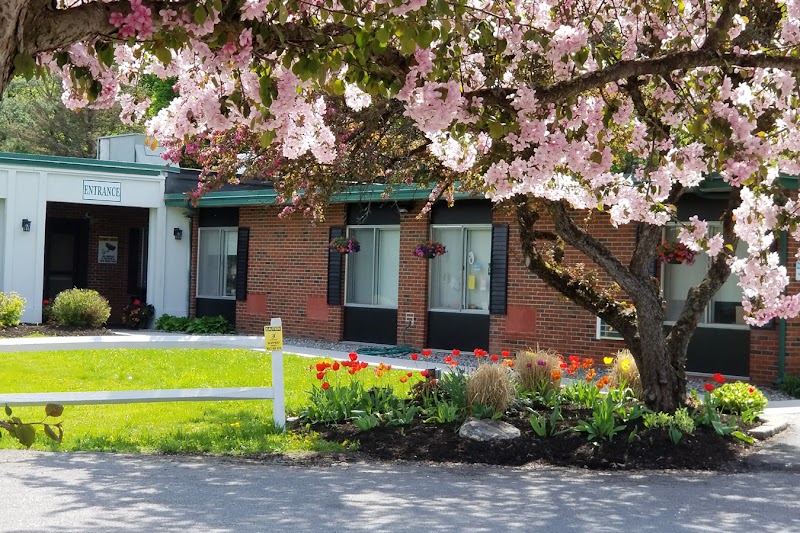
How is Colonial Park Rehabilitation And Nursing Center Staffed?

CMS rates COLONIAL PARK REHABILITATION AND NURSING CENTER's staffing level at 1 out of 5 stars, which is much below average compared to other nursing homes. Staff turnover is 52%, compared to the New York average of 46%. RN turnover specifically is 80%, which is notably high. RNs provide skilled clinical oversight, so turnover in this role can affect medical care quality.

What Have Inspectors Found at Colonial Park Rehabilitation And Nursing Center?

State health inspectors documented 30 deficiencies at COLONIAL PARK REHABILITATION AND NURSING CENTER during 2019 to 2024. These included: 1 that caused actual resident harm and 29 with potential for harm. Deficiencies causing actual harm indicate documented cases where residents experienced negative health consequences.

Who Owns and Operates Colonial Park Rehabilitation And Nursing Center?

COLONIAL PARK REHABILITATION AND NURSING CENTER is owned by a for-profit company. For-profit facilities operate as businesses with obligations to shareholders or private owners. The facility is operated by UPSTATE SERVICES GROUP, a chain that manages multiple nursing homes. With 80 certified beds and approximately 76 residents (about 95% occupancy), it is a smaller facility located in ROME, New York.

How Does Colonial Park Rehabilitation And Nursing Center Compare to Other New York Nursing Homes?

Compared to the 100 nursing homes in New York, COLONIAL PARK REHABILITATION AND NURSING CENTER's overall rating (1 stars) is below the state average of 3.0, staff turnover (52%) is near the state average of 46%, and health inspection rating (1 stars) is much below the national benchmark.

What Should Families Ask When Visiting Colonial Park Rehabilitation And Nursing Center?

Based on this facility's data, families visiting should ask: "Can you walk me through typical staffing levels on day, evening, and night shifts?" "Can I visit during a mealtime to observe dining assistance and food quality?" "How do you handle medical emergencies, and what is your hospital transfer rate?" "Can I speak with family members of current residents about their experience?" These questions are particularly relevant given the below-average staffing rating.

Is Colonial Park Rehabilitation And Nursing Center Safe?

Based on CMS inspection data, COLONIAL PARK REHABILITATION AND NURSING CENTER has a clean safety record: no substantiated abuse findings (meaning no confirmed cases of resident harm), no Immediate Jeopardy citations (the most serious violation level indicating risk of serious injury or death), and is not on the Special Focus Facility watch list (a federal program monitoring the lowest-performing 1% of nursing homes). The facility has a 1-star overall rating and ranks #100 of 100 nursing homes in New York. While no facility is perfect, families should still ask about staff-to-resident ratios and recent inspection results during their visit.

Do Nurses at Colonial Park Rehabilitation And Nursing Center Stick Around?

COLONIAL PARK REHABILITATION AND NURSING CENTER has a staff turnover rate of 52%, which is 6 percentage points above the New York average of 46%. Moderate turnover is common in nursing homes, but families should still ask about staff tenure and how the facility maintains care continuity when employees leave.

Was Colonial Park Rehabilitation And Nursing Center Ever Fined?

COLONIAL PARK REHABILITATION AND NURSING CENTER has been fined $58,988 across 1 penalty action. This is above the New York average of $33,669. Fines in this range indicate compliance issues significant enough for CMS to impose meaningful financial consequences. Common causes include delayed correction of deficiencies, repeat violations, or care failures affecting resident safety. Families should ask facility leadership what changes have been made since these penalties.

Is Colonial Park Rehabilitation And Nursing Center on Any Federal Watch List?

COLONIAL PARK REHABILITATION AND NURSING CENTER is not on any federal watch list. The most significant is the Special Focus Facility (SFF) program, which identifies the bottom 1% of nursing homes nationally based on persistent, serious quality problems. Not being on this list means the facility has avoided the pattern of deficiencies that triggers enhanced federal oversight. This is a positive indicator, though families should still review the facility's inspection history directly.