ROSCOE REGIONAL REHAB & RESIDENTIAL H C F
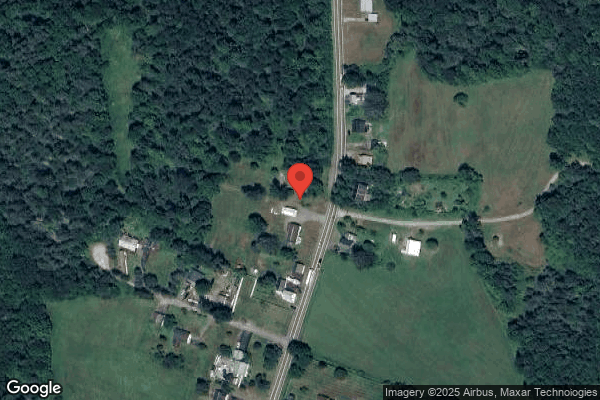
420 ROCKLAND ROAD, ROSCOE, NY 12776 (607) 498-4121
For profit - Limited Liability company 85 Beds Independent Data: November 2025
Trust Grade
90/100
#93 of 594 in NY
Last Inspection: August 2023

Over 2 years since last inspection. Current conditions may differ from available data.

Overview

Roscoe Regional Rehab & Residential HCF has received a Trust Grade of A, indicating that it is an excellent facility highly recommended for potential residents. It ranks #93 out of 594 nursing homes in New York, placing it in the top half, and is the best option among the three facilities in Sullivan County. The facility is improving, with reported issues decreasing from three in 2023 to one in 2025. Staffing is average with a rating of 3 out of 5 stars and a turnover rate of 38%, which is slightly better than the state average. However, there have been concerns about low staffing levels during night shifts, resulting in long wait times for care, and issues with resident dignity and personal hygiene have also been noted, such as a resident not receiving necessary grooming assistance and another with visible urinary drainage bags. Overall, while the facility has strong points, such as no fines and excellent health inspection ratings, families should be aware of these weaknesses in care and staffing.

Trust Score
A
90/100
In New York
#93/594
Top 15%
Safety Record
Low Risk
No red flags
Inspections
Getting Better
3 → 1 violations
Staff Stability
○ Average
38% turnover. Near New York's 48% average. Typical for the industry.
Penalties
✓ Good
No fines on record. Clean compliance history, better than most New York facilities.
Skilled Nurses
○ Average
Each resident gets 30 minutes of Registered Nurse (RN) attention daily — about average for New York. RNs are the most trained staff who monitor for health changes.
Violations
○ Average
6 deficiencies on record. Average for a facility this size. Mostly minor or procedural issues.
★★★★★
5.0
Overall Rating
★★★☆☆
3.0
Staff Levels
★★★★☆
4.0
Care Quality
★★★★★
5.0
Inspection Score
Stable
2023: 3 issues
2025: 1 issues

The Good

  • 4-Star Quality Measures · Strong clinical quality outcomes
  • Full Sprinkler Coverage · Fire safety systems throughout facility
  • No fines on record
  • Staff turnover below average (38%)

    10 points below New York average of 48%

Facility shows strength in quality measures, fire safety.

The Bad

Staff Turnover: 38%

Near New York avg (46%)

Typical for the industry

The Ugly 6 deficiencies on record

Aug 2025 1 deficiency
CONCERN (F) 📢 Someone Reported This

A family member, employee, or ombudsman was alarmed enough to file a formal complaint

Potential for Harm - no one hurt, but risky conditions existed

Deficiency F0725 (Tag F0725)

Could have caused harm · This affected most or all residents

Based on observations, interviews, and record reviews during the recertification and abbreviated surveys (NY00371177/803531, NY00331127/803522) from 08/21/2025 to 08/25/2025, the facility did not ensu...

Read full inspector narrative →
Based on observations, interviews, and record reviews during the recertification and abbreviated surveys (NY00371177/803531, NY00331127/803522) from 08/21/2025 to 08/25/2025, the facility did not ensure that the facility had sufficient nursing staff to provide nursing and related services to assure resident safety and attain or maintain the highest practicable physical, mental, and psychosocial wellbeing of each resident. Specifically, the staffing of certified nurse aides from 07/26/2025 to 08/28/2025 during the night shift were at minimal levels on 24 of 34 shifts. The staffing of certified nurse aides on the evening shift, during the same period, fell below the minimum for a portion of the shift on 24 of the 34 shifts. The staffing of nurses on the night shift during the same period were at minimal levels for 26 of 34 shifts. Additionally, residents, family members, and staff expressed concerns about low staffing, long wait times in response to call bells, and delays in receiving care. The findings are:The Facility Assessment last reviewed 11/29/2024 documented the maximum capacity as 85 residents and two respite with an average census of 75 residents. The minimum staffing for nurses is one (1) registered nurse or licensed practical nurse on each unit for the day and night shifts. The minimum staffing for direct care staff/certified nurse aides was outlined as follows; six (6) certified nurse aides on day and evening shifts which is a 1:13.5 ratio and two (2) certified nurse aides on night shift with a 1:40 ratio. The Assistant Director of Nursing / Registered Unit Manager provided a list of all incontinent residents in the facility. The North Unit had a 43 bed capacity with three (3) empty beds, 20 of the 40 residents were documented as incontinent. The South Unit had a 44 bed capacity with seven (7) empty beds, 22 of 37 residents were documented as incontinent. A total of 42 of 77 residents were documented as incontinent.The Administrator provided a list of all resident that wandered in the facility. There were eight (8) documented residents that wandered. The Administrator provided a list of all residents that required assistance of two (2) people and a mechanical lift for transfers. There were two (2) residents documented as requiring two-person assistance with transfers, and 17 residents were documented as requiring a mechanical lift for transfers. A review of the staffing sheets from 07/26/2025 to 08/28/2025 documented that only the minimum staffing of two (2) certified nurse aides was met for night shift on 24 of the 34 dates reviewed. On 26 of the 34 dates reviewed documented that only the minimum of two (2) nurses was met on the night shift making one (1) medication nurse the supervisor/charge nurse as well. The evening shift staffing of certified nurse aides had fallen below the minimum levels for part of the shift on 24 of 34 dates for the same period. A review of the 11-7 Get Ups (residents gotten out of bed by night shift) document posted on the North Unit documented a daily shower for one (1) resident on the night shift when there was only one (1) certified nurse aide working.During an interview on 08/26/2025 at 8:53 AM, Resident #9 stated that they rang their call bell at midnight and three (3) other times during the night shift last night. They were not changed until 6:50 AM that morning. They stated they were very uncomfortable lying in bed with feces in their brief from midnight until 6:50 AM. They stated delays in care had happened before during the night shift. They had informed the former Director of Nursing after it had happened at least 4 times. They stated on the overnight shift, they sometimes had two (2) certified nurse aides and sometimes only one (1) certified nurse aide on the unit.During an observation on 08/26/2025 at 9:10 AM there was a strong smell of urine in Resident #37's room. A urine stain covering half of their bed was observed. During an interview on 08/26/2025 at 9:42 AM, the Staffing Coordinator stated staffing could be challenging but a lot of staff did volunteer to do split shifts, and they filled any shortages however they could. They did not use agency and the evening shift was the most difficult shift to staff. During the Resident Council Meeting on 08/26/2025 at 11:28 AM, Resident #13 stated that the response to call bells was not timely at night. It had been brought up at every single resident council meeting and they still did not have enough staff. Resident #13 stated they used the call bell to get changed on the 11PM to 7AM shift. They stated they could call at 12 AM and wait until 3AM to be helped. The call bell stays on until answered. During a follow up interview on 08/26/2025 at 1:51 PM, the Staffing Coordinator stated they covered call outs or shortages however they could. Sometimes staff would stay for part of the next shift or until their assignment was completed and leave before the shift was over. During an interview on 08/26/2025 at 2:51 PM, the Director of Nursing stated assumed the role of the Director of Nursing on 08/18/2025 but had worked at the facility since 2022. They just started to get involved with staffing and thought the minimums were adequate. The staff was able to get their tasks completed. The night shift certified nurse aides did get some residents out of bed in the morning, but they did not have to assist residents with showers. There were times when they had more than the two (2) certified nurse aides on night shift, but only three (3) regular certified nurse aides for night shift were currently employed at the facility and they did not use agency staff. They expected incontinence care and repositioning to be completed every 2 hours. They stated the 1:40 ratios were acceptable for the certified nurse aides on night shift. During an interview on 08/26/2025 at 3:32 PM, the Administrator stated they believed the minimum staffing numbers were adequate. The staff provided quality care even when staffing was at a minimum. They would like more staff on night shift but were struggling to get the staff. They made every effort to fill the vacancies and meet the minimums. Many staff were cross trained, and filled in at times. They were actively recruiting, offering competitive salaries, consistent units, incentives, sign on bonuses, and referral bonuses. The Administrator stated residents did not complain to them directly. They stated there were some call bell issues, which was reflected in the Resident Council minutes, but that had improved. During an observation and interview on 08/26/2025 at 4:35 PM, Resident #58 was observed down the end of the hall on the North Unit walking with their pants down on their lower legs with their brief exposed. The brief appeared large and low. Staff was informed by this surveyor and tended to the resident. The Assistant Director of Nursing stated that Resident #58 did walk around the units all day long. During an interview on 08/28/2025 at 5:30 AM, Licensed Practical Nurse #4 stated there was usually only one (1) certified nurse aide on each unit on night shift. They stated that some nights, call bells rang more often when there was only one (1) certified nurse aide working on the unit. They stated they helped with toileting residents and changing briefs when they could. During an interview on 08/28/2025 at 5:37 AM, Certified Nurse Aide #5 stated they were a regular certified nurse aide on night shift and usually the only certified nurse aide on the North Unit on the night shift. They stated a new aide was hire recently so now they had a third certified nurse aide split between the two (2) units on nights. They stated it is rough for one certified nurse aide to work alone on the night shift. They stated call bells rang all night, and it was crazy busy. They stated they were assigned to wash and dress three (3) to four (4) residents every morning, and to assist Resident #79 to shower every morning (documented on an assignment list posted at the nurse's station). They stated nurses helped if they could but had medications and treatments and other tasks to complete. They stated that residents might wait for hours for assistance. They further stated that Residents #13, #24, and #59 had loose stools routinely on night shift and required more time to be cleaned. During an interview on 08/28/2025 at 5:48 AM, Registered Nurse Supervisor #6 stated they worked fulltime. They stated usually one night per week, in addition to performing their role as the Nursing Supervisor, they had to be the medication nurse on the unit. They stated the other nights there was a Licensed Practical Nurse on each unit. They also stated they were responsible for administering treatments every night and they helped as they were able with toileting, 2-person transfers, and answering call lights.10NYCRR 415.13(a)(1)(i-iii)
Aug 2023 3 deficiencies
CONCERN (D) 📢 Someone Reported This

A family member, employee, or ombudsman was alarmed enough to file a formal complaint

Potential for Harm - no one hurt, but risky conditions existed

ADL Care (Tag F0677)

Could have caused harm · This affected 1 resident

**NOTE- TERMS IN BRACKETS HAVE BEEN EDITED TO PROTECT CONFIDENTIALITY** Based on observation, interview, and record review conducted during a recertification and abbreviated surveys (NY00318620) from ...

Read full inspector narrative →
**NOTE- TERMS IN BRACKETS HAVE BEEN EDITED TO PROTECT CONFIDENTIALITY** Based on observation, interview, and record review conducted during a recertification and abbreviated surveys (NY00318620) from 8/10/23 to 8/16/23, the facility did not ensure that residents who were unable to carry out activities of daily living (ADLs) received the necessary services to maintain grooming and personal hygiene this was evident for 1 of 1 resident reviewed for Activities of Daily Living (ADLs). Specifically, Resident #23 who was dependent on staff for ADL's was observed on multiple occasions sleeping in bed with a strong odor of urine. The findings are: Resident #23 was admitted to the facility with diagnoses including dementia without behavioral disturbance, atrial fibrillation, and neuromuscular dysfunction of bladder. Review of the Quarterly Minimum Data Set (MDS- a resident assessment tool) dated 4/21/23 revealed the resident had moderate impairment in cognition, required extensive assist of 2 people for bed mobility, transfer and toileting. The bladder care plan dated 8/25/22 documented Resident #23 had an alteration in bladder function related to incontinence. The interventions documented toilet upon request; toilet before meals; toilet every 4 hours at night when awake; incontinent care every 2-3 hours and as needed; incontinent product briefs. The certified nurse aide (CNA) accountability record for 11 PM-7 AM shift for May 2023 had blanks for 10 dates in the month that indicated care was not performed. The CNA accountability record for 11 PM-7 AM (overnight) shift for June 2023 had blanks for 9 dates in the Month that indicated care was not performed. During an interview on 8/14/23 at 2:59 PM, CNA #2 stated the overnight staff documented in the CAN accountability record when the resident was changed. CNA #2 stated that every day when they arrived for day shift, the resident's incontinent brief was soaking wet and had feces in it. CAN #2 stated they reported this to the Director of Nursing (DON) in June 2023. CNA #2 stated the 11 PM to 7 AM staff was supposed to get the resident up in the morning but did not because the resident would start screaming. The facility was asked for incident reports regarding staff complaints of the 11 PM to 7 AM shift not providing care. A written statement from Administrator dated 6/26/23 was provided and documented the Director of Nursing (DON) was informed by CNA #2 of resident being soaked from overnight shift. During observations on 8/15/23 at 7:15 AM, 8/15/23 at 10:10 AM, and 8/16/23 at 9:20 AM, the resident was observed sleeping in bed with strong odor of urine. During an interview on 8/16/23 at 10:36 AM, Register Nurse (RN) #2 stated the CNAs provided total care for the resident. RN #2 stated they were made aware that the resident was completely soaked when the CNA came in to perform morning care every day around 7 AM. RN #2 stated when CAN #2 reported this, they changed the resident's plan to have morning care done by the 11 PM-7 AM shift. RN #2 stated they were unsure if the care plan was updated since the DON and ADON helped with the care plans. When reviewing the bowel and bladder care plans RN #2 stated they did not see the update to reflect the resident was an 11PM-7AM get up for incontinent care. RN #2 stated when they reviewed the [NAME] there was no mention of 11PM-7 AM getting the resident up. RN #2 and the surveyor went to the resident's room and observed Resident #23 was still in bed sleeping with a strong urine odor present. During an interview on 8/16/23 at 11:17 AM, the Assistant Director of Nursing (ADON) stated that Resident #23 was a heavy wetter and that was the reason the resident was put on the 11 PM to 7 AM schedule to get up early. The ADON stated the change for getting up early was in the assignment book. The ADON stated the RN would communicate to the CNAs to look at the assignment sheets. The ADON reviewed the resident's record with the surveyor and was unable to find any updates in the resident's plan of care [NAME] to inform staff the resident was on the early get up list. 415.12(a)(3)
CONCERN (D)

Potential for Harm - no one hurt, but risky conditions existed

Garbage Disposal (Tag F0814)

Could have caused harm · This affected 1 resident

Revised 10/13/2023 IDR Based on observation and interviews conducted during the recertification survey from 8/10/23 to 8/16/2023, it was determined that the facility failed ensure that the garbage sto...

Read full inspector narrative →
Revised 10/13/2023 IDR Based on observation and interviews conducted during the recertification survey from 8/10/23 to 8/16/2023, it was determined that the facility failed ensure that the garbage storage area was maintained in a sanitary condition. Specifically, the ground surrounding the loading dock located near the door to the back of the facility was heavily littered with solid debris, the trash bin was uncovered, and multiple insects were observed around bird feathers/remains near the recycling dumpster. Findings include: Observations on 8/10/2023 at 10:13 AM and 8/14/23 at 4:28 PM revealed the following findings: - The ground area under the loading dock located near the door to the back of the building where maintenance and the kitchen is located was observed heavily littered with multiple used gloves, scraps of cardboard, a dirty hose, and multiple unidentifiable sludge-like substances; and a strong fowl odor was noted. - Evidence of what appeared to be bird feathers, with dozens of flying insects was observed in front of the facility's dumpster in the back of the parking lot. - A pallet of uncovered beer bottles and approximately 8 bags of bottles and cans were observed unsecured, uncovered, and sitting on the side of the parking lot in between the dumpsters. - A toilet, commode, bed, and broken pallets were observed next to the dumpster in the back of the parking lot. During an interview on 8/14/23 at 3:30 PM, the Director of Housekeeping stated they were unsure if it was maintenance or housekeeping's responsibility to keep the garbage/refuse area clean. The Director of Housekeeping stated the current conditions of the facility's refuse area was unacceptable. During an interview on 8/14/23 at 3:35 PM, the Assistant Administrator stated they would clean the area up. 415.14(h)
CONCERN (D)

Potential for Harm - no one hurt, but risky conditions existed

Infection Control (Tag F0880)

Could have caused harm · This affected 1 resident

Based on observations, record review, and interviews during the recertification survey from 8/10/23 to 8/16/23, the facility failed to ensure that infection control practices were maintained during di...

Read full inspector narrative →
Based on observations, record review, and interviews during the recertification survey from 8/10/23 to 8/16/23, the facility failed to ensure that infection control practices were maintained during dining. Specifically, staff was observed feeding more than one resident at a table and not performing hand hygiene in between feeding residents. The findings are: During a dining observation on 8/15/23 at 12:40 PM, certified nurse aide (CNA) #3, an activities aide, was seated at a table with 3 residents. CNA #3 fed 2 residents, alternating between them using the same bare hand, and did not practice hand hygiene. At one point, CNA #3 assisted the 3rd resident at the table with a drink, holding the cup and guiding the straw to the resident's mouth with bare hands. CNA #3 sanitized their hands before providing the drink but not after providing the drink and resuming feeding the other residents. During an interview on 8/15/23 at 2:53 PM, CNA #3 stated the most residents that can be fed at one time was 2 and that hand hygiene should be done between feeding each resident. 10 NYCRR415.19(b)(4)
Oct 2020 1 deficiency
CONCERN (E)

Potential for Harm - no one hurt, but risky conditions existed

Resident Rights (Tag F0550)

Could have caused harm · This affected multiple residents

**NOTE- TERMS IN BRACKETS HAVE BEEN EDITED TO PROTECT CONFIDENTIALITY** Based on observation, interviews, and record reviews conducted during a recertification survey, the facility did not ensure that...

Read full inspector narrative →
**NOTE- TERMS IN BRACKETS HAVE BEEN EDITED TO PROTECT CONFIDENTIALITY** Based on observation, interviews, and record reviews conducted during a recertification survey, the facility did not ensure that each resident had the right to a dignified existence and each resident was cared for in a manner and environment that promoted maintenance or enhancement of his or her quality of life for 2 of 8 residents ( #15 and #22) reviewed for dignity. Specifically 1) Resident # 15's urinary catheter drainage bag was observed twice with no privacy cover 2) Resident # 22 was noted with wet and stained gowns that allowed his underwear visible whenever he ambulated in the hallway. The Findings are: Review of the Catheter Care Policy dated 05/12/2020 included a procedure to keep the urinary drainage bag covered in public areas. 1) Resident #15 had diagnoses that included Major Depressive Disorder, Hypertension, Congestive Heart Failure and Acute Kidney Failure. The Quarterly Minimum Data Set assessment dated [DATE] (MDS, an assessment tool) revealed a BIMS (Brief Interview of Mental Status) score of 8/15 which suggested that the resident was moderately cognitively impaired, required extensive assistance of 1 with toileting needs. The resident's indwelling catheter related to urinary retention was initiated 0n 12/19/2019. During a dining room observation on 09/28/2020 at 12:35 PM, the resident was observed wheeled in the main dining area by staff and left at a table for lunch. The resident's Foley catheter tubing was hanging under her wheelchair and visible to residents and staff in the dining room. The bag was filled with yellow urine. During observations on 09/28/2020 at 1:29 PM, resident was sitting in a wheelchair by the nurses' station, well groomed, with indwelling Foley catheter, connected to drainage bag which has no cover and visible to residents and staff. During an interview with the Registered Nurse (RN) Unit Manager South on 09/30/2020 at 10:00 AM, he stated that the drainage bags should be covered. During an interview with Certified Nurse Assistant (CNA #1) on 10/01/2020 at 11:55 AM, she stated that she forgot to put on the drainage bag cover on Monday (09/28/2020), she stated that she usually covers it when the resident is out of bed. 2) Resident #22 had diagnoses that included but not limited to Amyotrophic Lateral Sclerosis (ALS), Adult Failure to Thrive, Dysphagia, Disorder of Adult Personality and Behavior. During an observation on 09/28/2020 at 2:22 PM resident was ambulating in the hallway and around the nurse's station in a hospital gown that was wet and had other dried brown stains on the front of the gown. The resident was noted with an open gown in the back exposing his underwear. Residents undergarment was visible to 4 residents who were seated in the vicinity and several staff were noted to pass by the resident. During an interview with the Licensed Practical Nurse (LPN # 1) on 09/28/2020 at 2:35 PM she stated she did not really know why the resident did not have clothing on and was wearing a gown, she did not recall if this is what he usually wears then added, I think that he pulls on his shirt and rips them off, so maybe that is why. Review of the Nursing Progress Note dated 09/28/2020 at 1:45 PM documented the resident refusing to wear a mask, also refused to get dressed and kept ripping his clothes off. During an observation on 09/29/20 at 01:55 PM resident was noted ambulating in the hallways, he was noted to have a wet gown on with sweatpants and nonskid socks. During an interview with CNA #2 on 09/29/2020 at 2:50 PM who stated that the resident was in a gown today because he has refused to get dressed. During an interview with RN #2 on 09/29/2020 at 3:10 PM who stated that resident gets aggressive sometimes and it can take 3-4 care givers, one attempting at a time then another to have him get dressed. 415.5(a)
May 2019 1 deficiency
CONCERN (D)

Potential for Harm - no one hurt, but risky conditions existed

Deficiency F0697 (Tag F0697)

Could have caused harm · This affected 1 resident

Based on observation, interview, and record review conducted during the recertification survey, the facility did not ensure that pain management was consistently provided for one of five residents rev...

Read full inspector narrative →
Based on observation, interview, and record review conducted during the recertification survey, the facility did not ensure that pain management was consistently provided for one of five residents reviewed for pain (Resident #12). The findings are: Resident #12 had diagnoses and conditions including Generalized Anxiety, Depression, and Generalized Pain. During an interview with the resident on 5/6/19 at 11:37 AM she stated that she previously had generalized pain on a scale of 9 or 10 out of a possible 10 that was reported to staff, but she received no pain medication. The resident did not complain of pain during the interview, nor did she state that the pain affected her activities of daily living (ADLs). She stated that she was previously medicated with Hydrocodone and Oxycodone and these medications were discontinued due to withdrawal symptoms. According to the 2/14/19 quarterly minimum data set (MDS-an assessment tool) the resident had a brief interview for mental status (BIMS) score of 15/15 which indicated she was cognitively intact. It further documented she was independent with most ADLs and complained of frequent pain. The 4/22/19 physician's orders had instructions to administer Tylenol 325mg, 2 tablets every 4 hours as needed for general discomfort and elevated temperature over 100 degrees. Review of the February, March, and April 2019 medication administration record (MARs) revealed the resident received Hydrocodone-Acetaminophen 5mg/325mg 1 tablet every 4 hours as needed for chronic pain (for a pain level of 6-10) which was started on 1/30/19 and discontinued on 4/15/19. Additionally, these MARs revealed the resident started Oxycodone HCL 5mg daily at 11:00 AM (for a pain level of 6-10) on 1/30/19. The medication was discontinued on 4/15/19. Further review of the April 2019 MAR revealed the above mentioned opioid pain medications were discontinued as of 4/23/19. Review of the pain monitoring record, as indicated above, revealed the following complaints per the pain scale of 1-10; 5/4/19 at 19: 55(7:55PM) rate 10/10. 5/4/19 at 20:01 (8:01 PM) rate 10/10. 5/5/19 1t 14:13 (2:13 PM) rate 8/10. 5/5/19 at 21:59 (9:59PM) rate 9/10. 5/6/19 at 02:08 (2:08 AM) rate 7/10. 5/6/19 at 09:09 (9:09 AM) rate 8/10. 5/6/19 at 13:57 (1:57 PM) rate 10/10. 5/8/19 at 20:29 (8:29 PM) rate 10/10. There was no documented evidence that the resident was offered or refused the Tylenol for the above pain levels. There was no indication that non-pharmacological interventions were used to manage the resident's pain. A 5/10/19 updated Pain Care Plan documented the resident had generalized pain. Interventions included: 1) anticipate needs for pain relief and respond immediately; 2) monitor, record, and report to the nurse pain complaints or request for pain medication; 3) non-pharmacological interventions to include music, rest periods and deep breathing; 4) notify the physician if interventions were unsuccessful or if the current complaint was a significant change from the resident's past pain experience. Review of the May 2019 MAR revealed the resident had an order for Tylenol 325mg tablet, 2 tablets every 4 hours as needed for general discomfort and elevated temperature over 100 degrees. The Nurse Practitioner (NP) was interviewed on 5/10/19 at 3:39 PM via telephone and stated that the resident was treated with narcotic medication for gallbladder issues but had to be weaned off of them. The NP stated she was not sure if she was notified of the resident's pain level. The Registered Nurse (RN) was interviewed on 5/10/19 at 3:45 PM and stated that he did not know why the above pain levels were not addressed. The primary physician (PP) was interviewed via telephone on 5/10/19 at 4:13 PM and stated that the resident was treated for gallbladder issues but was weaned off the pain medications. The PP stated that he was not notified of the specific pain levels above. The Director of Nursing (DON) was interviewed on 5/10/19 at 4 :20 PM and stated that the nurses documented the pain levels in the record, but she did not know why they were not addressed. 415.12
Understanding Severity Codes (click to expand)
Life-Threatening (Immediate Jeopardy)
J - Isolated K - Pattern L - Widespread
Actual Harm
G - Isolated H - Pattern I - Widespread
Potential for Harm
D - Isolated E - Pattern F - Widespread
No Harm (Minor)
A - Isolated B - Pattern C - Widespread

Questions to Ask on Your Visit

  • "Can I speak with families of current residents?"
  • "What's your RN coverage like on weekends and overnight?"

Our Honest Assessment

Strengths
  • • Grade A (90/100). Above average facility, better than most options in New York.
  • • No major safety red flags. No abuse findings, life-threatening violations, or SFF status.
  • • No fines on record. Clean compliance history, better than most New York facilities.
  • • 38% turnover. Below New York's 48% average. Good staff retention means consistent care.
Concerns
  • • No significant concerns identified. This facility shows no red flags across CMS ratings, staff turnover, or federal penalties.
Bottom line: Generally positive indicators. Standard due diligence and a personal visit recommended.

About This Facility

What is Roscoe Regional Rehab & Residential H C F's CMS Rating?

CMS assigns ROSCOE REGIONAL REHAB & RESIDENTIAL H C F an overall rating of 5 out of 5 stars, which is considered much above average nationally. Within New York, this rating places the facility higher than 99% of the state's 100 nursing homes. This rating reflects solid performance across the metrics CMS uses to evaluate nursing home quality.

How is Roscoe Regional Rehab & Residential H C F Staffed?

CMS rates ROSCOE REGIONAL REHAB & RESIDENTIAL H C F's staffing level at 3 out of 5 stars, which is average compared to other nursing homes. Staff turnover is 38%, compared to the New York average of 46%. This relatively stable workforce can support continuity of care.

What Have Inspectors Found at Roscoe Regional Rehab & Residential H C F?

State health inspectors documented 6 deficiencies at ROSCOE REGIONAL REHAB & RESIDENTIAL H C F during 2019 to 2025. These included: 6 with potential for harm.

Who Owns and Operates Roscoe Regional Rehab & Residential H C F?

ROSCOE REGIONAL REHAB & RESIDENTIAL H C F is owned by a for-profit company. For-profit facilities operate as businesses with obligations to shareholders or private owners. The facility operates independently rather than as part of a larger chain. With 85 certified beds and approximately 79 residents (about 93% occupancy), it is a smaller facility located in ROSCOE, New York.

How Does Roscoe Regional Rehab & Residential H C F Compare to Other New York Nursing Homes?

Compared to the 100 nursing homes in New York, ROSCOE REGIONAL REHAB & RESIDENTIAL H C F's overall rating (5 stars) is above the state average of 3.1, staff turnover (38%) is near the state average of 46%, and health inspection rating (5 stars) is much above the national benchmark.

What Should Families Ask When Visiting Roscoe Regional Rehab & Residential H C F?

Based on this facility's data, families visiting should ask: "Can I visit during a mealtime to observe dining assistance and food quality?" "How do you handle medical emergencies, and what is your hospital transfer rate?" "Can I speak with family members of current residents about their experience?"

Is Roscoe Regional Rehab & Residential H C F Safe?

Based on CMS inspection data, ROSCOE REGIONAL REHAB & RESIDENTIAL H C F has a clean safety record: no substantiated abuse findings (meaning no confirmed cases of resident harm), no Immediate Jeopardy citations (the most serious violation level indicating risk of serious injury or death), and is not on the Special Focus Facility watch list (a federal program monitoring the lowest-performing 1% of nursing homes). The facility has a 5-star overall rating and ranks #1 of 100 nursing homes in New York. While no facility is perfect, families should still ask about staff-to-resident ratios and recent inspection results during their visit.

Do Nurses at Roscoe Regional Rehab & Residential H C F Stick Around?

ROSCOE REGIONAL REHAB & RESIDENTIAL H C F has a staff turnover rate of 38%, which is about average for New York nursing homes (state average: 46%). Moderate turnover is common in nursing homes, but families should still ask about staff tenure and how the facility maintains care continuity when employees leave.

Was Roscoe Regional Rehab & Residential H C F Ever Fined?

ROSCOE REGIONAL REHAB & RESIDENTIAL H C F has no federal fines on record. CMS issues fines when nursing homes fail to meet care standards or don't correct problems found during inspections. The absence of fines suggests the facility has either maintained compliance or corrected any issues before penalties were assessed. This is a positive indicator, though families should still review recent inspection reports for the full picture.

Is Roscoe Regional Rehab & Residential H C F on Any Federal Watch List?

ROSCOE REGIONAL REHAB & RESIDENTIAL H C F is not on any federal watch list. The most significant is the Special Focus Facility (SFF) program, which identifies the bottom 1% of nursing homes nationally based on persistent, serious quality problems. Not being on this list means the facility has avoided the pattern of deficiencies that triggers enhanced federal oversight. This is a positive indicator, though families should still review the facility's inspection history directly.