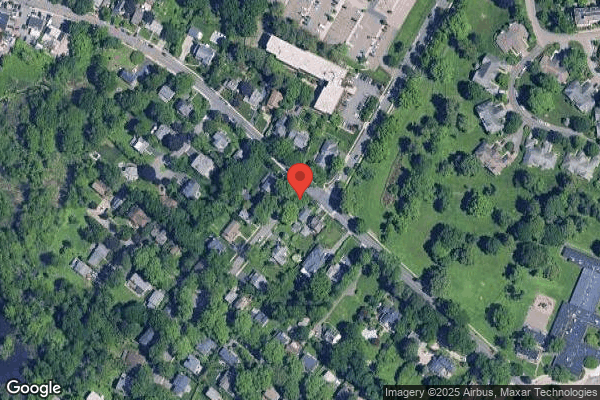




THE OSBORN

101 THEALL ROAD, RYE, NY 10580 (914) 967-4100
Non profit - Corporation 84 Beds Independent Data: November 2025
Trust Grade
60/100
#353 of 594 in NY
Last Inspection: February 2025

Within standard 12-15 month inspection cycle. Federal law requires annual inspections.

Overview

The Osborn nursing home has a Trust Grade of C+, indicating it is slightly above average, but not among the top facilities. With a state rank of #353 out of 594, it falls in the bottom half of New York facilities, and it is ranked #26 out of 42 in Westchester County, meaning only 25 local options are better. The facility is improving, as the number of issues has decreased from 9 in 2023 to 8 in 2025. Staffing is a strong point, with a 4/5 star rating and an average turnover rate of 43%, which is similar to the state average. Notably, there have been no fines recorded, which is a positive sign. However, there are concerns, including reports of mice in resident rooms and the failure to implement specific care plans for residents, which could pose risks to their health and comfort. Overall, while there are strengths like good staffing and no fines, the presence of pests and care plan issues highlight areas that need attention.

Trust Score
C+
60/100
In New York
#353/594
Bottom 41%
Safety Record
Low Risk
No red flags
Inspections
Getting Better
9 → 8 violations
Staff Stability
○ Average
43% turnover. Near New York's 48% average. Typical for the industry.
Penalties
✓ Good
No fines on record. Clean compliance history, better than most New York facilities.
Skilled Nurses
✓ Good
Each resident gets 52 minutes of Registered Nurse (RN) attention daily — more than average for New York. RNs are trained to catch health problems early.
Violations
⚠ Watch
21 deficiencies on record. Higher than average. Multiple issues found across inspections.
★★★☆☆
3.0
Overall Rating
★★★★☆
4.0
Staff Levels
★★★★☆
4.0
Care Quality
★★★☆☆
3.0
Inspection Score
Stable
2023: 9 issues
2025: 8 issues

The Good

  • 4-Star Staffing Rating · Above-average nurse staffing levels
  • 4-Star Quality Measures · Strong clinical quality outcomes
  • Full Sprinkler Coverage · Fire safety systems throughout facility
  • No fines on record
  • Staff turnover below average (43%)

    5 points below New York average of 48%

Facility shows strength in staffing levels, quality measures, fire safety.

The Bad

3-Star Overall Rating

Near New York average (3.1)

Meets federal standards, typical of most facilities

Staff Turnover: 43%

Near New York avg (46%)

Typical for the industry

The Ugly 21 deficiencies on record

Feb 2025 8 deficiencies
CONCERN (D)

Potential for Harm - no one hurt, but risky conditions existed

Transfer Notice (Tag F0623)

Could have caused harm · This affected 1 resident

**NOTE- TERMS IN BRACKETS HAVE BEEN EDITED TO PROTECT CONFIDENTIALITY** Based on record review and interviews conducted during the recertification survey from 2/12/25 to 2/19/25, the facility did not ...

Read full inspector narrative →
**NOTE- TERMS IN BRACKETS HAVE BEEN EDITED TO PROTECT CONFIDENTIALITY** Based on record review and interviews conducted during the recertification survey from 2/12/25 to 2/19/25, the facility did not ensure that the resident and/or resident representative were notified in writing of the reason for the transfer/discharge to the hospital for one of one residents reviewed for hospitalization (Resident #7). Specifically, Resident #7 was transferred to the hospital and the facility could not provide evidence that a written notice of transfer/discharge was provided to the resident or the resident's representative, and that notification was sent to the Ombudsman Office. Findings include: The facility policy and procedure titled Transfer and Discharge last revised 7/27/2022, documented before the facility will transfer or discharge a resident, the facility will provide a written notice to the resident and or representative in a manner and language in which the recipient can understand. The policy also required that a copy of the notice be sent to a representative of the State Long- Term Care Ombudsman's Office. The facility admission agreement documented the resident and their designated representative will be given prior written notice of the transfer or discharge in accordance with applicable regulations. Resident # 7 had diagnoses including schizophrenia, dementia, and chronic respiratory failure. The Quarterly Minimum Data Set, a resident assessment tool, dated 1/22/25 documented the resident had severe cognitive impairment. The progress note dated 8/22/24 at 5:23 PM documented Resident #7 experienced shortness of breath and wheezing. The physician was notified, and the resident was transferred to the hospital. The progress note dated 8/23/24 at 9:02 AM documented Resident #7 was admitted to the hospital with asthma exacerbation and respiratory distress. The progress note dated 8/29/24 at 11:30 AM documented Resident #7 returned to the facility in stable condition. Review of the resident's record on 2/18/25 revealed no documented evidence the family was notified or that Resident #7's representative received written information regarding transfer. A review of discharges and transfers submitted to the Ombudsman's Office for the month of August 2024, revealed no documented evidence the Ombudsman was notified. During an interview on 2/18/25 at 1:00 PM, the Director of Social Services stated that social workers were responsible for providing the transfer/discharge notice and it was not completed for Resident #7. During an interview on 2/19/25 at 1:03 PM, the Director of Nursing stated the nursing staff and social workers collaborated to ensure that resident representatives were notified of the transfer to the hospital. The Director of Nursing was unable to explain why Resident #7's representative did not receive notification. During an interview on 2/19/25 at 1:10 PM, the facility Administrator stated the resident's family should have received written information regarding the transfer and discharge process. The Administrator further stated that the social worker and nursing staff were responsible for ensuring the notification was provided. During an interview on 2/19/25 at 4:00 PM, the Ombudsman office stated there was no documentation that the facility submitted information regarding Resident #7's discharge on [DATE]. 10 NYCRR 415.3(i)(1)(iii)(a-c)
CONCERN (D)

Potential for Harm - no one hurt, but risky conditions existed

Deficiency F0625 (Tag F0625)

Could have caused harm · This affected 1 resident

Based on record review and interview conducted during the Recertification Survey conducted from 2/12/25 to 2/19/2,the facility did not ensure that a resident's representative was informed of the facil...

Read full inspector narrative →
Based on record review and interview conducted during the Recertification Survey conducted from 2/12/25 to 2/19/2,the facility did not ensure that a resident's representative was informed of the facility's bed hold policy before and upon transfer to a hospital for one of one residents reviewed for hospitalization (Resident #7). Specifically, Resident #7 was transferred to the hospital on 8/22/24, and the facility did not provide the resident or their representative written information regarding the bed hold. Findings include: The policy and procedure titled Bed Hold last revised 3/24/23, documented the resident and the representative would receive bed hold and return information at admission and before a hospital transfer. The policy further stated that a resident transferred to a hospital would receive written information regarding bed hold and payment amount. Resident # 7 had diagnoses including schizophrenia, dementia, and chronic respiratory failure. The Quarterly Minimum Data Set, a resident assessment tool dated 1/22/25 documented the resident had severe cognitive impairment. The progress note dated 8/22/24 at 5:23 PM, documented Resident #7 experienced shortness of breath and wheezing. The physician was notified, and the resident was transferred to the hospital. The progress note dated 8/23/24 at 9:02 AM, documented Resident #7 was admitted to the hospital with asthma exacerbation and respiratory distress. The progress note dated 8/29/24 at 11:30 AM, documented Resident #7 returned to the facility in stable condition. Review of the resident's medical record revealed no documented evidence Resident #7 or the representative received written information regarding the bed hold policy. During an interview on 2/18/25 at 1:00 PM, the Director of Social Services stated that social workers were responsible for providing bed hold policy notice and it was not completed. 10NYCRR 415.3 (i) 3(i)(a)
CONCERN (D)

Potential for Harm - no one hurt, but risky conditions existed

Deficiency F0645 (Tag F0645)

Could have caused harm · This affected 1 resident

Based on record review and interviews during the Recertification survey from 02/12/2025 to 02/19/2025, the facility did not ensure that a complete preadmission screening was conducted. This was eviden...

Read full inspector narrative →
Based on record review and interviews during the Recertification survey from 02/12/2025 to 02/19/2025, the facility did not ensure that a complete preadmission screening was conducted. This was evident for 2 (Resident #169 and Resident # 35) residents reviewed for Preadmission Screening and Resident Review (PASARR) of 16 residents. Specifically, the SCREEN DOH - 695 form was incomplete. There was no documentation of answers to items 21, 24, 25, and 26. The findings are: The facility Policy with Title Preadmission Screening and Resident Review (PASARR) with effective date 01/15/2025 and last review date 01/1/2025 documented It is the policy to screen all potential admissions on an individual basis. As part of the preadmission process, the facility participates in the Preadmission Screening and Resident Review (PASARR) process (Level 1) for all new and readmissions per requirement to determine if the individual meets the criteria for mental disorder, intellectual disability, or related condition. Based upon the Level 1 screen, the facility will not admit an individual with a mental disorder or intellectual disability until the Level II screening process has been completed and the recommendations allow for a nursing facility admission and the facility's ability to provide the specialized services determined in the Level II screen. 1) Resident #169 was admitted from acute care hospital with diagnoses and conditions including to spinal stenosis of lumbar region, Diabetes Mellitus, and Benign Prostatic Hypertrophy. The SCREEN Form DOH-695 completed for Resident #169 dated 7/25/2024, item # 21 was not answered. 2) Resident #35 was admitted from acute care hospital with diagnoses and conditions including fracture of the lower end of right radius, congestive heart failure, and atrial fibrillation. The SCREEN Form DOH-695 completed for Resident #35 dated 01/10/2025, the section Level I Review for Possible Mental Retardation/Developmental Disability (MR/DD) items 24, 25 and 26 were not completed. During an interview on 02/19/25 at 9:06 AM, the Director of Admissions stated they reviewed the screens for all residents prior to admission to the facility admission and ensured they were complete. During the interview, the Screen forms for Resident #169 and Resident #35 were reviewed with the Director of Admissions and they stated the items should have been answered. On 02/19/2025 at 10:43 AM, the Administrator stated the Admissions Department was responsible for reviewing the PASARR SCREEN forms prior to resident admission and they were unaware they were not complete. 10 NYCRR 415.11(e)
CONCERN (D)

Potential for Harm - no one hurt, but risky conditions existed

Comprehensive Care Plan (Tag F0656)

Could have caused harm · This affected 1 resident

**NOTE- TERMS IN BRACKETS HAVE BEEN EDITED TO PROTECT CONFIDENTIALITY** Based on observation, interview, and record review conducted during the recertification survey from 2/12/2025 to 2/19/2025, the ...

Read full inspector narrative →
**NOTE- TERMS IN BRACKETS HAVE BEEN EDITED TO PROTECT CONFIDENTIALITY** Based on observation, interview, and record review conducted during the recertification survey from 2/12/2025 to 2/19/2025, the facility did not ensure person-centered comprehensive care plans were developed with objectives and timeframe's to meet the resident's needs. This was evident for 1 (Resident #30) of 5 residents reviewed for unnecessary medications. Specifically, Resident #30 did not have a care plan developed to address antibiotic medication use. The findings are: Resident #30 had diagnoses of COVID-19, acute and chronic respiratory failure with hypercapnia, and urinary tract infection. The admission Minimum Data Set 3.0 assessment dated [DATE] documented Resident #30 had mild cognitive impairment, received anticoagulant medication, and received antibiotic medication. The Physician's Orders documented Resident #30 was ordered to receive Amoxicillin-pot clavulanate antibiotic 875-125mg twice daily prophylactically as of 1/27/2025 and Cefdinir antibiotic 300mg daily prophylactically as of 1/27/25. There was no documented evidence a Comprehensive Care Plan related to antibiotic use was developed and implemented for Resident #30. On 2/19/2025 at 10:49 AM, Registered Nurse #2 was interviewed and stated the admitting nurse was responsible for initiating care plans for newly admitted residents. Registered Nurse #2 stated they were the charge nurse for the unit and was responsible for reviewing all resident care plans within a few days of their admission to ensure the care plan reflected the resident's medical condition and medication regime. Resident #30 was prescribed antibiotics on a prophylactic basis upon their admission to the facility. Registered Nurse #2 stated they were unsure why the antibiotics were prescribed for Resident #30 and there should be a correlating care plan in place with interventions to monitor the resident for relative side effects. Registered Nurse #2 stated they had not reviewed Resident #30's chart since their admission to the facility and the antibiotic care plan had not been initiated and currently was not in place. 10 NYCRR 415.11(c)(1)
CONCERN (D)

Potential for Harm - no one hurt, but risky conditions existed

Respiratory Care (Tag F0695)

Could have caused harm · This affected 1 resident

**NOTE- TERMS IN BRACKETS HAVE BEEN EDITED TO PROTECT CONFIDENTIALITY** Based on observation, interview and record review during the Recertification survey from 2/12/25 to 2/19/25, the facility did no...

Read full inspector narrative →
**NOTE- TERMS IN BRACKETS HAVE BEEN EDITED TO PROTECT CONFIDENTIALITY** Based on observation, interview and record review during the Recertification survey from 2/12/25 to 2/19/25, the facility did not ensure a resident who needed respiratory care was provided such care consistent with professional standards of practice for 1 of 2 residents (Resident #281) reviewed for respiratory care. Specifically, Resident #281 was receiving supplemental oxygen without a physician's order, indication for use, flow rate and route of administration. Findings include: Resident #218 had diagnoses including cerebral infarction, congestive heart failure, and asthma. The Minimum Data Set 3.0 (MDS) dated [DATE] documented Resident #218 was severely cognitively impaired and did not document the use of oxygen. The facility policy titled Oxygen Therapy and Evaluation effective 03/01/2024 and last reviewed 03/01/2024 documented A Physician/Nurse Practitioner/Physician Assistant order is required for oxygen therapy. The order must include the type of administration system to use, flow rate, and monitoring parameters. A Nurse Practitioner order dated 2/7/25 documented Titrate to maintain sat >92. There was no documented liter flow rate or route of administration. The February 2025 Treatment Administration Record documented to titrate to maintain sat greater than 92% every shift with a start date of 2/7/25 at 3:30 PM. The oxygen saturation was documented every shift however there was no documented Liter flow. The comprehensive care plan, revised 2/12/2025, documented no evidence the resident used oxygen. On 02/12/25 at 12:49 PM, Resident #218 was observed in bed with oxygen via nasal cannula. A bedside oxygen concentrator was delivering oxygen at 4 Liters per minute. On 02/13/25 at 09:25 AM, Resident #218 was observed in their room in in wheelchair, awake, alert, with oxygen via nasal cannula at 4 Liters per minute. During observation and interview on 2/14/25 at 10:45 AM, Licensed Practical Nurse #1 observed the bedside concentrator and stated the oxygen was set at 4 Liters per minute. They stated they documented the oxygen in the Treatment Administration Record. During an interview on 02/14/25 at 10:55 AM, Registered Nurse Manager #2 stated a physician's order was required for oxygen therapy and oxygen therapy was documented in the Medication Administration Record. Registered Nurse Manager #2, observed the resident's medical record and stated the Nurse Practitioner order dated 02/7/2025 was to Titrate to maintain saturation greater than 92%. Registered Nurse Manager #2 stated they did not see an order that mentioned oxygen. The February 2025 Treatment Administration Record documented Oxygen at 2 Liters via nasal cannula to maintain oxygen saturation greater than 92% with a start date of 2/14/25 at 3:30 PM. 10 NYCRR 415.12 (k) (6)
CONCERN (D)

Potential for Harm - no one hurt, but risky conditions existed

Staffing Information (Tag F0732)

Could have caused harm · This affected 1 resident

Based on observation, interview, and record review conducted during the recertification survey from 2/12/2025 to 2/19/2025, the facility did not ensure the posted nurse staffing included the census an...

Read full inspector narrative →
Based on observation, interview, and record review conducted during the recertification survey from 2/12/2025 to 2/19/2025, the facility did not ensure the posted nurse staffing included the census and total actual hours worked by nursing staff. This was evident during review of Staffing. Specifically, the posted nurse daily staffing did not contain the facility's current census and actual hours worked by Certified Nursing Assistants on each shift. The findings are: The facility Daily Nurse Staffing dated 2/15/2025 documented 7 Certified Nursing Assistants worked on the 7:00 AM to 3:30 PM shift for a total of 52.5 hours. The Assignment Sheets for the 1st and 2nd Floors dated 2/15/2025 documented 8 Certified Nursing Assistants worked on the Day Shift. There is no documented evidence the 2/15/2025 Daily Nurse Staffing reflected the accurate number of actual working Certified Nursing Assistants on the 7:00 AM to 3:30 PM shift. The facility Daily Nurse Staffing dated 2/16/2025 documented 5 Certified Nursing Assistants worked on the 7:00 AM to 3:30 PM shift for a total of 37.5 hours and 7 Certified Nursing Assistants worked on the 11:30 PM to 7:30 AM shift for a total of 56 hours. The facility census was not documented. The Assignment Sheets for the 1st and 2nd Floors dated 2/16/2025 documented 1 of 5 Certified Nursing Assistants working on the Day Shift was late and 6 Certified Nursing Assistants worked on the Night Shift. There is no documented evidence the 2/16/2025 Daily Nurse Staffing reflected the accurate number of actual working Certified Nursing Assistants on the 11:30 PM to 7:30 AM shift and total hours worked by Certified Nursing Assistants on the Day Shift. The facility Daily Nurse Staffing dated 2/18/2025 documented 9 Certified Nursing Assistants worked on the 7:30 AM to 3:30 PM shift for a total of 67.5 hours. The Assignment Sheets for the 1st and 2nd Floors dated 2/18/2025 documented 10 Certified Nursing Assistants worked on the Day Shift. There is no documented evidence the 2/18/2025 Daily Nurse Staffing reflected the accurate number of actual working Certified Nursing Assistants on the 7:30 AM to 3:30 PM shift. On 2/18/2025 at 3:11 PM, the Daily Nurse Staffing was observed posted by the entrance to the facility on the 1st Floor resident unit. There was no documented evidence of the facility census. On 2/18/2025 at 3:18 PM, the Administrator was interviewed and stated the Staffing Coordinator was responsible for posting the Daily Nurse Staffing every day at the beginning of each day. The Administrator stated the Daily Nurse Staffing was not posted at the beginning of each shift, did not account for unforeseen changes to the schedule, and did not reflect the actual hours worked by nursing staff. The Daily Nurse Staffing did not include the facility's daily census, and the Administrator stated they were required to include census information in the daily posting. 10 NYCRR 415.13
CONCERN (D)

Potential for Harm - no one hurt, but risky conditions existed

Food Safety (Tag F0812)

Could have caused harm · This affected 1 resident

Based upon record review, observations,and interviews conducted during a recertification survey from 02/12/2025 to 02/19/2025, the facility did not ensure food was stored, prepared, distributed and se...

Read full inspector narrative →
Based upon record review, observations,and interviews conducted during a recertification survey from 02/12/2025 to 02/19/2025, the facility did not ensure food was stored, prepared, distributed and served in accordance with professional standards for food service safety. Specifically, unmarked undated containers of food were observed in the refrigerator and freezer, and food was not maintained at the proper temperature in the second-floor dining facility's small refrigerator. The findings include: The facility policy Preparation of Potentially Hazardous Foods dated 03/01/2024, states that All potentially hazardous food is to be stored at or 45 degrees Fahrenheit or below and All potentially hazardous foods are to be visibly dated with the date of receipt unless previously dated with or by the manufacturer. Additionally, the facility policy cooling and storage states All storage areas will be inspected daily and weekly by supervisory staff to insure the correct labeling, dating, and storage standards are being met. An initial tour of the kitchen took place on 02/12/2025 at 9:38 AM with the Director of Food Services and the Executive Chef. During the tour of the produce refrigerator, multiple food items were observed unlabeled and undated. One tray containing two salmon fish, one plastic bag of herbs, and boxes of produce (zucchini, brussels, sprouts, and cantaloupe) were undated and unlabeled. During the tour of the freezer, five food items were observed unlabeled and undated while not in their original containers. One bag of pasta large shells, two bags of small pasta, and two bags of hash browns were observed unlabeled and undated. During an interview at the time of observation, the Executive Chef stated thet knew what the unlabeled food was and when it arrived since they did all the ordering. During an observation of the second-floor dining room on 02/13/2025 at 12:08 PM, the small refrigerator, which was stocked with food and snacks for the residents was recorded at an inside temperature of 46 degrees Fahrenheit. During the observation, the Dining Operations Manager stated that refrigerator temperatures were checked every day, and acknowledged the refrigerator was operating at a elevated temperture. 10 NYCRR 415.14 (h)
CONCERN (D)

Potential for Harm - no one hurt, but risky conditions existed

Deficiency F0838 (Tag F0838)

Could have caused harm · This affected 1 resident

**NOTE- TERMS IN BRACKETS HAVE BEEN EDITED TO PROTECT CONFIDENTIALITY** Based on interview and record review conducted during the recertification survey from 2/12/2025 to 2/19/2025, the facility did n...

Read full inspector narrative →
**NOTE- TERMS IN BRACKETS HAVE BEEN EDITED TO PROTECT CONFIDENTIALITY** Based on interview and record review conducted during the recertification survey from 2/12/2025 to 2/19/2025, the facility did not ensure the facility-wide assessment was updated to determine what resources were necessary to care for residents competently during day-to-day operations. This was evident during review of Staffing. Specifically, the Facility Assessment did not include the education required by all personnel, a third-party staffing agency contract required to meet staffing needs, and used acuity data from 4/2023 through 6/2023 to determine their resident population staffing needs. The findings are: The Facility assessment dated [DATE] documented the facility had 42 resident beds on the Short Term Rehab Unit with 157 admissions and 42 resident beds on the Long Term Unit with 13 admissions between 4/2023 to 6/2023. The Facility Assessment documented the Resident Utilization Group percentages reflected on Minimum Data Set 3.0 assessments completed between 4/2023 and 6/2023. The Facility Assessment did not document the level of staff assistance required to assist residents with activities of daily living. The Staffing Plan did not document the required level of education for all personnel listed and did not include third-party staffing agency contracts used to meet staffing par levels. On 2/18/2025 at 3:18 PM, the Administrator was interviewed and stated they were responsible for creating the Facility Assessment and determining the staffing and equipment necessary to adequately serve residents. The Administrator stated the Facility Assessment staffing plan included nurse staffing par levels reflective of the facility's goals and not the actual numbers of staff required to provide day-to-day care to residents. The Administrator stated the facility identified the 1st Floor as the Short Term Rehab Unit and the 2nd Floor as the Long Term Unit a few years ago. The 2nd Floor was no longer defined as the Long Term Unit because the facility began using beds on this unit to accommodate an increasing number of short-term admissions. The Administrator stated the facility worked with a third-party staffing agency to meet their par levels and address staffing shortages in their schedule. The facility also used a computer application/program to create the nurse staffing schedule, communicate with staff regarding their schedule, and compile staffing data. 10 NYCRR 415.26
Jun 2023 2 deficiencies
CONCERN (D) 📢 Someone Reported This

A family member, employee, or ombudsman was alarmed enough to file a formal complaint

Potential for Harm - no one hurt, but risky conditions existed

Notification of Changes (Tag F0580)

Could have caused harm · This affected 1 resident

**NOTE- TERMS IN BRACKETS HAVE BEEN EDITED TO PROTECT CONFIDENTIALITY** Based on observation, record review and interviews conducted during an abbreviated survey (NY00311309), the facility did not en...

Read full inspector narrative →
**NOTE- TERMS IN BRACKETS HAVE BEEN EDITED TO PROTECT CONFIDENTIALITY** Based on observation, record review and interviews conducted during an abbreviated survey (NY00311309), the facility did not ensure that the Resident and designated resident representative (RR) was immediately informed of a change in condition for 1 of 4 residents (Resident#1) reviewed for notification. Specifically, Resident#1 developed an unstageable pressure ulcer (PU) in the sacral area which was discovered on 11/16/2022. Facility initiated wound treatment and new interventions without informing the RR. RR was notified on 11/23/2022. The Findings are: The facility policy on Notification of Changes last updated 6/11/2020 documented that changes in a resident's condition or treatment are immediately shared with the resident and/or the resident representative. The nurse will document the notification and any new orders in the medical records, will educate the resident and/or representative about the proposed plan to treat, the risks and benefits of the proposed treatment change, and provide an opportunity to make an informed choice. Resident #1 had diagnoses that included but were not limited to Hip Replacement, Atrial Fibrillation (an irregular heart rhythm), and Arthritis. The admission Minimum Data Set (MDS, an assessment tool) dated 11/12/2022 documented a Brief Interview for Mental Status (BIMS) score of 15, indicating intact cognition. Resident #1 required extensive two-person assistance for bed mobility, transfer, toileting, and personal hygiene Resident # 1 was always incontinent of bladder and bowel function. The MDS documented Resident # 1 had a stage 2 PU present on admission, was at risk for pressure ulcer (PU), and had skin and ulcer/injury treatments. The admission Nursing Progress Note dated 11/8/2022 documented Resident # 1 was admitted with blanchable redness to sacrum, skin warm and dry with good turgor. Review of Resident #1's Total Body-Skin and Wound assessment dated [DATE] revealed no documentation of a stage 2 PU on the sacrum. Resident #1's Potential for Impairment of Skin Integrity Nursing Care plan related to fragile skin and decreased mobility dated 11/9/2022 documented the goal was skin will remain intact through the review period (1/28/2023). Interventions included encourage good nutrition and hydration, use draw sheet or lifting device to move resident, encourage turning and positioning while in bed. There was no additional documentation of preventative measures for pressure relief. Review of Wound Notes from 11/09/2022 through 11/11/2022 documented intact blister to sacrum, small skin tear to buttock when removing Allevyn dressing from buttock. Area treated with butt paste. There was no documented evidence that the RR was notified that the PU had deteriorated from a reddened sacrum to an unstageable PU and that treatment changes were made. During an interview conducted with Registered Nurse (RN # 4) on 6/01/2023 at 2:32 PM, RN # 4 stated the first time they assessed the sacral wound it appeared black, not open, and had no drainage. RN # 4 applied Allevyn foam dressing to the sacral area. RN #4 stated the family visited at different times. RN # 4 stated they did not speak to the family about the wound because they thought the family was already told about the PU. During an interview conducted with the Administrator on 6/1/23 at 2:54 PM, the Administrator stated the nurses and unit managers were supposed to notify resident's families whenever they identified new wounds or when there was a change in the resident's condition. The Administrator stated they met with the RR and Resident # 1 soon after admission but never discussed the PU status with the family. During an interview conducted with the Director of SW (DSW) on 6/01/2023 at 7:29 PM, the DSW stated they had the first care plan meeting within 10 days. Resident #1's family was present, and they discussed functional status, goals for discharge, and plans to return home with additional care. The DSW stated they were not aware of Resident # 1's PU when they held the first meeting, so they did not notify the RR of the worsening PU. During an interview conducted with the Director of Nursing (DON #1) on 6/5/23 at 4:05PM, DON #1 stated they saw Resident #1 on 11/09/2022 and assessed their skin. The DON stated they identified a sacral unopened blister of approximately 3cm x 3cm. DON #1 stated they would not speak to the RR about a skin condition that was present at the time of admission since it started in the hospital and the assumption was that the RR was already aware. DON #1 stated they were away for 2 weeks on vacation and upon return they assessed the resident's PU on the sacrum, which was now open and unstageable, measured 6cm x 3cm. DON #1 stated the RR was very upset about the PU and stated that staff did not inform them about the PU, and they were surprised when they saw the PU status. DON #1 stated nurses on the unit or the nurse manager should have informed the resident and their RR when the status of the PU changed/worsened. §483.10(g)(i)(B)
CONCERN (D) 📢 Someone Reported This

A family member, employee, or ombudsman was alarmed enough to file a formal complaint

Potential for Harm - no one hurt, but risky conditions existed

Pressure Ulcer Prevention (Tag F0686)

Could have caused harm · This affected 1 resident

**NOTE- TERMS IN BRACKETS HAVE BEEN EDITED TO PROTECT CONFIDENTIALITY** Based on observation, record review and interview conducted during an abbreviated survey (NY00311309) the facility did not ensur...

Read full inspector narrative →
**NOTE- TERMS IN BRACKETS HAVE BEEN EDITED TO PROTECT CONFIDENTIALITY** Based on observation, record review and interview conducted during an abbreviated survey (NY00311309) the facility did not ensure all residents received treatment and services to prevent and/or heal pressure ulcers for 1of 4 residents (Resident #1) reviewed for pressure ulcers (PU). Specifically, Resident #1 was identified to have a Stage II pressure ulcer a day after admission that was not re-assessed timely, and Resident #1 was not provided with pressure relief interventions as planned to promote healing. Resident #1's PU worsened and progressed to a stage 4 PU. There was no evidence the facility initially applied and/or modified interventions to attempt to stabilize, reduce or remove underlying risk factors when the residents developed the PU. Findings include: The Facility Policy dated 6/03/2021, documented Registered Nurse (RN) to assess all new admissions and readmission residents within 24 hours and weekly for 4 weeks, as well as residents with significant change, using the Braden Scale. Residents with immobility/bedrest are considered high risk regardless of Braden Scale. Pressure reduction intervention may include pressure reduction overlay or mattress and pressure reduction chair cushion for Stage I PU's involving the ischial, sacral and buttock area. The policy documented the requirement of ongoing documentation by nurse manager or designee in the medical record to describe the specific interventions, effectiveness of interventions and resident's response to therapy. Resident # 1 was admitted to the facility with diagnoses that included but were not limited to surgical repair of fractured right femur, constipation, and anemia. The admission Minimum Data Set (MDS, an assessment tool) dated 11/12/2022 documented a Brief Interview for Mental Status (BIMS) score of 15, indicating intact cognition. Resident #1 received extensive assistance of two staff for bed mobility, transfer, toileting, and personal hygiene. Resident # 1 was always incontinent of bladder and bowel functions. Resident #1 was in pain rated at level 10/10. Resident #1 had a stage 2 PU present on admission, was on a risk for PUs, and had ulcer/injury treatments that included pressure reducing device for chair and bed, turning/repositioning program, and PU/injury care. Review of Resident #1's Hospital Discharge Record Physician History and Physical dated 11/08/2023 documented Resident #1's skin was warm and dry. There was no documentation of a PU in the hospital discharge record. Review of Resident #1's admission Nursing Progress Note dated 11/08/2022 documented the resident had blanchable redness to heels and sacrum, skin warm and dry with good turgor. Review of Resident # 1's Total Body-Skin and Wound assessment dated [DATE] evidenced no documentation of a stage 2 PU on the sacrum. Review of Resident # 1's PU to sacrum care plan dated 11/09/2022 documented the staff will administer treatment as ordered, monitor for effectiveness, follow facility policy for prevention/treatment of skin breakdown. Review of Resident # 1's Wound Notes from 11/09/2022 through 11/11/2022 documented intact blister to sacrum, small skin tear to buttock when removing Allevyn dressing from buttock treated with Butt paste. Review of Medication Administration Record (MAR) dated 11/08/2022 through 11/16/2022 revealed no documented evidence of any medication orders for the sacral PU. Review of Resident # 1's MAR dated 11/17/2022 documented initiation of Zinc Oxide Paste 40% to sacral wound. Review of Resident # 1's Treatment Administration Record (TAR) from 11/08/2022 through 11/15/2022 documented saline cleanse and skin barrier cream to left buttock skin tear treatment. Review of Resident # 1's TAR dated 11/16/2022 documented application of Prime Aire Mattress for pressure relief. Review of Resident # 1's TAR dated 11/17/2022 documented initiation of Turn and position Q 2H schedule to reduce pressure from sacrum. Review of Resident # 1's Nursing Note dated 11/17/2022 documented resident was assessed, and sacrum pressure ulcer noted. Turn and position initiated every 2 hours. The Social Worker Progress Note dated 11/23/2022 documented an interdisciplinary team (IDT) meeting with the Resident's family. Family voiced their concerns regarding the resident's care, lack of communication, pain management, intravenous fluids, PU, enema, and the lack of follow through with concerns. Review of Resident # 1's Wound Notes dated 11/25/2022 documented unstageable ulcer to sacrum 6 X 3cm, 90% slough (yellow/grey/black dead tissue), every 2hours (Q2H) turn and position, out of bed schedule, poor appetite, impaired mobility. Review of Resident # 1's Wound Notes 11/12/2023 through 11/24/2023 documented no evidence of wound assessment including measurement, interventions, effectiveness of interventions and resident's response to therapy. During an interview conducted with Certified Nursing Assistant (CNA# 1) on 5/31/2023 at 3:30PM, CNA # 1 stated they received directions for the care of residents from the kiosk tasks and from the nurses. CNA # 1 stated they often accompany the admission nurses to evaluate residents' skin. They also check resident's skin every morning and report any changes to the nurse. CNA stated they were not assigned to care for Residnet#1. During an interview conducted with RN # 1 on 5/31/2023 at 4:12 PM, RN #1 stated the admission nurse assesses the residents on admission and have the CNA assist to turn and reposition the residents to check their skin. The admitting nurse does a head-to-toe body check to determine the skin status on arrival and documents it in the admission notes. RN #1 stated the nurse will notifiy the MD of any skin redness or PU. If there was redness, the MD orders moisture barrier cream or a dressing such as Allevyn foam dressing. The MD orders would be careplanned so the staff had directions for care of the reddened area. RN #1 stated they also check the skin of residents when alerted of any changes in skin by the CNAs. RN#1 revealed they did not perform the admission for Resident#1. During an interview conducted with the Registered Dietician (RD) on 5/31/2023 at 12:40 PM, the RD stated they initially met with Resident # 1 on 11/11/2022. The resident had a poor appetite, so they were placed on Ensure (a food supplement) on 11/15/2022. The RD stated that Resident # 1's intake was between 50-75 % and they had an intact blister on sacrum taken from the nurses note on 11/09/2022. During an interview conducted with CNA# 4 on 06/01/2023 at 1:49 PM, CNA# 4 stated they provided care to Resident #1 starting a few days after they were admitted to the facility. CNA# 4 recalled there was a black discolored area on the resident's sacrum. Sometimes the resident would refuse to eat or to get up from bed and the CNA reported this to the nurse. CNA # 4 received directions for care of the resident from the nurse and in the care plan located in the kiosk. Initially, pressure relief measure used were booties for Resident # 1's feet then later there was an air mattress. During an interview conducted with RN # 4 on 06/01/2023 at 2:32 PM, RN #4 stated the first time they assessed the sacral wound, it was black looking, not open, and had no drainage. RN # 4 stated that they applied Allevyn foam dressing to the sacral area. The resident mostly wanted to stay in bed. During an interview conducted with the Administrator on 06/01/2023 at 2:54 PM, the Administrator stated that the facility did not previously track wounds to determine the effectiveness of pressure ulcer prevention measures. The Administrator stated if the need arises for obtaining supplies during care, the staff will inform them to and they will take measures to provide the staff what they need. The Administrator stated the former Director Of Nursing (DON#1) was involved with wound rounds which included the effectiveness of wound care measures/goals set up by the Quality Assurance Performance Improvement (QAPI) committee. During an interview conducted with DON#1(the former DON) on 06/02/2023 at 6:48PM, DON #1 stated they functioned as the wound nurse in the facility when they were employed. DON #1 confirmed that they they were informaed by a nurse of Resident # 1 sacral blister on 11/09/2022. DON#1 assessed Resident #1 and identified a sacral unopened blister of approximately 3 cm x 3cm. DON #1 stated they do not cover a blister, they apply Zinc Oxide paste. DON #1 stated the order for zinc oxide was placed on Treatment Assessment Record. DON#1 was away on vacation for 2 weeks. Upon their return they assessed the resident's sacral PU and noted that the blister was now opened and measured 6cmx3cm and was unstageable. The resident representative (RR) was very upset about the PU and reported that staff did not inform them about the PU. The nurses on the unit or the nurse manager should inform the RR when the status of the PU changed or worsened. DON #1 stated turning and positioning (T&P) was in place, but they also applied an air mattress and staff continued to T&P. Resident # 1's mobility was very impaired, and they complained of pain with movement. During an interview conducted with the DON # 2 (the current DON) on 06/05/2023 at 4:30 PM, DON #2 stated they were not the director of nursing on record when Residnet #1 was admitted . However the facility's way of monitoring and tracking wounds was lacking when they were hired so DON #2 proposed to hire a wound specialist and a dedicated wound nurse to make weekly wound rounds to better manage wounds in the facility. DON#2 stated that Resident # 1 had poor nutrition that also contributed to the decline in their wound status. During a follow-up interview conducted with RN # 4 on 06/20/2023 at 6:06 PM, RN #4 stated on 11/09/2023 they observed Resident # 1's sacral area and it had discoloration and a blister. RN#4 did not measure the blister but they informed DON # 1 who assessed the wound and notified the Attending Physician (AP). Resident # 1's AP gave the order for skin prep and butt paste to be applied daily starting on 11/09/2023. RN #4 stated wounds are to be measured and assessed at each dressing change and documented. RN #4 stated the nurses should notify the AP and the RR when they observed a new/change in a PU from previous assessment as per facility policy. Nurses needed an AP's order to apply an Allevyn dressings to wounds and to provide residents with an air mattress and seat cushion for pressure relief. RN #4 stated they do not know why Resident # 1 was not ordered for pressure relieving devices since they were assessed as high risk for PUs, and had a stage 2 sacral PU after admission to the facility. The need for pressure relieving devices is usually communicated to the AP by the nurses who perform assessments on the residents. Usually the nurses on the unit or the nurse manager are responsible for PU care.Their assessments are documented in the progress notes/wound notes founf in the Electronis Health Record(EHR), so if notes were not found for Resident #1's PU during 11/12/2022 to 11/16/2022, they were not documented by the nurse. During a follow-up interview conducted with RN #2 on 06/22/2023 at 9:16 AM, RN #2 stated per protocol, Resident # 1 should have had pressure relieving devices in addition to measures used for residents at risk of PU such as air mattress, wheelchair cushion, and scheduled turning and positioning. RN #2 stated the charge nurse did the wound dressing changes and if notes were missing, they were probably not done. During an interview conducted with the AP on 06/26/2023 at 11:50 AM, the AP stated they first examined Resident #1 on 11/09/2022 and did not recall if they saw the resident's skin at that visit. The AP stated if the resident's PU was a stage 2 when they first assessed it they would have followed the facility policy for treating PUs. AP stated Resident #1 developed the PU so quickly after admission, and there were no warning signs. AP stated they did not recall been notified by the nurses that Resident #1's PU had worsened from a stage 2 blister until it had progressed and become unstageable. Nurses usually notifiy the AP of the resident skin intergrity and request orders in order to manage the PU. The resident had Gastrointestinal problems that kept them from eating and the resident's pain management was a factor in their inability to move. §483.25(b)(1)
Feb 2023 7 deficiencies
CONCERN (D) 📢 Someone Reported This

A family member, employee, or ombudsman was alarmed enough to file a formal complaint

Potential for Harm - no one hurt, but risky conditions existed

Deficiency F0655 (Tag F0655)

Could have caused harm · This affected 1 resident

**NOTE- TERMS IN BRACKETS HAVE BEEN EDITED TO PROTECT CONFIDENTIALITY** Based on record review and interview during the recertification survey conducted from [DATE]-[DATE], the facility did not ensure...

Read full inspector narrative →
**NOTE- TERMS IN BRACKETS HAVE BEEN EDITED TO PROTECT CONFIDENTIALITY** Based on record review and interview during the recertification survey conducted from [DATE]-[DATE], the facility did not ensure a baseline care plan (BCP) was developed within 48 hours of admission for 1 of 1 resident reviewed for death (#429) and 1 of 1 reviewed for respiratory care (#432). Specifically, a BCP was not completed for Residents # 429 and # 432 within 48 hours of admission to the facility. The findings are: A review of the Policy and Procedure Base Line Care Plan dated [DATE] should include Physician Orders, Therapy Orders, Social Services, PASAR recommendations if applicable, and life enrichment within 48 Hours of Admission. A written summary of the care plan will be provided to the resident or representative. Resident # 429 was admitted to the facility on [DATE] with diagnoses including multiple myeloma. Resident #429 expired in the facility on [DATE]. Review of the medical record revealed there was no documented evidence that a BCP was developed for resident #429 or that a BCP was reviewed with the resident or the resident's representative. Resident #432 was admitted to the facility on [DATE] with diagnosis including metastatic breast CA, syncope and collapse. Review of the [DATE] admission 5 Day Minimum Data Set (MDS) documented a Brief Interview for Mental Status (BIMS) score of 15 The [DATE] Physician Orders documented Oxygen at 2L (liter) every shift. Review of the medical record revealed there was no documented evidence that a BCP was developed to address the use of Oxygen for Resident # 432 or that the plan of care was reviewed with the resident or the resident's representative. On [DATE] at 11:41 AM, an interview was conducted with the Administrator regarding baseline care plans. The Administrator stated the social worker was responsible for providing the written summary of the plan of care to the resident/resident representative in a manor they can understand. On [DATE] at 12:01 PM, an interview was conducted with the Director of Social Work who stated they had not not been providing the resident or representative with a summary of the plan of care. 415.11(c)
CONCERN (D)

Potential for Harm - no one hurt, but risky conditions existed

Respiratory Care (Tag F0695)

Could have caused harm · This affected 1 resident

**NOTE- TERMS IN BRACKETS HAVE BEEN EDITED TO PROTECT CONFIDENTIALITY** Based on observation, record review, and interviews conducted during the recertification survey 2/13/2023- 2/17/2023, the facili...

Read full inspector narrative →
**NOTE- TERMS IN BRACKETS HAVE BEEN EDITED TO PROTECT CONFIDENTIALITY** Based on observation, record review, and interviews conducted during the recertification survey 2/13/2023- 2/17/2023, the facility did not ensure that a resident who required respiratory care, was provided such care consistent with professional standards of practice and the comprehensive person-centered care plan. This was identified for one of one resident (#432) reviewed for Respiratory Care. Specifically, Resident #432 was observed receiving three liters of oxygen via nasal cannula, although the physician order documented the resident was to receive 2 liters of oxygen. The finding is: Resident #432 was admitted on [DATE] with diagnoses including metastatic breast cancer, Syncope, and collapse. Review of the 2/9/2023 5-Day Minimum Data Set (MDS) (MDS - a resident assessment tool) documented the resident had a Brief Interview for Mental Status (BIMS) score of 15 which indicated the resident was cognitively intact and the resident received oxygen therapy. Review of the 2/3/2023-2/14/2023 Physician's orders documented aminister oxygen 2 liters. Review of the Comprehensive Care Plan (CCP) revealed the resident had no care plan for oxygen therapy. Review of the 2/2023 Treatment Administration Record (TAR) documented oxygen 2 Liters every shift was administered on 2/14/2023 during the day shift. During observations on 02/14/23 at 10:57 AM and 3:10 PM and on 2/15/23 at 8:50 AM, Resident #432 was observed receiving 3 liters of oxygen via nasal canula. On 2/17/23 at 11:39 AM, an interview was conducted with the Licensed Practical Nurse (LPN #4) who stated they set the oxygen flow meter based on the physician's order. LPN #4 stated that the resident had taken the oxygen cannula off at times, but LPN #4 stated they had never seen the resident touch the compressor or change the flow meter. LPN #4 stated that if the physician's order was for oxygen at 2 liters, they would have been sure the concentrator was set at 2 liters, and they did not know how the oxygen concentrator was set at 3 liters. On 2/15/23 at 10:00 AM, an interview was conducted with the Director of Nursing (DON). The DON stated this resident had an order for 2 liters of oxygen and should not have received 3 liters of oxygen. On 2/16/23 at 1:00 PM, an interview was conducted with the Nurse Practitioner (NP). The NP stated an oxygen order should contain the method of delivery as well as how many liters and parameters when needed. The NP stated they expected when there is a medical provider order the liter flow would be set by the nursing staff and if no parameters are written, the staff would discuss with them any need to increase or decrease the oxygen On 02/17/23 at 10:37 AM, an interview was conducted with the Registered Nurse (RN #4). RN #4 stated the nurse caring for the resident was responsible for ensuring the correct oxygen liter flow, and that they should review the physician's order to determine the oxygen flow rate. 415.12(k)(6)
CONCERN (D)

Potential for Harm - no one hurt, but risky conditions existed

Deficiency F0697 (Tag F0697)

Could have caused harm · This affected 1 resident

Based on interview and record review conducted during the recertification survey 2/13/2023 - 2/17/2023, the facility did not ensure that pain management was provided to 1 of 1 resident (Resident #74) ...

Read full inspector narrative →
Based on interview and record review conducted during the recertification survey 2/13/2023 - 2/17/2023, the facility did not ensure that pain management was provided to 1 of 1 resident (Resident #74) reviewed for pain mamagement who required such services, consistent with professional standards of practice, the comprehensive person-centered care plan, and the resident's goals and preferences Specifically, nursing staff did not administer pain medications as per physician order to Resident #74 who complained of pain. The finding is: The 10/19/2017 facility Policy and Procedure titled 'Pain Management Program documented that residents have the right to have their pain thoroughly assessed and promptly treated, residents will be assessed for pain using the appropriate pain scale on admission and new onset of pain either verbal or observed and after an intervention of pain relief. Resident #74 was admitted to the facility with diagnoses which included malignant neoplasm of the pancreas, hypertention, and gastro esophageal reflux disease. The 1/31/2023 admission Minimum Data Set (MDS) (MDS -a resident assessment tool), documented the resident was cognitively intact and had a Brief Interview of Mental Status (BIMS) score of 15 and received 3 days of opioids. Review of the 12/4/2023 Care Plan titled Resident is on pain medication therapy related to (r/t) cancer of the pancreas, interventions included to review pain medication efficacy. A review of the 12/4/2023 Care Plan titled Potential for pain related to a pancreatic mass, interventions included respond immediately to any complaint of pain, monitor and document probable cause of each pain episode, and monitor/record/report the resaidents pain to the nurse. The 1/29/2023 Pain Assessment documented Frequent pain. The 2/20/2023 Physician's orders documented oxycodone HCL oral 5mg every 12 hours at 9am and 9pm. Review of the 2/13/2023 Medication Administration Record (MAR) documented oxycodone 5 mg was administered at 9am and the pain scale was documented as 5 on a scale of 0-10 prior to administration. During observation on 02/13/23 at 10:10 AM, Resident # 74 was observed crying in pain and the call bell was pressed to alert the nurses. An overhead speaker response indicated the nurse was coming. At 10:15am LPN #1 was observed going into the resident's room with the resident's oxycodone 5mg and giving it to the resident. The nurse did not ask the resident what her pain scale was. 0n 2/13/23 at 10:10 AM, an interview was conducted with Resident #74. Resident #74 stated they had a pain scale of 7 or 8 out of 10. REsident #74 stated they rang the call bell prior to the surveyor coming in the room and the staff said they would come. Resident #74 stated they were usually medicated between 8-10 am. Resident #74 stated they had abdominal pain. On 2/13/23 at 10:15 AM, an interview was conducted with the Licensed Practical Nurse (LPN #1) who brought the resident's pain medication at 10:15. LPN #1 stated the medication was due at 9am, but they started administering medications at the other side of the unit because those residents were scheduled to go to therapy earlier and had to recieve their medications. When asked if anyone notified them earlier that the resident requested their medication, LPN #1 stated no. On 2/15/23 at 09:41 AM, an interview was conducted with the Director of Nursing (DON). The DON stated the resident's medication would be considered late if scheduled for 9am and given at 10:15AM. The DON stated pain medication for a cancer resident should be prioritized. The DON stated it is the policy that the nurse should be asking for the resident's pain scale before and after pain medication is given On 02/17/23 at 09:55 AM, an interview was conducted with the Certified Nursing Assistant (C.N.A #2). C.N.A # 2 stated on Monday 2/13/2023 in the morning, the resident rang the bell, and when they went into the resident's room, the resident stated they had pain. C.N.A #2 stated the nurse was down the hall in the back, and they told the nurse the resident complained of pain. CNA #2 stated the nurse came about 30 minutes after they reported that the resident had pain. 483.25
CONCERN (E) 📢 Someone Reported This

A family member, employee, or ombudsman was alarmed enough to file a formal complaint

Potential for Harm - no one hurt, but risky conditions existed

Comprehensive Care Plan (Tag F0656)

Could have caused harm · This affected multiple residents

**NOTE- TERMS IN BRACKETS HAVE BEEN EDITED TO PROTECT CONFIDENTIALITY** Based on observation, interview, and record review conducted during the Recertification survey (2/13/23 to 2/17/23), it was dete...

Read full inspector narrative →
**NOTE- TERMS IN BRACKETS HAVE BEEN EDITED TO PROTECT CONFIDENTIALITY** Based on observation, interview, and record review conducted during the Recertification survey (2/13/23 to 2/17/23), it was determined that the facility did not implement care plan interventions and the facility did not develop a comprehensive person-centered care plan that included measurable objectives and timeframes to meet a resident's medical, and nursing needs that were identified in the comprehensive assessment. Specifically, 1 of 2 residents (#5) reviewed for pressure ulcers had an order for bilateral heel booties that were not being implemented as per the care plan, 1 of 2 residents (#37) reviewed for antipsychotic medications was prescribed an antipsychotic medication but did not have a care plan for antipsychotic medications, and 1 of 1 resident (#43) reviewed for nutrition had significant weight loss but did not have a care plan for nutrition, Additionally Resident (#3) was on an anti-depressant medication, Resident (#39) was receiving dialysis, Resident (#44) was on antipsychotic and anticoagulant medications, and Resident (#68) had a diagnosis of diabeties. There were no care plans to address the above medical conditions. The findings are: 1. Resident #5 was admitted to the facility on [DATE] with diagnoses and conditions that included weakness, unspecified severe protein-calorie malnutrition, history of falling, and difficulty walking. The resident was re-admitted on [DATE]. The readmission Minimum Data Set (MDS) (MDS - a resident assessment tool) dated 10/26/2022 documented (1) stage 1 and (1) stage 3 pressure ulcers. A review of the Multiple Pressure Ulcer Care Plan created 10/20/22 documented multiple pressure areas and pain as a result. Interventions included the resident will keep heel booties on while in bed. A review of the Physician's order dated 12/8/22 documented Foam boots to be worn when in wheelchair to protect heels, every shift for protection of heels. A review of nursing note dated 12/8/22 documented following wound care rounds, foam boots provided heels when in wheelchair. Heel elevator requested for time in bed. A review of the quarterly Minimum Data Set (MDS) dated [DATE] documented the resident was at risk for pressure ulcers and had no pressure ulcers. A review of the Braden Scale dated 2/10/23 documented the resident scored a 14 which indicated moderate risk for pressure sores. During an observation on 02/13/23 at 11:45 AM and on 2/14/23 at 9:26 AM, the resident was in bed, and no heel boots were observed on the resident's lower extremities. Heel boots were located on the shelf in the resident's room. During an observation on 2/16/23 at 10:30 AM and 2/17/23 at 9:28 AM, the resident was observed in their wheelchair with no heel boots on the lower extremities. Heel boots were located on the shelf in the resident's room. During an interview with Certified Nurse Assistant, (CNA #1) on 2/17/23 at 9:41 AM, CNA #1 stated the resident was not wearing the heel boots today because they were sent the to be laundered. Additionally, on 2/17/23 at 12:10 PM, CNA #1 stated that they never alerted the nurse that the resident's heel boots were sent to the laundry. 2. Resident #37 was admitted to the facility on [DATE] with diagnoses including major depressive disorder, vascular dementia, and anxiety disorder. Review of the Quarterly MDS dated [DATE] documented the resident had a Brief Interview for Mental Status (BIMS) score of 2 which indicated severe cognitive impairment and received 7 days of antipsychotic medication. Review of the Physician's orders documented 12/2/22 Risperidone 0.5 mg tab- give 1 tablet orally every 12 hours for psychosis with agitation and aggression. Review of the comprehensive care plan revealed there was no care plan for antipsychotic medication and no care plan for anxiety. 3. Resident # 43 was admitted to the facility on [DATE] with diagnoses which included COVID-19, Alzheimer's disease, and depression. Review of the annual MDS dated [DATE] documented the resident had a BIMS score of 3 which indicated severe cognitive impairment. The resident required limited assistance with eating and documented weight loss and was not on a prescribed weight loss program. Review of the 11/29/22 Nutrition Assessment documented significant weight loss over 6 months. Causes included diuretic use, behaviors, medication adjustments. Review of the Registered Dietician (RD) note dated 10/25/22 documented the resident was hospitalized 10/17-10/22/22. The readmission weight was 198.4, significant weight loss 6.5% status post hospitalization. Review of the RD note dated 1/30/2023 documented significant weight loss 14.3 % in 6 months. During an interview on 2/15/23 at 3:03 PM, the Director of Nursing (DON) stated the admitting nurse was responsible for completing the initial care plans. The following day after admission, the DON, infection control nurse, and unit manager were supposed to review the initial care plans. The DON stated all residents should have standard care plans such as COVID, nutrition, behavior, abuse, etc. The DON stated the unit manager was responsible for ensuring the nursing care plans were completed, the dietician was responsible for completing the nutrition care plan, and each department head was responsible for ensuing their section of the care plan was completed. During an interview on 2/16/23 at 10:16 AM, the Administrator stated they were aware that admission care plans were not being completed. The Administrator stated they were not aware of quarterly care plans not being completed. The Administrator stated that since the unit manager for the long-term care left, care plan concerns were discovered. The Administrator stated that social services, activities, nursing, dietary (each member of the Interdisciplinary Team (IDT)) was responsible for completing their section. The unit manager was responsible for ensuring the Nursing Care Plans were completed in its entirety, and the Registered Dietician was responsible for the Nutrition Care Plans. The Admin further stated if a unit had no unit manager, the DON or other staff member was assigned, and was responsible for the Care Plans. During an interview on 2/16/23 at 9:00 AM, the Registered Dietician (RD) stated the Nutrition Care Plan was not in the record of Resident #43. The RD stated they were aware of the resident's significant weight loss, and they did not know why the Nutrition Care Plan was not in the resident's record. The RD stated that creating Nutrition Care Plans was their responsibility and stated they should have created the Nutrition Care Plan after doing the nutrition assessment on 11/29/22. The RD stated that they transitioned from the old electronic medical record (EMR) to the current EMR and the transition plan was that the staff was to enter care plans when the next quarterly care plan was due. During a follow up interview on 2/17/23 at 8:41 AM, the administrator stated the facility did not have a care plan policy. 415-12
CONCERN (F) 📢 Someone Reported This

A family member, employee, or ombudsman was alarmed enough to file a formal complaint

Potential for Harm - no one hurt, but risky conditions existed

Deficiency F0925 (Tag F0925)

Could have caused harm · This affected most or all residents

**NOTE- TERMS IN BRACKETS HAVE BEEN EDITED TO PROTECT CONFIDENTIALITY** Based on observations, interviews, and record review during the recertification and abbreviated surveys (NY00309912), it was det...

Read full inspector narrative →
**NOTE- TERMS IN BRACKETS HAVE BEEN EDITED TO PROTECT CONFIDENTIALITY** Based on observations, interviews, and record review during the recertification and abbreviated surveys (NY00309912), it was determined for two of two resident occupied floors, the facility did not maintain a safe and comfortable environment by not ensuring the exclusion of mice in the facility. Specifically, during an on-site investigation conducted on 2/13/23 through 2/14/23, between the hours of 9:00 AM to 4:00 PM, observation was made of a mouse and mouse droppings in a resident room. The findings are: An observation on 2/13/23 at 10:00 am revealed double doors adjacent to the kitchen were propped open, there was a gap of greater than 1 at the bottom of the doors which would allow mice to enter the facility. In an interview on 2/13/23 at 1:00 pm, the resident in room [ROOM NUMBER] stated they had seen mice in the room on several occasions. At 1:15 pm on the same day, the resident in room [ROOM NUMBER] stated that they often saw mice in their room at nighttime. At 1:25 pm on the same day, the resident in room [ROOM NUMBER], stated that mice had come out from under the Packaged Terminal Air Conditioner (PTAC) unit in their room. A 2/13/23 at 2:30 pm review of the exterminator logs revealed the following complaints/sightings of mice: 10 sightings from 8/11/22 to 8/31/22, 20 sightings from 9/1/22 to 9/30/22, 10 sightings from 10/1/22 to 10/31/22, 10 sightings from 11/1/22 to 11/30/22, 15 sightings from 12/1/22 to 12/31/22 and 14 sightings from 1/1/22 to 1/31/22. On 2/14/23 at approximately 2:10 PM, during a tour of the second floor, the resident in room [ROOM NUMBER], called out for assistance, indicating there was a mouse in their room. The Director of Facilities and Sanitarian entered the room, upon removing the cover to the (PTAC), it was noted that there were mouse droppings on the floor beneath the PTAC unit. In an interview at the time of the finding, the Director of Facilities stated that mice have been seen in the facility and perhaps they were disturbed by nearby construction of a new building. The construction started about a year ago and the mice were seen in the facility a few months after that. The facility has an exterminator addressing the issue and coming twice or more per week. Traps are being set and checked daily. The new exterminator recommended repairs to the doors, and it is in progress. The November 2022, January 2023 and February 2023, facility work orders documenented that repairs of doors and grates of the PTAC units were in progress and had not been completed. During the exit conference on 2/14/23 at approximately 3:30 PM, the Administrator stated that the issue was being addressed by the exterminator. The Administrator further stated that the facility has changed to another exterminator company starting in November 2022, hoping to get better results. Review of QAPI minutes revealed that pest control efforts of poison stations, glue boards and bait traps have been incorporated. However, since November 2022, the exterminator had been recommending door sweeps and door repairs to seal off entry points. The garage doors have door sweeps in disrepair. The double doors adjacent to the kitchen lacked a door sweep. The vendor invoice dated February 15, 2023, again recommended door sweeps and door repairs. CFR §483.10(i); §483.10(i)(6) NYCRR 483.90(i)(4)
MINOR (B) 📢 Someone Reported This

A family member, employee, or ombudsman was alarmed enough to file a formal complaint

Minor Issue - procedural, no safety impact

Transfer Notice (Tag F0623)

Minor procedural issue · This affected multiple residents

**NOTE- TERMS IN BRACKETS HAVE BEEN EDITED TO PROTECT CONFIDENTIALITY** Based on record review and interview conducted during the Recertification Survey 2/13/23-2/17/23, it was determined for 3 of 3 r...

Read full inspector narrative →
**NOTE- TERMS IN BRACKETS HAVE BEEN EDITED TO PROTECT CONFIDENTIALITY** Based on record review and interview conducted during the Recertification Survey 2/13/23-2/17/23, it was determined for 3 of 3 residents (#5, #27 and #179) reviewed for hospitalizations, the facility did not ensure the resident or the resident's representative were notified in writing of the reason for the transfer/discharge to the hospital in a language that they understood and the facility did not notify the Ombudsman. Specifically, Resident #5, #27 and Resident #179 were transferred to the hospital and the facility could not provide evidence that a written notice of transfer/discharge was provided to the residents or the resident's representatives or that notification was sent to the Ombudsman. This was evidenced by the following: A review of the facility policy, 'Transfer and Discharge', last revised 7/27/2022 documented that the facility may issue a discharge notice to the resident if a resident's needs can no longer be met by the facility, which will include the reason for transfer/discharge, the effective date of the transfer/discharge, the location to which the resident will be transferred/discharged , a statement of the resident's appeal rights and contact information for appeal requests, the name of facility staff which who will assist to complete the appeal form, and the Ombudsman's contact information. 1. Resident #5 was admitted to the facility on [DATE] with diagnoses that included unspecified severe protein-calorie malnutrition, history of falling, and difficulty walking, and was readmitted to the facility on [DATE]. The readmission Minimum Data Set (MDS) (MDS -a resident assessment tool), dated 10/26/2 documented the resident had a (Brief Interview of Mental Status) BIMS score of 13 (cognitively intact). Review of the resident's electronic medical record (EMR) revealed that Resident #5 was hospitalized on [DATE] due to difficulty breathing and radiating pain starting on her left shoulder. The facility was unable to provide documented evidence that Resident #5 or their representative had been notified in writing of the resident's transfer/discharge from the facility and the reason for the transfer/discharge or that notification was sent to the Ombudsman. On 2/17/23 at 10:46 AM, an interview was conducted with the Director of Social Work (DSW) who stated the facility does not provide transfer notices or notify the Ombudsman for long term residents. 2. Resident #27 was admitted to the facility on [DATE] with diagnoses that included acute cholecystitis, enterocolitis, and pulmonary embolism. The admission MDS dated [DATE], documented that the resident had a BIMS score of 5 (severe cognitive impairment). Review of the resident's EMR revealed that Resident #27 was hospitalized on [DATE] for evaluation of cholecystectomy tube and elevated temperature. The facility was unable to provide documented evidence that Resident #27 or their representative had been notified in writing of the resident's transfer/discharge from the facility and the reason for the transfer/discharge or that notification was sent to the Ombudsman. On 2/15/23 at 3:55 PM, an interview was conducted with the Administrator who stated the facility did not provide the resident or resident representative with a transfer notice and did not notify the Ombudsman of the transfer to the hospital. The Administrator stated it is the responsibility of either one of the 2 Social Workers to provide the transfer notice and to notify the Ombudsman. On 2/15/23 at 4:00 PM, an interview was conducted with the DSW, who stated the resident/resident representative were not given a transfer notice. The DSW stated it was unclear to him/her who should give the transfer notice to the resident/resident representative and to notify the Ombudsman of the residents who are discharged . The DSW stated they were unclear if the Ombudsman should be notified of the residents who had been transferred to the hospital. The DSW stated the facility did not notify the Ombudsman. On 2/16/23 at 10:00 am, an interview was conducted with Registered Nurse (RN #2), they stated they did not provide the resident or resident representative with a transfer notice. RN #2 stated they were unaware of the forms. 3. Resident #179 was admitted to the facility on [DATE] with diagnoses that included obesity, hypertension, acute embolism and thrombosis of the left femoral vein. The 5-day MDS assessment dated [DATE], documented that the resident had a BIMS score of 14 (cognitively intact). Review of the resident's EMR revealed that Resident #179 was hospitalized on [DATE] for a Hypoxia and COVID-19. The facility was unable to provide documented evidence that Resident #179 or their representative was notified in writing of the resident's transfer/discharge from the facility and the reason for transfer/discharge or that notification was sent to the Ombudsman. On 2/15/23 at 1:00PM, an interview was conducted with the Administrator who stated the facility did not provide the resident or resident representative with a transfer notice or notification to the Ombudsman of the transfer to the hospital. The Administrator stated it is the responsibility of either one of the 2 Social Workers to provide the Transfer Notice to the resident/resident representative, and to notify the Ombudsman. On 2/15/23 at 1:25 PM, an interview was conducted with the Director of Social Work (DSW), who stated the resident was not given a transfer notice. The DSW stated it was unclear to them who should give the transfer notice to the resident/resident representative and to notify the Ombudsman of the residents who were discharged home. The DSW stated they were unclear if the Ombudsman should be notified of the residents who had been transferred to the hospital. The DSW stated the facility did not notify the Ombudsman. On 2/15/23 at 2:21 PM, an interview was conducted with Registered Nurse (RN#1) who stated they did not remember the resident and they did not remember if they gave the resident a transfer notice 415.3((h)(1)
MINOR (B) 📢 Someone Reported This

A family member, employee, or ombudsman was alarmed enough to file a formal complaint

Minor Issue - procedural, no safety impact

Deficiency F0625 (Tag F0625)

Minor procedural issue · This affected multiple residents

**NOTE- TERMS IN BRACKETS HAVE BEEN EDITED TO PROTECT CONFIDENTIALITY** Based on record review and interview conducted during the Recertification Survey 2/13/23-2/17/23, it was determined that for 3 o...

Read full inspector narrative →
**NOTE- TERMS IN BRACKETS HAVE BEEN EDITED TO PROTECT CONFIDENTIALITY** Based on record review and interview conducted during the Recertification Survey 2/13/23-2/17/23, it was determined that for 3 of 3 residents (#5, #27 and #179) reviewed for hospitalizations, the facility did not ensure that the residents or the resident's representatives were notified in writing of the facility Bed Hold Policy. Specifically, Resident #5, #27 and Resident #179 were transferred to the hospital and the facility could not provide evidence that a written notice of the facility Bed Hold Policy was provided to the residents or the resident's representatives. This was evidenced by the following: A review of the facility policy, ''Bed Hold last reviewed 9/18/2019 documented that the facility will provide written information about bed hold and payment amount before transfer to the hospital. 1. Resident #5 was originally admitted to the facility on [DATE] with diagnoses that included unspecified severe protein-calorie malnutrition, history of falling, and difficulty walking, and was readmitted to the facility on [DATE]. The readmission Minimum Data Set (MDS) (MDS -a resident assessment tool), dated 10/26/2 documented the resident had a Brief Interview of Mental Status (BIMS) score of 13 (cognitively intact). Review of the resident's electronic medical record (EMR) revealed that Resident #5 was hospitalized on [DATE] due to difficulty breathing and radiating pain starting in her left shoulder. The facility was unable to provide documented evidence that Resident #5 or their representative had been provided a written Notice of Bed Hold Policy. On 2/17/23 at 10:46 AM, an interview was conducted with the Director of Social Work (DSW) who stated the facility does not provide Notice of Bed Hold Policy for long term care residents. 2. Resident #27 was admitted to the facility on [DATE] with diagnoses that included acute cholecystitis, enterocolitis, and pulmonary embolism. The admission MDS dated [DATE], documented that the resident had a BIMS score of 5 (severe cognitive impairment). Review of the resident's EMR revealed that Resident #27 was hospitalized on [DATE] for evaluation of cholecystectomy tube and elevated temperature. The facility was unable to provide documented evidence that Resident #27 or their representative had been provided a written Notice of Bed Hold Policy. On 2/15/23 at 3:55 PM, an interview was conducted with the Administrator who stated the facility did not provide the resident or resident representative with a Notice of Bed Hold Policy. The Administrator stated it is the responsibility of either one of the 2 Social Workers to provide the Notice of Bed Hold Policy to the resident/resident representative. The Administrator stated that since the resident is a resident of the Assisted Living, the facility is not required to provide a Notice of Bed Hold Policy. On 2/15/23 at 4:00 PM, an interview was conducted with the DSW, who stated the resident was not given a Notice of Bed Hold Policy. The DSW stated the Social Workers are responsible to provide the Notice of Bed Hold Policy. The DSW stated the facility did not send the Notice of Bed Hold Policy to the resident/resident representative. On 2/16/23 at 10:00 am, an interview was conducted with Registered Nurse (RN #2), they stated they did not provide the resident or resident representative with a Notice of Bed Hold Policy. The RN stated they were unaware of the Notice of Bed Hold Policy form. 3. Resident #179 was admitted to the facility on [DATE] with diagnoses that included obesity, Hypertension, acute embolism and thrombosis of left femoral vein. The 5-day MDS assessment dated [DATE], documented that the resident had a BIMS score of 14 (cognitively intact). Review of the resident's EMR revealed that Resident #179 was hospitalized on [DATE] for a Hypoxia and COVID-19. The facility was unable to provide documented evidence that Resident #179 or their representative had been provided a written Notice of Bed Hold Policy. On 2/15/23 at 1:00PM, an interview was conducted with the Administrator who stated the facility did not provide the resident or resident representative with Notice of Bed Hold Policy. The Administrator stated it was the responsibility of either one of the 2 Social Workers to provide the Notice of Bed Hold Policy to the resident/resident representative. On 2/15/23 at 1:25 PM, an interview was conducted with the DSW, who stated the resident was not given a Notice of Bed Hold Policy. The DSW stated the Social Workers are responsible to provide the Notice of Bed Hold Policy. The DSW stated the facility did not provide the resident/resident representative with a Notice of Bed Hold Policy. 415.3(h)(4)(i)(a)
Nov 2019 4 deficiencies
CONCERN (D)

Potential for Harm - no one hurt, but risky conditions existed

Quality of Care (Tag F0684)

Could have caused harm · This affected 1 resident

**NOTE- TERMS IN BRACKETS HAVE BEEN EDITED TO PROTECT CONFIDENTIALITY** Based on interviews and record review conducted during a recertification survey, the facility did not consistently ensure that f...

Read full inspector narrative →
**NOTE- TERMS IN BRACKETS HAVE BEEN EDITED TO PROTECT CONFIDENTIALITY** Based on interviews and record review conducted during a recertification survey, the facility did not consistently ensure that for 1 of 7 residents reviewed for unnecessary medications that the professional standard of practice was met for the timely administration of medications. Specifically, Resident # 63 did not receive her blood pressure medication in a timely fashion. Resident #63 is a [AGE] year-old woman who was admitted to the facility on [DATE] for rehabilitation services with diagnoses including atrial fibrillation, hypertension and hip fracture. The resident's doctors' orders for the treatment of her atrial fibrillation and hypertension beginning on 10/15/19 was Cardizem CD 180mg two times a day. The medical record of Resident #63 was reviewed for the month of November 2019 on 11/14/19. The resident was scheduled to receive her Cardizem CD medication at 9AM and 9PM daily. Review of the medical record revealed that the resident received her Cardizem CD medication outside of the professional standard of practice for the administration of medications. Acceptable professional standards of practice dictate that medications can be administered one hour before and one hour after their prescribed times. Some examples of Cardizem CD being administered beyond the accepted timeframe of one hour past prescribed times are as follows (not an all-inclusive list): 11/7/19 Cardizem administered at 10:40am, 1 hour and 40 past prescribed time 11/8/19 Cardizem administered at 11:57am, 2 hours and 57 minutes past prescribed time 11/9/19 Cardizem administered at 11:05pm, 2 hours and 5 minutes past prescribed time 11/12/19 Cardizem administered at 10:35am, 1 hour and 35 minutes past prescribed time 11/12/19 Cardizem administered at 11:44pm, 2 hours and 44 minutes past prescribed time 11/ 13/19 Cardizem administered at 10:59pm, 1 hour and 59 minutes past prescribed time On 11/15/19 at 2:42PM during an interview, LPN #3 who administered the medication on 11/12/19 was asked why it was administered 35 minutes past the prescribed time stated that the medication was delivered closer to the accepted time of 10:00AM. LPN #3 stated that he did not document the administration of the medication in the medical record until 10:35 AM. On 11/14/19 at 3:32PM during an interview, LPN #2 administered the medication on 11/13/19 at 10:59PM. LPN #2 stated that the medication was administered late because the resident also refuses to take her medication at 9:00PM and prefers to take the medication later. On 11/15/19 at 2:45PM during an interview, LPN #4 stated that he administered the Cardizem CD medication on 11/08/19 at 11:57AM almost 2 hours late because the resident had gone to physical therapy before he could administer the medication. On 11/14/19 at 4:00PM the staff educator RN was asked if it would be problematic if a resident received Cardizem CD outside of the professional standards of the administration of medications. The staff educator replied that the nurse would not be following the doctor's orders and therefore out of compliance. 415.12
CONCERN (D)

Potential for Harm - no one hurt, but risky conditions existed

Infection Control (Tag F0880)

Could have caused harm · This affected 1 resident

Based on observation, interview, and record review conducted during a recertification survey, the facility did not ensure that facility staff followed proper hand hygiene, and gloving technique to pre...

Read full inspector narrative →
Based on observation, interview, and record review conducted during a recertification survey, the facility did not ensure that facility staff followed proper hand hygiene, and gloving technique to prevent cross contamination, and the spread of infection. Specifically, removal of soiled gloves and hand hygiene were not observed during a wound care procedure for 1of 3 residents (Resident # 226) reviewed for pressure ulcer. The findings are: Resident #226 has diagnoses and conditions including Diabetes Mellitus, End-stage Renal Disease, and Pressure Ulcer. Physician's Orders dated 11/6/19 included directives to cleanse the Resident's sacral ulcer with soap and water, then apply Santyl 250-unit gram Ointment and to slough and cover the area with Allevyn dressing daily. A wound care observation for Resident #226 was conducted on 11/13/19 at 11:23 AM on Pavilion Unit 1. Removal of soiled gloves and hand hygiene were not observed during the wound care procedure. Throughout the procedure, RN #1 used one pair of gloves to prepare the needed wound supplies, cleanse the wound, and applied the clean dressing resulting in potential cross-contamination, and potential contamination of the resident's wound. Registered Nurse (RN #1) donned a pair of gloves prior to removing the resident's sacral soiled dressing, then discarded it along with the gloves. Without washing or sanitizing her hands, RN #1 donned a new pair of gloves, opened 4x4 gauze sponges and a bottle of Sterile Water. Without removing her gloves or sanitizing her hands, RN #1 poured the sterile water and Derma Vera skin and hair soap cleanser onto the 4x4 gauze sponges. She then cleansed Resident #226's wound. RN #1 then, without replacing the soiled gloves, removed the prescribed tube of Santyl Ointment from a plastic bag, applied it to a Q tip applicator and applied it to the wound. With the same soiled gloves, RN #1 also applied a clean Allevyn cover dressing to the wound. Without removing the soiled gloves and sanitizing her hands, RN #1 returned the Santyl Ointment to the plastic bag and repositioned Resident #226 in bed. Following completion of the wound care procedure, RN #1 returned the potentially contaminated plastic bag and tube of Santyl Ointment to the treatment cart which was in the treatment storage room. RN #1 was interviewed on 11/13/19 immediately following the wound care procedure and confirmed that she did not practice appropriate hand hygiene or glove technique. 415.19 (a) (1-3)
CONCERN (E)

Potential for Harm - no one hurt, but risky conditions existed

Food Safety (Tag F0812)

Could have caused harm · This affected multiple residents

Based on observation and interview conducted during a recertification survey, the facility did not ensure that food was prepared and served in accordance with professional standards of food safety pra...

Read full inspector narrative →
Based on observation and interview conducted during a recertification survey, the facility did not ensure that food was prepared and served in accordance with professional standards of food safety practice. The FDA guidelines, a model code used by most jurisdictions to develop State and Local regulations, Chapter 1 Subpart 14 State Sanitary Code documented that dietary staff must wear hair restraints (e.g., hairnet, hat, and/or beard restraint) to prevent hair from contacting food according to citing Subpart 14-1.72 (c) all persons with a food service establishment who work in areas where food is prepared are to use hats, caps, or hair nets as restraints which minimize hair contact with hands, food and food contact surfaces. The findings: 1. During the initial tour of the kitchen area on 11/7/19 at 9:30AM, an overhead ceiling duct located along a pathway between the food prep area and the washing, sanitizing, and disposal areas of the kitchen was observed with pieces of peeling white paint. During interview with the Food Service Director (FSD) at the time, he acknowledged the potential for falling paint to contaminate exposed foods or cleaned items. The FSD stated that the wall and the ceiling duct were in need of restoration. 2. During a tour of the family and pantry refrigerators on 11/14/19 at 10:06 AM, a Dietary Aide (DA) and a Certified Nursing Assistant (CNA) on Pavilion 2 were observed setting up and preparing the breakfast meal without hair restraints. The FSD was interviewed at 10:12AM and stated that nursing staff and CNAs are often tasked with assisting during mealtimes. He also confirmed the findings, adding that both staff observed without proper hair restraints should be trained on proper food safety practice. 3. During an observation at lunchtime on 11/13/19 in the cafeteria, one DA did not have a hair restraint on while serving the meal. A second DA stationed at the cash register behind the counter also was not utilizing a hair restraint. The Food Service Director (FSD) was interviewed on 11/14/19 at 9AM and stated that all staff are required to use hair restraints and are inserviced on proper food safety practice. 415.14(h)
MINOR (B)

Minor Issue - procedural, no safety impact

Staffing Information (Tag F0732)

Minor procedural issue · This affected multiple residents

Based on interview and observation during the most recent recertification survey the facility did not ensure daily nursing staff information was posted. It also was not available to residents or visit...

Read full inspector narrative →
Based on interview and observation during the most recent recertification survey the facility did not ensure daily nursing staff information was posted. It also was not available to residents or visitors. The findings are: Upon entry to facility on 11/7/19 the 1st floor bulletin board was noted to have staffing dated 10/22/19 posted. The 2nd floor bulletin board did not have any staffing posted. The Administrator was interviewed on 11/8/19 and was made aware of the lack of posted staffing from 10/22-11/7/19. The Administrator stated that the person that does that was on vacation. Staffing was posted on 11/8/19 and 11/9/19. On 11/12/19 the staffing posted on the bulletin board was for 11/ 8 and 11/9/19. Staffing was not posted for 11/10 or 11/11/19. 415.13
Understanding Severity Codes (click to expand)
Life-Threatening (Immediate Jeopardy)
J - Isolated K - Pattern L - Widespread
Actual Harm
G - Isolated H - Pattern I - Widespread
Potential for Harm
D - Isolated E - Pattern F - Widespread
No Harm (Minor)
A - Isolated B - Pattern C - Widespread

Questions to Ask on Your Visit

  • "Can I speak with families of current residents?"
  • "What's your RN coverage like on weekends and overnight?"

Our Honest Assessment

Strengths
  • • No major safety red flags. No abuse findings, life-threatening violations, or SFF status.
  • • No fines on record. Clean compliance history, better than most New York facilities.
  • • 43% turnover. Below New York's 48% average. Good staff retention means consistent care.
Concerns
  • • 21 deficiencies on record. Higher than average. Multiple issues found across inspections.
Bottom line: Mixed indicators with Trust Score of 60/100. Visit in person and ask pointed questions.

About This Facility

What is The Osborn's CMS Rating?

CMS assigns THE OSBORN an overall rating of 3 out of 5 stars, which is considered average nationally. Within New York, this rating places the facility higher than 0% of the state's 100 nursing homes. This mid-range rating indicates the facility meets federal standards but may have areas for improvement.

How is The Osborn Staffed?

CMS rates THE OSBORN's staffing level at 4 out of 5 stars, which is above average compared to other nursing homes. Staff turnover is 43%, compared to the New York average of 46%. This relatively stable workforce can support continuity of care.

What Have Inspectors Found at The Osborn?

State health inspectors documented 21 deficiencies at THE OSBORN during 2019 to 2025. These included: 18 with potential for harm and 3 minor or isolated issues.

Who Owns and Operates The Osborn?

THE OSBORN is owned by a non-profit organization. Non-profit facilities reinvest revenue into operations rather than distributing to shareholders. The facility operates independently rather than as part of a larger chain. With 84 certified beds and approximately 79 residents (about 94% occupancy), it is a smaller facility located in RYE, New York.

How Does The Osborn Compare to Other New York Nursing Homes?

Compared to the 100 nursing homes in New York, THE OSBORN's overall rating (3 stars) is below the state average of 3.1, staff turnover (43%) is near the state average of 46%, and health inspection rating (3 stars) is at the national benchmark.

What Should Families Ask When Visiting The Osborn?

Based on this facility's data, families visiting should ask: "Can I visit during a mealtime to observe dining assistance and food quality?" "How do you handle medical emergencies, and what is your hospital transfer rate?" "Can I speak with family members of current residents about their experience?"

Is The Osborn Safe?

Based on CMS inspection data, THE OSBORN has a clean safety record: no substantiated abuse findings (meaning no confirmed cases of resident harm), no Immediate Jeopardy citations (the most serious violation level indicating risk of serious injury or death), and is not on the Special Focus Facility watch list (a federal program monitoring the lowest-performing 1% of nursing homes). The facility has a 3-star overall rating and ranks #100 of 100 nursing homes in New York. While no facility is perfect, families should still ask about staff-to-resident ratios and recent inspection results during their visit.

Do Nurses at The Osborn Stick Around?

THE OSBORN has a staff turnover rate of 43%, which is about average for New York nursing homes (state average: 46%). Moderate turnover is common in nursing homes, but families should still ask about staff tenure and how the facility maintains care continuity when employees leave.

Was The Osborn Ever Fined?

THE OSBORN has no federal fines on record. CMS issues fines when nursing homes fail to meet care standards or don't correct problems found during inspections. The absence of fines suggests the facility has either maintained compliance or corrected any issues before penalties were assessed. This is a positive indicator, though families should still review recent inspection reports for the full picture.

Is The Osborn on Any Federal Watch List?

THE OSBORN is not on any federal watch list. The most significant is the Special Focus Facility (SFF) program, which identifies the bottom 1% of nursing homes nationally based on persistent, serious quality problems. Not being on this list means the facility has avoided the pattern of deficiencies that triggers enhanced federal oversight. This is a positive indicator, though families should still review the facility's inspection history directly.