ST JOHNSVILLE REHABILITATION AND NURSING CENTER
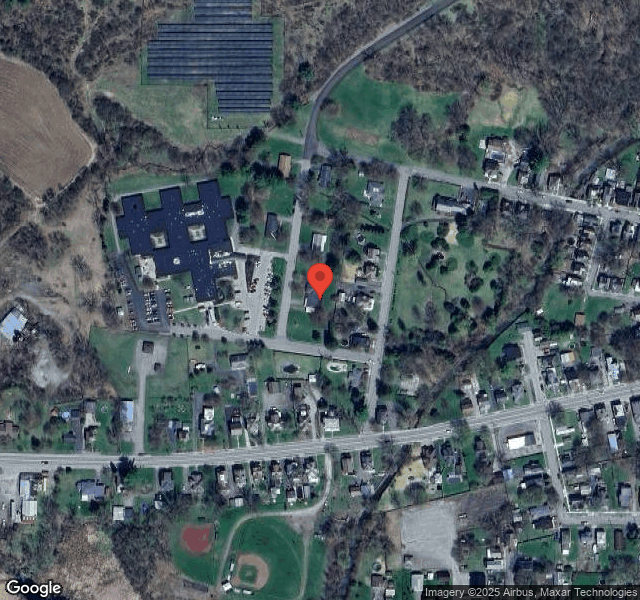
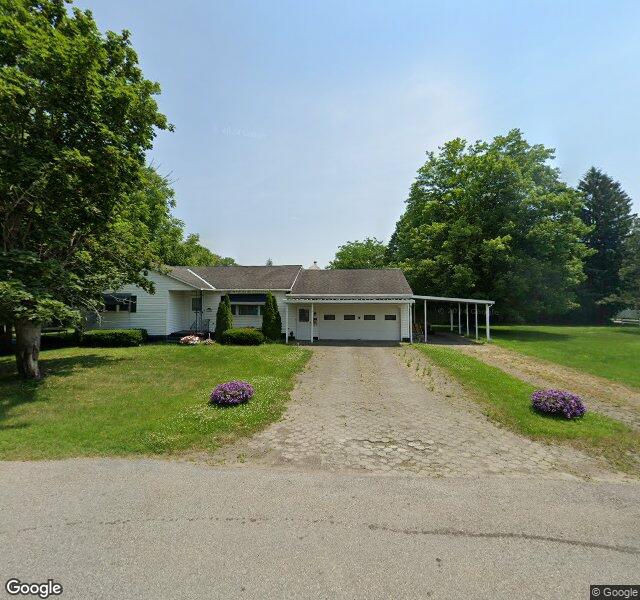
7 TIMMERMAN AVENUE, SAINT JOHNSVILLE, NY 13452 (518) 568-5037
For profit - Corporation 120 Beds Independent Data: November 2025
Trust Grade
65/100
#333 of 594 in NY
Last Inspection: July 2022

Over 2 years since last inspection. Current conditions may differ from available data.

Overview

St. Johnsville Rehabilitation and Nursing Center has a Trust Grade of C+, indicating it is slightly above average but not exceptional. It ranks #333 out of 594 facilities in New York, placing it in the bottom half, though it is #2 out of 5 in Montgomery County, suggesting only one local option is better. The facility is showing improvement, with issues decreasing from five in 2022 to just one in 2025. Staffing is a concern, rated at only 2 out of 5 stars, with a 45% turnover rate, which is about average but could impact continuity of care. While there have been no fines reported, which is a positive sign, the facility has faced issues such as failing to provide families with safe food handling information and not maintaining proper cleanliness in food preparation areas, indicating room for improvement in care and safety practices.

Trust Score
C+
65/100
In New York
#333/594
Bottom 44%
Safety Record
Low Risk
No red flags
Inspections
Getting Better
5 → 1 violations
Staff Stability
○ Average
45% turnover. Near New York's 48% average. Typical for the industry.
Penalties
✓ Good
No fines on record. Clean compliance history, better than most New York facilities.
Skilled Nurses
⚠ Watch
Each resident gets only 19 minutes of Registered Nurse (RN) attention daily — below average for New York. Fewer RN minutes means fewer trained eyes watching for problems.
Violations
⚠ Watch
20 deficiencies on record. Higher than average. Multiple issues found across inspections.
★★★☆☆
3.0
Overall Rating
★★☆☆☆
2.0
Staff Levels
★★☆☆☆
2.0
Care Quality
★★★☆☆
3.0
Inspection Score
Stable
2022: 5 issues
2025: 1 issues

The Good

  • Full Sprinkler Coverage · Fire safety systems throughout facility
  • No fines on record
  • Staff turnover below average (45%)

    3 points below New York average of 48%

Facility shows strength in fire safety.

The Bad

3-Star Overall Rating

Near New York average (3.1)

Meets federal standards, typical of most facilities

Staff Turnover: 45%

Near New York avg (46%)

Typical for the industry

The Ugly 20 deficiencies on record

Sept 2025 1 deficiency
CONCERN (D) 📢 Someone Reported This

A family member, employee, or ombudsman was alarmed enough to file a formal complaint

Potential for Harm - no one hurt, but risky conditions existed

Free from Abuse/Neglect (Tag F0600)

Could have caused harm · This affected 1 resident

**NOTE- TERMS IN BRACKETS HAVE BEEN EDITED TO PROTECT CONFIDENTIALITY** Based on record review and interviews conducted during the recertification and abbreviated survey (Case # 684171), the facility ...

Read full inspector narrative →
**NOTE- TERMS IN BRACKETS HAVE BEEN EDITED TO PROTECT CONFIDENTIALITY** Based on record review and interviews conducted during the recertification and abbreviated survey (Case # 684171), the facility did not ensure the residents' right to be free from abuse and neglect for two (2) (Resident #s 89 and 109) of two (2) residents reviewed for abuse and neglect. Specifically, (a.) on 6/10/2025, Resident #89 who was care planned to be observed closely when not in their room, was left unattended and struck Resident #109 with their walker; and (b.) on 6/22/2025, Resident #89 was sprayed in the face with hot sauce by Resident #63. This is evidenced by: The Facility's Policy titled; Resident Abuse Prevention, dated 05/2025, documented that the purpose was to provide residents, families, and staff information on how and to whom they may report concerns, incidents, and grievances without the fear of retribution. The policy documented that the facility shall identify, correct, and intervene in situations in which abuse, neglect, mistreatment, or misappropriation of property may be more likely to occur. Procedures documented included, but were not limited to, supervision of staff, which shall include identification of inappropriate behaviors, such as using derogatory language, rough handling, ignoring residents while giving care, or directing residents in need of toileting to urinate or defecate in their beds or briefs, and counseled when performance is not acceptable.Resident #89Resident #89 was admitted to the facility with Alzheimer's disease (a progressive brain disorder that primarily affects memory, thinking, and behavior), dementia with behavior disturbances (behavioral and psychological symptoms that accompany dementia, affecting a significant portion of those living with the condition), and hypertension (a condition where the force of your blood against the walls of your arteries is too high). The Minimum Data Set, dated [DATE], documented that Resident #89 rarely or never made themselves understood, rarely or never understand others, and had severe cognitive impairment.The Comprehensive Care Plan for behaviors, dated 06/02/2025, documented on 11/08/2021 that Resident #89 had behavior issues as evidenced by screaming, yelling, and causing distress to self and others related to their Alzheimer's Disease, Dementia, and was hard to redirect at times. On 2/15/2022, Resident #89 was care planned to be closely observed when not in their room. The facility's Investigative Report dated 6/22/2025 documented that Resident #89 was standing next to Resident #63, whom they were not supposed to be near due to a prior incident in December of 2024. Staff noticed that Resident #89 was nearby and went to separate them. Before the staff person was able to reach them, the Resident #63 sprayed hot sauce into Resident #89's eyes. During the investigation, the staff asked the resident why they had sprayed the sauce in Resident #89's eyes, and Resident #63 stated it was because the resident wanted hot sauce. Staff assessed the resident, flushed their eyes, and moved them back to their own unit. During an interview on 08/27/2025 at 3:35 PM, Certified Nurse Aide #1 stated that they were feeding another resident in their room when they heard the incident and did not see the actual act. They came out of the room and noticed the resident with a red substance on their face being escorted by the nurse. They stated that Resident #89 resided on the A unit and wandered the facility a lot and was supposed to be closely watched, as there have been multiple incidents with them and other residents.During an interview on 08/29/2025 at 3:15 PM, Certified Nurse Aide #2 stated they were not working that day of the incident but knew the residents well. They stated that Resident #89 wandered a lot throughout the facility and should have been observed when not on the unit. They stated they were unsure whether or not they were being observed. uring an interview on 8/29/2025 at 10:25 AM, Licensed Practical Nurse #3 stated that they remembered the incident. They stated that Resident #89 was next to the other resident when they attempted to move them and separate them. They stated that they did not get to them in time, and Resident #89 was sprayed in the face with hot sauce. They stated that they removed the resident, rinsed the patient's face, and flushed their eye. They stated that they reported the incident to their supervisor. Attempted phone interview on 09/02/2025 at 12:35 PM with Registered Nurse #2, who was the Director of Nursing at the time of the incident, was unsuccessful. Resident #109Resident #109 was admitted to the facility with dementia with behavior disturbances (behavioral and psychological symptoms that accompany dementia, affecting a significant portion of those living with the condition), chronic obstructive pulmonary disease (a group of lung diseases that cause airflow obstruction and breathing difficulties), and hypertension (a condition where the force of your blood against the walls of your arteries is too high). The Minimum Data Set, dated [DATE], documented that Resident #109 sometimes made themselves understood, sometimes understand others, and had severe cognitive impairment.The facility's Investigative Report dated 6/10/2025 documented that Resident #109 was walking in the hall toward Resident #89. Resident #89 struck Resident #109 with their walker, and Resident #109 retaliated and struck Resident #89 with a closed fist. The report documented that the force of both strikes was not strong enough to cause injury, and residents were separated. It was documented that neither resident was in their respective units. A review of progress notes dated 6/10/2025 at 4:52 PM, documented that Resident #109 was ambulating down the B unit hallway when Resident #89 started to hit them with their walker. Resident #109 turned and struck Resident #89 in the face with a closed fist. Nursing aides immediately separated residents. Upon assessment, Resident #109 did not have any injuries and had no recollection of the incident due to memory impairment.During an interview on 08/27/2025 at 3:35 PM, Certified Nurse Aide #1 stated that they remembered the incident and saw it happen. They stated that Resident #89 struck Resident #109 with their walker, and Resident #109 then struck Resident #89. They immediately responded and separated both residents. They stated that the residents reside in unit A and frequently wander the facility. They stated that they frequently saw Resident #89 striking individuals with their walker or running into them in the hallway. During an interview on 08/29/2025 at 3:15 PM, Certified Nurse Aide #2 stated that they remembered the incident and saw it happen. They stated that Resident #89 struck Resident #109 with their walker, and Resident #109 then struck Resident #89. They immediately responded and separated both residents. They stated that the residents reside in unit A and frequently wander the facility. They stated that they frequently see Resident #89 striking individuals with their walker or running into them in the hallway. During an interview on 09/02/2025 at 12:10 PM, Director of Nursing #1 stated there should be a mechanism to monitor behaviors if that's what the care plan says. Attempted phone interview on 09/02/2025 at 12:35 PM with Registered Nurse #2, who was the Director of Nursing at the time of the incident, was unsuccessful. 10 New York Codes, Rules and Regulations 415.4(b)(1)(i)
Jul 2022 5 deficiencies
CONCERN (D)

Potential for Harm - no one hurt, but risky conditions existed

Deficiency F0554 (Tag F0554)

Could have caused harm · This affected 1 resident

Based on observation, interview and record review during a recertification survey dated 7/13/2022 through 7/19/2022, the facility did not ensure residents had the right to self-administer medications ...

Read full inspector narrative →
Based on observation, interview and record review during a recertification survey dated 7/13/2022 through 7/19/2022, the facility did not ensure residents had the right to self-administer medications if the interdisciplinary team, determined that this practice was clinically appropriate for 1 (Resident #223) of 1 resident reviewed. Specifically, the facility did not ensure Resident #223 was assessed to determine if self-administration of medication was clinically appropriate prior to leaving Symbicort (an inhaled medication used to treat wheezing and shortness of breath caused by breathing problems such as asthma or chronic obstructive pulmonary disease) at the resident's bedside for them to self-administer. This was evidenced by: Resident #223: Resident #223 was admitted to the facility with diagnoses of chronic obstructive pulmonary disease (COPD), failure to thrive, and shortness of breath. A Social Work note dated 7/15/2022, documented the resident was admitted today and appeared to be alert and oriented x 3 (person, place and time). A facility policy titled Self-Administration of Medication revised 5/2004, documented the facility would assess each resident to determine if they were capable of self-administration of medication. Nursing was responsible for identifying the correct medications and instructions on the Medication Administration Record (MAR). The resident would initially be instructed on the procedure for self-administration medication including dosage, frequency, routine, and the desired effect and a record would be kept in the resident's room. During a medication storage observation on 7/19/2022 at 11:40 AM, on A Unit (the dementia unit) there was an empty Ziploc bag in the top drawer of the medication cart labeled with a prescription label for Symbicort belonging to Resident #223. Licensed Practical Nurse (LPN) #1 stated the resident kept that medication at their bedside. During an observation on 7/19/2022 at 11:53 AM, the resident was in their room, sitting in a wheelchair. When asked about their inhaler, the resident stated they had their inhaler in their pocket and showed the surveyor the inhaler. Resident #223 stated they administered their inhaler themself. Physician Orders dated 7/15/2022, documented: -Symbicort Aerosol 160-4.5 micrograms (MCG)/Actuator, inhale 1 puff twice daily for COPD -Albuterol Sulfate powder breath activated, inhale 2 puffs orally every 6 hours as needed for shortness of breath/wheezing. May keep at bedside after proper demonstration of use. A Self-Administration Evaluation form (a form used to determine the capability of a resident to self-administer their medications) dated 7/17/2022, documented No -(STOP HERE) under the question, Does the resident want to self-administer his/her own medications. The question, Is the resident able to safely self-administer medications, was blank. During an interview on 7/19/2022 at 11:40 AM, LPN #4 stated they did not know if the resident was assessed for their ability to self-medicate. During a follow up interview on 7/19/2022 at 12:10 PM, LPN #4 stated they had another resident who self-administered medication and that resident had a sheet in their room to document when they took their medications. LPN #4 stated they did not document when Resident #223 took their medication. Resident #223 did not have a sheet in their room to document their self-administration. During an interview on 7/19/2022 at 12:20 PM, the Director of Nursing (DON) stated the Self-Administration Evaluation form dated 7/15/2022, was done before the resident received the order for the Albuterol. The DON stated they could not find a completed assessment that showed the resident was able to manage Albuterol at the bed side, but a new evaluation should have been completed prior to medications being left at the bedside. 10NYCRR 415.3 (e)(1)(vi)
CONCERN (D)

Potential for Harm - no one hurt, but risky conditions existed

Drug Regimen Review (Tag F0756)

Could have caused harm · This affected 1 resident

Based on record review and interviews during the recertification survey dated 7/13/2022 through 7/19/2022, the facility did not ensure policies and procedures were developed and maintained for the mon...

Read full inspector narrative →
Based on record review and interviews during the recertification survey dated 7/13/2022 through 7/19/2022, the facility did not ensure policies and procedures were developed and maintained for the monthly drug regimen review (DRR) that included timeframes for the different steps in the process. Specifically, the facility's DRR policy did not include timeframes for the facility staff and the attending physician to complete the review of reported irregularities requiring urgent action identified by the consultant pharmacist. This is evidenced by: The Policy and Procedure (P&P) titled Drug Regimen Review Policy dated 10/30/2018, documented irregularities identified during the pharmacy review process would be documented on a separate, written report, and sent to the attending physician, Medical Director, and Director of Nursing (DON). If the pharmacy consultant identified an irregularity that required urgent action, the pharmacy consultant would immediately report the irregularity to the DON or charge nurse and attending physician via phone. The P&P did not document a timeframe for the facility staff and the attending physician to complete the review of the reported irregularity that required urgent action. During an interview on 7/19/2022 at 11:33 AM, the DON stated the facility's DRR policy did not contain specific timeframes for the steps in the pharmacy review process when an urgent medication issue had been identified by the consultant pharmacist. 10NYCRR415.18(c)(2)
CONCERN (D)

Potential for Harm - no one hurt, but risky conditions existed

Infection Control (Tag F0880)

Could have caused harm · This affected 1 resident

Based on observation, interview and record review during the recertification survey dated 7/13/2022 through 7/19/2022, the facility did not ensure it established and maintained an infection prevention...

Read full inspector narrative →
Based on observation, interview and record review during the recertification survey dated 7/13/2022 through 7/19/2022, the facility did not ensure it established and maintained an infection prevention and control program designed to provide a safe, sanitary, and comfortable environment and to help prevent the development and transmission of communicable diseases and infections for 1 (Unit C) of 3 units. Specifically, the facility did not ensure staff wore gloves when touching contaminated items and surfaces, and performed hand hygiene immediately after removing their gloves, after contact with contaminated items, and before leaving a room, that they handled linen and wound care equipment in a manner that prevented the spread of infection, and that reusable equipment was sanitized after each use. This is evidenced by: -During an observation on 07/18/2022 at 09:04 AM on Unit C, Resident #35 was transferred out of bed to a wheelchair (w/c) using a mechanical lift. Helping Hand (HH) #1 removed their gloves but did not perform hand hygiene. HH #1 got a brush from the resident's drawer and brushed the resident's hair, then left the room without performing hand hygiene. HH #1 came back in the room with 2 plastic bags and without gloves, pushed a large amount of soiled linen into the bags while holding the soiled linen against their uniform. Another staff member came in to see if they were done with the mechanical lift. HH #1 held the handle of the mechanical lift in one soiled hand and the bag of soiled linen in the other and pushed the mechanical lift to the staff member waiting at the door. That staff member left with the contaminated mechanical lift and HH #1 left the room with the bags of soiled linen without performing hand hygiene. -During an observation on 07/18/2022 at 10:14 AM, Certified Nursing Assistant (CNA) #4 was assisting with cleaning Resident #86 and getting them out of bed utilizing a mechanical lift. After performing care, CNA #4 removed their gloves but did not perform hand hygiene. Resident #86 had 2 wound vacuums (wound vac-a mechanical device attached to a foam dressing that is placed in a wound, that uses suction to draw drainage from the wound into a canister) devices that were on their nightstand. CNA #4 picked up both wound vacs with their ungloved hands from the nightstand holding them against their uniform. CNA #4 squatted down behind the resident's Geri chair (a reclining chair on wheels) with both wound vacs in their lap while placing them in 2 bags that were hanging from the back of the resident's chair. While trying to get the wound vacs in the bags, CNA #4 pushed their hair from their face without gloves while holding one of the wound vacs. Without performing hand hygiene, CNA #4 moved the mechanical lift from the resident's room and placed it in the spa room down the hall. Finding #1: The facility did not ensure staff wore gloves when touching contaminated items and surfaces and did not ensure hand hygiene was performed immediately after removing gloves, after contact with contaminated items, and before leaving a room. A facility policy titled Hand Hygiene dated 11/25/2019, documented to wear gloves, according to standard precautions when it can be reasonably anticipated that contact with blood or other potentially infections materials, mucous membranes, potentially contaminated skin, or contaminated equipment could occur. Cleaning your hands reduces the spread of potentially deadly germs to residents and reduces the risk of healthcare prover colonization or infection caused by germs acquired from the resident. Hand hygiene should be performed after touching a resident or the resident's immediate environment, after contact with blood, body fluids or contaminated surfaces, and immediately after glove removal. During an interview on 07/18/2022 at 9:15 AM, HH #1 stated they could have washed their hands before leaving the room and wore gloves while handling the soiled linens. During an interview on 07/18/2022 at 11:04 AM, CNA #4 stated they should have been wearing gloves when handling the wound vacs and performed hand hygiene. Finding #2: The facility did not ensure linen and wound care equipment were handled in a manner to prevent the spread of infection when they were held against staff members clothing. A facility policy titled Infection Prevention and Control Program revised 1/7/2020, documented laundry and direct care staff shall handle, store, process, and transport linens so as to prevent the spread of infection During an interview on 07/18/2022 at 11:04 AM, CNA #4 stated they should not have been holding the wound vac against their uniform. Finding #3: The facility did not ensure reusable equipment was sanitized after each use. A facility policy titled Infection Prevention and Control Program revised 1/7/2020, documented all reusable items and equipment requiring special cleaning, disinfection, or sterilization shall be cleaned in accordance with current procedures governing the cleaning of soiled or contaminated equipment. The facility policy titled Cleaning/Decontamination revised 12/4/2017, documented all equipment/environmental surfaces, which may become contaminated with blood/body fluids or resistant bacteria will be cleaned/decontaminated. During an interview on 7/18/2022 at 9:15 AM, HH #1 stated they could have wiped down the Hoyer (full mechanical lift) before giving it to someone else to use. During an interview on 7/18/2022 at 11:04 AM, CNA #4 stated the Hoyer should have been cleaned before taking it from the room. During an interview on 7/18/2022 at 11:41 AM, the Infection Control Preventionist (ICP) stated they were not sure what kind of education the CNAs got because the ICP was new. The CNAs should handle linens away from their bodies and be wearing gloves. Staff should not be handling the wound vac with bare hands and should not bring it in contact with clothing. The mechanical lifts need to be decontaminated after each use and staff should perform hand hygiene after these situations and before touching anything. 10NYCRR 415.19(a)(1-3) 10NYCRR 415.19(b)(4) 10NYCRR 415.19(c)
CONCERN (E)

Potential for Harm - no one hurt, but risky conditions existed

Deficiency F0813 (Tag F0813)

Could have caused harm · This affected multiple residents

Based on record review and interview during the recertification survey dated 7/13/2022 through 7/19/2022, the facility did not ensure foods brought to residents was in accordance with adopted regulati...

Read full inspector narrative →
Based on record review and interview during the recertification survey dated 7/13/2022 through 7/19/2022, the facility did not ensure foods brought to residents was in accordance with adopted regulations. Specifically, the facility did not provide information to families and other visitors on safe food handling practices, such as safe cooling and reheating processes, hot and cold holding temperatures, preventing cross contamination, and hand hygiene, of food that they bring to residents. This is evidenced is as follows: The policies and procedures titled Food brought in by visitors dated 11/2017 and Foods Brought in from Visitors and dated 11/19/2019 did not document that families and other visitors were provided information on safe food handling practices, such as safe cooling and reheating processes, hot and cold holding temperatures, preventing cross contamination, and hand hygiene, of food that they bring to residents. During an interview on 7/19/2022 at 9:25 AM, the Administrator stated the facility did not provide information on safe food handling to families and visitors who brought food to residents.
MINOR (C)

Minor Issue - procedural, no safety impact

Food Safety (Tag F0812)

Minor procedural issue · This affected most or all residents

Based on observation and interviews during the recertification survey dated 7/13/2022 through 7/19/2022, the facility did not ensure food was stored, prepared, distributed, or served in accordance wit...

Read full inspector narrative →
Based on observation and interviews during the recertification survey dated 7/13/2022 through 7/19/2022, the facility did not ensure food was stored, prepared, distributed, or served in accordance with professional standards for food service safety for three (3) of 3 resident unit kitchenettes and the main kitchen. Specifically, microwave ovens, cabinetry, and floors in the A-Unit, B-Unit, and C-Unit kitchenettes and main kitchen were not clean and/or in good repair. This is evidenced as follows: During observations on 7/13/2022 at 10:45 AM, on the A-Unit, B-Unit, and C-Unit kitchenettes, the microwaves ovens were soiled with food particles. On the A-Unit and B-Unit kitchenettes, the floors and cabinetry were soiled with food particles or dirt. On the B-Unit kitchenette, the laminate was missing on the side of the counter above the ice machine exposing the raw particle board backing. And, in the main kitchen, the office floor was heavily soiled with dirt. During an interview on 7/13/2022 at 12:09 PM, the Food Service Director stated that housekeeping will be contacted about cleaning the items found. During an interview on 7/13/2022 at 1:00 PM, the Administrator stated that the items requiring repair and cleaning in the kitchen and on the unit kitchenettes will be addressed. 10 NYCRR 415.14(h); Chapter 1 State Sanitary Code Subpart 14-1.60, 14-1.110, 14-1.170
Jan 2020 6 deficiencies
CONCERN (D)

Potential for Harm - no one hurt, but risky conditions existed

Safe Environment (Tag F0584)

Could have caused harm · This affected 1 resident

**NOTE- TERMS IN BRACKETS HAVE BEEN EDITED TO PROTECT CONFIDENTIALITY** Based on observation, record review and interview during the recertification survey the facility did not ensure a safe, clean, c...

Read full inspector narrative →
**NOTE- TERMS IN BRACKETS HAVE BEEN EDITED TO PROTECT CONFIDENTIALITY** Based on observation, record review and interview during the recertification survey the facility did not ensure a safe, clean, comfortable, and homelike environment, for 2 of 3 units. Specifically, for Unit's 1 and 2, the facility did not ensure that fall mats placed on the floor next to resident beds were not highly soiled, torn and tattered. This was evidenced by: During an observation on 1/7/20 and 1/9/20, of resident rooms 106, 116, 119, 120 and 221 foam fall mats were located next to the beds and were heavily soiled with dried material and were chipped, tattered and torn. In rooms [ROOM NUMBER], the foldable cushion mats covered with nylon like material were torn and heavily soiled with dried material. During an observation on 1/6/20 at 10:43 AM and on 1/7/20 at 10:50 AM, room [ROOM NUMBER]'s floor mat was torn and dirty. During an interview on 01/09/20 at 09:35 AM, the Registered Nurse Manager (RNM) went into rooms 116, 119 and 120 to see the floor mats, he/she then stated the floor mats needed to be replaced. The need for floor mats had been talked about in morning report, he/she was not sure what the plan was. The RNM had never seen them washed, and if washed would probably fall apart. The RNM stated he/she was not aware that the mats were that bad. During an interview on 01/09/20 at 09:40 AM, the Administrator looked at the bed mats in room [ROOM NUMBER] and stated he did not know the mats were in that bad a condition. The facility staff did periodic environmental rounds and that included looking at the floor mats. The Administrator stated he/she does not know how those mats were not reported and will be replaced. The covered mats in room [ROOM NUMBER] were dirty and they should have been wiped down daily. During an interview on 01/09/20 at 10:00 AM, the Rehabilitation Director stated the fall mats were stored on the units, and the rehab staff were responsible for receiving and delivering the mats. The Rehabilitation Director went to the unit to make observation of the mats and stated the mats were awful and should not be in a resident room. He/she did not know there were mats in that condition on the units, the rehab staff would not deliver a floor mat that was not in good condition to a resident room. He/she stated they did get a large shipment of mats recently but did not know what happened to them. We are placing an order today to replace them. 10NYCRR415.5(h)(1) 10NYCRR415.29(j)(1)
CONCERN (D)

Potential for Harm - no one hurt, but risky conditions existed

Deficiency F0625 (Tag F0625)

Could have caused harm · This affected 1 resident

**NOTE- TERMS IN BRACKETS HAVE BEEN EDITED TO PROTECT CONFIDENTIALITY** Based on interview and record review during the recertification survey, the facility did not ensure written notice of the facili...

Read full inspector narrative →
**NOTE- TERMS IN BRACKETS HAVE BEEN EDITED TO PROTECT CONFIDENTIALITY** Based on interview and record review during the recertification survey, the facility did not ensure written notice of the facility's bed hold policy was provided to the resident and the resident representative for 3 (Residents #'s 14, 55 and #106) of 3 residents reviewed for hospitalization. Specifically, the facility did not ensure there was documented evidence that the resident and the resident representative received written notice of the bed hold policy when the resident was transferred to the hospital. This was evidenced by: The Policy & Procedure (P&P) titled Bed Reservation/Retention dated 11/2019 did not include documentation that at the time of transfer of a resident for hospitalization or therapeutic leave, the facility provided the resident and the resident representative written notice which specified the duration of the bed-hold policy. Resident #14: The resident was admitted to the facility with the diagnoses of sleep apnea, pulmonary fibrosis, and heart failure. The Minimum Data Set (MDS - an assessment tool) dated 12/31/19, documented the resident was cognitively intact, could understand others and could make self understood. During a record review, the resident was hospitalized from [DATE] to 7/22/19. The medical record did not include documentation that a written bed hold notice was provided to the resident and resident representative. Resident #55: The resident was admitted to the facility with the diagnoses of diabetes mellitus, biventricular heart failure, and atrial fibrillation. The Minimum Data Set (MDS - an assessment tool) dated 12/29/19, documented the resident was cognitively intact, could understand others and could make self understood. During a record review, the resident was hospitalized from [DATE] to 9/04/19 and 12/22/19 to 12/30/19. The medical record did not include documentation that a written bed hold notice was provided to the resident and resident representative. Resident #106: The resident was admitted to the facility with the diagnoses of end stage renal disease, major depressive disorder, and chronic pulmonary edema. The Minimum Data Set (MDS - an assessment tool) dated 11/25/19, documented the resident was cognitively intact, could understand others and could make self understood. During a record review, the resident was hospitalized from [DATE] to 11/8/19. A review of the medical record did not include documentation that a written bed hold notice was provided to the resident and resident representative. During an interview on 1/09/20 at 2:00 PM, the Director of Resident and Family Services (DRFS) #8 stated a written notice of the bed hold policy was not given to residents and/or resident representatives upon transfer to the hospital. DRFS #8 stated the bed policy was only provided to residents and/or resident representatives upon admission and the policy was updated to include the current regulation. DRFS #8 stated going forward a written notice of the bed hold policy would be provided upon transfer. 10NYCRR 415.3(h)(4)(i)(a)
CONCERN (D)

Potential for Harm - no one hurt, but risky conditions existed

Respiratory Care (Tag F0695)

Could have caused harm · This affected 1 resident

**NOTE- TERMS IN BRACKETS HAVE BEEN EDITED TO PROTECT CONFIDENTIALITY** Based on observations, record review, and interviews during a recertification survey the facility did not ensure that a resident...

Read full inspector narrative →
**NOTE- TERMS IN BRACKETS HAVE BEEN EDITED TO PROTECT CONFIDENTIALITY** Based on observations, record review, and interviews during a recertification survey the facility did not ensure that a resident who needs respiratory care, including tracheostomy care and tracheal suctioning, is provided such care, consistent with professional standards of practice, the comprehensive person-centered care plan, and the residents' goals and preferences for 4 (Resident #'s 14, 43, 71, and #95) of 4 residents reviewed for respiratory care. Specifically, for Resident #'s 14 and 43, the facility did not ensure the residents' portable oxygen (O2) tanks did not run out of oxygen; for Resident #'s 43 and 71, that the resident's respiratory status was assessed before and after nebulizer treatments; for Resident #43, that oxygen use was documented on the electronic Medication Administration Record (eMAR), and that oxygen saturation readings included whether they were performed with the resident on Room Air (RA) or on oxygen; and for Resident #95, that the physician order for continuous oxygen documented an oxygen liter flow rate. This is evidenced by: The Policy and Procedure (P&P) titled Oxy-Tote Portable Oxygen System, last revised 3/2018, documented all residents on the portable oxygen system should be monitored closely and frequently to assure the oxygen tank had sufficient oxygen. The P&P titled Nebulizer System use of, last revised 6/2010, documented to monitor the oxygen saturation before and after providing nebulizer treatments. The P&P titled Oxygen Administration, last revised 3/2018 documented to administer oxygen to the resident when insufficient oxygen is being carried by the blood to the tissues. The procedure documented; check physician's order for liter flow and method of administration. Set the flow meter to the rate ordered by the physician. Resident #14: The resident was admitted to the facility with the diagnoses of sleep apnea, pulmonary fibrosis, and heart failure. The Minimum Data Set (MDS - an assessment tool) dated 12/31/19, documented the resident was cognitively intact, could understand others and could make self understood. The MDS documented the resident received oxygen. During an observation on 1/06/20 from 10:19 AM to 10:48 AM, the gauge on the resident's portable oxygen (O2) tank was in the red at zero indicating the tank had run out of O2 and was empty. At 10:48 AM, after 29 minutes of the resident without O2 and staff had not checked the resident's empty O2 tank, nursing staff on the unit were notified. The Comprehensive Care Plan (CCP) for Oxygen Therapy related to congestive heart failure and ineffective gas exchange, last revised 11/19/19, documented Oxygen Settings; O2 via NC (nasal cannula) at 3L (liters) continual humidified and to monitor for respiratory distress. The CCP did not include interventions to ensure the resident did not run out of oxygen when using a portable O2 tank. A Physician Order dated 5/15/18, documented O2 at 3L/min via NC continuously every shift for SOB (shortness of breath). During a record review on 1/06/20, the medical record did not include documentation that the resident's portable O2 was monitored or checked when in use. During an interview on 1/06/20 at 10:19 AM, Resident #14 stated he/she could not feel oxygen coming out of his/her nasal cannula and he/she was supposed to be receiving 3L of continuous oxygen. The resident stated staff brought her back to her room after breakfast and did not place him/her on the concentrator in the room. The resident stated staff had not come back to check he/her O2 tank and he/she was unsure how long he/she had been without oxygen. During an interview on 1/06/20 at 10:48 AM, Licensed Practical Nurse (LPN) #4 looked at the resident's O2 tank and stated the O2 tank was empty. LPN #4 stated O2 tanks were supposed to be visually checked every 2 hours by the Certified Nursing Assistants (CNAs) or LPNs. LPN #4 stated the resident should have been placed on the concentrator after breakfast, but since the resident remained on the portable O2 tank staff should have been checking the tank every 2 hours. LPN #4 did not know when the tank was last checked by staff. During an interview on 1/09/20 at 2:34 PM, the Director of Nursing (DON) stated the nurses should be documenting on the electronic eMAR or electronic Treatment Administration Record (eTAR) that O2 tanks were checked routinely. The DON stated the process for checking O2 tanks was that the nurses should be signing on the eMAR or eTAR that the tank was checked every 2 hours and was not empty. During an interview on 1/10/20 at 8:03 AM, the Assistant Director of Nursing (ADON) stated O2 tanks should be checked every 2 hours and documented that the tank's oxygen gauge was checked. The ADON stated he/she thought it was facility policy for the nurses to document on the eMAR or eTAR. The ADON reviewed the policy and it did not state for the nurses to document O2 tank checks on the MAR/TAR as the he/she and the DON had thought. The ADON stated the nurses should have been doing visual checks every 2 hours and documenting the checks in the medical record to ensure the tank did not run out of O2. Resident #43: The resident was admitted with diagnoses of chronic obstructive pulmonary disease, bronchitis, and anemia. The Minimum Data Set (MDS-an assessment tool) dated 12/8/19, assessed the resident as having intact cognitive skills for daily decision making. Medical Doctor (MD) orders documented the following: 12/24/19 - Albuterol sulfate nebulization solution every 6 hours for 5 days. 01/03/20 - Albuterol sulfate nebulization solution every 6 hours for 3 days. 01/06/20 - Obtain oxygen saturation (PO2) every shift for 10 days. 01/06/20 - Oxygen at 2-4 liters ([NAME]) via Nasal Cannula (nc) to maintain an oxygen saturation of greater that 90 %. Finding #1: Progress notes dated 1/6/19, documented the resident was found to have difficulty breathing, had an audible wheeze and was using accessory muscle to breath. The resident's oxygen saturation was 82% (normal 95-100 %). The oxygen tank was empty and replaced with an oxygen concentrator. During an interview on 01/10/20 at 11:04 AM, Licensed Practical Nurse (LPN) #7 stated they had an order on the e MAR to check the oxygen tank every 4 hours to ensure the resident was not running out. The order used to be a standard order for all residents on oxygen but it no longer was. Finding #2: The Electronic Medication Administration Record (eMAR) for 1/2020 documented - Albuterol sulfate nebulization solution every 6 hours for 5 days. Of the 40 opportunities to obtain an oxygen saturation, there were none obtained. - Albuterol sulfate nebulization solution every 6 hours for 3 days. Of the 24 opportunities to obtain an oxygen saturation, there were none obtained. - Oxygen Saturations every shift for 10 days. Of the 6 opportunities to obtain a oxygen saturation from 1/6/20 - 1/8/20, none documented if the saturation was obtained while the resident was recieveing oxygen or was obtained with the resident on room air. - The eMAR did not include an entry for the oxygen order. During an interview on 01/10/20 at 11:04 AM, LPN #7 stated that when they got an order, they were supposed to write it in the Medical Doctor (MD) order book and flag it so it could be checked by another nurse. The check was usually done by the night shift. During an interview on 01/08/20 at 02:27 PM, the ADON stated she put the resident's order in as a standard order meaning that no documentation was required, so it would not populate to the eMAR. There was no way to tell on the eMAR whether O2 was utilized or how much was administered, but there should be. During an interview on 01/10/20 at 12:11 PM, the DON stated oxygen was considered a medication and should be documented on the eMAR. Additionally, he/she was not aware that there was not an entry to check the level of oxygen in the resident's tank and that checking oxygen levels was not consistenly on the eMAR but it should be. Resident #95: The resident was admitted to the facility with the diagnoses of atrial fibrillation (Afib), Congestive Heart Failure (CHF) and Cerebrovascular Accident (CVA). The Minimum Data Set (MDS- an assessment tool) dated 11/20/19, documented the resident was cognitively intact and was able to make him/herself understood and understand others. The Physician Order dated 10/15/19, documented continuous oxygen (O2) to maintain O2 saturations (Oxygen saturation is the fraction of oxygen-saturated hemoglobin relative to total hemoglobin in the blood) greater than 90%. The oxygen liter flow rate was not documented in the physician order. During an observation on 1/7/20 at 9:30 AM, the resident was in his/her room and had continous O2 on via nasal cannula with the liter flow set at 2.5 liters. During an interview on 1/9/20 at 11:50 AM, Registered Nurse Manager (RNM) #3 stated the resident's oxygen order was entered manually and incorrectly by another RN and the order lacked the specific liter flow. RNM #3 changed the physician order to include 2 liters. He/she stated the orders should have been checked to ensure accuracy. He/she stated he/she must have been out that day and did not check the order. During an interview on 1/10/20 at 11:50 AM, Licensed Practical Nurse (LPN) #3 stated he/she would check the physician order to know what the liter flow should be. He/she checked the order for Resident #95 and stated the resident's oxygen should be at 2 liters. When the oxygen was checked it was set correctly at 2 liters. 10 NYCRR 415.12(k)(3)
CONCERN (E)

Potential for Harm - no one hurt, but risky conditions existed

Comprehensive Care Plan (Tag F0656)

Could have caused harm · This affected multiple residents

**NOTE- TERMS IN BRACKETS HAVE BEEN EDITED TO PROTECT CONFIDENTIALITY** Based on record review and interview during the recertification survey, the facility did not ensure the development and implemen...

Read full inspector narrative →
**NOTE- TERMS IN BRACKETS HAVE BEEN EDITED TO PROTECT CONFIDENTIALITY** Based on record review and interview during the recertification survey, the facility did not ensure the development and implementation of comprehensive person-centered care plans for each resident that included measurable objectives and timeframes to meet each resident's medical, nursing, and mental and psychosocial needs for 6 (Resident #14, 43, 55, 110, 116, and 117) of 24 residents reviewed for comprehensive care plans (CCPs). Specifically, the facility did not ensure CCPs were developed and individualized and included person-centered interventions for Resident #14's diagnosis of sleep apnea and the use of a Bi-Pap (Bilevel Positive Airway Pressure) machine; for Resident #43's acute respiratory issue requiring oxygen, Prednisone, and nebulizer treatments; for Resident #95's broken dentures; for Resident #110's pain, gastrointestinal bleed and medications for gastroesophageal reflux disease and for the diagnosis of cirrhosis; for Resident #116's use of an antipsychotic medication (Seroquel); and for Resident #117's frequent constipation and for Resident #55's diagnosis of Post Traumatic Stress Disorder or a correlating Mood and Behavior CCP. This is evidenced by: The Policy and Procedure (P&P) titled Interdisciplinary Comprehensive Care Plan dated 2/20/1996, documented to assist residents achieve an optimal level of functioning and well-being through quality of care, all residents, families/designated representatives, and appropriate disciplines will participate in the development of an interdisciplinary comprehensive are plan that establishes care protocol. Resident #14: The resident was admitted to the facility with the diagnoses of sleep apnea, pulmonary fibrosis, and heart failure. The Minimum Data Set (MDS - an assessment tool) dated 12/31/19, documented the resident was cognitively intact, could understand others and could make self-understood. The CCP did not include the resident's diagnosis of sleep apnea and the use of a Bi-Pap machine at night. A physician order dated 3/29/19, documented to apply Bi-Pap between 8:00 PM - 9:00 PM, no earlier and no later, settings 17/14 with 3-liter O2 bleed and to remove in the morning for respiratory. During an interview on 1/09/20 at 2:34 PM, the Director of Nursing stated the diagnosis of sleep apnea and the use of a Bi-pap machine should be addressed in the resident's comprehensive care plan. The DON was not aware why the care plan did not include sleep apnea and the Bi-pap machine. The DON stated the Registered Nurses (RNs) on the unit developed and revised the care plans. The DON stated the RNs should look at the resident's medications, behaviors, and diagnoses to build on the comprehensive care plan. Resident #43: The resident was admitted with diagnoses of Chronic obstructive pulmonary disease (COPD), bronchitis, and anemia. The Minimum Data Set, dated [DATE], assessed the resident as having intact cognitive skills for daily decision making. It documented that the resident understood and was understood by others. Progress notes dated 12/23/19 documented the following: 12/23/19 - Resident with audible expiratory wheezes and occasional productive cough. 12/25/19 - A chest x-ray was done showing small pleural effusions and thickening. 12/26/19 - Continues Albuterol nebulizer treatments for wheeze and cough. increased cough. oxygen saturation on room air is 91%. inspiratory and expiratory wheezes new order for Prednisone taper. 01/01/19 - Resident was noted with audible expiratory wheeze and dyspneic gotten up in chair resident stated he/she can breathe easier. Noted with a moist productive cough. 01/06/20 - Resident was found to have difficulty breathing. He/she was using accessory muscles with audible wheezing. Oxygen saturation was sat 82%. 01/07/19 - Resident continues with cough and congestion. Medical Doctor (MD) orders documented the following: 12/24/19 - Albuterol sulfate nebulization solution every 6 hours for 5 days. 12/26/19 - Prednisone taper. 01/03/20 - Albuterol sulfate nebulization solution every 6 hours for 3 days. 01/06 /20 - Obtain oxygen saturation (PO 2) every shift for 10 days. 01/06/20 - Oxygen at 2-4 liters ([NAME]) via Nasal Cannula (NC) to maintain an oxygen saturation of greater that 90 %. 01/07/20 - Obtain a sputum culture for thick phlegm. 01/09/20 - Bactrim DS (antibiotic) 800-160 milligrams (mg); twice daily for 7 days for respiratory infection. The CCP did not include a care plan with person centered interventions to address the resident's acute illness. Sputum Culture report dated 1/8/19, documented it was positive for an organism requiring treatment with an antibiotic. During an interview on 01/06/20 at 10:31 AM, the resident stated she had bronchitis. The resident was noted by the DOH surveyor, with a productive cough and spitting in a tissue. The resident stated they started oxygen last night because he/she was having a hard time breathing. During an interview on 1/10/20 at 11:58 AM, RNUM #3 stated that the RNs are responsible for care planning and there should have been a CCP in place to address the resident's upper respiratory infection. Resident #116: The resident was admitted to the facility with the diagnoses of major depressive disorder, cerebral infarction, and diabetes. The Minimum Data Set (MDS - an assessment tool) dated 12/6/19 documented the resident was cognitively intact, could understand others and could make self-understood. The MDS documented the resident received antipsychotic medication. The CCP did not include a care plan to address the use of Seroquel. A physician order dated 11/29/19, documented to give Quetiapine (Seroquel) 25 milligrams (mg) at bedtime for agitation and restlessness. During an interview on 1/09/20 at 2:40 PM, the Director of Nursing stated she/he would expect Seroquel to be addressed in the care plan and that all psychotropic medications should be addressed in the comprehensive care plan. The DON stated the RN on the unit developed and revised the care plans and were working to ensure care plans were person centered to address mood and behavior and include behavioral interventions. 10NYCRR 415.11(d)(3)
CONCERN (E)

Potential for Harm - no one hurt, but risky conditions existed

Food Safety (Tag F0812)

Could have caused harm · This affected multiple residents

Based on observation and staff interview during the recertification survey, the facility did not store, prepare, distribute or serve food in accordance with professional standards for food service saf...

Read full inspector narrative →
Based on observation and staff interview during the recertification survey, the facility did not store, prepare, distribute or serve food in accordance with professional standards for food service safety. The contents of bulk food containers are to be labeled and food preparation and serving areas and equipment are to be kept clean. Specifically, equipment, floors, and ceilings in the main kitchen and 3 of 3 resident unit kitchenettes were not clean, and food was not served in a sanitary manner in the main dining room. This is evidenced as follows. The main kitchen and the satellite kitchenettes were inspected on 01/06/2020 at 10:06 AM. In the main kitchen, the microwave oven, slicer, can opener and holder, shelving, floor under equipment and next to walls, and ceiling tiles were soiled with food particles or grime. In the kitchenettes, the floor next to walls and the bulk thick-it containers were not labeled. Cook #1 stated in an interview on 01/06/2020 at 10:06 AM, that cleaning has not been done as we want to as some staffing positions are not filled. [NAME] #1 stated he/she will label the bulk thick-it containers, and will talk with housekeeping about cleaning the kitchenette floors Finding #1: The following was noted during a dining observation on 01/08/20: - 08:15 AM - The server, with gloved hands, was holding a plate with two slices of toast on it with an egg on each one. He/she picked the toast up with his/her's hands and dumped the eggs off the toast onto the plate, then repositioned the toast and eggs on to the plate with his/hers hands. He/she removed the metal cover on the bacon, picked up a handful of bacon with his/her hands and placed it on the plate; he/she looked at the ticket, then removed the top off the bacon again, picked up the bacon with his/her hands, that was on the resident's plate and put it back into the container of bacon. He/she placed the top back on the bacon, and repositioned the food on the resident's plate with his/her hands, then gave it to staff to serve to the resident. This was all completed with the same gloves. - 08:18 AM - The server donned clean gloves and then handled the lids covering the food items, then removed a hash brown and toast with his/her hands, then placed them on the resident's plate; placed the plate on the counter to be served then doffed his/her gloves. During an interview on 01/08/20 at 08:20 AM, Food Server (FS) #1 stated he/she did not realize he/she was contaminating things because he/she changed her gloves. During an interview on 01/08/20 at 08:29 AM, the FSD staff stated staff should be using utensils to handle food and the FS #1 cross contaminated everything when he/she touched it. 10 NYCRR 415.14(h); Chapter 1 State Sanitary Code Subpart 14-1.43, 14-1.110, 14-1.170
CONCERN (E)

Potential for Harm - no one hurt, but risky conditions existed

Infection Control (Tag F0880)

Could have caused harm · This affected multiple residents

**NOTE- TERMS IN BRACKETS HAVE BEEN EDITED TO PROTECT CONFIDENTIALITY** Based on observations, record review, and interviews during a recertification survey the facility did not ensure that it maintai...

Read full inspector narrative →
**NOTE- TERMS IN BRACKETS HAVE BEEN EDITED TO PROTECT CONFIDENTIALITY** Based on observations, record review, and interviews during a recertification survey the facility did not ensure that it maintained an infection prevention and control program designed to provide a safe, sanitary and comfortable environment and to help prevent the development and transmission of communicable diseases and infections for two (Residents #'s 83 and 89) observed for wound dressings. Specifically, for Resident #89, the facility did not ensure that pressure ulcer dressing was done in a manner that prevented the spread of infection and the resident's Negative Pressure Wound Vacuum (NPWV) (a treatment modality that uses a vacuum to remove and contain wound drainage in a disposable container) was not kept on a soiled surface; and for Resident #83, that proper hand hygiene was performed who was on contact precautions. This is evidenced by: The P&P titled Isolation Precautions, last revised in 2/2019, documented to remove gloves before leaving the room and wash hands immediately with an anti-microbial agent or a waterless antiseptic agent Resident #89: The resident was admitted with diagnoses of osteomyelitis, sacral pressure ulcer, and benign prostatic hypertrophy (BPH). The Minimum Data Set (MDS-an assessment tool) dated 11/17/19, assessed the resident as having severely impaired cognitive skills for daily decision making. It documented that the resident understood and was understood by others. The Minimum Data Set (MDS) dated [DATE], documented multiple pressure injuries present on admission. Finding #1: During a wound care observation on 01/08/20 at 10:05 AM, Licensed Practical Nurse (LPN) #1 cleansed the inside of the coccyx wound with saline soaked gauze then with the same gloves, applied Calmoseptine ointment to the periwound area with her hands. The LPN then changed gloves without using hand hygiene, packed the wound with collagen and placed an adaptic (a non-adhering dressing) over the open area, and covered the area with an allevyn. The LPN doffed her gloves, and cleaned up the table and surrounding area, using germicidal wipes from a container that was on the resident's dresser without a barrier. The LPN picked up the container of germicidal wipes, took them in the semiprivate bathroom, and placed them on a shelf, while she washed her hands; she then brought the container or wipes out of the bathroom and placed them on nursing station. During an interview on 01/08/20 at 10:25 AM, LPN #1 stated she should have changed her gloves prior to applying the Calmoseptine and the germicide should have been placed on barriers. During an interview on 01/10/20 12:34 PM, the Infection Control Preventatist (ICP) stated the wound dressing technique on Resident #89, was a break in infection control. The LPN should not have applied calmoseptine to the periwound area without changing gloves and there should have been a barrier used for for supplies. Finding #2: During observations on: - 01/06/20 at 10:43 AM, 01/07/20 at 10:50 AM, the resident was lying in bed with the NPWV that was attached to the resident's wound, on the floor mat, that was torn and dirty, without a barrier between the NPWV and the floor mat. - 01/07/20 at 09:29 AM, and 01/10/20 at 11:12 AM, the resident was in bed with wound NPWV on floor near the head of the bed; there was no barrier between the NPWV and the floor. During an interview on 01/10/20 at 12:34 PM, the ICP stated the NPWV should not have been placed on the floor or on the floor mat; there is a clip to hang the wound vac so it is not on the floor, and by putting the wound vac on the floor, the vac gets contaminated as well as the floor mat when the wound vac is placed on it. Resident #83: The resident was admitted to the facility with the diagnoses of rhabdomyolysis, chronic kidney disease, and osteoarthritis. The MDS dated [DATE], documented the resident was cognitively intact, could understand others and could make self-understood. The resident was on contact precautions for a draining abscess. During a wound assessment observation on 01/09/19 at 11:00 AM, the Nurse Practitioner (NP) removed the dressing and assessed the area, palpating the surrounding tissue. After assessing the abscess, the NP removed her gown and gloves, walked across the hall to another resident room, opened the resident's bathroom door, and washed her hands. Medical Doctor (MD) orders dated 1/6/19, documented to place the resident on contact precautions. A Comprehensive Care Plan dated 1/6/20, for contact precautions related to an infected boil to the right buttocks, documented to educate care givers on the importance of hand washing and the use of antibacterial soap, and to observe standard precautions for infection control. During an interview on 01/09/19 at 11:14 AM, the NP stated she should not have gone across the hall to another resident's room to wash her hands, it was a break in infection control. During an interview on 01/10/20 at 12:34 PM, the ICP stated the NP leaving an isolation room and washing her hands across hall in another resident room was a break in infection control. She should not have left the room without first washing her hands. 10NYCRR 415.19(a-b)(1-4)
Oct 2018 8 deficiencies
CONCERN (D)

Potential for Harm - no one hurt, but risky conditions existed

Deficiency F0582 (Tag F0582)

Could have caused harm · This affected 1 resident

Based on medical record review and staff interview during the recertification survey, the facility did not ensure that residents and/or their designated representative were fully informed of their rig...

Read full inspector narrative →
Based on medical record review and staff interview during the recertification survey, the facility did not ensure that residents and/or their designated representative were fully informed of their right to an expedited review of a service termination. Specifically, residents who received Medicare Part A services did not receive timely notification (2-day notification) of the termination of services with the Notice to Medicare Provider Non-coverage (NOMNC), form CMS-10123. This was evident for one (1) out of three (3) sampled residents reviewed for Beneficiary Protection Notification (Resident #117). This is evidenced as follows: Review of the medical record for Resident #117 on 10/4/2018, revealed that the resident was discharged from the facility on 06/05/2018 and was provided the NOMNC to inform the resident of their right to an expedited review of a service termination on 06/04/2018, one day prior to the termination of services. The Minimum Data Set Coordinator and Director of Patient and Family Services both stated in an interview conducted on 10/04/18 at 09:43 AM, that they were uncertain why the NOMNC was not provided to the resident timely. 10 NYCRR 415.3 (g)10 NYCRR 415.3 (g)
CONCERN (D)

Potential for Harm - no one hurt, but risky conditions existed

Quality of Care (Tag F0684)

Could have caused harm · This affected 1 resident

**NOTE- TERMS IN BRACKETS HAVE BEEN EDITED TO PROTECT CONFIDENTIALITY** Based on observations, record review, and interviews during a recertification survey the facility did not ensure that residents ...

Read full inspector narrative →
**NOTE- TERMS IN BRACKETS HAVE BEEN EDITED TO PROTECT CONFIDENTIALITY** Based on observations, record review, and interviews during a recertification survey the facility did not ensure that residents receive treatment and care in accordance with professional standards of practice, the comprehensive person-centered care plan, and the residents' choices, for one (Resident #58) of twenty-four resident's reviewed. Specifically, for Resident #58, whose diagnoses included diabetes, the facility did not ensure the Medical Doctor was notified that the resident's Finger Stick Blood Sugars (FSBS) were elevated, did not document the elevations in the chart, did not recognize that the resident had an open area to his leg and did not update the pain care plan to address pain during dressing changes. This is evidenced by: Resident #58: The resident was admitted to the nursing home on 4/20/17 with diagnoses of peripheral vascular disease, diabetes, and chronic obstructive pulmonary disease. The Minimum Data Set (MDS) dated [DATE], assessed the resident as having moderately impaired cognitive skills for daily decision making. It documented that the resident understood and was understood by others. Finding #1: A Policy and Procedure (P&P) for Blood Glucose Monitoring revised 10/2018, documented for hyperglycemia, follow medical providers orders. A CCP for diabetes dated 5/3/17, documented to monitor, document, and report any signs or symptoms of hyperglycemia; dry skin, or poor wound healing. A Medical Doctor (MD) order dated 2/13/18, documented monitor Finger Stick Blood Sugar (FSBS) four times a day at 8:00 AM, 12:00 PM, 4:00 PM, and 8:00 PM. A Laboratory Result dated 7/17/18 for a HgbA1c (a blood test to tell how the blood sugars have been running for the past 3 months) was 9. (reference range is between 4.2-6.3%). A high result indicates that the blood sugar is consistently high. An Electronic Medication Administration Record (eMAR) for 10/1/2018 - 10/10/18, documented thirty-eight opportunities for FSBSs. Of the thirty-eight opportunities, the residents FSBS was between 202 - 266 on 11 occasions, 310-389 on 7 occasions, 403-491 on 4 occasions, and 588 on one occasion. (The American Diabetes Association recommends aiming for a blood sugar level between 70 to 130 mg/dl before meals and less than 180 mg/dl one to two hours after a meal.) During an interview on 10/09/18 on 02:14 PM, Licensed Practical Nurse (LPN) #1 stated that she did FSBSs before breakfast and before lunch, but there are no parameters to call the MD. She would not normally call the MD for high FSBS, she would just give the ordered insulin. If the resident continued to be high, she would print up the FSBSs for the Nurse Practitioner (NP) to review. She stated that she did not print up the FSBSs for the NP. During an interview on 10/09/18 on 01:36 PM, Registered Nurse Manager (RNM) #1 stated she would expect that the nurses contact the MD for a FSBS over 400, and that they should be documenting the high FSBSs and that the MD was contacted in the resident's medical record. During an interview on 10/09/18 on 02:23 PM, LPN #2 stated that she took the FSBS of 588 the other day and reported it to the Nursing Supervisor, who got a one time dose for extra insulin. She did not document this but should have written a note. Finding #2: A Progress Note dated 8/15/18 at 9:34 PM, documented that the right lower extremity continued to be tender to touch and was draining large amounts of purulent drainage. A Progress Note dated 8/16/18 at 3:43 AM, documented that the resident called out in pain if the wounds on the back of his legs were touched. A Vascular Surgery Consult dated 8/28/18, documented that the resident was being seen to evaluate lower extremity edema. The MD documented that the resident had a superficial ulcer to the right leg and an unna boot was applied. During an interview on 10/09/18 on 01:36 PM, Registered Nurse Manager (RNM) #1 stated that the resident did not have an open area. When the resident had his unna boot discontinued there were open areas. Previously it was just excoriated lymphedema that was red rough and weeping. Finding #3: A Medical Doctor (MD) order dated 9/11/18, documented Hydrocodone- Acetaminophen 10-325 milligrams; Give one tablet every 6 hours for pain. During a dressing change observation on 10/10/18 at 10:20 AM, the resident was moaning in pain during dressing change. When the resident stated his whole foot hurt, Licensed Practical Nurse (LPN) #3 stated you have your scheduled pain med at 11:00 AM. The resident again hollered out in pain when the nurse attempted to put his sock and shoe on. The medical record did not include a care plan to address the resident's pain. During an interview on 10/10/18 at 11:30 AM, when the surveyor asked about how they were managing the residents pain during dressing changes, RNM #1 stated that the resident got routine pain medication and that she looked and could not find a care plan for pain but there should have been one. 10NYCRR 415.12
CONCERN (D)

Potential for Harm - no one hurt, but risky conditions existed

Infection Control (Tag F0880)

Could have caused harm · This affected 1 resident

Based on observations, record review, and interviews during a recertification survey the facility did not ensure that it established and maintained an infection prevention and control program designed...

Read full inspector narrative →
Based on observations, record review, and interviews during a recertification survey the facility did not ensure that it established and maintained an infection prevention and control program designed to provide a safe, sanitary and comfortable environment and to help prevent the development and transmission of communicable diseases and infections, for one of three units. Specifically: the facility did not ensure that that urinary catheter bags were not on the floor, that proper soiled linen handling took place, and that a resident's dressing change was done in a manner that prevented the spread of infection. This is evidenced by: Finding #1: During observations on 10/4/18 at 10:39 and 11:02 AM, Resident #104's catheter bag was on the floor uncovered. On 10/9/18 at 10:22 AM, Resident #94 was in bed with his foley bag on the floor uncovered with a large amount of urine in the bag. During an interview on 10/10/18 at 11:15 AM, the Infection Control Nurse (ICN) stated that the catheter bags should not be on the floor. Finding #2: During an observation on 10/10/18 at 09:58 AM, CNA #5 was observed walking down the hall with 3 bags of soiled linen in her hands. She stopped at the kiosk, transferred all the bags to one hand and punched info into the kiosk. During an interview on 10/10/18 at 10:03 AM, the Certified Nursing Assistant stated that she should not have done touched the kiosk before disgarding the soiled linen and washing her hands. Finding #3: During a dressing change observation on Resident #58, on 10/10/18 at 10:20 AM, Licensed Practical Nurse (LPN) #3 removed gloves from her pocket, donned them without washing her hands, removed a pair of scissors from her pocket and removed the old dressing from the resident's right leg, placed them on the resident's shoe that was on the floor, and placed them on the overbed table. The surveyor noted wounds on the anterior shin, medial calf, medial heel and anterior ankle. When the old dressing was removed, purulent drainage was noted on the dressing of the calf and heel. Registered Nurse Manager (RNM) #1 was holding the resident's leg up while the dressing was being done. As RNM #1 was leaning over to hold the leg, her name badge was in contact with the wound on shin. With the same gloves, LPN #3 removed the old dressings, that were stuck to the wounds, by removing saline-soaked gauze from a cup on the table. She pulled all the gauze out, removing some then placing the rest back in the cup. LPN #3 changed her gloves without washing her hands and used the remaining saline soaked gauze to cleanse the wounds and applied wound gel with her gloved hands. The LPN did not address the heel and started to dress the wounds when the surveyor asked if the heel was open. RNM #1 stated that the heel was not open it was just dry. Using the gloved hand, she used to hold up the resident's leg, she wiped her hand over the heel, that was not visible to her while the resident was sitting in a chair. When the surveyor advised the nurses, the resident did have an open heel wound, the RNM asked LPN #3 for a mirror. When RNM #1 saw it, she stated she would have the Nurse Practitioner (NP) look at it. During an interview on 10/10/18 at 10:39 AM, LPN #3 stated she should not have used gloves and scissors from her pocket and did not realize they were not clean. Additionally, she stated that there was a lot of breaks in infection control. During an interview on 10/10/18 at 10:55 AM, RNM #1 stated she did did not notice anything wrong with the LPN's wound care technique, did not notice the purulent drainage on the old heel dressing prior to touching the area, and did not notice her badge lying on the wound. During an interview on 10/10/18 at 11:15 AM, the ICN (Infection Control Nurse) stated the LPN should have washed her hands, used a barrier on the table before setting the soiled scissors on it, not used the contaminated saline on the wounds, should not use things out of pockets and the wound gel should have been applied with an applicator. Additionally, she stated that the nurse's badge should not have been in contact with the wound and she should not have touched the heel wound with the soiled gloves. 10NYCRR 415.19(b)(1)
CONCERN (E)

Potential for Harm - no one hurt, but risky conditions existed

Comprehensive Care Plan (Tag F0656)

Could have caused harm · This affected multiple residents

**NOTE- TERMS IN BRACKETS HAVE BEEN EDITED TO PROTECT CONFIDENTIALITY** Based on observation, record review, and interview during a recertification survey, the facility did not ensure comprehensive pe...

Read full inspector narrative →
**NOTE- TERMS IN BRACKETS HAVE BEEN EDITED TO PROTECT CONFIDENTIALITY** Based on observation, record review, and interview during a recertification survey, the facility did not ensure comprehensive person-centered care plans (CCPs) were developed and implemented for each resident that included measurable observations and time frames to meet a resident's medical, nursing, mental and psychosocial needs for three (3) (Residents # 58, 65, and #216) of twenty three (23) residents reviewed. Specifically: For Resident # 65, there was no at risk for pressure ulcers CCP for a resident with high risk for developing pressure ulcers; for Resident #216 there was no at risk for elopement care plan for the resident with high risk for wandering; and the facility did not ensure that a CCP was developed to address Resident # 58's multiple lower extremity open areas. This is evidenced by: Resident #65: The resident was admitted on [DATE], with diagnoses of diabetes mellitus, Chronic Kidney Disease (CKD), and malignant neoplasm of the prostrate. The Minimum Data Set (MDS) of 8/15/18, documented the resident was understood and could understand others, with a Brief Interview for Mental Status (BIMS) of 12/15 and was moderately impaired for daily decision making. A physicians order dated 3/16/18, documented weekly skin checks during bath days as needed, for skin monitoring if skin is intact - no changes, but if there is a skin opening/trauma, follow protocol and initiate skin assessment. A physicians order dated 7/23/18, apply protective cream to gluteal folds and coccyx topically every shift for reddened areas every shift. A physicians order dated 9/21/18, documented cleanse left buttocks open area with normal saline, blot dry, apply border foam and change every other day at bedtime The E-TAR from 10/1/18 to 10/11/18, documented apply protective cream to gluteal folds and coccyx topically every shift for reddened areas every shift. During interview on 10/10/18 at 10:34 AM, the Certified Nursing Assistant #3 stated the resident is on a toileting schedule every 2 hours, he has an electric wheelchair and goes his own way. He often refuses care and when he does this is documented by the CNA and reported to the nurse. He has a protective cream the CNA's apply, but any other treatment is done by the nurses. During interview on 10/10/18 at 10:44 AM, Licensed Practical Nurse #7 stated the resident has had a moisture related skin issue with a dressing. The dressing was done at night every other day. She said the dressing care for the resident was documented on the electronic treatment administration record (eTAR). She was not sure if the resident was seen by wound care. During interview on 10/10/18 at 10:54 AM, the Registered Nurse Unit Manager (RNUM) #1 stated the resident had moisture related skin dermatitis and was at risk for pressure sores. She was unable to find an at risk for pressure sores CCP) She stated she thought there had been one completed and did not know why it hadn't been done. Resident #58: The resident was admitted to the nursing home on 4/20/17, with diagnoses of peripheral vascular disease, diabetes, and chronic obstructive pulmonary disease. The Minimum Data Set (MDS) dated [DATE], assessed the resident as having moderately impaired cognitive skills for daily decision making. It documented that the resident understood and was understood by others. During a dressing change observation on 10/10/18 at 10:20 AM, the resident was noted with an approximately 1.5 cm dark scabbed area to the right mid shin, a large open area to the right calf and an approximately 1.5 cm open area to the right heel with dark area around measuring approximately 4 cm. The wounds to the calf and heel had purulent drainage on the old dressings. The CCP did not include a Care Plan to address the care and treatment of the resident's open areas or unna boot care (medicated wraps for leg wounds with swelling). During an interview on 10/09/18 at 01:36 PM, RNUM #1, stated the resident did have an ulcer on 8/28/18 and the Vascular doctor applied an unna boot. She could not find care plans to address the open areas and the treatments but stated there should have been one. Resident #216: The resident was admitted on [DATE], with diagnoses of Alzheimer's, Parkinson's Disease, and Psychotic disorder. The Minimum Data Set (MDS) of 8/2/18, documented the resident was understood and could understand others, with a Brief Interview for Mental Status (BIMS) of 12/15 and was moderately impaired for daily decision making. The resident was receiving antipsychotic medication. Wanderguard log dated 7/28/18 at 6:45 AM, documented resident had wanderguard placed on left wrist and alarm was working. Nursing progress note dated 7/28/18 at 9:34 PM, documented resident had exit seeking behaviors all shift and staff was unable to redirect. Resident was placed on one to one for safety. Resident combative with staff during redirection. Nursing progress note dated 7/29/18 at 6:06 AM, documented resident had exit seeking behaviors, continues on 1 to 1 supervision. Medicated with Ativan (anti-anxiety medication) 1 milligram (mg). Nursing progress note dated 7/29/18 at 10:18 PM, documented the resident continues on 1 to 1 supervision. Nursing progress note dated 7/30/18 at 12:29 PM, documented the resident continues with wander guard to left wrist. Nursing progress note 8/1/18 at 10:34 PM, documented resident exit seeking, medicated with PRN (as needed) Ativan. Continue to monitor. Nursing progress note 8/4/18 at 10:04 PM, documented resident verbalized you are holding me against my will, and wanted to call his lawyer. Nurse documented she told resident It is Saturday night, lawyer would not be available. Nursing progress note 8/6/18 at 9:43 PM, documented resident pacing, found in library looking for phone to call police. Redirected back to unit, medicated with Ativan. Progress note dated 8/7/18 at 11:11 AM, the social worker assistant (SWA) documented he met with the resident concerning his behaviors to reassure him he was safe. Continue to monitor. Nursing progress note 8/7/18 at 9:54 PM, documented resident exit seeking, found by front door attempting to get out, medicated with PRN (as needed) Ativan. continue to monitor. Nursing progress note dated 8/9/18 at 5:52 AM, documented resident wandering at beginning of shift. Nursing progress note dated 8/10/18 at 8:59 PM, documented resident aggression due to nursing home placement. Medicated with PRN Ativan. Nursing progress note dated 8/11/18 at 8:59 PM, documented resident aggression due to nursing home placement. Resident in front of nursing home at doors not allowing anyone to enter or exit. Officer from local police force called to come speak with resident, resident medicated. Medicated with PRN Ativan. Resident placed on 1 to 1, continued to exit seek. Ativan repeated. Nursing progress note dated 8/12/18 at 10:20 PM, documented resident was sent to emergency room for nausea and vomiting. Nursing progress note dated 8/14/18 at 4:33 PM, resident returned to the facility from hospital. Nursing progress note 8/15/18 at 12:20 PM, resident continues exit seeking behavior. Progress note dated 8/15/18 at 1:58 PM, the SWA documented resident continues to adjust to placement in the facility with periods of anxiety and exit seeking behavior. Nursing progress note 8/16/18 at 10:29 PM, resident continues exit seeking behavior, brought back from A wing placed on 1 to 1 until calm. Nursing progress note 8/17/18 at 10:31 PM, resident continues exit seeking behavior, has wallet with $41.00 in his shirt pocket. SW and supervisor made aware. Will continue to monitor. Nursing progress note 8/20/18 at 9:31 PM, resident had an incident of elopement. Once back inside, he calmed in his room. Will continue to monitor. Nursing progress note 8/21/18 at 10:46 AM, the Director of Nursing (DON) documented the resident had an incident of witnessed elopement. Resident opened alarmed door, alarm sounded, staff followed resident out the door and returned resident back to unit. Nursing progress note 8/21/18 at 9:31 PM, documented resident had an incident of elopement. Once back inside, he calmed in his room. Will continue to monitor. Nursing progress note 8/22/18 at 00:06 AM, documented resident with disruptive behavior due to facility placement at 8:45 PM. Persistent exit seeking behavior and resident was transferred to hospital. Nursing progress note 8/22/18 at 4:41 PM, documented resident returned to facility from hospital. Nursing progress note 8/23/18 at 2:27 PM, documented resident demonstrated exit seeking behavior, wallet found earlier today, resident happy after receiving wallet, attempted to exit building, staff redirected. Will monitor. Nursing progress note 8/23/18 at 2:45 PM, documented resident not found on unit at change of shift. Code for missing resident called. No findings, police notified at 3:00 PM, Resident found on Route 5 by staff, brought back to facility. Resident stated he jumped the fence. Resident sent out to hospital for psychiatric evaluation. The CCP did not include a Care Plan to address the care and treatment of the resident's open areas. During interview on 10/10/18 at 12:29 PM, the SWA stated he was not sure why the resident did not have an at risk for elopement care plan. He wasn't the one who should have done this and thought it should have been put in by nursing. He was referred to their psychiatric nurse provider and sent out twice to the hospital for behaviors. During interview 10/10/18 at 12:36 PM, LPN #2, reported the exiting seeking behavior to the social worker and the 2nd shift supervisor. The resident had a wanderguard that was put on the day he was admitted . Resident was frequently monitored by staff and found to be exit seeking and at risk for elopement. During interview on 10/10/18 at 1:00 PM, the DON stated the resident was at risk for elopement from the date of his admission. He should have had a CCP for at risk of elopement with interventions and this should have contained interventions to prevent the residents elopement. No CCP for at risk for elopement could be found. She stated the Registered Nurse supervisor that admitted the resident and placed the wanderguard on the resident after determining he was at risk to elope, should have instituted the CCP at that time. Multiple attempts to elope were documented and no CCP had been done, but should have been.
CONCERN (E)

Potential for Harm - no one hurt, but risky conditions existed

Accident Prevention (Tag F0689)

Could have caused harm · This affected multiple residents

Based on observation and staff interview during the recertification survey, the environment was not free from accident hazards over which the facility has control. Specifically, resident room wardrobe...

Read full inspector narrative →
Based on observation and staff interview during the recertification survey, the environment was not free from accident hazards over which the facility has control. Specifically, resident room wardrobes were not secured and had potential to topple over. This is evidenced as follows. The resident room wardrobes were inspected on 10/09/2018 at 11:35 AM. All wardrobes on the A-Unit and the wardrobes in rooms 210, 203, 205, 206, 215, 221, 224, 313, 317, 318, 319, 322, 323, and 324 were free-standing and could topple over when tested with normal body weight. The Administrator stated in an interview conducted on 10/09/2018 at 1:30 PM, that he understands the hazard and will have all wardrobes attached by the end of the day today. 10 NYCRR 415.12(h)(1)
CONCERN (E)

Potential for Harm - no one hurt, but risky conditions existed

Drug Regimen Review (Tag F0756)

Could have caused harm · This affected multiple residents

Based on record review and interview during the recertification survey, the facility did not ensure a policy was developed for the monthly medication regimen review (MRR) that included time frames for...

Read full inspector narrative →
Based on record review and interview during the recertification survey, the facility did not ensure a policy was developed for the monthly medication regimen review (MRR) that included time frames for the different steps in the process. This is evidenced by: The facility policy titled: Drug Regimen Review Policy, dated 10/18, did not document timeframes when the facility staff would complete the steps in the MRR process. During an interview on 10/10/18 at 9:33 AM, the Director of Nursing reported she was not aware time frames were required for each step in MRR process. 10NYCRR415.18 (c)(2)
CONCERN (E)

Potential for Harm - no one hurt, but risky conditions existed

Food Safety (Tag F0812)

Could have caused harm · This affected multiple residents

Based on observation and staff interview during the recertification survey, the facility did not store, prepare, distribute and serve food in accordance with professional standards for food service sa...

Read full inspector narrative →
Based on observation and staff interview during the recertification survey, the facility did not store, prepare, distribute and serve food in accordance with professional standards for food service safety. Automatic dishwashing machines are to operate in accordance with manufacturer specifications, food temperature thermometers are to be calibrated, testing kits are to be provided for checking chemical sanitizing solutions, expired foods are to be discarded, and food contact surfaces are to be kept clean. Specifically, the automatic dishwashing machine was not operating within the manufacturer's specifications required to sanitize food, thermometers were not in calibration, food surfaces were not clean, and nutritional supplements stored in dry pantry were not discarded by expiration date. This is evidenced as follows. The main kitchen was inspected on 10/3/18 at 10:37 AM. When checked during use, the automatic dishwashing machine wash temperature was 140 degrees Fahrenheit (F), and the final rinse was 140 degrees F at 15 pounds per square inch (psi) water pressure. Record review of the automatic dishwashing machine information data plate on 10/03/2018 revealed that the minimal wash water temperature is to be 160F, and the minimal final rinse water temperature is to be 180 F at 20 psi. When checked for calibration utilizing the standard ice-bath method, 1 of 3 food temperature thermometers were not in calibration reading 29 degrees F and not the calibrated temperature of 32 degrees F. The surveyor was unable to check the 3-bay sink sanitizing solution concentration as the facility did not have a chemical test kit that included the color graduation concentration indicating chart. In the dry storage area nutritional supplement supply shelving, 5 supplements had use-by dates of 8/1/2018, and one had a use-by date of 10/1/2018. The three unit kitchenettes were inspected on 10/3/18 between 11:54 AM and 12:30 PM. The interior of the microwave ovens and the bottom cabinets were visibly soiled, and floors under the refrigerators were soiled with grime and food particles. The Director of Food Service stated in an interview conducted on 10/03/2018 at 11:13 AM, and again at 11:35 AM, that though the out-of-date nutritional supplements remained on the shelf for potential use in the future; he was unaware the automatic dishwashing machine was not functioning properly; and he will obtain a proper sanitizing solution test kit; and he will ensure the kitchenettes are cleaned. 10 NYCRR 415.14(h); Chapter 1 State Sanitary Code Subpart 14-1.85, 14-1.110, 14-1.113 14-1.31
CONCERN (E)

Potential for Harm - no one hurt, but risky conditions existed

Deficiency F0813 (Tag F0813)

Could have caused harm · This affected multiple residents

Based on record review and interviews during the recertification survey, the facility did not ensure their policy regarding foods brought to residents by family and other visitors included information...

Read full inspector narrative →
Based on record review and interviews during the recertification survey, the facility did not ensure their policy regarding foods brought to residents by family and other visitors included information on the safe and sanitary storage, handling and consumption of food. Specifically, the policy does not include information for family and other visitors on safe food handling practices or safe reheating of food. This is evidenced is as follows. Record review of the facility policy for foods brought in by visitors was reviewed on 10/03/2018. This policy does not include a process to ensure family and other visitors understand safe food handling practices. The Director of Resident and Family Services stated in an interview conducted on 10/03/2018 at 2:40 PM, that the policy regarding bringing food to residents is included in the admission packet and does not include information of safe food handling. The Director of Food Service stated in an interview conducted on 10/03/2018 at 2:50 PM, that he educates family and visitors on the facility procedure regarding labeling and dating food brought in to residents, and he thinks there should a policy stating food is to be discarded after a specific number of days, as well as education to be provided to families or residents to ensure proper food handling.
Understanding Severity Codes (click to expand)
Life-Threatening (Immediate Jeopardy)
J - Isolated K - Pattern L - Widespread
Actual Harm
G - Isolated H - Pattern I - Widespread
Potential for Harm
D - Isolated E - Pattern F - Widespread
No Harm (Minor)
A - Isolated B - Pattern C - Widespread

Questions to Ask on Your Visit

  • "Can I speak with families of current residents?"
  • "What's your RN coverage like on weekends and overnight?"

Our Honest Assessment

Strengths
  • • No major safety red flags. No abuse findings, life-threatening violations, or SFF status.
  • • No fines on record. Clean compliance history, better than most New York facilities.
  • • 45% turnover. Below New York's 48% average. Good staff retention means consistent care.
Concerns
  • • 20 deficiencies on record. Higher than average. Multiple issues found across inspections.
Bottom line: Mixed indicators with Trust Score of 65/100. Visit in person and ask pointed questions.

About This Facility

What is St Johnsville Rehabilitation And Nursing Center's CMS Rating?

CMS assigns ST JOHNSVILLE REHABILITATION AND NURSING CENTER an overall rating of 3 out of 5 stars, which is considered average nationally. Within New York, this rating places the facility higher than 0% of the state's 100 nursing homes. This mid-range rating indicates the facility meets federal standards but may have areas for improvement.

How is St Johnsville Rehabilitation And Nursing Center Staffed?

CMS rates ST JOHNSVILLE REHABILITATION AND NURSING CENTER's staffing level at 2 out of 5 stars, which is below average compared to other nursing homes. Staff turnover is 45%, compared to the New York average of 46%. This relatively stable workforce can support continuity of care. RN turnover specifically is 57%, which is notably high. RNs provide skilled clinical oversight, so turnover in this role can affect medical care quality.

What Have Inspectors Found at St Johnsville Rehabilitation And Nursing Center?

State health inspectors documented 20 deficiencies at ST JOHNSVILLE REHABILITATION AND NURSING CENTER during 2018 to 2025. These included: 19 with potential for harm and 1 minor or isolated issues.

Who Owns and Operates St Johnsville Rehabilitation And Nursing Center?

ST JOHNSVILLE REHABILITATION AND NURSING CENTER is owned by a for-profit company. For-profit facilities operate as businesses with obligations to shareholders or private owners. The facility operates independently rather than as part of a larger chain. With 120 certified beds and approximately 117 residents (about 98% occupancy), it is a mid-sized facility located in SAINT JOHNSVILLE, New York.

How Does St Johnsville Rehabilitation And Nursing Center Compare to Other New York Nursing Homes?

Compared to the 100 nursing homes in New York, ST JOHNSVILLE REHABILITATION AND NURSING CENTER's overall rating (3 stars) is below the state average of 3.1, staff turnover (45%) is near the state average of 46%, and health inspection rating (3 stars) is at the national benchmark.

What Should Families Ask When Visiting St Johnsville Rehabilitation And Nursing Center?

Based on this facility's data, families visiting should ask: "Can you walk me through typical staffing levels on day, evening, and night shifts?" "Can I visit during a mealtime to observe dining assistance and food quality?" "How do you handle medical emergencies, and what is your hospital transfer rate?" "Can I speak with family members of current residents about their experience?" These questions are particularly relevant given the below-average staffing rating.

Is St Johnsville Rehabilitation And Nursing Center Safe?

Based on CMS inspection data, ST JOHNSVILLE REHABILITATION AND NURSING CENTER has a clean safety record: no substantiated abuse findings (meaning no confirmed cases of resident harm), no Immediate Jeopardy citations (the most serious violation level indicating risk of serious injury or death), and is not on the Special Focus Facility watch list (a federal program monitoring the lowest-performing 1% of nursing homes). The facility has a 3-star overall rating and ranks #100 of 100 nursing homes in New York. While no facility is perfect, families should still ask about staff-to-resident ratios and recent inspection results during their visit.

Do Nurses at St Johnsville Rehabilitation And Nursing Center Stick Around?

ST JOHNSVILLE REHABILITATION AND NURSING CENTER has a staff turnover rate of 45%, which is about average for New York nursing homes (state average: 46%). Moderate turnover is common in nursing homes, but families should still ask about staff tenure and how the facility maintains care continuity when employees leave.

Was St Johnsville Rehabilitation And Nursing Center Ever Fined?

ST JOHNSVILLE REHABILITATION AND NURSING CENTER has no federal fines on record. CMS issues fines when nursing homes fail to meet care standards or don't correct problems found during inspections. The absence of fines suggests the facility has either maintained compliance or corrected any issues before penalties were assessed. This is a positive indicator, though families should still review recent inspection reports for the full picture.

Is St Johnsville Rehabilitation And Nursing Center on Any Federal Watch List?

ST JOHNSVILLE REHABILITATION AND NURSING CENTER is not on any federal watch list. The most significant is the Special Focus Facility (SFF) program, which identifies the bottom 1% of nursing homes nationally based on persistent, serious quality problems. Not being on this list means the facility has avoided the pattern of deficiencies that triggers enhanced federal oversight. This is a positive indicator, though families should still review the facility's inspection history directly.